Monosaccharides
Subcategories of "Monosaccharides"
- Alloses(11 products)
- Arabinoses(21 products)
- Erythroses(11 products)
- Fructoses(9 products)
- Fucoses(36 products)
- Galactosamine(41 products)
- Galactose(262 products)
- Glucoses(365 products)
- Glucuronic Acids(52 products)
- Glyco-substrates for Enzyme(78 products)
- Guloses(6 products)
- Idoses(4 products)
- Inositols(15 products)
- Lyxoses(4 products)
- Mannoses(65 products)
- O-Glycans(48 products)
- Psicoses(3 products)
- Rhamnoses(10 products)
- Riboses(61 products)
- Sialic Acids(100 products)
- Sorboses(4 products)
- Sugars(174 products)
- Tagatoses(4 products)
- Taloses(8 products)
- Xyloses(20 products)
Found 6138 products of "Monosaccharides"
Quercetin 3-b-galactoside-2'-O-gallate
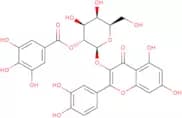
CAS:Quercetin 3-b-galactoside-2'-O-gallate is a compound that has been shown to have hepatoprotective effects, inhibiting the mitochondrial membrane potential and microbial infection. Quercetin 3-b-galactoside-2'-O-gallate also has anti-inflammatory properties and reduces the production of inflammatory cells, such as hepg2 cells. The mechanism of action for its protective effect is due to the inhibition of mapk activation, which leads to decreased necrosis factor and interleukin (IL) production. Quercetin 3-b-galactoside-2'-O-gallate can be used in the treatment of acute liver injury induced by LPS.Formula:C28H24O16Purity:Min. 95%Color and Shape:Yellow PowderMolecular weight:616.48 g/mol2,3,5-Tri-O-benzyl-β-D-arabinofuranose
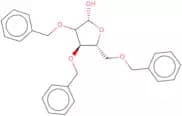
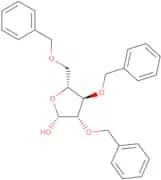
CAS:2,3,5-Tri-O-benzyl-b-D-arabinofuranose is a stereoselective analog that inhibits human maltase glucoamylase and acetylation. It is also a potent nucleophile that reacts with the hydroxyl group of dimethyl fumarate to form an acetal linkage. This compound is used in the stereoselective synthesis of oligosaccharides and carbohydrates.Formula:C26H28O5Purity:Min. 99 Area-%Color and Shape:White PowderMolecular weight:420.5 g/molMethyl 4,6-O-benzylidene-β-D-glucopyranoside
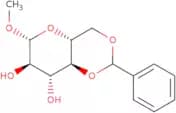
CAS:Methyl 4,6-O-benzylidene-b-D-glucopyranoside is a nitro derivative of methyl b-D-glucopyranoside. The anomeric proton and the nitro group are in the same plane and on opposite sides of the molecule. This compound has been shown to be both a receptor binding agent and a gelation agent. It is used to study biological membranes because it binds to phospholipids in the cell membrane, which alters its physical properties. Methyl 4,6-O-benzylidene-b-D-glucopyranoside is also known for its ability to form hydrogen bonds with water molecules. This is due to its cavity that can accommodate one water molecule per monomer unit. The crystal structure of this compound has been determined by x ray crystallography and shows that it forms dimers through hydrogen bonding between two molecules in each dimer. These interactions are
Formula:C14H18O6Purity:Min. 95%Color and Shape:PowderMolecular weight:282.29 g/molSuberoylanilide-D5 hydroxamic acid b-D-glucuronide
Controlled ProductSuberoylanilide-D5 hydroxamic acid b-D-glucuronide is a modification of sucrose. It is a complex carbohydrate that has been modified with an Oligosaccharide and Carbohydrate. This compound is synthesized with Custom synthesis, Synthetic, High purity, CAS No., Monosaccharide, Methylation, Glycosylation, Polysaccharide, sugar and Fluorination. Suberoylanilide-D5 hydroxamic acid b-D-glucuronide is a fluorinated saccharide that can be used as a sugar for glycosylation or methylation.Formula:C20H23N2O9D5Purity:Min. 95%Color and Shape:White to off-white solid.Molecular weight:445.47 g/mol3-O-Acetyl-4-O-methyl-D-glucuronic acid
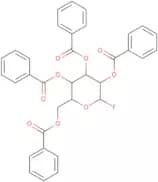
3-O-Acetyl-4-O-methyl-D-glucuronic acid is a custom synthesis that is used in the preparation of oligosaccharides and polysaccharides. It has been modified by fluorination, which increases its stability. 3-O-Acetyl-4-O-methylglucuronic acid can be used to synthesize saccharides and carbohydrates as well as to modify monosaccharides and sugars. This product is available at high purity with a CAS number.Formula:C9H14O8Purity:Min. 95%Color and Shape:White SolidMolecular weight:250.2 g/mol2,3,4,6-Tetra-O-benzoyl-β-D-glucopyranosyl fluoride
CAS:Synthetic carbohydrate building block
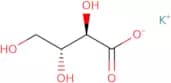
Formula:C34H27FO9Purity:Min. 95%Color and Shape:PowderMolecular weight:598.59 g/molPotassium D-erythronate
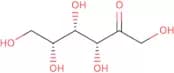
CAS:Versatile resource for organic synthesis, e.g. of the inhibitor swainsonineFormula:C4H7KO5Purity:Min. 95%Color and Shape:White PowderMolecular weight:174.19 g/molD-Sorbose
CAS:D-Sorbose is a monosaccharide that belongs to the group of sugar alcohols. It is a reducing sugar that can be used as an alternative for sugar in food and pharmaceutical industries. D-Sorbose has been shown to have potential industrial applications due to its high solubility, low melting point, and resistance to crystallization. The enzyme ribitol dehydrogenase from Escherichia coli was found to be active with D-sorbitol, but not with l-sorbitol. This indicates that D-sorbitol is a better substrate for this enzyme than L-sorbitol.Formula:C6H12O6Purity:Min. 95%Color and Shape:White PowderMolecular weight:180.16 g/molN-Propanoyl mannosamine
CAS:N-Propanoyl mannosamine is a biochemical that belongs to the group of glycoconjugates. It is an intracellular messenger that modulates the concentration of intracellular calcium and controls the release of gamma-aminobutyric acid (GABA). N-Propanoyl mannosamine has been shown to stimulate axonal growth in cell culture, which is mediated by the polysialic acid receptor. This molecule also has a role in human osteoblast differentiation and bone formation.
N-Propanoyl mannosamine can be synthesized from dopamine and erythrose via a series of reactions involving acidification, oxidation, reduction, and decarboxylation. The synthesis of this molecule requires blood group O as an acceptor.Formula:C9H17NO6Purity:Min. 95%Color and Shape:White To Off-White SolidMolecular weight:235.23 g/molL-Arabinaric acid dipotassium salt
CAS:L-Arabinaric acid dipotassium salt is a custom synthesis of an L-arabinaric acid, which is a monosaccharide that is found in the cell wall of bacteria. This compound has been modified to be resistant to fluorination, methylation, and click chemistry. The modification process includes the use of Oligosaccharides, saccharides, and polysaccharides as well as glycosylation and sugar. L-Arabinaric acid dipotassium salt can also be used for the synthesis of complex carbohydrates.
Formula:C5H6K2O7Purity:Min. 98 Area-%Color and Shape:PowderMolecular weight:256.29 g/mol2,4,7,8,9-Penta-O-acetyl N-acetylneuraminic acid
CAS:2,4,7,8,9-Penta-O-acetyl N-acetylneuraminic acid is a modification of the carbohydrate 2,4,7,8,9-penta-O-acetyl N-acetylneuraminic acid. It is a complex carbohydrate that is custom synthesized to meet the needs of specific customers. This product can be used for the synthesis of oligosaccharides and polysaccharides in glycosylation reactions. It can also be modified with methylation and fluorination. 2,4,7,8,9-Penta-O-acetyl N-acetylneuraminic acid has high purity and is monosaccharide. It also has an acetate group on its sugar chain at position 9. This product can be used as a sugar or in click chemistry reactions because it contains an amine group at position 8.Formula:C21H29NO14Purity:Min. 95%Color and Shape:PowderMolecular weight:519.45 g/molPhenyl 2-acetamido-3,4,6-tri-O-acetyl-2-deoxy-β-D-glucopyranoside
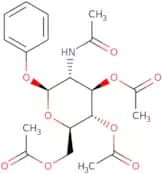
CAS:Phenyl 2-acetamido-3,4,6-tri-O-acetyl-2-deoxy-b-D-glucopyranoside is a custom synthesis of the sugar phenyl 2-acetamido-3,4,6-tri-O-acetyl--2 deoxy--b D glucopyranoside. It is a modification of the monosaccharide and glycosylation. This synthetic compound has a CAS number of 1308921 9 and is used as an intermediate in the production of saccharides. Phenyl 2 acetamido 3,4,6 tri O acetyl 2 deoxy b D glucopyranoside is also classified as an oligosaccharide or complex carbohydrate.Formula:C20H25NO9Purity:Min. 95%Color and Shape:White solid.Molecular weight:423.41 g/mol2,3,5-Tri-O-p-chlorobenzoyl-a-D-ribofuranosyl chloride
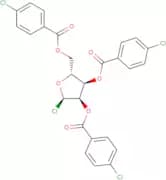
CAS:2,3,5-Tri-O-p-chlorobenzoyl-a-D-ribofuranosyl chloride is a sugar derivatized with chlorine. It is a high purity product that can be custom synthesized to meet your needs. This compound has been used in the synthesis of saccharides and oligosaccharides with click modification, fluorination, glycosylation, methylation, and modification.
2,3,5-Tri-O-p-chlorobenzoyl-a-D-ribofuranosyl chloride is an important intermediate for the synthesis of complex carbohydrates. The chemical structure of this molecule consists of three parts: an aromatic ring (benzene), a glycosylation site (glycine), and a carboxylic acid group (carboxylic acid). The aromatic ring allows 2,3,5-Tri-O-p-chlorobenzoyl-a-DFormula:C26H18Cl4O7Purity:Min. 95%Color and Shape:PowderMolecular weight:584.23 g/molD-Sedoheptulose 7-phosphate lithium
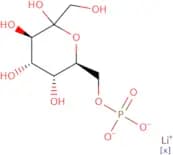
CAS:D-Sedoheptulose 7-phosphate lithium (DSDP) is a substance that is used in the synthesis of ribulose. It provides the carbonyl group for the synthesis of acetyl-CoA and plays an important role in energy metabolism. DSDP has been shown to be effective against streptococcus faecalis, which may be due to its ability to inhibit protein synthesis by binding to ribulose phosphates, thereby preventing the production of ATP. DSDP also inhibits cellular transformation, which may be due to its ability to bind with DNA and block RNA synthesis. In vitro studies have shown that DSDP can inhibit both Streptococcus faecalis and Escherichia coli at concentrations below 10 mM. These effects are likely mediated by enzymatic activities that are involved in bacterial cell physiology.Formula:C7H15O10P•(Li)xPurity:Min. 95%Color and Shape:PowderMolecular weight:290.16 g/mol3,4,6-Tri-O-acetyl-2-deoxy-2-fluoro-D-mannopyranosyl fluoride
CAS:3,4,6-Tri-O-acetyl-2-deoxy-2-fluoro-D-mannopyranosyl fluoride is an Oligosaccharide that can be used for Glycosylation. It's a sugar that is Synthetic and Fluorinated. This product has Custom synthesis and Methylation. It is a Monosaccharide and Polysaccharide. It is a saccharide that has been Click modified and it has a high purity of 99%. 3,4,6-Tri-O-acetyl-2-deoxy-2-fluoro-D-mannopyranosyl fluoride is CAS No. 29209981.Formula:C12H16F2O7Purity:Min. 95%Color and Shape:PowderMolecular weight:310.25 g/mol2,3,4-Tri-O-acetyl-6-deoxy-6,6-difluoro-a-D-mannopyranosyl-1-bis[2-(acetylthio)ethyl]phosphate
CAS:Fucosylation inhibitorFormula:C20H29F2O13PS2Molecular weight:610.54 g/molN-Glycolylneuraminic acid
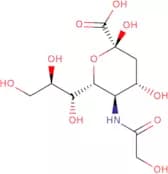
CAS:Regulates N-glycolylneuraminic acid biosynthesis in murine liverFormula:C11H19NO10Purity:Min. 95 Area-%Color and Shape:White Off-White PowderMolecular weight:325.27 g/mola-D-[UL-13C6]Glucose-1-phosphate dipotassium salt hydrate
CAS:a-D-[UL-13C6]Glucose-1-phosphate dipotassium salt hydrate is a kinetic and structural analysis of the glucose phosphate metabolic pathway. It has been used to study biochemical properties of the glucose phosphate metabolic pathway, and to study the control mechanisms for this process. Specifically, it has been used to determine kinetic parameters that are necessary for understanding glucose metabolism. This compound has also been used to study hydrogen bonding interactions between monoclonal antibodies and ganoderma lucidum and transfer reactions of immobilized enzymes. The pH optimum for this compound is 4.5, and it can be synthesized from solanum tuberosum.Formula:C6H11K2O9P·xH2OPurity:Min. 95%Color and Shape:PowderMolecular weight:342.27 g/mol2,3,4,6-Tetra-O-benzyl-D-mannopyranose
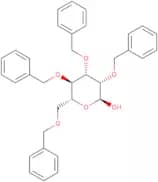
CAS:2,3,4,6-Tetra-O-benzyl-D-mannopyranose is a trisaccharide that consists of two covalently linked glycosyl acceptors and one galacto moiety. This molecule is synthesized by chemoenzymatic synthesis and can be found in the biosynthesis of trehalose. 2,3,4,6-Tetra-O-benzyl-D-mannopyranose is an anomeric form of D-glucopyranose. The anomeric form is determined by the orientation of the hydroxyl group at C1' with respect to the anomeric carbon atom at C2'. This molecule has been isotopically labelled with 13C and 15N for use in studies on carbohydrate metabolism.Formula:C34H36O6Purity:90%Color and Shape:Yellow PowderMolecular weight:540.65 g/molN-Benzyl-D-glucamine
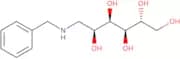
CAS:N-Benzyl-D-glucamine is a metal chelate that binds to lead and other heavy metals. It is used as a transport inhibitor for the elimination of lead from the body. N-Benzyl-D-glucamine has been shown to be effective in lowering blood levels of lead, with an elimination rate of 50% within 4 hours. When administered orally, this drug also has inhibitory effects on the absorption of lead from gastrointestinal tissues, which may be due to its inhibition of urea nitrogen and gastrointestinal toxicities. This drug can also reduce the excretion of cadmium and aromatic hydrocarbons in urine samples.Purity:Min. 95%Phenyl 2-acetamido-2-deoxy-α-D-glucopyranoside
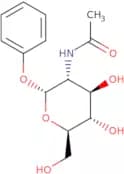
CAS:Phenyl 2-acetamido-2-deoxy-a-D-glucopyranoside is a fluorinated sugar that was synthesized by chemical modification of a natural sugar. It is a white, crystalline powder and has an odorless taste. This product is custom synthesized and can be used as an intermediate in the production of other saccharides. Phenyl 2-acetamido-2-deoxy-a-D-glucopyranoside has been modified to include methyl groups and glycosyl groups, which are not present in the natural product.Formula:C14H19NO6Purity:Min. 95%Color and Shape:SolidMolecular weight:297.3 g/molUDP-GalNAc disodium salt
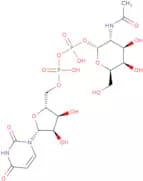
CAS:Substrate for N-acetylgalactosaminyltransferasesFormula:C17H25N3Na2O17P2Purity:Area-% Min. 95 Area-%Color and Shape:White PowderMolecular weight:651.32 g/molPoly-D-galacturonic acid methyl ester
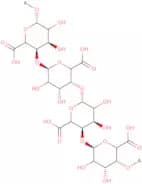
CAS:Poly-D-galacturonic acid methyl ester (PDGME) is a natural compound that has been shown to possess anti-inflammatory and anti-diabetic properties. PDGME has been shown to increase the expression of pro-apoptotic proteins in mouse macrophages, as well as inhibit the activity of toll-like receptor 4, which may be due to its ability to induce caspase-independent cell death. PDGME also inhibits the growth of Clostridium difficile and other bacteria by inhibiting their enzyme activities. PDGME is water soluble and can be used as a reagent for biochemical studies.Purity:Min. 98 Area-%Color and Shape:White Off-White Powder1,3,5-Tri-O-benzoyl-2-O-(1H-imidazole-1-sulfonate) a-L-arabinofuranose
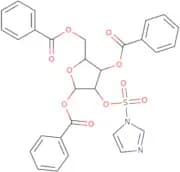
CAS:1,3,5-Tri-O-benzoyl-2-O-(1H-imidazole-1-sulfonate) a-L-arabinofuranose is a methylated and modified arabinofuranose. It is one of the most common monosaccharides in nature. This compound is an important component of polysaccharides such as cellulose and starch. 1,3,5-Tri-O-benzoyl-2-O-(1H-imidazole-1-sulfonate) aL arabinofuranose is used to create saccharide derivatives that are widely used in the pharmaceutical industry.
Purity:Min. 95%Color and Shape:Powder2,3,4,6-Tetra-O-acetyl-β-D-mannopyranosyl azide
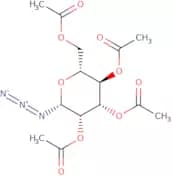
CAS:2,3,4,6-Tetra-O-acetyl-β-D-mannopyranosyl azide is a crystallographic technique that can be used to determine the structure of molecules. This technique involves the use of x-ray diffraction analysis to produce images of crystal structures. The technique is useful for determining the three dimensional structure of molecules that are too small to be seen with other techniques such as electron microscopy.
Formula:C14H19N3O9Purity:Min. 98 Area-%Color and Shape:White Off-White PowderMolecular weight:373.32 g/mol2,3,4,6-Tetra-O-benzoyl-D-galactopyranose
CAS:2,3,4,6-Tetra-O-benzoyl-D-galactopyranose is a glycoside. It is synthesized by the glycosylation of galactose with benzoic acid chloride in the presence of sodium carbonate. This compound is a natural product that can be found in plants and animals. 2,3,4,6-Tetra-O-benzoyl-D-galactopyranose has been shown to inhibit topoisomerase I and II activity in mammalian cells and induce the uptake of galactose into human adenocarcinoma cells. The yields of this compound are low and it has not been studied extensively due to its limited availability.Formula:C34H28O10Purity:Min. 95%Color and Shape:White PowderMolecular weight:596.58 g/mol1,2,3,4-Tetra-O-acetyl-6-O-trityl-a-D-mannopyranose
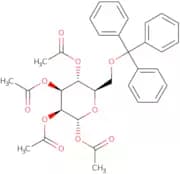
CAS:Tetra-O-acetyl-6-O-trityl-a-D-mannopyranose is a synthetic glycoside that is used as an intermediate in the synthesis of oligosaccharides. It has been modified with a fluorine atom at C1 to form 1,2,3,4-tetra-O-acetyl 6-(trifluoromethyl)-a-D mannopyranoside. This modification can be done through a click reaction. Tetra-O acetyl 6-(trifluoromethyl)-a D mannopyranoside is soluble in water and has a melting point of about 210°C.Formula:C33H34O10Purity:Min. 95%Color and Shape:White PowderMolecular weight:590.62 g/molMethyl L-fucopyranoside
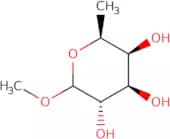
CAS:Methyl L-fucopyranoside is a saponin glycoside that has been shown to have anti-tumor effects. It acts by binding to the nucleophilic sites on the cancer cells and inhibits their growth. The molecule is chiral, which means that it can exist in two different forms, or enantiomers. The structure of this compound has been determined using vibrational spectroscopy and nuclear magnetic resonance (NMR) spectroscopy. It is also a synthetic product that can be made from an acid catalyst and an oligosaccharide molecule. Methyl L-fucopyranoside has been shown to inhibit glycoconjugates and muscari alkylation, as well as having liquid chromatographic properties.
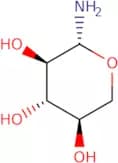
Formula:C7H14O5Purity:Min. 95%Color and Shape:White To Off-White SolidMolecular weight:178.18 g/molD-Ribopyranosyl amine
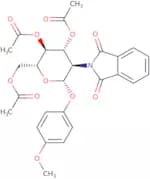
CAS:D-Ribopyranosyl amine is a heterocyclic compound that can be synthesized from ethyl formate and thiourea. The synthesis of this compound has been studied using techniques such as hydrogen bonding, high yield, and optical rotation. D-Ribopyranosyl amine is an aminoimidazole derivative with a decarboxylation reaction to produce uridine. This process can be carried out in acetone or dimethylformamide solvent, which produces the α-form of the molecule. The 1H NMR spectra of D-ribopyranosyl amine have peaks at 3.8 ppm, 2.5 ppm, and 2.0 ppm, while the 13C NMR spectrum peaks are found at 79.2 ppm and 131.9 ppmFormula:C5H11NO4Purity:Min. 95%Color and Shape:PowderMolecular weight:149.15 g/mol4-Methoxyphenyl 3,4,6-tri-O-acetyl-2-deoxy-2-phthalimido-b-D-glucopyranoside
CAS:4-Methoxyphenyl 3,4,6-tri-O-acetyl-2-deoxy-2-phthalimido-b-D-glucopyranoside (MPEG) is a monoclonal antibody that binds to the glycoprotein MART1 on melanoma cells. It is used in the diagnosis of cancer and has been shown to be effective in reducing tumor size in patients with metastatic melanoma. MPEG has also been shown to have a therapeutic effect against chronic lymphocytic leukemia (CLL). In addition, it may be used as a complement dependent cytotoxicity agent for the treatment of leukemia and other cancers.Formula:C27H27NO11Purity:Min. 95%Molecular weight:541.52 g/mol3,4,6-Tri-O-acetyl-2-O-trifluoromethanesulfonyl-b-D-mannopyranosyl azide
CAS:3,4,6-Tri-O-acetyl-2-O-trifluoromethanesulfonyl-b-D-mannopyranosyl azide is a chemically synthesized compound that can be used for methylation reactions. It is an Oligosaccharide with a molecular weight of 597.5 and contains the following structural features: A saccharide composed of three monosaccharides (D-glucose, D-mannose, and D-galactose), which is bonded by alpha 1,6 linkages. The chemical formula is C12H14F3N3O8. The CAS number is 1159265-99-2.Formula:C13H16F3N3O10SPurity:Min. 95%Color and Shape:PowderMolecular weight:463.34 g/mol3-O-Methanesulfonyl-D-glucopyranose
CAS:3-O-Methanesulfonyl-D-glucopyranose is a high purity, custom synthesis sugar that can be modified with fluorination, glycosylation, methylation and modification. It is also synthesized from glycoaldehyde and methanesulfonic acid in the presence of sodium hydroxide and sodium acetate. 3-O-Methanesulfonyl-D-glucopyranose can be used to synthesize saccharides and oligosaccharides. This compound is soluble in water and has a boiling point of 218°C at 760 mmHg. It is slightly soluble in methanol, ethanol and acetone. 3-O-Methanesulfonyl-D-glucopyranose has a CAS number of 40631-95-6.Formula:C7H14O8SPurity:Min. 95%Color and Shape:PowderMolecular weight:258.25 g/mol2,3,5-Tri-O-benzyl-b-D-xylofuranose
CAS:2,3,5-Tri-O-benzyl-b-D-xylofuranose is a synthetic carbohydrate with a complex structure. It is an oligosaccharide that has been modified by methylation and glycosylation. It has a molecular weight of 582.16 g/mol and the CAS number is 1174234-12-8.Formula:C26H28O5Purity:Min. 95%Color and Shape:PowderMolecular weight:420.5 g/molD-Mannonic acid-1,4-lactone
CAS:D-Mannonic acid-1,4-lactone is a recombinant carbohydrate that is synthesized from l-ribose and l-arabinose. It has lysozyme inhibitory activity. D-Mannonic acid-1,4-lactone can be used to study the synthesis of lactones by escherichia coli and their inhibitory effects on lysozyme. The compound consists of two stereoisomers: dl-mannonic acid and ldl-mannonic acid. It can be detected by liquid chromatography (LC) and electrophoresis.
Formula:C6H10O6Purity:Min. 95%Color and Shape:White PowderMolecular weight:178.14 g/mol4-Methoxyphenyl a-D-mannopyranoside
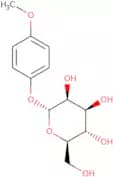
CAS:4-Methoxyphenyl a-D-mannopyranoside is a fluorinated monosaccharide. It is synthesized by the reaction of 4-methoxyphenol with an aldose in the presence of sodium hydroxide and sulfuric acid. The product is purified by chromatography with silica gel and eluted with methanol. This compound is also used to produce polysaccharides, glycosyls, oligosaccharides, or complex carbohydrates through glycosylation or polysaccaride synthesis. 4-Methoxyphenyl a-D-mannopyranoside can be modified to produce methylated, acetalized, or deoxygenated derivatives for use in click chemistry reactions.Formula:C13H18O7Purity:Min. 95%Color and Shape:White PowderMolecular weight:286.28 g/molUDP-2-deoxy-2-fluoro-D-galactose
CAS:UDP-2-deoxy-2-fluoro-D-galactose is a methylated and fluorinated saccharide that is used in click chemistry. It is a synthetic compound that can be custom synthesized to create polysaccharides or oligosaccharides. This product has high purity and can be modified with glycosylation, methylation, and other modifications.Formula:C15H23FN2O16P2Purity:Min. 98 Area-%Color and Shape:PowderMolecular weight:568.29 g/molUDP-GlcNAc disodium salt
CAS:Substrate for N-acetylglucosaminyltransferases
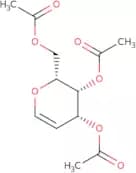
Formula:C17H25N3O17P2Na2Purity:Min. 98 Area-%Color and Shape:White PowderMolecular weight:651.32 g/mol3,4,6-Tri-O-acetyl-D-galactal - non-animal origin
CAS:Building block for synthesis of oligosaccharidesFormula:C12H16O7Purity:Min. 98 Area-%Color and Shape:White PowderMolecular weight:272.25 g/molPhenyl b-D-galactopyranoside
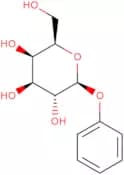
CAS:Phenyl b-D-galactopyranoside is a glycoside of galactose. It is used as an antigen and cross-linking agent in the preparation of monoclonal antibodies to human serum proteins. Phenyl b-D-galactopyranoside has been shown to be a potent inhibitor of protein synthesis in cells from primary tumors, and it has been found to decrease the rate of tumor growth in mice. This compound also inhibits the growth of certain bacteria, including methicillin-resistant Staphylococcus aureus (MRSA), Mycobacterium tuberculosis, and Mycobacterium avium complex. The mechanism by which phenyl b-D-galactopyranoside inhibits bacterial growth is not well understood.Formula:C12H16O6Purity:Min. 98 Area-%Color and Shape:PowderMolecular weight:256.25 g/molPhenyl 3,4-O-isopropylidene-b-D-thiogalactopyranoside
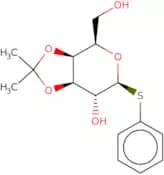
CAS:Phenyl 3,4-O-isopropylidene-b-D-thiogalactopyranoside is a custom synthesis of the complex carbohydrate Oligosaccharide, Polysaccharide. It belongs to Modification, saccharide, Methylation, Glycosylation, Carbohydrate. Phenyl 3,4-O-isopropylidene-b-D-thiogalactopyranoside can be used for Click modification, sugar and High purity. This compound is Fluorinated and Synthetic.
Formula:C15H20O5SPurity:Min. 95%Color and Shape:PowderMolecular weight:312.38 g/mol2,3,4-Tri-O-benzyl-D-glucopyranose
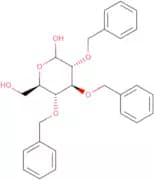
CAS:2,3,4-Tri-O-benzyl-D-glucopyranose is a thioglucoside that can be synthesized from D-glucose and benzyl bromide. This compound is a protonated nucleophile with a hydroxyl group that can interact with the sulfur of a thiol or disulfide group. The interaction between 2,3,4-tri-O-benzyl-D-glucopyranose and S. aureus has been shown to be dependent on the concentration of 2,3,4 tri O benzyl glucopyranose. The reaction between this compound and oligosaccharides led to the formation of dioxane ring structures that were hydrophobic.Formula:C27H30O6Purity:Min. 95%Color and Shape:PowderMolecular weight:450.52 g/molMethyl-2,3,4-tri-O-benzoyl-6-deoxy-alpha-D-glucopyranoside
CAS:Methyl-2,3,4-tri-O-benzoyl-6-deoxy-alpha-D-glucopyranoside is a modification of the sugar molecule. It is a monosaccharide that has been modified with methylation and fluorination. This product can be used in the synthesis of saccharides, polysaccharides, oligosaccharides and complex carbohydrates. Methyl 2,3,4-tri-O-benzoyl 6 deoxy alpha D -glucopyranoside is one of many compounds that can be used to synthesize glycosylations.
Formula:C28H26O8Purity:Min. 95%Molecular weight:490.5 g/molD-Lyxono-1,4-lactone
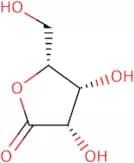
CAS:D-Lyxono-1,4-lactone is an inhibitor of the enzyme fucosidase. It competitively inhibits the enzyme, but does not inhibit other hydroxamic acids such as enantiomers of D-lyxono-1,4-lactone. D-Lyxono-1,4-lactone has been used to treat HIV and AIDS because it prevents viral replication by blocking the synthesis of glycoproteins in the virus's envelope. It also has inhibitory effects on tumor cells that are not dependent on fucosidase activity. Magnetic resonance spectroscopy (NMR) studies have shown that d-lyxono-1,4-lactone binds to human liver cells and blocks the binding site for cytotoxic molecules in these cells. The molecular modelling study has demonstrated that d-lyxono 1,4 lactone binds to a specific site on human HLA class II molecule and reduces itsFormula:C5H8O5Purity:(%) Min. 97%Color and Shape:PowderMolecular weight:148.11 g/mol3,4-Di-O-acetyl-L-rhamnal
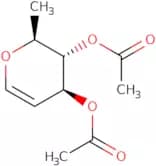
CAS:DNA-binding agentFormula:C10H14O5Color and Shape:Clear LiquidMolecular weight:214.22 g/mol1,3,6-Tri-O-galloylglucose
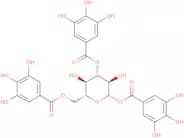
CAS:1,3,6-Tri-O-galloylglucose is an extract of the fruit of Terminalia catappa and Terminalia citrina. It has been shown to have antimicrobial activity against a variety of bacteria and fungi. The antimicrobial activity may be due to its ability to chelate metal ions or inhibit their activities. Punicalagin also has tannin content, which may contribute to its antimicrobial properties.Formula:C27H24O18Purity:Min. 95%Color and Shape:PowderMolecular weight:636.47 g/molMethyl 6-amino-6-deoxy-a-D-glucopyranoside
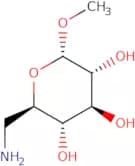
CAS:Methyl 6-amino-6-deoxy-a-D-glucopyranoside is a saccharide with a molecular weight of 362.4 g/mol. This carbohydrate is fluorinated and modified with an amine group on the C1 position, which makes it a complex carbohydrate. It can be custom synthesized to order and has high purity. CAS No. 5155-47-5Formula:C7H15NO5Purity:Min. 98 Area-%Color and Shape:Clear LiquidMolecular weight:193.2 g/mol2,3,4-Tri-O-acetyl-D-arabinopyranosyl bromide - Stabilised with 2% CaCO3
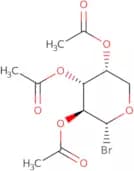
CAS:2,3,4-Tri-O-acetyl-D-arabinopyranosyl bromide - Stabilised with 2% CaCO3 is an organic compound that belongs to the group of glycosylations. It is a sugar derivative of arabinose and has been fluorinated with trifluoromethanesulfonic acid. This product is custom synthesized and can be used for Glycosylation reactions as well as methylations and click modifications. It is also a complex carbohydrate and can be used in the production of polysaccharides. The CAS number for this compound is 113889-50-2 and it has a monosaccharide content of 100%. This product is available for purchase at high purity.Formula:C11H15BrO7Purity:Min. 95%Color and Shape:PowderMolecular weight:339.14 g/mol2-Methoxycarbonylphenyl β-D-glucopyranoside
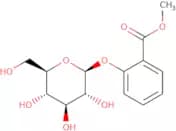
CAS:2-Methoxycarbonylphenyl b-D-glucopyranoside is a modification that can be used to synthesize complex carbohydrates. It is an oligosaccharide, which consists of a series of monosaccharides linked together by glycosidic bonds. The synthesis of this compound requires the use of methylation and fluorination reactions. This product has high purity and can be used for a variety of purposes, including as a sugar or as a polysaccharide.
Formula:C14H18O8Purity:Min. 95%Color and Shape:PowderMolecular weight:314.29 g/molN-Acetyl-2,3-dehydro-2-deoxyneuraminic acid sodium
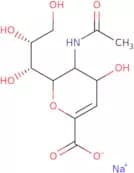
CAS:Inhibitor of viral, bacterial and animal sialidase
Formula:C11H16NNaO8Purity:Min. 95%Color and Shape:White PowderMolecular weight:313.24 g/mol3,4,6-Tri-O-benzyl-D-galactal
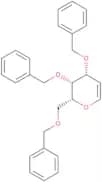
CAS:3,4,6-Tri-O-benzyl-D-galactal is a hydrogen bond donor and has been shown to have physiological activities. It was found to increase the number of lymphocytes in unimmunized mice. It also inhibits the growth of psoralea virus. The glycosidic bond between 3,4,6-tri-O-benzyl-D-galactal and glucose produces a product with an acetylated hydroxyl group and an aldehyde group. This type of bond is stereoselective and benzofuran derivatives are formed from the reaction. 3,4,6-Tri-O-benzyl-D-galactal has been shown to have anticancer activity against cancer cells in laboratory experiments.Formula:C27H28O4Purity:Min. 95%Color and Shape:White PowderMolecular weight:416.51 g/mol





![2,3,4-Tri-O-acetyl-6-deoxy-6,6-difluoro-a-D-mannopyranosyl-1-bis[2-(acetylthio)ethyl]phosphate](/_next/image/?url=https%3A%2Fstatic.cymitquimica.com%2Fproducts%2F3D%2Fthumb-webp%2FMT96598.webp&w=3840&q=75)
![a-D-[UL-13C6]Glucose-1-phosphate dipotassium salt hydrate](/_next/image/?url=https%3A%2Fstatic.cymitquimica.com%2Fproducts%2F3D%2Fthumb-webp%2FMG64091.webp&w=3840&q=75)