APIs for research and impurities
Active Pharmaceutical Ingredients (APIs) are the substances in drugs responsible for their therapeutic effects. In this section, you will find a wide variety of APIs intended for research use. These compounds are essential for the development, testing, and validation of new pharmaceutical formulations. CymitQuimica offers high-quality APIs to support research in drug discovery and development.
Subcategories of "APIs for research and impurities"
- Aminoacids and derivatives(12,278 products)
- Anthraquinones and derivatives(405 products)
- Benzimidazole and Imidazole Derivatives(10,376 products)
- Benzodiazepine Derivatives(333 products)
- Carbohydrates and glycoconjugates(5,014 products)
- Esters and Derivatives(42,045 products)
- Fatty Acids and Lypidic Derivatives(32,246 products)
- Flavonoids and Polyphenols(17,012 products)
- Free Radicals and Oxidant/Reducing Agents(213 products)
- Ketones and derivatives(2,394 products)
- Natural and semi-synthetic antibiotics(6,366 products)
- Nitriles and Cyano Derivatives(3,045 products)
- Nitrosamines and Derivatives(55 products)
- Nucleosides and Nucleotides(3,430 products)
- Organic Phosphates and Phosphonates(1,201 products)
- Organic Sulphonates and Sulphates(10,406 products)
- Organometallics(4,400 products)
- Others(6,280 products)
- Peptides and Proteins(3,141 products)
- Polymers and Derivatives(99 products)
- Purines and Pyrimidine Derivatives(8,902 products)
- Quinazoline and Quinoline Derivatives(65,644 products)
- Quinones and Derivatives(24,239 products)
- Salts and Derivatives of Active Pharmaceutical Ingredients (API)(79,472 products)
- Steroids and Derivatives(4,968 products)
- Sulfonamides and Derivatives(2,592 products)
- Terpenoids and Derivatives(3,839 products)
- Thiazolidinediones and Thiopyrans(2,733 products)
- β-Adrenergic Compounds(230 products)
Show 21 more subcategories
Found 56814 products of "APIs for research and impurities"
Sort by
Purity (%)
0
100
|
0
|
50
|
90
|
95
|
100
Cefazolin impurity A
CAS:<p>Cefazolin impurity A is a by-product in the synthesis of Cefazolin, which is a drug product. It has CAS No. 30246-33-4 and is used as an impurity standard for analytical purposes. The Impurity Standard is also known as Metabolite A. Research and Development (R&D) studies are needed to identify the appropriate analytical impurities for this API, which will be reported on Pharmacopoeia's List of Impurities for reference. The high purity and custom synthesis of this API makes it ideal for use in R&D studies, HPLC standards, or niche markets.<br>CAS No.: 30246-33-4<br>Synonyms: Metabolite A<br>Formula: C11H14N2O5S <br>Molecular weight: 289.24 g/mol <br>Appearance: white solid powder</p>Formula:C11H12N4O3S3Purity:Min. 95%Color and Shape:PowderMolecular weight:344.44 g/molHordatine A
CAS:<p>Hordatine A is an analog of neopterin, a protein found in human urine. It is a potent inhibitor of tumor kinases and has shown promising results as an anticancer agent. Hordatine A induces apoptosis (cell death) in cancer cells by inhibiting kinase activity. This compound has been tested on Chinese hamster ovary cells and human cancer cell lines with positive results. Hordatine A may have potential as a therapeutic agent for the treatment of various types of cancer. Its ability to inhibit kinases makes it a valuable tool for studying the role of these enzymes in cancer development and progression.</p>Formula:C28H38N8O4Purity:Min. 95%Molecular weight:550.7 g/molO-Methyl atorvastatin calcium
CAS:<p>O-Methyl atorvastatin calcium is a drug product that is an HPLC standard. It is a natural metabolite of atorvastatin, which is synthesized by cytochrome P450 3A4 in the liver. O-Methyl atorvastatin calcium has been shown to be an impurity in some batches of atorvastatin calcium. It has been observed to have pharmacological effects similar to those of atorvastatin. O-Methyl atorvastatin calcium has been used as a research and development (R&D) tool for studies on the metabolism of drugs, including its own synthesis and the study of the effect on other drugs such as amiodarone.</p>Formula:CaC68H71F2N4O10Purity:Min. 95%Color and Shape:PowderMolecular weight:1,182.39 g/mol2-[[[(4-Methoxypropoxy)-3-methyl-2-pyridinyl]methyl]sulfonyl]-1H-benzimidazole
CAS:<p>2-[[[(4-Methoxypropoxy)-3-methyl-2-pyridinyl]methyl]sulfonyl]-1H-benzimidazole is a protonated sulfonamide that is used as an analytical method to detect the presence of other drugs in human liver tissue. It has been shown to inhibit the activity of cytochrome P450 3A4 (CYP3A4), one of the enzymes responsible for metabolizing many drugs. Bromoenol lactone and powder diffraction spectrum are two additional analytical methods that can be used to detect 2-[([(4-methoxypropoxy)-3-methyl-2-pyridinyl]methyl]sulfonyl]-1H-benzimidazole.</p>Formula:C18H21N3O4SPurity:Min. 95%Color and Shape:White/Off-White SolidMolecular weight:375.44 g/mol2-Hydroxybenzimidazole
CAS:<p>2-Hydroxybenzimidazole is a benzimidazole compound that is used in the treatment of nervous system diseases. It has been shown to have anti-inflammatory properties and can be used in the treatment of syncytial virus infection. 2-Hydroxybenzimidazole inhibits the production of reactive oxygen species and nitric oxide, which are involved in neurodegenerative disorders. The mechanism of action for 2-Hydroxybenzimidazole involves the formation of hydrogen bonds with hydroxyl groups on proteins. It also has been shown to reduce locomotor activity and increase sleep time in mice, which may be due to inhibition of acetylcholine release from cholinergic neurons.</p>Formula:C7H6N2OPurity:Min. 97.5 Area-%Color and Shape:Off-White PowderMolecular weight:134.14 g/mol3,3'-(3,6-Dihydropyrazine-2,5-diyl)dipropanoic acid
CAS:<p>3,3'-(3,6-Dihydropyrazine-2,5-diyl)dipropanoic acid (DPPA) is a potent metal chelator that can be used in the treatment of cancer. DPPA binds to metal ions and prevents their access to vital cellular components such as DNA and proteins. This agent has been shown to inhibit the growth of carcinoma cells in culture. It also has an effect on the synthesis of demyelination, which may account for its ability to prevent reactive oxygen species from damaging DNA. DPPA is a strong inhibitor of mitochondrial function and at high concentrations it damages mitochondria by releasing hydrogen peroxide into the cell cytoplasm. The release of hydrogen peroxide causes catalase to become active, leading to cell death.</p>Formula:C10H14N2O4Purity:Min. 95%Molecular weight:226.23 g/mol1-Phenyl-1-(2-pyridinyl)methanol
CAS:<p>1-Phenyl-1-(2-pyridinyl)methanol is an organic compound that has a reactive, functional group. It is used as a solvent in the laboratory and industry. This chemical reacts with chloride to produce 1-chloro-1-phenylmethanol. It can also be reacted with basic groups such as sodium hydroxide to produce 1-phenyl-1-(2-hydroxy pyridinium) methanol. The reaction of 1-phenyl-1-(2-pyridinyl) methanol with carbon tetrachloride produces trichlorobenzene and carbon dioxide. Impurities in this compound include inorganic acids such as hydrochloric acid and sulfuric acid, which are found at levels below 0.5%. Alcohols found in this compound include ethanolamine, which is an impurity at levels exceeding 2%.</p>Formula:C12H11NOPurity:Min. 95%Color and Shape:White PowderMolecular weight:185.22 g/molN-(5-Aminopentyl) methotrexate amide
CAS:<p>N-(5-Aminopentyl) methotrexate amide is a fluorescent probe that is used to study the transport of drugs across cell membranes. It binds to the plasma membrane of cells and can be visualized with a fluorescence microscope. N-(5-Aminopentyl) methotrexate amide has been shown to bind to leukemia cells in murine leukemia models. It has a high affinity for drug-resistant cells, which makes it useful for studying drug resistance mechanisms. This probe can be used at nanomolar concentrations for imaging studies, as well as for measuring the uptake of drugs into cancer cells by flow cytometry.</p>Formula:C25H34N10O4Purity:Min. 95%Color and Shape:Yellow PowderMolecular weight:538.6 g/mol5-(2-Ethoxyphenyl)-1-methyl-3-n-propyl-1,6-dihydro-7H-pyrazolo[4,3-d]pyrimidin-7-one
CAS:<p>Sildenafil is a selective PDE-5 inhibitor that is used in the treatment of erectile dysfunction. It has been shown to have anticancer activity in vitro and in vivo. Sildenafil inhibits the activity of cyclic guanosine monophosphate (cGMP) phosphodiesterase type 5 (PDE-5), which is found in the corpus cavernosum of the penis and inhibits cGMP degradation, leading to vasodilation and increased blood flow. Sildenafil has been shown to inhibit cancer cell proliferation by blocking the synthesis of both DNA and protein, as well as inhibiting the expression of genes encoding for anti-apoptotic proteins. Sildenafil binds to PDE-5 with high affinity, but does not bind to other PDEs or ion channels at therapeutic concentrations.</p>Formula:C17H20N4O2Purity:Min. 95%Color and Shape:White To Off-White SolidMolecular weight:312.37 g/molDaunorubicinol
CAS:<p>Daunorubicin metabolite</p>Formula:C27H31NO10Purity:Min. 95%Color and Shape:Red PowderMolecular weight:529.54 g/mol2-Mercaptobenzimidazole
CAS:<p>2-Mercaptobenzimidazole is a chemical compound that can be used for the treatment of infectious diseases. It has been shown to have antioxidative properties and inhibit the growth of bacteria. 2-Mercaptobenzimidazole also has an effect on human serum, which may be due to its ability to bind with proteins in serum and form hydrogen bonds. 2-Mercaptobenzimidazole is stable at high temperatures and has been shown as an effective antimicrobial agent against gram positive and gram negative bacteria.</p>Formula:C7H6N2SPurity:Min. 99 Area-%Color and Shape:White/Off-White SolidMolecular weight:150.19 g/mol2-(3-(1-Benzylpiperidin-4-yl)-2-oxopropyl)-4,5-dimethoxybenzoic acid sodium salt
<p>2-(3-(1-Benzylpiperidin-4-yl)-2-oxopropyl)-4,5-dimethoxybenzoic acid sodium salt is a white to off-white crystalline powder. It is soluble in water and sparingly soluble in alcohol. This product is used as an analytical standard and has been found to be a metabolite of the drug clozapine. 2-(3-(1-Benzylpiperidin-4-yl)-2-oxopropyl)-4,5-dimethoxybenzoic acid sodium salt has also been found to be an impurity in the drug product lamotrigine.</p>Formula:C24H29NO5•NaPurity:Min. 95%Molecular weight:434.49 g/moltrans-4-(4-Fluorophenyl)-3-hydroxymethyl-1-methylpiperidine
CAS:<p>The compound is a natural product and its structure is similar to that of the neurotransmitter dopamine. The compound has been used in pharmacological studies as a tool for understanding the neurotoxicity of dopamine and other drugs. This drug has also been used to investigate the level of dopamine receptor occupancy by various dopaminergic drugs.</p>Formula:C13H18FNOPurity:Min. 95%Molecular weight:223.29 g/molDoxorubicin impurity
CAS:<p>Doxorubicin is an organic compound that belongs to the class of polycyclic aromatic hydrocarbons. It is used as a cancer therapy, primarily in the treatment of breast cancer. The chemical sensing of impurities in doxorubicin can be done using phase transfer methods. The quantification of these impurities can be done using high-performance liquid chromatography (HPLC) or gas chromatography (GC).</p>Formula:C26H27NO11Purity:Min. 90 Area-%Color and Shape:Red PowderMolecular weight:529.49 g/molValsartan Impurity 23
CAS:<p>Valsartan is a drug that belongs to the class of angiotensin II receptor blockers. It has a molecular weight of 376.5 and an empirical formula of C21H28N2O4S. Valsartan Impurity 23 is a synthetic impurity with CAS No. 2459446-44-5, which has a molecular weight of 464.3 and an empirical formula of C25H30N2O6S. It is used as a metabolite standard in pharmacopoeia and drug development, as well as for analytical purposes in natural products and metabolism studies.</p>Purity:Min. 95%2-Ethoxy-4-[2-[[(1R)-3-methyl-1-[2-(1-piperidinyl)phenyl]butyl]amino]-2-oxoethyl]benzoic acid ethyl ester
CAS:<p>2-Ethoxy-4-[2-[[(1R)-3-methyl-1-[2-(1-piperidinyl)phenyl]butyl]amino]-2-oxoethyl]benzoic acid ethyl ester is a drug product that has been custom synthesized for use in research and development. This chemical has analytical properties, which can be used to study the metabolism of this compound. It is also used as a pharmacopoeia impurity standard and an API impurity. 2-Ethoxy-4-[2-[[(1R)-3-methyl-1-[2-(1-piperidinyl)phenyl]butyl]amino]-2-oxoethyl]benzoic acid ethyl ester is metabolized in vivo to form metabolites with different spectra of activity. These metabolites are used as analytical standards for HPLC analysis.</p>Formula:C29H40N2O4Purity:Min. 95%Molecular weight:480.64 g/molN,N-Dimethyl-3-(1-naphthalenyloxy)-3-(2-thienyl) propanamine tartrate
CAS:<p>N,N-Dimethyl-3-(1-naphthalenyloxy)-3-(2-thienyl) propanamine tartrate (DMNPA) is a synthetic compound with the molecular formula C14H17NO. DMNPA is used as an analytical reference standard for the quantification of N,N-dimethyl-3-(1-naphthalenyloxy)-3-(2thienyl) propanamine HCl by HPLC. DMNPA has been shown to be a metabolite of the drug product, where it is formed from oxidation of the parent drug.</p>Formula:C19H21NOS·C4H6O6Purity:Min. 95%Molecular weight:461.53 g/molO3-Desethyl apremilast
CAS:<p>O3-Desethyl apremilast is an experimental drug product that belongs to the class of drug products. This drug product has been shown to be a natural, synthetic and analytical impurity in API. It is also an impurity standard for HPLC analysis. O3-Desethyl apremilast can be used in research and development, as well as niche applications in the pharmaceutical industry.</p>Formula:C20H20N2O7SPurity:Min. 95%Color and Shape:PowderMolecular weight:432.45 g/mol2-Acetamido-7-[[2-(acetyloxy)ethoxy]methyl]-6,7-dihydro-1H-purin-6-one
CAS:<p>2-Acetamido-7-[[2-(acetyloxy)ethoxy]methyl]-6,7-dihydro-1H-purin-6-one is a drug development impurity that is manufactured by the pharmaceutical company. This impurity has been shown to be a metabolite of the drug.</p>Formula:C12H15N5O5Purity:Min. 95%Color and Shape:White to off-white solid.Molecular weight:309.28 g/molAtorvastatin EP Impurity D
CAS:<p>Soluble in Chloroform & in Methanol Confirmed<br>Insoluble in Water</p>Purity:95.0% MinColor and Shape:White or Off-White Crystalline Solid, Light SensitiveMolecular weight:431,46Empagliflozin R/S-furanose
<p>Please enquire for more information about Empagliflozin R/S-furanose including the price, delivery time and more detailed product information at the technical inquiry form on this page</p>Formula:C23H27ClO7Purity:95%NmrColor and Shape:PowderMolecular weight:450.91 g/molEne sacubitril (Impurity L)
<p>Ene sacubitril is an impurity in the drug product sacubitril. It is a synthetic compound that belongs to the class of drugs called angiotensin II receptor antagonists. This impurity can be used as a research and development standard, custom synthesis, or drug product impurity standard. Ene sacubitril is also a metabolite of sacubitril and can be used for metabolism studies or HPLC standard.</p>Purity:Min. 95%(1R,4S)-N-Desmethyl sertraline hydrochloride
CAS:<p>Sertraline metabolite</p>Formula:C16H16Cl3NPurity:Min. 95%Color and Shape:PowderMolecular weight:328.66 g/mol(S)-2-Ethylbutyl 2-aminopropanoate hydrochloride
CAS:<p>Remdesivir impurity</p>Formula:C9H20ClNO2Purity:Min. 95%Color and Shape:PowderMolecular weight:209.71 g/molD-[Pro]31-Tirzepatide
<p>Tirzepatide impurity.</p>Formula:C225H348N48O68Molecular weight:4,813.5 g/molLisdexamfetamine dimesylate impurity C
<p>Lisdexamfetamine dimesylate impurity C is a drug product that is an analytical standard. It is a synthetic impurity found in the drug Lisdexamfetamine Dimesylate, which is used for the treatment of ADHD and narcolepsy. Lisdexamfetamine Dimesylate Impurity C has been shown to be metabolized through oxidation by cytochrome P450 enzymes and conjugation with glucuronic acid. The impurity has been shown to have no effect on the pharmacological activity of the parent compound.</p>Purity:Min. 95%Remdesivir impurity 12
CAS:<p>Remdesivir impurity 12 is a drug product that is used in research and development. It is a synthetic impurity standard for HPLC analytical methods. Remdesivir impurity 12 is an impurity of the drug, remdesivir, which has antiviral activity against HIV-1. Metabolism studies have been conducted to investigate how this impurity affects the pharmacokinetics of remdesivir. The use of synthetic material ensures high purity and quality for this product.</p>Formula:C21H31N6O8PPurity:Min. 95%Molecular weight:526.48 g/mol(S)-Duloxetine succinamide
CAS:Duloxetine succinamide is a chromatographic, solid, acidic compound. It has been synthesized by reacting (S)-duloxetine hydrochloride with succinic anhydride in the presence of triethylamine and acetonitrile. The reaction mixture was purified by high-performance liquid chromatography to produce the desired product. The purity of the compound was confirmed by postulating that it should have a reversed-phase HPLC profile similar to that of duloxetine succinate. Duloxetine succinamide is not soluble in water and is insoluble in organic solvents such as acetone, chloroform, ether, or benzene. The compound is stable at room temperature but decomposes when heated at higher temperatures. !--Formula:C22H23NO4SPurity:Min. 95%Color and Shape:PowderMolecular weight:397.49 g/molPravastatin lactone
CAS:<p>Pravastatin lactone is a prodrug of pravastatin that is hydrolyzed in vivo to its active form. It is used for the treatment of bowel disease and has been shown to have concentration-time curves that are linear and dose-dependent. Pravastatin lactone has an acidic pH, which may be due to the presence of carboxyl groups on the molecule. This drug also inhibits the activity of 3-hydroxy-3-methylglutaryl coenzyme A (HMG CoA) reductase, which is an enzyme that catalyzes the conversion of HMG CoA to mevalonate in order to produce cholesterol. Pravastatin lactone also suppresses the production of fatty acids by inhibiting their synthesis at the level of acetyl-coenzyme A (acetyl-CoA). The drug has not shown any evidence of toxicity when administered to rats at doses up to 10 mg/kg body weight per day</p>Formula:C23H34O6Purity:Min. 98 Area-%Color and Shape:PowderMolecular weight:406.51 g/mol5-Methoxy-2-[[(4-methoxy-3,5-dimethyl-2-pyridinyl)methyl]sulphonyl]-1H-benzimidazole N-oxide
CAS:<p>5-Methoxy-2-[[(4-methoxy-3,5-dimethyl-2-pyridinyl)methyl]sulphonyl]-1H-benzimidazole N-oxide is a cyclic sulfoxide that has shown to be a potent inhibitor of gastric acid secretion. It is an important intermediate in the synthesis of esomeprazole magnesium, a proton pump inhibitor used to treat gastroesophageal reflux disease and other gastrointestinal disorders. 5-Methoxy-2-[(4-methoxy 3,5 dimethyl 2 pyridinyl) methyl] sulphonyl]-1H benzimidazole N oxide is also known as (RS)-N-[4-(4′ methoxyphenyl)-3,5 dimethylpyrazol -2 - ylmethyl] methanesulfonamide. This compound has been shown to have a polymorphic form with two different</p>Formula:C17H19N3O5SPurity:Min. 95%Color and Shape:PowderMolecular weight:377.42 g/mol3-[[[2-[(Diaminomethylene)amino]-4-thiazolyl]methyl]thio]propanamide
CAS:<p>3-[[[2-[(Diaminomethylene)amino]-4-thiazolyl]methyl]thio]propanamide is a synthetic drug product. It is not found in natural products and it has no pharmacopoeia name. 3-[[[2-[(Diaminomethylene)amino]-4-thiazolyl]methyl]thio]propanamide is an impurity standard for the manufacture of pharmaceuticals. It is also used as a research and development reagent and analytical standard. 3-[[[2-[(Diaminomethylene)amino]-4-thiazolyl]methyl]thio]propanamide has not been evaluated by the FDA as a food additive, but it has been evaluated by the European Union as a flavoring agent.</p>Formula:C8H13N5OS2Purity:Min. 95%Color and Shape:White PowderMolecular weight:259.35 g/molBiotin impurity C
CAS:<p>Biotin impurity C is a metabolite that is found in drugs that contain biotin. It is an impurity standard for HPLC analysis, which can be used to identify and quantify the amount of biotin in a drug product. Biotin impurity C is also used as an analytical standard. This compound has been shown to have pharmacological properties, such as anti-inflammatory effects and immunomodulatory effects.</p>Formula:C9H14N2O2SPurity:Min. 95%Molecular weight:214.28 g/molSemaglutide Impurity 51 (D-Thr 7)
<p>D-Thr(7)-Semaglutide is a semaglutide impurity. The amino acid at position 7 has been replaced by the D-form of the amino acid D-threonine (D-Thr). Semaglutide impurities are structurally related compounds that arise during synthesis, purification, or storage of semaglutide, a long-acting GLP-1 receptor agonist for managing type 2 diabetes and obesity.</p>Formula:C187H291N45O59Molecular weight:4,113.64 g/molOlanzapine thiolactam impurity
CAS:Degradation product of olanzapineFormula:C17H20N4OSPurity:Min. 98.0 Area-%Color and Shape:Yellow PowderMolecular weight:328.43 g/molApixaban Impurity 2
CAS:<p>Apixaban impurity 2 is a drug product that is used as an impurity standard in the research and development of drugs. It is also used as a synthetic intermediate in the synthesis of other drugs. Apixaban impurity 2 has been shown to be pharmacologically active, with the ability to inhibit bacterial growth by binding to DNA-dependent RNA polymerase. This compound is not toxic to mammalian cells at high concentrations, but has been shown to have some effects on the central nervous system, including depression of spontaneous motor activity and decrease in locomotor activity. Apixaban Impurity 2 is soluble in acetone and chloroform, but insoluble in water. The molecular weight of this compound is not known, but it can be determined using HPLC. Apixaban Impurity 2 has CAS number 2187409-01-2 and its molecular formula is C21H22N2O4S.</p>Formula:C25H28N6O4Purity:Min. 95%Color and Shape:PowderMolecular weight:476.53 g/mol2-Isopropyl-6-propylphenol
CAS:<p>2-Isopropyl-6-propylphenol is a reactive alkylating agent that reacts with proteins and enzymes. It binds to the hydroxyl group of a protein target, which modifies the activity of the target molecule by introducing a new functional group. 2-Isopropyl-6-propylphenol has been shown to bind to the active site of several enzymes, including human serum albumin and cytochrome P450 reductase. The binding constants for these targets have been determined computationally using an algorithm based on quantum chemical calculations. These values are in good agreement with experimental data obtained from titration calorimetry experiments at different temperatures.</p>Formula:C12H18OPurity:Min. 95%Color and Shape:Clear LiquidMolecular weight:178.27 g/mol[D-Phe22]-Tirzepatide
<p>Tirzepatide impurity</p>Formula:C225H348N48O68Molecular weight:4,813.5 g/mol2-[[1-(Methylamino)-2-nitroethenyl]amino]-ethanethiol
CAS:<p>Please enquire for more information about 2-[[1-(Methylamino)-2-nitroethenyl]amino]-ethanethiol including the price, delivery time and more detailed product information at the technical inquiry form on this page</p>Formula:C5H11N3O2SPurity:Min. 95%Molecular weight:177.23 g/mol4-Desmethoxy omeprazole sulfide
CAS:<p>4-Desmethoxy omeprazole sulfide is a metabolite of omeprazole, a drug that is used to treat ulcers and gastroesophageal reflux disease. 4-Desmethoxy omeprazole sulfide is not an impurity in the production of omeprazole, but is present as a natural component of omeprazole. This compound has been shown to be an impurity standard for HPLC analysis. The pharmacopoeia defines 4-desmethoxy omeprazole sulfide as an API impurity in drug products. It is also being studied for its potential use in drug development and research and development.</p>Formula:C16H17N3OSPurity:Min. 95%Color and Shape:White to off-white solid.Molecular weight:299.39 g/molSemaglutide Impurity 60 (D-Arg 30)
<p>D-Arg(30)-Semaglutide is a semaglutide impurity. The amino acid at position 30 has been replaced by the D-form of the amino acid D-arginine (D-Arg). Semaglutide impurities are structurally related compounds that arise during synthesis, purification, or storage of semaglutide, a long-acting GLP-1 receptor agonist for managing type 2 diabetes and obesity.</p>Formula:C187H291N45O59Molecular weight:4,113.64 g/molRemdesivir Related Compound 4
CAS:<p>Remdesivir Related Compound 4 is a synthetic compound that is structurally related to remdesivir. It has been shown to have anti-HIV activity in vitro. Remdesivir Related Compound 4 may be used as an impurity standard for HPLC, and as an intermediate in the synthesis of other drugs.</p>Formula:C32H32N4O5Purity:Min. 95%Molecular weight:552.62 g/molClobetasol propionate EP Impurity F
CAS:Controlled Product<p>Please enquire for more information about Clobetasol propionate EP Impurity F including the price, delivery time and more detailed product information at the technical inquiry form on this page</p>Formula:C22H27FO4Purity:Min. 95%Molecular weight:374.45 g/molChlorthalidone impurity H
CAS:<p>Chlorthalidone impurity H is an impurity standard for chlorthalidone. It is a synthetic chemical and its CAS number is 2200280-98-2. It has the molecular formula C14H14ClN4O4S, molecular weight of 336.36 g/mol, and melting point of 174°C. Chlorthalidone impurity H is soluble in water and ethanol, but insoluble in ether or chloroform. It can be used as an analytical standard for HPLC and as an API impurity in the pharmacopoeia. This drug can also be used in drug development, natural product synthesis, metabolism studies, and drug product manufacturing.</p>Formula:C17H17ClN2O4SPurity:Min. 95%Color and Shape:White To Off-White SolidMolecular weight:380.85 g/molSildenafil N-Oxide
CAS:<p>Sildenafil N-Oxide is a solvate, hydrate, and prodrug of sildenafil citrate. It is used for the treatment of erectile dysfunction or pulmonary hypertension. Sildenafil N-Oxide is an oral drug that is converted to its active form, sildenafil, in the liver by CYP3A4. Sildenafil N-Oxide's effects on human erection are thought to be due to its ability to block phosphodiesterase type 5 (PDE5), which increases the levels of cGMP in smooth muscle cells and causes relaxation of the corpus cavernosum. This leads to increased blood flow into the penis and an erection.</p>Formula:C22H30N6O5SPurity:Min. 95%Molecular weight:490.58 g/molN-[(1R)-1-(1-Naphthalenyl)ethyl]carbamic acid 3-[3-(trifluoromethyl)phenyl]propyl] ester
CAS:<p>N-[(1R)-1-(1-Naphthalenyl)ethyl]carbamic acid 3-[3-(trifluoromethyl)phenyl]propyl] ester is a drug product. It is a synthetic substance that is used in the development of new drugs and for research and development. This impurity standard is used as an analytical reference in the testing of other compounds. N-[(1R)-1-(1-Naphthalenyl)ethyl]carbamic acid 3-[3-(trifluoromethyl)phenyl]propyl] ester has been shown to be a metabolite of CAS No. 915979-44-1, which is also known as N-[(2S)-2-[[5-[3-(Trifluoromethoxy)phenoxy]-2-pyridinyl]methyl]-2,5-dioxopyrrolidin-1-yl]-3,</p>Formula:C23H22F3NO2Purity:Min. 95%Color and Shape:Colorless to yellow liquid.Molecular weight:401.42 g/molEthyl 4-isopropenyl-2-propylimidazole-5-carboxylate
CAS:<p>Ethyl 4-isopropenyl-2-propylimidazole-5-carboxylate is a custom synthesis. It is a metabolite of the drug product, ethyl 2-(5-isopropenyl-4-methylphenoxy)propanoate. Its CAS number is 157356-73-5.</p>Formula:C12H18N2O2Purity:Min. 95%Color and Shape:PowderMolecular weight:222.28 g/molOlmesartan lactone impurity
CAS:<p>Olmesartan lactone impurity is a high-purity, low-cost, and stable pharmaceutical intermediate. It is an ester of olmesartan and medoxomil. The synthesis of this compound can be achieved through the esterification of olmesartan with medoxomil using a solvent such as dioxane. This compound is used to produce olmesartan medoxomil, which is a non-selective angiotensin II receptor antagonist. Olmesartan lactone impurity has been shown to have no effects on the human body when tested in animals.</p>Formula:C24H24N6O2Purity:Min. 95%Color and Shape:White PowderMolecular weight:428.49 g/molOlsalazine sodium impurity C
CAS:<p>Olsalazine sodium impurity C is a metabolite of olsalazine sodium. It is a natural product that can be custom synthesized for research and development purposes. Olsalazine sodium impurity C has been shown to have pharmacopoeia-grade purity and can be used as an analytical standard or an API impurity in drug products. The CAS number for this substance is 259151-72-9.</p>Formula:C13H10N2O4Purity:Min. 95%Color and Shape:PowderMolecular weight:258.23 g/molDapagliflozin Impurity 30
CAS:<p>Dapagliflozin Impurity 30 is a natural impurity found in the drug Dapagliflozin. It is an analytical standard used for HPLC quantification of dapagliflozin, and it can be used as a pharmacopoeia reference material or research and development material. Dapagliflozin Impurity 30 is synthesized by using a custom synthesis protocol. The CAS number for this compound is 1373321-04-0.</p>Formula:C21H25ClO6Purity:Min. 95%Color and Shape:PowderMolecular weight:408.9 g/mol2-(N-Methyl-propanamine)-3-(2-naphthyl) thiophene
CAS:<p>2-(N-Methyl-propanamine)-3-(2-naphthyl) thiophene is a synthetic compound that has been used as an impurity standard for the drug product and API. It has also been used for the pharmacopoeia, research and development, and analytical purposes. This compound is a metabolite of erythromycin.</p>Formula:C18H19NOSPurity:Min. 95%Color and Shape:White To Pink Or Yellow SolidMolecular weight:297.42 g/mol5-Methoxy-2-[[(4-methoxy-3,5-dimethyl-2-pyridinyl)methyl]sulfonyl]-1H-benzimidazole
CAS:<p>5-Methoxy-2-[[(4-methoxy-3,5-dimethyl-2-pyridinyl)methyl]sulfonyl]-1H-benzimidazole is an inhibitor of cytochrome P450 2C19. It has been shown to inhibit the activity of this enzyme in a concentration dependent manner and to enhance the activity of omeprazole by inhibiting its metabolism. 5-Methoxy-2-[(4-methoxy, 3,5 dimethylpyridiniumyl)methyl]sulfonyl]-1H benzimidazole is used as a model system for studying drug interactions due to its ability to inhibit cytochrome P450 2C19 and CYP2C19 protein expression. 5 METHOXY - 2 - [[ ( 4 - METHOXY - 3 , 5 - DIMETHYL - 2 - PYRIDINYL ) M</p>Formula:C17H19N3O4SPurity:Min. 95%Color and Shape:White Off-White PowderMolecular weight:361.42 g/mol5-((tert-Butylamino)methyl)-3-(3-fluoro-(2-morpholinyl)phenyl)oxazolidin-2-one
<p>5-((tert-Butylamino)methyl)-3-(3-fluoro-(2-morpholinyl)phenyl)oxazolidin-2-one (5FAMPO) is a metabolite of the drug product, CAS No. 109467-92-6, and has been synthesized for use as an analytical reference standard and impurity standard in drug development studies. 5FAMPO is a synthetic molecule that has not been found in nature, but is structurally similar to natural molecules. 5FAMPO is metabolized by CYP450 enzymes to produce 2-(tert-butylamino)-4'-hydroxyphenylacetic acid (HPA), which can be quantified by HPLC analysis. 5FAMPO is also used as a research and development compound and pharmacopoeia impurity standard.</p>Formula:C18H26FN3O3Purity:Min. 95%Molecular weight:351.42 g/mol10,11-Dihydroxy-d10 Carbamazepine
Controlled Product<p>10,11-Dihydroxy-d10 Carbamazepine is a drug product that is used as an analytical reference standard. It is natural and synthetic impurity in the API (active pharmaceutical ingredient) Carbamazepine. The CAS number for 10,11-Dihydroxy-d10 Carbamazepine is 513-81-5. This compound has been synthesized by custom synthesis and is an impurity standard for HPLC analysis of carbamazepine. 10,11-Dihydroxy-d10 Carbamazepine is also a research and development chemical for the drug development industry. It has been classified as a niche chemical due to its high purity and pharmacopoeia grade.</p>Purity:Min. 95%Cetirizine N-Oxide
CAS:<p>Cetirizine metabolite</p>Formula:C21H25ClN2O4Purity:Min. 95%Color and Shape:PowderMolecular weight:404.89 g/mol4-Hydroxy-2-methyl-2H-1,2-benzothiazine-3-carboxylic acid, ethyl ester 1,1-dioxide
CAS:<p>4-Hydroxy-2-methyl-2H-1,2-benzothiazine-3-carboxylic acid, ethyl ester 1,1-dioxide (4HMBC) is an organic compound that is used as a precursor in the synthesis of other chemicals. 4HMBC is used to produce xylene, sulfoxide and diethyl ether by reacting with magnesium and ethylene. It is also used in the production of dimethylformamide, a solvent that is useful for the manufacture of many products including pharmaceuticals. 4HMBC reacts with methyl iodide to form 4-(dimethylamino)pyridine which can be used for the synthesis of piroxicam. The chemical has been shown to be effective as an insecticide against ants and cockroaches. It can also be used to synthesize dyes or pigments. The chemical can be obtained by methylating 4HBC with methanol in the presence</p>Formula:C12H13NO5SPurity:Min. 95%Color and Shape:PowderMolecular weight:283.3 g/mol2-N-Butyl 3-(4-methoxy benzoyl)-benzofuran
CAS:<p>2-N-Butyl 3-(4-methoxy benzoyl)-benzofuran is a x-ray crystal structure of an antibacterial agent that belongs to the class of β-unsaturated ketones. It has been shown to have cardiovascular activity, and is used in the treatment of depression. The compound binds to the active methylene group on the bacterial cell wall, which prevents cross linking of peptidoglycan chains. This leads to a reduction in cell wall synthesis and increased permeability of cells, which may result in death. The 2-N-butyl 3-(4-methoxy benzoyl)-benzofuran molecule also contains two phenyl groups that are able to form hydrogen bonds with each other, as well as dihedral angles that can form hydrogen bonds with water molecules. These properties contribute to its antidepressant activity.</p>Formula:C20H20O3Purity:Min. 95%Color and Shape:Clear LiquidMolecular weight:308.37 g/molPaclitaxel oxetane ring-opened 3-acetyl 4-benzoyl impurity
CAS:<p>Paclitaxel breakdown product</p>Formula:C47H53NO15Purity:Min. 95%Color and Shape:PowderMolecular weight:871.92 g/molDapagliflozin Impurity 4
<p>Dapagliflozin Impurity 4 is a research and development impurity standard for the drug Dapagliflozin. Dapagliflozin Impurity 4 is a white crystalline solid with a molecular weight of 646.5 and an empirical formula of C20H22N2O2. It is soluble in water, methanol, ethanol, and acetonitrile. The compound has a melting point of 181°C with decomposition and a boiling point of 254°C at 760 mm Hg. It is not oxidizable under aerobic conditions and does not react with acid or alkali to form any ionizable species.</p>Purity:Min. 95%Thiotepa impurity B sodium
CAS:<p>Thiotepa impurity B sodium is an analytical standard for HPLC and is used as a reference in pharmaceutical research and development. It also has niche applications as an impurity standard for drug product, Metabolite, pharmacopoeia, CAS No. 14056-57-6(free base), and Custom synthesis</p>Formula:C4H9N2OPS•NaPurity:Min. 95%Color and Shape:PowderMolecular weight:187.17 g/mol6-Chloro-4-(2-chlorophenyl)-2-quinazolinecarboxaldehyde
CAS:<p>6-Chloro-4-(2-chlorophenyl)-2-quinazolinecarboxaldehyde is a colorimetric reagent that can be used to detect Cl. It has been shown to react with Cl in the presence of an acidic solution and produce a red color. The reagent is stable in organic solvents, such as chloroform, but decomposes in water. 6-Chloro-4-(2-chlorophenyl)-2-quinazolinecarboxaldehyde is also used to detect chloride by titrimetric or polarographic methods.</p>Formula:C15H8Cl2N2OPurity:Min. 95%Color and Shape:Off-White PowderMolecular weight:303.14 g/molSemaglutide Impurity 56 (D-Glu 21)
<p>D-Glu(21)-Semaglutide is a semaglutide impurity. The amino acid at position 21 has been replaced by the D-form of the amino acid D-glutamic acid (D-Glu). Semaglutide impurities are structurally related compounds that arise during synthesis, purification, or storage of semaglutide, a long-acting GLP-1 receptor agonist for managing type 2 diabetes and obesity.</p>Formula:C187H291N45O59Molecular weight:4,113.64 g/molN-Hydroxy riluzole N-b-D-glucuronide
<p>N-Hydroxy riluzole N-b-D-glucuronide (NHRG) is a drug product that has been used as an analytical reference standard in metabolism studies. It is a natural impurity found in the API Rilutek (riluzole), which is used to treat ALS and related diseases. NHRG exhibits a retention time of 9.5 minutes on HPLC, and its purity should be at least 98%. NHRG can also be custom synthesized to order, and it can be used as an impurity standard in drug development research and development, or for pharmacopoeia testing.</p>Formula:C14H13F3N2O8SPurity:Min. 95%Molecular weight:426.32 g/mol4-[(3,4-Dimethoxyphenethyl)methylamino]-2-(3,4-dimethoxyphenyl)-2-isopropylbutyronitrile monohydrochloride
CAS:<p>Metoclopramide is a dopamine receptor ligand used as an antiemetic in the treatment of nausea and vomiting. It also has been shown to be effective in the treatment of neuropathic pain, including post-herpetic neuralgia, diabetic neuropathy, and post-mastectomy pain syndrome. Metoclopramide has been shown to relieve allodynia by binding to opioid receptors in the central nervous system. It also has been found to have metabolic effects that may help reduce the risk of developing metabolic syndrome and other related conditions such as diabetes mellitus type 2, which are associated with chronic pain conditions. Metoclopramide is used as a medicament for chemotherapy patients experiencing severe nausea or vomiting.</p>Formula:C26H36N2O4•HClPurity:Min. 95%Color and Shape:PowderMolecular weight:477.04 g/molCalcipotriol EP Impurity G
<p>Calcipotriol EP Impurity G is an impurity in calcipotriol, which is a drug product. Calcipotriol EP Impurity G has a CAS number of 126825-26-3 and is a natural metabolite of calcipotriol. It is also known as calcipotriol EP Impurity G or calcipotriol EPIG. It has been shown to be an analytical impurity in calcipotriol, and it has been detected by HPLC analysis. Calcipotriol EP Impurity G can be used for research and development, as well as for the production of pharmacopoeia standards.</p>Formula:C54H78O5Purity:Min. 95 Area-%Color and Shape:White PowderMolecular weight:807.19 g/mol3-o-Methyl colterol
CAS:<p>3-o-Methyl colterol is a synthetic drug product. It is an impurity found in the natural product colterol, which is used as a drug for the treatment of high blood pressure. 3-o-Methyl colterol can be prepared by reacting its dihydropyridine with methyl iodide and hydrochloric acid. The compound has been found to be an impurity in colterol, which prevents its use as a therapeutic agent. 3-o-Methyl colterol has been studied in Metabolism studies and has shown no toxic effects on animals or humans.</p>Formula:C13H21NO3Purity:Min. 95%Molecular weight:239.31 g/molN-((-3-(3-Fluoro-4-(4-morpholinyl)phenyl)-2-oxo-5-oxazolidinyl)methyl) acetamide
CAS:<p>N-((-3-(3-Fluoro-4-(4-morpholinyl)phenyl)-2-oxo-5-oxazolidinyl)methyl) acetamide is a custom synthesis, drug product, niche, Metabolite, Drug Development, CAS No. 224323-50-6. It is a natural compound and has pharmacopoeia and API impurity. It is an analytical standard for HPLC and research and development. It is a high purity synthetic with impurity standard.</p>Formula:C16H20FN3O4Purity:Min. 95%Color and Shape:PowderMolecular weight:337.35 g/molDefluoro atorvastatin calcium
CAS:<p>Defluoro atorvastatin calcium is a bulk drug that has been approved to be used as an adjunct to diet to reduce elevated cholesterol levels in adults. Defluoro atorvastatin calcium is the desfluoro-enantiomer of atorvastatin, which is a statin that inhibits the enzyme HMG-CoA reductase. This enzyme catalyzes the conversion of HMG-CoA to mevalonic acid, which is an early step in the synthesis of cholesterol. The fluoro group on defluoro atorvastatin calcium is not expected to have any significant effect on its potency or metabolic pathways and any impurities are not expected to have any therapeutic effect.</p>Formula:C66H70CaN4O10Purity:Min. 95%Color and Shape:White PowderMolecular weight:1,119.36 g/molPitavastatin 3S,5R isomer calcium
CAS:<p>Pitavastatin 3S,5R isomer Calcium Salt is a potent inhibitor of cholesterol biosynthesis. It is marketed as the hemihydrate form under the trade name Pravacol and is used in the treatment of type 2 diabetes. Pitavastatin 3S,5R isomer Calcium Salt inhibits cholesterol biosynthesis by blocking HMG-CoA reductase, which converts 3-hydroxy-3-methylglutaryl coenzyme A (HMG-CoA) to mevalonate (MVA). The active metabolite, pitavastatin, binds to the regulatory region of HMG-CoA reductase and prevents it from converting MVA to HMG-CoA. This reduces the pool of HMG-CoA available for conversion to cholesterol. The inhibition of this enzyme slows down the production of cholesterol and decreases blood levels. It has been approved for use in adults with type 2 diabetes and for lowering high</p>Formula:(C25H24FNO4)2•CaPurity:Min. 95%Color and Shape:White/Off-White SolidMolecular weight:880.98 g/mol[5-[(Dimethylamino)methyl]furan-2-yl]methanethiol, oxalate
CAS:<p>5-[(Dimethylamino)methyl]furan-2-yl]methanethiol, oxalate is a chemical compound with the molecular formula of C4H8O2S. It is a colorless to pale yellow liquid that is soluble in water and ethanol. This product is used as an impurity standard for HPLC analysis of drugs and as a synthetic intermediate in the drug development process. 5-[(Dimethylamino)methyl]furan-2-yl]methanethiol, oxalate can be synthesized from furfuryl alcohol and methylamine under mild conditions. The purity of this product can be determined by HPLC analysis or GCMS analysis.</p>Formula:C8H13NOS·C2H2O4Purity:Min. 95%Molecular weight:261.3 g/molPantoprazole sodium hydrate - Mixture of impurities D and F
CAS:<p>Pantoprazole sodium hydrate is a custom synthesis that is used as a drug product. The CAS number for this compound is 624742-53-6. This compound has the following impurities: D and F. Pantoprazole sodium hydrate has been shown to be metabolized in vitro by human liver microsomes to its metabolites, including the following: (1) pantoprazol acid, (2) 4-hydroxypantoprazol acid, (3) 4-hydroxyisoxazole acid, and (4) 5-(4-hydroxyphenyl)-2H-1,2-benzoxazin-3(4H)-one. The metabolite 4-hydroxypantoprazol acid has been found to be pharmacologically active in animal models of gastric ulceration and healing.</p>Formula:C17H17F2N3O4SPurity:Min. 95%Color and Shape:Off-white to yellow powder.Molecular weight:397.4 g/molMethyl 2-disazobenzoate hydrochloride
CAS:Methyl 2-disazobenzoate hydrochloride is a drug product that is used as an HPLC standard and as a metabolite in the development of drugs. It has been found to be naturally occurring and is a research and development metabolite. Methyl 2-disazobenzoate hydrochloride is also an impurity of API, which can be quantified in analytical studies. It is a synthetic compound with CAS No. 35358-78-2 and it can be used to manufacture high purity pharmaceuticals. Methyl 2-disazobenzoate hydrochloride has been shown to have niche pharmacological effects, such as anti-inflammatory activities.Formula:C8H7N2O2ClPurity:Min. 95%Molecular weight:198.61 g/molN-(Cyclohexylcarbamoyl)-4-(2-((cyclohexylcarbamoyl)amino)ethyl)benzenesulfonamide
CAS:<p>N-(Cyclohexylcarbamoyl)-4-(2-((cyclohexylcarbamoyl)amino)ethyl)benzenesulfonamide is a drug product that is an analytical standard. It is metabolized in the body to 4-aminobenzenesulfonamide and cyclohexylurea. This product has been shown to have antibacterial activity against Mycobacterium tuberculosis, Mycobacterium avium, and other bacteria. It also has analgesic properties, which may be due to its ability to inhibit prostaglandin synthesis.</p>Formula:C22H34N4O4SPurity:Min. 95%Molecular weight:450.6 g/mol3-(Dimethylamino)-1-(3-thienyl)propan-1-ol
CAS:<p>3-(Dimethylamino)-1-(3-thienyl)propan-1-ol (DMAT) is an impurity that was identified in a drug product and that is not found in the natural form. DMAT is an intermediate of the synthesis of DMH, which is used as a research and development tool. DMAT has been shown to be metabolized by cytochrome P450 enzymes and other oxidative reactions, such as oxidation by cytochrome P450 enzymes or conjugation with glucuronic acid. DMAT also binds to markers expressed at high levels in Mycobacterium tuberculosis strains (e.g., ESX-1 secretion system protein) and inhibits cell growth in culture.</p>Formula:C9H15NOSPurity:Min. 95%Color and Shape:White to yellow solid.Molecular weight:185.29 g/mol(5α)-17-(3-Pyridinyl)androst-16-en-3-one
CAS:Controlled Product<p>(5α)-17-(3-Pyridinyl)androst-16-en-3-one is a natural metabolite of testosterone that is produced in the liver. It has been identified as an impurity in API, which can be found in drugs used for the treatment of high blood pressure and prostate cancer. (5α)-17-(3-Pyridinyl)androst-16-en-3-one is not active as a drug itself, but it can be used as a standard to study the metabolism of testosterone and other steroids.</p>Formula:C24H31NOPurity:Min. 98 Area-%Color and Shape:White PowderMolecular weight:349.51 g/molOlmesartan EP Impurity C
CAS:<p>Olmesartan medoxomil is a prodrug that is metabolized to the active form, olmesartan, in the liver. The esters of olmesartan medoxomil are metabolized by hydrolysis and by esterases. The most common side effects of olmesartan medoxomil are headache, dizziness, fatigue, nausea and diarrhea. Olmesartan medoxomil is used for the treatment of high blood pressure in adults. This drug also has anti-inflammatory properties due to its inhibition of prostaglandin synthesis.</p>Formula:C29H28N6O5Purity:Min. 95%Color and Shape:White Off-White PowderMolecular weight:540.57 g/mol2,3,4-Trimethoxybenzyl alcohol
CAS:<p>2,3,4-Trimethoxybenzyl alcohol is a photooxidant that is used in pharmaceutical formulations. It has a catalytic effect on the photooxidation of trifluoroacetic acid and is used for the production of fluoroquinolones. It can also be used to produce other pharmaceutical compounds such as antibiotics and anti-cancer drugs. 2,3,4-Trimethoxybenzyl alcohol is found in small quantities in many natural products such as fruits and vegetables. It has been shown to have potential impurities including 4-methoxybenzaldehyde and selectivity modifiers.</p>Formula:C10H14O4Purity:Min 96.5%Color and Shape:Clear LiquidMolecular weight:198.22 g/molOlanzapine N-oxide
CAS:<p>Olanzapine N-oxide is a metabolite of olanzapine. It is produced by the oxidative deamination of olanzapine, which is catalyzed by cytochrome P450 enzymes. Olanzapine N-oxide has been shown to be responsible for some of the side effects associated with olanzapine, such as weight gain and sedation. The presence of olanzapine N-oxide in human plasma has been shown to increase with age and in women, which may be due to its higher affinity for α1-acid glycoprotein. Olanzapine N-oxide can be detected in urine or faeces using gas chromatography/mass spectrometry (GC/MS) or liquid chromatography with tandem mass spectrometry (LC/MS).</p>Formula:C17H20N4OSPurity:Min. 95%Color and Shape:PowderMolecular weight:328.43 g/mol(3S)-3-[4-[(5-Bromo-2-chlorophenyl)methyl]phenoxy]tetrahydro-furan
CAS:<p>Intermediate in the synthesis of empagliflozin</p>Formula:C17H16BrClO2Purity:Min. 95%Color and Shape:White PowderMolecular weight:367.66 g/molDesmethyl fondenafil
CAS:<p>Fondenafil is a drug that belongs to the class of PDE-5 inhibitors. It is used for the treatment of erectile dysfunction and pulmonary hypertension. Fondenafil is chemically related to sildenafil, but lacks the ethyl group. Fondenafil has been shown to be effective in treating insulin resistance by increasing glucose uptake in adipose tissue and skeletal muscle cells. Fondenafil also reduces blood pressure, cholesterol, and triglyceride levels in patients with metabolic syndrome.</p>Formula:C23H30N6O3Purity:Min. 95%Molecular weight:438.5 g/mol5-Aminolevulinic acid hexyl ester hydrochloride
CAS:5-Aminolevulinic acid hexyl ester hydrochloride (5-ALA HCl) is a fluorescent probe that is used in the diagnosis of bladder and skin cancers. It is a prodrug that is converted to 5-aminolevulinic acid (ALA), which reacts with intracellular porphyrins to form an excited state. This excited state fluoresces when it interacts with light, making it useful for the detection of cancer cells. 5-ALA HCl has been shown to be effective in the diagnosis of multifocal urothelial carcinoma and cervical intraepithelial neoplasia.Formula:C11H22ClNO3Molecular weight:251.75 g/molCiprofloxacin impurity A
CAS:<p>Ciprofloxacin impurity A is an analog of ciprofloxacin and is a pharmaceutical preparation that belongs to the class of fluoroquinolones. It has been shown to be active against P. aeruginosa and other gram-negative bacteria in wastewater treatment systems. Ciprofloxacin impurity A is activated by ethylene diamine and can be eluted with acidic solvents. It also inhibits tumor cell line growth through adsorption mechanism and is used as a drug for cancer chemoprevention in combination with malic acid.</p>Formula:C13H9ClFNO3Purity:Min. 95%Color and Shape:PowderMolecular weight:281.67 g/mol7-(4-Bromobutoxy)-3,4-dihydroquinolin-2-one
CAS:<p>7-(4-Bromobutoxy)-3,4-dihydroquinolin-2-one is a palladium catalyst that can be used in a Buchwald reaction. This reaction is an industrially scalable process that has been developed to produce high yields of valuable organic compounds from inexpensive starting materials. The catalytic cycle involves the formation of the palladium species Pd(0) followed by its oxidative addition to an alkyl halide. This addition leads to the formation of a palladium(II) species and subsequent reductive elimination of hydrogen halide. 7-(4-Bromobutoxy)-3,4-dihydroquinolin-2-one is used as a catalyst in this process because it selectively reacts with electron rich aromatic substrates to form substituted benzoquinones or phenols. The product distribution is determined by the reactivity of the substrate and the relative rates of competing reactions. Impurities are formed during synthesis due to</p>Formula:C13H16BrNO2Purity:Min. 95%Molecular weight:298.18 g/molRisedronate sodium hydrate
CAS:<p>Risedronate sodium hydrate is a polymorphic, water-soluble salt of risedronate. It has been used in the treatment of osteoporosis and Paget's disease of bone. Risedronate sodium hydrate binds to calcium ions in the body and prevents them from being deposited in bone tissue. This drug also cross-links collagen fibers in the bone matrix, which increases mineralization and decreases the risk of fracture by strengthening the bones. The monosodium salt form of risedronate is soluble in water and is used as an analytical reagent for determining ionic strength or pH. It has been shown to inhibit ionotropic gelation, which may be due to its polyphosphoric acid content. Risedronate sodium hydrate is a polymorphic, water-soluble salt of risedronate that has been used in the treatment of osteoporosis and Paget's disease of bone. Risedronate sodium hyd</p>Formula:C7H10NNaO7P2·xH2OPurity:Min. 98 Area-%Color and Shape:PowderMolecular weight:350.13 g/mol(RS)-Di-(2-methoxyethyl) 1,4-dihydro-2,6-dimethyl-4-(3-nitrophenyl)pyridine-3,5-dicarboxylate
CAS:<p>(RS)-Di-(2-methoxyethyl) 1,4-dihydro-2,6-dimethyl-4-(3-nitrophenyl)pyridine-3,5-dicarboxylate is an impurity standard for the API (Active Pharmaceutical Ingredient) Impurity Standard. It may be used as a reference compound in HPLC analyses of analytical samples. This compound has been evaluated by the National Institute of Standards and Technology (NIST) to be a niche HPLC standard. It is also a metabolite of the drug product Metaxalone.</p>Formula:C21H26N2O8Purity:Min. 95%Color and Shape:Slightly Yellow PowderMolecular weight:434.44 g/molAtorvastatin epoxy tetrahydrofuran impurity
CAS:<p>Atorvastatin epoxy tetrahydrofuran impurity is a byproduct of the synthesis process. It is a white crystalline powder that is soluble in organic solvents and sparingly soluble in water. Atorvastatin epoxy tetrahydrofuran impurity has been shown to be an impurity of atorvastatin. It is not known to have any biological activity, but it may pose a health risk if present in large quantities.</p>Formula:C26H24FNO5Purity:Min. 95%Color and Shape:PowderMolecular weight:449.47 g/molTelmisartan-D3-acyl-b-D-glucuronide
Controlled Product<p>Isotopically labelled metabolite of telmisartan</p>Formula:C39H35D3N4O8Purity:Min. 95%Molecular weight:693.76 g/mol3-(4-(4-Morpholinyl)phenyl)-5-(hydroxymethyl)oxazolidin-2-one
CAS:<p>3-(4-(4-Morpholinyl)phenyl)-5-(hydroxymethyl)oxazolidin-2-one is an impurity in the drug development process. It is used as a standard for HPLC testing and a synthetic intermediate. It has been shown to have niche use in the pharmaceutical industry. 3-(4-(4-Morpholinyl)phenyl)-5-(hydroxymethyl)oxazolidin-2-one has been found to be metabolized through oxidation and reduction reactions, leading to the formation of metabolites such as 2,6-dihydroxypyridine (DHP). Further metabolism studies are required for this substance.</p>Formula:C14H18N2O4Purity:Min. 95%Color and Shape:White to off-white solid.Molecular weight:278.3 g/mol4-Isobutyl-2-pyrrolidinone
CAS:<p>4-Isobutyl-2-pyrrolidinone is a colorless liquid that belongs to the category of phosphites. It has a high boiling point, which makes it suitable for use in organic solvents and as a heat transfer agent. The thermodynamic properties of 4-Isobutyl-2-pyrrolidinone have been evaluated using the protonation theory. It can be protonated at either the nitrogen or the methyl group, and both forms are present in solution. This means that 4-Isobutyl-2-pyrrolidinone is acidic and can react with other compounds to form salts called lactams. There are two isomers of this compound: cis and trans. Both isomers exist in equilibrium; however, the cis isomer predominates at room temperature. The most common impurities of 4-Isobutyl-2-pyrrolidinone are dehydration products formed during synthesis or</p>Formula:C8H15NOPurity:Min. 95%Color and Shape:White PowderMolecular weight:141.21 g/molGuaifenesin EP impurity C
CAS:<p>This is a metabolite of guaifenesin, and it is an impurity in the EP guaifenesin. It can be custom synthesized for research and development purposes. The purity of this product is high, and it can be used as an analytical standard or a drug product.</p>Formula:C20H26O7Purity:Min. 95 Area-%Color and Shape:Colorless Clear LiquidMolecular weight:378.42 g/molDehydrocorybulbine chloride
CAS:Dehydrocorybulbine chloride salt is a medicinal compound that has shown potential as an anticancer agent. It is an analog of the Chinese herb Corydalis yanhusuo and has been found to inhibit protein kinases, which are enzymes that play a key role in cancer cell growth and proliferation. Dehydrocorybulbine chloride salt has been shown to induce apoptosis (programmed cell death) in various types of cancer cells, including bladder, lung, and breast cancer cells. This compound also exhibits low toxicity towards normal human cells and has shown promise as a possible treatment for certain types of cancer.Formula:C21H22ClNO4Purity:Min. 95%Color and Shape:PowderMolecular weight:352.4 g/molrac-Diacetolol
CAS:<p>Rac-Diacetolol is a racemic mixture of two isomers, (+) and (-), of acebutolol. Rac-Diacetolol is used to treat bowel disease, chronic oral inflammation and cardiac arrhythmias. It is also used as an experimental solubility probe in the study of the interactions between drugs and biological membranes. Rac-Diacetolol has been shown to have a low affinity for cytochrome P450 enzymes, which are responsible for metabolizing many drugs in the body. Rac-Diacetolol has been found to reduce plasma concentrations of PCSK9 antibody in patients with inflammatory bowel disease. The drug also has anti-inflammatory properties that may be due to its inhibition of prostaglandin synthesis.</p>Formula:C16H24N2O4Purity:Min. 95%Color and Shape:PowderMolecular weight:308.37 g/mol6’-Hydroxy simvastatin acid
CAS:<p>6’-Hydroxy simvastatin acid is a metabolite of simvastatin. It has an analytical purity of at least 98% and is used as an impurity standard in the preparation of high purity drug product. 6’-Hydroxy simvastatin acid is also used for research and development, such as drug discovery, new drug development, and analytical method validation. This compound has a CAS number of 1217529-34-4 and can be synthesized from natural or synthetic sources.</p>Formula:C25H40O7Purity:Min. 95%Molecular weight:452.58 g/molAllopurinol impurity C
CAS:Allopurinol impurity C is a product of the reaction between allopurinol and n-butyl alcohol, which occurs in the presence of sodium hydroxide solution and dimethylformamide. The reaction condition is heated to reflux for 12 hours, after which the mixture is filtered and concentrated under reduced pressure. The resultant crude product is purified by column chromatography with ethyl acetate and then recrystallized from methanol. The synthesis scheme can be found in Figure 1.Formula:C6H6N6OPurity:Min. 95%Color and Shape:Slightly Yellow PowderMolecular weight:178.15 g/molCalcipotriol EP Impurity H
<p>Calcipotriol EP Impurity H is an impurity found in calcipotriol EP. It is a metabolite of calcipotriol EP, which is the active ingredient in Dovonex. Calcipotriol EP Impurity H can be detected by HPLC with a retention time of 11.5 minutes and its purity can be determined by UV spectroscopy at 254 nm with a purity of >98%. Calcipotriol EP Impurity H can also be synthesized from natural or synthetic sources.</p>Formula:C54H78O5Purity:Min. 95 Area-%Color and Shape:PowderMolecular weight:807.19 g/molColchicine EP Impurity B
<p>Colchicine EP Impurity B is a synthetic, impurity standard that is used in research and development for drug product development. It is also used as an analytical reagent. Colchicine EP Impurity B has been shown to be a metabolite of colchicine, which is found in the natural environment. This impurity can be synthesized by reacting 4-hydroxybenzaldehyde with nitroethane and sodium nitrite in the presence of hydrochloric acid. Analytical methods to detect this impurity include HPLC and GC-MS.</p>Purity:Min. 95%α-Methyl-1,3-benzodioxole-5-propanamine
CAS:Controlled Product<p>α-Methyl-1,3-benzodioxole-5-propanamine (AMEB) is a chemical compound that minimizes the reaction products in industrial reactions. It has been used as an absorption agent and crosslinking agent in bioconjugate chemistry. The hydroxyl group on AMEB can be removed by hydrolysis to yield α-methyl-1,3-benzodioxole, which can then be converted to the amino acid methionine. AMEB has also been shown to have locomotor activity and to increase the synthesis of hyaluronic acid, which is important for maintaining joint health.</p>Formula:C11H15NO2Purity:Min. 95%Color and Shape:PowderMolecular weight:193.24 g/molMethyl 2-[[3-trifluoromethyl)phenyl]amino]benzoate
CAS:<p>Methyl 2-[[3-trifluoromethyl)phenyl]amino]benzoate is a bifunctional modulator of androgen receptors. It is a competitive inhibitor of the androgen receptor with an IC50 of 16 nM. Methyl 2-[[3-trifluoromethyl)phenyl]amino]benzoate has been shown to have weak binding affinity for the human androgen receptor, but it is not soluble in water and will require further research before it can be used clinically.</p>Formula:C15H12F3NO2Purity:Min. 95%Color and Shape:Pale yellow to yellow solid.Molecular weight:295.26 g/molRegadenoson Impurity 29
CAS:<p>Regadenoson Impurity 29 is a synthetic impurity of the drug Regadenoson that has been used in Metabolism studies, Natural, API impurity, Custom synthesis, Impurity standard, Synthetic, Drug development, Research and Development. It is a high purity analytical standard that can be used as a CAS No. 16033-28-6 HPLC standard or as a High purity pharmacopoeia.</p>Formula:C10H14N6O6Purity:Min. 95%Molecular weight:314.26 g/mola-[3-[[2-(3,4-Dimethoxyphenyl)ethyl]methylamino]propyl]-α-ethyl-3,4-dimethoxy-benzeneacetonitrile
CAS:<p>a-[3-[[2-(3,4-Dimethoxyphenyl)ethyl]methylamino]propyl]-alpha-ethyl-3,4-dimethoxy-benzeneacetonitrile is a new inhibitor of the human p glycoprotein (Pgp). It has been shown to inhibit the function of Pgp in vitro and in vivo. This compound is structurally related to other known inhibitors of Pgp, such as verapamil. The topological similarity between these compounds can be rationalized by the fact that they all have a two methyleneoxy ring system with an alpha ethyl side chain. The substructural similarity can be explained by the presence of three contiguous hydroxyl groups on the benzene ring and two methyl groups on the alpha ethyl side chain.</p>Formula:C26H36N2O4Purity:Min. 95%Molecular weight:440.58 g/molFeudomycinone B
CAS:<p>Feudomycinone B is a synthetic analogue of the natural product, Feudomycin. It is a potent cytotoxic agent with a broad spectrum of activity against microorganisms, including Gram-positive and Gram-negative bacteria, mycobacteria, and fungi.</p>Purity:Min. 95%3-[[[2-[(Diaminomethylene)amino]-4-thiazolyl]methyl]thio]propanimidamide hydrochloride
CAS:<p>3-[[[2-[(Diaminomethylene)amino]-4-thiazolyl]methyl]thio]propanimidamide hydrochloride is a Custom synthesis, drug product, Metabolite, Synthetic, Drug development, Impurity standard, Metabolism studies, API impurity, Natural and pharmacopoeia. 3-[[[2-[(Diaminomethylene)amino]-4-thiazolyl]methyl]thio]propanimidamide hydrochloride has CAS No. 76833-47-1 and is a High purity.</p>Formula:C8H14N6S2·HClPurity:Min. 95%Color and Shape:PowderMolecular weight:294.83 g/molN-(Aminosulphonyl)-3-[[[2-[(aminoiminomethyl)amino]-4-thiazolyl]methyl]thio]propanamide, hydrochloride
CAS:<p>Famotidine is a histamine H2 receptor antagonist. It is used to prevent stomach ulcers, heartburn, or "acid indigestion." Famotidine is available in various forms for oral administration: tablets, capsules, and solution. The chemical name for famotidine is N-(aminosulphonyl)-3-[[[2-[(aminoiminomethyl)amino]-4-thiazolyl]methyl]thio]propanamide hydrochloride.</p>Formula:C8H15ClN6O3S3·HClPurity:Min. 95%Color and Shape:White To Off-White SolidMolecular weight:411.35 g/molNaltrexone impurity E
CAS:Controlled Product<p>Naltrexone impurity E is an analytical standard that is used to calibrate high-performance liquid chromatography (HPLC) instruments. This substance is a natural metabolite of naltrexone, which is an opioid receptor antagonist, and has the chemical name of 4-hydroxy-3-methoxy-N-(5α,6β)-dimethyl-2-[(1R)-1-(3-methyloxetan-3-yl)piperidin-4-yl] benzeneacetamide. Naltrexone impurity E is a pharmacopoeia grade compound that can be used in the synthesis of drug products. Custom synthesis and natural or synthetic sources are available.</p>Formula:C24H29NO4Purity:Min. 95%Color and Shape:PowderMolecular weight:395.49 g/molRoxithromycin impurity E
CAS:<p>Roxithromycin impurity E is a metabolite of roxithromycin. It is a yellow powder with a melting point of about 130°C and a molecular weight of 226.14g/mol. Roxithromycin impurity E has been shown to be an inhibitor of CYP3A4 and CYP2D6, as well as an inducer of CYP1A2. This impurity can be used for the research and development of roxithromycin, as well as production of analytical standards for HPLC analysis.</p>Formula:C40H74N2O15Purity:Min. 95%Molecular weight:823.02 g/molBis-[[2-aminoethyl]thio]methane
CAS:<p>Bis-[[2-aminoethyl]thio]methane is a custom synthesis, drug product, niche, Metabolite, Drug development, Natural, pharmacopoeia and API impurity. This chemical is CAS No. 22907-27-3 and has the molecular weight of 249.00 g/mol. It can be synthesized in the laboratory using the following methods: HPLC standard, Research and Development and Impurity standard. The chemical is an analytical standard with a purity of 99%. This chemical can be used as analytical reagent or in research and development of drugs.</p>Formula:C5H14N2S2Purity:Min. 95%Color and Shape:Clear LiquidMolecular weight:166.31 g/mol3-Oxo-1,2-benzisothiazole-2(3H)-acetic acid ethyl ester 1,1-dioxide
CAS:<p>3-Oxo-1,2-benzisothiazole-2(3H)-acetic acid ethyl ester 1,1-dioxide is an impurity in the synthesis of a drug. It is not active and has no known therapeutic value. 3-Oxo-1,2-benzisothiazole-2(3H)-acetic acid ethyl ester 1,1-dioxide is used as a reference standard for HPLC and has been shown to be metabolized by cytochrome P450 enzymes.</p>Formula:C11H11NO5SPurity:Min. 95%Color and Shape:White to off-white solid.Molecular weight:269.27 g/molRaloxifene N-oxide
CAS:<p>Raloxifene N-oxide is a synthetic drug product that is used in the treatment of osteoporosis. It belongs to the family of selective estrogen receptor modulators (SERM). Raloxifene N-oxide has been shown to inhibit bone resorption and reduce the risk of vertebral fractures. It also has anti-estrogenic effects, which have been shown to be beneficial for prostate cancer patients who are receiving androgen deprivation therapy. Raloxifene N-oxide is an impurity in the synthesis of raloxifene, which is a drug product with CAS number 195454-31-0. The purity of this compound should be at least 99%.</p>Formula:C28H27NO5SPurity:Min. 95 Area-%Color and Shape:PowderMolecular weight:489.58 g/molN-[1-(S)-(-)-(1-Naphthyl)ethyl]-3-[3-(trifluoromethyl)phenyl]-1-aminopropane hydrochloride
CAS:<p>N-[1-(S)-(-)-(1-Naphthyl)ethyl]-3-[3-(trifluoromethyl)phenyl]-1-aminopropane hydrochloride is an analytical reagent that is used in biological and pharmaceutical research. It is a potent inhibitor of parathyroid hormone release and has been shown to be a potential biomarker for hyperparathyroidism. The drug is also used as a control analysis in polymerase chain reaction experiments. When administered to animals, it has been shown to reduce the thermal expansion of cartilage tissue and increase the rate of bone resorption. There are no known drug interactions with this drug, but it can interact with other drugs that have similar metabolic effects such as calcium or vitamin D.</p>Formula:C22H22F3N·HClPurity:Min. 95%Color and Shape:White PowderMolecular weight:393.87 g/molAtorvastatin epoxy pyrrolooxazin tricyclic impurity
<p>Atorvastatin is a drug product that is metabolized to atorvastatin epoxy pyrrolooxazin tricyclic impurity. Due to the presence of this impurity, the purity of the drug product is not 100%. Atorvastatin epoxy pyrrolooxazin tricyclic impurity is a natural metabolite with CAS number 516-80-1. It has been shown to have effects on metabolism and may be involved in the development of atherosclerosis. Metabolism studies have been conducted on animals, but not humans.</p>Formula:C33H32FN2NaO6Purity:Min. 95%Molecular weight:594.61 g/molAcetaminophen acetate
CAS:Acetaminophen acetate is a cholinergic amine that binds to the active site of the enzyme acetylcholine esterase, preventing it from breaking down acetylcholine. Acetaminophen is used as a pain reliever and antipyretic agent. It is also used for its anti-inflammatory effects in the treatment of rheumatoid arthritis and other inflammatory conditions. Acetaminophen has been shown to have anticancer properties, which may be due to its ability to bind to cancer cells, inhibit their growth, and induce apoptosis. Acetaminophen acetate is also an acylation reaction product that can be isolated by liquid chromatography in phase with fluorescence properties.Formula:C10H11NO3Purity:Min. 95%Color and Shape:White PowderMolecular weight:193.2 g/mol4-(2-Chloroethyl)-1-ethyl-3,3-diphenylpyrrolidin-2-one
CAS:4-(2-Chloroethyl)-1-ethyl-3,3-diphenylpyrrolidin-2-one is a drug product that has not been tested in humans. It is a research chemical and has not been approved by the FDA or any other regulatory agency. 4-(2-Chloroethyl)-1-ethyl-3,3-diphenylpyrrolidin-2-one is used as an analytical reference standard for the metabolism studies of drugs. This compound's natural product status comes from its structural similarity to pyrrolidines found in some plants. The synthetic route to this compound is unknown, but it may be synthesized using the methods detailed in the Chemical Abstracts Service Registry Number 3192-64-1.Formula:C20H22ClNOPurity:Min. 95%Molecular weight:327.8 g/mol3-[[p-(2-Pyridylsulfamoyl)phenyl]azo]salicylic acid
CAS:<p>3-[[p-(2-Pyridylsulfamoyl)phenyl]azo]salicylic acid is a chemical compound that is an impurity standard for HPLC. It is also used as a pharmacopoeia, drug development, and analytical reference standard. The CAS number for this compound is 66364-71-4. This compound has been shown to be metabolized by microsomal oxidation, glucuronidation, or sulfation pathways in humans. 3-[[p-(2-Pyridylsulfamoyl)phenyl]azo]salicylic acid can also be found in natural sources such as plants and animals.</p>Formula:C18H14N4O5SPurity:Min. 95%Color and Shape:PowderMolecular weight:398.39 g/molEsomeprazole sodium - EP
CAS:<p>Esomeprazole sodium is a proton pump inhibitor that decreases the production of stomach acid. It is used in the treatment of symptoms such as heartburn, regurgitation, and ulcers caused by gastroesophageal reflux disease (GERD). Esomeprazole sodium has been shown to reduce the amount of acid produced in the stomach and to increase the pH level in the stomach. This drug also has significant interactions with other drugs, which can lead to an increased risk of adverse events. Esomeprazole sodium is excreted from the body through urine and feces. The active form of esomeprazole is also found in wastewater treatment plants and can contribute to antimicrobial resistance.</p>Formula:C17H18N3NaO3SPurity:Min. 95%Color and Shape:White/Off-White SolidMolecular weight:367.4 g/molBicalutamide sulfide
CAS:<p>Bicalutamide sulfide is a synthetic, phosphotungstic acid-reactive, bifunctional reagent that is synthesized from the reaction of bicalutamide and trifluoroacetic acid. This product can be used for the separation of fatty acids in environmental pollutants. The product has been shown to be useful for the analysis of fatty acid esters in recycled oils and fats. Bicalutamide sulfide is also used as an intermediate in the synthesis of pharmaceuticals, such as phosphotungstitane derivatives.</p>Formula:C18H14F4N2O2SPurity:Min. 95%Color and Shape:White To Off-White SolidMolecular weight:398.37 g/mol2-[[[4-(3-Methoxypropoxy)-3-methyl-2-pyridinyl]methyl]thio]-1H-benzimidazole
CAS:<p>Rabeprazole is a proton pump inhibitor that is used to treat acid-related disorders such as gastroesophageal reflux disease and peptic ulcers. Rabeprazole inhibits the production of gastric acid by blocking the hydrogen/potassium ATPase that is found in the parietal cells of the stomach. The main mechanism of action for rabeprazole is competitive inhibition of the proton pump, which leads to decreased gastric acid secretion. Rabeprazole can be administered orally or intravenously, with a half-life of about 2 hours. It has been shown to have an effect on human liver cytochrome P450s, but does not affect the activity of recombinant cytochrome P450 3A4 (CYP3A4). In clinical studies, rabeprazole was shown to have no adverse effects on CYP3A4 activity and may even increase it slightly.</p>Formula:C18H21N3O2SPurity:Min. 95%Color and Shape:White PowderMolecular weight:343.44 g/mol1-Phenyl-1-(2-pyridinyl)ethanol hydrochloride
CAS:<p>1-Phenyl-1-(2-pyridinyl)ethanol hydrochloride is a natural product that is used as a pharmacopoeia standard for analytical and HPLC applications. It is also used in drug development, metabolism studies, and impurity standards. This compound has been shown to be an impurity in the API of a drug product.</p>Formula:C13H13NO·HClPurity:Min. 95%Color and Shape:White PowderMolecular weight:235.71 g/mol2-(4-Dibenzo[b,f][1,4]thiazepin-11-yl-piperazin-1-yl)-ethanol
CAS:<p>2- (4-Dibenzo[b,f][1,4]thiazepin-11-yl-piperazin-1-yl)-ethanol is a pharmaceutical intermediate that is a potent inhibitor of the enzyme acetylcholinesterase. It has been used as a photolytic probe in chromatographic experiments. 2-(4-Dibenzo[b,f][1,4]thiazepin-11-yl-piperazin-1-yl)-ethanol has been synthesized by the reaction of 4-(benzo[b]thieno[2,3d]thiazol)piperazine with ethanol. The impurities present are quantified and their concentrations are reported as percent weight/volume (% w/v). Impurities that may be found in this product include acetonitrile, orthophosphate, and linearity.</p>Formula:C19H21N3OSPurity:Min. 95%Color and Shape:PowderMolecular weight:339.46 g/mol[4-(4-Amino-6,7-dimethoxy-2-quinazolinyl)-1-piperazinyl]-2-furanyl-methanone
CAS:<p>Leflunomide is a drug that belongs to the class of pyridones. It is used in the treatment of rheumatoid arthritis, juvenile idiopathic arthritis, psoriatic arthritis, and ankylosing spondylitis. Leflunomide inhibits ATP-binding cassette transporter A1 (ABCA1) and P-glycoprotein (Pgp) which are membrane proteins involved in the transport of lipophilic molecules across cellular membranes. Leflunomide also has been shown to inhibit 5-hydroxytryptamine2 receptors (5HT2 receptors). This inhibition may be responsible for leflunomide's effect on water retention. Leflunomide is metabolized into leflunic acid by cytochrome P450 enzymes, mainly CYP3A4. The activity of leflunic acid is similar to that of leflunomide.</p>Formula:C19H21N5O4Purity:Min. 95%Molecular weight:383.4 g/mol2-Amino-2-deoxy-β-arabinofuranosyladenine
CAS:<p>2-Amino-2-deoxy-beta-arabinofuranosyladenine is an impurity standard for the synthesis of 2,6-diaminopurine. It is a synthetic compound that can be used to study metabolism. 2-Amino-2-deoxy-beta-arabinofuranosyladenine is a metabolite of nucleosides and nucleotides. It has been shown to have anti-inflammatory properties in animal models. 2,6-Diaminopurine protects the liver from oxidative stress by modulating glutathione biosynthesis and providing sulfur to the cell.</p>Formula:C10H14N6O3Purity:Min. 95%Molecular weight:266.26 g/molAll-trans-retinol-d5
CAS:Controlled Product<p>All-trans-retinol-d5 is a supplement that is used to protect the brain from oxidative damage and to help maintain healthy skin. It is an antioxidant that prevents free radicals from damaging cells and helps maintain the structural integrity of cell membranes. All-trans-retinol-d5 can be found in high concentrations in animal tissues, such as liver, lung, kidney, heart, brain, and eye. It can also be found in human urine. The presence of all-trans-retinol-d5 in urine has been correlated with neuroprotective effects. Retinol levels have been shown to be higher in children who are less obese than those who are obese or overweight. All-trans retinol has been shown to inhibit cancer cell proliferation and induce apoptosis by inhibiting protein synthesis at the level of transcription.</p>Formula:C20H25D5OPurity:(%) Min. 80%Color and Shape:Clear Viscous LiquidMolecular weight:291.48 g/mol(S)-5-((tert-Butylamino)methyl)-3-(3-fluoro-(4-morpholinyl)phenyl)oxazolidin-2-one
CAS:<p>(S)-5-((tert-Butylamino)methyl)-3-(3-fluoro-(4-morpholinyl)phenyl)oxazolidin-2-one is a drug product with CAS No. 1215006-08-8, which is a metabolite of Fluoxetine. It is an impurity standard for Fluoxetine and has been used as a reference compound in metabolism studies. (S)-5-((tert-Butylamino)methyl)-3-(3-fluoro-(4-morpholinyl)phenyl)oxazolidin-2-one is also an analytical reagent that can be used to calibrate HPLC systems.</p>Formula:C18H26FN3O3Purity:Min. 95%Color and Shape:White To Off-White SolidMolecular weight:351.42 g/molDihydroergotamine mesylate impurity C
<p>Dihydroergotamine mesylate impurity C is an analytical standard used for the determination of purity in Dihydroergotamine Mesylate drug products. The impurity is a metabolite that has been shown to be pharmacologically active and thus should not exceed the limit of detection.</p>Formula:C33H37N5O6Purity:Min. 95%Molecular weight:599.68 g/molRotogotine EP impurity J
<p>Rotogotine EP impurity J is a synthetic compound that is used as an impurity standard in the manufacture of rotogotine EP. It is a metabolite of rotogotine and has been shown to have pharmacological effects on animals. Rotogotine EP impurity J has been shown to have a high level of purity and is suitable for use as an analytical reference material in drug development, metabolism studies, and HPLC standards.</p>Purity:Min. 95%Albendazole sulfoxide
CAS:<p>Albendazole sulfoxide is a sulfoxide of albendazole. The molecular docking analysis of the two molecules showed that the sulfoxide group is located in the same position as the hydroxyl group on albendazole. It has been shown that this replacement of hydroxyl with a sulfoxide group increases the solubility and stability of albendazole, which may be due to hydrogen bonding interactions between these groups. Albendazole sulfoxide has been shown to be an effective treatment for infections caused by parasites such as helminths. However, it should not be used in combination with drugs that are metabolized by cytochrome P450 enzymes because it can inhibit their activity.</p>Formula:C12H15N3O3SPurity:Min. 97 Area-%Color and Shape:White PowderMolecular weight:281.33 g/mol2-Phenylbutyric acid
CAS:<p>2-Phenylbutyric acid is a product of the oxidation of phenylacetic acid by flavus. 2-Phenylbutyric acid is an inhibitor of contactor reactions that use α1-acid glycoprotein as a chromatographic support. It has been shown to inhibit the reaction mechanism of extractants (e.g., butamirate citrate) with enantiomeric compounds (e.g., creatine). It also inhibits subclinical mastitis in cows and fatty acid synthesis, leading to decreased cholesterol synthesis in humans.</p>Formula:C10H12O2Purity:Min. 95%Molecular weight:164.2 g/mol(R)-3-(3-Fluoro-4-(4-morpholinyl)phenyl)-5-(hydroxymethyl)oxazolidin-2-one
CAS:<p>(R)-3-(3-Fluoro-4-(4-morpholinyl)phenyl)-5-(hydroxymethyl)oxazolidin-2-one (FPH) is a synthetic drug product that is used as an impurity standard in the synthesis of pharmaceuticals. It is also used in metabolism studies and research and development. FPH has been shown to be a metabolite of the drug product, 3-(3-fluoro-4-(4-morpholinyl)phenyl)-5-(hydroxymethyl)oxazolidin-2-one, which is classified as an API impurity for pharmacopoeia purposes. FPH has a molecular formula of C11H14FO2N2O and a molecular weight of 222.26 g/mol. The CAS number for FPH is 168828-82-8.</p>Formula:C14H17FN2O4Purity:Min. 98 Area-%Color and Shape:PowderMolecular weight:296.29 g/mol8-Chloro-11H-benzo[5,6]cyclohepta[1,2-b]pyridin-11-one
CAS:<p>Please enquire for more information about 8-Chloro-11H-benzo[5,6]cyclohepta[1,2-b]pyridin-11-one including the price, delivery time and more detailed product information at the technical inquiry form on this page</p>Formula:C14H8ClNOPurity:Min. 95%Molecular weight:241.67 g/molSimvastatin hydroxy acid ethyl ester
CAS:<p>Simvastatin hydroxy acid ethyl ester is a solvated form of simvastatin, an investigational drug for the treatment of dyslipidemia. The ammonium salt was prepared by alcoholysis with ethanol. The elution process was carried out using an acetonitrile-water mixture and chromatography on silica gel. Preparation methods were investigated to determine the best preparative procedure that would yield pure material. This compound has been investigated as a possible therapeutic agent for the treatment of midbody diseases such as familial amyloidotic polyneuropathy and Alzheimer's disease.</p>Formula:C27H44O6Purity:Min. 95%Color and Shape:Colourless To Pale Yellow LiquidMolecular weight:464.63 g/molCefazolin EP Impurity J
CAS:<p>Cefazolin EP Impurity J is a drug product that is impure and has the CAS number 1675245-00-7. It's used as an analytical standard and metabolite. The purity of this product is high, and it can be used for research and development. This product is natural, with a niche market, synthesized, and an impurity standard. It's also classified as a drug development pharmacopoeia or Metabolite.</p>Formula:C11H12N6O5SPurity:Min. 95%Molecular weight:340.32 g/molAmoxicillin impurity 33
CAS:<p>Amoxicillin impurity 33 is a drug product that is used as an analytical standard for impurities in amoxicillin. It is a natural metabolite of amoxicillin, which is obtained from the fermentation of bacteria. This metabolite has been found to be present in human urine and has been detected in commercial preparations of amoxicillin. Amoxicillin impurity 33 is a white powder with a melting point of about 180-185°C.</p>Purity:Min. 95%3-[[[2-[(Aminoiminomethyl)amino]-4-thiazolyl]methyl]thio]-propanoic acid methyl ester
CAS:<p>3-[[[2-[(Aminoiminomethyl)amino]-4-thiazolyl]methyl]thio]-propanoic acid methyl ester is an impurity standard for HPLC. The compound is a metabolite of the drug product and is naturally occurring. The CAS number for 3-[[[2-[(Aminoiminomethyl)amino]-4-thiazolyl]methyl]thio]-propanoic acid methyl ester is 76824-14-1. It has a purity of > 99% and can be used in research and development, analytical applications, or as an impurity standard for HPLC.</p>Formula:C9H14N4O2S2Purity:Min. 95%Molecular weight:274.37 g/molCefdinir impurity E
CAS:<p>Cefdinir impurity E is a research and development, impurity standard, custom synthesis, drug product, synthetic, high purity, pharmacopoeia, drug development and analytical standard. CAS No. 946573-41-7 is the metabolite of cefdinir. It is used to study metabolism of cefdinir in vitro and in vivo. HPLC standards are available for this compound.</p>Purity:Min. 95%2'-Deoxy-2',2'-difluorocytidine 5'-triphosphate sodium, 10 mM aqueous solution
CAS:<p>2'-Deoxy-2',2'-difluorocytidine 5'-triphosphate sodium, 10 mM aqueous solution is an analytical standard that is used in metabolism studies and as an impurity in some pharmaceuticals. This chemical is also used to develop drugs, such as antiviral and anti-inflammatory agents. 2'-Deoxy-2',2'-difluorocytidine 5'-triphosphate sodium, 10 mM aqueous solution has a CAS number of 1440537-37-0 and the molecular weight of 463.88 g/mol. This compound is soluble in water, ethanol, DMSO, acetone and acetonitrile at room temperature. The purity for this compound is > 99%.</p>Formula:C9H14F2N3O13P3•NaxPurity:Min. 95%Color and Shape:Clear LiquidMolecular weight:503.14 g/mol2,3-Dichlorobenzoic acid
CAS:<p>2,3-Dichlorobenzoic acid is an organic compound that belongs to the class of carboxylates. It is used as a drug substance in the treatment of mycobacterial infections. 2,3-Dichlorobenzoic acid has been shown to have antimicrobial activity against Mycobacterium tuberculosis and other mycobacteria. The sensitivity index for this compound was determined using a chromatographic method with human erythrocytes as the test organism. 2,3-Dichlorobenzoic acid displays its antibacterial activity by inhibiting protein synthesis and cell division. This drug also forms crystalline solids that are soluble in organic solvents such as chloroform or benzene.</p>Formula:C7H4Cl2O2Purity:Min. 95%Color and Shape:PowderMolecular weight:191.01 g/molMinocycline EP Impurity H
CAS:<p>Please enquire for more information about Minocycline EP Impurity H including the price, delivery time and more detailed product information at the technical inquiry form on this page</p>Formula:C23H25N3O7Purity:Min. 95%Molecular weight:455.47 g/molTyrosol glucuronide
CAS:<p>Tyrosol is a phenolic compound found in olive oil and other plant sources. It has been shown to have antioxidant, anti-inflammatory, and anti-cancer activities. Tyrosol glucuronide is the main form of tyrosol found in urine samples. The absorption process of tyrosols is due to their uptake by the liver cells, where they are converted into fatty acids and then conjugated with glucuronic acid. Tyrosols are also metabolized through a number of metabolic transformations, including hydrolysis by esterases or glucuronidases, oxidation by cytochrome P450 enzymes, reduction by glutathione reductase, or conjugation with glucuronic acid. Studies have shown that tyrosols can help lower blood pressure and improve insulin resistance in women.</p>Formula:C14H18O8Purity:Min. 95%Color and Shape:PowderMolecular weight:314.29 g/molLisinopril EP Impurity E
CAS:<p>Lisinopril EP Impurity E is an impurity of lisinopril, which is a prescription drug used to treat high blood pressure. This impurity was found in a preparative high performance liquid chromatography (HPLC) and mass spectroscopy analysis of the drug. The molecular weight of Lisinopril EP Impurity E was determined to be 317.2 amu, which corresponds to the molecular formula C7H13NO2. The FT-IR spectrum showed that this impurity has an ammonium group at 1859 cm-1 and butanoic acid at 1647 cm-1.</p>Formula:C21H31N3O5Purity:Min. 98 Area-%Color and Shape:PowderMolecular weight:405.49 g/molCalcipotriol EP Impurity B
<p>Calcipotriol EP Impurity B is a drug product that is an impurity in Calcipotriol EP. It is produced during the synthesis of calcipotriol and may be present in the natural product. It has been shown to have anti-inflammatory properties, and can be used as a research tool to study calcipotriol metabolism.</p>Formula:C27H40O3Purity:Min. 95%Molecular weight:412.6 g/mol(S)-6-(Ethyl(2-(thiophen-2-yl)ethyl)amino)-5,6,7,8-tetrahydronaphthalen-1-ol hydrochloride
CAS:<p>(S)-6-(Ethyl(2-(thiophen-2-yl)ethyl)amino)-5,6,7,8-tetrahydronaphthalen-1-ol hydrochloride is a synthetic compound that has been designed for use as an impurity standard in the validation of analytical methods. It is a custom synthesis product and is not commercially available. It is a white crystalline solid with a melting point of 170°C and its molecular formula is C14H12N2O3S. (S)-6-(Ethyl(2-(thiophen-2-yl)ethyl)amino)-5,6,7,8-tetrahydronaphthalen-1-ol hydrochloride has been shown to have no biological activity in rats.</p>Formula:C18H24ClNOSPurity:Min. 95%Molecular weight:337.9 g/molCimetidine
CAS:<p>Cimetidine is a histamine-2 receptor antagonist that inhibits gastric acid secretion and reduces the activity of stomach enzymes. It is used to treat peptic ulcers, gastroesophageal reflux disease, and Zollinger-Ellison syndrome. Cimetidine has been shown to inhibit the activity of drug-metabolizing enzymes such as cytochrome P450. Cimetidine also inhibits the transport protein P-glycoprotein (P-gp), which leads to increased concentrations of some drugs in the blood and tissues. This inhibition may lead to an increase in cardiac effects with certain drugs, such as x-ray diffraction data with taxol or h1 antagonists.</p>Formula:C10H16N6SPurity:Min. 95%Color and Shape:White PowderMolecular weight:252.34 g/mol4-Hydroxy-2H-1,2-benzothiazine-3-carboxylic acid ethyl ester 1,1-dioxide
CAS:<p>Piroxicam is a nonsteroidal anti-inflammatory drug (NSAID) that belongs to the group of carboxylic acid esters. It has been approved for the treatment of pain and inflammation caused by osteoarthritis, rheumatoid arthritis, ankylosing spondylitis, and other conditions. Piroxicam is available in tablets, capsules, injectable solutions, and topical creams. The pharmacokinetics of piroxicam have been studied using intravenous and oral administration in healthy volunteers. Tolerability and side effects are minimal with piroxicam.</p>Formula:C11H11NO5SPurity:Min. 95%Color and Shape:PowderMolecular weight:269.27 g/molD-Val(10)-Semaglutide
<p>D-Val(10)-Semaglutide is a semaglutide impurity. The amino acid at position 10 has been replaced by the D-form of the amino acid D-valine (D-Val). Semaglutide impurities are structurally related compounds that arise during synthesis, purification, or storage of semaglutide, a long-acting GLP-1 receptor agonist for managing type 2 diabetes and obesity.</p>Formula:C187H291N45O59Molecular weight:4,113.64 g/molDecitabine impurity 12
<p>Decitabine Impurity 12 is an analytical standard that is used in the research and development of drug products. It is a high purity, HPLC-grade impurity that complies with USP/NF requirements. Decitabine Impurity 12 has been shown to be a metabolite of decitabine, which is an anti-cancer drug used in the treatment of myelodysplastic syndrome (MDS) and acute myeloid leukemia (AML). This impurity has also been shown to have pharmacopoeia value as an impurity standard for drug products.</p>Formula:C4H6N6O2Purity:Min. 95%Molecular weight:170.13 g/molAtropine impurity D
<p>Atropine impurity D is a drug product that is an analytical standard for the metabolism studies of atropine. It is a natural API that belongs to the group of drugs and has CAS number 72-48-0. This drug has been synthesized from the synthetic process and then purified by HPLC. The purity of this drug exceeds 99%. Atropine impurity D is used as an impurity standard in pharmacopoeia, research and development, and drug development.</p>Purity:Min. 95%Decitabine impurity 11
CAS:<p>Decitabine is a drug product that is used as an anti-cancer drug. It is a synthetic, natural, and research and development (R&D) metabolite with the CAS No. 909402-26-2. Decitabine has shown anticancer activity in vitro and in vivo against leukemia cells. This compound is an impurity of the API decitabine that is manufactured by a chemical synthesis process. The analytical impurities are 11 compounds that have been identified from the HPLC standard of this API. The metabolites of these compounds are also included in this standard. High purity decitabine should be obtained for pharmacopoeia studies and niche applications such as HPLC standards, pharmaceuticals, or research purposes.</p>Formula:C9H13N3O5Purity:Min. 95%Molecular weight:243.22 g/mol3-[[[2-[(Diaminomethylene)amino]thiazol-4-yl]methyl]sulphanyl]propanoic acid
CAS:3-[[[2-[(Diaminomethylene)amino]thiazol-4-yl]methyl]sulphanyl]propanoic acid is a pharmaceutical agent. It is used in the treatment of heartburn, gastroesophageal reflux disease (GERD), and other conditions. 3-[[[2-[(Diaminomethylene)amino]thiazol-4-yl]methyl]sulphanyl]propanoic acid is a prodrug that is hydrolyzed to famotidine, its active form, in the body. Famotidine has been shown to inhibit the H+/K+ ATPase enzyme from gastric parietal cells, which increases intracellular pH and reduces gastric acid secretion. 3-[[[2-[(Diaminomethylene)amino]thiazol-4-yl]methyl]sulphanyl]propanoic acid also inhibitsFormula:C8H12N4O2S2Purity:Min. 95%Color and Shape:PowderMolecular weight:260.34 g/molRoxithromycin impurity K
<p>Roxithromycin impurity K is a custom synthesis that is used as a research and development tool. It is not intended for use in drug products. Roxithromycin impurity K has been shown to have effects similar to those of roxithromycin, but with different metabolic pathways and properties. Roxithromycin impurity K has been shown to be metabolized through the cytochrome P450 system, which may result in the production of metabolites that are more potent than roxithromycin itself.</p>Formula:C41H76N2O16Purity:Min. 95%Molecular weight:853.05 g/molO5-(N-Formyl-L-leucyl)-(2S,3S,5S)-2-hexyl-3,5-dihydroxyhexadecanoyl-L-leucine(1S)-1-[[(2S,3S)-3-hexyl-4-oxo-2-oxetanyl]methyl]dodecy l ester
CAS:<p>O5-(N-Formyl-L-leucyl)-(2S,3S,5S)-2-hexyl-3,5-dihydroxyhexadecanoyl-L-leucine(1S)-1-[(2S,3S)-3-hexyl-4-oxo-2-oxetanyl]methyl]dodecy l ester is a metabolite of leucine. It is used as an impurity standard and in drug development.</p>Formula:C57H106N2O9Purity:Min. 95%Molecular weight:963.46 g/molD-Thr(5)-Semaglutide
<p>D-Thr(5)-Semaglutide is a semaglutide impurity. The amino acid at position 5 has been replaced by the D-form of the amino acid D-threonine (D-Thr). Semaglutide impurities are structurally related compounds that arise during synthesis, purification, or storage of semaglutide, a long-acting GLP-1 receptor agonist for managing type 2 diabetes and obesity.</p>Formula:C187H291N45O59Molecular weight:4,113.64 g/mol6-Epi pravastatin sodium
CAS:<p>6-Epi pravastatin sodium salt is a synthetic compound with the same molecular formula and chemical structure as the natural product. It has been used in pharmacological studies, drug development, and research. 6-Epi pravastatin sodium salt is a metabolite of pravastatin.</p>Formula:C23H36O7•NaPurity:Min. 92.0 Area-%Molecular weight:447.51 g/mol5-Benzoyl-N-[2-hydroxy-1,1-bis(hydroxymethyl)ethyl]-2,3-dihydro-1H-pyrrolizine-1-carboxamide, racemic
CAS:<p>5-Benzoyl-N-[2-hydroxy-1,1-bis(hydroxymethyl)ethyl]-2,3-dihydro-1H-pyrrolizine-1-carboxamide is a drug product that is used in research and development. It is a synthetic compound with niche applications. It has been shown to be metabolized in animal studies and the metabolism pathways have been elucidated. The analytical impurity standard for this drug product is 5-(benzoylamino)-N-[2-(hydroxymethyl)propanoyl]-2,3,-dihydro-1H-pyrrolizine-1 -carboxamide. This compound can be custom synthesized and also has an HPLC standard available.</p>Formula:C19H22N2O5Purity:Min. 95%Color and Shape:PowderMolecular weight:358.39 g/molTrazodone Hydrochloride Impurity G
<p>Trazodone Hydrochloride Impurity G is a synthetic compound that is an impurity found in Trazodone Hydrochloride, CAS No. 77893-17-6. This compound has the following physical properties: MW = 284.27, mp = 227-229°C, [α] D = -33.5° (c 1.0 in water), and UV max (λ max ) = 228 nm. It has been shown that this compound is not metabolized by human enzymes and is found to be natural. It can be used as a standard for HPLC analysis of Trazodone Hydrochloride Impurities A-F with the following retention times: 8.7 min for Impurity A, 9.2 min for Impurity B, 9.9 min for Impurity C, 10.4 min for Impurity D, 11.1 min for Impurity E, and 12.3 min for Impurity F.BR>BR</p>Formula:C17H27ClN2O·HClPurity:Min. 95%Molecular weight:347.32 g/mol11-Fluoro desloratadine
CAS:<p>11-Fluoro desloratadine is a metabolite of the antihistamine, loratadine. It has shown to be an analytical standard for HPLC, and impurity standard for pharmacopoeia. 11-Fluoro desloratadine is typically synthesized by reacting loratadine with fluorinating reagent such as N-fluorosuccinimide (NFSI) in the presence of a base catalyst such as sodium methoxide. 11-Fluoro desloratadine is also found in breast milk at concentrations of up to 1.2% of total loratadine concentration, which has been attributed to incomplete metabolism or passive transfer from mother to child.</p>Formula:C19H20N2ClFPurity:Min. 95%Color and Shape:PowderMolecular weight:330.83 g/molD-[Ala]18-Tirzepatide
<p>Tirzepatide Impurity</p>Formula:C225H348N48O68Molecular weight:4,813.5 g/molAtorvastatin impurity F
CAS:<p>Atorvastatin impurity F is an impurity that can be found in atorvastatin. It is a white to off-white crystalline solid with a melting point of 142°C. It has a molecular weight of 273.5 and chemical formula of C14H13N3O2. This impurity can be found in atorvastatin as an API impurity, which may have an effect on the efficacy or toxicity of the drug product. Impurities are present in all pharmaceutical products and should be identified, characterized, and quantified for quality control purposes. Impurities are often unavoidable byproducts of the manufacturing process and can lead to potential safety concerns if they are not detected early on during drug development. The presence of impurities may also affect the pharmacological effects or therapeutic efficacy of the drug product.</p>Formula:C40H47FN3O8NaPurity:Min. 95%Color and Shape:PowderMolecular weight:739.8 g/molDesfluoro atorvastatin
CAS:<p>Desfluoro atorvastatin is a crystalline polymorph of atorvastatin that has been shown to have improved flowrate and dissolution profile compared with the conventional form. Desfluoro atorvastatin is synthesized by adding a fluorine atom to a specific position in the molecule. The synthesis procedure includes chromatographic purification and analysis of impurities, which are then eliminated by diode laser irradiation. Impurities may also be eliminated through hydrogenation or recrystallization.</p>Formula:C33H36N2O5Purity:Min. 95%Color and Shape:PowderMolecular weight:540.65 g/molN-[[2'-(2H-Tetrazol-5-yl)[1,1'-biphenyl]-4-yl]methyl]-L-Valine
CAS:<p>N-[[2'-(2H-Tetrazol-5-yl)[1,1'-biphenyl]-4-yl]methyl]-L-Valine is a synthetic, nonstandardized HPLC standard that is used in drug development and metabolism studies. It is not available as a natural product, but can be made synthetically. N-[[2'-(2H-Tetrazol-5-yl)[1,1'-biphenyl]-4-yl]methyl]-L-Valine has the CAS No. 676129-92-3 and impurity standards are available for this compound.</p>Formula:C19H21N5O2Purity:Min. 95%Color and Shape:PowderMolecular weight:351.4 g/molMicafungin impurity B
<p>Micafungin impurity B is a natural metabolite of micafungin. It is a synthetic impurity standard used in HPLC analysis. Micafungin impurity B has been shown to be the primary metabolite of micafungin in humans and is excreted in the urine and feces. Metabolism studies have shown that it may be formed by oxidation of the hydroxyl group at position C-3 or by hydrolysis of the amide bond between carbons C-4 and C-5.</p>Purity:Min. 95%2-(3-Hydroxy-2,2-Dimethylpropoxy)-1-(6-Hydroxy-2-Naphthyl)Propan-1-One
<p>The following is a description of an impurity standard for the metabolite 2-(3-Hydroxy-2,2-Dimethylpropoxy)-1-(6-Hydroxy-2-Naphthyl)Propan-1-One:</p>Purity:Min. 95%Bis{2-[(2S-trans)-Methyl 7-chloro-6,7,8-trideoxy-6-[((1-methyl-4-propyl-2-pyrrolidinyl)-carbonyl)amino]-1-thio-L-threo-a-D-galacto-o ctopyranoside]} pyrophosphate
CAS:<p>CAS No. 37450-78-5, drug product, Custom synthesis, High purity, analytical, Metabolism studies, Natural, Drug development, pharmacopoeia, Metabolite, niche, Synthetic</p>Formula:C36H66Cl2N4O15P2S2Purity:Min. 95%Molecular weight:991.91 g/molDesethylene Ciprofloxacin hydrochloride
CAS:<p>Desethylene ciprofloxacin hydrochloride is a metabolite of ciprofloxacin that is converted to the active form of the drug. Desethylene ciprofloxacin hydrochloride has a concentration-response relationship, which can be used for in vitro testing of pharmaceutical preparations. The chromatographic evaluation of this metabolite can be used to identify the presence of antibiotics in environmental samples. Desethylene ciprofloxacin hydrochloride is also a substrate for carbonyl reductase and piperazine, which are enzymes that produce an activated form of the metabolite.</p>Formula:C15H16FN3O3·HClPurity:Min. 95%Color and Shape:Off-White Yellow PowderMolecular weight:341.77 g/mol2-(4-Butylphenyl)propionic acid, racemic
CAS:<p>2-(4-Butylphenyl)propionic acid (p-butylhydratropic acid) is a known impurity of ibuprofen (Ibuprofen impurity B) which derives from an impurity present in the isobutylbenzene starting material and 2-(4-butylphenyl)propionic acid. p-Butylhydratropic acid is therefore used as a reference analytical standard.</p>Formula:C13H18O2Purity:Min. 95%Color and Shape:Colorless PowderMolecular weight:206.28 g/molOlmesartan
CAS:<p>Olmesartan medoxomil is a prodrug that is hydrolyzed to olmesartan, its active form. It is a member of the angiotensin II receptor antagonists and it is used for the treatment of hypertension and heart failure. Olmesartan medoxomil reduces the risk of cardiovascular events in patients with resistant hypertension or heart failure. The drug binds to the angiotensin II type 1 receptor, thereby blocking the binding of angiotensin II to this receptor. This prevents activation of downstream signaling pathways, including phospholipase C, protein kinase C, and mitogen-activated protein kinases. Olmesartan medoxomil also blocks the formation of new blood vessels and vascular remodeling in animal models.</p>Formula:C24H26N6O3Purity:Min. 95%Color and Shape:White PowderMolecular weight:446.5 g/mol(betaS,deltaS)-2-(4-Fluorophenyl)-beta,delta-dihydroxy-5- (1-methylethyl)-3-phenyl-4-[(phenylamino)carbonyl]-1H-pyrrole- 1-heptanoic acid calcium salt (2:1)
CAS:<p>(betaS,deltaS)-2-(4-Fluorophenyl)-beta,delta-dihydroxy-5- (1-methylethyl)-3-phenyl-4-[(phenylamino)carbonyl]-1H-pyrrole- 1-heptanoic acid calcium salt (2:1) is a fluorinated derivative of the natural metabolite 2-(4-fluorophenyl)-beta,delta-dihydroxy -5-(1 methylethyl)-3 phenyl 4-[(phenylamino)carbonyl]-1H pyrrole 1 heptanoic acid. It is an enantiomer of the racemate with optical purity > 98%. The compound has been used as a pharmacological and supramolecular chemistry probe for assays and chemosensors.</p>Formula:C66H68CaF2N4O10Purity:Min. 98 Area-%Color and Shape:PowderMolecular weight:1,155.34 g/molOlsalazine sodium impurity H
<p>Olsalazine sodium impurity H is a metabolite of olsalazine sodium. Olsalazine sodium is a drug that is used to treat ulcerative colitis. It belongs to the class of sulfonamides, which inhibit the synthesis of folic acid in bacteria and lead to bacterial cell death. Olsalazine sodium impurity H can be used as an impurity standard for olsalazine sodium, as well as for pharmacopoeia products and API preparations. This metabolite can also be used in drug development, analytical studies, and metabolism studies.</p>Formula:C21H14N4O9Purity:Min. 95%Molecular weight:466.36 g/mol3-[Methyl(phenylmethyl)amino]-1-phenyl-1-propanone hydrochloride
CAS:<p>Nisoxetine is a norepinephrine (NE) reuptake inhibitor that is used as an antidepressant. It has been shown to be a potent and selective NE reuptake inhibitor with a high affinity towards the NE transporter in rat brain synaptosomes, with potency several times higher than that of tricyclic antidepressants. Nisoxetine's major advantage over other antidepressants is its high efficiency, which makes it suitable for large-scale production. The synthesis of nisoxetine involves two steps: 1) reaction of 3-[methyl(phenylmethyl)amino]-1-phenyl-1-propanone hydrochloride with toluene to form the corresponding methyl ester and 2) hydrogenation of the methyl ester to form nisoxetine. This synthesis is efficient, stable, and chiral due to the use of bimetallic catalysts.</p>Formula:C17H19NO•HClPurity:Min. 95%Color and Shape:PowderMolecular weight:289.8 g/mol4-(4-Amino-6,7-dimethoxy-2-quinazolinyl)-1-piperazinecarboxaldehyde
CAS:<p>4-(4-Amino-6,7-dimethoxy-2-quinazolinyl)-1-piperazinecarboxaldehyde is a synthetic chemical compound that has not been approved by the FDA. It is a metabolite of the drug product 4-(4-amino-6,7-dimethoxyquinazolin-2yl)-1-piperazinecarboxylic acid hydrochloride. The CAS number for this chemical is 102714-74-9. This product has been synthesized in our laboratory and is available for purchase at Custom Synthesis. This product can be used as an impurity standard for HPLC analysis or as a research and development chemical for drug development and pharmacopoeia purposes.</p>Formula:C15H19N5O3Purity:Min. 95%Molecular weight:317.34 g/molN-Desmethyl galanthamine
CAS:Controlled Product<p>N-Desmethyl galanthamine is a plant alkaloid that is found in the Huperzia serrata plant. It has been shown to have cholinergic activity and calcium binding properties. N-Desmethyl galanthamine inhibits acetylcholinesterase, an enzyme responsible for the breakdown of acetylcholine, which is a neurotransmitter. This inhibition leads to increased levels of acetylcholine, which results in increased neuron stimulation and improved memory function. N-Desmethyl galanthamine also binds to β2 nicotinic receptor sites and blocks the binding of nicotine, leading to decreased nicotine dependence.</p>Formula:C16H19NO3Purity:Min. 95%Molecular weight:273.33 g/molLoperamide N-oxide
CAS:<p>μ-opioid receptor agonist; calcium channel inhibitor; anti-diarrheal</p>Formula:C29H33ClN2O3Purity:Min. 95 Area-%Color and Shape:PowderMolecular weight:493.04 g/mol4-[(2,4-Dihydroxy-3,3-dimethylbutanoyl)amino]-butanoic acid
CAS:<p>4-[(2,4-Dihydroxy-3,3-dimethylbutanoyl)amino]-butanoic acid is a white to off-white solid that is soluble in water. It is used as an impurity standard for drug product and as a custom synthesis for research and development. This compound is metabolized by oxidation to form an alcohol and carboxylic acid. The oxidation products are excreted in the urine. 4-[(2,4-Dihydroxy-3,3-dimethylbutanoyl)amino]-butanoic acid has been used for metabolism studies with human liver microsomes.</p>Formula:C20H38CaN2O11Purity:Min. 95%Molecular weight:522.6 g/mol5-Methoxy-2-[[(4-methoxy-3,5-dimethyl-2-pyridinyl)methyl]sulfinyl]-1H-benzimidazole N-oxide
CAS:<p>5-Methoxy-2-[[(4-methoxy-3,5-dimethyl-2-pyridinyl)methyl]sulfinyl]-1H-benzimidazole N-oxide is an ammonium salt of a sulfoxide with a chloride. It is also known as esomeprazole magnesium. This drug is used in the preparation of pharmaceutical preparations and is used to treat gastroesophageal reflux disease (GERD), peptic ulcers, and other conditions. The magnesium salt form is a polymorphic substance that has a crystalline form that occurs in nature, called alpha form, and a synthetic form that occurs in laboratory experiments and has been designated beta form. The alpha form exhibits enantioselectivity when it binds to the enzyme pepsin, which causes the drug to have an antiulcer effect.</p>Formula:C17H19N3O4SPurity:Min. 95%Color and Shape:PowderMolecular weight:361.42 g/mol3-[Benzyl(methyl)amino]-1-phenylpropan-1-one
CAS:<p>3-[Benzyl(methyl)amino]-1-phenylpropan-1-one is a glycol that has been optimized for synthesis. It is used in research to prepare nitrates, which are stoichiometric reagents. Dimethylformamide and dioxane are reagents that can be used for this purpose. The yields of 3-[Benzyl(methyl)amino]-1-phenylpropan-1-one depend on the irradiation time, so it is important to maximize this variable. Phase extraction can be used to purify the product after irradiation. 3-[Benzyl(methyl)amino]-1-phenylpropan-1-one may act as a receptor modulator by binding to G protein coupled receptors and activating them or inhibiting their activation. This drug has also been shown to inhibit the production of nitric oxide, which is an important mediator in inflammation and vascular diseases such as hypertension and atherosclerosis.</p>Formula:C17H19NOPurity:Min. 95%Color and Shape:PowderMolecular weight:253.34 g/molAceclofenac methyl ester
CAS:<p>Aceclofenac methyl ester is an analgesic that belongs to the arylpropionic acid derivatives. It has been developed for the treatment of acute pain. Aceclofenac methyl ester has a structural formula of CH3CO-O-CH3 and a molecular weight of 164.2 g/mol. Aceclofenac is metabolized by CYP450 enzymes, which are located in the liver and other organs, to form acetic acid and 5-hydroxyaceclofenac. The reaction time is approximately 1 hour and tetrahydrofuranyl (THF) is used as a nucleophile in this reaction. This product can be synthesized by reacting ethyl acetate with acetonitrile in high yield, making it stable and anhydrous. The analgesic effects of aceclofenac methyl ester are due to its ability to block the transmission of pain signals from nerves to the brain at the spinal cord level</p>Formula:C17H15Cl2NO4Purity:Min. 98 Area-%Color and Shape:White PowderMolecular weight:368.21 g/mol1,2,3,4-Tetrahydroisoquinoline-4,6,7-triol
CAS:<p>1,2,3,4-Tetrahydroisoquinoline-4,6,7-triol is an analytical standard that has been synthesized using a custom synthesis. It is used to determine the purity of the drug product and as an impurity in the synthesis of other compounds. 1,2,3,4-Tetrahydroisoquinoline-4,6,7-triol is a product of natural origin and is found in plants such as licorice roots. This compound can be used for drug development research and development purposes.</p>Formula:C9H11NO3Purity:Min. 95%Molecular weight:181.19 g/mol4-(2-Methoxyethyl)phenol
CAS:<p>4-(2-Methoxyethyl)phenol is a synthetic compound that is an antihypertensive agent. It is used to reduce high blood pressure, which may be due to its ability to block the action of angiotensin II, a potent vasoconstrictive hormone, by binding with its receptor. 4-(2-Methoxyethyl)phenol has been shown to be more potent than metoprolol succinate and less toxic than hydroxylated compounds such as propranolol in pharmacokinetic studies. In addition, 4-(2-Methoxyethyl)phenol has been found to have a low risk of congestive heart failure. The industrial process for this substance involves the reaction of hydrochloric acid with phenol in the presence of a catalyst such as aluminium chloride or zinc chloride.</p>Formula:C9H12O2Purity:Min. 95%Color and Shape:PowderMolecular weight:152.19 g/molClobetasol Propionate - Impurity B
CAS:Controlled Product<p>(11β)-21-Chloro-9-fluoro-11-hydroxy-16-methylpregna-1,4,16-triene-3,20-dione is a chemical compound that can be used as a building block in the synthesis of other chemicals. It is structurally related to progesterone and has been found to have antiandrogenic properties. This product can also be used as a reagent or speciality chemical in research. It is high quality and versatile. (11β)-21-Chloro-9-fluoro-11-hydroxy-16-methylpregna 1,4,16 triene 3,20 dione has been shown to have an effect on the body's reproductive system by binding to the androgen receptor.</p>Formula:C22H26ClFO3Purity:Min. 95%Color and Shape:PowderMolecular weight:392.89 g/mol2,2-Bis(N-(a,a,a-trifluoro-m-tolyl)antranililoxi)diethylether
CAS:<p>2,2-Bis(N-(a,a,a-trifluoro-m-tolyl)antranililoxi)diethylether is a natural compound that is an impurity in the drug 2,2-Bis(N-(a,a,a-trifluoro-m-tolyl)antranilic acid). It has been used as an analytical reference material and as a standard for HPLC. The synthesis of this compound has not been reported. It has been shown to be metabolized by hydrolysis to form 2-(4'-aminophenyl)-3H-[1]benzopyran and benzeneacetic acid.<br>2,2-Bis(N-(a,a,a-trifluoro-m-tolyl)antranililoxi)diethylether is also known as bis(4'-aminophenyl)-3H-[1</p>Formula:C32H26F6N2O5Purity:Min. 95%Color and Shape:Slightly Yellow Yellow Clear LiquidMolecular weight:632.55 g/molBetamethasone EP Impurity I
CAS:Controlled Product<p>Betamethasone EP Impurity I is a synthesized impurity of betamethasone. It is an impurity in the drug product that is used for the treatment of inflammation and allergies, as well as some skin conditions. The main physicochemical properties are: white powder, soluble in methanol, insoluble in water and acetone. This impurity can be obtained by synthetic methods or it can be formed by metabolic degradation of the parent drug.<br>The impurity has been shown to have a niche application in HPLC standards for analytical purposes and research and development of new drugs.</p>Formula:C22H29FO5Purity:Min. 95%Molecular weight:392.5 g/mol1,4-Diazepan-5-one hydrochloride
CAS:Formula:C5H11ClN2OPurity:95%Color and Shape:White powderMolecular weight:150.611-(1,4-Diazepan-1-yl)ethanone
CAS:Formula:C7H14N2OPurity:98%Color and Shape:ClearMolecular weight:142.202(S)-tert-Butyl 3-methyl-1,4-diazepane-1-carboxylate
CAS:Formula:C11H22N2O2Purity:95%Color and Shape:SolidMolecular weight:214.3095-Oxo-[1,4]diazepane-1-carboxylic acid tert-butylester
CAS:Formula:C10H18N2O3Purity:95%Color and Shape:SolidMolecular weight:214.265Benzyl 1,4-diazepane-1-carboxylate
CAS:Formula:C13H18N2O2Purity:95%Color and Shape:LiquidMolecular weight:234.2996-FLUORO-[1,4]DIAZEPANE-1-CARBOXYLIC ACID TERT-BUTYL ESTER
CAS:Formula:C10H19FN2O2Purity:95+%Molecular weight:218.2725-Oxo-[1,4]diazepane-1-carboxylic acid benzylester
CAS:Formula:C13H16N2O3Purity:97%Color and Shape:Solid, Tan powderMolecular weight:248.2821-(tert-Butoxycarbonyl)-1,4-diazepane-5-carboxylic acid
CAS:Formula:C11H20N2O4Purity:97%Molecular weight:244.291(R)-Benzyl 5-methyl-1,4-diazepane-1-carboxylate
CAS:Formula:C14H20N2O2Purity:98%Color and Shape:No data available.Molecular weight:248.3261-(3-Nitropyridin-2-yl)-1,4-diazepane
CAS:Formula:C10H14N4O2Purity:95%Color and Shape:Liquid, OilMolecular weight:222.248tert-Butyl 1,4-diazepane-1-carboxylate
CAS:Formula:C10H20N2O2Purity:98%Color and Shape:LiquidMolecular weight:200.2822-(4-((Benzyloxy)carbonyl)-1,4-diazepan-1-yl)acetic acid hydrochloride
Purity:95%Molecular weight:328.79
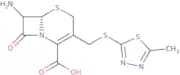

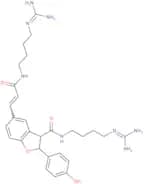
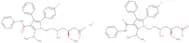
![2-[[[(4-Methoxypropoxy)-3-methyl-2-pyridinyl]methyl]sulfonyl]-1H-benzimidazole](/_next/image/?url=https%3A%2Fstatic.cymitquimica.com%2Fproducts%2F3D%2Fthumb-webp%2FIM57866.webp&w=3840&q=75)


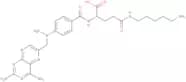
![5-(2-Ethoxyphenyl)-1-methyl-3-n-propyl-1,6-dihydro-7H-pyrazolo[4,3-d]pyrimidin-7-one](/_next/image/?url=https%3A%2Fstatic.cymitquimica.com%2Fproducts%2F3D%2Fthumb-webp%2FNE16544.webp&w=3840&q=75)
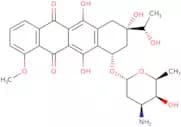

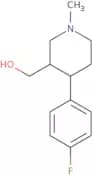
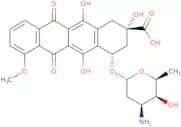
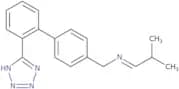
![2-Ethoxy-4-[2-[[(1R)-3-methyl-1-[2-(1-piperidinyl)phenyl]butyl]amino]-2-oxoethyl]benzoic acid ethy…](/_next/image/?url=https%3A%2Fstatic.cymitquimica.com%2Fproducts%2F3D%2Fthumb-webp%2FIE32567.webp&w=3840&q=75)
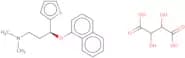
![2-Acetamido-7-[[2-(acetyloxy)ethoxy]methyl]-6,7-dihydro-1H-purin-6-one](/_next/image/?url=https%3A%2Fstatic.cymitquimica.com%2Fproducts%2F3D%2Fthumb-webp%2FIA58280.webp&w=3840&q=75)

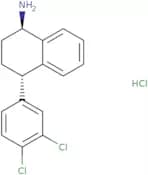
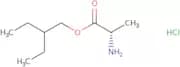
![D-[Pro]31-Tirzepatide](/_next/image/?url=https%3A%2Fstatic.cymitquimica.com%2Fproducts%2F3D%2Fthumb-webp%2FIP11028.webp&w=3840&q=75)


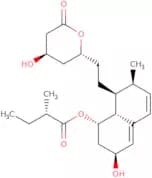
![5-Methoxy-2-[[(4-methoxy-3,5-dimethyl-2-pyridinyl)methyl]sulphonyl]-1H-benzimidazole N-oxide](/_next/image/?url=https%3A%2Fstatic.cymitquimica.com%2Fproducts%2F3D%2Fthumb-webp%2FIM57920.webp&w=3840&q=75)
![3-[[[2-[(Diaminomethylene)amino]-4-thiazolyl]methyl]thio]propanamide](/_next/image/?url=https%3A%2Fstatic.cymitquimica.com%2Fproducts%2F3D%2Fthumb-webp%2FID58074.webp&w=3840&q=75)


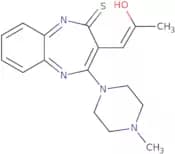
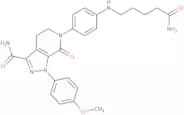
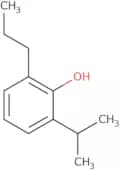
![[D-Phe22]-Tirzepatide](/_next/image/?url=https%3A%2Fstatic.cymitquimica.com%2Fproducts%2F3D%2Fthumb-webp%2FIP11026.webp&w=3840&q=75)
![2-[[1-(Methylamino)-2-nitroethenyl]amino]-ethanethiol](/_next/image/?url=https%3A%2Fstatic.cymitquimica.com%2Fproducts%2F3D%2Fthumb-webp%2FIM183181.webp&w=3840&q=75)
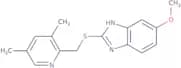
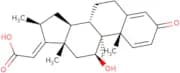
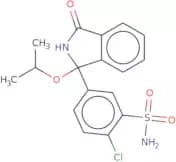

![N-[(1R)-1-(1-Naphthalenyl)ethyl]carbamic acid 3-[3-(trifluoromethyl)phenyl]propyl] ester](/_next/image/?url=https%3A%2Fstatic.cymitquimica.com%2Fproducts%2F3D%2Fthumb-webp%2FIN58184.webp&w=3840&q=75)
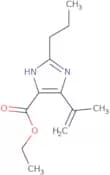
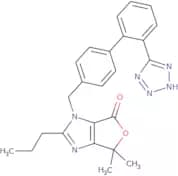
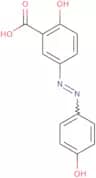
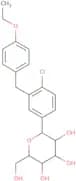

![5-Methoxy-2-[[(4-methoxy-3,5-dimethyl-2-pyridinyl)methyl]sulfonyl]-1H-benzimidazole](/_next/image/?url=https%3A%2Fstatic.cymitquimica.com%2Fproducts%2F3D%2Fthumb-webp%2FIM57926.webp&w=3840&q=75)
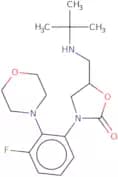
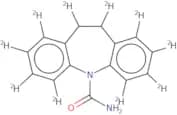


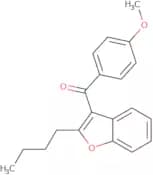
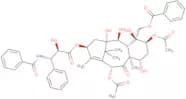
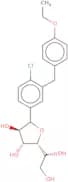
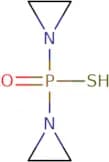
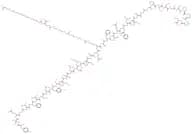

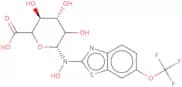
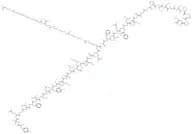
![4-[(3,4-Dimethoxyphenethyl)methylamino]-2-(3,4-dimethoxyphenyl)-2-isopropylbutyronitrile monohydro…](/_next/image/?url=https%3A%2Fstatic.cymitquimica.com%2Fproducts%2F3D%2Fthumb-webp%2FID20771.webp&w=3840&q=75)
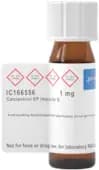
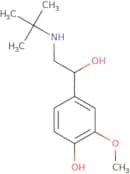

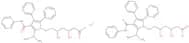
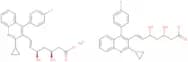
![[5-[(Dimethylamino)methyl]furan-2-yl]methanethiol, oxalate](/_next/image/?url=https%3A%2Fstatic.cymitquimica.com%2Fproducts%2F3D%2Fthumb-webp%2FID57849.webp&w=3840&q=75)
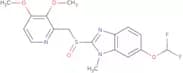


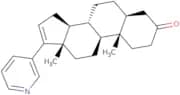
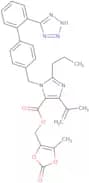
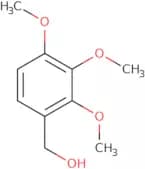
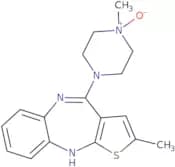
![(3S)-3-[4-[(5-Bromo-2-chlorophenyl)methyl]phenoxy]tetrahydro-furan](/_next/image/?url=https%3A%2Fstatic.cymitquimica.com%2Fproducts%2F3D%2Fthumb-webp%2FIB75174.webp&w=3840&q=75)
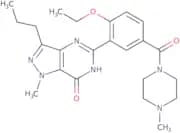
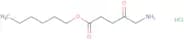
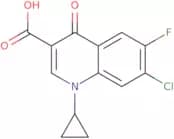
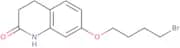
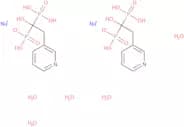
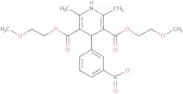

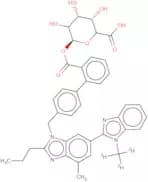
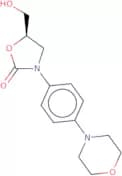

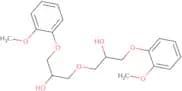
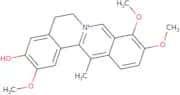
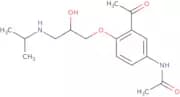
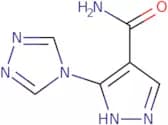

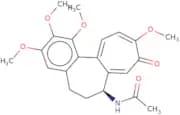
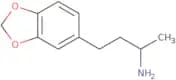
![Methyl 2-[[3-trifluoromethyl)phenyl]amino]benzoate](/_next/image/?url=https%3A%2Fstatic.cymitquimica.com%2Fproducts%2F3D%2Fthumb-webp%2FIM58092.webp&w=3840&q=75)
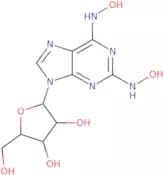
![a-[3-[[2-(3,4-Dimethoxyphenyl)ethyl]methylamino]propyl]-α-ethyl-3,4-dimethoxy-benzeneacetonitrile](/_next/image/?url=https%3A%2Fstatic.cymitquimica.com%2Fproducts%2F3D%2Fthumb-webp%2FID145566.webp&w=3840&q=75)
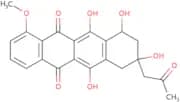
![3-[[[2-[(Diaminomethylene)amino]-4-thiazolyl]methyl]thio]propanimidamide hydrochloride](/_next/image/?url=https%3A%2Fstatic.cymitquimica.com%2Fproducts%2F3D%2Fthumb-webp%2FID58079.webp&w=3840&q=75)
![N-(Aminosulphonyl)-3-[[[2-[(aminoiminomethyl)amino]-4-thiazolyl]methyl]thio]propanamide, hydrochlo…](/_next/image/?url=https%3A%2Fstatic.cymitquimica.com%2Fproducts%2F3D%2Fthumb-webp%2FIA58075.webp&w=3840&q=75)
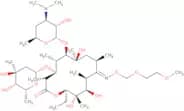
![Bis-[[2-aminoethyl]thio]methane](/_next/image/?url=https%3A%2Fstatic.cymitquimica.com%2Fproducts%2F3D%2Fthumb-webp%2FIB57858.webp&w=3840&q=75)

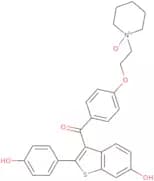
![N-[1-(S)-(-)-(1-Naphthyl)ethyl]-3-[3-(trifluoromethyl)phenyl]-1-aminopropane hydrochloride](/_next/image/?url=https%3A%2Fstatic.cymitquimica.com%2Fproducts%2F3D%2Fthumb-webp%2FIN58179.webp&w=3840&q=75)

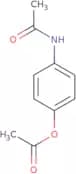
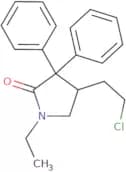
![3-[[p-(2-Pyridylsulfamoyl)phenyl]azo]salicylic acid](/_next/image/?url=https%3A%2Fstatic.cymitquimica.com%2Fproducts%2F3D%2Fthumb-webp%2FIP27943.webp&w=3840&q=75)
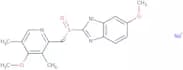
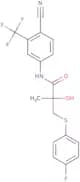
![2-[[[4-(3-Methoxypropoxy)-3-methyl-2-pyridinyl]methyl]thio]-1H-benzimidazole](/_next/image/?url=https%3A%2Fstatic.cymitquimica.com%2Fproducts%2F3D%2Fthumb-webp%2FIM57863.webp&w=3840&q=75)
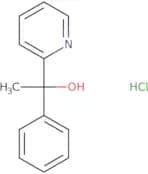
![2-(4-Dibenzo[b,f][1,4]thiazepin-11-yl-piperazin-1-yl)-ethanol](/_next/image/?url=https%3A%2Fstatic.cymitquimica.com%2Fproducts%2F3D%2Fthumb-webp%2FID57870.webp&w=3840&q=75)
![[4-(4-Amino-6,7-dimethoxy-2-quinazolinyl)-1-piperazinyl]-2-furanyl-methanone](/_next/image/?url=https%3A%2Fstatic.cymitquimica.com%2Fproducts%2F3D%2Fthumb-webp%2FIA63850.webp&w=3840&q=75)
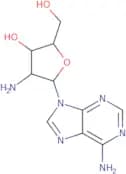


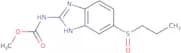
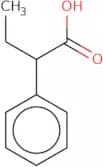
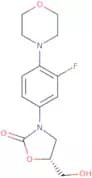
![8-Chloro-11H-benzo[5,6]cyclohepta[1,2-b]pyridin-11-one](/_next/image/?url=https%3A%2Fstatic.cymitquimica.com%2Fproducts%2F3D%2Fthumb-webp%2FIC183197.webp&w=3840&q=75)
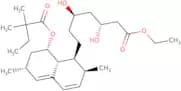
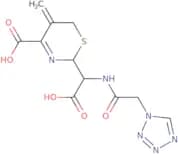
![3-[[[2-[(Aminoiminomethyl)amino]-4-thiazolyl]methyl]thio]-propanoic acid methyl ester](/_next/image/?url=https%3A%2Fstatic.cymitquimica.com%2Fproducts%2F3D%2Fthumb-webp%2FIA23223.webp&w=3840&q=75)
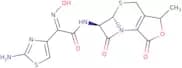

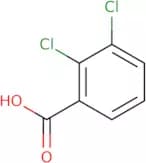
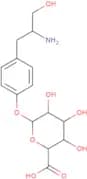
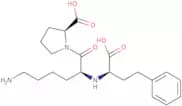
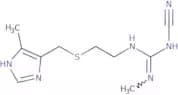
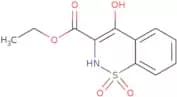

![[D-Phe6]-Tirzepatide](/_next/image/?url=https%3A%2Fstatic.cymitquimica.com%2Fproducts%2F3D%2Fthumb-webp%2FIP11027.webp&w=3840&q=75)

![3-[[[2-[(Diaminomethylene)amino]thiazol-4-yl]methyl]sulphanyl]propanoic acid](/_next/image/?url=https%3A%2Fstatic.cymitquimica.com%2Fproducts%2F3D%2Fthumb-webp%2FID58082.webp&w=3840&q=75)
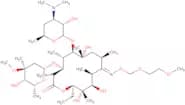


![5-Benzoyl-N-[2-hydroxy-1,1-bis(hydroxymethyl)ethyl]-2,3-dihydro-1H-pyrrolizine-1-carboxamide, race…](/_next/image/?url=https%3A%2Fstatic.cymitquimica.com%2Fproducts%2F3D%2Fthumb-webp%2FIB58063.webp&w=3840&q=75)
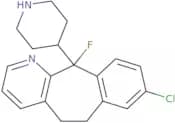
![D-[Ala]18-Tirzepatide](/_next/image/?url=https%3A%2Fstatic.cymitquimica.com%2Fproducts%2F3D%2Fthumb-webp%2FIA11851.webp&w=3840&q=75)
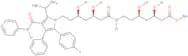
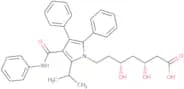
![N-[[2'-(2H-Tetrazol-5-yl)[1,1'-biphenyl]-4-yl]methyl]-L-Valine](/_next/image/?url=https%3A%2Fstatic.cymitquimica.com%2Fproducts%2F3D%2Fthumb-webp%2FIT106480.webp&w=3840&q=75)

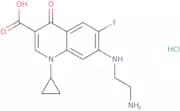
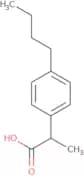
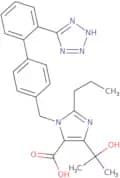
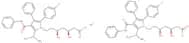
![3-[Methyl(phenylmethyl)amino]-1-phenyl-1-propanone hydrochloride](/_next/image/?url=https%3A%2Fstatic.cymitquimica.com%2Fproducts%2F3D%2Fthumb-webp%2FIM58070.webp&w=3840&q=75)
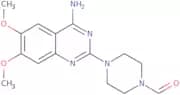
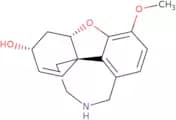
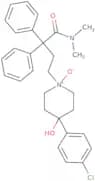
![4-[(2,4-Dihydroxy-3,3-dimethylbutanoyl)amino]-butanoic acid](/_next/image/?url=https%3A%2Fstatic.cymitquimica.com%2Fproducts%2F3D%2Fthumb-webp%2FTAA67990.webp&w=3840&q=75)
![5-Methoxy-2-[[(4-methoxy-3,5-dimethyl-2-pyridinyl)methyl]sulfinyl]-1H-benzimidazole N-oxide](/_next/image/?url=https%3A%2Fstatic.cymitquimica.com%2Fproducts%2F3D%2Fthumb-webp%2FIM57921.webp&w=3840&q=75)
![3-[Benzyl(methyl)amino]-1-phenylpropan-1-one](/_next/image/?url=https%3A%2Fstatic.cymitquimica.com%2Fproducts%2F3D%2Fthumb-webp%2FIB158700.webp&w=3840&q=75)
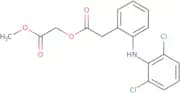
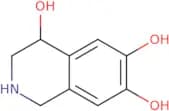
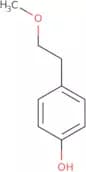
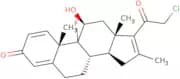
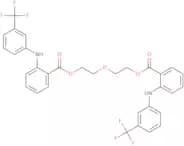



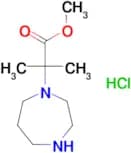
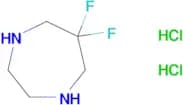
![5-Oxo-[1,4]diazepane-1-carboxylic acid tert-butylester](/_next/image/?url=https%3A%2Fstatic.cymitquimica.com%2Fproducts%2F10%2Fthumb-webp%2FF040633.webp&w=3840&q=75)
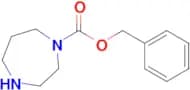
![6-FLUORO-[1,4]DIAZEPANE-1-CARBOXYLIC ACID TERT-BUTYL ESTER](/_next/image/?url=https%3A%2Fstatic.cymitquimica.com%2Fproducts%2F10%2Fthumb-webp%2FF469333.webp&w=3840&q=75)
![5-Oxo-[1,4]diazepane-1-carboxylic acid benzylester](/_next/image/?url=https%3A%2Fstatic.cymitquimica.com%2Fproducts%2F10%2Fthumb-webp%2FF011833.webp&w=3840&q=75)