APIs for research and impurities
Active Pharmaceutical Ingredients (APIs) are the substances in drugs responsible for their therapeutic effects. In this section, you will find a wide variety of APIs intended for research use. These compounds are essential for the development, testing, and validation of new pharmaceutical formulations. CymitQuimica offers high-quality APIs to support research in drug discovery and development.
Subcategories of "APIs for research and impurities"
- Aminoacids and derivatives(12,278 products)
- Anthraquinones and derivatives(405 products)
- Benzimidazole and Imidazole Derivatives(10,376 products)
- Benzodiazepine Derivatives(333 products)
- Carbohydrates and glycoconjugates(5,013 products)
- Esters and Derivatives(42,045 products)
- Fatty Acids and Lypidic Derivatives(32,246 products)
- Flavonoids and Polyphenols(17,012 products)
- Free Radicals and Oxidant/Reducing Agents(213 products)
- Ketones and derivatives(2,394 products)
- Natural and semi-synthetic antibiotics(6,363 products)
- Nitriles and Cyano Derivatives(3,045 products)
- Nitrosamines and Derivatives(55 products)
- Nucleosides and Nucleotides(3,427 products)
- Organic Phosphates and Phosphonates(1,201 products)
- Organic Sulphonates and Sulphates(10,406 products)
- Organometallics(4,401 products)
- Others(6,279 products)
- Peptides and Proteins(3,128 products)
- Polymers and Derivatives(99 products)
- Purines and Pyrimidine Derivatives(8,901 products)
- Quinazoline and Quinoline Derivatives(65,630 products)
- Quinones and Derivatives(24,237 products)
- Salts and Derivatives of Active Pharmaceutical Ingredients (API)(79,464 products)
- Steroids and Derivatives(4,964 products)
- Sulfonamides and Derivatives(2,592 products)
- Terpenoids and Derivatives(3,839 products)
- Thiazolidinediones and Thiopyrans(2,733 products)
- β-Adrenergic Compounds(230 products)
Show 21 more subcategories
Found 56790 products of "APIs for research and impurities"
Sort by
Purity (%)
0
100
|
0
|
50
|
90
|
95
|
100
22-Hydroxycholest-4-en-3-one
CAS:Controlled Product<p>22-Hydroxycholest-4-en-3-one is an analog that has been shown to have potent anticancer activity. It works by inhibiting kinase activity, which plays a key role in the regulation of cell cycle and apoptosis. This inhibitor has been found to induce apoptosis in cancer cells, leading to tumor regression. 22-Hydroxycholest-4-en-3-one has also been shown to inhibit protein synthesis and inhibit the growth of human cancer cell lines. In Chinese medicine, it is used for its medicinal properties and is present in urine as a natural metabolite. Its potential as an anticancer agent makes it a promising candidate for further research and development of cancer therapies.</p>Formula:C27H44O2Purity:Min. 95%Molecular weight:400.6 g/molCarbofuran N,N-dibutyl-2λ1-disulfan-1-amine
CAS:<p>Please enquire for more information about Carbofuran N,N-dibutyl-2λ1-disulfan-1-amine including the price, delivery time and more detailed product information at the technical inquiry form on this page</p>Formula:C20H32N2O3S2Purity:Min. 95%Molecular weight:412.6 g/molLinagliptin impurity E
CAS:Controlled Product<p>Linagliptin impurity E is a metabolite of the drug Linagliptin. It is an analytical reference material that is used to calibrate HPLC and GC-MS methods for quality control and purity assessment of Linagliptin. This impurity standard is also used for metabolism studies.</p>Formula:C25H28N8O2Purity:Min. 95%Molecular weight:472.54 g/mol1-Methoxy amiodarone
CAS:Controlled Product<p>1-Methoxy amiodarone is a drug product that is a custom synthesis. It has CAS No. 1087223-70-8, and it is a high purity analytical standard with natural origins. Metabolism studies have been carried out to identify the metabolites of 1-methoxy amiodarone and its main metabolite, N-desethylamiodarone (DEA). DEA was found to be the most potent metabolite of the drug, but it was also found to have less than 10% of the pharmacological activity of 1-methoxy amiodarone. Pharmacopoeia standards are available for 1-methoxy amiodarone, which can be used for pharmaceutical research and development purposes. HPLC standards are also available for this compound.</p>Formula:C26H31I2NO4Purity:Min. 95%Color and Shape:Clear LiquidMolecular weight:675.34 g/molUlifloxacin acyl-β-D-glucuronide
CAS:<p>Ulifloxacin acyl-β-D-glucuronide is an inhibitor of protein kinases that has been shown to induce apoptosis in cancer cells. This compound is a metabolite of ulifloxacin, a fluoroquinolone antibiotic used to treat urinary tract infections. Ulifloxacin acyl-β-D-glucuronide has potent anticancer activity and has been shown to inhibit the growth of tumor cells in vitro. This compound is an analog of other kinase inhibitors and has been extensively studied in Chinese hamster ovary (CHO) cells, where it was found to be effective against various types of cancer. Ulifloxacin acyl-β-D-glucuronide also possesses toxin-binding properties and may have potential as an anti-toxin agent.</p>Formula:C22H24FN3O9SPurity:Min. 95%Molecular weight:525.5 g/mol5'-Hydroxydeferasirox
CAS:<p>Please enquire for more information about 5'-Hydroxydeferasirox including the price, delivery time and more detailed product information at the technical inquiry form on this page</p>Formula:C21H15N3O5Purity:Min. 95%Molecular weight:389.4 g/molClobetasol Propionate - Impurity D
CAS:Controlled Product<p>Please enquire for more information about Clobetasol Propionate - Impurity D including the price, delivery time and more detailed product information at the technical inquiry form on this page</p>Formula:C25H34ClFO5Purity:Min. 95%Molecular weight:468.99 g/molL-Threo-hex-2-enaric acid 1,4-lactone 6-methyl ester
CAS:<p>L-Threo-hex-2-enaric acid 1,4-lactone 6-methyl ester is a research and development compound. It is a metabolite of the drug product L-Threo-hex-2-enaric acid 1,4-lactone 6-(2,6,6)-trimethyl ester. L-Threo-hex-2-enaric acid 1,4-lactone 6-(2,6,6)-trimethyl ester (LTA) is an impurity in the drug product that is present as a result of its synthesis. LTA is an intermediate compound that can be used to synthesize other drugs or as an analytical reference material.</p>Formula:C7H8O7Purity:Min. 95%Molecular weight:204.13 g/molMethylprednisolone 21-Propionate
CAS:Controlled Product<p>Methylprednisolone 21-propionate is a drug product that is used in the treatment of inflammation and autoimmune diseases. It has been used in research and development to develop a natural, synthetic, and analytical standard for the drug product. Methylprednisolone 21-propionate is metabolized by glucuronidation or sulfation. The impurity standards are used to identify any potential impurities or metabolites that may be present in the API. This drug product is also an analytical standard that can be used as a reference material for pharmacopoeia testing.</p>Formula:C25H34O6Purity:Min. 95%Molecular weight:430.53 g/molRisperidone pyrimidinone-N-oxide(risperidone impurity)
CAS:<p>Risperidone pyrimidinone-N-oxide (ROPN) is a metabolite of risperidone. It is an impurity that is used as a reference standard for HPLC in the drug development process. ROPN can be synthesized from risperidone, but it is also found naturally in some plants and fungi. It has been shown to have anti-inflammatory properties, which may be due to its inhibition of prostaglandin synthesis.</p>Formula:C23H27FN4O3Purity:Min. 95%Molecular weight:426.5 g/mol(S)-2-Amino-3-(4-(4-hydroxy-3,5-diiodophenoxy)-3,5-diiodophenyl)-N-methylpropanamide
CAS:<p>(S)-2-Amino-3-(4-(4-hydroxy-3,5-diiodophenoxy)-3,5-diiodophenyl)-N-methylpropanamide is an analytical standard that is used as an impurity in the synthesis of a drug product. The purity of this compound is greater than 99%. It has been synthesized and purified by both custom synthesis and synthetic methods. This compound is not commercially available and must be custom synthesized for research purposes.</p>Formula:C16H14I4N2O3Purity:Min. 95%Molecular weight:789.91 g/molN-Desmethyl N-hydroxymethyl regorafenib
CAS:<p>N-Desmethyl N-hydroxymethyl regorafenib is a drug product that is used in the development of new drugs. It is a chemical intermediate that has been synthesized to produce a desired metabolite. The molecule contains two methyl groups, two hydroxyl groups, and one carboxylic acid group on the aromatic ring. This product has been purified to high purity by analytical methods.</p>Formula:C21H15ClF4N4O4Purity:Min. 95%Molecular weight:498.80 g/molBET-IN-4
CAS:<p>Please enquire for more information about BET-IN-4 including the price, delivery time and more detailed product information at the technical inquiry form on this page</p>Formula:C22H21N3O3Purity:Min. 95%Molecular weight:375.4 g/molThiohempa
CAS:<p>Thiohempa is an anticancer drug that has been shown to inhibit tumor growth by targeting kinases, which are enzymes involved in cell signaling pathways. This drug induces apoptosis, or programmed cell death, in cancer cells by inhibiting the activity of these kinases. Thiohempa is a potent inhibitor of protein kinase C and other kinases that play a role in cancer cell proliferation. It also acts as an inhibitor of geniposide, a Chinese herbal medicine analog that is excreted in urine. Thiohempa has been tested on human cancer cell lines and has shown promising results as a potential cancer treatment.</p>Formula:C6H18N3PSPurity:Min. 95%Molecular weight:195.27 g/molAmaroswerin
CAS:<p>Amaroswerin is an analog of a medicinal plant compound that has been shown to have potent anticancer properties. It works by inhibiting cyclin-dependent kinase, a protein that plays a key role in cell division and proliferation. This inhibition leads to apoptosis, or programmed cell death, in cancer cells. Amaroswerin has been studied extensively in both Chinese and human tumor models, and has shown promising results as an inhibitor of tumor growth. In addition, it has been found in urine samples of cancer patients, indicating its potential as a biomarker for cancer diagnosis and treatment monitoring. Overall, Amaroswerin represents a promising new class of anticancer inhibitors with potential for future development into effective cancer therapies.</p>Formula:C29H30O14Purity:Min. 95%Color and Shape:PowderMolecular weight:602.5 g/molNaproxen EP Impurity D
CAS:<p>Naproxen EP Impurity D is a research and development impurity standard that is used for pharmacopoeia drug product, synthetic, high purity, and analytical purposes. Naproxen EP Impurity D is a metabolite of naproxen and has been shown to be an active form of the drug in animal studies. The CAS number for Naproxen EP Impurity D is 116883-62-6.</p>Formula:C14H13IO3Purity:Min. 95%Molecular weight:356.16 g/molHaloperidol nonanoate
CAS:<p>Haloperidol is a drug belonging to the group of typical antipsychotics. Haloperidol nonanoate is a haloperidol prodrug that is administered in an oily solution and hydrolyzed to release the active form, haloperidol, in vivo. Haloperidol nonanoate has been shown to be an impurity standard for HPLC analyses and as such may be used as a reference compound for quality control purposes. It is also used as an analytical reference material for the determination of natural or synthetic impurities in APIs. Haloperidol nonanoate has been developed by custom synthesis and research and development, with the goal of producing high purity pharmaceuticals.</p>Formula:C36H43ClFNO3Purity:Min. 95%Molecular weight:592.18 g/mol7-O-(Triethylsilyl) paclitaxel
CAS:<p>7-O-(Triethylsilyl) paclitaxel is a synthetic Taxol analog. It is manufactured by custom synthesis and purified by HPLC to be used as an analytical standard for the determination of natural Taxol impurities in drug products.</p>Formula:C53H65NO14SiPurity:Min. 95%Molecular weight:968.17 g/mol2-Methoxy-5-sulfamoylbenzamide
CAS:<p>2-Methoxy-5-sulfamoylbenzamide is a white crystalline solid that is soluble in water. This compound has been shown to be an antiemetic agent, and also possesses antidopaminergic properties. It is used as an antiemetic, but has not been studied extensively for this indication. 2-Methoxy-5-sulfamoylbenzamide has also been shown to be effective in the treatment of Parkinsonism.</p>Formula:C8H10N2O4SPurity:Min. 95%Molecular weight:230.24 g/molDasatinib carboxylic acid ethyl ester
CAS:<p>Dasatinib is an inhibitor of tyrosine kinases, which are enzymes that transmit signals from outside the cell to inside the cell. Dasatinib carboxylic acid ethyl ester is the analytical standard for dasatinib and can be used for drug development and quality control of drug products. The impurity standard for dasatinib carboxylic acid ethyl ester is 2-amino-N-(4-methoxybenzoyl)-3,5-dinitrobenzamide (CAS No. 106560-78-1).</p>Formula:C24H28ClN7O3SPurity:Min. 95%Molecular weight:530 g/mol2-(3-(1-Benzylpiperidin-4-yl)-2-oxopropyl)-4,5-dimethoxybenzoic acid
CAS:<p>2-(3-(1-Benzylpiperidin-4-yl)-2-oxopropyl)-4,5-dimethoxybenzoic acid is a synthetic compound that is being researched as a potential drug product. It is an impurity standard for HPLC and has been used in the past to develop drugs. The chemical structure of this compound closely resembles that of the natural metabolite 4,5-dimethoxybenzoic acid, which is found in plants such as thyme. 2-(3-(1-Benzylpiperidin-4-yl)-2-oxopropyl)-4,5-dimethoxybenzoic acid has shown to inhibit human cytochrome P450 enzymes, which may lead to serious side effects when taken orally.</p>Formula:C24H29NO5Purity:Min. 95%Molecular weight:411.49 g/molDv 7028 hydrochloride
CAS:<p>Dv-7028 is a synthetic, natural, and/or semi-synthetic compound that is used in research and development. It can be used as an analytical standard or HPLC standard. Dv-7028 has been shown to inhibit the metabolism of drugs such as coumarin, phenacetin, acetanilide, and antipyrine. It also serves as an impurity standard for the pharmacopoeia. This molecule has been shown to have anti-inflammatory properties due to its ability to inhibit prostaglandin synthesis.</p>Formula:C21H25FN4O3·HClPurity:Min. 95%Molecular weight:400.45 g/mol1-Hydroxy-ibuprofen - Mixture of diastereoisomers
CAS:<p>Ibuprofen is a nonsteroidal anti-inflammatory drug that is used to treat arthritis, rheumatoid arthritis, menstrual cramps and pain. Ibuprofen is a racemic mixture of two enantiomers, ibuprofen and S (+) -ibuprofen. The dextran sulfate method is an analytical method used to determine the concentration of ibuprofen in biological fluids such as human serum or urine. This test can be done by first treating the sample with trifluoroacetic acid (TFA) to convert ibuprofen to its glucuronide conjugate. The glucuronide conjugates are then deproteinized with hydrochloric acid, which converts them into their corresponding carboxylated derivatives. This conversion allows for the separation of ibuprofen from interfering substances using preparative hplc and quantification using mass spectrometry. Toxicity studies have been conducted on bacteria strains and inflammatory bowel</p>Formula:C13H18O3Purity:Min. 95%Color and Shape:White PowderMolecular weight:222.28 g/mol3?-Hydroxydesoxyartemether
CAS:<p>3α-Hydroxydesoxyartemether is a synthetic, natural product. It is an impurity of the API 3α-hydroxydesoxyartemisinin. It has been shown to have pharmacological properties similar to those of artemisinin. The metabolite has been shown to have activity against bacteria and fungi that are resistant to other drugs. Synthesis of this compound requires the use of a custom synthesis and can be obtained in high purity from a HPLC standard with analytical data. 3α-Hydroxydesoxyartemether is used as a research and development tool for drug development and as an impurity standard for pharmacopoeia.</p>Formula:C16H26O5Purity:Min. 95%Molecular weight:298.37 g/mol(R)-Norfluoxetine phthalimide
CAS:<p>(R)-Norfluoxetine phthalimide is a metabolite of fluoxetine. It is an impurity in the drug product and is subject to USP 797> Metabolite Standard. This compound was developed as a research and development tool for pharmacopoeia, drug development, and analytical purposes. It also has niche applications in metabolism studies, natural products, and HPLC standards.</p>Formula:C24H18F3NO3Purity:Min. 95%Molecular weight:425.4 g/molBupivacaine N-oxide hydrochloride
CAS:<p>Bupivacaine N-oxide is a synthetic local anesthetic drug. It is a metabolite of bupivacaine and has been shown to be active in animal studies. The chemical name for bupivacaine N-oxide is 4-oxo-2,6,8-trimethylquinoline. Bupivacaine N-oxide hydrochloride (N06) is an impurity standard that meets the USP/BP requirements for purity and quality as well as the pharmacopoeia standards for analytical methods. The compound has been synthesized by custom synthesis and research and development from Impurity Standard Bupivacaine Hydrochloride (CAS No. 1796927-05-3). The compound is used in the synthesis of drug products, including analgesics and anaesthetics. The compound can be used in analytical studies due to its high purity and quality standards.</p>Formula:C18H29ClN2O2Purity:Min. 95%Molecular weight:340.9 g/molSolifenacin N-oxide
CAS:<p>Solifenacin N-oxide is an anti-cholinergic agent that has been shown to be effective in the treatment of overactive bladder. Solifenacin N-oxide is a prodrug that is hydrolyzed in vivo to solifenacin, its active form. The compound reversibly binds to muscarinic receptors and inhibits the release of acetylcholine. Solifenacin N-oxide has been shown to have low levels of impurities and is highly soluble in water. It was also found to be stable when stored at room temperature for two months. This drug has a high flow rate and moderate retention time, which makes it suitable for reversed-phase liquid chromatography (RPLC). RPLC is a chromatographic technique that separates compounds by size, hydrophobicity, or charge.</p>Formula:C23H26N2O3Purity:Min. 95%Color and Shape:White PowderMolecular weight:378.46 g/molTrans-2-methyl-3-(5'-carboxy-3'-methyl-2'-pentenyl)-1,4-naphthoquinone
CAS:<p>Trans-2-methyl-3-(5'-carboxy-3'-methyl-2'-pentenyl)-1,4-naphthoquinone is a synthetic impurity standard used as a research and development, impurity standard, and custom synthesis. It is also used in the production of drug product and in drug development. Trans-2-methyl-3-(5'-carboxy-3'-methyl-2'-pentenyl)-1,4-naphthoquinone has been shown to be a metabolite of aminopyrine. Trans-2-methyl-3-(5'-carboxy-3'-methyl-2'-pentenyl)-1,4-naphthoquinone is a high purity (99%) HPLC standard.</p>Formula:C18H18O4Purity:90% MinMolecular weight:298.33 g/molCinacalcet impurity B
CAS:<p>Cinacalcet impurity B is an amine that is a by-product of the manufacturing process for cinacalcet. This compound has been found to be active as a calcium sensitizer in vitro. The ionic form of this compound has been shown to bind to graphitic carbon and produce reproducible chromatographic peaks, which are characterized by their retention time and ionic strength. Cinacalcet impurity B has also been shown to have chiral properties, with the enantiomeric form being more active than the positional isomer. The affinity of this compound for chiral molecules may be due to its ability to act as a chiral selector.</p>Formula:C19H19NPurity:Min. 95%Molecular weight:261.36 g/mol2-(((Hydroxy-4-methyloctyl)oxy)carbonyl)cyclohexanecarboxylic-d8 acid
CAS:<p>2-(((Hydroxy-4-methyloctyl)oxy)carbonyl)cyclohexanecarboxylic acid is a metabolite of the plasticiser diethyl phthalate. It is found in urine samples and can be quantified by liquid chromatography with electrospray ionization mass spectrometry. 2-(((Hydroxy-4-methyloctyl)oxy)carbonyl)cyclohexanecarboxylic acid has been shown to cause cancer in animals and newborns, as well as to inhibit male reproductive development in humans. This compound can be detected in the population at a dilution of 1:100,000.</p>Formula:C17H22D8O5Purity:Min. 95%Molecular weight:322.47 g/molGomphrenin I
CAS:<p>Gomphrenin I is an analog of a human protein that has been found to have potent anticancer properties. It works by inhibiting kinases, which are enzymes involved in cell signaling pathways that can contribute to the growth and survival of cancer cells. Gomphrenin I has been shown to induce apoptosis, or programmed cell death, in cancer cells and has demonstrated efficacy against various tumor types. This medicinal compound is a promising inhibitor for kinases and may hold potential as a therapeutic agent for cancer treatment. Gomphrenin I has been isolated from Chinese herbal medicine and can be detected in urine samples after ingestion.</p>Formula:C24H26N2O13Purity:Min. 95%Molecular weight:550.5 g/mol9α-Fluoro-6α-methylprednisolone 21-acetate
CAS:Controlled Product<p>9α-Fluoro-6α-methylprednisolone 21-acetate is an analog of the hormone cortisol and has potent anti-inflammatory and immunosuppressive properties. It is also being studied for its potential anticancer activity. This compound inhibits cyclin-dependent kinases, which are involved in regulating cell division and growth. It has been shown to induce apoptosis in cancer cells and inhibit tumor growth in animal models. Additionally, it has been found in human urine, indicating that it may have potential as a biomarker for cancer diagnosis or monitoring.</p>Formula:C24H31FO6Purity:Min. 95%Molecular weight:434.5 g/molNizatidine sulfoxide
CAS:<p>Nizatidine sulfoxide is a drug product with CAS No. 102273-13-2. It is a metabolite of nizatidine, a compound that inhibits gastric acid secretion and reduces the risk of ulcers and gastrointestinal bleeding. Nizatidine sulfoxide is an impurity in the synthesis of nizatidine. This impurity has been found in our synthesized material and has been found to be an analytical standard for HPLC analysis. Our research team has developed this impurity as a niche product for pharmacopoeia development and drug development.</p>Formula:C12H21N5O3S2Purity:Min. 95%Molecular weight:347.5 g/molLevofloxacin impurity 19
CAS:<p>Please enquire for more information about Levofloxacin impurity 19 including the price, delivery time and more detailed product information at the technical inquiry form on this page</p>Formula:C13H10FNO5Purity:Min. 95%Molecular weight:279.22 g/mol2-Deschloro aripiprazole
CAS:<p>2-Deschloro aripiprazole is a drug that belongs to the class of antipsychotics. It is an atypical antipsychotic with a high affinity for human albumin and α1-acid glycoprotein, which are plasma proteins. 2-Deschloro aripiprazole has been shown to interact with human albumin and α1-acid glycoprotein in vitro, and it has been suggested that this interaction may be responsible for its pharmacological effects. 2-Deschloro aripiprazole has also been shown to bind to the dopamine D2 receptor, which is thought to be responsible for its therapeutic effects as an antipsychotic. The molecular interactions between 2-deschloro aripiprazole and human albumin have been studied using isothermal titration calorimetry (ITC) and molecular docking studies. These studies have helped us understand how 2-deschloro aripiprazole binds to human album</p>Formula:C23H28ClN3O2Purity:Min. 95%Molecular weight:413.94 g/molEntecavir (1S,3S,4S) diastereomer
CAS:<p>Entecavir is a drug product that is custom synthesized to order. It has a purity of >98% and is made up of the 1S,3S,4S diastereomer. Entecavir is an antiviral drug that belongs to the nucleoside analog family and inhibits viral replication by inhibiting DNA polymerase α. The metabolism studies for entecavir have been completed and it was found that entecavir undergoes hydrolysis by esterases, oxidation by cytochrome P450 enzymes, reduction by glutathione reductase, or conjugation with glucuronic acid. Entecavir also specifically binds to markers expressed at high levels in Mycobacterium tuberculosis strains (e.g., ESX-1 secretion system protein) and inhibits cell growth in culture.</p>Formula:C12H15N5O3Purity:Min. 95%Molecular weight:277.28 g/mol4'-Bromo-2-(diethylamino)-2',6'-acetoxylidide
CAS:<p>Please enquire for more information about 4'-Bromo-2-(diethylamino)-2',6'-acetoxylidide including the price, delivery time and more detailed product information at the technical inquiry form on this page</p>Formula:C14H21BrN2OPurity:Min. 95%Molecular weight:313.23 g/molHydrocortisone 17-valerate 21-acetate
CAS:Controlled Product<p>Please enquire for more information about Hydrocortisone 17-valerate 21-acetate including the price, delivery time and more detailed product information at the technical inquiry form on this page</p>Formula:C28H40O7Purity:Min. 95%Molecular weight:488.6 g/molN-(4-Chlorophenyl)-2-hydroxy-3-[(4-methoxyphenyl)sulfonyl]-2-methylpropanamide
CAS:<p>N-(4-Chlorophenyl)-2-hydroxy-3-[(4-methoxyphenyl)sulfonyl]-2-methylpropanamide (CAS No. 338424-26-3) is a drug product with high purity, analytical and CAS number 338424-26-3. Metabolism studies of this drug are required for its development as a drug. The metabolite of this drug is 2-[(4-chlorophenyl)sulfonyl]-N-(3,4,5-trimethoxyphenyl)-2HCl. It is a natural product that has been synthesized for the first time in our lab. This chemical substance belongs to the class of synthetic compounds that are used as an impurity standard for HPLC analysis.</p>Formula:C17H18ClNO5SPurity:Min. 95%Molecular weight:383.8 g/mol[6-(4-Phenylbutoxy)hexyl]benzylamine hydrochloride
CAS:<p>Please enquire for more information about [6-(4-Phenylbutoxy)hexyl]benzylamine hydrochloride including the price, delivery time and more detailed product information at the technical inquiry form on this page</p>Formula:C23H34ClNOPurity:Min. 95%Molecular weight:376 g/molMoexipril-d5
CAS:<p>Please enquire for more information about Moexipril-d5 including the price, delivery time and more detailed product information at the technical inquiry form on this page</p>Formula:C27H34N2O7Purity:Min. 95%Molecular weight:503.6 g/molPregabalin impurity PD 0312236 and Pregabalin impurity PD 0312237 (mixture of tautomeric isomers)
CAS:<p>Lactose conjugate degradation product of pregabalin</p>Formula:C20H35NO11Purity:Min. 95%Molecular weight:465.49 g/mol(+)-Geosmin
CAS:<p>(+)-Geosmin is a protein that has shown promising medicinal properties as an inhibitor of tumor growth and apoptosis inducer in human Chinese hamster ovary cells. It acts as a kinase inhibitor, blocking the activity of enzymes that promote cell division and proliferation. Studies have shown that (+)-Geosmin analogs can effectively inhibit the growth of cancer cells, making it an attractive candidate for anticancer therapies. Additionally, this compound has been detected in urine samples and may have potential diagnostic applications for certain types of cancer.</p>Formula:C12H22OPurity:Min. 95%Molecular weight:182.3 g/molPBDE 60
CAS:<p>PBDE 60 is a medicinal compound that has been shown to have potent anticancer properties. It is an analog of protein kinase inhibitors and has been found to be effective in inhibiting the growth of cancer cells in vitro. PBDE 60 works by inducing apoptosis, which is programmed cell death, in cancer cells. This compound has been tested on Chinese hamster ovary (CHO) cells and has shown to be a potent inhibitor of protein kinases. It also exhibits anticancer activity against various tumor cell lines, making it a promising candidate for cancer treatment. PBDE 60 can be detected in human urine and may have potential as a therapeutic agent for the treatment of cancer.</p>Formula:C12H6Br4OPurity:Min. 95%Molecular weight:485.79 g/mol(+)-o-Desmethyl-N,N-bisdesmethyl tramadol
CAS:<p>(+)-o-Desmethyl-N,N-bisdesmethyl tramadol is a synthetic opioid analgesic. It has a chemical structure that is similar to morphine, but with two methyl groups at the 3 and 6 positions of the benzene ring. (+)-o-Desmethyl-N,N-bisdesmethyl tramadol binds to mu receptors in the brain and spinal cord, which block pain signals from being sent to the brain. It also inhibits norepinephrine reuptake, leading to increased levels of this neurotransmitter in the synapse. This increased level of norepinephrine leads to an increase in pain relief.</p>Formula:C13H19NO2Purity:Min. 95%Molecular weight:221.29 g/molΔ2-Cefuroxime
CAS:<p>Δ2-Cefuroxime is a prodrug that is hydrolyzed in vivo to cefuroxime, its active form. It has a high rate of hydrolysis, which can be increased by buffers, and it is commonly used as an intravenous or intramuscular injection. Δ2-Cefuroxime has two isomeric forms: the cis-isomer and trans-isomer. The cis-isomer has a higher rate of hydrolysis than the trans-isomer, but both forms have equal antibacterial activity. In addition, Δ2-cefuroxime can be converted into erythromycin.</p>Formula:C16H16N4O8SPurity:Min. 95%Molecular weight:424.4 g/mol7-Aminopyrazolo[1,5-a]pyrimidine-3,6-dicarboxylic acid 3,6-diethyl ester
CAS:<p>7-Aminopyrazolo[1,5-a]pyrimidine-3,6-dicarboxylic acid 3,6-diethyl ester is an impurity in the synthesis of drugs. It is a white to off-white powder or crystalline solid with a melting point of 114°C. 7-Aminopyrazolo[1,5-a]pyrimidine-3,6-dicarboxylic acid 3,6-diethyl ester has been studied for its metabolism and toxicity. It is not naturally occurring and was synthesized in the laboratory. It may be used as a reference material for pharmacopoeia standards.</p>Formula:C12H14N4O4Purity:Min. 95%Molecular weight:278.26 g/molPBDE 155
CAS:<p>PBDE 155 is an analog of PBDE, a kinase inhibitor that has shown potential as an anticancer agent. It induces apoptosis in cancer cells and inhibits the activity of kinases involved in tumor growth. PBDE 155 has been studied extensively in Chinese hamster ovary cells and human urine samples, where it has demonstrated potent anticancer activity. It has also been shown to be effective against a variety of cancer types and may be useful as a therapeutic agent for the treatment of cancer. Additionally, PBDE 155 has been found to have cysteamine-like properties, which may contribute to its ability to inhibit protein kinases and induce apoptosis.</p>Formula:C12H4Br6OPurity:Min. 95%Molecular weight:643.6 g/mol5,7,4'-Trimethoxy-4-phenylcoumarin
CAS:<p>5,7,4'-Trimethoxy-4-phenylcoumarin is a potent anticancer agent that has been shown to inhibit cancer cell growth and induce apoptosis. This compound is found in medicinal plants and acts as an inhibitor of protein kinases involved in the regulation of the cell cycle. It has been tested against Chinese hamster ovary cells and human tumor cell lines, showing promising results as an effective inhibitor of cancer cell proliferation. 5,7,4'-Trimethoxy-4-phenylcoumarin is a valuable analog for the development of novel anticancer drugs due to its potent activity against various types of cancer. Its inhibitory effects on kinase activity make it a promising candidate for future drug development efforts aimed at treating cancer.</p>Formula:C18H16O5Purity:Min. 95%Molecular weight:312.3 g/molSimvastatin EP Impurity K
CAS:<p>Please enquire for more information about Simvastatin EP Impurity K including the price, delivery time and more detailed product information at the technical inquiry form on this page</p>Formula:C25H40O5Purity:Min. 95%Molecular weight:420.59 g/mol(-)-Nefopam
CAS:<p>(-)-Nefopam is a medicinal compound that acts as an inhibitor of kinases, which are enzymes involved in many cellular processes. It has been shown to inhibit the growth of cancer cells by inducing apoptosis, or programmed cell death. In Chinese hamster ovary cells, (-)-Nefopam has been found to inhibit the uptake of xylose into the cell, suggesting that it may have an effect on carbohydrate metabolism. This compound has also been shown to interfere with the cell cycle and protein synthesis in human cancer cells. Overall, (-)-Nefopam shows promise as a potential therapeutic agent for cancer treatment.</p>Formula:C17H19NOPurity:Min. 95%Molecular weight:253.34 g/molMaraviroc-d6
CAS:<p>Maraviroc-d6 is a medicinal compound that has been developed as an inhibitor of kinases, which are enzymes involved in cell cycle regulation and apoptosis. This molecule has been shown to have potent anticancer activity in human cancer cells, including those from Chinese origin. Maraviroc-d6 works by inhibiting the activity of protein kinases, which are involved in the regulation of cell proliferation and survival. This inhibition leads to the induction of apoptosis, or programmed cell death, in cancer cells. Additionally, this compound has been shown to be effective as an inhibitor of tumor growth in animal models. The use of Maraviroc-d6 may represent a promising strategy for the development of novel anticancer therapies.</p>Formula:C29H41F2N5OPurity:Min. 95%Molecular weight:519.7 g/molSaccharin N-(2-acetic acid isopropyl ester)
CAS:<p>Saccharin is a drug product that consists of saccharin N-isopropyl ester and an impurity standard. Saccharin is a synthetic sweetener that is found in the leaves of the herbaceous perennial S. dulcis, which has been used as a natural sweetener for centuries. Saccharin can be metabolized by humans to form 2-acetic acid and 4-methyl-1,2,3-thiadiazole (MTT) as a byproduct. The metabolite MTT may cause cancer in animals, but this has not been confirmed in humans. The pharmacopoeia specifies the purity of saccharin as 98% or greater. Metabolite standards are also provided for research purposes.</p>Formula:C12H13NO5SPurity:Min. 95%Molecular weight:283.3 g/molClindamycin Phosphate EP Impurity I
<p>Clindamycin is a semisynthetic antibiotic that inhibits bacterial protein synthesis by binding to the 50S ribosomal subunit. Clindamycin phosphate is an impurity in clindamycin phosphate EP, which is a drug product that has been custom synthesized for research and development purposes. The impurity standard for this product is CAS No. 997-06-4 and Impurity Standard: 99.0%. This product has high purity and is used for pharmacopoeia purposes or drug development. Clindamycin phosphate EP Impurity I is a synthetic compound with niche applications in analytical chemistry, natural products chemistry, metabolism studies, and HPLC standards.</p>Purity:Min. 95%Monobenzyl fosaprepitant
CAS:<p>Monobenzyl fosaprepitant is a drug product that is used for research and development purposes. It is an impurity standard for the analysis of API (Active Pharmaceutical Ingredient) impurities, which are synthetic products. Monobenzyl fosaprepitant has been shown to be metabolized in vitro. The metabolism studies have shown that this compound can be hydrolyzed by esterases or glucuronidases, oxidized by cytochrome P450 enzymes, reduced by glutathione reductase, or conjugated with glucuronic acid. Monobenzyl fosaprepitant is a high-purity analytical standard and is used as a pharmacopoeia monograph material.</p>Formula:C30H28F7N4O6PPurity:Min. 95%Molecular weight:704.50 g/molrac Clavam-2-carboxylic acid sodium salt
CAS:<p>Please enquire for more information about rac Clavam-2-carboxylic acid sodium salt including the price, delivery time and more detailed product information at the technical inquiry form on this page</p>Formula:C6H6NNaO4Purity:Min. 95%Molecular weight:179.11 g/molMinocycline Hydrochloride Dihydrate - Impurity C
CAS:<p>Impurity C is a minor impurity of Minocycline Hydrochloride Dihydrate. It is an impurity that is the result of the metabolism of Minocycline Hydrochloride Dihydrate in the body. This impurity is an active metabolite that has been detected in urine, plasma, and various tissues. Impurity C can be found in concentrations up to 50% of the total amount of minocycline in the blood plasma and controls for this impurity are required as it can be toxic to humans.</p>Formula:C22H25N3O7Purity:Min. 95%Molecular weight:443.45 g/molApixaban Impurity 11
CAS:<p>Apixaban impurity 11 is an analytical standard used in research and development, drug development, and the production of API. It has a purity of 99.5% by HPLC and is a metabolite of apixaban. Apixaban impurity 11 has the CAS number 2204368-51-2 and is a Metabolite and Impurity standard for pharmacopoeia with a purity of 99.5% by HPLC. This product can be custom synthesized or natural with a purity of 99.5% by HPLC.</p>Formula:C29H31N5O5Purity:Min. 95%Molecular weight:529.59 g/molTriphenylmethanol
CAS:<p>Triphenylmethanol (TPM) is an inhibitor of the enzyme alcohol dehydrogenase. It is synthesized by reacting p-hydroxybenzoic acid with a hydroxyl group in the presence of trifluoroacetic acid and potassium carbonate. The reaction solution was then analyzed by x-ray crystallography, revealing the molecular structure of TPM. TPM binds to the metal ion in a hydroxyl group, preventing alcohol dehydrogenase from oxidizing ethanol to acetaldehyde. This mechanism also explains why TPM inhibits other enzymes that use this same metal ion cofactor such as carboxypeptidase A and aminopeptidase P, which are involved in protein synthesis and degradation.</p>Formula:C19H16OPurity:Min. 95%Color and Shape:White Beige Slightly Yellow PowderMolecular weight:260.33 g/molAmoxicillin trihydrate impurity G
CAS:<p>Amoxicillin trihydrate impurity G is an analytical standard, a high purity API impurity, and an HPLC standard. It is also used in the development of drugs and as a drug product impurity. Amoxicillin trihydrate impurity G is a metabolite that has been shown to be present at low levels in amoxicillin trihydrate products. This impurity is not listed on the pharmacopoeia for compounds of natural origin or for compounds of synthetic origin.</p>Formula:C24H26N4O7SPurity:Min. 95%Color and Shape:PowderMolecular weight:514.55 g/molAcyclovir Impurity O
<p>Acyclovir Impurity O is an impurity found in the drug Acyclovir. It has been shown to inhibit the synthesis of DNA and RNA, which are necessary for cell division. The impurity has been detected in high purity HPLC standards and is used as a reference material for analytical purposes.<br>Acyclovir Impurity O can be synthesized either naturally or synthetically. It is an impurity that is regulated by the USP, BP, and EP pharmacopeias.</p>Formula:C9H13N5O4Purity:Min. 95%Molecular weight:255.23 g/molCortisol 21-M-maleimidobenzoate
CAS:<p>Cortisol 21-M-maleimidobenzoate is a synthetic analog of the human hormone cortisol. It is commonly used as a kinase inhibitor in cancer research and medicinal chemistry. This compound has been shown to induce apoptosis in tumor cells by targeting specific proteins involved in cell cycle regulation, making it a promising candidate for anticancer therapy. Cortisol 21-M-maleimidobenzoate has demonstrated potent activity against various kinases and inhibitors, making it a valuable tool for studying their roles in cancer progression. Its unique chemical structure allows for precise targeting of specific proteins, making it an ideal choice for researchers seeking to develop new treatments for cancer. Additionally, this compound can be detected in urine samples, which makes it useful for monitoring disease progression and response to treatment.</p>Formula:C32H35NO8Purity:Min. 95%Molecular weight:561.6 g/molFluticasone Impurity D
CAS:<p>Fluticasone Impurity D is a sulfoxide that is found in the drug fluticasone. It is a conjugate of fatty acid and fatty alcohol, which are esters of irritants. Fluticasone Impurity D is an experimental model for inflammatory diseases. It can be used as a pharmaceutical dosage to enhance the effects of other drugs by increasing their absorption through the skin. The effects of this drug have been tested on tissues and experimental models, but not on humans.</p>Purity:Min. 95%(7-(4-{4-[4-(2,3-Dichlorophenyl)piperazin-1-yl]butoxy}butoxy)-3,4-dihydroquinolin-2(1H)-one)
CAS:<p>7-(4-{4-[4-(2,3-Dichlorophenyl)piperazin-1-yl]butoxy}butoxy)-3,4-dihydroquinolin-2(1H)-one is an analytical reference standard for HPLC. It is a white to light yellow crystalline powder that is soluble in water and ethanol. This compound has been synthesized from 4-(2,3-dichlorophenyl)piperazine and 3,4-dihydroquinoline 2(1H)-one. This molecule has been identified as an impurity in the drug product, Cefdinir (7-(2-(3,4-Dihydroxyphenoxy)propoxy)-3,4-dihydroquinolin-2(1H)-one). The purity of this chemical has been shown to be greater than 99.5% by high performance liquid chromatography (HPLC).</p>Formula:C27H35Cl2N3O3Purity:Min. 95%Molecular weight:520.50 g/mol8-Benzyloxy-5-[(R)-2-bromo-1-(tertbutyldimethylsilyloxy)ethyl]-1H-quinolinone
CAS:<p>8-Benzyloxy-5-[(R)-2-bromo-1-(tertbutyldimethylsilyloxy)ethyl]-1H-quinolinone is a drug product that is used as an analytical standard in metabolism studies. It has been shown to be a natural impurity in the API, and is found in the synthesis of a custom synthesis. 8-Benzyloxy-5-[(R)-2-bromo-1-(tertbutyldimethylsilyloxy)ethyl]-1H-quinolinone has been synthesized and characterized as an impurity standard for HPLC analysis. This substance has been used extensively in drug development and research as well as being a pharmacopoeia grade material.</p>Formula:C24H30BrNO3SiPurity:Min. 95%Molecular weight:488.5 g/molHydrochlorothiazide impurity C
CAS:<p>Hydrochlorothiazide is a sulfonamide that inhibits the activity of the enzyme, angiotensin-converting enzyme (ACE), which is responsible for converting angiotensin I to the potent vasoconstrictor, angiotensin II. It also has antihypertensive effects by blocking the production of aldosterone, which causes sodium retention and leads to high blood pressure. It is a byproduct in reactions with substances such as valsartan. Hydrochlorothiazide may react chemically with other medicines such as ampicillin and cefaclor.</p>Formula:C15H16Cl2N6O8S4Purity:Min. 95%Color and Shape:White PowderMolecular weight:607.49 g/molChk1-in-5
CAS:<p>Please enquire for more information about Chk1-in-5 including the price, delivery time and more detailed product information at the technical inquiry form on this page</p>Formula:C18H22FN7O2Purity:Min. 95%Molecular weight:387.4 g/molMethyl 4-[[1-(ethoxycarbonyl)-2-oxocyclopentyl]methyl]-α-methylbenzeneacetate
CAS:<p>Please enquire for more information about Methyl 4-[[1-(ethoxycarbonyl)-2-oxocyclopentyl]methyl]-α-methylbenzeneacetate including the price, delivery time and more detailed product information at the technical inquiry form on this page</p>Formula:C19H24O5Purity:Min. 95%Molecular weight:332.39 g/molEsmolol isopropyl amine hydrochloride
CAS:<p>Esmolol is a drug product that has been developed for the treatment of cardiac arrhythmias. It is an ester prodrug of esmolol, which is metabolized by hydrolysis to produce esmolol. Esmolol isopropyl amine hydrochloride (ESA) is an analytical standard used as a reference compound in HPLC methods. ESA is an impurity standard for API esmolol and CAS number 83356-59-6. Research on ESA has shown that it undergoes rapid metabolism to form metabolites that are detectable in plasma. Metabolism studies have shown that this drug has niche applications in the field of pharmacopoeia and high purity pharmaceuticals.</p>Formula:C18H28N2O3·HClPurity:Min. 95%Molecular weight:322.44 g/molZk 93423 hydrochloride
CAS:<p>Zk 93423 hydrochloride is a drug product that is used as an analytical standard for HPLC. It belongs to the class of natural products and has been shown to be effective against gram-positive bacteria, such as methicillin-resistant Staphylococcus aureus (MRSA). Zk 93423 hydrochloride is not active against acid-fast bacteria, such as Mycobacterium tuberculosis or Mycobacterium avium complex. Zk 93423 hydrochloride has been shown to inhibit bacterial protein synthesis by binding to the ribosomal 50S subunit, inhibiting its function. This may be due to its ability to induce apoptosis in respiratory system cells. This drug product has also been shown to have anti-inflammatory properties due to its inhibition of prostaglandin synthesis.</p>Formula:C23H23ClN2O4Purity:Min. 95%Molecular weight:426.9 g/mol1-(2-Deoxy-a-D-ribofuranosyl)-5-azacytosine
CAS:<p>1-(2-Deoxy-a-D-ribofuranosyl)-5-azacytosine is a DNA methylation inhibitor that is used to treat cancer. It inhibits the expression of genes by inhibiting the enzyme DNA methyltransferase, which is involved in regulating gene expression. 1-(2-Deoxy-a-D-ribofuranosyl)-5-azacytosine has been shown to be effective against squamous cell carcinoma cells and has significant cytotoxicity against these cancer cells. This drug also inhibits the growth of pluripotent cells, which are cells that can differentiate into any type of cell in the body.</p>Formula:C8H12N4O4Purity:Min. 95%Molecular weight:228.21 g/mol1-[2-[2-Hydroxy-3-(propylamino)propoxy]phenyl]-3-phenyl-2-propen-1-one
CAS:<p>N-Propyl-1-[2-[2-hydroxy-3-(propylamino)propoxy]phenyl]-3-phenyl-2-propenamide is a drug that belongs to the group of beta blockers. It inhibits the action of catecholamines on β receptors, which in turn reduces cardiac output, heart rate and myocardial oxygen consumption. N-Propyl-1-[2-[2-hydroxy-3-(propylamino)propoxy]phenyl]-3-phenyl-2-propenamide has been used in experimental studies to investigate its effects on metabolism.</p>Formula:C21H25NO3Purity:Min. 95%Molecular weight:339.43 g/molCefixiMe EP IMpurity A
CAS:<p>Cefixime is a broad-spectrum oral antibiotic used to treat bacterial infections, including respiratory tract and ear infections. Cefixime is the prodrug of cefixime acid, which is hydrolyzed in vivo to cefixime. This impurity is an analytical standard that can be used for research and development, high purity drug product, API impurity, HPLC standard and niche drugs. It can also be used as a metabolite and an impurity standard. The CAS number for this compound is 1335475-08-5. This chemical has natural or synthetic origins but is not specified.</p>Formula:C16H17N5O8S2Purity:Min. 95%Molecular weight:471.47 g/mol2-Butyl-3-(3,5-diiodo-4-hydroxybenzoyl)benzofuran
CAS:<p>2-Butyl-3-(3,5-diiodo-4-hydroxybenzoyl)benzofuran is a benzofuran. It is a yellow solid that can be dissolved in water and alcohol.</p>Formula:C19H16I2O3Purity:Min. 95%Molecular weight:546.14 g/molEthylene terephthalate cyclic hexamer-d24
CAS:<p>Ethylene terephthalate cyclic hexamer-d24 is a synthetic drug product. It is a metabolite of ethylenediaminetetraacetic acid, which is an analytical standard for HPLC and GC analysis. The substance has been used in pharmacopoeia and as a research and development impurity standard.</p>Formula:C60H24D24O24Purity:Min. 95%Molecular weight:1,177.16 g/molVerapatuline
CAS:<p>Verapatuline is an anticancer drug that targets tumor cells by inhibiting kinases, specifically cyclin-dependent kinases. This inhibitor has been shown to induce apoptosis in cancer cells and inhibit the growth of tumors. Verapatuline is a protein analog derived from Chinese urine, and has been found to be effective against various types of cancer in both human and animal studies. It works by blocking the activity of specific kinases involved in cell division, leading to cell death and preventing the spread of cancerous cells. Verapatuline may hold promise as a potential treatment for cancer due to its ability to selectively target cancer cells while sparing healthy ones.</p>Formula:C29H41NO5Purity:Min. 95%Molecular weight:483.6 g/mol2-Aminoethyl-amino palbociclib
CAS:<p>2-Aminoethyl-amino palbociclib is a versatile compound used in various industrial applications. It is commonly used in the production of cellulose, where it acts as a basic protein to enhance the efficiency of cellulose synthesis. Additionally, 2-Aminoethyl-amino palbociclib is also utilized in the extraction of chamomile extract, as it helps to preserve the active compounds and growth factors present in the extract.</p>Formula:C22H27N7O2Purity:Min. 95%Molecular weight:421.5 g/molPamapimod-d4
CAS:<p>Please enquire for more information about Pamapimod-d4 including the price, delivery time and more detailed product information at the technical inquiry form on this page</p>Formula:C19H20F2N4O4Purity:Min. 95%Molecular weight:410.4 g/mol(2S)-2-Amino-3-methoxy-N-(phenylmethyl)propanamide
CAS:<p>Please enquire for more information about (2S)-2-Amino-3-methoxy-N-(phenylmethyl)propanamide including the price, delivery time and more detailed product information at the technical inquiry form on this page</p>Formula:C11H16N2O2Purity:Min. 95%Molecular weight:208.26 g/molDaunorubicin EP impurity B
<p>Please enquire for more information about Daunorubicin EP impurity B including the price, delivery time and more detailed product information at the technical inquiry form on this page</p>Formula:C27H31NO10Purity:Min. 95%Molecular weight:529.54 g/mol2,6-Bis(2-hydroxy-5-bromobenzyl)-4-bromophenol
CAS:<p>Please enquire for more information about 2,6-Bis(2-hydroxy-5-bromobenzyl)-4-bromophenol including the price, delivery time and more detailed product information at the technical inquiry form on this page</p>Formula:C20H15Br3O3Purity:Min. 95%Molecular weight:543 g/molNMP-ACA (cefepime impurity)
CAS:<p>NMP-ACA is a metabolite of cefepime. It is a synthetic, impurity standard for use in HPLC. It has an analytical purity of >98%. The metabolites of NMP-ACA are not known at this time.</p>Formula:C13H19N3O3SPurity:Min. 95%Molecular weight:297.37 g/molBenzyl trisulfide
CAS:<p>Benzyl trisulfide is a compound that irreversibly inhibits enzyme activity, specifically protein kinase C. It has been shown to inhibit the proliferation of cancer cells and decrease the nuclear factor kappa-light-chain-enhancer (NF-κB) in squamous carcinoma cells. Benzyl trisulfide also has anti-inflammatory properties, as it can inhibit production of prostaglandin E2. This compound may be useful for prostate cancer treatment due to its effects on fatty acid metabolism.</p>Formula:C14H14S3Purity:Min. 95%Molecular weight:278.5 g/molEdaravone impurity P3
CAS:<p>Edaravone impurity P3 is an impurity standard that is used in research and development of drug products. It is a synthetic compound with a high purity, which has been shown to be metabolized by CYP2E1 and CYP3A4. Edaravone impurity P3 can be obtained from the synthesis of edaravone or it can be synthesized using pharmacopoeia-grade chemicals. This compound has a CAS number of 1323485-71-7. The analytical retention time for Edaravone impurity P3 is 8.6 minutes and its HPLC purity grade is 99%.</p>Formula:C13H16N2O4SPurity:Min. 95%Molecular weight:296.34 g/molEthyl 2-cyano-4-methylpent-2-enoate
CAS:<p>Please enquire for more information about Ethyl 2-cyano-4-methylpent-2-enoate including the price, delivery time and more detailed product information at the technical inquiry form on this page</p>Formula:C9H13NO2Purity:Min. 95%Molecular weight:167.2 g/molDecladinose roxithromycin
CAS:<p>Decladinose roxithromycin is a novel drug that can be used for the diagnosis and treatment of disorders related to the mutation. Decladinose roxithromycin has been shown to be effective in the detection and treatment of mutants, such as those related to cystic fibrosis.</p>Formula:C33H62N2O12Purity:Min. 95%Molecular weight:678.85 g/molAlverine EP Impurity E
CAS:<p>Alverine EP Impurity E is a nitrogen containing compound with the molecular formula C9H10N. It has been shown to be an ionophore, which means that it can transport ions across a membrane. Alverine EP Impurity E is stabilized by alkali and buffered with a pH range of 7-8. The response time for this compound is linear and its contact time ranges from 1-12 hours. This impurity has a phenyl group and a ph range of 6-7. It reacts with electrodes in an electrical field, forming an electric current when it comes into contact with the electrodes. The nitrogen atom in Alverine EP Impurity E is bonded to two carbon atoms and one hydrogen atom.</p>Formula:C27H33NPurity:Min. 95%Molecular weight:371.56 g/molCalcipotriol EP Impurity I
<p>Calcipotriol EP Impurity I is a metabolite of calcipotriol which acts as a natural, synthetic and analytical standard for the compound. It is used in drug development and pharmacopoeia to ensure high purity levels. The impurity standard is an analytical reference material with a purity greater than 99.5% and contains no more than 10% of any other impurity.</p>Formula:C27H40O3Purity:Min. 95%Molecular weight:412.6 g/molDeschloro-4,4’-dichloro clomiphene citrate
CAS:Controlled Product<p>Deschloro-4,4’-dichloro clomiphene citrate is a drug product with CAS No. 117884-83-0 and a purity of 99.9%. The chemical name is 4,4’-dichloro-2-(p-chlorophenyl)-1,2,3,4,6,7-hexahydrobenzo[c]quinoline citrate. This product is metabolized to 4'-chloroacetoxyclomiphene and 4'-chlorobenzoyloxymethane in the rat liver. HPLC analyses show that the impurity standard has a purity of 98.5% and an analytical purity of 99.8%.</p>Formula:C32H35Cl2NO8Purity:Min. 95%Molecular weight:632.5 g/mol1-(2-Deoxy-β-D-xylofuranosyl)-5-methyluracil
CAS:<p>1-(2-Deoxy-beta-D-xylofuranosyl)-5-methyluracil (1DXP) is a nucleoside that inhibits the enzyme UDP glucose pyrophosphorylase. This enzyme is involved in the synthesis of uridine nucleotides, which are required for RNA and DNA synthesis. 1DXP has been shown to be effective against hepatitis B virus and lymphocytic leukemia cells in vitro. The mechanism of action of 1DXP is not well understood, but it may be related to the inhibition of protein synthesis or cellular metabolism. It may also inhibit the enzyme amino transferase, which is important for the synthesis of aromatic amino acids such as phenylalanine and tyrosine.</p>Formula:C10H14N2O5Purity:Min. 95%Molecular weight:242.23 g/molBisnonyl dimethyl ammonium chloride
CAS:<p>Bisnonyl dimethyl ammonium chloride (BDAC) is an inorganic, modifying agent that is used as a catalyst for organic reactions. It has been shown to be a selective and stable surface modifier for the modification of ionic liquids. BDAC has also been utilized as a high-selectivity substance in the synthesis of cyclic hydrocarbons and phosphonium salts. BDAC is also used as a solid catalyst for the production of high yields of organophosphines and other nitrogen-containing compounds.</p>Formula:C20H44ClNPurity:Min. 95%Molecular weight:334 g/mol(2S,2R,Cis)-saxagliptin
CAS:<p>(2S,2R,Cis)-saxagliptin is a drug product that has been developed for the treatment of type II diabetes. It is an orally active DPP-4 inhibitor that inhibits the degradation of GLP-1 and GIP and lowers blood glucose levels in patients with type II diabetes mellitus. It binds to the serine/threonine protein phosphatase catalytic site of DPP-4. (2S,2R,Cis)-saxagliptin can be used as a standard for HPLC analysis and as a research and development compound in the study of its metabolism. This drug product is not on the World Health Organization's list of essential medicines. (2S,2R,Cis)-saxagliptin is also not on the United States Pharmacopeia’s list of approved drugs.</p>Formula:C18H25N3O2Purity:Min. 95%Molecular weight:315.40 g/molBenzquinamide hydrochloride
CAS:Controlled Product<p>Benzquinamide hydrochloride is a cardiac diagnostic agent that is used in the diagnosis of coronary artery disease. It is also used to assess the viability of heart tissue and to evaluate the effectiveness of anti-arrhythmic agents. Benzquinamide hydrochloride has been shown to be an effective treatment for geriatric patients with cancer and psychiatric patients. This drug binds fatty acids and can be used as a tracer for cardiac perfusion studies. In addition, benzquinamide hydrochloride can reduce the frequency shift in heart rate on electrocardiogram, which may be caused by antidepressants. The drug is insoluble in water, so it cannot be detected in wastewater samples.</p>Formula:C22H33ClN2O5Purity:Min. 95%Molecular weight:441 g/molBenz[A]anthracene-7-acetonitrile
CAS:<p>Please enquire for more information about Benz[A]anthracene-7-acetonitrile including the price, delivery time and more detailed product information at the technical inquiry form on this page</p>Formula:C20H13NPurity:Min. 95%Molecular weight:267.3 g/molK-(D-1-Nal)-fwll-NH2
CAS:<p>K-(D-1-Nal)-fwll-NH2 is a drug product that is custom synthesized to order. It has been shown to have high purity, analytical and metabolic studies. The metabolite of K-(D-1-Nal)-fwll-NH2 is D-1-nal. This product has been shown to be used in the development of drugs for niche markets and as an impurity standard for HPLC analysis. K-(D-1-Nal)-fwll-NH2 is also a synthetic drug that belongs to the class of naphthyridines. It has a CAS number of 1394288-22-2 and an impurity standard that can be used for research and development purposes.</p>Formula:C51H67N9O6Purity:Min. 95%Molecular weight:902.1 g/molPerindopril-N-desethylpentanoate
CAS:<p>Perindopril-N-desethylpentanoate is a drug product that is used in research and development of new drugs. It belongs to the class of drugs called angiotensin converting enzyme inhibitors, which act by inhibiting the conversion of angiotensin I to angiotensin II. Perindopril-N-desethylpentanoate can be used for the manufacture of HPLC standards. It can also be used as an analytical standard for impurities found in API, and has been shown to have niche applications in metabolism studies. This compound is purified to high purity levels that meet pharmacopoeia requirements.</p>Formula:C12H20N2O3Purity:Min. 95%Molecular weight:240.30 g/molo-Acetyl scopolamine hydrobromide
CAS:<p>Scopolamine is a muscarinic antagonist that is used to prevent motion sickness and the nausea and vomiting associated with anesthesia. It is an ester of scopolamine with hydrobromic acid. Scopolamine hydrobromide has been shown to have similar effects on humans as it does on rats. It is absorbed through the skin and metabolized in the liver, where it is excreted in bile and eliminated through the urinary system. The elimination half-life of scopolamine hydrobromide in humans ranges from 1 to 3 hours, which means that its effects wear off after about three hours.</p>Formula:C19H24BrNO5Purity:Min. 95%Molecular weight:426.3 g/molPromurit
CAS:<p>Promurit is an anticancer drug that has shown promising results in the treatment of various types of cancer. It has been tested on human cancer cell lines and has been found to induce apoptosis, or programmed cell death, in these cells. Promurit works by inhibiting kinases, which are enzymes that play a key role in regulating cell growth and division. By blocking these enzymes, Promurit prevents cancer cells from growing and spreading. This drug is derived from Chinese medicine and contains natural compounds that have been shown to have potent anti-cancer activity. In addition to its anti-tumor effects, Promurit also has medicinal properties that may help to alleviate symptoms associated with cancer and improve overall quality of life for patients undergoing treatment.</p>Formula:C7H6Cl2N4SPurity:Min. 95%Molecular weight:249.12 g/mol3-[(4-Amino-2-methylpyrimidin-5-yl)methyl]-5-(2-chloroethyl)-4-methyl-1,3-thiazol-3-ium
CAS:<p>3-[(4-Amino-2-methylpyrimidin-5-yl)methyl]-5-(2-chloroethyl)-4-methyl-1,3-thiazol-3-ium is a drug product that belongs to the group of synthetic drugs. It is metabolized by the liver and has an oral bioavailability of 100%. 3-[(4-Amino-2-methylpyrimidin-5-yl)methyl]-5-(2-chloroethyl)-4-methylthiazol 3 -ium is used in research and development for pharmacopoeia standard. This compound is an impurity in the synthesis of other compounds, such as quetiapine.</p>Formula:C12H16ClN4SPurity:Min. 95%Color and Shape:PowderMolecular weight:283.8 g/mol1,3-Bis[4-(2-methoxyethyl)phenoxy]-2-propanol
CAS:<p>1,3-Bis[4-(2-methoxyethyl)phenoxy]-2-propanol is a synthetic compound that is used as an impurity standard in the manufacture of drug products. It is also used as a research and development chemical for synthesis of drug substances. 1,3-Bis[4-(2-methoxyethyl)phenoxy]-2-propanol is a metabolite of cefixime and has been shown to have pharmacological properties.</p>Formula:C21H28O5Purity:Min. 95%Molecular weight:360.4 g/moltrans-4-(Aminomethyl)cyclohexanecarboxylic acid
CAS:<p>Trans-4-(aminomethyl)cyclohexanecarboxylic acid (AMCA) is a histamine antagonist that is used to treat bowel disease. It may also be useful for the treatment of other inflammatory diseases and as an anticoagulant. AMCA has been shown to be safe and effective for the prevention of postoperative bleeding in patients who are undergoing major surgery. This drug is a potent inhibitor of platelet aggregation, but does not affect the function of erythrocytes or leukocytes. AMCA inhibits platelet aggregation by blocking the binding of adenosine diphosphate (ADP) to its receptor on platelets, thus inhibiting ADP-mediated activation of phospholipase A2 and arachidonic acid release from membranes. An increase in blood levels of AMCA may lead to cardiac toxicity and bleeding events.</p>Formula:C8H15NO2Purity:Min. 95%Molecular weight:157.21 g/mol2,6-Diethyl-4-thioisonicotinamide
CAS:<p>2,6-Diethyl-4-thioisonicotinamide is a metabolite of 2,6-diethyl-4-(methylsulfonyl)pyrimidine and is used as an analytical standard for HPLC. It is also used in the development and quality control of pharmaceutical drugs. 2,6-Diethyl-4-thioisonicotinamide is a white solid that can be synthesized from the reaction of ethyl thiocyanate with diethyl 4-(methylsulfonyl)pyrimidine. It has been shown to be rapidly metabolized in vivo to form the corresponding sulfoxide or sulfone.</p>Formula:C10H14N2SPurity:Min. 95%Molecular weight:194.30 g/molN-Desalkyl itraconazole
CAS:<p>N-Desalkyl itraconazole is a triazole antifungal drug that belongs to the group of medicines. It is used in the treatment of systemic mycoses, including blastomycosis and histoplasmosis. N-Desalkyl itraconazole has been shown to inhibit the growth of fungi by interfering with their cell membranes and inhibiting their production of ergosterol. Calibration studies have shown that this drug binds to human liver microsomes and plasma proteins, as well as transporters such as P-glycoprotein. These interactions may influence its pharmacokinetics, which can be determined using a bioanalytical method.</p>Formula:C31H30Cl2N8O4Purity:Min. 95%Molecular weight:649.53 g/molD-Ribose-1-D
CAS:<p>D-Ribose-1-D is a medicinal compound that has been shown to have anticancer properties. It is a kinase inhibitor that prevents the activation of proteins involved in cancer cell growth and division. Studies have shown that D-Ribose-1-D induces apoptosis, or programmed cell death, in leukemia cells. It also inhibits the cell cycle, preventing cancer cells from dividing and growing. D-Ribose-1-D has potential as an effective treatment for human cancers and may be useful in combination with other inhibitors to enhance its anticancer effects. This compound can be found naturally in Chinese herbs and is excreted in urine after consumption.</p>Formula:C5H10O5Purity:Min. 95%Molecular weight:151.14 g/mol4-Acetyloxy-N-despropyl N-tert-butyloxycarbonyl ropivacaine
CAS:<p>Please enquire for more information about 4-Acetyloxy-N-despropyl N-tert-butyloxycarbonyl ropivacaine including the price, delivery time and more detailed product information at the technical inquiry form on this page</p>Formula:C21H30N2O5Purity:Min. 95%Molecular weight:390.5 g/molN,N'-Dimethyl-N,N'-bis(2-pyridylmethyl)ethane-1,2-diamine
CAS:<p>The labile character of N,N'-dimethyl-N,N'-bis(2-pyridylmethyl)ethane-1,2-diamine (DMPD) is due to its high reactivity with peroxide. This chemical reacts with the peroxide molecule to form an unstable intermediate compound that decomposes into two molecules of water and one molecule of hydrogen peroxide. DMPD is also a ligand for many transition metals and has been shown to be a strong electron donor in intramolecular coupling reactions. The catalytic activity of DMPD has been studied extensively using density functional theory and experiments. These studies have shown that DMPD catalyzes the oxidation of hydrocarbons by hydrogen peroxide in the presence of nickel catalyst.</p>Formula:C16H22N4Purity:Min. 95%Molecular weight:270.37 g/mol13-Chloro-2-(piperidin-4-ylidene)-4-azatricyclo[9.4.0.0,3,8]pentadeca-1(15),3,5,7,9,11,13-heptaene
CAS:<p>Please enquire for more information about 13-Chloro-2-(piperidin-4-ylidene)-4-azatricyclo[9.4.0.0,3,8]pentadeca-1(15),3,5,7,9,11,13-heptaene including the price, delivery time and more detailed product information at the technical inquiry form on this page</p>Formula:C19H17ClN2Purity:Min. 95%Molecular weight:308.8 g/mol3,5-Bis[2-[[[2-[(aminoiminomethyl)amino]thiazol-4-yl]methyl]sulphanyl]ethyl]-4H-1,2,4,6-thiatriazine-1,1-dioxide
CAS:<p>Famotidine is a pharmaceutical agent that belongs to the class of H2-receptor antagonists. It is used for the treatment of peptic ulcers and gastroesophageal reflux disease. Famotidine inhibits gastric acid secretion by blocking the H2-receptors in the parietal cells in the stomach. There are two major impurities, 4-amino-N-[(4-[[[2-(aminosulphonyl)thiazol-4-yl]methyl]sulphanyl]ethyl]-3,5-bis[[2-[(aminoiminomethyl)amino]thiazol-4-yl]methyl]sulphanyl]ethyl]-1,2,4,6-thiatriazine 1,1 dioxide and 2-[(aminoiminomethyl)amino]-N-[(4-[[2-(aminosulphonyl)thiazol-4-yl</p>Formula:C16H23N11O2S5Purity:Min. 95%Molecular weight:561.76 g/mol4-Hydroxy moxonidine
CAS:<p>4-Hydroxy moxonidine (4HM) is a metabolite of moxonidine. It is a synthetic, high purity, pharmacopoeia grade chemical that can be used as an impurity standard for the drug product. Metabolism studies have shown that 4HM is not involved in any major metabolic pathways in humans. The CAS number for 4HM is 352457-34-2.</p>Formula:C9H13N5O2Purity:Min. 95%Molecular weight:223.23 g/mol4-(5-Chloro-2-oxo-2,3-dihydro-1H-benzimidazol-1-yl)-1-formylpiperidine
CAS:<p>4-(5-Chloro-2-oxo-2,3-dihydro-1H-benzimidazol-1-yl)-1-formylpiperidine is a drug product that is used for the synthesis of pharmaceuticals. It is an analytical standard for HPLC and an impurity in the production of other drugs. 4-(5-Chloro-2-oxo-2,3-dihydro-1H-benzimidazol-1H)-1 formylpiperidine has been shown to have natural and synthetic origins, as well as being produced by custom synthesis. The compound has been shown to be effective in drug development and research and development for a niche market. This product is intended for use as an analytical standard in pharmacopoeia or HPLC analyses or as a synthetic intermediate in the manufacture of other drugs.</p>Formula:C13H14ClN3O2Purity:Min. 95%Molecular weight:279.72 g/molBAMEA-O16B
CAS:<p>BAMEA-O16B is a human analog with potent anticancer properties. This Chinese medicinal compound has been shown to induce apoptosis in tumor cells and inhibit the growth of cancer cells. BAMEA-O16B acts as an inhibitor of protein kinases, which play a key role in cell cycle regulation and are often overexpressed in cancer cells. This compound has been found to be effective against a range of cancers, including breast, lung, and colon cancer. In addition, BAMEA-O16B has been shown to have low toxicity and is excreted primarily in urine. This makes it a promising candidate for further development as an anticancer therapy.</p>Formula:C56H111N3O6S6Purity:Min. 95%Molecular weight:1,114.9 g/molMetroprolol succinate
CAS:Controlled Product<p>Metroprolol succinate is a prodrug of metoprolol. It is used for the treatment of high-sensitivity c-reactive protein, which is an inflammatory marker that indicates the presence and severity of atherosclerosis. Metoprolol succinate also has anti-inflammatory properties and can be used to treat cardiac disorders such as congestive heart failure. The drug inhibits the growth factor-β1 pathway in cardiac cells, which may be due to its ability to inhibit cellular proliferation by inducing apoptosis. This drug also has a protective effect on the skeleton, preventing bone loss and osteoporosis. Metroprolol succinate can be used in sample preparation for hydrochloric acid digestion or particle size analysis.</p>Formula:(C15H25NO3)2•C4H6O4Purity:Min. 95%Color and Shape:White PowderMolecular weight:652.82 g/molDesmethylmaprotiline hydrochloride
CAS:<p>Desmethylmaprotiline hydrochloride is a drug product that is used in the manufacture of other drugs. It is an impurity standard for analytical purposes and an API impurity for pharmacopoeia. Desmethylmaprotiline hydrochloride is also a metabolite of maprotiline, which is used in the treatment of depression. The chemical structure of Desmethylmaprotiline hydrochloride can be found under CAS No. 92202-51-2 and it has been shown to be synthesized from maprotiline.</p>Formula:C19H22ClNPurity:Min. 95%Molecular weight:299.8 g/mol2-[(2-Amino-6-oxo-1,6-dihydro-9H-purin-9-yl)methoxy]-3-hydroxypropyl valylvalinate
CAS:<p>2-[(2-Amino-6-oxo-1,6-dihydro-9H-purin-9-yl)methoxy]-3-hydroxypropyl valylvalinate is a drug product that is an impurity standard. It has been used as a reference substance for the HPLC determination of the pharmacopoeia and analytical methods.</p>Formula:C19H31N7O6Purity:Min. 95%Molecular weight:453.50 g/moliso-Gemfibrozil
CAS:<p>iso-Gemfibrozil is a natural, synthetic drug product. It is an impurity standard for the pharmacopoeia and analytical standards for HPLC. iso-Gemfibrozil is metabolized in the liver to its active form, gemfibrozil. Impurities are not detected by HPLC and can be found in low levels in the API impurity standard. It has been used as a research and development candidate in clinical studies on atherosclerosis, hyperlipidemia, and diabetes mellitus.</p>Formula:C15H22O3Purity:Min. 95%Molecular weight:250.33 g/molMethyl 5,6-dimethyl-3-phenylpicolinate
CAS:<p>Methyl 5,6-dimethyl-3-phenylpicolinate is a synthetic compound used as an analytical standard for the determination of methyl picolinate. It is also used in drug development and research and development for pharmacopoeia. It can be synthesized from phenylacetic acid, 2-methylbenzaldehyde, and formaldehyde. Methyl 5,6-dimethyl-3-phenylpicolinate has a purity of ≥ 98% by HPLC.</p>Formula:C15H15NO2Purity:Min. 95%Molecular weight:241.28 g/molFOS-12-PDT
CAS:<p>Please enquire for more information about FOS-12-PDT including the price, delivery time and more detailed product information at the technical inquiry form on this page</p>Formula:C17H38NO4PPurity:Min. 95%Molecular weight:376.61 g/molGentamicin B1
CAS:<p>Gentamicin B1 is a gentamicin antibiotic that is used to treat skin cancer. It inhibits bacterial growth by binding to the 50S ribosomal subunit and blocking protein synthesis. Gentamicin B1 has shown clinical response in patients with wild-type strains of Streptococcus faecalis, but not in those with a mutant strain. The mechanism of action for this drug may involve its ability to inhibit epidermal growth factor (EGF) production. Gentamicin B1 also has been shown to inhibit the proliferation of human cancer cells and induce apoptosis in some tumor cells.</p>Formula:C20H40N4O10Purity:Min. 95%Color and Shape:SolidMolecular weight:496.55 g/mol5-Acetyl-5,11-dihydro-10H-dibenz[b,f]azepin-10-one
CAS:<p>5-Acetyl-5,11-dihydro-10H-dibenz[b,f]azepin-10-one is a synthetic compound that belongs to the class of azepinones. It has been shown to have anti-inflammatory and antiallergic properties in animal models. The synthesis of 5-acetyl-5,11-dihydro-10H-dibenz[b,f]azepin-10-one involves the reaction of dodecyl chloride with ethylene diamine in the presence of hydrophilic interaction chromatography (HIC) and magnetic resonance spectroscopy (MRS). This process leads to the formation of an azepinone product.</p>Formula:C16H13NO2Purity:Min. 95%Molecular weight:251.28 g/molPinacol-d12
CAS:<p>Please enquire for more information about Pinacol-d12 including the price, delivery time and more detailed product information at the technical inquiry form on this page</p>Formula:C6H14O2Purity:Min. 95%Molecular weight:130.25 g/molPantoprazole sulfone N-oxide
CAS:<p>Pantoprazole sulfone N-oxide is a prodrug that is converted to the active form pantoprazole in the stomach where it inhibits gastric acid secretion. Pantoprazole sulfone N-oxide has been shown to be genotoxic, and can cause polyvinyl chloride to degrade when stored together. Reconstituted solution of this drug should be used within 24 hours after reconstitution, as the chemical stability of this drug decreases rapidly. Validation studies have been conducted on different analytical methods for determining pantoprazole concentrations in reconstituted solutions, and these methods have been harmonized with those published by the United States Pharmacopeia (USP). The pump inhibitor activity of pantoprazole sulfone N-oxide has been demonstrated in dogs, and it is also useful for treating acid reflux disease in humans. Pantoprazole sulfone N-oxide is unstable at high temperatures (>25°C), so should not be refrigerated or</p>Formula:C16H15F2N3O6SPurity:Min. 95%Molecular weight:415.37 g/molDibenzazepine-10,11-dione
CAS:<p>Dibenzazepine-10,11-dione is a dibenzazepine that has been used as a solvent in pharmacopoeias. It has been shown to stabilize the solvents and increase the rate of dissolution of other compounds. Dibenzazepine-10,11-dione can be sublimed or recrystallized from solvents such as chloroform, acetone, ethanol, benzene, ethers, and halogenated hydrocarbons. The compound is orthorhombic at room temperature and can be converted to monoclinic by heating or cooling. This compound has not been extensively studied because it is insoluble in water.</p>Formula:C14H9NO2Purity:Min. 95%Molecular weight:223.23 g/molDapagliflozin Impurity 2
CAS:<p>Dapagliflozin impurity 2 is an impurity of dapagliflozin. It has been shown to be metabolized by erythrocytes and to be excreted in urine. Dapagliflozin impurity 2 has been identified in the USP Reference Standard for Dapagliflozin Impurity 2 (1830346-16-1). This material is available for custom synthesis, research, and development.</p>Formula:C15H14BrClOPurity:Min. 95%Molecular weight:325.63 g/molCaptopril EP Impurity H
CAS:<p>Captopril EP Impurity H is a drug product that is used as an analytical reference standard. It is not intended for administration to humans or animals. Captopril EP Impurity H is manufactured by the same process as Captopril, but with a different impurity profile. The purity of this product is 99.5% at 25°C, and it has an impurity profile of less than 0.5%. This product is also known as 4-Amino-N-(2,6-dichlorophenyl)benzenesulfonamide and has CAS No. 205521-07-9.</p>Formula:C15H23NO5S2Purity:Min. 95%Molecular weight:361.48 g/mol2-Phenylbutyramide
CAS:<p>2-Phenylbutyramide is a drug that acts as a potent, nonselective agonist at adenosine A3 receptors. It has been shown to have therapeutic potential for the treatment of bowel disease and cardiac diseases. 2-Phenylbutyramide binds to the adenosine A3 receptor and triggers an increase in intracellular calcium levels, which leads to smooth muscle relaxation in the gut. This drug also has been found to be effective against autoimmune diseases and organometallic toxicity. It is not active against bacterial infections such as hepatitis or inflammatory bowel disease.</p>Formula:C10H13NOPurity:Min. 95%Molecular weight:163.22 g/molCetirizine impurity F
CAS:<p>Cetirizine impurity F is a potential impurity of cetirizine and ranitidine. It has been shown to be present in the final drug substance and has been found to have the same profile as cetirizine. Cetirizine impurity F can be synthesized from metformin, which is an active ingredient in diabetes treatment. This agent belongs to the group of medicines called antihistamines that are used for relieving allergy symptoms such as runny nose, sneezing, itchy eyes, and itchy throat. Cetirizine impurity F is a member of the drug class called H1-antihistamines that competitively binds to histamine receptors on cells responsible for allergic reactions.</p>Formula:C21H26N2O3Purity:Min. 95%Molecular weight:354.44 g/mol3-Isobutyl-1-methyl-4-nitro-1H-pyrazole-5-carboxylic acid
CAS:<p>3-Isobutyl-1-methyl-4-nitro-1H-pyrazole-5-carboxylic acid is a synthetic drug product that is used as an analytical reference standard. It is an impurity in the API 3,4,5,6,7,8,9,10 erythromycin (CAS No. 1004455-71-3). 3Isobutyl-1methyl 4nitro 1H pyrazole 5carboxylic acid has been custom synthesized for use in research and development of drugs for niche markets. It can be used as a HPLC standard for high purity and pharmacopoeia grade.</p>Formula:C9H13N3O4Purity:Min. 95%Molecular weight:227.22 g/mol6β-Hydroxy mometasone furoate
CAS:<p>6β-Hydroxy mometasone furoate is a synthetic glucocorticoid that has high potency and receptor activity. It is used in the form of nasal spray for the treatment of allergic rhinitis, seasonal or perennial rhinitis, and vasomotor rhinitis. 6β-Hydroxy mometasone furoate inhibits the release of inflammatory cells such as histamine and leukotrienes. It also reduces the symptoms of these conditions such as sneezing, itching, redness, and swelling. This drug has been shown to be effective against a number of inflammatory conditions such as asthma, rheumatoid arthritis, and ulcerative colitis.</p>Formula:C27H30Cl2O7Purity:Min. 95%Molecular weight:537.4 g/molN-Desisopropyl-N-formyl bisoprolol
CAS:<p>N-Desisopropyl-N-formyl bisoprolol is a compound derived from chamomile extract that has various applications in the industrial sector. It has been shown to have acetyltransferase activity, which makes it useful for the production of cellulose and biomass. Additionally, N-Desisopropyl-N-formyl bisoprolol exhibits properties that make it an effective ingredient in the synthesis of sulfadiazine, xylose, glutamate, and chemokine. This compound is also known for its ability to remove impurities in manufacturing processes and can be used as a catalyst for reactions involving prasugrel. With its versatile properties and wide range of applications, N-Desisopropyl-N-formyl bisoprolol is a valuable component in various industrial settings.</p>Formula:C16H25NO5Purity:Min. 95%Molecular weight:311.37 g/mol(2RS)-2-(Cyclohex-1-enyl)-2-(4-methoxyphenyl)-N,N-dimethylethanamine Hydrochloride
CAS:Controlled Product<p>(2RS)-2-(Cyclohex-1-enyl)-2-(4-methoxyphenyl)-N,N-dimethylethanamine Hydrochloride is a white crystalline powder with a melting point of 136.5°C and a molecular formula of C13H20N2O. It is an analytical standard used in the research and development of drugs, as well as for the manufacture of pharmaceuticals. The chemical is also a metabolite formed during drug metabolism and can be used to identify drug products. (2RS)-2-(Cyclohex-1-enyl)-2-(4-methoxyphenyl)-N,N-dimethylethanamine Hydrochloride has been approved by the United States Pharmacopeia (USP).</p>Formula:C17H25NO·ClHPurity:Min. 95%Molecular weight:295.85 g/molOlsalazine sodium impurity B
<p>Olsalazine sodium impurity B is a synthetic compound that is used in the production of Olsalazine sodium. It is one of the metabolites of olsalazine and has been found to be more potent than olsalazine sodium. Olsalazine sodium impurity B is purified by HPLC and characterized by analytical methods such as UV, IR, melting point, NMR, and mass spectrometry. Impurity standard for this compound has not been established yet.</p>Formula:C14H10N2O6Purity:Min. 95%Molecular weight:302.24 g/mol2R,3S,4R,5R,6S-6-4-Chloro-3-[[4-[(3S)-tetrahydrofuran-3-yl]oxyphenyl]methyl]phenyl]-3,4,5-trihydroxy-tetrahydropyran-2-yl]methyl ace tate
CAS:<p>2R,3S,4R,5R,6S-6-4-Chloro-3-[[4-[(3S)-tetrahydrofuran-3-yl]oxyphenyl]methyl]phenyl]-3,4,5-trihydroxy-tetrahydropyran-2-yl]methyl ace tate is an API impurity and a metabolite of the drug product finasteride. It is a white crystalline solid with a melting point of 106°C. The purity ranges from 98% to 100%. 2R,3S,4R,5R,6S-6-4-Chloro-3-[(4-[(3S)-tetrahydrofuran-- 3yl]oxyphenyl)methyl]phenyl]-3,4,5,-trihydroxy tetrahydropyran--2-- yl)methyl acetate is</p>Formula:C25H29ClO8Purity:Min. 95%Molecular weight:493 g/mol(-)-8,9-Dihydroxy-8,9-dihydrobenz[A]anthracene
CAS:<p>(-)-8,9-Dihydroxy-8,9-dihydrobenz[A]anthracene is a research and development impurity standard. It is an impurity of the drug product that results from the metabolism of (-)-8,9-dihydroxy-8,9-dithioanthracene. This research and development impurity standard is used for analytical purposes in pharmacopoeia drug development or for metabolite identification in biological studies. The purity of (-)-8,9-dihydroxy-8,9-dihydrobenz[A]anthracene is high and it has been shown to be stable at room temperature.</p>Formula:C18H14O2Purity:Min. 95%Molecular weight:262.3 g/molMeropenem EP Impurity A
<p>Meropenem EP Impurity A is a synthetic, high purity, drug product that is used as an impurity standard for Meropenem. It has been synthesized from a custom synthesis and is available in both natural and synthetic form. This impurity can be used to investigate the metabolism of Meropenem and to determine its stability in different environments. The HPLC analysis of this impurity is available as a pharmacopoeia standard.</p>Formula:C17H27N3O6SPurity:Min. 95%Molecular weight:401.48 g/molTalopram hydrochloride
CAS:<p>Talopram hydrochloride is an antiviral drug that inhibits the enzyme phospholipase A2 and the viral enzyme protease. It is used to treat a variety of nervous system disorders, including Parkinson's disease and Alzheimer's disease, as well as certain cancers. The mechanism of action of Talopram hydrochloride is not fully known, but it may be due to its inhibition of phospholipases and proteases in the body. This drug interacts with polymorphic variants in some individuals, affecting bioavailability and metabolization. It also interacts with other drugs by forming conjugates or being transformed into metabolites that are more polar than the original molecule. In addition, this drug can cause liver disorders when taken with other drugs that are processed by the liver.</p>Formula:C20H26ClNOPurity:Min. 95%Molecular weight:331.9 g/molTolvaptan γ-hydroxybutanoic acid impurity
CAS:<p>Tolvaptan is a drug product that is used to treat patients with congestive heart failure. Tolvaptan is an impurity in the API marketed as Toviaz. Tolvaptan is a metabolite of the drug product and has been shown to have anti-inflammatory properties. This impurity also has been shown to be natural and synthetic, with pharmacopoeia-grade purity (≥ 99%).</p>Formula:C26H25ClN2O5Purity:Min. 95%Molecular weight:480.90 g/mol1'-Epi gemcitabine, hydrochloride
CAS:<p>Gemcitabine hydrochloride is an analog of the natural nucleoside cytidine. It is a chemotherapeutic drug that is used in the treatment of pancreatic, lung and breast cancer. Gemcitabine hydrochloride is metabolized to its active form by deamination of cytosine residues in DNA. This conversion is catalyzed by the enzyme cytidine deaminase. Gemcitabine hydrochloride has been shown to be effective against metastatic pancreatic cancer and advanced-stage non-small cell lung cancer, as well as early-stage breast cancer. Gemcitabine hydrochloride has also been shown to be effective against certain types of lymphoma and leukemia.</p>Formula:C9H12ClF2N3O4Purity:Min. 95%Molecular weight:299.66 g/molZm 306416 hydrochloride
CAS:<p>Zm 306416 hydrochloride is a new synthetic compound with antimicrobial activities. It has been shown to be active against gram-positive bacteria, gram-negative bacteria, and fungi. Zm 306416 hydrochloride can also protect mice from carbon tetrachloride-induced liver damage by reducing serum bilirubin levels and inhibiting lipid peroxidation. This compound can also be used as a photocatalyst in organic synthesis.</p>Formula:C16H14Cl2FN3O2Purity:Min. 95%Molecular weight:370.2 g/molEnalapril maleate impurity A
CAS:<p>Enalapril maleate impurity A is an enzyme inhibitor that blocks the action of angiotensin-converting enzyme (ACE). ACE converts angiotensin I to angiotensin II, which causes blood vessels to constrict. Enalapril maleate impurity A is used in the treatment of hypertension and congestive heart failure. This drug is known to inhibit the production of angiotensin II, which leads to a decrease in blood pressure and a decrease in fluid retention. Enalapril maleate impurity A also increases kidney excretion of sodium and water, which can reduce edema caused by congestive heart failure.</p>Formula:C24H32N2O9Purity:Min. 95%Molecular weight:492.52 g/molSalinamide B
CAS:<p>Salinamide B is an analog of the natural product Salinamide A, which has been shown to have anti-cancer properties. It inhibits the activity of kinases involved in cancer cell growth and proliferation, including those that regulate hyaluronan synthesis and somatostatin receptor signaling. Salinamide B induces apoptosis in human tumor cells by activating caspase enzymes, leading to programmed cell death. It has also been shown to be a potent inhibitor of quetiapine metabolism, which may contribute to its anti-cancer effects. Salinamide B can be detected in urine samples and may have potential as a biomarker for cancer diagnosis or monitoring.</p>Formula:C51H70ClN7O15Purity:Min. 95%Molecular weight:1,056.6 g/mol2,3',5,5'-Tetrachlorobiphenyl
CAS:Controlled Product<p>2,3',5,5'-Tetrachlorobiphenyl is an analog that has shown potential in the development of anticancer agents. Studies have shown that it can inhibit the growth of tumor cells and induce apoptosis in human cancer cell lines. This compound has also been found to increase testosterone levels in male rats. Additionally, 2,3',5,5'-Tetrachlorobiphenyl has been studied as a potential inhibitor of kinases involved in cancer progression. Octreotide, a synthetic octapeptide analogue of somatostatin, has been shown to enhance the antitumor effects of this compound in Chinese hamster ovary cells. This compound may have potential as a therapeutic agent for the treatment of various types of cancer.</p>Formula:C12H6Cl4Purity:Min. 95%Molecular weight:292 g/molPaliperidone E-oxime
CAS:<p>Paliperidone E-oxime is used as a reference standard to calibrate impurities in drug products, and as an analytical reference standard. Paliperidone E-oxime is also used in the synthesis of other drugs. Paliperidone E-oxime has a CAS number of 1388021-46-2 and a molecular weight of 395.37 g/mol.</p>Formula:C23H28F2N4O3Purity:Min. 95%Molecular weight:446.50 g/molAmlodipine besilate impurity A
CAS:<p>Amlodipine besilate impurity A is a low-energy impurity that is formed in the crystallization process. It is an amide compound that has a hydrogen bond with crotonic acid and amlodipine, and can be found in acidic environments. The structural formula for this impurity is C8H14NO2S·C4H6O4·CH3OH.</p>Formula:C28H27ClN2O7Purity:Min. 95%Molecular weight:539 g/molTorasemide Impurity E
CAS:<p>Torasemide Impurity E is a drug product that belongs to the group of impurities. It is a natural product and can be found in the environment. Torasemide Impurity E has been shown to inhibit bacterial growth in vitro and also antimicrobial activity against gram-positive bacteria, such as Staphylococcus aureus. Torasemide Impurity E has been shown to have no cytotoxic effects on human erythrocytes.</p>Formula:C15H17N3O4SPurity:Min. 95%Molecular weight:335.38 g/mol1-[4-[4-(2,3-Dichlorophenyl)piperazin-1-yl]butyl]-7-hydroxy-1,2,3,4-tetrahydro-carbostyril
CAS:<p>1-[4-[4-(2,3-Dichlorophenyl)piperazin-1-yl]butyl]-7-hydroxy-1,2,3,4-tetrahydro-carbostyril (1HHC) is a synthetic drug that is used as a research tool in the study of metabolism. It has been shown to be metabolized through a number of metabolic transformations, including hydrolysis by esterases or glucuronidases, oxidation by cytochrome P450 enzymes, reduction by glutathione reductase, or conjugation with glucuronic acid. 1HHC also specifically binds to markers expressed at high levels in Mycobacterium tuberculosis strains (e.g., ESX-1 secretion system protein) and inhibits cell growth in culture.</p>Formula:C23H29Cl2N3O2Purity:Min. 95%Molecular weight:450.40 g/mol4-Desmethyl 5-methyl vortioxetine hydrochloride
CAS:<p>Please enquire for more information about 4-Desmethyl 5-methyl vortioxetine hydrochloride including the price, delivery time and more detailed product information at the technical inquiry form on this page</p>Formula:C18H23ClN2SPurity:Min. 95%Molecular weight:334.9 g/mol2-[[2-Oxo-3-[4-(3-oxo-4-morpholinyl)phenyl]-5-oxazolidinyl]methyl]-1H-isoindole-1,3(2H)-dione
CAS:<p>Please enquire for more information about 2-[[2-Oxo-3-[4-(3-oxo-4-morpholinyl)phenyl]-5-oxazolidinyl]methyl]-1H-isoindole-1,3(2H)-dione including the price, delivery time and more detailed product information at the technical inquiry form on this page</p>Formula:C22H19N3O6Purity:Min. 95%Molecular weight:421.4 g/mol2-Methoxyethyl-3-aminocrotonate
CAS:<p>2-Methoxyethyl-3-aminocrotonate is an impurity of a drug product. It is an analytical standard that is used to quantify the metabolite in pharmaceutical preparations. 2-Methoxyethyl-3-aminocrotonate is a natural metabolite, which can be found in human urine. This compound has been shown to be a potent inhibitor of both bacterial and mammalian cell topoisomerase II and IV, but not mammalian cell topoisomerase I. It also inhibits protein synthesis by binding to the ribosomal 50S subunit. In addition, it has been shown to inhibit the growth of certain bacteria such as clostridium perfringens and Mycobacterium tuberculosis.</p>Formula:C7H13NO3Purity:Min. 95%Molecular weight:159.18 g/molFosfomycin trometamol EP impurity A disodium
CAS:<p>Fosfomycin trometamol EP impurity A disodium is a research and development impurity standard. It is a custom synthesis that is used as a drug product, synthetic, high purity, pharmacopoeia, drug development, metabolite, niche, analytical and natural. Fosfomycin trometamol EP impurity A disodium has been shown to have an HPLC standard and CAS No. 84954-80-3(free base).</p>Purity:Min. 95%Ivacaftor carboxylic acid lactone
CAS:<p>Ivacaftor is a drug product that is used for the treatment of cystic fibrosis. It is an active ingredient of Kalydeco, which is a combination therapy to treat cystic fibrosis. Ivacaftor is the first FDA-approved drug for the treatment of CF in patients with specific mutations. The metabolism of ivacaftor has been studied by analytical methods and it has been shown to have natural impurities. The API impurity and synthetic impurity standards are available for custom synthesis and can be ordered from a specialty manufacturer. Ivacaftor requires high purity and pharmacopoeia-grade standards for research and development as well as niche markets, such as HPLC standard or high purity.</p>Formula:C24H24N2O4Purity:Min. 95%Molecular weight:404.5 g/molChlorthalidone impurity A
CAS:<p>Chlorthalidone impurity A is an impurity in Chlorthalidone. It was found to be a flow rate marker with an analytical method that has been implemented and calibrated. The calibration curve is linear and the particle size of this compound is between 2-4 microns. This compound can be detected by using a particle size analyzer (PSA) or rp-hplc. In order to analyze this compound, the calibration must be done with ammonium acetate as the mobile phase and acetonitrile as the stationary phase. The wavelength for detection is 220 nm and the runtime is 1 minute. Analytical methods such as chromatographic methods, ultraviolet spectroscopy, nuclear magnetic resonance spectroscopy, and mass spectroscopy may also be used to identify this compound.</p>Formula:C14H10ClNO5SPurity:Min. 95%Molecular weight:339.75 g/mol1-[1-(4-Methoxyphenyl)-2-(methylamino)ethyl]-cyclohexanol hydrochloride
CAS:<p>1-[1-(4-Methoxyphenyl)-2-(methylamino)ethyl]-cyclohexanol hydrochloride is a drug product that is not yet approved for use in humans. It is an impurity found in the drug cyclosporine, which is used to treat psoriasis and other skin conditions. 1-[1-(4-Methoxyphenyl)-2-(methylamino)ethyl]-cyclohexanol hydrochloride has been shown to be inactive in the metabolism studies of rats and dogs. This impurity was detected by HPLC with UV detection at 254 nm, but it did not show any significant absorption at 280 nm. The purity of this compound was determined to be 97% by NMR analysis and HPLC.</p>Formula:C16H25NO2·HClPurity:Min. 95%Molecular weight:299.84 g/mol25-Hydroxy previtamin D3
CAS:<p>25-Hydroxy previtamin D3 is a metabolite of vitamin D3. It is a natural compound that is synthesized in the skin by exposure to sunlight. 25-Hydroxylase activity converts vitamin D3 to 25-hydroxyvitamin D3, which then undergoes hydroxylation at position 1 by cytochrome P450 enzymes in the liver and kidney. 25-Hydroxy previtamin D3 can be used as an impurity standard for HPLC analysis of vitamin D compounds.</p>Purity:85%MinBeperidium iodide
CAS:<p>Beperidium iodide is a diagnostic agent that is used to identify the presence of glycerides and fatty acids in the skin through electrical impedance measurements. It has been shown to be effective for implanting in fatty tissue, including the nasal area. Beperidium iodide is a polyvalent ionic preparation that contains magnesium, pharmaceutical grade excipients, and fatty acid esters. This drug is usually formulated as a cream or ointment, which can be applied topically to the desired site.</p>Formula:C23H34IN3O3Purity:Min. 95%Molecular weight:527.4 g/mol(+)-α-Benidipine hydrochloride
CAS:<p>(+)-α-Benidipine hydrochloride is a medicinal compound that acts as an inhibitor of kinases, which are proteins involved in various cellular processes. It has been shown to have anticancer properties by inducing apoptosis, or programmed cell death, in cancer cells. (+)-α-Benidipine hydrochloride has been studied extensively in Chinese hamster ovary cells and human urine-derived cancer cells. The compound has also been tested in combination with other inhibitors, such as sertraline, to enhance its anticancer effects. Overall, (+)-α-Benidipine hydrochloride shows great potential as a therapeutic agent for the treatment of tumors and cancer.</p>Formula:C28H32ClN3O6Purity:Min. 95%Molecular weight:542 g/molZanubrutinib impurity-3
CAS:<p>Please enquire for more information about Zanubrutinib impurity-3 including the price, delivery time and more detailed product information at the technical inquiry form on this page</p>Formula:C29H33N5O3Purity:Min. 95%Molecular weight:499.6 g/molRisperidone N-oxide
CAS:<p>Risperidone N-oxide is a prodrug of risperidone. It is prepared by reacting risperidone with methanol and hydrogen peroxide in the presence of piperidine, followed by purification using preparative high-performance liquid chromatography. Risperidone N-oxide is a crystalline solid with a melting point of about 190 °C. Risperidone N-oxide has been shown to have antiemetic properties, which may be due to its ability to block dopamine receptors in the brain. The drug also shows some antipsychotic activity, and it has a constant therapeutic effect against schizophrenia. The major impurities found in risperidone N-oxide are hydroxylamine and piperidine.</p>Formula:C23H27FN4O3Purity:Min. 95%Molecular weight:426.48 g/mol(24R)-Calcipotriene
CAS:<p>(24R)-Calcipotriene is a synthetic analog of calcitriol, the active form of vitamin D3. It is a proapoptotic agent that inhibits tumor growth by causing mitochondrial membrane potential collapse in cancer cells. (24R)-Calcipotriene has been shown to inhibit tumor growth in animals and human cells in vitro. This drug also potentiates the effects of other anticancer drugs such as doxorubicin and etoposide. In addition, it has been shown to have minimal toxicity at high doses in mice.</p>Formula:C27H40O3Purity:Min. 95%Molecular weight:412.6 g/molSolifenacin Impurity D
CAS:<p>Solifenacin Impurity D is a synthetic impurity of solifenacin. Solifenacin is an anti-cholinergic drug used to treat overactive bladder and urinary incontinence. The purity of this product is 99%. It is soluble in methanol, ethanol, chloroform, and acetone. Solifenacin Impurity D can be used as a reference material for analytical purposes or as an impurity standard in the development of new drugs.</p>Formula:C31H28N2OPurity:Min. 96 Area-%Color and Shape:White PowderMolecular weight:444.57 g/molMethyldiclazuril
CAS:<p>Methyldiclazuril is a synthetic, non-steroidal, anti-inflammatory drug that belongs to the group of diclofenac analogues. Methyldiclazuril is an impurity standard for the pharmacopoeia. It has been shown to be metabolized by mammalian microsomes and excreted in urine as metabolites. Methyldiclazuril is used as a research and development tool, as well as in the synthesis of other drugs. Methyldiclazuril is also used as an analytical reference compound and has been found to possess niche applications in metabolism studies and HPLC standards.</p>Formula:C18H11Cl3N4O2Purity:Min. 95%Molecular weight:421.7 g/molFenbufen-d9
CAS:<p>Please enquire for more information about Fenbufen-d9 including the price, delivery time and more detailed product information at the technical inquiry form on this page</p>Formula:C16H14O3Purity:Min. 95%Molecular weight:263.33 g/molRoxindole hydrochloride
CAS:<p>Roxindole hydrochloride is a synthetic compound that is used to treat bowel disease. It belongs to the group of pharmaceutical preparations and has been shown to inhibit 5-HT1A receptors in the brain. Roxindole hydrochloride has been shown to have therapeutic effects on patients with ischemic brain damage, as well as dopamine-related diseases such as Parkinson's Disease and restless legs syndrome. This drug also inhibits the synthesis of proinflammatory cytokines in the gastrointestinal tract, which may be due to its ability to bind CB2 receptors.</p>Formula:C23H27ClN2OPurity:Min. 95%Molecular weight:382.9 g/molElsinochrome A
CAS:<p>Elsinochrome A is a drug product that has not been approved for human use. It belongs to the class of drugs called natural products and has not been synthesized. Elsinochrome A is a metabolite of erythromycin, which is produced by the fungus Elsinoë sp. The chemical structure of this natural product was determined using spectral analysis, and it was found to be similar to the antibiotic erythromycin. Elsinochrome A has shown promising results in pharmacological studies as a potential drug candidate for tuberculosis treatment because it inhibits bacterial growth by binding to DNA-dependent RNA polymerase, thereby preventing transcription and replication.</p>Formula:C30H24O10Purity:Min. 95%Molecular weight:544.50 g/mol6-Hydroxy-4’-tert-butyldimethylsylyl raloxifene-d4
CAS:<p>Please enquire for more information about 6-Hydroxy-4’-tert-butyldimethylsylyl raloxifene-d4 including the price, delivery time and more detailed product information at the technical inquiry form on this page</p>Formula:C34H41NO4SSiPurity:Min. 95%Molecular weight:591.9 g/molSalbutamol Impurity D
CAS:<p>Salbutamol Impurity D is a chiral, metal chelator impurity of the drug substance Salbutamol. It is a prodrug that is hydrolyzed to its active form, salbutamol sulfate, in vivo. Salbutamol Impurity D binds to chloride ions and has been shown to be an interferent for many analytical methods. The reversed-phase chromatography retention time for Salbutamol Impurity D is about 10 minutes shorter than for Salbutamol sulfate.</p>Formula:C13H19NO3Purity:Min. 95%Molecular weight:237.29 g/mol7-Hydroxyhyoscyamine
CAS:<p>7-Hydroxyhyoscyamine is an antibacterial agent that is used in the treatment of bacterial infections. It has been shown to inhibit the growth of a number of bacteria including Staphylococcus aureus, Streptococcus pyogenes, and Escherichia coli. 7-Hydroxyhyoscyamine has been shown to be more potent than 6-hydroxyhyoscyamine (6-OH Hya) for inhibiting protein synthesis in the bacteria. The compound does not have any psychoactive effects, unlike atropine sulfate, which is also an alkaloid found in plants from the Solanaceae family. 7-Hydroxyhyoscyamine can be synthesized by reacting atropine with nitrous acid or hydrochloric acid. This synthetic process leads to n-oxides as impurities, which can be removed by using a reversed phase high performance liquid chromatography (RP HPLC). Validation of this</p>Formula:C17H23NO4Purity:Min. 95%Color and Shape:PowderMolecular weight:305.4 g/molImpentamine dihydrobromide
CAS:<p>Impentamine dihydrobromide (IMB) is a research and development drug product that has been synthesized for the treatment of epilepsy. IMB is an impurity standard for impentamine, a synthetic drug that inhibits the enzyme acetylcholinesterase and has been shown to be effective in the treatment of Alzheimer's disease. Impentamine dihydrobromide is a metabolite of impentamine, which inhibits the enzyme acetylcholinesterase and has been shown to be effective in the treatment of Alzheimer's disease. Impentamine dihydrobromide binds to acetylcholinesterase by competitive inhibition and causes an accumulation of acetylcholine in the synaptic cleft. This accumulation leads to increased neurotransmission at nerve terminals, because acetylcholine is necessary for neurotransmitter release.</p>Formula:C8H17Br2N3Purity:Min. 95%Molecular weight:315.05 g/mol((E)-5-((M-[(2-Carboxyethyl)carbamoyl]phenyl)azo)-2-salicylic acid)
CAS:<p>((E)-5-((M-[(2-Carboxyethyl)carbamoyl]phenyl)azo)-2-salicylic acid) is a drug product. It is a synthetic, white to off-white powder that has a molecular weight of 246.9 g/mol and an assay of 99%. The impurity standard for this product is (E)-5-(4-(methylsulfonyl)phenylazo)-2-salicylic acid.</p>Formula:C17H15N3O6Purity:Min. 95%Molecular weight:357.32 g/mol3’,4’-Dimethoxy flurbiprofen
CAS:<p>3’,4’-Dimethoxy flurbiprofen is a synthetic drug product with the molecular formula C17H18O3 and CAS No. 1346601-72-6. It is a metabolite of Ibuprofen, which is an active ingredient in many over-the-counter pain relievers. 3’,4’-Dimethoxy flurbiprofen is used in research and development as a standard for impurity testing and quality control. 3’,4’-Dimethoxy flurbiprofen has also been used as a pharmacopoeia to provide standards for HPLC analysis of ibuprofen metabolites.</p>Formula:C17H17FO4Purity:Min. 95%Molecular weight:304.31 g/molOlmesartan methyl ketone
CAS:<p>Olmesartan methyl ketone is a synthetic drug product that is used as an analytical reference standard. It has been shown to be metabolized in vivo to its active form, olmesartan. The chemical structure of this compound is similar to the active metabolite of other angiotensin II receptor blockers, such as losartan and valsartan. This compound is an impurity in the API Olmesartan medoxomil, which is a potent angiotensin II receptor blocker used for the treatment of hypertension (high blood pressure).</p>Formula:C25H28N6O2Purity:Min. 95%Molecular weight:444.5 g/molN-(2,6-Dichlorophenyl)-carbonimidic dichloride
CAS:<p>2,6-Dichlorophenyl carbonimidic dichloride is an analytical reference material that is used as a high purity and drug development API impurity standard. The compound has been found to be a metabolite of the anti-inflammatory drug ibuprofen. It is also used as a pharmacopoeia impurity standard in the United States, Japan, and Europe. CAS No. 21709-18-2 is the assigned number for this compound.</p>Formula:C7H3Cl4NPurity:Min. 95%Molecular weight:242.9 g/molLansoprazole impurity H
CAS:<p>Lansoprazole impurity H is a metabolite of lansoprazole, a proton pump inhibitor that inhibits the production of stomach acid. Lansoprazole impurity H is used in research and development as an analytical standard to measure lansoprazole concentrations in drug products. It is also used as an impurity standard for pharmacopoeia purposes. Lansoprazole impurity H is not known to be toxic, but it has not been evaluated for carcinogenicity or reproductive toxicity.</p>Formula:C23H16F3N5OSPurity:90%MinMolecular weight:467.47 g/molN-Desmethyltoremifene
CAS:<p>N-Desmethyltoremifene is an anti-estrogen that has been shown to have genotoxic effects. It inhibits DNA synthesis and protein synthesis in human breast cancer cells. N-Desmethyltoremifene is a potent inducer of CYP3A4, which metabolizes many drugs. This drug also binds to α1-acid glycoprotein, which can lead to reduced plasma concentrations and pharmacokinetics. N-Desmethyltoremifene has been shown to inhibit the growth of renal cell carcinoma in animals, but not normal tissue, at high doses.</p>Formula:C25H26ClNOPurity:Min. 95%Molecular weight:391.93 g/molN-(2,2,2-Trichloroethoxy)carbonyl] bisnor-(cis)-tilidine
CAS:<p>N-(2,2,2-Trichloroethoxy)carbonyl] bisnor-(cis)-tilidine is an analog of dabigatran that has been shown to be a potent inhibitor of human kinases. It has demonstrated anticancer activity by inducing apoptosis in cancer cells and inhibiting tumor growth. This compound has been found in urine samples from Chinese patients with cancer, suggesting that it may have potential as an anticancer agent. N-(2,2,2-Trichloroethoxy)carbonyl] bisnor-(cis)-tilidine acts as a protein kinase inhibitor and may be useful in the development of new cancer therapies. Its mechanism of action is thought to involve the inhibition of various kinases involved in cell proliferation and survival pathways. Overall, this compound holds great promise for its potential use in the treatment of cancer.</p>Formula:C18H20Cl3NO4Purity:Min. 95%Molecular weight:420.7 g/molDapoxetine N-oxide
CAS:<p>Dapoxetine N-oxide is a pharmaceutical agent that inhibits serotonin reuptake and has been shown to be effective in the treatment of premature ejaculation. It is a metabolite of dapoxetine, which is an antidepressant drug. Dapoxetine N-oxide has a terminal half-life of about 10 hours, which is shorter than that of its parent compound. Dapoxetine N-oxide also has a lower carcinogenic potential than its parent compound. This agent can inhibit the activity of rat liver microsomes, as well as human liver microsomes at high concentrations. It also has no effect on plasma concentrations at low doses, but does show dose proportionality at higher doses. Dapoxetine N-oxide also does not have any impurities or other drugs added to it.</p>Formula:C21H23NO2Purity:Min. 95%Molecular weight:321.41 g/molMethyl 4-methyl-3-[2-(propylamino)acetamido)thiophene-2-carboxylate
CAS:<p>Methyl 4-methyl-3-[2-(propylamino)acetamido]thiophene-2-carboxylate is an impurity that can be found in the drug product. It is a metabolite of clozapine, which is used to treat schizophrenia and other psychiatric disorders. This impurity can be detected by HPLC or LC/MS analysis and quantified using a calibration curve generated from standards. Methyl 4-methyl-3-[2-(propylamino)acetamido]thiophene-2-carboxylate may also be found in the urine as an indicator of clozapine use.</p>Formula:C12H18N2O3SPurity:Min. 95%Molecular weight:270.35 g/molHexahydrophenyl cinacalcet hydrochloride
CAS:<p>Hexahydrophenyl cinacalcet hydrochloride (HPC) is a synthetic compound that is used as an impurity standard in the manufacture of other drugs. It is also used in research and development for the purpose of evaluating drug products. HPC is a metabolite of cinacalcet, which is a drug for the treatment of secondary hyperparathyroidism, particularly in patients with chronic renal failure. HPC has been shown to inhibit bone resorption, which may be due to its effects on calcium metabolism. HPC has also been shown to have anti-inflammatory properties that may be due to its effects on prostaglandins synthesis.</p>Formula:C22H28F3NPurity:Min. 95%Molecular weight:363.50 g/molLosartan related compound D
CAS:<p>Losartan related compound D is an antihypertensive agent that has been shown to reduce blood pressure in experimental animals. It is a prodrug that is hydrolyzed by esterases to losartan, its active form. Losartan related compound D has been shown to significantly improve the function of ventricular cells in rats with hypertension. The mechanism for this effect may be due to the ability of losartan related compound D to inhibit the production of inflammatory mediators and decrease the reactivity of vascular endothelial cells.<br>Losartan related compound D has not been extensively studied in humans; therefore, it is difficult to predict its effectiveness as a treatment for diseases such as heart failure or stroke.</p>Formula:C44H43Cl2KN12OPurity:Min. 95%Molecular weight:865.9 g/molN-[2-[(4-Chlorophenyl)thio]phenyl]-carbamic acid phenyl ester
CAS:<p>Please enquire for more information about N-[2-[(4-Chlorophenyl)thio]phenyl]-carbamic acid phenyl ester including the price, delivery time and more detailed product information at the technical inquiry form on this page</p>Formula:C19H14ClNO2SPurity:Min. 95%Molecular weight:355.8 g/molThalrugosaminine
CAS:<p>Thalrugosaminine is an ethanolic extract of the bark and roots of the Indian plant Thalrugosia jatrorrhizina. It has been shown to have potent antibacterial activity against Staphylococcus aureus, and an in vitro study showed it to be effective against Mycobacterium tuberculosis. Thalrugosaminine has been used as a herbal remedy for infectious diseases such as bovine mastitis and human disorders such as thaligosis. It has also been shown to have hypotensive effects in animal studies.</p>Formula:C39H44N2O7Purity:Min. 95%Molecular weight:652.8 g/molDiethyl 2-propylimidazole-4,5-dicarboxylate
CAS:<p>Diethyl 2-propylimidazole-4,5-dicarboxylate is a synthesized intermediate that can be used in the synthesis of other organic compounds. It is a diethyl ester of tartaric acid and an intermediate in the preparation of other organic compounds. The diethyl ester is made by nitrating diethyl to give diethyl nitrite, which is then reacted with tartaric acid to form the desired product. Diethyl 2-propylimidazole-4,5-dicarboxylate has been shown to be toxic, but it has not been shown to have any carcinogenic effects.</p>Formula:C12H18N2O4Purity:Min. 95%Molecular weight:254.28 g/molLoratadine epoxide
CAS:<p>Loratadine is an antihistamine drug and its metabolite, loratadine epoxide, can be detected in the blood and urine of patients. Loratadine epoxide can be isolated from high-performance liquid chromatography (HPLC) with a spectrometer. The experimental method for the isolation of loratadine epoxide is to add diazomethane to a solution of loratadine in benzene. This experiment yielded a n-oxide that reacts with oxygen to form an aliphatic compound with a shift on the mass spectrum. This n-oxide has been found as an analyte in urine samples.</p>Formula:C22H23ClN2O3Purity:Min. 95%Molecular weight:398.9 g/molEnrofloxacin impurity C
CAS:<p>Enrofloxacin impurity C is an impurity of enrofloxacin, a drug product. It is a metabolite of enrofloxacin, which has been studied for its effects on the metabolism and pharmacokinetics of this drug. Enrofloxacin impurity C specifically inhibits the activity of CYP3A4 and CYP2C8 in vitro. Enrofloxacin impurity C also has been shown to have niche applications in analytical chemistry as an impurity standard for HPLC analyses.</p>Formula:C19H23N3O3Purity:Min. 95%Color and Shape:PowderMolecular weight:341.4 g/molEdoxaban 4-carboxylic acid hydrochloride
CAS:<p>Edoxaban 4-carboxylic acid hydrochloride is a drug product with high purity. It has been synthesized using natural ingredients and is an analytical standard. The metabolite of edoxaban 4-carboxylic acid hydrochloride is the substance CAS No. 834919-19-6, which is also a metabolite for other drugs. Edoxaban 4-carboxylic acid hydrochloride can be used in drug development and pharmacopoeia research, as well as in niche areas such as HPLC standards and analytical research.</p>Formula:C22H25ClN6O5SPurity:Min. 95%Molecular weight:521 g/molRibosamine
CAS:<p>Ribosamine is a medicinal compound that has shown potential as an anticancer agent. It is a kinase inhibitor that targets specific proteins involved in cancer cell growth and survival. Ribosamine has been studied extensively in Chinese medicine and has been shown to induce apoptosis, or programmed cell death, in cancer cells. This compound has also demonstrated the ability to inhibit the growth of tumors by blocking the activity of certain enzymes involved in tumor progression. Ribosamine may also have therapeutic applications beyond cancer treatment, such as its ability to inhibit chitin synthesis and heparinase activity. Its unique properties make it a promising candidate for further research into novel cancer therapies.</p>Formula:C5H11NO4Purity:Min. 95%Molecular weight:149.15 g/molPTGR2-IN-1
CAS:Controlled Product<p>Please enquire for more information about PTGR2-IN-1 including the price, delivery time and more detailed product information at the technical inquiry form on this page</p>Formula:C19H22N2O2Purity:Min. 95%Molecular weight:310.4 g/molDemethylpiperazinyl sildenafil sulfonic acid
CAS:<p>Demethylpiperazinyl Sildenafil Sulfonic Acid is a prodrug of sildenafil, which is an organic compound. It is used in the treatment of erectile dysfunction and pulmonary arterial hypertension. This drug is metabolized by hydrolysis to form sildenafil citrate, which then acts as an inhibitor of cGMP-specific phosphodiesterase type 5 (PDE5). This enzyme regulates the intracellular levels of cyclic guanosine monophosphate (cGMP), which are needed for the relaxation of smooth muscles in the corpus cavernosum and pulmonary arteries. Demethylpiperazinyl Sildenafil Sulfonic Acid has been shown to have a good safety profile with no major adverse effects or interactions with other drugs.</p>Formula:C17H20N4O5SPurity:Min. 95%Color and Shape:PowderMolecular weight:392.43 g/mol(-)-Neoisomenthol
CAS:<p>(-)-Neoisomenthol is a drug product that is a natural product and is found in peppermint oil. It has been shown to have anti-inflammatory and analgesic properties. (-)-Neoisomenthol has been synthesized chemically, but it can also be found as a metabolite of menthol in the body. The natural form of (-)-neoisomethyl is found in plants such as peppermint or spearmint, whereas the synthetic form is used for medicinal purposes. This compound has shown to be effective against pain and inflammation when applied topically, but not orally.</p>Formula:C10H20OPurity:Min. 95%Molecular weight:156.26 g/molD-Fuculose
CAS:<p>D-Fuculose is a medicinal compound that has shown anticancer properties in various studies. It is a kinase inhibitor that targets specific kinases involved in cancer cell growth and survival. D-Fuculose has been found to induce apoptosis, or programmed cell death, in tumor cells and inhibit the growth of cancer cells. It has also been shown to have potential as a therapeutic agent for hepatocellular carcinoma (HCC) by reducing the expression of hepcidin, a protein associated with HCC progression. D-Fuculose can be found in Chinese herbal medicine and has been detected in urine samples from healthy individuals, indicating its potential as a natural anticancer agent.</p>Formula:C6H12O5Purity:Min. 95%Molecular weight:164.16 g/mol3-Chloro-10-[3-(dimethylamino)propyl]-9(10H)-acridinone
CAS:<p>Please enquire for more information about 3-Chloro-10-[3-(dimethylamino)propyl]-9(10H)-acridinone including the price, delivery time and more detailed product information at the technical inquiry form on this page</p>Formula:C18H19ClN2OPurity:Min. 95%Molecular weight:314.8 g/molTirofiban impurity 9
CAS:<p>Please enquire for more information about Tirofiban impurity 9 including the price, delivery time and more detailed product information at the technical inquiry form on this page</p>Formula:C27H33N3O3Purity:Min. 95%Molecular weight:447.6 g/molAll-trans-retinal dimer trifluoroacetic acid salt
CAS:<p>All-trans-retinal dimer trifluoroacetic acid salt is an analog of methotrexate, which is commonly used as an anticancer drug. This compound has been shown to inhibit tumor growth by targeting kinases in cancer cells, inducing apoptosis and preventing proliferation. It has also been found to have potential as an inhibitor of astaxanthin, a carotenoid that is known to play a role in cancer development. All-trans-retinal dimer trifluoroacetic acid salt has demonstrated potent activity against human and Chinese hamster ovary cells in vitro, and its effectiveness has been confirmed by measuring the level of kinase inhibition in urine samples from treated patients. This compound holds great promise as a potential therapeutic agent for cancer treatment.</p>Formula:C40H54OPurity:Min. 95%Molecular weight:550.9 g/molRopivacaine N-Oxide
CAS:<p>Ropivacaine N-Oxide is a synthetic drug used to relieve pain during surgery. It is metabolized by the liver, with metabolites excreted in the urine. Ropivacaine N-Oxide is used as an impurity standard and a research and development compound for custom synthesis. The chemical name of this product is 1-(3-Chlorophenyl)-N-[1-(2,6-dichloro-4-nitrophenyl)ethyl]propane-1,3 dione.</p>Formula:C17H26N2O2Purity:Min. 95%Color and Shape:SolidMolecular weight:290.4 g/molMethyl-dihydropurinone
CAS:<p>Methyl-dihydropurinone is an impurity in a drug product. It has been used as an analytical standard for the identification and quantification of metabolites of drugs and other compounds. The purity of this compound is >98%. It is also used as a pharmacopoeia standard for HPLC analysis. This compound is synthetically produced by custom synthesis. Methyl-dihydropurinone has been found to be metabolized into methyl-dihydropyrimidine, which can be detected using HPLC with UV detection at 254 nm.</p>Formula:C19H15FN8OPurity:Min. 95%Molecular weight:390.4 g/molNeflumozide hydrochloride
CAS:<p>Neflumozide is a drug product with CAS No. 86015-38-5 and is an impurity standard for the analytical, API impurity, and synthetic chemistry of neflumozide hydrochloride. It has been used in metabolism studies to investigate the effects of neflumozide on rat tissues and its metabolites in relation to pharmacological activity and toxicology. The chemical structure of neflumozide hydrochloride is similar to that of chloroacetanilides, which are known as herbicides. Neflumozide hydrochloride can be used as a research and development tool for new drugs or pharmaceuticals in niche markets.</p>Formula:C22H24ClFN4O2Purity:Min. 95%Molecular weight:430.90 g/molTetrabromobisphenol A dimethyl ether
CAS:<p>Tetrabromobisphenol A dimethyl ether is a high yield, biotransformed product that is synthesized from brominated phenols. It has been shown to be radiation-resistant and can be used as an extender for polymers in the hydroponic industry. Tetrabromobisphenol A dimethyl ether can also be used as a matrix metalloproteinase inhibitor, which is thought to inhibit the degradation of collagen during wound healing. This product has also been shown to have enzymatic activity in human serum.</p>Formula:C17H16Br4O2Purity:Min. 95%Molecular weight:571.9 g/mol3,4-Dimethoxy-N,N-dimethyl-benzeneethanamine hydrochloride
CAS:Controlled Product<p>3,4-Dimethoxy-N,N-dimethyl-benzeneethanamine hydrochloride is a drug product that is used as an analytical standard. This drug development chemical is not found in nature and has been synthesized in the laboratory. The chemical's structure closely resembles that of amphetamine and methamphetamine. 3,4-Dimethoxy-N,N-dimethyl-benzeneethanamine hydrochloride is used to develop analytical methods for determining impurities in APIs such as 3,4-dimethoxyamphetamine (DMA). It is also used to help identify metabolites of amphetamines. 3,4-Dimethoxy-N,N-dimethyl-benzeneethanamine hydrochloride has been shown to have a half life of approximately 12 hours and is excreted through the urine.</p>Formula:C12H19NO2·HClPurity:Min. 95%Molecular weight:245.75 g/molFlubendazole alcohol
CAS:<p>Flubendazole alcohol is a drug product that is an impurity standard for the synthesis of flubendazole. It is also used as a metabolite and an analytical reference material in drug development, natural product research and development, and metabolism studies. Flubendazole alcohol is considered to be high purity, with 98% purity by HPLC standards. The CAS number for this product is 82050-12-2.</p>Formula:C16H14FN3O3Purity:Min. 95%Molecular weight:315.3 g/mol2-Ethoxy-1-[[2'-[1-(trityl)-1H-tetrazol-5-yl][1,1'-biphenyl]-4-yl]methyl]-1H-benzimidazole-4-carboxylic acid methyl ester
CAS:<p>2-Ethoxy-1-[2'-[1-(trityl)-1H-tetrazol-5-yl][1,1'-biphenyl]-4-yl]methyl]-1H-benzimidazole-4-carboxylic acid methyl ester is an impurity in the drug product, which is a synthetic drug for research and development. The impurity standard for 2-ethoxy-1-[2'-[1-(trityl)-1H-tetrazol-5-yl][1,1'-biphenyl]-4-yl]methyl]-1H benzimidazole 4 carboxylic acid methyl ester is available in quantities of 10g. The CAS number for the impurity is 150058-29-0. This compound has an API purity of 99.9%. Impurities are not expected to be present at greater than 1% by weight.</p>Formula:C44H36N6O3Purity:Min. 95%Molecular weight:696.8 g/molTolterodine S-enantiomer
CAS:<p>Tolterodine S-enantiomer is a drug product that belongs to the class of prodrugs. It is metabolized in vivo to the active form, tolterodine. Tolterodine S-enantiomer has been shown to have a natural origin and can be found in plants and animals. Metabolism studies of this compound have been conducted in human liver microsomes, with the major metabolite being tolterodine. Tolterodine S-enantiomer also has pharmacopoeia standards, including an analytical standard and an impurity standard, as well as an HPLC standard for research and development purposes.</p>Formula:C22H31NO·C4H6O6Purity:Min. 95%Molecular weight:475.57 g/mol
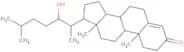

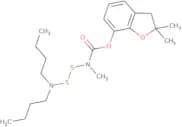
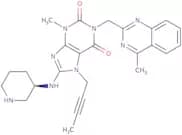
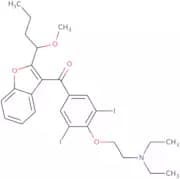


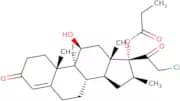
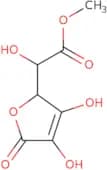
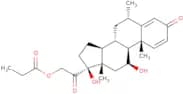
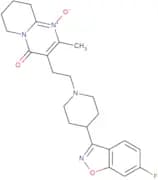
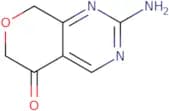
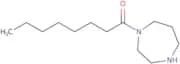
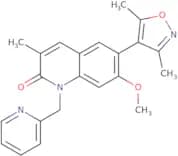
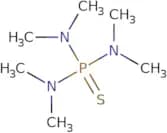
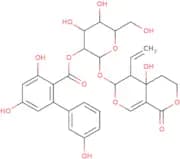

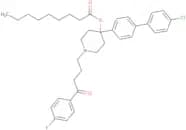
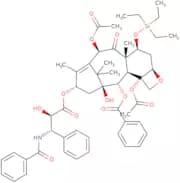
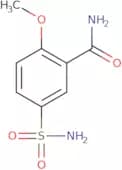
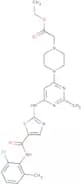

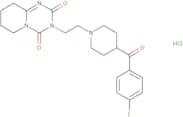
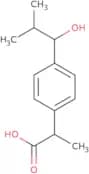

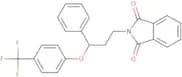
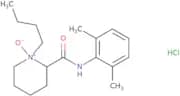
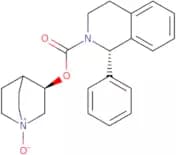
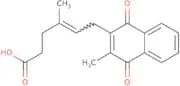

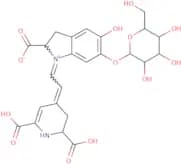

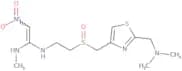
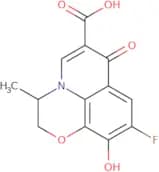
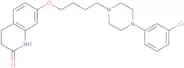
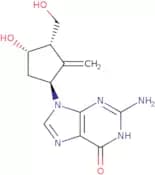
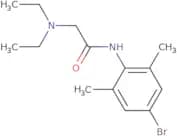
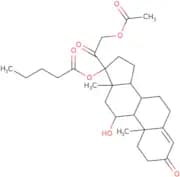
![N-(4-Chlorophenyl)-2-hydroxy-3-[(4-methoxyphenyl)sulfonyl]-2-methylpropanamide](/_next/image/?url=https%3A%2Fstatic.cymitquimica.com%2Fproducts%2F3D%2Fthumb-webp%2FNNA42426.webp&w=3840&q=75)
![[6-(4-Phenylbutoxy)hexyl]benzylamine hydrochloride](/_next/image/?url=https%3A%2Fstatic.cymitquimica.com%2Fproducts%2F3D%2Fthumb-webp%2FNGA92318.webp&w=3840&q=75)
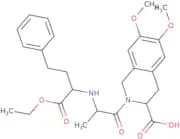
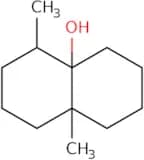
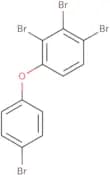
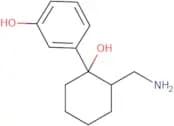
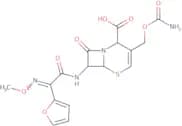
![7-Aminopyrazolo[1,5-a]pyrimidine-3,6-dicarboxylic acid 3,6-diethyl ester](/_next/image/?url=https%3A%2Fstatic.cymitquimica.com%2Fproducts%2F3D%2Fthumb-webp%2FTBA02467.webp&w=3840&q=75)
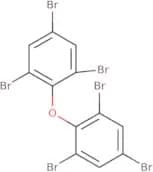
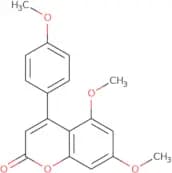

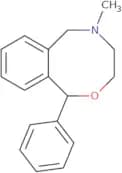
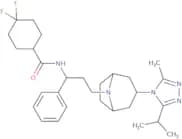
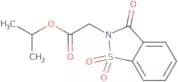
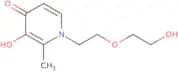


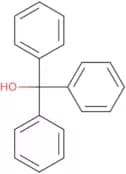
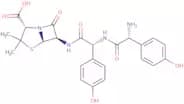
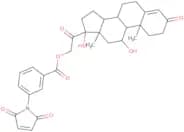

![(7-(4-{4-[4-(2,3-Dichlorophenyl)piperazin-1-yl]butoxy}butoxy)-3,4-dihydroquinolin-2(1H)-one)](/_next/image/?url=https%3A%2Fstatic.cymitquimica.com%2Fproducts%2F3D%2Fthumb-webp%2FWWC92863.webp&w=3840&q=75)
![8-Benzyloxy-5-[(R)-2-bromo-1-(tertbutyldimethylsilyloxy)ethyl]-1H-quinolinone](/_next/image/?url=https%3A%2Fstatic.cymitquimica.com%2Fproducts%2F3D%2Fthumb-webp%2FFWA08474.webp&w=3840&q=75)
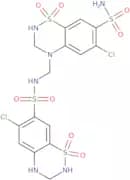
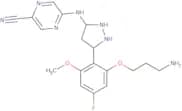
![Methyl 4-[[1-(ethoxycarbonyl)-2-oxocyclopentyl]methyl]-α-methylbenzeneacetate](/_next/image/?url=https%3A%2Fstatic.cymitquimica.com%2Fproducts%2F3D%2Fthumb-webp%2FIM184082.webp&w=3840&q=75)
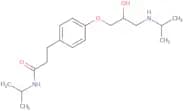
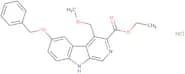
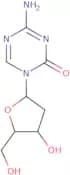
![1-[2-[2-Hydroxy-3-(propylamino)propoxy]phenyl]-3-phenyl-2-propen-1-one](/_next/image/?url=https%3A%2Fstatic.cymitquimica.com%2Fproducts%2F3D%2Fthumb-webp%2FIH63816.webp&w=3840&q=75)
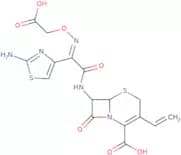
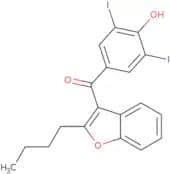
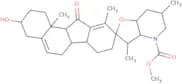
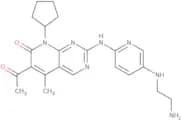
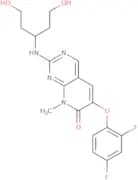
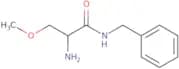
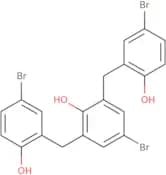

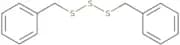
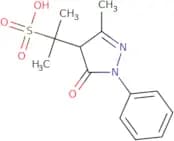
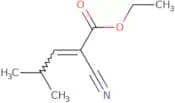

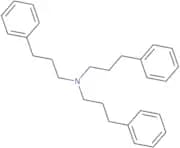
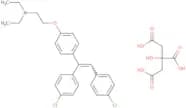
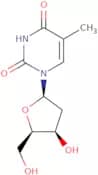

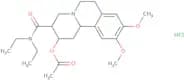
![Benz[A]anthracene-7-acetonitrile](/_next/image/?url=https%3A%2Fstatic.cymitquimica.com%2Fproducts%2F3D%2Fthumb-webp%2FNCA01869.webp&w=3840&q=75)
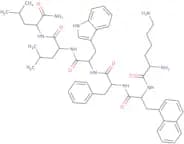

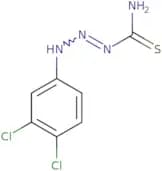
![3-[(4-Amino-2-methylpyrimidin-5-yl)methyl]-5-(2-chloroethyl)-4-methyl-1,3-thiazol-3-ium](/_next/image/?url=https%3A%2Fstatic.cymitquimica.com%2Fproducts%2F3D%2Fthumb-webp%2FIA181779.webp&w=3840&q=75)
![1,3-Bis[4-(2-methoxyethyl)phenoxy]-2-propanol](/_next/image/?url=https%3A%2Fstatic.cymitquimica.com%2Fproducts%2F3D%2Fthumb-webp%2FFJA97530.webp&w=3840&q=75)
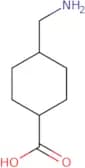
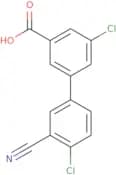
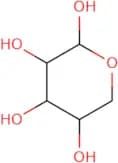
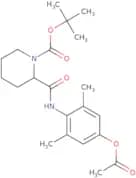
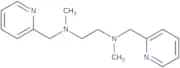
![13-Chloro-2-(piperidin-4-ylidene)-4-azatricyclo[9.4.0.0,3,8]pentadeca-1(15),3,5,7,9,11,13-heptaene](/_next/image/?url=https%3A%2Fstatic.cymitquimica.com%2Fproducts%2F3D%2Fthumb-webp%2FSEA81120.webp&w=3840&q=75)
![3,5-Bis[2-[[[2-[(aminoiminomethyl)amino]thiazol-4-yl]methyl]sulphanyl]ethyl]-4H-1,2,4,6-thiatriazi…](/_next/image/?url=https%3A%2Fstatic.cymitquimica.com%2Fproducts%2F3D%2Fthumb-webp%2FIB58080.webp&w=3840&q=75)
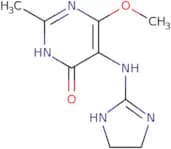
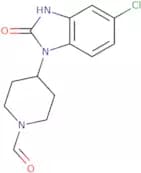

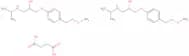
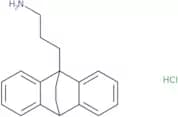
![2-[(2-Amino-6-oxo-1,6-dihydro-9H-purin-9-yl)methoxy]-3-hydroxypropyl valylvalinate](/_next/image/?url=https%3A%2Fstatic.cymitquimica.com%2Fproducts%2F3D%2Fthumb-webp%2FXKB93773.webp&w=3840&q=75)
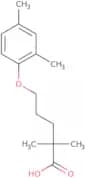

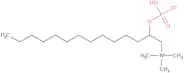

![5-Acetyl-5,11-dihydro-10H-dibenz[b,f]azepin-10-one](/_next/image/?url=https%3A%2Fstatic.cymitquimica.com%2Fproducts%2F3D%2Fthumb-webp%2FDBA29163.webp&w=3840&q=75)
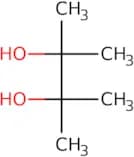
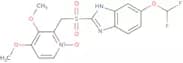
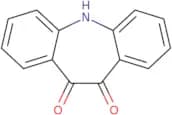
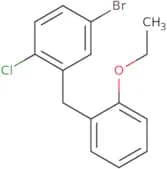
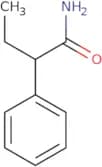
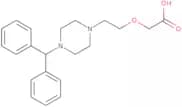
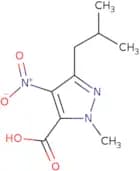
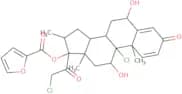
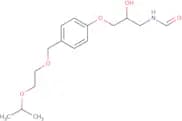

![2R,3S,4R,5R,6S-6-4-Chloro-3-[[4-[(3S)-tetrahydrofuran-3-yl]oxyphenyl]methyl]phenyl]-3,4,5-trihydro…](/_next/image/?url=https%3A%2Fstatic.cymitquimica.com%2Fproducts%2F3D%2Fthumb-webp%2FIC181144.webp&w=3840&q=75)
![(-)-8,9-Dihydroxy-8,9-dihydrobenz[A]anthracene](/_next/image/?url=https%3A%2Fstatic.cymitquimica.com%2Fproducts%2F3D%2Fthumb-webp%2FXCA52286.webp&w=3840&q=75)
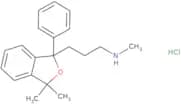
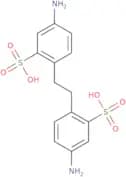
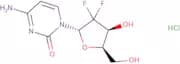
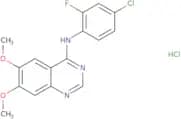
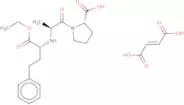
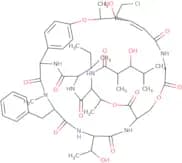
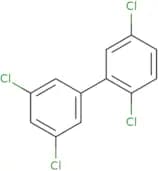
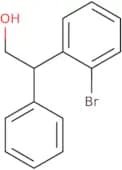
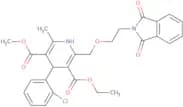
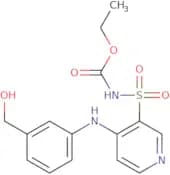
![1-[4-[4-(2,3-Dichlorophenyl)piperazin-1-yl]butyl]-7-hydroxy-1,2,3,4-tetrahydro-carbostyril](/_next/image/?url=https%3A%2Fstatic.cymitquimica.com%2Fproducts%2F3D%2Fthumb-webp%2FRFC05474.webp&w=3840&q=75)
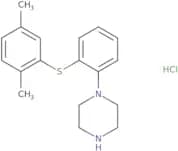
![2-[[2-Oxo-3-[4-(3-oxo-4-morpholinyl)phenyl]-5-oxazolidinyl]methyl]-1H-isoindole-1,3(2H)-dione](/_next/image/?url=https%3A%2Fstatic.cymitquimica.com%2Fproducts%2F3D%2Fthumb-webp%2FIO183175.webp&w=3840&q=75)
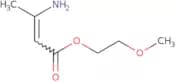
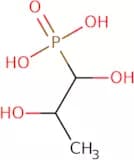
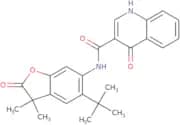
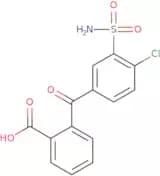
![1-[1-(4-Methoxyphenyl)-2-(methylamino)ethyl]-cyclohexanol hydrochloride](/_next/image/?url=https%3A%2Fstatic.cymitquimica.com%2Fproducts%2F3D%2Fthumb-webp%2FIM63866.webp&w=3840&q=75)
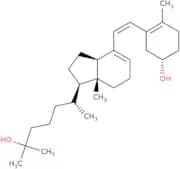
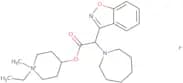
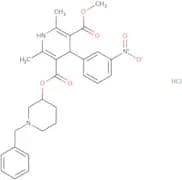
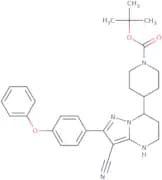
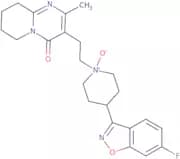

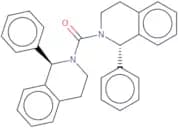
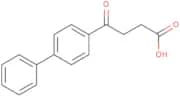
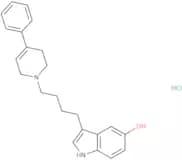
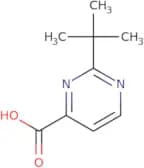

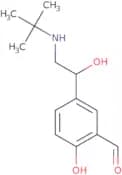
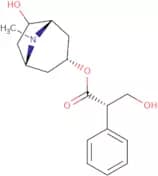
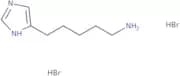
![((E)-5-((M-[(2-Carboxyethyl)carbamoyl]phenyl)azo)-2-salicylic acid)](/_next/image/?url=https%3A%2Fstatic.cymitquimica.com%2Fproducts%2F3D%2Fthumb-webp%2FYWC39596.webp&w=3840&q=75)
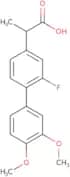
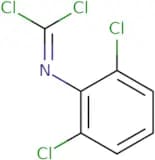
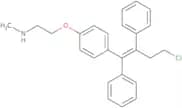
![N-(2,2,2-Trichloroethoxy)carbonyl] bisnor-(cis)-tilidine](/_next/image/?url=https%3A%2Fstatic.cymitquimica.com%2Fproducts%2F3D%2Fthumb-webp%2FWZB81995.webp&w=3840&q=75)
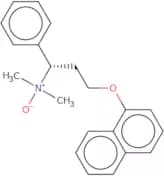
![N-[2-[(4-Chlorophenyl)thio]phenyl]-carbamic acid phenyl ester](/_next/image/?url=https%3A%2Fstatic.cymitquimica.com%2Fproducts%2F3D%2Fthumb-webp%2FULC63674.webp&w=3840&q=75)
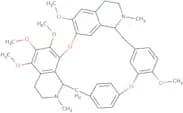
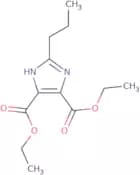
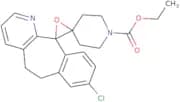
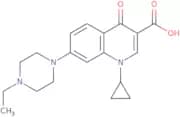
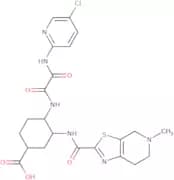
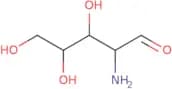
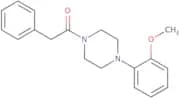
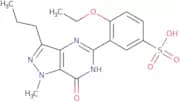
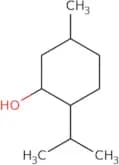
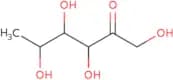
![3-Chloro-10-[3-(dimethylamino)propyl]-9(10H)-acridinone](/_next/image/?url=https%3A%2Fstatic.cymitquimica.com%2Fproducts%2F3D%2Fthumb-webp%2FIWC02821.webp&w=3840&q=75)
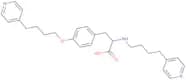
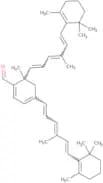
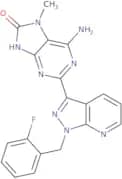
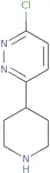
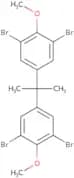
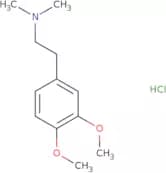
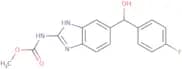
![2-Ethoxy-1-[[2'-[1-(trityl)-1H-tetrazol-5-yl][1,1'-biphenyl]-4-yl]methyl]-1H-benzimidazole-4-carbo…](/_next/image/?url=https%3A%2Fstatic.cymitquimica.com%2Fproducts%2F3D%2Fthumb-webp%2FIE22869.webp&w=3840&q=75)