Amino Acids (AA)
Subcategories of "Amino Acids (AA)"
- Amino Acid Derivatives(4,012 products)
- Amino Acid and Amino Acid Related Compounds(3,490 products)
- Amino Acids with Oxygen or Sulphur(168 products)
- Boc- Amino Acids(351 products)
- Fmoc Amino Acids(1,710 products)
Found 38365 products of "Amino Acids (AA)"
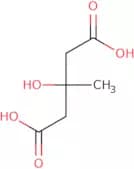
3-Hydroxy-3-methylglutaric acid
CAS:3-Hydroxy-3-methylglutaric acid is an organic acid that is a valuable intermediate in the chemical production of epidermal growth factor. 3-Hydroxy-3-methylglutaric acid also has been shown to be useful as a reagent for the detection of bacterial strains, including E. coli, Salmonella enterica, and Pseudomonas aeruginosa. The enzyme activities of 3-hydroxy-3-methylglutaric acid are not well understood, but it has been shown to have effects on congestive heart failure and bowel disease. 3-Hydroxy-3-methylglutaric acid may be used in the treatment of inflammatory bowel disease due to its ability to inhibit certain enzymes responsible for inflammation and pain. The long term toxicity and symptoms associated with 3-hydroxy-3-methylglutaric acid have not yet been studied, but it has been shown to have no effect on cardiac function
Formula:C6H10O5Purity:Min. 95%Molecular weight:162.14 g/molZ-Phe-Phe-diazomethylketone
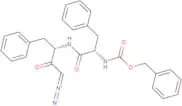
CAS:Z-Phe-Phe-diazomethylketone is a cathepsin inhibitor that has been shown to inhibit the proteolytic activity of various enzymes, including serine proteases and thrombotic thrombocytopenic. This compound inhibits the growth of Leishmania parasites in cell culture and has been shown to have a high affinity for carboxy terminal and proximal tubules. Z-Phe-Phe-diazomethylketone has a neutral pH, with an optimum at 7.0, which may be due to its ability to bind to proteins or other components of cells without affecting their functions.
Formula:C27H26N4O4Purity:Min. 95%Molecular weight:470.52 g/molRef: 3D-FP111009
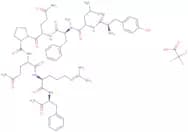
Discontinued productNuclear Factor NF-KB Inhibitor SN50 trifluoroacetate salt
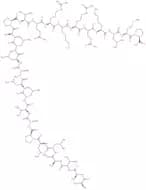
CAS:SN50 is a nuclear factor NF-KB inhibitor that blocks the activity of transcription factors that are involved in inflammation and cancer. SN50 inhibits protease activity, which may be due to its ability to bind to response elements on DNA, leading to cytosolic calcium release and activation of signal pathways. It also binds to endothelin-a receptor and induces apoptosis. SN50 has been shown to have anti-tumour effects in resistant breast cancer cells as well as reducing serum aminotransferase levels in rats. This drug also activates transcriptional regulation by binding toll-like receptors and inducing colony stimulating factors. SN50 also has cardioprotective properties, which may be due to its ability to inhibit fatty acid synthase in cardiomyocytes.Formula:C129H230N36O29SPurity:Min. 95%Molecular weight:2,781.5 g/molRef: 3D-FN109704
Discontinued productTyr-Bradykinin
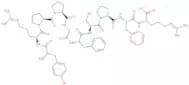
CAS:Bradykinin is a peptide with a variety of physiological effects. It is formed by the cleavage of kininogen by kallikrein, and it is involved in the regulation of vascular tone and blood pressure, as well as responses to pain and inflammation. Bradykinin stimulates the release of histamine from mast cells, which causes an inflammatory response. Bradykinin also has been shown to stimulate the release of leukotrienes, prostaglandins, and cytokines from human lung tissue. The interaction between bradykinin and its receptors has been studied extensively using in vitro assays. The conformational changes in this peptide have been characterized by spectroscopic studies such as nuclear magnetic resonance (NMR) and circular dichroism (CD). In addition, bradykinin can be detected using luminescence techniques such as chemiluminescence or bioluminescence. Studies have shown that micromolar concentrations of bradykininFormula:C59H82N16O13Purity:Min. 95%Molecular weight:1,223.38 g/molRef: 3D-FT108624
Discontinued productMethyl L-tyrosinate
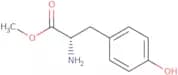
CAS:Methyl-L-tyrosinate is a drug that has been shown to increase the activity of tyrosinase, an enzyme involved in the production of melanin. It also prevents the oxidation of tyrosine and phenylalanine, which are precursors to melanin. Methyl L-tyrosinate has been studied for its potential effects on hepatitis and Parkinson's disease. This drug binds to the hydroxyl group of tyrosinase and inhibits its activity. The inhibition of this enzyme leads to a decrease in melanin synthesis, which may be beneficial for those with vitiligo or other skin disorders where pigment loss is desired. This drug also prevents oxidative carbonylation and functional assays have shown that it has an affinity for potassium ion coordination chemistry.
Formula:C10H13NO3Purity:Min. 95%Molecular weight:195.22 g/molRef: 3D-FM25520
Discontinued productDABCYL-(Asn670,Leu671)-Amyloid b/A4 Protein Precursor770 (667-675)-EDANS ammonium salt
CAS:Please enquire for more information about DABCYL-(Asn670,Leu671)-Amyloid b/A4 Protein Precursor770 (667-675)-EDANS ammonium salt including the price, delivery time and more detailed product information at the technical inquiry form on this page
Formula:C71H91N15O21SPurity:Min. 95%Molecular weight:1,522.64 g/molRef: 3D-FD110954
Discontinued productNFAT Inhibitor trifluoroacetate salt
CAS:NFAT Inhibitor trifluoroacetate salt H-Met-Ala-Gly-Pro-His-Pro-Val-Ile-Val-Ile-Thr-Gly-Pro-His-Glu-Glu (NFAT) is an inhibitor drug that has been shown to inhibit the nuclear factor of activated T cells (NFAT). NFAT is a transcriptional regulator that controls the expression of inflammatory genes in macrophages and other cell types. NFAT inhibitors have been shown to be effective for treating bowel diseases, such as ulcerative colitis and Crohn's disease, by inhibiting the activation of macrophages. NFAT inhibitors are also used in vitro as a tool for studying cellular signaling pathways. The most common type of NFAT inhibitor is fluconazole, which blocks calcineurin activity and prevents the activation of NFAT. However, other types of inhibitors are being developed, including mmp9 activity or
Formula:C75H118N20O22SPurity:Min. 95%Molecular weight:1,683.93 g/molRef: 3D-FN109384
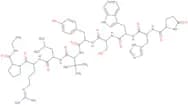
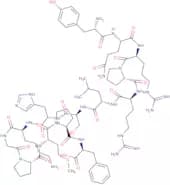
Discontinued product(Des-Gly10,His(Bzl)6,Pro-NHEt 9)-LHRH
CAS:Please enquire for more information about (Des-Gly10,His(Bzl)6,Pro-NHEt 9)-LHRH including the price, delivery time and more detailed product information at the technical inquiry form on this page
Formula:C66H86N18O12Purity:Min. 95%Molecular weight:1,323.5 g/molRef: 3D-FD109329
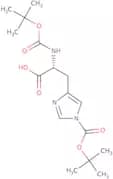
Discontinued productBoc-D-His(Boc)-OH benzene solvate
CAS:Please enquire for more information about Boc-D-His(Boc)-OH benzene solvate including the price, delivery time and more detailed product information at the technical inquiry form on this page
Formula:C16H25N3O6Purity:Min. 95%Color and Shape:SolidMolecular weight:355.39 g/molRef: 3D-FB111250
Discontinued productFluorescein-6-carbonyl-Ala-Glu(OMe)-Val-DL-Asp(OMe)-fluoromethylketone
CAS:Please enquire for more information about Fluorescein-6-carbonyl-Ala-Glu(OMe)-Val-DL-Asp(OMe)-fluoromethylketone including the price, delivery time and more detailed product information at the technical inquiry form on this page
Formula:C41H43FN4O14Purity:Min. 95%Molecular weight:834.8 g/molRef: 3D-FF111115
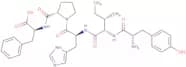
Discontinued productAngiotensin I/II (4-8)
CAS:Angiotensin I/II (4-8) H-Tyr-Ile-His-Pro-Phe-OH is a peptide that contains the sequence of angiotensin I and II. It has been shown to have proton transport properties, which may be related to its sequence. The amino acid sequence of this peptide is similar to other pentapeptides such as insulin and vasopressin. This peptide has been linked to a vector that can cross the blood brain barrier, allowing it to act on the central nervous system.Formula:C35H45N7O7Purity:Min. 95%Molecular weight:675.77 g/molRef: 3D-FA108794
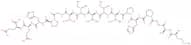
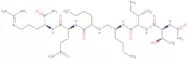
Discontinued productAc-Thr-Ile-Nle-psi(CH2NH) Nle-Gln-Arg-NH2
CAS:Ac-Thr-Ile-Nle-psi(CH2NH) Nle-Gln-Arg-NH2 is a protease inhibitor that prevents the breakdown of proteins by inhibiting the activity of proteases. It binds to the active site of these enzymes and blocks the access of other substrates. Ac-Thr-Ile-Nle-psi(CH2NH) Nle-Gln-Arg-NH2 has been shown to bind to a number of proteases, including serine, cysteine, aspartic acid, and metalloendoproteases. It inhibits the hydrolysis of peptide bonds in proteins by binding to the active site and blocking access to other substrates. The chemical structure is hydrophobic due to presence of a hydroxy group that can interact with hydrophobic regions on proteins. Acetylation at position Thr1 is important for its inhibitory activity against certain proteases such as
Formula:C35H67N11O8Purity:Min. 95%Molecular weight:769.98 g/molRef: 3D-FA111056
Discontinued productAmylin (human) trifluoroacetate salt
CAS:Amylin is a hormone that regulates the release of insulin from the pancreas. Amylin is a protein that consists of 39 amino acids, and in its natural form it is not soluble in water. The amyloid fibrils are insoluble aggregates of proteins that can be found in the brain tissue of patients with Alzheimer's disease. Amylin has been shown to have an entrapment efficiency greater than 96% by using polymeric particles with a diameter less than 50 microns. These particles are able to increase water solubility and nutrient metabolism, as well as improve evaporation rates. They also provide an increased surface area for absorption and pharmacological properties. Amylin has been shown to lower postprandial glycemia when used with insulin in type II diabetes mellitus patients, and may also be an anorectic agent.
Formula:C165H261N51O55S2Purity:Min. 95%Molecular weight:3,903.28 g/molAcetyl-(Asn30,Tyr32)-Calcitonin (8-32) (salmon I) trifluoroacetate salt
CAS:Please enquire for more information about Acetyl-(Asn30,Tyr32)-Calcitonin (8-32) (salmon I) trifluoroacetate salt including the price, delivery time and more detailed product information at the technical inquiry form on this pageFormula:C127H205N37O40Purity:Min. 95%Molecular weight:2,890.21 g/molRef: 3D-FA109403
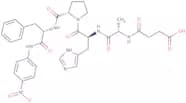
Discontinued productSuc-Ala-His-Pro-Phe-pNA
CAS:Suc-Ala-His-Pro-Phe-pNA is an amide that binds to the casein kinase II, phosphatase, and inhibits cellular growth. The biochemical and cell specific activity of this drug target has been shown using biochemical and cellular assays. Suc-Ala-His-Pro-Phe-pNA has potent inhibitory activity against the enzyme phosphatase, which is a drug target for many diseases such as cancer. This compound also inhibits fk506 binding to endoplasmic reticulum protein FKBP12, which is a drug target for immunosuppressive therapy in organ transplantation. Suc-Ala-His-Pro-Phe-pNA has been shown to have high protease activity towards peptidyl substrates.
Formula:C33H38N8O9Purity:Min. 95%Molecular weight:690.7 g/molRef: 3D-FS110762
Discontinued productTrypsin-Modulating Oostatic Factor (Neobelliera bullata)
CAS:Proctolin is a peptide hormone that regulates the growth of the ovary. Proctolin has been found to be a proteolytic molecule that specifically cleaves at the carboxy-terminal end of the protein substrate. It also has inhibitory effects on the activity of carboxypeptidase, an enzyme involved in the digestion and absorption of proteins. Proctolin has been shown to modulate biological studies, such as nitrogen atoms and sequences, which may be due to its ability to regulate and stimulate biosynthesis.
Formula:C29H46N10O10Purity:Min. 95%Molecular weight:694.74 g/molRef: 3D-FT108569
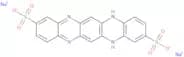
Discontinued productPhacolysine sodium salt
CAS:Phacolysine sodium salt is a drug that activates the choroidal neovascularization receptor. It has been shown to inhibit the growth of tumors by synchronous fluorescence and disulfide bond binding. Phacolysine sodium salt has shown clinical efficacy in the treatment of choroidal neovascularization, with an average success rate of 75%. It has also been shown to be effective in treating other types of cancer, such as prostate cancer. In addition, it has antioxidative properties and can inhibit prostaglandin synthesis. This medicine is sometimes used in combination with ondansetron hydrochloride and benzalkonium chloride for pharmacological treatment.
Formula:C18H10N4Na2O6S2Purity:Min. 95%Color and Shape:Red PowderMolecular weight:488.41 g/molRef: 3D-FP26858
Discontinued productH-Ala-Ala-Ala-Tyr-Ala-Ala-OH
CAS:Please enquire for more information about H-Ala-Ala-Ala-Tyr-Ala-Ala-OH including the price, delivery time and more detailed product information at the technical inquiry form on this page
Formula:C24H36N6O8Purity:Min. 95%Molecular weight:536.58 g/molRef: 3D-FA108438
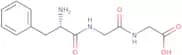
Discontinued productH-Phe-Gly-Gly-OH
CAS:H-Phe-Gly-Gly-OH is a phosphatase enzyme inhibitor that acts as a competitive inhibitor of serine/threonine phosphatases. It has been shown to inhibit the activity of protein data, which are enzymes that catalyze the hydrolysis of phosphate groups from proteins. This inhibition of protein data leads to an increase in the levels of protein kinase A (PKA) and cyclic AMP (cAMP) in human serum. H-Phe-Gly-Gly-OH also inhibits an enzyme called phospholipase A2, which is responsible for fatty acid metabolism, leading to an accumulation of fatty acids in cells. It has been shown that H-Phe-Gly-Gly-OH has anticancer activity against meningioma and squamous carcinoma cells in humans.
Formula:C13H17N3O4Purity:Min. 95%Molecular weight:279.29 g/molRef: 3D-FP109288
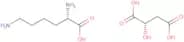
Discontinued productL-Lysine L-malate
CAS:L-Lysine L-malate is a chemical compound that is used in wastewater treatment. It inhibits the activity of enzymes such as carbon disulphide oxidase, copper complexes, and cationic surfactants. L-Lysine L-malate can be synthesized from sodium citrate and malonic acid by reacting with hydrogen peroxide to form a bicyclic heterocycle. This compound has been shown to have biological effects on metabolic disorders in animal studies, which may be due to its ability to inhibit the synthesis of fatty acids and proteins. The adsorption mechanism for this product is unknown.
Formula:C6H14N2O2·C4H6O5Purity:Min. 95%Color and Shape:White PowderMolecular weight:280.28 g/molRef: 3D-FL24966
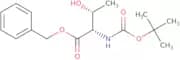
Discontinued productBoc-Thr-OBzl
CAS:Please enquire for more information about Boc-Thr-OBzl including the price, delivery time and more detailed product information at the technical inquiry form on this page
Formula:C16H23NO5Purity:Min. 95%Molecular weight:309.36 g/molRef: 3D-FB111285
Discontinued productTyr-Proinsulin C-Peptide (55-89) (human)
CAS:Please enquire for more information about Tyr-Proinsulin C-Peptide (55-89) (human) including the price, delivery time and more detailed product information at the technical inquiry form on this pageFormula:C162H268N50O54Purity:Min. 95%Molecular weight:3,780.17 g/molRef: 3D-FT108677
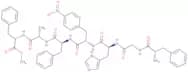
Discontinued productH-Phe-Gly-His-p-nitro-Phe-Phe-Ala-Phe-OMe
CAS:H-Phe-Gly-His-p-nitro-Phe-Phe-Ala-Phe-OMe is a protonated amino acid. It has been shown to have a high affinity for the histidine subsite of human thrombin. This compound has been found to have a kinetic rate of hydrolysis that is competitive with that of aspartic acid, but slower than that of valine. H-Phe-Gly-His-p-nitro-Phe--Phe--Ala--Phe--OMe also functions as an anticoagulant and inhibits clotting by inhibiting the conversion of fibrinogen to fibrin.
Formula:C48H54N10O10Purity:Min. 95%Molecular weight:931 g/molRef: 3D-FP109290
Discontinued productFmoc-Trp(Boc)-Thr(Psi(Me,Me)pro)-OH
CAS:Please enquire for more information about Fmoc-Trp(Boc)-Thr(Psi(Me,Me)pro)-OH including the price, delivery time and more detailed product information at the technical inquiry form on this pageFormula:C38H41N3O8Purity:Min. 95%Molecular weight:667.75 g/molRef: 3D-FF111414
Discontinued productAc-Tyr-Val-Lys-Asp-aldehyde (pseudo acid)
CAS:Ac-Tyr-Val-Lys-Asp-aldehyde is a synthetic compound that can be used to study the apoptotic process. It is an aldehyde and has been found to activate caspases, aspartyl proteases, at high concentrations. This pseudo acid also has a significant activation of n-terminal protein kinase (SB203580) when irradiated with UV light. Ac-Tyr-Val-Lys-Asp-aldehyde can be used as a marker for the apoptotic process because it is synthesized by cells during this process. In addition, it has been shown to produce a red color during staining and can be detected using immunohistochemical techniques.Formula:C26H39N5O8Purity:Min. 95%Molecular weight:549.62 g/molRef: 3D-FA111038
Discontinued productN-Tritylglycine
CAS:N-Tritylglycine is an acidic amino acid that can be protonated in a highly acidic environment. It has been shown to inhibit the growth of tumor tissue by inducing apoptosis and inhibiting protein synthesis. N-Tritylglycine is used as a reagent for analytical chemistry, where it is used to detect amines such as histamine and serotonin. N-Tritylglycine also has been shown to be potent inhibitor of kinesin.
Formula:C21H19NO2Purity:Min. 95%Molecular weight:317.38 g/mol(D-Tyr1,N-Me-Phe3)-Neuropeptide FF trifluoroacetate salt
CAS:Please enquire for more information about (D-Tyr1,N-Me-Phe3)-Neuropeptide FF trifluoroacetate salt including the price, delivery time and more detailed product information at the technical inquiry form on this pageFormula:C55H78N14O11Purity:Min. 95%Molecular weight:1,111.3 g/molRef: 3D-FT109351
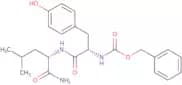
Discontinued productZ-Tyr-Leu-NH2
CAS:The compound Z-Tyr-Leu-NH2 is a synthetic molecule that inhibits the activity of metalloproteases. It binds to the active site of these enzymes, preventing them from cleaving their substrates. The enzyme's activity is inhibited by binding to uncharged amino acid residues in the active site, which prevents attack by the metal ion and therefore prevents cleavage of substrate proteins. Z-Tyr-Leu-NH2 has been shown to be effective against proteases that are involved in Alzheimer's disease and other neurodegenerative diseases. The optimal pH for this compound is 7.5, with a reaction time of 1 hour at 37 degrees Celsius. The transition temperature for this compound is -10 degrees Celsius, with a phase transition at -4 degrees Celsius.
Formula:C23H29N3O5Purity:Min. 95%Molecular weight:427.49 g/molRef: 3D-FT111547
Discontinued product(Arg17)-Amyloid b-Protein (1-42) trifluoroacetate salt
CAS:Please enquire for more information about (Arg17)-Amyloid b-Protein (1-42) trifluoroacetate salt including the price, delivery time and more detailed product information at the technical inquiry form on this page
Formula:C203H312N58O60SPurity:Min. 95%Molecular weight:4,557.07 g/molRef: 3D-FA109844
Discontinued productAloc-DL-Orn (Boc)-OH·DCHA
CAS:Controlled ProductPlease enquire for more information about Aloc-DL-Orn (Boc)-OH·DCHA including the price, delivery time and more detailed product information at the technical inquiry form on this page
Formula:C14H24N2O6·C12H23NPurity:Min. 95%Molecular weight:497.67 g/molRef: 3D-FA107927
Discontinued productBoc-Asp(OcHex)-PAM resin (200-400 mesh)
Please enquire for more information about Boc-Asp(OcHex)-PAM resin (200-400 mesh) including the price, delivery time and more detailed product information at the technical inquiry form on this page
Purity:Min. 95%Ref: 3D-FB111621
Discontinued productAutocamtide-2-Related Inhibitory Peptide
CAS:Please enquire for more information about Autocamtide-2-Related Inhibitory Peptide including the price, delivery time and more detailed product information at the technical inquiry form on this page
Formula:C64H116N22O19Purity:Min. 95%Molecular weight:1,497.74 g/molRef: 3D-FA108989
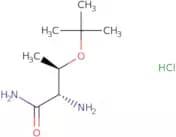
Discontinued productH-Thr(tBu)-NH2·HCl
CAS:Please enquire for more information about H-Thr(tBu)-NH2·HCl including the price, delivery time and more detailed product information at the technical inquiry form on this page
Formula:C8H18N2O2·HClPurity:Min. 95%Molecular weight:210.7 g/molRef: 3D-FT107847
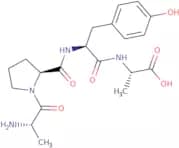
Discontinued productH-Ala-Pro-Tyr-Ala-OH
CAS:Acetylation is the process of reacting an organic compound with acetic acid to produce an ester and water. Acetylation is one of the most common reactions in organic chemistry. Acetylating agents, such as acetic anhydride or acetyl chloride, are often used in chemical synthesis because they react selectively with primary and secondary alcohols to form esters. The acetylation reaction can be used to modify proteins by attaching an acetyl group to the amine group of a lysine residue. This modification prevents the protein from binding to other proteins and can alter its function. Acetylation also has been implicated in several diseases, such as hepatitis and inflammatory bowel disease.
Formula:C20H28N4O6Purity:Min. 95%Molecular weight:420.46 g/molRef: 3D-FA108488
Discontinued productUrinary Trypsin Inhibitor Fragment
CAS:Urinary Trypsin Inhibitor Fragment H-Arg-Gly-Pro-Cys-Arg-Ala-Phe-Ile-OH is a synthetic peptide that is used as a diagnostic agent. It has been shown to inhibit proinflammatory cytokines in vitro and in vivo. This peptide binds to the amino acid sequences of phospholipase A2, which are found in tumor cells, and can be used for cancer diagnosis. Urinary Trypsin Inhibitor Fragment H-Arg-Gly-Pro-Cys-Arg-Ala-Phe-Ile-OH also binds to DNA methylation, which may be useful for studying DNA methylation patterns in cancer cells.
Formula:C40H66N14O9SPurity:Min. 95%Molecular weight:919.11 g/molRef: 3D-FU108744
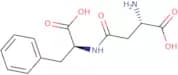
Discontinued productH-Asp(Phe-OH)-OH
CAS:Aspartame is a synthetic, sweetener that is used as a sugar substitute in diet products. It was discovered by accident in 1965 when James Schlatter, a chemist of G.D. Searle Company, was testing an anti-ulcer drug and l-phenylalanine methyl ester on his finger and tasted the sweetness on his fingers. Aspartame is composed of two amino acids: aspartic acid and phenylalanine. The aspartic acid is made up of a carboxylic acid group with an amide functional group. Aspartame can be found in many foods including chewing gum and diet sodas. It has been shown to have no carcinogenic effects or adverse effects on reproduction function in animal studies.
Formula:C13H16N2O5Purity:Min. 95%Color and Shape:White To Off-White SolidMolecular weight:280.28 g/molRef: 3D-FA108328
Discontinued productVIP Antagonist
CAS:The VIP antagonist is a model system that has been shown to inhibit the activity of VIP in fetal bovine lung. The VIP antagonist has been shown to be effective against a variety of cancers, including colon cancer and prostate cancer. It also inhibits the production of cytosolic Ca2+ in human skin cells and has anti-inflammatory properties. The VIP antagonist's biological properties have been studied extensively, including its ability to induce neuronal death by inhibiting the release of neurotransmitters from neurons in culture.Formula:C154H257N49O40SPurity:Min. 95%Molecular weight:3,467.06 g/molRef: 3D-FV110467
Discontinued product(Tyr0)-Apelin-13 (human, bovine, mouse, rat)
CAS:Please enquire for more information about (Tyr0)-Apelin-13 (human, bovine, mouse, rat) including the price, delivery time and more detailed product information at the technical inquiry form on this page
Formula:C78H120N24O18SPurity:Min. 95%Molecular weight:1,714 g/molRef: 3D-FT109394
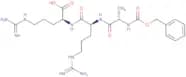
Discontinued productZ-Ala-Arg-Arg-4MbetaNA acetate salt
CAS:Please enquire for more information about Z-Ala-Arg-Arg-4MbetaNA acetate salt including the price, delivery time and more detailed product information at the technical inquiry form on this page
Formula:C34H46N10O6Purity:Min. 95%Molecular weight:690.79 g/molRef: 3D-FA110621
Discontinued productAdrenomedullin (11-50) (rat)
CAS:Please enquire for more information about Adrenomedullin (11-50) (rat) including the price, delivery time and more detailed product information at the technical inquiry form on this pageFormula:C194H304N58O59S4Purity:Min. 95%Molecular weight:4,521.11 g/molRef: 3D-FA109586
Discontinued productAQEE-30 (mouse, rat) trifluoroacetate salt
CAS:Please enquire for more information about AQEE-30 (mouse, rat) trifluoroacetate salt including the price, delivery time and more detailed product information at the technical inquiry form on this page
Formula:C156H245N47O56Purity:Min. 95%Molecular weight:3,674.9 g/molRef: 3D-FA110034
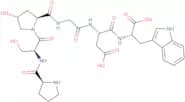
Discontinued productH-Pro-Ser-Hyp-Gly-Asp-Trp-OH
CAS:H-Pro-Ser-Hyp-Gly-Asp-Trp-OH is a cyclic hexapeptide with a high activity against platelets. It is an antagonist of the cyclic RGD sequence, which is present in fibrinogen, fibronectin, vitronectin and other proteins. This peptide binds to the n-terminal residue of these proteins and prevents them from binding to their receptors on the surface of platelets. H-Pro-Ser-Hyp-Gly-Asp-Trp-OH has been shown to be specific for human platelets and does not bind to erythrocytes or leukocytes.
Formula:C30H39N7O11Purity:Min. 95%Molecular weight:673.67 g/molRef: 3D-FP109176
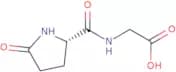
Discontinued productPyr-Gly-OH
CAS:Pyr-Gly-OH is a metabolite of the amino acid glutamate. It has been shown that this metabolite is formed by a non-enzymatic dehydration of glutamate. This compound has been shown to be effective in treating bowel disease and cancer, as well as stimulating the production of fibrinogen in the blood. Pyr-Gly-OH has also been found to have anti-inflammatory effects and an increased effect on glutamic receptors.
Formula:C7H10N2O4Purity:Min. 95%Molecular weight:186.17 g/molRef: 3D-FP108243
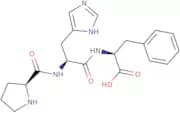
Discontinued productH-Pro-His-Phe-OH
CAS:H-Pro-His-Phe-OH is a proteolytic enzyme that belongs to the group of serine proteases. It is a member of the subtilisin family and has been used in research for its ability to cleave proteins at random. H-Pro-His-Phe-OH has been shown to hydrolyze lactococcal proteinase and other serine proteases, such as trypsin, chymotrypsin, and elastase.
Formula:C20H25N5O4Purity:Min. 95%Molecular weight:399.44 g/molRef: 3D-FP109350
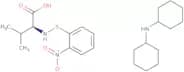
Discontinued productNps-Val-OH·DCHA
CAS:Controlled ProductPlease enquire for more information about Nps-Val-OH·DCHA including the price, delivery time and more detailed product information at the technical inquiry form on this page
Formula:C11H14N2O4S·C12H23NPurity:Min. 95%Molecular weight:451.62 g/molRef: 3D-FN107891
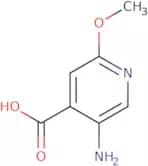
Discontinued product5-Amino-2-methoxyisonicotinic acid
CAS:5-Amino-2-methoxyisonicotinic acid is a carboxylic acid that is used in the synthesis of aminopyridines. The compound can be synthesized from formamidine acetate and diethyl dicarbonate. This process involves lithiation, followed by addition of an amine and finally conversion to the desired product with formamidine acetate. 5-Amino-2-methoxyisonicotinic acid can also be synthesized from formamide and diethyl ether. 5-Amino-2-methoxyisonicotinic acid is an analog of 2,4,6-trimethylaniline and has been shown to have similar properties to this compound, including strong basicity.
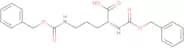
Formula:C7H8N2O3Purity:Min. 95%Molecular weight:168.15 g/molZ-D-Orn (Z)-OH
CAS:Please enquire for more information about Z-D-Orn (Z)-OH including the price, delivery time and more detailed product information at the technical inquiry form on this page
Formula:C21H24N2O6Purity:Min. 95%Molecular weight:400.43 g/molRef: 3D-FO111563
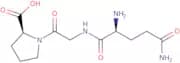
Discontinued productH-Gln-Gly-Pro-OH·TFA
CAS:Please enquire for more information about H-Gln-Gly-Pro-OH·TFA including the price, delivery time and more detailed product information at the technical inquiry form on this page
Formula:C12H20N4O5·C2HF3O2Purity:Min. 95%Molecular weight:414.33 g/molRef: 3D-FG108892
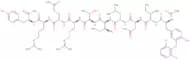
Discontinued productPYX-1 trifluoroacetate salt
CAS:Please enquire for more information about PYX-1 trifluoroacetate salt including the price, delivery time and more detailed product information at the technical inquiry form on this page
Formula:C70H105Cl2N19O16Purity:Min. 95%Molecular weight:1,539.61 g/molRef: 3D-FP109614
Discontinued productCholecystokinin Octapeptide (2-8) (desulfated)
CAS:Please enquire for more information about Cholecystokinin Octapeptide (2-8) (desulfated) including the price, delivery time and more detailed product information at the technical inquiry form on this pageFormula:C45H57N9O10S2Purity:Min. 95%Molecular weight:948.12 g/molRef: 3D-FC108668
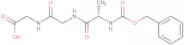
Discontinued productZ-Ala-Gly-Gly-OH
CAS:Z-Ala-Gly-Gly-OH is a hydrophobic amino acid that can be used in the treatment of cancers. It has been shown to interact with residues on lysine and aspartic acid, which may be due to its acidic properties. This compound is also able to bind metal ions such as copper and zinc, which may contribute to its anticancer potential. Z-Ala-Gly-Gly-OH also acts as a ligand for anticancer drugs such as carbonyl group or hydroxyl radicals.
Formula:C15H19N3O6Purity:Min. 95%Molecular weight:337.33 g/molRef: 3D-FA111437
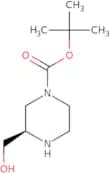
Discontinued product(R)-4-N-Boc-2-hydroxymethyl-piperazine
CAS:Please enquire for more information about (R)-4-N-Boc-2-hydroxymethyl-piperazine including the price, delivery time and more detailed product information at the technical inquiry form on this page
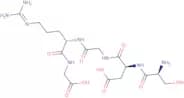
Formula:C10H20N2O3Purity:Min. 95%Molecular weight:216.28 g/molH-Ser-Asp-Gly-Arg-Gly-OH
CAS:H-Ser-Asp-Gly-Arg-Gly-OH is a peptide and model system for epidermal growth factor. It has been shown to stimulate epidermal growth and protein synthesis in the skin cells. The peptide has also been shown to inhibit fibrinogen production by monoclonal antibody, which is a biochemical marker of wound healing. H-Ser-Asp-Gly-Arg-Gly-OH analogs have been shown to inhibit the activation of epidermal growth factor receptor and have an inhibitory effect on cell growth.
Formula:C17H30N8O9Purity:Min. 95%Molecular weight:490.47 g/molRef: 3D-FS110244
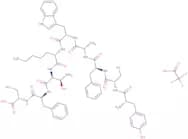
Discontinued productH-Tyr-Cys-Phe-Ala-Trp-Lys-Thr-Phe-Cys-OH trifluoroacetate salt (Disulfide bond)
CAS:Please enquire for more information about H-Tyr-Cys-Phe-Ala-Trp-Lys-Thr-Phe-Cys-OH trifluoroacetate salt (Disulfide bond) including the price, delivery time and more detailed product information at the technical inquiry form on this page
Formula:C57H71N11O12S2Purity:Min. 95%Molecular weight:1,166.37 g/molRef: 3D-FT109717
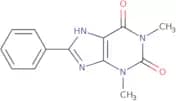
Discontinued product8-Phenyltheophylline
CAS:Controlled Product8-Phenyltheophylline (8PT) is an adenosine receptor agonist that is used as a bronchodilator for the treatment of asthma. It has been shown to increase the intracellular calcium concentration in hl-60 cells and in rat papillary muscles. 8PT also has locomotor activating effects, which are thought to be due to its ability to block potassium channels in the hippocampal formation. These effects may be related to ATP-sensitive potassium channels, which have been shown to be sensitive to ATP in untreated mice. 8PT also has anti-arrhythmic properties, which may be due to its ability to inhibit sodium channels and its effect on heart rate and contractility.
Formula:C13H12N4O2Purity:Min. 95%Color and Shape:PowderMolecular weight:256.26 g/molRef: 3D-FP165348
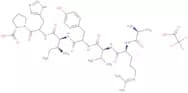
Discontinued productAngiotensin A (1-7) trifluoroacetate
CAS:Endogenous heptapetide which causes vasodilation and has anti-hypertensive properties.
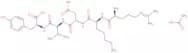
Formula:C40H62N12O9•(C2HF3O2)xPurity:Min. 95%Color and Shape:PowderMolecular weight:855 g/molThymopentin acetate salt
CAS:Controlled ProductThymopentin acetate salt H-Arg-Lys-Asp-Val-Tyr-OH acetate salt is an experimental model system that has been shown to replicate the physiological effects of thymopoietin in vitro. It has also been shown to inhibit the growth of Candida glabrata, a fungus that causes infection in patients with HIV or AIDS. Thymopentin acetate salt H-Arg-Lys-Asp-Val-Tyr-OH acetate salt has been shown to activate both toll like receptor and IL2 receptor, which may be due to its ability to stimulate polyamine synthesis.Formula:C30H49N9O9Purity:Min. 95%Molecular weight:679.77 g/mol4-[2-[[(1S)-1-(2-Aminophenyl)-3-methylbutyl]amino]-2-oxoethyl]-2-ethoxybenzoic acid
CAS:Bosentan is a potent inhibitor of the uptake of organic anions. It is used in the treatment of pulmonary arterial hypertension and has been shown to be effective against pravastatin-resistant HIV protease inhibitors, such as saquinavir, quinidine, and rosuvastatin. Bosentan inhibits uptake by binding to the transporter protein at a site that does not overlap with the binding site for organic anion substrates. This leads to a change in kinetic parameters for substrates, such as pravastatin and saquinavir. The binding site on bosentan may also be elucidated through monolayer experiments with efflux transporters.
Formula:C22H28N2O4Purity:Min. 95%Molecular weight:384.47 g/molRef: 3D-FD21379
Discontinued productH-Asp-Phe-NH2 trifluoroacetate
CAS:Please enquire for more information about H-Asp-Phe-NH2 trifluoroacetate including the price, delivery time and more detailed product information at the technical inquiry form on this page
Formula:C13H17N3O4•(C2HF3O2)xPurity:Min. 95%Ref: 3D-FH184031
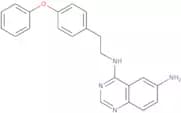
Discontinued productEVP4593
CAS:6-Amino-4-(4-phenoxyphenylethylamino)quinazoline is a potential anticancer drug that has been shown to inhibit the polymerase chain reaction in human osteosarcoma cells. It also inhibits the signaling pathway of nuclear factor-κB (NF-κB), which is involved in cell death and tumorigenesis. 6-Amino-4-(4-phenoxyphenylethylamino)quinazoline has shown significant cytotoxicity against murine hepatoma cells and bowel disease cells, but not against normal tissue. This drug is also an inhibitor of the drug transporter Pgp. 6-Amino-4-(4-phenoxyphenylethylamino)quinazoline has been shown to be effective in experimental models for cancer, AIDS, and other infectious diseases.Formula:C22H20N4OPurity:Min. 95%Color and Shape:PowderMolecular weight:356.42 g/molRef: 3D-FA17546
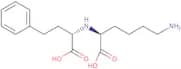
Discontinued productN2-(S)-1-Carboxy-3-phenylpropyl-L-lysine
CAS:Please enquire for more information about N2-(S)-1-Carboxy-3-phenylpropyl-L-lysine including the price, delivery time and more detailed product information at the technical inquiry form on this page
Formula:C16H24N2O4Purity:Min. 95%Molecular weight:308.37 g/mol5-[(1-Methylindole-3-yl)carbonyl]-4,5,6,7-tetrahydro-1H-bezimidazole
CAS:Controlled Product5-[(1-Methylindole-3-yl)carbonyl]-4,5,6,7-tetrahydro-1H-bezimidazole is a reactive heterocyclic compound. It is a carboxylic acid and an amide with a peptic and cephalalgic effect. The symptoms of 5-[(1-methylindole-3-yl)carbonyl]-4,5,6,7-tetrahydro-1H-bezimidazole are hemicrania and amnesia. It has been expressed in the calf thymus DNA.
Formula:C17H17N3OPurity:Min. 95%Molecular weight:279.34 g/mol(Des-Gly10, tBu-D-Gly6,Pro-NHEt 9)-LHRH acetate salt
CAS:(Des-Gly10, tBu-D-Gly6,Pro-NHEt 9)-LHRH acetate salt Pyr-His-Trp-Ser-Tyr-tBu-D-Gly-Leu-Arg-Pro-NHEt acetate salt is a synthetic hormone that belongs to the group of gonadotropin releasing hormones (GnRH). It is used in veterinary medicine to stimulate ovulation and follicular growth in animals. (Des-Gly10, tBu-D-Gly6, Pro -NHEt9)-LHRH acetate salt Pyr -His -Trp -Ser -Tyr -tBu -D -Gly -Leu -Arg -Pro NHEt acetate salt is a prodrug that is hydrolyzed in vivo to buserelin, its active form. This drug has been shown to be effective against estradiol benzoate and sodium salts
Formula:C59H84N16O12·xC2H4O2Purity:Min. 95%Molecular weight:1,209.4 g/molRef: 3D-FD109861
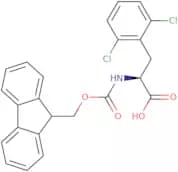
Discontinued productFmoc-2,6-dichloro-L-phenylalanine
CAS:Please enquire for more information about Fmoc-2,6-dichloro-L-phenylalanine including the price, delivery time and more detailed product information at the technical inquiry form on this page
Formula:C24H19Cl2NO4Purity:Min. 95%Molecular weight:456.32 g/molRef: 3D-FF48009
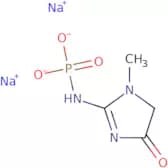
Discontinued productDisodium (1-methyl-4-oxoimidazolidin-2-ylidene)phosphoramidate
CAS:Please enquire for more information about Disodium (1-methyl-4-oxoimidazolidin-2-ylidene)phosphoramidate including the price, delivery time and more detailed product information at the technical inquiry form on this page
Formula:C4H6N3O4PNa2Purity:Min. 80 Area-%Color and Shape:PowderMolecular weight:237.06 g/mol













![4-[2-[[(1S)-1-(2-Aminophenyl)-3-methylbutyl]amino]-2-oxoethyl]-2-ethoxybenzoic acid](/_next/image/?url=https%3A%2Fstatic.cymitquimica.com%2Fproducts%2F3D%2Fthumb-webp%2FFD21379.webp&w=3840&q=75)
![5-[(1-Methylindole-3-yl)carbonyl]-4,5,6,7-tetrahydro-1H-bezimidazole](/_next/image/?url=https%3A%2Fstatic.cymitquimica.com%2Fproducts%2F3D%2Fthumb-webp%2FFM148522.webp&w=3840&q=75)