Amino Acids (AA)
Amino acids (AAs) are the fundamental building blocks of proteins, playing a crucial role in various biological processes. These organic compounds are essential for protein synthesis, metabolic pathways, and cell signaling. In this category, you will find a comprehensive range of amino acids, including essential, non-essential, and modified forms, which are vital for research in biochemistry, molecular biology, and nutritional sciences. At CymitQuimica, we provide high-quality amino acids to support your research and development needs, ensuring accuracy and reliability in your experimental outcomes.
Subcategories of "Amino Acids (AA)"
- Amino Acid Derivatives(3,955 products)
- Amino Acid and Amino Acid Related Compounds(3,471 products)
- Amino Acids with Oxygen or Sulphur(168 products)
- Boc- Amino Acids(351 products)
- Fmoc Amino Acids(1,710 products)
Found 38262 products of "Amino Acids (AA)"
Sort by
Purity (%)
0
100
|
0
|
50
|
90
|
95
|
100
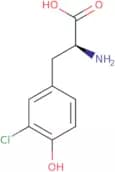
3-Chloro-L-tyrosine
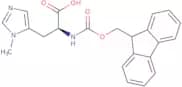
CAS:<p>3-Chloro-L-tyrosine (3CT) is a reactive, nitrogen containing molecule that has been used as a model system to study oxidative injury in the heart. The molecule reacts with the air and oxygen in the environment, producing reactive oxygen species (ROS) that can cause oxidative injury. 3CT has been shown to inhibit ATP binding cassette transporter A1 (ABCA1), which is involved in cholesterol efflux from macrophages. 3CT also promotes the release of eosinophil peroxidase from eosinophils and induces tumor necrosis factor alpha (TNF-α). The analytical method for 3CT includes liquid chromatography-mass spectrometry/mass spectrometry (LC-MS/MS).</p>Formula:C9H10NO3ClPurity:Min. 95%Color and Shape:PowderMolecular weight:215.63 g/molFmoc-His(3-Me)-OH
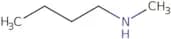
CAS:<p>Fmoc-His(3-Me)-OH is a synthetic amino acid that is used in the synthesis of peptides. It is potent inhibitor of L-type calcium channels, which are involved in the regulation of muscle contraction and vasoconstriction. Fmoc-His(3-Me)-OH has been shown to be effective at inhibiting L-type calcium channels in rat skeletal muscle.</p>Formula:C22H21N3O4Purity:Min. 95%Color and Shape:PowderMolecular weight:391.42 g/molN-Methylbutylamine
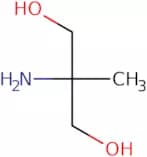
CAS:<p>N-Methylbutylamine is a pharmaceutical drug that belongs to the class of amines. It is used as a hydrogen bond donor in some organic reactions. N-Methylbutylamine has been shown to have cytotoxic effects on prostate cancer cells and has been used for the treatment of this type of cancer. This drug also has a fluorescent derivative, which can be used in the detection of water vapor. The amine group of N-Methylbutylamine is involved in catalysis by enzymes and organometallic compounds. The optimum pH for this molecule is 7, with an activation energy at 20 degrees Celsius of 42 kilojoules per mole.<br>N-Methylbutylamine has also been shown to inhibit kinesin, an important protein involved in cellular transport.</p>Formula:C5H13NPurity:Min. 95%Color and Shape:Clear LiquidMolecular weight:87.17 g/molAMPD
CAS:<p>AMPD, also known as 2-Amino-2-methyl-1,3-propanediol, is a buffer solution with a pH range of 7.8-9.7 and a pKa of 8.8. This chemical buffer is used in molecular biology, protein studies, enzyme assays, and separation techniques such as isatachophoresis (ITP) and SDS-gradient gel electrophoresis.</p>Formula:C4H11NO2Purity:Min. 95%Color and Shape:PowderMolecular weight:105.14 g/molH-Glu-Glu-Leu-OH
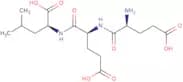
CAS:<p>H-Glu-Glu-Leu-OH is a vitamin that is essential for the production of hydroxyproline, which aids in the formation of collagen. It is also used to treat osteoarthritis and rheumatoid arthritis. H-Glu-Glu-Leu-OH is synthesized from glutamate, glutamic acid, and leucine in the liver and kidney. This reaction proceeds by two steps: first, glutamate carboxylase converts glutamate to α-ketoglutarate; then, aspartate aminotransferase converts α-ketoglutarate to aspartate semialdehyde. Aspartate semialdehyde is converted to H-Glu-Glu-Leu by an enzyme called glutamyl aminopeptidase. The reaction mechanism of this enzyme has been studied experimentally and theoretically using sodium bicarbonate (NaHCO) as a buffer. The sequential nature</p>Formula:C16H27N3O8Purity:Min. 95%Color and Shape:White Off-White PowderMolecular weight:389.40 g/mol(R)-N-Boc-2-Hydroxymethylmorpholine
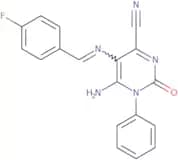
CAS:<p>(R)-N-Boc-2-Hydroxymethylmorpholine is an enantioselective synthesis of a drug. It is used in the reductive amination of aldehydes with ammonia, which has been shown to be operationally enantioselective. (R)-N-Boc-2-Hydroxymethylmorpholine undergoes an intramolecular reaction that results in the formation of an azido group. This asymmetric reaction is catalyzed by palladium, and the product can be used for the reductive amination of aldehydes with ammonia.</p>Formula:C10H19NO4Purity:Min. 95%Color and Shape:White PowderMolecular weight:217.26 g/mol5-(1-Aza-2-(4-fluorophenyl)vinyl)-4-imino-2-oxo-3-phenyl-1H-1,3-diazine-6-carbonitrile
CAS:<p>Please enquire for more information about 5-(1-Aza-2-(4-fluorophenyl)vinyl)-4-imino-2-oxo-3-phenyl-1H-1,3-diazine-6-carbonitrile including the price, delivery time and more detailed product information at the technical inquiry form on this page</p>Formula:C18H12FN5OPurity:Min. 95%Color and Shape:PowderMolecular weight:333.32 g/molN-α-Benzoyl-L-arginine amide hydrochloride
CAS:<p>N-alpha-Benzoyl-L-arginine amide hydrochloride (BA) is a synthetic, noncompetitive inhibitor of phosphodiesterase. It has been shown to inhibit protease activity in vitro and rhizosphere enzyme activities in vivo. BA also inhibits the formation of hippuric acid from benzoic acid, which is a reaction catalyzed by the enzyme phosphatase. The kinetics of this inhibition have been studied using a number of different substrates and enzymes. BA binds to the catalytic site on the enzyme, sterically hindering binding of the substrate and preventing hydrolysis.</p>Formula:C13H19N5O2·HClPurity:Min. 95%Color and Shape:PowderMolecular weight:313.78 g/molN-(Ethoxy-Fluorophosphoryl)-N-Methylmethanamine
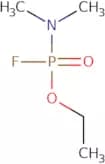
CAS:Controlled Product<p>Ethoxy-Fluorophosphoryl-N-Methylmethanamine is a chemical that belongs to the class of nerve agents. It can be used as an antidote for sarin poisoning. This compound reacts with the enzyme butyrylcholinesterase, which breaks down acetylcholine in the synapses. In this way, it blocks the transmission of nerve impulses and causes muscle paralysis. Ethoxy-Fluorophosphoryl-N-Methylmethanamine acts as an antagonist of acetylcholine receptors in both animals and humans. It also inhibits cholinesterase activity in blood pressure regulation, which leads to increased blood pressure levels. When administered at sublethal doses, this compound induces a long lasting sensitization of the central nervous system to other cholinergic drugs such as atropine or nerve gases such as sarin.</p>Formula:C4H11FNO2PPurity:Min. 95%Molecular weight:155.11 g/mol17α-Estradiol 17-valerate
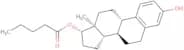
CAS:<p>Please enquire for more information about 17α-Estradiol 17-valerate including the price, delivery time and more detailed product information at the technical inquiry form on this page</p>Formula:C23H32O3Purity:Min. 95%Color and Shape:PowderMolecular weight:356.5 g/mol2-Bromo-4-fluoro-5-methylaniline
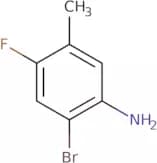
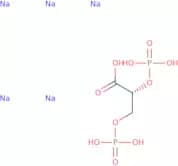
CAS:<p>2-Bromo-4-fluoro-5-methylaniline (BFM) is a reactive intermediate that is used as a building block in the synthesis of various organic compounds. It is also used in research and development for the preparation of pharmaceuticals, pesticides, herbicides, and dyes. BFM is a versatile intermediate that can be used in many different types of reactions. This chemical belongs to the group of halogenated methylanilines and has a CAS number of 1065076-39-2.</p>Formula:C7H7BrFNPurity:Min. 95%Color and Shape:PowderMolecular weight:204.04 g/mol2,3-Diphospho-D-glyceric acid pentasodium salt
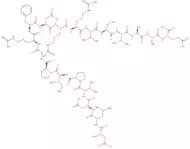
CAS:<p>2,3-Diphospho-D-glyceric acid pentasodium salt is a pyridine complex that is found in nature as a constant. It is also synthesized by humans and can be formed in the laboratory. 2,3-Diphospho-D-glyceric acid pentasodium salt is reactive and has been shown to be useful for producing radical species. This compound has been analysed in the human body at physiological concentrations and has been shown to interact with endogenous molecules such as lipids. The interaction of this compound with lipids could be due to its ability to form emulsions.</p>Formula:C3H3Na5O10P2Purity:Min. 95%Color and Shape:PowderMolecular weight:375.95 g/molCalcineurin Substrate trifluoroacetate salt H-Asp-Leu-Asp-Val-Pro-Ile-Pro-Gly-Arg-Phe-Asp-Arg-Arg-Val-Ser-Val-Ala-Ala-Glu-OH trifluo roacetate salt
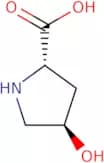
CAS:<p>Please enquire for more information about Calcineurin Substrate trifluoroacetate salt H-Asp-Leu-Asp-Val-Pro-Ile-Pro-Gly-Arg-Phe-Asp-Arg-Arg-Val-Ser-Val-Ala-Ala-Glu-OH trifluo roacetate salt including the price, delivery time and more detailed product information at the technical inquiry form on this page</p>Formula:C92H150N28O29Purity:Min. 95%Molecular weight:2,112.35 g/moltrans-4-Hydroxy-L-proline
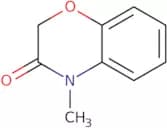
CAS:<p>Proline is a non-essential amino acid that is found in the basic structure of collagen. Proline has been shown to have physiological effects, including a protective effect on the myocardium, and can be used as an analytical method for detecting proline residues in biological samples. Trans-4-Hydroxy-L-proline is a proline derivative that has been shown to inhibit collagenase activity in vitro. It was also shown to have an optimum concentration of 1 mM and a matrix effect at pH 6.5. The model system used to study trans-4-hydroxy-l-proline was the enzyme extracted from rat liver.</p>Formula:C5H9NO3Color and Shape:White PowderMolecular weight:131.13 g/mol4-Methyl-2H-1,4-benzoxazin-3(4H)-one
CAS:<p>4-Methyl-2H-1,4-benzoxazin-3(4H)-one is an organic compound that is a hydrogen chloride salt. It is used in the isolation and identification of catechols. The compound has been shown to form condensation products with cellulose, which are detected using analytical techniques such as chromatography and spectrophotometry. 4-Methyl-2H-1,4-benzoxazin-3(4H)-one has a trifluoride ion as its chromophore, which can be detected using analytical techniques.</p>Formula:C9H9NO2Purity:Min. 95%Color and Shape:PowderMolecular weight:163.17 g/molN-Acetyl-L-Phenylalanine
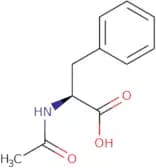
CAS:<p>N-Acetyl-L-Phenylalanine is a reactive compound that is involved in the metabolism of amino acids. It has been shown to inhibit liver cell growth and induce apoptosis. The reaction mechanism of N-acetyl-L-phenylalanine has been extensively studied, with studies showing it to react with carbonyl oxygens, hydrogen bond, and intramolecular hydrogen. N-Acetyl-L-phenylalanine has also been shown to have an optimum pH of 6.5 and its chemical formula is C10H11NO2.</p>Formula:C11H13NO3Purity:Min. 95%Color and Shape:PowderMolecular weight:207.23 g/molEstradiol 17-valerate
CAS:<p>Estradiol is a form of the hormone estrogen that has been modified to be more lipophilic. It is used in combination with other drugs to treat menopausal symptoms and as an adjuvant for the treatment of breast cancer in women. Estradiol 17-valerate is also used in the treatment of schizophrenia, although not as often as estradiol valerate, because it has a shorter duration of action. The mechanism of action is thought to be due to its ability to increase the concentration of dopamine at nerve terminals by blocking reuptake or inhibiting its metabolism. This may result in relief from distal tubule dysfunction and an improvement in urinary tract symptoms associated with benign prostatic hypertrophy. There are many other possible mechanisms of action including the prevention of bone loss, increased bone age, and increased NMDA receptor binding potentials.</p>Formula:C23H32O3Purity:Min. 95%Color and Shape:PowderMolecular weight:356.5 g/molL-Homopropargylglycine
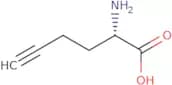
CAS:<p>L-Homopropargylglycine is a small molecule that inhibits the activity of enzymes involved in fatty acid synthesis. It has been shown to inhibit the activity of enzymes involved in mitochondrial membrane potential and reactive oxygen species production, as well as collagen degradation. L-Homopropargylglycine is used to study the molecular mechanisms of lipid metabolism and mitochondrial function, as well as for wastewater treatment. L-Homopropargylglycine has also been studied as a potential drug for the treatment of metabolic syndrome, diabetes, and cancer.</p>Formula:C6H9NO2Purity:Min. 95%Color and Shape:PowderMolecular weight:127.14 g/molHead Activator
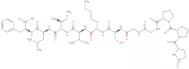
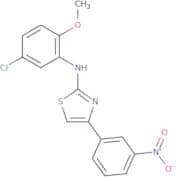
CAS:<p>Head activator Pyr-Pro-Pro-Gly-Gly-Ser-Lys-Val-Ile-Leu-Phe-OH is a synthetic peptide, which is modeled after bioactive peptides found in certain biological systems. It is derived from the head activator peptides naturally occurring in organisms like hydra and is believed to play a role in neurochemical signaling pathways.The mode of action of this peptide involves the modulation of neuronal activity and proliferation through specific interactions with cellular receptors, influencing processes such as cell growth and differentiation. These interactions may contribute to neuroprotection and support neural regeneration, making it a subject of interest in neurobiological research.Given its role in cellular signaling, Head activator Pyr-Pro-Pro-Gly-Gly-Ser-Lys-Val-Ile-Leu-Phe-OH is primarily used in research contexts, especially in studies focusing on neurobiology, regenerative medicine, and the molecular mechanisms underlying neural development. Its ability to mimic certain endogenous signaling processes allows scientists to explore the regulation of neural cell behavior and the potential therapeutic applications for neurodegenerative conditions.</p>Formula:C54H84N12O14Purity:Min. 95%Molecular weight:1,125.32 g/mol(5-Chloro-2-methoxyphenyl)(4-(3-nitrophenyl)(2,5-thiazolyl))amine
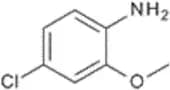
CAS:<p>Please enquire for more information about (5-Chloro-2-methoxyphenyl)(4-(3-nitrophenyl)(2,5-thiazolyl))amine including the price, delivery time and more detailed product information at the technical inquiry form on this page</p>Purity:Min. 95%4-Chloro-2-methoxyaniline
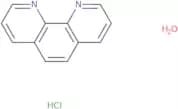
CAS:<p>4-Chloro-2-methoxyaniline is an organic compound with the chemical formula CHClNO. It is a colorless liquid that smells like benzene. 4-Chloro-2-methoxyaniline reacts with diazonium salt to produce a red-orange dye and is used to create other azo compounds. It also reacts with anionic substances and can be used in fibre production. 4-Chloro-2-methoxyaniline has been shown to have fungicidal properties, which may be due to its ability to oxidize the fungal cell membrane.</p>Formula:C7H8ClNOPurity:Min. 98 Area-%Molecular weight:157.6 g/molo-Phenanthroline monohydrochloride monohydrate
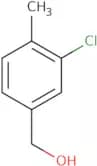
CAS:<p>o-Phenanthroline monohydrochloride monohydrate is a ligand that is used in crystallography to study the crystal structure of metal ions. It has been shown to be an efficient catalyst for the ring-opening of chloroformates, and can also be used as an analytical reagent that is capable of detecting chlorine in organic compounds. The hydrate form of o-phenanthroline monohydrochloride has a molecular formula of C12H14ClN3O4·2H2O and a molecular weight of 392.7 g/mol.</p>Formula:C12H8N2·HCl·H2OColor and Shape:PowderMolecular weight:234.68 g/mol3-Chloro-4-methylbenzyl alcohol - Technical grade
CAS:<p>3-Chloro-4-methylbenzyl alcohol is a building block chemical that is used in the synthesis of a variety of organic compounds. It is a versatile chemical that can be used as a reagent, reaction component, and intermediate. 3-Chloro-4-methylbenzyl alcohol has been found to be useful in the synthesis of complex compounds, such as 4-chloromethoxybenzoic acid and 3-(3,5-dimethoxyphenyl)acetic acid. This chemical can also be used to produce speciality chemicals, such as 3-(2-(2,4-dichlorophenoxy)ethyl)benzonitrile.</p>Formula:C8H9ClOPurity:Min. 95%Color and Shape:Colorless PowderMolecular weight:156.61 g/mol(2S)-({[(4-Methyl-2-oxo-2H-chromen-7-yl)oxy]acetyl}amino)(phenyl)acetic acid
CAS:<p>(2S)-({[(4-Methyl-2-oxo-2H-chromen-7-yl)oxy]acetyl}amino)(phenyl)acetic acid is a kind of fine chemical that belongs to the class of reagents and speciality chemicals. It is a versatile building block which can be used in research, as well as in the production of pharmaceuticals and other fine chemicals. This compound can be used in reactions as a building block or intermediate, as well as a scaffold for complex compounds.</p>Formula:C20H17NO6Purity:Min. 95 Area-%Color and Shape:PowderMolecular weight:367.35 g/molN-Benzyl-4-phenyl pyridinium tetrafluoroborate
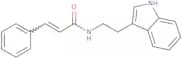
CAS:<p>N-Benzyl-4-phenyl pyridinium tetrafluoroborate is a fine chemical that can be used as a building block in the synthesis of complex compounds. It has been shown to have versatile applications in organic synthesis, such as being a useful intermediate and reaction component. N-Benzyl-4-phenyl pyridinium tetrafluoroborate is an extremely high quality reagent with few side effects and low toxicity.</p>Formula:C18H16N•BF4Purity:Min. 95%Molecular weight:333.13 g/molN-(2-Indol-3-ylethyl)-3-phenylprop-2-enamide
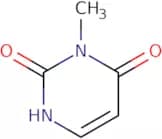
CAS:<p>N-(2-indol-3-ylethyl)-3-phenylprop-2-enamide is a serotonin analog that has been shown to inhibit the production of tryptophan decarboxylase in organisms. This compound has also been shown to be an inhibitor of the biosynthesis of p-coumaric acid, which is involved in the synthesis of lignin, phytoalexins, and other phenolic compounds. N-(2-indol-3-ylethyl)-3-phenylprop-2-enamide may be useful as a fungicide against pyricularia or as an antimicrobial against microbial infections.</p>Formula:C19H18N2OPurity:Min. 95%Color and Shape:PowderMolecular weight:290.36 g/mol3-Methyluracil
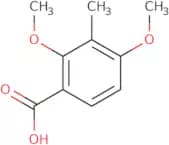
CAS:<p>3-Methyluracil is a molecule with the molecular formula CH3CHO. It has a protonated form, which is NH2CH2COOH, and an unprotonated form, which is NHCH2COOH. The protonation of 3-methyluracil can be seen in the hydrogen bonding between the two molecules. 3-Methyluracil is found in clinical studies as an effective treatment for obesity. It also has been shown to have nucleobase sequence specificity and can be used to detect adenosine in RNA sequences. 3-Methyluracil is a nucleophilic base that can bond with hydroxide ions from water or other protic solvents. This reaction results in the molecule becoming more acidic, which can be seen by the decrease in pH level when it comes into contact with hydrochloric acid.</p>Formula:C5H6N2O2Purity:Min. 95 Area-%Color and Shape:White Off-White PowderMolecular weight:126.11 g/mol2,4-Dimethoxy-3-methylbenzoic acid
CAS:<p>2,4-Dimethoxy-3-methylbenzoic acid is a fine chemical that is used as a versatile building block in the synthesis of other organic compounds. 2,4-Dimethoxy-3-methylbenzoic acid has been used in research to generate novel compounds with desired properties. It is also used as a reaction component and speciality chemical. The compound can be reacted with sodium methoxide in methanol to form 2,4-dimethoxybenzaldehyde, which is an intermediate for the synthesis of other chemicals. It also reacts with nitric acid to form 2,4-dimethylbenzoic acid and oleum. These reactions are useful for the production of certain drugs or for the synthesis of polymers.</p>Formula:C10H12O4Purity:Min. 95%Molecular weight:196.2 g/mol7-Amino-2-(4-methoxyphenyl)[1,2,4]triazolo[1,5-a]pyrimidin-5(4H)-one
CAS:<p>7-Amino-2-(4-methoxyphenyl)[1,2,4]triazolo[1,5-a]pyrimidin-5(4H)-one is a fine chemical that belongs to the category of versatile building blocks. It can be used as a reagent for research purposes and as a speciality chemical for the production of complex compounds. This compound is also an important building block for the synthesis of compounds with high quality and useful scaffolds.</p>Formula:C12H11N5O2Purity:Min. 95%Color and Shape:PowderMolecular weight:257.25 g/mol1-(2-Methoxyphenyl)-2-nitroethane
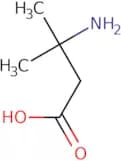
CAS:<p>1-(2-Methoxyphenyl)-2-nitroethane is a natural alkaloid that is found in the plant Piper methysticum. This compound has been shown to inhibit the transformation of nitroalkenes to nitropropene and nitrobenzene. The synthetic studies on this compound are mainly focused on its effects on other nitroalkenes. It has been shown that 1-(2-methoxyphenyl)-2-nitroethane can be used as an inhibitor of cyclization reactions, such as the synthesis of indole alkaloids, which are important in many pharmacological processes and biological systems.</p>Formula:C9H9NO3Purity:Min. 95%Color and Shape:PowderMolecular weight:179.17 g/mol3-Amino-3-methylbutanoic acid
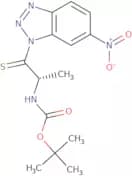
CAS:<p>3-Amino-3-methylbutanoic acid is a carbonaceous compound that can be synthesized from b-alanine and perchloroethylene. It is used in the manufacture of butanoic acid, which is an important industrial chemical. 3-Amino-3-methylbutanoic acid has been shown to exist as four isomers, each with a different molecular weight. The isomers are produced by a synthetic process involving the reaction of b-alanine and perchloroethylene. In an amination reaction, the compounds are heated in the presence of ammonia gas or ammonium chloride to form 3-amino-3-methylbutanoic acid.</p>Formula:C5H11NO2Purity:Min 95%Color and Shape:PowderMolecular weight:117.15 g/molBoc-Thionoala-1-(6-nitro)benzotriazolide
CAS:<p>Please enquire for more information about Boc-Thionoala-1-(6-nitro)benzotriazolide including the price, delivery time and more detailed product information at the technical inquiry form on this page</p>Formula:C14H17N5O4SPurity:Min. 95%Molecular weight:351.38 g/mol2-Methylindole
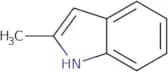
CAS:<p>2-Methylindole is a reactive molecule that can undergo electrophilic substitution at the 2-position. It reacts with a variety of nitrogen nucleophiles, acylating them at the 2-position. These reactions are catalyzed by enzymes such as carbonyl reductase and methyl ketone reductase. The reaction mechanism is not yet fully understood, but it has been proposed that it proceeds through an acylation reaction between two molecules of 2-methylindole to form a linear product. The regiospecificity of this reaction has been demonstrated in vivo using a model system.</p>Formula:C9H9NColor and Shape:PowderMolecular weight:131.17 g/mol2,4-Bis(dodecylthiomethyl)-6-methylphenol
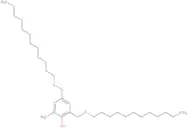
CAS:<p>2,4-Bis(dodecylthiomethyl)-6-methylphenol is a block copolymer that contains polystyrene and polyvinyl chloride in a 1:1 ratio. It is used as an additive for polymers to improve the stability of the polymer. 2,4-Bis(dodecylthiomethyl)-6-methylphenol has been shown to be synergistic with silicone, diethylene glycol, and ethylene glycol. This additive stabilizes the polymer by preventing it from breaking down into its component parts.</p>Formula:C33H60OS2Purity:Min. 95%Color and Shape:White Slightly Yellow PowderMolecular weight:536.96 g/mol1,1-Methanediyl bismethanethiosulfonate
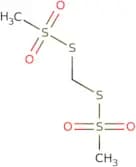
CAS:<p>1,1-Methanediyl bismethanethiosulfonate is a fine chemical that is a useful building block in organic synthesis. It is a speciality chemical used as a reagent in research, and has been used in the production of other chemicals like pharmaceuticals, agrochemicals and dyes. 1,1-Methanediyl bismethanethiosulfonate is also an intermediate for the production of polymers or plastics. This compound can be used as a building block to produce complex compounds with versatile scaffolds.</p>Formula:C3H8O4S4Purity:Min. 95%Color and Shape:Off-White SolidMolecular weight:236.36 g/mol4-Nitro-L-phenylalanine
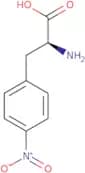
CAS:<p>4-Nitro-L-phenylalanine is a nitroprotease inhibitor that binds to the active site of the enzyme, preventing access of substrate. It is used as an analytical reagent for determination of nitrite, and has been shown to have antiviral and anti-inflammatory activities. 4-Nitro-L-phenylalanine has also been shown to inhibit the growth of human leukemia cells and enhance their sensitivity to chemotherapy drugs. This drug has been found to cause a decrease in dopamine levels in rats and may be useful in the treatment of Parkinson's disease.</p>Formula:C9H10N2O4Purity:Min. 98 Area-%Color and Shape:PowderMolecular weight:210.19 g/molGlutaryl-Gly-Gly-Phe-AMC
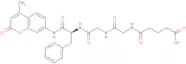
CAS:<p>Glutaryl-Gly-Gly-Phe-AMC is a proteolytic peptide which is used in the study of the proteasome. It has been shown to have affinity for the proteasome, and can be used as a monoclonal antibody for both immunohistochemical analysis and two-dimensional electrophoresis. The peptide was sequenced and found to have no homology to any known protein or peptide. Glutaryl-Gly-Gly-Phe-AMC has been shown to bind specifically to β amyloid (Aβ) subunits in cell homogenates and cytosol, as well as nuclei in tissue sections from AD brain. In addition, it has been shown that this peptide can be fluorescently labeled with Alexa Fluor 488 or 594 dye for use in microscopy studies.</p>Formula:C28H30N4O8Purity:Min. 98 Area-%Color and Shape:PowderMolecular weight:550.56 g/molH-Phe-Met-Arg-Phe-NH2 acetate
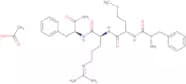
CAS:Controlled Product<p>H-Phe-Met-Arg-Phe-NH2 acetate is a high quality reagent that is useful in the synthesis of complex compounds. It can be used as an intermediate for the production of fine chemicals and speciality chemicals, as well as being a versatile building block in the synthesis of organic compounds. H-Phe-Met-Arg-Phe-NH2 acetate can also be used to make research chemicals or reaction components.</p>Formula:C29H42N8O4S•(C2H4O2)xPurity:Min. 95%Color and Shape:PowderMolecular weight:598.76 g/mol(2,6-dioxo-4-phenylcyclohexyl)-N-(3-(trifluoromethyl)phenyl)formamide
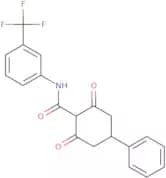
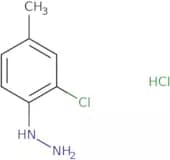
CAS:<p>Please enquire for more information about (2,6-dioxo-4-phenylcyclohexyl)-N-(3-(trifluoromethyl)phenyl)formamide including the price, delivery time and more detailed product information at the technical inquiry form on this page</p>Purity:Min. 95%(2-Chloro-4-methylphenyl)hydrazine hydrochloride
CAS:<p>(2-Chloro-4-methylphenyl)hydrazine hydrochloride is a high quality reagent that is a useful intermediate for the synthesis of complex compounds. It has been used as a building block for the synthesis of speciality chemicals and research chemicals. This compound can be used to produce versatile building blocks and reaction components.</p>Formula:C7H9ClN2·HClPurity:Min. 95%Color and Shape:PowderMolecular weight:193.07 g/mol3-Oxo-2-phenyl butanamide
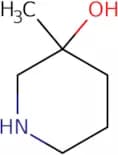
CAS:Controlled Product<p>3-Oxo-2-phenyl butanamide is an amphetamine that has been shown to be a potential marker for wastewater. 3-Oxo-2-phenyl butanamide is one of the many intermediates in the synthesis of amphetamine from phenylacetone and can be found in wastewater as an impurity. This compound has also been used as a marker for wastewater treatment malfunctioning. 3-Oxo-2-phenyl butanamide is excreted into the environment through urine, and its presence can be measured in water samples by gas chromatography/mass spectrometry or liquid chromatography/mass spectrometry.</p>Formula:C10H11NO2Purity:Min. 95%Color and Shape:PowderMolecular weight:177.2 g/mol3-Methylpiperidin-3-ol
CAS:<p>3-Methylpiperidin-3-ol is a chemical compound that has been found to be useful as a building block for the synthesis of various complex compounds. This product is used in research and as a reagent. 3-Methylpiperidin-3-ol is also known by the CAS number 473730-88-0.</p>Formula:C6H13NOPurity:Min. 95%Color and Shape:Yellow solid.Molecular weight:115.17 g/molD-Proline
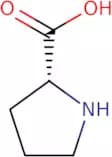
CAS:<p>D-Proline is a non-essential amino acid that can be synthesized by the body. It is a racemic mixture of the two stereoisomers, L-proline and D-proline. Research has shown that D-proline inhibits the enzyme racemase, which converts L-proline to D-proline. Racemase inhibition leads to an accumulation of L-proline, which may reduce disease activity in some cases. D-Proline also inhibits liver cells and trigeminal nerve cells, leading to decreased pain. The asymmetric synthesis of picolinic acid from D-pyridoxal 5'-phosphate catalyzed by prolinase occurs at a pH optimum around 2.8. This reaction is used as a model system for studying chemical biology and antimicrobial peptides.<br>D-Proline can be found in E coli K12 and other bacteria with analytical chemistry techniques such as gas chromatography mass spectrometry (GC</p>Formula:C5H9NO2Color and Shape:PowderMolecular weight:115.13 g/molH-Thr-Phe-Leu-Leu-Arg-NH2
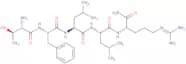
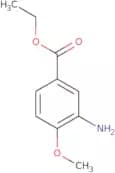
CAS:<p>H-Thr-Phe-Leu-Leu-Arg-NH2 is a peptide that has been shown to reduce the severity of lung inflammation and injury in rats with pulmonary hypertension. It also prevents the release of proinflammatory cytokines such as tumor necrosis factor alpha (TNFα) and interleukin 6 (IL6). This peptide also induces an antibody response against collagen gel, which is used to treat fibrotic diseases and wounds. The peptide binds to the soybean trypsin inhibitor, preventing it from inhibiting protease enzymes, thereby allowing for protein synthesis. H-Thr-Phe-Leu-Leu-Arg-NH2 has been shown to have antiapoptotic effects by restoring mitochondrial membrane potential in cancer cells. This peptide can be used as a therapeutic agent for various diseases including primary pulmonary hypertension, cancer tissues, and mitochondrial disorders.</p>Formula:C31H53N9O6Purity:Min. 95%Color and Shape:White PowderMolecular weight:647.81 g/mol3-Amino-4-methoxybenzoic acid ethyl ester
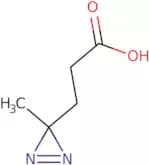
CAS:<p>3-Amino-4-methoxybenzoic acid ethyl ester is a chemical building block that can be used in the synthesis of various organic compounds. It is an important reaction component, and can also be used as a reagent or useful scaffold. 3-Amino-4-methoxybenzoic acid ethyl ester is soluble in organic solvents and has a high quality. This chemical has been shown to be useful for research purposes.</p>Formula:C10H13NO3Purity:Min. 95%Color and Shape:PowderMolecular weight:195.22 g/mol3-(3-Methyl-3H-diazirine-3-yl)propionic acid
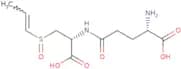
CAS:<p>3-(3-Methyl-3H-diazirine-3-yl)propionic acid (3MDZ) is a fluorophore that can be used in cancer research. It has been shown to bind to the active site of human SIRT1 and inhibit its activity, which leads to cell death by deacylating histone H3. 3MDZ is also able to bind to carbenes, which are highly reactive molecules that have been implicated in aging and cancer. 3MDZ has shown chemopreventive effects against tumor formation and growth by binding to the carbenes and preventing them from forming reactive oxygen species. It can be used as a fluorescent probe for studying the interactions between carbenes and nucleic acids.</p>Formula:C5H8N2O2Purity:Min. 95%Color and Shape:Clear LiquidMolecular weight:128.13 g/molL-γ-Glutamyl-3-(1-propenylsulfinyl)-L-alanine
CAS:<p>Please enquire for more information about L-γ-Glutamyl-3-(1-propenylsulfinyl)-L-alanine including the price, delivery time and more detailed product information at the technical inquiry form on this page</p>Formula:C11H18N2O6SPurity:Min. 95%Color and Shape:PowderMolecular weight:306.34 g/molCyclo(-Pro-Val)
CAS:<p>Cyclo(-Pro-Val) is a type of natural product that has been shown to inhibit the growth of tumor cells. Cyclo(-Pro-Val) is a metabolite produced by the fungus Cryptococcus neoformans and may serve as a potential anti-cancer drug. The compound blocks mitochondrial membrane potential, which prevents cancer cells from multiplying. Cyclo(-Pro-Val) has also been shown to inhibit the growth of bacteria such as Pseudomonas aeruginosa and Burkholderia cepacia complex, although it has little or no effect on other types of bacteria and fungi.</p>Formula:C10H16N2O2Purity:Min. 95%Color and Shape:White PowderMolecular weight:196.25 g/mol4-Methoxy-2-(trifluoromethyl)aniline
CAS:<p>4-Methoxy-2-(trifluoromethyl)aniline is a chemical compound that is used as a research chemical, reagent, and speciality chemical. It is a versatile building block that can be used in reactions to produce complex compounds. 4-Methoxy-2-(trifluoromethyl)aniline has been identified by the Chemical Abstracts Service (CAS) as having high quality and is useful for preparing fine chemicals. This substance also has uses in the field of medicinal chemistry and can be used as a scaffold for pharmaceutical products.</p>Formula:C8H8F3NOPurity:Min. 95%Color and Shape:Clear LiquidMolecular weight:191.15 g/mol4-Chloro-2-methylbenzyl alcohol
CAS:<p>4-Chloro-2-methylbenzyl alcohol is an organic compound that has a sensor and hydroxyl group. It is used in pest control as an insecticide. 4-Chloro-2-methylbenzyl alcohol has been shown to be effective against ants, cockroaches, and other insects. There are multiple instabilities of this compound, including low oxygen stability when exposed to air, which may lead to the degradation of this chemical. Impurities in 4-chloro-2-methylbenzyl alcohol may also lead to its instability as it reacts with alkali metals at high temperatures. The instability of 4-chloro-2-methylbenzyl alcohol can be reduced by storing it at low temperatures or by adding cryogenic substances such as liquid nitrogen or carbon dioxide gas.</p>Formula:C8H9ClOPurity:Min. 95%Molecular weight:156.61 g/molN-(4-methylthio(3H-2,3,5-triazolyl))-3-phenylprop-2-enamide
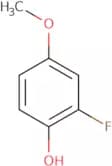
CAS:<p>Please enquire for more information about N-(4-methylthio(3H-2,3,5-triazolyl))-3-phenylprop-2-enamide including the price, delivery time and more detailed product information at the technical inquiry form on this page</p>Formula:C12H12N4OSPurity:Min. 95%Color and Shape:PowderMolecular weight:260.32 g/mol2-Fluoro-4-methoxyphenol
CAS:<p>2-Fluoro-4-methoxyphenol is a white crystalline solid with a melting point of 100°C. It is soluble in water, ethanol and ether and insoluble in chloroform. The compound has been shown to be an intermediate for the synthesis of other organic compounds, such as 2-fluoro-4-(2,2,2-trifluoroethoxy)benzaldehyde, 2-fluoro-4-(3,3,3-trifluoropropoxy)benzaldehyde and 4-(2,2,2-trifluoroethoxy)-3'-nitroacetophenone. 2-Fluoro-4-methoxyphenol can also be used as a building block for speciality chemicals including research chemicals.</p>Formula:C7H7FO2Purity:Min. 95%Color and Shape:Clear LiquidMolecular weight:142.13 g/mol4-Methoxybenzaldehyde
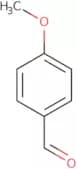
CAS:<p>4-Methoxybenzaldehyde is a surfactant with a Langmuir adsorption isotherm. It can be used in analytical methods for the determination of sodium carbonate at concentrations of 1 mg/mL and higher. The redox potentials of 4-methoxybenzaldehyde are +0.37 and -0.35 volts, which corresponds to group P2. The reaction mechanism for 4-methoxybenzaldehyde is the oxidation of the compound by potassium permanganate (KMnO4) in aqueous solution to form 4-hydroxybenzoic acid (4HB). The fluorescent derivative of 4-methoxybenzaldehyde is magnesium salt, which has been shown to react with ryanodine receptors in skeletal muscle cells, leading to a decrease in calcium release from the sarcoplasmic reticulum. Process optimization may be necessary for this product due to its limited applications in analytical chemistry.</p>Formula:C8H8O2Purity:Min. 95%Color and Shape:Colorless Clear LiquidMolecular weight:136.15 g/mol4-Methylsalicylic acid
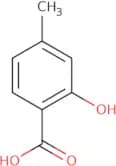
CAS:<p>4-Methylsalicylic acid is a chemical compound that belongs to the group of salicylates. It is an organic compound with a molecular weight of 96.12 g/mol and the chemical formula C8H8O3. The epoxidation of 4-methylsalicylic acid occurs through the use of catalysts, such as zinc oxide and manganese dioxide, which are not functionalized. The addition of these catalysts causes a reaction between the methyl group and the hydroxyl group in 4-methylsalicylic acid, forming methyl salicylate. This product is also used as a chiral building block for other compounds, such as axial chirality and olefins.</p>Formula:C8H8O3Purity:Min. 98 Area-%Color and Shape:PowderMolecular weight:152.15 g/molN-(4-Methylphenyl)-2-phenylacetamide
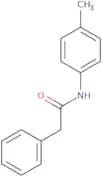
CAS:<p>2-Phenylacetamide is a solvent that can be used as a component in alkylation reactions. It is commonly used as a component of chlorinated solvents and has been shown to catalyze the reaction with benzyl chloride. 2-Phenylacetamide can be used to produce solar cells by sensitizing the surface of silicon wafers with this solvent. Researchers have also studied the alkylation reaction of phenylacetamide with methyl iodide and benzyl chloride, which can be carried out at room temperature and does not require any catalyst. This reaction was found to proceed well under gas chromatographic conditions.</p>Formula:C15H15NOPurity:Min. 95%Molecular weight:225.29 g/mol4-Methyl-1H-1,2,3-benzotriazole
CAS:<p>4-Methyl-1H-1,2,3-benzotriazole is a corrosion inhibitor that is used in the treatment of wastewater. It has been shown to have synergic effects with other corrosion inhibitors such as benzotriazole, glycol ethers, and sodium citrate. 4-Methyl-1H-1,2,3-benzotriazole also inhibits organic matter degradation by acting as an inhibitor. This compound has been shown to adsorb on Langmuir monolayers at low concentrations and can be used as an analytical method for copper ions. The adsorption of 4-methylbenzotriazole onto metal hydroxides was found to be dependent on pH and the presence of other ions in solution.</p>Formula:C7H7N3Purity:Min. 95%Color and Shape:PowderMolecular weight:133.15 g/molSubstance P acetate salt
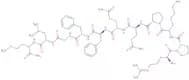
CAS:<p>The Substance P acetate salt is a white or off-white crystalline powder. It is soluble in ethanol and methanol, sparingly soluble in water, and insoluble in ether. The Substance P acetate salt has been widely used as a research chemical and building block for the synthesis of complex compounds. The CAS number for the substance is 137348-11-9.</p>Formula:C63H98N18O13S·C2H4O2Purity:Min. 95 Area-%Color and Shape:PowderMolecular weight:1,407.68 g/molIle-Tyr-OH
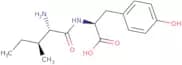
CAS:<p>Ile-Tyr-OH is a synthetic amino acid that is structurally similar to the amino acids ile and tyrosine. It has been shown to have potent inhibitory activity against noradrenaline and dopamine. Ile-Tyr-OH inhibits the synthesis of hydrogen bonds, which are essential for maintaining the shape of proteins. This prevents proteins from folding into their correct three dimensional structure, leading to an increase in blood pressure. Ile-Tyr-OH has also been shown to reduce intestinal transit time and decrease intestinal motility.</p>Formula:C15H22N2O4Purity:Min. 95%Molecular weight:294.35 g/mol4--Methylacetophenone azine
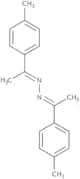
CAS:<p>4-Methylacetophenone azine is a useful chemical with a variety of applications. It is a versatile building block, which can be used as an intermediate for the synthesis of complex compounds and as a reaction component in organic synthesis. 4-Methylacetophenone azine has been shown to be effective in the production of research chemicals and speciality chemicals. This product is high quality and can be used as a reagent in organic synthesis.</p>Formula:C18H20N2Purity:Min. 95%Color and Shape:PowderMolecular weight:264.36 g/molEthyl 2-hydroxy-5-methoxybenzoate
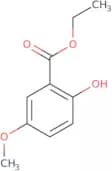
CAS:<p>Ethyl 2-hydroxy-5-methoxybenzoate (EHMB) is a phenolic compound that belongs to the group of salicylic acid. It is a natural product present in crucifers such as cabbage, broccoli, and cauliflower. EHMB has been shown to induce apoptosis in human leukemia cells through the inhibition of DNA methylation. The results showed that EHMB induces apoptosis in human leukemia cells by targeting the epigenetic regulator protein MLL1, which inhibits DNA methyltransferase 1 activity and leads to decreased levels of 5mC. EHMB also induces apoptosis in lung cancer cells by inhibiting cell proliferation and inducing cell death through the inhibition of GTPase activity, which leads to decreased levels of cyclin D1 and increased levels of p27. EHMB also regulates stem cell function by modulating gene expression; it has been shown that this compound can promote stem cell-like properties in mouse embryonic fibrobl</p>Formula:C10H12O4Purity:Min. 95%Color and Shape:Clear LiquidMolecular weight:196.2 g/mol4-Methylthiophenol
CAS:<p>4-Methylthiophenol is a colorless liquid that is soluble in water. It has a molecular weight of 98.12 and an empirical formula of C6H7O2S. 4-Methylthiophenol is used as an analytical reagent, solvent, and chemical intermediate. It exhibits hydrogen bonding interactions with sodium carbonate and trifluoroacetic acid and forms a salt with sodium carbonate. The molecule's stability increases when it interacts with amines and the presence of nucleophiles such as water or alcohols. 4-Methylthiophenol has been shown to be effective at enhancing the fluorescence signal emitted by amines, which makes it useful for laser ablation mass spectrometry (LA-MS). 4-Methylthiophenol can also be used for kinetic energy measurements using FTIR spectroscopy because it will absorb infrared light at 1680 cm−1 from the CO2 laser beam.</p>Formula:C7H8SPurity:Min. 95%Color and Shape:White PowderMolecular weight:124.2 g/molBoc-S-acetamidomethyl-L-cysteine 4-nitrophenyl ester
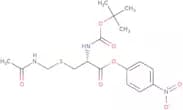
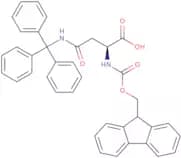
CAS:<p>Please enquire for more information about Boc-S-acetamidomethyl-L-cysteine 4-nitrophenyl ester including the price, delivery time and more detailed product information at the technical inquiry form on this page</p>Formula:C17H23N3O7SPurity:Min. 95%Color and Shape:PowderMolecular weight:413.45 g/molFmoc-Asn(Trt)-OH
CAS:<p>Fmoc-Asn(Trt)-OH is a pegylated molecule synthesized by attaching a polyethylene glycol (PEG) to the terminal amino acids. It has been shown that Fmoc-Asn(Trt)-OH inhibits peptide synthesis by inhibiting the formation of an enzyme-substrate complex. This inhibition prevents the transfer of an amino acid from one protein chain to another, preventing the formation of a new chain and subsequent polymerization. Fmoc-Asn(Trt)-OH also has an inhibitory effect on polypeptide synthesis. The molecular weight of this compound is about 535 Daltons.</p>Formula:C38H32N2O5Purity:Min. 98 Area-%Color and Shape:White PowderMolecular weight:596.67 g/molH-Glu(pNA)-OH
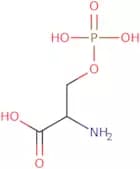
CAS:<p>Gamma-GPNA is a highly specific and sensitive substrate commonly employed for assessing gamma-glutamyl transferase activity in both serum and tissues, particularly through automated colorimetric methods. In this context, the dipeptide Gly-Gly serves as the glutamyl acceptor, facilitating the enzymatic reaction and subsequent detection of gamma-glutamyl transferase activity. This substrate has been widely utilized in enzymatic assays due to its specificity and sensitivity, allowing for accurate determination of gamma-glutamyl transferase levels in various biological samples.</p>Formula:C11H13N3O5Purity:Min. 95%Color and Shape:PowderMolecular weight:267.24 g/molO-Phospho-DL-serine
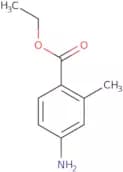
CAS:<p>O-Phospho-DL-serine is a nonprotein amino acid that is synthesized in plants and microorganisms. It is an intermediate in the metabolism of phosphoserine, which can be converted to phosphoserine by the enzyme phosphoserine phosphatase. O-Phospho-DL-serine has been shown to have anti-cancer properties, as it inhibits the growth of various human cancer cell lines by dephosphorylating and inhibiting protein kinases. O-Phospho-DL-serine also has a role in the activation of response elements and cytokines, especially in the presence of growth factors such as fibroblast growth factor β1 (FGFβ1).</p>Formula:C3H8NO6PPurity:Min. 95%Color and Shape:PowderMolecular weight:185.07 g/mol4-Amino-2-methylbenzoic acid ethyl ester
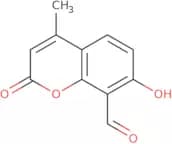
CAS:<p>4-Amino-2-methylbenzoic acid ethyl ester is a versatile building block that can be used in the synthesis of complex compounds. It has been shown to have a number of useful applications, such as in the synthesis of pharmaceuticals, research chemicals, and speciality chemicals. 4-Amino-2-methylbenzoic acid ethyl ester is also an important reagent for the production of high quality pharmaceuticals and intermediates. This chemical is also a useful scaffold for organic reactions.</p>Formula:C10H13NO2Purity:Min. 95%Molecular weight:179.22 g/mol7-Hydroxy-4-methyl-2-oxo-2H-chromene-8-carbaldehyde
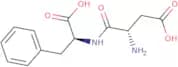
CAS:<p>7-Hydroxy-4-methyl-2-oxo-2H-chromene-8-carbaldehyde is an activated molecule that exhibits significant cytotoxicity to human liver cancer cells. It inhibits the mitochondrial membrane potential, leading to the release of cytochrome c and apoptosis induction. 7HMOCA has been shown to be a reactive molecule with benzimidazole derivative properties. This compound depletes cellular glutathione levels and increases intracellular reactive oxygen species (ROS) levels, which leads to DNA fragmentation, cell cycle arrest, and ultimately apoptosis induction when combined with other agents. The fluorescence properties of this molecule have enabled its detection in living cells without the need for additional reagents or labeling.</p>Formula:C11H8O4Purity:Min. 95 Area-%Color and Shape:White PowderMolecular weight:204.18 g/molH-Asp-Phe-OH
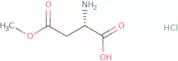
CAS:<p>H-Asp-Phe-OH is a diagnostic agent that contains the amino acid aspartame and a hydroxyl group. It is hydrolyzed in the body to form aspartic acid, phenylalanine, and methanol. The methyl ester of H-Asp-Phe-OH is hydrochloride. This compound has been used to study locomotor activity in mice and rats. Aspartame has also been shown to be an inhibitor of certain enzymes, such as fatty acid synthase, which is associated with human pathogens. The lc-ms/ms method has been used to detect H-Asp-Phe-OH metabolites in human serum samples. In addition, this compound can be used for the diagnosis of diseases such as diabetes mellitus type 2 and Alzheimer’s disease by measuring uptake into cells at enzyme activities.</p>Formula:C13H16N2O5Purity:Min. 95%Color and Shape:White PowderMolecular weight:280.28 g/molL-Aspartic acid b-methyl ester hydrochloride
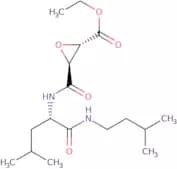
CAS:<p>L-Aspartic acid b-methyl ester hydrochloride is a high quality, versatile building block that can be used as a reaction component in the synthesis of complex compounds. L-Aspartic acid b-methyl ester hydrochloride is a useful scaffold for the preparation of novel fine chemicals and research chemicals with potential uses as pharmaceuticals, pesticides, and agricultural chemicals. It can also be used as an intermediate in the preparation of some natural products or industrial chemicals. L-Aspartic acid b-methyl ester hydrochloride has a CAS number of 16856-13-6.</p>Formula:C5H9NO4·HClColor and Shape:White PowderMolecular weight:183.59 g/mol(2S,3S)-trans-Epoxysuccinyl-L-leucylamido-3-methylbutane ethyl ester
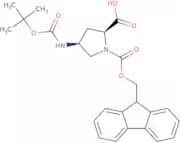
CAS:<p>Inhibitor of cathepsins</p>Formula:C17H30N2O5Purity:Min. 95%Color and Shape:PowderMolecular weight:342.43 g/molBoc-(2S,4S)-4-amino-1-Fmoc-pyrrolidine-2-carboxylic acid
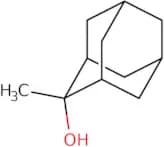
CAS:<p>Useful chiral building block</p>Formula:C25H28N2O6Purity:Min. 95%Molecular weight:452.5 g/mol2-Methyl-2-adamantanol
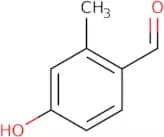
CAS:<p>2-Methyl-2-adamantanol is a chemical compound with the molecular formula CH(CH)COOH. It is a colorless liquid that boils at 109°C and freezes at -78°C. This compound has been used as an additive to gasoline, in cosmetics, as a solvent for polymers, and as a fuel. 2-Methyl-2-adamantanol is synthesized by the reaction of 1-adamantanol with hydrogen chloride gas in the presence of dimethylformamide. The product can be purified by recrystallizing it from methanol or chloroform. The structure of this compound was determined using X-ray crystallography. 2-Methyl-2-adamantanol is an alicyclic molecule that contains two methyl groups (-CH3) on adjacent carbons (C). It also has a hydrogen bond between the two methyl groups on C1 and C2. This compound has been</p>Formula:C11H18OPurity:Min. 95%Color and Shape:PowderMolecular weight:166.1 g/mol4-Hydroxy-2-methylbenzaldehyde
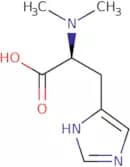
CAS:<p>4-Hydroxy-2-methylbenzaldehyde is an organic compound that is a colourless to yellow liquid with a characteristic odor. It has antibacterial activity and can be used as a natural product. The yield of this compound from staphylococcus is about 50%. When 4-hydroxy-2-methylbenzaldehyde reacts with chalcone, it forms the hydroxychalcones. This process can be used to identify the presence of 4-hydoxy-2-methylbenzaldehyde in many different organisms. The phenolic ring in this compound can undergo formylation, which means it can be oxidized to form formic acid. This process also occurs in soil bacteria and may account for some of its antibacterial properties.</p>Formula:C8H8O2Purity:Min. 95%Color and Shape:PowderMolecular weight:136.15 g/molN,N-Dimethyl-histidine
CAS:<p>N,N-Dimethyl-histidine is a zwitterion formed by the combination of two molecules of the amino acid histidine. It is a derivative of methylhistidine, which is a fungal metabolite. N,N-Dimethyl-histidine has been shown to be an injectable form of methylhistidine and can be used as a metabolic marker in animals and humans. The radioactivity level of N,N-Dimethyl-histidine can be measured using an electron spin resonance spectrometer. N,N-Dimethyl-histidine also has oxidizing properties that have been demonstrated in the oxidation of l-(3-[14C]methylaminopropyl)-3-[14C]methacryloxymethyl)benzene.</p>Formula:C8H13N3O2Purity:Min. 95%Color and Shape:White PowderMolecular weight:183.21 g/molCopper glycine
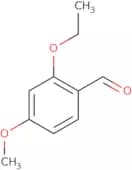
CAS:<p>Copper glycine is a complex enzyme that contains molybdenum, nitrogen and fatty acid. It is a metal chelate that binds to copper ions and prevents the oxidation of fatty acids. The complex has been shown to inhibit the activity of many different enzymes, including those from group P2 (e.g., pyruvate formate lyase) and nutrient solutions. Copper glycine has also been implicated in antimicrobial peptide synthesis.</p>Formula:C4H8N2O4CuPurity:Min. 95%Color and Shape:PowderMolecular weight:211.66 g/mol2-Ethoxy-4-methoxybenzaldehyde
CAS:<p>2-Ethoxy-4-methoxybenzaldehyde is a volatile compound that has been shown to have medicinal properties. It is used to analyze the presence of alcohols and aldehydes in various products. The sensitivity of this compound was optimized by using an analytical method that involved solid phase microextraction (SPME) followed by gas chromatography (GC). The carcinogenicity of this compound was determined by exposing it to rats in a 2 year study, which showed no evidence of carcinogenicity. This compound can also be used as a phenolic or microextraction reagent for the headspace analysis of volatile compounds.</p>Formula:C10H12O3Purity:Min. 95%Color and Shape:PowderMolecular weight:180.2 g/molFmoc-Leu-OH
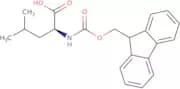
CAS:<p>Fmoc-Leu-OH is a fatty acid that contains a hydroxyl group. It is used in the synthesis of polymer drugs, especially sodium salt polymers. The activity of Fmoc-Leu-OH can be reversed with degarelix acetate, an irreversible inhibitor of ns3 protease. In addition to its use as an antidiabetic agent, Fmoc-Leu-OH has been shown to have immunomodulatory effects and antiinflammatory activity. In tumor treatment, Fmoc-Leu-OH has been shown to inhibit the growth of fat cells without affecting normal cells or causing any toxic side effects.</p>Formula:C21H23NO4Purity:Min. 98 Area-%Color and Shape:White PowderMolecular weight:353.41 g/mol1-Benzyl-4-(2-bromo-2-methylpropanoyl)piperazine
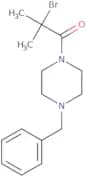
CAS:Controlled Product<p>Please enquire for more information about 1-Benzyl-4-(2-bromo-2-methylpropanoyl)piperazine including the price, delivery time and more detailed product information at the technical inquiry form on this page</p>Formula:C15H21BrN2OPurity:Min. 95%Molecular weight:325.24 g/mol2-Methyl-D-cysteine hydrochloride
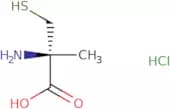
CAS:<p>2-Methyl-D-cysteine hydrochloride is a thiazolidine derivative that is produced by Streptomyces. It is an antibiotic that inhibits bacterial growth and has been shown to be effective against Staphylococcus aureus, Bacillus subtilis, and Escherichia coli. 2-Methyl-D-cysteine hydrochloride is synthesized by cyclocondensation of the amino acid cysteine with the triethylamine derivative desferrithiocin. The chirality of this compound can be modified with an enzyme from Streptomyces sp. This modification removes the sulfur atom from the molecule, which makes it more soluble in water.</p>Formula:C4H9NO2S·ClHPurity:Min. 95%Color and Shape:White PowderMolecular weight:171.65 g/molBoc-Asp(OBzl)-Pro-Arg-AMC·HCl
CAS:<p>Boc-Asp(OBzl)-Pro-Arg-AMC·HCl is a high quality, reagent, complex compound and useful intermediate. It is a fine chemical with the CAS Number 201849-39-0 that is used in research and development. Boc-Asp(OBzl)-Pro-Arg-AMC·HCl is also a versatile building block that can be used in reactions for the synthesis of other compounds.</p>Formula:C37H47N7O9·HClPurity:Min. 98 Area-%Color and Shape:White PowderMolecular weight:770.27 g/molCyano-3-phenoxybenzyl 3-(2,2-dichloroethenyl)-2,2-dimethylcyclopropanecarboxylate
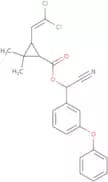
CAS:<p>Cypermethrin is an insecticide that belongs to the family of chemical pesticides. It is used in agriculture and in public health to control malaria-transmitting mosquitoes, head lice, and scabies mites. Cypermethrin disrupts the insect nervous system by inhibiting the function of synapses between nerves, resulting in paralysis and death. The compound also affects signal pathways that regulate locomotor activity and enzyme activities. Cypermethrin has been shown to have a high resistance to degradation by glycol ethers such as ethylene glycol monomethyl ether acetate (EGMEA). It has an optimum concentration of 0.01 ppm for mosquito control and 0.1 ppm for lice control. The analytical method involves liquid chromatography with sodium citrate as an ion-pairing agent and a linear calibration curve using a standard curve generated from known concentrations of cypermethrin.</p>Formula:C22H19Cl2NO3Purity:Min. 95%Color and Shape:Colorless Clear LiquidMolecular weight:416.3 g/molN3-L-Leu-OH·BHA
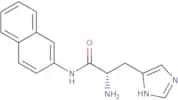
CAS:<p>N3-L-Leu-OH·BHA is a complex compound that has been used as a precursor to other compounds, such as pyrrolidines. It is an intermediate in the synthesis of various pharmaceuticals and research chemicals, such as 4-methylpiperidine. N3-L-Leu-OH·BHA has been shown to be useful in the preparation of various speciality chemicals, including building blocks for polymers and reagents for organic synthesis.</p>Formula:C13H13N·C6H11N3O2Purity:Min. 95%Color and Shape:PowderMolecular weight:340.42 g/molL-Histidine β-naphthylamide
CAS:<p>L-Histidine beta-naphthylamide is an allosteric activator of the imidazole group of histidine. It has been shown to regulate sequences and functional groups in subtilisin. L-Histidine beta-naphthylamide binds to the benzyl ester and regulatory allosteric site on the enzyme, which is located between the active site and the substrate binding site. The binding of this molecule stabilizes a transition state intermediate that would otherwise be too reactive to form products.</p>Formula:C16H16N4OPurity:Min. 95%Color and Shape:PowderMolecular weight:280.32 g/molL-Leucine methyl ester hydrochloride
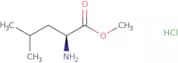
CAS:<p>L-Leucine methyl ester HCl is a monoclonal antibody that specifically binds to the hydroxyl group of human immunoglobulin. It is synthesized by reacting L-leucine with methylamine and hydrochloric acid, followed by hydrolysis of the ester and subsequent reaction with trifluoroacetic acid. The resulting product is purified by precipitation with ammonium sulfate and has a molecular weight of 476.3 Da. L-Leucine methyl ester HCl is used in pharmaceutical preparations for the treatment of amyloid protein-related diseases such as Alzheimer's disease, as well as cytosolic protein-related diseases such as leishmania and thp-1 cells.</p>Formula:C7H15NO2•HClPurity:Min. 95%Color and Shape:White PowderMolecular weight:181.66 g/molPhosphatidyl-L-serine
CAS:<p>Phosphatidyl-L-serine (Ptd-L-Ser) is a glycerophospholipid consisting of the amino acid serine connected to glycerol via a phosphodiester linkage and 2 fatty acids attached to the primary and secondary hydroxyls of the glycerol via ester linkages. Phosphatidyl-L-serine is a phospholipid component of the cell membrane and plays a key role in cell cycle signalling, specifically in relation to apoptosis. It has been suggested that dietary supplements of phosphatidyl-L-serine may reduce the risk of dementia and cognitive dysfunction in the elderly.</p>Formula:C42H82NO10PPurity:Min. 90%Color and Shape:PowderMolecular weight:792.07 g/mol4,6-Dichloro-5-methoxypyrimidine
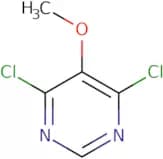
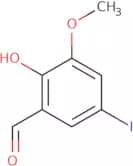
CAS:<p>4,6-Dichloro-5-methoxypyrimidine is a reactive intermediate in the synthesis of sulfadoxine. It is a chlorinating agent that reacts with alkanes and alkenes to produce halogenated products. 4,6-Dichloro-5-methoxypyrimidine can be used as a reagent to synthesize malonic acid and formamide. This compound has been used as an isotopic label for studies of the efficiency of the reaction between malonic acid and formamide. The chloride ions are used in this study to monitor the reaction rate. 4,6-Dichloro-5-methoxypyrimidine is also an intermediate in the synthesis of sulfanilamide and aminophenol.</p>Formula:C5H4Cl2N2OPurity:Min. 95%Color and Shape:PowderMolecular weight:179 g/mol2-Hydroxy-5-iodo-3-methoxybenzaldehyde
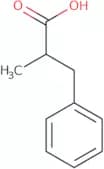
CAS:<p>Please enquire for more information about 2-Hydroxy-5-iodo-3-methoxybenzaldehyde including the price, delivery time and more detailed product information at the technical inquiry form on this page</p>Formula:C8H7IO3Purity:Min. 98%Color and Shape:PowderMolecular weight:278.04 g/molα-Methylhydrocinnamic acid
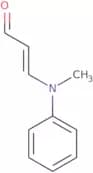
CAS:<p>Alpha-methylhydrocinnamic acid (AMHA) is a synthetic enantiomer of 2-phenylbutyric acid, which has been shown to inhibit the growth of k562 cells. It is also a substrate for fatty acid synthase and may play an important role in fatty acid metabolism. AMHA has been shown to inhibit the production of reactive oxygen species by phagocytic cells exposed to ionizing radiation, which may be due to its ability to scavenge hydroxyl radicals. The effect of AMHA on hematopoietic cells, including neutrophils and bone marrow cells, has not yet been determined.</p>Formula:C10H12O2Purity:Min. 95%Color and Shape:White Clear LiquidMolecular weight:164.2 g/moltrans 3-(N-Methylanilino)acrolein
CAS:<p>Trans 3-(N-Methylanilino)acrolein is a catalyst that can be used in the synthesis of benzimidazoles. It reacts with dichloride and irradiation to produce benzimidazoles. The yields are dependent on the amount of microwave irradiation used and can be increased by using microwave irradiation. This catalyst is prepared by reacting 3-(N-methylanilino)acrolein with dichloride in a solvent such as tetrahydrofuran (THF). Trans 3-(N-Methylanilino)acrolein has been shown to have high reactivity and reactivity rates, which make it an effective catalyst for this reaction.</p>Formula:C10H11NOPurity:Min. 95%Color and Shape:Yellow To Dark Brown SolidMolecular weight:161.2 g/mol6-Fluoro-5-Methyl-2-[(5-Methyl-1H-Imidazol-4-Yl)Methyl]-2,3,4,5-Tetrahydro-1H-Pyrido[4,3-b]Indol-1-One
CAS:Controlled Product<p>6-Fluoro-5-Methyl-2-[(5-Methyl-1H-Imidazol-4-Yl)Methyl]-2,3,4,5-Tetrahydro-1H-Pyrido[4,3-b]Indol-1-One is a drug that belongs to the class of fatty acid esters. It has been shown to be effective in clinical trials for the treatment of symptoms of dry eye syndrome. 6FMETI has a low safety profile and does not cause any adverse effects in humans. The drug can be administered by intravenous injection or oral administration and has a long elimination half life of 36 hours. 6FMETI is metabolized by hydrolysis to its active form, 5FMTI, which is then conjugated with glucuronic acid or methyl glutaryl coenzyme A to form an inactive metabolite. This drug also has good pharmacokinetic properties</p>Formula:C17H17FN4OPurity:Min. 95%Molecular weight:312.34 g/mol2,5-Diphenyl-3-(4-methoxyphenyl)pyronium tetrafluoroborate
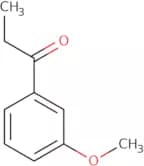
CAS:<p>2,5-Diphenyl-3-(4-methoxyphenyl)pyronium tetrafluoroborate is a chemical compound that can be used as a reagent or building block for the synthesis of other chemical compounds. It is also useful for research and as a versatile building block in organic chemistry. 2,5-Diphenyl-3-(4-methoxyphenyl)pyronium tetrafluoroborate is classified as a speciality chemical product. This compound has CAS Number 2907-20-2 and a molecular weight of 244.12 g/mol.</p>Formula:C24H19O2·BF4Purity:90%Color and Shape:PowderMolecular weight:426.21 g/mol3'-Methoxypropiophenone
CAS:<p>3'-Methoxypropiophenone is an acylating agent that is used in the synthesis of racemic and optically active phenylacetic acids. It can be prepared by the reaction of ketones with methoxypropiolic acid, which is catalyzed by a base such as sodium ethoxide. 3'-Methoxypropiophenone also has been shown to undergo transformation reactions with hydrogenolysis and salt formation. The deprotection step involves removal of a protective group such as dimethylamine or diastereomer.</p>Formula:C10H12O2Purity:Min. 95%Color and Shape:PowderMolecular weight:164.2 g/mol(R)-2-((4-Aminophenethyl)amino)-1-phenylethanol hydrochloride
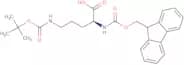
CAS:<p>Intermediate in the synthesis of mirabegron</p>Formula:C16H20N2O·HClPurity:Min. 95%Color and Shape:PowderMolecular weight:292.8 g/molN-α-Fmoc-Nδ-Boc-L-ornithine
CAS:<p>N-alpha-Fmoc-Ndelta-Boc-L-ornithine (NDO) is a stable complex with the amino acid ornithine. It is a short, cyclic peptide that is a stereoselective inhibitor of melanocortin receptors. NDO has been shown to have no toxicity in animal models, and its safety profile has been evaluated in humans.<br>The biological function of NDO is not known, but it may be involved in regulating the death protein pathway. This molecule also can form complexes with other biologically active molecules such as cryptococcal neoformans, which may help to elucidate their function.</p>Formula:C25H30N2O6Purity:Min. 95%Color and Shape:White PowderMolecular weight:454.52 g/mol4-[2-[(3-Ethyl-4-methyl-2-oxo-3-pyrrolin-1-yl)carboxamido]ethyl]benzenesulfonamide
CAS:<p>Metformin is an antidiabetic drug that is used to treat type 2 diabetes. It works by increasing insulin sensitivity and decreasing glucose production in the liver. Metformin does not cause low blood sugar in people with diabetes, but it can lower blood sugar in those without the condition. Metformin is available as metformin hydrochloride and has a molecular weight of 314.5 g/mol. Metformin is excreted primarily through the kidneys, with less than 10% of a dose being excreted unchanged in the urine. Excipients include acetonitrile, which is used as an organic solvent for liquid drug products; impurities may be present due to incomplete synthesis or purification processes; and animal studies are performed to assess safety and efficacy of drugs that may have adverse effects on humans.<br>Metformin has been shown to decrease blood sugar levels in animals through its antidiabetic potential, but there are no studies showing its effect on humans with type</p>Formula:C16H21N3O4SPurity:Min. 95%Color and Shape:White PowderMolecular weight:351.42 g/molAcetyl-glycine N-hydroxysuccinimide ester
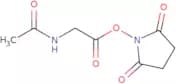
CAS:<p>Acetyl-glycine N-hydroxysuccinimide ester is a reagent that can be used as a building block for the synthesis of peptides and proteins. It is also an intermediate in the synthesis of other chemical compounds, such as pharmaceuticals. This compound has been extensively used in research laboratories for its high quality and versatility.</p>Formula:C8H10N2O5Purity:Min. 95%Color and Shape:PowderMolecular weight:214.18 g/mol6-Amino-7-hydroxy-4-methylcoumarin
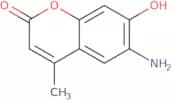
CAS:<p>6-Amino-7-hydroxy-4-methylcoumarin is an antibacterial agent that has been shown to be effective against a range of Gram-positive and Gram-negative bacteria. It is synthesized from coumarins in nature, but also can be synthesized in the laboratory. This compound has been shown to inhibit bacterial growth by forming a covalent bond with the bacterial enzyme DNA gyrase, preventing the synthesis of DNA. 6-Amino-7-hydroxy-4-methylcoumarin has also been shown to have anti cancer properties.</p>Formula:C10H9NO3Purity:Min. 95%Color and Shape:Yellow solid.Molecular weight:191.18 g/molArg-Gly-Asp
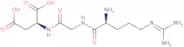
CAS:<p>Arg-Gly-Asp is a peptide with inhibitory properties against tumor growth. It binds to the integrin receptor and blocks the angiogenic process by inhibiting the expression of vascular endothelial growth factor (VEGF) and transforming growth factor beta (TGF-β). Arg-Gly-Asp also inhibits the proliferation of pluripotent cells, which are cells that can differentiate into any type of cell in the body, and prevents the formation of new blood vessels. This peptide has been shown to have inhibitory properties against leukemia inhibitory factor (LIF), which is a cytokine that regulates cell growth.</p>Formula:C12H22N6O6Purity:Min. 98 Area-%Color and Shape:PowderMolecular weight:346.34 g/mol5-(3-Methoxyphenyl)-4-phenyl-4H-1,2,4-triazole-3-thiol
CAS:<p>Please enquire for more information about 5-(3-Methoxyphenyl)-4-phenyl-4H-1,2,4-triazole-3-thiol including the price, delivery time and more detailed product information at the technical inquiry form on this page</p>Formula:C15H13N3OSPurity:Min. 95%Color and Shape:PowderMolecular weight:283.35 g/mol6-Methyl-16-dehydropregnenolone acetate
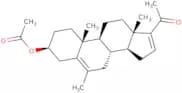
CAS:Controlled Product<p>6-Methyl-16-dehydropregnenolone acetate (6MDA) is a versatile building block that is used in the synthesis of complex compounds. 6MDA is an intermediate for research chemicals and can be used as a reagent or as a speciality chemical. It has been shown to be useful in the synthesis of many complex compounds, including steroids, nonsteroidal anti-inflammatory drugs, and antibiotics. 6MDA has been shown to have high quality and is a useful scaffold for the synthesis of other compounds.</p>Formula:C24H34O3Purity:Min. 95%Color and Shape:PowderMolecular weight:370.52 g/mol




![(2S)-({[(4-Methyl-2-oxo-2H-chromen-7-yl)oxy]acetyl}amino)(phenyl)acetic acid](/_next/image/?url=https%3A%2Fstatic.cymitquimica.com%2Fproducts%2F3D%2Fthumb-webp%2FFM124529.webp&w=3840&q=75)

![7-Amino-2-(4-methoxyphenyl)[1,2,4]triazolo[1,5-a]pyrimidin-5(4H)-one](/_next/image/?url=https%3A%2Fstatic.cymitquimica.com%2Fproducts%2F3D%2Fthumb-webp%2FFA134729.webp&w=3840&q=75)










![6-Fluoro-5-Methyl-2-[(5-Methyl-1H-Imidazol-4-Yl)Methyl]-2,3,4,5-Tetrahydro-1H-Pyrido[4,3-b]Indol-1…](/_next/image/?url=https%3A%2Fstatic.cymitquimica.com%2Fproducts%2F3D%2Fthumb-webp%2FFF102588.webp&w=3840&q=75)


![4-[2-[(3-Ethyl-4-methyl-2-oxo-3-pyrrolin-1-yl)carboxamido]ethyl]benzenesulfonamide](/_next/image/?url=https%3A%2Fstatic.cymitquimica.com%2Fproducts%2F3D%2Fthumb-webp%2FFE23124.webp&w=3840&q=75)