Amino Acids (AA)
Amino acids (AAs) are the fundamental building blocks of proteins, playing a crucial role in various biological processes. These organic compounds are essential for protein synthesis, metabolic pathways, and cell signaling. In this category, you will find a comprehensive range of amino acids, including essential, non-essential, and modified forms, which are vital for research in biochemistry, molecular biology, and nutritional sciences. At CymitQuimica, we provide high-quality amino acids to support your research and development needs, ensuring accuracy and reliability in your experimental outcomes.
Subcategories of "Amino Acids (AA)"
- Amino Acid Derivatives(3,955 products)
- Amino Acid and Amino Acid Related Compounds(3,471 products)
- Amino Acids with Oxygen or Sulphur(168 products)
- Boc- Amino Acids(351 products)
- Fmoc Amino Acids(1,710 products)
Found 38262 products of "Amino Acids (AA)"
Sort by
Purity (%)
0
100
|
0
|
50
|
90
|
95
|
100
4-Methyl-1H-1,2,3-benzotriazole
CAS:<p>4-Methyl-1H-1,2,3-benzotriazole is a corrosion inhibitor that is used in the treatment of wastewater. It has been shown to have synergic effects with other corrosion inhibitors such as benzotriazole, glycol ethers, and sodium citrate. 4-Methyl-1H-1,2,3-benzotriazole also inhibits organic matter degradation by acting as an inhibitor. This compound has been shown to adsorb on Langmuir monolayers at low concentrations and can be used as an analytical method for copper ions. The adsorption of 4-methylbenzotriazole onto metal hydroxides was found to be dependent on pH and the presence of other ions in solution.</p>Formula:C7H7N3Purity:Min. 95%Color and Shape:PowderMolecular weight:133.15 g/molN, N-Dimethylpyridin-4-amine 4-methylbenzenesulfonate
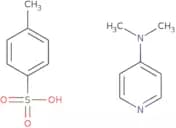
CAS:<p>N,N-Dimethylpyridin-4-amine 4-methylbenzenesulfonate is an integrating agent used in polymer chemistry. It can be used to study the effects of chromophores on both linear and nonlinear optical properties in polymers. N,N-Dimethylpyridin-4-amine 4-methylbenzenesulfonate has been shown to be a good 1,3-dipolar cycloadductor for the synthesis of polymers with polarizable hyperbranched structures.</p>Formula:C7H10N2·C7H8O3SPurity:Min. 95%Color and Shape:White PowderMolecular weight:294.37 g/molSubstance P acetate salt
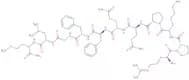
CAS:<p>The Substance P acetate salt is a white or off-white crystalline powder. It is soluble in ethanol and methanol, sparingly soluble in water, and insoluble in ether. The Substance P acetate salt has been widely used as a research chemical and building block for the synthesis of complex compounds. The CAS number for the substance is 137348-11-9.</p>Formula:C63H98N18O13S·C2H4O2Purity:Min. 95 Area-%Color and Shape:PowderMolecular weight:1,407.68 g/molL-Cysteine hydrochloride hydrate
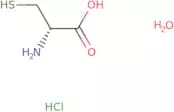
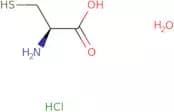
CAS:<p>L-Cysteine hydrochloride hydrate is an amino acid that belongs to the group of antimicrobial agents. It is a precursor in the biosynthesis of proteins and nucleic acids. L-Cysteine hydrochloride hydrate inhibits bacterial growth by reacting with iron and forming an insoluble complex that cannot be used for metabolic processes. Cysteine also reacts with dehydroascorbic acid to form a fluorescent compound, which can be detected using fluorescence probe and fluorometric methods. This reaction is pH dependent, with a lower pH favoring the formation of the fluorescent product. The optimum pH for this reaction is approximately 7.0-8.5, at which point it is most effective against bacteria such as Escherichia coli, Pseudomonas aeruginosa, and Staphylococcus aureus.</p>Formula:C3H7NO2S·HCl·xH2OColor and Shape:PowderMolecular weight:157.62 g/molDL-Methionine-DL-sulfoximine
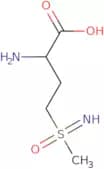
CAS:<p>DL-Methionine sulfoximine is a drug that blocks the synthesis of glutathione, an important antioxidant and detoxifying agent. DL-Methionine sulfoximine may be useful in preventing or treating eye disorders, such as age-related macular degeneration and retinitis pigmentosa. It also has been shown to have beneficial effects in animal models of epilepsy, Alzheimer’s disease, Parkinson's disease, and stroke. DL-Methionine sulfoximine has been shown to have beneficial effects in animal models of epilepsy, Alzheimer’s disease, Parkinson's disease, and stroke. This drug is being studied for its potential use in metabolic disorders such as diabetes and obesity.</p>Formula:C5H12N2O3SPurity:Min. 95%Color and Shape:White PowderMolecular weight:180.23 g/molPAR-3 (1-6) (human) trifluoroacetate salt
CAS:<p>Please enquire for more information about PAR-3 (1-6) (human) trifluoroacetate salt including the price, delivery time and more detailed product information at the technical inquiry form on this page</p>Formula:C29H45N9O8Purity:Min. 95%Molecular weight:647.72 g/molMethyl 5-allyl-2-hydroxy-3-methoxybenzoate
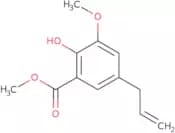
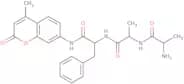
CAS:<p>Methyl 5-allyl-2-hydroxy-3-methoxybenzoate is a chemical compound that belongs to the class of organic compounds known as esters. It is a colorless crystalline solid, which has been found to be useful in the synthesis of other chemical compounds. Methyl 5-allyl-2-hydroxy-3-methoxybenzoate is stable at high temperatures and it was found to be catalytic in reactions involving carbonates. The crystal structure of methyl 5-allyl-2-hydroxy-3-methoxybenzoate has been analyzed using XRD and FTIR spectroscopy. The product yields have been determined by GC analysis and IR spectroscopy.</p>Formula:C12H14O4Purity:Min. 95%Color and Shape:PowderMolecular weight:222.24 g/molH-Ala-Ala-Phe-AMC
CAS:<p>Fluorogenic substrate for protease</p>Formula:C25H28N4O5Purity:Min. 99 Area-%Color and Shape:White PowderMolecular weight:464.51 g/molLL-37 TFA
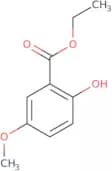
<p>LL-37 TFA is a reagent, complex compound and useful intermediate for the fine chemical and pharmaceutical industries. It is also an important building block for the synthesis of other chemicals. LL-37 TFA has CAS No. 71428-08-9, which is a speciality chemical that can be used in research as well as in many different reactions. The versatility of this compound makes it a very useful building block for the synthesis of other chemicals.</p>Formula:C205H340N60O53•xC2HF3O2Purity:Min. 95 Area-%Color and Shape:PowderMolecular weight:4,493.25 g/molEthyl 2-hydroxy-5-methoxybenzoate
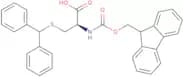
CAS:<p>Ethyl 2-hydroxy-5-methoxybenzoate (EHMB) is a phenolic compound that belongs to the group of salicylic acid. It is a natural product present in crucifers such as cabbage, broccoli, and cauliflower. EHMB has been shown to induce apoptosis in human leukemia cells through the inhibition of DNA methylation. The results showed that EHMB induces apoptosis in human leukemia cells by targeting the epigenetic regulator protein MLL1, which inhibits DNA methyltransferase 1 activity and leads to decreased levels of 5mC. EHMB also induces apoptosis in lung cancer cells by inhibiting cell proliferation and inducing cell death through the inhibition of GTPase activity, which leads to decreased levels of cyclin D1 and increased levels of p27. EHMB also regulates stem cell function by modulating gene expression; it has been shown that this compound can promote stem cell-like properties in mouse embryonic fibrobl</p>Formula:C10H12O4Purity:Min. 95%Color and Shape:Clear LiquidMolecular weight:196.2 g/molFmoc-Cys(Dpm)-OH
CAS:<p>Fmoc-Cys(Dpm)-OH is a chemical that belongs to the group of reaction components. It is a high quality reagent for research and development and can be used as a building block in the synthesis of other fine chemicals. Fmoc-Cys(Dpm)-OH is also an intermediate for the synthesis of complex compounds such as peptides, proteins, and antibiotics. This compound has a broad range of applications in biomedicine, organic chemistry, and pharmaceuticals.</p>Formula:C31H27NO4SPurity:Min. 95%Color and Shape:White SolidMolecular weight:509.62 g/molN3-Phe-OH·CHA
CAS:<p>Please enquire for more information about N3-Phe-OH·CHA including the price, delivery time and more detailed product information at the technical inquiry form on this page</p>Formula:C9H9N3O2•C6H13NPurity:Min. 95%Color and Shape:PowderMolecular weight:290.36 g/mol4-Methoxy 17b-estradiol
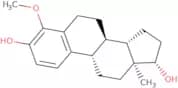
CAS:Controlled Product<p>4-Methoxy 17β-estradiol is a synthetic estrogen that is used as a pharmaceutical drug in the treatment of menopausal symptoms and to prevent osteoporosis. It can be taken orally or administered by injection. 4-Methoxy 17β-estradiol has been found to have interactive effects with other drugs, such as fatty acids and catechol-o-methyltransferase (COMT). It also has an effect on body mass index in vivo, which can lead to cancerous cell proliferation. The matrix effect of 4-methoxy 17β-estradiol on tissues depends on the hydrogen bonds it forms with amino acids in the protein matrix. The hydrogen bonds are different for each tissue type and this may contribute to the differences in carcinogenic potential between tissues. This drug is not active against MCF-7 human breast cancer cells, but does inhibit growth of MDA MB 231 human breast cancer cells.</p>Formula:C19H26O3Purity:Min. 95%Color and Shape:PowderMolecular weight:302.41 g/mol4',6-Diamidino-2-phenylindole 2HCl
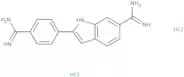
CAS:<p>4',6-Diamidino-2-phenylindole 2HCl (DAB) is a chemical compound used as a histological stain to detect and identify different types of cancer cells. It has been shown to have cytotoxic activity against cancer cells in vitro, but not normal cells. DAB inhibits the growth of cancer cells by disrupting the mitochondrial membrane potential, leading to the release of cytochrome c and apoptosis. The use of this substance has shown that it is not toxic to maternal blood or embryonic tissues. DAB binds to nuclear DNA and polymerase chain reaction products, providing an accurate way to measure cancer cell proliferation.</p>Formula:C16H17Cl2N5Purity:Min. 97.5 Area-%Color and Shape:Yellow PowderMolecular weight:350.25 g/mol1,10-Phenanthroline monohydrate
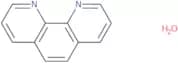
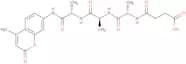
CAS:<p>1,10-Phenanthroline monohydrate is a metal chelate that binds to DNA by hydrogen bonds. It has been shown to have an intramolecular hydrogen and a linear calibration curve with a coefficient of determination (r2) of 0.998. The rate constant for the reaction of 1,10-phenanthroline monohydrate with DNA is 5.00 x 10 M-1 s-1 at 25°C in water and pH 7.4 buffer. The coordination geometry for 1,10-phenanthroline monohydrate is octahedral with the axial ligands occupying the equatorial positions and the equatorial ligands occupying the axial positions. This compound has been shown to be active against HL-60 cells, which causes cancerous transformations in vitro. Fluorescence spectrometry data shows that 1,10-phenanthroline monohydrate can bind to DNA in vitro but not in vivo.</p>Formula:C12H10N2OPurity:Min. 95%Color and Shape:Off-White PowderMolecular weight:198.22 g/molSuc-Ala-Ala-Ala-AMC
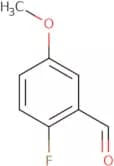
CAS:<p>Suc-Ala-Ala-Ala-AMC is a fluorogenic substrate that can be used to measure the activity of serine proteases. Suc-Ala-Ala-Ala-AMC has been shown to have high values in mammalian tissue. It also has high activity against many bacteria and fungi, as well as proteolytic enzymes such as collagenase and matrix metalloproteinase. This substrate is activated by phorbol esters and has an optimum pH of 5.5. Suc-Ala-Ala-Ala AMC is a model protein for determining the antibacterial efficacy of various antibiotics.</p>Formula:C23H28N4O8Purity:Min. 95%Color and Shape:PowderMolecular weight:488.49 g/mol2-fluoro-5-methoxybenzaldehyde
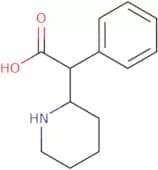
CAS:<p>2-fluoro-5-methoxybenzaldehyde is an asymmetric synthesis that has been shown to inhibit the growth of cancer cells by inhibiting a protein called MT2. 2-Fluoro-5-methoxybenzaldehyde is a nucleophilic compound and reacts with the electrophilic carbon in the enolate to form a sulfoxide, which can be hydrolyzed by acid. This reaction inhibits cancer cell growth as it prevents cellular metabolism and amino acid biosynthesis.</p>Formula:C8H7FO2Purity:Min. 95%Molecular weight:154.14 g/mol2-Phenyl-2-(2-piperidy)acetic acid
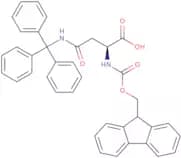
CAS:Controlled Product<p>Methylphenidate is a psychostimulant drug used to treat attention deficit hyperactivity disorder (ADHD) and narcolepsy. It is a prodrug of the active compound, 2-phenyl-2-(2-piperidin)acetic acid (Ritalinic acid), which inhibits the reuptake of dopamine and norepinephrine into the presynaptic neuron. Methylphenidate can be detected by LC-MS/MS in wastewater, providing an analytical method for predicting the presence of this substance in wastewater treatment plants. This drug has minimal toxicity in model organisms and can be metabolized by methylation to form a glucuronide conjugate. Methylphenidate has been shown to increase locomotor activity when administered at low doses, but not at high doses. At high doses, it increases locomotor activity up to 3 hours after administration and decreases locomotor activity 1 hour after administration.</p>Formula:C13H17NO2Purity:Min 98%Color and Shape:White PowderMolecular weight:219.28 g/molFmoc-Asn(Trt)-OH
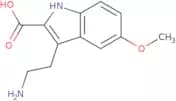
CAS:<p>Fmoc-Asn(Trt)-OH is a pegylated molecule synthesized by attaching a polyethylene glycol (PEG) to the terminal amino acids. It has been shown that Fmoc-Asn(Trt)-OH inhibits peptide synthesis by inhibiting the formation of an enzyme-substrate complex. This inhibition prevents the transfer of an amino acid from one protein chain to another, preventing the formation of a new chain and subsequent polymerization. Fmoc-Asn(Trt)-OH also has an inhibitory effect on polypeptide synthesis. The molecular weight of this compound is about 535 Daltons.</p>Formula:C38H32N2O5Purity:Min. 98 Area-%Color and Shape:White PowderMolecular weight:596.67 g/mol3-(2-Aminoethyl)-5-methoxy-1H-indole-2-carboxylic acid
CAS:<p>3-(2-Aminoethyl)-5-methoxy-1H-indole-2-carboxylic acid is a fine chemical that is used as a building block for research chemicals, reagents, and specialty chemicals. It has the CAS No. 52648-13-2. 3-(2-Aminoethyl)-5-methoxy-1H-indole-2-carboxylic acid is also a versatile building block for synthesis of complex compounds with high quality and is a reaction component in many reactions. This compound can serve as an intermediate or scaffold in chemical synthesis.</p>Formula:C12H14N2O3Purity:Min. 95%Color and Shape:White PowderMolecular weight:234.25 g/molL-a-Phosphatidyl-L-serine
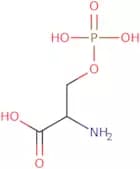
CAS:<p>L-a-Phosphatidyl-L-serine is a chelator that is commonly used in the production of dabigatran etexilate mesylate, a medication used for anticoagulation. It has the ability to bind to hydrocarbons and other reactive species, preventing them from causing harm. L-a-Phosphatidyl-L-serine is also known to interact with potassium ions, which are essential for various biological processes. This compound is often used in research chemicals and has been found to have an inhibitory effect on potassium channels. Additionally, it has been shown to enhance the activity of fluoroquinolones, a class of antibiotics. Overall, L-a-Phosphatidyl-L-serine plays a crucial role as a target molecule in various applications related to anticoagulation and potassium regulation.</p>Formula:C42H82NO10PPurity:Min. 95%Color and Shape:PowderMolecular weight:792.07 g/molO-Phospho-DL-serine
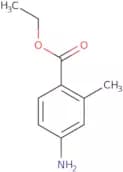
CAS:<p>O-Phospho-DL-serine is a nonprotein amino acid that is synthesized in plants and microorganisms. It is an intermediate in the metabolism of phosphoserine, which can be converted to phosphoserine by the enzyme phosphoserine phosphatase. O-Phospho-DL-serine has been shown to have anti-cancer properties, as it inhibits the growth of various human cancer cell lines by dephosphorylating and inhibiting protein kinases. O-Phospho-DL-serine also has a role in the activation of response elements and cytokines, especially in the presence of growth factors such as fibroblast growth factor β1 (FGFβ1).</p>Formula:C3H8NO6PPurity:Min. 95%Color and Shape:PowderMolecular weight:185.07 g/mol4-Amino-2-methylbenzoic acid ethyl ester
CAS:<p>4-Amino-2-methylbenzoic acid ethyl ester is a versatile building block that can be used in the synthesis of complex compounds. It has been shown to have a number of useful applications, such as in the synthesis of pharmaceuticals, research chemicals, and speciality chemicals. 4-Amino-2-methylbenzoic acid ethyl ester is also an important reagent for the production of high quality pharmaceuticals and intermediates. This chemical is also a useful scaffold for organic reactions.</p>Formula:C10H13NO2Purity:Min. 95%Molecular weight:179.22 g/molZ-Gly-Met-OH
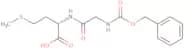
CAS:<p>Z-Gly-Met-OH is a buffer that can be used to create an acidic solution. It is often used in liquid chromatography and peptide synthesis. Z-Gly-Met-OH has been shown to have potential use as an enzyme inhibitor, specifically for proteases and peptidases. The hydrolyzed form of Z-Gly-Met-OH has been shown to bind zinc ions and could be used in the treatment of metal ion poisoning.</p>Formula:C15H20N2O5SPurity:Min. 95 Area-%Color and Shape:PowderMolecular weight:340.4 g/molH-Asp-Phe-OH
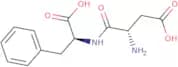
CAS:<p>H-Asp-Phe-OH is a diagnostic agent that contains the amino acid aspartame and a hydroxyl group. It is hydrolyzed in the body to form aspartic acid, phenylalanine, and methanol. The methyl ester of H-Asp-Phe-OH is hydrochloride. This compound has been used to study locomotor activity in mice and rats. Aspartame has also been shown to be an inhibitor of certain enzymes, such as fatty acid synthase, which is associated with human pathogens. The lc-ms/ms method has been used to detect H-Asp-Phe-OH metabolites in human serum samples. In addition, this compound can be used for the diagnosis of diseases such as diabetes mellitus type 2 and Alzheimer’s disease by measuring uptake into cells at enzyme activities.</p>Formula:C13H16N2O5Purity:Min. 95%Color and Shape:White PowderMolecular weight:280.28 g/molL-Aspartic acid b-methyl ester hydrochloride
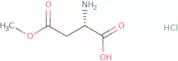
CAS:<p>L-Aspartic acid b-methyl ester hydrochloride is a high quality, versatile building block that can be used as a reaction component in the synthesis of complex compounds. L-Aspartic acid b-methyl ester hydrochloride is a useful scaffold for the preparation of novel fine chemicals and research chemicals with potential uses as pharmaceuticals, pesticides, and agricultural chemicals. It can also be used as an intermediate in the preparation of some natural products or industrial chemicals. L-Aspartic acid b-methyl ester hydrochloride has a CAS number of 16856-13-6.</p>Formula:C5H9NO4·HClColor and Shape:White PowderMolecular weight:183.59 g/mol(2S,3S)-trans-Epoxysuccinyl-L-leucylamido-3-methylbutane ethyl ester
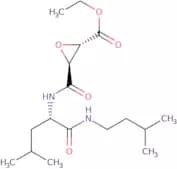
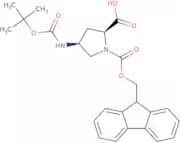
CAS:<p>Inhibitor of cathepsins</p>Formula:C17H30N2O5Purity:Min. 95%Color and Shape:PowderMolecular weight:342.43 g/molBoc-(2S,4S)-4-amino-1-Fmoc-pyrrolidine-2-carboxylic acid
CAS:<p>Useful chiral building block</p>Formula:C25H28N2O6Purity:Min. 95%Molecular weight:452.5 g/mol(3-glycidoxypropyl)methyldimethoxysilane
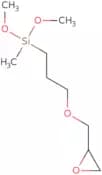
CAS:<p>3-Glycidoxypropyl methyldimethoxysilane (3-GPMDMS) is a compound that belongs to the group of organosilicon compounds. It is an organic solvent that has been used for the activation energy of ring-opening reactions. 3-GPMDMS is also suitable for immobilizing polysaccharides, proteins, and enzymes on surfaces or in polymer matrices. 3-GPMDMS has been used to produce polymers with high molecular weight and a wide range of molecular weights by polymerization. 3-GPMDMS can be synthesized by reacting glycidoxypropyltrimethoxysilane with methanol in the presence of hydrochloric acid. The chemical structure includes methoxy groups connected to silicon atoms via methylphenyl groups. 3-GPMDMS has been shown to exhibit excellent magnetic resonance properties and be a potential candidate for use as nanomaterials. It</p>Formula:C9H20O4SiPurity:Min. 95%Molecular weight:220.34 g/mol4-Hydroxy-2-methylbenzaldehyde
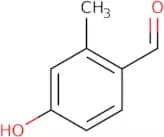
CAS:<p>4-Hydroxy-2-methylbenzaldehyde is an organic compound that is a colourless to yellow liquid with a characteristic odor. It has antibacterial activity and can be used as a natural product. The yield of this compound from staphylococcus is about 50%. When 4-hydroxy-2-methylbenzaldehyde reacts with chalcone, it forms the hydroxychalcones. This process can be used to identify the presence of 4-hydoxy-2-methylbenzaldehyde in many different organisms. The phenolic ring in this compound can undergo formylation, which means it can be oxidized to form formic acid. This process also occurs in soil bacteria and may account for some of its antibacterial properties.</p>Formula:C8H8O2Purity:Min. 95%Color and Shape:PowderMolecular weight:136.15 g/molN-Methyl-N-[(1,3,5-trimethyl-1H-pyrazol-4-yl)methyl]amine
CAS:<p>Please enquire for more information about N-Methyl-N-[(1,3,5-trimethyl-1H-pyrazol-4-yl)methyl]amine including the price, delivery time and more detailed product information at the technical inquiry form on this page</p>Formula:C8H15N3Purity:Min. 95%Molecular weight:153.22 g/molL-threo-Phenylserine
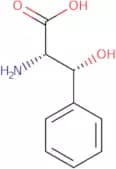
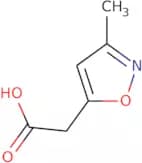
CAS:<p>L-threo-Phenylserine is a naturally occurring amino acid that is synthesized in the human body. It can be found in the brain and muscles, where it is used for protein synthesis. L-threo-phenylserine has been shown to be an effective oxygen nucleophile and can catalyze the hydrolysis of hydrogen fluoride. This compound has also been shown to have biological activity in vitro as well as structural properties that are useful for conformational analysis and structural biology research. L-threo-phenylserine may also have potential medical applications, such as its use as a treatment for mental disorders and epilepsy.</p>Formula:C9H11NO3Purity:Min. 95%Color and Shape:White To Off-White SolidMolecular weight:181.19 g/mol3-Methyl-5-isoxazoleacetic acid
CAS:<p>Please enquire for more information about 3-Methyl-5-isoxazoleacetic acid including the price, delivery time and more detailed product information at the technical inquiry form on this page</p>Formula:C6H7NO3Purity:Min. 95%Molecular weight:141.12 g/molHead activator (7-11) acetate
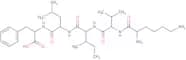
CAS:<p>Please enquire for more information about Head activator (7-11) acetate including the price, delivery time and more detailed product information at the technical inquiry form on this page</p>Formula:C32H54N6O6•(C2H4O2)xPurity:Min. 95%Molecular weight:618.81 g/molN-Acetyl-D-glutamic acid
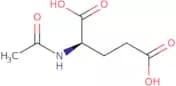
CAS:<p>N-Acetyl-D-glutamic acid is an amino acid that is the building block for proteins in the body. It is a product of the hydrolysis of glutamic acid and is used to treat metabolic disorders such as lysinuric protein intolerance, which blocks the body's ability to break down proteins. N-Acetyl-D-glutamic acid can be found in sources such as peptone, glutamate, and d-carnitine. It has optimum temperature range of 25°C to 45°C. This amino acid can be used as an optical pH indicator due to its red color under acidic conditions and blue color under basic conditions.</p>Formula:C7H11NO5Purity:Min. 95%Color and Shape:PowderMolecular weight:189.17 g/mol2-Amino-N-[2-(5-methoxy-1H-indol-3-yl)ethyl]acetamide hydrochloride
CAS:<p>2-Amino-N-[2-(5-methoxy-1H-indol-3-yl)ethyl]acetamide hydrochloride is a magnetic compound that has been shown to be an effective cancer antigen. It is a derivative of the amino acid sequence of α,β-unsaturated fatty acids and can be used as a dietary supplement. 2-Amino-N-[2-(5-methoxy-1H-indol-3-yl)ethyl]acetamide hydrochloride has been shown to bind to fatty acid receptors on the surface of antigen presenting cells (APCs). It also activates the immune system by activating APCs, which leads to the production of cytokines and chemokines. This compound has also been shown to stimulate T cells in culture, leading to activation and proliferation of tumor cells.</p>Formula:C13H17N3O2·HClPurity:Min. 95%Color and Shape:PowderMolecular weight:283.75 g/molCopper glycine
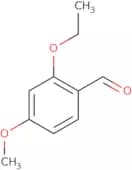
CAS:<p>Copper glycine is a complex enzyme that contains molybdenum, nitrogen and fatty acid. It is a metal chelate that binds to copper ions and prevents the oxidation of fatty acids. The complex has been shown to inhibit the activity of many different enzymes, including those from group P2 (e.g., pyruvate formate lyase) and nutrient solutions. Copper glycine has also been implicated in antimicrobial peptide synthesis.</p>Formula:C4H8N2O4CuPurity:Min. 95%Color and Shape:PowderMolecular weight:211.66 g/mol2-Ethoxy-4-methoxybenzaldehyde
CAS:<p>2-Ethoxy-4-methoxybenzaldehyde is a volatile compound that has been shown to have medicinal properties. It is used to analyze the presence of alcohols and aldehydes in various products. The sensitivity of this compound was optimized by using an analytical method that involved solid phase microextraction (SPME) followed by gas chromatography (GC). The carcinogenicity of this compound was determined by exposing it to rats in a 2 year study, which showed no evidence of carcinogenicity. This compound can also be used as a phenolic or microextraction reagent for the headspace analysis of volatile compounds.</p>Formula:C10H12O3Purity:Min. 95%Color and Shape:PowderMolecular weight:180.2 g/molAcetyl-L-tyrosine amide
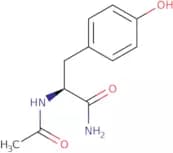
CAS:<p>Acetyl-L-tyrosine amide is an analog of L-tyrosine that is used as an active substance in the field of uv absorption. Acetyl-L-tyrosine amide reacts with sodium hydroxide to form a soluble salt, which has been shown to have binding constants that are comparable to those of human serum. This compound also has fluorescence properties and can be used for the determination of neutral pH. The reaction products formed between acetyl-L-tyrosine amide and sodium hydroxide are hydrolyzed by acids and yield a molecule with rotameric properties. These rotameric properties can be modeled using a protein model without affecting the stability or function of the protein.</p>Formula:C11H14N2O3Purity:Min. 95%Color and Shape:PowderMolecular weight:222.24 g/molH-Glu-Val-OH
CAS:<p>H-Glu-Val-OH is a coordination complex that contains the metal scandium. It is used as a ligand to form complexes with other metals and organic molecules. This compound is also used in peptide synthesis and has been shown to have a strong interaction with nitrate, serine, and formiate. H-Glu-Val-OH is soluble in solutions such as water or formiate. The tripeptide Ser-Gly-Val can be formed from this compound by hydrolysis of the hydroxo group.</p>Formula:C10H18N2O5Purity:Min. 95 Area-%Color and Shape:PowderMolecular weight:246.26 g/mol3-((4-methylphenyl)amino)-2-phenylinden-1-one
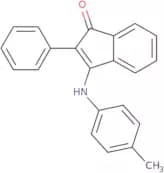
CAS:<p>Please enquire for more information about 3-((4-methylphenyl)amino)-2-phenylinden-1-one including the price, delivery time and more detailed product information at the technical inquiry form on this page</p>Purity:Min. 95%Fmoc-Leu-OH
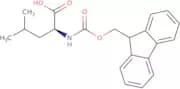
CAS:<p>Fmoc-Leu-OH is a fatty acid that contains a hydroxyl group. It is used in the synthesis of polymer drugs, especially sodium salt polymers. The activity of Fmoc-Leu-OH can be reversed with degarelix acetate, an irreversible inhibitor of ns3 protease. In addition to its use as an antidiabetic agent, Fmoc-Leu-OH has been shown to have immunomodulatory effects and antiinflammatory activity. In tumor treatment, Fmoc-Leu-OH has been shown to inhibit the growth of fat cells without affecting normal cells or causing any toxic side effects.</p>Formula:C21H23NO4Purity:Min. 98 Area-%Color and Shape:White PowderMolecular weight:353.41 g/mol6-Fluoro-2-(2'-fluorobiphenyl-4-yl)-3-methylquinoline-4-carboxylic acid
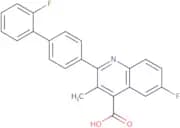
CAS:<p>Brequinar sodium is a drug that belongs to the class of quinoline carboxylic acid derivatives. It has been shown to be effective in the treatment of infectious diseases and bowel disease. Brequinar sodium inhibits bacterial growth by binding to DNA-dependent RNA polymerase, thereby preventing transcription and replication. The high frequency of human activity has been shown using a patch-clamp technique on human erythrocytes. This active form is metabolized through a number of metabolic transformations, including hydrolysis by esterases or glucuronidases, oxidation by cytochrome P450 enzymes, reduction by glutathione reductase, or conjugation with glucuronic acid. Brequinar also specifically binds to markers expressed at high levels in Mycobacterium tuberculosis strains (e.g., ESX-1 secretion system protein) and inhibits cell growth in culture.</p>Formula:C23H15F2NO2Purity:Min. 97 Area-%Color and Shape:White/Off-White SolidMolecular weight:375.37 g/molBoc-Asp(OBzl)-Pro-Arg-AMC·HCl
CAS:<p>Boc-Asp(OBzl)-Pro-Arg-AMC·HCl is a high quality, reagent, complex compound and useful intermediate. It is a fine chemical with the CAS Number 201849-39-0 that is used in research and development. Boc-Asp(OBzl)-Pro-Arg-AMC·HCl is also a versatile building block that can be used in reactions for the synthesis of other compounds.</p>Formula:C37H47N7O9·HClPurity:Min. 98 Area-%Color and Shape:White PowderMolecular weight:770.27 g/molFmoc-O-tert-butyl-D-threonine
CAS:<p>Fmoc-O-tert-butyl-D-threonine is an ion pair that is synthesized using an asymmetric synthesis process. The molecule has been shown to have antiproliferative effects in animals and humans and can inhibit neutrophil function. This synthetic compound has a glycan (a carbohydrate) attached to the side chain, which may be important for its biological activity. Fmoc-O-tert-butyl-D-threonine was synthesized on a solid phase and functional groups were introduced as part of the synthesis process. This molecule also has an inhibitory effect on ulceration in animals.</p>Formula:C23H27NO5Purity:Min. 95%Color and Shape:PowderMolecular weight:397.46 g/molN3-L-Leu-OH·BHA
CAS:<p>N3-L-Leu-OH·BHA is a complex compound that has been used as a precursor to other compounds, such as pyrrolidines. It is an intermediate in the synthesis of various pharmaceuticals and research chemicals, such as 4-methylpiperidine. N3-L-Leu-OH·BHA has been shown to be useful in the preparation of various speciality chemicals, including building blocks for polymers and reagents for organic synthesis.</p>Formula:C13H13N·C6H11N3O2Purity:Min. 95%Color and Shape:PowderMolecular weight:340.42 g/molL-Histidine β-naphthylamide
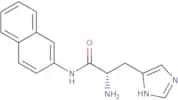
CAS:<p>L-Histidine beta-naphthylamide is an allosteric activator of the imidazole group of histidine. It has been shown to regulate sequences and functional groups in subtilisin. L-Histidine beta-naphthylamide binds to the benzyl ester and regulatory allosteric site on the enzyme, which is located between the active site and the substrate binding site. The binding of this molecule stabilizes a transition state intermediate that would otherwise be too reactive to form products.</p>Formula:C16H16N4OPurity:Min. 95%Color and Shape:PowderMolecular weight:280.32 g/molPhosphatidyl-L-serine
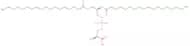
CAS:<p>Phosphatidyl-L-serine (Ptd-L-Ser) is a glycerophospholipid consisting of the amino acid serine connected to glycerol via a phosphodiester linkage and 2 fatty acids attached to the primary and secondary hydroxyls of the glycerol via ester linkages. Phosphatidyl-L-serine is a phospholipid component of the cell membrane and plays a key role in cell cycle signalling, specifically in relation to apoptosis. It has been suggested that dietary supplements of phosphatidyl-L-serine may reduce the risk of dementia and cognitive dysfunction in the elderly.</p>Formula:C42H82NO10PPurity:Min. 90%Color and Shape:PowderMolecular weight:792.07 g/molVal-Cit-PAB-OH
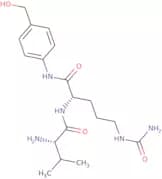
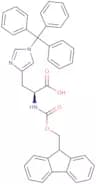
CAS:<p>The Val-Cit-PAB linker is an activated peptide linker that is cleaved by cathepsin B. It enables the selective intracellular release of attached drugs in ADC applications.</p>Formula:C18H29N5O4Purity:Min. 95%Color and Shape:PowderMolecular weight:379.45 g/molFmoc-His(Trt)-OH
CAS:<p>Fmoc-His(Trt)-OH is an amino acid with the chemical formula HOOC-CH2-CH2-N(CH3)2. It has broad-spectrum antimicrobial activity and can be used as a chemosensor for trifluoroacetic acid. Fmoc-His(Trt)-OH also showed anticancer activity, which may be due to its ability to inhibit protein synthesis in cancer cells by inhibiting histidine decarboxylase. Fmoc-His(Trt)-OH is synthesized through a chemical reaction using trifluoroacetic acid, which reacts with His and Trt residues on the surface of the resin.</p>Formula:C40H33N3O4Purity:Min. 98 Area-%Color and Shape:White PowderMolecular weight:619.71 g/mol2-[(2-Carboxyphenyl)amino]-3-methoxybenzoic acid
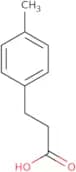
CAS:<p>2-[(2-Carboxyphenyl)amino]-3-methoxybenzoic acid is a fine chemical that is used as a building block, reagent, and speciality chemical in the synthesis of other compounds. This compound is a versatile building block for the synthesis of complex compounds with many applications. 2-[(2-Carboxyphenyl)amino]-3-methoxybenzoic acid is a complex compound that can be used as an intermediate or scaffold in the manufacture of pharmaceuticals, agrochemicals, and other organic syntheses.</p>Formula:C15H13NO5Purity:Min. 95%Molecular weight:287.27 g/mol3-(4-Methylphenyl)propionic acid
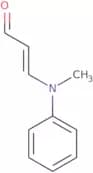
CAS:<p>3-(4-Methylphenyl)propionic acid is a subunit of ATPase, an enzyme that catalyzes the hydrolysis of ATP. 3-(4-Methylphenyl)propionic acid has been shown to inhibit atpase activity in thermodynamic and mechanistic studies. It also binds to DNA gyrase and oxone, a chemical that inhibits DNA replication. 3-(4-Methylphenyl)propionic acid has been shown to be broad-spectrum antibacterial against both gram-positive and gram-negative bacteria. The drug has also been found to have antiinflammatory properties, which may be due to its ability to inhibit prostaglandin synthesis.</p>Formula:C10H12O2Purity:Min. 95%Color and Shape:PowderMolecular weight:164.2 g/moltrans 3-(N-Methylanilino)acrolein
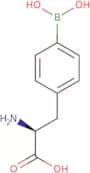
CAS:<p>Trans 3-(N-Methylanilino)acrolein is a catalyst that can be used in the synthesis of benzimidazoles. It reacts with dichloride and irradiation to produce benzimidazoles. The yields are dependent on the amount of microwave irradiation used and can be increased by using microwave irradiation. This catalyst is prepared by reacting 3-(N-methylanilino)acrolein with dichloride in a solvent such as tetrahydrofuran (THF). Trans 3-(N-Methylanilino)acrolein has been shown to have high reactivity and reactivity rates, which make it an effective catalyst for this reaction.</p>Formula:C10H11NOPurity:Min. 95%Color and Shape:Yellow To Dark Brown SolidMolecular weight:161.2 g/mol4-Borono-L-phenylalanine
CAS:<p>4-Borono-L-phenylalanine is a boron-containing compound that has been used to study the biological effects of radiation. 4-Borono-L-phenylalanine is an analytical tool for measuring neutron scattering and other physical properties. It has also been used as a biochemical probe in studies of DNA duplexes. 4-Borono-L-phenylalanine is toxic to cells, inhibiting protein synthesis, and it can induce apoptosis in tumor cells. In experimental models, 4-borono-L phenylalanine can be administered orally or intravenously and has shown acute toxicity in animals at doses of up to 1000 mg/kg body weight.</p>Formula:C9H12BNO4Purity:Min. 95%Color and Shape:White PowderMolecular weight:209.01 g/mol6-Fluoro-5-Methyl-2-[(5-Methyl-1H-Imidazol-4-Yl)Methyl]-2,3,4,5-Tetrahydro-1H-Pyrido[4,3-b]Indol-1-One
CAS:Controlled Product<p>6-Fluoro-5-Methyl-2-[(5-Methyl-1H-Imidazol-4-Yl)Methyl]-2,3,4,5-Tetrahydro-1H-Pyrido[4,3-b]Indol-1-One is a drug that belongs to the class of fatty acid esters. It has been shown to be effective in clinical trials for the treatment of symptoms of dry eye syndrome. 6FMETI has a low safety profile and does not cause any adverse effects in humans. The drug can be administered by intravenous injection or oral administration and has a long elimination half life of 36 hours. 6FMETI is metabolized by hydrolysis to its active form, 5FMTI, which is then conjugated with glucuronic acid or methyl glutaryl coenzyme A to form an inactive metabolite. This drug also has good pharmacokinetic properties</p>Formula:C17H17FN4OPurity:Min. 95%Molecular weight:312.34 g/mol4,6-Dihydroxy-5-methoxypyrimidine
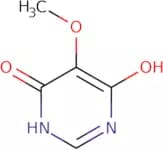
CAS:<p>4,6-Dihydroxy-5-methoxypyrimidine is a white crystalline solid. It is soluble in alkali, acid ethyl, and alcohol. This compound can be used as a solvent for organic substances and has been shown to methylate phosphorus oxychloride. 4,6-Dihydroxy-5-methoxypyrimidine is also used in the synthesis of nucleosides.</p>Formula:C5H6N2O3Purity:Min. 95%Molecular weight:142.11 g/molN-Nitroso-N-methyl-4-aminobutyric acid
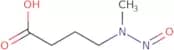
CAS:<p>N-Nitroso-N-methyl-4-aminobutyric acid (NMBA) is a solid with a low melting point which has been identified as a potentially carcinogenic component of both tobacco and tobacco smoke. NMBA is also one of a number of nitrosamine impurities which have been found to be present in angiotensin II receptor blocker (ARB) drugs used to treat high blood pressure.</p>Formula:C5H10N2O3Purity:Min. 98 Area-%Color and Shape:Slightly Yellow PowderMolecular weight:146.14 g/mol3'-Methoxypropiophenone
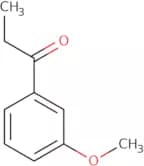
CAS:<p>3'-Methoxypropiophenone is an acylating agent that is used in the synthesis of racemic and optically active phenylacetic acids. It can be prepared by the reaction of ketones with methoxypropiolic acid, which is catalyzed by a base such as sodium ethoxide. 3'-Methoxypropiophenone also has been shown to undergo transformation reactions with hydrogenolysis and salt formation. The deprotection step involves removal of a protective group such as dimethylamine or diastereomer.</p>Formula:C10H12O2Purity:Min. 95%Color and Shape:PowderMolecular weight:164.2 g/mol(R)-2-((4-Aminophenethyl)amino)-1-phenylethanol hydrochloride
CAS:<p>Intermediate in the synthesis of mirabegron</p>Formula:C16H20N2O·HClPurity:Min. 95%Color and Shape:PowderMolecular weight:292.8 g/molMethyl 4-methyl-3-oxopentanoate
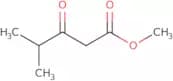
CAS:<p>Methyl 4-methyl-3-oxopentanoate is a synthetic compound that inhibits the production of active oxygen and reactive oxygen species. It has been shown to be a potent inhibitor of tumor cell proliferation in vitro and in vivo, with an IC50 value of approximately 1.5 μM. The mechanism of methyl 4-methyl-3-oxopentanoate's anti-cancer activity may be through its ability to inhibit the activation of tumor necrosis factor alpha (TNFα) in human monocytes and macrophages, which leads to decreased inflammatory responses. Methyl 4-methyl-3-oxopentanoate has also been shown to inhibit the production of reactive oxygen species by inhibiting the activity of NADPH oxidase, thereby decreasing inflammation and oxidative stress. This compound is not known to have any adverse effects on humans or animals.</p>Formula:C7H12O3Purity:Min. 97%Color and Shape:Clear LiquidMolecular weight:144.17 g/molAcetyl-glycine N-hydroxysuccinimide ester
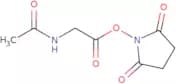
CAS:<p>Acetyl-glycine N-hydroxysuccinimide ester is a reagent that can be used as a building block for the synthesis of peptides and proteins. It is also an intermediate in the synthesis of other chemical compounds, such as pharmaceuticals. This compound has been extensively used in research laboratories for its high quality and versatility.</p>Formula:C8H10N2O5Purity:Min. 95%Color and Shape:PowderMolecular weight:214.18 g/molBetonicine
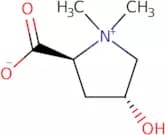
CAS:<p>Betonicine is a natural compound that has been shown to have therapeutic effects in autoimmune diseases. It has been used as a model system for studying plant physiology and to determine the transport properties of hydroxyl groups. Betonicine has also been shown to have receptor activity, which is responsible for its disease-modifying effects in autoimmune diseases. Betonicine is an inorganic acid that can be synthesized from the reaction between ammonia and nitric acid. It can also be extracted from plants such as cress seeds, which are rich in nitrogen atoms. The titration calorimetry method was used to measure the concentration of betonicine in coli K-12 cells.</p>Formula:C7H13NO3Purity:Min. 95%Color and Shape:PowderMolecular weight:159.18 g/mol6-Amino-7-hydroxy-4-methylcoumarin
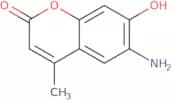
CAS:<p>6-Amino-7-hydroxy-4-methylcoumarin is an antibacterial agent that has been shown to be effective against a range of Gram-positive and Gram-negative bacteria. It is synthesized from coumarins in nature, but also can be synthesized in the laboratory. This compound has been shown to inhibit bacterial growth by forming a covalent bond with the bacterial enzyme DNA gyrase, preventing the synthesis of DNA. 6-Amino-7-hydroxy-4-methylcoumarin has also been shown to have anti cancer properties.</p>Formula:C10H9NO3Purity:Min. 95%Color and Shape:Yellow solid.Molecular weight:191.18 g/molEthyl N-ethyl-β-alaninate
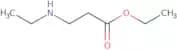
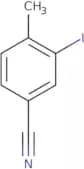
CAS:<p>Ethyl N-ethyl-beta-alaninate is a compound that is used in the stabilization of organic compounds. It has been shown to react with halogens, amides, and other compounds. Ethyl N-ethyl-beta-alaninate has also been shown to inhibit tyrosine kinase and adenosine kinase. This product can be synthesized by reacting ethyl imine with sodium hydroxide or hydroxide solution.</p>Formula:C7H15NO2Purity:Min. 95%Color and Shape:LiquidMolecular weight:145.2 g/mol3-Iodo-4-methylbenzamidine
CAS:<p>3-Iodo-4-methylbenzamidine is a chemical building block that is used as a reagent for the synthesis of other chemicals. 3-Iodo-4-methylbenzamidine is a versatile building block that can be used to synthesize complex compounds. It can also be used to produce fine chemicals and pharmaceuticals, such as antibiotics, chemotherapeutics, and antivirals. 3-Iodo-4-methylbenzamidine has been shown in preliminary research to have anti-inflammatory properties.</p>Formula:C8H6INPurity:90%Color and Shape:White PowderMolecular weight:243.04 g/molArg-Gly-Asp
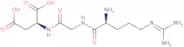
CAS:<p>Arg-Gly-Asp is a peptide with inhibitory properties against tumor growth. It binds to the integrin receptor and blocks the angiogenic process by inhibiting the expression of vascular endothelial growth factor (VEGF) and transforming growth factor beta (TGF-β). Arg-Gly-Asp also inhibits the proliferation of pluripotent cells, which are cells that can differentiate into any type of cell in the body, and prevents the formation of new blood vessels. This peptide has been shown to have inhibitory properties against leukemia inhibitory factor (LIF), which is a cytokine that regulates cell growth.</p>Formula:C12H22N6O6Purity:Min. 98 Area-%Color and Shape:PowderMolecular weight:346.34 g/mol5-(3-Methoxyphenyl)-4-phenyl-4H-1,2,4-triazole-3-thiol
CAS:<p>Please enquire for more information about 5-(3-Methoxyphenyl)-4-phenyl-4H-1,2,4-triazole-3-thiol including the price, delivery time and more detailed product information at the technical inquiry form on this page</p>Formula:C15H13N3OSPurity:Min. 95%Color and Shape:PowderMolecular weight:283.35 g/mol5-Iodo-2-methoxybenzonitrile
CAS:<p>5-Iodo-2-methoxybenzonitrile is a fine chemical that is used as a building block in the synthesis of other chemicals or pharmaceuticals. The compound reacts with strong bases to produce an aryl amine and iodoethane, and can be used to make derivatives as well. 5-Iodo-2-methoxybenzonitrile has a number of uses, including as a research chemical, reagent, specialty chemical, and intermediate. It is also useful in the synthesis of other complex compounds. 5-Iodo-2-methoxybenzonitrile belongs to the group of organoiodine compounds that are classified as speciality chemicals. This compound has CAS number 933672-32-3.</p>Formula:C8H6INOColor and Shape:PowderMolecular weight:259.04 g/molNeuropeptide W-23 (human)
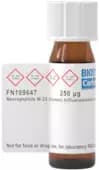
CAS:<p>Neuropeptide W-23 (human) is an antibody that recognizes the neuropeptide receptor, specifically the Neuropeptide Y receptor 1. The antibody binds to the Npy1 receptor and inhibits its activity. Neuropeptide W-23 (human) can be used as a research tool in cell biology and pharmacology studies.</p>Formula:C119H183N35O28SPurity:Min. 95%Molecular weight:2,584.01 g/mol3-Methylcyclopent-2-enone
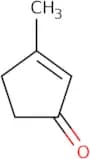
CAS:<p>3-Methylcyclopent-2-enone is a biologically active compound that has been shown to have an inhibitory effect on the growth of mouse melanoma cells. 3-Methylcyclopent-2-enone inhibits the production of crotonic acid, one of the major intermediates in the synthesis of cyclopentenones. It also inhibits the growth of mycobacteria and other bacteria by inducing cell death. 3-Methylcyclopent-2-enone is formed by reacting crotonic acid with a base such as hydrochloric acid or sodium hydroxide. This reaction produces water, hydrogen chloride gas, and β-unsaturated ketones. The molecular modeling software used in this study was Gaussian 09</p>Formula:C6H8OPurity:Min. 95%Color and Shape:Colorless Clear LiquidMolecular weight:96.13 g/molH-Glu(Leu-OH)-OH
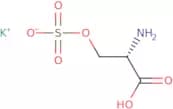
CAS:<p>H-Glu(Leu-OH)-OH is a postprandial plasma metabolite that is produced by the hydrolysis of proteins and peptides. The profile of H-Glu(Leu-OH)-OH in plasma can be used to characterize the metabolism of these compounds and has been found to be useful for the diagnosis of metabolic disorders. H-Glu(Leu-OH)-OH levels are increased in patients with metabolic syndrome, obesity, diabetes mellitus type 2, chronic kidney disease, and cancer. This metabolite can also be used as an indicator for bacterial enzyme activity in the gut. H-Glu(Leu-OH)-OH levels are correlated with glutamate and sodium hydroxide solution levels in plasma or urine samples. H-Glu(Leu-OH)-OH may play a role in the pathogenesis of cancer due to its ability to inhibit DNA synthesis and protein synthesis.</p>Formula:C11H20N2O5Purity:Min. 95 Area-%Color and Shape:PowderMolecular weight:260.29 g/molL-Serine O-sulfate potassium salt
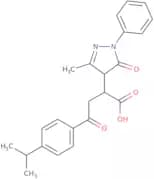
CAS:<p>L-Serine O-sulfate potassium salt is a racemase inhibitor. It has been shown to be effective in postoperative pain and sciatic nerve injury in animals. L-serine O-sulfate potassium salt inhibits the enzyme racemase, which converts L-serine to D-serine, thereby preventing the development of chronic neuropathic pain. The drug also has carboxylate properties that inhibit uptake of glutamate by nerve cells, thereby reducing the release of glutamate in response to nerve injury. This drug is not active against pain due to inflammation or disease.</p>Formula:C3H6NO6SKPurity:Min. 95%Color and Shape:White PowderMolecular weight:223.25 g/mol4-(4-(Isopropyl)phenyl)-2-(3-methyl-5-oxo-1-phenyl(2-pyrazolin-4-yl))-4-oxobutanoic acid
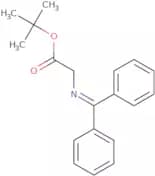
CAS:<p>Please enquire for more information about 4-(4-(Isopropyl)phenyl)-2-(3-methyl-5-oxo-1-phenyl(2-pyrazolin-4-yl))-4-oxobutanoic acid including the price, delivery time and more detailed product information at the technical inquiry form on this page</p>Formula:C23H24N2O4Purity:Min. 95%Color and Shape:PowderMolecular weight:392.45 g/molN-(Diphenylmethylene)glycine, t-butyl ester
CAS:<p>N-(Diphenylmethylene)glycine, t-butyl ester is a chemical compound that belongs to the class of amides. It has been used in optimization and preparative reactions, as well as in the synthesis of amides. N-(Diphenylmethylene)glycine, t-butyl ester can be hydrolyzed to produce its imine and aldehyde products. The asymmetric synthesis of this compound has been achieved by using liposomes. This chemical also acts as a surfactant when mixed with an appropriate co-surfactant such as quaternary ammonium salts or alkylation agents.</p>Formula:C19H21NO2Purity:Min. 95%Color and Shape:White PowderMolecular weight:295.38 g/molFmoc-Glu(OtBu)-Glu(OtBu)-Ser(Psi(Me,Me)pro)-OH
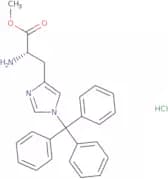
<p>Fmoc-Glu(OtBu)-Glu(OtBu)-Ser(Psi(Me,Me)pro)-OH is a fine chemical used as a building block in the synthesis of other compounds. It has a wide range of applications in organic chemistry, including research chemicals and reagents. Fmoc-Glu(OtBu)-Glu(OtBu)-Ser(Psi(Me,Me)pro)-OH is also a versatile building block that can be used to synthesize many different types of compounds. This molecule reacts well with amino acids, thiols, amines, and alcohols and is often used as an intermediate or scaffold for larger molecules.</p>Formula:C39H51N3O11Purity:Min. 95%Color and Shape:PowderMolecular weight:737.84 g/molNim-trityl-L-histidine methyl ester hydrochloride
CAS:<p>Nim-trityl-L-histidine methyl ester hydrochloride is a versatile amino acid building block for the synthesis of complex compounds.</p>Formula:C26H25N3O2•HClPurity:Min. 95%Color and Shape:White PowderMolecular weight:447.96 g/molH-Gly-Gly-His-Gly-OH
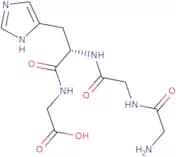
CAS:<p>H-Gly-Gly-His-Gly-OH is a tripeptide with a molecular weight of 778.09 g/mol. It is crosslinked to the side chain of lysine residues and can be used for the crosslinking of protein fibers, such as wool or silk, to form hydrophobic materials that are both resistant to shrinkage and have good thermal stability. The crosslinking reaction can be achieved by either the hypobromous acid oxidation or by inorganic oxidants such as hydrogen peroxide. H-Gly-Gly-His-Gly-OH has axial reactive radicals at its center which facilitates the formation of covalent links with other molecules.br><br>br><br>The yield depends on the type of reactant used and ranges from 47% (hydrogen peroxide) to 60% (hypobromous acid). The residue obtained after hydrolysis is an alpha amino acid consisting of</p>Formula:C12H18N6O5Purity:Min. 95%Color and Shape:PowderMolecular weight:326.31 g/mol3-Benzyloxy-4-methoxybenzoic acid
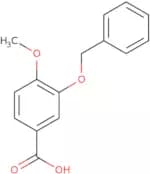
CAS:<p>3-Benzyloxy-4-methoxybenzoic acid is a natural product that was isolated as a yellow crystalline powder from the needles of the tree Kirkia. It can be used as a radical and has been shown to have frameworks with galanthamine. 3-Benzyloxy-4-methoxybenzoic acid has been shown to be an inhibitor of protein synthesis in cells, which may be due to its ability to inhibit the activity of ribosomes and protein synthesis.</p>Formula:C15H14O4Purity:Min. 95%Molecular weight:258.27 g/mol5-Methoxyindole-3-carboxaldehyde
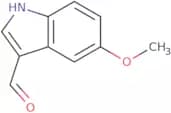
CAS:<p>5-Methoxyindole-3-carboxaldehyde is a molecule that belongs to the genus of indolequinones. It has been shown to have potent inhibitory activity against prostate cancer cells, and also has anti-cancer properties. 5-Methoxyindole-3-carboxaldehyde inhibits the proliferation of cancer cells by inducing apoptosis in prostate cancer cells. 5-Methoxyindole-3-carboxaldehyde also suppresses the growth of cervical cancer cells and breast cancer cells. This molecule binds to the hydrogen bond sites on DNA, which may be one reason for its anti-cancer properties. The molecule is fluorescent and can be used as a marker for detecting cancers or other diseases in living tissue.</p>Formula:C10H9NO2Purity:Min. 95%Color and Shape:PowderMolecular weight:175.18 g/mol2-Phenyl-2-adamantanol
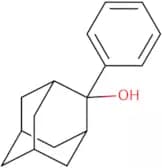
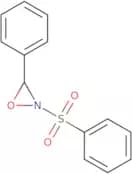
CAS:<p>2-Phenyl-2-adamantanol is a deuterated analog of 2-phenyl-2-adamantane (C 10 H 16 ) with an isotopic weight of 128. The FTIR spectra show the presence of a new peak at 1728 cm−1, which is attributed to C=O stretching vibrations in the hydroxyl group. The IR spectrum of 2-phenyl-2-adamantanol shows that it has an azide group and two hydrogen bonds. It also interacts competitively with carbachol, but does not interact with atropine. Preparative oriented crystallization was used to isolate this compound from benzene.</p>Formula:C16H20OPurity:Min. 95%Color and Shape:PowderMolecular weight:228.33 g/mol2-(Phenylsulfonyl)-3-phenyloxaziridine
CAS:<p>2-(Phenylsulfonyl)-3-phenyloxaziridine is a fluorescent compound that is used as a substrate for enolate reactions. It has been shown to undergo a stereoselective reaction with 3-chloroperoxybenzoic acid, which can be used in the synthesis of 2,4-disubstituted pyridines.</p>Formula:C13H11NO3SPurity:Min. 98 Area-%Color and Shape:White Off-White PowderMolecular weight:261.3 g/molFmoc-Glu(OtBu)-OH
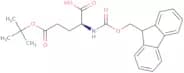
CAS:<p>Fmoc-Glu(OtBu)-OH is an amino acid that is used in the synthesis of peptides and proteins. It is a hydrophilic, non-polar amino acid with a hydroxyl group at its carboxy terminus. This substance has been shown to inhibit the growth of cancer cells in vitro and has been used for the development of monoclonal antibodies. Fmoc-Glu(OtBu)-OH has also been shown to have pharmacokinetic properties that are different from other amino acids such as L-lysine, which may be due to its hydrophilic interactions with plasma proteins. This compound is also toxic, as shown by studies on rats where it was found to cause liver damage at high doses. Fmoc-Glu(OtBu)-OH binds to receptors on cells known as polysialic acid receptors, which are involved in cell adhesion and migration. Fmoc-Glu</p>Formula:C24H27NO6Purity:Min. 98 Area-%Color and Shape:PowderMolecular weight:425.47 g/molH-Met-Asp-OH
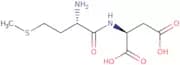
CAS:<p>H-Met-Asp-OH is a synthetic formyl peptide that was designed to be hydrolyzed by proteolytic enzymes. It has been shown to be able to inhibit the formation of β-amyloid, which is associated with Alzheimer's disease. H-Met-Asp-OH also has been shown to have physicochemical properties similar to aspirin, and can be used as an antiplatelet agent. In addition, it has been shown to act as a catalase inhibitor in vitro and may have some therapeutic potential for the treatment of diabetes mellitus type 2.</p>Formula:C9H16N2O5SPurity:Min. 95%Color and Shape:White PowderMolecular weight:264.3 g/mol3-Fluoro-4-methylphenol
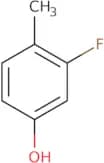
CAS:<p>3-Fluoro-4-methylphenol is a regiospecific, nature, activating, radiopharmaceutical, which is used in the synthesis of asymmetric formylation reagents. It can be synthesized from nitrobenzene and formaldehyde in the presence of sodium hydroxide. 3-Fluoro-4-methylphenol can be converted to 3-fluoroacetophenone by hydrogenation with palladium on charcoal. This compound has an electron withdrawing group and a nucleophilic group that are activated by a dihedral angle of 30° or less. The nitro group has the ability to accept electrons from other compounds or compounds such as ammonia or amines.</p>Formula:C7H7FOPurity:Min. 95%Color and Shape:PowderMolecular weight:126.13 g/mol4-Mercapto-4-methyl-pentan-2-one
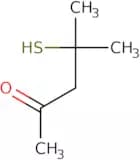
CAS:<p>4-Mercapto-4-methyl-pentan-2-one is a fatty acid that is used as a flavor and fragrance agent. It has shown potential as a biomarker for exposure to volatile organic compounds (VOCs). 4-Mercapto-4-methylpentan2one has been found to inhibit the transcriptional regulation of genes encoding thiols and is an important component of the matrix effect. This compound can be extracted by solid phase microextraction, which will require sample preparation before use. The wild type strain of Escherichia coli was used in this experiment, but it may also be possible to use other bacteria such as Bacillus subtilis or Pseudomonas aeruginosa. Chemical ionization mass spectrometry was used to identify 4-mercapto-4-methylpentan2one in the extract.</p>Formula:C6H12SOPurity:Min. 98 Area-%Molecular weight:132.22 g/mol4-Methoxycoumarin
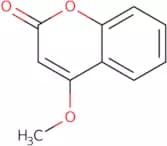
CAS:<p>4-Methoxycoumarin is a type of coumarin derivative that contains a hydroxy group. It is synthesized by the reaction of methoxyphenol and acetoacetic acid in the presence of an acid catalyst. This compound has been used in the synthesis of other coumarin derivatives, such as benzocoumarins, which are used for their cytostatic effects against plant cells. 4-Methoxycoumarin is also found in plants and has been shown to be active against some viruses. 4-Methoxycoumarin can be converted into its monohydroxylated form, which reacts with hydrogen ions to produce a protonated cationic surfactant. The resulting flow system can be used for analytical purposes.</p>Formula:C10H8O3Purity:Min. 95%Molecular weight:176.17 g/mol1-((2,5-dichlorophenyl)sulfonyl)-5-methylthio-1,2,4-triazole-3-ylamine
CAS:<p>Please enquire for more information about 1-((2,5-dichlorophenyl)sulfonyl)-5-methylthio-1,2,4-triazole-3-ylamine including the price, delivery time and more detailed product information at the technical inquiry form on this page</p>Purity:Min. 95%5-Fluoro-D,L-lysine hydrochloride
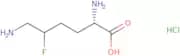
CAS:<p>Please enquire for more information about 5-Fluoro-D,L-lysine hydrochloride including the price, delivery time and more detailed product information at the technical inquiry form on this page</p>Formula:C6H13FN2O2•HClPurity:90%MinColor and Shape:PowderMolecular weight:200.64 g/molFmoc-3,5-diiodo-D-tyrosine
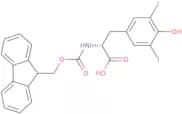
CAS:<p>Please enquire for more information about Fmoc-3,5-diiodo-D-tyrosine including the price, delivery time and more detailed product information at the technical inquiry form on this page</p>Formula:C24H19I2NO5Purity:Min. 95%Color and Shape:PowderMolecular weight:655.22 g/molH-D-Cys-OH·HCl·H2O
CAS:<p>D-Cysteine hydrochloride monohydrate (Cys-OH·HCl·H2O) is a derivative of the amino acid D-Cysteine. It has potential application in research and chemical synthesis.</p>Formula:C3H7NO2S·HCl·H2OPurity:Min. 95%Color and Shape:White PowderMolecular weight:175.64 g/molD-Valine
CAS:<p>D-Valine is a non-essential amino acid that is synthesized from 2-oxoglutarate and glutamine. D-Valine has been shown to be an intermediate in microbial metabolism, where it is converted to L-valine by the enzyme d-amino acid oxidase. It has also been shown to have antihypertensive properties in rat models of hypertension. The synthesis of D-valine from glucose can occur through two different pathways: one involves the conversion of L-glutamic acid to L-alanine then to pyruvic acid, which is then converted to L-lactate and then d-malic acid; the other pathway involves the conversion of L-glutamate to citric acid, which can then be converted into succinic acid and eventually d-malic acid. Structural analysis has revealed that D-valine contains a hydrogen bond between its carboxyl group and nitrogen atom in a neighboring molecule. This hydrogen</p>Formula:C5H11NO2Purity:Min. 95%Color and Shape:White PowderMolecular weight:117.15 g/molRamage linker
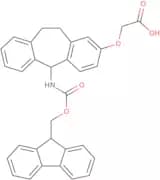
CAS:<p>Ramage Linker,Fmoc-Suberol is a synthetic derivative of the antimicrobial peptide guanylate. It is used as an inhibitor of congestive heart failure. Ramage Linker,Fmoc-Suberol has been shown to be effective in reducing the severity of congestive heart failure by inhibiting the production of brain natriuretic peptides. The chemical structure and sequence have been determined using a combination of structural analysis and degradable linkers that are cleaved in vivo by hydrolysis or enzymatic degradation. Ramage Linker,Fmoc-Suberol has also been shown to reduce blood pressure and inhibit platelet aggregation.</p>Formula:C32H27NO5Purity:Min. 95%Color and Shape:PowderMolecular weight:505.56 g/molMethyl 2-methyl-3-furancarboxylate
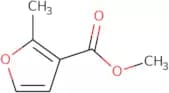
CAS:<p>Methyl 2-methyl-3-furancarboxylate is a chiral molecule that has anti-influenza virus activity. It has been shown to inhibit influenza virus replication in vitro and in vivo. Methyl 2-methyl-3-furancarboxylate inhibits the synthesis of viral proteins by inhibiting the polymerase function of the virus’s RNA polymerase. In addition, this compound inhibits the synthesis of new viruses by disrupting the process of transcription and replication. This molecule also exhibits antiviral activity against other RNA viruses such as Sindbis virus, vesicular stomatitis virus, and polio virus. Methyl 2-methyl-3-furancarboxylate is an aerobic molecule with functionalities that include isoxazoles, pyrazoles, and carbocations. This compound has been used as a starting point for synthesizing other anti-influenza compounds due to its strong antiviral properties and its unique functional groups.</p>Formula:C7H8O3Purity:Min. 95%Color and Shape:Clear LiquidMolecular weight:140.14 g/mol2-(4-Chlorophenyl)-2-Phenylethylamine hydrochloride
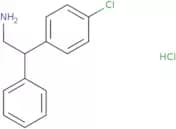
CAS:<p>2-(4-Chlorophenyl)-2-Phenylethylamine hydrochloride is a fine chemical that is used as a building block in research, the synthesis of speciality chemicals, and as a reagent. Its CAS number is 21998-50-5. This compound has been shown to be an intermediate in reactions for the synthesis of complex compounds, and it can also be used as a scaffold for the preparation of other compounds.</p>Formula:C14H14ClN·HClPurity:Min. 95 Area-%Color and Shape:PowderMolecular weight:268.18 g/mol6α-Fluoro-17,21-Dihydroxy-16α-Methylpregna-4,9(11)-Diene-3,20-Dione 21-Acetate
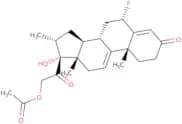
CAS:Controlled Product<p>6alpha-Fluoro-17,21-Dihydroxy-16alpha-Methylpregna-4,9(11)-Diene-3,20-Dione 21-Acetate is a synthetic angiostatic agent that inhibits the angiogenic process by affecting the growth of new blood vessels. It has been shown to inhibit proteolytic activity and to have an inhibitory effect on tumour necrosis factor-α (TNF-α) induced activation of endothelial cells and their proliferation. 6alpha-Fluoro-17,21-Dihydroxy-16alpha-Methylpregna-4,9(11)-Diene 3,20 Dione 21 Acetate also inhibits the growth of fetal bovine aortic endothelial cells in culture. The drug was also found to significantly reduce the monolayer cell viability after uptake by endothelial cells.</p>Formula:C24H31FO5Purity:Min. 95%Molecular weight:418.5 g/molH-Arg-Trp-OH hydrochloride
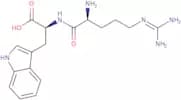
CAS:<p>H-Arg-Trp-OH hydrochloride salt is a peptidomimetic that has been synthesised to mimic the antimicrobial peptides. It has been shown to have haemodynamic effects and causes lysis of cells in culture. This compound also reduces the growth of P. aeruginosa, an important pathogen in cystic fibrosis patients. H-Arg-Trp-OH hydrochloride salt has been shown to be effective against a wide range of Gram positive and negative bacteria, including methicillin resistant Staphylococcus aureus (MRSA).</p>Formula:C17H24N6O3•(HCl)xPurity:Min. 95%Color and Shape:SolidMolecular weight:360.41 g/molD-Cysteine
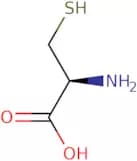
CAS:<p>D-Cysteine is a versatile building block for the synthesis of complex compounds and peptides.</p>Formula:C3H7NO2SMolecular weight:121.16 g/molZ-Tyr-Ala-OH
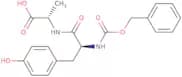
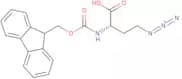
CAS:<p>Z-Tyr-Ala-OH is an inactivating agent that irreversibly inactivates the zymogens of porcine pancreatic proteinase. It has been shown to be a liquid chromatography and high-performance liquid chromatography substrate for the separation of peptides. Z-Tyr-Ala-OH is also catalytic, which means it can react with other substances without being changed. This chemical has been shown to irreversibly inactivate both acidic and basic proteolytic enzymes, such as pepsin and trypsin respectively. Additionally, this substance also reacts with calcium ions to form a thioether bond with cysteine residues on proteins, including those found in bacterial cell walls.</p>Formula:C20H22N2O6Purity:Min. 95%Color and Shape:PowderMolecular weight:386.40 g/molFmoc-Dab(N3)-OH
CAS:<p>Fmoc-dab(N3)-OH is a biodegradable polymer that has been modified to contain an incremental acceptor. This polymer is also biodegradable and can be used as a bone grafting material. Fmoc-Dab(N3)-OH is synthesized from fmoc-protected amino acid building blocks by the ring opening polymerization of N-vinylpyrrolidone. The monomeric units are then crosslinked with glutaraldehyde, resulting in a linear polymeric structure. Titration calorimetry studies have shown that Fmoc-Dab(N3)-OH micelles are able to bind to the target enzyme serine protease, which may lead to potential drug delivery applications for this polymer.</p>Formula:C19H18N4O4Purity:Min. 98 Area-%Color and Shape:White Off-White PowderMolecular weight:366.37 g/molMethyl indolyl-3-glyoxylate
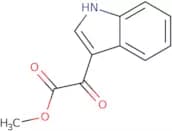
CAS:<p>Methyl indolyl-3-glyoxylate is an active analogue of hepg2, a protein involved in the synthesis of prenylated proteins. It inhibits the prenylation of proteins and halides by binding to ATP, preventing the formation of a covalent bond between ATP and the protein. Methyl indolyl-3-glyoxylate has been shown to induce apoptosis in HeLa cells by inhibiting cell proliferation and DNA synthesis. This compound also causes g1 phase arrest, which may be due to its ability to alkylate DNA. Methyl indolyl-3-glyoxylate has also been shown to be effective against cancer cells in vitro and in vivo, particularly those that are resistant to other chemotherapeutic drugs.</p>Formula:C11H9NO3Purity:Min. 95%Color and Shape:PowderMolecular weight:203.19 g/mol


![N-Methyl-N-[(1,3,5-trimethyl-1H-pyrazol-4-yl)methyl]amine](/_next/image/?url=https%3A%2Fstatic.cymitquimica.com%2Fproducts%2F3D%2Fthumb-webp%2FFM112110.webp&w=3840&q=75)
![2-Amino-N-[2-(5-methoxy-1H-indol-3-yl)ethyl]acetamide hydrochloride](/_next/image/?url=https%3A%2Fstatic.cymitquimica.com%2Fproducts%2F3D%2Fthumb-webp%2FFA116384.webp&w=3840&q=75)



![2-[(2-Carboxyphenyl)amino]-3-methoxybenzoic acid](/_next/image/?url=https%3A%2Fstatic.cymitquimica.com%2Fproducts%2F3D%2Fthumb-webp%2FFC19799.webp&w=3840&q=75)
![6-Fluoro-5-Methyl-2-[(5-Methyl-1H-Imidazol-4-Yl)Methyl]-2,3,4,5-Tetrahydro-1H-Pyrido[4,3-b]Indol-1…](/_next/image/?url=https%3A%2Fstatic.cymitquimica.com%2Fproducts%2F3D%2Fthumb-webp%2FFF102588.webp&w=3840&q=75)