Amino Acids (AA)
Amino acids (AAs) are the fundamental building blocks of proteins, playing a crucial role in various biological processes. These organic compounds are essential for protein synthesis, metabolic pathways, and cell signaling. In this category, you will find a comprehensive range of amino acids, including essential, non-essential, and modified forms, which are vital for research in biochemistry, molecular biology, and nutritional sciences. At CymitQuimica, we provide high-quality amino acids to support your research and development needs, ensuring accuracy and reliability in your experimental outcomes.
Subcategories of "Amino Acids (AA)"
- Amino Acid Derivatives(3,955 products)
- Amino Acid and Amino Acid Related Compounds(3,464 products)
- Amino Acids with Oxygen or Sulphur(168 products)
- Boc- Amino Acids(351 products)
- Fmoc Amino Acids(1,710 products)
Found 38247 products of "Amino Acids (AA)"
Sort by
Purity (%)
0
100
|
0
|
50
|
90
|
95
|
100
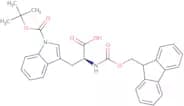
Fmoc-Trp(Boc)-OH
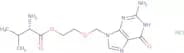
CAS:<p>Fmoc-Trp(Boc)-OH is an amide that has been shown to have the ability to bind to human serum proteins, making it useful in clinical diagnostics. This compound has also been found to be effective against a variety of bacterial strains and fungi. The Fmoc-Trp(Boc)-OH peptide can be synthesized using solid-phase synthesis techniques, which involve attaching amino acid residues to a polymer support. This process is cell specific and allows for the production of peptides with specific sequences. The presence of histidine residues on the side chain of this molecule makes it a good candidate for use in antimicrobial peptides.</p>Formula:C31H30N2O6Purity:Min. 98 Area-%Color and Shape:White Off-White PowderMolecular weight:526.58 g/molL-Valacyclovir hydrochloride
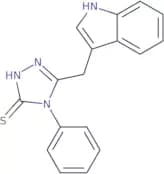
CAS:<p>Anti-viral; DNA polymerase inhibitor</p>Formula:C13H20N6O4•HClPurity:Min. 95%Color and Shape:PowderMolecular weight:360.8 g/mol3-(indol-3-ylmethyl)-4-phenyl-1,2,4-triazoline-5-thione
CAS:<p>Please enquire for more information about 3-(indol-3-ylmethyl)-4-phenyl-1,2,4-triazoline-5-thione including the price, delivery time and more detailed product information at the technical inquiry form on this page</p>Formula:C17H14N4SPurity:Min. 95%Color and Shape:PowderMolecular weight:306.39 g/molAminocaproic acid
CAS:<p>Please enquire for more information about Aminocaproic acid including the price, delivery time and more detailed product information at the technical inquiry form on this page</p>Formula:C6H13NO2Purity:Min. 95%Molecular weight:131.17 g/mol5-Methyl-3-piperidin-4-yl-1H-indole hydrochloride
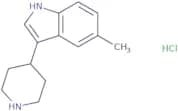
CAS:<p>5-Methyl-3-piperidin-4-yl-1H-indole hydrochloride is a synthetic chemical that is used as a building block for the synthesis of other compounds. It is a versatile intermediate, having been shown to react with amines, alcohols, phenols, and thiols. 5-Methyl-3-piperidin-4-yl-1H-indole hydrochloride can be used in the manufacture of pharmaceuticals and agrochemicals. This compound has been found to be an effective reagent for the preparation of cyclic peptides and can be used as a building block for the synthesis of other compounds. When reacted with 2-(trimethylsilyl)ethanol, it produces a high quality complex compound.</p>Formula:C14H18N2·HClPurity:Min. 97 Area-%Color and Shape:PowderMolecular weight:250.77 g/molN-Nitro-L-arginine methyl ester hydrochloride
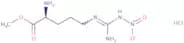
CAS:<p>Inhibitor of nitric oxide synthase</p>Formula:C7H16ClN5O4Purity:Min. 96 Area-%Color and Shape:PowderMolecular weight:269.69 g/mol5-Nitro-m-phenylenediamine
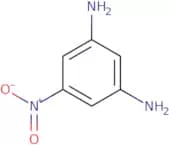
CAS:<p>5-Nitro-m-phenylenediamine is an organic compound that has the chemical formula CHNO. It is a white crystalline solid with a melting point of 158 °C. The compound is soluble in water and other polar solvents but insoluble in nonpolar solvents such as hexane. 5-Nitro-m-phenylenediamine can be prepared by nitration of m-phenylenediamine, which produces the desired product in about 30% yield and with impurities that must be removed by fractional crystallization. The compound is used as an intermediate for making dyes and pharmaceuticals.</p>Formula:C6H7N3O2Purity:Min. 95%Color and Shape:PowderMolecular weight:153.14 g/molp-Hydroxyphenyl glycine HCl
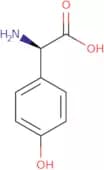
CAS:<p>p-Hydroxyphenyl glycine HCl is a model system for an amide and has been shown to inhibit the growth of bacteria. It is also an active analogue of sodium succinate and cyclic peptide, which are glycopeptide antibiotics that have shown activity against gram-positive bacteria such as Streptococcus pneumoniae, Enterococcus faecalis, Staphylococcus aureus, and Bacillus subtilis. The hydroxyl group on p-hydroxyphenyl glycine HCl interacts with hydrogen bonding interactions in the bacterial cell wall, preventing the formation of a covalent bond between the drug molecule and the enzyme cell wall synthesis required for cell wall biosynthesis. This causes inhibition of protein synthesis, leading to cell death by apoptosis.</p>Formula:C8H9NO3·HClPurity:Min. 95%Color and Shape:PowderMolecular weight:203.62 g/molN-Boc-phenylalaninal
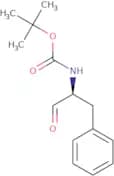
CAS:<p>N-Boc-phenylalaninal is an antibacterial agent that can be used to treat infections caused by bacteria. N-Boc-phenylalaninal inhibits bacterial growth by binding to the aspartyl, phenacyl and amide groups of amino acids in bacterial proteins. It has potent inhibition against P. aeruginosa and Isobacillin A2, which may be due to its ability to act as an isostere for these compounds. N-Boc-phenylalaninal also has a potent anti tumor activity, which may be due to its ability to inhibit virus replication.</p>Formula:C14H19NO3Purity:Min. 95%Molecular weight:249.31 g/mol4-Methylcinnamic acid
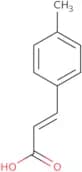
CAS:<p>4-Methylcinnamic acid is a cinnamic acid derivative that is used as an intermediate in the synthesis of various drugs. It can be synthesized from 2-chlorocinnamic acid, which is prepared by reaction with phosphorus pentachloride. 4-Methylcinnamic acid is also able to be oxidized to 4-hydroxycinnamic acid, which has been shown to have anti-aging effects. The molecule can be modeled using molecular dynamics simulations and was found to be polarizable and diffracting.</p>Formula:C10H10O2Purity:Min. 95%Color and Shape:White PowderMolecular weight:162.19 g/molFmoc-Cysteinol(Trt)
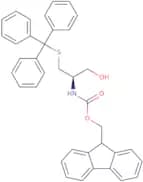
CAS:<p>Fmoc-Cysteinol(Trt) is a versatile building block that can be used in the production of complex compounds and research chemicals. This compound is a high quality, useful building block that is used to synthesize many other compounds. It can also be used as a reagent or speciality chemical. Fmoc-Cysteinol(Trt) has been classified as a CAS No. 215954-72-6 and is a useful scaffold for chemical reactions.</p>Formula:C37H33NO3SPurity:Min. 95%Color and Shape:PowderMolecular weight:571.73 g/molH-Asp(OPp)-OH
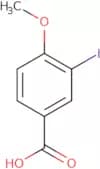
<p>Please enquire for more information about H-Asp(OPp)-OH including the price, delivery time and more detailed product information at the technical inquiry form on this page</p>Purity:Min. 95%3-Iodo-4-methoxybenzoic acid
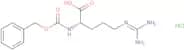
CAS:<p>3-Iodo-4-methoxybenzoic acid is a biaryl compound that can be synthesized by the cross-coupling reaction of an aryl boronic acid and benzene. 3-Iodo-4-methoxybenzoic acid is a good substrate for Suzuki cross-coupling reactions. The optimisation of this reaction requires sterically unhindered substrates, high solvents, and refluxing conditions. 3-Iodo-4-methoxybenzoic acid is also suitable for the synthesis of esters by esterification with alcohols in the presence of a catalytic amount of acid.</p>Formula:C8H7IO3Purity:Min. 95%Molecular weight:278.04 g/molN-α-Z-L-arginine hydrochloride
CAS:<p>N-a-Z-L-Arginine HCl is a molecule that is the dihydrochloride salt of L-arginine. It has been shown to increase the permeability of cell membranes by interacting with the phospholipids, thus allowing more water to enter into the cell. N-a-Z-L-Arginine HCl has also been shown to interact with surfactants and positioning agents, which may be important for its function in model membranes. The mechanism by which this molecule works is not well understood, but it has been proposed that it may be due to its bonding properties and interactions with other molecules such as arginine.</p>Formula:C14H20N4O4•HClPurity:Min. 95%Molecular weight:344.79 g/molFmoc-4-amino-D-Phe(Boc)-4-amino-D-Phe(Boc)-OH
<p>Fmoc-4-amino-D-Phe(Boc)-4-amino-D-Phe(Boc)-OH is a high quality, versatile building block. It is a speciality chemical with CAS No. 614837-53-8 and can be used in research and development of new drugs. The compound has a wide range of applications in the pharmaceutical industry as it is an intermediate or reagent for peptide synthesis and also as a reaction component in the synthesis of complex compounds. Fmoc-4-amino-D-Phe(Boc)-4-amino-D-Phe(Boc)-OH is also used as a useful scaffold for the construction of novel biologically active molecules.</p>Formula:C43H48N4O9Purity:Min. 95%Color and Shape:White To Off-White SolidMolecular weight:764.86 g/mol4-Chloro-2-methylbenzyl alcohol
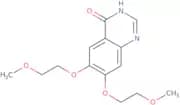
CAS:<p>4-Chloro-2-methylbenzyl alcohol is an organic compound that has a sensor and hydroxyl group. It is used in pest control as an insecticide. 4-Chloro-2-methylbenzyl alcohol has been shown to be effective against ants, cockroaches, and other insects. There are multiple instabilities of this compound, including low oxygen stability when exposed to air, which may lead to the degradation of this chemical. Impurities in 4-chloro-2-methylbenzyl alcohol may also lead to its instability as it reacts with alkali metals at high temperatures. The instability of 4-chloro-2-methylbenzyl alcohol can be reduced by storing it at low temperatures or by adding cryogenic substances such as liquid nitrogen or carbon dioxide gas.</p>Formula:C8H9ClOPurity:Min. 95%Molecular weight:156.61 g/mol6,7-Bis(2-methoxyethoxy)-3,4-dihydroquinazolin-4-one
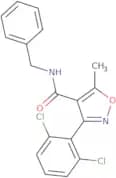
CAS:<p>This compound is a synthetic molecule that has been shown to have growth factor activity and may be useful in cancer research. The molecule is a nucleophile and reacts with epidermal growth factor (EGF) to form the corresponding adduct. This adduct can then react with chloride to form the corresponding chloro-adduct. It also binds to cellular proteins, such as antigen and factor receptors. The piperazine ring of this molecule is responsible for its binding affinity for these receptors. <br>The compound was expressed from a plasmid under normoxic conditions, but was not expressed under hypoxic conditions.</p>Formula:C14H18N2O5Purity:Min. 95%Color and Shape:White PowderMolecular weight:294.3 g/mol(3-(2,6-dichlorophenyl)-5-methylisoxazol-4-yl)-N-benzylformamide
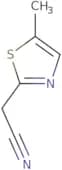
CAS:<p>Please enquire for more information about (3-(2,6-dichlorophenyl)-5-methylisoxazol-4-yl)-N-benzylformamide including the price, delivery time and more detailed product information at the technical inquiry form on this page</p>Purity:Min. 95%(5-Methyl-1,3-thiazol-2-yl)acetonitrile
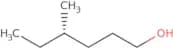
CAS:<p>5-Methyl-1,3-thiazol-2-yl)acetonitrile is a chemical that is used as a building block in organic synthesis. It has been shown to be an intermediate in the preparation of other compounds and has been used as a research chemical. This chemical has also been shown to have useful properties, such as high quality and versatility. 5-Methyl-1,3-thiazol-2-yl)acetonitrile can be used as a reaction component or a reagent for synthesizing other chemicals.</p>Formula:C6H6N2SPurity:Min. 95%Color and Shape:Clear LiquidMolecular weight:138.19 g/mol(S)-(+)-4-Methyl-1-hexanol
CAS:<p>(S)-(+)-4-Methyl-1-hexanol is a synthetic compound that has been shown to have antibacterial activity against Staphylococcus aureus. The (R)-enantiomer of the compound, which has been synthesized in the past, has also shown activity against S. aureus. However, this enantiomer is not commercially available. The (S)-enantiomer is soluble in organic solvents and can be used as an attractant for S. aureus monitoring purposes. In addition, it has antioxidant potential and may be useful as a medicine for short-chain fatty acid production disorders.</p>Formula:C7H16OPurity:Min. 95%Molecular weight:116.2 g/mol7-Fluoro-5-Phenyl-1,3-Dihydro-1,4-Benzodiazepin-2-One
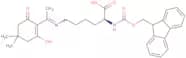
CAS:Controlled Product<p>7-Fluoro-5-phenyl-1,3-dihydro-1,4-benzodiazepin-2-one is a potential drug candidate that has been found to have high affinity for the benzodiazepine receptor. It was synthesized by reacting 7-fluoro-5-(chloromethyl)benzo[b]thiophene with 2,5-dimethoxybenzaldehyde in the presence of sodium hydroxide and acetic acid. The compound was characterized using techniques such as nuclear magnetic resonance (NMR), mass spectrometry (MS) and infrared spectroscopy (IR). The affinity of 7FDBZ was measured at 4 nM. The parameters used for predicting binding affinity were hydrophobicity and hydrogen bond acceptor properties. A predictive model was generated based on these parameters that shows good agreement with experimental data. The probe is hydrophobic in nature and may bind to the receptor due to</p>Formula:C15H11FN2OPurity:Min. 95%Molecular weight:254.26 g/molN-α-Fmoc-Nε-1-(4,4-dimethyl-2,6-dioxocyclohex-1-ylidene)ethyl-L-lysine
CAS:<p>N-alpha-Fmoc-Nepsilon-1-(4,4-dimethyl-2,6-dioxocyclohex-1-ylidene)ethyl-L-lysine is a synthetic amide with a peptide backbone. It has been shown to have anti tumor activity in vivo and in vitro against a variety of solid tumor xenografts. The compound was conjugated to the integrin receptor ligand RGD, which is expressed on the surface of various types of cancer cells. This modification increased the uptake of N-alpha-Fmoc-Nepsilon-1-(4,4 dimethyl 2,6 dioxocyclohex1 ylidene)ethyl L lysine by leukemia cells and solid tumor xenografts.</p>Formula:C31H36N2O6Purity:Min. 98 Area-%Color and Shape:Slightly Yellow PowderMolecular weight:532.63 g/mol2-(4-Chloro-3-methylphenoxy)-2-methylpropanoic acid
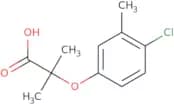
CAS:<p>2-(4-Chloro-3-methylphenoxy)-2-methylpropanoic acid (mCPP) is a pharmaceutical agent with a molecular weight of 318. It is used as an antidepressant and to treat anxiety disorders. This compound is quantified by reaction monitoring and recovery, using acetonitrile, chromatographic and spectrometric analysis. Optimization of the parameters for this analytical method has been carried out by monitoring the effects of ammonium formate on high concentrations of mCPP. The liquid chromatography technique was used to identify and quantify mCPP in order to develop a robust analytical method that can be applied to clinically relevant samples.</p>Formula:C11H13ClO3Purity:Min. 95%Color and Shape:PowderMolecular weight:228.67 g/molFmoc-L-phenylalanine N-hydroxysuccinimide ester
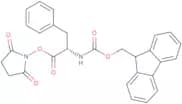
CAS:<p>Please enquire for more information about Fmoc-L-phenylalanine N-hydroxysuccinimide ester including the price, delivery time and more detailed product information at the technical inquiry form on this page</p>Formula:C28H24N2O6Purity:Min. 95%Color and Shape:PowderMolecular weight:484.5 g/mol2-Mercapto-L-histidine
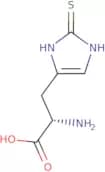
CAS:<p>2-Mercapto-L-histidine is a dietary amino acid that has been shown to be an effective inhibitor of opportunistic fungal growth in vitro. It has been shown to have a second-order rate constant of 0.0037 s−1, which is the same as lysine and arginine. This compound also inhibits the growth of fungi by competing with tryptophan for binding sites on the enzyme histidine ammonia-lyase. 2-Mercapto-L-histidine can also react with nucleophiles such as divalent cations and form covalent bonds, which may lead to its antimicrobial activity against Gram-positive bacteria. 2-Mercapto-L-histidine is not active against Gram negative bacteria or yeast due to structural differences in their cell walls.<br>2-Mercapto-L-histidine has been shown to inhibit glucose metabolism and plasma glucose levels in vitro, but it does not affect insulin secretion or</p>Formula:C6H9N3O2SPurity:Min. 95%Color and Shape:PowderMolecular weight:187.22 g/mol1-Methyl-3-propylamine hydrochloride
CAS:<p>1-Methyl-3-propylamine hydrochloride is a fine chemical, research chemicals, and speciality chemical. It is a versatile building block for organic synthesis and has been used as a reagent in the production of other compounds. 1-Methyl-3-propylamine hydrochloride is also used as an intermediate in reactions involving complex compounds. This product has CAS number 578-72-5 and is of high quality.</p>Formula:C4H11N•HClPurity:Min. 95%Molecular weight:109.6 g/mol4-Methoxy-2-nitroacetanilide
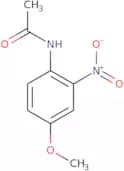
CAS:<p>4-Methoxy-2-nitroacetanilide is a byproduct of the manufacture of 4-methoxyacetanilide, which is used in the production of analgesics. It has been shown to be an environmental pollutant that is toxic to animals and plants. The toxicity of 4-methoxy-2-nitroacetanilide is due to its ability to react with amines and form nitrosamines. The rate of acetylation is determined by the kinetics of the reaction, while substituent effects on the molecule determine its reactivity as an electrophile.</p>Formula:C9H10N2O4Purity:Min. 95%Color and Shape:PowderMolecular weight:210.19 g/molethyl 2-(4-((4-phenoxyphenyl)amino)-3,5-thiazolyl)acetate
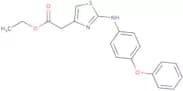
CAS:<p>Please enquire for more information about ethyl 2-(4-((4-phenoxyphenyl)amino)-3,5-thiazolyl)acetate including the price, delivery time and more detailed product information at the technical inquiry form on this page</p>Purity:Min. 95%[(4-Methylphenyl)sulfonyl]acetonitrile
CAS:<p>[(4-Methylphenyl)sulfonyl]acetonitrile is a synthetic compound that has been shown to inhibit the enzyme SHP2. This inhibition leads to decreased proliferation of cells and may be useful in the treatment of degenerative diseases. [(4-Methylphenyl)sulfonyl]acetonitrile is an organic solvent and a nucleophilic reagent that reacts with metal carbonates, such as calcium carbonate, to form carbanions. The carbanion intermediate can react with nucleophiles, such as acetonitrile, to form a new compound that is structurally related to the original starting material.</p>Formula:C9H9SNO2Purity:Min. 95%Molecular weight:195.24 g/molIndole-3-acetyl-L-valine
CAS:<p>Indole-3-acetyl-L-valine (IAV) is a naturally occurring amino acid that binds to the surface glycoprotein of wild-type viruses. It inhibits viral replication by inhibiting the production of basic proteins, which are necessary for viral life. IAV also has inhibitory properties against the toll-like receptor, which may be due to its ability to inhibit growth factor signaling. IAV has been shown to decrease the number of opportunistic fungal and bacterial infections in humans, with no adverse effects on human health. This drug has no effect on healthy cells and can be used as an adjuvant for the treatment of HIV and other viral infections.</p>Formula:C15H18N2O3Purity:Min. 95%Color and Shape:PowderMolecular weight:274.32 g/mol2-Methoxy-5-nitropyridine
CAS:<p>2-Methoxy-5-nitropyridine is an experimental model for the study of nucleophilic substitution reactions. It has been shown to catalyze a variety of nucleophilic substitutions, such as the reaction between dimethylformamide and methoxide. The uptake of 2-methoxy-5-nitropyridine in human cells has been studied using the mitochondrial cytochrome P450 (mt2) receptors, where it has been found that this compound binds to mt2 receptors with high affinity. The optical properties of 2-methoxy-5-nitropyridine have been determined by spectroscopic analysis and found to be similar to those of nitro compounds. Toxicity studies have also demonstrated that 2-methoxy-5-nitropyridine can cause liver damage at high doses, but there is no evidence that it causes cancer or causes reproductive toxicity.</p>Formula:C6H6N2O3Purity:Min. 95%Color and Shape:PowderMolecular weight:154.12 g/molBoc-D-glutamic acid α-tert-butyl ester
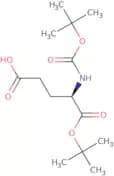
CAS:<p>Boc-D-glutamic acid alpha-tert-butyl ester is a versatile building block that can be used in the synthesis of many complex compounds. It is a high quality reagent that can be used as a reactant or intermediate for research and development, as well as for the production of speciality chemicals. Boc-D-glutamic acid alpha-tert-butyl ester has a CAS number of 73872-71-6 and can be used to synthesize new chemical compounds with various applications. This compound is an important building block for synthetic organic chemistry because it is easily converted to other molecules through reactions such as hydrolysis, oxidation, reduction, or hydrogenation.</p>Formula:C14H25NO6Purity:Min. 95%Color and Shape:PowderMolecular weight:303.35 g/mol2-Methyl-4-oxo-4-phenylbutyric acid
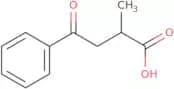
CAS:<p>2-Methyl-4-oxo-4-phenylbutyric acid (or 2MO4PBA) is a potent, stereoselective, and endogenous agonist of the nuclear receptors ERβ and ERα. It has been shown to have therapeutic potential in the treatment of estrogen deficiency and metabolic disorders. This compound binds to the DNA response element at positions DR1, DR2, DR3, DR4, and DR5 of the human estrogen receptor. The binding affinity at these sites is around 10 times lower than that of estradiol. 2MO4PBA is metabolized by esterases in vivo to 2-methyl-3-oxobutyric acid (2MO3BA). The metabolic conversion from 2MO4PBA to 2MO3BA is stereoselective with respect to configuration at C2. 2MO3BA binds to ERβ but not ERα. Functional assays demonstrate that this compound is a potent agonist</p>Formula:C11H12O3Purity:Min. 98 Area-%Color and Shape:PowderMolecular weight:192.21 g/molL-Glutamic acid gamma-(p-nitroanilide) hydrochloride
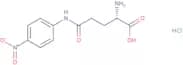
CAS:<p>Please enquire for more information about L-Glutamic acid gamma-(p-nitroanilide) hydrochloride including the price, delivery time and more detailed product information at the technical inquiry form on this page</p>Formula:C11H13N3O5·HClPurity:Min. 95%Color and Shape:SolidMolecular weight:303.7 g/mol4-Chloro-2-methoxybenzoic acid
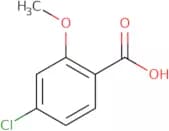
CAS:<p>4-Chloro-2-methoxybenzoic acid is a chloroacetic acid that is used as an antibacterial agent. It has been shown to have a broad spectrum of activity against bacteria, including gram-positive and gram-negative bacteria. 4-Chloro-2-methoxybenzoic acid is active against both stationary and mobile phases of growth. It has also been shown to be effective in inhibiting the growth of fungi, such as Aspergillus niger, Aspergillus fumigatus, Penicillium notatum, and Fusarium oxysporum. This compound can be synthesized from carboxylic acids by reacting them with sodium nitrite in the presence of dry nitrogen gas to form chloroacetic acid. The chemical formula for this compound is CHClOOC(CH)COOH.</p>Formula:C8H7ClO3Purity:Min. 95%Color and Shape:PowderMolecular weight:186.59 g/molAMPD
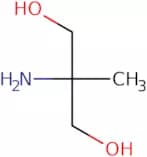
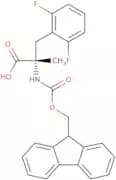
CAS:<p>AMPD, also known as 2-Amino-2-methyl-1,3-propanediol, is a buffer solution with a pH range of 7.8-9.7 and a pKa of 8.8. This chemical buffer is used in molecular biology, protein studies, enzyme assays, and separation techniques such as isatachophoresis (ITP) and SDS-gradient gel electrophoresis.</p>Formula:C4H11NO2Purity:Min. 95%Color and Shape:PowderMolecular weight:105.14 g/molFmoc-a-Me-Phe(2,6-DiF)-OH
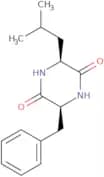
CAS:<p>Fmoc-a-Me-Phe(2,6-DiF)-OH is a versatile building block useful in the synthesis of complex compounds. The compound is a reagent that has been used in the synthesis of various research chemicals and speciality chemicals. Fmoc-a-Me-Phe(2,6-DiF)-OH has also been used as an intermediate for the synthesis of other compounds that are useful as reaction components or scaffolds.</p>Formula:C25H21F2NO4Purity:Min. 95%Color and Shape:PowderMolecular weight:437.44 g/molCyclo(-L-Leu-L-Phe)
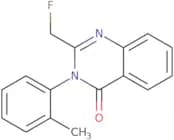
CAS:<p>Cyclo(-L-Leu-L-Phe) is a nonribosomal peptide that inhibits bacterial growth. It is synthesized from the amino acids L-leucine, L-phenylalanine, and L-tyrosine. The antibacterial activity of this compound was tested in fibroblast cells and human lung tissue. Cyclo(-L-Leu-L-Phe) showed no cytotoxicity in these cell lines at concentrations up to 10 µg/mL. Cyclo(-L-Leu-L-Phe) also has antimicrobial activity against Streptomyces lividans and other bacteria. Cyclo(-L-Leu-L-Phe) can be detected by high performance liquid chromatography (HPLC).</p>Formula:C15H20N2O2Purity:Min. 95%Color and Shape:White PowderMolecular weight:260.33 g/mol2-(Fluoromethyl)-3-(2-Methylphenyl)Quinazolin-4-One
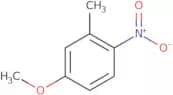
CAS:Controlled Product<p>2-(Fluoromethyl)-3-(2-Methylphenyl)Quinazolin-4-One (RUG) is a new synthetic drug that is structurally related to diazepam and lorazepam. The drug has been shown to have sedative, muscle relaxant, anti-convulsant, and analgesic properties in animal studies. RUG has been shown to inhibit the activities of enzymes such as serum cholinesterase and acetylcholinesterase in animals. It also stimulates salivation and inhibits muscle contractions, which may be due to its ability to enhance the effects of gamma aminobutyric acid (GABA). When administered orally or intraperitoneally, RUG produces a dose-dependent reduction in spontaneous activity in rats. These effects are similar to those produced by rugulovasine, a natural indole alkaloid from the plant Uncaria rhynchophylla.</p>Formula:C16H13FN2OPurity:Min. 95%Molecular weight:268.29 g/mol3-Methyl-4-nitroanisole
CAS:<p>3-Methyl-4-nitroanisole is a chemical compound used in the preparation of other compounds. It is obtained by reacting nitromethane with anisole in the presence of hydrochloric acid and a catalyst such as zinc chloride or copper chloride. It can be used to make melatonin, which is a hormone that regulates sleep cycles and seasonal changes in animals. 3-Methyl-4-nitroanisole can also be used to prepare nitrophenol, which is a precursor in the production of nylon. The luminescent properties of 3-methyl-4-nitroanisole are useful for analytical techniques such as UV spectroscopy, which can detect concentrations of this chemical at less than 1 ppm.</p>Formula:C8H9NO3Purity:Min. 95%Color and Shape:PowderMolecular weight:167.16 g/molN-(4-methylthio(3H-2,3,5-triazolyl))-3-phenylprop-2-enamide
CAS:<p>Please enquire for more information about N-(4-methylthio(3H-2,3,5-triazolyl))-3-phenylprop-2-enamide including the price, delivery time and more detailed product information at the technical inquiry form on this page</p>Formula:C12H12N4OSPurity:Min. 95%Color and Shape:PowderMolecular weight:260.32 g/molDimethyloxaloylglycine
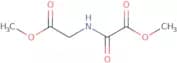
CAS:<p>Dimethyloxaloylglycine (DMOG) is a protein that has been shown to activate the hypoxic response in cells. DMOG is a small molecule with significant effects on the activation of the hif-1α pathway and its downstream effector, erythropoietin (EPO). DMOG also has been shown to have antitumour immunity and anti-inflammatory activity. It stimulates an immune response by inducing the production of cytokines, including tumor necrosis factor-α (TNF-α), interleukin-2 (IL-2), IL-6, and IL-10. The biochemical properties of DMOG are not well defined, but it has been shown to increase iron homeostasis and bowel disease in mice. DMOG also inhibits polymerase chain reaction amplification of bcl-2 protein and tubulointerstitial injury following myocardial infarct.</p>Formula:C6H9NO5Purity:Min. 98 Area-%Color and Shape:Yellow PowderMolecular weight:175.14 g/mol4-Chloro-L-tryptophan
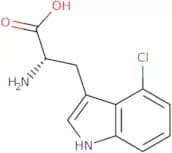
CAS:<p>4-Chloro-L-tryptophan is an indole alkaloid that belongs to the group of 2-d nmr. It has a chiral carbon atom and two enantiomers, D and L. 4-Chloro-L-tryptophan is used in the synthesis of serotonin in the brain. Synthesis of serotonin involves a two-step process: first, L-tyrosine is converted to 4-hydroxyphenylpyruvic acid by an aminotransferase enzyme (e.g., phenylalanine aminotransferase), then 4-hydroxyphenylpyruvic acid is converted to 4-chloro-L-tryptophan by a decarboxylase enzyme (e.g., pyridoxal phosphate). The biosynthesis of serotonin also requires an intermediate molecule called indole pyruvic acid.</p>Formula:C11H11ClN2O2Purity:Min. 94 Area-%Color and Shape:PowderMolecular weight:238.67 g/mol3'-Bromo-4'-fluoro-β-methyl-β-nitrostyrene
CAS:<p>3'-Bromo-4'-fluoro-beta-methyl-beta-nitrostyrene is a chemical compound with the molecular formula C9H5BrFN2O. It can be used as an intermediate in the synthesis of other chemical compounds. 3'-Bromo-4'-fluoro-beta-methyl-beta-nitrostyrene can also be used to produce research chemicals, speciality chemicals, and complex compounds. This compound has a high quality and is useful for research purposes.</p>Formula:C9H7BrFNO2Purity:Min. 95%Color and Shape:PowderMolecular weight:260.06 g/molThiophene-2-glyoxylic acid
CAS:<p>Thiophene-2-glyoxylic acid is a reactive metabolite of thiophene that is formed from the environmental degradation of this compound. Thiophene-2-glyoxylic acid reacts with halides to form an electrophilic intermediate. This intermediate can react with a variety of nucleophiles, including the drug metabolites, leading to the formation of new compounds. Thiophene-2-glyoxylic acid has been shown to enhance the fluorescence properties of some organic compounds. It also has been shown to inhibit the metabolism of some drugs that are conjugated with acids and can be detected in plasma by mass spectrometry.</p>Formula:C6H4O3SPurity:Min. 95%Color and Shape:PowderMolecular weight:156.16 g/molN-(4-Hydroxyphenyl)-5-methyl-2-1H-pyridone
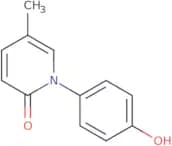
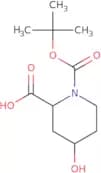
CAS:<p>N-(4-Hydroxyphenyl)-5-methyl-2-1H-pyridone is a molecule that is found in plasma samples and has been shown to inhibit the growth of cells. It is a potent inhibitor of tubulointerstitial injury, which is the most common type of kidney disease. The mechanism of this drug has been shown to involve the inhibition of primary amino acid uptake. This compound also inhibits urea synthesis and decreases plasma concentrations by increasing the rate of elimination. In addition, it has been shown to have an inhibitory effect on growth factors such as EGF, bFGF, IGF-1, and PDGF. N-(4-Hydroxyphenyl)-5-methyl-2-1H-pyridone can be synthesized by heating at high temperatures (thermally activated).</p>Formula:C12H11NO2Purity:Min. 95%Color and Shape:Off-White PowderMolecular weight:201.22 g/molBoc-4-hydroxypiperidine-2-carboxylic acid
CAS:<p>Boc-4-hydroxypiperidine-2-carboxylic acid is a high quality, reagent, and complex compound. It has CAS No. 917835-93-9 and can be used as an intermediate or building block in synthesis of other chemicals. In addition, Boc-4-hydroxypiperidine-2-carboxylic acid is a versatile building block that is used in the manufacture of speciality chemicals and research chemicals.</p>Formula:C11H19NO5Purity:Min. 95%Color and Shape:PowderMolecular weight:245.27 g/mol3-Formyl-4-methoxypyridine
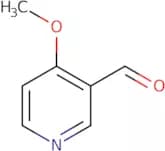
CAS:<p>3-Formyl-4-methoxypyridine is a synthetic compound that belongs to the group of pyrimidine ring compounds. It is synthesized by the reaction of triflic acid with 2,6-dichloropyridine and has been shown to have antiviral and antitumour properties. The compound has also been synthetized as a potential drug for the treatment of malaria. 3-Formyl-4-methoxypyridine is an analog of variolin, which is an alkaloid that can be found in marine organisms such as sponges and tunicates. 3-Formyl-4-methoxypyridine has been shown to inhibit protein synthesis by inhibiting the enzyme RNA polymerase II, which leads to cell death by apoptosis or necrosis.</p>Formula:C7H7NO2Purity:Min. 95%Color and Shape:PowderMolecular weight:137.14 g/molN-Methylbutylamine
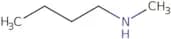
CAS:<p>N-Methylbutylamine is a pharmaceutical drug that belongs to the class of amines. It is used as a hydrogen bond donor in some organic reactions. N-Methylbutylamine has been shown to have cytotoxic effects on prostate cancer cells and has been used for the treatment of this type of cancer. This drug also has a fluorescent derivative, which can be used in the detection of water vapor. The amine group of N-Methylbutylamine is involved in catalysis by enzymes and organometallic compounds. The optimum pH for this molecule is 7, with an activation energy at 20 degrees Celsius of 42 kilojoules per mole.<br>N-Methylbutylamine has also been shown to inhibit kinesin, an important protein involved in cellular transport.</p>Formula:C5H13NPurity:Min. 95%Color and Shape:Clear LiquidMolecular weight:87.17 g/mol1-(4-bromophenyl)-2-((4-methylphenyl)sulfonyl)ethan-1-one
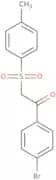
CAS:<p>Please enquire for more information about 1-(4-bromophenyl)-2-((4-methylphenyl)sulfonyl)ethan-1-one including the price, delivery time and more detailed product information at the technical inquiry form on this page</p>Purity:Min. 95%2-Bromo-5-fluoro-6-methylpyridine
CAS:<p>2-Bromo-5-fluoro-6-methylpyridine is a versatile and useful building block that can be used to synthesize complex compounds. This compound is also a high quality chemical with a CAS number of 374633-38-2. It can be used as a reagent, which means it can be used in the laboratory for various chemical reactions, or as a speciality chemical. 2-Bromo-5-fluoro-6-methylpyridine is an intermediate in the synthesis of other chemicals and has been shown to have reactive groups on both ends of the molecule, making it useful for creating scaffolds for larger molecules.</p>Formula:C6H5BrFNPurity:Min. 95%Color and Shape:PowderMolecular weight:190.01 g/molN-Boc-6-bromohexylamine
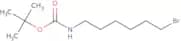
CAS:<p>N-Boc-6-bromohexylamine is a hypoglycemic agent that belongs to the group of diagnostic agents. It has been shown to have an effect on glucose regulation and was used in clinical development. N-Boc-6-bromohexylamine interacts with the catalytic subunit of protein kinase C delta (PKCδ) and inhibits its activity, which can lead to a decrease in cellular glucose uptake. This molecule has also been shown to interact with chloride channels, which are involved in the regulation of cell volume, and 2-nitroimidazole, which is a hypoxic tumor promoter. N-Boc-6-bromohexylamine is synthesized from fatty acids and amides by supramolecular chemistry.</p>Formula:C11H22BrNO2Purity:Min. 95%Color and Shape:Colourless Clear LiquidMolecular weight:280.2 g/mol1,2-Dimyristoyl-rac-glycero-3-phosphocholine
CAS:<p>1,2-Dimyristoyl-rac-glycero-3-phosphocholine (DMPC) is a lipid molecule that contains a glycerol backbone and two fatty acid chains. It is an amphipathic molecule with hydrophilic head groups and hydrophobic tails. The phase transition temperature of DMPC is around 37°C, which makes it useful as a model system for studying the effects of temperature on lipid membranes. DMPC has been shown to have interactions with pharmacological agents such as peptide hormones and enzyme inhibitors, which can lead to drug interactions. DMPC also binds copper chloride and calcium ions and has hydrogen bonding interactions with benzalkonium chloride.</p>Formula:C36H72NO8PPurity:Min. 95%Molecular weight:677.93 g/mol(2R,3S)-3-(tert-Butoxycarbonyl)amino-1,2-epoxy-4-phenylbutane
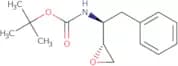
CAS:<p>The compound (2R,3S)-3-(tert-Butoxycarbonyl)amino-1,2-epoxy-4-phenylbutane is an epoxide with a thionyl chloride mediated reaction. This compound has been shown to react with amines and nucleophiles to form epoxides. The time required for this reaction was found to be dependent on the concentration of the amine. The reaction was also found to be chiral as it produced a mixture of diastereomers. When irradiated, this compound undergoes a stereoselective reaction that leads to a new epoxide product.</p>Formula:C15H21NO3Purity:Min. 95%Color and Shape:Off-White PowderMolecular weight:263.34 g/mol1-(3-((5-Chloro-2-methoxyphenyl)amino)-5-methyl-2,4-thiazolyl)ethan-1-one
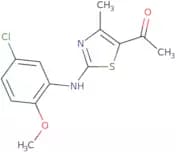
CAS:<p>Please enquire for more information about 1-(3-((5-Chloro-2-methoxyphenyl)amino)-5-methyl-2,4-thiazolyl)ethan-1-one including the price, delivery time and more detailed product information at the technical inquiry form on this page</p>Formula:C13H13ClN2O2SPurity:Min. 95%Molecular weight:296.77 g/mol3-Amino-1-methylpyrrolidin-2-one
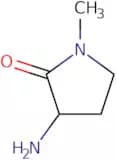
CAS:<p>3-Amino-1-methylpyrrolidin-2-one is a versatile building block that has many applications in the research field. It can be used as a reagent or a speciality chemical and as an intermediate in organic synthesis. 3-Amino-1-methylpyrrolidin-2-one is also used as a reaction component and scaffold for complex compounds. This chemical has CAS number 119329-48-5.</p>Formula:C5H10N2OPurity:Min. 98 Area-%Color and Shape:Clear LiquidMolecular weight:114.15 g/mol(S)-3-Thienylglycine
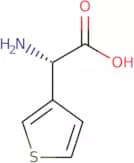
CAS:<p>(S)-3-Thienylglycine is a versatile building block that has been used in the synthesis of complex compounds. It is a product of the amino acid glycine, and can be synthesized from 3-thiophenecarboxylic acid. The compound has been shown to be a useful intermediate in research chemical synthesis, as well as a reagent or speciality chemical. It is also used as a reaction component and scaffold for the production of other chemicals. (S)-3-Thienylglycine has been shown to be useful in the preparation of pharmaceuticals, agrochemicals, and other products.</p>Formula:C6H7NO2SPurity:Min. 95%Color and Shape:White To Yellow SolidMolecular weight:157.19 g/mol[(2-Methylimidazo[2,1-b][1,3,4]thiadiazol-6-yl)methyl]amine dihydrochloride
CAS:<p>[(2-Methylimidazo[2,1-b][1,3,4]thiadiazol-6-yl)methyl]amine dihydrochloride is a high quality reagent with many uses. It is a complex compound that is used as an intermediate in the synthesis of many other compounds. This chemical has been shown to be useful as a scaffold for drug design and development. It also has been found to be a valuable building block for the synthesis of speciality chemicals and pharmaceuticals. This chemical can be used in reactions as a versatile building block and reaction component.</p>Formula:C6H8N4S·2HClPurity:Min. 95%Color and Shape:White PowderMolecular weight:241.14 g/molFmoc-His(3-Me)-OH
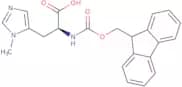
CAS:<p>Fmoc-His(3-Me)-OH is a synthetic amino acid that is used in the synthesis of peptides. It is potent inhibitor of L-type calcium channels, which are involved in the regulation of muscle contraction and vasoconstriction. Fmoc-His(3-Me)-OH has been shown to be effective at inhibiting L-type calcium channels in rat skeletal muscle.</p>Formula:C22H21N3O4Purity:Min. 95%Color and Shape:PowderMolecular weight:391.42 g/molEthyl 3-((4-bromo-2-methyl-5-oxo-1-phenyl-3-pyrazolin-3-yl)methoxy)benzoate
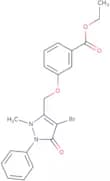
CAS:<p>Please enquire for more information about Ethyl 3-((4-bromo-2-methyl-5-oxo-1-phenyl-3-pyrazolin-3-yl)methoxy)benzoate including the price, delivery time and more detailed product information at the technical inquiry form on this page</p>Purity:Min. 95%Fmoc-4-(Boc-amino)-D-phenylalanine
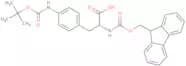
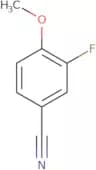
CAS:<p>Fmoc-4-(Boc-amino)-D-phenylalanine is a versatile building block and a useful intermediate in organic synthesis. It is used as a reaction component in the synthesis of pharmaceuticals, antibiotics, herbicides, pesticides and other organic compounds. Fmoc-4-(Boc-amino)-D-phenylalanine is also used as an additive for the production of polyurethane foams. This compound has a high quality and purity level and can be used as a reagent for chemical reactions.</p>Formula:C29H30N2O6Purity:Min. 98 Area-%Color and Shape:White Off-White PowderMolecular weight:502.56 g/mol3-Fluoro-4-methoxybenzonitrile
CAS:<p>3-Fluoro-4-methoxybenzonitrile is a ferroelectric liquid crystal chiral molecule. It can be synthesized industrially by the reaction of 3-fluoro-4-methoxybenzoyl chloride with sodium methoxide. The synthesis is scalable and leads to high yields. 3-Fluoro-4-methoxybenzonitrile has been used in the synthesis of other ferroelectric liquid crystals, such as 4-(3′,5′-diiodophenyl)pentaerythritol triacrylate and 3,5′-(1H,1′H) -dibenzothiophene. This compound also displays nematic phase behavior at room temperature when in contact with a nematic director. Polarization data for this substance are available from experiments on thin films.</p>Formula:C8H6FNOPurity:Min. 95%Color and Shape:PowderMolecular weight:151.14 g/mol6-Chloro-9-[[4-(diethylamino)-1-methylbutyl]amino]-2-methoxyacridine dihydrochloride
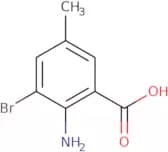
CAS:<p>6-Chloro-9-[[4-(diethylamino)-1-methylbutyl]amino]-2-methoxyacridine dihydrochloride (CMA) is a fluorescent dye that is used in the diagnosis of platelet disorders. It binds to the beta subunit of glycoprotein IIb/IIIa receptors on platelets, which are involved in the aggregation of platelets. CMA has shown to be effective against antibiotic resistant strains and may be useful for patients with infectious diseases. This drug has been shown to have cytosolic calcium ion (Ca2+) antagonist properties and an inhibitory effect on cell nuclei, as well as biological properties similar to mepacrine and atabrine.</p>Formula:C23H30ClN3O•(HCl)2Purity:Min. 98 Area-%Color and Shape:Slightly Yellow PowderMolecular weight:472.88 g/mol2-Amino-3-bromo-5-methylbenzoic acid
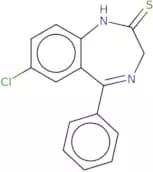
CAS:<p>2-Amino-3-bromo-5-methylbenzoic acid is a fatty acid that belongs to the group of undescribed organic acids. It is found in soil as well as in organisms such as bacteria and fungi. The 2-Amino-3-bromo-5-methylbenzoic acid molecule has been shown to be an antibiotic, inhibiting the growth of bacterial strains belonging to the phyla Actinobacteria and Proteobacteria. It may also be present in plants, where it is channeled out through the roots. This fatty acid also has nucleobase properties, which are essential for DNA replication.br>br><br>span style="font-size: 12px;">2 Amino 3 bromo 5 methyl benzoic acid (2ABMB) was first isolated from soil samples collected from a site near Beijing, China. It is one of many undescribed organic acids that are found</p>Formula:C8H8BrNO2Purity:Min. 95%Color and Shape:PowderMolecular weight:230.06 g/mol7-Chloro-1,3-dihydro-5-phenyl-2H-1,4-benzodiazepine-2-thione
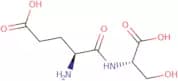
CAS:Controlled Product<p>7-Chloro-1,3-dihydro-5-phenyl-2H-1,4-benzodiazepine-2-thione is a reagent that is used as a starting material for the synthesis of various organic compounds. It can be used in the production of pharmaceuticals, pesticides and other chemicals. 7CBDT has been found to be a useful scaffold for complex compounds and as a building block for fine chemicals.</p>Formula:C15H11ClN2SPurity:Min. 95%Color and Shape:Yellow PowderMolecular weight:286.78 g/molH-Glu-Ser-OH
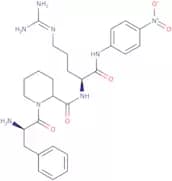
CAS:<p>H-Glu-Ser-OH is a tryptic fragment of the protein hormone erythropoietin that is produced by the kidneys. It is one of the major hormones involved in regulating red blood cell production. Erythropoietin stimulates the proliferation of hematopoietic cells, which are responsible for making new blood cells, and also plays an important role in wound healing. The amino acid sequence of this peptide consists of two alpha helices and four beta sheets. Structural analysis has shown that H-Glu-Ser-OH can be cleaved by proteases to produce the amino acid sequence H-Glu-Arg-OH. This fragment has been shown to have a bitter taste receptor binding activity and may play a role in casein coagulation.</p>Formula:C8H14N2O6Purity:Min. 98 Area-%Color and Shape:PowderMolecular weight:234.21 g/molH-D-Phe-Homopro-Arg-pNA·diacetate
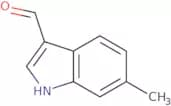
CAS:<p>H-D-Phe-Homopro-Arg-pNA·diacetate is a versatile building block that can be used as a reaction component or a reagent. It is a useful scaffold for the preparation of biologically active compounds due to its high quality and versatility. It has been shown to be useful in the synthesis of complex compounds, such as peptides, antibiotics, and anti-cancer agents. This chemical is also an intermediate in the production of drugs. H-D-Phe-Homopro-Arg-pNA·diacetate is not listed on the U.S. Environmental Protection Agency TSCA Chemical Substance Inventory and has no known potential health effects at this time.</p>Formula:C27H36N8O5·2C2H4O2Purity:Min. 95%Color and Shape:PowderMolecular weight:672.73 g/mol6-Methyl-1H-indole-3-carbaldehyde
CAS:<p>6-Methyl-1H-indole-3-carbaldehyde is a synthetic chemical that has been used as a reagent in the form of its sodium salt. It is an acetylating agent and can be used for formylation reactions. 6-Methyl-1H-indole-3-carbaldehyde has shown strong antifungal activity against phytopathogenic fungi such as Fusarium, Rhizoctonia, and Phytophthora. This chemical also has a triazine group, which can be used to enhance the herbicidal properties of certain compounds.</p>Formula:C10H9NOPurity:Min. 95%Color and Shape:PowderMolecular weight:159.18 g/mol2-Amino-5-methylbenzamide
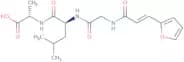
CAS:<p>2-Amino-5-methylbenzamide (2AMB) is a potent inhibitor of the enzyme dihydropyrimidine dehydrogenase and is used in cancer research for its ability to inhibit tumor cell line growth. 2AMB has been shown to inhibit the synthesis of DNA, RNA, and protein in various human cell lines. The mechanism of this inhibition is not well understood, but it may be due to its ability to inhibit the activity of synthetases involved in nucleotide biosynthesis or by inhibiting the reaction system that converts hydration into ATP.</p>Formula:C8H10N2OPurity:Min. 95%Color and Shape:PowderMolecular weight:150.18 g/molFA-Gly-Leu-Ala-OH TFA
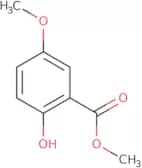
CAS:<p>FA-Gly-Leu-Ala-OH TFA is a high quality reagent that can be used for the synthesis of complex compounds. It is an intermediate for the production of fine chemicals and speciality chemicals, which are used as reaction components in the synthesis of versatile building blocks. This compound is also an excellent scaffold for research chemicals and useful as a building block in the synthesis of speciality chemicals.</p>Formula:C18H25N3O6•TFAPurity:Min. 95%Color and Shape:PowderMolecular weight:493.43 g/molMethyl 2-hydroxy-5-methoxybenzoate
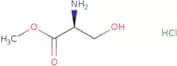
CAS:<p>Methyl 2-hydroxy-5-methoxybenzoate is a carbonyl compound that has the chemical formula CH3OOC(OH)CH2COOH. It has fluorescence properties and can be used to make other compounds by intramolecular hydrogen transfer, photophysical, and preparative methods. Methyl 2-hydroxy-5-methoxybenzoate is used in the production of salicylic acid and its derivatives. This compound is also used as a precursor for other organic compounds. Methyl 2-hydroxy-5-methoxybenzoate can be prepared by the reaction of methanol with methyl chloroacetate in diethyl ether or oxygen gas. The yields are about 80%.</p>Formula:C9H10O4Purity:Min. 90%Color and Shape:Clear LiquidMolecular weight:182.17 g/molL-Serine methyl ester HCl
CAS:<p>L-Serine methyl ester HCl is a non-steroidal anti-inflammatory agent that is used in the treatment of blood disorders. L-Serine methyl ester HCL inhibits the production of leukotrienes, which are mediators of inflammatory responses. It does this by inhibiting the enzyme 5-lipoxygenase and therefore reducing the production of lipid mediators such as leukotrienes, prostaglandins, and thromboxanes. L-Serine methyl ester HCl also has been shown to have biological properties that inhibit hyperproliferative diseases in rats.</p>Formula:C4H9NO3·HClPurity:Min. 98 Area-%Color and Shape:PowderMolecular weight:155.58 g/molLL-37 amide trifluoroacetate
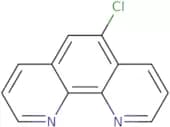
CAS:<p>Please enquire for more information about LL-37 amide trifluoroacetate including the price, delivery time and more detailed product information at the technical inquiry form on this page</p>Formula:C205H341N61O52•(C2HF3O2)xPurity:Min. 95%Color and Shape:PowderMolecular weight:4,492.28 g/mol5-Chloro-1,10-phenanthroline
CAS:<p>5-Chloro-1,10-phenanthroline (5CP) is a molecule that has been used in the study of DNA oxidation. 5CP has been shown to be an effective inhibitor of oxidative dna damage and can be used for the prevention of mutations caused by reactive oxygen species. This compound was also found to inhibit the growth of L1210 murine leukemia cells, which is due to its ability to bind to potassium ions. 5CP has been shown to have significant binding constants with DNA and protein molecules. It also has a very high level of ancillary activity and can be used as a catalyst in transfer reactions.</p>Formula:C12H7ClN2Purity:Min. 97.5 Area-%Color and Shape:Red PowderMolecular weight:214.65 g/mol5-Acetylamino-6-formylamino-3-methyluracil
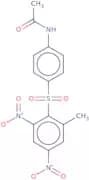
CAS:<p>5-Acetylamino-6-formylamino-3-methyluracil is an analysis method that can be used to determine the effectiveness of certain contraceptives. This drug has shown a potential to interact with other drugs, such as caffeine and amphetamines. It is also used to measure the enzyme activities of polymorphic human erythrocytes. 5-Acetylamino-6-formylamino-3-methyluracil is used in the preparation of blood samples for DNA sequencing and polymerase chain reaction (PCR) amplification. The concentration of intracellular calcium ions in humans has been shown to increase when this drug is administered, which leads to hyperproliferative diseases like cancer or HIV infection.</p>Formula:C8H10N4O4Purity:(%) Min. 95%Color and Shape:Slightly Yellow PowderMolecular weight:226.19 g/mol4-Acetamido-2',4'-dinitro-5'-methyldiphenyl sulphone
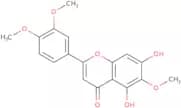
CAS:<p>4-Acetamido-2',4'-dinitro-5'-methyldiphenyl sulphone is a high quality, versatile building block that is used as a reagent and complex intermediate. It can be used in the production of speciality chemicals, research chemicals and fine chemicals. 4-Acetamido-2',4'-dinitro-5'-methyldiphenyl sulphone is also a useful scaffold for the construction of new chemical compounds. This compound has been shown to be a reaction component in organic synthesis reactions.</p>Formula:C15H13N3O7SPurity:Min. 95%Color and Shape:Solid.Molecular weight:379.35 g/molEupatilin
CAS:<p>Eupatilin is a flavonoid compound, which is derived from the Artemisia species. This plant-based source has been traditionally used in various medicinal applications across different cultures. Eupatilin’s mode of action involves inhibition of pro-inflammatory cytokines and modulation of signaling pathways associated with inflammation, such as the NF-kB pathway. Additionally, it has been found to possess antioxidant activities, which further contributes to its therapeutic potential.</p>Formula:C18H16O7Purity:Min. 95%Color and Shape:PowderMolecular weight:344.32 g/molH-Ala-Asp-OH
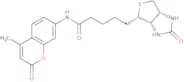
CAS:<p>H-Ala-Asp-OH is a tetrapeptide that belongs to the group of p2, acidic, magnetic and isomeric haemoglobins. This molecule has been shown to hydrolyze enzymes in red blood cells. H-Ala-Asp-OH also binds to red blood cells and may be involved in the regulation of oxygen transport. The magnetic properties of this molecule have been studied by NMR spectroscopy and X-ray crystallography.</p>Formula:C7H12N2O5Purity:Min. 98 Area-%Color and Shape:PowderMolecular weight:204.18 g/molN-D-Biotinyl-7-amino-4-methylcoumarin
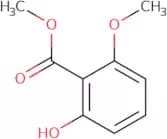
CAS:<p>N-D-Biotinyl-7-amino-4-methylcoumarin is a fluorescent substrate that is used to measure the activity of biotinidase, an enzyme that catalyzes the hydrolysis of biotin. It is detectable by measuring fluorescence with a spectrophotometer. Biotinidase deficiency can be diagnosed by measuring the activity of this enzyme in biological fluids. This assay has been shown to be useful for diagnosing patients with deficient biotinidase activity.</p>Formula:C20H23N3O4SPurity:Min. 98 Area-%Color and Shape:PowderMolecular weight:401.48 g/mol2-Hydroxy-6-methoxybenzoic acid methyl ester
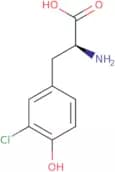
CAS:<p>2-Hydroxy-6-methoxybenzoic acid methyl ester is a biologically active molecule that has been shown to have antibacterial activity. It is structurally similar to the natural compound 2,6-dimethoxyphenol and can be used as a substitute for this compound in bioassays. The antibacterial activity of 2-hydroxy-6-methoxybenzoic acid methyl ester is due to its ability to inhibit enzymes involved in DNA repair and cell division. This compound also inhibits the growth of cancer cells and weevils by interfering with their metabolism.</p>Formula:C9H10O4Purity:Min. 95%Color and Shape:PowderMolecular weight:182.17 g/mol3-Chloro-L-tyrosine
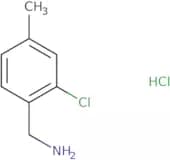
CAS:<p>3-Chloro-L-tyrosine (3CT) is a reactive, nitrogen containing molecule that has been used as a model system to study oxidative injury in the heart. The molecule reacts with the air and oxygen in the environment, producing reactive oxygen species (ROS) that can cause oxidative injury. 3CT has been shown to inhibit ATP binding cassette transporter A1 (ABCA1), which is involved in cholesterol efflux from macrophages. 3CT also promotes the release of eosinophil peroxidase from eosinophils and induces tumor necrosis factor alpha (TNF-α). The analytical method for 3CT includes liquid chromatography-mass spectrometry/mass spectrometry (LC-MS/MS).</p>Formula:C9H10NO3ClPurity:Min. 95%Color and Shape:PowderMolecular weight:215.63 g/mol2-Chloro-4-methylbenzylamine hydrochloride
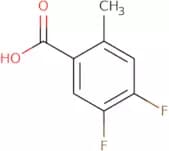
CAS:<p>2-Chloro-4-methylbenzylamine hydrochloride is a fine chemical that is used in the research, development and manufacturing of pharmaceuticals, agrochemicals, polymers and other organic compounds. 2-Chloro-4-methylbenzylamine hydrochloride can be used as an intermediate for the synthesis of a variety of drugs with different structures. It is also useful as a reagent in organic synthesis. The product has been classified by the EU as an SDS (Substances of Very High Concern) due to its potential for use in the production of nerve agents like sarin gas.</p>Formula:C8H10ClN•HClPurity:Min. 95%Molecular weight:192.09 g/mol4,5-Difluoro-2-methylbenzoic acid
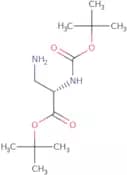
CAS:<p>4,5-Difluoro-2-methylbenzoic acid is a versatile building block that can be used in research and industrial settings. It is a high quality chemical with a CAS number of 183237-86-7. 4,5-Difluoro-2-methylbenzoic acid can be used as a building block for the synthesis of complex compounds. This chemical is also useful as an intermediate or scaffold for organic reactions.</p>Formula:C8H6F2O2Purity:Min. 95%Color and Shape:PowderMolecular weight:172.13 g/molBoc-Dap-OtBu hydrochloride salt
CAS:<p>Boc-Dap-OtBu hydrochloride salt is a chemical that is synthesized by anhydride and trifluoroacetic acid. It can be used in the laboratory for protein visualization, as well as to detect proteins using LC-MS. The presence of trifluoroacetic acid makes the Boc-Dap-OtBu hydrochloride salt fluorescent, which makes it possible to visualize the reaction products under UV light. This chemical is often used in fluorescence spectrometry to identify amino acids and other compounds.</p>Formula:C12H24N2O4Purity:Min. 95%Color and Shape:PowderMolecular weight:260.33 g/mol2,3-Difluoro-4-methoxybenzonitrile
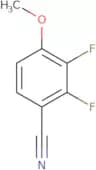
CAS:<p>2,3-Difluoro-4-methoxybenzonitrile is a high quality chemical that can be used as a building block for the synthesis of more complex compounds. The compound has been shown to have useful intermediate properties and is often used in research. It is also a versatile scaffold that has been used to create many different types of chemical compounds. 2,3-Difluoro-4-methoxybenzonitrile can be used in the production of speciality chemicals and reaction components. It is not regulated by the Chemical Weapons Convention or other international treaties, making it an attractive reagent for those who are interested in purchasing this product.</p>Formula:C8H5F2NOPurity:Min. 95%Color and Shape:PowderMolecular weight:169.13 g/mol4-Methoxy-2-nitroaniline
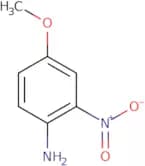
CAS:<p>4-Methoxy-2-nitroaniline is a molecule that has been shown to be able to form an intramolecular hydrogen bond with the 5' carbon of the sugar ring. This reaction leads to the formation of an alkoxy radical, which reacts with chloride ions in acidic conditions. The formation of this intermediate product is reversible, and can be used for analysis of hydrochloric acid. 4-Methoxy-2-nitroaniline has also been shown to react with diazonium salt in the presence of acid, forming a molecule that contains two amines. This reaction can be reversed by adding hydrogen chloride to the solution and analyzing the solution's acidity.</p>Formula:C7H8N2O3Purity:Min. 98 Area-%Color and Shape:PowderMolecular weight:168.15 g/mol1-(4-Methoxyphenyl)piperazine hydrochloride
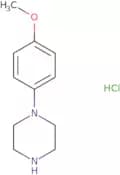
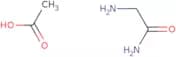
CAS:Controlled Product<p>1-(4-Methoxyphenyl)piperazine hydrochloride is a high-potency inhibitor of the K+ channels. It has been shown to inhibit the activity of these channels in lead compound screening and optimization. The modification of potassium channels by 1-(4-Methoxyphenyl)piperazine hydrochloride has been evaluated using a patch clamp technique on rat erythrocytes. This inhibitory activity was found to be concentration dependent and voltage sensitive. 1-(4-Methoxyphenyl)piperazine hydrochloride was also shown to have pharmacological effects, such as analgesia, sedation and muscle relaxation.</p>Formula:C11H16N2O•HClPurity:Min. 95%Molecular weight:228.72 g/molGlycine amide acetate
CAS:Controlled Product<p>Glycine amide acetate is a product that contains an imine group. It has been shown to have staining properties when applied to human keratin and is used in the cosmetic industry as a depigmenting agent. Glycine amide acetate has been shown to be effective in the treatment of depression, although it is not yet approved for this use. The molecule also contains an iridoid compound, which may be responsible for its effects on mood.</p>Formula:C2H6N2O•C2H4O2Purity:Min. 95%Color and Shape:PowderMolecular weight:134.13 g/mol4-Methoxyresorcinol
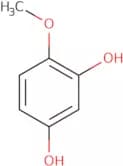
CAS:<p>4-Methoxyresorcinol is a chemical compound that has the molecular formula CHNO. It has a hydroxyl group in the 4-position and a methyl group on the 8-position. The intramolecular hydrogen of this molecule is denatured by heating to about 220°C. This process converts it into resorcinol, which is structurally similar but has different properties. 4-Methoxyresorcinol can be used as a polymerization initiator for polycarboxylic acid or quinoline derivatives, and its analytical methods are used in determining its structure.</p>Formula:C7H8O3Purity:Min. 95%Color and Shape:PowderMolecular weight:140.14 g/mol2-Chloro-1-methylpyridinium iodide
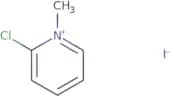
CAS:<p>2-Chloro-1-methylpyridinium iodide (2CMPI) is a water-soluble, colorless, and odorless substance that is used as an analytical reagent. 2CMPI reacts with amines and pyridines to form chloromethylpyridine and hydroxymethylpyridine respectively, which can be analyzed by FTIR spectroscopy. The sensitivity of this reaction is affected by the matrix, but can be increased by adding dibutyltin oxide or amide. 2CMPI has been shown to have physiological activities in some animal models of metabolic disorders such as diabetes mellitus.</p>Formula:C6H7ClINPurity:Min. 97 Area-%Color and Shape:Yellow PowderMolecular weight:255.48 g/mol2-(2,4-Difluorophenoxy)-2-methylpropanoic acid
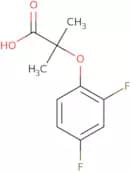
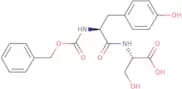
CAS:<p>2-(2,4-Difluorophenoxy)-2-methylpropanoic acid is a versatile building block that can be used in research and development of complex compounds. It has CAS No. 667413-00-5 and is classified as a fine chemical. 2-(2,4-Difluorophenoxy)-2-methylpropanoic acid can be used in the synthesis of useful scaffolds and reaction components. It is also a reagent for use in the synthesis of speciality chemicals. This compound has high quality and is an important intermediate for the production of other compounds.</p>Formula:C10H10F2O3Purity:Min. 95%Color and Shape:PowderMolecular weight:216.18 g/molZ-Tyr-Ser-OH
CAS:<p>Z-Tyr-Ser-OH is a fine chemical that is used as a versatile building block in the synthesis of complex compounds. It is also a useful intermediate for the production of many other chemicals, including pharmaceuticals, agrochemicals and research chemicals. The CAS number for Z-Tyr-Ser-OH is 20448-71-9. This compound has been shown to be a high quality reagent with many applications in research and commercial manufacturing.</p>Formula:C20H22N2O7Purity:Min. 95%Color and Shape:PowderMolecular weight:402.4 g/mol3-(3,4-Dihydroxyphenyl)-2-methyl-L-alanine sesquihydrate
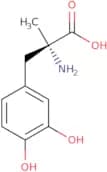
CAS:<p>3-(3,4-Dihydroxyphenyl)-2-methyl-L-alanine sesquihydrate is a biological sample that is an active inhibitor of the enzyme methyldopa. This compound has been shown to reduce blood pressure in rats and humans by blocking the α7 nicotinic acetylcholine receptor. 3-(3,4-Dihydroxyphenyl)-2-methyl-L-alanine sesquihydrate is also a polymer composition that has been shown to be toxic in animal studies. The toxicity of 3-(3,4-dihydroxyphenyl)-2-methyl-L-alanine sesquihydrate can be attributed to its structural similarity to methyldopa or its ability to act as a receptor agonist.</p>Formula:C10H13NO4•(H2O)1Purity:Min. 95%Molecular weight:238.24 g/mol2-(2-(2-Chloro-3-(2-(1,3 ,3-trimethylindolin-2-ylidene)ethylidene)cyclopent-1-enyl)vinyl)-1,3 ,3-trimethyl-3H-indolium4-methylbenzenesulfonate
CAS:<p>2-(2-(2-Chloro-3-(2-(1,3,3-trimethylindolin-2-ylidene)ethylidene)cyclopent-1-enyl)vinyl)-1,3,3-trimethyl-3H-indolium4-methylbenzenesulfonate is a fine chemical that belongs to the class of indole derivatives. It is a versatile building block for the synthesis of various compounds. 2-(2-(2-Chloro-3-(2-(1,3,3-trimethylindolin-2-ylidene)ethylidene)cyclopent-1 -enyl)vinyl)-1,3,3 -trimethyl - 3H - indolium4 - methylbenzenesulfonate can be used in the synthesis of organic compounds and other heterocyclic compounds. This compound can also be used as a reagent or special</p>Formula:C38H41ClN2O3SPurity:Min. 98 Area-%Color and Shape:PowderMolecular weight:641.26 g/molβ-(p-Methoxyphenyl)propionitrile
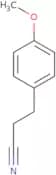
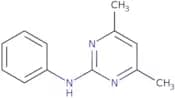
CAS:<p>The synthesis of beta-(p-methoxyphenyl)propionitrile is a sustainable process that can be carried out in the laboratory. The reaction requires no catalysts or solvents and can be completed within an hour, with yields of up to 99%. This compound can be used as a precursor for other organic compounds, such as pharmaceuticals.</p>Formula:C10H11NOPurity:Min. 95%Color and Shape:Clear LiquidMolecular weight:161.2 g/mol4,6-Dimethyl-N-phenylpyrimidin-2-amine
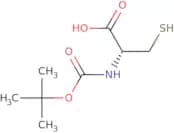
CAS:<p>4,6-Dimethyl-N-phenylpyrimidin-2-amine is a fungicide that is effective against the production of nitrite ion in the liver. It has been shown to be a potent inhibitor of hepatic steatosis. 4,6-Dimethyl-N-phenylpyrimidin-2-amine was also shown to have an inhibitory effect on the growth of fungal strains in vitro. This compound has been demonstrated to be active against a number of plant pathogens and may be useful in postharvest applications. 4,6-Dimethyl-N-phenylpyrimidin-2-amine interacts with the hippocampus formation and may play a role in preventing neurodegenerative diseases such as Alzheimer's disease or Parkinson's disease.</p>Formula:C12H13N3Purity:Min. 95%Color and Shape:PowderMolecular weight:199.25 g/molBoc-L-cysteine
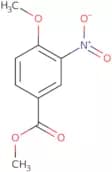
CAS:<p>Boc-L-cysteine is a precursor of L-cysteine, which is the rate-limiting amino acid in the production of glutathione. It is obtained by incubating L-cysteine with allyl bromide and hydrochloric acid. Boc-L-cysteine can be reversibly converted to its conjugate (Boc) and back again. The conversion from Boc to Boc-L-cysteine is catalyzed by an enzyme called fatty acid synthase. The conversion from Boc to L-cysteine is catalyzed by thiolase, which converts it to cystathionine. Analysis of this product can be done using magnetic resonance spectroscopy and chromatography.</p>Formula:C8H15NO4SPurity:Min. 95 Area-%Color and Shape:White PowderMolecular weight:221.28 g/mol4-Methoxy-3-nitrobenzoic acid methyl ester
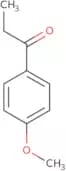
CAS:<p>4-Methoxy-3-nitrobenzoic acid methyl ester (4MNBM) is a potent antitumor agent that inhibits tumor cell proliferation by interfering with DNA replication. 4MNBM selectively binds to the nuclear magnetic resonance and has been shown to inhibit tumor growth in animal models. This drug also shows potent antitumor activity against solid tumor cells, which is due to its ability to induce conformational changes in the DNA of these cells. 4MNBM has been shown to be selective for tumor cells, which may be due to its lack of effect on the metabolism of normal tissue and its ability to bind to proteins in tumor cell nuclei.</p>Formula:C9H9NO5Purity:Min. 95%Color and Shape:Clear LiquidMolecular weight:211.17 g/mol4'-Methoxypropiophenone
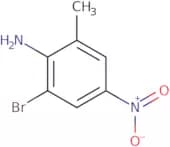
CAS:<p>4'-Methoxypropiophenone is an alkanoid compound. It has been shown to have anticancer activity and the ability to produce light emission. 4'-Methoxypropiophenone is a phosphotungstic acid (PTA) light-sensitive dye that can be used for detection of acidic compounds. The PTA dye binds to the analyte and produces an intense blue or green light when irradiated with UV or visible light. This process is called photoluminescence. 4'-Methoxypropiophenone has also been shown to have insecticidal properties, which may be due to its arylation reaction with proteins in the insect cell membrane. 4'-Methoxypropiophenone is often used as a model system for studying Friedel-Crafts reactions, which are chemical reactions that involve the addition of multiple molecules of an alkene across a double bond to form substituted aromatic compounds. In this case, one molecule of 4</p>Formula:C10H12O2Purity:Min. 98 Area-%Color and Shape:Colorless Slightly Yellow Clear LiquidMolecular weight:164.2 g/mol2-Bromo-6-methyl-4-nitroaniline
CAS:<p>2-Bromo-6-methyl-4-nitroaniline is a fine chemical that is used in the preparation of other chemicals and as a reagent. It can be used as an intermediate for organic synthesis, such as the conversion of 2-bromoindole to indoxyl, or as a building block for the preparation of more complex compounds. This chemical is also versatile in that it can be used in reactions with different reactants, including amines, carboxylic acids, thiols, and alcohols.</p>Formula:C7H7BrN2O2Purity:Min. 95%Color and Shape:PowderMolecular weight:231.05 g/mol



![[(4-Methylphenyl)sulfonyl]acetonitrile](/_next/image/?url=https%3A%2Fstatic.cymitquimica.com%2Fproducts%2F3D%2Fthumb-webp%2FFM58773.webp&w=3840&q=75)






![[(2-Methylimidazo[2,1-b][1,3,4]thiadiazol-6-yl)methyl]amine dihydrochloride](/_next/image/?url=https%3A%2Fstatic.cymitquimica.com%2Fproducts%2F3D%2Fthumb-webp%2FFM123820.webp&w=3840&q=75)
![6-Chloro-9-[[4-(diethylamino)-1-methylbutyl]amino]-2-methoxyacridine dihydrochloride](/_next/image/?url=https%3A%2Fstatic.cymitquimica.com%2Fproducts%2F3D%2Fthumb-webp%2FFC76313.webp&w=3840&q=75)