Amino Acids (AA)
Amino acids (AAs) are the fundamental building blocks of proteins, playing a crucial role in various biological processes. These organic compounds are essential for protein synthesis, metabolic pathways, and cell signaling. In this category, you will find a comprehensive range of amino acids, including essential, non-essential, and modified forms, which are vital for research in biochemistry, molecular biology, and nutritional sciences. At CymitQuimica, we provide high-quality amino acids to support your research and development needs, ensuring accuracy and reliability in your experimental outcomes.
Subcategories of "Amino Acids (AA)"
- Amino Acid Derivatives(3,955 products)
- Amino Acid and Amino Acid Related Compounds(3,472 products)
- Amino Acids with Oxygen or Sulphur(168 products)
- Boc- Amino Acids(351 products)
- Fmoc Amino Acids(1,710 products)
Found 38263 products of "Amino Acids (AA)"
Sort by
Purity (%)
0
100
|
0
|
50
|
90
|
95
|
100
5-Methoxysalicylic acid sodium
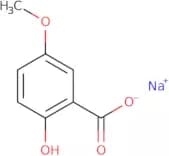
CAS:<p>5-Methoxysalicylic acid sodium (MSAS) is a drug that is used to treat intestinal ulcers. It is also used to reduce the viscosity of blood and as an adjuvant in the treatment of rheumatoid arthritis. The bioavailability of MSAS is increased when it is administered with cefmetazole, which enhances the absorption of this drug in the small intestine. MSAS has a hypoglycemic effect and can be used to treat high blood sugar levels. This drug binds to muscle cells and prevents their contraction, which can lead to relief from muscle pain or spasms. MSAS may also have a pharmacological effect on ligation, which occurs when tissue is cut off from its blood supply.</p>Formula:C8H7O4·NaPurity:Min. 95%Color and Shape:PowderMolecular weight:190.13 g/mol(3,4-Dehydro-Pro2·4)-Substance P
CAS:<p>Please enquire for more information about (3,4-Dehydro-Pro2·4)-Substance P including the price, delivery time and more detailed product information at the technical inquiry form on this page</p>Formula:C63H94N18O13SPurity:Min. 95%Molecular weight:1,343.6 g/molD-(+)-Phenyllactic acid
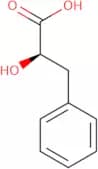
CAS:<p>D-(+)-phenyllactic acid is a pharmaceutical drug that is used to catalyze the asymmetric synthesis of chiral compounds. It is an enantiomer of L-phenyllactic acid, and it has been shown to be effective in the treatment of patients with breast cancer. D-(+)-phenyllactic acid can also be used to catalyze the formation of taxol, a clinical drug which has been shown to inhibit tumor growth. D-(+)-phenyllactic acid binds to the active site of catalase, an enzyme that breaks down hydrogen peroxide in cells. The reaction mechanism for catalysis by D-(+)-phenyllactic acid is not well understood, but it may involve monocarboxylic acids such as formic or acetic acids.</p>Formula:C9H10O3Purity:Min. 95%Color and Shape:White PowderMolecular weight:166.17 g/molL-Methionine [R]-sulfoximine
CAS:<p>L-Methionine [R]-sulfoximine is a molecule that has been isolated from the environment. It is an electron-deconvolution and paramagnetic resonance study of the molecule. The spectrum was obtained in the frequency range from 10 to 500 MHz, with a resolution of 0.03 ppm, and a sensitivity of 20 μT. L-Methionine [R]-sulfoximine is an imine nitrogen that can be coordinated by metal ions to form an iminium ion. This compound has two enantiomers, which are both shown in this study. L-Methionine [R]-sulfoximine is a synthetase that catalyzes the formation of the methylamino group and its amino nitrogen.</p>Formula:C5H12N2O3SPurity:Min. 95%Color and Shape:White to pale yellow solid.Molecular weight:180.23 g/molH-D-Glu(Gly-OH)-OH
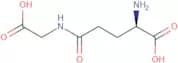
CAS:<p>H-D-Glu(Gly-OH)-OH is a peptide that is used to study the mechanism of glutamate receptors. It has been shown to have an excitatory effect on mouse hippocampal and cerebellar purkinje neurons, with affinity values for membrane channels. It also has been shown to reduce gamma-aminobutyric acid (GABA) levels in the hippocampus and striatum, which may be due to its ability to inhibit glutamic acid decarboxylase. H-D-Glu(Gly-OH)-OH is a potent antagonist of glutamate, binding competitively at the glutamate site on ionotropic receptors. It also inhibits acidic pH and calcium ion concentrations, which are necessary for ionotropic receptor activation.</p>Formula:C7H12N2O5Purity:Min. 98 Area-%Color and Shape:White PowderMolecular weight:204.18 g/mol4-(4-Phenoxyphenyl)butyric acid
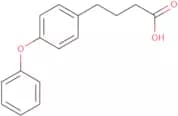
CAS:<p>4-(4-Phenoxyphenyl)butyric acid is a versatile building block that can be used in the synthesis of many different compounds. It has been used as a reaction component or intermediate in the synthesis of pharmaceuticals and agrochemicals, such as atorvastatin and methyltetrahydrofolate. 4-(4-Phenoxyphenyl)butyric acid is also used as a research chemical and has been shown to have antibacterial properties. This compound is soluble in water, making it easy to use in reactions with other reagents. 4-(4-Phenoxyphenyl)butyric acid is an important building block for many organic syntheses because it can be converted into a wide variety of useful compounds.</p>Formula:C16H16O3Purity:Min. 95%Color and Shape:PowderMolecular weight:256.3 g/mol4-Methoxybenzil
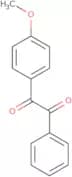
CAS:<p>4-Methoxybenzil is an activated diketone with a processable temperature range. It is a precursor to imidazoles and can be used for the manufacture of 4-methoxybenzaldehyde by reacting with sodium carbonate, in which an aldehyde group is added. The 4-methoxybenzaldehyde can then be reacted with oxone to form 4-methoxybenzil. This compound may also be used as a stabilizer or inhibitor in polyolefin production.</p>Formula:C15H12O3Purity:Min. 95%Color and Shape:PowderMolecular weight:240.25 g/molH-Glu-Val-OH
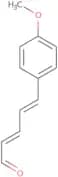
CAS:<p>H-Glu-Val-OH is a coordination complex that contains the metal scandium. It is used as a ligand to form complexes with other metals and organic molecules. This compound is also used in peptide synthesis and has been shown to have a strong interaction with nitrate, serine, and formiate. H-Glu-Val-OH is soluble in solutions such as water or formiate. The tripeptide Ser-Gly-Val can be formed from this compound by hydrolysis of the hydroxo group.</p>Formula:C10H18N2O5Purity:Min. 95 Area-%Color and Shape:PowderMolecular weight:246.26 g/mol4-Methoxycinnamylidene acetaldehyde
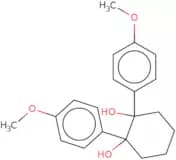
CAS:<p>4-Methoxycinnamylidene acetaldehyde is a versatile building block with a CAS number of 27394-81-6. It is used in the research and production of fine chemicals, pharmaceuticals, and high quality reagents. 4-Methoxycinnamylidene acetaldehyde can be used as a useful scaffold for the synthesis of complex compounds. This building block is also a useful intermediate in organic chemistry reactions.</p>Formula:C12H12O2Purity:Min. 95%Color and Shape:PowderMolecular weight:188.22 g/mol1,2-Bis-(4-methoxyphenylcyclohexan-1,2-diol)
CAS:<p>1,2-Bis-(4-methoxyphenylcyclohexan-1,2-diol) is a high quality reagent that is an important intermediate for the synthesis of complex compounds. It is also a useful building block in the synthesis of fine chemicals and speciality chemicals. This compound can be used as a versatile building block in the synthesis of various organic compounds. 1,2-Bis-(4-methoxyphenylcyclohexan-1,2-diol) is also a reaction component that can be used to synthesize pharmaceuticals and other research chemicals.</p>Formula:C20H24O4Purity:Min. 95%Molecular weight:328.4 g/mol4-Methoxy-2-methylbenzaldehyde
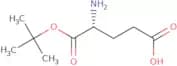
CAS:<p>4-Methoxy-2-methylbenzaldehyde (4MMBA) is a synthetic chemical that is used as an antifungal agent. It interacts with the cellular membranes of fungi and disrupts their ability to maintain homeostasis. 4MMBA inhibits the growth of invasive aspergillosis by inhibiting protein synthesis, which leads to cell death. The mechanism of action for 4MMBA is not well understood, but it has been shown to inhibit the growth of fungi in a model system. It also inhibits the production of pyrylium, which may be responsible for its activity against fungi.</p>Formula:C9H10O2Purity:90%Molecular weight:150.17 g/molH-D-Glu-OtBu
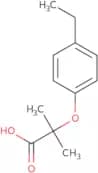
CAS:<p>H-D-Glu-OtBu is a fine chemical that is useful as a scaffold for the synthesis of complex compounds. It is used as a versatile building block in the preparation of research chemicals and speciality chemicals, and as an intermediate in the preparation of complex compounds. H-D-Glu-OtBu has been shown to be highly reactive and can be used in reactions involving metal salt or organic reagents. This compound is used as a reaction component, which can be produced by reacting acetyl chloride with D-glucamine. H-D-Glu-OtBu is also known by CAS No. 25456-76-2 and has a high quality purity level of 99%.</p>Formula:C9H17NO4Purity:Min. 95%Color and Shape:PowderMolecular weight:203.24 g/mol2-(4-Ethylphenoxy)-2-methylpropanoic acid
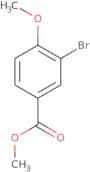
CAS:<p>2-(4-Ethylphenoxy)-2-methylpropanoic acid is a versatile building block that can be used as a reagent, speciality chemical, or useful intermediate for the synthesis of various compounds. It is also an important reaction component for the synthesis of 2-(4-ethylphenoxy)ethanol and 2-(4-ethylphenoxy)acetic acid. This compound has been identified by the Chemical Abstracts Service (CAS No. 17413-77-3).</p>Formula:C12H16O3Purity:Min. 95%Color and Shape:PowderMolecular weight:208.25 g/mol3-Bromo-4-methoxybenzoic acid methyl ester
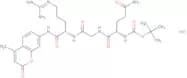
CAS:<p>3-Bromo-4-methoxybenzoic acid methyl ester is an isomer of 4-methoxybenzoic acid. It is a natural product that can be found in dihydroisoquinoline and in the ethyl formate oxidation products. There are two ways to synthesize this compound: by oxidation of diphenyl ethers or by hydrolysis of chloride acetaldehyde. 3-Bromo-4-methoxybenzoic acid methyl ester has been shown to have cellular toxicity against human cells and biphenyl.</p>Formula:C9H9BrO3Purity:Min. 95%Color and Shape:PowderMolecular weight:245.07 g/molBoc-Gln-Gly-Arg-AMC·HCl
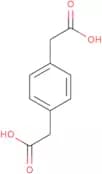
CAS:<p>Boc-Gln-Gly-Arg-AMC·HCl is a reagent that is used as a reaction component in the synthesis of peptides, antibiotics, and other complex compounds. Boc-Gln-Gly-Arg-AMC·HCl is also a useful scaffold for the synthesis of new fine chemicals. This chemical has a CAS number of 133448-21-2, and is classified as a speciality chemical and versatile building block. It can be used to synthesize various fine chemicals with high purity and quality.</p>Formula:C28H40N8O8·HClPurity:Min. 95%Color and Shape:PowderMolecular weight:653.13 g/mol1,4-Phenylenediacetic acid
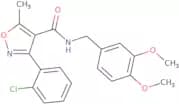
CAS:<p>1,4-Phenylenediacetic acid is an organic compound that has been used as a fungicide. It is an aromatic carboxylic acid that binds to the receptor site of the fungal cell wall and inhibits its growth. The molecule has a special coordination geometry with the hydrogen atom in the carboxylate group positioned close to one of the phenyl rings. This causes intramolecular hydrogen bonding interactions between the carboxylate group and the phenolic hydroxyl groups on adjacent molecules, which stabilizes it. 1,4-Phenylenediacetic acid also exhibits strong hydrogen bonding interactions with other molecules such as malonic acid due to its diphenyl ether group.</p>Formula:C10H10O4Purity:Min. 95%Color and Shape:PowderMolecular weight:194.18 g/molN-((3,4-dimethoxyphenyl)methyl)(3-(2-chlorophenyl)-5-methylisoxazol-4-yl)formamide
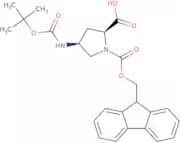
CAS:<p>Please enquire for more information about N-((3,4-dimethoxyphenyl)methyl)(3-(2-chlorophenyl)-5-methylisoxazol-4-yl)formamide including the price, delivery time and more detailed product information at the technical inquiry form on this page</p>Purity:Min. 95%Boc-(2S,4S)-4-amino-1-Fmoc-pyrrolidine-2-carboxylic acid
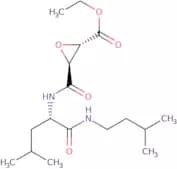
CAS:<p>Useful chiral building block</p>Formula:C25H28N2O6Purity:Min. 95%Molecular weight:452.5 g/mol(2S,3S)-trans-Epoxysuccinyl-L-leucylamido-3-methylbutane ethyl ester
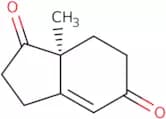
CAS:<p>Inhibitor of cathepsins</p>Formula:C17H30N2O5Purity:Min. 95%Color and Shape:PowderMolecular weight:342.43 g/mol(S)-(+)-5,6,7,8-Tetrahydro-8-methylindan-1,5-dione
CAS:<p>(S)-(+)-5,6,7,8-Tetrahydro-8-methylindan-1,5-dione is a chemical compound with a molecular formula of C9H14O2 that has the chemical name of methyl 8-(hydroxymethyl)indane-1,5-dione. This compound is an enantiopure substance that exists as a single stereoisomer and can be synthesized from two different starting materials. It is not commercially available but can be prepared from boronic acid and methanol or from methylamine and hydroxyacetone. The reaction time for this synthesis varies depending on the starting material used and the desired purity level. (S)-(+)-5,6,7,8-Tetrahydro-8-methylindan-1,5-dione is used in organic synthesis as an alternative to other chiral diols.</p>Formula:C10H12O2Purity:Min. 95%Color and Shape:White PowderMolecular weight:164.2 g/molFmoc-cis-1-amino-4-phenyl-cyclohexane carboxylic acid
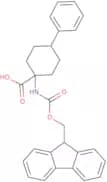
CAS:<p>Fmoc-cis-1-amino-4-phenyl-cyclohexane carboxylic acid is a fine chemical, useful building block, and research chemical. It is a versatile building block that can be used in the synthesis of complex compounds such as pharmaceuticals and agrochemicals. Fmoc-cis-1-amino-4-phenyl-cyclohexane carboxylic acid has been shown to react with various other compounds to form useful intermediates, which can be used to produce more complex molecules. This compound has also been shown to have reagent properties.</p>Formula:C28H27NO4Purity:Min. 95%Color and Shape:PowderMolecular weight:441.52 g/mol3-Phenyl-4,5-dihydroisoxazole-5-carboxylic acid
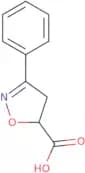
CAS:<p>3-Phenyl-4,5-dihydroisoxazole-5-carboxylic acid is a fine chemical that is used as a building block in the synthesis of other chemicals. This compound can be used in research and development as a reagent for organic synthesis or as an intermediate for the production of high quality, complex compounds. 3-Phenyl-4,5-dihydroisoxazole-5-carboxylic acid is also a versatile building block that can be used in reactions involving amines, alcohols, carboxylic acids, sulfonic acids, and nitriles. It could also be used as a scaffold molecule to create complex molecules with interesting properties.</p>Formula:C10H9NO3Purity:Min. 95 Area-%Color and Shape:PowderMolecular weight:191.18 g/mol2-Methoxycinnamic acid
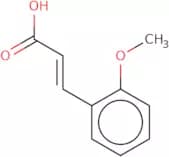
CAS:<p>2-Methoxycinnamic acid is a fine chemical that is used as a building block for research chemicals, pharmaceuticals, and other products. It is a versatile building block that can be used in the synthesis of complex compounds with diverse structures. 2-Methoxycinnamic acid is also an intermediate for the production of cinnamates, which are useful in the production of synthetic dyes.</p>Formula:C10H10O3Purity:Min. 95%Color and Shape:White PowderMolecular weight:178.18 g/mol(3-Methoxyphenyl)acetonitrile
CAS:<p>3-Methoxyphenylacetonitrile (3MPAN) is a small molecule that has been shown to inhibit the activity of kinases, which are enzymes that transfer phosphate groups from ATP onto other substrates. 3MPAN has been found to be selective for the estrogen receptor alpha (ERα), with little or no effect on ERβ, and shows promise as a potential drug for hormone-dependent breast cancer. It also inhibits fatty acid synthesis and is active against some viruses. 3MPAN binds to the enzyme's ATP binding site and blocks phosphorylation by preventing access of ATP. This prevents DNA synthesis and protein synthesis, leading to cell death.</p>Formula:C9H9NOPurity:Min. 95%Color and Shape:PowderMolecular weight:147.17 g/molTribenuron-methyl
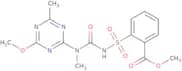
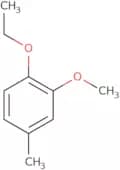
CAS:<p>Tribenuron-methyl is an herbicide that inhibits the activity of acetolactate synthase (ALS) in plants, which is an enzyme involved in the production of the branched-chain amino acid valine. Tribenuron-methyl has been shown to inhibit ALS activity in wheat and some resistant mutants of ALS are still inhibited by this herbicide. The synergic effect between tribenuron-methyl and other herbicides is also important for controlling weeds. Resistant mutants can be reduced using a dispersive solid-phase extraction method, which involves applying a liquid solvent to the soil, extracting water-soluble molecules from the soil, and then concentrating them on a solid phase such as silica gel. This extraction method was used to study the metabolism of herbicides in wheat plants.</p>Formula:C15H17N5O6SPurity:Min. 95%Color and Shape:PowderMolecular weight:395.39 g/mol4-Ethoxy-3-methoxytoluene
CAS:<p>4-Ethoxy-3-methoxytoluene is a fine chemical that has been used as a building block in the synthesis of other chemicals. It is also used as a research chemical and a reagent. 4-Ethoxy-3-methoxytoluene can be used to form various compounds with different functional groups. It can be used as an intermediate for the synthesis of drugs or polymers, or as a reaction component in organic reactions. The CAS number for 4-Ethoxy-3-methoxytoluene is 33963-27-8.</p>Formula:C10H14O2Purity:Min. 95%Color and Shape:PowderMolecular weight:166.22 g/molN-Methyldioctylamine
CAS:<p>N-Methyldioctylamine is a biodegradable, water soluble, and non-toxic chemical that can be used as an alternative to caustic soda for wastewater treatment. It removes organic matter from industrial effluents by breaking down long chain hydrocarbons into smaller fragments and reacts with the hydroxyl group of proteins to form hydroxylamines. N-Methyldioctylamine has been shown to inhibit protease activity in wild-type strains of bacteria, such as Escherichia coli and Pseudomonas aeruginosa. It also inhibits hematopoietic cells from developing into mature cells by disrupting the biochemical composition of their membranes. N-Methyldioctylamine is reactive with fatty acids and amines found in mammalian tissue samples. This compound can be used as a sample preparation agent or analytical reagent for caproic acid, which is used in process optimization applications.</p>Formula:C17H37NPurity:Min. 95%Color and Shape:Clear LiquidMolecular weight:255.48 g/mol(4-Methoxyphenyl)-(2,4,5-trimethoxybenzylidene)-amine
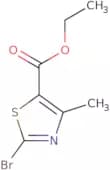
CAS:<p>4-Methoxyphenyl-(2,4,5-trimethoxybenzylidene)-amine is a chemical compound that is used as a research chemical and a building block for the synthesis of other chemicals. It has been shown to be useful as an intermediate in the synthesis of complex compounds. The product is typically used as a reaction component in organic chemistry. It can also be used as a reagent or as an additive to other chemicals. 4-Methoxyphenyl-(2,4,5-trimethoxybenzylidene)-amine is high quality and has many uses in research and industry.</p>Formula:C16H16BrNO3Purity:Min. 95%Molecular weight:350.21 g/molEthyl 2-bromo-4-methylthiazole-5-carboxylate
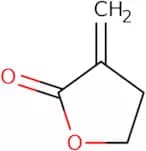
CAS:<p>Ethyl 2-bromo-4-methylthiazole-5-carboxylate is an organic compound that is used as a catalyst in the bromination of organic compounds. The brominating agent (Br) is bonded to the ethyl ester through its Br atom, which has a Lewis acidity greater than that of the methyl ester. This makes it a better electrophile and allows it to react with electron rich groups on other molecules more readily. Ethyl 2-bromo-4-methylthiazole-5-carboxylate can also be used as a brominating agent in the production of ethyl bromide from alcohols and phenols.</p>Formula:C7H8BrNO2SPurity:Min. 95%Molecular weight:250.11 g/molα-Methylene-γ-butyrolactone
CAS:<p>Alpha-methylene-gamma-butyrolactone (AMGBL) is a naturally occurring sesquiterpene lactone. It has been shown to have anticancer effects on solid tumours, such as those of the liver and lung. AMGBL is also used in the treatment of tuliposide-induced skin lesions. The biological activity of AMGBL is due to its ability to inhibit matrix metalloproteinase (MMP)-1 and -2 and to enhance the production of epidermal growth factor receptor (EGFR). AMGBL also binds to DNA at the hydroxyl group and can be used as an anti-aging agent.</p>Formula:C5H6O2Purity:Min. 95%Color and Shape:Clear LiquidMolecular weight:98.1 g/mol1,2-Dimyristoyl-rac-glycerol
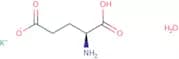
CAS:<p>1,2-Dimyristoyl-rac-glycerol (1,2-DMG) is a monomolecular fatty acid that has been found to inhibit the replication of herpes simplex virus. It binds to the surface glycoprotein and inhibits the release of diacylglycerol from the lipid membrane. 1,2-DMG also inhibits the activity of acyl chain enzymes, which are necessary for the synthesis of fatty acids in trypanosomes. This inhibition prevents the growth and proliferation of lung fibroblasts and may be beneficial in treating cancer. The ionisation mass spectrum shows that 1,2-DMG has a molecular weight of 270 Da. The binding affinity between 1,2-DMG and water is 9 x 10 M at room temperature.</p>Formula:C31H60O5Purity:Min. 90%Color and Shape:White PowderMolecular weight:512.81 g/molL-Glutamic acid monopotassium salt monohydrate
CAS:<p>Amino acid; neurotransmitter; flavor enhancer</p>Formula:C5H8KNO4·H2OColor and Shape:White PowderMolecular weight:203.23 g/mol2-(2-Butyl)-4-{4-[4-(4-methyloxy-phenyl)-piperazin-1-yl]-phenyl}-2,4-dihydro-[1,2,4]-triazol-3-one
CAS:<p>2-(2-Butyl)-4-{4-[4-(4-methyloxy-phenyl)-piperazin-1-yl]-phenyl}-2,4-dihydro-[1,2,4]-triazol-3-one (ITZ) is an antifungal drug that inhibits the synthesis of ergosterol. It is used in the treatment of systemic fungal infections such as candidiasis and cryptococcosis. ITZ is a metabolite of itraconazole and fluconazole. The presence of impurities in ITZ can be detected by liquid chromatography with a diode array detector or a fluorescence detector. An antiinfective drug product should be bioequivalent to the reference product and have comparable levels of impurities. Chromatograms are used to identify peaks on a graph and measure their height (area under the curve) to determine how much of each substance is present in the sample.</p>Formula:C23H29N5O2Purity:Min. 95%Color and Shape:White To Yellow SolidMolecular weight:407.51 g/mol3-Hydroxy-4-methoxyphenethylamine HCl
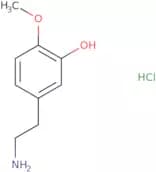
CAS:Controlled Product<p>3-Hydroxy-4-methoxyphenethylamine HCl is an amine that is found in plants. It has been shown to be a reactive compound with a carbonyl group and an amine group. 3-Hydroxy-4-methoxyphenethylamine HCl can act as a dopamine receptor agonist, causing the release of serotonin from neurons. This chemical also has anti-inflammatory properties and may be used to treat inflammatory diseases such as asthma. 3-Hydroxy-4-methoxyphenethylamine HCl may also have blood pressure lowering effects.</p>Formula:C9H14ClNO2Purity:Min. 95%Color and Shape:White to off-white solid.Molecular weight:203.67 g/molCbz-L-glutamine
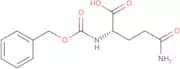
CAS:<p>Cbz-L-glutamine is a water soluble compound that is used in the synthesis of pomalidomide. It is synthesized through a stepwise amide formation from methylamine and ethylene diamine. Cbz-L-glutamine has been shown to have an inhibitory effect on cancer cells, which may be due to its ability to break down hydroxamic acids. This chemical reaction causes the release of hydrogen ions, which leads to the disruption of various cellular processes, such as DNA replication and protein synthesis. The uptake of Cbz-L-glutamine by cancer cells has been shown in tissue culture experiments.</p>Formula:C13H16N2O5Purity:Min. 95%Color and Shape:PowderMolecular weight:280.28 g/molAcetyl-L-tyrosine amide
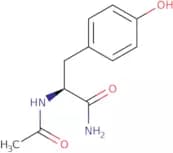
CAS:<p>Acetyl-L-tyrosine amide is an analog of L-tyrosine that is used as an active substance in the field of uv absorption. Acetyl-L-tyrosine amide reacts with sodium hydroxide to form a soluble salt, which has been shown to have binding constants that are comparable to those of human serum. This compound also has fluorescence properties and can be used for the determination of neutral pH. The reaction products formed between acetyl-L-tyrosine amide and sodium hydroxide are hydrolyzed by acids and yield a molecule with rotameric properties. These rotameric properties can be modeled using a protein model without affecting the stability or function of the protein.</p>Formula:C11H14N2O3Purity:Min. 95%Color and Shape:PowderMolecular weight:222.24 g/molH-Cys-Gly-OH
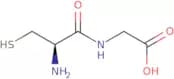
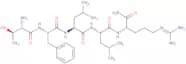
CAS:<p>H-Cys-Gly-OH is a cyclic peptide that has potent antitumor activity. It was synthesized from glutathione and cysteine, which are naturally occurring amino acids in the human body. The mechanism of action of H-Cys-Gly-OH is not well understood, but it may be due to its ability to bind to α1-acid glycoprotein and other proteins in the blood. The compound also has a redox potential, fluorescence spectra, and structural analysis that can be used for identification purposes. This molecule is stable at acid pH and is easily soluble in water or organic solvents. H-Cys-Gly-OH can be analyzed by titration calorimetry or cyclic voltammetry methods.</p>Formula:C5H10N2O3SPurity:Min. 95%Molecular weight:178.21 g/molH-Thr-Phe-Leu-Leu-Arg-NH2
CAS:<p>H-Thr-Phe-Leu-Leu-Arg-NH2 is a peptide that has been shown to reduce the severity of lung inflammation and injury in rats with pulmonary hypertension. It also prevents the release of proinflammatory cytokines such as tumor necrosis factor alpha (TNFα) and interleukin 6 (IL6). This peptide also induces an antibody response against collagen gel, which is used to treat fibrotic diseases and wounds. The peptide binds to the soybean trypsin inhibitor, preventing it from inhibiting protease enzymes, thereby allowing for protein synthesis. H-Thr-Phe-Leu-Leu-Arg-NH2 has been shown to have antiapoptotic effects by restoring mitochondrial membrane potential in cancer cells. This peptide can be used as a therapeutic agent for various diseases including primary pulmonary hypertension, cancer tissues, and mitochondrial disorders.</p>Formula:C31H53N9O6Purity:Min. 95%Color and Shape:White PowderMolecular weight:647.81 g/molFmoc-L-tert-leucine
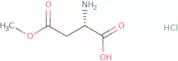
CAS:<p>Fmoc-L-tert-leucine is an amide that is used for the treatment of prostate cancer. Fmoc-L-tert-leucine has been shown to be effective in treating resistant prostate cancer cells in vivo, and it has been shown to inhibit the growth of prostate cancer cells in vitro. This drug also has a diagnostic effect on prostate cancer cells. The uptake of this drug by prostate cancer cells is dependent on the presence of caspase-9, which may be due to its ability to inhibit apoptosis.</p>Formula:C21H23NO4Purity:Min. 95%Color and Shape:White PowderMolecular weight:353.41 g/molL-Aspartic acid b-methyl ester hydrochloride
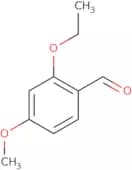
CAS:<p>L-Aspartic acid b-methyl ester hydrochloride is a high quality, versatile building block that can be used as a reaction component in the synthesis of complex compounds. L-Aspartic acid b-methyl ester hydrochloride is a useful scaffold for the preparation of novel fine chemicals and research chemicals with potential uses as pharmaceuticals, pesticides, and agricultural chemicals. It can also be used as an intermediate in the preparation of some natural products or industrial chemicals. L-Aspartic acid b-methyl ester hydrochloride has a CAS number of 16856-13-6.</p>Formula:C5H9NO4·HClColor and Shape:White PowderMolecular weight:183.59 g/mol2-Ethoxy-4-methoxybenzaldehyde
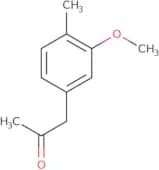
CAS:<p>2-Ethoxy-4-methoxybenzaldehyde is a volatile compound that has been shown to have medicinal properties. It is used to analyze the presence of alcohols and aldehydes in various products. The sensitivity of this compound was optimized by using an analytical method that involved solid phase microextraction (SPME) followed by gas chromatography (GC). The carcinogenicity of this compound was determined by exposing it to rats in a 2 year study, which showed no evidence of carcinogenicity. This compound can also be used as a phenolic or microextraction reagent for the headspace analysis of volatile compounds.</p>Formula:C10H12O3Purity:Min. 95%Color and Shape:PowderMolecular weight:180.2 g/mol3-Methoxy-4-methylphenylacetone
CAS:<p>3-Methoxy-4-methylphenylacetone is a reagent that can be used as a useful intermediate for the synthesis of complex organic compounds. It is soluble in water, but insoluble in most organic solvents. 3-Methoxy-4-methylphenylacetone is also a fine chemical with CAS No. 51814-28-9 and has been shown to be an effective building block for synthetic chemistry. It is used in the synthesis of speciality chemicals and research chemicals, such as pharmaceuticals and agrochemicals. This compound can be used as a versatile building block in many reactions and has been shown to react with epoxide, nitrile, amine, thioether, amide, alcohols, carboxylic acids or esters.</p>Formula:C11H14O2Purity:Min. 95%Color and Shape:PowderMolecular weight:178.23 g/molO-Benzyl-L-threonine
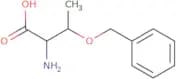
CAS:<p>O-Benzyl-L-threonine is a polymer that can be used to treat inflammatory diseases. It is an ionic polymer that reacts with calcium carbonate and forms nanosized architectures. O-Benzyl-L-threonine has been shown to cause the disassembly of inflammatory cells and induce cell death through necrosis factor. This polymer has been shown to have an optimal reaction when combined with a target cell in the presence of calcium carbonate. The phenolic group on the threonine molecule is responsible for this reaction's success.</p>Formula:C11H15NO3Purity:Min. 95%Color and Shape:White To Off-White SolidMolecular weight:209.24 g/molH-Phe-Trp-NH2·HCl
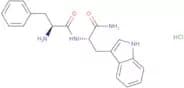
CAS:<p>H-Phe-Trp-NH2·HCl is a chemical reagent that is used as a reaction component in organic synthesis. H-Phe-Trp-NH2·HCl is a versatile building block, useful intermediate, and useful scaffold for the synthesis of complex compounds. It has been shown to be a fine chemical with high quality and high purity. CAS No. 38678-69-2.</p>Formula:C20H22N4O2•HClPurity:Min. 95%Color and Shape:SolidMolecular weight:386.88 g/molAc-Gly-Lys-OMe acetate
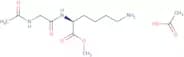
CAS:Controlled Product<p>Ac-Gly-Lys-OMe acetate salt is a reactive chemical compound that is used in the synthesis of peptides. This salt is synthesized by reacting glycine with lysine and formaldehyde. Ac-Gly-Lys-OMe acetate salt has been shown to have hemolytic activity and can be used as a synthetic substrate for kinetic studies. It has also been found to activate complement, which may be due to its disulfide bond formation. Ac-Gly-Lys-OMe acetate salt has been shown to inhibit fibrinogen and nitrosylation, which may result in thrombotic disorders.</p>Formula:C11H21N3O4•C2H4O2Purity:Min. 95%Color and Shape:PowderMolecular weight:319.35 g/molCopper glycine
CAS:<p>Copper glycine is a complex enzyme that contains molybdenum, nitrogen and fatty acid. It is a metal chelate that binds to copper ions and prevents the oxidation of fatty acids. The complex has been shown to inhibit the activity of many different enzymes, including those from group P2 (e.g., pyruvate formate lyase) and nutrient solutions. Copper glycine has also been implicated in antimicrobial peptide synthesis.</p>Formula:C4H8N2O4CuPurity:Min. 95%Color and Shape:PowderMolecular weight:211.66 g/mol2-Chloro-5-methoxyaniline hydrochloride
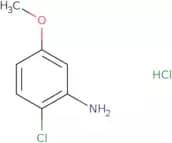
CAS:<p>2-Chloro-5-methoxyaniline hydrochloride is an intercalating agent that is used in the treatment of cancer. It binds to DNA and causes a breakage of the hydrogen bonds between the two strands, which leads to cell death. The 2-Chloro-5-methoxyaniline hydrochloride molecule has affinity for lactams, which are sugar molecules found in cell walls of bacteria, fungi, and plants. This compound can be metabolized by lactamase enzymes that are found in cancer cells and other cells. The metabolized products are fluorescent, which allows them to be detected by fluorescence microscopy. 2-Chloro-5-methoxyaniline hydrochloride has been shown to inhibit the growth of lung cancer cells and leukemia cells by interfering with their ability to synthesize DNA and RNA.</p>Formula:C7H8ClNO•HClPurity:Min. 95%Color and Shape:PowderMolecular weight:194.06 g/molN-{[(4-Methyl-2-oxo-2H-chromen-7-yl)oxy]acetyl}glycine
CAS:<p>N-{[(4-Methyl-2-oxo-2H-chromen-7-yl)oxy]acetyl}glycine is a versatile building block that can be used as a research chemical or reagent. This compound is a useful scaffold for complex compounds and can be used in the synthesis of other compounds. N-[(4-methyl-2,7-dioxo)-2H chromen-7-yl] acetyl glycine has been shown to be an effective intermediate in organic synthesis, due to its reactivity and high quality. This molecule is a fine chemical that can be used as a building block for speciality chemicals such as pharmaceuticals, agrochemicals, dyes, and plastics. It has also been shown to have antiinflammatory activities.</p>Formula:C14H13NO6Purity:Min. 95%Color and Shape:PowderMolecular weight:291.26 g/mol2-Amino-N-[2-(5-methoxy-1H-indol-3-yl)ethyl]acetamide hydrochloride
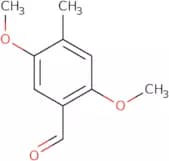
CAS:<p>2-Amino-N-[2-(5-methoxy-1H-indol-3-yl)ethyl]acetamide hydrochloride is a magnetic compound that has been shown to be an effective cancer antigen. It is a derivative of the amino acid sequence of α,β-unsaturated fatty acids and can be used as a dietary supplement. 2-Amino-N-[2-(5-methoxy-1H-indol-3-yl)ethyl]acetamide hydrochloride has been shown to bind to fatty acid receptors on the surface of antigen presenting cells (APCs). It also activates the immune system by activating APCs, which leads to the production of cytokines and chemokines. This compound has also been shown to stimulate T cells in culture, leading to activation and proliferation of tumor cells.</p>Formula:C13H17N3O2·HClPurity:Min. 95%Color and Shape:PowderMolecular weight:283.75 g/mol2,5-Dimethoxy-4-methylbenzaldehyde
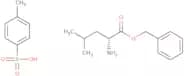
CAS:<p>2,5-Dimethoxy-4-methylbenzaldehyde is a bioactive chemical that has been shown to have anticancer activity. It has been shown to be an effective inhibitor of cancer cell growth in vitro and in vivo. 2,5-Dimethoxy-4-methylbenzaldehyde has also been shown to inhibit the formation of fatty acids and improve the uptake of glucose by cancer cells. This compound is a metabolite of the amino acid methionine and is used as a marker for mesenchymal cells. The structure of 2,5-dimethoxy-4-methylbenzaldehyde consists of two methoxy groups connected with an aliphatic chain consisting of one or more carbon atoms. This functional group may provide the anticancer activity through radical scavenging activities.</p>Formula:C10H12O3Purity:Min. 95%Color and Shape:Off-White PowderMolecular weight:180.2 g/molD-Leucine benzyl ester 4-toluenesulfonate salt
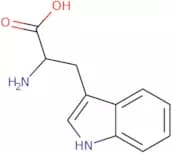
CAS:<p>D-Leucine benzyl ester 4-toluenesulfonate salt is a versatile building block for the synthesis of complex compounds. It can be used as a reagent or a speciality chemical in research, and has been shown to be useful as a reaction component. D-Leucine benzyl ester 4-toluenesulfonate salt is also a useful scaffold for the synthesis of higher quality products. The CAS number for this product is 17664-93-6.</p>Formula:C13H19NO2·C7H8O3SPurity:Min. 95%Color and Shape:PowderMolecular weight:393.5 g/molDL-Tryptophan
CAS:<p>DL-Tryptophan is an amino acid that is a precursor to serotonin, niacin and melatonin. It is a substrate for the enzyme indoleamine 2,3-dioxygenase (IDO) and has been shown to inhibit the production of inflammatory cytokines such as IL-6 and TNF-α. DL-Tryptophan has been used in the treatment of depression, anxiety, sleep disorders, eating disorders, fibromyalgia and chronic fatigue syndrome. This amino acid has also been shown to increase muscle mass in rats by increasing protein synthesis. DL-Tryptophan can be found in crystalline cellulose or as a solution with pH 7.5 at room temperature. The optimum concentration for DL-tryptophan is 10mM with a reaction time of 3 hours at 37 degrees Celsius. The fluorescence detector is used to measure the amount of light emitted from the reaction solution when it is excited by 350 nm light.<br>DL</p>Formula:C11H12N2O2Purity:Min. 95%Color and Shape:White PowderMolecular weight:204.23 g/molHO-PEG10-OH
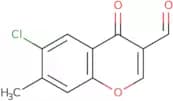
CAS:<p>HO-PEG10-OH is a glycol ether that is used as a surfactant in the formulation of intravenous lipid emulsions. It is also used in chromatographic analysis and is capable of reducing the redox potential of biological samples. HO-PEG10-OH has been shown to have pharmacokinetic properties and to be effective against inflammation. HO-PEG10-OH has been shown to inhibit hepcidin, an important regulator of iron metabolism, which may explain its antiinflammatory activity.</p>Formula:C20H42O11Purity:Min. 95%Color and Shape:Colourless To Pale Yellow Clear LiquidMolecular weight:458.54 g/mol6-Chloro-7-methyl-3-formylchromone
CAS:<p>6-Chloro-7-methyl-3-formylchromone is a magnetic nanoparticle that can be used in the detection of coordination compounds. The coordination compound is first reduced to form the corresponding phosphoryl complex, which is then detected by the change in color and intensity of the magnetic nanoparticles. This reaction is linear over a wide range of concentrations and pH values and does not require additional reagents or solvents. The colorimetric method for this reaction has been shown to be effective for detecting ursolic acid, zirconium, gold nanoparticles, and linear ranges.br>br><br>The phosphatase PTP1B enzyme is responsible for regulating glucose levels in cells. It has been shown that 6-chloro-7-methyl-3-formylchromone inhibits PTP1B activity by dephosphorylation at cysteine residues. This inhibition leads to increased glucose uptake and decreased insulin release from pancreatic beta cells</p>Formula:C11H7ClO3Purity:Min. 95%Color and Shape:PowderMolecular weight:222.62 g/mol3-Methyl-1-cyclopentadecanone
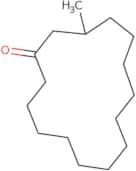
CAS:<p>3-Methyl-1-cyclopentadecanone is a chemical compound with the molecular formula C10H18O. It has an optimum concentration of 0.08% and phase transition temperature of -83 degrees Celsius. The pro-apoptotic protein, Bax, is activated by 3-methyl-1-cyclopentadecanone in mammalian cells, inducing apoptosis. This compound also inhibits the activity of enzymes such as lipoxygenase and cyclooxygenase, which are involved in inflammation. 3-Methyl-1-cyclopentadecanone has been shown to be effective against cancer tissues and neuronal death in rats. 3MCTD has been shown to inhibit polymerase chain reaction (PCR) amplification of DNA from rhizoma gastrodiae, a traditional Chinese herbal medicine for the treatment of myocardial infarcts.</p>Formula:C16H30OPurity:Min. 95%Color and Shape:Clear LiquidMolecular weight:238.41 g/mol2-(4-Methylphenyl)ethanol
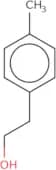
CAS:<p>2-(4-Methylphenyl)ethanol is a chemical compound that is used as a solvent. It is also used in the synthesis of 2-hydroxyphenylacetic acid, an intermediate in the synthesis of 4-methylbenzoic acid and 4-methylphenol. The toxicologic properties of 2-(4-methylphenyl)ethanol are not well known. However, it has been shown to inhibit tyrosinase activity and stimulate melanogenesis in rats. The chemical structure of 2-(4-methylphenyl)ethanol consists of two functional groups: a phenyl group with a methyl substitution and an alcohol group. The molecular formula for this compound is C9H12O2, which indicates that it contains one carbon atom, nine hydrogen atoms, one oxygen atom, and two hydrogens. This compound has been studied by nuclear magnetic resonance spectroscopy (NMR).</p>Formula:C9H12OPurity:Min. 95%Color and Shape:Clear LiquidMolecular weight:136.19 g/mol3-Methyl-5-pyrrolidin-2-ylisoxazole
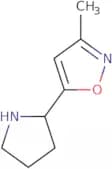
CAS:<p>Please enquire for more information about 3-Methyl-5-pyrrolidin-2-ylisoxazole including the price, delivery time and more detailed product information at the technical inquiry form on this page</p>Formula:C8H12N2OPurity:Min. 95%Molecular weight:152.19 g/mol3-Cysteinylacetaminophen trifluoroacetic acid salt
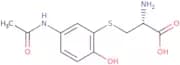
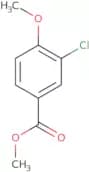
CAS:<p>Acetaminophen is a common pain reliever and fever reducer. It is available over-the-counter in many countries. Acetaminophen is a member of the class of drugs known as analgesic, antipyretic, and anti-inflammatory drugs (APAP). The drug has been shown to be effective for acute pain relief, but not for chronic pain. Acetaminophen has also been found to be an effective analgesic when taken at high doses (above 1000 mg per day) for more than one week. In vivo studies have shown that acetaminophen inhibits mitochondrial membrane potential in hk-2 cells and cd-1 mice. This inhibition leads to apoptosis and cell death. Acetaminophen is not associated with serious side effects when used at the recommended dose, although it can lead to liver damage if taken in large quantities or on a prolonged basis.</p>Formula:C11H14N2O4S·xC2HO2F3Purity:(%) Min. 95%Color and Shape:Brown PowderMolecular weight:270.31 g/mol3-Chloro-4-methoxybenzoic acid methyl ester
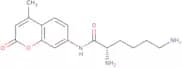
CAS:<p>3-Chloro-4-methoxybenzoic acid methyl ester is a potent antiproliferative agent that inhibits the growth of cancer cells and bacteria. It is an amide, which has been synthesized by equilibration between two equivalents of 3-chlorobenzoic acid and methylamine. The copulatory proton profile for this compound has been determined using liquid chromatography with mass spectrometry detection (LCMS). This compound is also a weak inhibitor of tyrosine kinases, but is more potent as an inhibitor of protein kinase C. Sorafenib and dasatinib are examples of compounds that have been shown to be linked to this drug. 3-Chloro-4-methoxybenzoic acid methyl ester can induce the production of TNF-α in thp-1 cells at micromolar concentrations.</p>Formula:C9H9ClO3Purity:Min. 95%Color and Shape:PowderMolecular weight:200.62 g/molH-Lys-AMC
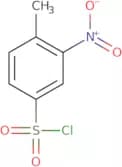
CAS:<p>H-Lys-AMC is a proteolytic enzyme preparation that was originally isolated from the bacterium Staphylococcus epidermidis. It is active against a wide range of bacteria, including Staphylococcus aureus, and has been shown to inhibit the growth of these bacteria in vitro. Carboxypeptidase activity has been demonstrated using an ion-exchange chromatography technique on S. epidermidis culture supernatants. H-Lys-AMC has also been shown to have antibiotic sensitivity against many strains of bacteria, including S. epidermidis and staphylococci.</p>Formula:C16H21N3O3Purity:Min. 95%Color and Shape:SolidMolecular weight:303.36 g/mol4-Methyl-3-nitrobenzenesulfonyl chloride
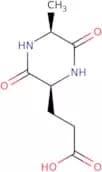
CAS:<p>4-Methyl-3-nitrobenzenesulfonyl chloride (4MNBS) is a fungicide that inhibits the growth of fungi, such as Plasmodiophora brassicae, by inhibiting the enzyme dehydrogenase. 4MNBS has also been shown to inhibit mammalian pyridine nucleotide dehydrogenase and to have low toxicity in mammals. 4MNBS has been found to be an inhibitor of human cytochrome P450 isoforms CYP1A2, CYP2B6, and CYP3A4 with IC50 values ranging from 10 μM to 100 μM. 4MNBS was also shown to be a potent inhibitor of chloroplast dehydrogenases from cruciferous plants with IC50 values between 0.1 μM and 100 nM. This compound has low phytotoxicity and does not accumulate in the leaves of cruciferous plants at a concentration of 500 ppm or higher.</p>Formula:C7H6ClNO4SPurity:Min. 95%Molecular weight:235.65 g/molCyclo(-L-Ala-L-Glu)
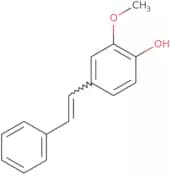
CAS:<p>Cyclo(-L-Ala-L-Glu) is a versatile building block that belongs to the class of complex compounds. It can be used as a reagent, speciality chemical, or useful building block in organic synthesis. Cyclo(-L-Ala-L-Glu) has been shown to participate in a wide range of reactions, including condensation, esterification, and oxidation. Cyclo(-L-Ala-L-Glu) also has interesting properties that make it useful as an intermediate for the synthesis of other compounds. Cyclo(-L-Ala-L-Glu) can be heated with a strong acid such as nitric acid to produce cyclopropane derivatives. The high quality and usefulness of Cyclo(-L-Ala-L-Glu) makes it an excellent scaffold for synthetic chemistry.</p>Formula:C8H12N2O4Purity:Min. 95%Color and Shape:PowderMolecular weight:200.19 g/mol4-Hydroxy-3-methoxystilbene
CAS:<p>4-Hydroxy-3-methoxystilbene is a natural phenolic compound found in plants. It is an olefinic peroxide that is unreactive and pressurized under normal conditions. It has been isolated from the leaves of the plant, Stilbocarpa erythrophylla, which grows in the tropical forests of Malaysia. The structure of 4-hydroxy-3-methoxystilbene was determined by chromatographic analysis and hydrogen peroxide plates. Phase chromatography was used to separate 4-hydroxy-3-methoxystilbene from other compounds with similar structures, such as acetylated flavonoids or hydroxylated flavonoids. The melting point of 4-hydroxy-3-methoxystilbene was determined by temperature measurements, and its ultraviolet spectrophotometry was used to detect the presence of a hydroxyl group in its chemical structure.</p>Formula:C15H14O2Purity:Min. 95%Color and Shape:PowderMolecular weight:226.27 g/molBoc-L-4-Aminophenylalanine
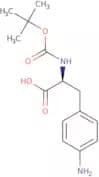
CAS:<p>Boc-L-4-Aminophenylalanine is an amino acid that has been shown to be synthesized by cancer cells in breast cancer cell lines, and can also be conjugated with anticancer drugs. It has been shown to have a high affinity for cancer cells. Boc-L-4-Aminophenylalanine is a substrate for L type amino acid transporters and can be used for the treatment of breast cancer. This compound may also be useful in the treatment of other cancers due to its ability to inhibit the uptake of endogenous amino acids.</p>Formula:C14H20N2O4Purity:Min. 97 Area-%Color and Shape:White PowderMolecular weight:280.32 g/molb-Chloro-L-alanine hydrochloride
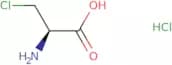
CAS:<p>b-Chloro-L-alanine hydrochloride (BCA) is a synthetic compound that has been shown to have anticarcinogenic and antioxidant effects. It can be produced by the hydrogen peroxide-dependent oxidation of b-chloroalanine. BCA's effect on cancer cells is attributed to its ability to inhibit the synthesis of sulfoxides, which are needed for the biosynthesis of pyrimidine nucleotides. BCA also inhibits oxidative stress by scavenging free radicals and reactive oxygen species. This product has been shown to be effective in treating Aeropyrum pernix infections, which are caused by a type of anaerobic bacteria with a metabolic pathway that includes sulfide oxidation.</p>Formula:C3H6NO2Cl·HClPurity:Min. 95%Color and Shape:White PowderMolecular weight:160 g/molLY2112688 trifluoroacetate
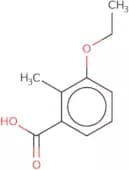
CAS:<p>Please enquire for more information about LY2112688 trifluoroacetate including the price, delivery time and more detailed product information at the technical inquiry form on this page</p>Formula:C51H70N18O11S2•(C2HF3O2)xPurity:Min. 95%Color and Shape:PowderMolecular weight:1,175.35 g/mol3-Ethoxy-2-methylbenzoic acid - 90%
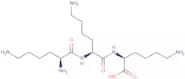
CAS:<p>3-Ethoxy-2-methylbenzoic acid is a white solid that is soluble in organic solvents. It has a molecular weight of 192.3 and an empirical formula of C9H11O3. 3-Ethoxy-2-methylbenzoic acid can be used as a building block for diverse chemical reactions and processes, including the synthesis of pharmaceuticals, pesticides, and other fine chemicals. This compound is also used as a research chemical, reaction component, or speciality chemical in various experiments and projects. 3-Ethoxy-2-methylbenzoic acid provides high quality reagents to scientists for use in research.br>br></p>Formula:C10H12O3Purity:Min. 95%Color and Shape:PowderMolecular weight:180.2 g/molPoly-L-lysine hydrobromide - M.W:1000-5000
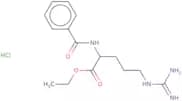
CAS:<p>Poly-L-lysine hydrobromide is a polymer that consists of repeating lysine monomers. It has a molecular weight range of 1000 to 5000 Daltons. Poly-L-lysine hydrobromide is used for intramolecular hydrogen bonding, which increases its resistance to thermal and kinetic energy. Poly-L-lysine hydrobromide is also used in the structural analysis of proteins, because it can be easily purified from human serum by dialysis. This polymer has been shown to be effective against carcinoma cell lines, amide bonds, terminal residues, and ester linkages. There is also evidence that poly-L-lysine hydrobromide may have anticancer properties in vitro and in vivo.<br>Poly-L-lysine hydrobromide has been shown to have antiangiogenic properties due to its ability to block the interaction between tumor cells and endothelial cells. This can lead to tumor regression and decreased metastasis</p>Formula:(C6H12N2O2)n•(HBr)xPurity:Min. 95%Color and Shape:White PowderN-α-Benzoyl-L-arginine ethyl ester hydrochloride
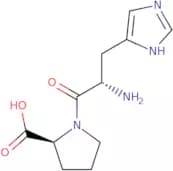
CAS:<p>Benzoyl-L-arginine ethyl ester hydrochloride is a white or beige crystalline solid with a melting point of 85°C. It is soluble in water and ethanol. It has been used as a reagent, speciality chemical, and reaction component for the synthesis of complex compounds. Benzoyl-L-arginine ethyl ester hydrochloride is used as a building block in the synthesis of an intermediate, which is then used to create scaffold drugs.</p>Formula:C15H23ClN4O3Purity:Min. 98 Area-%Color and Shape:White PowderMolecular weight:342.82 g/molH-His-Pro-OH
CAS:<p>H-His-Pro-OH is a nucleotide that is synthesized from the precursor His-Pro by the enzyme histidine kinase and phosphotransferase. H-His-Pro-OH is a substrate for ribonucleotide reductase, which catalyzes the conversion of H-His-Pro to deoxyadenosine monophosphate (dAMP). The enzyme adenyl cyclase catalyzes the conversion of dAMP to cyclic AMP (cAMP) and guanylate cyclase catalyzes the conversion of GTP to cGMP. These reactions are important in regulating cellular physiology. H-His-Pro has been shown to have an hypoglycemic effect when administered with insulin in experimental models, suggesting it may be useful for treating metabolic disorders such as diabetes mellitus.</p>Formula:C11H16N4O3Purity:Min. 95%Molecular weight:252.27 g/molH-Orn-AMC hydrochloride salt
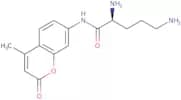
CAS:<p>H-Orn-AMC hydrochloride salt is a white solid with a melting point of about 150°C. It is used as a reactant in the manufacture of pharmaceuticals, research chemicals and other speciality chemicals. H-Orn-AMC hydrochloride salt is also an intermediate for the synthesis of complex compounds, useful as building blocks for chemical synthesis, and can be used as a reagent in analytical chemistry.</p>Formula:C15H20ClN3O3Purity:Min. 98 Area-%Color and Shape:PowderMolecular weight:325.79 g/mol4-(Dimethylamino)-4-phenylcyclohexan-1-one
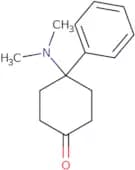
CAS:Controlled Product<p>Dimethylphencyclidine is a potent analgesic with high affinity for opioid receptors. It is an agonist at the μ-opioid receptor and κ-opioid receptor. Dimethylphencyclidine may also act as a nociceptive agent and has been shown to modulate pain in animals. This drug has also been shown to be neuropathic, as it inhibits the development of chronic constriction injury (CCI) in rats by reducing the formation of reactive oxygen species and increasing the expression of brain-derived neurotrophic factor (BDNF). Dimethylphencyclidine has undergone clinical trials for the treatment of neuropathic pain and is currently in phase II clinical development.<br>The pharmacological properties of dimethylphencyclidine are due to its ability to act on opioid receptors and other neurotransmitter systems, including serotonin, dopamine, acetylcholine, glutamate, and glycine. The chemical name for this drug is 4-(Dimethylamino)-4-phen</p>Formula:C14H19NOPurity:Min. 95%Molecular weight:217.31 g/molLaricitrin-3,5'-di-O-glucoside
<p>Laricitrin-3,5'-di-O-glucoside is an organic compound that can be used as a research chemical. Laricitrin-3,5'-di-O-glucoside is a building block for the synthesis of other compounds and has been used in the synthesis of novel antibiotics. This compound is also a useful intermediate in the production of 3,6-dihydroxychalcone.</p>Formula:C28H32O18Purity:Min. 95%Molecular weight:656.54 g/mol5-(2,2,3-Trimethyl-3-cyclopentenyl)-3-methyl-pentan-2-ol
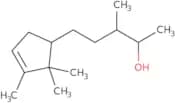
CAS:<p>5-(2,2,3-Trimethyl-3-cyclopentenyl)-3-methyl-pentan-2-ol (5MMPP) is a natural product that has been identified as an inhibitor of human immunodeficiency virus (HIV) replication. 5MMPP inhibits the formation of farnesyl diphosphate (FPP), which is essential for the production of protein kinase C and other cellular processes. This compound also blocks the HIV co-receptor CCR5, reducing the ability of HIV to latch onto cells. 5MMPP also has shown chemotactic activity against leukemia cells and skin cells in vitro, which may be due to its ability to stimulate growth factor release.</p>Formula:C14H26OPurity:Min. 95%Color and Shape:Colorless PowderMolecular weight:210.36 g/molN-[(1-Methyl-1H-indol-3-yl)methyl]cyclohexanamine
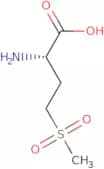
CAS:Controlled Product<p>Please enquire for more information about N-[(1-Methyl-1H-indol-3-yl)methyl]cyclohexanamine including the price, delivery time and more detailed product information at the technical inquiry form on this page</p>Formula:C16H22N2Purity:Min. 95%Molecular weight:242.36 g/molL-Methionine sulfone
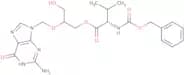
CAS:<p>L-Methionine sulfone is an enzyme substrate that is a potent antagonist of glutamate, the α subunit of aspartate aminotransferase, and proteolytic enzymes. L-Methionine sulfone inhibits protein synthesis by competitively inhibiting uptake of methionine into the cell. This compound has been shown to have inhibitory properties in tissue culture assays and also has potent antagonistic effects on glutamate, the α subunit of aspartate aminotransferase, and proteolytic enzymes. L-Methionine sulfone inhibits protein synthesis by competitively inhibiting uptake of methionine into the cell. This compound has been shown to have inhibitory properties in tissue culture assays and also has potent antagonistic effects on glutamate, the α subunit of aspartate aminotransferase, and proteolytic enzymes.</p>Formula:C5H11NO4SPurity:Min. 95%Molecular weight:181.21 g/molN-Cbz-L-valinyl-ganciclovir
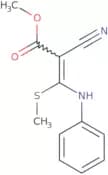
CAS:<p>N-Cbz-L-valinyl-ganciclovir is a prodrug of ganciclovir. It is synthesized by reacting the amino acid L-valine with the nucleoside analogue ganciclovir in an organic solvent. The product can be purified by filtration and crystallizing using hydrochloric acid and then recrystallized from a mixture of chloroform and trimethylsulfonium chloride. N-Cbz-L-valinyl-ganciclovir is more stable than ganciclovir, which has been shown to be degraded by urea hydrolase. This product can also be recycled after it has been used.</p>Formula:C22H28N6O7Purity:Min. 97 Area-%Color and Shape:PowderMolecular weight:488.49 g/molmethyl 2-nitrilo-3-methylthio-3-(phenylamino)prop-2-enoate
CAS:<p>Please enquire for more information about methyl 2-nitrilo-3-methylthio-3-(phenylamino)prop-2-enoate including the price, delivery time and more detailed product information at the technical inquiry form on this page</p>Purity:Min. 95%L-Alanine-β-naphthylamide
CAS:<p>L-alanine-β-naphthylamide is an amino acid that is synthesized by the action of β-Naphtholactamase on l-alanine. It is used as a substrate for enzyme studies and to determine the uptake of substances by cells. L-Alanine-β-naphthylamide has been shown to inhibit the activity of some enzymes, such as aminopeptidases and peptidases. The inhibition may be due to its ability to bind to lysine residues in the active site of these enzymes. This amino acid also inhibits the growth of bacteria at neutral pH and has a bacteriostatic effect at a pH range from 4.5 to 5.5.</p>Formula:C13H14N2OPurity:Min. 95%Color and Shape:PowderMolecular weight:214.26 g/mol1-(3-Methylphenyl)ethanol
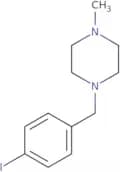
CAS:<p>1-(3-Methylphenyl)ethanol is an organic compound that has a hydroxyl group, homochiral carbonyl group, and aromatic hydrocarbon. It is a product of the catalysed reaction between a hydroxyl compound and an alkyne molecule. The reaction mechanism begins with the formation of an imine intermediate. This intermediate then undergoes a double displacement to form the desired product and regenerate the catalyst. 1-(3-Methylphenyl)ethanol can be used as a building block for other organic compounds, such as epoxides or esters.</p>Formula:C9H12OPurity:Min. 95%Color and Shape:Clear LiquidMolecular weight:136.19 g/mol1-(4-Iodobenzyl)-4-methylpiperazine
CAS:Controlled Product<p>1-(4-Iodobenzyl)-4-methylpiperazine is a chemical compound that is used as a building block for the synthesis of other organic compounds. It is also a reagent for organic synthesis and can be used to prepare high-quality research chemicals. 1-(4-Iodobenzyl)-4-methylpiperazine has many applications, including use as a versatile building block and a reaction component in the preparation of complex compounds. This chemical compound has CAS No. 102294-97-3 and can be found under the name <br>"1-(4-iodobenzyl)piperazine".</p>Formula:C12H17IN2Purity:Min. 95%Color and Shape:PowderMolecular weight:316.18 g/mol8-Methoxy-2-methyl-2,3,4,5-tetrahydro-1H-pyrido[4,3-b]indole
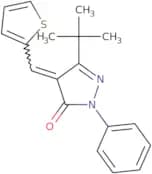
CAS:<p>8-Methoxy-2-methyl-2,3,4,5-tetrahydro-1H-pyrido[4,3-b]indole is a versatile building block that can be used as a reagent or speciality chemical. It has been used in research and development of pharmaceuticals and as a useful intermediate for the synthesis of other compounds. 8-Methoxy-2-methyl-2,3,4,5-tetrahydro-1H-pyrido[4,3-b]indole is an important reaction component for the synthesis of many types of compounds such as indoles, coumarins, and quinazolinones.</p>Formula:C13H16N2OPurity:Min. 95%Color and Shape:PowderMolecular weight:216.28 g/mol3-(tert-butyl)-1-phenyl-4-(2-thienylmethylene)-2-pyrazolin-5-one
CAS:<p>Please enquire for more information about 3-(tert-butyl)-1-phenyl-4-(2-thienylmethylene)-2-pyrazolin-5-one including the price, delivery time and more detailed product information at the technical inquiry form on this page</p>Purity:Min. 95%2-[N-[(3,5-Difluorophenyl)carbamoylamino]-C-methylcarbonimidoyl]pyridine-3-carboxylic acid
CAS:<p>2-[N-[(3,5-Difluorophenyl)carbamoylamino]-C-methylcarbonimidoyl]pyridine-3-carboxylic acid (2FPC) is a potent herbicide that inhibits the fatty acid synthase enzyme and blocks cellular energy production. Fatty acid synthase is an important enzyme in the synthesis of essential fatty acids and this inhibition can lead to a number of health complications. 2FPC also inhibits epidermal growth factor receptor (EGFR) and glucocorticoid receptors, which can lead to autoimmune diseases. The compound has been shown to produce neurotoxic effects in animals and humans, including optical sensor activation and cation channel modulation.<br>2FPC is used as a herbicide to control weeds such as knapweed. It is also used as an anti-inflammatory agent in the treatment of rheumatoid arthritis.</p>Formula:C15H12F2N4O3Purity:Min. 97 Area-%Color and Shape:PowderMolecular weight:334.28 g/moltrans-2-Methyl-1,3-pentadiene
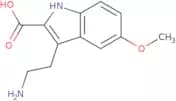
CAS:<p>Trans-2-methyl-1,3-pentadiene is a polymerized molecule that is derived from the β-unsaturated ketone. It has a molecular weight of 132.14 g/mol and an isolated yield of 10%. Trans-2-methyl-1,3-pentadiene has been shown to undergo cationic polymerization with lithium aluminum hydride (LAH) as the catalyst to form polymers. The two isomers are cis and trans and have different energy requirements for activation. This reaction can be done at room temperature in THF using potassium tetrachloroplatinate (KPtCl) as a catalyst. Trans-2-methyl-1,3 pentadiene can also be used for size exclusion chromatography in water or organic solvents such as cyclohexane or hexane.</p>Formula:C6H10Purity:90%MinMolecular weight:82.14 g/mol3-(2-Aminoethyl)-5-methoxy-1H-indole-2-carboxylic acid
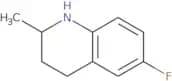
CAS:<p>3-(2-Aminoethyl)-5-methoxy-1H-indole-2-carboxylic acid is a fine chemical that is used as a building block for research chemicals, reagents, and specialty chemicals. It has the CAS No. 52648-13-2. 3-(2-Aminoethyl)-5-methoxy-1H-indole-2-carboxylic acid is also a versatile building block for synthesis of complex compounds with high quality and is a reaction component in many reactions. This compound can serve as an intermediate or scaffold in chemical synthesis.</p>Formula:C12H14N2O3Purity:Min. 95%Color and Shape:White PowderMolecular weight:234.25 g/mol6-Fluoro-1,2,3,4-tetrahydro-2-methylquinoline
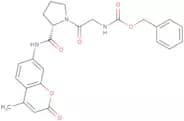
CAS:<p>6-Fluoro-1,2,3,4-tetrahydro-2-methylquinoline is an organocatalytic fluorine compound that has been investigated as a fluoroquinolone antibiotic. It is an enantiopure compound and has been shown to be effective in the treatment of bacterial infections. 6-Fluoro-1,2,3,4-tetrahydro-2-methylquinoline inhibits bacterial growth by binding to DNA gyrase and topoisomerase IV. 6FLMQ is a chiral molecule with two possible configurations (R or S), which can be determined from x-ray crystallography. The S configuration is more potent than the R configuration. 6FLMQ also binds with chloride ions to form a cationic complex that can be used for antibacterial activity against Gram negative bacteria such as Escherichia coli and Pseudomonas aeruginosa.<br>6FLMQ has</p>Formula:C10H12FNPurity:Min. 95%Color and Shape:PowderMolecular weight:165.21 g/molZ-Gly-Pro-AMC
CAS:<p>Z-Gly-Pro-AMC is a substrate molecule that mimics the natural substrate of dipeptidyl peptidase IV (DPP-IV) and is used in the study of plant physiology. It has been shown to inhibit DPP-IV activity by binding to the enzyme’s active site, preventing it from cleaving biologically active peptides. This drug also has an antidiabetic effect, which may be due to its ability to inhibit α-amylase activity. Z-Gly-Pro-AMC also has been shown to increase locomotor activity and reduce body weight in rats with metabolic disorders. Z-Gly-Pro-AMC inhibits serine proteases, such as trypsin, chymotrypsin, elastase, and cathepsin G, which are involved in tumor progression.</p>Formula:C25H25N3O6Purity:Min. 98%Color and Shape:White PowderMolecular weight:463.48 g/mol(2RS)-2-[3-(2-Methylpropyl)phenyl] propanoic acid
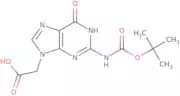
CAS:<p>(2RS)-2-[3-(2-Methylpropyl)phenyl] propanoic acid is the active ingredient in a pharmaceutical preparation that is used to treat urinary tract infections. The active substance can be contaminated with impurities such as chloride, sodium carbonate, or diluent substances during production. This product has been studied by chromatographic science and has been found to be an effective treatment for diseases of the urinary tract. It is also available as a pharmaceutical preparation for use in other fields of medicine. The active substance is often used as a sample pretreatment before ionisation mass spectrometry analysis. This product is typically diluted with hydrochloric acid before being injected into the chromatographic column for purification.</p>Formula:C13H18O2Purity:Min. 95%Color and Shape:Clear LiquidMolecular weight:206.28 g/molN2-Boc-guanine-9-acetic acid
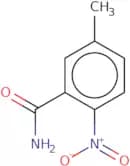
CAS:<p>N2-Boc-guanine-9-acetic acid is a versatile building block that is used as a reagent, speciality chemical and intermediate in the synthesis of complex compounds. It has shown high quality, high purity and usefulness as an intermediate in the synthesis of organic molecules. This compound can be used to generate large quantities of guanine derivatives which are important building blocks for many types of research chemicals. N2-Boc-guanine-9-acetic acid is also useful as a reaction component or scaffold in organic syntheses.</p>Formula:C12H15N5O5Purity:Min. 95 Area-%Color and Shape:White Off-White PowderMolecular weight:309.28 g/mol5-Methyl-2-nitrobenzamide
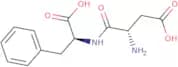
CAS:<p>5-Methyl-2-nitrobenzamide is a compound that has antiproliferative activity and is used as an anticancer drug. This drug inhibits the polymerization of the protein tubulin in cancer cells, thereby inhibiting cell division. It also inhibits the growth of certain tumor cell lines in vitro. 5-Methyl-2-nitrobenzamide was found to inhibit the proliferation of human ovarian carcinoma cells by binding to DNA, preventing transcription and replication of genetic information. In addition, this agent binds to tubulin and prevents its polymerization, leading to inhibition of cell division.</p>Formula:C8H8N2O3Purity:Min. 95%Color and Shape:PowderMolecular weight:180.16 g/molH-Asp-Phe-OH
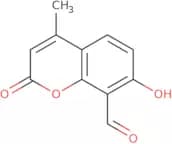
CAS:<p>H-Asp-Phe-OH is a diagnostic agent that contains the amino acid aspartame and a hydroxyl group. It is hydrolyzed in the body to form aspartic acid, phenylalanine, and methanol. The methyl ester of H-Asp-Phe-OH is hydrochloride. This compound has been used to study locomotor activity in mice and rats. Aspartame has also been shown to be an inhibitor of certain enzymes, such as fatty acid synthase, which is associated with human pathogens. The lc-ms/ms method has been used to detect H-Asp-Phe-OH metabolites in human serum samples. In addition, this compound can be used for the diagnosis of diseases such as diabetes mellitus type 2 and Alzheimer’s disease by measuring uptake into cells at enzyme activities.</p>Formula:C13H16N2O5Purity:Min. 95%Color and Shape:White PowderMolecular weight:280.28 g/mol7-Hydroxy-4-methyl-2-oxo-2H-chromene-8-carbaldehyde
CAS:<p>7-Hydroxy-4-methyl-2-oxo-2H-chromene-8-carbaldehyde is an activated molecule that exhibits significant cytotoxicity to human liver cancer cells. It inhibits the mitochondrial membrane potential, leading to the release of cytochrome c and apoptosis induction. 7HMOCA has been shown to be a reactive molecule with benzimidazole derivative properties. This compound depletes cellular glutathione levels and increases intracellular reactive oxygen species (ROS) levels, which leads to DNA fragmentation, cell cycle arrest, and ultimately apoptosis induction when combined with other agents. The fluorescence properties of this molecule have enabled its detection in living cells without the need for additional reagents or labeling.</p>Formula:C11H8O4Purity:Min. 95 Area-%Color and Shape:White PowderMolecular weight:204.18 g/molMethyl 3-amino-6-methylthieno[2,3-b]pyridine-2-carboxylate
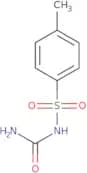
CAS:<p>Please enquire for more information about Methyl 3-amino-6-methylthieno[2,3-b]pyridine-2-carboxylate including the price, delivery time and more detailed product information at the technical inquiry form on this page</p>Formula:C10H10N2O2SPurity:Min. 95%Molecular weight:222.27 g/mol4-Methylphenylsulfonylurea
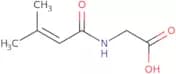
CAS:<p>4-Methylphenylsulfonylurea is a synthetic drug substance with pressor effects. It is used in the manufacture of calcium carbonate, and as an intermediate for industrial chemicals and environmental pollutants. 4-Methylphenylsulfonylurea has been shown to be carcinogenic in vivo in animal bioassays. It also negatively impacts the immune system by inhibiting the production of natural killer cells, lymphocytes, and cytokines. This chemical may cause cancer or affect your immune system.</p>Formula:C8H10N2O3SPurity:Min. 95%Color and Shape:SolidMolecular weight:214.24 g/mol3-Methylcrotonyl glycine
CAS:<p>3-Methylcrotonyl glycine is a metabolite of carnitine that has been shown to be an effective marker for detection of creatine kinase (CK) deficiency in patients with infantile mitochondrial encephalomyopathy. 3-Methylcrotonyl glycine is used for the diagnosis of metabolic disorders such as fatty acid oxidation defects, enzyme deficiencies, and inherited metabolic disorders. 3-Methylcrotonyl glycine can be used for the diagnosis of various symptoms including muscle weakness, fatigue, developmental delay, and seizures in children. The sensitivity of 3-methylcrotonyl glycine as a biomarker can be increased by using gas chromatography coupled with mass spectrometry.</p>Formula:C7H11NO3Purity:Min. 95%Color and Shape:PowderMolecular weight:157.17 g/mol7,8,9,10-Tetrahydro-8-(trifluoroacetyl)-6,10-methano-6H-pyrazino[2,3-h][3]benzazepine
CAS:<p>7,8,9,10-Tetrahydro-8-(trifluoroacetyl)-6,10-methano-6H-pyrazino[2,3-h][3]benzazepine is a chemical compound that is used as a reagent in the synthesis of other compounds. It is an intermediate for the production of fine chemicals and useful scaffolds. This compound has been shown to be a versatile building block for a variety of reactions. 7,8,9,10-Tetrahydro-8-(trifluoroacetyl)-6,10-methano-6H-pyrazino[2,3-h][3]benzazepine also has CAS number 230615-70-0 and can be found on the Chemical Abstracts Service Registry Number.</p>Formula:C15H12F3N3OPurity:Min. 98 Area-%Color and Shape:Slightly Yellow PowderMolecular weight:307.27 g/mol2-Methyl-1,2-benzisothiazolin-3-one
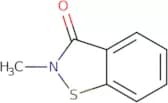
CAS:<p>2-Methyl-1,2-benzisothiazolin-3-one (MBIT) is a water soluble microbiocide which is active against bacteria, yeasts and moulds and has potential applications as a preservative in paints, sealants and coatings. Similar compounds (BIT, MIT) have found use as preservatives in detergents and cleaning products due to their relative stability in solution and compatibility with enzymes.</p>Formula:C8H7NOSPurity:Min. 96 Area-%Color and Shape:White Off-White PowderMolecular weight:165.21 g/mol2,6-Dimethoxy-4-methylphenol
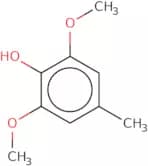
CAS:<p>2,6-dimethoxy-4-methylphenol is a synthetic chemical with potential use as an insecticide. It is a cholinesterase inhibitor that inhibits the action of acetylcholinesterase, an enzyme that breaks down acetylcholine, which is a neurotransmitter important for cognitive function and muscle control. 2,6-dimethoxy-4-methylphenol has been shown to be toxic to insects in a sensitivity test and has also shown some toxicity to rats when administered orally at high doses. This chemical has been shown to inhibit the production of fatty acids in plants and can be used as a potential insecticide for human food crops.</p>Formula:C9H12O3Purity:Min. 97.0%Color and Shape:White Yellow PowderMolecular weight:168.19 g/mol4-Methylbenzenesulfonyl azide - 11-15 % (w/w) in Toluene
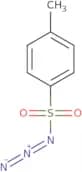
CAS:<p>4-Methylbenzenesulfonyl azide is a natural compound that is used to synthesize coumarin derivatives. It has been shown that the reaction of 4-methylbenzenesulfonyl azide with a tosyl group leads to an asymmetric synthesis. 4-Methylbenzenesulfonyl azide has also been shown to have antiinflammatory activity in cell studies, which may be due to its inhibition of fatty acid synthase and the reduction of the redox potentials. This compound belongs to the group p2, dimethyl fumarate.</p>Formula:C7H7N3O2SPurity:Min. 98 Area-%Color and Shape:Clear LiquidMolecular weight:197.22 g/mol


![L-Methionine [R]-sulfoximine](/_next/image/?url=https%3A%2Fstatic.cymitquimica.com%2Fproducts%2F3D%2Fthumb-webp%2FFM25157.webp&w=3840&q=75)





![2-(2-Butyl)-4-{4-[4-(4-methyloxy-phenyl)-piperazin-1-yl]-phenyl}-2,4-dihydro-[1,2,4]-triazol-3-one](/_next/image/?url=https%3A%2Fstatic.cymitquimica.com%2Fproducts%2F3D%2Fthumb-webp%2FFB19470.webp&w=3840&q=75)


![N-{[(4-Methyl-2-oxo-2H-chromen-7-yl)oxy]acetyl}glycine](/_next/image/?url=https%3A%2Fstatic.cymitquimica.com%2Fproducts%2F3D%2Fthumb-webp%2FFM124445.webp&w=3840&q=75)
![2-Amino-N-[2-(5-methoxy-1H-indol-3-yl)ethyl]acetamide hydrochloride](/_next/image/?url=https%3A%2Fstatic.cymitquimica.com%2Fproducts%2F3D%2Fthumb-webp%2FFA116384.webp&w=3840&q=75)

![N-[(1-Methyl-1H-indol-3-yl)methyl]cyclohexanamine](/_next/image/?url=https%3A%2Fstatic.cymitquimica.com%2Fproducts%2F3D%2Fthumb-webp%2FFM128410.webp&w=3840&q=75)


![8-Methoxy-2-methyl-2,3,4,5-tetrahydro-1H-pyrido[4,3-b]indole](/_next/image/?url=https%3A%2Fstatic.cymitquimica.com%2Fproducts%2F3D%2Fthumb-webp%2FFM117858.webp&w=3840&q=75)
![2-[N-[(3,5-Difluorophenyl)carbamoylamino]-C-methylcarbonimidoyl]pyridine-3-carboxylic acid](/_next/image/?url=https%3A%2Fstatic.cymitquimica.com%2Fproducts%2F3D%2Fthumb-webp%2FFD101726.webp&w=3840&q=75)

![(2RS)-2-[3-(2-Methylpropyl)phenyl] propanoic acid](/_next/image/?url=https%3A%2Fstatic.cymitquimica.com%2Fproducts%2F3D%2Fthumb-webp%2FFM15851.webp&w=3840&q=75)
![Methyl 3-amino-6-methylthieno[2,3-b]pyridine-2-carboxylate](/_next/image/?url=https%3A%2Fstatic.cymitquimica.com%2Fproducts%2F3D%2Fthumb-webp%2FFM142163.webp&w=3840&q=75)
![7,8,9,10-Tetrahydro-8-(trifluoroacetyl)-6,10-methano-6H-pyrazino[2,3-h][3]benzazepine](/_next/image/?url=https%3A%2Fstatic.cymitquimica.com%2Fproducts%2F3D%2Fthumb-webp%2FFT11986.webp&w=3840&q=75)