Amino Acids (AA)
Amino acids (AAs) are the fundamental building blocks of proteins, playing a crucial role in various biological processes. These organic compounds are essential for protein synthesis, metabolic pathways, and cell signaling. In this category, you will find a comprehensive range of amino acids, including essential, non-essential, and modified forms, which are vital for research in biochemistry, molecular biology, and nutritional sciences. At CymitQuimica, we provide high-quality amino acids to support your research and development needs, ensuring accuracy and reliability in your experimental outcomes.
Subcategories of "Amino Acids (AA)"
- Amino Acid Derivatives(3,955 products)
- Amino Acid and Amino Acid Related Compounds(3,465 products)
- Amino Acids with Oxygen or Sulphur(168 products)
- Boc- Amino Acids(351 products)
- Fmoc Amino Acids(1,710 products)
Found 38248 products of "Amino Acids (AA)"
Sort by
Purity (%)
0
100
|
0
|
50
|
90
|
95
|
100
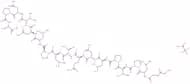
Kisspeptin-54 (27-54) (human) trifluoroacetate salt
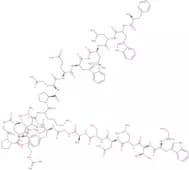
CAS:<p>Please enquire for more information about Kisspeptin-54 (27-54) (human) trifluoroacetate salt including the price, delivery time and more detailed product information at the technical inquiry form on this page</p>Formula:C149H226N42O39Purity:Min. 95%Molecular weight:3,229.65 g/mol(Gly21)-Amyloid b-Protein (1-40) trifluoroacetate salt
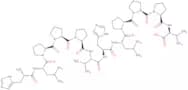
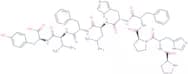
CAS:<p>Please enquire for more information about (Gly21)-Amyloid b-Protein (1-40) trifluoroacetate salt including the price, delivery time and more detailed product information at the technical inquiry form on this page</p>Formula:C193H293N53O58SPurity:Min. 95%Molecular weight:4,315.78 g/molH-Pro-His-Pro-Phe-His-Leu-Phe-Val-Tyr-OH
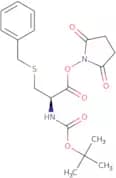
CAS:<p>Please enquire for more information about H-Pro-His-Pro-Phe-His-Leu-Phe-Val-Tyr-OH including the price, delivery time and more detailed product information at the technical inquiry form on this page</p>Formula:C60H77N13O11Purity:Min. 95%Molecular weight:1,156.33 g/molBoc-Cys(Bzl)-OSu
CAS:<p>Boc-Cys(Bzl)-OSu is a prodrug that is metabolized by esterases to form the active compound, boc-Cys(Bzl)-OH. This molecule inhibits matrix metalloproteinase (MMP) activity and can be used for the treatment of viral infections, such as hepatitis C and HIV. Boc-Cys(Bzl)-OSu has been shown to inhibit MMPs in a number of different ways including steric interactions with the active site of MMPs and by binding to the receptor protein for these enzymes. It also has antiviral activity against HIV and other viruses.</p>Formula:C19H24N2O6SPurity:Min. 95%Molecular weight:408.47 g/molHel 13-5 trifluoroacetate salt
CAS:Controlled Product<p>Hel 13-5 trifluoroacetate salt H-Lys-Leu-Leu-Lys-Leu-Leu-Leu-Lys-Leu-Trp-Leu-Lys-Leu-Leu-Lys-Leu-Leu<br>Hel 13 is a ternary anionic surfactant consisting of a helix and three head groups. The head groups are Lys, Leu, and Leu. Each of these three head groups have a hydrophilic polar group and two lipophilic chains. It is typically used as a surfactant in the pulmonary system to help maintain lung function. When Hel 13 is used in the pulmonary system, it helps to keep the alveoli open so that air can be exchanged with blood. Hel 13 also has been shown to reduce surface tension at high pressures and temperatures, which could potentially be used for industrial purposes such as oil drilling or nuclear power plants.</p>Formula:C113H204N24O19Purity:Min. 95%Molecular weight:2,202.98 g/molNeuropeptide S (1-10) (human) trifluoroacetate salt
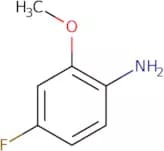
CAS:<p>Please enquire for more information about Neuropeptide S (1-10) (human) trifluoroacetate salt including the price, delivery time and more detailed product information at the technical inquiry form on this page</p>Formula:C42H68N14O14SPurity:Min. 95%Molecular weight:1,025.14 g/mol4-Fluoro-2-methoxyaniline
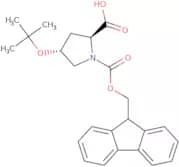
CAS:<p>4-Fluoro-2-methoxyaniline is an inhibitor of tyrosine kinase. It is a molecule that has been isolated from the ground leaves of erythroxylon coca and is used in the treatment of diabetes mellitus. 4-Fluoro-2-methoxyaniline inhibits the growth factor receptor, epidermal growth factor (EGF), and its receptor, EGF receptor. This inhibition leads to decreased proliferation of epidermal cells and decreased insulin production by pancreatic beta cells. 4-Fluoro-2-methoxyaniline also has antioxidant properties, which may be due to its ability to scavenge free radicals.</p>Formula:C7H8FNOPurity:Min. 95%Color and Shape:Light Brown To Brown LiquidMolecular weight:141.14 g/molFmoc-O-tert-butyl-L-trans-4-hydroxyproline
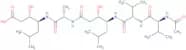
CAS:<p>Fmoc-O-tert-butyl-L-trans-4-hydroxyproline is a synthetic, cleavable peptide that can be used as a biomaterial. It is synthesized by coupling Fmoc-O-(tert-butoxycarbonyl)-L-trans(4R)-hydroxyproline with the amino acid N,N'-diisopropylcarbodiimide and 4-(dimethylamino)pyridine in a microwave reactor. The peptide has been shown to inhibit the enzyme matrix metalloproteinase 9 (MMP9), which plays an important role in tumor cell invasion and metastasis. This compound also has the ability to form conjugates with other molecules, such as lipopeptides, which may improve its therapeutic potential.</p>Formula:C24H27NO5Purity:Min. 98 Area-%Color and Shape:White PowderMolecular weight:409.47 g/molAcetyl-Pepstatin Ac-Val-Val-Sta-Ala-Sta-OH
CAS:<p>Acetyl-Pepstatin is a protein data inhibitor that binds to the active site of enzymes, inhibiting their function. Acetyl-pepstatin has been shown to inhibit cathepsin D, chymotrypsin, and trypsin. It also inhibits the activity of proteases in the stomach and intestinal tract. Acetyl-Pepstatin is used as an anti-inflammatory drug for the treatment of chronic obstructive pulmonary disease (COPD) and congestive heart failure (CHF). The inhibition of these enzymes reduces inflammation by preventing the activation of inflammatory cytokines. It also prevents collagen from being degraded by proteases, which leads to decreased degradation of cartilage by chondrocytes. This drug's mechanism is similar to that of acetylsalicylic acid (aspirin), in that it inhibits prostaglandin synthesis.br></p>Formula:C31H57N5O9Purity:Min. 95%Molecular weight:643.81 g/molFibrinopeptide B (human) trifluoroacetate salt
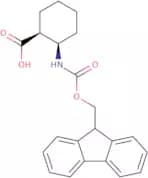
CAS:<p>Fibrinopeptide B is a fibrinogen-derived peptide that has shown to inhibit the growth of HL-60 cells. It may be active as a receptor antagonist for thrombin and caproic acid. Fibrinopeptide B also inhibits angiogenesis by inhibiting the binding of acidic, basic proteins to the vascular endothelium in atherosclerotic lesions. The biological sample can be obtained from human serum or plasma.</p>Formula:C66H93N19O25Purity:Min. 95%Molecular weight:1,552.56 g/mol(1S,2R)-Fmoc-aminocyclohexane carboxylic acid
CAS:<p>Please enquire for more information about (1S,2R)-Fmoc-aminocyclohexane carboxylic acid including the price, delivery time and more detailed product information at the technical inquiry form on this page</p>Formula:C22H23NO4Purity:Min. 95%Molecular weight:365.42 g/molPreptin (rat) trifluoroacetate salt
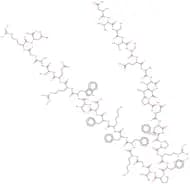
CAS:<p>Please enquire for more information about Preptin (rat) trifluoroacetate salt including the price, delivery time and more detailed product information at the technical inquiry form on this page</p>Formula:C181H268N48O51Purity:Min. 95%Molecular weight:3,932.36 g/mol(p-Chloro-D-Phe6,Leu17)-VIP (human, mouse, rat) trifluoroacetate salt
CAS:<p>VIP is a potent vasoactive neuropeptide that is found in the heart, brain, and gut. It has been shown to be a potent inhibitor of guanethidine-induced contractions in the femoral vein, as well as atrial contractions. VIP also inhibits spontaneous contractions in the fundic region of the stomach and intestinal motility. VIP has been shown to inhibit vasoactive intestinal polypeptide-induced contractions in isolated rat ileum. VIP is expressed primarily in the enteric nervous system and throughout the gastrointestinal tract.</p>Formula:C148H239ClN44O42Purity:Min. 95%Molecular weight:3,342.21 g/molH-Met-D-Met-OH
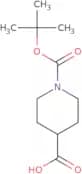
CAS:<p>Please enquire for more information about H-Met-D-Met-OH including the price, delivery time and more detailed product information at the technical inquiry form on this page</p>Formula:C10H20N2O3S2Purity:Min. 95%Molecular weight:280.41 g/molN-Boc-isonipecotic acid
CAS:<p>N-Boc-isonipecotic acid is a potent antitumor agent that has been clinically shown to be effective against leukemia and lymphoma. It has potent antibacterial activity against Gram-positive bacteria such as Staphylococcus aureus and Streptococcus pyogenes. N-Boc-isonipecotic acid binds to the gyrase enzyme, which is used by these bacteria to maintain the integrity of their DNA, inhibiting protein synthesis and cell division. This drug also has anti-inflammatory properties. N-Boc-isonipecotic acid inhibits prostaglandin synthesis in cells, which may be due to its ability to inhibit the production of tumor necrosis factor α (TNFα) in macrophages.</p>Formula:C11H19NO4Purity:Min. 95%Molecular weight:229.27 g/molCys(NPys)-Antennapedia Homeobox (43-58) amide trifluoroacetate salt
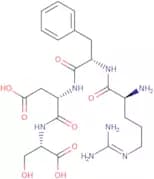
CAS:<p>Please enquire for more information about Cys(NPys)-Antennapedia Homeobox (43-58) amide trifluoroacetate salt including the price, delivery time and more detailed product information at the technical inquiry form on this page</p>Formula:C112H176N38O22S3Purity:Min. 95%Molecular weight:2,503.04 g/molH-Arg-Phe-Asp-Ser-OH
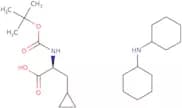
CAS:<p>H-Arg-Phe-Asp-Ser-OH is a sequence of amino acids that is found in the protein collagen. It has been shown to be an inhibitor of human immunodeficiency virus type 1 (HIV1) and human insulin-like growth factor 2 (IGF2). In addition, H-Arg-Phe-Asp-Ser-OH is an important molecule for the production of monoclonal antibodies. H-Arg-Phe-Asp-Ser-OH is expressed in mammalian cells, including human cells, which are used as models to study the molecular interactions with HIV1 and IGF2. Monoclonal antibodies against H-Arg-Phe-Asp have been shown to inhibit the replication of HIV1.</p>Formula:C22H33N7O8Purity:Min. 95%Molecular weight:523.54 g/molBoc-β-cyclopropyl-Ala-OH·DCHA
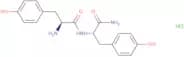
CAS:Controlled Product<p>Please enquire for more information about Boc-beta-cyclopropyl-Ala-OH·DCHA including the price, delivery time and more detailed product information at the technical inquiry form on this page</p>Formula:C11H19NO4·C12H23NPurity:Min. 95%Molecular weight:410.59 g/molH-Tyr-Tyr-NH2·HCl
CAS:<p>Please enquire for more information about H-Tyr-Tyr-NH2·HCl including the price, delivery time and more detailed product information at the technical inquiry form on this page</p>Formula:C18H21N3O4·HClPurity:Min. 95%Molecular weight:379.84 g/molDolastatin 15 (5S)-1-[(2S)-O-(N,N-Dimethyl-Val-Val-N-Me-Val-Pro-Pro)-2-hydroxyisovaleryl]-2-oxo-4-methoxy-5-benzyl-3-pyrroline
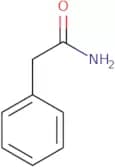
CAS:<p>Dolastatin 15 (5S)-1-[(2S)-O-(N,N-Dimethyl-Val-Val-N-Me-Val-Pro-Pro)-2-hydroxyisovaleryl]-2-oxo-4-methoxy-5-benzylpyrrolidinium is a natural compound that has been isolated from the Indian Ocean sea hare Dolabella auricularia. It has shown significant cytotoxicity against cancer cells as well as significant immunosuppressive activities in animals. Dolastatin 15 is an analog of dolastatin 10 and has been shown to be active against hepatitis B and C virus. It also has antiinflammatory properties and may be effective in combating autoimmune diseases. The synthesis of this compound is an asymmetric synthesis with a hydroxyl group on one side of the molecule and an amide on the other side.</p>Formula:C45H68N6O9Purity:Min. 95%Molecular weight:837.06 g/mol2-Phenylacetamide
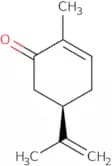
CAS:Controlled Product<p>2-Phenylacetamide is a nitro, acetate extract that has been shown to have antimicrobial activity. It can inhibit HIV infection and has been investigated as an antiviral drug. 2-Phenylacetamide binds to the 2-adrenergic receptor, which is found in high concentrations in the brain and inhibits the release of neurotransmitters. It also binds to κ-opioid receptors and sodium carbonate, which are found on cells throughout the body. The biological properties of this substance have not been fully elucidated but some studies suggest that it may be able to inhibit microbial metabolism or stimulate monoamine neurotransmitters.</p>Formula:C8H9NOPurity:Min. 95%Color and Shape:White PowderMolecular weight:135.16 g/mol(R)-2-Methyl-5-(prop-1-en-2-yl)cyclohex-2-enone
CAS:<p>(R)-2-Methyl-5-(prop-1-en-2-yl)cyclohex-2-enone is an organic compound that has been shown to induce apoptosis in prostate cancer cells. The mechanism of this induction is not yet fully understood, but it may be due to the inhibition of the synthesis of proteins required for cell division. It also had a significant effect on locomotor activity in mice. This compound has been shown to have acute toxicities, and its phase transition temperature is below room temperature. It can be used as a fumigant and an inorganic acid, and it has been proposed as a potential fluorescence probe for natural compounds.</p>Purity:Min. 95%N-α,ε-bis-Z-L-Lysine N-hydroxysuccinimide ester
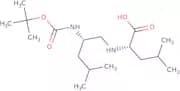
CAS:<p>N-alpha,epsilon-bis-Z-L-Lysine N-hydroxysuccinimide ester is a methyl ester of the amino acid Lysine. This drug has been shown to have antinociceptive effects in animal models and may be useful for the treatment of inflammatory pain. The active conformation of this drug is dependent on the presence of hydroxybenzimidazole (HOBt). In the absence of HOBt, the compound does not have any activity. Acetylation or amidation may also affect its activity. The reaction with nitric acid yields a nitro derivative, which can be reduced back to the original compound by catalytic hydrogenation using palladium on carbon. A carboxylic acid group at the amino terminus can be converted to an amide or amido group by treatment with an appropriate reagent such as acetonitrile. This drug binds to a catalytic site on</p>Formula:C26H29N3O8Purity:Min. 95%Color and Shape:White Off-White PowderMolecular weight:511.52 g/molBoc-Leu-psi(CH2NH)Leu-OH
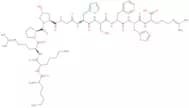
CAS:<p>Please enquire for more information about Boc-Leu-psi(CH2NH)Leu-OH including the price, delivery time and more detailed product information at the technical inquiry form on this page</p>Formula:C17H34N2O4Purity:Min. 95%Molecular weight:330.46 g/molLys-Lys-(Hyp 3,b-(2-thienyl)-Ala5·8,D-Phe7)-Bradykinin
CAS:<p>Please enquire for more information about Lys-Lys-(Hyp 3,b-(2-thienyl)-Ala5·8,D-Phe7)-Bradykinin including the price, delivery time and more detailed product information at the technical inquiry form on this page</p>Formula:C62H95N19O14S2Purity:Min. 95%Molecular weight:1,394.67 g/molGalanin (1-13)-Spantide I
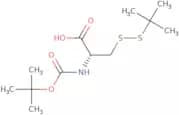
CAS:<p>Spantide I is a peptide that is a member of the Galanin family. It has been shown to have a proliferative effect on retinal cells in vitro, and may be effective in treating diabetic retinopathy. Spantide I also inhibits the production of pancreatic enzymes and choroidal neovascularization. It is a diagnostic marker for cancer and other diseases, as well as being used in the treatment of hepatitis. The sequences for Spantide I are GG-S-P-A-N-T-I-D-E--I--H--Gly--Trp--Thr--Leu--Asn--Ser--Ala--Gly--Tyr--Leu--Leu---Gly---Pro---D----Arg---Pro-----Lys---Pro-------Gln-------D------Trp------Phe------D------Trp------Leu-------Leu-----NH2</p>Formula:C138H199N35O30Purity:Min. 95%Molecular weight:2,828.27 g/molBoc-S-tert-butylthio-L-cysteine
CAS:<p>Boc-S-tert-butylthio-L-cysteine is a di-sulfide linked cysteine</p>Formula:C12H23NO4S2Purity:Min. 95%Molecular weight:309.45 g/molH-Cys(Acm)-2-chlorotrityl resin (200-400 mesh)
<p>Please enquire for more information about H-Cys(Acm)-2-chlorotrityl resin (200-400 mesh) including the price, delivery time and more detailed product information at the technical inquiry form on this page</p>Purity:Min. 95%Matrix Protein M1 (58-66) (Influenza A virus) trifluoroacetate salt
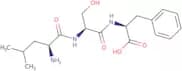
CAS:<p>Please enquire for more information about Matrix Protein M1 (58-66) (Influenza A virus) trifluoroacetate salt including the price, delivery time and more detailed product information at the technical inquiry form on this page</p>Formula:C49H75N9O11·C2HF3O2Purity:Min. 95%Molecular weight:1,080.2 g/molH-Leu-Ser-Phe-OH
CAS:<p>H-Leu-Ser-Phe-OH is a synthetic molecule that is a serine protease. It has been shown to have phosphatase activity, which can be used in the processing of milk proteins. This enzyme can also be used in the production of acid casein and colostrum. The enzyme has been shown to convert aspartic acid into asparagine, which is then converted into aminosugars such as melamine and phenylalanine. H-Leu-Ser-Phe-OH can be used for the treatment of fibrinogen deficiency, with its ability to cleave fibrinogen at the γ site. The enzyme has also been shown to have an effect on blood coagulation by cleaving fibrinogens at the γ site, thus preventing clot formation.</p>Formula:C18H27N3O5Purity:Min. 95%Molecular weight:365.42 g/mol(D-Trp8)-γ2-MSH trifluoroacetate salt
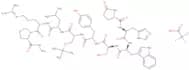
CAS:<p>Please enquire for more information about (D-Trp8)-gamma2-MSH trifluoroacetate salt including the price, delivery time and more detailed product information at the technical inquiry form on this page</p>Formula:C74H99N21O16SPurity:Min. 95%Molecular weight:1,570.78 g/mol(Des-Gly10,D-Ser(tBu)6,Pro-NHNH29)-LHRH trifluoroacetate salt
CAS:<p>Please enquire for more information about (Des-Gly10,D-Ser(tBu)6,Pro-NHNH29)-LHRH trifluoroacetate salt including the price, delivery time and more detailed product information at the technical inquiry form on this page</p>Formula:C58H83N17O13Purity:Min. 95%Molecular weight:1,226.39 g/molFmoc-Ile-Thr(Psi(Me ,Me)pro)-OH
CAS:<p>Please enquire for more information about Fmoc-Ile-Thr(Psi(Me ,Me)pro)-OH including the price, delivery time and more detailed product information at the technical inquiry form on this page</p>Formula:C28H34N2O6Purity:Min. 95%Molecular weight:494.58 g/molSuc-Ala-Pro-pNA
CAS:<p>Suc-Ala-Pro-pNA is a glycoprotein that has been shown to have a number of different functions. It is an inhibitor of tissue culture, and it has been shown to inhibit the growth of cervical cancer cells by binding to epidermal growth factor (EGF). It also inhibits peptide hormones such as prolactin and insulin, which can lead to breast cancer. Suc-Ala-Pro-pNA may be clinically relevant for treatment of carcinoma cell lines due to its ability to bind platinum-based chemotherapy drugs. This protein has been shown to be expressed on the surface of mammary carcinoma cells, where it acts as a receptor for the monoclonal antibody mcf7. The protein's function as a surface glycoprotein means that it can act as a marker for cancerous tumors in the body.</p>Formula:C18H22N4O7Purity:Min. 95%Molecular weight:406.39 g/molcis-4-Hydroxy-D-proline
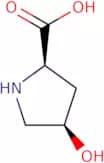
CAS:<p>Cis-4-Hydroxy-D-proline is a metabolite of the amino acid proline. It has been shown to have beneficial effects on heart function in vitro and in vivo, as well as on collagen synthesis. Cis-4-Hydroxy-D-proline was also shown to inhibit herpes simplex virus replication and to induce apoptosis in hepatocyte-like cells. The affinity constants for cis-4-Hydroxy-D-proline were determined by ph assays, kinetic data, and structural analysis. The optimum pH for cis-4-Hydroxy D proline is 8.0 and the hydroxyl group makes this molecule more soluble in water than other molecules with a similar chemical structure.</p>Formula:C5H9NO3Purity:Min. 95%Color and Shape:White PowderMolecular weight:131.13 g/molH-Gln-Glu-OH
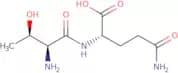
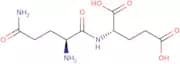
CAS:<p>H-Gln-Glu-OH is a pharmacological inhibitor that blocks the epidermal growth factor receptor (EGFR) and inhibits cell proliferation. It has been shown to inhibit endothelial cell proliferation in vitro. H-Gln-Glu-OH also inhibits the tyrosine kinase activity of EGFR, which is necessary for the activation of phospholipase C. This inhibition prevents atherogenic cell functions and has been shown to inhibit the growth of human epidermoid carcinoma in tissue culture.</p>Formula:C10H17N3O6Purity:Min. 95%Molecular weight:275.26 g/molAc-Tyr-Val-Ala-Asp-AMC
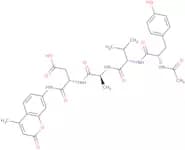
CAS:<p>Ac-Tyr-Val-Ala-Asp-AMC is a compound that has been shown to induce apoptotic cell death in MDA-MB-231 breast cancer cells. It inhibits the activity of proteases, which are enzymes that degrade proteins. Ac-Tyr-Val-Ala-Asp-AMC has also been shown to inhibit serine proteases and granule neurons, which are proteins in the brain that regulate the production of atp levels. Ac-Tyr-Val-Ala-Asp-AMC has also been shown to inhibit muscle cell proliferation. Acetylcholine (ACh) is a neurotransmitter responsible for signaling between nerve cells in the central nervous system and other parts of the body. Acetylcholine is synthesized by choline acetyltransferase (ChAT), an enzyme that breaks down acetylcholine into choline and acetate. Inhibition of ChAT leads to a decrease in</p>Formula:C33H39N5O10Purity:Min. 95%Molecular weight:665.69 g/molFmoc-Pra-Wang resin (200-400 mesh)
<p>Please enquire for more information about Fmoc-Pra-Wang resin (200-400 mesh) including the price, delivery time and more detailed product information at the technical inquiry form on this page</p>Purity:Min. 95%Z-Gly-Pro-Gly-Gly-Pro-Ala-OH
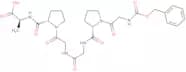
CAS:<p>Z-Gly-Pro-Gly-Gly-Pro-Ala-OH is a synthetic substrate. It is used in tissue culture to measure collagenase activity, as well as in skin cells to measure the activity of v. anguillarum. The optimum pH for this substrate is 5.5 and it has been shown to be stable in high salt environments. This substrate also reacts with human liver granulosa cells and has been shown to have neutral pH properties. Z-Gly-Pro-Gly-Gly-Pro-Ala-OH is an enzyme substrate that is involved in many different enzyme activities including protein synthesis and hydrogen bonding.</p>Formula:C27H36N6O9Purity:Min. 95%Molecular weight:588.61 g/mol(Des-Gly10,D-Ser4,D-Ser(tBu)6,Pro-NHEt 9)-LHRH acetate salt
<p>Please enquire for more information about (Des-Gly10,D-Ser4,D-Ser(tBu)6,Pro-NHEt 9)-LHRH acetate salt including the price, delivery time and more detailed product information at the technical inquiry form on this page</p>Formula:C60H86N16O13Purity:Min. 95%Molecular weight:1,239.42 g/molZ-Leu-Leu-Glu-bNA
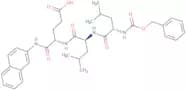
CAS:<p>Z-Leu-Leu-Glu-bNA is a polypeptide that has been shown to activate the cytosolic fatty acid oxidation pathway in Xenopus oocytes. The polypeptide was found to inhibit the activity of enzymes involved in fatty acid synthesis and activation, such as acyl CoA synthetase, lipoyl CoA transferase, and acyl CoA oxidase. Z-Leu-Leu-Glu-bNA also inhibited protein synthesis in Caco2 cells by inhibiting the activity of protein kinase A (PKA) and phosphorylation of protein kinase B (PKB). These effects are mediated by lysine residues and proteolytic cleavage of Z-Leu-Leu-Glu-bNA.</p>Formula:C35H44N4O7Purity:Min. 95%Molecular weight:632.75 g/molH-Arg-Gly-NH2·sulfate
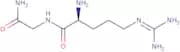
CAS:<p>Please enquire for more information about H-Arg-Gly-NH2·sulfate including the price, delivery time and more detailed product information at the technical inquiry form on this page</p>Formula:C8H18N6O2·H2SO4Purity:Min. 95%Molecular weight:328.35 g/mol4-Fluoro-3-methoxyphenylacetone
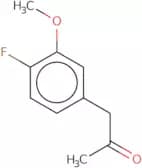
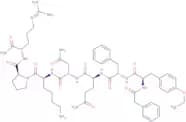
CAS:<p>4-Fluoro-3-methoxyphenylacetone is a high quality reagent that can be used as an intermediate in the synthesis of complex compounds. This compound is also useful for creating fine chemicals and speciality chemicals, for research purposes. 4-Fluoro-3-methoxyphenylacetone has been shown to be a versatile building block in organic synthesis, with many possible applications. It can react with other compounds to create new compounds or react with itself to form new molecules. CAS No. 320338-98-5</p>Formula:C10H11FO2Purity:Min. 95%Molecular weight:182.19 g/mol(Phenylac 1,D-Tyr(Et)2,Lys6,Arg8,des-Gly9)-Vasopressin trifluoroacetate salt
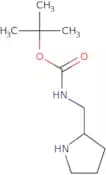
CAS:<p>Please enquire for more information about (Phenylac 1,D-Tyr(Et)2,Lys6,Arg8,des-Gly9)-Vasopressin trifluoroacetate salt including the price, delivery time and more detailed product information at the technical inquiry form on this page</p>Formula:C54H76N14O11Purity:Min. 95%Molecular weight:1,097.27 g/mol2-(Boc-Aminomethyl)pyrrolidine
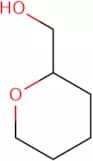
CAS:<p>Please enquire for more information about 2-(Boc-Aminomethyl)pyrrolidine including the price, delivery time and more detailed product information at the technical inquiry form on this page</p>Formula:C10H20N2O2Purity:Min. 95%Molecular weight:200.28 g/molTetrahydropyran-2-methanol
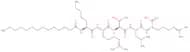
CAS:<p>Tetrahydropyran-2-methanol is a hydrogenated, hydrated, triflic acid derivative that belongs to the group of organic compounds known as ethers. The presence of a hydroxyl group on one end and a chloride group on the other end provides tetrahydropyran-2-methanol with two reactive sites for reactions with metals. It has been shown to react with metal surfaces in order to form an adduct under acidic conditions that can be used as an ion exchange resin. Tetrahydropyran-2-methanol also reacts rapidly with hydrochloric acid to form tetrahydrothiophene and methanol. This reaction time can be sped up by heating the liquid at atmospheric pressure or by adding sulfuric acid. Tetrahydropyran-2-methanol is also capable of reacting with water in order to produce hydrogen gas and alcohol.</p>Formula:C6H12O2Purity:Min. 98%Molecular weight:116.16 g/molMyristoyl-Lys-Arg-Thr-Leu-Arg-OH
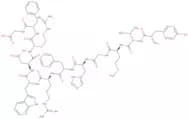
CAS:<p>Myristoyl-Lys-Arg-Thr-Leu-Arg-OH is a synthetic compound that interacts with tyrosine kinase substrate proteins. It inhibits the activation of these proteins and prevents the phosphorylation of tyrosine residues in other substrate proteins. Myristoyl-Lys-Arg-Thr-Leu-Arg-OH has been shown to have potent inhibitory activity against IL2 receptor and adriamycin, which are protein kinases that play important roles in the death pathway.</p>Formula:C42H82N12O8Purity:Min. 95%Molecular weight:883.18 g/mol([ring-D5]Phe8)-Angiotensin II acetate salt
CAS:<p>Please enquire for more information about ([ring-D5]Phe8)-Angiotensin II acetate salt including the price, delivery time and more detailed product information at the technical inquiry form on this page</p>Formula:C50H66D5N13O12Purity:Min. 95%Molecular weight:1,051.21 g/molH-Thr-Gln-OH
CAS:<p>Clostridium is a genus of Gram-positive bacteria that includes many important human pathogens. Clostridium perfringens is the most common cause of food poisoning, and can be fatal if not treated. It causes necrotizing enteritis in infants, who have less resistance to the toxins produced by this bacterium. The pathogenesis of C. perfringens has been shown to involve proteolytic activity, which breaks down proteins into smaller parts, and autocatalytic activity, which releases enzymes from within the cell to digest its own peptidoglycan layer. Proteolytic activity has also been shown to be involved in the development of cancer and other diseases such as atherosclerosis and Alzheimer's disease. There are numerous interventions available for preventing or treating clostridium infections: chlorate, streptomycin, penicillin, erythromycin, tetracycline, metronidazole, fluoroquinolones such as</p>Formula:C9H17N3O5Purity:Min. 95%Molecular weight:247.25 g/molMeOSuc-Ala-Ala-Pro-Val-chloromethylketone
CAS:<p>MeOSuc-Ala-Ala-Pro-Val-chloromethylketone is a serine protease inhibitor that has been shown to be effective against influenza virus and HIV. It was found to be active against a number of serine proteases, such as trypsin, chymotrypsin, and elastase. MeOSuc-Ala-Ala-Pro-Val-chloromethylketone also has chemotactic activity in thp1 cells and lung fibroblasts. It is activated by the addition of water and has been shown to inhibit the growth of soybean trypsin. However, it does not have any effect on human trypsin.</p>Formula:C22H35ClN4O7Purity:Min. 95%Molecular weight:502.99 g/mol(Cys(Bzl)84)-CD4 (81-92)
CAS:<p>The CD4 molecule is a major component of the human immune system. It interacts with other cells, such as T-cells, and plays an important role in the immune response. The CD4 molecule is a glycoprotein that consists of two subunits, (Cys(Bzl)84)-CD4 and (81-92) H-Thr-Tyr-Ile-Cys(Bzl)-Glu-Val-Glu-Asp-Gln-Lys-Glu-. The sequence of this molecule is important for its function, as it has been shown to be essential for binding to HIV particles. This protein may also play a role in regulating the growth of T cells. It was found that the amino acid sequence of CD4 is not conserved among different species. The amino acid sequence specificity in the CD4 molecule is due to the cysteine residues. These residues are able to form disulfide bridges with other cyste</p>Formula:C69H102N14O26SPurity:Min. 95%Molecular weight:1,575.69 g/molH-Tyr-Gly-Arg-Phe-Ser-OH·HCl
CAS:<p>Please enquire for more information about H-Tyr-Gly-Arg-Phe-Ser-OH·HCl including the price, delivery time and more detailed product information at the technical inquiry form on this page</p>Formula:C29H40N8O8·HClPurity:Min. 95%Molecular weight:665.14 g/molSperm Peptide P10G trifluoroacetate salt
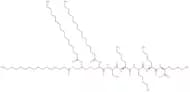
CAS:<p>Please enquire for more information about Sperm Peptide P10G trifluoroacetate salt including the price, delivery time and more detailed product information at the technical inquiry form on this page</p>Formula:C36H58N10O13Purity:Min. 95%Molecular weight:838.91 g/molPalmitoyl-Cys((RS)-2,3-di(palmitoyloxy)-propyl)-Ser-Lys-Lys-Lys-Lys-OH trifluoroacetate salt
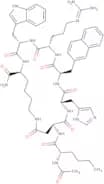
CAS:<p>Agonist of toll-like receptors TLR1/2</p>Formula:C81H156N10O13SPurity:Min. 95%Molecular weight:1,510.23 g/molN-Acetyl-L-norleucyl-L-a-aspartyl-L-histidyl-3-(2-naphthalenyl)-D-alanyl-L-arginyl-L-tryptophyl-L-lysinamide-(2,7) -lactam
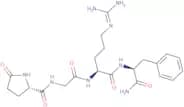
CAS:<p>Please enquire for more information about N-Acetyl-L-norleucyl-L-a-aspartyl-L-histidyl-3-(2-naphthalenyl)-D-alanyl-L-arginyl-L-tryptophyl-L-lysinamide-(2,7) -lactam including the price, delivery time and more detailed product information at the technical inquiry form on this page</p>Formula:C54H71N15O9Purity:Min. 95%Molecular weight:1,074.24 g/molAntho-RFamide Pyr-Gly-Arg-Phe-NH2
CAS:<p>Antho-RFamide Pyr-Gly-Arg-Phe-NH2 is an acidic amino acid. It has been shown to be a precursor of dopamine β-hydroxylase, which is a key enzyme in the synthesis of epinephrine and norepinephrine. This compound has a diameter of 0.8 nm, and it's been observed in cnidarians and multicellular animals. The biological function of Antho-RFamide Pyr-Gly-Arg-Phe-NH2 is not yet known, but it has been sequenced and identified as fatty acid with a sequence that is identical to serotonin. Analysis shows that this molecule contains an acidic environment with an alkaline pH.</p>Formula:C22H32N8O5Purity:Min. 95%Molecular weight:488.54 g/mol3-Fluoro-4-methoxybenzoic acid
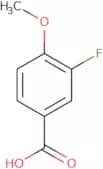
CAS:<p>3-Fluoro-4-methoxybenzoic acid is a dipolar molecule with a fluorine atom. It has been synthesized experimentally and the yields are determined by the experimental conditions. 3-Fluoro-4-methoxybenzoic acid has two isomers, which can be differentiated by their resonances. The molecule also has an asymmetric C3(CF)2Cl group in the middle of its structure that can rotate freely.</p>Formula:C8H7FO3Purity:Min. 95%Color and Shape:PowderMolecular weight:170.14 g/molNps-Lys(Boc)-OH·DCHA
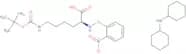
CAS:Controlled Product<p>Please enquire for more information about Nps-Lys(Boc)-OH·DCHA including the price, delivery time and more detailed product information at the technical inquiry form on this page</p>Formula:C17H25N3O6S·C12H23NPurity:Min. 95%Molecular weight:580.78 g/molH-Trp(Boc)-2-chlorotrityl resin (200-400 mesh) (Low Substitution)
<p>Please enquire for more information about H-Trp(Boc)-2-chlorotrityl resin (200-400 mesh) (Low Substitution) including the price, delivery time and more detailed product information at the technical inquiry form on this page</p>Purity:Min. 95%2-Methylacetophenone
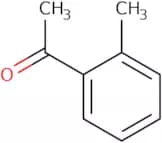
CAS:<p>2-Methylacetophenone is an organic compound that has a molecular weight of 100.12 g/mol, and a chemical formula of C10H14O2. The compound is a colorless liquid at room temperature and pressure, with a sweet odor. It is soluble in nonpolar solvents such as hexane, ether, benzene, and toluene. 2-Methylacetophenone has been used as a solvent for the chemical study of benzyl groups, hydroxyl group activation energies, hydrogen bond, carbonyl group proton and intramolecular hydrogen bonding. It has also been used to study the reaction mechanism of fatty acid with benzyl groups in cryogenic conditions.</p>Formula:C9H10OPurity:Min. 95%Color and Shape:Colorless Clear LiquidMolecular weight:134.18 g/mol4-Phenyl-piperidine
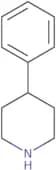
CAS:<p>4-Phenyl-piperidine is a nitro compound that has been shown to be toxic for the kidneys and nervous system. 4-Phenyl-piperidine has been shown to inhibit dopamine uptake in the striatum and locomotor activity in rats. It also inhibits the hydrolysis of hydrochloric acid, which produces hydrogen ion (H+) ions, resulting in an acidic environment. The chemical structures of 4-phenyl-piperidine are similar to those of tricyclic antidepressants drugs, such as amitriptyline and imipramine, with a phenyl ring attached to an amine group. This drug is used as a pharmaceutical preparation for treating depression by inhibiting the reuptake of serotonin and norepinephrine, which are neurotransmitters that affect mood.</p>Formula:C11H15NPurity:Min. 95%Molecular weight:161.24 g/molH-D-Ala-Gln-octadecyl ester·HCl
CAS:<p>Please enquire for more information about H-D-Ala-Gln-octadecyl ester·HCl including the price, delivery time and more detailed product information at the technical inquiry form on this page</p>Formula:C26H51N3O4·HClPurity:Min. 95%Molecular weight:506.16 g/molH-Leu-Leu-Ala-OH
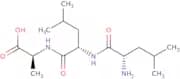
CAS:<p>Please enquire for more information about H-Leu-Leu-Ala-OH including the price, delivery time and more detailed product information at the technical inquiry form on this page</p>Formula:C15H29N3O4Purity:Min. 95%Molecular weight:315.41 g/molZ-Phe-Lys-2,4,6-trimethylbenzoyloxy-methylketone trifluoroacetate salt
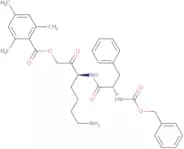
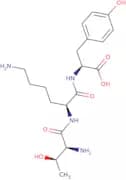
CAS:<p>Z-Phe-Lys-2,4,6-trimethylbenzoyloxy-methylketone trifluoroacetate salt is a proteolytic enzyme that has been shown to have bone resorption and tissue destructive properties. It is active against porphyromonas and bactericidal against fibrinogen. Z-Phe-Lys-2,4,6-trimethylbenzoyloxy-methylketone trifluoroacetate salt also inhibits the formation of osteoclasts by inhibiting the uptake and protease activity of extracellular matrix proteins such as fibrinogen. This drug is currently being researched for possible use in the treatment of Alzheimer's Disease.</p>Formula:C34H41N3O6Purity:Min. 95%Molecular weight:587.71 g/molH-Thr-Lys-Tyr-OH
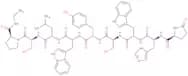
CAS:<p>H-Thr-Lys-Tyr-OH is a synthetic peptide that has been used in the research of antigen, antibody and sequence. The intramolecular bond between the amino acids H-Thr-Lys-Tyr-OH has been shown to be stable up to pH 8.5 and alkaline conditions, making it suitable for use in a variety of different experiments. This peptide has also been used as an immunogen to generate antibodies against specific antigens or as a probe for sequence analysis.</p>Formula:C19H30N4O6Purity:Min. 95%Molecular weight:410.46 g/mol(Des-Gly10,D-Trp6,Pro-NHEt 9)-LHRH (sea bream)
CAS:<p>Please enquire for more information about (Des-Gly10,D-Trp6,Pro-NHEt 9)-LHRH (sea bream) including the price, delivery time and more detailed product information at the technical inquiry form on this page</p>Formula:C61H76N14O13Purity:Min. 95%Molecular weight:1,213.34 g/molFmoc-Gln(Mtt)-Wang resin (200-400 mesh)
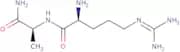
<p>Please enquire for more information about Fmoc-Gln(Mtt)-Wang resin (200-400 mesh) including the price, delivery time and more detailed product information at the technical inquiry form on this page</p>Purity:Min. 95%H-Arg-Ala-NH2·2 HCl
CAS:<p>Please enquire for more information about H-Arg-Ala-NH2·2 HCl including the price, delivery time and more detailed product information at the technical inquiry form on this page</p>Formula:C9H20N6O2·2HClPurity:Min. 95%Molecular weight:317.22 g/molSPLUNC1 (22-39) trifluoroacetate salt
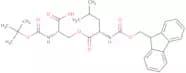
CAS:<p>Please enquire for more information about SPLUNC1 (22-39) trifluoroacetate salt including the price, delivery time and more detailed product information at the technical inquiry form on this page</p>Formula:C82H135N21O25Purity:Min. 95%Molecular weight:1,815.08 g/molBoc-Ser(Leu-Fmoc)-OH
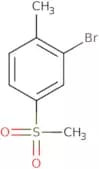
CAS:<p>Boc-Ser(Leu-Fmoc)-OH is a peptide that has been synthesized using the Fmoc strategy. The peptide has been synthesized in an efficient manner and it is an epimer of Boc-Ser(Leu-OH).</p>Formula:C29H36N2O8Purity:Min. 95%Molecular weight:540.6 g/mol2-Bromo-1-methyl-4-(methylsulfonyl)benzene
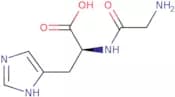
CAS:<p>Please enquire for more information about 2-Bromo-1-methyl-4-(methylsulfonyl)benzene including the price, delivery time and more detailed product information at the technical inquiry form on this page</p>Formula:C8H9BrO2SPurity:Min. 95%Molecular weight:249.13 g/molH-Gly-His-OH
CAS:<p>H-Gly-His-OH is a cationic surfactant that can be used as an emulsifying agent, dispersing agent, or wetting agent. It has been shown to form model complexes with hydrogen bond strength and the ability to bind to nitrogen atoms. H-Gly-His-OH has been detected in a detectable concentration of 0.01% in neutral pH and at least 0.1% in acidic pH. The chemical shift of the proton NMR spectra for H-Gly-His-OH are found at 8.5 ppm (δ) and 8.2 ppm (δ). Magnetic resonance spectroscopy performed on ternary mixtures containing H-Gly-His-OH show peaks at δ 2.6 ppm and δ 1.9 ppm from the amide protons of the His residue, which are characteristic for this molecule's chemical structure.</p>Formula:C8H12N4O3Purity:Min. 95%Molecular weight:212.21 g/molH-His-Leu-Pro-Pro-Pro-Val-His-Leu-Pro-Pro-Pro-Val-OH
CAS:<p>Please enquire for more information about H-His-Leu-Pro-Pro-Pro-Val-His-Leu-Pro-Pro-Pro-Val-OH including the price, delivery time and more detailed product information at the technical inquiry form on this page</p>Formula:C64H98N16O13Purity:Min. 95%Molecular weight:1,299.56 g/molH-Gly-Ala-NH2·HCl
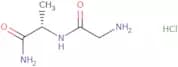
CAS:<p>Please enquire for more information about H-Gly-Ala-NH2·HCl including the price, delivery time and more detailed product information at the technical inquiry form on this page</p>Formula:C5H11N3O2·HClPurity:Min. 95%Molecular weight:181.62 g/molPyr-Trp-OEt
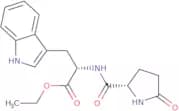
CAS:<p>Please enquire for more information about Pyr-Trp-OEt including the price, delivery time and more detailed product information at the technical inquiry form on this page</p>Formula:C18H21N3O4Purity:Min. 95%Molecular weight:343.38 g/molH-Phe-Leu-Arg-Phe-NH2 acetate salt
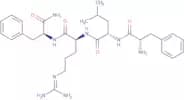
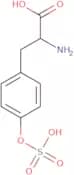
CAS:<p>H-Phe-Leu-Arg-Phe-NH2 acetate salt is a peptide that has been shown to inhibit neuronal activity in the Xenopus oocyte. This inhibition is biphasic and can be reversed by the addition of an excess of glutamate. It has been shown to have an inhibitory effect on the release of neurotransmitters from the isolated heart, ganglia, and subesophageal ganglion. The sequence of H-Phe-Leu-Arg-Phe-NH2 acetate salt has been determined as carboxy terminal. The physiological effects of H-Phe-Leu-Arg-Phe-NH2 acetate salt are related to its receptor binding properties.</p>Formula:C30H44N8O4Purity:Min. 95%Molecular weight:580.72 g/molH-Tyr(SO3H)-OH sodium salt
CAS:<p>Please enquire for more information about H-Tyr(SO3H)-OH sodium salt including the price, delivery time and more detailed product information at the technical inquiry form on this page</p>Formula:C9H11NO6SPurity:Min. 95%Molecular weight:261.25 g/molH-Gly-Phe-NH2 acetate salt
CAS:<p>Please enquire for more information about H-Gly-Phe-NH2 acetate salt including the price, delivery time and more detailed product information at the technical inquiry form on this page</p>Formula:C11H15N3O2·C2H4O2Purity:Min. 95%Molecular weight:281.31 g/mol(H-Cys-Tyr-OH)2
CAS:<p>Please enquire for more information about (H-Cys-Tyr-OH)2 including the price, delivery time and more detailed product information at the technical inquiry form on this page</p>Formula:C24H30N4O8S2Purity:Min. 95%Color and Shape:PowderMolecular weight:566.65 g/molFmoc-Tyr(tBu)-Ser(Psi(Me,Me)Pro)-OH
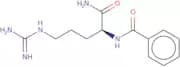
CAS:<p>Please enquire for more information about Fmoc-Tyr(tBu)-Ser(Psi(Me,Me)Pro)-OH including the price, delivery time and more detailed product information at the technical inquiry form on this page</p>Formula:C34H38N2O7Purity:Min. 95%Color and Shape:White PowderMolecular weight:586.67 g/molN-α-Benzoyl-L-argininamide
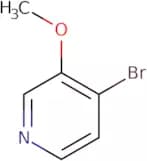
CAS:<p>N-alpha-Benzoyl-L-argininamide is a synthetic compound that is used as an enzyme inhibitor. It binds to the active site of proteases, thereby inhibiting their activity. This drug has been shown to inhibit the activities of phosphodiesterase and phosphatase enzymes in vitro. N-alpha-Benzoyl-L-argininamide also inhibits the proteolytic degradation of hippuric acid and casein in vitro. The binding affinity for this drug is due to its structural similarity with substrates such as glutamate and rhizosphere exudates.</p>Formula:C13H19N5O2Purity:Min 98%Color and Shape:White PowderMolecular weight:277.32 g/mol4-Bromo-3-methoxypyridine
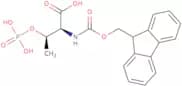
CAS:<p>Please enquire for more information about 4-Bromo-3-methoxypyridine including the price, delivery time and more detailed product information at the technical inquiry form on this page</p>Formula:C6H6BrNOPurity:Min. 95%Molecular weight:188.02 g/molFmoc-Thr(PO3H2)-OH
CAS:<p>Please enquire for more information about Fmoc-Thr(PO3H2)-OH including the price, delivery time and more detailed product information at the technical inquiry form on this page</p>Formula:C19H20NO8PPurity:Min. 95%Molecular weight:421.34 g/molH-His-Tyr-OH
CAS:<p>H-His-Tyr-OH is a histidine-containing compound that has been synthesized and structurally characterized. H-His-Tyr-OH was shown to be a competitive inhibitor of the enzyme histidine decarboxylase in a rat liver microsomal preparation. The kinetic constants for the inhibition of the enzyme were determined, and the binding site on the enzyme was identified by molecular modeling. This study also showed that H-His-Tyr-OH binds to monoclonal antibodies with high affinity and specificity, which may be useful for therapy.</p>Formula:C15H18N4O4Purity:Min. 95%Molecular weight:318.33 g/molH-Gly-Gly-Lys-OH acetate salt
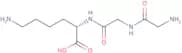
CAS:<p>Please enquire for more information about H-Gly-Gly-Lys-OH acetate salt including the price, delivery time and more detailed product information at the technical inquiry form on this page</p>Formula:C10H20N4O4Purity:Min. 95%Molecular weight:260.29 g/molH-Asp-Trp-OH
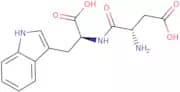
CAS:<p>H-Asp-Trp-OH is a peptide that has been shown to have antioxidative activity and neuroprotective effects. It has also been shown to be a reactive compound that can interact with other molecules, such as thiobarbituric acid. H-Asp-Trp-OH has been shown to increase the number of neurons in the brain and may be helpful in reducing neuronal damage by apoptotic cell death. This peptide also has potential use in treating neurodegenerative diseases, such as Alzheimer's disease.</p>Formula:C15H17N3O5Purity:Min. 95%Molecular weight:319.31 g/molAc-Tyr-Val-Ala-Asp-aldehyde (pseudo acid)
CAS:<p>Ac-Tyr-Val-Ala-Asp-aldehyde is a sesquiterpene lactone that has been shown to have anti-inflammatory properties. It inhibits the inflammatory response by inhibiting the production of pro-inflammatory cytokines and chemokines, such as IL1β, IL6, and TNFα. Ac-Tyr-Val-Ala-Asp-aldehyde also inhibits the activity of cyclooxygenase 2 (COX2) and lipoxygenase (LOX), which are enzymes that produce prostaglandins from arachidonic acid. Acetylsalicylic acid is an example of a drug with similar properties. Acetylsalicylic acid has been shown to inhibit the growth of cancer cells in tissue culture studies and in animal models. This compound may also be used to treat bowel disease, congestive heart failure, or other diseases that are characterized by increased apoptosis.</p>Formula:C23H32N4O8Purity:Min. 95%Molecular weight:492.52 g/molH-Met-Arg-Phe-Ala-OH
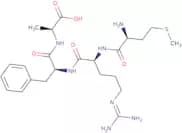
CAS:<p>H-Met-Arg-Phe-Ala-OH is a synthetic peptide that has been shown to be an effective inhibitor of protein synthesis in mammalian cells. It binds to the active site of protein translation machinery, thereby inhibiting the production of proteins vital for cell division. H-Met-Arg-Phe-Ala-OH is stable in aqueous solution and resistant to proteolytic degradation. It also has a high detection sensitivity and can be detected by FTIR spectroscopy, which makes it suitable for use in a variety of applications. H-Met-Arg-Phe-Ala-OH can be used as a tool for studying protein synthesis inhibition or as an antiobiotic agent against cancer cells.</p>Formula:C23H37N7O5SPurity:Min. 95%Molecular weight:523.65 g/molAbz-Gly-Ala-Ala-Pro-Phe-3-nitro-Tyr-Asp-OH trifluoroacetate salt
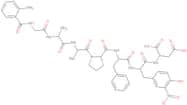
CAS:<p>Please enquire for more information about Abz-Gly-Ala-Ala-Pro-Phe-3-nitro-Tyr-Asp-OH trifluoroacetate salt including the price, delivery time and more detailed product information at the technical inquiry form on this page</p>Formula:C42H49N9O14Purity:Min. 95%Molecular weight:903.89 g/molAcetyl-(Cys(Acm)33·42)-EGF (33-42) amide (mouse)
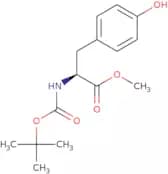
CAS:<p>Please enquire for more information about Acetyl-(Cys(Acm)33·42)-EGF (33-42) amide (mouse) including the price, delivery time and more detailed product information at the technical inquiry form on this page</p>Formula:C51H82N16O17S2Purity:Min. 95%Molecular weight:1,255.43 g/molBoc-L-tyrosine methyl ester
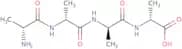
CAS:<p>Boc-L-tyrosine methyl ester is a synthetic amino acid that can be used in the production of peptides and proteins. It has been shown to have a high uptake and hydroxyl group, which allows for the synthesis of dopamine. The kinetic study of Boc-L-tyrosine methyl ester in agarose gels has shown that it has a high affinity for dopamine. Boc-L-tyrosine methyl ester has also been used as an intermediate for the synthesis of peptides and proteins. It is not active against cancer cells but has been used to induce matrix metalloproteinase (MMP) activity in Mcf-7 cells.</p>Formula:C15H21NO5Purity:Min. 95%Color and Shape:White PowderMolecular weight:295.33 g/molH-D-Ala-D-Ala-D-Ala-D-Ala-OH
CAS:<p>Please enquire for more information about H-D-Ala-D-Ala-D-Ala-D-Ala-OH including the price, delivery time and more detailed product information at the technical inquiry form on this page</p>Formula:C12H22N4O5Purity:Min. 95%Molecular weight:302.33 g/molAnantin (linear sequence) trifluoroacetate salt
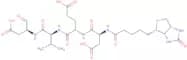
CAS:<p>Please enquire for more information about Anantin (linear sequence) trifluoroacetate salt including the price, delivery time and more detailed product information at the technical inquiry form on this page</p>Formula:C90H113N21O25Purity:Min. 95%Molecular weight:1,888.99 g/molBiotinyl-Asp-Glu-Val-Asp-aldehyde (pseudo acid)
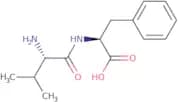
CAS:<p>Biotinyl-Asp-Glu-Val-Asp-aldehyde (pseudo acid) is a biotinylated amino acid, which can be used to study the affinity of caspases and other proteases. Biotin binds to the peptide through an amide bond and the amino group on the biotin molecule reacts with reactive groups on proteins, such as lysine, cysteine, histidine, or arginine. This reaction leads to the formation of a stable link between biotin and the target protein. The biotinylated peptide can then be purified from a sample by using an affinity chromatography column that has been pre-coated with streptavidin.<br>Biotin is not toxic because it does not bind to DNA.</p>Formula:C28H42N6O12SPurity:Min. 95%Molecular weight:686.73 g/molH-Val-Phe-OH
CAS:<p>H-Val-Phe-OH is a peptide consisting of three amino acids, Valine, Phenylalanine and Hydroxyproline. It is a small molecule that has been shown to have an antihypertensive effect in rats. H-Val-Phe-OH binds to the dihydropyridine receptor on the cell membrane surface, which causes blood vessels to relax and contract. This action leads to decreased blood pressure. The high reactivity of H-Val-Phe-OH with other molecules makes it biodegradable, which means it can be broken down by water or enzymes into smaller molecules that are less harmful to the environment.</p>Formula:C14H20N2O3Purity:Min. 95%Molecular weight:264.32 g/molDynorphin A (1-13) amide trifluoroacetate salt
CAS:<p>Please enquire for more information about Dynorphin A (1-13) amide trifluoroacetate salt including the price, delivery time and more detailed product information at the technical inquiry form on this page</p>Formula:C75H127N25O14Purity:Min. 95%Molecular weight:1,602.97 g/molFmoc-Lys(Boc)-Thr(Psi(Me ,Me)pro)-OH
CAS:<p>Please enquire for more information about Fmoc-Lys(Boc)-Thr(Psi(Me ,Me)pro)-OH including the price, delivery time and more detailed product information at the technical inquiry form on this page</p>Formula:C33H43N3O8Purity:Min. 95%Molecular weight:609.71 g/molH-β-Ala-Lys-OH·HCl
CAS:<p>Please enquire for more information about H-beta-Ala-Lys-OH·HCl including the price, delivery time and more detailed product information at the technical inquiry form on this page</p>Formula:C9H19N3O3·HClPurity:Min. 95%Molecular weight:253.73 g/mol(Leu13-psi(CH2NH)Leu14)-Bombesin
CAS:<p>Please enquire for more information about (Leu13-psi(CH2NH)Leu14)-Bombesin including the price, delivery time and more detailed product information at the technical inquiry form on this page</p>Formula:C72H114N24O17Purity:Min. 95%Molecular weight:1,587.83 g/molIGF-I (1-3)
CAS:<p>IGF-I (1-3) H-Gly-Pro-Glu-OH is a synthetic peptide that has been shown to be effective in treating neuronal death caused by glutamate. It binds to calcium ions and inhibits the activity of gamma-aminobutyric acid, which is an inhibitory neurotransmitter. IGF-I (1-3) H-Gly-Pro-Glu-OH also blocks fatty acid synthesis, leading to necrotic cell death. In vitro assays have shown that this drug can protect against blood group O erythrocytes from pyridoxal phosphate oxidation and protocatechuic acid binding. This drug has also been shown to increase locomotor activity in mice, as well as improve motor function in rats with experimental stroke.<br>IGF-I (1-3) H-Gly-Pro-Glu-OH is synthesized using a polymerase chain reaction technique and consists of amino acids 1 through 3 of</p>Formula:C12H19N3O6Purity:Min. 95%Molecular weight:301.3 g/mol






![Dolastatin 15 (5S)-1-[(2S)-O-(N,N-Dimethyl-Val-Val-N-Me-Val-Pro-Pro)-2-hydroxyisovaleryl]-2-oxo-4-…](/_next/image/?url=https%3A%2Fstatic.cymitquimica.com%2Fproducts%2F3D%2Fthumb-webp%2FFD110329.webp&w=3840&q=75)







![([ring-D5]Phe8)-Angiotensin II acetate salt](/_next/image/?url=https%3A%2Fstatic.cymitquimica.com%2Fproducts%2F3D%2Fthumb-webp%2FFR110025.webp&w=3840&q=75)