Amino Acids (AA)
Subcategories of "Amino Acids (AA)"
- Amino Acid Derivatives(4,014 products)
- Amino Acid and Amino Acid Related Compounds(3,490 products)
- Amino Acids with Oxygen or Sulphur(168 products)
- Boc- Amino Acids(351 products)
- Fmoc Amino Acids(1,710 products)
Found 38368 products of "Amino Acids (AA)"
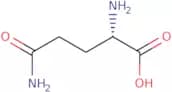
L-Glutamine
CAS:L-Glutamine is an amino acid that is important for protein synthesis and the maintenance of muscle mass. It is also a precursor for other compounds, such as nucleotides and glutathione, which are required for maintaining cell viability. L-Glutamine may be used to treat bowel diseases, such as Crohn's disease, by improving the function of the intestines and reducing intestinal permeability. It has been shown to decrease levels of oxidative injury in cells by acting as an antioxidant. L-Glutamine may also be used to help prevent or treat infectious diseases by increasing the activity of transcription activators that protect cells from oxidative injury. L-Glutamine can be administered intravenously or orally and can be used as a biocompatible polymer carrier for drugs that are difficult to administer due to their poor water solubility.
Formula:C5H10N2O3Purity:Min. 95%Color and Shape:White PowderMolecular weight:146.14 g/molRef: 3D-FG02552
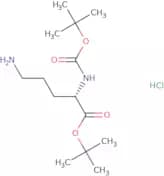
Discontinued productN-α-Boc-L-ornithine tert-butyl ester hydrochloride
CAS:Please enquire for more information about N-α-Boc-L-ornithine tert-butyl ester hydrochloride including the price, delivery time and more detailed product information at the technical inquiry form on this page
Formula:C14H28N2O4•HClPurity:Min. 95%Color and Shape:PowderMolecular weight:324.84 g/mol2-Phenyl-2-adamantanol
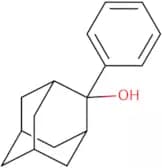
CAS:2-Phenyl-2-adamantanol is a deuterated analog of 2-phenyl-2-adamantane (C 10 H 16 ) with an isotopic weight of 128. The FTIR spectra show the presence of a new peak at 1728 cm−1, which is attributed to C=O stretching vibrations in the hydroxyl group. The IR spectrum of 2-phenyl-2-adamantanol shows that it has an azide group and two hydrogen bonds. It also interacts competitively with carbachol, but does not interact with atropine. Preparative oriented crystallization was used to isolate this compound from benzene.
Formula:C16H20OPurity:Min. 95%Color and Shape:PowderMolecular weight:228.33 g/molRef: 3D-FP67465
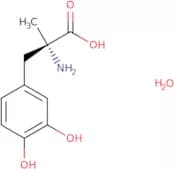
Discontinued product(S)-2-Amino-3-(3,4-dihydroxyphenyl)-2-methylpropionic acid sesquihydrate
CAS:(S)-2-Amino-3-(3,4-dihydroxyphenyl)-2-methylpropionic acid sesquihydrate is a synthetic drug that is used for the treatment of metabolic disorders such as diabetes mellitus. It has been shown in animal studies to increase locomotor activity and decrease bowel disease. It also has an effect on α7 nicotinic acetylcholine receptors and 2 adrenergic receptors.
Formula:C10H13NO4•(H2O)1Purity:Min 98%Color and Shape:PowderMolecular weight:238.24 g/molRef: 3D-FA33494
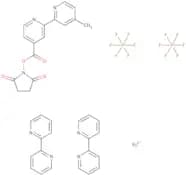
Discontinued productBis(2,2'-bipyridine)-4'-methyl-4-carboxybipyridine-ruthenium N-succinimidyl ester-bis(hexafluorophosphate)
CAS:Bis(2,2'-bipyridine)-4'-methyl-4-carboxybipyridine-ruthenium N-succinimidyl ester-bis(hexafluorophosphate) is a molecule that inhibits the activity of matrix metalloproteinases. It binds to the active site of the enzyme and blocks its activity. This drug has been shown to be effective in inhibiting the activity of MMPs in cells, but not in tissue culture because it does not cross cell membranes. Bis(2,2'-bipyridine)-4'-methyl-4-carboxybipyridine-ruthenium N-succinimidyl ester-bis(hexafluorophosphate) has also been shown to have a low detection limit and can detect low levels of matrix metalloproteinase activity in cells.
Formula:C36H29F12N7O4P2RuPurity:Min. 95%Color and Shape:PowderMolecular weight:1,014.66 g/molRef: 3D-FB29197
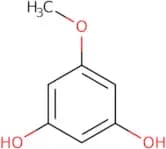
Discontinued product5-Methoxyresorcinol
CAS:5-Methoxyresorcinol is a plant product that has been shown to inhibit protein synthesis. It was found to have a second-order rate constant of 0.079 M-1s-1 at pH 7, which is much lower than the first order rate constant for urea hydrolysis (0.71 M-1s-1). 5-Methoxyresorcinol has also been shown to demethylate methyl glycosides and synthesize cell cultures. This product inhibits the replication of herpes simplex virus by inhibiting the synthesis of viral proteins in infected cells and blocking the maturation of progeny virus particles.
Formula:C7H8O3Purity:Min. 95%Color and Shape:Slightly Yellow PowderMolecular weight:140.14 g/molRef: 3D-FM61771
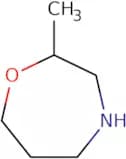
Discontinued product2-Methyl-1,4-oxazepane
CAS:2-Methyl-1,4-oxazepane is a fine chemical that can be used as a building block in organic synthesis. It is a versatile building block and can be used as a reaction component or intermediate. 2-Methyl-1,4-oxazepane has been used as an intermediate in the synthesis of various pharmaceutical drugs, including benzodiazepines and beta blockers. This compound is also used in the production of polyurethanes and other plastics.
2-Methyl-1,4-oxazepane has been classified by the Chemical Abstracts Service (CAS) as a speciality chemical with the number 1018614-41-9.Formula:C6H13NOPurity:Min. 95%Color and Shape:Colorless PowderMolecular weight:115.17 g/molRef: 3D-FM133973
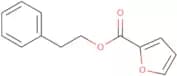
Discontinued product2-Phenylethyl furoate
CAS:2-Phenylethyl furoate is a laboratory odorant that has been shown to be toxic when ingested and sensitize when applied externally. It is an odorant that is used in the laboratory to demystify odors, and has been used in testing on animals. 2-Phenylethyl furoate is also an insect repellent that has been tested for its effectiveness against various species of insects, including cockroaches, ants, and termites. The effects of 2-phenylethyl furoate on these insects is not well studied.
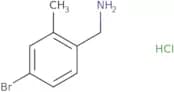
Formula:C13H12O3Purity:Min. 95%Color and Shape:Colorless Clear LiquidMolecular weight:216.23 g/mol4-Bromo-2-methylbenzylamine hydrochloride
CAS:4-Bromo-2-methylbenzylamine hydrochloride is a high quality, versatile building block that can be used in the synthesis of many different compounds. It is a reagent that can be used as an intermediate in the production of other compounds. 4-Bromo-2-methylbenzylamine hydrochloride is also a fine chemical and speciality chemical that can be used for research purposes. This compound has been shown to be useful as a reaction component in the synthesis of complex compounds.
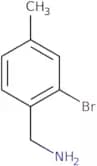
Formula:C8H10BrN·HClPurity:Min. 95%Molecular weight:236.54 g/mol2-Bromo-4-methylbenzylamine hydrochloride
CAS:2-Bromo-4-methylbenzylamine hydrochloride is a fine chemical that is used as a building block for other chemicals or as a reagent in research. It has CAS No. 1293323-97-3 and can be used in reactions where an amine is needed. This product is high quality, versatile, and useful for many different types of reactions.
Formula:C8H10BrN·HClPurity:Min. 95%Color and Shape:PowderMolecular weight:236.54 g/molRef: 3D-FB67361
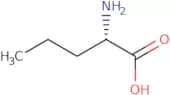
Discontinued productL-Norvaline
CAS:L-Norvaline is a hydrophobic amino acid that is synthesized in the body from the essential amino acid valine. It is an important intermediate in the biosynthesis of other amino acids, such as L-leucine and L-isoleucine. L-Norvaline has been shown to inhibit bacterial growth and can be used as an antimicrobial agent. It also inhibits the polymerase chain reaction by binding to DNA and RNA, thereby blocking transcription. This drug has been shown to increase energy metabolism, improve renal function, and reduce metabolic disorders in animals. These effects are thought to be due to its ability to bind with carbonyl oxygens on lysine residues of proteins.
Formula:C5H11NO2Purity:Min. 95%Color and Shape:PowderMolecular weight:117.15 g/molRef: 3D-FN47252
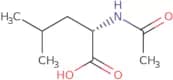
Discontinued productN-Acetyl-L-leucine
CAS:N-Acetyl-L-leucine is a natural amino acid that has been shown to have therapeutic potential in the treatment of neurodegenerative diseases. N-acetyl-L-leucine binds to DNA duplexes and inhibits the formation of protein aggregates, which are associated with neurodegenerative disorders. N-acetyl-L-leucine also has a high affinity for neuronal receptors, which may be due to its basic nature. In addition, this compound is able to inhibit oxidative stress induced by glutamate and nitric oxide, as well as mitochondrial membrane potential loss. It also protects against neuronal death induced by amide or cytosolic Ca2+.
Formula:C8H15NO3Color and Shape:White PowderMolecular weight:173.21 g/molRef: 3D-FA10862
Discontinued product2-[4-(4-Chloro-a-phenylbenzyl)-1-piperazinyl]-ethoxyacetic acid hydrochloride
CAS:2-[4-(4-Chloro-a-phenylbenzyl)-1-piperazinyl]-ethoxyacetic acid hydrochloride is a chemical compound that has been used to investigate the possible neuroprotective effects of cetirizine, an antihistamine. This drug was developed as a prodrug of cetirizine, which is converted in vivo to its active form. The main mechanism of action for this drug is inhibition of histamine release from mast cells and basophils by blocking H1 receptors. 2-[4-(4-Chloro-a-phenylbenzyl)-1-piperazinyl]-ethoxyacetic acid hydrochloride has also been shown to have beneficial effects on allergic symptoms and bowel disease in experimental models and clinical properties.Formula:C21H25ClN2O3·HClPurity:Min. 95%Color and Shape:PowderMolecular weight:425.35 g/molRef: 3D-FC33467
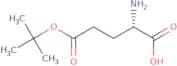
Discontinued productL-Glutamic acid 5-tert-butyl ester
CAS:L-glutamic acid 5-tert-butyl ester (L-GTE) is an amino acid that is classified as a heterocyclic amide. It can be synthesized by the condensation of L-glutamic acid and N-(2-aminoethyl)-N'-(2-propenyl)carbodimide with the tert-butylester of dihydrobenzoin. The protonation of L-GTE with sodium hydroxide produces the corresponding salt, L-glutamic acid 5-(N,N'-dimethylamino)propyl ester. This compound can be used for the synthesis of various amines by reacting it with primary amines in different sequences. L-GTE has also been shown to have antioxidant properties, which may be due to its ability to scavenge hydrogen sulfate radicals.
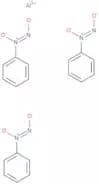
Formula:C9H17NO4Purity:Min. 98 Area-%Color and Shape:White PowderMolecular weight:203.24 g/molN-Nitroso-N-phenylhydroxylamine aluminium
CAS:N-Nitroso-N-phenylhydroxylamine aluminium (NNPA) is a nitrated organic compound that belongs to the thioxanthone family. It is a colorless, oily liquid that has a strong odor of hydrochloric acid. NNPA is used in the production of polyester resins and coatings, as well as in the manufacture of methacrylate polymers. The reaction system for this compound consists of aluminum chloride and calcium carbonate. This substance can be prepared by reacting trimethylolpropane with methacrylates and magnesium in an organic solvent such as isopropyl alcohol or acetone. NNPA can also be synthesized by reacting zinc powder with ammonium bicarbonate, followed by carbamoylation with an organic amine such as isopropylcarbamate.
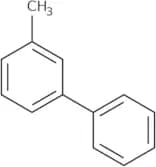
Formula:C18H15AlN6O6Purity:Min. 95%Color and Shape:White PowderMolecular weight:438.33 g/mol3-Methylbiphenyl
CAS:3-Methylbiphenyl is a colorless liquid with a pleasant odor that is soluble in organic solvents. It is an aromatic hydrocarbon that can be used as a carbon source for the synthesis of other chemicals. 3-Methylbiphenyl has been shown to inhibit the growth of Pseudomonas strains, including P. aeruginosa, and also inhibits nitrogenase activity in rhizosphere soil samples. This compound has two different isomers: 2-methylbiphenyl and 4-methylbiphenyl. The functional theory predicts that the ethyl group on 3-methylbiphenyl will react more quickly than the methyl proton because it has one additional electron pair than the methyl proton and thus an increased electron density around it.
Formula:C13H12Purity:Min. 95%Color and Shape:PowderMolecular weight:168.23 g/molRef: 3D-FM69805
Discontinued productN3-Orn(Boc) cyclohexylamine
CAS:N3-Orn(Boc) cyclohexylamine is a chemical intermediate that is used in the synthesis of complex compounds. It can be used as a building block or an intermediate in the synthesis of many fine chemicals, such as pharmaceuticals, agrochemicals, and fragrances. N3-Orn(Boc) cyclohexylamine is also used in reactions involving amines and alcohols to produce useful scaffolds. This chemical product has been shown to be safe for human use with no significant adverse side effects at doses up to 100mg/kg body weight.
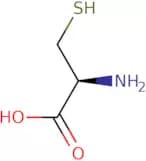
Formula:C10H18N4O4•C6H13NPurity:Min. 95%Color and Shape:PowderMolecular weight:357.4 g/molD-Cysteine
CAS:D-Cysteine is the L-cysteine stereoisomer. It has been shown to inhibit the response of nicotinic acetylcholine receptors and toll-like receptor 4, which are proteins that play a role in inflammation. D-Cysteine also inhibits the production of nitric oxide by inhibiting NADPH oxidase. This inhibition leads to decreased inflammation, as well as decreased oxidation of proteins and DNA. D-Cysteine has been shown to be a specific inhibitor of wild type strains of Escherichia coli, but not mutant strains with defects in iron homeostasis. The enzyme activity for d-cysteine is also inhibited by l-cysteine, which may result in drug interactions. D-Cysteine can be found naturally in foods such as garlic, onions, broccoli, and cauliflower.
Formula:C3H7NO2SColor and Shape:White PowderMolecular weight:121.16 g/mol[4-(1-Methyl-1-phenylethyl)phenoxy]acetic acid
CAS:4-(1-Methyl-1-phenylethyl)phenoxyacetic acid is a versatile building block that is used in the synthesis of a variety of fine chemicals and drugs. 4-(1-Methyl-1-phenylethyl)phenoxyacetic acid is an intermediate in the synthesis of a number of complex compounds, including research chemicals, reagents, and speciality chemicals. This compound can also be used as a reaction component for the synthesis of other chemical compounds or as a scaffold for larger molecules.
Formula:C17H18O3Purity:Min. 95%Color and Shape:PowderMolecular weight:270.32 g/molRef: 3D-FM112689
Discontinued productL-Valine
CAS:Amino acid
Formula:C5H11NO2Purity:min 98%Color and Shape:White PowderMolecular weight:117.15 g/molRef: 3D-FV00534
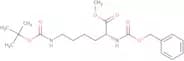
Discontinued productNα-Z-Nε-Boc-D-lysine methyl ester
CAS:Please enquire for more information about Nα-Z-Nε-Boc-D-lysine methyl ester including the price, delivery time and more detailed product information at the technical inquiry form on this page
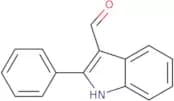
Formula:C20H30N2O6Purity:Min. 95%Color and Shape:PowderMolecular weight:394.46 g/mol2-Phenylindole-3-carboxaldehyde
CAS:2-Phenylindole-3-carboxaldehyde is an organic compound that belongs to the class of bioactive molecules. It is a nitrogen heterocycle that has been shown to inhibit the growth of cancer cells in culture. 2-Phenylindole-3-carboxaldehyde has also been shown to have anti-inflammatory and antimicrobial properties. This molecule can be used in the treatment of cancer, as it inhibits the growth of tumor cells by inhibiting DNA synthesis, which leads to cell death. The molecular structure can be altered by allylation or replacement with other functional groups. The 2-phenylindole moiety can be modified at its C2 position, altering its pharmacological properties and may lead to new anticancer drugs.
Formula:C15H11NOPurity:Min. 95%Color and Shape:PowderMolecular weight:221.25 g/mol1-[(2,6-Difluorophenyl)Methyl]-4-Methyl-2-Propan-2-Ylbenzimidazole
CAS:Controlled Product1-[(2,6-Difluorophenyl)Methyl]-4-Methyl-2-Propan-2-Ylbenzimidazole is a broad spectrum HIV drug that inhibits the HIV transcriptase. It binds to the active site of the enzyme and blocks the binding of nucleotides, preventing RNA synthesis. 1-[(2,6-Difluorophenyl)Methyl]-4-Methyl-2-Propan-2-Ylbenzimidazole has been shown to be effective against HIV in vitro and in vivo. This inhibitor has been shown to inhibit both wild type and mutant forms of HIV transcriptase by binding to the same region of the enzyme. The molecule also shows good activity against other types of viruses, including influenza virus, vesicular stomatitis virus and poliovirus.
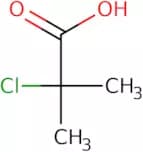
Formula:C18H18F2N2Purity:Min. 95%Molecular weight:300.35 g/mol2-Chloro-2-methylpropionic acid
CAS:2-Chloro-2-methylpropionic acid (MCPA) is a chemical compound that belongs to the group of organic compounds called acyl chlorides. It is used in industry for the production of acrylic acid and polyacrylic acid, as well as in the production of herbicides. MCPA is produced by reacting an alkali metal with 2-chloroethanol and thioacetic acid. This reaction can be catalyzed by a variety of compounds, including palladium chloride, nickel chloride, and titanium tetrachloride. The high yield of this reaction makes it suitable for commercial use. MCPA also has been shown to stimulate cell growth through its inhibition of monomers from polymerization into polymers.
Formula:C4H7ClO2Purity:Min. 95%Color and Shape:PowderMolecular weight:122.55 g/mol1-Palmitoyl-2-oleoyl-rac-glycerol
CAS:1-Palmitoyl-2-oleoyl-rac-glycerol is a fatty acid that is made in the mitochondria and is an intermediate in the production of diacylglycerol. It has been shown to have a linear response with cellular protein levels, and it has been shown to be involved in the genetic mechanisms of cells. 1-Palmitoyl-2-oleoyl-rac-glycerol has been found to have a number of protein targets, including phosphatidylinositide 3 kinase, PKC, and Akt. This molecule also has been used as an analytical method for measuring fatty acids in tissue samples and has been shown to alter enzyme levels, such as those found in prostaglandin synthase 2. 1-Palmitoyl-2-oleoyl-rac-glycerol can be synthesized by laser ablation or chromatographic science methods.
Formula:C37H70O5Purity:Min. 95%Color and Shape:Solidified MassMolecular weight:594.95 g/molRef: 3D-FP159222
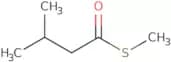
Discontinued productS-Methylisovalerate
CAS:S-Methylisovalerate is a branched fatty acid that is an intermediate in the biosynthesis of valine. It has been isolated from Corynebacterium glutamicum and Brevibacterium sp. S-Methylisovalerate has been identified by gas chromatography/mass spectrometry (GC/MS) as a major component of the volatile organic compounds produced by strains of Corynebacterium glutamicum and Brevibacterium sp. The GC/MS profile of these strains consists mainly of ester compounds, such as methyl ethyl acetate and butyric acid.
Formula:C6H12OSPurity:Min. 95%Color and Shape:Colorless Clear LiquidMolecular weight:132.22 g/molRef: 3D-FM35694
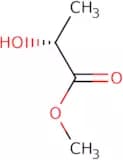
Discontinued productD-Methyl lactate
CAS:D-Methyl lactate is a synthetic, broad-spectrum antibacterial agent that is synthesized by the ring-opening of l-glutamic acid methyl esters with methyl glycosides. It has been shown to have a greater effect on gram-positive bacteria than gram-negative bacteria. This drug also has stereoselective activity against Staphylococcus aureus and Escherichia coli, which may be related to its ability to inhibit the synthesis of dl-amino acids. D-Methyl lactate has also been shown to increase bacterial cell growth at low concentrations and inhibit bacterial growth at high concentrations. This may be due to its ability to induce dehydration in cells through the cleavage of fatty acids.
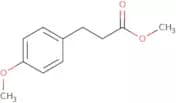
Formula:C4H8O3Purity:(¹H-Nmr) Min. 95 Area-%Color and Shape:Colorless Clear LiquidMolecular weight:104.1 g/molMethyl 4-methoxyphenylpropionate
CAS:Methyl 4-methoxyphenylpropionate is a pyridine derivative that is used as a solvent, reagent, and intermediate in organic synthesis. It has been shown to be a marker for aerosols in the environment and has been detected in the atmosphere of Beijing, China. The methyl ester can also be used to synthesize dienones and benzyl mesylates.
Formula:C11H14O3Purity:Min. 95%Color and Shape:PowderMolecular weight:194.23 g/molRef: 3D-FM33379
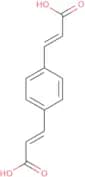
Discontinued product1,4-Phenylenediacrylic acid
CAS:1,4-Phenylenediacrylic acid is a yellow crystalline solid that has been shown to be carcinogenic in rodents. It is structurally similar to benzene and may have the same carcinogenic properties. 1,4-Phenylenediacrylic acid has been found to cause genetic damage in mammalian cells, which may lead to cancer. There are databases for carcinogenicity, mutagenicity, and toxicology of 1,4-Phenylenediacrylic acid. 1,4-Phenylenediacrylic acid also belongs to the subset of organic chemicals that are classified as carcinogens by IARC or NTP.
Formula:C12H10O4Purity:Min. 95%Color and Shape:Slightly Yellow PowderMolecular weight:218.21 g/molRef: 3D-FP69942
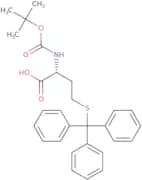
Discontinued productBoc-D-Homocys (Trt)-OH
CAS:Please enquire for more information about Boc-D-Homocys (Trt)-OH including the price, delivery time and more detailed product information at the technical inquiry form on this page
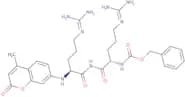
Formula:C28H31NO4SPurity:Min. 95%Molecular weight:477.62 g/molZ-Arg-Arg-AMC hydrochloride salt
CAS:Z-Arg-Arg-AMC hydrochloride salt is a versatile compound that acts as a catalyst and forms strong hydrogen bonds. It exhibits proteolytic activity and has been found to be effective in breaking down proteins. In addition, Z-Arg-Arg-AMC hydrochloride salt has been shown to possess neuroprotective properties, making it a potential candidate for the treatment of neurological disorders. It also demonstrates anthelmintic activity, which means it can be used to combat parasitic worm infections. Furthermore, this compound has antioxidant activity and can help reduce lipid peroxidation, protecting cells from oxidative damage. With its diverse range of characteristics, Z-Arg-Arg-AMC hydrochloride salt holds great promise in various research fields such as biochemistry and medicine.
Formula:C30H39N9O6·xHClPurity:Min. 95%Color and Shape:PowderMolecular weight:621.69 g/molRef: 3D-FA110491
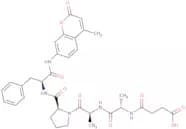
Discontinued productSuc-Ala-Ala-Pro-Phe-AMC
CAS:Suc-Ala-Ala-Pro-Phe-AMC is a synthetic substrate for proteolytic enzymes. This substrate has been shown to be hydrolyzed by pancreatic trypsin and soybean trypsin with similar rates. Suc-Ala-Ala-Pro-Phe-AMC is also a substrate for erythrocyte eosinophil peroxidase, which has been shown to have an optimum pH of 5.0. The reaction mechanism of this substrate is not yet fully understood, but it may involve the formation of a Schiff base between the amino group on the proline residue and the carbonyl group on the AMC moiety. Suc-Ala-Ala-Pro-Phe-AMC also reacts with surface membranes and can be used as an indicator of protease activity.
Formula:C34H39N5O9Purity:Min. 98 Area-%Color and Shape:PowderMolecular weight:661.7 g/molRef: 3D-FS48217
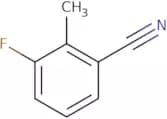
Discontinued product3-Fluoro-2-methylbenzonitrile
CAS:3-Fluoro-2-methylbenzonitrile is a novel androgen receptor modulator that binds to the androgen receptor with high affinity and selectivity. 3-Fluoro-2-methylbenzonitrile has been shown to have agonistic activity in vivo. It has been proposed as an alternative to testosterone for the treatment of muscle wasting, osteoporosis, and other hormone deficiencies. 3-Fluoro-2-methylbenzonitrile is metabolized by CYP3A4 enzymes, which may be modified to improve its metabolic stability and thus increase its bioavailability. In addition, modifications of 3-fluoro-2-methylbenzonitrile may be made that would improve its pharmacokinetic profile (e.g., naphthalene profiles).
Formula:C8H6FNPurity:Min. 95%Color and Shape:PowderMolecular weight:135.14 g/molRef: 3D-FF33625
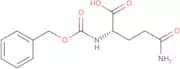
Discontinued productCbz-L-glutamine
CAS:Cbz-L-glutamine is a water soluble compound that is used in the synthesis of pomalidomide. It is synthesized through a stepwise amide formation from methylamine and ethylene diamine. Cbz-L-glutamine has been shown to have an inhibitory effect on cancer cells, which may be due to its ability to break down hydroxamic acids. This chemical reaction causes the release of hydrogen ions, which leads to the disruption of various cellular processes, such as DNA replication and protein synthesis. The uptake of Cbz-L-glutamine by cancer cells has been shown in tissue culture experiments.
Formula:C13H16N2O5Purity:Min. 95%Color and Shape:PowderMolecular weight:280.28 g/molRef: 3D-FC39401
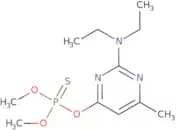
Discontinued productPirimiphos-methyl
CAS:Pirimiphos-methyl is a pesticide that belongs to the class of organophosphates. It is an insecticide that is applied on the surface of plants to control aphids, thrips, leafhoppers, and other insects. Pirimiphos-methyl has been shown to have a high degree of resistance in weevils. The LD50 for pirimiphos-methyl in weevils was found to be much higher than in other insects such as Drosophila melanogaster or Musca domestica. Pirimiphos-methyl inhibits acetylcholinesterase activity by reacting with the enzyme's active site and blocking the transfer of an acetyl group from acetyl coenzyme A to choline. This results in increased levels of acetylcholine at neuromuscular junctions and subsequent paralysis and death.
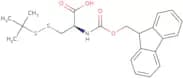
Formula:C11H20N3O3PSPurity:Min. 90 Area-%Color and Shape:Clear LiquidMolecular weight:305.33 g/molFmoc-L-Cys(StBu)-OH
CAS:Fmoc-L-Cys(StBu)-OH is a synthetic molecule that is used in pharmaceutical formulations. It can be synthesized from Fmoc-L-Cys and L-serine methyl ester by the chemical ligation of the two molecules. The chloride group at the end of this molecule provides a functional group for conjugation with other biomolecules, such as fatty acids. This molecule has been shown to have high purity with an isolated yield of about 98%.
Formula:C22H25NO4S2Purity:Min. 98 Area-%Color and Shape:PowderMolecular weight:431.57 g/molRef: 3D-FF41067
Discontinued product(3-(2,6-dichlorophenyl)-5-methylisoxazol-4-yl)-N-(2,5-dimethoxyphenyl)formamide
CAS:Please enquire for more information about (3-(2,6-dichlorophenyl)-5-methylisoxazol-4-yl)-N-(2,5-dimethoxyphenyl)formamide including the price, delivery time and more detailed product information at the technical inquiry form on this page
Purity:Min. 95%Ref: 3D-FD169572
Discontinued productSex Pheromone Inhibitor iPD1 trifluoroacetate salt
CAS:Sex pheromone inhibitor IPD1 is an antibody that inhibits the production of sex pheromones by Streptococcus faecalis. It is used to diagnose and treat allergic diseases, such as atopic dermatitis or bronchial asthma. This antibody binds to a protein called polypide, which is involved in the synthesis of sex pheromones, and inhibits its activity. It has been shown to inhibit the production of sex pheromones by Streptococcus faecalis when analyzed using an SDS-polyacrylamide gel electrophoresis method. Sex pheromone inhibitor IPD1 also binds to antibodies against streptococcus, acari, and other bacteria.
Formula:C39H72N8O11Purity:Min. 95%Color and Shape:PowderMolecular weight:829.04 g/molRef: 3D-FS110470
Discontinued productD,L-Azatryptophan hydrate
CAS:Azatryptophan hydrate is an organic compound that is a useful building block, reagent, and intermediate in the synthesis of many complex compounds. Azatryptophan hydrate is soluble in water and reacts readily with a variety of other compounds. It can be used as a starting material to prepare complex molecules such as heterocycles and natural products. Azatryptophan hydrate has been shown to have high purity and quality and is often used as a research chemical or speciality chemical for commercial purposes.
Formula:C10H13N3O3Purity:Min. 95%Color and Shape:White To Light (Or Pale) Yellow SolidMolecular weight:223.23 g/molRef: 3D-FA18065
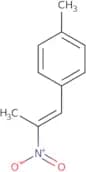
Discontinued product4-Methylphenylnitropropene
CAS:4-Methylphenylnitropropene is a psychostimulant drug that has been shown to have a high binding affinity for dopamine transporters. It is also known to increase the level of dopamine in the synaptic cleft and can be used as a research tool for understanding the function of dopamine in neuronal synapses. 4-Methylphenylnitropropene has been shown to cause an increase in locomotor activity and is able to induce euphoria when administered to rats. This drug is not thought to cause any physical dependence, although it may lead to psychological dependence.
Formula:C10H11NO2Purity:Min. 95%Color and Shape:PowderMolecular weight:177.2 g/molPexiganan acetate
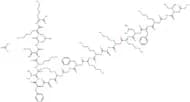
CAS:Controlled ProductPexiganan acetate is the acetate salt form of a polymyxin B derivative that has potent antimicrobial activity against both Gram-positive and Gram-negative bacteria. It has been shown to be effective in the treatment of tissue infections, especially those caused by human pathogens such as Staphylococcus aureus, Pseudomonas aeruginosa, and Escherichia coli. Pexiganan also has significant activity against Mycobacterium tuberculosis and other mycobacteria. The mechanism of action for pexiganan is not fully understood but it may involve the inhibition of bacterial cell wall synthesis, or the disruption of bacterial membranes. Pexiganan was originally isolated from a marine sponge off the coast of Australia in 1961. It had been classified as an antimicrobial peptide (AMP) because of its chemical structure, which includes a polymyxin B moiety. Pexiganan’s AMP classification was later challenged when researchers found that it did
Formula:C122H210N32O22•(C2H4O2)xPurity:Min. 95%Color and Shape:PowderMolecular weight:2,477.18 g/molH-Glu-Val-OH
CAS:H-Glu-Val-OH is a coordination complex that contains the metal scandium. It is used as a ligand to form complexes with other metals and organic molecules. This compound is also used in peptide synthesis and has been shown to have a strong interaction with nitrate, serine, and formiate. H-Glu-Val-OH is soluble in solutions such as water or formiate. The tripeptide Ser-Gly-Val can be formed from this compound by hydrolysis of the hydroxo group.
Formula:C10H18N2O5Purity:Min. 95 Area-%Color and Shape:PowderMolecular weight:246.26 g/molRef: 3D-FG108043
Discontinued productArg-Gly-Asp TFA salt
CAS:Arg-Gly-Asp TFA salt is a molecule that is used as a prodrug, meaning it is inactive until it has been converted to the active form. It has been shown to be effective when injected subcutaneously or intramuscularly and is hydrophilic. Arg-Gly-Asp TFA salt has been shown to have problematic effects on polymerization when exposed to heat. The molecule has an active form that can be absorbed into the body through injection sites and then hydrolyzed by esterases or glucuronidases, oxidized by cytochrome P450 enzymes, reduced by glutathione reductase, or conjugated with glucuronic acid. Arg-Gly-Asp TFA salt also specifically binds to markers expressed at high levels in Mycobacterium tuberculosis strains (e.g., ESX-1 secretion system protein) and inhibits cell growth in culture.
Formula:C12H22N6O6·C2HF3O2Purity:Min. 95%Color and Shape:PowderMolecular weight:460.36 g/molRef: 3D-FA175085
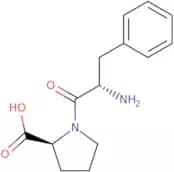
Discontinued productH-Phe-Pro-OH
CAS:H-Phe-Pro-OH is a cyclic peptide that is a structural mimic of the natural amino acid gamma-aminobutyric acid (GABA) and has been shown to be an effective inhibitor of the p450 enzymes responsible for carcinogen activation. The peptide binds to response elements in DNA and RNA, which prevents transcription of genes that are involved in cancer development. H-Phe-Pro-OH also inhibits collagen production and has hemolytic activity due to hydrogen bonding with erythrocytes. This peptide can be used as an antimicrobial agent against Gram negative bacteria, including Pseudomonas aeruginosa, Klebsiella pneumoniae, Escherichia coli, and Salmonella typhimurium. In addition, it has been shown to inhibit the growth of Gram positive bacteria such as Staphylococcus aureus and Clostridium perfringens. The mechanism by which this compound inhibits bacterial growth is
Formula:C14H18N2O3Purity:Min. 95%Color and Shape:PowderMolecular weight:262.3 g/molRef: 3D-FP108146
Discontinued productL-Alanine-β-naphthylamide
CAS:L-alanine-β-naphthylamide is an amino acid that is synthesized by the action of β-Naphtholactamase on l-alanine. It is used as a substrate for enzyme studies and to determine the uptake of substances by cells. L-Alanine-β-naphthylamide has been shown to inhibit the activity of some enzymes, such as aminopeptidases and peptidases. The inhibition may be due to its ability to bind to lysine residues in the active site of these enzymes. This amino acid also inhibits the growth of bacteria at neutral pH and has a bacteriostatic effect at a pH range from 4.5 to 5.5.
Formula:C13H14N2OPurity:Min. 95%Color and Shape:PowderMolecular weight:214.26 g/molRef: 3D-FA66171
Discontinued productH-Val-Gly-Ser-Glu-OH
CAS:H-Val-Gly-Ser-Glu-OH is a model system for the study of uptake and distribution of fluorescently labeled peptides. It is made up of four amino acids that are found in various proteins, and also have been shown to be potent inducers of inflammation. H-Val-Gly-Ser-Glu-OH has an acidic side chain and can be cleaved by proteases, which may account for its ability to enhance cell proliferation. H-Val-Gly-Ser-Glu-OH is localized to the epidermal growth factor receptor (EGFR) on the surface membrane of cells and shows chemotactic activity towards hl60 cells, which are human promyelocytic leukemia cells. This peptide also increases light emission from hl60 cells when cultured with monoclonal antibodies against EGFR.
Formula:C15H26N4O8Purity:Min. 95%Color and Shape:PowderMolecular weight:390.39 g/molRef: 3D-FV108801
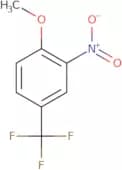
Discontinued product4-Methoxy-3-nitrobenzotrifluoride
CAS:4-Methoxy-3-nitrobenzotrifluoride is a chemical that belongs to the group of reactants. It is used as a reagent, building block, or intermediate in organic synthesis. 4-Methoxy-3-nitrobenzotrifluoride has been shown to be an effective scaffold for the preparation of complex compounds with versatile building blocks and useful intermediates. It can also be used as a fine chemical with speciality chemical properties.
Formula:C8H6F3NO3Purity:Min. 95%Color and Shape:PowderMolecular weight:221.13 g/molRef: 3D-FM69984
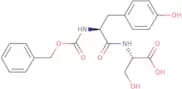
Discontinued productZ-Tyr-Ser-OH
CAS:Z-Tyr-Ser-OH is a fine chemical that is used as a versatile building block in the synthesis of complex compounds. It is also a useful intermediate for the production of many other chemicals, including pharmaceuticals, agrochemicals and research chemicals. The CAS number for Z-Tyr-Ser-OH is 20448-71-9. This compound has been shown to be a high quality reagent with many applications in research and commercial manufacturing.
Formula:C20H22N2O7Purity:Min. 95%Color and Shape:PowderMolecular weight:402.4 g/molRef: 3D-FT111524
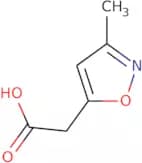
Discontinued product3-Methyl-5-isoxazoleacetic acid
CAS:Please enquire for more information about 3-Methyl-5-isoxazoleacetic acid including the price, delivery time and more detailed product information at the technical inquiry form on this page
Formula:C6H7NO3Purity:Min. 95%Molecular weight:141.12 g/molRef: 3D-FM45304
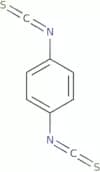
Discontinued product1,4-Phenylene diisothiocyanate
CAS:1,4-Phenylene diisothiocyanate is a potent anthelmintic drug that inhibits the growth of parasites and has been used to treat infections caused by helminths. It binds to a chemoreceptor site on the parasite's surface and prevents the release of an inflammatory mediator, epidermal growth factor. This drug also interacts with other receptors, such as P2Y2, which are involved in inflammation. 1,4-Phenylene diisothiocyanate has been shown to be effective against cancer cells in experimental models and may be useful in chemotherapeutic treatments due to its ability to inhibit cell proliferation.
Formula:C8H4N2S2Purity:Min. 98 Area-%Color and Shape:Off-White PowderMolecular weight:192.26 g/mol4-Methyloctane
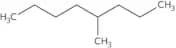
CAS:4-Methyloctane is a hydrocarbon that consists of a chain of eight carbon atoms and four methyl groups. The chemical formula is CH3(CH2)4CH3. 4-Methyloctane has been shown to reduce the proliferation of leukemia cells and human macrophages, which may be due to its ability to inhibit fatty acid synthesis. It also has been shown to have protonation properties, which is why it can be used as a reaction intermediate for many organic reactions.
Formula:C9H20Purity:Min. 95%Color and Shape:Colorless Clear LiquidMolecular weight:128.26 g/mol1-Phenanthrol
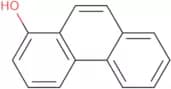
CAS:1-Phenanthrol is a naturally occurring phenanthrene derivative that is used in the treatment of cervical cancer. It has been shown to be effective in the chemiluminescence method using urine samples, which indicates that it may have an effect on the body's metabolism. 1-Phenanthrol has also been shown to inhibit the production of s-phenylmercapturic acid, which is a metabolite of aromatic amines. This inhibition may be due to its receptor binding properties as it binds to and activates the peroxisome proliferator-activated receptor alpha (PPARα) and PPARγ. 1-Phenanthrol also inhibits angiotensin II type 1 receptors and can cause vasorelaxation by reducing blood pressure.
Formula:C14H10OPurity:Min. 95%Color and Shape:Off-White PowderMolecular weight:194.23 g/molRef: 3D-FP26864
Discontinued product4,5-Dimethyl-3-(2-oxo-2-phenylethyl)thiazol-3-ium chloride
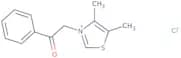
CAS:4,5-Dimethyl-3-(2-oxo-2-phenylethyl)thiazol-3-ium chloride (CGP42112A) is a cytosolic calcium antagonist and a biocompatible polymer that has been shown to be effective in the treatment of diabetes. The drug binds to the endothelin A receptor, which causes the release of intracellular calcium ions from the endoplasmic reticulum. CGP42112A has been shown to demonstrate side effects profiles that are similar to those seen with other pharmacological agents, such as mitochondrial functions and glycation. It also inhibits growth factor β1, which is involved in cell proliferation and differentiation. CGP42112A has been shown to be effective in combination therapy for patients with diabetic nephropathy, tubulointerstitial injury, and neuronal death.Formula:C13H14ClNOSPurity:Min. 95%Color and Shape:SolidMolecular weight:267.78 g/molRef: 3D-FD140267
Discontinued productH-Pro-Arg-bNA·HCl
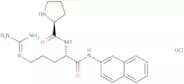
CAS:H-Pro-Arg-bNA·HCl is a reagent, complex compound and useful intermediate with the CAS number 201998-83-6. It is a fine chemical that is used as a useful scaffold or building block for the synthesis of other chemicals. This product can be used in research and as a versatile building block for reactions.
Formula:C21H28N6O2·HClPurity:Min. 95%Color and Shape:PowderMolecular weight:432.95 g/molRef: 3D-FP110680
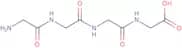
Discontinued productGly-Gly-Gly-Gly-OH
CAS:Gly-Gly-Gly-Gly-OH is a peptide that is used as an absorption enhancer. It has been shown to absorb ultraviolet light and convert it into visible light, which can increase the effectiveness of photosensitive drugs in the treatment of cancer. Gly-Gly-Gly-Gly-OH has also been shown to have protonation properties and can hydrogen bond with other molecules, including proteins. This molecule is activated by oxidation, which converts it from its amide form to its imine form. This activation process can be catalyzed by an oxidation catalyst such as manganese dioxide or nickel chloride. The imine form reacts with an electron donor such as hydrogen peroxide to produce an aromatic ring compound, which then undergoes intramolecular hydrogen transfer reactions to produce a second aromatic ring compound. These two compounds react with each other and release a water molecule (H2O) and energy in the form of heat or light. The frequency shift
Formula:C8H14N4O5Purity:Min. 95%Color and Shape:PowderMolecular weight:246.22 g/molRef: 3D-FG49308
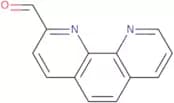
Discontinued product1,10-Phenanthroline-2-carbaldehyde
CAS:1,10-Phenanthroline-2-carbaldehyde is a phenylhydrazone compound that has been shown to have anticancer activity. It is also a supramolecular complex, which means it can form hydrogen bonds and coordinate bonds with other molecules. The anticancer activity of 1,10-phenanthroline-2-carbaldehyde may be due to its ability to inhibit the growth of prostate carcinoma cells. This compound also inhibits the growth of human cervical carcinoma cells by binding to their DNA and inhibiting the synthesis of RNA and protein. 1,10-Phenanthroline-2-carbaldehyde is being studied for its potential as an inhibitor of tumor angiogenesis.
1,10-Phenanthroline-2-carbaldehyde has been shown to have antiplatelet aggregation effects in platelets from healthy humans as well as those with type 2 diabetes mellitus or chronic kidney disease.Formula:C13H8N2OPurity:Min. 90 Area-%Color and Shape:Off-White PowderMolecular weight:208.22 g/molRef: 3D-FP34912
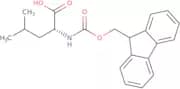
Discontinued productFmoc-D-Leu-OH
CAS:Fmoc-D-Leu-OH is a disulfide bond containing molecule with an intracellular Ca2+ chelating activity. It has been shown to have cytoprotective effects against oxidative stress and cell death, and has also been found to have antiinflammatory properties. Fmoc-D-Leu-OH can inhibit the activities of various enzymes such as cyclooxygenase, lipoxygenase, phospholipases, and diamine oxidase. This molecule also exhibits cytotoxic activity against bladder cancer cells in vitro. The pharmacokinetic properties of Fmoc-D-Leu-OH are similar to other molecules that are used as antibiotics.
Fmoc-D-Leu-OH is a cyclic peptide with antimicrobial peptide (AMP) activity that inhibits bacterial growth by disrupting their cell membranes or inhibiting protein synthesis. It binds to bacterial 16S ribosomal RNA and inhibits protein synthesis, leadingFormula:C21H23NO4Purity:Min. 98 Area-%Color and Shape:White PowderMolecular weight:353.41 g/molRef: 3D-FF39046
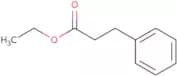
Discontinued productEthyl 3-phenylpropionate
CAS:Ethyl 3-phenylpropionate is a clear, colorless liquid with a fruity odor. It has been used in the production of perfumes and as a solvent. The compound is also known to be used in the synthesis of other organic compounds and can be found in dry weight. Palladium complexes are formed when ethyl 3-phenylpropionate is mixed with palladium chloride or palladium acetate. Ethyl 3-phenylpropionate is an intermediate in the conversion of ethyl decanoate to methyl anthranilate by diethyl succinate and p. pastoris. This conversion takes place at room temperature and below the phase transition temperature (T). The compound has been shown to have low lp-pla2 activity, which may be due to its lack of hydroxyl group.
Formula:C11H14O2Purity:Min. 95%Color and Shape:Colorless PowderMolecular weight:178.23 g/molRef: 3D-FE39043
Discontinued productFmoc-3-(1-naphthyl)-L-alanine
CAS:Fmoc-3-(1-naphthyl)-L-alanine is a versatile building block that can be used in the synthesis of complex compounds. It has been shown to be a useful intermediate in the synthesis of a range of biologically active compounds, including research chemicals and reagents. It is also a useful scaffold for the preparation of complex chemical structures. Fmoc-3-(1-naphthyl)-L-alanine is available as an off-white solid with a purity of 99%.
Formula:C28H23NO4Purity:Min. 98.0 Area-%Color and Shape:White PowderMolecular weight:437.49 g/molRef: 3D-FF47418
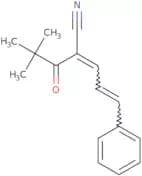
Discontinued product2-(2,2-dimethylpropanoyl)-5-phenylpenta-2,4-dienenitrile
CAS:Please enquire for more information about 2-(2,2-dimethylpropanoyl)-5-phenylpenta-2,4-dienenitrile including the price, delivery time and more detailed product information at the technical inquiry form on this page
Formula:C16H17NOPurity:Min. 95%Color and Shape:PowderMolecular weight:239.31 g/molRef: 3D-FD169909
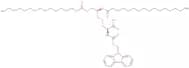
Discontinued productFmoc-Cys((R)-2,3-di(palmitoyloxy)-propyl)-OH
CAS:Fmoc-Cys((R)-2,3-di(palmitoyloxy)-propyl)-OH is a versatile building block that is useful for the synthesis of complex compounds. This compound has been shown to be a useful intermediate in the synthesis of pharmaceuticals, organic dyes and research chemicals. Fmoc-Cys((R)-2,3-di(palmitoyloxy)-propyl)-OH is a fine chemical that is used as a reagent in organic synthesis. It has CAS No. 139573-77-6 and can be used as a speciality chemical or reaction component.
Formula:C53H83NO8SPurity:Min. 95 Area-%Color and Shape:White PowderMolecular weight:894.29 g/molRef: 3D-FF111417
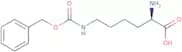
Discontinued productNe-Z-D-lysine
CAS:Please enquire for more information about Ne-Z-D-lysine including the price, delivery time and more detailed product information at the technical inquiry form on this page
Formula:C14H20N2O4Purity:Min. 95%Color and Shape:PowderMolecular weight:280.32 g/mol3-((4,5-dichloroimidazolyl)methyl)-4-bromo-2-methyl-1-phenyl-3-pyrazolin-5-one
CAS:Please enquire for more information about 3-((4,5-dichloroimidazolyl)methyl)-4-bromo-2-methyl-1-phenyl-3-pyrazolin-5-one including the price, delivery time and more detailed product information at the technical inquiry form on this page
Purity:Min. 95%Ref: 3D-FD169753
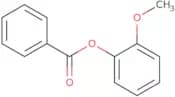
Discontinued product1-Benzoyloxy-2-methoxybenzene
CAS:1-Benzoyloxy-2-methoxybenzene is a diphenyl ether that has been shown to have analgesic, anti-inflammatory and antipyretic properties. It inhibits the secretion of pancreatic enzymes, which may be due to its interaction with the hydroxyl group on the cavity of the enzyme. 1-Benzoyloxy-2-methoxybenzene also inhibits intestinal fluid production in rats with ulcerative colitis, which may be due to its ability to inhibit bond cleavage in lysosomes by interacting with the hydroxy group on the cavity of lysosomal enzymes. When applied topically, 1-Benzoyloxy-2-methoxybenzene has been shown to be effective in alleviating pain from abrasions or other wounds in rats and humans. This drug also has a stereoselective effect on benzoate, inhibiting its action at high concentrations.
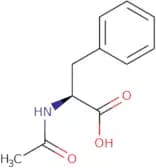
Formula:C14H12O3Purity:Min. 95%Color and Shape:PowderMolecular weight:228.24 g/molN-Acetyl-L-Phenylalanine
CAS:N-Acetyl-L-Phenylalanine is a reactive compound that is involved in the metabolism of amino acids. It has been shown to inhibit liver cell growth and induce apoptosis. The reaction mechanism of N-acetyl-L-phenylalanine has been extensively studied, with studies showing it to react with carbonyl oxygens, hydrogen bond, and intramolecular hydrogen. N-Acetyl-L-phenylalanine has also been shown to have an optimum pH of 6.5 and its chemical formula is C10H11NO2.
Formula:C11H13NO3Purity:Min. 95%Color and Shape:PowderMolecular weight:207.23 g/mol2-[N-[(3,5-Difluorophenyl)carbamoylamino]-C-methylcarbonimidoyl]pyridine-3-carboxylic acid
CAS:2-[N-[(3,5-Difluorophenyl)carbamoylamino]-C-methylcarbonimidoyl]pyridine-3-carboxylic acid (2FPC) is a potent herbicide that inhibits the fatty acid synthase enzyme and blocks cellular energy production. Fatty acid synthase is an important enzyme in the synthesis of essential fatty acids and this inhibition can lead to a number of health complications. 2FPC also inhibits epidermal growth factor receptor (EGFR) and glucocorticoid receptors, which can lead to autoimmune diseases. The compound has been shown to produce neurotoxic effects in animals and humans, including optical sensor activation and cation channel modulation. 2FPC is used as a herbicide to control weeds such as knapweed. It is also used as an anti-inflammatory agent in the treatment of rheumatoid arthritis.Formula:C15H12F2N4O3Purity:Min. 97 Area-%Color and Shape:PowderMolecular weight:334.28 g/molRef: 3D-FD101726
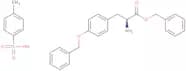
Discontinued productO-Benzyl-L-tyrosine benzyl ester 4-toluenesulfonate
CAS:O-Benzyl-L-tyrosine benzyl ester 4-toluenesulfonate salt is a fine chemical that belongs to the category of useful scaffolds and versatile building blocks. It is a high quality reagent that can be used as a reaction component in the preparation of complex compounds. This compound has shown to be useful in research on various types of drugs, including analgesics, antibiotics, antihistamines, antidepressants, antipsychotics and others.
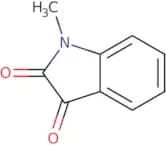
Formula:C23H23NO3•C7H8O3SPurity:Min. 95%Color and Shape:White solid.Molecular weight:533.64 g/mol1-Methyl-1H-indole-2,3-dione
CAS:1-Methyl-1H-indole-2,3-dione is a chemical compound that belongs to the class of indole derivatives. It can be synthesized by reacting 2,3-dihydroxybenzaldehyde with 2,2'-azobis(2-amidinopropane) dihydrochloride and methyl iodide in the presence of copper (II) acetate. This reaction mechanism is similar to that of other reactions involving an intramolecular hydrogen transfer. The binding constants for 1-methyl-1H-indole-2,3-dione are very high and this compound has been shown to inhibit herpes simplex virus replication in vitro. 1MIDD binds to the active site of tryptophan fluorescence and synchronous fluorescence proteins. 1MIDD also binds to copper ions in a coordination geometry that is similar to that found for other compounds containing a carbonyl group.
Formula:C9H7NO2Purity:Min. 95%Color and Shape:PowderMolecular weight:161.16 g/molRef: 3D-FM125542
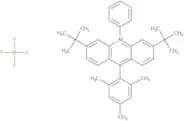
Discontinued product3,6-Bis(1,1-dimethylethyl)-10-phenyl-9-(2,4,6-trimethylphenyl)-acridinium tetrafluoroborate
CAS:3,6-Bis(1,1-dimethylethyl)-10-phenyl-9-(2,4,6-trimethylphenyl)-acridinium tetrafluoroborate is a high quality reagent that is used as an intermediate in the synthesis of other compounds. It has CAS No. 1810004-87-5 and a molecular weight of 345.7 g/mol. This compound is useful for the synthesis of complex compounds and can be used in fine chemicals. 3,6-Bis(1,1-dimethylethyl)-10-phenyl-9-(2,4,6-trimethylphenyl)-acridinium tetrafluoroborate is also useful for research purposes and can be used as a scaffold for drug discovery. It is also a versatile building block that can be used in reactions to produce speciality chemicals and reaction components such as esters or amides.Formula:C36H40BF4NPurity:Min 95%Color and Shape:PowderMolecular weight:573.51 g/molRef: 3D-FB76607
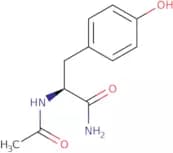
Discontinued productAcetyl-L-tyrosine amide
CAS:Acetyl-L-tyrosine amide is an analog of L-tyrosine that is used as an active substance in the field of uv absorption. Acetyl-L-tyrosine amide reacts with sodium hydroxide to form a soluble salt, which has been shown to have binding constants that are comparable to those of human serum. This compound also has fluorescence properties and can be used for the determination of neutral pH. The reaction products formed between acetyl-L-tyrosine amide and sodium hydroxide are hydrolyzed by acids and yield a molecule with rotameric properties. These rotameric properties can be modeled using a protein model without affecting the stability or function of the protein.
Formula:C11H14N2O3Purity:Min. 95%Color and Shape:PowderMolecular weight:222.24 g/molRef: 3D-FA47448
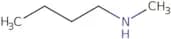
Discontinued productN-Methylbutylamine
CAS:N-Methylbutylamine is a pharmaceutical drug that belongs to the class of amines. It is used as a hydrogen bond donor in some organic reactions. N-Methylbutylamine has been shown to have cytotoxic effects on prostate cancer cells and has been used for the treatment of this type of cancer. This drug also has a fluorescent derivative, which can be used in the detection of water vapor. The amine group of N-Methylbutylamine is involved in catalysis by enzymes and organometallic compounds. The optimum pH for this molecule is 7, with an activation energy at 20 degrees Celsius of 42 kilojoules per mole.
N-Methylbutylamine has also been shown to inhibit kinesin, an important protein involved in cellular transport.Formula:C5H13NPurity:Min. 95%Color and Shape:Clear LiquidMolecular weight:87.17 g/molRef: 3D-FM58751
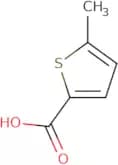
Discontinued product5-Methyl-2-thiophenecarboxylic acid
CAS:5-Methyl-2-thiophenecarboxylic acid is an organic compound with the molecular formula CH3COOH. It has a carboxyl group at one end and a methyl group at the other, hence its name. 5-Methyl-2-thiophenecarboxylic acid is used in the synthesis of esters that are useful as intermediates in the production of pharmaceuticals, pesticides, and other chemicals. The asymmetric synthesis of 5-Methyl-2-thiophenecarboxylic acid was accomplished by reacting it with sodium hydroxide in methanol. The compound is also found to have anticarcinogenic properties. A study conducted on mice showed that 5-Methyl-2-thiophenecarboxylic acid inhibited skin cancer by inducing apoptosis in melanoma cells and inhibiting cell proliferation. 5-Methyl-2-thiophenecarboxylic acid has been shown to
Formula:C6H6O2SPurity:Min. 95%Color and Shape:PowderMolecular weight:142.18 g/molRef: 3D-FM29285
Discontinued product(2R)-4-Methyl-2-[2-oxo-2-[(phenylmethoxy)amino]ethyl]pentanoic acid
CAS:Please enquire for more information about (2R)-4-Methyl-2-[2-oxo-2-[(phenylmethoxy)amino]ethyl]pentanoic acid including the price, delivery time and more detailed product information at the technical inquiry form on this page
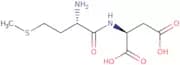
Formula:C15H21NO4Molecular weight:279.33 g/molH-Met-Asp-OH
CAS:H-Met-Asp-OH is a synthetic formyl peptide that was designed to be hydrolyzed by proteolytic enzymes. It has been shown to be able to inhibit the formation of β-amyloid, which is associated with Alzheimer's disease. H-Met-Asp-OH also has been shown to have physicochemical properties similar to aspirin, and can be used as an antiplatelet agent. In addition, it has been shown to act as a catalase inhibitor in vitro and may have some therapeutic potential for the treatment of diabetes mellitus type 2.
Formula:C9H16N2O5SPurity:Min. 95%Color and Shape:White PowderMolecular weight:264.3 g/molRef: 3D-FM108122
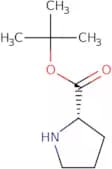
Discontinued productL-Proline tert-butyl ester
CAS:L-Proline tert-butyl ester is an organic compound that is used in the synthesis of amino acids and pharmaceuticals. It is chiral, and can be synthesized by a stepwise, asymmetric synthesis. The hydrochloric acid treatment of L-lysine with trifluoroacetic acid yields the corresponding L-proline tert-butyl ester. The stereoselectivity of this process depends on the type of catalyst used for demethylation and alkylation reactions.
Formula:C9H17NO2Purity:Min. 95%Color and Shape:PowderMolecular weight:171.24 g/molRef: 3D-FP47582
Discontinued productN-[(4-Amino-2-methylpyrimidin-5-yl)methyl]formamide
CAS:N-[(4-Amino-2-methylpyrimidin-5-yl)methyl]formamide (NAMPT) is a triazolo compound that inhibits the ATP binding cassette transporter and blocks the uptake of uridine and pyrimidine compounds. It also inhibits inorganic pyrophosphatase, which is an enzyme that catalyzes the hydrolysis of pyrophosphate to inorganic phosphate. NAMPT has been shown to be a substrate for hypochlorous acid production in neutrophils, suggesting it may play a role in the regulation of oxidative stress. Chemical biology studies have demonstrated that NAMPT plays a physiological function as an intermediate in vitamin B1 biosynthesis.
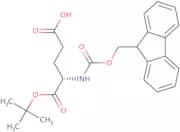
Formula:C7H10N4OPurity:Min. 95%Color and Shape:PowderMolecular weight:166.18 g/molFmoc-L-Glu-OtBu
CAS:Fmoc-L-Glu-OtBu is a synthetic ligand that is used as a fluorescent probe in vivo. It has been shown to bind to semaglutide with high affinity, and it can be used to study the function of semaglutide in the cell. Fmoc-L-Glu-OtBu has also been found to have an inhibitory effect on cancer cells. This ligand can be synthesized by solid-phase synthesis and purified by column chromatography. The purity of Fmoc-L-Glu-OtBu is confirmed by elemental analysis, and its impurities are determined by fluorescence spectroscopy. The carboxylate group of Fmoc-L-Glu-OtBu is activated with sulfuric acid to form the corresponding active ester, which can then be conjugated with other molecules.
Formula:C24H27NO6Purity:Min. 95%Color and Shape:White PowderMolecular weight:425.47 g/molRef: 3D-FF15874
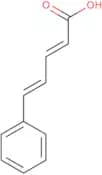
Discontinued product5-Phenylpenta-2,4-dienoic acid
CAS:5-Phenylpenta-2,4-dienoic acid is a high-potency inhibitor of tyrosine kinases. It has been shown to have an inhibitory effect on cancer cells in both squamous and non-squamous cell lines. This compound has been shown to inhibit the proliferation of cancer cells by arresting cell cycle progression at the G1 phase, which leads to the inhibition of DNA synthesis. 5-Phenylpenta-2,4-dienoic acid is also able to block the activation of transcription factors that are involved in tumorigenesis. In addition, this compound inhibits the proliferation of cancer cells by arresting cell cycle progression at the G1 phase, leading to inhibition of DNA synthesis. The molecular modeling study suggests that this compound may be able to bind with tyrosine kinase receptors on the surface of tumor cells and block their activity. The chemical structure of 5-phenylpenta-2,4-dien
Formula:C11H10O2Purity:Min. 95%Color and Shape:PowderMolecular weight:174.2 g/molRef: 3D-FP70999
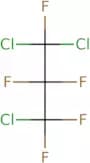
Discontinued productα-Chloro-ω-(2,2-Dichloro-1,1,2-Trifluoroethyl)-Poly(Difluoromethylene)
CAS:Controlled ProductAlpha-Chloro-Omega-(2,2-Dichloro-1,1,2-Trifluoroethyl)-Poly(Difluoromethylene) is a fluorinated polymer that has been shown to be effective in removing chlorine atoms from the atmosphere. The production of this polymer requires an irradiation process with a magnetic field. Alpha-Chloro-Omega-(2,2-Dichloro-1,1,2-Trifluoroethyl)-Poly(Difluoromethylene) is produced by the reaction of alpha chlorohydrin and trifluoroethylene. This polymer is insoluble in water and is not flammable or explosive. It can be used as a chemical precursor for other fluoropolymers or as an additive for polyurethane. Alpha Chloro Omega - ( 2 , 2 - Dichloro - 1 , 1 , 2 - Trifluoroethyl )
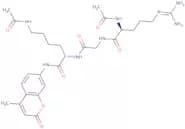
Formula:C3Cl3F5Purity:Min. 95%Molecular weight:237.38 g/molAc-Arg-Gly-Lys(Ac)-AMC trifluoroacetate salt
CAS:Ac-Arg-Gly-Lys(Ac)-AMC is a potent apoptotic agent that induces the apoptosis of cancer cells by binding to the caspase-9, which is an enzyme that initiates the process of apoptosis. Ac-Arg-Gly-Lys(Ac)-AMC has been shown to inhibit the growth of cancer cells in cell culture and also shows potent antitumor activity against MDA-MB-231 breast cancer cells. This drug can be used as a potential therapeutic agent for cancers such as colorectal, prostate, and pancreatic cancer. Ac-Arg-Gly-Lys(Ac)-AMC is also able to induce apoptosis in human leukemia cells and may have a potential role in therapy for acute myelogenous leukemia (AML).
Formula:C28H40N8O7•C2HF3O2Purity:Min. 98 Area-%Color and Shape:PowderMolecular weight:714.69 g/molRef: 3D-FA110598
Discontinued product4-Amino-2-methoxypyridine
CAS:4-Amino-2-methoxypyridine is an antiviral agent that inhibits the activity of the NS5B polymerase, a key enzyme in the replication of the hepatitis C virus. It is a potent inhibitor with a wide range of activity and can be used for treatment and prevention of infection. 4-Amino-2-methoxypyridine has been shown to inhibit replication of hepatitis C virus in cell culture. This compound is stable in vivo and can be administered orally, making it an attractive candidate for oral prophylaxis against hepatitis C. 4-Amino-2-methoxypyridine also exhibits good pharmacokinetic properties, including a low clearance rate and high volume of distribution, which makes it suitable for chronic administration.
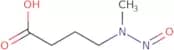
Formula:C6H8N2OPurity:Min. 95%Color and Shape:White To Light (Or Pale) Orange SolidMolecular weight:124.14 g/molN-Nitroso-N-methyl-4-aminobutyric acid
CAS:N-Nitroso-N-methyl-4-aminobutyric acid (NMBA) is a solid with a low melting point which has been identified as a potentially carcinogenic component of both tobacco and tobacco smoke. NMBA is also one of a number of nitrosamine impurities which have been found to be present in angiotensin II receptor blocker (ARB) drugs used to treat high blood pressure.
Formula:C5H10N2O3Purity:Min. 98 Area-%Color and Shape:Slightly Yellow PowderMolecular weight:146.14 g/molThiophene-2-glyoxylic acid
CAS:Thiophene-2-glyoxylic acid is a reactive metabolite of thiophene that is formed from the environmental degradation of this compound. Thiophene-2-glyoxylic acid reacts with halides to form an electrophilic intermediate. This intermediate can react with a variety of nucleophiles, including the drug metabolites, leading to the formation of new compounds. Thiophene-2-glyoxylic acid has been shown to enhance the fluorescence properties of some organic compounds. It also has been shown to inhibit the metabolism of some drugs that are conjugated with acids and can be detected in plasma by mass spectrometry.
Formula:C6H4O3SPurity:Min. 95%Color and Shape:PowderMolecular weight:156.16 g/molFmoc-S-[2,3-bis(palmitoyloxy)propyl]-L-cysteine
CAS:Fmoc-S-[2,3-bis(palmitoyloxy)propyl]-L-cysteine is a fine chemical that is used as a building block in the synthesis of complex natural products and pharmaceuticals. It has versatile applications in both research and industry. Fmoc-S-[2,3-bis(palmitoyloxy)propyl]-L-cysteine is an intermediate or scaffold for the synthesis of many types of compounds, including antibiotics, anti-cancer agents, hormones, and anti-inflammatory drugs. This compound is soluble in organic solvents such as DMSO and DMF.
Formula:C53H83NO8SPurity:Min. 95 Area-%Color and Shape:White Off-White PowderMolecular weight:894.29 g/molRef: 3D-FF47755
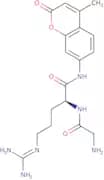
Discontinued productH-Gly-Arg-AMC hydrochloride salt
CAS:H-Gly-Arg-AMC hydrochloride salt is a substrate for the enzymes cathepsins B, H, and L. This compound has been used to measure protease activity in cell culture and as a diagnostic substrate for peptidases. The enzyme reaction can be monitored by measuring changes in the fluorescence of the product at 340 nm. The pH optimum for this enzyme is 7.4.
Formula:C18H24N6O4•HClPurity:Min. 98 Area-%Color and Shape:PowderMolecular weight:424.88 g/molRef: 3D-FG110503
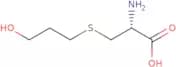
Discontinued productS-(3-Hydroxypropyl)-L-cysteine
CAS:S-(3-Hydroxypropyl)-L-cysteine is a fatty acid that belongs to the group of fudosteine. It is an endogenous amino acid and has been shown to stimulate the growth of epidermal cells in culture. S-(3-Hydroxypropyl)-L-cysteine has also been shown to have anti-inflammatory effects in rat neutrophils, although it is not yet clear how this occurs. S-(3-Hydroxypropyl)-L-cysteine has not been associated with any toxic effects in animals or humans, but should be used with caution as there are no toxicity studies available.
Formula:C6H13NO3SPurity:Min. 95%Molecular weight:179.24 g/molRef: 3D-FH24491
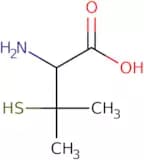
Discontinued productDL-Penicillamine
CAS:DL-Penicillamine is a penicillamine that is used in the treatment of various diseases such as rheumatoid arthritis and primary sclerosing cholangitis. It has been shown to inhibit the production of inflammatory prostaglandins, which are responsible for pain and swelling. DL-Penicillamine has been used as a fluorescence probe for the detection of nonsteroidal anti-inflammatory drugs in water samples. DL-Penicillamine is also used to study coordination geometry and rate constants in solid tumours using fluorescence spectroscopy. This drug can be analyzed using chromatographic techniques or by X-ray diffraction data obtained with an electrochemical impedance spectroscopy system. The analytical method was published in 1981 by J.D. Hamer, et al., in "Analytical Chemistry".
Formula:C5H11NO2SPurity:Min. 95%Color and Shape:White PowderMolecular weight:149.21 g/molRef: 3D-FP30177
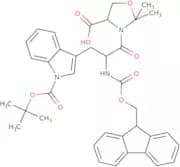
Discontinued productFmoc-Trp(Boc)-Ser(Psi(Me,Me)pro)-OH
CAS:Fmoc-Trp(Boc)-Ser(Psi(Me,Me)pro)-OH is a versatile building block that can be used in the synthesis of complex compounds. Fmoc-Trp(Boc)-Ser(Psi(Me,Me)pro)-OH is a high quality compound with a CAS No. 908601-15-0. This compound is useful as an intermediate or research chemical and can be used as a useful scaffold for making new compounds.
Formula:C37H39N3O8Purity:Min. 95%Color and Shape:PowderMolecular weight:653.72 g/molRef: 3D-FF111413
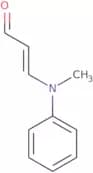
Discontinued producttrans 3-(N-Methylanilino)acrolein
CAS:Trans 3-(N-Methylanilino)acrolein is a catalyst that can be used in the synthesis of benzimidazoles. It reacts with dichloride and irradiation to produce benzimidazoles. The yields are dependent on the amount of microwave irradiation used and can be increased by using microwave irradiation. This catalyst is prepared by reacting 3-(N-methylanilino)acrolein with dichloride in a solvent such as tetrahydrofuran (THF). Trans 3-(N-Methylanilino)acrolein has been shown to have high reactivity and reactivity rates, which make it an effective catalyst for this reaction.
Formula:C10H11NOPurity:Min. 95%Color and Shape:Yellow To Dark Brown SolidMolecular weight:161.2 g/molRef: 3D-FM25783
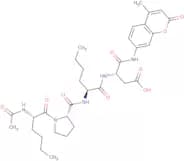
Discontinued productAc-Nle-Pro-Nle-Asp-AMC
CAS:Ac-Nle-Pro-Nle-Asp-AMC is a reactive molecule that has been shown to be neuroprotective and to inhibit insulin resistance in mammalian cells. Ac-Nle-Pro-Nle-Asp-AMC is able to stop neuronal death by binding to the proteolytic enzymes, such as ubiquitin ligases, and inhibiting their activity. This drug also inhibits the activity of c2c12 myotubes, which are muscle cells that have been used in research studies. Ac-Nle-Pro-Nle-Asp AMC binds to ubiquitin and prevents it from being degraded by the proteasome system, which is a cellular protein degradation pathway. Ac-Nle-Pro-Nle -Asp AMC also inhibits the release of inflammatory factors from c2c12 myotubes, which may be due to its ability to block ubiquitin ligases.
Formula:C33H45N5O9Purity:Min. 97 Area-%Color and Shape:PowderMolecular weight:655.74 g/molRef: 3D-FA110588
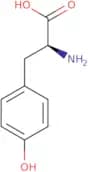
Discontinued productL-Tyrosine - non-animal origin
CAS:Amino acid; precursor to neurotransmitters, hormones, pigments, natural phenols
Formula:C9H11NO3Color and Shape:White Off-White PowderMolecular weight:181.19 g/molRef: 3D-FT158659
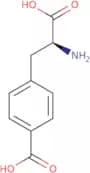
Discontinued product4-Carboxy-L-phenylalanine
CAS:4-Carboxy-L-phenylalanine is a synthetic amino acid that has been shown to inhibit tyrosine kinase activity. It can also be used as a chromogenic substrate for tyrosine kinases, which are enzymes that catalyze the transfer of phosphate groups from ATP to tyrosine residues in proteins. 4-Carboxy-L-phenylalanine has potent inhibitory effects on ligand binding and cell proliferation by blocking the phosphotyrosine signal transduction pathway. 4-Carboxy-L-phenylalanine is an analog of L-phenylalanine, which is an essential amino acid found in many proteins and enzymes.
Formula:C10H11NO4Purity:Min. 95%Color and Shape:White/Off-White SolidMolecular weight:209.2 g/molRef: 3D-FC49024
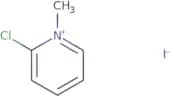
Discontinued product2-Chloro-1-methylpyridinium iodide
CAS:2-Chloro-1-methylpyridinium iodide (2CMPI) is a water-soluble, colorless, and odorless substance that is used as an analytical reagent. 2CMPI reacts with amines and pyridines to form chloromethylpyridine and hydroxymethylpyridine respectively, which can be analyzed by FTIR spectroscopy. The sensitivity of this reaction is affected by the matrix, but can be increased by adding dibutyltin oxide or amide. 2CMPI has been shown to have physiological activities in some animal models of metabolic disorders such as diabetes mellitus.
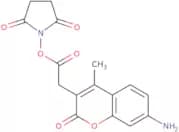
Formula:C6H7ClINPurity:Min. 97 Area-%Color and Shape:Yellow PowderMolecular weight:255.48 g/mol7-Amino-4-methyl-3-coumarinacetic acid N-succinimidyl ester
CAS:7-Amino-4-methyl-3-coumarinacetic acid N-succinimidyl ester is a synthetic amino acid with a reactive carboxylic acid group. It is used as a crosslinker in biochemistry and has been shown to have biological properties in plants. 7-Amino-4-methyl-3-coumarinacetic acid N-succinimidyl ester reacts with the acidic groups of proteins, DNA, or RNA, and is an important component of some second order rate constants. This chemical is also used for the neutralization of histological stains such as haematoxylin.
Formula:C16H14N2O6Purity:Min. 90 Area-%Color and Shape:PowderMolecular weight:330.29 g/molRef: 3D-FA170610
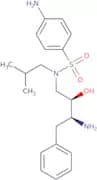
Discontinued product4-Amino-N-((2R,3S)-3-amino-2-hydroxy-4-phenylbutyl)-N-ispobutylbenzenesulfonamide
CAS:4-Amino-N-((2R,3S)-3-amino-2-hydroxy-4-phenylbutyl)-N-isobutylbenzenesulfonamide is an amide that is used to treat HIV infections. It has been shown to have potent anti-viral activity against HIV infected cells in the laboratory and can inhibit the replication of HIV by interfering with the virus's ability to use the reverse transcriptase enzyme. 4ABAB has been shown to bind to the enzyme ribonuclease H (crth2), which is responsible for breaking down viral RNA. This binding prevents crth2 from cleaving viral RNA, thus inhibiting DNA synthesis and preventing cell death. 4ABAB also interferes with a hydrogen bond between ethyl group and the hydroxyl group on crth2, leading to a decrease in activity.
Formula:C20H29N3O3SPurity:Min. 95%Color and Shape:White PowderMolecular weight:391.53 g/molRef: 3D-FA58013
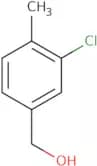
Discontinued product3-Chloro-4-methylbenzyl alcohol - Technical grade
CAS:3-Chloro-4-methylbenzyl alcohol is a building block chemical that is used in the synthesis of a variety of organic compounds. It is a versatile chemical that can be used as a reagent, reaction component, and intermediate. 3-Chloro-4-methylbenzyl alcohol has been found to be useful in the synthesis of complex compounds, such as 4-chloromethoxybenzoic acid and 3-(3,5-dimethoxyphenyl)acetic acid. This chemical can also be used to produce speciality chemicals, such as 3-(2-(2,4-dichlorophenoxy)ethyl)benzonitrile.
Formula:C8H9ClOPurity:Min. 95%Color and Shape:Colorless PowderMolecular weight:156.61 g/molRef: 3D-FC70227
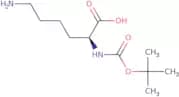
Discontinued productN-Boc-L-Lysine
CAS:N-Boc-L-Lysine is a model of the amino acid lysine. This compound has been shown to inhibit the growth of cancer cells in vitro and in vivo. N-Boc-L-Lysine inhibits protein synthesis by blocking the formation of peptide bonds between amino acids, thus stopping the production of proteins vital for cell division. The inhibition of fatty acid synthesis by this compound may be due to its ability to inhibit the activity of fatty acid synthase, which catalyzes the conversion of acetyl coenzyme A into fatty acids. This product can also be synthesized from caproic acid and an ester hydrochloride or from a fatty acid and an ester hydrochloride.
Formula:C11H22N2O4Purity:Min. 95%Color and Shape:White Off-White PowderMolecular weight:246.3 g/molRef: 3D-FB16295
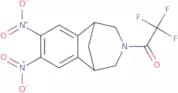
Discontinued product2,3,4,5-Tetrahydro-7,8-dinitro-3-(trifluoroacetyl)-1,5-methano-1H-3-benzazepine
CAS:2,3,4,5-Tetrahydro-7,8-dinitro-3-(trifluoroacetyl)-1,5-methano-1H-3-benzazepine is a supplement that may be used to treat depression. It has been shown to have a receptor activity on the acetylcholine receptors. 2,3,4,5-Tetrahydro-7,8-dinitro-3-(trifluoroacetyl)-1,5-methano-1H-3-benzazepine has also been shown to increase the activity of the endothelial function by increasing the production of nitric oxide. This drug has also been shown to be an effective treatment for reducing appetite in cases of anorexia nervosa and for treating Alzheimer's disease. The drug works by activating nicotinic acetylcholine receptors in the brain.Formula:C13H10F3N3O5Purity:Min. 98 Area-%Color and Shape:PowderMolecular weight:345.23 g/molRef: 3D-FT11984
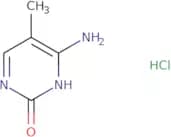
Discontinued product5-Methylcytosine hydrochloride salt
CAS:5-Methylcytosine hydrochloride salt is a metabolite of cytosine that occurs naturally in the body. It is used as an inhibitor of DNA methylation to study the effect of this process on gene expression. 5-Methylcytosine hydrochloride salt has been shown to inhibit the production of growth factors, such as insulin-like growth factor 1, and radiation energy. It also causes oxidative damage to DNA and inhibits the oxidation of urea nitrogen in lettuce. The matrix effect may interfere with the analysis of 5-methylcytosine hydrochloride salt by spectrometry.
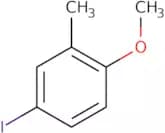
Formula:C5H7N3O·HClPurity:Min. 95%Color and Shape:PowderMolecular weight:161.59 g/mol4-Iodo-2-methylanisole
CAS:4-Iodo-2-methylanisole (4IM) is a naphthalene that is regiospecifically eliminated after activation by nitrate in an acidic medium. The hydrochloride salt of 4IM, koenigicine, has been shown to produce estrogen levels in the female rat similar to those produced by 17β-estradiol. The synthesis of 4IM involves the nitration of 2-methylanisole followed by iodine oxidation. This reaction produces a mixture of mono-, di-, and tri-iodonapthalenes. The product obtained from this reaction is purified with column chromatography or recrystallization.
Theory predicts that 4IM will be oxidized to 4-iodo-2,6-dimethylanisole by terpene oxidants such as acetonitrile or ozone.Formula:C8H9IOPurity:Min. 95%Color and Shape:PowderMolecular weight:248.06 g/molRef: 3D-FI64636
Discontinued product

![2-[4-(4-Chloro-a-phenylbenzyl)-1-piperazinyl]-ethoxyacetic acid hydrochloride](/_next/image/?url=https%3A%2Fstatic.cymitquimica.com%2Fproducts%2F3D%2Fthumb-webp%2FFC33467.webp&w=3840&q=75)
![[4-(1-Methyl-1-phenylethyl)phenoxy]acetic acid](/_next/image/?url=https%3A%2Fstatic.cymitquimica.com%2Fproducts%2F3D%2Fthumb-webp%2FFM112689.webp&w=3840&q=75)

![1-[(2,6-Difluorophenyl)Methyl]-4-Methyl-2-Propan-2-Ylbenzimidazole](/_next/image/?url=https%3A%2Fstatic.cymitquimica.com%2Fproducts%2F3D%2Fthumb-webp%2FFD98108.webp&w=3840&q=75)







![2-[N-[(3,5-Difluorophenyl)carbamoylamino]-C-methylcarbonimidoyl]pyridine-3-carboxylic acid](/_next/image/?url=https%3A%2Fstatic.cymitquimica.com%2Fproducts%2F3D%2Fthumb-webp%2FFD101726.webp&w=3840&q=75)
![(2R)-4-Methyl-2-[2-oxo-2-[(phenylmethoxy)amino]ethyl]pentanoic acid](/_next/image/?url=https%3A%2Fstatic.cymitquimica.com%2Fproducts%2F3D%2Fthumb-webp%2FB-9970.webp&w=3840&q=75)
![N-[(4-Amino-2-methylpyrimidin-5-yl)methyl]formamide](/_next/image/?url=https%3A%2Fstatic.cymitquimica.com%2Fproducts%2F3D%2Fthumb-webp%2FFA31702.webp&w=3840&q=75)


![Fmoc-S-[2,3-bis(palmitoyloxy)propyl]-L-cysteine](/_next/image/?url=https%3A%2Fstatic.cymitquimica.com%2Fproducts%2F3D%2Fthumb-webp%2FFF47755.webp&w=3840&q=75)