Amino Acids (AA)
Amino acids (AAs) are the fundamental building blocks of proteins, playing a crucial role in various biological processes. These organic compounds are essential for protein synthesis, metabolic pathways, and cell signaling. In this category, you will find a comprehensive range of amino acids, including essential, non-essential, and modified forms, which are vital for research in biochemistry, molecular biology, and nutritional sciences. At CymitQuimica, we provide high-quality amino acids to support your research and development needs, ensuring accuracy and reliability in your experimental outcomes.
Subcategories of "Amino Acids (AA)"
- Amino Acid Derivatives(3,955 products)
- Amino Acid and Amino Acid Related Compounds(3,464 products)
- Amino Acids with Oxygen or Sulphur(168 products)
- Boc- Amino Acids(351 products)
- Fmoc Amino Acids(1,710 products)
Found 38247 products of "Amino Acids (AA)"
Sort by
Purity (%)
0
100
|
0
|
50
|
90
|
95
|
100
H-Ala-Gly-OH
CAS:<p>H-Ala-Gly-OH is a synthetic amino acid that is used to produce the peptide hormone luteinizing hormone (LH). It has been shown that H-Ala-Gly-OH is an antigen specific antibody response and has a hydrogen bond. The functional groups of H-Ala-Gly-OH include amine, carboxyl, and hydroxyl. Structural analysis of this compound was completed using a kinetic method. The conformational properties of H-Ala-Gly-OH were determined by nmr spectra and titration method. This synthetic amino acid may inhibit protein synthesis in vivo through treatment with carbohydrate.</p>Formula:C5H10N2O3Purity:Min. 95%Molecular weight:146.14 g/molFluorescein-6-carbonyl-Leu-Glu(OMe)-Thr-DL-Asp(OMe)-fluoromethylketone
CAS:<p>Please enquire for more information about Fluorescein-6-carbonyl-Leu-Glu(OMe)-Thr-DL-Asp(OMe)-fluoromethylketone including the price, delivery time and more detailed product information at the technical inquiry form on this page</p>Formula:C43H47FN4O15Purity:Min. 95%Molecular weight:878.85 g/molH-Ala-Tyr-Ala-OH
CAS:<p>H-Ala-Tyr-Ala-OH is a peptidomimetic that has shown promising anti-inflammatory and anticancer properties. It has been found to inhibit the proliferation of human cancer cells and to suppress the growth of human tumor xenografts in mice. It also has shown an ability to cross the blood brain barrier, which may be due to its high lipophilicity. H-Ala-Tyr-Ala-OH inhibits the production of inflammatory cytokines, such as TNFα, IL1β, IL6, and IL8, by inhibiting NFκB activation in immune cells. This inhibition leads to decreased inflammation and fibrosis in various tissues. H-Ala-Tyr-Ala-OH is also active against bacteria and viruses, which may be due to its low molecular weight.</p>Formula:C15H21N3O5Purity:Min. 95%Molecular weight:323.34 g/molL-Lysine methyl ester 2HCl
CAS:<p>L-Lysine methyl ester 2HCl is a lysine derivative that has been synthesized by reacting L-lysine with methanol and hydrochloric acid. This compound's cytotoxicity has been demonstrated in an inhibition study using calf thymus dna. L-Lysine methyl ester 2HCl contains amide, acid, and ester linkages, as well as hydrogen bonds that are typical of natural compounds. It is also biologically active and has a molecular weight of 246.3 g/mol. The chemical structure of this compound consists of a central l-lysine molecule with two methyl groups on the nitrogen atom. The compound also contains a carboxyl group on the end of the chain and an ester group on the second carbon atom from the end of the chain. L-Lysine methyl ester 2HCl can be found in soybeans and bovine fetal tissue. It exhibits morphological properties similar to other</p>Formula:C7H16N2O2·2HClPurity:Min. 95%Color and Shape:PowderMolecular weight:233.14 g/molBombesin trifluoroacetate salt
CAS:<p>Trifluoroacetate salt</p>Formula:C71H110N24O18SPurity:Min. 95%Molecular weight:1,619.85 g/molH-Val-Pro-OtBu·HCl
CAS:<p>Please enquire for more information about H-Val-Pro-OtBu·HCl including the price, delivery time and more detailed product information at the technical inquiry form on this page</p>Formula:C14H26N2O3·HClPurity:Min. 95%Molecular weight:306.83 g/molFmoc-Ala-Cys(Psi(Me ,Me)pro)-OH
<p>Please enquire for more information about Fmoc-Ala-Cys(Psi(Me ,Me)pro)-OH including the price, delivery time and more detailed product information at the technical inquiry form on this page</p>Formula:C24H26N2O5SPurity:Min. 95%Molecular weight:454.54 g/molH-Ala-Ala-Tyr-OH
CAS:<p>Please enquire for more information about H-Ala-Ala-Tyr-OH including the price, delivery time and more detailed product information at the technical inquiry form on this page</p>Formula:C15H21N3O5Purity:Min. 95%Molecular weight:323.34 g/mol(Des-Gly10, tBu-D-Gly6,Pro-NHEt 9)-LHRH acetate salt
CAS:<p>(Des-Gly10, tBu-D-Gly6,Pro-NHEt 9)-LHRH acetate salt Pyr-His-Trp-Ser-Tyr-tBu-D-Gly-Leu-Arg-Pro-NHEt acetate salt is a synthetic hormone that belongs to the group of gonadotropin releasing hormones (GnRH). It is used in veterinary medicine to stimulate ovulation and follicular growth in animals. (Des-Gly10, tBu-D-Gly6, Pro -NHEt9)-LHRH acetate salt Pyr -His -Trp -Ser -Tyr -tBu -D -Gly -Leu -Arg -Pro NHEt acetate salt is a prodrug that is hydrolyzed in vivo to buserelin, its active form. This drug has been shown to be effective against estradiol benzoate and sodium salts</p>Formula:C59H84N16O12·xC2H4O2Purity:Min. 95%Molecular weight:1,209.4 g/molH-Glu-Ser-Leu-Phe-OH
CAS:<p>Please enquire for more information about H-Glu-Ser-Leu-Phe-OH including the price, delivery time and more detailed product information at the technical inquiry form on this page</p>Formula:C23H34N4O8Purity:Min. 95%Molecular weight:494.54 g/molFmoc-N-methylglycine
CAS:<p>Fmoc-N-methylglycine is a modified form of the amino acid glycine, which has been modified to include a reactive group that can be used to link other molecules. This molecule has gram-negative bacterial activity and exhibits potent antibacterial activity against many gram-positive bacteria. Fmoc-N-methylglycine is also an antimicrobial peptide with binding constants in the nanomolar range. It is also an agent that binds to serotonin, which may explain its effects on mood and sleep. Fmoc-N-methylglycine can be synthesized using stepwise solid phase synthesis methods or by conjugation with other molecules.</p>Formula:C18H17NO4Purity:Min. 95%Molecular weight:311.33 g/molH-Glu-Phe-Tyr-OH
CAS:<p>H-Glu-Phe-Tyr-OH is a peptide transporter that is located on the apical surface of intestinal cells. It is a monovalent cation/H+ symporter that transports H+ and peptides in an electroneutral manner. The uptake rate of this peptide transporter is influenced by the concentration gradient of the substrate, with higher concentrations increasing the uptake rate. It has been shown to transport lidocaine, which suggests it may be used to treat patients who are resistant to other drugs. H-Glu-Phe-Tyr-OH also has a high affinity for peptides, making it possible to use this drug as a means of delivering therapeutic proteins orally.</p>Formula:C23H27N3O7Purity:Min. 95%Molecular weight:457.48 g/molFmoc-Arg(Pbf)-Wang resin (100-200 mesh)
<p>Please enquire for more information about Fmoc-Arg(Pbf)-Wang resin (100-200 mesh) including the price, delivery time and more detailed product information at the technical inquiry form on this page</p>Purity:Min. 95%PAR-2 (6-1) amide (mouse, rat) trifluoroacetate salt
CAS:<p>PAR-2 (6-1) amide is a proteolytic enzyme that is activated by inflammatory stimuli. It has been shown to be a major contributor to the pathogenesis of inflammatory bowel disease, and is found in neurons, the bowel, and pancreatic acinar cells. PAR-2 (6-1) amide activates proteases such as trypsin and chymotrypsin and also functions as an antimicrobial peptide. Activation of PAR-2 (6-1) amide leads to the cleavage of proteins at specific sites on their amino acid chains. This cleavage can lead to changes in protein conformation or function. PAR-2 (6-1) amide has been shown to increase endothelial cell proliferation and inhibit bacterial growth, but does not have any effect on cultured normal human skin fibroblasts.</p>Formula:C29H56N10O7Purity:Min. 95%Molecular weight:656.82 g/molH-Arg-Val-Leu-psi(CH2NH)Phe-Glu-Ala-Nle-NH2
CAS:<p>H-Arg-Val-Leu-psi(CH2NH)Phe-Glu-Ala-Nle-NH2 is a compound which is structurally related to the amino acid histidine. It has been used as an indicator for Xanthochromia, a diagnostic for copper. H-Arg-Val-Leu-psi(CH2NH)Phe-Glu-Ala-Nle-NH2 has also been used in polyester production and as a monitoring agent for modifications of polylactic acid thermally.</p>Formula:C40H69N11O8Purity:Min. 95%Molecular weight:832.05 g/molH-Pro-Phe-OH
CAS:<p>H-Pro-Phe-OH is a synthetic peptide that is used in the treatment of high blood pressure. It has been shown to decrease blood pressure by increasing the production of nitric oxide and by decreasing activity of angiotensin converting enzyme, which are factors that have an influence on blood pressure. H-Pro-Phe-OH has been shown to be effective for treating HIV infection and amyloidosis. H-Pro-Phe-OH binds to collagen and increases its production in tissues, which may be responsible for its antihypertensive effects. It also inhibits the growth of bacteria by binding to their cell walls and inhibiting their protein synthesis. The metabolic products of H-Pro-Phe-OH are not yet known, but it is thought that they may contain hydroxyproline or hydroxylysine residues.</p>Formula:C14H18N2O3Purity:Min. 95%Color and Shape:White PowderMolecular weight:262.3 g/molent-[Amyloid b-Protein (20-16)]-b-Ala-D-Lys(ent-[Amyloid b-Protein (16-20)]) trifluoroacetate salt
CAS:<p>Please enquire for more information about ent-[Amyloid b-Protein (20-16)]-b-Ala-D-Lys(ent-[Amyloid b-Protein (16-20)]) trifluoroacetate salt including the price, delivery time and more detailed product information at the technical inquiry form on this page</p>Formula:C79H119N15O13Purity:Min. 95%Molecular weight:1,486.88 g/molVIP Receptor-Binding Inhibitor L-8-K trifluoroacetate salt
CAS:<p>Please enquire for more information about VIP Receptor-Binding Inhibitor L-8-K trifluoroacetate salt including the price, delivery time and more detailed product information at the technical inquiry form on this page</p>Formula:C50H77N9O12SPurity:Min. 95%Molecular weight:1,028.27 g/molAcetyl-(Asn30,Tyr32)-Calcitonin (8-32) (salmon I) trifluoroacetate salt
CAS:<p>Please enquire for more information about Acetyl-(Asn30,Tyr32)-Calcitonin (8-32) (salmon I) trifluoroacetate salt including the price, delivery time and more detailed product information at the technical inquiry form on this page</p>Formula:C127H205N37O40Purity:Min. 95%Molecular weight:2,890.21 g/molMastoparan 17 (free acid)
CAS:<p>Please enquire for more information about Mastoparan 17 (free acid) including the price, delivery time and more detailed product information at the technical inquiry form on this page</p>Formula:C70H131N19O16Purity:Min. 95%Molecular weight:1,494.91 g/molCyclo(-Pro-Thr)
CAS:<p>Cyclo(-Pro-Thr) is a cyclic peptide that is derived from the amino acid sequence of serotonin. Cyclo(-Pro-Thr) has been detected in human urine, and it is possible that this compound may be formed by the hydrolysis of serotonin by enzymes such as pipecolate oxidase. The presence of cyclo(-Pro-Thr) in human urine has been correlated with the occurrence of stomach ulcers, which are caused by substances such as famotidine and other proton pump inhibitors. Cyclo(-Pro-Thr) has also been found to inhibit the production of gamma-aminobutyric acid (GABA), which is an important neurotransmitter for controlling muscle tone, blood pressure, and anxiety.</p>Formula:C9H14N2O3Purity:Min. 95%Molecular weight:198.22 g/molRFRP-3 (rat)
CAS:<p>Please enquire for more information about RFRP-3 (rat) including the price, delivery time and more detailed product information at the technical inquiry form on this page</p>Formula:C88H134N26O25S2Purity:Min. 95%Molecular weight:2,020.3 g/mol4-Formyl-phenyloxymethyl polystyrene resin (200-400 mesh)
<p>4-Formylphenyloxymethyl polystyrene resin (200-400 mesh) is a polymer that can be used in the synthesis of amide, aminoacylation, halides, piperidine, yields, imine, reductive amination and heterocycles. It has been shown to be especially useful for the synthesis of diazepinones. The resin is soluble in solvents such as dichloromethane and ethanol. 4-Formylphenyloxymethyl polystyrene resin can be prepared by reacting styrene with formaldehyde and phenol in a solvent such as tetrahydrofuran or pyridine at a temperature between 0°C and 50°C. This process is usually conducted under an inert atmosphere such as nitrogen or argon gas. The resin is then washed with diethylether followed by benzene to remove residual formaldehyde.</p>Purity:Min. 95%N-α-Trityl-Nε-Fmoc-L-lysine
CAS:<p>N-alpha-Trityl-Nepsilon-Fmoc-L-lysine is a pentapeptide that is used in peptides. It has been shown to have cytotoxicity and permeability, as well as being biologically active. N-alpha-Trityl-Nepsilon-Fmoc-L-lysine has also been used in solid phase synthesis of peptides. This pentapeptide can be synthesized using the Miyaura cross coupling reaction with an ether or Suzuki cross coupling reaction. N-alpha-Trityl-Nepsilon-Fmoc-L-lysine is a bicyclic molecule that can be synthesized on a solid phase.</p>Formula:C40H38N2O4Purity:Min. 95%Molecular weight:610.74 g/molFibronectin CS-1 Fragment (1978-1982)
CAS:<p>Fibronectin CS-1 Fragment (1978-1982) H-Glu-Ile-Leu-Asp-Val-OH is a heterocyclic peptide that has inhibitory effects on the muscle cells. It inhibits the enzyme guanosine triphosphatase, which is responsible for releasing calcium ions from its intracellular storage site. Fibronectin CS-1 Fragment (1978-1982) H-Glu-Ile-Leu-Asp-Val-OH is an analog of the human protein fibronectin, and it can be used as a synthetic molecule to study how integrin receptors interact with different sequences of amino acids.</p>Formula:C26H45N5O10Purity:Min. 95%Molecular weight:587.66 g/molBz-Phe-Val-Arg-AMC hydrochloride salt
CAS:<p>Bz-Phe-Val-Arg-AMC is a synthetic substrate that is used to measure proteolytic activity. It has been shown to be hydrolyzed by serine proteases, such as trypsin and chymotrypsin, at a rate proportional to the enzyme's concentration. The rate of hydrolysis was determined using a kinetic assay in which the release of AMC from the peptide bond was measured using an ultraviolet spectrophotometer. Bz-Phe-Val-Arg-AMC has also been used to study the effects of various food additives on proteolytic activity. This test can be used as a diagnostic tool for inflammatory diseases, such as Crohn's disease and ulcerative colitis.</p>Formula:C37H43N7O6Purity:Min. 95%Molecular weight:681.78 g/mol(p-Amino-Phe6)-Angiotensin II
CAS:<p>Please enquire for more information about (p-Amino-Phe6)-Angiotensin II including the price, delivery time and more detailed product information at the technical inquiry form on this page</p>Formula:C53H74N12O12Purity:Min. 95%Molecular weight:1,071.23 g/molH-Ala-Phe-Pro-OH
CAS:<p>Please enquire for more information about H-Ala-Phe-Pro-OH including the price, delivery time and more detailed product information at the technical inquiry form on this page</p>Formula:C17H23N3O4Purity:Min. 95%Molecular weight:333.38 g/molH-Gly-Gly-Pro-Ala-OH
CAS:<p>Glycosaminoglycans are polysaccharides that are made of repeating disaccharide units composed of a sugar and a uronic acid. Glycosaminoglycans serve as structural components in the extracellular matrix, where they provide tensile strength and elasticity to tissues. They also function as enzymes, providing energy for cellular processes. This glycosaminoglycan is found in human tissue, specifically the cervix and blood group antigens. It has been shown to have an effect on creatine kinase activity, which can be used as a screening tool for women who have had hysterectomies or biopsies done.</p>Formula:C12H20N4O5Purity:Min. 95%Molecular weight:300.31 g/mol3-Acetyl-1-methylpyrrole
CAS:<p>3-Acetyl-1-methylpyrrole is an activating agent that can be used to synthesize methyl ketones. It has been shown to react with acid solutions and proton, which are generated by the reaction of a metal ion (such as Al) with hydrochloric acid. This reaction leads to the formation of enolate ions, which can then react with carbonyl groups to form alkylation products. 3-Acetyl-1-methylpyrrole is also able to catalyze reactions in both acidic and basic conditions. The kinetic of this reaction is fast, efficient, and does not require expensive equipment.</p>Formula:C7H9NOPurity:Min. 95%Color and Shape:Clear LiquidMolecular weight:123.15 g/molSuc-Ala-Leu-Pro-Phe-OH
CAS:<p>Please enquire for more information about Suc-Ala-Leu-Pro-Phe-OH including the price, delivery time and more detailed product information at the technical inquiry form on this page</p>Formula:C27H38N4O8Purity:Min. 95%Molecular weight:546.61 g/molDiethyl (5-phenylisoxazol-3-yl) phosphate
CAS:<p>Diethyl (5-phenylisoxazol-3-yl) phosphate is a chlorpyrifos analog that is detectable in the blood and urine. The compound has been detected in red blood cells, plasma, serum, and urine samples at levels of 10 to 50 μg/L. Diethyl (5-phenylisoxazol-3-yl) phosphate can be used as an analytical method for detecting chlorpyrifos residue on food products or in environmental samples. Diethyl (5-phenylisoxazol-3-yl) phosphate is transfected into human hepatoma cells and activated by carbamate or propanil. It inhibits cellular protein synthesis by binding to the 30S ribosomal subunit, preventing the formation of the initiation complex between aminoacyl tRNA and mRNA. This binding also prevents peptide bond formation between amino acids, leading to cell death.</p>Formula:C13H16NO5PPurity:Min. 95%Molecular weight:297.24 g/molZ-Gly-Val-OH
CAS:<p>Z-Gly-Val-OH is an inhibitor that can be used for the synthesis of peptides. It is a c-terminal amino acid with an optically active, cyclic structure. Z-Gly-Val-OH can be coupled to azide and spheric amino acids, and it undergoes racemization in solvents containing additives. This reagent can also be used for the synthesis of peptides with epimerization or chlorine.</p>Formula:C15H20N2O5Purity:Min. 95%Color and Shape:PowderMolecular weight:308.33 g/molEndomorphin-2 trifluoroacetate salt
CAS:<p>Endomorphin-2 is a cyclic peptide that is the endogenous ligand for the neurokinin-1 receptor and kappa-opioid receptors. It has been shown to have analgesic, anti-inflammatory, and antidiarrheal properties. Endomorphin-2 also has been shown to inhibit platelet aggregation and vasoconstriction in vivo. The biological activities of endomorphin-2 are similar to those of endomorphin-1, but it differs structurally in that it contains a single intramolecular hydrogen bond between the amide nitrogen of Tyr and Pro. This intramolecular hydrogen bond may be responsible for the high potency of endomorphin-2, as well as its conformational stability.</p>Formula:C32H37N5O5Purity:Min. 95%Molecular weight:571.67 g/molFarnesyl-Met-OMe
CAS:<p>Please enquire for more information about Farnesyl-Met-OMe including the price, delivery time and more detailed product information at the technical inquiry form on this page</p>Formula:C21H37NO2SPurity:Min. 95%Molecular weight:367.59 g/molp-Hydroxyhippuryl-His-Leu-OH
CAS:<p>P-hydroxyhippuryl-His-Leu-OH is a natriuretic that has been shown to have beneficial effects on diabetic patients. It can be used to prevent and treat proliferative diabetic retinopathy, which is a complication of diabetes. P-hydroxyhippuryl-His-Leu-OH increases the glomerular filtration rate and decreases the ventricular mass index, which may be due to its ability to inhibit angiotensin II receptors in the brain. P-hydroxyhippuryl-His-Leu-OH also inhibits angiotensin converting enzyme, an enzyme that converts angiotensin I into angiotensin II. This inhibition leads to an increase in levels of atrial natriuretic peptide (ANP), brain natriuretic peptide (BNP), and the downstream effectors of these peptides, namely nitric oxide synthase and cyclooxygenase</p>Formula:C21H27N5O6Purity:Min. 95%Molecular weight:445.47 g/mol5-Amino-2-methoxy-4-methylpyridine
CAS:<p>5-Amino-2-methoxy-4-methylpyridine is a small molecule that inhibits bromodomains. Bromodomains are protein domains that bind to acetylated lysine residues on histones. 5-Amino-2-methoxy-4-methylpyridine binds to the bromodomain, preventing the acetylated lysine residues from binding with other proteins and inhibiting transcription. This drug has been shown to be effective in treating prostate cancer by interacting with the androgen receptor. 5-Amino-2-methoxy-4-methylpyridine also interacts with ATPase, which may lead to increased levels of ATP production, and has been shown to have antitumor effects in vitro.</p>Formula:C7H10N2OPurity:Min. 95%Molecular weight:138.17 g/molHippocampal Cholinergic Neurostimulating Peptide
CAS:<p>Hippocampal Cholinergic Neurostimulating Peptide Ac-Ala-Ala-Asp-Ile-Ser-Gln-Trp-Ala-Gly-Pro-Leu is a peptide hormone that has been found in the hippocampus. It is a cholinergic neurotransmitter that is synthesized and secreted by neurons in the brain. It has been shown to have an effect on bowel disease, locomotor activity, and hippocampal formation. Hippocampal Cholinergic Neurostimulating Peptide Ac-Ala-Ala-Asp-Ile-Ser-Gln-Trp was first identified through biochemical analysis of rat brain tissue.</p>Formula:C53H79N13O17Purity:Min. 95%Molecular weight:1,170.27 g/molBz-DL-Arg-AMC·HCl
CAS:<p>Please enquire for more information about Bz-DL-Arg-AMC·HCl including the price, delivery time and more detailed product information at the technical inquiry form on this page</p>Formula:C23H25N5O4·HClPurity:Min. 95%Molecular weight:471.94 g/molFmoc-a-Me-D-Asp(OtBu)-OH
CAS:<p>Please enquire for more information about Fmoc-a-Me-D-Asp(OtBu)-OH including the price, delivery time and more detailed product information at the technical inquiry form on this page</p>Formula:C24H27NO6Purity:Min. 95%Molecular weight:425.47 g/molHIV Protease Substrate IV
CAS:<p>Please enquire for more information about HIV Protease Substrate IV including the price, delivery time and more detailed product information at the technical inquiry form on this page</p>Formula:C49H83N15O13Purity:Min. 95%Molecular weight:1,090.28 g/mol(Deamino-Cys3, Nle 4,Arg5,D-2-Nal 7,Cys11)-a-MSH (3-11) amide trifluoroacetate salt
CAS:<p>Please enquire for more information about (Deamino-Cys3, Nle 4,Arg5,D-2-Nal 7,Cys11)-a-MSH (3-11) amide trifluoroacetate salt including the price, delivery time and more detailed product information at the technical inquiry form on this page</p>Formula:C56H76N18O9S2Purity:Min. 95%Molecular weight:1,209.45 g/mol(Des-Gly10,D-Ser(tBu)6,Pro-NHNH29)-LHRH trifluoroacetate salt
CAS:<p>Please enquire for more information about (Des-Gly10,D-Ser(tBu)6,Pro-NHNH29)-LHRH trifluoroacetate salt including the price, delivery time and more detailed product information at the technical inquiry form on this page</p>Formula:C58H83N17O13Purity:Min. 95%Molecular weight:1,226.39 g/molH-Gly-His-OH·HCl
CAS:<p>H-Gly-His-OH·HCl is a methyl ester of histidine. It has an axial orientation, and the optical rotation is +25.4° (c=1 in methanol). H-Gly-His-OH·HCl is synthesized from glutamic acid, glutamate, and imidazole by using a method based on the catalytic properties of copper. H-Gly-His-OH·HCl can be used as a ligand for the enzyme peroxidase, which catalyzes oxidation reactions with hydrogen peroxide or organic peroxides to form water and oxidized products. The efficiency of this reaction increases with increasing concentrations of H-Gly-His-OH·HCl.<br>!--END--></p>Formula:C8H12N4O3·HClPurity:Min. 95%Molecular weight:248.67 g/molPreangiotensinogen (11-14) (human) acetate salt
CAS:<p>Please enquire for more information about Preangiotensinogen (11-14) (human) acetate salt including the price, delivery time and more detailed product information at the technical inquiry form on this page</p>Formula:C21H35N7O6Purity:Min. 95%Molecular weight:481.55 g/molN-Methyl-2-fluoro-4-aminobenzamide
CAS:<p>N-Methyl-2-fluoro-4-aminobenzamide is a toxic compound that is commonly used as a reagent in chemical synthesis and research. It has been studied for its potential use in medicine, particularly in the treatment of castration-resistant prostate cancer. N-Methyl-2-fluoro-4-aminobenzamide acts as a nucleophilic agent, participating in reactions that involve the addition of an acyl group to a target molecule. Its stable formyl group allows for efficient reaction yields and reliable results. However, due to its toxic nature, caution must be exercised when handling this compound.</p>Formula:C8H9FN2OPurity:Min. 95%Molecular weight:168.17 g/molH-Tyr-His-OH
CAS:<p>H-Tyr-His-OH is a trifluoroacetic acid derivative that is a histidine odorant. It can be used as a substitute for histidine in the detection of blood pressure, due to its ability to bind to nitric oxide and histidine receptors. H-Tyr-His-OH has been shown to have immunological properties, and it has been used as an immunogen in the production of monoclonal antibodies against human erythrocytes. H-Tyr-His-OH is also considered to be a potential biomarker because it can be detected by LC-MS/MS methods.</p>Formula:C15H18N4O4Purity:Min. 95%Molecular weight:318.33 g/mol(Val5)-Angiotensin I trifluoroacetate salt
CAS:<p>Angiotensin I is a peptide that belongs to the class of substances called angiotensins. This substance is found in many tissues and organs, including the brain, adrenal gland, and lung. Angiotensin I has been shown to be a pressor agent and also has biochemical effects on amino acid composition. The c-terminal sequence of this substance has been determined by incubating the molecule with pepsin at different pH values. The molecular weight of this substance is 938 Da and it has an amino acid composition of Asp-Arg-Val-Tyr-Val-His-Pro-Phe-His-Leu.</p>Formula:C61H87N17O14Purity:Min. 95%Molecular weight:1,282.45 g/molFmoc-L-glutamic acid γ-methyl ester
CAS:<p>Please enquire for more information about Fmoc-L-glutamic acid gamma-methyl ester including the price, delivery time and more detailed product information at the technical inquiry form on this page</p>Formula:C21H21NO6Purity:Min. 95%Molecular weight:383.39 g/molFmoc-D-Arg(Pbf)-Wang resin (200-400 mesh)
<p>Please enquire for more information about Fmoc-D-Arg(Pbf)-Wang resin (200-400 mesh) including the price, delivery time and more detailed product information at the technical inquiry form on this page</p>Purity:Min. 95%Fmoc-Cys(tBu)-Wang resin (200-400 mesh)
<p>Please enquire for more information about Fmoc-Cys(tBu)-Wang resin (200-400 mesh) including the price, delivery time and more detailed product information at the technical inquiry form on this page</p>Purity:Min. 95%(Cys0)-Amyloid b-Protein (1-40) trifluoroacetate salt
CAS:<p>Please enquire for more information about (Cys0)-Amyloid b-Protein (1-40) trifluoroacetate salt including the price, delivery time and more detailed product information at the technical inquiry form on this page</p>Formula:C197H300N54O59S2Purity:Min. 95%Molecular weight:4,432.95 g/molC3a (70-77)
CAS:<p>C3a is a molecule that is part of the complement system. It was first discovered in leukocytes and has since been detected in other populations. C3a is a chemotactic factor for neutrophils and eosinophils, which are types of white blood cells. C3a binds to the surface of cells by means of protein-antibody interactions, and it can also act as an anaphylatoxin by binding to mast cell receptors.</p>Formula:C35H61N13O10Purity:Min. 95%Molecular weight:823.94 g/molFmoc-Arg(Pmc)-Wang resin (100-200 mesh)
<p>Please enquire for more information about Fmoc-Arg(Pmc)-Wang resin (100-200 mesh) including the price, delivery time and more detailed product information at the technical inquiry form on this page</p>Purity:Min. 95%Glycoprotein IIb Fragment (300-312)
CAS:<p>Glycoprotein IIb fragment (300-312) is a fragment of the glycoprotein IIb that is a potent inhibitor of the binding of fibrinogen to platelets. It has been used in immunoassays to detect and quantify glycoprotein IIb or its fragments in human serum, plasma, or urine. This fragment contains amino acids 300-312 and has an affinity for fibrinogen with a Kd value of 2.4 x 10^-6 M. The sequence of this fragment is H-Gly-Asp-Gly-Arg-His-Asp-Leu-Leu-Val-Gly-Ala-Pro.</p>Formula:C57H94N18O18Purity:Min. 95%Molecular weight:1,319.47 g/molH-Leu-Trp-Met-Arg-Phe-Ala-OH acetate salt
CAS:<p>H-Leu-Trp-Met-Arg-Phe-Ala-OH acetate salt is a synthetic amino acid. It has been shown to be a substrate for peptidases and proteolytic enzymes, including serine protease. H-Leu-Trp-Met-Arg-Phe-Ala-OH acetate salt also has catalytic activity, which leads to the formation of methyl ketones. This product is used as an analytical reagent in the determination of specificities of proteolytic enzymes. It is also used to measure the activity of amyloid protein and peptidases.</p>Formula:C40H58N10O7SPurity:Min. 95%Molecular weight:823.02 g/mol(Ala13)-Apelin-13 (human, bovine, mouse, rat) acetate salt
CAS:<p>Apelin-13 is a peptide hormone that is secreted from the stomach and small intestine. It may have analgesic effects through its interaction with μ-opioid receptors, which are also activated by morphine. Apelin-13 has been shown to increase locomotor activity in rats, suggesting it can potentiate the antinociceptive effect of morphine.</p>Formula:C63H107N23O16S·xC2H4O2Purity:Min. 95%Molecular weight:1,474.74 g/molFmoc-Asp-OAll
CAS:<p>Fmoc-Asp-OAll is a cyclic peptide that has been shown to be active against human cancer cell lines in vitro. Fmoc-Asp-OAll binds to integrin receptors, inhibiting the prostaglandin synthesis pathway and thus reducing inflammation. It also inhibits the activity of enzymes that are involved in inflammatory responses. Fmoc-Asp-OAll is synthesized on solid phase by chemical ligation.</p>Formula:C22H21NO6Purity:Min. 95%Color and Shape:PowderMolecular weight:395.41 g/molOM99-2trifluoroacetate salt
CAS:<p>Please enquire for more information about OM99-2trifluoroacetate salt including the price, delivery time and more detailed product information at the technical inquiry form on this page</p>Formula:C41H64N8O14Purity:Min. 95%Molecular weight:892.99 g/molGalanin (1-13)-Mastoparan
CAS:<p>Galanin is a peptide that is part of the galaninergic system. It is involved in the regulation of insulin resistance, pain sensation, and chronic bronchitis. Galanin has been found to inhibit ATP-sensitive K+ channels and to have an inhibitory effect on ryanodine receptors. This inhibition leads to an increase in cytosolic Ca2+. Galanin also inhibits the release of inflammatory cytokines such as IL-1β, IL-6, and TNF-α. The biological properties of galanin are not fully understood and it may be associated with cancer and autoimmune diseases.</p>Formula:C133H222N34O32Purity:Min. 95%Molecular weight:2,809.4 g/molH-DL-Met-bNA·HCl
CAS:<p>Please enquire for more information about H-DL-Met-bNA·HCl including the price, delivery time and more detailed product information at the technical inquiry form on this page</p>Formula:C15H18N2OS·HClPurity:Min. 95%Molecular weight:310.84 g/mol(Sar 9,Met(O2)11)-Substance P
CAS:<p>Substance P is a neuropeptide that is found in the brain and throughout the peripheral nervous system. It has been found to be involved in numerous physiological processes, including pain transmission, vasodilation, and inflammation. Substance P binds to neurokinin-1 receptor (NK-1R) with high affinity. NK-1R has been shown to be localized on cells of the submandibular gland and salivary gland. Techniques such as binding experiments have shown that substance P binds to NK-1R with high affinity and is therefore likely involved in salivation and other functions of these glands.</p>Formula:C64H100N18O15SPurity:Min. 95%Molecular weight:1,393.66 g/mol(D-Trp32)-Neuropeptide Y (human, rat) trifluoroacetate salt
CAS:<p>Please enquire for more information about (D-Trp32)-Neuropeptide Y (human, rat) trifluoroacetate salt including the price, delivery time and more detailed product information at the technical inquiry form on this page</p>Formula:C196H288N56O56SPurity:Min. 95%Molecular weight:4,356.79 g/molH-Arg(Pmc)-2-chlorotrityl resin (200-400 mesh)
<p>Please enquire for more information about H-Arg(Pmc)-2-chlorotrityl resin (200-400 mesh) including the price, delivery time and more detailed product information at the technical inquiry form on this page</p>Purity:Min. 95%Bis(4-methylphenyl) sulfone
CAS:<p>Bis(4-methylphenyl) sulfone is an industrial chemical used in the manufacture of other chemicals. It is a sulfone that contains a hydroxyl group and a methylating agent. The reaction solution must be anhydrous and contain sodium carbonate, chloride, and methylating agent. The product can be synthesized by the Suzuki coupling reaction between an alkyl halide and an aryl boronic acid. This process requires activation energies of about 40-45 kcal/mol to drive the reaction forward. The hydrochloric acid reacts with the hydroxyl group on the sulfone to form a chlorosulfonic acid intermediate, which reacts with methylene chloride to produce bis(4-methylphenyl) sulfone. The carbonyl group on this intermediate is activated by adding methoxy groups, which are then replaced by chlorine atoms in order to form bis(4-chlorophenyl) sulfone.</p>Formula:C14H14O2SPurity:Min. 95%Molecular weight:246.33 g/molPrepro VIP (156-170) (human)
CAS:<p>Please enquire for more information about Prepro VIP (156-170) (human) including the price, delivery time and more detailed product information at the technical inquiry form on this page</p>Formula:C71H106N16O31Purity:Min. 95%Molecular weight:1,679.69 g/mol3-(Chloromethyl)-5-methylpyridine hydrochloride
CAS:<p>3-(Chloromethyl)-5-methylpyridine hydrochloride (3CMPH) is a chemical compound that is synthesized from chlorine and methylpyridine. 3CMPH can be produced by the reaction of chlorination with toluene or hydrogen chloride. The synthesis of 3CMPH is done in two steps: first, reacting toluene with chlorine gas at high temperature and pressure in the presence of sulfuric acid, followed by the addition of sulfuric acid to the resulting product. In the second step, hydrogen chloride reacts with methylpyridine in an alkaline solution, yielding 3-(chloromethyl)-5-methylpyridine hydrochloride as a white solid. 3CMPH has been shown to have antihistamine effects and can be used for treating allergies. It can also be used as a skin protectant against uv light and rupatadine.</p>Formula:C7H8ClN·HClPurity:Min. 95%Molecular weight:178.06 g/mol(Tyr1)-pTH (1-34) (human) trifluoroacetate salt
CAS:<p>Please enquire for more information about (Tyr1)-pTH (1-34) (human) trifluoroacetate salt including the price, delivery time and more detailed product information at the technical inquiry form on this page</p>Formula:C189H295N55O51S2Purity:Min. 95%Molecular weight:4,217.84 g/molH-Tyr-L-1,2,3,4-tetrahydroisoquinoline-3-carboxamide·HCl
CAS:<p>H-Tyr-L-1,2,3,4-tetrahydroisoquinoline-3-carboxamide·HCl is a monoclinic crystalline compound. It has a molecular weight of 607.14 and contains the dipeptide Tyr-Lys in its structure. H-Tyr-L-1,2,3,4-tetrahydroisoquinoline-3-carboxamide·HCl crystallizes in the P21/c space group and has an asymmetric unit cell with dimensions a=8.851 Å, b=7.965 Å and c=5.98 Å. This compound has been shown to have antibacterial properties against methicillin resistant Staphylococcus aureus (MRSA) isolates and Clostridium perfringens strains by inhibiting bacterial protein synthesis through inhibition of peptidyl transferase activity.</p>Formula:C19H21N3O3·HClPurity:Min. 95%Molecular weight:375.85 g/molAc-Pro-Leu-Gly-OH
CAS:<p>Ac-Pro-Leu-Gly-OH is a synthetic peptide that has been shown to be an effective crosslinker for thiols. Ac-Pro-Leu-Gly-OH is a water soluble, acidic peptide and can be used in biological systems as a crosslinker.</p>Formula:C15H25N3O5Purity:Min. 95%Molecular weight:327.38 g/molBz-Arg-OMe carbonate salt
CAS:<p>Bz-Arg-OMe carbonate salt is a protease inhibitor that binds to the active site of serine proteases, inhibiting their activity. Bz-Arg-OMe carbonate salt has been shown to have inhibitory effects on Leishmania, a protozoan parasite. It is also an inhibitor of fibrinolysis, which may be due to its ability to bind calcium ions and serum albumin. Bz-Arg-OMe carbonate salt has affinity for carbohydrates and interacts with peptides.</p>Formula:C14H20N4O3Purity:Min. 95%Molecular weight:292.33 g/molFmoc-Ile-Gly-OH
CAS:<p>Please enquire for more information about Fmoc-Ile-Gly-OH including the price, delivery time and more detailed product information at the technical inquiry form on this page</p>Formula:C23H26N2O5Purity:Min. 95%Molecular weight:410.46 g/molH-Ser-AMC hydrochloride salt
CAS:<p>Please enquire for more information about H-Ser-AMC hydrochloride salt including the price, delivery time and more detailed product information at the technical inquiry form on this page</p>Formula:C13H14N2O4Purity:Min. 95%Molecular weight:262.26 g/molH-D-Leu-bNA·HCl
CAS:<p>Please enquire for more information about H-D-Leu-bNA·HCl including the price, delivery time and more detailed product information at the technical inquiry form on this page</p>Formula:C16H20N2O·HClPurity:Min. 95%Molecular weight:292.8 g/molPep-1-cysteamide trifluoroacetate salt
CAS:<p>Please enquire for more information about Pep-1-cysteamide trifluoroacetate salt including the price, delivery time and more detailed product information at the technical inquiry form on this page</p>Formula:C140H202N36O33SPurity:Min. 95%Molecular weight:2,949.39 g/molH-Gly-Gly-Glu-OH
CAS:<p>H-Gly-Gly-Glu-OH is a hydrolysate of the proteasome peptide. It has reversed-phase and liquid chromatography properties, which make it a useful biochemical tool for the analysis of proteins. The carboxylate group at the end of H-Gly-Gly-Glu-OH can be used as an isopeptide to determine the sequence of peptides that are synthesized by a prokaryotic or eukaryotic cell. H-Gly-Gly-Glu-OH can also be used to cleave ligation products in order to analyse them.</p>Formula:C9H15N3O6Purity:Min. 95%Molecular weight:261.23 g/molH-Met-His-OH
CAS:<p>H-Met-His-OH is a metabolite of methionine, which has been shown to have insulin sensitizing effects. H-Met-His-OH is produced from the reaction of methionine with hydrochloric acid and water molecule. This compound has been shown to modulate glucose metabolism by increasing insulin sensitivity in diabetic rats. It has also been shown to be able to increase estradiol levels in female mice, which may be due to its ability to inhibit protein synthesis. H-Met-His-OH also binds to histidine residues on the protein surface and may regulate protein kinetics via an unidentate mechanism.</p>Formula:C11H18N4O3SPurity:Min. 95%Molecular weight:286.35 g/mol4-Bromophenylalanine
CAS:<p>4-Bromophenylalanine is a chemical compound that can be used as a spectroscopic probe to study the dynamics of protein synthesis. It is derived from 4-bromobenzaldehyde, which is oxidized by hydrogen peroxide in the presence of cytochrome P450 reductase and NADPH, yielding 4-bromophenylalanine. This compound has been shown to inhibit protein synthesis by binding reversibly to the synthetase during its synthetic cycle. The binding of 4-bromophenylalanine inhibits the synthesis of peptides with a C-terminal amide group. This inhibition leads to a decrease in the amount of functional groups present in proteins and an increase in the amount of buffers. These effects have been demonstrated through modelling studies using both model organisms and buffer solutions.</p>Formula:C9H10BrNO2Purity:Min. 95%Color and Shape:White PowderMolecular weight:244.09 g/molH-Nle-Arg-Phe-NH2 acetate salt
CAS:<p>Please enquire for more information about H-Nle-Arg-Phe-NH2 acetate salt including the price, delivery time and more detailed product information at the technical inquiry form on this page</p>Formula:C21H35N7O3Purity:Min. 95%Molecular weight:433.55 g/molNFAT Inhibitor trifluoroacetate salt
CAS:<p>NFAT Inhibitor trifluoroacetate salt H-Met-Ala-Gly-Pro-His-Pro-Val-Ile-Val-Ile-Thr-Gly-Pro-His-Glu-Glu (NFAT) is an inhibitor drug that has been shown to inhibit the nuclear factor of activated T cells (NFAT). NFAT is a transcriptional regulator that controls the expression of inflammatory genes in macrophages and other cell types. NFAT inhibitors have been shown to be effective for treating bowel diseases, such as ulcerative colitis and Crohn's disease, by inhibiting the activation of macrophages. NFAT inhibitors are also used in vitro as a tool for studying cellular signaling pathways. The most common type of NFAT inhibitor is fluconazole, which blocks calcineurin activity and prevents the activation of NFAT. However, other types of inhibitors are being developed, including mmp9 activity or</p>Formula:C75H118N20O22SPurity:Min. 95%Molecular weight:1,683.93 g/molN-Me-Abz-Amyloid β/A4 Protein Precursor770 (708-715)-Lys(Dnp)-D-Arg-D-Arg-D-Arg amide trifluoroacetate salt
CAS:<p>Please enquire for more information about N-Me-Abz-Amyloid beta/A4 Protein Precursor770 (708-715)-Lys(Dnp)-D-Arg-D-Arg-D-Arg amide trifluoroacetate salt including the price, delivery time and more detailed product information at the technical inquiry form on this page</p>Formula:C70H116N26O18Purity:Min. 95%Molecular weight:1,609.83 g/mol2'-Methoxy-α-naphthoflavone
CAS:<p>2'-Methoxy-alpha-naphthoflavone is a fine chemical that can be synthesized from naphthalene, benzaldehyde, and methoxyacetic acid. It is a versatile building block for research chemicals and has been shown to have high quality. 2'-Methoxy-alpha-naphthoflavone has been used as a reaction component in the synthesis of complex compounds with interesting biological activities.</p>Formula:C20H14O3Purity:Min. 95%Molecular weight:302.32 g/molH-Val-AMC trifluoroacetate salt
CAS:<p>Please enquire for more information about H-Val-AMC trifluoroacetate salt including the price, delivery time and more detailed product information at the technical inquiry form on this page</p>Formula:C15H18N2O3Purity:Min. 95%Molecular weight:274.32 g/molAc-DL-Lys(Ac)-OH
CAS:<p>Please enquire for more information about Ac-DL-Lys(Ac)-OH including the price, delivery time and more detailed product information at the technical inquiry form on this page</p>Formula:C10H18N2O4Purity:Min. 95%Molecular weight:230.26 g/molFmoc-α-Me-Lys(Boc)-OH
CAS:<p>Fmoc-a-Me-Lys(Boc)-OH is a versatile building block that can be used in the synthesis of complex compounds. It is a reagent and speciality chemical, which are substances used in research laboratories. Fmoc-a-Me-Lys(Boc)-OH has been used as an intermediate in the synthesis of drugs such as antihypertensive agents, anticonvulsants, and antibiotics. It has also been used as a reaction component in organic syntheses to produce peptides, polymers, and other compounds with biologically active properties.</p>Formula:C27H34N2O6Purity:Min. 95%Color and Shape:White PowderMolecular weight:482.57 g/mol(D-Trp8)-γ2-MSH trifluoroacetate salt
CAS:<p>Please enquire for more information about (D-Trp8)-gamma2-MSH trifluoroacetate salt including the price, delivery time and more detailed product information at the technical inquiry form on this page</p>Formula:C74H99N21O16SPurity:Min. 95%Molecular weight:1,570.78 g/molBoc-Ser(Ile-Fmoc)-OH
CAS:<p>Boc-Ser(Ile-Fmoc)-OH is a peptide synthesis reagent that can be used for the efficient and convenient preparation of peptides. It is a synthetic, non-natural amino acid that has been synthesized by the chemists at Pfizer. Boc-Ser(Ile-Fmoc)-OH is an epimer of natural L-serine and has been shown to be more soluble than L-serine making it easier to work with. This reagent can also be used in the synthesis of biomolecules such as proteins and nucleic acids. The chemistry behind this compound has been published in the journal Biomolecular Chemistry.</p>Formula:C29H36N2O8Purity:Min. 95%Molecular weight:540.6 g/molH-Arg-D-Asp-OH
CAS:<p>Please enquire for more information about H-Arg-D-Asp-OH including the price, delivery time and more detailed product information at the technical inquiry form on this page</p>Formula:C10H19N5O5Purity:Min. 95%Molecular weight:289.29 g/molH-Ala-Abu-OH
CAS:<p>Please enquire for more information about H-Ala-Abu-OH including the price, delivery time and more detailed product information at the technical inquiry form on this page</p>Formula:C7H14N2O3Purity:Min. 90%Color and Shape:PowderMolecular weight:174.2 g/mol(D-Tyr6,betaPhe11,Phe13, Nle 14)-Bombesin (6-14) (free acid) trifluoroacetate salt
CAS:<p>Please enquire for more information about (D-Tyr6,betaPhe11,Phe13, Nle 14)-Bombesin (6-14) (free acid) trifluoroacetate salt including the price, delivery time and more detailed product information at the technical inquiry form on this page</p>Formula:C63H79N13O12Purity:Min. 95%Molecular weight:1,210.38 g/molH-Asp-Phe-NH2
CAS:<p>H-Asp-Phe-NH2 is a carboxy terminal amide of angiotensin, which is a peptide hormone. It is an analog of angiotensin II, which has been shown to have a number of therapeutic effects in the treatment of infectious diseases and cancer. H-Asp-Phe-NH2 has been shown to activate the angiotensin system by binding to serine protease, thereby regulating blood pressure and body fluid levels. This drug also has anti-inflammatory properties that may be due to its ability to inhibit prostaglandin synthesis. The optimal pH for this chemical reaction is 7.5. Structural studies on this compound have revealed that it can form hydrogen bonds with amino acids in proteins and tissues such as cysteine, histidine, and lysine.</p>Formula:C13H17N3O4Purity:Min. 95%Molecular weight:279.29 g/molL-Cysteine hydrochloride anhydrous
CAS:<p>L-Cysteine hydrochloride anhydrous is an amino acid that is used in the treatment of bowel disease. It is also a precursor for glutathione, which has antioxidant properties and helps maintain iron homeostasis. L-Cysteine hydrochloride anhydrous has been shown to inhibit the oxidation of proteins by reacting with reactive oxygen species (ROS) such as nitric oxide, superoxide, and hydrogen peroxide. This amino acid also interacts with toll-like receptor 4 (TLR4), which may account for its natural anti-inflammatory properties. L-Cysteine hydrochloride anhydrous can be synthesized from cysteine and glutamic acid using a CDNA clone encoding the enzyme cystathionine β-synthase. The synthesis of this amino acid requires a number of biochemical reactions including hydrogen bonding interactions with inhibitor molecules such as dihydrofolate reductase, metalloproteases, and thiored</p>Formula:C3H7NO2S·HClColor and Shape:White Off-White PowderMolecular weight:157.62 g/molFmoc-Cys(Acm)-Wang resin (200-400 mesh)
<p>Please enquire for more information about Fmoc-Cys(Acm)-Wang resin (200-400 mesh) including the price, delivery time and more detailed product information at the technical inquiry form on this page</p>Purity:Min. 95%(D-Ala2)-Leu-Enkephalin
CAS:<p>(D-Ala2)-Leu-Enkephalin H-Tyr-D-Ala-Gly-Phe-Leu-OH is a peptide that is a member of the endorphin family of endogenous analgesic compounds. It has been shown to have anti-inflammatory properties in clinical studies and to suppress bacterial growth in vitro. The compound has been implicated in the regulation of glucose homeostasis, as well as having an effect on body mass index and skin cells. (D-Ala2)-Leu-Enkephalin H-Tyr-D-Ala-Gly-Phe-Leu-(OH) is thought to modulate the activity of Toll like receptor 4, which is involved in inflammation and immune response.</p>Formula:C29H39N5O7Purity:Min. 95%Molecular weight:569.65 g/molH-DL-Orn (Z)-OH
CAS:<p>Please enquire for more information about H-DL-Orn (Z)-OH including the price, delivery time and more detailed product information at the technical inquiry form on this page</p>Formula:C13H18N2O4Purity:Min. 95%Molecular weight:266.29 g/molSuc-Ala-Phe-Lys-AMC trifluoroacetate salt
CAS:<p>Please enquire for more information about Suc-Ala-Phe-Lys-AMC trifluoroacetate salt including the price, delivery time and more detailed product information at the technical inquiry form on this page</p>Formula:C32H39N5O8·C2HF3O2Purity:Min. 95%Molecular weight:735.7 g/molH-D-Ala-D-Ala-bNA·HCl
CAS:<p>Please enquire for more information about H-D-Ala-D-Ala-bNA·HCl including the price, delivery time and more detailed product information at the technical inquiry form on this page</p>Formula:C16H19N3O2·HClPurity:Min. 95%Molecular weight:321.8 g/molH-Arg-Val-OH acetate salt
CAS:<p>H-Arg-Val-OH acetate salt is a recombinant humanized monoclonal antibody that binds to the serine protease, which is an enzyme that cleaves proteins at specific sites. The antibody inhibits the activity of this enzyme and prevents the release of proteins from cells. It has been shown to be clinically relevant in treating heart failure, chronic pulmonary disease, and congenital heart disease. In addition, H-Arg-Val-OH acetate salt inhibits the release of inflammatory molecules like interleukin 6 (IL6) and tumor necrosis factor alpha (TNFα), which are involved in a variety of diseases.</p>Formula:C11H23N5O3Purity:Min. 95%Molecular weight:273.33 g/mol6-Bromo-1-methylindazole
CAS:<p>6-Bromo-1-methylindazole is an industrial chemical that can be synthesized by the reaction of formate, methanol, and indazole. The synthesis method involves the esterification of methyl formate with indazole to produce 6-bromo-1-methylindazole. It can also be synthesized by the annulation of methyl formate and cyclopentadiene followed by hydrolysis. This chemical has several isomers that are distinguished from each other based on their synthesis methods. 6-Bromo-1-methylindazole has been shown to have a hydrolysis reaction when it reacts with water, producing methyl bromide and hydrogen bromide.</p>Formula:C8H7BrN2Purity:Min. 95%Molecular weight:211.06 g/molAc-Ile-Glu-Pro-Asp-pNA
CAS:<p>Ac-Ile-Glu-Pro-Asp-pNA is a synthetic peptide that has been shown to induce apoptosis in tumor cells. The peptide was found to cause cell lysis and necrotic cell death, which is associated with the activation of serine proteases. Ac-Ile-Glu-Pro-Asp-pNA also has been shown to have a toxicity profile similar to other apoptotic agents such as staurosporine, but it has not been tested for its ability to kill cancer cells without causing damage to healthy cells. Ac-Ile-Glu-Pro-Asp-pNA induces mitochondrial membrane depolarization and protein synthesis inhibition in K562 cells, which are human erythroleukemia cells. This peptide also has shown an ability to bind with monoclonal antibodies and inhibit the growth of casein.</p>Formula:C28H38N6O11Purity:Min. 95%Molecular weight:634.64 g/molH-Leu-Ser-Phe-OH
CAS:<p>H-Leu-Ser-Phe-OH is a synthetic molecule that is a serine protease. It has been shown to have phosphatase activity, which can be used in the processing of milk proteins. This enzyme can also be used in the production of acid casein and colostrum. The enzyme has been shown to convert aspartic acid into asparagine, which is then converted into aminosugars such as melamine and phenylalanine. H-Leu-Ser-Phe-OH can be used for the treatment of fibrinogen deficiency, with its ability to cleave fibrinogen at the γ site. The enzyme has also been shown to have an effect on blood coagulation by cleaving fibrinogens at the γ site, thus preventing clot formation.</p>Formula:C18H27N3O5Purity:Min. 95%Molecular weight:365.42 g/molDynorphin B
CAS:<p>Dynorphin B is a peptide hormone that is found in the brain and spinal cord. It is one of the many endogenous opioid peptides that bind to kappa-opioid receptors. Dynorphin B has been shown to have pain-relieving effects, which are mediated by its ability to inhibit neuronal activity in the nociceptive pathway. Dynorphin B has also been shown to have significant anti-inflammatory properties, which may be due to its inhibition of prostaglandin synthesis. Dynorphin B can also reduce locomotor activity and increase dopamine release, which may be due to its ability to activate dopamine receptors.</p>Formula:C74H115N21O17Purity:Min. 95%Molecular weight:1,570.84 g/mol3’’’-Epi-Empagliflozin
CAS:<p>Please enquire for more information about 3’’’-Epi-Empagliflozin including the price, delivery time and more detailed product information at the technical inquiry form on this page</p>Formula:C23H27ClO7Purity:95% MinColor and Shape:PowderMolecular weight:450.91 g/mol(Nle 35)-Amyloid b-Protein (1-40) ammonium salt
CAS:<p>Please enquire for more information about (Nle 35)-Amyloid b-Protein (1-40) ammonium salt including the price, delivery time and more detailed product information at the technical inquiry form on this page</p>Formula:C195H297N53O58Purity:Min. 95%Molecular weight:4,311.77 g/molmono-Methyl terephthalate
CAS:<p>Mono-methyl terephthalate (MMT) is a monomer used in the manufacturing of polyester and other types of plastic. It is produced from terephthalic acid, which is derived from crude oil or natural gas. The oxidation catalyst used in this process is usually manganese dioxide. MMT has been shown to inhibit bacterial growth by binding to DNA-dependent RNA polymerase, thereby preventing transcription and replication. This active form is metabolized through a number of metabolic transformations, including hydrolysis by esterases or glucuronidases, oxidation by cytochrome P450 enzymes, reduction by glutathione reductase, or conjugation with glucuronic acid. MMT also specifically binds to markers expressed at high levels in Mycobacterium tuberculosis strains (e.g., ESX-1 secretion system protein) and inhibits cell growth in culture.</p>Formula:C9H8O4Purity:Min. 95%Color and Shape:PowderMolecular weight:180.16 g/molH-Ala-His-Lys-OH acetate salt
CAS:<p>H-Ala-His-Lys-OH acetate salt is a copper complex that has been shown to have antioxidant properties in vitro. It has been studied for use as an analog of the vitamin C, which is a cofactor for collagen synthesis and follicular keratinization. Copper complexes with H-Ala-His-Lys-OH acetate salt have been shown to inhibit the formation of reactive oxygen species (ROS) and to stimulate collagen production by human dermal fibroblasts in vitro. This compound also stimulates the growth of human skin cells in vitro, which may be due to its ability to induce fibroblast proliferation.</p>Formula:C15H26N6O4Purity:Min. 95%Molecular weight:354.4 g/mol2,4-Dihydroxy-5-methylbenzoic acid
CAS:<p>2,4-Dihydroxy-5-methylbenzoic acid is a high quality chemical that can be used as a reagent, intermediate, or building block. It has many uses in the production of fine chemicals and research chemicals. 2,4-Dihydroxy-5-methylbenzoic acid is also a versatile building block for organic synthesis reactions. This compound has shown to have anti-inflammatory properties and may be useful as a treatment for arthritis.</p>Formula:C8H8O4Purity:Min. 95%Color and Shape:PowderMolecular weight:168.15 g/mol1-Methyl-1H-imidazole-5-carboxylic acid
CAS:<p>1-Methyl-1H-imidazole-5-carboxylic acid is an amide that is used as a hardener in medicines. It can be synthesized by the reaction of ethyl formate with thionyl chloride and imidazoles. The yield of this product is high, and it can be produced in different stereoisomeric forms. 1-Methyl-1H-imidazole-5-carboxylic acid is used to produce other medicines, such as painkillers, tranquilizers, diuretics, and antibiotics. This product has been shown to have a number of health benefits, including reducing cholesterol levels and blood pressure.</p>Formula:C5H6N2O2Purity:Min. 95%Molecular weight:126.11 g/molBoc-Arg-Val-Arg-Arg-AMC acetate salt
CAS:Controlled Product<p>Boc-Arg-Val-Arg-Arg-AMC acetate salt is a protease inhibitor that belongs to the group of basic proteins. It inhibits the action of serine proteases, which are enzymes that break down proteins in cells. Boc-Arg-Val-Arg-Arg-AMC acetate salt has been shown to inhibit leishmania and tumor cell growth. It also inhibits cancer cell proliferation and metastasis. The inhibition of these cancer cell lines by Boc-Arg-Val-Arg-Arg-AMC acetate salt may be due to its ability to inhibit protein synthesis, which is vital for tumor cell growth. Boc Arg Val Arg Arg AMC acetate salt also induces apoptosis (cell death) in some cancer cells through the activation of caspase 3, a cysteine protease that plays an important role in apoptosis signaling pathways.</p>Formula:C38H62N14O8Purity:Min. 95%Molecular weight:842.99 g/molAloc-Ser-OMe
CAS:<p>Aloc-Ser-OMe is an enzyme that catalyzes the cleavage of 1,4-linked alpha-D-galactosides. It has been shown to be a useful reagent for the synthesis of alkyl glycosides. Aloc-Ser-OMe can be used in enzymatic synthesis or chemoenzymatic synthesis. This enzyme has excellent stereospecificity and is quantitatively active at pH 4.5 to 5.0 and at temperatures ranging from 20°C to 40°C. The enzyme can also catalyze transglycosylation reactions with beta-glucosidase, producing galactoarabinan oligosaccharides with various degrees of polymerization.</p>Formula:C8H13NO5Purity:Min. 95%Molecular weight:203.19 g/molLauroyl lysine
CAS:<p>Lauroyl lysine (N6-Lauroyl-L-lysine) functions as skin and hair conditioning agents and as surfactants-cleansing agents in personal care products.</p>Formula:C18H36N2O3Purity:99.18%Color and Shape:White To Off-White Solid With Characteristic Faint OdorMolecular weight:328.49H-D-Glu(pNA)-OH
CAS:<p>Please enquire for more information about H-D-Glu(pNA)-OH including the price, delivery time and more detailed product information at the technical inquiry form on this page</p>Formula:C11H13N3O5Purity:Min. 95%Molecular weight:267.24 g/molZ-Leu-Ser-OMe
CAS:<p>Please enquire for more information about Z-Leu-Ser-OMe including the price, delivery time and more detailed product information at the technical inquiry form on this page</p>Formula:C18H26N2O6Purity:Min. 95%Molecular weight:366.41 g/molH-Gly-Phe-bNA
CAS:<p>H-Gly-Phe-bNA is a dinucleotide phosphate that is activated by phosphatase to form an active nucleotide. This nucleotide inhibits the polymerase chain reaction (PCR) by binding to the template DNA strand and preventing the addition of nucleotides by the DNA polymerase. The monoclonal antibody recognizes H-Gly-Phe-bNA and binds it in a radioactive assay, inhibiting the activity of this dinucleotide phosphate. Radiation causes H-Gly-Phe-bNA to produce reactive oxygen species, which can induce DNA damage or cause cell death. This nucleotide also has an acidic pH optimum for its activity, making it useful in acidic environments such as lysosomes. H-Gly-Phe-bNA also binds to cation channels and is localized primarily in the cytosol, with some found in mitochondria or microsomes. It also has a high affinity for calcium ions</p>Formula:C21H21N3O2Purity:Min. 95%Molecular weight:347.41 g/molZ-Ile-Trp-OH
CAS:<p>Please enquire for more information about Z-Ile-Trp-OH including the price, delivery time and more detailed product information at the technical inquiry form on this page</p>Formula:C25H29N3O5Purity:Min. 95%Molecular weight:451.51 g/molHIV-1 tat Protein (1-9)
CAS:<p>Tat is a protein from the human immunodeficiency virus type 1 (HIV-1) that is responsible for the regulation of viral gene expression. Tat binds to a cellular receptor, CD4, and enters the cell. The Tat protein forms a ternary complex with transcription factors and RNA polymerase II. This complex then binds to promoter regions of HIV genes and initiates transcription. Tat has been postulated to modulate immune functions such as chemokine production, T-cell activation, and macrophage activation. The HIV-1 tat Protein (1-9) H-Met-Asp-Pro-Val-Asp-Pro-Asn-Ile-Glu-OH has been shown to have an effect on the immune system by affecting chemokines and other immune functions.</p>Formula:C43H68N10O17SPurity:Min. 95%Molecular weight:1,029.12 g/molFor-Met-Leu-p-iodo-Phe-OH
CAS:<p>Please enquire for more information about For-Met-Leu-p-iodo-Phe-OH including the price, delivery time and more detailed product information at the technical inquiry form on this page</p>Formula:C21H30IN3O5SPurity:Min. 95%Molecular weight:563.45 g/molC-Peptide 2 (rat) trifluoroacetate salt
CAS:<p>Please enquire for more information about C-Peptide 2 (rat) trifluoroacetate salt including the price, delivery time and more detailed product information at the technical inquiry form on this page</p>Formula:C135H222N38O49Purity:Min. 95%Molecular weight:3,161.43 g/molH-Met-Gly-OH
CAS:<p>H-Met-Gly-OH is a radical scavenger that has been shown to have potent antioxidant properties. It is an amide with two nitrogen atoms and can be used as a marker protein in human serum, where it binds to fatty acids and inhibits the formation of free radicals. H-Met-Gly-OH has been shown to chelate metal ions such as copper, iron, and zinc. The uptake of these metal ions by the human body may cause genotoxic effects or other toxic reactions, which can be prevented by using H-Met-Gly-OH as a chelating agent. This compound also has broad spectrum antimicrobial activity against microbes that are resistant to many antibiotics.</p>Formula:C7H14N2O3SPurity:Min. 95%Molecular weight:206.26 g/molp60 v-src (137-157)
CAS:<p>Please enquire for more information about p60 v-src (137-157) including the price, delivery time and more detailed product information at the technical inquiry form on this page</p>Formula:C111H168N30O35Purity:Min. 95%Molecular weight:2,482.7 g/molAc-α-benzyl-muramyl-Ala-D-Glu(Lys(trans-(3-nitrocinnamoyl))-NH2)-NH2
CAS:<p>Please enquire for more information about Ac-alpha-benzyl-muramyl-Ala-D-Glu(Lys(trans-(3-nitrocinnamoyl))-NH2)-NH2 including the price, delivery time and more detailed product information at the technical inquiry form on this page</p>Formula:C41H56N8O14Purity:Min. 95%Molecular weight:884.93 g/molZ-Val-Gly-Arg-pNA acetate salt
CAS:<p>Please enquire for more information about Z-Val-Gly-Arg-pNA acetate salt including the price, delivery time and more detailed product information at the technical inquiry form on this page</p>Formula:C27H36N8O7Purity:Min. 95%Molecular weight:584.62 g/molFA-Gly-Val-NH2
CAS:<p>Please enquire for more information about FA-Gly-Val-NH2 including the price, delivery time and more detailed product information at the technical inquiry form on this page</p>Formula:C14H19N3O4Purity:Min. 95%Molecular weight:293.32 g/molFmoc-Arg(Pmc)-Wang resin (200-400 mesh)
<p>Please enquire for more information about Fmoc-Arg(Pmc)-Wang resin (200-400 mesh) including the price, delivery time and more detailed product information at the technical inquiry form on this page</p>Purity:Min. 95%Z-Gly-Gly-Arg-bNA·HCl
CAS:<p>Please enquire for more information about Z-Gly-Gly-Arg-bNA·HCl including the price, delivery time and more detailed product information at the technical inquiry form on this page</p>Formula:C28H33N7O5·HClPurity:Min. 95%Molecular weight:584.07 g/mol2,9-Bis(2-Phenylethyl)anthra(2,1,9-def:6,5,10-d'e'f')diisoquinoline-1,3,8,10(2H,9H)-tetrone
CAS:<p>2,9-Bis(2-phenylethyl)anthraquinone (BPAQ) is a synthetic compound that is used as an fluorescent probe to study biological processes. BPAQ binds to peptides and inhibits their binding to the surface of cells. This property has been used in diagnostic tests for stenosis, infantum, and other conditions. BPAQ has also been shown to inhibit HIV-1 replication in human cells by binding to the HIV-1 envelope protein gp120 and blocking its interaction with CD4 receptors on host cells. The discovery of the antiviral activity of BPAQ was based on its ability to inhibit leishmania growth in animals.</p>Formula:C40H26N2O4Purity:Min. 95%Color and Shape:PowderMolecular weight:598.65 g/molFmoc-D-Gln(Mtt)-OH
CAS:<p>Fmoc-D-Gln(Mtt)-OH is a chiral, homologous protonated amino acid that has been synthesized. The configuration of the proton has not yet been determined and postulated as either R or S. The reagent can be used to probe the configuration of the proton by determining its chemical shift in a series of experiments. This compound is synthesized from D-glucamine and Mtt, which are both commercially available compounds. Fmoc-D-Gln(Mtt)-OH is easily soluble in organic solvents, such as ethanol, methanol, and dichloromethane. It is also stable under acidic conditions.</p>Formula:C40H36N2O5Purity:Min. 95%Molecular weight:624.72 g/molNeuropeptide Y (22-36) trifluoroacetate salt
CAS:<p>Please enquire for more information about Neuropeptide Y (22-36) trifluoroacetate salt including the price, delivery time and more detailed product information at the technical inquiry form on this page</p>Formula:C85H139N29O21Purity:Min. 95%Molecular weight:1,903.2 g/mol2-Bromo-3-methylbenzoic acid
CAS:<p>2-Bromo-3-methylbenzoic acid is an alcohol that has been shown to be selective for the stereoselective synthesis of chiral secondary alcohols. It has been used in the reduction of 2-formylphenylboronic acid, yielding a mixture of the two possible diastereomers, and in the reductive elimination of carboxylic acids, which can be used as an alternative to the Baylis-Hillman reaction. The compound also has inhibitory activity against several bacteria, including methicillin resistant Staphylococcus aureus (MRSA) and Mycobacterium tuberculosis. 2-Bromo-3-methylbenzoic acid is photochromic and changes color from yellow to red when exposed to UV light.</p>Formula:C8H7BrO2Purity:Min. 95%Color and Shape:PowderMolecular weight:215.04 g/molEGF Receptor (988-993) (phosphorylated) (human)
CAS:<p>Please enquire for more information about EGF Receptor (988-993) (phosphorylated) (human) including the price, delivery time and more detailed product information at the technical inquiry form on this page</p>Formula:C31H46N7O16PPurity:Min. 95%Molecular weight:803.71 g/molBoc-4-phosphono-Phe(Et)2-OH
CAS:<p>Please enquire for more information about Boc-4-phosphono-Phe(Et)2-OH including the price, delivery time and more detailed product information at the technical inquiry form on this page</p>Formula:C18H28NO7PPurity:Min. 95%Molecular weight:401.39 g/molH-Met-Ile-OH
CAS:<p>H-Met-Ile-OH is an atypical antipsychotic drug that has been shown to have the ability to block dopamine receptors. This compound has been shown to be a secretagogue, which means it can stimulate the secretion of other hormones or peptides. H-Met-Ile-OH may also regulate the activity of regulatory subunit proteins and affect the regulation of other genes. It has been shown to have diagnostic utility in the diagnosis of atypical mutations in women. The frequency and spectrum of H-Met-Ile-OH attacks are determined by genotype and nucleotide polymorphisms.</p>Formula:C11H22N2O3SPurity:Min. 95%Molecular weight:262.37 g/mol2-Methyl-3-(3,4-methylenediOxyphenyl)prOpanal
CAS:Controlled Product<p>2-Methyl-3-(3,4-methylenedioxyphenyl)propionaldehyde (2MMPP) is a minor constituent of piperonal. It has been shown to be a potent inhibitor of intracellular calcium levels in humans and rat prostate cancer cells. The mechanism of action is thought to be through an interaction with fatty acid receptors and alterations in cytosolic calcium levels. 2MMPP has been found to act as an odorant binding agent that binds to the olfactory receptor OR5AN1 and alters its function. 2-Methyl-3-(3,4-methylenedioxyphenyl)propionaldehyde has also been shown to have high electrochemical impedance spectroscopy values, which may indicate its ability to remove organic contaminants from wastewater treatment systems.</p>Formula:C11H12O3Purity:Min. 95%Color and Shape:Clear LiquidMolecular weight:192.21 g/molCyclo(-Arg-Ala-Asp-D-Phe-Lys) trifluoroacetate salt
CAS:<p>Cyclo(-Arg-Ala-Asp-D-Phe-Lys) trifluoroacetate salt is a peptidomimetic that inhibits the growth of tumor cells by inhibiting angiogenesis, which is the formation of new blood vessels. It has been shown to effectively inhibit the proliferation of endothelial cells and decrease tumor vasculature in human ovarian carcinoma. Cyclo(-Arg-Ala-Asp-D-Phe-Lys) trifluoroacetate salt binds to cyclic peptides in the body and prevents them from being broken down by peptidases. This increases their uptake into cancer cells and inhibits angiogenesis, leading to a decrease in tumor size and number.</p>Formula:C28H43N9O7Purity:Min. 95%Molecular weight:617.7 g/molHCV NS4A Protein (21-34) (JT strain) trifluoroacetate salt
CAS:<p>Please enquire for more information about HCV NS4A Protein (21-34) (JT strain) trifluoroacetate salt including the price, delivery time and more detailed product information at the technical inquiry form on this page</p>Formula:C63H116N20O17Purity:Min. 95%Molecular weight:1,425.72 g/molBiotinyl-MCH (salmon) trifluoroacetate salt
CAS:<p>Please enquire for more information about Biotinyl-MCH (salmon) trifluoroacetate salt including the price, delivery time and more detailed product information at the technical inquiry form on this page</p>Formula:C99H153N29O26S5Purity:Min. 95%Molecular weight:2,325.78 g/molGLP-2 (1-34) (human) trifluoroacetate salt
CAS:<p>Structure/Function: human; Trifluoroacetate salt</p>Formula:C171H266N48O56SPurity:Min. 95%Molecular weight:3,922.3 g/molSomatostatin-14 (reduced)
CAS:<p>Somatostatin-14 (reduced) H-Ala-Gly-Cys-Lys-Asn-Phe-Phe-Trp-Lys-Thr-Phe-Thr-Ser-Cys is a synthetic peptide that is an adjuvant for vaccines. It induces a biphasic response by increasing the humoral immune response and decreasing the cellular immune response. Somatostatin has been shown to decrease the severity of symptoms in patients with psychiatric disorders and can be used as a long term treatment for these conditions. Somatostatin also has effects on the pancreas, such as inhibiting insulin release, leading to decreased blood glucose levels. Its disulfide bond in its structure may be important for its activity and stability.</p>Formula:C76H106N18O19S2Purity:Min. 95%Molecular weight:1,639.9 g/molBoc-Ala-PAM resin (200-400 mesh)
<p>Please enquire for more information about Boc-Ala-PAM resin (200-400 mesh) including the price, delivery time and more detailed product information at the technical inquiry form on this page</p>Purity:Min. 95%H-Lys(2-chloro-Z)-OBzl·HCl
CAS:<p>Please enquire for more information about H-Lys(2-chloro-Z)-OBzl·HCl including the price, delivery time and more detailed product information at the technical inquiry form on this page</p>Formula:C21H25ClN2O4·HClPurity:Min. 95%Molecular weight:441.35 g/mol(D-Lys(nicotinoyl)1,b-(3-pyridyl)-Ala3,3,4-dichloro-D-Phe5,Asn6,D-Trp7·9, Nle 11)-Substance P trifluoroacetate salt
CAS:<p>Substance P is a tachykinin neuropeptide that belongs to the tachykinin family. It is found in the central and peripheral nervous system and has been shown to have an important role in locomotor activity, protein synthesis, receptor activity, and neurotransmitter release. Substance P is also associated with a number of diseases such as infectious diseases, sciatic nerve pain, and vasoactive intestinal peptide (VIP) production. This substance has been used for the diagnosis of neurogenic bladder dysfunction by measuring its effects on urinary bladder contractility.</p>Formula:C86H104Cl2N18O13Purity:Min. 95%Molecular weight:1,668.76 g/molSyntide 2 trifluoroacetate salt
CAS:<p>Syntide 2 is a diacylglycerol, which has been found to have a number of biochemical properties. It is an activator of protein kinase C and has been shown to be reactive in vitro assays. Syntide 2 has also been found to activate the light chain kinase in plant physiology. This compound has also been shown to promote neuronal death and may have a role in transcriptional regulation. Syntide 2 is used as a model system for studying the physiological function of α subunit-containing proteins.</p>Formula:C68H122N20O18Purity:Min. 95%Molecular weight:1,507.82 g/molH-Tyr-D-Ala-Gly-OH
CAS:<p>H-Tyr-D-Ala-Gly-OH is a chemical compound that is used in the field of molecular biology. It is an amino acid which has been modified to contain a terminal amine group, so it can be coupled to other molecules through a covalent bond. H-Tyr-D-Ala-Gly-OH can be used as a diagnostic marker for mouse monoclonal antibodies. The antibody reacts with the H-Tyr-D-Ala-Gly-OH by binding to its peptide receptors, which are located on the cell surface and inside the cells. This receptor activity can be detected using immunohistochemistry or flow cytometry. Immunohistochemical detection of H-Tyr-D-Ala-Gly--OH is useful for diagnosing cancer, such as breast cancer, where it can be found in high levels in metastatic lesions.</p>Formula:C14H19N3O5Purity:Min. 95%Molecular weight:309.32 g/molL-Alanine methyl ester HCl
CAS:<p>L-Alanine methyl ester HCl is a compound that is used in wastewater treatment. It has been shown to inhibit the enzyme DPP-IV, which is associated with metabolic disorders. L-Alanine methyl ester HCl also has been shown to have antimicrobial activity against a number of bacteria, including methicillin resistant Staphylococcus aureus (MRSA). L-Alanine methyl ester HCl has been shown to have anti-inflammatory properties and can be used for the treatment of autoimmune diseases. This compound also has a significant effect on biological properties such as phase transition temperature and thermal expansion.</p>Formula:C4H10NO2ClPurity:Min. 95%Color and Shape:White PowderMolecular weight:139.58 g/molCyclo(-D-Glu-Ala-D-allo-Ile-Leu-D-Trp)
CAS:<p>Please enquire for more information about Cyclo(-D-Glu-Ala-D-allo-Ile-Leu-D-Trp) including the price, delivery time and more detailed product information at the technical inquiry form on this page</p>Formula:C31H44N6O7Purity:Min. 95%Molecular weight:612.72 g/mol(D-Arg6)-Dynorphin A (1-13)
CAS:<p>Dynorphin A (1-13) H-Tyr-Gly-Gly-Phe-Leu <br>Dynorphin A (1-13) H-Tyr-Gly-Gly-Phe is a synthetic substrate for κ opioid receptors. It also has antinociceptive properties and may be used as a potential analgesic drug. Dynorphin A (1-13) H-Tyr-Gly-Gly <br>Dynorphin A (1-13) H Tyr Gly Gly Phe Leu D Arg Arg Arg Ile Arg Pro Lys Leu Lys OH has been shown to be effective in the treatment of humans and rats with cardiac or physiological function problems. Dynorphin A (1 13) H Tyr Gly Gly Phe Leu D Arg Arg Arg Ile Arg Pro Lys Leu Lys OH increases serum prolactin levels in humans, which may indicate that it stimulates the hypothalamus to</p>Formula:C75H126N24O15Purity:Min. 95%Molecular weight:1,603.96 g/molH-Trp-Met-OH
CAS:<p>The molecular formula for H-Trp-Met-OH is CHNOS. It is a neutral, solubilized, imino amide residue of L-phenylalanine. The compound has not been identified but it is presumed to be an azide or sulfate ester of tyrosine. This compound was isolated from the membranes of bacteria and peptidases break it down into other amino acids with the exception of lysine. The yield from this reaction is unknown.</p>Formula:C16H21N3O3SPurity:Min. 95%Molecular weight:335.42 g/molH-Arg-Ile-OH acetate salt
CAS:<p>H-Arg-Ile-OH acetate salt is a regulatory protein that is found in plant cells. It has been shown to be involved in the regulation of cancer, as well as having some anti-inflammatory activities. H-Arg-Ile-OH acetate salt also has been shown to inhibit the production of fatty acids and coagulation factors by inhibiting serine proteases and thromboplastin activity, respectively. H-Arg-Ile-OH acetate salt may have an important role in regulating blood clotting by preventing fibrinogen from converting to fibrin, which leads to clot formation.</p>Formula:C12H25N5O3Purity:Min. 95%Molecular weight:287.36 g/molBoc-Gly-Gly-Gly-Lys-OH
CAS:<p>Please enquire for more information about Boc-Gly-Gly-Gly-Lys-OH including the price, delivery time and more detailed product information at the technical inquiry form on this page</p>Formula:C17H31N5O7Purity:Min. 95%Molecular weight:417.46 g/molSuc-Gly-Pro-AMC
CAS:<p>AMC-conjugated molecule targeting the fibroblast activation protein (FAP)</p>Formula:C21H23N3O7Purity:Min. 95%Molecular weight:429.42 g/mol(D-Leu6,Pro-NHEt 9)-LHRH (4-9)
CAS:<p>Please enquire for more information about (D-Leu6,Pro-NHEt 9)-LHRH (4-9) including the price, delivery time and more detailed product information at the technical inquiry form on this page</p>Formula:C37H62N10O8Purity:Min. 95%Molecular weight:774.95 g/molAc-Ala-Ala-Ala-OH
CAS:<p>Ac-Ala-Ala-Ala-OH is a calcium binding protein that is involved in the activation of zymogens. It is an acidic protein that can be found in the zymogen granules of bacteria such as Salmonella typhimurium. Ac-Ala-Ala-Ala-OH has been shown to bind to basic proteins and, when bound, enhances proteolytic activity. Acetylation of Ac-Ala-Ala-Ala-OH at its N terminus by chloromethyl ketone converts it into an acetyllysine derivative with increased stability, which may also result in decreased proteolytic activity.</p>Formula:C11H19N3O5Purity:Min. 95%Molecular weight:273.29 g/mol(Des-Gly10,tBu-D-Gly6,Pro-NHEt 9)-LHRH trifluoroacetate
CAS:<p>(Des-Gly10, tBu-D-Gly6,Pro-NHEt 9)-LHRH trifluoroacetate salt Pyr-His-Trp-Ser-Tyr-tBu-D-Gly-Leu-Arg-Pro-NHEt trifluoroacetate salt is a synthetic hormone that is the active form of luteinizing hormone releasing hormone (LHRH), a gonadotropin releasing hormone (GnRH). It has been used in the diagnosis and treatment of prostate cancer. The drug is also used to treat endometriosis and other conditions. It can be administered by injection or as an intranasal spray. The drug inhibits follicular growth and fertility by downregulating estradiol benzoate production.</p>Formula:C59H84N16O12•(C2HF3O2)xPurity:Min. 95%Color and Shape:PowderMolecular weight:1,209.4 g/mol(4-(Methoxycarbonyl)-3-Methylphenyl)boronic acid
CAS:<p>Please enquire for more information about (4-(Methoxycarbonyl)-3-Methylphenyl)boronic acid including the price, delivery time and more detailed product information at the technical inquiry form on this page</p>Formula:C9H11BO4Purity:Min. 95%Molecular weight:193.99 g/molH-Phe-Pro-Arg-OH
CAS:<p>H-Phe-Pro-Arg-OH is an active analogue of the natural amino acid, lysine. It has been shown to inhibit protein synthesis by binding to the lysine residues in proteins. This inhibition blocks the hydrophobic effect that is necessary for proper folding of newly synthesized proteins. Lysine's role in protein synthesis also extends to spermatozoa and blood clotting, which are inhibited by H-Phe-Pro-Arg-OH. The inhibition of lysine residues in human serum fibrinogen and thrombin may lead to a reduction in their ability to form clots. H-Phe-Pro-Arg-OH has also been shown to be an anticoagulant and thermodynamic data supports this conclusion. X ray crystal structures and titration calorimetry have confirmed that this compound binds to lysine residues with high affinity and specificity.</p>Formula:C20H30N6O4Purity:Min. 95%Molecular weight:418.49 g/mol((R)-4-Hydroxy-4-methyl-Orn (TRITC)7)-Phalloidin
<p>Please enquire for more information about ((R)-4-Hydroxy-4-methyl-Orn (TRITC)7)-Phalloidin including the price, delivery time and more detailed product information at the technical inquiry form on this page</p>Formula:C60H70N12O13S2Purity:Min. 95%Molecular weight:1,231.4 g/molMca-Gly-Lys-Pro-Ile-Leu-Phe-Phe-Arg-Leu-Lys(Dnp)-D-Arg-NH2 trifluoroacetate salt
CAS:<p>Please enquire for more information about Mca-Gly-Lys-Pro-Ile-Leu-Phe-Phe-Arg-Leu-Lys(Dnp)-D-Arg-NH2 trifluoroacetate salt including the price, delivery time and more detailed product information at the technical inquiry form on this page</p>Formula:C85H122N22O19Purity:Min. 95%Molecular weight:1,756.02 g/molH-Arg-Arg-OH acetate salt
CAS:<p>H-Arg-Arg-OH acetate salt is a protease inhibitor. It has been shown to inhibit the activity of serine proteases, such as trypsin and chymotrypsin, in vitro. H-Arg-Arg-OH acetate salt binds to the active site of the enzyme and prevents substrate binding. The acidity of the environment where this inhibitor is active can be used to control its activity. At acidic pH, H-Arg-Arg-OH acetate salt is more potent than at neutral pH. When it comes into contact with a protein substrate, H-Arg-Arg-OH acetate salt will bind to a hydroxyl group on the protein molecule and prevent it from hydrolyzing its substrate. This process can be reversed by adding an alkaline buffer to increase the pH of the system or by adding an acid buffer to decrease it.br>br> H-Arg-Arg-OH acetate salt is found in cyanob</p>Formula:C12H26N8O3Purity:Min. 95%Molecular weight:330.39 g/molAc-Trp-NHMe
CAS:<p>Ac-Trp-NHMe is a hydrogen bond acceptor, which is a functional group that can form hydrogen bonds with other molecules. It is found in proteins and has been extensively studied by protein data bank. The amide group of Ac-Trp-NHMe forms a hydrogen bond with the carbonyl group of the amino acid tryptophan. The molecule has been used as a model system for studying the fluorescence properties of tryptophan, and to understand vibrational spectra. Ac-Trp-NHMe has also been shown to be an important chemical in plants, where it is involved in the formation of the dry weight of plants and water molecules.</p>Formula:C14H17N3O2Purity:Min. 95%Molecular weight:259.3 g/molHCV NS4A Protein (22-34) (H strain)
CAS:<p>Please enquire for more information about HCV NS4A Protein (22-34) (H strain) including the price, delivery time and more detailed product information at the technical inquiry form on this page</p>Formula:C59H109N17O15SPurity:Min. 95%Molecular weight:1,328.67 g/molSubstance P (6-11)
CAS:<p>Substance P (6-11) H-Gln-Phe-Phe-Gly-Leu-Met-NH2 is a fatty acid with a molecular weight of 609.82 Da. It is an immune reaction and antinociceptive agent, which also has the ability to stimulate protein synthesis in the central nervous system. Substance P (6-11) H-Gln-Phe-Phe-Gly-Leu-Met-NH2 binds to neurokinin receptor type 1, which is involved in syncytial virus infection and rotarod test.</p>Formula:C36H52N8O7SPurity:Min. 95%Molecular weight:740.91 g/molNeuromedin U-25 (human) trifluoroacetate salt
CAS:<p>Please enquire for more information about Neuromedin U-25 (human) trifluoroacetate salt including the price, delivery time and more detailed product information at the technical inquiry form on this page</p>Formula:C141H203N41O38Purity:Min. 95%Molecular weight:3,080.37 g/molH-Val-Val-OH
CAS:<p>H-Val-Val-OH is a compound that has been shown to inhibit uptake of proton from the environment. It was found to be an effective inhibitor of both protein and lipid uptake in cell culture studies. These effects may be due to its ability to form hydrogen bonds with water molecules, which are required for transport across the membrane. FTIR spectroscopy data show that H-Val-Val-OH forms intermolecular hydrogen bonding with other molecules. Linear regression analysis of FTIR spectroscopic data on H-Val-Val-OH has revealed the presence of nitrogen atoms, which may play a role in its function as an inhibitor.</p>Formula:C10H20N2O3Purity:Min. 95%Molecular weight:216.28 g/molH-Gly-Arg-Gly-Asp-Ser-Pro-Lys-OH
CAS:<p>H-Gly-Arg-Gly-Asp-Ser-Pro-Lys-OH is a peptide that has been shown to have chemotactic activity for monocytes and polymorphonuclear leucocytes, which are cells that participate in the inflammatory response. It also has biological properties that are reactive with hydroxyl groups and can be used to generate monoclonal antibodies. H-Gly-Arg-Gly-Asp-Ser-Pro-Lys-OH has been shown to stimulate the migration of galleria mellonella larvae, suggesting it may have potential as an antiinflammatory agent.</p>Formula:C28H49N11O11Purity:Min. 95%Molecular weight:715.76 g/molFor-Met-Phe-OH
CAS:<p>For-Met-Phe-OH is a synthetic peptide that mimics the amino acid sequence of the human body's natural collagen. It is used as a building block for developing collagen gels, which are used in clinical pathology to identify and quantify cells. For-Met-Phe-OH has been shown to stimulate colony-stimulating factor, which regulates cell proliferation and differentiation. This peptide also plays a role in cell signaling pathways that regulate cell growth and differentiation. For-Met-Phe-OH has been shown to have anti-inflammatory effects by inhibiting the production of inflammatory cytokines.</p>Formula:C15H20N2O4SPurity:Min. 95%Molecular weight:324.4 g/molAtrial Natriuretic Factor (3-28) (rat) trifluoroacetate salt
CAS:<p>Natriuretic factor is a peptide hormone that regulates blood pressure. This peptide is encoded by a gene located on chromosome 10 and is made up of 28 amino acids. Natriuretic factor binds to the membrane of mitochondria and zymogen granules, causing them to release their contents into the cytosol. The resulting increase in cytosolic volume causes an increased diastolic pressure, as well as an increased glomerular filtration rate and cardiac output. Natriuretic factors have also been shown to stimulate the production of natriuretic peptides, which are involved in water balance and electrolyte homeostasis.</p>Formula:C119H189N43O36S2Purity:Min. 95%Molecular weight:2,862.17 g/molMyelin Oligodendrocyte Glycoprotein (35-55) (human) trifluoroacetate salt
CAS:<p>Please enquire for more information about Myelin Oligodendrocyte Glycoprotein (35-55) (human) trifluoroacetate salt including the price, delivery time and more detailed product information at the technical inquiry form on this page</p>Formula:C120H179N35O28SPurity:Min. 95%Molecular weight:2,591.99 g/molN,N'-Methylenediacrylamide
CAS:<p>N,N'-Methylenediacrylamide is a water-soluble compound that has been used as a fluorescent probe for hydrogen bonding. It has been shown to have different phase transition temperatures in different solvents and can be used as an experimental model for studying the effects of temperature on the behavior of water molecules. N,N'-Methylenediacrylamide reacts with hydrochloric acid to form the fatty acid N,N'-methylenebis(3-chloroacrylic acid) under acidic conditions. This reaction is reversible, and the reverse process can be catalyzed by sodium citrate or human serum. When exposed to radiation or surface methodology, it emits light at a wavelength of 350 nm.</p>Formula:C7H10N2O2Purity:Min. 95%Color and Shape:White Clear LiquidMolecular weight:154.17 g/molZ-Gly-Pro-Arg-AMC·HCl
CAS:<p>Please enquire for more information about Z-Gly-Pro-Arg-AMC·HCl including the price, delivery time and more detailed product information at the technical inquiry form on this page</p>Formula:C31H37N7O7·HClPurity:Min. 95%Molecular weight:656.13 g/molBAM-12P (7-12)
CAS:<p>Please enquire for more information about BAM-12P (7-12) including the price, delivery time and more detailed product information at the technical inquiry form on this page</p>Formula:C29H52N12O9Purity:Min. 95%Molecular weight:712.8 g/mol(Phenylac 1,D-Tyr(Me)2,Arg6·8,Tyr-NH29)-Vasopressin trifluoroacetate salt Phenylac-D-Tyr(Me)-Phe-Gln-Asn-Arg-Pro-Arg-Tyr-NH2 tri
CAS:<p>Please enquire for more information about (Phenylac 1,D-Tyr(Me)2,Arg6·8,Tyr-NH29)-Vasopressin trifluoroacetate salt Phenylac-D-Tyr(Me)-Phe-Gln-Asn-Arg-Pro-Arg-Tyr-NH2 tri including the price, delivery time and more detailed product information at the technical inquiry form on this page</p>Formula:C62H83N17O13Purity:Min. 95%Color and Shape:PowderMolecular weight:1,274.43 g/molH-Pro-Tyr-NH2·HCl
CAS:<p>Noopept is a peptide-like nootropic drug that belongs to the group of analogs of proline. It has been shown to have neuroprotective and cognitive enhancing effects in animal studies, as well as an antipsychotic effect. Noopept is a competitive antagonist of the glutamate receptor, and also has affinity for dopamine and serotonin receptors. Noopept is taken orally and penetrates into the brain quickly, where it interacts with different types of neurotransmitter systems. It also shows translational activity in vitro (in cell culture) and in vivo (in animals). This substance can be detected in human blood plasma following oral administration.</p>Formula:C14H19N3O3·HClPurity:Min. 95%Molecular weight:313.78 g/molH-Val-Thr-Cys-Gly-OH
CAS:<p>Please enquire for more information about H-Val-Thr-Cys-Gly-OH including the price, delivery time and more detailed product information at the technical inquiry form on this page</p>Formula:C14H26N4O6SPurity:Min. 95%Molecular weight:378.45 g/molZ-Trp-Ala-OH
CAS:<p>Z-Trp-Ala-OH is an imidazolide that is used as a potassium supplement. It has the potential to be used in the treatment of epilepsy, but more research is needed to determine its safety and efficacy.</p>Formula:C22H23N3O5Purity:Min. 95%Molecular weight:409.44 g/molGastric Inhibitory Polypeptide (1-30) amide (porcine)
CAS:<p>Please enquire for more information about Gastric Inhibitory Polypeptide (1-30) amide (porcine) including the price, delivery time and more detailed product information at the technical inquiry form on this page</p>Formula:C162H245N41O47SPurity:Min. 95%Molecular weight:3,550.99 g/molZ-Pro-Leu-OH
CAS:<p>The compound Z-Pro-Leu-OH is a peptidomimetic that has been shown to be an effective inhibitor of the enzyme l-amino acid oxidase, which catalyzes the oxidation of l-amino acids. This inhibition may be due to the protonation of the substrate and/or solvents in the enzyme active site. The molecule is hydrophobic, making it suitable for use in simulations and theoretical studies. Furthermore, this compound is identifiable by its retention time on high performance liquid chromatography (HPLC) and can be rationalized by its amide group.</p>Formula:C19H26N2O5Purity:Min. 95%Molecular weight:362.42 g/molH-Ala-Ala-Pro-pNA·HCl
CAS:<p>Please enquire for more information about H-Ala-Ala-Pro-pNA·HCl including the price, delivery time and more detailed product information at the technical inquiry form on this page</p>Formula:C17H23N5O5·HClPurity:Min. 95%Molecular weight:413.86 g/mol(Lys7)-Dermorphin acetate salt
CAS:Controlled Product<p>Please enquire for more information about (Lys7)-Dermorphin acetate salt including the price, delivery time and more detailed product information at the technical inquiry form on this page</p>Formula:C43H57N9O9Purity:Min. 95%Molecular weight:843.97 g/molAloc-OSu
CAS:<p>Aloc-OSu is a glycosylated glycopeptide antibiotic that belongs to the class of degradable antibiotics. The drug binds to the enzyme UDP-N-acetylglucosamine:glycoprotein glucosyltransferase, thereby inhibiting bacterial cell wall synthesis. Aloc-OSu has been shown to be effective against methicillin resistant Staphylococcus aureus (MRSA) and Clostridium perfringens, although is not active against acid-fast bacteria such as Mycobacterium tuberculosis or Mycobacterium avium complex. Aloc-OSu has shown anti-inflammatory properties, which may be due to its inhibition of prostaglandin synthesis.</p>Formula:C8H9NO5Purity:Min. 95%Molecular weight:199.16 g/molH-D-Asp(OtBu)-allyl ester·HCl
CAS:<p>Please enquire for more information about H-D-Asp(OtBu)-allyl ester·HCl including the price, delivery time and more detailed product information at the technical inquiry form on this page</p>Formula:C11H19NO4·HClPurity:Min. 95%Molecular weight:265.73 g/molH-Glu-Ala-Leu-Phe-Gln-pNA trifluoroacetate salt
CAS:<p>Please enquire for more information about H-Glu-Ala-Leu-Phe-Gln-pNA trifluoroacetate salt including the price, delivery time and more detailed product information at the technical inquiry form on this page</p>Formula:C34H46N8O10Purity:Min. 95%Molecular weight:726.78 g/molH-Arg-Gly-OH·HCl
CAS:<p>Please enquire for more information about H-Arg-Gly-OH·HCl including the price, delivery time and more detailed product information at the technical inquiry form on this page</p>Formula:C8H17N5O3·HClPurity:Min. 95%Molecular weight:267.71 g/molZ-Phe-Leu-OH
CAS:<p>Z-Phe-Leu-OH is a protease inhibitor that belongs to the group of peptidyl-protease inhibitors. It inhibits the activity of a wide range of proteases and is specifically active against carboxypeptidases A and B. Z-Phe-Leu-OH has been shown to be specific for these enzymes, with no inhibitory activity against other proteases such as aminopeptidases, serine proteases, or metalloproteases. The amino acid composition of this protease inhibitor is different from other inhibitors that have been studied in detail. This agent was found to be more effective than phenylmethylsulfonyl fluoride (PMSF) at inhibiting carboxypeptidase A and B.<br>Z-Phe-Leu-OH has been shown to be an acidic compound with a pKa of 5.5; however, it does not react with chloromethyl ketone</p>Formula:C23H28N2O5Purity:Min. 95%Molecular weight:412.48 g/molH-Met-Leu-OH
CAS:<p>H-Met-Leu-OH is a peptide that is a protonated form of the amino acid, methionine. It has been shown to have transient activity in the pancreas and testes. H-Met-Leu-OH is also a substrate for a number of enzymes including peptidases, which cleave it into smaller molecules. The presence of H-Met-Leu-OH in polyacrylamide gels can be detected by photooxidation or by using an electrophoresis method. H-Met-Leu-OH is used as a marker to show the purity of proteins and peptides during solubilization and electrophoresis.</p>Formula:C11H22N2O3SPurity:Min. 95%Molecular weight:262.37 g/molH-Arg-Arg-Arg-Arg-OH trifluoroacetate salt
CAS:<p>Trifluoroacetate salt</p>Formula:C24H50N16O5Purity:Min. 95%Molecular weight:642.76 g/molZ-Ala-Pro-OH
CAS:<p>Z-Ala-Pro-OH is a synthetic, analog substrate for serine proteases. It is used as a target cell for schistosomiasis, which are parasitic worms that infect humans and cause the disease. The molecule is localized in the digestive tract of the parasite, where it has biochemical properties that are analogous to those found in the natural substrate (serine protease) of this organism. Z-Ala-Pro-OH has been shown to inhibit the growth of various species of schistosomes, including Schistosoma mansoni. It also has immunoregulatory properties and can be used to stimulate antibody production by B cells when combined with an antigen.</p>Formula:C16H20N2O5Purity:Min. 95%Molecular weight:320.34 g/molH-Gly-Tyr-NH2·HCl
CAS:<p>H-Gly-Tyr-NH2·HCl is a peptide that has been shown to have an inhibitory effect on 5-hydroxytryptamine (5-HT) receptors. It can be used as a diluent for pharmaceuticals and as a potential treatment for autoimmune diseases, which are caused by the immune system attacking healthy cells. H-Gly-Tyr-NH2·HCl has also been shown to have antiestrogenic effects in breast cancer cells. This compound may be useful for treating inflammation associated with infectious diseases, such as Stenotrophomonas maltophilia, and other inflammatory diseases, such as inflammatory bowel disease. The amide group in this peptide may also be important for its antimicrobial properties against gram negative bacteria, such as Escherichia coli.</p>Formula:C11H15N3O3·HClPurity:Min. 95%Molecular weight:273.72 g/molAc-Phe-Trp-OH
CAS:<p>Please enquire for more information about Ac-Phe-Trp-OH including the price, delivery time and more detailed product information at the technical inquiry form on this page</p>Formula:C22H23N3O4Purity:Min. 95%Molecular weight:393.44 g/mol2-Chloromethyl-4-(3-methoxypropoxy)-3-methylpyridine hydrochloride
CAS:<p>Please enquire for more information about 2-Chloromethyl-4-(3-methoxypropoxy)-3-methylpyridine hydrochloride including the price, delivery time and more detailed product information at the technical inquiry form on this page</p>Formula:C11H17Cl2NO2Purity:Min. 95%Molecular weight:266.16 g/mol8-Boc-3,8-diaza-bicyclo[3.2.1]octane
CAS:<p>8-Boc-3,8-diaza-bicyclo[3.2.1]octane is a functional group that can be used in the preparation of pharmaceutical preparations. It is insoluble in water and soluble in organic solvents. This compound has been shown to be effective in the treatment of neurodegenerative diseases such as Alzheimer's disease and Parkinson's disease. 8-Boc-3,8-diaza-bicyclo[3.2.1]octane has also been shown to have protective effects against sae-cd induced cytotoxicity by upregulating the expression of antiapoptotic proteins Bcl2 and Bclxl, which are important for neuronal cell survival.</p>Formula:C11H20N2O2Purity:Min. 95%Molecular weight:212.29 g/molAc-D-Phe-Tyr-OH
CAS:<p>Please enquire for more information about Ac-D-Phe-Tyr-OH including the price, delivery time and more detailed product information at the technical inquiry form on this page</p>Formula:C20H22N2O5Purity:Min. 95%Molecular weight:370.4 g/mol(Pyr 110)-Prepro-Urotensin II (110-123) (rat)
CAS:<p>Please enquire for more information about (Pyr 110)-Prepro-Urotensin II (110-123) (rat) including the price, delivery time and more detailed product information at the technical inquiry form on this page</p>Formula:C77H102N18O20S2Purity:Min. 95%Molecular weight:1,663.88 g/molAc-Ala-Leu-Cys-Asp-Asp-Pro-Arg-Val-Asp-Arg-Trp-Tyr-Cys-Gln-Phe-Val-Glu-Gly-NH2 (Disulfide bond)
CAS:<p>Please enquire for more information about Ac-Ala-Leu-Cys-Asp-Asp-Pro-Arg-Val-Asp-Arg-Trp-Tyr-Cys-Gln-Phe-Val-Glu-Gly-NH2 (Disulfide bond) including the price, delivery time and more detailed product information at the technical inquiry form on this page</p>Formula:C97H139N27O29S2Purity:Min. 95%Molecular weight:2,211.44 g/molFmoc-His(Boc)-OPfp
CAS:<p>The Fmoc-His(Boc)-OPfp is a synthetic peptide that has been shown to bind to angiotensin. It is chemically reactive and can be used in diagnostic assays for the detection of angiotensin. The Fmoc-His(Boc)-OPfp can also be used as a feedback control for sequence analysis, where it monitors the reaction sequence by binding to the last amino acid in the peptide. This binding prevents the formation of an enzyme with the enzyme reaction necessary for cell wall biosynthesis, inhibiting protein synthesis and cell division.</p>Formula:C32H26F5N3O6Purity:Min. 95%Molecular weight:643.56 g/molOrexin A (17-33) trifluoroacetate salt
CAS:<p>Orexin A (17-33) trifluoroacetate salt H-Tyr-Glu-Leu-Leu-His-Gly-Ala-Gly-Asn-His-Ala-Ala-Gly-Ile-Leu-Thr-Leu is a peptide fragment that belongs to the orexin family. It is a potent antagonist of the G protein coupled receptors, which are responsible for mediating the effects of endogenous and exogenous ligands. Orexin A (17-33) trifluoroacetate salt H has been shown to have cytosolic interactions with calcium ions, regulating their concentration in the cytosol. It also affects choline levels and increases intracellular calcium concentrations. The peptide also potentiates responses to cocaine and other drugs that target GPCRs. This drug has been shown to be active against xestospongin, an antibiotic that inhibits protein synthesis</p>Formula:C79H125N23O22Purity:Min. 95%Molecular weight:1,748.98 g/molGuanylin (human)
CAS:<p>Please enquire for more information about Guanylin (human) including the price, delivery time and more detailed product information at the technical inquiry form on this page</p>Formula:C58H87N15O21S4Purity:Min. 95%Molecular weight:1,458.66 g/molH-Trp-Pro-Tyr-OH
CAS:<p>The peptide H-Trp-Pro-Tyr-OH is a tripeptide with a dihedral angle of 180°. It has been studied by infrared and fluorescence spectroscopy, and the proton resonances have been assigned to H1, H2, and H3. The zwitterion form of this peptide is predicted to be more stable than the isomeric form due to its higher solvation energy. The peptide transporter in the intestinal tract has been shown to transport this peptide via an electrophilic mechanism.</p>Formula:C25H28N4O5Purity:Min. 95%Molecular weight:464.51 g/molpTH (44-68) (human)
CAS:<p>Please enquire for more information about pTH (44-68) (human) including the price, delivery time and more detailed product information at the technical inquiry form on this page</p>Formula:C117H199N41O41Purity:Min. 95%Molecular weight:2,836.08 g/molSecretin (5-27) (porcine)
CAS:<p>Please enquire for more information about Secretin (5-27) (porcine) including the price, delivery time and more detailed product information at the technical inquiry form on this page</p>Formula:C115H200N38O34Purity:Min. 95%Molecular weight:2,659.05 g/molFmoc-D-Cys(Bzl)-OH
CAS:<p>The compound Fmoc-D-Cys(Bzl)-OH is a chiral homologue of the protonated amino acid D-Cys. The configuration of the proton in this molecule has been determined by proton nmr experiments. This compound is synthesized from the racemic mixture by reductive amination and deprotonation with sodium borohydride. The reagents are an organophosphate and an ester, which react in order to form a new carbon-carbon bond. The postulated enantiomers are screened for their activity against phospholipase A2, which cleaves ester bonds on phospholipids. One enantiomer has been shown to have more potent activity than its counterpart, suggesting that it is the desired product.</p>Formula:C25H23NO4SPurity:Min. 95%Molecular weight:433.52 g/mol
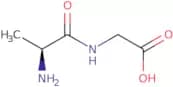

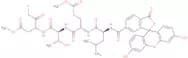
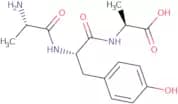
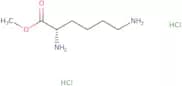

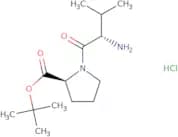

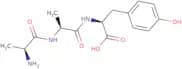
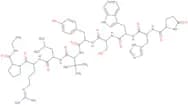
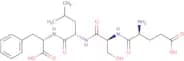

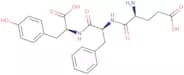
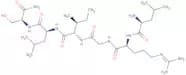
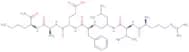
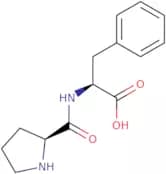
![ent-[Amyloid b-Protein (20-16)]-b-Ala-D-Lys(ent-[Amyloid b-Protein (16-20)]) trifluoroacetate salt](/_next/image/?url=https%3A%2Fstatic.cymitquimica.com%2Fproducts%2F3D%2Fthumb-webp%2FFE109711.webp&w=3840&q=75)
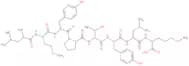
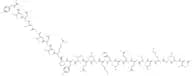

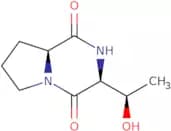
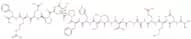
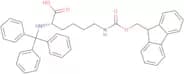
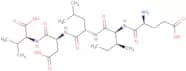
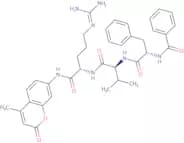
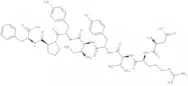

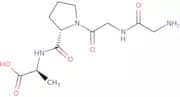
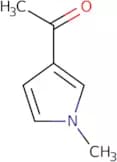

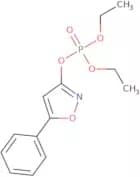

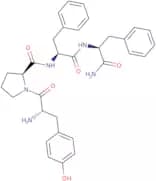
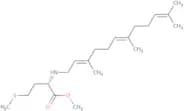
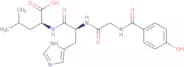
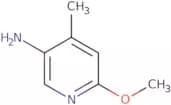
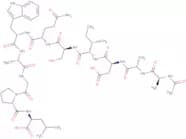


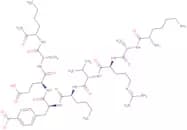
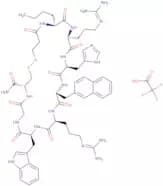
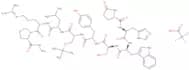
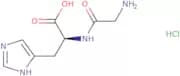
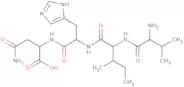
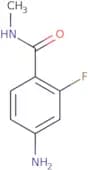
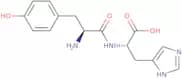
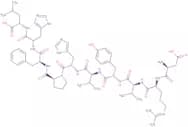
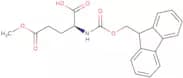


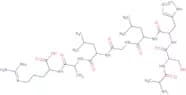

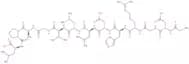
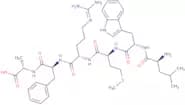
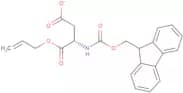


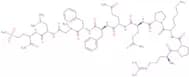

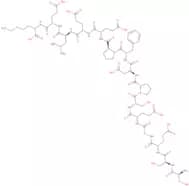
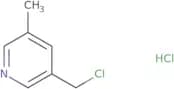
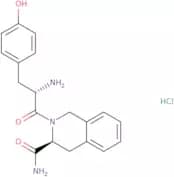
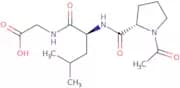
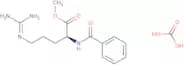

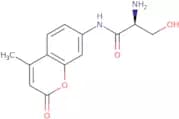
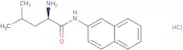
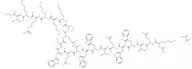
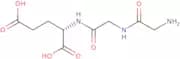
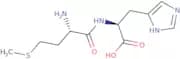
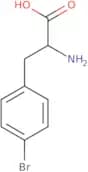
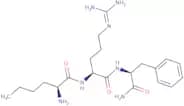
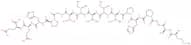
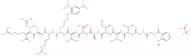
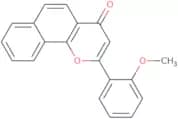
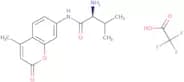

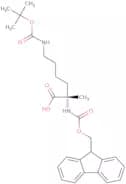
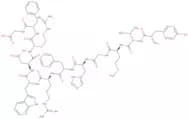
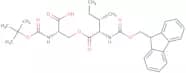
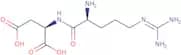
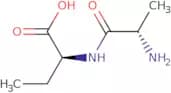
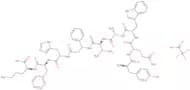


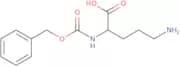
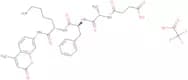
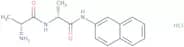
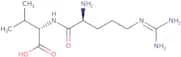


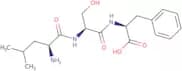
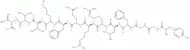
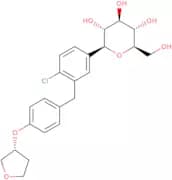
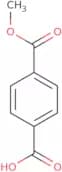
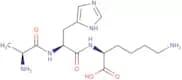
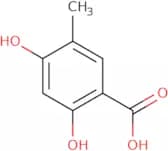
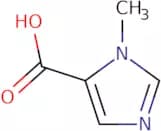
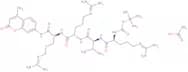
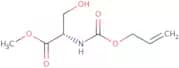


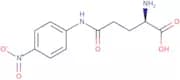

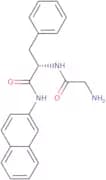

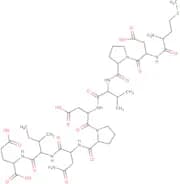
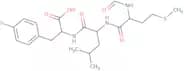
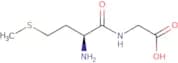

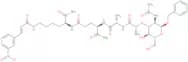
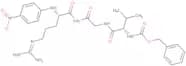
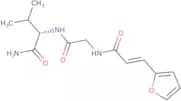

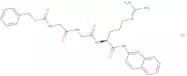
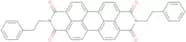
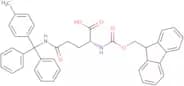
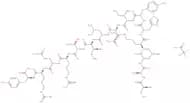
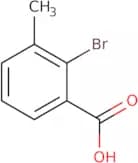
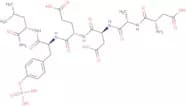

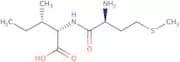
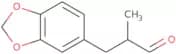
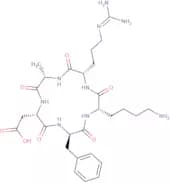

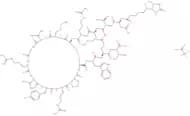

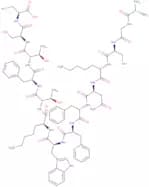
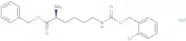
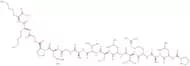
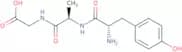
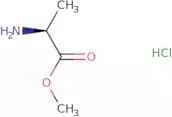
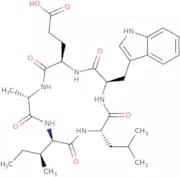
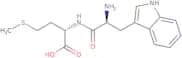
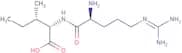

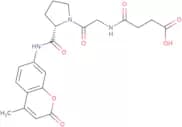
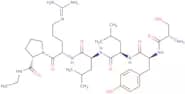
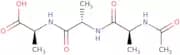
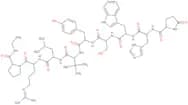
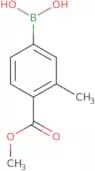

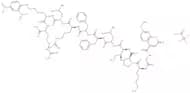
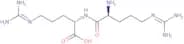
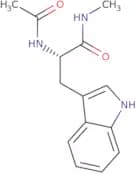

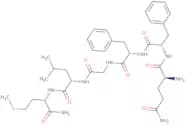
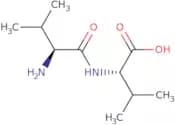
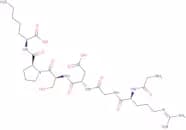

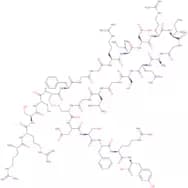
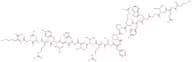
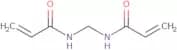

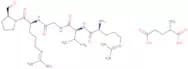
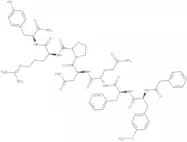
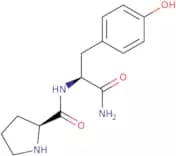
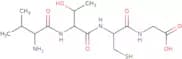
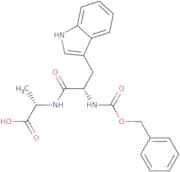

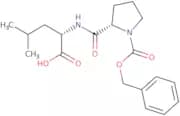
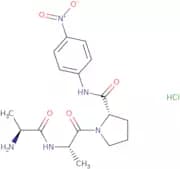
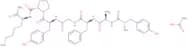
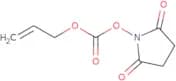
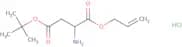

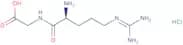
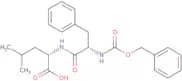
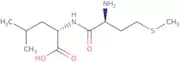
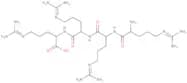
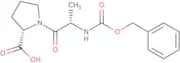
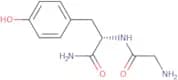
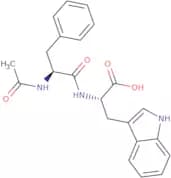
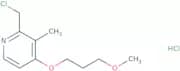
![8-Boc-3,8-diaza-bicyclo[3.2.1]octane](/_next/image/?url=https%3A%2Fstatic.cymitquimica.com%2Fproducts%2F3D%2Fthumb-webp%2FFB29382.webp&w=3840&q=75)