Amino Acids (AA)
Amino acids (AAs) are the fundamental building blocks of proteins, playing a crucial role in various biological processes. These organic compounds are essential for protein synthesis, metabolic pathways, and cell signaling. In this category, you will find a comprehensive range of amino acids, including essential, non-essential, and modified forms, which are vital for research in biochemistry, molecular biology, and nutritional sciences. At CymitQuimica, we provide high-quality amino acids to support your research and development needs, ensuring accuracy and reliability in your experimental outcomes.
Subcategories of "Amino Acids (AA)"
- Amino Acid Derivatives(3,955 products)
- Amino Acid and Amino Acid Related Compounds(3,464 products)
- Amino Acids with Oxygen or Sulphur(168 products)
- Boc- Amino Acids(351 products)
- Fmoc Amino Acids(1,710 products)
Found 38247 products of "Amino Acids (AA)"
Sort by
Purity (%)
0
100
|
0
|
50
|
90
|
95
|
100
Z-Gly-Pro-pNA
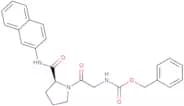
CAS:<p>Z-Gly-Pro-pNA is a synthetic substrate that has been used in the development of polyclonal antibodies against the surface protein of Stenotrophomonas maltophilia. The antibody, when immobilized to an insoluble support, was able to detect the bacterial cells within 10 hours. Z-Gly-Pro-pNA is a cyclic peptide with a proteolytic activity and an acidic pH optimum. It has been shown that Z-Gly-Pro-pNA can be hydrolysed by serine proteases such as trypsin and chymotrypsin.</p>Formula:C21H22N4O6Purity:Min. 95%Molecular weight:426.42 g/molZ-His-p-nitro-Phe-Phe-OMe
CAS:<p>Please enquire for more information about Z-His-p-nitro-Phe-Phe-OMe including the price, delivery time and more detailed product information at the technical inquiry form on this page</p>Formula:C33H34N6O8Purity:Min. 95%Molecular weight:642.66 g/molAcetyl-Heme-Binding Protein 1 (1-21) (human) trifluoroacetate salt
CAS:<p>Please enquire for more information about Acetyl-Heme-Binding Protein 1 (1-21) (human) trifluoroacetate salt including the price, delivery time and more detailed product information at the technical inquiry form on this page</p>Formula:C116H176N26O30S2Purity:Min. 95%Molecular weight:2,478.93 g/molH-Gly-Phe-bNA
CAS:<p>H-Gly-Phe-bNA is a dinucleotide phosphate that is activated by phosphatase to form an active nucleotide. This nucleotide inhibits the polymerase chain reaction (PCR) by binding to the template DNA strand and preventing the addition of nucleotides by the DNA polymerase. The monoclonal antibody recognizes H-Gly-Phe-bNA and binds it in a radioactive assay, inhibiting the activity of this dinucleotide phosphate. Radiation causes H-Gly-Phe-bNA to produce reactive oxygen species, which can induce DNA damage or cause cell death. This nucleotide also has an acidic pH optimum for its activity, making it useful in acidic environments such as lysosomes. H-Gly-Phe-bNA also binds to cation channels and is localized primarily in the cytosol, with some found in mitochondria or microsomes. It also has a high affinity for calcium ions</p>Formula:C21H21N3O2Purity:Min. 95%Molecular weight:347.41 g/molL-Cysteine hydrochloride anhydrous
CAS:<p>L-Cysteine hydrochloride anhydrous is an amino acid that is used in the treatment of bowel disease. It is also a precursor for glutathione, which has antioxidant properties and helps maintain iron homeostasis. L-Cysteine hydrochloride anhydrous has been shown to inhibit the oxidation of proteins by reacting with reactive oxygen species (ROS) such as nitric oxide, superoxide, and hydrogen peroxide. This amino acid also interacts with toll-like receptor 4 (TLR4), which may account for its natural anti-inflammatory properties. L-Cysteine hydrochloride anhydrous can be synthesized from cysteine and glutamic acid using a CDNA clone encoding the enzyme cystathionine β-synthase. The synthesis of this amino acid requires a number of biochemical reactions including hydrogen bonding interactions with inhibitor molecules such as dihydrofolate reductase, metalloproteases, and thiored</p>Formula:C3H7NO2S·HClColor and Shape:White Off-White PowderMolecular weight:157.62 g/mol(2S,3S)-(-)-3-Amino-2-phenylpiperidine
CAS:<p>The process of asymmetric epoxidation is used to convert alkenes into epoxides in a single step. This reaction is catalyzed by the use of a chiral catalyst with an enantiomeric excess (ee) greater than 50%. The reactants are added to the catalyst and hydrogen peroxide, which oxidizes the alkenes. The resulting epoxides can be isolated from the reaction mixture by distillation or extraction. Factors that affect this reaction include the type of reactant, solvent, temperature, and pressure.</p>Formula:C11H16N2Purity:Min. 95%Molecular weight:176.26 g/molAcetyl-Angiotensin I Ac-Asp-Arg-Val-Tyr-Ile-His-Pro-Phe-His-Leu-OH
CAS:<p>Please enquire for more information about Acetyl-Angiotensin I Ac-Asp-Arg-Val-Tyr-Ile-His-Pro-Phe-His-Leu-OH including the price, delivery time and more detailed product information at the technical inquiry form on this page</p>Formula:C64H91N17O15Purity:Min. 95%Molecular weight:1,338.51 g/molAcetyl-(3,4-dehydro-Pro1,4-fluoro-D-Phe2,D-Trp3·6)-LHRH trifluoroacetate salt
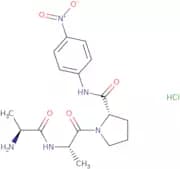
CAS:<p>Please enquire for more information about Acetyl-(3,4-dehydro-Pro1,4-fluoro-D-Phe2,D-Trp3·6)-LHRH trifluoroacetate salt including the price, delivery time and more detailed product information at the technical inquiry form on this page</p>Formula:C69H85FN16O13Purity:Min. 95%Molecular weight:1,365.51 g/molH-Ala-Ala-pNA hydrochloride salt
CAS:<p>Please enquire for more information about H-Ala-Ala-pNA hydrochloride salt including the price, delivery time and more detailed product information at the technical inquiry form on this page</p>Formula:C12H16N4O4Purity:Min. 95%Molecular weight:280.28 g/molNFAT Inhibitor trifluoroacetate salt
CAS:<p>NFAT Inhibitor trifluoroacetate salt H-Met-Ala-Gly-Pro-His-Pro-Val-Ile-Val-Ile-Thr-Gly-Pro-His-Glu-Glu (NFAT) is an inhibitor drug that has been shown to inhibit the nuclear factor of activated T cells (NFAT). NFAT is a transcriptional regulator that controls the expression of inflammatory genes in macrophages and other cell types. NFAT inhibitors have been shown to be effective for treating bowel diseases, such as ulcerative colitis and Crohn's disease, by inhibiting the activation of macrophages. NFAT inhibitors are also used in vitro as a tool for studying cellular signaling pathways. The most common type of NFAT inhibitor is fluconazole, which blocks calcineurin activity and prevents the activation of NFAT. However, other types of inhibitors are being developed, including mmp9 activity or</p>Formula:C75H118N20O22SPurity:Min. 95%Molecular weight:1,683.93 g/molSuc-Ala-Lys-Pro-Phe-pNA
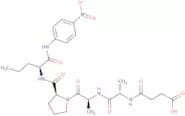
CAS:<p>Suc-Ala-Lys-Pro-Phe-pNA is a casein that has been modified to contain additional lysine residues. This modification increases the protein’s stability, making it more resistant to hydrolysis by phosphatases. Suc-Ala-Lys-Pro-Phe-pNA also contains a peptide sequence that is homologous to a part of the endoplasmic reticulum chaperone FK506 binding protein (FKBP). The peptide sequence in this casein acts as an artificial chaperone and can be used in cell culture experiments to stabilize newly synthesized proteins.</p>Formula:C33H43N7O9Purity:Min. 95%Molecular weight:681.74 g/molH-D-Leu-D-Leu-OH
CAS:<p>H-D-Leu-D-Leu-OH is a type of molecule that can be found in the human body. It is an amino acid with specificities and transport mechanisms that are not yet well understood. This compound is resistant to aminopeptidase activity and has been shown to have a ph optimum in the intestinal tract. Acetylation of this molecule may also have an effect on its transport rate, as it has been shown to affect the transport rate of D-tryptophan and D-alanine. H-D-Leu-D-Leu-OH is a type of molecule that can be found in the human body. It is an amino acid with specificities and transport mechanisms that are not yet well understood. This compound is resistant to aminopeptidase activity and has been shown to have a ph optimum in the intestinal tract. Acetylation of this molecule may also have an effect on its transport rate, as</p>Formula:C12H24N2O3Purity:Min. 95%Molecular weight:244.33 g/molThr-Ala-Pro-Arg-Atrial Natriuretic Factor (1-28) (human, bovine, porcine) trifluoroacetate salt
CAS:<p>Thr-Ala-Pro-Arg-Atrial Natriuretic Factor (1-28) (human, bovine, porcine) trifluoroacetate salt is a peptide hormone that regulates blood pressure by causing the kidneys to excrete sodium and water. It is used as a model system for studying the physiological effects of urodilatin and has been shown to inhibit the cyclase enzyme. Thr-Ala-Pro-Arg-Atrial Natriuretic Factor (1-28) (human, bovine, porcine) trifluoroacetate salt may also have an antihypertensive effect through its ability to reduce levels of natriuretic peptides in plasma. This drug is also being investigated as a possible treatment for congestive heart failure. The small molecular weight makes it suitable for use as a natriuretic or antihypertensive drug with minimal side effects.</p>Formula:C145H234N52O44S3Purity:Min. 95%Molecular weight:3,505.93 g/molH-Met-His-OH
CAS:<p>H-Met-His-OH is a metabolite of methionine, which has been shown to have insulin sensitizing effects. H-Met-His-OH is produced from the reaction of methionine with hydrochloric acid and water molecule. This compound has been shown to modulate glucose metabolism by increasing insulin sensitivity in diabetic rats. It has also been shown to be able to increase estradiol levels in female mice, which may be due to its ability to inhibit protein synthesis. H-Met-His-OH also binds to histidine residues on the protein surface and may regulate protein kinetics via an unidentate mechanism.</p>Formula:C11H18N4O3SPurity:Min. 95%Molecular weight:286.35 g/molH-Ser-Ile-Lys-Val-Ala-Val-OH
CAS:<p>H-Ser-Ile-Lys-Val-Ala-Val-OH is a peptide that is synthesized from the amino acid sequence of the human skin cells. It has been shown to be effective in inhibiting bacterial growth and inducing death in bacteria. This peptide binds to the bacterial cell wall and inhibits its growth. The polymer film can be used for the delivery of H-Ser-Ile-Lys-Val-Ala-Val-OH in the form of lamellar, galacturonic acid, collagen, or lipid nanoparticles. The lamellar phase can be prepared by using water as solvent and lipids as surfactant. The lipid nanoparticle formulation consists of a core material (e.g., cholesterol) surrounded by a lipid bilayer composed of phospholipids or glycolipids with H Ser Ile Lys Val Ala Val OH incorporated into it. This peptide has also been shown to have skin care properties when</p>Formula:C28H53N7O8Purity:Min. 95%Molecular weight:615.76 g/mol2-methyl-6-(trifluoromethyl)aniline
CAS:<p>2-Methyl-6-(trifluoromethyl)aniline is a colorless, oily liquid with a sulfurous odor. It is soluble in water and alcohol. The reaction rate of 2-methyl-6-(trifluoromethyl)aniline with sulfoxides is faster than that of benzyl anilines, but slower than that of anilino derivatives. The addition of hydrophobic groups to the 2-methyl-6-(trifluoromethyl)aniline molecule increases the reaction rate. 2-Methyl-6-(trifluoromethyl)aniline can be used as an anesthetic agent because it is a potent inhibitor of nerve conduction in sciatic nerves. It also has been shown to be effective in desulfurizing propylene, which is important for the production of polypropylene plastics and synthetic rubber. 2-Methyl-6-(triflu</p>Formula:C8H8F3NPurity:Min. 95%Molecular weight:175.15 g/mol(Tyr34)-pTH (7-34) amide (bovine) trifluoroacetate salt
CAS:<p>Please enquire for more information about (Tyr34)-pTH (7-34) amide (bovine) trifluoroacetate salt including the price, delivery time and more detailed product information at the technical inquiry form on this page</p>Formula:C156H244N48O40S2Purity:Min. 95%Molecular weight:3,496.04 g/mol3-(Chloromethyl)-5-methylpyridine hydrochloride
CAS:<p>3-(Chloromethyl)-5-methylpyridine hydrochloride (3CMPH) is a chemical compound that is synthesized from chlorine and methylpyridine. 3CMPH can be produced by the reaction of chlorination with toluene or hydrogen chloride. The synthesis of 3CMPH is done in two steps: first, reacting toluene with chlorine gas at high temperature and pressure in the presence of sulfuric acid, followed by the addition of sulfuric acid to the resulting product. In the second step, hydrogen chloride reacts with methylpyridine in an alkaline solution, yielding 3-(chloromethyl)-5-methylpyridine hydrochloride as a white solid. 3CMPH has been shown to have antihistamine effects and can be used for treating allergies. It can also be used as a skin protectant against uv light and rupatadine.</p>Formula:C7H8ClN·HClPurity:Min. 95%Molecular weight:178.06 g/molH-Arg(NO2)-pNA·HBr
CAS:<p>Please enquire for more information about H-Arg(NO2)-pNA·HBr including the price, delivery time and more detailed product information at the technical inquiry form on this page</p>Formula:C12H17N7O5·HBrPurity:Min. 95%Molecular weight:420.22 g/molMethylenedi-p-phenyl diisocyanate
CAS:<p>Methylenedi-p-phenyl diisocyanate (MDI) is a glycol ether, which is a potent inducer of allergic reactions. It can be found in polyurethane foam insulation and in the production of diphenyl and diisocyanate. MDI has been shown to cause asthma, skin inflammation, and other respiratory problems. MDI is highly toxic to aquatic life and can cause long term effects on fish populations. The toxicity of MDI depends on the concentration and duration of exposure, as well as the species that it is administered to. High concentration exposure for a short period of time will result in death by respiratory failure or cardiac arrest. Longer exposure at lower concentrations may lead to liver, kidney, lung damage or cancerous tumor development.</p>Formula:C15H10N2O2Purity:Min. 95%Molecular weight:250.25 g/mol(D-Ala2)-Dynorphin A (1-9)
CAS:<p>Please enquire for more information about (D-Ala2)-Dynorphin A (1-9) including the price, delivery time and more detailed product information at the technical inquiry form on this page</p>Formula:C53H86N18O11Purity:Min. 95%Molecular weight:1,151.36 g/mol(Des-Tyr1)-Met-Enkephalin
CAS:<p>Des-Tyr1-Met-Enkephalin H-Gly-Gly-Phe-Met-OH is a peptide that is derived from the endorphin family. It has been shown to have both amnestic and enkephalin effects, which may be due to its antagonistic effect on naloxone. This endogenous peptide has been studied in a dose response curve, with an increase in amnesia and decrease in memory retention as the dose increases. Des-Tyr1-Met-Enkephalin H-Gly-Gly-Phe-Met-OH also binds to receptors at the same sites as other substances such as epinephrine, β endorphin, and behavioral effects are observed.</p>Formula:C18H26N4O5SPurity:Min. 95%Molecular weight:410.49 g/molFmoc-Arg(Pmc)-Wang resin (100-200 mesh)
<p>Please enquire for more information about Fmoc-Arg(Pmc)-Wang resin (100-200 mesh) including the price, delivery time and more detailed product information at the technical inquiry form on this page</p>Purity:Min. 95%Ac-Arg-Phe-Met-Trp-Met-Arg-NH2
CAS:<p>Ac-Arg-Phe-Met-Trp-Met-Arg-NH2 is a synthetic peptide that binds to the opioid receptors, which are found in many areas of the body, including the brain and peripheral nervous system. Ac-Arg-Phe-Met-Trp-Met-Arg-NH2 has been shown to bind to the mu receptor with an affinity of ˜1 nM. It has also been shown to have antiinflammatory and anticancer properties. Ac-Arg-Phe-Met-Trp-Met -Arg NH2 has also been found in some cases to be effective against neurodegenerative diseases such as Alzheimer's disease. Ac Arg Phe Met Trp Met Arg NH2 is often used as a diluent for peptides and proteins because it does not cause aggregation.</p>Formula:C44H66N14O7S2Purity:Min. 95%Molecular weight:967.22 g/molAc-Tyr-Val-Lys(biotinyl)-Asp-2,6-dimethylbenzoyloxymethylketone
CAS:<p>Ac-Tyr-Val-Lys(biotinyl)-Asp-2,6-dimethylbenzoyloxymethylketone belongs to a group of active compounds and is a cleavage product of the caspase family. It has been shown to induce apoptosis in kidney cells by cleaving the polymeric form of the protein caspase 3, which is induced by viral infection or bacterial infection. This compound is used for coinfection with HIV and HCV. Ac-Tyr-Val-Lys(biotinyl)-Asp-2,6-dimethylbenzoyloxymethylketone can also be used for detecting apoptosis in other types of cells such as erythrocytes and neutrophils.</p>Formula:C46H63N7O12SPurity:Min. 95%Molecular weight:938.1 g/mol2-Fluoro-6-methylbenzoic acid
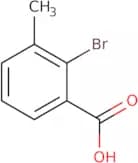
CAS:<p>Please enquire for more information about 2-Fluoro-6-methylbenzoic acid including the price, delivery time and more detailed product information at the technical inquiry form on this page</p>Formula:C8H7FO2Purity:Min. 98 Area-%Color and Shape:White PowderMolecular weight:154.14 g/molFmoc-L-glutamic acid γ-methyl ester
CAS:<p>Please enquire for more information about Fmoc-L-glutamic acid gamma-methyl ester including the price, delivery time and more detailed product information at the technical inquiry form on this page</p>Formula:C21H21NO6Purity:Min. 95%Molecular weight:383.39 g/mol3-(4-Methoxybenzoyl)acrylic acid
CAS:<p>Please enquire for more information about 3-(4-Methoxybenzoyl)acrylic acid including the price, delivery time and more detailed product information at the technical inquiry form on this page</p>Formula:C11H10O4Purity:Min. 95%Color and Shape:PowderMolecular weight:206.19 g/molDL-Alanine ethyl ester hydrochloride
CAS:<p>DL-Alanine ethyl ester hydrochloride is a byproduct of the reaction between ethylene and amines. It can be produced through the addition of l-phenylalanine to acetonitrile. This compound is an organic ester that has been shown to have a variety of reactions with metal ions, such as aluminium, l-glutamic acid, and primary amines. The product can be used in thermodynamic data for reaction systems involving DL-alanine ethyl ester hydrochloride.</p>Formula:C5H11NO2·HClPurity:Min. 95%Color and Shape:White To Off-White SolidMolecular weight:153.61 g/molZ-Pro-Met-OH
CAS:<p>Z-Pro-Met-OH is a potent inhibitor of protein kinases. It has been shown to be resistant to peptidyl and sulphonium activation and also inhibits trypsin and other proteases. Z-Pro-Met-OH is a chloromethane derivative that is both an inhibitor of protein kinases and a substrate for the enzyme, which generates a constant concentration of product in the presence of enzyme. Z-Pro-Met-OH is more sensitive than other inhibitors tested to date, with the exception of staurosporine. It has sequence similarity to mammalian proteins, but lacks homology with any known protein.</p>Formula:C18H24N2O5SPurity:Min. 95%Molecular weight:380.46 g/molMca-Leu-Glu-Val-Asp-Gly-Trp-Lys(Dnp)-NH2
CAS:<p>Please enquire for more information about Mca-Leu-Glu-Val-Asp-Gly-Trp-Lys(Dnp)-NH2 including the price, delivery time and more detailed product information at the technical inquiry form on this page</p>Formula:C57H70N12O19Purity:Min. 95%Molecular weight:1,227.24 g/molEnterostatin (human, mouse, rat) acetate salt
CAS:<p>Enterostatin is a peptide hormone that inhibits the release of insulin, gastric acid and pancreatic juices. Enterostatin has been shown to have a number of biological properties, including an anti-obesity effect in humans. In mice, enterostatin has been shown to decrease food intake, increase energy expenditure and weight loss. Enterostatin also decreases the levels of serum cholesterol and triglycerides in rats. This drug has a number of pharmacological activities including inhibition of platelet aggregation and vasodilation. Enterostatin is related to peptide hormones such as ghrelin, which stimulates appetite, and cholecystokinin (CCK), which reduces appetite. It may be used as an alternative treatment for obesity or metabolic disorders like diabetes mellitus type 2 or hyperlipidaemia.</p>Formula:C21H36N8O6Purity:Min. 95%Molecular weight:496.56 g/molFmoc-a-Me-D-Asp(OtBu)-OH
CAS:<p>Please enquire for more information about Fmoc-a-Me-D-Asp(OtBu)-OH including the price, delivery time and more detailed product information at the technical inquiry form on this page</p>Formula:C24H27NO6Purity:Min. 95%Molecular weight:425.47 g/molHippocampal Cholinergic Neurostimulating Peptide
CAS:<p>Hippocampal Cholinergic Neurostimulating Peptide Ac-Ala-Ala-Asp-Ile-Ser-Gln-Trp-Ala-Gly-Pro-Leu is a peptide hormone that has been found in the hippocampus. It is a cholinergic neurotransmitter that is synthesized and secreted by neurons in the brain. It has been shown to have an effect on bowel disease, locomotor activity, and hippocampal formation. Hippocampal Cholinergic Neurostimulating Peptide Ac-Ala-Ala-Asp-Ile-Ser-Gln-Trp was first identified through biochemical analysis of rat brain tissue.</p>Formula:C53H79N13O17Purity:Min. 95%Molecular weight:1,170.27 g/molFarnesyl-Met-OMe
CAS:<p>Please enquire for more information about Farnesyl-Met-OMe including the price, delivery time and more detailed product information at the technical inquiry form on this page</p>Formula:C21H37NO2SPurity:Min. 95%Molecular weight:367.59 g/molZ-Gly-Val-OH
CAS:<p>Z-Gly-Val-OH is an inhibitor that can be used for the synthesis of peptides. It is a c-terminal amino acid with an optically active, cyclic structure. Z-Gly-Val-OH can be coupled to azide and spheric amino acids, and it undergoes racemization in solvents containing additives. This reagent can also be used for the synthesis of peptides with epimerization or chlorine.</p>Formula:C15H20N2O5Purity:Min. 95%Color and Shape:PowderMolecular weight:308.33 g/molH-Gly-Gly-Pro-Ala-OH
CAS:<p>Glycosaminoglycans are polysaccharides that are made of repeating disaccharide units composed of a sugar and a uronic acid. Glycosaminoglycans serve as structural components in the extracellular matrix, where they provide tensile strength and elasticity to tissues. They also function as enzymes, providing energy for cellular processes. This glycosaminoglycan is found in human tissue, specifically the cervix and blood group antigens. It has been shown to have an effect on creatine kinase activity, which can be used as a screening tool for women who have had hysterectomies or biopsies done.</p>Formula:C12H20N4O5Purity:Min. 95%Molecular weight:300.31 g/molH-Gly-Gly-AMC hydrochloride salt
CAS:<p>H-Gly-Gly-AMC is a fluorescent substrate for the detection of protease activity. It can be used in a homogeneous assay to measure the protease activity of cells. The assay provides an accurate measurement of protease activity and the ability to normalize data to account for differences in cell number and protein content. H-Gly-Gly-AMC hydrochloride salt (HGG) is also a fluorogenic substrate for the determination of cell death or damage, which can be measured using aminoluciferin. This assay is based on the release of aminoluciferin from lysed cells, which fluoresces in proportion to the amount released.</p>Formula:C14H15N3O4Purity:Min. 95%Molecular weight:289.29 g/molH-Ile-Ala-OH
CAS:<p>H-Ile-Ala-OH is a high quality product that has been extensively validated for its stability and effectiveness. It is a zymogen that has been shown to be active against pancreatic enzymes. H-Ile-Ala-OH binds to the hydrophobic region of the enzyme, which may be due to hydrogen bonding. The diameter of this molecule is 8.3 Ångströms, which allows it to bind to the enzyme's active site. H-Ile-Ala-OH has been shown to have prognostic value in cancer patients and can be used as a profile marker in porcine cells.</p>Formula:C9H18N2O3Purity:Min. 95%Molecular weight:202.25 g/molH-Pro-Phe-OH
CAS:<p>H-Pro-Phe-OH is a synthetic peptide that is used in the treatment of high blood pressure. It has been shown to decrease blood pressure by increasing the production of nitric oxide and by decreasing activity of angiotensin converting enzyme, which are factors that have an influence on blood pressure. H-Pro-Phe-OH has been shown to be effective for treating HIV infection and amyloidosis. H-Pro-Phe-OH binds to collagen and increases its production in tissues, which may be responsible for its antihypertensive effects. It also inhibits the growth of bacteria by binding to their cell walls and inhibiting their protein synthesis. The metabolic products of H-Pro-Phe-OH are not yet known, but it is thought that they may contain hydroxyproline or hydroxylysine residues.</p>Formula:C14H18N2O3Purity:Min. 95%Color and Shape:White PowderMolecular weight:262.3 g/molEthyl 2-(4-hydroxyphenyl)-4-methylthiazole-5-carboxylate
CAS:<p>Ethyl 2-(4-hydroxyphenyl)-4-methylthiazole-5-carboxylate is an anticancer agent that belongs to the class of formamidines. It is synthesized by refluxing ethyl 4-hydroxyphenylacetic acid with hexamethylenetetramine and acetic acid in ethanol. After purification, it is converted to its active form by reacting with hydrochloric acid. Ethyl 2-(4-hydroxyphenyl)-4-methylthiazole-5-carboxylate prevents the growth of cancer cells in culture by preventing DNA synthesis, which prevents RNA and protein synthesis. This agent has also been found to suppress paclitaxel production in cultured human breast cancer cells.</p>Formula:C13H13NO3SPurity:Min. 95%Molecular weight:263.31 g/molN-[(2RS,3RS)-2,3,4-Trihydroxy-butyl]-Val-Leu-anilide
CAS:<p>Please enquire for more information about N-[(2RS,3RS)-2,3,4-Trihydroxy-butyl]-Val-Leu-anilide including the price, delivery time and more detailed product information at the technical inquiry form on this page</p>Formula:C21H35N3O5Purity:Min. 95%Molecular weight:409.52 g/molH-Gly-Gly-pNA·HCl
CAS:<p>Please enquire for more information about H-Gly-Gly-pNA·HCl including the price, delivery time and more detailed product information at the technical inquiry form on this page</p>Formula:C10H12N4O4·HClPurity:Min. 95%Molecular weight:288.69 g/molLymnaDFamide-1
CAS:<p>LymnaDFamide-1 is a neuropeptide that belongs to the family of c-terminal peptides. It is a dipeptide with a sequence of L-Pro-Tyr-Asp-Arg-Ile-Ser-Asn-Ser-Ala-Phe. This peptide was found in the nervous system of invertebrates, where it is believed to play an important role in the regulation of neurotransmitter release. In mammals, LymnaDFamide has been detected in the brain and in the gallbladder. It may be involved in regulating feeding behavior and gastric motility.</p>Formula:C68H96N18O22Purity:Min. 95%Molecular weight:1,517.6 g/molH-Pro-Ser-Hyp-Gly-Asp-Trp-OH
CAS:<p>H-Pro-Ser-Hyp-Gly-Asp-Trp-OH is a cyclic hexapeptide with a high activity against platelets. It is an antagonist of the cyclic RGD sequence, which is present in fibrinogen, fibronectin, vitronectin and other proteins. This peptide binds to the n-terminal residue of these proteins and prevents them from binding to their receptors on the surface of platelets. H-Pro-Ser-Hyp-Gly-Asp-Trp-OH has been shown to be specific for human platelets and does not bind to erythrocytes or leukocytes.</p>Formula:C30H39N7O11Purity:Min. 95%Molecular weight:673.67 g/molH-His-Phe-OH
CAS:<p>H-His-Phe-OH is a polypeptide that is used in the diagnosis of chronic kidney disease. It is synthesized by the chemical reaction between histidine and phenylalanine. H-His-Phe-OH has been shown to have a molecular weight of 4,000 Da, with a diameter of 5 nm. The binding constants for this molecule are 3.5 x 10^6 M^(-1), and its stability in biological fluids has been shown to be greater than 100 hours at pH 7.4, 37°C.</p>Formula:C15H18N4O3Purity:Min. 95%Molecular weight:302.33 g/molType A Allatostatin I
CAS:<p>Type A Allatostatin I is a fatty acid that is synthesized in the liver and binds to the G protein-coupled receptor, alpha-MSH. Allatostatin I inhibits fatty acid synthesis and has been shown to have a protective effect on hepatic steatosis caused by methanol solvent exposure. It also has insecticidal properties which may be due to its ability to inhibit chitin synthesis in insects. Moreover, Type A Allatostatin I has shown ecological effects as an inhibitor of polymerase chain reactions (PCRs) for DNA replication. This compound also inhibits RNA synthesis in vitro at physiological levels. Type A Allatostatin I has been shown to be an endogenous factor that plays a role in obesity and diabetes, as well as its pathogenic mechanism.</p>Formula:C61H94N18O16Purity:Min. 95%Molecular weight:1,335.51 g/mol(D-Trp6)-LHRH (1-6) amide
CAS:<p>Please enquire for more information about (D-Trp6)-LHRH (1-6) amide including the price, delivery time and more detailed product information at the technical inquiry form on this page</p>Formula:C45H49N11O9Purity:Min. 95%Molecular weight:887.94 g/molH-Phe-Pro-bNA·HCl
CAS:<p>Please enquire for more information about H-Phe-Pro-bNA·HCl including the price, delivery time and more detailed product information at the technical inquiry form on this page</p>Formula:C24H25N3O2·HClPurity:Min. 95%Molecular weight:423.93 g/molBoc-Thr(Ile-Fmoc)-OH
CAS:<p>Please enquire for more information about Boc-Thr(Ile-Fmoc)-OH including the price, delivery time and more detailed product information at the technical inquiry form on this page</p>Formula:C30H38N2O8Purity:Min. 95%Molecular weight:554.63 g/molZ-Ala-Ala-OMe
CAS:<p>Z-Ala-Ala-OMe is a serine protease inhibitor that binds to serine proteases, including chymotrypsin, trypsin, and elastase. The inhibition of these enzymes prevents the hydrolysis of proteins by these enzymes, which can lead to cell death. Z-Ala-Ala-OMe has been shown to inhibit the growth of bacteria in vitro and in animal models. This compound also showed an ability to inhibit the production of phosphite by immobilized subtilisin from Bacillus licheniformis (Bacillus subtilis) with a Km value of 0.5 mM</p>Formula:C15H20N2O5Purity:Min. 95%Molecular weight:308.33 g/molCalcium-Like Peptide
CAS:<p>Please enquire for more information about Calcium-Like Peptide including the price, delivery time and more detailed product information at the technical inquiry form on this page</p>Formula:C40H75N9O10Purity:Min. 95%Molecular weight:842.08 g/molZ-Val-Gly-Gly-OBzl
CAS:<p>Please enquire for more information about Z-Val-Gly-Gly-OBzl including the price, delivery time and more detailed product information at the technical inquiry form on this page</p>Formula:C24H29N3O6Purity:Min. 95%Molecular weight:455.5 g/molH-Ala-Gly-OH
CAS:<p>H-Ala-Gly-OH is a synthetic amino acid that is used to produce the peptide hormone luteinizing hormone (LH). It has been shown that H-Ala-Gly-OH is an antigen specific antibody response and has a hydrogen bond. The functional groups of H-Ala-Gly-OH include amine, carboxyl, and hydroxyl. Structural analysis of this compound was completed using a kinetic method. The conformational properties of H-Ala-Gly-OH were determined by nmr spectra and titration method. This synthetic amino acid may inhibit protein synthesis in vivo through treatment with carbohydrate.</p>Formula:C5H10N2O3Purity:Min. 95%Molecular weight:146.14 g/molH-Cys-Arg-Gly-Asp-Phe-Pro-Ala-Ser-Ser-Cys-OH (Disulfide bond)
CAS:<p>Please enquire for more information about H-Cys-Arg-Gly-Asp-Phe-Pro-Ala-Ser-Ser-Cys-OH (Disulfide bond) including the price, delivery time and more detailed product information at the technical inquiry form on this page</p>Formula:C41H61N13O15S2Purity:Min. 95%Molecular weight:1,040.13 g/molH-Ala-2-chlorotrityl resin (200-400 mesh) (Low Substitution)
<p>Please enquire for more information about H-Ala-2-chlorotrityl resin (200-400 mesh) (Low Substitution) including the price, delivery time and more detailed product information at the technical inquiry form on this page</p>Purity:Min. 95%Boc-L-methionine - Solid
CAS:<p>Boc-L-methionine is a chemical compound that contains the amino acid methionine. It is used in solid-phase synthesis to produce cyclic peptides and proteins. Boc-L-methionine is activated by treatment with trifluoroacetic acid and then reacts with a protected amino acid to form the corresponding amide or ester, respectively. The activated carboxylic acid group of Boc-L-methionine reacts with an unprotected amino group of the amino acid to form an amide or ester linkage, respectively. The reaction products are cleaved from the resin support by hydrogen fluoride for purification.</p>Formula:C10H19NO4SPurity:Min. 95%Molecular weight:249.33 g/molFmoc-Thr(tBu)-Wang resin (200-400 mesh)
<p>Please enquire for more information about Fmoc-Thr(tBu)-Wang resin (200-400 mesh) including the price, delivery time and more detailed product information at the technical inquiry form on this page</p>Purity:Min. 95%H-Ala-Ala-Tyr-OH
CAS:<p>Please enquire for more information about H-Ala-Ala-Tyr-OH including the price, delivery time and more detailed product information at the technical inquiry form on this page</p>Formula:C15H21N3O5Purity:Min. 95%Molecular weight:323.34 g/molH-Val-Ile-His-Thr-EDANS acetate salt
CAS:Controlled Product<p>Please enquire for more information about H-Val-Ile-His-Thr-EDANS acetate salt including the price, delivery time and more detailed product information at the technical inquiry form on this page</p>Formula:C33H48N8O8SPurity:Min. 95%Molecular weight:716.85 g/molMca-Amyloid β/A4 Protein Precursor770 (667-676)-Lys(Dnp)-Arg-Arg amide trifluoroacetate salt
CAS:<p>Please enquire for more information about Mca-Amyloid beta/A4 Protein Precursor770 (667-676)-Lys(Dnp)-Arg-Arg amide trifluoroacetate salt including the price, delivery time and more detailed product information at the technical inquiry form on this page</p>Formula:C87H129N27O28SPurity:Min. 95%Molecular weight:2,033.19 g/molH-Arg-Val-Leu-psi(CH2NH)Phe-Glu-Ala-Nle-NH2
CAS:<p>H-Arg-Val-Leu-psi(CH2NH)Phe-Glu-Ala-Nle-NH2 is a compound which is structurally related to the amino acid histidine. It has been used as an indicator for Xanthochromia, a diagnostic for copper. H-Arg-Val-Leu-psi(CH2NH)Phe-Glu-Ala-Nle-NH2 has also been used in polyester production and as a monitoring agent for modifications of polylactic acid thermally.</p>Formula:C40H69N11O8Purity:Min. 95%Molecular weight:832.05 g/mol(D-Ala2)-Leu-Enkephalin
CAS:<p>(D-Ala2)-Leu-Enkephalin H-Tyr-D-Ala-Gly-Phe-Leu-OH is a peptide that is a member of the endorphin family of endogenous analgesic compounds. It has been shown to have anti-inflammatory properties in clinical studies and to suppress bacterial growth in vitro. The compound has been implicated in the regulation of glucose homeostasis, as well as having an effect on body mass index and skin cells. (D-Ala2)-Leu-Enkephalin H-Tyr-D-Ala-Gly-Phe-Leu-(OH) is thought to modulate the activity of Toll like receptor 4, which is involved in inflammation and immune response.</p>Formula:C29H39N5O7Purity:Min. 95%Molecular weight:569.65 g/molFmoc-octyl-D-Gly-OH
CAS:<p>Fmoc-octyl-D-Gly-OH is a supramolecular polymer with a wide range of applications, including oil recovery and as a nanomaterial. Fmoc-octyl-D-Gly-OH is synthesized by the ring opening polymerization of octylglycol with D,L lactic acid. It has been shown to be an effective emulsifier in water, which may be due to its synergistic effect with other molecules. Fmoc-octyl-D-Gly-OH also has the ability to self assemble into a variety of morphologies such as nanoribbons, nanowires, and gel networks. This polymer can also be used as a hydrogenation catalyst for organic synthesis reactions that require high pressures and temperatures. Fmoc-octyl-D-Gly-OH has also been used in the production of ultrasonication devices for use in medicine.</p>Formula:C25H31NO4Purity:Min. 95%Molecular weight:409.52 g/molFA-Glu-Glu-OH
CAS:<p>Please enquire for more information about FA-Glu-Glu-OH including the price, delivery time and more detailed product information at the technical inquiry form on this page</p>Formula:C17H20N2O9Purity:Min. 95%Molecular weight:396.35 g/molH-Arg-Met-OH acetate salt
CAS:<p>H-Arg-Met-OH acetate salt is a reactive chemical that is used in the treatment of hepatitis. It has been shown to be effective against virus and heart disease, as well as being active in the prevention of insulin resistance. H-Arg-Met-OH acetate salt is also used to determine if a person has had an allergic reaction by testing for elevated serum levels of this chemical. H-Arg-Met-OH acetate salt can be found in the blood, urine, and liver cells. This chemical is also present in mouse spleen cells and has been shown to react with specific antibodies.</p>Formula:C11H23N5O3SPurity:Min. 95%Molecular weight:305.4 g/molZ-His-Phe-Phe-OEt
CAS:<p>Z-His-Phe-Phe-OEt is a synthetic, polyacrylamide gel-based experiment that determines the amino acid composition of imidazolium zymogens. This experiment utilizes an ion-exchange chromatography technique to separate and identify peptides. The solvents used in this experiment are acetone and ion-exchange chromatography. In order to carry out this experiment, one must first dissolve the polyacrylamide gel in a system of solvents with a pH of 7.5 or lower in order to create an electrofocusing environment. This solution is then applied to the polyacrylamide gel, which will form a solid film when dried. The imidazolium zymogen can then be cleaved by pepsin, yielding peptides that can be analysed using mass spectrometry.</p>Formula:C34H37N5O6Purity:Min. 95%Molecular weight:611.69 g/molFmoc-Val-Ser(Psi(Me,Me)pro)-OH
CAS:<p>Please enquire for more information about Fmoc-Val-Ser(Psi(Me,Me)pro)-OH including the price, delivery time and more detailed product information at the technical inquiry form on this page</p>Formula:C26H30N2O6Purity:Min. 95%Molecular weight:466.53 g/molH-Lys-Pro-OH hydrochloride salt
CAS:<p>H-Lys-Pro-OH hydrochloride salt is a monoclonal antibody that is used to treat psychotic disorders. It blocks the binding of gamma-aminobutyric acid (GABA) to its receptor, which reduces neuronal activity and has a calming effect on the central nervous system. H-Lys-Pro-OH hydrochloride salt also inhibits the phosphatase enzyme and prevents it from breaking down phosphotungstic acid, which is used in this process. The antibody also binds to the analog of gamma aminobutyric acid, preventing it from binding with its receptor. H-Lys-Pro-OH hydrochloride salt may be advantageous in treating kidney fibrosis because it prevents cell proliferation and growth in tissue cultures by inhibiting enzymes involved in collagen synthesis. H-Lys-Pro-OH hydrochloride salt may also be useful as an antitumor agent because it inhibits tumor growth by blocking uptake and replication of DNA.</p>Formula:C11H21N3O3Purity:Min. 95%Molecular weight:243.3 g/molMca-(Asn670,Leu671)-Amyloid β/A4 Protein Precursor770 (669-674)-Lys(Dnp)
CAS:<p>Please enquire for more information about Mca-(Asn670,Leu671)-Amyloid beta/A4 Protein Precursor770 (669-674)-Lys(Dnp) including the price, delivery time and more detailed product information at the technical inquiry form on this page</p>Formula:C51H67N11O21Purity:Min. 95%Molecular weight:1,170.14 g/molHIV-1 tat Protein (1-9)
CAS:<p>Tat is a protein from the human immunodeficiency virus type 1 (HIV-1) that is responsible for the regulation of viral gene expression. Tat binds to a cellular receptor, CD4, and enters the cell. The Tat protein forms a ternary complex with transcription factors and RNA polymerase II. This complex then binds to promoter regions of HIV genes and initiates transcription. Tat has been postulated to modulate immune functions such as chemokine production, T-cell activation, and macrophage activation. The HIV-1 tat Protein (1-9) H-Met-Asp-Pro-Val-Asp-Pro-Asn-Ile-Glu-OH has been shown to have an effect on the immune system by affecting chemokines and other immune functions.</p>Formula:C43H68N10O17SPurity:Min. 95%Molecular weight:1,029.12 g/molH-Val-Arg-Lys-Arg-Thr-Leu-Arg-Arg-Leu-OH
CAS:<p>H-Val-Arg-Lys-Arg-Thr-Leu-Arg-Arg-Leu (HVLAHR) is a synthetic peptide that has been shown to have antiinflammatory properties. The peptide binds to the epidermal growth factor receptor (EGFR) and inhibits the production of proinflammatory cytokines and chemokines, such as IL1α, IL6, IL8, and TNFα. HVLAHR also binds to calmodulin and inhibits protein kinase C (PKC) activity. It has been shown that this peptide has neuroprotective effects in vitro by binding to neurogranin and inhibiting protein phosphorylation. HVLAHR can be used as a model organism in vitro to study protein kinase activity.</p>Formula:C51H100N22O11Purity:Min. 95%Molecular weight:1,197.48 g/molZ-D-Phe-Phe-Gly-OH
CAS:<p>Z-D-Phe-Phe-Gly-OH is a lysosomal carboxypeptidase that hydrolyzes peptides at the C terminus of proteins. It has a wide substrate specificity and can hydrolyze Z-D-Phe-Phe-Gly, Z-Arg-Lys, and L-Arg. This enzyme has been shown to have ion exchange chromatography activity. The elution profile for this enzyme on a sephadex G-100 column was found to have an optimum pH of 7.5 and elutes at a salt concentration of 0.5M NaCl. Carboxypeptidases are enzymes that cleave at the C terminus of proteins to produce smaller peptides or amino acids. They are involved in digestion, blood clotting, and cell signaling processes.</p>Formula:C28H29N3O6Purity:Min. 95%Color and Shape:White Off-White PowderMolecular weight:503.55 g/molBiotinyl-(Glu1)-Gastrin I (human) Biotinyl-Glu-Gly-Pro-Trp-Leu-Glu-Glu-Glu-Glu-Glu-Ala-Tyr-Gly-Trp-Met-Asp-Phe-NH2
CAS:<p>Please enquire for more information about Biotinyl-(Glu1)-Gastrin I (human) Biotinyl-Glu-Gly-Pro-Trp-Leu-Glu-Glu-Glu-Glu-Glu-Ala-Tyr-Gly-Trp-Met-Asp-Phe-NH2 including the price, delivery time and more detailed product information at the technical inquiry form on this page</p>Formula:C107H140N22O34S2Purity:Min. 95%Molecular weight:2,342.52 g/mol(Des-Ser1)-Cerebellin
CAS:<p>Please enquire for more information about (Des-Ser1)-Cerebellin including the price, delivery time and more detailed product information at the technical inquiry form on this page</p>Formula:C66H108N22O21Purity:Min. 95%Molecular weight:1,545.7 g/molDNA Transcription Inhibitory Peptide Pyr-Asp-Asp-Ser(PO3H2)-Asp-Glu-Glu-Asn-OH
CAS:<p>Please enquire for more information about DNA Transcription Inhibitory Peptide Pyr-Asp-Asp-Ser(PO3H2)-Asp-Glu-Glu-Asn-OH including the price, delivery time and more detailed product information at the technical inquiry form on this page</p>Formula:C34H48N9O25PPurity:Min. 95%Molecular weight:1,013.76 g/molEnterotoxin STp (E. coli) trifluoroacetate salt
CAS:Controlled Product<p>Please enquire for more information about Enterotoxin STp (E. coli) trifluoroacetate salt including the price, delivery time and more detailed product information at the technical inquiry form on this page</p>Formula:C81H110N20O26S6Purity:Min. 95%Molecular weight:1,972.26 g/molProcathepsin B (26-50) (rat)
CAS:<p>Please enquire for more information about Procathepsin B (26-50) (rat) including the price, delivery time and more detailed product information at the technical inquiry form on this page</p>Formula:C123H198N34O33SPurity:Min. 95%Molecular weight:2,713.16 g/molBoc-Met-Gly-OH
CAS:<p>Boc-Met-Gly-OH is an ester that can be synthesized by the reaction of Boc-glycine and methanol in aqueous sodium hydroxide. The product is soluble in organic solvents, such as dichloromethane, chloroform, and diethyl ether. Monitoring of this reaction yields the acid residues. The ester also has hydrophilic properties due to its amino group and methylene side chain. This compound can be used as a catalyst for reactions involving chloride or hydrophobic amino groups. It is not active for reactions with hydrophilic amino acids or immobilized catalysts.</p>Formula:C12H22N2O5SPurity:Min. 95%Molecular weight:306.38 g/molCyclo(-Met-Met)
CAS:<p>Cyclo(-Met-Met) is a cyclic peptide that has been shown to inhibit the proliferation of cancer cells. Cyclo(-Met-Met) binds to the active site of an enzyme and reversibly inhibits its activity. The amide bond in this peptide can be hydrolyzed by hydroxyl ion or catalysed by hydroxyl ion. In this study, cyclo(-Met-Met) was found to inhibit the growth of cancer cells in a dose-dependent manner.</p>Formula:C10H18N2O2S2Purity:Min. 95%Molecular weight:262.39 g/mol(Sar 1,Ile4·8)-Angiotensin II trifluoroacetate salt
CAS:<p>Please enquire for more information about (Sar 1,Ile4·8)-Angiotensin II trifluoroacetate salt including the price, delivery time and more detailed product information at the technical inquiry form on this page</p>Formula:C43H75N13O9Purity:Min. 95%Molecular weight:918.14 g/mol1-(4-Hydroxy-3-methoxyphenyl)-2-nitroethene
CAS:<p>1-(4-Hydroxy-3-methoxyphenyl)-2-nitroethene is an experimental molecule that was not previously known to exist. The intramolecular reaction of 1,4-dihydroxynitrobenzene and glyoxylic acid yields the product. It is a phenolic compound with biological activity, which has been shown to inhibit glycosidases and alkaloids.</p>Formula:C9H9NO4Purity:Min. 95%Color and Shape:SolidMolecular weight:195.17 g/molH-Thr(tBu)-pNA
CAS:<p>Please enquire for more information about H-Thr(tBu)-pNA including the price, delivery time and more detailed product information at the technical inquiry form on this page</p>Formula:C14H21N3O4Purity:Min. 95%Molecular weight:295.33 g/molBoc-Thionoleu-1-(6-nitro)benzotriazolide
CAS:<p>Please enquire for more information about Boc-Thionoleu-1-(6-nitro)benzotriazolide including the price, delivery time and more detailed product information at the technical inquiry form on this page</p>Formula:C17H23N5O4SPurity:Min. 95%Molecular weight:393.46 g/molAxltide trifluoroacetate salt
CAS:<p>Please enquire for more information about Axltide trifluoroacetate salt including the price, delivery time and more detailed product information at the technical inquiry form on this page</p>Formula:C63H107N19O20S2Purity:Min. 95%Molecular weight:1,514.77 g/molFor-Met-Leu-Phe-OMe
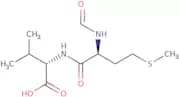
CAS:<p>For-Met-Leu-Phe-OMe is a drug that has been shown to have anti-inflammatory properties in human cells. For-Met-Leu-Phe-OMe inhibits the production of inflammatory molecules, such as gamma-aminobutyric acid, and it also blocks the binding of leukotrienes to their receptors. These effects are due to its conformational properties, which allow it to bind to the receptor site and inhibit the binding of other molecules. For-Met-Leu-Phe-OMe has been shown to enhance the release of nucleotide levels and intracellular calcium concentration in vitro. It also binds to receptors on cells, which may be due to its biochemical properties or its analogues with other drugs.</p>Formula:C22H33N3O5SPurity:Min. 95%Molecular weight:451.58 g/molDABCYL-(Asn670,Leu671)-Amyloid b/A4 Protein Precursor770 (661-675)-EDANS ammonium salt
CAS:<p>Please enquire for more information about DABCYL-(Asn670,Leu671)-Amyloid b/A4 Protein Precursor770 (661-675)-EDANS ammonium salt including the price, delivery time and more detailed product information at the technical inquiry form on this page</p>Formula:C103H146N22O32SPurity:Min. 95%Molecular weight:2,236.46 g/mol(Leu31,Pro34)-Neuropeptide Y (13-36) (human, rat)
CAS:<p>Please enquire for more information about (Leu31,Pro34)-Neuropeptide Y (13-36) (human, rat) including the price, delivery time and more detailed product information at the technical inquiry form on this page</p>Formula:C134H206N39O35SPurity:Min. 95%Molecular weight:2,955.38 g/molCyclo(-D-His-Pro)
CAS:<p>Please enquire for more information about Cyclo(-D-His-Pro) including the price, delivery time and more detailed product information at the technical inquiry form on this page</p>Formula:C11H14N4O2Purity:Min. 95%Molecular weight:234.25 g/mol(Thr28, Nle 31)-Cholecystokinin-33 (25-33) (sulfated)
CAS:<p>Please enquire for more information about (Thr28, Nle 31)-Cholecystokinin-33 (25-33) (sulfated) including the price, delivery time and more detailed product information at the technical inquiry form on this page</p>Formula:C55H74N14O18SPurity:Min. 95%Molecular weight:1,251.33 g/mol(Deamino-Cys1,b-(3-pyridyl)-D-Ala2,Arg8)-Vasopressin trifluoroacetate salt
CAS:<p>DDAVP is an analogue of vasopressin, which belongs to the class of inositol phosphates. It is a potent agonist for the V1 receptor and has a higher affinity for this receptor than vasopressin. DDAVP also has antagonist properties at the V2 receptor. The biological activity of DDAVP is mediated by its ability to increase phospholipase A2 activity and cause the release of arachidonic acid from membrane phospholipids. This activation causes an increase in prostaglandin synthesis, leading to increased vascular permeability and hypotension. DDAVP may also have antidiuretic effects due to its antagonism of oxytocin receptors.</p>Formula:C45H63N15O11S2Purity:Min. 95%Molecular weight:1,054.21 g/molDnp-Pro-Leu-Gly-Leu-Trp-Ala-D-Arg-NH2 trifluoroacetate salt
CAS:<p>Please enquire for more information about Dnp-Pro-Leu-Gly-Leu-Trp-Ala-D-Arg-NH2 trifluoroacetate salt including the price, delivery time and more detailed product information at the technical inquiry form on this page</p>Formula:C45H64N14O11Purity:Min. 95%Molecular weight:977.08 g/molPYX-1 trifluoroacetate salt
CAS:<p>Please enquire for more information about PYX-1 trifluoroacetate salt including the price, delivery time and more detailed product information at the technical inquiry form on this page</p>Formula:C70H105Cl2N19O16Purity:Min. 95%Molecular weight:1,539.61 g/molH-Gly-His-Arg-Pro-OH acetate salt
CAS:<p>H-Gly-His-Arg-Pro-OH acetate salt is a synthetic monoclonal antibody that binds to fibrinogen. It has been used in the production of a model protein and as an anticoagulant. H-Gly-His-Arg-Pro-OH acetate salt has been shown to inhibit the growth of tissue plasminogen activator, which is a growth factor for cells involved in blood clotting. This drug also inhibits the release of acetylcholine from nerve cells, which may be due to its ability to bind to plasma proteins.</p>Formula:C19H31N9O5Purity:Min. 95%Molecular weight:465.51 g/molH-Gly-Tyr-Ala-OH
CAS:<p>H-Gly-Tyr-Ala-OH is a hydrophobic, reactive molecule that has been shown to be unstable in the presence of light and air. This compound is synthesized by the sequence: Gly-Tyr-Ala. It has been found to be an exciplex with the photooxidation product, 2-aminoacetophenone. The molecular weight of H-Gly-Tyr-Ala-OH is constant and can be determined by electrospray mass spectrometry. This molecule has shown to have a strong interaction with ovary tissue and can also produce carboxylate ions in solution.</p>Formula:C14H19N3O5Purity:Min. 95%Molecular weight:309.32 g/molH-D-Leu-pNA
CAS:<p>Please enquire for more information about H-D-Leu-pNA including the price, delivery time and more detailed product information at the technical inquiry form on this page</p>Formula:C12H17N3O3Purity:Min. 95%Molecular weight:251.28 g/mol4-Iodo-1-methylpyrazole
CAS:<p>4-Iodo-1-methylpyrazole is a reductive agent that is used in organic synthesis. It can be used as a reducing agent for the conversion of aldehydes and ketones to alcohols. 4-Iodo-1-methylpyrazole can be crystallized from diethyl etherate and blood. The product yield from this reaction is high, but it requires an oxidant such as trifluoride or plavix to react with the diacetates. 4-Iodo-1-methylpyrazole can also be synthesized by reacting allylsilanes with iodine gas in the presence of a base. This synthesis method produces 4-iodo-1-methylpyrazole in good yield and with little difficulty.</p>Formula:C4H5IN2Purity:Min. 95%Color and Shape:White To Light (Or Pale) Yellow To Tan SolidMolecular weight:208 g/molAc-Gly-Pro-AFC
CAS:<p>Ac-Gly-Pro-AFC is a dipeptidyl peptidase inhibitor that inhibits the action of protein-degrading enzymes called peptidases. Ac-Gly-Pro-AFC has been shown to be effective in treating diabetes by inhibiting the activity of fibroblast activation protein, which is involved in the development of diabetes. Ac-Gly-Pro-AFC also has an inhibitory effect on the enzyme connect, which is involved in cellular proliferation and differentiation. Clinical trials have been conducted to evaluate the efficacy of this drug for treatment of diabetic nephropathy with promising results. Ac-Gly-Pro-AFC has also been shown to have a beneficial effect on collagen synthesis and inhibition of proinflammatory cytokine release from activated macrophages.</p>Formula:C19H18F3N3O5Purity:Min. 95%Molecular weight:425.36 g/molFmoc-D-Val-Wang resin (200-400 mesh)
<p>Please enquire for more information about Fmoc-D-Val-Wang resin (200-400 mesh) including the price, delivery time and more detailed product information at the technical inquiry form on this page</p>Purity:Min. 95%(Des-Gly10,D-Ala6,Pro-NHEt 9)-LHRH TFA salt
CAS:<p>Please enquire for more information about (Des-Gly10,D-Ala6,Pro-NHEt 9)-LHRH TFA salt including the price, delivery time and more detailed product information at the technical inquiry form on this page</p>Formula:C53H71N13O13·xC2HF3O2Purity:Min. 95%Molecular weight:1,098.21 g/molAc-Val-Glu-Ile-Asp-aldehyde (pseudo acid)
CAS:<p>Ac-Val-Glu-Ile-Asp-aldehyde is a pseudo acid that has been shown to induce apoptotic cell death in cultured cells. It is localized in the cerebellar granule and mitochondria of HL-60 cells and HK-2 cells. Ac-Val-Glu-Ile-Asp-aldehyde induces necrotic cell death when it binds to the serine protease zymogen, which is localized in the mitochondrial membrane. It also induces apoptosis by disrupting the mitochondrial membrane potential, leading to a release of cytochrome c into the cytosol. Ac-Val-Glu-Ile-Asp-aldehyde can bind to annexin and tubule cells, which are important for β cell function.</p>Formula:C22H36N4O9Purity:Min. 95%Molecular weight:500.54 g/molH-Pro-Val-Gly-OH
CAS:<p>Please enquire for more information about H-Pro-Val-Gly-OH including the price, delivery time and more detailed product information at the technical inquiry form on this page</p>Formula:C12H21N3O4Purity:Min. 95%Molecular weight:271.31 g/molEndothelin-3 (human, mouse, rabbit, rat) acetate
CAS:<p>Acetate salt</p>Formula:C121H168N26O33S4•(C2H4O2)xPurity:Min. 95%Molecular weight:2,643.05 g/molH-Met-Phe-OH
CAS:<p>H-Met-Phe-OH is a synthetic polymerase chain that has been shown to be effective in treatment trials for various diseases such as ventricular dysfunction, cancer, inflammatory diseases, and virus. H-Met-Phe-OH binds to the DNA template strand and initiates the synthesis of RNA from nucleotide triphosphates. This molecule also has chemotactic activity and can be used as a diagnostic tool for inflammation or cancer. H-Met-Phe-OH can also be used in biological samples to detect viruses or hepatitis B.</p>Formula:C14H20N2O3SPurity:Min. 95%Molecular weight:296.39 g/molHippuryl-His-Leu-OH
CAS:<p>Hippuryl-His-Leu-OH is a peptide that inhibits the activity of angiotensin converting enzyme (ACE) at a concentration of 50 μM. It has been shown to inhibit cyclase and other enzymes in vitro. The binding of this compound to ACE prevents the conversion of angiotensin I to angiotensin II, which is a potent vasoconstrictor. Hippuryl-His-Leu-OH also has inhibitory properties against atrial natriuretic peptide (ANP), and can be used as an antihypertensive agent. This drug has been shown to have growth factor β1 activities, and can be used for the treatment of cardiac diseases such as myocardial infarction. Structural analysis shows that this drug binds to the active site of ACE, inhibiting its activity by blocking access to substrate or by altering substrate specificity.</p>Formula:C21H27N5O5Purity:Min. 95%Color and Shape:White PowderMolecular weight:429.47 g/molNeuropeptide W-30 (human) trifluoroacetate salt
CAS:<p>Please enquire for more information about Neuropeptide W-30 (human) trifluoroacetate salt including the price, delivery time and more detailed product information at the technical inquiry form on this page</p>Formula:C165H249N49O37SPurity:Min. 95%Molecular weight:3,543.12 g/molFmoc-D-Cys(Mtt)-OH
CAS:<p>Please enquire for more information about Fmoc-D-Cys(Mtt)-OH including the price, delivery time and more detailed product information at the technical inquiry form on this page</p>Formula:C38H33NO4SPurity:Min. 95%Molecular weight:599.74 g/molFmoc-Gln(Trt)-Wang resin (100-200 mesh)
<p>Please enquire for more information about Fmoc-Gln(Trt)-Wang resin (100-200 mesh) including the price, delivery time and more detailed product information at the technical inquiry form on this page</p>Purity:Min. 95%N-α-Fmoc-Nε-allyloxycarbonyl-D-lysine
CAS:<p>N-alpha-Fmoc-Nepsilon-allyloxycarbonyl-D-lysine is a medicament that is modified with an amino group at the alpha position. It is synthesized by modification of the chain with a ganirelix acetate. N-alpha-Fmoc-Nepsilon-allyloxycarbonyl-D-lysine can be used to produce ganirelix, which inhibits the release of follicle stimulating hormone (FSH). The chemical synthesis of this drug has been shown to be successful in large scale production, and it has been shown to be effective in treating patients with prostate cancer. Impurities in this drug have been found and treated by removing the methyl ester group from the lysine residue.</p>Formula:C25H28N2O6Purity:Min. 95%Molecular weight:452.5 g/mol4-Chloro-7-methoxyquinoline-6-carboxamide
CAS:<p>Intermediate in the synthesis of lenvatinib</p>Formula:C11H9ClN2O2Purity:Min. 95%Molecular weight:236.65 g/molH-Ile-Pro-OH
CAS:<p>H-Ile-Pro-OH is an amino acid that is a constituent of sphingolipids, which are important for the metabolism of lipids and other biological substances. H-Ile-Pro-OH can be found in casein as well as oxidation products of casein. It has been used in diagnostic tests to measure levels of hippuric acid in plasma samples. The dietary intake of H-Ile-Pro-OH can be determined by measuring the concentration of this amino acid in plasma samples. Synthetic H-Ile-Pro-OH can also be used for studies on the metabolism of tryptophan. This amino acid has been shown to inhibit chloride ion transport across the cell membrane and fatty acid synthesis, as well as proteolysis and protein degradation by pancreatic enzymes.</p>Formula:C11H20N2O3Purity:Min. 95%Molecular weight:228.29 g/mol1-Phenyl 1H-5-(2'-hydroxyphenyl)pyrazole
CAS:<p>1-Phenyl 1H-5-(2'-hydroxyphenyl)pyrazole (1PHPP) is a fine chemical that has been used in research and as a reagent. It is also a useful building block for the synthesis of other compounds. 1PHPP can be used to prepare complex compounds with versatile building blocks or scaffolds, which can serve as reaction components in organic syntheses. This compound has been shown to react with various functional groups.</p>Formula:C15H12N2OPurity:Min. 95%Color and Shape:PowderMolecular weight:236.27 g/molMyelin Proteolipid Protein (139-151) (depalmitoylated) (human, bovine, dog, mouse, rat) trifluoroacetate salt
CAS:<p>MPLP(139-151) is a peptide that is derived from the myelin proteolipid protein (PLP). MPLP(139-151) has been shown to inhibit macrophage inflammatory in vitro and brain inflammation in vivo. The inhibition of macrophages was mediated by the induction of apoptosis and inhibition of NF-κB. MPLP(139-151) also induced regression of experimental autoimmune encephalomyelitis in mice, which suggests that it might be useful as a therapeutic agent for multiple sclerosis or other inflammatory diseases.</p>Formula:C72H104N20O16SPurity:Min. 95%Molecular weight:1,537.79 g/molH-Thr-Arg-OH sulfate salt
CAS:<p>H-Thr-Arg-OH sulfate salt is a molecule that contains the active amino acid residues of vasoactive intestinal peptide (VIP) and reversed-phase high-performance liquid chromatography. The structure of VIP was determined by stepwise synthesis and chloromethyl ketone activation. It has been shown to have an intestinal effect, which is due to its ability to increase blood pressure. This drug also has potential as a therapeutic agent in the treatment of hypertension, heart disease, or diabetes mellitus.</p>Formula:C10H21N5O4Purity:Min. 95%Molecular weight:275.31 g/molAc-Tyr(PO3H2)-Glu-Glu-Ile-Glu-OH
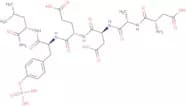
CAS:<p>Ac-Tyr(PO3H2)-Glu-Glu-Ile-Glu-OH is a nucleic acid sensor that can be used to detect the presence of specific nucleic acids (DNA or RNA) in a sample. Ac-Tyr(PO3H2)-Glu-Glu-Ile-Glu-OH binds to nucleic acids, and then emits fluorescence when irradiated with light at a wavelength of 350 nm. Ac-Tyr(PO3H2)-Glu-Glu-Ile-Glu-OH can be used as an assay for the detection of specific DNA sequences, such as those found in single nucleotide polymorphisms (SNPs).</p>Formula:C32H46N5O17PPurity:Min. 95%Molecular weight:803.7 g/molBAM-3200
CAS:<p>BAM-3200 is a small molecule with the chemical formula CHFOC(O)NHCHCOOH. It is a potent and selective agonist of the TrkB receptor, which binds to brain-derived neurotrophic factor (BDNF). BAM-3200 has been shown to have anti-cancer activity in mouse tumor models, as well as increased locomotor activity and improved memory retention in mice. The biological function of BAM-3200 is not yet known. Structural analysis shows that it binds to the hydroxyl group on mammalian tissue receptors, which may be due to its basic protein structure. BAM-3200 also has been shown to hydrolyze enzymes such as esterases, glucuronidases, or glutathione reductase. This agent has been shown to be selectively active against cancer cells by binding to their acidic surface structures and altering their acidity.</p>Formula:C147H207N41O34S2Purity:Min. 95%Molecular weight:3,156.6 g/molH-Phe-Pro-Ala-pNA
CAS:<p>Please enquire for more information about H-Phe-Pro-Ala-pNA including the price, delivery time and more detailed product information at the technical inquiry form on this page</p>Formula:C23H27N5O5Purity:Min. 95%Molecular weight:453.49 g/molHIV-1 gag Protein p24 (65-73) (isolates MAL/U455) trifluoroacetate salt
CAS:<p>Please enquire for more information about HIV-1 gag Protein p24 (65-73) (isolates MAL/U455) trifluoroacetate salt including the price, delivery time and more detailed product information at the technical inquiry form on this page</p>Formula:C44H79N11O14S2Purity:Min. 95%Molecular weight:1,050.3 g/mol4-Fluoro-2-methoxy-5-nitroaniline
CAS:<p>Intermediate in the synthesis of osimertinib (AZD9291)</p>Formula:C7H7FN2O3Purity:Min. 95%Molecular weight:186.14 g/molH-Lys-Cys-Thr-Cys-Cys-Ala-OH trifluoroacetate salt
CAS:<p>H-Lys-Cys-Thr-Cys-Cys-Ala-OH trifluoroacetate salt (KCTA) is a peptide that belongs to the group of thioneins and is characterized by a high content of lysine, cysteine and histidine residues. This peptide has been shown to be effective in treating subcutaneous tumors in mice. KCTA binds to metallothionein and gamma amino butyric acid (GABA), which are proteins that regulate energy metabolism in cells. KCTA has also been shown to have antimicrobial effects against human serum, which may be due to its ability to bind with thionein.</p>Formula:C22H41N7O8S3Purity:Min. 95%Molecular weight:627.8 g/mol(p-Iodo-Phe7)-ACTH (4-10)
CAS:<p>Please enquire for more information about (p-Iodo-Phe7)-ACTH (4-10) including the price, delivery time and more detailed product information at the technical inquiry form on this page</p>Formula:C44H58IN13O10SPurity:Min. 95%Molecular weight:1,087.98 g/mol1-t-Boc-piperidine-4-spiro-5'-[1',3'-bis-t-boc]-hydantoin
CAS:<p>Please enquire for more information about 1-t-Boc-piperidine-4-spiro-5'-[1',3'-bis-t-boc]-hydantoin including the price, delivery time and more detailed product information at the technical inquiry form on this page</p>Formula:C22H35N3O8Purity:Min. 95%Molecular weight:469.53 g/molH-Ile-2-chlorotrityl resin (200-400 mesh) (Low Substitution)
<p>Please enquire for more information about H-Ile-2-chlorotrityl resin (200-400 mesh) (Low Substitution) including the price, delivery time and more detailed product information at the technical inquiry form on this page</p>Purity:Min. 95%Carbamoyl-Asp-OH·magnesium salt/Carbamoyl-Asp-OH·dipotassium salt (1:1)
CAS:<p>Carbamoyl-Asp-OH·magnesium salt/Carbamoyl-Asp-OH·dipotassium salt (1:1) is a derivate of p-hydroxybenzoic acid that has been shown to inhibit leukotriene receptor antagonists and basic proteins. It has been found in urine samples, but its function is not yet known. The uptake of this molecule may be a potential biomarker for the diagnosis of orotic aciduria and HIV infection. Carbamoyl-Asp-OH·magnesium salt/Carbamoyl-Asp-OH·dipotassium salt (1:1) has also been shown to be an inhibitor of intramolecular hydrogen transfer reactions in model systems.</p>Formula:C10H12K2MgN4O10Purity:Min. 95%Molecular weight:450.72 g/molH-D-Thr-OBzl·oxalate (1:1)
CAS:<p>Please enquire for more information about H-D-Thr-OBzl·oxalate (1:1) including the price, delivery time and more detailed product information at the technical inquiry form on this page</p>Formula:C11H15NO3·C2H2O4Purity:Min. 95%Molecular weight:299.28 g/molHIV-1 rev Protein (34-50)
CAS:<p>Please enquire for more information about HIV-1 rev Protein (34-50) including the price, delivery time and more detailed product information at the technical inquiry form on this page</p>Formula:C97H173N51O24Purity:Min. 95%Molecular weight:2,437.74 g/molH-Ala-Ala-Pro-Ala-OH
CAS:<p>H-Ala-Ala-Pro-Ala-OH is a tetrapeptide that inhibits elastase, an enzyme that breaks down elastin. This compound has been shown to have anti-elastolytic activity in vitro and in vivo. H-Ala-Ala-Pro-Ala-OH was administered intraperitoneally to hamsters with induced emphysema, resulting in a decrease of elastin abnormalities and improvement of the ultrastructure of the lungs. It also improves pancreatic morphology and function in porcine pancreatitis models.</p>Formula:C14H24N4O5Purity:Min. 95%Molecular weight:328.36 g/molH-Val-Tyr-Val-OH
CAS:<p>H-Val-Tyr-Val-OH is a water soluble polymer that has a sulfamic acid group and a hydroxyl group. The polymer film is used as an additive for cellulose acetate, which is used in the manufacture of films, lacquers, and adhesives. H-Val-Tyr-Val-OH increases the solubility of the cellulose acetate in hydrochloric acid and reduces its tendency to dissolve in water. H-Val-Tyr-Val-OH also has a high degree of uv absorption. Constant techniques are used for analytical chemistry, such as gas chromatography and nuclear magnetic resonance spectroscopy, to study the surface properties of micelles formed from H-Val-Tyr-Val-OH.</p>Formula:C19H29N3O5Purity:Min. 95%Molecular weight:379.45 g/molPalmitoyl-Cys((RS)-2,3-di(palmitoyloxy)-propyl)-Ala-Gly-OH
CAS:<p>Palmitoyl-Cys((RS)-2,3-di(palmitoyloxy)-propyl)-Ala-Gly-OH is a molecule that can be used to generate an antigen against tumor necrosis factor alpha (TNFα). It has been shown to be able to bind TNFα and prevent it from binding to its receptors. This leads to a decrease in the production of cytokines, as well as a decrease in the activation of cytosolic guanylate cyclase. Palmitoyl-Cys((RS)-2,3-di(palmitoyloxy)-propyl)-Ala-Gly-OH has also been shown to inhibit the proliferation of cancer cells by inhibiting extracellular Ca2+ influx and cytosolic Ca2+ ion concentrations.</p>Formula:C59H111N3O9SPurity:Min. 95%Molecular weight:1,038.59 g/molH-Val-Val-Val-Val-OH
CAS:<p>Please enquire for more information about H-Val-Val-Val-Val-OH including the price, delivery time and more detailed product information at the technical inquiry form on this page</p>Formula:C20H38N4O5Purity:Min. 95%Molecular weight:414.54 g/molBoc-4-carboxymethyl-piperidine
CAS:<p>Boc-4-carboxymethyl-piperidine is a novel drug that has been shown to have significant correlations with the inhibition of fibrinogen and cellulose. It also has the ability to inhibit arsenite, which may be due to its dithiocarbamate group. Boc-4-carboxymethyl-piperidine has been shown to have significant biological activity in vitro. This molecule has been synthesized and crystallized, and x-ray data have been collected. The molecular structure of this molecule is shown below:</p>Formula:C12H21NO4Purity:Min. 95%Color and Shape:White PowderMolecular weight:243.3 g/molAloc-Ala-OH·DCHA
CAS:<p>Aloc-Ala-OH·DCHA is a linker that can be utilized in nucleotide synthesis. It is synthesized by reacting the amine group of alanine with the acid chloride of DCHA. The product of this reaction, Aloc-Ala-OH·DCHA, is an amide bond with a free hydroxyl group on one end and a free amino group on the other end. The C-terminal carboxylic acid function of this compound reacts with phosphoramidite to yield the desired n-terminal threonine residue. This linker can also be used to conjugate other compounds such as nucleosides or phosphodiester bonds.</p>Formula:C7H11NO4·C12H23NPurity:Min. 95%Color and Shape:SolidMolecular weight:354.48 g/mol4-Biphenylac-Cys(Me)-D-Arg-Phe-(2-phenylethyl)amide
CAS:<p>4-Biphenylac-Cys(Me)-D-Arg-Phe-(2-phenylethyl)amide is a tetrapeptide that has been shown to have antihypertensive properties. This drug binds to the regulatory proteins of the renin angiotensin system and blocks the production of angiotensin II, which decreases blood pressure. 4-Biphenylac-Cys(Me)-D-Arg-Phe-(2-phenylethyl)amide has also shown to be an effective treatment for skin care products, especially those used for inflammatory skin diseases. 4-Biphenylac-Cys(Me)-D-Arg-Phe-(2-phenylethyl)amide has been shown to be a potent inhibitor of serine proteases and can inhibit cellular proliferation and induce apoptosis in cancer cells.</p>Formula:C41H49N7O4SPurity:Min. 95%Molecular weight:735.94 g/molN-Benzoyl-(2R,3S)-3-amino-2-hydroxy-3-phenyl-propionicacid
CAS:<p>N-Benzoyl-(2R,3S)-3-amino-2-hydroxy-3-phenylpropionic acid (BAPA) is a substance that is used in the manufacture of various drugs. It is also a potent anticancer drug that can be used for the treatment of cancer. BAPA has been shown to be an effective chemotherapeutic agent against many types of cancer cells. This drug is synthesized through an asymmetric synthesis process and has been shown to have potent cytotoxic effects against cancer cells with low levels of glutathione peroxide reductase. BAPA also inhibits the growth of bacteria by hydrolyzing or oxidizing proteins or by binding to DNA and RNA.</p>Formula:C16H15NO4Purity:Min. 95%Molecular weight:285.29 g/mol(H-Asp-Glu-Val-Asp)2-Rhodamine 110 trifluoroacetate salt
CAS:<p>Please enquire for more information about (H-Asp-Glu-Val-Asp)2-Rhodamine 110 trifluoroacetate salt including the price, delivery time and more detailed product information at the technical inquiry form on this page</p>Formula:C56H66N10O23Purity:Min. 95%Molecular weight:1,247.18 g/molGLP-2 (1-34) (human) trifluoroacetate salt
CAS:<p>Structure/Function: human; Trifluoroacetate salt</p>Formula:C171H266N48O56SPurity:Min. 95%Molecular weight:3,922.3 g/molAc-Asp-Arg-Leu-Asp-Ser-OH
CAS:<p>Ac-Asp-Arg-Leu-Asp-Ser-OH is a peptide that has been synthesized to mimic the activity of aspartic acid. It has been shown to have prophylactic and/or therapeutic effects on infectious diseases and autoimmune diseases. Ac-Asp-Arg-Leu-Asp-Ser-OH may be used for the treatment of cancer, inflammatory diseases, and neurodegenerative diseases. Ac-Asp-Arg-Leu-Asp-Ser OH also acts as a cryoprotectant and diluent in drug development.</p>Formula:C25H42N8O12Purity:Min. 95%Molecular weight:646.65 g/mol((R)-4-Hydroxy-4-methyl-Orn (TRITC)7)-Phalloidin
<p>Please enquire for more information about ((R)-4-Hydroxy-4-methyl-Orn (TRITC)7)-Phalloidin including the price, delivery time and more detailed product information at the technical inquiry form on this page</p>Formula:C60H70N12O13S2Purity:Min. 95%Molecular weight:1,231.4 g/mol(Des-Gly10,D-Tyr5,D-Leu6,Pro-NHEt 9)-LHRH
CAS:<p>Please enquire for more information about (Des-Gly10,D-Tyr5,D-Leu6,Pro-NHEt 9)-LHRH including the price, delivery time and more detailed product information at the technical inquiry form on this page</p>Formula:C59H84N16O12Purity:Min. 95%Molecular weight:1,209.4 g/molH-Gly-Gly-His-Ala-OH
CAS:<p>H-Gly-Gly-His-Ala-OH is a peptide of four amino acids. It has been shown experimentally that the side chain of His is always oriented in the same direction, regardless of the conformation. The proton shift constants and vicinal coupling constants for Gly, Gly and Ala are constant, while His has a variable proton shift constant. The experimental parameters for the molecule have been rationalized by using conformational shifts to explain their variability. For example, the proton shift constants have been found to be dependent on the rotation about an axis perpendicular to the peptide backbone. H-Ala-Gly-Gly-His-OH is a pentapeptide with five amino acids that differs from HGGHAOH by having Ala instead of His at position 1. The vicinal coupling constants are different and so are other experimental parameters.</p>Formula:C13H20N6O5Purity:Min. 95%Molecular weight:340.34 g/molFluorescein-6-carbonyl-Leu-Glu(OMe)-His-DL-Asp(OMe)-fluoromethylketone
CAS:<p>Please enquire for more information about Fluorescein-6-carbonyl-Leu-Glu(OMe)-His-DL-Asp(OMe)-fluoromethylketone including the price, delivery time and more detailed product information at the technical inquiry form on this page</p>Formula:C45H47FN6O14Purity:Min. 95%Molecular weight:914.89 g/moltert-Butyl6-[(1e)-2-[4-(4-fluorophenyl)-6-(1-methylethyl)-2-[methyl(methylsulfonyl)amino]-5-pyrimidinyl]ethenyl]-2,2-dimethyl-1,3-di oxane-4-acetate
CAS:<p>Please enquire for more information about tert-Butyl6-[(1e)-2-[4-(4-fluorophenyl)-6-(1-methylethyl)-2-[methyl(methylsulfonyl)amino]-5-pyrimidinyl]ethenyl]-2,2-dimethyl-1,3-di oxane-4-acetate including the price, delivery time and more detailed product information at the technical inquiry form on this page</p>Formula:C29H40FN3O6SPurity:Min. 95%Molecular weight:577.71 g/molN-[(RS)-1-Carboxy-3-phenyl-propyl]-Ala-Ala-Phe-4-Abz-OH trifluoroacetate salt
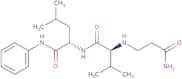
CAS:<p>The N-[(RS)-1-carboxy-3-phenyl-propyl]-Ala-Ala-Phe-4-Abz-OH trifluoroacetate salt is a synthetic substrate for the study of metalloendopeptidase. This compound was used to develop a model system to study the function of human liver, and has been shown to inhibit the growth of PC12 cells. The N-[(RS)-1-Carboxy-3-phenyl-propyl]-Ala-Ala-Phe-4-Abz-OH trifluoroacetate salt is also an experimental model for congestive heart failure. This compound has been shown to increase glomerular filtration rate in experimental animals as well as basic fibroblast growth factor activity in cell culture by increasing intracellular calcium levels.</p>Formula:C32H36N4O7Purity:Min. 95%Molecular weight:588.65 g/molN-(2-Carbamoyl-ethyl)-Val-Leu-anilide
CAS:<p>Please enquire for more information about N-(2-Carbamoyl-ethyl)-Val-Leu-anilide including the price, delivery time and more detailed product information at the technical inquiry form on this page</p>Formula:C20H32N4O3Purity:Min. 95%Molecular weight:376.49 g/mol4-Nitro-Z-Gly-Trp-Gly-OH
CAS:<p>Please enquire for more information about 4-Nitro-Z-Gly-Trp-Gly-OH including the price, delivery time and more detailed product information at the technical inquiry form on this page</p>Formula:C23H23N5O8Purity:Min. 95%Molecular weight:497.46 g/mol(N-Me-D-Phe7)-Bradykinin
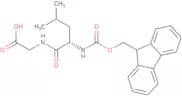
CAS:<p>Please enquire for more information about (N-Me-D-Phe7)-Bradykinin including the price, delivery time and more detailed product information at the technical inquiry form on this page</p>Formula:C55H77N15O11Purity:Min. 95%Molecular weight:1,124.29 g/molFmoc-Leu-Gly-OH
CAS:<p>Fmoc-Leu-Gly-OH is a dipeptide that is reversibly soluble in water and organic solvents. It has been found to be stable at millimeter and nanometer scales, which makes it suitable for use as a hydrogel or fiber. Fmoc-Leu-Gly-OH has also been shown to form membranes of variable thickness (from micrometers to nanometers) that are sensitive to pH changes. This means that the membrane can be used for sensing pH levels in a variety of environments. Dipeptides are amphiphiles, meaning they have both hydrophilic and lipophilic properties. This makes them useful for forming self-assembled structures, such as hydrogels and membranes, that are capable of transporting water molecules through the structure.</p>Formula:C23H26N2O5Purity:Min. 95%Color and Shape:PowderMolecular weight:410.46 g/molRVG-9R trifluoroacetate salt
CAS:<p>Please enquire for more information about RVG-9R trifluoroacetate salt including the price, delivery time and more detailed product information at the technical inquiry form on this page</p>Formula:C201H334N82O55S2Purity:Min. 95%Molecular weight:4,843.45 g/molH-Lys-Gly-Gly-OH hydrochloride salt
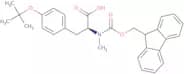
CAS:<p>Histidine is a non-essential amino acid that has been shown to be involved in the regulation of cell growth and differentiation. It is also involved in the biosynthesis of nucleotides, collagen, and carnitine. Kinetic studies on histidine have been done by acetylation of histidine with acetic anhydride and pyridine. The kinetic method used was based on the reaction between histidine and p-nitrophenyl phosphate. The transfer reactions were performed with a strain containing lysine residues which were then adsorbed onto a surface-enhanced Raman spectroscopy (SERS) substrate. These experiments were performed using techniques such as resonance mass spectrometry (RMS), surface-enhanced Raman spectroscopy (SERS), and protonation selective mass spectrometry (PSMS).</p>Formula:C10H20N4O4Purity:Min. 95%Molecular weight:260.29 g/molFmoc-N-methyl-O-tert-butyl-L-tyrosine
CAS:<p>Fmoc-N-methyl-O-tert-butyl-L-tyrosine is a peptide that mimics the natural substrate serine protease. It has been used to study protein-protein interactions in proteases and their cleavage specificity. This peptide was designed as a peptidomimetic, which is an analog of a protein or peptide. The systematic synthesis of this molecule has been studied extensively and it has been shown that the maximum number of modifications occurs at the N terminus and the minimal number at the C terminus. The residue of this molecule is modified by proteolytic modification, which is a chemical modification that changes the amino acid sequence. Fmoc-N-methyl-O-tert-butyl-L-tyrosine has minimal quantified stability, which means that it can be quantified but not stable for long periods of time.</p>Formula:C29H31NO5Purity:Min. 95%Molecular weight:473.56 g/molH-Phe-Arg-Arg-OH acetate salt
CAS:<p>The H-Phe-Arg-Arg-OH acetate salt is a reversible (acetylcholinesterase inhibitor). It reversibly binds to the enzyme, acetylcholinesterase and blocks the breakdown of acetylcholine, which is an important neurotransmitter. The H-Phe-Arg-Arg-OH acetate salt has been shown to be effective against rat hearts that have been damaged by lysosomal enzymes. This drug can also act as an endogenous buffer in the blood plasma, preventing changes in pH due to acidosis or alkalosis. The H-Phe-Arg-Arg-OH acetate salt is a subcomponent of citrate and myocardial proteins, which are essential for biosynthetic processes in the body. It has been shown to be maximally additive with other drugs that affect cardiac function, such as beta blockers and digitalis glycosides. Proteolysis is maximally inhibited by this drug when it</p>Formula:C21H35N9O4Purity:Min. 95%Molecular weight:477.56 g/molH-Met-2-chlorotrityl resin (200-400 mesh) (Low Substitution)
<p>Please enquire for more information about H-Met-2-chlorotrityl resin (200-400 mesh) (Low Substitution) including the price, delivery time and more detailed product information at the technical inquiry form on this page</p>Purity:Min. 95%Astressin trifluoroacetate salt
CAS:<p>Astressin trifluoroacetate salt H-D-Phe-His-Leu-Leu-Arg-Glu-Val-Leu-Glu-Nle-Ala-Arg-Ala-Glu-Gln is a cyclic peptide that has been shown to have biological properties as an inhibitor of cyclases. Astressin has shown efficacy in treating some types of autoimmune diseases and bowel diseases, although it is not effective against all types of these disorders. Astressin also has receptor activity and can induce locomotor activity. This compound has been shown to be an inhibitor of the Toll like receptor 4 (TLR4). In this role, astressin blocks the inflammatory response by preventing the binding of endotoxin to TLR4 receptors on cells.</p>Formula:C161H269N49O42Purity:Min. 95%Molecular weight:3,563.16 g/molZ-Asu (OtBu)-OH·DCHA
CAS:Controlled Product<p>Please enquire for more information about Z-Asu (OtBu)-OH·DCHA including the price, delivery time and more detailed product information at the technical inquiry form on this page</p>Formula:C20H29NO6·C12H23NPurity:Min. 95%Molecular weight:560.77 g/mol(Des-Lys38)-M65 trifluoroacetate salt
CAS:<p>Please enquire for more information about (Des-Lys38)-M65 trifluoroacetate salt including the price, delivery time and more detailed product information at the technical inquiry form on this page</p>Formula:C199H314N62O60S5Purity:Min. 95%Molecular weight:4,695.33 g/molZ-D-Arg(Z)2-OH
CAS:<p>Please enquire for more information about Z-D-Arg(Z)2-OH including the price, delivery time and more detailed product information at the technical inquiry form on this page</p>Formula:C30H32N4O8Purity:Min. 95%Molecular weight:576.6 g/mol(Leu13)-Motilin (human, porcine) trifluoroacetate salt
CAS:<p>Motilin is a gastrointestinal hormone that stimulates gastric motility and the release of pancreatic enzymes. It is also used to treat postoperative ileus, abdominal pain, and gastroduodenal ulcers. Motilin is administered nasogastrically to stimulate the movement of food through the stomach and intestines. The trifluoroacetate salt form is used in this application because it has a longer duration of action than other salts.</p>Formula:C121H190N34O35Purity:Min. 95%Molecular weight:2,681.01 g/molN-Methyl-2-fluoro-4-aminobenzamide
CAS:<p>N-Methyl-2-fluoro-4-aminobenzamide is a toxic compound that is commonly used as a reagent in chemical synthesis and research. It has been studied for its potential use in medicine, particularly in the treatment of castration-resistant prostate cancer. N-Methyl-2-fluoro-4-aminobenzamide acts as a nucleophilic agent, participating in reactions that involve the addition of an acyl group to a target molecule. Its stable formyl group allows for efficient reaction yields and reliable results. However, due to its toxic nature, caution must be exercised when handling this compound.</p>Formula:C8H9FN2OPurity:Min. 95%Molecular weight:168.17 g/molFmoc-Tyr-Ala-diazomethylketone
CAS:<p>Please enquire for more information about Fmoc-Tyr-Ala-diazomethylketone including the price, delivery time and more detailed product information at the technical inquiry form on this page</p>Formula:C28H26N4O5Purity:Min. 95%Molecular weight:498.53 g/molNeuropeptide Y-Lys(biotinyl) (free acid) (human, rat) trifluoroacetate salt
<p>Please enquire for more information about Neuropeptide Y-Lys(biotinyl) (free acid) (human, rat) trifluoroacetate salt including the price, delivery time and more detailed product information at the technical inquiry form on this page</p>Formula:C205H310N58O61S2Purity:Min. 95%Molecular weight:4,627.14 g/molEndothelin-1 (human, bovine, dog, mouse, porcine, rat) trifluoroacetate salt
CAS:<p>Please enquire for more information about Endothelin-1 (human, bovine, dog, mouse, porcine, rat) trifluoroacetate salt including the price, delivery time and more detailed product information at the technical inquiry form on this page</p>Formula:C109H159N25O32S5·C2HF3O2Purity:Min. 95%Molecular weight:2,605.93 g/molPHM-27 (human) trifluoroacetate salt
CAS:<p>PHM-27 is a human protein that contains a c-terminal histidine and n-terminal lysine. It contains an amino acid composition of histidine, valine, alanine, aspartic acid, glycine, serine, threonine, arginine, and methionine. PHM-27 is present in the cardiovascular system, nervous system, gastrointestinal system, and respiratory system. It has been shown to be involved in the synthesis of peptides important for blood clotting.</p>Formula:C135H214N34O40SPurity:Min. 95%Molecular weight:2,985.41 g/molVIP (3-28) (human, mouse, rat) trifluoroacetate salt
CAS:<p>Please enquire for more information about VIP (3-28) (human, mouse, rat) trifluoroacetate salt including the price, delivery time and more detailed product information at the technical inquiry form on this page</p>Formula:C138H226N40O39SPurity:Min. 95%Molecular weight:3,101.58 g/mol(D-Trp8)-γ2-MSH trifluoroacetate salt
CAS:<p>Please enquire for more information about (D-Trp8)-gamma2-MSH trifluoroacetate salt including the price, delivery time and more detailed product information at the technical inquiry form on this page</p>Formula:C74H99N21O16SPurity:Min. 95%Molecular weight:1,570.78 g/mol(Des-His6)-ACTH (1-24) (human, bovine, rat) trifluoroacetate salt
<p>Please enquire for more information about (Des-His6)-ACTH (1-24) (human, bovine, rat) trifluoroacetate salt including the price, delivery time and more detailed product information at the technical inquiry form on this page</p>Formula:C130H203N37O30SPurity:Min. 95%Molecular weight:2,796.3 g/molHippuryl-Phe-OH
CAS:<p>Hippuryl-Phe-OH is a soybean trypsin inhibitor that has been shown to have irreversible inhibition of trypsin and other enzymes. It is active at low pH, with a ph optimum of 5.5. Hippuryl-Phe-OH binds irreversibly to the active site of enzymes, thereby preventing them from catalyzing reactions. This irreversible inhibition can be exploited for use in vitro assays as well as biological studies such as cell culture, animal models, and human serum studies.</p>Formula:C18H18N2O4Purity:Min. 95%Molecular weight:326.35 g/molEthyl 4-methoxyphenylacetate
CAS:<p>Ethyl 4-methoxyphenylacetate is a fatty acid that is synthesized by the condensation of aniline and pyrrole. It has been shown to inhibit the growth of bacteria, such as Salmonella typhi and Staphylococcus aureus, in vitro. The inhibition of bacterial growth is thought to be due to its ability to react with hydrogen fluoride, which results in the formation of reactive oxygen species and nitrogen radicals. This compound also inhibits the production of tyrosinase in human skin cells, which may be beneficial for individuals with acne. Ethyl 4-methoxyphenylacetate has been shown to be safe for use in clinical trials.</p>Formula:C11H14O3Purity:Min. 95%Color and Shape:Clear LiquidMolecular weight:194.23 g/molH-Asp(OtBu)-2-chlorotrityl resin (200-400 mesh)
<p>Please enquire for more information about H-Asp(OtBu)-2-chlorotrityl resin (200-400 mesh) including the price, delivery time and more detailed product information at the technical inquiry form on this page</p>Purity:Min. 95%2-Bromo-3-methylbenzoic acid
CAS:<p>2-Bromo-3-methylbenzoic acid is an alcohol that has been shown to be selective for the stereoselective synthesis of chiral secondary alcohols. It has been used in the reduction of 2-formylphenylboronic acid, yielding a mixture of the two possible diastereomers, and in the reductive elimination of carboxylic acids, which can be used as an alternative to the Baylis-Hillman reaction. The compound also has inhibitory activity against several bacteria, including methicillin resistant Staphylococcus aureus (MRSA) and Mycobacterium tuberculosis. 2-Bromo-3-methylbenzoic acid is photochromic and changes color from yellow to red when exposed to UV light.</p>Formula:C8H7BrO2Purity:Min. 95%Color and Shape:PowderMolecular weight:215.04 g/molEGF Receptor (988-993) (phosphorylated) (human)
CAS:<p>Please enquire for more information about EGF Receptor (988-993) (phosphorylated) (human) including the price, delivery time and more detailed product information at the technical inquiry form on this page</p>Formula:C31H46N7O16PPurity:Min. 95%Molecular weight:803.71 g/molH-Trp(Boc)-2-chlorotrityl resin (100-200 mesh)
<p>Please enquire for more information about H-Trp(Boc)-2-chlorotrityl resin (100-200 mesh) including the price, delivery time and more detailed product information at the technical inquiry form on this page</p>Purity:Min. 95%(Tyr4,D-Phe12)-Bombesin
CAS:<p>Please enquire for more information about (Tyr4,D-Phe12)-Bombesin including the price, delivery time and more detailed product information at the technical inquiry form on this page</p>Formula:C77H110N22O19SPurity:Min. 95%Molecular weight:1,679.9 g/molSuc-Ala-Ala-Pro-Nva-pNA
CAS:<p>Suc-Ala-Ala-Pro-Nva-pNA is a tetrapeptide. It is one of the most potent trypsin inhibitors that has been identified to date and it has been shown to inhibit pancreatic trypsin with a potency similar to that of the synthetic inhibitor benzamidine. Suc-Ala-Ala-Pro-Nva-pNA binds to the active site of trypsin, preventing proteolysis of peptides. This inhibition is reversible because it does not bind covalently to any other sites on the enzyme. Suc-Ala-Ala-Pro-Nva-pNA inhibits proteases by binding to their active site and blocking access by the substrate. The binding occurs through noncovalent hydrophobic interactions with amino acids in the active site, including valine, leucine, phenylalanine, and methionine.</p>Formula:C26H36N6O9Purity:Min. 95%Molecular weight:576.6 g/molH-Met-AMC acetate salt
CAS:<p>Please enquire for more information about H-Met-AMC acetate salt including the price, delivery time and more detailed product information at the technical inquiry form on this page</p>Formula:C15H18N2O3SPurity:Min. 95%Molecular weight:306.38 g/molFor-Met-Val-OH
CAS:<p>For-Met-Val-OH is a synthetic molecule that has been shown to inhibit the growth of bacteria by binding to the ribosomal subunit, thereby inhibiting protein synthesis. This compound was synthesized in vitro and has been shown to be effective against single-stranded DNA. For-Met-Val-OH can also bind to the template strand of DNA and inhibit the synthesis of RNA. It binds to functional genes and inhibits their function in a similar manner as natural substrates. This inhibition may be due to inhibition of protein synthesis or other unknown mechanisms. The structure of For-Met-Val-OH is similar to hydroxamic acids, which are known for their antibacterial properties.</p>Formula:C11H20N2O4SPurity:Min. 95%Molecular weight:276.35 g/molProtein Kinase P34 (cd2) Substrate trifluoroacetate salt
CAS:<p>H-ADAQHATPPKKKRKVEDPKDF-OH peptide, which can act as a substrate of Protein Kinase P34 (cd2). The peptide is supplied as a trifluoroacetate salt.</p>Formula:C106H172N32O32Purity:Min. 95%Molecular weight:2,406.7 g/molZ-Phe-Cit-AMC
CAS:<p>Z-Phe-Cit-AMC is a fluorescent substrate for the enzymes cysteine and peptide aminopeptidases. It has been synthesized by conjugating 7-amino-4-methylcoumarin with L-phenylalanine. The product is useful in assays to measure the activity of these enzymes, which are involved in protein digestion and wound healing. Z-Phe-Cit-AMC can be hydrolyzed by bromelain, ficin, or papain and it can be used as a substrate for enzyme reactions.</p>Formula:C33H35N5O7Purity:Min. 95%Molecular weight:613.66 g/molBoc-15-amino-4,7,10,13-tetraoxapentadecanoic acid
CAS:<p>Boc-15-amino-4,7,10,13-tetraoxapentadecanoic acid is a PEG compound with two different functional groups (also known as heterobifunctional). Unlike homobifunctional PEG compounds (same functional group on both ends), this type of compounds are more versatile as have two different anchor points. Boc-15-amino-4,7,10,13-tetraoxapentadecanoic acid is used as a linker and spacer to add a PEG moiety, via pegylation (a bioconjugation technique) to proteins, peptides, oligonucleotides, small molecules and nanoparticles.</p>Formula:C16H31NO8Purity:Min. 95%Molecular weight:365.42 g/molγ-L-Glutamyl-α-naphthylamide monohydrate
CAS:<p>Gamma-L-glutamyl-alpha-naphthylamide is an enzyme that catalyzes the conversion of L-glutamic acid to L-glutamate. It is expressed in red blood cells, human liver, and human serum. Gamma-L-glutamyl-alpha-naphthylamide has been shown to have various specificities for different tissues and isoenzymes. This enzyme also has immunoassay procedures that are used to detect it in tissues or cells. These assays use monoclonal antibodies or solubilized gamma-L-glutamyl-alpha-naphthylamide molecules as detection agents.</p>Formula:C15H16N2O3•H2OPurity:Min. 95%Color and Shape:PowderMolecular weight:290.31 g/mol(Des-Thr5)-Glucagon trifluoroacetate salt
CAS:<p>Please enquire for more information about (Des-Thr5)-Glucagon trifluoroacetate salt including the price, delivery time and more detailed product information at the technical inquiry form on this page</p>Formula:C149H218N42O47SPurity:Min. 95%Molecular weight:3,381.65 g/molBoc-(R)-3-Amino-4-(2,4,5-trifluorophenyl)butanoic acid
CAS:<p>Intermediate in the synthesis of sitagliptin</p>Formula:C15H18F3NO4Purity:Min. 95%Molecular weight:333.3 g/mol(Ile3)-Pressinoic acid
CAS:<p>Ile3-pressinoic acid is an amide that is structurally similar to gamma-aminobutyric acid. It has dose-dependent effects on fatty acid synthesis and redox potential. Ile3-pressinoic acid is a leishmania molecule that can be used as a diagnostic agent for the disease, as well as a potential treatment in cell culture and animal models. It also has been shown to have receptor activity on peptide hormones, including oxytocin receptors.</p>Formula:C30H44N8O10S2Purity:Min. 95%Molecular weight:740.85 g/molZ-Gly-Pro-bNA
CAS:<p>Z-Gly-Pro-bNA is a peptide that has been synthesized using recombinant DNA technology. It is a carboxyl peptidase inhibitor, which inhibits the enzyme aspartic proteases and metalloendopeptidases. Z-Gly-Pro-bNA has a specific substrate, namely tetrathionate, and it is efficient in hydrolyzing carboxyl groups. This inhibition of the catalytic activity of these enzymes leads to an increase in proline and calcitonin levels. The optimum pH for this reaction is 8.5 to 9.5 and the optimum concentration is 50 to 300 μM.</p>Formula:C25H25N3O4Purity:Min. 95%Molecular weight:431.48 g/molNeurotensin (9-13)
CAS:<p>Neurotensin (NT) is a peptide hormone that belongs to the family of amides and is found in the stomach, small intestine, and central nervous system. NT is an agonist of the neurotensin receptor and binds to allosteric binding sites on the receptor. Neurotensin (NT) is modified by proteolysis, which may be due to its acidic residue at position 9. This modification leads to increased affinity for the neurotensin receptor binding site. The pharmacokinetic properties of NT are not well-understood as it has been shown to have both high lipophilicity and low plasma protein binding rates. Neurotensin (NT) receptors have been shown to be G protein coupled receptors with different subtypes, such as NT1, NT2A, NT2B, and NT3.</p>Formula:C32H52N8O7Purity:Min. 95%Molecular weight:660.81 g/molGalanin (2-11) amide trifluoroacetate salt
CAS:<p>Galanin (2-11) amide trifluoroacetate salt H-Trp-Thr-Leu-Asn-Ser-Ala-Gly-Tyr-Leu-Leu is a galanin analog and a ligand for the galanin receptor 1. It has affinity for the receptors in the brain, which are involved in cognition, and is used to study Alzheimer's disease. Galanin (2-11) amide trifluoroacetate salt H-Trp-Thr-Leu-Asn-Ser -Ala -Gly -Tyr -Leu -Leu is a member of the family of neuropeptides and neuromodulators that regulate nerve injury and alzheimer's disease.</p>Formula:C54H81N13O14Purity:Min. 95%Molecular weight:1,136.3 g/molFMoc-L-4-BroMophenylalanine
CAS:<p>FMoc-L-4-BroMophenylalanine is a cell culture substrate that is used to study the interaction between peptides and hydrogels. It can be used as a fluorescent probe in peptide binding assays as well as for studies of protein folding. This product has been shown to be efficient at inducing gelation with other amino acids, such as aspartic acid, glycine, and arginine. FMoc-L-4-BroMophenylalanine also has potential applications for use in classifying peptides based on their charge and size.</p>Formula:C24H20BrNO4Purity:Min. 95%Molecular weight:466.32 g/molH-Val-Val-OH
CAS:<p>H-Val-Val-OH is a compound that has been shown to inhibit uptake of proton from the environment. It was found to be an effective inhibitor of both protein and lipid uptake in cell culture studies. These effects may be due to its ability to form hydrogen bonds with water molecules, which are required for transport across the membrane. FTIR spectroscopy data show that H-Val-Val-OH forms intermolecular hydrogen bonding with other molecules. Linear regression analysis of FTIR spectroscopic data on H-Val-Val-OH has revealed the presence of nitrogen atoms, which may play a role in its function as an inhibitor.</p>Formula:C10H20N2O3Purity:Min. 95%Molecular weight:216.28 g/molBAM-12P (7-12)
CAS:<p>Please enquire for more information about BAM-12P (7-12) including the price, delivery time and more detailed product information at the technical inquiry form on this page</p>Formula:C29H52N12O9Purity:Min. 95%Molecular weight:712.8 g/molH-Val-Thr-Cys-Gly-OH
CAS:<p>Please enquire for more information about H-Val-Thr-Cys-Gly-OH including the price, delivery time and more detailed product information at the technical inquiry form on this page</p>Formula:C14H26N4O6SPurity:Min. 95%Molecular weight:378.45 g/mol(DL-Isoser 1)-TRAP-6 trifluoroacetate salt
CAS:<p>Please enquire for more information about (DL-Isoser 1)-TRAP-6 trifluoroacetate salt including the price, delivery time and more detailed product information at the technical inquiry form on this page</p>Formula:C34H56N10O9Purity:Min. 95%Molecular weight:748.87 g/molBoc-Ala-D-Glu-NH2
CAS:<p>Please enquire for more information about Boc-Ala-D-Glu-NH2 including the price, delivery time and more detailed product information at the technical inquiry form on this page</p>Formula:C13H23N3O6Purity:Min. 95%Molecular weight:317.34 g/molH-Ala-Tyr-Ala-OH
CAS:<p>H-Ala-Tyr-Ala-OH is a peptidomimetic that has shown promising anti-inflammatory and anticancer properties. It has been found to inhibit the proliferation of human cancer cells and to suppress the growth of human tumor xenografts in mice. It also has shown an ability to cross the blood brain barrier, which may be due to its high lipophilicity. H-Ala-Tyr-Ala-OH inhibits the production of inflammatory cytokines, such as TNFα, IL1β, IL6, and IL8, by inhibiting NFκB activation in immune cells. This inhibition leads to decreased inflammation and fibrosis in various tissues. H-Ala-Tyr-Ala-OH is also active against bacteria and viruses, which may be due to its low molecular weight.</p>Formula:C15H21N3O5Purity:Min. 95%Molecular weight:323.34 g/molH-Val-Pro-OtBu·HCl
CAS:<p>Please enquire for more information about H-Val-Pro-OtBu·HCl including the price, delivery time and more detailed product information at the technical inquiry form on this page</p>Formula:C14H26N2O3·HClPurity:Min. 95%Molecular weight:306.83 g/molZ-Gly-Gly-Leu-AMC
CAS:<p>Z-Gly-Gly-Leu-AMC is a small molecule that inhibits the activity of certain enzymes, such as poly (ADP-ribose) polymerase (PARP), which are involved in DNA repair and DNA replication. It has been shown to be effective against cancer cells and is used for the treatment of various cancers, including breast cancer. Z-Gly-Gly-Leu-AMC has also been shown to have anti-inflammatory properties and may be useful for the treatment of autoimmune diseases. The drug binds to PARP, inhibiting its ability to interact with other proteins, thereby preventing activation of proapoptotic protein.</p>Formula:C28H32N4O7Purity:Min. 95%Molecular weight:536.58 g/molH-Tyr-betaNA
CAS:<p>H-Tyr-betaNA is a synthetic substrate that has been used to study the binding activities of natural and synthetic opioid compounds. H-Tyr-betaNA binds to δ opioid receptors and inhibits the release of neurotransmitters such as acetylcholine, histamine, and serotonin. It also binds to δ-opioid receptors, which are involved in mediating pain responses. This compound has been shown to be an inhibitor of antinociceptive responses in rats, but it is not yet known whether it can cross the blood brain barrier. The pharmacokinetic properties of H-Tyr-betaNA have not been fully elucidated; however, it has been shown to be stable at neutral ph.</p>Formula:C19H18N2O2Purity:Min. 95%Molecular weight:306.36 g/mol(D-Trp6)-LHRH (free acid) trifluoroacetate salt
CAS:<p>Please enquire for more information about (D-Trp6)-LHRH (free acid) trifluoroacetate salt including the price, delivery time and more detailed product information at the technical inquiry form on this page</p>Formula:C64H81N17O14Purity:Min. 95%Molecular weight:1,312.43 g/molFmoc-D-Cys(Bzl)-OH
CAS:<p>The compound Fmoc-D-Cys(Bzl)-OH is a chiral homologue of the protonated amino acid D-Cys. The configuration of the proton in this molecule has been determined by proton nmr experiments. This compound is synthesized from the racemic mixture by reductive amination and deprotonation with sodium borohydride. The reagents are an organophosphate and an ester, which react in order to form a new carbon-carbon bond. The postulated enantiomers are screened for their activity against phospholipase A2, which cleaves ester bonds on phospholipids. One enantiomer has been shown to have more potent activity than its counterpart, suggesting that it is the desired product.</p>Formula:C25H23NO4SPurity:Min. 95%Molecular weight:433.52 g/molType A Allatostatin III
CAS:<p>Please enquire for more information about Type A Allatostatin III including the price, delivery time and more detailed product information at the technical inquiry form on this page</p>Formula:C42H62N10O12Purity:Min. 95%Molecular weight:899 g/molH-Ala-Ala-Pro-pNA·HCl
CAS:<p>Please enquire for more information about H-Ala-Ala-Pro-pNA·HCl including the price, delivery time and more detailed product information at the technical inquiry form on this page</p>Formula:C17H23N5O5·HClPurity:Min. 95%Molecular weight:413.86 g/molBoc-Phe-Phe-OH
CAS:<p>Boc-Phe-Phe-OH is a linker that is used to create homologues. It has been shown to be able to form supramolecular structures and encapsulate biomolecules, such as amino acids. The ester linkage of Boc-Phe-Phe-OH can be modified by the addition of a carboxylic acid, which can lead to changes in its fluorescence and magnetic properties. Boc-Phe-Phe-OH is primarily used as an intermediate for fluorescent probes or other molecules.</p>Formula:C23H28N2O5Purity:Min. 95%Molecular weight:412.48 g/mol
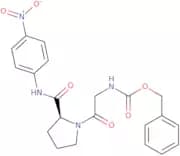

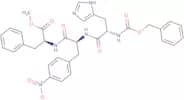
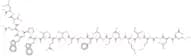
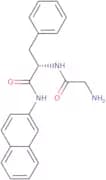

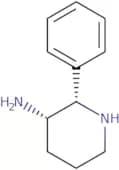
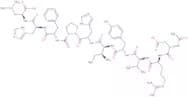
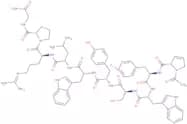

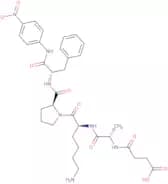
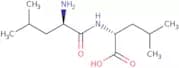
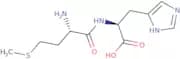
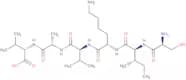
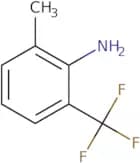
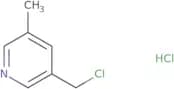
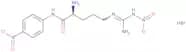

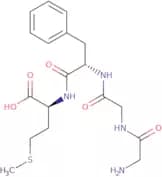


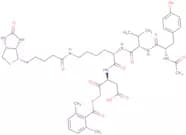
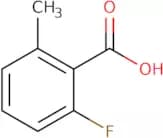
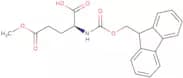

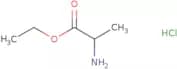

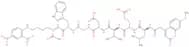
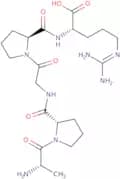

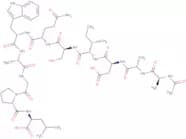
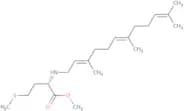

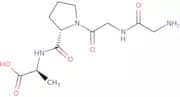
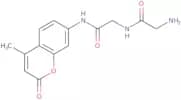
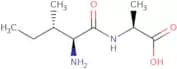
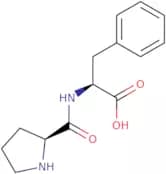

![N-[(2RS,3RS)-2,3,4-Trihydroxy-butyl]-Val-Leu-anilide](/_next/image/?url=https%3A%2Fstatic.cymitquimica.com%2Fproducts%2F3D%2Fthumb-webp%2FFT108329.webp&w=3840&q=75)


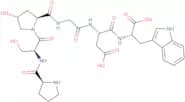
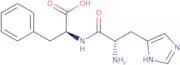
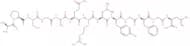
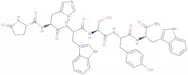
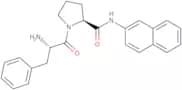
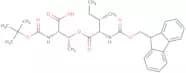
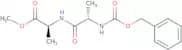
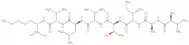
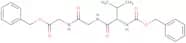
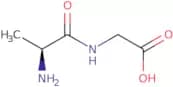
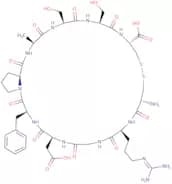
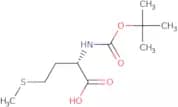

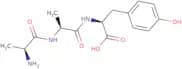
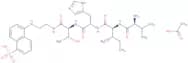
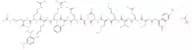
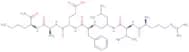

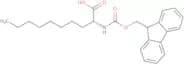
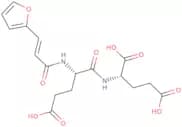


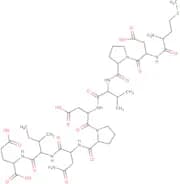
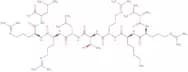
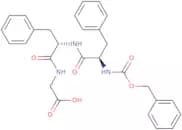
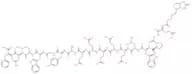
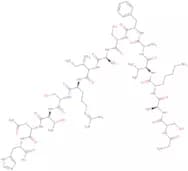
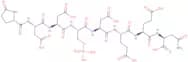

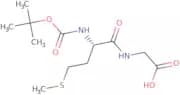

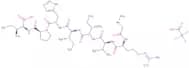
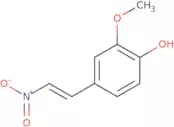
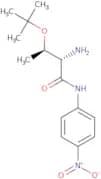
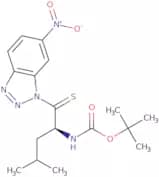
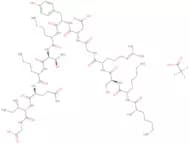


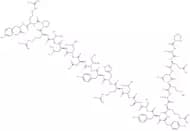
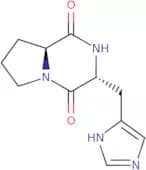

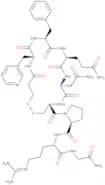


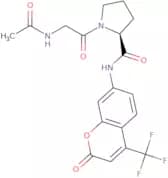

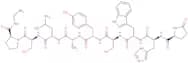
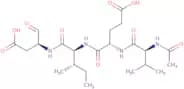
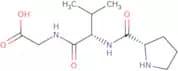

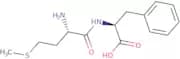
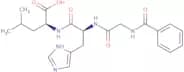

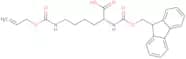
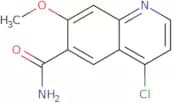
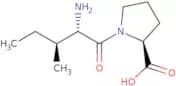
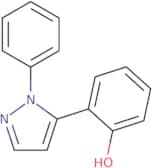
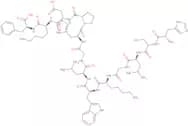


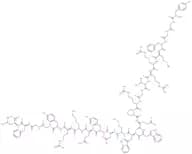
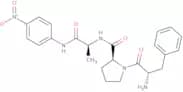


![1-t-Boc-piperidine-4-spiro-5'-[1',3'-bis-t-boc]-hydantoin](/_next/image/?url=https%3A%2Fstatic.cymitquimica.com%2Fproducts%2F3D%2Fthumb-webp%2FFB18981.webp&w=3840&q=75)
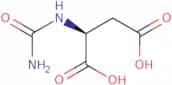

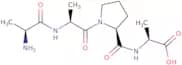

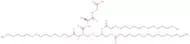
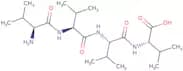


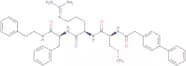
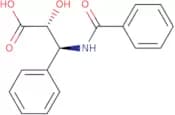
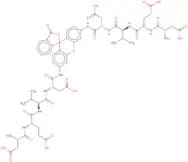


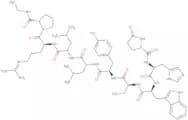
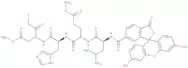
![tert-Butyl6-[(1e)-2-[4-(4-fluorophenyl)-6-(1-methylethyl)-2-[methyl(methylsulfonyl)amino]-5-pyrimi…](/_next/image/?url=https%3A%2Fstatic.cymitquimica.com%2Fproducts%2F3D%2Fthumb-webp%2FFB148489.webp&w=3840&q=75)
![N-[(RS)-1-Carboxy-3-phenyl-propyl]-Ala-Ala-Phe-4-Abz-OH trifluoroacetate salt](/_next/image/?url=https%3A%2Fstatic.cymitquimica.com%2Fproducts%2F3D%2Fthumb-webp%2FFR111118.webp&w=3840&q=75)