Peptides
Peptides are short chains of amino acids linked by peptide bonds, serving as important biological molecules that play key roles in cellular processes. They function as hormones, neurotransmitters, and signaling molecules, and are widely used in therapeutic and diagnostic applications. Peptides are also crucial in research for studying protein interactions, enzyme activities, and cell signaling pathways. At CymitQuimica, we provide a diverse selection of high-quality peptides to support your research and development needs in biotechnology and pharmaceuticals.
Subcategories of "Peptides"
Found 30376 products of "Peptides"
Sort by
Purity (%)
0
100
|
0
|
50
|
90
|
95
|
100
MART-1 Fragment
<p>Tumour antigens recognised by cytotoxic T cells (CTLs) are a keen area of research to develop antigen-specific cancer therapies. However, hurdles are weak immunogenicity and high rates of degradation in vivo. In the search for a melanoma vaccine, the human tumour antigen Melan-A/MART-1 (27-35) has been used as a model to design peptides with improved characteristics for use in anti-tumour vaccines. The MART-1 fragment provided here has an alanine substituted at position one from MART-1 (27-35) this is a natural variant of MART-1 found in the population. Melan-A specific CTL assays showed this MART-1 fragment A27L to be a superagonist with higher affinity than the parent peptide. Also, the MART-1 fragment is a more stable complex with HLA-A*0201 than the parent peptide as determined by degradation experiments using a functional cytolytic assay. The superagonist activity of the MART-1 fragment and the stability of the peptide may be a considerable step towards an anti-melanoma vaccine.</p>Molecular weight:855.5 g/molCilengitide (Linear)
<p>Cilengitide is a cyclic arginine-glycine-aspartic acid (RGD) motif containing peptide that selectively inhibits the integrin alphav subunit. Integrins are cell adhesion molecules which mediate cell-cell and cell-matrix interactions and creating a scaffold for tissue organisation. Integrins also act to regulate cell attachment, proliferation, differentiation, apoptosis and motility.Integrin alphav can form heterodimers with integrin subunits subunits β1, β3, β5, β6, or β8. Cilengitide is a highly specific antagonist of alphavβ3 and alphavβ5 integrins. It also and shows anti-angiogenic effects and inhibits growth and promotes apoptosis of tumour cells that express integrins, such as glioblastoma.Cilengitide has gone on to phase II trials for cancers such as glioblastoma, melanoma, prostate, breast, lung and head and neck cancers.</p>Molecular weight:592.3 g/molIDR-1
<p>As an antimicrobial peptide (AMP), IDR-1 acts indirectly on pathogenic bacterial infections. IDR-1 is proposed to function by upregulating monocyte cytokines (interleukins) while also reducing a pro-inflammatory cytokine. IDR-1 has been tested for its ability to aid against the rise of multi-drug resistant bacteria. In mouse models, IDR-1 is protective against Gram-positive and Gram-negative pathogens. Supply of IDR-1 can also attenuate methicillin-resistant staphylococcus aureus (MRSA)-induced pneumonia. The IDR-1 sequence is being studied as a template to hopefully generate more potent synthetic versions.</p>Molecular weight:1,391.74 g/molPeptide5
<p>Connexin43 mimetic peptide which can reduce swelling, astrogliosis, neuroinflammation and neuronal cell death following spinal cord injury ex vivo and in vivo. Reduces mechanical pain hypersensitivity by specifically targeting the NLRP3 inflammasome in the spinal cord. Possesses analgesic effects in mouse neuropathic pain models.</p>Molecular weight:1,394.7 g/molhumanized anti-Tac (HAT) binding peptide
<p>Affinity chromatography and protein purification are more successful with highly selective ligands such as short peptides. Phage libraries have been utilised to identify novel peptides for target proteins. IgG1 monoclonal antibody is traditionally purified using protein A but is not ideal due to cost and methodology. EPIHRSTLTALL was found via phage library screening as the most selective ligand possible IgG1, and also highly stable. It binds to the constant region of IgG1 known as humanized anti-Tac (HAT). HAT is a humanized monoclonal antibody against the low-affinity p55 subunit of the interleukin IL-2 receptor.</p>Molecular weight:1,349.8 g/molACTH (1-24) Human
<p>Amino acids 1-24 of human adrenocorticotropic hormone (ACTH), induces glucocorticoid production by adrenal cells with the same potency as full length ACTH. ACTH, also known as corticotropin, is a tropic hormone produced and secreted by the anterior pituitary gland and member of the melanocortins peptide family. ACTH is cleaved from the precursor proopiomelanocortin (POMC). ACTH is an important component of the hypothalamic-pituitary-adrenal (HPA) axis and is often produced in response to biological stress. ACTH acts to increase the production and release of cortisol via its interaction with the ACTH receptor- ACTHR, also known as melanocortin type 2 receptor (MC2R). Receptor activation increases the intracellular concentration of cAMP via adenylyl cyclase.Abnormal ACTH levels in the body has been linked to primary adrenal insufficiency/Addison's disease, Cushing's disease and secondary adrenal insufficiency.</p>Molecular weight:2,933.44 g/molGalanin (3-13)-Biotin
<p>Galanin is a neuropeptide synthesised and released by the brainstem locus coeruleus (LC). Galanin is expressed in most LC neurons in rodents and humans. Galanin has been shown to inhibit LC activity by hyperpolarising LC neurons, suppressing their spontaneous firing rate, and enhancing alpha2-adrenergic receptor-mediated negative feedback. Galanin is also a potent trophic and neuroprotective factor throughout the nervous system.Galanin is widely distributed in the central nervous, peripheral, and endocrine systems. Galanin's overarching function is as an inhibitory, hyper-polarizing neuromodulator for classical neurotransmitters like acetylcholine and serotonin. Galanin interacts with 3 receptor subtypes, GalR1-3, which are G protein-coupled receptors inserted into the plasma membrane. GalR1 is believed to activate a Gβγ pathway to regulate MAPK activation. GalR2 can also activate the MAPK pathway, but unlike GalR1, there is detectable inositol phosphate production. GalR3 is associated with the Galphai/o pathway. Activation of the receptor leads to a cellular influx of K+. Each receptor has been associated with neurological diseases such as GalR3 and epilepsy.N-terminal fragments are naturally occurring in vivo but their relevance is not clear. Some N-terminal fragments reduce metabolic and functional disorders in experimental heart damage. Using N-terminal fragments such as galanin (3-13) can clarify the function of full-length galanin during myocardial ischemia and reperfusion injury. This may highlight new agonists/antagonists for the galanin GalR receptors that can be putative therapeutic targets.A C-terminal biotin tag for easy detection and purification has been added to the galanin (3-13) fragment. Cymit Quimica Laboratories Ltd is a custom peptide provider. If you desire an alternate tag, please contact us to request a custom synthesis.</p>Color and Shape:PowderMolecular weight:1,372.7 g/molPhosphorylated CHKtide
<p>CHKtide is a synthetic peptide substrate for checkpoint-kinase-1 and 2 (CHK1/CHK2) as well as salt-inducible kinase (SIKs) for use in kinase assays. CHKtide has been derived from CDC25C which is phosphorylated by CHK1/CHK2 in one of the DNA repair pathways. SIKs are serine/threonine kinases that are part of a complex network that regulate sodium homeostasis and blood pressure.The serine residue at position 5 of this peptide has been phosphorylated.</p>Color and Shape:PowderMolecular weight:2,779.4 g/molNeurokinin A (Substance K)
<p>Neurokinin A (NKA) is a member of the classical tachykinins family of peptides which also includes substance P and neurokinin B. These peptides are primarily found in the nervous system where they act as neurotransmitters and neuromodulators. They also play key roles in neuronal inflammation, and high levels of NKA have been linked to poor prognosis of some tumours.The tachykinin peptides are characterised by a common C-terminal sequence, Phe-X-Gly-Leu-Met-NH2, where X represents either an aromatic (Phe, Tyr) or a branched aliphatic (Val, Ile) amino acid.This C-terminal region is thought to be responsible for activating the receptor. The divergent N-terminal region is thought to play a role in determining the receptor subtype selectivity. NKA binds preferentially to the NK2 receptor.</p>Molecular weight:1,132.6 g/molSendai Virus nucleoprotein (324-332)
<p>The identification of T cell epitopes is vital for a range of immunological functions including viral vaccine design. Current influenza vaccines are designed to induce protective humoral immunity by exposure to inactivated influenza leading to an induction of potent CD4+ T cell memory. However, little is known about how these primed CD4+ T cells effect the response to other viruses that share a common T cell epitope.Sendai Virus nucleoprotein (324-332) has been identified as a T cell epitope and used in T cell assays to stimulate a response. Further use of Sendai virus nucleoprotein (324-332) epitope in vitro could help uncover the effect of immune response to heterologous viruses with common epitopes. It may also help understand the impact of using primed CD4+ T cell as vaccines. This could have consequences for future vaccine design to improve specificity and potency of the immune cells.</p>Molecular weight:949.08 g/molMotilin (1-10)
<p>Residues 1-10 of the gastrointestinal hormone motilin, secreted from endocrine cells in the small intestines, mainly from the jejunum and duodenum, in response to the fasting, drinking water or the mechanical stimulus of eating.</p>Molecular weight:1,184.6 g/molRhodopsin Epitope Tag
<p>ID4 is a highly versatile epitope tag. The peptide sequence is highly specific to rhodopsin and related photoreceptor proteins, meaning when used with monoclonal antibodies off-target signals are virtually non-existent. ID4 is also devoid of charged residues therefore reducing nonspecific ionic interactions. Monoclonal antibodies also bind to ID4 with high affinity therefore there is less need for inserting multiple copies of ID4.</p>Molecular weight:902.4 g/molAcetyl-Histone H4 (1-23) K16Ac-GG-[Lys(5-FAM)]
<p>Histone 4 (H4) is one of the four core histones (H2A, H2B, H3 and H4) which are essential for compacting eukaryotic DNA into the nucleosome. Due to the high lysine and arginine content, histones have a net positive charge and therefore electrostatically interact with negatively charged DNA. The nucleosome arises when 147 base pairs of DNA wrap around a H3-H4 tetramer and two H2A-H2B dimers, forming the histone octamer core. Like other core histones, H4 has a globular domain and a flexible N-terminal domain, the histone tail, which can undergo modifications such as acetylation, methylation, phosphorylation and ubiquitination.Gene transcriptional activation or inactivation is controlled by ATP-dependent chromatin remodelling factors and histone modifying enzymes. Both processes function to alter the positioning of the nucleosome, allowing the DNA within to be either accessible to the transcription machinery or inaccessible. H4 lysine rich tail plays a role in the higher order chromatin folding.The lysine at position 16 has been acetylated, which neutralizes the positive charge on the amino acid, loosening the chromatin structure. This alteration to the accessibility of chromatin promotes the initiation of transcription.Acetyl-Histone H4 (1-23) K16Ac-GG-[Lys(5-FAM)] has a C-terminal GGK linker labelled with 5-Carboxyfluorescein (5-FAM), a widely used green fluorescent tag. Additionally, this peptide has an uncharged C-terminal amide and is protected from N-terminal modifications by a covalently bonded acetyl group.</p>Molecular weight:3,042.6 g/molMOCAc-Pro-Cha-Gly-Nva-His-Ala-Dap(Dnp)-NH2
<p>MOCAc-Pro-Cha-Gly-Nva-His-Ala-Dap(Dnp)-NH2 is a peptide that inhibits the activity of various proteases, including collagenase, MMPs and stromelysin. It has been shown to inhibit cancer cells in vitro and to reduce tumor growth in vivo. MOCAc-Pro-Cha-Gly-Nva-His-Ala-Dap(Dnp)-NH2 may be useful for the treatment of angiogenesis and metastasis, which are hallmarks of cancer.<br>MOCAc is an inhibitor of matrix metalloproteinases (MMPs), which are enzymes that break down the extracellular matrix and basement membrane during tissue remodeling. MOCAc inhibits both type I (collagenases) and type II (gelatinases) collagenase activity, as well as other proteolytic activities such as stromelysin or elast</p>Formula:C51H65N8O13Purity:Min. 95%Molecular weight:1,100.16 g/molFmoc-Cys(Trt)-Wang Resin (100-200 mesh) 1% DVB
<p>Fmoc-Cys(Trt)-Wang Resin (100-200 mesh) 1% DVB is a research tool that is used as an activator, ligand or receptor for cell biology, antibody production or ion channels. It has been used in the study of protein interactions and pharmacology. Fmoc-Cys(Trt)-Wang Resin (100-200 mesh) 1% DVB is a high purity resin that can be used to synthesize peptides and compounds for life science purposes. It is also an inhibitor that can be used to block enzymatic reactions.</p>Purity:Min. 95%M CSF Human
<p>M-CSF is a protein that is involved in the regulation of the immune system. It is an activator of macrophages, and it also binds to receptors on cells of the immune system. It can be used as a research tool for studying how cells communicate with each other, and how certain proteins interact with each other. M-CSF is also an antibody that can bind to ion channels and other proteins. This antibody can be used for pharmacological studies to find inhibitors for specific proteins or peptides. M-CSF has been shown to have effects on many different types of cells, including lymphocytes, monocytes, neutrophils, eosinophils, basophils, and mast cells.</p>Purity:Min. 95%H-Phe-2-ClTrt-Resin (100-200 mesh) 1% DVB
<p>H-Phe-2-ClTrt-Resin (100-200 mesh) 1% DVB is a building block that is used in peptide synthesis. It has been shown to react with amines and thiols, as well as alcohols, yielding a resin that can be used for the protection of amino acids during peptide synthesis. This product is supplied as a dry powder containing 1% DVB, 100 to 200 mesh.</p>Purity:Min. 95%Fmoc-Thr(tBu)-Rink-Amide MBHA Resin
Fmoc-Thr(tBu)-Rink-Amide MBHA Resin is a resin that can be used for the synthesis of peptides. It is an inhibitor of Protein interactions, Activator, Ligand, and Receptor. This resin can be used in research to study ion channels and antibodies. Fmoc-Thr(tBu)-Rink-Amide MBHA Resin is also a high purity product with CAS No.Purity:Min. 95%Rink-Amide-MBHA Resin (200-400 mesh) 1% DVB
<p>Unsubstituted Resins for Solid Phase Synthesis; 0.3-0.65 meq/g</p>Purity:Min. 95%[Sar1]-Angiotensin II
CAS:Controlled Product<p>Angiotensin II is a peptide hormone that is secreted by the kidneys. It stimulates the release of aldosterone and causes vasoconstriction, leading to an increase in blood pressure. Angiotensin II is also involved in other physiological functions such as the regulation of fluid balance, electrolyte levels, and blood coagulation. The drug is used to treat congestive heart failure and high blood pressure. Sar1-Angiotensin II has been shown to inhibit transcriptional regulation by binding to the angiotensin receptor type 1 (AT1). This binding disrupts conformational changes in the receptor, preventing signal transduction from occurring and decreasing the activity of enzymes such as protein kinase A, which are needed for activation of transcription factors.</p>Formula:C49H71N13O10•(C2H4O2)2Purity:Min. 95%Molecular weight:1,122.28 g/molPresenilin 1 (349-361)
<p>Presenilin 1 (349-361) is a peptide that is a substrate for glycogen synthase. It is cleaved from the precursor protein presenilin 1 and has a molecular weight of 4.5 kDa. Presenilin 1 (349-361) is an enzyme substrate that can be used in biochemical assays to research glycogen metabolism.</p>Formula:C56H93N21O19Purity:Min. 95%Molecular weight:1,364.49 g/molH-Trp(Boc)-2-ClTrt-Resin (200-400 mesh) 1% DVB
<p>H-Trp(Boc)-2-ClTrt-Resin (200-400 mesh) is a resin that contains amines and thiols. It can be used as a building block of peptides and proteins. H-Trp(Boc)-2-ClTrt-Resin (200-400 mesh) can also be used in the synthesis of alcohols, which are important chemicals for industry.</p>Purity:Min. 95%Lys18[(AEEA)2-5-FITC]-Hepcidin (Human)
<p>Lys18[(AEEA)2-5-FITC]-Hepcidin (Human) is a FITC-Labeled Hepcidin for cell detection by flow cytometry and by fluorescent or confocal microscopy. Human Hepcidiin is a peptide hormone that is produced by the liver and is heavily involved in iron homeostasis through binding to and preventing ferroportin from exporting iron. Hepcidin has also demonstrated its capabilites as an anti-microbial peptide, preventing the amount of iron available to invading pathogens. This product consists of the following disulfide Bonds: Cys7-Cys23, Cys10-Cys13, Cys11-Cys19, and Cys14- Cys22<br>One-Letter Formula: DTHFPICIFCCGCCHRSK(AEEA-AEEA-5-FITC)-CGMCCKT</p>Formula:C146H203N37O42S10Purity:Min. 95%Molecular weight:3,469.11 g/molZ-Phe-Tyr-aldehyde
CAS:<p>Z-Phe-Tyr-aldehyde is a natural compound that inhibits the activity of cathepsin, an enzyme associated with cancer and bowel disease. The compound also inhibits the expression of covid-19, which is a protein that regulates cell death. Z-Phe-Tyr-aldehyde has been shown to cause caspase-independent cell death in human leukemia cells. This compound also blocks the TLR4 receptor, which is thought to play a role in infectious diseases such as SARS and Covid-2. It has been found to inhibit protein synthesis in bacteria, which may be due to its ability to inhibit ribosomal function.</p>Formula:C26H26N2O5Purity:Min. 95%Molecular weight:446.5 g/molH-Leu-Glu-OH
CAS:<p>24-Epibrassinolide is a synthetic molecule that has an optical rotation of +19.4° at 20°C. It is also known as H-Leu-Glu-OH and is a product of the reaction between epibatidine and L-glutamic acid. This molecule has been synthesized to study the role of 24-epibrassinolide in photosynthesis, chlorophyll synthesis, and membrane stability. The phosphate group is attached to the amino group on the n-terminal amino acid. 24-Epibrassinolide has an amino acid composition consisting of leucine, glutamate, glutamine, glycine, proline, serine, cysteine, tyrosine, asparagine, histidine and lysine.<br>24-Epibrassinolide was first isolated from chloroplasts using refluxing water with ammonium chloride as a solvent. This molecule can be found in nature as well.</p>Formula:C11H20N2O5Purity:Min. 95 Area-%Color and Shape:PowderMolecular weight:260.29 g/molZ-Tyr-Ala-OH
CAS:<p>Z-Tyr-Ala-OH is an inactivating agent that irreversibly inactivates the zymogens of porcine pancreatic proteinase. It has been shown to be a liquid chromatography and high-performance liquid chromatography substrate for the separation of peptides. Z-Tyr-Ala-OH is also catalytic, which means it can react with other substances without being changed. This chemical has been shown to irreversibly inactivate both acidic and basic proteolytic enzymes, such as pepsin and trypsin respectively. Additionally, this substance also reacts with calcium ions to form a thioether bond with cysteine residues on proteins, including those found in bacterial cell walls.</p>Formula:C20H22N2O6Purity:Min. 95%Color and Shape:PowderMolecular weight:386.40 g/molAg85B (41-61)
<p>Please enquire for more information about Ag85B (41-61) including the price, delivery time and more detailed product information at the technical inquiry form on this page</p>Formula:C73H113N19O23SMolecular weight:1,674.87 g/molH1 native 4-peptide mixture
<p>H-VNSVIEK-OHH-EQLSSVSSFER-OHH-TLDYHDSNVK-OHH-ITFEATGNLVAPR-OHPeptide purity: >98%AAA: Concentration - Duplicate<br>kit contains 100 aliquots/pack total to equal 1nmol/peptide/vial dry aliquots</p>α-CGRP (mouse, rat)
CAS:<p>Endogenous calcitonin gene-related peptide receptor (CGRP) agonist which is secreted in both peripheral and central neurons. It is a potent vasodilator and can function in the transmission of nociception as well as acting as an appetite suppressant and contributing to gastric acid secretion. It also has a function in temperature homeostasis, increases heart rate, and can play a role in the release of the pituitary hormone.</p>Formula:C162H262N50O52S2Purity:Min. 95%Color and Shape:PowderMolecular weight:3,806.25 g/molSULT1B1 Blocking Peptide
<p>A synthetic peptide for use as a blocking control in assays to test for specificity of SULT1B1 antibody, catalog no. 70R-2607</p>Purity:Min. 95%Cyclo(-Met-Pro)
CAS:<p>Cyclo(-Met-Pro) is a synthetic antioxidant that inhibits the proliferation of cancer cells. Cyclo(-Met-Pro) binds to the reactive oxygen species (ROS), such as hydroxyl, alkoxy, and peroxyl radicals, in the cell and prevents them from damaging DNA. Cyclo(-Met-Pro) also inhibits the generation of ROS by reacting with metal ions, such as iron and copper. This compound has been shown to have an effect on human cells by inhibiting the proliferation of cancer cells. Cyclo(-Met-Pro) is synthesized by reacting methylamine with cyclopentadiene in sodium hydroxide solution or hydroxide solution. The synthesis can be monitored using spectrometry analyses.</p>Formula:C10H16N2O2SPurity:Min. 95%Color and Shape:PowderMolecular weight:228.31 g/molMatriptase Blocking Peptide
<p>A synthetic peptide for use as a blocking control in assays to test for specificity of Matriptase antibody, catalog no. 70R-12147</p>Purity:Min. 95%H-Ala-Phe(para-Fluoro)-Arg-Cha-homoArg-Tyr-NH2
<p>H-Ala-Phe(para-Fluoro)-Arg-Cha-homoArg-Tyr-NH2 is a peptide with a parathyroid hormone (PTH) receptor agonist activity. It activates the thrombin receptor, which is responsible for the activation of several other receptors, including Protease Activated Receptor 4 (PAR4) and PAR1. This peptide has been shown to induce hypertension in rats, an effect that may be related to its ability to activate PAR4. H-Ala-Phe(para-Fluoro)-Arg-Cha-homoArg-Tyr-NH2 also activates the protease activated receptor (PAR) peptides, which have been implicated in inflammation and coagulation.</p>Formula:C43H66N13O7FPurity:Min. 95%Molecular weight:896.09 g/molDDIT4L Blocking Peptide
<p>A synthetic peptide for use as a blocking control in assays to test for specificity of DDIT4L antibody, catalog no. 70R-2699</p>Purity:Min. 95%TRPM4 Blocking Peptide
<p>A synthetic peptide for use as a blocking control in assays to test for specificity of TRPM4 antibody, catalog no. 70R-5157</p>Purity:Min. 95%SLC38A1 Blocking Peptide
<p>A synthetic peptide for use as a blocking control in assays to test for specificity of SLC38A1 antibody, catalog no. 70R-1754</p>Purity:Min. 95%Cyclo(Arg-Ala-Asp-D-Tyr-Lys)
<p>Cyclo(Arg-Ala-Asp-D-Tyr-Lys) is a peptide macrocycle that has been shown to have potent anti-cancer activity. It binds to the receptor for epidermal growth factor (EGF), which is overexpressed in many cancers, and inhibits its function. Cyclo(Arg-Ala-Asp-D-Tyr-Lys) is also able to inhibit the production of nitric oxide by inhibiting the synthesis of arginase. This peptide has also been shown to induce apoptosis in cancer cells by altering the mitochondrial membrane potential and activating caspases 3 and 9.</p>Formula:C28H43N9O8Purity:Min. 95%Molecular weight:633.70 g/molHepcidin/LEAP-1 (Human) (Bulk)
CAS:<p>Human Hepcidin peptide hormone product also know as LEAP-1 (liver-expressed antimicrobial peptide), where the disulfides are formed by random oxidation. Hepcidin is a peptide hormone that is synthesized in the liver and is an important regulator of iron homeostasis. Through binding to ferroportin Hepcidin prevents the exportation of iron thus reducing the amount of circulating iron. Furthermore through inflammatory cytokine induction Hepcidin leads to the internalization and degradation of ferroportin thus further reducing the amount of iron in circulation. This in turn make conditions unfavourable to invading pathogens. This demonstrates Hepcidin's ability as an anti-microbial peptide. This antimicrobial behaviour can be used in research into the elimination of pathogens but also in combatting diseases where iron dysregulation is prevalant.</p>Formula:C113H170N34O31S9Purity:Min. 95%Molecular weight:2,789.4 g/molCYN 154806 trifluoroacetate
CAS:<p>CYN 154806 is a novel anti-inflammatory drug that inhibits the vasoactive intestinal peptide receptor and has a neuroprotective effect. It also prevents the activation of microglia, which are cells of the central nervous system responsible for immune defense. CYN 154806 is membrane permeable and can inhibit the transcription-polymerase chain reaction (PCR) in mouse hippocampal tissue and human macrophages. CYN 154806 has been shown to have a low bioavailability and a short half-life, making it difficult to measure its pharmacokinetic properties in vivo. However, CYN 154806 does not appear to be toxic at high doses.</p>Formula:C56H68N12O14S2•(C2HF3O2)xPurity:Min. 95%Color and Shape:PowderMolecular weight:1,197.34 g/molClickable-TAT Alkyne (49-57)
<p>Modified HIV TAT Sequence 49-57 for Click Chemistry. Product available as a trifluoroacetate salt</p>Formula:C59H113N31O11Purity:Min. 95%Molecular weight:1,432.76 g/molDiethylcyanomethylphosphonate
CAS:<p>Diethylcyanomethylphosphonate is a hydrochloric acid salt of diethylcyanomethylphosphonic acid. It is used in the asymmetric synthesis of many organic molecules, including pharmaceuticals, and has been shown to have antiviral properties. Diethylcyanomethylphosphonate binds to the receptor on the surface of cells and inhibits their growth. This may be due to its ability to block the binding of sodium ions to cell receptors. The drug also prevents hydroxyl group metabolism and has been shown to be active against infectious diseases such as HIV and malaria.</p>Formula:C6H12NO3PPurity:Min. 95%Color and Shape:Colorless Clear LiquidMolecular weight:177.14 g/molAra h1 (555-577) peanut Allergen
<p>Ara h 1 is one of the major allergenic proteins from peanut (Arachis hypogaea) which contains approximately 13 potential allergenic proteins.Ara h 1 is a member of the 7/8 S globulin (vicilin) family of seed storage proteins belonging to the cupin superfamily and is the most abundant allergen present in the peanut kernel. Ara h 1 plays an important role in the allergy sensitising procedure and can be recognised by 90% of patients with a peanut allergy.This peptide represents a tryptic peptide of Ara h 1.</p>Purity:Min. 95%Color and Shape:PowderMolecular weight:1,375.7 g/molFmoc-Leu-Wang Resin (100-200 mesh) 1% DVB
<p>Fmoc-Leu-Wang Resin is a research tool that can be used to synthesize peptides. It is used as an activator and ligand in the production of antibodies, ion channels, and cell biology. The resin has a high purity and can be used for a variety of purposes such as pharmacology, protein interactions, and peptide synthesis. Fmoc-Leu-Wang Resin has been shown to inhibit the binding of many different proteins to their receptors.</p>Purity:Min. 95%OVA peptides pool
<p>Overlaping peptide library of ovalbumin, 15 amino acids per peptide with offset 11. Purity crude. All peptides are pooled in a single tube.</p>Des-Pro2-Bradykinin
<p>Des-Pro2-Bradykinin is a peptide that acts as a potent inhibitor of the enzyme kininase. It has been shown to inhibit the production of Angiotensin I Converting Enzyme Inhibitors (ACEs) and peptides in vitro, but not in vivo. Des-Pro2-Bradykinin may be useful for studying the role of kinins in cardiovascular disease and other conditions.</p>Formula:C45H66N14O10•2CH3COOH•3H2OPurity:Min. 95%Molecular weight:1,137.24 g/molFmoc-Cys(tBu)-Wang Resin (100-200 mesh) 1% DVB
<p>Fmoc-Cys(tBu)-Wang Resin (100-200 mesh) is a research tool for use in the synthesis of peptides and proteins. It is an activated resin that can be used to synthesize peptides with a C-terminal cysteine. The resin is suitable for the coupling of amines, alcohols, thiols, phosphates and other compounds. Fmoc-Cys(tBu)-Wang Resin (100-200 mesh) has been shown to be an effective inhibitor of ion channels and may have potential as a therapeutic drug for the treatment of epilepsy.</p>Purity:Min. 95%Des-n-Octanoyl-[Ser3]-Ghrelin (Rat)
<p>The peptide Des-n-octanoyl-[Ser3]-ghrelin (DOG) is a synthetic analogue of ghrelin, the only known natural ligand for the growth hormone secretagogue receptor. DOG binds to the ghrelin receptor and activates it, thereby stimulating growth hormone release from the anterior pituitary gland. In a rat model, DOG counteracts weight gain caused by high-fat diet. It also increases insulin sensitivity in diabetic rats and acts as an appetite suppressant in non-diabetic rats. As such, this peptide has potential as a therapeutic agent for obesity and diabetes.</p>Formula:C139H231N45O41Purity:Min. 95%Molecular weight:3,188.67 g/molProTx-II
CAS:<p>A spider venom-derived peptide whose sequence is derived from the Tarantula, Thrixopelma pruriens which can be applied as a Na+ Channel (Especially Nav1.7) / Ca2+ Ion Channel Blocker (Gating Modifier). This product has disulfide bonds between Cys2-Cys16, Cys9-Cys21, and Cys15-Cys25 and is available as a trifluoroacetate salt. For a smaller quantity in acetate form, see PTX-4450-S.</p>Formula:C168H250N46O41S8Purity:Min. 95%Molecular weight:3,826.66 g/mol[Arg8]-Vasopressin (Human, Bovine, Ovine, Rat, Mouse) (0.5 mg vial)
CAS:<p>Vasopressin is a hormone that is synthesized by the hypothalamus and secreted by the pituitary gland. Vasopressin is used in research to activate cells and study receptor-ligand interactions. It can be used to study ion channels, cell biology, and pharmacology. Vasopressin can be used as an inhibitor of peptides or proteins.</p>Formula:C46H65N15O12S2Purity:Min. 95%Molecular weight:1,084.2 g/molNeurotensin (Human, Bovine, Canine)
CAS:<p>Neurotensin is a neuropeptide that is involved in the regulation of a variety of physiological functions, including neurotransmission, cardiovascular function, and appetite. It is composed of 13 amino acids and is primarily produced in the gastrointestinal tract and the central nervous system.<br>Neurotensin acts as a neurotransmitter and neuromodulator in the brain, where it is synthesized by neurons in several regions, including the hypothalamus, amygdala, and nucleus accumbens. In addition to its role in neurotransmission, neurotensin has been shown to be involved in the regulation of food intake and energy metabolism. It is thought to promote satiety and reduce food intake by interacting with the hypothalamus and other brain regions involved in appetite regulation.<br>Neurotensin has also been studied for its potential therapeutic applications as it has been shown to be associated with the pathophysiology of conditions such as Parkinson's disease, pain, schizophrenia, cancer and inflammatory bowel disease.<br>This product is available as a 0.5mg vial.</p>Formula:C78H121N21O20Purity:Min. 95%Molecular weight:1,672.9 g/molOxyma Pure®
CAS:<p>OxymaPure® is a hydrogen bond-based molecular probe that binds to the hydroxamic acid group of bacterial cell walls. It has been shown to have an antibacterial activity against Staphylococcus aureus and Escherichia coli. OxymaPure® is soluble in water, making it suitable for oral administration. The safety profile of OxymaPure® includes studies in rats, indicating that it does not cause any toxic effects at doses up to 2000 mg/kg body weight. OxymaPure® can be synthesized on a solid phase by using carbodiimides as reactive agents and linkers as additive materials. This process is relatively rapid and produces high yields of the desired product.</p>Formula:C5H6N2O3Purity:Min. 95%Molecular weight:142.12 g/molCA-074 Me
CAS:<p>CA-074 Me is a small molecule that binds to the receptor site of the ion channel. This binding triggers a conformational change in the ion channel, which leads to an influx of ions and an increase in membrane potential. CA-074 Me has also been shown to bind to peptide receptors and activate them, leading to similar effects on cell membranes as with ion channels. CA-074 Me is used for research purposes as it can be used as a tool for studying protein interactions and ligand-receptor binding. It is also often used as an antibody capture reagent. CA-074 Me is a research chemical that was synthesized by Hetero Drugs Limited (India) and has CAS No. 147859-80-1.END></p>Formula:C19H31N3O6Purity:Min. 95%Molecular weight:397.47 g/molFmoc-Trp(Boc)-OH
CAS:<p>Fmoc-Trp(Boc)-OH is a building block for the synthesis of peptides and other bioactive molecules. It is used in the synthesis of daptomycin, an antibiotic that is used to treat bacterial infections caused by methicillin-resistant Staphylococcus aureus (MRSA). Fmoc-Trp(Boc)-OH is also used as a synthon in the production of natural products such as kynurenine, which has been shown to have anti-cancer properties.</p>Formula:C31H30N2O6Purity:Min. 95%Molecular weight:526.59 g/molAbz-Thr-Asn-Met-Lys-His-Met-Ala-Gly-Ala-Ala-Gln-EDDnp
CAS:Abz-Thr-Asn-Met-Lys-His-Met-Ala-Gly-Ala-Ala-Gln (EDDNP) is a novel and potent inhibitor of the polymerase chain reaction (PCR). It has been shown to inhibit the activity of DNA polymerases, which are key enzymes in DNA replication. EDDNP binds to the active site of the enzyme and blocks access to the DNA template. In addition, this compound inhibits mitochondrial membrane potential, as well as transcriptional regulation and detoxification enzymes. This compound has also been shown to be effective in vivo in mouse models.Formula:C61H91N21O19S2Purity:Min. 95%Molecular weight:1,486.66 g/molBoc-D-Met-OH
CAS:Boc-D-Met-OH is an amino acid building block that is used in the synthesis of peptides. It has been shown to have photophysical properties and specificities, as well as a helical structure. Boc-D-Met-OH has also been shown to react with anions, making it useful for peptide synthesis.Formula:C10H19NO4SPurity:Min. 95%Molecular weight:249.33 g/molH-Gly-Arg-Ala-Asp-Ser-Pro-OH
CAS:<p>H-Gly-Arg-Ala-Asp-Ser-Pro-OH is a basic protein that is a member of the growth factor β1 family. It has been shown to increase collagen production and inhibit the transcription of pro-apoptotic proteins in the carcinoma cell lines. H-Gly-Arg-Ala-Asp-Ser-Pro-OH is also known as RGD peptides, which are derived from collagen. It has been found to induce genotoxic effects, such as chromosomal aberrations and sister chromatid exchanges, in cells.</p>Formula:C23H39N9O10Purity:Min. 95%Molecular weight:601.61 g/molFmoc-Lys(Boc)-OH
CAS:<p>Fmoc-Lys(Boc)-OH is a monoclonal antibody that reacts with lysine residues. It is synthesized by reacting a solid phase support with an aliphatic hydrocarbon. The reactive functional group on the hydrocarbon terminates in an amine and forms an amide linkage to the amino terminus of the peptide. The hydroxyl terminus of the peptide is then reacted with a trifluoroacetic acid (TFA) ester of lysine in the presence of base. This reaction produces a TFA salt of Fmoc-Lys(Boc)-OH, which can be purified by high salt precipitation or reversed to produce Fmoc-Lys(Boc)-OH by treatment with base. Fmoc-Lys(Boc)-OH has been used as a reagent for chemical conjugation to fluorophores and other molecules such as biotin, avidin, strept</p>Formula:C26H32N2O6Purity:Min. 98.0 Area-%Molecular weight:468.54 g/molAminomethylated Polystyrene Resin • HCl (100-200 mesh) 1% DVB
<p>Aminomethylated Polystyrene Resin • HCl is a resin that is used in peptide synthesis. It is insoluble in water and soluble in organic solvents, such as dichloromethane, chloroform, and dimethylformamide. Aminomethylated Polystyrene Resin • HCl is an unsubstituted resin for solid phase synthesis.</p>Purity:Min. 95%Fibronectin Active Fragment (RGDS)
CAS:<p>Fibronectin is an extracellular matrix protein that plays a critical role in cell adhesion, migration, and differentiation. Fibronectin subunits are composed of repeating units of three types of modules: type I, type II, and type III. The active fragment of fibronectin refers to a small peptide sequence within the type III modules of fibronectin that has been shown to have potent biological activity.<br>The fibronectin active fragment, also known as the cell-binding domain or RGD domain, is a short peptide sequence consisting of the amino acid sequence Arg-Gly-Asp (RGD). This peptide sequence interacts with cell surface receptors known as integrins, which are important for mediating cell adhesion, migration, and signaling.<br>The fibronectin active fragment has been extensively studied as a research tool to investigate the mechanisms of cell adhesion and migration. It has also been used in tissue engineering applications to promote cell attachment and proliferation on synthetic biomaterials. This product is available as a 0.5mg vial.</p>Formula:C15H27N7O8Purity:Min. 95%Molecular weight:433.42 g/molBoc-ß-Ala-OH
CAS:<p>Boc-ß-Ala-OH is an amino acid that inhibits the activity of gamma-aminobutyric acid (GABA) receptors. It has been shown to bind to the GABA receptor and block its activation by GABA. Boc-ß-Ala-OH is used as a building block for peptide synthesis, where it can be coupled with other amino acids to form a desired peptide sequence. This amino acid also possesses intramolecular hydrogen bonding interactions, which have been found to contribute to its inhibitory properties. Boc-ß-Ala-OH has a phase transition temperature of 104°C and is soluble in water below this point.</p>Formula:C8H15NOPurity:Min. 95%Molecular weight:189.21 g/molAc-Pro-Leu-Gly-(2-Mercapto-4-Methylpentanoyl)-Leu-Gly-OEt
CAS:Ac-Pro-Leu-Gly-(2-Mercapto-4-Methylpentanoyl)-Leu-Gly-OEt is a peptide that has been shown to have anti-cancer, enzyme inhibitory, and anti-inflammatory activities. The peptide is derived from the proteolytic cleavage of human collagenase. It inhibits both matrix metalloproteinases (MMPs) and stromelysin in vitro. Acetyl Proleu Gly Gly Leu Gly OEt has also been shown to inhibit cancer cells in culture by inhibiting RNA synthesis and protein synthesis.Formula:C31H53N5O8SPurity:Min. 95%Molecular weight:655.86 g/molCyclo(Arg-Ala-Asp-D-Phe-Val)
CAS:<p>Cyclo(Arg-Ala-Asp-D-Phe-Val) is an active, cyclic peptide that has been shown to have localized effects on the metaphase, meiosis, and gamete cells. Cyclo(Arg-Ala-Asp-D-Phe-Val) is a cilengitide, which are small molecules that bind to calcium ions and increase intracellular levels of calcium. This leads to the activation of biochemical pathways in cells. Cyclo(Arg-Ala-Asp-D-Phe-Val) has been shown to have a diacylglycerol antagonist effect in porcine oocytes and was used in clinical trials for the treatment of infertility. Cyclo(Arg-Ala-Asp-D-Phe Val) also has apoptotic activity in cancer cells.</p>Formula:C27H40N8O7Purity:Min. 95%Molecular weight:588.68 g/molFmoc-His(Trt)-OH
CAS:<p>Fmoc-His(Trt)-OH is a synthetic antimicrobial peptide that belongs to the class of acetylcholine. The peptide was found to inhibit the growth of a number of bacterial genera, including Pseudomonas, Acinetobacter and Burkholderia. The sequence of Fmoc-His(Trt)-OH is acetylated at the N-terminus and amidated at the C-terminus. This peptide has been found to have a broad spectrum of activity against drug resistant bacteria. It has also been shown to be active against mammalian cells in addition to bacterial cells, suggesting it may have therapeutic potential for humans as well as animals.</p>Formula:C40H33N3O4Purity:Min. 98.0 Area-%Molecular weight:619.73 g/molHBTU Reagent
CAS:<p>HBTU is a reagent that is used in the synthesis of peptides. It has been shown to have inhibitory properties and stable complexes with ester linkages. HBTU has been shown to have a negative effect on congestive heart disease, which may be due to its ability to bind to receptors and mimic the effects of peptide hormones. This compound is also used as a model system for mitochondrial membrane potential. HBTU binds covalently to the peptide hormone receptor, which slows down the rate of degradation and increases its resistance to proteases. HBTU can also be used as an immunosuppressant drug in animal models of autoimmune diseases by inhibiting T-cell proliferation and cytokine production.</p>Formula:C11H16N5OPF6Purity:Min. 95%Molecular weight:379.25 g/mol2-Furoyl-LIGRLO-amide acetate salt
CAS:<p>2-Furoyl-Leu-Ile-Gly-Arg-Leu-Orn-NH2 is a synthetic peptide that binds to the 5HT3 receptor. It has been shown to have an effect on locomotor activity and growth factor secretion in wild type mice and cell culture, as well as binding to acetylcholine receptors in C57/BL6 mice. 2-Furoyl-Leu-Ile-Gly-Arg-Leu-Orn was synthesized by the reaction of furoic acid with L -alanine, L -glycine, L -arginine and L -ornithine. The product is a white powder.</p>Formula:C36H63N11O8Purity:Min. 95%Molecular weight:777.96 g/molFmoc-D-Tyr(tBu)-OH
CAS:<p>Please enquire for more information about Fmoc-D-Tyr(tBu)-OH including the price, delivery time and more detailed product information at the technical inquiry form on this page</p>Formula:C28H29NO5Purity:Min. 95%Molecular weight:459.55 g/molTBTU Reagent
CAS:<p>TBTU Reagent is a combination of two reagents that are used for peptide synthesis and purification. TBTU is an amide coupling reagent that reacts with the carboxyl group of an ester to form a reactive intermediate, which then reacts with the amino group of an amide. This reaction forms an amide bond between the carboxyl group of the ester and the amino group of the amide. TBTU Reagent has been used in vitro assays to measure pharmacological activities such as anti-inflammatory effects and antimicrobial effects. TBTU Reagent has also been used to prepare mouse monoclonal antibodies against toll-like receptor 4 (TLR4).</p>Formula:C11H16N5OBF4Purity:Min. 95%Molecular weight:321.08 g/molAc-Arg-Gly-Lys(Ac)-MCA
CAS:<p>Ac-Arg-Gly-Lys(Ac)-MCA is a peptide that is used as a histone deacetylase substrate. It is an enzyme substrate in the histone deacetylase reaction and it has been shown to inhibit the growth of many bacterial strains. Ac-Arg-Gly-Lys(Ac)-MCA has been shown to inhibit the growth of Staphylococcus aureus, Bacillus subtilis, and Pseudomonas aeruginosa.</p>Formula:C28H40N8O7Purity:Min. 95%Molecular weight:600.68 g/molH-Gly-Arg-Gly-Asp-Ser-Pro-Cys-OH
CAS:<p>H-Gly-Arg-Gly-Asp-Ser-Pro-Cys-OH is a monoclonal antibody (mAb) that binds to the cell surface receptor, TGFβRI. It has been shown to exhibit biological activities including inhibition of tumor growth and induction of apoptosis in cancer cells. This mAb can be used as a tumor treatment and can also inhibit the proliferation of cells in tissue culture. H-Gly-Arg-Gly-Asp-Ser-Pro-Cys has been shown to inhibit the production of collagen, which may be due to its ability to block integrin activation by binding to the cell surface receptor, αVβ3. HGRGSSPC has also been found to have antiangiogenic properties, which may be due to its ability to bind with high affinity and specificity to αVβ3 on endothelial cells.</p>Formula:C23H42N10O11SPurity:Min. 95%Molecular weight:690.74 g/molTertiapin Q
CAS:<p>Tertiapin Q is a peptide inhibitor, a derivative of tertiapin, from honeybee venom (specifically Apis mellifera). This peptide acts by specifically blocking certain potassium channels, namely Kir1.1 and Kir3.1/3.4. The mode of action involves binding to the outer mouth of the potassium channel pore, effectively inhibiting ion flow through these channels. Tertiapin Q varies from native tertiapin by one amino acid, where a methionine residue is replaced with a glutamine residue. This means that unlike native TPN, TPN(Q) is not air oxidizable.Tertiapin : H-Ala-Leu-Cys-Asn-Cys-Asn-Arg-Ile-Ile-Ile-Pro-His-Met-Cys-Trp-Lys-Lys-Cys-Gly-Lys-Lys-NH2Tertiapin Q: H-Ala-Leu-Cys-Asn-Cys-Asn-Arg-Ile-Ile-Ile-Pro-His-Gln-Cys-Trp-Lys-Lys-Cys-Gly-Lys-Lys-NH2Tertiapin Q is used in electrophysiological research to study the role and regulation of inward-rectifier potassium channels in various physiological and pathological processes. Its specificity and potency make it an invaluable tool in the exploration of renal physiology and cardiac cellular activity, as well as in neuroscience research for understanding neuronal excitability.</p>Formula:C106H175N35O24S4Purity:Min. 95%Molecular weight:2,452.05 g/molFmoc-D-His(Trt)-OH
CAS:<p>Fmoc-D-His(Trt)-OH is a chiral building block that is used in peptide synthesis. It can be used to synthesize an enantiomer or homologue of the original amino acid. Fmoc-D-His(Trt)-OH has been postulated to exist as two stereoisomers, 1R,2S and 2R,1S. The 1R,2S enantiomer is the naturally occurring form of this compound and is produced with a shift of +6 ppm in the proton NMR spectrum. The 2R,1S enantiomer has also been observed in the solid state but not in solution and it exhibits a shift of -6 ppm in the proton NMR spectrum.<br>Fmoc-D-His(Trt)-OH is soluble in solvents such as DMSO and DMF. It has also been shown to be a potent inhibitor of organophosphate and re</p>Formula:C40H33N3O4Purity:Min. 95%Molecular weight:619.73 g/molFmoc-11-aminoundecanoic acid
CAS:<p>Fmoc-11-Aminoundecanoic Acid is a molecular modeling reagent that interacts with other elements to form Building Blocks. Fmoc-11-Aminoundecanoic Acid has been shown to have cancer interacting properties, elucidating the molecular interactions of peptides and proteins. It has been used in research as an active analog for growth factors. Fmoc-11-Aminoundecanoic Acid interacts with other molecules, including peptides and proteins, by proteolysis to produce new molecules. The chemical structure of this molecule can be altered through reactions with other molecules such as amino acids or nucleotides.</p>Formula:C26H33NO4Purity:Min. 98.0 Area-%Molecular weight:423.56 g/molOxyntomodulin, Glucagon-37 (Human, Mouse, Rat)
CAS:Oxyntomodulin, Glucagon-37 (Human, Mouse, Rat) is an inhibitor of gastric acid secretion and pancreatic enzyme secretion and has been shown to reduce food intake and increase energy expenditure in humans. This product is available in the trifluoroacetate salt form. One letter code: HSQGTFTSDYSKYLDSRRAQDFVQWLMNTKRNRNNIAFormula:C192H295N61O60SPurity:Min. 95%Molecular weight:4,449.93 g/molFRETS-25-STD2 (1 umol)
<p>FRETS-25-STD2 is a peptide that is used in pharmacology, cell biology, and research. It acts as an activator of ion channels and receptor proteins. FRETS-25-STD2 also has the ability to inhibit ligand binding to receptors. This product is made up of 25 amino acids and has a purity of 1 umol.</p>Formula:C41H61N15O11Purity:Min. 95%Molecular weight:940.02 g/molHCTU Reagent
CAS:<p>HCTU Reagent is an organic compound that is used for diagnosis of infectious diseases, chemical biology, and polymerase chain reaction. It is a disulfide bond-forming reagent that contains two reactive thiols and can be used to form a disulfide bond between two cysteine residues. HCTU Reagent has been shown to be effective in the treatment of prostate cancer cells by inhibiting the growth factor-β1 receptor and preventing the binding of heme to its intracellular site. This reagent also binds to iron and has conformational properties that are important for cyclic lipopeptides.</p>Formula:C11H15N5OClPF6Purity:Min. 98.0 Area-%Molecular weight:413.69 g/molH-Ser-Phe-Leu-Leu-Arg-Asn-Pro-OH
CAS:<p>H-Ser-Phe-Leu-Leu-Arg-Asn-Pro-OH is a biocompatible polymer that has significant cytotoxicity. It is a pharmacological treatment for infectious diseases, cancer, and brain functions. This polymer has been shown to be effective in the experimental model of atherosclerosis and also induces neuronal death in the low dose group. H-Ser-Phe-Leu-Leu-Arg-Asn Pro OH is a signal peptide that is involved in physiological effects such as cell proliferation, apoptosis, and angiogenesis.</p>Formula:C39H63N11O10Purity:Min. 95%Molecular weight:845.99 g/molFmoc-D-Ile-OH
CAS:<p>Fmoc-D-Ile-OH is a peptide that inhibits the activation of protein interactions. It is also used as a research tool to study the binding of ligands to receptors. Fmoc-D-Ile-OH has been shown to bind to ion channels, such as nicotinic acetylcholine receptor and voltage gated potassium channels. This inhibitor has also been shown to bind with high affinity to a receptor with unknown identity.</p>Formula:C21H23NO4Purity:Min. 95%Molecular weight:353.42 g/molGalactosyl-Cyclo(Arg-Gly-Asp-D-Phe-Lys)
CAS:<p>Galactosyl-Cyclo(Arg-Gly-Asp-D-Phe-Lys) is a monoclonal antibody that binds to the integrin receptor, which is involved in the proliferation and migration of cells. It has been shown to be an effective treatment for prostate cancer cells in vitro. Galactosyl-Cyclo(Arg-Gly-Asp-D-Phe-Lys) also shows potential as a biomarker for atherosclerotic lesions. The drug has been shown to have pharmacokinetic properties in humans and can inhibit epidermal growth factor (EGF) activity.</p>Formula:C34H52N10O12Purity:Min. 95%Molecular weight:792.85 g/molFor-Met-Leu-pNA
CAS:<p>For-Met-Leu-pNA is a synthetic peptide that can be used as a research tool for studying protein interactions. It has been shown to inhibit ion channels and may be useful in the treatment of epilepsy, especially in cases of drug resistant seizures. For-Met-Leu-pNA is also an inhibitor and can be used as an anticonvulsant.</p>Formula:C18H26N4O5SPurity:Min. 95%Molecular weight:410.5 g/molInsulin (Human)
CAS:<p>Insulin is a peptide hormone that regulates the uptake and storage of glucose by muscle and fat cells. Insulin is produced by beta cells in the pancreas, which release it into the bloodstream when blood sugar levels rise. Insulin lowers glucose levels by increasing the amount of glucose taken up from the blood into muscle and fat cells, suppressing hepatic gluconeogenesis, and promoting glycolysis. It also increases protein synthesis, decreases proteolysis, and stimulates growth. With a molecular weight of 5808 Da, insulin is composed of two polypeptide chains with an approximate molecular weight of 3120 Da each linked by disulfide bonds. Insulin has no lipid moiety or carbohydrate moiety.<br>Insulin binds to its receptor on the surface of a cell to trigger one or more signaling cascades leading to changes in metabolism. Binding to the receptor triggers a conformational change in the receptor that causes insulin to be released from its binding site on the receptor.</p>Formula:C257H383N65O77S6Purity:Min. 95%Molecular weight:5,807.6 g/molDabcyl-γ-Abu-Ile-His-Pro-Phe-His-Leu-Val-Ile-His-Thr-Edans
CAS:Controlled ProductDabcyl-γ-Abu-Ile-His-Pro-Phe-His-Leu-Val-Ile-His-Thr-Edans is an angiotensinogen peptide. It has been used as a substrate for Renin and assayed by fluorescence to study the binding affinity of protease inhibitors. Dabcyl is a fluorescent label that can be used in peptide and biochemicals assays, including fluorescence assay. Dabcyl is soluble in water and has little fluorescence quenching with other compounds, making it ideal for use in these applications.Formula:C90H120N22O16SPurity:Min. 95%Molecular weight:1,798.16 g/molBiotinyl-Asp-Glu-Val-Asp-H (aldehyde)
CAS:<p>Biotinyl-Asp-Glu-Val-Asp-H (aldehyde) is a peptide that has been used as a research tool for the study of ion channels and protein interactions. It has an affinity for the receptor site on cell membranes, which may be due to its ability to act as an inhibitor or ligand. This peptide has been shown to bind to the acetylcholine receptor, which is involved in neurotransmission and nerve function. Biotinyl-Asp-Glu-Val-Asp-H (aldehyde) binds with high specificity to the receptor site and blocks the binding of acetylcholine, inhibiting nerve transmission.</p>Formula:C28H42N6O12SPurity:Min. 95%Molecular weight:686.73 g/molElastatinal
CAS:<p>Elastatinal is a natural product that has been shown to inhibit the protease activity of HIV-1. This inhibition may be due to its ability to bind to the cell surface and prevent the assembly of the virus-cell complex. Elastatinal binds to hydroxyl groups on proteins, which may inhibit enzymes in cells by preventing them from carrying out their functions. The biological sample can be any type of biological fluid or tissue, such as blood, saliva, semen, and vaginal secretions. Elastatinal is a natural product that has been shown to inhibit the protease activity of HIV-1. This inhibition may be due to its ability to bind to the cell surface and prevent the assembly of the virus-cell complex. Elastatinal binds to hydroxyl groups on proteins, which may inhibit enzymes in cells by preventing them from carrying out their functions. The biological sample can be any type of biological fluid or tissue, such as blood, saliva, semen, and</p>Formula:C21H36N8O7Purity:Min. 95%Molecular weight:512.56 g/molFmoc-Thr(tBu)-OH
CAS:<p>Fmoc-Thr(tBu)-OH is an amino acid that is used for the synthesis of amides and esters. It is prepared by the solid-phase synthesis of 2,6-dichloroacetic acid and Fmoc-protected thiomorpholine. The product can be purified by a combination of saponification and trifluoroacetic acid hydrolysis. This amino acid has acidic properties, which may be due to its ability to form ester or amide bonds with other compounds in the presence of a base.</p>Formula:C23H27NO5Purity:Min. 98.0 Area-%Molecular weight:397.48 g/molBig Endothelin-1 (Porcine, 1-39)
CAS:<p>This product has disulfide Bonds between Cys1-Cys15 and Cys3-Cys11, is sourced from: Porcine, 1-39 and is available as a 0.1mg vial. Big Endothelin-1 (Porcine, 1-39) is a precursor peptide of the vasoconstrictor Endothelin-1 (ET-1). ET-1 exhibits vasoconstrictive properties and is an activator of endothelin G-protein coupled receptors. Furthermore ET-1 is produced when inflammation, vascular stress or hypoxia occurs. In vivo Big Endothelin-1 has a greater half life compared to ET-1 and therefore makes it useful to study secretory activity in the endothelial system.<br>Overall Big Endothelin-1 (Porcine, 1-39) can be used as a research tool for studying protein interactions, receptor activation and function, and ligand binding. This peptide is also used in pharmacology to study the effects of therapeutic agents on receptor activity and expression.</p>Formula:C193H289N49O58S5Purity:Min. 95%Molecular weight:4,384 g/molFmoc-D-Pro-OH
CAS:<p>Fmoc-D-Pro-OH is a building block for peptide synthesis. It is a protected form of proline with an amido group, which can be used to synthesize polypeptides. Fmoc-D-Pro-OH can be coupled with other amino acids using the aldol condensation or methodologies like the strategy of organocatalysts. This building block is also useful in the synthesis of macrocycles and cyclohexanones, which are aliphatic and cyclic compounds. The recoverable nature of Fmoc-D-Pro-OH allows it to be reused in multiple reactions, so it is an economical choice for Building Blocks.</p>Formula:C20H19NO4Purity:Min. 95%Molecular weight:337.38 g/molBoc-Tyr(Br-Z)-OH
CAS:<p>Boc-Tyr(Br-Z)-OH is a research tool used in the study of protein interactions and receptor pharmacology. It is an ion channel activator that binds to the Ligand-gated Ion channel receptor. Boc-Tyr(Br-Z)-OH has been shown to increase the rate of potassium ion permeability through the channel, which is associated with pain perception. This ligand also decreases calcium ion permeability, which may be beneficial for some conditions such as epilepsy or cardiac arrhythmia.</p>Formula:C22H24NO7BrPurity:Min. 95%Molecular weight:494.33 g/molp-Methyl-Benzhydrylamine Resin•HCl (200-400 mesh) 1% DVB
<p>MBHA resin is a solid phase synthesis material that is used as a building block in the synthesis of peptides. The resin is a very stable, insoluble polymer with a high capacity for binding amino acids. MBHA resin provides a clean surface for peptide synthesis and an efficient coupling reaction. It can be used to make any type of peptide, including natural and unnatural amino acids and modified amino acids.</p>Purity:Min. 95%Abz-Ala-Gly-Leu-Ala-p-Nitro-Benzyl-Amide
CAS:<p>Abz-Ala-Gly-Leu-Ala-p-Nitro-Benzyl-Amide is an enzyme inhibitor that is used to treat cancer. It is a potent and selective inhibitor of neutral endopeptidase, which is an enzyme involved in the process of inflammation. Abz-Ala-Gly-Leu-Ala-p-Nitro-Benzyl Amide can be used to inhibit the interaction between gram negative bacteria and human cells, and has been shown to have antimicrobial properties against Pseudomonas aeruginosa. This compound may also be able to modulate metalloendopeptidases, which are resistant to endopeptidases.</p>Formula:C28H37N7O7Purity:Min. 95%Molecular weight:583.64 g/molPoly-L-Lysine Hydrobromide
CAS:<p>Poly-L-Lysine Hydrobromide is a neurotrophic factor that is used to stimulate nerve growth in the peripheral nervous system. It has been shown to increase the production of nerve growth factor, which is important for neuronal development and regeneration. Poly-L-Lysine Hydrobromide also has biological properties against human erythrocytes, enabling it to bind to the erythrocyte membrane and subsequently cause hemolysis. This process is mediated by Toll-like receptors. The active form of this drug has been shown to have antiviral activity against HIV and other viruses in transfection experiments using cells from mice, as well as an ability to inhibit replication of herpes simplex virus type 1 (HSV-1) in a model system consisting of rat neurons grown on a polymer substrate. Poly-L-Lysine Hydrobromide can be cleaved into smaller pieces by enzymes such as DNase I or terminal transferases, forming polymers</p>Purity:Min. 95%Linaclotide
CAS:<p>Linaclotide is a peptide drug that has been shown to be effective in treating chronic constipation. It belongs to the class of pharmacological agents and is used as a treatment for bowel disease, specifically chronic idiopathic constipation. Linaclotide increases the frequency of bowel movements by acting on the ileum and colon. This drug has been shown to be safe for use in pregnant women and children, with no adverse effects observed at doses up to 100 mcg/kg/day. The most common side effect is diarrhea, which can be managed with dietary changes or other medications. Linaclotide has not been found to interact with other drugs, but patients should always consult their doctor before taking any new medication while on linaclotide.</p>Formula:C59H79N15O21S6Purity:Min. 95%Molecular weight:1,526.76 g/molH-Gly-Pro-Arg-Pro-OH
CAS:Controlled ProductH-Gly-Pro-Arg-Pro-OH is a sealant that has been shown to be effective in the treatment of bowel disease. It is a calcium binding compound that can be administered topically or systemically. H-Gly-Pro-Arg-Pro-OH has clinical relevance in vivo with human beings and exhibits ATP levels that are similar to those found in normal tissue. The surface glycoprotein of this compound has been shown to have an affinity for epidermal growth factor, which may play a role in inflammatory bowel disease. HGPAROH is activated by fibrinogen, which leads to its bound form being recognized by monoclonal antibody as well as the human serum proteins (e.g., albumin).Formula:C18H31N7O5Purity:Min. 95%Molecular weight:425.48 g/molAminomethylated Polystyrene Resin • HCl (200-400 mesh) 1% DVB
<p>Aminomethylated Polystyrene Resin • HCl (200-400 mesh) 1% DVB is a purified solid resin that has been chemically modified with amine groups. This product can be used as an inhibitor, activator, or ligand in research applications. Aminomethylated Polystyrene Resin • HCl (200-400 mesh) 1% DVB is also useful as a reagent for Protein interactions and Receptor binding studies. It is available in high purity and can be used as a research tool in Cell Biology and Pharmacology experiments.</p>Purity:Min. 95%MOCAc-Lys-Pro-Leu-Gly-Leu-Dap(Dnp)-Ala-Arg-NH2
CAS:<p>MOCAc-Lys-Pro-Leu-Gly-Leu-Dap(Dnp)-Ala-Arg-NH2 is a peptide that has been shown to inhibit the activity of ADAM17. It blocks the cleavage of proMMP1, MMP2, and MMP9 and inhibits collagenase, stromelysin, and cathepsin activities. This peptide may be useful for the prevention and treatment of diseases associated with excessive proteolytic activity such as arthritis or cancer.</p>Formula:C55H80N16O16Purity:Min. 95%Molecular weight:1,221.35 g/molFmoc-D-Lys(Boc)-OH
CAS:<p>Fmoc-D-Lys(Boc)-OH is a building block for the synthesis of peptides. It can be used to synthesize chains that are up to 17 amino acids long. Fmoc-D-Lys(Boc)-OH is a protected amino acid with an active group on the alpha carbon and has been used in the synthesis of ganirelix acetate, a peptide that is used in the treatment of prostate cancer. The Boc group is an organic compound that protects the lysine side chain from reacting with other compounds. The Fmoc group is also an organic compound, which helps to protect the side chain from reactions with other compounds. These groups are removed at different stages of synthesis, depending on what type of reaction needs to take place next.</p>Formula:C26H32N2O6Purity:Min. 95%Molecular weight:468.55 g/molDabcyl-Leu-Ala-Gln-Ala-Val-Arg-Ser-Ser-Ser-Arg-Edans
CAS:<p>TNF-a is shed from cell membranes by TNF-a-FW cleaving enzyme (TACE). Incubation of the TACE substrate with recombinant human TACE gives a specific cleavage to restore the quenched fluorescence. The substrate is widely used to screen inhibitors of TNF-α converting enzyme (TACE, ADAM17 endopeptidase) activity. On application is its use as a TACE FRET Substrate I and it is available as a Trifluoroacetate Salt.</p>Formula:C70H104N22O18SPurity:Min. 95%Molecular weight:1,573.81 g/molEnterotoxin STp
CAS:<p>Enterotoxin STp is an Escherichia coli Enterotoxin, with the following disulfide bonds: Cys5 and Cys10; Cys6 and Cys14; Cys9 and Cys17 and available as the trifluoroacetate salt.<br>One-Letter-Code: H-NTFYCCELCCNPACAGCY-OH</p>Formula:C81H110N20O26S6Purity:Min. 95%Molecular weight:1,972.26 g/molNeuropeptide S (Human)
CAS:Neuropeptide S is a neuropeptide and a novel modulator of arousal and anxiety. This neuropeptide is found in the mammalian brain and is also involved in the suppression of food intake, reward-like effects, mediation of fear expression and memory and learning processes. This product can be used in pharmacological research and is available as a 0.5 mg vial.Formula:C93H155N31O28SPurity:Min. 95%Molecular weight:2,187.5 g/molBivalirudin
CAS:<p>Bivalirudin is a synthetic cyclic peptide that binds to the ATP-binding cassette transporter and inhibits the activity of the proteolytic enzyme, angiotensin-converting enzyme (ACE). ACE inhibition prevents the conversion of angiotensin I to angiotensin II. Bivalirudin has been shown to be effective in reducing mortality in patients with acute coronary syndrome or undergoing percutaneous coronary intervention. It has also been shown to have pharmacokinetic properties that are similar to those of heparin. The drug has a low dose and is not associated with an increased risk of bleeding. Bivalirudin is an inhibitor and can cause drug interactions when combined with other drugs that are inhibitors or substrates for this type of transporter.</p>Formula:C98H138N24O33Purity:Min. 95%Molecular weight:2,180.33 g/molFmoc-Cys(Trt)-OH
CAS:<p>Fmoc-Cys(Trt)-OH is a chemical compound that has been shown to have potent antitumor activity in mice. It is synthesized by the stepwise addition of amino acids to the resin-bound Cys residue in the presence of trifluoroacetic acid and a coupling agent such as EDC. This reaction produces a functional protein with an amide bond. The acetylcholine receptor binding properties of Fmoc-Cys(Trt)-OH are due to its ability to form a disulfide bond with cysteine residues on the receptor.</p>Formula:C37H31NO4SPurity:Min. 98.0 Area-%Molecular weight:585.71 g/molLL-37 ( Human)
CAS:<p>LL-37 is a 37 amino acid peptide that is produced by neutrophils and other leukocytes. This peptide has been shown to have anti-inflammatory properties, which may be due to its ability to bind and activate the G protein coupled receptor (GPCR) formyl peptide receptor-like 1 (FPRL1), leading to inhibition of the production of inflammatory mediators such as IL-8. LL-37 also binds to ion channels, which may lead to membrane depolarization, thereby blocking calcium influx into the cell. LL-37 has been shown to inhibit the activation of T cells by inhibiting T cell receptor signaling and reducing cytokine production.<br>LL-37 also has a high affinity for antibody binding sites on B cells and macrophages and can bind with high specificity to IgE on mast cells, leading to inhibition of mast cell degranulation. The binding of LL-37 with these receptors leads to reduced inflammation in tissues, which may</p>Formula:C205H340N60O53Purity:Min. 95%Molecular weight:4,493.3 g/mol[Trp3, Arg5]-Ghrelin (1-5)
CAS:<p>[Trp3, Arg5]-Ghrelin (1-5) is a Growth-Hormone Secretagogue (GHS) receptor agonist which stimulates growth hormone release . The full lenth 28 amino acid peptide Ghrelin is a peptide hormone that regulates appetite, energy balance, meal initiation and nutrient sensing. Ghrelin is produced in the stomach, but is also found in the blood, brain, and other tissues.. It influences bodily functions through associating with growth hormone secretagogue receptors (GHS-R) through its unique N-octanoyl group which is linked to its serine 3 residue covalently. It wider functions are in the regulation of insulin resistance, diabetes and obesity. On top of this Ghrelin is also found to be involved with glucose homeostasis, energy homeostasis, cardio-protective effects, bone metabolism and is a potential target for cancer. Therefore it can be used to develop therapies for a whole spectrum of diseases. This molecule is used as a research tool for studying cell biology and pharmacology.</p>Formula:C31H41N9O7Purity:Min. 95%Molecular weight:651.73 g/molBoc-D-Pro-OH
CAS:<p>Boc-D-Pro-OH is a model compound for the synthesis of peptides. Boc-D-Pro-OH has been used in many surface-enhanced Raman spectroscopy studies to investigate the stereochemistry of glycosidic bonds. It has also been used in pharmacokinetic studies to investigate the drug's absorption, distribution, metabolism, and excretion (ADME) properties. The solute is soluble in water due to its hydrophilic nature. Boc-D-Pro-OH is an enantiomer of Boc-L-Pro-OH and a functional group that contains a trifluoromethyl group. This chemical can be used in Tools for Peptide Synthesis with other compounds to form peptides with specific amino acid sequences.</p>Formula:C10H17NO4Purity:Min. 95%Molecular weight:215.25 g/molBoc-Cys(tBu)-OH
CAS:<p>Boc-Cys(tBu)-OH is a peptide that is an activator of ion channels. It is used as a research tool to study protein interactions, antibody binding, and cell biology. The peptide has been shown to act as an inhibitor of ion channels by binding to the extracellular domain of the receptor and inhibiting ligand binding. It has also been shown to activate potassium channels in mammalian cells.</p>Formula:C12H23NO4SPurity:Min. 95%Molecular weight:277.38 g/mol1-(Fmoc-Aminomethyl)-β-D-Galacturonic Acid
CAS:1-(Fmoc-Aminomethyl)-Beta-D-Galacturonic Acid is a glycopeptide that has been shown to be taken up by the cells of humans. It is also effective when given at doses of 1 mg/kg. This drug can be pegylated, which increases its uptake in humans and prevents it from being degraded in the liver. The pharmacokinetic properties of 1-(Fmoc-Aminomethyl)-Beta-D-Galacturonic Acid have been studied in humans, where it was found that this drug can be detected in plasma as well as in urine after single or multiple doses. The human studies done with this drug have shown that it has a short half life and is quickly eliminated from the body. Positron emission tomography (PET) studies have indicated that this drug may bind to specific receptors on the surface of cells, which could potentially lead to new diagnostic applications for beta-galactosidFormula:C22H23NO8Purity:Min. 95 Area-%Molecular weight:429.42 g/molCilengitide
CAS:<p>Cilengitide is a new chemotherapeutic agent that was shown to be effective against renal cell cancer in vitro. Cilengitide inhibits the polymerase chain reaction, arresting the growth of cells. It has minimal toxicity and natural compounds, which make it a promising drug for the treatment of human cancers. Cilengitide binds to integrin receptors on malignant brain cells and inhibits their ability to migrate, inducing apoptosis. This drug also inhibits the production of chemoattractant protein and can be used as an adjuvant therapy for radiation and antibiotic-resistant strains of bacteria.</p>Formula:C27H40N8O7Purity:Min. 95%Molecular weight:588.67 g/molS-Acm-ß-Mercaptopropionic Acid
CAS:<p>S-Acm-ß-Mercaptopropionic Acid is a selective activator of the human K+ channel KCNQ2/KCNQ3. It is a potent inhibitor of the hERG potassium channel. S-Acm-ß-Mercaptopropionic Acid is a ligand that binds to and activates KCNQ2 and KCNQ3 channels in heart muscle cells. It has shown to be an antibody for the study of ion channels, as well as other receptors and cell biology. This molecule has been used as a research tool for studying protein interactions and pharmacology.</p>Formula:C6H11NO3SPurity:Min. 95%Molecular weight:177.22 g/molPepstatin A (Synthetic)
CAS:<p>Pepstatin A is a natural product that has been synthesized for use as an inhibitor of proteolytic enzymes. It inhibits the activity of a wide range of proteases and is used in vitro to study the biochemical properties of these enzymes. Pepstatin A inhibits the activity of many important proteases, including those involved in infectious diseases, such as HIV and hepatitis C virus. Pepstatin A binds to the active site on serine proteases, blocking access by their substrates and thereby inhibiting enzyme activity. The binding site is highly conserved among different types of serine protease, with approximately 90% homology between trypsin and chymotrypsin. The inhibitory mechanism involves a specific interaction between pepstatin A's hydrophobic side chain and the catalytic triad residues His57, Asp102, and Ser195 in trypsin or His57, Asp102, and Ser188 in chymotrypsin.</p>Formula:C34H63N5O9Purity:Min. 95%Molecular weight:685.89 g/molDiprotin B
CAS:<p>Diprotin B is a colony-stimulating factor protein that has inhibitory properties in the colon. It has been shown to be effective in reducing symptoms of bowel disease and inflammatory bowel disease, as well as reducing the recurrence of colon cancer. Diprotin B inhibits the release of inflammatory cytokines such as tumor necrosis factor-α (TNF-α) and interleukin-6 (IL-6). The inhibition of these proinflammatory cytokines may contribute to the anti-inflammatory effects observed with Diprotin B treatment. Diprotin B also prevents cytosolic calcium accumulation, which can lead to cell lysis. This process is mediated by antimicrobial peptides called defensins that are expressed in Paneth cells found in the small intestine and colon. Defensins have also been shown to induce cell lysis through their ability to bind to bacterial membranes.</p>Formula:C16H29N3O4Purity:Min. 95%Molecular weight:327.43 g/molAc-Arg-Leu-Arg-MCA
CAS:<p>Ac-Arg-Leu-Arg-MCA is a fluorogenic substrate for the proteasome that can be used in proteasome research. Ac-Arg-Leu-Arg-MCA has been shown to be a useful fluorescent substrate for the ubiquitin proteasome system substrates and peptides and biochemicals. It is also an Enzyme Substrate of the Peptides & Biochemicals section.</p>Formula:C30H46N10O6Purity:Min. 95%Molecular weight:642.76 g/molBiotin-dPEG®11-MAL
CAS:<p>Biotin-dPEG®11-MAL is a PEG compound with two different functional groups (also known as heterobifunctional). Unlike homobifunctional PEG compounds (same functional group on both ends), this type of compounds are more versatile as have two different anchor points. Biotin-dPEG®11-MAL is used as a linker and spacer to add a PEG moiety, via pegylation (a bioconjugation technique) to proteins, peptides, oligonucleotides, small molecules and nanoparticles.</p>Formula:C41H71N5O16SPurity:Min. 95%Molecular weight:922.09 g/molβ-Sheet Breaker Peptide iAß5 (Bulk)
CAS:<p>β-Sheet Breaker Peptide iAß5 (Bulk) is a peptide that inhibits the formation of β-sheets in proteins. It has been shown to be an excellent inhibitor of protein interactions, with good selectivity for its target. This peptide also has high purity and can be used as a research tool for studying the function of ion channels and antibodies.</p>Formula:C33H43N5O8Purity:Min. 95%Molecular weight:637.74 g/molCharybdotoxin
CAS:<p>Charybdotoxin is a potent and selective ion channel inhibitor. It is a peptide that binds to the receptor site of the potassium channels that are found in nerve cells, blocking their activation. Charybdotoxin has also been shown to inhibit the activity of ligand-gated ion channels, such as acetylcholine receptors. This toxin has been used in research as a tool for studying protein interactions and has also been used in pharmacology as an experimental drug for treating hypertension.</p>Formula:C176H277N57O55S7Purity:Min. 95%Molecular weight:4,295.9 g/molH-mini-PEG-2-ClTrt-Resin (100-200 mesh) 1% DVB
<p>crosslinkage: 1% DVBResin: 100 - 200 meshsubstitution: ca 0.7 meq/g</p>Purity:Min. 95%Dnp-Pro-Cha-Gly-Cys(Me)-His-Ala-Lys(NMa)-NH2
CAS:<p>Dnp-Pro-Cha-Gly-Cys(Me)-His-Ala-Lys(NMa)-NH2 is a synthetic peptide substrate that is used in the study of proteolytic enzymes. It has been shown to be an inhibitor of collagenase, MMPs, and stromelysin. This product can be used to determine the kinetic parameters for these enzymes. Dnp-Pro-Cha-Gly-Cys(Me)-His-Ala-Lys(NMa)-NH2 can be used as a substrate for enzyme catalysis studies, as well as for research on cancer and collagen.</p>Formula:C49H68N14O12SPurity:Min. 95%Molecular weight:1,077.24 g/molBoc-Ile-OH • 1/2 H2O
CAS:<p>Boc-Ile-OH • 1/2 H2O is a synthetic monomer that can be used in peptide synthesis. It is detectable under microscopy and chromatography, and is a component of the Tool for Peptide Synthesis. Boc-Ile-OH • 1/2 H2O has a nature that is synthetic and industrialized, an amino acid composition that is synthetic, and can be used as a monomer in polymerization reactions. This compound also shows enhancement of acidic radical chain reactions. The chromatographic method used to identify this compound utilizes TLC on alumina plates, which are then sprayed with ninhydrin reagent or phosphomolybdic acid reagent. The plate is heated until the solvent evaporates and the residue remains on the plate.</p>Formula:C11H21NO4H2OPurity:Min. 95%Molecular weight:240.3 g/molX-Neu5Ac
CAS:<p>X-Neu5Ac is a peptide inhibitor of the protein interactions. It has been shown to activate the Ligand, which may be due to its ability to bind to the Receptor. This drug has been used as a research tool for studying ion channels and antibodies. X-Neu5Ac is a high purity product that can be used in life science research.</p>Formula:C19H22N2O9BrClPurity:Min. 95%Molecular weight:537.74 g/molLeupeptin hemisulfate anhydrous
CAS:<p>Leupeptin is a protease inhibitor that inhibits the activity of proteases in cells. It has been shown to inhibit transcriptional regulation and apoptosis pathway, as well as possessing anti-inflammatory properties. Leupeptin has been shown to have inhibitory properties against a variety of proteases, including group P2 metalloproteases, cathepsin D, and proteinase 3. This drug has also been shown to prevent neuronal death in experimental models by inhibiting cell lysis. Leupeptin binds to the active site of the enzyme by forming hydrogen bonds with conserved amino acid residues and steric interactions with nearby amino acid residues. The redox potentials of leupeptin are not known, but it is assumed that they are low enough for its antioxidant properties to be effective.</p>Formula:C20H38N6O4H2SOPurity:Min. 90 Area-%Molecular weight:475.6 g/molBoc-D-Tyr(Br-Z)-OH
CAS:<p>Boc-D-Tyr(Br-Z)-OH is a sugar alcohol that has been shown to have anti-bacterial activity. It has been shown to inhibit the growth of dental plaque by inhibiting the synthesis of oligosaccharides, which are a major component of this type of biofilm. Boc-D-Tyr(Br-Z)-OH also inhibits transfer reactions in the bacterial cell wall, and is therefore able to prevent the formation of cell walls. This compound also has prebiotic properties, which may be due to its ability to stimulate insulin production. The enzyme responsible for Boc-D-Tyr(Br-Z)-OH synthesis is Tools for Peptide Synthesis (TPS). TPS catalyzes a chemical reaction that uses an acceptor molecule (e.g., ATP) and microbial metabolism as substrates. The product of this enzymatic reaction is fatty acids, which are then used in biosynthesis processes such as fatty acid</p>Formula:C22H24NO7BrPurity:Min. 95%Molecular weight:494.33 g/molFmoc-Lys(Biotin)-OH
CAS:<p>Fmoc-Lys(Biotin)-OH is a biotin-reactive derivative of the lysine amino acid. It is used to study the interactions between bacterial pathogens and human cells. Fmoc-Lys(Biotin)-OH has been shown to inhibit the growth of P. aeruginosa in thp-1 cells, which are immortalized human lung epithelial cells. This drug also inhibits the synthesis of proteins in the cell nuclei, which prevents the development of bacterial colonies on solubilized cell nuclei in human serum. The effects of Fmoc-Lys(Biotin)-OH have been observed using an unlabeled drug and preincubation with unlabeled protein to observe cytosolic protein synthesis inhibition. A confocal microscope was used to show that Fmoc-Lys(Biotin)-OH inhibited recombinant proteins that bind to human pathogens, such as Staphylococcus a</p>Formula:C31H38N4O6SPurity:Min. 95%Molecular weight:594.74 g/molMelittin
CAS:<p>Melittin is a major component of bee venom that has been shown to have antibacterial efficacy against gram-positive bacteria, including methicillin-resistant Staphylococcus aureus. It also demonstrates anti-viral activity, for example it inhibits human immunodeficiency virus and herpes simplex virus. Furthermore it can be used in the treatment of inflammatory-related illnesses due to it inhibiting the phospholipase A2 enzyme. In addition to this Melittin's abaility to inhibit inflammatory mediators such as nitric oxide and cyclooxygenase-2 aids in the treatment of inflammatory diseases. As a result of Melittin having the capabilities of attacking lipid membranes and it surpressing COX-2 mRNA expression it can also be used in the treatment of tumours. The bound form of melittin is not toxic to mammalian cells, but it is toxic when it is released into the cell cytoplasm. Melittin has been shown to inhibit transcriptional regulation and locomotor activity in mice. This may be due to its ability to bind DNA, preventing transcription and translation of certain genes. Lastly It has strong hemolytic activity and been seen to increase insulin secretion via depolarization of pancreatic beta-cells. Melittin is a diverse peptide which can be used ina whole spectrum of research and therapeutic areas.</p>Formula:C131H229N39O31Purity:Min. 95%Molecular weight:2,846.47 g/molVIP Antagonist
CAS:<p>VIP Antagonist is a drug that inhibits the α7 nicotinic acetylcholine receptor and has been shown to have inhibitory properties against cancer tissues. The drug blocks the response element for VIP, inhibiting cyclase activity. This prevents the production of VIP and other neuropeptides, which are involved in nerve cell growth and survival. VIP Antagonist also inhibits toll-like receptor signaling pathways by blocking TLR2 and TLR4, which are receptors on immune cells that recognize bacterial products. In addition, this drug binds to human immunoglobulin G (IgG) and prevents it from binding to its Fc receptor on immune cells, thus preventing IgG-mediated complement activation or antibody-dependent cellular cytotoxicity.</p>Formula:C154H257N49O40SPurity:Min. 95%Molecular weight:3,467.06 g/molβ-Defensin-2 (Human) Antiserum
<p>β-defensin-2 Antiserum is a research tool that can be used to study the interactions of ion channels, receptor and ligand. It is likely to be used in pharmacology and protein interactions. β-defensin-2 Antiserum is purified and has an affinity for antibody proteins.</p>Purity:Min. 95%Boc-Asp(OcHex)-OH
CAS:<p>Boc-Asp(OcHex)-OH is a peptide with pharmacological and biological properties. It is an inhibitor of the phospholipase A2 enzyme, which plays a role in inflammation. Boc-Asp(OcHex)-OH also has been shown to activate the epidermal growth factor receptor (EGFR). This peptide has been used as a research tool for studying protein interactions and is also used as an antibody.</p>Formula:C15H25NO6Purity:Min. 95%Molecular weight:315.36 g/molGlt-Gly-Arg-MCA
CAS:<p>Glt-Gly-Arg-MCA is a research tool that is used to activate the GLT1 receptor. It binds to the GLT1 receptor and activates it by binding to the Ligand-binding site. Glt-Gly-Arg-MCA has been shown to be an inhibitor of ion channels, such as Na+ channels, K+ channels, Ca2+ channels and voltage-gated Ca2+ channels. This product also binds to antibody molecules and inhibits their ability to bind with antigens or receptors. Glt-Gly-Arg-MCA has been used in research for Cell Biology, Pharmacology, and Life Science.</p>Formula:C23H30N6O7Purity:Min. 95%Molecular weight:502.52 g/molAc-Asp-Glu-Val-Asp-H (aldehyde)
CAS:<p>Ac-Asp-Glu-Val-Asp-H (aldehyde) is a peptide that belongs to the group of ligands. It has been used as an inhibitor of ion channels and as an antibody for cell biology research. Ac-Asp-Glu-Val-Asp-H (aldehyde) is a potent activator of the class IB metabotropic glutamate receptors and has been shown to inhibit the activity of the Na+/K+ ATPase pump in rat brain synaptosomes. This peptide also binds to beta 2 adrenergic receptors with high affinity, but does not activate them.</p>Formula:C20H30N4O11Purity:Min. 95%Molecular weight:502.47 g/molH-His-D-Trp-Ala-Trp-D-Phe-Lys-NH2
CAS:<p>H-His-D-Trp-Ala-Trp-D-Phe-Lys-NH2 is a potent activator of the human growth hormone receptor, which leads to increased levels of insulin growth factor 1 (IGF1). H-His-D-Trp-Ala-Trp-D-Phe-Lys NH2 causes an increase in locomotor activity and somatotrophs. This peptide has been shown to be effective in treating metabolic disorders such as obesity and diabetes mellitus type 2. It also has antiviral properties that may be useful for the treatment of infectious diseases, such as HIV.</p>Formula:C46H56N12O6Purity:Min. 95%Molecular weight:873.04 g/molObestatin (Human)
CAS:Obestatin is a 23 amino acid gastrointestinal peptide, encoded for by the ghrelin gene and is known to reduce food intake through supressing appetite. This peptide has been found to influence the pancreas, cardiovascular system and adipose tissues as well as the gastrointestinal system. One study showed that when high-fat diet fed rats were given chronic administration of obestatin it prevented the development of non-alcoholic fatty liver disease. Consequently Obestatin has the potential to be used in preventing obesity-related diseases.Formula:C116H176N32O33Purity:Min. 95%Molecular weight:2,546.89 g/molGalardinᵀᴹ
CAS:<p>Galardinâ„¢ is an experimental drug with inhibitory properties, which can be used as a potential drug target to treat various diseases. It inhibits the polymerase chain reaction by binding to the enzyme DNA polymerase and preventing its activity. Galardinâ„¢ also has been shown to have protective effects against oxidative injury in 3T3-L1 preadipocytes and protect cells from cell death by inhibiting toll-like receptor signaling pathways. In addition, it has antimicrobial activity against Candida glabrata and other bacterial strains, such as Staphylococcus aureus and Acinetobacter baumannii.</p>Formula:C20H28N4O4Purity:Min. 95%Molecular weight:388.47 g/molH-Ser-Leu-Ile-Gly-Arg-Leu-NH2
CAS:<p>H-Ser-Leu-Ile-Gly-Arg-Leu-NH2 is a cyclase inhibitor that binds to the neurokinin 1 receptor, leading to an inhibition of the release of inflammatory substances in the bowel. HSLIGRL can also inhibit epidermal growth factor (EGF), which suppresses inflammation and cell proliferation. HSLIGRL also inhibits inflammatory bowel disease by decreasing the production of prostaglandins, which are chemical messengers involved in pain and inflammation. HSLIGRL has been shown to be effective against low potency benzalkonium chloride, which is often used as a preservative in pharmaceuticals. This compound has been shown to reduce inflammation by inhibiting proinflammatory cytokines such as TNFα and IL1β.</p>Formula:C29H56N10O7Purity:Min. 95%Molecular weight:656.83 g/molFmoc-Ser(tBu)-OH
CAS:<p>Fmoc-Ser(tBu)-OH is a synthetic peptide that is used in the synthesis of peptides and proteins. It is synthesized by using a stepwise procedure, which involves the use of morpholine as an organic base to deprotonate the carboxylic acid group and then reacting it with trifluoroacetic acid (TFA) to form the corresponding chloroformate ester. The amide bond is formed by reaction with ammonia or an amine. Finally, it can be reacted with hydrochloric acid to form the corresponding hydrochloride salt, which is insoluble in water. Impurities such as thionyl chloride and chloroformate can be removed by washing with methylene chloride or chloroform, respectively. Fmoc-Ser(tBu)-OH has been shown to be selective for the formation of hydrophobic bonds between amino acids and is not reactive toward other side chains on the protein.</p>Formula:C22H25NO5Purity:Min. 98.0 Area-%Molecular weight:383.45 g/molBoc-Asp(OBzl)-OH
CAS:<p>Boc-Asp(OBzl)-OH is a cyclic peptide analog with an amino acid sequence homologous to the natural substrate of soybean trypsin. It has been shown to inhibit thrombin by intramolecular hydrogen bonding. Boc-Asp(OBzl)-OH has also been used as a prodrug for the synthesis of other analogs, such as Asp(OBzl)-Bz-NH2, which inhibits human immunodeficiency virus type 1 (HIV-1) protease. This inhibitor has been found to be effective in vitro and in vivo against HIV-1 strains that are resistant to other protease inhibitors, such as saquinavir, indinavir, and ritonavir.</p>Formula:C16H21NO6Purity:Min. 95%Molecular weight:323.34 g/molPepstatin A (Purity Higher than 90% by HPLC)
CAS:<p>Pepstatin A is a natural product that inhibits the activity of proteases, particularly chymotrypsin and trypsin. It binds to the active site of these enzymes, blocking access to their substrate. Pepstatin A has been shown to have synergistic effects with other drugs in vitro, such as dapsone and clindamycin. Pepstatin A has inhibitory properties against infectious diseases, including HIV-1 and HIV-2, influenza virus type A (H1N1), herpes simplex virus type 1 (HSV-1), human papilloma virus type 18 (HPV-18), hepatitis C virus (HCV) types 1a and 1b, as well as dengue fever virus. Pepstatin A is also effective in inhibiting polymerase chain reaction amplification of mitochondrial DNA from patients with mitochondrial disorders. The biological sample for this research was obtained from calf thymus tissue. The natural compound pepstatin A has</p>Formula:C34H63N5O9Purity:Higher Than 90% By Hplc)Molecular weight:685.89 g/molPro-OBzl • Cl
CAS:<p>Pro-OBzl • Cl is a monoclonal antibody that binds to the active site of the ns3 protease, which is an enzyme that is involved in the processing of many proteins. Pro-OBzl • Cl has been shown to inhibit cancer cell growth and to reduce microbial infection by decreasing their ability to produce virulence factors. Pro-OBzl • Cl also has been shown to be effective against viruses such as hepatitis B virus. This drug binds to the receptor on the surface of cells and inhibits viral entry into cells.</p>Formula:C12H15NO2•HCIPurity:Min. 95%Molecular weight:241.7 g/molCyclo(Arg-Ala-Asp-D-Phe-Lys)
CAS:<p>Cyclo(Arg-Ala-Asp-D-Phe-Lys) is a cyclic peptide that has been shown to have antiangiogenic properties. It may be used as a linker for the conjugation of drugs to compounds with different target specificities. Cyclo(Arg-Ala-Asp-D-Phe-Lys) is a negative control peptide that has the RGD sequence, which is the most common motif in peptides that are used for cell targeting. This peptide was tested against human ovarian carcinoma and inhibited endothelial cell proliferation and tumor vasculature formation. Cyclo(Arg-Ala-Asp-D-Phe-Lys) also inhibited angiogenesis in vitro and in vivo, suggesting that it may be useful for the treatment of cancer and other diseases involving abnormal blood vessel growth.</p>Formula:C28H43N9O7Purity:Min. 95%Molecular weight:617.71 g/molFmoc-Lys(Glucitol, Boc)-OH
CAS:<p>Fmoc-Lys(Glucitol, Boc)-OH is a synthetic peptide that acts as an inhibitor of the ion channel TRPC3. It binds to the ligand-binding site of TRPC3, preventing activation by its natural agonist, lysophosphatidic acid (LPA). Fmoc-Lys(Glucitol, Boc)-OH can also be used as a research tool in pharmacology and cell biology. It has been shown to inhibit the growth of cancer cells. This product is available at a purity of > 98%.</p>Formula:C32H44N2O11Purity:Min. 95%Molecular weight:632.71 g/molTAPI-2 acetate salt
CAS:<p>TAPI-2 is an inhibitor of ADAM-17 (also called TACE) and matrix metalloproteinases (MMPs). It acts as a broad-spectrum inhibitor of these enzymes. TAPI-2 prevents the shedding of tumor necrosis factor-alpha (TNF-α) from cell membranes and can sensitize cancer stem cells to the effects of chemotherapy such as 5-fluorouracil (5-FU) in vitro. It also blocks the phorbol ester-induced shedding of other cell surface proteins like TGF-α and β-amyloid precursor protein.</p>Formula:C19H37N5O5Purity:Min. 95%Molecular weight:415.53 g/molH-Ser-Leu-Ile-Gly-Lys-Val-OH
CAS:<p>H-Ser-Leu-Ile-Gly-Lys-Val-OH is a potent inhibitor of the enzyme soybean trypsin. It is a member of the class of chemical inhibitors that are active against enzymes that regulate cell signaling and inflammatory responses. H-Ser-Leu-Ile-Gly-Lys-Val-OH inhibits toll receptor signaling, which triggers an inflammatory response in cells. This compound has been shown to be effective in animal models for bowel disease and asthma. H Ser Leu Ile Gly Lys Val OH also has low potency, which may be due to its ability to form covalent bonds with other molecules, such as DNA polymerase.</p>Formula:C28H53N7O8Purity:Min. 95%Molecular weight:615.76 g/molCGRP (Human)
CAS:<p>Human CGRP with a disulfide bond between Cys2-Cys7 and available as a 0.1mg vial. CGRP (calcitonin gene-related peptide) is a 37-amino acid neuropeptide that is found in humans and is widely distributed in the nervous system, particularly in sensory neurons, and is involved in the regulation of vascular tone, blood flow, pain perception, and inflammation. It is a potent vasodilator and has been implicated in the pathophysiology of several vascular disorders, including migraine headaches, cluster headaches, and hypertension.<br>In addition to its vascular effects, human CGRP also has neuroprotective properties and has been investigated as a potential therapeutic agent for various neurological disorders, such as Alzheimer's disease and Parkinson's disease.<br>Human CGRP has been extensively studied as a research tool to investigate its physiological and pathological roles in various tissues and diseases. It has also been targeted by pharmacological agents, such as CGRP antagonists and antibodies, for the treatment of migraine headaches and other conditions associated with CGRP dysfunction.</p>Formula:C163H267N51O49S2Purity:Min. 95%Molecular weight:3,789.3 g/molBQ-610
CAS:<p>BQ-610 is a drug that has been shown to improve brain functions and energy metabolism. It also inhibits the transmission of pain signals in the mesenteric region of rats by blocking voltage-dependent calcium channels. BQ-610 is found to suppress the production of endothelin-a receptor, which is an important regulator for many diseases such as infectious diseases, hypertension, and other cardiovascular disorders. The drug has also been shown to reduce oxidative stress by inhibiting cell nuclei and reducing inflammation by inhibiting basic protein synthesis. BQ-610 has been shown to be effective against congestive heart failure in rats by increasing blood flow and improving biochemical properties.</p>Formula:C36H44N6O6Purity:Min. 95%Molecular weight:656.79 g/molHepcidin-22 (Human)
CAS:<p>Hepcidin product containing the disulfide Bonds: Cys4-Cys20, Cys7-Cys10, Cys8-Cys16, and Cys11-Cys19 and available in the trifluoroacetate salt form. Hepcidin-22 is a variant of the peptide hormone hepcidin-25, which plays an important role in the regulation of iron metabolism in the body. Hepcidin is produced by the liver and is secreted into the bloodstream.<br>Hepcidin binds to ferroportin, a protein that facilitates the export of iron from cells into the bloodstream, and to inhibit its activity.<br>The biological significance of hepcidin-22 is still being studied, but it may play a role in the regulation of iron metabolism in certain situations, such as inflammation or certain disease states. Both hepcidin-22 and hepcidin-25 are targets for the development of treatments for iron-related disorders, such as anemia of chronic disease and hemochromatosis.</p>Formula:C99H151N29O25S9Purity:Min. 95%Molecular weight:2,436.06 g/molSuc-Phe-Ala-Ala-Phe-pNA
CAS:<p>Suc-Phe-Ala-Ala-Phe-pNA is an amino acid that is a substrate for the serine protease myroilysin. It is used in biochemical research to investigate the physiological function of myroilysin. Suc-Phe-Ala-Ala-Phe-pNA has been shown to be an irreversible inhibitor of myroilysin and inhibits enzyme catalysis.</p>Formula:C34H38N6O9Purity:Min. 95%Molecular weight:674.70 g/molMyelin Basic Protein (87-99)
CAS:<p>The myelin sheath which is located in both the Central Nervous System (CNS) and the Peripheral Nervous System is crucial for neural insulation and the salutatory conduction of nerve impulses. When this myelin sheath is destroyed neurodegeneration and conduction failure occur. This can be observed in demyelinating diseases in the CNS such as: acute disseminated encephalomyelitis and multiple sclerosis and within the PNS: Guillain–Barré syndrome and Charcot–Marie–Tooth disease.<br>Myelin Basic Protein (MBP) from which this product is derived is the second most abundant protein in myelin. It has been found to be an intrinsically disordered protein and depending on the environmental conditions it can change its conformation. It also folds into ⍺-helical structures which allow MBP to bind tightly to lipid bilayer surfaces. MBP also interacts with other proteins, namely cytoskeletal proteins and calmodulin and may be involved in signalling pathways.<br>Although more research needs to be carried out, it is thought that MBP significantly contributes to the pathogenesis of multiple sclerosis. As MBP is an autoantigen it can be recognized and cleaved by autoantibodies and is a substrate for the immunoproteasome. Additional research has found that post-translational modifications of MBP such as the removal of arginine are increased in and may be involved in the pathogenesis of multiple sclerosis. Therefore this protein derived from MBP can be used to mimic Neurodegenerative disease phenotypes in research and animal models.</p>Formula:C74H114N20O17Purity:Min. 95%Molecular weight:1,555.86 g/molMOG (Rat, Mouse, 35-55)
CAS:<p>Amino acids 35-55 derived from the Immunogenic Myelin Oligodendrocyte protein (MOG). Produced by oligodendrocytes, MOG is an integral part of the oligodendrocyte surface membrane, located in the central nervous system (CNS) and plays an important role in the maintenance and disintegration of the myelin sheath. Unique within their immunoglobulin superfamily, MOG is composed of a transmembrane hydrophobic domain, an extracellular immunoglobulin variable (IgV) domain, a short cytoplasmic loop and within the membrane bilayer there is a second hydrophobic region and after this, a cytoplasmic end. In addition to 218 amino acids of the mature MOG protein, it contains a 29 amino acids long signal peptide.<br>MOG has not only been found to be expressed in the CNS but also at low levels in the peripheral nervous system. Generally MOG is expressed during myelination and functions to maintain the myelin sheath’s structurally integrity through mediating interactions between the myelin and the immune system. This is possible due to its adhesion characteristics and its external location which makes it accessible to antibodies and T-cells. Furthermore is has been suggested that MOG is involved in regulating oligodendrocyte microtubule stability and it can be used as a differentiation marker for oligodendrocyte maturation.Myelin forms a lipid layer around neurons which insulates them. MOG has immunodmainant epitopes: 1-22; 35-55 and 92-106 and this is located at the dimer interface which is formed by MOG IgV domains forming a dimer. These MOG epitopes are recognized by encepalitogenic T cells as foreign antigens. As a result demyelination occurs and this happens in the disease state of Multiple Sclerosis (MS).<br>As MOG is associated with inflammatory demyelinating diseases within the CNS such as neuromyelitis optica spectrum disorders and acute disseminated encephalomyelitis, this MOG (35-55) product can be used to induce these disease states in animal models.<br>One-Letter Formula: MEVGWYRSPFSRVVHLYRNGK</p>Formula:C118H177N35O29SPurity:Min. 95%Molecular weight:2,581.95 g/molCpp-AAF-pAb
CAS:<p>Cpp-AAF-pAb is a synthetic peptide that corresponds to the amino acid sequence of the C terminus of human basic fibroblast growth factor (bFGF) and has been shown to have a variety of effects on cells. It has been used in cell culture studies to measure the effect of bFGF on renal blood flow, which is an important marker for kidney disease. In addition, this peptide inhibits tumor cell growth and has antinociceptive properties in rats. The inhibition of tumor cell growth may be due to its ability to inhibit metalloendopeptidases and polyclonal antibodies.</p>Formula:C32H36N4O7Purity:Min. 95%Molecular weight:588.67 g/molH-Ser-Phe-Leu-Leu-Arg-Asn-NH2
CAS:<p>This is a monoclonal antibody that binds to the alpha-integrin receptor. The alpha-integrin receptor is an integrin that is involved in cell adhesion and migration, as well as the activation of several signaling pathways. This antibody has been shown to inhibit the binding of alpha-integrins to phospholipid membranes, which may be due to inhibition of protein kinase C (PKC). This antibody also inhibits thrombin receptor activation and dextran sulfate-induced cytosolic calcium mobilization.</p>Formula:C34H57N11O8Purity:Min. 95%Molecular weight:747.9 g/molTAT (47-57) TFA salt
CAS:<p>Amino acids 47-57 of the Human Immunodeficiency Virus (HIV) viral coat trans-activator of transcription protein (TAT protein). TAT is a cell penetrating peptide meaning it has the ability to transport itself across cell membranes and into a cell's nucleus independently. Cell penetrating peptides (CPPs) can be used to carry other molecules into the cell and therefore can be used in many applications. Such applications may include: drug delivery, where small drug peptides or nucleic acids can be delivered into target cells or where CPPs are conjugated to imaging agents such as fluorescent dyes or radiolabeled molecules they can be used for in vivo or in vitro imaging in diagnostics. <br>This product is available as a trifluroacetate salt.</p>Formula:C64H118N32O14Purity:Min. 95%Molecular weight:1,559.86 g/molLeupeptin hemisulphate salt monohydrate (Synthetic)
CAS:<p>Leupeptin is a naturally occurring protease inhibitor that has been synthetically produced for use as an experimental tool. Leupeptin inhibits the activity of basic proteins and enzymes by binding to them at the active site, preventing their access to substrate. This inhibition can be reversed with reducing agents (e.g., dithiothreitol). Leupeptin has been shown to inhibit neuronal death during anoxia in experimental models and has also been shown to have neurotrophic effects, which may be due to its ability to prevent protein aggregation.</p>Formula:C20H38N6O4•(H2SO4)0•H2OPurity:Min. 95%Molecular weight:493.61 g/molAcetyl-Myelin Basic Protein (Human, Porcine, Rat, 1-11)
CAS:<p>The myelin sheath which is located in both the Central Nervous System (CNS) and the Peripheral Nervous System is crucial for neural insulation and the salutatory conduction of nerve impulses. When this myelin sheath is destroyed neurodegeneration and conduction failure occur. This can be observed in demyelinating diseases in the CNS such as: acute disseminated encephalomyelitis and multiple sclerosis and within the PNS: Guillain–Barré syndrome and Charcot–Marie–Tooth disease.<br>Myelin Basic Protein (MBP) from which this product is derived is the second most abundant protein in myelin. It has been found to be an intrinsically disordered protein and depending on the environmental conditions it can change its conformation. It also folds into ⍺-helical structures which allow MBP to bind tightly to lipid bilayer surfaces. MBP also interacts with other proteins, namely cytoskeletal proteins and calmodulin and may be involved in signalling pathways.<br>Although more research needs to be carried out, it is thought that MBP significantly contributes to the pathogenesis of multiple sclerosis. As MBP is an autoantigen it can be recognized and cleaved by autoantibodies and is a substrate for the immunoproteasome. Additional research has found that post-translational modifications of MBP such as the removal of arginine are increased in and may be involved in the pathogenesis of multiple sclerosis. Therefore this protein derived from MBP can be used to mimic Neurodegenerative disease phenotypes in research and animal models.</p>Formula:C52H88N22O17Purity:Min. 95%Molecular weight:1,293.42 g/molCyclo(Arg-Ala-Asp-D-Phe-Cys)
CAS:<p>Cyclo(Arg-Ala-Asp-D-Phe-Cys) is a peptide macrocycle with the amino acid sequence Arg-Ala-Asp-D-Phe-Cys. RGD peptides are biologically active peptides that have been shown to be useful in the treatment of various conditions, including angiogenesis and cancer. Cyclo(Arg-Ala-Asp-D-Phe-Cys) is a cyclic peptide composed of nine amino acids, where each amino acid has one chiral center. This results in two possible stereoisomers (mirror images) for the molecule. The biological activity of this compound has yet to be fully determined.</p>Formula:C25H36N8O7SPurity:Min. 95%Molecular weight:592.67 g/molBoc-D-Ile-OH • 1/2 H2O
CAS:<p>Boc-D-Ile-OH is a cyclohexanone that can be used in peptide synthesis. It has been shown to have affinity for the Tools for Peptide Synthesis and is able to activate primary tumors with metastasis. Boc-D-Ile-OH has been shown to have kinetic parameters, and its pharmacophores are characterized by an organic chemistry approach. This compound is a serine protease inhibitor that blocks the activity of other serine proteases such as chymotrypsin and trypsin.</p>Formula:C13H21NO4H2OPurity:Min. 95%Molecular weight:240.3 g/molIberiotoxin
CAS:<p>Iberiotoxin a synthetic scorpion toxin sourced from the Buthus tamulus scorpion, has disufide bonds formed between Cys7-Cys28, Cys13-Cys33, and Cys17-Cys35. This prodict can be used as a Ca2+-Activated K+ Channel Blocker (Maxi-K+ Channel Blocker). This peptide can be used in pharmacological studies to investigate the effects of Iberiotoxin on various ion channels and receptors.</p>Formula:C179H274N50O55S7Purity:Min. 95%Molecular weight:4,230.8 g/molFmoc-Phe-OH
CAS:<p>Fmoc-Phe-OH is a natural compound that has been shown to have antimicrobial properties. The biological properties of Fmoc-Phe-OH are not well understood, but it has been shown to have anticancer effects in some cases and to inhibit axonal growth when combined with the protein laminin. Fmoc-Phe-OH can be synthesized by the reaction of pheine with trifluoroacetic acid followed by treatment with h9c2 cells. The analytical method for determining the concentration of Fmoc-Phe-OH is based on intramolecular hydrogen exchange between hydrogen atoms on the amide group and hydrogens on neighboring methylene groups. This process releases heat, which is detected by a thermometer.<br>END></p>Formula:C24H21NO4Purity:Min. 98.0 Area-%Molecular weight:387.44 g/molAc-Nle-Cyclo[Asp-His-D-Phe-Arg-Trp-Lys]-NH2
CAS:<p>Ac-Nle-Cyclo[Asp-His-D-Phe-Arg-Trp-Lys]-NH2, also known as cycloastragenol, is a synthetic cyclic peptide that inhibits the activity of adipose β3 adrenergic receptors, leading to reduced fat accumulation. Cycloastragenol has been shown to inhibit the formation of atherosclerotic lesions in mice and may have antiatherogenic effects. It also has been shown to inhibit tumor growth in some skin cancer models and has immunosuppressive effects.</p>Formula:C50H69N15O9Purity:Min. 95%Molecular weight:1,024.2 g/molBoc-Lys(Z)-OH
CAS:<p>Boc-Lys(Z)-OH is an amino acid that is used as a building block for peptide synthesis. It can be used to synthesize Boc-protected L-amino acids, which are useful in the chemical synthesis of peptides and proteins.</p>Formula:C19H28N2O6Purity:Min. 95%Molecular weight:380.44 g/molAc-Leu-Leu-Nle-H (Aldehyde)
CAS:<p>Ac-Leu-Leu-Nle-H (Aldehyde) is a Toll-like receptor ligand that is active against bowel disease. Aldehyde has been shown to have chemotherapeutic effects in vitro and in vivo, even at low doses. It also inhibits the growth of certain cancer cells by inducing apoptosis, which may be due to its ability to activate the nuclear factor kappa B/Toll-like receptor pathway. This agent has been shown to bind to DNA, inhibit transcription, and induce programmed cell death. Aldehyde also binds to proteins that are involved in protein synthesis and cell division. These properties make it useful for the treatment of infectious diseases and cancer.</p>Formula:C20H37N3O4Purity:Min. 95%Molecular weight:383.54 g/mol(3,5-Difluorophenylacetyl)-Ala-Phg-OtBu
CAS:<p>(3,5-Difluorophenylacetyl)-Ala-Phg-OtBu is a secretase inhibitor that inhibits the enzyme that cleaves amyloid precursor protein (APP) to release beta-amyloid. It has been shown to prevent the formation of plaques in the brain and may be used to treat Alzheimer's disease. (3,5-Difluorophenylacetyl)-Ala-Phg-OtBu has also been shown to inhibit the production of tumor necrosis factor alpha (TNFα), which is involved in inflammation and carcinogenesis. The drug has been shown to reduce myocardial infarct size by preventing cardiac cell death and reducing inflammation following a heart attack. It is also active against multiple types of cancer cells, including carcinoma cell lines and multidrug resistant cells.</p>Formula:C23H26N2O4F2Purity:Min. 95%Molecular weight:432.47 g/mol[Arg8]-Vasopressin
CAS:<p>Vasopressin is a peptide antidiuretic hormone, originating from the hypothalamus, that regulates water balance in the body. It is also known as arginine vasopressin or antidiuretic hormone (ADH). The clinical efficacy of vasopressin has been evaluated using in vitro methods on mouse monoclonal antibody production cells, blood sampling, and microdialysis probes for monitoring blood pressure. This product is available in the salt form: Acetate.</p>Formula:C46H65N15O12S2Purity:Min. 95%Molecular weight:1,084.25 g/molCGRP (Rat)
CAS:<p>CGRP (Rat) product with the disulfide Bonds: Cys2-Cys7 and available as a 0.1 mg vial. CGRP is the calcitonin gene-related peptide (CGRP), a neuropeptide that plays an important role in the regulation of vascular tone and blood flow, as well as pain perception, inflammation, and neurogenic inflammation. It is a potent vasodilator and has been implicated in a wide range of physiological and pathophysiological processes.<br>This product has the potential for use in the study of the physiological and pathological roles of CGRP and to investigate the effects of CGRP on blood vessels, neurons, and other tissues. It has also been used to develop models of migraine headaches and other conditions associated with CGRP dysfunction.</p>Formula:C162H262N50O52S2Purity:Min. 95%Molecular weight:3,806.2 g/molAc-Leu-Leu-Met-H (Aldehyde)
CAS:<p>Ac-Leu-Leu-Met-H (Aldehyde) is a tetrazolium dye that is used as a biological stain for the detection of bacteria in infectious diseases. It binds to toll-like receptor 4 on macrophages and other cells, which triggers a cascade of events leading to bacterial cell lysis. Aldehyde also has been shown to be an autophagy inducer and can cause neuronal death when administered in high doses.</p>Formula:C19H35N3O4SPurity:Min. 95%Molecular weight:401.57 g/molH-Val-Lys-Gly-Ile-Leu-Ser-NH2
CAS:<p>H-Val-Lys-Gly-Ile-Leu-Ser-NH2 is a biologically active peptide. It is a peptide that is derived from the amino acid sequence of protease activated receptor 2 (PAR2) and has been shown to induce coagulation. This peptide has also been shown to have cardiovascular effects, such as reducing blood pressure, and may be useful in the treatment of hypertension.</p>Formula:C28H54N8O7Purity:Min. 95%Molecular weight:614.79 g/molCamostat Mesilate
CAS:<p>Camostat mesilate is a prodrug that is metabolized to the active form, pemastatin. It is used for the treatment of bowel disease and squamous cell carcinoma. Camostat mesilate inhibits the TNF-α receptor by binding to its response element in vitro and in vivo. The biological properties of camostat mesilate are due to its ability to inhibit TNF-α production by binding to the TNF-α receptor, thereby preventing activation of transcription factors such as nuclear factor kappa B (NFκB). In vitro assays have shown that camostat mesilate induces apoptosis in human carcinoma cell lines through inhibition of growth factor-β1. This drug has also been shown to be effective in treating viral infections, including HIV and herpes zoster.</p>Formula:C20H22N4O5•CH3SO3HPurity:Min. 95%Molecular weight:494.5 g/mol[D-Arg1,D-Phe5,D-Trp7,9,Leu11]-Substance P
CAS:<p>Substance P is a neuropeptide that belongs to the Feeding Regulatory Peptides family. It is synthesized in the hypothalamus and secreted by neurons in the spinal cord, brainstem, and gut. Substance P has been shown to regulate feeding behavior through its interaction with opioid receptors and the release of other neurotransmitters. The synthetic form of this peptide has been shown to reduce body fat in animal models and increased sensitivity to insulin in diabetic patients. This peptide also reduces camp levels in rats, which may be due to its ability to stimulate secretion of camp from pancreatic cells.</p>Formula:C79H109N19O12Purity:Min. 95%Molecular weight:1,516.87 g/molBoc-Asn-OH
CAS:<p>Boc-Asn-OH is a glycopeptide that has a basic structure. It is soluble in water and hydrochloric acid. Boc-Asn-OH has been shown to have antibacterial activity against methicillin-resistant Staphylococcus aureus (MRSA) and Clostridium perfringens, as well as good solubility in organic solvents such as chloroform and acetonitrile. Preparative high performance liquid chromatography (HPLC) of Boc-Asn-OH reveals an amide, toxicity studies, proton, oligosaccharides, disulfide bond, thp-1 cells, conformational properties, esters hydrochloride.</p>Formula:C10H19NO4Purity:Min. 95%Molecular weight:232.23 g/molZ-Leu-Leu-Glu-MCA
CAS:<p>L-Leu-Leu-Glu-MCA is a research tool that activates the receptor. It is a ligand that binds to the receptor, activating it. L-Leu-Leu-Glu-MCA is a small molecule that has been shown to be an antagonist of ion channels in cell biology. It has been shown to inhibit protein interactions and peptide synthesis by inhibiting the binding of ATP. L-Leu-Leu-Glu-MCA also acts as an inhibitor of ion channels and high purity protein interactions, which may be due to its competitive inhibition of ATP binding. Ligands are used in pharmacology for studying protein interactions or inhibiting enzyme activity. The CAS No. for this compound is 348086-66-8.</p>Formula:C35H44N4O9Purity:Min. 95%Molecular weight:664.75 g/molBoc-D-Leu-OH • H2O
CAS:<p>Boc-D-Leu-OH • H2O is an intramolecular hydrogen. It has a helical structure and forms hydrogen bonds with other molecules. Boc-D-Leu-OH • H2O is a cyclic peptide with a hydrophobic side chain and a hydrophilic head group. The peptide has been shown to have antimicrobial activity in the biliary and intestinal tract, as well as chronic pain relief properties. Boc-D-Leu-OH • H2O was found to be effective in animal studies for neuropathic pain, which may be due to its amide structure. A silico analysis revealed that the drug substance had a high binding affinity for the mu opioid receptor and could potentially be used to treat chronic pain caused by inflammation.</p>Formula:C11H21NO4•H2OPurity:Min. 95%Molecular weight:249.31 g/molBNP-45 (Rat)
CAS:<p>BNP-45 is a peptide that binds to the beta-subunit of the Na+/K+ ATPase, inhibiting its activity. It is a potent inhibitor of the enzyme and has been used in research as a tool to study ion channels and receptor activation.<br> BNP-45 has been shown to inhibit ion-channel activity by binding to the beta subunit of the Na+/K+ ATPase. This inhibition leads to an increase in intracellular sodium and calcium levels, which may result in a variety of physiological effects.</p>Formula:C213H349N71O65S3Purity:Min. 95%Molecular weight:5,040.7 g/molOmega-Conotoxin MVIIC
CAS:<p>Omega-Conotoxin MVIIC is a peptide that binds to the nicotinic acetylcholine receptor and activates it, leading to inhibition of neurotransmitter release. It is used as a research tool for studying the pharmacology of ion channels and their ligands. Omega-Conotoxin MVIIC is purified from Conus magus venom. The peptide has been shown to be an inhibitor of potassium channels in rat cortical neurons. CONOTOXINS are small peptides that bind to the nicotinic acetylcholine receptor and activate it, leading to inhibition of neurotransmitter release. They are used as research tools for studying the pharmacology of ion channels and their ligands. CONOTOXINS are purified from Conus magus venom. The peptide has been shown to be an inhibitor of potassium channels in rat cortical neurons.END> END></p>Formula:C106H178N40O32S7Purity:Min. 95%Molecular weight:2,749.3 g/molPhosphoramidon
CAS:<p>Phosphoramidon is a phosphonate compound that inhibits the binding of two enzymes, cholinesterase and butyrylcholinesterase. It has been shown to cause a bronchoconstrictor response in mice, inhibit mesenteric enzyme activities, and inhibit cardiac enzyme activity in rats. Phosphoramidon is used as an experimental drug for treatment of myocardial infarcts. It also has an effect on the central nervous system by acting on neurokinin-1 receptors and kappa-opioid receptors.<br>Phosphoramidon is a monosodium salt with biochemical properties similar to those of other members of this class of drugs.</p>Formula:C23H32N3O10P•2Na•2H20Purity:Min. 95%Molecular weight:623.5 g/molBz-L-Arg-pNA·HCl
CAS:Bz-L-Arg-pNA • HCl is a protease inhibitor. It is a competitive inhibitor of bovine pancreatic trypsin, chymotrypsin, and elastase. Bz-L-Arg-pNA • HCl has also been shown to inhibit the growth of cancer cells in culture and to induce apoptosis. Bz-L-Arg-pNA • HCl binds to the active site of cathepsin and thiol proteases, inhibiting their activity by blocking peptide bond hydrolysis. This drug has been shown to inhibit proteolytic activation of proinflammatory cytokines such as IL1β, IL6, IL8, and TNFα.Formula:C19H22N6O4•HCIPurity:Min. 95%Molecular weight:434.88 g/molH-Phe-Leu-Leu-Arg-Asn-OH
CAS:H-Phe-Leu-Leu-Arg-Asn-OH is a β-amino acid that has been shown to have antioxidant properties. It acts as a competitive inhibitor of the enzyme collagenase and has been shown to inhibit the development of atherosclerotic lesions in mice. The amide form of H-Phe-Leu-Leu-Arg-Asn has also been shown to have site specific activity on ventricular myocardium cells, which may be related to its ability to induce cytosolic calcium release. HPLR also has protease activity that can be inhibited by urea nitrogen and β amino acid. Basophilic leukemia cells produce HPLR at high levels and it is thought that this is due to an increased requirement for the production of collagen in these cells. HPLR has been shown to activate thrombin receptors, which are found on the surface of platelets and endothelial cells. Activated thrombinFormula:C31H51N9O7Purity:Min. 95%Molecular weight:661.81 g/molHepcidin (Rat) (Bulk)
<p>Consisting of the following disulfide Bonds: Cys7-Cys23, Cys10-Cys13, Cys11-Cys19, Cys14-Cys22, this product is a rat Hepcidin peptide hormone available as a Trifluoroacetate Salt. Hepcidin is a hormone that regulates iron homeostasis in mammals. It is synthesized by hepatocytes and released into the blood, where it binds to ferroportin, expressed on the surface of cells lining the small intestine. Through binding to ferroportin, Hepcidin inhibits ferroportin's function and prevents iron from being absorbed from the gut.</p>Formula:C111H169N31O35S8Purity:Min. 95%Molecular weight:2,712.2 g/molANP (3-28) (Human, Porcine, Bovine)
CAS:<p>ANP (3-28) is a peptide that belongs to the class of activators. It is a ligand for the G protein-coupled receptor ANP receptor and also binds to the N-type calcium channel. ANP (3-28) has been shown to activate potassium channels in cell culture, and it has been used as a research tool for studying ion channels. This peptide has also been found to inhibit the growth of various types of cancer cells, including those from breast, prostate, and colon cancers.</p>Formula:C118H187N43O36S3Purity:Min. 95%Molecular weight:2,880.26 g/molFmoc-D-Glu(OtBu)-OH
CAS:<p>Fmoc-D-Glu(OtBu)-OH is an amino acid that is used in peptide synthesis. It can be used as a building block or as a tool for peptide synthesis. Fmoc-D-Glu(OtBu)-OH has the following characteristics:</p>Formula:C24H27NO6Purity:Min. 95%Molecular weight:425.49 g/molEchistatin
CAS:<p>Echistatin is a natural product isolated from the venom of the snake Echis carinatus. It is an inhibitor of protein synthesis that binds to the integrin receptor and blocks the binding of extracellular matrix proteins, leading to cell death. Echistatin has been shown to inhibit the proliferation of human osteosarcoma cells in vitro and induce neuronal death in vivo. In addition, it has been shown to be effective against human breast cancer cells that express high levels of integrins. The disulfide bond in echistatin may represent a potential anticancer agent due to its ability to form covalent bonds with other molecules such as DNA, RNA, or proteins.</p>Formula:C217H341N71O74S9Purity:Min. 95%Molecular weight:5,417.14 g/molBoc-D-Trp(CHO)-OH
CAS:<p>Boc-D-Trp(CHO)-OH is a synthetic peptide. It is an activator of ion channels and has been used to study the interactions between ligands and receptors. This product is suitable for life science, cell biology, pharmacology, and other research applications. Boc-D-Trp(CHO)-OH can be used as a research tool in studying protein interactions and receptor functions.</p>Formula:C17H20N2O5Purity:Min. 95%Molecular weight:332.35 g/molDoxorubicin hydrochloride
CAS:<p>Doxorubicin is a cytotoxic drug that belongs to the class of anthracyclines. It is used as an anticancer agent and in the treatment of various types of cancer. Doxorubicin has been shown to inhibit glucose uptake by cells, which may be due to its ability to form disulfide bonds with proteins. Doxorubicin also binds to iron-sulfur clusters, causing cell lysis, which may lead to tumor necrosis. In vitro assays have shown that doxorubicin inhibits drug transporter function, leading to reduced cellular uptake of drugs.</p>Formula:C27H29NO11•HClPurity:Min. 95%Molecular weight:579.98 g/molFmoc-Tyr(tBu)-OH
CAS:<p>Fmoc-Tyr(tBu)-OH is a building block for the synthesis of peptides. It is reacted with tert-butyl alcohol and hydrochloric acid to produce the corresponding Fmoc-protected tyrosine. The Fmoc group can be removed by treatment with dicyclohexylcarbodiimide and tert-butyl alcohol, followed by saponification in aqueous base. The morphologies of the resulting free amino acids are determined by their solubility in organic solvents such as chloroform or ethyl acetate, as well as in water.</p>Formula:C28H29NO5Purity:Min. 98.0 Area-%Molecular weight:459.53 g/molExendin-4 TFA salt
CAS:<p>Synthetic peptide whose sequence was originally isolated from venom derived from the modified salivary glands of the Gila monster (Heloderma suspectum). This product has the potential to be applied as a GLP-1 (Glucagon-Like Peptide-1) Receptor Agonist and is available in the trifluoroacetate salt form.</p>Formula:C184H282N50O60SPurity:Min. 95%Molecular weight:4,186.66 g/mol[Tyr0]-C-Peptide (Human)
CAS:<p>This product is a C-peptide derivative for use in radioimmunoassays. C-peptide is a peptide hormone that is cleaved from proinsulin in the pancreatic beta cells. During glycaemia C-peptide alongside insulin are released by the beta cells. Interestingly C-peptide is not immediately metabolised by the liver and it also has a relatively long half life compared to insulin. Therefore it can be a useful biomarker to monitor beta cell function. Increased levels of C-peptide occurring in patients with insulin resistant type 2 diabetes mellitus, have been associated with macrovascular complications and cardiovascular morbidity. Furthermore C-peptide has been found to prevent endothelial cell reactive oxygen species from being formed thus reducing oxidative stress. This also may lead to anti-inflammatory and anti-apoptotic responses.</p>Formula:C138H220N36O50Purity:Min. 95%Molecular weight:3,183.5 g/molOxyntomodulin, Glucagon-37 (Porcine)
CAS:<p>Oxyntomodulin, a peptide hormone made up of 37 amino acids, is produced and released from gut endocrine L-cells. It has the ability to regulate gastric acids secretion in the gastric oxyntic glands. Oxyntomodulin, Glucagon-37 (Porcine) product is avaiable in the Trifluoroacetate salt form and can be used as an inhibitor of gastric acid secretion and pancreatic enzyme secretion. It has also been shown to reduce food intake and increase energy expenditure in humans. Central injection of oxyntomodulin reduces food intake and weight gain in rodents, suggesting that oxyntomodulin signals food ingestion to hypothalamic appetite-regulating circuits.</p>Formula:C192H295N59O60SPurity:Min. 95%Molecular weight:4,421.92 g/molAntipain (Synthetic)
CAS:<p>Antipain (supplied as the HCl salt) is a cytosolic and bound form of antipain. It binds to ATP-binding cassette transporter proteins, which are involved in the transport of substances across cell membranes, and inhibits their enzymatic activity. Antipain 2HCI also has inhibitory properties on enzymes such as DNA polymerase II and pyruvate kinase. It has been shown to have an effect on biochemical properties such as protein synthesis, enzyme activities, and polymerase chain reactions. This drug has been shown to be effective in preventing myocardial infarcts and cellular apoptosis by inhibiting the release of cytochrome c from mitochondria. Antipain 2HCI may also have some anti-inflammatory effects due to its inhibition of prostaglandin synthesis.</p>Formula:C27H44N10O6·2HClPurity:Min. 95%Molecular weight:604.7 g/molNeuromedin U8 (Porcine)
CAS:<p>Neuromedin U8 (Porcine) is a peptide that binds to the receptor for Neuromedins. It has been shown to inhibit cell proliferation and induce apoptosis in some cancer cells. Neuromedin U8 has also been shown to have a protective effect on the bowel by inhibiting inflammatory bowel disease. The peptide is also known to be active on other physiological functions and metabolic disorders, such as amide metabolism and hypertrophy, which are due to its conformational properties.</p>Formula:C54H78N16O10Purity:Min. 95%Molecular weight:1,111.32 g/molH-Ser-Leu-Ile-Gly-Arg-Leu-OH
CAS:<p>H-Ser-Leu-Ile-Gly-Arg-Leu-OH is a peptide that is derived from the amino acid sequence of the Protease Activated Receptor (PAR) and has been shown to be an inhibitor of PAR4. It has been shown to inhibit coagulation, myocardial infarct, cytosolic Ca2+, and receptor activity in vitro. H-Ser-Leu-Ile-Gly-Arg-Leu-OH has also been shown to decrease blood pressure in mice by inhibiting cyclase activity and reducing vascular reactivity.</p>Formula:C29H55N9O8Purity:Min. 95%Molecular weight:657.82 g/molMet-MCA
CAS:Met-MCA is a peptide that can be used as an activator, antibody, or receptor. CAS No. 94367-34-7. It is a high purity product with high quality and good stability in salt solution or in PBS (PH 7.4). It inhibits ion channels and has been shown to inhibit the interactions of proteins. Met-MCA can be used as a pharmacological tool for research on protein interactions and ligand/receptor binding.Formula:C15H18N2O3SPurity:Min. 95%Molecular weight:306.38 g/molN-(4-Biphenylacetyl)-Cys(Me)-D-Arg-Phe-N-Phenylethylamide
CAS:N-(4-Biphenylacetyl)-Cys(Me)-D-Arg-Phe-N-Phenylethylamide is an inhibitor of serine proteases. It prevents the breakdown of proteins, which may result in a number of pathologies. N-(4-Biphenylacetyl)-Cys(Me)-D-Arg-Phe-N-Phenylethylamide has been shown to prevent reperfusion injury and proteinuria in mice by inhibiting renal inflammation and oxidative stress. This compound has also been shown to be effective in preventing the development of cancer, for example prostate cancer, by inhibiting angiogenesis, leading to reduced vascularization.Formula:C41H49N7O4SPurity:Min. 95%Molecular weight:735.96 g/molH-Arg-Arg-Leu-Ile-Glu-Asp-Ala-Glu-Tyr-Ala-Ala-Arg-Gly-NH2
CAS:<p>This peptide hormone is a member of the lipid-binding proteins. It is a basic protein that has been found to be expressed in human leukemia cells and may have an important function in cellular transformation. The hl-60 cells, treated with this agent, show changes in cell shape and motility. Epidermal growth factor (EGF) receptors are activated by this fatty acid, which leads to an increase in the production of EGF by the cells. This peptide hormone has been shown to bind to the epidermal growth factor receptor and stimulate the production of EGF. Monoclonal antibodies can be used to identify this peptide hormone. The binding sites for this peptide hormone are dinucleotide phosphate or cytosolic proteins. This peptide hormone has been associated with autoimmune diseases such as rheumatoid arthritis and psoriatic arthritis.</p>Formula:C64H106N22O21Purity:Min. 95%Molecular weight:1,519.69 g/molUrotensin II (Human) Antiserum
<p>Urotensin II (Human) Antiserum is a research tool for the study of ion channels and receptors. Urotensin II is a peptide that interacts with the G-protein coupled receptor, UTA1. The purified antibody can be used to detect the presence of this peptide in a sample by Western blotting or ELISA. This product is supplied in high purity and has not been shown to react with any other protein.</p>Purity:Min. 95%Biotinoylsarcosine
CAS:<p>Biotinoylsarcosine is a synthetic compound that is used in biotechnology as a building block for the production of biotin-conjugated proteins and peptides. Biotinoylsarcosine has been shown to bind to human serum albumin with high affinity, which may be due to its carboxylate functionalities. This chemical can also be conjugated with other molecules through multistep reactions, simplifying the process of creating biotin-conjugated compounds. Biotinoylsarcosine is deactivated by biotinidase enzymes and used as a pretargeting agent in positron emission tomography imaging studies. Streptavidin, an avidin protein, can bind this compound with high affinity and has been used in biochemical studies as a tool for peptide synthesis.</p>Formula:C13H21N3O4SPurity:Min. 95%Molecular weight:315.39 g/molFmoc-Azido-Lys-OH
CAS:<p>Fmoc-Azido-Lys-OH is a Building Block that contains the amino acid lysine and a divalent metal ion, such as zinc. This Building Block can be used in solid phase synthesis of peptides and proteins. Fmoc-Azido-Lys-OH has been shown to have neuroprotective effects against neurodegenerative diseases, such as Alzheimer's disease and Parkinson's disease, by inhibiting the aggregation of protein.</p>Formula:C21H22N4O4Purity:Min. 98.0 Area-%Molecular weight:394.43 g/molAmyloid Beta-Protein (Human, 1-16) Antiserum
<p>This product is an antiserum targeting amino acids 1-16 of the amyloid beta-protein which is a key component of extracellular plaques found in the brains of patients with Alzheimer’s disease (AD). It may also be involved in the pathogenesis of other neurodegenerative diseases such as Huntington’s disease and Parkinson’s disease. Targeting this protein may be key to drug discovery and the treatment of AD and other diseases this protein is associated with. Furthermore amyloid beta peptides located in the cerebrospinal fluid are well known biomarkers used to diagnose AD. Although AD is not yet curable, an early diagnosis can be useful in that patients can be treated to delay or improve symptoms.</p>Purity:Min. 95%Fmoc-Lys(Boc)-Rink-Amide MBHA Resin
<p>Fmoc-Lys(Boc)-Rink-Amide MBHA Resin is a resin that is used in the synthesis of peptides.Crosslinkage (DVB): max 1%Swelling, DCM for 3min: ca 9ml/g</p>Purity:Min. 95%Ac-D-Arg-[Cys-Met-Leu-Asn-Arg-Val-Tyr-Arg-Pro-Cys]-NH2
<p>Ac-D-Arg-[Cys-Met-Leu-Asn-Arg-Val-Tyr-Arg-Pro-Cys]-NH2 is a disulfide rich peptide that has been shown to act as a hormone receptor. The peptide binds with high affinity to the Melanin Concentrating Hormone Receptor, which is found in the hypothalamus and regulates metabolism. Ac-D-Arg-[Cys-Met-Leu-Asn-Arg-Val-Tyr-Arg]NH2 has been shown to regulate melanin production through its interaction with Melanin Concentrating Hormone.</p>Purity:Min. 95%H-Met-2-ClTrt-Resin (100-200 mesh) 1% DVB
<p>H-Met-2-ClTrt-Resin (100-200 mesh) 1% DVB is a resin for peptide synthesis. It is a new, high yielding building block for the production of peptides by solid phase synthesis. The resin can be used as a building block for the synthesis of amines, alcohols, and thiols.</p>Purity:Min. 95%H-ß-Ala-2-ClTrt-Resin (200-400 mesh) 1% DVB
<p>H-ß-Ala-2-ClTrt-Resin (200-400 mesh) 1% DVB is a building block for peptide synthesis. It is a resin that contains amines and thiols. H-ß-Ala-2-ClTrt-Resin (200-400 mesh) 1% DVB also has the tools for peptide synthesis, such as alcohols and resins.</p>Purity:Min. 95%H-Ser-Phe-Phe-Leu-Cit-OH
<p>H-Ser-Phe-Phe-Leu-Cit-OH is a biologically active peptide that has been shown to be a potent activator of the protease-activated receptor 3 (PAR3) and PAR1. PAR3 is a member of the PAR family of G protein-coupled receptors. It has been suggested that this peptide acts as a vasoconstrictor, which might be due to its activation of PAR3 on vascular endothelium and stimulation of the release of endothelin from endothelial cells. This peptide also has been studied for its potential role in hypertension and cardiovascular disease.</p>Purity:Min. 95%Huwentoxin- IV
<p>Huwentoxin IV is a peptide that is used as a research tool to investigate protein interactions. It binds to the receptor of a specific ligand and activates ion channels, which are pores in the cell membrane that allow ions to flow into and out of cells. Huwentoxin IV has been shown to inhibit protein interactions by preventing phosphorylation of proteins, which is necessary for protein-protein interactions. This process has also been shown to activate ion channels in the cell membrane. Huwentoxin IV is an inhibitor of protein-protein interactions and cell proliferation.</p>Formula:C174H278N52O51S6Purity:Min. 95%Molecular weight:4,106.8 g/molTentaGel® R HMBA
<p>For use in peptide synthesis; particle size: 90 µm capacity: 0.18 - 0.22 mmol/g</p>Purity:Min. 95%LY2112688 trifluoroacetate
CAS:<p>Please enquire for more information about LY2112688 trifluoroacetate including the price, delivery time and more detailed product information at the technical inquiry form on this page</p>Formula:C51H70N18O11S2•(C2HF3O2)xPurity:Min. 95%Color and Shape:PowderMolecular weight:1,175.35 g/mol


![Acetyl-Histone H4 (1-23) K16Ac-GG-[Lys(5-FAM)]](/_next/image/?url=https%3A%2Fstatic.cymitquimica.com%2Fproducts%2F3D%2Fthumb-webp%2FCRB1101267.webp&w=3840&q=75)


![[Sar1]-Angiotensin II](/_next/image/?url=https%3A%2Fstatic.cymitquimica.com%2Fproducts%2F3D%2Fthumb-webp%2FPAN-3948-PI.webp&w=3840&q=75)


![Lys18[(AEEA)2-5-FITC]-Hepcidin (Human)](/_next/image/?url=https%3A%2Fstatic.cymitquimica.com%2Fproducts%2F3D%2Fthumb-webp%2FPLP-3793-PI.webp&w=3840&q=75)
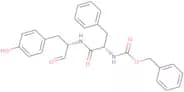
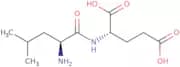
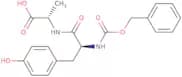

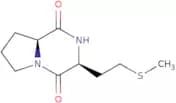




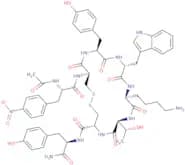

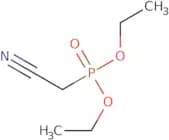



![Des-n-Octanoyl-[Ser3]-Ghrelin (Rat)](/_next/image/?url=https%3A%2Fstatic.cymitquimica.com%2Fproducts%2F3D%2Fthumb-webp%2FPGH-3654-PI.webp&w=3840&q=75)

![[Arg8]-Vasopressin (Human, Bovine, Ovine, Rat, Mouse) (0.5 mg vial)](/_next/image/?url=https%3A%2Fstatic.cymitquimica.com%2Fproducts%2F3D%2Fthumb-webp%2FPVP-4085-V.webp&w=3840&q=75)


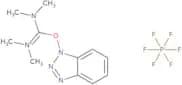
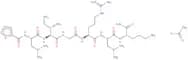


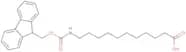


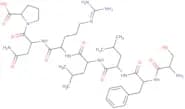


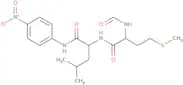


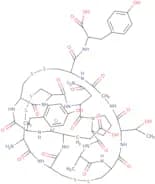



![[Trp3, Arg5]-Ghrelin (1-5)](/_next/image/?url=https%3A%2Fstatic.cymitquimica.com%2Fproducts%2F3D%2Fthumb-webp%2FPGH-3902-PI.webp&w=3840&q=75)

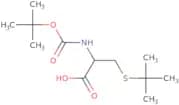


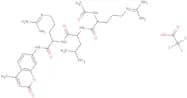









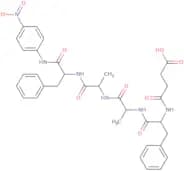


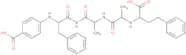


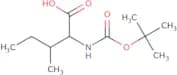


![Ac-Nle-Cyclo[Asp-His-D-Phe-Arg-Trp-Lys]-NH2](/_next/image/?url=https%3A%2Fstatic.cymitquimica.com%2Fproducts%2F3D%2Fthumb-webp%2FPMC-3683-PI.webp&w=3840&q=75)
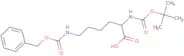


![[Arg8]-Vasopressin](/_next/image/?url=https%3A%2Fstatic.cymitquimica.com%2Fproducts%2F3D%2Fthumb-webp%2FVAS-3878-PI.webp&w=3840&q=75)


![[D-Arg1,D-Phe5,D-Trp7,9,Leu11]-Substance P](/_next/image/?url=https%3A%2Fstatic.cymitquimica.com%2Fproducts%2F3D%2Fthumb-webp%2FPGH-3652-PI.webp&w=3840&q=75)


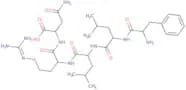


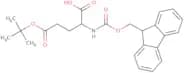


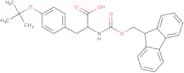

![[Tyr0]-C-Peptide (Human)](/_next/image/?url=https%3A%2Fstatic.cymitquimica.com%2Fproducts%2F3D%2Fthumb-webp%2FPCP-3724-PI.webp&w=3840&q=75)


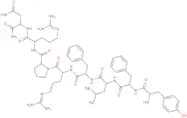


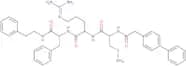


![Ac-D-Arg-[Cys-Met-Leu-Asn-Arg-Val-Tyr-Arg-Pro-Cys]-NH2](/_next/image/?url=https%3A%2Fstatic.cymitquimica.com%2Fproducts%2F3D%2Fthumb-webp%2FPMC-3886-PI.webp&w=3840&q=75)