Étalons de l'industrie alimentaire
Les standards de l'industrie alimentaire sont des matériaux de référence critiques utilisés pour garantir la sécurité, la qualité et la cohérence des produits alimentaires. Ces standards sont utilisés dans l'analyse et les tests des denrées alimentaires, y compris les contaminants, les additifs et les composants nutritionnels. Chez CymitQuimica, nous proposons des standards de haute qualité pour l'industrie alimentaire afin de soutenir la conformité aux réglementations en matière de sécurité alimentaire et les mesures de contrôle de la qualité.
Sous-catégories appartenant à la catégorie "Étalons de l'industrie alimentaire"
- Étalons relatives aux boissons(7 produits)
- Étalons laitières(39 produits)
- Matériaux en contact avec les aliments(1.074 produits)
- Étalons pour le vin(47 produits)
7930 produits trouvés pour "Étalons de l'industrie alimentaire"
Trier par
Degré de pureté (%)
0
100
|
0
|
50
|
90
|
95
|
100
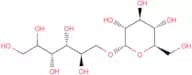
Isomalt
CAS :<p>Isomalt (Palatinitol) is a mixture of 1,6-mannitol glucopyranoside and 1,6-sorbitol glucopyranoside</p>Formule :C12H24O11Degré de pureté :99.74%Couleur et forme :White Crystalline PowderMasse moléculaire :344.31HS024
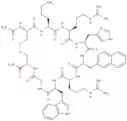
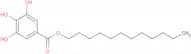
CAS :<p>HS024 is a highly potent melanocortin MC4 receptor antagonist, increases food intake, and blocks α-MSH- and MTII-induced hypotension and bradycardia in rats.</p>Formule :C58H79N19O10S2Degré de pureté :>99.99%Couleur et forme :SolidMasse moléculaire :1266.5Dodecyl gallate
CAS :<p>Dodecyl gallate (Progallin LA) is the ester of gallic acid and dodecanol. As a food additive, it is used as a preservative and antioxidant.</p>Formule :C19H30O5Degré de pureté :99.74%Couleur et forme :White Or Creamy-White Odourless SolidMasse moléculaire :338.44Glycidyl Oleate-D5
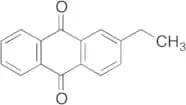
CAS :Produit contrôlé<p>Applications Labelled Glycidyl Oleate. Used for preparation of Lysophosphatidic acid analogs as agonists of the edg2 lysophosphatidic acid receptor.<br>References Lee, M., et al.: J. Biol. Chem., 271, 11272 (1996), Macrae, A., et al.: Mol. Brain Res., 42, 245 (1996), Hopper, D., et al.: J. Med. Chem., 42, 963 (1999),<br></p>Formule :C21D5H33O3Couleur et forme :NeatMasse moléculaire :343.562-Ethyl-anthraquinone
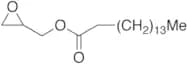
CAS :<p>Applications 2-Ethyl-anthraquinone can be used as a photoinitiator of crosslinking or degradation of polyethylene.<br> Not a dangerous good if item is equal to or less than 1g/ml and there is less than 100g/ml in the package<br>References Zamotaev, P., et al.: Plasticheskie Massy, 9, 31 (1986); Litsov, N., et al.: Polym. Degrad. Stabil., 32, 1 (1991); Hwang, J., et al.: Stud. Surf. Sci. Catal., 135, 4469 (2001)<br></p>Formule :C16H12O2Couleur et forme :Light Yellow To YellowMasse moléculaire :236.27Glycidyl Palmitate
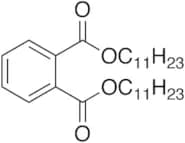
CAS :<p>Applications Glycidyl Palmitate is used for preparation of lysophosphatidic acids which inhibit apoptosis.<br>References Mills, G.B., et al.: Nat. Rev. Cancer., 3, 582 (2003), Zhang, C., et al.: J. Exp. Med., 199, 763 (2004), Lee, C.W., J. Biol. Chem., 281 (2006),<br></p>Formule :C19H36O3Couleur et forme :White To Off-WhiteMasse moléculaire :312.49Diisoundecyl Phthalate (Mixture of Branched Isomers)
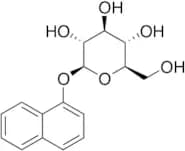
CAS :<p>Applications Diisoundecyl Phthalate is a phthalate diester and has been investigate for its toxicology in male rats for risk assessment.<br>References Lu, C., et al.: Bull. Environ. Contamin. Toxicol., 83, 168 (2009); Smith, J. H., et al.: Toxicol. Sci. 54, 312 (2000);<br></p>Formule :C30H50O4Couleur et forme :NeatMasse moléculaire :474.7161-Naphthyl b-D-glucopyranoside
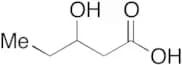
CAS :Produit contrôlé<p>Applications 1-Naphthyl b-D-glucopyranoside (cas# 19939-82-3) is a useful research chemical.<br></p>Formule :C16H18O6Couleur et forme :NeatMasse moléculaire :306.31rac-3-Hydroxypentanoic Acid
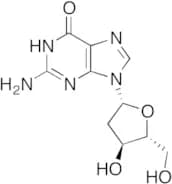
CAS :Produit contrôlé<p>Applications rac-3-Hydroxypentanoic Acid is one of the fifteen organic acids that are prominent in the urine of a patient undergoing methylmalonic acidosis. rac-3-Hydroxypentanoic acid is also a useful synthetic intermediate that is used in the fine chemical and pharmaceutical industries.<br>References Kuhara, T. & Matsumoto, I.: Biomed. Mass Spec., 7, 424 (1980); Rinaldo, P., et al.: Perspect. Inherit. Metabol. Dis., 7, 57 (1987); Tseng, H., et al.: Microb. Cell Fact., no Vol. given, 96 (2010)<br></p>Formule :C5H10O3Couleur et forme :NeatMasse moléculaire :118.132'-Deoxyguanosine
CAS :Produit contrôléFormule :C10H13N5O4Couleur et forme :White To Off-WhiteMasse moléculaire :267.24Isochlorogenic Acid B (>85%)
CAS :<p>Applications Isochlorgenic Acid is shown to provide antioxidant and DNA-protective activities.<br>References Xu, J. et al.: J. Agri. Food Chem., 60, 11625 (2012);<br></p>Formule :C25H24O12Couleur et forme :NeatMasse moléculaire :516.45N6-[2-(2-Furanyl)-2-oxoethyl]-L-lysine Dihydrochloride
CAS :<p>Stability Hygroscopic<br>Applications N6-[2-(2-Furanyl)-2-oxoethyl]-L-lysine Dihydrochloride is a Lysine (L468915) derivative that is used as reference material in food analysis.<br>References Henle, T., et al.: Zeitschrift fuer Lebensmittel-Untersuchung und -Forschung, 198, 66 (1994)<br></p>Formule :C12H20Cl2N2O4Couleur et forme :BeigeMasse moléculaire :327.2Zeaxanthin, 65%
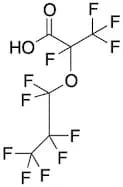
CAS :<p>Stability Light Sensitive, Temperature Sensitive<br>Applications It is one of the two carotenoids contained within the retina.<br>References Karrer, et al.: Helv. Chim. Acta, 13, 268 (1930), Hlubucek, et al.: J. Chem. Soc. Perkin Trans., 1, 848 (1974), Maoka, T., et al.: Comp. Biochem. Physiol., 83B, 121 (1986),<br></p>Formule :C40H56O2Degré de pureté :65%Couleur et forme :NeatMasse moléculaire :568.872,3,3,3-Tetrafluoro-2-(1,1,2,2,3,3,3,heptafluoropropoxy)propanoic Acid (>90%)
CAS :Produit contrôlé<p>Applications 2,3,3,3-Tetrafluoro-2-(1,1,2,2,3,3,3,heptafluoropropoxy)propanoic Acid is a standard for environmental testing and research. Identification of novel perfluoroalkyl ether carboxylic acids and sulfonic acids in natural waters using accurate mass time-of-flight mass spectrometry.<br> Not a dangerous good if item is equal to or less than 1g/ml and there is less than 100g/ml in the package<br>References Strynar, M., et al.: Environ. Sci. Technol., 49, 1162 (2015)<br></p>Formule :C6HF11O3Degré de pureté :>90%Couleur et forme :Colourless To Light YellowMasse moléculaire :330.05Genistin
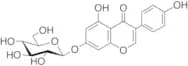
CAS :<p>Applications A derivative of Genistein. Inhibitor.<br>References Whalley, J.L., et al.: Bioorg. Med. Chem. Lett., 8, 1569 (1998), Song, T., et al.: J. Agric. Food Chem., 47, 1607 (1999),<br></p>Formule :C21H20O10Couleur et forme :White To BeigeMasse moléculaire :432.38Sesamin
CAS :Produit contrôlé<p>Applications A lignan isolated from the bark of Fagara plants and from sesame oil. Studies show that it has has multiple functions such as cholesterol-lowering and anti-hypertensive activities. It induces the expression of the gene for aldehyde dehydrogenase, an alcohol-metabolizing enzyme suggesting it regulates the metabolism of lipids, xenobiotics, and alcohol at the mRNA level.This compound is suitable for aldehyde dehydrogenase (ALDH).<br>References Matsumura, Y. et al.: Biolog. Pharmac. Bull., 21, 469 (1998); Tsuruoka, N. et al.: Biosci. Biotechnol. Biochem., 69, 179 (2005); Ide, T. et al.: Biochim. Biophys. Acta Mol. Cell Biol. Lipids, 1534, 1 (2001);<br></p>Formule :C20H18O6Couleur et forme :White To Off-WhiteMasse moléculaire :354.35Glycidyl Palmitate-D5
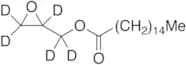
CAS :Produit contrôlé<p>Applications Labelled Glycidyl Palmitate (G615950). Used for preparation of lysophosphatidic acids which inhibit apoptosis.<br>References Mills, G.B., et al.: Nat. Rev. Cancer., 3, 582 (2003), Zhang, C., et al.: J. Exp. Med., 199, 763 (2004), Lee, C.W., J. Biol. Chem., 281 (2006),<br></p>Formule :C19D5H31O3Couleur et forme :White To Off-WhiteMasse moléculaire :317.52Monobutyl Phthalate Acyl-b-D-glucuronide (>90%)
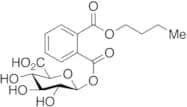
CAS :<p>Applications Di-n-Butylphthalate (DBP) (M525100) glucuronide metabolite.<br>References Shen, O., et al.: Toxicol. Lett., 191, 9 (2009), Aylward, L., et al.: Reg. Toxicol. Pharmacol., 55, 259 (2009), Beydon, D., et al.: Toxicol. in Vitro, 24, 71 (2010),<br></p>Formule :C18H22O10Couleur et forme :NeatMasse moléculaire :398.36Propylene Glycol Dicaprate
CAS :Produit contrôléFormule :C23H44O4Couleur et forme :NeatMasse moléculaire :384.593PSA Sorbent
<p>Applications PSA sorbent is useful in food residue cleanup removing food matrix interferences.<br>References F.J. Schenck, et al.: J. Chromatogr. A., 868, 51-61 (2000);F.J. Schenck, et al.: J. Sep. Sci. 25, 883-890 (2002)<br></p>Couleur et forme :Neatrac 1-Lauroyl-3-chloropropanediol-D5
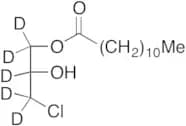
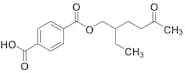
CAS :Produit contrôléFormule :C15H24D5ClO3Couleur et forme :NeatMasse moléculaire :297.871-(2-Ethyl-5-oxohexyl)hydrogen 1,4-Benzenedicarboxylate
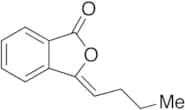
CAS :Produit contrôléFormule :C16H20O5Couleur et forme :NeatMasse moléculaire :292.3273-Butylidene Phthalide(Cis Trans mixture)
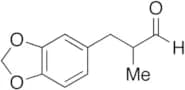
CAS :Produit contrôlé<p>Applications 3-Butylidenephthalide is a phthalide derivative useful for control of sensation disorder and olfaction disorder.<br>References Fujii, S., et al.: J. Exp. Med., 199, 1607 (2004), Kaisho, T., et al.: Trends Immunol., 29, 329 (2008), Yu, Y., et al.: Eur. J. Immunol., 39, 2482 (2009),<br></p>Formule :C12H12O2Couleur et forme :Colourless To YellowMasse moléculaire :188.222-Methyl-3-(3,4-methylenedioxyphenyl)-propanal
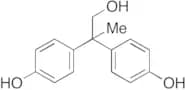
CAS :Produit contrôlé<p>Applications 2-Methyl-3-(3,4-methylenedioxyphenyl)-propanal is an aromatic aldehyde that was used in the investigation of human olfactory receptor 17-40 as an active part of a nanobiosensor.<br>References Laufersweiler, M.C., et al.: Reg. Toxicol. Pharmacol., 62, 160 (2012); Larsson, L., et al.: Neurosci. Res., 71, 355 (2011); Nichols, A.S., et al.: Chem. Senses., 36, 781 (2011); Wakabayashi,M., et al.: Aroma. Res., 12, 154 (2011);<br></p>Formule :C11H12O3Couleur et forme :NeatMasse moléculaire :192.212,2-Bis(4-hydroxyphenyl)propanol
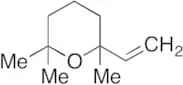
CAS :<p>Applications 2,2-Bis(4-hydroxyphenyl)propanol is a metabolite of bisphenol A (B519495). It works as an endocrine disruptor.<br>References Krishnan, A.V., et al.: Endocrinology, 132, 2279 (1993), Steinmetz, R., et al.: Trends Endocrinol. Metab., 9, 124 (1998); Kitamura, S., et al.: Toxicol. Sci., 84, 249 (2005)<br></p>Formule :C15H16O3Couleur et forme :NeatMasse moléculaire :244.28Limetol
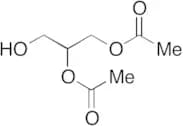
CAS :Produit contrôlé<p>Applications Limetol, is the cyclized derivative of linalool (L465950), melanol, and other unsaturated alcohols, that was shown to give a product mixture that can be used in fragrance and perfumery industry.<br>References Klimánková, E., et al.: Food Chem., 107, 464 (2008); Nakamura, A., et al.: J. Agric. Food Chem., 57, 5480 (2009); Soni, A. et al.: Synth. Comm., 40, 74 (2010);<br></p>Formule :C10H18OCouleur et forme :NeatMasse moléculaire :154.251,2-Diacetin (~90%)
CAS :Produit contrôlé<p>Stability Hygroscopic, Temperature Sensitive<br>Applications 1,2-Diacetin is a derivative of Triacetin (T720850) which is used as a food additive and flavorings. Triacetin can be used as an excipient in pharmaceutical products where it is used as a humectant, a plasticizer, and as a solvent. Triacetin can also be used as a fuel additive as an antiknock agent.<br>References Mouret, A., et al.: Green Chem., 16 (1), 269 (2014); Snejdrova, E., et al.: Inter. J. Pharma., 458, 282 (2013)<br></p>Formule :C7H12O5Degré de pureté :~90%Couleur et forme :ColourlessMasse moléculaire :176.17Hydroxy Tyrosol (>85%)
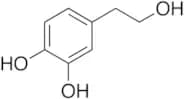
CAS :Produit contrôlé<p>Applications Hydroxy tyrosol is a tyrosol (T947800) metabolite. It is also a strong anti-oxidant found in olive oil.<br>References Perez-Trujillo, M., et al.: J. Agric. Food Chem., 58, 9129 (2010), Gregus, P., et al.: J. Pharm. Biomed. Anal., 53, 674 (2010), Garcia-Villalba, R., et al.: Anal. Bioanal. Chem., 398, 463 (2010),<br></p>Formule :C8H10O3Degré de pureté :>85%Couleur et forme :YellowMasse moléculaire :154.16Glycidyl Linolenate
CAS :Produit contrôlé<p>Applications An inhibitor of monoacylglycerol lipase and fatty acid amide hydrolase.<br>References Karlsson, M., et al.: J. Biol. Chem., 272, 27218 (1997), de Lago, E., et al.: Biochem. Pharmacol., 70, 446 (2005), Romero, F., et al.: J. Med. Chem., 50, 1058 (2007),<br></p>Formule :C21H34O3Couleur et forme :Colourless To Light YellowMasse moléculaire :334.492,5-Furandicarboxylic Acid
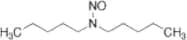
CAS :<p>Stability Light Sensitive, Very Hygroscopic<br>Applications 2,5-Furandicarboxylic Acid is a derivative of Furan (F863650), which can be produced from biomass-derived sugars using catalytic processes. It is one of the most important chemical building blocks from biomass.<br>References Tong, X., et al.: Appl. Catal., A, 385, 1 (2010); Gupta, N., et al.: Green Chem., 13, 824 (2011);<br></p>Formule :C6H4O5Couleur et forme :NeatMasse moléculaire :156.09N,N-Diamylnitrosamine
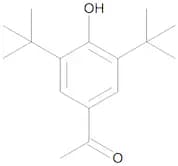
CAS :Produit contrôlé<p>Applications N,N-Diamylnitrosamine (cas# 13256-06-9) is a compound useful in organic synthesis.<br></p>Formule :C10H22N2OCouleur et forme :NeatMasse moléculaire :186.291-(3,5-Di-tert-butyl-4-hydroxyphenyl)ethanone
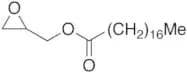
CAS :Produit contrôlé<p>Applications 1-(3,5-di-tert-butyl-4-hydroxyphenyl)ethanone (cas# 14035-33-7) is a useful research chemical.<br></p>Formule :C16H24O2Couleur et forme :White To Light BeigeMasse moléculaire :248.3606Glycidyl Stearate
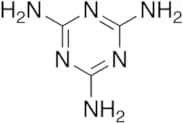
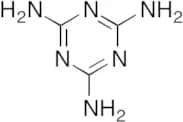
CAS :<p>Applications Glycidyl Stearate is an acid-hydrolyzable ester derivatives as low calorie fat mimetics. It is used in frying oil, margarine, ice cream, milk substitutes and bakery. Carcinogenic substance.<br>References Swern, D., et al.: Cancer Res., 30, 1037 (1970), Miyamoto, M., et al.: Macromolecules, 30, 6067 (1997),<br></p>Formule :C21H40O3Couleur et forme :NeatMasse moléculaire :340.54Melamine (1 mg/10 mL in 84:16% ACN:H2O)
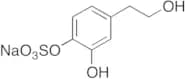
CAS :Produit contrôléFormule :C3H6N6Couleur et forme :Single SolutionMasse moléculaire :126.12Hydroxy Tyrosol 4-Sulfate Sodium Salt
CAS :Produit contrôlé<p>Applications Hydroxy Tyrosol 4-Sulphate Sodium Salt, is a metabolite of Hydroxy Tyrosol (H977000).<br>References Owen, R., et al.: Eur. J. Cancer., 36, 1235 (2000), Bakalbassis, E., et al.: Lipids, 36, 181 (2001), Nenadis, N., et al.: J. Agric. Food Chem., 51, 1874 (2003),<br></p>Formule :C8H9O6S·NaCouleur et forme :NeatMasse moléculaire :256.208T-2 Toxin Triol
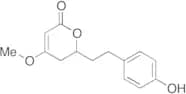
CAS :Produit contrôlé<p>Applications T-2 Toxin Triol is a type-A trichothecene mycotoxin produced by Fusarium, itself a metabolite of T-2 Toxin (T002980).<br> Not a dangerous good if item is equal to or less than 1g/ml and there is less than 100g/ml in the package<br>References Steinmetz, W., et al.: Eur. J. Med. Chem., 44, 4485 (2009), Vishwanath, V., et al.: Anal. Bioanal. Chem., 395, 1355 (2009), Beyer, M., et al.: Mycotox. Res., 25, 41 (2009),<br></p>Formule :C20H30O7Couleur et forme :NeatMasse moléculaire :382.454’Hydroxy-7,8-dihydro Kavain
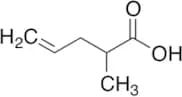
CAS :Produit contrôlé<p>Applications 4’Hydroxy-7,8-dehydro Kavain is a metabolite of Kavain (K145490), shown in recent research to exhibit protective properties on anaerobic glycolysis, ATP content and intracellular calcium and sodium of anoxic brain vesicles.<br>References Gleitz, J., et al: Neuropharmacol., 35, 1743 (1997); Hashimoto, T., et al.: Phytomedicine, 10, 309 (2003); Mulholland, P.J., et al.: Brain. Res., 945, 106 (2002);<br></p>Formule :C14H16O4Couleur et forme :NeatMasse moléculaire :248.272-Methyl-4-pentenoic Acid
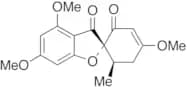
CAS :Produit contrôléFormule :C6H10O2Couleur et forme :NeatMasse moléculaire :114.144,4',6-Trimethoxy-6'-methyl-3'-grisen-2',3-dione
CAS :Produit contrôlé<p>Applications Griseofulvin (G787500) derivative.<br></p>Formule :C17H18O6Couleur et forme :NeatMasse moléculaire :318.32(-)-Limonene
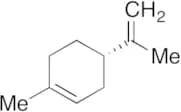
CAS :Produit contrôlé<p>Applications (-)-Limonene is present in blood oranges which show inhibition of angiogenesis in human colon cancer cells. Extracted from the oils of Mentha spicata it shows antimicrobial activity.<br> Not a dangerous good if item is equal to or less than 1g/ml and there is less than 100g/ml in the package<br>References Chidambara Murthy, K. et al.: Life Sci.,91, 429 (2012); Aggarwal, K. et al.: Flav. Frag. J., 17, 59 (2002);<br></p>Formule :C10H16Couleur et forme :NeatMasse moléculaire :136.23Glycidyl Linoleate
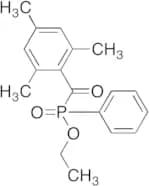
CAS :Produit contrôlé<p>Stability Light Sensitive<br>Applications Potential inhibitor of Monoacylglycerol Lipase.<br>References Cisneros, J., et al.: J. Med. Chem., 50, 5012 (2007),<br></p>Formule :C21H36O3Couleur et forme :Clear ColourlessMasse moléculaire :336.51p-Phenyl-p-(2,4,6-trimethylbenzoyl)phosphinic Acid Ethyl Ester
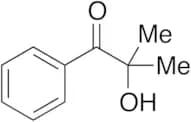
CAS :<p>Applications P-Phenyl-P-(2,4,6-trimethylbenzoyl)-Phosphinic acid Ethyl Ester is a photoinitiator for UV curable coatings.<br>References Bauer, F., et al.: Prog. Org. Coat., 60, 121 (2007); Rouby, M., et al.: Eur. Polym. J., 31, 301 (1995); Iojoiu, C., et al.: Eur. Polym. J., 36, 2115 (2000)<br></p>Formule :C18H21O3PCouleur et forme :YellowMasse moléculaire :316.332-Hydroxy-2-benzoylpropane
CAS :Produit contrôléFormule :C10H12O2Couleur et forme :Light YellowMasse moléculaire :164.202-Amino-3-methyl-9H-pyrido[2,3-b]indole
CAS :Produit contrôlé<p>Applications A pyrolysate of protein that exhibits potent mutagenic principles toward Salmonella typhimurium TA98 and TA100. 2-Amino-9H-pyrido[2,3-b]indole (AαC) and 2-amino-3-methyl-9H-pyrido[2,3-b]indole (MeAαC) are two mutagenic and carcinogenic heterocyclic amines formed during ordinary cooking.<br>References Sugimura, T., et al.: Mutation Research, 290, 43 (1993), Eisenbrand & Tang: Toxicology, 84, 1 (1993)<br></p>Formule :C12H11N3Couleur et forme :NeatMasse moléculaire :197.24Potassium Sorbate
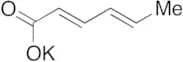
CAS :<p>Applications Potassium Sorbate acts as a potential antifungal agent when used in conjunction with polyethylene films. Also used as a corrosion inhibitor via corrosion mitigation.<br>References Alrabadi, N. et al.: Amer. Eur. J. Agri. Env., 13, 1497 (2013); Gelman, D. et al.: Corr. Sci., 82, 271 (2014);<br></p>Formule :C6H7O2·KCouleur et forme :NeatMasse moléculaire :150.22Dehydro Lercanidipine
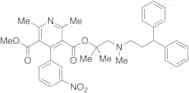
CAS :<p>Applications Dehydro Lercanidipine is the main metabolite of Lercanidipine (L179000), an antihypertensive. Lercanidipine impurity D.<br>References Hayase, N., et al.: J. Pharm. Sci., 83, 532 (1994), Nayler, W., et al.: J. Clin. Basic Cardiol., 2, 155 (1999), Mielcarek, J., et al.: J. Pharm. Biomed. Anal., 24, 71 (2000),<br></p>Formule :C36H39N3O6Couleur et forme :Colourless To YellowMasse moléculaire :609.71Succinic Acid
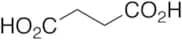
CAS :<p>Applications Succinic Acid was identified in essential oil from Saxifraga stolonifera and has antibacterial activity.<br>References Zhang, Z.: Xibei Nongye Xuebao, 25, 1536 (2016)<br></p>Formule :C4H6O4Couleur et forme :NeatMasse moléculaire :118.09Palmitic Acid
CAS :Produit contrôlé<p>Applications Palmitic Acid is a common fatty acid found in plants and animals. The body converts excess carbohydrates into Palmitic Acid, thus Palmitic Acid is the first fatty acid produced during fatty acid synthesis as well as a precursor for longer fatty acids.<br>References Jeffcoat, R. et al.: Lipids, 12, 469 (1977); Hudgins, L. et al.: J. Lipid Res., 41, 595 (2000);<br></p>Formule :C16H32O2Couleur et forme :NeatMasse moléculaire :256.42Triethoxy(octyl)silane
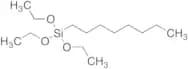
CAS :Produit contrôlé<p>Applications Triethoxy(octyl)silane is a hydrophobization agent used to limit coalescence in solid-stabilized emulsions.<br>References Arditty, S., et al.: Eur. Phys. J. E, 11, 273 (2003);<br></p>Formule :C14H32O3SiCouleur et forme :NeatMasse moléculaire :276.49(Z)-Fluoxastrobin
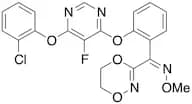
CAS :Produit contrôlé<p>Stability Light Sensitive<br>Applications (Z)-Fluoxastrobin is an isomer of Fluoxastrobin (F596000), Leaf-systemic broad-spectrum fungicide for use in cereal and food crops; member of methoxy-imiodihydro-dioxazines. Agricultural fungicide.<br> Not a dangerous good if item is equal to or less than 1g/ml and there is less than 100g/ml in the package<br>References Milus, E., et al.: Plant Dis., 78, 697 (1994), D'Mello, J., et al.: Eur. J. Plant Pathol., 104, 745 (1998), Domijan, A., et al.: Food Addit. Contam., 22, 677 (2005),<br></p>Formule :C21H16ClFN4O5Couleur et forme :Light YellowMasse moléculaire :458.83Glycerine Trioleate (Technical Grade)
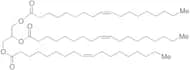
CAS :<p>Applications Glycerine Trioleate is one of the two components of Lorenzo's oil which is used in the investigational treatment of asymptomatic patients with adrenoleukodystrophy (ALD).<br>References Sassa, T., et al.: J. Lipid Res,. 55, 524 (2014); Macro, C., et al.: J. Inherit. Metab. Dis., 35, 899 (2012); Alexander, S., et al.: Expert Rev. Neurother., 8, 1367 (2008)<br></p>Formule :C57H104O6Couleur et forme :NeatMasse moléculaire :885.43Paraquat-d8 Dichloride
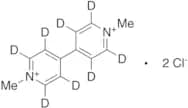
CAS :Produit contrôlé<p>Stability Hygroscopic<br>Applications Labelled Paraquat Dichloride, a commonly used heribicide. Paraquat Dichloride is a fast-acting and non-selective viologen derivative that kills green plant tissue on contact. Studies suggest that there might be a possible link between Paraquat Dichloride and the development of Parkinson’s disease.<br> Not a dangerous good if item is equal to or less than 1g/ml and there is less than 100g/ml in the package<br>References Heylings, J.R. et al.: Toxicology, 241, 1 (2007); Wibawa, W. et al.: Int. J. Agric. Biol., 11, 145 (2009); Franco, R. et al.: Chem.-Biol. Inter., 188, 289 (2010);<br></p>Formule :C122H8H6N2·2ClCouleur et forme :ColourlessMasse moléculaire :265.21Phenyl 4-Hydroxybenzoate
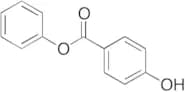
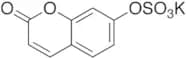
CAS :Produit contrôlé<p>Applications Phenyl 4-Hydroxybenzoate is a substance for the production of stable exenatide preparations for treating diabetes and obesity. Investigation of drug partition property in artificial sebum for the targeted delivery of therapeutic agent into the hair and sebaceous follicles. In vitro and molecular docking studies on the side chains of parabens as modulators of antiandrogenic activities.<br>References Valiveti, S., et al.: Int. J. Pharm.; Zhong, H., et al.: From Faming Zhuanli Shenqing (2009), CN 101366692 A 20090218; Ding, K., et al.: Env. Sci. Technol., 51, 6452 (2017)<br></p>Formule :C13H10O3Couleur et forme :NeatMasse moléculaire :214.227-Hydroxy Coumarin Sulfate Potassium Salt
CAS :Produit contrôlé<p>Applications Metabolite of 7-hydroxycoumarin (7-HC). Found in hepatocyte, microsome, S9 fraction of human, dog, monkey, rat and mouse liver.<br>References Ekins, S., et al.: Drug Metab. Dispos. 24, 990 (1996), Bock, K., et al.: Biochem. Pharmacol. 66, 691 (2003), Naritomi, Y., et al.: Drug Metab. Dispos. 31, 580 (2003).<br></p>Formule :C9H5KO6SCouleur et forme :Light YellowMasse moléculaire :280.30Glycyrrhizic Acid
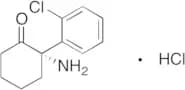
CAS :<p>Stability Hygroscopic<br>Applications Glycyrrhizic Acid is a triterpene saponin used in the traditional Chinese medicinal preparation for its anti-inflammatory, antiulcerous and antiallergic effects.<br>References Marsh, L., et al.: Biochem. J., 63, 9 (1956), Kitagawa, et al.: Chem. Pharm. Bull., 36, 3710 (1988),<br></p>Formule :C42H62O16Couleur et forme :White To Light BeigeMasse moléculaire :822.93S-(-)-Norketamine Hydrochloride
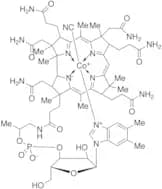
CAS :Produit contrôlé<p>Applications S-(-)-Norketamine Hydrochloride is the S-isomer and one of the main metabolites of ketamine (K165300), an anesthetic agent.<br>References Edwards, S.R., et al.: Life. Sci., 69, 2051 (2001); Zhao, X.C., et al.: Brit. J. Clin. Pharmacol., 74, 304 (2012);<br></p>Formule :C12H14ClNO·HClCouleur et forme :NeatMasse moléculaire :260.16Vitamin B12
CAS :Produit contrôlé<p>Stability Hygroscopic<br>Applications Prototype of the family of naturally occurring cobalt coordination compounds knows as corrinoids. Analogs of vitamin B12 which differ only in the β-ligand of the cobalt are termed cobalamins. Synthesized almost exclusively by bacteria. Dietary sources include fish, meat, liver, and dairy products; plants have little or no cobalamins. Converted by the body into its bioactive forms, methylcobalamin and cobamamide, which serve as enzyme cofactors. Severe deficiency may result in megaloblastic anemia and/or neurological impairment.<br>References Rickes, et al.: Science, 107, 396 (1948); Kirschbaum, J., et al.: Anal. Profiles Drug Subs., 10, 183 (1981); Grasbeck, R., et al.: Clin. Biochem., 17, 99 (1984)<br></p>Formule :C63H88CoN14O14PCouleur et forme :Dark RedMasse moléculaire :1355.371,2,3,6,7,8-Hexachlorodibenzofuran
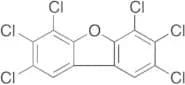
CAS :<p>Applications 1,2,3,6,7,8-Hexachlorodibenzofuran, is a toxic polychlorinated dibenzofurans (PCDD/F), detected in domestic meat and poultry. It can be used as purified standards for analytical, toxic, and biological studies of these environmental contaminants.<br> Not a dangerous good if item is equal to or less than 1g/ml and there is less than 100g/ml in the package<br>References Huwe, J., et al.: Food Addit. Contam., 21, 182 (2004), Llobet, J., et al.: Toxicol. Lett., 178, 117 (2008); Feil, V., et al.: J. Agric. Food Chem., 48, 6163 (2000); Safe, S. H., et al.: J. Agric. Food Chem., 32, 68 (1984);<br></p>Formule :C12H2Cl6OCouleur et forme :NeatMasse moléculaire :374.86(2-Chloroethyl) Phosphonic Acid-d4
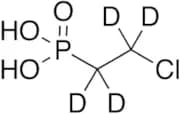
CAS :Produit contrôlé<p>Stability Hygroscopic<br>Applications Labelled (2-Chloroethyl)phosphonic acid. (2-Chloroethyl)phosphonic acid (Ethephon) is the most widely used plant growth regulator. Ethephon is often used on wheat, coffee, tobacco, cotton, and rice in order to help the plant's fruit reach maturity more quickly. The toxicity of Ethephon is actually very low, and any Ethephon used on the plant is converted very quickly to ethylene.<br> Not a dangerous good if item is equal to or less than 1g/ml and there is less than 100g/ml in the package<br>References Brantley, B., et al.: J. Plant Physiol., 1428, 741 (1960), Ntui, V., et al.: J. Food Agricult. Environ., 5, 211 (2007), Vwioko, E., et al.: Biosci. Res. Communic., 21, 263 (2009),<br></p>Formule :C22H4H2ClO3PCouleur et forme :NeatMasse moléculaire :148.522-(2-Fluorophenyl)-2-(methylamino)-cyclohexanone Hydrochloride
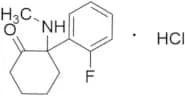
CAS :Produit contrôlé<p>Applications 2-(2-Fluorophenyl)-2-(methylamino)-cyclohexanone Hydrochloride is a related compound of Ketamine (K165300), an anesthetic.<br>References Sass, W.C., et al.: Anal. Profiles Drug Subs., 6, 297 (1977); Reich, D.L., et al.: Can. J. Anaesth., 36, 186 (1989);<br></p>Formule :C13H16FNO·HClCouleur et forme :NeatMasse moléculaire :257.70Heptadecanoic Acid
CAS :<p>Applications Heptadecanoic acid is a saturated fatty acid and occurs as a trace component of the fat in ruminants.<br>References Beare-Rogers., et al.: Pure. Applied. Chem., 73, 685 (2001);<br></p>Formule :C17H34O2Couleur et forme :NeatMasse moléculaire :270.45Pyridoxamine Dihydrochloride
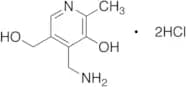
CAS :Produit contrôlé<p>Applications Pyridoxamine Dihydrochloride (cas# 524-36-7) is a compound useful in organic synthesis.<br></p>Formule :C8H12N2O2·2ClHCouleur et forme :White To Off-WhiteMasse moléculaire :241.12Valencene (>85%)
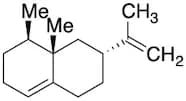
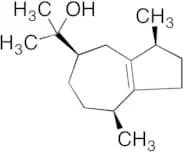
CAS :Formule :C15H24Degré de pureté :>85%Couleur et forme :NeatMasse moléculaire :204.35Rabeprazole Sulfone
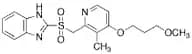
CAS :<p>Impurity Rabeprazole EP Impurity A<br>Applications Rabeprazole Sulfone (Rabeprazole EP Impurity A) is a metabolite of Rabeprazole (R070500).<br>References Miura, M., et al.: Eur. J. Clin. Pharmacol., 62, 113 (2006),<br></p>Formule :C18H21N3O4SCouleur et forme :White To YellowMasse moléculaire :375.44Rabeprazole Sulfide
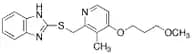
CAS :<p>Impurity Rabeprazole EP Impurity B<br>Applications Rabeprazole Sulfide (Rabeprazole EP Impurity B) is a metabolite of Rabeprazole (R070500).<br>References Yoshida, T., et al.: Biotech. Lett., 23, 1217 (2001), Miura, M., et al.: Eur. J. Clin. Pharmacol., 62, 113 (2006), Sheridan, R.P., et al.: J. Med. Chem., 50, 3173 (2007), Ren, S., et al.: Arc. Pharm. Res., 31, 406 (2008),<br></p>Formule :C18H21N3O2SCouleur et forme :NeatMasse moléculaire :343.451-(3-Chlorophenyl)piperazine
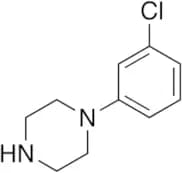
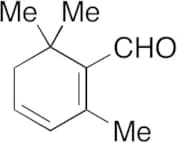
CAS :Produit contrôlé<p>Applications It is noteworthy that 1-(3-Chlorphenyl)piperazine (m-CPP), resulting from N-dealkylation of Trazodone, is a major circulating metabolite in humans common to several antidepressants including Trazodone, Nefazodone, and Etoperidone (1,2,3). The metabolite m-CPP is of significant interest because it has 5-HT2C agonistic and 5-HT2A antagonistic properties. It has also been suggested that m-CPP may contribute to the antidepressant efficacy of Trazodone.<br>References (1) Bo Wen, et al.: Drug Metab. Dispos., 36, 841 (2008) (2) Maes, M., et al.: J. Clin. Psychopharmacol., 17, 358 (1997) (3) Fiorella, D., et al.: Psychopharmacology, 119, 220 (1995)<br></p>Formule :C10H13ClN2Couleur et forme :NeatMasse moléculaire :196.68Safranal (>80%)
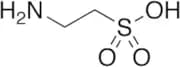
CAS :Produit contrôlé<p>Stability Light Sensitive<br>Applications Safranal, is isolated from Saffron, and is primarily responsible for the aroma of saffron. It has also been shown to have anticonvulsant properties, acting as agonist at GABAA receptors. It is also possessing anticancer and antidepressant properties.<br>References Hosseinzadeh, H., et al.: Acta. Horticulturae, 650, 435 (2004); Hosseinzadeh, H, et al.: Phytomedicine, 14 (4), 256 (2007); Assimopoulou AN., et al.: Phytoherapy Res., 19 (11), 997 (2005);<br></p>Formule :C10H14ODegré de pureté :>80%Couleur et forme :Dark YellowMasse moléculaire :150.22Taurine
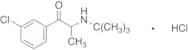
CAS :Produit contrôlé<p>Applications Taurine is an organic acid found in animal tissues and is a major constituent of bile. Taurine has many biological roles such as conjugation of bile acids, antioxidation, osmoregulation, membrane stabilization and modulation of calcium signaling.<br>References Brosnan J. et al.: J. Nutrit., 136, 1636S (2006); Birdsall, T.C. et al.: Alt. Med. Rev., 3, 128 (1998); Foos, T.M. et al.: Neurochem. Res., 27, 21 (2002); Das, J. et al.: Pathophysiology, 15, 181 (2008);<br></p>Formule :C2H7NO3SCouleur et forme :Off-WhiteMasse moléculaire :125.15Bupropion Hydrochloride
CAS :Formule :C13H18ClNO·ClHCouleur et forme :Off-WhiteMasse moléculaire :276.20PEG-2 Hydrogenated Tallow Amine
CAS :<p>Applications PEG-2 Hydrogenated Tallow Amine is a surfactants derived from animal fats with primary use as emulsifiers.<br>References Fu, X., et al.: Faming Zhuanli Shenqing., 4 (2018)<br></p>Couleur et forme :NeatTetradecanedioic Acid
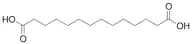
CAS :<p>Applications Tetradecanedioic acid (cas# 821-38-5) is a useful research chemical.<br></p>Formule :C14H26O4Couleur et forme :NeatMasse moléculaire :258.35β-Geranyl Acetate
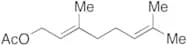
CAS :<p>Applications β-Geranyl Acetate is found in essential oils such as Moroccan commercial essential oils which has anti-oxidant, anti-inflammatory and anti-proliferative activities; and in Salvia scabiosifolia from Bulgaria.<br>References Aazza, S., et. al.: Nat. Prod. Comm., 9, 587 (2014); Marchev, A., et. al.: J. Essential Oil-bearing Plants, 15, 908 (2012)<br></p>Formule :C12H20O2Couleur et forme :NeatMasse moléculaire :196.29Diphenyl Carbonate
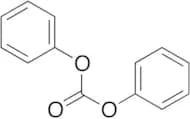
CAS :Produit contrôléFormule :C13H10O3Couleur et forme :NeatMasse moléculaire :214.22Caffeine-13C3
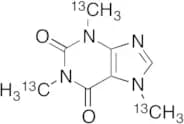
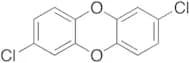
CAS :<p>Applications Caffeine-13C3 is a labelled analogue of Caffeine (C080100), a bitter, white crystalline xanthine alkaloid that acts as a stimulant drug and a reversible acetylcholinesterase inhibitor. Caffeine is found in varying quantities in the seeds, leaves, and fruit of some plants, where it acts as a natural pesticide that paralyzes and kills certain insects feeding on the plants. In humans, caffeine acts as a central nervous system stimulant, temporarily warding off drowsiness and restoring alertness. Caffeine is a cardiac and respiratory stimulant; diuretic. Caffeine is toxic at sufficiently high doses.A study at Johns Hopkins University indicates that caffeine can improve pattern separation memory.<br>References Zubair, U.M., et al.: Anal. Profiles Drug Subs., 15, 71 (1986); Cherrah, Y., et al.: Biochem. Pharmacol., 37, 1311 (1988); Chem. and Eng. News p.34, Jan. 20, (2014)<br></p>Formule :C3C5H10N4O2Couleur et forme :White To Off-WhiteMasse moléculaire :197.172,7-Dichlorodibenzo-p-dioxin
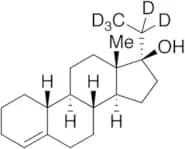
CAS :Produit contrôlé<p>Applications 2,7-Dichlorodibenzo-p-dioxin is a standard used in environmental testing and research and in the study of enthalpy of vaporization of ersistant organic pollutants.<br>References Sosnowska, A. et al.: Atmos. Env., 87, 10 (2014);<br></p>Formule :C12H6Cl2O2Couleur et forme :NeatMasse moléculaire :253.081Ethylestrenol-D5(>90%)
CAS :Produit contrôlé<p>Applications Isotope labelled Ethylestrenol (E917830) is an anabolic steroid. Ethylestrenol is an illegal growth promoter used in livestock and are often tested for as part of a routine screening program for forbidden growth promoters.<br>References Van Puymbroeck, M. et al.: J. Chrom. B Biomed. Sci. Appl., 728, 217 (1999); Wekhe, S.N. et al.: J. Appl. Animal Res., 5, 119 (1994);<br></p>Formule :C20H27D5ODegré de pureté :>90%Couleur et forme :Off-WhiteMasse moléculaire :293.5Emodin
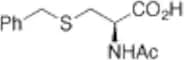
CAS :Produit contrôlé<p>Applications Emodin occurs mostly as the rhamnoside (see Frangulin) in rhubarb root. Cathartic.<br>References Pan, X., et al.: Biochem. Eng. J., 5, 173 (2000), Srinivas, G., et al.: Eur. J. Pharmacol., 473, 117 (2003), Xiang, H., et al.: Chin. Pharm. J., 40, 96 (2005), Mokhtarani, B., et al.: Biochem. Eng. J., 38, 241 (2008),<br></p>Formule :C15H10O5Couleur et forme :NeatMasse moléculaire :270.24N-Acetyl-S-benzyl-L-cysteine
CAS :Produit contrôlé<p>Applications A metabolite of Toluene.<br>References Gargas, M., et al.: Toxicol. Appl. Pharmacol., 98, 87 (1989), Commandeur, J., et al.: Pharmacol. Rev., 47(2), 271 (1995), Campo, P., et al.: Neurotoxicol. Teratol., 21, 427 (1999), Lohse, C., et al.: J. Agr. Food Chem., 48, 5913 (2000),<br></p>Formule :C12H15NO3SCouleur et forme :Off-WhiteMasse moléculaire :253.32Bisphenol A-d6 Diglycidyl Ether
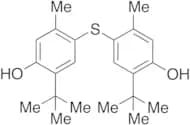
CAS :Produit contrôlé<p>Applications Labelled Bisphenol A derivative. A PPARγ antagonist; exhibits estrogenic activity.<br>References Krishnan, A.V., et al.: Endocrinology, 132, 2279 (1993), Steinmetz, R., et al.: Trends Endocrinol. Metab., 9, 124 (1998), Petersen, H., et al.: Eur. Food Res. Technol., 216, 355 (2003),<br></p>Formule :C21H18D6O4Couleur et forme :Off-WhiteMasse moléculaire :346.454,4'-Thiobis(2-tert-butyl-5-methylphenol)
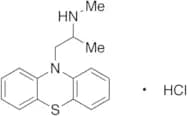
CAS :Formule :C22H30O2SCouleur et forme :NeatMasse moléculaire :358.54rac N-Demethyl Promethazine Hydrochloride
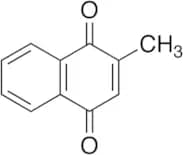
CAS :<p>Impurity Promethazine EP Impurity C<br>Applications rac N-Demethyl Promethazine Hydrochloride (Promethazine EP Impurity C) is a Promethazine (P757000) impurity.<br> Not a dangerous good if item is equal to or less than 1g/ml and there is less than 100g/ml in the package<br>References Keipert, S., et al.: Pharmazie, 31, 296 (1976),<br></p>Formule :C16H18N2S·ClHCouleur et forme :NeatMasse moléculaire :306.85Vitamin K3
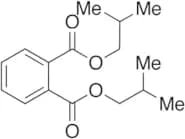
CAS :Produit contrôlé<p>Applications Precursor to various types of Vitamin K. Used as a micronutrient for livestock and pet foods.<br>References Sakamoto, S., et al.: Anal. Bioanal. Chem., 396, 2955 (2010), Gohil, V., et al.: Nat. Biotechnol., 28, 249 (2010), Hu, W., et al.: Anal. Biochem., 398, 245 (2010),<br></p>Formule :C11H8O2Couleur et forme :Light Yellow To GreenMasse moléculaire :172.18Diisobutyl Phthalate
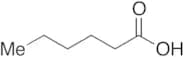
CAS :Produit contrôlé<p>Applications Diisobutyl Phthalate is a Dialkyl phthalate ester phthalate plasticizer which can be used as a substitute of dibutyl phthalate. Diisobutyl Phthalate as well as other phthalates have genotoxic effects and studies shown an increase in its monoester metabolite in human urine over the years.<br> Not a dangerous good if item is equal to or less than 1g/ml and there is less than 100g/ml in the package<br>References Kleinsasser, N.H. et al.: Tetragen. Carconogen. Mutagen., 21, 189 (2001); Silva, M.J. et al.: Environ. Health Perspect., 112, 331 (2004); Wittassek, M. et al.: Int. J. Androl., 31, 131 (2008);<br></p>Formule :C16H22O4Couleur et forme :ColourlessMasse moléculaire :278.341-Hexanoic Acid
CAS :Produit contrôlé<p>Applications 1-Hexanoic Acid, is a colorless oily liquid with an odor that is fatty, cheesy, waxy, and like that of goats. Its esters can be used as artificial flavors. It is also one of the components of vanilla.<br> Not a dangerous good if item is equal to or less than 1g/ml and there is less than 100g/ml in the package<br>References Zhang, B., et al.: Zhongguo Shipin Tianjiaji, 3, 198 (2013); Xu, P., et al.: Guangdong Huagong, 40, 96 (2013);<br></p>Formule :C6H12O2Couleur et forme :ColourlessMasse moléculaire :116.16D-Galactose
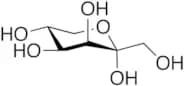
CAS :<p>Applications A C-4 epimer of Glucose (G595000) found in milk and sugar beets as well as being synthesized by the body. Potential use in oral therapy for nephrotic syndrome in focal and segmental glomerulosclerosis.<br>References De Smet, E. et al.: Nephrol. Dial. Transplant., 24, 2938 (2009); Kivele, R. et al.: Carb. Pol., 85, 645 (2011);<br></p>Formule :C6H12O6Couleur et forme :NeatMasse moléculaire :180.16D-Tagatose
CAS :<p>Applications A monosaccharide (hexose) that can be used as a low-calorie sweetener, as an intermediate for synthesis of other optically active compounds, and as an additive in detergent, cosmetic, and pharmaceutical formulation.<br>References Oh, D. et al.: Appl. Microbiol. Biotech., 76, 76, 1 (2007); Lu, Y. et al.: Int. J. Cosm. Sci., 24, 225 (2002); Donner, T.W. et al.: Diab. Obes. Metab., 1, 285 (1999);<br></p>Formule :C6H12O6Couleur et forme :WhiteMasse moléculaire :180.16Acrylamide-d3
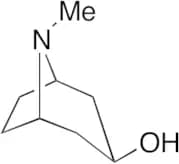
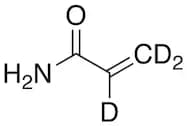
CAS :Produit contrôlé<p>Stability Light Sensitive<br>Applications Acrylamide-d3 is deuterium labeled Acrylamide (A191300). Acrylamide is a chemical intermediate in production of polyacrylamides that are use in protein electrophoresis (PAGE), synthesis of dyes and copolymers for contact lenses. It is reasonably anticipated to be a human carcinogen (1,2).<br> Not a dangerous good if item is equal to or less than 1g/ml and there is less than 100g/ml in the package<br>References (1) Mottram, D.S., et al.: Nature, 419, 448 (2002)(2) Tareke, E., et al.: J. Agric. Food Chem., 50, 4998 (2002)<br></p>Formule :C32H3H2NOCouleur et forme :Off-WhiteMasse moléculaire :74.10(-)-Hycosamine
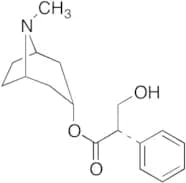
CAS :Produit contrôlé<p>Applications (-)-Hycosamine is a natural compound that has inhibitory activity against cholinesterases.<br> Not a dangerous good if item is equal to or less than 1g/ml and there is less than 100g/ml in the package<br>References Brunhofer, G., et al.: Bioorg. Med. Chem., 20, 6669 (2012);<br></p>Formule :C17H23NO3Couleur et forme :NeatMasse moléculaire :289.37D(-)-Isoascorbic Acid (Erythorbic Acid)
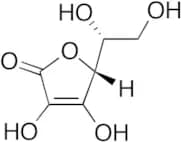
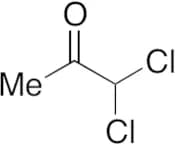
CAS :<p>Stability Moisture Sensitive<br>Applications Erythorbic Acid is used as a food additive as an antimicrobial and antioxidative agent.<br>References Sakagami, H. et al.: Anticanc. Res., 17, 221 (1997); Brahma, B. et al. J. Neurochem., 74, 1263 (2000);<br></p>Formule :C6H8O6Couleur et forme :WhiteMasse moléculaire :176.121,1-Dichloro-2-propanone
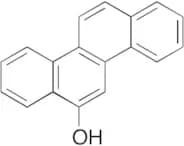
CAS :<p>Applications 1,1-Dichloro-2-propanone is a disinfection byproduct in drinking water. It may cause bladder cancer and other adverse health effects.<br> Not a dangerous good if item is equal to or less than 1g/ml and there is less than 100g/ml in the package<br>References Farre, M., et al.: Water Sci. Tehnol., 12, 573 (2012); Catherine, M., et al.: Water Res., 47, 3231 (2013); Neale, P., et al.: Environ. Sci. Technol., 46, 10317 (2012)<br></p>Formule :C3H4Cl2OCouleur et forme :Light YellowMasse moléculaire :126.976-Hydroxychrysene
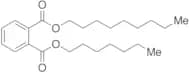
CAS :Formule :C18H12OCouleur et forme :Light Brown To Dark BrownMasse moléculaire :244.29Heptyl Nonyl Phthalate
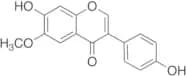
CAS :Produit contrôlé<p>Applications Heptyl Nonyl Phthalate is an phthalate esters used as plasticizers and additives. Used in toxiciology studies as well as risk assessment studies of food contamination that occurs via migration of phthalates into foodstuffs from food-contact materials (FCM).<br>References Peterson, J.C., et al.: Int. J. Envrion. Anal. Chem., 18, 237 (1984); Gharagheizi, F., et al.: Indust. Engin. Chem. Res., 49, 12685 (2010);<br></p>Formule :C24H38O4Couleur et forme :Colourless To Light YellowMasse moléculaire :390.56Glycitein
CAS :<p>Applications The compund shows an anti-cancer activity, plasma cholesterol reduction, reduction in postmenopausal bone loss.<br>References Whalley, J.L., et al.: Bioorg. Med. Chem. Lett., 8, 1569 (1998), Song, T., et al.: J. Agric. Food Chem., 47, 1607 (1999),<br></p>Formule :C16H12O5Couleur et forme :Light BrownMasse moléculaire :284.261,2-Dichloroethane
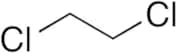
CAS :Produit contrôlé<p>Applications 1,2-Dichloroethane is one of the major waste products of the Vinyl Chloride industries, and has also been classified as a potential human carcinogen.<br> Not a dangerous good if item is equal to or less than 1g/ml and there is less than 100g/ml in the package<br>References Hung, W., et al.: Appl. Surf. Sci., 255, 2205 (2008); Rannug, U., et al.: Chem.-Biol. Int., 20, 1 (1978)<br></p>Formule :C2H4Cl2Couleur et forme :NeatMasse moléculaire :98.962’,2’-Difluoro-2’-deoxyuridine
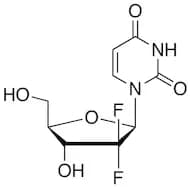
CAS :Produit contrôléFormule :C9H10F2N2O5Couleur et forme :White To Off-WhiteMasse moléculaire :264.182,3,4,6,7,8-Hexachlorodibenzofuran
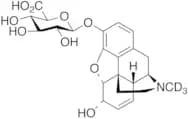
CAS :<p>Applications 2,3,4,6,7,8-Hexachlorodibenzofuran, is a toxic polychlorinated dibenzofurans (PCDD/F), detected in domestic meat and poultry. It can be used as purified standards for analytical, toxic, and biological studies of these environmental contaminants.<br>References Huwe, J., et al.: Food Addit. Contam., 21, 182 (2004), Llobet, J., et al.: Toxicol. Lett., 178, 117 (2008); Feil, V., et al.: J. Agric. Food Chem., 48, 6163 (2000); Safe, S. H., et al.: J. Agric. Food Chem., 32, 68 (1984);<br></p>Formule :C12H2Cl6OCouleur et forme :NeatMasse moléculaire :374.86Oxymorphone-d3 3-β-D-Glucuronide
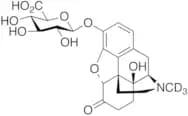
CAS :Produit contrôlé<p>Applications A labelled metabolite of Morphone. Controlled substance (opiate). Analgesic (narcotic).<br>References Eddy, N., et al.: J. Pharmacol. Exp. Ther., 125, 116 (1959), Cone, E., et al.: Drug Metab. Dispos., 11, 446 (1983),<br></p>Formule :C23H24D3NO10Couleur et forme :NeatMasse moléculaire :480.48L-(+)-Tartaric Acid
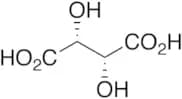
CAS :Produit contrôlé<p>Applications L-(+)-Tartaric Acid is a naturally occurring chemical compound found in berries, grapes and various wines. It provides antioxidant properties and contributes to the sour taste within these products.<br>References Baiano, A. et al.: Food. Chem., 135, 2694 (2012); Forney, C. et al.: J. Berry. Res., 2, 169 (2012); Khiati, Z. et al.: Chem. Sci. Trans., 1, 185 (2012);<br></p>Formule :C4H6O6Couleur et forme :WhiteMasse moléculaire :150.09Methoxetamine
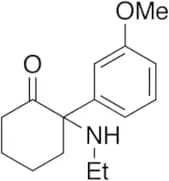
CAS :Produit contrôlé<p>Applications Methoxetamine (MXE) or 3-MeO-2-Oxo-PCE is a chemical of the arylcyclohexylamine class. Methoxetamine is considered an analog of Ketamine (K165300) that also contains structural features of eticyclidine and 3-MeO-PCP, and is thought to be psychoactive. Methoxetamine is a product of rational drug design: its N-ethyl group was chosen to increase potency, lessening the risk of interstitial cystitis that can result from the accumulation of Ketamine-like metabolites in the urinary bladder.<br>References Ward, J. et al.: Clin. Toxicol., 49, 874 (2011); Wood, D.M. et al.: Eur. J. Clin. Pharmacol., 68, 853 (2012); Corazza, O. et al.: Hum. Psychopharmacol. Clin. Exp., 27, 145 (2012);<br></p>Formule :C15H21NO2Couleur et forme :NeatMasse moléculaire :247.33α-Zearalenol
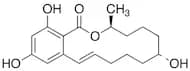
CAS :Produit contrôléFormule :C18H24O5Couleur et forme :White To Light BeigeMasse moléculaire :320.38Tricaprylin(>90%)
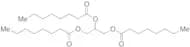
CAS :Produit contrôlé<p>Applications Tricaprylin is used in biological studies for fatty acid selectivity of lipases during acidolysis reaction between oleic acid and monoacid triacylglycerols.<br>References Karabulut, I., et al.: J. Agri. Food. Chem., 57, 10466 (2009);<br></p>Formule :C27H50O6Degré de pureté :>90%Couleur et forme :ColourlessMasse moléculaire :470.68Creatine
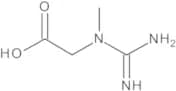
CAS :<p>Applications Creatine can be used in biological study of high fat diets with different ketogenic ratios on hippocampal accumulation of creatine.<br>References Skoczen, A., et al.: Spectrochim Acta A, 184, 13 (2017)<br></p>Formule :C4H9N3O2Couleur et forme :NeatMasse moléculaire :131.132-(2-Butoxyethoxy)ethyl Acetate
CAS :Formule :C10H20O4Couleur et forme :NeatMasse moléculaire :204.26Glutaric Acid
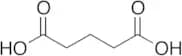
CAS :<p>Applications Glutaric Acid is an organic acid found in human urine which may be used for the detection of metabolic or other health disorders.<br>References Christou, C., et. al.: J. Chromatogr. B. Anal. Tech. Biomed. Life Sci., 964, 195 (2014)<br></p>Formule :C5H8O4Couleur et forme :White PowderMasse moléculaire :132.11Decyl Hexyl Phthalate
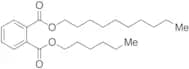
CAS :<p>Applications Decyl Hexyl Phthalate is an phthalate esters used as plasticizers and additives. Used in toxiciology studies as well as risk assessment studies of food contamination that occurs via migration of phthalates into foodstuffs from food-contact materials (FCM).<br> Not a dangerous good if item is equal to or less than 1g/ml and there is less than 100g/ml in the package<br>References Awad, N.E., et al.: Bull. Factul. Pharma., 40, 233 (2002); Harris, C.A., et al.: Environ. Health. Perspect., 105, 802 (1997);<br></p>Formule :C24H38O4Couleur et forme :ColourlessMasse moléculaire :390.56Cantharidin
CAS :<p>Stability Hygroscopic<br>Applications Cantharidin is a well known natural compound produced by beetles of the Meloidae and Oedemeridae families. Insecticidal toxin. Apoptosis inducer in human H460 human lung cancer cells.<br> Not a dangerous good if item is equal to or less than 1g/ml and there is less than 100g/ml in the package<br>References Khan, R. et al.: GMR. Gen. Mol. Res., 12, 4393 (2013); Hsia, T. et al.: Int. J. Onc., 45, 245 (2014);<br></p>Formule :C10H12O4Couleur et forme :NeatMasse moléculaire :196.204-Guanidinobutanoic Acid-d6
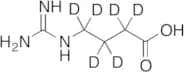
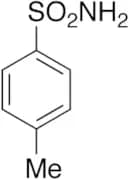
CAS :Produit contrôlé<p>Applications 4-Guanidinobutanoic Acid-D6 is an isotopic labeled compound of 4-Guanidinobutanoic acid (G825100). 4-Guanidinobutanoic acid is a guanidine derivative and a metabolite a found in urine, synthesized by gut microbiota.<br>References Yu, C.; et al.: Biomed. Chromatogr., 32 (2018); Lin, Z.; et al.: Scientific Reports, 8, 1 (2018).<br></p>Formule :C5D6H5N3O2Couleur et forme :NeatMasse moléculaire :151.1974-Tolylsulfonamide
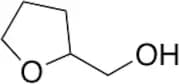
CAS :Produit contrôlé<p>Applications 4-Tolylsulfonamide is a carbonic anhydrase inhibitor used the synthesis of antiglaucoma and anticancer drugs.<br>References Vullo, D. et al.: Bioorg. Med. Chem. Lett., 15, 963 (2005); Vullo, D. et al.: Bioorg. Med. Chem. Lett., 15, 971 (2005);<br></p>Formule :C7H9NO2SCouleur et forme :NeatMasse moléculaire :171.22Tetrahydrofurfuryl Alcohol
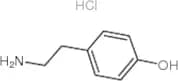
CAS :Produit contrôlé<p>Applications Tetrahydrofurfuryl alcohol (cas# 97-99-4) is a useful research chemical.<br></p>Formule :C5H10O2Couleur et forme :NeatMasse moléculaire :102.1317Tyramine Hydrochloride
CAS :<p>Applications Tyramine Hydrochloride is a naturally occurring monoamine derived from tyrosine. Neurotransmitter.<br>References Roy, K., et al.: J. Mol. Liq., 230, 104-112 (2017); Roy, M. N., et al.: Chem. Phys. Lett., 655-656, 43-50 (2016)<br></p>Formule :C8H11NO·ClHCouleur et forme :Off-WhiteMasse moléculaire :173.642-(4,6-Diphenyl-1,3,5-triazine-2-yl)-5-[(hexyl)oxy]phenol
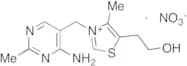
CAS :Produit contrôlé<p>Applications 2-(4,6-Diphenyl-1,3,5-triazine-2-yl)-5-[(hexyl)oxy]phenol is used as a light stabilizer/UV absorber for polyethylene phthalate polymers intended for use in contact with food.<br>References Food and Drug Administration, HHS: Fed. Reg., 63, 43874 (1998); Fechine, G.J.M. et al.: Polym. Degrad. Stab., 75, 153 (2002);<br></p>Formule :C27H27N3O2Couleur et forme :NeatMasse moléculaire :425.52Thiamine Nitrate
CAS :Produit contrôlé<p>Stability Hygroscopic<br>Applications Thiamine Nitrate is an orally administered vitamin. Thiamine is a essential nutrient required for carbohydrate metabolism and is involved in nerve function.<br>References Leuschner, J.: Arzneimittel-Forsch., 42, 114 (1992); Kawaski, T., et al.: Methods Enzymol., 122, 15 (1986); Mascher, H., et al.: J. Pharm. Sci., 82, 56 (1993)<br></p>Formule :C12H17N4OS·NO3Couleur et forme :WhiteMasse moléculaire :327.36Di(n-butyl-d9) 1,10-Decanedioate
CAS :Produit contrôlé<p>Applications Di(n-butyl-d9) 1,10-Decanedioate is a useful isotopically labeled compound of Dibutyl Sebacate (D429525(P)). Dibutyl Sebacate (DBS) is a dibutyl ester of sebacic acid. Dibutyl Sebacate can be used for plastics in use in the food packaging industry, in plastics used for medical devices, and for pharmaceutical applications. Dibutyl Sebacate is also used as a desensitizer in Otto fuel II, a torpedo monopropellant.<br>References Eriksson, M., et al.: Plant Physiol., 132, 732 (2003), ,,Beuve, N., et al.: Plant Cell Environ., 27, 1035 (2004),<br></p>Formule :C18D18H16O4Couleur et forme :ColourlessMasse moléculaire :332.571Zilpaterol-d7
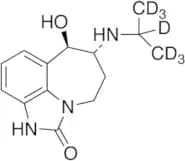
CAS :Produit contrôlé<p>Applications b-Adrenergic agonist. Zipaterol, is used to promote growth. Zilpaterol is used to increase the size of cattle.<br>References Shelver, W.L., et al.: J. Agric. Food Chem., 52, 2159 (2004),<br></p>Formule :C14H12D7N3O2Couleur et forme :Light BrownMasse moléculaire :268.36Damascenone
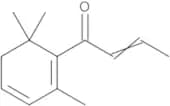
CAS :<p>Applications A terpenic ketone; odorant in fruits, vegetables, honey, wine and beer.<br>References Sen, A., et al.: J. Agric. Food Chem., 39, 757 (1991), Chevance, F., et al.: J. Agric. Food Chem., 50, 3818 (2002), Daniel, M.A., et al.: J. Agric. Food Chem., 52, 8127 (2004)<br></p>Formule :C13H18OCouleur et forme :NeatMasse moléculaire :190.28Vinyltrimethoxysilane
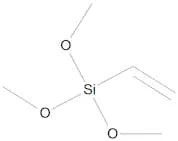
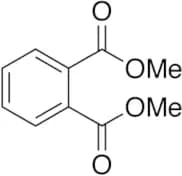
CAS :<p>Applications Vinyltrimethoxysilane (cas# 2768-02-7) is a useful research chemical.<br></p>Formule :C5H12O3SiCouleur et forme :Light YellowMasse moléculaire :148.2325Dimethyl Phthalate
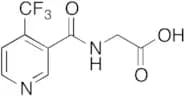
CAS :Produit contrôlé<p>Applications Dimethyl Phalate is the methyl ester of phthalic acid. Dimethyl phthalate is an ectoparasiticide and has many other uses, including in solid rocket propellants, plastics, and insect repellents.<br>References Iselin, B., et al.: Helv. Chim. Acta., 40, 373 (1957),<br></p>Formule :C10H10O4Couleur et forme :ColourlessMasse moléculaire :194.184-(Trifluoromethyl)nicotinoyl Glycine
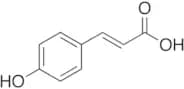
CAS :Produit contrôlé<p>Applications 4-(Trifluoromethyl)nicotinoyl Glycine is a metabolite of Flonicamid (F405710); a novel insecticide with rapid inhibitory effect against aphid feeding.<br>References Lee, Sung Woo., et al.: J. Chrom. A., 1218(28), 4366-4377 (2011); Hengel, Matt J., et al.: J. Agr. Food Chem., 55(20), 8033-8039 (2007); Morita, M., et al.: Pest. Manag. Sci.,63, 969 (2007); Sabatino, L., et al.: Food. Additive. Contamin., 6, 11 (2013)<br></p>Formule :C9H7F3N2O3Couleur et forme :YellowMasse moléculaire :248.16trans-p-Coumaric Acid
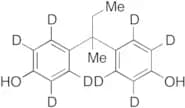
CAS :<p>Applications trans-p-Coumaric Acid is the E-isomer of p-Coumaric Acid (C755365), a hydroxy derivative of Cinnamic Acid with antioxidant properties. p-Coumaric acid is a is a major component of lignocellulose. Studies suggest that p-Coumaric Acid may reduce the risk of cancer by reducing the formation of carcinogenic nitrosamines.<br>References Kikugawa, K. et al.: J. Agric. Food Chem., 1, 780 (1983); Ferguson, L.R. et al.: Mol. Nutrit. Food Res., 585 (2005); Chung, F.L. et al.: IARC Sci. Pub., 57, 797 (1984);<br></p>Formule :C9H8O3Couleur et forme :BeigeMasse moléculaire :164.16Bisphenol B-d8
CAS :Produit contrôlé<p>Applications Bisphenol B-d8 is the isotope labelled analog of Bisphenol B. Bisphenol B, is the analouge of Bisphenol A (B519495), which is used to make certain plastic an epoxy resins. BPA and its analogs, are also shown to activate human pregnane X receptor (PXR), a nuclear receptor that functions as a master regulator of xenobiotic metabolism.<br>References Yipeng, S., et al.: Env Hea. Pers., 120, 399 (2012); Krishnan, A.V., et al.: Endocrinology, 132, 2279 (1993); Steinmetz, R., et al.: Trends Endocrinol. Metab., 9, 124 (1998), Petersen, H., et al.: Eur. Food Res. Technol., 216, 355 (2003);<br></p>Formule :C16H10D8O2Couleur et forme :Off-WhiteMasse moléculaire :250.36α-Tocopherol
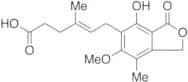
CAS :<p>Stability Light Sensitive<br>Applications α-Tocopherol is the most bioactive of the naturally occurring forms of Vitamin E. Richest sources are green vegetables, grains, and oils, particularly palm, safflower and sunflower oils.<br>References Bianchi, G., et al.: Eur. J. Lipid Sci. Technology, 105, 229 (2003), Sakouhi, F., et al.: Food Chem., 108, 833 (2008),<br></p>Formule :C29H50O2Couleur et forme :NeatMasse moléculaire :430.71Mycophenolic Acid
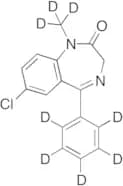
CAS :Produit contrôlé<p>Applications An antibiotic produced by Penicillium brevi-compactum, P. Stoloniferum and related spp. A selective inhibitor of lymphocyte proliferation by blocking inosine monophosphate dehydrogenase, an enzyme involved in the de novo synthesis of purine nucleotides.Environmental contaminants; Food contaminants<br> Not a dangerous good if item is equal to or less than 1g/ml and there is less than 100g/ml in the package<br>References Senda, M., et al.: Transplantation, 60, 1143 (1995), Nimmesgern, E., et al.: J. Biol. Chem., 271, 19421 (1996), Gummert, J.F., et al.: J. Pharmacol. Exp. Ther., 291, 1100 (1999),<br></p>Formule :C17H20O6Couleur et forme :White To Off-WhiteMasse moléculaire :320.34Diazepam-d8
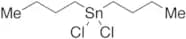
CAS :Produit contrôléFormule :C162H8H5ClN2OCouleur et forme :NeatMasse moléculaire :292.79Dibutyltin Dichloride-d18
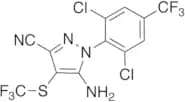
CAS :Produit contrôlé<p>Applications Dibutyltin Dichloride-d18 is a labeled analogue of Dibutyltin Dichloride (D429550) (CAS# 683-18-1), which is an organotin compound that is widely used as a stabilizer for polyvinylchloride plastics. Studies show that exposure to Dibutyltin Dichloride induced acute interstitial pancreatitis in rats. Dibutyltin Dichloride showed in vitro trypanocidal activity.<br> Not a dangerous good if item is equal to or less than 1g/ml and there is less than 100g/ml in the package<br>References Merkord, J. et al.: Hum. Exp. Toxicol., 17, 144 (1998); Shuaibu, M.N. et al.: Parasitol. Res., 91, 5 (2003); Whalen, M.M. et al.: Toxicol. Sci., 104, 312 (2008);<br></p>Formule :C8Cl2D18SnCouleur et forme :Off-WhiteMasse moléculaire :303.84Fipronil Sulfide
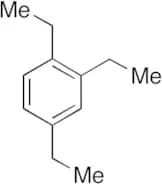
CAS :<p>Applications Fipronil Sulfide is a degradation product of the insecticide Fipronil (F342200).<br> Not a dangerous good if item is equal to or less than 1g/ml and there is less than 100g/ml in the package<br>References Mulrooney, J.E. et al.: J. Econ. Entomol., 92, 1364 (1999); Ying, G.-G. et al.: Austral. J. Sci., 40, 1095 (2002); Doran, G. et al.: J. Agric. Food. Chem., 57, 10296 (2009);<br></p>Formule :C12H4Cl2F6N4SCouleur et forme :White To Light YellowMasse moléculaire :421.151,2,4-Triethylbenzene
CAS :Produit contrôlé<p>Applications 1,2,4-Triethylbenzene, can be used for the synthesis of ethyl derivative of indan and tetralin, biological makers in fossil fuels.<br>References Adamczyk,M., et al.: J. Org. Chem., 49, 22, 4227 (1984);<br></p>Formule :C12H18Couleur et forme :NeatMasse moléculaire :162.27Oxymorphone 3-b-D-Glucuronide
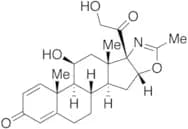
CAS :Produit contrôlé<p>Applications A metabolite of Oxymorphone. Controlled substance (opiate). Analgesic (narcotic).<br>References Eddy, N., et al.: J. Pharmacol. Exp. Ther., 125, 116 (1959), Cone, E., et al.: Drug Metab. Dispos., 11, 446 (1983),<br></p>Formule :C23H27NO10Couleur et forme :White To Light BeigeMasse moléculaire :477.4621-Desacetyl Deflazacort
CAS :Produit contrôlé<p>Stability Hygroscopic<br>Applications A metabolite of Deflazacort, a systemic corticosteroid, a derivative of prednisolone and used for rheumatoid arthritis and lupus.<br>References Hahn, T.J., et al.: Calcif. Tissue Int., 31, 109 (1980), Cavall-Perin, P., et al.: Eur. J. Clin. Pharmacol., 26, 357 (1984)<br></p>Formule :C23H29NO5Couleur et forme :White To Off-WhiteMasse moléculaire :399.48Imidacloprid-olefin
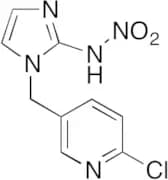
CAS :Produit contrôlé<p>Applications Imidacloprid-olefin is a metabolite of Imidacloprid (I274990) which is an active ingredient in certain neuro-active insecticides.<br>References Chauzat, M., et al.: Env. Entomol., 38, 514 (2009), Patial, A., et al.: Env. Ecol., 27, 320 (2009), Fernandez-Bayo, J., et al.: J. Agric., Food Chem., 57, 5435 (2009), Tomizawa, M., et al.: J. Med. Chem., 52, 3735 (2009), Chem. and Eng. News 90: 10 (2012)<br></p>Formule :C9H10ClN5O2Couleur et forme :Light RedMasse moléculaire :254.653-O-Methyl Colterol
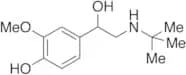
CAS :<p>Applications A metabolite of Bitolterol, a new bronchodilator.<br>References Shargel, L., et al.: Drug Metab. Dispos., 4, 72 (1976)<br></p>Formule :C13H21NO3Couleur et forme :White To BeigeMasse moléculaire :239.32N-Demethyl Roxithromycin
CAS :<p>Applications A metabolite of Roxithromycin (R700850).<br>References Lindstrom, T., et al.: Antimicrob. Agents Chemother., 37, 265 (1993), Shimada, T., et al.: J. Pharmacol. Exp. Ther., 270, 414 (1994), Yamazaki, H., et al.: J. Toxicol. Sci., 21, 215 (1996),<br></p>Formule :C40H74N2O15Couleur et forme :White To Off-WhiteMasse moléculaire :823.02N-Desmethyl Clotiazepam
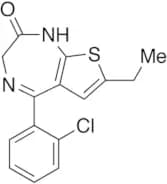
CAS :Produit contrôlé<p>Applications Clotiazepam (C587410) metabolite, with central nervous depressant and anxiolytic activity.<br>References Ito, K. et al.: Biopharm. Drug. Dispos., 18, 293 (1997); Nakanishi, M. et al.: J. Med. Chem., 16, 214 (1973)<br></p>Formule :C15H13ClN2OSCouleur et forme :NeatMasse moléculaire :304.79o,p’-Dicofol
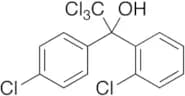
CAS :Produit contrôlé<p>Stability Light Sensitive<br>Applications The o,p'-substituted isomer of Dicofol (D436700) is chiral and may have enantiomer-specific activity; however, the stereospecific activity of o,p'-dicofol has not been reported. An acaricide.<br> Not a dangerous good if item is equal to or less than 1g/ml and there is less than 100g/ml in the package<br>References Arnold, S., et al.: Science, 272, 1489 (1996), Gaido, K., et al.: Toxicol. Appl. Pharmacol., 143, 205 (1997), Hoekstra, P., et al.: Toxicol. Lett., 125, 75 (2001),<br></p>Formule :C14H9Cl5OCouleur et forme :NeatMasse moléculaire :370.496-β-Hydroxy Eplerenone
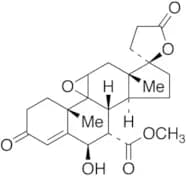
CAS :<p>Applications A metabolite of Eplerenone, which is used alone or in combination with other medications to treat high blood pressure. Eplerenone is in a class of medications called mineralocorticoid receptor antagonists. It works by blocking the action of aldosterone, a natural substance in the body that raises blood pressure.<br></p>Formule :C24H30O7Couleur et forme :White To Off-WhiteMasse moléculaire :430.49cis-5-Tetradecenoic Acid
CAS :Formule :C14H26O2Couleur et forme :Light Yellow OilyMasse moléculaire :226.36Furaltadone
CAS :<p>Applications Furaltadone is a metabolite of Nitrofuran in milk and an intermediate in the synthesis of AMOZ (A634600), a metabolite of Furaltadone Hydrochloride.<br>References Tribalat, L., et al.: Anal. Bioanal. Chem., 386, 2168 (2006); Chu, P., et al.: J. Agric. Food Chem., 55, 2129 (2007); Lim, A., et al.: J. Bacteriol., 181, 2252 (1999), Martin, A., et al.: J. Clin. Microbiol., 43, 1612 (2005), Chu, P., et al.: J. Agric. Food Chem., 55, 2129 (2007), McCracken, R., et al.: Food Addit. Contam., 24, 26 (2007),<br></p>Formule :C13H16N4O6Couleur et forme :NeatMasse moléculaire :324.293-[[2-[(2-Chloroethyl)amino]ethyl]amino]propyl Monophosphate Dihydrochloride
CAS :Produit contrôlé<p>Impurity Cyclophosphamide Impurity D Dihydrochloride<br>Stability Hygroscopic<br>Applications A metabolite of Cyclophosphamide (C988580).<br>References Joqueviel, C. et al.: Drug Metab. Dispos., 26, 418 (1998);<br></p>Formule :C7H18ClN2O4P·2ClHCouleur et forme :White To Off-WhiteMasse moléculaire :333.58Fertirelin Acetate
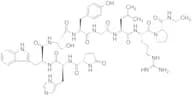
CAS :Produit contrôlé<p>Applications Fertirelin Acetate is a gonadotropin-releasing hormone (GnRH) agonists that induces estrus in dogs and cats . It also has an effect on the pregnancy rate in cows.<br>References Kutzler, M. A.: Theriogenology, 68, 354-374 (2007); Osawa, T., et al.: J. Reprod. Dev., 55, 163-169 (2009)<br></p>Formule :C55H76N16O12•xC2H4O2Couleur et forme :NeatMasse moléculaire :1153.29600517α-Hydroxymethyl-17β-methyl-18-nor-2-oxa-5α-androst-13-en-3-one
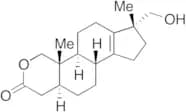
CAS :Produit contrôlé<p>Applications 17α-Hydroxymethyl-17β-methyl-18-nor-2-oxa-5α-androst-13-en-3-one is a derivative of epiandrosterone (E578000), which is a steroid hormone that is present in normal human urine as a minor constituent , it is a less active 3β-isomer of the androgen Androsterone (A635535).<br>References Marchand, M., et al.: Eur. J. Biochem., 184, 455 (1989), Dardonville, C., et al.: Bioorg. Med. Chem., 11, 3205 (2003), Fumarola, L., et al.: Res. Microbiol., 155, 224 (2004), Albert, M., et al.: J. Biol. Chem., 280, 28306 (2005),<br></p>Formule :C19H28O3Degré de pureté :>90%Couleur et forme :Off-WhiteMasse moléculaire :304.42Descladinose Azithromycin
CAS :<p>Impurity Azithromycin EP Impurity J<br>Applications Descladinose Azithromycin (Azithromycin EP Impurity J) is a metabolite of the semi-synthetic macrolide antibiotic Azithromycin (A927000).<br>References Luke, D.R. et al.: Clin. Pharmacol. Therap., 61, 641 (1997); Foulds, G. et al.: Infect. Dis. THer., 18, 367 (1995);<br></p>Formule :C30H58N2O9Couleur et forme :Off-White To Light GreenMasse moléculaire :590.79Pinosylvin
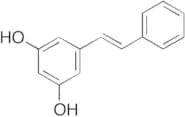
CAS :<p>Applications Pinosylvin is used as a fungitoxin and therapeutic agent. It is also used as a representative stilbene to study its biological actions and therapeutic value in processes such as cell survival, apoptosis and cell mobility.<br> Not a dangerous good if item is equal to or less than 1g/ml and there is less than 100g/ml in the package<br>References Pere?ko, T., et. al: Interdiscipl. Toxicol., 5, 76 (2012); Jan?inová, V., et. al: Acta Pharmacologica Sinica, 33, 1285 (2012)<br></p>Formule :C14H12O2Couleur et forme :Off White SolidMasse moléculaire :212.242-Ethylpentanoic Acid
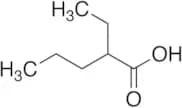
CAS :Produit contrôlé<p>Applications 2-Ethylpentanoic Acid is a known metabolite and analog of valproic acid (V094750). Experimental results have shown potential acute anticonvulsant and toxic effects exhibited by 2-Ethylpentanoic Acid.<br>References Loescher, W.; et al.: Neuropharmacol., 24, 427 (1985); Chapman, A.G.; et al.: Life Sci., 32, 2023 (1983);<br></p>Formule :C7H14O2Couleur et forme :ColourlessMasse moléculaire :130.18Morphine-d3 3-β-D-Glucuronide
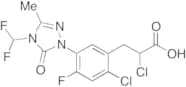
CAS :Produit contrôlé<p>Applications A labelled metabolite of Morphine. Analog of Morphine as molecular chameleon with unexpected lipophilicity.Controlled substance.<br>References Christensen, C.B., et al.: Pharmacol. Toxicol., 60, 75 (1987), Coughtrie, M.W., et al.: Biochem. Pharmacol., 38, 3273 (1989),<br></p>Formule :C232H3H24NO9Couleur et forme :White To Off-WhiteMasse moléculaire :464.48Carfentrazone
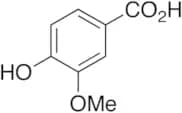
CAS :<p>Applications Carfentrazone is a triazolone herbicide used in the protection of grain and vegetable crops from weeds.<br> Not a dangerous good if item is equal to or less than 1g/ml and there is less than 100g/ml in the package<br>References Bhullar, M.S., et al.: Crop. Protect., 43, 216 (2013); Malik, R.S., et al.: Environ. Ecol., 30, 717 (2012);<br></p>Formule :C13H10Cl2F3N3O3Couleur et forme :Off-WhiteMasse moléculaire :384.14Vanillic Acid
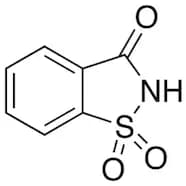
CAS :Produit contrôlé<p>Applications Vanillin, a compound widely used in foods, beverages, cosmetics and drugs, has been reported to exhibit multifunctional effects such as antimutagenic, antiangiogenetic, anti-colitis, anti-sickling, and antianalgesic effects. However, results of studies on the antioxidant activity of vanillin are not consistent.<br>References Ohta, T., et al.: Food Chem. Toxicol., 24, 51 (1986), Zhou, Y., et al.: Biochem. Pharmacol., 42, 1177 (1991), Santos, J., et al.: Mutat. Res., 444, 355 (1999),<br></p>Formule :C8H8O4Couleur et forme :NeatMasse moléculaire :168.15Saccharin
CAS :<p>Applications It is a non-nutritive sweetener; pharmaceutic aid (flavor). Saccharin was formerly listed as reasonably anticipated to be a human carcinogen; delisted because the cancer data are not sufficient to meet the current criteria for this listing.<br>References Taylor, J.D., et al.: Food Cosmet. Toxicol., 6, 313 (1968), Arnold, D.L., et al.: Fundam. Appl. Toxicol., 4, 674 (1984),<br></p>Formule :C7H5NO3SCouleur et forme :ColourlessMasse moléculaire :183.18Methyl Methanesulfonate
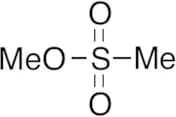
CAS :<p>Applications Methyl Methanesulfonate is used as a reagent in the synthesis of 2-Methyllamotrigine (M315350); an impurity of Lamotrigine (L173250) which is an anticonvulsant that inhibits glutamate release, possible through inhibition of sodium, potassium and calcium currents. Also used in treatment of bipolar depression.<br> Not a dangerous good if item is equal to or less than 1g/ml and there is less than 100g/ml in the package<br>References Miller, A.A., et al.: Epilepsia, 27, 483 (1986); Grunze, et al.: Neuropsychobiology, 38, 131 (1998); Calabrese, J.R., et al.: J. Clin. Psychiatry, 60, 79 (1999)<br></p>Formule :C2H6O3SCouleur et forme :Colourless LiquidMasse moléculaire :110.13Ethyl Octanoate
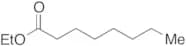
CAS :Produit contrôlé<p>Applications Ethyl Octanoate, is used in the preparation of β-cyclodextrins as nano-drug delivery encasements. Also used in the synthesis of second generation biodiesels via palladium catalysis.<br>References Gervaise, C. et al.: New J. Chem., 36, 2417 (2012); Han, J. et al.: Green Chem., 12, 463 (2010);<br></p>Formule :C10H20O2Couleur et forme :NeatMasse moléculaire :172.26Diethyl Succinate
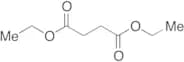
CAS :Produit contrôlé<p>Applications Diethyl Succinate is a diester molecule present naturally in plant and animal tissues. Used commonly in fragrances and food flavourings.<br>References Xu, E. et al.: J. Food. Sci., 80, C1476 (2015); Xu, H. et al.: Flav. Frag. J., 30, 275 (2015);<br></p>Formule :C8H14O4Couleur et forme :ColourlessMasse moléculaire :174.19Erlose
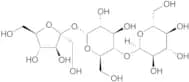
CAS :<p>Applications Erlose is a saccharide found in honey.<br>References Salonen, Anneli, et al.: Food Chem., 237, 214-224 (2017);Consonni, Roberto, et al.: J. of Agri. and Food Chem., 60(18), 4526-4534 (2012)<br></p>Formule :C18H32O16Couleur et forme :NeatMasse moléculaire :504.437Pyridoxal Hydrochloride
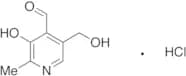
CAS :Produit contrôlé<p>Applications Pyridoxal is one of the three natural forms of vitamin B6, along with pyridoxamine and pyridoxine. All of these forms are converted in the human body into a single biologically active form, Pyridoxal 5-phosphate (P991715). Green plants are a natural source of Pyridoxal, and its deficiency in the human body can lead to serious complications such as epilepsy and seizures.<br>References Folch, J., et al.: J. Biol. Chem., 226, 497 (1957); Chattopadhyay, M., et al.: J. Biosci., 28, 363 (2003); Broadbent, J., et al.: J. Bacteriol. 192, 2445 (2010); Budinich, M., et al.: J. Dairy Sci., 94, 5263 (2011);<br></p>Formule :C8H9NO3·ClHCouleur et forme :Beige To Light BrownMasse moléculaire :203.62rac Mono(ethylhexyl) Phthalate-D4
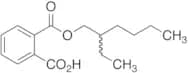
CAS :Produit contrôlé<p>Applications Labelled Phthalate metabolite, responsible for inducing apoptosis in germ and Sertoli cells by disrupting junction complexes.<br>References Ohno, S., et al.: Toxicol., Lett., 191, 353 (2009), Yao, P., et al.: Biol. Repro., 82, 516 (2010), Clewell, R., et al.: Toxicol. in Vitro, 24, 327 (2010), Gupta, R., et al.: Toxicol., App. Pharmacol., 242, 224 (2010),<br></p>Formule :C16H18D4O4Couleur et forme :Colourless To Light BeigeMasse moléculaire :282.37Ethyl Phthalyl Ethyl Glycolate
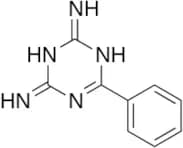
CAS :Produit contrôlé<p>Applications ETHYL PHTHALYL ETHYL GLYCOLATE (cas# 84-72-0) is a useful research chemical.<br></p>Formule :C14H16O6Couleur et forme :ColourlessMasse moléculaire :280.276-Phenyl-1,3,5-triazine-2,4-diamine
CAS :<p>Applications 6-phenyl-1,3,5-triazine-2,4-diamine (cas# 91-76-9) is a useful research chemical.<br></p>Formule :C9H9N5Couleur et forme :White To Off-WhiteMasse moléculaire :187.20Benzotriazole BT
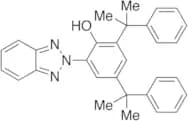
CAS :Produit contrôlé<p>Applications Benzotriazole BT is a low volatile benzotriazole UV light absorber and stabilizer.<br></p>Formule :C30H29N3OCouleur et forme :White To Light YellowMasse moléculaire :447.57N-Acetyl-3-[(3-amino-3-oxopropyl)sulfinyl]-L-alanine Sodium Salt-d3
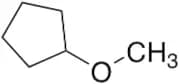
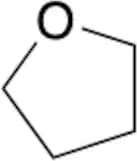
Formule :C8H11D3N2O5S•xNaCouleur et forme :Off-WhiteCyclopentyl Methyl Ether
CAS :Produit contrôléFormule :C6H12OCouleur et forme :ColourlessMasse moléculaire :100.161,2,4-Benzenetricarboxylic Acid 2,4-Bis(2-ethylhexyl) Ester(Mixture of Diastereomers)
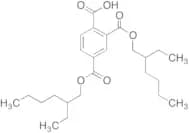
CAS :<p>Applications 1,2,4-Benzenetricarboxylic Acid 2,4-Bis(2-ethylhexyl) Ester is an analog of Trioctyl Trimellitate (T804400) which is a plasticizer that was evaluated for endocrine disrupting activities through estrogen receptor alpha binding assay.<br>References Riddick, W.: J. Coating. Technol., 55, 57 (1983); Ito, R., et al.: Int. J. Pharma., 360, 91 (2008); Ohashi, A., et al.: J. Artific. Organs., 8, 252 (2005);<br></p>Formule :C25H38O6Couleur et forme :ColourlessMasse moléculaire :434.57Linalyl Acetate
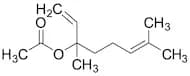
CAS :Produit contrôléFormule :C12H20O2Couleur et forme :NeatMasse moléculaire :196.29(+)-cis,trans-Abscisic Acid, 98%
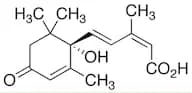
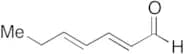
CAS :<p>Applications The natural isomer of the abscission-accelerating plant hormone.<br>References Krochko, J.E., et al.: Plant Physiol., 118, 849 (1998), Jacobsen, J.V., et al.: Psysiol. Plant., 115, 428 (2002),<br></p>Formule :C15H20O4Degré de pureté :98%Couleur et forme :WhiteMasse moléculaire :264.32trans,trans-2,4-Heptadienal (Technical Grade, 90%)
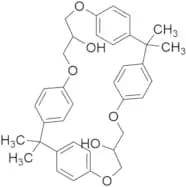
CAS :Produit contrôlé<p>Stability Light Sensitive<br>Applications trans,trans-2,4-Heptanedienal is an unsaturated aldehyde that has a fishy odour. trans,trans-2,4-Heptanedienal is a volatile component naturally found in drinking water and fish oils.<br> Not a dangerous good if item is equal to or less than 1g/ml and there is less than 100g/ml in the package<br>References Jacobsen, C., et al.: Eur. Food Res. Tech., 210, 242 (2000); Young, C. & Suffet, I.: Water Sci. Tech., 40, 279 (1999)<br></p>Formule :C7H10ODegré de pureté :90%Couleur et forme :NeatMasse moléculaire :110.152,2,10,10-Tetramethyl-4,8,12,16-tetraoxa-1,3,9,11(1,4)-tetrabenzenacyclohexadecaphane-6,14-diol
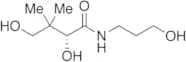
CAS :Formule :C36H40O6Couleur et forme :White To Off-WhiteMasse moléculaire :568.7D-Panthenol
CAS :Produit contrôlé<p>Applications D-Panthenol is an analogue of pantothenic acid (P190300), a member of the B complex vitamins. D-Panthenol is the biologically active enantiomer of Panthenol.<br>References Dohil, M.A., et al.: J. Drug. Dermatol., 11, 7 (2012); Yuen, T., et al.: Biochem. Biophy. Res. Comm., 422, 573 (2012);<br></p>Formule :C9H19NO4Couleur et forme :ColourlessMasse moléculaire :205.25Methyl Linolenate
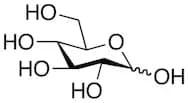
CAS :Produit contrôlé<p>Applications Methyl Linolenate has potential application towards human lung carcinoma cell lines, displaying cytotoxicity. Essential oil component.<br>References Jubie, S. et al.: Lipid. Health. Dis., 12, 45 (2013); Tavakoli, R. et al.: Anal. Chem., Lett., 2, 269 (2012);<br></p>Formule :C19H32O2Couleur et forme :NeatMasse moléculaire :292.46D-Glucose
CAS :<p>Applications D-Glucose is a simple sugar that is present in plants. A monosaccharide that may exist in open chain or cyclic conformation if in solution. It plays a vital role in photosynthesis and fuels the energy required for cellular respiration. D-Glucose is used in various metabolic processes including enzymic synthesis of cyclohexyl-α and β-D-glucosides. Can also be used as a diagnostic tool in detection of type 2 diabetes mellitus and potentially Huntington's disease through analysis of blood-glucose in type 1 diabetes mellitus.<br>References Wang, R., et al.: J. Mol. Catal. B. Enz., 56, 131 (2009); Springhorn, C. et al.: J. Clin. Endocrinol. Metab., 97, 4640 (2012); Hashimoto, K. et al.: J. Clin. Endocrinol. Metab., 97, 3016 (2012); Avelange, M. et al.: Plant. Phys., 94, 1157 (1990); Cramer, C. et al.: J. Chem. Soc., 115, 5745 (1993);<br></p>Formule :C6H12O6Couleur et forme :NeatMasse moléculaire :180.16Methyl 10-Undecenoate(10-Undecenoic Acid Methyl Ester)
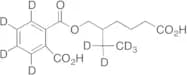
CAS :Produit contrôlé<p>Applications 10-Undecenoic Acid Methyl Ester is used in the preparation of ω-(oxo)-ω-(phenylamino)alkanoic acid esters (ester-amides).<br> Not a dangerous good if item is equal to or less than 1g/ml and there is less than 100g/ml in the package<br>References Jimenez-Rodriguez, C., et. al.: Catlysis Sci. Tech., 4, 2332 (2014)<br></p>Formule :C12H22O2Couleur et forme :NeatMasse moléculaire :198.30rac Mono(5-carboxy-2-ethylpentyl) Phthalate-d9
CAS :Produit contrôléFormule :C16H11D9O6Couleur et forme :NeatMasse moléculaire :317.38






![N6-[2-(2-Furanyl)-2-oxoethyl]-L-lysine Dihydrochloride](/_next/image/?url=https%3A%2Fstatic.cymitquimica.com%2Fproducts%2FTR%2Fthumb-webp%2FF864025.webp&w=3840&q=75)









![2-Amino-3-methyl-9H-pyrido[2,3-b]indole](/_next/image/?url=https%3A%2Fstatic.cymitquimica.com%2Fproducts%2FTR%2Fthumb-webp%2FA617500.webp&w=3840&q=75)












![2-(4,6-Diphenyl-1,3,5-triazine-2-yl)-5-[(hexyl)oxy]phenol](/_next/image/?url=https%3A%2Fstatic.cymitquimica.com%2Fproducts%2FTR%2Fthumb-webp%2FD492060.webp&w=3840&q=75)






![3-[[2-[(2-Chloroethyl)amino]ethyl]amino]propyl Monophosphate Dihydrochloride](/_next/image/?url=https%3A%2Fstatic.cymitquimica.com%2Fproducts%2FTR%2Fthumb-webp%2FC364250.webp&w=3840&q=75)