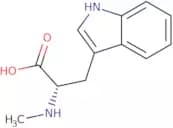
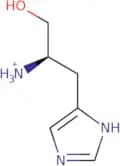
Amino Acid Derivatives
Amino acid derivatives are compounds that are structurally related to amino acids but have been chemically modified to introduce new functional groups or alter their properties. These derivatives are widely used in peptide synthesis, drug development, and biochemical research. At CymitQuimica, we offer a broad range of high-quality amino acid derivatives to support your research and industrial applications, ensuring precise and effective results in your experiments and synthesis projects.
Found 3955 products of "Amino Acid Derivatives"
Sort by
Purity (%)
0
100
|
0
|
50
|
90
|
95
|
100
L-Leucine, USP
CAS:<p>Amino acid</p>Formula:C6H13NO2Purity:98.5 To 101.5%Color and Shape:White PowderMolecular weight:131.17 g/molD-Cysteine
CAS:<p>D-Cysteine is the L-cysteine stereoisomer. It has been shown to inhibit the response of nicotinic acetylcholine receptors and toll-like receptor 4, which are proteins that play a role in inflammation. D-Cysteine also inhibits the production of nitric oxide by inhibiting NADPH oxidase. This inhibition leads to decreased inflammation, as well as decreased oxidation of proteins and DNA. D-Cysteine has been shown to be a specific inhibitor of wild type strains of Escherichia coli, but not mutant strains with defects in iron homeostasis. The enzyme activity for d-cysteine is also inhibited by l-cysteine, which may result in drug interactions. D-Cysteine can be found naturally in foods such as garlic, onions, broccoli, and cauliflower.</p>Formula:C3H7NO2SColor and Shape:White PowderMolecular weight:121.16 g/mol5-Methoxy-D-tryptophan
CAS:<p>5-Methoxy-D-tryptophan is a biaryl amino acid derivative that belongs to the class of alkaloids. It is a chiral monomeric building block derived from D-tryptophan. 5-Methoxy-D-tryptophan is commonly used in research chemicals and has been found in natural products such as lochnerine and indole. This compound exhibits unique properties and can be utilized for various applications in the field of chemistry and biochemistry. Its versatility makes it an essential component for researchers and scientists looking to explore new avenues in their studies.</p>Formula:C12H14N2O3Purity:Min. 95%Color and Shape:PowderMolecular weight:234.25 g/molD-Isoserine
CAS:<p>D-Isoserine is a stereoselective synthetic amino acid that can be used as a structural analog of l-serine. D-Isoserine is synthesized from d-threonine and has been shown to inhibit the bacterial enzyme tyrosine kinase, which is important in cell signaling. D-Isoserine is also being investigated as a treatment for inflammatory diseases such as rheumatoid arthritis and Crohn's disease. The marine sponge Aerogenes sp. produces this compound, which is also produced by the microbial species Aerobacter aerogenes and Staphylococcus aureus.</p>Formula:C3H7NO3Purity:Min. 95%Molecular weight:105.09 g/mol5-Chloro-DL-tryptophan
CAS:<p>5-Chloro-DL-tryptophan is an antibiotic that is synthesized from tryptophan. It is used as a precursor for the synthesis of other antibiotics, including 5-chloro-dl-tryptophan and indole. 5-Chloro-DL-tryptophan has been shown to have a significant effect on the synthesis of protein amino acids, such as d-aspartic acid and α-amino acids. The steric properties of 5-chloro-dl-tryptophan are also important in its ability to block protein synthesis. Ozonization can be used to oxidize α,β unsaturated carbonyl compounds found in 5 - chloro - DL - tryptophan.</p>Formula:C11H11ClN2O2Purity:Min. 95%Color and Shape:White PowderMolecular weight:238.67 g/molFmoc-L-cysteine
CAS:<p>Fmoc-L-cysteine is a reactive thiol that can be used for the synthesis of peptides and proteins. Fmoc-L-cysteine is synthesized by hydrothiolation of L-cysteine with 3-mercaptopropionic acid, which leads to the formation of a disulfide bond. The reaction product is purified by column chromatography and analyzed by NMR spectroscopy. Fmoc-L-cysteine has been shown to have efficient prenylation activity in vitro and in cell culture experiments. It has also been shown to be an important amino acid for the formation of amyloid protein aggregates, as well as being involved with other helical peptides in plants. X-ray crystal structures have been determined for Fmoc-L-cysteine bound to monoclonal antibodies.</p>Formula:C18H17NO4SPurity:Min. 98 Area-%Color and Shape:PowderMolecular weight:343.4 g/mol6-Methyl-DL-tryptophan
CAS:<p>6-Methyl-DL-tryptophan is a useful intermediate and building block for the synthesis of natural products, pharmaceuticals, and agrochemicals. It is also a versatile building block for organic synthesis as it can be used in the preparation of various types of compounds. 6-Methyl-DL-tryptophan has been shown to inhibit the production of nitric oxide by macrophages and microglia cells in response to proinflammatory cytokines. It is an inhibitor of protein biosynthesis, which may be due to its ability to inhibit tryptophan synthase.</p>Formula:C12H14N2O2Molecular weight:218.26 g/moltrans-3-Hydroxy-L-proline
CAS:<p>Please enquire for more information about trans-3-Hydroxy-L-proline including the price, delivery time and more detailed product information at the technical inquiry form on this page</p>Formula:C5H9NO3Purity:Min. 95%Color and Shape:White PowderMolecular weight:131.13 g/molD-Tryptophan
CAS:<p>D-Tryptophan is a versatile building block that has many applications in the field of fine chemicals, research chemicals, and speciality chemicals. D-Tryptophan is a useful building block for complex compounds and can be used as a reagent or reaction component. It is also a useful scaffold in organic synthesis.</p>Formula:C11H12N2O2Purity:Min. 98.0 Area-%Molecular weight:204.23 g/molFmoc-His(Trt)-OH
CAS:<p>Fmoc-His(Trt)-OH is an amino acid with the chemical formula HOOC-CH2-CH2-N(CH3)2. It has broad-spectrum antimicrobial activity and can be used as a chemosensor for trifluoroacetic acid. Fmoc-His(Trt)-OH also showed anticancer activity, which may be due to its ability to inhibit protein synthesis in cancer cells by inhibiting histidine decarboxylase. Fmoc-His(Trt)-OH is synthesized through a chemical reaction using trifluoroacetic acid, which reacts with His and Trt residues on the surface of the resin.</p>Formula:C40H33N3O4Purity:Min. 98 Area-%Color and Shape:White PowderMolecular weight:619.71 g/molO-Methyl-L-tyrosine
CAS:<p>O-Methyl-L-tyrosine is a non-protein amino acid that inhibits protein synthesis by preventing the formation of peptide bonds. It has been shown to be an effective inhibitor of methionyl and cysteyl synthetases, which are enzymes that synthesize proteins. O-Methyl-L-tyrosine has also been used in clinical studies to treat translation defects associated with Duchenne muscular dystrophy (DMD) and spinal muscular atrophy (SMA). This drug is a synthetic amino acid that is not found in nature. Its structure consists of two methyl groups bonded to the oxygen atom on the tyrosine side chain, making it more stable than L-tyrosine. OMT binds to the enzyme methionyl synthetase in its active site, preventing formation of peptide bonds during protein synthesis. In addition, this drug has been shown to inhibit methyltetrahydrofolate reductase, an enzyme involved</p>Formula:C10H13NO3Purity:Min. 95%Color and Shape:White PowderMolecular weight:195.22 g/mol3-(3,4-Dihydroxyphenyl)-2-methyl-L-alanine sesquihydrate
CAS:<p>3-(3,4-Dihydroxyphenyl)-2-methyl-L-alanine sesquihydrate is a biological sample that is an active inhibitor of the enzyme methyldopa. This compound has been shown to reduce blood pressure in rats and humans by blocking the α7 nicotinic acetylcholine receptor. 3-(3,4-Dihydroxyphenyl)-2-methyl-L-alanine sesquihydrate is also a polymer composition that has been shown to be toxic in animal studies. The toxicity of 3-(3,4-dihydroxyphenyl)-2-methyl-L-alanine sesquihydrate can be attributed to its structural similarity to methyldopa or its ability to act as a receptor agonist.</p>Formula:C10H13NO4•(H2O)1Purity:Min. 95%Molecular weight:238.24 g/molFmoc-D-glu-OtBu
CAS:<p>Fmoc-D-glu-OtBu is an amide that can be used as a screening reagent for the detection of carbohydrate and periplasmic compounds. It has been shown to inhibit hepatitis in humans, which may be due to its ability to bind with muramyl dipeptide. Fmoc-D-glu-OtBu has also been shown to synergize with other vaccines, such as tetanus and escherichia coli surface antigen.</p>Formula:C24H27NO6Purity:Min. 95%Color and Shape:White PowderMolecular weight:425.47 g/molDL-Arginine hydrochloride
CAS:<p>L-Arginine is a conditionally essential amino acid that is used in the biosynthesis of proteins. It has been shown to inhibit the activity of specific enzymes, such as casein kinase II and phospholipase A2, which are involved in cellular processes. L-Arginine has been found to be beneficial for patients with type 2 diabetes mellitus who have poor glucose homeostasis and renal dysfunction. L-Arginine also enhances uptake of cationic surfactants by cells. L-Arginine HCl is an inorganic acid that may be used for pharmacokinetic studies in humans or animals.</p>Formula:C6H14N4O2•(HCl)xPurity:Min. 95%Color and Shape:PowderMolecular weight:174.2 g/molL-Histidine acetate
CAS:Controlled Product<p>L-Histidine acetate is a white, crystalline powder that has a constant melting point and can be soluble in water. It has a monoclinic crystal system with a crystal form of α-l-histidine dihydrogen acetate. L-Histidine acetate is an amino acid that is necessary for the biosynthesis of proteins and the metabolism of histamine. L-Histidine acetate has been studied using x-ray diffraction and optical properties to determine its functional groups. The activation energy for this compound is found to be at 4.1 kcal/mol, which is lower than most other compounds in nature. The frequencies of light waves are measured at 3,040 cm-1 and the evaporation rate at 15°C is 0.039 cm3/s.</p>Formula:C6H9N3O2•C2H4O2Purity:Min. 95%Molecular weight:215.21 g/molL-Pyroglutamyl-L-histidyl-L-prolinamide
CAS:<p>L-Pyroglutamyl-L-histidyl-L-prolinamide (PGC) is a pyrrolidine that is used for the treatment of neurologic disorders. It has been shown to be effective in treating depression and a number of other neurologic disorders, including Parkinson's disease, Alzheimer's disease, and epilepsy. PGC has also been shown to have an antidepressant effect in women with depression who are pregnant or have recently given birth. In addition, it has been found to be clinically effective in the treatment of symptoms associated with Parkinson’s Disease. PGC is not absorbed into the bloodstream and must be injected directly into muscle tissue or fat cells in order to produce its therapeutic effects.</p>Formula:C16H22N6O4Purity:Min. 95%Color and Shape:White PowderMolecular weight:362.38 g/molFmoc-Ala-OH
CAS:<p>Fmoc-Ala-OH is a bioactive molecule with a molecular weight of 195.2 Daltons. It has been shown to have receptor activity and cyclic peptide properties. Fmoc-Ala-OH is soluble in chloroform and methanol, but insoluble in water. It can be used as a substrate for the chemical ligation reaction, which involves the joining of two peptides by forming an amide bond between their carboxyl groups. This process is known as "Fmoc chemistry". Fmoc-Ala-OH has also been shown to have anti-inflammatory effects in animal models of autoimmune diseases such as rheumatoid arthritis and multiple sclerosis.</p>Formula:C18H17NO4Purity:Min. 98 Area-%Color and Shape:White PowderMolecular weight:311.33 g/molFmoc-Gly-Gly-OH
CAS:<p>Fmoc-Gly-Gly-OH is an Fmoc protected glycine derivative used in proteomics studies and in solid phase peptide synthesis. In the synthesis of antibody-drug conjugates (ADC), Fmoc-Gly-Gly-OH acts as a cleavable ADC linker. The protected head of Fmoc-Gly-Gly-OH allows expanding the chain of the peptide to produce polypeptides.</p>Formula:C19H18N2O5Purity:Min. 97 Area-%Color and Shape:PowderMolecular weight:354.36 g/molMca-Ala-Pro-Lys(Dnp)-OH trifluoroacetate salt
CAS:<p>Mca-Ala-Pro-Lys(Dnp)-OH trifluoroacetate salt is a high quality, versatile, and speciality chemical that is used as an intermediate in the synthesis of complex compounds. Mca-Ala-Pro-Lys(Dnp)-OH trifluoroacetate salt is also a useful scaffold for building block molecules and a versatile building block for peptide synthesis. This compound can be utilized in the manufacture of research chemicals and speciality chemicals.</p>Purity:Min. 98 Area-%Color and Shape:PowderMolecular weight:696.66 g/molFmoc-L-valine N-hydroxysuccinimide ester
CAS:<p>Fmoc-L-valine N-hydroxysuccinimide ester is a pegylated, cytotoxic drug that is used in the treatment of cancer. It is delivered to cells by an organic solvent, which causes uptake into the cell and intracellular delivery. Fmoc-L-valine N-hydroxysuccinimide ester forms particles that are excreted from the body through the kidneys. This drug has been shown to be effective against a number of different types of cancer cells, including breast cancer, lung cancer, and colon cancer cells. Fmoc-L-valine N-hydroxysuccinimide ester has been shown to be cytotoxic in vivo and in vitro against tumor tissue and MFC-7 cells with no effect on normal tissue or healthy cells.<br>Fmoc-L-valine N-hydroxysuccinimide ester can also be used as a</p>Formula:C24H24N2O6Purity:Min. 98 Area-%Color and Shape:White PowderMolecular weight:436.46 g/molFmoc-Tyr(tBu)-OH
CAS:<p>Fmoc-Tyr(tBu)-OH is an amide that binds to the natriuretic receptor. It has a disulfide bond with a hydroxyapatite, which makes it more stable and inhibits its degradation. Fmoc-Tyr(tBu)-OH is hemolytic in vitro and minimally toxic in vivo at high concentrations. It also has a hydroxyl group, which can be used to synthesize other molecules. Fmoc-Tyr(tBu)-OH also has antimicrobial properties, as it inhibits the growth of bacteria and fungi by binding to cell membranes and disrupting their integrity.br>br> Fmoc-Tyr(tBu)-OH is taken up by cells through sodium/hydrogen antiporter system. This uptake process is mediated by the protein Na+, K+ -ATPase, which provides energy for transport across the membrane.</p>Formula:C28H29NO5Purity:Min. 98 Area-%Color and Shape:White Off-White PowderMolecular weight:459.53 g/molN-α-Benzoyl-L-arginine ethyl ester hydrochloride
CAS:<p>Benzoyl-L-arginine ethyl ester hydrochloride is a white or beige crystalline solid with a melting point of 85°C. It is soluble in water and ethanol. It has been used as a reagent, speciality chemical, and reaction component for the synthesis of complex compounds. Benzoyl-L-arginine ethyl ester hydrochloride is used as a building block in the synthesis of an intermediate, which is then used to create scaffold drugs.</p>Formula:C15H23ClN4O3Purity:Min. 98 Area-%Color and Shape:White PowderMolecular weight:342.82 g/molγ-Glutamyl-4-methoxy-β-naphthylamide
CAS:<p>Gamma-Glutamyl-4-methoxy-beta-naphthylamide is a versatile building block that can be used in the synthesis of a variety of complex compounds. It is a high quality chemical that is useful as an intermediate in organic syntheses and as a reagent in research. Gamma-Glutamyl-4-methoxy-beta-naphthylamide has been shown to be an effective scaffold for the preparation of other chemical substances.</p>Formula:C16H18N2O4Purity:Min. 95%Molecular weight:302.33 g/mol(2R)-4-Methyl-2-[2-oxo-2-[(phenylmethoxy)amino]ethyl]pentanoic acid
CAS:<p>Please enquire for more information about (2R)-4-Methyl-2-[2-oxo-2-[(phenylmethoxy)amino]ethyl]pentanoic acid including the price, delivery time and more detailed product information at the technical inquiry form on this page</p>Formula:C15H21NO4Molecular weight:279.33 g/mol5-Chloro-DL-tryptophan
CAS:<p>5-Chloro-DL-tryptophan is a research chemical that is used as a building block in the synthesis of other chemicals.</p>Formula:C11H11ClN2O2Molecular weight:238.68 g/molFmoc-Gly-Gly-Gly-OH
CAS:<p>Fmoc-gly-gly-gly-OH is a synthetic amino acid with the carboxylate group at the alpha position and an amide group at the beta position. It is a white solid that can be synthesized by reacting glycine ethyl ester with glyoxylic acid in a solvent such as chloroform. Fmoc-gly-gly-gly-OH has been used to study the binding of oxytocin to its receptor, which is important for regulating uterine contraction during childbirth. The compound also has potential applications in drug delivery, biotechnology, and medical research.</p>Formula:C21H21N3O6Purity:Min. 95%Color and Shape:PowderMolecular weight:411.41 g/molSar-Gly-OH
CAS:<p>Sar-Gly-OH is a high quality, reagent chemical that is a useful intermediate in the production of complex compounds. It has CAS No. 38082-72-3 and can be used as a fine chemical, speciality chemical, or research chemical. Sar-Gly-OH is also a versatile building block that can be used in the production of many different types of compounds. It has been shown to be an important reaction component in the synthesis of several types of pharmaceuticals and other organic materials.</p>Formula:C5H10N2O3Purity:Min. 95%Color and Shape:PowderMolecular weight:146.14 g/molBoc-Gly-Gly-OH
CAS:<p>Boc-Gly-Gly-OH is a synthetic molecule with inhibitory properties. It has been shown to prevent the polymerization of tubulin into microtubules by binding to the hydroxyl group on lysine residues in the monomeric form. Boc-Gly-Gly-OH can be used as a reagent in organic solution, and can be seen under an electron microscope as nanodots.</p>Formula:C9H16N2O5Purity:Min. 95%Color and Shape:PowderMolecular weight:232.23 g/molL-Phenylalanine
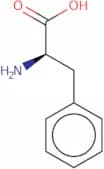
CAS:<p>L-phenylalanine is an amino acid that is naturally present in the human body. It is an essential amino acid, meaning it cannot be synthesized by the body and must be obtained through diet or supplementation. L-Phenylalanine has been shown to inhibit oxidative injury by scavenging reactive oxygen species (ROS) and reducing lipid peroxidation. It also has a protective effect on the intestinal tract by increasing the activity of bowel enzymes and preventing intestinal ulcers. L-Phenylalanine is used in biochemical studies to measure the activities of various enzymes, such as chymotrypsin, aminopeptidase, and carboxypeptidase. L-Phenylalanine can be converted into dopamine and norepinephrine, which are neurotransmitters in the brain that are important for memory, learning, mood regulation, sleep cycles, and other brain functions. L-Phenylalanine toxicity can lead to liver failure</p>Formula:C9H11NO2Color and Shape:White PowderMolecular weight:165.19 g/molBetonicine
CAS:<p>Betonicine is a natural compound that has been shown to have therapeutic effects in autoimmune diseases. It has been used as a model system for studying plant physiology and to determine the transport properties of hydroxyl groups. Betonicine has also been shown to have receptor activity, which is responsible for its disease-modifying effects in autoimmune diseases. Betonicine is an inorganic acid that can be synthesized from the reaction between ammonia and nitric acid. It can also be extracted from plants such as cress seeds, which are rich in nitrogen atoms. The titration calorimetry method was used to measure the concentration of betonicine in coli K-12 cells.</p>Formula:C7H13NO3Purity:Min. 95%Color and Shape:PowderMolecular weight:159.18 g/molFA-Leu-Gly-Pro-Ala-OH
CAS:<p>FA-Leu-Gly-Pro-Ala-OH is a gelatinase inhibitor that inhibits the action of collagenase, an enzyme that breaks down collagen. It has been shown to inhibit the growth of cancer cells in vitro and may be useful as a therapeutic agent against skin cancer. FA-Leu-Gly-Pro-Ala-OH binds to the active site of the enzyme and blocks its catalytic activity by preventing proton transfer during the hydrolysis of peptide bonds. This inhibitor also has proteolytic properties, which are due to its ability to cleave proteins with basic amino acids such as arginine and lysine. The inhibitory effects of FA-Leu-Gly-Pro-Ala-OH on histological analysis were also tested on fibroblast cells with collagenase activity, which showed a significant reduction in enzyme activity after incubation with this inhibitor.</p>Formula:C23H32N4O7Purity:Min. 95%Color and Shape:PowderMolecular weight:476.52 g/molFmoc-L-Glu-OtBu
CAS:<p>Fmoc-L-Glu-OtBu is a synthetic ligand that is used as a fluorescent probe in vivo. It has been shown to bind to semaglutide with high affinity, and it can be used to study the function of semaglutide in the cell. Fmoc-L-Glu-OtBu has also been found to have an inhibitory effect on cancer cells. This ligand can be synthesized by solid-phase synthesis and purified by column chromatography. The purity of Fmoc-L-Glu-OtBu is confirmed by elemental analysis, and its impurities are determined by fluorescence spectroscopy. The carboxylate group of Fmoc-L-Glu-OtBu is activated with sulfuric acid to form the corresponding active ester, which can then be conjugated with other molecules.</p>Formula:C24H27NO6Purity:Min. 95%Color and Shape:White PowderMolecular weight:425.47 g/molL-Tryptophan β-naphthylamide
CAS:<p>L-Tryptophan beta-naphthylamide is a fine chemical that is useful for research purposes. It can be used as a versatile building block in the synthesis of other chemicals and can also be used as a reaction component. L-Tryptophan beta-naphthylamide has been used to synthesize complex compounds such as 5,6-dihydroindolizine, which has been shown to have anti-inflammatory properties. This compound can also be used as a reagent in organic synthesis.</p>Formula:C21H19N3OPurity:Min. 95%Color and Shape:PowderMolecular weight:329.4 g/molL-Theanine
CAS:<p>L-Theanine is an amino acid found in various types of tea and has been shown to have physiological effects. It is also found in the leaves of Camellia sinensis plants. L-Theanine is a nonprotein amino acid that does not have any chiral centers, unlike other amino acids. It is chemically similar to glutamate and glutamine. L-Theanine has been shown to bind to alpha 1-acid glycoprotein and polymerase chain, which may affect its solubility in water. This amino acid also has a number of enzyme activities, including those that produce enzymes for acetylcholine synthesis and metabolism. L-Theanine has been shown to have antioxidant properties and can decrease neuronal death in humans when given intravenously.</p>Formula:C7H14N2O3Purity:Min. 98 Area-%Color and Shape:White PowderMolecular weight:174.2 g/molN-Methyl-β-alaninenitrile
CAS:<p>Formamide is a colorless gas with a pungent, irritating odor. It is used as an antiseptic and an intermediate in the production of other organic compounds. Formamide has been shown to be effective against animal-derived pathogens such as Covid-19 and influenza A/H5N1, and it has been proposed as a potential treatment for pandemic influenza. Formamide reacts with chlorine to produce formate salt (formic acid), which can then be converted into amines or hexamethylphosphoramide. The reaction rate of formamide increases with increasing temperature, but decreases with increasing concentration of hydrogen.<br>Formamide is also used as a solvent in microscopy to dissolve tissue samples for analysis by electron microscopy techniques.</p>Formula:C4H8N2Purity:Min. 98 Area-%Color and Shape:Colorless Clear LiquidMolecular weight:84.12 g/molL-Alaninamide hydrochloride
CAS:<p>L-Alaninamide hydrochloride is a hydrogen bond donor that has been shown to have anti-inflammatory properties. L-Alaninamide hydrochloride is able to crosslink hyaluronic acid, which can act as an immunosuppressant and inhibit the production of proinflammatory cytokines. In addition, L-alaninamide hydrochloride has been found to be effective in the treatment of amyloid protein aggregation diseases such as Alzheimer's disease. The drug binds to amyloid proteins by binding to their receptor site and inhibits the formation of amyloid fibrils by preventing cross-linking reactions between polypeptides. L-alaninamide hydrochloride also inhibits the formation of benzimidazole compounds, which are used in the treatment of rheumatoid arthritis.br>br><br>The structure of L-alaninamide hydrochloride is an intramolecular hydrogen bond donor with a carbonyl group. It</p>Formula:C3H8N2O•HClPurity:(Titration) Min 98%Color and Shape:PowderMolecular weight:124.57 g/molDL-Penicillamine
CAS:<p>DL-Penicillamine is a penicillamine that is used in the treatment of various diseases such as rheumatoid arthritis and primary sclerosing cholangitis. It has been shown to inhibit the production of inflammatory prostaglandins, which are responsible for pain and swelling. DL-Penicillamine has been used as a fluorescence probe for the detection of nonsteroidal anti-inflammatory drugs in water samples. DL-Penicillamine is also used to study coordination geometry and rate constants in solid tumours using fluorescence spectroscopy. This drug can be analyzed using chromatographic techniques or by X-ray diffraction data obtained with an electrochemical impedance spectroscopy system. The analytical method was published in 1981 by J.D. Hamer, et al., in "Analytical Chemistry".</p>Formula:C5H11NO2SPurity:Min. 95%Color and Shape:White PowderMolecular weight:149.21 g/molSarcosine methyl ester hydrochloride
CAS:<p>Sarcosine methyl ester hydrochloride is a pharmaceutical drug that inhibits the production of inosine monophosphate (IMP) and guanosine monophosphate (GMP). It is thought to work by interfering with the synthesis of nucleotides. Sarcosine methyl ester hydrochloride has been shown to inhibit tumour growth in solid tumours. It also has pharmacokinetic properties that include a low volume of distribution, high protein binding, and low clearance rate.</p>Formula:C4H9NO2·HClColor and Shape:White PowderMolecular weight:139.58 g/molBoc-N-methyl-L-alanine
CAS:<p>Boc-N-methyl-L-alanine is a synthetic, active natural product that is used to diagnose cancer. It has been shown to be an inhibitor of serine protease and can be used to study the interactions between steric interactions and enzyme activity. Boc-N-methyl-L-alanine has also been shown to have anti-cancer activity by inhibiting acid conjugates in cancer cells. This compound can also be used for profiling purposes, as it has been shown to inhibit all trans retinoic acid (ATRA) production in prostate cancer cells.</p>Formula:C9H17NO4Purity:Min. 95%Color and Shape:White PowderMolecular weight:203.24 g/molArg-Gly-Asp TFA salt
CAS:<p>Arg-Gly-Asp TFA salt is a molecule that is used as a prodrug, meaning it is inactive until it has been converted to the active form. It has been shown to be effective when injected subcutaneously or intramuscularly and is hydrophilic. Arg-Gly-Asp TFA salt has been shown to have problematic effects on polymerization when exposed to heat. The molecule has an active form that can be absorbed into the body through injection sites and then hydrolyzed by esterases or glucuronidases, oxidized by cytochrome P450 enzymes, reduced by glutathione reductase, or conjugated with glucuronic acid. Arg-Gly-Asp TFA salt also specifically binds to markers expressed at high levels in Mycobacterium tuberculosis strains (e.g., ESX-1 secretion system protein) and inhibits cell growth in culture.</p>Formula:C12H22N6O6·C2HF3O2Purity:Min. 95%Color and Shape:PowderMolecular weight:460.36 g/molD-Valine
CAS:<p>D-Valine is a non-essential amino acid that is synthesized from 2-oxoglutarate and glutamine. D-Valine has been shown to be an intermediate in microbial metabolism, where it is converted to L-valine by the enzyme d-amino acid oxidase. It has also been shown to have antihypertensive properties in rat models of hypertension. The synthesis of D-valine from glucose can occur through two different pathways: one involves the conversion of L-glutamic acid to L-alanine then to pyruvic acid, which is then converted to L-lactate and then d-malic acid; the other pathway involves the conversion of L-glutamate to citric acid, which can then be converted into succinic acid and eventually d-malic acid. Structural analysis has revealed that D-valine contains a hydrogen bond between its carboxyl group and nitrogen atom in a neighboring molecule. This hydrogen</p>Formula:C5H11NO2Purity:Min. 95%Color and Shape:White PowderMolecular weight:117.15 g/molLuteolin-4'-O-glucoside
CAS:<p>Luteolin-4'-O-glucoside is a flavonol glycoside that is found in plants such as licorice, celery, and parsley. Luteolin-4'-O-glucoside has been shown to inhibit the growth of Coccidioides neoformans by binding to the cell membrane surface and blocking the synthesis of phospholipids. It also inhibits cancer cells in culture by reducing their viability. The structural analysis of luteolin-4'-O-glucoside revealed an hydroxyl group on its aromatic ring, which may be responsible for its anti-inflammatory effects. Luteolin-4'-O-glucoside has been shown to be effective against inflammatory diseases, such as rheumatoid arthritis and asthma, and may also have a protective effect against certain types of cancer, such as cervical cancer. Luteolin-4'-O-glucoside has also been shown to</p>Formula:C21H20O11Purity:Min. 95%Color and Shape:PowderMolecular weight:448.38 g/molFmoc-D-Leu-OH
CAS:<p>Fmoc-D-Leu-OH is a disulfide bond containing molecule with an intracellular Ca2+ chelating activity. It has been shown to have cytoprotective effects against oxidative stress and cell death, and has also been found to have antiinflammatory properties. Fmoc-D-Leu-OH can inhibit the activities of various enzymes such as cyclooxygenase, lipoxygenase, phospholipases, and diamine oxidase. This molecule also exhibits cytotoxic activity against bladder cancer cells in vitro. The pharmacokinetic properties of Fmoc-D-Leu-OH are similar to other molecules that are used as antibiotics.<br>Fmoc-D-Leu-OH is a cyclic peptide with antimicrobial peptide (AMP) activity that inhibits bacterial growth by disrupting their cell membranes or inhibiting protein synthesis. It binds to bacterial 16S ribosomal RNA and inhibits protein synthesis, leading</p>Formula:C21H23NO4Purity:Min. 98 Area-%Color and Shape:White PowderMolecular weight:353.41 g/molβ-Fluoro-DL-alanine
CAS:<p>b-Fluoro-DL-alanine is an amino acid that is synthesized by the asymmetric synthesis of hydrogen fluoride and acetic anhydride. b-Fluoro-DL-alanine has a deuterium isotope effect on the NMR spectra, which can be used to determine the structure of the molecule. It has been found that this amino acid inhibits ribonucleotide reductase activity. The inhibition constant for b-fluoro-DL-alanine is 1.6 mM with a kinetic rate of 0.0012 min−1 M−1, which can be used to compare its inhibitory effect with other chemicals. This chemical also has inhibitory effects on transcriptase polymerase chain and protein synthesis by binding to the A site on RNA polymerase and preventing transcription from occurring.</p>Formula:C3H6FNO2Purity:Min. 95%Color and Shape:PowderMolecular weight:107.08 g/moltrans-4-Hydroxy-L-proline
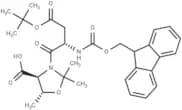
CAS:<p>Proline is a non-essential amino acid that is found in the basic structure of collagen. Proline has been shown to have physiological effects, including a protective effect on the myocardium, and can be used as an analytical method for detecting proline residues in biological samples. Trans-4-Hydroxy-L-proline is a proline derivative that has been shown to inhibit collagenase activity in vitro. It was also shown to have an optimum concentration of 1 mM and a matrix effect at pH 6.5. The model system used to study trans-4-hydroxy-l-proline was the enzyme extracted from rat liver.</p>Formula:C5H9NO3Color and Shape:White PowderMolecular weight:131.13 g/molFmoc-D-Asp(OtBu)-L-Ser(Psi(Me,Me)pro)-OH
<p>Fmoc-D-Asp(OtBu)-L-Ser(Psi(Me,Me)pro)-OH is a high quality reagent that can be used as an intermediate in the synthesis of complex compounds. It is a useful building block for the synthesis of speciality chemicals and research chemicals. Fmoc-D-Asp(OtBu)-L-Ser(Psi(Me,Me)pro)-OH is also a versatile building block that can be used to synthesize different types of compounds.</p>Formula:C29H34N2O8Purity:Min. 95%Color and Shape:PowderMolecular weight:538.59 g/molL-Arginine methyl ester dihydrochloride
CAS:<p>L-Arginine methyl ester dihydrochloride is a bioactive form of L-arginine, which is an amino acid. L-Arginine methyl ester dihydrochloride has been shown to increase the production of cyclic guanosine monophosphate (cGMP) in mammalian cells. It also causes protein synthesis and cell division in C. neoformans and is a substrate for nitric oxide synthase (NOS). It has been shown to have opioid receptor activity and can act as an alpha-2 adrenergic agonist. L-Arginine methyl ester dihydrochloride can inhibit serine proteases by binding to their active site and preventing them from breaking down proteins such as collagen and elastin.</p>Formula:C7H16N4O2·2HClPurity:Min. 95%Color and Shape:White PowderMolecular weight:261.15 g/molα-Me-D-Leu-OH
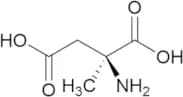
CAS:<p>a-Me-D-Leu-OH is a versatile building block that is used as a reagent in the synthesis of complex compounds, research chemicals, and speciality chemicals. It is also a useful scaffold for drug design. This chemical is also widely used as an intermediate in organic syntheses.</p>Formula:C7H15NO2Purity:Min. 95%Color and Shape:PowderMolecular weight:145.2 g/molDL-Asparagine monohydrate
CAS:<p>DL-Asparagine monohydrate is a low potency amino acid that can be used as a biomarker for wastewater treatment. It has been shown to inhibit the activity of enzymes such as guanine nucleotide-binding proteins, toll-like receptors, and response elements. Asparagine also has inhibitory properties against tumour cells in solid tumours.</p>Formula:C4H10N2O4Color and Shape:PowderMolecular weight:150.14 g/molFmoc-Cl
CAS:<p>Fmoc-Cl is a fluorescent derivative that can be used as an analytical method for amino acids in human serum. This reagent is synthesized from chloroformate and derivatization of the amino acid with polymyxin B. Fmoc-Cl reacts with amino acids, producing a fluorescent molecule. The reaction solution can be applied to human serum to determine the concentration of various types of amino acids in the sample. The main matrix effect comes from the presence of human serum proteins, which have been shown to interfere with the measurement of some amino acid concentrations. Fmoc-Cl has also been studied as a potential therapeutic agent for autoimmune diseases, such as multiple sclerosis, lupus erythematosus, and rheumatoid arthritis. It has been shown that Fmoc-Cl inhibits complex enzymes and can reduce levels of certain inflammatory markers in animal models.</p>Formula:C15H11ClO2Purity:Min. 95%Color and Shape:White PowderMolecular weight:258.7 g/molFmoc-L-Asn-OH
CAS:<p>Fmoc-L-Asn-OH is an organic compound that belongs to the group of amides. It reacts with a reactive site in the molecule and is able to form an amide bond. Fmoc-L-Asn-OH has been shown to be effective in the treatment of Alzheimer's disease by inhibiting the formation of beta-amyloid plaques. This compound has also been shown to have a role in cancer prevention, as it can inhibit tumor growth and reduce tumor size. Fmoc-L-Asn-OH can be used as a potential antiinflammatory agent because its mechanism studies have revealed that it inhibits prostaglandin synthesis.</p>Formula:C19H18N2O5Purity:Min. 95%Color and Shape:PowderMolecular weight:354.36 g/molFmoc-Ser(tBu)-OH
CAS:<p>Fmoc-Ser(tBu)-OH is a synthetic amino acid that is used in the synthesis of degarelix acetate, an amide ester of the vasodilator, prostaglandin F2α. Degarelix acetate binds to the fibrinogen receptor on the surface of cells and inhibits platelet aggregation. This drug has been shown to be effective in treating prostate cancer by inhibiting epidermal growth factor receptor signaling. It also has immune modulating effects by binding to monoclonal antibodies and altering antibody responses. Fmoc-Ser(tBu)-OH is synthesized from the amino acid serine and t-butyl alcohol, which are combined with trifluoroacetic acid (TFA) and hydroxyl group. The resulting product is then reacted with dansyl chloride or benzoyl chloride (BzCl), which cleaves off one carboxylic acid group from serine, forming an</p>Formula:C22H25NO5Purity:Min. 98 Area-%Color and Shape:White Off-White PowderMolecular weight:383.44 g/molFmoc-Pro-Gly-Gly-OH
<p>Fmoc-Pro-Gly-Gly-OH is a synthetic peptide that is used in the manufacture of bivalirudin, an anticoagulant. It is a large molecule that can be dissolved in water or acetonitrile. The impurities may include ammonium and acetate ions. Fmoc-Pro-Gly-Gly-OH is insoluble in trifluoroacetic acid and trifluoroacetic acid/ammonium acetate mixture, but can be recrystallized from these solvents. The lyophilized product should be stored at 4°C to avoid hydrolysis. Polypeptides are not stable under acidic conditions, so care must be taken when handling this material.</p>Formula:C24H25N3O6Purity:Min. 95%Color and Shape:PowderMolecular weight:451.47 g/molL-Valinol
CAS:<p>L-Valinol is a model system that is used to study the reaction of aziridines with oxygen nucleophiles. It has been shown that this reaction proceeds through the formation of an intermediate, hydrogen tartrate, followed by a second step with nitrogen atoms as the nucleophile and alcohol residue as the substrate. The use of L-valinol in asymmetric synthesis was also demonstrated. In this process, amides were obtained with high enantioselectivity by reacting L-valinol with amines in acidic conditions. This synthetic pathway was found to be synergic with other reactions, such as nitroolefination and benzoylation.</p>Formula:C5H13NOPurity:Min. 95%Color and Shape:Solidified MassMolecular weight:103.16 g/molN-Tosyl-L-alanine 3-indoxyl ester
CAS:<p>N-Tosyl-L-alanine 3-indoxyl ester is applied specifically to urine samples. In the presence of leukocyte esterase, N-Tosyl-L-alanine-3-indoxyl ester will be hydrolysed to afford indoxyl. The sample is later exposed to diazonium salts that form azo dyes with the indoxyl. If sufficent indoxyl is formed, it indicates elevated numbers of white blood cells in the urine sample and this indicates that the host has contracted a urinary tract infection.</p>Formula:C18H18N2O4SPurity:Min. 98.0 Area-%Molecular weight:358.42 g/molTaurine
CAS:<p>Taurine is an amino acid that is found in the body and plays a number of different roles, including in biochemical composition, energy metabolism, and cell signaling. Taurine has been shown to be effective for the treatment of bowel disease and can be used as a reaction solution. It has also been shown to increase mitochondrial membrane potential and prevent cellular death in 3T3-L1 preadipocytes. Taurine inhibits growth factor-β1, which may be responsible for the inhibition of cellular proliferation and apoptosis induction. Taurine also decreases tubulointerstitial injury by increasing the synthesis of collagen type II and decreasing the production of reactive oxygen species. Taurine may play a role in reversing neuronal death through its interactions with intracellular targets such as tubulin.</p>Formula:C2H7NO3SColor and Shape:PowderMolecular weight:125.15 g/molγ-Aminobutyric acid tert-butyl ester HCl
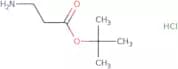
CAS:<p>GABA is a neurotransmitter that is found in the brain and spinal cord. It is an analog of the amino acid gamma-aminobutyric acid and can be synthesized from glutamic acid. GABA has been shown to have anti-inflammatory properties by inhibiting prostaglandin synthesis, which may be due to its ability to decrease the proliferation of T cells and macrophages. GABA also has been shown to promote growth of hybridomas, which are immune cells that produce antibodies.</p>Formula:C8H17NO2·HClPurity:Min. 95%Color and Shape:White PowderMolecular weight:195.69 g/molBoc-L-serine-b-lactone
CAS:<p>Boc-L-serine-b-lactone is a chemical compound that can be used as a reagent and reaction component. It can also be used to produce other compounds, such as pharmaceuticals, pesticides, or coatings. Boc-L-serine-b-lactone can be produced in high quality through our advanced manufacturing processes. This chemical is useful for research purposes and has many applications in the production of speciality chemicals. Boc-L-serine-b-lactone is a versatile building block that can also be used as an intermediate or building block to create complex compounds. This chemical is fine and should only be handled by professionals with experience in handling chemicals.</p>Formula:C8H13NO4Purity:Min. 95%Color and Shape:White PowderMolecular weight:187.19 g/molD-Alanine isopropyl ester HCl
CAS:<p>D-Alanine isopropyl ester HCl is a synthetic compound that has been used as a diagnostic tool for detecting the presence of molybdenum in urine. It has been shown to have a high affinity for the receptor, and acts as an agonist. D-Alanine isopropyl ester HCl has also been shown to induce malignant growth in fibroblast cells.</p>Formula:C6H13NO2·ClHPurity:Min. 95%Color and Shape:White PowderMolecular weight:167.63 g/molL-Histidine
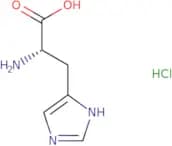
CAS:<p>L-histidine is a molecule that chelates metal ions and inhibits their function. L-Histidine is used as an analytical reagent for the determination of metal ions in water, a polymerase chain reaction (PCR) inhibitor, and an immunosuppressant. L-histidine is also used to treat bowel disease and cancer by inhibiting the production of certain molecules. L-histidine has been shown to bind to toll-like receptor 4 (TLR4) in intestinal cells, which activates the immune system to produce cytokines such as IL-8. In addition, L-histidine can act as a cofactor for enzymes involved in protein synthesis by protecting them from oxidation. L histidine can also be found in the protein that binds with gold particles, forming colloidal gold</p>Formula:C6H9N3O2Color and Shape:White PowderMolecular weight:155.15 g/molL-Seleno-L-methionine
CAS:<p>L-Seleno-L-methionine is a selenium-containing amino acid that is found in the proteins of some plants and animals. It functions as an enzyme cofactor and aids in energy metabolism, protein synthesis, and other biochemical processes. Seleno-L-methionine has been shown to have a protective effect against oxidative damage by scavenging free radicals. It also increases mitochondrial membrane potential and prevents the release of proapoptotic factors from mitochondria into the cytosol. Seleno-L-methionine has been used for analytical purposes as well as to evaluate changes in cell signaling pathways due to chemiluminescence methods or chemical inhibitors. Seleno-L-methionine also has an antioxidant activity that reduces the production of reactive oxygen species (ROS) by reacting with hydroxyl radicals, hydrogen peroxide, nitric oxide, singlet oxygen, and peroxynitrite. Seleno-L-m</p>Formula:C5H11NO2SePurity:(Hplc) Min. 98%Color and Shape:White PowderMolecular weight:196.11 g/mol(Des-Glu22)-Amyloid β-Protein (1-42) trifluoroacetate
CAS:<p>The E22delta (Osaka mutation) mutation of Amyloid β promotes β-sheet transformation.</p>Formula:C198H304N54O57SPurity:Min. 95 Area-%Color and Shape:PowderMolecular weight:4,384.93 g/molN-Acetyl-L-tyrosine ethyl ester hydrate
CAS:<p>N-Acetyl-L-tyrosine ethyl ester hydrate is a synthetic compound that has been used in the past as a substrate for protease activity. It is a monoclonal antibody that is used to detect the presence of human serum proteins and to prepare samples for analysis by liquid chromatography. This derivative of L-tyrosine is related to proteolytic activity and redox potential, but it does not have any biological properties. N-Acetyl-L-tyrosine ethyl ester hydrate can be prepared from soybean trypsin and caproic acid.</p>Formula:C13H17NO4·H2OPurity:Min. 96.0 Area-%Color and Shape:White Off-White PowderMolecular weight:269.29 g/molS-acetyl-L-glutathione
CAS:<p>Acetylcysteine is a drug that inhibits the growth of bacteria and viruses. Acetylcysteine is a precursor to the amino acid cysteine and has been shown to have antiviral properties against herpes simplex virus. It also has protective effects on human liver cells by preventing lipid peroxidation, which may be due to its antioxidant activity. Acetylcysteine can be used as an analytical method for particle size, thermal expansion, and hydrogen chloride content in industrial processes. Its use in metabolic disorders and cancer therapy is limited because it does not cross the blood-brain barrier easily. Acetylcysteine has been shown to inhibit HIV infection by blocking reverse transcriptase activity, but it cannot cure HIV infection.</p>Formula:C12H19N3O7SPurity:Min. 96 Area-%Color and Shape:White Off-White PowderMolecular weight:349.36 g/molBoc-D-Leu-OH
CAS:<p>Boc-D-Leu-OH is a cyclic peptide that has been shown to have antibacterial activity. It is a monomer with a hydroxy group and a cavity. Boc-D-Leu-OH was found to be able to transport hydrophobic compounds across membranes, which may be due to its hydrophobic nature. Boc-D-Leu-OH also induces apoptosis in cells, which can lead to cancer. This compound has been optimized by structural modifications and residue substitutions, which have led to improved properties such as enhanced stability and increased antimicrobial activity.</p>Formula:C11H21NO4Purity:Min. 95%Color and Shape:PowderMolecular weight:231.29 g/molN,N'-Diacetyl-L-cystine
CAS:<p>N,N'-Diacetyl-L-cystine (NAC) is a cysteine derivative that is used in the preparation of samples for analysis by liquid chromatography. It has been shown to have an antiatherogenic effect in chronic bronchitis patients and has been found to be a growth factor, inhibiting apoptosis and stimulating cell proliferation. NAC also increases the activity of aminotransferases in serum samples, which can be used as an indicator of liver health. Its chemical stability and low toxicity make it an ideal candidate for use as a pharmaceutical preparation at doses below those required for its enzyme-stimulating effects.</p>Formula:C10H16N2O6S2Purity:Min. 95%Color and Shape:PowderMolecular weight:324.38 g/molFmoc-Gly-OH
CAS:<p>Fmoc-Gly-OH is a peptide that has been shown to have anti-inflammatory properties. It inhibits the production of inflammatory cytokines by binding to the receptor for IL-1β on du145 cells, which are prostate cancer cells. The synthesis of Fmoc-Gly-OH is achieved through an ester hydrochloride and amide bond formation. This synthesis method is not efficient and requires high amounts of reagents and solvents. Fmoc-Gly-OH has been shown to be effective in inhibiting the inflammatory response in human serum with a dose of 10 μM, but it does not inhibit inflammation in chronic exposure studies with rats or mice.!--</p>Formula:C17H15NO4Purity:Min. 98 Area-%Color and Shape:White Off-White PowderMolecular weight:297.31 g/molFmoc-4-benzoyl-L-phenylalanine
CAS:<p>Fmoc-4-benzoyl-L-phenylalanine is a benzoic acid derivative that binds to the 5-HT1A receptor and the intestinal polypeptide receptor. It may also act as a vasoactive intestinal peptide (VIP) agonist. The pharmacophore of Fmoc-4-benzoyl-L-phenylalanine is similar to other antiarrhythmic drugs, such as quinidine and procainamide, with substituents at positions 2, 3, 4, 6, 7, and 8. Fmoc-4-benzoyl-L-phenylalanine has been shown to inhibit nitric oxide production in amines and ethane. This drug has been shown to have therapeutic potential in the treatment of cardiovascular diseases by visualizing cellular changes in heart tissue.</p>Formula:C31H25NO5Purity:Min. 95%Color and Shape:Off-White PowderMolecular weight:491.53 g/molGlycine ethyl ester hydrochloride
CAS:<p>Used with EDC for carboxyl-foot printing studies of proteins</p>Formula:C4H9NO2•HClPurity:Min. 95%Color and Shape:PowderMolecular weight:139.58 g/molPoly ε L-lysine HCl approx MW 4500Da
CAS:<p>Poly epsilon L-lysine HCl is a water soluble, biodegradable, cationic peptide that can be produced via fermentation by Streptomyces albulus. It shows a wide range of antimicrobial activity against microorganisms such as bacteria, yeasts and molds and is stable at high temperatures and under both acidic and alkaline conditions. This non-toxic poly-L-lysine is commonly used as a supplement or preservative in various food, beverage and cosmetics products. It can also be used for microscopy glass slides coating.</p>Formula:(C6H12N2O•HCl)nPurity:Min. 95.0 Area-%Color and Shape:Off-White Yellow PowderLys(Boc)-OtBu,HCl
CAS:<p>Lys(Boc)-OtBu,HCl is a versatile building block and research chemical that can be used for the synthesis of complex compounds. This compound is a useful intermediate and reaction component in organic chemistry. It is also a reagent that can be used to synthesize high-quality chemical products.</p>Formula:C15H30N2O4·HClPurity:Min. 95%Color and Shape:White PowderMolecular weight:338.87 g/molBoc-L-Arg-OH hydrochloride monohydrate
CAS:<p>Boc-L-Arg-OH.HCl.H2O is a methyl-arginine analog that is thought to be the primary endogenous agonist for the guanyl cyclase C receptor. This compound is used in simulations of potential drug targets for cancer therapy, such as tumor suppressor genes, exonic splicing enhancers, and transcription factors. Boc-L-Arg-OH.HCl has been shown to have anti-tumor effects by inhibiting DNA synthesis, protein synthesis, and cell proliferation in vitro and in vivo at low concentrations. It also has an inhibitory effect on intestinal function, which may be due to its ability to inhibit the release of nitric oxide from intestinal cells. The inhibition of nitric oxide release may also contribute to its effects on malignant tumors because nitric oxide can stimulate tumor growth.</p>Formula:C11H22N4O4•HCl•H2OPurity:Min. 95%Molecular weight:328.79 g/molL-Glutamic acid monopotassium salt monohydrate
CAS:<p>Amino acid; neurotransmitter; flavor enhancer</p>Formula:C5H8KNO4·H2OColor and Shape:White PowderMolecular weight:203.23 g/molFmoc-Gln(Trt)-OH
CAS:<p>Fmoc-Gln(Trt)-OH is a synthetic amino acid that contains a hydroxyl group in its side chain. The hydroxyl group of Fmoc-Gln(Trt)-OH can react with other molecules and form conjugates, which leads to impurities in the final product. In the synthesis of Fmoc-Gln(Trt)-OH, the reaction time can affect the efficiency of the synthesis. In order to produce a high concentration of Fmoc-Gln(Trt)-OH, it is necessary to use chromatographic methods for purification. Fmoc-Gln(Trt)-OH has been shown to be beneficial as an anticancer agent due to its ability to inhibit serine proteases.</p>Formula:C39H34N2O5Purity:Min. 98 Area-%Color and Shape:White Off-White PowderMolecular weight:610.7 g/molN-Acetyl-L-alanine
CAS:<p>N-Acetyl-L-alanine is the N-acetylated form of L-alanine and is a nonessential amino acid. It is an amide containing one nitrogen atom and two carbonyl groups. The nitrogen can be found in either the alpha or beta position on the amide. The biological properties of N-acetyl-L-alanine are similar to those of L-alanine, as it is used as a substrate for protein synthesis and has been shown to inhibit p21 and epidermal growth factor. The conformational properties of N-acetyl-L-alanine are different from that of L-alanine due to its changed shape, which may affect its biological activity.</p>Formula:C5H9NO3Purity:Min. 95%Color and Shape:White PowderMolecular weight:131.13 g/molVal-Cit-PAB-MMAE
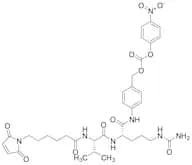
CAS:<p>Val-Cit-PAB-MMAE is a linker that has been conjugated to a monoclonal antibody (Val-Cit) and a cytotoxic agent (MMAE). This linker is designed to provide predictable strategies for site-specific conjugation of therapeutic agents to antibodies. The Val-Cit sequence facilitates the attachment of the linker to the antibody, while MMAE targets cancer cells through its chemotherapeutic effect. The linker provides an anti-cancer drug with an increased halflife in vivo, which may be due to its physicochemical properties. Val-Cit-PAB-MMAE also has the potential for use in other applications such as diagnostics and biosensors.</p>Formula:C58H94N10O12Purity:Min. 95 Area-%Color and Shape:PowderMolecular weight:1,123.43 g/molCyclo(L-His-L-Pro)
CAS:<p>Cyclo(L-His-L-Pro) is a dipeptide molecule that is part of the thyroid hormone thyrotropin-releasing hormone. It has been shown to have physiological effects on experimental models, such as increased thyrotropin release and decreased calcium levels in cells. Cyclo(L-His-L-Pro) is synthesized by the enzyme prohormone convertase in the cytosol of cells. The cyclic structure of this molecule is due to intermolecular hydrogen bonding between His and Pro residues. This peptide can be metabolized into a number of metabolites, including cyclic, diketopiperazines.</p>Formula:C11H14N4O2Purity:Min. 98 Area-%Color and Shape:PowderMolecular weight:234.25 g/mol5-Hydroxy-L-tryptophan
CAS:<p>5-hydroxy-L-tryptophan (5HTP) is a naturally occurring amino acid that is an intermediate in the synthesis of the neurotransmitter serotonin. 5HTP appears to be able to increase levels of serotonin in the brain and may be used to treat mood disorders, including depression and anxiety. In clinical trials, 5HTP was found to be as effective as some antidepressant drugs for treating depression. Studies have shown that 5HTP increases locomotor activity and dopamine concentrations. It also increases physiological functions such as temperature regulation, heart rate, blood pressure, and respiration rate. The mechanism by which 5HTP achieves these effects is not yet fully understood but may involve its ability to bind to specific receptors on cells in different regions of the brain.<br>5HTP has been shown to inhibit polymerase chain reactions (PCR) in vitro by binding to DNA gyrase and topoisomerase IV enzyme activities. It also inhibits fatty acid oxidation in vitro by binding</p>Formula:C11H12N2O3Purity:Min. 95%Color and Shape:PowderMolecular weight:220.22 g/mol2-(Pyridin-4-ylformamido)acetic acid
CAS:<p>2-(Pyridin-4-ylformamido)acetic acid is a chemical intermediate that is used in the synthesis of other compounds. It is a chemical building block, useful for the production of fine chemicals and speciality chemicals. 2-(Pyridin-4-ylformamido)acetic acid can be used as a reaction component or reagent in organic synthesis. It has been shown to have high purity and quality for research purposes. CAS No. 2015-20-5.br><br>2-(Pyridin-4-ylformamido)acetic acid can be used to synthesize a variety of compounds with different properties, such as antihistamines, antibiotics, antihypertensives, and antipsychotics.</p>Formula:C8H8N2O3Purity:Min. 95 Area-%Color and Shape:PowderMolecular weight:180.16 g/molH-Gly-Gly-Gly-NH2·HCl
CAS:<p>Glycine is a non-essential amino acid with a pKa of 9.3. It is a building block of proteins and can be used to synthesize polypeptides. Glycine has been shown to function as an antigen in humans and has been used in pharmaceutical preparations and clinical studies as an immunological agent, such as in the treatment of hepatitis B virus infection. Glycine is also a component of protonated glycoconjugates, which are found in human serum. In addition to its role as an important amino acid, glycine is also an important molecule for kinetic studies because it has a high transfer rate between molecules and macrocyclic structures. This transfer rate can be used to study the conjugation reactions that occur with fluorescent compounds, like fluorescein, which can be used for labeling antibodies.</p>Formula:C6H12N4O3·HClPurity:Min. 95%Color and Shape:PowderMolecular weight:224.65 g/molH-Glu(pNA)-OH
CAS:<p>Gamma-GPNA is a highly specific and sensitive substrate commonly employed for assessing gamma-glutamyl transferase activity in both serum and tissues, particularly through automated colorimetric methods. In this context, the dipeptide Gly-Gly serves as the glutamyl acceptor, facilitating the enzymatic reaction and subsequent detection of gamma-glutamyl transferase activity. This substrate has been widely utilized in enzymatic assays due to its specificity and sensitivity, allowing for accurate determination of gamma-glutamyl transferase levels in various biological samples.</p>Formula:C11H13N3O5Purity:Min. 95%Color and Shape:PowderMolecular weight:267.24 g/molH-Lys(Boc)-AMC
CAS:<p>H-Lys(Boc)-AMC is a useful building block for the synthesis of peptides, nucleic acids, and other complex molecules. It is a fine chemical that can be used as a reagent or speciality chemical in research laboratories. H-Lys(Boc)-AMC is also a versatile building block that can be used to synthesize complex compounds and scaffolds. This compound has been assigned CAS number 222037-62-9.</p>Formula:C21H29N3O5Purity:Min. 95%Color and Shape:PowderMolecular weight:403.47 g/molH-Asp-OH
CAS:<p>M03000 - H-Asp-OH</p>Formula:C4H7NO4Purity:97%Color and Shape:SolidMolecular weight:133.103Fmoc-Gly-OPfp
CAS:<p>M06246 - Fmoc-Gly-OPfp</p>Formula:C23H14F5NO4Purity:97%Color and Shape:SolidMolecular weight:463.36Dansylleucine
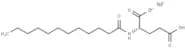
CAS:<p>Dansylleucine is an agent of bioactive chemical.</p>Formula:C18H24N2O4SPurity:98%Color and Shape:SolidMolecular weight:364.46Sodium N-lauroylalanine
CAS:<p>Sodium N-lauroylalanine is an agent of fatty acid.</p>Formula:C15H28NNaO3Purity:98%Color and Shape:SolidMolecular weight:293.38N-Carbamoyl-DL-aspartic Acid
CAS:Formula:C5H8N2O5Purity:>98.0%(T)Color and Shape:White to Almost white powder to crystalMolecular weight:176.13Boc-Asp-Gly-Oet
CAS:<p>Boc-Asp-Gly-Oet is a versatile building block that is used in the synthesis of complex compounds. It is also a useful reagent, speciality chemical, and reaction component. Boc-Asp-Gly-Oet can be used as an intermediate for the synthesis of other compounds or as a scaffold for drug design. This compound has high purity and quality, making it a useful building block for research and development.</p>Formula:C13H22N2O7Purity:Min. 95%Color and Shape:PowderMolecular weight:318.32 g/molBoc-L-Histidine
CAS:<p>Boc-L-histidine is a histidine derivative with a boronic acid group that can be used to synthesize imines. It is an organic solvent and can be used in magnetic resonance spectroscopy. Boc-L-histidine has been shown to inhibit the tyrosine activity of tyrosinase, which is involved in melanin synthesis. This compound also inhibits cancer cells by inhibiting the cellular process of protein synthesis and, as such, may be useful for the treatment of cancers.</p>Formula:C11H17N3O4Purity:Min. 98 Area-%Color and Shape:White PowderMolecular weight:255.27 g/molL-Norleucine
CAS:Formula:C6H13NO2Purity:>98.0%(T)(HPLC)Color and Shape:White to Almost white powder to crystalMolecular weight:131.18Z-O-tert-Butyl-L-tyrosine
CAS:<p>Z-O-tert-Butyl-L-tyrosine is a fine chemical that is soluble in water and has a wide range of uses. It is a versatile scaffold for the synthesis of complex compounds, and can be used as a building block or reaction component in research chemicals. Z-O-tert-Butyl-L-tyrosine is an important reagent for organic synthesis, especially when combined with other chemicals. This chemical can also be used as a speciality chemical to produce high quality products.</p>Formula:C21H25NO5Purity:Min. 95%Color and Shape:White PowderMolecular weight:371.43 g/molBoc-homo-L-tyrosine
CAS:<p>Boc-homo-L-tyrosine is a high quality reagent, which is a useful intermediate for the synthesis of complex compounds. It is also a useful scaffold that can be used in the creation of fine chemicals and research chemicals. Boc-homo-L-tyrosine has been shown to be versatile, as it can serve as a reaction component in different types of chemical reactions. This compound can be used as a building block and is classified as a speciality chemical. Boc-homo-L-tyrosine has an CAS number of 198473-94-8.</p>Formula:C15H21NO5Purity:Min. 95%Color and Shape:White PowderMolecular weight:295.33 g/molLeu-Leu-OH
CAS:<p>Leu-Leu-OH is a polymerase chain that belongs to the group of p2. It has been used as an experimental model for biological studies and cell lysis. The activity of Leu-Leu-OH is due to hydrogen bonding interactions with water molecules. This polymerase chain has been shown to be involved in infectious diseases, autoimmune diseases, and toll-like receptor signaling pathways. Leu-Leu-OH has also been studied as a model system for apoptosis by cell factor and histological analysis in anhydrous sodium phosphate buffer at pH 7.4.</p>Formula:C12H24N2O3Purity:Min. 95%Color and Shape:PowderMolecular weight:244.33 g/molL-Norvaline ethyl ester hydrochloride
CAS:<p>L-Norvaline ethyl ester hydrochloride is an angiotensin-converting enzyme inhibitor. It has been shown to reduce the levels of angiotensin I and II, which are hormones that constrict blood vessels, resulting in a decrease in blood pressure. L-Norvaline ethyl ester hydrochloride also inhibits the production of aldosterone, a hormone involved in water retention. This drug is used as a supplement for people with congestive heart failure or those who have experienced a myocardial infarction. L-Norvaline ethyl ester hydrochloride is purified by elution from a column and then processed to remove impurities. The flow rate of the process is determined by measuring the height of the liquid in millimeters at various points on the column.</p>Formula:C7H15NO2·HClPurity:Min. 95%Color and Shape:PowderMolecular weight:181.66 g/molL-γ-glutamyl-L-threonine
CAS:<p>L-gamma-glutamyl-L-threonine is a compound in the sphingolipid metabolism pathway. It has been shown to be a regulator of acidic phospholipids and fatty acids. L-gamma-glutamyl-L-threonine is found in human urine at high concentrations and has demonstrated antibacterial activity against gram negative bacteria. The analog, L-threo-gamma-glutamyltyrosine, was shown to have anticancer activity against leukemia cells in vitro.</p>Formula:C9H16N2O6Purity:Min. 95%Color and Shape:PowderMolecular weight:248.23 g/molBoc-Lys-OMe HCl
CAS:<p>Boc-Lys-OMe HCl is an ester hydrochloride of N-Boc-Lysine. It is a macrocyclic compound that has been used in the laboratory as an acidifying agent to convert sodium borohydride to methyl ester hydrochloride. Boc-Lys-OMe HCl is also used in the synthesis of macrocyclic compounds, such as n-boc-l-lysine and other polyamino compounds.</p>Formula:C12H24N2O4·HClPurity:Min. 95%Color and Shape:White PowderMolecular weight:296.79 g/molN-[(9H-Fluoren-9-ylmethoxy)carbonyl]-N-methyl-L-leucine
CAS:Formula:C22H25NO4Purity:>98.0%(T)(HPLC)Color and Shape:White to Almost white powder to crystalMolecular weight:367.45DL-Phosphinothricin ammonium salt
CAS:<p>Non-proteinogenic amino acid; Inhibitor of glutamine synthetase</p>Formula:C5H15N2O4PPurity:Min. 95 Area-%Color and Shape:White PowderMolecular weight:198.16 g/molDL-Cysteine
CAS:<p>DL-Cysteine is a naturally occurring amino acid that is found in human cells and other living organisms. It has been shown to have antioxidant properties. DL-Cysteine has also been shown to be a cofactor for enzymes that synthesize proteins, DNA, and RNA. DL-Cysteine may also have the ability to regulate cellular iron homeostasis through its effects on the expression of genes that play a role in this process. This amino acid can also inhibit molecules that are involved in protein oxidation and provide biochemical properties for use as research tools.</p>Formula:C3H7NO2SPurity:Min. 95%Color and Shape:White PowderMolecular weight:121.16 g/molEthyl 1-(tert-Butoxycarbonyl)-4-piperidinecarboxylate
CAS:Formula:C13H23NO4Purity:>97.0%(GC)Color and Shape:Colorless to Light yellow to Light orange clear liquid to slightly cloudy liquidMolecular weight:257.33L-Lysine diisocyanate ethyl ester
CAS:<p>L-Lysine diisocyanate ethyl ester (LDIEE) is a fluorescence probe that can be used to detect the presence of disulfide bonds. This compound reacts with thiols, such as cysteine, glutathione, and metallothioneins. LDIEE has been shown to bind to human serum proteins and has been used in biological studies for the detection of hydrogen bonding interactions. The biological properties of this compound have not been studied but it is hypothesized that LDIE may have anti-cancer activities due to its ability to react with coumarin derivatives.</p>Formula:C10H14N2O4Purity:Min. 95 Area-%Color and Shape:Clear LiquidMolecular weight:226.23 g/molβ-Cyano-L-alanine
CAS:<p>Beta-cyano-l-alanine is a naturally occurring amino acid that is found in plants. It is synthesized by the enzyme beta-cyanoalanine synthase and is involved in plant metabolism. Beta-cyano-l-alanine is a precursor of the neurotransmitter gamma aminobutyric acid, or GABA, which has been shown to regulate the opening and closing of calcium channels in brain cells. In addition, it has been shown to inhibit enzymes such as phosphofructokinase and pyruvate kinase that are involved in the breakdown of glucose and other nutrients. Beta-cyano-l-alanine has also been shown to inhibit ryanodine receptors and other enzymes involved in muscle contraction. This amino acid can be used as an indicator for tissue culture experiments because it can be detected by sephadex G-100 chromatography.</p>Formula:C4H6N2O2Purity:Min. 95%Color and Shape:White PowderMolecular weight:114.1 g/mol3-Amino-2-naphthoic Acid
CAS:Formula:C11H9NO2Purity:>97.0%(T)Color and Shape:Light yellow to Amber to Dark green powder to crystalMolecular weight:187.20DL-Homocysteine
CAS:<p>DL-Homocysteine is a sulfur-containing amino acid that is essential for the synthesis of methionine, and is an intermediate in the metabolism of L-methionine. DL-homocysteine has been shown to cause cardiac infarction in rats by inhibiting mitochondrial functions. This amino acid also inhibits the activity of enzymes that regulate homocysteine levels, such as cystathione beta-synthase and cystathione gamma-lyase. DL-homocysteine can be used as a fluorescent probe for detecting proteins involved in apoptosis. It also has proapoptotic effects on cells, causing them to undergo apoptosis.</p>Formula:C4H9NO2SPurity:Min. 95%Color and Shape:PowderMolecular weight:135.19 g/molN-(tert-Butoxycarbonyl)-4-chloro-D-phenylalanine
CAS:Formula:C14H18ClNO4Purity:>98.0%(T)(HPLC)Color and Shape:White to Almost white powder to crystalMolecular weight:299.75Nα-(tert-Butoxycarbonyl)-τ-(p-toluenesulfonyl)-L-histidine
CAS:Formula:C18H23N3O6SPurity:>98.0%(T)Color and Shape:White to Almost white powder to crystalMolecular weight:409.46D-Cysteine Methyl Ester Hydrochloride
CAS:Formula:C4H9NO2S·HClPurity:>98.0%(T)Color and Shape:White to Almost white powder to crystalineMolecular weight:171.64N-b-Boc-D-2,3-diaminopropionic acid
CAS:<p>N-b-Boc-D-2,3-diaminopropionic acid is a chemical compound that belongs to the group of polypeptides. It has been shown to act as a receptor activator in cell-based assays and is capable of binding to taste receptors. N-b-Boc-D-2,3-diaminopropionic acid has also been found to be an effective inhibitor of alpha amylase, which is an enzyme that breaks down starch into maltose and dextrin. This chemical compound could serve as a potential therapeutic agent for type 2 diabetes, obesity, and other metabolic disorders. NBDAPA has also been found in fossilized invertebrates such as squid and urchins.</p>Formula:C8H16N2O4Purity:Min. 95%Color and Shape:White to off-white solid.Molecular weight:204.22 g/molN-(tert-Butoxycarbonyl)-L-serine β-Lactone
CAS:Formula:C8H13NO4Purity:>98.0%(N)Color and Shape:White to Almost white powder to crystalMolecular weight:187.20DL-Valine
CAS:<p>Valine is a non-essential, branched-chain amino acid that is used for the treatment of bowel disease. Valine is a water-soluble, colorless and odorless crystalline powder that has a sour taste. It can be prepared by reacting valeric acid with ammonia in the presence of an alkali or by hydrolysis of proteins. Valine is also widely distributed in animal tissues, where it participates in the biosynthesis of important biological compounds such as coenzyme A. The optimum concentration to achieve maximum electrochemical impedance spectroscopy (EIS) signal was observed at 20 mM. The EIS signal was found to be dependent on the pH and protein content of the solution matrix. Valine binds to human serum albumin and exhibits strong hydrogen bonding interactions. In addition, valine possesses a signal peptide that helps export it from cells into blood plasma.</p>Formula:C5H11NO2Color and Shape:PowderMolecular weight:117.15 g/molPro-Gly-OH
CAS:<p>Pro-Gly-OH is a cyclic peptide that has been shown to have antimicrobial activity. Pro-Gly-OH has been shown to be an intramolecular hydrogen acceptor, which leads to the formation of a carbonyl group. This compound also has site specific interactions with the cell membrane and is taken up by cells. It is active at acidic pHs and can be activated by growth factors.<br>The conformational properties of Pro-Gly-OH are due to hydrogen bonding interactions and amide bond formation.</p>Formula:C7H12N2O3Purity:Min. 95%Color and Shape:PowderMolecular weight:172.18 g/molFmoc-Cys(3-(t-butoxycarbonyl)-propyl)-OH
CAS:<p>Fmoc-Cys(3-(t-butoxycarbonyl)-propyl)-OH is a cysteine derivative that has been shown to be effective in the treatment of ulcers. It is a competitive inhibitor of the enzyme cyclooxygenase, which is responsible for the production of prostaglandins, and can be used to decrease inflammation. Fmoc-Cys(3-(t-butoxycarbonyl)-propyl)-OH has been shown to inhibit carassius erythrocyte meiosis, with an effective dose of 0.02 mM. The drug also has a conformation that can bind to the hydroxamic acid moiety, which is thought to be responsible for its anti-inflammatory properties. This drug also inhibits genotype 3a2 and 5b2 of Cyprinus carpio and may have potential as a chemotherapeutic agent for these genotypes.END></p>Formula:C26H31NO6SPurity:Min. 95%Color and Shape:PowderMolecular weight:485.59 g/molH-D-Ile-OH
CAS:Formula:C6H13NO2Purity:>95.0%(HPLC)Color and Shape:White to Almost white powder to crystalMolecular weight:131.18Fmoc-L-Gln-OH
CAS:<p>Fmoc-L-Gln-OH is a vasoactive intestinal peptide (VIP) analog that has been shown to be a potent pressor agent. It binds to and activates the VIP receptors in the vascular endothelium, causing vasoconstriction of blood vessels. Fmoc-L-Gln-OH also inhibits mitochondrial superoxide production and colorectal adenocarcinoma growth in vitro. This compound can be synthesized using solid phase chemistry, which is a technique where the building blocks are attached sequentially to an insoluble support material. This process can be activated by trifluoroacetic acid or other activating agents and eliminates the need for protecting groups.<br>Fmoc-L-Gln-OH has been shown to inhibit the uptake of iron from transferrin into cells and to bind hippuric acid as well as many other organic compounds.</p>Formula:C20H20N2O5Purity:Min. 95%Color and Shape:PowderMolecular weight:368.38 g/molFmoc-PNA-C(Bhoc)-OH
CAS:Formula:C39H35N5O8Purity:>98.0%(HPLC)(qNMR)Color and Shape:White to Light yellow powder to crystalMolecular weight:701.74N-Carbobenzoxy-L-phenylalaninol
CAS:Formula:C17H19NO3Purity:>98.0%(HPLC)Color and Shape:White to Almost white powder to crystalMolecular weight:285.343-Amino-3-(4-chlorophenyl)propionic Acid
CAS:Formula:C9H10ClNO2Purity:>97.0%(T)(HPLC)Color and Shape:White to Almost white powder to crystalMolecular weight:199.63N-[(9H-Fluoren-9-ylmethoxy)carbonyl]-L-homoarginine
CAS:Formula:C22H26N4O4Purity:>97.0%(T)(HPLC)Color and Shape:White to Almost white powder to crystalMolecular weight:410.47N-(4-Fluorophenyl)glycine
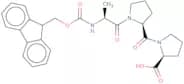
CAS:Formula:C8H8FNO2Purity:>98.0%(GC)(T)Color and Shape:White to Light yellow powder to crystalMolecular weight:169.16Fmoc-Pro-Pro-Gly-OH
<p>Fmoc-Pro-Pro-Gly-OH is an activating reagent that has been used in the synthesis of peptides with a C-terminal carboxyl group. It is typically used as a chloroformate ester and reacts with amino groups to form amide bonds. The activation of this reagent can be performed either by reaction with isobutyl or by reaction with piperidine. This product may also be used for the synthesis of tripeptides, pentafluorophenyl esters, and mimetic peptides. Fmoc-Pro-Pro-Gly-OH is typically purified by trituration, followed by evaporation in vacuum and then recrystallization from methanol or ethanol.</p>Formula:C27H29N3O6Purity:Min. 95%Color and Shape:PowderMolecular weight:491.54 g/mol5-Amino-2-nitrobenzoic Acid
CAS:Formula:C7H6N2O4Purity:>98.0%(T)Color and Shape:Light yellow to Amber to Dark green powder to crystalMolecular weight:182.14DL-Histidine
CAS:<p>DL-Histidine is an enantiopure antibiotic complex that is a proton donor. It is primarily used to treat bacterial infections. DL-Histidine inhibits bacterial growth by acting as a competitive inhibitor of the proton donor in the enzyme histidine decarboxylase and preventing the production of histamine, which is required for bacterial cell division. The molecular modeling study showed that DL-histidine has a linear plot with a high signal detection level, which makes it suitable for sample preparation. The crystalline cellulose molecule was found to form hydrogen bonds with the histidine molecule, which may have an effect on its activity.</p>Formula:C6H9N3O2Purity:Min. 95%Color and Shape:White PowderMolecular weight:155.15 g/mol(R)-(-)-2-Phenylglycinol
CAS:<p>(R)-(-)-2-Phenylglycinol is an enantiopure chiral compound that has been used in the synthesis of polymers. This polymerase chain reaction (PCR) inhibitor binds to the α subunit of DNA polymerase, preventing replication and transcription. The binding site for this inhibitor is located at the active site of the enzyme and is a hydroxyl group. The (S)-enantiomer of 2-phenylglycinol does not bind to the α subunit, so it can be used as a control in experiments. 2-Phenylglycinol is also known to have antiviral properties against HIV infection.</p>Formula:C8H11NOPurity:Min. 97.5 Area-%Color and Shape:White PowderMolecular weight:137.18 g/molD-Alanine methyl ester HCl
CAS:<p>D-Alanine methyl ester HCl is a diamide with antimycobacterial activity. It was synthesized by the reaction of D-alanine and methyl acrylate in the presence of methanesulfonic acid. The chiral compound was obtained as a racemic mixture. Optical properties are not reported.</p>Formula:C4H9NO2HCIPurity:Min. 95%Color and Shape:White To Off-White SolidMolecular weight:243.04 g/molL-Alaninol
CAS:<p>L-Alaninol is a natural amino acid that can be synthesized in an asymmetric way. It has been used as a palladium complex catalyst to produce the inorganic acid, l-alaninol. L-Alaninol is biologically active and has shown antiviral and antimicrobial activities against mycobacterium avium and human lymphocytes. It also has been shown to have anticancer properties in animal models. In addition, it has been used as a model system for the study of organic chemistry reactions. L-Alaninol has also been shown to exhibit magnetic resonance spectroscopy properties that are similar to those of l-phenylalaninol.</p>Formula:C3H9NOColor and Shape:Colorless Slightly Yellow Clear LiquidMolecular weight:75.11 g/molDL-Leucine
CAS:<p>DL-Leucine is an amino acid that is needed for the formation of proteins. It is also able to inhibit the activity of enzymes by hydrolyzing them. DL-Leucine has been shown to be a potent inhibitor of lysine hydrolases and can be used as an additive in the manufacture of animal feed. DL-Leucine has been shown to be stable in many environments, including those containing chlorine, hydrochloric acid, n-dimethyl formamide, and x-ray crystallography. The enantiomers of DL-leucine have different chemical stability; one form is more stable than the other in acidic environments.</p>Formula:C6H13NO2Purity:Min. 95%Color and Shape:PowderMolecular weight:131.17 g/molH-Asp-pNA·HCl
CAS:<p>H-Asp-pNA·HCl is a versatile building block that can be used in the synthesis of complex compounds. It has been shown to be useful in the synthesis of reagents and speciality chemicals, as well as being a reaction component for the synthesis of pharmaceuticals. H-Asp-pNA·HCl is also a useful scaffold for the production of high quality and highly pure products.</p>Formula:C10H11N3O5·HClPurity:Min. 95%Color and Shape:SolidMolecular weight:289.67 g/molL-Homoglutamine
CAS:<p>L-Homoglutamine is a non-essential amino acid that is an important part of the urea cycle. It also plays a role in protein synthesis, as well as in transfer reactions, such as the conversion of ammonia to urea. L-Homoglutamine has been shown to be an inhibitor of binding to collagenase, which may have therapeutic applications for diseases such as rheumatoid arthritis. This amino acid has been used in enzyme preparations and has been found to have biological properties that are similar to those of other carbonyl amino acids (e.g., L-glutamic acid).</p>Formula:C6H12N2O3Purity:Min. 95%Color and Shape:White PowderMolecular weight:160.17 g/molFmoc-Thr(tBu)-Ser(Psi(Me,Me)pro)-OBzl
<p>Fmoc-Thr(tBu)-Ser(Psi(Me,Me)pro)-OBzl is a high quality, research chemical that is used as an intermediate in the synthesis of complex compounds. It is a useful building block and can be used to make speciality chemicals. This reagent has many uses including being a useful scaffold for organic synthesis and a reaction component in the production of other fine chemicals. Fmoc-Thr(tBu)-Ser(Psi(Me,Me)pro)-OBzl has CAS No. 7791-02-8 and may be found in the following chemical structure:</p>Formula:C36H42N2O7Purity:Min. 95%Color and Shape:PowderMolecular weight:614.73 g/mol(2S,4R)-1-(tert-Butoxycarbonyl)-4-fluoro-2-pyrrolidinecarboxylic Acid
CAS:Formula:C10H16FNO4Purity:>96.0%(GC)(T)Color and Shape:White to Almost white powder to crystalMolecular weight:233.24Dimethyl L-Aspartate Hydrochloride
CAS:Formula:C6H11NO4·HClPurity:>98.0%(T)(qNMR)Color and Shape:White to Almost white powder to crystalMolecular weight:197.62Fmoc-D-Asp(OtBu)-Opfp
CAS:<p>Fmoc-D-Asp(OtBu)-Opfp is a high quality, complex compound that is used as a building block for the synthesis of various drugs and pharmaceuticals. It has been shown to be an excellent reaction component in the synthesis of various drugs and pharmaceuticals. The versatility of this chemical makes it a useful scaffold for generating complex molecules. It has been shown to be a useful intermediate for the synthesis of peptides, oligonucleotides, and small organic molecules. Fmoc-D-Asp(OtBu)-Opfp can also be used as a reagent in biochemical research.<br>Fmoc-D-Asp(OtBu)-Opfp can be synthesized by reacting 2-(2'-aminoethoxy)propionic acid with N,N'-dimethylformamide dimethyl acetal in the presence of sodium hydride at 0°C. This reaction produces an amide bond between the N termin</p>Formula:C29H24NO6F5Purity:Min. 95%Color and Shape:PowderMolecular weight:577.5 g/molN-(tert-Butoxycarbonyl)-L-valine Methyl Ester
CAS:Formula:C11H21NO4Purity:>95.0%(T)(HPLC)Color and Shape:Colorless to Light yellow to Light orange clear liquidMolecular weight:231.29N-Benzyloxycarbonyl-L-proline
CAS:<p>N-Benzyloxycarbonyl-L-proline is a cationic polymerization inhibitor that has been shown to inhibit the growth of Pseudomonas aeruginosa. It inhibits bacterial growth by inhibiting the production of collagen, an important component in the cell wall. N-Benzyloxycarbonyl-L-proline is also used as a histological staining agent and has been shown to be effective against breast cancer cells resistant to tamoxifen therapy.</p>Formula:C13H15NO4Purity:Min. 95%Color and Shape:PowderMolecular weight:249.26 g/mol4-Amino-N-(tert-butoxycarbonyl)-D-phenylalanine
CAS:Formula:C14H20N2O4Purity:>97.0%(HPLC)Color and Shape:Light orange to Yellow to Green powder to crystalMolecular weight:280.32L-Valine b-naphthylamide
CAS:<p>H-Val-bNA</p>Formula:C15H18N2OPurity:Min. 99 Area-%Molecular weight:242.32 g/molFmoc-3-chloro-L-β-homophenylalanine
CAS:<p>Fmoc-3-chloro-L-beta-homophenylalanine is a chemical scaffold that can be used in research, as an intermediate, or as a building block. It has a wide range of utility and can be used to create complex compounds with high purity. This product is sold as a solid that is soluble in organic solvents such as dichloromethane, chloroform, and DMF. Fmoc-3-chloro-L-beta-homophenylalanine is also known by its CAS number 270596-40-2.</p>Formula:C25H22ClNO4Purity:Min. 95%Color and Shape:White PowderMolecular weight:435.9 g/molDL-Alanine methyl ester hydrochloride
CAS:<p>DL-Alanine methyl ester hydrochloride is a cytotoxic drug that is used to treat cancer. It inhibits the growth of cancer cells by binding to guanine in the cell's DNA and preventing its incorporation into DNA during replication. The substance also inhibits amino acid transport, causing a shortage of amino acids for protein synthesis. This leads to cell death by nucleophilic attack on the bond between two amino acids. DL-Alanine methyl ester hydrochloride has been shown to be effective against murine leukemia, HIV, and Herpes simplex virus type 1 (HSV-1). DL-Alanine methyl ester hydrochloride has two geometric isomers: L-alanine methyl ester hydrochloride and D-alanine methyl ester hydrochloride. These substances have different reactivities due to their different geometric shapes. Magnetic resonance spectroscopy can be used to differentiate between these substances in vivo, as well as in vitro.</p>Formula:C4H9NO2·HClPurity:Min. 95%Color and Shape:White PowderMolecular weight:139.58 g/molBoc-Phe-Pro-OH
CAS:<p>Boc-Phe-Pro-OH is an opioid receptor agonist. It binds to the δ opioid receptors and activates them, which leads to analgesic effects. Boc-Phe-Pro-OH also has antibacterial properties and can be used for the treatment of bacterial infections. This compound may also have antiinflammatory properties that are mediated by its ability to inhibit prostaglandin synthesis. Boc-Phe-Pro-OH has been shown to possess a high affinity for the μ opioid receptor, but does not activate this receptor subtype.</p>Formula:C19H26N2O5Purity:Min. 95%Color and Shape:White To Off-White SolidMolecular weight:362.42 g/molBoc-N-Ethylglycine
CAS:<p>Building block</p>Formula:C9H17NO4Purity:Min. 95%Color and Shape:White PowderMolecular weight:203.24 g/molNα-[(9H-Fluoren-9-ylmethoxy)carbonyl]-N1-tert-butoxycarbonyl-L-tryptophan
CAS:Formula:C31H30N2O6Purity:>97.0%(HPLC)Color and Shape:White to Orange to Green powder to crystalMolecular weight:526.59D-Allylglycine
CAS:<p>D-Allylglycine is a l-amino acid with the chemical formula of CH2CH(CH3)COOH. D-Allylglycine binds to the N-methyl-D-aspartate (NMDA) receptor and has been shown in animal studies to have effects on blood pressure, although its clinical relevance remains unclear. It is an enantiopure compound and can be obtained as a trifluoroacetate salt or ethyl diazoacetate ester hydrochloride. D-Allylglycine is also an aminoglycoside and ester hydrochloride that can be used for the treatment of bacterial infections. The amino group in D-allylglycine binds to glutamate receptors, which are found on neurons, and inhibits the release of gamma-aminobutyric acid (GABA). This drug may also have potential as a serotonergic agent due to its ability to inhibit serotonin re</p>Formula:C5H9NO2Purity:Min. 95%Color and Shape:White PowderMolecular weight:115.13 g/molD-Phenylalanine
CAS:<p>D-Phenylalanine is an amino acid that is found in the human body and is used as a pharmacological agent. It has been shown to be an antimicrobial peptide with a broad spectrum of activity against bacteria, yeast, and fungi. D-Phenylalanine also has the ability to inhibit the production of peptide hormones, such as gastrin and vasopressin, and can be used as an inhibitor for enzymes such as acetylcholine esterase. Studies have shown that D-phenylalanine can increase mitochondrial membrane potential in cells by binding to ester hydrochloride. This leads to increased enzyme activities, which may result in a decrease in hydrogen bonding interactions.</p>Formula:C9H11NO2Purity:Min. 95%Color and Shape:White Off-White PowderMolecular weight:165.19 g/molBoc-4-(aminomethyl)-L-phenylalanine
CAS:<p>Boc-4-(aminomethyl)-L-phenylalanine is a useful building block in research and development of pharmaceuticals, agricultural chemicals, and other chemical products. It is a versatile intermediate that can be used in the production of many types of organic compounds. Boc-4-(aminomethyl)-L-phenylalanine has been used as a reagent for the preparation of various complex compounds and a reaction component in organic synthesis. It is also used to produce fluoroquinolones and other antibiotics. CAS No.: 137452-49-4</p>Formula:C15H22N2O4Purity:Min. 95%Molecular weight:294.35 g/molD-Threonine methyl ester hydrochloride
CAS:<p>D-Threonine methyl ester hydrochloride is a versatile building block that is used in the synthesis of complex compounds. It can be used as a reagent, speciality chemical, and useful scaffold in organic chemistry. D-Threonine methyl ester hydrochloride has been shown to react with a variety of electrophiles and nucleophiles to form diverse products. This product is also used as a reaction component for the synthesis of high quality chemical intermediates.</p>Formula:C5H11NO3·HClPurity:Min. 98%Color and Shape:PowderMolecular weight:169.61 g/molFmoc-Ala-Pro-Pro-OH
CAS:<p>Fmoc-Ala-Pro-Pro-OH is an amino acid that belongs to the class of speciality chemicals. It is a versatile building block for organic synthesis, with applications in pharmaceuticals, agrochemicals, and other chemical industries. The CAS number for Fmoc-Ala-Pro-Pro-OH is 386768-25-8.</p>Formula:C28H31N3O6Purity:Min. 95%Color and Shape:PowderMolecular weight:505.56 g/molSodium lauroyl glutamate
CAS:<p>Sodium lauroyl glutamate (Acylglutamate LS-11) is an amino acid detergent and increases the solubility of long-chain alkyl gallates such as alkyl gallates.</p>Formula:C17H30NNaO5Purity:97.13%Color and Shape:SolidMolecular weight:351.41Tyrosyl-glycyl-glycine
CAS:<p>Tyrosyl-glycyl-glycine: tripeptide with L-tyrosine, two glycines, formed by enkephalinase.</p>Formula:C13H17N3O5Purity:98%Color and Shape:White Crystalline PowderMolecular weight:295.29Fmoc-Asp(OtBu)-Thr(psi(Me,Me)pro)-OH
CAS:<p>Fmoc-Asp(OtBu)-Thr(psi(Me,Me)pro)-OH is a dipeptide.</p>Formula:C30H36N2O8Color and Shape:SolidMolecular weight:552.62Glycine
CAS:<p>Glycine is a buffering agent that can be used in electrophoresis for protein samples. It has an optimal pH range of 2.2-3.6 and a pKa of 2.35.</p>Formula:NH2CH2COOHPurity:Min. 95%Color and Shape:PowderMolecular weight:75.07 g/molLeucylarginine
CAS:<p>Leucylarginine hinders antinociception induced by L-arginine.</p>Formula:C12H25N5O3Purity:98%Color and Shape:SolidMolecular weight:287.36Z-Arg(Z)2-OH
CAS:<p>Z-Arg(Z)2-OH can be used in the assay to screen proteolytic activities in mite homogenates.</p>Formula:C30H32N4O8Purity:99.1400%Color and Shape:SolidMolecular weight:576.6Z-Val-Ala-Asp fluoromethyl ketone
CAS:<p>Z-Val-Ala-Asp fluoromethyl ketone (Z-VAD-fmk) is a pan-caspase inhibitor that is widely used in research studies. It is a synthetic compound that mimics the structure of natural caspase substrates and irreversibly inhibits caspase activity. Z-VAD-fmk has been shown to have anti-apoptotic properties, preventing programmed cell death in various experimental models. This compound is commonly used in studies investigating the role of caspases in cell death pathways and as a tool for evaluating the efficacy of potential therapeutic interventions. Z-VAD-fmk has also been studied for its potential as an adjuvant therapy in various diseases, including cancer and neurodegenerative disorders.</p>Formula:C21H28FN3O7Purity:Min. 95%Molecular weight:453.46 g/molN-α-Acetyl-L-arginine methyl ester hydrochloride
CAS:<p>N-alpha-Acetyl-L-arginine methyl ester hydrochloride is an enzyme that catalyzes the conversion of arginine to citrulline. It is a part of a group of enzymes called kallikreins. Kinetic constants for this enzyme have been determined in both porcine and human pancreatic preparations. The efficiency of this enzyme has been found to be increased in the presence of L-phenylalanine, and it was found that the C-terminal subsite is responsible for this effect.</p>Formula:C9H18N4O3·HClPurity:Min. 95%Color and Shape:White PowderMolecular weight:266.73 g/mol(R)-2-Amino-2-methylsuccinic Acid
CAS:Controlled ProductFormula:C5H9NO4Color and Shape:NeatMolecular weight:147.1H-Leu-Leu-OMe·HBr
CAS:Controlled ProductFormula:C13H26N2O3·BrHColor and Shape:NeatMolecular weight:339.269Leu-Enkephalin Amide H-Tyr-Gly-Gly-Phe-Leu-NH2 Hydrochloride Salt
CAS:Controlled ProductFormula:C28H38N6O6·HClColor and Shape:NeatMolecular weight:554.64 + (36.46)Acetyl-L-serylglycine
CAS:Controlled ProductFormula:C7H12N2O5Color and Shape:NeatMolecular weight:204.181Fmoc-L-Leu-OH-d10
CAS:Controlled Product<p>Applications Fmoc-L-Leu-OH-d10 is the labeled analogue of Fmoc-L-Leu-OH (F625015), an amino acid derivative, used in peptide chemistry. It is also one of the novel PPARγ ligands that can activate PPARγ in different ways, that reduces osteoclasts differentiation, and thus are better therapeutic targets in diabetes than traditional antidiabetic drugs.<br>References Haochen, W., et al.: J. Cell. Biochem., 114, 1969 (2013)<br></p>Formula:C21H13D10NO4Color and Shape:NeatMolecular weight:363.47L-Leucyl-L-seryl-L-lysyl-L-leucinamide
CAS:Controlled ProductFormula:C21H42N6O5Color and Shape:NeatMolecular weight:458.595(S)-2-Amino-2-methylsuccinic Acid
CAS:Controlled ProductFormula:C5H9NO4Color and Shape:NeatMolecular weight:147.1Mc-Val-Cit-PABC-PNP
CAS:Controlled ProductFormula:C35H43N7O11Color and Shape:NeatMolecular weight:737.756Suc-Ala-Ala-Ala-pNA
CAS:Controlled ProductFormula:C19H25N5O8Color and Shape:NeatMolecular weight:451.43H-Thr-Leu-OH
CAS:Controlled Product<p>Applications H-Thr-Leu-OH(cas# 50299-12-2) is a useful research chemical.<br></p>Formula:C10H20N2O4Color and Shape:NeatMolecular weight:232.28Z-Phe-Phe-Phe-OH
CAS:Controlled ProductFormula:C35H35N3O6Color and Shape:NeatMolecular weight:593.669(Des-Tyr1)-Leu-Enkephalin H-Gly-Gly-Phe-Leu-OH TFA Salt
CAS:Controlled Product<p>Applications (Des-Tyr1)-Leu-Enkephalin H-Gly-Gly-Phe-Leu-OH (CAS# 60254-83-3) is a useful research chemical compound.<br></p>Formula:C19H28N4O5·C2HF3O2Color and Shape:NeatMolecular weight:506.47313C6-5-HMF-Val-PFPTH
Controlled ProductFormula:C6C12H15F5N2O3SColor and Shape:NeatMolecular weight:440.336Isovaleryl-Phe-Nle-Sta-Ala-Sta-OH
CAS:Controlled ProductFormula:C39H65N5O9Color and Shape:NeatMolecular weight:747.962(S)-2-((S)-2,6-Diaminohexanamido)-5-((diaminomethylene)amino)pentanoic Acid
CAS:Controlled Product<p>Applications H-Lys-Arg-OH acetate salt (CAS# 29586-66-1) is a useful research chemical compound.<br></p>Formula:C12H26N6O3Color and Shape:NeatMolecular weight:302.373L-Prolyl-L-lysine
CAS:Controlled ProductFormula:C11H21N3O3Color and Shape:NeatMolecular weight:243.31L-Histidyl-L-histidine TFA
CAS:Controlled ProductFormula:C12H16N6O3Color and Shape:NeatMolecular weight:292.294Asp-Glu-Ala-Met-Met-Gln Trifluoroacetic Acid Salt(A.A Sequence DEAMMQ)
Controlled Product<p>Applications Asp-Glu-Ala-Met-Met-Gln Trifluoroacetic Acid Salt is a custom peptide sequence.<br></p>Formula:C27H45N7O12S2·x(C2HF3O2)Color and Shape:NeatMolecular weight:723.81 + x(114.02)H-Tyr-Ser-Pro-Trp-Thr-Asn-Phe-OH Trifluoroacetate Salt
CAS:Controlled ProductFormula:C45H55N9O12·C2HF3O2Color and Shape:NeatMolecular weight:1027.99H-Lys-Leu-Lys-OH Acetate Salt
CAS:Controlled ProductFormula:C18H37N5O4Color and Shape:NeatMolecular weight:387.517N-Et-Val-Leu-anilide
CAS:Controlled ProductFormula:C19H31N3O2Color and Shape:NeatMolecular weight:333.468Boc-γ-benzyl-Glu-Gly-Arg-7-amido-4-methylcoumarin Hydrochloride
CAS:Controlled ProductFormula:C35H45N7O9•HClColor and Shape:NeatMolecular weight:744.25L-Threonyl-L-valine
CAS:Controlled ProductFormula:C9H18N2O4Color and Shape:NeatMolecular weight:218.25Cyclo(Leu-Leu)
CAS:Controlled Product<p>Applications A cyclic peptide, one of the secondary metabolite of a mangrove endophytic fungus (No. 1947) from the South China Sea.<br>References Carmichael, J., et al.: Cancer Res., 47, 936 (1987), Blunt, J., et al.: Nat. Prod. Rep., 20, 1 (2003), Mitova, M., et al.: J. Nat. Prod., 67, 1178 (2004),<br></p>Formula:C12H22N2O2Color and Shape:NeatMolecular weight:226.315Fmoc-Val-Cit-PAB-MMAE
CAS:<p>Please enquire for more information about Fmoc-Val-Cit-PAB-MMAE including the price, delivery time and more detailed product information at the technical inquiry form on this page</p>Formula:C73H104N10O14Purity:Min. 95%Molecular weight:1,345.67 g/molN-Acetylglycine
CAS:<p>N-Acetylglycine is a versatile building block for the synthesis of complex organic compounds. It is used as a reagent in research, as an intermediate in chemical reactions, or as a speciality chemical. N-Acetylglycine has been found to be useful as a building block in organic synthesis and can be reacted with other chemicals to form new compounds. N-Acetylglycine has also been shown to have anti-inflammatory properties and is used as an analgesic for pain relief.</p>Formula:C4H7NO3Molecular weight:117.11 g/molO-Benzyl-L-tyrosine methyl ester hydrochloride
CAS:<p>Please enquire for more information about O-Benzyl-L-tyrosine methyl ester hydrochloride including the price, delivery time and more detailed product information at the technical inquiry form on this page</p>Formula:C17H19NO3·HClPurity:Min. 95%Color and Shape:PowderMolecular weight:321.8 g/mol(+/-)-BOC-a-phosphonoglycine tri-methyl ester
CAS:<p>Reagent in the chemical synthesis</p>Formula:C10H20NO7PPurity:Min. 95%Color and Shape:White PowderMolecular weight:297.24 g/molβ-Alanine tert-butyl ester hydrochloride
CAS:<p>Beta-alanine tert-butyl ester hydrochloride is a hydrogenated beta-amino acid ester that is used as a peptidomimetic. It has been shown to be absorbed by the intestine and it can be used to focus on chloride channels in the intestinal cells. Beta-alanine tert-butyl ester hydrochloride is an organic solvent and can also be used as an excipient for drug formulations. The molecule has a benzyl group and a chloride group, which are both substituted with hydrogen atoms.</p>Formula:C7H15NO2·HClPurity:Min. 95%Color and Shape:White PowderMolecular weight:181.66 g/molDL-2-Aminoadipic acid
CAS:<p>DL-2-Aminoadipic acid is a metabolite of the amino acid lysine, which is found in many protein-containing foods. It is also synthesized from glutamate, which is an excitatory neurotransmitter and a major regulator of neuronal function. This compound has been shown to have potential as a biomarker for metabolic disorders. DL-2-Aminoadipic acid has been shown to bind to penicillin-binding proteins (PBPs) in the bacterial cell wall and disrupt its formation, leading to the inhibition of peptidoglycan synthesis. DL-2-Aminoadipic acid may also be involved in regulating gamma-aminobutyric acid (GABA), an inhibitory neurotransmitter that inhibits the release of excitatory neurotransmitters. DL-2-Aminoadipic acid has also been shown to inhibit HIV infection by binding to lysine residues on the virus envelope protein gp120.</p>Formula:C6H11NO4Purity:Min. 95%Color and Shape:White PowderMolecular weight:161.16 g/molH-D-Tyr-NH2·HCl
CAS:<p>Versatile small molecule scaffold</p>Formula:C9H12N2O2Purity:Min. 95%Molecular weight:216.66 g/molL-Histidine hydrochloride solution
CAS:<p>L-Histidine hydrochloride solution is a chemical that is used as a nutrient in the treatment of bowel disease. It can be used to treat leukemia, autoimmune diseases, and bowel disease. L-histidine hydrochloride solution contains sodium citrate, which is an essential ingredient for the formation of blood clots. This chemical also has been shown to inhibit group P2 enzymes that are responsible for the degradation of heparin. L-histidine hydrochloride solution may have anti-inflammatory effects due to its ability to inhibit neutrophil chemotaxis and leukocyte adhesion, which are both important factors in inflammation.</p>Formula:C6H9N3O2·HClPurity:Min. 95%Molecular weight:191.62 g/molN2-Lauroyl-L-glutamine
CAS:<p>N2-Lauroyl-L-glutamine is a surfactant that is used in skin care products. It is an amphiphilic molecule that has a hydrophilic head and lipophilic tail, which allows it to form micelles. This surfactant can be found as either the L or D isomer, which are mirror images of each other. The L form is more soluble and less hygroscopic than the D form. N2-Lauroyl-L-glutamine also contains fatty acids, polycarboxylic acid, and monomers. In addition to being used in skin care products, this surfactant can be found in cosmetics such as sunscreens and moisturizers. It also has a polymerization initiator function for silicone polymers and polyurethanes.</p>Formula:C17H32N2O4Purity:Min. 95%Color and Shape:White/Off-White SolidMolecular weight:328.45 g/molH-Ala-AFC trifluoroacetate salt
CAS:<p>Please enquire for more information about H-Ala-AFC trifluoroacetate salt including the price, delivery time and more detailed product information at the technical inquiry form on this page</p>Formula:C13H11F3N2O3Purity:Min. 95%Color and Shape:PowderMolecular weight:300.23 g/mol5-Methyl-L-norleucine
CAS:<p>5-Methyl-L-norleucine is an amide that is a natriuretic and has been shown to have physiological activities. It has been shown to have restenosis and tumor treatment properties, as well as antimicrobial resistance. 5-Methyl-L-norleucine also acts as a cyclic peptide, which may be due to its disulfide bond. This compound is not only effective in treating microbial infections, but it also has anti-inflammatory properties. 5-Methyl-L-norleucine is found in the genus of plants called "Acorus," so it can be used for plant physiology research.</p>Formula:C7H15NO2Purity:Min. 95%Color and Shape:White PowderMolecular weight:145.2 g/molD-Selenocystine
CAS:<p>Selenocystine is a non-protein amino acid that belongs to the group of selenoamino acids. Selenocystine is found in plants and microorganisms, where it plays a role in bacterial metabolism. Selenocystine can be synthesized by bacteria from D-glutamate, cysteine, and hydrogen sulfide. It has been shown to have synergistic effects with other compounds such as carbon sources, hydroxyl ions, and subunits. Selenocystine has been shown to inhibit the growth of certain strains of bacteria that are resistant to antibiotics such as penicillin or erythromycin. These effects are mediated through the mitochondrial membrane potential and may also be due to its ability to inhibit microbial respiration.</p>Formula:C6H12N2O4Se2Purity:Min. 95%Color and Shape:PowderMolecular weight:334.09 g/molD-Alanine
CAS:<p>D-Alanine is a versatile building block that can be used as a reagent or speciality chemical in research. It is also an important intermediate for the production of other chemicals and useful scaffold for drug design. D-Alanine (CAS No. 338-69-2) is a high quality, fine chemical that can be used as a reaction component to synthesize many complex compounds. D-Alanine is also an important intermediate for the production of other chemicals and useful scaffold for drug design.</p>Formula:C3H7NO2Purity:Min. 98 Area-%Molecular weight:89.09 g/molRef: 3D-A-4200
1kgTo inquire5kgTo inquire10kgTo inquire500gTo inquire2500gTo inquire-Unit-ggTo inquireN-Chloroacetyl-L-tyrosine
CAS:<p>N-Chloroacetyl-L-tyrosine is a synthetic, proteolytic enzyme that hydrolyzes proteins containing the amino acid L-tyrosine. It has been shown to inhibit the growth of bacteria by inhibiting the activity of enzymes involved with protein synthesis and peptide bond formation. N-Chloroacetyl-L-tyrosine inhibits the activity of diazonium salt and conjugates, which are involved in polypeptide synthesis and DNA replication. It also has an inhibitory effect on functional groups, such as hydroxyl, amine, sulfhydryl, carboxylate, phosphate, and phosphoric acid.</p>Purity:Min. 95%Molecular weight:257.67 g/molL-Abrine
CAS:<p>L-Abrine is a plant toxin that belongs to the group of abrinoids. It is a chiral molecule and can exist as an L-form or D-form. The L-form is used in some analytical methods, such as gas chromatography, while the D-form is used in medical purposes. L-Abrine has been shown to have anti-HIV effects by inhibiting reverse transcriptase and deoxyribonuclease activity. It has also been shown to inhibit colony stimulating factor production and decrease bacterial growth in vitro. L-Abrine inhibits the replication of bacteria by binding to adenylate cyclase and blocking the enzyme's ability to synthesize cAMP from ATP. This inhibition prevents protein synthesis, leading to cell death.</p>Formula:C12H14N2O2Purity:Min. 95%Color and Shape:PowderMolecular weight:218.25 g/molD-Histidinol dihydrochloride
CAS:<p>D-Histidinol dihydrochloride is a non-nucleoside inhibitor of phosphodiesterase enzymes. It has shown to be an effective inhibitor of topoisomerase II and topoisomerase IV, which are essential for DNA replication, repair and recombination. D-Histidinol dihydrochloride has been shown to inhibit the phosphodiesterase activity of several different types of cellular enzymes, including PDE1A4, PDE2A4 and PDE3A4. This drug also has shown to have some structural similarities with the nucleoside diphosphate analogs cAMP and cGMP. D-Histidinol dihydrochloride may be useful in the treatment of diseases that involve damage to DNA or cells.</p>Formula:C6H11N3O·2HClPurity:Min. 95%Molecular weight:214.09 g/molL-Tyrosine
CAS:<p>L-Tyrosine is a non-essential amino acid with versatile building block properties. It can be used as a reagent in organic synthesis, as a building block for complex compounds, and as a speciality chemical. L-Tyrosine is also useful as a reaction component in the synthesis of peptides and proteins. L-Tyrosine is an important intermediate in the production of pharmaceuticals, agrochemicals, dyes, flavors and fragrances. The CAS number for L-Tyrosine is 60-18-4.</p>Formula:C9H11NO3Molecular weight:181.19 g/molRef: 3D-T-9010
1kgTo inquire5kgTo inquire10kgTo inquire25kgTo inquire2500gTo inquire-Unit-kgkgTo inquire
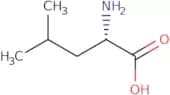

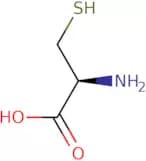
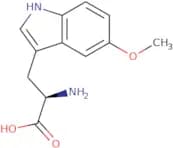
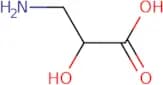
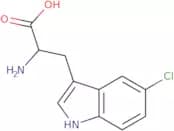
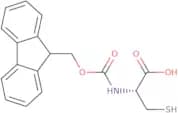

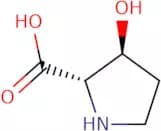

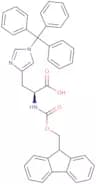
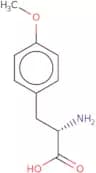
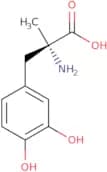
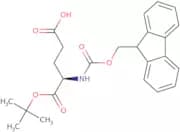
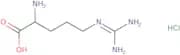
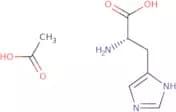
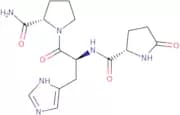

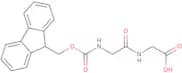
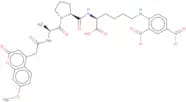

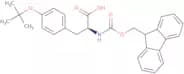
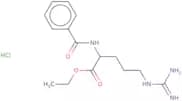
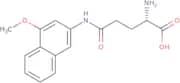
![(2R)-4-Methyl-2-[2-oxo-2-[(phenylmethoxy)amino]ethyl]pentanoic acid](/_next/image/?url=https%3A%2Fstatic.cymitquimica.com%2Fproducts%2F3D%2Fthumb-webp%2FB-9970.webp&w=3840&q=75)
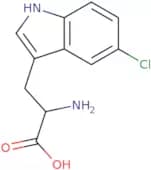
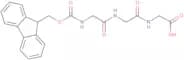
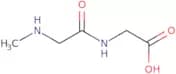
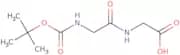
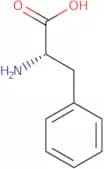
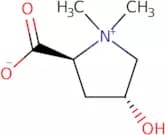
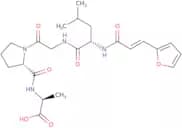
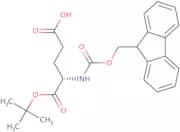
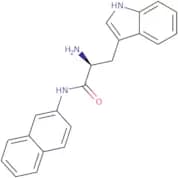
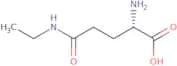
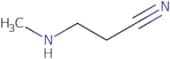
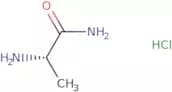
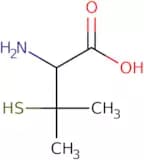
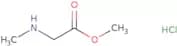
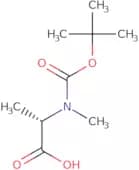

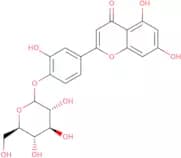
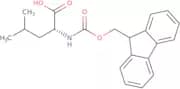
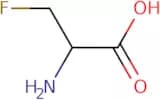
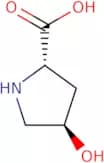
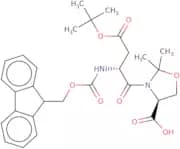
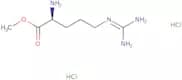
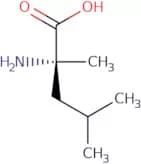
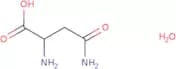
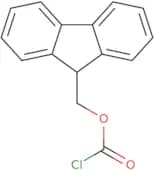
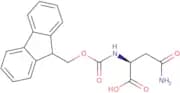
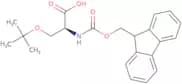

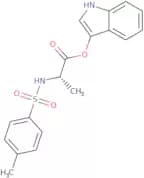
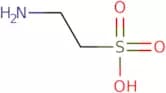
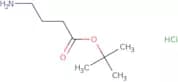
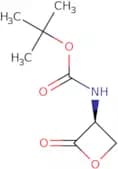
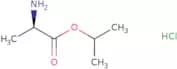
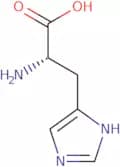
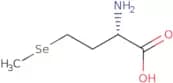
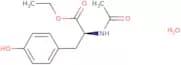
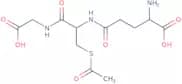
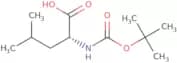
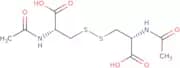
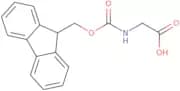
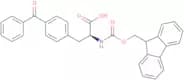
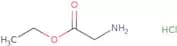
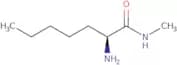
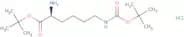
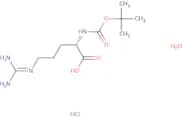
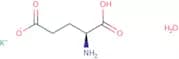
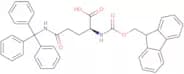
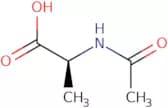
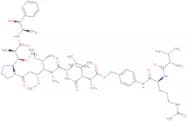
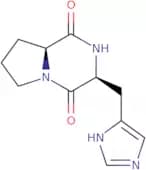
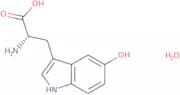
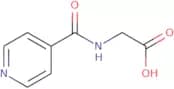
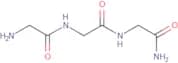

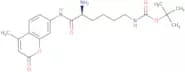
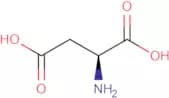

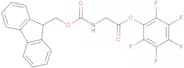
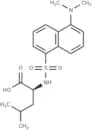


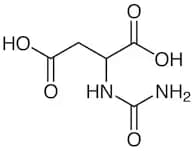

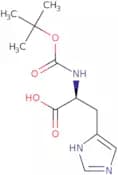

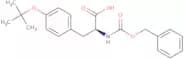

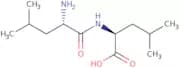
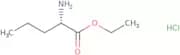

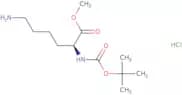
![N-[(9H-Fluoren-9-ylmethoxy)carbonyl]-N-methyl-L-leucine](/_next/image/?url=https%3A%2Fstatic.cymitquimica.com%2Fproducts%2F3B%2Fthumb-webp%2FF1028.webp&w=3840&q=75)
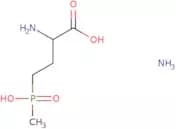
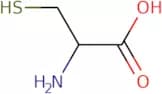
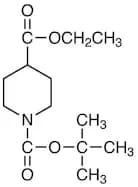
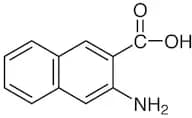

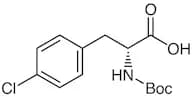
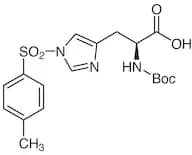
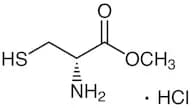
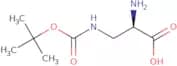
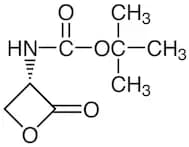


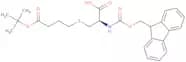
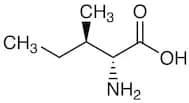

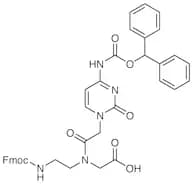
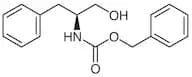
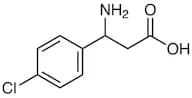
![N-[(9H-Fluoren-9-ylmethoxy)carbonyl]-L-homoarginine](/_next/image/?url=https%3A%2Fstatic.cymitquimica.com%2Fproducts%2F3B%2Fthumb-webp%2FF1014.webp&w=3840&q=75)
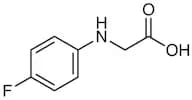

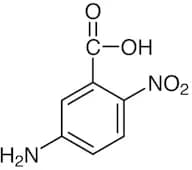
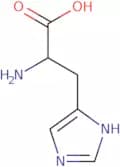
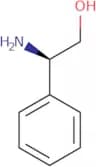
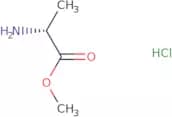
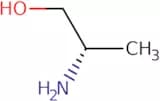
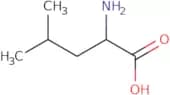
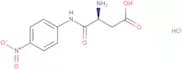


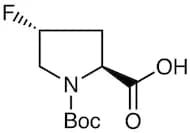
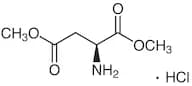

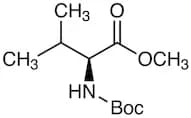
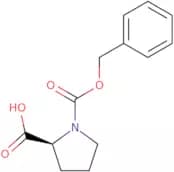


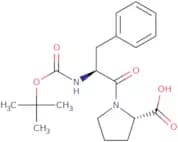
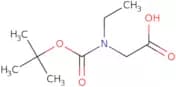
![Nα-[(9H-Fluoren-9-ylmethoxy)carbonyl]-N1-tert-butoxycarbonyl-L-tryptophan](/_next/image/?url=https%3A%2Fstatic.cymitquimica.com%2Fproducts%2F3B%2Fthumb-webp%2FF0507.webp&w=3840&q=75)