Oligosaccharides
Oligosaccharides are carbohydrates composed of a small number of monosaccharide units linked by glycosidic bonds. These molecules play significant roles in various biological processes, including cell recognition, signaling, and immune responses. In this section, you will find a comprehensive selection of oligosaccharides essential for research in glycoscience, biochemistry, and molecular biology. These compounds are vital for studying complex carbohydrate structures, their functions, and their interactions with other biomolecules. At CymitQuimica, we provide high-quality oligosaccharides to support your research and development needs, ensuring accurate and reliable results in your experiments.
Subcategories of "Oligosaccharides"
- Aminoethyl Glycosides, Aminopropyl Glycosides(14 products)
- Asn Binding Glycans(33 products)
- Biotinated Oligosaccharides(13 products)
- Blood Groups and Lewis Antigens(11 products)
- Blood Type Oligosaccharides(13 products)
- Cellooligosaccharides(1 products)
- Cyclodextrins(183 products)
- Disaccharides(192 products)
- Epitope Oligosaccharides(19 products)
- Fructooligosaccharides(2 products)
- Functional Oligosaccharides(554 products)
- Functionalised Oligosaccharides(1 products)
- Galactosamine(41 products)
- Galactose(261 products)
- Galb(1-3)GalNAc(21 products)
- Ganglio-series(11 products)
- Globo- and Isoglobo-series(17 products)
- Glucosamine(128 products)
- Glucuronic Acids(51 products)
- Glycoproteins, Glycopeptides(59 products)
- Glycosaminoglycan(26 products)
- Human Milk Oligosaccharides(20 products)
- Labeled O-Glycans(9 products)
- Labeled Oligosaccharides(36 products)
- LacNAc(53 products)
- Lacto- and Neolacto-series(14 products)
- Lacto-N-biose(10 products)
- Lactooligosaccharides(7 products)
- Linker Attached Oligosaccharides(19 products)
- Maltooligosaccharides(6 products)
- Milk Oligosaccharides(31 products)
- N-Glycans(149 products)
- Natural Glycosides(177 products)
- Natural Oligosaccharides(103 products)
- O-Glycan(18 products)
- Oligosaccharide Building Blocks(7 products)
- Oligosaccharide Replacement(2 products)
- Oligosaccharides by Component Sugar(225 products)
- Oligoses(24 products)
- Other Oligosaccharides(14 products)
- PEG Oligomers(33 products)
- Phosphated Sugars(17 products)
- Protected Sugars(526 products)
- Reagents for Oligosaccharide Synthesis(254 products)
- Ser, Thr Binding Glycans(9 products)
- Sialylated Oligosaccharides(3 products)
- Sphingoglycolipids(42 products)
- Sugar Amino Acids, Sugar Peptides(20 products)
- Sugar Antigens(31 products)
- Sugar Building Blocks by Target Oligosaccharides(225 products)
- Sugar Conjugates(100 products)
- Sulfated Sugars(16 products)
- Tetrasaccharides(34 products)
- Trisaccharides and Above(95 products)
- Xylooligosaccharides(5 products)
Show 47 more subcategories
Found 2278 products of "Oligosaccharides"
Sort by
Purity (%)
0
100
|
0
|
50
|
90
|
95
|
100
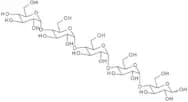
1,4-β-D-Mannopentaose
CAS:<p>Isolated from ivory-nut mannan hydrolysates</p>Formula:C30O26H52Purity:Min. 95%Color and Shape:PowderMolecular weight:828.72 g/molBenzyl 4-O-(β-D-galactopyranosyl)-β-D-glucopyranoside
CAS:Benzyl 4-O-(b-D-galactopyranosyl)-b-D-glucopyranoside is a Glycosylation product that is custom synthesized to order. It is an oligosaccharide, which is synthesized by the modification of monosaccharides with other saccharides. This product has been fluorinated and acetylated at its C4 position and methylated at its C6 position. This compound has CAS No. 18404-72-3 and can be used as a sugar in the synthesis of complex carbohydrates or as a component of polysaccharides.Formula:C19H28O11Purity:Min. 95%Color and Shape:PowderMolecular weight:432.42 g/molD-Cellopentaose
CAS:<p>Cellotriose is a bifunctional sugar that can be chemically converted to cellobiose and D-cellopentaose. Cellotriose is a component of cellulose, which is the most abundant biopolymer on Earth. Cellotriose is a source of chitin, which is a major component of the exoskeleton of insects and crustaceans. The molecule has been observed using atomic force microscopy to have an amphiphilic nature, in that it has both hydrophobic and hydrophilic regions. Cellotriose has been synthesized in the laboratory for use as an artificial sweetener, but it does not taste as good as sucrose because it lacks the sweetness profile. When heated, cellotriose undergoes a color change from yellow to blue-green due to its ability to form hydrogen bonds with oxygen molecules. This property can be used as a colorimetric test for cellulase activity in solutions.</p>Formula:C30H52O26Purity:Min. 95%Color and Shape:White Off-White PowderMolecular weight:828.72 g/mol6-a-D-Maltotriosyl-maltotriose
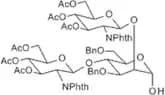
CAS:<p>Derived from pullulan using pullulanase</p>Formula:C36H62O31Purity:Min. 95%Color and Shape:PowderMolecular weight:990.86 g/mol4,6-Di-O-(3,4,6-tri-O-acetyl-2-deoxy-2-phthalimido β-D-glucopyranosyl)-3-6-di-O-benzyl-α-D-mannopyranose
<p>This is a custom synthesis of a complex carbohydrate. The CAS number is not available and the polysaccharide has been modified. It has been glycosylated, methylated, and fluorinated. It is high purity and the sugar sequence is a custom synthesis.</p>Formula:C60H62N2O24Purity:Min. 95%Molecular weight:1,195.13 g/mol1,3,4,6-Tetra-O-benzyl-2-O-(2,3,4,6-tetra-O-benzyl-a-D-glucopyranosyl)-b-D-galactopyranoside
CAS:<p>Tetra-O-benzyl-2-O-(2,3,4,6-tetra-O-benzyl-a-D-glucopyranosyl)-b-D-galactopyranoside is a polysaccharide that is synthesized by the methylation of 1,3,4,6-tetra-O-benzyl -2,3,4,6 tetra - O - benzyl - a - D - glucopyranoside. It can be used to modify proteins and oligosaccharides. This product is custom synthesized and has high purity.</p>Formula:C68H70O11Purity:Min. 95%Molecular weight:1,063.28 g/mol6-a-D-Glucopyranosyl maltotriose
CAS:<p>Substrate for glucoamylases; derived from pullulan using pullulanase</p>Formula:C24H42O21Purity:Min. 97 Area-%Color and Shape:PowderMolecular weight:666.58 g/molGlobopentaose
CAS:<p>Carbohydrate moiety of globopentaosylceramide</p>Formula:C32H55NO26Purity:Min. 95%Color and Shape:White PowderMolecular weight:869.77 g/molBlood group H type I tetrasaccharide
<p>The H type I tetrasaccharide is a glycosylated molecule that belongs to the class of complex carbohydrates. It is an oligosaccharide with a high purity and high degree of methylation. The H Type I Tetrasaccharide is an important component in immunoglobulin G and can be used in the modification of proteins and other compounds, such as oligosaccharides. The H Type I Tetrasaccharide has been shown to have anti-inflammatory properties due to its ability to inhibit the release of pro-inflammatory cytokines from mast cells.</p>Formula:C26H45NO20Purity:Min. 95%Color and Shape:PowderMolecular weight:691.63 g/molMaltopentaose
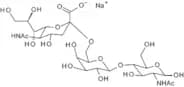
CAS:<p>Alpha-1,4-glucopentasaccharide derived from starch by hydrolysis and chromatography</p>Formula:C30H52O26Purity:Min. 90 Area-%Color and Shape:White PowderMolecular weight:828.72 g/mol6'-a-Sialyl-N-acetyllactosamine sodium salt
CAS:Sialylated trisaccharide found in human urineFormula:C25H41N2NaO19Purity:Min. 95%Color and Shape:PowderMolecular weight:696.6 g/molMan-9 N-Glycan
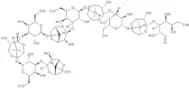
CAS:<p>Man-9 N-glycan is a glycoprotein that is found on the surface of many viruses. It has an oligosaccharide structure, which consists of a mannose and a glucose molecule linked by an alpha-1,3-glycosidic bond. The Man-9 N-glycan can be found in human serum and is involved in lectin binding to cells. It also has antiviral activity and may be used as a model system for studying glycosidic bonds. This glycan can be broken down into smaller components by methyl glycosides or titration calorimetry, which is a technique for determining the molecular weight of substances. The Man-9 N-Glycan binds to toll-like receptor 2 (TLR2) on the surface of human cells, which activates an antibody response.</p>Formula:C70H118N2O56Purity:Min. 95%Color and Shape:PowderMolecular weight:1,883.67 g/molTri-mannuronic acid sodium salt
CAS:<p>Tri-mannuronic acid sodium salt (b-1,4-linked sodium mannuronotriose) is one of a number of oligosaccharides obtained from alginate which is a polysaccharide in brown seaweeds containing: blocks of repeating mannuronic acid sequences (M-M-M-M etc), repeating guluronic acid sequences (G-G-G-G etc), and alternating M-G-M-G sequences.Oligosaccharides can be released using several methods (Lua, 2015; Yanga, 2004) and claims have been published that mannuronic acid oligosaccharides for example, can be effective in the prophylaxis and treatment of Alzheimer's disease, or for the prophylaxis and treatment of diabetes (USP 8835403B2, 2014).</p>Formula:C18H23O19Na3Purity:Min. 98 Area-%Color and Shape:White PowderMolecular weight:612.33 g/molLactodifucotetraose
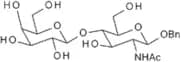
CAS:Human milk oligosaccharide; attenuates inflammatory cytokine releaseFormula:C24H42O19Purity:Min. 90%Color and Shape:White PowderMolecular weight:634.58 g/molBenzyl 2-acetamido-2-deoxy-4-O-(b-D-galactopyranosyl)-b-D-glucopyranoside
CAS:<p>Benzyl 2-acetamido-2-deoxy-4-O-(b-D-galactopyranosyl)-b-D-glucopyranoside is an oligosaccharide that is synthesized from D-(+)-galactose, D-(+)-glucose and benzyl alcohol. This product can be used for the modification of saccharides and has been shown to have a high purity. It has been fluorinated at the alpha position and glycosylated with acetamidobenzoyl group. The molecular weight of this product is 378.12 g/mol. CAS No.: 53167-38-7</p>Formula:C21H31NO11Purity:Min. 95%Color and Shape:White PowderMolecular weight:473.47 g/molBlood group A pentasaccharide type II
CAS:<p>A antigen pentasaccharide Type I I, possible use in antiviral development</p>Formula:C34H58N2O25Purity:Min. 90 Area-%Color and Shape:PowderMolecular weight:894.82 g/mol1-O-Aminohexyl 6'-sialyllactose hydrochloride
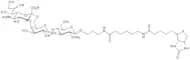
Key synthetic precursor for the synthesis of lacto-oligosaccharidesFormula:C29H52N2O19•HClPurity:Min. 95 Area-%Color and Shape:White PowderMolecular weight:769.23 g/mol6'-α-Sialyl-N-acetyllactosamine-sp-biotin
CAS:<p>6'-a-Sialyl-N-acetyllactosamine-sp-biotin is a recombinant modified oligosaccharide. It is an Oligosaccharide that is synthesized by the methylation of 6'-sialyllactose with acetic anhydride and triethylamine in DMF. It has a molecular weight of 805.00 Da and a CAS number of 1038746-08-5. 6'-a-Sialyl-N-acetyllactosamine-sp-biotin may be used as a monomer for click chemistry, as well as for other applications in carbohydrate chemistry, such as the synthesis of polysaccharides and complex carbohydrates. This product has high purity and can be custom synthesized to order.</p>Formula:C44H74N6O22SPurity:Min. 95%Color and Shape:White PowderMolecular weight:1,071.15 g/molNeoagarodecaose
CAS:<p>Agarose is a polysaccharide found in red algae, typically Gelidium and Gracilaria. It is a strictly alternating polysaccharide of α-1,3 linked D-galactose and β-1,4 linked L-3,6 anhydrogalactose with occasional sulfation at position 6 of the anhydrogalactose residue. Agaro-oligosaccharides result from cleavage at galactose residues and neoagaro-oligosaccharides from cleavage at 3,6-anhydro residues. Neoagarodecaose is reported to have potential for novel cosmeceuticals.</p>Formula:C60H92O46Purity:Min. 95%Color and Shape:PowderMolecular weight:1,549.34 g/molBlood Group A pentasaccharide
CAS:<p>Core antigen fragment in ABO blood group system</p>Formula:C32H55NO24Purity:Min. 95%Color and Shape:White PowderMolecular weight:837.77 g/molLactose 3'-sulfate
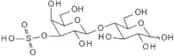
CAS:<p>Unusual lactose sulphate isolated from canine milk (beagle-Canis familiaris), which does not appear to have previously been isolated from milk or other natural sources. The structure was established by 2D NMR spectroscopy and mass spectrometry.</p>Formula:C12H22O14SPurity:Min. 95%Color and Shape:Beige PowderMolecular weight:422.36 g/molNeoagarotetraose
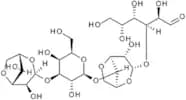
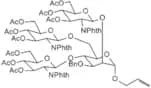
CAS:<p>Agarose is a polysaccharide found in red algae, typically Gelidium and Gracilaria. It is a strictly alternating polysaccharide of α-1,3 linked D-galactose and β-1,4 linked L-3,6 anhydrogalactose with occasional sulfation at position 6 of the anhydrogalactose residue. Agaro-oligosaccharides result from cleavage at galactose residues and neoagaro-oligosaccharides from cleavage at 3,6-anhydro residues. Neoagarotetraose is reported to have potential for novel cosmeceuticals.</p>Formula:C24H38O19Purity:Min. 98 Area-%Color and Shape:White PowderMolecular weight:630.55 g/molAllyl 2,4,6-tri-O-(3,4,6-tri-O-acetyl-2-deoxy-2-phthalimido-b-D-glucopyranosyl)-3-O-benzyl-a-D-mannopyranoside
<p>Allyl 2,4,6-tri-O-(3,4,6-tri-O-acetyl-2-deoxy-2-phthalimido-b-D-glucopyranosyl)-3-O-benzyl a -D -mannopyranoside is a glycosylated oligosaccharide. It is synthesized from 3,4,6 tri O acetyl 2 deoxy 2 phthalimido b D glucopyranosyl chloride and allyl alcohol by the click reaction with sodium azide in the presence of palladium catalysis. This product has been fluorinated at the 6 position of allose. The purity of this product is high and it has been modified on the saccharide chain with methyl groups at the C1 and C2 positions of glucose. Allyl 2,4,6 tri O (3 4 6 tri O acetyl 2 deoxy 2 phthalimido b D gluc</p>Formula:C76H79N3O33Purity:Min. 95%Molecular weight:1,562.44 g/molD-Cellopentose heptadecaacetate
CAS:D-Cellopentose heptadecaacetate is a fluorinated, monosaccharide that is synthesized from the sugar cellobiose. It is an oligosaccharide and a complex carbohydrate with one of its glycosidic bonds modified by methylation. D-Cellopentose heptadecaacetate has been shown to be effective in inhibiting glycosylation reactions and can be used as a sugar substitute or for custom synthesis. This product has been shown to have high purity and is available at CAS No. 83058-38-2.Formula:C64H86O43Purity:Min. 95%Color and Shape:White to off-white solid.Molecular weight:1,543.34 g/molLewis X trisaccharide
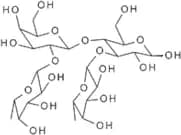
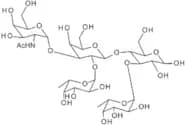
CAS:<p>Milk oligosaccharide; antigen; expressed on gastric mucosa and cancer cells</p>Formula:C20H35NO15Purity:Min. 90 Area-%Color and Shape:PowderMolecular weight:529.49 g/mol(D-Galactopyranosyl)-b-D-thiogalactopyranoside
CAS:(D-Galactopyranosyl)-b-D-thiogalactopyranoside is a synthetic disaccharide, specifically used in biochemical and molecular biology research. It is often derived through chemical synthesis using various monosaccharide precursors, designed to mimic natural disaccharides with a modified linkage. This compound acts as a non-metabolizable analog of lactose and can inhibit enzymes like β-galactosidase due to its structural similarity. Importantly, its sulfur-containing thiol linkage imparts unique stability and reactivity characteristics distinct from natural glycosidic bonds.The primary application of (D-Galactopyranosyl)-b-D-thiogalactopyranoside is in research studies exploring carbohydrate-protein interactions, enzyme inhibition assays, and the specificity of galactoside-binding proteins. It serves as a tool to elucidate the mechanics of glycosidases and to develop enzyme assays critical for the study of metabolic pathways involving galactosides. Further, it finds use in diagnostics as a reporter substrate in assays where differentiation from native substrates is necessary. Its role in these applications highlights the compound's utility in advancing scientific knowledge of carbohydrate biochemistry.Formula:C12H22O10SPurity:Min. 95%Color and Shape:White PowderMolecular weight:358.36 g/mol4-O-Methyl-alpha-D-glucurono-beta-D-xylan
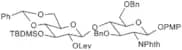
CAS:<p>4-O-Methyl-alpha-D-glucurono-beta-D-xylan is produced by the hydrolysis of xylan. It can be used in studies to find new soluble chromogenic substrates for the assay of xylanases and glucanases.</p>Color and Shape:Powder4-Methoxyphenyl 4-O-(4,6-O-benzylidene-3-O-tert-butyldimethylsilyl-2-O-levulinoyl-β-D-glucopyranosyl)-3,6-di-O-benzyl-2-deoxy-2-phth alimido-β-D-glucopyranoside
<p>4-Methoxyphenyl 4-O-(4,6-O-benzylidene-3-O-tert-butyldimethylsilyl-2-O-levulinoyl-b-D-glucopyranosyl)-3,6-di-O-benzyl -2,6'-dideoxygalactopyranoside is a modification of the natural carbohydrate galactose. The sugar moiety has been methylated and glycosylated with a levulinate ester and then fluorinated. This compound is highly pure and can be synthesized on custom order.</p>Formula:C59H67NO15SiPurity:Min. 95%Molecular weight:1,058.24 g/molGT1b-Ganglioside sodium
CAS:<p>GT1b (sodium salt) has a core tetrasaccharide structure (Galβ1,3GalNAcβ1,4Galβ1,4Glc) with two sialic acids (NeuAc) linked α2,3/α2,8 to the inner galactose residue, sialic acid (NeuAc) linked α2,3 to the terminal galactose residue and ceramide linked β to position 1 on the reducing terminal glucose residue (Ledeen, 2009). GT1b is one of the major gangliosides in neuronal and glial membranes, it interacts with the myelin-associated glycoprotein (MAG) and is essential for long-term axon-myelin stability. GT1b ganglioside also acts as a receptor for bacterial toxins, such as, tetanus and botulinum toxins (Nishik,i 1996), as well as for viruses, a few examples include: Merkel cell polyomavirus, JC virus, BK virus, norovirus, and others (Low, 2006).</p>Formula:C95H165N5O48·xNaColor and Shape:White PowderMolecular weight:2,145.33 g/molLewis A trisaccharide methyl glycoside
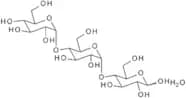
CAS:Lewis A trisaccharide methyl glycoside is a sugar that is synthesized by the chemical modification of an oligosaccharide. The methyl glycoside is then fluorinated and reacted with a complex carbohydrate to produce Lewis A trisaccharide methyl glycoside. It has CAS No. 186315-40-2, which identifies it as a synthetic compound. This product has high purity, and can be custom synthesized to meet your needs. It is also available in both a glycosylated and non-glycosylated form.Formula:C21H37NO15Purity:Min. 95%Color and Shape:PowderMolecular weight:543.52 g/molMaltotriose monohydrate
CAS:<p>Shortest chain oligosaccharide that can be classified as a maltodextrin. A component of liquid glucose (a commercial sweetener composed of glucose, maltose, maltotriose and maltotetrose).</p>Formula:C18H32O16·H2OPurity:Min. 90 Area-%Color and Shape:White Off-White PowderMolecular weight:522.45 g/mol3-O-(a-D-Mannopyranosyl)-D-mannopyranose
CAS:<p>Isolated from the products of the acid reversion of D-mannose</p>Formula:C12H22O11Purity:Min. 95 Area-%Color and Shape:White PowderMolecular weight:342.3 g/mol1,2,3,6-Tetra-O-acetyl-4-O-[2,4,6-tri-O-acetyl-3-O-(3,4,6-tri-O-acetyl-2-deoxy-2-phthalimido-b-D-glucopyranosyl)-b-D-galactopyranosy l]-b-D-glucopyranose
<p>The modification of this product has been completed with a high level of purity and the CAS number is 57-49-6. It is an oligosaccharide that is a complex carbohydrate. This product can be synthesized through custom synthesis and it is a synthetic product. It is classified as a monosaccharide, methylation, glycosylation, and polysaccharide. The chemical formula for this compound is C12H14O11. This compound has been fluorinated to increase its solubility in water.</p>Formula:C46H55NO27Purity:Min. 95%Molecular weight:1,053.92 g/molKojibiose
CAS:<p>A rare sugar, prebiotic fibre and inhibitor of α-glucosidases. It inhibits animal-, plant- and microorganism-derived α-glucosidases I. In rodent models for diabetes, it ameliorates arachidic acid-induced liver injury and reduces hepatic inflammatory markers.</p>Formula:C12H22O11Purity:Min. 99 Area-%Color and Shape:White PowderMolecular weight:342.3 g/mol2'-Fucosyllactose - min 90%
CAS:<p>Substrate for fucosidase; used in infant formula; improves health in infants</p>Formula:C18H32O15Purity:Min. 90%Color and Shape:White PowderMolecular weight:488.44 g/mol3'-Sialyl Lewis X, sodium salt
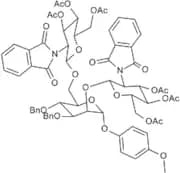
CAS:<p>Sialyl Lewis X (SLeX) is a carbohydrate antigen, related to cell adhesion and it has been shown that inhibition of SLeX synthesis leads to decreased adhesion of trophoblast cells to endometrial epithelial cells (Collins, 2006). Sialyl Lewis X is displayed on the terminus of glycolipids that are present on the surface of white blood cells and it has been shown that SLeX has an important role in inflamation processes. The inital adhesion of white blood cells to a site of injury is mediated by E-selectins which are specific for SLeX. Cell-cell recognition between leukocytes and endothelial cells in blood is believed to occur in part through interactions between lectins and oligosaccharide ligands. SLeX is frequently expressed in human cancer cells and primary tumors. It has been demonstrated that SLeX was involved in the adhesion of tumor cells to vascular endothelium. The potential role of SLeX in the tumor metastatic process has been supported by several clinical studies (Liang, 2016).</p>Formula:C31H51N2NaO23Purity:Min. 95%Color and Shape:White PowderMolecular weight:842.73 g/mol4-Methoxyphenyl 3,4-di-O-benzyl-2,6-di-O-(3,4,6-tri-O-acetyl-2-deoxy-2-phthalimido-β-D-glucopyranosyl)-α-D-mannopyranoside
<p>4-Methoxyphenyl 3,4-di-O-benzyl-2,6-di-O-(3,4,6-tri-O-acetyl-2-deoxy-2-phthalimido-b-D-glucopyranosyl)-a-D -mannopyranoside is a synthetic glycoside that can be custom synthesized to order. It is considered to be of high purity with a CAS number 58314−10−1. This product has been fluorinated and glycosylated and is synthetically produced. 4MPBP has the following modifications: methylation, modification, and glycosylation. 4MPBP is an oligosaccharide that is composed of saccharides and a complex carbohydrate.</p>Formula:C67H68N2O25Purity:Min. 95%Molecular weight:1,301.26 g/molLewis X tetrasaccharide
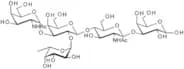
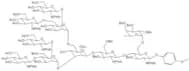
CAS:<p>Lewis X tetrasaccharide (LX4) is a glycan that is found on the surface of human cells. It is an important diagnostic marker for microbial infections and has been shown to be present on the surfaces of both normal skin cells and malignant cells. The presence of LX4 can be detected using a monoclonal antibody in vitro. This glycan can also be used as a model system to study ischemia–reperfusion injury, since it has been shown to be sensitive to oxidative changes caused by reactive oxygen species generated during reperfusion. Studies have also shown that LX4 binds to enzymes such as malonic acid oxydoreductase, which are involved in the metabolism of lysine, arginine, and proline.</p>Formula:C26H45NO20Purity:Min. 90%Color and Shape:White PowderMolecular weight:691.64 g/mol4-Methoxyphenyl 4-O-{4-O-[[2-O-Ac-3-O-[2,4-di-O-(3,4 ,6-tri-O-Ac-2-PhthN-β-D-Glc)-3,6-di-O-Bn-α-D-Man]-6-O-[3,4-di-O-Ac-2 ,6-di-O-(3,4 ,6-tri-O-Ac-2-PhthN-β-D-Glc)-α-D-Man]-β-D-Man]]-3,6-di-O-Bn -2-PhthN-β-D-Glc}-3-O-Bn-6-O-(tri-O-Bn-α-L-Fuc)-2-PhthN-β-D-
CAS:<p>This compound is a synthetic glycosylation reagent that is used for the modification of proteins and polysaccharides. It can be used to introduce various sugars and oligosaccharides to proteins, such as Methylation, Click modification, Polysaccharide, Fluorination, saccharide, Modification, sugar, Oligosaccharide. The compound has a CAS No. 946164-26-7 and is available for custom synthesis with high purity.</p>Formula:C201H204N6O72Purity:Min. 95%Molecular weight:3,855.77 g/mol2-O-(b-D-Mannopyranosyl)-D-mannopyranose
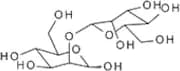
CAS:<p>β-(1→2)-Oligomannoside constituents of the Candida albicans cell wall have been shown to possess immunostimulatory properties, as evidenced by induction of cytokine production, including tumor necrosis factor (TNF) production, in humans and mice. In particular, oligosaccharide fractions, isolated and fractionated from the C. albicans cell wall, have been shown to induce TNF production in mouse macrophages. Therefore, biological studies employing well-defined synthetic β-(1→2)-linked oligomannoside compounds are of interest for verifying and studying in detail the proposed immunostimulatory properties of such constructs.</p>Formula:C12H22O11Purity:Min. 90 Area-%Color and Shape:PowderMolecular weight:342.3 g/molSucrose
CAS:<p>Consumed in large amounts around the world as a food ingredient. Other applications of sucrose include its use in surfactants (esters), polyurethanes (polyols), plastics (alkyds) to produce dextrans (Leuconostoc mesenteroides fermentation) and ethanol (Saccharomyces cerevisiae fermentation).</p>Formula:C12H22O11Purity:Min. 98 Area-%Color and Shape:White PowderMolecular weight:342.3 g/molCellulase inhibitor PG 7145185
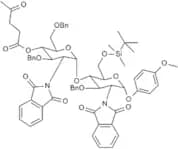
<p>Inhibitor that targets cellulase enzymes engaged in the degradation of cellulose.</p>Formula:C13H21O11F3Purity:Min. 95%Color and Shape:White/Off-White SolidMolecular weight:410.29 g/mol4-Methoxyphenyl 4-O-(3,6-di-O-benzyl-2-deoxy-4-O-levulinoyl-2-phthalimido-β-D-glucopyranosyl)-6-O-tert-butyldimethylsilyl-3-O-benzyl -2-deoxy-2-phthalimido-β-D-glucopyranoside
<p>4-Methoxyphenyl 4-O-(3,6-di-O-benzyl-2-deoxy-4-O-levulinoyl-2-phthalimido-b-D-glucopyranosyl)-6-O-tert butyldimethylsilyl 3,O benzyl 2 deoxy 2 phthalimido b D glucopyranoside is a custom synthesis of a synthetic oligosaccharide. This glycosylation product is soluble in water and has CAS No. of 81238.</p>Formula:C67H72N2O16SiPurity:Min. 95%Molecular weight:1,189.38 g/mol2,3,6-Tri-O-acetyl-γ-cyclodextrin
CAS:<p>2,3,6-Tri-O-acetyl-gamma-cyclodextrin is a custom synthesis of a cyclodextrin. This compound is fluorinated with trifluoromethanesulfonic acid to give the desired product. The methylation of the saccharide is accomplished by reacting it with methyl iodide and sodium hydroxide in an alcoholic solution. The sugar molecule is then glycosylated by reacting it with glycosylation reagent, such as cyanuric chloride or thionyl chloride. Click modification is achieved through the reaction of a glycosylated sugar molecule with azides. Polysaccharides are synthesized by combining glycosylated sugars and polymers into one molecule.BR> CAS No: 30786-38-0BR> Modification: Fluorination, Methylation, Monosaccharide, Synthetic, Click modificationBR> Oligosacchar</p>Formula:C96H128O64Purity:Min. 95%Color and Shape:PowderMolecular weight:2,306.01 g/molN-Glycolylneuraminic acid-OVA
<p>N-Glycolylneuraminic acid-OVA is a custom synthesis that is an Oligosaccharide. It is Polysaccharide and Modification, saccharide, Methylation, Glycosylation, Click modification, Carbohydrate, sugar. The product has a CAS No., has a purity of ≥ 95%, and is Fluorination, Synthetic.</p>Color and Shape:PowderLacto-N-difucohexaose II
CAS:<p>Neutral difuco hexasasaccharide naturally present in human breast milk</p>Formula:C38H65NO29Purity:Min. 90%Color and Shape:PowderMolecular weight:999.91 g/molIsomalt
CAS:<p>Used as a sugar replacer in sugar-free confectionery and beverages</p>Formula:C12H24O11Purity:Min. 98 Area-%Color and Shape:White PowderMolecular weight:344.31 g/mol1,3-α-1,6-α-D-Mannotriose
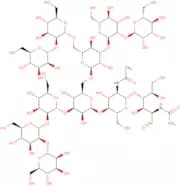
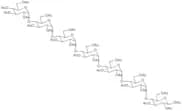
CAS:<p>Intermediate for synthesis of N-acetyllactosaminic glycans</p>Formula:C18H32O16Purity:Min. 95 Area-%Color and Shape:White Off-White PowderMolecular weight:504.44 g/molN,N',N'',N''',N'''',N'''''-Hexaacetylchitohexaose
CAS:<p>Hexaacetylchitohexaose is a hexamer of N-acetylgucosamine subunits which are linked by β-(1,4)-glucosidic bonds. N-acetylgucosamine is the monomeric unit of the natural polymer chitin which is degraded by chitinases, in mammals, to form smaller fragments that can induce an immune response. Like chitin and some of its derivatives, hexaacetylchitohexaose is a substrate of lysozymes. Hexaacetylchitohexaose has been shown to significantly inhibit tumour growth in mice by the activation of innate and adaptive immune cells.</p>Formula:C48H80N6O31Purity:Min. 90 Area-%Color and Shape:White PowderMolecular weight:1,237.2 g/mol4-Methoxyphenyl 2,4,6-tri-O-(3,4,6-tri-O-benzyl-2-deoxy-2-phthalimido-β-D-glucopyranosyl)-3-O-benzyl-α-D-mannopyranoside
4-Methoxyphenyl 2,4,6-tri-O-(3,4,6-tri-O-benzyl-2-deoxy-2-phthalimido-b-D-glucopyranosyl)-3-O-(benzyl)aDmannopyranoside is a custom synthesis of an oligosaccharide. It is an acetal derivative of 4methoxyphenyl 2,4,6tri O-(3,4,6tri Obenzyl 2deoxy2 phthalimido b D glucopyranosyl) 3 O (benzyl) ad mannopyranoside with a methoxymethyl group at the C5 position and a benzyl ether moiety at the C6 position. The molecule contains a methylated sugar as well as fluorine modification on the ring oxygen atom. This molecule has a high purity and is offered in both monosFormula:C125H117N3O25Purity:Min. 95%Molecular weight:2,061.27 g/mola-D-Maltose octaacetate
CAS:<p>Starch breakdown product; sweetening agent; fermentable intermediate in brewing</p>Formula:C28H38O19Purity:Min. 95%Molecular weight:678.59 g/molGalacturonan oligosaccharides DP25-DP50 sodium salt
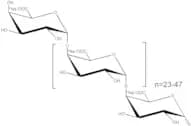
Mixed DP 25-50 Na galacturonans, (α-1,4 25-50 Na galacturonans) are derived from pectin or pectic acid, by enzymatic or partial acid hydrolysis. They are used in galacturonic acid metabolism research as a substrate to identify, differentiate, and characterize endo- and exopolygalacturonase(s) and gluconase(s). In recent studies, it has been shown that long oligogalacturonides (degree of polymerization (DP) from 25â50), help to induce plant defense signaling resulting in enhanced defenses to necrotrophic pathogens.Purity:Min. 90 Area-%Color and Shape:Powder2-O-a-D-Glucopyranosyl-D-galactopyranose
CAS:<p>2-O-a-D-Glucopyranosyl-D-galactopyranose is a synthetic monosaccharide that can be used as a glycosylate building block in the synthesis of oligosaccharides. It has been fluorinated, methylated, and click modified. This high purity material is available for custom synthesis. 2-O-a-D-Glucopyranosyl-D-galactopyranose is also known by its CAS number 7368-73-2.</p>Formula:C12H22O11Purity:Min. 95%Color and Shape:White PowderMolecular weight:342.3 g/molGlobo-H hexaose
CAS:<p>Cancer-associated carbohydrate antigen</p>Formula:C38H65NO30Purity:Min. 90%Color and Shape:White PowderMolecular weight:1,015.91 g/molTrehalose-6-phosphate disodium salt
<p>Trehalose-6-phosphate disodium salt is a complex carbohydrate that can be modified to create a variety of products. Trehalose-6-phosphate disodium salt is made by the methylation of sugar, which creates an alpha-D-glucopyranosyl unit. This product can be used in the synthesis of oligosaccharides and polysaccharides, as well as other carbohydrates. Trehalose-6-phosphate disodium salt is also fluorinated to produce trehalose 6 phosphate fluoride, which has properties similar to those of trehalose 6 phosphate.</p>Formula:C12H21O14PNa2Purity:Min. 95%Color and Shape:White PowderMolecular weight:466.24 g/molChitosan oligomer (Dp 3-7) hydrochloride - Molecular weight 1640
<p>Chitosan oligomer (Dp 3-7) hydrochloride is a carbohydrate with a molecular weight of 1640. It is used as a sugar and an adjuvant in vaccine development. Chitosan oligomer (Dp 3-7) hydrochloride is synthesized by the reaction of chitosan with phosphoryl chloride and has been shown to have antiviral, antibacterial, and anti-inflammatory effects.</p>Formula:(C6H13NO5•HCl)nPurity:Min. 95 Area-%Color and Shape:PowderMaltoheptaose tricosaacetate
CAS:<p>CO2-philic compound; used in pharmaceuticals and CO2-based processes</p>Formula:C88H118O59Purity:Min. 95%Color and Shape:PowderMolecular weight:2,119.92 g/mol1,2,4,6-Tetra-O-acetyl-3-O-(2,3,4,6-tetra-O-acetyl-b-D-glucopyranosyl)-a-D-glucopyranose
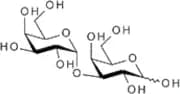
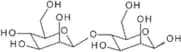
CAS:<p>Acetyl protected laminaribose</p>Formula:C28H38O19Purity:Min. 95%Molecular weight:678.6 g/mol4-O-(β-D-Mannopyranosyl)-D-mannose
CAS:<p>One of the disaccharides produced during the acid reversion of D-mannose. This mannobiose is the major repeating unit in the mannose chains of plant mannans, galacto- and gluco-mannans. It has been isolated from partial acid hydrolysates of ivory-nut (Phytelephas, macrocarpa) mannan, guaran (Cyamopsis sp.), palmyra palm (Borassus flabelliferer), fenugreek (Trigonella foenum-graecum) and lucerne (Medicago saliva) galactomannans.</p>Formula:C12H22O11Purity:Min. 95%Color and Shape:White PowderMolecular weight:342.3 g/molGlycyl-sialyllacto-N-tetraose b
<p>Glycyl-sialyllacto-N-tetraose b is a custom synthesis of an oligosaccharide consisting of four monosaccharides. The monosaccharides are glycyl, sialyllactose and two tetrasaccharides with the configuration of (1,4)-alpha-D-mannopyranosyl-(1,2)-alpha-D-mannopyranosyl-(1,6)-beta-D-glucopyranosyl-(1,4)-alpha-D-mannopyranosyl. Glycyl-sialyllacto-N-tetraose b is a high purity product that can be modified to contain fluorine atoms. This product has been shown to have methylation activity in Methylation reactions.</p>Formula:C39H66N4O29Purity:Min. 95%Molecular weight:1,054.95 g/mol4'-O-(2-Acetamido-2-deoxy-3-O-(b-D-galactopyranosyl)-b-D-galactopyanosyl)-b-D-lactose
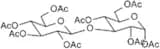
<p>4'-O-(2-Acetamido-2-deoxy-3-O-(b-D-galactopyranosyl)-b-D-galactopyanosyl) -b-D-lactose is a modified saccharide that belongs to the group of polysaccharides. It has a CAS number and can be custom synthesized by our company. This product is classified as a carbohydrate, sugar, or synthetic. It can be used in click modification, modification, or glycosylation reactions. 4'-O-(2-Acetamido-2-deoxy-3-O-(b-D-galactopyranosyl)-b -D -galactopyanosyl) -b -D -lactose is also fluorinated with trifluoromethanesulfonic acid and can be used for complex carbohydrate synthesis.</p>Formula:C26H45NO21Purity:Min. 95%Color and Shape:White PowderMolecular weight:707.63 g/molD-Cellobiose octaacetate
CAS:<p>Fully acetylated cellohexoses, part of a polymer homologous series of oligosaccharides isolated from cellulose by acetolysis followed by chromatography.</p>Formula:C28H38O19Purity:Min. 98 Area-%Color and Shape:White PowderMolecular weight:678.59 g/mola,a-D-Trehalose anhydrous
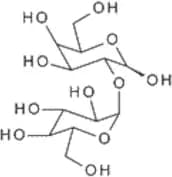
CAS:Trehalose is a sugar that is found in many organisms, including humans. It is a disaccharide composed of two glucose units. Trehalose has been shown to be effective against infectious diseases such as HIV and malaria. Trehalose may have anti-inflammatory effects by inhibiting the production of pro-inflammatory cytokines such as tumor necrosis factor alpha (TNF-α) and interleukin 6 (IL-6). The water vapor pressure of trehalose dihydrate is higher than that of trehalose anhydrous, which may account for its greater stability under high humidity conditions.Formula:C12H22O11Purity:Min. 98 Area-%Color and Shape:PowderMolecular weight:342.3 g/mol3-O-(a-D-Mannopyranosyl)-D-mannopyranose 1-O-propylamine acetate salt
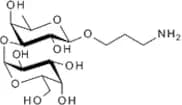
<p>3-O-(a-D-Mannopyranosyl)-D-mannopyranose 1-O-propylamine acetate salt is a methylated saccharide. It is an oligosaccharide that can be synthesized from D-mannose and pyruvic acid, with the addition of a proton donor. This product is used in the synthesis of polysaccharides due to its high purity and low cost. The methyl group on this molecule reacts with the carbonyl group on the sugar to form an ester, which makes it resistant to hydrolysis by enzymes. 3-O-(a-D-Mannopyranosyl)-D-mannopyranose 1-O-propylamine acetate salt is also fluorinated and can be used as a click modification in proteins or carbohydrates.</p>Formula:C17H33O13NPurity:Min. 95%Color and Shape:Colourless To White SolidMolecular weight:459.44 g/mol3'-Sulfated Lewis X sodium salt
CAS:<p>3'-Sulfated Lewis X sodium salt is a synthetic carbohydrate with a sulfate group on the 3' position of the sugar. It is a selective blocker of E-selectin, a type of selectin that plays an important role in inflammation and tissue injury. The binding site for 3'-sulfated Lewis X sodium salt is the cavity at the end of the selectin molecule, which has a hydrophobic region. This cavity can be blocked by hydrophobic moieties such as sulfates, fatty acids, or steroids. 3'-Sulfated Lewis X sodium salt has been shown to be effective in treating inflammatory conditions such as asthma and arthritis.</p>Formula:C20H34NSO18NaPurity:Min. 95%Color and Shape:White PowderMolecular weight:631.55 g/molBlood group A-BSA
<p>A-BSA is an antibody that competes with the blood group antigen for binding to erythrocytes. The A-BSA is immobilized on a microtitre plate and incubated with the blood group antigen and human blood group antiserum. The concentration of A-BSA in the solution is determined by measuring the enzyme-linked immunosorbent assay (ELISA) signal using a spectrophotometer. This measurement is used to determine the concentration of blood group antigen in the sample.</p>Purity:Min. 95%Color and Shape:PowderBlood Group A trisaccharide-BSA
<p>Core antigen ABO trisaccharide conjugated to BSA</p>Purity:Min. 95%Color and Shape:Solidp-Lacto-N-neohexaose
CAS:<p>Neutral hexasasaccharide naturally present in human breast milk</p>Formula:C40H68N2O31Purity:(%) Min. 90%Color and Shape:PowderMolecular weight:1,072.96 g/mol6'-O-Sulfated Lewis X
<p>6'-O-Sulfated Lewis X is a synthetic, sulfated, monosaccharide that is modified with fluorine and methyl groups. It is used in the synthesis of oligosaccharides and polysaccharides. 6'-O-Sulfated Lewis X has been found to be effective in the prevention of glycosylation and sugar formation. This compound can also be used for click modification, as well as for modifying proteins or DNA. The CAS number is 59037-07-4.</p>Formula:C20H35NO18SPurity:Min. 95%Color and Shape:PowderMolecular weight:609.55 g/mol4-O-(2,3,4,6-Tetra-O-acetyl-b-D-glucopyranosyl)-1,2,3,6-tetra-O-acetyl-b-D-thioglucopyranose
CAS:<p>4-O-(2,3,4,6-Tetra-O-acetyl-b-D-glucopyranosyl)-1,2,3,6-tetra-O-acetyl-b-D-thioglucopyranose is a glycosylated saccharide that belongs to the group of complex carbohydrates. The glycosylation of 4-O-(2,3,4,6,-Tetra-O-acetyl b -D -glucopyranosyl)-1,2,3,6,-tetra -O -acetyl b -D -thioglucopyranose is achieved by the enzymatic reaction of an acetate donor and an acceptor molecule in the presence of glucose 1 phosphate (G1P) and UDP sugar pyrophosphorylase. It has been modified by methylation with dimethyl sulphate in the presence of</p>Formula:C28H38O18SPurity:Min. 95%Molecular weight:694.66 g/mola1-3-Galactobiose-biotin
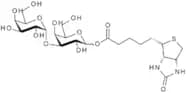
<p>a1-3-Galactobiose-biotin is a synthetic, fluorinated oligosaccharide that has been modified with 3 biotin molecules. It is synthesized by the glycosylation of 1,3-galactobiose and is used as an intermediate in the synthesis of carbohydrates. The sugar moiety can be modified with different chemical groups and reactions such as methylation or click modification to change its properties.</p>Formula:C22H36N2O13SPurity:Min. 95%Color and Shape:PowderMolecular weight:568.59 g/molβ-Lactopyranosyl phenylisothiocyanate
CAS:b-Lactopyranosyl phenylisothiocyanate is a synthetic carbohydrate that has been modified with fluorine, methylation, glycosylation, and click chemistry. It is used in the synthesis of saccharides and oligosaccharides. This compound can also be used to modify saccharides or oligosaccharides with fluorine, methylation, glycosylations, or click chemistry.Formula:C19H25NO11SPurity:Min. 95%Color and Shape:SolidMolecular weight:475.47 g/mol4'-Sulfated Lewis X methyl glycoside sodium
CAS:4'-Sulfated Lewis X methyl glycoside sodium is a synthetic monosaccharide. It is used in the synthesis of oligosaccharides and polysaccharides. This compound can be fluorinated to produce 4'-fluoro-4'-sulfated Lewis X methyl glycoside sodium. The sulfate group on this compound can be replaced with other groups such as carboxyl, cyano, nitro, and acetyl.Formula:C21H36NO18SNaPurity:Min. 95%Color and Shape:PowderMolecular weight:645.58 g/molGD1b-ganglioside sodium
CAS:<p>GD1b (shown as sodium salt) is one of the major gangliosides in neuronal and glial membranes. It has a core tetrasaccharide structure (Galβ1,3GalNAcβ1,4Galβ1,4Glc) with itâs two sialic acids linked α2,3/α2,8 to the inner galactose residue and ceramide linked β to position 1 on the reducing terminal glucose residue (Ledeen, 2009). GD1b acts as a receptor for BK virus as well as for heat-labile LTII-a toxin, produced by enteropathogenicâ¯E. coli. GD1b ganglioside also interacts with tetanus neurotoxin (TeNT) and is crucial for its entry into cells (Kolter, 2012).</p>Purity:Min. 95%Color and Shape:PowderHexa-guluronic acid sodium
CAS:<p>Hexa-guluronic acid sodium salt (1,4-linked α-L-sodium guluronohexaose) is one of a number of oligosaccharides obtained from alginate which is a polysaccharide in brown seaweeds containing: blocks of repeating mannuronic acid sequences (M-M-M-M etc), repeating guluronic acid sequences (G-G-G-G etc), and alternating M-G-M-G sequences. This oligosaccharide can be released by acid hydrolysis (Shimokawa, 1996) and a number of biological activities have been discussed in a recent review (Xing, 2020).</p>Formula:C36H44O37Na6Purity:Min. 95%Color and Shape:White PowderMolecular weight:1,206.65 g/molLactitol monohydrate
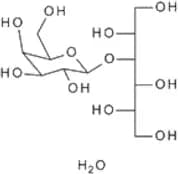
CAS:Lactitol is a sugar alcohol that is used in the food industry as a low-calorie sweetener and preservative. Lactitol has physiological effects such as increasing the glomerular filtration rate and decreasing serum cholesterol levels. It also inhibits inflammatory bowel disease by suppressing the production of proinflammatory cytokines, such as TNF-α, IL-1β, IL-6, and IL-8, which are associated with intestinal inflammation. Lactitol is used as an excipient for tablets or capsules to improve their dissolution properties and to provide bulk. Lactitol does not show any significant toxicity in animal studies and has been shown to be safe for human consumption at up to 15g/day.Formula:C12H24O11·H2OPurity:Min. 95%Color and Shape:White PowderMolecular weight:362.33 g/molGalactinol hydrate
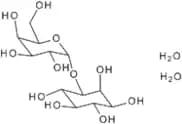
CAS:<p>Galactinol is a diterpene that belongs to the group of phytochemicals. It is synthesized in plants and bacteria from raffinose, an oligosaccharide that is present in high concentrations in beans. Galactinol has been shown to be involved in plant physiology, with its optimum concentration at a pH of 5-7. Galactinol reacts with ascorbic acid to form galactono-1,4-lactone in a reaction mechanism similar to the one for the synthesis of raffinose. It also regulates transcriptional activity by binding to DNA and altering its conformation. This compound has been used as an experimental model for biochemical studies on polymerase chain reactions (PCR).</p>Formula:C12H22O11•H2OxPurity:Min. 98 Area-%Color and Shape:PowderMolecular weight:342.3 g/molFucosyl-GM1 ganglioside
CAS:<p>Monosialylated glycosphingolipid with an α1,2-fucosylated galactose at the nonreducing end. The moluecule is minimally expressed in healthy tissues but has high prevalence in some tumours such as small cell lung cancer (SCLC). Fucosyl-GM1 ganglioside is a potential tumour marker for SCLC and a potential antigen target for immunotherapy.</p>Formula:C79H141N3O35Purity:Min. 98 Area-%Color and Shape:White Off-White PowderMolecular weight:1691.93456N-Acetylneuraminic acid dimer 1-O-propylamine
<p>N-Acetylneuraminic acid dimer 1-O-propylamine is a synthetic N-acetylneuraminic acid (NANA) derivative that has been modified with an alkyl amine. This modification prevents the formation of NANA oligosaccharides and is used in the synthesis of complex carbohydrates. It is also used as a fluorinated building block for various saccharides, including monosaccharides, disaccharides, and polysaccharides. The purity of this product is greater than 99%.</p>Purity:Min. 95%1,6-anhydrochitobiose
<p>1,6-Anhydrochitobiose is an anhydosugar that can be used in the synthesis of oligosaccharides and polysaccharides</p>Formula:C12H22N2O8Molecular weight:322.39 g/mol1,6-Anhydro-N,N’-diacetylchitobiose
CAS:<p>1,6-Anhydro-N,N’-diacetylchitobiose is an anhydrosugar that can be used in the synthesis of oligosaccharides</p>Formula:C16H26N2O10Purity:Min. 95%Color and Shape:PowderMolecular weight:406.39 g/mol4-O-{[(6-Azidoethoxy)ethoxy]ethyl}-β-D-galactopyranosyl-2-deoxy-α-D-glucopyranose-2,1-oxazoline
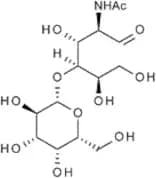
CAS:<p>Please enquire for more information about 4-O-{[(6-Azidoethoxy)ethoxy]ethyl}-β-D-galactopyranosyl-2-deoxy-α-D-glucopyranose-2,1-oxazoline including the price, delivery time and more detailed product information at the technical inquiry form on this page</p>Formula:C20H34N4O12Purity:Min. 95%Molecular weight:522.5 g/mol4-O-[(2-Azidoethoxyimino)-6-deoxy-β-D-galactopyranosyl]-2-deoxy-α-D-glucopyranose-2,1-oxazoline
CAS:<p>Please enquire for more information about 4-O-[(2-Azidoethoxyimino)-6-deoxy-β-D-galactopyranosyl]-2-deoxy-α-D-glucopyranose-2,1-oxazoline including the price, delivery time and more detailed product information at the technical inquiry form on this page</p>Formula:C16H25N5O10Purity:Min. 95%Molecular weight:447.4 g/molN-Acetyl-D-lactosamine - 200mM solution in water
CAS:A natural structural element in a variety of glycoconjugates. Substrate for galactosidases, fucosyltransferases, and sialyltransferases. Useful as a lectin inhibitory sugar and for characterizing lectins.Formula:C14H25NO11Purity:Min. 95%Color and Shape:PowderMolecular weight:383.35 g/mol3'-Sialyl Lewis X 1-N-methyl-N-hydroxyethylamine
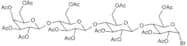
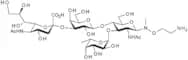
<p>3'-Sialyl Lewis X 1-N-methyl-N-hydroxyethylamine is a custom synthesis of a monosaccharide that contains an N-hydroxymethyl group. The fluorination and methylation reactions are examples of modifications that can be done to this molecule. This monosaccharide can be modified by the click chemistry reaction, which involves the use of azide and alkyne reagents. 3'-Sialyl Lewis X 1-N-methyl-N-hydroxyethylamine is used in glycosylation with complex carbohydrates such as polysaccharides and saccharides, which are large sugars or sugar chains.</p>Formula:C34H60N4O23Purity:Min. 95%Color and Shape:PowderMolecular weight:892.85 g/mol2,3,6-Tri-O-acetyl-4-O-(2,3,6-tri-O-acetyl-4-O-[(2,3,4,6-tetra-O-acetyl-b-D-galactopyranosyl)]-b-D-glucopyranosyl)-a-D-glucopyranosy l bromide
<p>2,3,6-Tri-O-acetyl-4-O-(2,3,6-tri-O-acetyl-4-O-[(2,3,4,6-tetra-O-acetyl bDgalactopyranosyl)]bDglucopyranosyl)-aDglucopyranosyldimethyl bromide is a synthetic sugar that is used as a building block for the synthesis of glycosides. This monosaccharide has been modified using click chemistry to obtain a methylated form that can be used in the synthesis of oligosaccharides and polysaccharides. It is also used to produce an acetal derivative that can be used in the synthesis of glycosidic linkages.</p>Formula:C38H51BrO25Purity:Min. 95%Molecular weight:987.7 g/mol2-Aminoethyl 3-O-(α-D-galactopyranosyl)-β-D-galactopyranoside
CAS:<p>Ai Product Descriptions 50 Creative</p>Formula:C14H27NO11Purity:Min. 95%Molecular weight:385.36 g/mol3-O-(a-D-Galactopyranosyl)-b-D-fucopyranosyl propylamine
<p>3-O-(a-D-Galactopyranosyl)-b-D-fucopyranosyl propylamine is a custom synthesis. It is a modification of the natural product. This compound has been fluorinated, methylated and monosaccharide modified. <br>3-O-(a-D-Galactopyranosyl)-b-D-fucopyranosyl propylamine is a synthetic compound that has been created by click chemistry. It contains an oligosaccharide and saccharide group. The CAS number for this compound is 5873087-81-8. 3-O-(a-D-Galactopyranosyl)-b-D-fucopyranosyl propylamine is also glycosylated with sugar groups and has complex carbohydrate chains.</p>Formula:C15H29NO10Purity:Min. 95%Molecular weight:383.39 g/molBianntennary N-linked core pentasaccharide
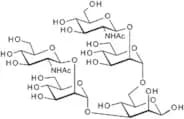
<p>The bianntennary N-linked core pentasaccharide is an oligosaccharide that contains a biantennary glycan and a high purity. This product can be custom synthesized with custom modifications. The bianntennary N-linked core pentasaccharide is an excellent substrate for Click modification, fluorination, and glycosylation reactions. It has been shown to have antiviral activity against herpes simplex virus type 1 (HSV-1) in the guinea pig erythrocyte assay. This product has been methylated at the 6 position of the sugar moiety to yield a modified form.</p>Formula:C34H58N2O26Purity:Min. 95 Area-%Color and Shape:White PowderMolecular weight:910.82 g/mol5-O-(5-Amino-5-deoxy-a-D-ribofuranosyl)-1-N-[(S)-4-amino-2-hydroxy-butanoyl]paromamine
<p>5-O-(5-Amino-5-deoxy-a-D-ribofuranosyl)-1-N-[(S)-4-amino-2-hydroxybutanoyl]paromamine is a high purity, custom synthesis, sugar modified, fluorinated, glycosylated, synthetic and methylated carbohydrate with CAS No. This product is an oligosaccharide composed of monosaccharides and saccharides with a complex carbohydrate structure. It has a molecular weight of 597.21 g/mol with the formula C12H24N8O14P3F6. The chemical structure contains six carbons, seven hydrogens, four oxygens, one nitrogen and three phosphates. This product is soluble in water and ethanol. It has a melting point of 205°C and can be used as an intermediate for pharmaceuticals or other chemicals.</p>Purity:Min. 95%3-O-(α-D-Galactopyranosyl)-D-galactopyranose
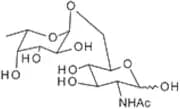
CAS:A carbohydrate, commonly known as alpha gal, found in most mammalian cell membranes. It is not found in primates, including humans, whose immune systems recognize it as a foreign body and produce xenoreactive immunoglobulin M antibodies, leading to organ rejection after transplantation. Anti-α gal immunoglobulin G antibodies are some of the most common in humans. Regular stimulation from gut flora, typically initiated within the first six months of life, leads to an exceptionally high titre of around 1% of all circulating IgG. Recent studies are showing increasing evidence that this allergy may be induced by the bite of the lone star tick (Amblyomma americanum) in North America and the castor bean tick (Ixodes ricincus) in Sweden.Formula:C12H22O11Purity:Min. 95 Area-%Color and Shape:PowderMolecular weight:342.3 g/mol2-Acetamido-2-deoxy-6-O-(a-L-fucopyranosyl)-D-glucopyranose
CAS:Adhesion molecule in eukaryotic-bacterial cell interactionsFormula:C14H25NO10Purity:Min. 95%Color and Shape:White PowderMolecular weight:367.35 g/molGal-b-1-3-GalNAc-b-1-4-Gal-b-1-4-Glc-b-ethylazide
<p>Gal-b-1-3-GalNAc-b-1-4-Gal-b-1-4-Glc is a polysaccharide that is an important component of the outer membrane of Gram negative bacteria. It has been synthesized and modified with methylation, saccharide, Click modification, and glycosylation. The oligosaccharide has a high purity and is synthesized by custom synthesis. GalNAc is purified by HPLC and fluorinated to achieve complex carbohydrate.</p>Purity:Min. 95%Disialyllacto-N-tetraose
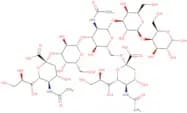
CAS:Disialyllacto-N-tetraose is a medicinal compound that has shown promising anticancer properties. It is an analog of a human urinary glycoprotein and has been found to induce apoptosis in cancer cells. Disialyllacto-N-tetraose acts as a tumor inhibitor by blocking the activity of certain protein kinases, which are enzymes that play a role in cell growth and division. This compound has been studied extensively in Chinese medicine and has shown potential as an effective anticancer agent. Its unique structure and mechanism of action make it a promising candidate for further research into cancer treatment.Formula:C48H79N3O37Purity:Min. 85%Molecular weight:1,290.16 g/molHyaluronate rhodamine - Molecular Weight - 10kDa
<p>Hyaluronate rhodamine is a fluorescent dye that is used in molecular biology to visualize the distribution of intracellular glycoconjugates. It is a water-soluble, cationic dye that binds to negatively charged saccharides and glycosaminoglycans. The dye fluoresces when bound to these molecules, making it useful for detecting the distribution of glycoproteins in cells. Hyaluronate rhodamine can be used as a marker for carbohydrate-rich tissues such as cartilage, synovial fluid, and vitreous humor. This dye can also be used to detect glycoconjugates on the surface of cells and in extracellular spaces.</p>Purity:Min. 95%Human milk neutral tetrasaccharides
<p>Mainly a mixture of Lacto-N-tetraose, Lacto-N-neo-tetraose, Lactodifucotetraose</p>Purity:Min. 95%Color and Shape:PowderMethyl 2-O-(a-D-galactopyranosyl)-b-D-galactopyranoside
<p>Methyl 2-O-(a-D-galactopyranosyl)-b-D-galactopyranoside is a custom synthesis that is fluorinated at the 2 position. It is an oligosaccharide, polysaccharide, and carbohydrate. The product has been modified with the Click modification and has high purity. It is also a monosaccharide sugar or synthetic sugar. Methyl 2-O-(a-D-galactopyranosyl)-b-D-galactopyranoside can be used in complex carbohydrates and fluorination reactions.</p>Formula:C13H24O11Purity:Min. 95%Molecular weight:356.32 g/mol4-Methoxyphenyl 4-O-{4-O-[[3-O-[2,4-di-O-(3,4,6-tri-O-acetyl-2-deoxy-2-phthalimido-β-D-glucopyranosyl)-3,6-di-O-benzyl-α-D-mannopyra nosyl]-4,6-O-benzylidene-2-O-levulinoyl-β-D-glucopyranosyl]]-3,6-di-O-benzyl-2-deoxy-2-phthalimido-β-D-glucopyranosyl}
<p>4-Methoxyphenyl 4-O-{4-O-[3,6-di-O-(3,4,6-tri-O-acetyl-2-deoxy-2-phthalimido-bDglucopyranosyl)-2,4,6-trihydroxybenzylidene]-aDmannopyra nosyl} -3,6diO(benzyl) -2deoxy2phthalimido -bDglucopyranoside is a high purity synthetic oligosaccharide. It is a complex carbohydrate with a high degree of polymerization. This product has been synthesized by Click modification and fluorination. The product contains an acetate group at the reducing end of the sugar chain and may be glycosylated. The CAS number for this product is</p>Formula:C161H160N4O48Purity:Min. 95%Molecular weight:2,918.99 g/mol2,3,6-Tri-O-acetyl-4-O-[2,3,6-tri-O-acetyl-4-O-(2,3,6-tri-O-acetyl-4-O-(2,3,4,6-tetra-O-acetyl-b-D-galactopyranosyl)-b-D-glucopyrano syl)-b-D-glucopyranosyl]-a-D-glucopyranosyl bromide
<p>2,3,6-Tri-O-acetyl-4-O-[2,3,6-tri-O-acetyl-4-O-(2,3,6-tri-O-acetyl-4-O-(2,3,4,6-tetra-O-acetyl bDgalactopyranosyl)-bDglucopyranosyl]-aDglucopyranosyl bromide (TTA) is an acetylated oligosaccharide with a degree of polymerization of 5. It has a molecular weight of 1312. The compound is a methylated saccharide which is synthesized from 2,3,6 tri O acetyl 4 O methyl 2 3 6 tetra O acetyl b D galactopyranosy 1</p>Formula:C50H67BrO33Purity:Min. 95%Molecular weight:1,275.95 g/molPentagalacturonic Acid
CAS:<p>Pentagalacturonic acid (α-1,4 galacturonopentaose) is derived from pectin or pectic acid, by enzymatic or partial acid hydrolysis (Combo, 2012). It is used in galacturonic acid metabolism research as a substrate to identify, differentiate and characterize endo- and exopolygalacturonase(s) and gluconase(s) (Jayani, 2005). The addition of very short fragments of homogalacturonan, tri-galacturonate, tetra-galacturonate, and penta-galacturonate oligosaccharides, restores development in dark-grown, de-etiolated seedling mutants, suggesting that they are unable to generate de-methylesterified pectin fragments. A model of spatiotemporally separated photoreceptive and signal-responsive cell types has been proposed that contains overlapping subsets of the regulatory network of light-dependent seedling development (Sinclair, 2017).</p>Formula:C30H42O31Purity:Min. 95%Color and Shape:PowderMolecular weight:898.64 g/mol




























![4-O-{[(6-Azidoethoxy)ethoxy]ethyl}-β-D-galactopyranosyl-2-deoxy-α-D-glucopyranose-2,1-oxazoline](/_next/image/?url=https%3A%2Fstatic.cymitquimica.com%2Fproducts%2F3D%2Fthumb-webp%2FOA183929.webp&w=3840&q=75)
![4-O-[(2-Azidoethoxyimino)-6-deoxy-β-D-galactopyranosyl]-2-deoxy-α-D-glucopyranose-2,1-oxazoline](/_next/image/?url=https%3A%2Fstatic.cymitquimica.com%2Fproducts%2F3D%2Fthumb-webp%2FOA183930.webp&w=3840&q=75)
![2,3,6-Tri-O-acetyl-4-O-(2,3,6-tri-O-acetyl-4-O-[(2,3,4,6-tetra-O-acetyl-b-D-galactopyranosyl)]-b-D…](/_next/image/?url=https%3A%2Fstatic.cymitquimica.com%2Fproducts%2F3D%2Fthumb-webp%2FOT11432.webp&w=3840&q=75)
![5-O-(5-Amino-5-deoxy-a-D-ribofuranosyl)-1-N-[(S)-4-amino-2-hydroxy-butanoyl]paromamine](/_next/image/?url=https%3A%2Fstatic.cymitquimica.com%2Fproducts%2F3D%2Fthumb-webp%2FOA31194.webp&w=3840&q=75)