


Polycyclic Compounds
Subcategories of "Polycyclic Compounds"
- Acridines(98 products)
- Anthraquinones(533 products)
- Anthraquinonesulfonic Acids(16 products)
- Azobenzenes(270 products)
- Azonaphthalenes(98 products)
- Azoxybenzenes(12 products)
- Azulenes(11 products)
- Benzimidazoles(1,476 products)
- Benzodioxanes(27 products)
- Benzofurans(928 products)
- Benzothiophenes(701 products)
- Benzotriazoles(438 products)
- Binaphthyls(133 products)
- Carbazoles(464 products)
- Chromanes, Chromenes(480 products)
- Coumarins(1,125 products)
- Cyclophanes(11 products)
- Fluorenes and Fluorenones(384 products)
- Imidazopyridines(10 products)
- Indans(118 products)
- Indazoles(2,038 products)
- Indenes(22 products)
- Indoles(3,986 products)
- Indolines(119 products)
- Isatins(234 products)
- Isobenzofurans(17 products)
- N-Substituted Phthalimides(153 products)
- Naphthalenes(2,438 products)
- Naphthyridines(17 products)
- Naphtoquinone(2 products)
- Perylenes(36 products)
- Phenazines(25 products)
- Phthalazines(33 products)
- Phthalimide(153 products)
- Polycyclic Aromatic Hydrocarbons (PAHs)(285 products)
- Polyphenol(270 products)
- Pteridines(52 products)
- Pyrenes(87 products)
- Quinuclidine(1 products)
- Tetracenes(7 products)
Found 4575 products of "Polycyclic Compounds"
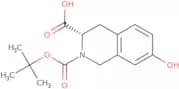
Boc-(3S)-1,2,3,4-tetrahydroisoquinoline-7-hydroxy-3-carboxylic acid
CAS:Boc-(3S)-1,2,3,4-tetrahydroisoquinoline-7-hydroxy-3-carboxylic acid is a synthetic opioid that is chemically related to morphine. It binds to the δ opioid receptor and has a clinical development in the treatment of pain. The drug has been shown to inhibit the binding of gtpγs, which leads to the suppression of neuronal activity. Boc-(3S)-1,2,3,4-tetrahydroisoquinoline-7-hydroxy-3-carboxylic acid also has low molecular weight and low toxicity.Formula:C15H19NO5Purity:Min. 95%Color and Shape:PowderMolecular weight:293.32 g/mol7-Prenyloxyumbelliferone
7-Prenyloxyumbelliferone is a natural coumarin derivative, which is primarily sourced from plants belonging to the Rutaceae and Apiaceae families. This compound exhibits a range of biological activities, including anti-inflammatory, antioxidant, and antimicrobial properties. The mode of action of 7-Prenyloxyumbelliferone involves the modulation of specific enzymes and signaling pathways, such as the inhibition of cyclooxygenase and lipoxygenase, and the scavenging of free radicals, which collectively contribute to its pharmacological effects.Purity:Min. 95%5-Bromo-1-methyl-1H-indole-3-carboxylic acid
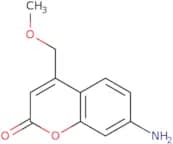
CAS:Controlled ProductPlease enquire for more information about 5-Bromo-1-methyl-1H-indole-3-carboxylic acid including the price, delivery time and more detailed product information at the technical inquiry form on this pageFormula:C10H8BrNO2Purity:Min. 95%Molecular weight:254.08 g/mol7-Amino-4-(methoxymethyl)coumarin
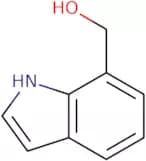
CAS:7-Amino-4-(methoxymethyl)coumarin is a fluorogenic compound, which is synthesized chemically for bioanalytical applications. This compound serves as a substrate in enzyme assays and is particularly valuable in studying enzymatic activity due to its fluorescent properties.Formula:C11H11NO3Purity:Min. 95%Molecular weight:205.21 g/molIndole-7-methanol
CAS:Indole-7-methanol is a flavin cofactor that catalyses the formylation of indole-7-carboxylic acid. Indole-7-methanol can be synthesized by the conversion of indole-7-carboxaldehyde with formaldehyde and ammonium acetate. The macrocyclic, isomeric, and formylated forms of indole-7-methanol have been shown to have utilisation activity in the synthesis of various compounds. These reactions are catalyzed by flavins such as FAD or FMN. Mutant, unsymmetrical derivatives of indole-7-methanol are also known to undergo these types of reactions. The most common derivative is indirubin, which has been shown to inhibit DNA polymerase III and IV in vitro.Formula:C9H9NOPurity:Min. 95%Molecular weight:147.17 g/moltert-Butyl 2,7-diazaspiro[3.5]nonane-7-carboxylate
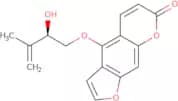
CAS:Please enquire for more information about tert-Butyl 2,7-diazaspiro[3.5]nonane-7-carboxylate including the price, delivery time and more detailed product information at the technical inquiry form on this pageFormula:C12H22N2O2Purity:Min. 95%Molecular weight:226.32 g/molPangelin
CAS:Pangelin is a novel biochemical agent, which is meticulously derived from a unique microbial source with advanced bioconversion techniques. This product functions primarily through a targeted enzymatic mechanism that modulates specific biochemical pathways, ensuring high specificity and efficacy in its action. The enzymatic process engages with targeted substrates to yield predictable and controlled outcomes, making it a potentially valuable tool in biochemical research and applications.
Formula:C16H14O5Purity:Min. 95%Molecular weight:286.28 g/molImidazole
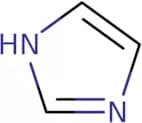
CAS:Imidazole is a highly polar aromatic compound with two annular nitrogen atoms. Imidazole is widely used in the affinity purification of proteins with polyhistidine tags (His-Tag). In the protein purification process, imidazole is used for the elution of His-Tag-fused recombinant proteins from a metal-immobilised resins. In the elution buffers, imidazole is typically used in the 50 â 500 mM concentration range (Bornhorst and Falke, 2000).Formula:C3H4N2Purity:Min 99%Color and Shape:White Off-White PowderMolecular weight:68.08 g/molFraxetin
CAS:Fraxetin is a chemical compound known as a coumarin derivative, which is a natural product primarily sourced from various plant species. As a member of the coumarin family, fraxetin is often extracted from the roots, bark, and leaves of plant sources like Fraxinus species and other related flora. The compound operates through an array of biochemical pathways, prominently exhibiting antioxidant and anti-inflammatory properties. It acts by scavenging free radicals and modulating oxidative stress-related pathways, while also influencing the expression of various inflammatory cytokines.
Formula:C10H8O5Molecular weight:208.17 g/molRef: 3D-Q-100662
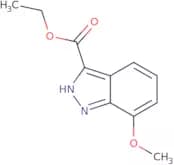
1gTo inquire5gTo inquire10gTo inquire500mgTo inquire2500mgTo inquire-Unit-ggTo inquireEthyl 7-Methoxy-1H-Indazole-3-Carboxylate
CAS:Controlled ProductPlease enquire for more information about Ethyl 7-Methoxy-1H-Indazole-3-Carboxylate including the price, delivery time and more detailed product information at the technical inquiry form on this pageFormula:C11H12N2O3Purity:Min. 95%Molecular weight:220.22 g/mol5-Amino-8-hydroxyquinoline dihydrochloride
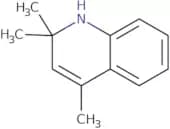
CAS:5-Amino-8-hydroxyquinoline dihydrochloride (5-AQDH) is an anticancer drug that inhibits the activity of survivin, a protein that is overexpressed in cancer cells. It has been shown to be effective in vivo against melanoma tumor growth. 5-AQDH binds to the unpaired cysteine residues of the survivin molecule and inhibits its function by binding to the active site, blocking access to ATP and preventing DNA synthesis. The efficacy of 5-AQDH has been confirmed in vitro by studying the effect on cell viability and DNA synthesis, as well as by measuring plasma mass spectrometry data from melanoma patients. This drug is currently being investigated for its potential use as an anticancer agent.Formula:C9H8N2O•(HCl)2Purity:Min. 95%Molecular weight:212.63 g/molPoly(1,2-dihydro-2,2,4-trimethylquinoline)
CAS:Poly(1,2-dihydro-2,2,4-trimethylquinoline) is a high molecular weight polymeric quinoline. It is an intramolecular hydrogen bond donor. The nitrogen atoms in the polymers are bound to hydrogen and form a ring with two amino groups. Poly(1,2-dihydro-2,2,4-trimethylquinoline) has been shown to be resistant to many chemical agents such as hydrogen fluoride and glycoside derivatives. It also has a carcinogenic potential and can induce liver lesions. The carcinogenesis studies of poly(1,2-dihydro-2,2,4-trimethylquinoline) have shown that it may cause cancer in animals via diazonium salt and methyl ethyl hydrochloric acidFormula:(C12H15N)xPurity:Min. 95%Color and Shape:Powder(S)-5,6,6a,7-Tetrahydro-6-methyl- 4H-dibenzo[de,g]quinoline-10,11-diol hydrochloride
CAS:Controlled ProductPlease enquire for more information about (S)-5,6,6a,7-Tetrahydro-6-methyl- 4H-dibenzo[de,g]quinoline-10,11-diol hydrochloride including the price, delivery time and more detailed product information at the technical inquiry form on this pageFormula:C17H17NO2·HClPurity:Min. 95%Color and Shape:SolidMolecular weight:303.78 g/molTomenin
CAS:Tomenin is a systemic insecticidal compound, which is synthetically derived with a unique dual mode of action. This product is designed to efficiently target nematodes, plant-parasitic organisms that cause significant agricultural damage. The molecular formulation of Tomenin involves binding to specific nematode receptors, disrupting their neuromuscular functions and metabolic pathways. This dual action results in paralysis and eventual death of the nematodes, ensuring effective control over populations that threaten crop yield and quality.Formula:C17H20O10Purity:Min. 95%Molecular weight:384.33 g/moltert-Butyl 4,7-diazaspiro[2.5]octane-7-carboxylate
CAS:Please enquire for more information about tert-Butyl 4,7-diazaspiro[2.5]octane-7-carboxylate including the price, delivery time and more detailed product information at the technical inquiry form on this pagePurity:Min. 95%5-Methoxyquinoline
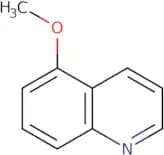
CAS:5-Methoxyquinoline (5MQ) is a chemical compound that belongs to the quinoline derivatives. It has shown anticancer activity in tumor models through a proton-transfer mechanism. 5MQ reacts with an acidic proton, such as the hydronium ion, to produce a reactive intermediate that can react with DNA and other cellular macromolecules. The drug also has been shown to inhibit the growth of bacteria by inhibiting protein synthesis. This inhibition is due to its ability to transfer protons from one molecule to another, which alters the charge distribution on that molecule and prevents it from reacting with other molecules.Formula:C10H9NOPurity:Min. 95%Color and Shape:LiquidMolecular weight:159.18 g/mol1-tert-Butyl 3-methyl 1H-indole-1,3-dicarboxylate
CAS:Controlled ProductPlease enquire for more information about 1-tert-Butyl 3-methyl 1H-indole-1,3-dicarboxylate including the price, delivery time and more detailed product information at the technical inquiry form on this pageFormula:C15H17NO4Purity:Min. 95%Molecular weight:275.3 g/mol8-[(2-Hydroxyethyl)(methyl)amino]-1,3,9-trimethyl-3,9-dihydro-1H-purine-2,6-dione
CAS:Controlled ProductPlease enquire for more information about 8-[(2-Hydroxyethyl)(methyl)amino]-1,3,9-trimethyl-3,9-dihydro-1H-purine-2,6-dione including the price, delivery time and more detailed product information at the technical inquiry form on this page
Formula:C11H17N5O3Purity:Min. 95%Molecular weight:267.28 g/molHeratomol
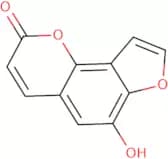
CAS:Please enquire for more information about Heratomol including the price, delivery time and more detailed product information at the technical inquiry form on this page
Formula:C11H6O4Purity:Min. 95%Molecular weight:202.16 g/mol5-Bromo-3-[2-(1-pyrrolidinyl)ethyl]-1H-indole
CAS:Controlled ProductPlease enquire for more information about 5-Bromo-3-[2-(1-pyrrolidinyl)ethyl]-1H-indole including the price, delivery time and more detailed product information at the technical inquiry form on this pageFormula:C14H17BrN2Purity:Min. 95%Molecular weight:293.2 g/mol7-methoxy-8-hydroxy-4-phenylcoumarin
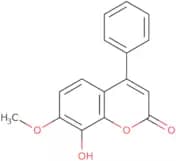
CAS:7-Methoxy-8-hydroxy-4-phenylcoumarin is a coumarin derivative, a type of organic compound characterized by a benzopyrone structure. This compound is typically derived from natural plant sources or synthesized in laboratory settings. Its structural features, such as the methoxy and hydroxy groups, are integral to its potential biological activity.Formula:C16H12O4Purity:Min. 95%Molecular weight:268.26 g/molMethyl 5-chloro-1-methyl-1H-indole-2-carboxylate
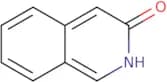
CAS:Controlled ProductPlease enquire for more information about Methyl 5-chloro-1-methyl-1H-indole-2-carboxylate including the price, delivery time and more detailed product information at the technical inquiry form on this pageFormula:C11H10ClNO2Purity:Min. 95%Molecular weight:223.66 g/mol3-Hydroxyisoquinoline
CAS:3-Hydroxyisoquinoline is a non-nucleoside inhibitor of cyclic nucleotide phosphodiesterase (cNMP) that is used in the treatment of nervous system diseases. 3-Hydroxyisoquinoline has been shown to have an inhibitory effect on cyclic nucleotide phosphodiesterase and can be used for the treatment of neurological disorders such as Parkinson’s disease, Alzheimer’s disease, and epilepsy. It also has anti-inflammatory properties and can be used to treat pain. 3-Hydroxyisoquinoline has a photoelectron spectrum that peaks at 5.6 eV, with a strong absorption band at 2.1 eV due to hydrogen bonding. This compound is also able to absorb radiation in the form of light emission with an emission peak at 4.8 eV, with a maximum intensity around 830 nm and a half-life of 0.2 s. 3-Hydroxyisoquinoline is able toFormula:C9H7NOPurity:Min. 95%Color and Shape:Yellow PowderMolecular weight:145.16 g/molL-(2S,3aS,7aS)-Octahydro-1H-indole-2-carboxylic acid benzyl ester tosylate salt
CAS:Please enquire for more information about L-(2S,3aS,7aS)-Octahydro-1H-indole-2-carboxylic acid benzyl ester tosylate salt including the price, delivery time and more detailed product information at the technical inquiry form on this pageFormula:C23H29NO5SPurity:Min. 95%Molecular weight:431.55 g/mol8-Ethyl-1,3,4,9-tetrahydro-1-(1-methylethyl)pyrano[3,4-b]indole-1-acetic acid
CAS:Please enquire for more information about 8-Ethyl-1,3,4,9-tetrahydro-1-(1-methylethyl)pyrano[3,4-b]indole-1-acetic acid including the price, delivery time and more detailed product information at the technical inquiry form on this pageFormula:C18H23NO3Purity:Min. 95%Color and Shape:SolidMolecular weight:301.38 g/molMoluccanin
CAS:Please enquire for more information about Moluccanin including the price, delivery time and more detailed product information at the technical inquiry form on this pagePurity:Min. 95%5-Amino-3,7-dimethylxanthine
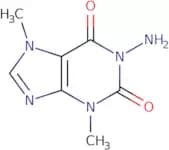
CAS:Controlled ProductPlease enquire for more information about 5-Amino-3,7-dimethylxanthine including the price, delivery time and more detailed product information at the technical inquiry form on this pageFormula:C7H9N5O2Purity:Min. 95%Molecular weight:195.18 g/mol1-Benzyl-5-ethoxy-1H-indole-3-carbaldehyde
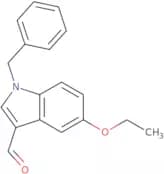
CAS:Controlled ProductPlease enquire for more information about 1-Benzyl-5-ethoxy-1H-indole-3-carbaldehyde including the price, delivery time and more detailed product information at the technical inquiry form on this pageFormula:C18H17NO2Purity:Min. 95%Molecular weight:279.33 g/molTert-butyl(8-anti)-3-azabicyclo[3.2.1]oct-8-ylcarbamate
CAS:Tert-butyl(8-anti)-3-azabicyclo[3.2.1]oct-8-ylcarbamate (tBAA) is a heterocycle that has been modified to enhance its pharmacokinetic properties. Tert-butyl(8-anti)-3-azabicyclo[3.2.1]oct-8-ylcarbamate was designed to be metabolically stable and have a high bioavailability and isosteric properties with phosphatidylinositol, which it uses as a substrate in the catalytic cycle. This modification also increased tBAA's stability in vivo, leading to an increase in efficacy. The covalent attachment of the phenyl ring on the tertiary amine nitrogen of tBAA provides additional protection against hepatic metabolism by CYP450 enzymes, making it more potent than other compounds with similar structures that are not covalently attached to the amine group.Formula:C12H22N2O2Purity:Min. 95%Molecular weight:226.32 g/mol4,7,13,16,21-Pentaoxa-1,10-diazabicyclo[8.8.5]tricosane
CAS:4,7,13,16,21-Pentaoxa-1,10-diazabicyclo[8.8.5]tricosane (POD) is a nitrogen containing heterocycle that is used as a fungicide and insecticide. POD has significant antifungal activity against various species of fungi such as Trichophyton mentagrophytes and Candida albicans. It also inhibits the growth of some Gram-positive bacteria such as Clostridium botulinum. The compound may be used to treat conditions associated with elevated blood pressure by inhibiting the conversion of tyrosine to dihydroxyphenylalanine (DOPA). POD forms stable complexes with metal hydroxides in the presence of water and hydrochloric acid, which are important intermediates for chemical reactions. The frequency shift of positron emission in POD is due to the electron capture during positron annihilation.
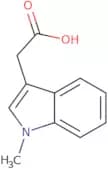
Formula:C16H32N2O5Purity:Min. 95%Molecular weight:332.44 g/mol1-Methylindole-3-acetic acid
CAS:Controlled Product1-Methylindole-3-acetic acid is a biologically active compound that has been used as a medicine. It can be synthesized by the oxidation of 1-methylindole with trifluoroacetic acid and 3-bromopropylamine hydrobromide. The reaction produces a radical species that reacts with dioxetanes to form linear plots. 1-Methylindole-3-acetic acid is also susceptible to light, which leads to the formation of peroxy dioxetanes, amides, and protonated derivatives. The biological relevance is not yet known.Formula:C11H11NO2Purity:Min. 95%Color and Shape:PowderMolecular weight:189.21 g/mol6-Chloroindole-2-carboxylic acid
CAS:6-Chloroindole-2-carboxylicacid is a potent inhibitor of β-lactamase enzymes. It has been shown to act as a competitive inhibitor with an affinity for the β-lactamase enzyme in the nanomolar range. 6-Chloroindole-2-carboxylicacid is also a potent compound that can be used in experiments and screening. It has been shown to bind to the β-lactamase enzyme, which inhibits its activity, leading to a decrease in fluorescence. 6-Chloroindole-2-carboxylicacid has also been shown to have an inhibitory effect on bacterial cells by inhibiting protein synthesis, DNA replication, and RNA transcription.
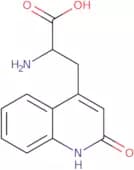
Formula:C9H6ClNO2Purity:95%NmrMolecular weight:195.6 g/mol2-Amino-3-(1.2-dihydro-2-oxoquinoline-4-yl)propanoic acid
CAS:Please enquire for more information about 2-Amino-3-(1.2-dihydro-2-oxoquinoline-4-yl)propanoic acid including the price, delivery time and more detailed product information at the technical inquiry form on this pageFormula:C12H12N2O3Purity:Min. 95%Molecular weight:232.24 g/mol4-Bromoindazole
CAS:4-Bromoindazole is an antibacterial agent that binds to the protonated form of the staphylococcal enzyme methicillin-resistant penicillinase (MRP) and prevents the enzyme from participating in the synthesis of cell wall precursors. The molecular modeling studies of 4-bromoindazole have shown that it can bind to pyogenes, a bacterium that causes streptococcal pharyngitis, by hydrogen bonding between its amide group and pyogenes' carboxylic acid group. 4-Bromoindazole also has anticancer activity against cancer cells with v600e mutation. It has been shown that 4-bromoindazole inhibits cancer cell proliferation by binding to the oxacillin site on DNA gyrase and topoisomerase IV, leading to DNA damage and apoptosis.Purity:Min. 95%Murralongin
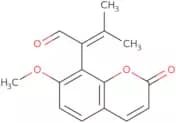
CAS:Murralongin is a natural compound that falls under the category of sesquiterpenes, a class of terpenoids characterized by their three isoprene units. It is derived from the leaves and stems of the plant Eremophila mitchellii, a species known for its rich diversity of bioactive compounds often utilized in traditional medicine. The primary mode of action of Murralongin involves modulation of specific enzymatic pathways, potentially influencing a range of biological processes, including anti-inflammatory and antimicrobial activities.Formula:C15H14O4Purity:Min. 95%Molecular weight:258.27 g/molMurrangetin
Murrangetin is a flavonoid compound, which is a natural phytochemical sourced from the peels of various citrus fruits. Its mode of action primarily involves the modulation of inflammatory pathways, potentially through the inhibition of specific enzymes like cyclooxygenases and lipoxygenases. This flavonoid is also known for its antioxidative properties, which contribute to its ability to scavenge free radicals, thereby reducing oxidative stress in biological systems.
Purity:Min. 95%(S)-1,2,3,4,5,6,7,8-Octahydro-1-[(4-methoxyphenyl)methyl]isoquinoline (acetate salt )
CAS:(S)-1,2,3,4,5,6,7,8-Octahydro-1-[(4-methoxyphenyl)methyl]isoquinoline (acetate salt ) is a diphosphine that can be used as a catalyst to produce formic acid from methanol and carbon monoxide. This product is an enantiomer of picric acid and has been shown to be an effective additive in the crystallization of picric acid. The acetate salt is also optically pure.Purity:Min. 95%7-(Diethylamino)-3-(1-methyl-2-benzimidazolyl)coumarin
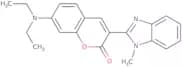
CAS:7-(Diethylamino)-3-(1-methyl-2-benzimidazolyl)coumarin is a fluorescent dye, which is synthesized through chemical derivatization of coumarin compounds. Originating from coumarin, a naturally occurring compound in plants, this dye is particularly noted for its ability to fluoresce under UV and visible light.
Formula:C21H21N3O2Purity:Min. 95%Molecular weight:347.41 g/mol7-Benzyl-1H-Purine-2,6(3H,7H)-Dione
CAS:Controlled ProductPlease enquire for more information about 7-Benzyl-1H-Purine-2,6(3H,7H)-Dione including the price, delivery time and more detailed product information at the technical inquiry form on this page
Formula:C12H10N4O2Purity:Min. 95%Molecular weight:242.23 g/mol6-Bromo-4-nitro-1H-indazole
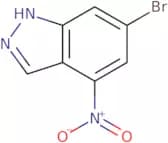
CAS:Please enquire for more information about 6-Bromo-4-nitro-1H-indazole including the price, delivery time and more detailed product information at the technical inquiry form on this page
Formula:C7H4BrN3O2Purity:Min. 95%Molecular weight:242.03 g/mol2-Methyl-1H-imidazole-5-carboxylic acid
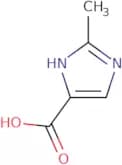
CAS:2-Methyl-1H-imidazole-5-carboxylic acid is a molecule that belongs to the class of antibiotics. It has been shown to be an effective inhibitor of lipases and other enzymes, which is due to its carboxylate group. The immobilization of this molecule has been studied by X-ray crystallography. The oxygen atoms in the molecule are covalently immobilized on a silica surface via a linker chain, which prevents the loss of these atoms. Dichroism spectroscopy was used to study the effects of different solvents on this molecule's ability to rotate light. 2-Methyl-1H-imidazole-5-carboxylic acid was also successfully immobilized using an enzyme called lipase, with residue carboxylate groups positioned at the bottom of the binding cavity.Formula:C5H6N2O2Purity:Min. 95%Color and Shape:PowderMolecular weight:126.11 g/molIndole-3-acetyl-L-glutamic acid
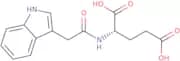
CAS:Indole-3-acetyl-L-glutamic acid is an endogenous substance that is found in plants. It is the conjugated form of indole-3-acetaldehyde and L-glutamic acid. Indole-3-acetylglutamic acid has shown to have antioxidant potential and can be used to regulate plant growth, as well as protect against environmental stresses. Indole-3-acetylglutamic acid also has a role in regulating the production of other hormones, such as ethylene and auxin, which are involved in plant growth regulation.
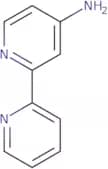
Formula:C15H16N2O5Purity:Min. 98 Area-%Color and Shape:PowderMolecular weight:304.3 g/mol4-Amino-2,2'-bipyridine
CAS:Please enquire for more information about 4-Amino-2,2'-bipyridine including the price, delivery time and more detailed product information at the technical inquiry form on this page
Formula:C10H9N3Purity:Min. 95%Color and Shape:PowderMolecular weight:171.2 g/molBergapten
CAS:Bergapten is a naturally occurring furanocoumarin, which is derived from the essential oils of citrus fruits, such as bergamot. It is recognized for its photosensitizing properties due to its ability to interact with DNA upon exposure to ultraviolet (UV) light. The mode of action involves the formation of monoadducts with pyrimidine bases in DNA, which can lead to cross-linking and ultimately disrupt DNA replication and transcription.Formula:C12H8O4Molecular weight:216.19 g/mol5,7-Dichloro-8-hydroxyquinoline
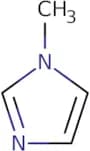
CAS:5,7-Dichloro-8-hydroxyquinoline (5,7-DC8HQ) is a mitochondrial drug that inhibits mitochondrial functions by binding to the ATP synthase. It has been shown to be effective against bacteria resistant to antimicrobial agents in vivo and also showed genotoxic activity in vitro. 5,7-DC8HQ binds to the magnesium site of the ATP synthase protein and prevents the formation of an intramolecular hydrogen bond, which leads to inhibition of ATP synthesis. This drug has also been shown to cause membrane potential depolarization in mitochondria.Formula:C9H5Cl2NOPurity:Min. 98.5 Area-%Color and Shape:White PowderMolecular weight:214.05 g/mol1-Methylimidazole
CAS:1-Methylimidazole is a compound with the molecular formula CH3N2H. It is soluble in water, but insoluble in organic solvents. 1-Methylimidazole has been found to bind to human serum and p-nitrophenyl phosphate. The fluorescence of 1-methylimidazole is quenched by hydrogen bonding interactions, which are the same as those that occur in natural compounds such as hemoglobin and chlorophyll. The nitrogen atoms on the surface of 1-methylimidazole can be detected using infrared spectroscopy. This method can also be used to analyze group P2 molecules, such as benzene, phenol, and cyclohexane.Formula:C4H6N2Purity:Min. 98%Color and Shape:PowderMolecular weight:82.1 g/mol3-Methyl-7-(5-oxohexyl)-1-propylxanthine
CAS:Controlled ProductPlease enquire for more information about 3-Methyl-7-(5-oxohexyl)-1-propylxanthine including the price, delivery time and more detailed product information at the technical inquiry form on this pageFormula:C15H22N4O3Purity:Min. 95%Molecular weight:306.36 g/molArnottinin
CAS:Arnottinin is a bioactive compound, which is derived from natural plant sources. It functions primarily through modulation of specific cellular pathways, targeting key receptors that regulate physiological responses. This compound exhibits its mode of action by influencing signal transduction pathways, effectively altering cellular activities at the molecular level.
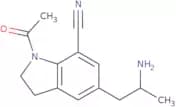
Formula:C14H14O4Purity:Min. 95%Molecular weight:246.26 g/mol1-Acetyl-5-(2-aminopropyl)-2,3-dihydro-1H-indole-7-carbonitrile
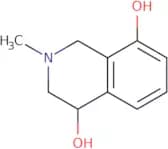
CAS:Controlled ProductPlease enquire for more information about 1-Acetyl-5-(2-aminopropyl)-2,3-dihydro-1H-indole-7-carbonitrile including the price, delivery time and more detailed product information at the technical inquiry form on this pageFormula:C14H17N3OPurity:Min. 95%Molecular weight:243.3 g/mol1,2,3,4-Tetrahydro-4,8-dihydroxy-2-methyl-isoquinoline
CAS:1,2,3,4-Tetrahydro-4,8-dihydroxy-2-methyl-isoquinoline is a chemical compound that has been used as an intermediate in the synthesis of pharmaceuticals. It is also a useful building block for the production of other chemicals. This compound is soluble in water. 1,2,3,4-Tetrahydro-4,8-dihydroxy-2-methyl-isoquinoline has shown to be a versatile and high quality reagent with many research applications.Formula:C10H13NO2Purity:Min. 95%Color and Shape:Yellow PowderMolecular weight:179.22 g/mol1,1'-Dimethyl-4,4'-bipyridinium dichloride hydrate
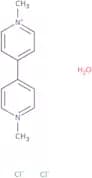
CAS:1,1'-Dimethyl-4,4'-bipyridinium dichloride hydrate is a bipyridine with a divalent chloride. It has been shown to have synergic effects in the presence of dextran sulfate and paraquat. This compound has good photochemical properties, which are used for wastewater treatment and surface methodology. 1,1'-Dimethyl-4,4'-bipyridinium dichloride hydrate also has toxicological studies that show it does not cause any cellular toxicity or mitochondrial membrane potential changes. It also reduces potassium dichromate toxicity in glomerular filtration rate studies. This compound can be used as an analytical method for other bipyridines.Formula:C12H14Cl2N2•(H2O)xPurity:Min. 95%Color and Shape:PowderMolecular weight:257.16 g/mol8-Bromo-2-methylquinoline
CAS:8-Bromo-2-methylquinoline is a naphthalene derivative that has an oxidant function. It can be used as a solvent for chlorobenzene and as a catalyst for the production of bipyridines and piperazine. 8-Bromo-2-methylquinoline is also used as a ligand in the preparation of metal complexes. This compound reacts with methyl groups, chlorine, and halides to form methyl quinolines and dichloromethanes. 8-Bromo-2-methylquinoline may react with fatty acids to form polyunsaturated acid esters or with polyunsaturated fatty acids to form polyethers.Formula:C10H8BrNPurity:Min. 95%Molecular weight:222.08 g/mol9-[(5-Amino-1,3,4-thiadiazol-2-yl)methyl]-1,3-dimethyl-3,9-dihydro-1H-purine-2,6-dione
CAS:Controlled ProductPlease enquire for more information about 9-[(5-Amino-1,3,4-thiadiazol-2-yl)methyl]-1,3-dimethyl-3,9-dihydro-1H-purine-2,6-dione including the price, delivery time and more detailed product information at the technical inquiry form on this pageFormula:C10H11N7O2SPurity:Min. 95%Molecular weight:293.31 g/molDaphnetin-8-methyl ether
CAS:Daphnetin-8-methyl ether is a naturally derived coumarin compound, which is predominantly sourced from the Daphne genus of plants, among other botanical species known for their therapeutic potential. This compound is recognized for its biochemical interaction with key cellular pathways, particularly through the modulation of enzymes and receptors associated with inflammatory and oxidative stress responses.
Formula:C10H8O4Purity:Min. 95%Molecular weight:192.17 g/mol2,3-Dihydro-1-(3-hydroxypropyl)-5-[(2R)-2-[[2-[2-(2,2,2-trifluoroethoxy)phenoxy]ethyl]amino]propyl]-1H-indole-7-carbonitrile
CAS:Please enquire for more information about 2,3-Dihydro-1-(3-hydroxypropyl)-5-[(2R)-2-[[2-[2-(2,2,2-trifluoroethoxy)phenoxy]ethyl]amino]propyl]-1H-indole-7-carbonitrile including the price, delivery time and more detailed product information at the technical inquiry form on this page
Formula:C25H30F3N3O3Purity:Min. 95%Molecular weight:477.52 g/mol2’-Nor thiamine hydrochloride
CAS:Please enquire for more information about 2’-Nor thiamine hydrochloride including the price, delivery time and more detailed product information at the technical inquiry form on this pageFormula:C11H16Cl2N4OSPurity:Min. 95%Molecular weight:323.24 g/mol4-Amino-3-bromoisoquinoline
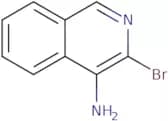
CAS:4-Amino-3-bromoisoquinoline is an isocyanide that reacts with nucleophilic heteroatoms such as the amino group. It also reacts with bromine to form a bromopyridine. The nitrile group of 4-amino-3-bromoisoquinoline can be reduced with sodium borohydride to produce 4-aminoquinoline. This compound has shown potential for use in chemotherapy and treating bacterial infections.Purity:Min. 95%(6R,7R)-3-(Acetoxymethyl)-8-oxo-7-(2-(thiophen-2-yl)acetamido)-5-thia-1-azabicyclo[4.2.0]oct-2-ene-2-carboxylic acid
CAS:(6R,7R)-3-(Acetoxymethyl)-8-oxo-7-(2-(thiophen-2-yl)acetamido)-5-thia-1-azabicyclo[4.2.0]oct-2-ene-2-carboxylic acid is an antimicrobial agent that inhibits bacterial growth by binding to the penicillin binding protein (PBP), which prevents the synthesis of peptidoglycan. This drug has shown effectiveness against gram positive bacteria, including aerobacter aerogenes, as well as infectious diseases in wastewater treatment plants. It has also been demonstrated to be effective in experimental models of infection due to high resistance and cell signaling pathways. The reaction solution was analyzed by plasma mass spectrometry.Formula:C16H16N2O6S2Purity:Min. 98%Color and Shape:White PowderMolecular weight:396.44 g/mol1-(Bicyclo[2.2.1]hept-5-en-2-yl)ethanone
CAS:1,2-Dihydrobenzene (1,2-DH) is a molecule that has the chemical formula C6H6. It is a colorless liquid with boiling point of 147°C and melting point of -11°C. 1,2-DH has been shown to form hydrogen bonds with water molecules. This compound is also insoluble in water, which may be due to its dehydrating properties. When catalyzed by an acid or base, 1,2-DH undergoes dehydration reactions. Acidic or basic conditions are required for this reaction to occur and the resulting product can be determined by x-ray diffraction studies. 1,2-DH has been shown to form coordination complexes with metal ions such as copper (Cu) and zinc (Zn). These complexes have been shown to have ligand binding properties that lead to supramolecular structures. Intermolecular hydrogen bonding interactions between 1,2-DH molecules have also been observed duringFormula:C9H12OPurity:Min. 95%Molecular weight:136.19 g/molGraveolone
CAS:Graveolone is a bioactive compound that functions as a plant defense enhancer, which is derived from certain plant species known for their antimicrobial properties. Its mode of action involves the activation of multiple signaling pathways that bolster the plant's innate immune response. By enhancing the synthesis of defensive proteins and secondary metabolites, Graveolone effectively fortifies plants against pathogenic challenges and abiotic stresses.Formula:C21H22O7Purity:Min. 95%Molecular weight:386.4 g/mol(2R)-1-[2-[(3-Hydroxytricyclo[3.3.1.1(3,7)]dec-1-yl)amino]acetyl]-2-pyrrolidinecarbonitrile
CAS:(2R)-1-[2-[(3-Hydroxytricyclo[3.3.1.1(3,7)]dec-1-yl)amino]acetyl]-2-pyrrolidinecarbonitrile is a drug that belongs to the class of DPP-IV inhibitors and is used for the treatment of type 2 diabetes mellitus. It has been shown to be effective in reducing postprandial blood glucose levels in patients with type 2 diabetes mellitus. The mechanism of action of this drug is not fully understood, but it may have an effect on insulin release from pancreatic beta cells and/or inhibition of gastric emptying or intestinal absorption of glucose. This drug has been shown to reduce tubulointerstitial injury in diabetic rats and can be used as a combination therapy for type 2 diabetes mellitus. There are no known clinically relevant interactions between (2R)-1-[2-[(3-HydroxytricycloFormula:C17H25N3O2Purity:Min. 95%Molecular weight:303.4 g/mol1-Methyl-1H-indole-3-carbohydrazide
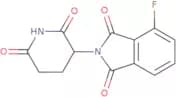
CAS:Controlled Product1-Methyl-1H-indole-3-carbohydrazide (MZ) is a potential anticancer drug that inhibits the growth of cancer cells. It binds to the colchicine binding site on the DNA, which prevents doxorubicin from binding and causing damage to the DNA. MZ has been shown to be effective against breast cancer and has been shown to inhibit tumor growth in mice by targeting cancer cells lines. MZ also inhibits proliferation of MDA-MB-231 cells in culture, as well as inhibiting cell cycle progression, leading to apoptosis. The molecular docking studies show that 1MZ binds to colchicine site on DNA with high affinity and specificity.Formula:C10H11N3OPurity:Min. 95%Molecular weight:189.21 g/mol2-(2,6-Dioxo-piperidin-3-yl)-4-fluoroisoindoline-1,3-dione
CAS:2-(2,6-Dioxo-piperidin-3-yl)-4-fluoroisoindoline-1,3-dione (2,6DPI) is a synthetic chemical compound that has been shown to inhibit NF-κB activation in vitro. 2,6DPI is a competitive inhibitor of the p65 subunit of NF-κB and functions by binding to the cysteine residue on the p65 subunit. It has been shown to be effective against inflammatory diseases such as pulmonary disease and inflammation. This drug also inhibits deacetylases, which are enzymes involved in regulating gene expression. 2,6DPI may have therapeutic potential for the treatment of inflammatory diseases and cancer.Formula:C13H9FN2O4Purity:Min. 95%Color and Shape:Violet To Grey SolidMolecular weight:276.22 g/mol2,4-Dioxo-9-(phenylmethyl)-3,9-diazaspiro[5.5]undecane-1,5-dicarbonitrile
CAS:2,4-Dioxo-9-(phenylmethyl)-3,9-diazaspiro[5.5]undecane-1,5-dicarbonitrile is an aliphatic compound that is used in the synthesis of formaldehyde and amines. It has been shown to react with formaldehyde to produce a mixture of aliphatic amines. This reaction can be used for the production of commercial products such as dyes and pharmaceuticals.Formula:C18H18N4O2Purity:Min. 95%Molecular weight:322.36 g/molIsobergapten
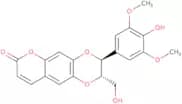
CAS:Isobergapten is a naturally occurring furanocoumarin, which is primarily derived from plants in the Apiaceae family, such as celery and parsley. The compound is structurally characterized by its fused furan and coumarin rings. It exerts its effects through its ability to interact with cellular enzymes and DNA, often influencing photodynamic processes. This interaction can result in modifications to DNA replication and transcription, making it a compound of interest in photochemotherapy and photobiology.Formula:C12H8O4Purity:Min. 95%Color and Shape:PowderMolecular weight:216.19 g/mol1,4-Bis[3,4-dihydro-2(1H)-quinolinon-7-oxy]butane
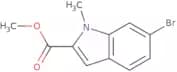
CAS:Controlled ProductPlease enquire for more information about 1,4-Bis[3,4-dihydro-2(1H)-quinolinon-7-oxy]butane including the price, delivery time and more detailed product information at the technical inquiry form on this pageFormula:C22H24N2O4Purity:Min. 95%Molecular weight:380.44 g/molMethyl 6-Bromo-1-Methyl-1H-Indole-2-Carboxylate
CAS:Controlled ProductPlease enquire for more information about Methyl 6-Bromo-1-Methyl-1H-Indole-2-Carboxylate including the price, delivery time and more detailed product information at the technical inquiry form on this pageFormula:C11H10BrNO2Purity:Min. 95%Molecular weight:268.11 g/molPhellopterin
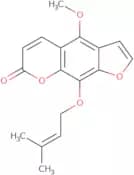
CAS:Phellopterin is a bioactive compound belonging to the class of furanocoumarins. It is extracted from various plants within the Apiaceae family, notably Angelica and Peucedanum species. These plants are found in diverse geographical regions and have been used in traditional medicine for centuries.Purity:Min. 95%Beta-CIT-FP
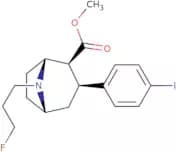
CAS:Controlled ProductMethyl (1R,2S,3S)-8-(3-Fluoropropyl)-3-(4-Iodophenyl)-8-Azabicyclo[3.2.1]Octane-2-Carboxylate is a potent dopamine receptor agonist with a high affinity for the D2 and D3 receptors in the brain. It has been shown to have antiparkinsonian effects in animal models of Parkinson's disease by increasing dopamine levels in the prefrontal cortex and striatum. This drug has also been shown to be effective in clinical studies for the diagnosis of Parkinson's disease. Methyl (1R,2S,3S)-8-(3-Fluoropropyl)-3-(4-Iodophenyl)-8-Azabicyclo[3.2.1]Octane-2-Carboxylate binds to both dopamine and serotonin receptors, which may account for its therapeutic effects on ParkinsonFormula:C18H23FINO2Purity:Min. 95%Molecular weight:431.28 g/mol1-(3-Carboxypropyl)-3,7-dimethylxanthine
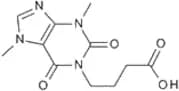
CAS:Controlled Product1-(3-Carboxypropyl)-3,7-dimethylxanthine is a drug that belongs to a class of drugs called multidrugs. It has been shown to inhibit the growth of endothelial cells by blocking the binding of tnf-α to its receptor on these cells. 1-(3-Carboxypropyl)-3,7-dimethylxanthine also inhibits cancer cell proliferation and has been shown to be effective in some human cancer models. This drug interacts with other molecules (e.g., proton) and can have significant effects on magnetic resonance spectroscopy assays as well as in humans.Formula:C11H14N4O4Purity:Min. 95%Color and Shape:PowderMolecular weight:266.25 g/mol1-Pentyl-1H-indole-2,3-dione
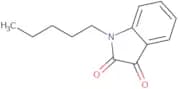
CAS:1-Pentyl-1H-indole-2,3-dione is a synthetic cannabinoid that is used as a recreational drug. It has been shown to be thermally labile and can decompose at high temperatures. 1-Pentyl-1H-indole-2,3-dione is an acidic compound with a melting point of 79°C. The compound is also oxidant and therefore can react with other compounds to create new substances. This reaction can be accelerated by light or heat, which may result in the formation of hazardous products such as naphthalene.
Formula:C13H15NO2Purity:Min. 95%Molecular weight:217.26 g/molcis-Isokhellactone
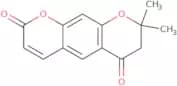
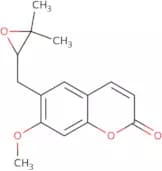
CAS:cis-Isokhellactone is a bioactive compound that belongs to the class of sesquiterpene lactones, which is isolated from plants in the genus Khella. With a well-characterized molecular structure, this compound exhibits significant binding affinity for cellular targets that are crucial in the regulation of cell proliferation and apoptosis. The mode of action involves the modulation of signaling pathways involved in cell cycle regulation and the induction of apoptosis in neoplastic cells.Formula:C14H14O5Purity:Min. 95%Molecular weight:262.26 g/molSuberosin epoxide
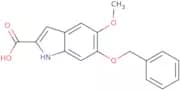
CAS:Suberosin epoxide is a naturally occurring compound, classified as a type of sesquiterpene lactone, which is extracted from certain plant species, particularly those belonging to the Rutaceae family. This compound is of significant interest due to its biologically active properties. Its mode of action typically involves the modulation of enzymatic pathways within biological systems, often interacting with cellular proteins and potentially affecting signal transduction processes.Purity:Min. 95%6-Benzyloxy-5-methoxyindole-2-carboxylic acid
CAS:Please enquire for more information about 6-Benzyloxy-5-methoxyindole-2-carboxylic acid including the price, delivery time and more detailed product information at the technical inquiry form on this pageFormula:C17H15NO4Purity:Min. 95%Molecular weight:297.31 g/mol7-Ethoxy-4-methylcoumarin
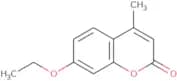
CAS:7-Ethoxy-4-methylcoumarin is a fluorescent probe, which is a synthetic compound commonly sourced from organic chemical synthesis. With its distinct chromophore, this compound becomes highly fluorescent upon enzymatic cleavage, offering a reliable mechanism for the detection of specific enzymatic activities. The mode of action involves the enzymatic cleavage of the ethoxy group, leading to the release of 4-methylumbelliferone, a fluorescent product. This conversion provides a measurable signal that correlates with enzyme activity, making it an invaluable tool in studying enzyme kinetics.
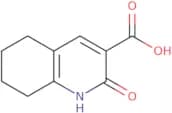
Formula:C12H12O3Purity:Min. 95%Color and Shape:PowderMolecular weight:204.22 g/mol2-Oxo-1,2,5,6,7,8-hexahydroquinoline-3-carboxylic acid
CAS:Please enquire for more information about 2-Oxo-1,2,5,6,7,8-hexahydroquinoline-3-carboxylic acid including the price, delivery time and more detailed product information at the technical inquiry form on this page
Formula:C10H11NO3Purity:Min. 95%Molecular weight:193.2 g/moltert-Butyl 4-chloro-5,6-dihydropyrido[3,4-d]pyrimidine-7(8H)-carboxylate
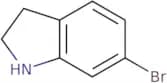
CAS:Please enquire for more information about tert-Butyl 4-chloro-5,6-dihydropyrido[3,4-d]pyrimidine-7(8H)-carboxylate including the price, delivery time and more detailed product information at the technical inquiry form on this pageFormula:C12H16ClN3O2Purity:Min. 95%Molecular weight:269.73 g/mol6-Bromo-2,3-dihydro-1H-indole
CAS:6-Bromo-2,3-dihydro-1H-indole is a natural product that has been shown to inhibit cancer cell growth in vitro. In the presence of 6-bromoindole, cells are unable to proliferate and undergo apoptosis. This compound also shows anti-cancer activity against human leukemia cells. The mechanism of action for this molecule is not yet known but may be related to its ability to activate the caspase enzyme family or its ability to bind to DNA. 6-Bromoindole has been shown to have anti-inflammatory properties through inhibition of prostaglandin synthesis in animal models.
Formula:C8H8BrNPurity:Min. 95%Color and Shape:Off-White PowderMolecular weight:198.06 g/molMethyl 4-(benzyloxy)-1-methyl-1H-indole-2-carboxylate
CAS:Controlled ProductPlease enquire for more information about Methyl 4-(benzyloxy)-1-methyl-1H-indole-2-carboxylate including the price, delivery time and more detailed product information at the technical inquiry form on this pageFormula:C18H17NO3Purity:Min. 95%Molecular weight:295.33 g/mol8-Methoxymethyl-1-methyl-3-(2-methylpropyl) xanthine
CAS:Controlled Product8-Methoxymethyl-1-methyl-3-(2-methylpropyl) xanthine (8MMX) is an intracellular calcium ion chelator that inhibits enzyme activity in the cyclic nucleotide phosphodiesterase enzyme family. 8MMX has been shown to be a potent inhibitor of both cyclic nucleotide phosphodiesterases and cyclic nucleotide phosphodiesterase isoenzymes. 8MMX has been shown to inhibit bladder contractility and improve bladder function in animal models. It also reduces the incidence of papillary muscle rupture, which can lead to heart failure, and improves ventricular function by increasing the rate of relaxation of the left ventricle. 8MMX is a potential treatment for pulmonary hypertension, which is caused by increased concentrations of intracellular calcium ions.Formula:C12H18N4O3Purity:Min. 95%Molecular weight:266.3 g/molEthyl5-acetyloxy-1,2-dimethylindole-3-carboxylate
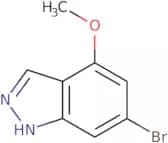
CAS:Controlled ProductPlease enquire for more information about Ethyl5-acetyloxy-1,2-dimethylindole-3-carboxylate including the price, delivery time and more detailed product information at the technical inquiry form on this pageFormula:C15H17NO4Purity:Min. 95%Molecular weight:275.3 g/mol6-Bromo-4-methoxy-1H-indazole
CAS:Please enquire for more information about 6-Bromo-4-methoxy-1H-indazole including the price, delivery time and more detailed product information at the technical inquiry form on this page
Formula:C8H7BrN2OPurity:Min. 95%Molecular weight:227.06 g/moltrans-Khellactone
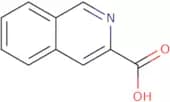
CAS:Trans-Khellactone is a naturally occurring lactone derivative, which is isolated from plants of the Apiaceae family. This compound exhibits a variety of biological functions due to its unique chemical structure, which includes a dihydropyran ring. Trans-Khellactone's mode of action involves interacting with various cellular pathways, potentially modulating enzyme activity, receptor binding, and influencing signal transduction processes.Formula:C14H14O5Purity:Min. 95%Molecular weight:262.26 g/mol3-Isoquinolinecarboxylic acid
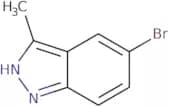
CAS:3-Isoquinolinecarboxylic acid is a molecule with a reactive group that can form cyclic structures. It has been shown that 3-Isoquinolinecarboxylic acid is an apoptotic agent in human macrophages and induces the release of picolinic acid from these cells. This molecule also has a high affinity for α7 nicotinic acetylcholine receptors, which are present on the surface of nerve cells. 3-Isoquinolinecarboxylic acid can be synthesized by condensing picolinic acid, an aromatic aminoacid, with an appropriate amine. The synthesis of this heterocycle is catalyzed by an enzyme called quinolinate synthase. The product of this reaction is oxidized to form 3-isoquinolyl carboxylic acid. The final step in the synthesis involves the oxidative cleavage of a disulfide bond using hydrogen peroxide, yielding 3-isoquinolyFormula:C10H7NO2Purity:Min. 95%Molecular weight:173.17 g/mol5-Bromo-3-methyl-1H-indazole
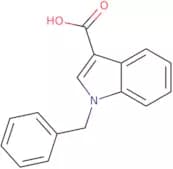
CAS:5-Bromo-3-methyl-1H-indazole is an organic compound that is synthesized from lithium diisopropylamide and lithium. 5-Bromo-3-methyl-1H-indazole is a white solid with a melting point of 151°C. It reacts with anhydrous hydrogen bromide to form 5,5'-dibromoindazole. The molecular weight of this compound is 202.2 g/mol.Formula:C8H7BrN2Purity:Min. 95%Molecular weight:211.06 g/mol1-Benzylindole-3-Carboxylic Acid
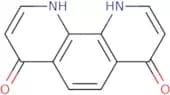
CAS:Controlled Product1-Benzylindole-3-carboxylic acid is a bioactive molecule that has been shown to inhibit the activity of histamine, which is a neurotransmitter involved in inflammatory reactions. 1-Benzylindole-3-carboxylic acid has an affinity ligand for binding to the H1 receptor and can be used as an antihistaminic agent. It also has antihistaminic effects by inhibiting the release of histamine from mast cells and basophils, which are two types of white blood cells that are involved in allergic reactions. The pharmacophore model for 1-benzylindole-3-carboxylic acid suggests that it could be used as an antihistamine or anticholinergic.Formula:C16H13NO2Purity:Min. 95%Molecular weight:251.28 g/mol4,7-Dihydroxy-1,10-phenanthroline
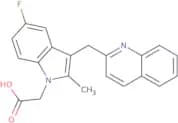
CAS:4,7-Dihydroxy-1,10-phenanthroline is an organometallic compound that has been shown to inhibit the growth of tumour cells. It is a protonated molecule and can be classified as a reactive intermediate. The reaction mechanism for this intermediate is nucleophilic attack by the hydroxy group on the carbon atom adjacent to the aromatic ring. This results in the formation of a cationic intermediate, which undergoes protonation to form the final product. 4,7-Dihydroxy-1,10-phenanthroline has been found to have anti-tumor effects against l1210 murine leukemia cell lines.Formula:C12H8N2O2Purity:Min. 95%Molecular weight:212.2 g/molTimapiprant
CAS:Controlled ProductTimapiprant is an amide that acts as a selective inhibitor of the prostanoid receptor CRTH2, which is involved in regulating the inflammatory response. Timapiprant inhibits skin eosinophilia, which is associated with inflammatory skin diseases such as atopic dermatitis and psoriasis. It has been shown to be safe in clinical trials and has a good safety profile. The drug's mechanism of action may be due to its ability to inhibit the production of IL-4 and IL-13 by Th2 cells and its ability to inhibit lung function. Timapiprant has shown efficacy in treating allergic rhinitis, asthma, chronic obstructive pulmonary disease, erythema multiforme, pyoderma gangrenosum, and other types of inflammatory skin diseases.Formula:C21H17FN2O2Purity:Min. 95%Molecular weight:348.37 g/mol4-(Methoxycarbonyl)bicyclo[2.1.1]hexane-1-carboxylic acid
CAS:Please enquire for more information about 4-(Methoxycarbonyl)bicyclo[2.1.1]hexane-1-carboxylic acid including the price, delivery time and more detailed product information at the technical inquiry form on this pageFormula:C9H12O4Purity:Min. 95%Molecular weight:184.19 g/molCichoriin
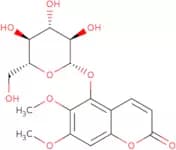
CAS:Cichoriin is a coumarin glycoside, which is a type of phytochemical compound found in certain plants. It is primarily sourced from plants of the Asteraceae family, particularly chicory (Cichorium intybus). The compound exhibits its biochemical effects by interacting with various cellular pathways, including acting as an antioxidant and displaying potential anti-inflammatory and antimicrobial properties.Formula:C15H16O9Purity:Min. 95%Molecular weight:340.28 g/mol3,4-Dihydroisoquinolin-2(1H)-ylacetic acid
CAS:3,4-Dihydroisoquinolin-2(1H)-ylacetic acid is a chemical compound with the molecular formula of C8H11NO2. It is a useful scaffold for the synthesis of complex compounds and research chemicals. 3,4-Dihydroisoquinolin-2(1H)-ylacetic acid is also a versatile building block for the preparation of fine chemicals. It is used as a reaction component in many organic reactions and can be used as a speciality chemical or reagent due to its high quality.
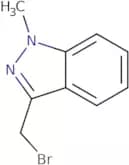
Formula:C11H13NO2Purity:Min. 95%Color and Shape:PowderMolecular weight:191.23 g/mol3-(Bromomethyl)-1-methyl-1H-indazole
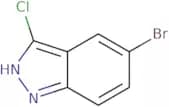
CAS:Controlled ProductPlease enquire for more information about 3-(Bromomethyl)-1-methyl-1H-indazole including the price, delivery time and more detailed product information at the technical inquiry form on this pageFormula:C9H9BrN2Purity:Min. 95%Molecular weight:225.09 g/mol5-Bromo-3-chloro-1H-indazole
CAS:Please enquire for more information about 5-Bromo-3-chloro-1H-indazole including the price, delivery time and more detailed product information at the technical inquiry form on this pageFormula:C7H4BrClN2Purity:Min. 95%Molecular weight:231.48 g/mol2,2,4-Trimethyl-1,2-dihydroquinolin-6-yl phenylacetate
CAS:Controlled ProductPlease enquire for more information about 2,2,4-Trimethyl-1,2-dihydroquinolin-6-yl phenylacetate including the price, delivery time and more detailed product information at the technical inquiry form on this pageFormula:C20H21NO2Purity:Min. 95%Molecular weight:307.39 g/molUmbelliprenin
CAS:Umbelliprenin is a naturally occurring prenylated coumarin, which is primarily isolated from plants in the Apiaceae family. These plants are rich sources of various biologically active compounds. The mode of action of umbelliprenin is attributed to its ability to modulate multiple cellular pathways, including apoptosis and cell cycle arrest. This modulation is largely due to its interaction with reactive oxygen species and various signaling molecules within the cell.
Formula:C24H30O3Purity:Min. 95%Molecular weight:366.49 g/mol7-Azaspiro[4.5]decane
CAS:Please enquire for more information about 7-Azaspiro[4.5]decane including the price, delivery time and more detailed product information at the technical inquiry form on this pageFormula:C9H17NPurity:Min. 95%Color and Shape:Clear LiquidMolecular weight:139.24 g/mol4-Iodo-1-tritylimidazole
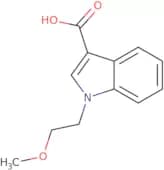
CAS:4-Iodo-1-tritylimidazole is an organic molecule that has a chemical stability comparable to that of a nucleophile. It is a molecule with a heterocycle and accepts electrons from carbinol compounds, halides, and other functional groups. 4-Iodo-1-tritylimidazole can be synthesized by the palladium-catalyzed coupling reaction between organometallic reagents and histidine. This compound has been shown to have properties that are similar to those of biomimetic molecules, such as cross-coupling.Formula:C22H17IN2Purity:Min. 95%Color and Shape:PowderMolecular weight:436.29 g/mol1-(2-Methoxyethyl)-1H-indole-3-carboxylic acid
CAS:Controlled ProductPlease enquire for more information about 1-(2-Methoxyethyl)-1H-indole-3-carboxylic acid including the price, delivery time and more detailed product information at the technical inquiry form on this pageFormula:C12H13NO3Purity:Min. 95%Molecular weight:219.24 g/molMethyl 3-formyl-4,6-dimethoxy-1-methyl-1H-indole-2-carboxylate
CAS:Controlled ProductPlease enquire for more information about Methyl 3-formyl-4,6-dimethoxy-1-methyl-1H-indole-2-carboxylate including the price, delivery time and more detailed product information at the technical inquiry form on this pageFormula:C14H15NO5Purity:Min. 95%Molecular weight:277.27 g/mol2,3,4,5-Tetrahydro-5-methyl-1H-pyrido[4,3-b]indol-1-one
CAS:Controlled ProductPlease enquire for more information about 2,3,4,5-Tetrahydro-5-methyl-1H-pyrido[4,3-b]indol-1-one including the price, delivery time and more detailed product information at the technical inquiry form on this page
Formula:C12H12N2OPurity:Min. 95%Molecular weight:200.24 g/mol


![tert-Butyl 2,7-diazaspiro[3.5]nonane-7-carboxylate](/_next/image/?url=https%3A%2Fstatic.cymitquimica.com%2Fproducts%2F3D%2Fthumb-webp%2FFT138842.webp&w=3840&q=75)


![(S)-5,6,6a,7-Tetrahydro-6-methyl- 4H-dibenzo[de,g]quinoline-10,11-diol hydrochloride](/_next/image/?url=https%3A%2Fstatic.cymitquimica.com%2Fproducts%2F3D%2Fthumb-webp%2FFT46165.webp&w=3840&q=75)
![tert-Butyl 4,7-diazaspiro[2.5]octane-7-carboxylate](/_next/image/?url=https%3A%2Fstatic.cymitquimica.com%2Fproducts%2F3D%2Fthumb-webp%2FFB141975.webp&w=3840&q=75)

![8-[(2-Hydroxyethyl)(methyl)amino]-1,3,9-trimethyl-3,9-dihydro-1H-purine-2,6-dione](/_next/image/?url=https%3A%2Fstatic.cymitquimica.com%2Fproducts%2F3D%2Fthumb-webp%2FFH132897.webp&w=3840&q=75)
![5-Bromo-3-[2-(1-pyrrolidinyl)ethyl]-1H-indole](/_next/image/?url=https%3A%2Fstatic.cymitquimica.com%2Fproducts%2F3D%2Fthumb-webp%2FFB154288.webp&w=3840&q=75)


![8-Ethyl-1,3,4,9-tetrahydro-1-(1-methylethyl)pyrano[3,4-b]indole-1-acetic acid](/_next/image/?url=https%3A%2Fstatic.cymitquimica.com%2Fproducts%2F3D%2Fthumb-webp%2FFE160504.webp&w=3840&q=75)
![Tert-butyl(8-anti)-3-azabicyclo[3.2.1]oct-8-ylcarbamate](/_next/image/?url=https%3A%2Fstatic.cymitquimica.com%2Fproducts%2F3D%2Fthumb-webp%2FFT167890.webp&w=3840&q=75)
![4,7,13,16,21-Pentaoxa-1,10-diazabicyclo[8.8.5]tricosane](/_next/image/?url=https%3A%2Fstatic.cymitquimica.com%2Fproducts%2F3D%2Fthumb-webp%2FFP168636.webp&w=3840&q=75)


![(S)-1,2,3,4,5,6,7,8-Octahydro-1-[(4-methoxyphenyl)methyl]isoquinoline (acetate salt )](/_next/image/?url=https%3A%2Fstatic.cymitquimica.com%2Fproducts%2F3D%2Fthumb-webp%2FFO29465.webp&w=3840&q=75)





![9-[(5-Amino-1,3,4-thiadiazol-2-yl)methyl]-1,3-dimethyl-3,9-dihydro-1H-purine-2,6-dione](/_next/image/?url=https%3A%2Fstatic.cymitquimica.com%2Fproducts%2F3D%2Fthumb-webp%2FFA125300.webp&w=3840&q=75)

![2,3-Dihydro-1-(3-hydroxypropyl)-5-[(2R)-2-[[2-[2-(2,2,2-trifluoroethoxy)phenoxy]ethyl]amino]propyl…](/_next/image/?url=https%3A%2Fstatic.cymitquimica.com%2Fproducts%2F3D%2Fthumb-webp%2FFD103483.webp&w=3840&q=75)
![(6R,7R)-3-(Acetoxymethyl)-8-oxo-7-(2-(thiophen-2-yl)acetamido)-5-thia-1-azabicyclo[4.2.0]oct-2-ene…](/_next/image/?url=https%3A%2Fstatic.cymitquimica.com%2Fproducts%2F3D%2Fthumb-webp%2FFA32097.webp&w=3840&q=75)
![1-(Bicyclo[2.2.1]hept-5-en-2-yl)ethanone](/_next/image/?url=https%3A%2Fstatic.cymitquimica.com%2Fproducts%2F3D%2Fthumb-webp%2FFB140730.webp&w=3840&q=75)
![(2R)-1-[2-[(3-Hydroxytricyclo[3.3.1.1(3,7)]dec-1-yl)amino]acetyl]-2-pyrrolidinecarbonitrile](/_next/image/?url=https%3A%2Fstatic.cymitquimica.com%2Fproducts%2F3D%2Fthumb-webp%2FFH46129.webp&w=3840&q=75)

![2,4-Dioxo-9-(phenylmethyl)-3,9-diazaspiro[5.5]undecane-1,5-dicarbonitrile](/_next/image/?url=https%3A%2Fstatic.cymitquimica.com%2Fproducts%2F3D%2Fthumb-webp%2FFD152712.webp&w=3840&q=75)

![1,4-Bis[3,4-dihydro-2(1H)-quinolinon-7-oxy]butane](/_next/image/?url=https%3A%2Fstatic.cymitquimica.com%2Fproducts%2F3D%2Fthumb-webp%2FFB18792.webp&w=3840&q=75)
![tert-Butyl 4-chloro-5,6-dihydropyrido[3,4-d]pyrimidine-7(8H)-carboxylate](/_next/image/?url=https%3A%2Fstatic.cymitquimica.com%2Fproducts%2F3D%2Fthumb-webp%2FFB144255.webp&w=3840&q=75)



![4-(Methoxycarbonyl)bicyclo[2.1.1]hexane-1-carboxylic acid](/_next/image/?url=https%3A%2Fstatic.cymitquimica.com%2Fproducts%2F3D%2Fthumb-webp%2FFM76248.webp&w=3840&q=75)




![7-Azaspiro[4.5]decane](/_next/image/?url=https%3A%2Fstatic.cymitquimica.com%2Fproducts%2F3D%2Fthumb-webp%2FFA122892.webp&w=3840&q=75)


![2,3,4,5-Tetrahydro-5-methyl-1H-pyrido[4,3-b]indol-1-one](/_next/image/?url=https%3A%2Fstatic.cymitquimica.com%2Fproducts%2F3D%2Fthumb-webp%2FFT55655.webp&w=3840&q=75)