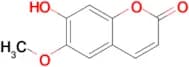
Coumarins
Found 1125 products of "Coumarins"
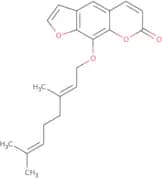
8-Geranyloxypsoralen
CAS:8-Geranyloxypsoralen is a natural furanocoumarin, which is a secondary metabolite typically derived from plants, particularly those in the Rutaceae family. Its source lies predominantly in certain fruits and herbs, where it functions as a natural defense compound.
Formula:C21H22O4Purity:Min. 95 Area-%Color and Shape:Off-White PowderMolecular weight:338.4 g/molIsopimpinellin - Angelica archangelica (angelica)
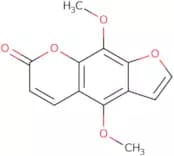
CAS:Isopimpinellin is a furanocoumarin compound, which is derived from the plant Angelica archangelica, commonly known as angelica. This compound is characterized by its intricate chemical structure that includes the fusion of a furan ring to a coumarin backbone. The source, Angelica archangelica, is a biennial plant found predominantly in temperate regions and is notable for its use in traditional herbal medicine.Formula:C13H10O5Purity:Min. 95%Color and Shape:Off-White Yellow PowderMolecular weight:246.22 g/molDaphnetin-8-glucoside
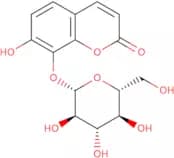
CAS:Daphnetin-8-glucoside is a natural phenolic glucoside compound derived from plants of the Thymelaeaceae family, specifically from the Daphne genus. This compound is produced by the glycosylation of daphnetin, a coumarin derivative found in various botanical sources. The glycoside linkage enhances its solubility and stability, facilitating its bioavailability. Daphnetin-8-glucoside exhibits potent antioxidant and anti-inflammatory activities, mediated through the scavenging of free radicals and inhibition of pro-inflammatory cytokine production. Additionally, it modulates signal transduction pathways involved in cellular oxidative stress responses.Formula:C15H16O9Purity:Min. 95%Color and Shape:PowderMolecular weight:340.28 g/molFraxetin
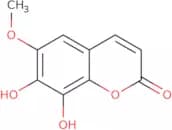
CAS:Fraxetin is a coumarin compound, which is a type of secondary metabolite commonly found in plants. It is principally derived from sources such as Fraxinus rhynchophylla and other related species. Fraxetin functions through various biological mechanisms, including antioxidant, anti-inflammatory, and neuroprotective activities. It accomplishes this by scavenging free radicals, modulating inflammatory pathways, and inhibiting specific enzymes associated with oxidative stress.Formula:C10H8O5Purity:Min. 95%Color and Shape:PowderMolecular weight:208.17 g/molGeiparvarin
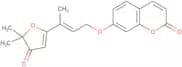
CAS:Geiparvarin is a cytotoxic compound, which is a plant-derived chemical with notable bioactivity. It is sourced from the roots of the Daflon plant, known for various natural compounds with potential therapeutic effects. Geiparvarin acts by interfering with cellular processes, leading to apoptosis in malignant cells. This mode of action is particularly significant in the study and development of anticancer therapies.Purity:Min. 95%Osthenol
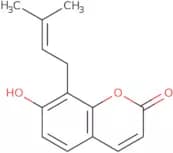
CAS:Osthenol is a natural product compound, known for its osteogenic-promoting properties. It is derived from plant sources, specifically from the fruits of Cudrania tricuspidata, a member of the Moraceae family. This compound functions by modulating cellular activities associated with bone formation. Osthenol has been reported to promote the differentiation and maturation of osteoblasts, the bone-forming cells, through the activation of specific signaling pathways such as the BMP-2 and Wnt/β-catenin pathways. These pathways are crucial for enhancing the deposition of extracellular matrix and increasing the expression of osteogenic markers.Formula:C14H14O3Purity:Min. 95%Color and Shape:PowderMolecular weight:230.26 g/molEpoxybergamottin
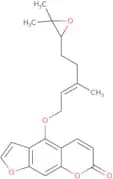
CAS:Epoxybergamottin is a furanocoumarin derivative, which is a natural bioactive compound. It is primarily sourced from citrus fruits, particularly grapefruit. The primary mode of action of epoxybergamottin is the inhibition of cytochrome P450 enzymes, specifically CYP3A4. This enzyme is a major player in the metabolism of many pharmaceuticals, and its inhibition can lead to increased bioavailability and prolonged effects of drugs metabolized by this pathway.
Formula:C21H22O5Purity:Min. 95 Area-%Color and Shape:PowderMolecular weight:354.40 g/molCalycanthoside
CAS:Calycanthoside is a phenolic glycoside, which is a type of natural compound characterized by a glycosidic bond linking a phenolic moiety. It is derived from the plant Calycanthus chinensis, known for its rich array of bioactive compounds. The extraction and isolation processes of Calycanthoside involve sophisticated chromatographic techniques to ensure its purity and activity.Formula:C17H20O10Purity:Min. 95%Color and Shape:PowderMolecular weight:384.33 g/mol4-Chloro-3-nitro-2H-chromen-2-one
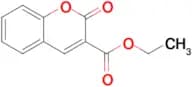
CAS:Formula:C9H4ClNO4Purity:98%Color and Shape:Liquid, No data available.Molecular weight:225.58ETHYL 3-COUMARINCARBOXYLATE
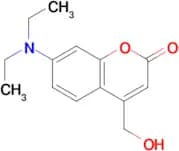
CAS:Formula:C12H10O4Purity:97%Color and Shape:Solid, CrystallineMolecular weight:218.2087-(Diethylamino)-4-(hydroxymethyl)-2H-chromen-2-one
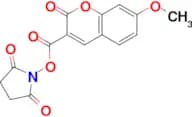
CAS:Formula:C14H17NO3Purity:95%Color and Shape:SolidMolecular weight:247.294Succinimidyl 7-methoxycoumarin-3-carboxylate
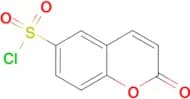
CAS:Formula:C15H11NO7Purity:98%Color and Shape:Solid, White to almost white powderMolecular weight:317.2532-Oxo-2H-chromene-6-sulfonyl chloride
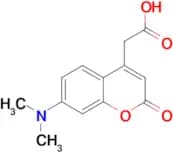
CAS:Formula:C9H5ClO4SPurity:95%Color and Shape:SolidMolecular weight:244.657-Dimethylaminocoumarin-4-acetic acid
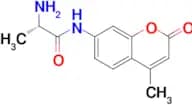
CAS:Formula:C13H13NO4Purity:98%Color and Shape:Liquid, No data available.Molecular weight:247.25(S)-2-Amino-N-(4-methyl-2-oxo-2H-chromen-7-yl)propanamide
CAS:Formula:C13H14N2O3Purity:95%Molecular weight:246.2664-ethyl-5-hydroxy-7-methyl-2H-chromen-2-one
CAS:Formula:C12H12O3Purity:98%Color and Shape:Solid, Light yellow powderMolecular weight:204.2257-Hydroxycoumarin
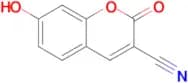
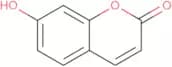
CAS:M05765 - 7-Hydroxycoumarin
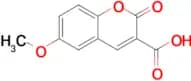
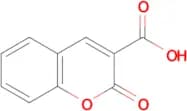
Formula:C9H6O3Purity:97%Color and Shape:Solid, CrystallineMolecular weight:162.1442-oxo-2H-chromene-3-carboxylic acid
CAS:Formula:C10H6O4Purity:95%Color and Shape:SolidMolecular weight:190.1543-(Benzo[d]thiazol-2-yl)-7-(diethylamino)-2H-chromen-2-one
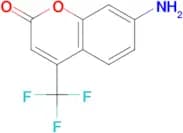
CAS:Formula:C20H18N2O2SPurity:98%Color and Shape:SolidMolecular weight:350.447-Amino-4-(trifluoromethyl)coumarin
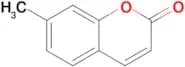
CAS:Formula:C10H6F3NO2Purity:97%Color and Shape:SolidMolecular weight:229.1587-Methyl-2H-chromen-2-one
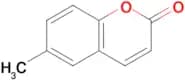
CAS:Formula:C10H8O2Purity:98%Color and Shape:Solid, White to slightly pale yellow powderMolecular weight:160.1726-Methylcoumarin
CAS:Formula:C10H8O2Purity:95%Color and Shape:Crystalline PowderMolecular weight:160.1727-(Diethylamino)coumarin-3-carboxylic acid
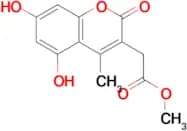
CAS:Formula:C14H15NO4Purity:95%Color and Shape:Solid, Pale yellow - Yellow red powderMolecular weight:261.277methyl (5,7-dihydroxy-4-methyl-2-oxo-2H-chromen-3-yl)acetate
CAS:Formula:C13H12O6Purity:97%Molecular weight:264.233(7-Amino-2-oxo-2H-chromen-4-yl)acetic acid
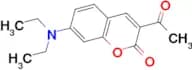
CAS:Formula:C11H9NO4Purity:95%Color and Shape:SolidMolecular weight:219.1963-Acetyl-7-(diethylamino)-2H-chromen-2-one
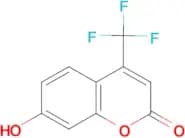
CAS:Formula:C15H17NO3Purity:95%Color and Shape:Solid, Orange powderMolecular weight:259.3057-Hydroxy-4-(trifluoromethyl)coumarin
CAS:Formula:C10H5F3O3Purity:95%Color and Shape:Solid, Light pink solidMolecular weight:230.142





![3-(Benzo[d]thiazol-2-yl)-7-(diethylamino)-2H-chromen-2-one](/_next/image/?url=https%3A%2Fstatic.cymitquimica.com%2Fproducts%2F10%2Fthumb-webp%2FF430070.webp&w=3840&q=75)