Organometallic Ligands
Subcategories of "Organometallic Ligands"
- Buchwald Ligands(22 products)
- DPEN(4 products)
- DPHEN(4 products)
- JOSIPHOS(4 products)
- Phosphine(497 products)
- Porphirines(75 products)
Found 2889 products of "Organometallic Ligands"
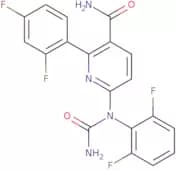
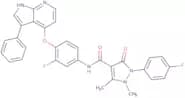
NPS-1034
CAS:Please enquire for more information about NPS-1034 including the price, delivery time and more detailed product information at the technical inquiry form on this page
Formula:C31H23F2N5O3Purity:Min. 95%Molecular weight:551.54 g/molRef: 3D-WYB71392
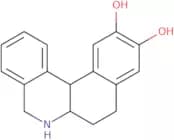
Discontinued productDihydrexidine
CAS:Dihydrexidine is a selective dopamine receptor agonist, which is synthesized in a laboratory setting. It primarily acts on D1-like dopamine receptors, facilitating an increase in dopaminergic signaling pathways. This increased signaling is achieved through binding and activating specific receptor subtypes that influence numerous neural pathways.
Formula:C17H17NO2Purity:Min. 95%Molecular weight:267.32 g/molRef: 3D-YEA03993
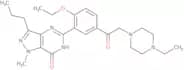
Discontinued productAcetildenafil
CAS:Synthetic phosphodiesterase inhibitor
Formula:C25H34N6O3Purity:Min. 95 Area-%Color and Shape:White PowderMolecular weight:466.58 g/molHMN-154
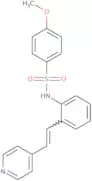
CAS:Please enquire for more information about HMN-154 including the price, delivery time and more detailed product information at the technical inquiry form on this page
Formula:C20H18N2O3SPurity:Min. 95%Molecular weight:366.43 g/molRef: 3D-YGA52892
Discontinued productNVP-QAV 680
CAS:NVP-QAV 680 is a kinase inhibitor, which is a synthetic compound designed to obstruct the enzymatic activity of specific kinases involved in various cellular processes. It is derived from precise chemical synthesis, allowing for targeted interaction with the ATP-binding pockets of kinases pertinent to oncogenic signaling pathways. The mode of action involves competitive inhibition, where NVP-QAV 680 competes with ATP, effectively decreasing the phosphorylation of downstream substrates and resulting in the inhibition of aberrant cell proliferation.
Formula:C18H18N2O4SPurity:Min. 95%Molecular weight:358.41 g/molRef: 3D-XJB36516
Discontinued productGW 311616A
CAS:GW 311616A is an experimental immunomodulatory compound, which is synthesized through chemical processes designed to interact with specific biological pathways. The compound works by selectively inhibiting particular enzymes involved in the immune response, thereby modulating inflammatory processes. This mode of action allows researchers to explore its potential in regulating overactive immune systems or in conditions where immune suppression might be beneficial.
Formula:C19H31N3O4S·HClPurity:Min. 95%Molecular weight:433.99 g/molRef: 3D-XHA89044
Discontinued productGMC 1-161
CAS:GMC 1-161 is a specialized biochemical compound, acting as a mitochondrial function modulator, which is synthetically derived with high precision. Its primary mode of action involves the targeted inhibition of the mitochondrial electron transport chain, particularly affecting complexes I and III. This inhibition results in altered ATP synthesis and increased production of reactive oxygen species, which are critical mechanisms for studying cellular respiration and oxidative stress pathways.
Formula:C22H24ClNOPurity:Min. 95%Molecular weight:353.9 g/molRef: 3D-VDA31697
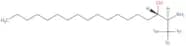
Discontinued product1-Deoxy-L-threo-sphinganine-d3
CAS:Controlled Product1-Deoxy-L-threo-sphinganine-d3 is a deuterated sphingolipid analogue, which is a synthetic derivative obtained through selective hydrogen-deuterium exchange. This compound acts as a stable isotope-labeled internal standard, essential for accurate quantification in mass spectrometry-based lipidomics and metabolomics studies. As an analog of naturally occurring sphingolipids, it participates in cellular signaling by modulating pathways involved in cell growth, differentiation, and apoptosis.
Formula:C18H36D3NOPurity:Min. 95%Molecular weight:288.53 g/molRef: 3D-WZB29832
Discontinued productCEP-33779
CAS:CEP-33779 is a small-molecule inhibitor designed to target the Janus kinase 2 (JAK2) enzyme, which is a crucial component in the JAK-STAT signaling pathway originating from pro-inflammatory cytokine and growth factor receptors. Derived through sophisticated medicinal chemistry and pharmacological exploration, CEP-33779 functions by selectively inhibiting JAK2 activity. This inhibition is achieved by binding to the ATP-binding pocket of the JAK2 enzyme, thereby blocking the phosphorylation and subsequent activation of STAT proteins, which are essential for the transcription of genes involved in inflammation and tumor proliferation.
Formula:C24H26N6O2SPurity:Min. 95%Molecular weight:462.6 g/molRef: 3D-WDC16857
Discontinued productVapreotide acetate
CAS:Controlled ProductVapreotide acetate is a synthetic somatostatin analog, which is derived through chemical synthesis to mimic the naturally occurring hormone somatostatin. Its mode of action involves binding to somatostatin receptors, leading to the inhibition of the secretion of several hormones and growth factors, such as growth hormone (GH), insulin, glucagon, and gastrin. This inhibitory effect is achieved due to its structural similarity to somatostatin, allowing it to effectively modulate endocrine and exocrine functions.
Formula:C59H74N12O11S2Purity:Min. 95%Molecular weight:1,191.4 g/molRef: 3D-ZIB47974
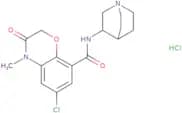
Discontinued product(+)-Azasetron hydrochloride
CAS:(+)-Azasetron hydrochloride is a chemical compound known as a 5-HT3 receptor antagonist, which is synthesized through chemical processes. Its primary mode of action involves the selective inhibition of the serotonin 5-HT3 receptor, located in both the central and peripheral nervous systems. This block prevents serotonin from binding to its receptor, which is a crucial step in the emetic response—a physiological reaction that leads to nausea and vomiting.
Formula:C17H21Cl2N3O3Purity:Min. 95%Molecular weight:386.3 g/molRef: 3D-YEA04094
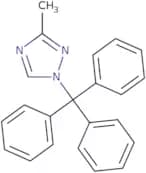
Discontinued product3-Methyl-1-trityl-1H-1,2,4-triazole
CAS:3-Methyl-1-trityl-1H-1,2,4-triazole is a chemical compound that belongs to the class of triazole derivatives. It is synthesized in a laboratory setting through organic synthesis techniques, involving the tritylation of a triazole moiety. Its mode of action is primarily centered on its triazole ring, which is known to interact with a variety of biological targets, potentially affecting enzymatic functions and inhibiting certain pathways. Due to its unique structure, this compound is of interest in medicinal chemistry for its possible role as a bioactive agent. Applications include its use as a research tool in the study of enzyme inhibition, exploring new therapeutic pathways, and as a scaffold for the development of more complex bioactive molecules. Its structure allows for modifications that can yield analogs with diverse biological activities, making it a valuable compound for scientists working in drug discovery and development.
Formula:C22H19N3Purity:Min. 95%Molecular weight:325.4 g/molRef: 3D-VDA16616
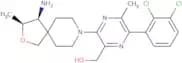
Discontinued productRMC-4550
CAS:RMC-4550 is an adhesive compound, which is a synthetic formulation with high-performance bonding capabilities. It is derived from an optimized blend of polymers, designed to enhance its adhesion and tensile strength on diverse substrates. The mode of action involves forming molecular interactions and mechanical interlocks with the surfaces it bonds, which provides exceptional resistance to environmental degradation and mechanical stress.
Formula:C21H26Cl2N4O2Purity:Min. 95%Molecular weight:437.36 g/molRef: 3D-XLD65173
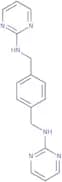
Discontinued productMSX-122
CAS:MSX-122 is a small-molecule inhibitor, which is synthetically derived through pharmaceutical research. It functions as an antagonist to hypoxia-inducible factor-1α (HIF-1α), a transcription factor pivotal in cellular response to low oxygen conditions. By inhibiting HIF-1α, MSX-122 effectively disrupts the transcriptional activation of genes involved in angiogenesis, metabolism, and survival pathways that are often upregulated in cancerous tissues.
Formula:C16H16N6Purity:Min. 95%Molecular weight:292.34 g/molRef: 3D-XKB65795
Discontinued productProcaterol
CAS:Procaterol is a bronchodilator, which is a synthetic beta-2 adrenergic agonist. It is derived through chemical processes designed to specifically target the beta-2 adrenergic receptors located in the bronchial smooth muscle. The mode of action involves the activation of these receptors, which leads to the relaxation of bronchial smooth muscles. This relaxation effect facilitates the widening of airways, improving airflow and respiratory function.
Formula:C16H22N2O3Purity:Min. 95%Molecular weight:290.36 g/molRef: 3D-XCA33233
Discontinued productVU591
CAS:VU591 is a molecular probe, which is a synthetic chemical compound designed for research purposes. It originates from a series of high-throughput screening processes aimed at identifying modulators of X-linked inhibitor of apoptosis proteins (XIAP). The mode of action of VU591 involves binding to the XIAP, thereby disrupting its interaction with caspases, essential components in cellular apoptosis pathways. By modulating XIAP, VU591 can serve as an effective tool in studying apoptosis regulation and its implications in diseases where cell death is dysregulated, such as cancer. It is commonly utilized in laboratory settings to elucidate the molecular mechanisms governing apoptosis and to investigate potential therapeutic strategies targeting XIAP-mediated pathways, offering valuable insights for developing anti-cancer treatments.
Formula:C16H12N6O5Purity:Min. 95%Molecular weight:368.3 g/molRef: 3D-XYB81074
Discontinued productMS402
CAS:MS402 is a biological control agent derived from a naturally occurring entomopathogenic fungus, which targets specific agricultural pests through a parasitic mode of action. Upon application, this microorganism adheres to the host insect’s cuticle, penetrating it and proliferating within the body. Subsequently, the pest is incapacitated, which results in its death, thereby mitigating pest populations in crop environments.
Formula:C20H19ClN2O3Purity:Min. 95%Molecular weight:370.8 g/molRef: 3D-XRC68468
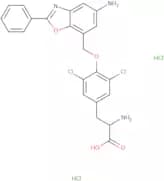
Discontinued productGW 583340 Dihydrochloride
CAS:GW 583340 Dihydrochloride is a selective antagonist primarily targeting the G protein-coupled receptor 55 (GPR55), which is a type of membrane receptor implicated in various physiological and pathological processes. It is synthesized through complex organic chemical processes involving specific assembly of molecular components to achieve high specificity and efficiency in receptor binding.
Formula:C28H25ClFN5O3S2·2HClPurity:Min. 95%Molecular weight:598.11 g/molRef: 3D-YWB02385
Discontinued productVincristine-d3 sulfate
CAS:Controlled ProductVincristine-d3 sulfate is a labeled compound, which is a deuterium-labeled form of vincristine. It originates from Catharanthus roseus (Madagascar periwinkle), where it is derived as an indole alkaloid. This compound is chemically modified to include deuterium atoms, which serve as traceable markers, facilitating the study of its pharmacokinetics and metabolism.
Formula:C46H55D3N4O14SPurity:Min. 95%Molecular weight:926.05 g/molRef: 3D-WZB81710
Discontinued productML365
CAS:ML365 is an advanced data analysis tool developed to support machine learning workflows. It is designed using proprietary algorithms from cutting-edge computational research, intended to optimize and automate various stages of the machine learning pipeline with exceptional efficiency.
Formula:C22H20N2O3Purity:Min. 95%Molecular weight:360.41 g/molRef: 3D-XMB91418
Discontinued product5-Chloro-2-methyl-3-isothiazolone-d3
CAS:5-Chloro-2-methyl-3-isothiazolone-d3 is a deuterated form of the chemical compound 5-chloro-2-methyl-3-isothiazolone, often employed in specialized research settings. This compound is derived synthetically and isotopically labeled for accurate tracking in various analytical applications. The incorporation of deuterium atoms in place of hydrogen allows for enhanced detection and precise identification in mass spectrometry-based analyses.
Formula:C4H4ClNOSPurity:Min. 95%Molecular weight:152.62 g/molRef: 3D-EDC61134
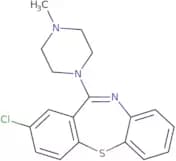
Discontinued productClothiapine
CAS:Controlled ProductClothiapine is a psychotropic agent, which is a type of drug used in psychiatry. It is sourced from the dibenzothiazepine class of compounds. As a thioxanthene derivative, clothiapine acts as a dopamine receptor antagonist, specifically targeting D2 receptors. This mode of action results in its antipsychotic effects by modulating neurotransmitter pathways in the brain, particularly those involving dopamine, which is often implicated in psychiatric disorders.
Formula:C18H18ClN3SPurity:Min. 95%Molecular weight:343.88 g/molRef: 3D-FC178187
Discontinued productTGR5 Receptor Agonist
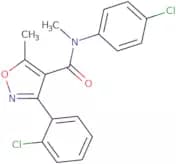
CAS:TGR5 Receptor Agonist is a synthetic compound designed to activate the G protein-coupled bile acid receptor 1, commonly known as TGR5. This receptor is largely expressed in various tissues, including liver, brown adipose tissue, and the gastrointestinal tract. TGR5 agonists are derived through chemical synthesis, enabling precise modulation of biological pathways. The mechanism of action involves activation of the TGR5 receptor, which leads to downstream signaling cascades that enhance energy expenditure, improve insulin sensitivity, and exert anti-inflammatory effects.
Formula:C18H14Cl2N2O2Purity:Min. 95%Molecular weight:361.22 g/molRef: 3D-XXB30024
Discontinued product3-[[2-[4-Phenyl-3-(trifluoromethyl)phenyl]-1-benzothiophen-5-yl]methylamino]propanoic acid
CAS:Controlled Product3-[[2-[4-Phenyl-3-(trifluoromethyl)phenyl]-1-benzothiophen-5-yl]methylamino]propanoic acid is a small organic molecule, which is a synthetically derived compound often investigated for its potential pharmacological properties. This compound originates from advanced chemical synthesis techniques designed to explore new biologically active molecules. Its mode of action typically involves modulation of specific molecular pathways or receptors, though the precise mechanisms may vary depending on the biological system studied.Formula:C25H20F3NO2SPurity:Min. 95%Molecular weight:455.5 g/molRef: 3D-VHB24077
Discontinued productDMU2105
CAS:DMU2105 is a novel photosensitizer, developed from synthetic organic compounds, which operates through the absorption of specific wavelengths of light to produce reactive oxygen species. These reactive species interact with cellular components, inducing cytotoxicity and aiding in selective destruction of target cells. This mode of action is particularly effective in photodynamic therapy (PDT) and medical imaging.
Formula:C18H13NOPurity:Min. 95%Molecular weight:259.3 g/molRef: 3D-WXC14379
Discontinued productWEHI-539 hydrochloride
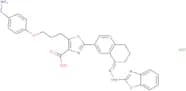
CAS:WEHI-539 hydrochloride is a chemical compound that functions as a potent and selective Bcl-XL inhibitor. It is synthetically derived and serves as a valuable tool in the study of apoptotic pathways. Bcl-XL is a member of the Bcl-2 family of proteins, which are critical regulators of apoptosis, and its inhibition can promote cell death in cancer cells that rely on this pathway for survival.
Formula:C31H30ClN5O3S2Purity:Min. 95%Molecular weight:620.19 g/molRef: 3D-VHD01833
Discontinued productA 331440 Dihydrochloride
CAS:A 331440 Dihydrochloride is a potent and selective NMDA receptor antagonist, which is a synthetic compound with notable binding affinity for modulating excitatory synaptic transmission. This product is derived from chemical synthesis, designed specifically for research applications involving neuronal signaling pathways. Its mode of action involves blocking the ion channels associated with NMDA receptors, thereby inhibiting the flow of calcium ions across the cell membrane.
Formula:C22H29Cl2N3OPurity:Min. 95%Molecular weight:422.4 g/molRef: 3D-ZRB74032
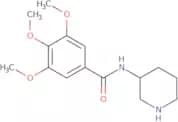
Discontinued productTroxipide - Bio-X ™
CAS:Troxipide is a gastric cytoprotective agent that is used for the treatment of gastroesophageal reflux disease (GERD). It has anti-inflammatory, anti-ulcer and mucus secreting properties. This drug inhibits proinflammatory mediators in order to restore the normal gastric mucosa.
Formula:C15H22N2O4Purity:Min. 95%Color and Shape:PowderMolecular weight:294.35 g/molAP C5
CAS:AP C5 is an antimicrobial peptide, which is a biologically-derived molecule with potent bactericidal properties. It originates from natural or synthetic sources, often designed to mimic peptides found in diverse organisms such as amphibians, insects, or mammals that possess innate immune responses.
Formula:C16H13N5Purity:Min. 95%Molecular weight:275.31 g/molRef: 3D-JPD27210
Discontinued productPAOPA
CAS:PAOPA is a tyrosinase inhibitor that has been shown to be a potent and selective competitive inhibitor of tyrosinase. It has been shown to inhibit the dopamine-induced tyrosinase activity in rat striatal membranes. PAOPA also blocks the binding of L-DOPA to its receptor, and inhibits the synthesis of melanin by inhibiting the conversion of DOPA to dopaquinone. The low bioavailability of PAOPA may be due to its poor absorption from the gastrointestinal tract and rapid metabolism in liver. PAOPA is effective when used at doses greater than 10 mg/kg body weight.
Formula:C11H18N4O3Purity:Min. 95%Molecular weight:254.29 g/molRef: 3D-PEA20031
Discontinued product4,5-Bis(4-methoxyphenyl)-1,3-dihydroimidazol-2-one
CAS:4,5-Bis(4-methoxyphenyl)-1,3-dihydroimidazol-2-one is a selective estrogen receptor modulator (SERM), which is a synthetic compound designed to bind with high affinity and selectivity to estrogen receptors. Derived from chemical synthesis, it incorporates structural elements that enable specific interactions with estrogen receptor subtypes.Formula:C17H16N2O3Purity:Min. 95%Molecular weight:296.32 g/molRef: 3D-WCA72740
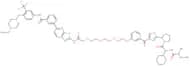
Discontinued productSNIPER(ABL)-033
CAS:SNIPER(ABL)-033 is an advanced biotechnological tool designed to facilitate targeted research interventions. It is sourced from a collaborative effort between molecular biology specialists and biochemical engineers, ensuring robustness in complex biological environments. The product operates via advanced Antibody-Based Ligand (ABL) technology, which allows for the precise targeting and modulation of specific cellular pathways. Its mode of action involves binding to distinct molecular markers, facilitating targeted interference or activation of biological processes with high specificity and minimized off-target effects.
Formula:C61H73F3N10O9S2Purity:Min. 95%Molecular weight:1,211.4 g/molRef: 3D-XND35418
Discontinued productc24 Ceramide (d18:1/24:0)
CAS:C24 Ceramide (d18:1/24:0) is a sphingolipid molecule, which is a fundamental component of cell membranes. This specific ceramide is derived from the lipid class known for its critical role in maintaining the integrity and functionality of the stratum corneum. The structure comprises a long-chain sphingoid base, d18:1, linked to a saturated 24-carbon fatty acid, 24:0, facilitating its incorporation into the lipid bilayer.
Formula:C42H83NO3Purity:Min. 95%Molecular weight:650.11 g/molRef: 3D-CEA91780
Discontinued productALS-8112
CAS:Please enquire for more information about ALS-8112 including the price, delivery time and more detailed product information at the technical inquiry form on this page
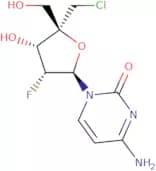
Formula:C10H13ClFN3O4Purity:Min. 95%Molecular weight:293.68 g/molRef: 3D-VHC37992
Discontinued productSerine hydrolase inhibitor-11
CAS:Serine hydrolase inhibitor-11 is a biochemical research tool designed to target the serine hydrolase enzyme class. This compound is synthesized through advanced chemical methods, offering precise inhibitory effects on serine hydrolase enzymes. It functions by covalently binding to the active serine site within the enzyme's structure, effectively blocking its catalytic action and altering substrate metabolism.
Formula:C9H13N3OPurity:Min. 95%Molecular weight:179.22 g/molRef: 3D-XPC42614
Discontinued productRS 102221 hydrochloride
CAS:Antagonist of 5-HT2C receptor
Formula:C27H31F3N4O7SPurity:Min. 95%Molecular weight:612.62 g/molRef: 3D-FR103699
Discontinued productLY-255283
CAS:LY-255283 is a potent leukotriene B4 (LTB4) receptor antagonist, which is a synthetic compound developed for research purposes. The source of LY-255283 is a chemically synthesized molecule designed to interfere with the biological pathways mediated by leukotriene B4, a pro-inflammatory lipid mediator involved in various inflammatory responses.
Formula:C19H28N4O3Purity:Min. 95%Molecular weight:360.45 g/molRef: 3D-SEA69079
Discontinued productHomocarbonyltopsentin
CAS:Homocarbonyltopsentin is a heteroaromatic alkaloid, which is isolated from marine sponges. This compound is characterized by its unique indole-imidazole structure, derived from natural products found primarily in marine ecosystems. Its mode of action involves the inhibition of specific enzymes and interference with cellular processes, such as DNA synthesis and signal transduction pathways.
Formula:C21H14N4O3Purity:Min. 95%Molecular weight:370.4 g/molRef: 3D-XGA28677
Discontinued productSulfamethoxazole-d4
CAS:Sulfamethoxazole-d4 is a deuterated analog of sulfamethoxazole, which is a synthetic antibacterial agent. It is primarily sourced from chemical synthesis processes that involve replacing hydrogen atoms with deuterium in the sulfamethoxazole molecule. This isotope labeling provides a distinctive advantage in pharmacokinetic studies, as it allows for the precise tracking and differentiation of the deuterated form from the non-labeled drug in biological systems.
Formula:C10H11N3O3SPurity:Min. 95%Molecular weight:257.3 g/molJZP 430
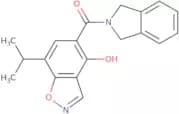
CAS:JZP 430 is a pharmaceutical compound, which is synthesized in a laboratory setting with advanced techniques of medicinal chemistry. It functions as a modulator of specific neural pathways associated with sleep regulation. By targeting and interacting with specific neurotransmitter systems, JZP 430 aims to optimize the sleep-wake cycle, offering potential therapeutic benefits for sleep disorders. Its mode of action involves binding to neural receptors, enhancing sleep quality, and reducing the latency to sleep onset. The applications of JZP 430 are focused on treating conditions such as narcolepsy and idiopathic hypersomnia, where irregular sleep patterns significantly impact daily functioning. The compound is undergoing rigorous clinical evaluations to determine its efficacy and safety profile, aiming to fill the current therapeutic gaps in managing complex sleep disorders.
Formula:C16H26N4O3SPurity:Min. 95%Molecular weight:354.5 g/molRef: 3D-XRC69174
Discontinued productR 112
CAS:R 112 is a chlorinated fluorocarbon compound, which is an industrial chemical synthesized through halogenation processes typically involving methane or ethane derivatives. The mode of action of R 112 involves its utilization as a refrigerant, solvent, or chemical intermediate, leveraging its stability and volatility under various thermal conditions.
Formula:C16H13FN4O2Purity:Min. 95%Molecular weight:312.3 g/mol11-Pentafluorophenoxyundecyltriethoxysilane
CAS:11-Pentafluorophenoxyundecyltriethoxysilane is an organosilane compound, which is a specialized reagent for creating functional coatings. This compound is synthesized from phenol derivatives through the substitution of ethoxy groups, allowing it to integrate with various surfaces. Its mode of action involves hydrolysis of the triethoxy groups to form silanols, which can then covalently bond with hydroxyl groups present on substrates such as glass, metals, and silica.
Formula:C23H37F5O4SiPurity:Min. 95%Molecular weight:500.6 g/molRef: 3D-XXB98113
Discontinued productSHIN 1New
CAS:SHIN 1New is an advanced therapeutic compound, originating from synthetic chemical processes, designed for intricate bioactivity modulation. It operates through a selective mechanism of action that targets and modulates specific molecular pathways, allowing scientists to investigate biological processes with high precision. This compound is utilized primarily in pharmaceutical research and development, where it serves as a critical tool for understanding the pathways and molecular interactions implicated in disease mechanisms. The precision and specificity it offers make it invaluable for experimental therapeutics, and its applications extend to drug discovery and the development of personalized medicine approaches. SHIN 1New's unique attributes allow for enhanced interaction studies within cellular environments, facilitating breakthroughs in the comprehension and manipulation of complex biological systems.
Formula:C24H24N4O2Purity:Min. 95%Molecular weight:400.48 g/molRef: 3D-WKD09585
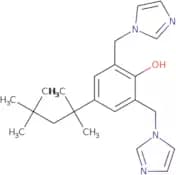
Discontinued productBis-imidazole phenol idh1 inhibitor
CAS:Bis-imidazole phenol IDH1 inhibitor is a small-molecule therapeutic, which is a novel compound synthesized to specifically target mutant forms of isocitrate dehydrogenase 1 (IDH1). It operates by binding to the mutant IDH1 enzyme and inhibiting its aberrant function, which involves converting alpha-ketoglutarate to an oncometabolite, 2-hydroxyglutarate (2-HG). This conversion leads to epigenetic changes that drive the tumorigenesis process.
Formula:C22H30N4OPurity:Min. 95%Molecular weight:366.5 g/molRef: 3D-YQC90973
Discontinued productPKI (5-24)
CAS:PKI (5-24) is a synthetic peptide specifically designed as a protein kinase inhibitor. Derived from a segment of the endogenous PKA inhibitor protein, this peptide is utilized to inhibit the activity of cyclic AMP-dependent protein kinase (PKA). The sequence corresponds to amino acids 5-24 of the native protein, retaining its potent inhibitory activity. PKI (5-24) functions by binding to the catalytic subunit of PKA, thus preventing the phosphorylation of downstream targets.
Formula:C94H148N32O31Purity:Min. 95%Molecular weight:2,222.4 g/molRef: 3D-ZDA53403
Discontinued productAcat-in-1 cis isomer
CAS:Acat-in-1 cis isomer is an enzymatic inhibitor, which is synthesized through organic chemical processes. It is particularly known for its action as an inhibitor of acyl-coenzyme A:cholesterol acyltransferase (ACAT), an enzyme crucial for the esterification of cholesterol. This inhibition occurs through the specific binding to the active site of ACAT, preventing the conversion of cholesterol to cholesteryl esters, and thereby influencing the cholesterol metabolism pathways.
Formula:C29H25NO2Purity:Min. 95%Molecular weight:419.5 g/molXL413 hydrochloride
CAS:XL413 hydrochloride is a potent small-molecule inhibitor, which is a synthetic compound specifically designed to target protein kinases. It acts as a selective inhibitor of Cdc7 kinase, a serine/threonine kinase essential for the initiation of DNA replication. This kinase is involved in the phosphorylation of MCM2 and the activation of the pre-replicative complex, a critical step in the S-phase of the cell cycle. By inhibiting Cdc7, XL413 hydrochloride effectively halts cell cycle progression, thereby impacting cellular proliferation.
Formula:C14H13Cl2N3O2Purity:Min. 95%Color and Shape:PowderMolecular weight:326.18 g/molRef: 3D-UWB56271
Discontinued productCPI-455 HCl
CAS:CPI-455 HCl is a potent, selective bromodomain inhibitor, which is a synthetic chemical compound designed to modulate epigenetic targets. Its source is a laboratory-synthesized small molecule developed to specifically inhibit the activity of bromodomains, which are protein domains that recognize acetylated lysine residues. The mode of action involves competitively binding to bromodomains, thereby preventing the interaction between these domains and acetylated histones. This inhibition disrupts the transcriptional activity of bromodomain-containing proteins and can alter gene expression patterns.
Formula:C16H15ClN4OPurity:Min. 95%Molecular weight:314.77 g/molRef: 3D-VID43228
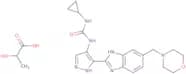
Discontinued productAt-9283 L-lactate
CAS:AT-9283 L-lactate is a potent small-molecule inhibitor, which is derived from synthetic sources and designed to target specific protein kinases involved in critical signaling pathways. As a multi-targeted kinase inhibitor, it has a particular affinity for the JAK2, JAK3, Aurora A, and Aurora B kinases, acting to disrupt the JAK/STAT pathway alongside other crucial cellular processes. The specificity and potency of AT-9283 L-lactate allow it to modulate these pathways effectively by preventing phosphorylation events that are essential for cellular proliferation and survival.
Formula:C22H29N7O5Purity:Min. 95%Molecular weight:471.5 g/molRef: 3D-WKB46676
Discontinued productMPI-0479605
CAS:MPI-0479605 is a small molecule inhibitor, specifically designed to target and inhibit the activity of certain protein kinases. It is synthetically derived and formulated to interact with key signaling pathways involved in cellular growth and proliferation. The compound works by selectively binding to the ATP-binding site of the targeted kinases, thereby preventing their phosphorylation activity. This interaction disrupts downstream signaling pathways, ultimately influencing cellular functions such as differentiation, apoptosis, and migration.
Formula:C22H29N7OPurity:Min. 95%Molecular weight:407.52 g/molRef: 3D-WZB52932
Discontinued productN-(2-Chloro-6-methylphenyl)-N'-4-pyridinylurea
CAS:N-(2-Chloro-6-methylphenyl)-N'-4-pyridinylurea is a systemic herbicide, which is synthesized from chloro- and methyl-substituted phenyl compounds. It exhibits its mode of action by inhibiting the photosystem II complex, thereby disrupting the electron transport chain during photosynthesis in susceptible plants. This leads to a decline in ATP and NADPH production, essential for plant growth and survival.
Formula:C13H12ClN3OPurity:Min. 95%Molecular weight:261.7 g/molRef: 3D-XDA62724
Discontinued productBMS-1166
CAS:BMS-1166 is a small molecule immunotherapy agent that functions as a PD-1 antagonist. It is derived from targeted drug design, focusing on disrupting the interaction between the programmed cell death protein 1 (PD-1) and its ligands, PD-L1 and PD-L2.
Formula:C36H33ClN2O7Purity:Min. 95%Molecular weight:641.11 g/molRef: 3D-TXC31488
Discontinued productLY 266097 Hydrochloride
CAS:LY 266097 Hydrochloride is a selective 5-HT2A receptor antagonist, which is a synthetic compound primarily used in neuroscience research. This compound is derived from laboratory synthesis, designed to interact specifically with serotonin receptors located in the central nervous system.
Formula:C21H23ClN2O2•HClPurity:Min. 95%Molecular weight:370.87 g/molRef: 3D-XGA89539
Discontinued productKYT 0353
CAS:Please enquire for more information about KYT 0353 including the price, delivery time and more detailed product information at the technical inquiry form on this page
Formula:C23H21Cl4N3O4Purity:Min. 95%Molecular weight:545.2 g/molRef: 3D-XNC40227
Discontinued productCardanol monoene
CAS:Cardanol monoene is a phenolic lipid, which is a natural derivative obtained from cashew nut shell liquid. It is sourced from the renewable agricultural by-product of the Anacardium occidentale, allowing for a sustainable means of production. Its chemical structure features a phenolic ring with an aliphatic chain, which imparts unique properties that facilitate its mode of action.
Formula:C21H34OPurity:Min. 95%Color and Shape:PowderMolecular weight:302.49 g/molRef: 3D-AAA50126
Discontinued productBio-013077-01
CAS:Bio-013077-01 is a bioactive compound, which is a naturally derived product sourced from marine organisms. Its mode of action involves functioning as an enzyme inhibitor, capable of selectively binding to specific target enzymes and altering their activity. This mechanism allows it to modulate biochemical pathways that are crucial for various physiological and pathological processes.
Formula:C17H13N5Purity:Min. 95%Molecular weight:287.32 g/molRef: 3D-WEB66748
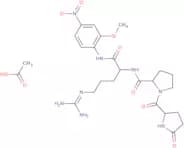
Discontinued productPglu-Pro-Arg-mna monoacetate
CAS:Controlled ProductPglu-Pro-Arg-mna monoacetate is a synthetic peptide inhibitor, which is typically derived from biochemical synthesis processes involving solid-phase peptide synthesis. Its primary mode of action is the competitive inhibition of certain enzyme activities, commonly within the realm of proteolytic enzymes. By mimicking substrate structures, it effectively binds to the enzyme's active site, thereby preventing the actual substrate from interacting and consequently inhibiting the enzyme's activity.
Formula:C25H36N8O9Purity:Min. 95%Molecular weight:592.6 g/molRef: 3D-VHD00926
Discontinued productBOP
CAS:BOP is a coupling reagent, which is derived from phosphonium sources and employed in peptide synthesis. It functions by facilitating the formation of peptide bonds between amino acids through its highly effective activation mechanism. BOP acts as an agent that promotes the formation of amide bonds, crucial in the construction of polypeptide chains.
Formula:C25H28N3NaO7SPurity:Min. 95%Molecular weight:537.56 g/molRef: 3D-XCD34842
Discontinued productSB-242084 hydrochloride
CAS:SB-242084 hydrochloride is a selective antagonist of 5-HT2C receptors, which is a synthetic compound developed to study serotonergic pathways in neuroscience research. This compound originates from pharmaceutical research efforts to explore new avenues for modulating serotonin receptor subtypes, offering specificity for 5-HT2C receptors with minimal activity against 5-HT2A and 5-HT2B receptors.
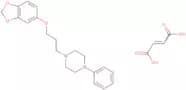
Formula:C21H19ClN4O2·2HClPurity:Min. 95%Molecular weight:394.85 g/molBp 554 maleate
CAS:BP 554 maleate is a synthetic compound, specifically a chemical analog, which is primarily derived through laboratory synthesis processes. It functions as a potential antihypertensive agent by acting on specific biochemical pathways to modulate vascular tone. The mode of action involves interfering with receptor sites or enzymatic pathways, which subsequently results in the relaxing of vascular smooth muscles and a decrease in peripheral vascular resistance. This compound has been studied for its utility in managing conditions related to elevated blood pressure and might offer insights into novel therapeutic approaches for cardiovascular disease management. As such, BP 554 maleate serves as a valuable tool in pharmacological research, particularly in the exploration of cardiovascular therapeutics and the development of new drug formulations aimed at optimizing blood pressure control.
Formula:C24H28N2O7Purity:Min. 95%Molecular weight:456.5 g/molRef: 3D-WYB40195
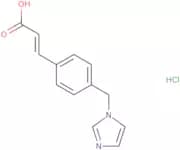
Discontinued productOzagrel HCl - Bio-X ™
CAS:Ozagrel is an antiplatelet agent that is also a thromboxane A2 synthetase inhibitor. It is used for the treatment of bronchial asthma and cerebral ischemia. It blocks platelet aggregation and reduces hypersensitivity of bronchial muscles.Formula:C13H12N2O2·HClPurity:Min. 95%Color and Shape:PowderMolecular weight:264.71 g/molArginino-succinic acid disodium
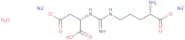
CAS:Arginino-succinic acid disodium is a dicarboxylic acid salt, which is a derivative of argininosuccinic acid in its sodium salt form. This compound is synthesized through enzymatic reactions involving citrulline and aspartate, culminating in the production of argininosuccinate. The mode of action involves its participation as a substrate in the urea cycle, catalyzed by the enzyme argininosuccinate lyase, where it is cleaved into arginine and fumarate. Arginino-succinic acid disodium plays a pivotal role in the detoxification of ammonia in biological systems, facilitating its conversion into urea.
Formula:C10H18N4O6•Na2Purity:80%MinColor and Shape:PowderMolecular weight:336.25 g/molRef: 3D-BA182604
Discontinued productCGP 78608
CAS:CGP 78608 is a neuropeptide Y (NPY) Y5 receptor antagonist, which is a synthetic compound derived from a complex series of chemical syntheses. The source of this product lies in tailored organic chemistry processes designed to precisely inhibit specific receptor subtypes associated with neuropeptide Y.
Formula:C11H13BrN3O5PPurity:Min. 95%Molecular weight:378.12 g/molRef: 3D-BC183635
Discontinued productZoledronic acid monohydrate EP Impurity B
CAS:Zoledronic acid monohydrate EP Impurity B is a chemical impurity often encountered in the synthesis and quality control of zoledronic acid. This impurity arises from synthetic pathways involved in the production of bisphosphonates, a class of compounds used for bone-related conditions. As an impurity, it does not have direct therapeutic action but plays a significant role in the characterization and purity assessment of pharmaceutical formulations.
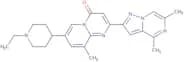
Formula:C7H17N2O14P4Purity:Min. 95%Molecular weight:477.11 g/molCTX-712
CAS:CTX-712 is an innovative small-molecule inhibitor, which is synthesized through state-of-the-art organic chemical processes. This compound functions by selectively targeting and inhibiting specific intracellular pathways critical for tumor cell proliferation and survival. Through its precise mechanism of disrupting key signaling cascades, CTX-712 effectively impairs the growth of cancer cells while minimizing the impact on normal, healthy tissues.
Formula:C19H17FN8O2Purity:Min. 95%Molecular weight:408.39 g/molRef: 3D-BC184173
Discontinued productN-(3-(5-((3-Acrylamido-4-(morpholine-4-carbonyl)phenyl)amino)-1-methyl-6-oxo-1,6-dihydropyridin-3-yl)-2-methylphenyl)-4-(tert-butyl) benzamide
CAS:N-(3-(5-((3-Acrylamido-4-(morpholine-4-carbonyl)phenyl)amino)-1-methyl-6-oxo-1,6-dihydropyridin-3-yl)-2-methylphenyl)-4-(tert-butyl) benzamide is a novel pharmaceutical compound, which is synthesized through an intricate organic chemistry process aimed at targeting specific pathophysiological pathways. This compound functions by modulating cellular pathways with high specificity, potentially altering disease progression at the molecular level.Formula:C38H41N5O5Purity:Min. 95%Molecular weight:647.8 g/molRef: 3D-VID28064
Discontinued productSIRT1 Activator II
CAS:SIRT1 Activator II is a biochemical compound known as a small molecule activator. It is derived from synthetic sources, specifically engineered to interact with cellular pathways involved in aging and metabolism. The mode of action of SIRT1 Activator II involves the activation of the SIRT1 enzyme, a member of the sirtuin family of NAD+-dependent deacetylases. This activation results in the modulation of gene expression relevant to cellular stress resistance, metabolic regulation, and longevity.
Formula:C22H15FN4O2SPurity:Min. 95%Molecular weight:418.44 g/molRef: 3D-ZPA92243
Discontinued productVX 702
CAS:p38 MAP kinase antagonist
Formula:C19H12F4N4O2Purity:Min. 95%Color and Shape:SolidMolecular weight:404.32 g/molPerfluorophenyl 19-(2,5-dioxo-2H-pyrrol-1(5H)-yl)-17-oxo-4,7,10,13-tetraoxa-16-azanonadecan-1-oate
CAS:Perfluorophenyl 19-(2,5-dioxo-2H-pyrrol-1(5H)-yl)-17-oxo-4,7,10,13-tetraoxa-16-azanonadecan-1-oate is a synthetic compound, which is derived through a series of complex organic syntheses involving perfluorinated reagents. This compound is meticulously designed to incorporate both perfluorinated aromatic groups and a flexible, polyether-based linker. The mode of action for this compound primarily revolves around its unique chemical structure, which facilitates interactions at the molecular level that can be favorable for a variety of biochemical applications.
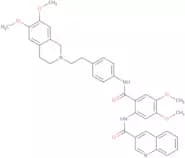
Formula:C24H27F5N2O9Purity:Min. 95%Molecular weight:582.5 g/molTariquidar
CAS:Potent P-glycoprotein (P-gp) inhibitor
Formula:C38H38N4O6Purity:Min. 97 Area-%Color and Shape:PowderMolecular weight:646.73 g/molAZD5069
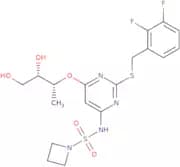
CAS:AZD5069 is a small molecule that serves as a potent and selective antagonist of the CXC chemokine receptor 2 (CXCR2). It is derived from synthetic pharmaceutical research efforts aimed at targeting key signaling pathways in inflammatory diseases. This compound functions by inhibiting the CXCR2 receptor, which plays a critical role in the recruitment and activation of neutrophils, a type of white blood cell involved in inflammation and immune responses.
Formula:C18H22F2N4O5S2Purity:Min. 95%Molecular weight:476.52 g/molRef: 3D-DKB38584
Discontinued productBIBF 1202
CAS:BIBF 1202 is a potent inhibitor of phospholipase A2, prostaglandin synthase and cyclooxygenase-2. It inhibits the production of arachidonic acid from membrane phospholipids and is used in cancer research. BIBF 1202 has been shown to have anti-tumour activity in a number of animal models, including human liver cancer cells. This molecule has also been shown to inhibit the activation of nuclear factor kappa B (NF-κB), which is involved in carcinogenesis.
Formula:C30H31N5O4Purity:Min. 95%Molecular weight:525.6 g/molMethyl-d3-magnesium iodide solution, 1.0 M in diethyl ether
CAS:Controlled ProductMethyl-d3-magnesium iodide solution, 1.0 M in diethyl ether, is a specialized organometallic reagent used extensively in synthetic chemistry. This compound is a labeled Grignard reagent, where the methyl group is fully deuterated. It is sourced through the synthesis involving the reaction of deuterated methyl iodide with magnesium in an anhydrous diethyl ether solvent.
Formula:CD3IMgPurity:Min. 95%Molecular weight:169.26 g/molBMY 7378 Dihydrochloride
CAS:BMY 7378 Dihydrochloride is a selective 5-HT1A receptor antagonist, which is synthetically derived for specialized research purposes. This compound is known for its ability to bind exclusively to the 5-HT1A receptor, inhibiting the action of serotonin. Its mechanism of action involves a high-affinity blockade of serotonin at this receptor site, making it a valuable tool for understanding serotonergic signaling pathways.
Formula:C22H33Cl2N3O3Purity:Min. 95%Molecular weight:458.42 g/molRef: 3D-WAA10295
Discontinued productSMN-C3
CAS:SMN-C3 is a synthetic compound designed specifically as a targeted therapeutic agent. It is derived through advanced chemical synthesis techniques, utilizing a meticulous approach to optimize efficacy and specificity. The mode of action of SMN-C3 involves precise interaction with select molecular targets, thereby modulating biological pathways with high specificity. This interaction is designed to alter the course of disease processes, offering potential therapeutic benefits.
Formula:C24H28N6OPurity:Min. 95%Molecular weight:416.5 g/molRef: 3D-ZHC59734
Discontinued productKUNB31
CAS:KUNB31 is a synthetic enzyme inhibitor, which is an engineered compound designed to interfere with the activity of specific enzymes in various biochemical pathways. This product is synthesized through a series of complex chemical reactions, ensuring high specificity and activity against target enzymes. Its mode of action involves binding to the active sites of enzymes, thereby preventing substrates from interacting and altering enzymatic activity.
Formula:C19H18N2O3Purity:Min. 95%Molecular weight:322.4 g/molRef: 3D-VND26380
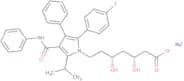
Discontinued productAtorvastatin sodium
CAS:HMG-CoA reductase antagonist
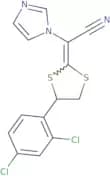
Formula:C33H35FN2O5•NaPurity:Min. 95%Color and Shape:PowderMolecular weight:581.63 g/mol(S)-Luliconazole
CAS:(S)-Luliconazole is an antifungal agent that is synthesized from an imidazole compound. This compound is biphenyl in structure and is often derived through chiral synthesis techniques to isolate the (S)-enantiomer, which is the active form that enhances pharmacological effects. Its mode of action involves inhibiting the enzyme lanosterol 14α-demethylase, an essential component in fungal cell membrane synthesis. This inhibition disrupts the production of ergosterol, a critical sterol in fungal membranes, ultimately leading to increased membrane permeability and cell death.
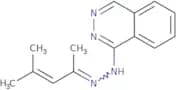
Formula:C14H9Cl2N3S2Purity:Min. 95%Molecular weight:354.3 g/molBudralazine
CAS:Budralazine is a synthetic vasodilator, which is derived from a series of hydrazine analogs, known for their ability to modulate vascular tone. Its mode of action involves the direct relaxation of vascular smooth muscle. This relaxation leads to a decrease in peripheral vascular resistance and, consequently, a reduction in blood pressure. Intriguingly, Budralazine is thought to selectively target arterioles over veins, making it of particular interest in the study of vascular dynamics and hypertension.
Formula:C14H16N4Purity:Min. 95%Molecular weight:240.3 g/molRef: 3D-LBA79879
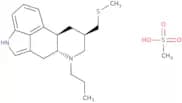
Discontinued productPergolide mesylate
CAS:Controlled ProductD1 and D2 dopamine agonist
Formula:C20H30N2O3S2Purity:Min. 95%Color and Shape:White To Off-White SolidMolecular weight:410.6 g/molSalmefamol
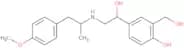
CAS:A β2-adrenoceptor agonist that is structurally related to salbutamol. Ellicits β-adrenergic stimulatory effects on smooth muscles in trachea and bronchi. More effective (1.5 to 2 times more) as a bronchodilator than salbutamol.
Formula:C19H25NO4Purity:Min. 95%Color and Shape:SolidMolecular weight:331.41 g/molRef: 3D-FS65156
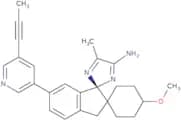
Discontinued productLanabecestat
CAS:Lanabecestat is an investigational drug, classified as a beta-secretase (BACE) inhibitor, which is derived from synthetic chemical processes. Its mode of action involves inhibiting the enzyme beta-secretase, which plays a crucial role in the amyloidogenic pathway by cleaving amyloid precursor protein (APP) into amyloid-beta peptides. The accumulation of these peptides is a hallmark of Alzheimer's disease pathology.
Formula:C26H28N4OPurity:Min. 95%Color and Shape:PowderMolecular weight:412.53 g/molRef: 3D-IFC98264
Discontinued productChlorpropamide
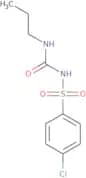
CAS:Hypoglycemic agent
Formula:C10H13ClN2O3SPurity:Min. 95%Color and Shape:White Off-White PowderMolecular weight:276.74 g/molRef: 3D-FC20409
Discontinued productH-9 hydrochloride
CAS:H-9 hydrochloride is a selective protein kinase inhibitor, which is synthetically derived. It primarily inhibits cyclic nucleotide-dependent protein kinases, including protein kinase A (PKA) and protein kinase G (PKG), along with myosin light chain kinase (MLCK). The mode of action involves competitive inhibition at the ATP binding site of these kinases, thereby impacting phosphorylation pathways crucial for multiple physiological functions. The selective inhibition by H-9 hydrochloride allows for detailed exploration of kinase-mediated signaling pathways in cellular biology. Moreover, it is extensively utilized in studies involving cell motility, smooth muscle contraction, and signal transduction. The relevance of H-9 hydrochloride in academic research lies in its ability to provide insights into kinase activity modulation and its ensuing effects on cellular dynamics. This compound serves as an invaluable tool for scientists aiming to elucidate the complex role of protein kinases in health and disease, enabling the development of innovative therapeutic strategies.
Formula:C11H14ClN3O2SPurity:Min. 95%Color and Shape:White To Off-White SolidMolecular weight:287.77 g/molCisatracurium besylate
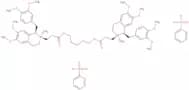
CAS:nAChRs nicotinic receptor antagonist; neuromuscular-blocking agent
Formula:C65H82N2O18S2Purity:Min. 95%Color and Shape:White PowderMolecular weight:1,243.48 g/molRef: 3D-FC20458
Discontinued productALX-1393
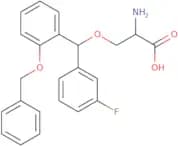
CAS:ALX-1393 is a synthetic compound that acts as an inhibitor, specifically targeting the glycine transporter 1 (GlyT1). As a small molecule inhibitor derived from chemical synthesis, it modulates neurotransmitter systems by blocking the reuptake of glycine, an important co-agonist of the NMDA receptor, in the central nervous system. The mode of action of ALX-1393 involves binding to the GlyT1 transporter, thereby increasing the synaptic concentration of glycine. This elevation in glycine levels enhances NMDA receptor function, which is crucial for synaptic plasticity, learning, and memory.
Formula:C23H22FNO4Purity:Min. 95%Molecular weight:395.4 g/molRef: 3D-ZMB16409
Discontinued product1,2-Dipalmitoyl-3-dimethylammonium-propane
CAS:1,2-Dipalmitoyl-3-dimethylammonium-propane is a cationic lipid, which is a type of synthetic lipid commonly used in biochemical and biophysical research. It is sourced from chemical synthesis, involving the formulation of lipid molecules with specific chemical modifications to confer particular properties. The mode of action of this compound involves its ability to integrate into lipid bilayers and form liposomes. These liposomes can encapsulate nucleic acids, facilitating their delivery into cells by merging with cell membranes, which is crucial for gene delivery applications.
Formula:C37H73NO4Purity:Min. 95%Molecular weight:595.98 g/molL-MobileTrex
CAS:L-MobileTrex is an advanced analytical technology platform, which is a product of cutting-edge research in data science and computational modeling. This platform operates by integrating multi-dimensional datasets through sophisticated algorithms, providing enhanced data visualization and interpretability.
Formula:C23H23N5O5Purity:Min. 95%Molecular weight:449.46 g/molCB-1158
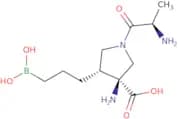
CAS:CB-1158 is an arginase inhibitor, which is a small molecule derived from a synthetic source designed to modulate immune functions. Its mode of action involves the inhibition of the arginase enzyme, a key player in the urea cycle responsible for the hydrolysis of arginine into ornithine and urea. By blocking arginase, CB-1158 effectively prevents the depletion of extracellular arginine, a vital amino acid required for the activation and proliferation of T cells within the immune system. This inhibition leads to enhanced immune responses against tumors.
Formula:C11H22BN3O5Purity:Min. 95%Molecular weight:287.12 g/mol






![3-[[2-[4-Phenyl-3-(trifluoromethyl)phenyl]-1-benzothiophen-5-yl]methylamino]propanoic acid](/_next/image/?url=https%3A%2Fstatic.cymitquimica.com%2Fproducts%2F3D%2Fthumb-webp%2FVHB24077.webp&w=3840&q=75)