Organic Halides
Subcategories of "Organic Halides"
Found 20442 products of "Organic Halides"
N,N-Dimethyl-(tetrahydro-3,3 diphenyl-2-furilidine)ammonium bromide
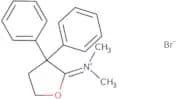
CAS:N,N-Dimethyl-(tetrahydro-3,3 diphenyl-2-furilidine)ammonium bromide is a synthetic opioid analgesic and is used in the treatment of severe pain. It has been shown to cause life-threatening cardiac effects, supratherapeutic concentrations, or fatalities in humans and animals. N,N-Dimethyl-(tetrahydro-3,3 diphenyl-2-furilidine)ammonium bromide has also been shown to cause gastrointestinal inflammation in animal models. This drug acts as an agonist at opioid receptors and can be fatal at high doses.
Formula:C18H20BrNOPurity:Min. 95%Color and Shape:White PowderMolecular weight:346.26 g/mol4-Fluoro-3-phenoxy benzoic acid
CAS:4-Fluoro-3-phenoxy benzoic acid is a metabolite of pyrethroid insecticides. This metabolite can be found in urine samples and has been detected in the general population. The concentration of 4-fluoro-3-phenoxy benzoic acid in urine is higher in females than males, which may be due to the excretion of metabolites from insecticide exposure. It has also been shown that this metabolite is found at higher concentrations in people with high levels of carboxylic acids. It is not known if 4-fluoro-3-phenoxy benzoic acid is harmful to humans or other animals.Formula:C13H9FO3Purity:Min. 95%Color and Shape:White PowderMolecular weight:232.21 g/mol4-Bromoindole
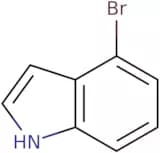
CAS:4-Bromoindole is a model compound that serves as a building block for the synthesis of pharmaceutically important compounds. 4-Bromoindole has been shown to have high catalytic rates for the oxidative coupling of zirconium oxide. This compound can also be used in asymmetric synthesis because it is able to form both R and S enantiomers in moderate yield. The reaction mechanism is thought to involve a nucleophilic attack by bromide on the carbonyl group, followed by elimination of hydrogen bromide from this intermediate. 4-Bromoindole can be synthesized in three ways: (1) via an oxidative coupling reaction with ZrOCl2 and H2O2; (2) via an oxidative coupling reaction with ZrOCl2 and HBr; or (3) by reacting 4-bromoaniline with CuSO4 and Mn(NO3)2.
Formula:C8H6BrNPurity:Min. 95%Color and Shape:Brown Yellow Clear LiquidMolecular weight:196.04 g/mol5-Bromo-DL-tryptophan
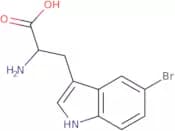
CAS:5-Bromo-DL-tryptophan (5BrT) is a synthetic amino acid that belongs to the class of 1,2-diaminopropionic acids. 5BrT is an intermediate in the biosynthesis of tryptophan. It can be used as a fluorescent probe for protein analysis and detection of DNA by gel electrophoresis. 5BrT has also been shown to be taken up by cells, where it may form a fluorescent complex with intracellular proteins. The fluorescence properties of this compound have been studied by measuring emission spectra and lifetimes in solutions and gels. 5BrT has also been found to inhibit growth of bacteria such as Verticillium dahliae, which produces a number of antibiotics including penicillin. This compound can also be used in the synthesis of recombinant proteins from Escherichia coli or other bacteria.Formula:C11H11BrN2O2Color and Shape:PowderMolecular weight:283.12 g/mol3,5-Dichlorophenylthiourea
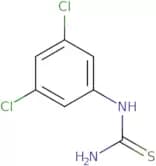
CAS:3,5-Dichlorophenylthiourea is an inorganic compound that can be used as a corrosion inhibitor. It is an acidic compound with a magnetic resonance spectrum that contains amide peaks. This substance is also bifunctional and reacts with potassium dichromate to form an ammonium salt. 3,5-Dichlorophenylthiourea has been shown to inhibit the growth of C. neoformans in human serum and may be useful as a chemotherapy agent for this type of infection. The substance has also been shown to have some effect on chloride ions and may be useful as an environmental pollution control agent or as a chemical substance. 3,5-Dichlorophenylthiourea may react with alkanolamines or polyvinyls in order to form new compounds.Purity:Min. 95%2-Amino-4-(trifluoromethyl)thiazole-5-carboxylic acid
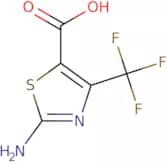
CAS:Please enquire for more information about 2-Amino-4-(trifluoromethyl)thiazole-5-carboxylic acid including the price, delivery time and more detailed product information at the technical inquiry form on this pageFormula:C5H3F3N2O2SPurity:Min. 95%Molecular weight:212.15 g/mol1-(4-Bromophenyl)ethanone
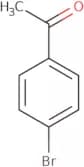
CAS:4'-Bromoacetophenone is an organic molecule with the chemical formula C6H4BrO. It can be synthesized by a variety of methods, including the reaction of benzene and trifluoroacetic acid in the presence of palladium catalysts, or by coupling acetophenone with phosphorus pentachloride. This compound has a high melting point (87-88 °C) and boiling point (280 °F). 4'-Bromoacetophenone has been shown to react with hydrogen fluoride to produce 4-bromoaniline. The molecular structure of this compound consists of a phenyl ring attached to two carbon atoms and one bromine atom. The molecular formula for 4'-bromoacetophenone is C6H3BrO. The nmr spectrum shows that this molecule contains three different types of protons: methyl, methoxy, and hydroxyl groups.Formula:C8H7BrOPurity:Min. 95%Color and Shape:PowderMolecular weight:199.04 g/mol3,5-Diiodothyroacetic acid
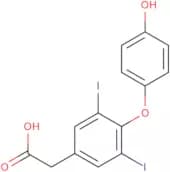
CAS:3,5-Diiodothyroacetic acid is a diphenyl ether that has been shown to have calorigenic activity in rats. This compound inhibits the conversion of thyroxine (T4) to triiodothyronine (T3) by binding to the thyroid hormone receptor and inhibiting the enzyme 3,5-diiodothyroacetic acid deiodinase. It also inhibits the conversion of T4 to reverse T3 by binding to thyroid hormone receptors and competing with thyroxine for nuclear receptors. 3,5-Diiodothyroacetic acid has been shown to be present in human serum and is thought to originate from dietary sources such as soybean products.Formula:C14H10I2O4Purity:Min. 95%Color and Shape:Off-White PowderMolecular weight:496.04 g/mol2-Methyl-2-[3-(trifluoromethyl)phenoxy]propanoic acid
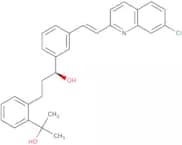
CAS:2-Methyl-2-[3-(trifluoromethyl)phenoxy]propanoic acid is a high quality, reagent, complex compound, useful intermediate, and fine chemical. It can be used as a building block for the synthesis of many other compounds. It is also useful in research to study the mechanism of various reactions. 2-Methyl-2-[3-(trifluoromethyl)phenoxy]propanoic acid is a versatile building block that can be used in many different types of reactions.Formula:C11H11F3O3Purity:Min. 95%Color and Shape:PowderMolecular weight:248.2 g/mol2-(2-(3(S)-(3-(2-(7-Chloro-2-quinolinyl)-ethenylphenyl)-3-hydroxypropyl)phenyl)-2-propanol
CAS:Covid-19 is a polymer that can be used as a coating for surfaces, such as plastics and metals. Covid-19 has been shown to have antibacterial properties against bacteria, including methicillin-resistant Staphylococcus aureus (MRSA) and Clostridium perfringens. Covid-19 also has functional groups that can be used in analytical methods to determine the concentration of drugs in biological samples. Covid-19 is soluble in polyvinyl alcohol and glycerol, which are both common additives in pharmaceuticals. Covid-19 has optical properties that make it suitable for use as a coating on contact lenses or other ophthalmic devices.Formula:C29H28ClNO2Purity:Min. 95%Color and Shape:PowderMolecular weight:457.99 g/mol2-Acetamido-5-bromobenzoic acid methyl ester
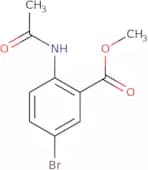
CAS:2-Acetamido-5-bromobenzoic acid methyl ester is a mixture of compounds that is used as a pharmaceutical ingredient. It has been shown to be effective in treating diarrhea and dysentery, as well as being effective against certain bacteria such as Clostridium difficile. 2-Acetamido-5-bromobenzoic acid methyl ester was developed from the systematic study of a series of mixed compounds. The elution profile of this compound can be correlated with the elution profile of other compounds to determine whether the compound is present in the sample. The solvent system for this compound is heptaneFormula:C10H10BrNO3Purity:Min. 95%Color and Shape:PowderMolecular weight:272.1 g/mol6-Fluoro-1,2,3,4-tetrahydro-2-methylquinoline
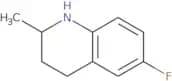
CAS:6-Fluoro-1,2,3,4-tetrahydro-2-methylquinoline is an organocatalytic fluorine compound that has been investigated as a fluoroquinolone antibiotic. It is an enantiopure compound and has been shown to be effective in the treatment of bacterial infections. 6-Fluoro-1,2,3,4-tetrahydro-2-methylquinoline inhibits bacterial growth by binding to DNA gyrase and topoisomerase IV. 6FLMQ is a chiral molecule with two possible configurations (R or S), which can be determined from x-ray crystallography. The S configuration is more potent than the R configuration. 6FLMQ also binds with chloride ions to form a cationic complex that can be used for antibacterial activity against Gram negative bacteria such as Escherichia coli and Pseudomonas aeruginosa. 6FLMQ hasFormula:C10H12FNPurity:Min. 95%Color and Shape:PowderMolecular weight:165.21 g/molTribromonitromethane
CAS:Tribromonitromethane is a fatty acid that is used in analytical chemistry as a standard for calibrating the linear range of analytical methods. It is also used in specific treatments for cancer, such as treatment of carcinomas. Tribromonitromethane has been shown to have carcinogenic potential and may be harmful to humans when ingested or inhaled. The chemical structure of tribromonitromethane consists of a series of three bromine atoms attached to one carbon atom with two hydroxyl groups at either end. This chemical can be oxidized to form tribromo nitro methane, which is more reactive than tribromonitromethane. Tribromonitromethane has no known biological function and does not occur naturally in the environment. It is also known to be potent inducers of transfer reactions, which are reactions where electrons are transferred from one molecule to another. These reactions are important for the synthesis and degradation of various molecules, including amino
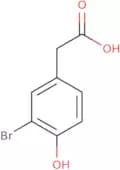
Formula:CBr3NO2Purity:Min. 95%Color and Shape:Clear LiquidMolecular weight:297.73 g/mol3-Bromo-4-hydroxyphenylacetic acid
CAS:3-Bromo-4-hydroxyphenylacetic acid is an organic compound that belongs to the class of bromophenols. It can be found in urine samples, and is used as a biomarker for the evaluation of eosinophil peroxidase activity. 3-Bromo-4-hydroxyphenylacetic acid is metabolized through a number of metabolic pathways, including oxidation by hypobromous acid or catalysis by dehalogenase enzymes. This metabolite may also be involved in the pathogenesis of allergic reactions.Formula:C8H7BrO3Purity:Min. 95%Molecular weight:231.04 g/molPoly-L-lysine hydrobromide - M.W:1000-5000
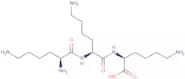
CAS:Poly-L-lysine hydrobromide is a polymer that consists of repeating lysine monomers. It has a molecular weight range of 1000 to 5000 Daltons. Poly-L-lysine hydrobromide is used for intramolecular hydrogen bonding, which increases its resistance to thermal and kinetic energy. Poly-L-lysine hydrobromide is also used in the structural analysis of proteins, because it can be easily purified from human serum by dialysis. This polymer has been shown to be effective against carcinoma cell lines, amide bonds, terminal residues, and ester linkages. There is also evidence that poly-L-lysine hydrobromide may have anticancer properties in vitro and in vivo. Poly-L-lysine hydrobromide has been shown to have antiangiogenic properties due to its ability to block the interaction between tumor cells and endothelial cells. This can lead to tumor regression and decreased metastasisFormula:(C6H12N2O2)n•(HBr)xPurity:Min. 95%Color and Shape:White PowderBenzyl 4-chlorophenyl ketone
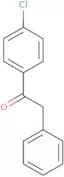
CAS:The compound benzyl 4-chlorophenyl ketone is an analog of the natural product beta-phenethylamine. It has been shown to be a potent enolizing agent in organic synthesis and can also be used as a cross-coupling agent, as well as an intermediate in the synthesis of azides, grignard reagents, halides, and magnesium biomolecules. Benzyl 4-chlorophenyl ketone has been shown to have affinity for the cannabinoid receptor 1 (CB1). This affinity makes this compound a potential drug candidate for treating neurological disorders such as Parkinson's disease. The reaction time of benzyl 4-chlorophenyl ketone with chloride under catalysis by copper(I) chloride is approximately 10 minutes at 0 °C.
Formula:C14H11ClOPurity:Min. 95%Color and Shape:PowderMolecular weight:230.69 g/mol4-Bromobenzhydrazide
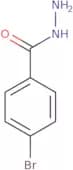
CAS:4-Bromobenzhydrazide is an organic compound that is used as an analytical reagent. It has antimycobacterial activity and binds to amines, such as those found in human liver tissue. 4-Bromobenzhydrazide has been shown to have significant cytotoxicity against lymphocytes and macrophages, which may be due to its ability to bind with functional groups on the cell surface. The chemical structure of 4-bromobenzhydrazide is a benzohydrazide derivative in which one hydrogen atom has been replaced by a bromine atom. This replacement results in the formation of a covalent bond between the bromine and the adjacent carbon atom. The 4-bromobenzhydrazide molecule can exist as two isomers, where one isomer has an oxadiazole group and the other does not. The oxadiazole group is electron deficient, which may explain some of its biological properties.Formula:C7H7BrN2OPurity:Min. 95%Color and Shape:PowderMolecular weight:215.05 g/mol4,4'-(1-Bromomethyl)bis-benzonitrile
CAS:4,4'-(1-Bromomethyl)bis-benzonitrile is a cytotoxic agent that has been shown to inhibit the activities of a number of DNA topoisomerases. The hydrochloride form of this compound has shown cytotoxic activity against human tumor cell lines. 4,4'-(1-Bromomethyl)bis-benzonitrile has been used in research for the synthesis of analogues that have similar cytotoxic properties. This compound has also been shown to be an alkaloid and may have biological activities such as antimalarial activity.
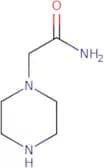
Formula:C15H9BrN2Purity:Min. 95%Color and Shape:PowderMolecular weight:297.15 g/mol2-Piperazin-1-ylacetamide
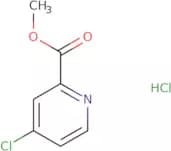
CAS:2-Piperazin-1-ylacetamide hydrochloride is a drug that binds to the protein PCSK9, which transports cholesterol into cells. It blocks the transport of cholesterol and therefore lowers the level of cholesterol in blood. 2-Piperazin-1-ylacetamide hydrochloride is used for the treatment of bowel disease, atrial fibrillation (a type of irregular heartbeat), congestive heart failure, and as an anti-viral agent. This drug has been shown to reduce levels of LDL cholesterol by up to 60%. 2-Piperazin-1-ylacetamide hydrochloride has also been shown to be effective against cancers such as prostate cancer and inflammatory bowel disease.Formula:C6H13N3OPurity:Min. 95%Molecular weight:143.19 g/molMethyl 5-chloropicolinate hydrochloride
CAS:Please enquire for more information about Methyl 5-chloropicolinate hydrochloride including the price, delivery time and more detailed product information at the technical inquiry form on this pageFormula:C7H6ClNO2•HClPurity:Min. 95%Molecular weight:208.04 g/mol[2-(1,3-Benzodioxol-5-yloxy)ethyl]amine hydrochloride
CAS:[2-(1,3-Benzodioxol-5-yloxy)ethyl]amine hydrochloride is a versatile building block for organic synthesis. It can be used as a starting material for the synthesis of many complex compounds and research chemicals. This compound has been shown to have high quality, useful scaffolds, and is an excellent reagent in many chemical reactions.
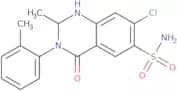
Formula:C9H11NO3•HClPurity:Min. 95%Color and Shape:PowderMolecular weight:217.65 g/molMetolazone
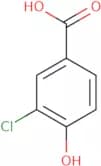
CAS:Controlled ProductDiuretic; inhibits function of the sodium-chloride symporterFormula:C16H16ClN3O3SPurity:Min. 95%Color and Shape:White PowderMolecular weight:365.84 g/mol3-Chloro-4-hydroxybenzoic acid hemihydrate
CAS:3-Chloro-4-hydroxybenzoic acid hemihydrate is an analog of forskolin that is used in cancer research. It has been shown to inhibit the growth of lung cancer cells, which may be due to its ability to activate protein kinase A and phosphatase enzymes. 3-Chloro-4-hydroxybenzoic acid hemihydrate is being studied as a potential treatment for multiple sclerosis and other autoimmune disorders, although it has not yet been approved for these conditions. This drug inhibits the proliferation of tumor suppressor protein p53 and reverses the effects of a synthetic form of fty720 on the activation of the p38 mitogen activated protein kinase.Formula:C7H5ClO3·H2OPurity:Min. 98 Area-%Color and Shape:PowderMolecular weight:363.15 g/molLofexidine hydrochloride
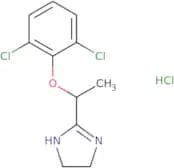
CAS:α2-adrenergic receptor agonist; used for the treatment of opiate withdrawalFormula:C11H13Cl3N2OPurity:Min. 95%Color and Shape:White PowderMolecular weight:295.59 g/molSpermidine trihydrochloride
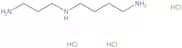
CAS:Spermidine is a naturally occurring polyamine that has been shown to be essential for cell growth and proliferation. It can be found in a variety of foods, such as soybeans, mushrooms, and seafood. Spermidine is also present in human plasma. However, the concentration varies widely between individuals. Spermidine has been shown to act as an effective inhibitor of human osteosarcoma cells by binding to the polymerase chain reaction (PCR) matrix and slowing down the rate of DNA synthesis. Spermidine trihydrochloride (SPDC) is a derivative of spermidine that has been shown to have higher anti-cancer potential than its parent molecule in vitro and in vivo. The compound has been shown to induce autophagy by regulating the expression of genes related to energy metabolism and transcriptional regulation. SPDC may also induce programmed cell death by hydrogen bonding interactions with certain amino acids on the protein matrix. SPDC has also been shownFormula:C7H19N3·3HClColor and Shape:White PowderMolecular weight:254.63 g/molEthyl N-ethyl-N-[(heptadecafluorooctyl)sulphonyl]glycinate
CAS:Controlled ProductEthyl N-Ethyl-N-[(Heptadecafluorooctyl)Sulphonyl]Glycinate is a sulfonate that is used as a surfactant. It is a clear, colorless liquid with a slight odor that is soluble in water and can be used as a chemical intermediate. Ethyl N-Ethyl-N-[(Heptadecafluorooctyl)Sulphonyl]Glycinate is also known as an additive to substances, such as alcohols and other chemicals, or mixtures of substances.Formula:C14H12F17NO4SPurity:Min. 95%Color and Shape:PowderMolecular weight:613.29 g/mol5,6-Diethyl-2,3-dihydro-1H-inden-2-amine hydrochloride
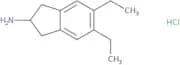
CAS:Controlled Product5,6-Diethyl-2,3-dihydro-1H-inden-2-amine hydrochloride is the salt form of a chemical compound that belongs to the group of acetylation agents. This chemical is highly soluble in water and is used as a reagent to acetylate amines. The industrial process for this compound begins with an acetone solution of 2,3-dihydroindene. Acetyl chloride reacts with 2,3-dithiobenzoyl chloride in an acid environment to produce 5,6-diethyl-2,3-dihydroindane. The product is treated with hydrogen chloride gas to produce 5,6-diethyl-2,3 dihydroindanamine hydrochloride. This compound has been shown to be toxic for aquatic life and can cause environmental pollution when released into the environment.Formula:C13H19N•HClPurity:Min. 95%Color and Shape:White PowderMolecular weight:225.76 g/molFmoc-L-alanine pentafluorophenyl ester
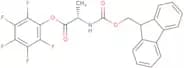
CAS:Fmoc-L-alanine pentafluorophenyl ester is a drug that inhibits the growth of microorganisms by inhibiting the synthesis of folic acid. It is used to treat patients with drug-resistant bacteria, such as Mycobacterium tuberculosis, and has shown toxic effects on human cells. Fmoc-L-alanine pentafluorophenyl ester binds to the enzyme dihydrofolate reductase and blocks the production of tetrahydrofolate, which is essential for DNA synthesis. This drug also inhibits human cells by binding to DNA gyrase in the bacterial cell wall.END>Formula:C24H16F5NO4Purity:Min. 95%Color and Shape:PowderMolecular weight:477.38 g/mol8-Chloro-3α,4-dihydro-6-(2-fluorophenyl)-1-methyl-3H-imidazo[1,5-α][1,4]benzo-diazepine
CAS:Controlled ProductPlease enquire for more information about 8-Chloro-3α,4-dihydro-6-(2-fluorophenyl)-1-methyl-3H-imidazo[1,5-α][1,4]benzo-diazepine including the price, delivery time and more detailed product information at the technical inquiry form on this page
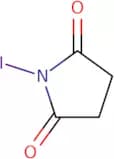
Formula:C18H15ClFN3Purity:Min. 90%Color and Shape:PowderMolecular weight:327.78 g/molN-Iodosuccinimide
CAS:N-Iodosuccinimide is a reagent that is used in the synthesis of monoclonal antibodies. It reacts with the amino groups of proteins to form stable complexes that are soluble in organic solvents. N-Iodosuccinimide can also be used for the treatment of tumors by reacting with DNA to form cross-links and inhibiting tumor cell growth. N-Iodosuccinimide reacts with methyl ketones to form mixtures of stable complexes, which are useful for the synthesis of polymers and polyesters. This reaction mechanism is a variation on the Suzuki coupling reaction and has been shown to be effective for cervical cancer cells in culture.
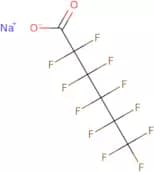
Formula:C4H4INO2Color and Shape:Brown Clear LiquidMolecular weight:224.98 g/molSodium perfluorohexanoate
CAS:Sodium perfluorohexanoate is a compound that belongs to the group of pharmacological agents. It has been shown to have low water permeability and receptor activity in vitro. The toxicity of this compound has been studied extensively in animals, and it does not have any significant effects on the liver or kidney. However, it may cause damage to the spleen, brain, and testes. Chronic oral exposure to sodium perfluorohexanoate can cause toxic effects on the liver, kidney, spleen, brain, and testes. Sodium perfluorohexanoate is also an analytical method for measuring human serum levels of dinucleotide phosphate (dNTP) and erythrocyte membrane potential (EMP).Formula:C6HF11O2•NaPurity:Min. 95%Color and Shape:PowderMolecular weight:337.04 g/mol3-Iodobenzamide
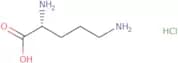
CAS:3-Iodobenzamide is a metalloporphyrin that is used as a research tool. It has been shown to inhibit the tyrosine kinase activity of the BCR-ABL protein and to induce apoptosis in chronic myeloid leukemia cells. 3-Iodobenzamide binds to the dopamine D2 receptor, which leads to inhibition of adenylate cyclase and decreased levels of cAMP. The binding affinity of 3-iodobenzamide for dopamine receptors and its ability to inhibit cAMP production make it an ideal candidate for use in studies on striatal membrane preparations and homogenates.Formula:C7H6INOPurity:Min. 95%Color and Shape:PowderMolecular weight:247.03 g/molD-Ornithine hydrochloride
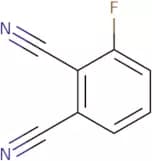
CAS:D-Ornithine hydrochloride is a synthetic amino acid that is used as a precursor for the synthesis of polyamines in the body. It is also used as an additive in food and animal feed. This amino acid has been shown to inhibit gramicidin production by inhibiting the enzyme acylase. D-Ornithine hydrochloride has also been shown to stimulate the production of ornithine by increasing ATP levels and activating enzymes such as pyruvate kinase, glutamic pyruvate transaminase, and phosphoenolpyruvate carboxykinase. In addition, it has been shown to have chemoenzymatic properties that allow for its use in reactions with fatty acids as substrates. The reaction yield increases with higher substrate concentrations, which can be achieved using immobilized cells or by adding cyclic peptides such as ornithine to the reaction mixture.Formula:C5H12N2O2•HClPurity:Min. 95%Color and Shape:PowderMolecular weight:168.62 g/mol3-Fluorophthalodinitrile
CAS:3-Fluorophthalodinitrile is a hydroxylated aromatic hydrocarbon with a chloride substituent. It has been shown to yield high percentages of the chloride ion in crystalline form. The compound is also photochemically stable and has been used as an absorber for infrared radiation in the preparation of pharmaceutical preparations, such as thrombin receptor antagonists. 3-Fluorophthalodinitrile has a crystalline structure and belongs to the class of phthalocyanines. It has been shown to bind to thrombin receptors and inhibit platelet aggregation, which may be due to its ability to inhibit calcium from binding to phospholipids on the platelet membrane surface.
Formula:C8H3FN2Purity:Min. 95%Color and Shape:Yellow PowderMolecular weight:146.12 g/molPotassium hexafluoraluminate
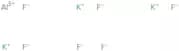
CAS:Potassium hexafluoromalonate is a chemical compound that is used as an intermediate in the production of other chemicals. It has been shown to be a useful building block in organic synthesis and can also be used as a research chemical. Potassium hexafluoromalonate is prepared by reacting fluoroaluminate with potassium hydroxide, producing potassium hexafluoromalonate. This reaction produces hydrogen fluoride gas, which must be removed from the product before use. Potassium hexafluoromalonate is soluble in water and is stable at room temperature for up to one year.Formula:K3AlF6Purity:Min 97%Color and Shape:Colorless White PowderMolecular weight:258.27 g/mol4-Chloro-3-nitroacetophenone
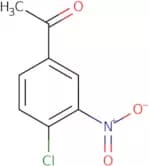
CAS:4-Chloro-3-nitroacetophenone is a phenothiazine drug that is used in the treatment of lung conditions. It binds to the active site of human cytochrome P450, which is an enzyme that metabolizes many drugs and other foreign substances. 4-Chloro-3-nitroacetophenone inhibits the reaction by binding to the chloride ion and preventing it from leaving the enzyme's active site, which is necessary for its function. The drug has been shown to have a high affinity for protozoan tetrahymena, an organism that has been widely used as a model system in biochemistry research. 4-Chloro-3-nitroacetophenone also inhibits biochemical reactions involving nucleophilic substrates such as quinoline derivatives. The reaction rate of these substrates is decreased by this drug due to its ability to compete with water molecules for the nucleophilic reaction intermediate.Formula:C8H6ClNO3Purity:Min. 95%Color and Shape:PowderMolecular weight:199.59 g/mol2,2,2-Trifluoro-N-(4-piperidinyl)acetamide
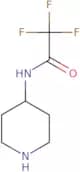
CAS:2,2,2-Trifluoro-N-(4-piperidinyl)acetamide (TFAPA) is a nucleic acid analog that binds to the target nucleic acid. TFAPA is a morpholino compound with an amide linkage between the morpholine ring and the acetic acid group. TFAPA is a sequence-specific DNA analog that inhibits protein synthesis by binding to the target nucleic acid. TFAPA can also be used as a probe for the detection of abnormal sequences in RNA.Formula:C7H11F3N2OPurity:Min. 95%Color and Shape:White PowderMolecular weight:196.17 g/mol3-Chloro-1-(3,4-dichlorophenyl)-4-morpholin-4-yl-1H-pyrrole-2,5-dione
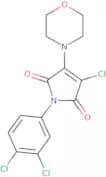
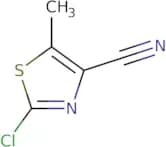
CAS:3-Chloro-1-(3,4-dichlorophenyl)-4-morpholin-4-yl-1H-pyrrole-2,5-dione is a chemical compound that can be used as a reaction component, reagent, or useful scaffold for chemical synthesis. It is a high quality chemical with CAS No. 415713-60-9 and has the molecular formula C14H10Cl2N2O3. This versatile building block has been shown to be useful as an intermediate in organic chemistry and as a building block for complex compounds.Formula:C14H11Cl3N2O3Purity:Min. 95%Color and Shape:PowderMolecular weight:361.61 g/mol2-Chloro-5-methylthiazole-4-carbonitrile
CAS:Please enquire for more information about 2-Chloro-5-methylthiazole-4-carbonitrile including the price, delivery time and more detailed product information at the technical inquiry form on this pageFormula:C5H3ClN2SPurity:Min. 95%Molecular weight:158.61 g/mol2-Chloro-5-cyanopyrazine
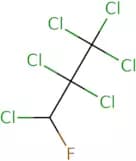
CAS:2-Chloro-5-cyanopyrazine is a synthetic compound that has been shown to have anti-cancer properties. It is an acceptor molecule that has a nucleophilic character and can react with electrophiles to form covalent bonds. This compound has been shown to selectively inhibit the growth of cancer cells in vitro. The mechanism of action is not yet clear, but it may be due to its ability to induce apoptosis and arrest cell cycle progression at the G1 phase. 2-Chloro-5-cyanopyrazine also has the potential for use as an analytical reagent because of its high solubility in organic solvents. In addition, this compound can be used as a copper donor in reactions involving carboxylic acids or other nucleophiles. 2-Chloro-5-cyanopyrazine can be synthesized from benzene and chloropicrin in the presence of copper(II)Formula:C5H2ClN3Purity:Min. 95%Color and Shape:Off-White To Yellow SolidMolecular weight:139.54 g/mol1,1,1,2,2,3-Hexachloro-3-fluoropropane
CAS:Controlled Product1,1,1,2,2,3-Hexachloro-3-fluoropropane is a chemical compound that is used as a solvent and as a volatile agent in the process of vaporization. It has been shown to be toxic to the environment and has been classified as hazardous by the Environmental Protection Agency (EPA). The EPA estimates that 1,1,1,2,2,3-Hexachloro-3-fluoropropane emits about 100 million pounds per year into the atmosphere. This chemical compound is also used as an ingredient in certain pesticides.Formula:C3HCl6FPurity:Min. 95%Molecular weight:268.75 g/molFluorescein
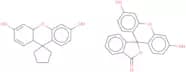
CAS:Fluorescein is a fluorescent molecule often used in in vitro assays, immunohistochemistry, microscopy, and clinical analytics. Fluorescein is not a natural product and was first synthesized in 1871 by Adolf von Baeyer, a later Nobel-prize winner for his work on organic dyes. Fluorescein has an absorption maximum of 494 nm and an emission maximum of 512 nm; these values can however slightly change depending on the solution medium. Fluorescein is used clinically in ophthalmology to assess the blood flow in the eye blood vessels and to detect eye injuries such as foreign bodies and possible abrasions. Interestingly, fluorescein has been found to possess peroxidase activity under certain conditions.Formula:C20H12O5Color and Shape:PowderMolecular weight:332.31 g/mol4-Chloro-3-nitrophenylacetamide
CAS:4-Chloro-3-nitrophenylacetamide is a chemical compound that can be used as a reagent, useful scaffold for research, and a high quality research chemical. CAS No. 5540-60-3, this versatile building block is useful for the synthesis of complex compounds and fine chemicals.
Formula:C8H7ClN2O3Purity:Min. 98 Area-%Color and Shape:PowderMolecular weight:214.61 g/molManganese(II) chloride monohydrate
CAS:Manganese(II) chloride monohydrate is a high quality, reagent grade chemical that is used as a complexing agent and intermediate in the production of fine chemicals. It can also be used as a versatile building block for the synthesis of speciality chemicals. Manganese(II) chloride monohydrate is a useful scaffold with which to build other molecules and has been found to be an important reaction component for the synthesis of various organic compounds.
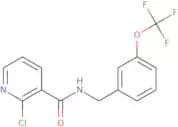
Formula:Cl2Mn·H2OPurity:Min. 95%Color and Shape:PowderMolecular weight:143.86 g/mol(2-chloro(3-pyridyl))-N-((3-(trifluoromethoxy)phenyl)methyl)formamide
CAS:Please enquire for more information about (2-chloro(3-pyridyl))-N-((3-(trifluoromethoxy)phenyl)methyl)formamide including the price, delivery time and more detailed product information at the technical inquiry form on this pagePurity:Min. 95%Anagrelide hydrochloride
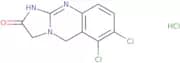
CAS:Phosphodiesterase-III inhibitor; thrombocytopenicFormula:C10H7Cl2N3O•HClPurity:Min. 95%Color and Shape:PowderMolecular weight:292.55 g/mol[(8S,10S,11S,13S,14S,16S)-9-Fluoro-11-Hydroxy-10,13,16-Trimethyl-17-Methylsulfanylcarbonyl-3-Oxo-6,7,8,11,12,14,15,16-Octahydrocyclo penta[a]Phenanthren-17-Yl] Acetate
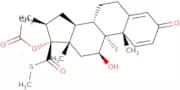
CAS:Controlled Product(8S,10S,11S,13S,14S,16S)-9-Fluoro-11-Hydroxy-10,13,16-Trimethyl-17-Methylsulfanylcarbonyl-3-Oxo-6,7,8,11,12,14,15,16-Octahydrocyclo penta[a]Phenanthren-17-Yl) Acetate is a fatty acid ester that is used as a pharmaceutical preparation. It has been shown to be an effective treatment for the muscle wasting disease myotonic dystrophy and has been approved by the FDA. (8S,10S,11S,13S,14S,, 16 S)-9 - Fluoro - 11 - Hydroxy - 10 , 13 , 16 - Trimethyl - 17 - Methylsulfanylcarbonyl - 3 - Oxo - 6 , 7 , 8 , 11Formula:C24H31FO5SPurity:Min. 95%Molecular weight:450.56 g/mol5-Chloro-2-nitroaniline
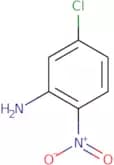
CAS:5-Chloro-2-nitroaniline is a proton transport agent that is used to dissolve the stones in the kidney and bladder. It belongs to the chemical class of anilines and has a chlorine atom. This drug is structurally similar to sorafenib, which is used for cancer treatment, and has been shown to inhibit cb2 receptor activity. 5-Chloro-2-nitroaniline also reacts with hydrochloric acid or sodium hydroxide solution to produce nitrous acid, which can be used as a reactant in organic synthesis.Formula:C6H5ClN2O2Purity:Min. 95%Molecular weight:172.57 g/mol4-Bromocinnamic acid
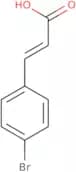
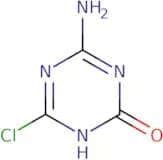
CAS:4-Bromocinnamic acid is a plant metabolite that is found in the leaves of plants belonging to the family Capparaceae. It can be extracted from these leaves using methanol as a solvent and then purified by column chromatography. 4-Bromocinnamic acid has been shown to have antitumor properties and has been studied in a model system for prostate cancer cells. This molecule also has the ability to hydrogen bond with other molecules, including dopamine, which is important for its anti-cancer activity.Formula:C9H7BrO2Purity:Min. 95%Color and Shape:PowderMolecular weight:227.05 g/mol2-Amino-4-hydroxy-6-chloro-s-triazine
CAS:2-Amino-4-hydroxy-6-chloro-s-triazine is a type strain of a chemical compound with clinical pharmacology. It is an active substance that can be used to treat cancer. 2-Amino-4-hydroxy-6-chloro-s-triazine has been shown to inhibit the growth of prostate cancer cells and phosphatase in hematopoietic cells. This drug also inhibits kinase receptor, which leads to the inhibition of protein synthesis and cell division. The reaction mechanism for 2-amino 4 hydroxy 6 chloros triazine is nucleophilic substitution.
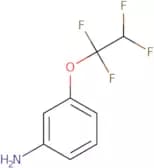
Formula:C3H3ClN4OPurity:Min. 95%Color and Shape:White PowderMolecular weight:146.53 g/mol3-(1,1,2,2-Tetrafluoroethoxy)aniline
CAS:3-(1,1,2,2-Tetrafluoroethoxy)aniline is a reagent that belongs to the group of complex compounds. It has CAS No. 831-75-4 and is used as an intermediate in the synthesis of fine chemicals, useful scaffolds and building blocks. This versatile chemical can be used as a reaction component for the production of speciality chemicals and research chemicals. 3-(1,1,2,2-Tetrafluoroethoxy)aniline can be used as a starting material for the production of other reagents such as fluoroalkylating agents and fluorinating agents.Formula:C8H7F4NOPurity:Min. 95%Color and Shape:Colorless Clear LiquidMolecular weight:209.14 g/mol3',5'-Dichloro-2'-hydroxyacetophenone
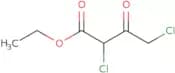
CAS:3',5'-Dichloro-2'-hydroxyacetophenone is a hydrogen bond donor and has a crystal system of orthorhombic. It is soluble in water and insoluble in organic solvents. 3',5'-Dichloro-2'-hydroxyacetophenone binds to the progesterone receptor, which is a nuclear hormone receptor that regulates gene transcription by binding to specific DNA sequences called hormone response elements. There are two cleavage products of progesterone receptor, Malondialdehyde (MDA) and estradiol (E2). 3',5'-Dichloro-2'-hydroxyacetophenone also binds to estrogen receptors, which are proteins located inside or on the surface of cells that bind to hormones and regulate the activity of certain genes. The biochemical function of 3',5'-dichloro-2' hydroxyacetophenone is not well understood but it has been shown to have antioxidant properties.Formula:C8H6Cl2O2Purity:Min. 95%Molecular weight:205.04 g/molEthyl 2,4-dichloroacetoacetate
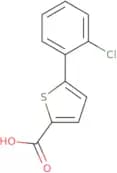
CAS:Ethyl 2,4-dichloroacetoacetate is a reaction component that is used as a reagent in organic synthesis. It has been shown to be a useful scaffold for the preparation of complex compounds and fine chemicals. It can also be used as a useful intermediate or building block for the synthesis of other molecules.Formula:C6H8Cl2O3Purity:Min. 95%Color and Shape:Colorless Clear LiquidMolecular weight:199.03 g/mol5-(2-Chlorophenyl)thiophene-2-carboxylic acid
CAS:5-(2-Chlorophenyl)thiophene-2-carboxylic acid is a reagent, complex compound, and useful intermediate that belongs to the class of fine chemicals. CAS No. 500604-91-1 is a speciality chemical that is used as a versatile building block in research chemicals and as a reaction component for the synthesis of new drugs. It is also an excellent building block for synthesizing 1,4-benzothiazepines and other heterocyclic compounds.
Formula:C11H7ClO2SPurity:Min. 95%Color and Shape:PowderMolecular weight:238.69 g/molN-Benzyl-2,4,6-triphenyl pyridinium tetrafluoroborate
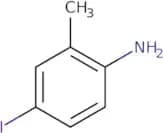
CAS:N-Benzyl-2,4,6-triphenyl pyridinium tetrafluoroborate is a molecule that regulates transcriptional activity. It can be used to isolate regulatory genes from different organisms and identify the specific genes that regulate the expression of other genes. The algorithm for this process is a stepwise, stereoselective, aerobic search. This process starts with an algorithm that identifies the best possible match between the gene sequence and the database sequences. The algorithm then transfers to another stepwise and stereoselective search of the database until it finds a match. The process ends when there are no more matches in the database or when all possible combinations have been searched. N-Benzyl-2,4,6-triphenyl pyridinium tetrafluoroborate has been shown to activate Staphylococcus aureus at very low concentrations but does not cause activation of mammalian cells at these concentrations.Formula:C30H24N•BF4Purity:Min. 95%Molecular weight:485.32 g/mol4-Iodo-2-methylaniline
CAS:The 4-Iodo-2-methylaniline is a synthetic molecule that belongs to the group of amines. It has been shown to bind to human protein and can be used for the synthesis of boronic acids and quinoline derivatives. 4-Iodo-2-methylaniline can be synthesized by reacting hydrochloric acid with sodium periodate, followed by addition of an aryl boronic acid. The reaction time is dependent on the nature of the reactant. The pharmacophore consists of a proton and an aryl boronic acid, which is responsible for binding with human protein.Formula:C7H8INPurity:Min. 95%Color and Shape:PowderMolecular weight:233.05 g/molN-Methyl-N-phenylazetidin-3-amine hydrochloride
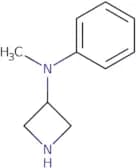
CAS:N-Methyl-N-phenylazetidin-3-amine hydrochloride is a white solid with a melting point of 175°C. It is soluble in water, ethanol, and ether. N-Methyl-N-phenylazetidin-3-amine hydrochloride is an intermediate for the synthesis of chemical compounds that are used in research and development. This compound can be used as a building block to create complex compounds with biological activity. It can also be used as a scaffold to create novel chemical compounds that have not been observed before. The quality of this chemical is high, making it suitable for research purposes.Formula:C10H15N2ClPurity:Min. 95%Color and Shape:Solid.Molecular weight:198.69 g/mol3H-Spiro[Isobenzofuran-1,4'-piperidine] hydrochloride
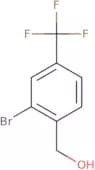
CAS:3H-Spiro[Isobenzofuran-1,4'-piperidine] hydrochloride is a high quality reagent that is used as a complex compound for the synthesis of various fine chemicals. It has been shown to be an excellent building block for drug discovery and development. 3H-Spiro[Isobenzofuran-1,4'-piperidine] hydrochloride is available in bulk quantities and can be shipped worldwide. This chemical is also used as a reaction component in the synthesis of various speciality chemicals. 3H-Spiro[Isobenzofuran-1,4'-piperidine] hydrochloride is versatile and can be used in reactions with different functional groups.Formula:C12H15NO·HClPurity:Min. 95%Color and Shape:PowderMolecular weight:225.71 g/mol2-Bromo-4-(trifluoromethyl)benzyl alcohol
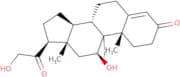
CAS:2-Bromo-4-(trifluoromethyl)benzyl alcohol is a versatile building block that can be used as a reactant in organic synthesis. It is also a useful intermediate and building block for complex compounds. This compound has been used as a reagent in the preparation of 2,2'-dipyridyldisulfide, which was shown to have potent antiproliferative activity against human cancer cells.Formula:C8H6BrF3OPurity:Min. 95%Molecular weight:255.03 g/mol(8S,10S,11S,13S,14S,17S)-9-Fluoro-11-Hydroxy-17-(2-Hydroxyacetyl)-10,13-Dimethyl-2,6,7,8,11,12,14,15,16,17-Decahydro-1H-Cyclopenta[a ]Phenanthren-3-One
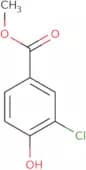
CAS:Controlled Product(8S,10S,11S,13S,14S,17S)-9-Fluoro-11-hydroxy-17-(2-hydroxyacetyl)-10,13-dimethyl-2,6,7,8,11,12,14,15,16,17-decahydrocyclopenta[a]phenanthren-3-one (fluorometholone) is a corticosteroid that is used in the treatment of asthma and other respiratory diseases. Fluorometholone has been shown to have strong antiinflammatory activity and inhibit the production of inflammatory cytokines. It also has mineralocorticoid activity and can be used to treat adrenal insufficiency. This drug has potent potencies structurally similar to glucocorticoids and mineralocorticoids.Formula:C21H29FO4Purity:Min. 95%Molecular weight:364.45 g/molMethyl 3-chloro-4-hydroxybenzoate
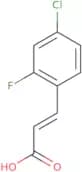
CAS:Methyl 3-chloro-4-hydroxybenzoate is a wastewater treatment chemical that has been shown to be effective in the removal of chlorinated compounds such as ppcps and triclosan. It is used in pH adjustment, buffer production, corrosion control, and wastewater treatment. Methyl 3-chloro-4-hydroxybenzoate forms a complex with an alkali metal ion, which reacts with chlorine gas to form hydrochloric acid. The reaction also produces 4-hydroxybenzoic acid (4HB) as a byproduct. Treatment methods for methyl 3-chloro-4-hydroxybenzoate include chlorination and alkaline treatments.Formula:C8H7ClO3Purity:Min. 95%Molecular weight:186.59 g/mol4-Chloro-2-fluorocinnamic acid
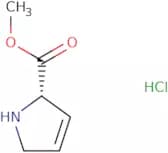
CAS:4-Chloro-2-fluorocinnamic acid is a chemical intermediate that can be used as a building block for the synthesis of other compounds. It has been shown to be useful in the preparation of pharmaceuticals, agrochemicals, and dyestuffs. This chemical has many uses in research, such as being used as a reactant in organic synthesis or as a reagent for derivitization. 4-Chloro-2-fluorocinnamic acid is also an important intermediate for the production of more complex compounds. 4-Chloro-2-fluorocinnamic acid is a versatile building block that can be used in the preparation of many fine chemicals, with its versatility making it an important scaffold for drug discovery.Formula:C9H6ClFO2Purity:Min. 95%Color and Shape:PowderMolecular weight:200.59 g/mol3,4-Dehydro-L-proline methyl ester hydrochloride
CAS:3,4-Dehydro-L-proline methyl ester hydrochloride is a reagent that is used in the synthesis of complex compounds. It is a versatile building block for the synthesis of fine chemicals and can be used as a research chemical or as a speciality chemical. 3,4-Dehydro-L-proline methyl ester hydrochloride has CAS No. 186145-08-4 and can be used as an intermediate in reactions to create high quality reaction components.
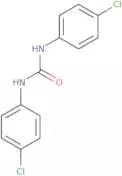
Formula:C6H9NO2•HClPurity:Min. 95%Color and Shape:SolidMolecular weight:163.6 g/mol1,3-Bis(4-chlorophenyl)urea
CAS:Triclocarban is a chlorinated aromatic compound that is widely used as a biocide in wastewater treatment. Triclocarban can be found in water, soil, and human and animal wastes. The analytical method for triclocarban is based on the reaction of the analyte with 1,3-bis(4-chlorophenyl)urea to form a red product that can be measured spectrophotometrically at 630 nm. Triclosan is another chlorinated aromatic compound that may contaminate water sources due to its use as an antimicrobial agent and deodorant. Triclosan has also been shown to have mutagenic properties. It has been shown to inhibit microbial growth by binding to nucleophilic sites on enzymes in the cell membrane or by forming stable complexes with metal ions necessary for cellular metabolism.Formula:C13H10Cl2N2OPurity:Min. 98 Area-%Color and Shape:White Off-White PowderMolecular weight:281.14 g/molN,N'-Bis(2,2,6,6-tetramethylpiperidin-4-yl)hexane-1,6-diamine,2,4,6-trichloro-1,3,5-triazine,2,4,4-trimethylpentan-2-amine
CAS:Bis(2,2,6,6-tetramethylpiperidin-4-yl)hexane-1,6-diamine is a nonionic hydroxyl compound and an additive in polyolefins. It is used as a polymerization initiator or accelerator for the preparation of polyolefin plastics. Bis(2,2,6,6-tetramethylpiperidin-4-yl)hexane-1,6-diamine can be used to prepare polymers by polymerization with olefins such as ethylene and propylene. The chemical stability of this compound makes it suitable for use in sample preparation before analysis by mass spectrometry. Bis(2,2,6,6-tetramethylpiperidin-4-yl)hexane-1,6-diamine is reactive with radiation and fatty acids and has been shown to have stabilizing properties for plasma massFormula:C35H69Cl3N8Purity:Min. 95%Color and Shape:PowderMolecular weight:708.33 g/mol2-Bromocinnamic acid
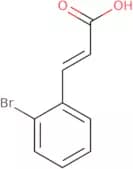
CAS:2-Bromocinnamic acid is a synthetic compound that inhibits the reactions of arylating agents with tissues. It has cytotoxic activity and can be used in the treatment of alzheimer's disease. The synthesis of 2-bromocinnamic acid begins with anhydrous acetonitrile, which is heated to form an anhydrous salt. This salt is then dissolved in water and treated with potassium iodide and sodium nitrite. The resultant mixture undergoes a series of reactions to produce 2-bromocinnamic acid, including the addition of molybdenum as a catalyst. The reaction also produces byproducts that are removed by extraction or distillation. Finally, it undergoes a chromophore change from yellow to red in the presence of air due to oxidation by atmospheric oxygen.
Formula:C9H7BrO2Purity:Min. 95%Molecular weight:227.05 g/molPigment Yellow 127
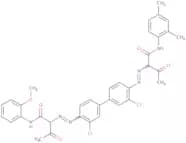
CAS:Please enquire for more information about Pigment Yellow 127 including the price, delivery time and more detailed product information at the technical inquiry form on this page
Purity:Min. 95%4,5-dichloro-1-prop-2-ynylimidazole
CAS:Please enquire for more information about 4,5-dichloro-1-prop-2-ynylimidazole including the price, delivery time and more detailed product information at the technical inquiry form on this pagePurity:Min. 95%1-Fluoro-2,4,6-trimethylpyridinium tetrafluoroborate
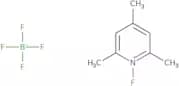
CAS:1-Fluoro-2,4,6-trimethylpyridinium tetrafluoroborate is a reactive compound that is used in the synthesis of organic compounds. It can be used as a precursor to introduce fluorine into organic molecules. This reagent may also be used in reductive eliminations and dehydrogenative coupling reactions. 1-Fluoro-2,4,6-trimethylpyridinium tetrafluoroborate is thermodynamically stable and can be stored at room temperature for long periods of time.Formula:C8H11BF5NPurity:Min. 98 Area-%Color and Shape:PowderMolecular weight:226.98 g/molCycloguanil hydrochloride
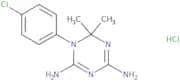
CAS:Cycloguanil hydrochloride is an anti-malarial drug that inhibits the activity of dihydrofolate reductase, which is a target enzyme for many drugs. The drug is structurally similar to proguanil, but the latter has more potent activity against the parasite and better oral bioavailability. Cycloguanil hydrochloride binds to the enzyme's active site and blocks its action, thereby inhibiting essential enzymes in the synthesis of DNA. This leads to a decrease in production of malarial parasites and inhibition of their growth. Cycloguanil hydrochloride can also be used for chemoprophylaxis in falciparum malaria when combined with other drugs such as sulfadoxine or pyrimethamine.Formula:C11H14ClN5•HClPurity:Min. 98 Area-%Color and Shape:PowderMolecular weight:288.18 g/mol9-Fluoro-11β,17-Dihydroxy-16α-Methyl-3,20-Dioxopregna-1,4-Dien-21-Yl 2-[2-(2-Ethoxyethoxy)Ethoxy]Acetate
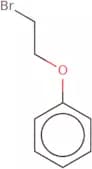
CAS:Controlled ProductMethylprednisolone is a corticosteroid that has been used for the treatment of many conditions, including asthma and arthritis. It is used to reduce inflammation and suppress the immune system. Methylprednisolone can be administered orally or as an injection. It is also used in the diagnosis of tumours, especially those that are difficult to diagnose by other means. Methylprednisolone may be given together with another drug called dexamethasone, which has synergistic effects. These drugs have been shown to cause death in animals with certain types of tumours. In humans, they can cause cutaneous lesions, such as follicle cysts and tnf-α expression in skin cells. This drug also causes a microsporum infection (a type of fungus) on the skin to grow more rapidly when it is applied topically, resulting in a larger diameter section than untreated areas.Formula:C30H43FO9Purity:Min. 95%Molecular weight:566.66 g/mol2-Phenoxy ethyl bromide
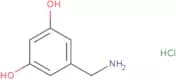
CAS:2-Phenoxy ethyl bromide is a chemical compound that has been shown to have antibacterial properties when tested against bacteria in the laboratory. It is also toxic to humans and other mammals, so care must be taken during its use. 2-Phenoxy ethyl bromide has been shown to inhibit the growth of Streptococcus pneumoniae, Streptococcus pyogenes (Group A), Enterococcus faecalis, and Staphylococcus aureus (Group A) at concentrations of 0.2% by weight in broth medium. 2-Phenoxy ethyl bromide may be effective against other bacteria as well, but further research is needed to confirm this.Formula:C8H9BrOPurity:Min. 95%Color and Shape:White PowderMolecular weight:201.06 g/mol3,5-Dihydroxybenzylamine hydrochloride
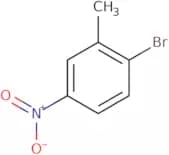
CAS:3,5-Dihydroxybenzylamine hydrochloride is a high quality chemical used as a reagent for organic synthesis. It has also been used as an intermediate for the production of other chemicals and in the synthesis of complex compounds. 3,5-Dihydroxybenzylamine hydrochloride is also a useful scaffold for drug design and development. It can be used to make fine chemicals with various applications such as research chemicals, versatile building blocks, reaction components, and speciality chemicals.Formula:C7H10ClNO2Purity:Min. 95%Color and Shape:PowderMolecular weight:175.61 g/mol2-Bromo-5-nitrotoluene
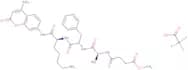
CAS:2-Bromo-5-nitrotoluene is a monosubstituted aromatic compound with a pKa of -2.5. The hydroxyl group on the ring makes this compound acidic, and it will readily react with an electrophile to form an addition product. 2-Bromo-5-nitrotoluene undergoes reductive elimination to form 2-aminoethanol, which is more stable than the nitroso group. The mechanism of this reaction involves labile intermediates that are sensitive to light and heat. The frequency data for 2-bromo-5-nitrotoluene can be found in the table below: 2H NMR (400 MHz, CDCl) δ 7.60 (d, J=8 Hz, 1H), 7.50 (dd, J=8 Hz, 1H), 3.80 (s, 3H). 1H NFormula:C7H6BrNO2Purity:Min. 95%Color and Shape:PowderMolecular weight:216.03 g/molMeOSuc-Ala-Phe-Lys-AMC trifluoroacetate salt
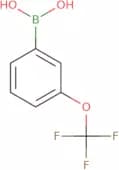
CAS:MeOSuc-Ala-Phe-Lys-AMC is a compound that has a destabilizing effect on the vascular wall, due to its ability to inhibit proteolytic activity. It is also able to reduce the level of angiogenic factors, and thus has an anti-angiogenic effect. MeOSuc-Ala-Phe-Lys-AMC has been shown to have a macroscopic effect on vessels in tissue culture, and this can be observed through leucocyte migration. MeOSuc-Ala-Phe-Lys-AMC has also been shown to cause haemorrhagic changes in microvessels and muscle cells. This compound is also able to inhibit placental growth factor and muscle cell proliferation, as well as reducing the number of microvessels in the placenta.Formula:C33H41N5O8•C2HF3O2Purity:Min. 95 Area-%Color and Shape:PowderMolecular weight:749.73 g/mol3-Trifluoromethoxyphenylboronic acid
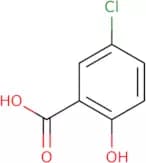
CAS:3-Trifluoromethoxyphenylboronic acid is a lead compound that has the potential to be an efficient and water-soluble inhibitor of protein kinases. It has been shown to have a significant inhibitory effect on vismodegib transport. This compound may also have anticancer properties. 3-Trifluoromethoxyphenylboronic acid binds to the active site of protein kinases, blocking their catalytic activity and inhibiting cell proliferation by interfering with the signaling pathway that regulates cancer cells.Formula:C7H6BF3O3Purity:Min. 90%Color and Shape:PowderMolecular weight:205.93 g/mol5-Chlorosalicylic acid
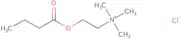
CAS:5-Chlorosalicylic acid is an inhibitor of the enzyme carbonic anhydrase. It is used for the treatment of gout, rheumatoid arthritis, and osteoarthritis. This compound has been shown to be a genotoxic agent, which may result in mutagenic or carcinogenic effects. 5-Chlorosalicylic acid inhibits the growth of probiotic bacteria. It also has anti-inflammatory properties and can be used as a proton donor in organic synthesis reactions. 5-Chlorosalicylic acid is a metabolite of acetylsalicylic acid (ASA) that forms when ASA undergoes oxidative deamination in the liver. 5-Chlorosalicylic acid is also formed during metabolism of nonsteroidal anti-inflammatory drugs (NSAIDs).Formula:C7H5ClO3Purity:Min. 95%Color and Shape:White Off-White PowderMolecular weight:172.57 g/molButyrylcholine chloride
CAS:Butyrylcholine chloride is a choline esterase inhibitor that binds to acetylcholine receptors, preventing the release of acetylcholine. This prevents the transmission of nerve impulses, which leads to an inhibition of brain functions. Butyrylcholine chloride has been shown to have inhibitory properties against signal peptide and target enzymes such as esterases and phospholipases. Butyrylcholine chloride also has a fluorescent probe that can be used for biological samples, such as enzyme activity in rat brain tissue. It is also used as pharmacological agents for treatment of Alzheimer's disease, myasthenia gravis, and other diseases involving cholinergic dysfunction.
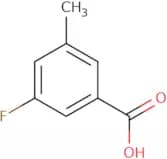
Formula:C9H20ClNO2Purity:Min. 95%Color and Shape:Off-White PowderMolecular weight:209.71 g/mol3-Fluoro-5-methylbenzoic acid
CAS:3-Fluoro-5-methylbenzoic acid is a sulfilimine that has been shown to have insecticidal, functional, and biological activities. 3-Fluoro-5-methylbenzoic acid binds to the enzyme diamide reductase in insects, which prevents the production of toxic amines in insects. 3-Fluoro-5-methylbenzoic acid also inhibits the synthesis of anthranilic acid and organosulfur compounds in plants. This sulfilimine is structurally similar to other insecticides such as DDT and carbofuran. It is soluble in water but insoluble in organic solvents.Formula:C8H7FO2Purity:Min. 95%Color and Shape:PowderMolecular weight:154.14 g/mol2-Methyl-D-cysteine hydrochloride
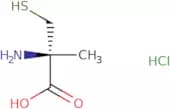
CAS:2-Methyl-D-cysteine hydrochloride is a thiazolidine derivative that is produced by Streptomyces. It is an antibiotic that inhibits bacterial growth and has been shown to be effective against Staphylococcus aureus, Bacillus subtilis, and Escherichia coli. 2-Methyl-D-cysteine hydrochloride is synthesized by cyclocondensation of the amino acid cysteine with the triethylamine derivative desferrithiocin. The chirality of this compound can be modified with an enzyme from Streptomyces sp. This modification removes the sulfur atom from the molecule, which makes it more soluble in water.Formula:C4H9NO2S·ClHPurity:Min. 95%Color and Shape:White PowderMolecular weight:171.65 g/mol1,3-Di-Boc-2-(trifluoromethylsulfonyl)guanidine
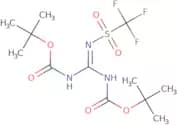
CAS:1,3-Di-Boc-2-(trifluoromethylsulfonyl)guanidine is a growth factor that has been shown to bind to histone proteins and human pathogens. It has physiological effects on prostate cancer cells and fatty acid metabolism. 1,3-Di-Boc-2-(trifluoromethylsulfonyl)guanidine is also antibacterial agent that has potent activity against bacterial cell walls. This drug inhibits the enzyme Clavatadine, leading to the inhibition of protein synthesis in bacteria. The spacing of nitrogen atoms in this molecule is responsible for its potent inhibition of kinase activity. 1,3-Di-Boc-2-(trifluoromethylsulfonyl)guanidine is localized in the cellular cytoplasm and nucleus.
Formula:C12H20F3N3O6SPurity:Min. 95%Color and Shape:White PowderMolecular weight:391.37 g/mol3-Bromo-5-nitrobenzoic acid
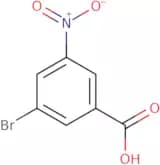
CAS:3-Bromo-5-nitrobenzoic acid is a cancer drug that inhibits the proliferation of cancer cells by binding to amines, which are protonated at physiological pH. This binding leads to an electronic interaction between the bromine atom and the electron cloud of the amine group. The bromine atom is then more attracted to the nucleus, causing it to emit a photon of light. This process is called fluorescence and can be used for imaging cancer cells. 3-Bromo-5-nitrobenzoic acid also has potent antiproliferative activity against cancer cells, which may be due to its ability to bind ligands on target proteins in the cell membrane. It can also lead to apoptosis by interfering with the formation of supramolecular complexes or inhibiting protein synthesis.Formula:C7H4BrNO4Purity:Min. 95%Color and Shape:PowderMolecular weight:246.02 g/mol2-Cyclopropyl-4-(4-fluorophenyl)-quinolyl-3-methanol
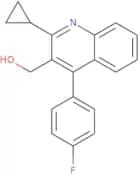
CAS:2-Cyclopropyl-4-(4-fluorophenyl)-quinolyl-3-methanol is a crystalline compound that has been obtained by reacting 3-methoxyquinoline with cyclopropyl bromide. It has the dihedral angle of about 120 degrees and is stabilized by hydrogen bonds. The compound crystallizes in an asymmetric unit cell with two molecules in the asymmetric unit and space group P2/n. The target compound can be obtained in high yield, and it is soluble in organic solvents such as benzene and triphenylphosphine. 2-Cyclopropyl-4-(4-fluorophenyl)-quinolyl-3-methanol can be used to suppress wastewater containing halogenated aromatic compounds, such as quinoline.Formula:C19H16FNOPurity:Min. 95%Molecular weight:293.33 g/mol4,5-Dichloro-1,2,3-dithiazoliumchloride
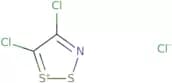
CAS:4,5-Dichloro-1,2,3-dithiazoliumchloride is a pyrazole ring with an acidic hydrogen. It is used as a model system to study the reactions of nucleophilic attack on amines and the low energy chemistry of pyrazoles. The compound has significant antifungal activity against Candida glabrata, which may be due to its ability to react with the carbonyl group in the active methylene. This reaction mechanism leads to inhibition of the synthesis of ergosterol and other sterols essential for fungal cell membranes.Formula:C2Cl3NS2Purity:Min. 95 Area-%Color and Shape:PowderMolecular weight:208.52 g/mol9,10-Bis(bromomethyl)anthracene
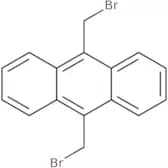
CAS:9,10-Bis(bromomethyl)anthracene is a chemical compound that can be used as a chemical probe for electron spin resonance (ESR) spectroscopy. The ESR spectrum of 9,10-bis(bromomethyl)anthracene in trifluoroacetic acid shows a single peak at g = 2.0286 and the emission spectrum exhibits peaks at 612 nm and 581 nm. 9,10-Bis(bromomethyl)anthracene has been used to detect potassium ions by observing the fluorescence properties of the chromophore. This compound also has fluorine groups which make it very soluble in nonpolar solvents such as hexane or pentane. It can be synthesized with an efficient method that involves reacting an imine with dichloroacetic acid followed by reaction with bromine and potassium hydroxide in chloroform.Formula:C16H12Br2Purity:Min. 95%Color and Shape:PowderMolecular weight:364.07 g/mol2-Bromo-3-fluorobenzoic acid
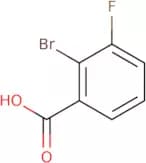
CAS:2-Bromo-3-fluorobenzoic acid is a chemical compound that can be synthesized by the reduction of nitrobenzene with ammonium chloride. This reaction is regioselective, giving predominantly 2-bromo-3-fluorobenzoic acid. The reaction proceeds via a nucleophilic substitution mechanism and the product is formed in high yield. A second route for the synthesis of 2-bromo-3-fluorobenzoic acid involves the deamination of trifluorotoluene to produce hypophosphorous acid, which reacts with sulfuric acid to give 2-bromo-3-fluorobenzoic acid. The bromine atom in this molecule has a high nucleophilicity and reacts readily with electrophiles such as ammonia and amines.Formula:C7H4BrFO2Purity:Min. 95%Color and Shape:PowderMolecular weight:219.01 g/mol2,6-Dichlorobenzonitrile
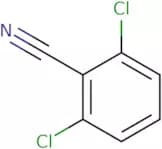
CAS:2,6-Dichlorobenzonitrile is a crystalline cellulose that inhibits the activity of cytochrome P450 enzymes. It has been shown to inhibit the activities of xet and p450 in vitro and in vivo. 2,6-Dichlorobenzonitrile has been shown to have an inhibitory effect on the growth of plants by inhibiting cell division. This compound is used as a herbicide and insecticide. 2,6-Dichlorobenzonitrile has been shown to be toxic in animal studies.
Formula:C7H3Cl2NPurity:Min. 95%Color and Shape:PowderMolecular weight:172.01 g/mol2-Chloro-5-iodotoluene
CAS:2-Chloro-5-iodotoluene is an estrogen receptor antagonist that inhibits the activity of estrogen. 2CIT has been shown to be a potent aromatase inhibitor, and can be used for the treatment of endometriosis and breast cancer. 2CIT has been shown to inhibit the production of estrogen by binding to the aromatase enzyme and preventing it from converting testosterone into estrogen in peripheral tissues such as adipose tissue. This drug can also prevent the conversion of androgens into estrogens in target tissues, including breast tissue. As a result, this drug inhibits tumor growth by preventing the formation of new blood vessels needed for tumor growth. 2CIT may also have anti-cancer properties due to its ability to inhibit DNA synthesis in tumor cells.
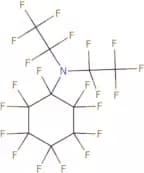
Formula:C7H6ClIPurity:Min. 95%Color and Shape:PowderMolecular weight:252.48 g/mol1,2,2,3,3,4,4,5,5,6,6-Undecafluoro-N,N-Bis(1,1,2,2,2-Pentafluoroethyl)Cyclohexan-1-Amine
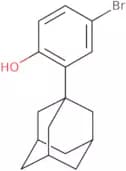
CAS:Controlled Product1,2,2,3,3,4,4,5,5,6,6-Undecafluoro-N,N-Bis(1,1,2,2,2-Pentafluoroethyl)Cyclohexan-1-Amine is an efficient mitochondrial respiratory uncoupler that has been shown to increase the rate of oxidative phosphorylation in rat liver. It is also a membrane permeable compound that can be incorporated into micelles. This drug has been shown to have suboptimal effects on morphology and mitochondrial function in mice. 1,2 2 3 3 4 4 5 5 6 6 -Undecafluoro-N N Bis (1 1 2 2 2 2 Pentafluoroethyl) Cyclohexan 1 Amine has potential applications as a therapeutic agent for patients with respiratory disorders such as cystic fibrosis or chronic obstructive pulmonary disease.Formula:C10F21NPurity:Min. 95%Molecular weight:533.08 g/mol2-(1-Adamantyl)-4-bromophenol
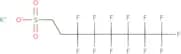
CAS:2-(1-Adamantyl)-4-bromophenol is a synthetic polymer that is used in the production of film. It has been used to produce chromatographic films, which are used for the separation and purification of organic compounds. 2-(1-Adamantyl)-4-bromophenol is also used to manufacture ion-exchange resins, which are used for the separation and purification of ions in water. 2-(1-Adamantyl)-4-bromophenol has been shown to be carcinogenic when administered orally to rats, causing human colon carcinoma. It also causes pleural mesothelioma when administered intrapleurally in rats. This chemical has been shown to have anti-inflammatory properties due to its ability to inhibit prostaglandin synthesis.Formula:C16H19BrOPurity:Min. 95%Color and Shape:PowderMolecular weight:307.23 g/molPotassium 3,3,4,4,5,5,6,6,7,7,8,8,8-tridecafluorooctanesulphonate
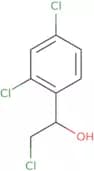
CAS:Potassium 3,3,4,4,5,5,6,6,7,7,8,8,8-tridecafluorooctanesulphonate is a potassium salt of the perfluoroalkanesulfonic acid. It is a versatile building block with a wide range of applications in the research chemical and fine chemical industries. Potassium 3,3,4,4,5,5,6,6... 8-tridecafluorooctanesulphonate can be used as an intermediate for the synthesis of complex compounds or as a reagent in organic synthesis. It is also useful for making high quality resins and polymers. CAS No.: 59587-38-1.Formula:C8H4F13KO3SPurity:(¹H-Nmr) Min. 95 Area-%Color and Shape:PowderMolecular weight:466.26 g/mol2,4-Dichloro-α-(chloromethyl)benzyl alcohol
CAS:2,4-Dichloro-alpha-(chloromethyl)benzyl alcohol is an enantiopure compound that belongs to the class of acetylating agents. This drug is used in organic chemistry as a hydrophobic reagent to acetylate hydrophobic or electron-deficient carbon centers. It reacts with alcohols in the presence of aluminium and catalysts such as pyridine, 2,6-lutidine, or benzoyl chloride. The reaction time is dependent on the substrate binding and the kinetic effect. 2,4-Dichloro-alpha-(chloromethyl)benzyl alcohol has been shown to be an antifungal agent against Candida albicans. It has also been shown to be a chiral compound that can inhibit the growth of fungi by inhibiting the enzyme alcohol dehydrogenase which controls cellular levels of NADH2 and NAD+.Formula:C8H7Cl3OPurity:Min. 95%Color and Shape:SolidMolecular weight:225.5 g/molAmbroxol hydrochloride
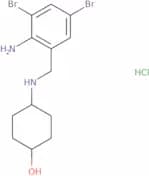
CAS:Antioxidant; secretolytic; anti-inflammatory; sodium channel blocker
Formula:C13H18Br2N2O•HClPurity:Min. 98 Area-%Color and Shape:White PowderMolecular weight:414.56 g/molAcridine orange 10-nonylbromide
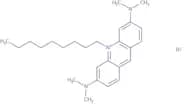
CAS:Acridine orange 10-nonylbromide is a fluorescent dye that binds to DNA and RNA. It is used in biochemistry to stain cells and tissues for examination under a microscope. Acridine orange 10-nonylbromide has been shown to bind to the mitochondria in human white blood cells, thereby inhibiting mitochondrial membrane potential, which leads to cell lysis. Acridine orange 10-nonylbromide also has an index of high values with water vapor, making it an ideal candidate for use as an indicator in ecological studies. Acridine orange 10-nonylbromide can be used as a probe for the study of biological samples because it binds reversibly to nucleic acids, giving it chemical stability. Acridine orange 10-nonylbromide also has monoclonal antibodies that are specific for the physiological function of proteins, which makes it useful as a probe for biochemical research involving protein synthesis or degradation.Formula:C26H38BrN3Purity:Min. 95%Color and Shape:SolidMolecular weight:472.5 g/mol4,5-Diamino-6-chloropyrimidine
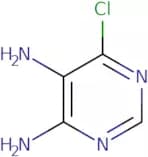
CAS:4,5-Diamino-6-chloropyrimidine is a glycosidic compound that has been used for the optimization of drug targets. It has been shown to have antimalarial activity against Plasmodium falciparum in vitro and in vivo. 4,5-Diamino-6-chloropyrimidine binds to the amine groups on nucleotides, specifically purines (adenine and guanine), and amidates the 6-chloropurine ring. This makes it a potential candidate for use in chemotherapy. The structure of 4,5-diamino-6-chloropyrimidine was determined by NMR and mass spectroscopy analysis.Formula:C4H5ClN4Purity:Min. 95%Molecular weight:144.56 g/mol2-Hydroxy-5-iodo-3-methoxybenzaldehyde
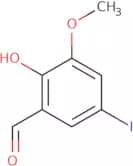
CAS:Please enquire for more information about 2-Hydroxy-5-iodo-3-methoxybenzaldehyde including the price, delivery time and more detailed product information at the technical inquiry form on this pageFormula:C8H7IO3Purity:Min. 98%Color and Shape:PowderMolecular weight:278.04 g/mol1-Bromo-6-chlorohexane
CAS:1-Bromo-6-chlorohexane is a quaternary ammonium salt that is used as a disinfectant, germicide, and an antiseptic. It has a high chemical reactivity with halides, such as chloride and bromide. 1-Bromo-6-chlorohexane has been shown to be most effective against Gram negative bacteria and fungi by disrupting the cell membrane. This product can also be used to sterilize water or other liquids.Formula:C6H12BrClPurity:Min. 95%Color and Shape:Clear LiquidMolecular weight:199.52 g/mol3’-Deoxy-3’-fluoro-6-thioinosine
CAS:Please enquire for more information about 3’-Deoxy-3’-fluoro-6-thioinosine including the price, delivery time and more detailed product information at the technical inquiry form on this page
Purity:Min. 95%19,19-Difluoroandrost-4-Ene-3,6,17-Trione
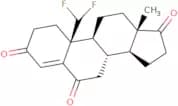
CAS:Controlled Product19,19-Difluoroandrost-4-ene-3,6,17-trione is a steroid that inhibits aromatase activity. It has been shown to inhibit the production of estrogen in human placental cells. The inhibition constant for this compound is 0.69 μM. Rate constants for the inhibition of aromatase activity in human placental cells are 0.0014/min and 0.0011/min at concentrations of 0.1 and 1 μM respectively. This compound is biphasic with an inactivation half-life of 8 min at a concentration of 10 μM and a time dependent inhibition constant of 11 min at a concentration of 10 μM. 19,19-Difluoroandrost-4-ene-3,6,17-trione is a competitive inhibitor that binds to the heme moiety on the enzyme's active site and prevents substrate binding by sterically blocking access to it. This drug also hasFormula:C19H22F2O3Purity:Min. 95%Molecular weight:336.37 g/molMethyl 3,5-dibromo-4-hydroxybenzoate
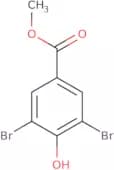
CAS:Estrogens are steroid hormones that regulate a variety of physiological processes including reproduction, bone metabolism, and the development of certain cancers. Estrogens are synthesized from C-19 and C-20 steroids such as progesterone and testosterone. The conversion of these precursors to estrogens is catalyzed by the cytochrome P450 enzyme 17 beta-hydroxysteroid dehydrogenase (17βHSD). Methyl 3,5-dibromo-4-hydroxybenzoate is a selective inhibitor for 17βHSD. It binds to the active site of 17βHSD, preventing it from catalyzing the conversion of C-19 or C-20 steroids to estrogens. This inhibition has been shown to lead to an increase in circulating levels of sex hormone binding globulin (SHBG) and consequently a decrease in free estrogen levels.Formula:C8H6Br2O3Purity:Min. 95%Color and Shape:PowderMolecular weight:309.94 g/mol


![2-Methyl-2-[3-(trifluoromethyl)phenoxy]propanoic acid](/_next/image/?url=https%3A%2Fstatic.cymitquimica.com%2Fproducts%2F3D%2Fthumb-webp%2FFM112754.webp&w=3840&q=75)


![[2-(1,3-Benzodioxol-5-yloxy)ethyl]amine hydrochloride](/_next/image/?url=https%3A%2Fstatic.cymitquimica.com%2Fproducts%2F3D%2Fthumb-webp%2FFB120300.webp&w=3840&q=75)
![Ethyl N-ethyl-N-[(heptadecafluorooctyl)sulphonyl]glycinate](/_next/image/?url=https%3A%2Fstatic.cymitquimica.com%2Fproducts%2F3D%2Fthumb-webp%2FFE95451.webp&w=3840&q=75)
![8-Chloro-3α,4-dihydro-6-(2-fluorophenyl)-1-methyl-3H-imidazo[1,5-α][1,4]benzo-diazepine](/_next/image/?url=https%3A%2Fstatic.cymitquimica.com%2Fproducts%2F3D%2Fthumb-webp%2FFC36926.webp&w=3840&q=75)






![3H-Spiro[Isobenzofuran-1,4'-piperidine] hydrochloride](/_next/image/?url=https%3A%2Fstatic.cymitquimica.com%2Fproducts%2F3D%2Fthumb-webp%2FFS53076.webp&w=3840&q=75)

![9-Fluoro-11β,17-Dihydroxy-16α-Methyl-3,20-Dioxopregna-1,4-Dien-21-Yl 2-[2-(2-Ethoxyethoxy)Ethoxy]A…](/_next/image/?url=https%3A%2Fstatic.cymitquimica.com%2Fproducts%2F3D%2Fthumb-webp%2FFF103016.webp&w=3840&q=75)