Organic Halides
In this category, you can find organic molecules containing one or more halogen atoms in their structure. These organic halides include brominated, iodinated, chlorinated, and cyclic halide compounds. Organic halides are widely used in organic synthesis, pharmaceuticals, agrochemicals, and materials science due to their reactivity and ability to undergo a variety of chemical transformations. At CymitQuimica, we offer a comprehensive selection of high-quality organic halides to support your research and industrial applications, ensuring reliable and effective performance in your synthetic and analytical projects.
Subcategories of "Organic Halides"
Found 20440 products of "Organic Halides"
Sort by
Purity (%)
0
100
|
0
|
50
|
90
|
95
|
100
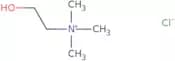
Choline chloride - 75% water solution
CAS:<p>Choline chloride is a water solution of choline chloride that is 75% by weight. It has been shown to be effective in preventing atherosclerotic lesions and metabolic disorders. Choline chloride also has thermal expansion properties, which can be used for the manufacture of plastic containers. This compound can inhibit complex enzyme activity by forming complexes with the enzyme, thus inhibiting its activity. Choline chloride may also be used as a model system for studying reaction mechanisms, structural analysis, and calcium pantothenate metabolism. Choline chloride is an essential nutrient that plays a role in energy metabolism and polyunsaturated fatty acid synthesis. It is also important for electrochemical impedance spectroscopy (EIS) because it enhances electrical conductivity across cell membranes.br>br><br>br></p>Formula:C5H14ClNOColor and Shape:Colorless Clear LiquidMolecular weight:139.62 g/mol2,5-Dichloropyridine
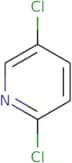
CAS:<p>2,5-Dichloropyridine is a reactive substance that belongs to the group of halogenated substances. It can be found as a white crystalline solid or as a yellow gas. 2,5-Dichloropyridine reacts with water vapor in the air to form hydrochloric acid and chloride. This substance also has photocatalytic activity and is used as an affinity ligand for separation of organic compounds from soil microorganisms. 2,5-Dichloropyridine is used in the production of dimethylformamide and can be synthesized by reacting aryl chlorides with water vapor in the presence of sodium hydroxide.</p>Formula:C5H3CI2NPurity:Min. 95%Color and Shape:PowderMolecular weight:147.99 g/mol3’-β-Amino-2’,3’-dideoxy-5-fluorouridine
CAS:Please enquire for more information about 3’-beta-Amino-2’,3’-dideoxy-5-fluorouridine including the price, delivery time and more detailed product information at the technical inquiry form on this pagePurity:Min. 95%2-Bromo-5-fluorocinnamic acid
CAS:2-Bromo-5-fluorocinnamic acid is a high quality, reagent, complex compound of the chemical family of phenols. It has CAS No. 939410-87-4 and is a useful intermediate in the synthesis of fine chemicals. The compound has been used as a speciality chemical for research purposes and has been found to be a versatile building block for the synthesis of new compounds. 2-Bromo-5-fluorocinnamic acid can be used as a reaction component in organic synthesis reactions, such as esterification, nucleophilic substitution, and condensation reactions.Formula:C9H6BrFO2Purity:Min. 95%Color and Shape:PowderMolecular weight:245.05 g/molTris[N-Ethyl-1,1,2,2,3,3,4,4,5,5,6,6,7,7,8,8,8-heptadecafluoro-N-(2-hydroxyethyl)-1-Octanesulfonamide] phosphate
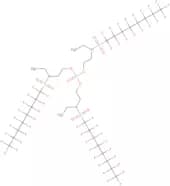
CAS:Controlled ProductTris[N-ethyl-1,1,2,2,3,3,4,4,5,5,6,6,7,7,8,8-heptadecafluoro-N-(2-hydroxyethyl)-1-octanesulfonamide] phosphate is a sulfonate that has been mixed with other chemicals. It is used as a chemical substance for the production of other substances. Tris[N-ethyl-1,1,2,2,3]3,[4],4,[5],5,[6],6-[7],7,[8],8-[heptadecafluoro-N-(2-hydroxyethyl)-1-octanesulfonamide] phosphate has not been classified by the International Agency for Research on Cancer (IARC).Formula:C36H27F51N3O10PS3Purity:Min. 95%Molecular weight:1,757.7 g/mol1,1,1,3-Tetrachloro-3,3-Difluoropropane
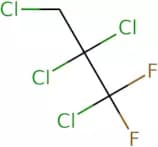
CAS:Controlled Product<p>1,1,1,3-Tetrachloro-3,3-difluoropropane is a colorless, volatile liquid that is miscible with water. It has a high vapor pressure and low solubility in water. 1,1,1,3-Tetrachloro-3,3-difluoropropane is used as a solvent for organic compounds and as an intermediate in the production of other chlorocarbons. It can be used to produce calcium chloride and chlorine gas. 1,1,1,3-Tetrachloro-3,3-difluoropropane also has fumigant properties because it absorbs moisture from the air and releases it later.</p>Formula:C3H2Cl4F2Purity:Min. 95%Molecular weight:217.86 g/mol5-Bromovaleric acid methyl ester
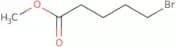
CAS:<p>5-Bromovaleric acid methyl ester is a molecule that can be used as a model system for population growth. It has been shown to activate the CB2 receptor in mice and stimulate the production of polyclonal antibodies. 5-Bromovaleric acid methyl ester may be a potential drug target for treating inflammatory conditions such as psoriasis, Crohn's disease, and ulcerative colitis. The compound has also been shown to inhibit cyclooxygenase enzymes in human platelets. 5-Bromovaleric acid methyl ester can also be used as an analytical tool for determining the concentration of conjugates in urine samples by gas chromatography.</p>Formula:C6H11BrO2Purity:Min. 95%Color and Shape:Clear LiquidMolecular weight:195.05 g/mol[(Trifluoromethyl)sulfinyl]benzene
CAS:<p>[(Trifluoromethyl)sulfinyl]benzene is a useful synthetic intermediate for the preparation of sulfoxides and sulfones. It is prepared by the reaction of an aromatic hydrocarbon, such as phenol or anisole, with aryl boronic acids in the presence of magnesium. This reaction is commonly referred to as a cross-coupling reaction. The terminal alkynes are not reactive enough to react with [(trifluoromethyl)sulfinyl]benzene; however, this can be remedied by adding fluorophosphoric acid (FPA) to activate these alkynes.</p>Formula:C7H5F3OSPurity:Min. 95%Color and Shape:Colorless Clear LiquidMolecular weight:194.18 g/mol3-Amino-4-chlorobenzamide
CAS:<p>3-Amino-4-chlorobenzamide is an organic compound that belongs to the class of aminobenzoic acids and is used as a coupling agent in organic synthesis. It reacts with aryl halides or halides to form 3-amino-4-chlorobenzonitrile, which can be converted into anilines by heating with ammonia and ammonium chloride. This reaction has been shown to be reversible with heat. 3-Amino-4-chlorobenzamide is also used as a water absorber in paper products, such as diapers and sanitary napkins.</p>Formula:C7H7ClN2OPurity:Min. 95%Color and Shape:PowderMolecular weight:170.6 g/mol6-Chloro-2-fluoropyridine-3-boronic acid
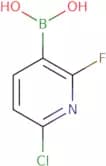
CAS:<p>6-Chloro-2-fluoropyridine-3-boronic acid is a versatile building block for the synthesis of complex compounds, which can be used as a reagent in research or as a speciality chemical. This compound can be used as an intermediate, reaction component, or scaffold to synthesize other more complex structures. 6-Chloro-2-fluoropyridine-3-boronic acid is available in high quality and has CAS No. 1256345-66-0.</p>Formula:C5H4BClFNO2Purity:Min. 95%Color and Shape:Light (Or Pale) Orange SolidMolecular weight:175.35 g/mol6-Chloro-5-ethylisatin
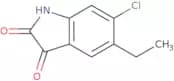
CAS:<p>6-Chloro-5-ethylisatin is a fine chemical that can be used as a building block for making other compounds, including pharmaceuticals and bioactive agents. It is also a versatile building block that can be used in the synthesis of many different types of compounds. 6-Chloro-5-ethylisatin is an intermediate, which means it is a substance that is used to make other substances. It can also act as a reagent in reactions and as a scaffold for complex molecules.</p>Formula:C10H8ClNO2Purity:Min. 95%Molecular weight:209.63 g/molPAR-3 (1-6) (human) trifluoroacetate salt
CAS:<p>Please enquire for more information about PAR-3 (1-6) (human) trifluoroacetate salt including the price, delivery time and more detailed product information at the technical inquiry form on this page</p>Formula:C29H45N9O8Purity:Min. 95%Molecular weight:647.72 g/mol1H,1H,2H,2H-Nonafluorohexyl Acrylate (stabilized with MEHQ)
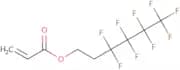
CAS:<p>Nonafluorohexyl acrylate is a monomer that is used in the production of polymers and plastics. It has hydrophobic properties and can be used as a surface modifier to increase water repellency. This compound also has fluorine-containing groups, which give it an increased ability to respond to changes in environmental conditions such as temperature and pH. Nonafluorohexyl acrylate is a particle that fluoresces with ultraviolet light, making it useful for microscopy applications. The viscosity of this compound is affected by solution temperature, transfer temperatures, and fluorescence intensity. Nonafluorohexyl acrylate is amphipathic because it contains both hydrophilic and hydrophobic properties.</p>Formula:C9H7F9O2Purity:Min. 95%Color and Shape:Clear LiquidMolecular weight:318.14 g/mol3,5-Dichlorophenylhydrazine hydrochloride
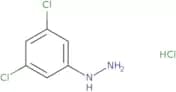
CAS:<p>3,5-Dichlorophenylhydrazine hydrochloride is a chemical compound that can be used in the synthesis of other chemical compounds. 3,5-Dichlorophenylhydrazine hydrochloride is a versatile building block for the preparation of complex chemicals such as pharmaceuticals and agrochemicals. It has been shown to form a high quality reagent that is useful for research purposes. 3,5-Dichlorophenylhydrazine hydrochloride can be used as a reaction component or an intermediate in organic synthesis reactions. The CAS Registry Number for this chemical is 63352-99-8.</p>Formula:C6H6Cl2N2•HClPurity:Min. 95%Molecular weight:213.49 g/molPerfluoroalkylethyl acrylate
CAS:<p>Perfluoroalkylethyl acrylate is a chemical compound that belongs to the group of fluorinated aliphatic hydrocarbons. It is stable in low light and is resistant to oxidation. The polymerization of perfluoroalkylethyl acrylate can be achieved by heating with phosphorus pentachloride, sodium carbonate, and a cationic surfactant under constant pressure at an optimal reaction temperature. Perfluoroalkylethyl acrylate has been used as a monomer for the synthesis of polyfluoroalkyl methacrylates, which have been shown to have high durability and chemical stability.</p>Formula:C5H7FO2•(CF2)nPurity:Min. 92 Area-%Color and Shape:Colourless liquid.1-Bromo-3,5-dinitrobenzene
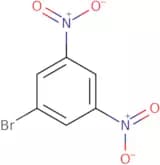
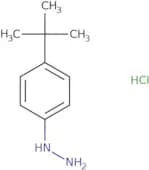
CAS:1-Bromo-3,5-dinitrobenzene is an optical probe that has been used in reaction systems to study the reactivity of nucleophiles. The fluorescence of 1-bromo-3,5-dinitrobenzene changes with the nature of the nucleophile and its concentration. This molecule is unreactive with other molecules and can be used as a drug development tool. The centroid of 1-bromo-3,5-dinitrobenzene is constant at 298 K. Crystals for 1-bromo-3,5-dinitrobenzene have been analyzed by XRD and FTIR.Formula:C6H3BrN2O4Purity:Min. 95%Color and Shape:White PowderMolecular weight:247 g/mol(4-(tert-Butyl)phenyl)hydrazine hydrochloride
CAS:<p>4-(tert-Butyl)phenylhydrazine hydrochloride (BPHH) is a chemical compound that has been used as a synthetic precursor to indole. It has been shown to be synthesized from cycloheptanone and sulfuric acid, with the addition of hydrazine hydrochloride and sodium acetate. BPHH can also be synthesized from 4-nitrobenzaldehyde and hydrazine sulfate, which is then reacted with ethanolamine.</p>Formula:C10H16N2•HClPurity:Min. 95%Color and Shape:Light brown powder.Molecular weight:200.71 g/mol3-Bromopyruvic acid
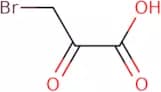
CAS:<p>3-Bromopyruvic acid is a small molecule that inhibits an enzyme called dextran sulfate reductase. This enzyme is involved in the formation of sulfate in the body and is important for glycolysis, which is the process by which cells break down glucose to produce energy. 3-Bromopyruvic acid inhibits both cancer cells and normal cells, but has a greater effect on cancer cells. This compound also causes caspase-independent cell death, which means that it does not activate pro-apoptotic proteins. It may work by targeting enzymes involved in energy metabolism or by inhibiting DNA polymerase activity.</p>Formula:C3H3BrO3Purity:Min. 95%Color and Shape:PowderMolecular weight:166.96 g/molSulfanilylfluoride
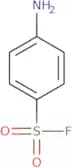
CAS:Sulfanilylfluoride is an antiviral agent that inhibits the synthesis of glycogen by inhibiting the activity of glycogen synthase kinase-3. It also has a prodrug form, which is converted to its active form in the human body by hydrolysis and esterification. The drug has been shown to be effective against hepatitis B virus (HBV) and herpes simplex virus type 2 (HSV-2). Sulfanilylfluoride can be used as a second line treatment for HBV in patients with chronic hepatitis B who are resistant to lamivudine/zidovudine or telbivudine. It is also used in HSV-2 infections, including genital herpes and cold sores. Sulfanilylfluoride is not active against HIV, varicella zoster virus, or cytomegalovirus.Formula:C6H6FNO2SPurity:Min. 95%Molecular weight:175.18 g/mol4-[(Methylsulfonyl)methyl]piperidine hydrochloride
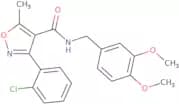
CAS:<p>Please enquire for more information about 4-[(Methylsulfonyl)methyl]piperidine hydrochloride including the price, delivery time and more detailed product information at the technical inquiry form on this page</p>Formula:C7H15NO2S•HClPurity:Min. 95%Color and Shape:PowderMolecular weight:213.73 g/molN-((3,4-dimethoxyphenyl)methyl)(3-(2-chlorophenyl)-5-methylisoxazol-4-yl)formamide
CAS:Please enquire for more information about N-((3,4-dimethoxyphenyl)methyl)(3-(2-chlorophenyl)-5-methylisoxazol-4-yl)formamide including the price, delivery time and more detailed product information at the technical inquiry form on this pagePurity:Min. 95%4-Bromoresorcinol
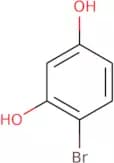
CAS:4-Bromoresorcinol is a synthetic compound that belongs to the group of sulfonamides. It is used in the production of dyes, pharmaceuticals, and agricultural chemicals. 4-Bromoresorcinol is synthesized by sulfonation with trifluoroacetic acid followed by hydrolysis with hydrochloric acid. The polymerization kinetics of this compound have been studied using azobenzene as a model substrate. The reaction products are vignafuran and an organic solvent (e.g., methanol). In addition, 4-bromoresorcinol has potent antibacterial activity against bacteria such as Staphylococcus aureus and Mycobacterium tuberculosis. This drug has minimal inhibitory concentrations (MICs) less than 0.01 ppm for most strains of bacteria tested, including those resistant to penicillin G or erythromycin. The drug also inhibits hydroxylase enzymesFormula:C6H5BrO2Purity:Min. 95%Color and Shape:White PowderMolecular weight:189.01 g/mol4-(Trifluoromethyl)mandelic acid
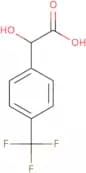
CAS:4-(Trifluoromethyl)mandelic acid (4-TFA) is a metabolite of the drug mandelic acid. It is a thermodynamically stable, stereospecific, and highly polar compound that can be easily purified by column chromatography. 4-TFA has been shown to have analytical methods in common with mandelic acid, including fluorine analysis and regression. The chemical properties of 4-TFA are similar to those of other aldehydes. It also has enantiomeric purity and can be analysed using gas chromatography-mass spectrometry in urine samples.Formula:C9H7F3O3Purity:Min. 95%Color and Shape:PowderMolecular weight:220.15 g/mol2-Bromocarbazole
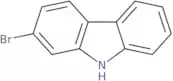
CAS:<p>2-Bromocarbazole is an organic compound that binds to the mineralocorticoid receptor. It has been shown to be a potent inhibitor of sodium transport in both anhydrous and hydrated conditions. 2-Bromocarbazole is also a cationic polymerization agent, which can be used in photophysical studies. This compound has been shown to have fluorescence properties, as well as receptor α binding capabilities. 2-Bromocarbazole was also able to inhibit the enzyme picolinic acid carboxylase, which catalyzes the conversion of picolinic acid into nicotinamide adenine dinucleotide phosphate (NADP) and CO2. The molecular docking analysis of 2-bromocarbazole with human recombinant MRAPα confirms this inhibition.</p>Formula:C12H8BrNPurity:Min. 98 Area-%Color and Shape:PowderMolecular weight:246.1 g/molBenzyl 4-chlorophenyl ketone
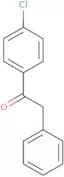
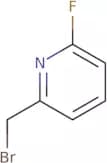
CAS:<p>The compound benzyl 4-chlorophenyl ketone is an analog of the natural product beta-phenethylamine. It has been shown to be a potent enolizing agent in organic synthesis and can also be used as a cross-coupling agent, as well as an intermediate in the synthesis of azides, grignard reagents, halides, and magnesium biomolecules. Benzyl 4-chlorophenyl ketone has been shown to have affinity for the cannabinoid receptor 1 (CB1). This affinity makes this compound a potential drug candidate for treating neurological disorders such as Parkinson's disease. The reaction time of benzyl 4-chlorophenyl ketone with chloride under catalysis by copper(I) chloride is approximately 10 minutes at 0 °C.</p>Formula:C14H11ClOPurity:Min. 95%Color and Shape:PowderMolecular weight:230.69 g/mol2-(bromomethyl)-6-fluoropyridine
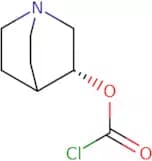
CAS:<p>2-(bromomethyl)-6-fluoropyridine is an intermediate for the synthesis of other chemical compounds. It is a fine chemical that is used as a reagent in organic synthesis and as a building block for more complex compounds. This compound can be used in pharmaceuticals, agrochemicals, and other industries that require chemicals with specific properties. 2-(bromomethyl)-6-fluoropyridine is also useful as a building block for the synthesis of novel derivatives.</p>Formula:C6H5BrFNPurity:Min. 95%Molecular weight:190.01 g/molR-(-)-3-Quinuclidinyl chloroformate
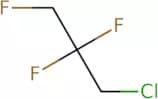
CAS:<p>R-(-)-3-Quinuclidinyl chloroformate is a chemical intermediate that is used as a reagent in organic synthesis. It reacts with amines to form quaternary ammonium salts, which are often used as reaction components in the production of pharmaceuticals. R-(-)-3-Quinuclidinyl chloroformate has been shown to be useful for the preparation of various heterocycles. This compound has been found to have several biological activities, including the ability to inhibit protein synthesis and induce apoptosis.</p>Formula:C8H12ClNO2Purity:Min. 95%Color and Shape:White PowderMolecular weight:189.64 g/mol1-Chloro-2,2,3-Trifluoropropane
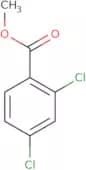
CAS:Controlled Product<p>1-Chloro-2,2,3-trifluoropropane is a chemical compound that belongs to the group of chlorinating agents. It is a preparative agent for chlorine and hydrochloric acid. 1-Chloro-2,2,3-trifluoropropane has been used in thermoelectric applications as an intermediate in the production of hydrogen fluoride. It has also been used as a reagent for producing fluorine gas or hydrofluoric acid. This chemical is also used in preparative methods to produce diode lasers or monofluorides.</p>Formula:C3H4ClF3Purity:Min. 95%Molecular weight:132.51 g/molMethyl 2,4-dichlorobenzoate
CAS:<p>Methyl 2,4-dichlorobenzoate is an organic chemical that contains chloride and a carboxylic acid group. It is used as a reagent in analytical chemistry. Methyl 2,4-dichlorobenzoate reacts with aldehydes to produce the corresponding alcohols. The reaction is catalyzed by activated charcoal. The yield of transfer reactions are high, and the products are usually high molecular weight compounds. Methyl 2,4-dichlorobenzoate reacts with fluorescence.</p>Formula:C8H6Cl2O2Purity:Min. 95%Color and Shape:Clear LiquidMolecular weight:205.04 g/molChlorhexidine digluconate - 20% aqueous solution
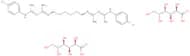
CAS:Bisbiguanide antiseptic and disinfectant used in topical antibacterial productsFormula:C34H54Cl2N10O14Purity:190 To 210 G/LColor and Shape:Clear LiquidMolecular weight:897.76 g/mol(2-Chlorophenyl)(4-(3-nitrophenyl)(2,5-thiazolyl))amine
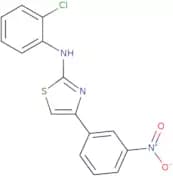
CAS:Please enquire for more information about (2-Chlorophenyl)(4-(3-nitrophenyl)(2,5-thiazolyl))amine including the price, delivery time and more detailed product information at the technical inquiry form on this pagePurity:Min. 95%Trifluoromethanesulfonamide
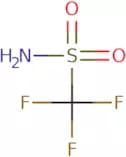
CAS:<p>Trifluoromethanesulfonamide is a strong acid that has been shown to inhibit the proteolytic activity of human secretase. It binds to a specific site on the enzyme and prevents it from cleaving the substrate. This inhibition slows down the progression of Alzheimer's disease, Parkinson's disease, and other related disorders. Trifluoromethanesulfonamide has also been shown to bind to metal hydroxides, such as iron hydroxide, which may be due to its ability to form hydrogen bonds with these metals. Structural analysis reveals that trifluoromethanesulfonamide contains a pyrazole ring and two chlorine atoms, one in the para position and one in the meta position.</p>Formula:CH2F3NO2SColor and Shape:PowderMolecular weight:149.09 g/molTetraphenylphosphonium bromide
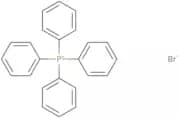
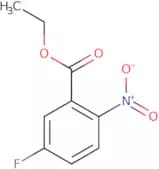
CAS:<p>Tetraphenylphosphonium bromide (TPB) is a quaternary ammonium salt that inhibits bacterial growth. TPB is a membrane-active agent that interacts with the cell nucleus and alters the properties of DNA in the mitochondria. It has shown efficacy against various antimicrobial agents, including antibiotics, by interfering with their transport across the cell membrane. The optimal concentration of TPB is 25-50 μM, which shows the best effect on bacterial growth. In addition to its antimicrobial activity, TPB also has been shown to inhibit drug transporters, such as P-glycoprotein and MRP1, which are involved in transporting drugs out of cells.</p>Formula:C24H20BrPColor and Shape:PowderMolecular weight:419.29 g/mol3-Fluoro-6-nitrobenzoic acid ethyl ester
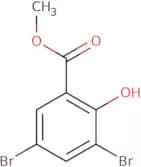
CAS:<p>3-Fluoro-6-nitrobenzoic acid ethyl ester is a high quality chemical that is used as an intermediate in the synthesis of complex compounds. It is also a useful scaffold for the synthesis of other compounds and can be used as a building block in the production of speciality chemicals. 3-Fluoro-6-nitrobenzoic acid ethyl ester has many reactions that it participates in, such as being a reaction component for the synthesis of pharmaceuticals and agrochemicals. This compound is versatile enough to be used in research or for commercial purposes.</p>Formula:C9H8FNO4Purity:Min. 95%Color and Shape:PowderMolecular weight:213.16 g/molMethyl 3,5-dibromo-2-hydroxybenzoate
CAS:Methyl 3,5-dibromo-2-hydroxybenzoate is a fine chemical that can be used as a building block for research chemicals, reagents or speciality chemicals. It is a versatile intermediate that can be used in the synthesis of complex compounds. Methyl 3,5-dibromo-2-hydroxybenzoate is also a useful scaffold for the synthesis of natural products, pharmaceuticals and agrochemicals. This compound also has CAS No. 21702-79-4.Formula:C8H6Br2O3Purity:Min. 95%Color and Shape:PowderMolecular weight:309.94 g/molDimethyl [2-oxo-3-[3-(trifluoromethyl)phenoxy]propyl]phosphonate
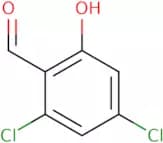
CAS:<p>Please enquire for more information about Dimethyl [2-oxo-3-[3-(trifluoromethyl)phenoxy]propyl]phosphonate including the price, delivery time and more detailed product information at the technical inquiry form on this page</p>Formula:C12H14F3O5PPurity:Min. 95%Color and Shape:Clear Liquid PowderMolecular weight:326.21 g/mol2,4-Dichloro-6-hydroxybenzaldehyde
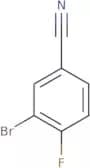
CAS:<p>2,4-Dichloro-6-hydroxybenzaldehyde is a potential antineoplastic agent that inhibits mitochondrial function and induces apoptosis. This drug blocks the mitochondrial membrane potential and inhibits ATP production by blocking the mitochondrial respiratory chain complexes I and III. 2,4-Dichloro-6-hydroxybenzaldehyde has been shown to inhibit tumor cell growth in culture and in animal models of cancer. It also selectively kills tumor cells with low levels of cisplatin resistance through concurrent inhibition of mitochondria and caspase activation.<br>2,4-Dichloro-6-hydroxybenzaldehyde binds to both the inner membrane of mitochondria and to the plasma membrane of cancer cells, thereby inhibiting their function.</p>Formula:C7H4Cl2O2Purity:Min. 95%Color and Shape:PowderMolecular weight:191.01 g/mol3-Bromo-4-fluorobenzonitrile
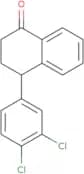
CAS:<p>3-Bromo-4-fluorobenzonitrile is a pyridine derivative that is used as a reactant in the synthesis of pharmaceuticals and other organic compounds. It can be prepared by reacting a bromine with an aminopyridine, followed by reaction with morpholine to form the desired product. The efficiency of this compound has been demonstrated in vivo, where it showed significant catalytic activity and was found to be selective for the desired product. 3-Bromo-4-fluorobenzonitrile has also been shown to have pharmaceutical properties, such as coordination and ligand profiles, which are important for drug development.</p>Formula:C7H3BrFNPurity:Min. 95%Color and Shape:White PowderMolecular weight:200.01 g/mol4-(3,4-Dichlorophenyl)-1-tetralone
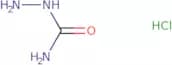
CAS:<p>4-(3,4-Dichlorophenyl)-1-tetralone (4DCP) is a solvent that can be used for the preparation of tetrahydrofuran and benzohydrazide. It is also an important intermediate in organic synthesis. 4DCP is obtained by the reaction of 3,4-dichloroacetophenone with sodium methoxide in methanol. The use of 4DCP as a solvent has been shown to produce significant cytotoxicity against cells in culture. 4DCP has been shown to have antidepressant effects, which may be due to its ability to inhibit monoamine oxidase A (MAO-A).</p>Formula:C16H12Cl2OPurity:Min. 95%Color and Shape:PowderMolecular weight:291.17 g/molSemicarbazide hydrochloride
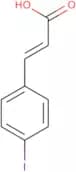
CAS:<p>Semicarbazide hydrochloride (SCH) is a pyrazole compound that has been used as an antimicrobial agent. It is also a potent inhibitor of the enzyme acetylcholinesterase, which is involved in the transmission of nerve impulses to muscles. SCH has been shown to inhibit bacterial growth in vitro and in vivo by interfering with DNA replication and protein synthesis. SCH’s inhibitory properties have been demonstrated using nitrogen atoms as analytical markers. The semicarbazide moiety can be removed from SCH by treatment with anhydrous sodium hydroxide, which leaves the reactive group intact. This process can be used to analyze SCH’s structure and determine its genotoxic activity.</p>Formula:CH6ClN3OPurity:Min. 95%Color and Shape:PowderMolecular weight:111.019944-Iodocinnamic acid
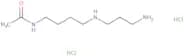
CAS:<p>4-Iodocinnamic acid is a mesomorphic, supramolecular organic acid that has potent cytotoxicity against cancer cells. It is also an analogue of the natural product cinnamic acid. 4-Iodocinnamic acid binds to the active site of the enzyme DNA polymerase and inhibits DNA synthesis by preventing the incorporation of deoxynucleotide triphosphates into synthesized DNA chains. The compound has been shown to have strong antimicrobial activity against Gram-positive bacteria such as Staphylococcus aureus, Enterococcus faecalis, and Bacillus cereus. 4-Iodocinnamic acid is also an effective inhibitor of cancer cell proliferation and induces apoptosis in these cells.</p>Formula:C9H7IO2Purity:Min. 95%Color and Shape:PowderMolecular weight:274.06 g/molN8-Acetylspermidine dihydrochloride
CAS:<p>N8-Acetylspermidine dihydrochloride is a reagent, complex compound, useful intermediate, and speciality chemical. It is a fine chemical that is used in the synthesis of other compounds such as pharmaceuticals and agrochemicals. N8-Acetylspermidine dihydrochloride is a versatile building block for the synthesis of complex molecules. This compound can be used as a reaction component in organic synthesis reactions because it reacts with many different types of compounds. N8-Acetylspermidine dihydrochloride has CAS No. 34450-15-2 and is listed on the Chemical Abstract Service (CAS) registry.</p>Formula:C9H21N3O·2ClHPurity:Min. 95%Color and Shape:White Off-White PowderMolecular weight:260.2 g/mol3,5,3',5'-Tetraiodo thyrolactic acid
CAS:3,5,3',5'-Tetraiodo thyrolactic acid is a fine chemical that belongs to the group of useful building blocks. It is a reagent and speciality chemical. 3,5,3',5'-Tetraiodo thyrolactic acid can be used as a reaction component in the synthesis of pharmaceuticals and other organic molecules. This compound is also versatile and can be used as a scaffold for developing new analogues. 3,5,3',5'-Tetraiodo thyrolactic acid has excellent quality and purity with CAS No. 7069-47-8.Formula:C15H10I4O5Purity:Min. 95%Color and Shape:PowderMolecular weight:777.85 g/mol2-(R)-[1-(R)-(3,5-Bis(trifluoromethyl)phenyl)ethoxy]-3-(S)-fluorophenylmorpholine
CAS:2-(R)-[1-(R)-(3,5-Bis(trifluoromethyl)phenyl)ethoxy]-3-(S)-fluorophenylmorpholine is a fine chemical with high quality. It has been used as a versatile building block in organic synthesis. 2-(R)-[1-(R)-(3,5-Bis(trifluoromethyl)phenyl)ethoxy]-3-(S)-fluorophenylmorpholine is a useful scaffold and can be used as a reaction component in the synthesis of other compounds. This compound is also an intermediate for the preparation of more complex compounds. CAS No. 171338-27-5Formula:C20H18F7NO2Purity:Min. 95%Color and Shape:Yellow PowderMolecular weight:437.35 g/mol4-Iodo-3-nitro-1-(trifluoromethyl)benzene
CAS:<p>4-Iodo-3-nitro-1-(trifluoromethyl)benzene is a versatile building block in organic synthesis. It is an excellent reagent for the preparation of valuable heterocycles and complex molecules, such as spirocyclic amines, quinolines, benzooxazoles, and benzothiazoles. 4-Iodo-3-nitro-1-(trifluoromethyl)benzene is also used for the protection of reactive groups and as a temporary protecting group for alcohols. This chemical has CAS number 40097-5 and can be used as a research chemical or speciality chemical.</p>Formula:C7H3F3INO2Purity:Min. 95%Color and Shape:PowderMolecular weight:317 g/mol2,3,4,5-Tetrafluorobenzoic acid ethyl ester
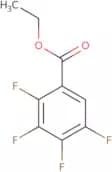
CAS:<p>2,3,4,5-Tetrafluorobenzoic acid ethyl ester is a fine chemical that is useful in the synthesis of complex compounds. It is a versatile building block with many potential applications in research and as a reagent. 2,3,4,5-Tetrafluorobenzoic acid ethyl ester has been shown to have high purity and quality. This compound can be used as a reaction component for other chemical reactions and as an intermediate for the production of pharmaceuticals. CAS No. 122894-73-9</p>Formula:C9H6F4O2Purity:Min. 95%Molecular weight:222.14 g/molBenzoylphenylalanyllysine fluoromethane
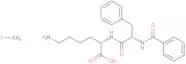
CAS:Controlled Product<p>Benzoylphenylalanyllysine fluoromethane is a competitive anticoagulant that inhibits the action of kallikrein, an enzyme involved in the activation of factor XII. This drug is used to prevent or treat thrombosis and embolism. It has been shown to be effective in vitro against coagulation factors II, VII, IX, X, XI, XII and XIII. Benzoylphenylalanyllysine fluoromethane is not metabolized by cysteine proteinase and does not interact with norvaline.</p>Formula:C23H30FN3O4Purity:Min. 95%Molecular weight:431.5 g/mol2,4-Difluoro-3-hydroxybenzoicacid
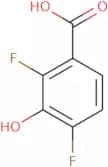
CAS:<p>2,4-Difluoro-3-hydroxybenzoic acid is a benzene derivative that is used as a medicine. It can be prepared by methoxylation and deamination reactions. 2,4-Difluoro-3-hydroxybenzoic acid is an intermediate in the synthesis of other medicines.</p>Formula:C7H4F2O3Purity:Min. 95%Molecular weight:174.1 g/mol3-Hydroxy-4-iodobenzyl alcohol
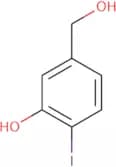
CAS:<p>3-Hydroxy-4-iodobenzyl alcohol is a nucleophile that can be used as an affinity label for proteins and nucleic acids. 3-Hydoxy-4-iodobenzyl alcohol is capable of disrupting the linker between two molecules, which allows for analysis of protein/nucleic acid interactions. 3-Hydroxy-4-iodobenzyl alcohol can be used to label molecules, but it is not covalently bound to them. It has been shown to show tumor growth inhibition in glioma cells, which may be due to its ability to disrupt factor 1, a transcription factor that regulates cell proliferation and differentiation.</p>Formula:C7H7IO2Purity:Min. 95%Color and Shape:PowderMolecular weight:250.03 g/mol4-Fluoro-L-Tryptophan
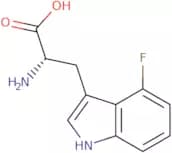
CAS:<p>4-Fluoro-L-tryptophan is an amino acid that is used in the synthesis of proteins. It has a number of uses in molecular biology, including the study of phosphatases, tryptophan synthetase, and mutant strains. 4-Fluoro-L-tryptophan can be used to study the interaction between subunits of these enzymes and to determine kinetic parameters. This compound has been shown to interact with magnetic resonance spectroscopy (NMR) and fluorescence measurements. The biosynthesis of 4-fluoro-L-tryptophan involves two steps: (1) incorporation into protein by tryptophanyl tRNA synthetase; and (2) conversion to tryptamine by phosphatase enzyme.</p>Formula:C11H11FN2O2Purity:Min. 95%Molecular weight:222.22 g/mol2-Nitro-4'-chloro diphenylsulfide
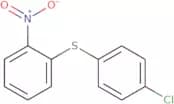
CAS:<p>2-Nitro-4'-chloro diphenylsulfide is a versatile intermediate that is used in the synthesis of a variety of other compounds. It is an important reagent in organic synthesis and has been shown to be useful as a building block for the synthesis of complex compounds with various functional groups. 2-Nitro-4'-chloro diphenylsulfide has been shown to participate in many different reactions, including nucleophilic substitution, elimination, condensation, and oxidation. This chemical is a fine chemical that can be used for research purposes.</p>Formula:C12H8ClNO2SPurity:Min. 95%Color and Shape:PowderMolecular weight:265.72 g/molPhenoprolamine hydrochloride
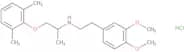
CAS:<p>Phenoprolamine hydrochloride is a synthetic polymerase chain reaction (PCR) enhancer that enhances the efficiency of DNA replication. It can be used as an alternative to dithiothreitol and is not subject to the same limitations, such as toxicity and interference with other enzymes. Phenoprolamine hydrochloride has been shown to increase cardiac contractility in rats, although it may cause a decrease in heart rate. This agent also has been shown to improve prognosis for colorectal adenocarcinoma patients, as well as inhibit the growth of several carcinoma cell lines. This drug binds to enzymes involved in the synthesis of ester linkages, which are necessary for nucleic acid synthesis.</p>Formula:C21H29NO3•HClPurity:Min. 95%Color and Shape:White To Off-White SolidMolecular weight:379.92 g/mol2,3-Difluoro-4-hydroxybenzonitrile
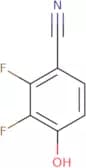
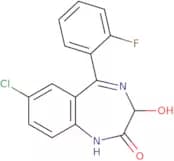
CAS:<p>2,3-Difluoro-4-hydroxybenzonitrile is a versatile compound that has various applications in different fields. It is an enantiomer of podophyllotoxin and can be used as a propionate in research chemicals. This compound exhibits reactivity towards metallic catalysts and can be used as an isothiocyanate for antiviral purposes. Additionally, it has chlorinating properties and can form hydrogen bonds. 2,3-Difluoro-4-hydroxybenzonitrile is also used in the production of microcapsules and can dissolve easily in methanol. Furthermore, this compound has been found to have interactions with ectonucleotidase and cholinergic receptors. Its unique characteristics make it a valuable component in various industries.</p>Formula:C7H3F2NOPurity:Min. 95%Color and Shape:PowderMolecular weight:155.1 g/mol7-Chloro-5-(2-fluorophenyl)-1,3-dihydro-3-hydroxy-2H-1,4-benzodiazepin-2-one
CAS:Controlled ProductThe chemical structure of 7-chloro-5-(2-fluorophenyl)-1,3-dihydro-3-hydroxy-2H-1,4-benzodiazepin-2-one (7CFT) is characterized by a constant and long duration of action. It is a hydroxy group extractant and has amplitudes in the organic tissues. The chlorine atom is located in the center of the molecule. 7CFT has methoxy groups on each side of the chlorine atom, which are responsible for its nature. This compound has been used as an analytical toxicology reagent and as a reference substance in analytical chemistry applications. This product description was generated using ChemSpider.Formula:C15H10ClFN2O2Purity:Min. 95%Molecular weight:304.7 g/mol2-Piperazin-1-ylnicotinamide dihydrochloride
CAS:Please enquire for more information about 2-Piperazin-1-ylnicotinamide dihydrochloride including the price, delivery time and more detailed product information at the technical inquiry form on this pageFormula:C10H14N4OPurity:95%MinColor and Shape:PowderMolecular weight:206.24 g/mol1,10-Dichlorodecane
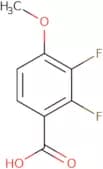
CAS:<p>1,10-Dichlorodecane is a synthetic cationic surfactant with an antimicrobial effect. It has been shown to inhibit the growth of bacteria in urine samples at concentrations of less than 1 mg/mL. The inhibitory effect on bacterial growth is due to the strong interaction between the chloride ions and the ionic surfactant, which causes a decrease in the surface tension of water and disturbs cell membranes. 1,10-Dichlorodecane also inhibits the growth of other bacteria such as Staphylococcus aureus and Pseudomonas aeruginosa. This product can be used as a broad-spectrum antimicrobial agent against Gram-positive and Gram-negative bacteria.</p>Formula:C10H20Cl2Purity:Min. 95%Color and Shape:Clear LiquidMolecular weight:211.17 g/mol2,3-Difluoro-4-methoxybenzoic acid
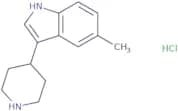
CAS:2,3-Difluoro-4-methoxybenzoic acid is a versatile building block that can be used to make complex compounds. This compound is a high quality, useful intermediate and reaction component that can be used in the synthesis of pharmaceuticals and other chemical products. 2,3-Difluoro-4-methoxybenzoic acid is a reagent that can be used for research purposes or as a speciality chemical. It has been shown to have many uses as a scaffold for making new compounds with different structures.Formula:C8H6F2O3Purity:Min. 95%Color and Shape:PowderMolecular weight:188.13 g/mol5-Methyl-3-piperidin-4-yl-1H-indole hydrochloride
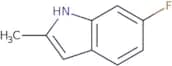
CAS:<p>5-Methyl-3-piperidin-4-yl-1H-indole hydrochloride is a synthetic chemical that is used as a building block for the synthesis of other compounds. It is a versatile intermediate, having been shown to react with amines, alcohols, phenols, and thiols. 5-Methyl-3-piperidin-4-yl-1H-indole hydrochloride can be used in the manufacture of pharmaceuticals and agrochemicals. This compound has been found to be an effective reagent for the preparation of cyclic peptides and can be used as a building block for the synthesis of other compounds. When reacted with 2-(trimethylsilyl)ethanol, it produces a high quality complex compound.</p>Formula:C14H18N2·HClPurity:Min. 97 Area-%Color and Shape:PowderMolecular weight:250.77 g/mol6-Fluoro-2-methylindole
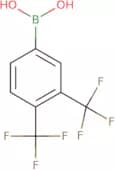
CAS:6-Fluoro-2-methylindole is a member of the group of aromatic ketones. It is an organic compound that can be synthetized from 2,6-dichloroindole and methyl iodide. There are two types of photodimerization reactions for 6-fluoro-2-methylindole: one is an aerobic reaction and the other is an anaerobic reaction. The mechanistic study of 6-fluoro-2-methylindole has been investigated using bond cleavage and transformation reactions. This organic compound reacts with amines to form polycycles with high yields. It also undergoes Diastereomeric Control in chemistry.Formula:C9H8FNPurity:Min. 95%Color and Shape:Brown PowderMolecular weight:149.16 g/mol(3,4-Bis(trifluoromethyl)phenyl)boronic acid
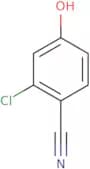
CAS:<p>3,4-Bis(trifluoromethyl)phenylboronic acid is a versatile building block that can be used as a reagent in organic synthesis. It has been shown to be a high quality product with the CAS number 1204745-88-9. This chemical is used to produce fine chemicals and research chemicals. 3,4-Bis(trifluoromethyl)phenylboronic acid is also a useful intermediate in the production of complex compounds and can be used as a building block for speciality chemicals.</p>Formula:C8H5BF6O2Purity:Min. 95%Color and Shape:PowderMolecular weight:257.93 g/mol2-Chloro-4-hydroxybenzonitrile
CAS:<p>2-Chloro-4-hydroxybenzonitrile is a phenyl ring with a macrocyclization that has anisotropic properties. It is soluble in chloroform and benzene, but insoluble in ethers. This compound can be modified to form a macrocycle and is used as an antidiabetic drug. 2-Chloro-4-hydroxybenzonitrile has been synthesized using the crystal compound of cyclohexane, which has been modified to form a macrocyclic structure. The synthesis of this compound was optimized for increased stability and decreased toxicity by changing the substitution pattern on the phenyl ring. The synthesis was also done using liquid crystals, which resulted in an increase in optical activity due to its chiral structure.</p>Formula:C7H4ClNOPurity:Min. 95%Color and Shape:PowderMolecular weight:153.57 g/mol3-Chloro-4-nitrobenzoic acid
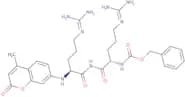
CAS:<p>3-Chloro-4-nitrobenzoic acid (3CNB) is an amine that has been shown to be a 5-HT1A receptor agonist. It has been used in animal models of anxiety, depression and schizophrenia. 3CNB is able to activate the 5-HT1A receptor, which is involved in the regulation of anxiety, mood and other behaviors. The activation energies for the binding of 3CNB to the 5-HT1A receptor are calculated to be 8.3 kcal/mol and 9.2 kcal/mol at pH 7.0 and 10 respectively. A clinical study found that this agent was effective in treating trichomonas vaginalis infections as well as reducing symptoms of irritable bowel syndrome. In vivo studies have revealed that 3CNB is capable of inducing a sustained increase in extracellular serotonin levels in rat brain tissue with a half life of 2 hours. Kinetic studies have also shown that nitro groups enhance</p>Formula:C7H4ClNO4Purity:Min. 98 Area-%Color and Shape:PowderMolecular weight:201.56 g/molZ-Arg-Arg-AMC hydrochloride salt
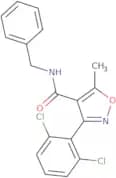
CAS:<p>Z-Arg-Arg-AMC hydrochloride salt is a versatile compound that acts as a catalyst and forms strong hydrogen bonds. It exhibits proteolytic activity and has been found to be effective in breaking down proteins. In addition, Z-Arg-Arg-AMC hydrochloride salt has been shown to possess neuroprotective properties, making it a potential candidate for the treatment of neurological disorders. It also demonstrates anthelmintic activity, which means it can be used to combat parasitic worm infections. Furthermore, this compound has antioxidant activity and can help reduce lipid peroxidation, protecting cells from oxidative damage. With its diverse range of characteristics, Z-Arg-Arg-AMC hydrochloride salt holds great promise in various research fields such as biochemistry and medicine.</p>Formula:C30H39N9O6·xHClPurity:Min. 95%Color and Shape:PowderMolecular weight:621.69 g/mol(3-(2,6-dichlorophenyl)-5-methylisoxazol-4-yl)-N-benzylformamide
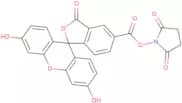
CAS:Please enquire for more information about (3-(2,6-dichlorophenyl)-5-methylisoxazol-4-yl)-N-benzylformamide including the price, delivery time and more detailed product information at the technical inquiry form on this pagePurity:Min. 95%5-Carboxyfluorescein-N-hydroxysuccinimide ester
CAS:<p>5-Carboxyfluorescein(5-FAM) is a self-quenching dye and one of the most common labelling agents for biomolecules, cell staining and localisation studies. The fluorescence is pH dependent, therefore it has been used to measure the internal pH of cells. As it is only membrane permeable to dead cells, it can be used as a staining agent to distinguish viable and non-viable cells. It is also used in PCR to label the 5â end of oligonucleotides in the presence of a quencher at the 3â end (dual labelled probe). During the amplification process, the dye is cleaved and the fluorescence increases proportionally with the amount of the specific sequence amplified during the PCR process. The development of the fluorescence signal is therefore specifically related to the amplification of the target sequence. The carboxylic acid can be activated to react with a primary amine.</p>Formula:C25H15NO9Purity:Min. 95 Area-%Color and Shape:White PowderMolecular weight:473.39 g/mol4-Bromo-2-fluorobenzoic acid
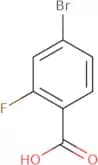
CAS:4-Bromo-2-fluorobenzoic acid is an organic solvent that is used in the introduction of 2-aminoisobutyric acid. The reaction solution is typically heated and contains a small amount of either chloride, sulfoxide, or both. Various analytical methods can be used to determine the yield of the acylation reaction. 4-Bromo-2-fluorobenzoic acid's ligand can be converted to an acid chloride with a Grignard reagent and then reacted with carboxylate to form an ester. This ester reacts with amines to form amides, which are used as pharmaceuticals and intermediates for various other reactions. 4-Bromo-2-fluorobenzoic acid inhibits bacterial growth by binding to glutamine synthetase, thereby inhibiting protein synthesis.Formula:C7H4BrFO2Purity:Min. 95%Color and Shape:PowderMolecular weight:219.01 g/mol2-Fluoro-4-methoxybenzonitrile
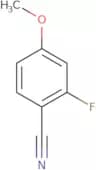
CAS:<p>2-Fluoro-4-methoxybenzonitrile is a tetracyclic molecule with two electron deficient rings. It has intramolecular coupling, yielding four stereoisomers that show different biological activities. 2-Fluoro-4-methoxybenzonitrile is an electron deficient compound that can be synthesized by reacting dioxane with amines. It also reacts with alcohols to form ethers. This heteroaromatic compound has electron withdrawing groups that make it less stable than other heteroaromatic compounds and more reactive. 2-Fluoro-4-methoxybenzonitrile can be used in the Buchwald reaction to produce aryl chlorides from alkyl halides and aryl bromides.</p>Purity:Min. 95%2-Bromo-4-fluoro-5-methylaniline hydrochloride
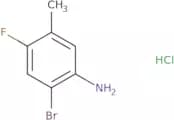
CAS:<p>2-Bromo-4-fluoro-5-methylaniline hydrochloride is a versatile building block that can be used in the synthesis of complex compounds. It has two bromine atoms, two chlorine atoms, and one fluorine atom and is classified as a research chemical. This compound is used as a reagent in organic chemistry and as a speciality chemical. 2-Bromo-4-fluoro-5-methylaniline hydrochloride is also an intermediate for the synthesis of other chemicals and has been shown to be useful for the synthesis of new scaffolds.</p>Formula:C7H7BrFN·HClPurity:Min. 95%Color and Shape:PowderMolecular weight:240.5 g/mol3-[(4-Chlorophenyl)amino]-5,5-dimethylcyclohex-2-en-1-one
CAS:The compound is a chiral molecule, meaning that it has two different structures. One side of the molecule is the mirror image of the other. The translation and conformation of this molecule are asymmetric because the carbon atoms in its chain are not lined up in a straight line. The hydrogen bonds that form between these chains are also asymmetric, as one side of the molecule has more than one hydrogen bond while the other side only has one hydrogen bond.Formula:C14H16ClNOPurity:Min. 95%Molecular weight:249.74 g/mol7-Fluoro-5-Phenyl-1,3-Dihydro-1,4-Benzodiazepin-2-One
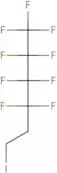
CAS:Controlled Product<p>7-Fluoro-5-phenyl-1,3-dihydro-1,4-benzodiazepin-2-one is a potential drug candidate that has been found to have high affinity for the benzodiazepine receptor. It was synthesized by reacting 7-fluoro-5-(chloromethyl)benzo[b]thiophene with 2,5-dimethoxybenzaldehyde in the presence of sodium hydroxide and acetic acid. The compound was characterized using techniques such as nuclear magnetic resonance (NMR), mass spectrometry (MS) and infrared spectroscopy (IR). The affinity of 7FDBZ was measured at 4 nM. The parameters used for predicting binding affinity were hydrophobicity and hydrogen bond acceptor properties. A predictive model was generated based on these parameters that shows good agreement with experimental data. The probe is hydrophobic in nature and may bind to the receptor due to</p>Formula:C15H11FN2OPurity:Min. 95%Molecular weight:254.26 g/mol1H,1H,2H,2H-Nonafluorohexyl iodide
CAS:<p>Nonafluorohexyl iodide (NF3) is a fluorinated ionic liquid that exhibits strong surfactant properties. It has been used as a solvent for the analysis of anions, such as CO32-, NO3-, SO42-, and ClO4-. NF3 has also been used as a calibration gas in GC-MS, where it is typically used to desorb analytes from the column. The volatility of NF3 makes it easy to transfer between containers and to recover the analyte after desorption. The compound is detectable by GC-MS and can be analyzed using mass spectrometry. One application is the detection of 1-methylimidazole in urine samples.</p>Formula:C6H4F9IPurity:Min. 95%Color and Shape:Clear LiquidMolecular weight:373.99 g/mol1-Methyl-3-propylamine hydrochloride
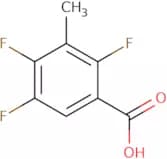
CAS:1-Methyl-3-propylamine hydrochloride is a fine chemical, research chemicals, and speciality chemical. It is a versatile building block for organic synthesis and has been used as a reagent in the production of other compounds. 1-Methyl-3-propylamine hydrochloride is also used as an intermediate in reactions involving complex compounds. This product has CAS number 578-72-5 and is of high quality.Formula:C4H11N•HClPurity:Min. 95%Molecular weight:109.6 g/mol3-Methyl-2,4,5-trifluorobenzoic acid
CAS:<p>3-Methyl-2,4,5-trifluorobenzoic acid is a fluoroquinolone antibiotic that inhibits the DNA gyrase and topoisomerase IV. It binds to bacterial 16S ribosomal RNA and inhibits protein synthesis, leading to cell death by inhibiting the production of proteins vital for cell division. 3-Methyl-2,4,5-trifluorobenzoic acid has been shown to be bactericidal in vitro against Gram-negative bacteria such as Escherichia coli and Pseudomonas aeruginosa. This drug also has a target enzyme modification activity with the potential to modify enzymes not usually targeted by fluoroquinolones.</p>Formula:C8H5F3O2Purity:Min. 95%Color and Shape:PowderMolecular weight:190.12 g/mol2-Bromo-5-nitrobenzoic acid
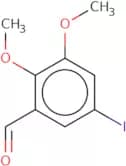
CAS:<p>2-Bromo-5-nitrobenzoic acid is an amine that has been shown to have a potent inhibitory effect on the enzyme fibrinogen, which is needed for blood clotting. It also inhibits other enzymes in the fibrinogen pathway, including those involved in protein synthesis and cellular metabolism. 2-Bromo-5-nitrobenzoic acid has been shown to inhibit cancer cells by blocking their ability to use amino acids as building blocks for new proteins. This drug may be used as a treatment for cancer and other diseases where protein synthesis is critical.</p>Formula:C7H4BrNO4Purity:Min. 95%Color and Shape:PowderMolecular weight:246.02 g/mol5-Iodo-2,3-dimethoxybenzaldehyde
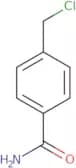
CAS:<p>5-Iodo-2,3-dimethoxybenzaldehyde is a fine chemical that is useful as a scaffold for the synthesis of other compounds. It can be used as an intermediate for research chemicals or as a reaction component in the synthesis of complex compounds. 5-Iodo-2,3-dimethoxybenzaldehyde is used for the manufacture of high quality reagents and building blocks.</p>Formula:C9H9IO3Purity:Min. 95%Color and Shape:PowderMolecular weight:292.07 g/mol4-(Chloromethyl)benzamide
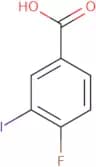
CAS:<p>4-(Chloromethyl)benzamide is a potent inhibitor of cyclohexane ring formation in proteins and has been shown to be effective against bacteria, fungi, and parasites. 4-(Chloromethyl)benzamide inhibits the synthesis of proteins by targeting the active site of piperazine synthase, an enzyme involved in the production of piperazine. The carbon nanotube linker is a novel molecule that can be used for the attachment of the 4-(chloromethyl)benzamide molecule to cetirizine. In addition, 4-(chloromethyl)benzamide has been shown to have an effective dose at 0.1 μM and a half-life time of 2 hours in rats.</p>Formula:C8H8ClNOPurity:Min. 95%Color and Shape:PowderMolecular weight:169.61 g/mol4-Fluoro-3-iodobenzoic acid
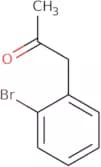
CAS:<p>4-Fluoro-3-iodobenzoic acid is an aromatic amine that is used as a reagent in organic chemistry. It is a nontoxic chemical that has no known harmful effects to humans. 4-Fluoro-3-iodobenzoic acid can be synthesized by the reaction of diethylaminoethyl chloride with 4-fluorobenzoic acid and sodium iodide. This compound yields a mixture of alkylbenzenes, hydrocarbons, and aromatic compounds when heated with solvents such as diethyl ether or chloroform.</p>Formula:C7H4FIO2Purity:Min. 95%Color and Shape:PowderMolecular weight:266.01 g/mol2-Bromophenylacetone
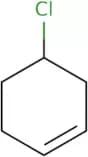
CAS:Controlled Product2-Bromophenylacetone is a reagent that is used to synthesize sulfonamides. It can be prepared by the reaction of phenylacetic acid with bromine in the presence of sodium hydroxide. The product can then be treated with sulfuric acid and hydrochloric acid to give 2-bromophenylacetone. This compound has been shown to have bacteriostatic activity against Gram-positive bacteria, as well as being an efficient method for synthesizing thiosemicarbazide.Formula:C9H9BrOPurity:Min. 95%Color and Shape:Clear LiquidMolecular weight:213.07 g/mol4-Chlorocyclohexene
CAS:<p>4-Chlorocyclohexene is a chlorinating agent that has been used in the production of chlorine. It is a colorless liquid with an odor similar to that of chloride. 4-Chlorocyclohexene reacts with hydrogen chloride to form 4-chlorobenzene and hydrogen gas. This reaction is mediated by acid, base, or even metals such as copper. 4-Chlorocyclohexene can be used to produce polyatomic molecules such as carboxylates, chlorides, and sulfides. It has also been used in the synthesis of lipid nanoparticles for use in skincare products.</p>Formula:C6H9ClPurity:Min. 95%Color and Shape:PowderMolecular weight:116.59 g/molMethyl 6-bromo-3,4-dimethoxybenzoate
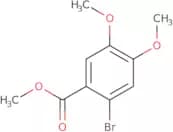
CAS:<p>Methyl 6-bromo-3,4-dimethoxybenzoate is a potent compound that inhibits topoisomerase. It is not as selective as other topoisomerase inhibitors, but it is more reactive and has been shown to be effective in the synthesis of lactones. This compound can also be used as an intermediate for the synthesis of more potent inhibitors of topoisomerase. Methyl 6-bromo-3,4-dimethoxybenzoate has been shown to react with aliphatic aldehydes and nitro compounds to form zinc powder. The reaction proceeds via a catalytic mechanism involving an initial complexation of the methyl group with the carbonyl oxygen atom followed by nucleophilic attack by zinc.</p>Formula:C10H11BrO4Purity:Min. 98 Area-%Color and Shape:PowderMolecular weight:275.1 g/mol4-Chloro-3-nitrobenzamide
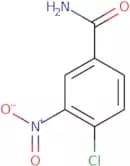
CAS:<p>4-Chloro-3-nitrobenzamide (4CNBA) is a potent inducer of hepatic drug metabolizing enzymes. It reacts with methyl cinnamate to form the 4-chloro-3-nitrobenzamide methyl ester and chloride ions. This reaction is catalyzed by copper, which binds to the 4CNBA molecule. The chloride ion then displaces water from the ester, producing a nitroso intermediate. This intermediate breaks down into an unstable nitrite, which in turn reacts with hydrogen peroxide to form a hydroxylamine intermediate. Hydroxylamine can then react with sulfhydryl groups to produce reactive thiols that are responsible for the induction of detoxification enzymes in the liver.<br>4CNBA has been shown to be toxic at high concentrations and is rapidly detoxified by Phase II enzymes such as glutathione S transferase, UDP glucuronosyltransferase, and N-acetyl</p>Formula:C7H5ClN2O3Purity:Min. 95%Color and Shape:PowderMolecular weight:200.58 g/mol1-(3,4-Difluorophenyl)-2-nitroethene
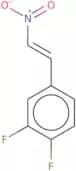
CAS:<p>1-(3,4-Difluorophenyl)-2-nitroethene is a versatile chemical building block that can be used as a reagent, intermediate, or scaffold in the synthesis of complex compounds. It is a high quality product with a wide range of uses. 1-(3,4-Difluorophenyl)-2-nitroethene has been shown to react with various other chemicals to form new compounds. For example, it reacts with methyl bromoacetate to form 1-(3,4-difluorophenyl)ethanone and 2-bromoacetaldehyde. This product can also be used as an intermediate in the synthesis of organic derivatives such as 3-[(2'-chloro-1'-fluoroethyl)amino]propionitrile hydrochloride.</p>Formula:C8H5F2NO2Purity:Min. 95%Molecular weight:185.13 g/mol5-Chloro-6-[(2-imino-1-pyrrolidinyl)methyl]-2,4(1H,3H)-pyrimidinedione monohydrochloride
CAS:Trifluridine is a pyrimidine nucleoside analog that is used in the treatment of colorectal cancer. It is a potent inhibitor of DNA polymerase and other enzymes involved in DNA replication and transcription, including RNA polymerase. Trifluridine has been shown to inhibit the growth of various types of human tumor cells in vitro. This drug also has anti-inflammatory properties, which may be due to its ability to inhibit prostaglandin synthesis. Trifluridine can cause fetal bovine syndrome when given to pregnant women and should not be used during pregnancy or breastfeeding.Formula:C9H11ClN4O2·HClPurity:Min. 98 Area-%Color and Shape:White PowderMolecular weight:279.12 g/molEthyl 2-chloro-2-(hydroxyimino)acetate
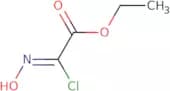
CAS:<p>Ethyl 2-chloro-2-(hydroxyimino)acetate is an organic compound that contains a chloride group, two oxadiazole rings, and an ethyl group. It has been shown to bind to receptors on the surface of cells and act as a competitive antagonist. It has also been shown to inhibit influenza virus growth by binding to the receptor binding site on the virus surface. Ethyl 2-chloro-2-(hydroxyimino)acetate can be made synthetically or in nature by the reaction of formaldehyde with ammonia, which produces glutamic acid and hydrogen chloride gas. This molecule is able to react with sodium carbonate in water to produce ethyl chloroformate. The molecule has been shown to have cancerous effects when injected into rats.</p>Formula:C4H6ClNO3Purity:Min. 95%Color and Shape:PowderMolecular weight:151.55 g/molL-Glutamic acid gamma-(p-nitroanilide) hydrochloride
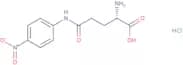
CAS:<p>Please enquire for more information about L-Glutamic acid gamma-(p-nitroanilide) hydrochloride including the price, delivery time and more detailed product information at the technical inquiry form on this page</p>Formula:C11H13N3O5·HClPurity:Min. 95%Color and Shape:SolidMolecular weight:303.7 g/mol(2,5-Dichlorophenyl)acetic acid
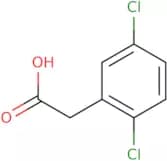
CAS:2,5-Dichlorophenylacetic acid is an electrophilic compound that reacts with nucleophiles such as alcohols, amines, and thiols. It is used in the synthesis of pharmaceuticals and other organic compounds. 2,5-Dichlorophenylacetic acid has been shown to be a substrate for oxidation by autoxidation. This substance also undergoes sequence reactions with nucleophiles.Formula:C8H6Cl2O2Purity:Min. 95%Color and Shape:PowderMolecular weight:205.04 g/molPrasugrel Hydrobromide
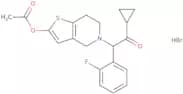
CAS:<p>Prasugrel is a thienopyridine prodrug that inhibits the enzyme ADP-dependent P2Y purinergic receptor. Prasugrel inhibits platelet aggregation and the formation of blood clots by blocking the conversion of ADP to ATP on the surface of platelets, thus preventing the release of serotonin from platelets. The reaction products formed by prasugrel are similar to those formed by clopidogrel and include hydrogen sulfate ions and a thiol-containing metabolite. It has also been shown to have potent cytotoxic activity against melanoma cells and anti-inflammatory properties.</p>Purity:Min. 95%4-Iodobenzenesulphonamide
CAS:<p>4-Iodobenzenesulphonamide is a drug with antifungal and anticancer activity. The compound has been shown to inhibit the growth of cancer cells in vitro. It also has an antifungal effect in vitro, which is most likely due to its ability to inhibit the synthesis of ergosterol, a component of the cell membrane. 4-Iodobenzenesulphonamide may be used for the treatment of cervical cancer and vulvovaginal candidiasis. This drug does not show any serious side effects, but it has been shown to have some adverse effects on liver function tests and red blood cells.</p>Formula:C6H6INO2SPurity:Min. 95%Color and Shape:PowderMolecular weight:283.09 g/mol(+/-)-Salsolinol hydrobromide
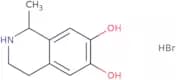
CAS:<p>(+/-)-Salsolinol hydrobromide is a chemical compound derived from the condensation of dopamine and acetaldehyde. This compound occurs naturally in the brain and certain fermented beverages, influencing neurological pathways. As a dopaminergic compound, it affects dopaminergic neurons by stimulating or inhibiting dopamine receptors, depending on the context of its application.The interest in (+/-)-Salsolinol hydrobromide centers around its potential involvement in neurodegenerative conditions such as Parkinson's disease. It is studied for its role in modulating dopamine metabolism and its impact on dopaminergic tone. The compound is also researched for its contribution to the addictive properties observed in alcohol consumption, given its formation during the metabolic processes initiated by alcohol intake.As a research tool, (+/-)-Salsolinol hydrobromide aids in understanding the interactions between neurotransmitter systems and their implications in neuropsychiatric disorders. Ongoing studies aim to elucidate its precise function, contributing to broader insights into the development of therapeutic targets for related pathological states.</p>Formula:C10H14BrNO2Purity:Min. 97 Area-%Color and Shape:PowderMolecular weight:260.13 g/mol4-Chloro-L-tryptophan
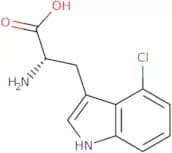
CAS:4-Chloro-L-tryptophan is an indole alkaloid that belongs to the group of 2-d nmr. It has a chiral carbon atom and two enantiomers, D and L. 4-Chloro-L-tryptophan is used in the synthesis of serotonin in the brain. Synthesis of serotonin involves a two-step process: first, L-tyrosine is converted to 4-hydroxyphenylpyruvic acid by an aminotransferase enzyme (e.g., phenylalanine aminotransferase), then 4-hydroxyphenylpyruvic acid is converted to 4-chloro-L-tryptophan by a decarboxylase enzyme (e.g., pyridoxal phosphate). The biosynthesis of serotonin also requires an intermediate molecule called indole pyruvic acid.Formula:C11H11ClN2O2Purity:Min. 94 Area-%Color and Shape:PowderMolecular weight:238.67 g/mol(3-(2,6-dichlorophenyl)-5-methylisoxazol-4-yl)-N-(4-(trifluoromethylthio)phenyl)formamide
CAS:<p>Please enquire for more information about (3-(2,6-dichlorophenyl)-5-methylisoxazol-4-yl)-N-(4-(trifluoromethylthio)phenyl)formamide including the price, delivery time and more detailed product information at the technical inquiry form on this page</p>Purity:Min. 95%3'-Bromo-4'-fluoro-β-methyl-β-nitrostyrene
CAS:<p>3'-Bromo-4'-fluoro-beta-methyl-beta-nitrostyrene is a chemical compound with the molecular formula C9H5BrFN2O. It can be used as an intermediate in the synthesis of other chemical compounds. 3'-Bromo-4'-fluoro-beta-methyl-beta-nitrostyrene can also be used to produce research chemicals, speciality chemicals, and complex compounds. This compound has a high quality and is useful for research purposes.</p>Formula:C9H7BrFNO2Purity:Min. 95%Color and Shape:PowderMolecular weight:260.06 g/mol4-(Bromodifluoromethoxy)nitrobenzene
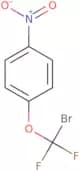
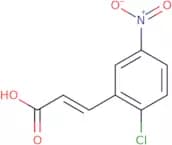
CAS:4-(Bromodifluoromethoxy)Nitrobenzene is a versatile building block that can be used to synthesize a wide variety of organic and inorganic compounds. It is a brominated derivative of nitrobenzene, which is useful for the synthesis of complex compounds and research chemicals. 4-(Bromodifluoromethoxy)Nitrobenzene is also an intermediate for the synthesis of pharmaceuticals and other valuable chemical compounds. This compound has been shown to provide high quality results in reactions with other molecules. 4-(Bromodifluoromethoxy)Nitrobenzene can be used as a scaffold for the construction of more complex molecules.Formula:C7H4BrF2NO3Purity:Min. 95%Color and Shape:LiquidMolecular weight:268.01 g/mol2-Chloro-5-nitrocinnamic acid
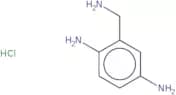
CAS:<p>2-Chloro-5-nitrocinnamic acid is a plant growth regulator that inhibits the root development of plants by interfering with the synthesis of 3-chlorocinnamic acid, which is a precursor in the biosynthesis of lignin. 2-Chloro-5-nitrocinnamic acid inhibits the enzyme cinnamoyl CoA reductase, which catalyzes the first step in this biosynthetic pathway. This compound also has shown to be a strong inhibitor of ester derivatives and pesticides, such as carbaryl and dichlorvos.</p>Formula:C9H6ClNO4Purity:Min. 95%Color and Shape:PowderMolecular weight:227.6 g/mol2,5-Diaminobenzylamine hydrochloride
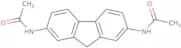
<p>2,5-Diaminobenzylamine hydrochloride is a fine chemical that is used as a versatile building block and research chemicals. This compound has been shown to be an intermediate for the synthesis of other compounds with pharmaceutical properties. 2,5-Diaminobenzylamine hydrochloride can also be used as a reagent in organic chemistry. It has CAS No. 1008-77-4 and is listed on the inventory list of speciality chemicals by the European Commission (EC). 2,5-Diaminobenzylamine hydrochloride is water soluble and has a high quality.</p>Formula:C7H12ClN3Purity:Min. 95%Molecular weight:173.64 g/mol2,7-Diacetamidofluorene
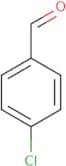
CAS:<p>2,7-Diacetamidofluorene is a chemical substance that is classified as a nitrosamine. It has been shown to produce liver tumors in rats and tumors of the mammary gland in female mice. 2,7-Diamidofluorene has also been shown to increase blood pressure in animals. This chemical also induces myelogenous leukemia in mice, but does not affect the G1 phase of the cell cycle or cell nuclei. 2,7-Diamidofluorene can be administered orally or intravenously to CD-1 mice and will induce cancer at primary sites.</p>Formula:C17H16N2O2Purity:Min. 95%Color and Shape:PowderMolecular weight:280.32 g/mol4-Chlorobenzaldehyde
CAS:<p>4-Chlorobenzaldehyde is a chemical compound with the molecular formula C6H5ClO. It can be synthesized by reacting malonic acid with sephadex g-100, copper chloride, and diphenolase. This reaction mechanism is shown in Figure 1. The product then reacts with copper to form a copper complex. 4-Chlorobenzaldehyde has been shown to have anticancer activity against carcinoma cell lines and squamous carcinoma cells. The mechanism of action for this compound may be due to its ability to inhibit the synthesis of picolinic acid, which is an important precursor for the synthesis of nicotinamide adenine dinucleotide (NAD).</p>Formula:C7H5ClOPurity:Min. 95%Color and Shape:White Clear LiquidMolecular weight:140.57 g/molMethyl 4-fluorobenzoylacetate
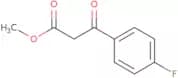
CAS:<p>Methyl 4-fluorobenzoylacetate is a prenyl compound that can be used as an anti-oxidant, hepatoprotective, and regulatory agent. The prenyl group in this molecule is responsible for its antioxidant activity. It also has been shown to have hepatoprotective properties in experimental animals with liver injuries. Methyl 4-fluorobenzoylacetate is used as a synthetic intermediate in the synthesis of coumarin derivatives and phenylcoumarins. This molecule may also have anti-inflammatory properties, which are due to its ability to inhibit cyclooxygenase enzymes. Methyl 4-fluorobenzoylacetate is also an antibacterial agent and has been shown to be a potent inhibitor of bacterial DNA gyrase and topoisomerase IV, which maintain the integrity of bacterial DNA. In addition, methyl 4-fluorobenzoylacetate has anticoagulant</p>Formula:C10H9FO3Purity:Min. 85%Color and Shape:Colourless To Pale Yellow LiquidMolecular weight:196.18 g/mol(11β,16β)-9-Fluoro-11,21-dihydroxy-16-methyl-17-((1-oxopentyl)oxy)-Pregna-1,4-diene-3,20-dione mixt. with 5-chloro-7-iodo-8-qu inolinol
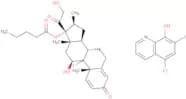
CAS:Controlled Product<p>Clioquinol is a topical corticosteroid that is used to treat skin disorders such as pemphigoid, psoriasis, and eczema. It is also used to treat the inflammation associated with acne. Clioquinol has been shown to be effective in treating bacterial infections of the skin by inhibiting the growth of bacteria. This drug also has anti-inflammatory properties and can be used for the treatment of various inflammatory skin conditions. Clioquinol is not absorbed through the skin and does not affect the blood's ability to clot.</p>Formula:C36H42ClFINO7Purity:Min. 95%Molecular weight:782.08 g/mol2-Chloronicotinic acid
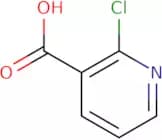
CAS:<p>2-Chloronicotinic acid is a chemical compound that belongs to the group of phosphorus compounds. It is a colorless liquid that is soluble in water and has a pungent odor. 2-Chloronicotinic acid can be found in wastewater treatment, as it binds strongly to phosphorus compounds. It also participates in the Suzuki coupling reaction with various organometallic catalysts, such as palladium and nickel, to produce amides and n-oxides. 2-Chloronicotinic acid inhibits the growth of Pseudomonas aeruginosa and other bacteria by binding to the bacterial ribosome and inhibiting protein synthesis. 2-Chloronicotinic acid has been shown to inhibit prostaglandin synthesis, which may be due to its ability to bind nonsteroidal anti-inflammatory drugs (NSAIDs) by hydrogen bonding at their active site.</p>Formula:C6H4ClNO2Purity:Min. 95%Color and Shape:PowderMolecular weight:157.55 g/mol


![[(Trifluoromethyl)sulfinyl]benzene](/_next/image/?url=https%3A%2Fstatic.cymitquimica.com%2Fproducts%2F3D%2Fthumb-webp%2FFT81464.webp&w=3840&q=75)

![4-[(Methylsulfonyl)methyl]piperidine hydrochloride](/_next/image/?url=https%3A%2Fstatic.cymitquimica.com%2Fproducts%2F3D%2Fthumb-webp%2FFM120031.webp&w=3840&q=75)
![Dimethyl [2-oxo-3-[3-(trifluoromethyl)phenoxy]propyl]phosphonate](/_next/image/?url=https%3A%2Fstatic.cymitquimica.com%2Fproducts%2F3D%2Fthumb-webp%2FFD46172.webp&w=3840&q=75)

![2-(R)-[1-(R)-(3,5-Bis(trifluoromethyl)phenyl)ethoxy]-3-(S)-fluorophenylmorpholine](/_next/image/?url=https%3A%2Fstatic.cymitquimica.com%2Fproducts%2F3D%2Fthumb-webp%2FFB18758.webp&w=3840&q=75)




![3-[(4-Chlorophenyl)amino]-5,5-dimethylcyclohex-2-en-1-one](/_next/image/?url=https%3A%2Fstatic.cymitquimica.com%2Fproducts%2F3D%2Fthumb-webp%2FFC123031.webp&w=3840&q=75)


![5-Chloro-6-[(2-imino-1-pyrrolidinyl)methyl]-2,4(1H,3H)-pyrimidinedione monohydrochloride](/_next/image/?url=https%3A%2Fstatic.cymitquimica.com%2Fproducts%2F3D%2Fthumb-webp%2FFC126316.webp&w=3840&q=75)