Organic Halides
Subcategories of "Organic Halides"
Found 20440 products of "Organic Halides"
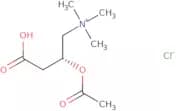
Acetyl L-carnitine chloride
CAS:Acetyl L-carnitine chloride (ALCAR) is a carnitine molecule that is used as a dietary supplement. It can be converted to acetyl coenzyme A, which provides energy for the cells and helps with the production of neurotransmitters. ALCAR has been shown to reduce neuronal death in an animal model of oxidative injury. It also increases levels of glutathione and prevents lipid peroxidation. Acetyl L-carnitine chloride is a cell permeable reagent that can be used to measure GSH-px activities in biological samples. This compound has been shown to inhibit the activity of cell nuclei and mitochondrial enzymes, such as succinate dehydrogenase, citrate synthase, and malate dehydrogenase.
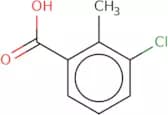
Formula:C9H18ClNO4Purity:Min. 95%Color and Shape:White PowderMolecular weight:239.7 g/mol3-Chloro-2-methylbenzoic acid
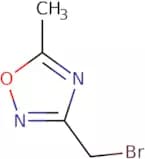
CAS:3-Chloro-2-methylbenzoic acid is a fine chemical, useful building block and versatile compound. It is a reagent for the production of other chemicals, such as pharmaceuticals and cosmetics. 3-Chloro-2-methylbenzoic acid is also used in research, where it can be used as a building block or scaffold for the synthesis of complex molecules. This chemical has many industrial applications, including use in manufacturing pesticides and herbicides.Formula:C8H7ClO2Purity:Min. 95%Color and Shape:PowderMolecular weight:170.59 g/mol3-(Bromomethyl)-5-methyl-1,2,4-oxadiazole
CAS:3-(Bromomethyl)-5-methyl-1,2,4-oxadiazole is an activating molecule that can be used as a histochemical stain. It forms a blue dye when reacted with the amino acid histidine in tissue. This compound stains cells and tissues blue, which can be used to identify different types of cells. 3-(Bromomethyl)-5-methyl-1,2,4-oxadiazole is also useful for identifying the location of specific proteins by detecting their presence in different types of cells. This compound can also be used in vivo to activate angiotensinogen in wild-type mice and then analyzing the effects on angiotensin levels.
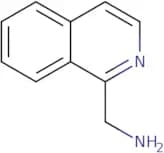
Formula:C4H5BrN2OPurity:Min. 95 Area-%Color and Shape:Yellow Clear LiquidMolecular weight:177 g/mol1-Isoquinolin-1-ylmethanamine dihydrochloride
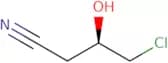
CAS:1-Isoquinolin-1-ylmethanamine dihydrochloride is a versatile building block that can be used for the synthesis of a wide variety of compounds. It is a reagent and speciality chemical, as well as an intermediate or reaction component in the production of pharmaceuticals, agrochemicals, plastics, dyes and other chemicals. 1-Isoquinolin-1-ylmethanamine dihydrochloride has been shown to have high purity and quality.Formula:C10H10N2·2HClPurity:Min. 95%Color and Shape:Light Blue SolidMolecular weight:231.12 g/mol(R)-4-Chloro-3-hydroxybutyronitrile
CAS:(R)-4-Chloro-3-hydroxybutyronitrile is a chiral pharmaceutical that has been shown to have hypotensive effects and hypoglycaemic properties. It is formed by the asymmetric synthesis of a ketone, utilising a synthetic route. This drug has been shown to be effective in treating cerebral infarction and other conditions related to poor blood flow. The mechanism of action of (R)-4-Chloro-3-hydroxybutyronitrile is not yet known, but it is believed that it may act as an alcohol or nutrient utiliser.Formula:C4H6ClNOPurity:Min. 95%Color and Shape:Clear LiquidMolecular weight:119.55 g/mol3-Phenylpropionyl chloride
CAS:3-Phenylpropionyl chloride is an acylating agent with antimicrobial properties. It is used as a precursor in the synthesis of many pharmaceuticals, such as amines and cyclohexane derivatives. 3-Phenylpropionyl chloride is a reactive compound that can undergo an acylation reaction with nucleophilic compounds to form an n-oxide. This reaction can be catalyzed by metal ions or bases. 3-Phenylpropionyl chloride has inhibitory properties against enzymes, such as aminoglycoside acetyltransferase and carbonyl reductase. It also has shown antitumor activity in cancer cells and metabolic disorders in the liver due to its ability to inhibit glycosidic bond formation.
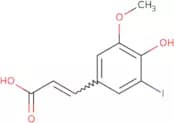
Formula:C9H9ClOPurity:Min. 95%Color and Shape:LiquidMolecular weight:168.62 g/mol3-(5-Iodo-4-hydroxy-3-methoxy)cinnamic acid
CAS:3-(5-Iodo-4-hydroxy-3-methoxy)cinnamic acid is a chemical compound that can be used as a starting material for synthesis of complex compounds. It is a white solid with a melting point of about 100°C, and it is soluble in water. This product is an excellent reagent for the synthesis of new chemicals, and it has been widely used as a reaction component in organic syntheses. 3-(5-Iodo-4-hydroxy-3-methoxy)cinnamic acid also has antibacterial properties.Formula:C10H9IO4Purity:Min. 95%Molecular weight:320.08 g/mol1,4-Bis(bromomethyl)benzene
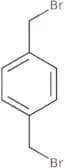
CAS:1,4-Bis(bromomethyl)benzene is a molecule that has a variety of uses. It is used as an adsorbent for the purification of aromatic hydrocarbons and can also be used in synthesizing coumarin derivatives. It is also a component in x-ray crystal structures, ether linkages, chemical structures, and other organic compounds. 1,4-Bis(bromomethyl)benzene reacts with nucleophiles such as chloride to form diphenyl ethers. The synthesis of 1,4-bis(bromomethyl)benzene begins with the reaction of pyridinedicarboxylic acid and bromine in the presence of an organic solvent. This process creates a mixture containing diphenyl ethers and other halogenated aromatic compounds that can then be purified by crystallization or distillation.
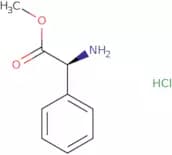
Formula:C8H8Br2Purity:Min. 95%Color and Shape:White Clear LiquidMolecular weight:263.96 g/mol(S)-(+)-2-Phenylglycine methyl ester hydrochloride
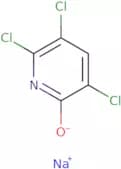
CAS:(S)-(+)-2-Phenylglycine methyl ester hydrochloride is a nitro compound that inhibits the production of nitric oxide (NO) by inhibiting the enzyme nitric oxide synthase. It has shown inhibitory effects on bronchial hyperresponsiveness in animals with bronchial asthma and ischemic reperfusion injury. The compound also inhibits nitrogen-induced allergic reactions and inflammatory diseases. (S)-(+)-2-Phenylglycine methyl ester hydrochloride has been shown to have a protective effect against prostate cancer in animal models, although it was not active against prostate cancer cells in vitro. This may be due to its inability to cross the cell membrane or its inability to effectively penetrate the nucleus, which is where cancerous cells originate. The functional groups present on this molecule include amide, carbonyl, and hydroxyl groups.Formula:C9H12ClNO2Purity:Min. 95%Color and Shape:White To Off-White SolidMolecular weight:201.65 g/molSodium 3,5,6-trichloro-2-pyridinol
CAS:Sodium 3,5,6-trichloro-2-pyridinol is an inorganic compound that has been shown to be an effective biocide for the removal of hydrogen chloride and hydroxide solution. The optimal reaction was found to be at pH 10.3 with a reaction vessel containing 1% sodium hydroxide solution and a concentration of 0.2 grams per liter of hydrogen chloride. This compound reacts with hydrogen chloride to form hydrochloric acid (HCl) and sodium 3,5,6-trichloro-2-pyridinol hydrochloride (NCTP), which can then be removed by wastewater treatment or precipitation as sodium chloride. NCTP is also used for the treatment of skin conditions such as acne and eczema.Formula:C5HCl3NONaPurity:Min. 95%Color and Shape:Off-White SolidMolecular weight:220.42 g/mol1-(4-Bromophenyl)propan-1-one
CAS:1-(4-Bromophenyl)propan-1-one is a sulfonation product of propiophenone. It has been found to have anticancer activity in cervical cancer, and is currently being studied as a potential treatment for cancer. 1-(4-Bromophenyl)propan-1-one can be synthesized by treating propiophenone with hydrochloric acid and sodium hydroxide solution. It can also be synthesized using polyvinyl chloride as the starting material. 1-(4-Bromophenyl)propan-1-one can be isolated from the reaction mixture by adding hydrochloric acid to the reaction mixture, forming a salt that precipitates from solution. This salt is then dissolved in water and neutralized with an alkali such as sodium hydroxide or potassium carbonate, yielding 1-(4-bromophenyl)propan-1-one hydrochloride.Formula:C9H9OBrPurity:Min. 95%Color and Shape:White PowderMolecular weight:213.07 g/mol4-(3-Chloropropyl)morpholine
CAS:4-(3-Chloropropyl)morpholine is a hydrochloride salt of the potent inhibitor 4-(3-chloropropyl)morpholine. It has an inhibitory effect on cancer, and is used in chromatographic science to separate amines from aliphatic hydrocarbons. 4-(3-Chloropropyl)morpholine inhibits epidermal growth factor (EGF) and has been shown to have a potent inhibitory effect on EGF receptor tyrosine kinase activity. It also inhibits the proliferation of cells by inhibiting DNA synthesis. This compound causes cell death through the inhibition of protein synthesis, which may be due to its ability to inhibit nucleophilic reactions that are involved in protein synthesis. 4-(3-Chloropropyl)morpholine can also fluoresce under UV light, which makes it useful for research purposes.
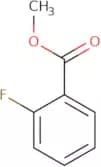
Formula:C7H14ClNOPurity:Min. 95%Color and Shape:Clear LiquidMolecular weight:163.64 g/mol2-Fluorobenzoic acid methyl ester
CAS:2-Fluorobenzoic acid methyl ester is a chemical compound that belongs to the group of borohydride reduction. It is a colorless liquid that can be used as a solvent for chemical reactions. 2-Fluorobenzoic acid methyl ester is used in synthetic methods, such as the reduction of benzoate to benzyl alcohol. The borohydride reduction produces a mixture of regioisomers, which can be separated by fractional distillation. 2-Fluorobenzoic acid methyl ester is also used in the synthesis of hydrogen peroxide, which is produced by the reaction of sodium borohydride with hydrogen peroxide. Hydrogen peroxide can then react with 2-fluoro benzoic acid methyl ester to produce 2-fluoro benzaldehyde and water.
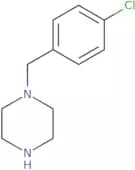
Formula:C8H7FO2Purity:Min. 95%Color and Shape:Clear LiquidMolecular weight:154.14 g/mol1-(4-Chlorobenzyl)piperazine
CAS:Controlled Product1-(4-Chlorobenzyl)piperazine is an amine that belongs to the class of hydrogen-bond acid amides. It has a piperazine structure and is structurally related to other substances, such as dopamine. 1-(4-Chlorobenzyl)piperazine has been shown to inhibit spontaneous emission in animals and inhibit spontaneous activity at d4 receptors. This drug also inhibits the binding of agonists to the d4 receptor subtype, without affecting other subtypes.
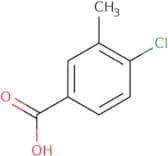
Formula:C11H15ClN2Purity:Min. 98 Area-%Color and Shape:Colorless Clear LiquidMolecular weight:210.7 g/mol4-Chloro-3-methylbenzoic acid
CAS:4-Chloro-3-methylbenzoic acid is a white crystalline solid that is soluble in water and alcohol. It has a melting point of 247°C and a boiling point of 305°C. This compound is used as an intermediate for the production of dyes and pharmaceuticals, such as anti-inflammatory drugs. 4-Chloro-3-methylbenzoic acid has been shown to be an inhibitor of DNA synthesis, RNA synthesis, and protein synthesis in bacteria. In addition, this compound inhibits the growth of Mycobacterium tuberculosis by inhibiting the metabolic pathways necessary for cell proliferation. 4-Chloro-3-methylbenzoic acid also has been shown to inhibit the growth of other bacteria such as Staphylococcus aureus, Escherichia coli, Streptococcus pyogenes, and Pseudomonas aeruginosa.Formula:C8H7ClO2Purity:Min. 95%Color and Shape:PowderMolecular weight:170.59 g/mol2-Bromoindene
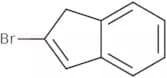
CAS:2-Bromoindene is a fluxional molecule that can adopt different conformations. 2-Bromoindene has a high fluxionality, which is the degree to which it undergoes tautomeric or structural change. This property can be attributed to the presence of functional groups such as hydroxyl and carboxyl groups on its structure. 2-Bromoindene has been shown to react with zirconium dichloride in the presence of a base such as potassium carbonate to form a cross-coupling product with ferrocene. It also reacts with stilbene derivatives in the presence of an electron acceptor such as ferric chloride, forming an aryl boronic acid. 2-Bromoindene is soluble in organic solvents, making it easy to extract for analysis by gas chromatography (GC). The compound can also be analyzed by infrared spectroscopy (IR), nuclear magnetic resonance spect
Formula:C9H7BrPurity:Min. 95%Color and Shape:PowderMolecular weight:195.06 g/molPyrithioxin dihydrochloride
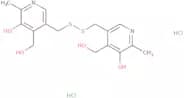
CAS:Pyrithioxin dihydrochloride is a pharmaceutical dosage form used to treat degenerative diseases. It has been shown to have an inhibitory effect on the activity of cholinergic neurons, and can be used to treat symptoms such as muscle weakness, muscle atrophy, and difficulty with movement. Pyrithioxin dihydrochloride may also be used in long-term treatment for Alzheimer's disease or Parkinson's disease. Pyrithioxin dihydrochloride inhibits the synthesis of acetylcholine by binding to the enzyme choline acetyltransferase and blocking the transfer of acetyl-coenzyme A from the coenzyme A pool. This drug also inhibits brain infarction in animal models by preventing accumulation of fatty acids in the blood vessels.
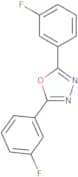
Formula:C16H20N2O4S2·2HClPurity:Min. 95%Color and Shape:White To Off-White To Light (Or Pale) Yellow SolidMolecular weight:441.39 g/mol2,5-Di-(3-fluorophenyl)-1,3,4-oxadiazole
CAS:Please enquire for more information about 2,5-Di-(3-fluorophenyl)-1,3,4-oxadiazole including the price, delivery time and more detailed product information at the technical inquiry form on this page
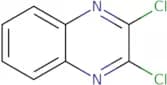
Formula:C14H8F2N2OPurity:Min. 95%Color and Shape:PowderMolecular weight:258.22 g/mol2,3-Dichloroquinoxaline
CAS:2,3-Dichloroquinoxaline is a chemical compound that has inhibitory properties against the growth of bacteria. It is reactive and can be used as a disinfectant and antimicrobial agent. 2,3-Dichloroquinoxaline has been shown to have a bactericidal effect against P. aeruginosa in the presence of hydrochloric acid. This chemical also binds to human immunoglobulin (Ig)G molecules and has transport properties. Quinoxalines are an important class of quinoline derivatives that include 2,4-dichlorobenzoic acid, which inhibits bacterial growth by binding to DNA gyrase. The fluorescence property of 2,3-Dichloroquinoxaline is due to its nitrogen nucleophile and chloride ion content. In addition, this chemical's protein–protein interaction activity leads it to bind with other proteins in the cell membrane or cytoplasmic membrane.
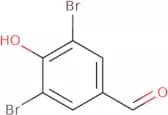
Formula:C8H4Cl2N2Purity:Min. 95%Color and Shape:Off-White PowderMolecular weight:199.04 g/mol3,5-Dibromo-4-hydroxybenzaldehyde
CAS:3,5-Dibromo-4-hydroxybenzaldehyde is an aldehyde that is used as a precursor to other organic compounds. It can be produced using the efficient method of reacting 3,5-dibromo-4-hydroxybenzoic acid with sodium borohydride in methanol. The molecule has three hydroxymethyl groups and two functional groups. 3,5-Dibromo-4-hydroxybenzaldehyde is soluble in water and organic solvents such as ethanol and acetone. This compound has shown antibacterial activity against some strains of bacteria, including group P2 bacteria. The reaction yield for the synthesis of this compound is approximately 93%. The inhibitory activities of 3,5-dibromo-4-hydroxybenzaldehyde have been demonstrated against both Gram positive and Gram negative bacteria.
Formula:C7H4Br2O2Purity:Min. 95%Color and Shape:PowderMolecular weight:279.91 g/mol4-(3-Chloro-benzyloxy)benzoic acid
CAS:4-(3-Chloro-benzyloxy)benzoic acid (4CBA) is a useful scaffold for the synthesis of complex compounds. It is a versatile building block that can be used as an intermediate in the synthesis of fine chemicals and research chemicals. 4CBA is also a reactive compound that can be used in reactions to form covalent bonds, such as amide formation. 4CBA has a CAS number of 84403-70-3 and can be used in reactions involving organic chemistry, such as esterification, etherification, nitration, sulfonation, amidation, and chlorination.
Formula:C14H11ClO3Purity:Min. 95%Color and Shape:White PowderMolecular weight:262.69 g/molNesfatin-1 (rat) trifluoroacetate salt
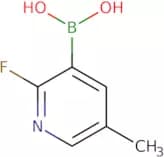
CAS:Please enquire for more information about Nesfatin-1 (rat) trifluoroacetate salt including the price, delivery time and more detailed product information at the technical inquiry form on this pageFormula:C424H684N116O136Purity:Min. 95%Molecular weight:9,582.67 g/mol2-Fluoro-5-methylpyridine-3-boronic acid
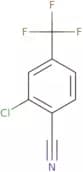
CAS:2-Fluoro-5-methylpyridine-3-boronic acid is a high quality chemical with CAS No. 1072952-45-4 that is a useful building block for the synthesis of complex compounds and speciality chemicals. 2-Fluoro-5-methylpyridine-3-boronic acid is also a versatile building block that can be used in organic reactions as a reaction component for the synthesis of speciality chemicals and other reagents. It can also be used to make fluoroquinolones and related pharmaceuticals, which are used to treat bacterial infections. This compound has many uses in research, including being a valuable scaffold for the synthesis of new drugs.Formula:C6H7BFNO2Purity:Min. 95%Color and Shape:White PowderMolecular weight:154.93 g/mol2-Chloro-4-trifluoromethylbenzonitrile
CAS:2-Chloro-4-trifluoromethylbenzonitrile is a fine chemical that belongs to the category of research chemicals, reagents and speciality chemicals. It is a versatile building block which can be used as a reaction component or useful intermediate in the synthesis of complex compounds. This compound also has many different uses, including as a useful scaffold for organic molecules.Formula:C8H3ClF3NPurity:Min. 95%Color and Shape:LiquidMolecular weight:205.57 g/mol2-Bromo-3-fluorophenol
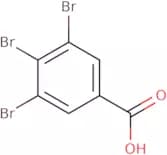
CAS:2-Bromo-3-fluorophenol is a bifunctional chemical that reacts with glycols, such as ethylene glycol, to form epoxy ethers. It is also used as a stabilizer for polyurethane plastics and rubbers. 2-Bromo-3-fluorophenol is used in the production of dibenzoyl peroxide and phenolic resins. This compound has been shown to be stable when exposed to both heat and light.Formula:C6H4BrFOPurity:Min. 95%Color and Shape:PowderMolecular weight:191 g/mol3,4,5-Tribromobenzoic acid - technical grade
CAS:3,4,5-Tribromobenzoic acid is a benzoic acid with the molecular formula C6H3Br3O2. It is used as a plant growth regulator in agriculture and gardening. 3,4,5-Tribromobenzoic acid may be applied to the surface of plants to stimulate abscission (the natural shedding of leaves) or excision (the removal of flowers). This chemical also has been shown to inhibit physiological activity in plants by inhibiting 2,3,5-triiodobenzoic acid synthesis. This inhibition leads to a reduction in the production of substances that are involved in physiological processes such as photosynthesis and protein synthesis.Formula:C7H3Br3O2Purity:Min. 95%Molecular weight:358.81 g/mol2-Chloro-6-methylaniline
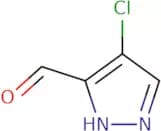
CAS:2-Chloro-6-methylaniline is a molecule that has been used for wastewater treatment and process optimization. It is synthesized from the reaction of amines with trifluoroacetic acid. 2-Chloro-6-methylaniline was found to stimulate the growth of human population in a study conducted at the University of Texas. This molecule has been shown to inhibit the proliferation of t-cells by binding to their surface receptors. 2-Chloro-6-methylaniline has also been shown to be effective in inhibiting dasatinib, which is an anti-cancer drug. 2CMA binds to dasatinib and inhibits its activity by competing with it for binding sites on the protein target. The structure of 2CMA is characterized by proton NMR spectroscopic data and liquid chromatography methods.Formula:C7H8ClNPurity:Min. 95%Color and Shape:Colourless To Purple To Brown LiquidMolecular weight:141.6 g/mol4-Chloro-1H-pyrazole-3-carboxaldehyde
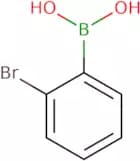
CAS:4-Chloro-1H-pyrazole-3-carboxaldehyde is a fine chemical that is used as a building block in research and development. The CAS number is 623570-54-7. This compound has been found to be useful in the synthesis of complex compounds and versatile scaffolds.Formula:C4H3ClN2OPurity:Min. 95%Color and Shape:SolidMolecular weight:130.53 g/mol2-Bromophenylboronic acid
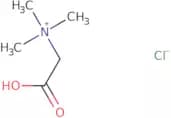
CAS:2-Bromophenylboronic acid is a glucose monitoring agent that has a ruthenium complex with an acidic environment. The nitro group and the amines are in close proximity to the boron center, and this proximity leads to a high nucleophilic character of the molecule. This reactivity allows 2-bromophenylboronic acid to be used as a fluorescence probe for acidic environments. 2-Bromophenylboronic acid also inhibits secretase enzymes, which are involved in Alzheimer’s disease and other neurodegenerative disorders. It is an inhibitor of γ-secretase, which is responsible for cleaving the amyloid precursor protein (APP), and it has shown efficacy against biphenyl, an anticancer drug that binds to benzodiazepine receptors. 2-Bromophenylboronic acid is also an enantiopure compound because all four substituents are different from each other.Formula:C6H6BBrO2Purity:Min. 95%Color and Shape:White PowderMolecular weight:200.83 g/molBetaine hydrochloride
CAS:Betaine hydrochloride is a betaine prodrug that is metabolized by the body to form glycine and choline. Betaine hydrochloride has been shown to have anti-inflammatory properties, which may be due to its ability to inhibit surfactant sodium dodecyl (SDS) from activating enzymes such as polymerase chain reaction (PCR). Betaine hydrochloride also has been shown to improve disease activity in bowel disease patients and can be used as a dietary supplement for individuals with low levels of choline.
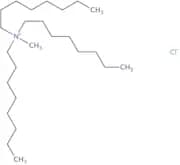
Formula:C5H11NO2·HClPurity:Min. 95%Color and Shape:PowderMolecular weight:153.61 g/molTri(octyl-decyl)methylammonium chloride - R=C8-C10
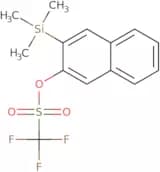
CAS:Tri(octyl-decyl)methylammonium chloride (TODMA) is a quaternary ammonium salt that has been used as a wastewater treatment agent. TODMA has shown to adsorb particles of chitosan, which are positively charged and hydrophilic. Chitosan is an acidic polymer that can be used in the development of nanoparticulate compositions for therapeutic use. TODMA has been shown to have physiological effects in the body, such as lowering blood pressure and heart rate and producing a sense of calmness. It also has been shown to affect chloride levels in the body and inhibit water vapor from leaving the lungs. This compound can be synthesized by reacting hydrogen fluoride with chloroethane. The thermodynamic data for this compound is available on line at http://www.webelements.com/trioctyldecylammoniumchloride/.Formula:C25H54ClNPurity:Min. 95%Color and Shape:Colorless Clear LiquidMolecular weight:404.16 g/mol3-(Trimethylsilyl)-2-naphthyl trifluoromethanesulfonate
CAS:3-(Trimethylsilyl)-2-naphthyl trifluoromethanesulfonate is a synthetic molecule that is used to synthesize benzofurans. 3-(Trimethylsilyl)-2-naphthyl trifluoromethanesulfonate is activated by reaction with N-bromosuccinimide, which creates an electrophilic carbon center. This electrophilic center reacts with nucleophiles such as alcohols, amines, and thiols to form a new bond. The product of this reaction is benzoylated, which can then undergo further reactions to form other compounds. X-ray crystallography has been used to characterize the structure of 3-(trimethylsilyl)-2-naphthyl trifluoromethanesulfonate.
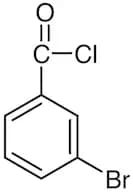
Formula:C14H15F3O3SSiPurity:Min. 95%Color and Shape:Colorless Clear LiquidMolecular weight:348.41 g/mol3-Bromobenzoyl Chloride
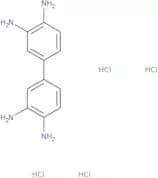
CAS:Formula:C7H4BrClOPurity:>98.0%(T)Color and Shape:Colorless to Light yellow to Light orange clear liquidMolecular weight:219.463,3'-Diaminobenzidine tetrahydrochloride
CAS:3,3'-Diaminobenzidine tetrahydrochloride or DAB hydrochloride is the hydrochloride salt of biphenyl tetra-aniline. DAB hydrochloride is a water-soluble formulation of DAB and is used in immunohistochemical staining of nucleic acids and proteins. DAB hydrochloride is used in Alzheimer's disease research, Aβ protein amyloid plaques are targeted by a primary antibody, and subsequently by a secondary antibody, which is conjugated with a peroxidase enzyme. This will bind DAB as a substrate and oxidize causing a colour change. 3,3’-Diaminobenzidine tetrahydrochloride is also available as the tetrahydrochloride hydrate and as the free base.
Formula:C12H14N4•4HClPurity:Min. 95%Color and Shape:Off-White PowderMolecular weight:360.12 g/mol2,5-Dibromoterephthalaldehyde
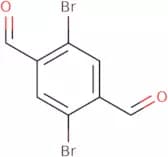
CAS:2,5-Dibromoterephthalaldehyde is a red fluorescent compound that has been shown to have potential as a cancer therapy. The compound is able to bind to the electron acceptor 2,5-dibromoterephthalate (DBT) and can be used in photocatalytic reactions. It has been shown that 2,5-dibromoterephthalaldehyde can cause high levels of cell death in cancer cells with low levels of toxicity to healthy cells. This property may be due to its ability to target cancerous cells by binding with their mitochondria. The compound is also fluorescent and emits light when excited with UV light. 2,5-Dibromoterephthalaldehyde has been shown to form structured metallacycles in the presence of copper ions. !--Formula:C8H4Br2O2Purity:Min. 95%Color and Shape:PowderMolecular weight:291.92 g/mol2-Chloro-7-methoxyquinazoline
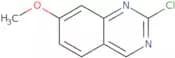
CAS:2-Chloro-7-methoxyquinazoline is a useful chemical that is used in the production of other compounds. It can be used as a building block for the synthesis of various organic compounds, such as pharmaceuticals and pesticides. This compound has been shown to have useful properties, such as high purity and low cost.Formula:C9H7ClN2OPurity:Min. 95%Color and Shape:Yellow PowderMolecular weight:194.62 g/mol1,3-Diphenyl-5-(2-chlorophenyl)pyrazole
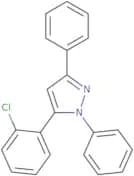
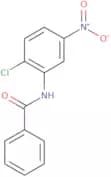
CAS:The title compound was obtained by reacting phenylhydrazine with 2-chloro-1,3-diphenylpyrazole. The reaction mixture was filtered, the solid was washed with water and dried to give 1,3-diphenyl-5-(2-chlorophenyl)pyrazole as a white powder.Formula:C21H15ClN2Purity:Min. 95%Molecular weight:330.81 g/molN-(2-Chloro-5-Nitrophenyl)Benzamide
CAS:Please enquire for more information about N-(2-Chloro-5-Nitrophenyl)Benzamide including the price, delivery time and more detailed product information at the technical inquiry form on this page
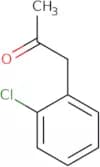
Formula:C13H9ClN2O3Purity:Min. 95%Color and Shape:PowderMolecular weight:276.67 g/mol2-Chlorophenylacetone
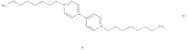
CAS:Controlled Product2-Chlorophenylacetone is an organic chemical compound that is a substrate for enzymes. It can be used as a reagent in the synthesis of phenylacetone and other substituted phenylacetic acids, which are chiral starting materials used in the production of pharmaceuticals, pesticides, dyes, and plastics. 2-Chlorophenylacetone binds to the active site on enzymes that catalyze reactions involving ethylene, nitroethane, chloride and phenylacetone. The binding site is defined by amino acid residues at positions corresponding to glycine (G), alanine (A), and aspartic acid (D) in the enzyme's active site. 2-Chlorophenylacetone has been shown to be a powerful inhibitor of dehydrogenase activity with IC50 values of 1.5 mM for acetaldehyde dehydrogenase from yeast cells and 3.2 mM for alcohol dehydrogenase from rat liver mitochondria. In addition, itFormula:C9H9ClOPurity:Min. 97%Color and Shape:LiquidMolecular weight:168.62 g/mol1,1'-Di-n-octyl-4,4'-bipyridinium Dibromide
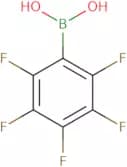
CAS:1,1'-Di-n-octyl-4,4'-bipyridinium Dibromide is a bifunctional organometallic compound. It is used as a catalyst in the reduction of nitro groups or other electron-deficient centers and in the transfer process with azides. This chemical has shown selectivity for aliphatic substrates over aromatic ones. The catalytic activity of 1,1'-Di-n-octyl-4,4'-bipyridinium Dibromide can be enhanced by replacing the hydrogen atom on the nitrogen atom with an alkene group. 1,1'-Di-n-octyl-4,4'-bipyridinium Dibromide is also a radical cation that can be reduced by electron donors to form radicals.Formula:C26H42Br2N2Purity:Min. 95%Color and Shape:Slightly Yellow PowderMolecular weight:542.43 g/molPentafluorobenzeneboronic acid
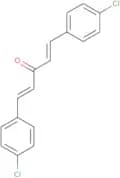
CAS:Pentafluorobenzeneboronic acid is a boronic acid that is used in the synthesis of cationic polymers for use as an environmentally friendly alternative to perfluoroalkyl compounds. Pentafluorobenzeneboronic acid can be synthesized by the reaction of hydrochloric acid and pentafluorophenol. The energy efficiency of this molecule is low, which makes it an attractive candidate for use in polymer synthesis. Pentafluorobenzeneboronic acid reacts with nucleophiles at its α carbon to form a covalent linkage, which is reversible under certain conditions. This chemical has been shown to react with β-unsaturated ketones and trifluoroacetic acid to form polyenes with control experiments being done by adding ammonia gas or water to the reaction mixture.Formula:C6H2BF5O2Purity:Min. 95%Color and Shape:SolidMolecular weight:211.88 g/mol1,5-Di(4-Chlorophenyl)penta-1,4-dien-3-one
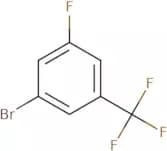
CAS:1,5-Di(4-chlorophenyl)penta-1,4-dien-3-one is a chromophore that has been extensively studied for its vibrational and optical properties. This compound has shown biological activity in the form of antitumor activity, as well as an ability to inhibit radiation and carcinogenesis. The optical properties of 1,5-di(4-chlorophenyl)penta-1,4-dien-3-one are determined by its polarizability and carbonyl group. Further research is needed to determine the functional theory and techniques used to study this compound's optical properties.Formula:C17H12Cl2OPurity:Min. 95%Molecular weight:303.18 g/mol3-Bromo-5-fluorobenzotrifluoride
CAS:Please enquire for more information about 3-Bromo-5-fluorobenzotrifluoride including the price, delivery time and more detailed product information at the technical inquiry form on this pageFormula:C7H3BrF4Purity:Min. 95%Color and Shape:LiquidMolecular weight:243 g/mol1-Bromo-2-(4-bromophenyl)ethylene
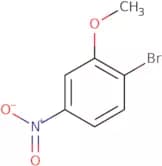
CAS:The 1-Bromo-2-(4-bromophenyl)ethylene (1-BPEE) is a highly reactive anion radical that can be generated from the reaction of chlorine with various organic compounds. The 1-BPEE is often used as an analytical method for the determination of the concentration of bromine in environmental samples. It has been shown to have antiviral and antimicrobial properties, and has been found to inhibit hepatitis B virus and human immunodeficiency virus type 1. The 1-BPEE is also a potential candidate for use in removing chlorinated organics from wastewater effluent.Formula:C8H6Br2Purity:Min. 95%Color and Shape:Off-White To Light (Or Pale) Yellow SolidMolecular weight:261.94 g/mol2-Bromo-5-nitroanisole
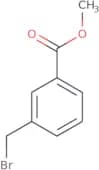
CAS:2-Bromo-5-nitroanisole is a chemical compound that has been shown to have glutamate receptor modulating properties. This molecule also has been shown to have allosteric modulating effects on metabotropic glutamate receptors. The molecular mechanism of 2-Bromo-5-nitroanisole involves the formation of a covalent bond with glutamine residues, which may be due to its nucleophilic character. This drug has been studied in clinical trials for the treatment of Alzheimer's disease and Parkinson's disease. It has also been studied for its effects on the frequency and severity of migraines.Formula:C7H6BrNO3Purity:Min. 98 Area-%Color and Shape:PowderMolecular weight:232.03 g/molMethyl 3-(bromomethyl)benzoate
CAS:Methyl 3-(bromomethyl)benzoate is a hydroxamic acid that has been shown to have potent inhibitory activity against DPP-4, an enzyme that regulates the production of the incretin hormones, GLP-1 and GIP. The compound was also found to have a strong ability to form coordination complexes with palladium and metal ions. Methyl 3-(bromomethyl)benzoate is structurally similar to other hydroxamic acids such as Covid-19 pandemic, which is a drug used for the treatment of HIV infections.
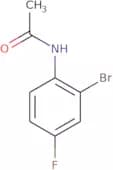
Formula:C9H9BrO2Purity:Min. 95%Color and Shape:PowderMolecular weight:229.07 g/mol2'-Bromo-4'-fluoroacetanilide
CAS:2'-Bromo-4'-fluoroacetanilide is a synthetic derivative of acetanilide that is used in the treatment of diabetes mellitus. It has been shown to have antidiabetic properties as well as to inhibit the formation of nitrosamines, which are carcinogenic compounds. The synthesis of 2'-bromo-4'-fluoroacetanilide involves the addition of bromine and sodium hydrogen to acetylated acetanilide. This reaction occurs in a reaction vessel at an elevated temperature, with the solvent being an organic solvent. The final product is isolated by distillation and purified by recrystallization or column chromatography. Molecular docking analysis has shown that 2'-bromo-4'-fluoroacetanilide binds to ATP synthase, which is involved in gluconeogenesis and glycolysis, leading to its ability to inhibit glucose production in cells.Formula:C8H7BrFNOPurity:Min. 95%Molecular weight:232.05 g/mol2-Chloro-5-nitrotoluene
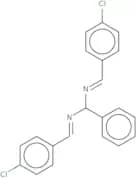
CAS:2-Chloro-5-nitrotoluene (2CNT) is an organic compound that is used as an intermediate in the synthesis of dyes and pharmaceuticals. It is a potent carcinogen, mutagen, and hepatotoxin. 2CNT can be synthesized from nitrobenzene and hydrochloric acid by a three-step process: nitration to form the corresponding nitro compound, followed by chlorination with chlorine gas to form 2CNT. The industrial preparation of 2CNT includes the following reaction yield:Formula:C7H6ClNO2Purity:Min. 95%Color and Shape:PowderMolecular weight:171.58 g/molN,N'-Bis-(4-chlorobenzylidene)-C-phenylmethanediamine
CAS:N,N'-Bis-(4-chlorobenzylidene)-C-phenylmethanediamine is a fine chemical that is useful as a building block for the preparation of other compounds. It can also be used as a reaction component in research and as a reagent for synthesizing organic compounds. This compound has CAS No. 320734-42-7 and is classified as speciality chemicals.Formula:C21H16Cl2N2Purity:Min. 95%Molecular weight:367.27 g/molTris(2-methoxyphenyl)bismuth dichloride
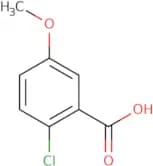
CAS:Tris(2-methoxyphenyl)bismuth dichloride is a coordination compound with the chemical formula BiCl(OMeCH). It crystallizes in the triclinic crystal system and its molecular structure is trigonal. Tris(2-methoxyphenyl)bismuth dichloride has been characterized by X-ray and infrared spectroscopy, as well as by analysis of the axial, apical, and trigonal coordinates. The compound has been shown to form perchlorate and diperchlorate salts. The presence of bismuth atoms in this molecule produces a bright yellow color.Formula:C21H21BiCl2O3Purity:Min. 95%Color and Shape:Off-White PowderMolecular weight:601.28 g/mol2-Chloro-5-methoxybenzoic acid
CAS:2-Chloro-5-methoxybenzoic acid (2CMB) is a copper chelator that has been shown to have antagonistic properties against microglia cells. 2CMB is synthesized from 2,5-dichlorobenzoic acid and methoxylamine. It has been shown to inhibit the synthesis of inflammatory mediators in rat spinal cord microglia cells by inhibiting the activity of polyphosphoric acid, anions and additives. 2CMB also has a high affinity for chloride ions and can be used as a tracer to measure chloride profiles. 2CMB reacts with copper ions at a slow rate and can be used as an indicator for the presence of microglia cells.
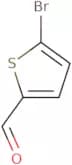
Formula:C8H7ClO3Purity:Min. 95%Molecular weight:186.59 g/mol5-Bromo thiophene-2-aldehyde
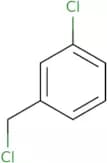
CAS:5-Bromo thiophene-2-aldehyde is a trifluoroacetic acid derivative used as an activatable probe for the study of biomolecular interactions. This compound has been shown to be biocompatible and has a low cytotoxicity. 5-Bromo thiophene-2-aldehyde binds to malonic acid in the presence of x-ray radiation and forms a complex that can be detected by electrochemical impedance spectroscopy. The structure of this complex was determined by x-ray crystal structures. This probe is also able to bind to nitrogen atoms in proteins, which can be used to diagnose cancer resistance through protease activity. 5-Bromo thiophene-2-aldehyde is isolated as its hydrochloride salt, which can be purified with a suzuki coupling reaction.Formula:C5H3BrOSPurity:Min. 95%Color and Shape:Yellow PowderMolecular weight:191.05 g/mol3-Chlorobenzyl chloride
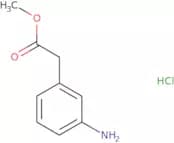
CAS:3-Chlorobenzyl chloride is an aryl halide that binds to the p. aeruginosa group in the cell membrane and inhibits bacterial growth by inhibiting the synthesis of essential cell components such as proteins, nucleic acids, and lipids. 3-Chlorobenzyl chloride binds to inhibitory molecules on the p. aeruginosa cell surface by covalent bonds or ionic interactions, which prevents these molecules from interacting with other cells. This inhibits the production of functional groups such as chloride ions and cross-coupling reactions. 3-Chlorobenzyl chloride has been shown to have chemical properties that prevent it from being metabolized by microorganisms, which may be due to its resistance to hydrolysis or oxidative metabolism.Formula:C7H6Cl2Purity:Min. 95%Color and Shape:Colorless Clear LiquidMolecular weight:161.03 g/molMethyl 3-aminophenylacetate hydrochloride
CAS:Methyl 3-aminophenylacetate hydrochloride is a versatile building block that can be used as a reagent for the synthesis of complex compounds. It has been widely used in the production of specialty chemicals, research chemicals and other building blocks. Methyl 3-aminophenylacetate hydrochloride is also an important intermediate in the production of speciality chemicals and pharmaceuticals. This chemical is a high quality chemical that can be used as a reaction component or scaffold for the synthesis of organic compounds.Formula:C9H12ClNO2Purity:Min. 95%Molecular weight:201.65 g/mol2-[(4-Chlorophenyl)amino]nicotinic acid
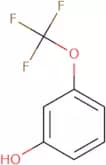
CAS:2-[(4-Chlorophenyl)amino]nicotinic acid is a fine chemical that is useful for the production of a variety of compounds. It is also used as a research chemical and a building block in the synthesis of complex compounds. This compound has no known use as a drug, but it can be used as a reagent or intermediate in chemical reactions. The CAS number for this compound is 16344-26-6.Formula:C12H9ClN2O2Purity:Min. 95%Color and Shape:Brown PowderMolecular weight:248.66 g/mol3-(Trifluoromethoxy)phenol
CAS:3-(Trifluoromethoxy)phenol is a drug that has been shown to function as an amide and a biomolecular. It has also been used in the development of drugs for depression, but it is not known whether it is effective in humans. 3-(Trifluoromethoxy)phenol binds to the cation channel of the NMDA receptor, which may be related to its antidepressant properties. The compound has been shown to have a radiotracer effect on positron emission tomography (PET). 3-(Trifluoromethoxy)phenol yields positrons when it undergoes deamination. This reaction is catalyzed by enzymes such as acetylcholine esterase, choline oxidase, and monoamine oxidases.
Formula:C7H5F3O2Purity:Min. 95%Color and Shape:Clear LiquidMolecular weight:178.11 g/molDichloro[9,9-dimethyl-4,5-bis(diphenylphosphino)xanthene]palladium(II)
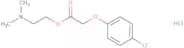
CAS:Controlled ProductDichloro[9,9-dimethyl-4,5-bis(diphenylphosphino)xanthene]palladium(II) is a fine chemical that can be used as a building block in the synthesis of compounds with diverse structures. It is a research chemical and reagent that has been found to be useful in the synthesis of complex organic compounds. This compound is also versatile enough to be used as an intermediate or scaffold in the synthesis of many different types of organic compounds.Formula:C39H32Cl2OP2PdPurity:Min. 95%Color and Shape:Yellow PowderMolecular weight:755.94 g/molMeclofenoxate hydrochloride
CAS:Controlled ProductMeclofenoxate hydrochloride is a cholinergic drug that has been used to treat bowel diseases. It inhibits the enzyme acetylcholinesterase, which breaks down acetylcholine in the body and thus increases the amount of acetylcholine available to stimulate muscle contractions. Meclofenoxate hydrochloride also affects the production of other enzymes, such as those involved in energy metabolism. The drug has been shown to increase water vapor loss through sweating and reduce body weight in experimental models. The drug may also have a beneficial effect on brain function by increasing oxygen consumption and blood flow to the brain. Meclofenoxate hydrochloride is not well absorbed from the gastrointestinal tract and does not cross the blood-brain barrier, so it can be administered orally or intravenously without causing side effects such as convulsions that are common with other cholinergic drugs. Meclofenoxate hydrochloride is an anhydrousFormula:C12H17Cl2NO3Purity:Min. 95%Color and Shape:White PowderMolecular weight:294.17 g/mol2,4-Dichlorophenol-6-sulphonyl chloride
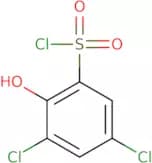
CAS:2,4-Dichlorophenol-6-sulphonyl chloride (2,4-DCP) is a molecule that has been shown to have antibacterial activity against Gram-positive and Gram-negative bacteria. It inhibits the growth of bacteria by binding to the cell wall and inhibiting enzyme activity. 2,4-DCP also has hemolytic activity in vitro. The mechanism of this effect is not well understood but may involve an interaction with membrane lipids or proteins in red blood cells. In addition, 2,4-DCP has been shown to inhibit the growth of staphylococcus and other bacterial strains in vitro. The inhibition of bacterial growth by 2,4-DCP is reversible with exposure to hydrated conditions.
Formula:C6H3Cl3O3SPurity:Min. 95%Molecular weight:261.51 g/mol2-Amino-4'-chloroacetophenone hydrochloride
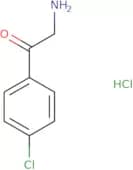
CAS:Controlled Product2-Amino-4'-chloroacetophenone hydrochloride is a cytotoxic compound that inhibits the polymerization of tubulin. It has been shown to have cytotoxic effects and inhibit the growth of cancer cells in vitro at low micromolar concentrations. 2-Amino-4'-chloroacetophenone hydrochloride is a member of the cytotoxic class of compounds and can be used to slow or stop cell division by inhibiting the production of proteins vital for cell division, such as tubulin. This effect is due to its ability to bind to the beta subunit of tubulin, which disrupts its structure and prevents polymerization from occurring.
Formula:C8H8ClNO•HClPurity:Min. 95%Color and Shape:PowderMolecular weight:206.07 g/mol2-Anilino-6-dibutylamino-3-methylfluoran
CAS:2-Anilino-6-dibutylamino-3-methylfluoran is a switchable fluorescent dye that has been used to detect and measure biochemically active substances in living cells. The dye is introduced into the cell, where it binds to specific proteins or nucleic acids, causing a change in fluorescence. This change can then be detected using a microscope with an ultraviolet light source. 2-Anilino-6-dibutylamino-3-methylfluoran has also been used to detect bacteria in wastewater samples. An experiment was conducted to determine the effects of temperature on the reaction time of 2AADMF and metal ion concentration. Increasing the temperature resulted in an increase in reaction time, while increasing the concentration of metal ions had no effect on reaction time. 2AADMF also reacts differently depending on whether it is inside microcapsules or not. Microcapsules with 2AADMF reacted faster than those without it when
Formula:C35H36N2O3Purity:Min. 95%Color and Shape:White PowderMolecular weight:532.67 g/mol5-Bromo-6-chloroindolyl 1,3-diacetate
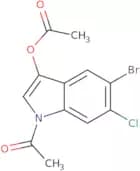
CAS:5-Bromo-6-chloroindolyl 1,3-diacetate is a versatile building block that can be used in the synthesis of complex compounds. It is a useful intermediate for the synthesis of speciality chemicals with high quality. 5-Bromo-6-chloroindolyl 1,3-diacetate is a reagent and reaction component for research chemicals with CAS No. 108847-96-7. It has a variety of applications in the manufacture of fine chemicals and pharmaceuticals, as well as being a useful scaffold for the production of new compounds.Formula:C12H9BrClNO3Purity:Min. 95%Color and Shape:Off-White PowderMolecular weight:330.57 g/molalpha,alpha'-2,3,5,6-Hexachloro-p-xylene
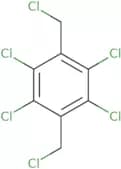
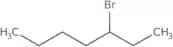
CAS:alpha,alpha'-2,3,5,6-Hexachloro-p-xylene is a chemical compound that is used as a research and speciality chemical. It is a versatile building block that can be used in the synthesis of complex compounds. alpha,alpha'-2,3,5,6-Hexachloro-p-xylene has been used as a reaction component and useful intermediate in the synthesis of many compounds. This compound is also involved in the production of pesticides and pharmaceuticals. CAS No. 1079-17-0Formula:C8H4Cl6Purity:Min. 95%Molecular weight:312.83 g/mol3-Bromoheptane
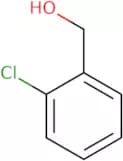
CAS:3-Bromoheptane is a solvent that is used in the production of polystyrene, which is a plastic material. It is also an intermediate in the synthesis of other chemicals. 3-Bromoheptane has been shown to be an efficient reagent for the preparation of alkyl bromides from alkyl halides and nitrates. The reaction mechanism starts with the protonation of 3-bromoheptane by acid or base, followed by nucleophilic attack by the metal halide. The ligand on the metal ion then displaces a bromide ion from 3-bromoheptane to form an organometallic complex. This process can be carried out at temperatures as low as -78°C, making it ideal for use in cryogenic devices.Formula:C7H15BrPurity:Min. 95%Color and Shape:Clear LiquidMolecular weight:179.1 g/mol2-Chlorobenzyl alcohol
CAS:2-Chlorobenzyl alcohol is a chemical compound that is used to synthesize other compounds. It is produced by the reaction of ethyl formate and hydrogen chloride in a reaction vessel. It reacts with benzoates to produce 2-chlorobenzoates, which are used as intermediates in the synthesis of pharmaceuticals. Hydroxyl groups can react with hydrogen fluoride to produce hydrofluoric acid, which is used as an industrial solvent. 2-Chlorobenzyl alcohol also reacts with hydroxide ions to produce ethylene glycol, which is used in making polyester fibers and plastics. This chemical compound has structural studies that show it has a proton and two hydroxyl groups that can react with hydrogen bond. Hydrogen bonds are important for the stability of DNA structures. The molecular structures of velvetleaf plants contain 2-chlorobenzyl alcohol, which may be due to its role in transferring oxygen from leaves to roots for respiration during
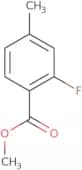
Formula:C7H7ClOPurity:Min. 95%Color and Shape:PowderMolecular weight:142.58 g/mol2-Fluoro-4-methylbenzoic acid methyl ester
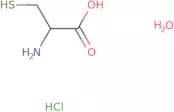
CAS:2-Fluoro-4-methylbenzoic acid methyl ester is a versatile building block useful for the synthesis of a variety of compounds. It is an important intermediate and research chemical that can be used as a reaction component or speciality chemical. 2-Fluoro-4-methylbenzoic acid methyl ester is also a useful building block with high quality and reagent.Formula:C9H9FO2Purity:Min. 95%Color and Shape:Clear LiquidMolecular weight:168.16 g/molDL-Cystein hydrochloride hydrate
CAS:DL-Cystein hydrochloride hydrate is a chemical compound with an amino acid structure. It is a structural analogue of the amino acid cysteine and has been shown to protect cells in culture from the toxic effects of proteases. This drug has been used in animal studies to test its ability to protect against diabetic neuropathy, but it is not yet known whether it will be effective for humans. DL-Cystein hydrochloride hydrate can be used as a fluorescence probe for albumin concentration and as a chemical chaperone that stabilizes proteins and prevents their aggregation. This compound has also been shown to have antioxidant properties, which may help prevent cellular damage caused by reactive oxygen species.
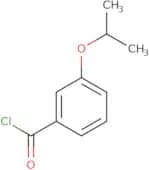
Formula:C3H7NO2S·HCl·H2OPurity:Min. 95%Molecular weight:175.64 g/mol3-Isopropoxybenzoyl chloride
CAS:3-Isopropoxybenzoyl chloride is an organic compound that is used as a reactant, reagent, or building block in organic chemistry. 3-Isopropoxybenzoyl chloride is a versatile building block with a wide range of chemical properties. It has been shown to be useful as an intermediate and building block in the synthesis of complex compounds. 3-Isopropoxybenzoyl chloride can be used for research purposes and as a speciality chemical. This compound has been assigned the CAS number 214847-64-0.Formula:C10H11ClO2Purity:Min. 95%Color and Shape:PowderMolecular weight:198.65 g/mol2,6-Bistrifluoromethyl benzoic acid
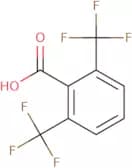
CAS:2,6-Bistrifluoromethyl benzoic acid is a chiral compound that can be detected in urine samples at high concentrations. The compound can be detected by high-performance liquid chromatography (HPLC) after being derivatized with methyl ester. It has been shown to have a dihedral angle of about 180° and an enantiomeric purity of 99%. The efficient method for the synthesis of 2,6-Bistrifluoromethyl benzoic acid is also described. This method involves the use of a template molecule, which is prepared from 1-phenylethyl alcohol and 4-bromobutyraldehyde. The reaction proceeds smoothly using a solvent such as benzene or toluene in the presence of sodium borohydride. After purification, 2,6-Bistrifluoromethyl benzoic acid is obtained in excellent yield and enantiomerically pureFormula:C9H4F6O2Purity:Min. 95%Color and Shape:White To Light (Or Pale) Yellow SolidMolecular weight:258.12 g/mol2-Methyl-2-phenoxypropanoyl chloride
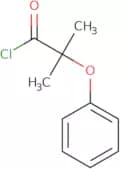
CAS:2-Methyl-2-phenoxypropanoyl chloride is a fine chemical that is a versatile building block used in the synthesis of research chemicals and speciality chemicals. This compound reacts with nucleophiles to form esters, amides, and nitriles, which are useful in organic syntheses. 2-Methyl-2-phenoxypropanoyl chloride is also used as an intermediate for the synthesis of other compounds, including pharmaceuticals and pesticides. The high quality of this compound makes it a desirable reagent for use in research.Formula:C10H11ClO2Purity:Min. 95%Color and Shape:PowderMolecular weight:198.65 g/mol2-(Chlorophenyl)methanimine
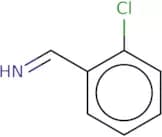
CAS:2-(Chlorophenyl)methanimine is a fine chemical with CAS No. 91589-24-1 that is used in the synthesis of other research chemicals and speciality chemicals. This compound has a high quality, complex structure, and can be used as an intermediate or scaffold for a variety of reactions. 2-(Chlorophenyl)methanimine is also versatile, as it can be used as a building block or reagent in many different reactions.Formula:C7H6ClNPurity:Min. 95%Color and Shape:PowderMolecular weight:139.58 g/molThiamine monophosphate chloride dihydrate
CAS:Thiamine monophosphate chloride dihydrate is a form of the vitamin thiamine. It has been used in control analysis to measure the activity of enzymes that require thiamine as a cofactor, such as transketolase and pyruvate kinase. Thiamine monophosphate chloride dihydrate has also been studied in biochemical properties, where it was found that this compound can be cleaved by picolinic acid to form thiazole phosphate. The matrix effect is an important factor in polymerase chain reactions and has been shown to be dependent on the presence of dinucleotide phosphate. This compound is an essential component of energy metabolism and plays a role in protein synthesis. Thiamine monophosphate chloride dihydrate also has toxicological studies, including a model system using wild-type strains of yeast. These studies have shown that this compound leads to physiological effects such as inhibition of glycolysis and lactic acid production.
Formula:C12H18N4O4PS•Cl•(H2O)2Purity:Min. 99 Area-%Color and Shape:PowderMolecular weight:416.82 g/molFTY720 octanoic acid hydrochloride
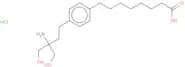
CAS:Please enquire for more information about FTY720 octanoic acid hydrochloride including the price, delivery time and more detailed product information at the technical inquiry form on this page
Formula:C19H31NO4•HClPurity:Min. 95%Molecular weight:373.92 g/mol5-(2-Chlorophenyl)cyclohexane-1,3-dione
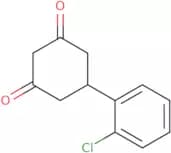
CAS:Please enquire for more information about 5-(2-Chlorophenyl)cyclohexane-1,3-dione including the price, delivery time and more detailed product information at the technical inquiry form on this pageFormula:C12H11ClO2Purity:Min. 95%Color and Shape:PowderMolecular weight:222.67 g/molPotassiumtetrachloroaurate(III)
CAS:Potassiumtetrachloroaurate(III) is a chemical compound with the molecular formula KAuCl4. It is a white solid that has been shown to have anti-cancer properties in animal studies. Potassiumtetrachloroaurate(III) has also been found to be toxic to bacteria, such as Pseudomonas aeruginosa. The redox potential of potassiumtetrachloroaurate(III) can be changed by adding copper chloride or sodium citrate, which may affect its toxicity towards bacteria.
Formula:AuCl4KPurity:Min. 95%Molecular weight:377.88 g/mol3,4-Dichloromethylphenidate HCl
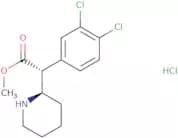
CAS:Controlled Product3,4-Dichloromethylphenidate HCl is a versatile building block that can be used in the synthesis of many complex compounds. It has been shown to be useful as a reagent and as an intermediate in the synthesis of pharmaceuticals. This compound may also have potential for use as a reaction component and scaffold in organic chemistry. 3,4-Dichloromethylphenidate HCl is available at high quality and is a useful building block for research purposes.
Formula:C14H17Cl2NO2·HClPurity:Min. 95%Color and Shape:PowderMolecular weight:338.66 g/mol2,4,6-Trichlorophenylhydrazine
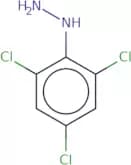
CAS:2,4,6-Trichlorophenylhydrazine is an industrial chemical that has been used as a precursor for the production of other chemicals. It is also a potential cancer therapeutic agent. 2,4,6-Trichlorophenylhydrazine inhibits tumor growth in human studies by inhibiting cellular proliferation and inducing apoptosis. It reacts with hydrochloric acid to form a reactive intermediate that reacts with free radicals to produce cytotoxic products that damage DNA and inhibit tumor growth. The efficiency of this process depends on the pH of the reaction mixture and the concentrations of 2,4,6-trichlorophenylhydrazine and hydrochloric acid. This compound has high cytotoxicity in cells in culture. Malondialdehyde levels have been shown to increase after exposure to this chemical. Analysis of acetylated fatty acids from 2,4,6-trichlorophenylhydrazine-treated cells showed significant changes in fatty acid compositionFormula:C6H5Cl3N2Purity:Min. 95%Color and Shape:PowderMolecular weight:211.48 g/mol4-Fluoro-3-(4,4,5,5-tetramethyl-1,3,2-dioxaborolan-2-yl)aniline
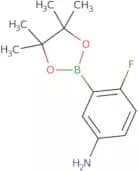
CAS:4-Fluoro-3-(4,4,5,5-tetramethyl-1,3,2-dioxaborolan-2-yl)aniline is a fine chemical and a useful building block. It is used as a reagent in research laboratories and as a speciality chemical. 4-Fluoro-3-(4,4,5,5-tetramethyl-1,3,2-dioxaborolan-2-yl)aniline can be used to synthesize complex compounds that are versatile building blocks for the production of pharmaceuticals.
Formula:C12H17BFNO2Purity:Min. 95%Color and Shape:White Off-White PowderMolecular weight:237.08 g/mol3-(Trifluoromethyl)benzonitrile
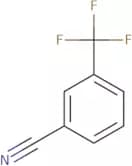
CAS:3-(Trifluoromethyl)benzonitrile is an efficient method for the synthesis of diphenyl ethers. 3-(Trifluoromethyl)benzonitrile can be synthesized in a few steps from commercially available starting materials. The luminescence properties of 3-(Trifluoromethyl)benzonitrile make it an excellent candidate for use as a fluorescent probe. This compound has been used to study receptor binding and acceptor interactions in amine-containing monolayers, with molybdenum as the electron donor and benzonitrile as the electron acceptor. The bond cleavage of cyclopentane ring has also been studied using 3-(Trifluoromethyl)benzonitrile.
Formula:C8H4F3NPurity:Min. 95%Color and Shape:Clear LiquidMolecular weight:171.12 g/mol2-(4-Methoxyphenyl)-4,6-bis(trichloromethyl)-1,3,5-triazine
CAS:2-(4-Methoxyphenyl)-4,6-bis(trichloromethyl)-1,3,5-triazine is a chemical compound that belongs to the class of cyanine dyes. It is used as a developer in photopolymerization and as an electron donor in electron-sensitive materials. 2-(4-Methoxyphenyl)-4,6-bis(trichloromethyl)-1,3,5-triazine has a viscosity of 0.56 Pa·s at 25°C and is sensitive to light with wavelengths ranging from 300 to 400 nm. This dye also has a yield of 1.0 g/g and a phenolic content of 0.2%.Formula:C12H7Cl6N3OPurity:Min. 95%Color and Shape:White PowderMolecular weight:421.92 g/mol2-Iodo-N-phenylbenzamide
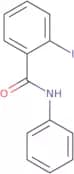
CAS:2-Iodo-N-phenylbenzamide is a palladium compound that inhibits bacterial growth by binding to DNA and preventing transcription. The drug binds to the DNA as a monomer, but also forms polymeric matrixes with other drugs. 2-Iodo-N-phenylbenzamide has been shown to have genotoxic effects on subtilis and methicillin resistant Staphylococcus aureus (MRSA) in vitro, which may be due to its ability to form crosslinks between adjacent strands of DNA. 2-Iodo-N-phenylbenzamide has been shown to be an effective anti-bacterial agent against MRSA, methicillin resistant coagulase negative staphylococci and erythromycin resistant strains of Streptococcus pyogenes.Formula:C13H10INOPurity:Min. 95%Molecular weight:323.13 g/mol3-Bromo-2-fluoroaniline
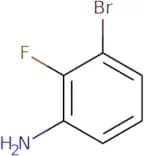
CAS:3-Bromo-2-fluoroaniline is a reagent, complex compound, and useful intermediate. It is used as a building block for chemical syntheses, such as the synthesis of pharmaceuticals and agrochemicals. 3-Bromo-2-fluoroaniline can be used in chemical reactions to form amines or nitriles, which are useful scaffolds for the synthesis of other compounds. 3-Bromo-2-fluoroaniline is also used as a building block in organic chemistry reactions that require an electron acceptor. This chemical has many applications in research chemicals and speciality chemicals production.Formula:C6H5BrFNPurity:Min. 95%Color and Shape:Colourless To Pale Yellow LiquidMolecular weight:190.01 g/mol4'-Bromo-3'-methylacetophenone, 98%
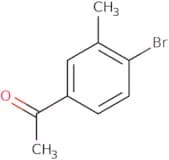
CAS:4'-Bromo-3'-methylacetophenone is a brominated derivative of acetophenone. It is a fine chemical that is used as a building block in the synthesis of organic compounds and research chemicals. 4'-Bromo-3'-methylacetophenone is also used as an intermediate in the production of pharmaceuticals, dyes, and pesticides. This compound reacts with amines to form N-substituted ureas. It is also used as a speciality chemical in high-quality paint manufacture, as a versatile building block for industrial applications, and as an intermediate for the production of other chemicals.Formula:C9H9BrOPurity:Min. 95%Color and Shape:Clear LiquidMolecular weight:213.1 g/mol4-Chloro-2-nitrobenzonitrile
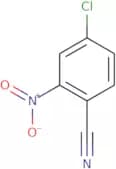
CAS:4-Chloro-2-nitrobenzonitrile is a nitroarene that can be used to synthesize gold nanoparticles. It has been shown to inhibit the growth of Candida parapsilosis, an opportunistic fungal pathogen, with a halide anion and a catalytic inorganic base. 4-Chloro-2-nitrobenzonitrile also inhibits the activity of butyrylcholinesterase, which is an enzyme that breaks down acetylcholine in the brain and nervous system. This compound may be useful in the synthesis of pharmaceuticals as well as other synthetic applications.
Formula:C7H3ClN2O2Molecular weight:182.56 g/mol2-Nitro-4-ethylsulfonylchlorobenzene
CAS:2-Nitro-4-ethylsulfonylchlorobenzene is a high quality, versatile and useful chemical. It has been used as an intermediate in the synthesis of other compounds, such as pharmaceuticals. As a reagent, it has been used to form complex compounds and to produce fine chemicals. 2-Nitro-4-ethylsulfonylchlorobenzene is also a useful scaffold for the production of research chemicals. This compound has shown potential for use in the production of speciality chemicals or as a reaction component.
Formula:C8H8ClNO4SPurity:Min. 95%Color and Shape:PowderMolecular weight:249.67 g/mol1-(Trifluoroacetyl)imidazole
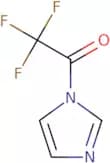
CAS:1-(Trifluoroacetyl)imidazole is a fatty acid that can be found in the chemical ionization of a sample. It is used as an analytical reagent to prepare chromatographic samples for analysis. 1-(Trifluoroacetyl)imidazole has been shown to have biological properties, such as binding to α2-adrenergic receptors and inhibiting the synthesis of retronecine. The concentration and time course of 1-(Trifluoroacetyl)imidazole in plasma and urine has been studied using an analytical method.Formula:C5H3F3N2OPurity:Min. 95%Color and Shape:PowderMolecular weight:164.09 g/mol[3-Methyl-4-(2,2,2-trifluoro-ethoxy)-pyridin-2-yl]-methanol
CAS:[3-Methyl-4-(2,2,2-trifluoro-ethoxy)-pyridin-2-yl]-methanol is a synthetic organic compound that is used in the synthesis of other organic compounds. It can be purified by filtration or gasification and recrystallization.Purity:Min. 95%Color and Shape:Powder(2-Fluoro-3-methoxyphenyl)boronic acid
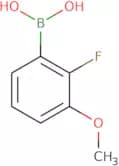
CAS:2-Fluoro-3-methoxyphenylboronic acid is a boronic acid that has been shown to be orally activated. It is a potent inhibitor of the enzyme target, which is involved in the production of estradiol. 2-Fluoro-3-methoxyphenylboronic acid has been found to inhibit cellular growth and induce cancer cell death by targeting estrogen receptor β. This molecule also inhibits the growth factor, leading to inhibition of prostate cancer cells in vitro.
Formula:C7H8BFO3Purity:Min. 95%Color and Shape:White PowderMolecular weight:169.95 g/molCimetropium bromide
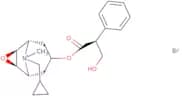
CAS:Cimetropium bromide is a pharmacological agent that binds to muscarinic receptors, inhibiting the release of acetylcholine. It is used in the treatment of bowel disease, such as constipation and irritable bowel syndrome. Cimetropium bromide has been shown to be effective in treating symptoms of these diseases, including decreased intestinal motility, increased stool consistency, and relief from abdominal pain. Cimetropium bromide has also been found to be effective in reducing symptoms of inflammatory bowel disease. This drug inhibits the release of acetylcholine by binding with muscarinic receptors on the smooth muscle cells lining the intestine and bladder. Cimetropium bromide is a potent antimuscarinic agent that can cause dry mouth and blurred vision.
Formula:C21H28BrNO4Purity:Min. 95%Color and Shape:White PowderMolecular weight:438.36 g/mol4-Iodophenylboronic acid
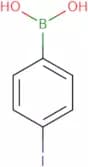
CAS:4-Iodophenylboronic acid is a chemical compound that has been shown to bind to disaccharides and form hydrogen bonding interactions. It has also been shown to enhance the chemiluminescence of ethylene diamine in a light emission assay, which is due to its ability to bind to fatty acids. 4-Iodophenylboronic acid has been used in studies on tumor xenografts and optical properties. 4-Iodophenylboronic acid has also been shown to have vibrational and nmr spectra that differ from other boronic acids. This compound is unique because it binds with water molecules more strongly than any other boronic acid.Formula:C6H6BIO2Purity:Min. 95%Color and Shape:PowderMolecular weight:247.83 g/molDL-alpha-Methylhistidine dihydrochloride
CAS:DL-alpha-Methylhistidine dihydrochloride is a reagent that has been used as a complex building block. It is an intermediate in the preparation of other compounds and is also used as a speciality chemical. DL-alpha-Methylhistidine dihydrochloride can be used to synthesize a variety of useful compounds, including pharmaceuticals, agrochemicals, and research chemicals. DL-alpha-Methylhistidine dihydrochloride can also be used as a versatile building block for the synthesis of other fine chemicals.
Formula:C7H11N3O2·2HClPurity:Min. 95%Color and Shape:White PowderMolecular weight:242.1 g/molN-Propyl-2-ene-2,4,6-triphenylpyridinium tetrafluoroborate
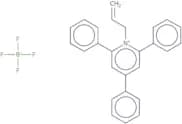
CAS:N-Propyl-2,4,6-triphenylpyridinium tetrafluoroborate (NPPBF) is a versatile building block with a wide range of applications in the synthesis of complex compounds. It is a fine chemical that has been used as a reagent, speciality chemical, and useful scaffold for research chemicals. NPPBF has been shown to be an intermediate in the synthesis of various pharmaceuticals and agrochemicals. It can also be used as a reaction component in organic synthesis. The compound is soluble in polar solvents such as DMF, DMSO, THF, and acetonitrile.
Formula:C26H22N•BF4Purity:Min. 95%Molecular weight:435.26 g/mol4-Cyano-3,5-difluorophenol
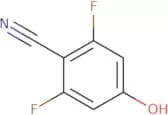
CAS:4-Cyano-3,5-difluorophenol (4CF) is a mesomorphic compound that has a number of reactions with chloride. 4CF is synthesized from 3,5-difluoroaniline and the reaction product is then heated with chlorine to produce 4CF. The optimal reaction temperature is between 100°C and 120°C. When exposed to light, 4CF will react with chloride ions in the presence of heat to form a hydrophobic chlorinated product. This product reacts with proton donors such as NaOH or KOH to produce hydrogen gas. At room temperature, 4CF can be used as a gas sensor.Formula:C7H3F2NOPurity:Min. 95 Area-%Molecular weight:155.1 g/molMethyl 2-[(1H-pyrrolo[2,3-b]pyridin-5-yl)oxy]-4-fluorobenzoate
CAS:Methyl 2-[(1H-pyrrolo[2,3-b]pyridin-5-yl)oxy]-4-fluorobenzoate is a versatile building block that can be used as a reagent or speciality chemical. It has been shown to be useful in the synthesis of complex compounds and research chemicals. Methyl 2-[(1H-pyrrolo[2,3-b]pyridin-5-yl)oxy]-4-fluorobenzoate is an intermediate for the synthesis of various pharmaceuticals and agrochemicals. This compound may also act as a scaffold for drug design and development.Formula:C15H11FN2O3Purity:Min. 95%Color and Shape:Off-White PowderMolecular weight:286.26 g/mol2,6-Dibromopyrazine
CAS:2,6-Dibromopyrazine is a quinoxaline molecule with two nitrogen atoms. It is an electropolymerizable material that can be used to create patterned surfaces. 2,6-Dibromopyrazine has been used in the fabrication of devices such as fluorescent lamps and light emitting diodes (LEDs). The fluorescence of these devices depends on the alignment of molecules within the device. The number and position of nitrogen atoms in the molecule determine the wavelength emission. 2,6-Dibromopyrazine is a structural isomer of 1,8-dibromopyrazine.
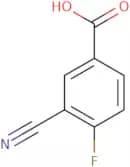
2,6-Dibromopyrazine has homologues such as anilines and amines that have been used in organic synthesis for decades.Formula:C4H2Br2N2Purity:Min. 95%Color and Shape:SolidMolecular weight:237.88 g/mol3-Cyano-4-fluorobenzoic acid
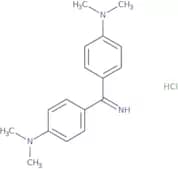
CAS:3-Cyano-4-fluorobenzoic acid is a fluorinated analog of 3-cyano-4-fluorobenzoic acid, which has been shown to be effective in the treatment of prostate cancer. It is a prodrug that is metabolized by activated esterases to release the active form. The 18F radiolabeled form of 3-Cyano-4-fluorobenzoic acid has a high affinity for prostate carcinoma cells and has been used as a diagnostic agent. This drug also has an excellent pharmacokinetic profile and can be used as a nonradioactive tracer for imaging tumor cells in vivo.Formula:C8H4FNO2Purity:Min. 95%Color and Shape:White To Off-White SolidMolecular weight:165.12 g/molAuramine O hydrochloride
CAS:Controlled ProductAuramine O hydrochloride is a fluorescent dye that is used in the diagnosis of wastewater. Auramine O hydrochloride is a reactive dye that binds to malonic acid and forms stable complexes. It has been used as a fluorescence probe for polymerase chain reaction (PCR) detection of human serum samples, and it has been shown to be thermodynamically stable under conditions of pH 8-12, at temperatures up to 80°C, and in the presence of organic solvents. In addition, this dye can be activated with UV light or sodium hypochlorite solution. This dye also reacts with amino groups on proteins and lipids on cell membranes, which makes it useful for microscopy studies.Formula:C17H21N3•HClColor and Shape:Yellow PowderMolecular weight:303.83 g/mol1-(2-Bromophenyl)-2-nitroethene
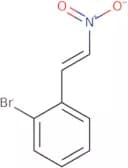
CAS:1-(2-Bromophenyl)-2-nitroethene is a chiral, enantioselective nitroalkene that is used in the synthesis of many biologically active compounds. The compound was found to be an effective chiral ligand for asymmetric reactions involving aldehydes, indoles, and bipyridine. It has been shown to be more reactive than other bromoalkyltin reagents and can be used in a variety of reactions. 1-(2-Bromophenyl)-2-nitroethene also has conformationally rigid skeletons, which may allow for higher yields when compared with other alkylation agents.
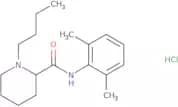
Formula:C8H6BrNO2Purity:Min. 95%Molecular weight:228.04 g/molBupivacaine hydrochloride
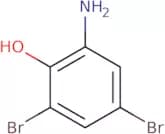
CAS:Sodium channel blocker, targets channel intracellular domainFormula:C18H28N2O·HClPurity:Min. 98 Area-%Color and Shape:White PowderMolecular weight:324.89 g/mol2-Amino-4,6-dibromophenol
CAS:2-Amino-4,6-dibromophenol is an organic compound that is used in research for the synthesis of benzoxazoles and related compounds. It is a lactam analog that can be synthesized from commercially available starting materials. 2-Amino-4,6-dibromophenol has been shown to have pharmacological activity against tumor cells. This compound has also been used to synthesize regiospecific skeletal analogs of natural products.Formula:C6H5Br2NOPurity:Min. 95 Area-%Color and Shape:Off-White PowderMolecular weight:266.92 g/mol











![2-[(4-Chlorophenyl)amino]nicotinic acid](/_next/image/?url=https%3A%2Fstatic.cymitquimica.com%2Fproducts%2F3D%2Fthumb-webp%2FFC136121.webp&w=3840&q=75)
![Dichloro[9,9-dimethyl-4,5-bis(diphenylphosphino)xanthene]palladium(II)](/_next/image/?url=https%3A%2Fstatic.cymitquimica.com%2Fproducts%2F3D%2Fthumb-webp%2FFD60980.webp&w=3840&q=75)





![[3-Methyl-4-(2,2,2-trifluoro-ethoxy)-pyridin-2-yl]-methanol](/_next/image/?url=https%3A%2Fstatic.cymitquimica.com%2Fproducts%2F3D%2Fthumb-webp%2FFM38829.webp&w=3840&q=75)

![Methyl 2-[(1H-pyrrolo[2,3-b]pyridin-5-yl)oxy]-4-fluorobenzoate](/_next/image/?url=https%3A%2Fstatic.cymitquimica.com%2Fproducts%2F3D%2Fthumb-webp%2FFM97152.webp&w=3840&q=75)