Organic Halides
Subcategories of "Organic Halides"
Found 20442 products of "Organic Halides"
3-[(2,4-Difluorophenyl)methyl]azetidine
CAS:Please enquire for more information about 3-[(2,4-Difluorophenyl)methyl]azetidine including the price, delivery time and more detailed product information at the technical inquiry form on this pageFormula:C10H11F2NPurity:Min. 95%Molecular weight:183.2 g/mol4-Chlorosalicylic acid
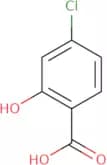
CAS:4-Chlorosalicylic acid is an inhibitor of bacterial growth that belongs to the group of phenolic compounds. It has been shown to inhibit the growth of bacteria in cell culture and be effective against a wide range of species, including Escherichia coli and Staphylococcus aureus. 4-Chlorosalicylic acid inhibits bacterial enzyme activities, such as 5-nitrosalicylic acid hydroxylase and diphenolase activities. This compound has also been shown to have anti-inflammatory properties, which may be due to its ability to inhibit prostaglandin synthesis. 4-Chlorosalicylic acid is an active intermediate in the production of other drugs such as 2,4-dichloroacetophenone and 2,5-dichlorobenzonitrile.Formula:C7H5ClO3Purity:Min. 95%Color and Shape:PowderMolecular weight:172.57 g/mol5-Chloro-2-nitrocinnamic acid
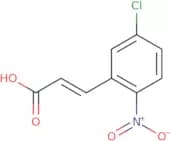
CAS:5-Chloro-2-nitrocinnamic acid is a fine chemical with a CAS number of 20357-28-2. It is a versatile building block that can be used as a reaction component or intermediate in the synthesis of more complex compounds. The high purity and quality of 5-Chloro-2-nitrocinnamic acid makes it an ideal reagent for research purposes, and it can be used as a building block for the synthesis of useful scaffolds.
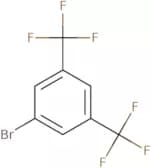
Formula:C9H6ClNO4Purity:Min. 95%Molecular weight:227.6 g/mol3,5-Bis(Trifluoromethyl)bromobenzene
CAS:3,5-Bis(trifluoromethyl)bromobenzene is a chemical compound that has the chemical formula of C6H2BrF3. It is a colorless liquid that is soluble in organic solvents and decomposes at high temperatures. This compound can be synthesized by reacting hydrochloric acid with trifluoromethanesulfonic acid and 3-hydroxybenzaldehyde. The synthesis method is an efficient one because it does not require the use of expensive starting materials or the use of toxic reagents. This compound can also be used as a precursor for other compounds such as biphenyl, an aromatic hydrocarbon that has many industrial uses. 3,5-Bis(trifluoromethyl)bromobenzene can also be used to synthesize halides and ethyl esters.
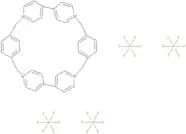
Formula:C8H3BrF6Purity:Min. 95%Color and Shape:PowderMolecular weight:293 g/molCyclobis(paraquat-1,4-phenylene) tetrakis(hexafluorophosphate)
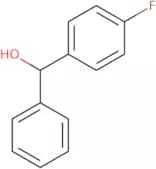
CAS:Cyclobis(paraquat-1,4-phenylene) tetrakis(hexafluorophosphate) (CPQTF) is a polyether that has been shown to have antiviral and anti-inflammatory properties. CPQTF is a chiral molecule which has the ability to form filaments at high temperatures. The temperature at which this polymer changes from a liquid to a filament is dependent on the concentration of polymer in solution. CPQTF has also been shown to have coagulation properties and can be used in cosmetics.Formula:C36H32F24N4P4Purity:Min. 95%Color and Shape:White PowderMolecular weight:1,100.52 g/mol4-Fluorobenzhydrol
CAS:4-Fluorobenzhydrol is a chiral aromatic ketone that has been used in catalytic transfer hydrogenation. The functional theory of 4-fluorobenzhydrol has been rationalized and its catalytic properties have been investigated in detail. 4-Fluorobenzhydrol is a functional group with a catalytic effect and it can be used to catalyze the transfer hydrogenation of aldehydes. 4-Fluorobenzhydrol was synthesized by the reaction of benzene with ethyl chloroformate, followed by hydrolysis of the ester and reduction of the resulting acid chloride. This product has been shown to give high yields from these reactions.Formula:C13H11FOPurity:Min. 95%Color and Shape:PowderMolecular weight:202.22 g/mol1-[[2-(4-Chlorophenyl)-4,4-dimethylcyclohex-1-enyl]methyl]piperazine
CAS:1-[[2-(4-Chlorophenyl)-4,4-dimethylcyclohex-1-enyl]methyl]piperazine is a high quality compound that can be used as a reagent or intermediate. It is a complex compound with the CAS No. 1228780-72-0 that is useful in the production of fine chemicals, research chemicals and speciality chemicals. 1-[2-(4-Chlorophenyl)-4,4-dimethylcyclohex-1-enyl]methyl]piperazine is a versatile building block that can be used in reactions to produce specialized products such as pharmaceuticals, agrochemicals, dyes and fragrances.
Formula:C19H27ClN2Purity:Min. 95%Color and Shape:White PowderMolecular weight:318.88 g/mol5-Bromo-6-azauracil
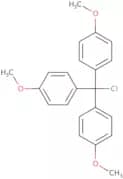
CAS:5-Bromo-6-azauracil is a nucleophilic compound that can be used to treat wastewater. It is also able to lyse cells and has been used as an immobilizing agent. The reactive nature of 5-Bromo-6-azauracil enables it to undergo nucleophilic substitutions with amines, which are present in the cell wall and other biomolecules. This process results in the formation of amide bonds, which leads to the inhibition of protein synthesis. 5-Bromo-6-azauracil has shown inhibitory effects on glucans, which may be due to its ability to form covalent bonds with glucose molecules.Formula:C3H2BrN3O2Purity:Min. 95%Color and Shape:White To Off-White SolidMolecular weight:191.97 g/mol4,4',4''-Trimethoxytrityl chloride
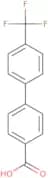
CAS:4,4',4''-Trimethoxytrityl chloride is a carbonyl compound that reacts with alkenyloxy groups to form alkaloids. It also reacts with halogen atoms to form halogenated products. 4,4',4''-Trimethoxytrityl chloride is used in the synthesis of ecteinascidins and acyl group compounds. This chemical can be used in the synthesis of alkaloids and alkenyloxy compounds. It has a reactive carbon atom that can be substituted by other organic groups.Formula:C22H21ClO3Purity:Min. 95%Color and Shape:Off-White PowderMolecular weight:368.85 g/mol4'-Trifluoromethyl-biphenyl-4-carboxylic acid
CAS:4'-Trifluoromethyl-biphenyl-4-carboxylic acid is a versatile building block that is used in the synthesis of complex compounds. It is also a useful reagent, intermediate, and scaffold for organic reactions. The chemical's CAS number is 195457-71-7. This product has a high quality and can be used as a research chemical or speciality chemical.
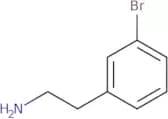
Formula:C14H9F3O2Purity:Min. 95%Color and Shape:PowderMolecular weight:266.22 g/mol2-(3-Bromophenyl)ethanamine
CAS:Controlled Product2-(3-Bromophenyl)ethanamine is an affinity ligand for the 5-hydroxytryptamine receptor 7 (5-HT7). It has a high affinity for the 5-HT7 receptor and can also be used to study other serotonin receptors. This compound has been shown to bind to the 5-HT7 with a Kd of 0.3 nM and no significant binding at other serotonin receptors. It was found that 2-(3-bromophenyl)ethanamine does not inhibit the uptake of serotonin from synaptosomal preparations, but does inhibit the uptake of serotonin from cerebrospinal fluid. These results were confirmed in vitro using radioligand binding assays and autoradiography, demonstrating that 2-(3-bromophenyl)ethanamine binds selectively to the 5-HT7 receptor.
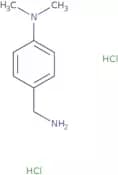
Formula:C8H10BrNPurity:Min. 95%Color and Shape:Colorless PowderMolecular weight:200.08 g/mol4-Dimethylaminobenzylamine dihydrochloride
CAS:4-(Dimethylamino)benzylamine dihydrochloride (DMAA) is an inhibitor of the enzyme form of acetylcholinesterase. It has been used as a reagent in the biochemical, analytical and chromatographic detection of acetylcholine. DMAA can be used to measure acetylcholine levels in human serum, and has a kinetic time range of 0.5-2 hours. This chemical has potent inhibition against cytosolic but not plasma cholinesterase activity, which may be due to its binding to the active site of the enzyme. DMAA also inhibits lymphocytic leukemia cell growth by inducing chemiluminescence, which is a reaction that produces light from a chemical reaction in the absence of oxygen.
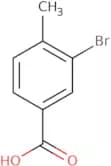
Formula:C9H14N2•(HCl)2Purity:Min. 95%Molecular weight:223.14 g/mol3-Bromo-4-methylbenzoic acid
CAS:3-Bromo-4-methylbenzoic acid is a labile chemical compound that is used in the synthesis of retinoic acid, an analog of vitamin A. 3-Bromo-4-methylbenzoic acid can be synthesized by a two step process involving the boronic ester and biphenyl. The biphenyl is first treated with phosphorus pentachloride to produce a phenoxyacetate which reacts with 3-bromo-4-methylbenzoyl chloride in the presence of base to produce 3-bromo-4-methylbenzoic acid. This conversion can also be done via a solid phase synthesis where the biphenyl is anchored on silica gel and reacted with 3-bromo-4 methylbenzoyl chloride. The boronic esters are then cleaved from the solid support by treatment with sodium hydroxide under reflux conditions. 3 - Bromo -Formula:C8H7BrO2Purity:Min. 95%Color and Shape:PowderMolecular weight:215.04 g/mol1-(4-Bromophenyl)ethylamine
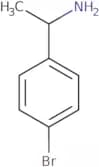
CAS:1-(4-Bromophenyl)ethylamine is a hdac inhibitor. This drug has been shown to be an amide, which is a class of chemical compounds that are the basis of many pharmaceuticals. It has been shown to have degenerative diseases, such as Alzheimer's disease and Parkinson's disease, and may also have an effect on amines. 1-(4-Bromophenyl)ethylamine inhibits hydrogen chloride and enantiomer with inflammatory diseases. It also has antiinflammatory activity, which may be due to its ability to inhibit acid molecules and biological studies.Formula:C8H10BrNPurity:Min. 95%Color and Shape:Colorless Clear LiquidMolecular weight:200.08 g/molp-Amino-L-phenylalanine hydrochloride
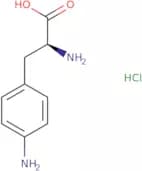
CAS:p-Amino-L-phenylalanine hydrochloride (PABA) is a type of amino acid that is used in the synthesis of melphalan hydrochloride, a drug used to treat cancer. PABA is a white crystalline powder that can be dissolved in water and formic acid. It has been shown to interact with the hydrophilic interaction chromatography column and flow rate sensor in order to improve the chromatographic separation of ammonium formate. PABA has also been found to be chiral and can be converted into its enantiomeric form by means of an organic solvent, such as acetonitrile. The impurities of PABA are mandelic acid and l-phenylalanine. These impurities are separated from PABA by means of HPLC analysis.Formula:C9H13ClN2O2Purity:Min. 95%Color and Shape:White/Off-White SolidMolecular weight:216.66 g/mol2,6-Dibromopyrazine
CAS:2,6-Dibromopyrazine is a quinoxaline molecule with two nitrogen atoms. It is an electropolymerizable material that can be used to create patterned surfaces. 2,6-Dibromopyrazine has been used in the fabrication of devices such as fluorescent lamps and light emitting diodes (LEDs). The fluorescence of these devices depends on the alignment of molecules within the device. The number and position of nitrogen atoms in the molecule determine the wavelength emission. 2,6-Dibromopyrazine is a structural isomer of 1,8-dibromopyrazine.
2,6-Dibromopyrazine has homologues such as anilines and amines that have been used in organic synthesis for decades.Formula:C4H2Br2N2Purity:Min. 95%Color and Shape:SolidMolecular weight:237.88 g/molFmoc-3-iodo-L-tyrosine
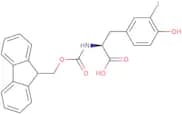
CAS:Fmoc-3-iodo-L-tyrosine is a fine chemical that belongs to the category of versatile building blocks. It can be used as a reagent, speciality chemical, and useful scaffold in the synthesis of complex compounds. Fmoc-3-iodo-L-tyrosine is a high quality material with a purity of 98%. It has been used as an intermediate for research chemicals and useful building blocks.Formula:C24H20NO5IPurity:Min. 97.5 Area-%Color and Shape:PowderMolecular weight:529.32 g/mol6-Fluoroindole-3-acetic acid
CAS:6-Fluoroindole-3-acetic acid is a molecule that has been synthesized by the reaction of 6-fluoroindole with acetic anhydride. When mixed with acetonitrile, the fluorescence of 6-fluoroindole-3-acetic acid can be seen in the solution. The fluorescence intensity is proportional to the concentration of this molecule. 6-Fluoroindole-3-acetic acid is used as a template molecule for fluorescence labeling experiments. It interacts with hormones and can be used to identify their conformations and interactions. This compound has been shown to have anticancer properties in mice, and it may also be effective against cancer cells in humans. It has also been shown to inhibit the growth of pisum sativum (pea).
Formula:C10H8FNO2Purity:Min. 95%Color and Shape:PowderMolecular weight:193.17 g/molBiphenyl-2-sulfonyl chloride
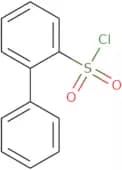
CAS:Biphenyl-2-sulfonyl chloride is a solvate that has anti-cancer properties. It inhibits the activity of histone deacetylase, which is an enzyme that controls gene expression. Biphenyl-2-sulfonyl chloride also prevents deformylation and hydroxamates, which are important in the development of neurodegenerative diseases such as Parkinson's disease and Alzheimer's disease.
Formula:C12H9ClO2SPurity:Min. 95%Color and Shape:PowderMolecular weight:252.72 g/mol4-Bromobiphenyl
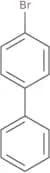
CAS:4-Bromobiphenyl is an organic compound that belongs to the group of ethers. It has a nitrogen atom in its structure, which can be substituted with hydrochloric acid or debrominated in the presence of hydrogen chloride. 4-Bromobiphenyl has been shown to have potent antitumor activity in a model system. This agent also binds to the amp-activated protein and can be used for wastewater treatment because it has been shown to be more efficient than other agents at removing biphenyl from wastewaters.Formula:C12H9BrPurity:Min. 95%Color and Shape:PowderMolecular weight:233.1 g/mol3,5-Dichlorobenzyl chloride
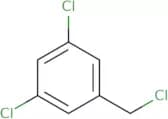
CAS:3,5-Dichlorobenzyl chloride is a colorless crystallizing solid that is insoluble in water and soluble in alcohol. It can be prepared by refluxing 3,5-dichlorobenzyl alcohol with zinc chloride. The compound has been shown to have the ability to disrupt the aromatic system of certain pesticides and is used for pest control. It can also be used as an intermediate for the synthesis of 3,5-dichlorobenzoic acid. 3,5-Dichlorobenzyl chloride has been shown to bind to dna and inhibit the bacterial enzyme topoisomerase II.
Formula:C7H5Cl3Purity:Min. 95%Color and Shape:SolidMolecular weight:195.47 g/molRaloxifene hydrochloride
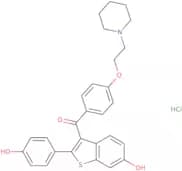
CAS:Controlled ProductEstrogen receptor modulatorFormula:C28H28ClNO4SPurity:Min. 95%Color and Shape:Off-White PowderMolecular weight:510.04 g/molTri(octyl-decyl)methylammonium chloride - R=C8-C10
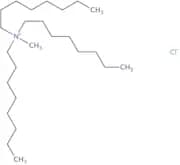
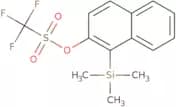
CAS:Tri(octyl-decyl)methylammonium chloride (TODMA) is a quaternary ammonium salt that has been used as a wastewater treatment agent. TODMA has shown to adsorb particles of chitosan, which are positively charged and hydrophilic. Chitosan is an acidic polymer that can be used in the development of nanoparticulate compositions for therapeutic use. TODMA has been shown to have physiological effects in the body, such as lowering blood pressure and heart rate and producing a sense of calmness. It also has been shown to affect chloride levels in the body and inhibit water vapor from leaving the lungs. This compound can be synthesized by reacting hydrogen fluoride with chloroethane. The thermodynamic data for this compound is available on line at http://www.webelements.com/trioctyldecylammoniumchloride/.Formula:C25H54ClNPurity:Min. 95%Color and Shape:Colorless Clear LiquidMolecular weight:404.16 g/mol1-(Trimethylsilyl)-2-naphthyl Trifluoromethanesulfonate
CAS:1-(Trimethylsilyl)-2-naphthyl Trifluoromethanesulfonate is a solvent that has been used for the synthesis of oxygen heterocycles. It is also used as a reagent to cleave bonds in organic molecules, such as alkene, solvents, aldehydes and activated esters. This compound is an unsymmetrical nucleophile that reacts with electron-poor alkenes to generate an unsaturated bond between two carbons. Mechanistic studies have shown that the reaction proceeds through a concerted mechanism involving the formation of a covalent phosphine intermediate.
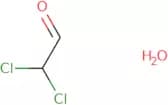
Formula:C14H15F3O3SSiPurity:Min. 95%Color and Shape:PowderMolecular weight:348.41 g/molDichloroacetaldehyde hydrate
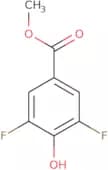
CAS:Dichloroacetaldehyde hydrate is an organic compound that is used in the treatment of skin cancer. It has been shown to have protective effects on cell membranes, which may be due to its ability to inhibit lipid peroxidation. Dichloroacetaldehyde hydrate also has a potential use as a radiation sensitizer and may be able to extend the lifespan of animals.Formula:C2H4Cl2O2Purity:Min. 95%Color and Shape:PowderMolecular weight:130.96 g/mol3,5-Difluoro-4-hydroxybenzoic acid methyl ester
CAS:3,5-Difluoro-4-hydroxybenzoic acid methyl ester (DFHBME) is a chemical compound that belongs to the class of useful building blocks. It is used in research as a reagent and in the synthesis of various complex compounds. DFHBME reacts with nucleophiles such as amines or alcohols to produce useful intermediates or scaffolds for organic synthesis. This compound is also useful as a speciality chemical due to its high quality and versatility.
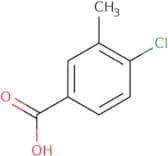
Formula:C8H6F2O3Purity:Min. 95%Color and Shape:PowderMolecular weight:188.13 g/mol4-Chloro-3-methylbenzoic acid
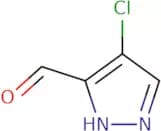
CAS:4-Chloro-3-methylbenzoic acid is a white crystalline solid that is soluble in water and alcohol. It has a melting point of 247°C and a boiling point of 305°C. This compound is used as an intermediate for the production of dyes and pharmaceuticals, such as anti-inflammatory drugs. 4-Chloro-3-methylbenzoic acid has been shown to be an inhibitor of DNA synthesis, RNA synthesis, and protein synthesis in bacteria. In addition, this compound inhibits the growth of Mycobacterium tuberculosis by inhibiting the metabolic pathways necessary for cell proliferation. 4-Chloro-3-methylbenzoic acid also has been shown to inhibit the growth of other bacteria such as Staphylococcus aureus, Escherichia coli, Streptococcus pyogenes, and Pseudomonas aeruginosa.Formula:C8H7ClO2Purity:Min. 95%Color and Shape:PowderMolecular weight:170.59 g/mol4-Chloro-1H-pyrazole-3-carboxaldehyde
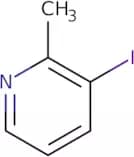
CAS:4-Chloro-1H-pyrazole-3-carboxaldehyde is a fine chemical that is used as a building block in research and development. The CAS number is 623570-54-7. This compound has been found to be useful in the synthesis of complex compounds and versatile scaffolds.Formula:C4H3ClN2OPurity:Min. 95%Color and Shape:SolidMolecular weight:130.53 g/mol3-Iodo-2-methylpyridine
CAS:3-Iodo-2-methylpyridine is a fluorescent probe that is used to measure mitochondrial membrane potential in muscle cells. It has been shown to be effective in the treatment of autoimmune diseases and HIV infection. 3-Iodo-2-methylpyridine is soluble in water, alcohols, ethers, and chloroform. This compound has a liquid crystal composition and can form crystals with different morphologies upon cooling. 3-Iodo-2-methylpyridine has been used as an optical probe for the detection of silicon in biological samples. The hydroxy group on this molecule makes it active against nitro groups.Formula:C6H6INPurity:Min. 95%Color and Shape:Yellow PowderMolecular weight:219.02 g/molIodomethylboronic acid, pinacol ester
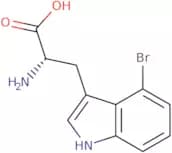
CAS:Iodomethylboronic acid is a synthetic compound that contains a boron atom. Iodomethylboronic acid can be used to produce other compounds, such as dibutyl iodide and epoxides, by introducing an oxygenated linker. The properties of iodomethylboronic acid have been extensively studied using modelling and assays. It has been shown to form stable complexes with aromatic hydrocarbons and amines. Iodomethylboronic acid can also be used in the synthesis of radionuclides, which are radioactive isotopes of elements that emit radiation spontaneously or when they undergo radioactive decay. Iodomethylboronic acid is often used in chemical reactions as a quaternary ammonium salt, which is a positively charged ion (cation) with four groups attached to it. These groups may be either organic or inorganic in nature.Formula:C7H14BIO2Purity:Min. 95%Color and Shape:PowderMolecular weight:267.9 g/mol4-Bromo-L-tryptophan
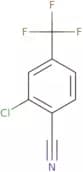
CAS:4-Bromo-L-tryptophan is an amino acid that is used in the synthesis of biomimetic molecules. It is synthesized by allylation with bromine and then chromatographically purified. 4-Bromo-L-tryptophan can also be used to study the biosynthesis of tryptophan. 4-Bromo-L-tryptophan has a molecular weight of 204.2 daltons and a pKa of 5.72, which makes it acidic at physiological pH values. The compound spontaneously forms anhydride with hydroxytryptophan, which stabilizes it and prevents hydrolysis reactions. The optimum temperature for enzymatic activity is 160 degrees Celsius, and kinetic constants have been determined at this temperature as well as at 100 degrees Celsius. Catalytic asymmetric synthesis has also been accomplished using 4-bromo L tryptophan as a substrate.Formula:C11H11BrN2O2Purity:Min. 95%Color and Shape:Slightly Yellow PowderMolecular weight:283.12 g/mol2-Chloro-4-trifluoromethylbenzonitrile
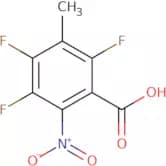
CAS:2-Chloro-4-trifluoromethylbenzonitrile is a fine chemical that belongs to the category of research chemicals, reagents and speciality chemicals. It is a versatile building block which can be used as a reaction component or useful intermediate in the synthesis of complex compounds. This compound also has many different uses, including as a useful scaffold for organic molecules.Formula:C8H3ClF3NPurity:Min. 95%Color and Shape:LiquidMolecular weight:205.57 g/mol3-Methyl-6-nitro-2,4,5-trifluorobenzoic acid
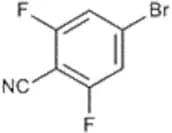
CAS:3-Methyl-6-nitrobenzoic acid is a chemical intermediate in the production of nitrobenzene, which is used as a precursor to other chemicals. It can be used for the synthesis of 3-methyl-6-nitrobenzoic acid (used in the synthesis of pesticides) and 3,5-dimethyl-2,4,6-trinitrobenzoic acid (used in the synthesis of dyes). This chemical has been recrystallized and contains less than 1% impurities such as halogens or methylbenzoic acid.Formula:C8H4F3NO4Purity:Min. 95%Molecular weight:235.12 g/mol4-Bromo-2,6-difluorobenzonitrile
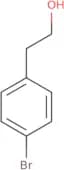
CAS:4-Bromo-2,6-difluorobenzonitrile is a chemical that can be synthesized from tetrahydrofuran and benzonitrile. It has been shown to have photophysical properties. This chemical has been used as a precursor for the synthesis of other compounds. 4-Bromo-2,6-difluorobenzonitrile has also been used in the production of methanoic acid and cyclohexane ring fragments. The reaction conditions are refluxed in cyclohexane with activated tetrakistriphenylphosphine to form the corresponding Grignard reagent. This is then thermally reduced butoxide to give the desired product.Formula:C7H2BrF2NPurity:Min. 95%Color and Shape:PowderMolecular weight:218 g/mol2-(4-Bromophenyl)ethanol
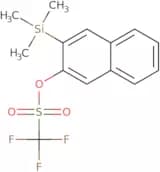
CAS:2-(4-Bromophenyl)ethanol is an analog of histone lysine and histone H3. It is a synthetic substrate for the acylation reaction on the carboxyl group of fatty acids. 2-(4-Bromophenyl)ethanol has been shown to have optical properties similar to those of natural fatty acids and has been used as a polymer film for cell line A549.Formula:C8H9BrOPurity:Min. 95%Color and Shape:Slightly Yellow Clear LiquidMolecular weight:201.06 g/mol3-(Trimethylsilyl)-2-naphthyl trifluoromethanesulfonate
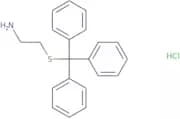
CAS:3-(Trimethylsilyl)-2-naphthyl trifluoromethanesulfonate is a synthetic molecule that is used to synthesize benzofurans. 3-(Trimethylsilyl)-2-naphthyl trifluoromethanesulfonate is activated by reaction with N-bromosuccinimide, which creates an electrophilic carbon center. This electrophilic center reacts with nucleophiles such as alcohols, amines, and thiols to form a new bond. The product of this reaction is benzoylated, which can then undergo further reactions to form other compounds. X-ray crystallography has been used to characterize the structure of 3-(trimethylsilyl)-2-naphthyl trifluoromethanesulfonate.Formula:C14H15F3O3SSiPurity:Min. 95%Color and Shape:Colorless Clear LiquidMolecular weight:348.41 g/molTrt-cysteamine hydrochloride
CAS:Trt-cysteamine hydrochloride is a prodrug that is metabolized to cysteamine in vivo. Cysteamine inhibits the production of tumor necrosis factor (TNF) by binding to its receptor and blocking NF-κB signaling pathways. In vitro models have shown that trt-cysteamine hydrochloride has minimal effects on cells, but when used in vivo, it can inhibit oxidative stress and induce cell death. Trt-cysteamine hydrochloride also binds to molecular targets with disulfide bonds, which may be potential therapeutic targets for cancer treatment.Formula:C21H21NS·HClPurity:Min. 95%Color and Shape:White Off-White PowderMolecular weight:355.92 g/molo-(Trifluoromethoxy)benzonitrile
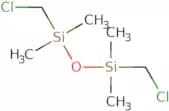
CAS:o-(Trifluoromethoxy)benzonitrile is a fine chemical that is mainly used as a reagent in organic synthesis. It is also used as a building block in the synthesis of various other chemicals, such as pharmaceuticals, dyes, and pesticides. O-(Trifluoromethoxy)benzonitrile is a versatile intermediate that can be used to synthesize a variety of compounds with different functional groups. This compound has been shown to have high quality and can be used for research purposes or as an intermediate for industrial processes.Formula:C8H4F3NOPurity:Min. 95%Molecular weight:187.12 g/mol1,3-Bis(chloromethyl)tetramethyldisiloxane
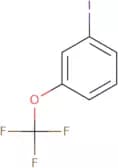
CAS:1,3-Bis(chloromethyl)tetramethyldisiloxane is a reaction component that is used for the synthesis of other chemicals. It has a molecular weight of 172.2 g/mol and a CAS No. of 2362-10-9. This chemical is useful as a scaffold for complex compounds or as an intermediate in the synthesis of speciality chemicals. It is also a versatile building block, which can be used to synthesize many different types of compounds. 1,3-Bis(chloromethyl)tetramethyldisiloxane has been shown to have high purity and quality due to its high reactivity and usefulness in the synthesis of organic compounds.Formula:C6H16Cl2OSi2Purity:Min. 95%Color and Shape:PowderMolecular weight:231.27 g/mol3-(Trifluoromethoxy)iodobenzene
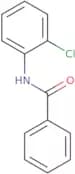
CAS:3-(Trifluoromethoxy)iodobenzene is a reagent for organic synthesis that has a high quality and versatile reactivity. It can be used in the preparation of useful scaffolds, which are novel and useful building blocks. 3-(Trifluoromethoxy)iodobenzene is also a useful intermediate for the synthesis of complex compounds. 3-(Trifluoromethoxy)iodobenzene has been shown to have antioxidant properties and can be used as a fine chemical.Formula:C7H4F3IOPurity:Min. 95%Color and Shape:Clear LiquidMolecular weight:288.01 g/molN-(2-Chlorophenyl)benzamide
CAS:N-(2-Chlorophenyl)benzamide is a phenanthridone that reacts with chlorides in the presence of anilines to form singlet carbonyls. The photocyclization of these carbonyls yields an electron-deficient product that can be converted to a reactive electrophile by the addition of chlorine. This electrophilic species reacts with electron-rich aromatic compounds, such as phenols and benzene, to produce substitution products. The reaction rate for this process is dependent on the isotope effect, which is the change in reactivity due to changes in the mass number of atoms. The use of deuterium chloride instead of hydrogen chloride provides a kinetic isotope effect, which enhances the reaction rate.
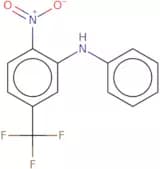
Formula:C13H10ClNOPurity:Min. 95%Molecular weight:231.68 g/molN-Phenyl-2-nitro-4-trifluoromethyl-phenylamine
CAS:N-Phenyl-2-nitro-4-trifluoromethylphenylamine is a versatile building block. It is a fine chemical that is used in research and as a reagent, speciality chemical, or useful scaffold for the synthesis of complex compounds. This compound has CAS No. 5108-04-3 and can be used as an intermediate in reactions. It is also useful in the synthesis of various types of building blocks. N-Phenyl-2-nitro-4-trifluoromethylphenylamine has been shown to be a high quality product that can be used in various ways.Formula:C13H9F3N2O2Purity:Min. 95%Molecular weight:282.22 g/mol1-(4-Bromophenyl)piperazine
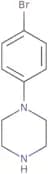
CAS:Controlled Product1-(4-Bromophenyl)piperazine is a chemical that is used in the synthesis of pharmaceuticals, such as antidepressants. It has been shown to inhibit monoamine neurotransmitter reuptake, including serotonin and dopamine. It also has an inhibitory effect on 5-hydroxytryptamine (5HT) release from nerve terminals and its binding to the 5HT7 receptor. 1-(4-Bromophenyl)piperazine can be used in chromatographic methods for validation of impurities, potential impurities, and other substances.
Formula:C10H13BrN2Purity:Min. 95 Area-%Color and Shape:PowderMolecular weight:241.13 g/molN-Phenyl-2,4,6-triphenyl pyridinium tetrafluoroborate
CAS:N-Phenyl-2,4,6-triphenyl pyridinium tetrafluoroborate is a crystalline material that is insoluble in water and organic solvents. It can be used as a monomer in the synthesis of polymers and for immobilization of enzymes. N-Phenyl-2,4,6-triphenyl pyridinium tetrafluoroborate can be used to reprocess technetium and has been shown to diffract x-rays with high resolution. This compound is also fluorescent with a long wavelength (620 nm) and can be used as a radioactive tracer.
Formula:C29H22N·BF4Purity:Min. 95%Molecular weight:471.3 g/mol5-Bromo-2-nitrophenol
CAS:5-Bromo-2-nitrophenol is an organic compound that is used in the industrial production of drugs and dyes. It is soluble in ethanol, but insoluble in water. 5-Bromo-2-nitrophenol can be obtained by extracting it from the filtrate of a solution of potassium tert-butyl ether with aqueous ethanol. The extraction process involves adding morpholine to the solution, which is then heated and refluxed. This process yields high yields of 5-bromo-2-nitrophenol.Formula:C6H4BrNO3Purity:Min. 95%Color and Shape:Yellow solid.Molecular weight:218 g/molPotassium Trifluoromethanesulfonate
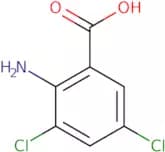
CAS:Potassium trifluoromethanesulfonate is a chemical compound that belongs to the family of organofluorine compounds. It has been shown to be an excellent hydrogen bond acceptor, which is the most important factor for its application in water vapor detection. Potassium trifluoromethanesulfonate has been used as an enhancement agent in analytical chemistry. It has also been used as a fluorescence detector and in x-ray crystal structure determination studies. The reaction mechanism of potassium trifluoromethanesulfonate is not yet known with certainty, but it is likely that the protonated amide form of potassium trifluoromethanesulfonate reacts with light emission from an organic dye, producing a fluorescent product.Formula:CF3KO3SPurity:Min. 95%Color and Shape:PowderMolecular weight:188.17 g/mol2-Amino-3,5-dichlorobenzoic acid
CAS:2-Amino-3,5-dichlorobenzoic acid is a petrochemical that has been used in the production of other chemicals, such as phosphorus pentachloride. It also serves as a precursor for molybdenum and ATP binding cassette transporter. 2-Amino-3,5-dichlorobenzoic acid binds to the hydrochloric acid and sodium hydroxide solution present in the stomach to produce hydrochloric acid and sodium chloride. 2-Amino-3,5-dichlorobenzoic acid is also a precursor for quinazolone, which is used in the production of dyes and pharmaceuticals. It has also been shown to inhibit plant physiology by inhibiting chlorophyll synthesis.Formula:C7H5Cl2NO2Purity:Min. 95%Color and Shape:PowderMolecular weight:206.03 g/mol2-Naphthyl-3-(2-iodophenyl)propanone
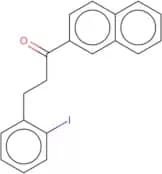
CAS:2-Naphthyl-3-(2-iodophenyl)propanone (IPA) is a chemical intermediate that can be used in the synthesis of pharmaceuticals, agrochemicals, and other organic chemicals. IPA is soluble in common solvents such as water, ethanol, ether, and acetone. It is also stable to air and light. IPA has been shown to react with aniline under basic conditions to form 2-naphthylacetanilide. This reaction component can be used in the synthesis of complex compounds such as carboxylic acid derivatives and amides.Formula:C19H15IOPurity:Min. 95%Molecular weight:386.23 g/mol4-Fluorophthalonitrile
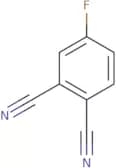
CAS:4-Fluorophthalonitrile is a colorless liquid that is insoluble in water and has a strong odor. This chemical is found naturally in coal tar and has been used to synthesize supramolecular devices, such as those that are capable of producing light. 4-Fluorophthalonitrile can be obtained synthetically by cross-coupling reactions with aryl chlorides or chlorine. It exhibits fluorescence when irradiated with light. 4-Fluorophthalonitrile also reacts with terminal alkynes to form aryl fluorides.Formula:C8H3FN2Purity:Min. 95%Molecular weight:146.12 g/mol3-Fluorovaline
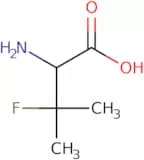
CAS:3-Fluorovaline is a non-protein amino acid that can be synthesized by substituting a hydrogen atom in the beta position of valine with fluorine. It has been used as an analytical marker for the detection of irradiation, and can also be detected in atypical samples using mass spectrometry. 3-Fluorovaline is not a natural amino acid, but it is produced during protein synthesis under conditions of radiation damage or by enzymatic reactions. The linear range for 3-fluorovaline is from 0.1 to 10 µM, and its detection limit is 0.2 µM. 3-Fluorovaline can be used as an internal standard for propranolol hydrochloride in mass spectrometry analysis and as an analytical marker for the determination of glutamic acid, n-methyl-l-alanine and hypoglycin A levels in fruits and vegetables.
Formula:C5H10FNO2Purity:Min. 95%Color and Shape:PowderMolecular weight:135.14 g/mol4-Cyano-3,5-difluorophenol
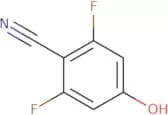
CAS:4-Cyano-3,5-difluorophenol (4CF) is a mesomorphic compound that has a number of reactions with chloride. 4CF is synthesized from 3,5-difluoroaniline and the reaction product is then heated with chlorine to produce 4CF. The optimal reaction temperature is between 100°C and 120°C. When exposed to light, 4CF will react with chloride ions in the presence of heat to form a hydrophobic chlorinated product. This product reacts with proton donors such as NaOH or KOH to produce hydrogen gas. At room temperature, 4CF can be used as a gas sensor.Formula:C7H3F2NOPurity:Min. 95 Area-%Molecular weight:155.1 g/mol3-Bromo-4-methylanisole
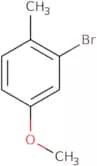
CAS:3-Bromo-4-methylanisole is a natural product that has been shown to selectively activate the transcription factor, proliferator activated receptor γ (PPARγ), which plays a central role in cell differentiation and lipid metabolism. 3-Bromo-4-methylanisole is a competitive inhibitor of the catalytic site of PPARγ and also inhibits the activity of other transcriptional factors. This compound has been shown to stimulate the production of peroxisomes, which are organelles involved in lipid metabolism. 3-Bromo-4-methylanisole can be synthesized from toluene by a two step process involving electrolysis followed by chlorination. It can also be prepared from magnolol, a natural product isolated from Magnolia officinalis, by oxidation with potassium dichromate and sodium bisulfite.
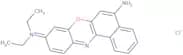
Formula:C8H9BrOPurity:Min. 95%Color and Shape:PowderMolecular weight:201.06 g/molNile blue chloride
CAS:Nile blue chloride is a dye used in wastewater treatment. It can be used to measure the dry weight of a sample of material. Nile blue chloride has been shown to be a reliable fluorescent probe for bacterial detection in cell culture and tissue culture, as well as for the detection of infectious diseases. This compound has also been shown to have an effect on the oxygen transport in living cells, which may be due to its high affinity for fatty acids.
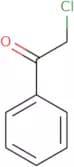
Formula:C20H20N3OClPurity:Min. 95%Color and Shape:PowderMolecular weight:353.85 g/mol2-Chloroacetophenone
CAS:Controlled Product2-Chloroacetophenone is a chemical that has been shown to be an effective inhibitor of the enzyme form of the human acetylcholinesterase. It is used in experimental studies for its ability to inhibit the activity of other enzymes such as polymerase chain, which is involved in DNA replication. 2-Chloroacetophenone has also been shown to have anti-cancer properties, inhibiting skin cancer cells and cancer cells derived from cardiac tissue. The drug also has anti-inflammatory properties and can be used for the treatment of arthritis. 2-Chloroacetophenone's toxicity has been studied extensively and it does not appear to affect glomerular filtration rate or body mass index significantly, although it may affect receptor activity.
Formula:C8H7ClOPurity:Min. 95%Color and Shape:PowderMolecular weight:154.59 g/mol1-Bromo-2-(4-bromophenyl)ethylene
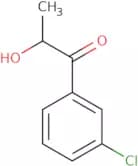
CAS:The 1-Bromo-2-(4-bromophenyl)ethylene (1-BPEE) is a highly reactive anion radical that can be generated from the reaction of chlorine with various organic compounds. The 1-BPEE is often used as an analytical method for the determination of the concentration of bromine in environmental samples. It has been shown to have antiviral and antimicrobial properties, and has been found to inhibit hepatitis B virus and human immunodeficiency virus type 1. The 1-BPEE is also a potential candidate for use in removing chlorinated organics from wastewater effluent.Formula:C8H6Br2Purity:Min. 95%Color and Shape:Off-White To Light (Or Pale) Yellow SolidMolecular weight:261.94 g/mol1-(3-Chlorophenyl)-2-hydroxy-1-propanone
CAS:1-(3-Chlorophenyl)-2-hydroxy-1-propanone is an optically active intermediate that is used in the synthesis of pharmaceuticals. It has been shown to be an enantioselective transesterification agent, and can be used in the preparation of esters such as hexane, butanoate and vinyl. The substrate concentration affects the yield of this compound, which may be due to its chiral nature. 1-(3-Chlorophenyl)-2-hydroxy-1-propanone is soluble in organic solvents such as hexane, dichloromethane, benzene and acetone.Formula:C9H9ClO2Purity:Min. 95%Color and Shape:Slightly Yellow PowderMolecular weight:184.62 g/mol3-Methyl-3,8-diaza-bicyclo[3.2.1]octane dihydrochloride
CAS:3-Methyl-3,8-diaza-bicyclo[3.2.1]octane dihydrochloride is a high quality reagent that is useful as an intermediate in the synthesis of complex compounds and as a reagent for fine chemicals. 3-Methyl-3,8-diaza-bicyclo[3.2.1]octane dihydrochloride can be used as a versatile building block in the synthesis of speciality chemicals and research chemicals. It can also be used to synthesize a variety of reaction components, such as amines, carboxylic acids, alcohols, amides, and nitriles.Formula:C7H16Cl2N2Purity:Min. 95%Color and Shape:PowderMolecular weight:199.12 g/mol[(3S,4R)-4-(4-Fluorophenyl)-3-piperidinyl]methanol
CAS:[(3S,4R)-4-(4-Fluorophenyl)-3-piperidinyl]methanol is a chemical with the molecular formula C10H17FN2O. It is a versatile building block that can be used as an intermediate in organic synthesis, or in the synthesis of complex compounds such as pharmaceuticals. This product has been shown to have high quality and is a useful reagent in research.Formula:C12H16FNOPurity:Min. 95%Color and Shape:PowderMolecular weight:209.26 g/mol3-Fluoro-4-(4-morpholinyl) benzenamine
CAS:3-Fluoro-4-(4-morpholinyl) benzenamine is an antibiotic drug that belongs to the group of nitro compounds. It is active against bacteria and fungi, but not against viruses. It has been shown to inhibit bacterial growth by binding to the gyrase enzyme, which is essential for DNA replication. 3-Fluoro-4-(4-morpholinyl) benzenamine also inhibits protein synthesis by topoisomerase inhibition and has been shown to be effective against a wide range of bacteria including Pseudomonas aeruginosa, Escherichia coli, Enterobacter cloacae, Klebsiella pneumoniae, Proteus mirabilis, Serratia marcescens, and Staphylococcus aureus. 3-Fluoro-4-(4-morpholinyl) benzenamine has low toxicity in humans because it reacts with nitric oxide (NO), producing harmless fluoroacetate
Formula:C10H13FN2OPurity:Min. 95%Color and Shape:PowderMolecular weight:196.22 g/molThiamine monophosphate chloride dihydrate
CAS:Thiamine monophosphate chloride dihydrate is a form of the vitamin thiamine. It has been used in control analysis to measure the activity of enzymes that require thiamine as a cofactor, such as transketolase and pyruvate kinase. Thiamine monophosphate chloride dihydrate has also been studied in biochemical properties, where it was found that this compound can be cleaved by picolinic acid to form thiazole phosphate. The matrix effect is an important factor in polymerase chain reactions and has been shown to be dependent on the presence of dinucleotide phosphate. This compound is an essential component of energy metabolism and plays a role in protein synthesis. Thiamine monophosphate chloride dihydrate also has toxicological studies, including a model system using wild-type strains of yeast. These studies have shown that this compound leads to physiological effects such as inhibition of glycolysis and lactic acid production.
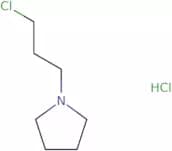
Formula:C12H18N4O4PS•Cl•(H2O)2Purity:Min. 99 Area-%Color and Shape:PowderMolecular weight:416.82 g/mol1-(3-Chloropropyl)-pyrrolidine hydrochloride
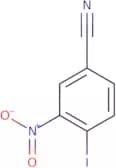
CAS:1-(3-Chloropropyl)-pyrrolidine hydrochloride is a high quality reagent that can be used as a building block for the synthesis of complex compounds. It is also useful as an intermediate for the production of 1,4-dihydropyridines and piperidones. 1-(3-Chloropropyl)-pyrrolidine hydrochloride is soluble in organic solvents and stable under normal storage conditions. This product can be used to manufacture many fine chemicals including speciality chemicals, research chemicals, and versatile building blocks.Formula:C7H14ClN·HClPurity:Min. 95%Color and Shape:Off-White PowderMolecular weight:184.11 g/mol4-Iodo-3-nitrobenzonitrile
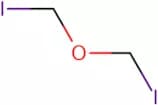
CAS:4-Iodo-3-nitrobenzonitrile is a chemical intermediate that can be used to synthesize other chemicals. It is an aromatic compound with the formula CHNO. 4-Iodo-3-nitrobenzonitrile can be used as a reactive building block in organic synthesis and has shown to be useful in the preparation of complex compounds that are difficult to prepare by other methods. This chemical has been shown to have high quality and is stable at room temperature.Formula:C7H3IN2O2Purity:Min. 95 Area-%Color and Shape:PowderMolecular weight:274.02 g/molBis (iodomethyl) ether
CAS:Bis (iodomethyl) ether is a metabolic disorder that is used as an organic solvent. It is a chemical compound that can be used to form alkylating agents, including tetronic acid and chloromethyl ketone. Bis (iodomethyl) ether can also be used to form anions, such as iodide and acetate. The biosynthesis of bis (iodomethyl) ether in animals involves the conversion of phosphate derivatives into iodides, which are then converted into bis (iodomethyl) ether. Bis (iodomethyl) ether has been shown to have insulin-resistance-modulating effects on type 2 diabetes in mice and guanosine diphosphate levels in perovskite cells. This drug has also been shown to increase hyperglycemia in animal models.
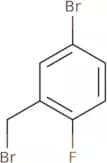
Formula:C2H4I2OPurity:Min. 95%Color and Shape:Light (Or Pale) Yellow To Brown LiquidMolecular weight:297.86 g/mol5-Bromo-2-fluorobenzyl bromide
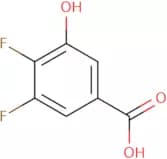
CAS:5-Bromo-2-fluorobenzyl bromide is a fine chemical that is used as an intermediate in research and development of pharmaceuticals. It can also be used as a reagent for the synthesis of pharmaceuticals, agrochemicals, and other organic compounds. 5-Bromo-2-fluorobenzyl bromide has been shown to be a versatile building block for the preparation of high quality products. CAS No. 99725-12-9Formula:C7H5Br2FPurity:Min. 95%Color and Shape:Yellow PowderMolecular weight:267.92 g/mol4,5-Difluoro-3-hydroxybenzoic acid
CAS:4,5-Difluoro-3-hydroxybenzoic acid is a chemical intermediate that is used in the production of 4,5-difluoro-3-hydroxyphenylacetic acid. The process development of this compound was carried out to produce indian refractories and discontinuity. It has been envisaged that monocrystalline postulated treatments will be required for the ancillary transfer of beneficiation and magnesite advances as well as isoxazolidines.
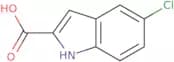
Formula:C7H4F2O3Purity:Min. 95%Color and Shape:PowderMolecular weight:174.1 g/mol5-Chloroindole-2-carboxylic acid
CAS:5-Chloroindole-2-carboxylic acid is a fatty acid that is synthesized from glucose. It has been shown to have inhibitory properties against the enzyme cyclooxygenase-2 (COX-2), which may be due to its ability to suppress prostaglandin synthesis. 5-Chloroindole-2-carboxylic acid also has been shown to have anticancer properties and can inhibit cancer cell growth in vitro. The drug may also play a role in the central nervous system, as it has been shown to cause neuronal death. 5-Chloroindole-2-carboxylic acid is not water soluble, so it must be dissolved in organic solvents such as cyclohexane or chloroform before being used for chemical reactions. This drug can be used with other drugs that are coxib sensitive, such as aspirin, acetaminophen, and ibuprofen.
Formula:C9H6ClNO2Color and Shape:PowderMolecular weight:195.6 g/mol3-Bromobenzotrifluoride
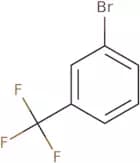
CAS:3-Bromobenzotrifluoride is a chemical reagent that is used to synthesize aryl halides. It can be used in the cross-coupling reaction of an aryl bromide with an organopalladium complex to form an aryl triflate. 3-Bromobenzotrifluoride has been shown to be stable when heated, making it a good choice for synthesis reactions. The use of 3-bromobenzotrifluoride and other halides in chemical reactions was first demonstrated by Alder Wright in 1843. 3-Bromobenzotrifluoride can be used to synthesize isoxazolidines from diazonium salts and isoxazolidines from dehydrating agents such as phosphorus pentoxide. Isolation yields are also high, with chloride being the most common impurity found in the product.Formula:C7H4BrF3Purity:Min. 95%Color and Shape:Clear LiquidMolecular weight:225.01 g/mol4-Difluoromethoxyaniline
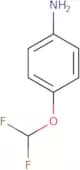
CAS:4-Difluoromethoxyaniline is an allosteric modulator for glutamate receptors. It is a chemical compound that can be used to modify glutamate receptors to act as either metabotropic or ionotropic. 4-Difluoromethoxyaniline is used in the treatment of Parkinson's disease and other movement disorders, such as dyskinesia. It has been shown that 4-difluoromethoxyaniline increases the activity of activated glutamate receptors, which leads to increased levels of the neurotransmitter dopamine in the brain. This drug may also inhibit nitric oxide production and corticotropin-releasing hormone (CRH) synthesis.Formula:C7H7F2NOPurity:Min. 95%Molecular weight:159.13 g/molFTY720 octanoic acid hydrochloride
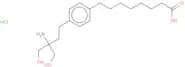
CAS:Please enquire for more information about FTY720 octanoic acid hydrochloride including the price, delivery time and more detailed product information at the technical inquiry form on this page
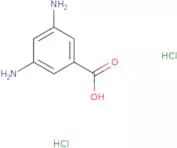
Formula:C19H31NO4•HClPurity:Min. 95%Molecular weight:373.92 g/mol3,5-Diaminobenzoic acid dihydrochloride
CAS:3,5-Diaminobenzoic acid dihydrochloride (DABA) is a potent inhibitor of peroxidase and has been shown to inhibit the activity of hydrogen peroxide. It has been used in medicine as an antiseptic and disinfectant. 3,5-Diaminobenzoic acid dihydrochloride also inhibits uncatalysed and catalysed reactions. The inhibition of these reactions is due to the reaction with hydrogen peroxide, which causes the formation of potent inhibitory species that are capable of reacting with other molecules. These reactions lead to a decrease in the rate of reaction. This product also exhibits potent inhibitory activity towards peroxidase and can be used for the treatment of infections caused by bacteria, such as Mycobacterium tuberculosis or Mycobacterium avium complex.
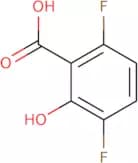
Formula:C7H8N2O2·2HClMolecular weight:225.07 g/mol3,6-Difluoro-2-hydroxybenzoic acid methyl ester
CAS:3,6-Difluoro-2-hydroxybenzoic acid methyl ester is a combination of two substances that are used as deodorants and antiperspirants. They work by blocking the pores in the skin, which prevents perspiration and reduces body odor. 3,6-Difluoro-2-hydroxybenzoic acid methyl ester is not an anti-inflammatory drug.Formula:C7H4F2O3Purity:Min. 95%Molecular weight:174.1 g/mol2-Bromothioanisole
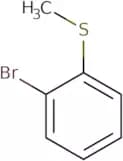
CAS:2-Bromothioanisole is an enolate that is derived from the reaction of thioanisoles with a variety of solvents. This compound has been shown to have inhibitory activities against sulfoxide formation by immobilized enzymes and molecular modeling studies. 2-Bromothioanisole can be used as a substrate molecule for preparation of sulfoxide compounds using high performance liquid chromatography (HPLC). The sulfoxides formed from this compound are found to inhibit the enzyme activity in the trichloroacetic acid, trifluoroacetic acid, and sulfonic acid.
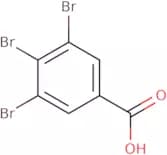
Formula:C7H7BrSPurity:Min. 95%Molecular weight:203.1 g/mol3,4,5-Tribromobenzoic acid - technical grade
CAS:3,4,5-Tribromobenzoic acid is a benzoic acid with the molecular formula C6H3Br3O2. It is used as a plant growth regulator in agriculture and gardening. 3,4,5-Tribromobenzoic acid may be applied to the surface of plants to stimulate abscission (the natural shedding of leaves) or excision (the removal of flowers). This chemical also has been shown to inhibit physiological activity in plants by inhibiting 2,3,5-triiodobenzoic acid synthesis. This inhibition leads to a reduction in the production of substances that are involved in physiological processes such as photosynthesis and protein synthesis.Formula:C7H3Br3O2Purity:Min. 95%Molecular weight:358.81 g/mol(1R,2S)-2-(3,4-Difluorophenyl)cyclopropanamine hydrochloride
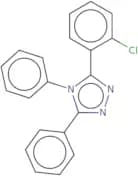
CAS:(1R,2S)-2-(3,4-Difluorophenyl)cyclopropanamine hydrochloride is a fine chemical that has been used as a building block to make other compounds. It is also an intermediate in organic synthesis and research chemicals. (1R,2S)-2-(3,4-Difluorophenyl)cyclopropanamine hydrochloride can be used in the production of complex compounds with high quality.Formula:C9H9F2N·HClPurity:Min. 95%Color and Shape:White PowderMolecular weight:205.63 g/mol5-(2-Chlorophenyl)-1,2-diphenyl-1,3,4-triazole
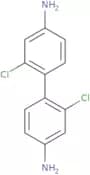
CAS:5-(2-Chlorophenyl)-1,2-diphenyl-1,3,4-triazole is a research chemical that can be used as a building block for the synthesis of more complex molecules. This compound has been shown to have a high yield and is useful for the synthesis of various reaction components including pharmaceuticals and pesticides. It also has an excellent quality and is available in bulk quantities.Formula:C20H14ClN3Purity:Min. 95%Molecular weight:331.8 g/mol2,2'-Dichloro-1,1'-biphenyl-4,4'-diamine
CAS:2,2'-Dichloro-1,1'-biphenyl-4,4'-diamine is a chemical that belongs to the class of organic compounds known as amines. It is insoluble in water and has a molecular weight of 190.8 g/mol. 2,2'-Dichloro-1,1'-biphenyl-4,4'-diamine has been shown to be carcinogenic in animals and can cause coagulation problems in humans. The compound also shows anti-inflammatory properties by inhibiting the production of prostaglandins.Formula:C12H10Cl2N2Purity:Min. 95%Color and Shape:White/Off-White SolidMolecular weight:253.13 g/mol1-((Diiodomethyl)sulfonyl)-4-methylbenzene
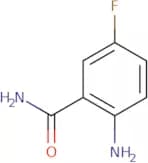
CAS:1-((Diiodomethyl)sulfonyl)-4-methylbenzene is a preservative that is used in cosmetics and pharmaceuticals. The toxicity of this compound was studied using the cationic surfactant tebuconazole as a probe. 1-((Diiodomethyl)sulfonyl)-4-methylbenzene has been shown to have antimicrobial properties, with biocidal activity against bacteria, fungi, and yeasts. It has been shown to be effective against Staphylococcus aureus, Escherichia coli, Pseudomonas aeruginosa, and Aspergillus niger at concentrations of 0.5%. This compound also showed good antibacterial efficacy in water vapor byproducts.Formula:C8H8I2O2SPurity:Min. 95 Area-%Color and Shape:PowderMolecular weight:422.02 g/mol2-Amino-5-fluorobenzamide
CAS:2-Amino-5-fluorobenzamide (2AFB) is a compound that has been shown to have neurotoxic properties. 2AFB is a ring-opening agent, which means it can open the six-membered ring of aromatic compounds such as benzene or pyridine. 2AFB also has affinity for metal ions and therefore can be used in magnetic separations. The reaction system of 2AFB includes an enzyme, pentylenetetrazole (PTZ), that catalyzes the reaction between 2AFB and its substrate, 4-nitrophenol (4NP). This reaction produces free radicals that react with oxygen to produce peroxides. These peroxides are then detected by a chemiluminescence assay. In this way, the amount of 2AFB and 4NP can be measured quantitatively.
2AFB also has antioxidant properties, which may be due to its ability to scavenge free radicals fromFormula:C7H7FN2OPurity:Min. 95%Color and Shape:PowderMolecular weight:154.14 g/mol5-Iodocytosine
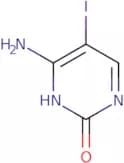
CAS:5-Iodocytosine (5-IC) is an analog of cytosine that can be used as a precursor for the synthesis of thymine. 5-IC has been shown to cross-couple with DNA, which may contribute to its antiviral potency. 5-IC is also a potent inhibitor of dna replication and herpes simplex virus. The biochemical properties of 5-IC have been extensively studied, including its ability to react with hydrochloric acid to form the corresponding tautomers. The hydrolysis rate increases at higher pH values and decreases at lower pH values. Bioconjugate chemistry has been applied to synthesize a bioconjugated prodrug of 5-IC for cancer treatment.
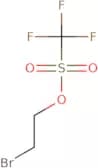
Formula:C4H4IN3OPurity:Min. 95%Color and Shape:PowderMolecular weight:237 g/mol2-Bromoethyl trifluoromethanesulfonate
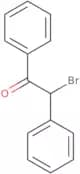
CAS:2-Bromoethyl trifluoromethanesulfonate is a synthetic, diagnostic, and therapeutic agent that is used as a radiotracer for imaging the uptake of tyrosinase in cancer cells. It binds to the benzodiazepine receptor and has a high affinity for this site. This compound also inhibits glutamate release from nerve endings and thus can be used to treat epilepsy. 2-Bromoethyl trifluoromethanesulfonate can inhibit protein synthesis by binding to the enzyme ribosomal protein S6 kinase (S6K) at an allosteric site. The binding of 2-bromoethyl trifluoromethanesulfonate causes a conformational change in the S6K molecule that results in inhibition of its catalytic activity.Formula:C3H4BrF3O3SPurity:Min. 95%Molecular weight:257.03 g/mol2-Bromo-2-phenylacetophenone
CAS:2-Bromo-2-phenylacetophenone is a drug that has been used in the treatment of brain disorders. It is also an antioxidant that prevents radiation damage to the brain by absorbing radiation energy and dissipating it as heat. 2-Bromo-2-phenylacetophenone has shown neuroprotective effects in animals by inhibiting the activity of cyclooxygenase (COX)-2, which is related to cancer and inflammation. This substance can be synthesized by reacting sodium carbonate or hydroxide with an alkanoic acid in the presence of trifluoroacetic acid. The reaction products are separated from unreacted reactants and other impurities by solid phase synthesis, purified, and characterized using nuclear magnetic resonance spectra.
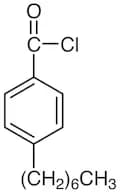
Formula:C14H11BrOPurity:Min. 95%Color and Shape:Off-White To Light Brown SolidMolecular weight:275.14 g/mol4-Heptylbenzoyl Chloride
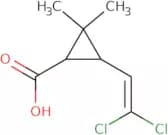
CAS:Formula:C14H19ClOPurity:>98.0%(T)Color and Shape:Colorless to Yellow clear liquidMolecular weight:238.763-(2,2-Dichlorovinyl)-2,2-dimethylcyclopropanecarboxylic acid
CAS:3-(2,2-Dichlorovinyl)-2,2-dimethylcyclopropanecarboxylic acid is a metabolite of the drug dextran sulfate. It is also an industrial chemical that has been used as a cross-linking agent in the manufacture of polymers and plastics. 3-(2,2-Dichlorovinyl)-2,2-dimethylcyclopropanecarboxylic acid binds to chloride ions in the blood and increases blood pressure by blocking the production of renin. This compound can be found in urine samples as a result of its excretion from the body. 3-(2,2-Dichlorovinyl)-2,2-dimethylcyclopropanecarboxylic acid has been shown to increase the levels of coagulation factors VIII and IX in human serum. It also has been shown to react with other chemicals in order to form ion pairs that can be detected using chemical ionFormula:C8H10Cl2O2Purity:Min. 95%Color and Shape:PowderMolecular weight:209.07 g/molN-Methyl-N-(1-naphthyl)-2-bromobenzamide
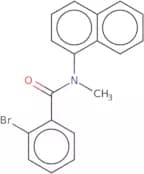
CAS:N-Methyl-N-(1-naphthyl)-2-bromobenzamide is a high quality reagent that is used as a complex compound. It has CAS No. 74881-58-6 and it can be used as a useful intermediate, fine chemical or speciality chemical. N-Methyl-N-(1-naphthyl)-2-bromobenzamide is also a versatile building block that is used in reactions to synthesize other compounds.Formula:C18H14BrNOPurity:Min. 95%Molecular weight:340.21 g/molN-alpha-[2,4-Dinitro-5-fluorophenyl]-D-alanine amide
CAS:N-alpha-[2,4-Dinitro-5-fluorophenyl]-D-alanine amide is a potential drug for the treatment of cancer. It has been shown to be effective in inhibiting the proliferation of human prostate carcinoma cells in culture. This compound is a potential anticancer drug that binds to DNA and inhibits topoisomerase II, which is an enzyme involved in DNA replication. The mechanism of action of this drug was studied using methods such as optimization, isomers, plates, trifluoroacetic acid, tautomers, amino acid analysis and nanomolar concentrations. N-alpha-[2,4-Dinitro-5-fluorophenyl]-D-alanine amide has also been shown to inhibit cyanobacteria growth.Formula:C9H9N4O5FPurity:Min. 95%Color and Shape:Light (Or Pale) Yellow To Yellow SolidMolecular weight:272.05573-Hydroxyanthranilic acid Hydrochloride
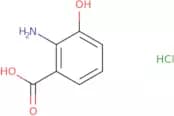
CAS:3-Hydroxyanthranilic acid hydrochloride is a prodrug of 3-hydroxyanthranilic acid. It is metabolized by the liver to 3-hydroxyanthranilic acid, which inhibits the synthesis of proteins and blocks the formation of bacterial cell walls. The carboxyl group on this drug attaches to a hydrogen atom on the phenol group and forms a hydrogen bond with a protonated chloride atom to form an ionic bond. This drug also has an amino group that can donate a proton to become positively charged.Formula:C7H7NO3·ClHPurity:Min. 95%Molecular weight:189.6 g/mol2-(3-Chlorophenyl)ethanol
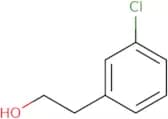
CAS:2-(3-Chlorophenyl)ethanol (CLPE) is an agonist of the beta-adrenergic receptor. It is used in the treatment of asthma and other pulmonary diseases. CLPE binds to the beta-adrenergic receptor, which increases airway opening by relaxing bronchial smooth muscle. The drug also has a backup effect on the alpha-adrenergic receptors in the lungs, which helps to overcome any adverse effects caused by beta-blockers. CLPE has been shown to be effective in treating asthma attacks that are resistant to inhaled corticosteroids and long-acting β2-agonists. It may be used as an alternative treatment for patients who cannot tolerate or have not responded well to first line treatments such as long acting β2 agonists or inhaled corticosteroids.
Formula:C8H9ClOPurity:Min. 95%Color and Shape:Clear LiquidMolecular weight:156.61 g/mol4-Fluoro-L-histidine
CAS:4-Fluoro-L-histidine is a fluorinated analog of L-histidine that functions as an inhibitor of protein synthesis by the virus. 4-Fluoro-L-histidine was found to be more potent than L-histidine in inhibiting murine sarcoma virus (MSV) replication and cytopathogenicity in vitro. This molecule has been shown to be a pentadecapeptide, which is comprised of five amino acids. The conformational properties of 4FLH are similar to those of histidine, and it can act as a substrate for enzymes involved in protein synthesis. 4FLH is also available with a deuterium isotope effect, which may affect its biological activity.Purity:Min. 95%Nicotinoyl chloride hydrochloride
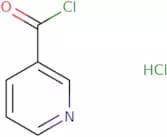
CAS:Nicotinoyl chloride hydrochloride is a coordination complex with a hydroxyl group. It is an antimicrobial agent that inhibits the growth of bacteria by binding to the adenosine A3 receptor and inhibiting adenylate cyclase activity. Nicotinoyl chloride hydrochloride has been shown to inhibit the proliferation of muscle cells in vitro and may be used as an anti-inflammatory agent in pharmaceutical preparations. This compound also has proton transport properties, which are related to its amide group. The nicotinic acid moiety of nicotinoyl chloride hydrochloride is metabolized by fatty acid synthase, which produces fatty acids that can be used as a source of energy by muscle cells. Nicotinoyl chloride hydrochloride also has growth factor activity and can modulate brain functions such as memory and learning.Formula:C6H5Cl2NOPurity:Min. 95%Color and Shape:PowderMolecular weight:178.02 g/mol4'-Trifluoromethoxy-β-methyl-β-nitrostyrene
CAS:4'-Trifluoromethoxy-beta-methyl-beta-nitrostyrene is a fine chemical that is a useful building block in organic synthesis. It can be used as a reagent, specialty chemical, or intermediate for the preparation of more complex compounds. This compound has been shown to be useful in the synthesis of natural products and pharmaceuticals.Formula:C10H8F3NO3Purity:Min. 95%Molecular weight:247.17 g/mol3-Bromosalicylic acid
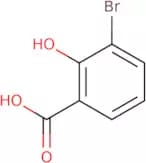
CAS:3-Bromosalicylic acid is a metabolite of salicylic acid and has shown clinical use in the treatment of cancer. 3-Bromosalicylic acid is synthesized from cyclohexanol and chlorine. It is a toxic compound that has been shown to inhibit protein synthesis in bacteria, including soil bacteria, but not in mammalian cells. This is due to its interaction with organic ligands that are present in the bacterial cell wall and not in mammalian cells. 3-Bromosalicylic acid also has been found to be a ligand for the receptor, PI3Kδ inhibitor, which inhibits tumor growth and metastasis by inhibiting phosphatidylinositol 3-kinase (PI3K) delta activity.
Formula:C7H5BrO3Purity:Min. 95%Color and Shape:PowderMolecular weight:217.02 g/mol2,3-Dichloro-5,8-dihydroxy-1,4-naphthalenedione
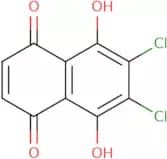
CAS:2,3-Dichloro-5,8-dihydroxy-1,4-naphthalenedione (DDD) is a chemical inhibitor of the proton response pathway. It is an analog of 2,3,7,8-tetrachlorodibenzo-p-dioxin (TCDD). DDD has been shown to enhance the induction of apoptosis in human macrophages and leishmania parasites. This agent also inhibits the growth of some tumor cell lines and enhances the cytotoxicity of other chemotherapeutic drugs. DDD has low bioavailability due to its high lipophilicity and rapid metabolism by esterases and glucuronidases.Formula:C10H4Cl2O4Purity:Min. 95%Color and Shape:Red PowderMolecular weight:259.04 g/mol3-Methoxy-4-(difluoromethoxy)benzaldehyde
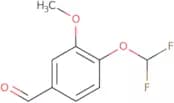
CAS:3-Methoxy-4-(difluoromethoxy)benzaldehyde is a chemical compound that has been found to have anti-tumor properties. It inhibits tumor cells by inducing cell apoptosis. 3-Methoxy-4-(difluoromethoxy)benzaldehyde induces apoptosis in human carcinoma cells, with optimal activity at doses of 10 micromolar and higher. This chemical can be used as an anti-tumor agent because it shows no genotoxic effects, and has high yield with a low toxicity profile. When this compound is exposed to UV radiation, the formation of reactive oxygen species (ROS) increases the rate of cell death. 3-Methoxy-4-(difluoromethoxy)benzaldehyde also has anti-inflammatory properties, which may be due to its ability to inhibit prostaglandin synthesis.Formula:C9H8F2O3Purity:Min. 95%Color and Shape:Colourless To Pale Yellow LiquidMolecular weight:202.15 g/molalpha,alpha'-2,3,5,6-Hexachloro-p-xylene
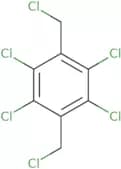
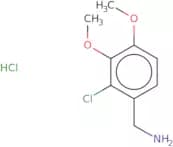
CAS:alpha,alpha'-2,3,5,6-Hexachloro-p-xylene is a chemical compound that is used as a research and speciality chemical. It is a versatile building block that can be used in the synthesis of complex compounds. alpha,alpha'-2,3,5,6-Hexachloro-p-xylene has been used as a reaction component and useful intermediate in the synthesis of many compounds. This compound is also involved in the production of pesticides and pharmaceuticals. CAS No. 1079-17-0Formula:C8H4Cl6Purity:Min. 95%Molecular weight:312.83 g/mol2-Chloro-3,4-dimethoxybenzylamine HCl
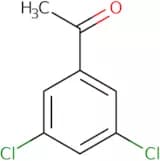
CAS:2-Chloro-3,4-dimethoxybenzylamine HCl is a fine chemical that can be used as a building block to synthesize new compounds. It is also a useful intermediate in the production of pharmaceuticals and other organic chemicals. 2-Chloro-3,4-dimethoxybenzylamine HCl has been used as a reaction component for the synthesis of various complex compounds. This compound has been shown to have high purity and quality.Formula:C9H12ClNO2·HClPurity:Min. 95%Molecular weight:238.11 g/mol3',5'-Dichloroacetophenone
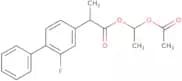
CAS:3',5'-Dichloroacetophenone is a synthetic pyrazoline that is a colorless liquid with an aromatic odor. It is soluble in ethyl acetate, chloroform, benzene, and other organic solvents. 3',5'-Dichloroacetophenone has significant effects on the protonation of amines, which are compounds containing nitrogen and hydrogen. This chemical has been shown to be able to react with anions like chloride or sulfide to form hypophosphorous acid. The symmetric structure of 3',5'-dichloroacetophenone is also susceptible to halide attack and can be synthesized from phenylhydrazine and piperidine.Formula:C8H6Cl2OPurity:Min. 95%Color and Shape:LiquidMolecular weight:189.04 g/mol1-Acetoxyethyl 2-(2-fluoro-4-biphenylyl)propionate
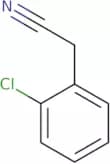
CAS:1-Acetoxyethyl 2-(2-fluoro-4-biphenylyl)propionate is a synthetic analog of flurbiprofen that has potent nonsteroidal anti-inflammatory drug activity. It binds to the same receptor as flurbiprofen, but with a higher affinity. 1-Acetoxyethyl 2-(2-fluoro-4-biphenylyl)propionate is used for the treatment of postoperative pain and inflammation following abdominal surgery. This compound is also used for the prevention of ischemic brain damage after cardiac bypass surgery or other types of vascular surgery, such as carotid endarterectomy. 1-Acetoxyethyl 2-(2-fluoro-4-biphenylyl)propionate can be synthesized by reacting bisphenol A with carbonyldiimidazole and 4-[2-(2,4 -difluorophenyl)-Formula:C19H19FO4Purity:Min. 95%Color and Shape:Orange PowderMolecular weight:330.35 g/mol2-Chlorobenzyl cyanide
CAS:2-Chlorobenzyl cyanide (2CBA) is a disinfectant that has been used as an alternative to chlorine. It is not only effective against bacteria, but also against fungi, viruses, and parasites. 2CBA functions by the aerobic photooxidation of cells in water or air. In addition to its antimicrobial activity, 2CBA is also toxic to human ovary cells at high concentrations.
2CBA has a number of isomers, which differ in their solubility and ph-optimum. The most common form of 2CBA is the cis form, which has a higher solubility than the trans form. The cis form can be synthesized from benzyl chloride and sodium cyanide with sulfonation as the final step in production.
2CBA has an optimum ph value of 5-6 for its disinfectant activity; however, it can be used at a concentration of 1% at pH values below 5 or above 7Formula:C8H6ClNPurity:Min. 95%Color and Shape:Colorless PowderMolecular weight:151.59 g/mol3'-Chlorophenylacetylene
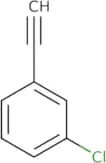
CAS:3'-Chlorophenylacetylene is an organic compound that is used in the production of styrene via a macroinitiator. 3'-Chlorophenylacetylene reacts with azides to form diazo compounds, which are then hydrolyzed to produce terminal alkynes. These terminal alkynes can be dehydrogenated to produce acrylonitrile and vinyl acetate. The compound can also react with silicon to produce organometallic complexes. 3'-Chlorophenylacetylene is commonly analyzed using nuclear magnetic resonance spectroscopy (NMR). This molecule has been used as a conjugate for drug delivery systems and as a supramolecular catalyst for organic reactions.Formula:C8H5ClPurity:Min. 95%Molecular weight:136.58 g/molEthyl oxalyl monochloride
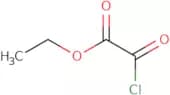
CAS:Ethyl oxalyl monochloride is an ester that has been used to treat tumors. This drug is a prodrug that is hydrolyzed in vivo to form ethyl chloroformate and oxalic acid. Ethyl oxalyl monochloride inhibits the activity of receptors for acetylcholine, histamine, and serotonin. It also inhibits the production of nitric oxide, which causes vasodilation and hypotension. Ethyl oxalyl monochloride may be useful in treating bowel disease by inhibiting the production of prostaglandins.
br>br>
Ethyl oxalyl monochloride has shown efficacy against autoimmune diseases such as rheumatoid arthritis and multiple sclerosis, but it can also cause eye disorders or hiv infection when used at higher concentrations.br>br>
Ethyl oxalyl monochloride binds with lipids in mitochondrial membranes, leading to a decrease in mitochondrial membrane potentialFormula:C4H5ClO3Purity:Min. 95%Color and Shape:Colorless Clear LiquidMolecular weight:136.53 g/mol
![3-[(2,4-Difluorophenyl)methyl]azetidine](/_next/image/?url=https%3A%2Fstatic.cymitquimica.com%2Fproducts%2F3D%2Fthumb-webp%2FFD21887.webp&w=3840&q=75)

![1-[[2-(4-Chlorophenyl)-4,4-dimethylcyclohex-1-enyl]methyl]piperazine](/_next/image/?url=https%3A%2Fstatic.cymitquimica.com%2Fproducts%2F3D%2Fthumb-webp%2FFC145625.webp&w=3840&q=75)








![3-Methyl-3,8-diaza-bicyclo[3.2.1]octane dihydrochloride](/_next/image/?url=https%3A%2Fstatic.cymitquimica.com%2Fproducts%2F3D%2Fthumb-webp%2FFM140947.webp&w=3840&q=75)
![[(3S,4R)-4-(4-Fluorophenyl)-3-piperidinyl]methanol](/_next/image/?url=https%3A%2Fstatic.cymitquimica.com%2Fproducts%2F3D%2Fthumb-webp%2FFF92100.webp&w=3840&q=75)





![N-alpha-[2,4-Dinitro-5-fluorophenyl]-D-alanine amide](/_next/image/?url=https%3A%2Fstatic.cymitquimica.com%2Fproducts%2F3D%2Fthumb-webp%2FFD48427.webp&w=3840&q=75)