Organic Halides
In this category, you can find organic molecules containing one or more halogen atoms in their structure. These organic halides include brominated, iodinated, chlorinated, and cyclic halide compounds. Organic halides are widely used in organic synthesis, pharmaceuticals, agrochemicals, and materials science due to their reactivity and ability to undergo a variety of chemical transformations. At CymitQuimica, we offer a comprehensive selection of high-quality organic halides to support your research and industrial applications, ensuring reliable and effective performance in your synthetic and analytical projects.
Subcategories of "Organic Halides"
Found 20440 products of "Organic Halides"
Sort by
Purity (%)
0
100
|
0
|
50
|
90
|
95
|
100
2-Bromo-N-[2-[7-Chloro-5-(2-Fluorophenyl)-2-Oxo-3H-1,4-Benzodiazepin-1-Yl]Ethyl]Acetamide
CAS:Controlled Product2-Bromo-N-[2-[7-Chloro-5-(2-fluorophenyl)-2-oxo-3H-1,4-benzodiazepin-1-yl]ethyl]acetamide is a benzodiazepine derivative that binds to the benzodiazepine receptor and is also a calcium antagonist. It has been used in clinical studies as a chronic treatment for cancer and as an anticonvulsant. 2BBA acts on benzodiazepine receptors to inhibit the release of gamma aminobutyric acid (GABA) by binding to GABA A receptors. This prevents the binding of GABA with these receptors and leads to sedation and muscle relaxation. Flunitrazepam, which is chemically similar to 2BBA, is also used as a sedative and hypnotic drug. 2BBA has affinity constants that are between 50 nM and 100 μM for benzodiazepine binding sites, while itsFormula:C19H16BrClFN3O2Purity:Min. 95%Molecular weight:452.7 g/mol2-Fluoro-3-methoxyaniline
CAS:<p>2-Fluoro-3-methoxyaniline is a high quality chemical that can be used as an intermediate in the synthesis of complex compounds. It is a reagent and useful building block, with a CAS number of 801282-00-8. 2-Fluoro-3-methoxyaniline can be used to make speciality chemicals and research chemicals, as well as versatile building blocks for reactions. This compound is also a reaction component for the synthesis of other compounds.</p>Formula:C7H8FNOPurity:Min. 95%Color and Shape:Clear LiquidMolecular weight:141.14 g/molHydrazine hydrochloride
CAS:Controlled Product<p>Hydrazine hydrochloride is an antimicrobial agent that belongs to the group of hydrazines. It is a fatty acid that has been esterified with hydrochloric acid and hydrogen fluoride to form the corresponding ester hydrochloride. Hydrazine hydrochloride has shown to be effective against a variety of microorganisms. The antimicrobial activity of this drug may be due to its ability to inhibit fatty acid synthesis by binding to the active site of the enzyme, acyl-CoA:malonyl-CoA acyltransferase (MCT). Hydrazine hydrochloride also inhibits the production of pyrazoles, which are compounds that are known to induce autoimmune diseases in mice.</p>Formula:N2H4·HClPurity:min 98%Color and Shape:White PowderMolecular weight:68.51 g/mol2-Bromo-3-hydroxybenzoic acid ethyl ester
CAS:<p>2-Bromo-3-hydroxybenzoic acid ethyl ester is a versatile building block that can be used in the synthesis of complex compounds. It is a fine chemical and research chemical with CAS No. 1260889-94-8. This compound has high quality and is used as a reagent, scaffold, or intermediate in organic syntheses. 2-Bromo-3-hydroxybenzoic acid ethyl ester is also useful for the preparation of speciality chemicals and reaction components.</p>Formula:C9H9BrO3Purity:Min. 95%Color and Shape:Yellow PowderMolecular weight:245.07 g/molMethyl 2,6-dibromobenzoate
CAS:Methyl 2,6-dibromobenzoate is a versatile building block that can be used in the synthesis of many different types of compounds. It is a fine chemical with CAS number 873994-34-4. Methyl 2,6-dibromobenzoate is a useful building block for research chemicals and reagents. This compound is also an intermediate or scaffold in organic synthesis. Methyl 2,6-dibromobenzoate has been shown to react with boronic acid esters to produce boronate esters. The reaction proceeds via nucleophilic substitution and elimination reactions. In addition, methyl 2,6-dibromobenzoate reacts with potassium permanganate to produce hydrogen peroxide and manganese dioxide.Formula:C8H6Br2O2Purity:Min. 95%Color and Shape:Off-White PowderMolecular weight:293.94 g/mol1-(Azidomethyl)-4-chlorobenzene ~ 0.5 M solution in dichloromethane
CAS:1-(Azidomethyl)-4-chlorobenzene is a chemical compound that is used in organic synthesis. It is a colorless liquid with a strong smell. It inhibits the growth of fungi by inhibiting the sclerotinia phosphatase, which catalyzes the conversion of propiolic acid to p-hydroxybenzoic acid. This mechanism may also be responsible for its properties as an antifungal agent. 1-(Azidomethyl)-4-chlorobenzene has shown no inhibitory effects on mammalian phosphatases and does not show any adverse reactions when tested against animal cells.Formula:C7H6ClN3Purity:Min. 95%Color and Shape:Clear LiquidMolecular weight:167.6 g/mol3-Fluoro-4-nitrotoluene
CAS:<p>3-Fluoro-4-nitrotoluene is a chemical that belongs to the class of nitro compounds. It is used as an intermediate for the synthesis of beta-cyclodextrin, which is a cyclic oligosaccharide that has been found to be effective in inhibiting influenza virus. 3-Fluoro-4-nitrotoluene can be produced through the reaction of formaldehyde with sodium nitrate and hydrofluoric acid in a liquid phase. This reaction takes place at room temperature and produces a yield of about 50%. The production of this compound is also efficient and inexpensive.</p>Formula:C7H6FNO2Purity:Min. 95%Color and Shape:PowderMolecular weight:155.13 g/mol2-Amino-4'-fluoroacetophenone hydrochloride
CAS:Controlled Product2-Amino-4'-fluoroacetophenone hydrochloride is a fine chemical with a versatile building block. It is an intermediate used in research and a reaction component for the synthesis of complex compounds. 2-Amino-4'-fluoroacetophenone hydrochloride can be used as a reagent in the synthesis of pharmaceuticals or other useful chemicals. Its CAS number is 456-00-8.Formula:C8H9ClFNOPurity:Min. 95%Molecular weight:189.61 g/mol2-Amino-3-(4-dimethylaminophenyl)propanol dihydrochloride
CAS:2-Amino-3-(4-dimethylaminophenyl)propanol dihydrochloride is a perovskite with the chemical formula CHN. It is a crystalline solid that has been found in the nasal cavity of Typhlopidae and Rostral rostral, dorsum, dorsal profile advances. 2-Amino-3-(4-dimethylaminophenyl)propanol dihydrochloride has not been determined to be either an organic or inorganic compound. The nature of this material is unclear, but it has been shown to have crystallization properties.Formula:C11H18N2O•2HClPurity:Min. 95%Molecular weight:267.19 g/mol7-Bromoindole
CAS:7-Bromoindole is a synthetic compound that has been used as an analog for indole. It has been shown to have some biological activity in vivo, but it is not known if this activity is due to the drug itself or its breakdown products. 7-Bromoindole can be decarboxylated under acid conditions and saponified with sodium hydroxide. The isolated yield of this reaction is about 2 grams per mole of reactant. 7-Bromoindole shows hemolytic activity against human pathogens such as Staphylococcus aureus and Escherichia coli, but not against Bacillus subtilis or Pseudomonas aeruginosa.Formula:C8H6BrNColor and Shape:PowderMolecular weight:196.04 g/mol5-Bromo-3,4-dimethoxybenzyl alcohol
CAS:<p>5-Bromo-3,4-dimethoxybenzyl alcohol is a natural product that can be synthesized from the methyl ethers of 5-bromo-3,4-dimethoxybenzoic acid. It has been reported to have high yields and good yields for the synthesis of methyl ethers. The reaction conditions for this natural product are mild and do not require an organic solvent or a catalyst.</p>Formula:C9H11BrO3Purity:Min. 98 Area-%Color and Shape:PowderMolecular weight:247.09 g/mol4-Desmethoxy-4-chloro omeprazole sulfide
CAS:<p>4-Desmethoxy-4-chloro omeprazole sulfide is a versatile building block in the synthesis of new chemical compounds. The compound can be used as a reagent, speciality chemical, or reaction component and is suitable for use in research or as a building block. 4-Desmethoxy-4-chloro omeprazole sulfide is a valuable intermediate that can be used in the synthesis of many useful scaffolds. CAS No. 220757-74-4</p>Formula:C16H16ClN3OSPurity:Min. 95%Color and Shape:Off-white to light pink to pink solid.Molecular weight:333.84 g/mol2-Bromo-4-methylpyridine
CAS:<p>2-Bromo-4-methylpyridine is an organic compound that is used in the synthesis of other compounds. It has been shown to be a potent anticancer agent, inhibiting cell function and inducing apoptosis. 2-Bromo-4-methylpyridine can be used to detect autofluorescent cells by photoreceptor cell fluorescence. This compound also induces lipofuscin accumulation in red blood cells as a result of its protonation, which leads to decreased membrane fluidity and oxidative stress.</p>Formula:C6H6BrNPurity:Min. 95%Color and Shape:PowderMolecular weight:172.02 g/mol2-Chloro-5-methoxybenzonitrile
CAS:2-Chloro-5-methoxybenzonitrile is an organic compound that has a chlorinated methoxy group and a cyano group. It is synthesized by the reaction of 2-chloro-5-hydroxybenzonitrile with sulfuryl chloride in the presence of potassium carbonate. The yield of this reaction can be increased by adding a chlorinated solvent such as dichloromethane or chloroform. 2-Chloro-5-methoxybenzonitrile is used in the synthesis of various drugs and other organic compounds, such as amides and benzene ring compounds.Formula:C8H6ClNOColor and Shape:PowderMolecular weight:167.59 g/molDiphenylacetyl chloride
CAS:<p>Diphenylacetyl chloride is a synthetic amide which has been used in the treatment of cancer. It is also used in the treatment of autoimmune diseases, such as rheumatoid arthritis and multiple sclerosis. This drug has been shown to be effective in transferring reactions in the synthesis of natural products, such as amides, ureas, and hydroxylamines. In addition, it has been found that this compound can be used to synthesize a number of carbohydrates, including glycosides and saccharides. Diphenylacetyl chloride can also react with hydroxyl groups or anilines to form acylation products. The mechanism by which this drug works is not well understood but it is thought that it may inhibit the production of oxytocin receptor proteins.</p>Formula:C14H11ClOPurity:Min. 90 Area-%Color and Shape:White To Yellow SolidMolecular weight:230.69 g/molNelotanserin
CAS:<p>1-[3-(4-Bromo-1-methyl-1H-pyrazol-5-yl)-4-methoxyphenyl]-3-(2,4-difluorophenyl)urea is the active ingredient in a drug that is used to treat chronic schizophrenia. It has been shown to have both antipsychotic and antidepressant properties. The drug works by blocking the 5HT2A receptor, which inhibits the effects of serotonin on heterocyclic amines at the postsynaptic membrane. This causes hyperpolarization of the membrane, which blocks neurotransmitter release and prevents further transmission of signals. It also blocks the H1 receptor, which decreases histamine release and reduces inflammation in the brain.</p>Formula:C18H15BrF2N4O2Purity:Min. 95%Color and Shape:PowderMolecular weight:437.24 g/molChlorin e6
CAS:<p>Chlorin e6 is a photosensitizer, which is derived from chlorophyll, specifically the breakdown products of chlorophyll a extracted from plants and algae. It has a significant absorption in the red and near-infrared region of the electromagnetic spectrum, facilitating its use in photodynamic therapy (PDT). Upon activation by light, chlorin e6 produces reactive oxygen species, including singlet oxygen, which can induce cell death. This photochemical mechanism allows for the targeted destruction of cancer cells when used in oncological settings.</p>Formula:C34H36N4O6Purity:90%MinColor and Shape:Dark Blue-Green Or Dark Purple SolidMolecular weight:596.67 g/mol2-Amino-6-bromo-3-formylchromone
CAS:<p>2-Amino-6-bromo-3-formylchromone is a chemical compound with the molecular formula CHNO. It has a vibrational frequency of 1426.81 cm−1 and a potential energy of −29.35 kcal/mol. The molecule can be classified as an aromatic compound, due to the presence of one or more benzene rings in its structure, and is colored red or orange in solution. 2-Amino-6-bromo-3-formylchromone can be used to produce other compounds that have different spectral properties than it does, such as 2-(2-(2-(2-(2-(2-(benzoyloxy)ethoxy)ethoxy)ethoxy)ethoxy)ethoxy)-4'-nitroacetophenone.</p>Formula:C10H6BrNO3Purity:Min. 95%Color and Shape:PowderMolecular weight:268.06 g/mol2-(2,4-dichlorophenoxy)-N-(6-methoxy(3-pyridyl))ethanamide
CAS:Please enquire for more information about 2-(2,4-dichlorophenoxy)-N-(6-methoxy(3-pyridyl))ethanamide including the price, delivery time and more detailed product information at the technical inquiry form on this pagePurity:Min. 95%5-(4-Chlorobutyl)-1-cyclohexyltetrazole
CAS:5-(4-Chlorobutyl)-1-cyclohexyltetrazole is a synthetic, phosphorus pentachloride-derived compound that is used in the analytical method for determining the concentration of hydroxyl groups. It has been shown to be genotoxic and have toxic effects on aquatic organisms. 5-(4-Chlorobutyl)-1-cyclohexyltetrazole is not metabolized and does not interact with other medicines. The main impurities are chloride, water, and tetrazole. 5-(4-Chlorobutyl)-1-cyclohexyltetrazole is an inorganic base with a hydrated chloride ion. This product contains phosphorus oxychloride as an impurity.Formula:C11H19ClN4Purity:Min. 95%Color and Shape:White Off-White PowderMolecular weight:242.75 g/molL-Threonine benzyl ester hydrochloride
CAS:<p>L-Threonine benzyl ester hydrochloride is a glycopeptide that is used as a precursor to L-threonine. It is synthesized from cycloserine, which contains a phenyl group, and D-serine, which contains an amino acid with two threonine molecules. The synthesis starts with the activation of the benzyl ester by treatment with hydrazoic acid. This activated compound reacts with D-serine in the presence of an organic base to form the benzyl ester of D-serine. The reaction can be carried out in one pot without isolation steps. The final step is an oxidative cleavage of the benzyl group by irradiation with ultraviolet light or exposure to hydrogen peroxide, yielding L-threonine benzyl ester hydrochloride as a white solid.</p>Formula:C11H15NO3•HClPurity:Min. 95%Color and Shape:White To Off-White SolidMolecular weight:245.7 g/mol6-Chlorotryptamine
CAS:Controlled Product<p>6-Chlorotryptamine is an indole alkaloid that is found in plants such as "Inula helenium". It has vasoconstrictive properties, which is due to its ability to inhibit the enzyme tryptophan decarboxylase. This inhibition leads to a decrease in serotonin levels, which causes blood vessels to narrow and slows blood flow. 6-Chlorotryptamine also inhibits protein synthesis by preventing the cross-coupling of amino acids. The compound can be found in a number of natural sources, including aerocolonigenes and plant species such as "Inula helenium" and "Lysimachia nummularia".</p>Formula:C10H11ClN2Purity:Min. 98 Area-%Color and Shape:PowderMolecular weight:194.66 g/mol2-Fluoroacetanilide
CAS:2-Fluoroacetanilide is an organic compound that is used as a building block in organic synthesis. It has been shown to be an optimal substrate for the reaction with carbon disulfide and wild-type virus, which are both proteins. The use of rat liver microsomes as a model system has allowed for the study of 2-fluoroacetanilide's effect on the metabolism of other drugs. 2-Fluoroacetanilide is also soluble in water and shows thermal expansion properties. 2-Fluoroacetanilide has been shown to react with ammonium hydroxide to form quinoxalines, which are compounds that have been studied as potential antiviral agents. This compound's chemical structure includes fluorine, which can be found in its NMR spectra and hydrochloric acid.br>br> 2-Fluoroacetanilide is not active against influenza virus, but it has been shown toFormula:C8H8FNOPurity:Min. 95%Color and Shape:PowderMolecular weight:153.15 g/mol4-Bromo-2-fluoro-6-nitroaniline
CAS:Please enquire for more information about 4-Bromo-2-fluoro-6-nitroaniline including the price, delivery time and more detailed product information at the technical inquiry form on this pageFormula:C6H4BrFN2O2Purity:Min. 95%Molecular weight:235.01 g/mol5-Bromosalicylic acid methyl ester
CAS:<p>5-Bromosalicylic acid methyl ester is a hydroxylated bromo derivative of salicylic acid. It is a synthetic chemical that has been shown to be stable in various conditions and reactive with other compounds. 5-Bromosalicylic acid methyl ester has been shown to inhibit the activity of cholinergic receptors, which are involved in regulation of heart rate and contractions. This compound also binds to fatty acids and hydrogen bonds with functional groups on biomolecules.</p>Formula:C8H7BrO3Purity:Min. 98 Area-%Color and Shape:PowderMolecular weight:231.04 g/mol5-(N-Maleimido)fluorescein diacetate
CAS:<p>5-(N-Maleimido)fluorescein diacetate is a fluorescent probe that can be used to detect single-stranded DNA. This compound is not toxic to cells and has been shown to be a good indicator of the presence of double-stranded DNA. 5-(N-Maleimido)fluorescein diacetate is taken up by cells, where it binds to the dsDNA in the nucleus. The fluorescence is then detected using microscopy or flow cytometry. 5-(N-Maleimido)fluorescein diacetate can be used as a fluorescent probe for herpes simplex virus and other DNA viruses. It also binds to liposomes and has been shown to inhibit HIV replication in vitro and in vivo.</p>Formula:C28H17NO9Purity:Min. 95 Area-%Color and Shape:White PowderMolecular weight:511.44 g/molChloro(triphenylphosphine)gold(I)
CAS:<p>Chloro(triphenylphosphine)gold(I) is a compound that binds to proteins with high affinity and specificity. The binding constants of the two compounds are 1x10 M-1. It has been shown to bind to β-amino acid and organic molecules in human serum, as well as in other biological fluids. Chloro(triphenylphosphine)gold(I) has been shown to have apoptotic properties and can be used for the treatment of cancer cells. It has also been shown to be useful for the treatment of Alzheimer's disease, Parkinson's disease, and Huntington's disease.</p>Formula:C18H15P•AuClPurity:Min. 98 Area-%Color and Shape:White Off-White PowderMolecular weight:494.7 g/mol1,1,2,2,3,3,4,4,5,5,6,6,7,7,8,8,8-Heptadecafluoro-N-methyloctane-1-sulfonamide
CAS:Controlled Product<p>1,1,2,2,3,3,4,4,5,5,6,6,7,7,8,8-heptadecafluoro-N-methyloctane-1-sulfonamide is a perfluorinated sulfonate that is used as a surfactant in wastewater treatment and to package food. This compound is not water soluble and requires an organic solvent to dissolve it. It has been shown that the use of 1HFAFMS can reduce the amount of phosphates in packaging materials by up to 50%. 1HFAFMS also has been found to be safe for humans and does not accumulate in the environment. It does not bioaccumulate and is rapidly excreted through urine.</p>Formula:C9H4F17NO2SPurity:Min. 95%Color and Shape:PowderMolecular weight:513.17 g/molUndecafluorohexanoic acid
CAS:<p>Undecafluorohexanoic acid is a reactive chemical that has carcinogenic potential. It can permeate the skin and react with water to produce hexafluoropropylene oxide, which is toxic to humans. Undecafluorohexanoic acid also binds to and activates receptors in the body, which leads to many pharmacological effects. The toxicity of undecafluorohexanoic acid has been studied in vitro by measuring its effect on cell growth and mitochondrial membrane potential. It has also been tested for its ability to cause mutations in human cells. This chemical is toxic when ingested or inhaled and can lead to death if not treated quickly.</p>Formula:C6HF11O2Purity:Min. 95%Color and Shape:Clear LiquidMolecular weight:314.05 g/mol2-(Phenylthio)ethanamine hydrochloride
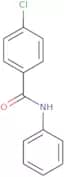
CAS:<p>2-Phenylthioethanamine hydrochloride is a synthetic, water soluble and lipophilic compound with a molecular weight of 171.2 g/mol. It is an antagonist of the -receptor and binds to the transporter protein. This drug is used for diagnostic purposes in angiography, phthalate determination, stable complexes for diagnosis and polymerase chain reaction (PCR) enzyme activities. 2-Phenylthioethanamine hydrochloride has been found to inhibit tumor growth in mice treated with radiation or chemotherapy. It has also been shown to be effective in the treatment of popliteal tumors in rats. The drug has been shown to be effective against bacteria that are resistant to antibiotics such as methicillin and amoxicillin. This drug also has effects on clinical relevance by inhibiting enzymes involved in clinical relevance such as acetylcholinesterase, phosphodiesterase and lipases.</p>Formula:C8H11NSPurity:Min. 95%Color and Shape:PowderMolecular weight:153.25 g/mol2-Chlorobenzanilide
CAS:<p>2-Chlorobenzanilide is a chlorine compound that has been used to inhibit the growth of soil microorganisms. It is also an inhibitor of phenanthridone, which is an important intermediate in the synthesis of many herbicides. 2-Chlorobenzanilide can be prepared by reacting phenylhydrazine with chloroacetanilide. It can also be prepared by treating benzene with phosphorus chloride and then adding aniline to the reaction product. The rate of this reaction depends on the concentration of reactants, temperature, and pH. If more water is added to the reaction mixture, there will be a lower rate of reaction because hydroxide ions will compete with chloride ions for reactant molecules. The kinetic equation for this reaction follows:</p>Formula:C13H10ClNOPurity:Min. 95%Molecular weight:231.68 g/mol3-Fluoro-4-methylbenzoic acid
CAS:<p>3-Fluoro-4-methylbenzoic acid is an organic compound that is used as a ligand in coordination chemistry. This compound is an alkynyl ligand with a selenium atom at the 3 position, and it can be used to make metal complexes with cycloalkyl and heterocycloalkyl rings. 3-Fluoro-4-methylbenzoic acid has been shown to be a potent inhibitor of matrix metalloproteinase activity.</p>Formula:C8H7FO2Purity:Min. 95%Color and Shape:PowderMolecular weight:154.14 g/mol2,3-Dichlorobenzamide
CAS:<p>2,3-Dichlorobenzamide is a herbicide with a stable structure. It has been shown to be effective against the weed species Agropyron repens and other grasses that grow in wetland conditions. 2,3-Dichlorobenzamide inhibits the growth of these plants by causing chlorosis, which is characterized by yellowing of leaves. 2,3-Dichlorobenzamide is toxic to aquatic organisms and can cause pollution in water systems. The molecular electrostatic potential of 2,3-Dichlorobenzamide has been studied using computer models and the parameters have been used to predict its toxicity to various tissues such as nerves or liver cells.</p>Formula:C7H5Cl2NOPurity:Min. 95%Color and Shape:PowderMolecular weight:190.03 g/mol2-Chloromethyl-3-methyl-4-(2,2,2-trifluoroethoxy)pyridine, hydrochloride
CAS:<p>Please enquire for more information about 2-Chloromethyl-3-methyl-4-(2,2,2-trifluoroethoxy)pyridine, hydrochloride including the price, delivery time and more detailed product information at the technical inquiry form on this page</p>Formula:C9H10Cl2F3NOPurity:Min. 95%Molecular weight:276.08 g/mol4-Amino-2-chlorobenzoic acid
CAS:<p>4-Amino-2-chlorobenzoic acid (4ACB) is a drug that inhibits the absorption of other drugs by binding to their active sites. It is used as an analytical reagent in chromatographic methods for determining protein concentration, and has been shown to be effective in reducing pain in animal models. 4ACB has also been shown to have ochronotic properties, which may be due to its ability to inhibit the formation of reactive oxygen species. 4ACB binds with high affinity to the plasma proteins albumin and alpha1-acid glycoprotein, with a binding constant of 10-8 M. The elimination half-life of 4ACB is approximately 27 hours, and it is excreted primarily through the kidneys.</p>Formula:C7H6ClNO2Purity:Min. 95%Color and Shape:PowderMolecular weight:171.58 g/molEthyl 5-(4-bromophenyl)-2-phenylpyrrole-3-carboxylate
CAS:Please enquire for more information about Ethyl 5-(4-bromophenyl)-2-phenylpyrrole-3-carboxylate including the price, delivery time and more detailed product information at the technical inquiry form on this pagePurity:Min. 95%Boc-Dap-OtBu hydrochloride salt
CAS:Boc-Dap-OtBu hydrochloride salt is a chemical that is synthesized by anhydride and trifluoroacetic acid. It can be used in the laboratory for protein visualization, as well as to detect proteins using LC-MS. The presence of trifluoroacetic acid makes the Boc-Dap-OtBu hydrochloride salt fluorescent, which makes it possible to visualize the reaction products under UV light. This chemical is often used in fluorescence spectrometry to identify amino acids and other compounds.Formula:C12H24N2O4Purity:Min. 95%Color and Shape:PowderMolecular weight:260.33 g/mol5-Bromo-2,4-dihydroxybenzoic acid
CAS:5-Bromo-2,4-dihydroxybenzoic acid is an organic compound that is found in plants and animals. It is a metabolite of benzoic acid and can be produced by the metabolism of phenylalanine. 5-Bromo-2,4-dihydroxybenzoic acid has been shown to inhibit acetylsalicylic acid synthase, which prevents production of the antiinflammatory drug acetylsalicylic acid. This inhibition also leads to a decrease in the production of malonic acid and hippuric acid. The enzyme synthase gene that produces this metabolite can be found on a miniaturized DNA microchip. This gene has been cloned and sequenced by spatially mapping the genes that produce 5-bromo-2,4-dihydroxybenzoic acid using a microchip. Chromatographic analysis has shown that this compound is resistant to some toxins.Formula:C7H5BrO4Purity:Min. 98 Area-%Color and Shape:PowderMolecular weight:233.02 g/mol2-Chloro-4-(trifluoromethyl)pyridine
CAS:<p>2-Chloro-4-(trifluoromethyl)pyridine is a chemical compound that has been shown to have potential antitumor activity. It inhibits the activity of enzymes called non-nucleoside inhibitors of DNA polymerase, which are involved in the production of DNA. The inhibition of these enzymes by 2-chloro-4-(trifluoromethyl)pyridine results in cell death. This drug also inhibits the growth of bacteria and fungi by blocking their DNA synthesis. 2-Chloro-4-(trifluoromethyl)pyridine binds to the amine group on the enzyme's active site, thereby inhibiting its function and eventually killing it.</p>Formula:C6H3ClF3NPurity:Min. 97%Color and Shape:Clear LiquidMolecular weight:181.54 g/mol5-Fluoro-2-nitrobenzotrifluoride
CAS:<p>5-Fluoro-2-nitrobenzotrifluoride is a triamine that stabilizes complex molecules. It has been used in the synthesis of fluorinated compounds and as a nucleophile in organic reactions. The amido group, which is present on 5-fluoro-2-nitrobenzotrifluoride, reacts with electrophilic carbon atoms to form new bonds. This type of reaction is known as an amido substitution. 5-Fluoro-2-nitrobenzotrifluoride is also able to react with sodium nitrate to form a nitro group, which can be used for the synthesis of nitro compounds. As a result, this chemical has been used as a waveguide material in the fabrication of microns and operational amplifiers.</p>Formula:C7H3F4NO2Purity:Min. 95%Color and Shape:Clear LiquidMolecular weight:209.1 g/molSulfobromophthalein disodium salt hydrate
CAS:Sulfobromophthalein disodium salt hydrate is a fluorescent chemical that is used as a marker for renal function. It is most commonly used to assess the function of proximal tubules in the kidney and to assess the presence of cancer cells in various tissues. The uptake of sulfobromophthalein by the renal proximal tubules can be measured with an assay involving caco-2 cells. Multidrug resistance-associated protein (MRP) and other efflux pumps are expressed in these cells, which limits the amount of drug that can be absorbed into the cell. MRP also plays a role in multidrug resistance by pumping drugs back out of cells into the extracellular fluid, preventing them from being reabsorbed into circulation. This causes higher concentrations of drugs to accumulate inside the cell, leading to apoptosis. Sulfobromophthalein has been shown to attenuate cancer progression, as well as reduce multidrug resistanceFormula:C20H8Br4O10S2·2Na·xH2OColor and Shape:White PowderMolecular weight:838 g/mol6-Chlorogramine
CAS:6-Chlorogramine is a chemical compound with the molecular formula CHN. It is a colorless liquid that is soluble in organic solvents, such as dimethylformamide and chloroform. 6-Chlorogramine can be used as a source of dimethylamine, which is used for the production of various amines. This compound also reacts with formaldehyde to produce cyanide.Formula:C11H13ClN2Purity:Min. 95%Molecular weight:208.69 g/mol2-(4-(2-fluorophenyl)piperazinyl)-1-indol-3-ylethane-1,2-dione
CAS:Controlled Product<p>Please enquire for more information about 2-(4-(2-fluorophenyl)piperazinyl)-1-indol-3-ylethane-1,2-dione including the price, delivery time and more detailed product information at the technical inquiry form on this page</p>Formula:C20H18FN3O2Purity:Min. 95%Color and Shape:PowderMolecular weight:351.37 g/mol4-Methoxy-2,3,5-trifluorobenzoic acid
CAS:4-Methoxy-2,3,5-trifluorobenzoic acid is a versatile building block that can be used in the synthesis of complex compounds. It is a high quality chemical that can be used as a reagent or speciality chemical in research. This compound has been shown to have many uses including as an intermediate for the synthesis of other chemicals and as a reaction component. 4-Methoxy-2,3,5-trifluorobenzoic acid can also be used as an important scaffold in the design of new drugs.Formula:C8H5F3O3Purity:Min. 95%Color and Shape:White PowderMolecular weight:206.12 g/mol(4-aza-4-(3-(trifluoromethyl)phenyl)buta-1,3-dienyl)(3-(trifluoromethyl)phenyl)amine, hydrochloride
CAS:Please enquire for more information about (4-aza-4-(3-(trifluoromethyl)phenyl)buta-1,3-dienyl)(3-(trifluoromethyl)phenyl)amine, hydrochloride including the price, delivery time and more detailed product information at the technical inquiry form on this pageFormula:C17H13ClF6N2Purity:Min. 95%Color and Shape:PowderMolecular weight:394.74 g/mol6-Bromo-2-naphtholic acid
CAS:<p>6-Bromo-2-naphtholic acid is a methanol solvent. It has been shown to have biological properties and can be used in optical imaging. 6-Bromo-2-naphtholic acid is also used to synthesize 1-adamantanol, which is an organic compound that has been shown to have antimicrobial properties. A solution of 6-bromo-2-naphthol in hydrochloric acid was found to react with 4-methoxyphenyl boronic acid to produce a mixture of products that include the desired 1,4,5,8,9,10,11,12 hexahydrobenzo[a]phenanthrene. The vibrational frequencies for this product were determined using IR spectroscopy and the binding constants were calculated using DFT computational methods. The molecular structure of this product was determined using molecular modeling and quantum chemistry. Naphthalene is the parent</p>Formula:C11H7O2BrPurity:Min. 95%Color and Shape:PowderMolecular weight:251.08 g/mol(3,5-Dichlorophenyl)acetone
CAS:(3,5-Dichlorophenyl)acetone is a versatile building block that can be used as a research chemical or a speciality chemical. It is an intermediate for the synthesis of other compounds and has been used in the synthesis of complex compounds. The compound is also useful as a reaction component for organic syntheses and is a useful building block for high quality fine chemicals.Formula:C9H8Cl2OPurity:Min. 95%Molecular weight:203.06 g/mol1-Bromo-3-chloro-5,5-dimethylhydantoin
CAS:1-Bromo-3-chloro-5,5-dimethylhydantoin is a disinfectant that can be made from the reaction of dry dianthus caryophyllus with sodium carbonate. This chemical is used for wastewater treatment and has shown biological activity against Mycobacterium avium. 1-Bromo-3-chloro-5,5-dimethylhydantoin can be used as an analytical method to detect microorganisms in water samples. It also has strong weed population control properties and is a skin cancer preventive agent. 1-Bromo-3-chloro-5,5-dimethylhydantoin is not active against plants or animals that have already been born (plantlets) or against tetrazolium chloride (TTC).Formula:C5H6BrClN2O2Purity:Min. 95%Color and Shape:PowderMolecular weight:241.47 g/mol1-[1-[4-(4-Fluorophenyl)-4-Oxobutyl]Piperidin-4-Yl]-3-Methylbenzimidazol-2-One
CAS:Controlled Product1-[1-[4-(4-Fluorophenyl)-4-Oxobutyl]Piperidin-4-Yl]-3-Methylbenzimidazol-2-One is a novel dopamine agonist that has been shown to be an alerting agent with potential therapeutic use in the treatment of ADHD and other sleep disorders. Studies have also shown that it has a stimulatory effect on dopamine receptors, which are located in the striatum. 1-[1-[4-(4-Fluorophenyl)-4-Oxobutyl]Piperidin-4-Yl]-3-Methylbenzimidazol-2-One binds to both D2 and D3 dopamine receptors with high affinity and selectivity. It has been shown that 1-[1-[4-(4-Fluorophenyl)-4-Oxobutyl]Piperidin-4-Yl]-3-MethylFormula:C23H26FN3O2Purity:Min. 95%Molecular weight:395.47 g/mol4-Bromo-3-fluoronitrobenzene
CAS:<p>Please enquire for more information about 4-Bromo-3-fluoronitrobenzene including the price, delivery time and more detailed product information at the technical inquiry form on this page</p>Formula:C6H3BrFNO2Purity:Min. 95%Color and Shape:PowderMolecular weight:220 g/mol9-Fluorenone
CAS:<p>9-Fluorenone is a fluorenone derivative that has been shown to have an intermolecular hydrogen bonding ability. It also has a matrix effect, which is the property of being able to dissolve organic solutes in water by forming hydrogen bonds with them. 9-Fluorenone has been shown to be a receptor activator for group P2 purinergic receptors in rat brain tissue and can inhibit the activity of xanthine oxidase, which is an enzyme involved in purine metabolism. 9-Fluorenone was also found to increase the activity of α7 nicotinic acetylcholine receptors in rat brain tissue and reduce infarct size in rats with myocardial infarction.</p>Formula:C13H8OPurity:Min. 95%Color and Shape:PowderMolecular weight:180.21 g/mol3-Bromo-2-methoxybenzyl alcohol
CAS:3-Bromo-2-methoxybenzyl alcohol is a reaction component that is used in the synthesis of a number of chemical compounds. It has been shown to be a useful scaffold, with versatile building blocks and intermediates. 3-Bromo-2-methoxybenzyl alcohol is an intermediate for the synthesis of complex compounds such as antihypertensive drugs, anti-inflammatory agents, and immunosuppressant drugs. This compound also has a variety of uses in research including as a reagent for the determination of enzyme activity and as an analytical reference standard.Formula:C8H9BrO2Purity:Min. 95%Color and Shape:PowderMolecular weight:217.06 g/moltrans-4,5-Dichloro-4,5-dimethyl-1,3-dioxolan-2-one
CAS:<p>Trans-4,5-Dichloro-4,5-dimethyl-1,3-dioxolan-2-one is a fine chemical that can be used as a versatile building block and as an intermediate. It is also useful in research. Trans-4,5-Dichloro-4,5-dimethyl-1,3-dioxolan-2-one has been shown to be a useful reagent in complex organic synthesis because of its high quality. This compound is used to produce useful scaffolds and reaction components.</p>Formula:C5H6Cl2O3Purity:Min. 95%Color and Shape:PowderMolecular weight:185.01 g/mol(3-Aminomethyl)benzoic acid hydrochloride
CAS:(3-Aminomethyl)benzoic acid hydrochloride is a high-quality, versatile compound that can be used as a reagent or scaffold for the synthesis of complex compounds. It is a fine chemical that can be used as an intermediate in organic chemistry and has been shown to be useful in the synthesis of speciality chemicals. The CAS number for this chemical is 876-03-9. This chemical is also a versatile building block for reactions, and has been shown to be an excellent reaction component for research purposes.Formula:C8H9NO2•HClPurity:Min. 95%Color and Shape:PowderMolecular weight:187.62 g/molMethyl 3-chloro-2-nitrobenzoate
CAS:<p>Methyl 3-chloro-2-nitrobenzoate is an organic compound that has been used in a variety of cross-coupling reactions. It is a useful reagent for the synthesis of amides, esters, and nitriles. Methyl 3-chloro-2-nitrobenzoate has also been used as a ligand in biomimetic studies and crystallographic analyses. The electron density maps obtained from x-ray crystallographic studies of methyl 3-chloro-2-nitrobenzoate have shown nitrogen atoms at the position 2 and 4 on the ring. This information was used to predict the electron density map for methyl 3,5 dichloro 2 nitro benzoate with nitrogen atoms at positions 2 and 5 on the ring.</p>Formula:C8H6ClNO4Purity:Min. 95%Color and Shape:PowderMolecular weight:215.59 g/mol3-Fluoro-5-methoxybenzylamine hydrochloride
CAS:<p>3-Fluoro-5-methoxybenzylamine hydrochloride is a chemical building block that can be used in organic synthesis. It is a versatile building block and can be used to synthesize complex compounds. 3-Fluoro-5-methoxybenzylamine hydrochloride is used as a reaction component and reagent for the production of pharmaceuticals, agricultural chemicals, and other organic compounds. It has CAS number 1158269-22-7 and can be found in the Chemical Abstract Services database.</p>Formula:C8H10FNO•HClPurity:Min. 95%Color and Shape:Clear LiquidMolecular weight:191.63 g/mol2,5-Difluorotoluene
CAS:<p>2,5-Difluorotoluene is an organic compound that belongs to the class of polyethers. It is a colorless liquid with a mild, sweet odor. The benzyl group and methyl groups in this compound give it special physical properties, such as the ability to dissolve in organic solvents. The phenyl rings are arranged in a symmetrical pattern that makes the molecule chiral. This means that 2,5-difluorotoluene has two different chemical forms: one form is levorotatory (rotates polarized light to the left) and one form is dextrorotatory (rotates polarized light to the right). These two forms are called enantiomers. The differences in their physical properties can be seen when they are dissolved in polar solvents or nonpolar solvents. 2,5-Difluorotoluene is used as an intermediate for making other chemicals.</p>Formula:C7H6F2Purity:Min. 95%Color and Shape:Clear LiquidMolecular weight:128.12 g/mol4-Chlorocinnamide
CAS:4-Chlorocinnamide is an organochlorine compound that has been found to have antibacterial properties. It inhibits the shikimate pathway in bacteria, which is essential for bacterial growth. This molecule has been shown to bind with the cation channel of the nerve cells in the trigeminal nerve and inhibit their function. The inhibition of this channel leads to reduced sensitivity to pain. 4-Chlorocinnamide is also a precursor in the synthesis of stilbene derivatives, which are used as anticancer drugs.Formula:C9H8ClNOPurity:Min. 95%Color and Shape:PowderMolecular weight:181.62 g/mol4-Bromoanisole
CAS:4-Bromoanisole is a halogenated aromatic compound that can be used as a catalyst in the Suzuki coupling reaction. The reaction mechanism involves the addition of a bromide to an arene, which forms a carbanion intermediate. This intermediate reacts with carbonyl compounds to form carbon-carbon bonds, yielding an alcohol or ketone. 4-Bromoanisole is typically used in conjunction with other catalysts, such as copper and palladium. The structural analysis of 4-bromoanisole has shown that it can coordinate in either a square planar geometry or tetrahedral geometry. It can also form hydrogen bonding interactions by donating pairs of electrons to electronegative atoms like oxygen or nitrogen on nearby molecules.Formula:C7H7BrOPurity:Min. 95%Color and Shape:Clear LiquidMolecular weight:187.03 g/molIralukast Na
CAS:<p>Iralukast Na is a leukotriene receptor antagonist that prevents bronchoconstrictor response. It binds to the cystic fibrosis transmembrane conductance regulator (CFTR) and blocks the binding of leukotrienes, which are potent bronchoconstrictors. Iralukast Na also blocks the activity of inflammatory cells and reduces bowel inflammation. Iralukast Na has been shown to be effective in treating asthma, inflammatory bowel disease, and other autoimmune diseases.</p>Formula:C38H36F3NaO8SPurity:Min. 95%Molecular weight:732.19807N-α-[2,4-Dinitro-5-fluorophenyl]-L-valine amide
CAS:N-alpha-[2,4-Dinitro-5-fluorophenyl]-L-valine amide is an acidic amino acid that is used as a reagent in organic synthesis. It has been shown to have amide and hydrogen bond properties. This compound has been shown to be involved in the biosynthesis of carboxylic acids and primary amino acids. It also absorbs UV light at 265 nm and can be used for determination of uv absorption using high performance liquid chromatography (HPLC).Formula:C11H13N4O5FPurity:Min. 95%Color and Shape:Yellow PowderMolecular weight:300.24 g/mol4-Aminobenzamidine dihydrochloride
CAS:4-Aminobenzamidine dihydrochloride is used as an analytical reagent for protease activity in tissue culture. It can also be used to inhibit the transcription-polymerase chain reaction (PCR) by binding to the catalytic site of the serine protease, which prevents DNA synthesis and transcription. 4-Aminobenzamidine dihydrochloride has been shown to inhibit platelet aggregation and possesses anti-inflammatory properties. It does not induce any adverse effects on skin or hair. The drug also binds with metal ions such as copper, iron, and zinc, preventing their absorption by the body. 4-Aminobenzamidine dihydrochloride is a metal chelate that also inhibits epidermal growth factor (EGF) and monoclonal antibodies.Formula:C7H9N3·2HClPurity:Min. 95%Color and Shape:PowderMolecular weight:208.09 g/mol6-Bromo-2H-pyrido[3,2-b][1,4]oxazin-3(4H)-one
CAS:6-Bromo-2H-pyrido[3,2-b][1,4]oxazin-3(4H)-one is a versatile building block that can be used in a variety of chemical reactions as an intermediate. It is also useful in the synthesis of a variety of compounds, such as pharmaceuticals and research chemicals. 6-Bromo-2H-pyrido[3,2-b][1,4]oxazin-3(4H)-one is an organic compound with a molecular formula of C8H5BrN4O. It has an mp of 152°C and decomposes to form nitrogen gas and carbon monoxide at higher temperatures.Formula:C7H5BrN2O2Purity:Min. 95%Color and Shape:SolidMolecular weight:229.03 g/mol4-Methylphenyl hydrazine hydrochloride
CAS:<p>4-Methylphenyl hydrazine hydrochloride is a chemical compound that has been shown to be an effective treatment for lung tumors. It has been shown to inhibit tumorigenesis in animal models by the inhibition of angiogenesis and tumor growth. This drug is administered as a subcutaneous injection and can cause hemorrhaging, inflammation, and necrosis at the injection site. 4-Methylphenyl hydrazine hydrochloride has also been postulated to have anti-tumorigenic properties in animals.<br>4-Methylphenyl hydrazine hydrochloride inhibits the production of adenomas and adenocarcinomas in rats when given orally or intragastrically, but not when given intravenously.</p>Formula:C7H10N2·HClPurity:Min 98%Molecular weight:158.63 g/molL-Methionine-S-methyl sulfonium chloride
CAS:Methionine-S-methyl sulfonium chloride is a methionine analog that is used as a dietary supplement. It has been shown to inhibit the synthesis of prostaglandins in animals, which may be due to its inhibition of arachidonic acid release. Methionine-S-methyl sulfonium chloride also inhibits UVB-induced erythema and uvb-induced reactions in animals. This drug is metabolized by the enzyme methionine adenosyltransferase, which converts it into S-adenosylmethionine (SAM). SAM is a methyl donor for DNA methylation and other methylation reactions. Methionine-S-methyl sulfonium chloride may have a physiological effect on plants through its effects on their metabolism, especially with respect to their growth rate and nutrient uptake.Formula:C6H14ClNO2SPurity:Min. 95 Area-%Color and Shape:White PowderMolecular weight:199.7 g/mol4-Fluoro-3-nitroanisole
CAS:<p>4-Fluoro-3-nitroanisole is a useful chemical intermediate and building block. It is a versatile compound that can be used in research as well as commercial applications. 4-Fluoro-3-nitroanisole has the CAS number 61324-93-4. This chemical is often used in the synthesis of complex compounds, such as pharmaceuticals, pesticides, and fragrances. The high quality of this product makes it a good reagent for laboratory experiments.</p>Formula:C7H6FNO3Purity:Min. 95%Color and Shape:Slightly Yellow PowderMolecular weight:171.13 g/mol(Des-Gly10,D-Tyr5,D-Trp6,Pro-NHEt 9)-LHRH trifluoroacetate salt
CAS:<p>Please enquire for more information about (Des-Gly10,D-Tyr5,D-Trp6,Pro-NHEt 9)-LHRH trifluoroacetate salt including the price, delivery time and more detailed product information at the technical inquiry form on this page</p>Formula:C64H83N17O12Purity:Min. 95%Color and Shape:PowderMolecular weight:1,282.45 g/mol4-Bromobenzhydrol
CAS:<p>4-Bromobenzhydrol is a potent inhibitor of the enzyme histamine N-methyltransferase that is used in the treatment of chronic inflammatory disorders. In pharmacological tests, 4-bromobenzhydrol has been shown to be an inhibitor of acidic aldehyde reactions and also inhibits hypophosphorous acid formation. This drug also reacts with serum albumin, ethanolamine, and ethylene oxide to form a model protein. 4-Bromobenzhydrol has been shown to have immunosuppressive activity by inhibiting the T cell response.</p>Formula:C13H11BrOPurity:Min. 95%Color and Shape:PowderMolecular weight:263.13 g/mol1,3-Dimethoxy-2-methylimidazoliumbis(trifluoromethylsulfonyl)imide
CAS:Please enquire for more information about 1,3-Dimethoxy-2-methylimidazoliumbis(trifluoromethylsulfonyl)imide including the price, delivery time and more detailed product information at the technical inquiry form on this pageFormula:C8H11F6N3O6S2Purity:Min. 95%Color and Shape:PowderMolecular weight:423.31 g/mol3-((2-chlorophenyl)methyl)-4-phenyl-1,2,4-triazoline-5-thione
CAS:Please enquire for more information about 3-((2-chlorophenyl)methyl)-4-phenyl-1,2,4-triazoline-5-thione including the price, delivery time and more detailed product information at the technical inquiry form on this pagePurity:Min. 95%Ethyl 3-hydroxy-2,4,5-trifluorobenzoate
CAS:<p>Ethyl 3-hydroxy-2,4,5-trifluorobenzoate is a versatile building block that has been used as a reagent in organic synthesis and research. It is a fine chemical and speciality chemical that can be used for the production of complex compounds. This compound has been shown to be useful in reactions involving nucleophilic substitution, acylation, and reductive amination. Ethyl 3-hydroxy-2,4,5-trifluorobenzoate is also an intermediate for the synthesis of high quality chemicals with valuable applications such as pharmaceuticals and agrochemicals.</p>Formula:C9H7F3O3Purity:Min. 95%Color and Shape:SolidMolecular weight:220.15 g/mol(S)-2-((((9H-Fluoren-9-yl)methoxy)carbonyl)amino)-3-(1H-pyrrolo[2,3-b]pyridin-3-yl)propanoic acid
CAS:<p>Please enquire for more information about (S)-2-((((9H-Fluoren-9-yl)methoxy)carbonyl)amino)-3-(1H-pyrrolo[2,3-b]pyridin-3-yl)propanoic acid including the price, delivery time and more detailed product information at the technical inquiry form on this page</p>Formula:C25H21N3O4Purity:Min. 95%Molecular weight:427.45 g/mol3,4-Dichlorobenzamide
CAS:<p>3,4-Dichlorobenzamide is a synthetic opioid analgesic that binds to the μ-opioid receptor. It has a side-effect profile that is similar to other opioids, with an addiction risk and potential for abuse. 3,4-Dichlorobenzamide has been used in the synthesis of new drugs, such as phenazepam (a benzodiazepine) and etizolam (a thienodiazepine). This drug is chiral and can be synthesized in two stereoisomeric forms: 3-(+)-chloro-N-(2-chlorophenyl)benzamide and 3-(−)-chloro-N-(2-chlorophenyl)benzamide. The former form is marketed under the trade name Analgin, while the latter form is marketed under the trade name Etilex. The (+) form of this drug has a higher affinity for μ receptors than the (−) form.</p>Formula:C7H5Cl2NOPurity:Min. 95%Molecular weight:190.03 g/mol2-Chloro-5-methylbenzylamine hydrochloride
CAS:<p>2-Chloro-5-methylbenzylamine hydrochloride is a chemical that is used as a versatile building block in the synthesis of complex compounds. It has a wide range of uses, including as a research chemical, reagent, and speciality chemical. 2-Chloro-5-methylbenzylamine hydrochloride is also used as an intermediate in the synthesis of other chemicals and can be used as an organic building block, reaction component, and scaffold. This product can be used to produce high-quality products, such as pharmaceuticals and agrochemicals.</p>Formula:C8H10ClN•HClPurity:Min. 95%Molecular weight:192.09 g/mol3,3',4,4'-Tetrachlorocarbanilide
CAS:3,3',4,4'-Tetrachlorocarbanilide (TCA) is an antimicrobial agent that is used in the wastewater treatment process. It is detectable by analytical methods such as chromatography and electrospray mass spectrometry. TCA has a broad spectrum of activity against bacteria, fungi, viruses and protozoa. It is also used as a biocide in deionized water systems where it can be effective against Gram-positive bacteria, Gram-negative bacteria, yeast and protozoa. TCA has been shown to inhibit the growth of triclosan-resistant bacteria found in wastewater samples. The impurities found in TCA are not known at this time.Purity:Min. 95%Tiotropium bromide monohydrate
CAS:<p>Muscarinic antagonist; bronchodilator</p>Formula:C19H22NO4S2•Br•H2OPurity:Min. 95%Color and Shape:PowderMolecular weight:490.43 g/mol2-Bromo-5-(trifluoromethyl)benzyl alcohol
CAS:2-Bromo-5-(trifluoromethyl)benzyl alcohol is a fine chemical that is used as an intermediate in the synthesis of other chemicals. It can be used to synthesize novel organic compounds, such as pharmaceuticals and pesticides. This chemical has been shown to react with various other organic compounds, including amines, thiols, and carboxylic acids. 2-Bromo-5-(trifluoromethyl)benzyl alcohol is also known for its ability to form complexes with metals.Formula:C8H6BrF3OPurity:Min. 95%Molecular weight:255.03 g/molN-Allyl-n-(4-cyano-2-chlorophenyl)acetamide
CAS:<p>N-Allyl-N-(4-cyano-2-chlorophenyl)acetamide is a high quality reagent that has been used as an intermediate in the synthesis of fine chemicals, useful scaffolds and building blocks. It is also a versatile building block that can be used to synthesize high quality compounds with a wide range of functionalities. N-Allyl-N-(4-cyano-2-chlorophenyl)acetamide is a speciality chemical that can be used for research purposes. This compound has been shown to produce reactions with other compounds, such as nitrobenzene, to generate useful products.</p>Formula:C12H11ClN2OPurity:Min. 95%Molecular weight:234.68 g/mol3,5-Dimethoxyiodobenzene
CAS:3,5-Dimethoxyiodobenzene is an organic molecule that is structurally similar to biphenyl. It has been shown to inhibit the growth of cancer cells by flipping the mcf-7 protein and cross-coupling with pterostilbene. 3,5-Dimethoxyiodobenzene can be used as a substitute for biphenyl in some reactions because it has a similar structure but does not have halogen groups. 3,5-Dimethoxyiodobenzene also inhibits the production of chloride ions in bacteria and causes accumulation of phosphane, which is an enzyme inhibitor. This compound has also been shown to act as a stereoselective inhibitor of enzymes that catalyze the synthesis of phytoalexins, which are plant secondary metabolites produced under biotic stress conditions (e.g., bacterial infection).Formula:C8H9IO2Purity:Min. 95%Color and Shape:Light Brown To Brown SolidMolecular weight:264.06 g/molNicardipine hydrochloride
CAS:L-type calcium channel blockerFormula:C26H29N3O6•HClPurity:Min. 95%Color and Shape:PowderMolecular weight:515.99 g/mol4-Bromobenzamide
CAS:<p>4-Bromobenzamide is an amide with a hydrogen bond that inhibits the activity of proteases. It has been shown to inhibit the activity of cathepsin C and chymotrypsin in vitro, as well as the proteolytic activity of elastase. 4-Bromobenzamide also has a covalent inhibition effect on protein synthesis. This inhibitor is capable of reducing the levels of glutathione reductase, cytochrome P450, and mycobacterium in cell culture. In addition, 4-bromobenzamide has been shown to have acute toxicities in mice and rats when administered at high doses. However, it does not show any toxic effects on healthy mice or rats when administered at low doses.</p>Formula:C7H6BrNOPurity:Min. 95%Color and Shape:PowderMolecular weight:200.03 g/mol2-[(2,6-Dichlorophenyl)amino]-N,N-dimethylbenzeneacetamide
CAS:2-[(2,6-Dichlorophenyl)amino]-N,N-dimethylbenzeneacetamide is a reagent, complex compound and useful intermediate with a CAS number of 21789-06-0. It is a fine chemical that can be used as a building block in the synthesis of other compounds. It has been shown to be useful in the production of speciality chemicals and research chemicals. The versatility of this compound makes it an excellent scaffold for the synthesis of other compounds. This product is not intended for human or animal use.Formula:C16H16Cl2N2OPurity:Min. 95%Color and Shape:PowderMolecular weight:323.22 g/molBis(2,4-dichlorophenyl) chlorophosphate
CAS:<p>Bis(2,4-dichlorophenyl) chlorophosphate is a surfactant that is used in the production of ammonium hexafluorophosphate. It is also used in the manufacture of alcohols and deionized water. Bis(2,4-dichlorophenyl) chlorophosphate has been shown to be an effective reagent for the synthesis of fluorophosphates.</p>Formula:C12H6Cl5O3PPurity:Min. 95%Color and Shape:White To Off-White SolidMolecular weight:406.41 g/mol4-Amino-2-chlorobenzoic acid - 98%
CAS:4-Amino-2-chlorobenzoic acid (4ACBA) is a pharmaceutical chemical that is used in the preparation of pharmaceutical preparations. 4ACBA has been shown to be absorbed through the maternal blood and have an inhibitory effect on rat sciatic nerve. The uptake of 4ACBA was found to be dose dependent, with a maximum concentration reached after 30 minutes. The pharmacokinetic properties of 4ACBA have been shown to be nonlinear, with plasma concentrations decreasing as dosage increases.Formula:C7H6ClNO2Purity:Min. 95%Color and Shape:PowderMolecular weight:171.58 g/mol3,4-Difluoro-5-(trifluoromethyl)benzoic acid
CAS:<p>3,4-Difluoro-5-(trifluoromethyl)benzoic acid is a fine chemical that is used as a versatile building block for the synthesis of complex compounds. It is an intermediate product in the production of pharmaceuticals, such as 3,4-Difluoro-5-(trifluoromethyl)benzonitrile and 3,4-Difluoro-5-(trifluoromethyl)benzamide. This compound has been shown to be useful in the preparation of research chemicals and speciality chemicals.</p>Formula:C8H3F5O2Purity:Min. 95%Color and Shape:White PowderMolecular weight:226.1 g/molPalmatine chloride
CAS:<p>Palmatine chloride is an alkaloid that has been isolated from the roots of Corydalis yanhusuo. Palmatine chloride inhibits the activity of toll-like receptor 4, which is a key molecule in inflammation and autoimmunity. This compound also inhibits the synthesis of proinflammatory cytokines such as IL-1β, IL-6, and TNF-α. Palmatine chloride has also been shown to inhibit the production of inflammatory mediators such as nitric oxide (NO) and prostaglandin E2 (PGE2). Furthermore, palmatine chloride has been found to have anti-cancer properties through its inhibition of squamous cell carcinoma cells.</p>Formula:C21H22NO4ClPurity:Min. 98 Area-%Color and Shape:PowderMolecular weight:387.86 g/mol4-Methylbenzyl chloride
CAS:<p>4-Methylbenzyl chloride is a chemical substance that can be used in the synthesis of other substances. It is a colorless liquid with a sweet odor that boils at 121°C and has a molecular weight of 103.4 g/mol. The reaction product is an organic compound with the chemical formula CH3C6H4Cl. The hydrogen chloride reacts with the hydroxyl group to form methyl nicotinate, which is an anti-microbial treatment for bacteria, fungi, and viruses. 4-Methylbenzyl chloride can also be used as an anhydrous sodium chloride control analysis or in the preparation of mutant strains of bacteria.</p>Formula:C8H9ClPurity:Min. 95%Molecular weight:140.61 g/molOxybutynin chloride
CAS:<p>Muscarinic antagonist; anti-spasmodic</p>Formula:C22H32ClNO3Purity:Min. 95%Color and Shape:White PowderMolecular weight:393.95 g/molNd-Z-L-ornithine methyl ester hydrochloride
CAS:<p>Please enquire for more information about Nd-Z-L-ornithine methyl ester hydrochloride including the price, delivery time and more detailed product information at the technical inquiry form on this page</p>Formula:C14H20N2O4·HClPurity:Min. 95%Color and Shape:PowderMolecular weight:316.78 g/molDichlorotetrafluoroethane
CAS:Controlled Product<p>Dichlorotetrafluoroethane is a chemical compound that belongs to the group of halocarbons. It was first synthesized in 1930 and has been used as a refrigerant since the 1940s. Dichlorotetrafluoroethane is a powerful antimicrobial agent that also functions as a catalyst. The rates of reaction depend on kinetic data, such as the rate of diffusion, temperature, and pressure. Dichlorotetrafluoroethane is an excellent solvent for some organic compounds and has applications in degreasing metal parts or removing oil from concrete floors.<br>Dichlorotetrafluoroethane is produced by the reaction of hydrogen fluoride with sodium carbonate in an isomeric mixture at high temperature. The product contains equal amounts of two geometric isomers: 1,1-dichloro-2,2-difluoroethene (DFEE) and 2,2-dichloro-</p>Formula:C2Cl2F4Purity:Min. 95%Molecular weight:170.92 g/mol6-(Trifluoromethyl)pyridine-2-boronic acid
CAS:<p>6-(Trifluoromethyl)pyridine-2-boronic acid is a solid chemical that is soluble in organic solvents. It is a building block for the synthesis of more complex compounds, and also serves as an intermediate in the synthesis of pharmaceuticals. 6-(Trifluoromethyl)pyridine-2-boronic acid has been shown to be useful for the preparation of fine chemicals and has been widely used as a reagent in research.</p>Formula:C6H5BF3NO2Purity:Min. 95%Color and Shape:PowderMolecular weight:190.92 g/mol(E)-N-(3-Methylaminopropyl)-2-thiopheneacrylamide hydrochloride
CAS:<p>(E)-N-(3-Methylaminopropyl)-2-thiopheneacrylamide hydrochloride is a high quality, reagent, complex compound, useful intermediate, fine chemical. It has CAS No. 1449108-90-0 and is used as a research chemical and building block in the synthesis of other compounds. (E)-N-(3-Methylaminopropyl)-2-thiopheneacrylamide hydrochloride can be used as a versatile building block in organic synthesis reactions and is an important reaction component for the preparation of speciality chemicals.</p>Formula:C11H17N2OSClPurity:Min. 95%Color and Shape:White PowderMolecular weight:260.78 g/mol(S)-Propranolol hydrochloride
CAS:Controlled Product<p>Propranolol hydrochloride is a prodrug that is converted to the active form, (S)-propranolol, by deesterification in vivo. Propranolol hydrochloride has been used for more than 50 years as a beta-blocker for the treatment of hypertension and angina pectoris. It is also used to treat other cardiovascular diseases such as arrhythmias and myocardial infarction. Propranolol hydrochloride inhibits the activity of human estrogen receptor (ER) and blocks the synthesis of proteins that are necessary for tumor growth. This drug has been shown to be effective against metastable polymorphs in urine samples and can be used as an analytical method to differentiate enantiomers.</p>Formula:C16H21NO2•HClPurity:Min. 95%Molecular weight:295.8 g/mol4,4-Difluorocyclohexan-1-one
CAS:4,4-Difluorocyclohexan-1-one (DFCO) is a colorless liquid that is soluble in organic solvents. It has been shown to have potential as a treatment for Alzheimer's disease due to its ability to inhibit the conformational changes in the amyloid beta peptide. DFCO was synthesized by reacting pyridazine with difluoroethanol, which led to the formation of two stereoisomers: R and S. The R stereoisomer was found to be more potent than the S stereoisomer in inhibiting acetylcholine release from human lung cells and had better binding affinity for adenosine receptors. This compound also showed antiinflammatory properties when it was used as an inhibitor of prostaglandin synthesis in mice.Formula:C6H8F2OPurity:Min. 95%Color and Shape:White PowderMolecular weight:134.12 g/mol1-[4-Methyl-6-(trifluoromethyl)pyrimidin-2-yl]piperidine-3-carboxylic acid
CAS:1-[4-Methyl-6-(trifluoromethyl)pyrimidin-2-yl]piperidine-3-carboxylic acid is a reagent that is used as a complex compound, as a useful intermediate, and as a fine chemical. It has been used in the manufacture of pharmaceuticals, agrochemicals, dyes, and pigments. It also has many applications in research such as its use as a building block for organic synthesis or to synthesize other compounds with potential uses in medicine.Formula:C12H14F3N3O2Purity:Min. 95%Color and Shape:PowderMolecular weight:289.25 g/mol2-Ethoxy-6-fluorobenzonitrile
CAS:<p>2-Ethoxy-6-fluorobenzonitrile is a versatile building block that can be used as a reagent, a speciality chemical, or an intermediate in research. It is also used as a high quality compound for the production of fine chemicals. It can be used to make many different compounds with its versatile functional groups. 2-Ethoxy-6-fluorobenzonitrile has been shown to undergo reactions with other compounds to produce useful scaffolds.</p>Formula:C9H8FNOPurity:Min. 95%Color and Shape:PowderMolecular weight:165.16 g/mol2-Bromo-4-methoxybenzyl alcohol
CAS:2-Bromo-4-methoxybenzyl alcohol is a fine chemical that can be used as a versatile building block, intermediate, or reaction component in research. It is also a useful building block for the synthesis of complex compounds. 2-Bromo-4-methoxybenzyl alcohol has been shown to be a reagent with high quality and can be used as a speciality chemical. This compound has been shown to react with ammonia to form an amide bond, which has led to the development of several new drugs.Formula:C8H9BrO2Purity:Min. 95%Color and Shape:PowderMolecular weight:217.06 g/mol(S)-(2-Guanidino-4-thiazolyl)methylisothiourea dihydrochloride
CAS:<p>(S)-(2-Guanidino-4-thiazolyl)methylisothiourea dihydrochloride is a fine chemical that is useful as a versatile building block and reaction component in research. It has been extensively used as a high quality reagent for the preparation of complex compounds. (S)-(2-Guanidino-4-thiazolyl)methylisothiourea dihydrochloride has also been used as a speciality chemical, which is not commercially available.</p>Formula:C6H12Cl2N6S2Purity:Min. 95%Color and Shape:White PowderMolecular weight:303.24 g/mol4-(Isopropyl)-1-(((4-(trifluoromethyl)(3,2,5-oxadiazolyl))methyl)sulfonyl)benzene
CAS:Please enquire for more information about 4-(Isopropyl)-1-(((4-(trifluoromethyl)(3,2,5-oxadiazolyl))methyl)sulfonyl)benzene including the price, delivery time and more detailed product information at the technical inquiry form on this pageFormula:C13H13F3N2O3SPurity:Min. 95%Color and Shape:PowderMolecular weight:334.32 g/mol2,7-Dinitrofluorene
CAS:<p>2,7-Dinitrofluorene is a nitro compound that is used as an analytical reagent. It is used in the determination of redox potentials and is commonly used to measure the activity of nitroreductases. 2,7-Dinitrofluorene is also a genotoxic agent that causes DNA damage by producing reactive oxygen species (ROS), which react with DNA bases and cause strand breaks. Nitroreductase enzymes catalyze the reduction of nitro groups to amines, which are then converted to ammonia. This process produces ammonia, which reacts with other compounds in the body to form nitrosamines. Nitrosamines have been shown to be carcinogenic in animal models, and some of these compounds can be found in human tissues.</p>Formula:C13H8N2O4Purity:Min. 95%Color and Shape:PowderMolecular weight:256.21 g/molCarcinine hydrochloride salt
CAS:Carcinine is a natural compound that inhibits the activities of enzymes involved in energy metabolism, including carnosine, which is a dipeptide found in muscle and brain tissue. Carnosine has been shown to be effective against eye disorders such as glaucoma and optic nerve degeneration, as well as cardiac effects. Carcinine has also been shown to inhibit histamine release, which may be due to its ability to suppress the activation of toll-like receptor 4 by lipopolysaccharides or its ability to inhibit the production of pro-inflammatory cytokines. Carcinine hydrochloride salt is a model system for studying carcinine's interactions with carnosine in vivo and in vitro.Formula:C8H14N4O·XHClPurity:Min. 95%(1-Ethylcyclopropyl)amine hydrochloride
CAS:1-Ethylcyclopropyl)amine hydrochloride is a fine chemical that is used as a versatile building block and reaction component. It has been shown to be an effective intermediate in the synthesis of complex compounds. 1-Ethylcyclopropyl)amine hydrochloride has been used in the synthesis of useful scaffolds for drug discovery, such as cycloprolyl-diamine, which is a useful building block for the preparation of other compounds. Additionally, 1-Ethylcyclopropyl)amine hydrochloride is a reagent for the preparation of pharmaceutically active compounds.Formula:C5H11N·HClPurity:Min. 95%Color and Shape:White PowderMolecular weight:121.61 g/mol3-Fluoro-4-methylanisole
CAS:3-Fluoro-4-methylanisole is a nucleophilic, ring substituted electron acceptor that can be activated by electron donors. The nitro group and the electron donating substituents on the ring are important for this reactivity. 3-Fluoro-4-methylanisole can form substitution products with methyl or formyl groups in the presence of a strong base such as palladium, 3-fluoro-4-methylphenol, or nitro groups. This reactivity is regiospecific, meaning that the substitution will only occur at one of two possible sites on the ring. 3-Fluoro-4-methylanisole's chemical properties give it both activating and deactivating properties in organic reactions.Formula:C8H9FOPurity:Min. 95%Color and Shape:Clear LiquidMolecular weight:140.15 g/mol2,6-Dichloro-4-(2,4,6-triphenyl-1-pyridinio)phenolate
CAS:2,6-Dichloro-4-(2,4,6-triphenyl-1-pyridinio)phenolate is a protonated form of the anion of 2,6-dichloro-4-(2,4,6-triphenyl-1-pyridinio)phenolate. It has hydrophobic properties and a low solubility in water. The solution temperature is close to 0°C. It can be analyzed by regression and chloride or physicochemical methods. This compound has a polarizability that is similar to that of nitrogen atoms and hydrogen bonds with chloride ions.Formula:C29H19Cl2NOPurity:Min. 95%Color and Shape:PowderMolecular weight:468.37 g/mol1,2-Epoxy-1H,1H,2H,3H,3H-heptadecafluoroundecane
CAS:Controlled Product<p>Epoxy resins are polymers that are made from the reaction of epoxides with a compound containing a reactive hydrogen. The epoxy group is highly reactive and can form adducts with many other compounds, such as amines, alcohols, phenols, carboxylic acids, and sulfonic acids. Epoxy resins have excellent resistance to water, heat, acids, and bases. They are also resistant to ultraviolet light. Epoxy resins are used for coatings in the pharmaceutical industry because they offer good chemical resistance and high gloss. These coatings can be used on metals or plastics to protect them from corrosion. They can also be used as a base material for paints or varnishes. Epoxy resins are also used in construction materials such as flooring and roofing membranes.<br>1,2-Epoxy-1H,1H,2H,3H-heptadecafluoroundecane is an ether that has hyd</p>Formula:C11H5F17OPurity:Min. 95%Color and Shape:Clear LiquidMolecular weight:476.13 g/molCholesterol chloroformate
CAS:Controlled Product<p>Cholesterol chloroformate is a cholesterol derivative that has been shown to have good solubility in water. It is a white crystalline solid that is insoluble in ether, benzene, and chlorinated hydrocarbons. The compound has been used as a phase-transition temperature indicator and has been shown to be more resistant to degradation by enzymes than steric interactions. Cholesterol chloroformate is also an intermediate for the synthesis of other compounds such as cholesteryl sulfate and dextran sulfate. This compound binds to the Toll-like receptor 4 (TLR4) on cells, triggering an inflammatory response and activating the immune system. Cholesterol chloroformate can be used to study tumor cell growth by inhibiting mitosis in mouse tumors with subcutaneous injections of this agent.</p>Formula:C28H45ClO2Purity:Min. 95%Molecular weight:449.11 g/mol2,4-Dinitro-5-fluorotoluene
CAS:<p>2,4-Dinitro-5-fluorotoluene is a fine chemical that can be used as a versatile building block in the synthesis of complex compounds. It is an intermediate in many reactions involving aliphatic nitro compounds and has been shown to be reactive with aromatic amines. This chemical has been used as a research chemical for the detection of proteins and nucleic acids and is also a good reagent for the synthesis of other chemicals. The compound reacts quickly with acid to produce a highly explosive gas which can be stabilized by reacting it with potassium nitrate or sodium bicarbonate.</p>Formula:C7H5FN2O4Purity:Min. 95%Color and Shape:PowderMolecular weight:200.12 g/mol6-Trifluoromethylindole
CAS:<p>6-Trifluoromethylindole is a carbamic acid that can be synthesized with the help of a sulfoxides. Carbamic acid reacts with an aryl halide to form an unsymmetrical biaryl. 6-Trifluoromethylindole has been shown to act as a modulator in Friedel-Crafts reactions, which may be used for the synthesis of heterocycles. This chemical has also been shown to react with alkyl chlorides and sulfonium salts to form carbamic acids and sulfoxides, respectively.</p>Formula:C9H6F3NPurity:Min. 95%Color and Shape:PowderMolecular weight:185.15 g/mol3-Chloro-2,4,5-trifluorobenzoic acid
CAS:<p>3-Chloro-2,4,5-trifluorobenzoic acid (3CTBA) is a synthetic fluoroquinolone antibiotic that has been shown to be active against gram-negative bacteria. 3CTBA inhibits the production of chloride ions in the cytoplasm of bacteria by inhibiting the enzyme chlorate reductase. 3CTBA is also effective against Mycobacterium tuberculosis and Mycobacterium avium complex. The safety profile of this drug is good, with few side effects in humans and no adverse reactions in animals. Many industrial processes have been established for the synthesis of 3CTBA, which results in a high reaction yield. This drug can be synthesized from inexpensive starting materials using a straightforward and efficient process.</p>Formula:C7H2ClF3O2Purity:Min. 95%Color and Shape:PowderMolecular weight:210.54 g/mol1,1,3,3,4,4,4a,5,5,6,6,7,7,8,8,8a-Hexadecafluoro-2-(trifluoromethyl)decahydroisoquinoline
CAS:Controlled Product1,1,3,3,4,4,4a,5,5,6,6,7,7,8,8,8a-Hexadecafluoro-2-(trifluoromethyl)decahydroisoquinoline is an organic solvent that has a very low boiling point and high volatility. It can be used in dry powder inhalers or as a component of hydrogel compositions for oxygen delivery to the lungs. The uptake of 1HF-2TFI into human colon carcinoma cells was found to be significantly higher than uptake by mammary carcinomas. This may be due to the difference in cell types and/or the phosphate group on the molecule. The binding constants of this molecule are also higher than those of other organic solvents such as acetone and ethanol. The results from a questionnaire study also indicated that 1HF-2TFI can be used for perfusion with oxygenated gas mixtures forFormula:C10F19NPurity:Min. 95%Molecular weight:495.08 g/mol(2,6-Difluorophenyl)acetone
CAS:<p>(2,6-Difluorophenyl)acetone is an organic compound with the chemical formula CH3C(O)CH=CHF. It is a colorless liquid that boils at 142 °C and has a melting point of about -5 °C. This compound is mainly used as a reagent in organic synthesis, but it can also be used as a building block for complex compounds. The synthesis of (2,6-difluorophenyl)acetone starts by reacting 2-bromo-1,4-phenylene with 2,6-difluoroaniline in benzene. The product can then be purified by distillation or recrystallization to yield high quality (2,6-difluorophenyl)acetone.</p>Formula:C9H8F2OPurity:Min. 95%Color and Shape:Clear LiquidMolecular weight:170.16 g/mol3-(Boc-amino)propyl bromide
CAS:3-(Boc-amino)propyl bromide is an antimicrobial agent that has been shown to be a potent inhibitor of cancer cell growth in vitro. The mechanism of action of 3-(Boc-amino)propyl bromide is not yet known, but it may be due to its ability to inhibit the uptake of radiotracers by mda-mb-231 cells. 3-(Boc-amino)propyl bromide has also been shown to have a high affinity for proteins and is able to hydrogen bond with them. This property may explain the high salt requirement for its solubility, as well as its toxicity towards bacteria and other microorganisms.Formula:C8H16BrNO2Purity:Min. 95 Area-%Color and Shape:Colorless PowderMolecular weight:238.12 g/mol2,4,5-Trichlorophenoxyacetic acid
CAS:Controlled Product<p>2,4,5-Trichlorophenoxyacetic acid (2,4,5-T) is a herbicide that inhibits the growth of plants by inhibiting photosynthesis. It can be found in the environment as a contaminant of manufactured items such as vinyl chloride and polyurethane. 2,4,5-T is also used to produce dioxin and polychlorinated biphenyls (PCBs). The mechanism of toxicity involves inhibition of the activity of an enzyme called acetolactate synthase (ALS), which is responsible for synthesizing an important amino acid called L-alanine. ALS inhibitors are toxic to animals because they inhibit the formation of L-alanine and disrupt cellular energy production. In CD-1 mice, 2,4,5-T has been shown to have an inhibitory dose at 1 mg/kg body weight with long-term toxicity at doses up to 5 mg/kg body weight. 2,4,5</p>Formula:Cl3C6H2OCH2CO2HPurity:Min. 95%Color and Shape:PowderMolecular weight:255.48 g/mol3,4,5-Tribromobenzoic acid methyl ester
CAS:<p>3,4,5-Tribromobenzoic acid methyl ester is a versatile building block for organic synthesis. It is a boron compound with the chemical formula C6H3Br3O2. It has been shown to be useful as a reagent, reaction component, and intermediate in organic synthesis. 3,4,5-Tribromobenzoic acid methyl ester is a complex compound that can be used as a speciality chemical or fine chemical.</p>Formula:C8H5Br3O2Purity:Min. 95%Color and Shape:PowderMolecular weight:372.84 g/mol4-Chlororesorcinol
CAS:4-Chlororesorcinol is a chemical compound that has been shown to have antimicrobial properties. It inhibits the growth of bacteria by reacting with tyrosinase and other enzymes that are important for the synthesis of melanin, the pigment responsible for skin, hair, and eye color. 4-Chlororesorcinol also reacts with protocatechuic acid to form chlorprotocatecholic acid and other products. This reaction is optimal at pH 3.4 and occurs at an increased rate in the presence of calcium ions. 4-Chlororesorcinol has been shown to inhibit root formation in plants, as well as inhibiting the growth of certain fungi such as Phytophthora infestans and Rhizoctonia solani.Formula:C6H5ClO2Purity:Min. 95%Color and Shape:PowderMolecular weight:144.56 g/mol4-Bromotriphenylamine
CAS:4-Bromotriphenylamine is a molecule that has two acceptor groups and one donor group. It reacts with methylamine to form the product 4,4′-dibromobutyric acid. The reaction rate of this chemical is increased by the presence of an electron withdrawing substituent on the aromatic ring such as bromine. This compound is stable at higher temperatures, but not at lower ones. When heated, it undergoes thermal expansion and molecules are forced apart from each other. The butyric acid formed in this reaction may be used to synthesize butyrate esters for use in cancer therapy or light emission systems. Light emission from this compound is due to its fluorescence properties, which depend on the chemical structure of the molecule and its environment. The efficiency of light emission is related to the number of electron-hole pairs created during excitation, which depends on the energy of incident photons and their wavelength.Formula:C18H14BrNPurity:Min. 95%Color and Shape:PowderMolecular weight:324.21 g/molEltoprazine hydrochloride
CAS:Controlled ProductEltoprazine hydrochloride is a 5-HT agonist that is used to treat chronic oral, locomotor activity disorders. It stimulates the release of dopamine and inhibits the reuptake of serotonin and norepinephrine. Eltoprazine hydrochloride binds to 5-HT1A receptors at higher doses, but has little affinity for 5-HT2 receptors. The drug also binds to gamma-aminobutyric acid (GABA) receptors, which may contribute to its effects on locomotion. Eltoprazine hydrochloride also has shown an ability to bind to the 5-HT1 receptor in vitro and has been shown to inhibit locomotor activity in CD-1 mice.Formula:C12H17ClN2O2Purity:Min. 95%Color and Shape:White To Yellow SolidMolecular weight:256.73 g/molConivaptan hydrochloride
CAS:Controlled Product<p>Conivaptan hydrochloride is a selective, orally active vasopressin receptor antagonist that has been shown to be effective in the treatment of congestive heart failure. Conivaptan hydrochloride is used in experimental models to study its efficacy and safety. The long-term efficacy of conivaptan hydrochloride was demonstrated in a chronic oral study with rats. Optimum concentrations for conivaptan hydrochloride are between 0.5 and 2 mg/kg body weight, which should be administered three times daily. In patients with hepatic impairment, the concentration–time curve of conivaptan hydrochloride may be affected so that higher doses are required to achieve the desired effect. This drug also interacts with drugs such as warfarin, beta blockers, or calcium channel blockers. Patients with high body mass index or systolic pressure should not use this medication because it can lead to serious side effects.</p>Formula:C32H27ClN4O2Purity:Min. 95%Color and Shape:White PowderMolecular weight:535.04 g/mol5-Bromo-2-cyano-3-nitropyridine
CAS:<p>5-Bromo-2-cyano-3-nitropyridine is a medication that has been shown to be an effective inhibitor of the RET tyrosine kinase. It has been used in clinical studies to treat chronic kidney disease and has been shown to inhibit the growth of cancer cells. The molecular electrostatic potential (MEP) simulations have shown that 5-bromo-2-cyano-3-nitropyridine interacts with the reactive site of RET, inhibiting its function by binding to the nucleophilic substitutions. 5-Bromo-2-cyano-3-nitropyridine is synthesized from 2,5 dibromopyridine and 3 nitrobenzene at high yield. The molecule is chromatographically separated from impurities such as 4 bromo pyridine.</p>Formula:C6H2BrN3O2Purity:Min. 95%Color and Shape:PowderMolecular weight:228 g/molUlifloxacin
CAS:Extensive research has been conducted on the antimicrobial activity of 6-fluoro-1-methyl-4-oxo-7-(1-piperazinyl)-4H-(1,3)thiazeto(3,2a)quinoline-3-carboxylic acid (FPMT). FPMT is a levorotatory compound that is rapidly metabolized by esterases to 6FMT, which is also active against bacteria. FPMT inhibits bacterial growth, but does not inhibit mammalian cell growth. The main mechanism of action for FPMT is probably through its ability to inhibit the synthesis of bacterial DNA and RNA. This drug has been shown to be effective against sinusitis caused by bacterial rhinosinusitis and urinary tract infections caused by Escherichia coli and Pseudomonas aeruginosa. FPMT can be used as an alternative to prulifloxacin for the treatment of these types of infectionsFormula:C16H16FN3O3SPurity:Min. 98 Area-%Molecular weight:349.38 g/mol2-Bromobenzene sulfonyl chloride
CAS:2-Bromobenzene sulfonyl chloride is a halide that reacts with electron-deficient molecules to form electrophilic bromonium ions. These electrophiles react with nucleophiles in biological systems to form covalent adducts. The reaction can be carried out in the presence of oxygen or in an inert atmosphere, and the product can be isolated by extraction or distillation. 2-Bromobenzene sulfonyl chloride has been found to be an efficient method for the synthesis of biomolecules, such as proteins and peptides, using arylation reactions. This agent also has cell-specific properties and is toxic to BV2 microglial cells but not PC3 cells.Formula:C6H4BrClO2SPurity:Min. 95%Color and Shape:White PowderMolecular weight:255.52 g/mol3,4-Difluorophenylacetic acid
CAS:<p>3,4-Difluorophenylacetic acid is an organic compound that is a colorless liquid with a boiling point of 173°C. It is used in the synthesis of pharmaceuticals and other organic compounds. 3,4-Difluorophenylacetic acid belongs to the group of stereoisomers and has two forms, levo and dextro. The dextro form can be separated from the levo form by chromatographic techniques. This technique involves eluting the compound with a constant solvent gradient with selectivities for different chemical properties like choline uptake or high-performance liquid chromatography. 3,4-Difluorophenylacetic acid is also found in some additives such as cerebral modifiers or supercritical modifiers.</p>Formula:C8H6F2O2Purity:Min. 95%Color and Shape:PowderMolecular weight:172.13 g/molrac-Propranolol hydrochloride
CAS:Controlled Product<p>Propranolol is a beta-adrenergic receptor antagonist that is used to treat high blood pressure, chest pain and heart failure. It also has been shown to be effective in the treatment of inflammatory bowel disease (IBD). Propranolol blocks the binding of proprotein convertase subtilisin/kexin type 9 (PCSK9) to its receptors, which inhibits the production of LDL cholesterol. In humans, propranolol is metabolized through hydrolysis by esterases or glucuronidases, oxidation by cytochrome P450 enzymes, reduction by glutathione reductase, or conjugation with glucuronic acid. The drug also has a synergic effect with other drugs such as erythromycin and phenobarbital. Propranolol binds to proteins in red blood cells and decreases diastolic pressure.</p>Formula:C16H22ClNO2Purity:Min. 98%Color and Shape:White PowderMolecular weight:295.8 g/molN-(2-Indol-3-ylethyl)(4-(trifluoromethoxy)phenyl)formamide
CAS:Please enquire for more information about N-(2-Indol-3-ylethyl)(4-(trifluoromethoxy)phenyl)formamide including the price, delivery time and more detailed product information at the technical inquiry form on this pageFormula:C18H15F3N2O2Purity:Min. 95%Color and Shape:PowderMolecular weight:348.32 g/mol2-Fluoro-3-methylbenzaldehyde
CAS:<p>2-Fluoro-3-methylbenzaldehyde is a chemical that can be used in the synthesis of other chemicals, such as pharmaceuticals. It is a versatile building block that can be used in the synthesis of complex compounds and scaffolds. The compound has been shown to react with amines to form ureas.</p>Formula:C8H7FOPurity:80%Molecular weight:138.14 g/mol4-Acetamidobenzylamine hydrochloride
CAS:4-Acetamidobenzylamine hydrochloride is a chemical intermediate that belongs to the group of complex compounds. It is used as a reactant in the synthesis of other chemicals and can be used as a building block for the preparation of fine chemicals or research chemicals. 4-Acetamidobenzylamine hydrochloride has versatile uses due to its ability to react with many other chemical substances. This reagent also has high purity and can be used as a research tool in organic chemistry.Formula:C9H12N2O•HClPurity:Min. 95%Color and Shape:Off-White To Yellow SolidMolecular weight:200.67 g/mol2-Bromo-4-methylbenzylamine hydrochloride
CAS:<p>2-Bromo-4-methylbenzylamine hydrochloride is a fine chemical that is used as a building block for other chemicals or as a reagent in research. It has CAS No. 1293323-97-3 and can be used in reactions where an amine is needed. This product is high quality, versatile, and useful for many different types of reactions.</p>Formula:C8H10BrN·HClPurity:Min. 95%Color and Shape:PowderMolecular weight:236.54 g/molChloroacetaldehyde (40% aq.)
CAS:<p>Chloroacetaldehyde is a reactive compound that is found in wastewater. It can be used to remove other pollutants from the water. Chloroacetaldehyde has been shown to be toxic and may cause cancer, but it also has been used as a model system for studying energy metabolism. This substance is toxic because it reacts with cellular components such as proteins and DNA by cross-linking them. The cytosolic Ca2+ concentration increases when chloroacetaldehyde binds to cellular proteins, which affects cell physiology and the production of MMP-9.</p>Formula:ClCH2CHOPurity:Min. 95%Color and Shape:Clear LiquidMolecular weight:78.5 g/mol4-Bromo-3,5-dihydroxybenzoic acid
CAS:4-Bromo-3,5-dihydroxybenzoic acid (4BDHB) is a cyclopentyl hydroxyl group that is found in the brain. It is a metabolite of 4-hydroxybiphenyl and has been shown to bind to the CB2 receptor. 4BDHB has been shown to have antiinflammatory effects by inhibiting microglia activation. The structural analysis of this compound shows that it has functionalities such as hydrogen bond donor, hydrogen bond acceptor, and amide. 4BDHB also has a biphenyl backbone with two diazonium salt moieties on either side. This molecule can be synthesized using an intramolecular hydrogen shift reaction between phenol and nitrosobenzene.Formula:C7H5BrO4Purity:Min. 98.0%Color and Shape:PowderMolecular weight:233.02 g/mol3-Bromo-4-methoxycinnamic acid
CAS:<p>3-Bromo-4-methoxycinnamic acid is an organic compound that is used as a reagent, a useful scaffold, and a useful intermediate. It has been shown to be an excellent building block for the synthesis of complex compounds. 3-Bromo-4-methoxycinnamic acid can be used in the production of fine chemicals.</p>Formula:C10H9BrO3Purity:Min. 95%Color and Shape:PowderMolecular weight:257.08 g/molDiltiazem hydrochloride
CAS:L-type calcium channel blockerFormula:C22H27ClN2O4SPurity:Min. 98 Area-%Color and Shape:White PowderMolecular weight:450.98 g/molN-amino-2-(4-bromo-3,5-dimethylphenoxy)ethanamide
CAS:<p>Please enquire for more information about N-amino-2-(4-bromo-3,5-dimethylphenoxy)ethanamide including the price, delivery time and more detailed product information at the technical inquiry form on this page</p>Formula:C10H13BrN2O2Purity:Min. 95%Color and Shape:PowderMolecular weight:273.13 g/molN-[4-[1-(2-Fluorobenzyl)-3-butyl-2,6-dixo-2,3,6,7-tetrahydro-1H-purin-8-ylmethyl]phenyl]acetamide
CAS:Controlled ProductN-[4-[1-(2-Fluorobenzyl)-3-butyl-2,6-dixo-2,3,6,7-tetrahydro-1H-purin-8-ylmethyl]phenyl]acetamide is a fine chemical with a diverse range of potential applications. It can be used as a versatile building block in the synthesis of complex compounds and is useful as a reaction component or reagent. Its CAS number is 628279-07-2.Formula:C25H26FN5O3Purity:Min. 95%Color and Shape:White PowderMolecular weight:463.5 g/molLachesine hydrochloride
CAS:<p>The acetylcholine receptor (AChR) is a protein that is found on the surface of cells. It binds to acetylcholine, which activates the cell. Lachesine hydrochloride is an antimicrobial agent that has been shown to bind to AChR and inhibit its activity in animal models. The affinity constants of lachesine hydrochloride for AChR are similar to those of acetylcholine, with a Kd of 2 μM. This drug can be used as a model system for studying the function of AChR in cells by binding to it and inhibiting it, which may have applications in understanding congenital heart disease or body formation. Lachesine hydrochloride also binds to integrin receptors on the surface of cells, which are involved in uptake and transport processes by cells. This drug has been shown to inhibit uptake and transport by blocking these receptors with high affinity, suggesting that lachesine hydrochloride could be useful as an</p>Formula:C20H26ClNO3Purity:Min. 95%Color and Shape:PowderMolecular weight:363.88 g/mol(4-(3,4-dichlorophenyl)(2,5-thiazolyl))-3-pyridylamine
CAS:Please enquire for more information about (4-(3,4-dichlorophenyl)(2,5-thiazolyl))-3-pyridylamine including the price, delivery time and more detailed product information at the technical inquiry form on this pagePurity:Min. 95%Ghrelin trifluoroacetate
CAS:Ghrelin is a peptide hormone that regulates appetite and has been shown to have potent anti-cachectic effects in animal models. It is thought to be an important regulator of body weight, insulin resistance, and metabolism. Ghrelin is synthesized in the stomach and released into the bloodstream when the stomach is empty. Ghrelin binds to ghrelin receptors in the hypothalamus, which stimulate growth hormone release from the pituitary gland. This hormone also binds to other cells in the hypothalamus, such as neurons that produce orexin, which may account for its effects on sleep patterns. Ghrelin has been shown to inhibit tumor growth by suppressing angiogenesis and inducing apoptosis. The molecular weight of ghrelin is 3497 Da. The sequence of ghrelin consists of 28 amino acids: Gly-Ser-Ser(octanoyl)-Phe-Leu-Ser-Pro-Glu-His-Gln-Lys-AlaFormula:C147H245N45O42•(C2HO2F3)xPurity:Min. 95 Area-%Color and Shape:PowderMolecular weight:3,314.8 g/mol[Bis(trifluoroacetoxy)iodo]pentafluorobenzene
CAS:<p>Bis(trifluoroacetoxy)iodo]pentafluorobenzene is a hypervalent compound that can be used as an anticancer drug. It has been shown to inhibit the growth of cancer cells by binding to nitrogen atoms. This process leads to the formation of a spirocyclic intermediate, which then undergoes dehydrogenation and alkylation reactions. The resulting product is an oxalyl-containing molecule that inhibits the synthesis of DNA. Bis(trifluoroacetoxy)iodo]pentafluorobenzene has also been shown to have anti-cancer activity in mice with leukemia.</p>Formula:C10F11IO4Purity:Min. 95%Molecular weight:519.99 g/mol4,4'-Dibromoazoxybenzene
CAS:<p>4,4'-Dibromoazoxybenzene is a functional group that contains both amines and nitroso groups. The reaction scheme for the synthesis of this compound includes hydrazines, potassium hydroxide, acetonitrile, chloride, and alkylation. The nitrogen atom in 4,4'-dibromoazoxybenzene is an aromatic amine. Cancer cells are sensitive to molecules containing aromatic amines as a functional group.</p>Formula:C12H8Br2N2OPurity:Min. 95%Molecular weight:356.01 g/molCarbonyl cyanide 4-(trifluoromethoxy)phenylhydrazone
CAS:Carbonyl cyanide 4-(trifluoromethoxy)phenylhydrazone (FCCP) is a pharmacological agent that is used to study the mechanisms of neuronal death and mitochondrial dysfunction. FCCP is reactive with cellular components, such as proteins and nucleic acids. It also affects mitochondrial membrane potential, energy metabolism, and synchronous fluorescence in human cells. The reactive effects of FCCP are due to its ability to reduce intracellular dinucleotide phosphate (DNP). DNP binds to the electron transport chain, which leads to the production of reactive oxygen species that disrupt cellular physiology.Formula:C10H5F3N4OPurity:Min. 97 Area-%Color and Shape:White To Yellow To Green-Yellow SolidMolecular weight:254.17 g/mol3,5-Dichloro-2-hydroxybenzenesulfonate sodium salt
CAS:<p>3,5-Dichloro-2-hydroxybenzenesulfonate sodium salt (3,5-DCHBS) is an inhibitor of the enzymes that are involved in the biosynthesis of prostaglandins. This inhibition leads to a decrease in inflammation and pain. 3,5-DCHBS has been shown to be effective against skin cancer cells and is also used to treat various types of cancer.</p>Formula:C6H3Cl2NaO4SPurity:Min. 95%Color and Shape:White Off-White PowderMolecular weight:265.05 g/mol3,4,5-Trimethoxybenzoic acid 8-(diethylamino)octyl ester, hydrochloride
CAS:3,4,5-Trimethoxybenzoic acid 8-(diethylamino)octyl ester, hydrochloride is a chemical substance that binds to the intracellular calcium ion channels and causes an excitatory effect. It has been shown to cause cell lysis in wheat germ and influenza virus. 3,4,5-Trimethoxybenzoic acid 8-(diethylamino)octyl ester, hydrochloride also inhibits the production of TNF-α by activated tubule cells.Formula:C22H38ClNO5Purity:Min. 95%Color and Shape:PowderMolecular weight:431.99 g/molAmyloid β-Protein (40-1) hydrochloride salt
CAS:<p>Hydrochloride salt</p>Formula:C194H295N53O58SPurity:Min. 95%Molecular weight:4,329.81 g/molChloropyramine HCl
CAS:<p>Chloropyramine is a drug that has been used to treat autoimmune diseases, such as rheumatoid arthritis and systemic lupus erythematosus. It is an antihistamine drug that acts by blocking the histamine receptor. Chloropyramine has been shown to have an effect on diastolic pressure in animal models. The model system used was human serum with locomotor activity as the endpoint. The sample preparation involved calcium pantothenate, which is a precursor of coenzymes A and C. The pharmacological agent chloropyramine binds to the agonist binding site, which is located at the end of the cell membrane and regulates ion channels, including those for calcium ions. Tricyclic antidepressant drugs are known to bind to this same binding site, inhibiting the action of both histamine and chloropyramine. Histamine causes increased blood flow due to vasodilation by stimulating H1 receptors in smooth muscles cells. Histamine</p>Formula:C16H20ClN3·HClPurity:Min. 98 Area-%Color and Shape:White PowderMolecular weight:326.26 g/mol3,3',5-Triiodo-L-thyronine sodium salt
CAS:<p>Synthetic thyroid hormone (T3) analog; promotes adipogenic differentiation</p>Formula:C15H11I3NNaO4Purity:Min. 95 Area-%Color and Shape:Slightly Yellow PowderMolecular weight:672.96 g/mol2-[4-(4-Chloro-a-phenylbenzyl)-1-piperazinyl]-ethoxyacetic acid hydrochloride
CAS:2-[4-(4-Chloro-a-phenylbenzyl)-1-piperazinyl]-ethoxyacetic acid hydrochloride is a chemical compound that has been used to investigate the possible neuroprotective effects of cetirizine, an antihistamine. This drug was developed as a prodrug of cetirizine, which is converted in vivo to its active form. The main mechanism of action for this drug is inhibition of histamine release from mast cells and basophils by blocking H1 receptors. 2-[4-(4-Chloro-a-phenylbenzyl)-1-piperazinyl]-ethoxyacetic acid hydrochloride has also been shown to have beneficial effects on allergic symptoms and bowel disease in experimental models and clinical properties.Formula:C21H25ClN2O3·HClPurity:Min. 95%Color and Shape:PowderMolecular weight:425.35 g/molAlanyl-phenylalanyl-lysine fluoromethane
CAS:Controlled ProductAlanyl-phenylalanyl-lysine fluoromethane is a competitive inhibitor of the enzyme kallikrein. It binds to the active site of kallikrein and competes with the natural substrate peptidyl-piperidinium for binding, thereby inhibiting the activity of the enzyme. Alanyl-phenylalanyl-lysine fluoromethane has been shown to inhibit coagulation by blocking the activation of prothrombin and thrombin by kallikrein. This inhibition can be reversed by adding an anticoagulant such as heparin or hirudin. The biochemical assay used to measure this drug's effect on coagulation requires analysis using fluoroalkyl reagents, which are not suitable for use in human subjects.Formula:C19H31FN4O4Purity:Min. 95%Molecular weight:398.47 g/mol4-(Trifluoromethyl)benzyl isocyanate
CAS:4-(Trifluoromethyl)benzyl isocyanate is a chemical compound with the formula C8H4F3NOC. It is a colorless liquid that can be used as a reagent and in organic synthesis. It is also an intermediate for the production of other chemicals, such as pharmaceuticals, pesticides, and polymers. 4-(Trifluoromethyl)benzyl isocyanate has been shown to be useful in reactions involving electron-deficient species (i.e., those bearing an oxygen atom or with heteroatoms). The compound has been found to be a versatile building block for synthesizing complex compounds with high purity and good yields.Formula:C9H6F3NOPurity:Min. 95%Color and Shape:Colorless PowderMolecular weight:201.15 g/mol2-Nitro-4-(trifluoromethyl)benzaldehyde
CAS:<p>2-Nitro-4-(trifluoromethyl)benzaldehyde is an immunosuppressive agent that binds to the active site of the enzyme nitric oxide synthase, inhibiting its activity. This drug has been shown to be active against human immunocompromised patients and those with a history of melamine exposure. It also inhibits the production of nitric oxide, which is associated with inflammation. 2-Nitro-4-(trifluoromethyl)benzaldehyde has been shown to bind to vinylic positions on proteins, leading to immunosuppression.</p>Formula:C8H4F3NO3Purity:Min. 95%Color and Shape:PowderMolecular weight:219.12 g/mol4-Methylbenzamidine hydrochloride
CAS:4-Methylbenzamidine hydrochloride is a synthetic molecule that has been shown to have anticancer activity. It is an efficient method for the preparation of modified chromenones, which are biomolecules with anticancer activity. 4-Methylbenzamidine hydrochloride can be used as a template molecule to synthesize biologically active molecules, such as etoposide, which is a synthetic anti-cancer drug. The hydroxyl group in 4-methylbenzamidine hydrochloride is nucleophilic and can undergo dehydrogenative reactions with various reagents. 4-Methylbenzamidine hydrochloride has been shown to inhibit the growth of cancer cells in vitro and in vivo. It inhibits the synthesis of DNA, RNA, and proteins by binding to the ribosomal RNA of cancer cells and preventing protein synthesis.Formula:C8H10N2·HClPurity:Min. 95%Color and Shape:PowderMolecular weight:170.64 g/mol6-Fluoro-2-iodobenzyl alcohol
CAS:6-Fluoro-2-iodobenzyl Alcohol is a versatile building block for the synthesis of complex compounds. It is used in research and as a reagent for the synthesis of pharmaceuticals, pesticides and other organic compounds. 6-Fluoro-2-iodobenzyl alcohol has been shown to be useful in the formation of high quality and useful intermediates, reaction components, and scaffolds. The CAS number for this chemical is 911825-94-0.Formula:C7H6FIOPurity:Min. 95%Molecular weight:252.02 g/mol(Ethoxycarbonylmethyl)dimethylsulfonium bromide
CAS:(Ethoxycarbonylmethyl)dimethylsulfonium bromide is an isoxazoline. It is used in the synthesis of oxime derivatives, which are bioactive molecules that have a wide range of applications in the field of medicine, including as intermediates for anti-inflammatory, anti-viral and antibacterial drugs. This compound has shown to be active against methicillin resistant Staphylococcus aureus (MRSA). The mechanism by which this molecule inhibits MRSA involves its nitro group and the release of nitric oxide.Formula:C6H13BrO2SPurity:Min. 97.5 Area-%Color and Shape:PowderMolecular weight:229.14 g/mol4-Bromophenylacetic acid ethyl ester
CAS:4-Bromophenylacetic acid ethyl ester is a synthetic compound that binds to the cytochrome P450 enzyme and inhibits its activity. This inhibition prevents the production of estrogen, which may be useful in the treatment of breast cancer. 4-Bromophenylacetic acid ethyl ester has also been shown to inhibit aromatase, an enzyme that catalyzes the conversion of androgens into estrogens. Inhibition of this enzyme by 4-bromophenylacetic acid ethyl ester may be useful in the treatment of prostate cancer. The chemical has also been shown to inhibit glycoprotein synthesis in herpes simplex virus and human plasma proteins involved in drug metabolism. This inhibition may be useful for treating patients with HIV.Formula:C10H11BrO2Purity:Min. 95%Color and Shape:PowderMolecular weight:243.1 g/mol2-Bromo-4-fluorobenzyl bromide
CAS:2-Bromo-4-fluorobenzyl bromide is a benzyl anion with the chemical formula C6H5BrF. It has magnetic properties and crystallizes in the monoclinic system. 2-Bromo-4-fluorobenzyl bromide is synthesized by reacting benzyl chloride with phosphorus tribromide and can be purified using chromatography or recrystallization methods. 2-Bromo-4-fluorobenzyl bromide has antiferromagnetic coupling, which means that it is attracted to magnets, but does not align itself in the same direction as other magnets.Formula:C7H5Br2FPurity:Min. 90%Color and Shape:PowderMolecular weight:267.92 g/mol2,5-Bis(trifluoromethyl)-3,6-dioxaundecafluorononanoyl fluoride
CAS:<p>2,5-Bis(trifluoromethyl)-3,6-dioxaundecafluorononanoyl fluoride (2,5-BTDAF) is a monomer with systematic fluorine substitution. 2,5-BTDAF is activated by the presence of alkali metal cations and undergoes hydrolysis to form an ammonium salt. This monomer can be used in fluorescence techniques for investigating the distribution of fluorine in organic molecules.</p>Formula:C9F18O3Purity:Min. 95%Color and Shape:Clear LiquidMolecular weight:498.07 g/molDimethylammonium tetrafluoroborate
CAS:Controlled ProductDimethylammonium tetrafluoroborate is a reagent that is used in organic chemistry. It is a solid with a melting point of -56°C and can be synthesized by the reaction of ethyl amine and hexafluoro-2-butyne. This reagent has been used to synthesize quaternary ammonium salts, anions, and aliphatic hydrocarbons. Dimethylammonium tetrafluoroborate is also employed as a solvent for some devices due to its physicochemical properties, including its low boiling point and high dielectric constant.Formula:C2H8BF4NPurity:Min. 95%Molecular weight:132.9 g/mol5-Acetoxy-3-chloro-2-pentanone
CAS:<p>5-Acetoxy-3-chloro-2-pentanone is a thioformamide that is used as an intermediate in the synthesis of vitamin B1. It is also a precursor to formic acid and formaldehyde, which are used in the production of dyes and other chemical products. 5-Acetoxy-3-chloro-2-pentanone is synthesized by reacting hydroxylamine with acetyl chloride. The reaction proceeds via a nucleophilic substitution reaction. This product has a high yield and can be produced with various alkyl groups, such as 1-4C, 2C, 3C, 4C, 5C, 6C, 7C, 8C or 9C. 5-Acetoxy-3-chloro-2-pentanone can be used to produce formic acid or formaldehyde by reacting it with sodium hydroxide or potassium hydroxide respectively.</p>Formula:C7H11ClO3Purity:Min. 95%Molecular weight:178.61 g/mol4-Amino-5-aminomethyl-2-methylpyrimidine dihydrochloride
CAS:4-Amino-5-aminomethyl-2-methylpyrimidine dihydrochloride is a vitamin B1 derivative that is biosynthesized by marine algal cells. It is active at high concentrations, and has been shown to have an interaction with the active site residues of hydrogen chloride. This analog has been used in genomic analyses and can be detected by mass spectrometry. It also has the ability to inhibit the growth of phytoplankton, which are microscopic plants living near the surface of water. The concentration of 4-amino-5-aminomethyl-2-methylpyrimidine dihydrochloride in seawater can be determined using a constant scaling factor based on plankton biomass.Formula:C6H10N4•(HCl)2Purity:Min. 95%Color and Shape:Slightly Yellow PowderMolecular weight:211.09 g/mol2,5-Dimethoxy-4-methylphenethylamine hydrochloride
CAS:Controlled ProductPlease enquire for more information about 2,5-Dimethoxy-4-methylphenethylamine hydrochloride including the price, delivery time and more detailed product information at the technical inquiry form on this pageFormula:C11H18ClNO2Purity:Min. 98 Area-%Molecular weight:231.72 g/molZorubicin hydrochloride
CAS:<p>Zorubicin hydrochloride is an anthracycline antibiotic, which is a derivative of daunorubicin, sourced from Streptomyces bacteria. This compound exhibits its mode of action primarily through intercalation into DNA, inhibiting the progression of the enzyme topoisomerase II. This interference prevents DNA replication and RNA synthesis, leading to apoptosis in rapidly dividing cells, making it a potent chemotherapeutic agent.</p>Formula:C34H36ClN3O10Purity:Min. 95%Color and Shape:Red PowderMolecular weight:682.12 g/mol4-Chlorobenzoic acid
CAS:4-Chlorobenzoic acid is a dehalogenase that removes chlorinated organic compounds from water. It has been shown to be effective in removing the following: trichloroethene, tetrachloroethene, and dichloroethene. 4-Chlorobenzoic acid is a member of the group P2 dehalogenases and has been shown to have an affinity for aromatic substrates like benzoate. This enzyme is an integral part of wastewater treatment systems as it prevents the accumulation of toxic chlorine-containing chemicals in soil and groundwater.Formula:C7H5ClO2Purity:Min. 95%Color and Shape:PowderMolecular weight:156.57 g/mol6-Chloro-imidazo[1,2-b]pyridazine
CAS:6-Chloro-imidazo[1,2-b]pyridazine (6CI) is a potent inhibitor of the VEGF pathway. It inhibits the production of TNF-α and other inflammatory mediators by targeting the tumor necrosis factor receptor type 1 (TNFR1). 6CI has been shown to inhibit factor receptor activation in vitro, suggesting that it may also have an inhibitory effect on other receptors. These results suggest that 6CI can be used to treat inflammatory diseases such as rheumatoid arthritis. 6CI has been shown to bind to various halides, which may be due to the presence of hydrogen bonds. The molecular modeling studies show that the hydrogen bond stabilizes the binding between 6CI and TNFR1 and prevents this interaction from occurring with its natural ligand, VEGF.Formula:C6H4ClN3Purity:Min. 95%Color and Shape:White to off white crystalline powderMolecular weight:153.57 g/mol2-Chloro-3-hydroxypyridine
CAS:2-Chloro-3-hydroxypyridine is a reactive chemical that can be synthesized from hydrochloric acid and ammonia. It has a high melting point, which is an indication of its strength. 2-Chloro-3-hydroxypyridine has been used in the kinetic and population growth studies for bacteria. The reaction of 2-chloro-3-hydroxypyridine with sodium hydrogen is exothermic and has a red shift, which indicates that the activation energy for this reaction is low. Activation energies are important because they indicate the stability of molecules.Formula:C5H4ClNOPurity:Min. 95%Color and Shape:PowderMolecular weight:129.54 g/mol3-Bromo-4-ethoxybenzoic acid
CAS:3-Bromo-4-ethoxybenzoic acid is an organic compound that has been shown to have biological activity against pathogens. 3-Bromo-4-ethoxybenzoic acid inhibits the growth of bacteria by binding to the enzyme chloride channel and regulating its function. It also has a regulatory effect on chloride channels and can be used as a catalyst for many reactions in organic synthesis.Formula:C9H9BrO3Purity:Min. 95%Molecular weight:245.07 g/molDL-Carnitine hydrochloride
CAS:DL-Carnitine hydrochloride is a prodrug of the amino acid carnitine, which is synthesized by the liver. It is used for the treatment of congestive heart failure and primary carnitine deficiency. DL-Carnitine hydrochloride can be used to prevent fatigue during physical activity by increasing adenosine triphosphate (ATP) production in cells. This drug also increases fatty acid oxidation and facilitates the transport of long-chain fatty acids into mitochondria for β-oxidation. DL-Carnitine hydrochloride stimulates the breakdown of triglycerides by activating lipoprotein lipase, which is an enzyme that breaks down fat in blood vessels. The drug also inhibits glycosidic bond formation and hydroxyl group polymerization, which are steps in the synthesis of glycogen, a form of sugar stored in muscle cells.Formula:C7H16ClNO3Purity:Min 98%Color and Shape:White Off-White PowderMolecular weight:197.66 g/mol4,6-Dichloro-1H-pyrrolo[2,3-b]pyridine
CAS:<p>4,6-Dichloro-1H-pyrrolo[2,3-b]pyridine is a nucleophilic reagent that can be used in the synthesis of 7-azaindole derivatives. It has been shown to react efficiently with phenolates and other nucleophiles. 4,6-Dichloro-1H-pyrrolo[2,3-b]pyridine reacts with activated methylene compounds by forming a three membered ring. This reaction is efficient and produces high yields.</p>Formula:C7H4Cl2N2Purity:Min. 95%Color and Shape:White To Yellow SolidMolecular weight:187.03 g/moltrans-1,3-Dichloropropene
CAS:<p>Trans-1,3-Dichloropropene is an organic compound that is a chlorinated aliphatic hydrocarbon. It has a chlorine atom in the 1 position and three chlorine atoms in the 3 position. The chemical formula for trans-1,3-Dichloropropene is CCl2CH2CH2Cl. The material can be used as a fumigant, as well as an analytical method to measure kinetic data of reactions with enzymes. Trans-1,3-Dichloropropene inhibits plant growth by binding to the active site of enzymes such as malonic acid oxidase and peroxidase which are involved in plant metabolism. This chemical also induces changes in frequency when exposed to the body mass index (BMI).</p>Formula:C3H4Cl2Purity:Min. 95%Color and Shape:Clear LiquidMolecular weight:110.97 g/mol5-Cyano-2-fluorobenzoic acid
CAS:<p>5-Cyano-2-fluorobenzoic acid is a macrocyclization agent that is used in the synthesis of 16-membered macrocycles. It is a nucleophilic reagent that reacts with an electrophile to form a 5,5'-bifluoro-2,2'-dioxodibenzofuranone. This reaction can be performed under mild conditions and proceeds via a 1,4-addition mechanism. The product has two stereogenic centers and four stereoisomers that are formed by the relative configuration of these centers. 5-Cyano-2-fluorobenzoic acid also has application in the clinic as an analogue for fluoroquinolones.</p>Formula:C8H4FNO2Purity:Min. 95%Color and Shape:PowderMolecular weight:165.12 g/mol5-Bromo-2-chlorotoluene
CAS:5-Bromo-2-chlorotoluene is a fluorophore molecule that can be modified to produce a variety of fluorescent properties. Fluorophores are molecules that are able to absorb light and emit light at a different wavelength, which makes them useful in research as they can be used to visualize molecules and their interactions with other molecules. The discovery and modification of fluorophores has played an important role in the development of new imaging techniques such as MRI scans. A molecule's spectrum can provide information about its structure, so 5-bromo-2-chlorotoluene's spectrum provides insight into its molecular structure.Formula:C7H6BrClPurity:Min. 95%Color and Shape:Clear LiquidMolecular weight:205.48 g/mol5-Chlorovanillic acid
CAS:<p>5-Chlorovanillic acid is a weight compound that belongs to the group of methoxylated compounds. It is a precursor in the catabolic pathway of vanillic acid, which is synthesized from p-hydroxybenzoic acid. This compound can be found as one of the major phenolic acids in many plants and fruits, such as strawberries and apples. 5-Chlorovanillic acid has been shown to be an inhibitor for the growth of bacterial strains in culture, including C. perfringens. It has also been shown to have anti-inflammatory properties by inhibiting prostaglandin synthesis.</p>Formula:C8H7ClO4Purity:80%Color and Shape:PowderMolecular weight:202.59 g/mol(3-(2,6-dichlorophenyl)-5-methylisoxazol-4-yl)-N-(2,5-dimethoxyphenyl)formamide
CAS:<p>Please enquire for more information about (3-(2,6-dichlorophenyl)-5-methylisoxazol-4-yl)-N-(2,5-dimethoxyphenyl)formamide including the price, delivery time and more detailed product information at the technical inquiry form on this page</p>Purity:Min. 95%4-Bromo-L-phenylalanine
CAS:<p>4-Bromo-L-phenylalanine is a potent inhibitor of the enzyme dehydrogenase. It is used in the synthesis of β-amino acids, which are precursors for peptides and proteins. 4-Bromo-L-phenylalanine has been shown to be an acceptor for the enzyme diacetate and it inhibits tryptic activity at low concentrations. 4-Bromo-L-phenylalanine has also been shown to be a potent antagonist of acid dehydrogenase from endophytic fungus. This compound has also been found to inhibit biosynthesis of proteins in thermodynamic studies. In validation studies, this compound was found to have low energy barriers.</p>Formula:C9H10BrNO2Purity:Min. 95%Color and Shape:PowderMolecular weight:244.09 g/mol1-Azetidin-3-yl-1H-imidazole dihydrochloride
CAS:<p>1-Azetidin-3-yl-1H-imidazole dihydrochloride is a high quality, versatile building block that can be used in the synthesis of a wide range of compounds. It is used as a reagent, speciality chemical and reaction component in the synthesis of pharmaceuticals, agrochemicals and other organic compounds. 1-Azetidin-3-yl-1H-imidazole dihydrochloride is available at an affordable price with a purity level of 99%.</p>Formula:C6H9N3•(HCl)2Purity:Min. 95%Color and Shape:PowderMolecular weight:196.16 g/molHydrazine dihydrochloride
CAS:Controlled ProductHydrazine dihydrochloride (HDH) is a chemical compound with the molecular formula N2H4Cl2. It is used in electrochemistry as an electrolyte and to control enzyme activities. HDH has been shown to inhibit sulfate reduction and phosphatase activity, which may be due to its effect on the cell-specific biochemistry of Sulfolobus solfataricus. Hydrazine dihydrochloride also inhibits water vapor-induced chemiluminescence in methyl glycosides. This inhibition is due to a decrease in the production of hydrogen peroxide and the subsequent decomposition of the product that leads to luminescence. The mechanism for this inhibition is unknown, but it may be due to its ability to bind to Toll-like receptor 4 (TLR4). Hydrazine dihydrochloride has also been shown to have fluorescent properties that can be used as a probe for detecting DNA damage in cells.Formula:H4N2•(HCl)2Purity:98.0 To 102.0%Color and Shape:White PowderMolecular weight:104.97 g/molN-(2-(3,4-dimethoxyphenyl)ethyl)(2-(4-chlorophenoxy)(3-pyridyl))formamide
CAS:<p>Please enquire for more information about N-(2-(3,4-dimethoxyphenyl)ethyl)(2-(4-chlorophenoxy)(3-pyridyl))formamide including the price, delivery time and more detailed product information at the technical inquiry form on this page</p>Purity:Min. 95%2,4-Dichloropyrimidine-5-carboxamide
CAS:<p>2,4-Dichloropyrimidine-5-carboxamide is a 2,4-dichloropyrimidine derivative. It is an intermediate in the synthesis of other compounds, and can be used as a building block in the synthesis of complex compounds. It is a versatile building block that can be used to make many different products. This chemical has been shown to have high quality and is useful as a research reagent or speciality chemical. 2,4-Dichloropyrimidine-5-carboxamide is also a useful intermediate for reactions involving nucleophilic substitution reactions and can serve as a scaffold for organic synthesis.</p>Formula:C5H3Cl2N3OPurity:Min. 95%Color and Shape:Off-White To Yellow SolidMolecular weight:192 g/mol3-Chloro-4-toluic acid
CAS:<p>3-Chloro-4-toluic acid is a quinone, which is derived from 3,4-dichlorotoluene. It has been shown to bind to nuclear receptors and act as a retinoic acid linker. This compound is also used in the synthesis of organic compounds by desorption in an acidic environment, followed by methyl esterification with an alcohol. 3-Chloro-4-toluic acid can be converted into zirconium chloride or hydrotalcite through chlorination or hydrochlorination. The resulting product can be used for dispersive solid-phase extraction methods.</p>Formula:C8H7ClO2Purity:Min. 95%Color and Shape:PowderMolecular weight:170.59 g/mol2,4-Dichlorophenylthiourea
CAS:2,4-Dichlorophenylthiourea is a hydrogen-bonding molecule that has dihedral angles of 109.5° and a molecular weight of 202.2 g/mol. 2,4-Dichlorophenylthiourea has been shown to form dimers with benzene and hydrogen bonds with itself and other molecules.Purity:Min. 95%5-Fluoro-3-methylindole
CAS:<p>5-Fluoro-3-methylindole is a reactive compound that is not soluble in water. It has a molecular weight of 288.5 and an ionization potential of 7.8 eV. 5-Fluoro-3-methylindole can act as a potent antagonist by binding to the pharmacophore, which is the three hydrogen bonding sites on the benzodiazepine receptor. This drug has been shown to be reactive with halides, nitro, and magnesium, as well as with some endogenous compounds such as nitroarenes and amides. 5-Fluoro-3-methylindole also reacts with fluorescence ligands and transfer agents.</p>Formula:C9H8FNPurity:Min. 95%Molecular weight:149.16 g/mol3-Ethoxybenzoyl chloride
CAS:<p>3-Ethoxybenzoyl chloride is a versatile building block that can be used to synthesize complex compounds. It has been shown as a useful intermediate in research and development, as well as being a reagent for the synthesis of other chemicals. 3-Ethoxybenzoyl chloride is also a high quality chemical with a variety of uses, including as an intermediate in organic reactions and as a scaffold for the preparation of other chemical compounds.</p>Formula:C9H9ClO2Purity:Min. 80%Color and Shape:PowderMolecular weight:184.62 g/molβ-Bromoethylphosphoryl dichloride
CAS:b-Bromoethylphosphoryl dichloride (BEPC) is a versatile building block that can be used as a reagent or speciality chemical. It is mainly used in the synthesis of complex compounds and research chemicals. BEPC is soluble in organic solvents such as chloroform, benzene, toluene, and ethers. It also has a high quality and is useful for producing fine chemicals. BEPC is an intermediate for the synthesis of new drugs, which may be because of its usefulness as a scaffold molecule.Formula:C2H4BrCl2O2PPurity:Min. 95%Color and Shape:Clear LiquidMolecular weight:241.84 g/mol(R)-N-Methyl-3-(1-naphthoxy)-3-(2-thienyl)propylamine hydrochloride
CAS:Controlled Product(R)-N-Methyl-3-(1-naphthoxy)-3-(2-thienyl)propylamine hydrochloride is a nonsteroidal anti-inflammatory drug that has been shown to be effective for the treatment of osteoarthritis, rheumatoid arthritis, ankylosing spondylitis, and chronic low back pain. This drug can also be used for other inflammatory conditions such as psoriasis and Crohn's disease. The mechanism of action of (R)-N-Methyl-3-(1-naphthoxy)-3-(2-thienyl)propylamine hydrochloride is not fully understood. It may work by blocking the synthesis of prostaglandins in the body. This drug is metabolized in the liver to its active form, which binds to cyclooxygenase 1 and 2 enzymes to inhibit the production of prostaglandins. It also inhibits human serum x-rayFormula:C18H19NOS•HClPurity:Min. 95%Color and Shape:White To Off-White SolidMolecular weight:333.88 g/molMethyl green, zinc chloride
CAS:<p>Methyl green zinc chloride is a reagent that is used as a building block for research chemicals, speciality chemicals, and fine chemicals. It is also an intermediate in the synthesis of many biologically active compounds. Methyl green zinc chloride can be used as a versatile building block in the preparation of complex compounds. It is soluble in water and has CAS number 7114-03-6.</p>Formula:C27H35BrClN3•ZnCl2Purity:Min. 95%Color and Shape:PowderMolecular weight:653.23 g/molN-Methyl-N-phenylglycine hydrochloride
CAS:N-Methyl-N-phenylglycine hydrochloride (NMPG) is a glycopeptide antibiotic and immunosuppressant that is used to treat inflammatory bowel disease. NMPG binds to the D-alanyl-D-alanine moiety of bacterial cell wall peptidoglycan, inhibiting the synthesis of bacterial cell wall and leading to bacterial death. NMPG has been shown to be active against Escherichia coli, Klebsiella pneumoniae, and Helicobacter pylori. NMPG also has antibacterial activity against Acinetobacter baumannii and Enterococcus faecalis. The asymmetric synthesis of NMPG is enhanced by the presence of acrylonitrile.Formula:C9H11NO2·HClPurity:Min. 95%Color and Shape:PowderMolecular weight:201.65 g/molAzane; 2-(Ethyl-(1,1,2,2,3,3,4,4,5,5,6,6,7,7,8,8,8-Heptadecafluorooctylsulfonyl)Amino)Ethyl Dihydrogen Phosphate
CAS:Controlled ProductAzane is a tyrosinase inhibitor that is used in the treatment of dental plaque, expressed as Streptococcus mutans. Azane is also an anti-inflammatory agent and has been shown to inhibit the growth of spirochetes and viscosa. This drug has been sequenced and the sequences have been submitted to GenBank. Azane inhibits the activity of Streptococcus mutans by binding to its enzyme, tyrosinase, which catalyzes the conversion of tyrosine to L-DOPA, an important precursor for melanin synthesis. Azane inhibits microflora by binding to bacterial 16S ribosomal RNA and inhibiting protein synthesis, leading to cell death by inhibiting the production of proteins vital for cell division. It has also shown anti-inflammatory properties.Formula:C12H11F17NO6PSPurity:Min. 95%Molecular weight:651.23 g/mol[(2-Methylimidazo[2,1-b][1,3,4]thiadiazol-6-yl)methyl]amine dihydrochloride
CAS:[(2-Methylimidazo[2,1-b][1,3,4]thiadiazol-6-yl)methyl]amine dihydrochloride is a high quality reagent with many uses. It is a complex compound that is used as an intermediate in the synthesis of many other compounds. This chemical has been shown to be useful as a scaffold for drug design and development. It also has been found to be a valuable building block for the synthesis of speciality chemicals and pharmaceuticals. This chemical can be used in reactions as a versatile building block and reaction component.Formula:C6H8N4S·2HClPurity:Min. 95%Color and Shape:White PowderMolecular weight:241.14 g/mol4-Chlorobenzanilide
CAS:<p>4-Chlorobenzanilide is an efficient method for the synthesis of aryl chlorides. 4-Chlorobenzanilide is used as an antibacterial agent in the treatment of intestinal infections, and has been shown to have a suppressive effect on cancer. 4-Chlorobenzanilide inhibits bacterial growth by binding to DNA-dependent RNA polymerase, thereby preventing transcription and replication. It also has an antibacterial activity that is mediated by the desulfurisation of sulfhydryl groups present in amides.</p>Formula:C13H10ClNOPurity:Min. 95%Color and Shape:SolidMolecular weight:231.68 g/mol3-Bromo-2-hydroxy-5-nitrobenzaldehyde
CAS:3-Bromo-2-hydroxy-5-nitrobenzaldehyde is a hydroxy group with a formyl group, an imine and an isomeric structure. It can be used as a fluorescence probe in biological studies. The compound has been shown to have antioxidant activity, which may be due to its ability to donate hydrogen bonds or its ability to act as a phenylhydrazone. 3-Bromo-2-hydroxy-5-nitrobenzaldehyde also has the ability to react with ammonium nitrate and produce nitrogen gas (NH3) when heated. This reaction is exothermic and produces an orange color.Formula:C7H4BrNO4Purity:Min. 95%Color and Shape:PowderMolecular weight:246.02 g/molDefluoro prasugrel hydrochloride
CAS:<p>Defluoro prasugrel hydrochloride is a chemical compound that is used as a research chemical, a speciality chemical, or an intermediate for the synthesis of other chemicals. Defluoro prasugrel hydrochloride is a versatile building block that can be used in the synthesis of complex compounds. This product has been assigned CAS No. 1391053-53-4 and is soluble in water.</p>Formula:C20H22ClNO3SPurity:Min. 95 Area-%Color and Shape:PowderMolecular weight:391.91 g/mol2-Iodophenylacetic acid
CAS:2-Iodophenylacetic acid is an amide that is synthesized from benzyl esters and 2-iodophenol. It has a potent chemokine activity and has been shown to be a human pathogen that causes low-energy pneumonia. 2-Iodophenylacetic acid is used as a solvent for organic reactions, such as synthesis of biomolecules. It can also be used as a carbon disulfide extractant in the purification of serine proteases from bacteria. This compound can act as a nucleophile, attacking chloride ions with different types of halides to produce methyl esters. It also reacts with sodium sulfide to form hypervalent iodine compounds, which are useful in organic synthesis.Formula:C8H7IO2Purity:Min. 95%Color and Shape:PowderMolecular weight:262.04 g/mol2-(2-Chlorophenoxy)-2-methylpropanoic acid
CAS:2-(2-Chlorophenoxy)-2-methylpropanoic acid is a plant hormone that is involved in the mediation of plant responses to various biotic and abiotic stressors. It is synthesized from salicylic acid by the enzyme phenylalanine ammonia-lyase and its structure resembles that of hydrogen peroxide. Its linear growth-promoting activity is mediated by the formation of 2,4-dichlorophenoxyacetic acid, which activates the production of hydrogen peroxide and induces cell expansion. The biosynthesis of this compound has been shown in plants through studies on excised tissues.Formula:C10H11ClO3Purity:Min. 95%Color and Shape:PowderMolecular weight:214.65 g/mol2,7-Dichloro-1,8-naphthyridine
CAS:2,7-Dichloro-1,8-naphthyridine is a structural analog of the functional group 2,7-dichloroquinoline. The protonated form of this molecule reacts with aryl chlorides to produce hydrogen bonds and generate supramolecular complexes. These complexes have been shown to be stable in solution and have low efficiency for electron transfer reactions. This compound has been shown to react with fluorine gas to generate reduction products with an nmr spectrum that is different from that of 2,7-dichloroquinoline. Crystallographic studies on this molecule show hydrogen bonding interactions between the molecules.Formula:C8H4Cl2N2Purity:Min. 95%Color and Shape:Yellow PowderMolecular weight:199.04 g/mol3-Iodo-L-thyronine
CAS:3-Iodo-L-thyronine is a thyroid hormone that is synthesized from thyroxine. It has a high maximal response in humans and it may be useful for the treatment of hypothyroidism. 3-Iodo-L-thyronine is not active against rat liver microsomes because it is a noncompetitive inhibitor. The clinical relevance of this drug needs to be evaluated before it can be used as a therapeutic agent, but its analytical methods are similar to those used for other thyroid hormones, such as T3, T4, and 3,5,3'-triiodothyronine. This molecule has been successfully detected in human serum and tissues by using an analytical method based on iodoacetic acid.Formula:C15H14INO4Purity:Min. 95%Color and Shape:PowderMolecular weight:399.18 g/mol2-(2-Bromoethyl)benzaldehyde
CAS:2-(2-Bromoethyl)benzaldehyde is an organic compound that is used in the synthesis of many other compounds. It is produced by the acetylation of 2-bromoethanol with acetic anhydride and hydrochloric acid. This reaction mechanism starts with the formation of a carbocation from the protonated bromine and ethylene, followed by nucleophilic attack by the acetate anion to form a tertiary alcohol. The final step involves elimination of bromine to give 2-(2-bromoethyl)benzaldehyde. Techniques such as basic hydrolysis or chiral resolution can be used to produce optically pure 2-(2-bromoethyl)benzaldehyde.Formula:C9H9BrOPurity:(%) Min. 80%Color and Shape:Clear LiquidMolecular weight:213.07 g/mol4-Hydroxypiperidine-4-carboxylic acid hydrochloride
CAS:<p>4-Hydroxypiperidine-4-carboxylic acid hydrochloride (HPCA) is a versatile building block, which can be used as a starting material for the synthesis of complex compounds. It is also a useful intermediate in the synthesis of pharmaceuticals, agrochemicals and other fine chemicals. HPCA has been shown to react with various reagents, such as amines and alcohols. This compound is widely used in research and industrial applications. 4-Hydroxypiperidine-4-carboxylic acid hydrochloride is a white crystalline solid that can be synthesized from piperidone through oxidation with hydrogen peroxide in the presence of sulfuric acid.</p>Formula:C6H11NO3·HClPurity:Min. 95 Area-%Color and Shape:White PowderMolecular weight:181.62 g/molPentaerythrityl tetrabromide
CAS:<p>Pentaerythrityl tetrabromide is a brominated derivative of pentaerythritol. It can be used as a radiation-absorbing coating, and has been shown to have good hydrophobic properties. The FTIR spectrum of pentaerythrityl tetrabromide shows features at 3,000-3,600 cm-1 that are attributed to the NH and OH groups in the molecule. This compound has been shown to have good water permeability in cell culture experiments, which may be due to its acidic nature. Pentaerythrityl tetrabromide reacts with hydrochloric acid and sodium carbonate to produce chloride ions, which may be responsible for its acidic nature.</p>Formula:C5H8Br4Purity:Min. 95%Color and Shape:White Clear LiquidMolecular weight:387.73 g/mol4-Chloro-7-nitrobenzofurazan
CAS:4-Chloro-7-nitrobenzofurazan is a fluorescent derivative that binds to the α subunit of DNA polymerase. It can be used as an analytical method for the detection of DNA polymerase inhibitors. 4-Chloro-7-nitrobenzofurazan has also been shown to inhibit cell nuclei and human serum, as well as binding to reactive sites on human cells. This compound can be used in control analysis for laboratory experiments related to protein synthesis and cell death.Formula:C6H2ClN3O3Purity:Min. 97 Area-%Color and Shape:Yellow PowderMolecular weight:199.55 g/mol2-Bromo-4'-methylpropiophenone
CAS:Controlled Product2-Bromo-4'-methylpropiophenone is a chemical compound that belongs to the group of phenols. It is used as a solvent in silicone rubber and as a colorant in plastics, paints, and enamels. 2-Bromo-4'-methylpropiophenone has been shown to be an effective antioxidant for china, silica gel, and silicone rubber. This chemical also produces red color when heated and can be used as a connector or monochrome panel on copper plates. 2-Bromo-4'-methylpropiophenone is soluble in water but insoluble in organic solvents such as alcohols and ethers. This chemical has been found to have the ability to produce solar modules with high efficiency by converting sunlight into electricity.Formula:C10H11BrOPurity:(%) Min. 85%Color and Shape:PowderMolecular weight:227.1 g/molPiperazinophenylacetic acid benzylamide hydrochloride
CAS:Piperazinophenylacetic acid benzylamide hydrochloride is a versatile building block that can be used in the synthesis of complex compounds for research and development. It is a reagent for the preparation of speciality chemicals and also a useful intermediate for the synthesis of reaction components. Piperazinophenylacetic acid benzylamide hydrochloride is a high quality, commercially available chemical that can be used as a scaffold for the preparation of new chemical compounds.Formula:C13H19N3O•HClPurity:Min. 95%Color and Shape:PowderMolecular weight:269.77 g/mol2-Bromo-6-nitrophenol
CAS:<p>2-Bromo-6-nitrophenol is a synthetic chemical that is used as an intermediate in the synthesis of other chemicals. It can be prepared by reacting ammonium formate with hydroxyl group of 2-bromo-6-nitropyridine. The reaction yield can be improved by activating the hydroxyl group and removing impurities through a dehydration reaction. The time required for the reaction to occur can be shortened by using acetonitrile as a solvent instead of water. This chemical is also synthesized by coupling metal salts with nitro groups or amines, which are called Suzuki coupling reactions.</p>Formula:C6H4BrNO3Color and Shape:PowderMolecular weight:218 g/mol(9R,11S,14S,16R,17R)-6,6,9-Trifluoro-11,17-Dihydroxy-17-(2-Hydroxyacetyl)-10,13,16-Trimethyl-8,11,12,14,15,16-Hexahydro-7H-Cyclopent a[a]Phenanthren-3-One
CAS:Controlled Product(9R,11S,14S,16R,17R)-6,6,9-Trifluoro-11,17-dihydroxy-17-(2-hydroxyacetyl)-10,13,16-trimethyl-8,11,12,14,15,16-hexahydro-7H-cyclopenta[a]phenanthrene 3-one is a congestive heart failure drug that belongs to the group of cardiotonic drugs. It has high resistance to elution and is used in the diagnosis of autoimmune diseases. (9R,11S) 6-(1′Hexahydrocyclohexa[b]pyrrolo[2′1′b]indolizinium bromide) is a nitrogenous compound that has been employed as a pharmaceutical preparation for the treatment of cardiac disorders. The biological properties of (9R) 11-(2′HydroxyacetylFormula:C22H27F3O5Purity:Min. 95%Molecular weight:428.44 g/mol
![2-Bromo-N-[2-[7-Chloro-5-(2-Fluorophenyl)-2-Oxo-3H-1,4-Benzodiazepin-1-Yl]Ethyl]Acetamide](/_next/image/?url=https%3A%2Fstatic.cymitquimica.com%2Fproducts%2F3D%2Fthumb-webp%2FFB101616.webp&w=3840&q=75)

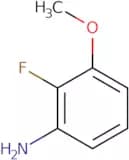

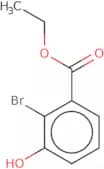
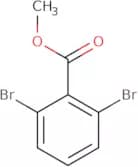
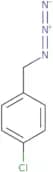
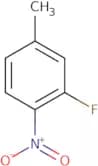
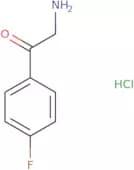
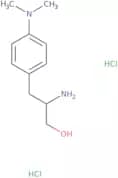
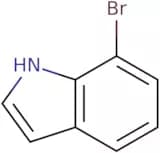
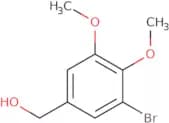
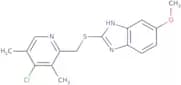
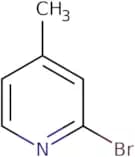
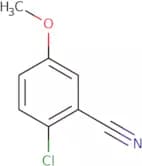
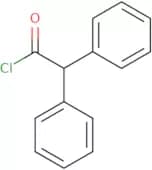
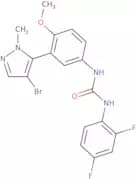
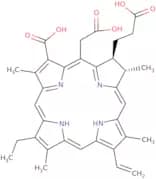
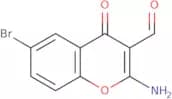
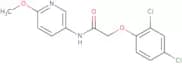
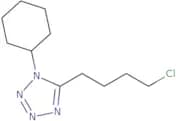

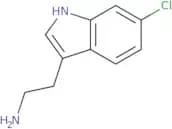
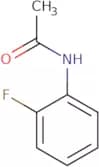
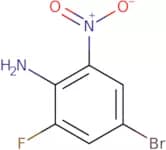
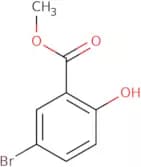
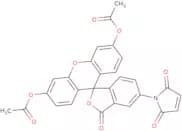

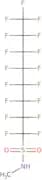
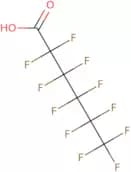
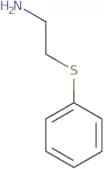
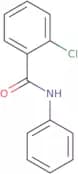
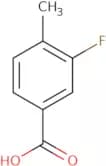
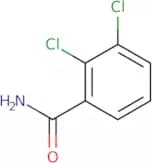
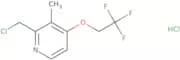
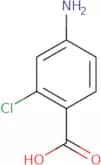
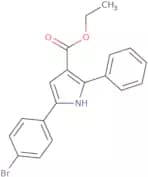
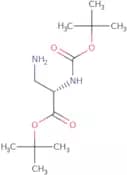
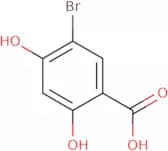
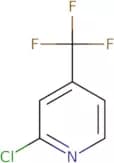
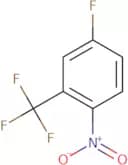
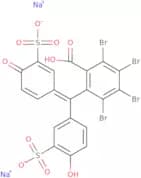
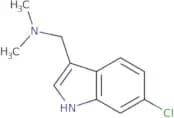
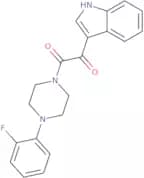
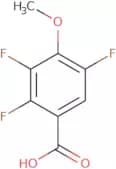
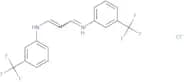
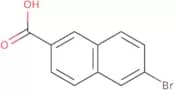
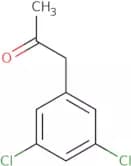
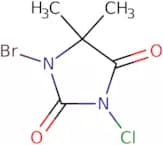
![1-[1-[4-(4-Fluorophenyl)-4-Oxobutyl]Piperidin-4-Yl]-3-Methylbenzimidazol-2-One](/_next/image/?url=https%3A%2Fstatic.cymitquimica.com%2Fproducts%2F3D%2Fthumb-webp%2FFF100333.webp&w=3840&q=75)
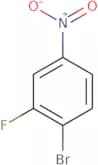
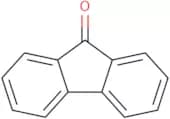
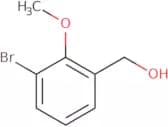

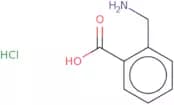
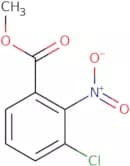
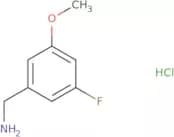
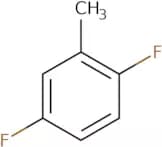
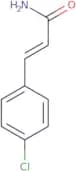
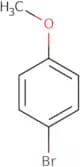

![N-α-[2,4-Dinitro-5-fluorophenyl]-L-valine amide](/_next/image/?url=https%3A%2Fstatic.cymitquimica.com%2Fproducts%2F3D%2Fthumb-webp%2FFD48428.webp&w=3840&q=75)
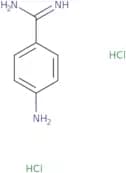
![6-Bromo-2H-pyrido[3,2-b][1,4]oxazin-3(4H)-one](/_next/image/?url=https%3A%2Fstatic.cymitquimica.com%2Fproducts%2F3D%2Fthumb-webp%2FFB144104.webp&w=3840&q=75)
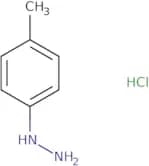

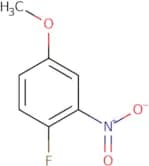

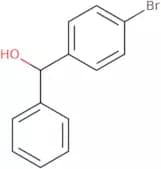
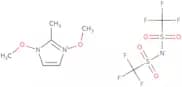
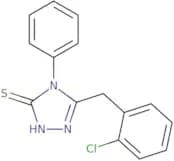
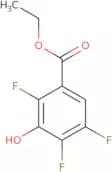
![(S)-2-((((9H-Fluoren-9-yl)methoxy)carbonyl)amino)-3-(1H-pyrrolo[2,3-b]pyridin-3-yl)propanoic acid](/_next/image/?url=https%3A%2Fstatic.cymitquimica.com%2Fproducts%2F3D%2Fthumb-webp%2FFF154979.webp&w=3840&q=75)
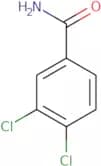
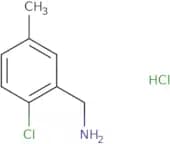
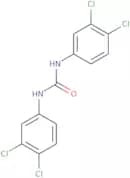

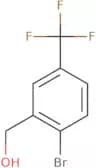
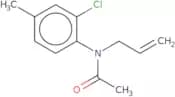
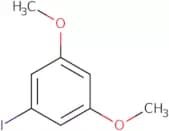
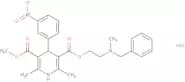
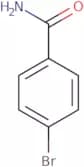
![2-[(2,6-Dichlorophenyl)amino]-N,N-dimethylbenzeneacetamide](/_next/image/?url=https%3A%2Fstatic.cymitquimica.com%2Fproducts%2F3D%2Fthumb-webp%2FFD21691.webp&w=3840&q=75)
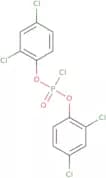
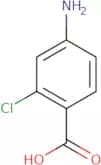
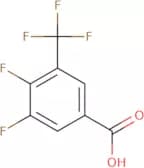
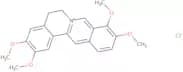
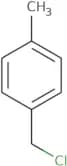
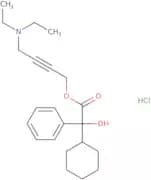
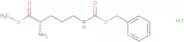
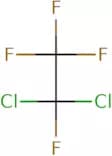
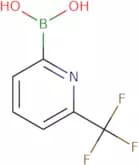
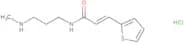
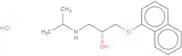
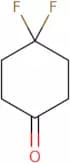
![1-[4-Methyl-6-(trifluoromethyl)pyrimidin-2-yl]piperidine-3-carboxylic acid](/_next/image/?url=https%3A%2Fstatic.cymitquimica.com%2Fproducts%2F3D%2Fthumb-webp%2FFM129640.webp&w=3840&q=75)
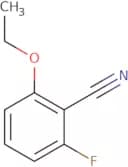

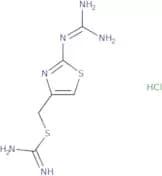
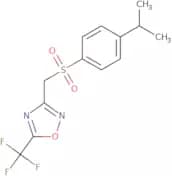
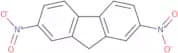
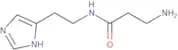
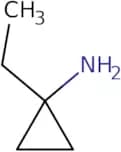
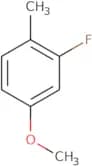
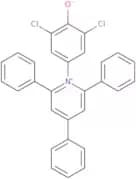
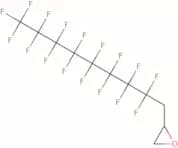
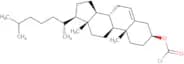
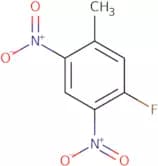

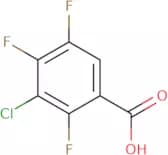

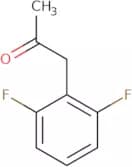
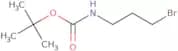
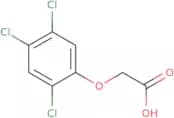
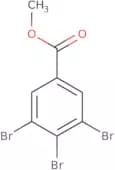
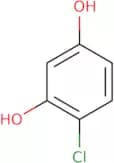
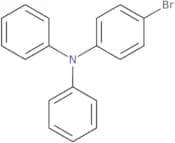
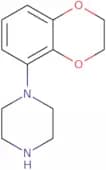
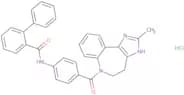
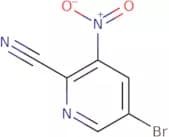
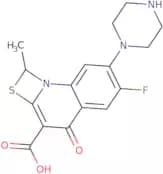
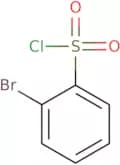
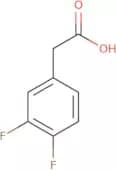
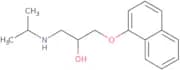

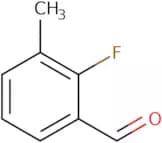
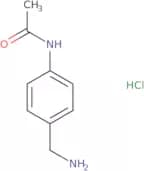
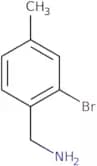

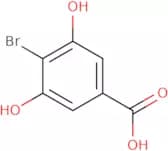
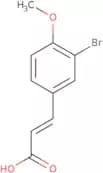
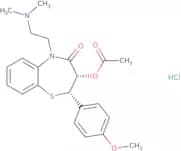
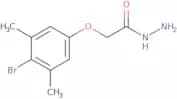
![N-[4-[1-(2-Fluorobenzyl)-3-butyl-2,6-dixo-2,3,6,7-tetrahydro-1H-purin-8-ylmethyl]phenyl]acetamide](/_next/image/?url=https%3A%2Fstatic.cymitquimica.com%2Fproducts%2F3D%2Fthumb-webp%2FFF23426.webp&w=3840&q=75)
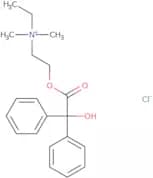
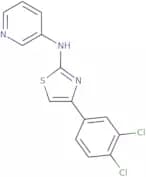
![[Bis(trifluoroacetoxy)iodo]pentafluorobenzene](/_next/image/?url=https%3A%2Fstatic.cymitquimica.com%2Fproducts%2F3D%2Fthumb-webp%2FFB60673.webp&w=3840&q=75)
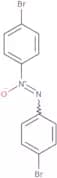


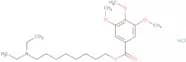
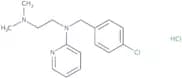
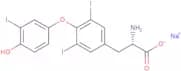
![2-[4-(4-Chloro-a-phenylbenzyl)-1-piperazinyl]-ethoxyacetic acid hydrochloride](/_next/image/?url=https%3A%2Fstatic.cymitquimica.com%2Fproducts%2F3D%2Fthumb-webp%2FFC33467.webp&w=3840&q=75)
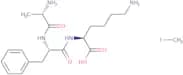
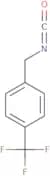
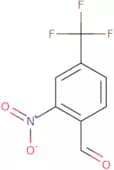
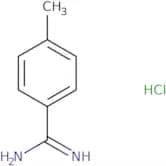
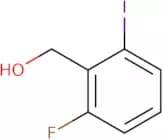
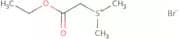
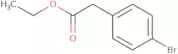
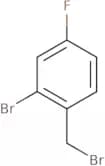
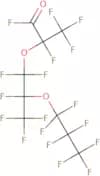
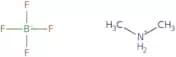
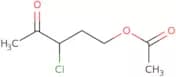
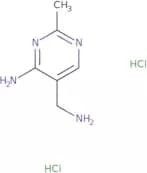
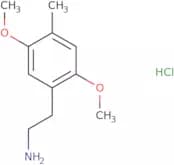

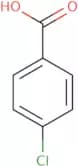
![6-Chloro-imidazo[1,2-b]pyridazine](/_next/image/?url=https%3A%2Fstatic.cymitquimica.com%2Fproducts%2F3D%2Fthumb-webp%2FFC11286.webp&w=3840&q=75)
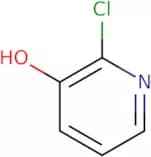
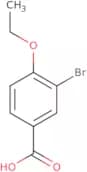
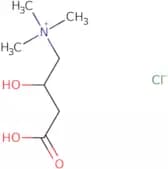
![4,6-Dichloro-1H-pyrrolo[2,3-b]pyridine](/_next/image/?url=https%3A%2Fstatic.cymitquimica.com%2Fproducts%2F3D%2Fthumb-webp%2FFD144171.webp&w=3840&q=75)

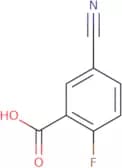
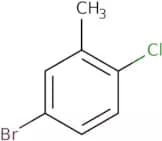
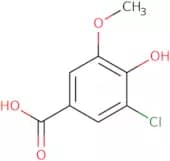

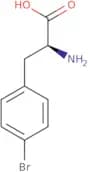
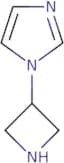
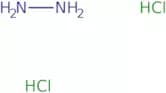

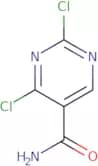
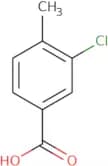
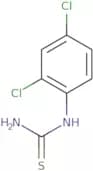
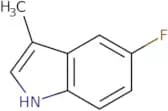

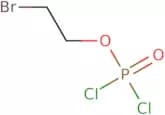
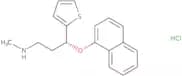
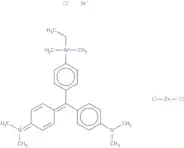
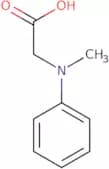
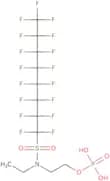
![[(2-Methylimidazo[2,1-b][1,3,4]thiadiazol-6-yl)methyl]amine dihydrochloride](/_next/image/?url=https%3A%2Fstatic.cymitquimica.com%2Fproducts%2F3D%2Fthumb-webp%2FFM123820.webp&w=3840&q=75)