Organic Halides
In this category, you can find organic molecules containing one or more halogen atoms in their structure. These organic halides include brominated, iodinated, chlorinated, and cyclic halide compounds. Organic halides are widely used in organic synthesis, pharmaceuticals, agrochemicals, and materials science due to their reactivity and ability to undergo a variety of chemical transformations. At CymitQuimica, we offer a comprehensive selection of high-quality organic halides to support your research and industrial applications, ensuring reliable and effective performance in your synthetic and analytical projects.
Subcategories of "Organic Halides"
Found 20437 products of "Organic Halides"
Sort by
Purity (%)
0
100
|
0
|
50
|
90
|
95
|
100
2-Chlorophenyl cyclopentyl ketone
CAS:Controlled Product<p>2-Chlorophenyl cyclopentyl ketone (2CCPK) is a synthetic, green, and scalable process for the preparation of cyclopentyl compounds. It has been used in analytical and preparative HPLC methods. 2CCPK is an acidic compound that can be analyzed by HPLC techniques. Preparative HPLC is used to isolate the product from impurities. The flow rate of 2CCPK can be determined using analytical HPLC techniques.</p>Formula:C12H13ClOPurity:Min. 95%Color and Shape:Clear LiquidMolecular weight:208.68 g/mol4,4,4-Trifluorovaline
CAS:<p>4,4,4-Trifluorovaline is a chemical compound with a trifluoromethyl group that can be synthesized in an efficient method. It has been shown to have the ability to stabilize proteins and enzymes in recombinant systems. The enolate of 4,4,4-trifluorovaline reacts with amides to form allylations. The stereoselective synthesis of 4,4,4-trifluorovaline isomers produces two diastereoisomers that are separated by either chiral chromatography or crystallization. These methods allow for the introduction of 4,4,4-trifluorovaline into cellular systems without affecting the stability of the protein or enzyme.</p>Formula:C5H8F3NO2Purity:Min. 95%Molecular weight:171.12 g/molN-[1-(4-Fluorophenyl)propan-2-Yl]-N-methylprop-2-Yn-1-amine
CAS:Controlled Product<p>N-[1-(4-Fluorophenyl)propan-2-Yl]-N-methylprop-2-Yn-1-amine is a synthetic molecule that has been shown to be an inhibitor of the enzyme nitroethane reductase. This drug is also capable of inhibiting the activity of other enzymes and is being investigated for its potential use in the treatment of various types of cancer. N-[1-(4-Fluorophenyl)propan-2-Yl]-N-methylprop-2-Yn-1-amine inhibits nitroethane reductase by binding reversibly to the active site and competitively inhibiting the substrate. The potency of this drug against nitroethane reductase has been shown to be increased by alkylation.br><br>The inhibition of nitroethane reductase by N-[1-(4-fluorophenyl)propan-2-Yl]-</p>Formula:C13H16FNPurity:Min. 95%Molecular weight:205.27 g/molDelta-9(11)-Fluorometholone acetate
CAS:Controlled Product<p>Please enquire for more information about Delta-9(11)-Fluorometholone acetate including the price, delivery time and more detailed product information at the technical inquiry form on this page</p>Formula:C24H30O4Purity:Min. 95%Molecular weight:382.49 g/molMethyl 2-methylpropanimidic acid hydrochloride
CAS:<p>Methyl 2-methylpropanimidic acid hydrochloride is a neutralizing agent that can be used to react with water, acids, and bases. It has been shown to react with gaseous compounds at temperatures as high as 200°C. Methyl 2-methylpropanimidic acid hydrochloride is soluble in organic solvents such as alcohols, ethers, and acetone and can be used to prepare esters by reacting with the corresponding alcohol or phenol. In addition, it has been shown to interact with haloalkyl groups and oxazinones. This compound also has nod-like receptor binding properties that have been shown to play a role in mediating the transport of organic solutions into cells. A receptor protein that reacts with methyl 2-methylpropanimidic acid hydrochloride has been identified in some organisms. The stereostructure of this compound resembles that of triazines and other organometallic compounds.</p>Formula:C5H11NO·HClPurity:Min. 95%Molecular weight:137.61 g/mol2-Chloro-1-(5-methoxy-1,2-dimethyl-1H-indol-3-yl)ethanone
CAS:Controlled Product<p>Please enquire for more information about 2-Chloro-1-(5-methoxy-1,2-dimethyl-1H-indol-3-yl)ethanone including the price, delivery time and more detailed product information at the technical inquiry form on this page</p>Formula:C13H14ClNO2Purity:Min. 95%Molecular weight:251.71 g/molPyrrolidone hydrotribromide
CAS:<p>Pyrrolidone hydrotribromide is a compound that has been used as a solvent in the production of trifluoroacetic acid. It is also used to synthesize β-unsaturated ketones and methyl ketones, which are often found in perfumes. Pyrrolidone hydrotribromide has been shown to inhibit melanocortin-1 receptor (MC1R), which is involved in the development of cancer. This inhibition may be due to its ability to interact with the c1-6 alkyl group on MC1R and disrupt hydrogen bonding between this group and the benzyl group on the melanocortin molecule.</p>Formula:C12H22Br3N3O3Purity:Min. 95%Molecular weight:496.03 g/mol2-(Chloromethoxyethyl)trimethyl silane - stabilized with ca. 0.1% Diisopropylethylamine
CAS:<p>Silyl protecting group for alcohols; reagent for introducing protected C atom</p>Formula:C6H15ClOSiPurity:Min. 95%Color and Shape:Colorless Clear LiquidMolecular weight:166.72 g/mol1-(2-Chloropropanoyl)pyrrolidine
CAS:<p>Please enquire for more information about 1-(2-Chloropropanoyl)pyrrolidine including the price, delivery time and more detailed product information at the technical inquiry form on this page</p>Formula:C7H12ClNOPurity:Min. 95%Molecular weight:161.63 g/mol5-Bromo-2-furaldehyde
CAS:<p>5-Bromo-2-furaldehyde is a chemical compound that belongs to the class of heterocycles. It is used in industry as a precursor for the synthesis of other organic compounds. 5-Bromo-2-furaldehyde has been shown to have anti-inflammatory properties, which may be due to its ability to inhibit prostaglandin synthesis. The use of this chemical has been linked with autoimmune diseases and cancer development in animal models. 5-Bromo-2-furaldehyde is an environmental pollutant that can enter the body by ingestion or inhalation, and it can cause irritation of the skin, eyes, nose, throat, and lungs. This chemical is also known as amide or suzuki coupling reaction (SCR).</p>Formula:C5H3BrO2Purity:Min. 98%Color and Shape:Off-White To Yellow To Light Brown SolidMolecular weight:174.98 g/mol4-Trifluoromethylbenzene sulfonyl chloride
CAS:<p>4-Trifluoromethylbenzene sulfonyl chloride (TFB) is a functional group that is used as a ligand in some chemical reactions. TFB has been shown to be fluorescent, and can be used as a cancer cell marker. It also inhibits the growth of cancer cells by binding to their surface and inhibiting protein synthesis. 4-Trifluoromethylbenzene sulfonyl chloride can be synthesized by reacting ethylene with salicylic acid, followed by the reaction of the resulting ester with chloroform. This process yields TFB and chloride ions, which are then neutralized with sodium hydroxide to yield TFB sulfonate salt.</p>Formula:C7H4ClF3O2SPurity:Min. 95%Color and Shape:Colourless Or White To Light (Or Pale) Yellow To Brown SolidMolecular weight:244.62 g/mol1,3-Bis(3,3,3-trifluoropropyl)-1,1,3,3-tetramethyldisilazane
CAS:<p>1,3-Bis(3,3,3-trifluoropropyl)-1,1,3,3-tetramethyldisilazane is a dielectric with a low dielectric constant and high hydrophobicity. It can be used as a self-assembled monolayer for reducing the contact angle on hydrophobic surfaces. 1,3-Bis(3,3,3-trifluoropropyl)-1,1,3,3-tetramethyldisilazane has been used in transistors to increase the conductivity of pentacene monolayer.</p>Formula:C10H21F6NSi2Purity:94%MinMolecular weight:325.44 g/mol4-Chloro-N-methylpiperidine
CAS:<p>4-Chloro-N-methylpiperidine is an inorganic acid that can be used as a reagent for the synthesis of organic compounds. It is also an anticholinergic drug and a halogenating agent. 4-Chloro-N-methylpiperidine can be used to treat bronchial asthma, chronic obstructive pulmonary disease, and other respiratory disorders by inhibiting the production of histamine in the body. It also has antihistaminic effects that may be due to its ability to inhibit histamine release from mast cells or block H1 receptors. This drug also has antiallergic effects, which may be due to its ability to inhibit IgE synthesis or function. 4-Chloro-N-methylpiperidine is found in loratadine (Claritin), which is used for allergies, hives, and other allergic reactions.</p>Formula:C6H12ClNPurity:Min. 95%Color and Shape:Clear LiquidMolecular weight:133.62 g/mol1H,1H-Nonafluoropentylamine
CAS:<p>Please enquire for more information about 1H,1H-Nonafluoropentylamine including the price, delivery time and more detailed product information at the technical inquiry form on this page</p>Formula:C5H4F9NPurity:Min. 95%Color and Shape:Clear LiquidMolecular weight:249.08 g/molN-(5-bromo-pyridin-2-yl)-2,2-dimethyl-propionamide
CAS:<p>Please enquire for more information about N-(5-bromo-pyridin-2-yl)-2,2-dimethyl-propionamide including the price, delivery time and more detailed product information at the technical inquiry form on this page</p>Formula:C10H13BrN2OPurity:Min. 95%Molecular weight:257.13 g/mol5-Bromo-2-(hydroxymethyl)phenol
CAS:<p>5-Bromo-2-(hydroxymethyl)phenol (5-BHP) is a synthetic small molecule that activates the death receptor CD95. It has been shown to induce tumor regression in experimental models of cancer. 5-BHP can be used as a cancer therapeutic or for the treatment of inflammatory conditions such as rheumatoid arthritis and psoriasis. 5-BHP binds to the death protein pd-l1, which initiates downstream signaling pathways that lead to activation of caspases and apoptosis. This agent also interacts with programmed death ligand 1 (PD-L1), which is expressed on activated T cells and may be involved in antitumor responses. These interactions are being investigated for their potential use in drug development, including optimization and biochemical techniques to characterize the binding affinity of 5-BHP with PD-L1.</p>Formula:C7H7BrO2Purity:Min. 95%Molecular weight:203.03 g/mol3-(Trifluoromethyl)benzaldehyde
CAS:<p>3-(Trifluoromethyl)benzaldehyde is an organic compound that has the chemical formula C8H7FO. It is a trifunctional molecule with three phenolic hydroxyl groups, which makes it a good candidate for drug design. 3-(Trifluoromethyl)benzaldehyde can be synthesized by reacting an imine with a chiral acid chloride in the presence of a base and a catalytic amount of DMAP. The reaction yield is low, but this synthetic method is efficient. 3-(Trifluoromethyl)benzaldehyde has been shown to inhibit the growth of Mycobacterium avium, but not Mycobacterium tuberculosis or other bacteria such as Listeria monocytogenes and Escherichia coli. This might be due to its ability to inhibit protein synthesis by binding to ribosomes. This compound also possesses anti-inflammatory properties and inhibits leukemia Hl-</p>Formula:C8H5F3OPurity:Min. 95%Color and Shape:Clear LiquidMolecular weight:174.12 g/mol(S)-Cetirizine dihydrochloride
CAS:<p>Cetirizine is a levorotatory antihistamine that has been shown to have a linear response to changes in concentration. It is used as an anti-allergic agent for the treatment of allergic conjunctivitis and other allergic disorders. Cetirizine is an H1 receptor antagonist and its activity is due to competitive inhibition of histamine binding at this site. Cetirizine also inhibits the release of inflammatory mediators from mast cells, including histamine, prostaglandin D2, leukotrienes, and interleukins. This drug also has a rapid onset of action and it can be administered on a once-daily schedule.</p>Purity:Min. 95%Molecular weight:461.812-(1,3-Dioxolan-2-yl)ethyltriphenylphosphonium Bromide
CAS:<p>Please enquire for more information about 2-(1,3-Dioxolan-2-yl)ethyltriphenylphosphonium Bromide including the price, delivery time and more detailed product information at the technical inquiry form on this page</p>Formula:C23H24BrO2PPurity:Min. 95%Molecular weight:443.31 g/mol5-Chloro-2-(ethylsulfonyl)pyrimidine-4-carboxylic acid
CAS:<p>Please enquire for more information about 5-Chloro-2-(ethylsulfonyl)pyrimidine-4-carboxylic acid including the price, delivery time and more detailed product information at the technical inquiry form on this page</p>Formula:C7H7ClN2O4SPurity:Min. 95%Molecular weight:250.66 g/mol4-(Chloromethyl)-5-methyl-1-(triphenylmethyl)-1H-imidazole
CAS:Controlled Product<p>Please enquire for more information about 4-(Chloromethyl)-5-methyl-1-(triphenylmethyl)-1H-imidazole including the price, delivery time and more detailed product information at the technical inquiry form on this page</p>Formula:C24H21ClN2Purity:Min. 95%Molecular weight:372.89 g/mol1-Fluoro-2-iodoethane
CAS:<p>1-Fluoro-2-iodoethane is a molecule that has been observed by nuclear magnetic resonance spectroscopy. It is an enantiomer of ethane, and it can be used as a ligand for transition metals. 1-Fluoro-2-iodoethane reacts with chloride to produce 1,1'-dichloroethane, which is an agrochemical that can be used to introduce other molecules into plants. The reaction requires heat and activation; the activation process gives off vibrational energy. Thermodynamic activation occurs in the first stage of the reaction, when the reactants are mixed together. This process is irreversible and releases the activated product from its potential energy state.</p>Formula:C2H4FIPurity:Min. 95%Color and Shape:Colorless Clear LiquidMolecular weight:173.96 g/molMethyl 4-chloroacetoacetate
CAS:<p>Methyl 4-chloroacetoacetate is a neutral compound that reacts with hydrochloric acid to produce a salt, chloromethyl acetate. The reaction solution is then heated to evaporate the water and produce an organic solution. This reaction produces a molecular model of the compound, which has potent antibacterial activity against gram-positive and gram-negative bacteria.</p>Formula:C5H7ClO3Purity:Min. 95%Color and Shape:Clear LiquidMolecular weight:150.56 g/mol1-(2-Chloroethyl)piperidine hydrochloride
CAS:<p>1-(2-Chloroethyl)piperidine hydrochloride is a chemical compound that has photochemical properties. It is used as an amine and in the synthesis of other chemicals. The crystal structure of 1-(2-Chloroethyl)piperidine hydrochloride has been determined by X-ray crystallography. It also has antibacterial activity and inhibits the growth of bacteria by binding to single-stranded DNA, which prevents DNA replication. 1-(2-Chloroethyl)piperidine hydrochloride binds to DNA with tetradentate coordination, forming a stable complex which does not allow the DNA polymerase to bind to the single strand. 1-(2-Chloroethyl)piperidine hydrochloride can be detected using mass spectrometry and nuclear magnetic resonance spectra.</p>Formula:C7H14ClN•HClPurity:Min. 95%Molecular weight:184.11 g/mol3-Chloro-2-methyl-1-propene
CAS:<p>3-Chloro-2-methyl-1-propene is a reactive chemical that belongs to the class of organic compounds. It is a chlorocarbon with a hydroxyl group and an alkyl group. 3-Chloro-2-methyl-1-propene can react with other chemicals in solution, which may be due to steric interactions or cationic polymerization. This reaction is catalyzed by a solid catalyst, such as dimethyl fumarate or chloride. The addition of hydrogen fluoride or trifluoroacetic acid will increase the rate of this reaction.</p>Formula:C4H7ClPurity:Min. 95%Color and Shape:PowderMolecular weight:90.55 g/mol3-(2-Methyl-1H-imidazol-1-yl)propan-1-ol hydrochloride
CAS:<p>Please enquire for more information about 3-(2-Methyl-1H-imidazol-1-yl)propan-1-ol hydrochloride including the price, delivery time and more detailed product information at the technical inquiry form on this page</p>Formula:C7H12N2OPurity:Min. 95%Molecular weight:140.18 g/molMAGE-3 Antigen (271-279) (human) trifluoroacetate salt
CAS:<p>ALPHA FACTOR SIGNALING PEPTIDE</p>Formula:C53H79N13O10Purity:Min. 95%Molecular weight:1,058.28 g/molDorzolamide hydrochloride related compound A
CAS:<p>Please enquire for more information about Dorzolamide hydrochloride related compound A including the price, delivery time and more detailed product information at the technical inquiry form on this page</p>Formula:C10H16N2O4S3·HClPurity:Min. 95%Molecular weight:360.9 g/mol1-fluoro-2-iodobenzene
CAS:<p>1-Fluoro-2-iodobenzene is a reactive compound that can be used in the cross-coupling of terminal alkynes and aldehydes. The reaction rate is dependent on the type of halide, but with an increase in acidity, the rate increases. This reaction is efficient because it does not require any solvents and can be performed at room temperature. 1-Fluoro-2-iodobenzene has been shown to react with many different functional groups, such as alcohols, amines, ethers, nitriles, sulfides, and carboxylic acids.</p>Formula:C6H4FIPurity:Min. 95%Molecular weight:222 g/molBromodimethylsulfonium bromide
CAS:<p>Bromodimethylsulfonium bromide is a chemical that has been used as a diagnostic agent in the diagnosis of leukemia. It is also used for the treatment of cancer, although it has shown to be ineffective against some resistant mutants. Bromodimethylsulfonium bromide is an unsymmetrical ion with one proton and one bromine atom. It reacts with amines to form an alkylammonium cation, which in turn reacts with nucleophiles such as water or alcohols to form a glycosidic bond. This reaction is responsible for the tissue culture growth inhibition seen in cells treated with this compound. Bromodimethylsulfonium bromide also inhibits fatty acid synthesis by preventing the enzyme acyl-CoA synthase from functioning properly, which leads to decreased levels of cellular energy production. Bromodimethylsulfonium bromide's fluorescence properties can be observed in tissue culture</p>Formula:C2H6Br2SPurity:Min. 95%Molecular weight:221.94 g/molN-[3-Fluoro-4-[(methylamino)carbonyl]phenyl]-2-methylalanine
CAS:<p>Please enquire for more information about N-[3-Fluoro-4-[(methylamino)carbonyl]phenyl]-2-methylalanine including the price, delivery time and more detailed product information at the technical inquiry form on this page</p>Formula:C12H15FN2O3Purity:Min. 95%Molecular weight:254.26 g/molHafnocene Dichloride
CAS:Controlled Product<p>Hafnocene dichloride is a homogeneous catalyst for metathesis reactions. It has been shown to have significant cytotoxicity and kinetic energy, which are required for the transfer of alkenes during metathesis reactions. The zirconium-hafnium bond in hafnocene dichloride is cleaved by hydrogen chloride and hydrochloric acid, which are used as catalysts in the reaction. The optical properties of hafnocene dichloride can be changed by changing the metal complexes present during the reaction, which may be due to charge-transfer interactions between metal complexes and ligands. Hafnocene dichloride can also be used to synthesize polylactic acid (PLA) from lactic acid, which is a renewable resource that is biodegradable.</p>Formula:C10H10Cl2HfPurity:Min. 95%Molecular weight:379.58 g/molClobetasol Propionate - Impurity C
CAS:Controlled Product<p>21-Chloro-9-fluoro-11beta,17-dihydroxy-16alpha-methylpregna-1,4-diene-3,20-dione 17-propionate is an ester of ketoconazole and the propionic acid. It is used as a pharmaceutical formulation and has been shown to be stable in an HPLC method. This compound also has an optical isomer that was validated by a stability test. This product has been shown to have antiinflammatory properties and may be used as a topical treatment for skin disorders such as clobetasol propionate.</p>Formula:C25H32ClFO5Purity:Min. 95%Molecular weight:466.97 g/molTridecafluoro-N-(2-Hydroxyethyl)-N-Methylhexanesulphonamide
CAS:<p>Please enquire for more information about Tridecafluoro-N-(2-Hydroxyethyl)-N-Methylhexanesulphonamide including the price, delivery time and more detailed product information at the technical inquiry form on this page</p>Formula:C9H8F13NO3SPurity:Min. 95%Molecular weight:457.21 g/mol(1-Fluorovinyl)methyldiphenylsilane
CAS:<p>1-Fluorovinylmethyldiphenylsilane is a reactive, cross-coupling reagent that is used to synthesize organofluorine compounds. It reacts with nucleophiles such as sulfoxides, peroxides, halides, and amines to form an organofluorine compound. The nucleophile can be either in the presence or absence of hydrogen peroxide as a catalyst. The product of this reaction can be a sulfoxide, peroxide, or amine. 1-Fluorovinylmethyldiphenylsilane has been shown to react with nitro groups and iodides to form organofluorine compounds. 1-Fluorovinylmethyldiphenylsilane is soluble in organic solvents such as hexane and chloroform. This reagent should not be stored in metal containers because it will react with them spontaneously.</p>Formula:C15H15FSiPurity:Min. 95%Molecular weight:242.36 g/mol(+)-(8,8-Dichlorocamphorylsulfonyl)oxaziridine
CAS:<p>Please enquire for more information about (+)-(8,8-Dichlorocamphorylsulfonyl)oxaziridine including the price, delivery time and more detailed product information at the technical inquiry form on this page</p>Formula:C10H13Cl2NO3SPurity:Min. 95%Molecular weight:298.19 g/molTrioctyltin chloride
CAS:<p>Trioctyltin chloride is a polymer that is synthesized by the reaction of two equivalents of tributyltin chloride with fatty acids. Trioctyltin chloride is reactive and can be extracted from a variety of sources using a variety of solvents. It has been used to extract chloride ions from mesenchymal stromal cells, which are cells that are involved in tissue repair. The trioctyltin chloride polymer can be used as an analytical method for 3β-hydroxysteroid dehydrogenase, which catalyzes the conversion of 3β-hydroxysteroids into 3-keto steroids. This reaction is reversible and it produces hydrogen ions as a product. The hydrogen ions cause the polymer to undergo ring-opening reactions, leading to the formation of polymeric matrixes on solid surfaces. These matrices have been used in membrane systems as well as in microextraction experiments for solid phase extraction with gas chromatography (SPE).</p>Formula:C24H51ClSnPurity:Min. 95%Molecular weight:493.82 g/mol1-Bromo-4-nitrobenzene
CAS:<p>1-Bromo-4-nitrobenzene is a bromonitrile that is used to synthesize optical sensors. It is an intermediate in the synthesis of 1,5-dibromo-4-nitrobenzane, which was used as a model system for the reaction mechanism of coupling reactions. The coupling of 1-bromo-4-nitrobenzane with hydrochloric acid and palladium catalysts leads to the formation of a diazonium salt. This reaction can be analyzed by looking at the nitro group and the halides in the molecule. The nitro group reacts with ammonia to form an aminonitrile and water. Halides react with ammonia to form ammonium salts and hydrogen halides. Diazonium salts are then generated by adding nitrous acid (HNO2) or hydroxylamine (NHOH) to these compounds. Finally, transfer reactions are carried out by heating 1</p>Formula:C6H4BrNO2Purity:Min. 95%Molecular weight:202.01 g/molTrichlorooctadecylsilane
CAS:<p>Trichlorooctadecylsilane is a model system that consists of a monolayer of octadecyltrichlorosilane particles. The dispersive solid-phase extraction technique can be used to extract analytes from the surface of this particle. This technique involves removing the solvent from a sample by passing it through an adsorbent. The hydrophobic effect, which is the phenomenon that a nonpolar substance is dissolved in a nonpolar solvent, will cause analytes to bind to the hydrophobic surface of octadecyltrichlorosilane particles because they are hydrophobic.</p>Purity:Min. 95%(2S,3S)-5-[2-(Dimethylamino)ethyl]-3-hydroxy-2-(4-methoxyphenyl)-2,3-dihydro-1,5-benzothiazepin-4-one hydrochloride
CAS:<p>(2S,3S)-5-[2-(Dimethylamino)ethyl]-3-hydroxy-2-(4-methoxyphenyl)-2,3-dihydro-1,5-benzothiazepin-4-one hydrochloride is a racemic mixture of two enantiomers. It is a prodrug that is hydrolyzed to its active form, diltiazem. The drug has been shown to be effective in the treatment of hypertension and angina pectoris. (2S,3S)-5-[2-(Dimethylamino)ethyl]-3-hydroxy-2-(4-methoxyphenyl)-2,3-dihydro-1,5-benzothiazepin-4-one hydrochloride has been shown to inhibit the activity of the enzyme phosphodiesterase which breaks down cyclic AMP. This inhibition results in an increase in levels of</p>Formula:C20H24N2O3S·HClPurity:Min. 95%Molecular weight:408.94 g/mol4-Bromo-2-fluoro-1,1'-biphenyl
CAS:<p>4-Bromo-2-fluoro-1,1'-biphenyl is a chemical compound that is used for the synthesis of biphenyl. It reacts with an ethyl acetate and sodium bicarbonate to produce the desired product. 4-Bromo-2-fluoro-1,1'-biphenyl has been shown to be stable in acidic conditions, but susceptible to hydrolysis in basic environments. This compound can be synthesized by the Suzuki coupling reaction between aryl halides and organometallic compounds. The chloride groups on 4-bromo-2-fluoro-1,1'-biphenyl are good leaving groups during the cross coupling reaction, which are easily replaced by other functional groups.</p>Formula:C12H8BrFPurity:Min. 95%Color and Shape:PowderMolecular weight:251.09 g/mol3,5-Dichloro-4-pyridinecarboxaldehyde
CAS:<p>3,5-Dichloro-4-pyridinecarboxaldehyde is a synthetic heterocycle that has been studied for its pharmacokinetic properties. The compound has the ability to bind to the active site of metalloporphyrin and inhibit the enzyme's activity. This inhibition leads to an increase in the levels of homologous aldehydes, which are oxidized by hydrogen peroxide to produce electrosprays. 3,5-Dichloro-4-pyridinecarboxaldehyde also has a number of oxidation products that have been found in experiments using purines as substrates.</p>Formula:C6H3Cl2NOPurity:Min. 95%Molecular weight:176 g/mol4-(2-Chloroethyl)-1-(triphenylmethyl)-1H-imidazole
CAS:Controlled Product<p>Please enquire for more information about 4-(2-Chloroethyl)-1-(triphenylmethyl)-1H-imidazole including the price, delivery time and more detailed product information at the technical inquiry form on this page</p>Formula:C24H21ClN2Purity:Min. 95%Molecular weight:372.89 g/mol2,6-Dichlorophenylacetic acid
CAS:<p>2,6-Dichlorophenylacetic acid is an inhibitor of the enzyme acetylcholinesterase. It has been shown to be effective in a number of functional assays and is efficient at inhibiting the uptake of 2,6-dichlorobenzoic acid in cells. The inhibition of this enzyme by 2,6-dichlorophenylacetic acid may be due to its protonation and binding to the active site. This binding prevents the release of the acetylcholine molecule that has been bound to the enzyme's active site. This results in increased levels of acetylcholine in the synaptic cleft, leading to an increase in neurotransmitter activity, which can have a variety of effects on neuronal function. 2,6-Dichlorophenylacetic acid also inhibits cell proliferation and induces apoptosis (programmed cell death) in Caco-2 cells by inhibiting protein synthesis.</p>Formula:C8H6Cl2O2Purity:Min. 95%Color and Shape:White Off-White PowderMolecular weight:205.04 g/molWAY 316606
CAS:<p>WAY 316606 is a potent, orally administered small molecule that inhibits the Wnt signaling pathway by blocking the action of β-catenin. It has been shown to have potential for treating eye disorders, including age-related macular degeneration. This drug also has potential for treatment of cell and nervous system diseases such as Alzheimer's disease and Huntington's disease. WAY 316606 inhibits the transcriptional activity of the β-catenin/Tcf4 complex by binding to it and preventing its translocation into the nucleus. In addition, WAY 316606 prevents downstream activation of genes regulated by β-catenin signaling, including c-myc and cyclin D1. This drug also blocks growth factor receptor tyrosine kinases and monoclonal antibodies that activate these receptors.</p>Formula:C18H19F3N2O4S2Purity:Min. 95%Molecular weight:448.48 g/molClonidine hydrochloride
CAS:<p>Clonidine hydrochloride is a drug used in the treatment of hypertension and other cardiac diseases. It belongs to the class of drugs called centrally acting alpha-2 adrenergic agonists. Clonidine hydrochloride is also used for its antihypertensive effects in patients with neurogenic orthostatic hypotension, diabetic neuropathy, and glomerular filtration rate. The long-term efficacy and safety profile of clonidine hydrochloride has been established in clinical trials that have shown it to be effective in reducing symptoms of chronic pain and opioid withdrawal, as well as improving quality of life. Clonidine hydrochloride may be administered orally or transdermally. Clonidine binds to both alpha-1 and alpha-2 adrenergic receptors, which are responsible for vasoconstriction, inhibition of renin secretion from the kidneys, decreased sympathetic nerve activity, and increased parasympathetic nerve activity. This drug also has a protective effect on bone cancer cells</p>Formula:C9H9Cl2N3•HClPurity:Min. 95%Color and Shape:PowderMolecular weight:266.55 g/molDiprenorphine hydrochloride
CAS:Controlled Product<p>Diprenorphine hydrochloride is a drug that belongs to the class of opioids. It is used as an antidote for opioid overdose and has been shown to be effective in reducing the severity of withdrawal symptoms. Diprenorphine hydrochloride has been shown to inhibit P-glycoprotein (P-gp), which is a membrane protein that transports certain substances from the brain back into the blood. This inhibition leads to increased concentrations of dopamine in the brain, which may contribute to its clinical relevance as an anti-psychotic agent. Diprenorphine hydrochloride also has binding affinity for μ-, κ-, δ-, and ν-opioid receptors, which can lead to decreased locomotor activity, antinociceptive effects, and sedation.</p>Formula:C26H36ClNO4Purity:Min. 95%Color and Shape:PowderMolecular weight:462.02 g/molS-[2-(Dimethylamino)ethyl]isothiourea Dihydrochloride
CAS:Controlled Product<p>S-[2-(Dimethylamino)ethyl]isothiourea Dihydrochloride is an inhibitor of tyrosinase, an enzyme that catalyzes the oxidation of tyrosine to dopa and dopaquinone. It binds to the active site of the enzyme and blocks its activity. S-[2-(Dimethylamino)ethyl]isothiourea Dihydrochloride has been shown to inhibit tyrosinase in animal experiments and in vitro studies, with a concentration-response curve that can be described by a Michaelis-Menten kinetic model. The inhibition of tyrosinase activity may be due to steric hindrance by the thiourea group or a covalent binding to amino acid residues on the protein surface. S-[2-(Dimethylamino)ethyl]isothiourea Dihydrochloride is also known as monomethyl auristatin E (MMAE</p>Formula:C5H13N3S·2HClPurity:Min. 95%Molecular weight:220.16 g/mol[3-(1-Piperidin-1-ylcyclohexyl)phenyl]amine hydrochloride
CAS:Controlled Product<p>3-(1-Piperidin-1-ylcyclohexyl)phenyl]amine hydrochloride is a ligand that binds to the acetylcholine receptor. 3-(1-Piperidin-1-ylcyclohexyl)phenyl]amine hydrochloride is an active analogue and has a high binding affinity for the cholinergic receptor. It has been shown to have a kinetic effect on the excitatory system, enhancing excitatory effects of acetylcholine without affecting inhibitory effects. 3-(1-Piperidin-1-ylcyclohexyl)phenyl]amine hydrochloride also has an antagonistic effect on modifiers of acetylcholine activity such as amantadine, but enhances the effects of other drugs, such as clonidine.</p>Formula:C17H26N2Purity:Min. 95%Molecular weight:258.4 g/molBenzyl bromoacetate
CAS:<p>Benzyl bromoacetate is a bicyclic heterocycle that is metabolized by the enzyme benzyl alcohol dehydrogenase. The resulting metabolites are then converted to methyl benzoate and benzyl alcohol. It has been shown to inhibit prostate cancer cells and basic fibroblasts, which may be due to its ability to inhibit enzymes involved in fatty acid synthesis. Benzyl bromoacetate also has therapeutic effects on autoimmune diseases such as bowel disease, which may be due to its ability to reduce inflammation and suppress the immune system.</p>Formula:C9H9BrO2Purity:Min. 95%Color and Shape:Clear Colourless To Light (Or Pale) Yellow LiquidMolecular weight:229.07 g/molQuinine hydrochloride dihydrate
CAS:<p>Quinine hydrochloride dihydrate is a natural compound that has been used for centuries as a treatment for malaria. It is an effective anti-malarial agent and is also used to treat nocturnal leg cramps, although it has a low potency. Quinine hydrochloride dihydrate is active against the parasite Plasmodium falciparum in vitro. It binds to hemozoin, which is the pigment that the malaria parasites produce during digestion of hemoglobin from red blood cells. This binding inhibits the growth of the parasite and causes cell death by inhibiting protein synthesis. Quinine hydrochloride dihydrate has been shown to be genotoxic in vivo, but not in vitro. The genotoxic effects may be due to its ability to create reactive oxygen species (ROS) through photochemical reactions with light exposure and other chemical reactions, such as thermal expansion or matrix effects.</p>Formula:C20H24N2O2·HCl·2H2OColor and Shape:PowderMolecular weight:396.91 g/mol2-Chloro-4-iodo-6-(trifluoromethyl)pyridine
CAS:<p>2-Chloro-4,6-difluoro-pyridine is an electrophilic compound that can react with nucleophiles to form covalent bonds. This reaction is known as nucleophilic substitution and it can be used in the synthesis of organic compounds. The diisopropylamide of lithium is a popular reagent for this purpose because it is inexpensive, highly reactive, and easily purified by distillation. In particular, 2-chloro-4,6-difluoro-pyridine reacts quantitatively with lithium diisopropylamide to form 4-(2-chloro-4,6-difluoro)pyrimidin-2(1H)-ones in tetrahydrofuran.</p>Formula:C6H2ClF3INPurity:Min. 95%Color and Shape:Solid.Molecular weight:307.44 g/molTributylhexadecylphosphonium Bromide
CAS:<p>Tributylhexadecylphosphonium bromide is a hydroxide solution that is used as a catalyst in the production of antimicrobial agents. It can be used to prepare a matrix effect for test samples, which are then subjected to acid formation. This product has shown high resistance to hydrolysis, oxidation, and biological properties. Tributylhexadecylphosphonium bromide is also known as an intermolecular hydrogen bonding agent and cationic surfactant. It may be used in sodium hydroxide solution to prepare nitrite ion, which can be added to the water supply for disinfection purposes.</p>Formula:C28H60BrPPurity:Min. 95%Molecular weight:507.65 g/mol17b-Acetoxy 6b-hydroxy Trichloropyridyltentagel
Controlled Product<p>Please enquire for more information about 17b-Acetoxy 6b-hydroxy Trichloropyridyltentagel including the price, delivery time and more detailed product information at the technical inquiry form on this page</p>Purity:Min. 95%7-Hydroxy granisetron hydrochloride
CAS:Controlled Product<p>Please enquire for more information about 7-Hydroxy granisetron hydrochloride including the price, delivery time and more detailed product information at the technical inquiry form on this page</p>Formula:C18H25ClN4O2Purity:Min. 95%Molecular weight:364.87 g/mol[2-(5-Chloro-1-methyl-1H-benzimidazol-2-yl)ethyl]amine dihydrochloride
CAS:Controlled Product<p>Please enquire for more information about [2-(5-Chloro-1-methyl-1H-benzimidazol-2-yl)ethyl]amine dihydrochloride including the price, delivery time and more detailed product information at the technical inquiry form on this page</p>Formula:C10H12ClN3Purity:Min. 95%Molecular weight:209.68 g/mol2-Chloromalonaldehyde
CAS:<p>2-Chloromalonaldehyde is a reactive chemical that can be used as a pharmaceutical intermediate. It has been shown to have anti-inflammatory properties and is often used in pharmaceutical preparations. 2-Chloromalonaldehyde has shown an ability to bind with integrin receptors and inhibit the production of pro-inflammatory molecules, such as prostaglandins. This compound has also been shown to have a photoelectron spectrum that includes an intramolecular hydrogen bond, which contributes to its biological activity.</p>Formula:C3H3ClO2Purity:(%) Min. 90%Color and Shape:PowderMolecular weight:106.51 g/mol3-Nitrobenzyl bromide
CAS:<p>3-Nitrobenzyl bromide (3NB) is a lectin that binds to the carbohydrate moieties of glycoproteins. It has been shown to inhibit protease activity and be an inhibitor of nitro group formation by reacting with sodium carbonate. 3NB has also been used in sample preparation for monoclonal antibody production. 3-Nitrobenzyl bromide can be used as a probe for hydrogen bonds, which may be due to its ability to form an intermolecular hydrogen bond with other molecules. 3NB inhibits fatty acid synthesis and cardiac contractile function, which is likely due to its inhibitory properties on hydrogen bonding.</p>Formula:C7H6BrNO2Purity:Min. 95%Color and Shape:Off-White PowderMolecular weight:216.03 g/mol4-Chlorophenyl isocyanate
CAS:<p>4-Chlorophenyl isocyanate (4CIN) is a chemical that belongs to the family of pyrazole compounds. It is used in the synthesis of dyes, pharmaceuticals, and agrochemicals. 4CIN has been shown to be able to inhibit protein synthesis in rat liver microsomes. This compound also has a high chemical stability and can withstand hydrochloric acid.</p>Formula:C7H4ClNOPurity:Min 98%Color and Shape:White PowderMolecular weight:153.57 g/mol2,4,4’-Trichlorobiphenyl
CAS:Controlled Product<p>2,4,4’-Trichlorobiphenyl is a polychlorinated biphenyl congener. It has been shown to have an adverse effect on the central nervous system, causing neurotoxicity. 2,4,4’-Trichlorobiphenyl has been used as a model system for the study of the effects of environmental toxins on mitochondrial membrane potential and lipid peroxidation. 2,4,4’-Trichlorobiphenyl binds to fatty acids in mitochondria and inhibits fatty acid β-oxidation. The inhibition of fatty acid oxidation leads to increased levels of protocatechuic acid in the serum and liver tissue. 2,4,4’-Trichlorobiphenyl has also been found to be toxic to aquatic organisms such as fish and shrimp at low concentrations.</p>Formula:C12H7Cl3Purity:Min. 95%Molecular weight:257.54 g/mol1-[2-(5-Chloro-1H-indol-3-yl)ethyl]-5-oxopyrrolidine-3-carboxylic acid
CAS:Controlled Product<p>Please enquire for more information about 1-[2-(5-Chloro-1H-indol-3-yl)ethyl]-5-oxopyrrolidine-3-carboxylic acid including the price, delivery time and more detailed product information at the technical inquiry form on this page</p>Formula:C15H15ClN2O3Purity:Min. 95%Molecular weight:306.74 g/molRU 58841
CAS:<p>RU 58841 is a non-steroidal anti-androgen, which is a chemical compound sourced through synthetic processes in pharmaceutical laboratories. It functions by selectively binding to androgen receptors in the hair follicles, thereby inhibiting the action of androgens such as dihydrotestosterone (DHT). This mode of action prevents DHT from activating the receptor, which is a critical factor in the miniaturization of hair follicles.</p>Formula:C17H18F3N3O3Purity:Min. 95%Molecular weight:369.34 g/mol[2-(Difluoromethyl)phenyl]boronic acid
CAS:<p>Please enquire for more information about [2-(Difluoromethyl)phenyl]boronic acid including the price, delivery time and more detailed product information at the technical inquiry form on this page</p>Formula:C7H7BF2O2Purity:Min. 95%Molecular weight:171.94 g/molBenzidinedihydrochloride
CAS:Controlled Product<p>Benzidinedihydrochloride is a chemical compound that is used as a marker for chromatographic analysis. It has been shown to have genotoxic activity and carcinogenic potential. Benzidinedihydrochloride inhibits human DNA polymerase alpha, beta and gamma, which are enzymes involved in DNA synthesis. It also inhibits the enzyme activities of other proteins such as RNA polymerase II, ribonuclease H1, collagenase and alkaline phosphatase. The reaction solution is composed of benzidine hydrochloride (0.04 g), potassium chloride (0.2 g) and sodium hydroxide (0.02 g).</p>Formula:C12H14Cl2N2Purity:Min. 95%Color and Shape:PowderMolecular weight:257.16 g/mol[5-(Trifluoromethyl)-1,2-Oxazol-3-Yl]Methanol
CAS:<p>Please enquire for more information about [5-(Trifluoromethyl)-1,2-Oxazol-3-Yl]Methanol including the price, delivery time and more detailed product information at the technical inquiry form on this page</p>Formula:C5H4F3NO2Purity:Min. 95%Molecular weight:167.09 g/mol[3-(1-Isopropyl-1H-benzimidazol-2-yl)propyl]amine dihydrochloride
CAS:Controlled Product<p>Please enquire for more information about [3-(1-Isopropyl-1H-benzimidazol-2-yl)propyl]amine dihydrochloride including the price, delivery time and more detailed product information at the technical inquiry form on this page</p>Formula:C13H19N3Purity:Min. 95%Molecular weight:217.31 g/mol4-Phenylbenzoyl chloride
CAS:<p>4-Phenylbenzoyl chloride is a primary amino compound that has been studied extensively in the context of biological studies and as an electroluminescent device. It is also used to study the effects of alkylation on biological systems. 4-Phenylbenzoyl chloride has been shown to be cytotoxic against monocytic cell lines, with a mechanism of action that involves its ability to react with DNA, forming adducts that interfere with DNA replication. In addition, it also reacts with amines in human tissue samples, which may lead to carcinogenic effects. This compound is also effective against protozoan parasites and Leishmania species, although not thiosemicarbazide.</p>Formula:C13H9ClOPurity:Min. 95%Color and Shape:PowderMolecular weight:216.66 g/mol4-[(4-Methyl-1H-pyrazol-1-yl)methyl]piperidine dihydrochloride
CAS:Controlled Product<p>Please enquire for more information about 4-[(4-Methyl-1H-pyrazol-1-yl)methyl]piperidine dihydrochloride including the price, delivery time and more detailed product information at the technical inquiry form on this page</p>Formula:C10H17N3Purity:Min. 95%Molecular weight:179.26 g/mol2-fluoro-5-hydroxybenzaldehyde
CAS:<p>2-Fluoro-5-hydroxybenzaldehyde (2FHBA) is an olefinic compound that is synthesized from 2,5-dihydroxybenzaldehyde by reductive amination with formaldehyde. The configuration of 2FHBA is dependent on the dihedral angle between the two olefinic groups. Liquid chromatography has been used to analyze the metabolic pathway of 2FHBA in rats and humans. This study showed that tyramine and aligned are metabolites of 2FHBA in rats, while crystallized and emission are metabolites in humans. The positron emission studies also showed that 2FHBA was metabolized by erythrocytes in vitro to produce positron emission.</p>Formula:C7H5FO2Purity:Min. 95%Molecular weight:140.11 g/mol1-(4-Chlorophenyl)-3-phenyl-1H-pyrazole-5-carboxylic acid
CAS:Controlled Product<p>Please enquire for more information about 1-(4-Chlorophenyl)-3-phenyl-1H-pyrazole-5-carboxylic acid including the price, delivery time and more detailed product information at the technical inquiry form on this page</p>Formula:C16H11ClN2O2Purity:Min. 95%Color and Shape:PowderMolecular weight:298.72 g/mol4-(Piperazinomethyl)benzoic acid, dihydrochloride
CAS:Controlled Product<p>Please enquire for more information about 4-(Piperazinomethyl)benzoic acid, dihydrochloride including the price, delivery time and more detailed product information at the technical inquiry form on this page</p>Formula:C12H18Cl2N2O2Purity:Min. 95%Molecular weight:293.19 g/molHemokinin 1 (mouse, rat) trifluoroacetate salt
CAS:<p>Hemokinin 1 is a protein that is encoded by the NK1R gene. It has been shown to be associated with insulin resistance, inflammatory diseases, and pain control. Hemokinin 1 is also a potential treatment for viral infections such as HIV and hepatitis C. Hemokinin 1 interacts with nicotinic acetylcholine receptors (nAChRs) in the brain and blood vessels, which leads to an increase in blood pressure. This protein also interacts with hematopoietic cells, which may be responsible for its function as an antinociceptive agent. Hemokinin 1 has been implicated in autoimmune diseases such as arthritis and atrial fibrillation. This protein is expressed mainly in the brain, liver, heart, kidneys and spleen.</p>Formula:C61H100N22O15SPurity:Min. 95%Molecular weight:1,413.65 g/molBromocresol purple sodium salt
CAS:<p>Bromocresol purple sodium salt is a dye that emits light when it is irradiated with light of a particular wavelength. It has been used to detect amniotic fluid contamination in the laboratory and as an absorber in polymer films. Bromocresol purple sodium salt absorbs ultraviolet and visible light, which causes it to emit red light. The molecules of bromocresol purple sodium salt are long-chain triazoles, which absorb water vapor and emit infrared radiation. This property can be used to detect the presence of alkali metals. The luminescent property of bromocresol purple sodium salt can be enhanced by adding an alkali metal, such as potassium or lithium chloride, to the solution where it is dissolved.</p>Formula:C21H15Br2O5S·NaPurity:Min. 95%Molecular weight:562.2 g/molBis(2,2,2-trifluoroethyl) ether
CAS:<p>Bis(2,2,2-trifluoroethyl) ether is a potent inducer of monoamine neurotransmitters. It has been shown to induce the release of gamma-aminobutyric acid (GABA) from cells in culture and to have a physiological effect on GABAergic neurons. Bis(2,2,2-trifluoroethyl) ether binds to the α1 subunit of GABA receptors and increases the rate at which chloride ions enter the cell. This results in an increase in potassium ion levels outside the cell, leading to hyperpolarization and blockade of neural activity. Bis(2,2,2-trifluoroethyl) ether also inhibits locomotor activity.</p>Formula:C4H4F6OPurity:Min. 95%Molecular weight:182.06 g/molBetacetylmethadol hydrochloride
CAS:Controlled Product<p>Betacetylmethadol hydrochloride is a pharmaceutical that belongs to the group of opioid analgesics. It is an active form of the prodrug, betacetylmethadol. Betacetylmethadol hydrochloride has a high addictive potential and can lead to overdose. The active agent in betacetylmethadol hydrochloride is oxycodone, which has been shown to have physiological activity. Oxycodone is metabolized by the liver into oxymorphone, which has similar effects as morphine. Oxymorphone binds to opioid receptors in the gastrointestinal tract and brain, decreasing pain and producing feelings of euphoria or pleasure. Betacetylmethadol hydrochloride also acts on other opioid receptors in the body such as those found in the central nervous system, spinal cord, and peripheral nervous system.</p>Formula:C23H32ClNO2Purity:Min. 95%Molecular weight:389.96 g/molMethyl bromopyruvate
CAS:<p>Methyl bromopyruvate is a medication with various functions. It can be used to treat viral infections such as hepatitis and AIDS, as well as to treat psychosis and depression. Methyl bromopyruvate has been shown to be an effective antiviral agent that inhibits the synthesis of viral proteins by methylating their amino acids. Methyl bromopyruvate also inhibits the production of fatty acids by blocking the enzyme enolase, which catalyzes the conversion of 2-phosphoglycerate into phosphoenolpyruvate. This drug is metabolized in the liver through conjugation with glutathione or glucuronide or by oxidation to a reactive carbon-centered species.<br>Methyl bromopyruvate is also used for treatment of insulin resistance in patients with type II diabetes mellitus.</p>Formula:C4H5BrO3Purity:Min. 95%Color and Shape:Colourless To Yellow LiquidMolecular weight:180.98 g/mol1-Bromoicosane
CAS:<p>1-Bromoicosane is a viscous, hydrophobic organic solvent with a high boiling point. It has been used as an additive in the production of polyurethanes and as a cross-linking agent in rubber and plastics. The viscosity of 1-bromoicosane can be increased by adding it to other solvents, such as xylene. 1-Bromoicosane is also used as an additive in paints and varnishes, where it increases the glossiness of the final product. This compound is also used to prevent corrosion on metal surfaces when mixed with zinc chloride or phosphonium salt. 1-Bromoicosane has been shown to have antioxidative activities against lipid peroxidation, hydrogen peroxide oxidation, and nitric oxide induced hemoglobin oxidation.</p>Formula:C20H41BrPurity:Min. 95%Color and Shape:White PowderMolecular weight:361.44 g/mol2-Chloropyridine-3,5-dicarbonitrile
CAS:<p>2-Chloropyridine-3,5-dicarbonitrile is a potential drug that can be used as an anionic linker in the synthesis of donepezil. Donepezil is a pharmacological agent that inhibits the enzyme acetylcholinesterase and may be effective in treating Alzheimer's disease. 2-Chloropyridine-3,5-dicarbonitrile has been shown to have good profile against cholinesterase inhibitors. It binds to the active site of acetylcholinesterase and inhibits its activity. This inhibition prevents the breakdown of acetylcholine, which is required for memory and cognitive function. 2-Chloropyridine-3,5-dicarbonitrile also has molecular modeling properties and has been studied at the μm range.</p>Formula:C7H2ClN3Purity:Min. 95%Molecular weight:163.56 g/mol5-Bromo-3-methyl-1H-indazole
CAS:<p>5-Bromo-3-methyl-1H-indazole is an organic compound that is synthesized from lithium diisopropylamide and lithium. 5-Bromo-3-methyl-1H-indazole is a white solid with a melting point of 151°C. It reacts with anhydrous hydrogen bromide to form 5,5'-dibromoindazole. The molecular weight of this compound is 202.2 g/mol.</p>Formula:C8H7BrN2Purity:Min. 95%Molecular weight:211.06 g/molLithium Tetrakis(pentafluorophenyl)borate - Ethyl Ether Complex
CAS:Controlled Product<p>Lithium tetrakis(pentafluorophenyl)borate - ethyl ether complex is a ligand that has the ability to bind to magnesium. The complex is highly soluble in organic solvents such as ethylene and ether, but not in water. It can be used to produce high yields of ethylene with magnesium as a co-catalyst. The complex binds to magnesium by forming a six-membered ring with the borate group and two oxygen atoms from the ether molecule. The crystal structure of this complex was determined using x-ray crystallography. This complex has been found naturally in plants such as spinach and beets, although it is not yet known what role it plays in these plants.</p>Purity:70%Nmr9,9-Bis(2-ethylhexyl)fluorene-2,7-bis(boronic acidpinacolester)
CAS:<p>Please enquire for more information about 9,9-Bis(2-ethylhexyl)fluorene-2,7-bis(boronic acidpinacolester) including the price, delivery time and more detailed product information at the technical inquiry form on this page</p>Formula:C41H64B2O4Purity:Min. 95%Molecular weight:642.57 g/molPhenadoxone hydrochloride
CAS:Controlled Product<p>Phenadoxone hydrochloride is a synthetic opioid drug with excitatory effects that is structurally related to meperidine. It has been used as an analgesic and antitussive, but is now rarely prescribed due to the high risk of addiction. Phenadoxone hydrochloride is a haloalkyl drug, which means it contains one or more halogen atoms in its chemical structure. These compounds are known to cause physical dependence and withdrawal symptoms when discontinued after prolonged use. Side effects may include nausea, vomiting, dizziness, headache, blurred vision, constipation, dry mouth and urinary retention. The most efficient method of synthesis involves the reaction of dimethylformamide with phenol and formaldehyde in a ring-opening reaction to form dipipanone. Dipipanone is then converted into phenadoxone hydrochloride by reacting with nitroethane and sodium hydroxide in the presence of hydrogen chloride gas.</p>Formula:C23H30ClNO2Purity:Min. 95%Molecular weight:387.94 g/mol2-Amino-2-(2-chlorophenyl)cyclohexan-1-one
CAS:Controlled Product<p>2-Amino-2-(2-chlorophenyl)cyclohexan-1-one is an anesthetic drug that belongs to the group of ketamine. It is a chiral compound and has been shown to have central nervous system depressant effects, which are more pronounced than those of ketamine. This drug also affects the cardiovascular system and can cause respiratory depression. 2-Amino-2-(2-chlorophenyl)cyclohexan-1-one has been shown to be metabolized in humans by cytochrome P450 (CYP3A4). It may potentiate the effect of drugs that induce CYP3A4 activity such as erythromycin, rifampin, and phenobarbital.<br> 2-Amino-2-(2-chlorophenyl)cyclohexan-1-one is not active against MRSA or methicillin resistant pseudomonas aeruginosa (MR</p>Formula:C12H14ClNOPurity:Min. 95%Color and Shape:PowderMolecular weight:223.7 g/molDiethylaminosulfur trifluoride
CAS:<p>Diethylaminosulfur trifluoride (DAST) is a reactive chemical that can be used as a methylating agent. It reacts with the hydroxyl group of carotenoids, including β-carotene, to produce x-ray crystal structures with the alcohol methanol solvent. DAST also reacts with 6alkyl and methyl glycosides, such as sucrose, producing a hydroxy derivative. DAST has been shown to have carcinogenic properties in tumor cell lines and is able to induce apoptosis in these cells by damaging their DNA. The use of DAST for cancer treatment can be done through laser ablation or injection into tumors.</p>Formula:C4H10F3NSPurity:(1H-Nmr) Min. 95%Color and Shape:Clear LiquidMolecular weight:161.19 g/molNickel(II) chloride hexahydrate
CAS:<p>Nickel chloride hexahydrate is a compound that belongs to the group of inorganic compounds. It has a linear range and is used as an electrode material for electrochemical measurements. Nickel chloride hexahydrate forms a helical structure with a supramolecular assembly of the metal ions in its crystal lattice, which is stabilized by hydrogen bonding. This compound can be used in FTIR spectroscopy and deionized water as well as other electrolytes to measure the concentration of chloride, magnesium, and other ions.</p>Formula:NiCl2•(H2O)6Purity:Min. 95%Color and Shape:PowderMolecular weight:237.69 g/mol(Des-Gly10,D-Leu6,D-Leu7,Pro-NHEt 9)-LHRH trifluoroacetate salt
CAS:<p>Please enquire for more information about (Des-Gly10,D-Leu6,D-Leu7,Pro-NHEt 9)-LHRH trifluoroacetate salt including the price, delivery time and more detailed product information at the technical inquiry form on this page</p>Formula:C59H84N16O12Purity:Min. 95%Molecular weight:1,209.4 g/molN6-(1-Iminoethyl)-L-lysine hydrochloride
CAS:<p>N6-(1-Iminoethyl)-L-lysine hydrochloride is an experimental drug that inhibits bacterial translocation, a process which occurs when bacteria from the gastrointestinal tract invade organs and tissues in the body that are not protected by a mucous barrier. It has been shown to be effective in reducing chronic pulmonary inflammation and fibrosis, as well as inhibiting emphysema-like lesions, in mice. N6-(1-Iminoethyl)-L-lysine hydrochloride also has anti-inflammatory effects on the skin and reduces the production of proinflammatory cytokines such as PGE2.</p>Formula:C8H18ClN3O2Purity:Min. 95%Molecular weight:223.7 g/molMethyl 4-amino-2-fluorobenzoate
CAS:<p>Please enquire for more information about Methyl 4-amino-2-fluorobenzoate including the price, delivery time and more detailed product information at the technical inquiry form on this page</p>Formula:C8H8FNO2Purity:Min. 95%Molecular weight:169.15 g/molDeschloro clomiphene
CAS:Controlled Product<p>Please enquire for more information about Deschloro clomiphene including the price, delivery time and more detailed product information at the technical inquiry form on this page</p>Formula:C26H29NOPurity:Min. 95%Molecular weight:371.51 g/mol3-Bromopropionamide
CAS:<p>3-Bromopropionamide is an antibacterial agent that inhibits bacterial growth by blocking the synthesis of proteins. It is a synthetic amide with significant antibacterial activity against S. aureus. 3-Bromopropionamide has been shown to be effective against drug-resistant bacteria, including those that are resistant to metalloid salts or alkylene compounds. This substance also has psychomimetic effects and may be useful for studying the kinetics of protein synthesis in cells. 3-Bromopropionamide can be used as a linker to attach other molecules to proteins, which could allow them to penetrate cell membranes more easily.</p>Formula:C3H6ONBrPurity:Min. 95%Color and Shape:PowderMolecular weight:151.99 g/mol1,2-Dichloro-2-Iodo-1,1,2-Trifluoroethane
CAS:<p>Tetrafluoroethane, also known as Freon-12, is a chlorofluorocarbon that has been identified as a potent greenhouse gas. Tetrafluoroethane is a byproduct of the industrial production of fluorochemicals, and its disposal in landfill sites has led to soil contamination. 1,2-Dichloro-2-iodo-1,1,2-trifluoroethane (CIF) is a halogenated hydrocarbon that can be synthesized from tetrafluoroethane using an electrochemical process. CIF is used as a catalyst for telomerization reactions such as the synthesis of polyethylene terephthalate (PET). The efficiency of this reaction increases with higher temperatures and lower potentials. This is due to the increased ionization energy which leads to more efficient electron transfer. The reaction mechanism for the telomerization of furan with ethylene glycol with CIF as catalyst at high</p>Formula:C2Cl2F3IPurity:Min. 95%Molecular weight:278.83 g/molManganese chloride tetrahydrate
CAS:<p>Manganese chloride tetrahydrate is a salt of manganese and hydrochloric acid. It can be used as a catalyst in the reaction of fatty acids to form esters. Manganese chloride tetrahydrate can be used as a diagnostic agent for liver lesions, by reacting with the liver cells in an acidic solution. The product is a dark blue or greenish-blue powder that dissolves in water, methanol, or other solvents.</p>Formula:MnCl2·4H2OPurity:Min. 95%Color and Shape:PowderMolecular weight:197.9 g/mol3b-Acetoxy-6a-chloroergosta-7,22-dien-5a-ol
CAS:Controlled Product<p>Please enquire for more information about 3b-Acetoxy-6a-chloroergosta-7,22-dien-5a-ol including the price, delivery time and more detailed product information at the technical inquiry form on this page</p>Formula:C30H47ClO3Purity:Min. 95%Molecular weight:491.15 g/mol(5-bromo-2-fluorophenyl)boronic Acid
CAS:<p>5-Bromo-2-fluorophenyl)boronic acid is a synthetic chemical that is used in the synthesis of pharmaceuticals and pesticides. This compound is an inhibitor of bace1, which is an enzyme involved in the production of amyloid beta peptide (Aβ) and other proteins implicated in Alzheimer's disease. 5-Bromo-2-fluorophenyl)boronic acid has been shown to be effective at reducing Aβ levels in mice with Alzheimer's disease. It also inhibits pyrethroid, a pesticide that is used on crops to control insects, by binding to the active site of the enzyme. 5-Bromo-2-fluorophenyl)boronic acid has been evaluated for use as a cancer treatment, but these studies have not been completed.</p>Formula:C6H5BBrFO2Purity:Min. 95%Molecular weight:218.82 g/molD-(+)-2-ChlorophenylglycIne
CAS:<p>D-(+)-2-Chlorophenylglycine is a synthetic, chiral aldehyde that serves as an industrial solvent. It is used to produce other organic compounds and has been shown to cause environmental pollution. D-(+)-2-Chlorophenylglycine is also used in the synthesis of thiourea and organocatalysts. This compound is synthesized from quinidine and enantiomeric (D or L) thionyl chloride, which are both manufactured on an industrial scale. The stereoselective process for D-(+)-2-chlorophenylglycine involves the use of a chiral catalyst.</p>Purity:Min. 95%1-(Pyridin-3-ylmethyl)piperazinetrihydrochloride
CAS:Controlled Product<p>Please enquire for more information about 1-(Pyridin-3-ylmethyl)piperazinetrihydrochloride including the price, delivery time and more detailed product information at the technical inquiry form on this page</p>Formula:C10H18Cl3N3Purity:Min. 95%Molecular weight:286.63 g/mol[2-(5-Fluoro-1-methyl-1H-indol-3-yl)ethyl]amine hydrochloride
CAS:Controlled Product<p>Please enquire for more information about [2-(5-Fluoro-1-methyl-1H-indol-3-yl)ethyl]amine hydrochloride including the price, delivery time and more detailed product information at the technical inquiry form on this page</p>Formula:C11H13FN2·HClPurity:Min. 95%Molecular weight:228.69 g/molFmoc-Nd-L-ornithine hydrochloride
CAS:<p>Please enquire for more information about Fmoc-Nd-L-ornithine hydrochloride including the price, delivery time and more detailed product information at the technical inquiry form on this page</p>Formula:C20H22N2O4•HClPurity:Min. 95%Color and Shape:PowderMolecular weight:390.86 g/mol6-Deschloro-4-chloro cyproterone acetate
CAS:Controlled Product<p>Please enquire for more information about 6-Deschloro-4-chloro cyproterone acetate including the price, delivery time and more detailed product information at the technical inquiry form on this page</p>Formula:C24H29ClO4Purity:Min. 95%Molecular weight:416.94 g/molrac-N-ethyl-4-methyl cathinone hydrochloride
CAS:Controlled Product<p>Please enquire for more information about rac-N-ethyl-4-methyl cathinone hydrochloride including the price, delivery time and more detailed product information at the technical inquiry form on this page</p>Formula:C12H18ClNOPurity:Min. 95%Molecular weight:227.73 g/mol4-Chloro-4'-hydroxybenzophenone
CAS:<p>4-Chloro-4'-hydroxybenzophenone is a chemical intermediate that is used to produce p-hydroxybenzoic acid by acylation reaction with hydrochloric acid. The optimal reaction of 4-chloro-4'-hydroxybenzophenone with hydrochloric acid occurs at a temperature of 40 degrees Celsius and an excess of 2 equivalents of hydrochloric acid per equivalent of 4-chloro-4'-hydroxybenzophenone. This chemical intermediate has been shown to be an environmental pollutant, as it reacts in the atmosphere with ozone or other oxidizing agents to form hydrogen chloride and aluminium chloride. The transfer mechanism for this process is not yet well understood, but it may be due to demethylation followed by chlorination.</p>Formula:C13H9ClO2Purity:Min. 95%Molecular weight:232.66 g/mol2-Chloro-1-(1,2-dimethyl-1H-indol-3-yl)ethanone
CAS:Controlled Product<p>Please enquire for more information about 2-Chloro-1-(1,2-dimethyl-1H-indol-3-yl)ethanone including the price, delivery time and more detailed product information at the technical inquiry form on this page</p>Formula:C12H12ClNOPurity:Min. 95%Molecular weight:221.68 g/mol2-Fluoro-5-hydrazinylpyridine
CAS:<p>Please enquire for more information about 2-Fluoro-5-hydrazinylpyridine including the price, delivery time and more detailed product information at the technical inquiry form on this page</p>Formula:C5H6FN3Purity:Min. 95%Molecular weight:127.12 g/mol[(6-Chloro-1-isopropyl-1H-benzimidazol-2-yl)methyl]amine dihydrochloride
CAS:Controlled Product<p>Please enquire for more information about [(6-Chloro-1-isopropyl-1H-benzimidazol-2-yl)methyl]amine dihydrochloride including the price, delivery time and more detailed product information at the technical inquiry form on this page</p>Formula:C11H14ClN3Purity:Min. 95%Molecular weight:223.7 g/mol(2,4-Dichlorophenyl)acetone
CAS:<p>(2,4-Dichlorophenyl)acetone is a substance that can be found in lichens. The natural occurrence of this substance has been shown by the use of chromatography technique on plates. (2,4-Dichlorophenyl)acetone is also used as a screening agent for lichens.</p>Formula:C9H8Cl2OPurity:Min. 95%Color and Shape:Off-White PowderMolecular weight:203.06 g/mol1-Chloro-2-(chloromethoxy)ethane
CAS:<p>1-Chloro-2-(chloromethoxy)ethane is an acyclic nucleoside phosphonate that is used as a HIV integrase inhibitor. It binds to the HIV RNA genome and prevents the integration of viral DNA into the host cell's genome, which blocks the replication of HIV. 1-Chloro-2-(chloromethoxy)ethane has been shown to be more potent than other acyclic nucleoside phosphonates in vitro and in vivo. This drug also inhibits herpes simplex virus type 1 (HSV1) thymidine kinase activity, which is essential for viral DNA synthesis. This drug has potential antitumor activities against certain tumor cells due to its ability to inhibit cell proliferation and induce apoptosis through inhibiting rna synthesis.</p>Formula:C3H6Cl2OPurity:Min. 95%Color and Shape:Clear LiquidMolecular weight:128.98 g/molEthyl (2,3,4,5-tetrafluorobenzoyl)acetate
CAS:<p>Ethyl (2,3,4,5-tetrafluorobenzoyl)acetate is a new oxazine derivative that inhibits bacterial growth by binding to the DNA gyrase and topoisomerase IV. It also exhibits antibacterial activity against Gram-positive bacteria such as methicillin-resistant Staphylococcus aureus (MRSA). This compound is an analog of the quinolone antibacterials. The most efficient example of this class of compounds is ofloxacin.</p>Formula:C11H8F4O3Purity:Min. 95%Color and Shape:PowderMolecular weight:264.17 g/mol2-Chloropropionyl chloride
CAS:<p>2-Chloropropionyl chloride is a phase-transition catalyst that has been shown to be a solid catalyst for the detection of hydroxyl groups in organic solvents. It has been used as an extractant for acetate from soybean lipoxygenase and as a fluorescence probe for copper chloride. 2-Chloropropionyl chloride is also an acylation agent, which can be used in reactions with malonic acid to produce 2,4-dichlorobenzene. This chemical is moderately acidic and hydrolyzes readily in water to form hydrochloric acid and propionic acid.</p>Formula:C3H4Cl2OPurity:Min. 95%Molecular weight:126.97 g/mol3-Amino-5-fluoropyridine
CAS:<p>3-Amino-5-fluoropyridine is a chiral amino acid that can be synthesized from butyronitrile and fluorine in the presence of an organocatalyst. The synthesis can be carried out with either a biodegradable or non-biodegradable catalyst. 3-Amino-5-fluoropyridine can be used as a precursor to prepare medicines such as fluoroquinolones, which are antibiotics that inhibit bacterial growth by binding to DNA-dependent RNA polymerase and preventing transcription and replication. Fluoroquinolones are also potent anti-inflammatory agents and have been shown to reduce inflammation in animal models of asthma, arthritis, and colitis. 3-Amino-5-fluoropyridine can be synthesized from nitro compounds with aluminium mediated reactions. Nitro compounds are toxic substances that have been used in explosives or as herbicides.</p>Formula:C5H5FN2Purity:Min. 95%Color and Shape:Off-White PowderMolecular weight:112.11 g/mol7-Chlorothieno[3,2-B]Pyridine
CAS:<p>7-Chlorothieno[3,2-B]pyridine is a nucleophilic compound that is used as an inhibitor of the tyrosine kinase enzyme. It binds to the ATP binding site and blocks the enzymatic activity of the enzyme, preventing cell proliferation. 7-Chlorothieno[3,2-B]pyridine has been shown to inhibit growth in tumour cell lines and has been shown to be effective against tyrosine kinase receptor positive cancer cells. This drug also shows a cytotoxic activity against tumour cells in vivo, which may be due to its ability to inhibit factor receptor and receptor tyrosine.</p>Formula:C7H4ClNSPurity:Min. 95%Molecular weight:169.63 g/mol2-Bromo-1-(1,2-dimethyl-1H-indol-3-yl)propan-1-one
CAS:Controlled Product<p>Please enquire for more information about 2-Bromo-1-(1,2-dimethyl-1H-indol-3-yl)propan-1-one including the price, delivery time and more detailed product information at the technical inquiry form on this page</p>Formula:C13H14BrNOPurity:Min. 95%Molecular weight:280.16 g/mol2,2-Difluoroethyl methyl ether
CAS:<p>2,2-Difluoroethyl methyl ether (DEFME) is a nonpolar, hydrophobic compound that can be used as an alternative to isopentane. Radiative data show that DEFME has a higher thermal stability than isopentane, which makes it more suitable for use in high-temperature applications. DEFME has been shown to have synergistic effects with chlorine and amines in the presence of radiation. Furthermore, DEFME can be used to remove chlorinated organic compounds from contaminated water and soil. The chemical properties of DEFME are also ideal for use in polyolefin production and other polymerization processes. The chemical structure of DEFME is similar to that of methylamine and amines, which make it useful as an actuation gas in aerosol cans and other pressurized containers. The atmospheric lifetime of DEFME is long enough that it does not accumulate in the environment or cause environmental pollution when released into the atmosphere.</p>Formula:C3H6F2OPurity:Min. 95%Molecular weight:96.08 g/mol7-Fluoro-imidazo[1,2-a]pyridine
CAS:<p>Please enquire for more information about 7-Fluoro-imidazo[1,2-a]pyridine including the price, delivery time and more detailed product information at the technical inquiry form on this page</p>Formula:C7H5FN2Purity:95%NmrColor and Shape:SolidMolecular weight:136.13 g/molBenzyl N-(2-aminoethyl)carbamate hydrochloride
CAS:<p>Please enquire for more information about Benzyl N-(2-aminoethyl)carbamate hydrochloride including the price, delivery time and more detailed product information at the technical inquiry form on this page</p>Formula:C10H15ClN2O2Purity:Min. 95%Molecular weight:230.69 g/mol(S)-(+)-Epichlorohydrin
CAS:<p>(S)-(+)-Epichlorohydrin is a chlorohydrin that is used as an industrial chemical. It can be synthesized by reacting benzyl chloride with sodium hydroxide in the presence of water. The reaction mechanism for this process involves nucleophilic addition of the chlorine atom to the carbonyl group, followed by protonation and elimination of hydrogen chloride. The stereoselective synthesis of (S)-(+)-epichlorohydrin is based on asymmetric induction by enantiomers of the reactant. This product has been shown to have a constant pressure kinetic study at 0.1 M in acetonitrile and 0.2 M in dichloromethane with a turnover number of 1.4 × 10 mol/L/s, which is comparable to other synthetic methods for epichlorohydrin. Pharmacokinetic data for this product has been shown to show good bioavailability in rats, with a half-life of 0.</p>Formula:C3H5ClOPurity:Min. 95%Color and Shape:Colorless PowderMolecular weight:92.52 g/mol7-(Difluoromethyl)-5-methyl[1,2,4]triazolo[1,5-a]pyrimidine-2-carboxylic acid
CAS:<p>Please enquire for more information about 7-(Difluoromethyl)-5-methyl[1,2,4]triazolo[1,5-a]pyrimidine-2-carboxylic acid including the price, delivery time and more detailed product information at the technical inquiry form on this page</p>Formula:C8H6F2N4O2Purity:Min. 95%Molecular weight:228.16 g/mol3,4-Dichlorobenzyl mercaptan
CAS:<p>3,4-Dichlorobenzyl mercaptan is a yellow, volatile liquid that has been shown to be toxic to animals and humans. It is a sulfide compound that has been classified as an acid halide. 3,4-Dichlorobenzyl mercaptan is used as a pheromone in the sex attractant of some species of insects and moths. In addition, it can be used as a plant growth regulator or herbicide for plants such as eggplants. It has low toxicity against other plants and mammals, but high toxicity against some insects.</p>Formula:C7H6Cl2SPurity:Min. 95%Molecular weight:193.09 g/molO-tert-Butyl-D-serine methyl ester hydrochloride
CAS:<p>Please enquire for more information about O-tert-Butyl-D-serine methyl ester hydrochloride including the price, delivery time and more detailed product information at the technical inquiry form on this page</p>Formula:C8H17NO3·HClPurity:Min. 95%Molecular weight:211.69 g/molNorpseudoephedrine hydrochloride
CAS:Controlled Product<p>Norpseudoephedrine hydrochloride is a natural drug that has been used for many years as a decongestant. It is an active metabolite of ephedrine, which is found in the natural drug ephedra. Norpseudoephedrine hydrochloride is used to treat nasal and sinus congestion, but also has a number of other uses. The matrix effect of this drug has been shown with locomotor activity in mice. The enzyme activities have been shown using an analytical method on human urine samples. This drug can cause dopamine to be released into the synapse and may increase the release of other monoamine neurotransmitters such as serotonin and norepinephrine if taken in high doses. Norpseudoephedrine hydrochloride can also have negative effects on fetal development when taken by pregnant women, so should be avoided during pregnancy or breastfeeding.</p>Formula:C9H13NO•HClPurity:Min. 95%Molecular weight:187.67 g/mol1,2,4-Trichlorobenzene
CAS:<p>1,2,4-Trichlorobenzene is a chemical compound that has been shown to have chronic oral toxicity in rats. The results of kinetic studies using rat liver microsomes suggest that the enzyme activities of fatty acid synthase and acetyl-CoA carboxylase are inhibited by 1,2,4-trichlorobenzene. This inhibition may be due to the effects of 1,2,4-trichlorobenzene on the activity of these enzymes' cofactors such as adenosine triphosphate (ATP) and nicotinamide adenine dinucleotide phosphate (NADPH). The leaf structure of plants can be altered by 1,2,4-trichlorobenzene. Hydrochloric acid (HCl) is produced when 1,2,4-trichlorobenzene reacts with water and this HCl may result in chain reactions with other chemicals. The surface methodology used</p>Formula:C6H3Cl3Purity:Min. 95%Molecular weight:181.45 g/mol4-Chloro-2-Fluorophenyl Isocyanate
CAS:<p>Please enquire for more information about 4-Chloro-2-Fluorophenyl Isocyanate including the price, delivery time and more detailed product information at the technical inquiry form on this page</p>Formula:C7H3ClFNOPurity:Min. 95%Molecular weight:171.56 g/mol1-(4-Chlorophenoxy)-1-(1H-imidazol-1-yl)-3,3-dimethyl-2-butanone
CAS:<p>1-(4-Chlorophenoxy)-1-(1H-imidazol-1-yl)-3,3-dimethyl-2-butanone (CID) is a hydroxylated fatty acid that is used as an antimicrobial agent. CID has been shown to be effective against Gram negative bacteria such as Escherichia coli and Pseudomonas aeruginosa, but not against Gram positive bacteria such as Staphylococcus aureus. The optimum concentration of CID for the inhibition of bacterial growth was determined by analyzing different concentrations of the compound in vitro. A model system was developed to investigate the effect of matrix components on the solubility of CID. LCMS/MS analysis was performed to measure the concentration of CID in wastewater samples. Climbazole, glycol ethers, and experimental solubility data were also collected and analyzed for this study</p>Formula:C15H17ClN2O2Purity:Min. 95%Color and Shape:PowderMolecular weight:292.76 g/molN-Methyl naltrexone bromide
CAS:Controlled Product<p>N-Methyl naltrexone bromide is an opioid antagonist that binds to opioid receptors, preventing the binding of other opioid agonists. It has been shown to be effective in long-term treatment of chronic pain and may be used in combination with opioids for patients with hepatic impairment. The efficacy of N-methyl naltrexone bromide in treating constipation has not been established. This drug should not be used in patients with HIV infection because it may reduce the effectiveness of antiretroviral therapy. The pharmacokinetics and safety profile of this drug have been studied extensively, which showed no serious adverse effects. Histological analysis revealed that N-methyl naltrexone bromide did not affect epithelial mesenchymal cells or the intestinal villi.</p>Formula:C21H26BrNO4Purity:Min. 95%Molecular weight:436.34 g/mol5-Bromo-N1-methylbenzene-1,2-diamine
CAS:<p>Please enquire for more information about 5-Bromo-N1-methylbenzene-1,2-diamine including the price, delivery time and more detailed product information at the technical inquiry form on this page</p>Formula:C7H9BrN2Purity:Min. 95%Molecular weight:201.06 g/mol4-Bromo-2-phenylthiazole
CAS:<p>4-Bromo-2-phenylthiazole is a reactive arylating agent that has been used in the Suzuki reaction to form biaryl compounds. It is also used in the synthesis of heterocycles and alkene cross-coupling reactions. The 4-bromo group can be replaced by other halides, such as chlorides, bromides, or iodides. The substituents on the phenyl ring can be varied to yield different products. Reactive groups are an important factor in optimizing yields and preventing side reactions. This molecule is a useful starting point for the synthesis of complex molecules with functional groups.</p>Formula:C9H6BrNSPurity:Min. 95%Molecular weight:240.12 g/mol1,2,3,4-Tetrahydronaphthalen-2-ylamine hydrochloride
CAS:Controlled Product<p>1,2,3,4-Tetrahydronaphthalen-2-ylamine hydrochloride (THN) is a prodrug that is converted to the active form in the gastrointestinal tract by beta-lactamases. It inhibits bacterial growth and crosslinks bacterial cell walls. THN has been shown to be effective against colitis and ulcerative colitis in animals. It also has anticancer activity, which may be due to its ability to inhibit colon cancer cells from proliferating by interfering with protein synthesis. THN also inhibits the growth of colorectal cancer cells in a dose-dependent manner.</p>Formula:C10H13N·HClPurity:Min. 95%Molecular weight:183.68 g/mol2-(3-fluorophenyl)pyrrolidine
CAS:<p>Please enquire for more information about 2-(3-fluorophenyl)pyrrolidine including the price, delivery time and more detailed product information at the technical inquiry form on this page</p>Formula:C10H12FNPurity:Min. 95%Molecular weight:165.21 g/mol4-Bromo-D-β-homophenylalanine hydrochloride
CAS:<p>Please enquire for more information about 4-Bromo-D-beta-homophenylalanine hydrochloride including the price, delivery time and more detailed product information at the technical inquiry form on this page</p>Formula:C10H12BrNO2·HClPurity:Min. 95%Molecular weight:294.57 g/molMethyl 5-bromo-3-methylpicolinate
CAS:<p>Please enquire for more information about Methyl 5-bromo-3-methylpicolinate including the price, delivery time and more detailed product information at the technical inquiry form on this page</p>Formula:C8H8BrNO2Purity:Min. 95%Molecular weight:230.06 g/molN-(4-Chloro-5-iodo-7H-pyrrolo[2,3-d]pyrimidin-2-yl)pivalamide
CAS:<p>Please enquire for more information about N-(4-Chloro-5-iodo-7H-pyrrolo[2,3-d]pyrimidin-2-yl)pivalamide including the price, delivery time and more detailed product information at the technical inquiry form on this page</p>Formula:C11H12ClIN4OPurity:Min. 95%Molecular weight:378.6 g/mol3-Bromo-4-pyridinecarboxylic acid
CAS:<p>3-Bromo-4-pyridinecarboxylic acid is a naphthyridine derivative that is used in drug development. It is a crystalline solid that can be dissolved in organic solvents. 3-Bromo-4-pyridinecarboxylic acid has been shown to have antiinflammatory properties and can be used as an oxidant. 3-Bromo-4-pyridinecarboxylic acid is being investigated as a receptor subtype for inflammatory diseases, and it has also been used to study the mechanism of chronic inflammatory diseases.</p>Formula:C6H4BrNO2Purity:Min. 95%Molecular weight:202.01 g/mol8-Bromo-imidazo[1,2-a]pyridine
CAS:<p>8-Bromo-imidazo[1,2-a]pyridine is a neutralizing agent that can be used in the synthesis of succinimide. It reacts with chloroacetaldehyde to yield the imidate ester. This reaction is catalyzed by alkali and requires filtration to remove the bromine and any other impurities. The reaction generates heat, so it must be performed in a well-ventilated area.</p>Formula:C7H5BrN2Purity:Min. 95%Molecular weight:197.03 g/molMethyl 2,6-difluoronicotinate
CAS:<p>Methyl 2,6-difluoronicotinate is a regioselective dopamine receptor antagonist. It is a carboxylic acid that reacts with esters to form a nucleophilic anion. Methyl 2,6-difluoronicotinate has been shown to be an effective dopamine D2 receptor antagonist in rats and monkeys. This drug was also able to inhibit the binding of dopamine to the D3 receptor in rat striatal synaptosomes. The regioselectivity of this drug allows for preferential binding at the D2 receptor over other sites such as the D1 or D4 receptors.</p>Formula:C7H5F2NO2Purity:Min. 95%Molecular weight:173.12 g/mol2-(4-Methoxyphenyl)-2-(1-hydroxycyclohexyl)ethylamineHydrochloride
CAS:<p>Please enquire for more information about 2-(4-Methoxyphenyl)-2-(1-hydroxycyclohexyl)ethylamineHydrochloride including the price, delivery time and more detailed product information at the technical inquiry form on this page</p>Formula:C15H24ClNO2Purity:Min. 95%Molecular weight:285.81 g/mol2-(2-Fluoro-3,4-dimethoxyphenyl)ethanamine
CAS:Controlled Product<p>Please enquire for more information about 2-(2-Fluoro-3,4-dimethoxyphenyl)ethanamine including the price, delivery time and more detailed product information at the technical inquiry form on this page</p>Formula:C10H14FNO2Purity:Min. 95%Molecular weight:199.22 g/molN-α-Methyl-D-phenylalanine hydrochloride
CAS:<p>N-alpha-Methyl-D-phenylalanine hydrochloride is a synthetic pentapeptide that has been shown to be effective against cyclic diseases. It is a naturally occurring amino acid and an important component of the human body. N-alpha-Methyl-D-phenylalanine hydrochloride has been used in research for the treatment of autoimmune diseases, such as inflammatory bowel disease. This drug is also known to have tumor necrosis factor alpha (TNFα) inhibitory activity.</p>Formula:C10H13NO2·HClPurity:Min. 95%Molecular weight:215.68 g/mol1-(4-Chlorophenyl)-3-(4-methylphenyl)-1H-pyrazole-5-carboxylic acid
CAS:Controlled Product<p>Please enquire for more information about 1-(4-Chlorophenyl)-3-(4-methylphenyl)-1H-pyrazole-5-carboxylic acid including the price, delivery time and more detailed product information at the technical inquiry form on this page</p>Formula:C17H13ClN2O2Purity:Min. 95%Molecular weight:312.75 g/mol4-Methoxy-N-methylbenzylamine hydrochloride
CAS:<p>Please enquire for more information about 4-Methoxy-N-methylbenzylamine hydrochloride including the price, delivery time and more detailed product information at the technical inquiry form on this page</p>Formula:C9H14NOClPurity:Min. 95%Molecular weight:187.67 g/mol4-Chloro bupropion fumarate
CAS:Controlled Product<p>Please enquire for more information about 4-Chloro bupropion fumarate including the price, delivery time and more detailed product information at the technical inquiry form on this page</p>Formula:C17H21Cl2NO5Purity:Min. 95%Molecular weight:390.26 g/molAcridine orange hydrochloride hydrate
CAS:<p>Acridine orange hydrochloride hydrate is a fine chemical that can be used as a reagent or building block in research and other chemical reactions. It is used as a speciality chemical with CAS number 1704465-79-1. Acridine orange hydrochloride hydrate has versatile applications and is used as a reaction component or intermediate. Acridine orange hydrochloride hydrate is also useful as a scaffold to make complex compounds.</p>Formula:C17H19N3·HCl·xH2OPurity:Min. 98 Area-%Color and Shape:Orange PowderMolecular weight:301.81Methyl 5-bromo-2-iodobenzoate
CAS:<p>Methyl 5-bromo-2-iodobenzoate (MIB) is a thiourea that inhibits the enzyme activity of thioredoxin reductase. It has been shown to inhibit the proliferation of cancer cells in vitro and in vivo, as well as induce apoptosis. MIB has also been shown to have a potent antiproliferative effect on various cancer cell lines and other natural compounds. MIB is an efficient anticancer agent with a high quantum efficiency, which may be due to its ability to scavenge free radicals. MIB can also be used to increase the yields of other natural compounds.</p>Formula:C8H6BrIO2Purity:Min. 95%Molecular weight:340.94 g/molN,N-bis(2-Chloroethyl) benzenesulfonamide
CAS:<p>Please enquire for more information about N,N-bis(2-Chloroethyl) benzenesulfonamide including the price, delivery time and more detailed product information at the technical inquiry form on this page</p>Formula:C10H13Cl2NO2SPurity:Min. 95 Area-%Molecular weight:282.19 g/molα-(2,4-Dichlorophenyl)-1H-imidazole-1-ethanol
CAS:<p>a-(2,4-Dichlorophenyl)-1H-imidazole-1-ethanol is an analytical reagent that is used to identify the presence of methylbenzene in a sample. It has been used as a drug target in schistosomiasis and interacting with imprinting genes. The synthetic method for this reagent includes sodium carbonate and methylbenzene, which are heated together at low energy to produce a-(2,4-Dichlorophenyl)-1H-imidazole-1-ethanol. The analytical method for this compound involves efficient methods such as high performance liquid chromatography and gas chromatography. Methylbenzene is dissolved in trifluoroacetic acid before being mixed with anhydrous potassium carbonate. This mixture is then heated to produce a-(2,4-Dichlorophenyl)-1H-imidazole-1-ethanol.</p>Formula:C11H10Cl2N2OPurity:Min. 95%Color and Shape:White To Beige SolidMolecular weight:257.12 g/molN-Ethyl-4-methoxy amphetamine hydrochloride
CAS:Controlled Product<p>Please enquire for more information about N-Ethyl-4-methoxy amphetamine hydrochloride including the price, delivery time and more detailed product information at the technical inquiry form on this page</p>Formula:C12H20ClNOPurity:Min. 95%Molecular weight:229.75 g/mol3-(1-Methyl-1H-benzimidazol-2-yl)propan-1-amine hydrochloride
CAS:Controlled Product<p>Please enquire for more information about 3-(1-Methyl-1H-benzimidazol-2-yl)propan-1-amine hydrochloride including the price, delivery time and more detailed product information at the technical inquiry form on this page</p>Formula:C11H15N3Purity:Min. 95%Molecular weight:189.26 g/mol4,4-Difluorpentanoic acid
CAS:<p>4,4-Difluorpentanoic acid is an intermediate in the synthesis of amantadine hydrochloride. It is also used as a food additive to inhibit proteolytic enzymes and to produce alkyl esters. 4,4-Difluorpentanoic acid can be used as a competitive inhibitor of serine proteases and cysteine proteases. The compound binds reversibly to the active site of these enzymes and inhibits their activity by competing with the natural substrate for binding. This compound is often used in combination with other protease inhibitors such as phenylmethanesulfonyl fluoride or N-phenylmaleimide.</p>Formula:C5H8F2O2Purity:Min. 95%Molecular weight:138.11 g/mol3,5-Difluoromandelic acid
CAS:<p>3,5-Difluoromandelic acid is a biomolecule that is synthesized in the laboratory. It has been shown to have anti-cancer properties by inhibiting the formation of amyloid plaques and inhibiting γ-secretase, which are substances involved in the development of Alzheimer's disease. 3,5-Difluoromandelic acid has been shown to be more potent than other ligands in its class with respect to inhibition of γ-secretase activity. This molecule also shows stereospecificity for the L- and D-isomers of lactam substrates. 3,5-Difluoromandelic acid may be used as a potential lead for development of new drugs for treatment of Alzheimer's disease.</p>Formula:C8H6F2O3Purity:Min. 95%Color and Shape:White PowderMolecular weight:188.13 g/mol2,6-Difluorobenzyl chloride
CAS:<p>2,6-Difluorobenzyl chloride is a dihedral molecule that can be synthesized from an amide and a chlorinating agent. It is used in the chromatographic method to separate β-unsaturated ketones from their corresponding acid chloride. The 2,6-difluorobenzyl chloride was prepared by condensation of the corresponding acid chloride with phenol in an organic solvent. The validation of this reaction system was done using a chromatographic method on β-unsaturated ketones and chloride gas. The hydrogen chloride gas was bubbled through an ice water bath, generating chlorine gas which was then passed over the sample. The resulting 2,6-difluorobenzyl chloride was identified by its functional groups</p>Formula:C7H5ClF2Purity:Min. 95%Color and Shape:Clear To Light (Or Pale) Yellow SolidMolecular weight:162.5 g/moln-Butyl bromide
CAS:<p>n-Butyl bromide (n-BuBr) is a chemical that has been used in the laboratory for analytical purposes. It is also used as a solvent for sodium salts, nitrogen atoms, and other chemicals. n-Butyl bromide has been shown to cause bowel disease with hyoscine, glycol ethers, and antibodies. This effect may be due to the intramolecular hydrogen transfer reaction between the carboxylic acid group of butyl bromide and carboxylate groups in proteins. The clinical relevance of this interaction is not yet known. n-Butyl bromide also has inflammatory effects on the bowel that have been seen in animal models of inflammatory bowel disease.</p>Formula:C4H9BrPurity:Min. 95%Color and Shape:Clear Colourless To Pale Yellow LiquidMolecular weight:137.02 g/molTetrabutylammonium difluorotriphenylsilicate
CAS:<p>Tetrabutylammonium difluorotriphenylsilicate is a model system for studying the mechanism of nucleophilic substitution at an unsymmetrical carbon center. It is used in analytical chemistry to prepare samples for analysis. Tetrabutylammonium difluorotriphenylsilicate has been shown to be an effective and selective reagent for the synthesis of picolinic acid, which can be used as a precursor for the synthesis of nicotinamide riboside, a vitamin B3 derivative. The reaction proceeds via an SN2 mechanism, where hydrogen fluoride (HF) acts as a nucleophile that attacks the electrophilic carbon center of allyl chloride (CH2=CH-CH2Cl) to form an intermediate with two alkyl groups on opposite sides. The reaction product is then hydrolyzed to release tetrabutylammonium chloride (tBuNH4Cl).</p>Formula:C34H51F2NSiPurity:Min. 95%Color and Shape:White PowderMolecular weight:539.86 g/mol(Oc-6-21)-(4-Aminophenyl)Pentafluoro-Sulfur
CAS:<p>(Oc-6-21)-(4-Aminophenyl)Pentafluoro-Sulfur is a synthetic chemical that has the molecular formula of CF5SO2NH. It is a five membered heterocycle with an affinity for chloride ions. The compound was synthesized using phenacyl chloride and chlorosulfonyl fluoride in a one step synthesis. This chemical has shown to be an analog of serotonin with hydrogen bonding capabilities. (Oc-6-21)-(4-Aminophenyl)Pentafluoro-Sulfur can act as both a sensor and an electroneutral chlorine ionophore.</p>Formula:C6H6F5NSPurity:Min. 95%Molecular weight:219.18 g/mol2-Bromo-4-methylacetaphenone
CAS:<p>2-Bromo-4-methylacetophenone is a synthetic compound that inhibits bacterial growth through acetylation of the aromatic ring. It is used in the synthesis of imidazolidinones, which are a class of antibacterial drugs. 2-Bromo-4-methylacetophenone has shown inhibitory activity against MCF-7 breast carcinoma cells and mononuclear cells. It also has been synthesized from phenacyl bromide and potassium carbonate in anhydrous conditions. The crystal system for 2-bromo-4-methylacetophenone is tetragonal with space group P42/mnm.</p>Formula:C9H9BrOPurity:Min. 95%Molecular weight:213.07 g/mol(S)-Esmolol hydrochloride
CAS:Controlled Product<p>(S)-Esmolol hydrochloride is an optical isomer of esmolol that is used to treat cardiac arrhythmias. It has a low affinity for beta-adrenergic receptors and has been shown to have a profile of antiarrhythmic effects. The drug also has the ability to block potassium channels, which may be due to its structural similarity to propanolol. (S)-Esmolol hydrochloride can be synthesized from the reaction of ethyl chloroformate with potassium phosphate in alkaline conditions. This optical isomer of esmolol is used as a probe for determining the stereochemistry of other compounds.</p>Formula:C16H25NO4•HClPurity:Min. 95%Molecular weight:331.83 g/mol1,3-Dibromoacetone
CAS:<p>1,3-Dibromoacetone (1,3-DB) is a chemical compound that is used in analytical chemistry to separate peptides and proteins by hydrophilic interaction chromatography. 1,3-DB reacts with the cysteine residues in the protein to form a disulfide bond. The complex formed can be detected using a fluorescent dye such as fluorescein. This compound has been used to characterize the urine samples of patients with α subunit amyloidosis who have increased levels of adenine nucleotides. It has also been used for detection sensitivity testing for the histidine residues on the enzyme synthetase and subunits of streptavidin.</p>Formula:C3H4Br2OPurity:Min. 95%Color and Shape:Clear LiquidMolecular weight:215.87 g/molBis(ethylcyclopentadienyl)hafniumdichloride
CAS:Controlled Product<p>Please enquire for more information about Bis(ethylcyclopentadienyl)hafniumdichloride including the price, delivery time and more detailed product information at the technical inquiry form on this page</p>Formula:C14H18Cl2HfPurity:Min. 95%Molecular weight:435.69 g/molBis(pentamethylcyclopentadienyl)hafniumdichloride
CAS:Controlled Product<p>Bis(pentamethylcyclopentadienyl)hafniumdichloride (BPMC-HfCl2) is an enantioselective catalyst that is used in organic synthesis. The catalyst converts unsaturated alkyl groups, halogen compounds and quinoline derivatives to their corresponding β-amino acid analogs. BPMC-HfCl2 can also be used to synthesize glycol ethers from ethyl alcohol and ethylene glycol. The catalyst has been shown to be stable in the presence of a cationic surfactant and β-amino acid, which are common substrates for the reaction.</p>Formula:C20H30Cl2HfPurity:Min. 95%Molecular weight:519.85 g/molZipeprol dihydrochloride
CAS:Controlled Product<p>Zipeproldihydrochloride is a drug that belongs to the class of quinolones. It has been shown to have a high bioavailability in vivo, and it is rapidly absorbed through the gastrointestinal tract. Zipeproldihydrochloride has been shown to have antiviral and antibacterial properties in vitro. In vivo studies have shown that Zipeproldihydrochloride can be used for the treatment of autoimmune diseases and infectious diseases. The drug inhibits the activity of fatty acid synthase, which is an enzyme involved in synthesizing fatty acids from acetyl-CoA.</p>Formula:C23H34Cl2N2O3Purity:Min. 95%Molecular weight:457.43 g/mol4-bromo-2,5-difluorobenzoic Acid
CAS:<p>4-Bromo-2,5-difluorobenzoic acid is a potent inhibitor of isoforms CYP2C9 and CYP2D6. It is an acidic drug with a pKa of 3.8, which makes it ionizable in biological fluids. 4-Bromo-2,5-difluorobenzoic acid inhibits the activity of CYP2C9 and CYP2D6 by binding to the pharmacophore region of these enzymes. 4-Bromo-2,5-difluorobenzoic acid also has an isosteric functionality that increases its selectivity for CYP2C9 and CYP2D6 over other cytochrome P450 isoforms. The functional groups on 4-bromo-2,5-difluorobenzoic acid are part of the inhibitor's nature that make it selective for these two cytochrome</p>Formula:C7H3BrF2O2Purity:Min. 95%Molecular weight:237 g/molN,N-Didesmethyl diltiazem hydrochloride
CAS:<p>Please enquire for more information about N,N-Didesmethyl diltiazem hydrochloride including the price, delivery time and more detailed product information at the technical inquiry form on this page</p>Formula:C20H23ClN2O4SPurity:Min. 95%Molecular weight:422.93 g/mol3-{[(3,4-Dichlorophenyl)amino]carbonyl}bicyclo[2.2.1]hept-5-ene-2-carboxylic acid
CAS:<p>Please enquire for more information about 3-{[(3,4-Dichlorophenyl)amino]carbonyl}bicyclo[2.2.1]hept-5-ene-2-carboxylic acid including the price, delivery time and more detailed product information at the technical inquiry form on this page</p>Formula:C15H13Cl2NO3Purity:Min. 95%Molecular weight:326.17 g/mol(R)-N-Ethyl amphetamine hydrochloride
CAS:Controlled Product<p>Please enquire for more information about (R)-N-Ethyl amphetamine hydrochloride including the price, delivery time and more detailed product information at the technical inquiry form on this page</p>Formula:C11H18ClNPurity:Min. 95%Molecular weight:199.72 g/mol1-Bromo-3,4,5-trifluorobenzene
CAS:<p>1-Bromo-3,4,5-trifluorobenzene is a chemical compound that belongs to the trimethyl group. It is synthesized from cyclohexane by dehydration and chlorination. 1-Bromo-3,4,5-trifluorobenzene has been shown to have a redox potential of -0.76 V vs. Ag/AgCl and is therefore an electron donor in reactions with electron acceptors such as chloride or multi-walled carbon nanotubes. The synthesis process for this compound involves a Suzuki coupling reaction between bromine and phenylacetylene followed by hydrolysis of the resulting intermediate to produce 2-bromopropane. The final step in the synthetic process involves the treatment of the intermediate with hydrogen fluoride to yield 1-bromo-3,4,5-trifluorobenzene. This chemical can be used as an industrial solvent for organic sol</p>Formula:C6H2BrF3Purity:Min. 95%Color and Shape:Clear LiquidMolecular weight:210.98 g/molN-Methyl-L-valine hydrochloride
CAS:<p>N-Methyl-L-valine hydrochloride is a synthetic molecule that binds to the CB2 receptor. It has been shown to have anti-inflammatory effects in mice by reducing the production of inflammatory mediators such as prostaglandins and cytokines. N-Methyl-L-valine hydrochloride has also been shown to reduce inflammation in several mouse models of autoimmune diseases, such as type 1 diabetes, multiple sclerosis, and rheumatoid arthritis. This drug was found to be effective in animal models for these diseases by inhibiting inflammatory mediator release from immune cells.</p>Formula:C6H13NO2·HClPurity:Min. 95%Color and Shape:PowderMolecular weight:167.63 g/molEthyl 7-aminoheptanoate hydrochloride
CAS:<p>Ethyl 7-aminoheptanoate hydrochloride is an antibiotic that belongs to the class of esters. It has been shown to inhibit the growth of bacteria in vitro, which is attributed to its ability to inhibit protein synthesis. This drug has been used as a chemical manipulator in animal experiments. Ethyl 7-aminoheptanoate hydrochloride binds to the ribosomal RNA of bacteria and prevents amino acid incorporation into proteins, which leads to cell death. The endpoint of this experiment was determined by counting the number of rotations on a rotator after treatment with ethyl 7-aminoheptanoate hydrochloride or saline solution. Treatment with ethyl 7-aminoheptanoate hydrochloride resulted in an increase in the number of rotations, which is indicative of bacterial death.</p>Formula:C9H20ClNO2Purity:Min. 95%Molecular weight:209.71 g/mol1-Acetyl-5-bromoindol-3-ol
CAS:<p>Please enquire for more information about 1-Acetyl-5-bromoindol-3-ol including the price, delivery time and more detailed product information at the technical inquiry form on this page</p>Formula:C10H8BrNO2Purity:Min. 95%Color and Shape:PowderMolecular weight:254.08 g/mol(6-Chloro-1-isopropyl-1H-benzimidazol-2-yl)methanol
CAS:Controlled Product<p>Please enquire for more information about (6-Chloro-1-isopropyl-1H-benzimidazol-2-yl)methanol including the price, delivery time and more detailed product information at the technical inquiry form on this page</p>Formula:C11H13ClN2OPurity:Min. 95%Molecular weight:224.69 g/mol3-Methoxybenzyl bromide
CAS:<p>3-Methoxybenzyl bromide is a synthetic molecule that belongs to the group of amides. It is used as an intermediate in organic synthesis for the introduction of ether linkages and can be used to produce other molecules with inhibitory activities. 3-Methoxybenzyl bromide has been shown to be effective against Sarpogrelate hydrochloride, which is a drug used for the treatment of hypertension. This chemical inhibits the enzyme that produces superoxide radicals and has been shown to have therapeutic effects in patients with arterial hypertension. 3-Methoxybenzyl bromide also has a nucleophilic function and can react with halides such as chlorine or bromine to form 2,5-dimethoxybenzoic acid.</p>Formula:C8H9BrOPurity:Min. 95%Color and Shape:LiquidMolecular weight:201.06 g/mol5-Amino-8-hydroxyquinoline dihydrochloride
CAS:<p>5-Amino-8-hydroxyquinoline dihydrochloride (5-AQDH) is an anticancer drug that inhibits the activity of survivin, a protein that is overexpressed in cancer cells. It has been shown to be effective in vivo against melanoma tumor growth. 5-AQDH binds to the unpaired cysteine residues of the survivin molecule and inhibits its function by binding to the active site, blocking access to ATP and preventing DNA synthesis. The efficacy of 5-AQDH has been confirmed in vitro by studying the effect on cell viability and DNA synthesis, as well as by measuring plasma mass spectrometry data from melanoma patients. This drug is currently being investigated for its potential use as an anticancer agent.</p>Formula:C9H8N2O•(HCl)2Purity:Min. 95%Molecular weight:212.63 g/mol4-Bromo-3,5-dichlorobenzotrifluoride
CAS:<p>4-Bromo-3,5-dichlorobenzotrifluoride is a molecule that has been used in wastewater treatment. It is also known as BDCTF, which stands for 4-bromo-3,5-dichlorobenzotrifluoride. The molecule can be synthesized by reacting benzonitrile and an azide. BDCTF reacts with the amine group of proteins to form an amide bond, so it can be used to modify protein or peptides for various purposes. This reaction is catalyzed by a nucleophilic agent such as hydroxide ion or cyanide ion. The crystal structure of BDCTF has been determined using X-ray crystallography methods.</p>Formula:C7H2BrCl2F3Purity:Min. 95%Molecular weight:293.9 g/mol1-(3-Trifluoromethylphenyl)piperazine hydrochloride
CAS:Controlled Product<p>1-(3-Trifluoromethylphenyl)piperazine hydrochloride (TFMPP) is a derivative of the piperazine class of drugs. It is structurally similar to other drugs in this class, such as bromopropane, which acts as an agonist of the 5-HT1 receptor. TFMPP has been shown to be an agonist at 5-HT1 receptors and dopamine receptors. It has also been shown to inhibit serotonin uptake and release, and inhibits choline acetyltransferase activity in brain tissue. TFMPP is not active on the 5-HT2 receptor, but does have some affinity for the 5-HT2A receptor. TFMPP has high affinity for the serotonergic system, with selective binding to serotonin transporter proteins in vitro. TFMPP may also have some effect on cholinergic systems through its inhibition of acetylcholinesterase activity.</p>Formula:C11H14ClF3N2Purity:Min. 95%Color and Shape:White PowderMolecular weight:266.69 g/mol2,3-Dichloro-5-nitropyridine
CAS:<p>2,3-Dichloro-5-nitropyridine (2,3-DNP) is an antidiabetic drug that has been shown to improve insulin sensitivity in animals. It is a sample preparation reagent that can be used to validate the use of γ-aminobutyric acid (GABA) as a linker for the immobilization of proteins on solid supports. 2,3-DNP is also used as an adipose tissue marker to study obesity and insulin resistance. This drug has been shown to increase choline levels in the liver by inhibiting its export and increasing its synthesis by phosphorylation of serine hydroxymethyltransferase. 2,3-DNP also increases fatty acid synthesis by activating acetyl coenzyme A carboxylase and inhibiting carnitine palmitoyl transferase I. 2,3-DNP has also been shown to decrease food intake and body weight gain in db/db mice</p>Formula:C5H2Cl2N2O2Purity:Min. 95%Color and Shape:PowderMolecular weight:192.99 g/molN-Methyl-O-methyl-L-tyrosine hydrochloride
CAS:<p>N-Methyl-O-methyl-L-tyrosine hydrochloride (NMT) is an organic compound that is synthesized from D-alanine. It has been shown to inhibit the production of didemnin, a protein that regulates the cell cycle, in mcf-7 cells. NMT has also been shown to stop the growth of human breast cancer cells and increase the lifespan of mice with cancerous tumors. NMT is a macrocyclic molecule, which means it has a ring structure made up of at least six atoms. The conformation of this molecule may be cyclic or linear.</p>Formula:C11H15NO3·HClPurity:Min. 95%Molecular weight:245.7 g/mol1-(2-Phenylethyl)piperidin-4-amine dihydrochloride
CAS:Controlled Product<p>Please enquire for more information about 1-(2-Phenylethyl)piperidin-4-amine dihydrochloride including the price, delivery time and more detailed product information at the technical inquiry form on this page</p>Formula:C13H20N2Purity:Min. 95%Molecular weight:204.31 g/mol2-Chloro-4-pyrimidinecarbonitrile
CAS:<p>2-Chloro-4-pyrimidinecarbonitrile is a synthetic compound that belongs to the group of phenylpyrimidines. It inhibits the tyrosine kinase activity and cytokine production in cells. 2-Chloro-4-pyrimidinecarbonitrile is used as an immunomodulatory agent in the treatment of cancer, autoimmune disorders and other immune dysfunctions. This drug also has anti-inflammatory properties and can be used for the treatment of inflammatory bowel diseases, such as ulcerative colitis or Crohn's disease. 2CPCN is metabolized by deamination and demethylation, which leads to the formation of nitrite ion, a reactive nitrogen species that can cause DNA damage.</p>Formula:C5H2ClN3Purity:Min. 95%Molecular weight:139.54 g/molEthyl bromoacetate
CAS:<p>Ethyl bromoacetate is an ethyl ester of bromoacetic acid. It is a precursor to a number of pharmaceuticals, including the anti-inflammatory drug bromoacetate and the radioprotective agent dibromopropane. Ethyl bromoacetate is used in analytical chemistry as a reagent for the detection and identification of coumarin derivatives, which have been detected in biological samples such as wastewater. The compound has also been shown to be effective against certain strains of bacteria and fungi that are responsible for bowel diseases. Ethyl bromoacetate can act as an antimicrobial agent by disrupting bacterial cell membranes and inhibiting their metabolic pathways.</p>Formula:C4H7BrO2Purity:Min. 95%Molecular weight:167 g/moltrans-Chlordan
CAS:Controlled Product<p>Trans-Chlordan is a sodium salt that has been used for analytical purposes in wastewater treatment. It has also been found to have anti-inflammatory properties when given orally, inhibiting the production of cytokine IL-10 in rats. Trans-Chlordan has shown inhibitory properties against enzyme activities, such as lipoxygenase, cyclooxygenase, and 5-lipoxygenase. This compound also displays long-term toxicity and an antibody response in rats. Trans-Chlordan is structurally related to other compounds such as chlordane and lindane by way of its chemical backbone. Trans-Chlordan's effects on liver cells are very similar to those of other chemicals that are known to cause chronic oral toxicity or chemical pesticide poisoning.</p>Formula:C10H6Cl8Purity:Min. 95%Color and Shape:PowderMolecular weight:409.78 g/mol5-Chlorofuran-2-carboxylic acid
CAS:<p>5-Chlorofuran-2-carboxylic acid is an unlabeled compound that has been found in the chloroacetate fraction of a crude extract of leaves from the plant Garcinia hombroniana. The compound was evaluated for its potential as a bioactive molecule using acetylation, which led to the formation of 5-chlorofuran-2-carboxylic acid methyl ester. This compound was then analysed for its chemical properties, including sequences and parameters. 5-Chlorofuran-2-carboxylic acid methyl ester had no effects on the growth rate of Escherichia coli, but did inhibit the activity of some enzymes involved in DNA replication and repair. Furan, an anion found in 5-chlorofuran-2-carboxylic acid methyl ester, is also present in many other compounds such as 2,4,6 trichlorophenol and 2,5 dichlorophenol</p>Formula:C5H3ClO3Purity:Min. 95%Molecular weight:146.53 g/molN-MethylethylamineHydrochloride
CAS:<p>N-Methylethylamine hydrochloride (MEA) is a cytotoxic agent that inhibits the growth of tumor cells by inhibiting protein synthesis. It is classified as an acyl halide and can be methylated in the liver to form methylamine. MEA has been shown to inhibit the growth of rat liver microsomes when combined with 3-bromopropylamine hydrobromide, hydroxide solution, aminoguanidine, alkylsulfonyl, nitrogen atoms, and carbon source. MEA is also known to inhibit HIV infection in vitro by inhibiting deoxynucleotide triphosphate (dNTP) binding to reverse transcriptase.</p>Formula:C3H9N•HClPurity:Min. 95%Molecular weight:95.57 g/molCyclobutanecarboxylic acid chloride
CAS:<p>Cyclobutanecarboxylic acid chloride is an acyl halide that is a reactive chemical intermediate. Cyclobutanecarboxylic acid chloride reacts with naphthalene to produce cyclobutane, which can undergo a Friedel-Crafts reaction to form a benzene ring. The compound also has been shown to inhibit the growth of human cervical carcinoma cells by inhibiting the production of growth factors and interferon, as well as by inducing apoptosis. Cyclobutanecarboxylic acid chloride has been used in the treatment of infectious diseases such as tuberculosis, leprosy, and malaria. This drug was originally synthesized for use as a protein inhibitor, but it has not been found to be active in this application.</p>Formula:C5H7ClOPurity:Min. 95%Color and Shape:Clear LiquidMolecular weight:118.56 g/mol1-(2,4-Dichlorophenyl)piperazine
CAS:Controlled Product<p>1-(2,4-Dichlorophenyl)piperazine is a reuptake inhibitor of the monoamine neurotransmitters serotonin, dopamine, and norepinephrine. It blocks the reuptake of these neurotransmitters by binding to their transporters in the presynaptic neuron. 1-(2,4-Dichlorophenyl)piperazine also has inhibitory activity against carboxamides and docking inhibitors. This drug can be used in treatment of depression and anxiety disorders.</p>Formula:C10H12Cl2N2Purity:Min. 95%Molecular weight:231.12 g/mol3-Bromo-1H-1,2,4-triazole
CAS:<p>3-Bromo-1H-1,2,4-triazole belongs to the group of annular azoles. It has been found in the form of two tautomers: 1H-1,2,4-triazole and 2H-1,2,4-triazole. 3-Bromo-1H-1,2,4-triazole has been synthesized at low temperatures (below -30°C) as a result of coordination with bromine atoms. This triazole has also been analysed using x ray diffraction and vibrational spectroscopy. The chemical analyses have shown that 3-bromo 1H-1,2,4 triazole is not stable at high temperatures and decomposes into a mixture of the two tautomers. Tautomeric analysis showed that the 1H form is more stable than the 2H form.</p>Formula:C2H2BrN3Purity:95%NmrColor and Shape:PowderMolecular weight:147.96 g/molN-Ethyl-1,1,2,2,3,3,4,4,5,5,6,6,6-tridecafluoro-N-(2-hydroxyethyl)Hexane-1-sulfonamide
CAS:<p>Please enquire for more information about N-Ethyl-1,1,2,2,3,3,4,4,5,5,6,6,6-tridecafluoro-N-(2-hydroxyethyl)Hexane-1-sulfonamide including the price, delivery time and more detailed product information at the technical inquiry form on this page</p>Formula:C10H10F13NO3SPurity:Min. 95%Color and Shape:PowderMolecular weight:471.24 g/mol2-(Trifluoroacetamido)Ethylamine Hydrochloride
CAS:<p>Please enquire for more information about 2-(Trifluoroacetamido)Ethylamine Hydrochloride including the price, delivery time and more detailed product information at the technical inquiry form on this page</p>Formula:C4H7F3N2OPurity:Min. 95%Molecular weight:156.11 g/molL-b-Homotyrosine hydrochloride
CAS:<p>Please enquire for more information about L-b-Homotyrosine hydrochloride including the price, delivery time and more detailed product information at the technical inquiry form on this page</p>Formula:C10H13NO3·HClPurity:Min. 95%Molecular weight:231.68 g/molDistigmine bromide
CAS:<p>Distigmine bromide is a cholinergic agent that can be used to treat the symptoms of urinary incontinence. It is also used to treat underactive bladders and the symptoms associated with it. Distigmine bromide belongs to pharmacological agents and is an acetylcholinesterase inhibitor. This drug is administered by mouth, and its effects are long-lasting. It can be used for the treatment of psychotic disorders as well as for diagnosis of bladder disease.</p>Formula:C22H32N4O4•(Br)2Purity:Min. 95%Color and Shape:PowderMolecular weight:576.32 g/mol1-(3-Chlorophenyl)-1,2-propanedione
CAS:<p>1-(3-Chlorophenyl)-1,2-propanedione is a chiral compound that can be used as an intermediate in the synthesis of bupropion. The purity of 1-(3-Chlorophenyl)-1,2-propanedione is determined by measuring the absorbance at a wavelength of 290 nm. The purity is also validated via gas chromatography with a chiral column and monitored using spectroscopy. It should be noted that the compound has been shown to have pharmacopoeia activity and can be measured at a concentration of 0.02 mg/L in acetonitrile.</p>Formula:C9H7ClO2Purity:Min. 95%Molecular weight:182.6 g/mol8-Chlorotheophylline
CAS:Controlled Product<p>8-Chlorotheophylline is a chemical compound used in pharmaceutical preparations as an antispasmodic and bronchodilator. It is a derivative of theophylline and has been shown to bind to receptors in the brain, lungs, heart, and smooth muscles. 8-Chlorotheophylline has been shown to have broad-spectrum antimicrobial activity against both Gram-positive and Gram-negative bacteria. The compound is water soluble at physiological pH levels and does not require a buffer for stability. This agent can be prepared by using a sample preparation procedure that includes adding sodium carbonate followed by caffeine to extract the sample from a biological matrix such as tissue or blood. 8-Chlorotheophylline can be analyzed by chromatography with UV detection (254 nm) or fluorescence detection (365 nm).</p>Formula:C7H7ClN4O2Purity:Min. 95%Color and Shape:White PowderMolecular weight:214.61 g/molBis(4-(di-tert-butylphosphino)-N,N-dimethylbenzenamine) palladium dichloride
CAS:Controlled Product<p>Bis(4-(di-tert-butylphosphanyl)-N,N-dimethylaniline) is a boronic acid that has been used as a surfactant in organic chemistry. It is hydrophobic and has hydrogen bonding interactions with other molecules. Bis(4-(di-tert-butylphosphanyl)-N,N-dimethylaniline) is also a proton acceptor and can form stable complexes with metal ions such as palladium chloride. This compound is kinase selective and can be used to inhibit tyrosine kinases by binding to the ATP binding site of the enzyme's kinase domain. The functional groups of this compound are able to undergo cross-coupling reactions with other functional groups that have been activated by a reagent such as palladium chloride. Bis(4-(di-tert-butylphosphanyl)-N,N-dimethylaniline) has been used in high</p>Formula:C32H56Cl2N2P2PdPurity:Min. 95%Color and Shape:PowderMolecular weight:708.07 g/mol2,5-Dichloro-4-methoxybenzoic acid
CAS:<p>2,5-Dichloro-4-methoxybenzoic acid is a synthetic herbicide that inhibits the enzyme 5-enolpyruvylshikimate-3-phosphate synthase (EPSPS). This enzyme is necessary for the synthesis of aromatic amino acids. 2,5-Dichloro-4-methoxybenzoic acid is used as a selective herbicide in plants grown in vitro to eliminate weeds. It is also used to control populations of wild plants and grasses. 2,5-Dichloro-4-methoxybenzoic acid has been shown to inhibit the growth of glyphosate resistant weed species by inhibiting EPSPS activity.</p>Purity:Min. 95%Ethyl 2-chloroacetoacetate
CAS:<p>Ethyl 2-chloroacetoacetate is an organic compound that is prepared industrially by the chlorination of acetoacetic acid. It has been shown to have antimicrobial activity against human pathogens, such as Staphylococcus aureus and Escherichia coli. The kinetic constants for this reaction are pH dependent and depend on the ionic strength of the solution. Ethyl 2-chloroacetoacetate reacts with hydroxide to form ethyl chlorocarbonate, which is hydrolyzed to give carbon dioxide and hydrogen chloride. The hydrogen bonding interactions between these two molecules are important in the mechanism of this reaction. This reaction also generates a characteristic NMR spectrum in which six peaks can be seen. Ethyl 2-chloroacetoacetate is acidic and hemolytic when dissolved in water, but it does not react with trifluoroacetic acid or low energy radiation.</p>Formula:C6H9ClO3Purity:Min. 95%Color and Shape:Clear LiquidMolecular weight:164.59 g/mol3-Fluoro-4-nitrophenol
CAS:<p>3-Fluoro-4-nitrophenol is an organic solvent that is used in the synthesis of a number of organic and inorganic compounds, including diazonium salts. 3-Fluoro-4-nitrophenol can be reacted with organometallic reagents to form tetraphenylmethane derivatives. It has been shown to have potential use as a precursor for the synthesis of a number of pharmaceuticals, such as regorafenib, which is an antiangiogenic drug. 3-Fluoro-4-nitrophenol reacts with chloride ions to form coelomic acid (3-fluoroaniline) and other organic acids. Reaction with magnesium and aluminium produces silicon nitride.</p>Formula:C6H4FNO3Purity:Min. 95%Molecular weight:157.1 g/mol3,5-Dichloroisothiazole-4-carbonitrile
CAS:<p>3,5-Dichloroisothiazole-4-carbonitrile is used as a reagent in organic synthesis. It is a regiospecifically chlorinated derivative of 3,5-dichloroisonicotinamide that can be prepared by reacting ethyl bromoacetate with chlorosulfonyl isocyanate. This compound reacts with phenols to give 3-chloro-1,2,4-benzothiadiazoles and other products. The reaction is catalysed by alkalis and reactive chlorine compounds such as chlorine gas or chlorosulfonic acid. 3,5-Dichloroisothiazole-4-carbonitrile also reacts with amines to give amides. 3,5-Dichloroisothiazole-4-carbonitrile reacts with halogens to form alkyl halides or alkyl sulfonates.</p>Formula:C4Cl2N2SPurity:Min. 95 Area-%Color and Shape:PowderMolecular weight:179.03 g/mol1-Ethyl-3-methylimidazolium hexafluorophosphate
CAS:<p>1-Ethyl-3-methylimidazolium hexafluorophosphate is an ionic liquid that has been used as a solvent and electrolyte in electrochemical impedance spectroscopy. It has also been shown to be effective for the removal of hydrogen fluoride from water and wastewater treatment. 1-Ethyl-3-methylimidazolium hexafluorophosphate has been found to be chemically stable, which makes it suitable for use in chemical reactions with other compounds. This ionic liquid is not toxic, making it a good candidate for use as a model system.</p>Formula:C6H11N2·F6PPurity:Min. 95%Molecular weight:256.13 g/mol5-(3-Bromophenyl)-2H-tetrazole
CAS:<p>5-(3-Bromophenyl)-2H-tetrazole is a chemical compound that can be used as a catalyst. It can be synthesized by the reaction of zinc oxide with organic compounds and is often used in the production of tetrazoles. 5-(3-Bromophenyl)-2H-tetrazole has been shown to work well as an oxidant, which makes it useful for various reactions involving organic synthesis and oxidation reactions.</p>Formula:C7H5BrN4Purity:Min. 95%Molecular weight:225.05 g/mol5-Iodo-2-aminoindane
CAS:Controlled Product<p>5-Iodo-2-aminoindane is a chemical pesticide that belongs to the group of diallyl trisulfide. It is used for the control of fruit pests such as Drosophila, Ceratitis capitata, and Rhagoletis pomonella. 5-Iodo-2-aminoindane has been shown to inhibit the growth of these pests through in vitro assay. The synthetic cannabinoid activity of 5-iodo-2-aminoindane may be due to its ability to inhibit fatty acid uptake by binding to the fatty acid transporter protein at the cell membrane.</p>Formula:C9H10INPurity:Min. 95%Molecular weight:259.09 g/mol21-Amino-17-hydroxyprogesteroneHydrochloride
CAS:Controlled Product<p>21-Amino-17-hydroxyprogesteroneHydrochloride is a synthetic corticosteroid that is used to suppress the immune system in patients with severe allergies and those who have had an organ transplant. It binds to receptors on the surface of lymphocytes, preventing them from producing antibodies. It also inhibits the production of white blood cells by interfering with DNA synthesis and protein synthesis. 21-Amino-17-hydroxyprogesteroneHydrochloride is used to treat conditions such as sepsis, rheumatoid arthritis, lupus erythematosus, and myasthenia gravis. The medication is administered by injection into muscle or vein.</p>Formula:C21H32ClNO3Purity:Min. 95%Molecular weight:381.94 g/molEtifoxine hydrochloride
CAS:Controlled Product<p>Etifoxine hydrochloride is a drug that has been used in the treatment of asthma and other pulmonary diseases. It is a potent inhibitor of phospholipase A2, which modulates the production of inflammatory mediators. Etifoxine hydrochloride has been shown to have neurotrophic effects, with potential for clinical use in the treatment of neurodegenerative disorders such as Alzheimer's disease and Parkinson's disease. This drug also has anti-inflammatory properties due to its inhibition of prostaglandin synthesis. Etifoxine hydrochloride acts as an agonist on receptors, which may be responsible for some of its biological properties, including thermal expansion and axonal growth. In addition, this drug is a competitive inhibitor of the enzyme poly(ADP-ribose) polymerase (PARP), which is involved in DNA repair and cell division.</p>Formula:C17H18Cl2N2OPurity:Min. 95%Molecular weight:337.24 g/mol[(4-Methyl-1H-imidazol-5-yl)methyl]amine hydrochloride
CAS:<p>Please enquire for more information about [(4-Methyl-1H-imidazol-5-yl)methyl]amine hydrochloride including the price, delivery time and more detailed product information at the technical inquiry form on this page</p>Formula:C5H9N3Purity:Min. 95%Molecular weight:111.15 g/mol[3-(Trifluoromethyl)-4,5,6,7-tetrahydro-1H-indazol-1-yl]acetic acid
CAS:<p>Please enquire for more information about [3-(Trifluoromethyl)-4,5,6,7-tetrahydro-1H-indazol-1-yl]acetic acid including the price, delivery time and more detailed product information at the technical inquiry form on this page</p>Formula:C10H11F3N2O2Purity:Min. 95%Molecular weight:248.2 g/molDichlorodiisopropylsilane
CAS:<p>Dichlorodiisopropylsilane is a cycloaddition process, which is the addition of two molecules to create a new ring. It reacts with an unsaturated organic compound, such as an alkene or alkyne, to produce a reactive functional group. Dichlorodiisopropylsilane has been used in chemistry as a cross-linking agent for proteins and as a solid catalyst. The chemical stability of dichlorodiisopropylsilane makes it useful in the synthesis of model proteins. This compound also has low bioavailability due to its high reactivity with hydrochloric acid found in the stomach.</p>Formula:C6H14Cl2SiPurity:Min. 95%Color and Shape:Clear LiquidMolecular weight:185.17 g/mol
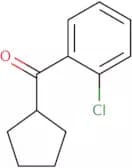

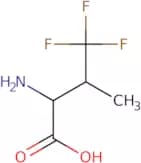
![N-[1-(4-Fluorophenyl)propan-2-Yl]-N-methylprop-2-Yn-1-amine](/_next/image/?url=https%3A%2Fstatic.cymitquimica.com%2Fproducts%2F3D%2Fthumb-webp%2FFF95966.webp&w=3840&q=75)

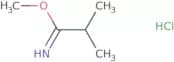

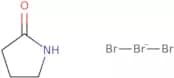
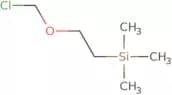
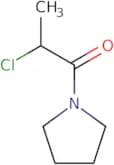

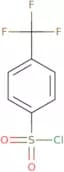
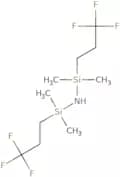
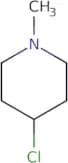
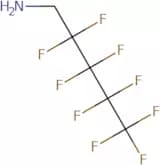
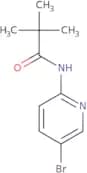
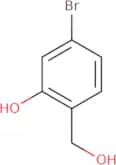
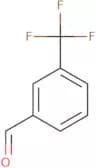
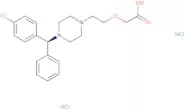
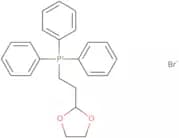

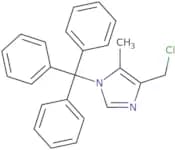
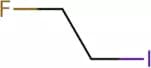
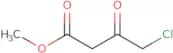
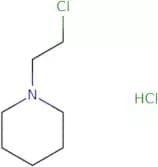
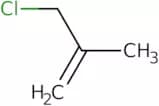
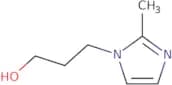
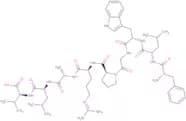
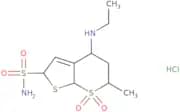
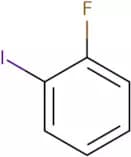
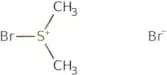
![N-[3-Fluoro-4-[(methylamino)carbonyl]phenyl]-2-methylalanine](/_next/image/?url=https%3A%2Fstatic.cymitquimica.com%2Fproducts%2F3D%2Fthumb-webp%2FFF99416.webp&w=3840&q=75)
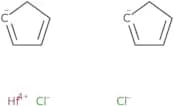
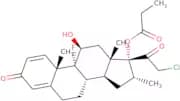
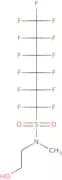
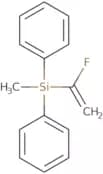
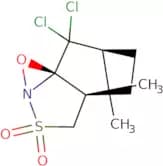
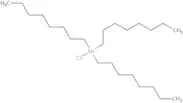
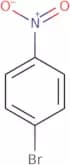

![(2S,3S)-5-[2-(Dimethylamino)ethyl]-3-hydroxy-2-(4-methoxyphenyl)-2,3-dihydro-1,5-benzothiazepin-4-…](/_next/image/?url=https%3A%2Fstatic.cymitquimica.com%2Fproducts%2F3D%2Fthumb-webp%2FFD45531.webp&w=3840&q=75)
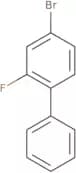
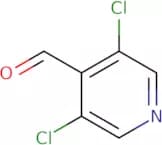
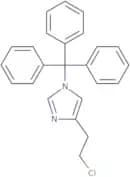
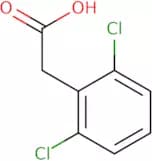

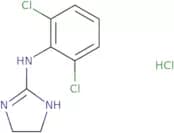
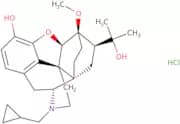
![S-[2-(Dimethylamino)ethyl]isothiourea Dihydrochloride](/_next/image/?url=https%3A%2Fstatic.cymitquimica.com%2Fproducts%2F3D%2Fthumb-webp%2FFD61318.webp&w=3840&q=75)
![[3-(1-Piperidin-1-ylcyclohexyl)phenyl]amine hydrochloride](/_next/image/?url=https%3A%2Fstatic.cymitquimica.com%2Fproducts%2F3D%2Fthumb-webp%2FFP120158.webp&w=3840&q=75)
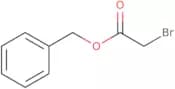
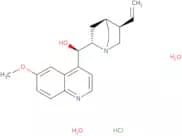


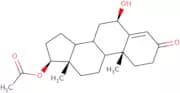
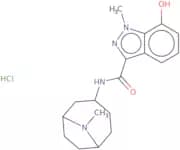
![[2-(5-Chloro-1-methyl-1H-benzimidazol-2-yl)ethyl]amine dihydrochloride](/_next/image/?url=https%3A%2Fstatic.cymitquimica.com%2Fproducts%2F3D%2Fthumb-webp%2FFC135802.webp&w=3840&q=75)
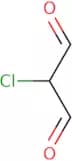

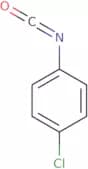
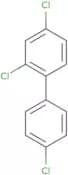
![1-[2-(5-Chloro-1H-indol-3-yl)ethyl]-5-oxopyrrolidine-3-carboxylic acid](/_next/image/?url=https%3A%2Fstatic.cymitquimica.com%2Fproducts%2F3D%2Fthumb-webp%2FFC119446.webp&w=3840&q=75)

![[2-(Difluoromethyl)phenyl]boronic acid](/_next/image/?url=https%3A%2Fstatic.cymitquimica.com%2Fproducts%2F3D%2Fthumb-webp%2FFD84620.webp&w=3840&q=75)
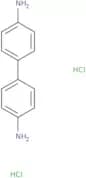
![[5-(Trifluoromethyl)-1,2-Oxazol-3-Yl]Methanol](/_next/image/?url=https%3A%2Fstatic.cymitquimica.com%2Fproducts%2F3D%2Fthumb-webp%2FFT89239.webp&w=3840&q=75)
![[3-(1-Isopropyl-1H-benzimidazol-2-yl)propyl]amine dihydrochloride](/_next/image/?url=https%3A%2Fstatic.cymitquimica.com%2Fproducts%2F3D%2Fthumb-webp%2FFI126427.webp&w=3840&q=75)
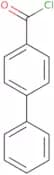
![4-[(4-Methyl-1H-pyrazol-1-yl)methyl]piperidine dihydrochloride](/_next/image/?url=https%3A%2Fstatic.cymitquimica.com%2Fproducts%2F3D%2Fthumb-webp%2FFM122832.webp&w=3840&q=75)
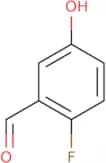
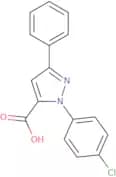
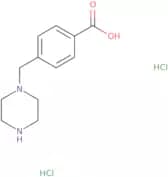
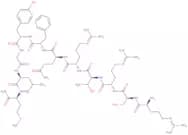
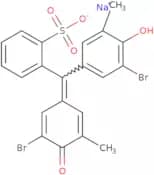
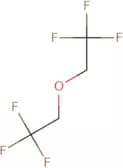
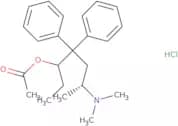
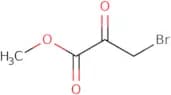

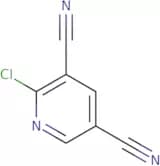
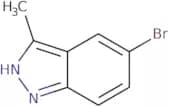
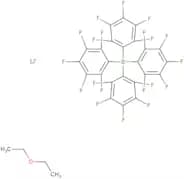
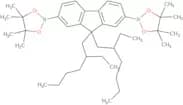
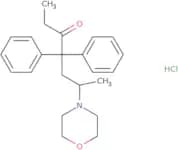
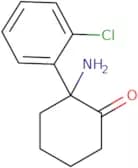
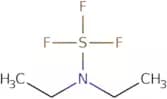
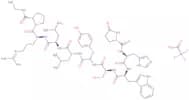
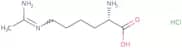
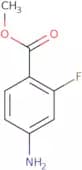
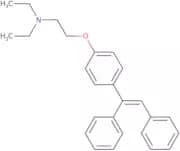
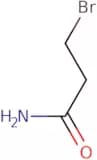
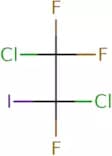
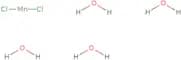
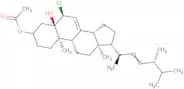
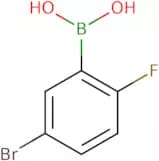
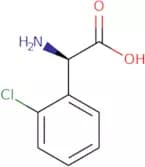
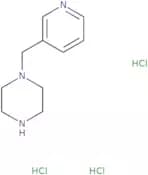
![[2-(5-Fluoro-1-methyl-1H-indol-3-yl)ethyl]amine hydrochloride](/_next/image/?url=https%3A%2Fstatic.cymitquimica.com%2Fproducts%2F3D%2Fthumb-webp%2FFF118334.webp&w=3840&q=75)
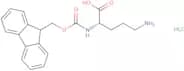
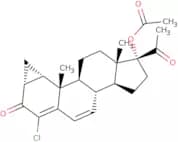
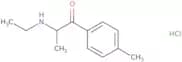
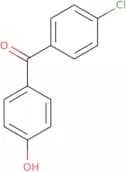
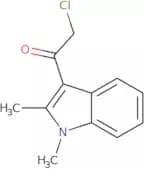
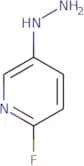
![[(6-Chloro-1-isopropyl-1H-benzimidazol-2-yl)methyl]amine dihydrochloride](/_next/image/?url=https%3A%2Fstatic.cymitquimica.com%2Fproducts%2F3D%2Fthumb-webp%2FFC135800.webp&w=3840&q=75)
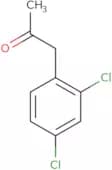

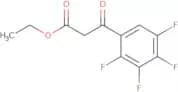
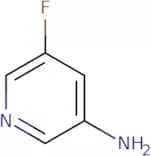
![7-Chlorothieno[3,2-B]Pyridine](/_next/image/?url=https%3A%2Fstatic.cymitquimica.com%2Fproducts%2F3D%2Fthumb-webp%2FFC53344.webp&w=3840&q=75)
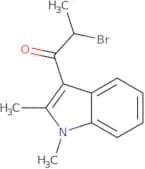
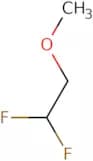
![7-Fluoro-imidazo[1,2-a]pyridine](/_next/image/?url=https%3A%2Fstatic.cymitquimica.com%2Fproducts%2F3D%2Fthumb-webp%2FFF165964.webp&w=3840&q=75)
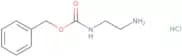

![7-(Difluoromethyl)-5-methyl[1,2,4]triazolo[1,5-a]pyrimidine-2-carboxylic acid](/_next/image/?url=https%3A%2Fstatic.cymitquimica.com%2Fproducts%2F3D%2Fthumb-webp%2FFD119953.webp&w=3840&q=75)
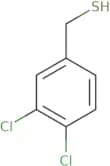

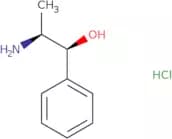
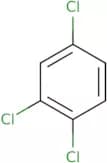

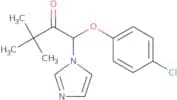
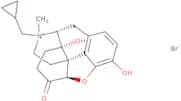
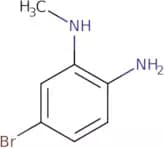

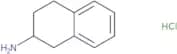

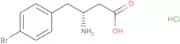
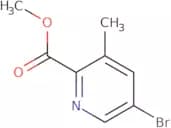
![N-(4-Chloro-5-iodo-7H-pyrrolo[2,3-d]pyrimidin-2-yl)pivalamide](/_next/image/?url=https%3A%2Fstatic.cymitquimica.com%2Fproducts%2F3D%2Fthumb-webp%2FFC138201.webp&w=3840&q=75)
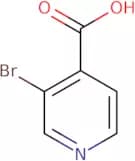
![8-Bromo-imidazo[1,2-a]pyridine](/_next/image/?url=https%3A%2Fstatic.cymitquimica.com%2Fproducts%2F3D%2Fthumb-webp%2FFB54448.webp&w=3840&q=75)
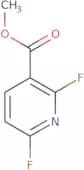
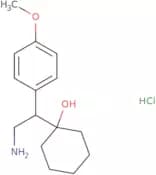
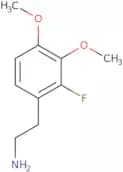
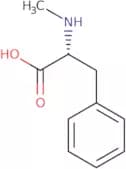
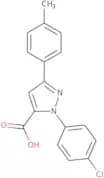
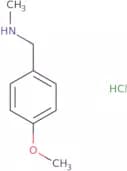
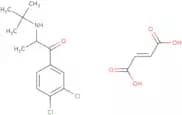

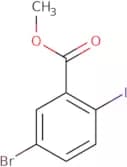
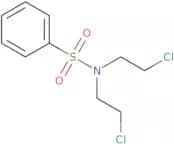
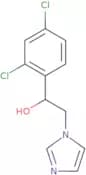
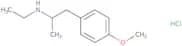
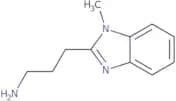
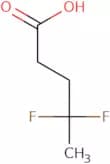
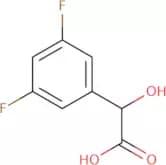

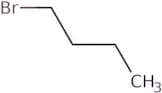
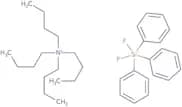
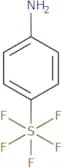
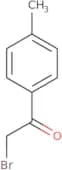
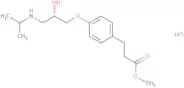
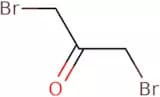
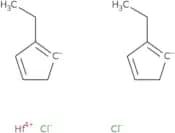
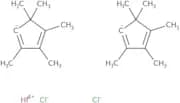

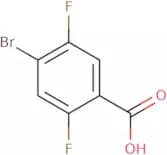
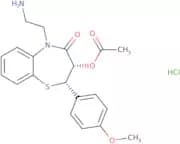
![3-{[(3,4-Dichlorophenyl)amino]carbonyl}bicyclo[2.2.1]hept-5-ene-2-carboxylic acid](/_next/image/?url=https%3A%2Fstatic.cymitquimica.com%2Fproducts%2F3D%2Fthumb-webp%2FFD136060.webp&w=3840&q=75)
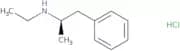

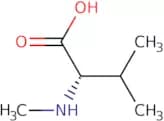


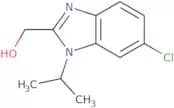


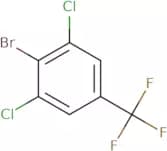

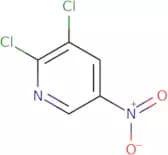
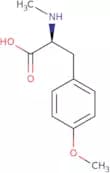
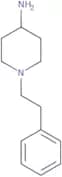
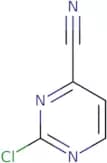
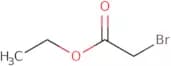
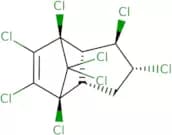
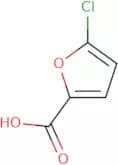

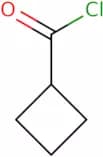
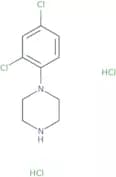
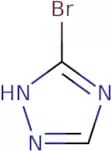
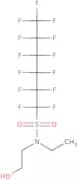

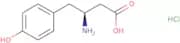
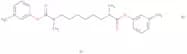
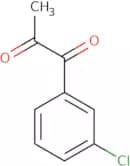

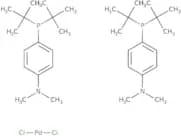

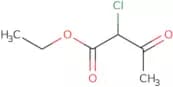
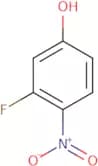
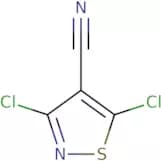
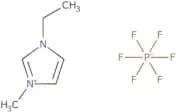
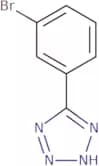

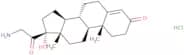

![[(4-Methyl-1H-imidazol-5-yl)methyl]amine hydrochloride](/_next/image/?url=https%3A%2Fstatic.cymitquimica.com%2Fproducts%2F3D%2Fthumb-webp%2FFM125220.webp&w=3840&q=75)
![[3-(Trifluoromethyl)-4,5,6,7-tetrahydro-1H-indazol-1-yl]acetic acid](/_next/image/?url=https%3A%2Fstatic.cymitquimica.com%2Fproducts%2F3D%2Fthumb-webp%2FFT119888.webp&w=3840&q=75)