Organic Halides
In this category, you can find organic molecules containing one or more halogen atoms in their structure. These organic halides include brominated, iodinated, chlorinated, and cyclic halide compounds. Organic halides are widely used in organic synthesis, pharmaceuticals, agrochemicals, and materials science due to their reactivity and ability to undergo a variety of chemical transformations. At CymitQuimica, we offer a comprehensive selection of high-quality organic halides to support your research and industrial applications, ensuring reliable and effective performance in your synthetic and analytical projects.
Subcategories of "Organic Halides"
Found 20437 products of "Organic Halides"
Sort by
Purity (%)
0
100
|
0
|
50
|
90
|
95
|
100
Timapiprant
CAS:Controlled Product<p>Timapiprant is an amide that acts as a selective inhibitor of the prostanoid receptor CRTH2, which is involved in regulating the inflammatory response. Timapiprant inhibits skin eosinophilia, which is associated with inflammatory skin diseases such as atopic dermatitis and psoriasis. It has been shown to be safe in clinical trials and has a good safety profile. The drug's mechanism of action may be due to its ability to inhibit the production of IL-4 and IL-13 by Th2 cells and its ability to inhibit lung function. Timapiprant has shown efficacy in treating allergic rhinitis, asthma, chronic obstructive pulmonary disease, erythema multiforme, pyoderma gangrenosum, and other types of inflammatory skin diseases.</p>Formula:C21H17FN2O2Purity:Min. 95%Molecular weight:348.37 g/molEthyl bromodifluoroacetate
CAS:<p>Ethyl bromodifluoroacetate is a chemical substance that reacts with amines in the presence of copper to form a copper complex. It is used as an intermediate in the synthesis of organic compounds, such as pharmaceuticals. Ethyl bromodifluoroacetate is also used as a catalyst for cross-coupling reactions of organic molecules. This reaction requires low energy and can be performed under mild conditions. The asymmetric synthesis of ethyl bromodifluoroacetate requires few steps and only uses inexpensive starting materials. The carbonyl group is chemically stable, making it difficult to decompose or oxidize. However, hydrogen fluoride will react with ethyl bromodifluoroacetate and cause it to decompose into its elements, fluorine and carbon dioxide gas. In addition, nucleophilic attack by halides can lead to the formation of ethyl bromodifluoroacetate from other substances. Control agents are necessary</p>Formula:C4H5BrF2O2Purity:Min. 95%Color and Shape:Colourless LiquidMolecular weight:202.98 g/mol3-Chloro-1-propanesulfonyl chloride
CAS:<p>3-Chloro-1-propanesulfonyl chloride is a synthetic, bifunctional compound that has been shown to have the ability to inhibit cholesterol acyltransferase and cell culture. 3-Chloro-1-propanesulfonyl chloride has also been shown to bind to the 5-ht4 receptor in vivo and in vitro. It is hydrolyzed by trifluoroacetic acid, which can lead to uptake of the compound into cells. The hydroxy group on 3-chloro-1-propanesulfonyl chloride allows for hydrogen bonding with other molecules, such as fatty acids and matrix metalloproteinases. This property may be responsible for its uptake into cellular structures. 3-Chloro-1-propanesulfonyl chloride has been found in wastewater samples at concentrations between 0.07 - 1 micrograms per liter. In cell cultures, it has been shown to inhibit matrix met</p>Formula:C3H6Cl2O2SPurity:Min. 95%Color and Shape:Clear LiquidMolecular weight:177.05 g/mol4-(4-Bromophenyl)piperazine-1-carboxylic acid tert-butyl ester
CAS:Controlled Product<p>Please enquire for more information about 4-(4-Bromophenyl)piperazine-1-carboxylic acid tert-butyl ester including the price, delivery time and more detailed product information at the technical inquiry form on this page</p>Formula:C15H21BrN2O2Purity:Min. 95%Molecular weight:341.24 g/mol2-Phenylpropan-1-amine hydrochloride
CAS:Controlled Product<p>Please enquire for more information about 2-Phenylpropan-1-amine hydrochloride including the price, delivery time and more detailed product information at the technical inquiry form on this page</p>Formula:C9H14ClNPurity:Min. 95%Molecular weight:171.67 g/mol2,2'-Dichlorodiethyl ether
CAS:Controlled Product<p>2,2'-Dichlorodiethyl ether (2,2-DDE) is a cationic surfactant that is used in the production of fluorocarbons and other chemicals. It is also used in wastewater treatment as an oxidizing agent. 2,2'-DDE is toxic to humans, with a blood group toxicity profile similar to that of ethylene glycol and diethylene glycol. 2,2'-DDE can be found in the environment due to its use as a component in products and its presence in wastewaters. 2,2'-DDE has been shown to be reactive with hydrogen fluoride and oxidation catalyst, which may cause interactive effects when it is present at high concentrations. This chemical has been shown to induce cell death through histological analysis on cell cultures. Reaction mechanism for this chemical is not known.</p>Formula:C4H8Cl2OPurity:Min. 95%Color and Shape:Clear LiquidMolecular weight:143.01 g/molTrichlorooctadecylsilane
CAS:<p>Trichlorooctadecylsilane is a model system that consists of a monolayer of octadecyltrichlorosilane particles. The dispersive solid-phase extraction technique can be used to extract analytes from the surface of this particle. This technique involves removing the solvent from a sample by passing it through an adsorbent. The hydrophobic effect, which is the phenomenon that a nonpolar substance is dissolved in a nonpolar solvent, will cause analytes to bind to the hydrophobic surface of octadecyltrichlorosilane particles because they are hydrophobic.</p>Purity:Min. 95%1,2-Dichloro-2-Iodo-1,1,2-Trifluoroethane
CAS:<p>Tetrafluoroethane, also known as Freon-12, is a chlorofluorocarbon that has been identified as a potent greenhouse gas. Tetrafluoroethane is a byproduct of the industrial production of fluorochemicals, and its disposal in landfill sites has led to soil contamination. 1,2-Dichloro-2-iodo-1,1,2-trifluoroethane (CIF) is a halogenated hydrocarbon that can be synthesized from tetrafluoroethane using an electrochemical process. CIF is used as a catalyst for telomerization reactions such as the synthesis of polyethylene terephthalate (PET). The efficiency of this reaction increases with higher temperatures and lower potentials. This is due to the increased ionization energy which leads to more efficient electron transfer. The reaction mechanism for the telomerization of furan with ethylene glycol with CIF as catalyst at high</p>Formula:C2Cl2F3IPurity:Min. 95%Molecular weight:278.83 g/mol1,4-Difluoro-2-(trifluoromethyl)benzene
CAS:<p>1,4-Difluoro-2-(trifluoromethyl)benzene is a synthetic compound that is used to model some aspects of the reactivity of 2-fluoro-5-nitrobenzotrifluoride. The molecule was synthesized by reacting ethylene with difluoromethyl trifluorobromide and sodium fluoride in an ethylene atmosphere. This molecule has been modelled using quantum chemical calculations to investigate its potential reactivity. It is postulated that the molecule will behave as a nucleophile, and it has been suggested that electron density may be maximised around the fluorine atom at the 1,4 position.</p>Formula:C7H3F5Purity:Min. 95%Molecular weight:182.09 g/mol3-(2-Bromoacetyl)-2H-chromen-2-one
CAS:<p>3-(2-Bromoacetyl)-2H-chromen-2-one is a compound that has been shown to inhibit the growth of human liver cancer cells and has been used in the treatment of some cancers. 3-(2-Bromoacetyl)-2H-chromen-2-one is a nucleophile, which reacts with electrophiles, such as 2Nal, to form an intermediate covalent bond. The reaction mechanism for this process involves a nucleophilic substitution reaction, where one atom (the nucleophile) attacks another atom (the electrophile) from the side opposite its electron cloud. This process results in the formation of a covalent bond between the two atoms and the release of water. 3-(2-Bromoacetyl)-2H-chromen-2one was found to be effective against Streptococcus faecalis and other bacteria after being tested in vitro with these organisms. In addition to being</p>Formula:C11H7BrO3Purity:Min. 95%Color and Shape:PowderMolecular weight:267.08 g/mol3,5-Difluoromandelic acid
CAS:<p>3,5-Difluoromandelic acid is a biomolecule that is synthesized in the laboratory. It has been shown to have anti-cancer properties by inhibiting the formation of amyloid plaques and inhibiting γ-secretase, which are substances involved in the development of Alzheimer's disease. 3,5-Difluoromandelic acid has been shown to be more potent than other ligands in its class with respect to inhibition of γ-secretase activity. This molecule also shows stereospecificity for the L- and D-isomers of lactam substrates. 3,5-Difluoromandelic acid may be used as a potential lead for development of new drugs for treatment of Alzheimer's disease.</p>Formula:C8H6F2O3Purity:Min. 95%Color and Shape:White PowderMolecular weight:188.13 g/molChloromethyl ethyl ether
CAS:<p>Chloromethyl ethyl ether is a trifluoroacetic acid derivative that is used as a solvent. It reacts with radiation and forms the highly reactive hydroxyl radical. Chloromethyl ethyl ether can be used to destroy brain infarction from radiation treatment, although it has no use in clinical medicine. Chloromethyl ethyl ether also has high values for transport properties and is resistant to hydrolysis by acids. This compound is synthesized by reacting chloroethanol with methyl chloroformate in the presence of hydrochloric acid. The biological properties of chloromethyl ethyl ether are not well understood; however, it has been shown to bind with receptors on cells and inhibit protein synthesis.</p>Formula:C3H7ClOPurity:Min. 95%Molecular weight:94.54 g/molAdrenalone hydrochloride
CAS:Controlled Product<p>Adrenalone hydrochloride is a synthetic form of epinephrine, which is an endogenous catecholamine. Adrenalone hydrochloride has been used to treat autoimmune diseases and bowel disease. Adrenalone hydrochloride binds to the alpha and beta receptors on the surface of cells, which stimulates the production of other hormones and neurotransmitters. It has also been shown to have antimicrobial properties against bacteria, fungi, and viruses. Adrenalone hydrochloride has a chemical stability that is greater than that of dopamine or adrenaline.</p>Formula:C9H11NO3·HClPurity:Min. 95%Molecular weight:217.65 g/molBuphedrone hydrochloride
CAS:Controlled Product<p>Buphedrone hydrochloride (BH) is a synthetic cathinone that belongs to the group of stimulants. It has been shown to have similar pharmacological effects as amphetamines, such as increased locomotor activity and decreased food intake. BH also has effects on the brain, including increased neuronal cell division and growth, which are mediated by its interactions with dopamine receptors. BH is structurally similar to methamphetamine and can be synthesized using the same methods. This drug has been found in products labelled as "bath salts" or "plant food."</p>Formula:C11H16ClNOPurity:Min. 95%Molecular weight:213.7 g/molrac benzodioxole-5-butanamine hydrochloride
CAS:Controlled Product<p>Racemic benzodioxole-5-butanamine hydrochloride (RAC) is a pharmacologic agent that has been shown to bind to dopamine receptors, thereby activating them. It has been shown to be an effective treatment for depression and other mental illnesses. Racemic benzodioxole-5-butanamine hydrochloride is also used in analytical toxicology as a chromatographic standard. This compound has been synthesized using the asymmetric synthesis of primary amines. RAC is also an enantiomer and can exist in two forms: (+)-RAC and (-)-RAC, which are mirror images of each other. The (+) form of racemic benzodioxole-5-butanamine hydrochloride is the more active form, with greater binding affinity for dopamine receptors than the (-) form.</p>Formula:C11H16ClNO2Purity:Min. 95%Molecular weight:229.7 g/molCholesterol 2,4-Dichlorobenzoate
CAS:<p>Cholesterol 2,4-Dichlorobenzoate (CDCB) is a crystalline solid that forms the polymorphs of monoclinic, orthorhombic, and hexagonal. This compound has been traditionally used as a food additive in many commercial products to improve flavor and stability. The membranes of bacteria are composed of cholesterol 2,4-dichlorobenzoate. The nature of the compound is such that it can exist as two different conformers: the trans conformer with the chloro group on one side and the benzoate on the other or the cis conformer with both chloro groups on one side. The monoclinic form has two conformational isomers: propionate and acetate. These isomers are not distinguishable by X-ray diffraction but can be distinguished by infrared spectroscopy.</p>Purity:Min. 95%Molecular weight:559.65 g/molLauroylcholine chloride hydrate
CAS:<p>Lauroylcholine chloride hydrate is a chemical compound that has been shown to have antimicrobial activity. It has been shown to react with exogenous acceptors such as pluronic F127, benzalkonium chloride, and inorganic acid. The reaction mechanism of Lauroylcholine chloride hydrate is not well understood, but it is thought to be due to the presence of a hydroxyl group and a carbonyl group on the molecule. Lauroylcholine chloride hydrate is a non-polymeric cationic surfactant with molecular weight similar to heparin's. This chemical compound may be used as an additive in personal care products or pharmaceuticals.</p>Formula:C17H36ClNO2Purity:Min. 95%Color and Shape:White PowderMolecular weight:321.93 g/mol3-(Bromomethyl)benzoic acid
CAS:<p>3-(Bromomethyl)benzoic acid is a quaternary ammonium salt that has been shown to be an ampk activator. It has been used in the synthesis of mesoporous materials and for the synthesis of sulfoxides, oxindoles, and carboxylic acids. 3-(Bromomethyl)benzoic acid has also been used as a calibrant for nonlinear regression analysis, due to its conformational properties.</p>Formula:C8H7BrO2Purity:Min. 95%Molecular weight:215.04 g/mol2-(Chloromethyl)-3-(4-fluorophenyl)quinazolin-4(3H)-one
CAS:Controlled Product<p>Please enquire for more information about 2-(Chloromethyl)-3-(4-fluorophenyl)quinazolin-4(3H)-one including the price, delivery time and more detailed product information at the technical inquiry form on this page</p>Formula:C15H10ClFN2OPurity:Min. 95%Molecular weight:288.7 g/mol1,3-Bis(3,3,3-trifluoropropyl)-1,1,3,3-tetramethyldisilazane
CAS:<p>1,3-Bis(3,3,3-trifluoropropyl)-1,1,3,3-tetramethyldisilazane is a dielectric with a low dielectric constant and high hydrophobicity. It can be used as a self-assembled monolayer for reducing the contact angle on hydrophobic surfaces. 1,3-Bis(3,3,3-trifluoropropyl)-1,1,3,3-tetramethyldisilazane has been used in transistors to increase the conductivity of pentacene monolayer.</p>Formula:C10H21F6NSi2Purity:94%MinMolecular weight:325.44 g/mol2-chloro-5-formyl-4-picoline
CAS:<p>Please enquire for more information about 2-chloro-5-formyl-4-picoline including the price, delivery time and more detailed product information at the technical inquiry form on this page</p>Formula:C7H6ClNOPurity:Min. 95%Molecular weight:155.58 g/molZ-(R,S)-3-amino-7-chloro-5-(2-chlorophenyl)-2-oxo-1,4-benzodiazepine
CAS:Controlled Product<p>Please enquire for more information about Z-(R,S)-3-amino-7-chloro-5-(2-chlorophenyl)-2-oxo-1,4-benzodiazepine including the price, delivery time and more detailed product information at the technical inquiry form on this page</p>Formula:C23H17N3O3Cl2Purity:Min. 95%Molecular weight:454.3 g/mol4-(Difluoromethyl)-2-fluoropyridine
CAS:<p>Please enquire for more information about 4-(Difluoromethyl)-2-fluoropyridine including the price, delivery time and more detailed product information at the technical inquiry form on this page</p>Formula:C6H4F3NPurity:Min. 95%Molecular weight:147.1 g/mol5-(2-Chlorophenyl)-2-oxo-2,3-dihydro-1H-1,4-benzodiazepine
CAS:Controlled Product<p>Phenazepam is a benzodiazepine with hypnotic and anxiolytic properties. It is used in the treatment of anxiety disorders, insomnia, and muscle spasms. Phenazepam has a higher potency than other benzodiazepines, but it has a shorter half-life and duration of action. The synthesis of phenazepam involves the reaction of 5-(2-chlorophenyl)-1,3-dihydro-2H-1,4-benzodiazepin-2-one with 4-(aminosulfonyl)piperidine. This substance is a crystalline solid that has an anxiolytic effect by increasing the activity of GABA receptors in the brain.</p>Formula:C15H11ClN2OPurity:Min. 95%Molecular weight:270.71 g/mol5-Bromo-1H-indazol-3-amine
CAS:<p>Please enquire for more information about 5-Bromo-1H-indazol-3-amine including the price, delivery time and more detailed product information at the technical inquiry form on this page</p>Formula:C7H6BrN3Purity:Min. 95%Molecular weight:212.05 g/molMethyl 5-bromo-2-iodobenzoate
CAS:<p>Methyl 5-bromo-2-iodobenzoate (MIB) is a thiourea that inhibits the enzyme activity of thioredoxin reductase. It has been shown to inhibit the proliferation of cancer cells in vitro and in vivo, as well as induce apoptosis. MIB has also been shown to have a potent antiproliferative effect on various cancer cell lines and other natural compounds. MIB is an efficient anticancer agent with a high quantum efficiency, which may be due to its ability to scavenge free radicals. MIB can also be used to increase the yields of other natural compounds.</p>Formula:C8H6BrIO2Purity:Min. 95%Molecular weight:340.94 g/mol1-Fluoro-5a-androst-2-en-17b-ol acetate
CAS:Controlled Product<p>Please enquire for more information about 1-Fluoro-5a-androst-2-en-17b-ol acetate including the price, delivery time and more detailed product information at the technical inquiry form on this page</p>Formula:C20H28FO2Purity:Min. 95%Molecular weight:319.43 g/mol5-Chloro-2-(ethylsulfonyl)pyrimidine-4-carboxylic acid
CAS:<p>Please enquire for more information about 5-Chloro-2-(ethylsulfonyl)pyrimidine-4-carboxylic acid including the price, delivery time and more detailed product information at the technical inquiry form on this page</p>Formula:C7H7ClN2O4SPurity:Min. 95%Molecular weight:250.66 g/mol4-Methoxy-N-methylbenzylamine hydrochloride
CAS:<p>Please enquire for more information about 4-Methoxy-N-methylbenzylamine hydrochloride including the price, delivery time and more detailed product information at the technical inquiry form on this page</p>Formula:C9H14NOClPurity:Min. 95%Molecular weight:187.67 g/mol2-Methyl-4-chlorophenoxyacetic acid
CAS:<p>2-Methyl-4-chlorophenoxyacetic acid is a sodium salt of 2-methyl-4-chlorophenoxyacetic acid. It is a herbicide that inhibits photosynthesis by disrupting the electron transport chain in chloroplasts. The hydroxyl group on the phenoxy ring is responsible for its herbicidal activity. 2-Methyl-4-chlorophenoxyacetic acid has been shown to cause significant cell death in tissue culture, which may be due to its ability to inhibit enzymes such as acetylcholinesterase, phosphodiesterase, and carboxypeptidase A2. This chemical also has carcinogenic potential, but no toxicological studies have been conducted in humans or animals.</p>Formula:C9H9ClO3Purity:Min. 95%Molecular weight:200.62 g/molChlormequat chloride
CAS:<p>Chlormequat is a plant growth regulator that is used to inhibit the elongation of roots and shoots. It also inhibits the synthesis of cell wall components, causing cell death. Chlormequat has been shown to have a positive effect on plant growth by increasing water and nutrient uptake. The optimum concentration of chlormequat for plant growth varies depending on the type of plant. It can be determined by measuring the amount of phosphorus pentoxide in tissue culture samples. Chlormequat also blocks signal pathways that are activated by bacterial colony-stimulating factors, inhibiting bacterial growth. The analytical method for determining chlormequat concentrations in plants is based on histological analysis.</p>Formula:C5H13ClN•ClPurity:Min. 95%Color and Shape:PowderMolecular weight:158.07 g/mol2-Amino-4-chloro-3-nitropyridine
CAS:<p>2-Amino-4-chloro-3-nitropyridine is a potent inhibitory molecule that inhibits the activity of the enzyme acetylcholinesterase. It has been used in the treatment of chronic pain, and has been shown to be effective for inhibiting malonate esters and amino acid esters. This drug is an ethyl ester that can be synthesized from chlorobenzene and malonic acid by chlorinating it with chlorine gas. 2-Amino-4-chloro-3-nitropyridine has also been shown to have a high affinity for malonic acid diethyl esters.</p>Formula:C5H4ClN3O2Purity:Min. 98 Area-%Color and Shape:PowderMolecular weight:173.56 g/mol1-[(2-Chlorophenyl)-N-(methylimino)methyl]cyclopentanol hydrochloride
CAS:Controlled Product<p>Please enquire for more information about 1-[(2-Chlorophenyl)-N-(methylimino)methyl]cyclopentanol hydrochloride including the price, delivery time and more detailed product information at the technical inquiry form on this page</p>Formula:C13H16ClNO•HClPurity:Min. 95%Molecular weight:274.19 g/mol4-[4-(Dimethylamino)-1-(4-fluorophenyl)-1-hydroxybutyl]-3-(hydroxymethyl)benzonitrile hydrobromide
CAS:<p>4-[4-(Dimethylamino)-1-(4-fluorophenyl)-1-hydroxybutyl]-3-(hydroxymethyl)benzonitrile hydrobromide is an antagonist of the nicotinic acetylcholine receptor (nAChR) that has been shown to be prophylactic against mediated nitrogen. It was isolated from a marine sponge and shows high affinity for nAChRs, with low nanomolar binding constants. The prophylactic properties of 4-[4-(dimethylamino)-1-(4-fluorophenyl)-1-hydroxybutyl]-3-(hydroxymethyl)benzonitrile hydrobromide are mediated by its ability to antagonize the function of nAChRs and prevent the release of neurotransmitters such as acetylcholine.</p>Formula:C20H23FN2O2•HBrPurity:Min. 95%Molecular weight:423.32 g/molDesmethyl fluorometholone
CAS:Controlled Product<p>Please enquire for more information about Desmethyl fluorometholone including the price, delivery time and more detailed product information at the technical inquiry form on this page</p>Formula:C21H27FO4Purity:Min. 95%Color and Shape:SolidMolecular weight:362.44 g/mol5-Chloro-3-phenyl-1,2,4-oxadiazole
CAS:<p>5-Chloro-3-phenyl-1,2,4-oxadiazole is a potent and selective inhibitor of fatty acid amide hydrolase (FAAH). It is also an inhibitor of the permeability glycoprotein PGP. 5-Chloro-3-phenyl-1,2,4-oxadiazole has a potent inhibitory activity against FAAH and PGP at low concentrations. This inhibition can be improved by optimization of the lead compound. 5-Chloro-3-phenyl-1,2,4-oxadiazole is orally active in rats and in humans. In animal studies it has been shown to produce dose dependent effects on blood pressure and heart rate when administered intravenously or orally.</p>Formula:C8H5ClN2OPurity:Min. 95%Molecular weight:180.59 g/mol2-Chloro-N-1-naphthylacetamide
CAS:<p>2-Chloro-N-1-naphthylacetamide is a synthetic organic compound that belongs to the class of sulfur compounds. It is used in the synthesis of other compounds and has been shown to be a potent inhibitor of hydroxylapatite and sulfate hydrolysis. The reaction mechanism for this compound’s inhibition of sulfate hydrolysis is not known, but it may be due to its ability to act as an electron donor or acceptor. 2-Chloro-N-1-naphthylacetamide also has carcinogenic properties, with some studies suggesting that it can cause liver cancer in rodents.</p>Formula:C12H10ClNOPurity:Min. 95%Molecular weight:219.67 g/mol5-Chloro-2-methyl-3-isothiazolone - Active Ingredient >14%, CMI/MI 2.5 - 4.0
CAS:<p>5-Chloro-2-methyl-3-isothiazolone (CMIT) is a highly water-soluble apoptotic agent and preservative with numerous applications. It is used in anti-microbial coatings, latex formulations, hydraulic fracturing fluids, pesticides and cosmetics. CMIT in conjunction with 2-methyl-4-isothiazolin-3-one (MIT) is marketed as Kathon. CMIT is also an allergen. CMIT is active against gram-positive and gram-negative bacteria, yeasts and fungi. CMIT is believed to form mixed disulfides with protein thiol groups which then undergo thiol-disulfide exchange reactions to give mixed protein thiol disulfides leading to cell apoptosis and necrosis.</p>Formula:C4H4ClNOSColor and Shape:Yellow Clear LiquidMolecular weight:149.6 g/mol(R,S)-1,3,4,5-Tetrahydro-5-phenyl-2H-1,4-benzodiazepin-2-one hydrochloride
CAS:Controlled Product<p>Please enquire for more information about (R,S)-1,3,4,5-Tetrahydro-5-phenyl-2H-1,4-benzodiazepin-2-one hydrochloride including the price, delivery time and more detailed product information at the technical inquiry form on this page</p>Formula:C15H14N2O·HClPurity:Min. 95%Molecular weight:274.75 g/mol3-Chloro-N-methylpropan-1-amine HCl
CAS:<p>Please enquire for more information about 3-Chloro-N-methylpropan-1-amine HCl including the price, delivery time and more detailed product information at the technical inquiry form on this page</p>Formula:C4H11Cl2NPurity:Min. 95%Molecular weight:144.04 g/mol1-(2-Chloropropanoyl)azepane
CAS:<p>Please enquire for more information about 1-(2-Chloropropanoyl)azepane including the price, delivery time and more detailed product information at the technical inquiry form on this page</p>Formula:C9H16ClNOPurity:Min. 95%Molecular weight:189.68 g/mol1-Bromo-4-nitrobenzene
CAS:<p>1-Bromo-4-nitrobenzene is a bromonitrile that is used to synthesize optical sensors. It is an intermediate in the synthesis of 1,5-dibromo-4-nitrobenzane, which was used as a model system for the reaction mechanism of coupling reactions. The coupling of 1-bromo-4-nitrobenzane with hydrochloric acid and palladium catalysts leads to the formation of a diazonium salt. This reaction can be analyzed by looking at the nitro group and the halides in the molecule. The nitro group reacts with ammonia to form an aminonitrile and water. Halides react with ammonia to form ammonium salts and hydrogen halides. Diazonium salts are then generated by adding nitrous acid (HNO2) or hydroxylamine (NHOH) to these compounds. Finally, transfer reactions are carried out by heating 1</p>Formula:C6H4BrNO2Purity:Min. 95%Molecular weight:202.01 g/mol(2S,3S)-5-[2-(Dimethylamino)ethyl]-3-hydroxy-2-(4-methoxyphenyl)-2,3-dihydro-1,5-benzothiazepin-4-one hydrochloride
CAS:<p>(2S,3S)-5-[2-(Dimethylamino)ethyl]-3-hydroxy-2-(4-methoxyphenyl)-2,3-dihydro-1,5-benzothiazepin-4-one hydrochloride is a racemic mixture of two enantiomers. It is a prodrug that is hydrolyzed to its active form, diltiazem. The drug has been shown to be effective in the treatment of hypertension and angina pectoris. (2S,3S)-5-[2-(Dimethylamino)ethyl]-3-hydroxy-2-(4-methoxyphenyl)-2,3-dihydro-1,5-benzothiazepin-4-one hydrochloride has been shown to inhibit the activity of the enzyme phosphodiesterase which breaks down cyclic AMP. This inhibition results in an increase in levels of</p>Formula:C20H24N2O3S·HClPurity:Min. 95%Molecular weight:408.94 g/mol1-(3-Methoxyphenyl)piperazine dihydrochloride
CAS:Controlled Product<p>Please enquire for more information about 1-(3-Methoxyphenyl)piperazine dihydrochloride including the price, delivery time and more detailed product information at the technical inquiry form on this page</p>Formula:C11H18Cl2N2OPurity:Min. 95%Color and Shape:PowderMolecular weight:265.18 g/mol[1,2-Bis(diphenylphosphino)ethane]nickel(II) Dichloride
CAS:<p>Bis-diphenylphosphinoethane nickel dichloride is a compound that is used for the preparation of other compounds, such as phosphine ligands. Bis-diphenylphosphinoethane nickel dichloride is a solid form of nickel chloride with two crystalline polymorphs, one with a monoclinic crystal structure and the other with a tetragonal crystal structure. In order to obtain the desired product, it must be prepared in an orientational process and synthesised at low temperatures. Bis-diphenylphosphinoethane nickel dichloride has been shown to have anti-cancer properties.br>br> Bis-diphenylphosphinoethane nickel dichloride has also been used to prepare other compounds by cross coupling reactions. This method is effective for preparing compounds that are difficult to make using conventional methods, such as organometallic complexes.br>br> Bis-d</p>Formula:C26H24Cl2NiP2Purity:Min. 95%Molecular weight:528.02 g/molSodium N-(6-chloropyridazin-3-yl)sulphanilamidate
CAS:<p>Sodium N-(6-chloropyridazin-3-yl)sulphanilamidate (NPS) is a sulfa drug that has been shown to have an effect on the enzyme activities of some endoparasites, such as Giardia lamblia and Entamoeba histolytica. The active form of NPS is metabolized through a number of metabolic transformations, including hydrolysis by esterases or glucuronidases, oxidation by cytochrome P450 enzymes, reduction by glutathione reductase, or conjugation with glucuronic acid. It also specifically binds to markers expressed at high levels in Mycobacterium tuberculosis strains (e.g., ESX-1 secretion system protein) and inhibits cell growth in culture.</p>Formula:C10H8ClN4O2SNaPurity:Min. 95%Molecular weight:306.7 g/mol1-Acetyl-3-(acetyloxy)-7-chloro-5-(2-chlorophenyl)-1,3-dihydro-2H-1,4-benzodiazepin-2-one
CAS:Controlled Product<p>Please enquire for more information about 1-Acetyl-3-(acetyloxy)-7-chloro-5-(2-chlorophenyl)-1,3-dihydro-2H-1,4-benzodiazepin-2-one including the price, delivery time and more detailed product information at the technical inquiry form on this page</p>Formula:C19H14Cl2N2O4Purity:Min. 95%Molecular weight:405.23 g/molN,N-Diethylaminoethyl 2,2-diphenylvalerate hydrochloride
CAS:Controlled Product<p>N,N-Diethylaminoethyl 2,2-diphenylvalerate hydrochloride is a depressant drug that inhibits the growth of bacteria by inhibiting fatty acid synthesis. It has been shown to inhibit group P2 enzymes that are involved in the production of fatty acids. In this way, it inhibits the formation and release of ATP, which is essential for bacterial growth. N,N-Diethylaminoethyl 2,2-diphenylvalerate hydrochloride also has inhibitory properties against bacteria that cause infectious diseases. This drug is effective against Hl-60 cells and can be used as a diagnostic tool for detection sensitivity and detection time.</p>Formula:C23H32ClNO2Purity:Min. 95%Molecular weight:389.96 g/mol(S)-Cetirizine dihydrochloride
CAS:<p>Cetirizine is a levorotatory antihistamine that has been shown to have a linear response to changes in concentration. It is used as an anti-allergic agent for the treatment of allergic conjunctivitis and other allergic disorders. Cetirizine is an H1 receptor antagonist and its activity is due to competitive inhibition of histamine binding at this site. Cetirizine also inhibits the release of inflammatory mediators from mast cells, including histamine, prostaglandin D2, leukotrienes, and interleukins. This drug also has a rapid onset of action and it can be administered on a once-daily schedule.</p>Purity:Min. 95%Molecular weight:461.81Nonadecafluorodecanoic acid
CAS:<p>Nonadecafluorodecanoic acid (NDFA) is a fatty acid that has been shown to be an effective solvent for wastewater treatment. This product has been found to have a matrix effect on mouse tumor cells, as well as enzyme activities in vitro. NDFA has also been shown to have acute toxicities in mice and genotoxic activity in vitro. NDFA is not carcinogenic and does not react with DNA, but does cause mutagenic effects such as single-stranded breaks, double-stranded breaks, or cross-linkages between DNA strands. The molecular weight of NDFA is 216 g/mol and the melting point is -52°C. It can be detected by electrochemical detector at concentrations of 0.1 ppm and by optical sensor at concentrations of 1 ppm. The analytical method used for NDFA quantification is gas chromatography/mass spectrometry (GC/MS).</p>Formula:C10HF19O2Purity:Min. 95%Color and Shape:PowderMolecular weight:514.08 g/mol2-Chloro-4-iodo-6-(trifluoromethyl)pyridine
CAS:<p>2-Chloro-4,6-difluoro-pyridine is an electrophilic compound that can react with nucleophiles to form covalent bonds. This reaction is known as nucleophilic substitution and it can be used in the synthesis of organic compounds. The diisopropylamide of lithium is a popular reagent for this purpose because it is inexpensive, highly reactive, and easily purified by distillation. In particular, 2-chloro-4,6-difluoro-pyridine reacts quantitatively with lithium diisopropylamide to form 4-(2-chloro-4,6-difluoro)pyrimidin-2(1H)-ones in tetrahydrofuran.</p>Formula:C6H2ClF3INPurity:Min. 95%Color and Shape:Solid.Molecular weight:307.44 g/molBoc-L-aspartic acid a-9-fluorenylmethyl ester
CAS:<p>Boc-L-aspartic acid a-9-fluorenylmethyl ester is a synthetic compound that mimics the structure of acetylcholine. It has been shown to be an efficient method for generating pseudopeptides and cyclic peptides. This compound may be used as a surrogate for acetylcholine in virus research, since it can bind to the same receptor. Boc-L-aspartic acid a-9-fluorenylmethyl ester has also been used to generate monoclonal antibodies that are neutralizing against foot-and-mouth disease viruses.</p>Formula:C23H25NO6Purity:Min. 97 Area-%Molecular weight:411.45 g/molCadmium chloride
CAS:<p>Cadmium chloride is a compound that belongs to the group of inorganic compounds. Cadmium chloride inhibits the activity of c-jun, an important transcription factor involved in cell growth and differentiation. It also affects the activity of other transcription factors, such as NF-κB, and has been shown to induce cell death by inhibiting DNA synthesis. The cytotoxicity of cadmium chloride is related to its ability to interact with hydrogen bonding sites on proteins. In vitro studies have shown that it has significant cytotoxicity against tumor cells with a cell specific response. Cadmium chloride has also been used in therapy groups for patients with inflammatory bowel disease and rheumatoid arthritis.</p>Formula:CdCl2Purity:Min. 95%Molecular weight:183.32 g/molR-(-)-Methamphetamine hydrochloride
CAS:Controlled Product<p>Please enquire for more information about R-(-)-Methamphetamine hydrochloride including the price, delivery time and more detailed product information at the technical inquiry form on this page</p>Formula:C10H15N•HClPurity:Min. 95%Color and Shape:PowderMolecular weight:185.69 g/mol4-Chloroquinoline-6-carboxylicacid
CAS:<p>Please enquire for more information about 4-Chloroquinoline-6-carboxylicacid including the price, delivery time and more detailed product information at the technical inquiry form on this page</p>Formula:C10H6ClNO2Purity:Min. 95%Molecular weight:207.61 g/mol5-Chloropyridine-2-boronicacid
CAS:<p>Please enquire for more information about 5-Chloropyridine-2-boronicacid including the price, delivery time and more detailed product information at the technical inquiry form on this page</p>Formula:C5H5BClNO2Purity:Min. 95%Molecular weight:157.36 g/mol1-Butylpyridinium Chloride
CAS:<p>1-Butylpyridinium Chloride is an ionic liquid that is a colorless, water-soluble liquid. It has been reported to have detergent compositions and can be used as a solvent or cleaning agent. 1-Butylpyridinium chloride has been shown to have strong hydrogen bonding interactions with other molecules. It also exhibits electrochemical impedance spectroscopy, ft-ir spectroscopy, and thermal expansion properties.</p>Formula:C9H14ClNPurity:Min. 95%Molecular weight:171.67 g/mol(1,3-Benzodioxol-5-ylmethyl)methylamine hydrochloride
CAS:Controlled Product<p>(1,3-Benzodioxol-5-ylmethyl)methylamine hydrochloride (BZMA) is a drug that has been used in research to study the role of serotonin in psychological effects and as a marker for fingerprinting. BZMA is a synthetic compound that is structurally similar to drugs like amphetamine and MDMA. It is not known to have any recreational use. BZMA can be detected using matrix-assisted laser desorption/ionization mass spectrometry. This technique requires a sample containing less than 1% impurities, which are usually silicon compounds or other ions.</p>Formula:C9H11NO2Purity:Min. 95%Molecular weight:165.19 g/mol4-(2-Fluorophenyl)-4-piperidinol
CAS:<p>Please enquire for more information about 4-(2-Fluorophenyl)-4-piperidinol including the price, delivery time and more detailed product information at the technical inquiry form on this page</p>Formula:C11H14FNOPurity:Min. 95%Molecular weight:195.23 g/mol4-(Pentafluorothio)phenol
CAS:<p>(Oc-6-21)-Pentafluoro(4-hydroxyphenyl)-sulfur is a muconic acid ester that can be synthesized by the oxidation of (OC-6-21) with lead tetraacetate and hydrogen peroxide. This reaction produces a mixture of products, including sulfuric acid, aliphatic peroxides, succinic anhydride, nitriles and esters. The yields from this reaction are low.</p>Formula:C6H5F5OSPurity:Min. 95%Color and Shape:PowderMolecular weight:220.16 g/molDesmethyl-8-bromo dragonfly hydrochloride
CAS:Controlled Product<p>Desmethyl-8-bromo dragonfly hydrochloride is a recreational drug that is a benzofuran derivative. It acts as a serotonin receptor agonist, with high potency for 5HT1A receptors and with an affinity for histamine H1 receptors. Desmethyl-8-bromo dragonfly hydrochloride has been shown to be addictive in humans, and the behavioral effects of this drug include increased motor activity and decreased anxiety.</p>Formula:C12H15BrClNO2Purity:Min. 95%Molecular weight:320.61 g/mol(1-Chloroisoquinolin-4-yl)boronic acid
CAS:<p>Please enquire for more information about (1-Chloroisoquinolin-4-yl)boronic acid including the price, delivery time and more detailed product information at the technical inquiry form on this page</p>Formula:C9H7BClNO2Purity:Min. 95%Molecular weight:207.42 g/molFluorescent Brightener 135
CAS:<p>Fluorescent Brightener 135 is a reactive dye that is used in coatings, plastics, paper, and textiles. It is often added to products in order to make them more visible under ultraviolet light. The matrix effect of the product can affect the photostability of Fluorescent Brightener 135. This dye has been shown to be reactive with drugs such as phenytoin, carbamazepine, and felbamate; however, this reactivity is not sufficient to cause a significant change in drug efficacy. Preparation of samples for analysis with Fluorescent Brightener 135 should be done by methods that are compatible with the fluorescent properties of this compound. Multiple-reaction monitoring (MRM) techniques are often used for the analysis of this compound because they offer high sensitivity and specificity. The average particle diameter of Fluorescent Brightener 135 is about 100 nm and its optical properties can be affected by the presence of fatty acids such as oleic acid.</p>Formula:C18H14N2O2Purity:Min. 95%Molecular weight:290.32 g/mol2-Bromo-2',4'-dichloroacetophenone
CAS:<p>2-Bromo-2',4'-dichloroacetophenone (2BDCA) is a drug that belongs to the class of active substances. 2BDCA has potent inhibitory activity against erythrocytes and is used in the treatment of leukaemia. 2BDCA is also an optical probe, which can be used to detect phosphate groups and dihedral angles in biological systems. It can be used as a fluorescent probe for biological systems, such as cells or proteins, and has been shown to be effective on red blood cells. 2BDCA binds to these molecules by hydrogen bonding and exhibits optical properties through fluorescence resonance energy transfer.</p>Formula:C8H5BrCl2OPurity:Min. 95%Color and Shape:Clear LiquidMolecular weight:267.93 g/molPinaverium bromide
CAS:<p>Pinaverium bromide is a drug with anti-inflammatory properties. It is used in the treatment of bowel disease and as a muscle relaxant. Pinaverium bromide has shown efficacy in treating bowel syndrome, but it also reduces blood flow to the bowel. Pinaverium bromide inhibits voltage-dependent calcium channels, leading to muscle relaxation. This drug also has been shown to inhibit the production of inflammatory mediators such as prostaglandins and leukotrienes, which may be due to its ability to inhibit basic fibroblast growth factor production. Pinaverium bromide is an effective drug that is used for the treatment of bowel disease and muscle spasms. It blocks voltage-dependent calcium channels, which leads to muscle relaxation without affecting heart function. The inhibition of basic fibroblast growth factor production may contribute to this drug's anti-inflammatory effects.!-- START: Description --> Pinaverium bromide</p>Formula:C26H41Br2NO4Purity:Min. 95%Color and Shape:PowderMolecular weight:591.42 g/molTrimethylchlorosilane
CAS:<p>Trimethylchlorosilane is a model system for the study of chloride ion transport across lipid membranes. It has been shown that this molecule can form a disulfide bond with glutathione and may have synergistic effects with other drugs, such as metronidazole, to treat bowel disease. Trimethylchlorosilane can also be used in analytical methods for measuring chloride ions in wastewater and other samples. The x-ray crystal structures of trimethylchlorosilane anhydrous sodium salt have been determined at room temperature. The hydrogen fluoride molecule binds to the pyrazole ring and the chlorine atom forms a covalent bond with the hydroxyl group on one of the water molecules. The reaction solution is heated to produce trimethylchlorosilane, which is then cooled to room temperature again, during which time it crystallizes out of solution.</p>Formula:C3H9ClSiPurity:Min. 95%Color and Shape:Clear LiquidMolecular weight:108.64 g/molL-Serine amide hydrochloride
CAS:<p>L-Serine amide hydrochloride is a synthetic, anti-HIV drug that is used as an antiviral agent. It inhibits the viral life cycle by inhibiting the activity of acyclic nucleoside phosphonates, which are vital to viral DNA synthesis. L-Serine amide hydrochloride binds to the cyclopentane ring of guanosine and prevents its interaction with the enzyme ribonucleotide reductase. This binding prevents the conversion of guanosine into GTP, thereby preventing HIV from using this molecule in their life cycle. L-Serine amide hydrochloride is not active against cellular proteins or prostaglandins.</p>Formula:C3H8N2O2·HClPurity:Min. 95%Molecular weight:140.57 g/molPhenylpropylmethylamine hydrochloride
CAS:Controlled Product<p>Phenylpropylmethylamine hydrochloride is a chemical compound with the molecular formula CHClN. It is soluble in water and organic solvents. Phenylpropylmethylamine hydrochloride can be prepared by reacting chloropropane with hydrogen chloride, or by reacting phenylpropanolamine with hydrochloric acid in the presence of dodecyl mercaptan and sodium hydroxide solution. The impurities present in this product include chloropropane, chloride gas, and hydroxide ions. The reactions involved are exothermic reactions that require cooling to prevent overheating. Impurities may also form if this product is not reacted under an inert atmosphere of nitrogen gas.<br>The following are some common uses for Phenylpropylmethylamine hydrochloride:<br>-as a solvent in the production of certain types of plastics<br>-in the manufacture of dyes, drugs, rubber products, and soaps<br>-in research</p>Formula:C10H16ClNPurity:Min. 95%Color and Shape:PowderMolecular weight:185.69 g/molN-(5-bromo-pyridin-2-yl)-2,2-dimethyl-propionamide
CAS:<p>Please enquire for more information about N-(5-bromo-pyridin-2-yl)-2,2-dimethyl-propionamide including the price, delivery time and more detailed product information at the technical inquiry form on this page</p>Formula:C10H13BrN2OPurity:Min. 95%Molecular weight:257.13 g/mol4-[(2,5-Dimethyl-1H-pyrrol-1-yl)methyl]piperidine hydrochloride
CAS:Controlled Product<p>Please enquire for more information about 4-[(2,5-Dimethyl-1H-pyrrol-1-yl)methyl]piperidine hydrochloride including the price, delivery time and more detailed product information at the technical inquiry form on this page</p>Formula:C12H20N2Purity:Min. 95%Molecular weight:192.3 g/molTifluadom hydrochloride
CAS:Controlled Product<p>Tifluadom hydrochloride is an analogue of the drug adomol. It is a conformationally restricted derivative of 2-methyl-5,6-dihydro-2H-1,3,4-thiadiazin-4(5H)-one 1,1-dioxide that acts as a competitive inhibitor of acetylcholine esterase (AChE). The seven membered ring in this molecule has two conformations: one with the ketone on the left side and one with the methyl ketone on the left side. In its keto form, tifluadom hydrochloride is more potent than adomol because it binds to AChE more tightly. Tifluadom hydrochloride is also more soluble and less toxic than adomol.</p>Formula:C22H21ClFN3OSPurity:Min. 95%Molecular weight:429.94 g/mol4-Fluoro methamphetamine hydrochloride
CAS:Controlled Product<p>4-Fluoro methamphetamine hydrochloride is a psychoactive substance that can be detected by the use of a gas chromatograph. It is a formic acid derivative of methamphetamine, which is found in methanolic solution. The drug is used as an illicit recreational drug and can be used to treat ADHD and narcolepsy. 4-Fluoro methamphetamine hydrochloride is also used as a research chemical. The detection of this substance in urine samples can be done by the use of chromatography, with confirmation by mass spectrometry or gas chromatography-mass spectrometry.</p>Formula:C10H15ClFNPurity:Min. 95%Molecular weight:203.68 g/molRU 58841
CAS:<p>RU 58841 is a non-steroidal anti-androgen, which is a chemical compound sourced through synthetic processes in pharmaceutical laboratories. It functions by selectively binding to androgen receptors in the hair follicles, thereby inhibiting the action of androgens such as dihydrotestosterone (DHT). This mode of action prevents DHT from activating the receptor, which is a critical factor in the miniaturization of hair follicles.</p>Formula:C17H18F3N3O3Purity:Min. 95%Molecular weight:369.34 g/molCyclohexyl chloroformate
CAS:<p>Cyclohexyl chloroformate is a hydroxyl group that is used as a catalyst for organic reactions. It can also be used to prepare 5-ht2a receptor agonists, which are drugs that stimulate the activity of serotonin in the brain. Cyclohexyl chloroformate has been shown to induce chemiluminescence and has an inhibition constant of 2.6x10 M.</p>Formula:C7H11ClO2Purity:Min. 95%Molecular weight:162.61 g/mol4-Bromobenzenesulfonic acid
CAS:<p>4-Bromobenzenesulfonic acid is a chemical used in the synthesis of organic molecules. It is an intermediate in the production of cyclopropylboronic acid, which is used as a building block in various organic syntheses. 4-Bromobenzenesulfonic acid can be prepared by reacting pyridine with acetic anhydride and then adding sodium carbonate to remove water. This reaction produces a molecule with two acid groups that are nucleophilic and can react with carboxylic acids to form esters. The yield for this reaction is high and it does not require any special equipment or conditions. This chemical is also used as a linker for other compounds during synthesis reactions, such as diazonium salts or dioxane. 4-Bromobenzenesulfonic acid reacts with triethylphosphite to give disulfides, which are important for protein structure.</p>Formula:C6H7BO5SPurity:Min. 95%Molecular weight:201.99 g/molCyclohexamine hydrochloride
CAS:Controlled Product<p>Cyclohexamine hydrochloride is a potent non-selective muscarinic antagonist that has been used as an anesthetic for rodents for the past three decades. It binds to the muscarinic acetylcholine receptors and blocks the effects of acetylcholine, which are involved in regulating heart rate, blood pressure, and other cardiovascular functions. It is also used to treat Alzheimer's disease by blocking acetylcholine from binding to its receptor. Cyclohexamine hydrochloride can cause psychotic symptoms such as hallucinations and delusions when taken in high doses. It may also be toxic to the cerebral cortex when administered at high doses.</p>Formula:C14H22ClNPurity:Min. 95%Molecular weight:239.78 g/molOlodaterol hydrochloride
CAS:Controlled Product<p>Olodaterol hydrochloride is a long-acting β2-agonist (LABA) used to treat asthma. It is a prodrug that is hydrolyzed in vivo to olodaterol, its active form. Olodaterol hydrochloride binds to the β2 receptor and activates adenylyl cyclase, resulting in increased levels of cAMP. This drug has been shown to have statistically significant improvement in lung function and bronchial responsiveness in vivo models. The most common adverse effects include headache, dizziness, and cough. Olodaterol hydrochloride has been shown to be effective for short-term treatment of asthma but does not show long-term efficacy or reduced need for pharmacological treatments.</p>Formula:C21H26N2O5·HClPurity:Min. 95%Color and Shape:PowderMolecular weight:422.9 g/mol3,3'4,4'5,5'-Hexabromobiphenyl
CAS:Controlled Product<p>3,3',4,4',5,5'-Hexabromobiphenyl is a brominated flame retardant that is used in the production of polymers and textiles. It has been detected in human adipose tissue at concentrations of up to 1.2 ng/g dry weight. 3,3',4,4',5,5'-hexabromobiphenyl has been shown to inhibit the production of uridine in mammalian cells. This inhibition may be due to its ability to form a complex with the enzyme uridine phosphorylase or it may be due to an indirect effect on cellular energy metabolism as it has been shown to enhance depression-like behavior in Sprague-Dawley rats and to inhibit liver cell proliferation. 3,3',4,4',5,5'-Hexabromobiphenyl also inhibits the growth of V79 cells and biphenyl uptake into these cells.</p>Formula:C12H4Br6Purity:Min. 95%Molecular weight:627.58 g/molL-Pyroglutamic acid pentachlorophenyl ester
CAS:Controlled Product<p>Please enquire for more information about L-Pyroglutamic acid pentachlorophenyl ester including the price, delivery time and more detailed product information at the technical inquiry form on this page</p>Formula:C11H6Cl5NO3Purity:Min. 95%Molecular weight:377.43 g/mol2-Amino-2',5-dichlorobenzophenone
CAS:<p>2-Amino-2',5-dichlorobenzophenone (2,5-DCP) is a molecule with a chromatographic retention time of 23.8 minutes. 2,5-DCP has been detected in human urine samples using the chemical ionization technique as well as the Nova-Pak C18 column and an acetic acid/methanol mobile phase. This compound has been used as a standard for the detection of benzodiazepine drugs such as diazepam and flunitrazepam in urine samples by gas chromatography. 2,5-DCP has also been used in analytical toxicology to detect lormetazepam and lorazepam metabolites in human urine samples.</p>Formula:C13H9Cl2NOPurity:Min. 95%Color and Shape:Off-White PowderMolecular weight:266.12 g/mol4-Phenylbenzoyl chloride
CAS:<p>4-Phenylbenzoyl chloride is a primary amino compound that has been studied extensively in the context of biological studies and as an electroluminescent device. It is also used to study the effects of alkylation on biological systems. 4-Phenylbenzoyl chloride has been shown to be cytotoxic against monocytic cell lines, with a mechanism of action that involves its ability to react with DNA, forming adducts that interfere with DNA replication. In addition, it also reacts with amines in human tissue samples, which may lead to carcinogenic effects. This compound is also effective against protozoan parasites and Leishmania species, although not thiosemicarbazide.</p>Formula:C13H9ClOPurity:Min. 95%Color and Shape:PowderMolecular weight:216.66 g/mol[2-(4-Chlorophenyl)-1,3-thiazol-4-yl]acetic acid
CAS:<p>[2-(4-Chlorophenyl)-1,3-thiazol-4-yl]acetic acid is a potent antimicrobial agent that inhibits the growth of bacteria by binding to the 50S ribosomal subunit. It has shown antiinflammatory properties in animal models of bowel disease, skin cancer, and autoimmune diseases. This drug has also been shown to have no observable toxicity in humans at doses up to 5000 mg/day for 28 days. The drug binds to a number of enzymes including reactive oxygen species (ROS) scavengers and metabolic enzymes. There are no known drug interactions with this drug and it can be used safely with other nonsteroidal antiinflammatory drugs (NSAIDs).</p>Formula:C11H8ClNO2SPurity:Min. 95%Molecular weight:253.71 g/mol[2-(1,2-Dimethyl-1H-indol-3-yl)ethyl]amine hydrochloride
CAS:Controlled Product<p>Please enquire for more information about [2-(1,2-Dimethyl-1H-indol-3-yl)ethyl]amine hydrochloride including the price, delivery time and more detailed product information at the technical inquiry form on this page</p>Formula:C12H16N2Purity:Min. 95%Molecular weight:188.27 g/mol4-Chloro-N-methylpiperidine
CAS:<p>4-Chloro-N-methylpiperidine is an inorganic acid that can be used as a reagent for the synthesis of organic compounds. It is also an anticholinergic drug and a halogenating agent. 4-Chloro-N-methylpiperidine can be used to treat bronchial asthma, chronic obstructive pulmonary disease, and other respiratory disorders by inhibiting the production of histamine in the body. It also has antihistaminic effects that may be due to its ability to inhibit histamine release from mast cells or block H1 receptors. This drug also has antiallergic effects, which may be due to its ability to inhibit IgE synthesis or function. 4-Chloro-N-methylpiperidine is found in loratadine (Claritin), which is used for allergies, hives, and other allergic reactions.</p>Formula:C6H12ClNPurity:Min. 95%Color and Shape:Clear LiquidMolecular weight:133.62 g/molMercuric trifluoroacetate
CAS:Controlled Product<p>Mercuric trifluoroacetate is an organic compound that contains mercury and a carboxylic acid. It is an acid that is formed when mercury reacts with hydrochloric acid. Mercuric trifluoroacetate has been shown to be effective in the synthesis of a number of organic compounds, including the nonsteroidal anti-inflammatory drug (NSAID) 3-hydroxyanthranilic acid. This compound also inhibits the production of prostaglandin E2 in human leukocytes, which may be related to its inhibitory properties on congestive heart failure. Mercuric trifluoroacetate can also cause autoimmune diseases in mice by suppressing the production of interleukin-4 and interleukin-10, which are cytokines involved in immune responses.</p>Formula:C4F6HgO4Purity:Min. 95%Molecular weight:426.62 g/mol4-Fluorobenzyl chloride
CAS:<p>4-Fluorobenzyl chloride (4FBCl) is a fluorinated benzyl chloride that is used as an intermediate in the synthesis of pharmaceuticals and agrochemicals. 4FBCl inhibits the growth of bacteria by reacting with sodium carbonate to form a molecule with chlorine atoms. 4FBCl has been shown to have cancer-fighting properties and is used as a treatment for malignant tumors. It also has anti-inflammatory properties, which are due to its ability to inhibit the production of growth factors. 4FBCl also has fluorescence properties and can be used as a fluorescent probe in certain reactions involving malonic acid or Friedel-Crafts reactions.</p>Formula:C7H6ClFPurity:Min. 95%Molecular weight:144.57 g/molBis[2-(perfluorohexyl)ethyl]phosphate
CAS:<p>Bis[2-(perfluorohexyl)ethyl] Phosphate is a perfluorinated, fluorinated chemical that is used in wastewater treatment. It is also found in human serum and organisms, as well as in the drinking water of some communities. Bis[2-(perfluorohexyl)ethyl] Phosphate has been detected in the maternal serum and urine of women who are pregnant or breast-feeding. It may be associated with adverse effects on neurodevelopmental outcomes in children. Bis[2-(perfluorohexyl)ethyl] Phosphate can be removed from drinking water by using an ultrasonic extraction system. This method uses sound waves to extract the chemical from water and other liquids and is effective at removing small amounts (less than 10 parts per billion). The analytical method for this compound is low detection, which means that it can only detect concentrations of up to 0.1 part per billion (ppb). However, this method</p>Formula:C16H9F26O4PPurity:Min. 95%Color and Shape:PowderMolecular weight:790.17 g/mol3-Chloro-4-nitropyridine 1-oxide
CAS:<p>3-Chloro-4-nitropyridine 1-oxide is the condensation product of 2-chloro-3-nitropyridine and nitric acid. 3-Chloro-4-nitropyridine 1-oxide has an isomeric nature and can be purified by recrystallization from water. The compound has a molecular weight of 286.1 g/mol and a monoclinic crystal structure. It has two n-oxides, which are isomers of each other, with nmr spectra that differ by the shift in the chemical shifts of the protons on the aromatic ring. 3-Chloro-4-nitropyridine 1-oxide condenses with lanthanides to form lanthanide complexes, such as Eu(III)(3,5'-ClO 4 ) 2 . This compound is also used in the synthesis of phenoxathiine derivatives that have antihypertensive activity.</p>Formula:C5H3ClN2O3Purity:Min. 95%Molecular weight:174.54 g/molrac 2-palmitoyl-3-chloropropanediol
CAS:<p>Please enquire for more information about rac 2-palmitoyl-3-chloropropanediol including the price, delivery time and more detailed product information at the technical inquiry form on this page</p>Formula:C19H37ClO3Purity:Min. 95%Molecular weight:348.95 g/molTetrafluoroterephthalonitrile
CAS:<p>Tetrafluoroterephthalonitrile is a hydroxyl group-containing organic chemical compound with the molecular formula (CF)CO. It has been used in analytical chemistry as a reagent for the determination of peptide binding constants and disulfide bonds. Tetrafluoroterephthalonitrile binds to nucleophilic sites on proteins, such as the pim-1 protein, and can be used to transport other molecules across cell membranes. In addition, it has been used to produce polymers for use in analytical chemistry. This chemical is also able to bind with magnetic particles under constant pressure conditions, which makes it useful for optical sensor applications. Tetrafluoroterephthalonitrile is a hydroxyl group-containing organic chemical compound with the molecular formula (CF)CO. It has been used in analytical chemistry as a reagent for the determination of peptide binding constants and disulfide bonds. Tetrafluoroterephthal</p>Formula:C8F4N2Purity:Min. 95%Molecular weight:200.09 g/molChlorogenic acid hemihydrate
CAS:<p>Chlorogenic acid hemihydrate is a natural phenolic compound that belongs to the family of flavonol glycosides. The molecule has two caffeoylquinic acids and one chlorogenic acid functional groups, which are responsible for its antioxidant properties. Chlorogenic acid hemihydrate is soluble in water and can be used as a solid dispersion. This compound has been shown to have significant interactions with other drugs, including polymeric matrix, protocatechuic acid, and α-amyrin acetate. It also has been shown to have cell culture and in vivo model evidence of efficacy against cancer cells.</p>Purity:Min. 95%Tetra-n-butylphosphonium bromide
CAS:<p>Tetra-n-butylphosphonium bromide is an ionic glycol ester with a tetra-n-butyl group. It reacts with trifluoroacetic acid to produce the corresponding acid complex of phosphonic acid, which is soluble in water. The reaction mechanism is as follows: RCOOH + P(OR)3 → RCOO− + OP(OR)2 + H+ The activity index for this compound has been found to be high. This means that the molecule is more likely to react than others. Tetra-n-butylphosphonium bromide has also been shown to have biological properties such as being able to inhibit the growth of bacteria and fungi.</p>Formula:C16H36BrPPurity:Min. 95%Color and Shape:PowderMolecular weight:339.33 g/mol2-(Chloromethyl)-3-(2-methoxyphenyl)quinazolin-4(3H)-one
CAS:Controlled Product<p>Please enquire for more information about 2-(Chloromethyl)-3-(2-methoxyphenyl)quinazolin-4(3H)-one including the price, delivery time and more detailed product information at the technical inquiry form on this page</p>Formula:C16H13ClN2O2Purity:Min. 95%Molecular weight:300.74 g/mol4,4,4-Trifluorovaline
CAS:<p>4,4,4-Trifluorovaline is a chemical compound with a trifluoromethyl group that can be synthesized in an efficient method. It has been shown to have the ability to stabilize proteins and enzymes in recombinant systems. The enolate of 4,4,4-trifluorovaline reacts with amides to form allylations. The stereoselective synthesis of 4,4,4-trifluorovaline isomers produces two diastereoisomers that are separated by either chiral chromatography or crystallization. These methods allow for the introduction of 4,4,4-trifluorovaline into cellular systems without affecting the stability of the protein or enzyme.</p>Formula:C5H8F3NO2Purity:Min. 95%Molecular weight:171.12 g/mol4-Chloro-2-methylbenzenesulfonyl chloride
CAS:<p>Please enquire for more information about 4-Chloro-2-methylbenzenesulfonyl chloride including the price, delivery time and more detailed product information at the technical inquiry form on this page</p>Formula:C7H6Cl2O2SPurity:Min. 95%Molecular weight:225.09 g/mol2-Chloroethylamine hydrochloride
CAS:<p>2-Chloroethylamine hydrochloride is a chemical compound that has a hydroxyl group, which is an epoxide. It reacts with itself to form aziridine and amines, which are genotoxic compounds. 2-Chloroethylamine hydrochloride is used as an analytical method for the determination of the concentration of epoxides in air samples and can be produced by reacting chlorine with ethylamine. The reaction mechanism for this process is not well understood but it may involve coordination geometry and particle formation. This chemical compound can also be found in pharmaceutical drugs designed to treat cancer or heart disease.</p>Formula:C2H6ClN•HClPurity:Min. 95%Color and Shape:PowderMolecular weight:115.99 g/molMethyl trichloroacetate
CAS:<p>Methyl trichloroacetate (MTCA) is a reactive chemical that is used as an intermediate in the synthesis of various organic compounds. It has been shown to react with nucleophiles, such as hydroxyl groups, to form a copper complex. MTCA has also been found to produce light emission when exposed to air and aryl halides. The synthesis of MTCA involves treating 1-chloro-2-propanol with hydrogen fluoride in the presence of an acid catalyst. The chemical can be detected by gas chromatography or liquid chromatography, but it is not readily available on the market.</p>Formula:C3H3Cl3O2Purity:Min. 95%Molecular weight:177.41 g/mol(-)-Ecgonine hydrochloride
CAS:Controlled Product<p>(-)-Ecgonine hydrochloride is a benzoyl ester that is used as an analytical reagent. It is a precursor in the synthesis of cocaine and other drugs. Ecgonine hydrochloride can be extracted from plant sources, such as coca leaves or khat leaves, by acid-base extraction. It has been shown to have toxic effects on human serum and the liver, which may be due to its structural similarity to cocaine.</p>Formula:C9H16ClNO3Purity:Min. 95%Molecular weight:221.68 g/mol3-(Difluoromethoxy)aniline
CAS:<p>Please enquire for more information about 3-(Difluoromethoxy)aniline including the price, delivery time and more detailed product information at the technical inquiry form on this page</p>Formula:C7H7F2NOPurity:Min. 95%Color and Shape:PowderMolecular weight:159.13 g/mol4-Bromo-3,5-difluorobenzenesulfonyl chloride
CAS:<p>Please enquire for more information about 4-Bromo-3,5-difluorobenzenesulfonyl chloride including the price, delivery time and more detailed product information at the technical inquiry form on this page</p>Formula:C6H2BrF2O2ClSPurity:Min. 95%Color and Shape:PowderMolecular weight:291.5 g/molDibromoisocyanuric acid
CAS:<p>Dibromoisocyanuric Acid is an intermediate in the metabolism of fatty acids. It has been shown to inhibit fatty acid synthesis by inhibiting the transfer reactions of fatty acids from their acyl coenzyme A ester to carnitine, which is necessary for transport across the mitochondrial membrane. Dibromoisocyanuric Acid also inhibits monoclonal antibody production by monocytes and macrophages. Dibromoisocyanuric Acid may be used as a tumor suppressor in mice with tumors because it reduces gamma-aminobutyric acid levels, leading to increased locomotor activity and decreased body mass index.</p>Formula:C3HBr2N3O3Purity:Min. 95%Color and Shape:PowderMolecular weight:286.87 g/mol1-[(2b,3a,5a,16b,17b)-17-Acetyloxy-3-hydroxy-2-(1-piperidinyl)androstan-16-yl]-1-methylpiperidinium bromide
CAS:<p>1-[(2b,3a,5a,16b,17b)-17-Acetyloxy-3-hydroxy-2-(1-piperidinyl)androstan-16-yl]-1-methylpiperidinium bromide is a drug that has been shown to have an inhibitory effect on the neuromuscular system. It is used in clinical doses as a muscle relaxant and anesthetic. The drug binds to the acetylcholine receptor at the neuromuscular junction and blocks nerve impulses by inhibiting acetylcholine release. 1-[(2b,3a,5a,16b,17b)-17-Acetyloxy-3-hydroxy-2-(1-piperidinyl)androstan-16-yl]-1-methylpiperidinium bromide has a long half life and accumulates in the body with repeated administration. This accumulation can lead to</p>Formula:C32H55BrN2O3Purity:Min. 95%Molecular weight:595.69 g/molNorpseudoephedrine hydrochloride
CAS:Controlled Product<p>Norpseudoephedrine hydrochloride is a natural drug that has been used for many years as a decongestant. It is an active metabolite of ephedrine, which is found in the natural drug ephedra. Norpseudoephedrine hydrochloride is used to treat nasal and sinus congestion, but also has a number of other uses. The matrix effect of this drug has been shown with locomotor activity in mice. The enzyme activities have been shown using an analytical method on human urine samples. This drug can cause dopamine to be released into the synapse and may increase the release of other monoamine neurotransmitters such as serotonin and norepinephrine if taken in high doses. Norpseudoephedrine hydrochloride can also have negative effects on fetal development when taken by pregnant women, so should be avoided during pregnancy or breastfeeding.</p>Formula:C9H13NO•HClPurity:Min. 95%Molecular weight:187.67 g/molBetacetylmethadol hydrochloride
CAS:Controlled Product<p>Betacetylmethadol hydrochloride is a pharmaceutical that belongs to the group of opioid analgesics. It is an active form of the prodrug, betacetylmethadol. Betacetylmethadol hydrochloride has a high addictive potential and can lead to overdose. The active agent in betacetylmethadol hydrochloride is oxycodone, which has been shown to have physiological activity. Oxycodone is metabolized by the liver into oxymorphone, which has similar effects as morphine. Oxymorphone binds to opioid receptors in the gastrointestinal tract and brain, decreasing pain and producing feelings of euphoria or pleasure. Betacetylmethadol hydrochloride also acts on other opioid receptors in the body such as those found in the central nervous system, spinal cord, and peripheral nervous system.</p>Formula:C23H32ClNO2Purity:Min. 95%Molecular weight:389.96 g/mol3-(Chloromethyl)-4-methoxybenzaldehyde
CAS:<p>3-(Chloromethyl)-4-methoxybenzaldehyde is a natural product that can be extracted from the rhizomes of the plant. It has been shown to have antibacterial activity in laboratory experiments and has been used in traditional medicine for the treatment of fungus infections. 3-(Chloromethyl)-4-methoxybenzaldehyde is an imidazolylmethyl derivative with a hexane structure. It reacts with hydrochloric acid to form a molecule called chloromethylation, which is also known as an esterification reaction. Piperazine acts as a catalyst in this reaction, increasing its scalability and making it suitable for large-scale production. The compound exhibits radical scavenging activity, which may be due to its ability to donate electrons or hydrogen atoms to free radicals.</p>Formula:C9H9CIO2Purity:Min. 95%Molecular weight:288.08 g/mol1-(4-Amino-3,5-dichloro-phenyl)-2-bromo-ethanone
CAS:<p>Please enquire for more information about 1-(4-Amino-3,5-dichloro-phenyl)-2-bromo-ethanone including the price, delivery time and more detailed product information at the technical inquiry form on this page</p>Formula:C8H6BrCl2NOPurity:Min. 95%Molecular weight:282.95 g/mol12-Amino-1-dodecanoic acid methyl ester hydrochloride salt
CAS:<p>12-Amino-1-dodecanoic acid methyl ester hydrochloride salt (12ADM) has been shown to have immunomodulatory properties. It has a nanomolar range of activity, which is the optimal for an immunosuppressant. 12ADM inhibits the transcriptional activity of human immunodeficiency virus type 1 (HIV-1) and HIV-2, as well as other retroviruses, through interactions with specific RNA sequences in the viral genome. The amide group in this compound is essential for its antiviral activity, and it also interacts with betulinic acid to enhance its cytotoxicity.</p>Formula:C13H28ClNO2Purity:Min. 95%Color and Shape:PowderMolecular weight:265.82 g/molH-Leucinol-2-chlorotrityl resin
<p>Please enquire for more information about H-Leucinol-2-chlorotrityl resin including the price, delivery time and more detailed product information at the technical inquiry form on this page</p>Purity:Min. 95%Color and Shape:Light (Or Pale) Yellow To Brown Solid6-Bromo-4-methoxy-1H-indazole
CAS:<p>Please enquire for more information about 6-Bromo-4-methoxy-1H-indazole including the price, delivery time and more detailed product information at the technical inquiry form on this page</p>Formula:C8H7BrN2OPurity:Min. 95%Molecular weight:227.06 g/mol[2-(Methylsulfinyl)ethyl]amine hydrobromide
CAS:<p>Please enquire for more information about [2-(Methylsulfinyl)ethyl]amine hydrobromide including the price, delivery time and more detailed product information at the technical inquiry form on this page</p>Formula:C3H9NOSPurity:90%MinMolecular weight:107.18 g/mol3-Chloro-7-nitro-1H-indole
CAS:<p>3-Chloro-7-nitro-1H-indole is a chemical compound that has been shown to have antitumor activity in clinical trials. It is catalysed by the addition of chloride ions to the nitro group, yielding an aminocarbonyl intermediate. This intermediate reacts with hydrogen chloride to form a chlorinating agent that can react with DNA and protein bases. The chlorinating agent has been shown to be efficient in screening for anticancer drugs. 3-Chloro-7-nitro-1H-indole is currently being tested for efficacy against colon carcinoma cells and human colon carcinoma xenografts.</p>Formula:C8H5ClN2O2Purity:Min. 95%Molecular weight:196.59 g/molDoxorubicinol hydrochloride - Mixture of Diasteromers
CAS:<p>Please enquire for more information about Doxorubicinol hydrochloride - Mixture of Diasteromers including the price, delivery time and more detailed product information at the technical inquiry form on this page</p>Formula:C27H32ClNO11Purity:Min. 95%Molecular weight:582 g/molN'-Cyanobenzenecarboximidamide hydrochloride
CAS:<p>N-Cyanobenzenecarboximidamide hydrochloride (NCBCH) is an intermediate for the synthesis of azomethine dyes. It can be used to produce azo dyes with a methoxy group at the 3 position and a hydrogen atom at the 4 position. NCBCH is also an excellent substrate for chemical reactions involving fragmentation, extraction, or elimination. NCBCH can be synthesized from methyl ether and benzonitrile in the presence of benzamidine. The product is then treated with methanol to give a tautomeric mixture of benzyl and methyl ether.</p>Formula:C8H7N3Purity:Min. 95%Molecular weight:145.16 g/molMethyl dichlorophosphite
CAS:<p>Methyl dichlorophosphite is a chemical compound that is used as an antimicrobial agent. It reacts with hydroxyl groups on the surface of bacteria, forming a polymerase chain reaction (PCR) product that inhibits the growth and reproduction of bacteria. Methyl dichlorophosphite also reacts with β-amino acids to form amides, which are then hydrolyzed to produce fatty acids and phosphites. This chemical can be used as a solid catalyst for reactions involving alkylthio groups or amides.</p>Formula:CH3Cl2OPPurity:Min. 95%Color and Shape:Clear LiquidMolecular weight:132.91 g/molCotarnine chloride
CAS:<p>Cotarnine chloride is an isoquinoline alkaloid, which is a derivative of the opium alkaloid narcotine. It is synthesized through the oxidation and chlorination of narcotine extracted from opium. The mode of action of cotarnine chloride primarily involves its vasoconstrictive properties, which help in reducing blood flow by contracting smooth muscle fibers in blood vessels. This action aids in achieving hemostasis, thereby preventing or controlling hemorrhage.</p>Formula:C12H14ClNO3Purity:Min. 95%Color and Shape:Off-White To Yellow SolidMolecular weight:255.7 g/molN,N-Dimethyl-2-chloroacetamide
CAS:<p>N,N-Dimethyl-2-chloroacetamide is a chlorinated organic compound that has a reaction rate of 1.4 × 10^6. It is used as a treatment for acrylonitrile poisoning, and it is also used in the synthesis of thienopyridine and cetirizine. N,N-Dimethyl-2-chloroacetamide reacts with an amine to produce an amide; this reaction takes place in an organic solvent with a dicarboxylate, such as ethyl acetate or butyl acetate. This reaction produces a solution that is colorless to pale yellow. The time required for the reaction to complete depends on the concentration of reactants and the type of solvent used.</p>Formula:C4H8ClNOPurity:Min. 95%Molecular weight:121.57 g/mol2,4-Dichloro-6-methyl-Benzenesulfonylchloride
CAS:<p>Please enquire for more information about 2,4-Dichloro-6-methyl-Benzenesulfonylchloride including the price, delivery time and more detailed product information at the technical inquiry form on this page</p>Formula:C7H5Cl3O2SPurity:Min. 95%Molecular weight:259.54 g/mol3,3-Diphenylpiperidine Hydrochloride
CAS:<p>Please enquire for more information about 3,3-Diphenylpiperidine Hydrochloride including the price, delivery time and more detailed product information at the technical inquiry form on this page</p>Formula:C17H19N·HClPurity:Min. 95%Molecular weight:273.8 g/mol2-Hydroxy-3-(Trifluoromethoxy)Benzaldehyde
CAS:<p>2-Hydroxy-3-(trifluoromethoxy)benzaldehyde is a coordination compound that is used as a ligand. It has two-dimensional and crystal structures. The ligated molecule is usually coordinated to the metal ion, forming a dimer.</p>Formula:C8H5F3O3Purity:Min. 95%Molecular weight:206.12 g/mol4-Amino-3-bromoisoquinoline
CAS:<p>4-Amino-3-bromoisoquinoline is an isocyanide that reacts with nucleophilic heteroatoms such as the amino group. It also reacts with bromine to form a bromopyridine. The nitrile group of 4-amino-3-bromoisoquinoline can be reduced with sodium borohydride to produce 4-aminoquinoline. This compound has shown potential for use in chemotherapy and treating bacterial infections.</p>Purity:Min. 95%1-(2-Methoxylphenyl)-piperazine monohydrobromide
CAS:Controlled Product<p>Please enquire for more information about 1-(2-Methoxylphenyl)-piperazine monohydrobromide including the price, delivery time and more detailed product information at the technical inquiry form on this page</p>Purity:Min. 95%2-Bromo-5-methyl-1,3-thiazole
CAS:<p>2-Bromo-5-methyl-1,3-thiazole (2BMT) is a heterocyclic compound that is used as a chemical intermediate for the synthesis of drugs and other organic compounds. 2BMT is synthesized by a two step process from 2-methylbenzothiazole. This compound has been shown to inhibit the enzyme acetylcholinesterase, which produces acetylcholine at nerve endings and in the brain. The monoclonal antibody binding affinity of 2BMT has also been shown to be greater than that of neonicotinoid pesticides.</p>Formula:C4H4BrNSPurity:Min. 95%Molecular weight:178.05 g/mol3-Chlorobenzenesulfonyl chloride
CAS:<p>3-Chlorobenzenesulfonyl chloride is a versatile building block that is used in the preparation of complex compounds. 3-Chlorobenzenesulfonyl chloride is also a reagent, speciality chemical, and useful scaffold for the synthesis of high quality chemical products. It can be used as a starting material to produce a variety of organic molecules with diverse functional groups. 3-Chlorobenzenesulfonyl chloride is commercially available from companies such as Sigma Aldrich, TCI America, and Acros Organics.</p>Formula:C6H4Cl2O2SPurity:Min. 95%Color and Shape:Colourless To Yellow LiquidMolecular weight:211.07 g/mol2-Methyl-4-(trifluoromethoxy)iodobenzene
CAS:<p>Please enquire for more information about 2-Methyl-4-(trifluoromethoxy)iodobenzene including the price, delivery time and more detailed product information at the technical inquiry form on this page</p>Formula:C8H6F3IOPurity:Min. 95%Molecular weight:302.03 g/mol2,2',5,5'-Tetrachlorobiphenyl
CAS:Controlled Product<p>2,2',5,5'-Tetrachlorobiphenyl (PCB) is a biphenyl that has been shown to cause toxicity and oxidative injury in liver cells. PCB interacts with mitochondrial membrane potential by binding to adenine nucleotide and dinucleotide phosphate. This interaction leads to the release of reactive oxygen species, which damages cells by causing oxidative injury. The mechanism of this interaction is not well understood, but it is hypothesized that PCB may bind to the electron transport chain. PCB may also be toxicologically active through its ability to induce cancer gene therapy by inhibiting the activity of a tumor suppressor protein called p53.</p>Formula:C12H6Cl4Purity:Min. 95%Molecular weight:291.99 g/mol2,3-Dihydro-1-(3-hydroxypropyl)-5-[(2R)-2-[[2-[2-(2,2,2-trifluoroethoxy)phenoxy]ethyl]amino]propyl]-1H-indole-7-carbonitrile
CAS:<p>Please enquire for more information about 2,3-Dihydro-1-(3-hydroxypropyl)-5-[(2R)-2-[[2-[2-(2,2,2-trifluoroethoxy)phenoxy]ethyl]amino]propyl]-1H-indole-7-carbonitrile including the price, delivery time and more detailed product information at the technical inquiry form on this page</p>Formula:C25H30F3N3O3Purity:Min. 95%Molecular weight:477.52 g/mol3-Bromopropanenitrile
CAS:<p>3-Bromopropanenitrile (3BP) is a small molecule that has been shown to have agonistic activity against the adipocyte receptor, adiponectin. The potential of 3BP to be used as an anti-diabetic drug has also been explored, in particular its ability to lower blood sugar levels by inhibiting gluconeogenesis and enhancing glucose uptake. 3BP is an acrylonitrile derivative that is synthesized by alkylation of propanenitrile with bromine. It was found to be a potent inhibitor of population growth in E. coli K12.</p>Formula:C3H4BrNPurity:Min. 95%Color and Shape:Colourless To Yellow LiquidMolecular weight:133.97 g/mol2-Bromo-N,N-dimethylethanamine hydrobromide
CAS:<p>2-Bromo-N,N-dimethylethanamine hydrobromide is a quaternary ammonium salt that is used as an excipient in pharmaceutical formulations. It has been used to prepare conjugates for clinical diagnostics and can be used as a substrate in phosphorus pentoxide assays. This product is also an intermediate in the synthesis of paracyclophanes, which are stereoisomers of cyclopentane. 2-Bromo-N,N-dimethylethanamine hydrobromide has been shown to have anti-inflammatory properties and may be useful for the treatment of respiratory diseases. The drug also has potential in the treatment of Alzheimer's disease due to its ability to inhibit β-amyloid aggregation.</p>Formula:C4H11Br2NPurity:Min. 95%Color and Shape:White PowderMolecular weight:232.94 g/mol4-Fluoroaniline
CAS:<p>4-Fluoroaniline is an antimicrobial agent that inhibits microbial metabolism by binding to enzymes and blocking their activity. The enzyme activities are affected by the hydrogen bonding interactions between the 4-fluoroaniline molecule and other molecules in the enzyme active site. 4-Fluoroaniline can be used for wastewater treatment, as it has been shown to inhibit bacterial growth and help remove nitrogen from wastewater. Hydrogen fluoride (HF) is generated when 4-fluoroaniline is exposed to water, which may be toxic to aquatic life. The reaction mechanism of 4-fluoroaniline with a tetrazolium dye is dependent on the presence of nitrogens. Nitrogen atoms in the 4-fluoroaniline react with diazonium salt to form a diazonium intermediate, which reacts with a tetrazolium dye to produce a red compound that can be detected at low concentrations. A model system of 4-fluoro</p>Formula:C6H6FNPurity:Min. 95%Molecular weight:111.12 g/mol4-(Methylthio)benzylchloride
CAS:<p>4-(Methylthio)benzylchloride is a molecule that belongs to the group of dendrons. It is a synthetic molecule with an acid chloride functional group. This compound has been synthesized by decarboxylation of 4-methylthiobenzaldehyde and then chlorination of the resulting alcohol. The microextraction technique was used to extract 4-(methylthio)benzylchloride from acidic solutions. In this technique, a small amount of solvent is absorbed on a solid phase and then eluted into another solvent in a laboratory instrument called the headspace. The headspace technique is used to extract 4-(methylthio)benzylchloride from acidic solutions because it has better sensitivity and selectivity than liquid-liquid extraction. The fluorescence properties of 4-(methylthio)benzylchloride allow it to be detected using luminescence spectroscopy at wavelengths between 400 nm and 700 nm, which makes it useful as</p>Formula:C8H9ClSPurity:Min. 95%Molecular weight:172.68 g/molEthyl 1-benzyl-3-(4-bromophenyl)-1H-pyrazole-5-carboxylate
CAS:Controlled Product<p>Please enquire for more information about Ethyl 1-benzyl-3-(4-bromophenyl)-1H-pyrazole-5-carboxylate including the price, delivery time and more detailed product information at the technical inquiry form on this page</p>Formula:C19H17BrN2O2Purity:Min. 95%Molecular weight:385.25 g/molTrifluoroacetaldehyde methyl hemiacetal
CAS:<p>Trifluoroacetaldehyde methyl hemiacetal is a chemical compound that inhibits protein synthesis by binding to the ribosomal RNA in microsomes isolated from rat liver. Trifluoroacetaldehyde methyl hemiacetal has been shown to be a bifunctional inhibitor of progesterone receptor, which is an important component of the cell membrane and has been implicated in cancer and bone resorption. Trifluoroacetaldehyde methyl hemiacetal is also effective at inhibiting desflurane-induced anesthesia in rats.</p>Formula:C3H5F3O2Purity:Min. 95%Color and Shape:Clear LiquidMolecular weight:130.07 g/mol1,3-Thiazol-5-ylmethylamineHydrochloride
CAS:<p>Please enquire for more information about 1,3-Thiazol-5-ylmethylamineHydrochloride including the price, delivery time and more detailed product information at the technical inquiry form on this page</p>Formula:C4H7ClN2SPurity:Min. 95%Molecular weight:150.63 g/molMethyl3-iodothiophene-2-carboxylate
CAS:<p>Methyl3-iodothiophene-2-carboxylate is a chemical compound that is involved in the biosynthesis of eicosanoids. It can be synthesized by the cyclization of the corresponding lactam to produce an intermediate, which is then converted to methyl3-iodothiophene-2-carboxylate by hydrolysis or reduction. This compound has been shown to inhibit malaria parasites such as Plasmodium falciparum and Plasmodium vivax. Methyl3-iodothiophene-2-carboxylate also inhibits the growth of bacteria such as Staphylococcus aureus and Bacillus subtilis. The mechanism of action is believed to be due to its ability to inhibit protein synthesis by binding with ribosomes in prokaryotic cells.END></p>Formula:C6H5IO2SPurity:Min. 95%Molecular weight:268.07 g/molSuberoyl chloride
CAS:<p>Suberoyl chloride is a chemical compound with the molecular formula C6H6O2Cl. It is a trifluoroacetic acid ester and an acylation agent. Suberoyl chloride has been shown to be a potent inducer of autoimmunity and inflammatory responses in animal models. The biological properties of this compound are due to the presence of nitrogen atoms, which can form hydrogen bonds with water molecules, as well as its hydroxyl group and ester linkages. Suberoyl chloride also has been shown to have anti-tumor activity in vitro against k562 cells by inhibiting their growth through cell cycle arrest and induction of apoptosis.</p>Formula:C8H12Cl2O2Purity:Min. 95%Molecular weight:211.09 g/mol2-Chloropropionyl chloride
CAS:<p>2-Chloropropionyl chloride is a phase-transition catalyst that has been shown to be a solid catalyst for the detection of hydroxyl groups in organic solvents. It has been used as an extractant for acetate from soybean lipoxygenase and as a fluorescence probe for copper chloride. 2-Chloropropionyl chloride is also an acylation agent, which can be used in reactions with malonic acid to produce 2,4-dichlorobenzene. This chemical is moderately acidic and hydrolyzes readily in water to form hydrochloric acid and propionic acid.</p>Formula:C3H4Cl2OPurity:Min. 95%Molecular weight:126.97 g/mol2-Amino-1-(4-fluorophenyl)-1-propanone
CAS:Controlled Product<p>2-Amino-1-(4-fluorophenyl)-1-propanone (Fluoroamphetamine) is a chemical that binds to the serotonin transporter, which is responsible for the reuptake of serotonin into the presynaptic neuron. Fluoroamphetamine has been shown to lower empathy and increase feelings of reward in animals. This drug has no significant effect on dopamine and noradrenaline levels but does cause an increase in metabolic acidosis. Fluoroamphetamine is most often used by analytical laboratories as a synthetic intermediate, but it can also be used as a strategy to develop specific antidotes against serotonin blockers. Fluoroamphetamine's health effects are similar to those of amphetamine with regards to cardiovascular risks and addictive potential.</p>Formula:C9H10FNOPurity:Min. 95%Molecular weight:167.18 g/mol4-(4-Bromophenoxy)butanoic acid
CAS:Controlled Product<p>Please enquire for more information about 4-(4-Bromophenoxy)butanoic acid including the price, delivery time and more detailed product information at the technical inquiry form on this page</p>Formula:C10H11BrO3Purity:Min. 95%Molecular weight:259.1 g/molrac 1,2-Bis-palmitoyl-3-chloropropanediol-D5
CAS:Controlled Product<p>Rac-1,2-Bis-palmitoyl-3-chloropropanediol (rac1,2BPC) is a dispersive compound that has been used in the experimental phase of extraction. It has been shown to be efficient in the quantification and screening of fatty acids. Rac1,2BPC has also been used as a spiking agent for food samples to identify contaminants. The recoveries have been validated and linearity has been demonstrated. Rac1,2BPC is an anion that can be quantified by liquid chromatography with wavelength detection at 202 nm.</p>Formula:C35H62D5ClO4Purity:Min. 95%Molecular weight:592.38 g/mol2,2-Difluoroethyl methyl ether
CAS:<p>2,2-Difluoroethyl methyl ether (DEFME) is a nonpolar, hydrophobic compound that can be used as an alternative to isopentane. Radiative data show that DEFME has a higher thermal stability than isopentane, which makes it more suitable for use in high-temperature applications. DEFME has been shown to have synergistic effects with chlorine and amines in the presence of radiation. Furthermore, DEFME can be used to remove chlorinated organic compounds from contaminated water and soil. The chemical properties of DEFME are also ideal for use in polyolefin production and other polymerization processes. The chemical structure of DEFME is similar to that of methylamine and amines, which make it useful as an actuation gas in aerosol cans and other pressurized containers. The atmospheric lifetime of DEFME is long enough that it does not accumulate in the environment or cause environmental pollution when released into the atmosphere.</p>Formula:C3H6F2OPurity:Min. 95%Molecular weight:96.08 g/mol2,4,6-Trichlorobenzoyl chloride
CAS:<p>2,4,6-Trichlorobenzoyl chloride is a chemical compound that forms during the synthesis of benzalkonium chloride. It can be used as an efficient method for the synthesis of fatty acids and cyclic peptides. The reaction products are chlorinated and have a hydroxyl group. The 2,4,6-trichlorobenzoyl chloride is used in the synthesis of fatty acids by reacting with acetic acid to produce a chlorinated fatty acid. Hydroxyl groups react with 2,4,6-trichlorobenzoyl chloride to form a chlorinated hydroxy fatty acid. This product has been shown to inhibit cervical cancer cell growth and reduce the incidence of cervical cancer by inhibiting DNA replication.</p>Formula:C7H2Cl4OPurity:Min. 95%Color and Shape:Clear LiquidMolecular weight:243.9 g/mol1-Chloroundecane
CAS:<p>1-Chloroundecane is an organic compound that has been used as a disinfectant and an oxidizing agent. It can be prepared by the chlorination of undecane, or by the oxidation of 1-chloro-1,2-butadiene with sodium dichromate. 1-Chloroundecane is a white crystalline solid that melts at 8°C. The compound does not have any known medical use. It can be used for sample preparation in analytical chemistry, as well as for surface disinfection and deodorization. 1-Chloroundecane has been shown to inhibit cell growth in culture and to have antioxidant properties.</p>Formula:C11H23ClPurity:Min. 95%Color and Shape:Clear LiquidMolecular weight:190.75 g/molD-2,4-Dichlorophenylalanine
CAS:<p>Please enquire for more information about D-2,4-Dichlorophenylalanine including the price, delivery time and more detailed product information at the technical inquiry form on this page</p>Formula:C9H9NO2Cl2Purity:95%NmrMolecular weight:234.08 g/mol4-Fluoro(pentafluorosulfanyl)benzene
CAS:<p>4-Fluoro(pentafluorosulfanyl)benzene is a fluorinating agent that can be used to produce fluorides, including the trifluoroacetic acid. The cost-effective nature of this compound makes it an attractive alternative to hydrogen fluoride and other fluorinating agents.</p>Formula:C6H4F6SPurity:Min. 95%Molecular weight:222.15 g/molDichlorotitanium Diisopropoxide
CAS:Controlled Product<p>Dichlorotitanium Diisopropoxide is a novel reagent for the asymmetric synthesis of amides. The reaction mechanism is based on the formation of a chloride-containing titanium enolate from titanium tetrachloride and an amine. This enolate reacts with another molecule of titanium tetrachloride to form the desired amide. Dichlorotitanium Diisopropoxide has been used in the preparation of polymers, such as poly(vinyl chloride) and poly(methyl methacrylate). It has also been used to produce organic compounds, such as chloroform, dichloromethane, and chlorobenzene. The stereoselectivity can be controlled by changing the solvent used in this reaction.nowiki>END>></p>Formula:C6H14Cl2O2TiPurity:Min. 95%Molecular weight:236.95 g/molO-tert-Butyl-D-serine methyl ester hydrochloride
CAS:<p>Please enquire for more information about O-tert-Butyl-D-serine methyl ester hydrochloride including the price, delivery time and more detailed product information at the technical inquiry form on this page</p>Formula:C8H17NO3·HClPurity:Min. 95%Molecular weight:211.69 g/mol(E)-Deschlorophenyl fluoxastrobin
CAS:<p>(E)-Deschlorophenyl fluoxastrobin is a synthetic fungicide, which is derived from the strobilurin class of compounds, originally sourced from natural fungal metabolites. It functions by inhibiting mitochondrial respiration in fungal cells through disruption of the cytochrome bc1 complex, specifically at the Qo site. This mode of action effectively curtails the energy supply of the pathogen, leading to its death, and is integral in managing resistance issues known to occur with other fungicide groups.</p>Formula:C15H13FN4O5Purity:Min. 95%Molecular weight:348.29 g/mol1,2-Dichloro-3-iodobenzene
CAS:<p>Iodobenzene is a chemical compound that is composed of two benzene rings joined by a single bond. Iodobenzene isomers are also called iodosobenzenes and they contain one or more chlorine atoms. Iodobenzene has been shown to have anti-inflammatory properties, which may be due to its inhibition of prostaglandin synthesis. Iodobenzene inhibits the enzyme phospholipase A2, which is involved in the production of prostaglandins. Iodobenzene binds to enzymes by forming a covalent bond with an electron-rich atom such as oxygen, nitrogen or sulfur in the active site of the enzyme. This type of inhibition is called non-nucleoside inhibition because it does not require an intermediate molecule such as ATP or NADH for binding to the enzyme. Carbonyl groups on iodobenzene molecules form strong bonds with nucleophilic groups on enzymes, leading to enzyme inhibition and</p>Formula:C6H3Cl2IPurity:Min. 95%Molecular weight:272.9 g/molSodium chlorite
CAS:<p>Sodium chlorite is a disinfectant that is used to reduce the number of bacteria in the air, water, and surfaces. It is acidic and has been shown to be effective against infectious diseases such as tuberculosis, cholera, and malaria. Sodium chlorite can be produced through the oxidation of sodium chloride by chlorite ion at high temperatures. The optimum concentration for sodium chlorite is 10-15%. This agent can also be used as an analytical method for determining the presence of organic compounds that are difficult to measure by other methods. Laser ablation coupled with mass spectrometry is one example of this technique. Sodium chlorite can also be used to treat wastewater and inhibits oxidative injury in cells.</p>Formula:NaClO2Purity:Min. 95%Color and Shape:White To Yellow SolidMolecular weight:90.44 g/molNoscapine hydrochloride hydrate
CAS:<p>Noscapine is a drug used to treat bowel disease and as an antitussive. It is classified as a narcotic, but has no addictive properties. Noscapine inhibits the activity of nuclear dna polymerase, which prevents transcription of DNA into RNA. Its rate constant for hydrogen bonding interactions with DNA is 6 orders of magnitude slower than that of other drugs that inhibit this enzyme. Noscapine also inhibits the activity of protein kinases, which are enzymes that transfer a phosphate group from ATP to other proteins. Noscapine has been shown to bind to folate receptors on cells in culture, leading to an increase in chemiluminescence. This drug has also been shown to have anti-cancer effects on some cell lines in vitro by inhibiting the Bcl-2 protein.</p>Formula:C22H24ClNO7·xH2OPurity:Min. 98 Area-%Color and Shape:White Off-White PowderMolecular weight:449.88 g/mol6a-Bromo androstenedione
CAS:Controlled Product<p>6a-Bromo androstenedione is a nonsteroidal, non-aromatizable, competitive inhibitor of aromatase. It binds to the active site of the enzyme and blocks the conversion of testosterone to estradiol. 6a-Bromo androstenedione has been shown to inhibit aromatase activity in vitro at an IC50 of about 5 nM. The affinity for the enzyme is about 10 times higher than that for aminoglutethimide, which is another competitive inhibitor of aromatase. 6a-Bromo androstenedione has also been shown to have inhibitory activity against estrogen synthetase in rats.</p>Formula:C19H25BrO2Purity:Min. 95%Molecular weight:365.3 g/mol1-(2,4-Dichlorophenyl)piperazine
CAS:Controlled Product<p>1-(2,4-Dichlorophenyl)piperazine is a reuptake inhibitor of the monoamine neurotransmitters serotonin, dopamine, and norepinephrine. It blocks the reuptake of these neurotransmitters by binding to their transporters in the presynaptic neuron. 1-(2,4-Dichlorophenyl)piperazine also has inhibitory activity against carboxamides and docking inhibitors. This drug can be used in treatment of depression and anxiety disorders.</p>Formula:C10H12Cl2N2Purity:Min. 95%Molecular weight:231.12 g/molAllylpalladium(II) chloride dimer
CAS:<p>Allylpalladium(II) chloride dimer is a homogeneous catalyst that can be used for the asymmetric synthesis of organosilicon compounds. It is an allylation agent and has been shown to react with certain nitrogen-containing compounds to form a palladium nitride complex. This compound is also a good transport agent, due to its high solubility in organic solvents. Allylpalladium(II) chloride dimer has been shown to be effective in the production of cancer chemotherapeutic agents, including chlorambucil, as well as anti-inflammatory drugs such as ibuprofen. This catalyst has also been used for cross-coupling reactions with alkyl bromides and iodides. A major drawback of this catalyst is that it often leads to an isolated yield of the product, which can be improved by using a solvent or by adding water or alcohols.</p>Formula:C6H10Cl2Pd2Purity:95%NmrMolecular weight:365.89 g/mol4-Chlorophenylacetylene
CAS:<p>4-Chlorophenylacetylene is a compound that is created by the reaction of chloroform and acetylene. The reaction yield can be increased by using a catalytic amount of silicon, which increases the rate of hydration. Terminal alkynes react with 4-chlorophenylacetylene to form polymers, which are insoluble in most solvents. 4-Chlorophenylacetylene has been shown to have inhibitory activity against the growth of bacteria and fungi when tested in model species such as Escherichia coli and Saccharomyces cerevisiae.</p>Formula:C8H5ClPurity:Min. 95%Color and Shape:PowderMolecular weight:136.58 g/mol2-(3-Bromophenyl)propanoic acid
CAS:<p>Please enquire for more information about 2-(3-Bromophenyl)propanoic acid including the price, delivery time and more detailed product information at the technical inquiry form on this page</p>Formula:C9H9BrO2Purity:Min. 95%Molecular weight:229.07 g/mol4-(2-Chloro-4-nitrophenyl)piperazine-1-carboxamide
CAS:<p>Please enquire for more information about 4-(2-Chloro-4-nitrophenyl)piperazine-1-carboxamide including the price, delivery time and more detailed product information at the technical inquiry form on this page</p>Formula:C11H13ClN4O3Purity:Min. 95%Molecular weight:284.7 g/mol2-Bromofuran
CAS:<p>2-Bromofuran is a metal carbonyl and a pyrazole ring. It has been shown to bind to the CB2 receptor and may have some activity on the nervous system. 2-Bromofuran has been shown to be effective in treating chronic kidney disease and polycystic ovarian syndrome with acetylcholine. The electrochemical data for this molecule has shown that it can form hydrogen bonds when combined with cholinergic molecules.</p>Formula:C4H3BrOPurity:Min. 95%Molecular weight:146.97 g/mol4-Bromo-2-phenylthiazole
CAS:<p>4-Bromo-2-phenylthiazole is a reactive arylating agent that has been used in the Suzuki reaction to form biaryl compounds. It is also used in the synthesis of heterocycles and alkene cross-coupling reactions. The 4-bromo group can be replaced by other halides, such as chlorides, bromides, or iodides. The substituents on the phenyl ring can be varied to yield different products. Reactive groups are an important factor in optimizing yields and preventing side reactions. This molecule is a useful starting point for the synthesis of complex molecules with functional groups.</p>Formula:C9H6BrNSPurity:Min. 95%Molecular weight:240.12 g/mol4-Bromofuran-2-carbaldehyde
CAS:<p>4-Bromofuran-2-carbaldehyde is a synthetic compound that has been shown to have antioxidant properties. It contains an electron-donating carbonyl group and an electron-withdrawing bromine atom. 4-Bromofuran-2-carbaldehyde is useful in the treatment of endophytic fungi infections, as it inhibits the synthesis of ergosterol, which is an important component of the fungal cell membrane. The molecule's conformational properties are also important for its biological activity, as they enable it to act as a chiral ligand by binding to proteins in a way that will inhibit their function. In addition, 4-bromofuran-2-carbaldehyde has been shown to be effective against cancer cells in vitro, particularly against MMCF7 cells. This may be due to its ability to bind to DNA and prevent transcription or replication of DNA strands.</p>Formula:C5H3BrO2Purity:Min. 95%Molecular weight:174.98 g/mol[4-(2-Aminopropyl)phenyl]dimethylamine dihydrochloride
CAS:Controlled Product<p>Please enquire for more information about [4-(2-Aminopropyl)phenyl]dimethylamine dihydrochloride including the price, delivery time and more detailed product information at the technical inquiry form on this page</p>Formula:C11H18N2Purity:Min. 95%Molecular weight:178.27 g/mol2-Methyl-6-(trifluoromethyl)nicotinaldehyde
CAS:<p>Please enquire for more information about 2-Methyl-6-(trifluoromethyl)nicotinaldehyde including the price, delivery time and more detailed product information at the technical inquiry form on this page</p>Formula:C8H6F3NOPurity:Min. 95%Molecular weight:189.13 g/mol3-(3-Chlorophenyl)quinazoline-2,4(1H,3H)-dione
CAS:Controlled Product<p>Please enquire for more information about 3-(3-Chlorophenyl)quinazoline-2,4(1H,3H)-dione including the price, delivery time and more detailed product information at the technical inquiry form on this page</p>Formula:C14H9ClN2O2Purity:Min. 95%Molecular weight:272.69 g/mol2-Amino-5-bromo-N-cyclohexyl-N-methylbenzylamine dihydrochloride
CAS:<p>Please enquire for more information about 2-Amino-5-bromo-N-cyclohexyl-N-methylbenzylamine dihydrochloride including the price, delivery time and more detailed product information at the technical inquiry form on this page</p>Formula:C14H23BrCl2N2Purity:Min. 95%Color and Shape:PowderMolecular weight:370.16 g/molDimethylthiocarbamoyl chloride
CAS:<p>Dimethylthiocarbamoyl chloride is an organic compound that can be used to synthesize a hydroxy derivative. Dimethylthiocarbamoyl chloride has been shown to have physiological activities in animal models, including anti-inflammatory activity and oxidative injury. It also has antioxidant properties and can reduce the production of pro-inflammatory mediators such as TNFα, IL-1β, and IL-6. Dimethylthiocarbamoyl chloride is a precursor for the synthesis of many chemical compounds, including drugs and dyes. The hydrochloride salt is commonly used in organic synthesis as a reagent for introducing the methyl group into organic molecules.</p>Formula:C3H6ClNSPurity:Min. 95%Color and Shape:White PowderMolecular weight:123.61 g/molrac 1,2-dioleoyl-3-chloropropanediol
CAS:<p>Rac-1,2-dioleoyl-3-chloropropanediol is a fatty acid and can be used for the preparation of isotopically labelled fatty acids. Rac-1,2-dioleoyl-3-chloropropanediol has been used as an internal standard in the quantification of fatty acid esters in plant oils. The use of rac 1,2-dioleoyl-3-chloropropanediol was found to be appropriate for calibrating liquid chromatography with a quadrupole mass spectrometer.</p>Formula:C39H71ClO4Purity:Min. 95%Molecular weight:639.43 g/molMethyl 5-bromo-3-methylpicolinate
CAS:<p>Please enquire for more information about Methyl 5-bromo-3-methylpicolinate including the price, delivery time and more detailed product information at the technical inquiry form on this page</p>Formula:C8H8BrNO2Purity:Min. 95%Molecular weight:230.06 g/mol9-Chloro-11β,17,21-trihydroxy-16β-methylpregna-1,4-diene-3,20-dione 17-valerate
CAS:Controlled Product<p>Prednisolone is a synthetic corticosteroid that is used in the treatment of a number of lung diseases, including asthma. Prednisolone is used to decrease the inflammation and swelling around the airways and lungs. Prednisolone is used to treat certain skin conditions, such as eczema and dermatitis. This drug also decreases the activity of the immune system by inhibiting production of substances that cause inflammation. The onset of action for prednisolone is typically one day with a duration of up to two weeks. It has been shown to be more effective when taken orally than when applied topically. It may be taken with or without food and can be given as an oral or an intravenous dose. Prednisolone tablets must be dissolved in water before they are placed under the tongue (sublingual). The tablets will dissolve quickly under the tongue, releasing prednisolone into your bloodstream. Enteric-coated tablets should not be crushed or chewed</p>Formula:C27H37ClO6Purity:Min. 95%Molecular weight:493.03 g/mol3-Iodobenzyl bromide
CAS:<p>3-Iodobenzyl bromide is a potent, selective antagonist of the adenosine A3 receptor. It has been shown to be effective in treating cervical cancer and cancer by inhibiting the growth of cancer cells. 3-Iodobenzyl bromide binds to the adenosine A3 receptor and blocks the binding of adenosine, thereby inhibiting its effects on other tissues. This drug has been shown to have little effect on other cellular receptors, making it a promising candidate for treating cancer without many side effects.</p>Formula:C7H6BrIPurity:Min. 95%Color and Shape:PowderMolecular weight:296.93 g/mol17b-Acetoxy-2a-bromo-5a-androstanone
CAS:Controlled Product<p>17b-Acetoxy-2a-bromo-5a-androstanone is a chemical that belongs to the class of hydroxysteroids. It is a potent aromatization agent and has been shown to increase the production of estradiol in human placental tissue. 17b-Acetoxy-2a-bromo-5a-androstanone also has been shown to be a potent inhibitor of bacterial growth, with an MIC90 of 0.1 micrograms per milliliter.</p>Formula:C21H31BrO3Purity:Min. 95%Molecular weight:411.37 g/mol4-Iodobenzonitrile
CAS:<p>4-Iodobenzonitrile is an organic compound with the formula CH(CN)I. It is a colorless liquid that is soluble in water and acetone. 4-Iodobenzonitrile can be prepared by transfer of nitrile to iodide. The product has been used as a synthetic intermediate for pharmaceuticals, including the antibiotic erythromycin. It also has been used in the synthesis of other compounds, such as phenylacetic acid and its derivatives, and aromatic amines.</p>Formula:C7H4INPurity:Min. 95%Color and Shape:PowderMolecular weight:229.02 g/mol1-(Bromomethyl)-2-(trifluoromethyl)-4-nitrobenzene
CAS:<p>Please enquire for more information about 1-(Bromomethyl)-2-(trifluoromethyl)-4-nitrobenzene including the price, delivery time and more detailed product information at the technical inquiry form on this page</p>Formula:C8H5BrF3NO2Purity:Min. 95%Color and Shape:PowderMolecular weight:284.03 g/mol3-Amino-6-bromo-2-methylquinazolin-4(3H)-one
CAS:Controlled Product<p>Please enquire for more information about 3-Amino-6-bromo-2-methylquinazolin-4(3H)-one including the price, delivery time and more detailed product information at the technical inquiry form on this page</p>Formula:C9H8BrN3OPurity:Min. 95%Molecular weight:254.08 g/mol4-(4-fluorophenyl)butanoic Acid
CAS:<p>Please enquire for more information about 4-(4-fluorophenyl)butanoic Acid including the price, delivery time and more detailed product information at the technical inquiry form on this page</p>Formula:C10H11FO2Purity:Min. 95%Molecular weight:182.19 g/mol1-Trifluoromethylcyclopropane-1-carboxylic acid
CAS:<p>1-Trifluoromethylcyclopropane-1-carboxylic acid is a ketone that is used in research in organic chemistry for the preparation of imidazole. It can be prepared by the transformation of ethyl 2-(trifluoromethyl)acrylate, and is also obtained from 1,4-dichloroacetone. 1-Trifluoromethylcyclopropane carboxylic acid has been shown to have some medicinal properties. It has been used in research on cancer cells and as an anti-inflammatory agent. The compound has a steric effect on the body and can be used as a weight loss drug, with one kilogram of 1-Trifluoromethylcyclopropane carboxylic acid being equivalent to 3 kilograms of weight loss.</p>Formula:C5H5F3O2Purity:Min. 95%Color and Shape:PowderMolecular weight:154.09 g/mol3-Bromo-5-phenyl-1,2,4-oxadiazole
CAS:<p>3-Bromo-5-phenyl-1,2,4-oxadiazole (3BrO) is an organic compound that can be synthesized by coupling a benzoyl chloride with a cyanide salt. 3BrO is also produced in the pyrolysis of benzophenone and 1,2,4-triazole. The fragmentation of 3BrO produces catechol and phenylhydrazine. The deoxygenative coupling reaction of 3BrO with sodium azide produces the explosive compound 2,4,6-trinitrobenzamide. This chemical has been used as the starting material for the synthesis of many other explosives such as RDX and TNT.</p>Formula:C8H5BrN2OPurity:Min. 95%Molecular weight:225.04 g/mol4-Dimethylaminopyridinium Bromide Perbromide
CAS:Controlled Product<p>4-Dimethylaminopyridinium Bromide Perbromide is a synthetic compound that contains a phenolic hydroxyl group. It reacts with chloride to form the perbromide salt, which is anhydrous and insoluble in water. The compound has been shown to inhibit the growth of cancer cells by interfering with DNA replication and transcription.</p>Formula:C7H11Br3N2Purity:Min. 95%Molecular weight:362.89 g/mol2-(Aminomethyl)-1,3-benzothiazole hydrochloride
CAS:<p>Please enquire for more information about 2-(Aminomethyl)-1,3-benzothiazole hydrochloride including the price, delivery time and more detailed product information at the technical inquiry form on this page</p>Formula:C8H8N2S·HClPurity:Min. 95%Molecular weight:200.69 g/mol3-(4'-Methoxy-3'-sulfonamidophenyl)-2-propylamine, hydrochloride
CAS:Controlled Product<p>Please enquire for more information about 3-(4'-Methoxy-3'-sulfonamidophenyl)-2-propylamine, hydrochloride including the price, delivery time and more detailed product information at the technical inquiry form on this page</p>Formula:C10H16N2O3S•HClPurity:Min. 95%Color and Shape:PowderMolecular weight:280.77 g/mol4-(2-Chlorophenyl)-9-methyl-6H-thieno[3,2-f][1,2,4]triazolo[4,3-a][1,4]diazepine-2-propanoic acid
CAS:Controlled Product<p>Please enquire for more information about 4-(2-Chlorophenyl)-9-methyl-6H-thieno[3,2-f][1,2,4]triazolo[4,3-a][1,4]diazepine-2-propanoic acid including the price, delivery time and more detailed product information at the technical inquiry form on this page</p>Formula:C18H15ClN4O2SPurity:Min. 95%Molecular weight:386.86 g/molMethyl 3-(aminomethyl)-5-methylhexanoate hydrochloride
CAS:Controlled Product<p>Please enquire for more information about Methyl 3-(aminomethyl)-5-methylhexanoate hydrochloride including the price, delivery time and more detailed product information at the technical inquiry form on this page</p>Purity:Min. 95%Dichlorotriphenylphosphorane
CAS:<p>Dichlorotriphenylphosphorane is a chemical compound that has been used as an alternative to chloroform in the preparation of fatty acids. It is also used in the preparation of 2-pentenoic acid, which is an anti-inflammatory compound. The chemical stability of dichlorotriphenylphosphorane has been found to be comparable to that of amide compounds. It has also been shown to have mild anti-inflammatory properties and can be used as a potential therapeutic agent for autoimmune diseases such as multiple sclerosis, rheumatoid arthritis, and type 1 diabetes mellitus. Dichlorotriphenylphosphorane is also commonly used in the chemiluminescence method.</p>Formula:C18H15Cl2PPurity:Min. 95%Color and Shape:PowderMolecular weight:333.19 g/molBis[2-(perfluorooctyl)ethyl] phosphate
CAS:Controlled Product<p>Bis[2-(perfluorooctyl)ethyl] phosphate is a perfluorinated compound that can be used as an alternative to polyvinyl chloride in the manufacture of children's toys and other consumer products. It has been shown to have no health effects on humans, unlike other perfluorinated compounds, in a study where human serum was analyzed. Bis[2-(perfluorooctyl)ethyl] phosphate also has a high affinity for polyfluoroalkyl substances (PFASs) and can be used in analytical methods for their detection. The optimised extraction procedure is simple and rapid, using ultrasonic extraction with no need for any organic solvents. Recoveries are high (>99%) and the method does not require any volatile solvents.</p>Formula:C20H9F34O4PPurity:Min. 95%Molecular weight:990.2 g/mol5-Bromonicotinoyl chloride
CAS:<p>5-Bromonicotinoyl chloride is a synthetic compound that has been shown to be an inhibitor of some cancer cells. This compound has been shown to inhibit the enzyme phosphatidylinositol 3-kinase (PI3K) in a specific ligand-dependent manner. The precise mechanism of action is not yet understood, but it is thought that 5-bromonicotinoyl chloride may bind to the enzyme and inhibit its activity by hydrogen bonding interactions. This product inhibits PI3K, which is responsible for generating phosphatidylinositol 3,4,5-triphosphate (PIP3). PIP3 activates protein kinase B (AKT), which promotes cell proliferation and inhibits apoptosis. It also inhibits the enzyme phosphodiesterase type 4 (PDE4), which controls intracellular levels of cyclic GMP. PDE4 activity leads to vasodilation and platelet aggregation.</p>Formula:C6H3BrClNO2Purity:Min. 95%Molecular weight:236.54 g/mol4-Bromo-1-butyne
CAS:<p>4-Bromo-1-butyne is an organic chemical compound that is used as a precursor in the synthesis of pharmaceuticals and agrochemicals. 4-Bromo-1-butyne has been shown to inhibit the growth of T-cell leukemia cells, murine leukemia cells, tuberculosis, and colorectal adenocarcinoma. In addition, 4-Bromo-1-butyne has been shown to be active against bacteria when conjugated with a variety of functional groups such as sulfonamides or amines. The synthetic route for this compound starts from styrene and bromination using NBS followed by 1,4-addition of butyne to the bromide. This process produces a mixture of cis and trans isomers which are separated by chromatography on silica gel.</p>Formula:C4H5BrPurity:Min. 95%Color and Shape:Clear LiquidMolecular weight:132.99 g/mol4-Chloro bupropion fumarate
CAS:Controlled Product<p>Please enquire for more information about 4-Chloro bupropion fumarate including the price, delivery time and more detailed product information at the technical inquiry form on this page</p>Formula:C17H21Cl2NO5Purity:Min. 95%Molecular weight:390.26 g/mol3-(Difluoromethoxy)benzaldehyde
CAS:<p>Please enquire for more information about 3-(Difluoromethoxy)benzaldehyde including the price, delivery time and more detailed product information at the technical inquiry form on this page</p>Formula:C8H6F2O2Purity:Min. 95%Molecular weight:172.13 g/molCyclopropylacetyl chloride
CAS:<p>Cyclopropylacetyl chloride is a reactive chemical that is used in the synthesis of pharmaceuticals and agrochemicals. Cyclopropylacetyl chloride binds to glutamate receptors, which are associated with a variety of neurological disorders, including cancer and inflammatory bowel disease. It also inhibits the cb2 receptor, which has been shown to be involved in inflammatory bowel disease. Cyclopropylacetyl chloride has been shown to cause insulin resistance and amide formation, which can lead to diabetes-induced neuropathy. In addition, carbonyl groups have been shown to induce bowel diseases such as ulcerative colitis and Crohn's disease.</p>Formula:C5H7ClOPurity:Min. 95%Molecular weight:118.56 g/mol1-(3-Fluorobenzyl)piperazine
CAS:Controlled Product<p>1-(3-Fluorobenzyl)piperazine is a potent inhibitor of annexin A1. It has been shown to inhibit the proliferation of pancreatic cancer cells and induce apoptosis in these cells by inhibiting cholinesterase activity. 1-(3-Fluorobenzyl)piperazine also inhibits tumor growth in vivo and induces apoptosis, which may be due to its ability to inhibit the mitochondrial membrane potential. The compound has also been shown to have antitumor effects in other types of cancer cells. This drug is an amine that emits acidic compounds as a result of hydrolysis.</p>Formula:C11H15FN2Purity:Min. 95%Molecular weight:194.25 g/mol[chloro(difluoro)methyl]benzene
CAS:<p>Hexamethylphosphoramide is a liquid crystal composition that can be used to produce polymerizable materials. It is a colorless, odorless and toxic liquid at room temperature. Hexamethylphosphoramide contains six nitrogen atoms, which are nucleophilic and can react with hydrogen chloride or chlorine atom in the reaction solution to form an elimination product. This process is accompanied by the release of heat and radiation. Hexamethylphosphoramide forms polymers with aluminium and hydrogen fluoride as the initiator. The elimination rate is high for this compound under radiation, which allows it to be used as a polymerization initiator. Hexamethylphosphoramide also reacts with aromatic hydrocarbons to form chloro(difluoro)methylbenzene</p>Formula:C7H5ClF2Purity:Min. 95%Molecular weight:162.56 g/molPyridine-3-sulfonyl chloride
CAS:<p>Pyridine-3-sulfonyl chloride is a chemical compound that binds to the active site of cytochrome P450 enzymes. It can be used to study the effects of matrix effect on reaction solution. Pyridine-3-sulfonyl chloride has been shown to have an UV absorption spectrum with a maximum at 280 nm and a p450 activity that is proportional to the concentration of human serum. This compound has been shown to inhibit kinase domain in vitro assays, which may have clinical relevance in the treatment of obesity.</p>Formula:C5H4ClNO2SPurity:Min. 95%Color and Shape:PowderMolecular weight:177.61 g/mol2-Chloro-3-ethylbenzoxazolium tetrafluoroborate
CAS:<p>2-Chloro-3-ethylbenzoxazolium tetrafluoroborate is a synthetic compound that inhibits the enzyme maltase. This compound is used in the treatment of diabetic patients with intestinal maltase deficiency and has been shown to be effective in clinical studies. 2-Chloro-3-ethylbenzoxazolium tetrafluoroborate has also been shown to inhibit other enzymes, such as thiocarbamate synthetase and aminooxazoline synthetase, which are involved in the biosynthesis of chlorinated pesticides and herbicides. The chloride ion is necessary for this inhibition activity. The compound can be prepared by a preparative method that involves hexaacetate and chloride ion or by using an aglycone, trehalamine, or stereospecific method.</p>Formula:C9H9BClF4NOPurity:Min. 95%Color and Shape:PowderMolecular weight:269.43 g/molα-(2,4-Dichlorophenyl)-1H-imidazole-1-ethanol
CAS:<p>a-(2,4-Dichlorophenyl)-1H-imidazole-1-ethanol is an analytical reagent that is used to identify the presence of methylbenzene in a sample. It has been used as a drug target in schistosomiasis and interacting with imprinting genes. The synthetic method for this reagent includes sodium carbonate and methylbenzene, which are heated together at low energy to produce a-(2,4-Dichlorophenyl)-1H-imidazole-1-ethanol. The analytical method for this compound involves efficient methods such as high performance liquid chromatography and gas chromatography. Methylbenzene is dissolved in trifluoroacetic acid before being mixed with anhydrous potassium carbonate. This mixture is then heated to produce a-(2,4-Dichlorophenyl)-1H-imidazole-1-ethanol.</p>Formula:C11H10Cl2N2OPurity:Min. 95%Color and Shape:White To Beige SolidMolecular weight:257.12 g/mol(3-Chloropropyl)diphenylsulfonium tetrafluoroborate
CAS:<p>Please enquire for more information about (3-Chloropropyl)diphenylsulfonium tetrafluoroborate including the price, delivery time and more detailed product information at the technical inquiry form on this page</p>Formula:C15H16ClS•BF4Purity:Min. 95%Molecular weight:350.61 g/molTetrabutylphosphonium 2H,2H-perfluorodecanoate
CAS:Controlled Product<p>Please enquire for more information about Tetrabutylphosphonium 2H,2H-perfluorodecanoate including the price, delivery time and more detailed product information at the technical inquiry form on this page</p>Formula:C16H36P•C10H2F17O2Purity:Min. 95%Color and Shape:PowderMolecular weight:736.53 g/mol4-(Difluoromethoxy)phenylboronic acid
CAS:<p>Please enquire for more information about 4-(Difluoromethoxy)phenylboronic acid including the price, delivery time and more detailed product information at the technical inquiry form on this page</p>Formula:C7H7BF2O3Purity:Min. 95%Molecular weight:187.94 g/mol2,6-Difluorobenzyl chloride
CAS:<p>2,6-Difluorobenzyl chloride is a dihedral molecule that can be synthesized from an amide and a chlorinating agent. It is used in the chromatographic method to separate β-unsaturated ketones from their corresponding acid chloride. The 2,6-difluorobenzyl chloride was prepared by condensation of the corresponding acid chloride with phenol in an organic solvent. The validation of this reaction system was done using a chromatographic method on β-unsaturated ketones and chloride gas. The hydrogen chloride gas was bubbled through an ice water bath, generating chlorine gas which was then passed over the sample. The resulting 2,6-difluorobenzyl chloride was identified by its functional groups</p>Formula:C7H5ClF2Purity:Min. 95%Color and Shape:Clear To Light (Or Pale) Yellow SolidMolecular weight:162.5 g/molDesmethyl chlorpheniramine maleate salt
CAS:<p>Please enquire for more information about Desmethyl chlorpheniramine maleate salt including the price, delivery time and more detailed product information at the technical inquiry form on this page</p>Formula:C19H21ClN2O4Purity:Min. 95%Molecular weight:376.83 g/molDiphenyleneiodonium sulfate
CAS:<p>Diphenyleneiodonium sulfate is a dinucleotide phosphate that has been shown to activate epidermal growth factor (EGF) in vivo. The activated EGF stimulates the synthesis of lipids and proteins, which are needed for cell division. Diphenyleneiodonium sulfate also has an effect on cellular metabolism by inhibiting oxidative phosphorylation and increasing the production of reactive oxygen species. The drug binds to DNA and alters its structure, leading to cell death. Diphenyleneiodonium sulfate has been shown to bind to DNA with high affinity, but does not inhibit protein synthesis or change the expression of genes.</p>Formula:C12H8ISO4Purity:Min. 95%Molecular weight:327.13 g/mol2,5-Dichloro-4-methoxybenzoic acid
CAS:<p>2,5-Dichloro-4-methoxybenzoic acid is a synthetic herbicide that inhibits the enzyme 5-enolpyruvylshikimate-3-phosphate synthase (EPSPS). This enzyme is necessary for the synthesis of aromatic amino acids. 2,5-Dichloro-4-methoxybenzoic acid is used as a selective herbicide in plants grown in vitro to eliminate weeds. It is also used to control populations of wild plants and grasses. 2,5-Dichloro-4-methoxybenzoic acid has been shown to inhibit the growth of glyphosate resistant weed species by inhibiting EPSPS activity.</p>Purity:Min. 95%2,6-Dimethoxybenzoyl Chloride
CAS:<p>2,6-Dimethoxybenzoyl chloride is a halide that is used in the synthesis of other compounds. It can be synthesized by the reaction of methoxy groups with demethylation and regiospecific chlorination. This compound has been used to synthesize other substances, such as 2-chloro-2′,6′-diethoxybenzophenone. 2,6-Dimethoxybenzoyl chloride also has enzymatic activity that can be catalyzed by chromatographic science. The chloride ion is the most common anion found in living cells and it is involved in a variety of reactions. Dimethoxybenzamido and tribromide are two types of organic compounds that contain chlorine.</p>Formula:C9H9ClO3Purity:Min. 95%Molecular weight:200.62 g/mol
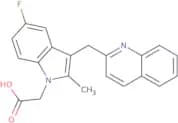


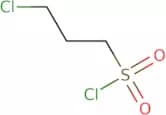
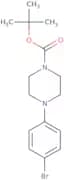
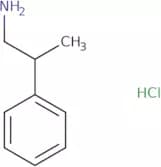


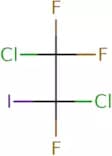
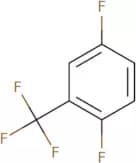
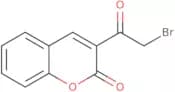
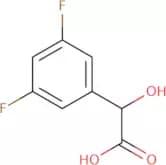
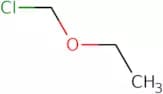

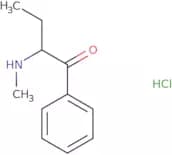
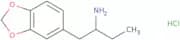
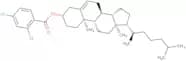

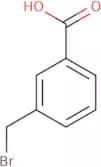
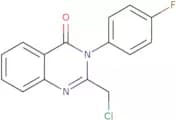
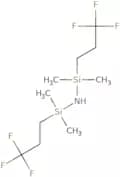

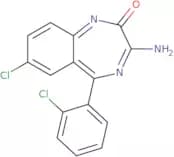
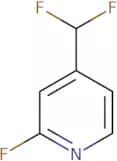
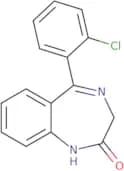
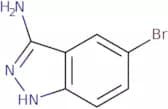
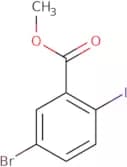
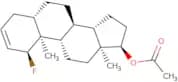

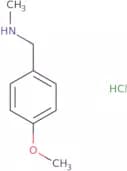
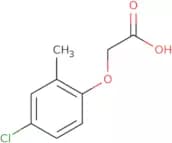

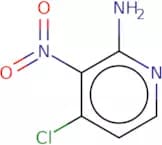
![1-[(2-Chlorophenyl)-N-(methylimino)methyl]cyclopentanol hydrochloride](/_next/image/?url=https%3A%2Fstatic.cymitquimica.com%2Fproducts%2F3D%2Fthumb-webp%2FFC146990.webp&w=3840&q=75)
![4-[4-(Dimethylamino)-1-(4-fluorophenyl)-1-hydroxybutyl]-3-(hydroxymethyl)benzonitrile hydrobromide](/_next/image/?url=https%3A%2Fstatic.cymitquimica.com%2Fproducts%2F3D%2Fthumb-webp%2FFD102304.webp&w=3840&q=75)
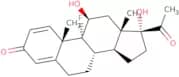
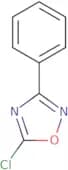
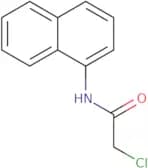
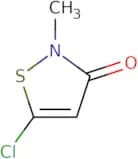
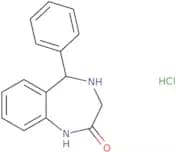

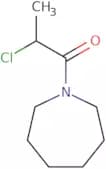
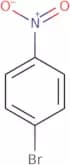
![(2S,3S)-5-[2-(Dimethylamino)ethyl]-3-hydroxy-2-(4-methoxyphenyl)-2,3-dihydro-1,5-benzothiazepin-4-…](/_next/image/?url=https%3A%2Fstatic.cymitquimica.com%2Fproducts%2F3D%2Fthumb-webp%2FFD45531.webp&w=3840&q=75)
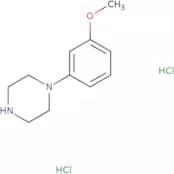
![[1,2-Bis(diphenylphosphino)ethane]nickel(II) Dichloride](/_next/image/?url=https%3A%2Fstatic.cymitquimica.com%2Fproducts%2F3D%2Fthumb-webp%2FFB60935.webp&w=3840&q=75)
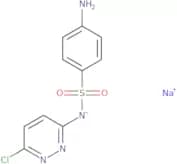
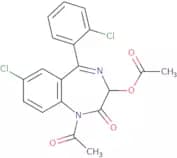
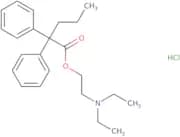
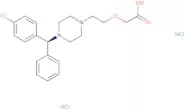
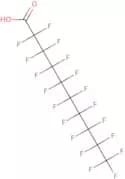

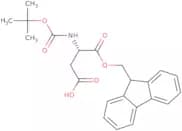

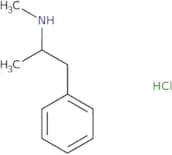
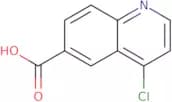
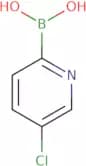

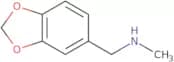
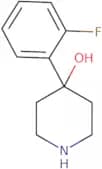
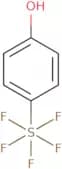
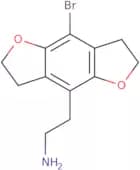
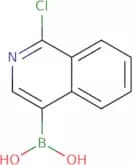
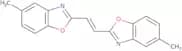
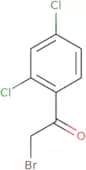
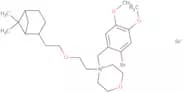
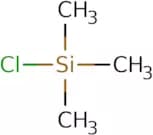
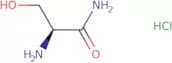

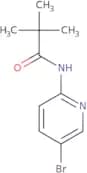
![4-[(2,5-Dimethyl-1H-pyrrol-1-yl)methyl]piperidine hydrochloride](/_next/image/?url=https%3A%2Fstatic.cymitquimica.com%2Fproducts%2F3D%2Fthumb-webp%2FFD117663.webp&w=3840&q=75)


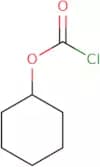
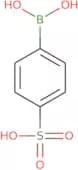

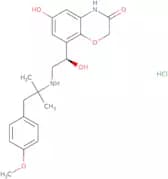
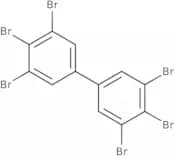
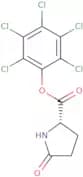
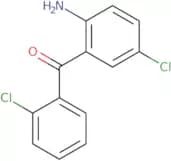
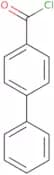
![[2-(4-Chlorophenyl)-1,3-thiazol-4-yl]acetic acid](/_next/image/?url=https%3A%2Fstatic.cymitquimica.com%2Fproducts%2F3D%2Fthumb-webp%2FFC124498.webp&w=3840&q=75)
![[2-(1,2-Dimethyl-1H-indol-3-yl)ethyl]amine hydrochloride](/_next/image/?url=https%3A%2Fstatic.cymitquimica.com%2Fproducts%2F3D%2Fthumb-webp%2FFD135164.webp&w=3840&q=75)
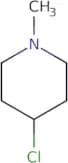
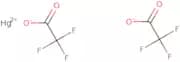
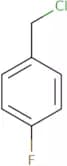
![Bis[2-(perfluorohexyl)ethyl]phosphate](/_next/image/?url=https%3A%2Fstatic.cymitquimica.com%2Fproducts%2F3D%2Fthumb-webp%2FFB84246.webp&w=3840&q=75)
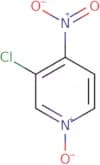


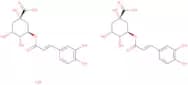
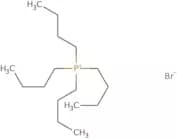
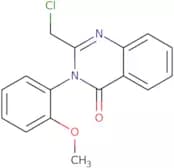
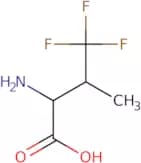
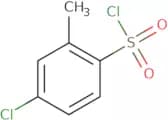
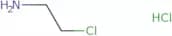
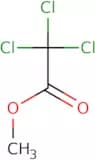
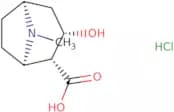

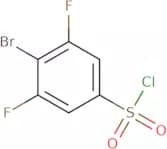
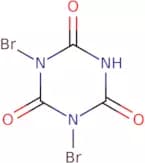
![1-[(2b,3a,5a,16b,17b)-17-Acetyloxy-3-hydroxy-2-(1-piperidinyl)androstan-16-yl]-1-methylpiperidiniu…](/_next/image/?url=https%3A%2Fstatic.cymitquimica.com%2Fproducts%2F3D%2Fthumb-webp%2FFA21131.webp&w=3840&q=75)
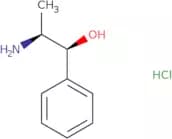
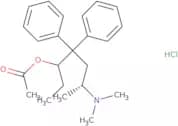

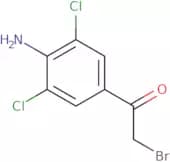

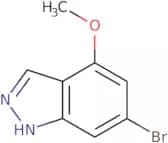
![[2-(Methylsulfinyl)ethyl]amine hydrobromide](/_next/image/?url=https%3A%2Fstatic.cymitquimica.com%2Fproducts%2F3D%2Fthumb-webp%2FFM121339.webp&w=3840&q=75)
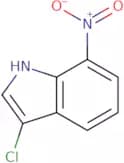
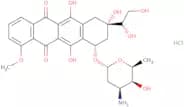
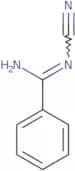
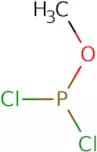
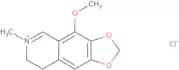
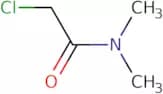
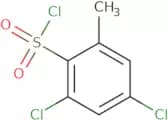

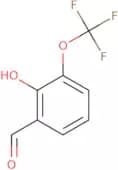
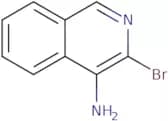
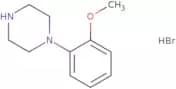
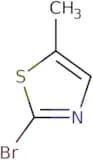
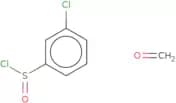
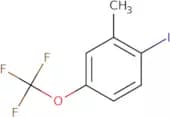
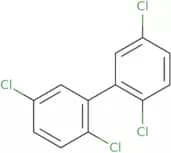
![2,3-Dihydro-1-(3-hydroxypropyl)-5-[(2R)-2-[[2-[2-(2,2,2-trifluoroethoxy)phenoxy]ethyl]amino]propyl…](/_next/image/?url=https%3A%2Fstatic.cymitquimica.com%2Fproducts%2F3D%2Fthumb-webp%2FFD103483.webp&w=3840&q=75)
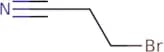
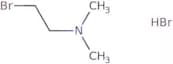
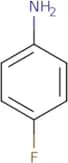
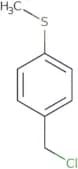
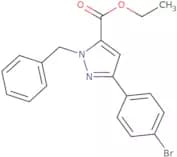
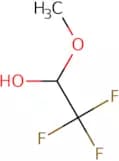


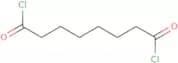
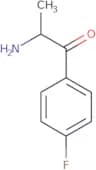
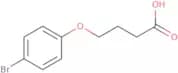

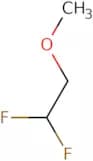
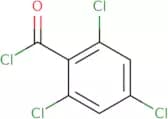
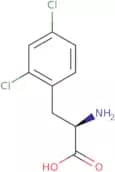
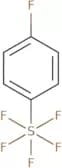


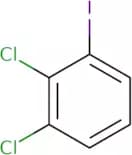

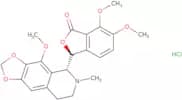
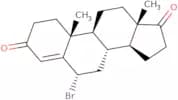
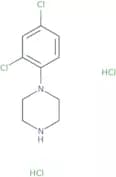
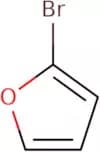

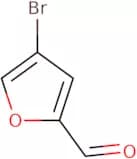
![[4-(2-Aminopropyl)phenyl]dimethylamine dihydrochloride](/_next/image/?url=https%3A%2Fstatic.cymitquimica.com%2Fproducts%2F3D%2Fthumb-webp%2FFA120226.webp&w=3840&q=75)
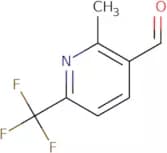
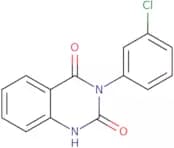
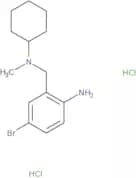
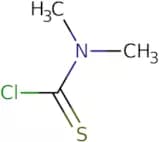

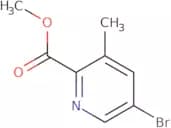

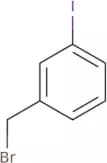
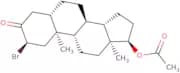
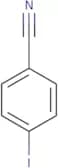

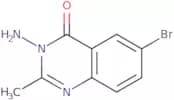
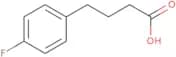

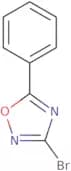
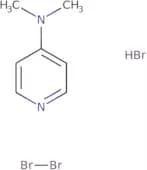

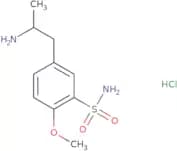
![4-(2-Chlorophenyl)-9-methyl-6H-thieno[3,2-f][1,2,4]triazolo[4,3-a][1,4]diazepine-2-propanoic acid](/_next/image/?url=https%3A%2Fstatic.cymitquimica.com%2Fproducts%2F3D%2Fthumb-webp%2FFC20336.webp&w=3840&q=75)
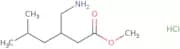
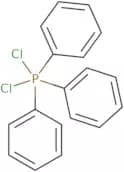
![Bis[2-(perfluorooctyl)ethyl] phosphate](/_next/image/?url=https%3A%2Fstatic.cymitquimica.com%2Fproducts%2F3D%2Fthumb-webp%2FFB18790.webp&w=3840&q=75)
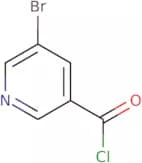
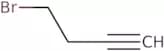
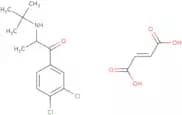

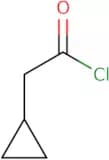
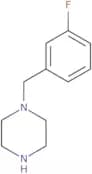
![[chloro(difluoro)methyl]benzene](/_next/image/?url=https%3A%2Fstatic.cymitquimica.com%2Fproducts%2F3D%2Fthumb-webp%2FFC104724.webp&w=3840&q=75)