Biochemicals and Reagents
Biochemicals and reagents are fundamental substances for research and development in fields such as biotechnology, molecular biology, pharmacology, and medicine. These products are essential for a variety of applications, including compound synthesis, biological sample analysis, metabolic process research, and drug production. At CymitQuimica, we offer a wide selection of high-quality, high-purity biochemicals and reagents suitable for various scientific and industrial needs. Our catalog includes enzymes, antibodies, nucleic acids, amino acids, and many other products, all designed to support researchers and professionals in their research and development projects, ensuring reliable and reproducible results.
Subcategories of "Biochemicals and Reagents"
- Biomolecules(99,130 products)
- By Biological Target(99,159 products)
- By Pharmacological Effects(6,787 products)
- Cryopreservatives(21 products)
- Desinfectants and Related Compounds(28 products)
- Hormones(346 products)
- Plant Biology(6,747 products)
- Secondary Metabolites(14,222 products)
Found 130579 products of "Biochemicals and Reagents"
Sort by
Purity (%)
0
100
|
0
|
50
|
90
|
95
|
100
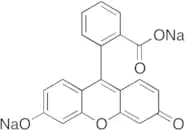
Fluorescein Sodium Salt
CAS:Controlled Product<p>Stability Hygroscopic<br>Applications Fluorescein sodium salt is a sodium salt of fluorescein. It can also be used in technical or engineered material use in-situ photochemical fabrication of transition metal-promoted amorphous molybdenum sulfide catalysts for enhanced photosensitized hydrogen evolution. Dyes and metabolites, Environmental Testing<br>References Hou, J., et al.: Int J Hydrogen Energ, 42, 11118 (2017)<br></p>Formula:C20H10O5·2NaColor and Shape:Dark RedMolecular weight:376.27MTT
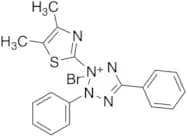
CAS:<p>Applications MTT (cas# 298-93-1) is a useful research chemical. Dyes and metabolites.<br></p>Formula:C18H16N5SBrColor and Shape:NeatMolecular weight:414.32rac Tenofovir-d6
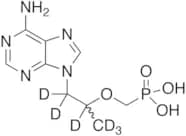
CAS:Controlled Product<p>Applications A deuterated acyclic phosphonate nucleotide analogue, reverse transcriptase inhibitor. Used as an anti-HIV agent. Antiviral.<br> Not a dangerous good if item is equal to or less than 1g/ml and there is less than 100g/ml in the package<br>References Shaw, J.-P., et al.: Pharm. Res., 14, 1824 (1997), Wyles, D., et al.: Clin Infect. Dis., 40, 174 (2005), Peng, J., et al.: J. Clin. Pharmacol., 46, 265 (2006), Seminari, E., et al.: J. Antimicrob. Chemother., 60, 831 (2007),<br></p>Formula:C92H6H8N5O4PColor and Shape:Off White SolidMolecular weight:293.251-Methoxy Empagliflozin
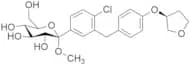
CAS:Controlled Product<p>Applications 1-Methoxy Empagliflozin is an impurity in the synthesis of Empagliflozin drug (E521510), which is potent and selective inhibitor of sodium glucose co-transporter-2 (SGLT-2).<br>References Thomas, L., et al.: Diabetes. Obesity. Metabol. 14, 94 (2012); Grempler, R., et al.: Diabetes. Obesity. Metabol., 14, 83 (2012);<br></p>Formula:C24H29ClO8Color and Shape:White To Off-WhiteMolecular weight:480.94Direct Black 168 (tech grade)
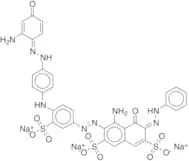
CAS:Formula:C34H24N9Na3O11S3Color and Shape:NeatMolecular weight:899.772NG-Monomethyl-L-arginine Acetate
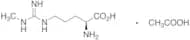
CAS:Controlled ProductFormula:C7H16N4O2·C2H4O2Color and Shape:NeatMolecular weight:248.28Lumiflavin
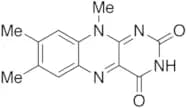
CAS:Controlled Product<p>Applications Lumiflavin is a toxic photolysis product of vitamin B2 (R415000).<br>References Zhao, X. et al.: Chemosphere, 63, 1116 (2006); Litke, S.V. et al.: Khim. Fiz., 10, 48 (1991); Ye, W. et al.: Guang. Yaox. Xueb., 12, 175 (1996);<br></p>Formula:C13H12N4O2Color and Shape:Dark YellowMolecular weight:256.263β,5α,6β-Trihydroxycholestane-d7
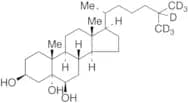
CAS:Controlled ProductFormula:C27H41D7O3Color and Shape:NeatMolecular weight:427.71Nicotianamine
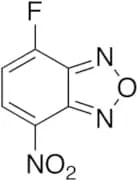
CAS:Controlled Product<p>Applications Phytosiderophores are produced in higher plants as iron chelating amino acids that promote uptake of iron from soil.<br>References Klair, S., et al.: J. Plant Nutr., 19, 1295 (1996),<br></p>Formula:C11H19N3O6Color and Shape:NeatMolecular weight:289.294-Fluoro-7-nitro-2,1,3-benzoxadiazole
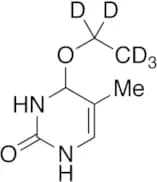
CAS:Controlled Product<p>Applications A fluorescence reagent used to evaluate amino acid racemates from homogenized retinal tissue.<br>References Imai, K., et al.: Biomed. Chromatogr., 10, 303 (1996), Tsai, G., et al.: Biol. Psychiatry, 44, 1081 (1998), Ribeiro, C., et al.: Brain Res. 929, 202 (2002),<br></p>Formula:C6H2FN3O3Color and Shape:NeatMolecular weight:183.10O4-Ethylthymine-d5
CAS:Controlled ProductFormula:C7D5H7N2O2Color and Shape:NeatMolecular weight:161.213N-(8-Aminooctyl)-1,8-octanediamine
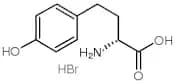
CAS:Controlled ProductFormula:C16H37N3Color and Shape:NeatMolecular weight:271.485D-Homotyrosine Hydrobromide
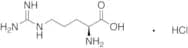
CAS:Controlled Product<p>Applications D-Homotyrosine hydrobromide<br></p>Formula:C10H13NO3·HBrColor and Shape:White To Off-WhiteMolecular weight:276.127L-Arginine Hydrochloride
CAS:<p>Applications An essential amino acid for human development. Precursor for nitric oxide. Ammonia detoxicant (hepatic failure); diagnostic aid (pituitary function).<br>References Miura, T., et al.: Anal. Biochem., 139, 432 (1984), Jones, et al.: Adv. Enzyme Regul., 9, 19 (1970), Borders, C.L., et al.: Protein. Sci., 3, 541 (1994),<br></p>Formula:C6H14N4O2·ClHColor and Shape:NeatMolecular weight:210.66Pigment Red 63:1 (Technical Grade)
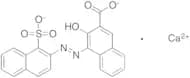
CAS:Controlled ProductFormula:C21H12N2O6S•CaColor and Shape:NeatMolecular weight:420.40 + 40.082,4,5-Trimethylaniline Hydrochloride
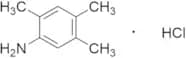
CAS:Controlled Product<p>Stability Hygroscopic<br>Applications 2,4,5-Trimethylaniline (T797580(P)) is the free base of 2,4,5-Trimethylaniline Hydrochloride. 2,4,5-Trimethylaniline is a carcinogenic aromatic amine used in the leather and textile industry.<br>References Kawakami, Tsuyoshi, et al.: Kankyo Kagaku, 22(4), 197-204 (2012); Chen, Xiaomei, et al.: Fenxi Ceshi Xuebao, 17(4), 50-53 (1998);<br></p>Formula:C9H13N·ClHColor and Shape:Light BrownMolecular weight:171.67Anthrose
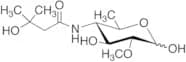
CAS:Controlled Product<p>Applications Anthrose (cas# 769959-88-8) is a compound useful in organic synthesis.<br>References Saksena, R., et al.: Carbohydrate Research, 340, 1591 (2005)<br></p>Formula:C12H23NO6Color and Shape:NeatMolecular weight:277.31Disodium Bathocuproine Disulfonate (Mixture of Regioisomers)
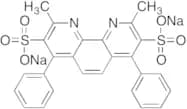
CAS:Controlled Product<p>Applications Bathocuproine Disulfonic Acid Disodium salt is a mixture of isomers suitable for determination of copper. It can also be used in analytical role and study on analytical conditions of antioxidant assays for biological samples based on reduction of copper complexes.<br>References Marques, S. S., et al.: Int J Mol Sci, 15, 11387 (2014)<br></p>Formula:C26H18N2O6S2·2NaColor and Shape:Off-White To Light BeigeMolecular weight:564.54Menaquinone 7, Synthetic (90%)
CAS:<p>Stability Light and Temperature Sensitive<br>Applications Menaquinones are isoprenoid quinones of the naphthalene series and belongs to the K2 Vitamin homologs. Menaquinones were originally discovered as the anti-hemorrhagic factor and now encompasses a variety of physiological processes. Menaquinone 7 belongs to the class of K2-Vitamins homologs. Menaquinone 7 has been identified as the most bioactive cofactor for the carboxylation reaction of Gla-proteins such as osteocalcin and matrix-Gla protein, which plays a crucial role in building and maintaining overall bone health.<br>References Hugenholtz, P., et al.: J. Bacteriol., 180, 4765 (1998), Ginet, N., et al.: Biochemistry, 40, 1812 (2001), Cape, J., et al.: J. Biol. Chem., 280, 34654 (2005),<br></p>Formula:C46H64O2Purity:90%Color and Shape:Light YellowMolecular weight:649.00Naphthol Yellow S Hydrate
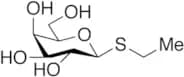
CAS:Controlled Product<p>Applications Naphthol Yellow S Hydrate is used in methods for dying of textiles.<br>References Schoepgens, J., et al.: Ger. Offen., (2020);<br></p>Formula:C10H4N2O8S·2NaColor and Shape:NeatMolecular weight:358.1919Ethyl β-D-Thiogalactopyranoside
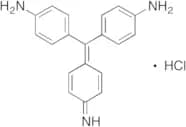
CAS:Controlled Product<p>Applications Ethyl β-D-Thiogalactopyranoside (cas# 56245-60-4) is a compound useful in organic synthesis.<br></p>Formula:C8H16O5SColor and Shape:NeatMolecular weight:224.27Pararosaniline Hydrochloride
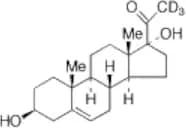
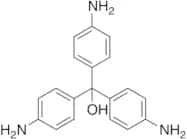
CAS:Controlled Product<p>Applications Pararosaniline Hydrochloride is a red dye used for textiles. Dyes and metabolites, Environmental Testing.<br>References Abadulla, E., et al.: Appl. Environ. Microbiol., 66, 3357 (2000); Nyanhongo, G., et al.: Water Res., 36, 1449 (2002);<br></p>Formula:C19H17N3·ClHColor and Shape:NeatMolecular weight:323.8217α-Hydroxy Pregnenolone-d3
CAS:Controlled Product<p>Applications A labelled metabolite of Pregnenolone (P712200).<br>References Kramer, R., et al.: J. Steroid Biochemi., 18, 715 (1983), Hiwatashi, A., et al.: J. Biochem., 98, 619 (1985), Eiichi, T., et al.: J. Pharmacol. Sci., 95, 140 (2004),<br></p>Formula:C212H3H29O3Color and Shape:NeatMolecular weight:335.504-Mercaptomethyl Dipicolinic Acid (>90%)
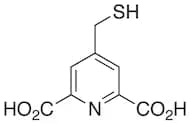
CAS:Controlled Product<p>Stability Air Sensitive<br>Applications A Dipicolinic acid tag for rigid lanthanide tagging of proteins and paramagnetic NMR Spectroscopy. The tag, 4-mercaptomethyl-dipicolinic acid, binds lanthanide ions with nanomolar affinity, is readily attached to proteins via a disulfide bond, and avoids the problems of diastereomer formation associated with most of the conventional lanthanide tags.<br>References Ikegami, T., et al.: J. Biomol. NMR, 29, 339 (2004), Su, X., et al.: Chembiochem., 7, 1599 (2006), Vlasie, M., et al.: Chem.-Eur. J., 13, 1715 (2007),<br></p>Formula:C8H7NO4SPurity:>90%Color and Shape:NeatMolecular weight:213.21Desmosterol
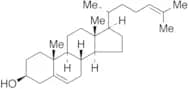
CAS:<p>Applications A metabolite of Cholesterol (C432501).<br>References Marx, J., et al.: Science, 294, 508 (2001), Plosch, T., et al.: J. Biol. Chem., 277, 33870 (2002), Lund, E., et al.: J .Biol. Chem., 278, 22980 (2003),<br></p>Formula:C27H44OColor and Shape:White To Off-WhiteMolecular weight:384.642-Propylmalonic Acid
CAS:Controlled Product<p>Applications 2-Propylmalonic acid (cas# 616-62-6) is a useful research chemical.<br></p>Formula:C6H10O4Color and Shape:NeatMolecular weight:146.144-Methylumbelliferyl 6-Thio-palmitate-β-D-glucopyranoside
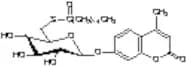
CAS:Controlled Product<p>Applications A fluorogenic substrate for the assay of Palmitoyl-Protein Thioesterase, used in the diagnosis of infantile neuronal ceroid lipofuscinosis (INCL).<br>References Goebel, H., et al.: J. Child Neurol., 10, 424 (1995), Verkruyse, L., et al.: J. Biol. Chem., 271, 15831 (1996), Sleat, D., et al.: Science, 277, 1802 (1997), Cho, S., et aL.: J. Neurochem., 71, 323 (1998),<br></p>Formula:C32H48O8SColor and Shape:White To Off-WhiteMolecular weight:592.78Phenylacetyl-d5 L-Glutamine
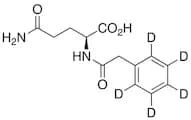
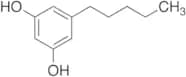
CAS:Controlled Product<p>Applications It is used as labelled biomarker for metabolic age.<br>References Selmer, T., et al.: Eur. J. Biochem., 268, 1363 (2001), Connelly, J., et al.: Drug Metab. Dispos., 30, 1357 (2002), Lindon, J., et al.: Pharm. Res., 23, 1075 (2006), Monteagudo, E., et al.: Xenobiotica, 37, 1000 (2007),<br></p>Formula:C13D5H11N2O4Color and Shape:Off-White To Light YellowMolecular weight:269.31Olivetol
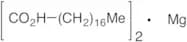
CAS:Controlled Product<p>Stability Light Sensitive<br>Applications Olivetol is a precursor in various syntheses of tetrahydrocannabinol.<br>References Kumano, T., et al.: Bioorg. Med. Chem., 16, 8117 (2008), Appendino, G., et al.: J. Nat. Prod., 71, 1427 (2008), Sampietro, D., et al.: Food Chem., 115, 1170 (2009),<br></p>Formula:C11H16O2Color and Shape:NeatMolecular weight:180.24Magnesium Stearate
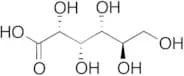
CAS:Controlled Product<p>Applications Magnesium Stearate is used in the synthesis of mini matrices for improved drug delivery.<br>References Sujja-areevath, J. et al.: Eur. J. Pharm. Sci., 6, 207 (1998); Sangalli, M. et al.: J. Control. Released., 73, 103 (2001);<br></p>Formula:C18H35O2·MgColor and Shape:NeatMolecular weight:591.24D-Gluconic Acid (50% in Water)
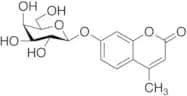
CAS:<p>Applications D-Gluconic Acid is used as a reagent in the synthesis of Pangamic Acid (P179500, Ca Salt); a mineral supplement that is sometimes referred to as Vitamin B15 although it is not a true vitamin.<br>References Mansurova, I.D. et al.: Eks. Patol. Pech., 1, 58 (1973); Apanasenko, A.A.: Cor Vasa, 15, 20 (1973); Alkhanova, N.A.: Nauch. Tru. Kaz. Gosud. Med. Inst., 41, 83 (1974)<br></p>Formula:C6H12O7Color and Shape:Single SolutionMolecular weight:196.15534-Methylumbelliferyl β-D-Galactopyranoside
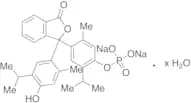
CAS:Controlled Product<p>Applications Substrate for fluorometric assay of ß-D-galactosidase<br></p>Formula:C16H18O8Color and Shape:NeatMolecular weight:338.31Thymolphthalein Monophosphoric Acid Disodium Salt (>85%)
CAS:Controlled Product<p>Applications Thymolphthalein Monophosphoric Acid Disodium Salt is a chromogenic substrate for the determination of acid phosphatase and alkaline phosphatase. It is a disodium salt form of Thymolphthalein Monophosphoric Acid which can be used as reactant/reagent in reaction of homodimer and heterodimer subunits of human prostate acid phosphatase.<br>References Lee, H., et al.: Biochem J, 277, 759 (1991)<br></p>Formula:C28H29Na2O7P•xH2OPurity:>85%Color and Shape:NeatMolecular weight:554.481802Dehydroabietal
CAS:Controlled Product<p>Applications Dehydroabietal is an essential oil and found in the composition of seed extractives from various Abies and Picea species.<br> Not a dangerous good if item is equal to or less than 1g/ml and there is less than 100g/ml in the package<br>References Falsca, A., et al.: Biochem. Syst. Ecol., 69, 166-175 (2016); Wajs-Bonikowska, A., et al.: Chem. Biodivers., 13, 1194-1201 (2016)<br></p>Formula:C20H28OColor and Shape:NeatMolecular weight:284.44Cy 5 (Technical Grade)
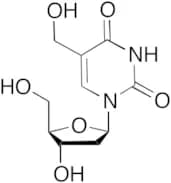
CAS:Controlled Product<p>Stability Moisture Sensitive<br>Applications Cy 5 is a related compound of CY5 (C951310), a photoswitchable cyanine dye. The photoswitching mechanism was investigated using thiol agents and it was concluded that photoconversion into the dark state is pH and thiol dependent and the dark state product is a cyanine-thiol adduct.<br>References Dempsey, G., et al.: J. Am. Chem. Soc., 131, 18192 (2009)<br></p>Formula:C45H52N4O14S2Color and Shape:NeatMolecular weight:937.045-Hydroxymethyl-2’-deoxyuridine
CAS:Controlled Product<p>Stability Hygroscopic<br>Applications 5-Hydroxymethyl-2’-deoxyuridine acts as a biomarker for the diagnosis for oxidative stress in humans. Used as a diagnostic to for propensitiy for the development of breast cancer.<br>References McAnulty, L. et al.: App. Physiol. Nutr. Metab., 36, 976 (2011); Djuric Z. et al.: Cancer Epidemiol. Biomarkers. Prev., 10, 147 (2001); Frenkel, K. et al.: 7, 49, (1998);<br></p>Formula:C10H14N2O6Color and Shape:White To Off-WhiteMolecular weight:258.228Bis(2-cyanoethyl)-N,N-diisopropyl Phosphoramidite
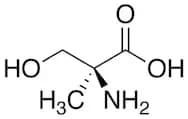
CAS:Controlled Product<p>Applications A useful phosphorylating reagent.<br> Not a dangerous good if item is equal to or less than 1g/ml and there is less than 100g/ml in the package<br></p>Formula:C12H22N3O2PColor and Shape:NeatMolecular weight:271.30α-Methyl-L-serine
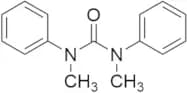
CAS:<p>Applications A potential chiral building blocks for the synthesis of different α -methyl α -amino acids.<br>References Rew, Y., et al.: J. Med. Chem., 45, 3746 (2002),<br></p>Formula:C4H9NO3Color and Shape:Off-WhiteMolecular weight:119.119Centralite II
CAS:Controlled ProductFormula:C15H16N2OColor and Shape:White To Light GreenMolecular weight:240.31N-Boc-L-Allylglycine
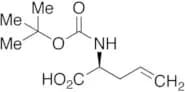
CAS:Controlled Product<p>Applications N-Boc-L-Allylglycine is a boc-protected allylglycine used in the preparation of arginine analogues including the natural amino acid enduracididine.<br>References Saniere, L. et al.: Tetrahedron, 60, 5889 (2004): Leman, L. et al.: ARKIVOC, 6, 126 (2003);<br></p>Formula:C10H17NO4Color and Shape:NeatMolecular weight:215.255α-Cholestan-3β-ol
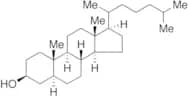
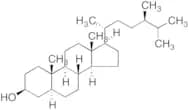
CAS:<p>Applications 5α-Cholestan-3β-ol is a carbon stanol formed from biohydrogenation of Cholesterol (C432501) in the gut. Studies have also examined the conversion of 5α-Cholestan-3β-ol catalyzed by 3-β-hydroxysteroid dehydrogenase of rat liver.<br>References Serizawa, S., et al.: J. Biochem., 92, 547 (1982); Shefer, S., et al.: J. Lipid. Rsch. 7, 763 (1966);<br></p>Formula:C27H48OColor and Shape:White To Light YellowMolecular weight:388.672-(Dimethylamino)guanosine
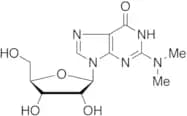
CAS:Controlled Product<p>Applications 2-(Dimethylamino)guanosine (cas# 2140-67-2) is a compound useful in organic synthesis.<br></p>Formula:C12H17N5O5Color and Shape:NeatMolecular weight:311.29Malachite Green Oxalate
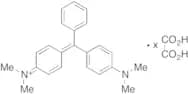
CAS:Controlled Product<p>Applications A triphenylmethane dye with fungicidal and limited antiseptic activity. The term Malachine green applies to the oxalate as well as the chloride. Harmful if swallowed. Avoid release to the environment. Dyes and metabolites.<br> Not a dangerous good if item is equal to or less than 1g/ml and there is less than 100g/ml in the package<br>References Carter, S.G., et al.: J. Biochem. Biophys. Methods, 7, 7 (1982), Saikan, S., et al.: J. Chem. Phys., 79, 4154 (1983), Clemmensen, S., et al.: Arch. Toxicol., 56, 43 (1984),<br></p>Formula:C23H25N2·C2H2O4·2C2HO4Color and Shape:Green To Dark GreenMolecular weight:927.00tert-Butoxycarbonyl-D-proline
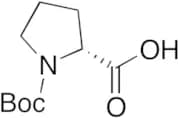
CAS:Controlled Product<p>Applications tert-Butoxycarbonyl-D-proline is Boc protected D-proline (P755990). It is used to prepare trichostatin A and trapoxin B analogs as histone deacetylase inhibitors. It is also used to prepare potent and selective nonpeptide inhibitors of caspases 3 and 7.<br>References Jung, M., et al.: Bioorg. Med. Chem. Lett., 7, 1655 (1997); Lee, D., et al.: J. Med. Chem,, 44, 2015 (2001)<br></p>Formula:C10H17NO4Color and Shape:NeatMolecular weight:215.253-Oxo-5β-cholanoic Acid
CAS:Controlled Product<p>Applications 3-Oxo-5β-cholanoic Acid is a steroid compound with pharmacological activity. It is a bile acid. Also used in the preparation of lithocholic acid derivatives used as proteasome regulators.<br>References Iqbal, M. et al.: Steroids. 53, 413 (1989); Deyashiki, Y. et al.: Biochm. J., 282, 741 (1992);<br></p>Formula:C24H38O3Color and Shape:NeatMolecular weight:374.56m-nitro-(R,R)-threo-Chloramphenicol
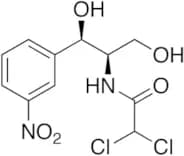
CAS:Controlled Product<p>Stability Hygroscopic<br>Applications The D-threo-stereoisomer of the m-nitro analog of (+/-)-Chloramphenicol.<br>References Cammarata, A., et al.: J. Med. Chem., 10, 525 (1967),<br></p>Formula:C11H12Cl2N2O5Color and Shape:NeatMolecular weight:323.13Monodecyl Phthalate
CAS:Controlled Product<p>Applications Monodecyl Phthalate is an environmental toxin, used as a catalyst in the analysis of the kinetics crosslinking oligomers in a film.<br>References Yamamoto, T. et al.: J. Coat. Tech., 60, 51 (1988); Scholz, N. et al.: Chemosphere, 53, 921 (2003);<br></p>Formula:C18H26O4Color and Shape:NeatMolecular weight:306.4N-Cbz-L-aspartic Acid
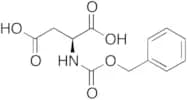
CAS:Controlled Product<p>Applications N-Cbz-L-aspartic acid is an N-Cbz-protected form of L-Aspartic acid (A790024). L-Aspartic acid is a nonessential amino acid that is used to biosynthesize other amino acids within the human body. L-Aspartic acid also increases membrane conductance of mammalian neurons by voltage-dependent means, causing depolarization and nerve impulses that travel to key areas of the central nervous system.<br>References Anderson, H., et al.: J. Nutr., 99, 82 (1969); Honey, C., et al.: Neurosci. Lett., 61, 135 (1985); MacDonald, J., et al.: Brain Res., 237, 248 (1982)<br></p>Formula:C12H13NO6Color and Shape:White To Off-WhiteMolecular weight:267.23Pig PYD(pyridinoline) ELISA Kit
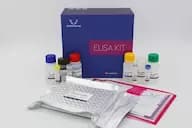
<p>The test principle applied in this kit is Sandwich enzyme immunoassay. The microtiter plate provided in this kit has been pre-coated with an antibody specific to Pig PYD. Standards or samples are added to the appropriate microtiter plate wells then with a biotin-conjugated antibody specific to Pig PYD. Next, Avidin conjugated to Horseradish Peroxidase (HRP) is added to each microplate well and incubated. After TMB substrate solution is added, only those wells that contain Pig PYD, biotin-conjugated antibody and enzyme-conjugated Avidin will exhibit a change in color. The enzyme-substrate reaction is terminated by the addition of sulphuric acid solution and the color change is measured spectrophotometrically at a wavelength of 450nm ± 10nm. The concentration of Pig PYD in the samples is then determined by comparing the OD of the samples to the standard curve.</p>Color and Shape:Colourless Transparentliquid2-Deoxy-2-fluoro-D-galactose
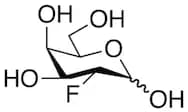
CAS:Controlled Product<p>Stability Hygroscopic, Moisture Sensitive<br>Applications 2-Deoxy-2-fluoro-D-galactose (cas# 51146-53-3) is a compound useful in organic synthesis.<br></p>Formula:C6H11FO5Color and Shape:NeatMolecular weight:182.155-Heptylresorcinol
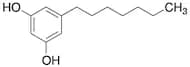
CAS:Controlled ProductFormula:C13H20O2Color and Shape:Off-WhiteMolecular weight:208.30Lactoferrin
CAS:Controlled Product<p>Applications Lactoferrin is a multifunctional protein of transferin family. A glycoprotein present in various secretions including milk, saliva and tears. Antiviral agent, it binds to liproproteins of cell membranes dispersing virus molecules from host cells.<br>References Sánchez L. et al.: Arch. Dis. CHild., 67, 657 (1992); Harmsen MC. et al.: J. Infect. Dis., 172, 380 (1995);<br></p>Formula:C141H224N46O29S3Color and Shape:NeatMolecular weight:3123.8Campestanol
CAS:<p>Applications Campestanol can be used as analyte in biological and analytical studies for the determination of 22 natural brassinosteroids in a minute sample of plant tissue by UHPLC-ESI-MS/MS.<br>References Tarkowska, D., et al.: Anal. Bioanal. Chem., 408, 6799-6812 (2016)<br></p>Formula:C28H50OColor and Shape:NeatMolecular weight:402.703,3'-Dichlorobenzidine-d6
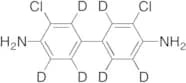
CAS:Controlled Product<p>Applications 3,3'-Dichlorobenzidine-d6 is an isotope analog of 3,3'-Dichlorobenzidine. 3,3'-Dichlorobenzidine, is structurally similar to Benzidine (B121000), and thus is considered a carcinogen. It can be used in the production of azo dyes. Dyes and metabolites, Environmental Testing<br> Not a dangerous good if item is equal to or less than 1g/ml and there is less than 100g/ml in the package<br>References Min, Zh., et al.: Chem. Res. Toxic., 26, 741 (2013); Rainer, F., et al.: Mutation Research, Fundamental and Molecular Mechanisms of Mutagenesis, 691, 27 (2010);<br></p>Formula:C122H6H4Cl2N2Color and Shape:Light Brown SolidMolecular weight:259.16E-64d
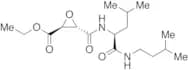
CAS:Controlled Product<p>Applications E-64d is an inhibitor of cathepsins B and L as well as a potential inhibitor of calpain. E-64d has been shown to inhibit lysosomal proteases. E-64d has been used in combination with Prepstatin A to interfere with autolysosomal digestion. E-64d displays neurovascular and neuronal protective effects after focal cerebral ischemia in rats.<br>References Wilcox, D. et al.: Biochem. J., 285, 495 (1992); McGowan, E.B. et al.: Biochem. Biophys. Res. Comm., 158, 432 (1989); Tsubokawa, T. et al.: J. Neurosci. Res., 84, 832 (2006);<br></p>Formula:C17H30N2O5Color and Shape:NeatMolecular weight:342.431-Palmitoyl-2-oleoyl-sn-glycero-3-phospho-(1'-rac-glycerol) Sodium Salt
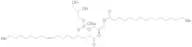
CAS:<p>Applications 1-Palmitoyl-2-oleoyl-sn-glycero-3-phospho-(1'-rac-glycerol) Sodium Salt is useful for various surfactant applications.<br>References Mansour, H., et al.: J. Pharm. Sci., et al.: 96, 377 (2006); Dudia, A., et al.: Nano Lett., 8, 1105 (2008)<br></p>Formula:C40H76NaO10PColor and Shape:WhiteMolecular weight:770.9921-Deoxy Cortisone
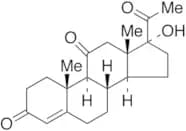
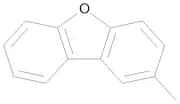
CAS:Controlled Product<p>Applications A Cortisone derivative, a glucocorticoid.<br>References Mickelson, K., et al.: Biochemistry, 20, 6211 (1981), Westphal, U., et al.: J. Steroid Biochem., 19, 1 (1983),<br></p>Formula:C21H28O4Color and Shape:NeatMolecular weight:344.442-Methyldibenzofuran
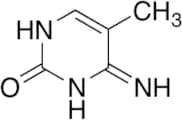
CAS:Controlled Product<p>Applications 2-Methyldibenzofuranis used in volatile composition of biomass tars used for liquid engine fuels with properties similar to gasoline and diesel fuels.<br>References Soltes, E. J., et al.: Biomass Convers. 5, 1 (1984)<br></p>Formula:C13H10OColor and Shape:White To Off-WhiteMolecular weight:182.225-Methylcytosine (~90%)
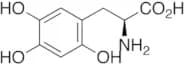
CAS:Controlled Product<p>Applications 5-Methylcytosine (cas# 554-01-8) is a useful research chemical.<br></p>Formula:C5H7N3OPurity:~90%Color and Shape:NeatMolecular weight:125.136-Hydroxy-L-DOPA
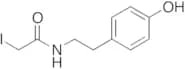
CAS:Controlled Product<p>Impurity Levodopa EP Impurity A; Levodopa USP Related Compound A<br>Stability Hygroscopic<br>Applications 6-Hydroxy-L-DOPA (Levodopa EP Impurity A; Levodopa USP Related Compound A) is the 6-hydroxy derivative of the amino acid L-DOPA (D533751) with neurotoxic properties. Studies show that exogenously administered 6-Hydroxy-L-DOPA is biotransformed by amino acid decarboxylase to the highly potent and catecholamine-selective neurotoxin, 6-Hydroxydopamine. The treatment of 6-Hydroxy-L-DOPA in rats resulted in the stimulation of acetylcholinesterase.<br>References Jaim-Etcheverry, G. et al.: Brain Res., 100, 699 (1975); Kostrzewa, R.M. et al.: Amino Acids, 14, 175 (1998); Berthet, A. et al.: J. Neurosci., 29, 4829 (2009);<br></p>Formula:C9H11NO5Color and Shape:Brown To BlackMolecular weight:213.19N-Iodoacetyltyramine
CAS:Controlled Product<p>Applications N-Iodoacetyltyramine is used in iodine-125 labelling of various molecules for chemical analysis.<br>References Lin, C. et al.: Anal. Biochem., 179, 389 (1989);<br></p>Formula:C10H12INO2Color and Shape:NeatMolecular weight:305.11N-(2-Hydroxyethyl)glycine (~90%)
CAS:Controlled Product<p>Applications N-(2-Hydroxyethyl)glycine (~90%) (cas# 5835-28-9) is a compound useful in organic synthesis.<br></p>Formula:C4H9NO3Purity:>85%Color and Shape:NeatMolecular weight:119.12Direct Brown 95 (Technical Grade)
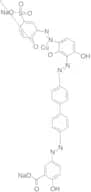
CAS:Controlled Product<p>Applications Direct Brown 95, Techincal Grade is an azo dye used in PET/cotton blended fabrics as well as other textiles. Environmental reproductive toxin.Environmental toxin on US EPA Toxic Release Inventory list (TRI) list. Dyes and metabolites, Environmental Testing<br>References Pielesz, A., et al.: J. Mol. Struct., 511, 337 (1999); Galloway, S., et al.: Env. Mol. Mutagen., 10, 1 (1987)<br></p>Formula:C31H18CuN6O9S·2NaColor and Shape:Dark Purple To BlackMolecular weight:760.105-Cyano-2,3-di-p-tolyltetrazolium Chloride (>85%)
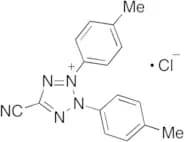
CAS:Controlled ProductFormula:C16H14N5·ClPurity:>85%Color and Shape:NeatMolecular weight:311.769L-Proline
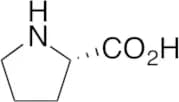
CAS:<p>Applications L-Proline is an amino acid and precursor (with vitamin C) for collagen, the building block of the structure of tendons, ligaments, arteries, veins and muscles. It is important in wound healing.<br>References Bondarenko, L.B., et al.: Int. J. Peptides., 2, 1687 (2012); Rimer, T., et al.: Biomacromolecules, 13, 2110 (2012);<br></p>Formula:C5H9NO2Color and Shape:NeatMolecular weight:115.13L-Tyrosine-13C9,15N
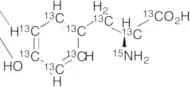
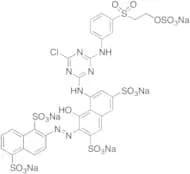
CAS:<p>Applications L-Tyrosine-13C9 ,15N is labelled analogue of L-Tyrosine (T899975), one of the 22 proteinogenic amino acids that are used by cells to synthesize proteins. L-Tyrosine is biologically converted from L-phenylalanine and is in turn is converted to L-DOPA and further converted into the neurotransmitters: dopamine, norepinephrine, and epinephrine.<br>References Rasmussen D.D. et al.: J. Clin. Endocrinol. Metab., 57, 760 (1983); Bagchi, S.P. et al.: Biochem. Pharmacol., 26, 900 (1977)<br></p>Formula:C9H1115NO3Color and Shape:White To Off-WhiteMolecular weight:191.1158Reactive Red 195, Technical Grade
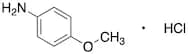
CAS:Controlled Product<p>Applications Reactive Red 195 is an azo dye used in the textile industry to enhance the colour of a variety of fabrics.<br>References Ma, W. et al.: Chinese J. Chem. Eng., 24, 175 (2016);<br></p>Formula:C31H19ClN7Na5O19S6Color and Shape:NeatMolecular weight:1136.284-Methoxyaniline hydrochloride
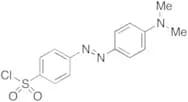
CAS:Controlled Product<p>Applications 4-Methoxyaniline hydrochloride (cas# 20265-97-8) is a useful research chemical.<br> Not a dangerous good if item is equal to or less than 1g/ml and there is less than 100g/ml in the package<br></p>Formula:C7H9NO·HClColor and Shape:NeatMolecular weight:123.15 + 36.46Dabsyl Chloride
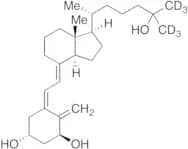
CAS:<p>Applications Dabsyl Chloride is used for HPLC amine derivatization to detect proteins and other molecules.<br> Not a dangerous good if item is equal to or less than 1g/ml and there is less than 100g/ml in the package<br>References Romero, R. et al.: Chromatograph., 51, 404 (2000); Ikeda, M. et al.: Amino Acids., 8, 401 (1995):<br></p>Formula:C14H14ClN3O2SColor and Shape:NeatMolecular weight:323.80Calcitriol-d6
CAS:Controlled Product<p>Stability Light Sensitive, Temperature Sensitive<br>Applications The biologically active form of vitamin D3. Calcium regulator; vitamin (antirachitic); antihyperparathyroid; antineoplastic; antipsoriatic.<br> Not a dangerous good if item is equal to or less than 1g/ml and there is less than 100g/ml in the package<br>References Myrtle, J.F., et al.: J. Biol. Chem., 245, 1190 (1970), Lawson, D.E.M., et al.: Nature, 230, 228 (1971), Norman, A.W., et al.: Science, 173, 51 (1971), Suda, T., et al.: Vitamins, 45, 175 (1972), Muindi, J.R., et al.: Clin. Pharmacol. Ther., 72, 648 (2002),<br></p>Formula:C272H6H38O3Color and Shape:BeigeMolecular weight:422.675-Ethynyl-2’-deoxyuridine
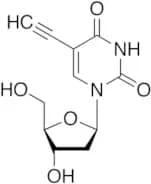
CAS:Controlled Product<p>Applications 5-Ethynyl-2’-deoxyuridine is an extensively used nucleoside analog used as a probe for DNA synthesis. 5-Ethynyl-2’-deoxyuridine is known as an toxic anti-metabolite, which potentially causes DNA instabiliy, necrosis and cell-cycle arrest, therefore it is often used for short-term DNA synthesis in tissue culture and living organisms where prolonged cell survival is not required.<br>References Neef, A.B., et al.: P. Natl. Acad. Sci.., 108, 20404 (2011); Gristwood, T., et al.: Nucleic. Acids. Rsch., 40, 5487 (2012);<br></p>Formula:C11H12N2O5Color and Shape:NeatMolecular weight:252.22DOTP
CAS:Controlled Product<p>Stability Hygroscopic<br>Applications DOTP could be a useful cancer diagnostic imaging agent.<br>References Wurzer, A. J., et al.: PCT Int. Appl. (2020), WO 2020157184 A1<br></p>Formula:C12H32N4O12P4Color and Shape:NeatMolecular weight:548.3D-Aspartic Acid Dimethyl Ester Hydrochloride
CAS:<p>Applications D-Aspartic Acid Dimethyl Ester Hydrochloride is a useful synthetic intermediate in the synthesis of MK-7246 (M425045); a potent and selective CRTH2 antagonist for the treatment of respiratory diseases.<br>References Molinaro, C., et al.: J. Org. Chem., 77, 2299 (2012); Gervais, F.G., et al.: Mol. Pharmacol., 79, 69 (2011); Gallant, M, et al.: Bioorg. Med. Chem. Lett., 21, 288 (2011)<br></p>Formula:C6H12ClNO4Color and Shape:NeatMolecular weight:197.62N-Lactoyl-tryptophan
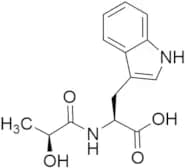
CAS:Controlled ProductFormula:C14H16N2O4Color and Shape:Off-WhiteMolecular weight:276.288N-Boc-Sitagliptin
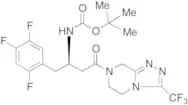
CAS:Controlled Product<p>Applications N-Boc-Sitagliptin is the N-Boc protected derivative of Sitagliptin (S490990), a dipeptidyl peptidase-4 inhibitor that is used for glycemic control for patients with type 2 diabetes.<br>References Aschner, P., et al.: Diabetes Care, 29, 2632 (2006); Charbonnel, B., et al.: Diabetes Care, 29, 2638 (2006)<br></p>Formula:C21H23F6N5O3Color and Shape:NeatMolecular weight:507.437β-Hydroxy Cholesterol
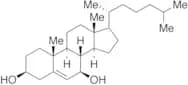
CAS:Controlled Product<p>Applications A metabolite of Cholesterol. Its membrane organizing properties could have implications in Altzheimer’s disease.<br>References Wang, J., et al.: Biochemistry, 43, 1010 (2004), Lemaire-Ewing, S., et al.: Cell Biol. Toxicol., 21, 97 (2005), Fuda, H., et al.: J. Lipid Res., 48, 1343 ( 2007), Sasaki, H., et al.: Metabolism, 56, 357 (2007); S.L. Regen et al.: J. Amer. Chem. Soc., 131, 12354 (2009)<br></p>Formula:C27H46O2Color and Shape:NeatMolecular weight:402.655,7-Docosadiynoic Acid
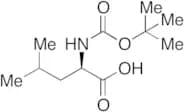
CAS:Controlled Product<p>Applications Amphiphilic molecule used in the synthesis of artificial cell membranes for diagnostics and therapeutics.<br>References Deckert, A.A., et al.: Langmuir, 11, 643 (1995); Charych, D., and Nagy, J.O.: Chemtech, 26(9), 24 (1996); Pan, J.J. and Charych, D.: Langmuir, 13, 1365 (1997)<br></p>Formula:C23H38O2Color and Shape:NeatMolecular weight:346.55N-Boc-D-leucine
CAS:Controlled Product<p>Applications N-Boc-D-leucine is an N-Boc-protected form of D-Leucine (L330150). D-Leucine is an unnatural isomer of L-Leucine (L330110) that acts as an auto-inhibitor of lactic streptococci in culture. D-Leucine causes analgesia in humans and also exhibits inhibitory activity in bacterial cell cultures.<br>References Chuan, Y., et al.: Chin. J. Anim. Vet. Sci., 4, 003 (1985); Fox, S., et al.: J. Biol. Chem., 155, 465 (1944); Gillillad, S. & Speck, M.: J. Dairy Sci., 51, 1573 (1968); Schoenheimer, R., et al.: J. Biol. Chem., 130, 703 (1939); Seltzer, S., et al.: Pain, 11, 141 (1981)<br></p>Formula:C11H21NO4Color and Shape:NeatMolecular weight:231.295,6-trans-Calcitriol
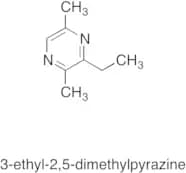
CAS:Controlled Product<p>Applications An impurity of Calcitriol (C144500). The trans isomer of Calcitriol.<br> Not a dangerous good if item is equal to or less than 1g/ml and there is less than 100g/ml in the package<br>References Myrtle, J.F., et al.: J. Biol. Chem., 245, 1190 (1970), Lawson, D.E.M., et al.: Nature, 230, 228 (1971), Norman, A.W., et al.: Science, 173, 51 (1971), Suda, T., et al.: Vitamins, 45, 175 (1972), Muindi, J.R., et al.: Clin. Pharmacol. Ther., 72, 648 (2002),<br></p>Formula:C27H44O3Color and Shape:NeatMolecular weight:416.642-Ethyl-3,6-dimethylpyrazine
CAS:<p>Applications 2-Ethyl-3,6-dimethylpyrazine is a flavour-active and non-volatile compound identified in thermally treated yeast extracts. It is also useful in the synthesis of new flavour additive species of pyrazines.<br>References Alim, A., et al.: J. Sci. Food Agric., 98, 3774 (2018); Lai, M., et al.: J. Therm. Anal. Calorim., 128, 1627 (2017)<br></p>Formula:C8H12N2Color and Shape:ColourlessMolecular weight:136.19Cytidine 5'-Phosphoromorpholidate N,N'-Dicyclohexyl-4-morpholinecarboximidamide
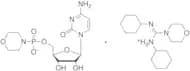
CAS:Controlled Product<p>Applications Intermediate in the preparation of Citicoline (C508050), a naturally occurring nucleotide.<br></p>Formula:C13H20N4O8P·C17H32N3OColor and Shape:NeatMolecular weight:685.75Xylan
CAS:<p>Applications Xylan is a major constituent of the secondary cell wall and plant cell-wall polysaccharides. Xylan is also used in the studies involving structural properties, foaming as a new means for food structuring in plants. Xylanases an enzymatic form of xylan is used in several biotechnological processes, primarily for biopulping and biobleaching in the paper industry and as accessory enzymes for bioethanol production.<br>References Yuan, Y., et al.: Plant and Cell Physiol., 57, 35 (2016); Kuang, B., et al.: Mol. Plant, 9, 1119 92016); Generoso, W. C., et al.: BioEnergy Res., 9, 931 (2016); Beatrice, C. A. G., et al.: Carbohydr. Polym., 173, 508 (2017)<br></p>Formula:C5H10O6Color and Shape:White To Off-WhiteMolecular weight:166.13Cetyl Stearate
CAS:Controlled Product<p>Applications Cetyl Stearate is a wax ester of stearic acid. Wax esters are esters between long chained fatty alcohols and fatty acids. Wax esters have significance in pharmaceutical and cosmetics applications and occur naturally in plants and animals. Stearate esters are used most frequently in the formulation of eye makeup, skin makeup, lipstick and skin care products.<br>References Wheatley, V., et al.: Biochem. J., 58, 167 (1954); Shichijo, S., et al.: Biochem. Med., 22, 256 (1979); Robosky, L., et al.: J. Lipid Res., 49, 686 (2008);<br></p>Formula:C34H68O2Color and Shape:NeatMolecular weight:508.90Hydrocortisone 17-Valerate
CAS:Controlled Product<p>Applications Hydrocortisone 17-Valerate is a derivative of Hydrocortisone (H714615) which is a glucocorticoid that is produced by the zona fasciculata of the adrenal gland.<br>References Ponec, M. et. al.: J. Pharm. Sci., 75, 973 (1986); Vigore, L., et al.: Cancer Ther., 6, 699 (2008)<br></p>Formula:C26H38O6Color and Shape:NeatMolecular weight:446.58N3-Methylcytidine
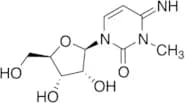
CAS:Controlled ProductFormula:C10H15N3O5Color and Shape:WhiteMolecular weight:257.24Pirimicarb
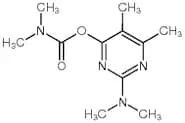
CAS:<p>Applications Pirimicarb is a pesticide which is useful in cannabis testing kits as a component of pesticide mixes (P698240).<br> Not a dangerous good if item is equal to or less than 1g/ml and there is less than 100g/ml in the package<br></p>Formula:C11H18N4O2Color and Shape:White To Off-WhiteMolecular weight:238.2911-Oxo Etiocholanolone
CAS:<p>Applications A metabolite of Etiocholanolone.<br>References Eriksson, H., et al.: Eur. J. Biochem., 15, 132 (1970), Cook, D., et al.: Endocrinology, 93, 1019 (1973),<br></p>Formula:C19H28O3Color and Shape:White To Off-WhiteMolecular weight:304.421,2-Dilinoleoyl-3-palmitoyl-rac-glycerol
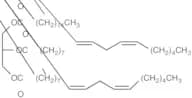
CAS:Controlled Product<p>Stability Light Sensitive<br>Applications 1,2-Dilinoleoyl-3-palmitoyl-rac-glycerol is a triacylglycerol found in sesame oil.<br>References Lee, D., et al.: Analytica Chimica Acta, 429, 321 (2001); Jahaniaval, F., et al.: J. AM. Oil Chem. Soc., 77,847 (2000)<br></p>Formula:C55H98O6Color and Shape:NeatMolecular weight:855.36Pararosaniline Base
CAS:Formula:C19H19N3OColor and Shape:Dark Red To Dark PurpleMolecular weight:305.37(All-Z)-8,11,14,17-Eicosatetraenoic Acid Ethyl Ester
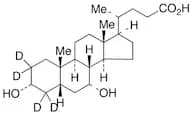
CAS:Controlled ProductFormula:C22H36O2Color and Shape:Colourless To Light YellowMolecular weight:332.52Chenodeoxycholic Acid-d4
CAS:Controlled Product<p>Applications Labelled Chenodiol (Chenodeoxycholic acid). A major bile acid in many vertebrates, occurring as the N-glycine and/or N-taurine conjugate. With other bile acids, forms mixed micelles with lecithin in bile which solubilize cholesterol and thus facilitates its excretion. Fcilitates fat absorption in the small intestine by micellar solubilization of fatty acids and monoglycerides. Anticholelithogenic. Epimeric with Ursodiol.<br>References Danzinger, et al.: N. Engl. J. Med., 286, 1 (1972), Iser, J.H., et al.: Drugs, 21, 90 (1981), Tint, G.S., et al.: Gastroenterology, 91, 1007 (1986),<br></p>Formula:C24D4H36O4Color and Shape:White To Off-WhiteMolecular weight:396.60γ-Polyglutamic Acid Sodium Salt (Technical Grade)
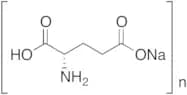
CAS:Controlled Product<p>Stability Hygroscopic<br>Applications gamma-Polyglutamic acid - sodium salt (cas# 25513-46-6) is a useful research chemical.<br></p>Formula:(C5H8NNaO4)nColor and Shape:NeatMolecular weight:NATrypan Blue (Technical Grade)
CAS:<p>Applications Trypan Blue is an azo based, hydrophilic, tetrasulfonated blue acid dye widely utilized for assessing cell viability. As an easy method to determining the viability of cells, Trypan Blue will stain dead cells with permeable membranes blue, while the dye is excluded by most living cells and their intact membranes thereby allowing visual determination of living versus dead cells. Although Trypan Blue is predominately used for assessing cell viability of cultured cells, other applications for this dye have been reported. In rat abdominal organ slices Trypan Blue has been utilized to determine cell viability as well as islet cell cluster cell viability from caprine pancreatic samples. Dyes and metabolites.<br>References Bonnefille, P. et al. 2010. Fundam Clin Pharmacol. PMID: 21121944; Han, T.H. et al. 2010. J Acupunct Meridian Stud. 3(4): 241-248. PMID: 21185538; Saadatnia, G. et al. 2010. Trop Biomed. 27(1): 125-130. PMID: 20562822; Hani, H. et al. 2010. Xenotransplantation. 17(6): 469-480. PMID: 21158948<br></p>Formula:C34H24N6O14S4·4NaColor and Shape:NeatMolecular weight:960.80(S,S)-f-SpiroPhos
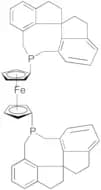
CAS:Controlled ProductFormula:C48H44FeP2Color and Shape:NeatMolecular weight:738.66p-Anisidine
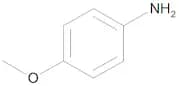
CAS:Controlled ProductFormula:C7H9NOColor and Shape:White To BlackMolecular weight:123.15