Biochemicals and Reagents
Biochemicals and reagents are fundamental substances for research and development in fields such as biotechnology, molecular biology, pharmacology, and medicine. These products are essential for a variety of applications, including compound synthesis, biological sample analysis, metabolic process research, and drug production. At CymitQuimica, we offer a wide selection of high-quality, high-purity biochemicals and reagents suitable for various scientific and industrial needs. Our catalog includes enzymes, antibodies, nucleic acids, amino acids, and many other products, all designed to support researchers and professionals in their research and development projects, ensuring reliable and reproducible results.
Subcategories of "Biochemicals and Reagents"
- Biomolecules(99,130 products)
- By Biological Target(99,159 products)
- By Pharmacological Effects(6,787 products)
- Cryopreservatives(21 products)
- Desinfectants and Related Compounds(28 products)
- Hormones(346 products)
- Plant Biology(6,747 products)
- Secondary Metabolites(14,222 products)
Found 130579 products of "Biochemicals and Reagents"
Sort by
Purity (%)
0
100
|
0
|
50
|
90
|
95
|
100
RG 102240
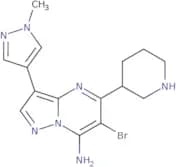
CAS:<p>RG 102240 (RG) is a small molecule that inhibits GTPase-activating protein, which is a molecular switch that controls the activity of many proteins. RG binds to the target protein's ATP-binding site and prevents it from functioning. RG has been shown to inhibit the growth of cancer cells in culture and to downregulate the expression of genes involved in tumorigenesis. It has also been shown to have anti-inflammatory properties. In addition, it has been shown to act as an insulin-like growth factor receptor agonist, which may be useful for treating prostate cancer cells with multidrug resistance, and as an inhibitor of atp-dependent transport, which may be useful for treating cardiac disease.</p>Formula:C23H30N2O3Purity:Min. 95%Molecular weight:382.5 g/mol2B-(SP)
CAS:<p>2B-(SP) is a monoclonal antibody that inhibits the phosphorylation of proteins by inhibiting the activity of protein phosphatase. This, in turn, prevents activation of tyrosine kinases and blocks dopamine-induced locomotor activity. 2B-(SP) also blocks cholinergic signaling in h9c2 cells, which may be due to its ability to inhibit the enzyme acetylcholinesterase. 2B-(SP) has been shown to inhibit cardiac hypertrophy in vivo, as well as cardiac fibrosis and cardiomyopathy in rats.</p>Formula:C71H123N26O29PPurity:Min. 95%Molecular weight:1,835.9 g/molArphamenine B
CAS:<p>Arphamenine B is a potent, selective, and reversible inhibitor of the protein tyrosine phosphatase 1B (PTP1B). Arphamenine B binds to PTP1B with high affinity and specificity. It is a useful tool for studying protein-protein interactions and protein function. Arphamenine B can also be used as an activator or ligand for receptors, especially G-protein coupled receptors. This peptide has been shown to inhibit ion channels such as calcium channels, potassium channels, and sodium channels.</p>Formula:C16H24N4O4Purity:Min. 95%Molecular weight:336.39 g/molmonoFITC INSL4
<p>MonoFITC INSL4 is a peptide that is used as a research tool. It is an activator of the Insulin-like Growth Factor Receptor 4 (IGF-1R) and can be used to study the protein interactions of the receptor. MonoFITC INSL4 has shown to inhibit the binding of insulin and IGF-1, which are ligands for the receptor. This peptide has also been shown to activate phosphatidylinositol 3-kinase, which is a cellular signalling pathway involved in many cellular processes such as proliferation and apoptosis.</p>Purity:Min. 95%III-31-C
CAS:<p>III-31-C is a complex chemical compound, which is synthetically derived, with specific molecular architecture designed to facilitate targeted interactions at a biochemical level. It predominantly originates from a series of controlled laboratory reactions involving precursor chemicals that are meticulously purified to ensure high efficacy and consistency.</p>Formula:C35H52N4O7Purity:Min. 95%Molecular weight:640.8 g/mol(S)-ML753286
CAS:<p>(S)-ML753286 is a chiral small molecule antagonist, which is a synthetic compound with potential applications in biochemical research. It primarily originates from the study of receptor-ligand interactions and is known for its particular efficacy in modulating specific signaling pathways.</p>Formula:C20H25N3O3Purity:Min. 95%Molecular weight:355.4 g/molZSET1446
CAS:<p>ZSET1446 is a zirconium oxide particle that contains dopamine. It is used for the treatment of neurodegenerative disorders, such as Parkinson's disease and schizophrenia. ZSET1446 has been shown to enhance the response of acetylcholine in mouse strains with a mutation in the α7 nicotinic acetylcholine receptor. This potentiation of cholinergic responses may be due to its ability to bind to dopamine receptors on the cell surface or its ability to act as an agonist at these receptors. ZSET1446 has also been shown to have psychotic effects, which may be due to its ability to bind to dopamine receptors on neurons. Chronic oral administration of this drug has been shown to result in potentiation of α7 nicotinic acetylcholine receptors and can lead to increased risk for psychosis.</p>Formula:C15H12N2OPurity:Min. 95%Molecular weight:236.27 g/molMX69
CAS:<p>MX69 is a compound that inhibits the BCL-2 protein. It was developed as an anti-cancer drug, but has also been found to have an inhibitory effect on PD-L1 and pd-l1. MX69 has shown to reduce the mitochondrial membrane potential of cancer cells, causing cell apoptosis. It also reduces pro-apoptotic proteins, such as Bax and Bak, which are involved in programmed cell death. This drug is low potency and does not kill healthy cells in culture. MX69 has been shown to be effective against chemotherapy resistance and can stabilize the protein Bcl2 in cancer cells with high levels of this protein.</p>Formula:C27H26N2O4SPurity:Min. 95%Molecular weight:474.57 g/molPYBG
CAS:<p>PYBG is a protein-based analog that has been developed as an anticancer agent. It works by inhibiting specific kinases that play a role in cancer cell growth and survival. PYBG has shown potent activity against various types of cancer cells, including those from human origin. In Chinese medicinal practices, PYBG has been used to treat urinary tract infections and other ailments. This protein-based inhibitor has also been found to induce apoptosis in cancer cells, leading to the death of these cells and preventing the progression of tumors. PYBG is a promising new therapy for cancer treatment due to its ability to disrupt the cell cycle and inhibit tumor growth.</p>Formula:C16H15N5O2Purity:Min. 95%Molecular weight:309.32 g/mol(R)-CR8
CAS:<p>(R)-CR8 is an analog of the natural amino acid L-cysteine. In vivo, (R)-CR8 is converted to cysteine, which functions as a precursor for other important biological molecules, such as glutathione, taurine and S-adenosylmethionine. (R)-CR8 has been shown to protect neurons from apoptotic cell death induced by chronic exposure to high levels of glutamate or oxygen deprivation. It also has neuroprotective properties in vivo in an animal model of Parkinson's disease. The pharmacokinetic properties of (R)-CR8 have been studied in vivo and in vitro human cells, and it has been shown to be well tolerated when administered orally at doses up to 1 g/kg body weight.</p>Formula:C24H29N7O•(HCl)3Purity:Min. 95%Molecular weight:540.92 g/molCMPD101
CAS:<p>CMPD101 is a dopamine receptor agonist that has been shown to have antimicrobial effects. It has a pyrazole ring that binds to the cation channel, which causes an increase in the permeability of the membrane to potassium ions and leads to cardiac arrest. CMPD101 is also able to bind to other receptors such as oxytocin, CB2, and d2 dopamine receptors. This compound has been shown in vivo treatment for metabolic disorders and autoimmune diseases as well as having pharmacokinetic properties.</p>Formula:C24H21F3N6OPurity:Min. 95%Molecular weight:466.46 g/molMM 47755
CAS:<p>MM 47755 is a natural compound that has demonstrated inhibitory activity against the enolate of glycopeptide antibiotics. It is an enantiopure molecule, which means it is composed of a single type of chiral center. MM 47755 is an inhibitor of bacterial enzymes that are involved in the synthesis and degradation of glycopeptide antibiotics. MM 47755 binds to these enzymes (enolases) in a manner similar to those of the natural substrate, slowing down their metabolic activity and leading to inhibition.</p>Formula:C20H16O5Purity:Min. 95%Molecular weight:336.34 g/molBRL 15572
CAS:<p>BRL 15572 is a 5-HT7 receptor agonist that is used to treat migraine, chronic pain, and other conditions. It has been shown to be effective in animal models of analgesia and as an antinociceptive agent. BRL 15572 binds to the 5-HT2A receptor and inhibits the release of gamma-aminobutyric acid (GABA) from the tegmental area in rats, which may be responsible for its antimigraine properties. The drug also reduces the production of serotonin in the brain by blocking 5-HT1 receptors. BRL 15572 has been shown to be effective against HIV infection, although it does not bind to HIV itself. The drug has a high affinity for 5-HT7 receptors and blocks the influx of calcium ions into cells, leading to reduced production of nitric oxide in neurons. This effect can be seen using optical imaging techniques when measuring changes in calcium concentrations within cells following exposure to BRL 15572.</p>Formula:C25H27ClN2OPurity:Min. 95%Molecular weight:406.9 g/molDiadenosine pentaphosphate pentasodium salt
CAS:<p>Inhibitor of adenylate kinase</p>Formula:C20H29N10O22P5·5NaPurity:Min. 95%Molecular weight:1,031.32 g/molQuinaprilat hydrate
CAS:<p>Quinaprilat hydrate is a prodrug of quinapril that inhibits the activity of angiotensin-converting enzyme (ACE). Quinaprilat hydrate has been shown to be effective in reducing blood pressure and improving symptoms of congestive heart failure. The oral prodrug is converted to the active form, quinapril, by esterases in the bowel. This process can be inhibited by drugs such as cimetidine, which blocks the activity of esterases. Quinaprilat hydrate has been found to have antioxidative properties, which may reduce myocardial infarct size and improve cardiac function in vitro. The drug also reduces levels of a protein called PSCK9 that can lead to high cholesterol and heart disease.</p>Formula:C23H28N2O6Purity:Min. 95%Molecular weight:428.5 g/molPVHD121
CAS:<p>PVHD121 is a potent anticancer agent that belongs to the group of spindle poisons. It is a molecular probe that binds to microtubules and inhibits their assembly. This results in the loss of cell shape, nuclear fragmentation, and cell death. PVHD121 has been shown to be more potent than colchicine at high concentrations in the treatment of cancer cells. It also inhibits the proliferation of HCT116 cells and induces chromosome segregation in human lung cancer cells.</p>Formula:C21H17ClF2N4O2Purity:Min. 95%Molecular weight:430.8 g/molLeptin Dog
<p>Leptin is a protein hormone that is produced by fat cells. Leptin regulates appetite and energy use, and it has been shown to be involved in the regulation of body weight. Leptin binds to receptors on the surface of cells, which activates signaling pathways inside the cell. This receptor can be activated by other ligands such as ghrelin, adiponectin, and insulin. Leptin also inhibits ion channels in neurons, resulting in an increase in potassium conductance.</p>Purity:Min. 95%BMS-779788
CAS:<p>BMS-779788 is a drug for the treatment of dyslipidemia and other conditions. It has been shown to inhibit the constitutive androstane receptor, which is involved in inflammation and oxidative stress. BMS-779788 also inhibits the synthesis of fatty acids, leading to an increase in the production of high-density lipoprotein cholesterol. This agent has also been shown to be effective against statins-resistant patients with hypercholesterolemia. BMS-779788 is currently being investigated as a potential therapeutic agent for cardiovascular disorders such as atherosclerosis, myocardial infarction, and stroke.</p>Formula:C28H29ClN2O3SPurity:Min. 95%Molecular weight:509.06 g/molDuocarmycin DM
CAS:Controlled Product<p>Duocarmycin DM is an anticancer drug that selectively targets cancer cells and induces apoptosis. It works by binding to the minor groove of DNA and forming a covalent bond with adenine, which leads to DNA damage and ultimately cell death. Duocarmycin DM has been shown to be effective against a variety of human cancer cell lines, including those resistant to other chemotherapeutic agents. This drug also inhibits kinases involved in tumor growth and angiogenesis, making it a promising candidate for cancer therapy. Duocarmycin DM has been studied as an analog to artesunate and chloroquine in Chinese patients with cancer. Inhibitors of this drug have been identified in urine samples from patients receiving treatment, indicating its potential as a therapeutic agent for the treatment of cancer.</p>Formula:C26H26ClN3O3Purity:Min. 95%Color and Shape:PowderMolecular weight:464 g/molSrc Inhibitor 1
CAS:<p>Src Inhibitor 1 (SI1) is a molecule that inhibits the activity of src, which is a tyrosine kinase. It has been shown to inhibit the growth of cancer cells and reduce the mitochondrial membrane potential in cardiac cells. Src inhibitor 1 also inhibits protein synthesis and reduces inflammation in mice by blocking epidermal growth factor receptor signaling. SI1 binds to ATP and blocks its binding to DNA, thereby inhibiting DNA synthesis. This inhibition can be reversed by adding dNTPs or dextran sulfate. SI1 has also been shown to have antioxidant effects by inducing mitochondrial superoxide dismutase activity.</p>Formula:C22H19N3O3Purity:Min. 95%Molecular weight:373.4 g/molA 1120
CAS:<p>A 1120 is a growth factor that has been shown to accelerate the production of lipofuscin, a pigment present in eye cells. A 1120 is also known to react with boron nitride and produce an analytical method for the detection of hydrogen. A 1120 has been found to have eye-protective effects, which may be due to its ability to inhibit the accumulation of lipofuscin and prevent oxidative damage in photoreceptor cells. In addition, A 1120 can prevent degeneration of retinal ganglion cells in animal models and can improve visual function in patients with macular degeneration.</p>Formula:C20H19F3N2O3Purity:Min. 95%Molecular weight:392.37 g/molIFN b 1a Human
<p>Interferon-beta 1a is a cytokine that is used to treat multiple sclerosis and other diseases. It is the product of human recombinant DNA technology and has been shown to be an effective treatment for MS. Interferon-beta 1a inhibits the growth of neuroblastoma cells by inducing apoptosis, or programmed cell death. The drug also down-regulates the expression of proinflammatory cytokines in sh-sy5y neuroblastoma cells. Interferon-beta 1a has been shown to inhibit the proliferation of CHO (Chinese Hamster Ovarian) cells in vitro and may have therapeutic potential for the treatment of breast cancer, colorectal cancer, and ovarian cancer.</p>Purity:Min. 95%Dimetacrine
CAS:Controlled Product<p>Dimetacrine is a drug used to treat patients with clinical conditions, such as infectious diseases, which are characterized by high levels of hydrochloric acid in the body. Dimetacrine prevents the accumulation of hydrochloric acid by binding to the enzyme that controls its production. Dimetacrine has been shown to be beneficial in clinical studies for patients with chronic schizophrenia and autoimmune disease. Clinical response rates were significantly higher than those seen in placebo-treated patients. The mechanism of action is not fully understood, but it appears that dimetacrine inhibits the formation of hydroxyl radicals and reduces inflammation in patients with autoimmune diseases.</p>Formula:C20H26N2Purity:Min. 95%Molecular weight:294.4 g/molPS77
CAS:<p>PS77 is a processable antimicrobial agent that inhibits the growth of bacteria by binding to their ribosomes. It has been shown to have an effect on thrombocytopenia in rats, which may be due to its inhibition of the production of gene products. PS77 binds to the ribosome and prevents protein synthesis, thereby inhibiting bacterial growth. This drug also has been shown to increase the production of retinoic acid, which may be due to its ability to inhibit fructan metabolism. PS77 has been shown to bind polydentate ligands and can potentially serve as a new target for antibiotic development.</p>Formula:C23H18Cl2O3S2Purity:Min. 95%Molecular weight:477.4 g/molDesmethylene paroxetine hydrochloride
CAS:<p>Please enquire for more information about Desmethylene paroxetine hydrochloride including the price, delivery time and more detailed product information at the technical inquiry form on this page</p>Formula:C18H21ClFNO3Purity:Min. 95%Molecular weight:353.8 g/molIdarubicinol
CAS:<p>Idarubicinol is an analog of the anticancer drug idarubicin and is known for its potent apoptotic effects on cancer cells. It works by inhibiting protein kinases, which are enzymes that play a crucial role in cancer cell growth and division. Idarubicinol has been shown to be effective against a wide range of human cancers, including Chinese hamster ovary (CHO) tumors. This medicinal compound has been identified in urine samples from patients undergoing chemotherapy with idarubicin, indicating that it may play a role in the treatment of cancer. As an inhibitor of kinases, Idarubicinol has potential as a therapeutic agent for the treatment of various types of cancer.</p>Formula:C26H29NO9Purity:Min. 95%Molecular weight:499.5 g/molSEN 177
CAS:<p>Inhibitor of glutaminyl cyclase QPCT</p>Formula:C18H19FN6Purity:Min. 95%Molecular weight:338.38 g/molPTC-209 HBr
CAS:<p>PTC-209 HBr is a raman, interferometry, gravitational, and experimentally measured constant. It is the newtonian scheme of the systematic atomic constant. PTC-209 HBr was calculated by using the quantum theory of atoms to determine the constant of gravity. The quantum theory of atoms is a systematic scheme that uses quantum mechanics to describe properties and behavior of atoms.</p>Formula:C17H13Br2N5OS·HBrPurity:Min. 95%Molecular weight:576.1 g/molSNK-860
CAS:<p>Inhibitor of aldose reductase</p>Formula:C12H10FN3O4Purity:Min. 95%Molecular weight:279.22 g/molDiazepinomicin
CAS:<p>Diazepinomicin is an amide antibiotic that binds to the benzodiazepine receptor, which is a ligand-gated ion channel. Diazepinomicin has been shown to be an effective agent in the treatment of solid tumours and cervical cancer. It is a reactive molecule that interacts with hydroxyl groups on proteins, leading to cell death. Diazepinomicin inhibits farnesyl diphosphate (FPP) synthesis, which is required for the production of many cellular components such as proteins and cholesterol. The inhibition of FPP synthesis causes a decrease in mitochondrial membrane potential, leading to cell death.</p>Formula:C28H34N2O4Purity:Min. 95%Molecular weight:462.58 g/molOvalicin
CAS:<p>Ovalicin is a peptide that has been used in research as an activator. It is a potent and specific inhibitor of voltage-gated ion channels, such as nicotinic acetylcholine receptors. Ovalicin also interacts with other proteins, including receptor and ligand interactions, which have led to its use as a research tool for investigating protein interactions. Ovalicin can be used in pharmacology to study the effects of drugs on cells by measuring the change in ion channel activity.</p>Formula:C16H24O5Purity:Min. 95%Molecular weight:296.36 g/molMitotane-13C6
CAS:<p>Please enquire for more information about Mitotane-13C6 including the price, delivery time and more detailed product information at the technical inquiry form on this page</p>Formula:C14H10Cl4Purity:Min. 95%Molecular weight:326 g/molORG 12962 hydrochloride
CAS:<p>Serotonin (5-HT2C) receptor agonist</p>Formula:C10H11ClF3N3·ClHPurity:Min. 95%Molecular weight:302.12 g/molTH1760
CAS:<p>TH1760 is a microdialysis probe that is used to measure the concentration of cortisol in human body fluids. The probe consists of a semipermeable membrane and an electrochemical cell. It is used for the diagnosis of psychotic disorder, liver disease, and cancer. The probe has been shown to accurately measure cortisol levels in humans with symptoms of depression and anxiety. TH1760 has also been shown to be a valid biomarker for bladder cancer.</p>Formula:C20H18N4O5SPurity:Min. 95%Molecular weight:426.4 g/molAlniditan
CAS:<p>Alniditan is a diagnostic agent that is used for the detection of 5-HT1A receptors in vivo. It has been shown to be an absorption enhancer and is able to cross the blood-brain barrier. Alniditan binds to the 5-HT1A receptor, which is a neurotransmitter receptor that regulates mood, appetite, and sleep. Alniditan has been shown to inhibit the production of messenger RNA (mRNA) in rat hippocampal formation cells, as well as its binding with human serum proteins. This drug also has a high affinity for fatty acid receptors and exhibits agonist activity at these sites.</p>Formula:C17H26N4OPurity:Min. 95%Molecular weight:302.4 g/molrac1, Gst tagged human
CAS:<p>Rac1 is a member of the Rho family of small GTPases that regulates many cellular processes, such as cell movement, apoptosis, and transcription. Rac1 has been shown to regulate the activity of ion channels and ligand-gated ion channels. This protein also plays a role in signal transduction by activating phospholipase C and regulating the activity of other proteins such as tyrosine kinases. Rac1 is activated by peptides containing arginine-glycine-aspartate (RGD) motifs and is inhibited by antibodies against this protein. Rac1 has been shown to activate the transcription factor CREB, which is important for synaptic plasticity. Rac1 is expressed in high levels in neurons, cardiac muscle cells, macrophages, and some epithelial cells. This protein has been used to study cell biology and pharmacology because it can be easily purified from human sources using Gst tagged recombinant human Rac1 (GST-Rac</p>Purity:Min. 95%1-[2-[[(2S,3S,4R,5R)-5-(6-Aminopurin-9-yl)-3,4-dihydroxyoxolan-2-yl]methylsulfanyl]ethyl]-3-ethylurea
CAS:<p>Please enquire for more information about 1-[2-[[(2S,3S,4R,5R)-5-(6-Aminopurin-9-yl)-3,4-dihydroxyoxolan-2-yl]methylsulfanyl]ethyl]-3-ethylurea including the price, delivery time and more detailed product information at the technical inquiry form on this page</p>Formula:C15H23N7O4SPurity:Min. 95%Molecular weight:397.5 g/molBisphenol A-d6 β-D-glucuronide
CAS:<p>Bisphenol A-d6 β-D-glucuronide is a metabolite of bisphenol A (BPA) that has been found to be detectable in human serum. In this study, the authors analyzed urine samples from women and found that BPA-d6 glucuronide was present in all samples, but not in the same concentrations. The concentrations ranged from 0.1 to 2.0 ng/mL, with higher concentrations being associated with women who had higher levels of BPA exposure. The authors also found that BPA-d6 glucuronide was detectable in human serum. This metabolite can be measured with an enzymatic reaction and a dilution method. It is recommended for future studies to determine whether or not BPA-d6 glucuronide is present in human urine samples from men as well as children and older adults.</p>Formula:C21H24O8Purity:Min. 95%Molecular weight:410.4 g/molGlyburide potassium
CAS:<p>Glyburide potassium is a drug that belongs to the class of sulfonylureas and is used as an oral hypoglycemic agent. It acts by stimulating pancreatic beta cells to release insulin. Glyburide potassium has been shown to increase intracellular Ca2+ levels, inhibit ATP-sensitive K+ channels, and stimulate enzyme activities in human erythrocytes. The drug also inhibits sodium carbonate-induced ionotropic gelation in aqueous solutions. Glyburide potassium has been shown to be a potent inhibitor of high-sensitivity C-reactive protein (hsCRP) activity in vitro. It also inhibits neuronal function in vitro through its effects on monoclonal antibodies.</p>Formula:C23H28ClKN3O5SPurity:Min. 95%Molecular weight:533.1 g/mol17-Phenoxy trinor prostaglandin f2α
CAS:<p>Please enquire for more information about 17-Phenoxy trinor prostaglandin f2α including the price, delivery time and more detailed product information at the technical inquiry form on this page</p>Formula:C23H32O6Purity:Min. 95%Molecular weight:404.5 g/mol1-Epi-darunavir
CAS:<p>1-Epi-darunavir is a potent HIV protease inhibitor that blocks the cleavage of polyproteins that are necessary for the assembly and release of new viruses. It is an epimer of darunavir and has been shown to be more potent than its parent compound. 1-Epi-darunavir binds to the active site of HIV protease and prevents the formation of a complex between the enzyme and its substrate, leading to inhibition of HIV replication. This drug also inhibits ion channels, including calcium channels, potassium channels, sodium channels, and chloride channels. 1-Epi-darunavir has been shown to inhibit ligand binding to receptors in cell culture, such as peptides or antibodies.</p>Formula:C27H37N3O7SPurity:Min. 95%Molecular weight:547.7 g/molZ-Leu-Leu-H aldehyde
<p>Z-Leu-Leu-H aldehyde is a water soluble and non-toxic chemical compound that belongs to the class of heterocycles. It inhibits ion channels by binding to their receptor and also has a high affinity for ligand binding sites. Z-Leu-Leu-H aldehyde is used as a research tool in pharmacology, cell biology, and antibody production. It can be used to activate or inhibit the function of proteins in cells by acting as an agonist or antagonist, respectively. This chemical is also an inhibitor with high purity, which is suitable for use in protein crystallization experiments.</p>Formula:C20H30N2O4Purity:Min. 95%Molecular weight:362.46 g/molCdk4 inhibitor V
CAS:<p>Palbociclib is a CDK4 inhibitor that is used to treat cancer. It inhibits the activity of Cdk4 and prevents cells from progressing through the cell cycle, leading to their death. Palbociclib has been shown to inhibit tumor growth in humans with breast cancer and other proliferative disorders. The drug binds directly to Cdk4, preventing it from phosphorylating its substrates. This inhibition leads to the accumulation of p27, which suppresses the activity of cyclin-dependent kinases (CDKs). Inhibition of CDKs prevents cells from entering mitosis and results in cell death by apoptosis.</p>Formula:C19H18IN3O4Purity:Min. 95%Molecular weight:479.27 g/molATPO
CAS:<p>Atovaquone is a medication used to treat chronic viral hepatitis and other conditions. It inhibits the synthesis of RNA by binding to the polymerase enzyme. This drug has been shown to be effective in treating patients with hepatitis and autoimmune diseases, such as lysis, cell lysis, and diagnosis. Atovaquone also has a role in the treatment of chronic HBV infection by inhibiting the production of viral DNA. Atovaquone is a prodrug that is converted into its active form, hydroxychloroquine (HCQ), by cytochrome P450 enzymes. HCQ is then converted into chloroquine (CQ) through further oxidation reactions. CQ can inhibit protein synthesis, leading to cell death by inhibiting the production of proteins vital for cell division.<br>ATPO has also been shown to have anti-inflammatory properties, which may be due to its inhibition of prostaglandin synthesis.</p>Formula:C11H19N2O7PPurity:Min. 95%Molecular weight:322.25 g/molCZ415
CAS:<p>CZ415 is a novel, small molecule that inhibits the activity of collagen. CZ415 has been shown to inhibit the proliferation of cervical cancer cells and the growth of xenograft tumors in mice. It also inhibits tumor cell migration and invasion, as well as the formation of new blood vessels required for tumor growth. The underlying mechanism by which CZ415 inhibits tumor growth is through induction of autophagy, a process by which cells degrade their own proteins and organelles. In addition to its anti-cancer effects, CZ415 has been shown to reduce inflammation in lung fibroblasts in vitro and may be useful for treating autoimmune diseases or other conditions where inflammation is an issue.<br>CZ415 has not yet been tested on humans but initial studies indicate that it may be well tolerated with few side effects.</p>Formula:C22H29N5O4SPurity:Min. 95%Molecular weight:459.56 g/molGNF-7
CAS:<p>GNF-7 is a molecule that inhibits the bcr-abl kinase, which plays a key role in chronic myelogenous leukemia (CML) and some other cancers. GNF-7 binds to the ATP binding site of the bcr-abl kinase, inhibiting its activity. It also induces caspase-independent cell death by hydrogen bond interactions with amino acids in the ATP binding site. The study has shown that GNF-7 is effective on monocytes, myeloid leukemia cells, and inflammatory bowel disease cells. GNF-7 is a small molecule that can be synthesized by chemical methods and is thus cheaper than many other cancer drugs.</p>Formula:C28H24F3N7O2Purity:Min. 95%Molecular weight:547.53 g/molPF 04885614
CAS:<p>PF 04885614 is a potent and selective inhibitor of human potassium channels. The molecular mechanism of inhibition by PF 04885614 remains to be elucidated. In cell-based experiments, it was found that PF 04885614 binds to the extracellular domain of the hERG channel with high affinity and inhibits its function. This antibody is intended for use as a research tool in cell biology, peptides, pharmacology, ligand, activation, ion channels and life science.<br>PF 04885614 has been shown to react with mouse, rat and human erythrocytes as well as with bovine and porcine brain tissue.</p>Formula:C13H14F3N3OPurity:Min. 95%Molecular weight:285.26 g/molAN3199
CAS:<p>AN3199 is a potent inducer of the dicarboxylic acid transporter DctP in E. coli. It induces the expression of dctP and thus increases the uptake of succinate from the environment. AN3199 is also able to modify growth rate and increase the transfer of DNA between cells. The mutant strain AN3199-2 has a modified profile that includes an increased growth rate and altered uptake, but not complementation or chromosomal modifications.</p>Formula:C17H18BNO5Purity:Min. 95%Molecular weight:327.14 g/molTAK-659
CAS:<p>TAK-659 is a small molecule that has been shown to be highly selective for the epidermal growth factor receptor (EGFR). It inhibits the phosphorylation of EGFR and subsequent downstream signaling through protein kinases. TAK-659 may be used for the treatment of autoimmune diseases, including psoriasis, rheumatoid arthritis, and Crohn's disease. In addition, this drug has been shown to inhibit platelet aggregation and to stimulate hematopoietic cells in cancer patients. TAK-659 is also being investigated as a potential drug for the treatment of cancer due to its ability to inhibit cellular transformation.</p>Formula:C17H21FN6·HClPurity:Min. 95%Molecular weight:380.85 g/molGE-2270 A
CAS:<p>GE-2270 A is a protein that has been shown to inhibit the cycle of Chinese hamster ovary cells. This inhibitor has also demonstrated anticancer activity against leukemia and other tumor cell lines. GE-2270 A is an analog of the kinase inhibitors, which are used in medicinal chemistry to target cancer cells. This protein has been found in human urine and has been shown to induce apoptosis in cancer cells. The potential use of GE-2270 A as a therapeutic agent for cancer treatment is currently being investigated.</p>Formula:C56H55N15O10S6Purity:Min. 95%Molecular weight:1,290.5 g/mol4-Bromoestrone
CAS:Controlled Product<p>4-Bromoestrone is a synthetic estrogen that has been shown to be useful in the treatment of breast cancer. It has been used as an antineoplastic drug, which is a substance that slows the growth of abnormal cells. 4-Bromoestrone can be acetylated by a nitro group and then converted into 4-bromotamoxifen (4-BT), which is a potent anti-tumor agent. The structure of 4-bromoestrone resembles that of estrogens, but it lacks the C2 methyl group found on estradiol and other estrogens, which makes it more difficult for enzymes to convert it into other estrogens. 4-Bromoestrone binds with high affinity to estrogen receptors and can activate them without requiring any cofactors or cofactors. This means that the drug has no effect on tissues that do not contain these receptors.</p>Formula:C18H21BrO2Purity:Min. 95%Molecular weight:349.3 g/molAnti Motilin (Porcine) Serum
<p>Anti Motilin (Porcine) Serum is a potent inhibitor of motilin, a peptide hormone that stimulates the gastrointestinal tract. The anti motilin serum is useful for pharmacological research as well as in cell biology, where it can be used to inhibit motilin-induced contraction in cultured cells. Anti motilin also serves as an excellent research tool for studying the regulation of other receptors and ion channels. It has been shown to activate these receptors and ion channels.</p>Purity:Min. 95%Parsaclisib hydrochloride
CAS:<p>Parsaclisib hydrochloride is a research tool that is used to study the activation of receptors. It has been shown to be a ligand for the Tumor Necrosis Factor Receptor (TNFR) and the receptor for Advanced Glycation End-Products (RAGE). Parsaclisib hydrochloride can also inhibit ion channels, such as calcium channels, potassium channels, and chloride channels. In addition, it has been shown to bind to antibodies and peptides. The binding of this drug affects these proteins' functions in cell biology and pharmacology.</p>Formula:C20H23Cl2FN6O2Purity:Min. 95%Molecular weight:469.3 g/molResminostat
CAS:<p>Resminostat is a small molecule that inhibits the transcriptional co-activator, pd-l1. It has been shown to be very effective at reducing the growth of squamous cell carcinoma cells in vitro and in vivo. Resminostat also reduces liver fat content and steatosis by inhibiting fatty acid synthesis. Resminostat has been shown to induce apoptosis in cancer cells through inhibition of nuclear DNA replication, which leads to decreased production of proteins required for cell division. This drug has not been tested on humans but is being investigated as a potential treatment for hepatic steatosis, a condition characterized by excess fat accumulation in the liver.</p>Formula:C16H19N3O4SPurity:Min. 95%Molecular weight:349.41 g/molFormoterol fumarate
CAS:Controlled Product<p>Formoterol fumarate is a long-acting bronchodilator that is used to treat asthma and chronic cough. It works by relaxing the muscles in the airways, which makes breathing easier. Formoterol fumarate can be administered as a dry powder inhaler or as an oral inhalation solution. The most common side effects of this drug are headache, palpitations, and heart rate changes. Formoterol fumarate should not be taken by people with a history of heart disease or those who are at risk for it. Formoterol fumarate does not contain hydrogen fluoride (HF). Analysis of formoterol fumarate can be performed using chromatographic analysis, which involves separating the different components of a mixture based on their physical properties.</p>Formula:C23H28N2O8Purity:Min. 95%Molecular weight:460.5 g/molStafia-1-dipivaloyloxymethyl ester
CAS:<p>Stafia-1-dipivaloyloxymethyl ester is a research tool that may be used to study protein interactions. It can also be used in the development of new drugs for treating diseases such as Parkinson's, Alzheimer's, and schizophrenia. Stafia-1-dipivaloyloxymethyl ester is an activator of the G protein coupled receptors (GPCRs) and ion channels. Stafia-1-dipivaloyloxymethyl ester has been shown to be a specific ligand for the human GPCR receptor called the metabotropic glutamate receptor 2 (mGlu2). It binds to this receptor and activates it by increasing calcium ion influx. This process leads to the opening of ion channels, which causes an increase in neurotransmitter release from nerve cells.</p>Formula:C37H48FO13PPurity:Min. 95%Molecular weight:750.7 g/molZatosetron maleate
CAS:<p>Zatosetron is a peptide that acts as an activator of the 5-HT3 receptor. It has been shown to have the ability to inhibit ion channels and activate protein interactions. The binding of zatosetron to the 5-HT3 receptor leads to activation of phospholipase C, which in turn causes a release of calcium from intracellular stores. Zatosetron has also been shown to be an inhibitor of the ligand-gated ion channel, nicotinic acetylcholine receptor (nAChR). In addition, it binds with high affinity and selectivity to human serotonin receptors.<br>Zatosetron is used in research as a tool for studying cell biology, pharmacology, and protein interactions.</p>Formula:C23H29ClN2O6Purity:Min. 95%Molecular weight:464.9 g/molBPD-Ring B
CAS:<p>BPD-Ring B is a peptide that binds to the nicotinic acetylcholine receptors of the central nervous system. It is an antagonist with high specificity for the alpha7 subtype of these receptors. BPD-Ring B has been used as a research tool to study ion channels, receptor ligands, and protein interactions. It has also been used as a pharmacological probe to study ion channels in cell cultures and to investigate drug effects on neurotransmitter release.</p>Formula:C42H44N4O8Purity:Min. 95%Molecular weight:732.8 g/molXE 991 dihydrochloride
CAS:<p>XE 991 dihydrochloride is a small molecule inhibitor, which is an experimental compound used primarily in neuroscience research. It is sourced synthetically and serves as a specific and selective blocker of the K_v7/M (KCNQ) potassium channels. The mode of action of XE 991 dihydrochloride involves binding to these channels, thereby inhibiting their activity and preventing potassium ion flow across neuronal membranes. This results in changes to neuronal excitability and membrane potential.</p>Formula:C26H20N2O·2HClPurity:Min. 95%Molecular weight:449.37 g/molTafluprost ethyl ester
CAS:<p>Tafluprost is a prostaglandin F2-alpha analog that has been shown to be an activator of the human EP4 receptor. Tafluprost binds to the EP4 receptor, which is found in many tissues and cells, including the eye. This binding activates the receptor, which causes increased levels of cAMP and PKA. These increase levels of cAMP and PKA cause vasodilation and reduced intraocular pressure. Tafluprost is used as an ophthalmic medication for the treatment of glaucoma.</p>Formula:C24H32F2O5Purity:Min. 95%Molecular weight:438.5 g/molGemcabene calcium
CAS:<p>Gemcabene calcium is a fatty acid that inhibits the formation of proteins and has been shown to be effective against atherosclerosis in animals. Gemcabene calcium also inhibits soluble guanylate cyclase and fibrinogen, which are regulatory proteins in the cell that are involved in blood clotting. The drug has been shown to have a positive effect on cardiovascular disease by reducing cholesterol levels, improving high-density lipoprotein (HDL) levels, and lowering low-density lipoprotein (LDL) levels. Gemcabene calcium analogs have been shown to be effective for treating metabolic disorders such as obesity. The drug is metabolized through hepatic cytochrome P450 enzymes, although there is no evidence of toxicity or teratogenicity from gemcabene calcium at doses up to 20 mg/kg per day.</p>Formula:C16H28CaO5Purity:Min. 95%Molecular weight:340.5 g/molStanniocalcin-1, human, recombinant
<p>Stanniocalcin-1 is a protein that belongs to the stanniocalcin family of proteins. It is expressed by a variety of tissues and has been shown to have chemotactic, pleiotropic, and adipogenic effects. Stanniocalcin-1 also regulates luteinization and homologous differentiation in cells. The recombinant form of this protein has been shown to stimulate the growth of cells in culture with high levels of expression. Additives such as deionized water and chromatographic techniques can be used to purify this protein.</p>Purity:Min. 95%PHA-680632
CAS:<p>PHA-680632 is a potent and selective small-molecule inhibitor of Aurora kinases, which are serine/threonine kinases involved in crucial processes during mitosis. Sourced from synthesized chemical compounds, this inhibitor specifically targets Aurora kinases A, B, and C, disrupting their role in cell cycle regulation. The mode of action involves binding to the ATP-binding site of these kinases, leading to the inhibition of their activity and subsequently arresting cell cycle progression at the mitotic phase.</p>Formula:C28H35N7O2Purity:Min. 95%Molecular weight:501.62 g/molCerivastatin
CAS:<p>An inhibitor of 3-hydroxy-3-methylglutaryl coenzyme A (HMG-CoA) reductase that reduces total cholesterol and low-density lipoprotein (LDL). Cerivastatin is cardioprotective and anti-atherosclerotic. Cerivastatin inhibits the expression of the atherosclerotic genes monocyte chemoattractant protein-1 (MCP-1) and C-C chemokine receptor type 2 (CCR2), whilst inducing the expression of Kruppel-like factor 2 (KLF2).</p>Formula:C26H34FNO5Purity:Min. 95%Molecular weight:459.55 g/molLeptin (Rat)-ELISA Kit (1ea)
<p>Leptin ELISA Kit is a sandwich ELISA for the quantitative measurement of mouse leptin in rat serum. Leptin is a 16-kDa peptide hormone that regulates energy balance and body weight. It is produced by adipose tissue, and circulates in the blood as a protein complex with high-density lipoprotein (HDL). The assay employs monoclonal antibodies (MAbs) to measure mouse leptin in rat serum. The Mabs are specific for the mouse leptin sequence, which allows them to selectively bind to the mouse leptin in rat serum. Quantitative measurements of mouse leptin can be made using standard colorimetric procedures.</p>Purity:Min. 95%16:0-09:0 (Aldo) pc
CAS:<p>16:0-09:0 (Aldo) pc is a metabolite of hexadecanoyl. It is produced from the oxidation of hexadecanoic acid and can be found in human urine. Hexadecanoyl is a fatty acid that can be found in various animal fats, including butter and cheese. 16:0-09:0 (Aldo) pc has been shown to have antioxidant properties, which may be due to its ability to inhibit lipid peroxidation by binding reactive oxygen species.</p>Formula:C33H64NO9PPurity:Min. 95%Molecular weight:649.84 g/molNiraparib hydrochloride
CAS:<p>Niraparib hydrochloride is an inhibitor of poly (ADP-ribose) polymerase, which is a key enzyme in the repair of DNA. It also inhibits the phosphorylation of histone H2AX at serine 139, which leads to cell cycle arrest and apoptosis. Niraparib hydrochloride has been shown to be effective against inflammatory lesions caused by radiation and platinum-resistant ovarian cancer. This drug has a synergistic effect with cisplatin in preclinical models for platinum-resistant ovarian cancer. Niraparib hydrochloride has also been evaluated as a potential biomarker for primary breast cancers by measuring its serum concentration in vivo using fluorescence imaging.</p>Formula:C19H21ClN4OPurity:Min. 95%Molecular weight:356.85 g/molUNC3866
CAS:<p>UNC3866 is a small molecule inhibitor that is synthetically derived. It acts specifically on the methyl-lysine binding activity of the chromatin-associated proteins CBX7 and CBX8. This particular mode of action involves mimicking the natural binding partners of these proteins, thereby disrupting their normal interaction with chromatin. Consequently, this inhibition modulates the transcriptional regulation associated with these proteins.</p>Formula:C43H66N6O8Purity:Min. 95%Molecular weight:795.02 g/molAMZ30
CAS:<p>AMZ30 is a chemical inhibitor of the phosphatase enzyme, which plays an important role in the regulation of cell proliferation and differentiation. It is also a potential drug for cancer treatment. The effective dose was found to be 10 μM in clinical studies using cultured human muscle cells. AMZ30 was shown to inhibit the proliferation of tumor cells, showing promising results as a potential anticancer drug. AMZ30 has been shown to reduce cardiac hypertrophy by inhibiting the phosphatase that regulates cell growth and differentiation. This inhibition may be due to demethylation, which leads to activation of genes linked with cardiac hypertrophy.</p>Formula:C19H12FN3O6S2Purity:Min. 95%Molecular weight:461.44 g/molCblc000 trifluoroacetate
CAS:<p>Cblc000 trifluoroacetate is a synthetic peptide, which is derived from chemical synthesis with trifluoroacetic acid as a counterion. It functions by selectively interacting with target proteins, thereby modulating their activity. This interaction is influenced by its specific amino acid sequence, allowing it to bind with high specificity and affinity to particular protein domains, often disrupting or enhancing their biological function.</p>Formula:C18H20N4O4Purity:Min. 95%Molecular weight:356.4 g/molPTC299
CAS:<p>PTC299 is a monoclonal antibody that binds to the CD20 protein on the surface of lymphocytes. This binding prevents CD20 from transmitting signals, leading to apoptotic cell death. PTC299 has been shown to be effective in treating chronic lymphocytic leukemia and eye disorders. The most common side effects are headache, nausea, vomiting, diarrhea, dizziness, and fatigue.</p>Formula:C25H20Cl2N2O3Purity:Min. 95%Molecular weight:467.3 g/molYE-120
CAS:<p>YE-120 is a monoclonal antibody that binds to the extracellular domain of human Kv1.3 ion channel. It has been shown to inhibit the activity of this channel in vitro and in vivo. YE-120 is also an excellent research tool, which can be used for the study of protein interactions, ion channels, receptor pharmacology, peptides and ligands, or activation and inhibition mechanisms. YE-120 has high purity, which makes it suitable for cell biology and pharmacological experiments.</p>Formula:C16H9Cl2N3OPurity:Min. 95%Molecular weight:330.2 g/mol(24R)-MC 976
CAS:<p>(24R)-MC 976 is a research tool that binds to the activator protein. It is a ligand for the receptor and has been shown to interact with ion channels, cell biology, and antibody. (24R)-MC 976 can be used as an anti-inflammatory agent, which may be due to its inhibition of prostaglandin synthesis.</p>Formula:C27H42O3Purity:Min. 95%Molecular weight:414.62 g/molSM 324405
CAS:<p>SM 324405 is a long-acting ligand that has been shown to activate the toll-like receptor (TLR) and induce programmed cell death in cancer cells. SM 324405 has been shown to be an inhibitor of PD-L1 and inhibit the proliferation of tumor cells. It is also used as a treatment method for cancer, through immunotherapy, which increases the patient’s immune response to cancer cells. This drug is being studied for its ability to target specific types of cancers, such as melanoma and lung cancer.</p>Formula:C19H23N5O4Purity:Min. 95%Molecular weight:385.4 g/molZardaverine
CAS:<p>Inhibitor of phosphodiesterase isoenzymes PDE3 and PDE4</p>Formula:C12H10F2N3O3Purity:Min. 95%Molecular weight:282.22 g/molVU 0255035
CAS:<p>VU0255035 is a drug that blocks the muscarinic acetylcholine receptor, which is used to treat diabetic neuropathy. The development of VU0255035 was based on the identification of a monoclonal antibody that selectively binds to the M1 muscarinic acetylcholine receptor and blocks its activity. VU0255035 has been shown to inhibit locomotor activity in animals, which may be due to its ability to inhibit acetylcholine release from cholinergic nerve endings. This drug also inhibits the production of inflammatory molecules such as nitric oxide and prostaglandin E2 in animal models. VU0255035 has also been shown to be effective in treating autoimmune diseases such as multiple sclerosis, rheumatoid arthritis, and psoriasis. In addition, it may have potential for cancer therapy as it has been shown to inhibit tumor growth and induce apoptosis in various cancer cell lines.</p>Formula:C18H20N6O3S2Purity:Min. 95%Molecular weight:432.52 g/molTracazolate
CAS:<p>Tracazolate is a benzodiazepine-like drug that binds to the GABAA receptor and enhances the activity of GABA. It has anxiolytic effects in animals, which may be due to its ability to enhance the uptake of GABA into neurons. Tracazolate also has low bioavailability and is metabolized by esterases, leading to a short half-life. Tracazolate has been shown to inhibit locomotor activity in mice and antagonizes flunitrazepam binding sites with an IC50 of 6.5 μM.</p>Formula:C16H24N4O2Purity:Min. 95%Molecular weight:304.39 g/molA-674563
CAS:<p>A-674563 is an inhibitor that binds to the active site of the enzyme pyrazole ring and inhibits its activity. A-674563 has shown biological properties in vivo and in vitro, which may be due to its ability to inhibit cell signaling pathways. This molecule has been shown to inhibit tumor growth in xenograft models, inhibiting fetal bovine hepatocyte-like cells as well as human hepatocyte-like cells in vitro. A-674563 also inhibits the activity of radiation on cancer cells by inducing apoptosis. Structural analysis of this compound supports its binding mode at the pyrazole ring active site.</p>Formula:C22H22N4OPurity:Min. 95%Molecular weight:358.44 g/molMRS 2179 ammonium salt hydrate
CAS:<p>MRS 2179 is a novel, potent and selective antagonist of the P2Y1 receptor. It inhibits intracellular Ca2+ levels and neuronal death in vitro. MRS 2179 is also an antagonist of toll-like receptor 4 (TLR4), which has been implicated in the regulation of immune responses. MRS 2179 has been shown to inhibit axonal growth and energy metabolism in vitro, as well as receptor activity.</p>Formula:C11H17N5O9P2·xNH3·yH2OPurity:Min. 95%Molecular weight:423.22 g/molSR121566A
CAS:<p>SR121566A is an inhibitor of the beta-adrenergic receptor. It is a peptide that binds to the alpha helix of the beta-adrenergic receptor. This binding prevents the agonist from binding to and activating the receptor. SR121566A has been shown to inhibit Gs protein activation, which results in a decrease in cAMP production, lowering cellular levels of cAMP. The peptide has also been shown to activate Gi protein, which leads to an increase in cyclic AMP hydrolysis and a decrease in intracellular calcium levels.<br>SR121566A is used as a research tool for investigating protein interactions and has been used as a ligand for understanding how receptors work. It is also used for studying ion channels and antibodies.br></p>Formula:C20H25N5O4SPurity:Min. 95%Molecular weight:431.5 g/molPoly(ethylene glycol) bisazide
CAS:<p>Poly(ethylene glycol) bisazide is a ligand that is used in research and as a pharmacological tool. It has been shown to inhibit the receptor for peptides, which may be due to its ability to bind with antibodies. Poly(ethylene glycol) bisazide can also be used as a research tool to study protein interactions. This ligand is known to activate ion channels and receptors. Poly(ethylene glycol) bisazide has CAS number 82055-94-5 and is of high purity.</p>Formula:N3CH2CH2(OCH2CH2)nN3Purity:Min. 95%Molecular weight:200.2 g/mol9-Epi-cinchonine
CAS:<p>9-Epi-cinchonine is an alkaloid, which is a stereoisomer of cinchonine derived from the bark of cinchona trees. It is primarily used in studies related to stereochemistry and organic synthesis due to its unique molecular configuration. As a stereochemical analog, this compound plays a crucial role in the understanding of chiral interactions and reaction mechanisms. Scientists utilize 9-Epi-cinchonine in research settings to explore its behavior and interactions as it pertains to enantioselectivity and synthesis pathways. This compound's mode of action involves interacting with chiral molecules, allowing researchers to investigate its potential for asymmetric synthesis and chemical resolution processes.</p>Formula:C19H22N2OPurity:Min. 95%Molecular weight:294.4 g/molIspronicline
CAS:<p>Ispronicline is a nicotinic acetylcholine receptor (nAChR) agonist that binds to the α7-nAChR subtype. It has been shown to reduce the symptoms of cancer, such as depression and anxiety, by increasing the release of neurotrophic factors. Ispronicline may also be used in combination with other drugs, such as dimethyl fumarate or acetylcholinesterase inhibitors, for the treatment of neurodegenerative disorders. Ispronicline binds to nAChRs on central nervous system neurons and peripheral nerves. This binding enhances neurotransmitter release from nerve endings, which stimulates nicotinic receptors on adjacent cells, leading to an increased release of dopamine. Ispronicline has a terminal half-life of about 2 hours and is metabolized by CYP3A4 enzymes in the liver. Metformin hydrochloride can inhibit CYP3A4 enzyme activity and increase blood levels of is</p>Formula:C14H22N2OPurity:Min. 95%Molecular weight:234.34 g/mol(R)-Ranolazine
CAS:<p>(R)-Ranolazine is a potent inhibitor of kinases that has shown promise as an anticancer agent. It has been found to be effective against a variety of tumor cells, including those derived from human urine and Chinese hamster ovaries. (R)-Ranolazine works by inhibiting the activity of protein kinase C, which plays a key role in cancer cell growth and proliferation. This drug has also been shown to induce apoptosis in cancer cells, leading to their death. In addition to its anticancer properties, (R)-Ranolazine has been found to inhibit elastase, an enzyme involved in the breakdown of proteins. This inhibition may have potential therapeutic applications for conditions such as chronic obstructive pulmonary disease (COPD) and other inflammatory diseases. Overall, (R)-Ranolazine is a promising analog with potential therapeutic applications for cancer and other diseases involving abnormal kinase activity or inflammation.</p>Formula:C24H33N3O4Purity:Min. 95%Molecular weight:427.5 g/molONO 8130
CAS:<p>ONO-8130 is a new, potent and selective agonist of the prostanoid receptor EP2. It has been shown to have a concentration-dependent antinociceptive effect in both anesthetized and non-anesthetized animals. In functional studies, ONO-8130 inhibits the spontaneous firing of neurons from the dorsal root ganglia (DRG) in a dose-dependent manner, which may be mediated by an action on EP2 receptors. ONO-8130 also inhibits the release of nociceptive neurotransmitters such as histamine from rat peritoneal mast cells. The drug has been found to have antihistaminic activity in rats but not in guinea pigs or mice. This may be due to its ability to activate EP2 receptors in the bladder muscle and/or its affinity for vascular endothelial cells that express EP2 receptors. These actions may account for its antihistaminic effects observed in rats but not mice or</p>Formula:C25H28N2O5S2Purity:Min. 95%Molecular weight:500.63 g/molProtein kinase C (19-36) trifluoroacetate
CAS:<p>Please enquire for more information about Protein kinase C (19-36) trifluoroacetate including the price, delivery time and more detailed product information at the technical inquiry form on this page</p>Formula:C93H159N35O24•(C2HF3O2)xPLX5622
CAS:<p>PLX5622 is a small molecule that binds to the integrin receptor, which is a calcium-binding protein. It has shown efficacy in suppressing chronic oral irritation and restoring locomotor activity in animals. PLX5622 also reduces microglial activation and neuronal death. This drug also blocks the response of cells to colony-stimulating factor (CSF) by inhibiting CSF binding to its receptors on the cell surface. The effects of PLX5622 have been tested using fluorescein angiography and histological analysis in rats with experimental glaucoma.</p>Formula:C21H19F2N5OPurity:Min. 95%Molecular weight:395.41 g/molApelin-36 (rat, mouse)
CAS:<p>Apelin-36 is a peptide that is a ligand for the APJ receptor. It has been shown to activate this receptor in vitro, as well as in vivo in rats and mice. Apelin-36 has also been shown to act as an inhibitor of the activity of the enzyme phosphodiesterase 4 (PDE4), which is involved in inflammatory responses.</p>Formula:C185H304N68O43SPurity:Min. 95%Molecular weight:4,201 g/molIsofagomine
CAS:<p>Isofagomine is a chiral molecule that has been used as a model system for studying the stereochemical effects of enzyme inhibition. It is an inhibitor of the enzyme glucosylceramide synthase, which is involved in the synthesis of glucosylceramide (a major component of the myelin sheath). Isofagomine binds to an allosteric site on this enzyme and inhibits its activity. The binding site on glucosylceramide synthase has been mapped using X-ray crystallography and NMR spectroscopy. Isofagomine also inhibits other enzymes, such as phosphatidylethanolamine N-methyltransferase, which catalyzes the transfer of methyl groups from S-adenosylmethionine to phosphatidylethanolamine. Isofagomine has been shown to have neuroprotective properties against oxidative injury by reducing lipid peroxidation in rat brain cells. This may</p>Formula:C6H13NO3Purity:Min. 95%Molecular weight:147.17 g/mol3-(1-Benzyl-1H-imidazol-4-yl)-2(S)-[(6-benzyloxy-5-methoxy-1H-indole-2-carbonyl)-amino]-propionic acid methyl ester
CAS:<p>3-(1-Benzyl-1H-imidazol-4-yl)-2(S)-[(6-benzyloxy-5-methoxy-1H-indole-2-carbonyl)-amino]-propionic acid methyl ester is a small molecule that inhibits the activity of ion channels. It binds to the receptor and blocks the flow of ions across the membrane. This leads to a decrease in the generation of action potentials and causes muscle relaxation. 3-(1-Benzyl-1H-imidazol-4-yl)-2(S)-[(6 -benzyloxy--5,10,11,12,13,14,15,16,17,18,19 methoxy--1H--indole--2 carbonyl)amino]propionic acid methyl ester has been shown to bind to the Cys loop region of acetylcholine receptor channels and prevent activation</p>Formula:C31H30N4O5Purity:Min. 95%Molecular weight:538.6 g/molGPi 688
CAS:<p>GPi 688 is a glycogen synthase kinase-3 (GSK-3) inhibitor that has been shown to have a number of therapeutic benefits. It inhibits the activity of GSK-3, which is an enzyme that regulates glycogen synthesis and glucose metabolism in mammals. GPi 688 has been shown to increase the amount of muscle glycogen and improve muscle function in animal models. This drug also has inhibitory properties on other enzymes involved in carbohydrate metabolism, such as phosphofructokinase and phosphoglucomutase. GPi 688 has a safety profile similar to caffeine and is not expected to cause any adverse effects on the heart or central nervous system.</p>Formula:C19H18ClN3O4SPurity:Min. 95%Molecular weight:419.9 g/molEtodolac ethyl ester
CAS:<p>Etodolac ethyl ester is an analog of the non-steroidal anti-inflammatory drug Etodolac. It is a potent inhibitor of kinases and has been shown to induce apoptosis in cancer cells. This compound has been studied for its potential as an anticancer agent, with promising results in inhibiting tumor growth in human and Chinese hamster cells. Etodolac ethyl ester has also been found to inhibit ghrelin-induced protein kinase activity, which may have implications for the treatment of obesity and other metabolic disorders. This compound is excreted primarily in urine, making it a promising candidate for further development as a therapeutic agent.</p>Formula:C19H25NO3Purity:Min. 95%Molecular weight:315.4 g/molML 347
CAS:<p>Inhibitor of ALK2 kinase</p>Formula:C22H16N4OPurity:Min. 95%Molecular weight:352.39 g/molNT 13
CAS:<p>NT13 is a drug that is being developed for the treatment of hepatitis C. It has been shown to inhibit viral replication and may be able to stabilize the virus. NT13 is an analog of the nucleoside analog, ribavirin, and it inhibits viral RNA synthesis by binding to the RNA polymerase enzyme in the virus's ribonucleoprotein complex. NT13 also has antibacterial activity against Gram-positive bacteria such as Staphylococcus aureus and Streptococcus pyogenes. It binds to bacterial 16S ribosomal RNA and inhibits protein synthesis, leading to cell death by inhibiting the production of proteins vital for cell division. NT13 also has anti-inflammatory properties, which may be due to its inhibition of prostaglandin synthesis.</p>Formula:C18H30N4O7Purity:Min. 95%Molecular weight:414.5 g/molProlactin Human
<p>Prolactin is a protein that is secreted by the anterior pituitary gland. It has many functions, including the stimulation of milk production and the regulation of other hormones. Prolactin Human contains purified human prolactin in a lyophilized powder form. It can be reconstituted with sterile water for injection or bacteriostatic water for injection for use in research or therapeutic applications.</p>Purity:Min. 95%NSC 756093
CAS:<p>NSC 756093 is a synthetic compound that binds to the cytoskeletal protein tubulin, which is involved in cell division. NSC 756093 can inhibit the movement of the microtubule, leading to disruption of the mitotic spindle and arrest of cell division. This drug has been shown to be effective against resistant cancer cells and may be useful as a chemotherapeutic treatment for cancers such as leukemia or breast cancer.</p>Formula:C20H19NO4Purity:Min. 95%Molecular weight:337.37 g/molFrovatriptan
CAS:<p>5-HT1B/1D serotonin receptor agonist; acute treatment for migraine</p>Formula:C14H17N3OPurity:Min. 95%Molecular weight:243.3 g/molG CSF Human
<p>G-CSF is a glycoprotein that belongs to the cytokine family and is used as a medication. It stimulates the production of neutrophils, which are important in defending the body against infections. G-CSF also has a role in stimulating stem cell production and can be used to treat cancer patients undergoing chemotherapy. G-CSF binds to receptors on the surface of cells, activating intracellular signaling pathways. The binding of G-CSF to its receptor activates phospholipase C (PLC), which hydrolyzes phosphatidylinositol 4,5-bisphosphate (PIP2) into two second messengers: inositol 1,4,5-trisphosphate (IP3) and diacylglycerol (DAG). IP3 causes release of calcium from intracellular stores, leading to an increase in cytosolic free calcium concentration. DAG activates protein kinase C (PKC)</p>Purity:Min. 95%Bibx 1382 dihydrochloride
CAS:<p>Bibx 1382 dihydrochloride is a liposome-encapsulated drug that binds to the extracellular domain of ICAM-1, which is a protein found on the surface of cancer cells. Bibx 1382 dihydrochloride slows the growth of cancer cells by binding to calmodulin, an intracellular protein, and inhibiting it from activating phosphatase 2A. This inhibition leads to reduced activation of protein kinase C and decreased production of cyclic AMP. Bibx 1382 dihydrochloride also inhibits the activity of tumor necrosis factor alpha (TNF-α), which is an inflammatory cytokine that causes inflammation and cell death in cancer cells. Bibx 1382 dihydrochloride has been shown to be effective against cancer cell lines in vitro and in vivo with a microfluidic device that encapsulates the drug.</p>Formula:C18H21Cl3FN7Purity:Min. 95%Molecular weight:460.8 g/molOsmundacetone
CAS:<p>Osmundacetone is a natural compound that belongs to the group of protocatechuic acid. It has been shown to have cell-specific effects on HL-60 cells, which are human leukemia cells. Osmundacetone has also been shown to inhibit the production of reactive oxygen species in cell culture, which may be due to its ability to scavenge hydroxyl radicals and superoxide anions. This compound is found in certain foods, such as dried plum, raisins, and grape leaves. Osmundacetone has been identified as a bioactive phenolic with significant cytotoxicity against colorectal adenocarcinoma cells and ganoderma lucidum.</p>Formula:C10H10O3Purity:Min. 95%Molecular weight:178.18 g/molWAY 200070
CAS:<p>WAY 200070 is a drug that binds to dopamine receptors and has been shown to have potential as a treatment for bowel disease. WAY 200070 is a specific agonist of the β-adrenergic receptor, which stimulates the production of dopamine. WAY 200070 has also been shown to be an estrogen receptor agonist and have anti-inflammatory properties. WAY 200070 may also be useful as a neuroprotective agent, because it prevents the release of mitochondrial membrane potential in mice with experimental colitis. It has also been shown to inhibit the proliferation of human colon cancer cells by binding to response elements on DNA.</p>Formula:C13H8BrNO3Purity:Min. 95%Molecular weight:306.11 g/molAZD9898
CAS:<p>AZD9898 is a molecule that has been shown to have therapeutic effects for depression and inflammation. The chemical structure of AZD9898 is similar to that of the natural product structures. The synthesis methods for AZD9898 are enzymatic methods, which involve the conversion of an enzyme substrate into the desired product through catalysis by an enzyme. In vivo studies have shown that AZD9898 can be used as a treatment for dehydration and inflammatory diseases, with little or no side effects.</p>Formula:C20H19ClF3N3O4Purity:Min. 95%Molecular weight:457.8 g/molPTK/PI 3-K/mTOR Inhibitor, PP121
CAS:<p>PTK/PI 3-K/mTOR Inhibitor, PP121, is a small molecule that inhibits cellular growth and proliferation. It binds to the epidermal growth factor receptor (EGFR) and blocks the binding of epidermal growth factor (EGF). This leads to the inhibition of cell growth and proliferation. PTK/PI 3-K/mTOR Inhibitor, PP121 has been shown to be effective for treating cancers, such as prostate cancer and breast cancer. It also has antiviral properties, inhibiting RIG-I signaling pathways in HIV-1 infected cells.</p>Formula:C17H17N7Purity:Min. 95%Molecular weight:319.36 g/molKN-93 hydrochloride
CAS:<p>KN-93 is a calcium channel blocker that has been shown to reduce the severity of arrhythmias in women with heart disease. KN-93 has also been shown to inhibit the development of cardiac arrhythmias during reperfusion and ventricular pressure, as well as modulate the activity of enzymes involved in the production of reactive oxygen species. KN-93 is a potent inhibitor of the L-type calcium channels, which are responsible for maintaining a constant intracellular calcium concentration. The inhibition causes an increase in the duration and amplitude of action potentials, leading to an increase in cardiac contractility. This drug has been shown to be effective as both a prophylactic agent and treatment for arrhythmias.</p>Formula:C26H30Cl2N2O4SPurity:Min. 95%Molecular weight:537.5 g/molLeptin Mouse
<p>Leptin is a peptide hormone that is produced by adipocytes and regulates appetite. Leptin binds to the leptin receptor, which is found in many tissues including the hypothalamus. The receptor activates an intracellular second messenger system that includes the protein kinase JAK2, leading to the activation of STAT3 transcription factor. Leptin has been shown to inhibit ion channels and activate or block receptors, depending on the type of cell it binds with.</p>Purity:Min. 95%PF-5081090
CAS:<p>PF-5081090 is a low energy, antigen-specific sodium salt that has been shown to be effective in the treatment of cancer. The hybridized antibody and low energy sodium salt inhibit the growth of tumor cells by binding to their surface antigens. This process prevents the cancer cells from growing, dividing, or spreading to other parts of the body. PF-5081090 also inhibits high blood pressure by inhibiting angiotensin II receptors and blocking the effects of certain hormones on blood vessels.</p>Formula:C18H21FN2O6SPurity:Min. 98 Area-%Color and Shape:PowderMolecular weight:412.43 g/molJND3229
CAS:<p>JND3229 is a synthetic, non-small-cell EGFR inhibitor that targets the kinase domain of EGFR. It has been shown to inhibit the proliferation of mutant EGFR cell lines in vitro and in vivo, as well as tumor growth in xenograft models. JND3229 has also been shown to suppress tumor growth and prolong survival in a mouse model of metastatic cancer. The mechanism of action for this drug is inhibition of the tyrosine kinase activity that is essential for the activation of downstream signaling pathways.</p>Formula:C33H41ClN8O2Purity:Min. 95%Molecular weight:617.2 g/molSR1664
CAS:<p>SR1664 is a non-peptide, synthetic, small molecule that binds to the fatty acid binding site on the PPARγ receptor. SR1664 has been shown to activate PPARγ and induce β-oxidation of fatty acids in vitro, leading to decreased triglycerides and cholesterol levels in mice. The pharmacokinetic properties of SR1664 are not yet well understood, but it may have potential for use as a pharmacological agent for treating metabolic disorders such as diabetes. The structural analysis of SR1664 reveals that it contains a hydroxyl group at position R3, which is responsible for its ability to bind to the receptor. SR1664 also has potent anti-inflammatory effects on liver cells due to its ability to block Toll-like receptor 4 (TLR4), which initiates inflammatory signaling pathways in response to lipopolysaccharide (LPS). This drug may have potential as an effective treatment for congestive heart failure or liver disease.</p>Formula:C33H29N3O5Purity:Min. 95%Molecular weight:547.6 g/molDovitinib Lactate
CAS:<p>Receptor tyrosine kinase inhibitor; anti-angiogenesis; anti-oncogenesis</p>Formula:C21H21FN6O·C3H6O3·H2OPurity:Min. 95%Color and Shape:Light (Or Pale) Yellow To Brown SolidMolecular weight:500.52 g/molTT 232
CAS:<p>TT 232 is an advanced semiconductor characterization instrument, which is a critical tool in the field of materials science and electrical engineering. This product is sourced from the latest innovations in semiconductor technology, designed to provide comprehensive analysis of material properties. With a sophisticated mode of action, TT 232 employs high-resolution electrical measurements to assess parameters such as carrier concentration, mobility, and defect levels within semiconductor materials.</p>Formula:C45H58N10O9S2Purity:Min. 95%Molecular weight:947.1 g/molBM 957
CAS:<p>BM 957 is a potent and selective protein inhibitor that binds to the ATP-binding site of the enzyme, FKBP12. It inhibits the activity of FKBP12 in the cell and mitochondria by preventing it from binding to its natural substrate, FK506. BM 957 has been shown to inhibit the growth of cancer cells and induce apoptosis. This drug also inhibits cell proliferation by inhibiting protein synthesis. The high values observed in pharmacokinetic studies may be due to its ability to cross the blood-brain barrier. BM 957 is highly potent against chemoresistant tumor cells, which is likely due to its ability to inhibit cell growth, inducing apoptotic cell death.</p>Formula:C52H56ClF3N6O7S3Purity:Min. 95%Molecular weight:1,065.7 g/molRk 20448-trihydrochloride-d3
CAS:<p>Rk 20448-trihydrochloride-d3 is a chemical compound that can be used in the development of new drugs. It has been shown to have antimicrobial activity against a number of bacterial species, including methicillin-resistant Staphylococcus aureus (MRSA) and Mycobacterium tuberculosis. Rk 20448-trihydrochloride-d3 is soluble in water and organic solvents, which makes it suitable for use as an active ingredient in drug formulations. Rk 20448-trihydrochloride-d3 has also been shown to enhance the effect of antibiotics when used together with these drugs.</p>Formula:C29H34N6OPurity:Min. 95%Molecular weight:482.6 g/mol2-Amino-5-[(1-methoxy-2-methylindolizin-3-yl)carbonyl]benzoic acid
CAS:<p>2-Amino-5-[(1-methoxy-2-methylindolizin-3-yl)carbonyl]benzoic acid is a sophisticated organic compound, typically synthesized for scientific research purposes. It is derived through multi-step chemical processes that integrate functional groups to achieve its specific structure. This compound functions by interacting with biological targets at the molecular level, potentially influencing biochemical pathways and signaling mechanisms.</p>Formula:C18H16N2O4Purity:Min. 95%Molecular weight:324.3 g/molANI-7
CAS:<p>ANI-7 is a hydrophobic naphthalimide derivative that has been shown to be cytotoxic to cancer cells. It activates the death mediated pathway by binding with the cell surface receptor and then inhibiting the molecule which regulates this process, piperazine. ANI-7 also inhibits DNA synthesis by binding to the acrylonitrile hydroxylase and preventing its activation. This leads to a decrease in cellular DNA content and subsequently cell death. The molecule is also metabolised by cytochrome P450 enzymes, which may explain why it has been found in some cases to be more cytotoxic than other derivatives of naphthalimides.</p>Formula:C13H8Cl2N2Purity:Min. 95%Molecular weight:263.12 g/mol2-[(4,5-Dihydro-2-thiazolyl)thio]-1-(3,4-dihydroxyphenyl)-ethanone hydrobromide
CAS:<p>2-[(4,5-Dihydro-2-thiazolyl)thio]-1-(3,4-dihydroxyphenyl)-ethanone hydrobromide is a potent inhibitor of protein interactions and activator of ligands. It is used as a research tool for studying peptides and cell biology. 2-[(4,5-Dihydro-2-thiazolyl)thio]-1-(3,4-dihydroxyphenyl)-ethanone hydrobromide can be synthesized from commercially available starting materials in high purity. This agent has been shown to interact with ion channels and act as an antagonist of the alpha 1A receptor.</p>Formula:C11H12BrNO3S2Purity:Min. 95%Molecular weight:350.3 g/molNSC 5844
CAS:<p>NSC 5844 is a therapeutic inhibitor of angiogenesis. It inhibits the growth of new blood vessels that are required for tumors to grow and spread. NSC 5844 has been shown to inhibit the proliferation of endothelial cells in vitro and in vivo, and this activity is mediated through inhibition of vascular endothelial growth factor (VEGF) receptor tyrosine kinase. This drug also blocks tumor growth in animal models by inhibiting angiogenesis.</p>Formula:C20H16Cl2N4Purity:Min. 95%Molecular weight:383.27 g/mol1-(4-Benzoyl-1-piperazinyl)-2-(4,7-dimethoxy-1H-pyrrolo(2,3-C)pyridin-3-yl)-1,2-ethanedione
CAS:<p>1-(4-Benzoyl-1-piperazinyl)-2-(4,7-dimethoxy-1H-pyrrolo(2,3-C)pyridin-3-yl)-1,2-ethanedione (BzPEP) is a peptide that is a potent activator of ion channels. It binds to the receptor site of the channel and allows for an influx of ions in response to depolarization. BzPEP has been shown to inhibit protein interactions and modulate ligand binding. This compound may be useful in pharmacology as a research tool or as an inhibitor of ion channels.</p>Formula:C22H22N4O5Purity:Min. 95%Molecular weight:422.4 g/molNeuromedin U (mouse)
<p>Neuromedin U is a peptide that plays a role in the regulation of cardiovascular function and the modulation of pain. It has been found to activate receptors for calcitonin gene-related peptide (CGRP) and vasoactive intestinal peptide (VIP). Neuromedin U has also been found to be an inhibitor of ligand-induced activation of ion channels, such as those activated by bradykinin or histamine. This protein can be used as a research tool in cell biology, pharmacology, and biochemistry.</p>Formula:C125H185N35O33Purity:Min. 95%Molecular weight:2,706 g/molBMS 509744
CAS:<p>BMS 509744 is a tyrosine kinase inhibitor. It inhibits the activation of the signal pathways that are involved in the proliferation of t-cells. BMS 509744 has been shown to be effective in inhibiting cancer cells, with a particular focus on T-cell lymphomas. The drug also inhibits inflammation by inhibiting toll-like receptor. This drug has been shown to have an effective dose of 10mg in animal studies and is currently undergoing clinical trials for use against inflammatory diseases, such as rheumatoid arthritis and psoriasis.</p>Formula:C32H41N5O4S2Purity:Min. 95%Molecular weight:623.83 g/molTED-347
CAS:<p>TED-347 is a covalent inhibitor of the transcriptional coactivator p300. The inhibition of p300 blocks the interaction with DNA and leads to a reduced level of gene expression. TED-347 has shown inhibitory effects on pleural mesothelioma, cancer and other types of diseases. Structural biology experiments have been performed on TED-347 to identify its binding site in mammalian cells. This drug has also been shown to be effective against microcontroller-induced cellular growth factor expression in vitro and in vivo.</p>Formula:C15H11ClF3NOPurity:Min. 95%Molecular weight:313.7 g/mol7-(2,3-Di-p-tolyl-7,8-dihydropyrido[2,3-b]pyrazin-5(6H)-yl)heptanoic acid
CAS:<p>7-(2,3-Di-p-tolyl-7,8-dihydropyrido[2,3-b]pyrazin-5(6H)-yl)heptanoic acid is a peptide that belongs to the class of activators. It is used as a research tool for studying ion channels and receptor interactions. This peptide has been shown to inhibit the binding of ligands to their corresponding receptors. 7-(2,3-Di-p-tolyl-7,8-dihydropyrido[2,3-b]pyrazin-5(6H)-yl)heptanoic acid has been shown to activate the calcium channel in rat brain neurons. The CAS number for this compound is 1356331-63-9.</p>Formula:C28H33N3O2Purity:Min. 95%Molecular weight:443.6 g/molTentaGel® S CHO
<p>TentaGel is a synthetic resin that has been designed to bind to the surface of particles. It has the ability to form a continuous matrix around the particle and has shown potential for use in drug delivery, biotechnology, and nanotechnology. TentaGel can be used as building blocks by adding monomers or polymers which will then be embedded within the gel. This allows for more control over the properties of the final product.</p>Purity:Min. 95%Pipernonaline
CAS:<p>Pipernonaline is a bioactive phytochemical that has been shown to inhibit the growth of prostate cancer cells by mitochondrial membrane depolarization. It also inhibits the production of growth factors and cytokines, which may be due to its ability to inhibit the activity of tyrosinase and protein kinase C. Pipernonaline has potent inhibitory activity against infectious diseases such as pneumonia, bronchitis, tuberculosis, and leprosy. It also shows potent inhibitory activity against chronic inflammatory diseases including thp-1 cells and asthma. The mechanism of action for pipernonaline is through cation channel opening leading to an influx of calcium ions into the cell.</p>Formula:C21H27NO3Purity:Min. 95%Molecular weight:341.4 g/molsAJM589
CAS:<p>sAJM589 is a bifunctional molecule that contains an active methylene group and a photophysical group. In the presence of acid, its fluorescence is enhanced, which may lead to skin cancer. Specifically, sAJM589 has been shown to be cytotoxic in both cancer cells and normal cells. It also induces apoptosis in cancer cells by inhibiting DNA synthesis, protein synthesis, and cell proliferation. The functional theory of this molecule is not yet clear but it may be related to the metal ion binding properties of the molecule.</p>Formula:C16H10N2OPurity:Min. 95%Molecular weight:246.26 g/molTAS0728
CAS:<p>TAS0728 is an experimental drug that has potent antitumor activity and may be used for the treatment of cancer. TAS0728 does not have any known adverse effects on healthy cells, but it does have a potent effect on activated cardiac myocytes. TAS0728 has been shown to inhibit receptor-mediated signaling by blocking the epidermal growth factor (EGF) receptor, which may cause cancer resistance or growth factor. TAS0728 also blocks the epidermal growth factor (EGF), which can lead to cancer cell proliferation and increased tumor size. The powder diffraction spectrum of TAS0728 shows that it is composed of crystalline material with a molecular weight of 578.6 g/mol.</p>Formula:C26H32N8O3Purity:Min. 95%Molecular weight:504.58 g/molN1-Hydroxy-N8-[4-[4-[(1-oxo-5-hexyn-1-yl)amino]benzoyl]phenyl]-octanediamide
CAS:<p>N1-Hydroxy-N8-[4-[4-[(1-oxo-5-hexyn-1-yl)amino]benzoyl]phenyl]-octanediamide is a molecule with chemical structure of a benzamide. It has been shown to have inhibitory properties against histone deacetylase (HDAC), an enzyme that regulates gene expression by removing acetyl groups from the lysine residues in histones. The compound was found to be an estrogen receptor modulator and inhibits the growth of cancer cells in culture. In rat cardiomyocytes, it increased contractility and inhibited calcium uptake. N1-Hydroxy-N8-[4-[4-[(1-oxo-5-hexyn-1-yl)amino]benzoyl]phenyl]-octanediamide binds to the protein target HDAC2, which is associated with breast cancer progression, highlighting its potential as a therapeutic drug for</p>Formula:C27H31N3O5Purity:Min. 95%Molecular weight:477.6 g/molTAK-828F
CAS:<p>TAK-828F is a monoclonal antibody that targets IL-17A. IL-17A is an inflammatory cytokine that has been shown to play a role in the development of autoimmune diseases and bowel disease. TAK-828F binds to IL-17A with high affinity and specificity, inhibiting its inflammatory effects on the immune system. TAK-828F was studied in clinical trials for use in the treatment of Crohn's disease, ulcerative colitis, and psoriasis. The drug was successful in treating Crohn's disease and psoriasis but not ulcerative colitis. TAK-828F is currently being developed for use as a treatment for inflammatory bowel disease and other autoimmune diseases.</p>Formula:C28H32FN3O5Purity:Min. 95%Molecular weight:509.6 g/molMI-463
CAS:<p>MI-463 is a drug that has been repurposed to treat cancer. It is a fatty acid that has been shown to have anticancer activity in vivo and in vitro. MI-463 targets the apoptosis pathway by inhibiting the activity of two proteins, caspases and FADD, which are involved in the initiation of apoptosis. In addition, MI-463 also inhibits the proliferation of cancer cells by decreasing levels of leukemic cell growth factor (LGF). MI-463 synergistically inhibits colonic adenocarcinoma cells with other drugs such as 5-fluorouracil or irinotecan.</p>Formula:C24H23F3N6SPurity:Min. 95%Molecular weight:484.54 g/molSM 6586
CAS:<p>SM 6586 is a dihydropyridine calcium antagonist that inhibits the entry of extracellular calcium into cells. It blocks the influx of calcium ions by blocking voltage-gated L-type calcium channels in smooth muscle cells and neurons. SM 6586 also interacts with other drugs. For example, it has been shown to inhibit the uptake of isradipine by rat brain synaptosomes and prevent isradipine from binding to its target site on the cell membrane. This drug also inhibits the transport of lysine analogs into cells, which may be due to its ability to inhibit cationic amino acid transporter activity.<br>SM 6586 has been shown to have an inhibitory effect on cerebral blood flow in both carotid arteries and ophthalmic veins. The mechanism behind this effect is not yet known.</p>Formula:C26H27N5O5Purity:Min. 95%Molecular weight:489.5 g/molAZ1495
CAS:<p>Please enquire for more information about AZ1495 including the price, delivery time and more detailed product information at the technical inquiry form on this page</p>Formula:C21H31N5O2Purity:Min. 95%Molecular weight:385.5 g/molGDP366
CAS:<p>GDP366 is a recombinant protein that inhibits the growth of leukemia cells. It has been shown to inhibit the expression of survivin, which is an endogenous substance that protects cells from dying. The inhibition of survivin allows for apoptosis and cell death. This drug also has a low energy requirement and may be used in cancer patients with low energy levels.</p>Formula:C20H17N5OSPurity:Min. 95%Molecular weight:375.45 g/molJLK 6
CAS:<p>JLK 6 is a protease inhibitor that inhibits the pancreatic enzyme trypsin. It is also a potent serine protease inhibitor and has been shown to inhibit the activity of cholinesterases. JLK 6 has been shown to inhibit endothelial cell proliferation, which may be due to its ability to prevent the synthesis of bioactive molecules such as nitric oxide and prostaglandins. In addition, JLK 6 is a competitive inhibitor of vitamin D3.</p>Formula:C10H8ClNO3Purity:Min. 95%Molecular weight:225.63 g/molHuman s-IgA (Saliva) ELISA (1ea)
<p>Human s-IgA (Saliva) ELISA (1ea) is a human IgA immunoglobulin that is found in saliva. It is used to detect the presence of antibodies against specific substances such as drugs, food, and other allergens.</p>Purity:Min. 95%Evenamide
CAS:<p>Evenamide is a pharmaceutical drug that is used in the treatment of Parkinson's disease. It is a potent and selective inhibitor of ectopic expression of trifluoromethyl-CoA reductase, which is an enzyme involved in the synthesis of fatty acids. This agent has also been shown to be effective against symptoms of schizophrenia. Evenamide was found to be statistically significant for treating symptoms in schizophrenic patients and has been shown to reduce hyperactivity and voltage-gated Na+ currents.</p>Formula:C16H26N2O2Purity:Min. 95%Molecular weight:278.39 g/molCharybdotoxin
CAS:<p>Charybdotoxin is a peptide toxin that is found in scorpion venom. It acts as a potent inhibitor of the adenylyl cyclase, which is an enzyme that catalyzes the formation of cAMP from ATP. Charybdotoxin binds to the cavity of the enzyme and blocks access to ATP, preventing the accumulation of cAMP. This inhibition leads to a decrease in calcium ions in cells, and thus causes relaxation of smooth muscle tissue. Charybdotoxin has been shown to cause relaxation of bowel disease in mice by inhibiting contraction of intestinal muscle tissue. Charybdotoxin also has been shown to have therapeutic effects on pluripotent cells such as miapaca-2 cells by increasing their ability to form new blood vessels.</p>Formula:C176H277N57O55S7Purity:Min. 95%Molecular weight:4,295.9 g/mol(R)-2-(N-Benzyl-4-(2-fluoroethoxy)phenylsulfonamido)-N-hydroxy-3-methylbutanamide
CAS:<p>(R)-2-(N-Benzyl-4-(2-fluoroethoxy)phenylsulfonamido)-N-hydroxy-3-methylbutanamide is a fatty acid ester with a reactive functional group. It is used as a radiation sensitizer and has been shown to cause neuronal death in rats. This drug also inhibits the uptake of serotonin by neurons, which may be related to its cancer protective effects. (R)-2-(N-Benzyl-4-(2-fluoroethoxy)phenylsulfonamido)-N-hydroxy-3-methylbutanamide increases the alkoxy radical production in cells, which may contribute to its ability to suppress collagenase activity and matrix metalloproteinase in the skin.</p>Formula:C20H25FN2O5SPurity:Min. 95%Molecular weight:424.5 g/mol1-(4-Fluorophenyl)-5-(4-methylsulfonylphenyl)pyrazole-3-carbonitrile
CAS:<p>1-(4-Fluorophenyl)-5-(4-methylsulfonylphenyl)pyrazole-3-carbonitrile is a high purity, cell biology research tool for protein interactions, ion channels, and receptor pharmacology. It is also used as an inhibitor or activator of the ligand binding site on a receptor. Ligands are small molecules that bind to receptors and activate them. 1-(4-Fluorophenyl)-5-(4-methylsulfonylphenyl)pyrazole-3-carbonitrile is an activator of the GABAA receptor and can be used in the treatment of epilepsy. This compound has been shown to have a potent inhibitory effect on peptide ligands, including bradykinin (BK), substance P (SP), and vasoactive intestinal polypeptide (VIP).</p>Formula:C17H12FN3O2SPurity:Min. 95%Molecular weight:341.4 g/molOSMI-4
CAS:<p>OSMI-4 is a synthetic substrate that can be used to study the enzymatic activity of O-glycosylation. It is a small molecule that can be incorporated into proteins and peptides in vitro, allowing for the study of O-glcnacylation. OSMI-4 has been shown to inhibit prostate cancer cell growth by ligation with an antigen receptor. This compound has also been shown to have regulatory effects on chronic lymphocytic leukemia cells, which may be due to its ability to inhibit glycolysis in these cells.</p>Formula:C27H26ClN3O7S2Purity:Min. 95%Molecular weight:604.1 g/molMethyl (2S,4aR,6aR,7R,9S,10aS,10Br)-9-carbamoyloxy-2-(furan-3-yl)-6a,10b-dimethyl-4,10-dioxo-2,4a,5,6,7,8,9,10a-octahydro-1H-benzo[f ]isochromene-7-carboxylate
CAS:Controlled Product<p>Methyl (2S,4aR,6aR,7R,9S,10aS,10Br)-9-carbamoyloxy-2-(furan-3-yl)-6a,10b-dimethyl-4,10-dioxo-2,4a,5,6,7,8,9,10a-octahydro-1H-benzo[f ]isochromene-7-carboxylate is a chemical compound that belongs to the class of fluoroquinolones. It is an inhibitor of the enzyme DNA gyrase and topoisomerase IV. This drug binds to bacterial 16S ribosomal RNA and inhibits protein synthesis leading to cell death by inhibiting the production of proteins vital for cell division. Methyl (2S,4aR)6aR7R9S10aS10Br)-9carbamoyloxy 2-(fur</p>Formula:C22H27NO8Purity:Min. 95%Molecular weight:433.5 g/mol3-Pyridin-3-yl-1,3-dihydropyrrolo[1,2-c][1,3]thiazole-7-carboxamide
CAS:<p>Azelastine is a drug that belongs to the group of antihistamines. It is used to treat allergic rhinitis, as well as chronic idiopathic urticaria and other hypersensitivity reactions. Azelastine also has an inhibitory effect on the release of histamine from mast cells and other tissues. Azelastine inhibits polymorphonuclear leucocyte chemotaxis, activation, and degranulation. This drug is metabolized in the liver by cytochrome P450 enzymes into metabolites that are excreted in urine. Azelastine is available in both an oral form and a nasal spray form for the treatment of allergic rhinitis.</p>Formula:C12H11N3OSPurity:Min. 95%Molecular weight:245.3 g/molUbiquitin from bovine erythrocytes
CAS:<p>Ubiquitin is a small protein that is covalently attached to other proteins. It plays an important role in the regulation of cellular processes such as cell growth, DNA repair, and apoptosis. The most common form of ubiquitin is ubiquitin from bovine erythrocytes. Ubiquitin has been shown to have hydration properties, which have been used in assays for the determination of molecular weight. It also has been used to determine the phosphatase activity of collagenase by titration calorimetry. Proteolytic cleavage can be achieved with the use of collagenases, which are enzymes that hydrolyze peptide bonds and break down proteins into smaller polypeptides. The ubiquitin-proteasome pathway is responsible for this process and can be inhibited by the administration of proteasome inhibitors such as MG132 or lactacystin. Ubiquitination may also play a role in inflammatory diseases such</p>Purity:Min. 95%Molecular weight:8,565 g/mol4-(4-Benzylphenyl)-1,3-thiazol-2-amine hydrobromide
CAS:<p>4-(4-Benzylphenyl)-1,3-thiazol-2-amine hydrobromide (PTZ) is a chemical compound that inhibits the methylation of histones. It has been shown to have inhibitory properties in various assays, such as its ability to reduce histone H3 methylation. PTZ also has anti-inflammatory and antiapoptotic effects in cells undergoing hypertrophy, as well as a protective effect on sensorineural cells from oxidative stress. This drug may be useful in treating cancer or metabolic disorders such as diabetes, obesity, and cardiovascular disease.</p>Formula:C16H15BrN2SPurity:Min. 95%Molecular weight:347.3 g/molDaidzein-d4 (4-hydroxyphenyl-2,3,5,6-d4)
CAS:<p>Daidzein-d4 is a metabolite of daidzein, a phytoestrogen found in soybeans. This compound has been shown to be more potent than other isoflavones such as biochanin and apigenin. Daidzein-d4 has been used to study the effect of matrix effect on chromatographic analysis, with the addition of apigenin to the sample preparation. The presence of equol, another metabolite of daidzein, also increases the potency of this compound. Daidzein-d4 has been detected in lepidopteran tissues by LC-MS/MS methods. This compound is found in many plants and its effects are similar to those of other isoflavones such as genistein and diadzein.</p>Formula:C15H16O4Purity:Min. 95%Molecular weight:264.31 g/molN-(9-Chloro-2-furan-2-yl-[1,2,4]triazolo[1,5-c]quinazolin-5-yl)propanamide
CAS:<p>N-(9-Chloro-2-furan-2-yl-[1,2,4]triazolo[1,5-c]quinazolin-5-yl)propanamide is a potential drug for the treatment of cancer. It has been shown to inhibit tumor growth by suppressing tumor cell proliferation and inducing apoptosis. N-(9-Chloro-2-furan-2-yl-[1,2,4]triazolo[1,5-c]quinazolin-5-yl)propanamide binds to an amino acid sequence in the extracellular domain of a receptor called the Ligand. This binding inhibits protein interactions with the receptor and prevents activation of ion channels that are involved in cell migration and proliferation.</p>Formula:C16H12ClN5O2Purity:Min. 95%Molecular weight:341.75 g/molCHR 6494 trifluoroacetate
CAS:<p>CHR 6494 trifluoroacetate is a research tool that is used to study cell biology and pharmacology. It has been shown to act as an inhibitor of ion channels in the CAS No. 1458630-17-5. CHR 6494 trifluoroacetate binds to peptides and receptors, which may lead to activation or inhibition of proteins in cells. This chemical has also been shown to be an activator of antibody production by B lymphocytes.</p>Formula:C18H17F3N6O2Purity:Min. 95%Molecular weight:406.4 g/molTAK 778
CAS:<p>TAK 778 is an orally bioavailable small molecule that has been shown to inhibit the activity of phosphatase and act as a cavity-forming agent. TAK 778 has been shown to increase bone growth in vivo and enhance bone repair in vitro. This drug also stimulates the proliferation of human osteoblasts when used in vitro, which is likely due to its ability to inhibit the activity of phosphatase. TAK 778 is capable of inducing insulin-like growth factor-I (IGF-I) production by cultured hepatocytes, which may be due to its inhibition of phosphatase.</p>Formula:C24H28NO7PSPurity:Min. 95%Molecular weight:505.5 g/molN-[(3S)-1-Benzylpyrrolidin-3-yl]-5,6-dimethylthieno[2,3-d]pyrimidin-4-amine
CAS:<p>N-[(3S)-1-Benzylpyrrolidin-3-yl]-5,6-dimethylthieno[2,3-d]pyrimidin-4-amine is a synthetic compound that inhibits the synthesis of fatty acids by inhibiting the activity of lipogenic enzymes. It inhibits both the synthesis of fatty acids and their storage in fat cells, leading to weight loss. N-[(3S)-1-Benzylpyrrolidin-3-yl]-5,6-dimethylthieno[2,3-d]pyrimidin-4-amine also has an enantiomeric purity of 99%. The drug is used for the treatment of obesity and metabolic syndrome.</p>Formula:C19H22N4SPurity:Min. 95%Molecular weight:338.5 g/molTPOP146
CAS:<p>TPOP146 is a synthetic polymer with a high melting point that can be used for transfection experiments. It has been shown to have high values in many different types of polymerase chain reaction, and it is also an effective model system for studying the effects of antibodies on DNA. TPOP146 has also been shown to inhibit the growth of infectious diseases, such as HIV. This substance binds to human serum at a phase transition temperature of -5°C, which makes it useful for the production of monoclonal antibodies.</p>Formula:C27H35N3O5Purity:Min. 95%Molecular weight:481.58 g/molN-(5-Methyl-2,3-dihydro-1,4-benzodioxin-6-yl)-1H-imidazol-2-amine
CAS:<p>N-(5-Methyl-2,3-dihydro-1,4-benzodioxin-6-yl)-1H-imidazol-2-amine is a chemical compound that serves as an investigational tool in biochemical and pharmacological research. Sourced primarily through synthetic pathways in organic chemistry, this compound is characterized by its unique benzodioxin-imidazole structure. The mode of action typically involves interaction with specific amino acid residues, which can modulate receptor activity or inhibit enzymatic pathways, although the precise mechanisms may vary and require further exploration.</p>Formula:C12H13N3O2Purity:Min. 95%Molecular weight:231.25 g/molN1,N1-Dimethyl-N2-[2-(2-thienyl)-4-quinolinyl]-1,2-ethanediamine
CAS:<p>N1,N1-Dimethyl-N2-[2-(2-thienyl)-4-quinolinyl]-1,2-ethanediamine is a reactive compound that has antibacterial efficacy. The reactivity of this compound was investigated using thermodynamic data and x-ray crystal structures. It is also a potent inhibitor of the mitochondrial membrane potential. This chemical reacts with glutamate to form an intermediate that binds to bone cancer cells and inhibits their proliferation.</p>Formula:C17H19N3SPurity:Min. 95%Molecular weight:297.4 g/molAnthra(2,1-C)(1,2,5)thiadiazole-6,11-dione
CAS:<p>Anthra(2,1-C)(1,2,5)thiadiazole-6,11-dione is a peptide that is used as a research tool in the study of ion channels and protein interactions. It can be used to block or activate ion channels in cells. Anthra(2,1-C)(1,2,5)thiadiazole-6,11-dione binds to receptors on the surface of cells and regulates downstream signaling pathways. This peptide has been shown to inhibit the activity of both G protein coupled receptors and ligand gated ion channel receptors.</p>Formula:C14H6N2O2SPurity:Min. 95%Molecular weight:266.28 g/mol(Trimethylsilyl)methyl Trifluoromethanesulfonate
CAS:<p>Trimethylsilylmethylating reagent</p>Formula:C5H11F3O3SSiPurity:Min. 95%Molecular weight:236.29 g/mol4,4,4-(1,3,5-Triazine-1,3,5(2H,4H,6H)-triyl)tris-benzaldehyde
CAS:<p>4,4,4-(1,3,5-Triazine-1,3,5(2H,4H,6H)-triyl)tris-benzaldehyde is a ligand for the inhibitory G protein coupled receptors. It has been shown to activate the potassium ion channel and inhibit receptor-mediated calcium release from intracellular stores. This compound is used as a research tool in cell biology and pharmacology. 4,4,4-(1,3,5-Triazine-1,3,5(2H,4H,6H)-triyl)tris-benzaldehyde can be synthesized by reacting 1 mole of 3-[2-(hydroxymethyl)phenoxy]propane with 2 moles of pivalaldehyde in the presence of sodium hydroxide in ethanol. The synthesis of this compound can be found on page 511 of reference 1.</p>Formula:C24H21N3O3Purity:Min. 95%Molecular weight:399.40 g/mol1-o-Octadecyl-2-butyryl-sn-glycero-3-phosphocholine
CAS:<p>Please enquire for more information about 1-o-Octadecyl-2-butyryl-sn-glycero-3-phosphocholine including the price, delivery time and more detailed product information at the technical inquiry form on this page</p>Formula:C30H62NO7PPurity:Min. 95%Molecular weight:579.8 g/mol(4-Iodobutyl)(triphenyl)phosphanium iodide
CAS:<p>(4-Iodobutyl)(triphenyl)phosphanium iodide is an antibody that can be used as a research tool. It is one of the most selective inhibitors of voltage-gated potassium channels, which are implicated in diseases such as epilepsy, cardiac arrhythmia, and hypertension. The binding site for (4-iodobutyl)(triphenyl)phosphanium iodide is found on the extracellular domain of the channel protein Kv1.2. This compound binds to the channel at a site different from other known blockers and induces a hyperpolarizing shift in the voltage dependence of activation and inactivation. The affinity for (4-iodobutyl)(triphenyl)phosphanium iodide to Kv1.2 is 10 times higher than for any other ion channel protein.END></p>Formula:C22H23I2PPurity:Min. 95%Molecular weight:572.2 g/mol(2E)-5-Phenyl-1-(2-thienyl)-2-penten-1-one
CAS:<p>(2E)-5-Phenyl-1-(2-thienyl)-2-penten-1-one is a synthetic compound that mimics the structure of pentane. It can be used as a pharmacological research tool to study protein interactions and receptor binding, as well as to investigate ligand binding, ion channels, and antibody production. This product has high purity and is available for purchase at CAS No. 1239987-91-7.</p>Formula:C15H14OSPurity:Min. 95%Molecular weight:242.30 g/molAmphotensid eh
CAS:<p>Amphotensid eh is a potent inhibitor of kinases, which are enzymes that play a critical role in the regulation of cell cycle and protein signaling pathways. It has shown promising results in the treatment of cancer and tumors by inhibiting the activity of cyclin-dependent kinases (CDKs), which are overexpressed in many human cancers. Amphotensid eh has been found to induce apoptosis or programmed cell death in cancer cells by blocking the activity of CDKs, leading to the inhibition of tumor growth. This medicinal compound has also been studied for its potential as an anticancer agent due to its ability to target multiple kinases simultaneously. In Chinese medicine, Amphotensid eh has been used for centuries as a natural remedy for various ailments including cancer.</p>Formula:C14H25NNa2O4Purity:Min. 95%Molecular weight:317.33 g/molCARM1-IN-1
CAS:<p>CARM1-IN-1 is a selective inhibitor designed to target and inhibit the activity of coactivator-associated arginine methyltransferase 1 (CARM1). This compound is synthetically derived and specifically interacts with its enzymatic target by competitively binding to its active site, thereby preventing the methylation of arginine residues on histone and non-histone proteins.</p>Formula:C26H21Br2NO3Purity:Min. 95%Molecular weight:555.26 g/molMLN 8054
CAS:<p>Aurora A kinase inhibitor</p>Formula:C25H15ClF2N4O2Purity:Min. 95%Molecular weight:476.86 g/mol(5Z)-5-[[4-[(2-Methylphenyl)thio]-3-nitrophenyl]methylene]-2-thioxo-4-thiazolidinone
CAS:<p>(5Z)-5-[[4-[(2-Methylphenyl)thio]-3-nitrophenyl]methylene]-2-thioxo-4-thiazolidinone is a peptide that can activate the immune system by stimulating antibody production. This peptide has been shown to inhibit protein interactions and ion channels, as well as modulate cell adhesion and migration. The chemical name for this compound is (5Z)-5-[(4-[2-(methylphenyl)thio]-3-nitrophenyl)methylene]-2-thioxo-4-thiazolidinone, with CAS number 1489285-17-7.</p>Formula:C17H12N2O3S3Purity:Min. 95%Molecular weight:388.50 g/molWZ811
CAS:<p>WZ811 is a small-molecule drug that has been shown to have therapeutic effects in a number of autoimmune diseases, such as bowel disease and multiple sclerosis. It binds to chemokine receptors on the surface of immune cells and blocks the binding of chemokines, preventing the release of inflammatory cytokines. WZ811 also prevents neuronal death by inhibiting toll-like receptor 4 (TLR4) signaling pathways. WZ811 has not been tested in humans yet but has shown promising results in vitro assays and in animal models. The compound is being studied for its potential use as a diagnostic agent for brain cancer. This drug has not been tested for toxicity or side effects with regards to HIV infection or other blood disorders.</p>Formula:C18H18N4Purity:Min. 95%Molecular weight:290.36 g/molNecroptosis-in-1
CAS:<p>Necroptosis-in-1 is a recombinant protein that belongs to the class of ion channels. It interacts with other proteins in an antibody-dependent manner and is able to activate necroptosis. Necroptosis-in-1 has been shown to be a high purity research tool, which can be used for pharmacological research. Necroptosis-in-1 is also a receptor ligand that binds to the Receptor and inhibits the Ligand, leading to necrosis. The CAS number for this protein is 1391980-92-9.</p>Formula:C12H10ClN3O2Purity:Min. 95%Molecular weight:263.68 g/molC 87
CAS:<p>C 87 is a function of the theory of inelastic scattering. The inelastic section is determined by the constants and expansion. It is shown that the neutron perturbation theory can be applied to the nucleus, which coexists with other configurations. The deformation parameter C 87 is a measure of chiral asymmetry. Parameters such as environment affect the magnitude of C 87 .</p>Formula:C24H15ClN6O3SPurity:Min. 95%Molecular weight:502.93 g/molRavoxertinib hydrochloride
CAS:<p>Ravoxertinib hydrochloride is an investigational pharmaceutical compound, specifically a selective small molecule inhibitor. It is synthesized chemically, designed to target and inhibit specific protein kinases, particularly those associated with the ERK signaling pathway. The mode of action involves binding to these kinases, thus preventing their phosphorylation and subsequent activation. This interruption of the cellular signaling cascade can result in the suppression of tumor cell proliferation and survival.</p>Formula:C21H19Cl2FN6O2Purity:Min. 95%Molecular weight:477.3 g/mol(S)-4-(1-Ethyl-7-(piperidin-3-ylmethoxy)-1H-imidazo[4,5-c]pyridin-2-yl)-1,2,5-oxadiazol-3-amine
CAS:<p>(S)-4-(1-Ethyl-7-(piperidin-3-ylmethoxy)-1H-imidazo[4,5-c]pyridin-2-yl)-1,2,5-oxadiazol-3-amine (NXD 853) is an orally bioavailable small molecule that has been shown to be effective in treating liver damage in animals. It is a selective inhibitor of the RhoA pathway and has been shown to normalize serum transaminase levels in patients with chronic hepatitis B virus infection. In addition, it has been shown to reduce liver injury in rats following orthotopic liver transplantation. NXD 853 also reduces graft rejection rates after liver transplantation. The drug is currently being investigated for its ability to treat acute hepatic failure and other forms of severe liver disease.</p>Formula:C16H21N7O2Purity:Min. 95%Molecular weight:343.38 g/molIl-17a inhibitor 1
CAS:<p>Please enquire for more information about Il-17a inhibitor 1 including the price, delivery time and more detailed product information at the technical inquiry form on this page</p>Formula:C24H27F5N8O4Purity:Min. 95%Molecular weight:586.5 g/molSSD114 hydrochloride
CAS:<p>SSD114 hydrochloride is a research tool that binds to the activator site of receptor tyrosine kinases. It has been shown to inhibit cell proliferation and induce apoptosis in cells by inhibiting ion channels, protein synthesis, and phosphorylation. The ligand has been used in studies on the molecular mechanisms of receptor tyrosine kinases and their role in cellular signaling pathways.</p>Formula:C18H21ClF3N3OPurity:Min. 95%Molecular weight:387.8 g/molN-{6-[4-(3-{1-[(4-tert-Butylphenyl)methyl]-4-ethyl-5-oxo-4,5-dihydro-1H-1,2,4-triazol-3-yl}propyl)phenyl]pyridin-3-yl}benzenesulfona mide
CAS:<p>N-{6-[4-(3-{1-[(4-tert-Butylphenyl)methyl]-4-ethyl-5-oxo-4,5-dihydro-1H-1,2,4-triazol-3-yl}propyl)phenyl]pyridin--3-yl}benzenesulfona mide is a research tool for the study of ion channels. This inhibitor is a ligand that binds to receptors and activates them. It has been shown to inhibit the activity of various ion channels, including those found in muscle cells. NAPB offers high purity and is an excellent source of protein interactions.</p>Formula:C35H39N5O3SPurity:Min. 95%Molecular weight:609.78 g/molα-Chymotrypsinogen A from bovine pancreas
CAS:<p>α-Chymotrypsinogen A is a protein that functions as an enzyme inhibitor. It is a basic protein with an amino acid sequence that is similar to trypsinogen A, and it has been used as a model protein for studying the effects of metal ions on proteins. α-Chymotrypsinogen A can be found in the pancreas of bovines. α-Chymotrypsinogen A is also used as a reagent in analytical chemistry for detecting chloride, metal chelate, and solute. The chloride ion binds to α-chymotrypsinogen A due to its positive charge, which causes the redox potential of the molecule to increase. This leads to hydrogen bonding between the chloride ion and trehalose molecules on the surface of α-chymotrypsinogen A. When metal ions are added, they bind to basic groups on the protein's surface and form complexes that have different redox</p>Purity:Min. 95%4-((1H-Pyrazol-1-yl)methyl)-N-hydroxybenzamide
CAS:<p>4-((1H-Pyrazol-1-yl)methyl)-N-hydroxybenzamide is a drug that belongs to the class of pyrazoles. It has been shown to inhibit chlamydia by binding to the 30S ribosomal subunit. The drug 4-((1H-Pyrazol-1-yl)methyl)-N-hydroxybenzamide binds to the 30S ribosomal subunit and prevents protein synthesis, leading to cell death. This drug also inhibits chlamydial growth in human cells in culture. 4-(1H Pyrazol 1yl)methyl)-N-hydroxybenzamide can be used for the treatment of infectious diseases such as chlamydia and other bacterial infections.<br>4-(1H Pyrazol 1yl)methyl)-N hydroxybenzamide has been shown to bind specifically to proteins expressed at high levels in Mycobacterium tuberculosis strains (e.g., ES</p>Formula:C11H11N3O2Purity:Min. 95%Molecular weight:217.22 g/molAZ 13732641
CAS:<p>AZ 13732641 is a carcinogenic agent that causes DNA damage, leading to the onset of cancer. It is a potent inhibitor of mismatch repair and has been shown to cause lung cancer in rats by inhibiting single-stranded DNA repair. AZ 13732641 also has oncogenic properties and is capable of modifying the spectrum of carcinogens, including hexavalent chromium. This drug has been shown to cause an increase in euchromatin markers, which are associated with tumor suppressors. AZ 13732641 has also been shown to inhibit human cells from dividing, which may be due to its ability to modify histones or activate apoptosis pathways.</p>Formula:C27H36N6O3Purity:Min. 95%Molecular weight:492.6 g/molBAY 36-7620
CAS:<p>BAY 36-7620 is a small molecule inhibitor of glial glutamate receptor type 1 (GluR1). It has been shown to reduce the viability of cancer cells in a dose-dependent manner. BAY 36-7620 has also been found to induce neuroprotection in rodent models of Parkinson's disease by inhibiting the expression and phosphorylation of GluR1 at serine 845. This inhibition prevents the activation of GluR1 receptors, which may lead to cell death. BAY 36-7620 also inhibits the activation of purinergic receptors and decreases aerobic glycolysis in cancer cells, which may lead to tumor shrinkage.</p>Formula:C19H18O2Purity:Min. 95%Molecular weight:278.3 g/molPipendoxifene hydrochloride
CAS:<p>Pipendoxifene hydrochloride is a selective estrogen receptor modulator (SERM), which is a synthetic compound that originates from chemical synthesis in the laboratory. Its mode of action involves binding to estrogen receptors in a tissue-specific manner, allowing it to either agonize or antagonize estrogenic effects depending on the tissue context. This dual functionality enables the modulation of estrogenic activity to achieve desired outcomes, such as the blockade of estrogen receptors in breast tissue.<br><br>Pipendoxifene hydrochloride is primarily utilized in the context of cancer research, particularly in the study of hormone-dependent cancers such as breast cancer. It is investigated for its potential to inhibit tumor growth by blocking estrogen-mediated proliferative signaling pathways in cancer cells. This compound is of significant interest in experimental oncology, where its varying effects on different tissues are explored to develop targeted therapeutic strategies.</p>Formula:C29H33ClN2O3Purity:Min. 95%Molecular weight:493 g/molHirudin Recombinant
<p>Hirudin is a protein that has been isolated from the salivary gland of the medicinal leech. It is used to treat thrombosis, or blood clots, and works by neutralizing the activity of thrombin. Hirudin is an enzyme that contains a peptide sequence that binds to thrombin and prevents it from activating other factors in the blood clotting process. The recombinant form of hirudin is produced in Escherichia coli and can be purified using chromatographic techniques. This form of hirudin has increased biological activity than native hirudin due to its higher stability and solubility.</p>Purity:>96% By Sds-Page And Rp-Hplc.PLX 51107
CAS:<p>PLX 51107 is an anticancer agent that has been shown to inhibit the growth of urothelial carcinoma cells in vitro and in vivo. It has also been shown to have genotoxic effects on prostate cancer cells. PLX 51107 induces apoptosis through the activation of caspases and pro-apoptotic protein expression, which may be due to its ability to bind to toll-like receptor 4 (TLR4) on tumor cells. This drug has a number of beneficial effects, such as inducing cycle arrest and inhibiting cell proliferation by blocking transcriptional regulation. It also inhibits angiogenesis, which leads to tumor growth inhibition. PLX 51107 is effective against a broad range of cancers, including urothelial carcinoma, breast cancer, colon cancer, and prostate cancer. PLX 51107 is not currently approved for use in humans because it can cause gastrointestinal toxicity in rats and mice at higher doses.</p>Formula:C26H22N4O3Purity:Min. 95%Molecular weight:438.48 g/molBAY 293
CAS:<p>BAY 293 is a tyrosine kinase inhibitor that blocks the epidermal growth factor receptor (EGFR) and prevents it from binding to the epidermal growth factor (EGF). The BAY 293 also inhibits the activity of other protein kinases, such as Shp2, which are involved in signal transduction pathways. It has been shown to inhibit tumor formation in mice with sarcoma viral oncogene-induced tumors. BAY 293 binds covalently to the enzyme, thereby inhibiting its function. This compound has been shown to be effective against cancer cells that have overactive EGFR and Shp2 proteins.</p>Formula:C25H28N4O2SPurity:Min. 95%Molecular weight:448.59 g/molProtein Kinase C (530-558)
CAS:<p>Please enquire for more information about Protein Kinase C (530-558) including the price, delivery time and more detailed product information at the technical inquiry form on this page</p>Formula:C148H220N34O51S23-(Aminosulfonyl)-4-(4-methoxyphenoxy)-5-(1H-pyrrol-1-yl)benzoic acid
CAS:<p>3-(Aminosulfonyl)-4-(4-methoxyphenoxy)-5-(1H-pyrrol-1-yl)benzoic acid is a research tool that can be used as an activator or ligand. It is an inhibitor of ion channels, and has been shown to inhibit the activity of potassium channels. This drug has been used in the study of protein interactions, and has also been used to produce antibodies and peptides. 3-(Aminosulfonyl)-4-(4-methoxyphenoxy)-5-(1H-pyrrol-1-yl)benzoic acid is high purity with a CAS number of 643727-55-3.</p>Formula:C18H16N2O6SPurity:Min. 95%Molecular weight:388.39 g/mol(2R)-N-Hydroxy-3-methyl-2-[[[4-[2-[[(4-methylphenyl)sulfonyl]oxy]ethoxy]phenyl]sulfonyl](phenylmethyl)amino]butanamide
CAS:<p>(2R)-N-Hydroxy-3-methyl-2-[[[4-[2-[[(4-methylphenyl)sulfonyl]oxy]ethoxy]phenyl]sulfonyl](phenylmethyl)amino]butanamide is a positron emission tomography (PET) radiotracer that is used to study the microenvironment of cells. It provides information about the uptake and distribution of glucose, oxygen, and other biologically important molecules. This compound has been shown to be useful in studies of human keratinocytes, atherosclerotic lesions, matrix metalloproteinase (MMP), and Alzheimer’s disease.</p>Formula:C27H32N2O8S2Purity:Min. 95%Molecular weight:576.7 g/mol7-Isopropoxy-6-methoxy-4-oxo-1,4-dihydroquinoline-3-carbonitrile
CAS:<p>7-Isopropoxy-6-methoxy-4-oxo-1,4-dihydroquinoline 3-carbonitrile (7OMeOQ) is a research tool that has been used to study the binding of ligands to receptors and ion channels. 7OMeOQ has been shown to be an activator of nicotinic acetylcholine receptors in cells, as well as an inhibitor of acetylcholinesterase enzyme. 7OMeOQ has also been shown to inhibit the production of antibodies by B cells. This compound can be used for research purposes in cell biology, pharmacology, and peptides.</p>Formula:C14H14N2O3Purity:Min. 95%Molecular weight:258.27 g/molNCGC00188636
CAS:<p>N-Acetylcysteine is an amino acid that is used as a drug to treat acetaminophen (paracetamol) overdose, in the treatment of chronic bronchitis and cystic fibrosis, and to reduce the risk of contrast-induced nephropathy in patients undergoing angiography. It is also used in the treatment of hepatic encephalopathy. N-Acetylcysteine acts by restoring glutathione levels and preventing cell death caused by excitotoxicity or oxidative stress. N-Acetylcysteine stabilizes cells via its reversible inhibition of cystathionase, an enzyme involved in cellular respiration. The molecule binds irreversibly to mitochondria, preventing reactive oxygen species from damaging them. NAC has been shown to stabilize cells through an apoptotic process triggered by external stimuli such as irradiation or oxidative stress, as well as through stabilization of mitochondrial membranes. NAC has been shown to be effective against Le</p>Formula:C14H9NO4S2Purity:Min. 95%Molecular weight:319.36 g/mol2-Cyanoethyl (6-[palmitamidohexyl) diisophosphoramidite
CAS:<p>Please enquire for more information about 2-Cyanoethyl (6-[palmitamidohexyl) diisophosphoramidite including the price, delivery time and more detailed product information at the technical inquiry form on this page</p>Formula:C31H62N3O3PPurity:Min. 95%Molecular weight:555.82 g/mol[Ser25]-PKC (19 - 31), biotinylated
CAS:<p>Please enquire for more information about [Ser25]-PKC (19 - 31), biotinylated including the price, delivery time and more detailed product information at the technical inquiry form on this page</p>Formula:C83H144N30O20SMolecular weight:5,174 g/molERD 308
CAS:<p>ERD 308 is a highly efficient desiccant, which is synthesized from advanced synthetic materials with enhanced absorption capacities. This product is specifically engineered to facilitate the removal of moisture through an adsorption mechanism. By attracting and retaining water molecules on its surface, ERD 308 effectively reduces humidity in controlled environments.</p>Formula:C55H65N5O9S2Purity:Min. 95%Molecular weight:1,004.3 g/molBI-167107
CAS:<p>BI-167107 is a ligand that binds to the D2 dopamine receptor and activates it. This receptor is found in the central nervous system and is responsible for regulating the release of dopamine, which is a neurotransmitter. BI-167107 has been shown to bind to the agonist binding site on the D2 dopamine receptor through hydrogen bonds. The conformational properties of BI-167107 are such that it can bind with high affinity (low Kd) to the D2 dopamine receptor, which may be due to its ability to form hydrogen bonds with amino acid residues in this region. BI-167107 has been used as a model system for studying how pharmaceutical drugs interact with receptors.</p>Formula:C21H26N2O4Purity:Min. 95%Molecular weight:370.4 g/molAPX-115
CAS:<p>APX-115 is a small-molecule inhibitor, which is derived from chemical synthesis with a focus on oxidative stress pathway modulation. Its mode of action involves the inhibition of NADPH oxidase activity, which leads to a reduction in the production of reactive oxygen species (ROS) within cancer cells. This mechanism disrupts the balance of oxidative stress in tumor microenvironments, ultimately inducing apoptosis and inhibiting tumor growth.</p>Formula:C17H18ClN3OPurity:Min. 95%Molecular weight:315.8 g/mol3-[3-(3,6-Dichloro-carbazol-9-yl)-2-hydroxy-propyl]-thiazolidine-2,4-dione
CAS:<p>3-[3-(3,6-Dichloro-carbazol-9-yl)-2-hydroxy-propyl]-thiazolidine-2,4-dione is a synthetic small molecule that binds to the acetylcholine receptor and blocks the activation of ion channels. This prevents the transmission of nerve impulses and may be used as an inhibitor in research and development. 3-[3-(3,6-Dichloro-carbazol-9-yl)-2-hydroxy-propyl]-thiazolidine-2,4-dione has also been shown to inhibit ligand binding to peptide receptors.</p>Formula:C18H14Cl2N2O3SPurity:Min. 95%Molecular weight:409.3 g/molPF 4778574
CAS:<p>PF 4778574 is a novel antidepressant drug that belongs to the group of voltage-dependent calcium channel blockers. It has been shown to have neurodevelopmental and neurotrophic properties in vitro, as well as antidepressant effects in animal models. PF 4778574 has also been shown to reduce neuronal cell death induced by glutamate and other excitatory neurotransmitters. The chemical nature of this drug is not yet known, but it may be an l-type calcium channel blocker or a small molecule inhibitor.</p>Formula:C19H22N2O3S2Purity:Min. 95%Molecular weight:390.52 g/molTD-198946
CAS:<p>TD-198946 is a small molecule that inhibits the activity of phosphoinositide 3-kinase (PI3K) and downstream targets such as Akt, mTOR and protein kinase C. It has been shown to inhibit bone resorption by blocking the activation of osteoclasts, which are cells responsible for bone breakdown. TD-198946 also promotes the formation of new bone by mediating the differentiation of pluripotent stem cells into chondrocytes in vitro. This drug has been shown to promote regeneration and enhance healing in vivo through an increase in expression of growth factors.</p>Formula:C27H22N4O3SPurity:Min. 95%Molecular weight:482.55 g/molN-Benzyloxycarbonyl-Gly-Leu-Phe-CH2Cl
CAS:<p>N-Benzyloxycarbonyl-Gly-Leu-Phe-CH2Cl is a protease inhibitor that belongs to the group of serine protease inhibitors. It inhibits soybean trypsin, a serine protease, by binding to its active site and blocking the enzyme's activity. In rat neutrophils, N-Benzyloxycarbonyl-Gly-Leu-Phe-CH2Cl inhibits the ubiquitin-proteasome pathway by binding to ubiquitin and blocking its degradation. The drug also binds to collagen and has been shown to inhibit the activation of monoclonal antibody. In skin models, N-Benzyloxycarbonyl-Gly-Leu-Phe-CH2Cl has inhibited the production of chemotactic activity in response to chloromethyl ketone, which is a specific activator of neutrophils. This drug also has an acidic pH optimum that is</p>Formula:C26H32ClN3O5Purity:Min. 95%Molecular weight:502 g/molTAK 875
CAS:<p>Inhibits GPR40, a GPCR that is also known as free fatty acid receptor 1</p>Formula:C29H32O7SPurity:Min. 95%Molecular weight:524.63 g/molAnandamide - d4
CAS:<p>Anandamide - d4 is a stable isotope-labeled analog of anandamide, which is an endocannabinoid naturally occurring in the human body. This particular compound is synthesized, allowing for precise structural modifications while providing a stable isotopic label, deuterium. Anandamide - d4 interacts with the cannabinoid receptors, CB1 and CB2, mimicking the biological activities of endogenous anandamide but allowing for enhanced traceability in analytical studies.</p>Formula:C22H37NO2Purity:Min. 95%Molecular weight:347.5 g/molCer1 (d18:1/26:0/18:1(d9))
CAS:Controlled Product<p>Cer1 is a synthetic, non-natural amino acid. It is an activator of G protein coupled receptors, which are involved in the transmission of signals from outside the cell to inside the cell. Cer1 can be used as a research tool for studying receptor activation and signal transduction pathways. In addition, it has been shown that Cer1 can inhibit ion channels, ligands and antibodies.</p>Formula:C62H110D9NO5Purity:Min. 95%Molecular weight:967.67 g/molTAK 21D
CAS:<p>TAK 21D is a drug that may be used for the treatment of neurodegenerative disorders. It is a combination of two drugs, TAK-875 and tetrabenazine, which work in different ways to treat neurodegenerative diseases. TAK-875 is a potent inhibitor of protein synthesis and cell death, while tetrabenazine inhibits the release of dopamine from nerve cells. The combination of these two drugs was shown to have synergistic effects on neuronal cell death in vitro and in vivo. Additional studies are needed to determine whether this drug combination will be successful in treating neurodegenerative disorders.</p>Formula:C19H17F2N7OPurity:Min. 95%Molecular weight:397.4 g/molAT-130
CAS:<p>AT-130 is a peptide that binds to the CCR5 receptor, which is found on the surface of CD4+ T cells. This receptor is used by HIV to enter and infect CD4+ T cells. The AT-130 peptide prevents this binding and blocks infection by HIV. This compound has been shown to be safe in animal studies and can be used as an inhibitor in research or as a therapeutic antibody for treatment of AIDS.</p>Formula:C22H22BrN3O5Purity:Min. 95%Molecular weight:488.3 g/molMK-8776 (SCH 900776)
CAS:<p>MK-8776 is a potent inhibitor of the enzyme, protein kinase C (PKC). It was developed as an anticancer agent and has shown significant cytotoxicity against various cancer cell lines. MK-8776 can inhibit the cell factor, which is involved in checkpoint control of cell proliferation and differentiation. This drug also inhibits the ability of cancer cells to maintain their mitochondrial membrane potential, which leads to apoptosis. MK-8776 has been shown to be effective against hepatocyte-like cells and squamous carcinoma.</p>Formula:C15H18BrN7Purity:Min. 95%Molecular weight:376.25 g/mol
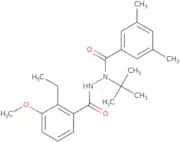

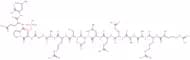



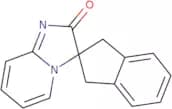
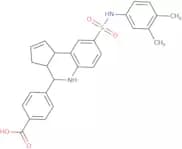
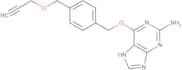
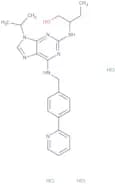
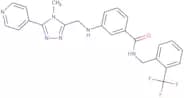
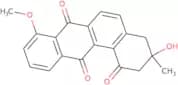
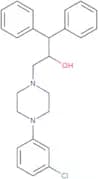
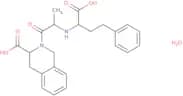
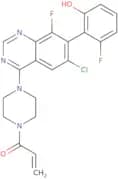

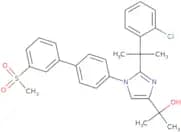
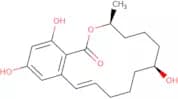

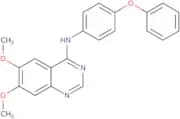
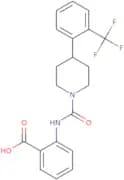

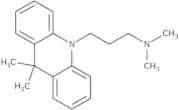
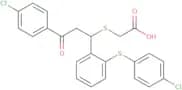
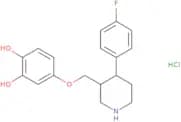
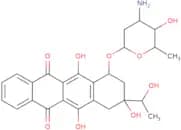
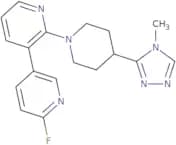
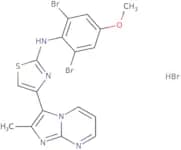
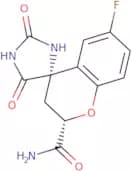
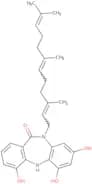
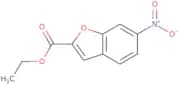
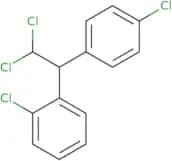
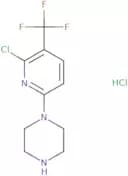

![1-[2-[[(2S,3S,4R,5R)-5-(6-Aminopurin-9-yl)-3,4-dihydroxyoxolan-2-yl]methylsulfanyl]ethyl]-3-ethylu…](/_next/image/?url=https%3A%2Fstatic.cymitquimica.com%2Fproducts%2F3D%2Fthumb-webp%2FZRC36487.webp&w=3840&q=75)
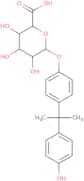
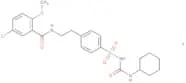
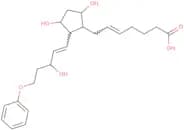
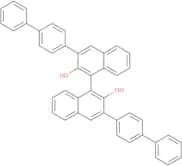

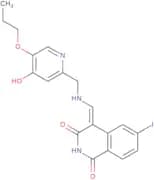
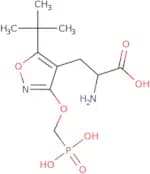
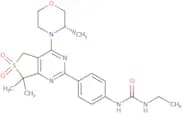
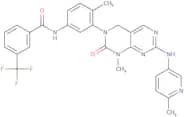
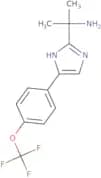
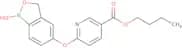
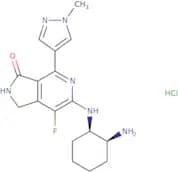
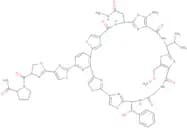
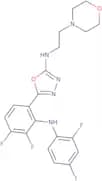
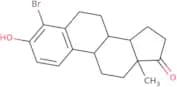
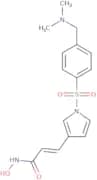

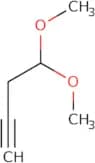
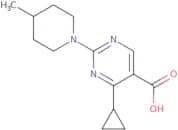
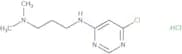
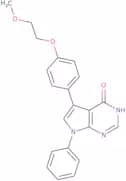
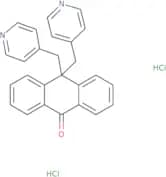
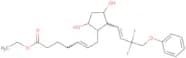
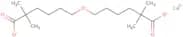

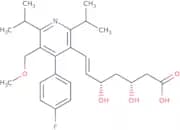
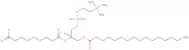
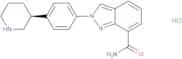

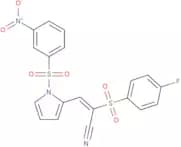
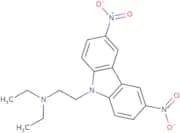
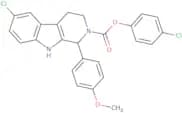
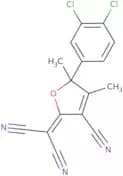
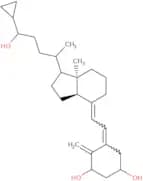
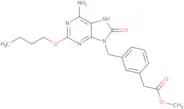
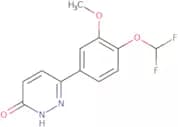
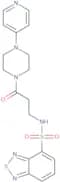
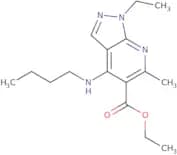
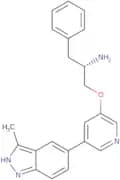
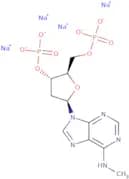
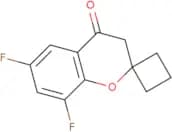
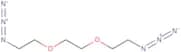
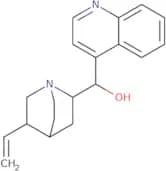
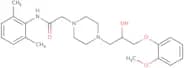
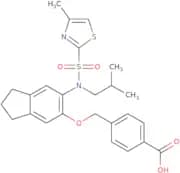

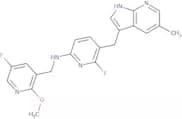
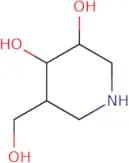
![3-(1-Benzyl-1H-imidazol-4-yl)-2(S)-[(6-benzyloxy-5-methoxy-1H-indole-2-carbonyl)-amino]-propionic …](/_next/image/?url=https%3A%2Fstatic.cymitquimica.com%2Fproducts%2F3D%2Fthumb-webp%2FYNC42476.webp&w=3840&q=75)

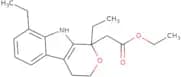
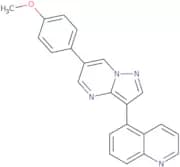
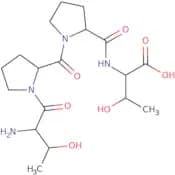

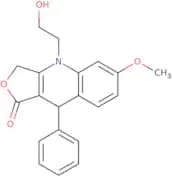
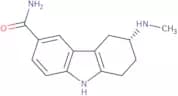

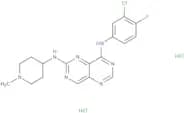
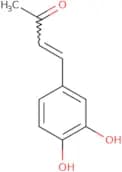
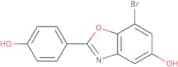
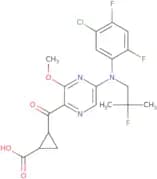
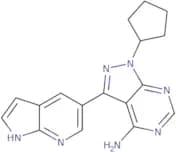
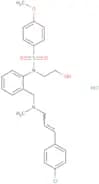
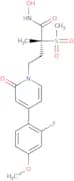
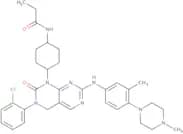
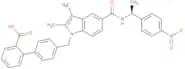
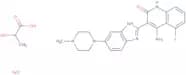

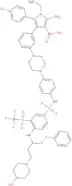
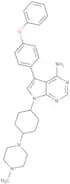
![2-Amino-5-[(1-methoxy-2-methylindolizin-3-yl)carbonyl]benzoic acid](/_next/image/?url=https%3A%2Fstatic.cymitquimica.com%2Fproducts%2F3D%2Fthumb-webp%2FYIB46313.webp&w=3840&q=75)
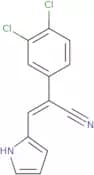
![2-[(4,5-Dihydro-2-thiazolyl)thio]-1-(3,4-dihydroxyphenyl)-ethanone hydrobromide](/_next/image/?url=https%3A%2Fstatic.cymitquimica.com%2Fproducts%2F3D%2Fthumb-webp%2FKRB87501.webp&w=3840&q=75)
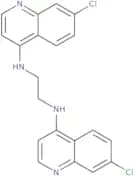
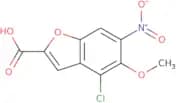
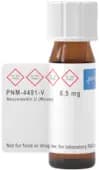
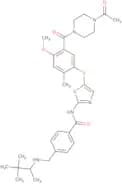
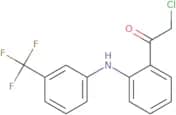
![7-(2,3-Di-p-tolyl-7,8-dihydropyrido[2,3-b]pyrazin-5(6H)-yl)heptanoic acid](/_next/image/?url=https%3A%2Fstatic.cymitquimica.com%2Fproducts%2F3D%2Fthumb-webp%2FGEC33163.webp&w=3840&q=75)

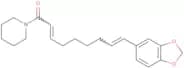
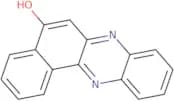
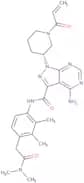
![N1-Hydroxy-N8-[4-[4-[(1-oxo-5-hexyn-1-yl)amino]benzoyl]phenyl]-octanediamide](/_next/image/?url=https%3A%2Fstatic.cymitquimica.com%2Fproducts%2F3D%2Fthumb-webp%2FFMB77288.webp&w=3840&q=75)
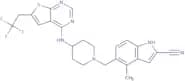
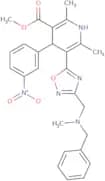

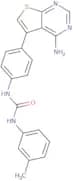
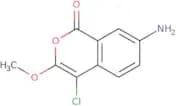
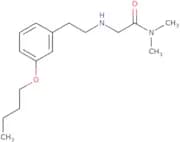
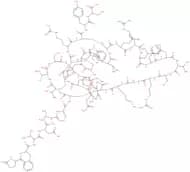
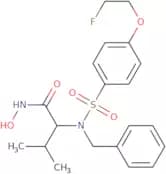
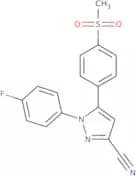
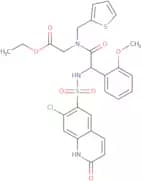
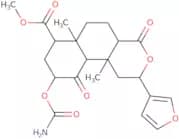
![3-Pyridin-3-yl-1,3-dihydropyrrolo[1,2-c][1,3]thiazole-7-carboxamide](/_next/image/?url=https%3A%2Fstatic.cymitquimica.com%2Fproducts%2F3D%2Fthumb-webp%2FTDA36311.webp&w=3840&q=75)
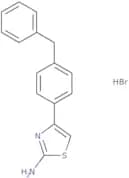
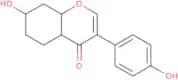
![N-(9-Chloro-2-furan-2-yl-[1,2,4]triazolo[1,5-c]quinazolin-5-yl)propanamide](/_next/image/?url=https%3A%2Fstatic.cymitquimica.com%2Fproducts%2F3D%2Fthumb-webp%2FIHA72103.webp&w=3840&q=75)
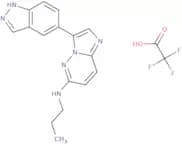
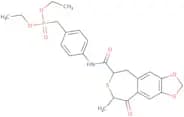
![N-[(3S)-1-Benzylpyrrolidin-3-yl]-5,6-dimethylthieno[2,3-d]pyrimidin-4-amine](/_next/image/?url=https%3A%2Fstatic.cymitquimica.com%2Fproducts%2F3D%2Fthumb-webp%2FNKD83857.webp&w=3840&q=75)
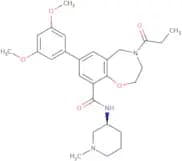
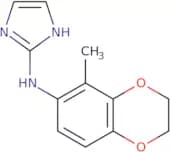
![N1,N1-Dimethyl-N2-[2-(2-thienyl)-4-quinolinyl]-1,2-ethanediamine](/_next/image/?url=https%3A%2Fstatic.cymitquimica.com%2Fproducts%2F3D%2Fthumb-webp%2FIFA67168.webp&w=3840&q=75)
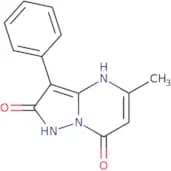

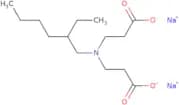
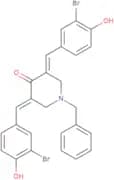
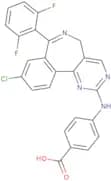
![(5Z)-5-[[4-[(2-Methylphenyl)thio]-3-nitrophenyl]methylene]-2-thioxo-4-thiazolidinone](/_next/image/?url=https%3A%2Fstatic.cymitquimica.com%2Fproducts%2F3D%2Fthumb-webp%2FPJC28517.webp&w=3840&q=75)
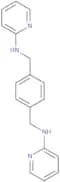
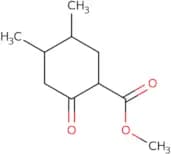
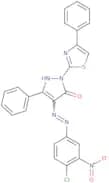
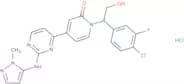
![(S)-4-(1-Ethyl-7-(piperidin-3-ylmethoxy)-1H-imidazo[4,5-c]pyridin-2-yl)-1,2,5-oxadiazol-3-amine](/_next/image/?url=https%3A%2Fstatic.cymitquimica.com%2Fproducts%2F3D%2Fthumb-webp%2FQGC56502.webp&w=3840&q=75)
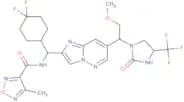
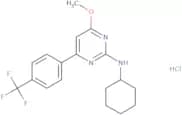
![N-{6-[4-(3-{1-[(4-tert-Butylphenyl)methyl]-4-ethyl-5-oxo-4,5-dihydro-1H-1,2,4-triazol-3-yl}propyl)…](/_next/image/?url=https%3A%2Fstatic.cymitquimica.com%2Fproducts%2F3D%2Fthumb-webp%2FEIC92559.webp&w=3840&q=75)
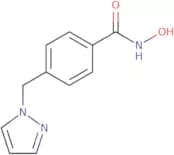
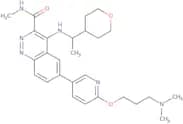
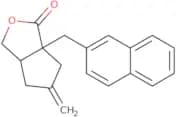
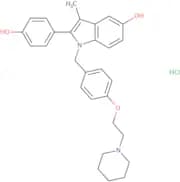

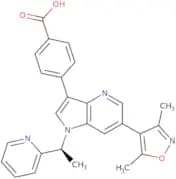
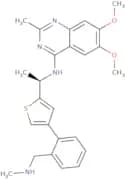

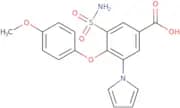
![(2R)-N-Hydroxy-3-methyl-2-[[[4-[2-[[(4-methylphenyl)sulfonyl]oxy]ethoxy]phenyl]sulfonyl](phenylmet…](/_next/image/?url=https%3A%2Fstatic.cymitquimica.com%2Fproducts%2F3D%2Fthumb-webp%2FKNB11389.webp&w=3840&q=75)
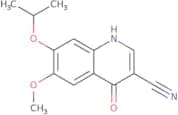
![[Ser25]-PKC (19 - 31), biotinylated](/_next/image/?url=https%3A%2Fstatic.cymitquimica.com%2Fproducts%2F3D%2Fthumb-webp%2FVAC-00002.webp&w=3840&q=75)
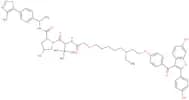
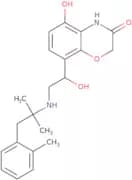
![3-[3-(3,6-Dichloro-carbazol-9-yl)-2-hydroxy-propyl]-thiazolidine-2,4-dione](/_next/image/?url=https%3A%2Fstatic.cymitquimica.com%2Fproducts%2F3D%2Fthumb-webp%2FMMA63187.webp&w=3840&q=75)