Biochemicals and Reagents
Biochemicals and reagents are fundamental substances for research and development in fields such as biotechnology, molecular biology, pharmacology, and medicine. These products are essential for a variety of applications, including compound synthesis, biological sample analysis, metabolic process research, and drug production. At CymitQuimica, we offer a wide selection of high-quality, high-purity biochemicals and reagents suitable for various scientific and industrial needs. Our catalog includes enzymes, antibodies, nucleic acids, amino acids, and many other products, all designed to support researchers and professionals in their research and development projects, ensuring reliable and reproducible results.
Subcategories of "Biochemicals and Reagents"
- Biomolecules(99,185 products)
- By Biological Target(99,150 products)
- By Pharmacological Effects(6,789 products)
- Cryopreservatives(21 products)
- Desinfectants and Related Compounds(28 products)
- Hormones(346 products)
- Plant Biology(6,764 products)
- Secondary Metabolites(14,307 products)
Found 130581 products of "Biochemicals and Reagents"
Sort by
Purity (%)
0
100
|
0
|
50
|
90
|
95
|
100
Tubacin
CAS:<p>Tubacin is a natural compound that has been found to inhibit the histone deacetylase (HDAC) enzyme. Tubacin has shown significant cytotoxicity against cancer cells and other cells in vitro. It inhibits HDAC and prevents the acetylation of histones, which are proteins that package DNA strands into chromosomes. This inhibition leads to increased gene expression and cell death. Tubacin is not toxic to normal cells, but it does cause oxidative injury to neurons.</p>Formula:C41H43N3O7SPurity:Min. 95%Molecular weight:721.9 g/molT 3775440 hydrochloride
CAS:<p>Lysine-specific inhibitor of histone demethylase (LSD1)</p>Formula:C18H23ClN4OPurity:Min. 95%Molecular weight:346.85 g/molAmidephrine
CAS:<p>Amidephrine is a type of fatty acid that is used as a drug in the treatment of infectious diseases and certain types of cancer. It binds to cytosolic Ca2+, which increases the level of this ion in the cytosol and leads to an increase in intracellular cAMP levels. Amidephrine also acts as an agonist for 2-adrenergic receptors, leading to vasoconstriction and increased heart rate. The effects of Amidephrine are mediated by its binding to adrenergic receptors on fat cells, liver cells, and gland cells. The potency of Amidephrine is low due to its ability to cross the blood-brain barrier but not the blood-placenta barrier.<br>FATTY ACID: A class of organic compounds that are characterized by their chemical structure consisting only of carbon chains with one or more double bonds.<br>DIASTOLIC PRESSURE: The pressure exerted by blood against your artery walls when your heart relaxes between beats.</p>Formula:C10H16N2O3SPurity:Min. 95%Molecular weight:244.31 g/molNSC 87877
CAS:<p>NSC 87877 is a chemical inhibitor that inhibits the activity of protein kinase C (PKC). It has been shown to inhibit the tyrosine phosphatase, leading to neuronal death. NSC 87877 also has angiogenic properties and can be used for the treatment of some cancers. The PKC inhibitors have been shown to decrease cellular proliferation and induce cell cycle arrest by interfering with signal pathways. This drug may be able to interfere with PKC-mediated signal cascades that regulate cell growth and differentiation, thereby providing a possible therapeutic target for cancer therapy.</p>Formula:C19H13N3O7S2Purity:Min. 95%Molecular weight:459.45 g/mol24,25 Dihydroxyvitamin d3 (26,26,26,27,27,27-d6)
CAS:<p>24,25 Dihydroxyvitamin D3 (26,26,26,27,27,27-d6) is a radioactive form of vitamin D3. It is a peptide that belongs to the group of activators. The protein interactions of this compound are unknown and it has not been found to have any receptor activity. 24,25 Dihydroxyvitamin D3 (26,26,26,27,27,27-d6) is a ligand for ion channels and can be used as a research tool for cell biology and cell signaling. This radioactive vitamin D3 can be used to study the function of ion channels in different cells by binding to them. 24DHD3 (26DHD3), with its high purity and stability under physiological conditions, is an excellent research tool for studying the mechanisms of ion channel physiology in cells.</p>Formula:C27H44O3Purity:Min. 95%Molecular weight:422.7 g/molPracinostat
CAS:<p>Inhibitor of histone deacetylase</p>Formula:C20H30N4O2Purity:Min. 95%Color and Shape:White To Pink To Yellow SolidMolecular weight:358.48 g/molBI-D1870
CAS:<p>Ribosomal S6 kinase inhibitor</p>Formula:C19H23F2N5O2Purity:Min. 95%Molecular weight:391.42 g/molDes-Arg9-Bradykinin
<p>Des-Arg9-Bradykinin is a peptide that is structurally related to bradykinin. It is synthesized by removing the first two amino acids from the N terminus of bradykinin and replacing them with an acetyl group. It has been shown to have potent activity against inflammatory cells in vitro, including mast cell degranulation and histamine release. Des-Arg9-Bradykinin also inhibits the production of nitric oxide, which may be responsible for its anti-inflammatory effects.</p>Formula:C44H61N11O10•CH3COOH•3H2OPurity:Min. 95%Molecular weight:1,018.12 g/molDeltarasin hydrochloride
CAS:<p>Deltarasin hydrochloride is a peptide inhibitor of the protein tyrosine kinase receptor. It has been shown to inhibit a number of receptors, including the LERK-2 receptor, which is expressed in peripheral nerve cells and is involved in pain transmission. Deltarasin hydrochloride is a high-purity reagent that can be used as a research tool for studying protein interactions and binding properties. The CAS number for this product is 1613404-76-4.</p>Formula:C40H38ClN5OPurity:Min. 95%Molecular weight:640.2 g/molSeletalisib (UCB-5857)
CAS:<p>Seletalisib is a novel, potent, and selective inhibitor of the lipid kinase activity. It blocks protein synthesis by binding to the ribosomal protein S6 kinase-1 (RSK1) which is involved in regulating cell proliferation and differentiation. Seletalisib has been shown to be effective in clinical studies for treatment of autoimmune diseases such as systemic lupus erythematosus (SLE). This drug also has pharmacokinetic properties that are suitable for hepatic impairment. Seletalisib also inhibits the production of chemokines, which are inflammatory cytokines that induce chemotaxis of leukocytes and promote inflammation.</p>Formula:C23H14ClF3N6OPurity:Min. 95%Molecular weight:482.85 g/molI-BET 151 dihydrochloride
CAS:<p>Inhibitor of BET bromodomain</p>Formula:C23H21N5O3·2HClPurity:Min. 95%Molecular weight:488.37 g/molAlbiglutide Fragment
CAS:<p>Albiglutide Fragment is a fragment of the soybean trypsin inhibitor, which is a protein that has been found to inhibit the activity of pancreatic enzymes. The fragment was designed to be used in diagnosis and treatment of infectious diseases. Albiglutide Fragment binds to the glucagon-like peptide (GLP) receptors on cells in the intestine and pancreas, inhibiting the production of pro-inflammatory cytokines and reducing inflammation. When it is bound to GLP receptors, albiglutide fragment blocks cell signals that lead to diabetes, obesity, and metabolic syndrome. Albiglutide Fragment can also be used as a contrast agent for imaging techniques such as magnetic resonance imaging or ultrasound. It binds to cells in high concentrations and can help visualize profiles of these cells.</p>Formula:C148H224N40O45Purity:Min. 95%Molecular weight:3,283.6 g/mol1-(7Z-Hexadecenoyl)-rac-glycerol
CAS:<p>1-(7Z-Hexadecenoyl)-rac-glycerol is a monoacylglycerol, which is a type of lipid commonly found in various biological systems. This compound is typically derived from natural sources such as plant oils or synthesized for research purposes. Its mode of action involves acting as a signaling molecule within cell membranes, where it can influence various biochemical pathways. This lipid can interact with specific enzymes and receptors, contributing to cellular regulation processes.</p>Formula:C19H36O4Purity:Min. 95%Molecular weight:328.49 g/molMK 5108
CAS:<p>Inhibitor of Aurora A kinase</p>Formula:C22H21ClFN3O3SPurity:Min. 95%Molecular weight:461.94 g/mol18:1 Pi(4)P
CAS:<p>18:1 Pi(4)P is a research tool that has been used to study the effects of phospholipids on ion channels and receptors. The compound is an inhibitor of ligand-gated ion channels, such as nicotinic acetylcholine receptors and glycine receptors. It has also been shown to interact with peptides and antibodies. 18:1 Pi(4)P is not expected to have any adverse side effects, but it should be handled with care because it is a potent cytotoxic agent.</p>Formula:C45H90N2O16P2Purity:Min. 95%Molecular weight:977.15 g/molAst2818 mesylate
CAS:<p>Ast2818 mesylate is a small-molecule, orally active, selective factor receptor tyrosine kinase inhibitor that targets the epidermal growth factor receptor (EGFR) and its downstream signaling proteins. Ast2818 mesylate binds to the EGFR at a site distinct from the ATP binding site and prevents phosphorylation by protein tyrosine kinases. It inhibits cell proliferation by blocking the activation of downstream signaling proteins such as Ras, Raf, and Akt. The compound has been evaluated in preclinical studies for potential use as an antineoplastic agent in lung cancer. In these studies, Ast2818 mesylate inhibited tumor growth in mouse models of lung cancer. Further analysis showed that this effect was due to inhibition of epidermal growth factor receptor-mediated signaling pathways involved in cell proliferation and tumorigenesis.</p>Formula:C29H35F3N8O5SPurity:Min. 95%Molecular weight:664.7 g/molIL 1 β Mouse
<p>IL1-beta is a pro-inflammatory cytokine that belongs to the Interleukin family. It is expressed in response to inflammation, trauma, and infection and can be found in many tissues of the body. IL1-beta has been shown to have a wide variety of effects on the body including regulating cell growth and differentiation. IL1-beta has also been shown to bind with high affinity to specific receptors that are known as type I interleukins. These receptors are able to activate other cells such as T cells and macrophages, which produce more inflammatory cytokines such as tumor necrosis factor alpha (TNFα) and interferon gamma (IFNγ).<br>IL1-beta Mouse is a mouse monoclonal antibody that binds specifically with IL1-beta. This antibody can be used for immunohistochemistry or Western blotting experiments. It can also be used for blocking studies using an ELISA assay or RIA assay.</p>Purity:Min. 95%SCR-1481B1
CAS:<p>SCR-1481B1 is an innovative nanocarrier system, which is developed from biomimetic polymers with ligand-targeted capabilities. This system functions by leveraging surface-functionalized nanoparticles to deliver therapeutic agents directly to specific cell types, thereby enhancing efficacy and reducing off-target effects. The intricate design of SCR-1481B1 allows it to bypass common biological barriers and achieve high-efficiency delivery, making it a compelling tool in precision medicine.</p>Formula:C28H29ClF2N5O10PPurity:Min. 95%Molecular weight:699.98 g/molN-(2-Aminoethyl)-N-[[3-methoxy-4-(phenylmethoxy)phenyl]methyl]-carbamic acid (1S)-1-phenylethyl ester
CAS:<p>N-(2-Aminoethyl)-N-[[3-methoxy-4-(phenylmethoxy)phenyl]methyl]-carbamic acid (1S)-1-phenylethyl ester is a peptide that has been shown to inhibit the interactions of proteins. It also has been found to be an activator of protein interactions and ligand for a receptor or ion channel. N-(2-Aminoethyl)-N-[(3-methoxy-4-(phenylmethoxy)phenyl]methyl]-carbamic acid (1S)-1-phenylethyl ester is used in research as a tool for studying the structure, function, and regulation of proteins and ions channels.</p>Formula:C26H30N2O4Purity:Min. 95%Molecular weight:434.5 g/molNeuromedin U (mouse)
<p>Neuromedin U is a peptide that plays a role in the regulation of cardiovascular function and the modulation of pain. It has been found to activate receptors for calcitonin gene-related peptide (CGRP) and vasoactive intestinal peptide (VIP). Neuromedin U has also been found to be an inhibitor of ligand-induced activation of ion channels, such as those activated by bradykinin or histamine. This protein can be used as a research tool in cell biology, pharmacology, and biochemistry.</p>Formula:C125H185N35O33Purity:Min. 95%Molecular weight:2,706 g/molBMS 509744
CAS:<p>BMS 509744 is a tyrosine kinase inhibitor. It inhibits the activation of the signal pathways that are involved in the proliferation of t-cells. BMS 509744 has been shown to be effective in inhibiting cancer cells, with a particular focus on T-cell lymphomas. The drug also inhibits inflammation by inhibiting toll-like receptor. This drug has been shown to have an effective dose of 10mg in animal studies and is currently undergoing clinical trials for use against inflammatory diseases, such as rheumatoid arthritis and psoriasis.</p>Formula:C32H41N5O4S2Purity:Min. 95%Molecular weight:623.83 g/molTED-347
CAS:<p>TED-347 is a covalent inhibitor of the transcriptional coactivator p300. The inhibition of p300 blocks the interaction with DNA and leads to a reduced level of gene expression. TED-347 has shown inhibitory effects on pleural mesothelioma, cancer and other types of diseases. Structural biology experiments have been performed on TED-347 to identify its binding site in mammalian cells. This drug has also been shown to be effective against microcontroller-induced cellular growth factor expression in vitro and in vivo.</p>Formula:C15H11ClF3NOPurity:Min. 95%Molecular weight:313.7 g/molGSK481
CAS:<p>GSK481 is an investigational therapeutic product, which is a pharmaceutical compound developed by the global healthcare company GlaxoSmithKline (GSK). The source of this compound derives from extensive medicinal chemistry and drug development processes aimed at addressing specific molecular targets. GSK481 functions through a targeted mode of action that modulates particular biochemical pathways implicated in disease pathophysiology. The compound's mechanism involves binding to specific molecular targets to inhibit or modify their activity, thereby altering the progression of the disease process.</p>Formula:C21H19N3O4Purity:Min. 95%Molecular weight:377.39 g/mol653-47 Hydrochloride
CAS:<p>653-47 is a synthetic peptide that binds to the extracellular domain of the human angiotensin II type 1 receptor. It has been shown to be an inhibitor of protein interactions and activator of ligand-receptor interactions. 653-47 is used as a research tool for studying the role of angiotensin II receptors in cell biology and as a reagent for antibody production. 653-47 is also used as an ion channel blocker. This peptide has high purity, and can be obtained from many manufacturers.</p>Formula:C20H20Cl2N2O3Purity:Min. 95%Molecular weight:407.3 g/molSevoflurane
CAS:Controlled Product<p>Sevoflurane is an experimental drug that belongs to the group of intravenous anaesthetics. It has been shown to be effective in the prevention and treatment of myocardial infarcts. Sevoflurane inhibits polymerase chain reaction by binding to dinucleotide phosphate, which prevents DNA synthesis. It also inhibits oxidative injury in the heart, as well as genotoxic activity. Sevoflurane is a potent chemical inhibitor of the ryanodine receptor, which regulates calcium release from the sarcoplasmic reticulum. This inhibition results in reduced contractility and relaxation of vascular smooth muscle cells, leading to vasodilation and increased blood flow.</p>Formula:C4H3F7OPurity:Min. 95%Color and Shape:Colorless PowderMolecular weight:200.05 g/mol4,4'-(7-Hydroxychroman-3,4-diyl)diphenol
CAS:<p>4,4'-(7-Hydroxychroman-3,4-diyl)diphenol (DHP) is a synthetic small molecule that is being studied for its anticancer activity. DHP has been shown to inhibit mitochondrial membrane potential, which is essential for tumor cell proliferation and metastasis. DHP has also been shown to have toxicities in vivo, including increased levels of liver enzymes in mice. This drug has been used as a probe for the study of β-catenin signaling, and it has been shown to inhibit cancer cells with high levels of β-catenin. It also inhibits tumor growth in mice by inhibiting the initiation phase of mitosis. In addition, DHP may be able to reduce the risk of escalation from colon cancer to metastatic colorectal cancer by targeting mitochondria. There are currently no clinical trials using this drug as an anti-cancer therapy. However, there are some data suggesting that this drug may be promising</p>Formula:C21H18O4Purity:Min. 95%Molecular weight:334.4 g/molAltertoxin III
CAS:<p>Altertoxin III is a potent inhibitor of protein kinases that has shown promising results in the treatment of cancer. It is an analog of the natural compound Altertoxin, which was isolated from Chinese medicinal herbs. Altertoxin III has been shown to inhibit cyclin-dependent kinases (CDKs) and induce apoptosis in cancer cells. This inhibitor has also demonstrated anti-tumor activity in animal models, making it a promising candidate for further development as an anticancer agent. Additionally, Altertoxin III can be detected in human urine and may serve as a useful biomarker for monitoring cancer progression and response to therapy.</p>Formula:C20H12O6Purity:Min. 95%Molecular weight:348.3 g/molCBB1007
CAS:<p>CBB1007 is a molecule that has been shown to inhibit the methylation and acetylation of lysine residues in proteins, which may be a potential biomarker for cancer. CBB1007 and its derivatives are being investigated as possible inhibitors of protein modification or as anticancer agents. In addition, CBB1007 has been shown to have anti-proliferative effects on cultured cells by inhibiting growth factor signaling pathways. This drug also inhibits tumor cell growth by inducing hypertrophy in the cells and up-regulating genes involved in cell cycle arrest.</p>Formula:C27H34N8O4Purity:Min. 95%Molecular weight:534.6 g/mol9-(3-Hydroxypropoxy)guanine
CAS:<p>9-(3-Hydroxypropoxy)guanine is an aldehyde oxidase inhibitor that blocks the production of formaldehyde, which is a reactive metabolite that can cause DNA damage. 9-(3-Hydroxypropoxy)guanine has been shown to inhibit the oxidation of purines in incubations with c1-6 alkyl. It also inhibits the oxidation of guanine and deoxyguanine mediated by aldehyde oxidase. This drug is a prodrug, which is converted to its active form in the cytosol by cytochrome p450 enzymes. The metabolic transformation of 9-(3-hydroxypropoxy)guanine into its active form occurs primarily in hepatocytes. 9-(3-Hydroxypropoxy)guanine has been shown to be effective against oxidative stress induced by homogenates and liver cells from humans, as well as cytosolic extracts from human hepatocytes.</p>Formula:C8H11N5O3Purity:Min. 95%Molecular weight:225.2 g/molGSK3179106
CAS:<p>GSK3179106 is a potent and selective inhibitor of the enzyme GSK3. It has been shown to have effects on acetylcholine levels, which may be due to its ability to modulate choline uptake. GSK3179106 has also been shown to inhibit cancerous growth by blocking the activation of the EGFR mutant in ganglion cells. This drug binds with high affinity to the receptor for acetylcholine at the neuromuscular junction and blocks neuronal function.</p>Formula:C22H21F4N3O4Purity:Min. 95%Molecular weight:467.41 g/molPeptide5
CAS:<p>Peptide5 is a peptide that has been shown to have anti-inflammatory, neuroprotective, and anticancer properties. It also has the ability to alter calcium binding in vivo, which is associated with brain functions. Peptide5 has been shown to inhibit the growth of cancer cells by blocking uptake of amino acids into cells and tumor growth factor (TGF) production. The peptide can be used as an antigen for the production of monoclonal antibodies designed to treat infectious diseases and inflammatory disorders.</p>Formula:C60H98N16O20SPurity:Min. 95%Molecular weight:1,395.6 g/molYM 90K hydrochloride
CAS:<p>YM 90K hydrochloride is a voltage-gated calcium channel antagonist that blocks the influx of calcium ions into cells. It is a competitive inhibitor of the neurotransmitter glutamate and prevents neuronal death by inhibiting the release of glutamate. YM 90K hydrochloride has been shown to be clinically relevant in humans, as it binds to receptors on the surface of neurons and prevents voltage-dependent calcium channels from opening. This binding leads to an increase in the frequency of action potentials in the brain, which may lead to brain infarction. YM 90K hydrochloride also inhibits organic anion transporters (OAT) at higher doses, which leads to increased concentrations of estrone sulfate, a metabolite associated with hormone replacement therapy.</p>Formula:C11H7N5O4·HClPurity:Min. 95%Molecular weight:273.2 g/molSB-200646A
CAS:<p>SB-200646A is a drug that has been shown to have selective affinity for the 5-HT2 receptor subtype. It has been shown to bind to this receptor in vivo and inhibit the binding of serotonin, which is known for its ability to stimulate dopamine release. SB-200646A has also been shown to have synergistic effects with other drugs that have dopamine antagonist properties. The drug has not been tested on humans, but it has been used in experimental models and in vivo models.</p>Formula:C15H15ClN4OPurity:Min. 95%Molecular weight:302.76 g/molL-α-Phosphatidylinositol, from soy bean, 50%
CAS:<p>L-a-Phosphatidylinositol is a phospholipid that is found in the membranes of cells. It is also a precursor to many other important molecules, including platelet-derived growth factor (PDGF), which are involved in different cellular processes. L-a-Phosphatidylinositol has been shown to inhibit the growth of renal cell cancer cells and may be useful for the treatment of cancer. L-a-Phosphatidylinositol has been shown to be an effective inhibitor of influenza virus emissions and may be used as a prophylactic treatment for those who are at high risk for infection. This compound has also been linked with increased risk for renal cell cancer, although it is unclear whether this association is causal or not.</p>Purity:Min. 50 Area-%Color and Shape:PowderMc-vc-pabc-aur0101
CAS:<p>Mc-vc-pabc-aur0101 is a linker that has been designed to target cancer cells. It is composed of a peptide sequence and a site-specific antibody binding domain. Mc-vc-pabc-aur0101 modulates the activity of proteases, which are enzymes that break down proteins into smaller fragments. This linker can be conjugated to an antibody or other molecule, such as a drug or enzyme, and may also be used in combination with enzymatic modifications. Mc-vc-pabc-aur0101 has been shown to reduce the extracellular levels of proteases in mice with cancer cells, suggesting that this linker can target cancer cells by modifying their extracellular environment.</p>Formula:C68H100N12O14SPurity:Min. 95%Molecular weight:1,341.7 g/molN-Palmitoyl(d9) D-erythro-sphingosine
CAS:Controlled Product<p>N-Palmitoyl(d9) D-erythro-sphingosine is a fatty acid that is used as a research tool for receptor and ligand binding assays. This product is also used in Cell Biology to study protein interactions and in Pharmacology as an inhibitor of ion channels. In the Life Science industry, it is used to study the effects of membrane fluidity on ion channel activity. N-Palmitoyl(d9) D-erythro-sphingosine has been shown to activate G protein coupled receptors and inhibit K+ channels in human cells. It also binds with high affinity to antibodies raised against peptides containing palmitic acid residues.</p>Formula:C34H58D9NO3Purity:Min. 95%Molecular weight:546.96 g/molK-252D
CAS:<p>K-252D is a potent and selective antagonist of the voltage-gated potassium channel Kv2.1. It acts as an inhibitor of potassium ion channels and is used in research for studying the function of voltage-gated potassium channels.</p>Formula:C26H23N3O5Purity:Min. 95%Molecular weight:457.50 g/mol3-Bodipy-propanoylaminocaproic acid N-hydroxysuccinimide ester
CAS:<p>Fluorescent dye for labeling amines</p>Formula:C24H29BF2N4O5Purity:Min. 95%Color and Shape:Red solid.Molecular weight:502.32 g/molPS 48
CAS:<p>Activator of PDK1 kinase</p>Formula:C17H15ClO2Purity:Min. 95%Molecular weight:286.75 g/molZK 261991
CAS:<p>ZK 261991 is a histone deacetylase inhibitor that has been shown to inhibit cell growth in vitro. It was also shown to have an inhibitory effect on the growth of pancreatic cancer cells in vivo and could be used as an adjuvant therapy for resection of pancreatic cancer. ZK 261991 is a potent inhibitor of the epidermal growth factor receptor, which is a tyrosine kinase receptor that is involved in the signaling pathway for cell proliferation and differentiation.</p>Formula:C24H25N7O2Purity:Min. 95%Molecular weight:443.5 g/mol(11β,17β)-11-(1,3-Benzodioxol-5-yl)-17-hydroxy-17-(1-propyn-1-yl)estra-4,9-dien-3-one
CAS:<p>17-Hydroxy-17-(1-propyn-1-yl)estra-4,9-dien-3-one is a synthetic peptide that is a potent inhibitor of the protein interactions of the follicle stimulating hormone receptor (FSHR). The molecular structure of 17OHPED is similar to that of GnRH, and it is an agonist at the FSHR. 17OHPED has been shown to activate LHRH release in vitro and in vivo with large potency. It has also been shown to be a highly potent inhibitor of FSHR binding to its ligand, FSH. This compound can be used as a research tool for studying the interaction between proteins.</p>Formula:C28H30O4Purity:Min. 95%Molecular weight:430.50 g/molMI-463
CAS:<p>MI-463 is a drug that has been repurposed to treat cancer. It is a fatty acid that has been shown to have anticancer activity in vivo and in vitro. MI-463 targets the apoptosis pathway by inhibiting the activity of two proteins, caspases and FADD, which are involved in the initiation of apoptosis. In addition, MI-463 also inhibits the proliferation of cancer cells by decreasing levels of leukemic cell growth factor (LGF). MI-463 synergistically inhibits colonic adenocarcinoma cells with other drugs such as 5-fluorouracil or irinotecan.</p>Formula:C24H23F3N6SPurity:Min. 95%Molecular weight:484.54 g/molSM 6586
CAS:<p>SM 6586 is a dihydropyridine calcium antagonist that inhibits the entry of extracellular calcium into cells. It blocks the influx of calcium ions by blocking voltage-gated L-type calcium channels in smooth muscle cells and neurons. SM 6586 also interacts with other drugs. For example, it has been shown to inhibit the uptake of isradipine by rat brain synaptosomes and prevent isradipine from binding to its target site on the cell membrane. This drug also inhibits the transport of lysine analogs into cells, which may be due to its ability to inhibit cationic amino acid transporter activity.<br>SM 6586 has been shown to have an inhibitory effect on cerebral blood flow in both carotid arteries and ophthalmic veins. The mechanism behind this effect is not yet known.</p>Formula:C26H27N5O5Purity:Min. 95%Molecular weight:489.5 g/molAZ1495
CAS:<p>Please enquire for more information about AZ1495 including the price, delivery time and more detailed product information at the technical inquiry form on this page</p>Formula:C21H31N5O2Purity:Min. 95%Molecular weight:385.5 g/molGodic
CAS:<p>Please enquire for more information about Godic including the price, delivery time and more detailed product information at the technical inquiry form on this page</p>Formula:C14H26N6O4Purity:Min. 95%Molecular weight:342.39 g/molDexmedetomidine
CAS:Controlled Product<p>α2-adrenoceptor agonist; analgesic; sedative; anxiolytic</p>Formula:C13H16N2Purity:Min. 95%Molecular weight:200.28 g/mol2-(3-Hydroxy-2-(3-hydroxypicolinamido)phenyl)benzo[D]oxazole-4-carboxylic acid
CAS:<p>Tetraacetyl-2-(3-hydroxy-2-(3-hydroxypicolinamido)phenyl)benzo[D]oxazole-4-carboxylic acid is an antibacterial agent that inhibits the biosynthesis of 3-hydroxyanthranilic acid, a precursor to coryneform and leishmanial quinolones. Tetraacetyl-2-(3-hydroxy-2-(3-hydroxypicolinamido)phenyl)benzo[D]oxazole-4-carboxylic acid also inhibits the growth of Streptococcus species, Staphylococcus species, and Leishmania major. Tetraacetyl 2-(3-hydroxy-2-(3-hydroxypicolinamido)phenyl)benzo[D]oxazole 4 carboxylic acid has been shown to be active against C16 cells in vitro</p>Formula:C20H13N3O6Purity:Min. 95%Molecular weight:391.3 g/molDechloroloxapine phosphate
CAS:Controlled Product<p>Dechloroloxapine phosphate is a peptide that belongs to the class of protein ligands. It is an inhibitor of the muscarinic acetylcholine receptors and has been used as a research tool in cell biology, pharmacology, and life science. Dechloroloxapine phosphate binds to the receptor site on ion channels, thereby blocking their ability to open and close, inhibiting electrical current flow across the membrane. This peptide also interacts with antibodies and has been used as a reagent for immunological assays. Dechloroloxapine phosphate has a CAS number of 2058-53-9 and is made from pure material without any contaminants.</p>Formula:C18H22N3O5PPurity:Min. 95%Molecular weight:391.4 g/molNirogacestat
CAS:<p>Nirogacestat is a secretase inhibitor that binds to the catalytic site of the enzyme, thereby preventing the cleavage of amyloid beta-protein into its toxic fragments. It has been shown to be effective in treating infectious diseases such as HIV infection, and also has anti-inflammatory properties. Nirogacestat also exhibits antitumor response in solid tumor models. Nirogacestat inhibits endothelial cell growth by blocking the release of angiogenic factors such as epidermal growth factor and VEGF. This drug also has an effect on body mass index and may have antiangiogenic properties.</p>Formula:C27H41F2N5OPurity:Min. 95%Molecular weight:489.64 g/molDi-o-glycinoylcurcumin-d6 dihydrochloride
CAS:<p>Di-o-glycinoylcurcumin-d6 dihydrochloride is an isotopically labeled curcumin derivative, which is a compound used primarily in biochemical and pharmaceutical research. This product is synthesized in the laboratory, with deuterium atoms incorporated strategically to facilitate NMR spectroscopy studies and other analytical applications.</p>Formula:C25H22D6Cl2N2O8Purity:Min. 95%Molecular weight:561.44 g/mol[1-[[4-(Methylamino)phenyl]methyl]piperidin-4-yl] N-benzhydrylcarbamate hydrochloride
CAS:<p>The compound is a cell factor that binds to the surface of tumour cells and initiates the process of apoptosis. It also has high resistance against sodium citrate, which is used as a preservative in human serum. The compound has been shown to have biological properties in solid tumours, such as human breast cancer and colon cancer. It also has been successfully used to control analysis for cancer tissues and a model system for studying the reaction solution. This drug can cause cell lysis in resistant breast cancer cells and is effective against other cancers like prostate, lung, pancreatic, ovarian, and cervical cancers.</p>Formula:C27H32ClN3O2Purity:Min. 95%Molecular weight:466 g/molN-Desacetyl O4-desmethyl O3-desethyl apremilast
CAS:<p>Apremilast is a research tool that can be used to study the role of certain ion channels in cell biology. It can also be used as a ligand in receptor binding studies. Apremilast has been shown to have an inhibitory effect on ion channels, and it is also known to interact with proteins and peptides. This drug is not yet approved for use in humans, but it has been shown to be effective for the treatment of psoriatic arthritis.</p>Formula:C17H16N2O6SPurity:Min. 95%Molecular weight:376.40 g/molPhe-Met-Arg-Phe amide trifluoroacetate
CAS:<p>Phe-Met-Arg-Phe amide trifluoroacetate is a high purity Receptor, Ligand, Activator that is used in research tool as a Cell Biology and Ion channels. It has CAS No. 159237-99-7, which makes it an Antibody, inhibitor of Protein interactions.</p>Formula:C33H44F6N8O8SPurity:Min. 95%Molecular weight:826.8 g/molMastoparan
Controlled Product<p>A cell-penetrating peptide toxin whose sequence is derived from wasp venom and a potent activator of heterotrimeric G proteins.<br>One letter code: INLKALAALAKKIL-NH2</p>Formula:C70H131N19O15•4CH3COOH•6H2OPurity:Min. 95%Molecular weight:1,827.2 g/molMK 3207
CAS:<p>Antagonist of CGRP receptor</p>Formula:C31H29F2N5O3Purity:Min. 95%Molecular weight:557.59 g/molMethyl 4,6-o-benzylidene-2-benzyloxycarbonylamino-2-deoxy-α-D-glucopyranoside
CAS:<p>Methyl 4,6-o-benzylidene-2-benzyloxycarbonylamino-2-deoxy-alpha-D-glucopyranoside is a research tool that binds to the activator, ligand, or receptor of a cell. It has been used to study ion channels and peptides. Methyl 4,6-o-benzylidene-2-benzyloxycarbonylamino-2-deoxy -alpha -D -glucopyranoside is also an inhibitor of protein interactions.</p>Formula:C22H25NO7Purity:Min. 95%Molecular weight:415.4 g/mol(+)-LY-338979
CAS:<p>(+)-LY-338979 is a pharmacological agent that binds to the receptor site of ion channels and inhibits the activity of these channels. It has been shown to inhibit the potassium channels in a variety of cells, including neurons, cardiomyocytes, and vascular smooth muscle cells. (+)-LY-338979 has also been shown to activate ligand-gated ion channels, such as nicotinic acetylcholine receptors. This drug is used as a research tool for studies on ion channel function and it may have therapeutic potential for neurological diseases such as Alzheimer's disease and Parkinson's disease. (+)-LY-338979 is also an antibody that can be used for immunohistochemical detection of proteins.</p>Formula:C20H21N5O7Purity:Min. 95%Molecular weight:443.4 g/molCharybdotoxin
CAS:<p>Charybdotoxin is a peptide toxin that is found in scorpion venom. It acts as a potent inhibitor of the adenylyl cyclase, which is an enzyme that catalyzes the formation of cAMP from ATP. Charybdotoxin binds to the cavity of the enzyme and blocks access to ATP, preventing the accumulation of cAMP. This inhibition leads to a decrease in calcium ions in cells, and thus causes relaxation of smooth muscle tissue. Charybdotoxin has been shown to cause relaxation of bowel disease in mice by inhibiting contraction of intestinal muscle tissue. Charybdotoxin also has been shown to have therapeutic effects on pluripotent cells such as miapaca-2 cells by increasing their ability to form new blood vessels.</p>Formula:C176H277N57O55S7Purity:Min. 95%Molecular weight:4,295.9 g/mol(R)-2-(N-Benzyl-4-(2-fluoroethoxy)phenylsulfonamido)-N-hydroxy-3-methylbutanamide
CAS:<p>(R)-2-(N-Benzyl-4-(2-fluoroethoxy)phenylsulfonamido)-N-hydroxy-3-methylbutanamide is a fatty acid ester with a reactive functional group. It is used as a radiation sensitizer and has been shown to cause neuronal death in rats. This drug also inhibits the uptake of serotonin by neurons, which may be related to its cancer protective effects. (R)-2-(N-Benzyl-4-(2-fluoroethoxy)phenylsulfonamido)-N-hydroxy-3-methylbutanamide increases the alkoxy radical production in cells, which may contribute to its ability to suppress collagenase activity and matrix metalloproteinase in the skin.</p>Formula:C20H25FN2O5SPurity:Min. 95%Molecular weight:424.5 g/mol1-(4-Fluorophenyl)-5-(4-methylsulfonylphenyl)pyrazole-3-carbonitrile
CAS:<p>1-(4-Fluorophenyl)-5-(4-methylsulfonylphenyl)pyrazole-3-carbonitrile is a high purity, cell biology research tool for protein interactions, ion channels, and receptor pharmacology. It is also used as an inhibitor or activator of the ligand binding site on a receptor. Ligands are small molecules that bind to receptors and activate them. 1-(4-Fluorophenyl)-5-(4-methylsulfonylphenyl)pyrazole-3-carbonitrile is an activator of the GABAA receptor and can be used in the treatment of epilepsy. This compound has been shown to have a potent inhibitory effect on peptide ligands, including bradykinin (BK), substance P (SP), and vasoactive intestinal polypeptide (VIP).</p>Formula:C17H12FN3O2SPurity:Min. 95%Molecular weight:341.4 g/molOSMI-4
CAS:<p>OSMI-4 is a synthetic substrate that can be used to study the enzymatic activity of O-glycosylation. It is a small molecule that can be incorporated into proteins and peptides in vitro, allowing for the study of O-glcnacylation. OSMI-4 has been shown to inhibit prostate cancer cell growth by ligation with an antigen receptor. This compound has also been shown to have regulatory effects on chronic lymphocytic leukemia cells, which may be due to its ability to inhibit glycolysis in these cells.</p>Formula:C27H26ClN3O7S2Purity:Min. 95%Molecular weight:604.1 g/molLB-100
CAS:<p>LB-100 is a cell-specific drug that has been shown to inhibit the growth of cancer cells in vitro. This drug has also been shown to have an antitumor response against bowel disease and inflammatory bowel disease, as well as an anti-inflammatory effect. LB-100 is a dinucleotide phosphate that has been activated by radiation, which increases its potency. The activation of LB-100 may be due to its ability to bind to nucleic acids and inhibit the synthesis of DNA or RNA. It has also been shown to have a pharmacological effect on meningioma and cervical cancer cells in vitro.<br>LB-100 is a low potency drug that inhibits the synthesis of DNA or RNA by binding to nucleic acids, but does not induce apoptosis or necrosis.</p>Formula:C13H20N2O4Purity:Min. 95%Molecular weight:268.31 g/molProgoitrin
CAS:<p>Progoitrin is a protein that has been found to have potential as an anticancer agent. It acts by inducing apoptosis, or programmed cell death, in cancer cells. Progoitrin also contains inhibitors that can inhibit the activity of certain enzymes involved in cancer cell growth and proliferation. This compound has been used in traditional Chinese medicine for its medicinal properties and has shown promising results in inhibiting tumor growth. Additionally, progoitrin has been found to have inhibitory effects on chitinase and heparinase, which may be useful for treating diseases such as asthma and thrombosis. Research has also shown that progoitrin can act as a kinase inhibitor, which could be useful for developing new treatments for cancer.</p>Formula:C11H19NO10S2Purity:Min. 95%Molecular weight:389.4 g/molMethyl (2S,4aR,6aR,7R,9S,10aS,10Br)-9-carbamoyloxy-2-(furan-3-yl)-6a,10b-dimethyl-4,10-dioxo-2,4a,5,6,7,8,9,10a-octahydro-1H-benzo[f ]isochromene-7-carboxylate
CAS:Controlled Product<p>Methyl (2S,4aR,6aR,7R,9S,10aS,10Br)-9-carbamoyloxy-2-(furan-3-yl)-6a,10b-dimethyl-4,10-dioxo-2,4a,5,6,7,8,9,10a-octahydro-1H-benzo[f ]isochromene-7-carboxylate is a chemical compound that belongs to the class of fluoroquinolones. It is an inhibitor of the enzyme DNA gyrase and topoisomerase IV. This drug binds to bacterial 16S ribosomal RNA and inhibits protein synthesis leading to cell death by inhibiting the production of proteins vital for cell division. Methyl (2S,4aR)6aR7R9S10aS10Br)-9carbamoyloxy 2-(fur</p>Formula:C22H27NO8Purity:Min. 95%Molecular weight:433.5 g/molWZB 117
CAS:<p>Inhibits GLUT1 transporter</p>Formula:C20H13FO6Purity:Min. 95%Molecular weight:368.31 g/molCxcr7 modulator 2
CAS:<p>Cxcr7 modulator 2 is a ligand that activates the Cxcr7 receptor. It has been used for research purposes in cell biology, ion channels, and protein interactions. This molecule is also an inhibitor of the Cxcr7 receptor.</p>Formula:C29H42N6O3Purity:Min. 95%Molecular weight:522.68 g/molCaspase 3 Substrate 1m (Apopain), fluorogenic
CAS:<p>Please enquire for more information about Caspase 3 Substrate 1m (Apopain), fluorogenic including the price, delivery time and more detailed product information at the technical inquiry form on this page</p>Formula:C30H37N5O13Molecular weight:675.65 g/molEC-18
CAS:<p>Please enquire for more information about EC-18 including the price, delivery time and more detailed product information at the technical inquiry form on this page</p>Formula:C39H70O6Purity:Min. 95%Molecular weight:635 g/molBromodomain inhibitor-8
CAS:<p>Bromodomain inhibitor-8 is a research tool used in pharmacology and cell biology. This inhibitor has been shown to inhibit ion channels and peptides, as well as to bind to receptors. It can be used as a ligand or an antibody to study protein interactions. Bromodomain inhibitor-8 is also a high purity reagent that is available for sale from Life Science.</p>Formula:C26H25ClN2O3Purity:Min. 95%Molecular weight:448.9 g/molLP 99
CAS:<p>BRD7/9 bromodomain inhibitor</p>Formula:C26H30ClN3O4SPurity:Min. 95%Molecular weight:516.05 g/molWAY 100635 trihydrochloride
CAS:<p>WAY 100635 trihydrochloride is a selective serotonin 5-HT1A receptor antagonist, which is a compound used primarily in pharmacological research. It is a synthetic derivative with high specificity for the 5-HT1A receptor, originating from advanced organic chemistry processes. WAY 100635 trihydrochloride operates by competitively binding to the 5-HT1A receptors, thereby inhibiting the action of endogenous serotonin. This mode of action provides a valuable tool for scientists to study the physiological and pathological roles of the 5-HT1A receptor in the central nervous system.</p>Formula:C25H34N4O2·3HClPurity:Min. 95%Molecular weight:531.95 g/molN-[3-(1H-Imidazol-5-ylmethyl)phenyl]ethanesulfonamide
CAS:<p>N-[3-(1H-Imidazol-5-ylmethyl)phenyl]ethanesulfonamide is a ligand that binds to and activates the ion channel TRPV2. This compound is used in research as a tool for studying the function of ion channels. It has been shown to bind to and activate TRPV2 which is found in many cells, including human colon cancer cells. N-[3-(1H-Imidazol-5-ylmethyl)phenyl]ethanesulfonamide also binds to the receptor CXCR4 and inhibits cell proliferation, which may be due to its inhibition of protein synthesis. This active form is an agonist of the vasopressin V2 receptor and has been shown to inhibit the production of inflammatory cytokines such as IL-1β, IL-6, and TNFα.</p>Formula:C12H15N3O2SPurity:Min. 95%Molecular weight:265.33 g/molA 844606
CAS:<p>A 844606 is a flavanones drug which has been shown to inhibit the proliferation of human tumor cells. It also induces tumor cell apoptosis and inhibits tumor growth in mice. A 844606 has been shown to bind to nicotinic acetylcholine receptors, and as such is an agonist for these receptors. It is a subtype-selective antagonist of nicotinic acetylcholine receptor subtypes α3β4 and α7, but not for α3β2. A 844606 has also been shown to have antitussive properties, indicating that it may be useful in the treatment of chronic obstructive pulmonary disease.</p>Formula:C20H20N2O2Purity:Min. 95%Molecular weight:320.4 g/molBMS 188745 potassium salt
CAS:<p>Inhibitor of dehydrosqualene synthase</p>Formula:C16H16K3O7PSPurity:Min. 95%Molecular weight:500.63 g/molBombesin
<p>Bombesin is a small peptide that was first isolated from the skin of a frog, Bombina bombina, with homologs later found to be present in mammalian tissues, including the brain and gastrointestinal tract. It is a member of the bombesin-like peptide family, which includes several related peptides such as gastrin-releasing peptide (GRP) and neuromedin B.<br>Bombesin acts as a neuromodulator and regulates various physiological functions, including gastrointestinal motility and stimulation of gastrin release from G cells. It also plays a role in the regulation of cardiovascular function and neurotransmitter release. In addition, bombesin has been shown to stimulate the growth and proliferation of certain types of cancer cells, including prostate and lung cancer cells, through its interaction with bombesin receptors. It may therefore be used as a potential biomarker for certain cancers.</p>Formula:C71H110N24O18S•CH3COOH•7H2OPurity:Min. 95%Molecular weight:1,805.96 g/molHeat Shock Protein-90 α , human, recombinant
<p>Heat Shock Protein-90 alpha (HSP-90α) is a molecular chaperone protein that is involved in the folding and stabilization of proteins. HSP-90α is a member of the HSP family, which are known to be involved in many processes such as apoptosis, cell cycle regulation, DNA repair, and intracellular signaling. HSP-90α has been shown to inhibit the replication of viruses such as HIV by binding to viral proteins and preventing their assembly into virus particles. This protein also has antiviral effects on other viruses such as influenza and herpes simplex virus type 1.</p>Purity:Min. 95%2-Amino-3'-hydroxy-6'-{2-[2-(2-hydroxyethoxy)ethoxy]ethoxy}-2,3-dihydrospiro[isoindole-1,9'-xanthen]-3-one
CAS:<p>2-Amino-3'-hydroxy-6'-{2-[2-(2-hydroxyethoxy)ethoxy]ethoxy}-2,3-dihydrospiro[isoindole-1,9'-xanthen]-3-one is a coumarin derivative that has been shown to have pharmacological effects in vivo. It can be used as a solvent for lipids and oils and is soluble in many organic solvents. The extraction yield of this compound is low because it has a high boiling point. This chemical is used as an intermediate in the synthesis of other drugs. 2-Amino-3'-hydroxy-6'-{2-[2-(2-hydroxyethoxy)ethoxy]ethoxy}-2,3-dihydrospiro[isoindole-1,9'-xanthen]-3-one also has surface methodology properties that are important for its use as an anti</p>Formula:C26H26N2O7Purity:Min. 95%Molecular weight:478.5 g/molIL 9 Mouse
<p>IL-9 is a cytokine that is involved in the regulation of immune system. IL-9 signaling is essential for the induction of B cell responses and mast cell activation, and IL-9 is also expressed in epithelial cells. The IL-9 Mouse (CAS No. 207870-05-2) antibody reacts with IL-9 protein, which has a molecular weight of 18 kDa. This antibody detects an epitope corresponding to amino acids 1 to 13 of human Interleukin 9 (IL-9).</p>Purity:Min. 95%Avoralstat
CAS:<p>Avoralstat is a small molecule that inhibits the serine protease of angiogenic and neovascular cells. It is an extracellular, inhibitory mechanism, reactive, neovascular inhibitor that binds to the catalytic site of neovascular cells. Avoralstat has been shown to be effective in eye disorders such as age-related macular degeneration and diabetic retinopathy. The molecular modeling studies have shown avoralstat's binding mode with serine protease. Avoralstat also has diagnostic properties that can be used in various diagnostic agents for different conditions such as cancer and inflammation.</p>Formula:C28H27N5O5Purity:Min. 95%Molecular weight:513.54 g/mol3-(3-Fluoro-4-hydroxyphenyl)-7-hydroxy-1-naphthonitrile
CAS:<p>3-(3-Fluoro-4-hydroxyphenyl)-7-hydroxy-1-naphthonitrile (3F4) is a selective inhibitor of the estrogen receptor alpha. 3F4 blocks estrogen receptor alpha signaling, preventing the growth of breast cancer cells by blocking their ability to respond to estrogen. This agent also inhibits proliferation in other cancer cell lines and prolongs survival in mice with neurodegenerative diseases such as Alzheimer's disease and Parkinson's disease. 3F4 has been shown to inhibit microglial activation, which may be due to its ability to bind to the estrogen receptor alpha.</p>Formula:C17H10FNO2Purity:Min. 95%Molecular weight:279.26 g/molGranisetron E
CAS:Controlled Product<p>Please enquire for more information about Granisetron E including the price, delivery time and more detailed product information at the technical inquiry form on this page</p>Formula:C11H22N2O2Purity:Min. 95%Molecular weight:214.3 g/mol2-((S)-1-Acryloyl-4-(2-(((S)-1-methylpyrrolidin-2-yl)methoxy)-7-(naphthalen-1-yl)-5,6,7,8-tetrahydropyrido[3,4-d]pyrimidin-4-yl)pipe razin-2-yl)acetonitrile
CAS:<p>(S)-1-Acryloyl-4-(2-(((S)-1-methylpyrrolidin-2-yl)methoxy)-7-(naphthalen-1-yl)-5,6,7,8-tetrahydropyrido[3,4-d]pyrimidin-4-yl)pipe razin-2-yl)acetonitrile is a small molecule that selectively inhibits the activation of a receptor for the neurotransmitter acetylcholine. It is synthesized by reacting (S)-1-(N′-(tertbutoxycarbonyl)glycyl)pyrrolidine with 1-[(2′,3′,5′,6′)-3-(acetyloxy)propyl]-4-(naphthalen-1 -yl)-5,6,7,8 tetrahydropyrido[3,4–d]pyrimidine</p>Formula:C32H37N7O2Purity:Min. 95%Molecular weight:551.7 g/mol2,3,4,5,6-Pentafluoro-N-(4-hydroxy-3-phenylsulfanylnaphthalen-1-yl)benzenesulfonamide
CAS:<p>2,3,4,5,6-Pentafluoro-N-(4-hydroxy-3-phenylsulfanylnaphthalen-1-yl)benzenesulfonamide is a peptide inhibitor of the cAMP receptor protein that blocks the binding of cAMP to its receptor. This drug has been shown to be an activator of the beta2 adrenergic receptor. 2,3,4,5,6-Pentafluoro-N-(4-hydroxy-3-phenylsulfanylnaphthalen-1-yl)benzenesulfonamide has also been used as a research tool in cell biology and biochemistry for over two decades. It is characterized by high purity and stability.</p>Formula:C22H12F5NO3S2Purity:Min. 95%Molecular weight:497.5 g/molBMS-1166
CAS:<p>BMS-1166 is a small molecule immunotherapy agent that functions as a PD-1 antagonist. It is derived from targeted drug design, focusing on disrupting the interaction between the programmed cell death protein 1 (PD-1) and its ligands, PD-L1 and PD-L2.</p>Formula:C36H33ClN2O7Purity:Min. 95%Molecular weight:641.11 g/molN-[1-[2-(2,4-Dichlorophenoxy)acetyl]-4-piperidinyl]-4-mercapto-butanamide
CAS:<p>Actuator is a website that allows you to use an analogy to transfer data. It uses parameters, such as the section and analog, to calibrate the data transfer. The endpoint of the data transfer is the zooming function. This website also has an optical analogy that enables you to zoom in on a specific area of the screen. The data transfer can be initiated with a click of a button or by pressing enter on your keyboard.</p>Formula:C17H22Cl2N2O3SPurity:Min. 95%Molecular weight:405.34 g/molCalcitonin, rat
CAS:<p>Please enquire for more information about Calcitonin, rat including the price, delivery time and more detailed product information at the technical inquiry form on this page</p>Formula:C148H228N40O46S3(R)-7-Chloro-N-((4,6-dimethyl-2-oxo-1,2-dihydropyridin-3-yl)methyl)-2-((1R,4R)-4-(dimethylamino)cyclohexyl)-2,4-dimethylbenzo[D][1,3 ]dioxole-5-carboxamide
CAS:<p>(R)-7-Chloro-N-((4,6-dimethyl-2-oxo-1,2-dihydropyridin-3-yl)methyl)-2-(4-(dimethylamino)cyclohexyl)-2,4-dimethylbenzo[D][1,3]dioxole-5-carboxamide is a histone lysine methyltransferase inhibitor that has been shown to inhibit proliferation and induce apoptosis in cancer cells. It binds to the active site of the enzyme and prevents the transfer of methyl groups from S-adenosylmethionine to histone H3. This drug also inhibits protein kinases CDK4/6 and can be used as an anticancer drug.</p>Formula:C26H34ClN3O4Purity:Min. 95%Molecular weight:488 g/molVetynal extra
CAS:Vetynal Extra is a protein inhibitor that has shown promising results in the treatment of tumors and cancer. It works by inhibiting kinases, which are enzymes that play a key role in cell growth and division. By blocking these enzymes, Vetynal Extra can induce apoptosis or programmed cell death, which is an important mechanism for preventing the growth and spread of cancer cells. This anticancer drug is also effective against tolvaptan-resistant Chinese hamster ovary cells, making it a valuable addition to cancer treatment regimens. Additionally, Vetynal Extra has been shown to be effective in inhibiting the activity of human cancer cells, making it a promising candidate for further research into novel cancer therapies.Formula:C17H28O2Purity:Min. 95%Molecular weight:264.4 g/molNIK SMI1
CAS:<p>A knockout mouse model of the SMI1 gene was used to study the effects of this gene on cancer onset and progression. The SMI1 protein is found in the cytosol and nucleus, where it regulates apoptosis and cell cycle progression. Knockout mice with a mutation in the SMI1 gene demonstrated increased autolysis, tumour growth, and tumour volume. These results suggest that SMI1 may be an effective target for therapeutic intervention.</p>Formula:C20H19N3O4Purity:Min. 95%Molecular weight:365.4 g/molImipramine
CAS:Controlled Product<p>Imipramine is a tricyclic antidepressant drug that is used to treat major depressive disorder, anxiety disorders, and chronic pain. Imipramine binds to the α1-acid glycoprotein receptor, which may be due to its ability to inhibit hydrogen bonding interactions with other inhibitor molecules. The rate constant of imipramine binding to the α1-acid glycoprotein receptor is high enough for this drug to have a significant effect on the rate of serotonin reuptake in the brain. Imipramine has been shown to have dna binding activity and can be detected in blood samples.br>br>Imipramine has been shown to cause drug interactions with drugs such as warfarin and other anticoagulants, which are metabolized by cytochrome P450 enzymes. Imipramine also interacts with drugs that are substrates for p-glycoprotein (e.g., digoxin) or CYP2D6 (e</p>Formula:C19H24N2Purity:Min. 95%Molecular weight:280.41 g/molCarbuterol
CAS:<p>Carbuterol is a peptide that is an inhibitor of protein interactions. Carbuterol is an activator of Ligand and receptor interactions and has been used as a research tool for studying ion channels. Carbuterol has been shown to be a potent inhibitor of the alpha-adrenergic receptor, which may be due to its ability to increase cyclic adenosine monophosphate (cAMP) levels in cells. Carbuterol has also been shown to have an inhibitory effect on the proteasome, which is responsible for degrading proteins within cells.</p>Formula:C13H21N3O3Purity:Min. 95%Molecular weight:267.32 g/molQX 222
CAS:<p>QX222 is a selective nicotinic acetylcholine receptor agonist that binds to the α7 nicotinic acetylcholine receptor. It is used as a research tool in neuroscience and physiology. QX222 has been shown to stimulate membrane hyperpolarization, which leads to an increase in cardiac action potentials. This drug also has dose-dependent effects on blood pressure and heart rate, which may be due to its ability to activate fatty acid metabolism and inhibit the binding of inhibitors to cation channels.</p>Formula:C13H21ClN2OPurity:Min. 95%Molecular weight:256.77 g/molGDC 0941 bimesylate
CAS:<p>Pan-PI3K inhibitor of class I catalytic subunits; anti-proliferative</p>Formula:C25H35N7O9S4Purity:Min. 95%Molecular weight:705.85 g/molDimethylallyl Pyrophosphate (triammonium salt)
CAS:<p>Dimethylallyl Pyrophosphate (triammonium salt) is a versatile compound used in various research applications. It acts as a binding protein for dopamine and has been studied for its potential role in the regulation of neurotransmitters. This compound is commonly used in the synthesis of alkaloids, ligases, and channels. Additionally, Dimethylallyl Pyrophosphate (triammonium salt) has shown promise in studies related to erythropoietin production and hypotension management. Researchers have also explored its potential therapeutic effects on depressive disorders and its interactions with other compounds such as taurine, quetiapine, and epoxomicin. With its wide range of applications, Dimethylallyl Pyrophosphate (triammonium salt) is an essential reagent for any laboratory or research facility seeking to advance scientific knowledge.</p>Formula:C5H12O7P2·3NH3Purity:Min. 95%Molecular weight:297.18 g/mol1-Thiouredopyrene-3,6,8-trisulfonate
CAS:<p>1-Thioureido-3,6,8-trisulfonate is a small molecule that functions as a potent inhibitor of the enzyme fatty acid synthase. It inhibits cardiac hypertrophy in Sprague-Dawley rats and is selective for the heart. This drug also has an effect on cellular proliferation and induces apoptosis in h9c2 cells.</p>Formula:C14H18F3N3O4SPurity:Min. 95%Molecular weight:381.37 g/molAA 29504
CAS:<p>Allosteric GABAA receptor modulator; anxiolytic</p>Formula:C19H25N3O2Purity:Min. 95%Molecular weight:327.42 g/molNecroptosis-in-1
CAS:<p>Necroptosis-in-1 is a recombinant protein that belongs to the class of ion channels. It interacts with other proteins in an antibody-dependent manner and is able to activate necroptosis. Necroptosis-in-1 has been shown to be a high purity research tool, which can be used for pharmacological research. Necroptosis-in-1 is also a receptor ligand that binds to the Receptor and inhibits the Ligand, leading to necrosis. The CAS number for this protein is 1391980-92-9.</p>Formula:C12H10ClN3O2Purity:Min. 95%Molecular weight:263.68 g/molC 87
CAS:<p>C 87 is a function of the theory of inelastic scattering. The inelastic section is determined by the constants and expansion. It is shown that the neutron perturbation theory can be applied to the nucleus, which coexists with other configurations. The deformation parameter C 87 is a measure of chiral asymmetry. Parameters such as environment affect the magnitude of C 87 .</p>Formula:C24H15ClN6O3SPurity:Min. 95%Molecular weight:502.93 g/molλ Free Light Chain, Highly Purified
<p>Please enquire for more information about Lambda Free Light Chain, Highly Purified including the price, delivery time and more detailed product information at the technical inquiry form on this page</p>Purity:96% By Sds-Page Under Reducing ConditionsSARS-CoV-2 Spike protein (674-689)
<p>Please enquire for more information about SARS-CoV-2 Spike protein (674-689) including the price, delivery time and more detailed product information at the technical inquiry form on this page</p>Molecular weight:1,922.9 g/molBay 55-9837
CAS:<p>Bay 55-9837 is a selective GABA-B receptor agonist that has been shown to lower high blood pressure and improve insulin sensitivity in rats. Bay 55-9837 binds to the GABA-B receptors in the brain and has been shown to inhibit the production of vasoactive intestinal peptide, which is a hormone that causes contraction of blood vessels. Studies have also shown that Bay 55-9837 has a growth factor activity, which may be due to its ability to increase epidermal growth factor levels. Bay 55-9837 has demonstrated safety and efficacy in animal studies and is currently in Phase II clinical trials for diabetes mellitus type 2.</p>Formula:C167H270N52O46Purity:Min. 95%Molecular weight:3,742.3 g/molRavoxertinib hydrochloride
CAS:<p>Ravoxertinib hydrochloride is an investigational pharmaceutical compound, specifically a selective small molecule inhibitor. It is synthesized chemically, designed to target and inhibit specific protein kinases, particularly those associated with the ERK signaling pathway. The mode of action involves binding to these kinases, thus preventing their phosphorylation and subsequent activation. This interruption of the cellular signaling cascade can result in the suppression of tumor cell proliferation and survival.</p>Formula:C21H19Cl2FN6O2Purity:Min. 95%Molecular weight:477.3 g/molSKF-83566
CAS:<p>SKF-83566 is a synthetic compound that acts as a selective dopamine receptor D1 antagonist, derived from organic chemical synthesis. This compound effectively binds to dopamine D1 receptors, thereby inhibiting the physiological actions mediated by these receptors in the central nervous system (CNS). SKF-83566 is instrumental in research focusing on the dopaminergic system, allowing scientists to dissect the complex role of dopamine in neurobiological processes. Its ability to selectively block D1 receptors makes it an invaluable tool in the study of neurological disorders such as schizophrenia, Parkinson's disease, and addiction, where dopamine signaling plays a crucial role. Researchers employ SKF-83566 to investigate signal transduction pathways, receptor pharmacology, and the behavioral outcomes of altered dopaminergic activity. By modulating receptor activity, SKF-83566 contributes to our understanding of neurophysiological mechanisms and furthers the development of potential therapeutic approaches. Its precise interaction with D1 receptors provides clarity in experimental outcomes, shedding light on the nuanced dynamics of brain function and dysfunction.</p>Formula:C17H18BrNOPurity:Min. 95%Molecular weight:332.2 g/molK-41
CAS:<p>K-41 is a cell-permeable small molecule that inhibits peptide-mediated protein interactions. K-41 is a potent inhibitor of the aminopeptidase activity of leucine aminopeptidase, which is involved in protein degradation and tumorigenesis. K-41 may also be used as an activator or ligand in the study of ion channels and receptors.</p>Formula:C48H82O18Purity:Min. 95%Molecular weight:947.20 g/molCB 300919
CAS:<p>CB 300919 is a heterocyclic compound that has anti-cancer properties. CB 300919 is a triazolyl-pyridyl conjugate, which has been shown to be an effective anti-cancer agent in animal models for the treatment of solid tumors and also may have therapeutic potential for treating hypertension. The compound's anti-cancer effect is thought to be due to its ability to bind DNA and inhibit cell growth by inhibiting the synthesis of RNA and proteins in cancer cells. This drug also has diagnostic properties that can be used for the detection of cancerous cells in urine samples.</p>Formula:C32H34ClN7O2Purity:Min. 95%Molecular weight:584.11 g/molGlaucocalyxin B
CAS:<p>Glaucocalyxin B is a potent anticancer agent that has been shown to have cytotoxic effects on cancer cells. It binds to the dinucleotide phosphate of the apoptosis pathway, inhibiting cell proliferation and inducing apoptosis. Glaucocalyxin B induces autophagy in cancer cells, which may be due to its calcium binding activity. Glaucocalyxin B also has potent anticancer effects against carcinoma cell lines. This compound has been shown to have similar effects on microglia and Toll-like receptors as other natural compounds such as resveratrol, genistein, and curcumin.</p>Formula:C22H30O5Purity:Min. 95%Molecular weight:374.47 g/molTPT-260
CAS:<p>TPT-260 is a novel antimicrobial agent that inhibits the growth of bacteria by binding to the bacterial cell wall. It has inhibitory properties against typhimurium with a MIC of 1 μg/mL. TPT-260 binds to the surface of bacterial cells and prevents them from attaching to host cells and invading tissues. TPT-260 also has inhibitory effects on class 1 integrons, which are mobile genetic elements that confer multidrug resistance in bacteria. This drug shows no inhibition against mammalian cells. TPT-260 has been shown to be effective against autoimmune diseases and cancers, as well as inhibiting ovarian follicle development in rats.</p>Formula:C8H12N4S3Purity:Min. 95%Molecular weight:260.4 g/molAZD1208 hydrochloride
CAS:<p>AZD1208 hydrochloride is a small-molecule inhibitor, sourced from synthetic chemical production, which targets Pim kinases. Pim kinases are serine/threonine kinases implicated in the regulation of cell survival and proliferation. AZD1208 hydrochloride functions by selectively inhibiting all three Pim kinases (Pim-1, Pim-2, and Pim-3), thus disrupting pathways essential for cancer cell growth and survival, particularly in hematologic malignancies.</p>Formula:C21H22ClN3O2SPurity:Min. 95%Molecular weight:415.9 g/mol8-Fluoro-α,5-bis(4-fluorophenyl)-1,3,4,5-tetrahydro-2H-pyrido[4,3-b]indole-2-butanol hydrochloride
CAS:<p>8-Fluoro-alpha,5-bis(4-fluorophenyl)-1,3,4,5-tetrahydro-2H-pyrido[4,3-b]indole-2-butanol hydrochloride is a high purity and potent activator of the ion channel TRPM8. It binds to the receptor with nanomolar affinity and activates it with an EC50 of 1 nM. This compound is used as a research tool in cell biology and pharmacology studies.</p>Formula:C27H26ClF3N2OPurity:Min. 95%Molecular weight:487.00 g/molR 80123
CAS:<p>R 80123 is a fatty acid derivative that has been shown to have an inhibitory effect on cancer cells. This drug also has cardiac effects, which are the result of its ability to increase the heart's contractility. R 80123 may also be helpful in treating inflammatory bowel disease because it has been shown to inhibit the production of pro-inflammatory cytokines (e.g., TNF-α) and reduce the production of reactive oxygen species by macrophages. It is also used as a laxative and can be given as a pharmaceutical dosage for constipation. R 80123 is metabolized by conjugation with guanylate and inotropic effects are due to its ability to activate guanylate cyclase.</p>Formula:C26H29N5O3Purity:Min. 95%Molecular weight:459.5 g/molJoining Peptide (Rat)
CAS:<p>Joining peptide is a peptide that activates the receptor. It consists of two parts: a receptor-binding domain and a cell-penetrating domain. The receptor-binding domain is designed to bind to specific receptors on cells, while the cell-penetrating domain allows the peptide to cross the plasma membrane and penetrate into the cytoplasm. Joining peptide is used as an activator for ion channels and ligands for antibodies or receptors. Joining peptide can be used in research as a tool for investigating protein interactions, pharmacology, and cell biology.</p>Formula:C75H119N25O32Purity:Min. 95%Molecular weight:1,882.9 g/molPF 04449913 maleate
CAS:<p>PF 04449913 maleate is an analog of retinoic acid, which is used in human cancer therapy. It has been shown to inhibit the proliferation of leukemia stem cells and enhance the efficacy of radiation treatment. PF 04449913 maleate has also been shown to be effective against various other types of cancer, including prostate cancer. The mechanism of action is not clear but may involve inhibition of a pump that removes retinoic acid from the cell.</p>Formula:C25H26N6O5Purity:Min. 95%Molecular weight:490.5 g/molmonoFITC RLN1
<p>Mono-fluoro-4-carboxylic acid, N-(3,6-dioxo-1,2,3,6-tetrahydro-7H-purin-9yl) ester (FITC RLN1) is a fluorescent ligand for the receptor. It binds to the receptor and activates it by increasing the frequency of opening of ion channels on the cell membrane. This ligand can be used as a pharmacological tool in research into ion channels and ligands.</p>Purity:Min. 95%NGP555
CAS:<p>NGP555 is a pharmacological agent that has been shown to have transport properties in cell culture. It is a monoclonal antibody that binds to the growth factor neurotrophin-3 (NT-3) and inhibits its activity. NGP555 is not active against liver cells, but it does have glycosidic bond and can be used in vitro assays. The pharmacokinetics study of NGP555 was conducted with humans, and this drug has been shown to have synaptic dysfunction as a side effect.</p>Formula:C23H23FN4SPurity:Min. 95%Molecular weight:406.52 g/molN-(4-(Diethylamino)phenethyl)-4-hydroxybenzamide
CAS:<p>N-(4-(Diethylamino)phenethyl)-4-hydroxybenzamide (NDEA) is a drug that inhibits the enzyme 11β-hydroxysteroid dehydrogenase type 1, which converts cortisone to cortisol. It has been used in clinical trials for the treatment of acute and chronic inflammatory diseases, such as rheumatoid arthritis and ulcerative colitis. NDEA has been shown to inhibit the proliferation of neural progenitor cells in culture, thereby causing a decrease in neurogenesis. This effect may be due to its ability to inhibit glucocorticoid receptors on neural stem cells. This molecule also inhibits cell proliferation in cultured mouse hippocampal neurons.</p>Formula:C15H12ClN3OPurity:Min. 95%Molecular weight:285.73 g/molAZ3976
CAS:<p>AZ3976 is a small molecule that binds to the receptor site of the peptide hormone ghrelin. It is a competitive antagonist and it has been shown to inhibit ghrelin-induced activation of G protein-coupled receptors. AZ3976 is used as a research tool in cell biology, pharmacology, and neuroscience. It has also been shown to be an inhibitor of ion channels such as the NMDA receptor and voltage-gated calcium channels.</p>Formula:C15H19N5O3Purity:Min. 95%Molecular weight:317.34 g/molAM 6545
CAS:<p>AM 6545 is a selective cannabinoid receptor antagonist, which is synthetically derived to target the endocannabinoid system. With a specific affinity for cannabinoid receptor type 1 (CB1), AM 6545 acts by binding to these receptors, effectively inhibiting their activation by endogenous and exogenous cannabinoids. This interaction is non-peripherally selective, allowing for modulation of central nervous system activities without significant penetration into the brain, which minimizes psychoactive effects.</p>Formula:C26H23Cl2N5O3SPurity:Min. 95%Molecular weight:556.46 g/molNSC 23766
CAS:<p>NSC 23766 is a chemical compound that has been shown to inhibit mitochondrial membrane potential, leading to the death of cells. This drug is used in the treatment of bowel disease and cancer. NSC 23766 inhibits il-2 receptor, an intracellular target that regulates the immune system. It also inhibits dinucleotide phosphate, which is an enzyme involved in the production of cellular energy. In addition, NSC 23766 induces axonal growth and body formation in neuronal cells. The most significant cytotoxicity has been observed in resistant mutants. Molecular docking analysis has been performed to investigate how this drug interacts with its targets at a molecular level.</p>Formula:C24H35N7·3HClPurity:Min. 95%Molecular weight:530.97 g/molSB 657510
CAS:<p>SB 657510 is a pharmaceutical compound, classified as a small-molecule antiviral agent, which is derived through synthetic organic chemistry. It operates by targeting specific viral replication mechanisms, inhibiting the function of key viral enzymes necessary for the proliferation of viral particles. This mode of action disrupts the lifecycle of the virus and impairs its ability to spread within the host organism.</p>Formula:C19H22BrClN2O5SPurity:Min. 95%Molecular weight:505.81 g/molPKUMDL WQ 2101
CAS:<p>PKUMDL WQ 2101 is a high purity and potent inhibitor of receptor-ligand interactions. It is a small molecule that binds with high affinity to the extracellular domain of the alpha subunit of the T cell receptor (TCR) and inhibits TCR-mediated signaling. PKUMDL WQ 2101 can be used as a research tool to study protein interactions, such as those involved in signal transduction pathways. It is also an excellent ligand for binding to antibodies, peptides, and other proteins.</p>Formula:C14H11N3O6Purity:Min. 95%Molecular weight:317.25 g/molCYM-5442
CAS:<p>CYM-5442 is a colony-stimulating factor that has been shown to have a variety of effects on tissue culture. It has been shown to stimulate the growth of cells in vitro, and may be used for the treatment of autoimmune diseases, cardiac problems, and inflammatory bowel disease. CYM-5442 also acts as an acylation reaction with glucose regulation in the body and can stimulate serotonin reuptake inhibition. This drug is also thought to have activity against bowel diseases such as Crohn's disease, ulcerative colitis, or irritable bowel syndrome by inhibiting toll-like receptor 4 (TLR4).</p>Formula:C23H27N3O4Purity:Min. 95%Molecular weight:409.48 g/molQL47
CAS:<p>QL47 is a molecule that inhibits phosphorylation of protein and translation. It also has anti-inflammatory properties and can be used to treat autoimmune diseases and inflammatory diseases. QL47 binds to the ferroelectric domain in the cell membrane, which is involved in cellular signaling. This binding prevents the formation of a phosphate-protein complex, which inhibits phosphorylation. The inhibition mechanism is due to the hydroxyl group on QL47, which interacts with the hydroxyl group on tyrosine residues in proteins and blocks their access to phosphate groups. QL47 can be detected using mass spectrometry methods and has been shown to have pharmacokinetic properties that are dependent on dose, blood flow rate, and tissue perfusion.</p>Formula:C27H21N5O2Purity:Min. 95%Molecular weight:447.49 g/molMethyl (Z)-3-(((4-(N-methyl-2-(4-methylpiperazin-1-yl)acetamido)phenyl)amino)(phenyl)methylene)-2-oxoindoline-5-carboxylate
CAS:<p>Methyl (Z)-3-(((4-(N-methyl-2-(4-methylpiperazin-1-yl)acetamido)phenyl)amino)(phenyl)methylene)-2-oxoindoline-5-carboxylate is a synthetic small molecule inhibitor that has been extensively studied for its role in oncology. The compound is synthesized through a multistep chemical process involving advanced organic synthesis techniques, resulting in a highly specific chemical entity. Its mode of action primarily involves the inhibition of key enzymatic pathways that are critical in cell proliferation and survival, specifically targeting pathways associated with cancer growth and metastasis.</p>Formula:C31H33N5O4Purity:Min. 95%Molecular weight:539.6 g/molNS 5806
CAS:<p>NS 5806 is a calcium-channel blocker that has been shown in clinical studies to be effective in treating hypertension. NS 5806 binds to the L-type calcium channel, which causes a decrease in intracellular calcium levels and results in vasodilation. It also decreases cardiac excitability and contractility, which is beneficial for patients with angina or heart failure. NS 5806 has been shown to be safe and effective for treating hypertension, with no adverse effects on systolic pressure, atrial fibrillation, or left ventricular function. The mechanism of action of NS 5806 may involve structural changes in the neuronal membrane that result from an increase in intracellular calcium levels.<br>NS 5806 binds to the L-type calcium channels (Cav1.2) on the surface of heart muscle cells and blocks the influx of Ca2+, preventing contraction and prolonging relaxation time during diastole. This allows more blood to fill chambers before they are contracted again by myof</p>Formula:C16H8Br2F6N6OPurity:Min. 95%Molecular weight:574.07 g/molDapagliflozin-d5
CAS:<p>Dapagliflozin-d5 is a Dapagliflozin derivative that is an antibody fragment. It can be used as a research tool for studying protein interactions, ion channels, high purity, cell biology, and pharmacology. Dapagliflozin-d5 binds to the receptor and activates it by binding to the peptide ligand or inhibitor. This causes an alteration in the activity of the receptor. The CAS number for this compound is 1204219-80-6.</p>Formula:C21H25ClO6Purity:Min. 95%Molecular weight:413.9 g/mol3-Bodipy-propanoic acid N-phenethylspiperone amide
CAS:<p>Fluorescent analogue of Spiperone</p>Formula:C45H48BF3N6O3Purity:Min. 95%Molecular weight:788.71 g/molBioymifi
CAS:<p>Bioymifi is a synthetic compound, functioning as a biological agent, which is derived from natural precursor molecules using advanced chemical synthesis techniques. It acts as a modulator of cellular pathways, specifically influencing apoptosis by selectively activating certain proteins within the cellular environment. This mode of action is particularly useful in elucidating the mechanisms of cell death and survival, thereby contributing to a deeper understanding of cellular processes.<br><br>Bioymifi is principally employed in laboratory research focused on cell signaling and apoptosis. It is widely applied in the study of diseases where apoptotic dysregulation is a central feature, such as in cancer or neurodegenerative disorders. Additionally, it is utilized in developing therapeutic strategies, serving as a model compound to inspire the creation of new drugs targeting apoptotic pathways.</p>Formula:C22H12BrN3O4SPurity:Min. 95%Molecular weight:494.32 g/mol8-Iodo-7-methylquinazolin-4(3H)-one
CAS:<p>8-Iodo-7-methylquinazolin-4(3H)-one (8-IMQ) is a research tool that can be used to activate ion channels. It is also known as Ligand, Receptor, Cell Biology, Antibody, Ion channels, High purity, Protein interactions, Pharmacology and Peptides. 8-IMQ has been shown to inhibit the activity of ligand binding to G protein coupled receptors and ion channels in vitro. 8-IMQ binds to the receptor site on these proteins and inhibits the opening of ion channels. This inhibition leads to an increase in the membrane potential.</p>Formula:C9H7IN2OPurity:Min. 95%Molecular weight:286.07 g/molrac-irofulven
CAS:<p>Irofulven is a small molecule that binds to the receptor for the protein erythropoietin. Irofulven is an inhibitor of protein-protein interactions and has been shown to inhibit ion channels, such as the voltage-gated sodium channel. Irofulven also inhibits cell growth and induces apoptosis in cancer cells. Irofulven has potential as a research tool for understanding protein interactions, receptors, and other cellular functions.</p>Formula:C15H18O3Purity:Min. 95%Color and Shape:Orange SolidMolecular weight:246.3 g/mol2-[[4-[[2-(1,1-Dimethylethoxy)phenyl]amino]-6-(1-pyrrolidinyl)-1,3,5-triazin-2-yl]amino]ethanol
CAS:<p>2-[[4-[[2-(1,1-Dimethylethoxy)phenyl]amino]-6-(1-pyrrolidinyl)-1,3,5-triazin-2-yl]amino]ethanol is a protein inhibitor. It is used in the study of receptor binding and activation. This product has been shown to bind to a wide range of receptors including GABAA, GABAB, glutamate, dopamine D2 and serotonin 5HT2A. 2-[(4-[2-(1,1-dimethylethoxy)phenyl]amino]-6-[1-(pyrrolidinyl)]-1,3,5-triazine-2-yl)amino]ethanol has also been successfully used as an antibody for immunohistochemistry and Western blotting against various proteins.</p>Formula:C19H28N6O2Purity:Min. 95%Molecular weight:372.50 g/molHL 010183
CAS:<p>HL 010183 is an active drug for the treatment of cardiac ischemia. It belongs to a class of inhibitors that act as exchangers, preventing the uptake of oxygen by cells in the human body. HL 010183 has been shown to be effective in myocardial ischemia and myocardial overload. It binds to the protein hemoglobin in red blood cells, which leads to a decrease in oxygen uptake and a reduction in oxidative stress. This agent also exhibits anti-inflammatory effects, which may be due to its ability to inhibit platelet aggregation and adhesion.</p>Formula:C17H17ClN6OPurity:Min. 95%Molecular weight:356.8 g/molSTM2457
CAS:<p>STM2457 is a potent and selective activator of the human GABAA receptor. It binds to the central benzodiazepine binding site on the GABA-A receptor, thereby promoting the opening of chloride channels. This leads to hyperpolarization of the membrane, which decreases neuronal excitability. STM2457 has been shown to be an effective inhibitor of ion channels in mammalian cells and is used as a research tool for pharmacology and protein interactions.</p>Formula:C25H28N6O2Purity:Min. 95%Molecular weight:444.50 g/mol3-(Aminosulfonyl)-4-(4-methoxyphenoxy)-5-(1H-pyrrol-1-yl)benzoic acid
CAS:<p>3-(Aminosulfonyl)-4-(4-methoxyphenoxy)-5-(1H-pyrrol-1-yl)benzoic acid is a research tool that can be used as an activator or ligand. It is an inhibitor of ion channels, and has been shown to inhibit the activity of potassium channels. This drug has been used in the study of protein interactions, and has also been used to produce antibodies and peptides. 3-(Aminosulfonyl)-4-(4-methoxyphenoxy)-5-(1H-pyrrol-1-yl)benzoic acid is high purity with a CAS number of 643727-55-3.</p>Formula:C18H16N2O6SPurity:Min. 95%Molecular weight:388.39 g/mol(2R)-N-Hydroxy-3-methyl-2-[[[4-[2-[[(4-methylphenyl)sulfonyl]oxy]ethoxy]phenyl]sulfonyl](phenylmethyl)amino]butanamide
CAS:<p>(2R)-N-Hydroxy-3-methyl-2-[[[4-[2-[[(4-methylphenyl)sulfonyl]oxy]ethoxy]phenyl]sulfonyl](phenylmethyl)amino]butanamide is a positron emission tomography (PET) radiotracer that is used to study the microenvironment of cells. It provides information about the uptake and distribution of glucose, oxygen, and other biologically important molecules. This compound has been shown to be useful in studies of human keratinocytes, atherosclerotic lesions, matrix metalloproteinase (MMP), and Alzheimer’s disease.</p>Formula:C27H32N2O8S2Purity:Min. 95%Molecular weight:576.7 g/mol7-Isopropoxy-6-methoxy-4-oxo-1,4-dihydroquinoline-3-carbonitrile
CAS:<p>7-Isopropoxy-6-methoxy-4-oxo-1,4-dihydroquinoline 3-carbonitrile (7OMeOQ) is a research tool that has been used to study the binding of ligands to receptors and ion channels. 7OMeOQ has been shown to be an activator of nicotinic acetylcholine receptors in cells, as well as an inhibitor of acetylcholinesterase enzyme. 7OMeOQ has also been shown to inhibit the production of antibodies by B cells. This compound can be used for research purposes in cell biology, pharmacology, and peptides.</p>Formula:C14H14N2O3Purity:Min. 95%Molecular weight:258.27 g/molNCGC00188636
CAS:<p>N-Acetylcysteine is an amino acid that is used as a drug to treat acetaminophen (paracetamol) overdose, in the treatment of chronic bronchitis and cystic fibrosis, and to reduce the risk of contrast-induced nephropathy in patients undergoing angiography. It is also used in the treatment of hepatic encephalopathy. N-Acetylcysteine acts by restoring glutathione levels and preventing cell death caused by excitotoxicity or oxidative stress. N-Acetylcysteine stabilizes cells via its reversible inhibition of cystathionase, an enzyme involved in cellular respiration. The molecule binds irreversibly to mitochondria, preventing reactive oxygen species from damaging them. NAC has been shown to stabilize cells through an apoptotic process triggered by external stimuli such as irradiation or oxidative stress, as well as through stabilization of mitochondrial membranes. NAC has been shown to be effective against Le</p>Formula:C14H9NO4S2Purity:Min. 95%Molecular weight:319.36 g/mol2-Cyanoethyl (6-[palmitamidohexyl) diisophosphoramidite
CAS:<p>Please enquire for more information about 2-Cyanoethyl (6-[palmitamidohexyl) diisophosphoramidite including the price, delivery time and more detailed product information at the technical inquiry form on this page</p>Formula:C31H62N3O3PPurity:Min. 95%Molecular weight:555.82 g/molIntrinsic Factor, human, recombinant
<p>This is a vivitide catalogue product. Please send your vivitide product enquiry to sales@vivitide.com for an up-to-date price and availability.</p>Purity:Min. 95%6-Anilinoquinoline-5,8-quinone
CAS:<p>6-Anilinoquinoline-5,8-quinone is a chemical compound that belongs to the family of cyclase inhibitors. It has been shown to inhibit cyclase and cytosolic Ca2+, which are intracellular targets for HIV infection. 6-Anilinoquinoline-5,8-quinone inhibits the transcription of HIV by binding to dinucleotide phosphate in the cell nucleus. This compound has also been shown to have anti-inflammatory properties through its ability to inhibit prostaglandin synthesis and reduce the production of inflammatory cytokines. 6-Anilinoquinoline-5,8-quinone has been shown to be pluripotent in vitro and can induce a number of physiological effects in cells such as increased protein synthesis and reduced cellular respiration.</p>Formula:C15H10N2O2Purity:Min. 95%Molecular weight:250.25 g/molEthyl 3-(benzylamino)-4-(cyclohexylamino)benzoate
CAS:<p>Ethyl 3-(benzylamino)-4-(cyclohexylamino)benzoate is an inhibitor of the enzyme ferroptosis. Ferroptosis is a form of programmed cell death that is induced by the release of iron from ferritin. The compound inhibits this process by binding to the carboxy group on benzoic acid, which prevents it from being released and causing cell death. Ethyl 3-(benzylamino)-4-(cyclohexylamino)benzoate has been shown to be effective in inhibiting ferroptosis in human fibrosarcoma cells. It has also been shown to inhibit growth in human fibrosarcoma cells and was more potent than both erastin and benzoic acid at inhibiting ferroptosis.</p>Formula:C22H28N2O2Purity:Min. 95%Molecular weight:352.5 g/molST-836
CAS:<p>ST-836 is an advanced agricultural chemical, which is derived from synthetic organic chemistry with precise molecular engineering. It operates primarily through biochemical interactions that enhance nutrient uptake and promote plant growth. By targeting specific plant enzymes, ST-836 enhances metabolic pathways, leading to improved resilience and productivity in crops.</p>Formula:C23H34N4OSPurity:Min. 95%Molecular weight:414.61 g/molBisabolol oxide B
CAS:<p>Bisabolol oxide B is a medicinal compound that has been found to have anticancer properties. It has been shown to inhibit the activity of kinases, which are enzymes that play a crucial role in cell signaling and regulation. Bisabolol oxide B has been studied extensively in Chinese medicine and has been found to induce apoptosis (programmed cell death) in cancer cells. This compound is an analog of a naturally occurring protein kinase inhibitor and has been shown to be effective against various types of tumors. In addition, bisabolol oxide B can be detected in human urine and may have potential as a diagnostic marker for certain types of cancer. Overall, this compound holds great promise as a potent anticancer agent with significant therapeutic potential.</p>Formula:C15H26O2Purity:Min. 95%Molecular weight:238.37 g/molMRP4 inhibitor
CAS:<p>MRP4 inhibitor is a biochemical reagent that can be used as a research tool or a cell biology research. It is an antibody that binds to the protein MRP4 and inhibits its activity.<br>MRP4 inhibitor is an antibody that binds to the protein MRP4 and inhibits its activity. MRP4 inhibitor has been shown to inhibit the transport of organic anions across the apical membrane of renal proximal tubule cells and may be useful in the treatment of diseases such as lysosomal storage disorders, cystic fibrosis, and cancer.</p>Formula:C15H9ClF3N3O2Purity:Min. 95%Molecular weight:355.7 g/molCTX1
CAS:<p>CTX1 is a novel protease inhibitor that has been shown to inhibit collagen-induced arthritis in mice. CTX1 also inhibits the activity of matrix metalloproteinases (MMPs) and their related proteinases, which are key enzymes responsible for the degradation of bone and cartilage. CTX1 may be used as a therapeutic agent in the treatment of joint diseases that involve MMPs, such as rheumatoid arthritis. CTX1 is also an anti-oxidant agent that can protect cells from oxidative stress. The enzyme activity index for CTX1 was found to be 10 times higher than for other protease inhibitors. This high protease activity is correlated with its ability to inhibit growth factor-β1, which is involved in the regulation of cell proliferation and differentiation. CTX1 can also prevent abdominal surgery-induced weight gain by inhibiting the production of pro-inflammatory cytokines from adipose tissue.</p>Formula:C14H10N4Purity:Min. 95%Molecular weight:234.26 g/molGSK 163090
CAS:<p>Antagonist of 5-HT1A/B/D receptors</p>Formula:C25H29N5OPurity:Min. 95%Molecular weight:415.53 g/molChlorotoxin from Leiurus quinquestriatus (north Africa)
CAS:<p>Chlorotoxin is a neurotoxic peptide that belongs to the class of macrocyclic lactones. It was originally isolated from the venom of the deathstalker scorpion, Leiurus quinquestriatus, which is found in North Africa. Chlorotoxin has potent immunosuppressive and cytotoxic effects that are mediated by its ability to bind to ion channels in cell membranes through disulfide bonds. This peptide induces apoptosis and inhibits tumor growth in mice by targeting cancer cells and inducing cell death. The chlorotoxin molecule is conjugated with a variety of molecules to increase its stability and bioavailability for delivery into cells.</p>Formula:C158H256N52O48S11Purity:Min. 95%Molecular weight:4,004.76 g/molPF 4778574
CAS:<p>PF 4778574 is a novel antidepressant drug that belongs to the group of voltage-dependent calcium channel blockers. It has been shown to have neurodevelopmental and neurotrophic properties in vitro, as well as antidepressant effects in animal models. PF 4778574 has also been shown to reduce neuronal cell death induced by glutamate and other excitatory neurotransmitters. The chemical nature of this drug is not yet known, but it may be an l-type calcium channel blocker or a small molecule inhibitor.</p>Formula:C19H22N2O3S2Purity:Min. 95%Molecular weight:390.52 g/molNiflumic acid-d5
CAS:<p>Please enquire for more information about Niflumic acid-d5 including the price, delivery time and more detailed product information at the technical inquiry form on this page</p>Formula:C13H9F3N2O2Purity:Min. 95%Molecular weight:285.24 g/molSM1-71-R
CAS:<p>SM1-71-R is a novel small molecule with a targeted, covalent mechanism of action. It is a multitargeted kinase inhibitor that has been shown to inhibit the activity of FGFR1, FGFR2, and FGFR3, which are members of the fibroblast growth factor receptor family. SM1-71-R has been shown to have high potency in inhibiting FGFR1, FGFR2 and FGFR3 in cellular assays. It also has high selectivity for cysteine residues in kinases.</p>Formula:C24H28ClN7OPurity:Min. 95%Molecular weight:465.98 g/molMB 07811
CAS:<p>MB 07811 is a lipid-lowering drug that belongs to the group of statins. It reduces cholesterol by inhibiting an enzyme (3-hydroxy-3-methylglutaryl coenzyme A reductase) in the liver that is involved in the production of cholesterol. MB 07811 has been shown to be safe and well tolerated and has been used for the treatment of primary hypercholesterolemia, non-alcoholic fatty liver disease, and non-alcoholic fatty liver.</p>Formula:C28H32ClO5PPurity:Min. 95%Molecular weight:515 g/molLycobetaine
CAS:<p>Lycobetaine is a positively charged ion channel activator and inhibitor with high purity. It has been used extensively as a research tool in pharmacology, cell biology, and biochemistry. Lycobetaine has been shown to inhibit the binding of an antibody to its receptor by competing for the receptor site on the antibody. The peptide has also been shown to activate ion channels by interacting with their binding sites on the protein surface. Lycobetaine has a molecular weight of 6071 Da and is soluble at pH 2-6.</p>Formula:C18H15NO5Purity:Min. 95%Molecular weight:325.3 g/molRat GIP (Total) ELISA (1ea)
<p>Rat GIP (Total) ELISA is a sandwich enzyme-linked immunosorbent assay for the quantitative determination of rat GIP in serum. The assay utilizes monoclonal antibodies that are specific to rat GIP and an enzyme-labeled anti-rat GIP antibody. The antibody is then incubated with a sample and the amount of labeled antibody bound to the antigen is determined.</p>Purity:Min. 95%Ferrostatin-1 diyne
CAS:<p>Ferrostatin-1 diyne is a research tool that is used for the study of protein interactions. It is also an activator and ligand in cell biology, which has been shown to bind to receptors and ion channels. Ferrostatin-1 diyne is a high purity chemical compound with a purity of >98% by HPLC. It has been shown to inhibit the activity of ion channels, such as Shaker potassium channel, KcsA potassium channel, and voltage-gated calcium channel. Ferrostatin-1 diyne has been used in pharmacology studies for its ability to inhibit peptides from interacting with other peptides or proteins.br>br></p>Formula:C18H22N2O2Purity:Min. 95%Molecular weight:298.40 g/molmonoFITC INSL3
<p>monoFITC INSL3 is a fluorescent peptide that can be used as a research tool. It is an activator of the Ligand-Receptor interaction and has been shown to inhibit Ion channels. The high purity of this product is suitable for use in Cell Biology, Antibodies, and Protein interactions. This ligand has also been shown to bind to Receptors and is used in Pharmacology and Peptides. monoFITC INSL3 has been shown to have anti-inflammatory properties in the body, which may be due to its inhibition of Prostaglandin synthesis.</p>Purity:Min. 95%Sirt5 inhibitor 1
CAS:<p>Sirt5 inhibitor 1 is a chemical that reacts with the lysine residues in proteins. It has been shown to inhibit prognosis in patients with cancer or other degenerative diseases. Sirt5 inhibitor 1 has also been shown to promote hematopoiesis and increase the ATP levels in human erythrocytes. It may also be used as a potential drug to treat mitochondrial superoxide-induced toxicity, which occurs during periods of oxidative stress.</p>Formula:C31H39FN6O6S2Purity:Min. 95%Molecular weight:674.8 g/molPP1
CAS:<p>Inhibits Src family tyrosine kinases</p>Formula:C16H19N5Purity:Min. 95%Color and Shape:White/Off-White SolidMolecular weight:281.36 g/molAnti GLP-1 (7-36)-NH₂, humanSerum
<p>Anti GLP-1 (7-36)-NH₂, human serum is a recombinant protein that inhibits the activity of the glucagon-like peptide-1 receptor. It is used as a research tool to study the role of GLP-1 and its receptor in regulating blood glucose levels. Anti GLP-1 (7-36)-NH₂, human serum can be used as a ligand for the isolation of the GLP-1 receptor from cells. The anti GLP-1 (7-36)-NH₂, human serum is also used to study ion channels and antibody binding.</p>Purity:Min. 95%Carbovir-13C,d2
CAS:<p>Carbovir-13C,d2 is a stable isotope-labeled compound, specifically a version of the antiviral agent carbovir, which is a nucleoside analog. This labeled compound is derived through the incorporation of carbon-13 and deuterium atoms within the molecular structure of carbovir, a process typically achieved via synthetic organic chemistry techniques. Such isotopic labeling enables more precise investigation into the compound's pharmacokinetics and metabolic pathways.</p>Formula:C11H13N5O2Purity:Min. 95%Molecular weight:250.26 g/molCer1 (d18:1/26:0/18:1(d9))
CAS:Controlled Product<p>Cer1 is a synthetic, non-natural amino acid. It is an activator of G protein coupled receptors, which are involved in the transmission of signals from outside the cell to inside the cell. Cer1 can be used as a research tool for studying receptor activation and signal transduction pathways. In addition, it has been shown that Cer1 can inhibit ion channels, ligands and antibodies.</p>Formula:C62H110D9NO5Purity:Min. 95%Molecular weight:967.67 g/molTAK 21D
CAS:<p>TAK 21D is a drug that may be used for the treatment of neurodegenerative disorders. It is a combination of two drugs, TAK-875 and tetrabenazine, which work in different ways to treat neurodegenerative diseases. TAK-875 is a potent inhibitor of protein synthesis and cell death, while tetrabenazine inhibits the release of dopamine from nerve cells. The combination of these two drugs was shown to have synergistic effects on neuronal cell death in vitro and in vivo. Additional studies are needed to determine whether this drug combination will be successful in treating neurodegenerative disorders.</p>Formula:C19H17F2N7OPurity:Min. 95%Molecular weight:397.4 g/molValsartan-d3
CAS:Controlled Product<p>Valsartan-d3 is a deuterated version of valsartan, which is a pharmacological compound used for research purposes. This isotopically labeled compound is derived through the strategic substitution of hydrogen atoms with deuterium in the valsartan molecule. The incorporation of deuterium, a stable isotope of hydrogen, enhances the compound's utility in various scientific applications without altering its fundamental biological activity.</p>Formula:C24H26D3N5O3Purity:Min. 95%Molecular weight:438.54 g/molAT-130
CAS:<p>AT-130 is a peptide that binds to the CCR5 receptor, which is found on the surface of CD4+ T cells. This receptor is used by HIV to enter and infect CD4+ T cells. The AT-130 peptide prevents this binding and blocks infection by HIV. This compound has been shown to be safe in animal studies and can be used as an inhibitor in research or as a therapeutic antibody for treatment of AIDS.</p>Formula:C22H22BrN3O5Purity:Min. 95%Molecular weight:488.3 g/molMK-8776 (SCH 900776)
CAS:<p>MK-8776 is a potent inhibitor of the enzyme, protein kinase C (PKC). It was developed as an anticancer agent and has shown significant cytotoxicity against various cancer cell lines. MK-8776 can inhibit the cell factor, which is involved in checkpoint control of cell proliferation and differentiation. This drug also inhibits the ability of cancer cells to maintain their mitochondrial membrane potential, which leads to apoptosis. MK-8776 has been shown to be effective against hepatocyte-like cells and squamous carcinoma.</p>Formula:C15H18BrN7Purity:Min. 95%Molecular weight:376.25 g/molBAY 41-8543
CAS:<p>Bay 41-8543 is a potent and selective inhibitor of cyclic nucleotide phosphodiesterase type 5 (PDE5). It inhibits the degradation of cGMP, which leads to an increase in intracellular levels. This results in relaxation of smooth muscle cells in the corpus cavernosum, leading to increased blood flow and penile erection. Bay 41-8543 also has been shown to inhibit collagen production by suppressing growth factor-β1 (GF-β1) expression and reducing renal fibrosis. It has shown promising effects on cardiac function, with a reduction in systolic pressure and congestive heart failure. Bay 41-8543 belongs to the group of pharmacological agents that are used for treatment of cardiac disease.</p>Formula:C21H21FN8OPurity:Min. 95%Molecular weight:420.44 g/molLevetiracetam-d6
CAS:Controlled Product<p>Levetiracetam-d6 is a metabolite of levetiracetam, which is an antiepileptic drug. Levetiracetam-d6 is used as a marker for the determination of plasma concentrations and bioequivalence of levetiracetam. It is also used to study the pharmacokinetics of levetiracetam in healthy Chinese subjects. The plasma concentration-time profile and terminal half-life of levetiracetam and its major metabolite, levetiracetam-d6, were determined from serial blood samples taken from healthy Chinese volunteers following a single oral dose of 1000 mg (2000 mg) levetiracetam. The pharmacokinetic parameters were calculated using noncompartmental analysis with WinNonlin software (Pharsight Corporation). The mean ± SD Cmax and Tmax values for the two substances were 1220 ± 607 ng/mL and 0.5 ± 1 hour, respectively, for</p>Formula:C8H14N2O2Purity:Min. 95%Molecular weight:176.25 g/molPerifosine
CAS:<p>Protein kinase B/Akt and MAP kinase inhibitor; anti-proliferative</p>Formula:C25H52NO4PPurity:Min. 95%Molecular weight:461.66 g/molLCL 161
CAS:<p>Second mitochondrial activator of caspase (SMAC) mimetic, IAP inhibitor</p>Formula:C26H33FN4O3SPurity:Min. 95%Molecular weight:500.63 g/molBay 59-3074
CAS:<p>Bay 59-3074 is a cannabinoid receptor agonist that binds to the CB1 receptor. It has been shown to have activity in animal models of rheumatoid arthritis and osteoarthritis, as well as neuropathic and inflammatory pain. Bay 59-3074 also has anti-inflammatory effects, which may be due to its ability to inhibit cyclooxygenase and lipoxygenase enzymes. Bay 59-3074 has been shown to be effective against symptoms of osteoarthritis in humans at doses of 2.5mg twice daily for 10 weeks. This drug also has a profile that is distinct from other cannabinoids, such as gabapentin or carbamazepine, which are used for the treatment of neuropathic pain. This drug binds with high affinity to the G protein coupled receptor CB1 and inhibits voltage gated calcium channels (VGCC).</p>Formula:C18H13F6NO4SPurity:Min. 95%Molecular weight:453.35 g/molZ-β-Homotrp(Boc)-OH
CAS:<p>Z-β-Homotrp(Boc)-OH is an antibody fragment that binds to the extracellular domain of the human G-protein coupled receptor, FPR. It is a high purity antibody fragment with a CAS number of 957494-13-2. Z-β-Homotrp(Boc)-OH is used in cell biology, pharmacology and research tools for studying protein interactions and ion channels. The antibody has been shown to be useful in the study of peptides and ligands as well as being an activator or inhibitor of receptors.</p>Formula:C25H28N2O6Purity:Min. 95%Molecular weight:452.5 g/molPacritinib
CAS:<p>Pacritinib is a selective inhibitor of the tyrosine kinase JAK2. It has been shown to be effective against colorectal adenocarcinoma, hepatic steatosis, and minimal toxicity in preclinical trials. Pacritinib inhibits the activity of JAK2, which is an enzyme that participates in the signaling pathways of cytokines and growth factors that are involved in immune responses and cell proliferation. This drug may have potential for the treatment of infectious diseases, such as tuberculosis and leishmaniasis, as well as autoimmune diseases such as psoriasis and rheumatoid arthritis. Pacritinib is currently undergoing clinical trials for the treatment of various types of cancer, psoriasis, rheumatoid arthritis, Crohn's disease, ulcerative colitis, and other immune-mediated disorders.</p>Formula:C28H32N4O3Purity:Min. 95%Molecular weight:472.59 g/molPF-03550096
CAS:<p>PF-03550096 is an analgesic that inhibits the binding of ligands to CB2 receptors. It has affinity for these receptors, with a Kd of 0.4nM. PF-03550096 also has an inhibitory effect on the release of inflammatory mediators from human visceral muscle cells. PF-03550096 is being developed as a drug for the treatment of pain and inflammation, and may be used to treat hypersensitivity reactions such as asthma, allergic rhinitis, and atopic dermatitis.</p>Formula:C19H28N4O4Purity:Min. 95%Molecular weight:376.4 g/molInsulin II (Mouse)
<p>Insulin II is a peptide hormone that is secreted by the pancreas in response to elevated blood glucose levels. The insulin II receptor is a G protein-coupled receptor that binds insulin II and mediates its effects. Insulin II has been shown to inhibit ion channels, such as potassium channels, and activate other proteins, such as phospholipase C. Insulin II is used as a research tool for investigating protein interactions, receptor pharmacology, and ligand binding.</p>Purity:Min. 95%(2S)-2-[3-(2-Chlorophenoxy)-5-oxo-2H-pyrrol-1-yl]-N-[1-[(2S)-2,3-dihydroxypropyl]pyrazol-3-yl]-4-methylpentanamide
CAS:<p>(2S)-2-[3-(2-Chlorophenoxy)-5-oxo-2H-pyrrol-1-yl]-N-[1-[(2S)-2,3-dihydroxypropyl]pyrazol-3-yl]-4-methylpentanamide is a drug that belongs to the class of drugs called dipeptidyl peptidase IV (DPPIV) inhibitors. It has been shown to reduce postprandial blood glucose levels in humans. This compound binds to glucokinase and inhibits the enzyme's activity, leading to decreased glucose production by the liver cells. The pharmacokinetic properties of this drug have not been fully investigated, but it is known that it is metabolized in the liver. In addition, this drug has not been studied for safety in patients with impaired hepatic function.</p>Formula:C22H27ClN4O5Purity:Min. 95%Molecular weight:462.9 g/molMK-3207 Hydrochloride
CAS:<p>MK-3207 Hydrochloride is a potent and selective inhibitor of the voltage-gated potassium channel Kv1.3. It blocks potassium ion channels, which prevents the activation of neurons, resulting in the suppression of pain. MK-3207 Hydrochloride has been shown to be effective in preclinical studies for treating neuropathic pain, chronic pain, and cancer pain. This compound may also be used as research tool for studying protein interactions, ion channels and cell biology.br>br></p>Formula:C31H30ClF2N5O3Purity:Min. 95%Molecular weight:594.05 g/molSpectinabilin
CAS:<p>Spectinabilin is a natural product that belongs to the class of polyenes. It has been shown to have cytotoxic and anti-inflammatory properties in vitro. The biological properties of spectinabilin have been studied by using human liver cancer cell lines and colinearity with hepg2 cells, which are human hepatoma cells. Spectinabilin has also been shown to be a promising candidate for the treatment of autoimmune diseases and cancer. This compound also has asymmetric synthesis capabilities, which may lead to new drug development.</p>Formula:C28H31NO6Purity:Min. 95%Molecular weight:477.5 g/mol8-Hydroxy efavirenz
CAS:<p>8-Hydroxy efavirenz is a drug that inhibits the human cytochrome P450 (CYP) 3A4 enzyme and is a substrate for the human glucuronidation pathway. 8-Hydroxyrate efavirenz has been shown to inhibit the CYP3A4 enzyme by binding to the heme moiety of the cytochrome P450. This binding reduces or eliminates its ability to metabolize other drugs, which may lead to drug interactions. The active form of 8-hydroxyefavirenz is primarily eliminated through glucuronidation by UDP-glucuronosyltransferases in the liver.</p>Formula:C14H9ClF3NO3Purity:Min. 95%Molecular weight:331.67 g/mol1-(4-Amino-6,7-dimethoxy-2-quinazolinyl)-4-[(tetrahydro-2-furanyl)carbonxyl]piperazine hydrochloride
CAS:<p>Terazosin HCL dehydrate is an inhibitor of alpha-1 adrenergic receptors. This results in vasodilation followed by a reduction in urethral resistance, venous return to the heart and peripheral vascular resistance. In particular Terazosin HCL hydrate’s ability to recover urine flow and alleviate symptoms in patients with benign prostatic hyperplasia is of benefit to the therapeutic and clinical industries.</p>Formula:C19H26ClN5O4Purity:Min. 95%Molecular weight:423.89 g/molCaged mk 801
CAS:<p>MK-801 is a noncompetitive antagonist of the N-methyl-D-aspartate (NMDA) receptor. It was discovered in 1981 as an anaesthetic, but it also has been studied for other purposes, including its ability to reverse memory deficits and depression. MK-801 is not water soluble, so it cannot penetrate the blood-brain barrier and enter the brain. However, it can be administered intravenously to reach the peripheral nervous system. The drug binds reversibly to NMDA receptors on neurons throughout the central nervous system and prevents them from opening in response to glutamate. This inhibits long-term potentiation (LTP), a process that strengthens connections between nerve cells in order to make memories last longer. Long-term depression (LTD) is another type of synaptic plasticity that may underlie some types of memory loss or other cognitive deficits. The effects of MK-801 on LTD are unknown, but it has been shown to have antidepressant properties in rats with brain lesions that</p>Formula:C26H24N2O6Purity:Min. 95%Molecular weight:460.5 g/molTenapanor hydrochloride
CAS:<p>Inhibitor of the sodium-proton exchanger NHE3</p>Formula:C50H68Cl6N8O10S2Purity:Min. 98 Area-%Color and Shape:SolidMolecular weight:1,217.97 g/molBIX 02189
CAS:<p>Inhibits protein kinases MEK5 and ERK5</p>Formula:C27H28N4O2Purity:Min. 95%Molecular weight:440.54 g/molL 006235
CAS:<p>L 006235 is a lipophilic localizing agent that can be used as a marker protein. It binds to the extracellular matrix and is localized in the dermis, epidermis, and corneal stroma. L 006235 has been shown to inhibit protease activity and is effective in reducing autoimmune diseases such as rheumatoid arthritis. L 006235 also inhibits the formation of osteoclasts, which are cells that break down bone tissue. This drug has been shown to have potent antagonist effects on collagen type I receptor sites in vitro. L 006235 is used for preventing or treating inflammatory conditions such as psoriasis and psoriatic arthritis.</p>Formula:C24H30N6O2SPurity:Min. 95%Molecular weight:466.6 g/molPitstop2
CAS:<p>Pitstop2 is a monoclonal antibody that binds to the epidermal growth factor receptor (EGFR) and inhibits cell proliferation. This drug has been shown to inhibit tumor growth in vitro, in vivo, and in clinical trials. Pitstop2 blocks the binding of epidermal growth factor to the EGFR, thereby preventing activation of the cells. Pitstop2 also prevents phosphorylation of the protein kinase B/Akt pathway, which is required for cellular proliferation and survival. The drug has been shown to be effective against a number of carcinoma cell lines and has been used to treat patients with advanced solid tumors.</p>Formula:C20H13BrN2O3S2Purity:Min. 95%Molecular weight:473.4 g/molCD3 γ , human, recombinant
<p>CD3 γ is a receptor protein that belongs to the immunoglobulin superfamily. It is involved in signal transduction and provides co-stimulation for T cells. CD3 γ is found on the surface of T cells, where it can bind to other proteins, including CD2, CD28, and members of the B7 family. The antibody against CD3 γ can be used as a research tool to study protein interactions, such as ligand-receptor binding or protein-protein interactions.</p>Purity:Min. 95%Salusin-β, humanAntiserum
<p>Salusin-beta is a peptide that is used as a research tool for the study of ion channels and protein interactions. Salusin-beta inhibits potassium currents in cells, which may be due to its ability to bind to receptor sites on the cell membrane. It also inhibits the activity of protein kinase C and calcium channels. Salusin-beta has been shown to be an inhibitor of protein interactions, such as those between α-synuclein and synaptotagmin, which are involved in Parkinson's disease.</p>Purity:Min. 95%MLT-943
CAS:<p>MLT-943 is a potent medicinal compound that has been shown to inhibit the growth of cancer cells. It works by inducing apoptosis, or programmed cell death, in tumor cells. MLT-943 is an analog of a protein kinase inhibitor found in Chinese medicinal plants. This compound has been shown to be effective against various types of cancer in both human and animal models. MLT-943 inhibits the activity of kinases involved in cell division, which ultimately leads to the death of cancer cells. This compound has also been shown to have anti-cancer effects when administered orally or intravenously. Additionally, MLT-943 can be detected in urine using luciferase assays, making it a promising candidate for further development as an anticancer drug.</p>Formula:C16H14ClF3N6O2Purity:Min. 95%Molecular weight:414.77 g/mol(+)-Nortrachelogenin
CAS:<p>(+)-Nortrachelogenin is a human macrophage and hl-60 cell activator. It is an acetate extract from the bark of the Nortrachelogenium tree that has been shown to have strong biological properties. The compound is composed of a hydroxyl group and a fatty acid, with the former being involved in the formation of a reactive oxygen species, which may cause oxidative stress on cells. (+)-Nortrachelogenin has been shown to be cytotoxic towards cervical cancer cells, while at the same time it has anti-tumor effects against prostate cancer cells. It also inhibits antibiotic-resistant strains such as E. coli K1 and S. pneumoniae, which makes it useful in treating bladder infections and other bacterial infections in general. The synergic effect of (+)-Nortrachelogenin with antibiotics was demonstrated by its ability to reduce bacterial growth by more than 50%.</p>Formula:C20H22O7Purity:Min. 95%Molecular weight:374.4 g/molEcopladib
CAS:<p>Ecopladib (also known as EC-P) is a novel synthetic compound that is a potent metalloprotease inhibitor. This drug is most effective in inhibiting the activity of serine proteases, such as plasmin and cathepsin B. Ecopladib has shown efficacy in animal models of acute renal injury, with its antiinflammatory activity being mediated by its ability to block the production of inflammatory cytokines. This drug also protects against acute kidney injury through its inhibition of the activity of c1-6 alkyl groups.</p>Formula:C39H33Cl3N2O5SPurity:Min. 95%Molecular weight:748.1 g/molSB 203580 hydrochloride
CAS:<p>SB 203580 hydrochloride is a p38 MAPK inhibitor that binds to the receptor site of the human serum albumin. It has been shown to have a significant effect on cell proliferation and cell migration in corneal endothelial cells and epidermal growth factor receptor-positive epithelial cells in culture. SB 203580 hydrochloride also inhibits protease activity, which may be related to its ability to inhibit tumor necrosis factor-α (TNF-α) production. SB 203580 hydrochloride is a nanoparticulate composition that can be used for treatment of inflammatory disorders such as asthma, COPD, and rheumatoid arthritis.</p>Formula:C21H16FN3OS·HClPurity:Min. 95%Molecular weight:413.89 g/molBVT 2733
CAS:<p>BVT 2733 is a drug that has been shown to have a metabolic effect on osteogenic genes. It is an inhibitor of the enzyme fatty acid synthase and has been shown to reduce the production of pro-inflammatory cytokines in adipose tissue, which may contribute to its anti-inflammatory properties. BVT 2733 also inhibits the synthesis of chemoattractant protein and polymerase chain reaction, which are involved in inflammatory bowel disease. This drug has been tested for pharmacokinetic properties, which have been found to be increased in cardiac and skin cells. The pharmacological activity of BVT 2733 is not fully understood yet; however, it has been shown to have glucocorticoid receptor agonist activity in vitro.</p>Formula:C17H21ClN4O3S2Purity:Min. 95%Molecular weight:429 g/molAnsatrienin B
CAS:<p>Ansatrienin B is a small molecule that binds to the endoplasmic reticulum protein tnf-α-induced, which is involved in the pathogenic mechanism of inflammatory bowel disease. It inhibits translation and protein synthesis by binding to the tnf-α molecule and blocking its interaction with its receptor. This prevents pro-inflammatory cytokines from being produced and suppresses inflammation.</p>Formula:C36H50N2O8Purity:Min. 95%Molecular weight:638.8 g/molSabeluzole
CAS:<p>Sabeluzole is a drug that is used to treat symptoms caused by excessive glutamate in the brain. It has been shown to be effective in the treatment of neuropathic pain and bowel disease. Sabeluzole is an analog of zolpidem, which is a sedative hypnotic drug that belongs to the class of pharmacological agents called imidazopyridines. This drug also has anti-inflammatory properties and has been found to be effective against inflammatory bowel disease, diabetic neuropathy, and fatty acid oxidation disorders.</p>Formula:C22H26FN3O2SPurity:Min. 95%Molecular weight:415.52 g/molBMS-986020 sodium
CAS:<p>BMS-986020 is an inhibitor of the receptor tyrosine kinase, epidermal growth factor receptor (EGFR). The inhibition of EGFR has been shown to inhibit tumor cell proliferation and induce apoptosis. BMS-986020 is a high purity, water-soluble peptide that inhibits the growth of cancer cells in vitro by binding to the extracellular domain of EGFR. This drug may also be used as a research tool for studying protein interactions and antibody production.</p>Formula:C29H25N2NaO5Purity:Min. 95%Molecular weight:504.5 g/molRopizine
CAS:<p>Ropizine is a drug that is used as a diagnostic agent for cardiac arrhythmia. It has been shown to be effective against atrial fibrillation and ventricular tachycardia, with an effect onset of about one minute. Ropizine works by blocking the uptake of catecholamines into the heart muscle cells, which leads to reduced levels of catecholamine-induced cardiac arrhythmias. Ropizine has been shown to be effective in animal models and has potential as a therapeutic agent for human use.</p>Formula:C24H26N4Purity:Min. 95%Molecular weight:370.5 g/molSCI 208
CAS:<p>Inhibitor of ALK5 kinase</p>Formula:C17H10ClFN6Purity:Min. 95%Molecular weight:352.75 g/molNS3763
CAS:<p>NS3763 is a drug that has been shown to have neuroprotective effects in animal models of epilepsy and stroke. It selectively inhibits the activity of the gamma-aminobutyric acid (GABA) receptor, which is an inhibitory neurotransmitter. NS3763 has also been shown to prevent glutamate-induced neuronal death in mice. This drug also blocks the activity of cation channels that are activated by GABA, resulting in depressed excitatory effects and decreased seizure susceptibility. The mechanism of action for NS3763 is unclear, but it may function as a non-selective cation channel activator or as an excitatory effector. In addition to its neuroprotective properties, NS3763 has been shown to have anxiolytic effects in animal models and may be useful for treating nervous system diseases such as epilepsy and stroke.</p>Formula:C22H16N2O6Purity:Min. 95%Molecular weight:404.37 g/mol2-Amino-4-(isopropyl-d7-amino)-6-chloro-triazine
CAS:<p>2-Amino-4-(isopropyl-d7-amino)-6-chloro-triazine is a synthetic ligand that binds to the N-methyl D-aspartate (NMDA) receptor. It is used as a research tool to study the NMDA receptor and its interactions with other proteins. 2-Amino-4-(isopropyl-d7-amino)-6-chloro-triazine binds to the glutamate site on the NMDA receptor and can be used as an activator or inhibitor of this protein. It has been shown that 2AMINO4 (CAS No. 1216649) can inhibit glutamate release in rat hippocampus slices, which may be due to its ability to block calcium channels. This agent also blocks postsynaptic currents in cultured neurons, thereby inhibiting neuronal excitation.</p>Formula:C6H10ClN5Purity:Min. 95%Molecular weight:194.67 g/molTityustoxin Ka
CAS:<p>A synthetic scorpion toxin, sourced from the Scorpion, Tityus serrulatus This product is a voltage-dependent K+ channel (A channel) Blocker and it has disulfide bonds between Cys7-Cys28, Cys13-Cys33, and Cys17-Cys35.</p>Formula:C168H275N49O46S7Purity:Min. 95%Molecular weight:3,941.7 g/molNocistatin (human)
CAS:Nocistatin is a protein that belongs to the group of peptides. It is a ligand for nicotinic acetylcholine receptors, which are present in the central and peripheral nervous system, as well as in muscle cells. The binding of nocistatin to its receptor leads to an increase in the opening of ion channels, resulting in an influx of sodium ions into the cell and an efflux of potassium ions. This causes depolarization and increased excitability. Nocistatin has been shown to inhibit the activity of various ion channels, including voltage-gated sodium channels, calcium channels, and potassium channels.Formula:C149H238N42O53S3Purity:Min. 95%Molecular weight:3,561.9 g/molLenalidomide hydrochloride
CAS:Controlled Product<p>Lenalidomide is a synthetic drug that binds to the surface of cells, preventing the release of lysosomal enzymes. The drug is metabolized in the liver by hydrolysis and oxidation, yielding the active form, lenalidomide-hydrochloride. It is used as an oral treatment for myelodysplastic syndrome and myeloproliferative diseases, such as chronic idiopathic thrombocytopenic purpura. Lenalidomide has been shown to have anti-inflammatory properties due to its ability to inhibit prostaglandin synthesis. It also inhibits nitric oxide production and may be effective against environmental pollution.</p>Formula:C13H14ClN3O3Purity:Min. 95%Molecular weight:295.72 g/molAnti Pro-LH-RH (1-26), humanSerum
<p>Anti Pro-LH-RH (1-26) is a peptide that binds to the LH/hCG receptor of human cells and inhibits the binding of hCG and LH. This peptide is a cell biology research tool that can be used in antibody production and as an inhibitor in receptor binding studies. Anti Pro-LH-RH (1-26) has been shown to bind to the LH/hCG receptor of human cells and inhibit the binding of hCG and LH, which are necessary for sperm maturation. It also has been shown to inhibit ion channels, such as calcium channels. The high purity of this product makes it ideal for use in antibody production and receptor binding studies.</p>Purity:Min. 95%
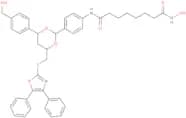

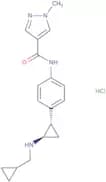
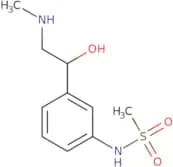
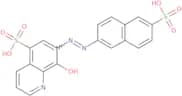
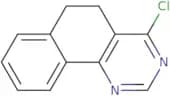
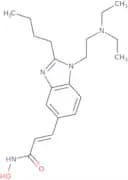
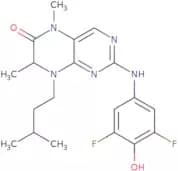
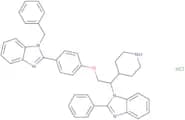
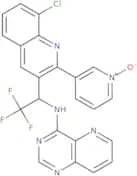
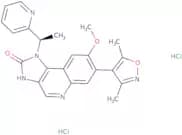


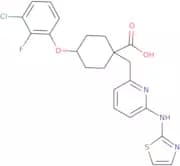
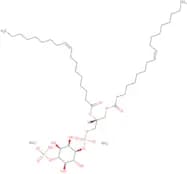
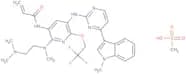

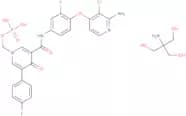
![N-(2-Aminoethyl)-N-[[3-methoxy-4-(phenylmethoxy)phenyl]methyl]-carbamic acid (1S)-1-phenylethyl es…](/_next/image/?url=https%3A%2Fstatic.cymitquimica.com%2Fproducts%2F3D%2Fthumb-webp%2FCEC13854.webp&w=3840&q=75)
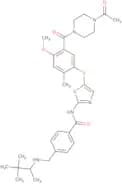
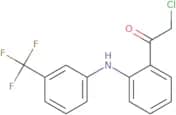
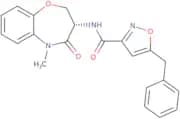
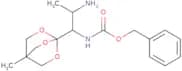

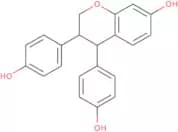
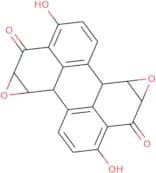
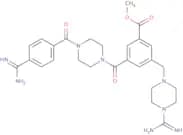
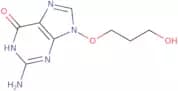
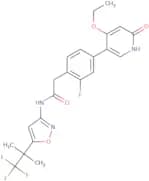
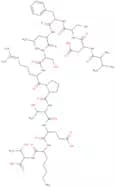
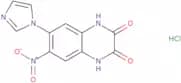
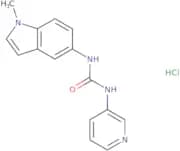

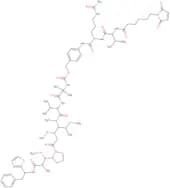
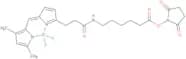
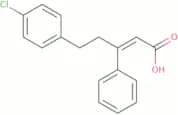
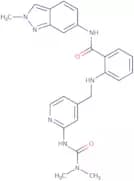
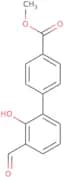
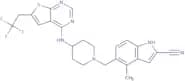
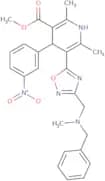

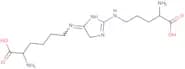
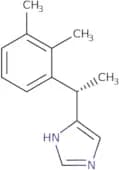
![2-(3-Hydroxy-2-(3-hydroxypicolinamido)phenyl)benzo[D]oxazole-4-carboxylic acid](/_next/image/?url=https%3A%2Fstatic.cymitquimica.com%2Fproducts%2F3D%2Fthumb-webp%2FFDA14845.webp&w=3840&q=75)
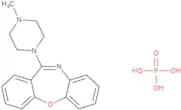
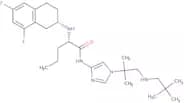

![[1-[[4-(Methylamino)phenyl]methyl]piperidin-4-yl] N-benzhydrylcarbamate hydrochloride](/_next/image/?url=https%3A%2Fstatic.cymitquimica.com%2Fproducts%2F3D%2Fthumb-webp%2FPIA55872.webp&w=3840&q=75)
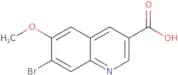
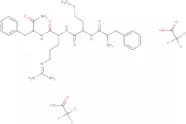

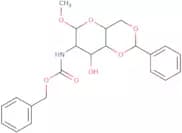
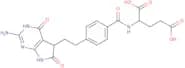
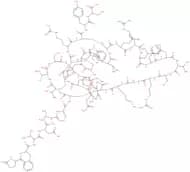
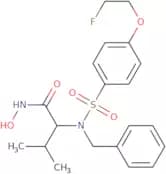
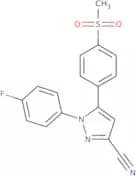
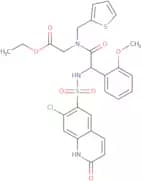
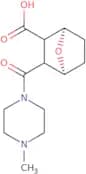
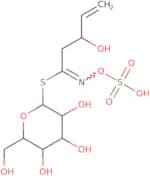
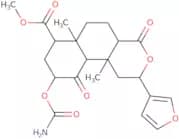
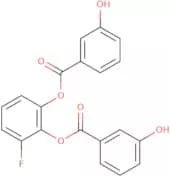
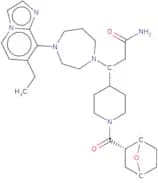

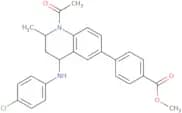
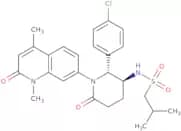

![N-[3-(1H-Imidazol-5-ylmethyl)phenyl]ethanesulfonamide](/_next/image/?url=https%3A%2Fstatic.cymitquimica.com%2Fproducts%2F3D%2Fthumb-webp%2FIKA52674.webp&w=3840&q=75)
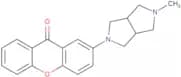
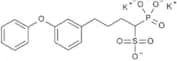

![2-Amino-3'-hydroxy-6'-{2-[2-(2-hydroxyethoxy)ethoxy]ethoxy}-2,3-dihydrospiro[isoindole-1,9'-xanthe…](/_next/image/?url=https%3A%2Fstatic.cymitquimica.com%2Fproducts%2F3D%2Fthumb-webp%2FIAD73763.webp&w=3840&q=75)

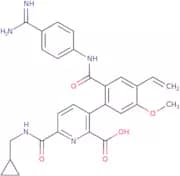
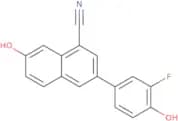
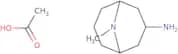
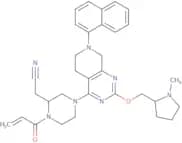
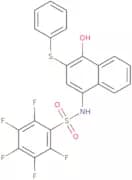
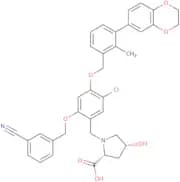
![N-[1-[2-(2,4-Dichlorophenoxy)acetyl]-4-piperidinyl]-4-mercapto-butanamide](/_next/image/?url=https%3A%2Fstatic.cymitquimica.com%2Fproducts%2F3D%2Fthumb-webp%2FKHD53016.webp&w=3840&q=75)

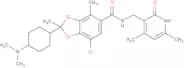
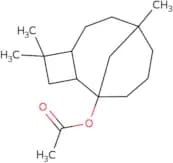
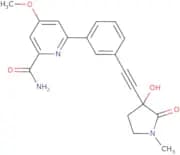
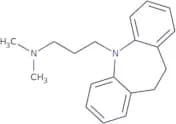
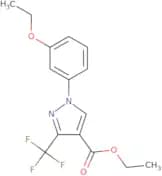
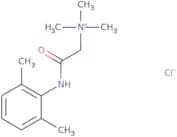
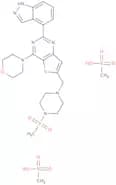
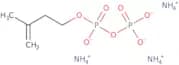
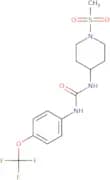
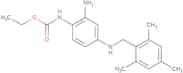
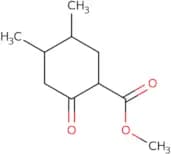
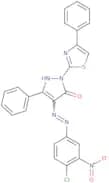


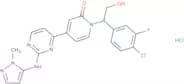
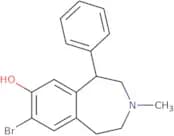
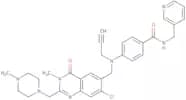
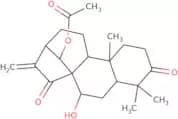
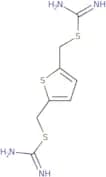

![8-Fluoro-α,5-bis(4-fluorophenyl)-1,3,4,5-tetrahydro-2H-pyrido[4,3-b]indole-2-butanol hydrochloride](/_next/image/?url=https%3A%2Fstatic.cymitquimica.com%2Fproducts%2F3D%2Fthumb-webp%2FICA03894.webp&w=3840&q=75)



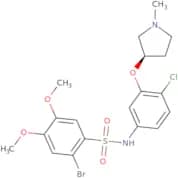
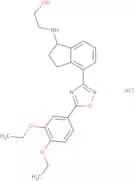
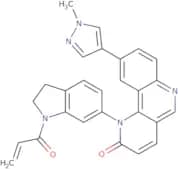
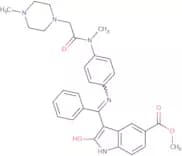
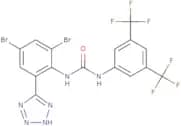
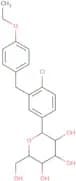
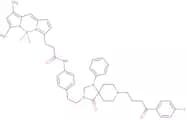
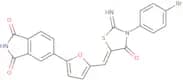
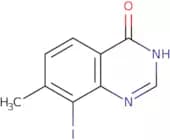
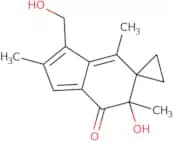
![2-[[4-[[2-(1,1-Dimethylethoxy)phenyl]amino]-6-(1-pyrrolidinyl)-1,3,5-triazin-2-yl]amino]ethanol](/_next/image/?url=https%3A%2Fstatic.cymitquimica.com%2Fproducts%2F3D%2Fthumb-webp%2FINB44502.webp&w=3840&q=75)
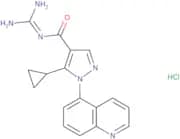
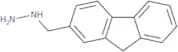
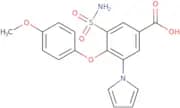
![(2R)-N-Hydroxy-3-methyl-2-[[[4-[2-[[(4-methylphenyl)sulfonyl]oxy]ethoxy]phenyl]sulfonyl](phenylmet…](/_next/image/?url=https%3A%2Fstatic.cymitquimica.com%2Fproducts%2F3D%2Fthumb-webp%2FKNB11389.webp&w=3840&q=75)
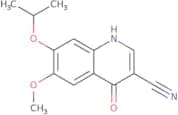

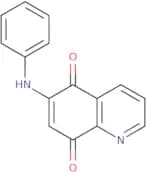
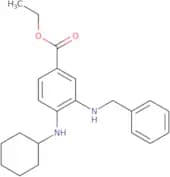
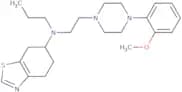
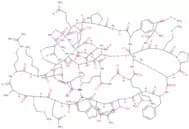
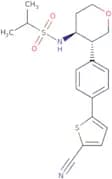
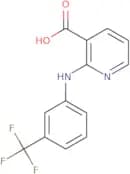
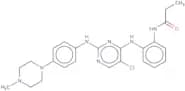
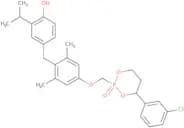


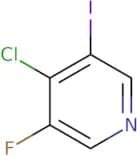
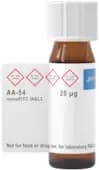
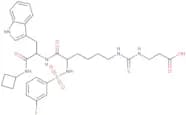
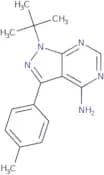


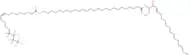
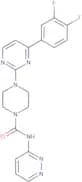
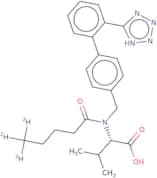
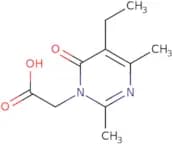
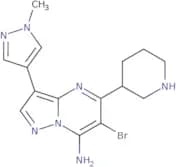
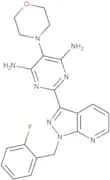
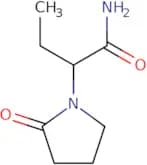

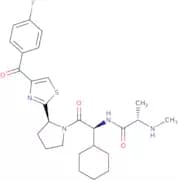
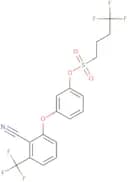
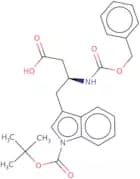
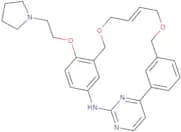
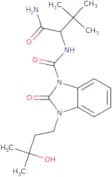
![(2S)-2-[3-(2-Chlorophenoxy)-5-oxo-2H-pyrrol-1-yl]-N-[1-[(2S)-2,3-dihydroxypropyl]pyrazol-3-yl]-4-m…](/_next/image/?url=https%3A%2Fstatic.cymitquimica.com%2Fproducts%2F3D%2Fthumb-webp%2FRXB99610.webp&w=3840&q=75)
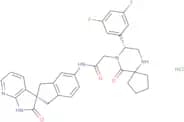
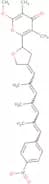
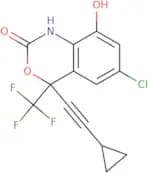
![1-(4-Amino-6,7-dimethoxy-2-quinazolinyl)-4-[(tetrahydro-2-furanyl)carbonxyl]piperazine hydrochlori…](/_next/image/?url=https%3A%2Fstatic.cymitquimica.com%2Fproducts%2F3D%2Fthumb-webp%2FFA28036.webp&w=3840&q=75)