


Heterocycles with Nitrogen (N)
In this category, you will find a wide variety of nitrogen-containing heterocycles. Heterocycles are carbon chains that form a cycle in which at least one position is occupied by a heteroatom, in this case, nitrogen. These compounds are integral in the synthesis of pharmaceuticals, agrochemicals, and dyes, offering unique reactivity and stability. At CymitQuimica, we provide a comprehensive selection of high-quality nitrogen-containing heterocycles to support your research and industrial applications
Subcategories of "Heterocycles with Nitrogen (N)"
- Azepane(434 products)
- Benzotriazoles(436 products)
- Diazepanes(331 products)
- Imidazoles(4,011 products)
- Imidazolines(385 products)
- Isoxazole(1,077 products)
- Piperazines(3,736 products)
- Piperidines(8,406 products)
- Pyrazines(1,299 products)
- Pyrazole(5,921 products)
- Pyrazolidine(21 products)
- Pyrazoline(142 products)
- Pyridazine(856 products)
- Pyridines(21,918 products)
- Pyrimidine(6,041 products)
- Pyrroles(2,443 products)
- Pyrrolidines(5,817 products)
- Pyrroline(48 products)
- Pyrrolo[1,2-b]pyridazine(10 products)
- Tetrazole(510 products)
- Triazines(462 products)
- Triazoles(1,680 products)
Show 14 more subcategories
Found 17857 products of "Heterocycles with Nitrogen (N)"
Sort by
Purity (%)
0
100
|
0
|
50
|
90
|
95
|
100
1-(3-Chlorophenyl)piperazine HCl
CAS:Controlled Product<p>1-(3-Chlorophenyl)piperazine HCl is a drug that belongs to the group of pharmacological agents. It is used as an antidepressant and antipsychotic, and has been shown to decrease serotonin levels in the brain. 1-(3-Chlorophenyl)piperazine HCl is a potent 5-HT2C receptor agonist that inhibits ovarian activity in vitro. The compound has also been shown to be effective against trazodone and 5-HT2 receptors in vitro.</p>Formula:C10H14Cl2N2Purity:Min. 95 Area-%Color and Shape:White PowderMolecular weight:233.14 g/mol2-Hydroxypyridine
CAS:<p>2-Hydroxypyridine is a heterocyclic organic compound that contains a nitrogen atom and two hydrogen atoms. It is a proton donor and has been shown to be an effective inhibitor of HIV infection. 2-Hydroxypyridine also inhibits bacterial growth by inhibiting the synthesis of DNA and RNA, which prevents protein synthesis and cell division. The intramolecular hydrogen bonds in protonated 2-hydroxypyridine form tautomers that can change from one form to another, with the equilibrium depending on pH. 2-Hydroxypyridine is a natural compound found in picolinic acid or in plants such as parsley, black pepper, or cinnamon. X-ray crystal structures of 2-hydroxypyridine have revealed that it has a planar geometry with an intramolecular hydrogen bond between the nitrogen atom and the protonated carbon atom. This bond causes significant kinetic energy to be released during the reaction mechanism, which may</p>Formula:C5H5NOPurity:Min. 95%Color and Shape:PowderMolecular weight:95.1 g/molMethyl piperidine-3-carboxylate
CAS:<p>Methyl piperidine-3-carboxylate (PMP) is a potent inhibitor of the enzyme ido1, which is involved in the metabolism of tryptophan to serotonin. It was synthesized by reacting methyl piperidine-3-carboxylate with 3 equivalents of 1,2-propanediol and 2 equivalents of potassium carbonate in an aqueous solution at room temperature for 2 hours. This reaction yields PMP as a white solid that can be characterized by nuclear magnetic resonance spectroscopy and thin layer chromatography. PMP has been shown to inhibit the enzymatic activity of ido1 and may be useful in the treatment of neurodegenerative diseases because it inhibits the production of serotonin.</p>Formula:C7H13NO2Purity:Min. 95%Color and Shape:PowderMolecular weight:143.18 g/molMethyl 2,4-dichloropyrimidine-5-carboxylate
CAS:<p>Methyl 2,4-dichloropyrimidine-5-carboxylate is a versatile building block for the synthesis of complex compounds. It has been used as a reagent for research, and as an intermediate in the synthesis of pharmaceuticals and other chemicals. Methyl 2,4-dichloropyrimidine-5-carboxylate can be used as a high quality intermediate for the production of pharmaceuticals, such as Tamsulosin. This compound is also known to have useful scaffold properties.</p>Formula:C6H4N2O2Cl2Purity:Min. 95%Color and Shape:White PowderMolecular weight:207.01 g/mol5-Methoxyindole-3-acetic acid
CAS:<p>5-Methoxyindole-3-acetic acid (5MI) is an endogenous indole and metabolite of melatonin that is found in high concentrations in the human serum. 5MI has been shown to inhibit the activity of cyclase enzymes and may be a specific inhibitor of the type I form of estrone sulfate, which is involved in estrogen production. This agent also inhibits matrix metalloproteinases and aminotransferases, which are enzymes that play a role in oxidative injury. 5MI also has a fluorescent derivative that can be used as a probe for biological samples or to study the target enzyme.</p>Formula:C11H11NO3Purity:Min. 97.5 Area-%Color and Shape:PowderMolecular weight:205.21 g/mol2-Chloro-4,6-diphenyl-1,3,5-triazine
CAS:<p>2-Chloro-4,6-diphenyl-1,3,5-triazine is a linker that can be activated to accept an electron from a donor molecule. It is often used as a transport material in organic light emitting diodes (OLEDs) and organic photovoltaics (OPVs). 2-Chloro-4,6-diphenyl-1,3,5-triazine has been shown to have high efficiencies when it is thermally activated. This compound also has high efficiency when it is activated by light with a wavelength of 400 nm. The luminescent properties of 2-Chloro-4,6-diphenyl-1,3,5 - triazine are due to its electron deficient nature and the presence of methoxy groups.</p>Formula:C15H10ClN3Purity:Min. 95%Color and Shape:White PowderMolecular weight:267.71 g/mol6-Bromo-2,3-dihydro-1H-indole
CAS:<p>6-Bromo-2,3-dihydro-1H-indole is a natural product that has been shown to inhibit cancer cell growth in vitro. In the presence of 6-bromoindole, cells are unable to proliferate and undergo apoptosis. This compound also shows anti-cancer activity against human leukemia cells. The mechanism of action for this molecule is not yet known but may be related to its ability to activate the caspase enzyme family or its ability to bind to DNA. 6-Bromoindole has been shown to have anti-inflammatory properties through inhibition of prostaglandin synthesis in animal models.</p>Formula:C8H8BrNPurity:Min. 95%Color and Shape:Off-White PowderMolecular weight:198.06 g/mol2-Chloro-5-chloromethylpyridine
CAS:<p>2-Chloro-5-chloromethylpyridine is a nicotinic acetylcholine analog. It is synthesized by chlorinating anhydrous sodium and phosphorus pentachloride in the presence of sodium carbonate. 2-Chloro-5-chloromethylpyridine is soluble in water, but insoluble in organic solvents. The synthesis produces a yellow solution that contains hydrogen chloride, hydrogen fluoride, and other products such as 2-chloropyridinol and 2-methylpyridine. The yield of this reaction is not reported.END></p>Formula:C6H5Cl2NPurity:Min. 95%Color and Shape:White To Yellow SolidMolecular weight:162.02 g/mol1-[[2-(4-Chlorophenyl)-4,4-dimethylcyclohex-1-enyl]methyl]piperazine
CAS:<p>1-[[2-(4-Chlorophenyl)-4,4-dimethylcyclohex-1-enyl]methyl]piperazine is a high quality compound that can be used as a reagent or intermediate. It is a complex compound with the CAS No. 1228780-72-0 that is useful in the production of fine chemicals, research chemicals and speciality chemicals. 1-[2-(4-Chlorophenyl)-4,4-dimethylcyclohex-1-enyl]methyl]piperazine is a versatile building block that can be used in reactions to produce specialized products such as pharmaceuticals, agrochemicals, dyes and fragrances.</p>Formula:C19H27ClN2Purity:Min. 95%Color and Shape:White PowderMolecular weight:318.88 g/mol2-Chloro-3-fluoropyridine
CAS:<p>2-Chloro-3-fluoropyridine is a chemical compound that is classified as an allosteric modulator. It has a profile of physicochemical and spectrometric properties, which includes a pyridine ring with two chloro substituents and one fluorine atom. 2-Chloro-3-fluoropyridine can be transported by organic solvents such as benzene or chloroform, but not by water. This chemical reacts with copper chloride to form a cross-coupling reaction, which may be useful for the synthesis of complex organic molecules. 2-Chloro-3-fluoropyridine also has biological properties that include being a ligand for some receptors in the brain and central nervous system, as well as having antioxidant activity.</p>Formula:C5H3ClFNPurity:Min. 95%Color and Shape:Clear LiquidMolecular weight:131.54 g/mol2-Bromo-1H-imidazole
CAS:<p>2-Bromo-1H-imidazole is an environmental pollutant that has been detected in the atmosphere, water, and soil. It is used as a pesticide and has been found to be an impurity in biphenyl. 2-Bromo-1H-imidazole can be used as a substrate for the Suzuki coupling reaction or as a starting material for the synthesis of imidazole derivatives. The compound spontaneously fragments under acidic conditions to form nitric acid and hydrogen bromide. 2-Bromo-1H-imidazole has been shown to inhibit hepatitis C virus (HCV) replication and induce cancer cell apoptosis in vitro.<br>2-Bromo-1H-imidazole is also known to cause DNA fragmentation in cells through oxidation by reactive oxygen species or through spontaneous decomposition of the molecule into acid, bromine radicals, and ammonia.</p>Formula:C3H3BrN2Purity:Min. 95%Color and Shape:PowderMolecular weight:146.97 g/mol1-(5-Chloro-2-methoxyphenyl)piperazine HCl
CAS:Controlled Product<p>1-(5-Chloro-2-methoxyphenyl)piperazine HCl is a fine chemical that belongs to the group of research chemicals. It is used as a reagent, speciality chemical and intermediate in organic synthesis. 1-(5-Chloro-2-methoxyphenyl)piperazine HCl is an effective building block for complex compounds, which can be used in reactions involving acetals, amides, nitriles, sulfones, sulfonamides and imines. This compound also has versatile building blocks and is a useful scaffold in organic synthesis.</p>Formula:C11H16Cl2N2OPurity:Min. 95%Color and Shape:Off-White PowderMolecular weight:263.16 g/mol5,6-Diaminobenzimidazole dihydrochloride
CAS:Please enquire for more information about 5,6-Diaminobenzimidazole dihydrochloride including the price, delivery time and more detailed product information at the technical inquiry form on this pageFormula:C7H10Cl2N4Purity:Min. 95%Color and Shape:Off-white to pale brown solid.Molecular weight:221.09 g/mol1,1'-Di-n-octyl-4,4'-bipyridinium Dibromide
CAS:<p>1,1'-Di-n-octyl-4,4'-bipyridinium Dibromide is a bifunctional organometallic compound. It is used as a catalyst in the reduction of nitro groups or other electron-deficient centers and in the transfer process with azides. This chemical has shown selectivity for aliphatic substrates over aromatic ones. The catalytic activity of 1,1'-Di-n-octyl-4,4'-bipyridinium Dibromide can be enhanced by replacing the hydrogen atom on the nitrogen atom with an alkene group. 1,1'-Di-n-octyl-4,4'-bipyridinium Dibromide is also a radical cation that can be reduced by electron donors to form radicals.</p>Formula:C26H42Br2N2Purity:Min. 95%Color and Shape:Slightly Yellow PowderMolecular weight:542.43 g/mol3-Amino-2,6-dichloropyridine
CAS:<p>3-Amino-2,6-dichloropyridine is a carboxamidopyridine that is used as an antiplatelet agent. This drug inhibits the action of ADP and thrombin in platelets, thereby inhibiting platelet aggregation. 3-Amino-2,6-dichloropyridine has been shown to be effective when given orally and is not degraded by stomach acid. It has been shown to inhibit transcriptase activity in vitro. The drug also inhibits the synthesis of prostaglandin E2 (PGE2) through inhibition of cyclooxygenase (COX) enzymes and prevents platelet aggregation by suppressing the production of adenosine diphosphate (ADP).</p>Purity:Min. 95%Color and Shape:PowderMolecular weight:162.92 g/mol3-Methylpyridine
CAS:3-Methylpyridine is a compound that can be used in the treatment of wastewater. It has been shown to have high adsorption capacity for malonic acid and a Langmuir adsorption isotherm with high values. 3-Methylpyridine is stable in acidic conditions and has been shown to efficiently remove nitrogen from wastewater. The coordination geometry of 3-methylpyridine is octahedral, which makes it capable of removing hydrogen fluoride from wastewater. This compound also has the ability to transfer reactions and can be used for titration calorimetry.Formula:C6H7NPurity:Min. 95%Color and Shape:Colorless Clear LiquidMolecular weight:93.13 g/mol1-(3-Aminopropyl)imidazole
CAS:Formula:C6H11N3Purity:>97.0%(GC)Color and Shape:Colorless to Almost colorless clear liquidMolecular weight:125.18Methyl 2-[(1H-pyrrolo[2,3-b]pyridin-5-yl)oxy]-4-fluorobenzoate
CAS:<p>Methyl 2-[(1H-pyrrolo[2,3-b]pyridin-5-yl)oxy]-4-fluorobenzoate is a versatile building block that can be used as a reagent or speciality chemical. It has been shown to be useful in the synthesis of complex compounds and research chemicals. Methyl 2-[(1H-pyrrolo[2,3-b]pyridin-5-yl)oxy]-4-fluorobenzoate is an intermediate for the synthesis of various pharmaceuticals and agrochemicals. This compound may also act as a scaffold for drug design and development.</p>Formula:C15H11FN2O3Purity:Min. 95%Color and Shape:Off-White PowderMolecular weight:286.26 g/mol7-Aminoquinoline
CAS:7-Aminoquinoline is a nucleophilic compound that is involved in the catalysis of bond cleavage. It has been shown to react with organic molecules and produce an oxygenative interaction. 7-Aminoquinoline has been shown to produce anti-inflammatory properties by inhibiting prostaglandin synthesis, which occurs through the inhibition of cyclooxygenase activity.Formula:C9H8N2Purity:Min. 95%Color and Shape:Yellow PowderMolecular weight:144.17 g/mol2-Mercapto-1H-imidazole
CAS:<p>2-Mercapto-1H-imidazole is an irreversible inhibitor of xanthine oxidase. It binds to the nitrogen atoms of the enzyme's active site and forms a strong hydrogen bond with the oxygen atom of the xanthine substrate. The steric interactions between 2-mercapto-1H-imidazole and the substrate prevent binding and catalysis. The crystal structures of 2-mercapto-1H-imidazole in complex with xanthine oxidase have been determined using X-ray crystallography. FTIR spectroscopy has shown that 2-mercapto-1H-imidazole coordinates in a geometry similar to that of the reactant, hydrochloric acid. Electrochemical impedance spectroscopy (EIS) has revealed that proton transfer takes place when 2-mercapto-1H imidazole binds to xanthine oxidase, which is consistent with reaction mechanism involving elect</p>Formula:C3H4N2SPurity:Min. 95%Color and Shape:PowderMolecular weight:100.14 g/mol1-(2-Methoxyphenyl)piperazine hydrochloride
CAS:Controlled Product<p>1-(2-Methoxyphenyl)piperazine hydrochloride is a drug that belongs to the class of sulfonamides. It is used in the treatment of bacterial infections, especially those caused by methicillin-resistant Staphylococcus aureus (MRSA). The use of 1-(2-Methoxyphenyl)piperazine hydrochloride has been shown to be effective in reducing the symptoms of depression and anxiety and may be useful in the treatment of Parkinson's disease. The drug binds to 5-HT7 receptors, which are expressed on serotonergic neurons, leading to increased levels of serotonin and dopamine. This effect on serotonin receptors may lead to an increase in appetite and weight gain. 1-(2-Methoxyphenyl)piperazine hydrochloride also blocks the multidrug efflux pump, which is responsible for pumping out drugs from cells. This leads to an increase in intracellular concentrations of</p>Formula:C11H16N2OHClPurity:Min. 96.5 Area-%Color and Shape:White PowderMolecular weight:228.72 g/mol1-(4-Chlorobenzyl)piperazine
CAS:Controlled Product<p>1-(4-Chlorobenzyl)piperazine is an amine that belongs to the class of hydrogen-bond acid amides. It has a piperazine structure and is structurally related to other substances, such as dopamine. 1-(4-Chlorobenzyl)piperazine has been shown to inhibit spontaneous emission in animals and inhibit spontaneous activity at d4 receptors. This drug also inhibits the binding of agonists to the d4 receptor subtype, without affecting other subtypes.</p>Formula:C11H15ClN2Purity:Min. 98 Area-%Color and Shape:Colorless Clear LiquidMolecular weight:210.7 g/mol2-Aminopyridine-5-sulfonic acid
CAS:<p>2-Aminopyridine-5-sulfonic acid is an alkaline hydrolysis product of benzene and water. It is an organic compound that is classified as a heterocyclic amine. The molecule has a pyridine ring with two nitrogen atoms in the ring. 2-Aminopyridine-5-sulfonic acid has been shown to be used as a ligand for coordination of ruthenium metal ions, which has been studied by theory and experiment. This ligand was also found to be able to coordinate halides such as chloride, bromide, or iodide ions. 2-Aminopyridine-5-sulfonic acid can exist in two different isomers: (S)-2-(benzyloxycarbonylamino)pyridine 5 sulfonic acid or (R)-2-(benzyloxycarbonylamino)pyridine 5 sulfonic acid.</p>Formula:C5H6N2O3SPurity:Min. 95%Color and Shape:SolidMolecular weight:174.18 g/mol6,6'-Dibromo-2,2'-bipyridine
CAS:<p>6,6'-Dibromo-2,2'-bipyridine is a synthetic molecule that is used to produce amines. It can be synthesized in a cross-coupling reaction involving the reaction of an amine with bromine and a palladium catalyst. 6,6'-Dibromo-2,2'-bipyridine reacts with formaldehyde to form 2,4-diaminobiphenyls. This reaction is catalyzed by acid or base. 6,6'-Dibromo-2,2'-bipyridine has been shown to be reactive and photoexcited. Its photophysical properties make it a useful synthetic intermediate for the production of amines.</p>Formula:C10H6Br2N2Purity:Min. 95%Color and Shape:PowderMolecular weight:313.98 g/mol2-Cyanopyrazine
CAS:<p>2-Cyanopyrazine is a molecule that belongs to the group of nitrogen-containing heterocyclic compounds. It has been shown to exhibit antiinflammatory activity in skin cancer cells and bacterial strain, group P2. This compound inhibits the growth of bacteria by binding to their pyrazinoic acid, which is an electron acceptor. 2-Cyanopyrazine also exhibits tuberculostatic activity against M. tuberculosis and M. avium complex by inhibiting the synthesis of mycolic acids and cell wall lipids, respectively. The redox cycle of this compound is coordinated with a hydrogen bond between the hydroxyl group and the carbonyl carbon atom. 2-Cyanopyrazine is oxidized from its initial state through a reaction mechanism involving molecular oxygen or hydrogen peroxide as an oxidant and water as a reductant. The oxidation products can be reduced back to 2-cyanoapyrazine using ascorbate or NADH as</p>Formula:C5H3N3Purity:Min. 95%Color and Shape:Off-White To Light (Or Pale) Yellow Solid Or Liquid (May Vary)Molecular weight:105.1 g/mol1-(4-Bromophenyl)piperazine hydrochloride
CAS:Controlled Product<p>1-(4-Bromophenyl)piperazine hydrochloride is a linker that binds to serotonin receptors. It has been shown to inhibit the reuptake of serotonin, which may lead to an increase in the neurotransmitter's level in the synaptic cleft. The compound also inhibits the production of 5-hydroxytryptamine and other monoamine neurotransmitters, which can lead to anaphylactic reactions in humans.</p>Formula:C10H14BrClN2Purity:Min. 95%Molecular weight:277.59 g/molN-Boc-4-cyanopiperidine
CAS:<p>N-Boc-4-cyanopiperidine is a synthetic compound that has been used as a competitive inhibitor in the study of biochemistry and neurochemistry. It has been shown to inhibit ligand binding to calcium channels, which are proteins that regulate the flow of calcium ions into cells. N-Boc-4-cyanopiperidine also inhibits the production of prostaglandins, which are chemicals that promote inflammation. This drug has been investigated for its possible use in treating neuropathic pain, since it inhibits voltage-gated sodium channels and potassium channels.</p>Formula:C11H18N2O2Purity:Min. 95%Color and Shape:PowderMolecular weight:210.27 g/mol2,6-Diacetylpyridine
CAS:<p>2,6-Diacetylpyridine is a chelate ligand that has significant cytotoxicity. It binds to nitrogen atoms and can form stable complexes with metals. The compound also has genotoxic activity that is shown through the formation of high values in plasma mass spectrometry. 2,6-Diacetylpyridine has been used as an antimicrobial agent, where it inhibits bacterial growth by binding to DNA and RNA. This compound also binds to the enzyme thymidylate synthase and inhibits its activity, which may be due to its coordination geometry. 2,6-Diacetylpyridine has been shown to have biological properties such as being able to inhibit cell proliferation and induce apoptosis in cell cultures.</p>Formula:C9H9NO2Purity:Min. 98 Area-%Color and Shape:White PowderMolecular weight:163.17 g/mol2-Chloro-4-methyl-6-methylsulfanylpyrimidine
CAS:<p>2-Chloro-4-methyl-6-methylsulfanylpyrimidine is a high quality chemical that is an intermediate for organic synthesis. It is a reagent and useful intermediate in the production of complex compounds. 2-Chloro-4-methyl-6-methylsulfanylpyrimidine has been shown to be a building block for use in synthesizing fine chemicals, pharmaceuticals, and pesticides. This compound can also be used as a reaction component for the synthesis of other chemicals, making it an important research chemical. <br>2-Chloro-4-methyl-6-methylsulfanylpyrimidine is soluble in water and insoluble in ethanol or ether. It has CAS No. 89466-59-1 and a molecular weight of 238.2 g/mol.br>br><br>2CMSMP can be used to produce various compounds such as:</p>Formula:C6H7ClN2SPurity:Min. 95%Color and Shape:PowderMolecular weight:174.65 g/mol3-(2-Thienyl)pyridine
CAS:Formula:C9H7NSPurity:>98.0%(GC)Color and Shape:White to Yellow to Green clear liquidMolecular weight:161.222-Cyano-1,5-dimethylpyrrole
CAS:<p>2-Cyano-1,5-dimethylpyrrole is a quinone antibiotic. It has been shown to have antibacterial activity against organisms such as Staphylococcus, Streptococcus, and Pyogenes. This chemical has been shown to be active in the gaseous phase and against test organisms in alcohol extracts. 2-Cyano-1,5-dimethylpyrrole also exhibits flavonoid and saponin properties that may contribute to its antimicrobial activity.</p>Formula:C7H8N2Purity:Min. 95%Color and Shape:PowderMolecular weight:120.15 g/molMethyl 3-cyano-1H-indole-7-carboxylate
CAS:<p>Methyl 3-cyano-1H-indole-7-carboxylate is a fine chemical that belongs to the class of useful scaffolds, versatile building blocks, and useful intermediates. It is used as a research chemical and a reaction component. Methyl 3-cyano-1H-indole-7-carboxylate is also a speciality chemical with high quality and can be used as a reagent in the production of other compounds.</p>Formula:C11H8N2O2Purity:Min. 95%Color and Shape:White PowderMolecular weight:200.19 g/mol2,2'-Bipyridine-6,6'-(1H,1'H)dione
CAS:<p>2,2'-Bipyridine-6,6'-(1H,1'H)dione is a high-quality compound that is used as a reagent to provide a variety of useful compounds. This compound can be used as a building block for various chemical syntheses or as a component in many reactions. It is also a versatile building block and can be used in the synthesis of other compounds. 2,2'-Bipyridine-6,6'-(1H,1'H)dione has been shown to be an effective intermediate for organic synthesis.</p>Formula:C10H8N2O2Purity:Min. 95%Color and Shape:Off-White To Light Brown SolidMolecular weight:188.18 g/molPentachloropyridine
CAS:<p>Please enquire for more information about Pentachloropyridine including the price, delivery time and more detailed product information at the technical inquiry form on this page</p>Formula:C5Cl5NPurity:Min. 95%Color and Shape:White To Off-White SolidMolecular weight:251.32 g/mol3,5,6-Trichloro-4-hydroxy-2-picolinic acid
CAS:<p>3,5,6-Trichloro-4-hydroxy-2-picolinic acid is a high quality reagent that is used as a building block for the synthesis of complex compounds with potential pharmaceutical applications. It can be used as an intermediate in the production of fine chemicals and speciality chemicals. This compound is also useful for research purposes and as a versatile building block for reactions.</p>Formula:C6H2Cl3NO3Purity:Min. 95%Color and Shape:White to off-white solid.Molecular weight:242.44 g/mol4-Amino-6-chloro-2-(methylthio) pyrimidine
CAS:<p>4-Amino-6-chloro-2-(methylthio) pyrimidine is a reactive chemical that is used in medicine as an antioxidant. It has been shown to have beneficial effects on atherosclerosis, colitis and cancer. 4-Amino-6-chloro-2-(methylthio) pyrimidine has also been shown to inhibit the production of reactive oxygen species (ROS). ROS are generated by lipoxygenase enzymes in soybean oil and cause damage to cells. 4-Amino-6-chloro-2-(methylthio) pyrimidine binds to the enzyme's heme group, preventing it from forming ROS.</p>Formula:C5H6ClN3SPurity:Min. 95%Molecular weight:175.64 g/molN-Tritylimidazole
CAS:<p>N-tritylimidazole is a palladium complex that was designed as an inhibitor of glycosidases. It binds to the active site of these enzymes and inhibits their function. N-tritylimidazole has been shown to inhibit the growth of Gram-positive bacteria, such as Staphylococcus aureus, by preventing the production of extracellular polysaccharides. This compound also binds to κ-opioid receptors in the brain and has been shown to block pain transmission. N-tritylimidazole can be synthesized using a cross-coupling reaction with phenylboronic acid and chloroiodomethane, which requires hydrochloric acid as a catalyst.</p>Formula:C22H18N2Purity:Min. 95%Color and Shape:White PowderMolecular weight:310.39 g/molN,N-Diethyl-5-methyl-[1,2,4]triazolo[5,1-b]pyrimidin-7-amine
CAS:<p>N,N-Diethyl-5-methyl-[1,2,4]triazolo[5,1-b]pyrimidin-7-amine (MTX) is a drug that is used in the treatment of disease activity. It has been shown to have an effect on the production of redox potentials and energy metabolism. MTX also has an effect on cardiac muscle by inhibiting the enzyme activities associated with cardiac muscle contraction and relaxation. This drug has been shown to be effective in the treatment of bowel disease, injury, and basic protein as well as caproic acid production.</p>Formula:C10H15N5Purity:Min. 95%Color and Shape:PowderMolecular weight:205.26 g/mol3-Iodo-2-methylpyridine
CAS:<p>3-Iodo-2-methylpyridine is a fluorescent probe that is used to measure mitochondrial membrane potential in muscle cells. It has been shown to be effective in the treatment of autoimmune diseases and HIV infection. 3-Iodo-2-methylpyridine is soluble in water, alcohols, ethers, and chloroform. This compound has a liquid crystal composition and can form crystals with different morphologies upon cooling. 3-Iodo-2-methylpyridine has been used as an optical probe for the detection of silicon in biological samples. The hydroxy group on this molecule makes it active against nitro groups.</p>Formula:C6H6INPurity:Min. 95%Color and Shape:Yellow PowderMolecular weight:219.02 g/mol1,2,2,6,6-Pentamethyl-4-piperidone
CAS:<p>1,2,2,6,6-Pentamethyl-4-piperidone (PMP) is a fluorescent molecule with a characteristic emission maximum at 519 nm. PMP has been shown to bind to the amyloid beta protein in Alzheimer's disease and fluoresce when bound. This fluorescence is quenched by deuteration of the molecule. The use of PMP as a tracer for monitoring the transport of water and nitrogen through plants has also been investigated. In this study, PMP was found to be an effective probe for analysing plant growth and development.</p>Formula:C10H19NOPurity:Min. 95%Color and Shape:Colorless Clear LiquidMolecular weight:169.27 g/mol5-Methyl-2-phenyl-1H-imidazole-4-carboxylic acid
CAS:<p>5-Methyl-2-phenyl-1H-imidazole-4-carboxylic acid (MPICA) is a potent inhibitor of xanthine oxidase. It is also an inhibitor of β-glucuronidase and enzymes that maintain the integrity of bacterial DNA. MPICA has been shown to inhibit xanthine oxidase in a dose dependent manner and can be used as a lead compound for new inhibitors of this enzyme.</p>Formula:C11H10N2O2Purity:Min. 95%Color and Shape:White PowderMolecular weight:202.21 g/mol4-Methylpyrimidine
CAS:<p>4-Methylpyrimidine is a molecule used in the treatment of cancer. It is an inhibitor of the enzyme topoisomerase II, which is involved in DNA replication and repair. 4-Methylpyrimidine binds to the active site of topoisomerase II and blocks its activity. 4-Methylpyrimidine has been shown to be effective against Covid-19 pandemic, which was responsible for a severe outbreak of pneumonia in 2009. The reaction mechanism of 4-methylpyrimidine involves methylpyrazine, a chloride ligand, and molybdenum as the metal center. FT-IR spectroscopy has been used to identify the structural analysis of this molecule.</p>Formula:C5H6N2Purity:Min. 95%Color and Shape:Clear LiquidMolecular weight:94.12 g/mol2-Amino-6-methoxypurine
CAS:<p>Intermediate in the synthesis of nelarabine</p>Formula:C6H7N5OPurity:Min. 95%Color and Shape:PowderMolecular weight:165.15 g/mol3-Cyano-2-hydroxypyridine
CAS:<p>3-Cyano-2-hydroxypyridine is an inhibitor of the noradrenaline transporter, which is a type of l-type calcium channel. 3-Cyano-2-hydroxypyridine has been shown to be a potent inhibitor of the noradrenaline transporter. It inhibits the binding of neurotransmitters to their receptors by blocking active methylene sites on the transporter molecule. This drug also has a cavity that can accommodate bulky inhibitor molecules, making it more difficult for these inhibitors to bind to the active site and compete with neurotransmitters for uptake. 3Cyano-2-hydroxypyridine also inhibits nitric oxide synthase, which may provide anti-tumor activity as well as inhibit tumor cell growth. The inhibitory effect of this drug is due to structural studies that have revealed hydrogen bonding interactions with the drug's nitrogen and oxygen atoms.</p>Formula:C6H4N2OPurity:Min. 95%Color and Shape:Yellow To Brown SolidMolecular weight:120.11 g/mol4-Methoxy-3,5-dimethyl-pyridin-2-yl)methyl acetate
CAS:<p>4-Methoxy-3,5-dimethyl-pyridin-2-yl)methyl acetate is a chemical intermediate that is used in the manufacture of pharmaceuticals and other fine chemicals. It has been found to be a useful scaffold for the synthesis of other compounds. This compound may also be used as a building block or reaction component in research. 4-Methoxy-3,5-dimethyl-pyridin-2-yl)methyl acetate has a CAS number of 91219-90-8 and can be purchased from suppliers such as TCI America.</p>Formula:C11H15NO3Purity:Min. 95%Color and Shape:White PowderMolecular weight:209.24 g/mol5-Methoxy-3-(1,2,5,6-tetrahydro-4-pyridinyl)-1H-indole hemisuccinate
CAS:<p>5-Methoxy-3-(1,2,5,6-tetrahydro-4-pyridinyl)-1H-indole hemisuccinate is a serotonin receptor agonist that has been shown to stimulate the 5HT1A receptor. It stimulates insulin secretion and glucose uptake in rats and inhibits feeding behavior in mice. It has also been shown to have antihypertensive effects on rats by blocking the 5HT2 receptors. In addition, it stimulates regeneration of injured nerve cells. This drug has potential uses as a treatment for neurological diseases such as Parkinson's disease and depression.</p>Formula:C14H16N2O•(C4H6O4)0Purity:Min. 95%Color and Shape:Yellow solid.Molecular weight:287.33 g/mol2-(4-Benzylpiperidin-1-yl)ethanamine
CAS:<p>2-(4-Benzylpiperidin-1-yl)ethanamine is a fine chemical that is useful for the preparation of versatile building blocks. This compound is an intermediate in the synthesis of a variety of compounds, including research chemicals and speciality chemicals. It has been used as a reaction component in the synthesis of complex compounds with high quality. 2-(4-Benzylpiperidin-1-yl)ethanamine is also a reagent that can be used to synthesize amines and amides. CAS No. 25842-32-4</p>Formula:C14H22N2Purity:Min. 95%Color and Shape:LiquidMolecular weight:218.34 g/mol3-Bromo-5-methylpyridine
CAS:<p>3-Bromo-5-methylpyridine is a synthetic compound that has been found in the filtrate of a diethyl malonate synthesis. It was also observed as an impurity in the hydrogenation reduction of 3-bromo-5-methylpyridine. The addition of sodium nitrite to toluene results in the formation of 3-bromo-5-methylpyridine, which is an acidic organic compound.</p>Formula:C6H6BrNPurity:Min. 95%Color and Shape:PowderMolecular weight:172.02 g/mol2-Fluoro-5-methylpyridine-3-boronic acid
CAS:<p>2-Fluoro-5-methylpyridine-3-boronic acid is a high quality chemical with CAS No. 1072952-45-4 that is a useful building block for the synthesis of complex compounds and speciality chemicals. 2-Fluoro-5-methylpyridine-3-boronic acid is also a versatile building block that can be used in organic reactions as a reaction component for the synthesis of speciality chemicals and other reagents. It can also be used to make fluoroquinolones and related pharmaceuticals, which are used to treat bacterial infections. This compound has many uses in research, including being a valuable scaffold for the synthesis of new drugs.</p>Formula:C6H7BFNO2Purity:Min. 95%Color and Shape:White PowderMolecular weight:154.93 g/mol5-Pyridin-3-yl-2H-pyrazol-3-ylamine
CAS:<p>5-Pyridin-3-yl-2H-pyrazol-3-ylamine is a fine chemical with applications in the research and development of pharmaceuticals, agrochemicals, and other speciality chemicals. 5-Pyridin-3-yl-2H-pyrazol-3-ylamine is also a versatile building block for the synthesis of complex molecules. This compound can be used as a reagent or intermediate in organic reactions. It is also an excellent scaffold for the synthesis of complex molecules.</p>Formula:C8H8N4Purity:Min. 95%Color and Shape:Off-white to pale yellow or beige solid.Molecular weight:160.18 g/molRisedronic acid monohydrate
CAS:<p>Risedronic acid monohydrate is a bisphosphonate that inhibits bone resorption by inhibiting the activity of osteoclasts. It is used to treat postmenopausal women with osteoporosis and bowel disease, as well as to prevent bone loss in men with prostate cancer. Risedronic acid monohydrate has been shown to be more effective than alendronate for decreasing bone mineral density in women with breast cancer who have undergone chemotherapy. Risedronic acid monohydrate binds to the active site of the enzyme polymerase chain reaction (PCR) and blocks DNA synthesis, preventing the formation of new cells. Risedronic acid monerate also binds to the active site of nonsteroidal anti-inflammatory drugs (NSAIDs), thereby blocking their ability to inhibit cyclooxygenase enzymes, which are responsible for prostaglandin synthesis. This leads to reduced inflammation and pain.</p>Formula:C7H11NO7P2·H2OPurity:Min. 95%Color and Shape:White PowderMolecular weight:301.13 g/mol5-Amino-6-(methylamino)quinoline
CAS:<p>5-Amino-6-(methylamino)quinoline is a molecule that inhibits the enzymatic activity of tyrosine phosphatases and has been shown to inhibit the growth of typhimurium ta98, which is resistant to quinoxaline. It has also been shown to be mutagenic in vitro. 5-Amino-6-(methylamino)quinoline has an imidazole ring and is synthesized from 2-methylbenzothiazole and N,N'-dimethylethylenediamine. The synthesis of this compound takes place in two steps with the first step being an oxidative cyclization followed by a reductive amination.</p>Formula:C10H11N3Purity:Min. 95%Color and Shape:Green Brown To Brown SolidMolecular weight:173.21 g/mol(S)-3-Hydroxypiperidine hydrochloride
CAS:<p>3-Hydroxypiperidine hydrochloride is an industrial chemical that is used in the synthesis of medicines. It is a nucleophile, and will react with electrophiles in a nucleophilic substitution reaction. 3-Hydroxypiperidine hydrochloride can be used for the synthesis of sulfinates, which are often used as medicine reagents. 3-Hydroxypiperidine hydrochloride has also been shown to be useful in the synthesis of five-membered heterocycles, such as diazepinones, from 2-aminoethanethiols.</p>Formula:C5H12ClNOPurity:Min. 95%Color and Shape:White PowderMolecular weight:137.61 g/mol1-(3-Bromophenyl)-piperazine HCl
CAS:Controlled Product<p>1-(3-Bromophenyl)-piperazine HCl is a fine chemical that belongs to the class of research chemicals and reagents. It has been used as a building block for the synthesis of various compounds, such as pharmaceuticals, dyes, and pesticides. 1-(3-Bromophenyl)-piperazine HCl is also a versatile intermediate in organic synthesis.</p>Formula:C10H14BrClN2Purity:Min. 95%Color and Shape:White PowderMolecular weight:277.59 g/mol2-[2-[4-[Bis(4-fluorophenyl)methyl]piperazin-1-yl]ethoxy]acetic acid HCl
CAS:<p>2-[2-[4-[Bis(4-fluorophenyl)methyl]piperazin-1-yl]ethoxy]acetic acid HCl (BAY-85788) is a drug which acts as a histamine receptor antagonist. It has been shown to be effective in the treatment of idiopathic urticaria. BAY-85788 has also been found to have less potential for drug interactions than other histamine receptor antagonists, and does not cause an increase in blood pressure, unlike other compounds with this activity. This compound is metabolized by cytochrome P450 enzymes and does not contain nitrogen atoms or heterocyclic rings. Experimental studies have shown that orally administered BAY-85788 is absorbed from the GI tract and eliminated unchanged in urine. Studies have also shown that BAY-85788 is active against inflammatory diseases such as atopic dermatitis, asthma, and chronic obstructive pulmonary disease (COPD</p>Formula:C21H24F2N2O3·xHClPurity:Min. 95%Color and Shape:PowderMolecular weight:390.42 g/mol2-(Bromomethyl)-5-chloropyridine hydrobromide
CAS:<p>2-(Bromomethyl)-5-chloropyridine hydrobromide is a versatile building block that can be used in the synthesis of complex compounds and research chemicals. This compound has a CAS number of 1646152-49-9 and is a useful building block for reactions involving nitration, bromination, chlorination, amination, and sulfonylation. 2-(Bromomethyl)-5-chloropyridine hydrobromide can also be used as a reagent or as a speciality chemical to react with other chemicals or to be used as a reaction component or scaffold in synthesizing more complex molecules.</p>Formula:C6H6Br2ClNPurity:Min. 95%Color and Shape:PowderMolecular weight:287.38 g/mol2-Methylthio-4,6-dihydroxypyrimidine
CAS:<p>2-Methylthio-4,6-dihydroxypyrimidine is an organic compound that has a hypsochromic and bathochromic effect. This ligand belongs to the group of neutral compounds and is found in its intramolecular hydrogen form. It also reacts with hydrochloric acid to form tautomers. 2-Methylthio-4,6-dihydroxypyrimidine can exist in two tautomeric forms: the chloride and oxalyl forms. The vibrational frequencies of these tautomers are different. 2-Methylthio-4,6-dihydroxypyrimidine is an intermediate in the synthesis of other chemical compounds such as chloropropionates, methanesulfonic acid, and piperazine.</p>Formula:C5H6N2O2SPurity:Min. 95%Color and Shape:PowderMolecular weight:158.18 g/mol2-Methyl-4-nitropyridine-N-oxide
CAS:<p>2-Methyl-4-nitropyridine-N-oxide is an alkoxy radical that is a toxic chemical. It is used in the synthesis of other chemicals and drugs, as well as in diagnostic tests. 2-Methyl-4-nitropyridine-N-oxide is converted to its n-oxide form by hydrochloric acid. The molecule has two functionalities: one nucleophilic and one electrophilic. These functionalities allow it to undergo reactions with many different types of molecules, including ethylene acetal.</p>Formula:C6H6N2O3Purity:Min. 95%Color and Shape:Yellow PowderMolecular weight:154.13 g/mol3,4,5-Trichloropyridine
CAS:<p>3,4,5-Trichloropyridine is a cationic polymerization initiator that is used in coatings and pharmaceuticals. 3,4,5-Trichloropyridine is a prodrug of amines that are active substances. It has been shown to be thermodynamically stable and to have analytical methods that are suitable for industrial use. 3,4,5-Trichloropyridine has been studied in the context of its mechanism of action as a PDE-5 inhibitor. The drug's effects have been compared with those of benazepril hydrochloride and carbonyl group analogues using magnetic resonance spectroscopy. Salvianolic acid A and benazepril hydrochloride inhibited the reaction product formation between 3,4,5-trichloropyridine and 2-aminophenol (2AP) by 50%.</p>Formula:C5H2Cl3NPurity:Min. 95%Color and Shape:White PowderMolecular weight:182.43 g/mol2-Amino-3-bromopyrazine
CAS:<p>2-Amino-3-bromopyrazine is a molecule that belongs to the class of pyrazoles. It has been synthesized and optimised for its diffraction properties. The active conformation of 2-amino-3-bromopyrazine has been determined by xanthate methylation and hydrobromide formation. This molecule has been synthesised using a variety of different methods, including an intramolecular hydrogen transfer reaction with methyl derivatives, as well as the use of xanthates. The physicochemical properties of this molecule have also been studied, yielding some interesting results.</p>Formula:C4H4BrN3Purity:Min. 95%Color and Shape:PowderMolecular weight:174.01 g/mol5,6,7,7a-Tetrahydrothieno[3,2-c]pyridin-2(4H)-one Hydrochloride
CAS:Formula:C7H9NOS·HClPurity:>97.0%(T)Color and Shape:Light yellow to Brown to Dark green powder to crystalMolecular weight:191.676-Nitroquinoline
CAS:<p>6-Nitroquinoline is a nucleophilic compound that reacts with nitroalkanes to form alkyl nitrites. It undergoes a bioreductive reaction, in which it is reduced to the corresponding amine by hydrogen peroxide and ammonia. 6-Nitroquinoline contains functional groups that can act as either electron donors or electron acceptors and is therefore reactive towards other compounds. The reaction mechanism involves nucleophilic attack at the carbon atom in the ring of the 6-nitroquinoline molecule, resulting in an addition product. 6-Nitroquinoline has been shown to react with fluorophores such as fluorescein, forming a fluorescent product that can be detected by spectroscopy. This chemical can also form hydrogen bonds with other molecules, which are important for its reactivity. The reaction products of this compound are nitrite and quinolines where one or more of the nitrogens have been oxidized to nitro groups.<br>END</p>Formula:C9H6N2O2Purity:Min. 95%Color and Shape:White PowderMolecular weight:174.16 g/mol4-Ethynylpyridine HCl
CAS:<p>4-Ethynylpyridine HCl is a white solid that can be prepared by the reaction of 4-ethynylaniline with hydrochloric acid. The molecule has an ionization potential (IP) of 2.51 eV and a molecular weight of 149.25 g/mol. 4-Ethynylpyridine HCl has been used in electrochemical studies, as it interacts with metal ions to form metallacycles and crystallizes into the orthorhombic crystal system, which provides crystallographic data for analysis. It also has the ability to bind to nitrogen atoms, which may provide insight into its optical properties and microscopy techniques.</p>Formula:C7H5N·HClPurity:Min. 98 Area-%Color and Shape:PowderMolecular weight:139.58 g/mol2,6-Dichloro-4-methylpyridine
CAS:<p>2,6-Dichloro-4-methylpyridine is a chemical compound that belongs to the class of dendrons. It is used for the functionalisation of imidazole and propiolate moieties. The derivates of 2,6-dichloro-4-methylpyridine can be made by coupling with pyrazole or dimethylacetal. This compound reacts with methylene halides in nucleophilic substitution reactions to produce methyl propiolate.</p>Formula:C6H5Cl2NPurity:Min. 95%Color and Shape:PowderMolecular weight:162.02 g/mol1-(1-Naphthylmethyl)piperazine
CAS:<p>1-(1-Naphthylmethyl)piperazine (1-NMPP) is an antimicrobial agent that inhibits bacterial efflux pumps. It was shown to be active against Gram-positive bacteria, such as Erythromycin and tetracycline resistant mutants. 1-NMPP has been shown to inhibit the expression of efflux pump proteins in Gram-negative bacteria. One study showed that 1-NMPP can reverse the resistance of colistin and sulfa drugs in a multidrug resistant strain of Staphylococcus aureus. The mechanism of action for this drug is not yet known, but it may be due to its ability to prevent the synthesis of new efflux pump proteins by inhibiting translation or by decreasing mRNA stability.</p>Formula:C15H18N2Purity:Min. 95%Color and Shape:Off-White PowderMolecular weight:226.32 g/mol[(3S,4R)-4-(4-Fluorophenyl)-3-piperidinyl]methanol
CAS:<p>[(3S,4R)-4-(4-Fluorophenyl)-3-piperidinyl]methanol is a chemical with the molecular formula C10H17FN2O. It is a versatile building block that can be used as an intermediate in organic synthesis, or in the synthesis of complex compounds such as pharmaceuticals. This product has been shown to have high quality and is a useful reagent in research.</p>Formula:C12H16FNOPurity:Min. 95%Color and Shape:PowderMolecular weight:209.26 g/mol2,4,6-Triaminopyrimidine
CAS:<p>2,4,6-Triaminopyrimidine is an organic compound that can be found in a variety of sources. It is used as a research chemical and has shown to have anti-inflammatory properties in the rat kidney. This compound has been shown to bind with nucleobases and form hydrogen bonds with glycosidic bonds. 2,4,6-Triaminopyrimidine has also been shown to be a ligand for affinity chromatography.</p>Formula:C4H7N5Purity:Min. 95%Color and Shape:Off-White To Yellow SolidMolecular weight:125.070156-Bromo-2-(4-bromophenyl)-indole
CAS:<p>6-Bromo-2-(4-bromophenyl)-indole is a fine chemical with CAS No. 28718-96-9 that can be used as a versatile building block for the synthesis of complex compounds, useful scaffold for research chemicals, and reaction component for speciality chemicals. This compound has high quality and is a reagent in the synthesis of other compounds.</p>Formula:C14H9Br2NPurity:Min. 95%Color and Shape:Off white to pale yellow powder.Molecular weight:351.04 g/mol4,6-Dimethylpyrimidin-2-ylthiourea
CAS:<p>4,6-Dimethylpyrimidin-2-ylthiourea is a white crystalline solid with a melting point of about 150°C. It has been shown that 4,6-Dimethylpyrimidin-2-ylthiourea has two-dimensional crystal structure. The molecule is held together by hydrogen bonds.</p>Purity:Min. 95%5,5-Dimethyl-3-(4-phenylpiperazinyl)cyclohex-2-en-1-one
CAS:<p>Please enquire for more information about 5,5-Dimethyl-3-(4-phenylpiperazinyl)cyclohex-2-en-1-one including the price, delivery time and more detailed product information at the technical inquiry form on this page</p>Formula:C18H24N2OPurity:Min. 95%Color and Shape:PowderMolecular weight:284.4 g/mol4-(5-(Trifluoromethyl)-2-pyridyl)piperazinecarbaldehyde
CAS:<p>Please enquire for more information about 4-(5-(Trifluoromethyl)-2-pyridyl)piperazinecarbaldehyde including the price, delivery time and more detailed product information at the technical inquiry form on this page</p>Formula:C11H12F3N3OPurity:Min. 95%Color and Shape:PowderMolecular weight:259.23 g/mol4-[(1H-Benzimidazol-2-yl)oxy]-3-methyl-2-pyridinecarboxylic acid
CAS:<p>Please enquire for more information about 4-[(1H-Benzimidazol-2-yl)oxy]-3-methyl-2-pyridinecarboxylic acid including the price, delivery time and more detailed product information at the technical inquiry form on this page</p>Formula:C14H11N3O3Purity:Min. 95%Molecular weight:269.26 g/mol3-Chloro-2-(2-methyl(8-quinolyloxy))-5-(trifluoromethyl)pyridine
CAS:<p>Please enquire for more information about 3-Chloro-2-(2-methyl(8-quinolyloxy))-5-(trifluoromethyl)pyridine including the price, delivery time and more detailed product information at the technical inquiry form on this page</p>Formula:C16H10ClF3N2OPurity:Min. 95%Color and Shape:PowderMolecular weight:338.71 g/mol3-(N-(2-(3,4-dimethoxyphenyl)ethyl)carbamoyl)pyridine-2-carboxylic acid
CAS:Please enquire for more information about 3-(N-(2-(3,4-dimethoxyphenyl)ethyl)carbamoyl)pyridine-2-carboxylic acid including the price, delivery time and more detailed product information at the technical inquiry form on this pagePurity:Min. 95%5-Nitro-2-(2'-pyridinethio)benzaldehyde
CAS:<p>Please enquire for more information about 5-Nitro-2-(2'-pyridinethio)benzaldehyde including the price, delivery time and more detailed product information at the technical inquiry form on this page</p>Purity:Min. 95%4-Piperazin-1-yl-benzaldehyde
CAS:<p>4-Piperazin-1-yl-benzaldehyde (PPBA) is a natural product that has been shown to have effects on animals and cells. PPBA can be used as an antidote for sulfite poisoning, which is caused by the ingestion of sulfites in food or drink. The mechanism of PPBA's effects is not fully known, but it may involve the inhibition of sulfite reductase, which converts sulfites into sulfates. It also reversibly forms a complex with the transition state of the reaction, enhancing the rate of this reaction. This enhancement is due to a low detection limit and shift in solution temperature. PPBA has been shown to have fluorescence and fluorescent properties when exposed to light, making it useful for endogenous labeling.</p>Formula:C11H14N2OPurity:Min. 95%Molecular weight:190.24 g/molN-(4-(methylpropyl)phenyl)-2-pyrimidin-2-ylthioethanamide
CAS:<p>Please enquire for more information about N-(4-(methylpropyl)phenyl)-2-pyrimidin-2-ylthioethanamide including the price, delivery time and more detailed product information at the technical inquiry form on this page</p>Purity:Min. 95%((4-Phenylpiperazinyl)methylene)methane-1,1-dicarbonitrile
CAS:<p>Please enquire for more information about ((4-Phenylpiperazinyl)methylene)methane-1,1-dicarbonitrile including the price, delivery time and more detailed product information at the technical inquiry form on this page</p>Formula:C14H14N4Purity:Min. 95%Color and Shape:PowderMolecular weight:238.29 g/mol1-[3-chloro-5-(trifluoromethyl)-2-pyridinyl]-4-piperidinecarboxylic acid
CAS:<p>1-[3-Chloro-5-(trifluoromethyl)-2-pyridinyl]-4-piperidinecarboxylic acid (3CFP) is a phenoxy carboxamide that is an anticonvulsant. 3CFP has been shown to be effective in animal models of seizure and has a potency that exceeds that of phenobarbital. It also has potent anticonvulsant activity against seizures induced by pentylenetetrazole and electroshock. 3CFP binds to the GABA receptor, which is important for the regulation of neuronal excitability and is the target for many types of antiepileptic drugs. The chlorine atom in 3CFP may contribute to its pharmacological properties because it can form a covalent bond with amino acids like cysteine, which are important for protein synthesis.</p>Purity:Min. 95%3-(N-(4-(Dimethylamino)phenyl)carbamoyl)pyridine-2-carboxylic acid
CAS:<p>Please enquire for more information about 3-(N-(4-(Dimethylamino)phenyl)carbamoyl)pyridine-2-carboxylic acid including the price, delivery time and more detailed product information at the technical inquiry form on this page</p>Formula:C15H15N3O3Purity:Min. 95%Color and Shape:PowderMolecular weight:285.3 g/mol1-(2-chloronicotinoyl)-4-phenylpiperazine
CAS:Controlled Product<p>Please enquire for more information about 1-(2-chloronicotinoyl)-4-phenylpiperazine including the price, delivery time and more detailed product information at the technical inquiry form on this page</p>Purity:Min. 95%Color and Shape:PowderMolecular weight:301.77 g/mol2-(4-Chloro-2-methylphenoxy)pyridine-3-carboxylic acid
CAS:<p>Please enquire for more information about 2-(4-Chloro-2-methylphenoxy)pyridine-3-carboxylic acid including the price, delivery time and more detailed product information at the technical inquiry form on this page</p>Formula:C13H10ClNO3Purity:Min. 95%Color and Shape:PowderMolecular weight:263.68 g/mol4-Nitro-N-pyridin-2-ylbenzamide
CAS:<p>Please enquire for more information about 4-Nitro-N-pyridin-2-ylbenzamide including the price, delivery time and more detailed product information at the technical inquiry form on this page</p>Formula:C12H9N3O3Purity:Min. 95%Color and Shape:PowderMolecular weight:243.22 g/mol(4-{[5-(Trifluoromethyl)pyridin-2-yl]oxy}phenyl)amine
CAS:<p>Please enquire for more information about (4-{[5-(Trifluoromethyl)pyridin-2-yl]oxy}phenyl)amine including the price, delivery time and more detailed product information at the technical inquiry form on this page</p>Formula:C12H9F3N2OPurity:Min. 95%Molecular weight:254.21 g/mol3-((4-(2-Fluorophenyl)piperazinyl)carbonyl)pyridine-2-carboxylic acid
CAS:Controlled Product<p>Please enquire for more information about 3-((4-(2-Fluorophenyl)piperazinyl)carbonyl)pyridine-2-carboxylic acid including the price, delivery time and more detailed product information at the technical inquiry form on this page</p>Formula:C17H16FN3O3Purity:Min. 90%Color and Shape:PowderMolecular weight:329.33 g/mol5-Bromo-4,6-dimethylpyrimidin-2-ylthiourea
CAS:Please enquire for more information about 5-Bromo-4,6-dimethylpyrimidin-2-ylthiourea including the price, delivery time and more detailed product information at the technical inquiry form on this pagePurity:Min. 95%Methyl 2-(4,5-dimethoxy-2-((4-methylpiperazin-1-yl)sulfonyl)phenyl)acetate
CAS:<p>Please enquire for more information about Methyl 2-(4,5-dimethoxy-2-((4-methylpiperazin-1-yl)sulfonyl)phenyl)acetate including the price, delivery time and more detailed product information at the technical inquiry form on this page</p>Purity:Min. 95%4-Oxo-4-(4-(3-phenylprop-2-enyl)piperazinyl)but-2-enoic acid
CAS:<p>Please enquire for more information about 4-Oxo-4-(4-(3-phenylprop-2-enyl)piperazinyl)but-2-enoic acid including the price, delivery time and more detailed product information at the technical inquiry form on this page</p>Formula:C17H20N2O3Purity:Min. 95%Color and Shape:PowderMolecular weight:300.35 g/mol4-((4-methylphenyl)carbonyl)piperazinecarbaldehyde
CAS:Please enquire for more information about 4-((4-methylphenyl)carbonyl)piperazinecarbaldehyde including the price, delivery time and more detailed product information at the technical inquiry form on this pagePurity:Min. 95%2-(4-Nitrophenoxy)-3-chloro-5-trifluoromethyl pyridine
CAS:<p>Please enquire for more information about 2-(4-Nitrophenoxy)-3-chloro-5-trifluoromethyl pyridine including the price, delivery time and more detailed product information at the technical inquiry form on this page</p>Purity:Min. 95%2-Amino-3-bromo-5-methylpyridine
CAS:<p>2-Amino-3-bromo-5-methylpyridine is an imidazopyrazine that interacts with the magnetic field and can be used as a ligand. It has been synthesized from pyrazole derivatives and has been shown to have antimicrobial activity against Cryptococcus neoformans. 2-Amino-3-bromo-5-methylpyridine has also been shown to inhibit the growth of bacterial cells by binding to the nicotinamide adenine dinucleotide phosphate (NADP) cofactor in bacterial cells, thereby preventing ATP production. This drug is structurally related to fluoroquinolones, which are known for their antibacterial activity. 2-Amino-3-bromo-5-methylpyridine is an amido compound that ionizes in acidic environments and transfers electrons via resonance transfer. Its FTIR spectra show strong absorption bands at 3595 cm−1</p>Formula:C6H7BrN2Purity:Min. 95%Molecular weight:187.04 g/molN-Nitrosopiperazine
CAS:<p>N-Nitrosopiperazine is a nitrosating agent that forms N-nitrosamines in the body. It is used to produce anthelmintic drugs, such as albendazole and mebendazole. It is also used to activate aromatic amines. Piperazine reacts with electrophilic nucleophiles by nucleophilic attack at the alpha carbon of the piperazine ring to form substituted piperazines. The reaction proceeds via a S1 mechanism and the rate of formation is proportional to the concentration of substrate and inversely proportional to pH. N-Nitrosopiperazine has been shown to be present in human urine samples, with a formation rate that increases significantly when exposed to acidic conditions. This drug was found to have immunotoxic effects, including induction of chronic oral toxicity, autoimmune diseases, and cancer in rats.</p>Formula:C4H9N3OPurity:Min. 95%Color and Shape:Slightly Yellow PowderMolecular weight:115.13 g/mol2-((4-(Benzo[3,4-d]1,3-dioxolan-5-ylmethyl)piperazinyl)carbonyl)cyclohexanecarboxylic acid
CAS:Please enquire for more information about 2-((4-(Benzo[3,4-d]1,3-dioxolan-5-ylmethyl)piperazinyl)carbonyl)cyclohexanecarboxylic acid including the price, delivery time and more detailed product information at the technical inquiry form on this pageFormula:C20H26N2O5Purity:Min. 95%Color and Shape:PowderMolecular weight:374.43 g/mol(Phenylamino)(4-((phenylamino)thioxomethyl)piperazinyl)methane-1-thione
CAS:<p>Please enquire for more information about (Phenylamino)(4-((phenylamino)thioxomethyl)piperazinyl)methane-1-thione including the price, delivery time and more detailed product information at the technical inquiry form on this page</p>Formula:C18H20N4S2Purity:Min. 95%Color and Shape:PowderMolecular weight:356.5 g/mol2-(4,6-dimethylpyrimidin-2-ylthio)-N-(4-iodophenyl)acetamide
CAS:<p>Please enquire for more information about 2-(4,6-dimethylpyrimidin-2-ylthio)-N-(4-iodophenyl)acetamide including the price, delivery time and more detailed product information at the technical inquiry form on this page</p>Purity:Min. 95%2-(4-(Pyrimidin-2-ylamino)-3,5-thiazolyl)acetic acid
CAS:<p>Please enquire for more information about 2-(4-(Pyrimidin-2-ylamino)-3,5-thiazolyl)acetic acid including the price, delivery time and more detailed product information at the technical inquiry form on this page</p>Purity:Min. 95%3-(N-(5-methylisoxazol-3-yl)carbamoyl)pyridine-2-carboxylic acid
CAS:<p>Please enquire for more information about 3-(N-(5-methylisoxazol-3-yl)carbamoyl)pyridine-2-carboxylic acid including the price, delivery time and more detailed product information at the technical inquiry form on this page</p>Purity:Min. 95%2-{[3-chloro-5-(trifluoromethyl)-2-pyridinyl]sulfanyl}acetohydrazide
CAS:<p>Please enquire for more information about 2-{[3-chloro-5-(trifluoromethyl)-2-pyridinyl]sulfanyl}acetohydrazide including the price, delivery time and more detailed product information at the technical inquiry form on this page</p>Purity:Min. 95%2-((4-(2-Fluorophenyl)piperazinyl)carbonyl)cyclohexanecarboxylic acid
CAS:Controlled Product<p>Please enquire for more information about 2-((4-(2-Fluorophenyl)piperazinyl)carbonyl)cyclohexanecarboxylic acid including the price, delivery time and more detailed product information at the technical inquiry form on this page</p>Formula:C18H23Fn2O3Purity:Min. 95%Color and Shape:PowderMolecular weight:334.39 g/mol5-Methyl-3-(4-phenylpiperazinyl)cyclohex-2-en-1-one
CAS:<p>Please enquire for more information about 5-Methyl-3-(4-phenylpiperazinyl)cyclohex-2-en-1-one including the price, delivery time and more detailed product information at the technical inquiry form on this page</p>Formula:C17H22N2OPurity:Min. 95%Color and Shape:PowderMolecular weight:270.37 g/mol2-Chloro-5,5-dimethyl-3-(4-phenylpiperazinyl)cyclohex-2-en-1-one
CAS:<p>Please enquire for more information about 2-Chloro-5,5-dimethyl-3-(4-phenylpiperazinyl)cyclohex-2-en-1-one including the price, delivery time and more detailed product information at the technical inquiry form on this page</p>Formula:C18H23ClN2OPurity:Min. 95%Color and Shape:PowderMolecular weight:318.84 g/mol6-(4-(4-Fluorophenyl)piperazinyl)-4-methylpyrimidine-2-ylamine
CAS:<p>Please enquire for more information about 6-(4-(4-Fluorophenyl)piperazinyl)-4-methylpyrimidine-2-ylamine including the price, delivery time and more detailed product information at the technical inquiry form on this page</p>Formula:C15H18FN5Purity:Min. 95%Color and Shape:PowderMolecular weight:287.34 g/mol4-(4-Methoxyphenoxy)-6-methyl-2-pyrimidinamine
CAS:<p>Please enquire for more information about 4-(4-Methoxyphenoxy)-6-methyl-2-pyrimidinamine including the price, delivery time and more detailed product information at the technical inquiry form on this page</p>Formula:C12H13N3O2Purity:Min. 95%Color and Shape:PowderMolecular weight:231.25 g/molethyl 4-(N-propylcarbamoyl)piperazinecarboxylate
CAS:Please enquire for more information about ethyl 4-(N-propylcarbamoyl)piperazinecarboxylate including the price, delivery time and more detailed product information at the technical inquiry form on this pagePurity:Min. 95%2-(4-(tert-Butyl)phenoxy)pyridine-3-carboxylic acid
CAS:<p>Please enquire for more information about 2-(4-(tert-Butyl)phenoxy)pyridine-3-carboxylic acid including the price, delivery time and more detailed product information at the technical inquiry form on this page</p>Formula:C16H17NO3Purity:Min. 95%Color and Shape:PowderMolecular weight:271.31 g/molN-(3,5-bis(trifluoromethyl)phenyl)-2-pyrimidin-2-ylthioethanamide
CAS:<p>Please enquire for more information about N-(3,5-bis(trifluoromethyl)phenyl)-2-pyrimidin-2-ylthioethanamide including the price, delivery time and more detailed product information at the technical inquiry form on this page</p>Purity:Min. 95%ethyl 2-(4-(pyrimidin-2-ylamino)-3,5-thiazolyl)acetate
CAS:<p>Please enquire for more information about ethyl 2-(4-(pyrimidin-2-ylamino)-3,5-thiazolyl)acetate including the price, delivery time and more detailed product information at the technical inquiry form on this page</p>Purity:Min. 95%methyl 2-(2-((4-(3-chloro-5-(trifluoromethyl)(2-pyridyl))piperazinyl)sulfonyl)-4,5-dimethoxyphenyl)acetate
CAS:<p>Please enquire for more information about methyl 2-(2-((4-(3-chloro-5-(trifluoromethyl)(2-pyridyl))piperazinyl)sulfonyl)-4,5-dimethoxyphenyl)acetate including the price, delivery time and more detailed product information at the technical inquiry form on this page</p>Purity:Min. 95%1-(Pyrimidin-2-yl)thiourea
CAS:<p>1-(Pyrimidin-2-yl)thiourea (1PTU) is a sulfur-containing compound with coordination properties. It is an allylamine derivative that contains a thiourea group. 1PTU has been shown to be able to form a crystalline solid in the presence of sulfur, and its spectra can be used as a probe for sulfur content. The thermal analysis of 1PTU reveals that it has two main decomposition peaks at 280°C and 500°C, which are attributed to the elimination of H 2 S and SO 2 respectively. The kinetic parameters for 1PTU have been determined by calorimetry experiments, yielding values of k = 0.0013 s−1 and K = 6×10⁻⁴ M−1s−1. The electron density distribution for the molecule is given by:</p>Formula:C5H6N4SPurity:Min. 95%Color and Shape:PowderMolecular weight:154.19 g/mol2,6-Bis(bromomethyl)pyridine
CAS:<p>2,6-Bis(bromomethyl)pyridine (BMP) is a pyridine derivative that is used as a catalyst in organic synthesis. It has been shown to be an effective catalyst for the conversion of picolinic acid to xanthopterin in the presence of sodium. The reactivity of BMP can be attributed to its functionalities and the metal ion that it contains. The reaction mechanism has been studied by computer modelling and molecular modelling techniques. The catalytic rate is determined by intramolecular hydrogen transfer.</p>Formula:C7H7Br2NPurity:Min. 95%Molecular weight:264.95 g/mol2-Chloro(3-pyridyl) 4-(5-chloro-2-methylphenyl)piperazinyl ketone
CAS:<p>Please enquire for more information about 2-Chloro(3-pyridyl) 4-(5-chloro-2-methylphenyl)piperazinyl ketone including the price, delivery time and more detailed product information at the technical inquiry form on this page</p>Formula:C17H17Cl2N3OPurity:Min. 95%Color and Shape:PowderMolecular weight:350.24 g/mol(6R)-6,7-Dihydro-5H-pyrrolo[1,2-a]imidazol-6-ol
CAS:Controlled ProductFormula:C6H8N2OColor and Shape:NeatMolecular weight:124.1412-Oxo-5-oxazolidinecarboxylic Acid
CAS:Controlled ProductFormula:C4H5NO4Color and Shape:NeatMolecular weight:131.0872-Chloro-4(1H)-pyrimidinone Hydrochloride
CAS:Controlled Product<p>Applications 2-Chloro-4(1H)-pyrimidinone Hydrochloride is a reactant in the preparation of aminobenzamide derivatives as glycogen synthase kinase 3β (GSK3β) inhibitors for preventing or treating GSK3β-mediated diseases (1).<br>References (1) Freyne, E.J.E., et al.: PCT Int. Appl., WO 2003037877 (2003<br></p>Formula:C4H3ClN2O•HClColor and Shape:NeatMolecular weight:166.994-(Pyrrolidin-3-yl)-4H-1,2,4-Triazole
CAS:Controlled ProductFormula:C6H10N4Color and Shape:NeatMolecular weight:138.174-(Ethenylsulfonyl)benzoic Acid 2,5-Dioxo-1-pyrrolidinyl Ester
CAS:Controlled ProductFormula:C13H11NO6SColor and Shape:NeatMolecular weight:309.2953,5-Dimethyl-1H-pyrazol-4-amine
CAS:Controlled Product<p>Stability Light Sensitive<br>Applications 3,5-Dimethyl-1H-pyrazol-4-amine<br></p>Formula:C5H9N3Color and Shape:NeatMolecular weight:111.152-(2-(4-Phenanthridin-6-yl)piperazin-1-yl)ethoxy)ethanol
CAS:Controlled ProductFormula:C21H25N3O2Color and Shape:NeatMolecular weight:351.446-[4-(6-Fluoro-1,2-benzisoxazol-3-yl)-1-piperidinyl]-3-(4-piperidinyl)-1,2-benzisoxazole
CAS:Controlled ProductFormula:C24H25FN4O2Color and Shape:NeatMolecular weight:420.4792-[N,N-Bis(trifluoromethylsulfonyl)amino]-5-chloropyridine
CAS:Controlled Product<p>Stability Moisture Sensitive, Unstable in DMSO Solution<br>Applications 2-[N,N-Bis(trifluoromethylsulfonyl)amino]-5-chloropyridine also known as Comins’ Reagent is used as a triflyl compouind in the synthesis of vinyl triflates from metallo enolates.<br>References Comins, D., et al.: Tetrahedron Lett., 33, 6299 (1992);<br></p>Formula:C7H3ClF6N2O4S2Color and Shape:NeatMolecular weight:392.68(1-Oxyl-2,2,5,5-tetramethyl-4-(pyridin-3-yl)-2,5-dihydro-1H-pyrrol-3-yl)methyl Methanesulfonate Salt
Controlled Product<p>Stability Light Sensitive, Moisture Sensitive<br>Applications (1-Oxyl-2,2,5,5-tetramethyl-4-(pyridin-3-yl)-2,5-dihydro-1H-pyrrol-3-yl)methyl Methanesulfonate is an intermediate in the synthesis of highly active spin labelling reagents.<br></p>Formula:C15H21N2O4S·CH4O3SColor and Shape:NeatMolecular weight:421.54-(3-Aminophenyl)pyridine
CAS:Controlled ProductFormula:C11H10N2Color and Shape:NeatMolecular weight:933.0143-Hydroxypiperidin-2-one
CAS:Controlled ProductFormula:C5H9NO2Color and Shape:NeatMolecular weight:115.133-Phenyl-[1,2,4]triazolo[4,3-a]pyridin-6-amine
CAS:Controlled ProductFormula:C12H10N4Color and Shape:NeatMolecular weight:210.2352-Amino-5-(trifluoromethyl)pyridine
CAS:Controlled Product<p>Applications 2-Amino-5-(trifluoromethyl) is a reagent used in the synthesis of selective inhibitors of urokinase plasminogen activator in a non-cytotoxic form of cancer therapy.<br>References Gladysz, R. et al.: J. Med. Chem., 58, 9238 (2015);<br></p>Formula:C6H5F3N2Color and Shape:NeatMolecular weight:162.114,4'-Dicyano-2,2'-bipyridine
CAS:Controlled Product<p>Applications 4,4'-Dicyano-2,2'-bipyridine is a photosensitizers for solar fuel generation<br>References Mills, I. N., et al.: Polyhedron, 82, 104 (2014)<br></p>Formula:C12H6N4Color and Shape:NeatMolecular weight:405.914(2,3-Dimethylpyridin-4-yl)boronic Acid
CAS:Controlled Product<p>Applications (2,3-Dimethylpyridin-4-yl)boronic Acid is used to prepare substituted azaanthracene derivatives as GLP-1 receptor modulators useful in the treatment of GLP-1 receptor-mediated diseases<br>References Mjalli, A., et al.: PCT Int. Appl. (2010), WO 2010114824 A1 20101007<br></p>Formula:C7H10BNO2Color and Shape:NeatMolecular weight:150.971-Piperidine-d10-carbonyl Chloride
CAS:Controlled Product<p>Applications 1-Piperidine-d10-carbonyl Chloride (CAS# 1219803-31-2) is a useful isotopically labeled research compound.<br></p>Formula:C6D10ClNOColor and Shape:NeatMolecular weight:157.661-Isopropyl-d7-piperazine
CAS:Controlled Product<p>Applications 1-Isopropyl-d7-piperazine (CAS# 2089679-76-3) is a useful isotopically labeled research compound.<br></p>Formula:C7H9D7N2Color and Shape:NeatMolecular weight:135.26Ethyl 2,5-dibromo-1,3-oxazole-4-carboxylate
CAS:Controlled Product<p>Applications Ethyl 2,5-Dibromo-1,3-oxazole-4-carboxylate is useful for the synthesis of substituted oxazoles.<br>References Hodgetts, K. J., et al.: Org. Lett., 4, 2905-2907 (2002)<br></p>Formula:C6H5Br2NO3Color and Shape:NeatMolecular weight:298.92Methyl 4-Oxopiperidine-3-carboxylate Hydrochloride
CAS:Controlled Product<p>Stability Hygroscopic<br>Applications Methyl 4-Oxopiperidine-3-carboxylate Hydrochloride (cas# 71486-53-8) is a useful research chemical.<br></p>Formula:C7H11NO3·HClColor and Shape:NeatMolecular weight:157.17 + 36.462-Ethylpyrrolidine Hydrochloride
CAS:Controlled ProductFormula:C6H13N·HClColor and Shape:NeatMolecular weight:135.635(2R,6R)-rel-2,6-Dimethyl-4-oxo-1,1-dimethylethyl Ester 1-Piperidine Carboxylic Acid
CAS:Controlled ProductFormula:C12H21NO3Color and Shape:NeatMolecular weight:227.34-Bromo-1H-pyrrolo[2,3-c]pyridin-5-amine
CAS:Controlled ProductFormula:C7H6BrN3Color and Shape:NeatMolecular weight:212.047Ethyl 2-(1-methyl-1H-pyrazol-4-yl)-5,7-dioxo-4-phenethyl-4,5,6,7-tetrahydropyrazolo[1,5-a]pyrimidine-6-carboxylate
Controlled ProductFormula:C21H21N5O4Color and Shape:NeatMolecular weight:407.4234-Amino-1,5-dimethylpyrazole Dihydrochloride
CAS:Controlled Product<p>Applications 4-Amino-1,5-dimethylpyrazole is used in the preparation of pyridine compounds as focal adhesion kinase inhibitors.<br></p>Formula:C5H11Cl2N3Color and Shape:NeatMolecular weight:184.07Imidazo[1,2-a]pyrimidin-2-ylmethanamine
CAS:Controlled Product<p>Applications imidazo[1,2-a]pyrimidin-2-ylmethanamine is a reagent used in the preparation of secondary and tertiary aminofurazans by nucleophilic substitution of nitrofurazans with primary and secondary amines.<br>References Sheremetev, A. B., et al.: Russ. Chem. Bull., 53, 596 (2004)<br></p>Formula:C7H8N4Color and Shape:NeatMolecular weight:148.165N-(4-(Aminomethyl)phenyl)benzo[d]isoxazol-3-amine Hydrochloride
CAS:Controlled ProductFormula:C14H13N3O·HClColor and Shape:NeatMolecular weight:275.733N-[(1-Methyl-1H-pyrazol-4-yl)methyl]ethanamine
CAS:Controlled ProductFormula:C7H13N3Color and Shape:NeatMolecular weight:139.1981-(4-ethylbenzyl)piperazine hydrochloride
CAS:Controlled ProductFormula:C13H20N2·HClColor and Shape:NeatMolecular weight:240.772Dimethyl 2,6-Pyridinedicarboxylate
CAS:Controlled Product<p>Applications Dimethyl 2,6-Pyridinedicarboxylate (cas# 5453-67-8) is a compound useful in organic synthesis.<br></p>Formula:C9H9NO4Color and Shape:NeatMolecular weight:195.171-Phenyl-1H-tetrazole-5-thiol
CAS:Controlled Product<p>Applications 1-Phenyl-1H-tetrazole-5-thiol is used as a corrosion inhibitor and as a reagent in the synthesis of Microcarpalide, a microfilament disrupting agent that is weakly cytotoxic to mammalian cells.<br>References Chermahini, A., et al.: Struct. Chem., 22, 175 (2011); Murga, J., et al.: Org. Lett., 4, 3447 (2002); Ratnayake, A., et al.: Org. Lett., 3, 3479 (2001)<br></p>Formula:C7H6N4SColor and Shape:NeatMolecular weight:178.214-Dimethylamino-N-(2-ethylhexyl)pyridinium Mesylate
CAS:Controlled ProductFormula:C15H27N2·CH3O3SColor and Shape:NeatMolecular weight:330.486(2E)-3-(3-Pyridinyl)-2-propenoic Acid-d4
CAS:Controlled ProductFormula:C8D4H3NO2Color and Shape:NeatMolecular weight:153.1715-(3-([1,1'-Biphenyl]-3-yl)prop-1-yn-1-yl)-6-ethylpyrimidine-2,4-diamine
CAS:Controlled ProductFormula:C21H20N4Color and Shape:NeatMolecular weight:328.41(R)-2-(2-Chloro-5-fluorophenyl)pyrrolidine Hydrochloride
CAS:Controlled ProductFormula:C10H11ClFN•(HCl)Color and Shape:NeatMolecular weight:235.03308tert-Butyl(3S,4R)-4-[4-fluoro-3-(methoxycarbonyl)phenyl]-3-(hydroxymethyl)piperidine-1-carboxylate
CAS:Controlled ProductFormula:C19H26FNO5Color and Shape:NeatMolecular weight:367.4122-(Trifluoromethyl)-5-pyrimidineacetic Acid
CAS:Controlled ProductFormula:C7H5F3N2O2Color and Shape:NeatMolecular weight:206.1225-Fluoropyridine-3-Sulfonyl Chloride
CAS:Controlled ProductFormula:C5H3ClFNO2SColor and Shape:NeatMolecular weight:195.5991-(2-Pyridinyl)cyclobutanecarboxamide
CAS:Controlled ProductFormula:C10H12N2OColor and Shape:NeatMolecular weight:176.2155-Hydroxy-2-iodopyridine
CAS:Controlled Product<p>Applications 5-Hydroxy-2-iodopyridine (cas# 129034-38-4) is a compound useful in organic synthesis.<br></p>Formula:C5H4INOColor and Shape:NeatMolecular weight:221.003-Chloro-6-chloromethylpyridazine
CAS:Controlled ProductFormula:C5H4Cl2N2Color and Shape:NeatMolecular weight:231.7852-Chloro-5-ethynylpyridine
CAS:Controlled ProductFormula:C7H4ClNColor and Shape:NeatMolecular weight:137.566Ethyl 4-Methyl-1-(1-phenylpropan-2-yl)-1H-pyrrole-2-carboxylate
Controlled Product<p>Applications Ethyl 4-Methyl-1-(1-phenylpropan-2-yl)-1H-pyrrole-2-carboxylate is an intermediate used in the synthesis of 4-Methyl-1-(1-phenylpropan-2-yl)-1H-pyrrole-2-carboxylic Acid (M339120), which is an impurity of the drug Amphetamine (A634248).<br></p>Formula:C17H21NO2Color and Shape:NeatMolecular weight:271.3542-(3-oxo-[1,2,4]triazolo[4,3-a]pyridin-2(3H)-yl)ethanethioamide
CAS:Controlled ProductFormula:C8H8N4OSColor and Shape:NeatMolecular weight:208.243-(2,6-Dimethylphenyl)-2-oxazolidinone
CAS:Controlled Product<p>Applications 3-(2,6-Dimethylphenyl)-2-oxazolidinone is an intermediate used in the synthesis of Dimethachlor Ethane Sulfonic Acid Sodium Salt (D460283), which is a pesticide metabolite pollutant found in groundwater, surface water, and wastewater.<br>References Huntscha, S., et al.: J. Chromatogr. A, 1268, 74 (2012); Reemtsma, T., et al.: J. Chromatogr. A, 1271, 95 (2013);<br></p>Formula:C11H13NO2Color and Shape:NeatMolecular weight:191.2263-(Trifluoromethyl)-2-picolinic Acid
CAS:Controlled Product<p>Applications Picolinic acid (P437220) derivative used in the synthesis of oxazine derivatives that act as BACE inhibitors for treatment of diabetes and neurological disorders.<br></p>Formula:C7H4F3NO2Color and Shape:NeatMolecular weight:191.111-(4-Hydroxyphenyl)piperidin-2-one
CAS:Controlled Product<p>Applications 1-(4-Hydroxyphenyl)piperidin-2-one (cas# 79557-03-2) is a compound useful in organic synthesis.<br></p>Formula:C11H13NO2Color and Shape:NeatMolecular weight:191.23Pyrrolidine-2,2,5,5-d4 Hydrochloride
CAS:Controlled Product<p>Applications Pyrrolidine-2,2,5,5-d4 Hydrochloride is the salt, labeled analogue of Pyrrolidine (P997950), a heterocyclic compound used as a building block in the synthesis of wide range of pharmaceutical compounds, namely matrix metalloprotein inhibitors (MMPIs) and aminopeptidase N inhibitors (APNIs).<br>References Li, X. et al.: Mini-Rev. Med. Chem., 10, 794 (2010); Gragutan, I. et al.: Beil. J. Org. Chem., 7, 699 (2011)<br></p>Formula:C4D4H5N·HClColor and Shape:NeatMolecular weight:111.6074-(4-Fluorophenyl)-1,2,3,6-tetrahydropyridine Hydrochloride
CAS:Controlled Product<p>Applications A reagent in the preparation of 4-phenyl-tetrahydrophenyl substituted oxazolidinone derivatives with potent central nervous depressant, analgetic, and antiinflammatory activities as well as α1A adrenergic receptor antagonists.<br>References Welstead, W.J. et al.: J. Med. Chem., 16, 1129 (1973); Lagu, B. et al.: J. Med. Chem., 43, 2775 (2000);<br></p>Formula:C11H12lFN·HClColor and Shape:NeatMolecular weight:177.22 + (36.46)1,4-Dihydro-2,6-dimethyl-4-(2-nitrophenyl)-3,5-pyridinedicarboxylic Acid 3-Methyl Ester
CAS:Controlled ProductFormula:C16H16N2O6Color and Shape:NeatMolecular weight:332.308Imidazole-d3
CAS:Controlled Product<p>Applications A labelled imidazole, a versatile heterocycle used in the preparation of various biologically active compounds such as the amino acid histidine and is present in many antifungal medication. It is also used extensively as a corrosion inhibitor on transition metals such as copper.<br> Not a dangerous good if item is equal to or less than 1g/ml and there is less than 100g/ml in the package<br>References Arispe, N. et al.: Biophys. J., 95, 4879 (2008); Troesken, E.R. et al.: Endo. Res., 30, 387 (2004); Otmacic Curkovic, H. et al.: Corr. Sci., 51, 2342 (2009);<br></p>Formula:C3HD3N2Color and Shape:NeatMolecular weight:71.13,5,6-Trichloro-4-hydroxy-2-picolinic Acid
CAS:Controlled Product<p>Applications Bimodal effect of the picolinic acid derivatives on the rate of wheat and pea germination.<br>References Hamaker, J., et al.: Science, 141, 363 (1963),<br></p>Formula:C6H2Cl3NO3Color and Shape:NeatMolecular weight:242.446-Bromo-4-iodo-3-pyridinecarboxylic Acid
CAS:Controlled Product<p>Applications 6-bromo-5-iodopyridine-3-carboxylic acid (cas# 1200130-82-0) is a useful research chemical.<br></p>Formula:C6H3BrINO2Color and Shape:NeatMolecular weight:327.902Methyl 5-Oxopyrrolidine-3-carboxylate
CAS:Controlled Product<p>Applications Methyl 5-Oxopyrrolidine-3-carboxylate has been used as a reactant in the synthesis of tert-butyloxycarbonyl protected 4,5-methano-β-proline.<br>References Tymtsunik, A.V., et. al.: Tetrahedron Lett., 55, 3312 (2014)<br></p>Formula:C6H9NO3Color and Shape:NeatMolecular weight:143.14N-[1-[1-[4-(4-Morpholinyl)phenyl]-1H-tetrazol-5-yl]cyclopentyl]-1H-indole-3-ethanamine
CAS:Controlled ProductFormula:C26H31N7OColor and Shape:NeatMolecular weight:457.571[1,2,4]Triazolo[3,4-b][1,3,4]thiadiazol-6-amine
CAS:Controlled Product<p>Applications [1,2,4]triazolo[3,4-b][1,3,4]thiadiazol-6-amine (cas# 3176-50-9) is a useful research chemical.<br></p>Formula:C3H3N5SColor and Shape:NeatMolecular weight:141.1541-(2-Ethoxyphenyl)piperazine Monohydrochloride 99
CAS:Controlled Product<p>Applications 1-(2-Ethoxyphenyl)piperazine monohydrochloride 99 (cas# 83081-75-8) is a useful research chemical.<br></p>Formula:C12H18N2O·HClColor and Shape:NeatMolecular weight:206.28 + (36.46)3-Amino-1,4,6,7-tetrahydropyrazolo[4,3-c]pyridine-5-carboxylic acid tert-butyl Ester
CAS:Controlled ProductFormula:C11H18N4O2Color and Shape:NeatMolecular weight:238.2866-Chloro-3-fluoro-2-iodopyridine
CAS:Controlled Product<p>Applications 6-Chloro-3-Fluoro-2-Iodopyridine (cas# 1211590-36-1) is a useful research chemical.<br></p>Formula:C5H2NFClIColor and Shape:White To Off-WhiteMolecular weight:257.432-Butyl-3,4,5,6-tetrahydropyridine Hydrochloride
CAS:Controlled ProductFormula:C9H17N·HClColor and Shape:NeatMolecular weight:175.73,6-Bis(5-bromothien-2-yl)-2,5-bis(2-octyldodecyl)pyrrolo[3,4-c]pyrrole-1,4-dione
CAS:Controlled ProductFormula:C54H86Br2N2O2S2Color and Shape:NeatMolecular weight:1019.222-(1-Adamantyl)-4,5-dihydro-1h-imidazole
CAS:Controlled Product<p>Applications 2-(1-Adamantyl)-4,5-dihydro-1H-imidazole (cas# 52725-79-8) is a useful research chemical.<br></p>Formula:C13H20N2Color and Shape:NeatMolecular weight:204.3112-Benzoylpyrrole
CAS:Controlled Product<p>Applications 2-Benzoylpyrrole (cas# 7697-46-3) is a compound useful in organic synthesis.<br></p>Formula:C11H9NOColor and Shape:NeatMolecular weight:171.204-Benzylpyridine
CAS:<p>Applications 4-Benzylpyridine is a benzylpyridine with antifungal properties. 4-Benzylpyridine has been used as a reactant in the synthesis of bis(alkylpyridinium)alkanes as antifungal agents.<br>References Takeshiba, H. et al.: Sank. Kenk. Nen., 23, 225 (1971)<br></p>Formula:C12H11NColor and Shape:Light YellowMolecular weight:169.224-Bromopicolinic Acid
CAS:Controlled Product<p>Applications A useful synthetic intermediate.<br></p>Formula:C6H4BrNO2Color and Shape:NeatMolecular weight:202.01cis-2,6-Dimethylpiperazine
CAS:Controlled Product<p>Applications cis-2,6-Dimethylpiperazine is a very versatile reagent used in the preparation of biologically active compounds such as antibacterial agents.<br> Not a dangerous good if item is equal to or less than 1g/ml and there is less than 100g/ml in the package<br>References Cricchio, R. et al.: Farm. Ed. Sci., 30, 605 (1975);<br></p>Formula:C6H14N2Color and Shape:NeatMolecular weight:114.195-(4-Bromo-2-methylphenyl)-1H-tetrazole
CAS:Controlled Product<p>Applications 5-(4-Bromo-2-methylphenyl)-1H-tetrazole (cas# 1007128-19-9) is a useful research chemical.<br></p>Formula:C8H7N4BrColor and Shape:NeatMolecular weight:239.075-Amino-4H-1,2,4-triazole-3-carboxylic Acid
CAS:Controlled Product<p>Applications 5-Amino-4H-1,2,4-triazole-3-carboxylic Acid is a building block used in the synthesis of purine nucleotide analogs by a promiscuous hypoxanthine phosphoribosyltransferase.<br>References Scism, R.A., et. al.: Org. Lett., 9, 4179 (2007)<br></p>Formula:C3H4N4O2Color and Shape:NeatMolecular weight:128.09N-Boc-4-aminomethylpyridine
CAS:Controlled ProductFormula:C11H16N2O2Color and Shape:NeatMolecular weight:384.5932-Aminomethylimidazo[1,2-a]pyrimidine Dihydrochloride
CAS:Controlled ProductFormula:C7H8N4•2(HCl)Color and Shape:NeatMolecular weight:184.051574,6-Bis(trifluoromethyl)-2-pyridinecarboxylic Acid
CAS:Controlled ProductFormula:C8H3F6NO2Color and Shape:NeatMolecular weight:259.1051H-Pyrazolo[3,4-d]pyrimidine-3,4-diamine
CAS:Controlled ProductFormula:C5H6N6Color and Shape:NeatMolecular weight:150.141(3R)-α,α-Diphenyl-3-pyrrolidineacetamide
CAS:Controlled ProductFormula:C18H20N2OColor and Shape:NeatMolecular weight:280.364Piperonyl Isobutyrate
CAS:Controlled Product<p>Applications Piperonyl Isobutyrate (cas# 5461-08-5) is a useful research chemical.<br></p>Formula:C12H14O4Color and Shape:NeatMolecular weight:222.241-Bromo-5,5-dimethyl-2,4- Imidazolidinedione
CAS:Controlled ProductFormula:C5H7BrN2O2Color and Shape:NeatMolecular weight:207.0251-(2-Pyridinyl)cyclobutanecarbonitrile
CAS:Controlled ProductFormula:C10H10N2Color and Shape:NeatMolecular weight:158.22-Amino-4,6-dichloro-s-triazine
CAS:Controlled Product<p>Applications An aromatic intermediate compound useful for the preparation of substituted melamine, ammelides, and ammelines.<br>References Sunaga, S., Bioorg. Med. Chem., 14, 4217 (2006),<br></p>Formula:C3H2Cl2N4Color and Shape:White To Off-WhiteMolecular weight:164.98[1,2,4]Triazolo[1,5-a]pyridine-8-carboxylic Acid
CAS:Controlled ProductFormula:C7H5N3O2Color and Shape:NeatMolecular weight:163.1332-(3,5-Dichlorophenyl)-imidazo[1,2-a]pyridine
CAS:Controlled Product<p>Applications 2-(3,5-Dichlorophenyl)-imidazo[1,2-a]pyridine is derived from Ethyl Bromoacetate (E900140), which is used in the synthesis of metabolites of carcinogenic PAHs. Also it is used in the preparation of steroidal antiestrogens through cyclic condensation. A reactant in the preparation of antimicrobial and antioxidant coumarinyloxymethyl-thiadiazolone.<br>References Wu, A. et al.: Tetrahedron, 68, 7217 (2012); Clark, E. et al.: J. Med. Chem., 20, 1096 (1977); Al-Amiery, A. et al.: Chem. Nat. Comp., 48, 950 (2013);<br></p>Formula:C13H8Cl2N2Color and Shape:NeatMolecular weight:263.122(R)-3-Aminopiperidine-2-one
CAS:Controlled Product<p>Applications (R)-3-Aminopiperidine-2-one<br></p>Formula:C5H10N2OColor and Shape:NeatMolecular weight:114.1464-(4-(Chloro(pyridin-2-yl)methyl)phenoxy)piperidine
Controlled ProductFormula:C17H19ClN2OColor and Shape:NeatMolecular weight:302.799N-(4-Toyl)barbituric Acid
CAS:Controlled Product<p>Applications 1-p-Tolyl-pyrimidine-2,4,6-trione (cas# 16348-04-2) is a useful research chemical.<br></p>Formula:C11H10N2O3Color and Shape:NeatMolecular weight:218.2093-Amino-4-cyano-5-(4-phenoxyphenyl)pyrazole
CAS:Controlled ProductFormula:C16H12N4OColor and Shape:Off-WhiteMolecular weight:276.293(3aS,6aR)-tert-Butyl Hexahydropyrrolo[3,2-b]pyrrole-1(2H)-carboxylate
CAS:Controlled ProductFormula:C11H20N2O2Color and Shape:NeatMolecular weight:212.289


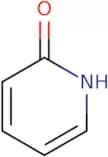
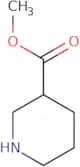

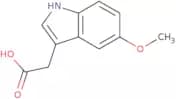
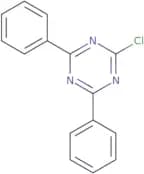
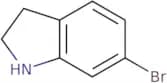
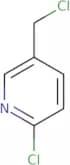
![1-[[2-(4-Chlorophenyl)-4,4-dimethylcyclohex-1-enyl]methyl]piperazine](/_next/image/?url=https%3A%2Fstatic.cymitquimica.com%2Fproducts%2F3D%2Fthumb-webp%2FFC145625.webp&w=3840&q=75)
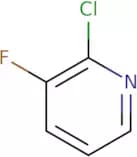
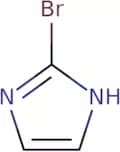
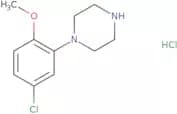

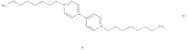
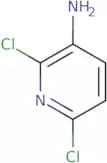

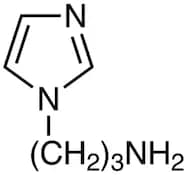

![Methyl 2-[(1H-pyrrolo[2,3-b]pyridin-5-yl)oxy]-4-fluorobenzoate](/_next/image/?url=https%3A%2Fstatic.cymitquimica.com%2Fproducts%2F3D%2Fthumb-webp%2FFM97152.webp&w=3840&q=75)

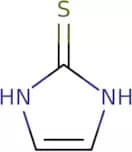
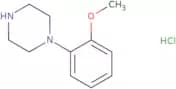
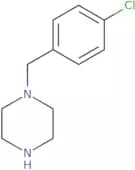
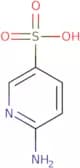
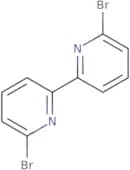
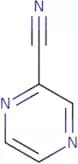
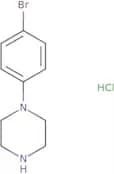
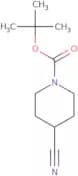


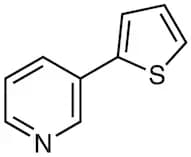
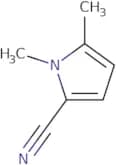
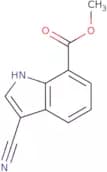
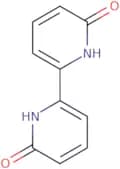
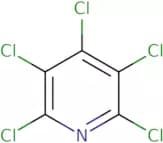
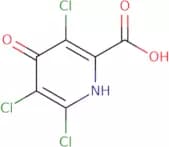

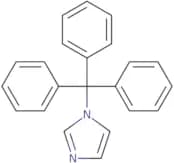
![N,N-Diethyl-5-methyl-[1,2,4]triazolo[5,1-b]pyrimidin-7-amine](/_next/image/?url=https%3A%2Fstatic.cymitquimica.com%2Fproducts%2F3D%2Fthumb-webp%2FFD153326.webp&w=3840&q=75)
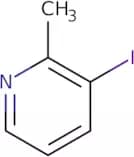
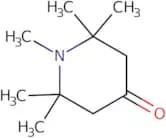


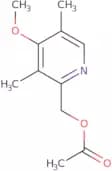
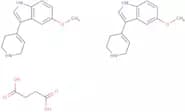

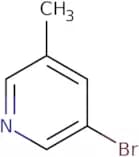
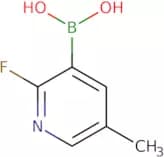
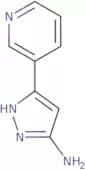
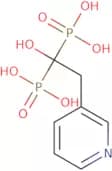
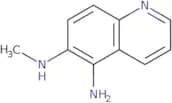
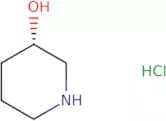
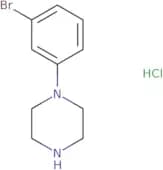
![2-[2-[4-[Bis(4-fluorophenyl)methyl]piperazin-1-yl]ethoxy]acetic acid HCl](/_next/image/?url=https%3A%2Fstatic.cymitquimica.com%2Fproducts%2F3D%2Fthumb-webp%2FFB98570.webp&w=3840&q=75)
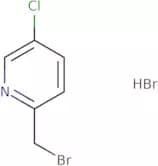
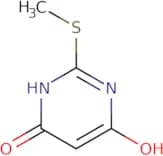
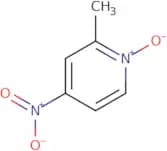
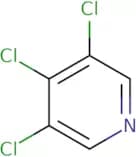

![5,6,7,7a-Tetrahydrothieno[3,2-c]pyridin-2(4H)-one Hydrochloride](/_next/image/?url=https%3A%2Fstatic.cymitquimica.com%2Fproducts%2F3B%2Fthumb-webp%2FT2984.webp&w=3840&q=75)

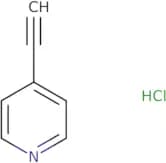
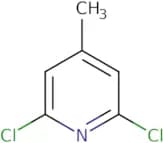
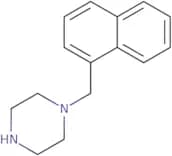
![[(3S,4R)-4-(4-Fluorophenyl)-3-piperidinyl]methanol](/_next/image/?url=https%3A%2Fstatic.cymitquimica.com%2Fproducts%2F3D%2Fthumb-webp%2FFF92100.webp&w=3840&q=75)
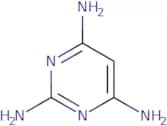

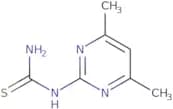

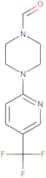
![4-[(1H-Benzimidazol-2-yl)oxy]-3-methyl-2-pyridinecarboxylic acid](/_next/image/?url=https%3A%2Fstatic.cymitquimica.com%2Fproducts%2F3D%2Fthumb-webp%2FFB156806.webp&w=3840&q=75)
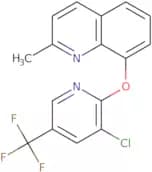
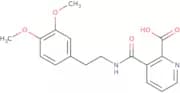
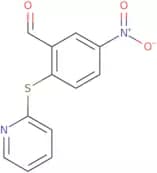
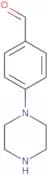
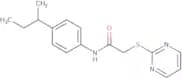
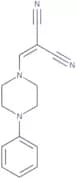
![1-[3-chloro-5-(trifluoromethyl)-2-pyridinyl]-4-piperidinecarboxylic acid](/_next/image/?url=https%3A%2Fstatic.cymitquimica.com%2Fproducts%2F3D%2Fthumb-webp%2FFC170003.webp&w=3840&q=75)
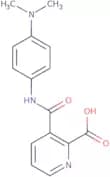
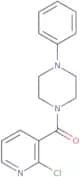
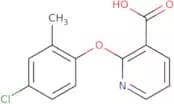
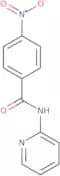
![(4-{[5-(Trifluoromethyl)pyridin-2-yl]oxy}phenyl)amine](/_next/image/?url=https%3A%2Fstatic.cymitquimica.com%2Fproducts%2F3D%2Fthumb-webp%2FFT130504.webp&w=3840&q=75)

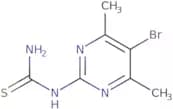
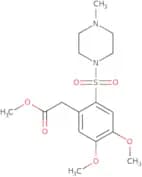
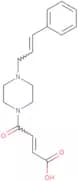


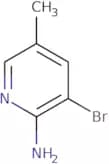

![2-((4-(Benzo[3,4-d]1,3-dioxolan-5-ylmethyl)piperazinyl)carbonyl)cyclohexanecarboxylic acid](/_next/image/?url=https%3A%2Fstatic.cymitquimica.com%2Fproducts%2F3D%2Fthumb-webp%2FFB169464.webp&w=3840&q=75)
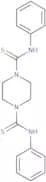

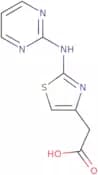
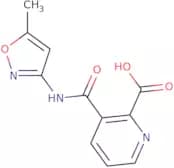
![2-{[3-chloro-5-(trifluoromethyl)-2-pyridinyl]sulfanyl}acetohydrazide](/_next/image/?url=https%3A%2Fstatic.cymitquimica.com%2Fproducts%2F3D%2Fthumb-webp%2FFC170011.webp&w=3840&q=75)
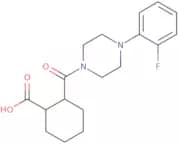

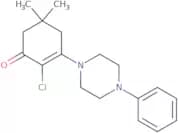
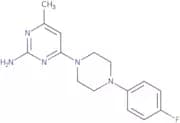
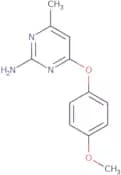
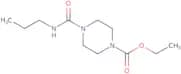
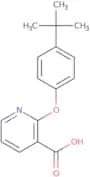

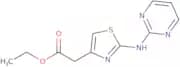
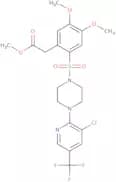
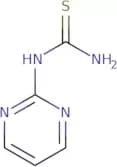
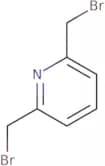
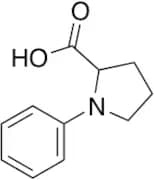

![(6R)-6,7-Dihydro-5H-pyrrolo[1,2-a]imidazol-6-ol](/_next/image/?url=https%3A%2Fstatic.cymitquimica.com%2Fproducts%2FTR%2Fthumb-webp%2FD449980.webp&w=3840&q=75)
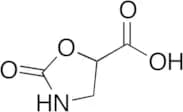
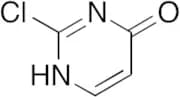
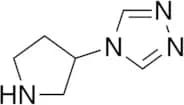
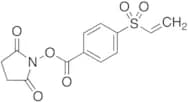
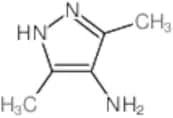
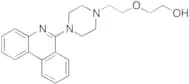
![6-[4-(6-Fluoro-1,2-benzisoxazol-3-yl)-1-piperidinyl]-3-(4-piperidinyl)-1,2-benzisoxazole](/_next/image/?url=https%3A%2Fstatic.cymitquimica.com%2Fproducts%2FTR%2Fthumb-webp%2FF498530.webp&w=3840&q=75)
![2-[N,N-Bis(trifluoromethylsulfonyl)amino]-5-chloropyridine](/_next/image/?url=https%3A%2Fstatic.cymitquimica.com%2Fproducts%2FTR%2Fthumb-webp%2FB585565.webp&w=3840&q=75)
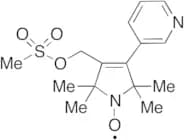
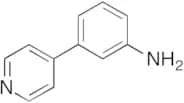
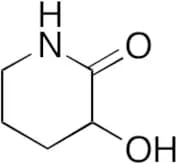
![3-Phenyl-[1,2,4]triazolo[4,3-a]pyridin-6-amine](/_next/image/?url=https%3A%2Fstatic.cymitquimica.com%2Fproducts%2FTR%2Fthumb-webp%2FP321303.webp&w=3840&q=75)
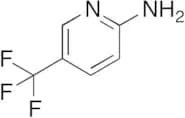
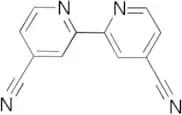
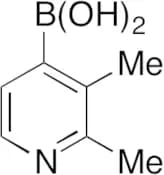
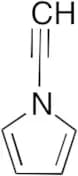

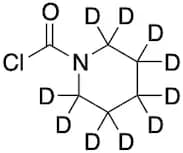
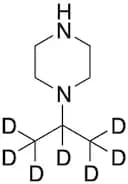
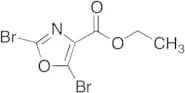

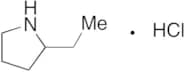
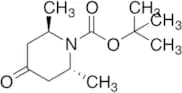
![4-Bromo-1H-pyrrolo[2,3-c]pyridin-5-amine](/_next/image/?url=https%3A%2Fstatic.cymitquimica.com%2Fproducts%2FTR%2Fthumb-webp%2FB249936.webp&w=3840&q=75)
![Ethyl 2-(1-methyl-1H-pyrazol-4-yl)-5,7-dioxo-4-phenethyl-4,5,6,7-tetrahydropyrazolo[1,5-a]pyrimidi…](/_next/image/?url=https%3A%2Fstatic.cymitquimica.com%2Fproducts%2FTR%2Fthumb-webp%2FE945990.webp&w=3840&q=75)
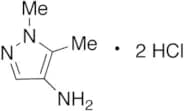
![Imidazo[1,2-a]pyrimidin-2-ylmethanamine](/_next/image/?url=https%3A%2Fstatic.cymitquimica.com%2Fproducts%2FTR%2Fthumb-webp%2FI706940.webp&w=3840&q=75)
![N-(4-(Aminomethyl)phenyl)benzo[d]isoxazol-3-amine Hydrochloride](/_next/image/?url=https%3A%2Fstatic.cymitquimica.com%2Fproducts%2FTR%2Fthumb-webp%2FA635065.webp&w=3840&q=75)
![N-[(1-Methyl-1H-pyrazol-4-yl)methyl]ethanamine](/_next/image/?url=https%3A%2Fstatic.cymitquimica.com%2Fproducts%2FTR%2Fthumb-webp%2FM103863.webp&w=3840&q=75)
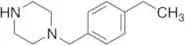
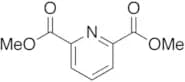
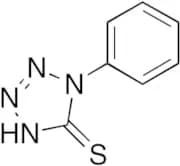
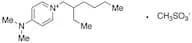
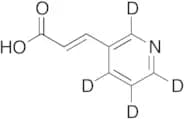
![5-(3-([1,1'-Biphenyl]-3-yl)prop-1-yn-1-yl)-6-ethylpyrimidine-2,4-diamine](/_next/image/?url=https%3A%2Fstatic.cymitquimica.com%2Fproducts%2FTR%2Fthumb-webp%2FB397980.webp&w=3840&q=75)
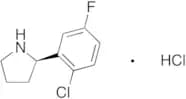
![tert-Butyl(3S,4R)-4-[4-fluoro-3-(methoxycarbonyl)phenyl]-3-(hydroxymethyl)piperidine-1-carboxylate](/_next/image/?url=https%3A%2Fstatic.cymitquimica.com%2Fproducts%2FTR%2Fthumb-webp%2FB802538.webp&w=3840&q=75)
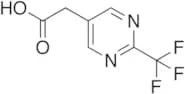
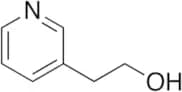
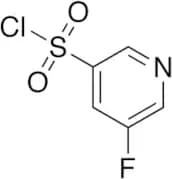
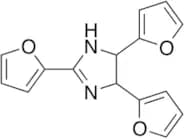
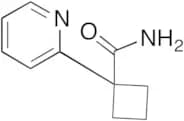

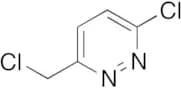
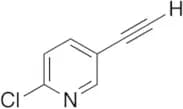
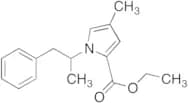
![2-(3-oxo-[1,2,4]triazolo[4,3-a]pyridin-2(3H)-yl)ethanethioamide](/_next/image/?url=https%3A%2Fstatic.cymitquimica.com%2Fproducts%2FTR%2Fthumb-webp%2FE589413.webp&w=3840&q=75)
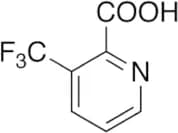
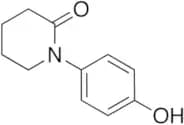

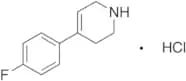
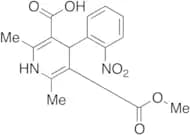
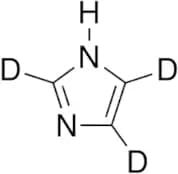
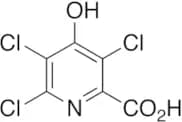
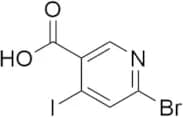
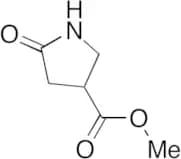
![N-[1-[1-[4-(4-Morpholinyl)phenyl]-1H-tetrazol-5-yl]cyclopentyl]-1H-indole-3-ethanamine](/_next/image/?url=https%3A%2Fstatic.cymitquimica.com%2Fproducts%2FTR%2Fthumb-webp%2FM725395.webp&w=3840&q=75)
![[1,2,4]Triazolo[3,4-b][1,3,4]thiadiazol-6-amine](/_next/image/?url=https%3A%2Fstatic.cymitquimica.com%2Fproducts%2FTR%2Fthumb-webp%2FT796348.webp&w=3840&q=75)
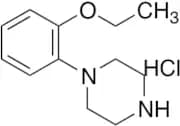
![3-Amino-1,4,6,7-tetrahydropyrazolo[4,3-c]pyridine-5-carboxylic acid tert-butyl Ester](/_next/image/?url=https%3A%2Fstatic.cymitquimica.com%2Fproducts%2FTR%2Fthumb-webp%2FA629870.webp&w=3840&q=75)
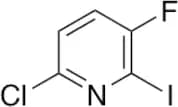
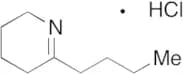
![3,6-Bis(5-bromothien-2-yl)-2,5-bis(2-octyldodecyl)pyrrolo[3,4-c]pyrrole-1,4-dione](/_next/image/?url=https%3A%2Fstatic.cymitquimica.com%2Fproducts%2FTR%2Fthumb-webp%2FB415060.webp&w=3840&q=75)
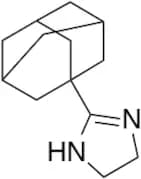
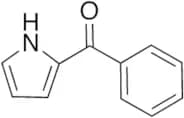

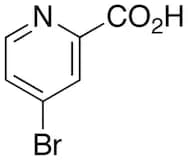
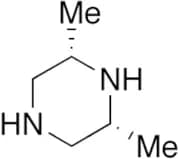

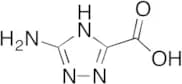

![2-Aminomethylimidazo[1,2-a]pyrimidine Dihydrochloride](/_next/image/?url=https%3A%2Fstatic.cymitquimica.com%2Fproducts%2FTR%2Fthumb-webp%2FA577350.webp&w=3840&q=75)
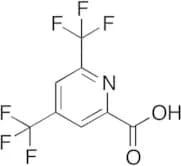
![1H-Pyrazolo[3,4-d]pyrimidine-3,4-diamine](/_next/image/?url=https%3A%2Fstatic.cymitquimica.com%2Fproducts%2FTR%2Fthumb-webp%2FP846930.webp&w=3840&q=75)
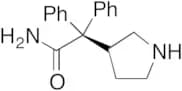
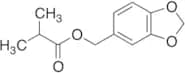
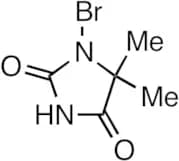
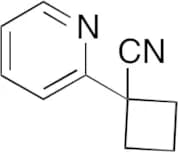

![[1,2,4]Triazolo[1,5-a]pyridine-8-carboxylic Acid](/_next/image/?url=https%3A%2Fstatic.cymitquimica.com%2Fproducts%2FTR%2Fthumb-webp%2FT795838.webp&w=3840&q=75)
![2-(3,5-Dichlorophenyl)-imidazo[1,2-a]pyridine](/_next/image/?url=https%3A%2Fstatic.cymitquimica.com%2Fproducts%2FTR%2Fthumb-webp%2FD474198.webp&w=3840&q=75)
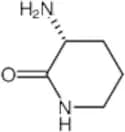
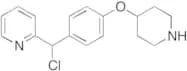
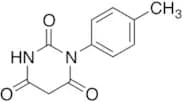
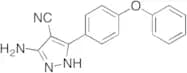
![(3aS,6aR)-tert-Butyl Hexahydropyrrolo[3,2-b]pyrrole-1(2H)-carboxylate](/_next/image/?url=https%3A%2Fstatic.cymitquimica.com%2Fproducts%2FTR%2Fthumb-webp%2FB809156.webp&w=3840&q=75)