Building Blocks
Subcategories of "Building Blocks"
- Boronic Acids & Boronic Acid Derivatives(5,784 products)
- Chiral Building Blocks(1,242 products)
- Hydrocarbon Building Blocks(6,105 products)
- Organic Building Blocks(61,065 products)
Found 205418 products of "Building Blocks"
3,4-Dihydroxybenzoic acid
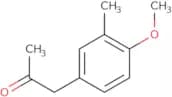
CAS:Dietary polyphenolFormula:C7H6O4Purity:Min. 95%Color and Shape:PowderMolecular weight:154.12 g/mol4-Methoxy-3-methylphenylacetone
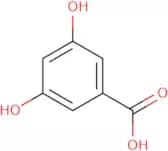
CAS:4-Methoxy-3-methylphenylacetone is an organic chemical that is used as a reaction component, reagent, and useful scaffold. It is a high quality research chemical that can be used as an intermediate in the synthesis of other compounds. 4-Methoxy-3-methylphenylacetone has a CAS number of 16882-23-8 and can be found under the category of speciality chemicals. This compound is versatile and can be used to make complex compounds.Formula:C11H14O2Purity:Min. 95%Color and Shape:Yellow PowderMolecular weight:178.23 g/mol3,5-Dihydroxybenzoic acid
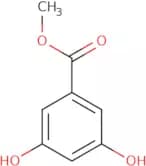
CAS:3,5-Dihydroxybenzoic acid is a phenolic compound that belongs to the class of aromatic compounds. It is an inhibitor of the enzyme 3-hydroxyphenylpyruvate dioxygenase and is used in the treatment of obesity. It has been shown to have a low potency for inhibiting this enzyme, although it does not inhibit other enzymes such as p-hydroxybenzoate hydroxylase. 3,5-Dihydroxybenzoic acid binds to human serum albumin through hydrogen bonding interactions and can inhibit the absorption of dietary phenols by binding to them. This compound also acts as a protocatechuic acid structural analog and has been shown to be hydrated in solution.Formula:C7H6O4Purity:Min. 95%Color and Shape:White PowderMolecular weight:154.12 g/mol3,5-Dihydroxybenzoic acid methyl ester
CAS:3,5-Dihydroxybenzoic acid methyl ester is a potent tyrosinase inhibitor that has been shown to be effective in inhibiting the production of melanin. 3,5-Dihydroxybenzoic acid methyl ester is an active ingredient in skin lightening products and has been shown to be more potent than kojic acid, arbutin and ascorbic acid. The reaction mechanism of 3,5-Dihydroxybenzoic acid methyl ester is stepwise with hydroxybenzoic acid (HBA) being the first substrate. HBA reacts with iron oxides to form a ferric hydroxide intermediate that undergoes gelation reactions with chloride ions. This results in a molecule containing three ether linkages, which are responsible for its inhibitory activity on the enzyme tyrosinase.
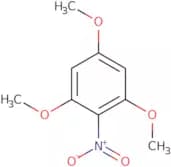
Formula:C8H8O4Purity:Min. 95%Color and Shape:PowderMolecular weight:168.15 g/mol1-Nitro-2,4,6-trimethoxybenzene
CAS:1-Nitro-2,4,6-trimethoxybenzene is a chemical compound that belongs to the nitro group. It has been found to be an electron donor in bacterial cells, and has been shown to be effective against the growth of bacteria by catalytic reduction. This reaction is highly specific for nitro compounds and does not occur with other classes of compounds. Mass spectrometric analysis of the reaction solution revealed that significant amounts of hydrogen gas were generated during this process. The use of aminoguanidine as a reducing agent resulted in a decrease in the production of hydrogen gas. 1-Nitro-2,4,6-trimethoxybenzene also has been shown to inhibit cytochrome p450 enzymes in rats and humans.Formula:C9H11NO5Purity:Min. 95%Color and Shape:PowderMolecular weight:213.19 g/mol2,4-Dimethylpyrrole
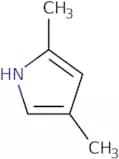
CAS:2,4-dimethylpyrrole (DMP) is a N-heterocycle with two methyl groups. It is used as a dopant in jet fuels to promote oxidative degradation and is converted into a reactive fuel (Kabana, 2011). To a lesser extent, 2,4-dimethylpyrrole has shown antifungal properties and has been used as an active agent against pathogens causing head blight and root rot in some cereals (Sefer, 2017).Formula:C6H9NPurity:Min. 96%Color and Shape:Brown Colorless Clear LiquidMolecular weight:95.14 g/molMethyl 2-methoxybenzoate
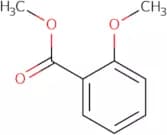
CAS:Methyl 2-methoxybenzoate is a synthetic chemical that is used in the treatment of wastewater. It inhibits the activity of enzymes such as fatty acid synthase, which are involved in the synthesis of long-chain fatty acids. Methyl 2-methoxybenzoate has been found to be an efficient method for the synthesis of prenyl compounds. This product is also an active methylene and hydrogen bond donor, and it can form products with carboxylic acid conjugates through acid catalysis. Methyl 2-methoxybenzoate has been used as a reagent for analytical chemistry, including gas chromatography and liquid chromatography.Formula:C9H10O3Purity:Min. 95%Color and Shape:Colorless Clear LiquidMolecular weight:166.17 g/mol2,3,5-Trichloro-4-methylpyridine
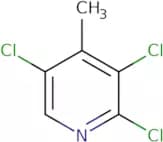
CAS:2,3,5-Trichloro-4-methylpyridine is a chemical building block that is used in the synthesis of fine chemicals. It has been shown to be a useful intermediate and building block for complex compounds. This compound is an important reagent for the production of pharmaceuticals and other specialty chemicals. 2,3,5-Trichloro-4-methylpyridine is a versatile reactant that can be used in reactions with alkynes and amines to produce useful products such as quinazolinones and 3,4-dihydroisoquinolones.
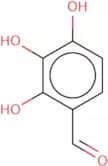
Formula:C6H4Cl3NPurity:Min. 95 Area-%Color and Shape:PowderMolecular weight:196.46 g/mol2,3,4-Trihydroxybenzaldehyde
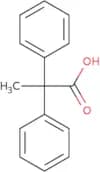
CAS:2,3,4-Trihydroxybenzaldehyde is a chemical compound that has been shown to have anti-cancer properties. It is used in the detection of cancer cells and as an indicator for the presence of palladium complexes. 2,3,4-Trihydroxybenzaldehyde is also a skin allergen and can cause allergic reactions. This chemical reacts with potassium ions in solution to form a precipitate or sludge. 2,3,4-Trihydroxybenzaldehyde has been shown to be effective against colorectal carcinoma cells and Group P2 bacteria.Formula:C7H6O4Purity:Min. 95%Color and Shape:PowderMolecular weight:154.12 g/mol2,2-Diphenylpropionic acid
CAS:2,2-Diphenylpropionic acid is an ester of 2,2-diphenylpropanoyl chloride and a carboxylic acid. It is used as a local anesthetic. The electron distribution in the molecule includes one unpaired electron on the carbon atom adjacent to the carboxylic acid group. The thermodynamic stability of this molecule is due to intramolecular hydrogen bonding between the carboxylic acid and ester moieties. This compound has anticholinergic, antimuscarinic, and spermatozoa effects that are due to its ability to inhibit acetylcholine release from neurons. 2,2-Diphenylpropionic acid has been shown to have acidic properties with an approximate pKa of 3.5.
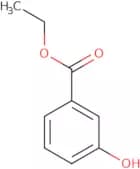
Formula:C15H14O2Purity:Min. 95%Color and Shape:PowderMolecular weight:226.27 g/molEthyl 3-hydroxybenzoate
CAS:Ethyl 3-hydroxybenzoate is a preservative that has been shown to be effective against a variety of microorganisms, including gram-positive and gram-negative bacteria. It has been shown to bind with iron, which prevents it from interacting with tyrosinase, an enzyme necessary for the production of melanin. Ethyl 3-hydroxybenzoate also inhibits the activity of benzodiazepine receptor, which reduces the effects of benzodiazepines in the brain. This compound is used in some cosmetics as an antimicrobial agent and cosmetic preservative. The molecular descriptors for this compound are: Molecular Weight=165.07; Log P=0.5; H-bond acceptor count=3; H-bond donor count=2; rotatable bond count=2; hydrogen bond acceptor count=1; hydrogen bond donor count=2; polar surface area=79.90 Å2Formula:C9H10O3Purity:Min. 98.5 Area-%Color and Shape:White PowderMolecular weight:166.17 g/mol4-Bromo-1-butene
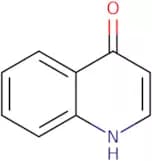
CAS:4-Bromo-1-butene is a colorless liquid with a boiling point of 102°C. It is soluble in ethanol, acetone, and chloroform. 4-Bromo-1-butene undergoes an acid-catalyzed phase transition to the solid form at temperatures below its melting point. 4-Bromobutene can be synthesized by reacting ethyl bromide with 1-butene in the presence of a catalyst such as copper or silver oxide. The kinetic energy of the reaction is determined by measuring the rate of evolution of hydrogen bromide gas from the reaction mixture. The β-unsaturated ketone reacts with dimethyl fumarate in the presence of sodium hydroxide to produce 4-bromobutene and 2,2'-difluoroethanol. This product has been shown to have IR spectra similar to those for other products containing a hydroxyl group such as phenol andFormula:C4H7BrPurity:Min. 95%Color and Shape:Colorless Clear LiquidMolecular weight:135 g/mol4-Hydroxyquinoline
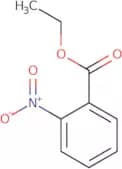
CAS:4-Hydroxyquinoline is a chemical compound that has been shown to have anticancer, anti-inflammatory, and antiviral properties. It is an inhibitor of the enzyme tyrosinase, which is required for the production of melanin. 4-Hydroxyquinoline has also been shown to suppress bowel inflammation by inhibiting the synthesis of 3-hydroxyanthranilic acid in cells. 4-Hydroxyquinoline has been found to be effective against Herpes Simplex Virus Type 1 (HSV1) in cell culture and in vitro assays. 4-Hydroxyquinoline's photochemical properties make it a useful precursor for the synthesis of other biologically active compounds. This chemical undergoes a reaction with trifluoroacetic acid to form diazonium salt intermediate, which then reacts with hydrogen peroxide to form an active oxygen species that damages DNA and kills cells.Formula:C9H7NOPurity:Min. 95%Color and Shape:White PowderMolecular weight:145.16 g/molEthyl 2-nitrobenzoate
CAS:Ethyl 2-nitrobenzoate is a cyclic organic compound that contains a nitro group, which is an organic radical with the formula -NO2. It belongs to the class of amides and has two carbonyl groups. The molecule consists of a bicyclic heterocycle consisting of one ring with five carbon atoms and one ring with six carbon atoms. Ethyl 2-nitrobenzoate can be used in the treatment of muscle diseases, metabolic disorders, growth factor deficiencies, autoimmune diseases, and neural system disorders due to its ability to act as an antihypertensive agent and as an inhibitor of angiotensin converting enzyme (ACE). This molecule's hydroxyl group can also react with epidermal growth factor (EGF) to form N-hydroxyethyl EGF (NHE). This product has been shown to have antiviral properties against HIV-1 protease inhibitors by interfering with viral protein synthesis.Formula:C9H9NO4Purity:Min. 95%Color and Shape:White PowderMolecular weight:195.17 g/mol2-{[(9H-Fluoren-9-yl)methoxy]carbonyl}-1,2,3,4-tetrahydroisoquinoline-6-carboxylic acid
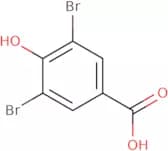
CAS:2-{[(9H-Fluoren-9-yl)methoxy]carbonyl}-1,2,3,4-tetrahydroisoquinoline-6-carboxylic acid is a high quality reagent. It is a useful intermediate for the synthesis of various complex compounds. This compound is also a useful scaffold and building block for research chemicals. 2-{[(9H-Fluoren-9-yl)methoxy]carbonyl}-1,2,3,4-tetrahydroisoquinoline-6-carboxylic acid is versatile in that it can be used as a reaction component in different reactions.Formula:C25H21NO4Purity:Min. 95%Color and Shape:PowderMolecular weight:399.4 g/mol3,5-Dibromo-4-hydroxybenzoic acid
CAS:3,5-Dibromo-4-hydroxybenzoic acid is a chemical that is used as a herbicide and insecticide. It inhibits the growth of plants by preventing protein synthesis in cells. 3,5-Dibromo-4-hydroxybenzoic acid has been found to be effective against bacteria such as Escherichia coli, Pseudomonas aeruginosa, and Klebsiella pneumoniae. The compound also has an inhibitory effect on the growth of industrial chemicals such as ethylene oxide and acetaldehyde. 3,5-Dibromo-4-hydroxybenzoic acid is produced from p-hydroxybenzoic acid by the action of corrin (a bacterial enzyme).Formula:C7H4Br2O3Purity:Min. 98 Area-%Color and Shape:PowderMolecular weight:295.91 g/mol(1-Bromo-2,2-difluoroethyl)benzene
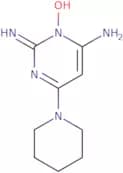
CAS:(1-Bromo-2,2-difluoroethyl)benzene is a chemical compound that is used as a reaction component in the synthesis of other compounds. It can be used to synthesize high-quality research chemicals and speciality chemicals. It is also a versatile building block for the synthesis of complex compounds. This product has been assigned CAS No. 74492-20-9 and is considered a fine chemical.Formula:C8H7BrF2Purity:Min. 95%Color and Shape:Clear LiquidMolecular weight:221.04 g/molMinoxidil
CAS:Anti-androgen; anti-hypertensive; alopecia treatmentFormula:C9H15N5OPurity:Min. 95%Color and Shape:White Off-White PowderMolecular weight:209.25 g/mol4-Ethylbenzonitrile
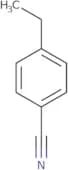
CAS:4-Ethylbenzonitrile is a chemical that is found in human lung. It is a terminal alkene, which undergoes aerobic photooxidation to form reactive oxygen species such as superoxide radical anion and hydrogen peroxide. 4-Ethylbenzonitrile is also converted to triazine, which has been shown to have tumorigenic properties in the lungs of rats and mice. The functional groups on 4-ethylbenzonitrile are amines, hydroxyls, carbonyls, and nitriles. This compound has an inhibitory effect on lung fibroblasts due to its ability to interfere with the function of β-unsaturated ketones. 4-Ethylbenzonitrile's basic structure contains three carbon atoms, two double bonds, and one triple bond.Formula:C9H9NPurity:Min. 95%Color and Shape:Clear LiquidMolecular weight:131.17 g/mol2-Hydroxy-4-methoxybenzaldehyde
CAS:2-Hydroxy-4-methoxybenzaldehyde is an organic chemical that is used as a versatile building block for complex compounds, research chemicals, and reagents. It is also used as a speciality chemical and as a useful intermediate in the synthesis of other chemicals. 2-Hydroxy-4-methoxybenzaldehyde has CAS No. 673-22-3 and can be used to make many different types of compounds. This compound is a useful scaffold for the synthesis of diverse compounds with biological activity such as pharmaceuticals, agrochemicals, dyes, perfumes, fragrances, flavors and fragrances.Formula:C8H8O3Purity:Min. 99.0 Area-%Molecular weight:152.15 g/mol(3S,6S)-3-[(2S)-Butan-2-yl]-6-methylpiperazine-2,5-dione
CAS:(3S,6S)-3-[(2S)-Butan-2-yl]-6-methylpiperazine-2,5-dione is a chemical compound that acts as an anticoagulant. It inhibits the coagulation of blood by preventing platelets from clumping together and forming clots. This chemical also blocks the activation of platelets by increasing levels of cyclic adenosine monophosphate (cAMP) and cyclic guanosine monophosphate (cGMP). Studies have shown that this chemical inhibits viral replication in vitro. It blocks the PI3K/AKT pathways and reduces the expression of influenza virus proteins. The extract of Portulaca oleracea has been shown to contain flavonoids that have anti-inflammatory properties.Formula:C9H16N2O2Purity:Min. 98 Area-%Color and Shape:PowderMolecular weight:184.24 g/mol2-(Trifluoromethoxy)aniline
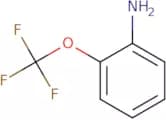
CAS:2-(Trifluoromethoxy)aniline is a heterocyclic aromatic compound that can act as an electrophilic catalyst. It is a strong nucleophile and reacts with various types of nucleophiles. 2-(Trifluoromethoxy)aniline has been used for the synthesis of aliphatic sulfoxides under acidic conditions, including alcohols, phenols, and thiols. The reaction mechanism is often a 1,2-addition of the nucleophile to the carbonyl group of 2-(trifluoromethoxy)aniline. This reaction is catalytic and produces a stable dimerized product. 2-(Trifluoromethoxy)aniline also has mesoporous properties, which allow it to be used in reactions involving alcohols or other polar molecules because they are soluble in the pores.Formula:C7H6F3NOPurity:Min. 95%Color and Shape:Clear LiquidMolecular weight:177.12 g/mol4-Bromobenzylamine
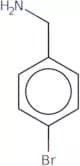
CAS:4-Bromobenzylamine is a chemical compound that has been used to study the process optimization of sephadex g-100. It is also used as a chemotherapeutic treatment for cancer. 4-Bromobenzylamine binds to intracellular targets, such as nitrogen atoms and cell lysis, with physiological levels found in fetal bovine serum. The nitrogen atom is an essential structural component of 4-bromobenzylamine that is necessary for its biological activity and may be involved in binding to DNA polymerase. This drug has been shown to inhibit the growth of metastatic colorectal cancer cells by inhibiting cellular proliferation. Structural analysis has revealed that 4-bromobenzylamine interacts with the polymerase chain reaction (PCR) enzyme and inhibits the ability of DNA polymerases to add nucleotides to the growing strand of DNA.Formula:C7H8BrNPurity:Min. 95%Color and Shape:PowderMolecular weight:186.05 g/molCyclohexylmethanethiol
CAS:Cyclohexylmethanethiol is a reactive chemical that is a colorless liquid with a strong odor. It is an organic compound belonging to the group of polybasic, hydroxamic acids and has been found to be an antimicrobial agent. Cyclohexylmethanethiol reacts with the hydroxyl groups on the surface of bacteria and damages the cell wall by disrupting the cross-linking of peptidoglycan. This reaction product inhibits bacterial growth by binding to proteins in the cell membrane, which prevents essential molecules from entering or exiting the cell. Cyclohexylmethanethiol also reacts with alkylthio groups on proteins in bacterial cells, which alters their function and leads to protein denaturation.Formula:C7H14SPurity:Min. 95%Molecular weight:130.25 g/molL-Histidine methyl ester dihydrochloride
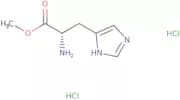
CAS:L-Histidine methyl ester dihydrochloride is a β-amino acid with the chemical formula HNCH2CH(CH3)CO2H. It has the functional group of an isopropyl group and a chloride ion. L-Histidine methyl ester dihydrochloride has been shown to bind to receptors in the central nervous system that are involved in pain perception. As a result, it can be used for the treatment of neuropathic pain, chronic pain, and cancer pain. This drug also inhibits nitric oxide production by binding to iron ions or copper ions. L-Histidine methyl ester dihydrochloride has been shown to have antiinflammatory effects as well as antioxidant properties.Formula:C7H11N3O2•(HCl)2Purity:Min. 95%Color and Shape:PowderMolecular weight:242.1 g/molHexadecyl pyridinium bromide
CAS:Cationic surfactant; antisepticFormula:C21H38BrNColor and Shape:White PowderMolecular weight:384.44 g/molEthyl 3,4,5-trimethoxycinnamate
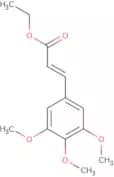
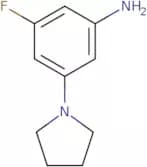
CAS:Ethyl 3,4,5-trimethoxycinnamate is a cinnamic acid derivative that has significant cytotoxicity and anticancer activity. It inhibits the growth of Leishmania parasites by inhibiting the production of gamma-aminobutyric acid, which is essential for cell division and survival. Ethyl 3,4,5-trimethoxycinnamate has been shown to inhibit the growth of cancer cells in vitro by binding to DNA at dipole sites and disrupting the integrity of the molecule. This compound also has optical properties that may be due to its ability to absorb light in the blue region of the spectrum. The anti-cancer effects of ethyl 3,4,5-trimethoxycinnamate may be related to its ability to inhibit cell growth.Formula:C14H18O5Purity:Min. 95%Color and Shape:SolidMolecular weight:266.29 g/mol3-Fluoro-5-(pyrrolidin-1-yl)aniline
CAS:3-Fluoro-5-(pyrrolidin-1-yl)aniline is a useful building block in organic synthesis, research chemicals, and a reagent. It is also used as a speciality chemical used in the production of other compounds. 3-Fluoro-5-(pyrrolidin-1-yl)aniline has been shown to be an intermediate for the synthesis of several novel compounds with potential pharmaceutical applications. This compound is also a versatile scaffold for the design of new molecules with anti-inflammatory properties.
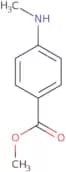
Formula:C10H13FN2Purity:Min. 95%Color and Shape:PowderMolecular weight:180.22 g/molMethyl 4-(N-methylamino)benzoate
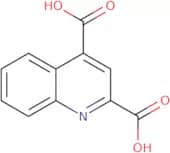
CAS:Methyl 4-(N-methylamino)benzoate is a substance that inhibits the enzyme DPP-4, which is involved in blood glucose regulation. It has been shown to be effective against certain types of cancer and impurities that may be present in the drug. Methyl 4-(N-methylamino)benzoate is an acidic compound with molecular descriptors that include acidic and amines. This compound also has genotoxic impurities, such as benzofurans, which may affect its efficacy.Formula:C9H11NO2Purity:90%Color and Shape:PowderMolecular weight:165.19 g/molQuinoline 2,4-dicarboxylic acid
CAS:Quinoline 2,4-dicarboxylic acid (QDA) is a novel cytotoxic agent that targets cervical cancer cells. It inhibits the uptake of glucose and other nutrients by cervical cancer cells, leading to cell death through apoptosis. QDA also inhibits the expression of genes involved in cross-linking reactions, which are important for the structural integrity of proteins. This agent has been shown to inhibit the growth of aniline-induced breast cancer cells and glutamate-stimulated PC12 cells. QDA binds to DNA and forms covalent bonds with nucleotide bases, inhibiting DNA synthesis, as well as interfering with protein synthesis and cell division. The QDA mechanism is similar to that of benzoquinolines and estrone sulfate.
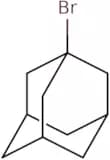
Formula:C11H7NO4Purity:Min. 95%Color and Shape:White PowderMolecular weight:217.18 g/mol1-Bromoadamantane - 90%min
CAS:1-Bromoadamantane is a quinoline derivative that binds to the inflammatory bowel disease molecule. It is used as a pharmaceutical preparation for the treatment of inflammatory bowel disease. 1-Bromoadamantane is synthesized by the palladium-catalyzed coupling reaction of 2,6-dimethoxybenzene and trifluoromethanesulfonic acid. The synthesis method involves the use of hydrochloric acid and hydroxyl group. 1-Bromoadamantane has been shown to have binding constants with ileal and colonic tissue in rats with experimental colitis.Formula:C10H15BrPurity:Min. 90%Color and Shape:PowderMolecular weight:215.13 g/mol3-Hydroxybenzoic acid
CAS:3-Hydroxybenzoic acid is a ferroelectric compound that can be found in water vapor, plants, and bacteria. It has been shown to have structural properties that are very similar to those of p-hydroxybenzoic acid. The redox potential of 3-hydroxybenzoic acid is around -0.8 volts versus the standard hydrogen electrode (p-hydroxybenzoic acid is -1.2 volts). 3-Hydroxybenzoic acid has been shown to inhibit some bacterial enzymes such as esterase and transaminase, but not others such as dehydrogenase or oxidoreductase. It also shows activity against fungal enzymes such as aminopeptidases and serine proteases. The compound can exist in two forms: the metastable form or a stable form. The metastable form can be obtained by crystallizing the compound from a solution containing copper chloride or x-ray diffraction data from wild type strainsFormula:C7H6O3Color and Shape:PowderMolecular weight:138.12 g/mol1,4-Bis-(diphenylphosphino)butane
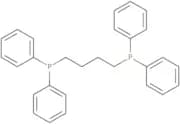
CAS:1,4-Bis-(diphenylphosphino)butane is a coordination compound that contains a bicyclic heterocycle. The compounds are made up of phosphorus and nitrogen atoms which are arranged in a tetrahedral geometry. It has photochemical properties and can be used to inhibit the growth of myeloid leukemia cells. The complexes bind to amines and form stable complexes with hydroxyl groups, so they are also able to cross mitochondrial membranes. This compound has been shown to bind to copper ions in x-ray crystal structures. 1,4-Bis-(diphenylphosphino)butane binds more strongly to ethylene diamine than it does to aryl halides such as chloroethane or phenylethane. Activation energies for the binding of 1,4-bis-(diphenylphosphino)butane with ethylene diamine have been found by measuring the free energy change for its formation fromFormula:C28H28P2Purity:Min. 95%Color and Shape:White PowderMolecular weight:426.47 g/mol2-Quinolinecarboxylic acid
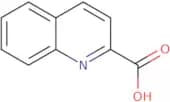
CAS:2-Quinolinecarboxylic acid is an antibiotic that is used in the treatment of bacterial infections and has inhibitory properties. It has been shown to be a competitive inhibitor of the enzyme quinolinate phosphoribosyltransferase, which catalyzes the conversion of quinolinic acid to nicotinic acid. 2-Quinolinecarboxylic acid binds to the active site of the enzyme and prevents substrate binding, thereby blocking the production of nicotinic acid. This drug also inhibits bacterial growth by binding to DNA-dependent RNA polymerase, thereby preventing transcription and replication. The high frequency of human activity has been shown using a patch-clamp technique on human erythrocytes. This active form is metabolized through a number of metabolic transformations, including hydrolysis by esterases or glucuronidases, oxidation by cytochrome P450 enzymes, reduction by glutathione reductase, or conjugation with glucur
Formula:C10H7NO2Purity:Min. 98 Area-%Color and Shape:PowderMolecular weight:173.17 g/mol2-Bromo-4-iodopyridine
CAS:2-Bromo-4-iodopyridine is a coordination compound that inhibits bacterial enzyme catechol-O-methyltransferase (COMT). It is also an inhibitor of methicillin-resistant Staphylococcus aureus (MRSA) and other bacteria. 2-Bromo-4-iodopyridine binds to the active site of COMT, which is located in the bacterial cell wall, and prevents methylamine from binding to the enzyme. This prevents methylation of the catechol ring, which is required for bacterial growth. 2-Bromo-4-iodopyridine has been shown to have antimicrobial activity against Escherichia coli, Enterococcus faecalis, Bacillus subtilis, and Candida albicans.Formula:C5H3BrINPurity:Min. 95%Color and Shape:PowderMolecular weight:283.88 g/mol(R)-1,1'-Bi-2-Naphthol
CAS:(R)-1,1'-Bi-2-Naphthol is an organic compound that is made from the hydrogenation of 2-naphthol. The sodium salts of this compound are chiral and can be used to synthesize racemic mixtures with a high degree of optical purity. The x-ray crystal structures of (R)-1,1'-Bi-2-Naphthol have been studied in detail and show that this molecule exhibits intermolecular hydrogen bonding interactions. It also has a steric interaction with the amine group which prevents rotation about the C3—C4 bond. Other interesting features include intramolecular hydrogen bonding interactions between the hydroxyl group and the alkanoic acid. This molecule also has a hydrophobic region consisting of three methyl groups that are connected to fatty acids.Formula:C20H14O2Purity:Min. 98.5 Area-%Color and Shape:White Off-White PowderMolecular weight:286.32 g/mol3-Fluoro-5-(morpholin-4-yl)aniline
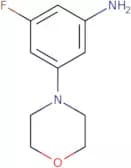
CAS:3-Fluoro-5-(morpholin-4-yl)aniline is a synthetic compound that has been shown to inhibit the growth of bacteria by binding to the enzyme dihydropteroate synthase. This drug inhibits bacterial growth by preventing the formation of folic acid, which is essential for DNA synthesis. 3-Fluoro-5-(morpholin-4-yl)aniline has also been shown to be selective against other enzymes in the folate pathway, such as thymidylate synthase and glycinamide ribonucleotide formyltransferase. Theoretical studies suggest that 3-fluoro-5-(morpholin-4-yl)aniline binds to the substrate binding site on dihydropteroate synthase and sterically hinders access to substrates in this region of the enzyme. Density functional theory calculations show that this compound binds more tightly than a number of natural products. IntramolecularFormula:C10H13FN2OPurity:Min. 95%Color and Shape:PowderMolecular weight:196.22 g/molEthyl 4-ethoxybenzoate
CAS:Ethyl 4-ethoxybenzoate is an antimicrobial agent that inhibits bacterial growth by interfering with the synthesis of DNA. It also has a genotoxic potential and can induce mutations in cells. Ethyl 4-ethoxybenzoate is used as an impurity in pharmaceutical drug production, such as solanum tuberosum extract, to prevent microbial contamination. It also has been shown to inhibit the growth of bacteria in cell cultures by binding to DNA and inhibiting DNA replication. Ethyl 4-ethoxybenzoate is used as a control agent for the detection of antibiotics in natural products, such as ethanol extracts from plants.Formula:C11H14O3Purity:Min. 97.5 Area-%Color and Shape:Colorless Clear LiquidMolecular weight:194.23 g/mol2-(3,5-Dimethyl-1H-pyrazol-4-yl)aniline
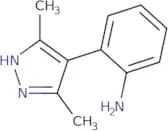
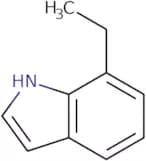
CAS:Versatile small molecule scaffoldFormula:C11H13N3Purity:Min. 95%Color and Shape:PowderMolecular weight:187.24 g/mol7-Ethylindole
CAS:7-Ethylindole is a fatty acid with a cationic surfactant that belongs to the group of mesoporous materials. It has been synthesized by using chromatographic method and sample preparation techniques. The synthetic process is based on the protonation of 7-ethylindole. It undergoes dehydrogenation and activation energy, which is programmed in copper chromite. The chemical compositions are chloride, hydrogenated, and activated 7-ethylindole.Formula:C10H11NPurity:Min. 95%Molecular weight:145.2 g/mol5-Ethylindole
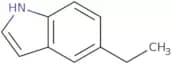
CAS:5-Ethylindole is a granulatimide that is synthesized by the cross-coupling of ethylene and copper chromite in the presence of solvents and magnesium. The chemical reactions are performed at temperatures between room temperature and 50°C, depending on the desired product. 5-Ethylindole is used as an intermediate for other chemicals such as pharmaceuticals, fungicides, dyes, and pesticides. It can be used to produce chloroethanol, which is used in the synthesis of numerous compounds including pharmaceuticals and plastics. Chromatographic techniques are often used to isolate 5-Ethylindole from mixtures with other chemicals.Formula:C10H11NPurity:Min. 95%Molecular weight:145.2 g/mol3-Hydroxy-3,4-dihydro-2H-1-benzopyran-4-one
CAS:Versatile small molecule scaffold
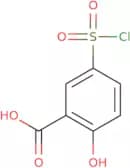
Formula:C9H8O3Purity:Min. 95%Color and Shape:PowderMolecular weight:164.16 g/mol5-Chlorosulfonyl-2-hydroxybenzoic acid
CAS:5-Chlorosulfonyl-2-hydroxybenzoic acid is a convergent, clean, and efficient synthesis of the pharmaceutical drug sildenafil. It has been shown to be a reagent for the preparation of sildenafil. 5-Chlorosulfonyl-2-hydroxybenzoic acid is an organic compound that belongs to the class of compounds called sulfonamides. This compound has been shown to be an efficient and effective synthetic intermediate in the preparation of sildenafil.Formula:C7H5ClO5SPurity:Min. 95%Color and Shape:PowderMolecular weight:236.63 g/mol2-Ethoxybenzamide
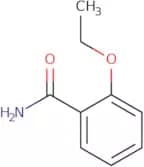
CAS:2-Ethoxybenzamide is a nonsteroidal anti-inflammatory drug that has been shown to inhibit the production of inflammatory prostaglandins. It is structurally similar to ethenzamide, an older drug in this class. 2-Ethoxybenzamide is used for the treatment of pain and inflammation, as well as for other conditions such as gout and rheumatoid arthritis. The molecular formula for 2-ethoxybenzamide is C6H11NO2 and its molecular weight is 169.21 grams per mole. It has a melting point of 75 degrees Celsius and a boiling point of 220 degrees Celsius at atmospheric pressure. This compound can be found in crystalline cellulose, analytical method, water vapor, experimental solubility data, wastewater treatment, ethylmalonic acid, human serum, structural analysis.Formula:C9H11NO2Purity:Min. 95%Color and Shape:White PowderMolecular weight:165.19 g/molEthyl 2-amino-4-methylthiophene-3-carboxylate
CAS:Ethyl 2-amino-4-methylthiophene-3-carboxylate (EMTC) is a cytotoxic agent. It inhibits the HIV virus by interfering with the synthesis of viral proteins. EMTC has been shown to be effective against cancer cells, but not against healthy cells. The cytotoxic effect of EMTC is related to its ability to inhibit DNA synthesis and RNA transcription in both normal and cancer cells, which leads to cell death.Formula:C8H11NO2SPurity:Min. 95%Color and Shape:PowderMolecular weight:185.24 g/mol3-Ethoxy-4-hydroxybenzaldehyde
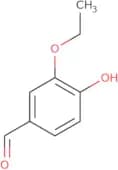
CAS:3-Ethoxy-4-hydroxybenzaldehyde is an active analogue of p-hydroxybenzoic acid that can be used in the synthesis of vanillin. 3-Ethoxy-4-hydroxybenzaldehyde is extracted from a reaction solution using solid phase microextraction, and can then be analyzed by gas chromatography/mass spectrometry to determine the concentration of vanillin. This compound has been shown to have a solubility in water, but not in organic solvents. 3-Ethoxy-4-hydroxybenzaldehyde has been found to inhibit cytochrome P450 activity and polyvinyl chloride production. This chemical compound has also been found to be toxic when inhaled or ingested, with no known toxicity studies for skin contact or eye contact.
Formula:C9H10O3Purity:Min. 95%Color and Shape:White PowderMolecular weight:166.17 g/molEthyl 3-aminobenzoate
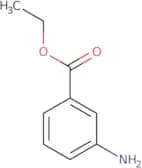
CAS:Ethyl 3-aminobenzoate is a chemical that is used as an anesthetic. It is administered intravenously and has been shown to have effects on the cardiovascular system, such as lowering blood pressure, decreasing heart rate and increasing the time it takes for the heart to recover after a contraction. Ethyl 3-aminobenzoate also affects the central nervous system by causing anesthesia and changes in brain function. Its effects are reversible with administration of naloxone or flumazenil.Formula:C9H11NO2Purity:Min. 95%Color and Shape:PowderMolecular weight:165.19 g/molL-Histidine acetate
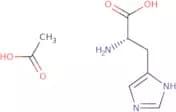
CAS:Controlled ProductL-Histidine acetate is a white, crystalline powder that has a constant melting point and can be soluble in water. It has a monoclinic crystal system with a crystal form of α-l-histidine dihydrogen acetate. L-Histidine acetate is an amino acid that is necessary for the biosynthesis of proteins and the metabolism of histamine. L-Histidine acetate has been studied using x-ray diffraction and optical properties to determine its functional groups. The activation energy for this compound is found to be at 4.1 kcal/mol, which is lower than most other compounds in nature. The frequencies of light waves are measured at 3,040 cm-1 and the evaporation rate at 15°C is 0.039 cm3/s.
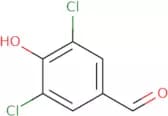
Formula:C6H9N3O2•C2H4O2Purity:Min. 95%Molecular weight:215.21 g/mol3,5-Dichloro-4-hydroxybenzaldehyde
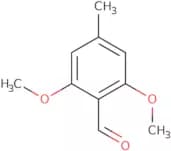
CAS:3,5-Dichloro-4-hydroxybenzaldehyde is a triiodomethane derivative that reacts with chlorine to form a chlorinated aldehyde. It is used as an intermediate in the production of 4-hydroxybenzoic acid from phenylacetic acid and 4,4'-dichlorodiphenyl sulfone. 3,5-Dichloro-4-hydroxybenzaldehyde can be decarboxylated at elevated temperatures to produce formic acid. This compound has been used in wastewater treatment as it can remove chlorine byproducts and other pollutants such as nitrates, nitrites, and iron ions. The reaction kinetics of 3,5-dichloro-4-hydroxybenzaldehyde have been studied using hydroxymethyl groups and formyl groups to determine the rate of demethylation. The rates were found to be dependent on temperature.Formula:C7H4Cl2O2Purity:Min. 95%Color and Shape:White PowderMolecular weight:191.01 g/mol2,6-Dimethoxy-4-methylbenzaldehyde
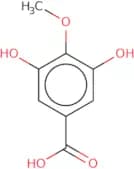
CAS:2,6-Dimethoxy-4-methylbenzaldehyde (DMMB) is a useful chemical that is used as a building block in the synthesis of complex compounds. It has been shown to be an effective chemical intermediate and can be used in the synthesis of various products, such as pharmaceuticals and pesticides. DMMB can also be used to produce high quality research chemicals.Formula:C10H12O3Purity:Min. 95%Color and Shape:PowderMolecular weight:180.2 g/mol3,5-Dihydroxy-4-methoxybenzoic acid
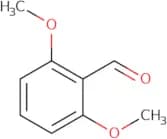
CAS:Inhibitor of redox-based NF-ΚB activationFormula:C8H8O5Purity:Min. 95%Color and Shape:PowderMolecular weight:184.15 g/mol2,6-Dimethoxybenzaldehyde
CAS:Synthetic building block
Formula:C9H10O3Purity:Min. 95%Color and Shape:White PowderMolecular weight:166.17 g/mol3,4-Dihydroxy-2-nitrobenzaldehyde
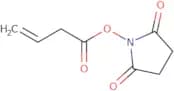
CAS:3,4-Dihydroxy-2-nitrobenzaldehyde is a high quality chemical that is used as a reagent and as an intermediate in the synthesis of complex compounds. It has many uses, including being a useful building block for speciality chemicals, research chemicals, and reaction components. 3,4-Dihydroxy-2-nitrobenzaldehyde is versatile and can be used in the synthesis of various types of compounds. This compound is also an excellent scaffold for drug discovery.Formula:C7H5NO5Purity:Min. 95%Color and Shape:PowderMolecular weight:183.12 g/mol3-Butenoic acid, 2,5-dioxo-1-pyrrolidinyl ester
CAS:3-Butenoic acid, 2,5-dioxo-1-pyrrolidinyl ester is a fine chemical that can be used as a scaffold for the synthesis of complex compounds. This chemical is also useful as an intermediate in the synthesis of chemicals and research chemicals. It has CAS number 388091-45-0 and a molecular weight of 220.3 g/mol. 3-Butenoic acid, 2,5-dioxo-1-pyrrolidinyl ester is soluble in organic solvents such as acetone or chloroform and is not toxic to humans at low doses.Formula:C8H9NO4Purity:Min. 95%Color and Shape:PowderMolecular weight:183.16 g/mol2-Ethyl-3,5-dimethylpyrazine
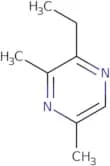
CAS:2-Ethyl-3,5-dimethylpyrazine (2E-DMP) is a fatty acid that is produced by the reaction of unsaturated ketones and fatty acids. 2E-DMP has been shown to have an inhibitory effect on the activity of kidney bean lipoxygenase. It also inhibits the growth of mammalian cells in culture. 2E-DMP has a molecular weight of 152.24, a melting point of -50 degrees Celsius, and a boiling point at 230 degrees Celsius. The compound has not been tested for carcinogenic or mutagenic effects in mammals or humans.Formula:C8H12N2Purity:Min. 95%Color and Shape:Clear LiquidMolecular weight:136.19 g/mol4-Diethylamino-2-methoxybenzaldehyde
CAS:4-Diethylamino-2-methoxybenzaldehyde (4DMMB) is a protonated molecule that is able to penetrate the mitochondrial membrane due to its low charge. Once inside, 4DMMB can be reduced by electron transfer from the mitochondria's membrane potential. This reduction leads to an increase in the mitochondrial membrane potential and subsequent photophysical emissions. The introduction of 4DMMB has been shown to cause mitochondrial membrane potential changes in cells, which may lead to pathophysiologic conditions such as cancer.Formula:C12H17NO2Purity:Min. 95%Color and Shape:PowderMolecular weight:207.27 g/mol5-Ethylindole-2-carboxylic acid
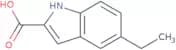
CAS:5-Ethylindole-2-carboxylic acid is an organic compound that is a decarboxylation product of indole. It can be obtained by catalytic dehydrogenation of ethyl ester or 5-ethylindole-2-carboxylic acid. It has been shown to inhibit the growth of bacteria and fungi, as well as to have anti-inflammatory properties.
Formula:C11H11NO2Purity:Min. 95%Molecular weight:189.21 g/mol9-Ethylguanine
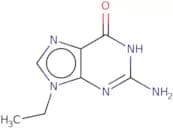
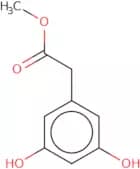
CAS:9-Ethylguanine is a protonated guanine derivative that has significant cytotoxicity. It is an analog of the natural nucleobase guanosine and is structurally similar to the group P2 purine base, hypoxanthine. 9-Ethylguanine specifically binds with nitrogen atoms in DNA, forming hydrogen bonds with adjacent bases. The compound has low potency and therefore must be administered at high doses for it to be effective. 9-Ethylguanine has been shown to have anticancer activity against cervical cancer cells in cell cultures, but no biological studies have been conducted on other cancer types.Formula:C7H9N5OPurity:Min. 95%Color and Shape:PowderMolecular weight:179.18 g/mol3,5-Dihydroxyphenylacetic acid methyl ester
CAS:3,5-Dihydroxyphenylacetic acid methyl ester is a high quality, reagent, and complex compound with CAS No. 4724-10-1. It is used as an intermediate in the synthesis of other compounds or in research to produce new compounds. This chemical is also useful as a scaffold for building blocks or as a building block when it comes to synthesizing many different types of compounds. 3,5-Dihydroxyphenylacetic acid methyl ester has been used as a reactant in many reactions and is versatile when it comes to being able to be used in reactions involving many different types of chemicals.Formula:C9H10O4Purity:Min. 95%Color and Shape:Brown Off-White PowderMolecular weight:182.17 g/mol1,3,3-Trimethoxypropene
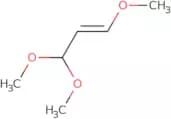
CAS:1,3,3-Trimethoxypropene is a fluorophore that can be used for the labeling of nucleic acids. It has been shown to be photostable and can be used in fluorescence techniques. 1,3,3-Trimethoxypropene has also been used in structural biology research and studies on the physicochemical properties of fluorescent probes. This compound can also be used as a building block for the synthesis of supramolecular structures and conjugates with other molecules that have different properties. 1,3,3-Trimethoxypropene is a fluorophore that emits cyanines in the visible range of light.
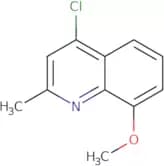
Formula:C6H12O3Purity:Min. 95%Color and Shape:Clear LiquidMolecular weight:132.16 g/mol4-Chloro-8-methoxy-2-methylquinoline
CAS:4-Chloro-8-methoxy-2-methylquinoline is a compound that has been found in nature. It is a diversity of nonreciprocal nucleic acid sequences and has been shown to be polymorphic. This nucleotide can cause stenosis in the coronary heart, which may lead to heart disease. 4-Chloro-8-methoxy-2-methylquinoline also inhibits the growth of Plasmodium falciparum and Plasmodium vivax. The drug's mechanism of action is not yet known, but it may have evolved from other compounds with a similar molecular structure.Formula:C11H10ClNOPurity:Min. 95%Color and Shape:PowderMolecular weight:207.66 g/mol2,3-Dichloro-N,N-dimethylquinoxaline-6-sulfonamide
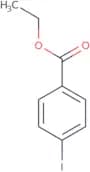
CAS:2,3-Dichloro-N,N-dimethylquinoxaline-6-sulfonamide is a fine chemical that is used as a building block in the synthesis of various organic compounds. It has been shown to be an effective reagent for the synthesis of various complex compounds. This compound can be used as a reaction component in many chemical reactions and also as a versatile scaffold for synthesizing other molecules.Formula:C10H9Cl2N3O2SPurity:Min. 95%Color and Shape:PowderMolecular weight:306.17 g/molEthyl 4-iodobenzoate
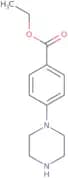
CAS:Ethyl 4-iodobenzoate is an amide that reacts with a variety of substances, including retinoic acid and pemetrexed. It is a reactive substance that can be used in the synthesis of other substances such as iron oxides and transfer mechanism. Ethyl 4-iodobenzoate is also used for the preparation of picolinic acid and crystalline structure. Radical coupling reactions are most common and involve halides, phenyl groups, and aryl halides. The reaction temperature ranges from room temperature to 100 ˚C, while the reaction mechanism varies depending on the type of coupling reaction.Formula:C9H9IO2Purity:Min. 95%Color and Shape:PowderMolecular weight:276.07 g/mol1-(4-Ethoxycarbonylphenyl)piperazine
CAS:1-(4-Ethoxycarbonylphenyl)piperazine is an enantiopure phosphatase inhibitor. It is used in the treatment of cancer and other life-threatening diseases. 1-(4-Ethoxycarbonylphenyl)piperazine inhibits phosphatases, which are enzymes that catalyze hydrolysis of phosphate groups from substrates. This inhibition leads to a decrease in the production of fatty acids and cholesterol, resulting in a reduction in body mass index. The drug has been shown to be effective against animal models for cancer, with an effective dose of 100 mg/kg intraperitoneally. In addition, 1-(4-ethoxycarbonylphenyl)piperazine has been shown to inhibit cardiac phosphatases and increase cardiac uptake by inhibiting acylation reactions.Formula:C13H18N2O2Purity:Min. 98%Color and Shape:White PowderMolecular weight:234.29 g/molEthopabate - Technical
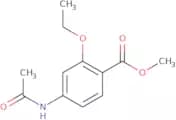
CAS:Ethopabate is a salt of ethopropazine and sodium carbonate. It is used in pharmaceutical preparations as an antiparasitic agent. The chemical composition of the salt is CHNO, with one hydrogen bond between the ethopropazine and sodium carbonate. Ethopabate has been shown to be active against amprolium-resistant coccidia in human serum, as well as being an analytical reagent for detecting monoclonal antibodies. This chemical can be used to prepare a polymeric matrix for use in fluorescence detection or for antimicrobial agents. Hydrochloric acid and UV light are used to synthesize this compound.Formula:C12H15NO4Purity:Min. 95%Color and Shape:White PowderMolecular weight:237.25 g/molN-Boc-D-proline
CAS:N-Boc-D-proline is a lipase inhibitor that is used in the preparation of quinine, aldehyde, and carboxylate. N-Boc-D-proline has been shown to inhibit the activity of the sodium channels, which may be due to its ability to bind to the termini of these channels. The inhibition of sodium channels can lead to a decrease in nerve excitability and seizures. N-Boc-D-proline was synthesized by an organocatalytic method using sodium bicarbonate as the catalyst. It was found that this compound was stereoselective with respect to its activity on different enantiomers of chiral substrates. Preparative methods for N-Boc-D-proline include column chromatography or crystallization with diethyl ether or ethyl acetate. The isolated yield is about 99%.
Formula:C10H17NO4Purity:Min. 95%Color and Shape:PowderMolecular weight:215.25 g/mol1,4-Diacetylbenzene
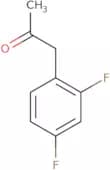
CAS:1,4-Diacetylbenzene (1,4-DAB) is a tetradentate ligand that binds to metal ions. It has been used to model the active site of acetylcholinesterase, as well as for supramolecular chemistry. 1,4-DAB has been shown to have anticholinesterase activity and is used in crosslinkers. 1,4-DAB forms hydrogen bonds with the nitrogen atom of the carbonyl group and also stabilizes molecules through its dipole interactions. The kinetic properties of 1,4-DAB have been studied by modelling studies and by Nuclear Magnetic Resonance spectroscopy. Metformin hydrochloride (MET) is a biguanide antihyperglycemic agent that inhibits glucose production in the liver and promotes insulin sensitivity in peripheral tissues.Formula:C10H10O2Purity:Min. 99.0 Area-%Color and Shape:White PowderMolecular weight:162.19 g/mol(2,4-Difluorophenyl)acetone
CAS:(2,4-Difluorophenyl)acetone is a high quality chemical that can be used as a reagent, intermediate or building block for the synthesis of complex compounds. It is also a versatile building block for the synthesis of speciality chemicals, research chemicals and reaction components. (2,4-Difluorophenyl)acetone is an important intermediate in the synthesis of fluoroquinolones and it has been shown to be useful in the preparation of dyes such as indigo and phthalocyanine. This compound is also used to synthesize other pharmaceuticals such as aspirin and acetaminophen.
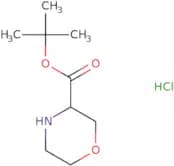
Formula:C9H8F2OPurity:Min. 95%Color and Shape:PowderMolecular weight:170.16 g/moltert-Butyl morpholine-3-carboxylate hydrochloride
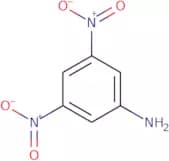
CAS:tert-Butyl morpholine-3-carboxylate hydrochloride is a high quality reagent that is a useful intermediate, fine chemical, and speciality chemical. It is also a versatile building block with a wide range of applications and can be used as a reaction component in the synthesis of complex compounds. This compound has been shown to have high reactivity in organic synthesis with good solubility and thermal stability.Formula:C9H18ClNO3Purity:Min. 95%Color and Shape:PowderMolecular weight:223.7 g/mol3,5-Dinitroaniline
CAS:3,5-Dinitroaniline is a chemical compound that has been shown to inhibit the growth of Pseudomonas aeruginosa. 3,5-Dinitroaniline binds to the bacterial cytochrome oxidase enzyme, which prevents the formation of ATP and disrupts cellular respiration. It also inhibits the synthesis of fatty acids in bacteria by binding to their DNA and RNA. 3,5-Dinitroaniline has also been shown to have genotoxic activity in bacteria by causing DNA strand breaks.Formula:C6H5N3O4Purity:Min. 95%Color and Shape:Slightly Yellow PowderMolecular weight:183.12 g/mol(S)-3-N-Boc-Aminopiperidine
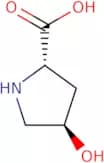
CAS:Intermediate in the synthesis of linagliptinFormula:C10H20N2O2Purity:Min. 95%Color and Shape:White PowderMolecular weight:200.28 g/moltrans-4-Hydroxy-L-proline
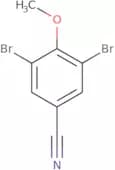
CAS:Proline is a non-essential amino acid that is found in the basic structure of collagen. Proline has been shown to have physiological effects, including a protective effect on the myocardium, and can be used as an analytical method for detecting proline residues in biological samples. Trans-4-Hydroxy-L-proline is a proline derivative that has been shown to inhibit collagenase activity in vitro. It was also shown to have an optimum concentration of 1 mM and a matrix effect at pH 6.5. The model system used to study trans-4-hydroxy-l-proline was the enzyme extracted from rat liver.Formula:C5H9NO3Color and Shape:White PowderMolecular weight:131.13 g/mol3,5-Dibromo-4-methoxybenzonitrile
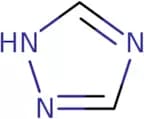
CAS:3,5-Dibromo-4-methoxybenzonitrile (DBMB) is a pentane that can be synthesized in the laboratory. DBMB is used as a weed control agent to kill weeds and grasses in neoprene rubber products and other materials. The chemical reacts with nitro groups on the surface of the material, producing an unstable intermediate that decomposes into pentane and nitric acid. 3,5-Dibromo-4-methoxybenzonitrile has been shown to have low toxicity to mammals at high doses. The compound may also be used as a chemical intermediate for the synthesis of other compounds or drugs. Nitro groups may be reduced by reductants such as sodium borohydride or lithium aluminium hydride to produce analdehyde derivatives.Formula:C8H5Br2NOPurity:Min. 95%Color and Shape:White Off-White PowderMolecular weight:290.94 g/mol1,2,4-Triazole
CAS:1,2,4-Triazole is a heterocyclic compound that is used as an intermediate in the synthesis of many other organic compounds. It can be obtained by reacting trifluoroacetic acid with nitrobenzene in the presence of ammonia. This reaction yields a protonated 1,2,4-triazole and ammonium chloride as byproducts. The thermodynamic data for this compound has been determined using an electrochemical impedance spectroscopy method and it was found that the protonation state of 1,2,4-triazole depends on pH. 1,2,4-Triazole has been shown to cause genotoxic effects in carcinoma cell lines. It is also capable of inhibiting the growth of bacteria by binding to nitrogen atoms present on their surface. This leads to a decrease in bacterial activity and may be useful for biological treatment purposes. Nitro groups are able to react with 1,2,4Formula:C2H3N3Purity:Min. 95%Color and Shape:PowderMolecular weight:69.07 g/mol2-Chloroethyl methyl sulfide
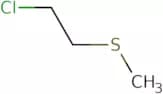
CAS:2-Chloroethyl methyl sulfide (2CEMS) is a reactive compound that has been shown to enhance membrane interactions and fatty acid metabolism in experimental models. 2CEMS is a substrate molecule for the reaction mechanism of the enzyme phospholipase A2, which plays an important role in the production of arachidonic acid. 2CEMS has been shown to have cytotoxic effects on 3T3-L1 preadipocytes, with cell death occurring as a result of kinetic energy emissions. The halides in 2CEMS can coordinate with hematopoietic cells, leading to the inhibition of their proliferation and differentiation. 2CEMS is also able to bind with various metals such as copper and zinc, which may be useful for pharmaceutical drug applications.Formula:C3H7ClSPurity:Min. 96 Area-%Color and Shape:Colorless Yellow Clear LiquidMolecular weight:110.61 g/mol2-Ethyl-5-methyl-pyrazole-3-sulfonyl chloride
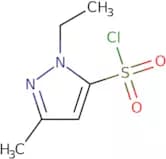
CAS:2-Ethyl-5-methyl-pyrazole-3-sulfonyl chloride (EMPS) is a fine chemical that has a useful scaffold and versatile building block. It is a useful intermediate for the synthesis of pharmaceuticals and other organic compounds. EMPS is used as a reaction component in the production of speciality chemicals and research chemicals, such as phenothiazines. This compound has been shown to be an effective reagent for the synthesis of complex compounds with high quality.Formula:C6H9ClN2O2SPurity:Min. 95%Molecular weight:208.67 g/mol3,5-Dinitro-4-hydroxybenzaldehyde
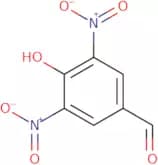
CAS:Please enquire for more information about 3,5-Dinitro-4-hydroxybenzaldehyde including the price, delivery time and more detailed product information at the technical inquiry form on this pageFormula:C7H4N2O6Purity:Min. 95%Color and Shape:PowderMolecular weight:212.12 g/mol1,4-Diiodobenzene
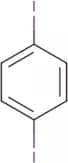
CAS:1,4-Diiodobenzene is an anti-retroviral drug that is used in the treatment of HIV infection. It has a molecular weight of 208.2 and a melting point of -68°C. 1,4-Diiodobenzene binds to intracellular targets, such as reverse transcriptase, proteases and integrase in HIV-1. This drug also has immunomodulatory effects on T cells and B cells. 1,4-Diiodobenzene has been shown to be effective against bacterial vaginosis and may have beneficial effects on body mass index and fatty acid metabolism.
Formula:C6H4I2Purity:Min. 98 Area-%Color and Shape:White PowderMolecular weight:329.9 g/molHomogentisic acid
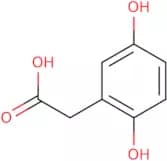
CAS:Precursor of melanine synthesis in bacteriaFormula:C8H8O4Purity:Min 96%Color and Shape:White PowderMolecular weight:168.15 g/mol5-Chloro-DL-tryptophan
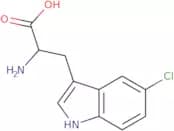
CAS:5-Chloro-DL-tryptophan is an antibiotic that is synthesized from tryptophan. It is used as a precursor for the synthesis of other antibiotics, including 5-chloro-dl-tryptophan and indole. 5-Chloro-DL-tryptophan has been shown to have a significant effect on the synthesis of protein amino acids, such as d-aspartic acid and α-amino acids. The steric properties of 5-chloro-dl-tryptophan are also important in its ability to block protein synthesis. Ozonization can be used to oxidize α,β unsaturated carbonyl compounds found in 5 - chloro - DL - tryptophan.
Formula:C11H11ClN2O2Purity:Min. 95%Color and Shape:White PowderMolecular weight:238.67 g/mol3',4'-Dihydroxyacetophenone
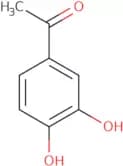
CAS:3',4'-Dihydroxyacetophenone is a transcription-polymerase chain inhibitor that is used in the laboratory to study the effects of the enzyme on gene expression. It has been shown to inhibit transcription by binding to the polymerase and inhibiting RNA synthesis. 3',4'-Dihydroxyacetophenone also inhibits acetate extract enzyme activities, such as collagenase, protease, and lipase. This chemical also induces toll-like receptor (TLR) signaling pathways, which are responsible for inflammation responses. 3',4'-Dihydroxyacetophenone has been shown to have synergistic effects with protocatechuic acid, an antioxidant found in plants that is believed to be responsible for its anti-inflammatory properties. The mechanism of action of this chemical is still unknown; however, it may bind to fatty acids and form stable complexes that inhibit the activity of enzymes or change their shape so they can no longer function properly.
Formula:C8H8O3Purity:Min. 95%Color and Shape:PowderMolecular weight:152.15 g/mol2,5-Diaminobenzonitrile
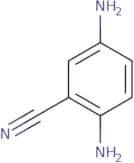
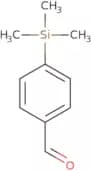
CAS:2,5-Diaminobenzonitrile is a chemical compound with the molecular formula C6H5N3. It is a white crystalline solid that is insoluble in water and soluble in organic solvents such as acetone, chloroform, and ether. 2,5-Diaminobenzonitrile has been shown to be an effective monomer for polymer synthesis due to its stability and high densities. This chemical also has the ability to undergo hydrogen bonding and form hydrogen peroxide when heated to a temperature of 100 °C. The thermal isomerization of 2,5-diaminobenzonitrile can be slowed by adding other amines or nitrites.Formula:C7H7N3Purity:Min. 95%Color and Shape:PowderMolecular weight:133.15 g/mol4-(Trimethylsilyl)benzaldehyde
CAS:4-(Trimethylsilyl)benzaldehyde is an undescribed monomer that has been synthesized in the laboratory. It is a centrosymmetric molecule with three phenyl groups and a silicon atom, which are connected by sulfonation. 4-(Trimethylsilyl)benzaldehyde can be used as a precursor to produce amines and covid-19 pandemic. The synthesis of 4-(trimethylsilyl)benzaldehyde can be regiospecifically achieved through chlorination, although this method is not efficient. The carbonyl group in this molecule can be used as part of a catalytic process for the synthesis of carbazones.
Formula:C10H14OSiPurity:90%Color and Shape:Clear LiquidMolecular weight:178.3 g/molCyclopentylmethanol
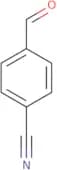
CAS:Cyclopentylmethanol is a chemical compound with the molecular formula CH3OH. It is a colorless liquid that is soluble in water and has a distinctive, sweet odor. Cyclopentylmethanol is used as an intermediate in organic synthesis and as a solvent for nitrocellulose, cellulose acetate, cellulose nitrate, and similar materials. It reacts with chlorine at high temperatures to form chlorinated cyclopentylmethanols. This reaction can be used to synthesize hydroxyapatite (a mineral) from calcium phosphate (a mineral). Cyclopentylmethanol also reacts with nicotinic acetylcholine receptors in the brain, causing them to desensitize. Hydroxyapatite can also be synthesized by reacting cyclopentylmethanol with dinucleotide phosphate and hydroxyl group containing compounds such as esters or soluble guanylate cyclase enzymes. The reactions produce hydrogenFormula:C6H12OPurity:Min. 95%Color and Shape:Clear Colourless LiquidMolecular weight:100.16 g/mol4-Cyanobenzaldehyde
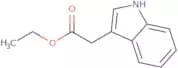
CAS:4-Cyanobenzaldehyde is an acid that inhibits tyrosinase, an enzyme involved in the production of melanin. It has been shown to have a strong inhibitory effect on the activity of this enzyme in a variety of biological studies. 4-Cyanobenzaldehyde is chemically stable and does not react with hydrochloric acid or water at room temperature, making it suitable for use in experiments involving these substances. This chemical also has antiinflammatory properties and can be used as a substitute for phenols in some chemical reactions. 4-Cyanobenzaldehyde is soluble in methanol and reacts with diphenolase, an enzyme involved in the synthesis of lignin, to produce benzophenone and benzoic acid. This reaction may be important for the formation of lignin during wood decomposition.Formula:C8H5NOPurity:80%Color and Shape:PowderMolecular weight:131.13 g/molEthyl indole-3-acetate
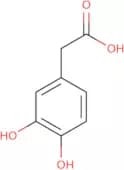
CAS:Ethyl indole-3-acetate (EIA) is a compound that inhibits the growth of certain cancer cells. It belongs to the group of acyl halides. EIA inhibits the synthesis of nucleic acids, proteins and other macromolecules by the cancer cells. It has been shown to be effective in reducing the size of tumors in mice with prostate and breast cancer. This compound also inhibits enzymes such as abscisic acid oxidase, which is responsible for converting abscisic acid into reactive oxygen species. EIA has been shown to have hemolytic activity in human lung tissue, but not ovules or human erythrocytes. This may be due to its ability to inhibit hormone production and cause an increase in progesterone levels.Formula:C12H13NO2Purity:Min. 95%Color and Shape:PowderMolecular weight:203.24 g/mol3,4-Dihydroxyphenylacetic acid
CAS:3,4-Dihydroxyphenylacetic acid (DOPAC) is a metabolite of dopamine and is found in the central nervous system. Dopamine is an important neurotransmitter that is involved in the regulation of movement, emotional responses, and hormone release. Dopamine is synthesized from tyrosine by tyrosine hydroxylase and then converted to L-3,4-dihydroxyphenylalanine by L-aromatic amino acid decarboxylase. DOPAC can be formed from dopamine by monoamine oxidases or catechol O-methyltransferases. The level of DOPAC in the brain has been shown to be increased following exposure to neurotoxins such as 6-hydroxy dopamine or 1-methyl 4-phenyl 1,2,3,6 tetrahydropyridine (MPTP). This increase may be due to decreased activity of monoamine oxidases. The levelFormula:C8H8O4Purity:Min. 95%Color and Shape:Beige PowderMolecular weight:168.15 g/molD,L-Homotryptophan
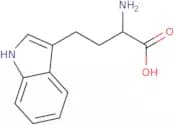
CAS:D,L-Homotryptophan is a fine chemical that is used as a building block in the synthesis of complex compounds. It has been used as a reagent, speciality chemical, and intermediate. D,L-Homotryptophan is also versatile in its use as a building block for the synthesis of various chemicals. This compound has been shown to react with other chemicals to form useful scaffolds.Formula:C12H14N2O2Purity:Min. 95%Color and Shape:PowderMolecular weight:218.25 g/mol2,5-Difluoro-3-methylbenzoic acid methyl ester
CAS:2,5-Difluoro-3-methylbenzoic acid methyl ester is a high quality, complex compound that can be used as a versatile building block in synthesis. It acts as a reagent and can be used as a research chemical. 2,5-Difluoro-3-methylbenzoic acid methyl ester is an intermediate in the production of other chemicals and can also be used as a reaction component or useful scaffold.
Formula:C9H8F2O2Purity:Min. 95%Color and Shape:PowderMolecular weight:186.16 g/mol8-Bromoadenine
CAS:8-Bromoadenine is a nucleophile that reacts with electrophiles to form adducts. 8-Bromoadenine has been shown to induce DNA strand breaks and oxidative damage in vitro, which may be due to its ability to react with DNA bases and form intramolecular hydrogen bonds. 8-Bromoadenine has also been shown to cause inflammatory bowel disease in mice by increasing the production of proinflammatory cytokines. 8-Bromoadenine induces Toll-like receptor 4 (TLR4) signaling, which leads to enhancement of radiation response. This drug can also be used as the monosodium salt for treating cancer, although it only has a limited number of sequences that can be synthesized.Formula:C5H4BrN5Purity:Min. 95%Color and Shape:White PowderMolecular weight:214.02 g/mol2,4-Dihydroxy-3-methylbenzoic acid
CAS:2,4-Dihydroxy-3-methylbenzoic acid (2,4-DMB) is a potent compound that has been shown to have chemotherapeutic properties. It is a DNA repair agent that also inhibits the activity of topoisomerase II and DNA polymerase III. 2,4-DMB can be used in the treatment of radiation and ionizing radiation induced cancers. The pharmacophore of 2,4-DMB has been identified as being composed of three hydrophobic regions and one hydrophilic region. This pharmacophore has been used to design other potent compounds with similar activity against cancer cells.
Formula:C8H8O4Purity:Min. 95%Color and Shape:PowderMolecular weight:168.15 g/mol4-Hydroxyindole
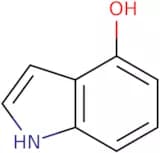
CAS:4-Hydroxyindole is an inorganic acid that is produced by the oxidation of 4-hydroxyphenylacetic acid. It is a metabolite of the synthetic cannabinoids, JWH-018 and JWH-073. The production of 4-hydroxyindole has been shown to be dependent on the presence of a nucleophilic attack on the diazonium salt, which leads to protonation. The fluorescence properties of this molecule are dependent on its hydroxyl group, which allows for detection using magnetic resonance spectroscopy. Hydrochloric acid can be used as an alternate solvent to produce 4-hydroxyindole from 4-hydroxyphenylacetic acid. 4-Hydroxyindole has been shown to have pharmacokinetic properties that are similar to those of THC, but it does not bind well to cannabinoid receptors or activate them.br> br> The structure of this molecule can be seen belowFormula:C8H7NOColor and Shape:White PowderMolecular weight:133.15 g/molEthanesulfonic acid, 70% aqueous solution
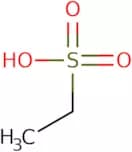
CAS:Ethanesulfonic acid solution - 70 wt. % in H2O is a monosodium salt that is used as an enzymatic reagent for the determination of bacteria and fungi, as well as for the detection of infectious diseases. It has been shown to be effective against microdialysis probes with a high degree of sensitivity and specificity. Ethanesulfonic acid solution - 70 wt. % in H2O has been shown to have significant physiological effects on various regions of the body, including bowel disease, polymerase chain reaction (PCR), glycol ethers, antimicrobial agents, and radiation. Ethanesulfonic acid solution - 70 wt. % in H2O also inhibits the growth of bacteria by acting as a coumarin derivative that reacts with nucleotides to form dinucleotide phosphate, which blocks DNA synthesis and transcription from RNA templates.Formula:C2H6O3SPurity:(Titration) 68.0 To 72.0%Color and Shape:Clear LiquidMolecular weight:110.13 g/molHomovanillic acid
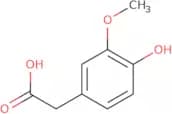
CAS:Homovanillic acid is widely used as a fluorogenic substrate of peroxidase. The reaction is however not specific and has been shown to react also with soybean lipoxygenase in the presence of hydrogen peroxide. Excitation and emission wavelengths for homovanillic acid are 312 and 420 nm, respectively.
Formula:C9H10O4Purity:Min. 97.5 Area-%Color and Shape:Red PowderMolecular weight:182.17 g/mol2,5-Dihydroxyacetophenone
CAS:2,5-Dihydroxyacetophenone (2,5-DA) is a natural phenolic compound that is found in many plants. It has been shown to have anti-inflammatory properties through its ability to inhibit the production of pro-inflammatory cytokines, such as tumor necrosis factor alpha and interleukin 1 beta. 2,5-DA inhibits the formation of reactive oxygen species and nitric oxide in rat neutrophils. 2,5-DA also has the ability to reduce oxidative stress by scavenging free radicals and inhibiting lipid peroxidation. The underlying mechanism for these effects is not fully understood but may be due to its ability to act as a substrate for matrix-assisted laser desorption ionization (MALDI). This means that it can react with protocatechuic acid molecules that are present in the sample preparation chamber, leading to polymerase chain reaction (PCR) amplification. MALDI uses lasers to ablate or vaporize samplesFormula:C8H8O3Purity:Min. 95%Color and Shape:Yellow PowderMolecular weight:152.15 g/mol3,4-Dihydroxybenzylamine hydrobromide
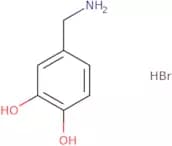
CAS:3,4-Dihydroxybenzylamine hydrobromide is a chemical that reacts with hydrogen peroxide to produce light. It is used as a nutrient for the chemiluminescent reaction in a nutrient solution to detect dopamine, chlorogenic acids, and trifluoroacetic acid. 3,4-Dihydroxybenzylamine hydrobromide can also be used as an analytical method for the measurement of cortisol concentration in plasma and saliva samples. This chemical analogically reacts with monoamine neurotransmitters such as dopamine and gamma-aminobutyric acid (GABA) to form fluorescent probes. 3,4-Dihydroxybenzylamine hydrobromide is not toxic or mutagenic and has been shown to be safe for use in humans.Formula:C7H10BrNO2Purity:Min. 95%Color and Shape:PowderMolecular weight:220.06 g/mol3,5-Difluoro-4-hydroxybenzaldehyde
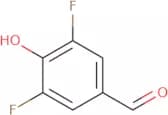
CAS:3,5-Difluoro-4-hydroxybenzaldehyde is a biochemical that belongs to the group of anticancer agents. It is activated by hydroxyl radicals and inhibits cancer cells. 3,5-Difluoro-4-hydroxybenzaldehyde inhibits protein synthesis in the cell by binding to messenger RNA and preventing its translation into protein. This compound also has inhibitory properties against DNA polymerase, which prevents DNA replication and transcription. 3,5-Difluoro-4-hydroxybenzaldehyde can be used as a template for oligodeoxynucleotides (ODN) to enhance photochemical properties.
Formula:C7H4F2O2Purity:Min. 95%Color and Shape:Off-White PowderMolecular weight:158.1 g/molAtranol
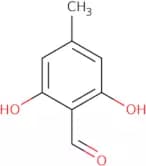
CAS:Atranol is a phenolic compound that is found in plants such as the leaves of the white willow tree. It has been shown to have anti-inflammatory properties and is being researched for its potential use in treatment of inflammatory bowel disease. Atranol has been shown to inhibit the production of inflammatory cytokines such as tumor necrosis factor-α (TNF-α) and interleukin-1β (IL-1β), which are key mediators of inflammation, by inhibiting NFκB activation. The reaction mechanism for atranol's inhibition of IL-1β production involves atranol binding with the cystein residue on IκB kinase β, which prevents phosphorylation and thus activation.
Formula:C8H8O3Purity:Min. 95%Color and Shape:Brown Yellow PowderMolecular weight:152.15 g/molBoc-L-alanine
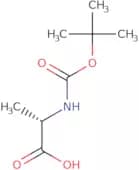
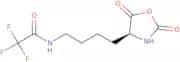
CAS:Boc-L-alanine is an amino acid that is used as a building block in the synthesis of peptides and proteins. It has been shown to be stable at high temperatures and to form complexes with sephadex g-100. Boc-L-alanine has also been shown to have antimicrobial activity against Gram-positive bacteria, such as Staphylococcus aureus and Streptococcus pneumoniae, and Gram-negative bacteria, such as Pseudomonas aeruginosa. This compound can act as a hydrogen bond donor or acceptor depending on the other molecule it interacts with. Boc-L-alanine hydrochloride is an ester of boc-L-alanine and hydrochloric acid that has been activated by trifluoroacetic acid. The hydroxyl group on the molecule can react with hydrogen fluoride to form an ester hydrochloride.Formula:C8H15NO4Purity:Min. 98 Area-%Color and Shape:White Off-White PowderMolecular weight:189.21 g/molN6-Trifluoroacetyl-L-lysine N-carboxyanhydride
CAS:Trifluoroacetyl-L-lysine N-carboxyanhydride is an N6-trifluoroacetylated lysine derivative that is used in the synthesis of peptides. It is a racemic mixture of L and D forms, which is hydrolyzed to form L-glutamic acid, NH4Cl, and CO2. Trifluoroacetyl-L-lyside N-carboxyanhydride has been shown to be useful in the formation of bonds between amino acids, such as lysine and dipeptides. The compound is also used for the protection of lysine against oxidation during peptide synthesis.Formula:C9H11F3N2O4Purity:Min. 95%Color and Shape:White PowderMolecular weight:268.19 g/mol



![2-{[(9H-Fluoren-9-yl)methoxy]carbonyl}-1,2,3,4-tetrahydroisoquinoline-6-carboxylic acid](/_next/image/?url=https%3A%2Fstatic.cymitquimica.com%2Fproducts%2F3D%2Fthumb-webp%2FNKD22621.webp&w=3840&q=75)

![(3S,6S)-3-[(2S)-Butan-2-yl]-6-methylpiperazine-2,5-dione](/_next/image/?url=https%3A%2Fstatic.cymitquimica.com%2Fproducts%2F3D%2Fthumb-webp%2FKBA59069.webp&w=3840&q=75)