Building Blocks
This section contains fundamental products for the synthesis of organic and biological compounds. Building blocks are the essential starting materials used to construct complex molecules through various chemical reactions. They play a critical role in drug discovery, material science, and chemical research. At CymitQuimica, we offer a diverse range of high-quality building blocks to support your innovative research and industrial projects, ensuring you have the essential components for successful synthesis.
Subcategories of "Building Blocks"
- Boronic Acids & Boronic Acid Derivatives(5,756 products)
- Chiral Building Blocks(1,242 products)
- Hydrocarbon Building Blocks(6,095 products)
- Organic Building Blocks(60,526 products)
Found 195848 products of "Building Blocks"
Sort by
Purity (%)
0
100
|
0
|
50
|
90
|
95
|
100
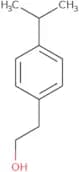
2-(4-Isopropylphenyl)ethanol
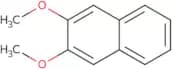
CAS:<p>Versatile small molecule scaffold</p>Formula:C11H16OPurity:Min. 95%Molecular weight:164.25 g/mol2,3-Dimethoxynaphthalene
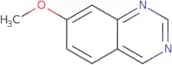
CAS:<p>2,3-Dimethoxynaphthalene is a crystalline solid with a molecular weight of 170.24 g/mol. It has a melting point of 150 °C and a boiling point of 313 °C, and it is soluble in organic solvents such as chloroform and ether. 2,3-Dimethoxynaphthalene is an electron donor that can coordinate to metals through sulfur atoms in sulfonated form. The crystal structure consists of alternating double bonds and single bonds, forming a hexagonal closed packed structure. 2,3-Dimethoxynaphthalene has been shown to be luminescent in the visible region of the electromagnetic spectrum due to its ability to emit light when excited by an external source.</p>Formula:C12H12O2Purity:Min. 95%Molecular weight:188.22 g/mol7-Methoxyquinazoline
CAS:<p>7-Methoxyquinazoline is a heterocycle that is used as a medicine. It has been shown to inhibit the growth of epidermal cells, which may be due to its ability to inhibit the epidermal growth factor and epidermal growth receptor. 7-Methoxyquinazoline also inhibits tyrosine kinase, hexamethylenetetramine, and factor receptors. This drug selectively inhibits the enzyme activity of anilines, which are compounds that are involved in the synthesis of epidermal growth factor. The selectivity for this enzyme activity may be due to its hydration properties.</p>Formula:C9H8N2OPurity:Min. 95%Molecular weight:160.17 g/mol3-Diethoxyphosphorylpropanenitrile
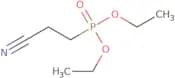
CAS:<p>3-Diethoxyphosphorylpropanenitrile is a chemical compound that is used in the detection of nerve agents. It can be used to identify and quantify the presence of nerve agents in skin or other samples. 3-Diethoxyphosphorylpropanenitrile has been shown to mimic the effects of inflammatory skin disease and nerve agent-induced inflammation, which may be due to its ability to activate sensory nerves.</p>Formula:C7H14NO3PPurity:Min. 95%Molecular weight:191.17 g/molN-Octylprop-2-enamide
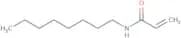
CAS:<p>N-Octylprop-2-enamide is a monomer of methacrylic acid copolymer. It is a stable complex and has an efflux pump that can be used to transport drugs across the cell membrane. The hydroxy group, carbonyl group, and double bonds in this molecule are responsible for its optical properties. The film-forming polymer stabilizes the molecule and prevents it from evaporating or breaking down. The viscosity of this polymer is affected by the type of fatty acid used in the polymerization process and can be titrated calorimetrically. N-Octylprop-2-enamide has been shown to have an inhibitory effect on crotonic acid production in bacteria such as Acinetobacter baumannii.</p>Formula:C11H21NOPurity:Min. 95%Molecular weight:183.29 g/mol2-Bromo-5-methoxy-N,N-dimethylbenzylamine
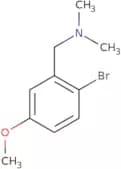
CAS:<p>Versatile small molecule scaffold</p>Formula:C10H14BrNOPurity:Min. 95%Molecular weight:244.13 g/molMethyl 5,6-dihydroxy-1H-indole-2-carboxylate
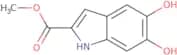
CAS:<p>Methyl 5,6-dihydroxy-1H-indole-2-carboxylate is a neutral molecule that has the potential to be used as an antioxidant. It is a substrate for the enzyme tyrosinase and can react with other molecules to form eumelanin. Methyl 5,6-dihydroxy-1H-indole-2-carboxylate reacts with reactive oxygen species (ROS) and may play an important role in the protection of cells from oxidative damage. Methyl 5,6-dihydroxy-1H-indole-2-carboxylate also has been shown to have synergistic effects with natural compounds such as dopamine and phenolic compounds. This compound can be found in natural sources such as plants and animals. The structure of this compound has been determined by chemical analysis using daltons and chromatography.</p>Formula:C10H9NO4Purity:Min. 95%Molecular weight:207.18 g/molDimethylthetin chloride
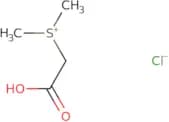
CAS:<p>Please enquire for more information about Dimethylthetin chloride including the price, delivery time and more detailed product information at the technical inquiry form on this page</p>Formula:C4H9ClO2SPurity:Min. 95%Molecular weight:156.63 g/mol5-(bromomethyl)-1-benzothiophene
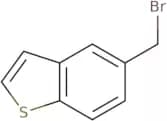
CAS:<p>5-(bromomethyl)-1-benzothiophene is a biochemical that is found in the environment. It has been shown to be an antibiotic drug that binds to apolar regions of bacterial cell membranes and inhibits catalysis by binding to the enzyme's active site. This inhibition leads to the disruption of bacterial biosynthesis, which results in the death of bacteria. 5-(bromomethyl)-1-benzothiophene has been shown to have antimicrobial activity against isolates of Mycobacterium tuberculosis, Mycobacterium avium complex, and Staphylococcus aureus.</p>Formula:C9H7BrSPurity:Min. 95%Molecular weight:227.12 g/molBenzo[b]thiophene-4-carboxaldehyde
CAS:<p>Versatile small molecule scaffold</p>Formula:C9H6OSPurity:Min. 95%Molecular weight:162.21 g/molBenzo[b]thiophene-5-carbaldehyde
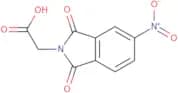
CAS:<p>Benzo[b]thiophene-5-carbaldehyde is a cytotoxic compound that is catalyzed to produce toxic metabolites. It has an agonistic effect on the nicotinic acetylcholine receptor and can be used for the treatment of nicotine addiction. Benzo[b]thiophene-5-carbaldehyde inhibits tumor cell growth in culture by inhibiting metabolic processes, including formylation, which leads to the production of stable compounds. It also has inhibitory effects on aldehyde dehydrogenase, which is involved in the conversion of glucose into glyceraldehyde 3-phosphate. This prevents glycolysis from proceeding and leads to cell death.</p>Formula:C9H6OSPurity:Min. 95%Molecular weight:162.21 g/mol(5-Nitro-1,3-dioxo-1,3-dihydro-2H-isoindol-2-yl)acetic acid
CAS:<p>Versatile small molecule scaffold</p>Formula:C10H6N2O6Purity:Min. 95%Molecular weight:250.16 g/molBenzo[b]thiophene-7-carboxylic acid
CAS:<p>Benzo[b]thiophene-7-carboxylic acid is a versatile compound that has various applications in the field of research. It is commonly used as a precursor or intermediate in the synthesis of different compounds, including carbostyril derivatives and nitro-substituted benzo[b]thiophenes. This compound has also been utilized as a fluorescent probe for detecting gamma-aminobutyric acid (GABA) receptors and studying their binding affinity.</p>Formula:C9H6O2SPurity:Min. 95%Molecular weight:178.21 g/mol3-bromo-1-benzothiophene-2-carbaldehyde
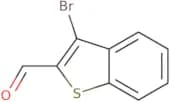
CAS:<p>3-Bromo-1-benzothiophene-2-carbaldehyde (BBTA) is a ligand that has been used extensively in supramolecular chemistry. It has a strong binding constant to formyl and chloride ions, which are important in the study of fluorescence. The tautomers of this compound have been shown to be fluorescent in dimethylformamide, and it can be easily synthesized by reacting piperidine with formaldehyde. This ligand can exist as different isomeric forms depending on the substituents on the benzene ring. 3-Bromo-1-benzothiophene-2-carbaldehyde behaves as a bidentate ligand, meaning that it binds to two different sites on an atom or molecule. The functional theory for this compound is based on the interaction between its two carbonyl groups and two halides, which lead to a series of conjugated double bonds.</p>Formula:C9H5BrOSPurity:Min. 95%Molecular weight:241.1 g/mol6-Phenylimidazo[2,1-b][1,3,4]thiadiazol-2-amine
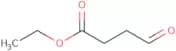
CAS:<p>Versatile small molecule scaffold</p>Formula:C10H8N4SPurity:Min. 95%Molecular weight:216.26 g/molEthyl 4-oxobutanoate
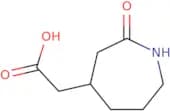
CAS:<p>Ethyl 4-oxobutanoate is a volatile compound that belongs to the group of organic compounds. It has an unpleasant odor and taste, which may be due to its deamination. It is also classified as a glutamic acid derivative because it is synthesised from L-glutamic acid. Ethyl 4-oxobutanoate has been shown to have antibacterial properties against Gram-positive bacteria such as staphylococcus aureus and listeria monocytogenes. The antimicrobial activity of ethyl 4-oxobutanoate is related to its ability to inhibit bacterial protein synthesis by deaminating L-glutamic acid and forming an adduct with the ribosome.</p>Formula:C6H10O3Purity:Min. 95%Molecular weight:130.14 g/mol2-(2-Oxoazepan-4-yl)acetic acid
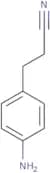
CAS:<p>Versatile small molecule scaffold</p>Formula:C8H13NO3Purity:Min. 95%Molecular weight:171.19 g/mol3-(4-Aminophenyl)propanenitrile
CAS:<p>Versatile small molecule scaffold</p>Formula:C9H10N2Purity:Min. 95%Molecular weight:146.19 g/mol3-(4-Aminophenyl)-1-phenylurea
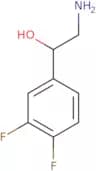
CAS:<p>Versatile small molecule scaffold</p>Formula:C13H13N3OPurity:Min. 95%Molecular weight:227.26 g/mol2-Amino-1-(3,4-difluorophenyl)ethan-1-ol
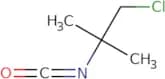
CAS:<p>Versatile small molecule scaffold</p>Formula:C8H9F2NOPurity:Min. 95%Molecular weight:173.16 g/mol1-Chloro-2-isocyanato-2-methylpropane
CAS:<p>Versatile small molecule scaffold</p>Formula:C5H8ClNOPurity:Min. 95%Molecular weight:133.57 g/mol2-(1-Carboxy-1-methylethoxy)-2-methylpropanoic acid
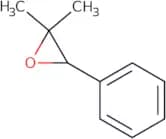
CAS:<p>Versatile small molecule scaffold</p>Formula:C8H14O5Purity:Min. 95%Molecular weight:190.19 g/mol2,2-Dimethyl-3-phenyloxirane
CAS:<p>2,2-Dimethyl-3-phenyloxirane is a hydroxy substituted cyclohexene. It can be synthesized by the elimination of hydroxy groups in cyclohexane. Hydroxy groups are eliminated through reaction with ethylene oxide and phosphonic acid. The compound can be used as an intermediate for the production of some pharmaceuticals, such as adrenoreceptor agonists and alicyclic drugs. 2,2-Dimethyl-3-phenyloxirane has a chemical formula of C8H14O2. It contains 8 carbon atoms, 14 hydrogen atoms, and 2 oxygen atoms. It also has a molecular weight of 136.22 g/mol and a density of 0.86 g/cm3 at 20°C and 1 atmosphere pressure.</p>Formula:C10H12OPurity:Min. 95%Molecular weight:148.2 g/mol3-(4-Methylbenzenesulfonyl)propanoic acid
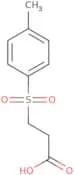
CAS:<p>3-(4-Methylbenzenesulfonyl)propanoic acid (MBPSA) is a tosylated analog of the electrophile propanoic acid. It reacts with nucleophiles and heteroatoms to form an ionic product with a negative charge on the carbon atom adjacent to the sulfonate group. The carbonyl group in MBPSA is susceptible to nucleophilic attack by lithium, forming lithium enolate. This enolate can react with other electrophiles, such as anion or carbonyls, to form a new molecule containing the original electrophile and a sulfonate group.</p>Formula:C10H12O4SPurity:Min. 95%Molecular weight:228.27 g/mol3-(4-Methylbenzenesulfonyl)propanenitrile
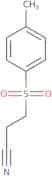
CAS:<p>Versatile small molecule scaffold</p>Formula:C10H11NO2SPurity:Min. 95%Molecular weight:209.27 g/mol(3-Hydroxy-6-oxo-6H-pyridazin-1-yl)-acetic acid
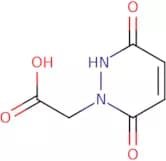
CAS:<p>Versatile small molecule scaffold</p>Formula:C6H6N2O4Purity:Min. 95%Molecular weight:170.12 g/mol(Octahydro-1H-quinolizin-1-yl)methanol
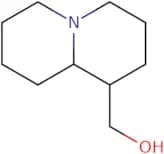
CAS:<p>Versatile small molecule scaffold</p>Formula:C10H19NOPurity:Min. 95%Molecular weight:169.26 g/mol(2-Methylphenyl)acetaldehyde
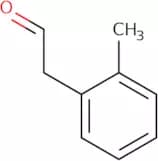
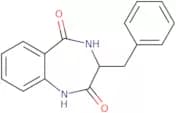
CAS:<p>(2-Methylphenyl)acetaldehyde is an enamine with a dimer. It can be used to synthesize amines and n-substituted amines. This compound has been shown to catalyze the dimerization of pinacolborane in the presence of protonation and deuterium activation. The regioselectivity of this reaction is dependent on the substituents on the 2-methylphenyl group. The reactivity of this compound is due to its ability to act as a nucleophile, which allows for reactions with electrophiles.</p>Formula:C9H10OPurity:Min. 95%Molecular weight:134.18 g/mol3-Benzyl-2,3,4,5-tetrahydro-1H-1,4-benzodiazepine-2,5-dione
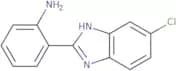
CAS:<p>Versatile small molecule scaffold</p>Formula:C16H14N2O2Purity:Min. 95%Molecular weight:266.29 g/mol2-(5-Chloro-1H-1,3-benzodiazol-2-yl)aniline
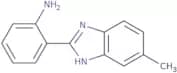
CAS:<p>Versatile small molecule scaffold</p>Formula:C13H10ClN3Purity:Min. 95%Molecular weight:243.69 g/mol2-(5-Methyl-1H-1,3-benzodiazol-2-yl)aniline
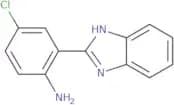
CAS:<p>Versatile small molecule scaffold</p>Formula:C14H13N3Purity:Min. 95%Molecular weight:223.27 g/mol2-(1H-1,3-Benzodiazol-2-yl)-4-chloroaniline
CAS:<p>Versatile small molecule scaffold</p>Formula:C13H10ClN3Purity:Min. 95%Molecular weight:243.69 g/mol[(2-Chlorophenyl)methyl]dimethylamine
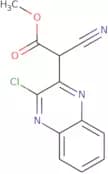
CAS:<p>Versatile small molecule scaffold</p>Formula:C9H12ClNPurity:Min. 95%Molecular weight:169.65 g/molMethyl 2-(3-chloroquinoxalin-2-yl)-2-cyanoacetate
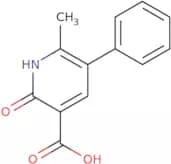
CAS:<p>Versatile small molecule scaffold</p>Formula:C12H8ClN3O2Purity:Min. 95%Molecular weight:261.66 g/mol6-Methyl-2-oxo-5-phenyl-1,2-dihydropyridine-3-carboxylic acid
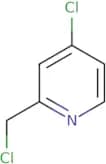
CAS:<p>Versatile small molecule scaffold</p>Formula:C13H11NO3Purity:Min. 95%Molecular weight:229.23 g/mol4-Chloro-2-(chloromethyl)pyridine
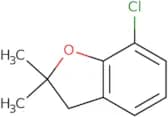
CAS:<p>4-Chloro-2-(chloromethyl)pyridine is a heterocyclic compound with the chemical formula CHClN. It is a colorless liquid that is soluble in organic solvents and insoluble in water. 4-Chloro-2-(chloromethyl)pyridine is used as a precursor to picolinic acid, an intermediate for the synthesis of pharmaceuticals and other products. 4-Chloro-2-(chloromethyl)pyridine also serves as a catalyst for the synthesis of thionyl chloride and amide from pyridine nitrogen chloride. The use of this compound for various purposes has been detected by x-ray crystal structures, which are obtained through coordination chemistry techniques.</p>Formula:C6H5Cl2NPurity:Min. 95%Molecular weight:162.02 g/mol7-Chloro-2,2-dimethyl-2,3-dihydro-1-benzofuran
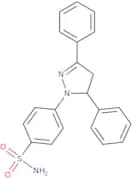
CAS:<p>Versatile small molecule scaffold</p>Formula:C10H11ClOPurity:Min. 95%Molecular weight:182.64 g/mol4-(3,5-Diphenyl-4,5-dihydro-1H-pyrazol-1-yl)benzenesulfonamide
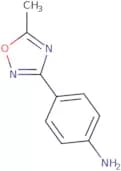
CAS:<p>Versatile small molecule scaffold</p>Formula:C21H19N3O2SPurity:Min. 95%Molecular weight:377.5 g/mol4-(5-Methyl-1,2,4-oxadiazol-3-yl)aniline
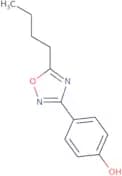
CAS:<p>Versatile small molecule scaffold</p>Formula:C9H9N3OPurity:Min. 95%Molecular weight:175.19 g/mol4-(5-Butyl-1,2,4-oxadiazol-3-yl)phenol
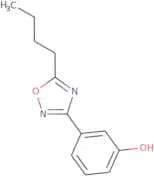
CAS:<p>Versatile small molecule scaffold</p>Formula:C12H14N2O2Purity:Min. 95%Molecular weight:218.25 g/mol3-(5-Butyl-1,2,4-oxadiazol-3-yl)phenol
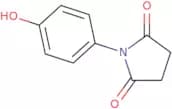
CAS:<p>Versatile small molecule scaffold</p>Formula:C12H14N2O2Purity:Min. 95%Molecular weight:218.25 g/mol1-(4-Hydroxyphenyl)pyrrolidine-2,5-dione
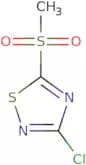
CAS:<p>Versatile small molecule scaffold</p>Formula:C10H9NO3Purity:Min. 95%Molecular weight:191.18 g/mol3-Chloro-5-methanesulfonyl-1,2,4-thiadiazole
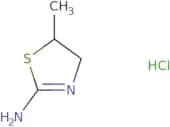
CAS:<p>Versatile small molecule scaffold</p>Formula:C3H3ClN2O2S2Purity:Min. 95%Molecular weight:198.7 g/mol5-Methyl-4,5-dihydro-1,3-thiazol-2-amine hydrochloride
CAS:<p>Versatile small molecule scaffold</p>Formula:C4H9ClN2SPurity:Min. 95%Molecular weight:152.65 g/mol2-[(2-Aminoethanesulfinyl)sulfanyl]ethan-1-amine dihydrochloride
CAS:<p>Versatile small molecule scaffold</p>Formula:C4H14Cl2N2OS2Purity:Min. 95%Molecular weight:241.2 g/mol2-[2-(Methylsulfanyl)phenyl]acetic acid
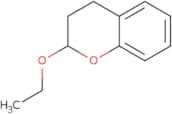
CAS:<p>Versatile small molecule scaffold</p>Formula:C9H10O2SPurity:Min. 95%Molecular weight:182.24 g/mol2-Ethoxy-3,4-dihydro-2H-1-benzopyran
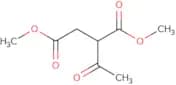
CAS:<p>2-Ethoxy-3,4-dihydro-2H-1-benzopyran is a reagent that can be used for the preparation of various compounds. It is often used as a source of hydride transfer in enzymatic assays. 2-Ethoxy-3,4-dihydro-2H-1-benzopyran reacts with alkyl halides and acetonitrile to form quaternary ammonium salts and vinyl ethers respectively. The reaction proceeds by hydration, amine addition, or irradiation. This compound can also be used to prepare reactive naphthalenes and amines through an alkylation reaction. The reaction can be carried out at temperatures ranging from -78°C to 100°C.</p>Formula:C11H14O2Purity:Min. 95%Molecular weight:178.23 g/molDimethyl Acetylsuccinate
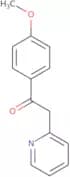
CAS:<p>Dimethyl Acetylsuccinate is a chemical compound that is used as an antiretroviral agent. It has been shown to be effective in the treatment of HIV-infected individuals with significant cytotoxicity and long-term efficacy. Dimethyl Acetylsuccinate is also used for the treatment of bowel diseases, such as ulcerative colitis and Crohn's disease, by reducing inflammation in the gut. This drug was found to be effective at removing reactive oxygen species from wastewater during its use as a coagulant in water treatment plants. Dimethyl Acetylsuccinate is not active against infectious diseases such as tuberculosis or malaria, but it does have some activity against influenza virus.</p>Formula:C8H12O5Purity:Min. 95%Molecular weight:188.18 g/mol1-(4-Methoxyphenyl)-2-(pyridin-2-yl)ethan-1-one
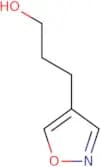
CAS:<p>Versatile small molecule scaffold</p>Formula:C14H13NO2Purity:Min. 95%Molecular weight:227.26 g/mol3-Isoxazol-4-ylpropan-1-ol
CAS:<p>Versatile small molecule scaffold</p>Formula:C6H9NO2Purity:Min. 95%Molecular weight:127.14 g/molN,N'-Diethyl-6-hydrazino-[1,3,5]triazine-2,4-diamine
CAS:<p>Versatile small molecule scaffold</p>Formula:C7H15N7Purity:Min. 95%Molecular weight:197.24 g/mol3-Oxaspiro[5.5]undecane-9-carboxylic acid
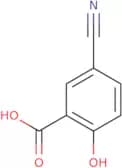
CAS:<p>Versatile small molecule scaffold</p>Formula:C11H18O3Purity:Min. 95%Molecular weight:198.26 g/mol5-Cyano-2-hydroxybenzoic acid
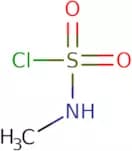
CAS:<p>Versatile small molecule scaffold</p>Formula:C8H5NO3Purity:Min. 95%Molecular weight:163.13 g/molMesulfamoyl chloride
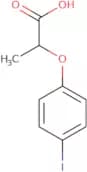
CAS:<p>Mesulfamoyl chloride is a sulphamic acid derivative that acts as an inhibitor of the enzyme sulphotransferase, which is involved in the conversion of sulphamates to sulphones. It has been used in clinical studies for the treatment of cancer and infectious diseases such as hepatitis. Mesulfamoyl chloride has been shown to be effective against oestrone sulphatase and serine proteases, which are enzymes that can lead to cell proliferation.</p>Formula:CH4ClNO2SPurity:Min. 95%Color and Shape:Clear LiquidMolecular weight:129.57 g/mol(2S)-2-(4-Iodophenoxy)propanoic acid
CAS:<p>Versatile small molecule scaffold</p>Formula:C9H9IO3Purity:Min. 95%Molecular weight:292.07 g/molMethyl[2-(piperidin-1-yl)ethyl]amine dihydrochloride
CAS:<p>Versatile small molecule scaffold</p>Formula:C8H20Cl2N2Purity:Min. 95%Molecular weight:215.16 g/mol1H,4H,5H,6H-Cyclopenta[D]imidazole-2-thiol
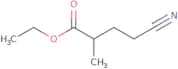
CAS:<p>Versatile small molecule scaffold</p>Formula:C6H8N2SPurity:Min. 95%Molecular weight:140.21 g/molEthyl 4-cyano-2-methylbutanoate
CAS:<p>Versatile small molecule scaffold</p>Formula:C8H13NO2Purity:Min. 95%Molecular weight:155.19 g/mol5-[3-(Trifluoromethyl)phenyl]-1,3,4-thiadiazol-2-amine
CAS:<p>Versatile small molecule scaffold</p>Formula:C9H6F3N3SPurity:Min. 95%Molecular weight:245.23 g/mol5-[4-(Trifluoromethyl)phenyl]-1,3,4-thiadiazol-2-amine
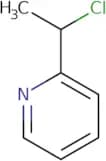
CAS:<p>Versatile small molecule scaffold</p>Formula:C9H6F3N3SPurity:Min. 95%Molecular weight:245.23 g/mol2-(1-Chloro-ethyl)-pyridine
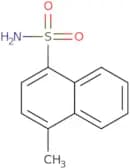
CAS:<p>2-(1-Chloro-ethyl)-pyridine is a triazole that is used as a chlorination catalyst. It has been shown to be an effective catalyst for the chlorination of ketones and acetylpyridine. 2-(1-Chloro-ethyl)-pyridine also catalyzes the transfer hydrogenation of pyridines, which can be useful in the synthesis of pharmaceuticals. Mechanistically, 2-(1-Chloro-ethyl)-pyridine is mononuclear with two active chlorine atoms and exhibits both nucleophilic and electrophilic properties.</p>Formula:C7H8ClNPurity:Min. 95%Molecular weight:141.6 g/mol4-Methylnaphthalene-1-sulfonamide
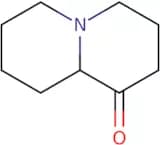
CAS:<p>Versatile small molecule scaffold</p>Formula:C11H11NO2SPurity:Min. 95%Molecular weight:221.28 g/molOctahydro-1H-quinolizin-1-one
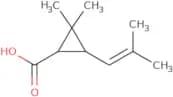
CAS:<p>Octahydro-1H-quinolizin-1-one is a drug that has been shown to be an effective treatment for inflammatory diseases, including inflammatory bowel disease and mucopolysaccharidosis. It binds to the M1 receptors in tissues, which leads to the inhibition of proinflammatory cytokines such as interleukin-1 (IL-1) and tumor necrosis factor (TNF). Octahydro-1H-quinolizin-1-one also has been shown to be an allosteric modulator for the IL-4 receptor. The drug also inhibits etoposide induced apoptosis in cancer cells, suggesting it may have therapeutic potential against cancer.</p>Formula:C9H15NOPurity:Min. 95%Molecular weight:153.22 g/molChrysanthemic acid
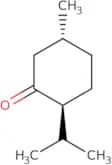
CAS:<p>Chrysanthemic acid is a chiral molecule that has been shown to have anti-inflammatory properties. The hydroxyl group in the molecule reacts with malonic acid, forming a chrysanthemic ester. Chrysanthemic acid is also known as an analytical method for determining the degree of unsaturation of fatty acids. Chrysanthemic acid is used in the synthesis of monoclonal antibodies, which can be applied for the treatment and prevention of diseases such as cancer, rheumatoid arthritis, Crohn's disease, and other autoimmune disorders. It can also be used to treat infections caused by bacteria that are resistant to antibiotics. The basic structure of chrysanthemic acid is an inorganic acid that contains a hydroxyl group and an asymmetric carbon atom.</p>Formula:C10H16O2Purity:Min. 95%Molecular weight:168.23 g/molMenthone (Mixture of Diastereomers)
CAS:<p>Menthone is a terpene with a carbonyl group. It has been shown to have in vitro antifungal activity against some strains of bacteria and fungi. Menthone has been found to inhibit the enzyme DPP-IV, which is involved in the production of proinflammatory cytokines, such as IL-8. Menthone can be synthesized by reacting menthol with acetyl chloride. The structure of menthone can be confirmed using nuclear magnetic resonance spectroscopy (NMR). Isomenthone is another name for menthone that refers to one of its stereoisomers, or two molecules that are mirror images of each other. Isomenthone has also been shown to inhibit DPP-IV.</p>Formula:C10H18OPurity:Min. 95%Molecular weight:154.25 g/mol4-[(2,4-Dinitrophenyl)amino]butanoic acid
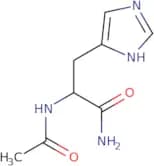
CAS:<p>4-[(2,4-Dinitrophenyl)amino]butanoic acid (4DNPA) is an acceptor for elongating ribosomes and is involved in the covalent binding of peptidyl tRNA to aminoacyl tRNA synthetase. 4DNPA has been shown to be reactive with the subunit of bacterial ribosomes and form covalent complexes. It also reacts with peptidyl-tRNA, forming a covalent adduct. This adduct blocks the peptidyl site on the ribosome and prevents protein synthesis.</p>Formula:C10H11N3O6Purity:Min. 95%Molecular weight:269.21 g/mol2-Acetamido-3-(1H-imidazol-4-yl)propanamide
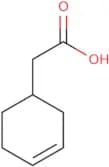
CAS:<p>Versatile small molecule scaffold</p>Formula:C8H12N4O2Purity:Min. 95%Molecular weight:196.21 g/mol2-(Cyclohex-3-en-1-yl)acetic acid
CAS:<p>Versatile small molecule scaffold</p>Formula:C8H12O2Purity:Min. 95%Molecular weight:140.18 g/molSpiro[3.4]octan-5-one
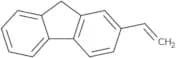
CAS:<p>Versatile small molecule scaffold</p>Formula:C8H12OPurity:Min. 95%Molecular weight:124.18 g/mol2-Ethenyl-9H-fluorene
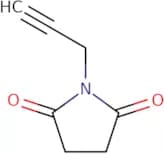
CAS:<p>2-Ethenyl-9H-fluorene (2EF) is a monomer that can be polymerized to form poly(2EF). The chemical properties of 2EF are similar to those of vinyl chloride, but the processability of 2EF is better. This monomer can be reacted with acrylates or methacrylates to produce polymers with good mechanical strength and water resistance. The polymerization reaction is catalyzed by an acrylate or methacrylate co-monomer and a cocatalyst such as ammonium peroxydisulfate. 2EF can also be used as a precursor for other compounds such as 9H-fluorenone, peroxides, ozonides, unsaturated alkyls, and chlorinated solvents.</p>Formula:C15H12Purity:Min. 95%Molecular weight:192.25 g/molN-(2-Propynyl)succinimide
CAS:<p>N-(2-Propynyl)succinimide is a conjugate that inhibits the growth of bacteria by binding to the cell wall. It binds to the β-unsaturated ketones found in bacterial cell walls, which are normally involved in the synthesis of carbohydrates. N-(2-Propynyl)succinimide may also bind to nucleophiles such as cysteine residues and reversibly bind to cellular components. This drug has been shown to have antimycobacterial activity against Mycobacterium tuberculosis and Mycobacterium avium complex, but not against Mycobacterium leprae.</p>Formula:C7H7NO2Purity:Min. 95%Molecular weight:137.14 g/mol2-(4-pyridyl)indane-1,3-dione
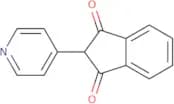
CAS:<p>2-(4-Pyridyl)indane-1,3-dione is a cytotoxic agent that inhibits the growth of cancer cells. It has been shown to be selective against colon and breast cancers in laboratory testing. 2-(4-Pyridyl)indane-1,3-dione blocks the progression of cancer by inhibiting the synthesis of DNA. This drug also has anti-inflammatory properties that may be due to its ability to inhibit prostaglandin synthesis. The cytotoxicity of 2-(4-pyridyl)indane-1,3-dione was tested on HT29 colon cancer cells and MDA-MB231 breast cancer cells in vitro. The drug showed an IC50 value of 0.21±0.03 μM for HT29 cells and 0.22±0.02 μM for MDA-MB231 cells, which is indicative of its potency as a cytotoxic agent against these cell lines</p>Purity:Min. 95%Dibenzylaminemonoacetate
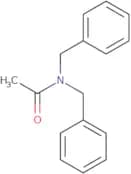
CAS:<p>Dibenzylaminemonoacetate is a hydroxy fatty acid that can be found in adipose tissue. It is an acylation reaction product of a fatty acid and aminoacetaldehyde, which is derived from the hydrolysis of the amino acid L-phenylalanine. Dibenzylaminemonoacetate has been shown to have anti-inflammatory effects in vitro and in vivo by activating PPARγ. When tested in mice, this compound was found to decrease levels of pro-inflammatory cytokines such as IL-1β, IL-6, and TNFα, while increasing levels of anti-inflammatory cytokines such as IL-10 and TGFβ. The mechanism behind these effects is not yet known but may be due to dibenzylaminemonoacetate’s ability to bind to amine groups on proteins or its ability to act as an antagonist for the α2A adrenergic receptor.</p>Formula:C16H17NOPurity:Min. 95%Molecular weight:239.32 g/molrac-(3aR,7aS)-Octahydro-1H-isoindol-1-one
CAS:<p>Racemic octahydro-1H-isoindol-1-one is a compound that has been shown to have both inhibitory and stimulatory effects on the adrenergic receptors. It blocks the ATP-sensitive K+ channel, which causes an increase in intracellular calcium levels. This leads to the activation of phospholipase A2 and protein kinase C. Racemic octahydro-1H-isoindol-1-one also inhibits 5HT3 receptor antagonists, which are implicated in nausea and vomiting. Racemic octahydro-1H-isoindol-1-one also has been found to be a selective inhibitor of tyrosine kinases. The racemic mixture of octahydro isoindole 1, one isomer being more potent than the other. Racemic octahydro isoindole 1, one is a competitive inhibitor at serotonin transporter (SERT) and norepinephrine transporter (NET).</p>Formula:C8H13NOPurity:Min. 95%Molecular weight:139.19 g/mol2-Bromocyclopent-2-en-1-one
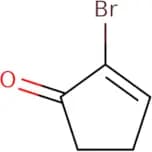
CAS:<p>2-Bromocyclopent-2-en-1-one is a synthetic bidentate ligand with the formula CHClBr. It has been used in organic synthesis as a nucleophilic reagent. 2-Bromocyclopent-2-en-1-one is also an active methylene group, which can undergo substitution reactions to form cationic intermediates. The chloride and hydroxy groups on the molecule are stereoselective, allowing for two different orientation of the substituents on the same carbon atom. This class of compounds encompasses many antimicrobial agents, such as chlorhexidine, hexachlorophene, and trichlorocarbanilide.</p>Formula:C5H5BrOPurity:Min. 95%Molecular weight:161 g/mol4-Amino-2,3,5-trimethylphenol
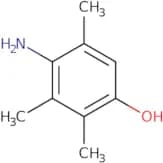
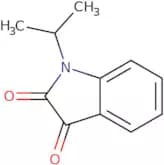
CAS:<p>Versatile small molecule scaffold</p>Formula:C9H13NOPurity:Min. 95%Molecular weight:151.21 g/mol1-Isopropyl-1H-indole-2,3-dione
CAS:<p>Versatile small molecule scaffold</p>Formula:C11H11NO2Purity:Min. 95%Molecular weight:189.21 g/molCrotonyl chloride
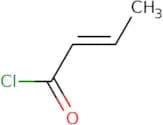
CAS:<p>Crotonyl chloride is a chemical compound that contains a hydroxyl group (-OH) and an amide (-CONH). It can be used in the synthesis of epidermal growth factor. Crotonyl chloride also has the ability to inhibit the growth of cancer cells by binding to surface receptors on the cell membrane, which leads to apoptosis. It is used as a polymerase chain reaction (PCR) substrate film for sodium carbonate and chloride yields. This chemical can be synthesized using an asymmetric synthesis with nitrogen atoms, amines, and sodium carbonate.</p>Formula:C4H5ClOPurity:Min. 95%Molecular weight:104.53 g/mol1-Phenylcyclopentan-1-ol
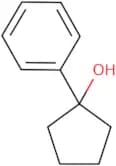
CAS:<p>1-Phenylcyclopentan-1-ol is an estrogenic compound that has been shown to be a potent contraceptive. It inhibits the production of estrogens, which are responsible for the development and maintenance of female reproductive tissues. 1-Phenylcyclopentan-1-ol also has anti-cancer activity, as it can inhibit the growth of cancer cells by inhibiting protein synthesis or cell division. This compound has been shown to have no effect on fertility in rats and rabbits. 1-Phenylcyclopentan-1-ol is also an alkoxy radical scavenger and can be used as a treatment for fatty acid peroxidation.</p>Formula:C11H14OPurity:Min. 95%Molecular weight:162.23 g/molEthyl 3-oxooctanoate
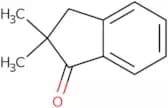
CAS:<p>Ethyl 3-oxooctanoate is a chiral, reactive, and stereoselective compound that is produced by the ring-opening of trifluoroacetic acid with octanal. It can be used in the synthesis of epoxides, propiolic acid, and agrichemicals. Ethyl 3-oxooctanoate has also been found to be a pheromone for male grasshoppers. This compound has been shown to react with acetaldehyde and form a carbonyl group, which is necessary for its reactivity. Ethyl 3-oxooctanoate has two different reactive groups: an electrophilic carbonyl group and a nucleophilic carboxylic acid group. These two reactive groups make it multidimensional in terms of reactivity.</p>Formula:C10H18O3Purity:Min. 95%Molecular weight:186.25 g/mol2,2-Dimethyl-1-indanone
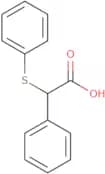
CAS:<p>2,2-Dimethyl-1-indanone is a carbonyl group with an aromatic hydrocarbon that has been shown to have anti-inflammatory properties. It has been found in the blood of patients with inflammatory bowel disease and also in Alzheimer's disease patients. This active methylene is a pyrimidine compound that has been shown to be useful in the synthesis of polymers used in copolymerization and condensation reactions. The compound can also be used as an intermediate for drugs against bowel diseases or Alzheimer's disease.</p>Formula:C11H12OPurity:Min. 95%Molecular weight:160.21 g/mol2-Phenyl-2-(phenylthio)acetic acid
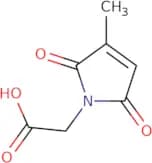
CAS:<p>Versatile small molecule scaffold</p>Formula:C14H12O2SPurity:Min. 95%Molecular weight:244.31 g/mol2-(3-Methyl-2,5-dioxo-2,5-dihydro-1H-pyrrol-1-yl)acetic acid
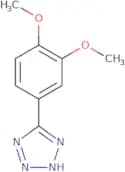
CAS:<p>Versatile small molecule scaffold</p>Formula:C7H7NO4Purity:Min. 95%Molecular weight:169.13 g/mol5-(3,4-Dimethoxyphenyl)-1H-1,2,3,4-tetrazole
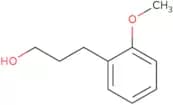
CAS:<p>Versatile small molecule scaffold</p>Formula:C9H10N4O2Purity:Min. 95%Molecular weight:206.2 g/mol3-(2-methoxy-phenyl)-propan-1-ol
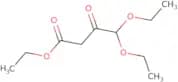
CAS:<p>3-(2-methoxy-phenyl)-propan-1-ol is a phenylpropanoid glycoside that has been shown to have diagnostic potential for the detection of a number of diseases. The reaction rate of 3-(2-methoxy-phenyl)-propan-1-ol can be determined by integrating the intensity of the signal from an electron spectrometer. This compound can also be used as a marker in the diagnosis of diseases such as melanogenesis, where it is found in higher concentrations than normal in the skin and other tissues. It is insoluble in water and emits fluorescence when exposed to ultraviolet light, which makes it useful for diagnostic purposes.</p>Formula:C10H14O2Purity:Min. 95%Molecular weight:166.22 g/molEthyl 4,4-diethoxy-3-oxobutanoate
CAS:<p>Ethyl 4,4-diethoxy-3-oxobutanoate is a horticultural chemical that is used as a diagnostic agent for the detection of azides in human serum. It has been proposed to be used as an analog for ethyl 3,4,4-trimethoxybutanoate or methyl 3,4,4-trimethoxybutanoate. This chemical is reactive and can be damaging to cells and tissues. Studies have shown that it can also react with DNA bases such as thymine and cytosine to form crosslinks in the nucleic acid chain. Ethyl 4,4-diethoxy-3-oxobutanoate has been shown to be efficient in inducing positron emission from biomolecules like glucose and fatty acids.</p>Formula:C10H18O5Purity:Min. 95%Molecular weight:218.25 g/mol2-(Methoxymethyl)butanoic acid
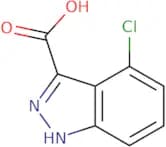
CAS:<p>Versatile small molecule scaffold</p>Formula:C6H12O3Purity:Min. 95%Molecular weight:132.2 g/mol4-chloro-1h-indazole-3-carboxylic acid
CAS:<p>Versatile small molecule scaffold</p>Formula:C8H5ClN2O2Purity:Min. 95%Molecular weight:196.59 g/mol2-Chloroethyl N-butyl ether
CAS:<p>Versatile small molecule scaffold</p>Formula:C6H13ClOPurity:Min. 95%Molecular weight:136.62 g/molN-[(4-Chlorophenyl)methyl]benzenesulfonamide
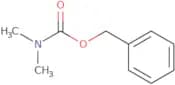
CAS:<p>Versatile small molecule scaffold</p>Formula:C13H12ClNO2SPurity:Min. 95%Molecular weight:281.76 g/molBenzyl N,N-dimethylcarbamate
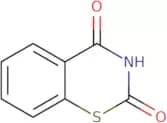
CAS:<p>Benzyl N,N-dimethylcarbamate is an organic compound that is synthesized from benzyl chloride and dimethylcarbamic chloride. It has two stereoisomers: the S-isomer and the R-isomer. The S-isomer is more stable than the R-isomer and has a higher melting point. Benzyl N,N-dimethylcarbamate can be synthesized in the lab by reacting benzyl chloride with dimethylcarbamic chloride. This compound is also known as a transient molecule that decomposes rapidly when heated or exposed to light. Benzyl N,N-dimethylcarbamate has been shown to act as a modulator of calothrixin, which is a protein that regulates plant growth.</p>Formula:C10H13NO2Purity:Min. 95%Molecular weight:179.22 g/mol3,4-Dihydro-2H-1,3-benzothiazine-2,4-dione
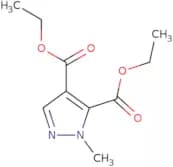
CAS:<p>Versatile small molecule scaffold</p>Formula:C8H5NO2SPurity:Min. 95%Molecular weight:179.2 g/mol4,5-Diethyl 1-methyl-1H-pyrazole-4,5-dicarboxylate
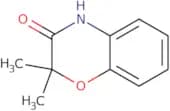
CAS:<p>Versatile small molecule scaffold</p>Formula:C10H14N2O4Purity:Min. 95%Molecular weight:226.23 g/mol2,2-Dimethyl-3,4-dihydro-2H-1,4-benzoxazin-3-one
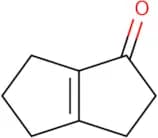
CAS:<p>2,2-Dimethyl-3,4-dihydro-2H-1,4-benzoxazin-3-one is a potential cancer drug that belongs to the family of bromodomain inhibitors. It inhibits the transcriptional activity of the androgen receptor by binding to its DNA binding domain. This binding prevents the formation of a transcriptionally active complex with other proteins that are required for gene expression. Bromodomain inhibition has been shown to be effective in vivo and in vitro against castration resistant prostate cancer cells. 2,2-Dimethyl-3,4-dihydro-2H-1,4-benzoxazin-3-one also has an oral bioavailability profile that is suitable for oral administration as a therapeutic agent. This drug also binds to the terminal domain of family members, which may lead to increased potency against these enzymes.</p>Formula:C10H11NO2Purity:Min. 95%Molecular weight:177.2 g/mol1,2,3,4,5,6-Hexahydropentalen-1-one
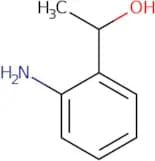
CAS:<p>Versatile small molecule scaffold</p>Formula:C8H10OPurity:Min. 95%Molecular weight:122.16 g/mol1-(2-Aminophenyl)ethanol
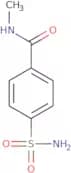
CAS:<p>1-(2-Aminophenyl)ethanol is a benzyl amine that is used in the production of nitrosobenzene, which can be used as an oxidant. It has been patented for use in ion-exchange reactions and it interacts with primary alcohols to form catalytic hydrogen peroxide. 1-(2-Aminophenyl)ethanol has an oxidizing effect on organic compounds, which is due to its ability to release hydrogen peroxide when heated. The reaction is more efficient at higher temperatures and pH levels.</p>Formula:C8H11NOPurity:Min. 95%Molecular weight:137.18 g/molN-Methyl-4-sulfamoylbenzamide
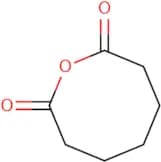
CAS:<p>Versatile small molecule scaffold</p>Formula:C8H10N2O3SPurity:Min. 95%Molecular weight:214.24 g/molOxocane-2,8-dione
CAS:<p>Oxocane-2,8-dione is a cytosolic protein that has been shown to be diagnostic for cancer. It may also be used as a radiation sensitizer and an anticancer agent. Oxocane-2,8-dione is reactive with polycarboxylic acids, fatty acids, inorganic acids, and reactive functional groups. These reactions produce a variety of products including hydroxyl groups and molecules containing carboxyl or alcohol functional groups. Oxocane-2,8-dione has been shown to function as a growth factor for cells in culture.</p>Formula:C7H10O3Purity:Min. 95%Molecular weight:142.15 g/mol3-Methyldodecanal
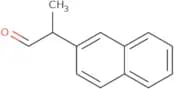
CAS:<p>3-Methyldodecanal is a volatile compound that has an aliphatic odor and can be found in globally sourced food. It is part of the furan family of compounds, which are chemically similar to aliphatic alcohols. 3-Methyldodecanal can be found in many types of food, including fish, but also coffee and dairy products. This compound has been shown to have organoleptic properties.</p>Formula:C13H26OPurity:Min. 95%Molecular weight:198.34 g/mol2-(Naphthalen-2-yl)propanal
CAS:<p>2-(Naphthalen-2-yl)propanal is an organic compound with the formula C12H10O. It is a colorless liquid that reacts as an electrophile, forming nitriles and cyclic ethers. 2-(Naphthalen-2-yl)propanal can be prepared by reacting naphthalene with nitric acid at room temperature, followed by hydrolysis of the resulting diazonium salt with water. This compound can also be prepared from malonodinitrile and sulfuric acid in ethanol.</p>Formula:C13H12OPurity:Min. 95%Color and Shape:PowderMolecular weight:184.23 g/mol

![Benzo[b]thiophene-4-carboxaldehyde](/_next/image/?url=https%3A%2Fstatic.cymitquimica.com%2Fproducts%2F3D%2Fthumb-webp%2FKAA13325.webp&w=3840&q=75)
![Benzo[b]thiophene-5-carbaldehyde](/_next/image/?url=https%3A%2Fstatic.cymitquimica.com%2Fproducts%2F3D%2Fthumb-webp%2FKAA13330.webp&w=3840&q=75)
![Benzo[b]thiophene-7-carboxylic acid](/_next/image/?url=https%3A%2Fstatic.cymitquimica.com%2Fproducts%2F3D%2Fthumb-webp%2FKAA13498.webp&w=3840&q=75)
![6-Phenylimidazo[2,1-b][1,3,4]thiadiazol-2-amine](/_next/image/?url=https%3A%2Fstatic.cymitquimica.com%2Fproducts%2F3D%2Fthumb-webp%2FKAA13664.webp&w=3840&q=75)

![[(2-Chlorophenyl)methyl]dimethylamine](/_next/image/?url=https%3A%2Fstatic.cymitquimica.com%2Fproducts%2F3D%2Fthumb-webp%2FKAA17531.webp&w=3840&q=75)
![2-[(2-Aminoethanesulfinyl)sulfanyl]ethan-1-amine dihydrochloride](/_next/image/?url=https%3A%2Fstatic.cymitquimica.com%2Fproducts%2F3D%2Fthumb-webp%2FKAA41685.webp&w=3840&q=75)
![2-[2-(Methylsulfanyl)phenyl]acetic acid](/_next/image/?url=https%3A%2Fstatic.cymitquimica.com%2Fproducts%2F3D%2Fthumb-webp%2FKAA41934.webp&w=3840&q=75)
![N,N'-Diethyl-6-hydrazino-[1,3,5]triazine-2,4-diamine](/_next/image/?url=https%3A%2Fstatic.cymitquimica.com%2Fproducts%2F3D%2Fthumb-webp%2FKAA42198.webp&w=3840&q=75)
![3-Oxaspiro[5.5]undecane-9-carboxylic acid](/_next/image/?url=https%3A%2Fstatic.cymitquimica.com%2Fproducts%2F3D%2Fthumb-webp%2FKAA42885.webp&w=3840&q=75)
![Methyl[2-(piperidin-1-yl)ethyl]amine dihydrochloride](/_next/image/?url=https%3A%2Fstatic.cymitquimica.com%2Fproducts%2F3D%2Fthumb-webp%2FKAA44286.webp&w=3840&q=75)
![1H,4H,5H,6H-Cyclopenta[D]imidazole-2-thiol](/_next/image/?url=https%3A%2Fstatic.cymitquimica.com%2Fproducts%2F3D%2Fthumb-webp%2FKAA44299.webp&w=3840&q=75)
![5-[3-(Trifluoromethyl)phenyl]-1,3,4-thiadiazol-2-amine](/_next/image/?url=https%3A%2Fstatic.cymitquimica.com%2Fproducts%2F3D%2Fthumb-webp%2FKAA44502.webp&w=3840&q=75)
![5-[4-(Trifluoromethyl)phenyl]-1,3,4-thiadiazol-2-amine](/_next/image/?url=https%3A%2Fstatic.cymitquimica.com%2Fproducts%2F3D%2Fthumb-webp%2FKAA44504.webp&w=3840&q=75)
![4-[(2,4-Dinitrophenyl)amino]butanoic acid](/_next/image/?url=https%3A%2Fstatic.cymitquimica.com%2Fproducts%2F3D%2Fthumb-webp%2FKAA46675.webp&w=3840&q=75)
![Spiro[3.4]octan-5-one](/_next/image/?url=https%3A%2Fstatic.cymitquimica.com%2Fproducts%2F3D%2Fthumb-webp%2FKAA46836.webp&w=3840&q=75)



![N-[(4-Chlorophenyl)methyl]benzenesulfonamide](/_next/image/?url=https%3A%2Fstatic.cymitquimica.com%2Fproducts%2F3D%2Fthumb-webp%2FKAA50497.webp&w=3840&q=75)