Building Blocks
This section contains fundamental products for the synthesis of organic and biological compounds. Building blocks are the essential starting materials used to construct complex molecules through various chemical reactions. They play a critical role in drug discovery, material science, and chemical research. At CymitQuimica, we offer a diverse range of high-quality building blocks to support your innovative research and industrial projects, ensuring you have the essential components for successful synthesis.
Subcategories of "Building Blocks"
- Boronic Acids & Boronic Acid Derivatives(5,756 products)
- Chiral Building Blocks(1,242 products)
- Hydrocarbon Building Blocks(6,095 products)
- Organic Building Blocks(61,037 products)
Found 196139 products of "Building Blocks"
Sort by
Purity (%)
0
100
|
0
|
50
|
90
|
95
|
100
4-bromo-1-methyl-1h-pyrazolo[3,4-d]pyrimidine
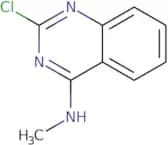
CAS:<p>Versatile small molecule scaffold</p>Formula:C6H5BrN4Purity:Min. 95%Molecular weight:213.04 g/mol2-Chloro-N-methylquinazolin-4-amine
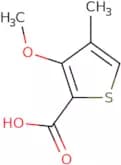
CAS:<p>Versatile small molecule scaffold</p>Formula:C9H8ClN3Purity:Min. 95%Molecular weight:193.63 g/mol3-Methoxy-4-methylthiophene-2-carboxylic acid
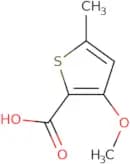
CAS:<p>Versatile small molecule scaffold</p>Formula:C7H8O3SPurity:Min. 95%Molecular weight:172.2 g/mol3-Methoxy-5-methylthiophene-2-carboxylic acid
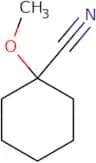
CAS:<p>Versatile small molecule scaffold</p>Formula:C7H8O3SPurity:Min. 95%Molecular weight:172.2 g/mol1-Methoxycyclohexane-1-carbonitrile
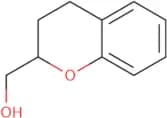
CAS:<p>Versatile small molecule scaffold</p>Formula:C8H13NOPurity:Min. 95%Molecular weight:139.19 g/mol2-(Hydroxymethyl)chroman
CAS:<p>2-(Hydroxymethyl)chroman is a conjugate of 2-hydroxymethylchroman and an inorganic base. It is synthesized by coupling 2-hydroxymethylchroman with an inorganic base. One of the most important features of 2-(hydroxymethyl)chroman is its ability to form stable compounds with halides, alcohol groups, or euglycemic sodium hypochlorite. This conjugate has been shown to have neuroprotective effects against oxidative damage and is also used as a synthetic intermediate for organic synthesis.</p>Formula:C10H12O2Purity:Min. 95%Molecular weight:164.2 g/molNapabucasin
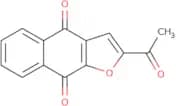
CAS:<p>Napabucasin is a natural compound that has been shown to have anti-cancer properties. It has been used in vitro to inhibit the growth of cancer cells and induce cell death in both squamous carcinoma and bone cancer. Napabucasin also inhibits the proliferation of human ovarian cancer cells, which are resistant to cisplatin treatment, by inducing cell death. This drug may be a potential biomarker for platinum-resistant ovarian cancer as it accumulates in tumor tissue and inhibits the mitochondrial membrane potential. Napabucasin also showed anti-inflammatory properties against infectious diseases such as herpes simplex virus type 1 (HSV-1) and influenza virus type A (H1N1).</p>Formula:C14H8O4Purity:Min. 95%Molecular weight:240.21 g/mol5,6-Dimethylpicolinic acid
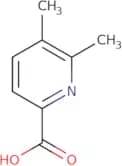
CAS:<p>5,6-Dimethylpicolinic acid is a compound that has shown potential chemopreventive properties against cancer. It inhibits the growth of hepatoma cells by inhibiting their ability to use glucose for energy and by inducing apoptosis. 5,6-Dimethylpicolinic acid also inhibits the production of carcinogenic furfural from hexane in liver cells. This agent can be isolated from a number of plant sources, including the leaves of "Eucalyptus" species and "Camellia sinensis".</p>Formula:C8H9NO2Purity:Min. 95%Molecular weight:151.16 g/mol5-Benzylthiophene-2-carbaldehyde
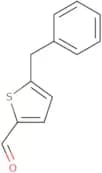
CAS:<p>Versatile small molecule scaffold</p>Formula:C12H10OSPurity:Min. 95%Molecular weight:202.27 g/mol5-Fluoro-4-methyl-2-nitrophenol
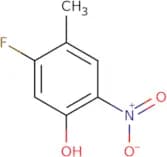
CAS:<p>Versatile small molecule scaffold</p>Formula:C7H6FNO3Purity:Min. 95%Molecular weight:171.13 g/molN-[4-(2-Hydroxyethyl)phenyl]acetamide
CAS:<p>Versatile small molecule scaffold</p>Formula:C10H13NO2Purity:Min. 95%Molecular weight:179.22 g/mol[(4-Chlorophenyl)methyl][3-(diethylamino)propyl]amine
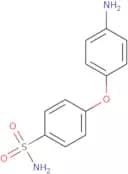
CAS:<p>Versatile small molecule scaffold</p>Formula:C14H23ClN2Purity:Min. 95%Molecular weight:254.8 g/mol4-(4-Aminophenoxy)benzene-1-sulfonamide
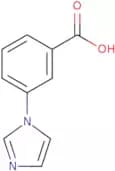
CAS:<p>Versatile small molecule scaffold</p>Formula:C12H12N2O3SPurity:Min. 95%Molecular weight:264.3 g/mol3-(1H-Imidazol-1-yl)benzoic acid
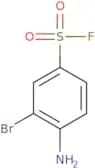
CAS:<p>3-(1H-Imidazol-1-yl)benzoic acid is a heterocyclic organic compound that is used as an excitatory neurotransmitter. It has a high affinity for the metabotropic glutamate receptor and is able to induce excitatory postsynaptic potentials in neurons. 3-(1H-Imidazol-1-yl)benzoic acid binds to the postsynaptic membrane and blocks the ion channels, leading to depolarization of the neuron membrane. The glutamate binding site on the metabotropic glutamate receptor is low nanomolar and five membered, making it a competitive antagonist at this site.</p>Formula:C10H8N2O2Purity:Min. 95%Molecular weight:188.19 g/mol4-Amino-3-bromobenzene-1-sulfonyl fluoride
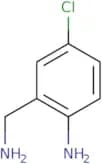
CAS:<p>Versatile small molecule scaffold</p>Formula:C6H5BrFNO2SPurity:Min. 95%Molecular weight:254.08 g/mol2-(aminomethyl)-4-chloroaniline
CAS:<p>2-(Aminomethyl)-4-chloroaniline is an organic compound that can be synthesized in a sustainable manner. It has been used as an additive for the oxidation of benzyl amines with transition metal catalysts. 2-(Aminomethyl)-4-chloroaniline is also a reagent for the synthesis of quinazoline derivatives and quinazolines. The efficiency of this process has been shown to increase with the substitution of n-substituted benzylamines.</p>Formula:C7H9ClN2Purity:Min. 95%Molecular weight:156.61 g/mol7-Bromo-2,3,4,9-tetrahydro-1H-pyrido[3,4-b]indole
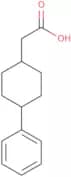
CAS:<p>Versatile small molecule scaffold</p>Formula:C11H11BrN2Purity:Min. 95%Molecular weight:251.13 g/mol2-(4-Phenylcyclohexyl)acetic acid
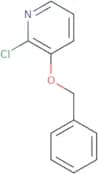
CAS:<p>Versatile small molecule scaffold</p>Formula:C14H18O2Purity:Min. 95%Molecular weight:218.29 g/mol2-Chloro-3-benzyloxymethylpyridine
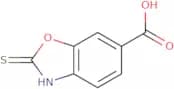
CAS:<p>Versatile small molecule scaffold</p>Formula:C13H12NOClPurity:Min. 95%Molecular weight:233.69 g/mol2-Sulfanyl-1,3-benzoxazole-6-carboxylic acid
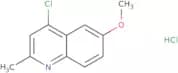
CAS:<p>Versatile small molecule scaffold</p>Formula:C8H5NO3SPurity:Min. 95%Molecular weight:195.2 g/mol4-Chloro-6-methoxy-2-methylquinoline hydrochloride
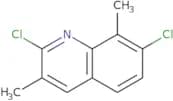
CAS:<p>Versatile small molecule scaffold</p>Formula:C11H11Cl2NOPurity:Min. 95%Molecular weight:244.11 g/mol2,7-Dichloro-3,8-dimethylquinoline
CAS:<p>Versatile small molecule scaffold</p>Formula:C11H9Cl2NPurity:Min. 95%Molecular weight:226.1 g/mol6-(Bromomethyl)-4-chlorothieno[2,3-d]pyrimidine
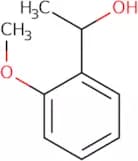
CAS:<p>Versatile small molecule scaffold</p>Formula:C7H4BrClN2SPurity:Min. 95%Molecular weight:263.54 g/mol(1S)-1-(2-Methoxyphenyl)ethan-1-ol
CAS:<p>(1S)-1-(2-Methoxyphenyl)ethan-1-ol is a synthetic intermediate that belongs to the class of alcohols. It has been shown to be an enantioselective hydrogenation substrate for the transfer hydrogenation of acetophenones. The compound can also be used in biological synthesis and organic synthesis as a chiral, optically pure building block.</p>Formula:C9H12O2Purity:Min. 95%Molecular weight:152.19 g/mol2-Oxo-1H,2H,5H,6H,7H-cyclopenta[b]pyridine-3-carbonitrile
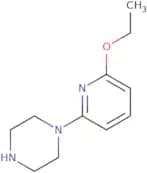
CAS:<p>The compound 2-oxo-1H,2H,5H,6H,7H-cyclopenta[b]pyridine-3-carbonitrile is a heterocyclic compound that belongs to the class of tricyclic compounds. It has an anisotropic crystal system and a single crystal x-ray diffraction pattern. The molecular geometry of this compound is a trigonal planar with three atoms in the plane. The molecular weight of 2-oxo-1H,2H,5H,6H,7H-cyclopenta[b]pyridine-3-carbonitrile is 205.08 g/mol.</p>Formula:C9H8N2OPurity:Min. 95%Molecular weight:160.17 g/mol1-(6-ethoxypyridin-2-yl)piperazine
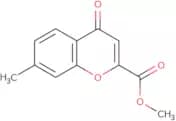
CAS:<p>Versatile small molecule scaffold</p>Formula:C11H17N3OPurity:Min. 95%Molecular weight:207.28 g/molMethyl 7-methyl-4-oxo-4-chromene-2-carboxylate
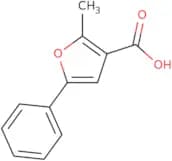
CAS:<p>Versatile small molecule scaffold</p>Formula:C12H10O4Purity:Min. 95%Molecular weight:218.2 g/mol2-Methyl-5-phenylfuran-3-carboxylic acid
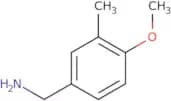
CAS:<p>2-Methyl-5-phenylfuran-3-carboxylic acid (2MPFC) is a ligand that binds to the agonist binding site of the 5HT1A receptor. It has been shown to have potent effects on red blood cells, cell function and Alzheimer’s disease. 2MPFC has been shown to activate microglial cells and increase blood pressure in some models. The compound activates the receptor by binding it in an allosteric manner, which is a different mechanism than other ligands that bind at the orthosteric site. This compound also has been shown to be able to reduce dehydration and increase water intake in mice.</p>Formula:C12H10O3Purity:Min. 95%Molecular weight:202.21 g/mol(4-Methoxy-3-methylphenyl)methanamine
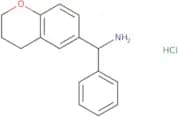
CAS:<p>Versatile small molecule scaffold</p>Formula:C9H13NOPurity:Min. 95%Molecular weight:151.21 g/mol3,4-Dihydro-2H-1-benzopyran-6-yl(phenyl)methanamine hydrochloride
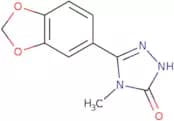
CAS:<p>Versatile small molecule scaffold</p>Formula:C16H18ClNOPurity:Min. 95%Molecular weight:275.77 g/mol3-(1,3-Dioxaindan-5-yl)-4-methyl-4,5-dihydro-1H-1,2,4-triazol-5-one
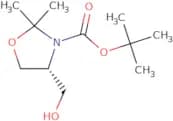
CAS:<p>Versatile small molecule scaffold</p>Formula:C10H9N3O3Purity:Min. 95%Molecular weight:219.2 g/mol(R)-4-Hydroxymethyl-2,2-dimethyl-oxazolidine-3-carboxylic acid tert-butyl ester
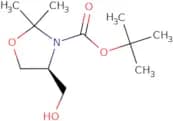
CAS:<p>Versatile small molecule scaffold</p>Formula:C11H21NO4Purity:Min. 95%Molecular weight:231.29 g/mol(S)-1-Boc-2,2-Dimethyl-4-hydroxymethyl-oxazolidine
CAS:<p>Versatile small molecule scaffold</p>Formula:C11H21NO4Purity:Min. 95%Molecular weight:231.29 g/molBenz[cd]indol-2-amine
CAS:<p>Benz[cd]indol-2-amine is a chemical compound that is synthetized by the condensation of benzaldehyde and 2-aminoethanol. It is used in animal experiments to study the effects of thromboxanes on hypertension, which are potent vasoconstrictors. Benz[cd]indol-2-amine has a heterocyclic ring with one double bond and two substituents. It is an aromatic compound that has a heterocyclic ring containing a nitrogen atom. This molecule also contains an oxygen atom, which is bonded to the heterocyclic ring at one end and bonded to a hydrogen atom at the other end. Benz[cd]indol-2-amine is not soluble in water but can be dissolved in polar solvents such as acetone or chloroform.</p>Formula:C11H8N2Purity:Min. 95%Molecular weight:168.2 g/molN-[(4-Methoxyphenyl)methyl]cyclopentanamine
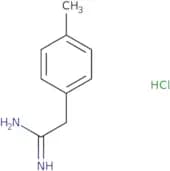
CAS:<p>Versatile small molecule scaffold</p>Formula:C13H19NOPurity:Min. 95%Molecular weight:205.3 g/mol2-(4-Methylphenyl)ethanimidamide hydrochloride
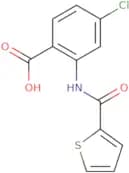
CAS:<p>Versatile small molecule scaffold</p>Formula:C9H13ClN2Purity:Min. 95%Molecular weight:184.66 g/mol4-Chloro-2-(thiophene-2-amido)benzoic acid
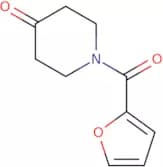
CAS:<p>Versatile small molecule scaffold</p>Formula:C12H8ClNO3SPurity:Min. 95%Molecular weight:281.72 g/mol1-(Furan-2-carbonyl)piperidin-4-one
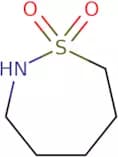
CAS:Controlled Product<p>Versatile small molecule scaffold</p>Formula:C10H11NO3Purity:Min. 95%Molecular weight:193.2 g/molHexahydro-1,2-thiazepine 1,1-dioxide
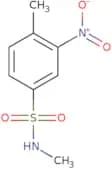
CAS:<p>Versatile small molecule scaffold</p>Formula:C5H11NO2SPurity:Min. 95%Molecular weight:149.21 g/molN,4-Dimethyl-3-nitrobenzenesulfonamide
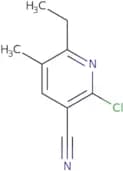
CAS:<p>Versatile small molecule scaffold</p>Formula:C8H10N2O4SPurity:Min. 95%Molecular weight:230.24 g/mol2-Chloro-6-ethyl-5-methylpyridine-3-carbonitrile
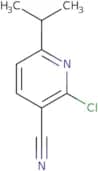
CAS:<p>Versatile small molecule scaffold</p>Formula:C9H9ClN2Purity:Min. 95%Molecular weight:180.63 g/mol2-Chloro-6-isopropylnicotinonitrile
CAS:<p>Versatile small molecule scaffold</p>Formula:C9H9ClN2Purity:Min. 95%Molecular weight:180.63 g/mol4-Oxo-4,5,6,7-tetrahydro-1-benzofuran-2-carboxylic acid
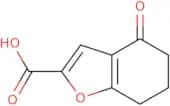
CAS:<p>Versatile small molecule scaffold</p>Formula:C9H8O4Purity:Min. 95%Molecular weight:180.16 g/molEthyl 2-cyano-2-(1-methyl-2-oxo-2,3-dihydro-1H-indol-3-yl)acetate
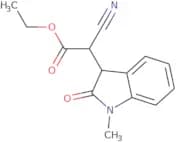
CAS:<p>Versatile small molecule scaffold</p>Formula:C14H14N2O3Purity:Min. 95%Molecular weight:258.27 g/mol1-[(Oxolan-3-yl)methyl]piperidin-4-amine
CAS:<p>Versatile small molecule scaffold</p>Formula:C10H20N2OPurity:Min. 95%Molecular weight:184.28 g/molN-(2-Methylphenyl)-4H-3,1-benzothiazin-2-amine
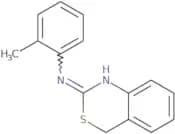
CAS:<p>Versatile small molecule scaffold</p>Formula:C15H14N2SPurity:Min. 95%Molecular weight:254.4 g/molrac-[(1R,2R)-2-Bromocyclopropyl]methanol
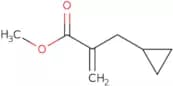
CAS:<p>Versatile small molecule scaffold</p>Formula:C4H7BrOPurity:Min. 95%Molecular weight:151 g/molMethyl 2-(cyclopropylmethyl)prop-2-enoate
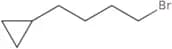
CAS:<p>Versatile small molecule scaffold</p>Formula:C8H12O2Purity:Min. 95%Molecular weight:140.18 g/mol(4-Bromobutyl)cyclopropane
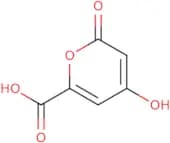
CAS:<p>Versatile small molecule scaffold</p>Formula:C7H13BrPurity:Min. 95%Molecular weight:177.08 g/mol4-Hydroxy-2-oxo-2H-pyran-6-carboxylic acid
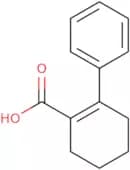
CAS:<p>Versatile small molecule scaffold</p>Formula:C6H4O5Purity:Min. 95%Molecular weight:156.09 g/mol2-Phenylcyclohex-1-ene-1-carboxylic acid
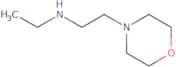
CAS:<p>Versatile small molecule scaffold</p>Formula:C13H14O2Purity:Min. 95%Molecular weight:202.25 g/molN-Ethyl-2-morpholin-4-ylethanamine
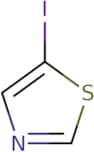
CAS:<p>Versatile small molecule scaffold</p>Formula:C8H18N2OPurity:Min. 95%Molecular weight:158.24 g/mol5-Iodo-1,3-thiazole
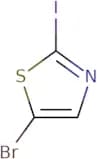
CAS:<p>Versatile small molecule scaffold</p>Formula:C3H2INSPurity:Min. 95%Molecular weight:211.03 g/mol5-bromo-2-iodo-1,3-thiazole
CAS:<p>Versatile small molecule scaffold</p>Formula:C3HBrINSPurity:Min. 95%Molecular weight:289.9 g/mol{[1,3]Thiazolo[5,4-c]pyridin-2-yl}hydrazine
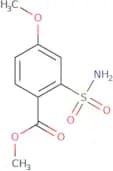
CAS:<p>Versatile small molecule scaffold</p>Formula:C6H6N4SPurity:Min. 95%Molecular weight:166.21 g/molMethyl 4-methoxy-2-sulfamoylbenzoate
CAS:<p>Versatile small molecule scaffold</p>Formula:C9H11NO5SPurity:Min. 95%Molecular weight:245.3 g/mol3-{[(tert-Butoxy)carbonyl]amino}thiolane-3-carboxylic acid
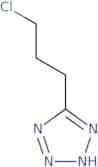
CAS:<p>Versatile small molecule scaffold</p>Formula:C10H17NO4SPurity:Min. 95%Molecular weight:247.31 g/mol5-(3-Chloropropyl)-1H-1,2,3,4-tetrazole
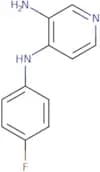
CAS:<p>Versatile small molecule scaffold</p>Formula:C4H7ClN4Purity:Min. 95%Molecular weight:146.58 g/mol4-N-(4-Fluorophenyl)pyridine-3,4-diamine
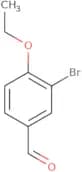
CAS:<p>Versatile small molecule scaffold</p>Formula:C11H10FN3Purity:Min. 95%Molecular weight:203.22 g/mol3-Bromo-4-ethoxybenzaldehyde
CAS:<p>Versatile small molecule scaffold</p>Formula:C9H9BrO2Purity:Min. 95%Molecular weight:229.07 g/mol1-[(Ethenyloxy)methyl]-4-methoxybenzene
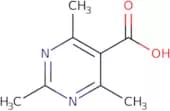
CAS:<p>Versatile small molecule scaffold</p>Formula:C10H12O2Purity:Min. 95%Molecular weight:164.2 g/mol2,4,6-Trimethylpyrimidine-5-carboxylic acid
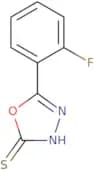
CAS:<p>Versatile small molecule scaffold</p>Formula:C8H10N2O2Purity:Min. 95%Molecular weight:166.18 g/mol5-(2-Fluorophenyl)-1,3,4-oxadiazole-2-thiol
CAS:<p>Versatile small molecule scaffold</p>Formula:C8H5FN2OSPurity:Min. 95%Molecular weight:196.2 g/mol9-Benzyl-3,9-diazabicyclo[4.2.1]nonane
CAS:<p>Versatile small molecule scaffold</p>Formula:C14H20N2Purity:Min. 95%Molecular weight:216.32 g/molMethyl 1-methyl-1H-indole-3-carboxylate
CAS:Controlled Product<p>Methyl 1-methyl-1H-indole-3-carboxylate is a natural product that has been isolated from the leaves of plants in the genus Methoxycamalexin. It is an inhibitor of methoxycamalexin, which is a phytoalexin produced by some plants when they are under attack by bacteria. Methyl 1-methyl-1H-indole-3-carboxylate inhibits bacterial growth and results in the production of virulent compounds and the development of resistance to other antibiotics. This compound also has antimicrobial properties and can be used to protect crops against diseases caused by bacteria.</p>Formula:C11H11NO2Purity:Min. 95%Molecular weight:189.21 g/mol4-[3-(Aminomethyl)pentan-3-yl]-1,2-dimethoxybenzene hydrochloride
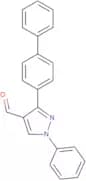
CAS:<p>Versatile small molecule scaffold</p>Formula:C14H24ClNO2Purity:Min. 95%Molecular weight:273.8 g/mol1-Phenyl-3-(4-phenylphenyl)-1H-pyrazole-4-carbaldehyde
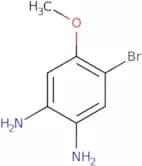
CAS:<p>Versatile small molecule scaffold</p>Formula:C22H16N2OPurity:Min. 95%Molecular weight:324.4 g/mol4-Bromo-5-methoxybenzene-1,2-diamine
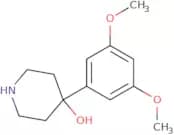
CAS:<p>Versatile small molecule scaffold</p>Formula:C7H9BrN2OPurity:Min. 95%Molecular weight:217.06 g/mol4-(3,5-Dimethoxyphenyl)piperidin-4-ol
CAS:<p>Versatile small molecule scaffold</p>Formula:C13H19NO3Purity:Min. 95%Molecular weight:237.29 g/mol[3-(3-Methoxy-phenyl)-propyl]-methyl-amine
CAS:<p>Versatile small molecule scaffold</p>Formula:C11H17NOPurity:Min. 95%Molecular weight:179.26 g/mol2-[(4-Chlorobenzoyl)amino]propanoic acid
CAS:<p>2-[(4-Chlorobenzoyl)amino]propanoic acid is a research tool that inhibits ion channels and ligand-gated ion channels. It has been shown to be an activator of potassium channels, which may lead to the inhibition of voltage-gated sodium channels. This agent also binds to the receptor for angiotensin II and blocks its activity. 2-[(4-Chlorobenzoyl)amino]propanoic acid is a high purity reagent with a purity greater than 99%.</p>Formula:C10H10ClNO3Purity:Min. 95%Molecular weight:227.64 g/mol2-Imino-3,3,7,7-tetramethyl-2H,3H,5H,6H,7H-imidazo[1,2-c]imidazolidin-5-one
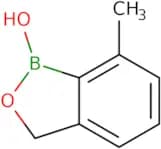
CAS:<p>Versatile small molecule scaffold</p>Formula:C9H14N4OPurity:Min. 95%Molecular weight:194.23 g/mol7-Methyl-1,3-dihydro-2,1-benzoxaborol-1-ol
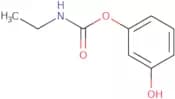
CAS:<p>Versatile small molecule scaffold</p>Formula:C8H9BO2Purity:Min. 95%Molecular weight:147.97 g/mol3-Hydroxyphenyl N-ethylcarbamate
CAS:<p>Versatile small molecule scaffold</p>Formula:C9H11NO3Purity:Min. 95%Molecular weight:181.19 g/mol[4-(Methylsulfanyl)phenyl]methanethiol
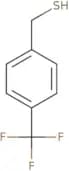
CAS:<p>Versatile small molecule scaffold</p>Formula:C8H10S2Purity:Min. 95%Molecular weight:170.3 g/mol4-(Trifluoromethyl)benzyl mercaptan
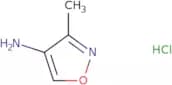
CAS:<p>4-(Trifluoromethyl)benzyl mercaptan is a chemical that has been used as an additive to organic solar cells. It has been shown to improve the performance of these devices by reducing interfacial recombination and increasing electron mobility. This chemical also has semiconducting properties, which have been demonstrated by its ability to be translated in an electron microscope. In addition, 4-(Trifluoromethyl)benzyl mercaptan interacts with many solvents, such as chloroform and dichloromethane, leading to changes in their properties.</p>Formula:C8H7F3SPurity:Min. 95%Molecular weight:192.2 g/mol3-Methyl-1,2-oxazol-4-amine hydrochloride
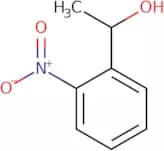
CAS:<p>Versatile small molecule scaffold</p>Formula:C4H7ClN2OPurity:Min. 95%Molecular weight:134.56 g/mol(R)-1-(2-Nitrophenyl)ethanol
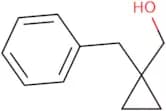
CAS:<p>Versatile small molecule scaffold</p>Formula:C8H9NO3Purity:Min. 95%Molecular weight:167.16 g/mol(1-Benzylcyclopropyl)methanol
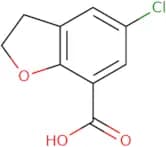
CAS:<p>Versatile small molecule scaffold</p>Formula:C11H14OPurity:Min. 95%Molecular weight:162.23 g/mol5-Chloro-2,3-dihydro-1-benzofuran-7-carboxylic acid
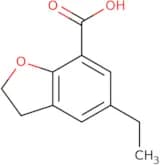
CAS:<p>Versatile small molecule scaffold</p>Formula:C9H7ClO3Purity:Min. 95%Molecular weight:198.6 g/mol5-Ethyl-2,3-dihydro-1-benzofuran-7-carboxylic acid
CAS:<p>Versatile small molecule scaffold</p>Formula:C11H12O3Purity:Min. 95%Molecular weight:192.21 g/mol12-Oxo-6H,7H,8H,9H,10H,12H-azepino[2,1-b]quinazoline-3-carboxylic acid
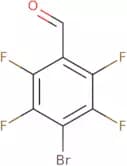
CAS:<p>Versatile small molecule scaffold</p>Formula:C14H14N2O3Purity:Min. 95%Molecular weight:258.27 g/mol4-Bromo-2,3,5,6-tetrafluorobenzaldehyde
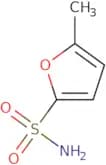
CAS:<p>4-Bromo-2,3,5,6-tetrafluorobenzaldehyde is a crystalline compound. It has the potential to form dipoles with other molecules and intermolecular forces with non-polar compounds. It is non-polar and can form interactions with other compounds that are also non-polar. 4-Bromo-2,3,5,6-tetrafluorobenzaldehyde has been shown to have stacking interactions with other molecules in crystal structures. These interactions are caused by electrostatic attraction between ions of opposite charge.</p>Formula:C7HBrF4OPurity:Min. 95%Molecular weight:256.98 g/mol5-Methylfuran-2-sulfonamide
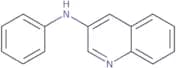
CAS:<p>Versatile small molecule scaffold</p>Formula:C5H7NO3SPurity:Min. 95%Molecular weight:161.18 g/molN-Phenylquinolin-3-amine
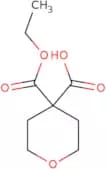
CAS:<p>N-Phenylquinolin-3-amine is a synthetic antifungal agent that has been shown to be active against opportunistic fungi. The compound also functions as a competitive inhibitor of the enzyme 3-bromoquinoline, which is responsible for the synthesis of quinolones in bacteria. This inhibition prevents the production of an enzyme needed for bacterial DNA synthesis and leads to cell death. N-Phenylquinolin-3-amine has also been shown to have anti-infective properties in mice by inhibiting the growth of Staphylococcus aureus and Pseudomonas aeruginosa. Research on this compound has focused on its pharmacological functions, with some studies suggesting it may have anticancer activity due to its ability to inhibit protein synthesis and induce apoptosis in various cancer cells.</p>Formula:C15H12N2Purity:Min. 95%Molecular weight:220.27 g/mol4-(Ethoxycarbonyl)oxane-4-carboxylic acid
CAS:<p>Versatile small molecule scaffold</p>Formula:C9H14O5Purity:Min. 95%Molecular weight:202.2 g/mol3-Methyl-3-azabicyclo[3.2.1]octan-8-amine
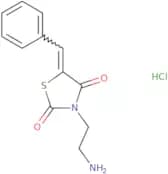
CAS:<p>Versatile small molecule scaffold</p>Formula:C8H16N2Purity:Min. 95%Molecular weight:140.23 g/mol3-(2-Aminoethyl)-5-(phenylmethylidene)-1,3-thiazolidine-2,4-dione hydrochloride
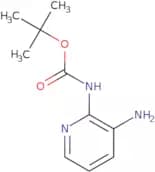
CAS:<p>Versatile small molecule scaffold</p>Formula:C12H13ClN2O2SPurity:Min. 95%Molecular weight:284.76 g/moltert-Butyl (3-aminopyridin-2-yl)carbamate
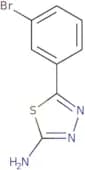
CAS:<p>Versatile small molecule scaffold</p>Formula:C10H15N3O2Purity:Min. 95%Molecular weight:209.25 g/mol5-(3-bromophenyl)-1,3,4-thiadiazol-2-amine
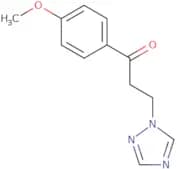
CAS:<p>Versatile small molecule scaffold</p>Formula:C8H6BrN3SPurity:Min. 95%Molecular weight:256.1 g/mol1-(4-Methoxyphenyl)-3-(1H-1,2,4-triazol-1-yl)propan-1-one
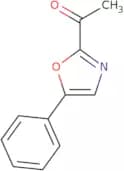
CAS:<p>1-(4-Methoxyphenyl)-3-(1H-1,2,4-triazol-1-yl)propan-1-one is a benzene compound with an aromatic ring. It stabilizes the benzene ring by forming intermolecular interactions, hydrogen bonds, and planar triazole dihedral angles. 1-(4-Methoxyphenyl)-3-(1H-1,2,4-triazol-1-yl)propan-1-one also has antiinflammatory properties and is used in the treatment of rheumatoid arthritis. The crystal structure of this molecule can be found in the Cambridge Structural Database.</p>Formula:C12H13N3O2Purity:Min. 95%Molecular weight:231.25 g/mol1-(5-Phenyl-1,3-oxazol-2-yl)ethan-1-one
CAS:<p>Versatile small molecule scaffold</p>Formula:C11H9NO2Purity:Min. 95%Molecular weight:187.19 g/mol2-[(4-Methylcyclohexyl)amino]ethan-1-ol
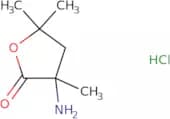
CAS:<p>Versatile small molecule scaffold</p>Formula:C9H19NOPurity:Min. 95%Molecular weight:157.25 g/mol3-Amino-3,5,5-trimethyloxolan-2-one hydrochloride
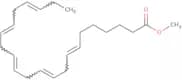
CAS:<p>Versatile small molecule scaffold</p>Formula:C7H14ClNO2Purity:Min. 95%Molecular weight:179.64 g/molMethyl all-cis-7,10,13,16,19-docosapentaenoate
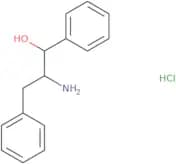
CAS:<p>Methyl all-cis-7,10,13,16,19-docosapentaenoate is a methyl ester of an omega-3 polyunsaturated fatty acid, which is naturally sourced from marine oils, particularly fish and algae. This compound is characterized by its all-cis configuration, contributing to its unique biochemical properties. In terms of mode of action, this molecule is involved in modulating cell membrane fluidity and acting as a precursor to bioactive lipid mediators with anti-inflammatory and immunomodulatory functions.</p>Formula:C23H36O2Purity:Min. 95%Molecular weight:344.53 g/mol2-Amino-1,3-diphenylpropan-1-ol hydrochloride
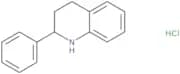
CAS:<p>Versatile small molecule scaffold</p>Formula:C15H18ClNOPurity:Min. 95%Molecular weight:263.76 g/mol2-Phenyl-1,2,3,4-tetrahydroquinoline hydrochloride
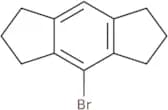
CAS:<p>Versatile small molecule scaffold</p>Formula:C15H16ClNPurity:Min. 95%Molecular weight:245.74 g/mol4-Bromo-1,2,3,5,6,7-hexahydro-S-indacene
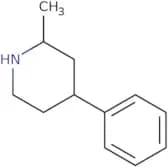
CAS:<p>Versatile small molecule scaffold</p>Formula:C12H13BrPurity:Min. 95%Molecular weight:237.13 g/mol2-Methyl-4-phenylpiperidine
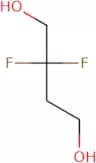
CAS:<p>Versatile small molecule scaffold</p>Formula:C12H17NPurity:Min. 95%Molecular weight:175.27 g/mol2,2-Difluorobutane-1,4-diol
CAS:<p>Versatile small molecule scaffold</p>Formula:C4H8F2O2Purity:Min. 95%Molecular weight:126.1 g/mol
![4-bromo-1-methyl-1h-pyrazolo[3,4-d]pyrimidine](/_next/image/?url=https%3A%2Fstatic.cymitquimica.com%2Fproducts%2F3D%2Fthumb-webp%2FIDA25588.webp&w=3840&q=75)

![N-[4-(2-Hydroxyethyl)phenyl]acetamide](/_next/image/?url=https%3A%2Fstatic.cymitquimica.com%2Fproducts%2F3D%2Fthumb-webp%2FIDA34511.webp&w=3840&q=75)
![[(4-Chlorophenyl)methyl][3-(diethylamino)propyl]amine](/_next/image/?url=https%3A%2Fstatic.cymitquimica.com%2Fproducts%2F3D%2Fthumb-webp%2FIEA01087.webp&w=3840&q=75)
![7-Bromo-2,3,4,9-tetrahydro-1H-pyrido[3,4-b]indole](/_next/image/?url=https%3A%2Fstatic.cymitquimica.com%2Fproducts%2F3D%2Fthumb-webp%2FIEA06147.webp&w=3840&q=75)
![6-(Bromomethyl)-4-chlorothieno[2,3-d]pyrimidine](/_next/image/?url=https%3A%2Fstatic.cymitquimica.com%2Fproducts%2F3D%2Fthumb-webp%2FIEA09955.webp&w=3840&q=75)
![2-Oxo-1H,2H,5H,6H,7H-cyclopenta[b]pyridine-3-carbonitrile](/_next/image/?url=https%3A%2Fstatic.cymitquimica.com%2Fproducts%2F3D%2Fthumb-webp%2FIEA10697.webp&w=3840&q=75)
![Benz[cd]indol-2-amine](/_next/image/?url=https%3A%2Fstatic.cymitquimica.com%2Fproducts%2F3D%2Fthumb-webp%2FIEA15526.webp&w=3840&q=75)
![N-[(4-Methoxyphenyl)methyl]cyclopentanamine](/_next/image/?url=https%3A%2Fstatic.cymitquimica.com%2Fproducts%2F3D%2Fthumb-webp%2FIEA15723.webp&w=3840&q=75)
![1-[(Oxolan-3-yl)methyl]piperidin-4-amine](/_next/image/?url=https%3A%2Fstatic.cymitquimica.com%2Fproducts%2F3D%2Fthumb-webp%2FIEA28230.webp&w=3840&q=75)
![rac-[(1R,2R)-2-Bromocyclopropyl]methanol](/_next/image/?url=https%3A%2Fstatic.cymitquimica.com%2Fproducts%2F3D%2Fthumb-webp%2FIEA28950.webp&w=3840&q=75)
![{[1,3]Thiazolo[5,4-c]pyridin-2-yl}hydrazine](/_next/image/?url=https%3A%2Fstatic.cymitquimica.com%2Fproducts%2F3D%2Fthumb-webp%2FIEA31080.webp&w=3840&q=75)
![3-{[(tert-Butoxy)carbonyl]amino}thiolane-3-carboxylic acid](/_next/image/?url=https%3A%2Fstatic.cymitquimica.com%2Fproducts%2F3D%2Fthumb-webp%2FIEA32986.webp&w=3840&q=75)
![1-[(Ethenyloxy)methyl]-4-methoxybenzene](/_next/image/?url=https%3A%2Fstatic.cymitquimica.com%2Fproducts%2F3D%2Fthumb-webp%2FIEA38836.webp&w=3840&q=75)
![9-Benzyl-3,9-diazabicyclo[4.2.1]nonane](/_next/image/?url=https%3A%2Fstatic.cymitquimica.com%2Fproducts%2F3D%2Fthumb-webp%2FIEA43746.webp&w=3840&q=75)
![4-[3-(Aminomethyl)pentan-3-yl]-1,2-dimethoxybenzene hydrochloride](/_next/image/?url=https%3A%2Fstatic.cymitquimica.com%2Fproducts%2F3D%2Fthumb-webp%2FIEA44497.webp&w=3840&q=75)
![[3-(3-Methoxy-phenyl)-propyl]-methyl-amine](/_next/image/?url=https%3A%2Fstatic.cymitquimica.com%2Fproducts%2F3D%2Fthumb-webp%2FIEA44767.webp&w=3840&q=75)
![2-[(4-Chlorobenzoyl)amino]propanoic acid](/_next/image/?url=https%3A%2Fstatic.cymitquimica.com%2Fproducts%2F3D%2Fthumb-webp%2FIEA46295.webp&w=3840&q=75)
![2-Imino-3,3,7,7-tetramethyl-2H,3H,5H,6H,7H-imidazo[1,2-c]imidazolidin-5-one](/_next/image/?url=https%3A%2Fstatic.cymitquimica.com%2Fproducts%2F3D%2Fthumb-webp%2FIEA48318.webp&w=3840&q=75)
![[4-(Methylsulfanyl)phenyl]methanethiol](/_next/image/?url=https%3A%2Fstatic.cymitquimica.com%2Fproducts%2F3D%2Fthumb-webp%2FIEA49920.webp&w=3840&q=75)
![12-Oxo-6H,7H,8H,9H,10H,12H-azepino[2,1-b]quinazoline-3-carboxylic acid](/_next/image/?url=https%3A%2Fstatic.cymitquimica.com%2Fproducts%2F3D%2Fthumb-webp%2FIEA56187.webp&w=3840&q=75)
![3-Methyl-3-azabicyclo[3.2.1]octan-8-amine](/_next/image/?url=https%3A%2Fstatic.cymitquimica.com%2Fproducts%2F3D%2Fthumb-webp%2FIEA64012.webp&w=3840&q=75)
![2-[(4-Methylcyclohexyl)amino]ethan-1-ol](/_next/image/?url=https%3A%2Fstatic.cymitquimica.com%2Fproducts%2F3D%2Fthumb-webp%2FIEA66682.webp&w=3840&q=75)