Building Blocks
This section contains fundamental products for the synthesis of organic and biological compounds. Building blocks are the essential starting materials used to construct complex molecules through various chemical reactions. They play a critical role in drug discovery, material science, and chemical research. At CymitQuimica, we offer a diverse range of high-quality building blocks to support your innovative research and industrial projects, ensuring you have the essential components for successful synthesis.
Subcategories of "Building Blocks"
- Boronic Acids & Boronic Acid Derivatives(5,756 products)
- Chiral Building Blocks(1,242 products)
- Hydrocarbon Building Blocks(6,095 products)
- Organic Building Blocks(61,051 products)
Found 199813 products of "Building Blocks"
Sort by
Purity (%)
0
100
|
0
|
50
|
90
|
95
|
100
Methyl 3-bromo-1-methyl-1H-pyrazole-5-carboxylate
CAS:<p>Versatile small molecule scaffold</p>Formula:C6H7BrN2O2Purity:Min. 95%Molecular weight:219.04 g/mol1-(4-(4,4,5,5-Tetramethyl-1,3,2-dioxaborolan-2-yl)phenyl)cyclopropanecarbonitrile
CAS:Versatile small molecule scaffoldFormula:C16H20BNO2Purity:Min. 95%Molecular weight:269.15 g/molN-Ethylcyclobutanamine hydrochloride
CAS:<p>Versatile small molecule scaffold</p>Formula:C6H13NPurity:Min. 95%Molecular weight:99.17 g/mol1,3,5,7-Tetrabromoadamantane
CAS:<p>1,3,5,7-Tetrabromoadamantane is a molecule that has been synthesized and introduced as a mediator to introduce oxidants. The introduction of the oxidant is mediated by 1,3,5,7-tetrabromoadamantane. This molecule has been shown to be synthesized in two steps from hexamethylenetetramine (HMT) and iodomethane. The synthesis of this molecule can also be achieved by reacting synthons such as tetraphenylmethane with hydrochloric acid. 1,3,5,7-Tetrabromoadamantane is an equivalence mediator because it can mediate a redox reaction in which the oxidizing agent is reduced and the reducing agent is oxidized.</p>Formula:C10H12Br4Purity:Min. 95%Molecular weight:451.82 g/moltert-Butyl (3S,5S)-3-amino-5-fluoropiperidine-1-carboxylate
CAS:<p>Versatile small molecule scaffold</p>Formula:C10H19FN2O2Purity:Min. 95%Molecular weight:218.27 g/mol5-Bromo-1-methyl-3H-1,3-benzodiazol-2-one
CAS:<p>Versatile small molecule scaffold</p>Formula:C8H7BrN2OPurity:Min. 95%Molecular weight:227.06 g/mol2-[3-Chloro-5-(trifluoromethyl)-2-pyridinyl]-acetonitrile
CAS:<p>Versatile small molecule scaffold</p>Formula:C8H4ClF3N2Purity:Min. 95%Color and Shape:PowderMolecular weight:220.58 g/mol2-Bromo-4-iodoanisole
CAS:<p>2-Bromo-4-iodoanisole is an electrophilic intermediate that can be synthetically prepared by regioselective halogenations of 4-iodoanisole. It is also a substrate for sequential halogenations with bromine or iodine. The 2-bromo-4-iodoanisole reacts with aluminum to form an aluminate, which can be used as a catalyst in organic synthesis. 2-Bromo-4-iodoanisole has been shown to react with aromatic rings by electrophilically attacking the ring and adding a second bromine atom to the ring, leading to quenching of the molecule and formation of structurally diverse products.</p>Formula:C7H6BrIOPurity:Min. 95%Molecular weight:312.93 g/mol(4-(tert-Butoxy)phenyl)methanamine
CAS:<p>(4-(tert-Butoxy)phenyl)methanamine (BPMT) is a ligand that binds to the alpha-2 receptor and acts as an antagonist. This compound has been shown to be a molecular target for positron emission tomography imaging, which is used in the diagnosis of tumours. BPMT is also used in the treatment of neuropeptide-associated disorders such as Parkinson's disease. The chiral nature of this compound makes it useful for the production of radiopharmaceuticals and other diagnostic agents with different physical properties.</p>Formula:C11H17NOPurity:Min. 95%Molecular weight:179.26 g/mol1-(1-Benzyl-1H-pyrazol-4-yl)-ethanone
CAS:<p>Versatile small molecule scaffold</p>Formula:C12H12N2OPurity:Min. 95%Molecular weight:200.23 g/mol4-[1-(tert-Butoxy)-2-methyl-1-oxopropan-2-yl]benzoic acid
CAS:<p>Versatile small molecule scaffold</p>Formula:C15H20O4Purity:Min. 95%Molecular weight:264.32 g/mol5-Bromopyridine-3-thiol
CAS:<p>Versatile small molecule scaffold</p>Formula:C5H4BrNSPurity:Min. 95%Molecular weight:190.06 g/mol2-(4-Methoxyphenyl)ethyl bromide
CAS:<p>2-(4-Methoxyphenyl)ethyl bromide is an adenosine receptor antagonist that can be used in cancer treatment. It has been shown to inhibit the growth of cancer cells by blocking the binding of adenosine to its receptors and inhibiting phosphodiesterase, which is an enzyme that breaks down the key cellular messenger, cyclic AMP (cAMP). 2-(4-Methoxyphenyl)ethyl bromide also inhibits the production of aphanorphine, a morphine analogue that has been shown to stimulate endoplasmic reticulum stress and apoptosis in cancer cells. This compound has been synthesised and tested on animal models with promising results.</p>Formula:C9H11BrOPurity:Min. 95%Molecular weight:215.09 g/mol2-(2-Ethoxyphenoxy)acetic acid
CAS:<p>Versatile small molecule scaffold</p>Formula:C10H12O4Purity:Min. 95%Molecular weight:196.2 g/molThiodiglycolic Anhydride
CAS:<p>Thiodiglycolic anhydride is a synthetic reagent that is used in the synthesis of erdosteine. It also has been used in the synthesis of other products, such as magnetic particles for imaging and therapeutic uses. Thiodiglycolic anhydride can be used to synthesize erdosteine, which is a substrate for the enzyme hydroxylase and contains a hydroxy group in its structure. The hydroxyl group on erdosteine reacts with thiodiglycolic anhydride to form acrylonitrile, which then reacts with benzyl groups to form benzylthio-esters. These benzylthio-esters are then converted into acid transporters.</p>Formula:C4H4O3SPurity:Min. 95%Molecular weight:132.14 g/mol(S)-(-)-1-Phenylpropylamine
CAS:<p>(S)-(-)-1-Phenylpropylamine is a compound that can be synthesized by the asymmetric synthesis of 1-phenylethylamine. It is an amine that is used in the production of other compounds and has been shown to be reactive with a number of different compounds. The chemical profile of (S)-(-)-1-Phenylpropylamine consists mainly of aldehydes, amides, amines, and alkylating agents. This chiral molecule can be used for the production of drugs or as a precursor for other chemicals.</p>Formula:C9H13NPurity:Min. 95%Molecular weight:135.21 g/mol1,5,6,7-Tetrahydro-2H-cyclopenta[b]pyridin-2-one
CAS:<p>Versatile small molecule scaffold</p>Formula:C8H9NOPurity:Min. 95%Molecular weight:135.17 g/molGSK'547
CAS:GSK'547 is a small molecule that can interact with the ferroptosis pathway, which is involved in both acute and chronic kidney injury. GSK'547 has been shown to inhibit ischemia reperfusion-induced renal dysfunction by suppressing inflammation and oxidative stress. GSK'547 also inhibits cancer cell proliferation and acts as an anti-inflammatory agent. In addition, GSK'547 has been shown to be beneficial for treating tuberculosis infections and cavity diseases. The mechanism of action of GSK'547 involves inhibiting bacterial cell wall synthesis by binding to the beta-subunit of DNA gyrase. This binding prevents the formation of an antibiotic-inhibitor complex with the enzyme cell wall synthesis that is required for cell wall biosynthesis, inhibiting protein synthesis and cell division.Formula:C20H18F2N6OPurity:Min. 95%Molecular weight:396.39 g/molChromane-2-carboxylic Acid
CAS:<p>Chromane-2-carboxylic acid is an amide with a hydroxy group that has inhibitory effects on alkoxyphenols. It has been shown to have the ability to inhibit the growth of cancer cells in mammalian tissue and has been used in synthesizing nitro compounds. Chromane-2-carboxylic acid also inhibits matrix metalloproteinases, which are enzymes that break down proteins in the extracellular matrix and are associated with tumor invasion and metastasis. This compound also has radical scavenging activities, which may be due to its ability to form hydrogen bonds or intramolecular hydrogen bonds with aromatic hydrocarbons or fatty acids.</p>Formula:C10H10O3Purity:Min. 95%Molecular weight:178.18 g/mol4-Chloro-N-methoxy-N-methylbutanamide
CAS:<p>Versatile small molecule scaffold</p>Formula:C6H12ClNO2Purity:Min. 95%Molecular weight:165.62 g/moltert-Butyl 5-bromo-3,4-dihydro-2,7-naphthyridine-2(1H)-carboxylate
CAS:<p>Versatile small molecule scaffold</p>Formula:C13H17BrN2O2Purity:Min. 95%Molecular weight:313.19 g/mol(2S,3R)-2-((((9H-Fluoren-9-yl)methoxy)carbonyl)amino)-3-methoxybutanoic acid
CAS:<p>Versatile small molecule scaffold</p>Formula:C20H21NO5Purity:Min. 95%Molecular weight:355.4 g/mol(S)-3-Aminohexanoic acid hydrochloride ee
CAS:<p>Versatile small molecule scaffold</p>Formula:C6H14ClNO2Purity:Min. 95%Molecular weight:167.63 g/moltert-butyl 2-amino-8-azaspiro[4.5]decane-8-carboxylate
CAS:Versatile small molecule scaffoldFormula:C14H26N2O2Purity:Min. 95%Molecular weight:254.37 g/molMonomethyl Glutarate
CAS:<p>Monomethyl glutarate is a monomer for the synthesis of polymers. It has been used in the past as a precursor for the production of polyacrylic acid and its copolymers. Monomethyl glutarate is synthesized by the reaction of hydrochloric acid, high salt, and an expression plasmid containing glutarate dehydrogenase. This compound is also used as a reagent in kinetic studies of fatty acids and glutaric acid. Monomethyl glutarate is an acidic compound with a pKa value of 3.5 at 25°C. It is rapidly hydrolyzed in water to form monomethyl glutarate acid, which has a pKa value of 2.4 at 25°C. Monomethyl glutarate can be ingested orally or applied topically due to its low energy requirements for hydrolysis in water.</p>Formula:C6H10O4Purity:Min. 95%Molecular weight:146.14 g/mol1-[4-(Propan-2-yl)phenyl]ethan-1-ol
CAS:<p>Versatile small molecule scaffold</p>Formula:C11H16OPurity:Min. 95%Molecular weight:164.24 g/molMethyl 4-chlorobenzenesulfonate
CAS:<p>Versatile small molecule scaffold</p>Formula:C7H7ClO3SPurity:Min. 95%Molecular weight:206.65 g/mol1,3-Dibenzylurea
CAS:<p>1,3-Dibenzylurea is an organic molecule that has been used as a model system for the study of chemical reactions. This compound has been shown to have inhibitory properties against pain in animal studies and has been used to treat bowel disease. 1,3-Dibenzylurea can inhibit the inflammatory response by preventing the oxidative carbonylation of proteins. It also inhibits the production of inflammatory cytokines and chemokines in vitro. Nucleophilic attack by amines on the carbonyl group is a possible reaction pathway for this molecule.</p>Formula:C15H16N2OPurity:Min. 95%Molecular weight:240.3 g/moltert-butyl 2,5-diazabicyclo[4.1.0]heptane-2-carboxylate
CAS:<p>Versatile small molecule scaffold</p>Formula:C10H18N2O2Purity:Min. 95%Molecular weight:198.3 g/mol3-Fluoro-2-methoxypyridin-4-amine
CAS:<p>Versatile small molecule scaffold</p>Formula:C6H7FN2OPurity:Min. 95%Molecular weight:142.13 g/mol6-Hydroxyquinoline-4-carboxylic acid
CAS:<p>Versatile small molecule scaffold</p>Formula:C10H7NO3Purity:Min. 95%Molecular weight:189.17 g/mol5-Oxotetrahydrofuran-2-carboxylic acid
CAS:<p>5-Oxotetrahydrofuran-2-carboxylic acid is a solid phase extraction compound that can be used to extract and purify compounds from biological samples. It is synthesized by an asymmetric synthesis of the acetate ester of 5-hydroxytetrahydrofuran-2-carboxylic acid, which is then hydrolyzed to give the desired product. 5-Oxotetrahydrofuran-2-carboxylic acid has been used in cell culture studies as a diagnostic agent for cancer cells. The reactive nature of this molecule allows it to react with chloride ions and fatty acids, which leads to the death of cancer cells.</p>Formula:C5H6O4Purity:Min. 95%Molecular weight:130.1 g/mol5-Bromo-1-methyl-1H-pyrazole-4-carboxylic acid
CAS:<p>Versatile small molecule scaffold</p>Formula:C5H5BrN2O2Purity:Min. 95%Molecular weight:205.01 g/molMethyl 5,6-diaminopyridine-3-carboxylate
CAS:<p>Versatile small molecule scaffold</p>Formula:C7H9N3O2Purity:Min. 95%Molecular weight:167.17 g/mol2-Octyldecanoic acid
CAS:<p>2-Octyldecanoic acid is a fatty acid that is used as a stabilizer in detergent compositions. This stabilizer is also utilizable at high alkali metal concentrations, which makes it suitable for use in hard water conditions. 2-Octyldecanoic acid has a low viscosity at room temperature, and the nature of its hydrocarbon chain leads to increased stability against decomposition when heated or exposed to carbon tetrachloride. It can be synthesized from an aliphatic hydrocarbon, such as octane, to form a macrocyclic ring structure. 2-Octyldecanoic acid also has optical properties that depend on the configuration of the carbon atoms. The molecule has two chiral centers and can exist in four different forms: erythro (E), threo (T), dithreo (D) and meso (M). The optical activity of 2-octyldecanoic acid depends</p>Formula:C18H36O2Purity:Min. 95%Molecular weight:284.5 g/moltert-butyl 4-oxo-2,3-dihydroquinoline-1-carboxylate
CAS:<p>Versatile small molecule scaffold</p>Formula:C14H17NO3Purity:Min. 95%Molecular weight:247.29 g/mol3-(4-Hydroxyphenyl)hex-4-ynoic acid
CAS:Versatile small molecule scaffoldFormula:C12H12O3Purity:Min. 95%Molecular weight:204.22 g/mol2-Amino-4-hydroxypyridine
CAS:<p>2-Amino-4-hydroxypyridine (2AH) is a synthetic, isomeric compound that has been synthesized in two different forms: 3-bromo-5-hydroxypyridine and hydroxy group. 2AH has been shown to be chemically stable at room temperature and pH levels of less than 7. It also withstands the loss of membrane fluidity induced by amides, such as 3-amino-2-bromopyridine. 2AH can be used to synthesize oxindole derivatives, which are found in natural gas, and piperidines. This chemical can also be used for aminations with pyrrole or 2 amino 4 hydroxypyridine.</p>Formula:C5H6N2OPurity:Min. 95%Color and Shape:PowderMolecular weight:110.11 g/mol(S)-2-Aminobutyramide hydrochloride
CAS:(S)-2-Aminobutyramide hydrochloride is a chiral amide compound, which is utilized primarily in scientific research settings. This compound is typically synthesized through the resolution of racemic mixtures or other specialized chemical processes that ensure the purity and stereospecificity required for research purposes.The mode of action of (S)-2-Aminobutyramide hydrochloride revolves around its role as an intermediate in chemical synthesis, serving as a building block for the production of more complex molecules. It has a noteworthy chiral configuration, which makes it an essential component in the formation of enantiomerically pure substances. This aspect is crucial in fields like pharmaceuticals, where stereochemistry can significantly impact biological activity.Its applications extend to various domains such as the synthesis of therapeutic agents, biochemical research, and the development of novel materials. Researchers value it for its ability to contribute to the fine-tuning of molecular assemblies, making it indispensable in studies focused on the interaction and function of chiral molecules. The hydrochloride form aids in its stability and solubility, which are important attributes for laboratory manipulation and experimentation.Formula:C4H10N2O•HClPurity:Min. 95%Color and Shape:White PowderMolecular weight:138.6 g/mol4-Acetamidobenzenesulfonyl azide
CAS:<p>4-Acetamidobenzenesulfonyl azide (4ABS) is a low detection reagent that can be used for the determination of 4-acetamidobenzoic acid. It reacts with the amine group in 4-acetamidobenzoic acid to form a sulfonamide intermediate and releases an azide ion. The linear calibration curve was obtained using vibrational spectroscopy and has a detection sensitivity of 0.03 ppm. This method can also be used to determine the functional groups present in dopamine, which have been shown to affect electrochemical impedance spectroscopy measurements.</p>Formula:C8H8N4O3SPurity:Min. 95%Color and Shape:White PowderMolecular weight:240.24 g/mol3-Bromo-2-fluoro-6-methylpyridine
CAS:<p>Please enquire for more information about 3-Bromo-2-fluoro-6-methylpyridine including the price, delivery time and more detailed product information at the technical inquiry form on this page</p>Formula:C6H5BrFNPurity:Min. 95%Molecular weight:190.01 g/mol3-amino-6-bromopyridin-2-ol hydrobromide
CAS:<p>Versatile small molecule scaffold</p>Formula:C5H6Br2N2OPurity:Min. 95%Molecular weight:269.9 g/mol5-Bromo-2-fluoro-1,3-dimethylbenzene
CAS:<p>Please enquire for more information about 5-Bromo-2-fluoro-1,3-dimethylbenzene including the price, delivery time and more detailed product information at the technical inquiry form on this page</p>Formula:C8H8BrFPurity:Min. 95%Color and Shape:Clear Colourless To Yellow LiquidMolecular weight:203.05 g/mol1-Phenyl-1-butanol
CAS:<p>1-Phenyl-1-butanol (1PB) is a chiral compound that forms hydrogen bonds with itself. It is a colorless liquid that is soluble in organic solvents and has a boiling point of 61 °C. 1PB has been found to inhibit the growth of Pseudomonas aeruginosa by inhibiting fatty acid synthesis, which may be due to its ability to inhibit β-hydroxylase activity. 1PB also inhibits the growth of some bacteria (e.g., Staphylococcus aureus) by blocking the synthesis of fatty acids, which are important for bacterial cell membrane integrity. The hydroxyl group in 1PB helps it form hydrogen bonds with other molecules, including proteins and DNA strands, which makes it useful for chromatographic separation and as an antioxidant in food preservation.</p>Formula:C10H14OPurity:Min. 95%Molecular weight:150.22 g/molBenzophenone-4-carboxylic acid
CAS:<p>Organic intermediate</p>Formula:C14H10O3Purity:Min. 98 Area-%Color and Shape:White PowderMolecular weight:226.23 g/mol4-Bromobenzaldehyde
CAS:<p>4-Bromobenzaldehyde is a chemical compound that belongs to the group of aromatic compounds. It has been shown to have a potent stimulatory effect on locomotor activity in mice, which may be due to its ability to increase levels of epidermal growth factor and gamma-aminobutyric acid in the brain. 4-Bromobenzaldehyde can be synthesized from 2,4-dibromophenol and anhydrous copper chloride in the presence of sodium hydroxide. The reaction mechanism for this synthesis is believed to involve an intermediate enamine form of 4-bromobenzaldehyde, which can then undergo hydrolysis into 2,4-dibromophenol and benzaldehyde. This product is used as a reagent in organic synthesis because it can be used to form esters with trifluoroacetic acid or hydrochloric acid in high yield.</p>Formula:C7H5BrOPurity:Min. 90 Area-%Color and Shape:White PowderMolecular weight:185.02 g/mol1-Benzofuran-5-carbaldehyde
CAS:1-Benzofuran-5-carbaldehyde is a synthetic compound that inhibits the enzyme ido1. It has been shown to have potent cytotoxicity, potent inhibition, and neurotrophic properties in a number of cell lines. 1-Benzofuran-5-carbaldehyde also exhibits inhibitory effects on the enzymes hydrolyzing dopamine, which is involved in the synthesis of norepinephrine and epinephrine. The chemical structure of 1-benzofuran-5-carbaldehyde closely resembles that of dopamine and its derivatives, and can be used for the treatment of neurodegenerative diseases such as Parkinson's disease.Formula:C9H6O2Purity:Min. 95%Color and Shape:Yellow To Brown SolidMolecular weight:146.14 g/mol1-(4-Chloro-3-fluorophenyl)ethan-1-amine HCl
CAS:<p>Versatile small molecule scaffold</p>Formula:C8H10Cl2FNPurity:Min. 95%Molecular weight:210.08 g/mol3-Bromo-4-nitropyridine
CAS:<p>3-Bromo-4-nitropyridine is a pyridine compound that has been identified as an environmental contaminant. It is used to synthesize other compounds, such as 4-(3-bromopyridin-2-yl)morpholine, which is used in the synthesis of acetonitrile. 3-Bromo-4-nitropyridine undergoes nucleophilic substitution reactions with amines, leading to homoconjugation and bond cleavage. This reaction may be followed by nitration to give 3-(3'-nitro)pyridine. 3-Bromo-4-nitropyridine can be converted into its n-oxide form or into the ionic form by treatment with acetonitrile.</p>Formula:C5H3BrN2O2Purity:Min. 95%Color and Shape:Yellow PowderMolecular weight:202.99 g/mol2-[(6-Chloro-3,4-dihydro-3-methyl-2,4-dioxo-1(2H)-pyrimidinyl)methyl]-benzonitrile
CAS:<p>2-[(6-Chloro-3,4-dihydro-3-methyl-2,4-dioxo-1(2H)-pyrimidinyl)methyl]-benzonitrile is an antibacterial agent that belongs to the group of nitro compounds. It inhibits bacterial growth by blocking the synthesis of proteins and DNA. 2-[(6-Chloro-3,4-dihydro-3-methyl-2,4-dioxo-1(2H)-pyrimidinyl)methyl]-benzonitrile has been shown to be active against a wide range of bacteria including Gram positive and Gram negative organisms. This compound also exhibits metal ion chelating properties and can be used for the removal of heavy metals from water. The square planar geometry of 2-[(6-Chloro-3,4-(dihydro)-3-(methyl)-2,4-(dioxo)-1</p>Formula:C13H10ClN3O2Purity:Min. 95%Molecular weight:275.69 g/mol(R)-tert-Butyl 2-methylpiperazine-1-carboxylate
CAS:<p>(R)-tert-Butyl 2-methylpiperazine-1-carboxylate is a versatile building block that can be used for the synthesis of complex compounds. The compound is a reagent, speciality chemical, and useful building block in research. It can be used as a reaction component or scaffold in synthesis. (R)-tert-Butyl 2-methylpiperazine-1-carboxylate has been shown to react with nucleophiles such as amines and alcohols to form stable products. This product has high quality and is useful for chemical reactions involving carbonyl groups.</p>Formula:C10H20N2O2Purity:Min. 95%Color and Shape:White PowderMolecular weight:200.28 g/mol2-Bromobenzo[d]thiazol-6-amine
CAS:<p>Please enquire for more information about 2-Bromobenzo[d]thiazol-6-amine including the price, delivery time and more detailed product information at the technical inquiry form on this page</p>Formula:C7H5BrN2SPurity:Min. 95%Molecular weight:229.1 g/mol(R)-4-N-Boc-2-hydroxymethyl-piperazine
CAS:<p>Please enquire for more information about (R)-4-N-Boc-2-hydroxymethyl-piperazine including the price, delivery time and more detailed product information at the technical inquiry form on this page</p>Formula:C10H20N2O3Purity:Min. 95%Molecular weight:216.28 g/mol2-Bromo-5-hydroxypyridine
CAS:2-Bromo-5-hydroxypyridine is an aromatic compound that is used in the synthesis of a variety of pharmaceuticals and other organic compounds. It can be synthesized by the Suzuki coupling reaction from 2-bromobenzaldehyde and 5-aminopyridine. 2-Bromo-5-hydroxypyridine has been shown to be a hepatotoxin in humans, with possible carcinogenic activity. It also has cholinergic properties, as well as being able to cause fluorescence when exposed to halogens. The carbon next to the hydroxyl group is a stereocenter, so there are two different configurations for this molecule. The configuration shown above (R) is the more stable form of this molecule due to its electron withdrawing power on the neighboring oxygen atom.Formula:C5H4BrNOPurity:Min. 95%Color and Shape:White PowderMolecular weight:174 g/molBisaboloxide A
CAS:<p>Please enquire for more information about Bisaboloxide A including the price, delivery time and more detailed product information at the technical inquiry form on this page</p>Formula:C15H26O2Purity:Min. 95%Molecular weight:238.37 g/moltert-Butyl 6-(4,4,5,5-tetramethyl-1,3,2-dioxaborolan-2-yl)-3,4-dihydroquinoline-1(2H)-carboxylate 97
CAS:<p>Versatile small molecule scaffold</p>Formula:C20H30BNO4Purity:Min. 95%Molecular weight:359.27 g/mol6-Bromo-4-hydroxypyrazolo[1,5-a]pyridine-3-carbonitrile
CAS:<p>Please enquire for more information about 6-Bromo-4-hydroxypyrazolo[1,5-a]pyridine-3-carbonitrile including the price, delivery time and more detailed product information at the technical inquiry form on this page</p>Formula:C8H4BrN3OPurity:Min. 95%Molecular weight:238.04 g/mol(S)-1-Boc-3-methylpiperazine
CAS:<p>(S)-1-Boc-3-methylpiperazine is a hydrophobic compound that is structurally modified from the tetracyclic family of drugs. It has been shown to inhibit tumor cell growth by binding to the oncogene, KRASG12C, and downregulating its expression. (S)-1-Boc-3-methylpiperazine also inhibits cancer cell growth through the inhibition of the PI3K/AKT signaling pathway. The pharmacological effects of (S)-1-Boc-3-methylpiperazine are dependent on its ability to bind with high affinity to KRASG12C and inhibit its activity.</p>Formula:C10H20N2O2Purity:Min. 95%Color and Shape:White PowderMolecular weight:200.28 g/mol2-Hydroxy-3-(1-methylethyl)-butanedioic acid
CAS:<p>2-Hydroxy-3-(1-methylethyl)-butanedioic acid is an organic compound that is a metabolite of the amino acid methionine. It is formed by the oxidation of the methyl group on the 2 position in methionine. The protein subunits are expressed in liver cells and it has been shown to have antioxidant properties. The analytical methods used for this compound include LC-MS/MS, which separates it into its individual isomers. This method can be used to determine the purity of 2-hydroxy-3-(1-methylethyl)-butanedioic acid. The carbonyl group in this molecule makes it susceptible to steric interactions with other molecules, which may lead to it being oxidized or reduced. It has been found that 2-hydroxy-3-(1-methylethyl)-butanedioic acid shows thermophilic and enterocolitic properties.</p>Formula:C7H12O5Purity:Min. 95%Molecular weight:176.17 g/mol1,3-Bis(diphenylphosphino)propane
CAS:<p>1,3-Bis(diphenylphosphino)propane is a chelate ligand that forms complexes with a wide range of transition metal ions. It has been shown to be an effective catalyst for the conversion of aryl halides to acid derivatives. The compound has been found to have an excellent stability in aqueous solutions and does not hydrolyze readily in human serum or water. 1,3-Bis(diphenylphosphino)propane is also used as an additive in many industrial processes, such as the production of nylon and polyester fibers.</p>Formula:C27H26P2Purity:Min 96.0%Color and Shape:White Off-White PowderMolecular weight:412.44 g/molBoc-Tyr(tBu)-OH
CAS:Boc-Tyr(tBu)-OH is a chemical compound that is part of the class of lactams. It has been shown to have antitumor activity in vitro and in vivo, but it has not yet been tested for its cytotoxicity. This compound is synthesized by solid-phase synthesis and contains a disulfide bond, which may contribute to its cytotoxicity. Boc-Tyr(tBu)-OH has also been shown to have high affinity for the alpha 2A adrenergic receptor subtype and other receptors with an isosteric carbonyl group.Formula:C18H27NO5Purity:Min. 95%Color and Shape:PowderMolecular weight:337.41 g/mol2-Benzyloxyethanol
CAS:<p>Please enquire for more information about 2-Benzyloxyethanol including the price, delivery time and more detailed product information at the technical inquiry form on this page</p>Formula:C9H12O2Purity:Min. 95%Color and Shape:Colorless Clear LiquidMolecular weight:152.19 g/molBoc-His(Trt)-OH
CAS:<p>Boc-His(Trt)-OH is a chemical compound that has been used in the laboratory to study uptake and binding of compounds. It is stable in complex with albumin, which has led to its use as a model system for studying hepatic steatosis. This chemical can be synthesized by solid-phase synthesis with trifluoroacetic acid and polypeptide synthesis. FT-IR spectroscopy has been used to characterize Boc-His(Trt)-OH, revealing its chemical diversity.</p>Formula:C30H31N3O4Purity:Min. 95%Color and Shape:PowderMolecular weight:497.58 g/moltert-Butyl trans-4-(hydroxymethyl)cyclohexylcarbamate
CAS:Please enquire for more information about tert-Butyl trans-4-(hydroxymethyl)cyclohexylcarbamate including the price, delivery time and more detailed product information at the technical inquiry form on this pageFormula:C12H23NO3Purity:Min. 95%Molecular weight:229.32 g/molN,N-bis(Hydroxyethyl)-2-aminoethanesulfonic acid sodium salt
CAS:<p>N,N-bis(Hydroxyethyl)-2-aminoethanesulfonic acid sodium salt is a cross-linking agent for polymers. It has been shown to react with dimethylol propionic acid to form a hydroxyl group and a carboxylate. This reaction yields the product of bis(hydroxyethyl) aminosulfonic acid sodium salt. N,N-bis(Hydroxyethyl)-2-aminoethanesulfonic acid sodium salt can be used as a cross-linking agent in the manufacture of biodegradable polymers that are environmentally friendly and biocompatible. The viscosity of the reaction solution increases with an increase in temperature, which is due to the hydrophobic interaction between molecules.</p>Formula:C6H14NO5SNaPurity:Min. 95%Color and Shape:PowderMolecular weight:235.23 g/mol(R)-2-(N-Boc-aminomethyl)morpholine
CAS:<p>Versatile small molecule scaffold</p>Formula:C10H20N2O3Purity:Min. 95%Molecular weight:216.28 g/mol6-Bromohexanoic acid methyl ester
CAS:<p>6-Bromohexanoic acid methyl ester is a linker that can be used in the synthesis of amides. This compound is synthesized by reaction between 2-bromobutyric acid and malonic acid, followed by hydrolysis with sodium hydroxide. 6-Bromohexanoic acid methyl ester is an efficient method for the preparation of amides. It is biologically active and has been shown to have anti-inflammatory properties in biological studies.</p>Formula:C7H13BrO2Purity:Min. 95%Color and Shape:Clear LiquidMolecular weight:209.08 g/molBenzophenone-4,4'-dicarboxylic acid
CAS:<p>Benzophenone-4,4'-dicarboxylic acid is a reactive compound that can form ethylene. It has been shown to be an ultrafast encapsulation material for organic molecules and metal ions. Benzophenone-4,4'-dicarboxylic acid can be used in simulations to study the molecule's surface properties and densities. The linker also plays an important role in determining the diffraction of the molecule. This compound is susceptible to delamination when exposed to silicon surfaces.</p>Formula:C15H10O5Purity:Min. 95%Color and Shape:White PowderMolecular weight:270.24 g/mol4-(Boc-amino)pyridine
CAS:<p>4-(Boc-amino)pyridine is a pyridine derivative that exhibits magnetic properties. It can be used to study the luminescence properties of pyridine rings. 4-(Boc-amino)pyridine inhibits cell proliferation and growth by binding to the kinase receptor in the cytoplasm, which blocks phosphorylation of proteins in the cell. This compound inhibits hCT-116 cells, which are human colorectal carcinoma cells, and has shown promising results in xenograft studies. 4-(Boc-amino)pyridine is an anionic molecule that can be used as a starting material for synthesis of other compounds. It was first synthesized by reacting 2-aminopyridine with boron trichloride in acetonitrile.</p>Formula:C10H14N2O2Purity:Min. 95%Color and Shape:White/Off-White SolidMolecular weight:194.23 g/mol(2S)-3-Hydroxy-2-phenylpropanoic acid
CAS:<p>(2S)-3-Hydroxy-2-phenylpropanoic acid is an unlabelled, naturally occurring compound. It is the citric acid analog of L-phenylalanine. The structure of (2S)-3-Hydroxy-2-phenylpropanoic acid is a skeleton that consists of one hydroxyl group and one carboxylic acid group. The carboxylic acid group has a double bond in the alpha position to the carboxyl carbon, which gives this molecule an acidic character. The chloride ion is also present in this structure. This molecule can be synthesized by a kinetic reaction that involves fatty acids and brugmansia as catalysts. It can also be synthesized through a catalysed reaction using thionyl chloride as a catalyst.</p>Formula:C9H10O3Purity:Min. 95%Molecular weight:166.17 g/mol5-Methyl-3-oxo-hexanoic acid methyl ester
CAS:<p>Versatile small molecule scaffold</p>Formula:C8H14O3Purity:Min. 95%Molecular weight:158.2 g/mol5-(Methylamino)nicotinic acid
CAS:<p>Versatile small molecule scaffold</p>Formula:C7H8N2O2Purity:Min. 95%Molecular weight:152.15 g/mol4-(1H-Pyrazol-4-yl)-7-((2-(trimethylsilyl)ethoxy)methyl)-7H-pyrrolo[2,3-d]pyrimidine
CAS:<p>4-(1H-Pyrazol-4-yl)-7-((2-(trimethylsilyl)ethoxy)methyl)-7H-pyrrolo[2,3-d]pyrimidine is a synthetic compound that can be used to discriminate between the left and right hands of the body. It has been shown to have a high affinity for the enzyme kinases with an IC50 of 0.5 μM. 4-(1H-Pyrazol-4-yl)-7-((2-(trimethylsilyl)ethoxy)methyl)-7H-pyrrolo[2,3-d]pyrimidine has been used as a tool in elucidating the mechanism of action of these enzymes by measuring their kinase activity and identifying their substrate specificity. It also has applications in inflammatory diseases as it shifts immune cells from a proinflammatory state to an antiinflammatory state.</p>Formula:C15H21N5OSiPurity:Min. 95%Molecular weight:315.45 g/mol2,6-Diaminopyridine
CAS:<p>2,6-Diaminopyridine is a heterocyclic compound that is used in analytical chemistry as an indicator for the presence of protonated amines. It is prepared by coupling 2,6-diamino-pyridine with 1,3-benzodioxole-5-carboxylic acid. The nitrogen atoms are electron withdrawing groups and form hydrogen bonding interactions with the protonated amine. This type of interaction leads to a phase transition temperature of about 115°C and a high value for electrochemical impedance spectroscopy (EIS) measurements. The reaction mechanism involves the formation of a protonated amine from 2,6-diaminopyridine and 1,3-benzodioxole-5-carboxylic acid followed by proton transfer to yield the corresponding pyridinium salt.</p>Formula:C5H7N3Purity:Min. 95%Color and Shape:Beige To Brown SolidMolecular weight:109.13 g/molrac-Demiditraz
CAS:<p>Please enquire for more information about rac-Demiditraz including the price, delivery time and more detailed product information at the technical inquiry form on this page</p>Formula:C13H16N2Purity:Min. 95%Molecular weight:200.28 g/molDeschloro amlodipine maleate
CAS:Please enquire for more information about Deschloro amlodipine maleate including the price, delivery time and more detailed product information at the technical inquiry form on this pageFormula:C20H26N2O5•C4H4O4Purity:Min. 95%Molecular weight:490.5 g/mol3-(cis-4-(2-(4-(2,3-Dichlorophenyl)piperazin-1-yl)ethyl)cyclohexyl)-1,1-dimethylurea
CAS:Please enquire for more information about 3-(cis-4-(2-(4-(2,3-Dichlorophenyl)piperazin-1-yl)ethyl)cyclohexyl)-1,1-dimethylurea including the price, delivery time and more detailed product information at the technical inquiry form on this pageFormula:C21H32Cl2N4OPurity:Min. 95%Molecular weight:427.41 g/mol4,5-Dihydro-2-methyl-4-thiazolecarboxylic acid trifluoroacetate
CAS:<p>Please enquire for more information about 4,5-Dihydro-2-methyl-4-thiazolecarboxylic acid trifluoroacetate including the price, delivery time and more detailed product information at the technical inquiry form on this page</p>Formula:C5H7NO2S•(C2HF3O2)xPurity:Min. 95%6,7-Dichloro-1-cyclopropyl-1,4-dihydro-4-oxo-3-quinolinecarboxylic acid
CAS:Please enquire for more information about 6,7-Dichloro-1-cyclopropyl-1,4-dihydro-4-oxo-3-quinolinecarboxylic acid including the price, delivery time and more detailed product information at the technical inquiry form on this pageFormula:C13H9Cl2NO3Purity:Min. 95%Molecular weight:298.12 g/mol4,5-Dihydro-1H-imidazol-2-amine hydrochloride
CAS:<p>Please enquire for more information about 4,5-Dihydro-1H-imidazol-2-amine hydrochloride including the price, delivery time and more detailed product information at the technical inquiry form on this page</p>Formula:C3H7N3•HClPurity:Min. 95%Molecular weight:121.57 g/mol4-Desmethyl-2-methyl celecoxib
CAS:<p>Please enquire for more information about 4-Desmethyl-2-methyl celecoxib including the price, delivery time and more detailed product information at the technical inquiry form on this page</p>Formula:C17H14F3N3O2SPurity:Min. 95%Molecular weight:381.4 g/molDomperidone N-oxide
CAS:<p>Please enquire for more information about Domperidone N-oxide including the price, delivery time and more detailed product information at the technical inquiry form on this page</p>Formula:C22H24ClN5O3Purity:Min. 95%Molecular weight:441.91 g/molDepropyl rotigotine hydrochloride
CAS:<p>Please enquire for more information about Depropyl rotigotine hydrochloride including the price, delivery time and more detailed product information at the technical inquiry form on this page</p>Formula:C16H19NOS•(HCl)xPurity:Min. 95%1-[3-(Dimethylamino)propyl]-1-(4-fluorophenyl)-1,3-dihydro-3-oxo-5-isobenzofurancarbonitrile
CAS:<p>Please enquire for more information about 1-[3-(Dimethylamino)propyl]-1-(4-fluorophenyl)-1,3-dihydro-3-oxo-5-isobenzofurancarbonitrile including the price, delivery time and more detailed product information at the technical inquiry form on this page</p>Formula:C20H19FN2O2Purity:Min. 95%Molecular weight:338.38 g/molEthyl 4-methoxy-3-oxobutanoate
CAS:<p>Versatile small molecule scaffold</p>Formula:C7H12O4Purity:Min. 95%Molecular weight:160.17 g/mol3-bromo-2,4-dimethylphenol
CAS:Versatile small molecule scaffoldFormula:C8H9BrOPurity:Min. 95%Molecular weight:201.06 g/moltert-Butyl 3-(2-aminoethyl)azetidine-1-carboxylate
CAS:Versatile small molecule scaffoldFormula:C10H20N2O2Purity:Min. 95%Molecular weight:200.28 g/mol4-chloropyrimidine-2-carbonitrile
CAS:<p>4-Chloropyrimidine-2-carbonitrile is an industrial chemical that belongs to the class of heterocycles. It is commonly used in the synthesis of amines, phenoxy compounds, and halides. This compound is widely used in research laboratories as a building block for the synthesis of various organic compounds. 4-Chloropyrimidine-2-carbonitrile is available in enantiopure form, making it suitable for chiral chemistry applications. It contains cyano and ethoxycarbonyl functional groups, which make it versatile for further derivatization. This compound exhibits solid catalyst properties and can be used as a methyl ether or amide precursor. Its emission properties make it useful in fluorescence-based assays and imaging techniques.</p>Formula:C5H2ClN3Purity:Min. 95%Molecular weight:139.5 g/molFG-2216
CAS:FG-2216 is a peptide that activates the G protein-coupled receptor, leading to increased intracellular calcium. FG-2216 is a potent agonist of the GPRC6A receptor and has been shown to inhibit pain perception in animal models. FG-2216 has been shown to have no effect on ion channels and does not affect cellular proliferation or migration. FG-2216 may be useful as a research tool for studying the function of the GPRC6A receptor in animal models.Formula:C12H9ClN2O4Purity:Min. 95%Molecular weight:280.66 g/mol3-Dimethylamino-1-pyridin-3-yl-propenone
CAS:<p>Versatile small molecule scaffold</p>Formula:C10H12N2OPurity:Min. 95%Molecular weight:176.22 g/mol2-(2-Chloro-4-nitrophenyl)acetic acid
CAS:<p>Versatile small molecule scaffold</p>Formula:C8H6ClNO4Purity:Min. 95%Molecular weight:215.59 g/moltert-Butyl 4-hydroxy-1-oxa-7-azaspiro[4.4]nonane-7-carboxylate
CAS:<p>Versatile small molecule scaffold</p>Formula:C12H21NO4Purity:Min. 95%Molecular weight:243.3 g/molDibromoethane-d4
CAS:Controlled Product<p>Please enquire for more information about Dibromoethane-d4 including the price, delivery time and more detailed product information at the technical inquiry form on this page</p>Formula:C2H4Br2Purity:Min. 95%Molecular weight:191.89 g/moltert-Butyl 5-(4,4,5,5-tetramethyl-1,3,2-dioxaborolan-2-yl)-3,4-dihydropyridine-1(2h)-carboxylate
CAS:<p>Versatile small molecule scaffold</p>Formula:C16H28BNO4Purity:Min. 95%Molecular weight:309.21 g/molPiperidine-3-sulfonamide hydrochloride
CAS:<p>Versatile small molecule scaffold</p>Formula:C5H13ClN2O2SPurity:Min. 95%Molecular weight:200.69 g/molMethyl 3-formyl-4-methoxybenzoate
CAS:<p>Versatile small molecule scaffold</p>Formula:C10H10O4Purity:Min. 95%Molecular weight:194.19 g/mol3-Bromo-5-cyanobenzaldehyde
CAS:<p>Versatile small molecule scaffold</p>Formula:C8H4BrNOPurity:Min. 95%Molecular weight:210.04 g/mol3-aminopyrrolidin-2-one hcl
CAS:<p>3-Aminopyrrolidin-2-one hcl is an antibiotic that is used to treat tuberculosis. It inhibits the enzyme transacylase, which catalyses the conversion of L-lysine into L-pipecolic acid in bacteria. This antibiotic has been shown to be effective against Mycobacterium tuberculosis and Mycobacterium avium complex. 3-Aminopyrrolidin-2-one hcl has a broad spectrum of activity against gram positive and gram negative bacteria, but it is not active against acid-fast bacteria.</p>Formula:C4H9ClN2OPurity:Min. 95%Molecular weight:136.58 g/mol3,3²-Dithiobis(propionitrile)
CAS:<p>3,3²-Dithiobis(propionitrile) is a molecule that includes sodium hydroxide solution and acrylonitrile. It reacts with 3-mercaptopropionic acid to form sodium hydrogen ester compounds. This reaction takes place in a sealed container and is catalyzed by carbonic and hydrochloric acids. The product of this reaction is 3-thiocyanatoacrylic acid.</p>Formula:C6H8N2S2Purity:Min. 95%Molecular weight:172.27 g/mol4-(2-Bromoethyl)morpholine hydrobromide
CAS:<p>4-(2-Bromoethyl)morpholine hydrobromide is a solvent that is used as an agent in the production of other chemicals. It is a colorless, crystalline solid with a constant melting point of 130 to 131 degrees Celsius. 4-(2-Bromoethyl)morpholine hydrobromide is soluble in acetone, ethanol, ether, and water. This chemical has been shown to be toxic and should be handled with care.</p>Formula:C6H13Br2NOPurity:Min. 95%Molecular weight:274.98 g/moltert-Butyl 5-hydroxy-3,4-dihydroisoquinoline-2(1H)-carboxylate
CAS:<p>Versatile small molecule scaffold</p>Formula:C14H19NO3Purity:Min. 95%Molecular weight:249.31 g/mol4-(1,3-Dioxolan-2-yl)benzonitrile
CAS:<p>Versatile small molecule scaffold</p>Formula:C10H9NO2Purity:Min. 95%Molecular weight:175.18 g/mol2-(2,4-dimethoxyphenyl)ethan-1-amine
CAS:Controlled Product<p>Versatile small molecule scaffold</p>Formula:C10H15NO2Purity:Min. 95%Molecular weight:181.24 g/mol5-Chloro-2-ethoxy-phenylamine
CAS:<p>5-Chloro-2-ethoxy-phenylamine is an enzyme inhibitor that binds to the active site of glucocerebrosidase, the enzyme that catalyzes the hydrolysis of glucocerebroside to glucose and ceramide. This compound has been shown to be a selective inhibitor against this enzyme and not affect other hydrolases or chaperones. It was also found that 5-chloro-2-ethoxy-phenylamine can act as a chemical chaperone by stabilizing protein folding in vitro. 5-Chloro-2-ethoxy phenylamine is a new analogue of 3-(3,4,-dichlorophenyl)-1-[(1R,2S)-2-(5,6,-dichloropyridin-3 yl)ethenyl]-1H-pyrazole. It is an inhibitor of Gaucher disease caused by glu</p>Formula:C8H10ClNOPurity:Min. 95%Molecular weight:171.63 g/mol2-(4-Carboxy-phenyl)-pyrrolidine-1-carboxylic acid tert-butyl ester
CAS:<p>Versatile small molecule scaffold</p>Formula:C16H21NO4Purity:Min. 95%Molecular weight:291.34 g/mol4-(4-Methylpiperazin-1-yl)-2-(trifluoromethyl)aniline
CAS:<p>Versatile small molecule scaffold</p>Formula:C12H16N3F3Purity:Min. 95%Molecular weight:259.27 g/molcis-6-Boc-octahydropyrrolo[3,4-b]morpholine
CAS:<p>Versatile small molecule scaffold</p>Formula:C11H20N2O3Purity:Min. 95%Molecular weight:228.29 g/mol4-bromo-1H-pyrazole-5-carbaldehyde
CAS:<p>Versatile small molecule scaffold</p>Formula:C4H3BrN2OPurity:Min. 95%Molecular weight:175 g/molMethyl 4-chloropyrimidine-2-carboxylate
CAS:<p>Versatile small molecule scaffold</p>Formula:C6H5ClN2O2Purity:Min. 95%Molecular weight:172.57 g/mol2-Cyano-5-fluorophenol
CAS:<p>2-Cyano-5-fluorophenol is an organic compound that is used as a precursor to medicines and other chemicals. It reacts with calcium hydroxide in water to form 2-cyano-5-hydroxyfluorobenzene, which can be hydrolyzed to form 2-cyano-5-chlorofluorobenzene. This compound can also react with sodium hydroxide to produce sodium cyanate, which can be hydrolyzed to form sodium chloride and hydrogen cyanide gas. The alkali metal ions are needed for this reaction, which is why the product should not be exposed to water or moisture. 2-Cyano-5-fluorophenol has been shown to have liquid crystal properties and is used in the production of certain types of polymers. 2Cyano-5Fluorophenol crystals are also used in some medicines such as acetaminophen (paracetamol).</p>Formula:C7H4FNOPurity:Min. 95%Molecular weight:137.11 g/moltert-Butyl 3-bromo-1,4,6,7-tetrahydro-5H-pyrazolo[4,3-c]pyridine-5-carboxylate
CAS:<p>Versatile small molecule scaffold</p>Formula:C11H16BrN3O2Purity:Min. 95%Molecular weight:302.17 g/mol(3R)-3-Methylpyrrolidine hydrochloride
CAS:<p>Versatile small molecule scaffold</p>Formula:C5H11N•HClPurity:Min. 95%Molecular weight:121.5 g/molFmoc-L-photo-leucine
CAS:Versatile small molecule scaffoldFormula:C20H19N3O4Purity:Min. 95%Molecular weight:365.4 g/mol1-(4-Chloro-2,6-dimethylphenyl)ethanone
CAS:<p>Versatile small molecule scaffold</p>Formula:C10H11ClOPurity:Min. 95%Molecular weight:182.64 g/mol4-Bromo-2-fluoropyrimidine
CAS:<p>Versatile small molecule scaffold</p>Formula:C4H2BrFN2Purity:Min. 95%Molecular weight:176.97 g/mol1-Methylpyrrolidin-3-amine dihydrochloride
CAS:<p>Versatile small molecule scaffold</p>Formula:C5H12N2·2HClPurity:Min. 95%Molecular weight:173.09 g/molN1,N2-Bis(4-hydroxy-2,6-dimethylphenyl)ethanediamide
CAS:<p>Versatile small molecule scaffold</p>Formula:C18H20N2O4Purity:Min. 95%Molecular weight:328.4 g/mol8-Chloroisoquinolin-5-amine
CAS:<p>Versatile small molecule scaffold</p>Formula:C9H7ClN2Purity:Min. 95%Molecular weight:178.62 g/mol7-(Difluoromethyl)-1,2,3,4-tetrahydroquinoline
CAS:<p>Versatile small molecule scaffold</p>Formula:C10H11F2NPurity:Min. 95%Molecular weight:183.2 g/molIR-780 iodide
CAS:<p>IR-780 iodide is a water-soluble drug that has been shown to have significant cytotoxicity against prostate cancer cells. It binds to the mitochondrial membrane potential, which is involved in energy production and the regulation of the cell cycle. IR-780 iodide is taken up by tumor cells, where it inhibits adriamycin uptake and induces apoptosis. In vitro assays have shown that IR-780 iodide can be used as a diagnostic tool for detecting bladder cancer by binding to the mitochondria of cells from patients with bladder cancer. In vivo studies have been done in mice to determine the effectiveness of IR-780 iodide in treating cervical cancer. These studies showed that IR-780 iodide was not significantly effective in vivo, due to its low bioavailability and lack of specificity for cervical cancer cells. Histological analysis showed that IR-780 iodide did not inhibit tumor growth or induce apoptosis in vivo.</p>Formula:C36H44ClIN2Purity:Min. 95%Molecular weight:667.11 g/mol2-(2-Bromophenyl)-2-hydroxyacetic acid
CAS:<p>2-Bromophenyl-2-hydroxyacetic acid is a ligand that binds to the ethylene receptor in plants and can be used as a monomer for the polymerization of polyethylene. It has been shown that 2-bromophenyl-2-hydroxyacetic acid can also be used as an initiator for the polymerization of β-cyclodextrin. This compound has also been shown to be an analyte in gas chromatography, which is used to separate compounds based on their chemical properties. The use of this compound as a tethering agent has also been investigated with copolymerization reactions in order to create more stable polymers. 2-Bromophenyl-2-hydroxyacetic acid has been found to inhibit nonsteroidal antiinflammatory drugs and may have potential applications for chiral synthesis, such as mandelic acid production.</p>Formula:C8H7BrO3Purity:Min. 95%Molecular weight:231.04 g/mol1,1',1''-(1,3,5-Triazinane-1,3,5-triyl)tris(2-bromoethan-1-one)
CAS:<p>Please enquire for more information about 1,1',1''-(1,3,5-Triazinane-1,3,5-triyl)tris(2-bromoethan-1-one) including the price, delivery time and more detailed product information at the technical inquiry form on this page</p>Formula:C9H12Br3N3O3Purity:Min. 95%Color and Shape:PowderMolecular weight:449.82 g/molDL-Tropic acid
CAS:Please enquire for more information about DL-Tropic acid including the price, delivery time and more detailed product information at the technical inquiry form on this pageFormula:C9H10O3Purity:Min. 95%Molecular weight:166.17 g/mol4-(1H-Tetrazol-5-yl)aniline
CAS:<p>Please enquire for more information about 4-(1H-Tetrazol-5-yl)aniline including the price, delivery time and more detailed product information at the technical inquiry form on this page</p>Formula:C7H7N5Purity:Min. 95%Molecular weight:161.16 g/mol3,4,7,8-Tetramethyl-1,10-phenanthroline
CAS:<p>Metal-chelating agent</p>Formula:C16H16N2Purity:Min. 98 Area-%Color and Shape:White PowderMolecular weight:236.31 g/mol8-Quinolinesulfonyl chloride
CAS:<p>8-Quinolinesulfonyl chloride (8QSC) is a quinoline derivative that has been shown to have anticancer activity. 8QSC binds to the receptor site of cells and inhibits the production of amines, which are important for cell growth and proliferation. It also binds to hydrogen bonds, which may be involved in the cytotoxicity observed in pancreatic cancer cells. 8QSC shows significant cytotoxicity against Panc-1 cells, but not against NIH 3T3 cells. This may be due to its ability to form supramolecular aggregates with copper ions and quinoline derivatives.</p>Purity:Min. 95%(R)-1-Propylpiperidin-3-amine
CAS:Please enquire for more information about (R)-1-Propylpiperidin-3-amine including the price, delivery time and more detailed product information at the technical inquiry form on this pageFormula:C8H18N2Purity:Min. 95%Molecular weight:142.24 g/molPolycarbosilane
CAS:<p>Polycarbosilane is a cross-linking agent that can be used to modify the surface properties of polymers. It reacts with the hydroxyl groups on the polymer to form carbosilane bonds, which lead to a change in the viscosity and other physical properties of the material. Polycarbosilane is insoluble in water and has an absorption peak at 350 nm. When reacted with argon gas, polycarbosilane reacts with oxygen or nitrogen to produce carbonyls or amines, respectively. Polycarbosilane can react with x-rays or magnetic resonance spectroscopy to produce elemental analysis data for a variety of elements. This chemical also has optical properties that make it useful as an organic solution for optical devices such as lenses and mirrors. Polycarbosilane is stable under most conditions and can be used as an efficient method for environmental pollution control by removing heavy metals from wastewater streams.</p>Formula:(C2H6Si)nPurity:Min. 95%Color and Shape:PowderPyrazin-2-ylboronic acid
CAS:<p>Pyrazin-2-ylboronic acid is a white crystalline solid that is soluble in water. It is an efficient and economical selenium source for use in the synthesis of selenides and other selenium compounds. Pyrazin-2-ylboronic acid can be produced by the reaction of aniline with borohydride, or by the reaction of pyrazine with borane. This synthetic process also provides a convenient way to produce diaryl compounds.</p>Formula:C4H5BN2O2Purity:Min. 95%Molecular weight:123.91 g/molPiperazine-2-carboxylic acid dihydrochloride
CAS:<p>Piperazine-2-carboxylic acid dihydrochloride (PZC) is an aminopyrimidine antibiotic that binds to the amine groups of plasma proteins and hydroxyapatite. It has been shown to have a specific interaction with Gram-negative bacteria, such as Escherichia coli and Salmonella typhimurium, as well as cancer cells. PZC can be used as a modifier in the treatment of staphylococcal infections and has been shown to inhibit protein synthesis in mammalian cells. PZC interacts with histidine residues on the surface of bacterial cells and inhibits their growth by binding to sites on DNA called triplexes. This drug also specifically binds to primary amines and reacts with other molecules containing amines such as polyamines, amides, or thiols.</p>Formula:C5H12Cl2N2O2Purity:Min. 95%Color and Shape:PowderMolecular weight:203.07 g/molOctahydro-2,6-naphthyridin-1(2H)-one acetate
CAS:Controlled Product<p>Please enquire for more information about Octahydro-2,6-naphthyridin-1(2H)-one acetate including the price, delivery time and more detailed product information at the technical inquiry form on this page</p>Formula:C8H14N2O•C2H4O2Purity:Min. 95%Molecular weight:214.26 g/mol10-Oxooctadecanoic acid
CAS:Please enquire for more information about 10-Oxooctadecanoic acid including the price, delivery time and more detailed product information at the technical inquiry form on this pageFormula:C18H34O3Purity:Min. 95%Molecular weight:298.5 g/mol5-(1-Oxodithiolan-3-yl)pentanoic acid
CAS:<p>Please enquire for more information about 5-(1-Oxodithiolan-3-yl)pentanoic acid including the price, delivery time and more detailed product information at the technical inquiry form on this page</p>Formula:C8H14O3S2Purity:Min. 95%Molecular weight:222.3 g/mol6-Maleimidocaproic acid N-hydroxysuccinimide ester
CAS:<p>6-Maleimidocaproic acid N-hydroxysuccinimide ester (6MCA-NHS) is a fluorescent probe that reacts with the hydroxyl group of fatty acids in human serum and other biological samples. 6MCA-NHS binds to the carboxylic acid group at the end of a fatty acid molecule, forming a covalent bond. This process generates light emission that can be detected by a fluorescence probe to measure changes in pH or other chemical properties within the solution. 6MCA-NHS has been used as a tumor treatment, where laser ablation is used to break up tumor cells and release 6MCA-NHS into the cytoplasm. The drug can then bind to DNA molecules and inhibit protein synthesis, which results in cell death.</p>Formula:C14H16N2O6Purity:Min. 95%Color and Shape:White Off-White PowderMolecular weight:308.29 g/mol2-Hydroxyethyl octacosanoate
CAS:<p>Please enquire for more information about 2-Hydroxyethyl octacosanoate including the price, delivery time and more detailed product information at the technical inquiry form on this page</p>Purity:Min. 95%H-D-ASN-L-ASP-OH
<p>Please enquire for more information about H-D-ASN-L-ASP-OH including the price, delivery time and more detailed product information at the technical inquiry form on this page</p>Purity:Min. 95%Color and Shape:PowderFmoc-α-methyl-L-phenylalanine
CAS:<p>Please enquire for more information about Fmoc-α-methyl-L-phenylalanine including the price, delivery time and more detailed product information at the technical inquiry form on this page</p>Formula:C25H23NO4Purity:Min. 95%Color and Shape:PowderMolecular weight:401.45 g/mol5-Bromo-1,3-oxazole hydrochloride
CAS:<p>Versatile small molecule scaffold</p>Formula:C3H3BrClNOPurity:Min. 95%Molecular weight:184.42 g/mol4,6-Dimethoxysalicylaldehyde
CAS:<p>4,6-Dimethoxysalicylaldehyde is a protonated molecule with a cyclohexane ring and 4 hydroxyl groups. Its chemical formula is C6H8O3. The compound has low bioavailability due to the presence of an intramolecular hydrogen bond that causes high redox potential. There are two amines on the aromatic ring which can coordinate with metal ions to form a complex. This compound's structural analysis has been conducted using X-ray crystallography, NMR spectroscopy, and IR spectroscopy. The structure of 4,6-dimethoxysalicylaldehyde is unsymmetrical due to the presence of two asymmetric carbon atoms in the molecule. It forms hydrogen bonds with other molecules due to its hydroxyl group and intramolecular hydrogen bond. Hydrogen bonding interactions occur between this compound and other molecules including water, alcohols, ammonia, amines, and carboxylic acids.</p>Formula:C9H10O4Purity:Min. 95%Color and Shape:Off-White PowderMolecular weight:182.17 g/molDisodium 8-amino-1,3,6-naphthalenetrisulfonate
CAS:<p>Disodium 8-amino-1,3,6-naphthalenetrisulfonate is a fluorescent sensor that can detect albumin in human serum. Disodium 8-amino-1,3,6-naphthalenetrisulfonate selectively detects the molecule albumin in blood with a sensitivity of approximately 1.5 nmol/L and a selectivity of nearly 100%. The fluorescent sensor consists of an immobilized nanometer sized molecule of 8-aminonaphthalene trisulfonic acid on hydrotalcite. The sensor has been shown to be selective for albumin and does not react with other serum proteins such as immunoglobulins or fibrinogen.</p>Formula:C10H9NO9S3•Na2Purity:Min. 98 Area-%Color and Shape:White PowderMolecular weight:429.36 g/mol3,5-Dihydroxybenzaldehyde
CAS:<p>3,5-Dihydroxybenzaldehyde (DHBA) is a plant metabolite that is classified as a phenolic compound. It is found in many plants and has important biological functions such as the production of carotenoids or the cleavage of carotenoid to form other compounds. DHBA can be extracted from plant tissue with hydrochloric acid or carbon sources. It has been shown that DHBA inhibits the growth of soil bacteria by binding to amines and thus preventing them from reacting with substrates. This may be due to its ability to act as an electron donor, which could also explain its inhibitory activity on carotenoid cleavage.</p>Formula:C7H6O3Purity:Min. 98 Area-%Color and Shape:Off-White To Beige To Brown SolidMolecular weight:138.12 g/mol3,5-Dihydroxy-4-methylbenzoic acid
CAS:<p>3,5-Dihydroxy-4-methylbenzoic acid is an efficient synthesis of the natural product lucidin. It is a quinone that is found in citrifolia and morindone, compounds which are used as analgesics and antipyretics. This compound has been shown to inhibit the growth of fungi by inhibition of protein synthesis. 3,5-Dihydroxy-4-methylbenzoic acid also inhibits the production of citric acid cycle intermediates such as succinic acid and fumaric acid.</p>Formula:C8H8O4Purity:Min. 80%Color and Shape:PowderMolecular weight:168.15 g/mol3,4-Diaminobenzophenone
CAS:<p>3,4-Diaminobenzophenone is an unsymmetrical compound and a derivative of benzophenone. It is used in the synthesis of other organic compounds, such as pharmaceuticals. 3,4-Diaminobenzophenone is also used as a solubilizing agent for drugs that are insoluble in water. The molecular weight of 3,4-Diaminobenzophenone can be determined by gravimetric analysis or FTIR methods. 3,4-Diaminobenzophenone has been shown to have antioxidative properties. This molecule can bind to hydroxyl groups on biomolecules and protect them from oxidation by reactive oxygen species (ROS).</p>Formula:C13H12N2OPurity:Min 98.5%Color and Shape:PowderMolecular weight:212.25 g/mol1,4-Dicyanobenzene
CAS:<p>1,4-Dicyanobenzene is an organic compound that is used as a reactant in the production of other chemicals. It has been shown to be reactive with nucleophiles such as amines and alcohols. 1,4-Dicyanobenzene has shown good transport properties and can be used in industrial preparation of polymers such as polyurethane. The reaction mechanism for 1,4-dicyanobenzene is nucleophilic attack by a nucleophile on the carbonyl carbon of the double bond. This reaction yields two products: an amide or an aliphatic hydrocarbon. 1,4-Dicyanobenzene can also undergo reactions involving hydrogen bonds with other molecules in order to form new compounds.</p>Formula:C8H4N2Purity:Min. 98 Area-%Color and Shape:Off-White PowderMolecular weight:128.13 g/mol4,4'-Dimethyl-2,2'-bipyridine
CAS:<p>4,4'-Dimethyl-2,2'-bipyridine is a molecule that belongs to the group of p2 metal complexes. It has been shown to have synergistic effects with ruthenium complexes in analytical chemistry and electrochemical studies. Theoretical calculations have been performed for 4,4'-dimethyl-2,2'-bipyridine and its derivatives. These calculations show that the molecule is planar and that it can be considered as a diazonium salt. The photochemical properties of 4,4'-dimethyl-2,2'-bipyridine have also been studied in detail. This substance emits light when excited by ultraviolet light or visible light, which makes it an excellent candidate for use as a luminescent material in optical displays.</p>Formula:C12H12N2Purity:Min. 98%Color and Shape:Slightly Yellow PowderMolecular weight:184.24 g/mol2,4-Dibromopyridine
CAS:<p>2,4-Dibromopyridine is a brominated derivative of pyridine. It is synthesized through the substitution of two bromine atoms for two hydrogens on the pyridine ring. This synthesis can be achieved by disubstitution or cross-coupling reactions. The reaction products are nucleophilic and react with electrophiles to produce substitution products. The reaction mechanism is thought to involve a six-membered transition state, which has been observed using X-ray absorption spectroscopy.</p>Formula:C5H3Br2NPurity:Min. 95%Color and Shape:White To Off-White SolidMolecular weight:236.89 g/mol2,4-Dimethyl-3-hydroxypyridine
CAS:2,4-Dimethyl-3-hydroxypyridine is a hydroxypyridine compound with epoxide. It inhibits cytochrome P450 enzymes and is used as an organic solvent. 2,4-Dimethyl-3-hydroxypyridine is also used in research to study the structure of the pyridine ring and the hydroxyl group.Formula:C7H9NOPurity:Min. 95%Color and Shape:PowderMolecular weight:123.15 g/mol2,5-Dibromopyridine
CAS:<p>2,5-Dibromopyridine is a chemical compound that can be used as a coupling agent in palladium-catalyzed cross-coupling reactions. It is used on the surface of metal particles to increase the efficiency of the reaction, and has been shown to react with substrates such as sodium hydroxide solution, sodium carbonate, halides and hydroxides. 2,5-Dibromopyridine also reacts with benzoate to form a palladium complex. 2,5-Dibromopyridine can be used as an oxidant or reductant depending on the type of reaction it is being used in. It has redox potentials at -0.6 volts for oxidation and +0.6 volts for reduction.</p>Formula:C5H3Br2NPurity:Min. 95%Color and Shape:PowderMolecular weight:236.89 g/mol1-Cyano-4-(dimethylamino)benzene
CAS:<p>1-Cyano-4-(dimethylamino)benzene is a molecule that has been shown to inhibit the growth of hamster v79 cells. It also inhibits the synthesis of DNA and RNA. The binding constants for this molecule have been determined to be 1.0 x 10^9 M^-1, with an n-octanol/water partition coefficient (log P) of 5.5. This molecule is soluble in nonpolar solvents and may be used as a model system for hydrogen bonding interactions or reaction mechanisms in organic chemistry. This compound contains a deuterium isotope and can be used to study the effects of hydrogen bonding on reactions in organic chemistry at high temperatures, with the use of preparative hplc.</p>Formula:C9H10N2Purity:Min. 95%Color and Shape:Beige PowderMolecular weight:146.19 g/mol6-Chloro-pyridazine hydrochloride
CAS:<p>Please enquire for more information about 6-Chloro-pyridazine hydrochloride including the price, delivery time and more detailed product information at the technical inquiry form on this page</p>Formula:C4H3ClN2·HClPurity:Min. 95%Molecular weight:150.99 g/molCymiazole
CAS:<p>Veterinary drug, ectoparasiticide</p>Formula:C12H14N2SPurity:Min. 95%Color and Shape:Brown Clear LiquidMolecular weight:218.32 g/mol2-(Chloromethyl)-4-methoxy-3,5-dimethylpyridine hydrochloride
CAS:<p>2-(Chloromethyl)-4-methoxy-3,5-dimethylpyridine hydrochloride is a benzimidazole derivative. It has a chemical stability and can be used for wastewater treatment. It is also a pump inhibitor and can be used for anhydrous sodium magnesium salts. This product is synthesized from the reaction of protonated 2-bromo-4-methoxyphenol with 2,6-dimethylpyridine in the presence of hydrochloric acid. The reaction was carried out in an asymmetric synthesis using a proton transport system. 2-(Chloromethyl)-4-methoxy-3,5-dimethylpyridine hydrochloride is soluble in water and has a pH of 1 to 3. It has been shown that this product can be used as an antioxidant and as a metal chelation agent.</p>Formula:C9H13Cl2NOPurity:Min. 95%Color and Shape:PowderMolecular weight:222.11 g/molCyclobutanethiol
CAS:<p>Cyclobutanethiol is a 1-cyclopentene-1-carboxylic acid, which is a cyclic form of the alkylthio group. It is an organic solvent with a hydroxyl group at one end and an alkyl group at the other end. Cyclobutanethiol can be used as a sealant or as a solvent in organic chemistry. The compound has been shown to inhibit insulin resistance by binding to cb1 receptors on cells, thereby inhibiting the production of glucose. Cyclobutanethiol also absorbs ultraviolet light, so it can be used in photochemistry.</p>Formula:C4H8SPurity:90%Color and Shape:Clear LiquidMolecular weight:88.17 g/molChloroiodomethane, stabilised with copper
CAS:<p>Chloroiodomethane is a chemical that is used as an intermediate in the production of other chemicals. It is a colourless liquid with a strong odour. 3-Bromopropylamine hydrobromide reacts with chloroiodomethane to form 3-bromopropyl bromide, which can be reacted with hydrogen chloride to form the corresponding acid chloride. This reaction product can then be reacted with β-amino acids to form amides or esters. The reaction mechanism of this process involves nucleophilic substitution of chloroiodomethane by the amino group of the β-amino acid to produce an intermediate α,β-unsaturated carbonyl chloride, which undergoes elimination to give the final product. Chloroiodomethane also reacts rapidly with fatty acids and hydroxyl groups in biological systems, leading to inflammatory diseases such as HIV infection.</p>Formula:CH2ClIPurity:Min. 95%Color and Shape:Colorless Clear LiquidMolecular weight:176.38 g/mol2,3-Dihydro-1H-pyrrolo[3,2-c]pyridine hydrochloride
CAS:Versatile small molecule scaffoldFormula:C7H8N2·HClPurity:Min. 95%Molecular weight:156.62 g/molJMJD2 Inhibitor, 5-carboxy-8HQ
CAS:<p>JMJD2 is an enzyme that catalyzes the methylation of histone H3 at lysine 27. JMJD2 inhibitors are compounds that inhibit JMJD2 activity, which may be used to treat cancer. This class of drugs inhibits the activity of JMJD2 by binding to the active site and blocking the substrate from entering. The most potent compound in this class, 5-carboxy-8HQ, has been shown to have antibacterial efficacy in a squamous cell carcinoma model system and up-regulated expression in wild-type cells. Additionally, this compound has been shown to significantly inhibit tumor growth in a mouse model of atherosclerotic lesion.</p>Formula:C10H7NO3Purity:Min. 95%Molecular weight:189.17 g/mol4-Amino-5-hydroxy-2,7-naphthalenedisulfonic acid
CAS:4-Amino-5-hydroxy-2,7-naphthalenedisulfonic acid (4-AHNDS) is a hydroxyl group and nitrogen containing molecule. It is a reactive compound that can be used to extract anions from water. 4-AHNDS has been shown to react with sodium ions in the presence of water, forming a salt that is soluble in water. This chemical also reacts with organic molecules and forms stable complexes. The reaction mechanism of 4-AHNDS has been studied by kinetic analysis and surface methodology measurements.Formula:C10H9NO7S2Purity:Min. 95%Color and Shape:PowderMolecular weight:319.31 g/mol4-Bromo-2-chloro-6-fluorobenzaldehyde
CAS:<p>Versatile small molecule scaffold</p>Formula:C7H3BrClFOPurity:Min. 95%Molecular weight:237.45 g/mol1-Boc-3-Oxo-1,4-diazepane
CAS:<p>Versatile small molecule scaffold</p>Formula:C10H18N2O3Purity:Min. 95%Molecular weight:214.27 g/mol5-Methoxy-N1-methylbenzene-1,2-diamine
CAS:<p>Versatile small molecule scaffold</p>Formula:C8H12N2OPurity:Min. 95%Molecular weight:152.19 g/mol4-Benzyloxy-1-butanol
CAS:Controlled Product<p>Versatile small molecule scaffold</p>Formula:C11H16O2Purity:Min. 95%Molecular weight:180.24 g/mol3,4,5-Trimethoxybenzoyl chloride
CAS:<p>3,4,5-Trimethoxybenzoyl Chloride is a reactive, active chemical that is used in the synthesis of cytotoxic amides. It is prepared by reacting 3,4,5-trimethoxybenzoic acid with an amine or ammonia in the presence of a base. The reaction yields an amide substituted at the 3- and 4-positions with trimethoxyphenyl groups.</p>Formula:C10H11ClO4Purity:Min. 95%Molecular weight:230.64 g/mol7-(Bromomethyl)isoquinoline hydrobromide
CAS:<p>Versatile small molecule scaffold</p>Formula:C10H8BrN·HBrPurity:Min. 95%Molecular weight:303 g/mol3,6-Dichlorobenzene-1,2-diol
CAS:<p>3,6-Dichlorobenzene-1,2-diol is a conjugate acid of benzene. It has two dimensions in the plane of the molecule and three dimensions in space. The molecule is composed of six carbon atoms, six hydrogen atoms, and one chlorine atom. 3,6-Dichlorobenzene-1,2-diol has a centroid at the center of the molecule that is surrounded by a ring of four hydrogen atoms. The hydrogen-bonded molecules stack on top of each other to form a hexagonal shape. 3,6-Dichlorobenzene-1,2-diol forms hydrogen bonds with other molecules through its lone pairs of electrons on both oxygen atoms as well as through its pi electron system.</p>Formula:C6H4Cl2O2Purity:Min. 95%Molecular weight:179 g/mol1,9-Nonanediol
CAS:<p>1,9-Nonanediol is a chemical substance that has been synthesized with the use of a constant pressure process. It is an asymmetric synthesis with light exposure. The molecule has been characterized by chromatographic methods and has the molecular formula CH3(CH2)9O. 1,9-Nonanediol is a dodecanedioic acid and an aliphatic hydrocarbon. It exists in two forms: one hydroxyl group and one hydrogen bond, which are both involved in the dehydration process. This substance does not have any chloride or magnetic resonance spectroscopy properties because it does not contain any chlorine atoms or hydrogen atoms.</p>Formula:C9H20O2Purity:Min. 95%Molecular weight:160.25 g/mol5-Bromo-2,4-dimethoxypyridine
CAS:<p>Versatile small molecule scaffold</p>Formula:C7H8BrNO2Purity:Min. 95%Molecular weight:218.05 g/mol3-(p-tolyl)propiolic acid
CAS:<p>3-(p-tolyl)propiolic acid is a functional group that is used in organic chemistry. It is an alkynoic acid with a terminal triple bond. The compound can be synthesized by the reaction of propiolic acid with an alkyne, followed by oxidation. The 3-(p-tolyl)propiolic acid can be used as a surrogate for other functional groups in organic synthesis, and it has been shown to react as an oxidant in biomolecular systems.</p>Formula:C10H8O2Purity:Min. 95%Molecular weight:160.17 g/mol4,4,5,5-Tetramethyl-2-(1-methylcyclopropyl)-1,3,2-dioxaborolane
CAS:<p>Versatile small molecule scaffold</p>Formula:C10H19BO2Purity:Min. 95%Molecular weight:182.07 g/mol(S)-2,4-Dichloro-±-(chloromethyl)benzyl Alcohol
CAS:<p>Versatile small molecule scaffold</p>Formula:C8H7Cl3OPurity:Min. 95%Molecular weight:225.49 g/mol2,5-Diazabicyclo[2.2.2]octane dihydrochloride
CAS:Versatile small molecule scaffoldFormula:C6H12N2·2HClPurity:Min. 95%Molecular weight:185.1 g/mol1-Phenyl-1H-pyrazol-4-amine
CAS:<p>1-Phenyl-1H-pyrazol-4-amine is a white crystalline solid that can be used in organic synthesis. It is soluble in water and acetone, but insoluble in ether and chloroform. The chemical formula for 1-phenyl-1H-pyrazol-4-amine is C6H5N3O. It has a molecular weight of 147.17, an empirical formula of C6H5N3O and a density of 1.47g/mL at 20°C. 1-Phenyl-1H-pyrazol-4-amine reacts with the hydroxyl group on l -glutamic acid to form the corresponding ester, which can be hydrolyzed under alkaline conditions to produce ammonia and benzoic acid. This molecule also contains an anion that can be deprotonated by an alkali metal such as sodium or potassium to form the corresponding salt, which</p>Formula:C9H9N3Purity:Min. 95%Molecular weight:159.19 g/moltert-Butyl 4-hydroxy-4-(trifluoromethyl)piperidine-1-carboxylate
CAS:Versatile small molecule scaffoldFormula:C11H18F3NO3Purity:Min. 95%Molecular weight:269.26 g/molCASIN
CAS:<p>CASIN is a lysine-derived antimicrobial agent that inhibits the growth of bacteria by binding to the peptide chains of collagen, which are found in skin and mucous membranes. CASIN has been shown to inhibit the growth of many bacterial species, including those that are resistant to other antibiotics. CASIN can be used for the treatment of infectious diseases caused by bacteria, such as bacterial vaginosis or chlamydia. CASIN has also been shown to reduce body mass index in animal models. The mechanism of action is not known but may involve interference with an enzyme that controls the biosynthesis of fatty acids. The use of CASIN in humans is limited due to its toxicity on human cells and potential safety concerns.</p>Formula:C20H22N2OPurity:Min. 95%Molecular weight:306.4 g/mol3-Methoxy-1-methyl-1H-pyrazole-4-carbaldehyde
CAS:Versatile small molecule scaffoldFormula:C6H8N2O2Purity:Min. 95%Color and Shape:PowderMolecular weight:140.14 g/mol(S)-2-(N-Boc-aminomethyl)morpholine
CAS:<p>Versatile small molecule scaffold</p>Formula:C10H20N2O3Purity:Min. 95%Molecular weight:216.27 g/mol(2R,3S)-Benzyl 6-oxo-2,3-diphenylmorpholine-4-carboxylate
CAS:<p>(2R,3S)-Benzyl 6-oxo-2,3-diphenylmorpholine-4-carboxylate is a molecule with an enantioselective synthesis and a preparative method. It has been catalysed by chiral reagents such as chiral catalysts, chiral auxiliaries, and chiral ligands. This molecule can be synthesized in racemic form or in the form of its two enantiomers. The two enantiomers have different physical properties and biological activities. (2S,3S)-Benzyl 6-oxo-2,3-diphenylmorpholine-4-carboxylate is known to be an inhibitor of protein kinase C (PKC) that causes the release of intracellular calcium ions from cytoplasmic stores. The other enantiomer (2R,3S)-benzyl 6-oxo-2,3-d</p>Formula:C24H21NO4Purity:Min. 95%Molecular weight:387.43 g/mol2-(2-(3-Aminopropoxy)ethoxy)ethan-1-ol
CAS:<p>Versatile small molecule scaffold</p>Formula:C7H17NO3Purity:Min. 95%Molecular weight:163.21 g/mol2-Ethyl-4-methylpentanoic acid
CAS:<p>2-Ethyl-4-methylpentanoic acid is an organic compound that can be found in vivo. It is a postoperative amide, which is used to reduce pain and inflammation. It has been shown to have anti-inflammatory effects in mice with allergic conjunctivitis. 2-Ethyl-4-methylpentanoic acid has also been shown to inhibit the proliferation of endothelial cells and increase ulceration in mice fed a high-fat diet. The compound binds to the CB2 receptor, inhibiting the production of matrix metalloproteinases, which are enzymes that break down collagen and cartilage. This drug also inhibits the production of nitric oxide and prostaglandin E2 by binding to the COX2 enzyme, which leads to reduced nasal congestion.br>br></p>Formula:C8H16O2Purity:Min. 95%Molecular weight:144.21 g/mol2-Ethyl-4-methyl-1-pentanol
CAS:<p>2-Ethyl-4-methyl-1-pentanol is a solvent that has been used in industrial applications such as wastewater treatment and chemical compositions. It is also a structural isomer of 2-ethylhexanol. 2-Ethyl-4-methyl-1-pentanol is soluble in water and has been shown to have toxic effects on test animals at high doses. However, it does not cause any acute toxicities in rats at lower doses. The use of this solvent may be limited by its potential carcinogenicity and toxicity to the liver and kidneys.</p>Formula:C8H18OPurity:Min. 95%Color and Shape:Clear LiquidMolecular weight:130.23 g/mol2-Hydroxyethyl benzoate
CAS:<p>2-Hydroxyethyl benzoate is a model system that has been used to study the mechanism of hydrolysis of an ester with a hydroxyl group. The reaction products are a metal hydroxide and a chloride ion. 2-Hydroxyethyl benzoate is an antimicrobial agent that has shown activity against bacteria, fungi, and protozoa. It is thought to work by reacting with fatty acids in the cell membrane, leading to disruption of the membrane and leakage of cellular contents. It also reacts with chloride ions to form hydroxybenzoic acid and water molecules. The activation energy for this reaction was found to be around 19 kJ mol−1.</p>Formula:C9H10O3Purity:Min. 95%Molecular weight:166.17 g/mol2-{[(3αR,4S,6R,6αS)-6-Amino-2,2-dimethyltetrahydro-3αH-cyclopenta[d][1,3]-dioxol-4-yl] oxy}-1-ethol
CAS:<p>Versatile small molecule scaffold</p>Formula:C10H19NO4Purity:Min. 95%Color and Shape:PowderMolecular weight:217.26 g/mol2-[[(3aS,4R,6S,6aa)-4-[7-[[(1R,2S)-2-(3 ,4-Difluorophenyl)cyclopropyl]amino]-5-(propylthio)-3H-[1,2,3]triazolo[4 ,5-d]pyrimidin-3-yl]-2,2-dimethyl-tetrahydro-3aH-cyclopenta[d][1 ,3]dioxol-6-yl]oxy]ethanol
CAS:<p>2-[[(3aS,4R,6S,6aa)-4-[7-[[(1R,2S)-2-(3,4-Difluorophenyl)cyclopropyl]amino]-5-(propylthio)-3H-[1,2,3]triazolo[4,5-d]pyrimidin-3-yl]- 2,2-dimethyl-tetrahydro-3aH-cyclopenta[d][1,3]dioxol-6-yl]oxy]ethanol-d7 is a compound with brominated sparfloxacin. It has various applications in the field of biochemistry and research chemicals. This compound has been found to have interactions with adipocytes and adipose tissues. Additionally, it has shown potential effects on glycan metabolism and potassium ion channels. Furthermore, this compound has been studied for its potential as an herbicide and its interaction with other substances such as</p>Formula:C26H32F2N6O4SPurity:Min. 95%Molecular weight:562.63 g/mol2-Amino-5-bromo-3-fluorobenzoic acid
CAS:<p>Versatile small molecule scaffold</p>Formula:C7H5BrFNO2Purity:Min. 95%Molecular weight:234.03 g/molMethyl 3-chloro-4-iodobenzoate
CAS:Versatile small molecule scaffoldFormula:C8H6ClIO2Purity:Min. 95%Molecular weight:296.49 g/molEthyl 4,6-dihydroxypyridazine-3-carboxylate
CAS:<p>Versatile small molecule scaffold</p>Formula:C7H8N2O4Purity:Min. 95%Molecular weight:184.15 g/mol3-(Difluoromethyl)-1-methyl-1H-pyrazole-4-carboxylic acid
CAS:<p>3-(Difluoromethyl)-1-methyl-1H-pyrazole-4-carboxylic acid is a synthetic chemical that is used as a pesticide. This chemical has been found to be more effective than other pesticides because it can inhibit the synthesis of fatty acids, which are necessary for the growth of insect larvae. 3-(Difluoromethyl)-1-methyl-1H-pyrazole-4-carboxylic acid is synthesized by reacting sodium hydroxide solution with triethyl orthoformate in the presence of hexamethylenetetramine. This reaction produces a mixture of diethyl ester and carboxylate esters, which are then separated from each other. The resulting carboxylate ester is then oxidized to produce 3-(difluoromethyl)-1-methyl-1H pyrazole 4 carboxylic acid.</p>Formula:C6H6F2N2O2Purity:Min. 95%Color and Shape:White Off-White PowderMolecular weight:176.12 g/mol4,4'-Diamino-2,2'-bipyridine
CAS:<p>4,4'-Diamino-2,2'-bipyridine (DABP) is a redox-active compound that is synthesized to be used as a single-stranded DNA probe. It has been shown to have high affinity for nucleic acids and can be used in many applications including the detection of mutations in human ovarian carcinoma cells. DABP can also be used as a model protein for studying interactions with other biomolecules. The immobilization of DABP on an electrode surface allows for the study of its electrochemical properties. This includes the correlation between the redox potential and luminescence intensity and the dependence on pH or ionic strength. DABP can also be used to detect oxygen concentration or ATP levels in mitochondria through its ability to absorb light at wavelengths from 400 nm to 800 nm which is then converted into light at lower wavelengths by uv irradiation.</p>Formula:C10H10N4Purity:Min. 97 Area-%Color and Shape:White PowderMolecular weight:186.21 g/mol2,5-Dibromo-3-aminopyrazine
CAS:<p>2,5-Dibromo-3-aminopyrazine is an experimental drug with anticancer activity. It has been shown to have a high affinity for DNA and inhibit the growth of tumor cells in vivo. 2,5-Dibromo-3-aminopyrazine has undergone stability tests in vivo and in vitro and also completed clinical trials. This drug binds to DNA and inhibits the enzyme protein kinase C, leading to suppression of cellular proliferation. The pharmacokinetics of this drug were evaluated by measuring the concentration of 2,5-dibromo-3-aminopyrazine in plasma after oral administration to mice. This study found that the maximum concentration was achieved at 1 hour post dose and that there was a decrease in concentration over time. The drug has been shown to bind to the dimethoxybenzene metabolic pathway, which is involved in regulating cell proliferation.<br>2,5-Dibromo-3-aminopyrazine</p>Formula:C4H3Br2N3Purity:Min. 95%Color and Shape:PowderMolecular weight:252.89 g/mol1,1'-Carbonimidoylbis-1H-imidazole
CAS:<p>1,1'-Carbonimidoylbis-1H-imidazole is a ligand that binds to amines and isosteres. It can be activated with electrophilic reagents to form an activated linker. This ligand has been shown to inhibit the growth of xenograft tumor cells in mice by binding to functional groups on the cell surface. This drug also has been shown to bind to the receptor for advanced glycation end products (RAGE) and inhibit its function. 1,1'-Carbonimidoylbis-1H-imidazole has also been evaluated as a cancer therapeutic agent in animal models.</p>Formula:C7H7N5Purity:Min. 95%Color and Shape:White PowderMolecular weight:161.16 g/molCucurbit[7]uril
CAS:<p>Cucurbit[7]uril is a chemical compound that can be used as a fluorescent probe for protein target. It has been shown to produce significant cytotoxicity against cancer cell lines in vitro. Cucurbit[7]uril also exhibits hydrophobic effects, which bind to the cell nuclei of cancer cells and inhibits DNA replication. The photophysical properties of cucurbit[7]uril are stable under physiological conditions and it can be used in vivo as a styryl dye. This chemical compound is also able to form stable complexes with carbonyl oxygens, making it an interesting candidate for anti-cancer drug development.</p>Formula:C42H42N28O14Purity:Min. 95%Color and Shape:White To Yellow SolidMolecular weight:1,162.96 g/molCyclopent-2-en-1-ol
CAS:<p>Cyclopent-2-en-1-ol is a reactive monomer that can react with chloride and hydroxyl groups. It can also undergo reaction with sodium carbonate to form a cyclic ester. Cyclopent-2-en-1-ol can be converted to an epoxide by the use of acid catalyst. This compound also has the ability to polymerize, forming polymers that are used in rayon production.</p>Formula:C5H8OPurity:Min. 95%Color and Shape:Clear LiquidMolecular weight:84.12 g/molCytosine
CAS:<p>Pyrimidine nucleobase; component of nucleic acids</p>Formula:C4H5N3OPurity:(Hplc) Min. 99%Color and Shape:White PowderMolecular weight:111.1 g/molChlorbutanol hemihydrate
CAS:Chlorbutanol hemihydrate is an antimicrobial agent that is used as an intra-articular injection, and has been shown to be effective against choline chloride. Chlorbutanol hemihydrate binds to the active substances and reacts with chlorine atom to form an active substance. The reaction rate of chlorbutanol hemihydrate with chlorine atoms is slow, so it can be administered intravenously or intramuscularly. Functional assays have shown that chlorbutanol hemihydrate can inhibit the growth of cancer cells in a dose-dependent manner. It also inhibits the production of oxytocin receptor in mice tissues. Chlorbutanol hemihydrate has been shown to be safe for humans when given at doses up to 10 times higher than the recommended dosage, but may cause allergic reactions in some people.Formula:C4H7Cl3O•(H2O)0Purity:Min. 95%Color and Shape:White PowderMolecular weight:186.46 g/mol6-Chloro-2-fluoropurine
CAS:<p>6-Chloro-2-fluoropurine is an analytical reagent with a monoclonal antibody that binds to the nucleic acid of HL-60 cells and can be used for optical analysis. 6-Chloro-2-fluoropurine has been shown to have significant cytotoxicity against HL-60 cells, which may be due to its ability to bind to intracellular targets. 6-Chloro-2-fluoropurine has also been shown to inhibit the growth of HL-60 cells in a fluorescein angiography study and is used as a diagnostic agent for diagnosis of cancer.</p>Formula:C5H2ClFN4Purity:Min. 98 Area-%Color and Shape:Off-White PowderMolecular weight:172.55 g/mol(R)-4-Boc-2-methylpiperazine
CAS:<p>(R)-4-Boc-2-methylpiperazine is a picolinamide dehydrogenase inhibitor that is used to treat type 2 diabetes. It has been shown to reduce blood glucose levels in animal models and human subjects with type 2 diabetes mellitus. The mechanism of action is thought to be via inhibition of the 11β-hydroxysteroid dehydrogenase, which increases insulin sensitivity. This drug also has good oral bioavailability, does not cause weight gain, and has an acceptable safety profile.</p>Formula:C10H20N2O2Purity:Min. 95%Color and Shape:White PowderMolecular weight:200.28 g/mol1,4-Benzenedicarboxylic acid, monoethyl ester
CAS:<p>1,4-Benzenedicarboxylic acid, monoethyl ester (1,4-BDE) is a monomer that is used in the manufacture of polycarbonates and other plastics. 1,4-BDE is also used as a solvent for xylene and butanol. It has been shown to be useful in the production of polyester fibers. The monomer can be synthesized by reacting ethylene with terephthalic acid or dimethyl terephthalate (DMT). This reaction produces 1,4-BDE and methanol as byproducts. The process is carried out at temperatures of 250 °C to 300 °C and under atmospheric pressure. The purified product can be isolated using distillation or extraction with organic solvents such as benzene or butanol. The reaction can be carried out in the presence of ruthenium, which acts as a catalyst.</p>Formula:C10H10O4Purity:Min. 95%Color and Shape:White PowderMolecular weight:194.18 g/molN-[5-(4-Bromophenyl)-6-(2-hydroxyethoxy)-4-pyrimidinyl]-N′-propylsulfamide
CAS:<p>Please enquire for more information about N-[5-(4-Bromophenyl)-6-(2-hydroxyethoxy)-4-pyrimidinyl]-N′-propylsulfamide including the price, delivery time and more detailed product information at the technical inquiry form on this page</p>Formula:C15H19BrN4O4SPurity:Min. 95%Molecular weight:431.31 g/mol4-(Benzyloxy)piperidine HCl
CAS:<p>4-(Benzyloxy)piperidine HCl is a versatile building block that is used in the synthesis of complex compounds such as research chemicals, reagents and speciality chemicals. 4-(Benzyloxy)piperidine HCl is also a useful intermediate in organic synthesis and can be used as a reaction component. 4-(Benzyloxy)piperidine HCl has CAS number 81151-68-0 and is a useful scaffold for chemical syntheses.</p>Formula:C12H17NOHClPurity:Min. 95%Color and Shape:White PowderMolecular weight:227.73 g/mol1-[(tert-butoxy)carbonyl]-5,5-difluoropiperidine-3-carboxylic acid
CAS:<p>Versatile small molecule scaffold</p>Formula:C11H17F2NO4Purity:Min. 95%Molecular weight:265.3 g/mol1-(Boc-L-tert-leucinyl)-(4R)-4-hydroxy-L-proline
CAS:Versatile small molecule scaffoldFormula:C16H28N2O6Purity:Min. 95%Molecular weight:344.4 g/mol


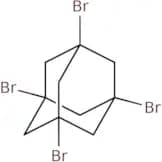
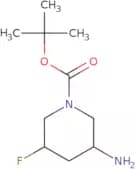

![2-[3-Chloro-5-(trifluoromethyl)-2-pyridinyl]-acetonitrile](/_next/image/?url=https%3A%2Fstatic.cymitquimica.com%2Fproducts%2F3D%2Fthumb-webp%2FHGA76410.webp&w=3840&q=75)
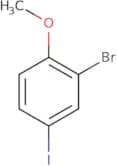


![4-[1-(tert-Butoxy)-2-methyl-1-oxopropan-2-yl]benzoic acid](/_next/image/?url=https%3A%2Fstatic.cymitquimica.com%2Fproducts%2F3D%2Fthumb-webp%2FNKD15780.webp&w=3840&q=75)
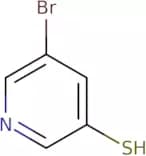


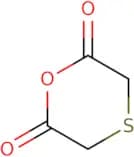
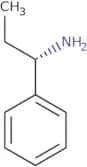
![1,5,6,7-Tetrahydro-2H-cyclopenta[b]pyridin-2-one](/_next/image/?url=https%3A%2Fstatic.cymitquimica.com%2Fproducts%2F3D%2Fthumb-webp%2FNDA49985.webp&w=3840&q=75)
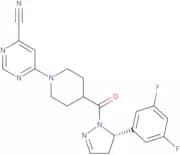
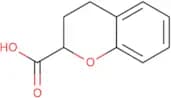
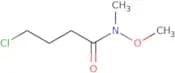


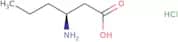
![tert-butyl 2-amino-8-azaspiro[4.5]decane-8-carboxylate](/_next/image/?url=https%3A%2Fstatic.cymitquimica.com%2Fproducts%2F3D%2Fthumb-webp%2FBAC01090.webp&w=3840&q=75)
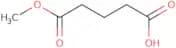
![1-[4-(Propan-2-yl)phenyl]ethan-1-ol](/_next/image/?url=https%3A%2Fstatic.cymitquimica.com%2Fproducts%2F3D%2Fthumb-webp%2FBAA47510.webp&w=3840&q=75)

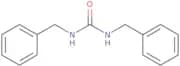
![tert-butyl 2,5-diazabicyclo[4.1.0]heptane-2-carboxylate](/_next/image/?url=https%3A%2Fstatic.cymitquimica.com%2Fproducts%2F3D%2Fthumb-webp%2FDZB67518.webp&w=3840&q=75)
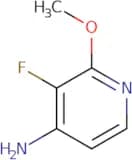


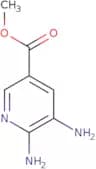



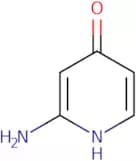
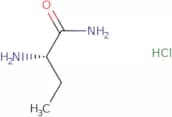
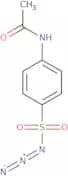

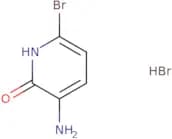
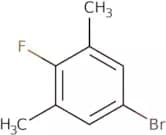


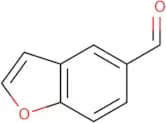

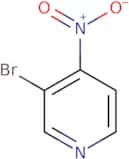
![2-[(6-Chloro-3,4-dihydro-3-methyl-2,4-dioxo-1(2H)-pyrimidinyl)methyl]-benzonitrile](/_next/image/?url=https%3A%2Fstatic.cymitquimica.com%2Fproducts%2F3D%2Fthumb-webp%2FQJB75896.webp&w=3840&q=75)

![2-Bromobenzo[d]thiazol-6-amine](/_next/image/?url=https%3A%2Fstatic.cymitquimica.com%2Fproducts%2F3D%2Fthumb-webp%2FFB144124.webp&w=3840&q=75)
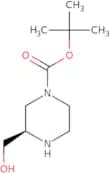


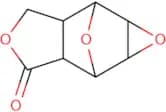
![6-Bromo-4-hydroxypyrazolo[1,5-a]pyridine-3-carbonitrile](/_next/image/?url=https%3A%2Fstatic.cymitquimica.com%2Fproducts%2F3D%2Fthumb-webp%2FFB182798.webp&w=3840&q=75)
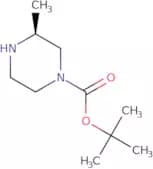
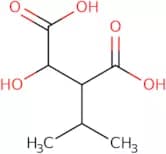


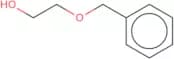
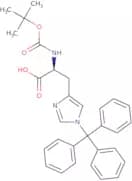
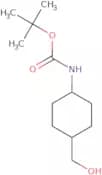

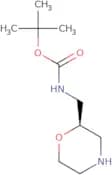
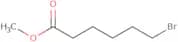
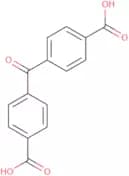
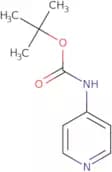

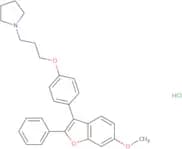

![4-(1H-Pyrazol-4-yl)-7-((2-(trimethylsilyl)ethoxy)methyl)-7H-pyrrolo[2,3-d]pyrimidine](/_next/image/?url=https%3A%2Fstatic.cymitquimica.com%2Fproducts%2F3D%2Fthumb-webp%2FRMB68527.webp&w=3840&q=75)
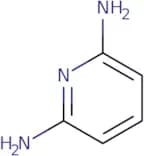


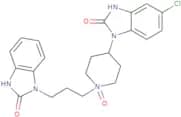
![1-[3-(Dimethylamino)propyl]-1-(4-fluorophenyl)-1,3-dihydro-3-oxo-5-isobenzofurancarbonitrile](/_next/image/?url=https%3A%2Fstatic.cymitquimica.com%2Fproducts%2F3D%2Fthumb-webp%2FFD184085.webp&w=3840&q=75)
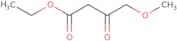
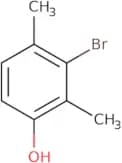
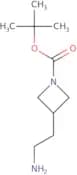
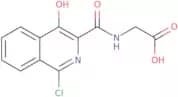


![tert-Butyl 4-hydroxy-1-oxa-7-azaspiro[4.4]nonane-7-carboxylate](/_next/image/?url=https%3A%2Fstatic.cymitquimica.com%2Fproducts%2F3D%2Fthumb-webp%2FXXC50503.webp&w=3840&q=75)


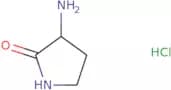

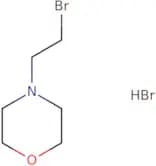
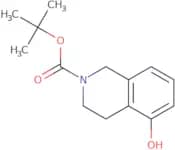
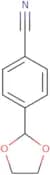


![cis-6-Boc-octahydropyrrolo[3,4-b]morpholine](/_next/image/?url=https%3A%2Fstatic.cymitquimica.com%2Fproducts%2F3D%2Fthumb-webp%2FNFA02702.webp&w=3840&q=75)
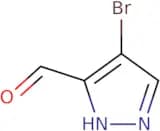
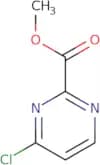

![tert-Butyl 3-bromo-1,4,6,7-tetrahydro-5H-pyrazolo[4,3-c]pyridine-5-carboxylate](/_next/image/?url=https%3A%2Fstatic.cymitquimica.com%2Fproducts%2F3D%2Fthumb-webp%2FLCD42906.webp&w=3840&q=75)

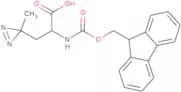


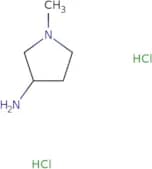
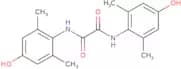

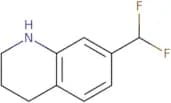

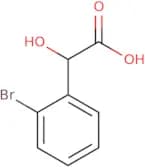

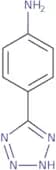
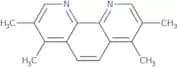


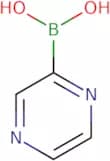
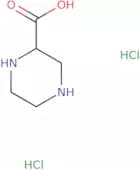
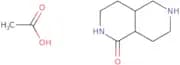

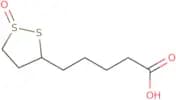


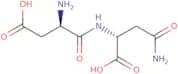


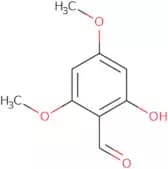
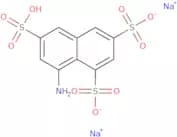
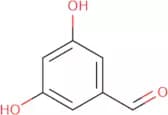
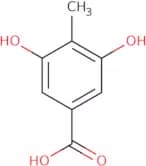
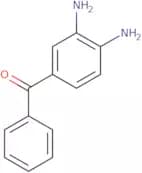

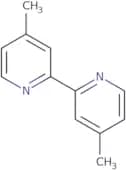
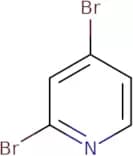
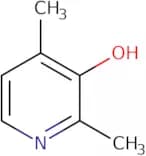
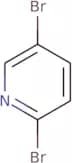
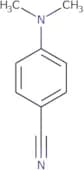
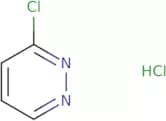
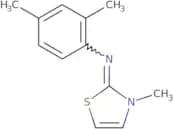
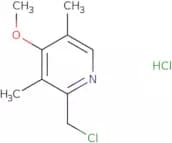

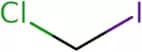
![2,3-Dihydro-1H-pyrrolo[3,2-c]pyridine hydrochloride](/_next/image/?url=https%3A%2Fstatic.cymitquimica.com%2Fproducts%2F3D%2Fthumb-webp%2FFAA91219.webp&w=3840&q=75)
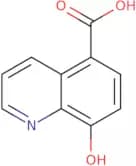
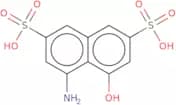


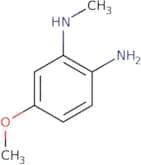


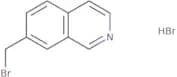
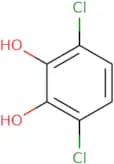



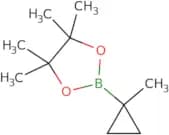
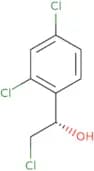
![2,5-Diazabicyclo[2.2.2]octane dihydrochloride](/_next/image/?url=https%3A%2Fstatic.cymitquimica.com%2Fproducts%2F3D%2Fthumb-webp%2FBAA19292.webp&w=3840&q=75)
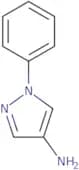
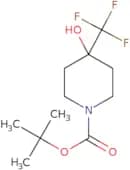
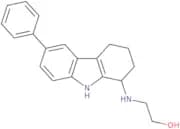





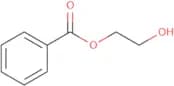
![2-{[(3αR,4S,6R,6αS)-6-Amino-2,2-dimethyltetrahydro-3αH-cyclopenta[d][1,3]-dioxol-4-yl] oxy}-1-ethol](/_next/image/?url=https%3A%2Fstatic.cymitquimica.com%2Fproducts%2F3D%2Fthumb-webp%2FZKA69355.webp&w=3840&q=75)
![2-[[(3aS,4R,6S,6aa)-4-[7-[[(1R,2S)-2-(3 ,4-Difluorophenyl)cyclopropyl]amino]-5-(propylthio)-3H-[1,…](/_next/image/?url=https%3A%2Fstatic.cymitquimica.com%2Fproducts%2F3D%2Fthumb-webp%2FZKA69326.webp&w=3840&q=75)


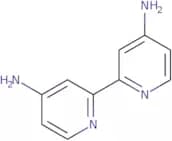
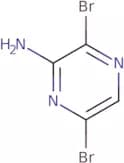
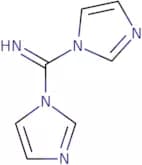
![Cucurbit[7]uril](/_next/image/?url=https%3A%2Fstatic.cymitquimica.com%2Fproducts%2F3D%2Fthumb-webp%2FFC171865.webp&w=3840&q=75)

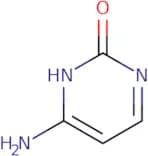
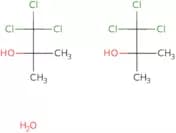
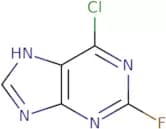
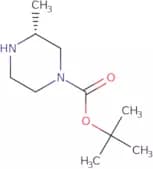
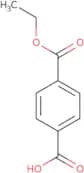
![N-[5-(4-Bromophenyl)-6-(2-hydroxyethoxy)-4-pyrimidinyl]-N′-propylsulfamide](/_next/image/?url=https%3A%2Fstatic.cymitquimica.com%2Fproducts%2F3D%2Fthumb-webp%2FFB183879.webp&w=3840&q=75)
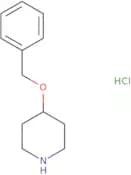
![1-[(tert-butoxy)carbonyl]-5,5-difluoropiperidine-3-carboxylic acid](/_next/image/?url=https%3A%2Fstatic.cymitquimica.com%2Fproducts%2F3D%2Fthumb-webp%2FFAC66686.webp&w=3840&q=75)