Building Blocks
This section contains fundamental products for the synthesis of organic and biological compounds. Building blocks are the essential starting materials used to construct complex molecules through various chemical reactions. They play a critical role in drug discovery, material science, and chemical research. At CymitQuimica, we offer a diverse range of high-quality building blocks to support your innovative research and industrial projects, ensuring you have the essential components for successful synthesis.
Subcategories of "Building Blocks"
- Boronic Acids & Boronic Acid Derivatives(5,756 products)
- Chiral Building Blocks(1,242 products)
- Hydrocarbon Building Blocks(6,095 products)
- Organic Building Blocks(61,055 products)
Found 199650 products of "Building Blocks"
Sort by
Purity (%)
0
100
|
0
|
50
|
90
|
95
|
100
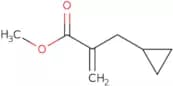
Methyl 2-(cyclopropylmethyl)prop-2-enoate
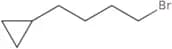
CAS:<p>Versatile small molecule scaffold</p>Formula:C8H12O2Purity:Min. 95%Molecular weight:140.18 g/mol(4-Bromobutyl)cyclopropane
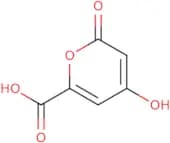
CAS:<p>Versatile small molecule scaffold</p>Formula:C7H13BrPurity:Min. 95%Molecular weight:177.08 g/mol4-Hydroxy-2-oxo-2H-pyran-6-carboxylic acid
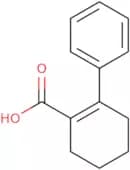
CAS:<p>Versatile small molecule scaffold</p>Formula:C6H4O5Purity:Min. 95%Molecular weight:156.09 g/mol2-Phenylcyclohex-1-ene-1-carboxylic acid
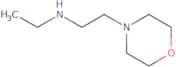
CAS:<p>Versatile small molecule scaffold</p>Formula:C13H14O2Purity:Min. 95%Molecular weight:202.25 g/molN-Ethyl-2-morpholin-4-ylethanamine
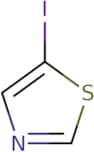
CAS:<p>Versatile small molecule scaffold</p>Formula:C8H18N2OPurity:Min. 95%Molecular weight:158.24 g/mol5-Iodo-1,3-thiazole
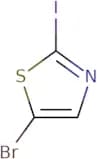
CAS:<p>Versatile small molecule scaffold</p>Formula:C3H2INSPurity:Min. 95%Molecular weight:211.03 g/mol5-bromo-2-iodo-1,3-thiazole
CAS:<p>Versatile small molecule scaffold</p>Formula:C3HBrINSPurity:Min. 95%Molecular weight:289.9 g/mol{[1,3]Thiazolo[5,4-c]pyridin-2-yl}hydrazine
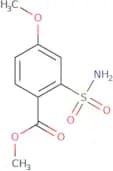
CAS:<p>Versatile small molecule scaffold</p>Formula:C6H6N4SPurity:Min. 95%Molecular weight:166.21 g/molMethyl 4-methoxy-2-sulfamoylbenzoate
CAS:<p>Versatile small molecule scaffold</p>Formula:C9H11NO5SPurity:Min. 95%Molecular weight:245.3 g/mol3-{[(tert-Butoxy)carbonyl]amino}thiolane-3-carboxylic acid
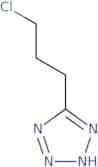
CAS:<p>Versatile small molecule scaffold</p>Formula:C10H17NO4SPurity:Min. 95%Molecular weight:247.31 g/mol5-(3-Chloropropyl)-1H-1,2,3,4-tetrazole
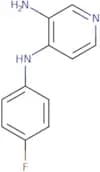
CAS:<p>Versatile small molecule scaffold</p>Formula:C4H7ClN4Purity:Min. 95%Molecular weight:146.58 g/mol4-N-(4-Fluorophenyl)pyridine-3,4-diamine
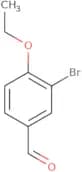
CAS:<p>Versatile small molecule scaffold</p>Formula:C11H10FN3Purity:Min. 95%Molecular weight:203.22 g/mol3-Bromo-4-ethoxybenzaldehyde
CAS:<p>Versatile small molecule scaffold</p>Formula:C9H9BrO2Purity:Min. 95%Molecular weight:229.07 g/mol1-[(Ethenyloxy)methyl]-4-methoxybenzene
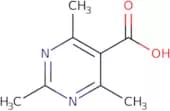
CAS:<p>Versatile small molecule scaffold</p>Formula:C10H12O2Purity:Min. 95%Molecular weight:164.2 g/mol2,4,6-Trimethylpyrimidine-5-carboxylic acid
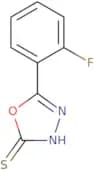
CAS:<p>Versatile small molecule scaffold</p>Formula:C8H10N2O2Purity:Min. 95%Molecular weight:166.18 g/mol5-(2-Fluorophenyl)-1,3,4-oxadiazole-2-thiol
CAS:<p>Versatile small molecule scaffold</p>Formula:C8H5FN2OSPurity:Min. 95%Molecular weight:196.2 g/mol9-Benzyl-3,9-diazabicyclo[4.2.1]nonane
CAS:<p>Versatile small molecule scaffold</p>Formula:C14H20N2Purity:Min. 95%Molecular weight:216.32 g/molMethyl 1-methyl-1H-indole-3-carboxylate
CAS:Controlled Product<p>Methyl 1-methyl-1H-indole-3-carboxylate is a natural product that has been isolated from the leaves of plants in the genus Methoxycamalexin. It is an inhibitor of methoxycamalexin, which is a phytoalexin produced by some plants when they are under attack by bacteria. Methyl 1-methyl-1H-indole-3-carboxylate inhibits bacterial growth and results in the production of virulent compounds and the development of resistance to other antibiotics. This compound also has antimicrobial properties and can be used to protect crops against diseases caused by bacteria.</p>Formula:C11H11NO2Purity:Min. 95%Molecular weight:189.21 g/mol4-[3-(Aminomethyl)pentan-3-yl]-1,2-dimethoxybenzene hydrochloride
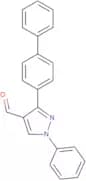
CAS:<p>Versatile small molecule scaffold</p>Formula:C14H24ClNO2Purity:Min. 95%Molecular weight:273.8 g/mol1-Phenyl-3-(4-phenylphenyl)-1H-pyrazole-4-carbaldehyde
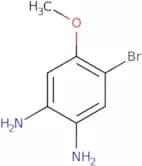
CAS:<p>Versatile small molecule scaffold</p>Formula:C22H16N2OPurity:Min. 95%Molecular weight:324.4 g/mol4-Bromo-5-methoxybenzene-1,2-diamine
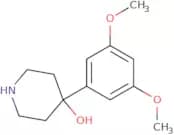
CAS:<p>Versatile small molecule scaffold</p>Formula:C7H9BrN2OPurity:Min. 95%Molecular weight:217.06 g/mol4-(3,5-Dimethoxyphenyl)piperidin-4-ol
CAS:<p>Versatile small molecule scaffold</p>Formula:C13H19NO3Purity:Min. 95%Molecular weight:237.29 g/mol[3-(3-Methoxy-phenyl)-propyl]-methyl-amine
CAS:<p>Versatile small molecule scaffold</p>Formula:C11H17NOPurity:Min. 95%Molecular weight:179.26 g/mol2-[(4-Chlorobenzoyl)amino]propanoic acid
CAS:<p>2-[(4-Chlorobenzoyl)amino]propanoic acid is a research tool that inhibits ion channels and ligand-gated ion channels. It has been shown to be an activator of potassium channels, which may lead to the inhibition of voltage-gated sodium channels. This agent also binds to the receptor for angiotensin II and blocks its activity. 2-[(4-Chlorobenzoyl)amino]propanoic acid is a high purity reagent with a purity greater than 99%.</p>Formula:C10H10ClNO3Purity:Min. 95%Molecular weight:227.64 g/mol2-Imino-3,3,7,7-tetramethyl-2H,3H,5H,6H,7H-imidazo[1,2-c]imidazolidin-5-one
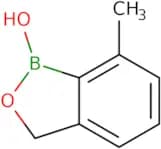
CAS:Versatile small molecule scaffoldFormula:C9H14N4OPurity:Min. 95%Molecular weight:194.23 g/mol7-Methyl-1,3-dihydro-2,1-benzoxaborol-1-ol
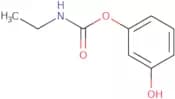
CAS:<p>Versatile small molecule scaffold</p>Formula:C8H9BO2Purity:Min. 95%Molecular weight:147.97 g/mol3-Hydroxyphenyl N-ethylcarbamate
CAS:<p>Versatile small molecule scaffold</p>Formula:C9H11NO3Purity:Min. 95%Molecular weight:181.19 g/mol[4-(Methylsulfanyl)phenyl]methanethiol
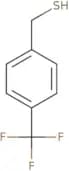
CAS:<p>Versatile small molecule scaffold</p>Formula:C8H10S2Purity:Min. 95%Molecular weight:170.3 g/mol4-(Trifluoromethyl)benzyl mercaptan
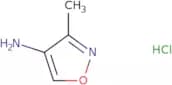
CAS:<p>4-(Trifluoromethyl)benzyl mercaptan is a chemical that has been used as an additive to organic solar cells. It has been shown to improve the performance of these devices by reducing interfacial recombination and increasing electron mobility. This chemical also has semiconducting properties, which have been demonstrated by its ability to be translated in an electron microscope. In addition, 4-(Trifluoromethyl)benzyl mercaptan interacts with many solvents, such as chloroform and dichloromethane, leading to changes in their properties.</p>Formula:C8H7F3SPurity:Min. 95%Molecular weight:192.2 g/mol3-Methyl-1,2-oxazol-4-amine hydrochloride
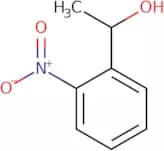
CAS:<p>Versatile small molecule scaffold</p>Formula:C4H7ClN2OPurity:Min. 95%Molecular weight:134.56 g/mol(R)-1-(2-Nitrophenyl)ethanol
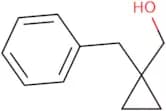
CAS:<p>Versatile small molecule scaffold</p>Formula:C8H9NO3Purity:Min. 95%Molecular weight:167.16 g/mol(1-Benzylcyclopropyl)methanol
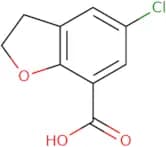
CAS:<p>Versatile small molecule scaffold</p>Formula:C11H14OPurity:Min. 95%Molecular weight:162.23 g/mol5-Chloro-2,3-dihydro-1-benzofuran-7-carboxylic acid
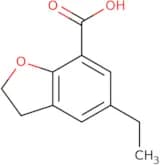
CAS:<p>Versatile small molecule scaffold</p>Formula:C9H7ClO3Purity:Min. 95%Molecular weight:198.6 g/mol5-Ethyl-2,3-dihydro-1-benzofuran-7-carboxylic acid
CAS:<p>Versatile small molecule scaffold</p>Formula:C11H12O3Purity:Min. 95%Molecular weight:192.21 g/mol12-Oxo-6H,7H,8H,9H,10H,12H-azepino[2,1-b]quinazoline-3-carboxylic acid
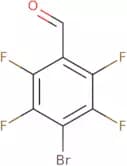
CAS:<p>Versatile small molecule scaffold</p>Formula:C14H14N2O3Purity:Min. 95%Molecular weight:258.27 g/mol4-Bromo-2,3,5,6-tetrafluorobenzaldehyde
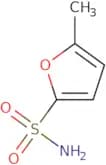
CAS:<p>4-Bromo-2,3,5,6-tetrafluorobenzaldehyde is a crystalline compound. It has the potential to form dipoles with other molecules and intermolecular forces with non-polar compounds. It is non-polar and can form interactions with other compounds that are also non-polar. 4-Bromo-2,3,5,6-tetrafluorobenzaldehyde has been shown to have stacking interactions with other molecules in crystal structures. These interactions are caused by electrostatic attraction between ions of opposite charge.</p>Formula:C7HBrF4OPurity:Min. 95%Molecular weight:256.98 g/mol5-Methylfuran-2-sulfonamide
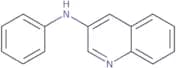
CAS:<p>Versatile small molecule scaffold</p>Formula:C5H7NO3SPurity:Min. 95%Molecular weight:161.18 g/molN-Phenylquinolin-3-amine
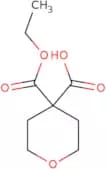
CAS:<p>N-Phenylquinolin-3-amine is a synthetic antifungal agent that has been shown to be active against opportunistic fungi. The compound also functions as a competitive inhibitor of the enzyme 3-bromoquinoline, which is responsible for the synthesis of quinolones in bacteria. This inhibition prevents the production of an enzyme needed for bacterial DNA synthesis and leads to cell death. N-Phenylquinolin-3-amine has also been shown to have anti-infective properties in mice by inhibiting the growth of Staphylococcus aureus and Pseudomonas aeruginosa. Research on this compound has focused on its pharmacological functions, with some studies suggesting it may have anticancer activity due to its ability to inhibit protein synthesis and induce apoptosis in various cancer cells.</p>Formula:C15H12N2Purity:Min. 95%Molecular weight:220.27 g/mol4-(Ethoxycarbonyl)oxane-4-carboxylic acid
CAS:<p>Versatile small molecule scaffold</p>Formula:C9H14O5Purity:Min. 95%Molecular weight:202.2 g/mol3-Methyl-3-azabicyclo[3.2.1]octan-8-amine
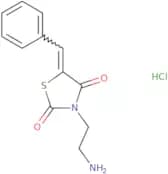
CAS:<p>Versatile small molecule scaffold</p>Formula:C8H16N2Purity:Min. 95%Molecular weight:140.23 g/mol3-(2-Aminoethyl)-5-(phenylmethylidene)-1,3-thiazolidine-2,4-dione hydrochloride
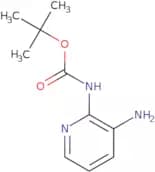
CAS:<p>Versatile small molecule scaffold</p>Formula:C12H13ClN2O2SPurity:Min. 95%Molecular weight:284.76 g/moltert-Butyl (3-aminopyridin-2-yl)carbamate
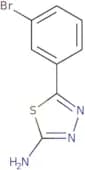
CAS:<p>Versatile small molecule scaffold</p>Formula:C10H15N3O2Purity:Min. 95%Molecular weight:209.25 g/mol5-(3-bromophenyl)-1,3,4-thiadiazol-2-amine
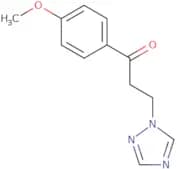
CAS:<p>Versatile small molecule scaffold</p>Formula:C8H6BrN3SPurity:Min. 95%Molecular weight:256.1 g/mol1-(4-Methoxyphenyl)-3-(1H-1,2,4-triazol-1-yl)propan-1-one
CAS:<p>1-(4-Methoxyphenyl)-3-(1H-1,2,4-triazol-1-yl)propan-1-one is a benzene compound with an aromatic ring. It stabilizes the benzene ring by forming intermolecular interactions, hydrogen bonds, and planar triazole dihedral angles. 1-(4-Methoxyphenyl)-3-(1H-1,2,4-triazol-1-yl)propan-1-one also has antiinflammatory properties and is used in the treatment of rheumatoid arthritis. The crystal structure of this molecule can be found in the Cambridge Structural Database.</p>Formula:C12H13N3O2Purity:Min. 95%Molecular weight:231.25 g/mol1-(5-Phenyl-1,3-oxazol-2-yl)ethan-1-one
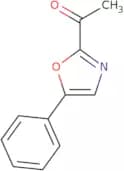
CAS:<p>Versatile small molecule scaffold</p>Formula:C11H9NO2Purity:Min. 95%Molecular weight:187.19 g/mol2-[(4-Methylcyclohexyl)amino]ethan-1-ol
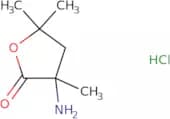
CAS:<p>Versatile small molecule scaffold</p>Formula:C9H19NOPurity:Min. 95%Molecular weight:157.25 g/mol3-Amino-3,5,5-trimethyloxolan-2-one hydrochloride
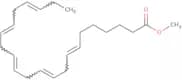
CAS:<p>Versatile small molecule scaffold</p>Formula:C7H14ClNO2Purity:Min. 95%Molecular weight:179.64 g/molMethyl all-cis-7,10,13,16,19-docosapentaenoate
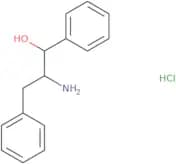
CAS:<p>Methyl all-cis-7,10,13,16,19-docosapentaenoate is a methyl ester of an omega-3 polyunsaturated fatty acid, which is naturally sourced from marine oils, particularly fish and algae. This compound is characterized by its all-cis configuration, contributing to its unique biochemical properties. In terms of mode of action, this molecule is involved in modulating cell membrane fluidity and acting as a precursor to bioactive lipid mediators with anti-inflammatory and immunomodulatory functions.</p>Formula:C23H36O2Purity:Min. 95%Molecular weight:344.53 g/mol2-Amino-1,3-diphenylpropan-1-ol hydrochloride
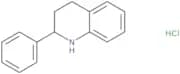
CAS:<p>Versatile small molecule scaffold</p>Formula:C15H18ClNOPurity:Min. 95%Molecular weight:263.76 g/mol2-Phenyl-1,2,3,4-tetrahydroquinoline hydrochloride
CAS:<p>Versatile small molecule scaffold</p>Formula:C15H16ClNPurity:Min. 95%Molecular weight:245.74 g/mol

![{[1,3]Thiazolo[5,4-c]pyridin-2-yl}hydrazine](/_next/image/?url=https%3A%2Fstatic.cymitquimica.com%2Fproducts%2F3D%2Fthumb-webp%2FIEA31080.webp&w=3840&q=75)
![3-{[(tert-Butoxy)carbonyl]amino}thiolane-3-carboxylic acid](/_next/image/?url=https%3A%2Fstatic.cymitquimica.com%2Fproducts%2F3D%2Fthumb-webp%2FIEA32986.webp&w=3840&q=75)
![1-[(Ethenyloxy)methyl]-4-methoxybenzene](/_next/image/?url=https%3A%2Fstatic.cymitquimica.com%2Fproducts%2F3D%2Fthumb-webp%2FIEA38836.webp&w=3840&q=75)
![9-Benzyl-3,9-diazabicyclo[4.2.1]nonane](/_next/image/?url=https%3A%2Fstatic.cymitquimica.com%2Fproducts%2F3D%2Fthumb-webp%2FIEA43746.webp&w=3840&q=75)
![4-[3-(Aminomethyl)pentan-3-yl]-1,2-dimethoxybenzene hydrochloride](/_next/image/?url=https%3A%2Fstatic.cymitquimica.com%2Fproducts%2F3D%2Fthumb-webp%2FIEA44497.webp&w=3840&q=75)
![[3-(3-Methoxy-phenyl)-propyl]-methyl-amine](/_next/image/?url=https%3A%2Fstatic.cymitquimica.com%2Fproducts%2F3D%2Fthumb-webp%2FIEA44767.webp&w=3840&q=75)
![2-[(4-Chlorobenzoyl)amino]propanoic acid](/_next/image/?url=https%3A%2Fstatic.cymitquimica.com%2Fproducts%2F3D%2Fthumb-webp%2FIEA46295.webp&w=3840&q=75)
![2-Imino-3,3,7,7-tetramethyl-2H,3H,5H,6H,7H-imidazo[1,2-c]imidazolidin-5-one](/_next/image/?url=https%3A%2Fstatic.cymitquimica.com%2Fproducts%2F3D%2Fthumb-webp%2FIEA48318.webp&w=3840&q=75)
![[4-(Methylsulfanyl)phenyl]methanethiol](/_next/image/?url=https%3A%2Fstatic.cymitquimica.com%2Fproducts%2F3D%2Fthumb-webp%2FIEA49920.webp&w=3840&q=75)
![12-Oxo-6H,7H,8H,9H,10H,12H-azepino[2,1-b]quinazoline-3-carboxylic acid](/_next/image/?url=https%3A%2Fstatic.cymitquimica.com%2Fproducts%2F3D%2Fthumb-webp%2FIEA56187.webp&w=3840&q=75)
![3-Methyl-3-azabicyclo[3.2.1]octan-8-amine](/_next/image/?url=https%3A%2Fstatic.cymitquimica.com%2Fproducts%2F3D%2Fthumb-webp%2FIEA64012.webp&w=3840&q=75)
![2-[(4-Methylcyclohexyl)amino]ethan-1-ol](/_next/image/?url=https%3A%2Fstatic.cymitquimica.com%2Fproducts%2F3D%2Fthumb-webp%2FIEA66682.webp&w=3840&q=75)