Amines
Amines are a set of molecules containing an amino functional group (derived from ammonia). This category includes amines at any level of substitution : primary, secondary, tertiary, and ammonium salts. Amines are fundamental in organic synthesis and are widely used in pharmaceuticals, agrochemicals, and materials science. At CymitQuimica, we provide a comprehensive selection of amines to meet your research and industrial needs. Our range ensures access to various amines for diverse chemical processes and innovative research.
Subcategories of "Amines"
- Nitrosamines(2,606 products)
- Primary Amines(30,821 products)
- Quaternary Ammonium Cations and Salts(1,100 products)
- Secondary Amines(20,817 products)
- Tertiary Amines(17,117 products)
Found 8779 products of "Amines"
Sort by
Purity (%)
0
100
|
0
|
50
|
90
|
95
|
100
Propyl 4-Aminobenzoate
CAS:Controlled Product<p>Applications Propyl 4-aminobenzoate (cas# 94-12-2) is a useful research chemical.<br></p>Formula:C10H13NO2Color and Shape:NeatMolecular weight:179.21Ammonium Chloride
CAS:<p>Applications Ammonium Chloride is used as a main component and source of nitrogen in fertilizer.<br>References Crill, P. et al.: Soil Biol. Biochem., 26, 1331 (1994); Zaman, M. et al.: Biol. Fert. Soils, 29, 178 (1999);<br></p>Formula:Cl·H4NColor and Shape:NeatMolecular weight:53.49N,N-Dimethyltetradecylamine
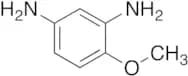
CAS:Controlled Product<p>Applications N,N-Dimethyltetradecylamine (cas# 112-75-4) is a compound useful in organic synthesis.<br></p>Formula:C16H35NColor and Shape:ColourlessMolecular weight:241.462,4-Diaminoanisole
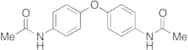
CAS:<p>Applications 2,4-Diaminoanisole is a component and degredation product of azo dyes in fabrics and textiles. Azo dyes occasionally produce carcinogenic effects and environmental reproductive toxicology. Dyes and metabolites, Environmental TestingEnvironmental toxin on US EPA Toxic Release Inventory list (TRI) list.<br> Not a dangerous good if item is equal to or less than 1g/ml and there is less than 100g/ml in the package<br>References Nguyen, A. et al.: J. Env. Sci. Health A., 51, 744 (2016);<br></p>Formula:C7H10N2OColor and Shape:Dark BrownMolecular weight:138.17Bis(p-acetylaminophenyl) Ether
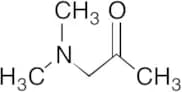
CAS:<p>Applications Bis(p-acetylaminophenyl) Ether is a chemical reagent used in the synthesis of photosensitive polymer compounds and optical application. It also is used in the preparation of benzimidazole derivatives displaying anti-tumor activity through apoptosis.<br>References Wang, X. et al.: Bioorg. Med. Chem. Lett., 22, 6297 (2012); Gubbelmans, E. et al.: Polymer, 46, 1784 (2005); MacDonald, S. et al.: ACS Symp. Ser., 184, 73 (1982);<br></p>Formula:C16H16N2O3Color and Shape:WhiteMolecular weight:284.311-(Dimethylamino)-2-propanone
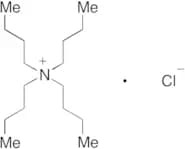
CAS:Controlled Product<p>Applications 1-(Dimethylamino)-2-propanone is an intermediate in the synthesis of Amylocaine Hydrochloride which, is used mostly in spinal anesthesia.<br></p>Formula:C5H11NOColor and Shape:NeatMolecular weight:101.147Tetrabutylammonium Chloride
CAS:<p>Applications Tetrabutylammonium Chloride is used in the preparation of polypyrrole coatings with self healing properties for iron corrosion.<br>References Nakayama, M. et al.: Electrochem. Comm., 9, 1145 (2007);<br></p>Formula:C16H36ClNColor and Shape:NeatMolecular weight:277.921,6-Bis(tert-butoxycarbonylamino)hexane
CAS:Controlled ProductFormula:C16H32N2O4Color and Shape:NeatMolecular weight:316.44Ethylenediamine Dihydrochloride
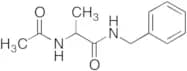
CAS:Controlled Product<p>Applications Ethylenediamine Dihydrochloride (cas# 333-18-6) is a useful research chemical.<br></p>Formula:C2H8N2·2(HCl)Color and Shape:NeatMolecular weight:133.022-(Acetylamino)-N-(phenylmethyl)propanamide
CAS:Controlled Product<p>Applications 2-(Acetylamino)-N-(phenylmethyl)propanamide, has shown to have anticonvulsant activity in vitro. Likely an impurity in the medication Lacosamide, (L098500).<br>References Martinez, J C. et al: MATCH, Vol. 67, issue 3, P: 745-758 (2012);<br></p>Formula:C5H10N2O3Color and Shape:White To BrownMolecular weight:146.14(S)-2-Amino-4-[(3-aminopropyl)amino]-butanoic Acid
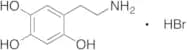
CAS:Controlled Product<p>Applications (S)-2-Amino-4-[(3-aminopropyl)amino]-butanoic Acid is used in the reaction of carboxynorspermidine decarboxylase of Vibrio alginolyticus.<br>References Nakao, H., et al.: J. Gen. Microbiol. 136, 1699-704 (1990)<br></p>Formula:C7H17N3O2Purity:>90%Color and Shape:NeatMolecular weight:175.2296-Hydroxy Dopamine Hydrobromide
CAS:Controlled Product<p>Stability Hygroscopic, Light Sensitive<br>Applications 6-Hydroxydopamine is a selective catecholaminergic neurotoxin. Studies show that 6-Hydroxydopamine can be used to create an animal model of Parkinson's disease as it causes almost complete destruction of nigral dopaminergic neurons and their striatal terminals when injected into the substantia nigra of rats. 6-Hydroxydopamine induces apoptosis in PC12 cells.<br>References Soto-Otero, R. et al.: J. Neurochem., 74, 1605 (2000); Fujita, H. et al.: Brain Res., 1113, 10 (2006); Breese, G.R. et al.: 174, 313 (1970);<br></p>Formula:C8H11NO3·BrHColor and Shape:NeatMolecular weight:250.09Prop-2-en-1-amine Hydrochloride
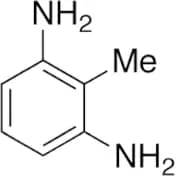
CAS:<p>Applications PROP-2-EN-1-AMINE HCL (cas# 10017-11-5) is a useful research chemical.<br></p>Formula:C3H7N•HClColor and Shape:White to Off-White SolidMolecular weight:93.562,6-Diaminotoluene
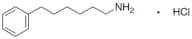
CAS:<p>Applications Aromatic amines likely to have high carcinogenic potency. QSARs of aromatic amines.<br> Not a dangerous good if item is equal to or less than 1g/ml and there is less than 100g/ml in the package<br>References Franke, R., et al.: Carcinogenesis, 22, 1561 (2001), Benigni, R., et al.: Chem. Rev., 105, 1767 (2005), Benigni, R., et al.: Environ. Mol. Mutagen., 50, 152 (2009),<br></p>Formula:C7H10N2Color and Shape:GreyMolecular weight:122.176-Phenylhexylamine Hydrochloride
CAS:Controlled Product<p>Applications 6-Phenylhexylamine Hydrochloride (cas# 120375-57-7) is a compound useful in organic synthesis.<br></p>Formula:C12H19N·ClHColor and Shape:NeatMolecular weight:213.754-Amino-1-pentanol
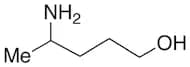
CAS:Controlled Product<p>Applications 4-Amino-1-pentanol (cas# 927-55-9) is a compound useful in organic synthesis.<br> Not a dangerous good if item is equal to or less than 1g/ml and there is less than 100g/ml in the package<br></p>Formula:C5H13NOColor and Shape:NeatMolecular weight:103.16N-Boc-6-bromohexylamine
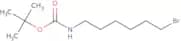
CAS:<p>N-Boc-6-bromohexylamine is a hypoglycemic agent that belongs to the group of diagnostic agents. It has been shown to have an effect on glucose regulation and was used in clinical development. N-Boc-6-bromohexylamine interacts with the catalytic subunit of protein kinase C delta (PKCδ) and inhibits its activity, which can lead to a decrease in cellular glucose uptake. This molecule has also been shown to interact with chloride channels, which are involved in the regulation of cell volume, and 2-nitroimidazole, which is a hypoxic tumor promoter. N-Boc-6-bromohexylamine is synthesized from fatty acids and amides by supramolecular chemistry.</p>Formula:C11H22BrNO2Purity:Min. 95%Color and Shape:Colourless Clear LiquidMolecular weight:280.2 g/mol1-(4-Aminophenyl)-2-nitropropane hydrochloride
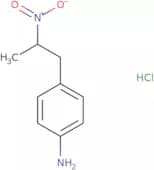
CAS:<p>1-(4-Aminophenyl)-2-nitropropane hydrochloride is a fine chemical that is used in the synthesis of various other organic compounds. It has been used as a building block for the synthesis of more complex substances, such as pharmaceuticals and pesticides. It is also used to produce research chemicals for use in experiments and teaching. 1-(4-Aminophenyl)-2-nitropropane hydrochloride is soluble in water and exhibits high quality when purified. This compound can be found under CAS No. 1332530-33-2 and is reagent grade.</p>Formula:C9H13ClN2O2Purity:Min. 95%Color and Shape:PowderMolecular weight:216.66 g/mol1-(3-((5-Chloro-2-methoxyphenyl)amino)-5-methyl-2,4-thiazolyl)ethan-1-one
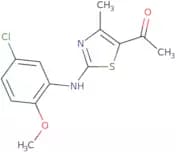
CAS:<p>Please enquire for more information about 1-(3-((5-Chloro-2-methoxyphenyl)amino)-5-methyl-2,4-thiazolyl)ethan-1-one including the price, delivery time and more detailed product information at the technical inquiry form on this page</p>Formula:C13H13ClN2O2SPurity:Min. 95%Molecular weight:296.77 g/mol3-Amino-1-methylpyrrolidin-2-one
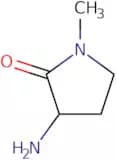
CAS:<p>3-Amino-1-methylpyrrolidin-2-one is a versatile building block that has many applications in the research field. It can be used as a reagent or a speciality chemical and as an intermediate in organic synthesis. 3-Amino-1-methylpyrrolidin-2-one is also used as a reaction component and scaffold for complex compounds. This chemical has CAS number 119329-48-5.</p>Formula:C5H10N2OPurity:Min. 98 Area-%Color and Shape:Clear LiquidMolecular weight:114.15 g/mol3-(Dimethylamino)phenol
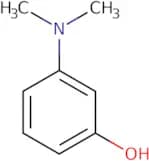
CAS:<p>3-(Dimethylamino)phenol is a chemical that is used as an additive in cosmetics. It has been shown to inhibit the production of epidermal growth factor and to have a growth-inhibiting effect on cells. 3-(Dimethylamino)phenol is found in many different types of products, including sunscreens, hair dyes, shampoos, and skin lotions. It has also been used as a preservative in food products, although it can be toxic at high doses. 3- (Dimethylamino)phenol has been shown to inhibit the production of fatty acids by inhibiting the activity of the enzyme lipoxygenase.</p>Formula:C8H11NOPurity:Min. 98 Area-%Color and Shape:PowderMolecular weight:137.18 g/mol(1H-1,2,3-Triazol-4-yl)methanamine hydrochloride
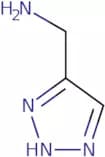
CAS:<p>(1H-1,2,3-Triazol-4-yl)methanamine hydrochloride is a fine chemical that is used as a building block in the synthesis of other chemicals. It is soluble in water and has a solubility of 9.6g/100ml. This compound can be used to synthesize many different types of chemicals with high quality and purity. It also has a versatile scaffold with many different reactive functionalities for use in synthesis. (1H-1,2,3-Triazol-4-yl)methanamine hydrochloride has been shown to react with alcohols to produce esters and many other reactions including alkylation, nitration, and acylation.</p>Formula:C3H6N4·HClPurity:Min. 95%Color and Shape:PowderMolecular weight:134.57 g/molTris[(1-benzyl-1H-1,2,3-triazol-4-yl)methyl]amine
CAS:<p>Tris[(1-benzyl-1H-1,2,3-triazol-4-yl)methyl]amine is a molecular probe that can be used to detect the lysine residues in proteins. It reacts with the amino groups on lysine residues by forming a covalent bond between the amine and the nitrile groups. Tris[(1-benzyl-1H-1,2,3-triazol-4-yl)methyl]amine has a mass spectrometric analysis and is reactive towards azides and terminal alkynes. This molecule is tetradentate and can form four bonds with two molecules of hydrogen peroxide. The cycloaddition process leads to an electrophilic addition of hydrogen peroxide at one of the benzylic positions. Tris[(1 -benzyl-1H-1,2,3 -triazol -4 -yl)methyl]</p>Formula:C30H30N10Purity:Min. 97 Area-%Color and Shape:PowderMolecular weight:530.63 g/mol(S,S)-(+)-N,N'-Bis(3,5-di-tert-butylsalicylidene)-1,2-cyclohexanediaminomanganese(III) chloride
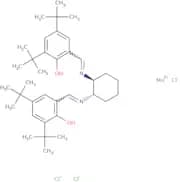
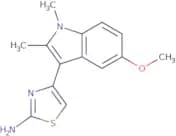
CAS:<p>The preparation of racemic N,N'-Bis(3,5-di-tert-butylsalicylidene)-1,2-cyclohexanediaminomanganese(III) chloride (S,S)-(+)-N,N'-Bis(3,5-di-tert-butylsalicylidene)-1,2-cyclohexanediaminomanganese(III) chloride is carried out by the reaction of salicyaldehyde with manganese dioxide in acetonitrile. The mixture is heated to reflux for 3 hours. The product is purified by recrystallization from hot acetonitrile and then purified again by preparative thin layer chromatography using a chiral stationary phase. The product is obtained as a white powder in an overall yield of 52%.<br>The synthesis of (R)-(-)-N-(3,5-Di-tert-butylsalicyl</p>Formula:C36H52ClMnN2O2Color and Shape:PowderMolecular weight:635.2 g/mol4-(5-Methoxy-1,2-dimethyl-1H-indol-3-yl)-1,3-thiazol-2-amine
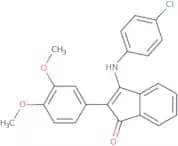
CAS:<p>Please enquire for more information about 4-(5-Methoxy-1,2-dimethyl-1H-indol-3-yl)-1,3-thiazol-2-amine including the price, delivery time and more detailed product information at the technical inquiry form on this page</p>Formula:C14H15N3OSPurity:Min. 95%Color and Shape:PowderMolecular weight:273.35 g/mol2-(3,4-dimethoxyphenyl)-3-((4-chlorophenyl)amino)inden-1-one
CAS:<p>Please enquire for more information about 2-(3,4-dimethoxyphenyl)-3-((4-chlorophenyl)amino)inden-1-one including the price, delivery time and more detailed product information at the technical inquiry form on this page</p>Purity:Min. 95%Tris(dodecyl)amine
CAS:<p>Tris(dodecyl)amine is a high-resistance organic amine. It is used as a corrosion inhibitor in citric and sodium citrate solutions that are used for nutrient solutions. Tris(dodecyl)amine also has the ability to inhibit the growth of microorganisms and prevent the formation of clumps in the solution. This compound is resistant to nitrogen atoms, has a constant pressure at low concentrations, and has an optimum concentration of picolinic acid.</p>Formula:C36H75NPurity:Min. 95%Color and Shape:PowderMolecular weight:521.99 g/molMethyl 3-amino-6-methylthieno[2,3-b]pyridine-2-carboxylate
CAS:<p>Please enquire for more information about Methyl 3-amino-6-methylthieno[2,3-b]pyridine-2-carboxylate including the price, delivery time and more detailed product information at the technical inquiry form on this page</p>Formula:C10H10N2O2SPurity:Min. 95%Molecular weight:222.27 g/mol(-)-Scopolamine N-butyl bromide
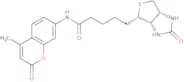
CAS:<p>(-)-Scopolamine N-butyl bromide is an anti-cholinergic drug that is used for the diagnosis and treatment of bowel diseases. It has been shown to be effective in two different animal models of bowel disease, one of which was induced by dextran sulfate sodium. (-)-Scopolamine N-butyl bromide has been shown to decrease motility and increase tone in the colon, as well as reduce the severity of diarrhea in animals with experimental colitis. It also has a sedative effect on the gastrointestinal tract that may be due to its ability to bind to acetylcholine receptors.</p>Formula:C21H30NO4BrPurity:Min. 98 Area-%Color and Shape:White PowderMolecular weight:440.37 g/molN-D-Biotinyl-7-amino-4-methylcoumarin
CAS:<p>N-D-Biotinyl-7-amino-4-methylcoumarin is a fluorescent substrate that is used to measure the activity of biotinidase, an enzyme that catalyzes the hydrolysis of biotin. It is detectable by measuring fluorescence with a spectrophotometer. Biotinidase deficiency can be diagnosed by measuring the activity of this enzyme in biological fluids. This assay has been shown to be useful for diagnosing patients with deficient biotinidase activity.</p>Formula:C20H23N3O4SPurity:Min. 98 Area-%Color and Shape:PowderMolecular weight:401.48 g/mol2,5-Dihydroxybenzenesulfonic acid N-ethylethanamine
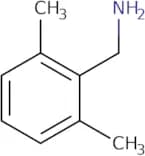
CAS:<p>2,5-Dihydroxybenzenesulfonic acid N-ethylethanamine is a drug that has been used to treat muscle spasms. It is a potassium salt of 2,5-dihydroxybenzenesulfonic acid, which is the active form of the drug. The mechanism of this drug is not fully understood but it may act by relaxing smooth muscles in the bladder. This drug has been shown to be effective in combination therapy with sodium ferulate and sodium salts (sodium chloride and sodium bicarbonate) for treating muscle spasms caused by urinary tract infections.<br>Fluorescence measurements are used for analytical determinations because of their high sensitivity and low cost, as well as the ability to provide results quickly. The synchronous fluorescence technique enables rapid quantification of both free and protein bound 2,5-dihydroxybenzenesulfonic acid N-ethylethanamine in urine samples due to its high sensitivity.</p>Formula:C10H17NO5SPurity:Min. 95%Color and Shape:White PowderMolecular weight:263.31 g/mol2,6-Dimethylbenzylamine
CAS:<p>2,6-Dimethylbenzylamine is a chemical compound that has been shown to have potent antiviral activity. It binds to the active site of the HIV-1 protease enzyme, which blocks the cleavage of polyproteins into functional proteins. In addition, 2,6-dimethylbenzylamine has been shown to be capable of blocking other enzymes such as human immunodeficiency virus (HIV)-1 integrase and influenza virus neuraminidase. The chemical structure of 2,6-dimethylbenzylamine includes a heterocyclic ring that may be modified to optimise its antiviral activity. This modification can be done by using peptidomimetics or bioactive molecules such as small molecules or lipids.</p>Formula:C9H13NPurity:Min. 95%Color and Shape:Clear LiquidMolecular weight:135.21 g/molN-[5-(Phenylamino)-2,4-pentadienylidene]aniline monohydrochloride
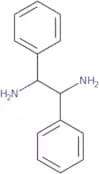
CAS:<p>N-[5-(Phenylamino)-2,4-pentadienylidene]aniline monohydrochloride is a fluorescent probe that reacts with malonic acid. The reaction produces an emission peak at 595 nm and can be detected by fluorescence microscopy. This probe has been used in the study of hypoxia imaging, as well as for detection of reactive carbonyl groups and acetylation reactions. It can also be used to monitor treatment effects on residues from emulsions.</p>Formula:C17H16N2·HClPurity:(Titration) Min 98%Color and Shape:Red PowderMolecular weight:284.78 g/molDL-1,2-Diphenyl-1,2-ethanediamine
CAS:<p>The fluorescence resonance energy transfer (FRET) technique is used to measure the distance between two molecules in a crystalline state. The FRET phenomenon occurs when one molecule is excited with light of a specific wavelength and interacts with another molecule that has an absorption spectrum at the same wavelength. The energy from the excited molecule is transferred to the second molecule, which then emits light of a different wavelength. This phenomenon can be used to study structures and interactions within molecules. A large number of studies have been done using this technique to study how small molecules bind together, such as dopamine and trifluoroacetic acid, or hydrogen bonding interactions in nitrogen-containing molecules.</p>Formula:C14H16N2Purity:Min. 95%Color and Shape:White PowderMolecular weight:212.29 g/mol2,3-Diaminophenazine
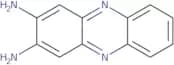
CAS:<p>2,3-Diaminophenazine is a fluorescent probe that is used for the detection of dopamine. 2,3-Diaminophenazine has been shown to be a good indicator of the presence of organic compounds in human serum. Research has also shown that 2,3-diaminophenazine can be used as a fluorescence probe for transport properties and transfer reactions. It is soluble in water and shows no evidence of toxicity or mutagenicity.<br>2,3-Diaminophenazine has been shown to react with copper ions to form a copper complex. This reaction solution can catalyze the enzyme catalysis of p-nitrophenyl phosphate to produce acid p-nitrophenol (pNP). The nitrogen atoms on 2,3-diaminophenazine are responsible for its ability to bind with copper ions and act as an electron acceptor at the electrode surface.</p>Formula:C12H10N4Purity:Min 95%Molecular weight:210.23 g/mol2-Amino-5-nitro-2'-fluorobenzophenone
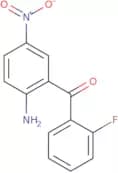
CAS:<p>2-Amino-5-nitro-2'-fluorobenzophenone is a prodrug that is activated by thiourea, a chemical agent that is used to break down the drug. It is an anti-inflammatory drug that acts as a selective COX inhibitor and has been shown to be effective in vivo against primary tumors. 2-Amino-5-nitro-2'-fluorobenzophenone has also been shown to have antiangiogenic properties and has been used to treat inflammatory diseases such as arthritis and psoriasis. This drug can be radiolabeled with carbon, fluorine, or iodine isotopes for use in positron emission tomography (PET) imaging of primary tumors. The drug binds to response elements on cells through electrostatic interactions between the molecular orbitals of the 2 amino groups and the nucleophilic centers of these molecules.</p>Formula:C13H9FN2O3Purity:Min. 95%Color and Shape:PowderMolecular weight:260.22 g/mol(S)-2-((Methoxycarbonyl)amino)-3-methylbutanoic acid
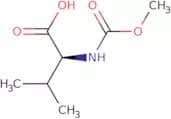
CAS:<p>(S)-2-((Methoxycarbonyl)amino)-3-methylbutanoic acid is a synthetic molecule that has been studied for its antiviral activity against hepatitis C virus. The compound was found to inhibit the replication of the virus, with an IC50 of 0.5 mM in cell culture studies. It also inhibited the replicon and reaction yield of the virus in vitro. (S)-2-((Methoxycarbonyl)amino)-3-methylbutanoic acid is effective against genotype 1 and 2, but not against genotype 3. It is active against a broad range of HCV isolates, including those resistant to other drugs such as ribavirin or telaprevir. The drug has been shown to be well tolerated in animals and humans. END></p>Formula:C7H13NO4Purity:Min. 95%Color and Shape:White PowderMolecular weight:175.18 g/molN-Dihydrocinnamoylaminocaproic acid
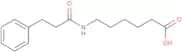
CAS:<p>Please enquire for more information about N-Dihydrocinnamoylaminocaproic acid including the price, delivery time and more detailed product information at the technical inquiry form on this page</p>Formula:C15H21NO3Purity:Min. 95%Molecular weight:263.33 g/molethyl 2-nitrilo-3-((2-phenylethyl)amino)prop-2-enoate
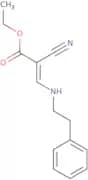
CAS:<p>Please enquire for more information about ethyl 2-nitrilo-3-((2-phenylethyl)amino)prop-2-enoate including the price, delivery time and more detailed product information at the technical inquiry form on this page</p>Purity:Min. 85%1-Aminoanthraquinone
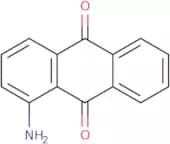
CAS:<p>1-Aminoanthraquinone is a fluorescent dye that reacts with amino groups. It can be detected in urine samples using electrochemical impedance spectroscopy and has a detection time of about 2 hours. 1-Aminoanthraquinone is used as a marker for protein synthesis, which occurs when nitrogen atoms react with an inorganic acid to form a diazonium salt. This reaction proceeds via the formation of hydrogen bonds between the nitrogen and oxygen atoms of the diazonium salt and the hydrogen atoms on the amino group. The amine group on 1-aminoanthraquinone will then react with the hydrogen bond to form an intramolecular hydrogen bond. Structural analysis of this molecule shows that it has one benzene ring, two nitrogens, two oxygens, and one carbon atom.</p>Formula:C14H9NO2Purity:Min. 95%Color and Shape:Red PowderMolecular weight:223.23 g/mol1,4-Dioxaspiro[4.5]decan-8-ylmethanamine
CAS:1,4-Dioxaspiro[4.5]decan-8-ylmethanamine is a fine chemical that is a versatile building block and reagent. It can be used as a reaction component, useful intermediate, or useful scaffold in the synthesis of complex compounds. The CAS number for 1,4-Dioxaspiro[4.5]decan-8-ylmethanamine is 30482-25-8.Formula:C9H17NO2Purity:(%) Min. 95%Color and Shape:Brown PowderMolecular weight:171.24 g/molEthyl 2-(4-(4-(trifluoromethyl)phenylamino)-3,5-thiazolyl)acetate
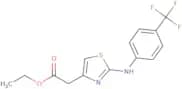
CAS:<p>Please enquire for more information about Ethyl 2-(4-(4-(trifluoromethyl)phenylamino)-3,5-thiazolyl)acetate including the price, delivery time and more detailed product information at the technical inquiry form on this page</p>Purity:Min. 90%(2-Imidazo[2,1-b][1,3]thiazol-6-ylethyl)amine dihydrochloride
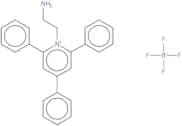
CAS:<p>2-Imidazo[2,1-b][1,3]thiazol-6-ylethyl)amine dihydrochloride is a high quality reagent that is used as a useful intermediate in the synthesis of complex compounds with possible pharmaceutical applications. It can also be used as a useful scaffold to create new and interesting molecules of interest. This chemical has been shown to be useful in the synthesis of speciality chemicals, research chemicals, and versatile building blocks. 2-Imidazo[2,1-b][1,3]thiazol-6-ylethyl)amine dihydrochloride is a versatile building block that has been used for the synthesis of various types of reaction components.</p>Formula:C7H9N3S·2HClPurity:Min. 95%Color and Shape:Brown PowderMolecular weight:240.15 g/molN-Ethylamine-2,4,6-triphenyl pyridinium tetrafluoroborate
CAS:<p>N-Ethylamine-2,4,6-triphenyl pyridinium tetrafluoroborate is a chemical reagent that belongs to the group of fine chemicals. It is soluble in water and ethanol, and has a melting point of around 100°C. N-Ethylamine-2,4,6-triphenyl pyridinium tetrafluoroborate is used in organic synthesis as a useful building block or as a research chemical for the production of other compounds. This compound is a versatile building block that can be used in the preparation of complex compounds such as pharmaceuticals. N-Ethylamine-2,4,6-triphenyl pyridinium tetrafluoroborate has been classified as an extremely hazardous substance by the US Department of Transportation due to its high reactivity with water.</p>Formula:C25H23N2·BF4Purity:Min. 95%Molecular weight:438.27 g/mol1,4-Diamino-2,3-dicyanoanthraquinone
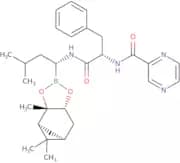
CAS:<p>1,4-Diamino-2,3-dicyanoanthraquinone is a chemical compound that belongs to the amines group. It has transcription-polymerase chain activity and inhibits the growth of cancer cells by regulating blood pressure and stimulating the production of growth factors. The effect on cancer cells is due to its ability to inhibit kinases. 1,4-Diamino-2,3-dicyanoanthraquinone has shown an inhibitory effect on glutamate decarboxylase and fatty acid synthase, which are enzymes that regulate cell metabolism. This chemical compound also exhibits quinoline derivatives with a redox potential that can be used as hydrogen chloride in organic synthesis reactions.</p>Formula:C16H8N4O2Purity:Min. 95%Color and Shape:Blue PowderMolecular weight:288.26 g/mol(1R)-(1S,2S,3R,5S)-Pinanediol-N-(N-pyrazinylphenylalaninoyl)-1-amino-3-methyl-butane-1-boronate
CAS:<p>(1R)-(1S,2S,3R,5S)-Pinanediol-N-(N-pyrazinylphenylalaninoyl)-1-amino-3-methyl-butane-1-boronate is a boronic acid derivative that has been shown to have an antiproliferative effect on cancer cells. It is a biodegradable, water soluble drug with a low toxicity profile. The maximum tolerated dose has been established in vivo studies and it can be used as an imaging agent for diagnosis. (1R)-(1S,2S,3R,5S)-Pinanediol-N-(N-pyrazinylphenylalaninoyl)-1-amino-3-methyl-butane-1-boronate may be used to treat cancers such as breast cancer or leukemia. This drug targets the proteasome and inhibits its activity by binding to the active site of the 20s</p>Formula:C29H39BN4O4Purity:Min. 95%Color and Shape:SolidMolecular weight:518.46 g/mol7-Amino-3-[[(2,5-dihydro-6-hydroxy-2-methyl-5-oxo- 1,2,4-triazin-3-yl)thio]methyl]cephalosporanic acid
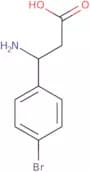
CAS:<p>Ceftriaxone is a semisynthetic, broad-spectrum antibiotic that is used to treat bacterial infections. It is especially effective against the following microorganisms: Gram-positive cocci and rods, Gram-positive bacilli, Gram-negative cocci and rods, and anaerobic bacteria. Ceftriaxone is a crystalline solid that can be dissolved in water or an organic solvent. It has been shown to have excellent stability in acidic solutions and at high temperatures. Ceftriaxone has a residue of 3% when it is administered intravenously or intramuscularly. The use of ceftriaxone as an antibiotic can be optimized by using reverse-phase chromatography with a cyclic gradient elution method.</p>Formula:C12H13N5O5S2Purity:95%NmrColor and Shape:PowderMolecular weight:371.39 g/mol3-Amino-3-(4-bromophenyl)propanoic acid
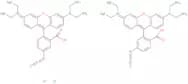
CAS:<p>3-Amino-3-(4-bromophenyl)propanoic acid is a versatile building block that is used in the synthesis of many different compounds. It is a reagent, useful as a research chemical and as a speciality chemical. 3-Amino-3-(4-bromophenyl)propanoic acid has been used in the synthesis of a number of complex compounds, including pharmaceuticals and pesticides. This compound is a good choice for use in organic synthesis because it reacts readily with an array of functional groups, such as carboxylic acids and amines.</p>Formula:C9H10BrNO2Purity:Min. 95%Color and Shape:PowderMolecular weight:244.09 g/molRhodamine B isothiocyanate, mixture of isomers
CAS:<p>Rhodamine B isothiocyanate (RBITC) is a fluorescent dye that can be synthesized by reacting 2,4-dinitrobenzene with aniline. RBITC fluoresces in the visible spectrum, but has also been shown to fluoresce in the near infrared region of the electromagnetic spectrum. The microstructural and morphological properties of RBITC have been studied using simulations methods such as molecular dynamics and Monte Carlo techniques. RBITC has a spinodal decomposition behavior when heated or cooled, which can be used to study transport pathways in solids. These pathways are motivated by connectivity and topological techniques.</p>Formula:C29H30N3O3SClPurity:Min. 70%Color and Shape:Red PowderMolecular weight:536.09 g/mol4-[(7-Chloro-4-quinolinyl)amino]-1-pentanol
CAS:<p>4-[(7-Chloro-4-quinolinyl)amino]-1-pentanol (QLT) is a drug that has been shown to be effective against both healthy volunteers and malaria patients. It is a prodrug that is metabolized by the liver into 7-chloroquinalone, which inhibits the growth of plasmodium falciparum. QLT has been shown to be safe and well tolerated in studies with healthy volunteers, and it does not appear to cause significant adverse effects. QLT also has an effect on T cells, which may be due to its ability to inhibit protein synthesis and cell division.</p>Formula:C14H17ClN2OPurity:Min. 95%Color and Shape:Yellow SolidMolecular weight:264.75 g/mol4-(3,4-Dimethoxyphenyl)-1,3-thiazol-2-amine
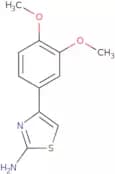
CAS:<p>Please enquire for more information about 4-(3,4-Dimethoxyphenyl)-1,3-thiazol-2-amine including the price, delivery time and more detailed product information at the technical inquiry form on this page</p>Formula:C11H12N2O2SPurity:Min. 95%Molecular weight:236.29 g/mol2-(((2,5-dimethoxyphenyl)sulfonyl)amino)benzamide
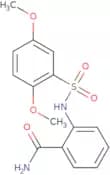
CAS:<p>Please enquire for more information about 2-(((2,5-dimethoxyphenyl)sulfonyl)amino)benzamide including the price, delivery time and more detailed product information at the technical inquiry form on this page</p>Purity:Min. 95%1-(4-Aminophenyl)propane-1,2,3-triol
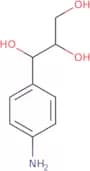
CAS:<p>1-(4-Aminophenyl)propane-1,2,3-triol is a fine chemical that is useful for research and development of pharmaceuticals. It has the CAS number 695191-72-1. This compound has been used as a building block in the synthesis of a wide range of complex molecules. It is also used as a reagent and speciality chemical in the production of pharmaceuticals and agrochemicals. 1-(4-Aminophenyl)propane-1,2,3-triol is a versatile building block that can be used to create new compounds with different properties. It also functions as a useful intermediate or scaffold for drug discovery programs.</p>Formula:C9H13NO3Purity:Min. 95%Color and Shape:Off-White To Brown SolidMolecular weight:183.2 g/mol3-Amino-3-methylbutanoic acid
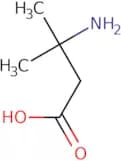
CAS:<p>3-Amino-3-methylbutanoic acid is a carbonaceous compound that can be synthesized from b-alanine and perchloroethylene. It is used in the manufacture of butanoic acid, which is an important industrial chemical. 3-Amino-3-methylbutanoic acid has been shown to exist as four isomers, each with a different molecular weight. The isomers are produced by a synthetic process involving the reaction of b-alanine and perchloroethylene. In an amination reaction, the compounds are heated in the presence of ammonia gas or ammonium chloride to form 3-amino-3-methylbutanoic acid.</p>Formula:C5H11NO2Purity:Min 95%Color and Shape:PowderMolecular weight:117.15 g/molN,N-Dimethyldodecylamine N-oxide - 30% solution in water
CAS:<p>N,N-Dimethyldodecylamine N-oxide, also known as lauryldimethylamine oxide (LDAO), is an amine oxide nonionic surfactant with a C12 alkyl chain used widely in cosmetics, washing, cleaning and personal care products. LDAO has antimicrobial properties and is effective against common bacteria such as S. aureus and E. coli.</p>Formula:C14H31NOColor and Shape:Colorless Clear LiquidMolecular weight:229.4 g/mol3-(2-(2-(2-Aminoethoxy)ethoxy)ethoxy)propanoic acid HCI
CAS:<p>3-(2-(2-(2-Aminoethoxy)ethoxy)ethoxy)propanoic acid HCI is a PEG compound with two different functional groups (also known as heterobifunctional). Unlike homobifunctional PEG compounds (same functional group on both ends), this type of compounds are more versatile as have two different anchor points. 3-(2-(2-(2-Aminoethoxy)ethoxy)ethoxy)propanoic acid HCI is used as a linker and spacer to add a PEG moiety, via pegylation (a bioconjugation technique) to proteins, peptides, oligonucleotides, small molecules and nanoparticles.</p>Formula:C9H19NO5·HClColor and Shape:Slightly Yellow Yellow Clear Liquid PowderMolecular weight:257.71 g/molFosfomycin phenylethylamine
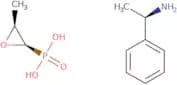
CAS:Controlled Product<p>Fosfomycin is a broad-spectrum antibiotic that is effective against bacteria, especially those resistant to other antibiotics. Fosfomycin acts by inhibiting the synthesis of bacterial cell wall mucopeptides. It binds to the terminal amino acid residues of the peptidoglycan polymer and prevents cross-linking, which is essential for the formation of a functional cell wall. Fosfomycin also has low toxicity in humans and can be used as an alternative treatment for pandemic Covid-19 virus. This drug can be detected at very low concentrations in plasma samples using liquid chromatography with mass spectrometry (LCMS), which makes it useful for analysis of biological fluids. Fosfomycin can be prepared by reacting sodium carbonate and calcium carbonate with fosfomycin hydrochloride in water. The reaction products are then purified by liquid chromatography, leading to high detection levels. Fosfomycin phenylethylamine is an</p>Formula:C8H11N·C3H7O4PPurity:Min. 95%Color and Shape:White PowderMolecular weight:259.24 g/molN,N-Dimethyl-(tetrahydro-3,3 diphenyl-2-furilidine)ammonium bromide
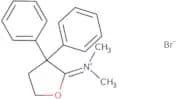
CAS:<p>N,N-Dimethyl-(tetrahydro-3,3 diphenyl-2-furilidine)ammonium bromide is a synthetic opioid analgesic and is used in the treatment of severe pain. It has been shown to cause life-threatening cardiac effects, supratherapeutic concentrations, or fatalities in humans and animals. N,N-Dimethyl-(tetrahydro-3,3 diphenyl-2-furilidine)ammonium bromide has also been shown to cause gastrointestinal inflammation in animal models. This drug acts as an agonist at opioid receptors and can be fatal at high doses.</p>Formula:C18H20BrNOPurity:Min. 95%Color and Shape:White PowderMolecular weight:346.26 g/molN-[2-(Fmoc-amino)-ethyl]glycine tert-butylester hydrochloride
CAS:<p>Please enquire for more information about N-[2-(Fmoc-amino)-ethyl]glycine tert-butylester hydrochloride including the price, delivery time and more detailed product information at the technical inquiry form on this page</p>Formula:C23H28N2O4·HClPurity:Min. 95%Color and Shape:PowderMolecular weight:432.94 g/mol3-(2-(2-Aminoethoxy)ethoxy)-propanoic acid
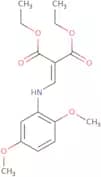
CAS:<p>3-(2-(2-Aminoethoxy)ethoxy)-propanoic acid is a PEG compound with two different functional groups (also known as heterobifunctional). Unlike homobifunctional PEG compounds (same functional group on both ends), this type of compounds are more versatile as have two different anchor points. 3-(2-(2-Aminoethoxy)ethoxy)-propanoic acid is used as a linker and spacer to add a PEG moiety, via pegylation (a bioconjugation technique) to proteins, peptides, oligonucleotides, small molecules and nanoparticles.</p>Formula:C7H15NO4Purity:Min. 95%Color and Shape:White PowderMolecular weight:177.2 g/moldiethyl 2-(((2,5-dimethoxyphenyl)amino)methylene)propane-1,3-dioate
CAS:<p>Please enquire for more information about diethyl 2-(((2,5-dimethoxyphenyl)amino)methylene)propane-1,3-dioate including the price, delivery time and more detailed product information at the technical inquiry form on this page</p>Purity:Min. 95%(R)-Amino carnitine
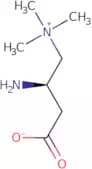
CAS:<p>(R)-Amino carnitine is a pancreatic enzyme that is used as an experimental treatment for fatty liver disease. It has been shown to inhibit the synthesis of fatty acids, which are the main components of triglycerides. The inhibition of this enzyme leads to a decrease in the production of triglycerides and their accumulation in the liver, thereby reducing hepatic steatosis. (R)-Amino carnitine also has an inhibitory effect on protein synthesis, which is important for the conversion of amino acids into proteins essential for cell division and growth. This mechanism may explain its beneficial effects on insulin resistance, obesity, and diabetes.</p>Formula:C7H16N2O2Purity:Min. 95%Molecular weight:160.21 g/mol5-Chlorotryptamine hydrochloride
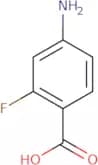
CAS:Controlled Product<p>5-Chlorotryptamine hydrochloride is a mitotic inhibitor that binds to the spindle. It has been shown to be an anti-proliferative agent in cells, as well as having anti-mitotic properties. 5-Chlorotryptamine hydrochloride binds to the c1-4 alkyl chains of the spindle and stops it from moving. This prevents the mitosis process and inhibits cell division. 5-Chlorotryptamine hydrochloride can also be used to inhibit kinesin, which is a protein involved in movement along microtubules.</p>Formula:C10H11ClN2·HClColor and Shape:PowderMolecular weight:231.12 g/mol4-Amino-2-fluorobenzoic acid
CAS:<p>4-Amino-2-fluorobenzoic acid is a potent inhibitor of formylating enzymes, such as carbonyl reductase and amino acid formyltransferase. It has been shown to be an effective inhibitor of cancer cells in vivo and inhibits the growth of prostate cancer cells. This compound has also been shown to inhibit nitro reduction reactions, which are involved in the carcinogenic process. 4-Amino-2-fluorobenzoic acid reacts with chloride ions to produce a functional group that can react with carbon nanotubes, making it a candidate for use in cancer therapy.</p>Formula:C7H6FNO2Purity:Min. 95%Color and Shape:SolidMolecular weight:155.13 g/mol1-(2-Furyl)ethanamine
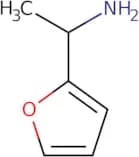
CAS:<p>1-(2-Furyl)ethanamine is a chiral compound that can be synthesized from readily available feedstocks. This synthetic method was developed to allow for the preparation of 1-(2-furyl)ethanamine in high yields and with good selectivity. The strategy involves the transfer of an ethyl group from an alcohol to a carbonyl group, which is catalyzed by gold nanoparticles. This process has been shown to be sustainable and provides an alternative for the use of more hazardous chemicals in the synthesis of this compound.</p>Formula:C6H9NOPurity:Min. 95%Color and Shape:Clear LiquidMolecular weight:111.14 g/mol(1R,2S)-1-Amino-2-indanol
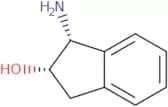
CAS:<p>(1R,2S)-1-Amino-2-indanol is a potential drug candidate that can be used in asymmetric synthesis. It has been shown to inhibit the flow of hydrogen bond and to form an enantiomer. The enantiomer is more active than the racemic mixture, which may be due to the higher binding affinity for the enzyme. This compound has also been shown to inhibit herpes simplex virus and HIV in vitro with a high potency. (1R,2S)-1-Amino-2-indanol is modeled using molecular dynamics simulations and quantum mechanical calculations.</p>Purity:Min. 95%Color and Shape:PowderMolecular weight:149.19 g/molAcetyl-L-glutamine
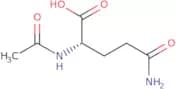
CAS:Acetyl-L-glutamine is a naturally occurring amino acid that is synthesized by the body and can be found in various foods. It has been shown to have many beneficial effects, such as the prevention of bowel disease. Acetyl-L-glutamine has also been shown to stimulate the production of neurotrophic factors, which are proteins that promote neuron growth and survival. This amino acid is used in therapy groups for people with neurodegenerative diseases, such as Parkinson's disease and Alzheimer's disease. Acetyl-L-glutamine may be effective against acute brain injury or stroke due to its ability to increase neuronal survival and inhibit neuronal death. The therapeutic effect of acetyl-L-glutamine on neuronal death may be due to its ability to inhibit apoptosis by preventing reactive oxygen species from binding to DNA. Acetyl-L-glutamine also promotes nerve cell growth and protects against damage caused by ischemia–reperfFormula:C7H12N2O4Purity:Min. 95%Color and Shape:PowderMolecular weight:188.18 g/mol5-Methoxytryptamine hydrochloride
CAS:Controlled Product<p>Non-selective serotonin receptor agonist that lacks affinity for the 5-HT3 receptor.</p>Formula:C11H15ClN2OMolecular weight:226.71 g/mol4-Cyano-4'-aminobiphenyl
CAS:<p>4-Cyano-4'-aminobiphenyl is a fluorescent dye that exhibits a strong fluorescence under UV irradiation. The dye has an absorption maximum at about 335 nm and a fluorescence emission maximum at about 455 nm, with excitation maxima of 333 nm and 478 nm. It has been used in the development of photocurrent devices, which are used for photochemical reactions and electrochemistry studies. This compound can also be used for the determination of amino groups in organic molecules such as carbostyril. The compound can be synthesized by reacting an amine with an aldehyde in the presence of acid.</p>Formula:C13H10N2Color and Shape:PowderMolecular weight:194.23 g/molN,N-Dimethyl-tert-butylamine
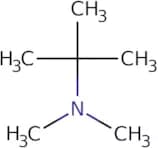
CAS:<p>N,N-Dimethyl-tert-butylamine is an organic compound that is used as a primary amine in the preparation of piperidines. It can be obtained by electrolysis of carbon tetrachloride with n-nitrosopiperidine as the catalyst. The process of obtaining N,N-Dimethyl-tert-butylamine is unsymmetrical and yields are low. The amines may be prepared by transfer hydrogenation or catalytic reduction of an aldehyde. The asymmetric synthesis may be achieved using chiral auxiliaries.</p>Formula:C6H15NPurity:Min. 95%Color and Shape:Colorless Clear LiquidMolecular weight:101.19 g/mol1,9-Diaminononane
CAS:<p>1,9-Diaminononane is a reactive organic compound that belongs to the class of ferroelectric compounds. It has been used as an additive in polyamides and polycarbonates to improve their thermal expansion and electrical properties. 1,9-Diaminonane reacts with nitrogen atoms to form amide groups or with inorganic acids to form reactive functional groups. 1,9-Diaminonane also forms hydrogen bonding interactions with other molecules such as polycarboxylic acids.</p>Formula:C9H22N2Purity:Area-% Min. 95.0 Area-%Color and Shape:White Off-White PowderMolecular weight:158.28 g/mol4-Amino-3-nitrophenol
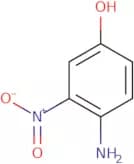
CAS:<p>4-Amino-3-nitrophenol is a reactive aminophenol that can be synthesized from hydrogen sulfate and diethyl ester. It is used in the synthesis of amines and other chemicals, as well as in analytical methods for determining the concentration of nitrates, nitrites, and aminophenols. 4-Amino-3-nitrophenol has been shown to have photocatalytic activity.</p>Formula:C6H6N2O3Purity:Min. 95%Color and Shape:PowderMolecular weight:154.12 g/mol20-Deoxo-23-deoxy-5-O-[3,6-dideoxy-3-(dimethylamino)-beta-D-glucopyranosyl]-20,23-di-1-piperidinyltylonolide
CAS:<p>20-Deoxo-23-deoxy-5-O-[3,6-dideoxy-3-(dimethylamino)-beta-D-glucopyranosyl]-20,23-di-1-piperidinyltylonolide is an antimicrobial agent that belongs to the group of chemotherapeutic agents. It is a fluorinated analog of tilmicosin. The low dose group was treated with this drug for five days, and the high dose group received 20 times the amount of drug. Fluorescence spectrometry showed that there was no significant difference in the fluorescence intensity between these two groups after 24 hours. This drug has been shown to have pharmacokinetic properties in rats and mice, but further optimization may be required to improve its process.</p>Formula:C41H71N3O8Purity:Min. 95%Color and Shape:Off-White PowderMolecular weight:734.02 g/molN,N'-Bis(2-hydroxyethyl)ethylenediamine
CAS:<p>N,N'-Bis(2-hydroxyethyl)ethylenediamine is a chemical compound that has been used in the synthesis of a number of drugs. It is an alkanolamine that can be synthesized by the reaction of piperazine with hydroxyethylamine. In addition, N,N'-Bis(2-hydroxyethyl)ethylenediamine has been shown to have biological properties such as being able to stimulate the production of antibodies and citric acid in animals. It also has structural similarities to vitamin B12 and exhibits hydrogen bonding between its molecules. N,N'-Bis(2-hydroxyethyl)ethylenediamine is biodegradable and does not produce significant environmental effects when released into water or soil.</p>Formula:C6H16N2O2Purity:Min. 95 Area-%Color and Shape:White PowderMolecular weight:148.2 g/mol2-Amino-3-fluorobenzoic acid
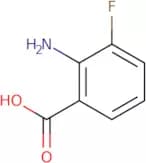
CAS:<p>2-Amino-3-fluorobenzoic acid is a covid-19 pandemic anti-infective agent that has been shown to modulate the nicotinic acetylcholine receptor. It has been shown to be effective in preventing the spread of influenza A (H1N1) and other flu strains, as well as the related H5N1 avian flu. 2-Amino-3-fluorobenzoic acid is an organofluorine compound with a five membered ring and fluorine atom in the para position. 2-Amino-3-fluorobenzoic acid binds to the ligand binding site of the acetylcholine receptor, which is found on nerve cells. The drug competitively inhibits acetylcholine's binding to this site, preventing activation of the receptor and blocking transmission of nerve impulses across synapses. This prevents muscle contraction, leading to paralysis and death from respiratory</p>Formula:C7H6FNO2Purity:Min. 95%Color and Shape:PowderMolecular weight:155.13 g/mol4'-Dimethylaminoacetophenone
CAS:<p>4'-Dimethylaminoacetophenone is a fluorescent probe that has been shown to be a potential use for measuring the activation energy of radical chain reactions. It has been shown to have synergistic effects with hydroxyl group radicals, and can be used as an indicator for carbon tetrachloride. The fluorescence properties of 4'-dimethylaminoacetophenone are dependent on the polarity of the solvent in which it is dissolved. This compound is a colorless liquid that is soluble in acetonitrile, but insoluble in water. 4'-Dimethylaminoacetophenone also has sunscreen properties, which may be due to its ability to absorb UV radiation.</p>Formula:C10H13NOPurity:Min. 95%Color and Shape:PowderMolecular weight:163.22 g/mol3'-Aminopropionanilide
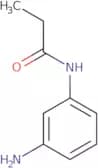
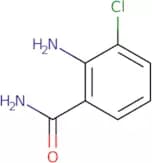
CAS:<p>3'-Aminopropionanilide is a synthetic chemical that belongs to the group of aminopropionates. It has been used as a reaction component and reagent in organic synthesis. 3'-Aminopropionanilide is a versatile building block, which can be used to synthesize complex compounds with different functions. This compound is also an intermediate in the synthesis of other chemicals, such as pharmaceuticals or agrochemicals. 3'-Aminopropionanilide has a CAS number of 22987-10-6.</p>Formula:C9H12N2OPurity:Min. 95%Color and Shape:PowderMolecular weight:164.2 g/mol2-Amino-3-chlorobenzamide
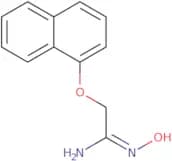
CAS:<p>This compound is a benzamide derivative that is oxidized by nature. It has been shown to undergo ring-opening in the presence of reducing agents, such as sodium borohydride, and yields 2-amino-4-chlorobenzaldehyde. This reaction system uses an efficient catalyst such as manganese dioxide to help speed up the rate of this reaction. The product of this reaction is then converted into a variety of isatins depending on the conditions used.</p>Formula:C7H7ClN2OPurity:Min. 95%Color and Shape:Off-White PowderMolecular weight:170.6 g/molN-Hydroxy-2-(1-naphthalenyloxy)ethanimidamide
CAS:<p>Please enquire for more information about N-Hydroxy-2-(1-naphthalenyloxy)ethanimidamide including the price, delivery time and more detailed product information at the technical inquiry form on this page</p>Formula:C12H12N2O2Purity:Min. 95%Color and Shape:PowderMolecular weight:216.24 g/mol6-Amino-1-hexanethiol hydrochloride
CAS:<p>6-Amino-1-hexanethiol hydrochloride is a monolayer with an affinity for basic proteins, such as theophylline. The binding of 6-aminohexanethiol hydrochloride to theophylline has been shown to be linear and specific in electrochemical methods. 6-Aminohexanethiol hydrochloride immobilized on a surface binds theophylline with high affinity. This compound was also found to bind phosphatidylcholine, which is a major component of biological membranes. It has been demonstrated that 6-aminohexanethiol hydrochloride can be used as a functional group for immobilizing biomolecules on surfaces.</p>Formula:C6H15NS•HClPurity:Min. 95%Color and Shape:PowderMolecular weight:169.72 g/mol(1S,2R)-(-)-cis-1-Amino-2-indanol
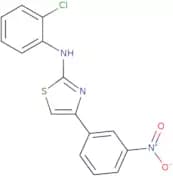
CAS:<p>Precusor for preparation of indinavir; a chiral ligand for asymmetric synthesis</p>Formula:C9H11NOPurity:Min. 95%Color and Shape:White PowderMolecular weight:149.19 g/mol(2-Chlorophenyl)(4-(3-nitrophenyl)(2,5-thiazolyl))amine
CAS:<p>Please enquire for more information about (2-Chlorophenyl)(4-(3-nitrophenyl)(2,5-thiazolyl))amine including the price, delivery time and more detailed product information at the technical inquiry form on this page</p>Purity:Min. 95%N-Methyldibutylamine
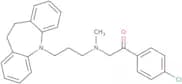
CAS:<p>N-Methyldibutylamine is an aliphatic hydrocarbon that has antimicrobial activity. It is a colorless liquid at room temperature and has a boiling point of 78°C. N-Methyldibutylamine can be used as a solvent for polymers and resins, in the manufacture of plastics, and in the production of enamels. It also has potential applications in cancer research due to its ability to inhibit the growth of tumor cells.</p>Formula:C9H21NPurity:Min. 95%Color and Shape:Clear LiquidMolecular weight:143.27 g/molLofepramine
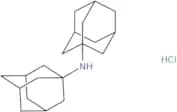
CAS:<p>Serotonin and norepinephrine reuptake inhibitor; anti-depressant</p>Formula:C26H27ClN2OPurity:Min. 95%Color and Shape:PowderMolecular weight:418.96 g/molDi-(1-adamantyl)amine hydrochloride
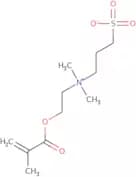
CAS:<p>Di-(1-adamantyl)amine hydrochloride is a fine chemical that is used as a building block in research. It has been shown to be an effective reagent for the preparation of polymers and as a speciality chemical. Di-(1-adamantyl)amine hydrochloride can be used as a reaction component for the synthesis of other compounds and is available in high quality. It is also versatile, being able to react with carboxylic acids, amines, alcohols, phosphorus halides, and thiols. This compound is not listed with CAS No., but it is available from many suppliers.</p>Formula:C20H32ClNPurity:Min. 95%Color and Shape:PowderMolecular weight:321.93 g/molDMAPS
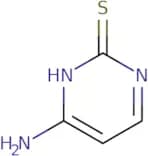
CAS:A hygroscopic, zwitterionic monomer used in the synthesis of polysulfobetaines.Formula:C11H21NO5SPurity:(Total Nitrogen) Min. 98%Color and Shape:PowderMolecular weight:279.35 g/mol4-Amino-2-mercaptopyrimidine
CAS:<p>4-Amino-2-mercaptopyrimidine is a model system for coordination geometry and the hydroxyl group. It has been shown to have an x-ray crystal structure that can be used to study human serum, activated viruses, and other biological properties. 4-Amino-2-mercaptopyrimidine has been synthesized using a flow system and kinetic energy. The protonation state of 4-amino-2-mercaptopyrimidine is dependent on the pH of the solution and it can exist as two tautomers.</p>Formula:C4H5N3SPurity:Min. 97 Area-%Color and Shape:White PowderMolecular weight:127.17 g/molPantethine
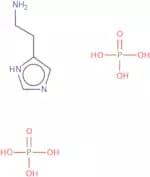
CAS:<p>Pantethine is a dietary supplement, which is a derivative of pantothenic acid, sourced from vitamin B5. As a biologically active compound, it undergoes conversion to pantetheine, which then forms coenzyme A (CoA) and acyl-carrier proteins. This conversion is critical, as CoA is an essential cofactor involved in numerous biochemical reactions that are integral to fatty acid metabolism, among other processes.</p>Formula:C22H42N4O8S2Purity:Min. 95%Color and Shape:PowderMolecular weight:554.72 g/molHistamine diphosphate
CAS:Controlled Product<p>Endogenous ligand for histamine receptors; neurotransmitter</p>Formula:C5H9N3•(H3PO4)2Purity:Min. 95%Color and Shape:PowderMolecular weight:307.14 g/molAmmonium bisulfite - 45% In water
CAS:Ammonium bisulfite is a soluble sulfite salt that is used as a reducing agent in organic chemistry. It reacts with metal hydroxides to produce sulfur and anhydrous sodium. This reaction also produces water vapor, which can be condensed and collected for use in other reactions. The reaction mechanism involves the formation of a sulfate ion when ammonium ions react with bisulfites or sulfites. Ammonium bisulfite has been shown to reduce hydrogen fluoride in aqueous solution, but not hydrofluoric acid.Formula:H5NO3SPurity:(Titration) 44 To 46%Color and Shape:Colorless Clear LiquidMolecular weight:99.11 g/molMethyl 2-amino-7,7-dimethyl-4-(3-nitrophenyl)-5-oxo-4,6,7,8-tetrahydro2H-chromene-3-carboxylate
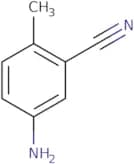
CAS:<p>Please enquire for more information about Methyl 2-amino-7,7-dimethyl-4-(3-nitrophenyl)-5-oxo-4,6,7,8-tetrahydro2H-chromene-3-carboxylate including the price, delivery time and more detailed product information at the technical inquiry form on this page</p>Formula:C19H20N2O6Purity:Min. 95%Color and Shape:PowderMolecular weight:372.37 g/mol4-Amino-2-cyanotoluene
CAS:<p>4-Amino-2-cyanotoluene is a quinazoline compound that inhibits the synthesis of thymine, which is necessary for DNA replication. This compound binds to the enzyme thymidylate synthetase, thereby inhibiting the synthesis of thymine. The inhibitory effect has been shown in a study using calf thymus DNA. 4-Amino-2-cyanotoluene also inhibits the synthesis of other nucleic acids such as adenine and guanine.</p>Formula:C8H8N2Purity:Min. 95%Color and Shape:PowderMolecular weight:132.16 g/molDeferoxamine mesylate
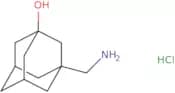
CAS:<p>Deferoxamine mesylate is an iron chelator that is used in the treatment of iron overload and to treat patients with chronic renal failure. Deferoxamine mesylate has been shown to inhibit angiogenesis by inhibiting the basic protein required for this process. It is also known to have a protective effect on myocardial cells, preventing cell death due to lack of oxygen (reactive oxygen species). Deferoxamine mesylate also inhibits neuronal death in a model system.<br>Deferoxamine mesylate binds to DNA and inhibits RNA synthesis, which has led to its use as a fluorescence probe for the detection of DNA binding activity. The drug has also been shown to act as a metal chelate, binding with metals such as iron, copper, and zinc.</p>Formula:C26H52N6O11SPurity:Min. 95 Area-%Color and Shape:PowderMolecular weight:656.79 g/mol3-(Aminomethyl)adamantan-1-ol HCl
CAS:<p>3-(Aminomethyl)adamantan-1-ol HCl is a chemical substance that can be used as a reaction component, reagent, and useful scaffold in the synthesis of pharmaceuticals. It is also a speciality chemical with versatile building block and useful intermediate properties. 3-(Aminomethyl)adamantan-1-ol HCl has been shown to be an effective building block for complex compounds, such as those used in the synthesis of anti-inflammatory drugs.</p>Formula:C11H19NO·HClPurity:Min. 95%Color and Shape:PowderMolecular weight:217.74 g/mol2-[(2-Carboxyphenyl)amino]-3-methoxybenzoic acid
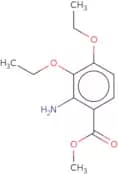
CAS:<p>2-[(2-Carboxyphenyl)amino]-3-methoxybenzoic acid is a fine chemical that is used as a building block, reagent, and speciality chemical in the synthesis of other compounds. This compound is a versatile building block for the synthesis of complex compounds with many applications. 2-[(2-Carboxyphenyl)amino]-3-methoxybenzoic acid is a complex compound that can be used as an intermediate or scaffold in the manufacture of pharmaceuticals, agrochemicals, and other organic syntheses.</p>Formula:C15H13NO5Purity:Min. 95%Molecular weight:287.27 g/molMethyl 2-amino-3,4-diethoxybenzoate
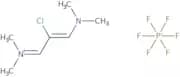
CAS:<p>Methyl 2-amino-3,4-diethoxybenzoate is a chemical compound that is used as a reagent for the preparation of other complex compounds. Methyl 2-amino-3,4-diethoxybenzoate has a CAS number of 1017083-69-0 and can be found in fine chemicals, research chemicals, and speciality chemicals. This chemical is also an intermediate for the synthesis of other compounds and has been shown to have many uses as a building block for more complex compounds. As a versatile building block, methyl 2-amino-3,4-diethoxybenzoate has been used in organic synthesis reactions to produce new compounds with unique properties.</p>Formula:C12H17NO4Purity:Min. 95%Color and Shape:PowderMolecular weight:239.27 g/mol2-Chloro-1,3-bis(dimethylamino)trimethinium hexafluorophosphate
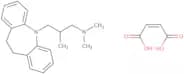
CAS:<p>2-Chloro-1,3-bis(dimethylamino)trimethinium hexafluorophosphate is a glycogen phosphorylase inhibitor. It is a synthetic compound that belongs to the class of allylamines. The synthesis of 2-chloro-1,3-bis(dimethylamino)trimethinium hexafluorophosphate has been achieved by reacting phosphorus oxychloride with dimethylformamide and amines. This reaction leads to the formation of chlorides and heterocycles. 2-Chloro-1,3-bis(dimethylamino)trimethinium hexafluorophosphate inhibits glycogen phosphorylase by binding to the active site and blocking access to the substrate glucose. It also inhibits β-glucosidase, which prevents the hydrolysis of glucosides into glucose.</p>Formula:C7H14ClN2·PF6Purity:Min. 95%Color and Shape:White PowderMolecular weight:306.62 g/molTrimipramine maleate salt
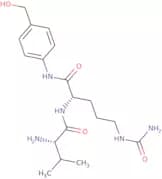
CAS:Controlled Product<p>Trimipramine is an antidepressant drug of the tricyclic type. It is used in the treatment of depression, anxiety, and insomnia. Trimipramine also possesses anti-cancer effects and has been shown to inhibit prostate cancer cells. In addition, trimipramine inhibits the accumulation of cholesterol by inhibiting its synthesis.<br>Trimipramine maleate salt is a maleate salt of trimipramine that is soluble in water and alcohols. The biological properties and pharmacological treatments are similar to those of trimipramine.</p>Formula:C24H30N2O4Purity:Min. 95%Color and Shape:PowderMolecular weight:410.51 g/molVal-Cit-PAB-OH
CAS:The Val-Cit-PAB linker is an activated peptide linker that is cleaved by cathepsin B. It enables the selective intracellular release of attached drugs in ADC applications.Formula:C18H29N5O4Purity:Min. 95%Color and Shape:PowderMolecular weight:379.45 g/mol4-((4-(dimethylamino)phenyl)methylene)-3-methyl-1-phenyl-2-pyrazolin-5-one
CAS:<p>Please enquire for more information about 4-((4-(dimethylamino)phenyl)methylene)-3-methyl-1-phenyl-2-pyrazolin-5-one including the price, delivery time and more detailed product information at the technical inquiry form on this page</p>Purity:Min. 95%






![(S)-2-Amino-4-[(3-aminopropyl)amino]-butanoic Acid](/_next/image/?url=https%3A%2Fstatic.cymitquimica.com%2Fproducts%2FTR%2Fthumb-webp%2FA609335.webp&w=3840&q=75)


![Tris[(1-benzyl-1H-1,2,3-triazol-4-yl)methyl]amine](/_next/image/?url=https%3A%2Fstatic.cymitquimica.com%2Fproducts%2F3D%2Fthumb-webp%2FFT60866.webp&w=3840&q=75)

![Methyl 3-amino-6-methylthieno[2,3-b]pyridine-2-carboxylate](/_next/image/?url=https%3A%2Fstatic.cymitquimica.com%2Fproducts%2F3D%2Fthumb-webp%2FFM142163.webp&w=3840&q=75)


![N-[5-(Phenylamino)-2,4-pentadienylidene]aniline monohydrochloride](/_next/image/?url=https%3A%2Fstatic.cymitquimica.com%2Fproducts%2F3D%2Fthumb-webp%2FFP29019.webp&w=3840&q=75)
![1,4-Dioxaspiro[4.5]decan-8-ylmethanamine](/_next/image/?url=https%3A%2Fstatic.cymitquimica.com%2Fproducts%2F3D%2Fthumb-webp%2FFD153838.webp&w=3840&q=75)
![(2-Imidazo[2,1-b][1,3]thiazol-6-ylethyl)amine dihydrochloride](/_next/image/?url=https%3A%2Fstatic.cymitquimica.com%2Fproducts%2F3D%2Fthumb-webp%2FFI126807.webp&w=3840&q=75)

![7-Amino-3-[[(2,5-dihydro-6-hydroxy-2-methyl-5-oxo- 1,2,4-triazin-3-yl)thio]methyl]cephalosporanic …](/_next/image/?url=https%3A%2Fstatic.cymitquimica.com%2Fproducts%2F3D%2Fthumb-webp%2FFA17508.webp&w=3840&q=75)
![4-[(7-Chloro-4-quinolinyl)amino]-1-pentanol](/_next/image/?url=https%3A%2Fstatic.cymitquimica.com%2Fproducts%2F3D%2Fthumb-webp%2FFC20107.webp&w=3840&q=75)


![N-[2-(Fmoc-amino)-ethyl]glycine tert-butylester hydrochloride](/_next/image/?url=https%3A%2Fstatic.cymitquimica.com%2Fproducts%2F3D%2Fthumb-webp%2FFF49771.webp&w=3840&q=75)





![20-Deoxo-23-deoxy-5-O-[3,6-dideoxy-3-(dimethylamino)-beta-D-glucopyranosyl]-20,23-di-1-piperidinyl…](/_next/image/?url=https%3A%2Fstatic.cymitquimica.com%2Fproducts%2F3D%2Fthumb-webp%2FFT137728.webp&w=3840&q=75)









![2-[(2-Carboxyphenyl)amino]-3-methoxybenzoic acid](/_next/image/?url=https%3A%2Fstatic.cymitquimica.com%2Fproducts%2F3D%2Fthumb-webp%2FFC19799.webp&w=3840&q=75)