Amines
Amines are a set of molecules containing an amino functional group (derived from ammonia). This category includes amines at any level of substitution : primary, secondary, tertiary, and ammonium salts. Amines are fundamental in organic synthesis and are widely used in pharmaceuticals, agrochemicals, and materials science. At CymitQuimica, we provide a comprehensive selection of amines to meet your research and industrial needs. Our range ensures access to various amines for diverse chemical processes and innovative research.
Subcategories of "Amines"
- Nitrosamines(2,605 products)
- Primary Amines(30,805 products)
- Quaternary Ammonium Cations and Salts(1,099 products)
- Secondary Amines(20,809 products)
- Tertiary Amines(17,111 products)
Found 8776 products of "Amines"
Sort by
Purity (%)
0
100
|
0
|
50
|
90
|
95
|
100
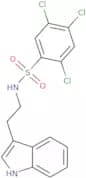
(2-Indol-3-ylethyl)((2,4,5-trichlorophenyl)sulfonyl)amine
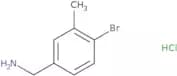
CAS:<p>Please enquire for more information about (2-Indol-3-ylethyl)((2,4,5-trichlorophenyl)sulfonyl)amine including the price, delivery time and more detailed product information at the technical inquiry form on this page</p>Formula:C16H13Cl3N2O2SPurity:Min. 95%Color and Shape:PowderMolecular weight:403.71 g/mol4-Bromo-3-methylbenzylamine hydrochloride
CAS:<p>4-Bromo-3-methylbenzylamine hydrochloride is a synthetic chemical that can be used in the synthesis of various products. This compound is a useful scaffold for the preparation of complex compounds, and it has been used as a reaction component in organic chemistry. It is also a versatile building block that can be used to synthesize fine chemicals with high purity. 4-Bromo-3-methylbenzylamine hydrochloride has been assigned CAS No. 1955514-32-5 by the Chemical Abstracts Service (CAS).</p>Formula:C8H10BrN·HClPurity:Min. 95%Molecular weight:236.54 g/mol2-Amino-1-aza-3-((4-methylphenyl)sulfonyl)prop-1-enyl thiophene-2-carboxylate
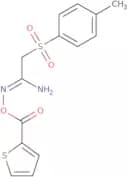
CAS:<p>Please enquire for more information about 2-Amino-1-aza-3-((4-methylphenyl)sulfonyl)prop-1-enyl thiophene-2-carboxylate including the price, delivery time and more detailed product information at the technical inquiry form on this page</p>Formula:C14H14N2O4S2Purity:Min. 95%Color and Shape:PowderMolecular weight:338.4 g/mol2-Aminoethanephosphonic acid
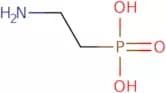
CAS:<p>2-Aminoethanephosphonic acid (2AEP) is a phosphonic acid that is used as a fungicide. 2AEP binds to the target enzymes, such as bacterial RNA polymerase and bacterial DNA gyrase, by steric interactions with the hydroxyl groups of the enzyme. 2AEP also inhibits the synthesis of proteins in bacteria, which leads to cell death. The binding of 2AEP to bacterial RNA polymerase prevents the enzyme from interacting with ribonucleoside triphosphates, thus inhibiting transcription and translation of proteins. This compound has been shown to be effective against Caulobacter crescentus and Escherichia coli K-12 strains. A matrix effect was observed in this study for 2AEP when it was mixed with other compounds such as sodium azide or DMSO. In addition, there are some biochemical properties that are specific for 2AEP including its ability to inhibit fetal bovine serum</p>Formula:C2H8NO3PPurity:Min. 95%Color and Shape:PowderMolecular weight:125.06 g/mol5-Aminoisatin
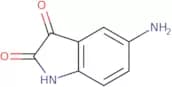
CAS:<p>5-Aminoisatin is a serotonin receptor agonist and has been shown to have protective effects against liver cancer in vitro in human liver cancer cells. It also has a number of other biological activities, including anti-inflammatory, natriuretic, and leukemia inhibitory activities. 5-Aminoisatin interacts with the mitochondrial membrane and prevents cell death by inhibiting the opening of the mitochondrial permeability transition pore (MPTP). This activity may be due to its ability to form ternary complexes with ATP and the voltage sensor domain of the mitochondrial protein voltage dependent anion channel (VDAC). 5-Aminoisatin binds to both the alpha subunit and beta subunit of the calcium/calmodulin-dependent protein kinase II (CaMKII) enzyme. The binding of 5-aminoisatin to CaMKII leads to inhibition of phosphorylation at serine residue 397, which disrupts ATP binding.</p>Formula:C8H6N2O2Purity:(%) Min. 85%Color and Shape:PowderMolecular weight:162.15 g/mol1,2-O-Dihexadecyl-sn-glycero-3-phosphoethanolamine
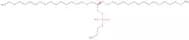
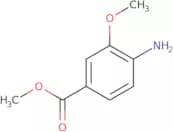
CAS:<p>1,2-O-Dihexadecyl-sn-glycero-3-phosphoethanolamine (DHEPE) is a lipid used as a fluorescent probe for the detection of carbohydrates. It has been shown to bind to high-mannose type oligosaccharides and to be stable in complex with them. DHEPE has been shown to form complexes with cell nuclei, which may be due to hydrogen bonding interactions between the sugar and phosphate head groups on the glycerol backbone. These interactions are thought to be responsible for the selectivity of DHEPE for mannose residues in cells. DHEPE also forms complexes with x-ray diffraction data, which is indicative of intermolecular hydrogen bonding between this molecule and other hydrophobic molecules. DHEPE's reaction mechanism is not clear, but it has been proposed that it reacts with proteins by reacting with amino groups on these proteins.</p>Formula:C37H78NO6PPurity:Min. 95%Color and Shape:SolidMolecular weight:663.99 g/mol4-Amino-3-methoxybenzoic acid methyl ester
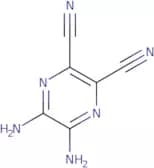
CAS:<p>4-Amino-3-methoxybenzoic acid methyl ester is a reactive molecule that has been used as a radiotracer for positron emission tomography (PET). It is also used in the synthesis of oligodeoxynucleotides and hybridization probes. 4-Amino-3-methoxybenzoic acid methyl ester is not soluble in water, but it can be dissolved in organic solvents such as acetone or methanol. This compound has shown to have anticancer activity and may be useful for treating cancers of the brain, breast, colon, lung, prostate, and stomach.</p>Formula:C9H11NO3Purity:Min. 95%Color and Shape:PowderMolecular weight:181.19 g/mol5,6-Diamino-2,3-dicyanopyrazine
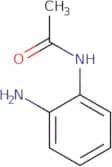
CAS:<p>5,6-Diamino-2,3-dicyanopyrazine (5,6-DDA) is a synthetic compound that has been shown to emit in the visible region. The emission spectrum of 5,6-DDA shows three peaks at 599 nm, 614 nm, and 637 nm. The molecular orbitals of 5,6-DDA are calculated to be sp2 hybridized with a singlet ground state. This molecule has been shown to form imines with aniline and pyrrole in the presence of chloride ions. It also forms a zn complex with zinc chloride and nitrate ions. The thermolysis of furyl derivatives produces the corresponding anions. 5,6-DDA can also undergo a photochemical reaction with chlorine gas to form its molecular ion at 637 nm.</p>Formula:C6N4N6Purity:(%) Min. 98%Color and Shape:PowderMolecular weight:160.14 g/mol2'-Aminoacetanilide
CAS:<p>2'-Aminoacetanilide is a colorless, crystalline compound that is soluble in water and has a bitter taste. It is used as an acidity regulator in food products, particularly bakery products. 2'-Aminoacetanilide can be found naturally in some microflora, such as lactic acid bacteria. <br>2'-Aminoacetanilide is an aromatic amine that contains both primary amino and functional groups. It is nucleophilic and reacts with proton by nucleophilic attack to form the corresponding amide or carbonyl group. 2'-Aminoacetanilide also has the ability to react with nitro compounds to form an amido-nitro adduct.</p>Formula:C8H10N2OPurity:Min. 95%Color and Shape:PowderMolecular weight:150.18 g/mol5-Fluoro-N,N-Dimethyl-1H-Indole-3-Ethanamine
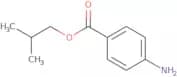
CAS:Controlled Product<p>5-Fluoro-N,N-Dimethyl-1H-Indole-3-Ethanamine is a psychedelic drug with affinity for the serotonin 5HT2A receptor. It has been shown to interact with a diversity of ion channels and transporters. The affinity of 5FEDME for the 5HT2C receptor may also be normalizing. This drug has been shown to be an agonist at the 5HT2A receptor, which may contribute to its psychedelic effects.</p>Formula:C12H15FN2Purity:Min. 95%Molecular weight:206.26 g/molIsobutyl 4-aminobenzoate
CAS:<p>Isobutyl 4-aminobenzoate is an anesthetic that has been shown to be effective in epidural anesthesia. It has been evaluated for the prevention of post-epidural pain and found to be chemically similar to lidocaine and bupivacaine. Isobutyl 4-aminobenzoate is also used topically as a nerve block agent.</p>Formula:C11H15NO2Purity:Min. 95%Color and Shape:Yellow PowderMolecular weight:193.24 g/mol2-[[(Heptadecafluorooctyl)Sulphonyl]Propylamino]Ethyl Methacrylate
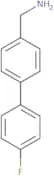
CAS:Controlled Product<p>2-[[(Heptadecafluorooctyl)Sulphonyl]Propylamino]Ethyl Methacrylate is a sulfonate that is used as a crosslinker in various chemical substances. It is also used to connect substances together, such as chemicals. 2-[[(Heptadecafluorooctyl)Sulphonyl]Propylamino]Ethyl Methacrylate has the chemical formula CH2=CFCF2CF(OCH2CH2)SO3H. 2-[[(Heptadecafluorooctyl)Sulphonyl]Propylamino]Ethyl Methacrylate is an oily liquid that is colorless and odorless.</p>Formula:C17H16F17NO4SPurity:Min. 95%Molecular weight:653.35 g/mol4'-Fluoro-biphenyl-4-methanamine
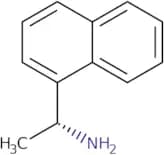
CAS:<p>4'-Fluoro-biphenyl-4-methanamine is a fine chemical that is a versatile building block, useful intermediate, and research chemical. It is used as a reaction component in the production of other chemicals. 4'-Fluoro-biphenyl-4-methanamine can be used as an additive in many commercial products. This compound is an important reagent and can be found in high quality research laboratories. CAS No. 776291-03-3</p>Formula:C13H12FNPurity:Min. 95%Color and Shape:SolidMolecular weight:201.24 g/mol(R)-(+)-1,1-Naphthyl ethylamine
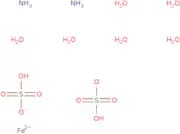
CAS:<p>(R)-(+)-1,1-Naphthyl ethylamine is a molecule that belongs to the class of chromatographic compounds. It has a carbonyl group, which is a substrate for amine modifiers and other chemical reactions. (R)-(+)-1,1-Naphthyl ethylamine can be used as a model system for epidermal growth factor (EGF) and chelate rings. The molecule has been shown to have growth factor activity, which may be due to its ability to bind to EGF receptors on cells.</p>Formula:C12H13NPurity:Min. 95%Color and Shape:PowderMolecular weight:171.24 g/molAmmonium iron(II) sulfate hexahydrate
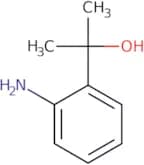
CAS:<p>Ammonium iron(II) sulfate hexahydrate is a salt that contains the metal ion ammonium and iron (II). It is used in cancer research as an electron-radiating agent. The drug molecules are encapsulated into the cavity of mesoporous silica nanoparticles by ionizing radiation. This process immobilizes the drug molecule and prevents it from diffusing away from the particle surface. Ammonium iron(II) sulfate hexahydrate has been shown to be effective against estrone and 17β-estradiol, which are types of estrogen.</p>Formula:Fe(NH4)2(SO4)2•6H2OColor and Shape:PowderMolecular weight:392.14 g/mol2-Amino-α,α-dimethylbenzyl alcohol
CAS:<p>2-Amino-α,α-dimethylbenzyl alcohol is a reagent that is useful in the synthesis of complex compounds. It is also a fine chemical and can be used as an intermediate for other compounds. 2-Amino-α,α-dimethylbenzyl alcohol has been shown to be reactive and can be used as a speciality chemical. This chemical is used as a reaction component for chemical reactions, such as Heck reactions, Suzuki couplings, and Sonogashira couplings. 2-Amino-α,α-dimethylbenzyl alcohol is versatile and can be used in many different reactions due to its high quality.</p>Formula:C9H13NOPurity:Min. 95%Color and Shape:Clear LiquidMolecular weight:151.21 g/mol4-Amino-2-methoxypyridine
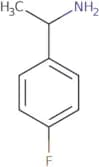
CAS:<p>4-Amino-2-methoxypyridine is an antiviral agent that inhibits the activity of the NS5B polymerase, a key enzyme in the replication of the hepatitis C virus. It is a potent inhibitor with a wide range of activity and can be used for treatment and prevention of infection. 4-Amino-2-methoxypyridine has been shown to inhibit replication of hepatitis C virus in cell culture. This compound is stable in vivo and can be administered orally, making it an attractive candidate for oral prophylaxis against hepatitis C. 4-Amino-2-methoxypyridine also exhibits good pharmacokinetic properties, including a low clearance rate and high volume of distribution, which makes it suitable for chronic administration.</p>Formula:C6H8N2OPurity:Min. 95%Color and Shape:White To Light (Or Pale) Orange SolidMolecular weight:124.14 g/mol4-Fluoro-α-methylbenzylamine
CAS:<p>4-Fluoro-a-methylbenzylamine is a chiral, protonated, and enthalpic compound. It can be synthesized by reacting anilines with 4-fluorobenzaldehyde in the presence of a base such as sodium ethoxide. The flavonoids from the plant Hedera helix have been shown to inhibit this enzyme. <br>4-Fluoro-a-methylbenzylamine has been found to be a potent inhibitor of imidazole amidohydrolase, an enzyme involved in the metabolism of histamine and other biologically active amines. This inhibition prevents the conversion of histamine to imidazole and therefore may help prevent allergic reactions such as asthma.</p>Formula:C8H10FNPurity:Min. 95%Molecular weight:139.17 g/mol1-(Aminomethyl)cyclopropanecarboxamide hydrochloride
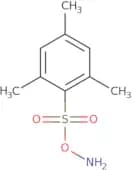
CAS:<p>1-(Aminomethyl)cyclopropanecarboxamide hydrochloride is a versatile building block that can be used in the synthesis of complex compounds. It has been shown to be an excellent reagent for the synthesis of novel pharmaceuticals and speciality chemicals. This compound is also a useful intermediate for the preparation of high-quality products and can be used as a reaction component or scaffold in synthesis.</p>Formula:C5H10N2O·HClPurity:Min. 95%Color and Shape:White PowderMolecular weight:150.61 g/molO-Mesitylenesulfonylhydroxylamine - 10-65% water
CAS:<p>Aminating Reagent</p>Formula:C9H13NO3SPurity:Min. 70 Area-%Color and Shape:Colorless PowderMolecular weight:215.27 g/molO-(2-Aminoethyl)-O'-(2-azidoethyl)nonaethylene glycol
CAS:<p>O-(2-Aminoethyl)-O'-(2-azidoethyl)nonaethylene glycol is a PEG compound with two different functional groups (also known as heterobifunctional). Unlike homobifunctional PEG compounds (same functional group on both ends), this type of compounds are more versatile as have two different anchor points. O-(2-Aminoethyl)-O'-(2-azidoethyl)nonaethylene glycol is used as a linker and spacer to add a PEG moiety, via pegylation (a bioconjugation technique) to proteins, peptides, oligonucleotides, small molecules and nanoparticles.</p>Formula:C22H46N4O10Purity:Min. 90%Color and Shape:Colorless PowderMolecular weight:526.62 g/molBenzo[d]isoxazol-5-amine
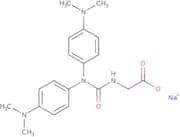
CAS:<p>Benzo[d]isoxazol-5-amine is a high quality, versatile building block that is used as a reagent for the synthesis of fine chemicals and pharmaceuticals. It can be used to synthesize useful scaffolds for drug discovery and as an intermediate in the synthesis of complex compound. Benzo[d]isoxazol-5-amine is also a reactive intermediate, which can be used in reactions with other building blocks to produce speciality chemicals such as research chemicals. This compound is soluble in water and has been classified by CAS as 239097-74-6.</p>Formula:C7H6N2OPurity:Min. 95%Color and Shape:PowderMolecular weight:134.14 g/molSodium 2-(3,3-bis(4-(dimethylamino)phenyl)ureido)acetate
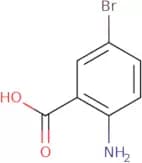
CAS:<p>Please enquire for more information about Sodium 2-(3,3-bis(4-(dimethylamino)phenyl)ureido)acetate including the price, delivery time and more detailed product information at the technical inquiry form on this page</p>Formula:C19H23N4NaO3Purity:Min. 95%Molecular weight:378.4 g/mol2-Amino-5-bromobenzoic acid
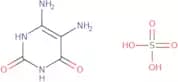
CAS:<p>2-Amino-5-bromobenzoic acid is a chemical compound that is used to synthesize other pharmaceuticals. It has been shown to have potent antiinflammatory activity and inhibit the growth of certain types of cancer cells. 2-Amino-5-bromobenzoic acid also has antiviral properties, and it inhibits the replication of human immunodeficiency virus type 1 (HIV-1) in cell culture. This drug has been shown to be effective against herpes simplex virus type 1 (HSV-1), varicella zoster virus (VZV), and cytomegalovirus (CMV). 2-Amino-5-bromobenzoic acid is poorly soluble in water; therefore, it can be administered intravenously as a prodrug. The absorption of this drug is dependent on pH levels, with higher concentrations found in acidic environments.</p>Formula:C7H6BrNO2Purity:Min. 95%Color and Shape:PowderMolecular weight:216.03 g/mol5,6-Diaminouracil sulfate
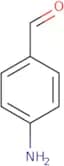
CAS:<p>5,6-Diaminouracil sulfate is an amine that is used as a precursor in the production of the anti-cancer drug 5-fluorouracil. It can be synthesized from diaminopyrimidine and uracil. This compound has two amino groups, which are both substituted with hydrogens. The aminouracile group is substituted with a hydrogen and an amino group. 5,6-Diaminouracil sulfate has pyrimidone rings that are fused together to form a six-membered ring.</p>Formula:C4H6N4O2·xH2SO4Purity:Min. 95%Color and Shape:PowderMolecular weight:142.12 g/mol4-Aminobenzaldehyde
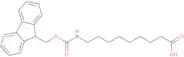
CAS:<p>4-Aminobenzaldehyde is a molecule that belongs to the class of aromatic compounds. It has a crystalline structure and reacts with acylating agents to form amides. 4-Aminobenzaldehyde has been used for the preparation of diazonium salts, which are reactive intermediates in organic synthesis that can be used as a nucleophile. This compound has been shown to react with sodium nitrate to form an electrochemical data, and it has also been used as a control experiment for nmr spectra.</p>Formula:C7H7NOPurity:Min. 98 Area-%Color and Shape:PowderMolecular weight:121.14 g/molFmoc-9-aminononanoic acid
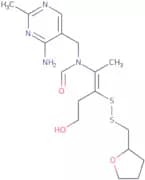
CAS:<p>Fmoc-9-aminononanoic acid is a versatile building block that can be used in the synthesis of complex compounds. This compound has been shown to be useful for the production of speciality chemicals and research chemicals, as well as for the preparation of reagents and reaction components. Fmoc-9-aminononanoic acid is also a high quality intermediate with a wide range of applications. It can be used as an electrophile or nucleophile in organic synthesis reactions, or it can be used as a scaffold to prepare more complicated molecules.</p>Formula:C24H29NO4Purity:Min. 98 Area-%Color and Shape:PowderMolecular weight:395.49 g/molThiamine tetrahydrofurfuryl disulfide
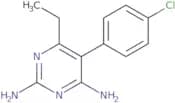
CAS:<p>Thiamine tetrahydrofurfuryl disulfide is a thiamine derivative that has been shown to serve as a cofactor for enzymes such as peptidyl-prolyl cis-trans isomerase, which catalyzes the formation of peptide hormones. It also plays a role in the synthesis of polymers such as cellulose. Thiamine tetrahydrofurfuryl disulfide can be found in crystalline cellulose and is an important component of two-way crossover studies on peptide hormones. This drug has been shown to stimulate oxidative metabolism in cells and may have therapeutic potential for treating conditions associated with oxidative injury, such as stroke, head trauma, and heart attack. <br>Thiamine tetrahydrofurfuryl disulfide may also have a role in the development of inflammatory responses through its interaction with toll-like receptor 4 (TLR4).</p>Formula:C17H26N4O3S2Purity:Min. 98 Area-%Color and Shape:PowderMolecular weight:398.55 g/molPyrimethamine
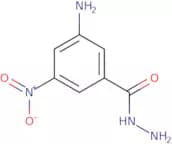
CAS:<p>Pyrimethamine is an antimalarial agent that has been used in the treatment of various infectious diseases. Pyrimethamine is a folic acid antagonist which inhibits the synthesis of DNA and RNA by inhibiting the enzyme dihydrofolate reductase. The drug binds to sulfadiazine, a sulfa drug, which prevents its conversion to active form and thereby prevents bacterial growth. Pyrimethamine can be administered orally or intravenously. It exhibits low toxicity and is excreted in the urine as an inactive metabolite. In vitro assays have shown pyrimethamine to be effective against HIV-1 infection, but it is not active against other viruses such as herpes simplex virus and influenza virus.</p>Formula:C12H13ClN4Purity:Min. 95%Color and Shape:PowderMolecular weight:248.71 g/mol3-Amino-5-nitrobenzhydrazide
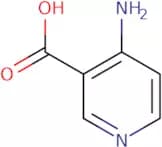
CAS:<p>3-Amino-5-nitrobenzhydrazide is a useful scaffold that can be used as a building block in the synthesis of other chemical compounds. It is a versatile intermediate that has been used in research to synthesize drugs and other chemicals, such as insecticides and herbicides. 3-Amino-5-nitrobenzhydrazide has been shown to be an effective reagent for the synthesis of complex compounds. This chemical has also been found to be an effective reaction component for the synthesis of speciality chemicals. 3-Amino-5-nitrobenzhydrazide is a fine chemical that can be used in many different applications.</p>Formula:C7H8N4O3Purity:Min. 95%Color and Shape:PowderMolecular weight:196.16 g/mol4-Amino-3-pyridinecarboxylic acid
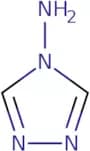
CAS:<p>4-Amino-3-pyridinecarboxylic acid (4APC) is a histidine amino acid. It is an intermediate in the synthesis of 6-aminonicotinic acid, which is an intermediate in the synthesis of nicotinamide, an important vitamin. 4APC has been used as a chemical probe to elucidate the transfer mechanism of amines to histidine. The active methylene group on 4APC can be easily detected by high-throughput analysis using liquid chromatography with fluorescence detection. The 3-aminoisonicotinic acid product can be detected by nmr spectra and electron microscope imaging. A synthetic route for 4APC involves ammonolysis followed by fluorescence resonance energy transfer.</p>Formula:C6H6N2O2Purity:Min. 95%Color and Shape:Brown PowderMolecular weight:138.12 g/mol4-Amino-4H-1,2,4-triazole
CAS:<p>4-Amino-4H-1,2,4-triazole is a nitrogen heterocycle that has been used in the synthesis of copper complexes. 4-Amino-4H-1,2,4-triazole is synthesized by the reaction of copper chloride and hydrochloric acid with a redox potential of 0.03 V. The synthesis of this compound can be achieved through two different mechanisms: one involving an exothermic reaction with an adsorption mechanism and the other involving a kinetic mechanism. 4-Amino-4H-1,2,4-triazole has been used in FTIR spectroscopy to differentiate between various nitrogen atoms on the basis of their vibrational frequencies.</p>Formula:C2H4N4Purity:Min. 98.5 Area-%Color and Shape:Brown White PowderMolecular weight:84.08 g/mol4-Hydroxy-7-methylamino-2-naphthalenesulfonicacid
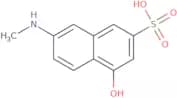
CAS:<p>4-Hydroxy-7-methylamino-2-naphthalenesulfonic acid is used as a diazo dye in the textile industry. This compound is used to produce diazotization and then cyanuric chloride by the reaction of 4-hydroxy-7-methylamino-2-naphthalenesulfonic acid with sodium nitrite and hydrochloric acid. The condensate from this reaction is dissolved in an alkaline solution, which reacts with sodium bicarbonate to produce a reactive physicochemical substance that can be used for dyeing fabrics.</p>Formula:C11H11NO4SPurity:Min. 96 Area-%Color and Shape:Slightly Brown PowderMolecular weight:253.28 g/mol2-[[(Butylamino)carbonyl]oxy]ethyl acrylate
CAS:<p>2-[[(Butylamino)carbonyl]oxy]ethyl acrylate is a monomer that is commonly used as a cross-linker in polymer chemistry. It has been shown to have reactive functional groups that can form covalent bonds with other molecules. 2-[[(Butylamino)carbonyl]oxy]ethyl acrylate has been reported to be a reactive functional group that can form covalent bonds with other molecules, such as polymers and proteins. This material is also an effective initiator for free radical polymerization. 2-[[(Butylamino)carbonyl]oxy]ethyl acrylate is synthesized from butyraldehyde and acrylic acid, which are both available by chemical synthesis or fermentation. The material is soluble in organic solvents and reacts readily with water. It may be used as a particle coating for medical applications because it can be crosslinked with radiation or reactive groups such as aromatic hydro</p>Formula:C10H17NO4Purity:Min. 90 Area-%Color and Shape:Clear LiquidMolecular weight:215.25 g/molRetigabine
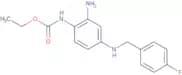
CAS:Controlled Product<p>Retigabine is a carbamate that binds to the benzodiazepine binding site of the gamma-aminobutyric acid receptor. It has been shown to have analgesic properties in animal studies, and has also been investigated as a potential treatment for epilepsy. Retigabine may be used in combination with other drugs, such as flumazenil, which can reverse its effects. The structural analog of retigabine is flumazenil, a drug that can reverse the effects of benzodiazepines such as diazepam and midazolam. Retigabine also interacts with other drugs through significant effects on their pharmacokinetics and pharmacodynamics.</p>Formula:C16H18FN3O2Purity:Min. 98 Area-%Color and Shape:White PowderMolecular weight:303.33 g/mol4-Amino-2,2,6,6-tetramethylpiperidine-1-oxyl free radical
CAS:<p>4-Amino-2,2,6,6-tetramethylpiperidine-1-oxyl free radical (ATMPO) is a hydroxyl radical that has been used as a diagnostic agent for oxidative injury. ATMPO reacts with the amino groups on proteins to form an adduct and changes their color from red to blue. This reaction can be used to identify the type of oxidative injury and the degree of injury in cells. ATMPO also interacts with integrin receptors on cell surfaces and causes neuronal death. This effect is reversible when ATMPO is removed from the cells. The molecular weight of this compound is 614 g/mol and it has biocompatible properties because of its long ester linkages and fatty acid chains.</p>Formula:C9H19N2OPurity:Min. 95 Area-%Color and Shape:Red PowderMolecular weight:171.26 g/molN-[(3R)-1-(3,3-Dimethyl-2-oxobutyl)-2,3-dihydro-2-oxo-5-(2-pyridinyl)-1H-1,4-benzodiazepin-3-yl]-N'-[3-(methylamino)phenyl]urea
CAS:Controlled Product<p>N-[(3R)-1-(3,3-Dimethyl-2-oxobutyl)-2,3-dihydro-2-oxo-5-(2-pyridinyl)-1H-1,4-benzodiazepin-3-yl]-N'-[3-(methylamino)phenyl]urea (GZ4081) is a drug that inhibits gastrin secretion by blocking the G protein coupled receptor. It has been shown to be effective in treating cancer and also has an inhibitory effect on tissue samples. GZ4081 has been shown to have long term treatment effects as well as being effective for prognosis. The effective dose of GZ4081 is not yet known but it is believed to be at least 10 times lower than the doses used for other drugs in its class.</p>Formula:C28H30N6O3Purity:Min. 95%Molecular weight:498.58 g/molAvanafil
CAS:<p>Avanafil is a drug that can be used as a treatment for male erectile dysfunction. It works by inhibiting the production of PDE5, which is an enzyme that regulates the levels of cGMP in the penis. Avanafil has been shown to be effective when taken at a dose of 100 mg; this is because it takes about 30 minutes for avanafil to reach its peak level. Avanafil has a chemical stability that is greater than 12 hours, with an average lifespan of 24 hours. The drug also has no major drug interactions and does not inhibit any other drugs from working.</p>Formula:C23H26ClN7O3Purity:Min. 98 Area-%Color and Shape:White PowderMolecular weight:483.95 g/mol2-((3-Oxocyclohex-1-enyl)amino)benzoic acid
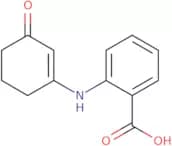
CAS:<p>Please enquire for more information about 2-((3-Oxocyclohex-1-enyl)amino)benzoic acid including the price, delivery time and more detailed product information at the technical inquiry form on this page</p>Formula:C13H13NO3Purity:Min. 95%Color and Shape:PowderMolecular weight:231.25 g/mol4-(4-Ethylphenyl)-1,3-thiazol-2-amine
CAS:<p>Please enquire for more information about 4-(4-Ethylphenyl)-1,3-thiazol-2-amine including the price, delivery time and more detailed product information at the technical inquiry form on this page</p>Formula:C11H12N2SPurity:Min. 95%Molecular weight:204.29 g/mol[1-(Morpholin-4-ylcarbonyl)butyl]amine hydrochloride
CAS:Controlled Product<p>Please enquire for more information about [1-(Morpholin-4-ylcarbonyl)butyl]amine hydrochloride including the price, delivery time and more detailed product information at the technical inquiry form on this page</p>Formula:C9H18N2O2Purity:Min. 95%Molecular weight:186.25 g/mol2,2-dimethyl-5-(((4-phenoxyphenyl)amino)methylene)-1,3-dioxane-4,6-dione
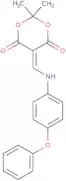
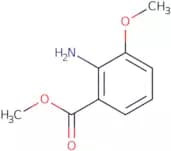
CAS:<p>Please enquire for more information about 2,2-dimethyl-5-(((4-phenoxyphenyl)amino)methylene)-1,3-dioxane-4,6-dione including the price, delivery time and more detailed product information at the technical inquiry form on this page</p>Purity:Min. 95%2-Amino-3-methoxybenzoic acid methyl ester
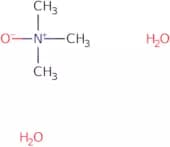
CAS:<p>2-Amino-3-methoxybenzoic acid methyl ester can be used as a chiral auxiliary in enantioselective synthesis. It is synthesised by reaction of l-valine with methyl iodide, followed by hydrolysis of the resulting ester under basic conditions. 2-Amino-3-methoxybenzoic acid methyl ester is used as a chiral auxiliary for the asymmetric synthesis of d-mannitol and related compounds.</p>Formula:C9H11NO3Purity:Min. 95%Color and Shape:PowderMolecular weight:181.19 g/molTrimethylamine-N-oxide dihydrate
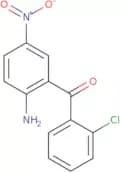
CAS:<p>Trimethylamine-N-oxide dihydrate (TMAO) is the anhydrous form of trimethylamine oxide (TMAO). It has a number of applications in industry and research. TMAO is used as a diagnostic agent for metal carbonyls, such as lead and arsenic, and also for hydrogen bond. In addition, it can be used to determine the presence of hydroxyl groups in organic compounds, such as fatty acids. The hydroxyl group reacts with Iodosobenzene to form an iodide ion that can be measured by nmr spectroscopy. This reaction is affected by the presence of other atoms or molecules that have electron donating properties, such as an oxygen atom or a carbonyl group. TMAO can also be used in cancer research to study how tumors develop resistance to chemotherapy drugs.</p>Formula:C3H13NO3Color and Shape:White PowderMolecular weight:111.14 g/mol2-Amino-5-nitro-2'-chlorobenzophenone
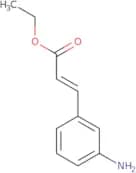
CAS:<p>2-Amino-5-nitro-2'-chlorobenzophenone (2ACCB) is a precursor for the synthesis of 2,4,6-trichlorophenol. 2ACCB reacts with hydrochloric acid in the presence of a scrubber to produce diphenyl ether and activated 2ACCB. The reaction rate can be increased by adding sodium hydroxide solution to the reaction solution. The hydroxy group on the 2ACCB molecule can be converted to a terpene by transfer reactions with glycol esters. This compound has been used as a sterilant and disinfectant in reaction solutions containing chlorine atoms or carbonyl groups.</p>Formula:C13H9ClN2O3Purity:Min. 95%Color and Shape:PowderMolecular weight:276.67 g/mol3-Aminocinnamic acid ethyl ester
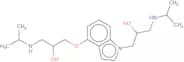
CAS:<p>3-Aminocinnamic acid ethyl ester is a synthetic compound that is derived from pyridine and has a liriodenine ring. The synthesis of this compound starts with an olefinic coupling reaction, which yields an imine intermediate. The imine is hydrolyzed to yield the desired product. 3-Aminocinnamic acid ethyl ester can be found in plants such as liriodenine and liriodendronine, as well as in animal tissues. It also acts as a neurotransmitter and activates the nitrate receptor on nerves, which leads to increased blood pressure or heart rate. 3-Aminocinnamic acid ethyl ester also binds to the cation channel of benzoquinoline drugs and mediates their effects on the central nervous system.</p>Formula:C11H13NO2Purity:Min. 95%Color and Shape:PowderMolecular weight:191.23 g/molN-(3-Isopropylamino-2-hydroxypropyl) pindolol
CAS:<p>Please enquire for more information about N-(3-Isopropylamino-2-hydroxypropyl) pindolol including the price, delivery time and more detailed product information at the technical inquiry form on this page</p>Formula:C20H33N3O3Purity:Min. 95%Color and Shape:PowderMolecular weight:363.49 g/molN-t-Boc-1-adamantylamine
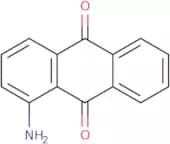
CAS:<p>Please enquire for more information about N-t-Boc-1-adamantylamine including the price, delivery time and more detailed product information at the technical inquiry form on this page</p>Formula:C15H25NO2Purity:Min. 95%Color and Shape:PowderMolecular weight:251.36 g/mol1-Aminoanthraquinone
CAS:<p>1-Aminoanthraquinone is a fluorescent dye that reacts with amino groups. It can be detected in urine samples using electrochemical impedance spectroscopy and has a detection time of about 2 hours. 1-Aminoanthraquinone is used as a marker for protein synthesis, which occurs when nitrogen atoms react with an inorganic acid to form a diazonium salt. This reaction proceeds via the formation of hydrogen bonds between the nitrogen and oxygen atoms of the diazonium salt and the hydrogen atoms on the amino group. The amine group on 1-aminoanthraquinone will then react with the hydrogen bond to form an intramolecular hydrogen bond. Structural analysis of this molecule shows that it has one benzene ring, two nitrogens, two oxygens, and one carbon atom.</p>Formula:C14H9NO2Purity:Min. 95%Color and Shape:Red PowderMolecular weight:223.23 g/mol7-Amino-3-[[(2,5-dihydro-6-hydroxy-2-methyl-5-oxo- 1,2,4-triazin-3-yl)thio]methyl]cephalosporanic acid
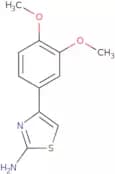
CAS:<p>Ceftriaxone is a semisynthetic, broad-spectrum antibiotic that is used to treat bacterial infections. It is especially effective against the following microorganisms: Gram-positive cocci and rods, Gram-positive bacilli, Gram-negative cocci and rods, and anaerobic bacteria. Ceftriaxone is a crystalline solid that can be dissolved in water or an organic solvent. It has been shown to have excellent stability in acidic solutions and at high temperatures. Ceftriaxone has a residue of 3% when it is administered intravenously or intramuscularly. The use of ceftriaxone as an antibiotic can be optimized by using reverse-phase chromatography with a cyclic gradient elution method.</p>Formula:C12H13N5O5S2Purity:95%NmrColor and Shape:PowderMolecular weight:371.39 g/mol4-(3,4-Dimethoxyphenyl)-1,3-thiazol-2-amine
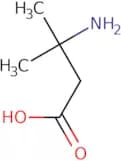
CAS:<p>Please enquire for more information about 4-(3,4-Dimethoxyphenyl)-1,3-thiazol-2-amine including the price, delivery time and more detailed product information at the technical inquiry form on this page</p>Formula:C11H12N2O2SPurity:Min. 95%Molecular weight:236.29 g/mol3-Amino-3-methylbutanoic acid
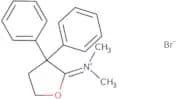
CAS:<p>3-Amino-3-methylbutanoic acid is a carbonaceous compound that can be synthesized from b-alanine and perchloroethylene. It is used in the manufacture of butanoic acid, which is an important industrial chemical. 3-Amino-3-methylbutanoic acid has been shown to exist as four isomers, each with a different molecular weight. The isomers are produced by a synthetic process involving the reaction of b-alanine and perchloroethylene. In an amination reaction, the compounds are heated in the presence of ammonia gas or ammonium chloride to form 3-amino-3-methylbutanoic acid.</p>Formula:C5H11NO2Purity:Min 95%Color and Shape:PowderMolecular weight:117.15 g/molN,N-Dimethyl-(tetrahydro-3,3 diphenyl-2-furilidine)ammonium bromide
CAS:<p>N,N-Dimethyl-(tetrahydro-3,3 diphenyl-2-furilidine)ammonium bromide is a synthetic opioid analgesic and is used in the treatment of severe pain. It has been shown to cause life-threatening cardiac effects, supratherapeutic concentrations, or fatalities in humans and animals. N,N-Dimethyl-(tetrahydro-3,3 diphenyl-2-furilidine)ammonium bromide has also been shown to cause gastrointestinal inflammation in animal models. This drug acts as an agonist at opioid receptors and can be fatal at high doses.</p>Formula:C18H20BrNOPurity:Min. 95%Color and Shape:White PowderMolecular weight:346.26 g/mol(R)-Amino carnitine
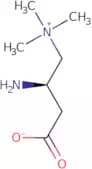
CAS:<p>(R)-Amino carnitine is a pancreatic enzyme that is used as an experimental treatment for fatty liver disease. It has been shown to inhibit the synthesis of fatty acids, which are the main components of triglycerides. The inhibition of this enzyme leads to a decrease in the production of triglycerides and their accumulation in the liver, thereby reducing hepatic steatosis. (R)-Amino carnitine also has an inhibitory effect on protein synthesis, which is important for the conversion of amino acids into proteins essential for cell division and growth. This mechanism may explain its beneficial effects on insulin resistance, obesity, and diabetes.</p>Formula:C7H16N2O2Purity:Min. 95%Molecular weight:160.21 g/mol4-Cyano-4'-aminobiphenyl
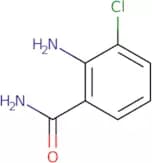
CAS:<p>4-Cyano-4'-aminobiphenyl is a fluorescent dye that exhibits a strong fluorescence under UV irradiation. The dye has an absorption maximum at about 335 nm and a fluorescence emission maximum at about 455 nm, with excitation maxima of 333 nm and 478 nm. It has been used in the development of photocurrent devices, which are used for photochemical reactions and electrochemistry studies. This compound can also be used for the determination of amino groups in organic molecules such as carbostyril. The compound can be synthesized by reacting an amine with an aldehyde in the presence of acid.</p>Formula:C13H10N2Color and Shape:PowderMolecular weight:194.23 g/mol2-Amino-3-chlorobenzamide
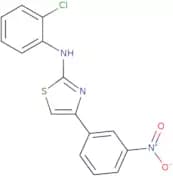
CAS:<p>This compound is a benzamide derivative that is oxidized by nature. It has been shown to undergo ring-opening in the presence of reducing agents, such as sodium borohydride, and yields 2-amino-4-chlorobenzaldehyde. This reaction system uses an efficient catalyst such as manganese dioxide to help speed up the rate of this reaction. The product of this reaction is then converted into a variety of isatins depending on the conditions used.</p>Formula:C7H7ClN2OPurity:Min. 95%Color and Shape:Off-White PowderMolecular weight:170.6 g/mol(2-Chlorophenyl)(4-(3-nitrophenyl)(2,5-thiazolyl))amine
CAS:<p>Please enquire for more information about (2-Chlorophenyl)(4-(3-nitrophenyl)(2,5-thiazolyl))amine including the price, delivery time and more detailed product information at the technical inquiry form on this page</p>Purity:Min. 95%N-Methyldibutylamine
CAS:<p>N-Methyldibutylamine is an aliphatic hydrocarbon that has antimicrobial activity. It is a colorless liquid at room temperature and has a boiling point of 78°C. N-Methyldibutylamine can be used as a solvent for polymers and resins, in the manufacture of plastics, and in the production of enamels. It also has potential applications in cancer research due to its ability to inhibit the growth of tumor cells.</p>Formula:C9H21NPurity:Min. 95%Color and Shape:Clear LiquidMolecular weight:143.27 g/molDeferoxamine mesylate
CAS:<p>Deferoxamine mesylate is an iron chelator that is used in the treatment of iron overload and to treat patients with chronic renal failure. Deferoxamine mesylate has been shown to inhibit angiogenesis by inhibiting the basic protein required for this process. It is also known to have a protective effect on myocardial cells, preventing cell death due to lack of oxygen (reactive oxygen species). Deferoxamine mesylate also inhibits neuronal death in a model system.<br>Deferoxamine mesylate binds to DNA and inhibits RNA synthesis, which has led to its use as a fluorescence probe for the detection of DNA binding activity. The drug has also been shown to act as a metal chelate, binding with metals such as iron, copper, and zinc.</p>Formula:C26H52N6O11SPurity:Min. 95 Area-%Color and Shape:PowderMolecular weight:656.79 g/molButaphosphan
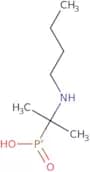
CAS:<p>Butaphosphan is a drug that has been shown to have clinical relevance for the treatment of metabolic disorders. It is a prodrug that is converted into butaprost-diol, which has been shown to improve insulin sensitivity and reduce aminotransferase activity in rats. Butaphosphan can be used as an alternative to aminotransferase inhibitors such as ursodeoxycholic acid and cholestyramine for the treatment of patients with primary biliary cirrhosis. This drug has also been shown to have a protective effect on fatty acid metabolism, which may be due to its ability to inhibit the activity of enzymes involved in fatty acid synthesis. Butaphosphan is metabolized by cytochrome P450 enzymes and hydroxylases and can be detected using LC-MS/MS methods. The drug has also been shown to have beneficial effects on cortisol concentrations and liver histology when administered orally.</p>Formula:C7H18NO2PPurity:Min. 95%Color and Shape:White PowderMolecular weight:179.2 g/molrac trans-3-amino-1-oxyl-2,2,5,5-tetramethylpyrrolidine-4-carboxylic acid
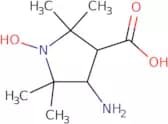
CAS:<p>Rac-trans-3-amino-1-oxyl-2,2,5,5-tetramethylpyrrolidine 4-carboxylic acid (rac TAT) is an axial chiral compound. It has a molecular weight of 246.36 and the empirical formula C11H19N3O4. Rac TAT is soluble in water and alcohols. Rac TAT crystallizes as a racemic mixture of enantiomers (Rac=50% + 50%). Rac TAT has been used as a probe for cyclic secondary amines with high resolution. Rac TAT also shows high selectivity for β-amino acids over α-amino acids. The configuration of the molecule is determined by the configuration of the biphenyl substituents at C4 and C5. Rac TAT can be synthesized from racemic trans 3 amino 1 oxyl 2 2 5 5 tetramethyl pyrrolidin 4</p>Formula:C9H17N2O3Purity:Min. 95%Color and Shape:PowderMolecular weight:201.24 g/molR-a-Lipoic acid tromethamine salt
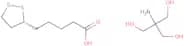
CAS:<p>R-a-Lipoic acid tromethamine salt is a reaction component and reagent that is used in the synthesis of high quality chemical products. The compound has many applications, including being a useful scaffold for the synthesis of complex compounds. R-a-Lipoic acid tromethamine salt can be used as a versatile building block or as a fine chemical. This compound is also listed under CAS No. 14358-90-8, which makes it an excellent choice for research chemicals and speciality chemicals.</p>Formula:C8H14O2S2·C4H11NO3Purity:Min. 95%Color and Shape:PowderMolecular weight:327.46 g/mol5-Amino-1H-tetrazole
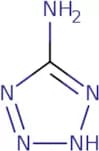
CAS:<p>5-Amino-1H-tetrazole is a pharmaceutical preparation that is used in the treatment of bacterial infections. It has been shown to inhibit the growth of bacteria by binding to the cell wall and disrupting its integrity. This drug is chemically stable in aqueous solution and can be administered orally or intravenously. 5-Amino-1H-tetrazole has shown antimicrobial activity against gram-positive bacteria such as staphylococci, Streptococcus pneumoniae, and Enterococcus faecalis, but not gram-negative bacteria such as Pseudomonas aeruginosa. 5-Amino-1H-tetrazole also displays broad spectrum activity against fungi and yeast in vitro. This drug binds to the nitrogen atom of the hydroxyl group and forms an intermediate with hydrogen bond formation. The chemical structures of this drug are:<br>N+2N=O<br>N+OH=O<br>O</p>Formula:CH3N5Purity:Min. 95%Color and Shape:PowderMolecular weight:85.07 g/molm-Phenylenediamine
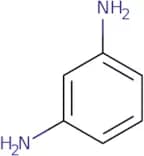
CAS:<p>m-Phenylenediamine is a model system for studying the adsorption mechanism of dyes, pigments, and other organic molecules on solid surfaces. It has been shown to be capable of adsorbing at high concentrations on various materials such as calcium carbonate, sandstone, and kaolinite. The adsorption of m-phenylenediamine is influenced by the thermal expansion coefficient of the surface material. Adsorption is also influenced by the pH of the solution, with optimum concentrations occurring at acidic pH levels. Adsorbed m-phenylenediamine may be transported away from the surface in both water and wastewater treatment systems. Inorganic acids can cause significant degradation to adsorbed m-phenylenediamine due to their ability to hydrolyze hydrogen bonds between adsorbate molecules.<br>A number of electrochemical impedance spectroscopy studies have been performed on this molecule in order to better understand its transport properties and electron transfer mechanisms.</p>Formula:C6H8N2Purity:Min. 95%Color and Shape:PowderMolecular weight:108.14 g/molRactopamine hydrochloride, 95%
CAS:Controlled Product<p>Ractopamine HCl - 95% is a preparation of the drug Ractopamine, which is used as an animal feed additive to promote muscle growth. The drug is commonly used in pigs, cattle, and turkeys. It binds to the beta-adrenergic receptor and stimulates the release of catecholamines from the adrenal gland. This stimulation leads to an increase in protein synthesis and muscle growth. Ractopamine HCl - 95% can be analyzed by flow assay for antimicrobial resistance, sample preparation, estradiol benzoate, sodium carbonate, camp levels, ractopamine detection sensitivity and electrochemical detector. The matrix effect can be controlled by analyzing acid complex or control analysis with electrochemical impedance spectroscopy.</p>Formula:C18H23NO3•HClPurity:Min. 95%Color and Shape:White PowderMolecular weight:337.84 g/mol3-[(4-Chlorophenyl)amino]-5,5-dimethylcyclohex-2-en-1-one
CAS:<p>The compound is a chiral molecule, meaning that it has two different structures. One side of the molecule is the mirror image of the other. The translation and conformation of this molecule are asymmetric because the carbon atoms in its chain are not lined up in a straight line. The hydrogen bonds that form between these chains are also asymmetric, as one side of the molecule has more than one hydrogen bond while the other side only has one hydrogen bond.</p>Formula:C14H16ClNOPurity:Min. 95%Molecular weight:249.74 g/mol(5-Methylpyridin-2-yl)methanamine
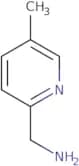
CAS:<p>5-Methylpyridin-2-yl)methanamine is a high quality reagent that is used as a building block in the synthesis of complex compounds. It can be used as an intermediate, useful for the preparation of fine chemicals and useful scaffolds. It can also be used as a speciality chemical and is often used as a reaction component in research chemicals.</p>Formula:C7H10N2Purity:Min. 98 Area-%Color and Shape:Clear LiquidMolecular weight:122.17 g/mol1-Methyl-3-propylamine hydrochloride
CAS:<p>1-Methyl-3-propylamine hydrochloride is a fine chemical, research chemicals, and speciality chemical. It is a versatile building block for organic synthesis and has been used as a reagent in the production of other compounds. 1-Methyl-3-propylamine hydrochloride is also used as an intermediate in reactions involving complex compounds. This product has CAS number 578-72-5 and is of high quality.</p>Formula:C4H11N•HClPurity:Min. 95%Molecular weight:109.6 g/mol(2-chlorophenyl)(4-(4-fluorophenyl)(2,5-thiazolyl))amine
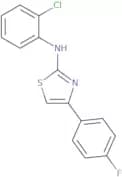
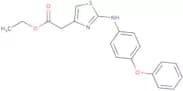
CAS:<p>Please enquire for more information about (2-chlorophenyl)(4-(4-fluorophenyl)(2,5-thiazolyl))amine including the price, delivery time and more detailed product information at the technical inquiry form on this page</p>Purity:Min. 95%ethyl 2-(4-((4-phenoxyphenyl)amino)-3,5-thiazolyl)acetate
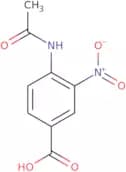
CAS:<p>Please enquire for more information about ethyl 2-(4-((4-phenoxyphenyl)amino)-3,5-thiazolyl)acetate including the price, delivery time and more detailed product information at the technical inquiry form on this page</p>Purity:Min. 95%4-(Acetylamino)-3-nitrobenzoic acid
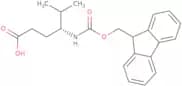
CAS:<p>4-(Acetylamino)-3-nitrobenzoic acid (AANBA) is a molecule that inhibits the growth of Mycobacterium tuberculosis and influenza virus. It has been shown to have tuberculostatic activity and is able to adsorb to the cavity of the enzyme protein, preventing access by other molecules. AANBA also has antiviral properties that may be due to its ability to inhibit viral particles from binding with a cell surface receptor or inhibiting the synthesis of viral proteins. AANBA binds to the chloride ion in order to maintain the negative charge of the molecule, which is crucial for its antiviral activity.</p>Formula:C9H8N2O5Purity:Min. 95%Color and Shape:Slightly Yellow PowderMolecular weight:224.17 g/molFmoc-(R)-4-amino-5-methylhexanoic acid
CAS:<p>Fmoc-(R)-4-amino-5-methylhexanoic acid is a versatile building block, useful scaffold, and useful intermediate. It can be used in the synthesis of complex compounds with high quality and purity. Fmoc-(R)-4-amino-5-methylhexanoic acid is also an important reaction component for research chemicals, speciality chemicals, and many other chemical reactions. It can be used as a reagent in organic synthesis.</p>Formula:C22H25NO4Purity:Min. 95%Color and Shape:PowderMolecular weight:367.44 g/mol(1H-Indol-3-yl)methanamine
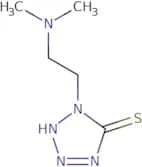
CAS:<p>Indol-3-ylmethanamine is a plant hormone that belongs to the group of indole alkaloids. It inhibits the production of phytoalexins, which are secondary metabolites that protect plants against pathogens. Indol-3-ylmethanamine induces signal pathways and enzyme activities in cells, including hydroxylase activity and polyphenol oxidase activity. Indol-3-ylmethanamine has been shown to be active against 5-HT4 receptors in vitro.</p>Formula:C9H10N2Color and Shape:PowderMolecular weight:146.19 g/mol1-(2-Dimethylaminoethyl)-5-mercaptotetrazole
CAS:<p>The 1-(2-Dimethylaminoethyl)-5-mercaptotetrazole (DMTT) is a nucleophilic molecule that has been studied extensively in electrochemical impedance spectroscopy. It is a potentiodynamic polarization agent, which is used to study the kinetics of redox reactions. The DMTT has also been shown to be an efficient catalyst for the oxidation of iodomethane to iodine and methanol. This chemical compound can also be used as a medicine due its virulent properties against cancer cells. The DMTT binds to polybenzimidazole and produces morphological changes in the polymer chains, which may be due to its ability to induce aggregation and crosslinking of polybenzimidazole chains. DMTT can also be used as a precursor for other molecules by reacting with polybenzimidazoles under certain conditions.</p>Formula:C5H11N5SPurity:Min. 98 Area-%Molecular weight:173.24 g/mol2,2-Bis[4-(4-aminophenoxy)phenyl]propane
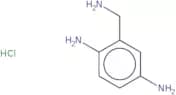
CAS:<p>2,2-Bis[4-(4-aminophenoxy)phenyl]propane is a monomer that is used in the production of polyurethanes. It has a number of alkyl substituents, including chloride, which are removed during the process. 2,2-Bis[4-(4-aminophenoxy)phenyl]propane reacts with chlorides to form hydrochloric acid and 2,2-bis(4-hydroxyphenyl)propane. The reaction time depends on the concentration of chloride and can be determined by gel permeation chromatography. This monomer has been shown to have a kinetic data that is dependent on temperature, as well as magnetic resonance spectroscopy and proton NMR data. The product also exhibits an increase in thermal expansion when compared to other monomers.</p>Formula:C27H26N2O2Purity:Min. 98 Area-%Color and Shape:White PowderMolecular weight:410.51 g/mol2,5-Diaminobenzylamine hydrochloride
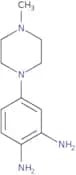
<p>2,5-Diaminobenzylamine hydrochloride is a fine chemical that is used as a versatile building block and research chemicals. This compound has been shown to be an intermediate for the synthesis of other compounds with pharmaceutical properties. 2,5-Diaminobenzylamine hydrochloride can also be used as a reagent in organic chemistry. It has CAS No. 1008-77-4 and is listed on the inventory list of speciality chemicals by the European Commission (EC). 2,5-Diaminobenzylamine hydrochloride is water soluble and has a high quality.</p>Formula:C7H12ClN3Purity:Min. 95%Molecular weight:173.64 g/mol4-(4-Methylpiperazino)-1,2-benzenediamine
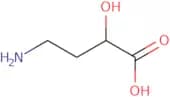
CAS:<p>4-(4-Methylpiperazino)-1,2-benzenediamine (4MPBD) is a small molecule that binds to the telomerase enzyme and inhibits its activity. Telomerase is an enzyme that maintains telomeres by adding nucleotides to the end of dna strands. 4MPBD has been shown to inhibit telomerase activity in vitro and in vivo, and it has been found to induce apoptosis in cancer cells. This compound also stabilizes telomeres and causes a shift in the equilibrium between short and long telomeres. The inhibition of telomerase by 4MPBD may lead to an increased risk of cancer progression and death, as well as an increase in susceptibility to infection due to shortened dna strands.</p>Formula:C11H18N4Purity:Min. 95%Color and Shape:PowderMolecular weight:206.29 g/mol2-Hydroxy-4-aminobutanoic acid
CAS:<p>2-Hydroxy-4-aminobutanoic acid is a synthetic compound that has been shown to be a potent antibacterial agent. It is active against both Gram-positive and Gram-negative bacteria, including Pseudomonas aeruginosa, Enterococcus faecalis, Staphylococcus aureus, and Escherichia coli. 2-Hydroxy-4-aminobutanoic acid is also an indole alkaloid that can be produced from the amino acid tryptophan by the enzyme pyridoxal phosphate. This prebiotic is found in tissues of many animals and humans. 2-Hydroxy-4-aminobutanoic acid has been shown to have antiinflammatory properties in human serum.</p>Formula:C4H9NO3Purity:Min. 95 Area-%Color and Shape:PowderMolecular weight:119.12 g/mol3-[(Dimethylamino)methyl]benzaldehyde
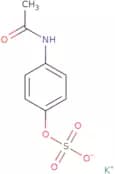
CAS:<p>3-[(Dimethylamino)methyl]benzaldehyde is a fine chemical that is used as a versatile building block in the synthesis of pharmaceuticals. It is also a useful intermediate in the synthesis of complex compounds and research chemicals. This product has been shown to be high quality and can be used as a reagent for many reactions.</p>Formula:C10H13NOPurity:Min. 95%Molecular weight:163.22 g/mol4-Acetaminophen sulfate potassium salt
CAS:<p>Acetaminophen-induced hepatotoxicity is a serious adverse effect that can occur with the use of acetaminophen. This drug is metabolized by the liver and excreted in urine as conjugates with glucuronic acid, sulfate, and glutathione. Acetaminophen-induced hepatotoxicity is a major concern for wastewater treatment plants. The potential harm to humans is determined by the plasma concentration of acetaminophen. A pharmacokinetic study was performed on human volunteers to determine the pharmacokinetics of 4-acetaminophen sulfate potassium salt following oral administration. The study found that 4-acetaminophen sulfate potassium salt has linear pharmacokinetics and an activated half-life of 6 hours. This means that it would take 6 hours for 50% of the drug to be eliminated from the body after ingestion. In addition, electrochemical impedance spectroscopy has been used to measure plasma concentrations in humans following oral administration of 4-acetaminohen</p>Formula:C8H8KNO5SPurity:Min. 95 Area-%Color and Shape:PowderMolecular weight:269.32 g/molBenzyldodecyldimethylammonium bromide
CAS:<p>Benzyldodecyldimethylammonium bromide (BDDAB) is a versatile building block that can be used in synthesis of complex compounds. It is also a reagent and CAS No. 7281-04-1. BDDAB is a high quality, useful intermediate for the synthesis of useful scaffolds and useful reaction components. This chemical is also useful as a specialty chemical due to its versatility and research chemicals because it can be used in synthesis of new compounds.</p>Formula:C21H38BrNPurity:Min. 95%Color and Shape:White PowderMolecular weight:384.44 g/mol3-Methylpyrazin-2-amine
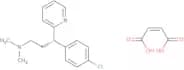
CAS:<p>3-Methylpyrazin-2-amine is an experimental compound that has not been fully characterized. It is a bioactive substance that can be used for the synthesis of other compounds. 3-Methylpyrazin-2-amine may be obtained from the reaction of 2,3-dimethylpyridine with nitroethane and sodium methoxide in methanol. The transformation of 3,4,5-trimethoxypyrazine to 3,4,5,6-tetramethoxypyrazine may also yield 3-methylpyrazin-2-amine as an intermediate product.</p>Formula:C5H7N3Purity:Min. 95%Color and Shape:Off-White PowderMolecular weight:109.13 g/mol(S)-Chlorpheniramine maleate
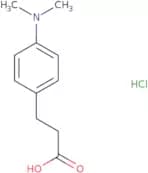
CAS:<p>Histamine (H1) antagonist; used to treat allergies</p>Formula:C20H23ClN2O4Purity:Min. 95%Color and Shape:White Off-White PowderMolecular weight:390.86 g/mol3-(4-Dimethylaminophenyl)propionic acid hydrochloride
CAS:<p>3-(4-Dimethylaminophenyl)propionic acid hydrochloride is a white crystalline compound that is soluble in water. It has many uses as a building block, reagent, intermediate, or scaffold in organic synthesis due to its versatility and stability. 3-(4-Dimethylaminophenyl)propionic acid hydrochloride can be used as an additive to improve the performance of other substances. In addition, this chemical is a useful building block for the production of research chemicals or speciality chemicals.</p>Formula:C11H15NO2•HClPurity:Min. 95%Molecular weight:229.7 g/molAminoglutethimide
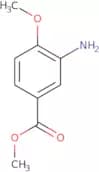
CAS:Controlled Product<p>Aromatase inhibitor; anti-neoplastic</p>Formula:C13H16N2O2Purity:Min. 95%Color and Shape:White PowderMolecular weight:232.28 g/mol3-Amino-4-methoxybenzoic acid methyl ester
CAS:<p>3-Amino-4-methoxybenzoic acid methyl ester is a modified quinoline derivative that exhibits potent antioxidant activity. It has been shown to inhibit the activation of p38 kinase, which is a proinflammatory enzyme. This leads to decreased levels of inflammatory cytokines and chemokines. 3-Amino-4-methoxybenzoic acid methyl ester also has anti-cancer effects and can be used as an anti-cancer agent in the treatment of cancer, such as lung cancer. It induces apoptosis by inhibiting the synthesis of DNA and proteins. The synthesized drug has been shown to have a chiral center, making it a potential candidate for use in pharmaceuticals.</p>Formula:C9H11NO3Purity:Min. 95%Color and Shape:PowderMolecular weight:181.19 g/mol1-[4-(Pyridin-3-yloxy)phenyl]methanamine dihydrochloride
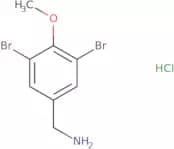
CAS:<p>1-[4-(Pyridin-3-yloxy)phenyl]methanamine dihydrochloride (1-PPM) is a fine chemical, versatile building block and complex compound with research chemical applications. 1-PPM is a reagent, speciality chemical and useful building block for the synthesis of high quality organic compounds. The CAS number for 1-PPM is 1185300-26-8. 1-PPM has been used as a reaction component in the synthesis of substituted piperazines and substituted pyrrolidines, which are useful scaffolds for further modifications.</p>Formula:C12H12N2O·2HClPurity:Min. 95%Color and Shape:PowderMolecular weight:273.16 g/mol3,5-Dibromo-4-methoxybenzylamine hydrochloride
CAS:<p>3,5-Dibromo-4-methoxybenzylamine hydrochloride is a high quality chemical with a CAS number of 1134918-17-4. It is also a versatile building block that can be used as an intermediate or reaction component in research, pharmaceuticals, and other chemical syntheses. This compound is stable and has been shown to react with various functional groups. It is a complex compound that can be used as a useful building block in organic synthesis reactions. The purity of this product is guaranteed at 98%.</p>Formula:C8H9Br2NO•HClPurity:Min. 95%Molecular weight:331.43 g/molDiethyl [[(3-chloro-4-fluorophenyl)amino]methylene]malonate
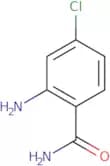
CAS:<p>Diethyl [(3-chloro-4-fluorophenyl)amino]methylene]malonate is a fine chemical that is useful as a building block and intermediate for the synthesis of more complex compounds. It has been used in research as a reaction component for the synthesis of other chemicals, such as pharmaceuticals and pesticides. The CAS number for diethyl [(3-chloro-4-fluorophenyl)amino]methylene]malonate is 70032-30-3.</p>Formula:C14H15ClFNO4Purity:Min. 95%Color and Shape:PowderMolecular weight:315.72 g/mol2-Amino-4-chlorobenzamide
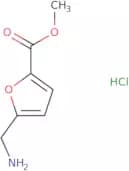
CAS:<p>2-Amino-4-chlorobenzamide is a chemical compound that has been shown to be an effective oxidant in biological systems. It is an oxidative condensation product of 4-chloro-2-nitrobenzoic acid and ammonium chloride, which is formed by the reaction of these two compounds at room temperature. The nature of the functional group on 2-amino-4-chlorobenzamide allows it to be used as a transition state analogue for the study of reactions involving amines and nitrates. This compound can also be used in experiments with isatins, due to its ability to react with ammonia hydroxide to form 2-amino-4,6 dichlorobenzamide.</p>Formula:C7H7ClN2OPurity:Min. 95%Color and Shape:PowderMolecular weight:170.6 g/molMethyl 5-(aminomethyl)-2-furoate hydrochloride
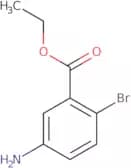
CAS:<p>Methyl 5-(aminomethyl)-2-furoate hydrochloride is a chemical compound that is used as a building block in organic synthesis. It is an aminomethyl derivative of 2-furoic acid and can be used as a versatile intermediate. The compound has been shown to react with alkyl halides, alcohols, and thiols, among other compounds. Methyl 5-(aminomethyl)-2-furoate hydrochloride is also known for its high purity and quality.</p>Formula:C7H9NO3·HClPurity:Min. 95 Area-%Color and Shape:White PowderMolecular weight:191.61 g/mol5-Amino-2-bromobenzoic acid ethyl ester
CAS:<p>5-Amino-2-bromobenzoic acid ethyl ester is a chemical compound that can be used for the production of pharmaceuticals and research chemicals. It is a versatile building block that can be used in the synthesis of complex compounds with valuable applications. 5-Amino-2-bromobenzoic acid ethyl ester is a reagent, speciality chemical, and useful building block that can be used in the synthesis of high quality compounds. This compound has been identified as an intermediate in organic reactions and as a reaction component. CAS No. 208176-32-3</p>Formula:C9H10BrNO2Purity:Min. 95%Color and Shape:PowderMolecular weight:244.09 g/mol2-((4-Methylphenyl)sulfonyl)-N-(((2-thienylcarbonylamino)thioxomethyl)amino)ethanamide
CAS:<p>Please enquire for more information about 2-((4-Methylphenyl)sulfonyl)-N-(((2-thienylcarbonylamino)thioxomethyl)amino)ethanamide including the price, delivery time and more detailed product information at the technical inquiry form on this page</p>Formula:C15H15N3O4S3Purity:Min. 95%Color and Shape:PowderMolecular weight:397.5 g/mol1,2'-Dinaphthylamine
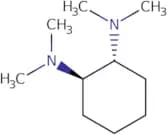
CAS:<p>1,2'-Dinaphthylamine is a β-lactam antibiotic that can be used as a substitute for ciprofloxacin. It inhibits the production of an enzyme called β-lactamase, which breaks down the antibiotic and makes it ineffective. 1,2'-Dinaphthylamine has been shown to be active against aerogenes and nitrocefin. This drug binds to periplasmic proteins in bacteria by means of an analogy with ciprofloxacin. The conjugates are resistant to efflux pumps and use of efflux inhibitors such as bafilomycin A1 can increase their efficacy.</p>Formula:C20H15NPurity:Min. 95%Color and Shape:PowderMolecular weight:269.34 g/mol(1R,2R)-N1,N1,N2,N2-Tetramethylcyclohexane-1,2-diamine
CAS:<p>(1R,2R)-N1,N1,N2,N2-Tetramethylcyclohexane-1,2-diamine is a useful intermediate and building block in organic synthesis. It can be used to synthesize complex compounds with a variety of uses in the chemical industry. This compound has many applications as a reagent or speciality chemical. It is also an important reaction component for organic synthesis.</p>Formula:C10H22N2Purity:Min. 95%Color and Shape:LiquidMolecular weight:170.3 g/mol3-Amino-4-methylbenzamide
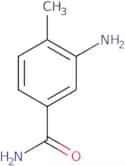
CAS:<p>3-Amino-4-methylbenzamide is an interchemical that can be utilized to synthesize naphthol. 3-Amino-4-methylbenzamide is an amide that has been shown to have a molecular modeling structure of a conformation. The interaction of 3-amino-4-methylbenzamide with the P38 kinase enzyme has been shown to inhibit the activity of this enzyme, which may lead to its use as a drug for the treatment of inflammation.</p>Formula:C8H10N2OPurity:Min. 95%Color and Shape:PowderMolecular weight:150.18 g/molAcetaminophen cysteine
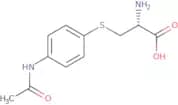
CAS:<p>Acetaminophen cysteine is a prodrug of acetaminophen that is metabolized by the liver into acetaminophen. Acetaminophen cysteine has been shown to be safe and effective in children with fever-associated pain and as an analgesic for acute pain management in adults. It has a good safety profile, with minimal toxicity observed at therapeutic doses. Acetaminophen cysteine may be useful for patients who are unable to take or do not respond to standard doses of acetaminophen due to intolerance or lack of response. The pharmacokinetics of acetaminophen cysteine have been studied in healthy volunteers, as well as in patients with chronic renal failure and hepatic impairment. Pharmacokinetic data suggest that acetaminophen cysteine is well tolerated and can be used as an alternative treatment for patients who are unable to take or do not respond to standard doses of acetaminophen.</p>Formula:C11H14N2O3SPurity:Min. 98 Area-%Color and Shape:PowderMolecular weight:254.31 g/mol2N-Boc-2',2''-triaminotriethylamine-bis(chloroacetamide)
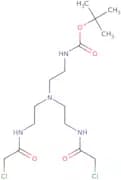
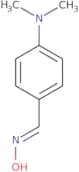
CAS:<p>2N-Boc-2',2''-triaminotriethylamine-bis(chloroacetamide) is a fine chemical and reagent for the synthesis of pharmaceuticals. It is also a useful building block for the synthesis of complex compounds. This product can be used as a reaction component in organic chemistry, or it can be used as a reagent in research or development laboratories.</p>Formula:C15H28Cl2N4O4Purity:Min. 95%Molecular weight:399.31 g/mol4-(N,N-Dimethylamino)benzaldoxime
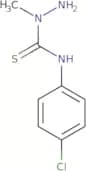
CAS:<p>4-(N,N-Dimethylamino)benzaldoxime is an efficient method for the detection of cinnamic acid and its esters. It reacts with aldehydes to form 4-nitrosobenzaldehyde products that are detectable by ultraviolet spectroscopy. The reaction takes place in aqueous solutions with a pH range of 5-8 and is catalyzed by an enzyme called carboxylate. This reaction has been shown to be useful for the detection of cinnamic acid and its esters in food, tobacco smoke, and other samples.</p>Formula:C9H12N2OPurity:Min. 95%Color and Shape:PowderMolecular weight:164.2 g/mol(Aminomethylamino)((4-chlorophenyl)amino)methane-1-thione
CAS:<p>Please enquire for more information about (Aminomethylamino)((4-chlorophenyl)amino)methane-1-thione including the price, delivery time and more detailed product information at the technical inquiry form on this page</p>Formula:C8H10ClN3SPurity:Min. 95%Color and Shape:PowderMolecular weight:215.7 g/mol


![2-[[(Heptadecafluorooctyl)Sulphonyl]Propylamino]Ethyl Methacrylate](/_next/image/?url=https%3A%2Fstatic.cymitquimica.com%2Fproducts%2F3D%2Fthumb-webp%2FFH97996.webp&w=3840&q=75)



![Benzo[d]isoxazol-5-amine](/_next/image/?url=https%3A%2Fstatic.cymitquimica.com%2Fproducts%2F3D%2Fthumb-webp%2FFB143763.webp&w=3840&q=75)
![2-[[(Butylamino)carbonyl]oxy]ethyl acrylate](/_next/image/?url=https%3A%2Fstatic.cymitquimica.com%2Fproducts%2F3D%2Fthumb-webp%2FFB146436.webp&w=3840&q=75)

![N-[(3R)-1-(3,3-Dimethyl-2-oxobutyl)-2,3-dihydro-2-oxo-5-(2-pyridinyl)-1H-1,4-benzodiazepin-3-yl]-N…](/_next/image/?url=https%3A%2Fstatic.cymitquimica.com%2Fproducts%2F3D%2Fthumb-webp%2FFD153499.webp&w=3840&q=75)


![[1-(Morpholin-4-ylcarbonyl)butyl]amine hydrochloride](/_next/image/?url=https%3A%2Fstatic.cymitquimica.com%2Fproducts%2F3D%2Fthumb-webp%2FFM130676.webp&w=3840&q=75)

![7-Amino-3-[[(2,5-dihydro-6-hydroxy-2-methyl-5-oxo- 1,2,4-triazin-3-yl)thio]methyl]cephalosporanic …](/_next/image/?url=https%3A%2Fstatic.cymitquimica.com%2Fproducts%2F3D%2Fthumb-webp%2FFA17508.webp&w=3840&q=75)




![3-[(4-Chlorophenyl)amino]-5,5-dimethylcyclohex-2-en-1-one](/_next/image/?url=https%3A%2Fstatic.cymitquimica.com%2Fproducts%2F3D%2Fthumb-webp%2FFC123031.webp&w=3840&q=75)

![2,2-Bis[4-(4-aminophenoxy)phenyl]propane](/_next/image/?url=https%3A%2Fstatic.cymitquimica.com%2Fproducts%2F3D%2Fthumb-webp%2FFB62700.webp&w=3840&q=75)
![3-[(Dimethylamino)methyl]benzaldehyde](/_next/image/?url=https%3A%2Fstatic.cymitquimica.com%2Fproducts%2F3D%2Fthumb-webp%2FFD124097.webp&w=3840&q=75)



![1-[4-(Pyridin-3-yloxy)phenyl]methanamine dihydrochloride](/_next/image/?url=https%3A%2Fstatic.cymitquimica.com%2Fproducts%2F3D%2Fthumb-webp%2FFP116871.webp&w=3840&q=75)
![Diethyl [[(3-chloro-4-fluorophenyl)amino]methylene]malonate](/_next/image/?url=https%3A%2Fstatic.cymitquimica.com%2Fproducts%2F3D%2Fthumb-webp%2FFD95922.webp&w=3840&q=75)