Amines
Amines are a set of molecules containing an amino functional group (derived from ammonia). This category includes amines at any level of substitution : primary, secondary, tertiary, and ammonium salts. Amines are fundamental in organic synthesis and are widely used in pharmaceuticals, agrochemicals, and materials science. At CymitQuimica, we provide a comprehensive selection of amines to meet your research and industrial needs. Our range ensures access to various amines for diverse chemical processes and innovative research.
Subcategories of "Amines"
- Nitrosamines(2,606 products)
- Primary Amines(30,805 products)
- Quaternary Ammonium Cations and Salts(1,099 products)
- Secondary Amines(20,809 products)
- Tertiary Amines(17,111 products)
Found 8777 products of "Amines"
Sort by
Purity (%)
0
100
|
0
|
50
|
90
|
95
|
100
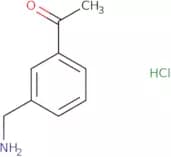
3-Acetylbenzylamine hydrochloride
CAS:<p>3-Acetylbenzylamine hydrochloride is a versatile building block that can be used as a reagent, speciality chemical, and useful scaffold. It is a complex compound with CAS No. 149889-64-5 that has been shown to have fine chemical characteristics. 3-Acetylbenzylamine hydrochloride is also a high quality research chemical that has been shown to be useful in the synthesis of various products, such as pharmaceuticals and organic compounds. 3-Acetylbenzylamine hydrochloride can be used as an intermediate for reactions in the production of fine chemicals, such as pharmaceuticals or organic compounds.</p>Formula:C9H12ClNOPurity:Min. 95%Color and Shape:PowderMolecular weight:185.65 g/mol2-(((4,6-dimethylpyrimidin-2-yl)amino)ethylidene)indane-1,3-dione
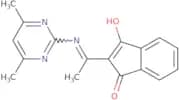
CAS:<p>Please enquire for more information about 2-(((4,6-dimethylpyrimidin-2-yl)amino)ethylidene)indane-1,3-dione including the price, delivery time and more detailed product information at the technical inquiry form on this page</p>Purity:Min. 95%DL-2,3-Diaminopropionic acid monohydrochloride
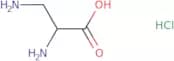
CAS:<p>DL-2,3-Diaminopropionic acid monohydrochloride is used in the preparation of drug samples for clinical chemistry analysis. This chemical has a number of uses, including as a modifier to increase the solubility and stability of drugs in solution and as a reagent to prepare analytical standards. DL-2,3-Diaminopropionic acid monohydrochloride also has been used as an inhibitor in titration methods for the determination of pH. DL-2,3-Diaminopropionic acid monohydrochloride is an inorganic chemical that can be derived from biochemical reactions by hydrolysis or derivatization. It has been shown to have selectivities for elimination reactions involving intramolecular hydrogen transfer.</p>Formula:C3H8N2O2•HClPurity:Min. 95%Color and Shape:White Off-White PowderMolecular weight:140.57 g/molN-[2-(Fmoc-amino)-ethyl]glycine tert-butylester hydrochloride
CAS:<p>Please enquire for more information about N-[2-(Fmoc-amino)-ethyl]glycine tert-butylester hydrochloride including the price, delivery time and more detailed product information at the technical inquiry form on this page</p>Formula:C23H28N2O4·HClPurity:Min. 95%Color and Shape:PowderMolecular weight:432.94 g/mol1-(2-Aminoethyl)adamantane
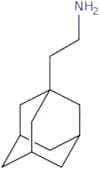
CAS:<p>Adamantane is a small molecule that can be used in diagnosis. It is a potent inhibitor of serine proteases and has been used as a model for the study of these enzymes. Adamantane binds to the active site of serine proteases, forming an intramolecular hydrogen bond with the catalytic serine residue. Adamantane inhibits in vitro the activity of pepsin, chymotrypsin, and trypsin. The inhibition of chymotrypsin by adamantane has been shown to be selective over other serine proteases. Adamantane can also inhibit lysosomal phospholipase A2 (LP-PLA2) activity, which may lead to diagnostic applications for neurodegenerative diseases such as Alzheimer's disease or Parkinson's disease.</p>Formula:C12H21NPurity:Min. 95%Color and Shape:Clear LiquidMolecular weight:179.3 g/mol4-Amino-2-fluorobenzoic acid
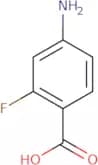
CAS:<p>4-Amino-2-fluorobenzoic acid is a potent inhibitor of formylating enzymes, such as carbonyl reductase and amino acid formyltransferase. It has been shown to be an effective inhibitor of cancer cells in vivo and inhibits the growth of prostate cancer cells. This compound has also been shown to inhibit nitro reduction reactions, which are involved in the carcinogenic process. 4-Amino-2-fluorobenzoic acid reacts with chloride ions to produce a functional group that can react with carbon nanotubes, making it a candidate for use in cancer therapy.</p>Formula:C7H6FNO2Purity:Min. 95%Color and Shape:SolidMolecular weight:155.13 g/mol(2,3,4,9-Tetrahydro-1H-carbazol-6-ylmethyl)amine
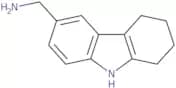
CAS:<p>2,3,4,9-Tetrahydro-1H-carbazol-6-ylmethyl)amine is a fine chemical that can be used as a scaffold for the synthesis of various other compounds. It has been shown to be a useful intermediate in the synthesis of pharmaceuticals and research chemicals. This compound can also be used as an additive for speciality chemicals. 2,3,4,9-Tetrahydro-1H-carbazol-6-ylmethyl)amine is known to have high purity and quality. The reagent is also versatile and can be used in the synthesis of many different types of compounds.</p>Formula:C13H16N2Purity:Min. 95%Color and Shape:PowderMolecular weight:200.28 g/mol4-Amino-2-cyanotoluene
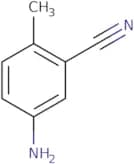
CAS:<p>4-Amino-2-cyanotoluene is a quinazoline compound that inhibits the synthesis of thymine, which is necessary for DNA replication. This compound binds to the enzyme thymidylate synthetase, thereby inhibiting the synthesis of thymine. The inhibitory effect has been shown in a study using calf thymus DNA. 4-Amino-2-cyanotoluene also inhibits the synthesis of other nucleic acids such as adenine and guanine.</p>Formula:C8H8N2Purity:Min. 95%Color and Shape:PowderMolecular weight:132.16 g/molTetrahexylammonium hydrogensulfate
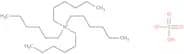
CAS:<p>Tetrahexylammonium hydrogensulfate is a salt that is used in analytical chemistry to separate 3-mercaptopropionic acid from fatty acids. It is also used as a buffer in the chemical ionization mass spectrometry method for detection of cyclohexane ring. The separation of 3-mercaptopropionic acid from fatty acids can be achieved by using chromatographic science, which involves a co2 flow and chloride gas. This process has been shown to be effective for the analysis of urine samples, human serum, and hydrochloric acid. The reaction products are fatty acids and their derivatives, which are separated by chromatographic methods.</p>Formula:C24H53NO4SColor and Shape:PowderMolecular weight:451.75 g/mol2,4-Diaminobenzaldehyde
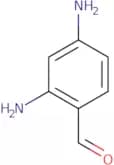
CAS:<p>2,4-Diaminobenzaldehyde is a chemical compound that is used as an intermediate in the synthesis of drugs and other organic chemicals. It can be oxidized with periodate to produce 2,4-diaminophenol. This reaction system can then be desilyated to produce 2,4-diaminoanisole. Reaction time has a significant effect on the yield of this reaction system. The optimal dosage of periodate for this reaction system is 0.5 mM for 2,4-diaminophenol and 0.1 mM for 2,4-diaminoanisole. This reaction system can also be carried out using lavendamycin or tosyl chloride instead of periodate. The conversion efficiency of this reaction system is dependent on the presence or absence of methyl esters in the starting material and product.<br>END></p>Formula:C7H8N2OPurity:Min. 95%Color and Shape:White Yellow PowderMolecular weight:136.15 g/molN-Acetyl-5-hydroxytryptamine
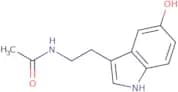
CAS:<p>N-Acetyl-5-hydroxytryptamine is a compound that can be synthesized from the amino acid tryptophan and has been shown to have hypoglycemic effects. It is also found in pineal gland and other organs, where it binds to DNA and alters gene expression. N-Acetyl-5-hydroxytryptamine has been shown to bind to response elements in the promoter region of protein genes, which may lead to a significant upregulation of these genes. This compound also has chemiluminescent properties, which can be measured using a cdna clone.</p>Formula:C12H14N2O2Purity:Min. 98 Area-%Color and Shape:PowderMolecular weight:218.25 g/mol(2S)-({[(4-Methyl-2-oxo-2H-chromen-7-yl)oxy]acetyl}amino)(phenyl)acetic acid
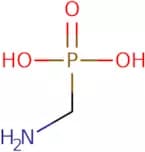
CAS:<p>(2S)-({[(4-Methyl-2-oxo-2H-chromen-7-yl)oxy]acetyl}amino)(phenyl)acetic acid is a kind of fine chemical that belongs to the class of reagents and speciality chemicals. It is a versatile building block which can be used in research, as well as in the production of pharmaceuticals and other fine chemicals. This compound can be used in reactions as a building block or intermediate, as well as a scaffold for complex compounds.</p>Formula:C20H17NO6Purity:Min. 95 Area-%Color and Shape:PowderMolecular weight:367.35 g/molAminomethylphosphonic acid
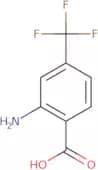
CAS:<p>Aminomethylphosphonic acid has proven action as a mimetic of both D- and L-alanine; it acts as an inhibitor of cell wall enzymes such as D-Ala-D-Ala synthetase, alanine racemase (JAA02406), and UDP-N-acetylmuramyl-L-alanine synthetase</p>Formula:CH6NO3PPurity:Min. 95%Color and Shape:PowderMolecular weight:111.04 g/mol2-Amino-4-(trifluoromethyl)benzoic acid
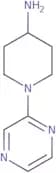
CAS:<p>2-Amino-4-(trifluoromethyl)benzoic acid (2ATB) is a fluorescent compound that is used in assays to study the function of cells. It is a functional theory that 2ATB binds to the skeleton of cells, which are then subjected to optical properties testing. Fluorescence resonance energy transfer has been shown to occur between 2ATB and retinoic acid molecules in the cell nucleus, which may be related to cellular senescence. The structure of 2ATB has been determined by X-ray crystallography and it has been synthesized by halogenation.</p>Formula:C8H6F3NO2Purity:Min. 95%Color and Shape:PowderMolecular weight:205.13 g/mol1-Pyrazin-2-ylpiperidin-4-amine dihydrochloride
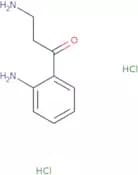
CAS:<p>1-Pyrazin-2-ylpiperidin-4-amine dihydrochloride is a fine chemical that is used as an intermediate for the synthesis of research chemicals, speciality chemicals and other complex compounds. This compound has been shown to be useful in the synthesis of a variety of building blocks, including pharmaceuticals and agrochemicals. It can be used in reactions with a wide range of reagents and catalysts, which makes it an excellent starting point for new product development.</p>Formula:C9H14N4·2HClPurity:Min. 95%Color and Shape:PowderMolecular weight:251.16 g/molKynuramine dihydrochloride
CAS:<p>Kynuramine dihydrochloride is a chemical compound that is used as a reagent to produce other chemicals. It has been found to have a variety of applications, such as being used as a reaction component, a reagent for the synthesis of polymers and fine chemicals, or for use in research and development. Kynuramine dihydrochloride is also an important building block in the manufacture of pharmaceuticals and pesticides.</p>Formula:C9H12N2O·2HClPurity:Min. 95%Color and Shape:Green PowderMolecular weight:237.13 g/mol4-Aminobenzoic acid N-butyl ester
CAS:<p>4-Aminobenzoic acid N-butyl ester is a glycol ether compound that has been shown to have strong immunosuppressive and anti-inflammatory properties. It has been used in the treatment of autoimmune diseases, such as systemic lupus erythematosus and rheumatoid arthritis. 4-Aminobenzoic acid N-butyl ester also has a low potential for drug interactions with other drugs. The water solubility of this compound is high, making it suitable for use in humid environments, such as the respiratory tract. The bone cancer drug butamben was developed using 4-aminobenzoic acid N-butyl ester as a starting material. This drug also reacts with benzalkonium chloride to form stable complexes with high potency and high values.</p>Formula:C11H15NO2Purity:Min. 95 Area-%Color and Shape:PowderMolecular weight:193.24 g/mol3-Nitrobenzylamine hydrochloride
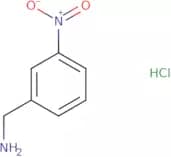
CAS:<p>3-Nitrobenzylamine HCl is an intermediate in the synthesis of peptides. This compound is used to produce polypeptides and can be immobilized on a solid support for high yield production. 3-Nitrobenzylamine HCl can be covalently linked to a solid support by reacting with an activated carboxyl group and can undergo conformational changes upon irradiation with ultraviolet light or azobenzene derivatives. 3-Nitrobenzylamine HCl has been used in solid phase peptide synthesis, a technique that produces polypeptides at high yields. It is also used as a substrate for NMR techniques, which are useful for determining the nature of the molecule and its potentials.</p>Formula:C7H8N2O2•HClPurity:Min. 95%Molecular weight:188.61 g/mol2-Amino-3-chloro-5-nitrobenzonitrile
CAS:<p>2-Amino-3-chloro-5-nitrobenzonitrile is a hydroxyalkyl compound. It is sensitive to light, sulfamic acid and heat. The compound has been expressed in E. coli, but it is not possible to crystallize it due to its sensitivity to ph changes and organic solvents. The substance can be used as a dyestuff or dye intermediate. Due to its stability in crystal form, this substance can also be used as a raw material for the production of nitrite.</p>Formula:C7H4ClN3O2Purity:Min. 95%Color and Shape:PowderMolecular weight:197.58 g/molEthylenediaminetetraacetic acid disodium salt
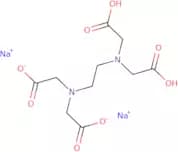
CAS:<p>Ethylenediaminetetraacetic acid disodium salt (EDTA-2Na) is a water-soluble chelating agent that forms a complex with metal ions. EDTA-2Na has been shown to be an effective inhibitor of the polymerase chain reaction (PCR), which is a technique to amplify DNA. EDTA-2Na can be used as a fluorescence probe in biological samples and can also be used in the analysis of reaction solutions. It has been shown to have lubricity properties and can be used as an injection solution for bowel disease. EDTA-2Na is also used in wastewater treatment, where it binds heavy metals and prevents them from being reabsorbed into the environment. The optimum concentration of EDTA-2Na is 1 mM at pH 7.0, with a range from 0.1 mM to 10 mM.</p>Formula:C10H14N2Na2O8Purity:Min. 95%Color and Shape:PowderMolecular weight:336.21 g/mol2-Hydroxy trimipramine
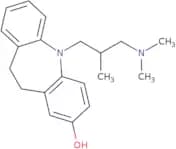
CAS:<p>Trimipramine is a drug used to treat depression. It is an alicyclic compound that has been shown to have antidepressant effects in humans and animal models. Trimipramine can be detected in human plasma using liquid chromatography, with the enantiomer being separated from the racemate by chiral stationary phase. Trimipramine has been shown to have an effect on clinical response and plasma concentrations of other drugs, such as trifluoroacetic acid, when administered concurrently. Trimipramine also has interactions with other drugs through its inhibition of cytochrome P450 enzymes.</p>Formula:C20H26N2OPurity:Min. 95 Area-%Color and Shape:PowderMolecular weight:310.43 g/molCHES
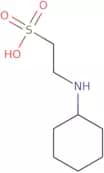
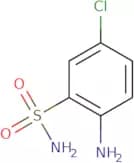
CAS:<p>2-(N-Cyclohexylamino)ethanesulfonic acid, also known as CHES, is a biological cyclohexylamino buffer with an optimal pH range of 8.6-10.0 and a pKa of 9.5. It has poor metal ion coordination and is suitable for applications above physiological pH.</p>Formula:C8H17NO3SPurity:(Titration) 98.0 To 102.0%Color and Shape:PowderMolecular weight:207.29 g/mol2-Amino-5-chlorobenzenesulfonamide
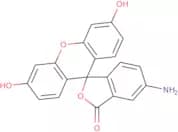
CAS:<p>2-Amino-5-chlorobenzenesulfonamide is a synthetic chemical that is used in the manufacture of amides and diazoxide. It is also found naturally in humans as a metabolite of the amino acid histidine. 2-Amino-5-chlorobenzenesulfonamide has been shown to be a potent receptor for the modulation of acetylcholine release by binding to muscarinic receptors, including M1 and M2 subtypes, and inhibiting the enzyme hydrolysis of acetylcholine. This chemical has been shown to be chemically stable at pH 5 or higher, and it has been found to be resistant to hydrolysis by enzymes such as esterases, glucuronidases, glutathione reductase, and cytochrome P450. 2-Amino-5-chlorobenzenesulfonamide is also an enantiomer that can bind to collagen in the human</p>Formula:C6H7ClN2O2SPurity:Min. 95%Color and Shape:PowderMolecular weight:206.65 g/mol5-Aminofluorescein
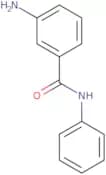
CAS:<p>5-Aminofluorescein is a fluorescence probe that is used to detect the presence of reactive groups on basic fibroblast cells. 5-Aminofluorescein reacts with an ionotropic gelation agent and forms a fluorescent gel when it contacts cells. The fluorescent gel penetrates the cell membrane and binds to enzymes, which will cause the release of cellular energy in the form of heat. This energy can be measured by calorimetry or by measuring the change in fluorescence. 5-Aminofluorescein has been shown to have significant cytotoxicity against malignant brain tumor cells, which may be due to its ability to penetrate into these cells and bind to DNA. It also has antimicrobial properties and can be used as a titration indicator for certain drugs, such as antibiotics.</p>Formula:C20H13NO5Purity:Min. 95 Area-%Color and Shape:PowderMolecular weight:347.32 g/mol3-Aminobenzanilide
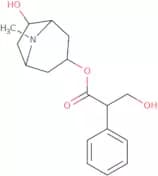
CAS:<p>3-Aminobenzanilide is an organic compound that is used as a starting material in the synthesis of other compounds. It is also used in the synthesis of ethylenediamine and benzamide, which are used in the production of rubber. 3-Aminobenzanilide can be synthesized by reacting benzoyl chloride with ammonia or ethylenediamine. The reaction with ammonia produces 3-aminobenzamide, while that with ethylenediamine produces 3-aminobenzene. This compound has been shown to induce pentylenetetrazol convulsions and to produce neurological symptoms when administered at high doses.</p>Formula:C13H12N2OPurity:Min. 95%Color and Shape:White/Off-White SolidMolecular weight:212.25 g/mol6-Hydroxyhyoscyamine
CAS:<p>6-Hydroxyhyoscyamine is a natural molecule that can bind to DNA. It has been shown to have high affinity for the 5'-GCAT-3' sequence and high specificity for the G-quadruplex structure. 6-Hydoxyhyoscyamine also has a phase transition temperature of 146°C, which may be due to the hydrogen bonds it forms with water molecules. It has been shown that 6-hydroxyhyoscyamine inhibits tumor cell growth by binding to a specific region of the promoter region of the gene encoding for growth factor β1 (GFβ1) and preventing transcription. This agent also has an inhibitory effect on tumor angiogenesis and vascular permeability, which may be related to its ability to inhibit nitric oxide production in endothelial cells. The compound is also known as anisodamine and can be used as an injection solution for patients who have had a myocardial infarct.</p>Formula:C17H23NO4Purity:Min. 97 Area-%Color and Shape:PowderMolecular weight:305.37 g/mol2,3,5-Trifluorobenzylamine hydrochloride
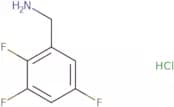
CAS:<p>2,3,5-Trifluorobenzylamine hydrochloride is an important chemical building block that is used in a variety of chemical reactions. It can be used as a reagent to form 2,3,5-trifluorobenzaldehyde and other useful chemicals. The compound also has the ability to be used as a versatile building block in synthetic organic chemistry. 2,3,5-Trifluorobenzylamine hydrochloride is an intermediate in the synthesis of various pharmaceuticals and pesticides. The compound also has potential use as a scaffold in drug design applications.</p>Formula:C7H6F3N·ClHPurity:Min. 95%Color and Shape:PowderMolecular weight:197.59 g/mol7-Diethylamino-3-(4'-maleimidylphenyl)-4-methylcoumarin
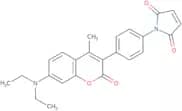
CAS:<p>7-Diethylamino-3-(4'-maleimidylphenyl)-4-methylcoumarin is a fluorescent probe that can be used to measure the cytosolic calcium concentration. This probe binds to heparin, which is a positive ionic charge and has been shown to cause an increase in cytosolic calcium levels in cultured cells. 7-Diethylamino-3-(4'-maleimidylphenyl)-4-methylcoumarin has been used to successfully monitor changes in cytosolic calcium levels in response to pharmacological agents, such as the monoclonal antibody TNF-α. 7-Diethylamino-3-(4'-maleimidylphenyl)-4-methylcoumarin has also been used as a marker for tissue culture studies, where it was found that this molecule binds to the ryanodine receptor and alters its redox potential.</p>Formula:C24H22N2O4Purity:Min. 95%Color and Shape:PowderMolecular weight:402.44 g/mol3-Amino-2,4,6-tribromobenzoic acid
CAS:<p>3-Amino-2,4,6-tribromobenzoic acid is an antibacterial agent that has a strong interaction with the optical properties of diaminopyridine. This interaction leads to an enhancement in the fluorescence of 3-amino-2,4,6-tribromobenzoic acid. The photophysical properties of 3-amino-2,4,6-tribromobenzoic acid have been investigated by measuring its fluorescence emission in acetonitrile and zirconium chloride solutions. It has been shown that this compound is active against many bacterial strains including methicillin resistant Staphylococcus aureus (MRSA). This compound has also been shown to be effective against Mycobacterium tuberculosis and Mycobacterium avium complex.</p>Formula:C7H4Br3NO2Purity:Min. 95%Color and Shape:PowderMolecular weight:373.82 g/mol2-[[(4-Acetylphenyl)amino]methylene]-5,5-dimethyl-1,3-cyclohexanedione
CAS:<p>Please enquire for more information about 2-[[(4-Acetylphenyl)amino]methylene]-5,5-dimethyl-1,3-cyclohexanedione including the price, delivery time and more detailed product information at the technical inquiry form on this page</p>Formula:C17H19NO3Purity:Min. 95%Color and Shape:PowderMolecular weight:285.34 g/mol2-Aminophenylboronic acid pinacol cyclic ester
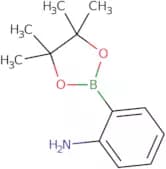
CAS:<p>This compound is a drug target that is an organic molecule found in many pharmaceuticals. It is an acidic, ammonium persulfate-sensitive biomolecule, which can be introduced into cells and tissues to study their function. This compound has been shown to have cancer-fighting abilities, and has potent inhibitory activity against microbial infections. The compound also has suzuki coupling properties, which are used to introduce hemicyanine groups onto other molecules.</p>Formula:C12H18BNO2Purity:Min. 95%Color and Shape:White PowderMolecular weight:219.09 g/mol2-Aminoindane-2-carboxylic acid
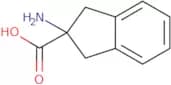
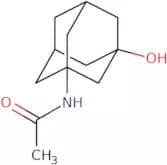
CAS:<p>2-Aminoindane-2-carboxylic acid is a potent opioid analgesic with a high affinity for kappa-opioid receptors. Molecular modeling studies suggest that it binds to the receptor in an orientation similar to morphine and has a higher binding affinity than morphine. In functional assays, 2-Aminoindane-2-carboxylic acid showed low potency at the delta opioid receptor. It also has been shown to have a high affinity for the kappa opioid receptor and a low affinity for delta opioid receptors, which are associated with respiratory depression. This drug can be made from indole and carboxylic acids or by treating 2 aminoindanone with hydrochloric acid and hydrogen gas.</p>Formula:C10H11NO2Purity:Min. 95%Color and Shape:PowderMolecular weight:177.2 g/mol3-Acetylamino-1-adamantanol
CAS:<p>3-Acetylamino-1-adamantanol is a fluorescent, non-ionic dye that is used in the preparation of coatings and optical elements. It can also be used as an oxidation catalyst for alcohols. This compound has been shown to have excellent alkaline hydrolysis and high yield in the acetonitrile process. 3-Acetylamino-1-adamantanol has been shown to react with nitro groups to form a fluorescent product. This reaction is important because it allows for the identification of explosives. 3-Acetylamino-1-adamantanol has also been found to be useful as a hologram developer or photoresist for optical discs and lenses.</p>Formula:C12H19NO2Purity:Min. 95%Color and Shape:White/Off-White SolidMolecular weight:209.28 g/molEthylamine HCl
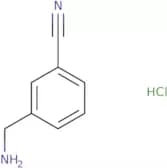
CAS:Controlled Product<p>Ethylamine HCl is the salt of ethylamine and hydrochloric acid. It is a basic compound with a high affinity for water. Ethylamine HCl has been shown to have anti-inflammatory properties, which may be due to its ability to inhibit prostaglandin synthesis. This chemical also has an important role in the formation of polymers such as cellulose and can be used to prepare other chemicals such as ethyl alcohol.</p>Formula:C2H7N·HClColor and Shape:White Off-White PowderMolecular weight:81.54 g/mol3-Cyanobenzylamine HCl
CAS:<p>3-Cyanobenzylamine HCl is a high quality chemical that is used as a reagent, intermediate, or building block in the synthesis of complex compounds. It is a fine chemical and speciality chemical that may be used as a research chemical and versatile building block for the synthesis of organic compounds. 3-Cyanobenzylamine HCl has been shown to react with other chemicals to form useful scaffolds and building blocks, such as amides, amino acid esters, and ureas.</p>Formula:C8H9ClN2Purity:Min. 95%Color and Shape:PowderMolecular weight:168.62 g/mol[2-(3-Methylphenoxy)ethyl]amine hydrochloride
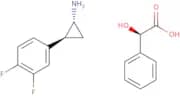
CAS:<p>[2-(3-Methylphenoxy)ethyl]amine hydrochloride is a fine chemical that is a versatile building block. It can be used as a reaction component in the synthesis of complex molecules and as a reagent for the synthesis of speciality chemicals and research chemicals. This compound has been shown to react with nitric acid to form an amine salt, which is useful for the manufacture of pharmaceuticals. [2-(3-Methylphenoxy)ethyl]amine hydrochloride can also be reacted with chloroacetic acid to form an amine salt, which is useful for the manufacture of pesticides. The high quality and versatility of this compound make it a useful scaffold for many types of reactions.</p>Formula:C9H13NO•HClPurity:Min. 95 Area-%Color and Shape:PowderMolecular weight:187.66 g/mol(1R,2S)-2-(3,4-Difluorophenyl)cyclopropanamine (2R)-Hydroxy(phenyl)ethanoate
CAS:Controlled Product<p>Intermediate in the synthesis of ticagrelor</p>Formula:C9H9F2N·C8H8O3Purity:Min. 95%Color and Shape:White PowderMolecular weight:321.32 g/mol(PEO)4-bis-amine
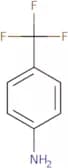
CAS:<p>(PEO)4-bis-amine is a thermodynamic data set. It is an amine with four amino groups and two amide groups that form stable complexes with metal ions. These complexes are amphiphilic, which means they can dissolve in both water and organic solvents. They have been shown to form micelles and paracrine complexes in the cell. The (PEO)4-bis-amine has also been shown to have a protective effect on age-related macular degeneration (AMD), as well as growth factor activity. (PEO)4-bis-amine has been shown to inhibit the production of surfactant sodium dodecyl and basic fibroblast growth factor, which may be due to its ability to form triplexes at high concentrations.</p>Formula:C8H20N2O3Purity:Min. 95%Color and Shape:Clear LiquidMolecular weight:192.26 g/mol4-Aminobenzotrifluoride
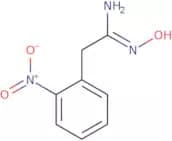
CAS:<p>4-Aminobenzotrifluoride is a chemical compound that belongs to the group of nitroso compounds. It has been shown to have antiproliferation activity in vitro and in vivo. 4-Aminobenzotrifluoride is synthesized by reacting sodium nitrite with p-hydroxybenzoic acid in the presence of an organic acid, such as acetic acid or formic acid, to produce diazonium salt. The diazonium salt is then reacted with an inorganic acid, such as hydrochloric acid or sulfuric acid. This reaction produces 4-aminobenzotrifluoride and water.</p>Formula:C7H6F3NPurity:Min. 95%Color and Shape:Clear LiquidMolecular weight:161.12 g/mol1-(Hydroxyimino)-2-(2-nitrophenyl)ethylamine
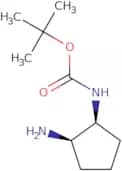
CAS:<p>Please enquire for more information about 1-(Hydroxyimino)-2-(2-nitrophenyl)ethylamine including the price, delivery time and more detailed product information at the technical inquiry form on this page</p>Formula:C8H9N3O3Purity:Min. 95%Color and Shape:PowderMolecular weight:196.18 g/moltert-Butyl ((1S,2R)-2-aminocyclopentyl)carbamate
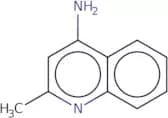
CAS:<p>tert-Butyl ((1S,2R)-2-aminocyclopentyl)carbamate is a fine chemical with versatile uses as a building block in the synthesis of more complex compounds. It is used as an intermediate in the production of pharmaceuticals and research chemicals. This compound has a CAS number of 445479-01-6. The tert-butyl group can be removed from this molecule in order to form a variety of different building blocks. Tert-butyl ((1S,2R)-2-aminocyclopentyl)carbamate is a high quality reagent that can be used for many reactions, such as amination, amidation, and carbamoylation.</p>Formula:C10H20N2O2Purity:Min. 95%Color and Shape:PowderMolecular weight:200.28 g/mol4-Aminoquinaldine
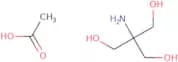
CAS:<p>4-Aminoquinaldine is a metastable redox potential compound that has been shown to reversibly reduce the mitochondrial membrane potential in leishmania. It also has been shown to have antimicrobial properties and is able to inhibit the growth of bacteria through hydrogen bonding interactions. 4-Aminoquinaldine is most effective against gram-positive bacteria and has an acidic pH, with a pKa of 3.4. The reaction mechanism for 4-aminoquinaldine involves nucleophilic attack at the C5 position of the quinolinium ring followed by elimination of H2O from the S2 position.</p>Formula:C10H10N2Purity:Min. 99 Area-%Color and Shape:PowderMolecular weight:158.2 g/molTris(hydroxymethyl)aminomethane acetate
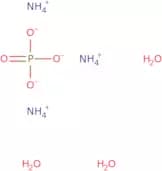
CAS:<p>Tris(hydroxymethyl)aminomethane acetate is a compound that binds to antigen binding molecules in biological samples. It is a polymerase chain reaction (PCR) reagent and is used to prepare samples for PCR analysis. Tris(hydroxymethyl)aminomethane acetate has been shown to bind with receptor activity in the treatment of infectious diseases and metabolic disorders, such as alopecia areata and diabetes mellitus. Tris(hydroxymethyl)aminomethane acetate also stabilizes DNA templates for PCR analysis by preventing dNTPs from hydrolyzing prematurely. This prevents the formation of stable complexes with nucleotides, which may be useful in clinical pathology or plant physiology.</p>Formula:C4H11NO3·C2H4O2Purity:(Titration) Min. 98%Color and Shape:White PowderMolecular weight:181.19 g/molTriammonium phosphate trihydrate
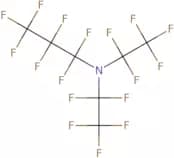
CAS:<p>Triammonium phosphate trihydrate is a white or yellowish solid that is chemically stable. It is primarily used as a molybdenum-containing coating for animal feed and in the production of hydrogen fluoride. This compound has been shown to be toxic to animals, but has low toxicity and no carcinogenicity in humans. Triammonium phosphate trihydrate has been shown to have surface properties that are conducive to the adsorption of hydroxyapatite, which may be due to its high affinity for hydrogen bonds. Triammonium phosphate trihydrate can also be used as an acid catalyst and as a precursor in the production of lithium. It can be synthesized by reacting ammonium nitrate with plasma mass spectrometry or by heating lithium chloride with ammonium nitrate. This compound is also an optical material that can be used in lithium ion batteries.</p>Formula:H12N3PO4•(H2O)3Purity:Min. 95%Color and Shape:PowderMolecular weight:203.13 g/mol1,1,2,2,3,3,3-Heptafluoro-N,N-Bis(1,1,2,2,2-Pentafluoroethyl)Propan-1-Amine
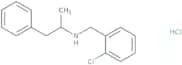
CAS:Controlled Product<p>The heptafluoro-N,N-bis(1,1,2,2,2-pentafluoroethyl)propane-1-amine is a chemical compound that is used as an additive. This additive has been shown to be efficient in the removal of organic compounds such as benzene and toluene from water. It can also be used for the treatment of biofuel waste water. The heptafluoro-N,N-bis(1,1,2,2,2-pentafluoroethyl)propane-1-amine has shown to have a wavelength absorbance profile with a maximum at 370 nm in the ultraviolet region of the electromagnetic spectrum. This compound can also be used for barcoding and identification purposes in applications where human contact is required.</p>Formula:C7F17NPurity:Min. 95%Molecular weight:421.05 g/molN-(2-Chlorobenzyl)-1-phenylpropan-2-amine hydrochloride
CAS:Controlled Product<p>N-(2-Chlorobenzyl)-1-phenylpropan-2-amine hydrochloride (CBP) is a potent stimulant drug that is used to treat chronic pain. It has been shown to be effective in the treatment of alopecia areata and inflammatory diseases, such as Crohn's disease, ulcerative colitis, and rheumatoid arthritis. CBP blocks protein synthesis by inhibiting the activity of the enzyme dinucleotide phosphate (DNP). This inhibition leads to the accumulation of adenosine monophosphate (AMP), which inhibits cyclic AMP production and protein synthesis. CBP also prevents the binding of DNP to RNA polymerase II at promoter sites, leading to a decrease in mRNA production. As a result, CBP may inhibit protein synthesis by preventing transcription or translation.</p>Formula:C16H18ClN•HClPurity:Min. 95%Color and Shape:PowderMolecular weight:296.24 g/mol2-Chloro-9-cyclohexyl-N-[4-(4-morpholinyl)phenyl]-9H-purin-6-amine
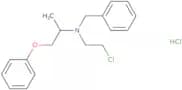
CAS:<p>2-Chloro-9-cyclohexyl-N-[4-(4-morpholinyl)phenyl]-9H-purin-6-amine is a synthetic chemical that has been used as a reaction component, reagent, and high quality research chemical. It has CAS No. 737005-53-7 and can be used as a useful scaffold for the synthesis of complex compounds. Other names for this compound are: 2C9H6N2ClN4P</p>Formula:C21H25ClN6OPurity:Min. 95%Color and Shape:Beige PowderMolecular weight:412.92 g/molPhenoxybenzamine hydrochloride
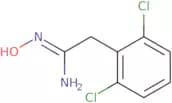
CAS:<p>Phenoxybenzamine hydrochloride is a drug with pharmacological properties, which is used in the treatment of carcinoid syndrome. It is a combination therapy group that can be used to treat patients with neurological disorders. Phenoxybenzamine inhibits the activity of the 5-HT2 receptors and has been shown to reduce neuronal death. In addition, it has been shown to increase chemiluminescence in cells infected with HIV. Phenoxybenzamine also has effects on cardiac function and can be used to treat congestive heart failure as well as high levels of natriuretic peptides in maternal blood during pregnancy. It has also been shown to be effective against infectious diseases, such as tuberculosis and malaria.</p>Formula:C18H23Cl2NOPurity:Min. 90 Area-%Color and Shape:PowderMolecular weight:340.29 g/mol2-(2,6-Dichlorophenyl)-1-(hydroxyimino)ethylamine
CAS:<p>Please enquire for more information about 2-(2,6-Dichlorophenyl)-1-(hydroxyimino)ethylamine including the price, delivery time and more detailed product information at the technical inquiry form on this page</p>Purity:Min. 95%[5-(4-Amino-2-bromophenyl)-2-furyl]methanol
CAS:<p>5-(4-Amino-2-bromophenyl)-2-furyl]methanol (5ABF) is a fine chemical that has been shown to be an effective building block. The compound is used as a reagent in organic synthesis and can be used as a reaction component. 5ABF is also an intermediate, which can be converted into useful building blocks. 5ABF has been shown to have versatile uses in research chemicals and speciality chemicals. This chemical's CAS number is 874592-18-4. 5ABF has a high quality and is a versatile scaffold.</p>Formula:C11H10BrNO2Purity:Min. 95%Color and Shape:Slightly Yellow PowderMolecular weight:268.11 g/molN-Propyl-4,5,6,7-tetrahydrobenzo[D]thiazol-6-amine
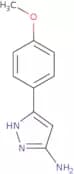
CAS:<p>N-Propyl-4,5,6,7-tetrahydrobenzo[D]thiazol-6-amine hydrochloride is a chemical intermediate or reagent used in the synthesis of other substances. It is a white solid that is soluble in water and has a melting point of 154°C. This chemical has been shown to be useful as a building block for the synthesis of many different substances. N-Propyl-4,5,6,7-tetrahydrobenzo[D]thiazol-6-amine hydrochloride is also an effective starting material for research chemicals with versatile applications.</p>Formula:C14H15N3SPurity:Min. 95%Molecular weight:257.36 g/mol5-Amino-3-(4-methoxyphenyl)pyrazole
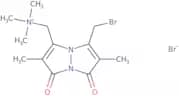
CAS:<p>5-Amino-3-(4-methoxyphenyl)pyrazole (5AMPAP) is an anti-cancer agent that is effective against a number of different cancers, including breast, lung, and prostate. It selectively inhibits the growth of cancer cells by targeting enzymes in the mitochondria that are required for ATP production. 5AMPAP binds to the enzyme pyruvate dehydrogenase kinase, which has been shown to be involved in regulating cell proliferation and apoptosis. In addition, it has been demonstrated that this compound has anti-inflammatory properties. The regioselectivity of 5AMPAP was determined by x-ray crystallography and was found to form a pyrazolopyrimidine ring with two nitrogens on opposite sides of the ring. This regioselectivity is necessary for its anti-cancer activity.</p>Formula:C10H11N3OPurity:Min. 95%Molecular weight:189.21 g/molBromotrimethylammoniumbimane bromide
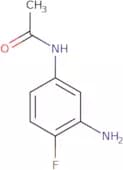
CAS:<p>Bromotrimethylammoniumbimane bromide is a fluorescent molecule that can be used as a probe for protease activity. It is also used to study the α1 subunit of the human histone deacetylase (HDAC) complex, which plays an important role in HIV infection and autoimmune diseases. The redox potential of Bromotrimethylammoniumbimane bromide has been shown to be dependent on its basic structure, with the disulfide bond being the most reactive. This chemical has been shown to have cytosolic Ca2+-dependent effects on cell signaling pathways, including induction of apoptosis and modulation of protein phosphatases.</p>Formula:C13H19Br2N3O2Purity:Min. 95%Color and Shape:PowderMolecular weight:409.12 g/mol3-Amino-4-fluoroacetanilide
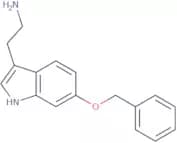
CAS:<p>3-Amino-4-fluoroacetanilide is a white crystalline solid that is soluble in polar organic solvents. It has been used as a reaction component for the synthesis of heterocyclic compounds and as a reagent in organic synthesis. 3-Amino-4-fluoroacetanilide is also useful scaffold for the synthesis of high quality research chemicals and specialty chemicals. This compound can be used as an intermediate to synthesize more complex compounds, such as amino acid derivatives, amides, esters, and thioesters. 3-Amino-4-fluoroacetanilide is also a versatile building block with a broad range of uses in pharmaceuticals, agrochemicals, dyes, pigments, explosives and other fine chemicals.</p>Formula:C8H9FN2OColor and Shape:PowderMolecular weight:168.17 g/mol6-Benzyloxytryptamine
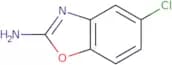
CAS:Controlled Product<p>6-Benzyloxytryptamine is a drug that is metabolized by hydroxylation of the 6-hydroxyl group and glucuronidation. It is a positional isomer of tryptamine, with the methyl group on the 6 position instead of the 3 position. The 6-benzyloxytryptamine has been shown to have stimulatory effects in animals, but its effect on humans is not known.</p>Formula:C17H18N2OPurity:Min. 98.0 Area-%Color and Shape:PowderMolecular weight:266.34 g/molZoxazolamine
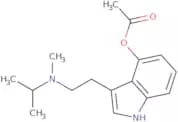
CAS:<p>Zoxazolamine is a synthetic, immunosuppressive and cytotoxic agent that inhibits the enzyme activities of cytosolic Ca2+-ATPases. It has been shown to suppress antibody response in rats. Zoxazolamine also has a number of drug interactions, including inhibition of tetracycline metabolism and induction of cytochrome P450 enzymes. The experimental model for zoxazolamine is based on the T84 cell line, which is an intestinal epithelial cell line derived from human ileum. Zoxazolamine has been shown to induce toxicity in this cell line. Zoxazolamine also causes release of bile acids from rat liver microsomes and can lead to autoimmune diseases in experimental models.</p>Formula:C7H5ClN2OPurity:Min. 95%Color and Shape:PowderMolecular weight:168.58 g/mol4-Acetoxy-N-isopropyl-N-methyltryptamine
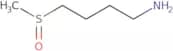
CAS:Controlled Product<p>4-Acetoxy-N-isopropyl-N-methyltryptamine (4AO-NIPMT) is a tryptamine that has been found to be a potent inhibitor of histamine release from mast cells. Its role in allergy and other conditions is not well understood. 4AO-NIPMT also inhibits the activity of the enzyme beta-glucuronidase, which is responsible for breaking down many drugs and toxins.</p>Formula:C16H22N2O2Purity:Min. 95%Molecular weight:274.36 g/mol4-(Methylsulfinyl)-1-butylamine
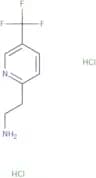
CAS:<p>4-(Methylsulfinyl)-1-butylamine is a fine chemical that is used as a versatile building block in the synthesis of complex compounds. It is also useful as a research chemical and reagent. 4-(Methylsulfinyl)-1-butylamine has been shown to be a high quality chemical with CAS number 187587-70-8.</p>Formula:C5H13NOSPurity:Min. 95%Color and Shape:Off-White SolidMolecular weight:135.23 g/mol2-(5-Trifluoromethyl-pyridin-2-yl)ethylamine 2HCl
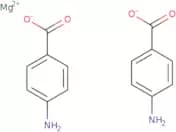
CAS:<p>2-(5-Trifluoromethyl-pyridin-2-yl)ethylamine 2HCl is a fine chemical that can be used as a building block in the synthesis of other compounds. It is also a useful reagent and a speciality chemical, which means it is typically used for research purposes only. This compound has shown to have high quality and versatility, and is often used as an intermediate in the synthesis of complex compounds.</p>Formula:C8H9F3N2H2Cl2Purity:Min. 95%Color and Shape:White PowderMolecular weight:263.09 g/molMagnesium 4-aminobenzoate
CAS:<p>Magnesium 4-aminobenzoate is a chemical compound that is used as a reaction component or reagent in organic synthesis. It has a high quality and can be used for research purposes. Magnesium 4-aminobenzoate is versatile and can be used as an intermediate in the preparation of complex compounds, such as pharmaceuticals and agrochemicals.</p>Formula:C14H12MgN2O4Purity:Min. 95%Color and Shape:PowderMolecular weight:296.56 g/mol6-amino-3-methyl-4-(3-nitrophenyl)-4H-pyrano[3,2-d]pyrazole-5-carbonitrile
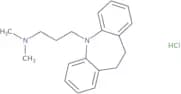
CAS:<p>Please enquire for more information about 6-amino-3-methyl-4-(3-nitrophenyl)-4H-pyrano[3,2-d]pyrazole-5-carbonitrile including the price, delivery time and more detailed product information at the technical inquiry form on this page</p>Formula:C14H11N5O3Purity:Min. 95%Color and Shape:PowderMolecular weight:297.27 g/molImipramine hydrochloride
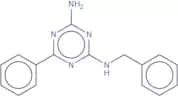
CAS:Controlled Product<p>Imipramine hydrochloride is a hydrochloride salt form of imipramine, a surface active tricyclic drug, a potent inhibitor of serotonin and norepinephrine reuptake. It has a greater affinity for the serotonin and it has more anticholinergic side effects which can be helpful in treating enuresis. Imipramine blocks D-2 receptors, H1 receptors, alpha 1 and alpha 2 adrenergic receptors and muscarinic receptors. It is used for therapy of depression (major and bipolar) and nocturnal enuresis in children. Also it is indicated for dysthymia, attention-deficit disorders, agoraphobia and it is effective in treating anxiety and panic disorders.</p>Formula:C19H25ClN2Purity:Min. 95%Color and Shape:PowderMolecular weight:316.87 g/mol4-Amino-2-benzylamino-6-phenyl-1,3,5-triazine
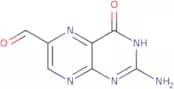
CAS:<p>4-Amino-2-benzylamino-6-phenyl-1,3,5-triazine is a high quality chemical that can be used as a reagent in organic synthesis. This compound is also a useful intermediate and has been used as a building block in the preparation of various pharmaceuticals. 4-Amino-2-benzylamino-6-phenyl-1,3,5-triazine has CAS No. 693241-47-3 and is an important speciality chemical for research purposes. It is also versatile and can be used as a reaction component for the synthesis of other compounds.</p>Formula:C16H15N5Purity:Min. 95%Color and Shape:PowderMolecular weight:277.32 g/mol2-Amino-6-formylpteridin-4-one
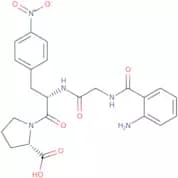
CAS:<p>2-Amino-6-formylpteridin-4-one is a reactive compound that can cause oxidative injury in humans. It has been shown to cause hydrogen bond cleavage and the loss of structural integrity in human serum. 2-Amino-6-formylpteridin-4-one also induces apoptosis by inhibiting the mitochondrial membrane potential and releasing cytochrome c from the mitochondria into the cytosol. 2-Amino-6-formylpteridin-4-one is an inhibitor of binding to anion radicals, which may be beneficial for treating skin disorders such as psoriasis.</p>Formula:C7H5N5O2Purity:Min. 97 Area-%Color and Shape:PowderMolecular weight:191.15 g/molo-Aminobenzoylglycyl-p-nitro-L-phenylalanyl-L-proline TFA salt
CAS:<p>O-Aminobenzoylglycyl-p-nitro-L-phenylalanyl-L-proline TFA salt is a synthetic, hydrophilic interaction chromatography (HIC) substrate. It has inhibitory properties and is used in biological assays to measure the activities of enzymes that catalyze the hydrolysis of the substrate. O-Aminobenzoylglycyl-p-nitro-L-phenylalanyl-L-proline TFA salt also has been shown to have bioactivities on blood pressure and cell monolayers.</p>Formula:C23H25N5O7•C2HF3O2Purity:Min. 95 Area-%Color and Shape:PowderMolecular weight:597.49 g/mol4-[[4-(4-Chlorophenyl)-2-thiazolyl]amino]phenol
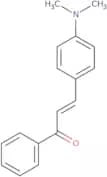
CAS:<p>4-[[4-(4-Chlorophenyl)-2-thiazolyl]amino]phenol is a chemical that has been used in analytical and in vitro methods to study the cellular physiology of cells. It was found to inhibit sphingosine kinase, which is an enzyme that is involved in the synthesis of sphingosine. The inhibition of this enzyme leads to decreased levels of sphingosine and the effect on the cell. 4-[[4-(4-Chlorophenyl)-2-thiazolyl]amino]phenol can also affect mitochondrial membrane potential and cyclase activity, which may be useful for treating hyperproliferative diseases such as breast cancer.</p>Formula:C15H11ClN2OSPurity:Min. 95%Molecular weight:302.78 g/mol4-(Dimethylamino)chalcone
CAS:<p>4-(Dimethylamino)chalcone is a fluorescent molecule that has been used as a fluorescence probe to study the structures of fatty acids and other molecules. It is also used to detect neutral pH in biological studies. 4-(Dimethylamino)chalcone reacts with carbonyl groups to form stable complexes, which are useful for structural analysis. The fluorescence intensity is proportional to the concentration of the carbonyl group. This molecule has been shown to be potently active against human serum, which may be due to its ability to bind with protein and form stable complexes.</p>Formula:C17H17NOPurity:Min. 95%Color and Shape:PowderMolecular weight:251.32 g/mol1,2-Dioleoyl-3-trimethylammonium-propane, chloride
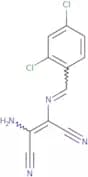
CAS:<p>1,2-Dioleoyl-3-trimethylammonium-propane, chloride (DOTAP) is a cationic lipid of the phospholipid class. DOTAP has been shown to stimulate the growth and differentiation of hematopoietic cells in vivo. DOTAP also enhances the metastatic potential of tumor cells by increasing their uptake and inhibiting apoptosis. It has been found to be active against skin cancer cells, which may be due to its ability to enhance antitumor response. DOTAP is used as a fluorescent probe for intracellular pH measurements in live cells and can be used as a carrier lipid for liposomal drug delivery systems. The major biological properties of DOTAP are its ability to form vesicles and its capacity for energy metabolism.</p>Formula:C42H80ClNO4Purity:(¹H-Nmr) Min. 95 Area-%Color and Shape:PowderMolecular weight:698.54 g/mol2-Amino-1-(1-aza-2-(2,4-dichlorophenyl)vinyl)ethene-1,2-dicarbonitrile
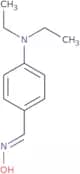
CAS:<p>Please enquire for more information about 2-Amino-1-(1-aza-2-(2,4-dichlorophenyl)vinyl)ethene-1,2-dicarbonitrile including the price, delivery time and more detailed product information at the technical inquiry form on this page</p>Formula:C11H6Cl2N4Purity:Min. 95%Color and Shape:PowderMolecular weight:265.1 g/mol4-Diethylaminobenzaldoxime
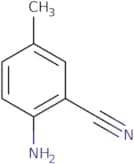
CAS:<p>4-Diethylaminobenzaldoxime is a reaction component that is used in the synthesis of complex compounds. It has been shown to be a useful scaffold for the construction of novel chemical entities. It also has high quality, and can be used as a reagent in research or as a speciality chemical. 4-Diethylaminobenzaldoxime is versatile and can be used as an intermediate or building block in organic chemistry. This chemical has CAS No. 54376-65-7 and is classified as a fine chemical.</p>Formula:C11H16N2OPurity:Min. 95%Color and Shape:PowderMolecular weight:192.26 g/mol2-Amino-5-methylbenzonitrile
CAS:<p>2-Amino-5-methylbenzonitrile (2AMB) is a molecule that has two nitrile groups. It has been shown to be effective in the treatment of cancer cells, and it also inhibits thymidylate synthase (TS), an enzyme involved in DNA synthesis. The crystallographic structure of this compound has been determined by x-ray diffraction studies, and 2AMB was synthesized and assayed for its anticancer activity on human lung cancer cells in culture. 2AMB is an intercalator that binds to DNA by inserting itself between base pairs, which then blocks the progression of DNA synthesis during replication. This type of inhibition causes cell death because the cell cannot divide or make new proteins. Naphthalene and pyrrole are two chemicals found in 2AMB that have been shown to have antibacterial properties.</p>Formula:C8H8N2Purity:Min. 95%Color and Shape:PowderMolecular weight:132.16 g/mol2-[Methyl[(tridecafluorohexyl)sulphonyl]amino]ethyl acrylate
CAS:<p>Please enquire for more information about 2-[Methyl[(tridecafluorohexyl)sulphonyl]amino]ethyl acrylate including the price, delivery time and more detailed product information at the technical inquiry form on this page</p>Formula:C12H10F13NO4SPurity:80%MinColor and Shape:PowderMolecular weight:511.26 g/molSodium 2-[[3-(trifluoromethyl)phenyl]amino]benzoate
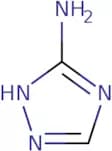
CAS:<p>Sodium 2-[[3-(trifluoromethyl)phenyl]amino]benzoate (TFPB) is a synthetic substrate that has been used in the synthesis of microcapsules. TFPB is soluble in water, which allows it to be administered orally and provides a non-toxic environment for the release of protein drugs. TFPB is also able to bind with receptors on polymorphonuclear leucocytes and can be used as an adjuvant therapy in women.</p>Formula:C14H9F3NNaO2Purity:Min. 95%Color and Shape:PowderMolecular weight:303.21 g/mol3-Amino-1,2,4-triazole
CAS:<p>Inhibitor of catalase; selection marker for HIS3 systems; herbicide</p>Formula:C2H4N4Purity:Min. 95%Color and Shape:PowderMolecular weight:84.08 g/mol5,5-dimethyl-2-(((3-nitrophenyl)amino)methylene)cyclohexane-1,3-dione
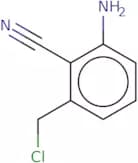
CAS:<p>Please enquire for more information about 5,5-dimethyl-2-(((3-nitrophenyl)amino)methylene)cyclohexane-1,3-dione including the price, delivery time and more detailed product information at the technical inquiry form on this page</p>Purity:Min. 95%2-Amino-6-chlorobenzonitrile
CAS:<p>2-Amino-6-chlorobenzonitrile is an inhibitor of butyrylcholinesterase. It inhibits the enzyme by binding to the active site and preventing the hydrolysis of acetylcholine. It also inhibits other enzymes that have a similar structure, such as acetylcholinesterase and benzodiazepine receptors. 2-Amino-6-chlorobenzonitrile can be synthesized from chloride and ammonia in two steps with high enantioselectivity. The first step is the addition of benzaldehyde to 2-aminobenzoic acid with sodium hydroxide, followed by treatment with phosphoryl chloride. The second step involves treatment with potassium cyanide to form cyanohydrin, which is then treated with hydrogen chloride gas to produce 2-amino-6-chlorobenzonitrile. This compound has been shown to inhibit acetylcholinesterase and butyry</p>Formula:C7H5ClN2Purity:Min. 95%Color and Shape:PowderMolecular weight:152.58 g/mol4-[3-(Trifluoromethyl)-3H-diazirin-3-yl]benzenemethanamine hydrochloride
CAS:<p>Please enquire for more information about 4-[3-(Trifluoromethyl)-3H-diazirin-3-yl]benzenemethanamine hydrochloride including the price, delivery time and more detailed product information at the technical inquiry form on this page</p>Formula:C9H9ClF3N3Purity:Min. 95%Color and Shape:White PowderMolecular weight:251.64 g/mol[1-(Azepan-1-ylcarbonyl)propyl]amine hydrochloride
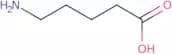
CAS:Controlled Product<p>Please enquire for more information about [1-(Azepan-1-ylcarbonyl)propyl]amine hydrochloride including the price, delivery time and more detailed product information at the technical inquiry form on this page</p>Formula:C10H20N2OPurity:Min. 95%Molecular weight:184.28 g/mol5-Aminovaleric acid
CAS:<p>5-Aminovaleric acid is a cyclic peptide that is an antagonist of the enzyme 5-aminovaleric acid hydrolase that catalyzes the conversion of 5-aminovaleric acid to succinic semialdehyde. The physiological function of 5-aminovaleric acid hydrolase is not known, but it has been implicated in a number of neurological disorders, such as Alzheimer's disease, Parkinson's disease, and amyotrophic lateral sclerosis. The reaction solution contains 5-aminovaleric acid (5AVA), hydrogen fluoride (HF), and l-lysine (Lys). Upon addition of HF to the solution, it reacts with Lys to form a dinucleotide phosphate intermediate. This intermediate then reacts with 5AVA to form an intramolecular hydrogen bond with the amino group of Lys and release hydrogen gas. The detection sensitivity for this reaction can be increased by using a cyclic peptide inhibitor.</p>Formula:C5H11NO2Purity:Min. 95%Color and Shape:Off-White PowderMolecular weight:117.15 g/mol7-[(Dimethylamino)methyl]-2,2,4-trimethyl-1,2-dihydroquinolin-6-ol
CAS:<p>7-[(Dimethylamino)methyl]-2,2,4-trimethyl-1,2-dihydroquinolin-6-ol is a chemical compound that belongs to the group of fine chemicals. It is a versatile building block and useful intermediate for research chemicals. 7-[(Dimethylamino)methyl]-2,2,4-trimethyl-1,2-dihydroquinolin-6-ol is also a speciality chemical with high purity and quality. CAS No. 300690-44-2</p>Formula:C15H22N2OPurity:Min. 95 Area-%Color and Shape:PowderMolecular weight:246.35 g/molAmmonium heptamolybdate tetrahydrate
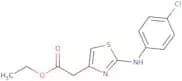
CAS:<p>Ammonium heptamolybdate tetrahydrate (AHMT) is a lamellar crystal that has been found to have a low-energy structure. AHMT is formed by the reaction of ammonium nitrate with molybdenum trioxide, and can be prepared from a solution of ammonium sulfamate and molybdic acid. AHMT has been shown to have catalytic effect in the conversion of n-hexane to cyclohexane, as well as optical properties that are similar to those observed for other lamellar materials. AHMT has also been used clinically for the treatment of disulfides.</p>Formula:(NH4)6Mo7O24•(H2O)4Purity:Min. 95%Color and Shape:White PowderMolecular weight:1,236 g/molethyl 2-(4-(4-chlorophenylamino)-3,5-thiazolyl)acetate
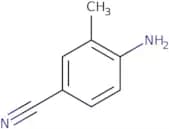
CAS:<p>Please enquire for more information about ethyl 2-(4-(4-chlorophenylamino)-3,5-thiazolyl)acetate including the price, delivery time and more detailed product information at the technical inquiry form on this page</p>Purity:Min. 95%4-Amino-3-methylbenzonitrile
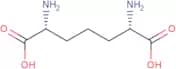
CAS:<p>4-Amino-3-methylbenzonitrile is a proton ionophore that can be used to prevent viral replication. It is a synthetic, aminobenzonitrile derivative that binds to the viral RNA polymerase and prevents the synthesis of new virus particles. 4-Amino-3-methylbenzonitrile has been shown to inhibit the growth of some strains of coxsackievirus, although it is less effective against other strains and viruses. 4-Amino-3-methylbenzonitrile inhibits the synthesis of viral proteins by binding to the viral RNA polymerase. This prevents viral transcription and replication, which leads to cell death.</p>Formula:C8H8N2Color and Shape:PowderMolecular weight:132.16 g/mol(2S,6R)-2,6-Diaminoheptanedioic acid
CAS:<p>(2S,6R)-2,6-Diaminoheptanedioic acid is an antimicrobial agent that inhibits bacterial growth by binding to the Toll-like receptor 2 (TLR2) and Toll-like receptor 4 (TLR4). It has been shown to inhibit the production of IL-12 in a dose-dependent manner. The crystal structure of the complex between (2S,6R)-2,6-diaminoheptanedioic acid and TLR4 reveals that this compound binds to TLR4 at the interface between its extracellular domain and transmembrane domain, which disrupts the interaction between TLR4 and its ligands. This compound also inhibits calcium uptake by gram-positive bacteria such as Staphylococcus aureus and Enterococcus faecalis. (2S,6R)-2,6-Diaminoheptanedioic acid may be used for wastewater treatment because it</p>Formula:C7H14N2O4Purity:Min. 95%Color and Shape:White PowderMolecular weight:190.2 g/mol2,2'-Azino-bis(3-ethylbenzothiazoline-6-sulfonic acid) diammonium salt
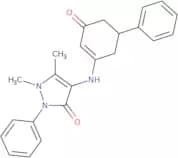
CAS:<p>ABTS can be used as a peroxidase substrate that gives a metastable cation when in the presence of H2O2. 2,2'-Azino-bis (3-ethylbenzothiazoline-6-sulfonic acid) or ABTS is commonly used in the enzyme-linked immunosorbent assay (ELISA). ABTS is chosen because the enzyme facilitates the reaction to give a green end-product with an absorbance maximum of 420nm and can therefore be detected with a spectrophotometer.</p>Formula:C18H24N6O6S4Purity:Min. 98.0 Area-%Color and Shape:PowderMolecular weight:548.68 g/mol2,3-dimethyl-4-((3-oxo-5-phenylcyclohex-1-enyl)amino)-1-phenyl-3-pyrazolin-5-one
CAS:<p>Please enquire for more information about 2,3-dimethyl-4-((3-oxo-5-phenylcyclohex-1-enyl)amino)-1-phenyl-3-pyrazolin-5-one including the price, delivery time and more detailed product information at the technical inquiry form on this page</p>Purity:Min. 95%(5S)-N-(5-Amino-1-carboxypentyl) iminodiacetic acid hydrate
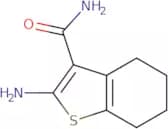
CAS:<p>(5S)-N-(5-Amino-1-carboxypentyl) iminodiacetic acid hydrate is a sophisticated chelating agent, designed for precise control in various biochemical applications. The reactive moieties of this compound are particularly useful in affinity chromatography and surface functionalization, making it a valuable tool in both protein purification and the development of biosensors or other biotechnological applications. Affinity chromatography: As a metal-chelator, it is particularly adept at binding divalent metal cations such as Ni²⁺, Co²⁺, and Cu²⁺, which are instrumental in stabilizing protein structures or facilitating enzyme activity. When complexed with Ni²⁺ (nickel) ions (5S)-N-(5-Amino-1-carboxypentyl) iminodiacetic acid forms a surface that can specifically capture proteins engineered with a polyhistidine tag (His-tag). Such interactions facilitate the purification and isolation of target proteins with high specificity, allowing immobilization in a controlled orientation without compromising functional integrity.Surface functionalization: The free amine group allows for conjugation via strong covalent bonds to surfaces such as glass, silica, gold (e.g., electrodes), polymers, hydrogels and magnetic beads. This creates metal-functionalized surfaces for biospecific interactions with His-tagged proteins. Examples of potential applications of this include Surface Plasmon Resonance (SPR), fluorescence microscopy and use in artificial cell systems with hydrogel-based cell-mimicking environments. Thus giving (5S)-N-(5-Amino-1-carboxypentyl) iminodiacetic acid a broad scope in its application in advanced biochemical assays and materials science.</p>Formula:C10H18N2O6·xH2OPurity:Min. 95 Area-%Color and Shape:White PowderMolecular weight:262.26 g/mol2-Amino-4,5,6,7-tetrahydro-1-benzothiophene-3-carboxamide
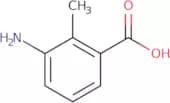
CAS:<p>2-Amino-4,5,6,7-tetrahydro-1-benzothiophene-3-carboxamide is an anticancer agent that inhibits the synthesis of proteins required for cell division. It has been shown to have anticancer activity and efficacy in vitro studies against human cancer cells, such as HCT116. This compound also induces apoptosis in infected cells by binding to viral particles and inducing the release of chloride ions. 2-Amino-4,5,6,7-tetrahydro-1-benzothiophene-3-carboxamide has been found to be effective against influenza virus and particle production by inhibiting neuraminidase activity.</p>Formula:C9H12SN2OPurity:Min. 95%Color and Shape:PowderMolecular weight:196.27 g/mol3-Amino-2-methylbenzoic acid
CAS:<p>3-Amino-2-methylbenzoic acid is an organic compound that belongs to the group of heterocyclic compounds. 3-Amino-2-methylbenzoic acid has been shown to inhibit the transport properties of nanotubes and may be used in the development of new materials for drug delivery. It also has potential as a therapeutic agent for the treatment of cancer, diabetes, and bacterial infections. This molecule is unsymmetrical with six hydrogen bonding interactions and three functional groups. The 3-amino group can form an intermolecular hydrogen bond with a proton donor and the two methyl groups can form intramolecular hydrogen bonds with each other.</p>Formula:C8H9NO2Purity:Min. 95%Color and Shape:PowderMolecular weight:151.16 g/mol2-[1-(Methylamino)ethyl]indole
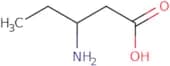
CAS:<p>Please enquire for more information about 2-[1-(Methylamino)ethyl]indole including the price, delivery time and more detailed product information at the technical inquiry form on this page</p>Formula:C11H14N2Purity:Min. 95%Color and Shape:PowderMolecular weight:174.24 g/mol3-Amino-pentanoic acid
CAS:<p>3-Amino-pentanoic acid is a natural product that is synthesized by the biosynthesis of the amino acid valine. 3-Amino-pentanoic acid is an intermediate in the synthesis of cyclic lipopeptides, which are important for biological activity. The biological properties of this compound are not yet fully known, but it has been shown to bind to receptors and inhibit their function. Chronic treatment with 3-amino-pentanoic acid has been demonstrated to be effective against infectious diseases caused by mutant strains of bacteria such as Escherichia coli and Salmonella enterica serovar Typhimurium. This drug has also been shown to have an effect on bacterial DNA gyrase and protein synthesis. It is possible that 3-amino-pentanoic acid may be used as a pharmaceutical drug for the treatment of infectious diseases in humans.</p>Formula:C5H11NO2Purity:Min. 95 Area-%Color and Shape:PowderMolecular weight:117.15 g/molSimvastatin hydroxy acid ammonium salt
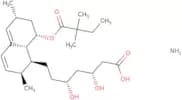
CAS:<p>Simvastatin is a hydrated, acylated statin that is used as a lipid-lowering drug. It inhibits HMG-CoA reductase, an enzyme that plays a central role in cholesterol biosynthesis. The reaction solution can be activated by mixing with an acyltransferase and the desired acyl group. Simvastatin has a toxicity profile that includes myopathy, rhabdomyolysis, and liver failure. Simvastatin also inhibits lipoprotein lipase and prevents the hydrolysis of triglycerides to fatty acids and glycerol. This leads to reduced levels of low-density lipoproteins (LDLs) and increased levels of high-density lipoproteins (HDLs). Simvastatin is converted into an amide form by enzymatic cleavage, which may lead to metabolic inhibition.</p>Formula:C25H43NO6Purity:Min. 98 Area-%Color and Shape:White PowderMolecular weight:453.61 g/mol6-Amino-3-methyl-4-(4-nitrophenyl)-4H-pyrano[3,2-d]pyrazole-5-carbonitrile
CAS:<p>6-amino-3-methyl-4-(4-nitrophenyl)-4H-pyrano[3,2-d]pyrazole-5-carbonitrile is a compound that has been shown to have correlations with energies and regression. It also has a linear regression, polarities, photophysical properties, and dipole. The fluorescence and excited state of this compound are singlet and hydrogen bonding interactions with solvents.</p>Formula:C14H11N5O3Purity:Min. 95%Color and Shape:PowderMolecular weight:297.27 g/molTris(4-Aminophenyl)methane
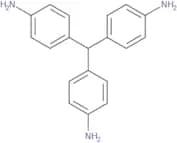
CAS:<p>Tris(4-aminophenyl)methane is a molecule that can react with nitrous acid to form an aliphatic hydrocarbon, which is a type of organic compound. It has been shown to be effective in mammalian cells and in vitro. Tris(4-aminophenyl)methane reacts with nitrous acid to form a diamine adduct, which has been shown to have a diameter of 3.2 nanometers. The expression plasmid containing the gene for the protein tyrosinase was introduced into E. coli cells using an electroporation technique and then used as a template for transcription reactions. The reaction products were identified by gas chromatography/mass spectrometry (GC/MS). Tris(4-aminophenyl)methane has been shown to bind tightly to DNA molecules in nuclear DNA and RNA molecules in ribosomes, inhibiting their synthesis through adsorption mechanisms. This leads to cell death through the inhibition</p>Formula:C19H19N3Purity:Min. 95%Color and Shape:PowderMolecular weight:289.37 g/mol[1-(3-Methoxyphenyl)-1-methylethyl]amine hydrochloride
CAS:<p>[1-(3-Methoxyphenyl)-1-methylethyl]amine hydrochloride is an organic compound that can be used as a reagent and a building block. It has been shown to be a useful intermediate in the synthesis of various other compounds, such as pharmaceuticals. This chemical is also used in research, as it is versatile and can react with other compounds easily. [1-(3-Methoxyphenyl)-1-methylethyl]amine hydrochloride can be purchased at our store if you are interested in purchasing this product.</p>Formula:C10H15NO·HClPurity:Min. 95%Color and Shape:PowderMolecular weight:201.69 g/mol4-(2- fluorophenyl)-6,8-dihydro-1,3,8-trimethyl-Pyrazolo[3,4-e][1,4]diazepin-7(1H)-one mixt. with 2-(ethylamino)-2-(2-thienyl)cycloh exanone hydrochloride
CAS:Controlled Product<p>Telazol is an anesthetic that belongs to the class of nonbenzodiazepine drugs. It is used as a short-term sedative and analgesic in preoperative, obstetrical, and diagnostic procedures. Telazol is a prodrug that is metabolized in vivo to its active form, 4-(2-fluorophenyl)-6,8-dihydro-1,3,8-trimethyl-Pyrazolo[3,4-e][1,4]diazepin-7(1H)-one (TFD). Telazol has been shown to have low toxicity when administered at low doses (0.5 mg/kg) to rats.</p>Formula:C27H33ClFN5O2SPurity:Min. 95%Molecular weight:546.1 g/mol3-Amino-2,2,4,4-tetramethylthietane
CAS:<p>3-Amino-2,2,4,4-tetramethylthietane is an organic compound that is found in the nitrate group. It is a colorless liquid that is soluble in water and most organic solvents. It can be used as a precursor to other compounds or as a reagent in chemical reactions. 3-Amino-2,2,4,4-tetramethylthietane has been shown to form ethers with sulfate ions and chloride ions. It also catalyzes the activation of vinyl ethers by leuckart's catalyst to produce vinyl sulfonates. 3-Amino-2,2,4,4-tetramethylthietane can be synthesized from thiourea and nitric acid.</p>Formula:C7H15NSPurity:Min. 95%Color and Shape:White to yellow crystalline powderMolecular weight:145.27 g/molAmmonium bisulfite - 45% In water
CAS:<p>Ammonium bisulfite is a soluble sulfite salt that is used as a reducing agent in organic chemistry. It reacts with metal hydroxides to produce sulfur and anhydrous sodium. This reaction also produces water vapor, which can be condensed and collected for use in other reactions. The reaction mechanism involves the formation of a sulfate ion when ammonium ions react with bisulfites or sulfites. Ammonium bisulfite has been shown to reduce hydrogen fluoride in aqueous solution, but not hydrofluoric acid.</p>Formula:H5NO3SPurity:(Titration) 44 To 46%Color and Shape:Colorless Clear LiquidMolecular weight:99.11 g/molN-Methylbutylamine
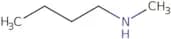
CAS:<p>N-Methylbutylamine is a pharmaceutical drug that belongs to the class of amines. It is used as a hydrogen bond donor in some organic reactions. N-Methylbutylamine has been shown to have cytotoxic effects on prostate cancer cells and has been used for the treatment of this type of cancer. This drug also has a fluorescent derivative, which can be used in the detection of water vapor. The amine group of N-Methylbutylamine is involved in catalysis by enzymes and organometallic compounds. The optimum pH for this molecule is 7, with an activation energy at 20 degrees Celsius of 42 kilojoules per mole.<br>N-Methylbutylamine has also been shown to inhibit kinesin, an important protein involved in cellular transport.</p>Formula:C5H13NPurity:Min. 95%Color and Shape:Clear LiquidMolecular weight:87.17 g/mol4-(N,N-Diethylamino)cinnamic acid
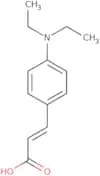
CAS:<p>4-(N,N-Diethylamino)cinnamic acid is a dye-sensitized solar cell sensitizer that has been synthesized from thiophene and acrylic acid. This compound is efficient in dye-sensitized solar cells and can be used to produce solar cells with an efficiency of over 10%.</p>Formula:C13H17NO2Purity:Min. 95%Color and Shape:PowderMolecular weight:219.28 g/mol

![N-[2-(Fmoc-amino)-ethyl]glycine tert-butylester hydrochloride](/_next/image/?url=https%3A%2Fstatic.cymitquimica.com%2Fproducts%2F3D%2Fthumb-webp%2FFF49771.webp&w=3840&q=75)
![(2S)-({[(4-Methyl-2-oxo-2H-chromen-7-yl)oxy]acetyl}amino)(phenyl)acetic acid](/_next/image/?url=https%3A%2Fstatic.cymitquimica.com%2Fproducts%2F3D%2Fthumb-webp%2FFM124529.webp&w=3840&q=75)



![2-[[(4-Acetylphenyl)amino]methylene]-5,5-dimethyl-1,3-cyclohexanedione](/_next/image/?url=https%3A%2Fstatic.cymitquimica.com%2Fproducts%2F3D%2Fthumb-webp%2FFA169010.webp&w=3840&q=75)

![[2-(3-Methylphenoxy)ethyl]amine hydrochloride](/_next/image/?url=https%3A%2Fstatic.cymitquimica.com%2Fproducts%2F3D%2Fthumb-webp%2FFM120149.webp&w=3840&q=75)

![2-Chloro-9-cyclohexyl-N-[4-(4-morpholinyl)phenyl]-9H-purin-6-amine](/_next/image/?url=https%3A%2Fstatic.cymitquimica.com%2Fproducts%2F3D%2Fthumb-webp%2FFC20176.webp&w=3840&q=75)
![[5-(4-Amino-2-bromophenyl)-2-furyl]methanol](/_next/image/?url=https%3A%2Fstatic.cymitquimica.com%2Fproducts%2F3D%2Fthumb-webp%2FFA134218.webp&w=3840&q=75)
![N-Propyl-4,5,6,7-tetrahydrobenzo[D]thiazol-6-amine](/_next/image/?url=https%3A%2Fstatic.cymitquimica.com%2Fproducts%2F3D%2Fthumb-webp%2FFP65140.webp&w=3840&q=75)
![6-amino-3-methyl-4-(3-nitrophenyl)-4H-pyrano[3,2-d]pyrazole-5-carbonitrile](/_next/image/?url=https%3A%2Fstatic.cymitquimica.com%2Fproducts%2F3D%2Fthumb-webp%2FFA169032.webp&w=3840&q=75)
![4-[[4-(4-Chlorophenyl)-2-thiazolyl]amino]phenol](/_next/image/?url=https%3A%2Fstatic.cymitquimica.com%2Fproducts%2F3D%2Fthumb-webp%2FFC137468.webp&w=3840&q=75)

![2-[Methyl[(tridecafluorohexyl)sulphonyl]amino]ethyl acrylate](/_next/image/?url=https%3A%2Fstatic.cymitquimica.com%2Fproducts%2F3D%2Fthumb-webp%2FFM96258.webp&w=3840&q=75)
![Sodium 2-[[3-(trifluoromethyl)phenyl]amino]benzoate](/_next/image/?url=https%3A%2Fstatic.cymitquimica.com%2Fproducts%2F3D%2Fthumb-webp%2FFS92420.webp&w=3840&q=75)

![4-[3-(Trifluoromethyl)-3H-diazirin-3-yl]benzenemethanamine hydrochloride](/_next/image/?url=https%3A%2Fstatic.cymitquimica.com%2Fproducts%2F3D%2Fthumb-webp%2FFT99415.webp&w=3840&q=75)
![[1-(Azepan-1-ylcarbonyl)propyl]amine hydrochloride](/_next/image/?url=https%3A%2Fstatic.cymitquimica.com%2Fproducts%2F3D%2Fthumb-webp%2FFA130671.webp&w=3840&q=75)
![7-[(Dimethylamino)methyl]-2,2,4-trimethyl-1,2-dihydroquinolin-6-ol](/_next/image/?url=https%3A%2Fstatic.cymitquimica.com%2Fproducts%2F3D%2Fthumb-webp%2FFD129815.webp&w=3840&q=75)



![2-[1-(Methylamino)ethyl]indole](/_next/image/?url=https%3A%2Fstatic.cymitquimica.com%2Fproducts%2F3D%2Fthumb-webp%2FFM25773.webp&w=3840&q=75)
![6-Amino-3-methyl-4-(4-nitrophenyl)-4H-pyrano[3,2-d]pyrazole-5-carbonitrile](/_next/image/?url=https%3A%2Fstatic.cymitquimica.com%2Fproducts%2F3D%2Fthumb-webp%2FFA169805.webp&w=3840&q=75)
![[1-(3-Methoxyphenyl)-1-methylethyl]amine hydrochloride](/_next/image/?url=https%3A%2Fstatic.cymitquimica.com%2Fproducts%2F3D%2Fthumb-webp%2FFM136868.webp&w=3840&q=75)
![4-(2- fluorophenyl)-6,8-dihydro-1,3,8-trimethyl-Pyrazolo[3,4-e][1,4]diazepin-7(1H)-one mixt. with …](/_next/image/?url=https%3A%2Fstatic.cymitquimica.com%2Fproducts%2F3D%2Fthumb-webp%2FFF104101.webp&w=3840&q=75)