Amines
Subcategories of "Amines"
- Nitrosamines(3,123 products)
- Primary Amines(30,967 products)
- Quaternary Ammonium Cations and Salts(1,111 products)
- Secondary Amines(20,913 products)
- Tertiary Amines(17,219 products)
Found 8794 products of "Amines"
Deamino-histidine
CAS:Deamino-histidine (DAH) is a diagnostic marker that can be used to measure the disease activity of inflammatory bowel disease. It is also a marker for tissue damage, as it accumulates in mammalian tissues during inflammation or necrosis. DAH is formed by the hydrolysis of histidine catalyzed by bacterial enzyme arginase, and it can be detected in blood plasma and urine samples. The concentration of DAH correlates with the degree of intestinal inflammation and has been found to be elevated in patients with Crohn's disease or ulcerative colitis.Formula:C6H8N2O2Purity:Min. 95%Color and Shape:PowderMolecular weight:140.14 g/molBromotrimethylammoniumbimane bromide
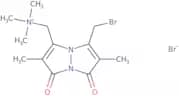
CAS:Bromotrimethylammoniumbimane bromide is a fluorescent molecule that can be used as a probe for protease activity. It is also used to study the α1 subunit of the human histone deacetylase (HDAC) complex, which plays an important role in HIV infection and autoimmune diseases. The redox potential of Bromotrimethylammoniumbimane bromide has been shown to be dependent on its basic structure, with the disulfide bond being the most reactive. This chemical has been shown to have cytosolic Ca2+-dependent effects on cell signaling pathways, including induction of apoptosis and modulation of protein phosphatases.Formula:C13H19Br2N3O2Purity:Min. 95%Color and Shape:PowderMolecular weight:409.12 g/mol4-Bromo-6-amino-m-xylene
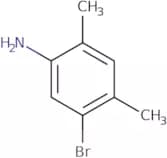
CAS:4-Bromo-6-amino-m-xylene is a chemical that is used to synthesize other chemicals. It is a versatile building block and can be used as an intermediate in organic synthesis. It has been shown to react with nucleophiles, such as alcohols, amines, and thiols. 4-Bromo-6-amino-m-xylene also reacts with metal halides to form complexes. This compound has been shown to have high quality and can be used in research or as a reagent for further reactions.
Formula:C8H10BrNPurity:Min. 95%Color and Shape:PowderMolecular weight:200.08 g/mol5-Carboxy-X-rhodamine
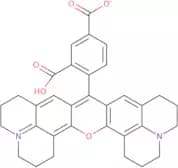
CAS:Single isomer of 5(6)-ROX is a fluorescent dye used in RT-PCR methods as an internal reference to determine fluorescence variation that is not associated with the amplification process (plastic of the wells, small differences in concentration or volume, instrument measurements). It produces a constant fluorescence emission signal during the PCR process that is used to normalise the emission produced by the reporter. The fluorescence signal is compatible with that of most reporters. It is used to label the 5â end of oligonucleotides as a reporter in the presence of a quencher at the 3â end (dual labelled probe). During the amplification process, the dye is cleaved, and the fluorescence increases proportionally with the amount of the specific sequence amplified during the PCR process. The development of the fluorescence signal is therefore specifically related to the amplification of the target sequence. 6-ROX with NHS-activated carboxylic acids reacts with primary amines.
Formula:C33H30N2O5Purity:Min. 95%Color and Shape:PowderMolecular weight:534.6 g/mol2-Amino-6-formylpteridin-4-one
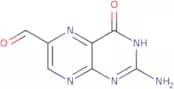
CAS:2-Amino-6-formylpteridin-4-one is a reactive compound that can cause oxidative injury in humans. It has been shown to cause hydrogen bond cleavage and the loss of structural integrity in human serum. 2-Amino-6-formylpteridin-4-one also induces apoptosis by inhibiting the mitochondrial membrane potential and releasing cytochrome c from the mitochondria into the cytosol. 2-Amino-6-formylpteridin-4-one is an inhibitor of binding to anion radicals, which may be beneficial for treating skin disorders such as psoriasis.Formula:C7H5N5O2Purity:Min. 97 Area-%Color and Shape:PowderMolecular weight:191.15 g/mol4-(4-Aminophenyl)-3-methyl-4-oxobutanoic acid
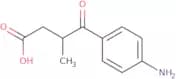
CAS:4-(4-Aminophenyl)-3-methyl-4-oxobutanoicacid is a chemical substance that has been shown to be effective in treating insects. It is also used as an insecticide and herbicide. 4-(4-Aminophenyl)-3-methyl-4-oxobutanoicacid has been shown to have a high toxicity against insects, with a LD50 value of 5.6 mg/kg. This compound has been tested for its effects against the weevil species Rhinotia haemoptera, which is a pest that damages crops in Australia. 4-(4-Aminophenyl)-3-methyl-4-oxobutanoicacid was found to be highly toxic to this species of insect with an LC50 value of 0.1%.Formula:C11H13NO3Purity:Min. 95%Color and Shape:SolidMolecular weight:207.23 g/molPhenoxybenzamine hydrochloride
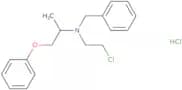
CAS:Phenoxybenzamine hydrochloride is a drug with pharmacological properties, which is used in the treatment of carcinoid syndrome. It is a combination therapy group that can be used to treat patients with neurological disorders. Phenoxybenzamine inhibits the activity of the 5-HT2 receptors and has been shown to reduce neuronal death. In addition, it has been shown to increase chemiluminescence in cells infected with HIV. Phenoxybenzamine also has effects on cardiac function and can be used to treat congestive heart failure as well as high levels of natriuretic peptides in maternal blood during pregnancy. It has also been shown to be effective against infectious diseases, such as tuberculosis and malaria.
Formula:C18H23Cl2NOPurity:Min. 90 Area-%Color and Shape:PowderMolecular weight:340.29 g/mol2-Chloro-9-cyclohexyl-N-[4-(4-morpholinyl)phenyl]-9H-purin-6-amine
CAS:2-Chloro-9-cyclohexyl-N-[4-(4-morpholinyl)phenyl]-9H-purin-6-amine is a synthetic chemical that has been used as a reaction component, reagent, and high quality research chemical. It has CAS No. 737005-53-7 and can be used as a useful scaffold for the synthesis of complex compounds. Other names for this compound are: 2C9H6N2ClN4PFormula:C21H25ClN6OPurity:Min. 95%Color and Shape:Beige PowderMolecular weight:412.92 g/mol2-Butoxyethan-1-amine
CAS:2-Butoxyethan-1-amine is a solvent that has been used in the production of polydimethylsiloxane, which is often found in silicone sealants and caulks. This chemical is volatilized, so it can be released into the atmosphere during its manufacture or use. The ethers are cross-linked with glycols to form polyether polyols that are heat treated to produce ethylene glycol. 2-Butoxyethan-1-amine is also an ingredient in water solutions of polydimethylsiloxane, which may include other substances such as salts. The permeation of this chemical through microns (µm) thick layers of silica gel was demonstrated using a template containing pores of various sizes and shapes. Fluoride ions were used to catalyze the reaction between 2-butoxyethan-1-amine and silica gel; this process was shown to increase the rate of permeation by up to 40%.Formula:C6H15NOPurity:Min. 95%Color and Shape:Clear LiquidMolecular weight:117.19 g/molTris(hydroxymethyl)aminomethane acetate
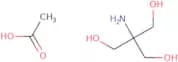
CAS:Tris(hydroxymethyl)aminomethane acetate is a compound that binds to antigen binding molecules in biological samples. It is a polymerase chain reaction (PCR) reagent and is used to prepare samples for PCR analysis. Tris(hydroxymethyl)aminomethane acetate has been shown to bind with receptor activity in the treatment of infectious diseases and metabolic disorders, such as alopecia areata and diabetes mellitus. Tris(hydroxymethyl)aminomethane acetate also stabilizes DNA templates for PCR analysis by preventing dNTPs from hydrolyzing prematurely. This prevents the formation of stable complexes with nucleotides, which may be useful in clinical pathology or plant physiology.Formula:C4H11NO3·C2H4O2Purity:(Titration) Min. 98%Color and Shape:White PowderMolecular weight:181.19 g/mol6-Amino-2-methylthio-4(3H)pyrimidinone
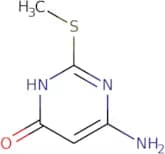
CAS:6-Amino-2-methylthio-4(3H)pyrimidinone is a potential antitumor drug with a radical mechanism of action. It inhibits the activity of the NS5B polymerase, an enzyme in the virus's RNA replication complex. The drug has been shown to inhibit proliferation of cancer cells in vitro and to have antiviral effects against a number of viruses, including influenza A and B. 6-Amino-2-methylthio-4(3H)pyrimidinone inhibits tyrosine kinases and also inhibits erythrocyte progenitors from differentiating into megakaryocytes. This drug is not metabolized by cytochrome P450 enzymes and does not bind to plasma proteins.
Formula:C5H7N3OSPurity:Min. 95%Color and Shape:White PowderMolecular weight:157.19 g/mol4-Aminoquinaldine
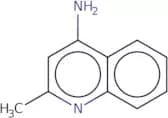
CAS:4-Aminoquinaldine is a metastable redox potential compound that has been shown to reversibly reduce the mitochondrial membrane potential in leishmania. It also has been shown to have antimicrobial properties and is able to inhibit the growth of bacteria through hydrogen bonding interactions. 4-Aminoquinaldine is most effective against gram-positive bacteria and has an acidic pH, with a pKa of 3.4. The reaction mechanism for 4-aminoquinaldine involves nucleophilic attack at the C5 position of the quinolinium ring followed by elimination of H2O from the S2 position.Formula:C10H10N2Purity:Min. 99 Area-%Color and Shape:PowderMolecular weight:158.2 g/mol2-Amino-3,4,5-trimethoxybenzoic acid
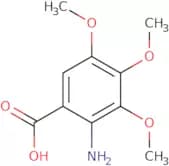
CAS:2-Amino-3,4,5-trimethoxybenzoic acid (2AMTB) is a potential anticancer agent that inhibits the growth of cancer cells by interfering with the epidermal growth factor receptor. It also blocks the binding of this receptor to its ligands, preventing the activation of downstream signaling pathways. 2AMTB has been shown to inhibit epidermal growth factor (EGF)-induced proliferation in vitro and in vivo. 2AMTB has also been shown to inhibit the production of reactive oxygen species and DNA damage caused by amines such as quinazolone, which are commonly found in chemotherapy drugs. These properties make it a potential anticancer drug candidate for use with other chemotherapeutic agents such as epirubicin.
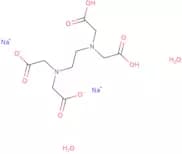
Formula:C10H13NO5Purity:Min. 95%Color and Shape:PowderMolecular weight:227.21 g/molEthylenediaminetetraacetic acid disodium dihydrate
CAS:Hexadentate chelator
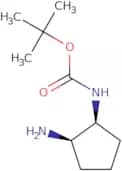
Formula:C10H14N2Na2O8·2H2OColor and Shape:White PowderMolecular weight:372.24 g/moltert-Butyl ((1S,2R)-2-aminocyclopentyl)carbamate
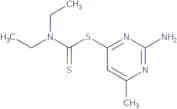
CAS:tert-Butyl ((1S,2R)-2-aminocyclopentyl)carbamate is a fine chemical with versatile uses as a building block in the synthesis of more complex compounds. It is used as an intermediate in the production of pharmaceuticals and research chemicals. This compound has a CAS number of 445479-01-6. The tert-butyl group can be removed from this molecule in order to form a variety of different building blocks. Tert-butyl ((1S,2R)-2-aminocyclopentyl)carbamate is a high quality reagent that can be used for many reactions, such as amination, amidation, and carbamoylation.Formula:C10H20N2O2Purity:Min. 95%Color and Shape:PowderMolecular weight:200.28 g/mol(2-Amino-6-methylpyrimidin-4-ylthio)(diethylamino)methane-1-thione
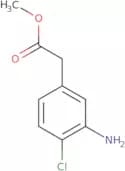
CAS:Please enquire for more information about (2-Amino-6-methylpyrimidin-4-ylthio)(diethylamino)methane-1-thione including the price, delivery time and more detailed product information at the technical inquiry form on this pageFormula:C10H16N4S2Purity:Min. 95%Color and Shape:PowderMolecular weight:256.39 g/mol3-Amino-4-chlorophenylacetic acid methyl ester
CAS:3-Amino-4-chlorophenylacetic acid methyl ester is a fine chemical that is useful as a building block in the synthesis of complex compounds. It has been used as a reagent and speciality chemical, which can be used for research purposes. CAS No. 59833-69-1Formula:C9H10ClNO2Purity:Min. 95%Molecular weight:199.63 g/molClorsulon
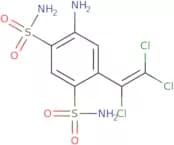
CAS:Clorsulon is an anthelmintic drug that belongs to the group of benzimidazoles. It is used in veterinary medicine to treat nematode and cestode infections, as well as tapeworm infections. Clorsulon is a dispersive solid-phase extraction (DSPE) extractant that can be used for the separation of drugs and their metabolites from biological fluids. The chemical stability of clorsulon was assessed by exposing it to various solvents and pHs. Clorsulon was found to be stable in acetate, benzene, chloroform, ethyl acetate, ethanol, methanol, and water at pH 1-14 and a variety of temperatures ranging from -20 ˚C to 50 ˚C. No significant loss or degradation occurred after exposure to these conditions for up to 24 hours.Formula:C8H8Cl3N3O4S2Purity:(Hplc) Min. 98.0%Color and Shape:PowderMolecular weight:380.66 g/mol2-[Amino(2-oxo-2H-1-benzopyran-3-yl)methylene]propanedinitrile
CAS:Please enquire for more information about 2-[Amino(2-oxo-2H-1-benzopyran-3-yl)methylene]propanedinitrile including the price, delivery time and more detailed product information at the technical inquiry form on this pageFormula:C13H7N3O2Purity:Min. 95%Color and Shape:PowderMolecular weight:237.21 g/mol[2-(1,3-Benzoxazol-2-yl)ethyl]amine hydrochloride
CAS:2-(1,3-Benzoxazol-2-yl)ethyl]amine hydrochloride is a fine chemical that is used as a building block in the synthesis of other chemicals. It can be used as an intermediate in the production of pharmaceuticals and agrochemicals. 2-(1,3-Benzoxazol-2-yl)ethyl]amine hydrochloride is also used to synthesize useful scaffolds and reaction components. This compound has been shown to be stable at high temperatures and has low toxicity.Formula:C9H10N2O·HClPurity:Min. 95%Color and Shape:White PowderMolecular weight:198.65 g/mol1-(4-Aminophenyl)ethanone oxime
CAS:4-Aminoacetophenone oxime is an organic compound that is soluble in water and methanol. It has a molecular weight of 169.17 g/mol, a melting point of 190 °C, and a boiling point of 260 °C. 4-Aminoacetophenone oxime has been shown to have antimicrobial activity against Gram-positive bacteria, such as Staphylococcus aureus, but not against Gram-negative bacteria. This compound can be used as a ligand for metal ions such as copper and zinc, which are important in biological processes. The magnetic properties of 4-aminoacetophenone oxime make it possible to detect the molecule using nuclear magnetic resonance spectroscopy.
4-Aminoacetophenone oxime can be synthesized by reacting 5-nitrosalicylaldehyde with ammonium acetate in the presence of hydrochloric acid:Formula:C8H10N2OPurity:Min. 95%Color and Shape:PowderMolecular weight:150.18 g/mol(R)-2-Amino-1-phenylethanol
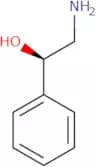
CAS:(R)-2-Amino-1-phenylethanol is a molecule that has antimicrobial activity. It binds to the active site of bacterial enzymes, such as those involved in the synthesis of cell walls, and inhibits the growth of bacteria through competitive inhibition. This molecule also has a dihedral angle that is similar to that of other molecules with antibacterial activity. (R)-2-Amino-1-phenylethanol is an enantiomer, which means it can be synthesized from either (S)- or (R)-1-phenylethanol. The racemic form is more active than any individual enantiomer.
Formula:C8H11NOPurity:Min. 95%Color and Shape:PowderMolecular weight:137.18 g/mol3-Bromobenzylamine hydrochloride
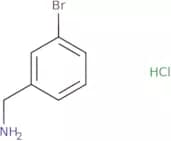
CAS:3-Bromobenzylamine hydrochloride is a chemical compound that belongs to the class of alkylating agents. It is a derivative of allylamine, which is an amine and can be used in the synthesis of tripeptides. 3-Bromobenzylamine hydrochloride has been shown to be able to bind to primary amines, such as histamine, serotonin, and dopamine. It has been found to inhibit the reuptake of these neurotransmitters by blocking the transporter responsible for their uptake. This inhibition leads to increased concentrations of neurotransmitters in tissues.Formula:C7H8BrN•HClColor and Shape:PowderMolecular weight:222.51 g/mol2,3,5-Trifluorobenzylamine hydrochloride
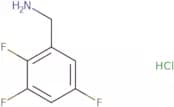
CAS:2,3,5-Trifluorobenzylamine hydrochloride is an important chemical building block that is used in a variety of chemical reactions. It can be used as a reagent to form 2,3,5-trifluorobenzaldehyde and other useful chemicals. The compound also has the ability to be used as a versatile building block in synthetic organic chemistry. 2,3,5-Trifluorobenzylamine hydrochloride is an intermediate in the synthesis of various pharmaceuticals and pesticides. The compound also has potential use as a scaffold in drug design applications.Formula:C7H6F3N·ClHPurity:Min. 95%Color and Shape:PowderMolecular weight:197.59 g/mol2-(4-Chlorophenyl)-2-Phenylethylamine hydrochloride
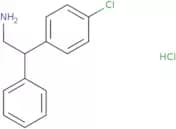
CAS:2-(4-Chlorophenyl)-2-Phenylethylamine hydrochloride is a fine chemical that is used as a building block in research, the synthesis of speciality chemicals, and as a reagent. Its CAS number is 21998-50-5. This compound has been shown to be an intermediate in reactions for the synthesis of complex compounds, and it can also be used as a scaffold for the preparation of other compounds.Formula:C14H14ClN·HClPurity:Min. 95 Area-%Color and Shape:PowderMolecular weight:268.18 g/mol(1H-1,2,3-Triazol-4-yl)methanamine hydrochloride
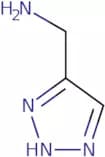
CAS:(1H-1,2,3-Triazol-4-yl)methanamine hydrochloride is a fine chemical that is used as a building block in the synthesis of other chemicals. It is soluble in water and has a solubility of 9.6g/100ml. This compound can be used to synthesize many different types of chemicals with high quality and purity. It also has a versatile scaffold with many different reactive functionalities for use in synthesis. (1H-1,2,3-Triazol-4-yl)methanamine hydrochloride has been shown to react with alcohols to produce esters and many other reactions including alkylation, nitration, and acylation.Formula:C3H6N4·HClPurity:Min. 95%Color and Shape:PowderMolecular weight:134.57 g/mol(1-tert-Butylcyclopropyl)amine hydrochloride
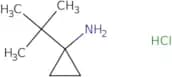
CAS:(1-tert-Butylcyclopropyl)amine hydrochloride is a ciprofloxacin analog that inhibits the growth of bacteria by binding to the enzyme DNA gyrase. It also prevents the cleavage of RNA and protein synthesis which blocks the production of new cells in bacterial colonies. The drug has a broad spectrum of activity against Gram-positive and Gram-negative organisms, including methicillin-resistant Staphylococcus aureus (MRSA). The drug has been shown to be effective against isolates resistant to ciprofloxacin, such as Enterobacteriaceae, Pseudomonas aeruginosa, Acinetobacter baumannii, and Klebsiella pneumoniae. (1-tert-Butylcyclopropyl)amine hydrochloride binds to microtubules and disrupts the cell division process during mitosis. This drug has been shown to inhibit spindle formation inFormula:C7H15N·HClPurity:Min. 95%Color and Shape:PowderMolecular weight:149.66 g/mol6-Benzoylamino-9H-purine-9-acetic acid
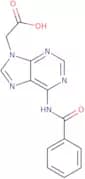
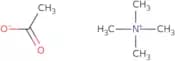
CAS:6-Benzoylamino-9H-purine-9-acetic acid (BAPAA) is a high quality reagent that is used in the synthesis of complex compounds. It is also a useful intermediate in the preparation of fine chemicals, speciality chemicals, and research chemicals. 6-Benzoylamino-9H-purine-9-acetic acid is a versatile building block for the synthesis of novel compounds with desired biological activity. This compound is an excellent reaction component because it can be used to synthesize various chemical structures.Formula:C14H11N5O3Purity:Min. 95%Color and Shape:PowderMolecular weight:297.27 g/molTetramethylammonium acetate monohydrate
CAS:Tetramethylammonium acetate monohydrate is an on-line, inorganic acid that reacts with other reagents to form hydrogen bonds. Tetramethylammonium acetate monohydrate is used as a reactive solvent for organic solutes and has been used in hydrophilic interaction chromatography to separate fatty acids and phenolic acids. This compound has been shown to be effective in the treatment of chronic bronchitis due to its ability to break down mucus.Formula:C6H15NO2•H2OColor and Shape:White PowderMolecular weight:151.2 g/mol2-Amino-4-(trifluoromethyl)benzoic acid
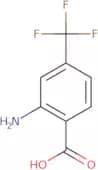
CAS:2-Amino-4-(trifluoromethyl)benzoic acid (2ATB) is a fluorescent compound that is used in assays to study the function of cells. It is a functional theory that 2ATB binds to the skeleton of cells, which are then subjected to optical properties testing. Fluorescence resonance energy transfer has been shown to occur between 2ATB and retinoic acid molecules in the cell nucleus, which may be related to cellular senescence. The structure of 2ATB has been determined by X-ray crystallography and it has been synthesized by halogenation.
Formula:C8H6F3NO2Purity:Min. 95%Color and Shape:PowderMolecular weight:205.13 g/molAminomethylphosphonic acid
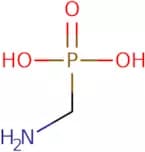
CAS:Aminomethylphosphonic acid has proven action as a mimetic of both D- and L-alanine; it acts as an inhibitor of cell wall enzymes such as D-Ala-D-Ala synthetase, alanine racemase (JAA02406), and UDP-N-acetylmuramyl-L-alanine synthetase
Formula:CH6NO3PPurity:Min. 95%Color and Shape:PowderMolecular weight:111.04 g/mol6-amino-3-methyl-4-(3-nitrophenyl)-4H-pyrano[3,2-d]pyrazole-5-carbonitrile
CAS:Please enquire for more information about 6-amino-3-methyl-4-(3-nitrophenyl)-4H-pyrano[3,2-d]pyrazole-5-carbonitrile including the price, delivery time and more detailed product information at the technical inquiry form on this pageFormula:C14H11N5O3Purity:Min. 95%Color and Shape:PowderMolecular weight:297.27 g/mol[1-(Pyrrolidin-1-ylcarbonyl)propyl]amine hydrochloride
CAS:Controlled ProductPlease enquire for more information about [1-(Pyrrolidin-1-ylcarbonyl)propyl]amine hydrochloride including the price, delivery time and more detailed product information at the technical inquiry form on this pageFormula:C8H16N2OPurity:Min. 95%Molecular weight:156.23 g/mol4-Diethylaminobenzylamine
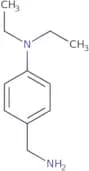
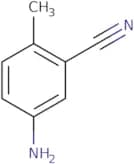
CAS:4-Diethylaminobenzylamine is a pharmacophore that binds to cannabinoid receptors. It has been shown to have anticancer activity in vitro and in vivo. 4-Diethylaminobenzylamine binds to the cannabinoid receptors, which are expressed in various tissues of the body, including the brain and nervous system. The affinity of this compound for these receptors has been shown by its ability to inhibit cancer cell growth in vitro and in vivo. 4-Diethylaminobenzylamine has also been shown to be a functional inhibitor of uptake of serotonin and dopamine into rat brain synaptosomes. This drug is being studied as a possible treatment for diseases such as sclerosis, because it may help regulate the production of cytokines that contribute to inflammation.Formula:C11H18N2Purity:90%Color and Shape:PowderMolecular weight:178.27 g/mol4-Amino-2-cyanotoluene
CAS:4-Amino-2-cyanotoluene is a quinazoline compound that inhibits the synthesis of thymine, which is necessary for DNA replication. This compound binds to the enzyme thymidylate synthetase, thereby inhibiting the synthesis of thymine. The inhibitory effect has been shown in a study using calf thymus DNA. 4-Amino-2-cyanotoluene also inhibits the synthesis of other nucleic acids such as adenine and guanine.
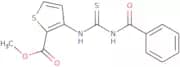
Formula:C8H8N2Purity:Min. 95%Color and Shape:PowderMolecular weight:132.16 g/molMethyl 3-(((phenylcarbonylamino)thioxomethyl)amino)thiophene-2-carboxylate
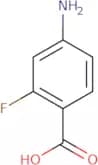
CAS:Please enquire for more information about Methyl 3-(((phenylcarbonylamino)thioxomethyl)amino)thiophene-2-carboxylate including the price, delivery time and more detailed product information at the technical inquiry form on this pageFormula:C14H12N2O3S2Purity:Min. 95%Color and Shape:PowderMolecular weight:320.39 g/mol4-Amino-2-fluorobenzoic acid
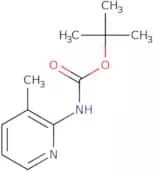
CAS:4-Amino-2-fluorobenzoic acid is a potent inhibitor of formylating enzymes, such as carbonyl reductase and amino acid formyltransferase. It has been shown to be an effective inhibitor of cancer cells in vivo and inhibits the growth of prostate cancer cells. This compound has also been shown to inhibit nitro reduction reactions, which are involved in the carcinogenic process. 4-Amino-2-fluorobenzoic acid reacts with chloride ions to produce a functional group that can react with carbon nanotubes, making it a candidate for use in cancer therapy.Formula:C7H6FNO2Purity:Min. 95%Color and Shape:SolidMolecular weight:155.13 g/mol2-(Boc-amino)-3-methylpyridine
CAS:2-(Boc-amino)-3-methylpyridine is a cytotoxic agent that has been shown to inhibit the proliferation of cancer cells. It is a potent cytotoxic agent that can be used to treat cancer. 2-(Boc-amino)-3-methylpyridine inhibits the growth of cancer cells by inhibiting the activity of B-Raf, a protein involved in cell proliferation and apoptosis. The anticancer properties are due to its ability to inhibit protein synthesis in cells by inhibiting the enzyme carbinolamine N-methyltransferase, which is required for the synthesis of methionine. 2-(Boc-amino)-3-methylpyridine also inhibits DNA and RNA synthesis in cells. This drug has been shown to have antiangiogenic effects, which may be due to its ability to inhibit vascular endothelial growth factor (VEGF) production.
END>Formula:C11H16N2O2Purity:Min. 95%Color and Shape:PowderMolecular weight:208.26 g/mol2’-Amino-2’-deoxy-β-D-arabinouridine
CAS:2’-Amino-2’-deoxy-β-D-arabinouridine is a modified nucleoside based on uridine, in which the 2'-hydroxyl group of the sugar has been replaced with an amino group, and the sugar itself is arabinose (a stereoisomer of ribose). This compound is of possible interest in nucleic acid chemistry and antisense or RNA-interference research.
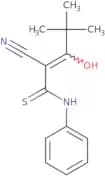
Formula:C9H13N3O5Purity:Min. 95%Color and Shape:solid.Molecular weight:243.22 g/mol2-(2,2-dimethylpropanoyl)-3-(phenylamino)-3-sulfanylprop-2-enenitrile
CAS:Please enquire for more information about 2-(2,2-dimethylpropanoyl)-3-(phenylamino)-3-sulfanylprop-2-enenitrile including the price, delivery time and more detailed product information at the technical inquiry form on this pagePurity:Min. 95%4-Phenoxybenzylamine
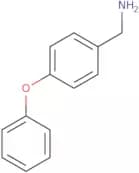
CAS:4-Phenoxybenzylamine is a cardiac stimulant that belongs to the group of l-type calcium channel blockers. It is a highly potent and selective blocker of voltage-gated L-type calcium channels in myocytes, which are cells that make up the muscle tissue of the heart. 4-Phenoxybenzylamine has been shown to be effective against resistant strains and can be used to optimize sodium channels in recombinant cells. This drug also blocks potassium channels, which may lead to an antiseizure effect. 4-Phenoxybenzylamine is hydrophobic and can be given orally.
END>>Formula:C13H13NOPurity:Min. 95%Color and Shape:Clear LiquidMolecular weight:199.25 g/mol1-((2,5-dichlorophenyl)sulfonyl)-5-methylthio-1,2,4-triazole-3-ylamine
CAS:Please enquire for more information about 1-((2,5-dichlorophenyl)sulfonyl)-5-methylthio-1,2,4-triazole-3-ylamine including the price, delivery time and more detailed product information at the technical inquiry form on this pagePurity:Min. 95%2-Aminobenzimidazole
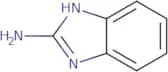
CAS:2-Aminobenzimidazole is a fluorescent compound that has been used as a probe for the detection of hydrogen bonding interactions. It is also an antihypertensive drug and has been shown to inhibit the growth of prostate cancer cells. 2-Aminobenzimidazole is able to pass through the mitochondrial membrane, which may be due to its ability to transport protons across this membrane. This drug has been shown to inhibit bowel disease by reducing inflammation and increasing bowel motility. The mechanism of action has not yet been elucidated, but it is thought that 2-aminobenzimidazole may work by altering proton flow across the mitochondrial membrane or by inhibiting the release of proinflammatory factors from immune cells.Formula:C7H7N3Purity:Min. 95%Color and Shape:PowderMolecular weight:133.15 g/molethyl 2-(4-((4-phenoxyphenyl)amino)-3,5-thiazolyl)acetate
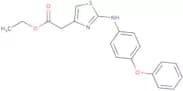
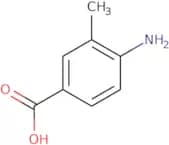
CAS:Please enquire for more information about ethyl 2-(4-((4-phenoxyphenyl)amino)-3,5-thiazolyl)acetate including the price, delivery time and more detailed product information at the technical inquiry form on this pagePurity:Min. 95%4-Amino-3-methylbenzoic acid
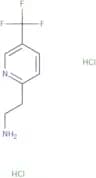
CAS:4-Amino-3-methylbenzoic acid is a chemical compound that can be synthesized from 4-Methylbenzoic acid and sodium carbonate. It has been used in the treatment of cervical cancer and leishmania. The synthesis of this drug is an example of a chemical reaction in which a carboxylic acid is reacted with sodium carbonate to give an ester and sodium bicarbonate. This process requires the use of trifluoroacetic acid. The resulting drug also has antiviral properties, as it inhibits HIV infection by blocking reverse transcriptase activity. 4-Amino-3-methylbenzoic acid was also shown to have anti-inflammatory properties, which may be due to its ability to inhibit prostaglandin synthesis.Formula:C8H9NO2Purity:Min. 95%Color and Shape:Brown PowderMolecular weight:151.16 g/mol2-(5-Trifluoromethyl-pyridin-2-yl)ethylamine 2HCl
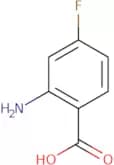
CAS:2-(5-Trifluoromethyl-pyridin-2-yl)ethylamine 2HCl is a fine chemical that can be used as a building block in the synthesis of other compounds. It is also a useful reagent and a speciality chemical, which means it is typically used for research purposes only. This compound has shown to have high quality and versatility, and is often used as an intermediate in the synthesis of complex compounds.Formula:C8H9F3N2H2Cl2Purity:Min. 95%Color and Shape:White PowderMolecular weight:263.09 g/mol2-Amino-4-fluorobenzoic acid
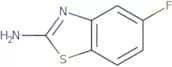
CAS:2-Amino-4-fluorobenzoic acid is a nitrogenous heterocyclic compound. It is an analog of the epidermal growth factor (EGF), which can bind to the EGF receptor and stimulate cell growth and differentiation. 2-Amino-4-fluorobenzoic acid has been shown to have anticancer activity in vitro, as well as in vivo. The synthetic process for this compound involves nitrous acid, hydrochloric acid, and frequency reactions. This product is used industrially for the preparation of other compounds.Formula:C7H6FNO2Purity:Min. 95%Color and Shape:PowderMolecular weight:155.13 g/mol2-Amino-5-fluorobenzothiazole
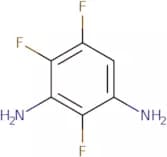
CAS:2-Amino-5-fluorobenzothiazole is a synthetic compound that is used as an agrochemical. It has low efficiency and can be found in tissue culture. The biological properties of this compound are not fully understood. It has been shown to have potential antitumor activity and may be able to inhibit tyrosine kinase. 2-Amino-5-fluorobenzothiazole is also found in the inorganic section of the periodic table. This compound is water soluble, but does not dissolve well in organic solvents such as acetone or chloroform. 2-Amino-5-fluorobenzothiazole also has agricultural applications, being used as a pesticide and for controlling tuberculosis in animals.Formula:C7H5FN2SPurity:Min. 95%Color and Shape:PowderMolecular weight:168.19 g/mol2,4,5-Trifluorophenylene-1,3-diamine
CAS:2,4,5-Trifluorophenylene-1,3-diamine is an isomer of 2,4,5-trifluorophenol. It is a colorless liquid that is soluble in ether and hexafluorobenzene. This compound can be used as a heat stabilizer in polymers and has been shown to yield high yields (over 95%) when polymerized with maleic anhydride. The compound also has the ability to coordinate to oxygen atoms and assemble into larger structures such as rings or chains. 2,4,5-Trifluorophenylene-1,3-diamine reacts with amines to form hydrogen bonds and exhibits amino groups on its structure that are important for calorimetry measurements.
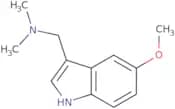
Formula:C6H5F3N2Purity:90%Color and Shape:PowderMolecular weight:162.11 g/mol5-Methoxygramine
CAS:Controlled Product5-Methoxygramine is a metabolic intermediate which is an analog of 5-hydroxytryptamine (5-HT). It has been shown to increase blood pressure and reduce the activity of the 5-HT2C receptor. This drug also has been found to inhibit the growth of some cancer cells in vitro, but it does not affect normal cells. It can be used as a tool for identifying compounds that may have similar effects. The binding affinity of 5-methoxygramine for the 5-HT2C receptor was measured by displacement experiments with 3H-spiperone. The effect of this compound on dopamine release from rat striatal slices was studied by measuring electrical activity in isolated heart preparations. The effect of this compound on leishmania infection was studied using infected mice and isolated heart preparations.
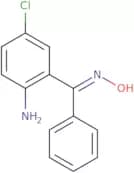
Formula:C12H16N2OPurity:Min. 95%Color and Shape:PowderMolecular weight:204.27 g/mol2-Amino-5-chlorobenzophenone oxime
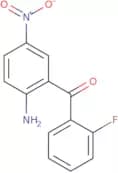
CAS:2-Amino-5-chlorobenzophenone oxime is a drug that belongs to the class of hydrazides. It was originally developed as an antidepressant and it has been shown in animal experiments to have antidepressant effects. 2-Amino-5-chlorobenzophenone oxime inhibits the enzyme monoamine oxidase, which is responsible for breaking down amines such as serotonin and norepinephrine. This inhibition leads to increased levels of these neurotransmitters in the brain, which may be responsible for its antidepressant effect. 2-Amino-5-chlorobenzophenone oxime also has analgesic properties, with yields of up to 86%.Formula:C13H11ClN2OPurity:Min. 85 Area-%Color and Shape:PowderMolecular weight:246.69 g/mol2-Amino-5-nitro-2'-fluorobenzophenone
CAS:2-Amino-5-nitro-2'-fluorobenzophenone is a prodrug that is activated by thiourea, a chemical agent that is used to break down the drug. It is an anti-inflammatory drug that acts as a selective COX inhibitor and has been shown to be effective in vivo against primary tumors. 2-Amino-5-nitro-2'-fluorobenzophenone has also been shown to have antiangiogenic properties and has been used to treat inflammatory diseases such as arthritis and psoriasis. This drug can be radiolabeled with carbon, fluorine, or iodine isotopes for use in positron emission tomography (PET) imaging of primary tumors. The drug binds to response elements on cells through electrostatic interactions between the molecular orbitals of the 2 amino groups and the nucleophilic centers of these molecules.
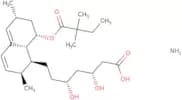
Formula:C13H9FN2O3Purity:Min. 95%Color and Shape:PowderMolecular weight:260.22 g/molSimvastatin hydroxy acid ammonium salt
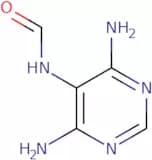
CAS:Simvastatin is a hydrated, acylated statin that is used as a lipid-lowering drug. It inhibits HMG-CoA reductase, an enzyme that plays a central role in cholesterol biosynthesis. The reaction solution can be activated by mixing with an acyltransferase and the desired acyl group. Simvastatin has a toxicity profile that includes myopathy, rhabdomyolysis, and liver failure. Simvastatin also inhibits lipoprotein lipase and prevents the hydrolysis of triglycerides to fatty acids and glycerol. This leads to reduced levels of low-density lipoproteins (LDLs) and increased levels of high-density lipoproteins (HDLs). Simvastatin is converted into an amide form by enzymatic cleavage, which may lead to metabolic inhibition.Formula:C25H43NO6Purity:Min. 98 Area-%Color and Shape:White PowderMolecular weight:453.61 g/mol4,6-Diamino-5-(formylamino)pyrimidine hydrochloride
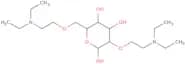
CAS:4,6-Diamino-5-(formylamino)pyrimidine hydrochloride (4,6-dA-FAP) is a nucleic acid polymerase chain reaction probe that binds to damaged DNA. It can be used to identify the presence of nuclear DNA in human polymorphonuclear leukocytes. 4,6-Diamino-5-(formylamino)pyrimidine hydrochloride is also known as a redox indicator and has been shown to have antioxidant properties. This drug is not toxic at physiological levels, but it has been found to be an inhibitor of a number of enzymes. 4,6-Diamino-5-(formylamino)pyrimidine hydrochloride has been used in studies on cancer tissues and biological samples.Formula:C5H7N5O•HClPurity:Min. 95%Color and Shape:PowderMolecular weight:189.6 g/mol2-(Diethylamino)ethyl cellulose
CAS:DEAE-C is a cationic resin used in ion-exchange chromatography, a type of column chromatography for the separation and purification of proteins, nucleic acids, and charged molecules. Structurally, DEAE-C contains cellulose gel matrix beads which are derivatised with Diethylaminoethanol (DEAE). Negatively charged molecules and proteins are locked onto the matrix surface, until released by increasing the salt concentration or changing the PH in the mobile phase.
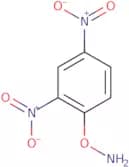
Color and Shape:White PowderO-(2,4-Dinitrophenyl)hydroxylamine
CAS:O-(2,4-dinitrophenyl)hydroxylamine is a synthetic compound that binds to the enzyme bound site of the cap-dependent endonuclease. It is an inhibitor of influenza virus replication in vitro and has shown inhibitory activity against murine leukemia virus. O-(2,4-dinitrophenyl)hydroxylamine is also a model for the study of aminoglycoside antibiotics. The compound inhibits aminoglycoside-induced protein synthesis in eukaryotic cells and may be useful in understanding the mechanism of action and resistance to these antibiotics.Formula:C6H5N3O5Purity:Min. 98 Area-%Color and Shape:Yellow PowderMolecular weight:199.12 g/molEnisamium iodide
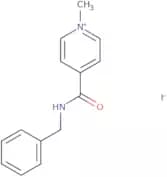
CAS:Enisamium iodide is an antiviral agent synthesized from isonicotinic acid derivatives, which is a small molecule inhibitor of viral RNA polymerase. It interferes with the replication process of various viruses by inhibiting the activity of RNA-dependent RNA polymerase, crucial for viral genome synthesis. Enisamium iodide exhibits its antiviral properties by impeding the replication of single-stranded RNA viruses, thereby mitigating viral propagation in host cells.Formula:C14H15N2O•IPurity:90%Color and Shape:PowderMolecular weight:354.19 g/molAc-Asp-Glu-Val-Asp-AMC ammonium salt
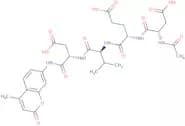
CAS:Ac-Asp-Glu-Val-Asp-AMC ammonium salt is a small molecule that is used as a tool to study apoptosis in vitro. Ac-Asp-Glu-Val-Asp-AMC ammonium salt induces apoptosis by blocking the mitochondrial membrane potential and inducing the release of cytochrome c from mitochondria into the cytoplasm. This drug also induces activation of caspase 3, which initiates the cascade of events leading to cell death. Ac-Asp-Glu-Val-Asp-AMC ammonium salt has been shown to have an antiangiogenic effect on hl60 cells. This effect may be due to its ability to inhibit expression of survivin, a protein that protects cells from apoptosis. The efficacy of this drug in an experimental model has been shown to be dependent on toll like receptor (TLR) signaling pathways and mitochondrial function.br>Formula:C30H37N5O13•NH3Purity:Min. 97 Area-%Color and Shape:PowderMolecular weight:692.67 g/molMethyl 5-amino-2-methylbenzoate
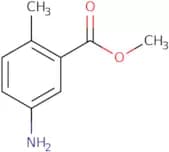
CAS:Methyl 5-amino-2-methylbenzoate is a potent inhibitor of the B-Raf protein, which is involved in cell proliferation and differentiation. Methyl 5-amino-2-methylbenzoate has been shown to inhibit the growth of cancer cells in vitro and in vivo. Methyl 5-amino-2-methylbenzoate inhibits the activity of b-Raf (a protein that plays a role in cell proliferation and differentiation) by binding to its ATP site and blocking phosphorylation. This inhibition leads to decreased cellular activity, resulting in tumor regression. Methyl 5-amino-2-methylbenzoate also shows efficacy against other proteins, such as BclxL, HSP90, and NF1. It does this by inhibiting their ATP sites and preventing them from functioning properly. For these reasons, methyl 5-amino-2-methylbenzoate is considered a promising drug for fighting cancer.Formula:C9H11NO2Purity:Min. 95%Color and Shape:PowderMolecular weight:165.19 g/mol4,5-Diamino-6-chloropyrimidine
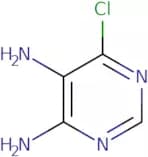
CAS:4,5-Diamino-6-chloropyrimidine is a glycosidic compound that has been used for the optimization of drug targets. It has been shown to have antimalarial activity against Plasmodium falciparum in vitro and in vivo. 4,5-Diamino-6-chloropyrimidine binds to the amine groups on nucleotides, specifically purines (adenine and guanine), and amidates the 6-chloropurine ring. This makes it a potential candidate for use in chemotherapy. The structure of 4,5-diamino-6-chloropyrimidine was determined by NMR and mass spectroscopy analysis.Formula:C4H5ClN4Purity:Min. 95%Molecular weight:144.56 g/molAminophylline
CAS:Controlled ProductPhosphodiesterase inhibitor
Formula:(C7H8N4O2)2•C2H8N2Purity:Min. 95%Color and Shape:White PowderMolecular weight:420.43 g/mol4'-Dimethylaminoacetophenone
CAS:4'-Dimethylaminoacetophenone is a fluorescent probe that has been shown to be a potential use for measuring the activation energy of radical chain reactions. It has been shown to have synergistic effects with hydroxyl group radicals, and can be used as an indicator for carbon tetrachloride. The fluorescence properties of 4'-dimethylaminoacetophenone are dependent on the polarity of the solvent in which it is dissolved. This compound is a colorless liquid that is soluble in acetonitrile, but insoluble in water. 4'-Dimethylaminoacetophenone also has sunscreen properties, which may be due to its ability to absorb UV radiation.
Formula:C10H13NOPurity:Min. 95%Color and Shape:PowderMolecular weight:163.22 g/mol2-Amino-3-[[[4-(2-methylpropyl)phenyl]methylene]amino]-2-butenedinitrile
CAS:Please enquire for more information about 2-Amino-3-[[[4-(2-methylpropyl)phenyl]methylene]amino]-2-butenedinitrile including the price, delivery time and more detailed product information at the technical inquiry form on this pageFormula:C15H16N4Purity:Min. 95%Color and Shape:PowderMolecular weight:252.31 g/molN-Amino-D-proline
CAS:N-Amino-D-proline is a hydrogen bond donor that has phytotoxic properties. It is synthesized from the reaction of ethanolamine, sulfoxide, and hydrochloric acid in the presence of lysine residues. N-Amino-D-proline may be used to treat death due to tissue injury or degeneration. The compound can also be used in chromatographic techniques as a hydrogen bond acceptor.
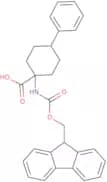
Formula:C5H10N2O2Purity:Min. 95%Color and Shape:PowderMolecular weight:130.15 g/molFmoc-cis-1-amino-4-phenyl-cyclohexane carboxylic acid
CAS:Fmoc-cis-1-amino-4-phenyl-cyclohexane carboxylic acid is a fine chemical, useful building block, and research chemical. It is a versatile building block that can be used in the synthesis of complex compounds such as pharmaceuticals and agrochemicals. Fmoc-cis-1-amino-4-phenyl-cyclohexane carboxylic acid has been shown to react with various other compounds to form useful intermediates, which can be used to produce more complex molecules. This compound has also been shown to have reagent properties.Formula:C28H27NO4Purity:Min. 95%Color and Shape:PowderMolecular weight:441.52 g/molN-Methyldioctylamine
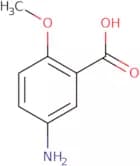
CAS:N-Methyldioctylamine is a biodegradable, water soluble, and non-toxic chemical that can be used as an alternative to caustic soda for wastewater treatment. It removes organic matter from industrial effluents by breaking down long chain hydrocarbons into smaller fragments and reacts with the hydroxyl group of proteins to form hydroxylamines. N-Methyldioctylamine has been shown to inhibit protease activity in wild-type strains of bacteria, such as Escherichia coli and Pseudomonas aeruginosa. It also inhibits hematopoietic cells from developing into mature cells by disrupting the biochemical composition of their membranes. N-Methyldioctylamine is reactive with fatty acids and amines found in mammalian tissue samples. This compound can be used as a sample preparation agent or analytical reagent for caproic acid, which is used in process optimization applications.Formula:C17H37NPurity:Min. 95%Color and Shape:Clear LiquidMolecular weight:255.48 g/mol5-Amino-2-methoxybenzoic acid
CAS:5-Amino-2-methoxybenzoic acid (5AMBA) is a hydrogen bond acceptor that binds to peptides and rna. It also has enzymatic activity, which can be used in the treatment of diseases such as Alzheimer's disease. 5AMBA is a small molecule that contains two methoxy groups and one hydrogen. It has been shown to bind to an intramolecular hydrogen bond within a peptide or rna sequence and inhibit enzymatic activity. This inhibition occurs by removing the nucleophile from the enzyme's active site or by sterically hindering access to the enzyme's active site. The luminescent properties of 5AMBA make it an ideal candidate for fluorescent labeling, with applications in biomolecular research.
Formula:C8H9NO3Purity:Min. 95%Color and Shape:PowderMolecular weight:167.16 g/mol4-Aminobenzanilide
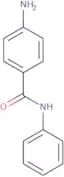
CAS:4-Aminobenzanilide is an antimicrobial agent that is synthesized from 2-aminobenzamide and 4-aminophenol. It has been shown to be effective against a number of bacteria, including Staphylococcus aureus and Streptococcus pyogenes. 4-Aminobenzanilide has also been shown to inhibit the growth of Mycoplasma pneumoniae in mammalian cells, which may be due to its ability to block DNA replication and transcription. This compound can also disrupt the synthesis of amides by inhibiting the enzyme aminopeptidase N. The low energy required for this reaction makes it possible for this compound to work as an antimicrobial agent with minimal toxicity.Formula:C13H12N2OPurity:Min. 95%Color and Shape:PowderMolecular weight:212.25 g/molDiethylenetriamine
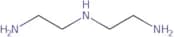
CAS:Controlled ProductDiethylenetriamine is a chemical compound that has been studied extensively in the field of biological research. It is a metal chelator, meaning it binds to heavy metals, and can be used to remove them from the body. Diethylenetriamine is also an antimicrobial agent that has been shown to have a protective effect on the liver against gadolinium-induced lesions. It is used for wastewater treatment as well as metal carbonyls and metal-hydroxides reactions, such as electrochemical impedance spectroscopy. Diethylenetriamine can also be used in human immunoglobulin synthesis and Langmuir adsorption isotherm studies. Diethylenetriamine has been shown to bind with human serum proteins by hydrogen bonding interactions, which may explain its effects on the liver.
Formula:C4H13N3Purity:Min. 98 Area-%Color and Shape:Clear LiquidMolecular weight:103.17 g/mol4-Aminothiobenzamide
CAS:4-Aminothiobenzamide (4ATB) is a chemical compound that is used as an anticancer agent and an antimicrobial agent. It has been shown to have antitumor activity against human liver cancer cells and anticancer activity against human adrenergic receptor-positive lung cancer cells. 4ATB binds to the chloride ion present in the cell membrane, which prevents the influx of chloride ions into the cell. This leads to an increase in intracellular pH and disruption of cellular functions. 4ATB has also been shown to inhibit methicillin-resistant Staphylococcus aureus (MRSA) infections by inhibiting bacterial growth and reducing the production of proteins vital for cell division.Formula:C7H8N2SPurity:Min. 95%Color and Shape:PowderMolecular weight:152.22 g/mol3-Cysteinylacetaminophen trifluoroacetic acid salt
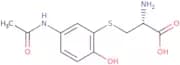
CAS:Acetaminophen is a common pain reliever and fever reducer. It is available over-the-counter in many countries. Acetaminophen is a member of the class of drugs known as analgesic, antipyretic, and anti-inflammatory drugs (APAP). The drug has been shown to be effective for acute pain relief, but not for chronic pain. Acetaminophen has also been found to be an effective analgesic when taken at high doses (above 1000 mg per day) for more than one week. In vivo studies have shown that acetaminophen inhibits mitochondrial membrane potential in hk-2 cells and cd-1 mice. This inhibition leads to apoptosis and cell death. Acetaminophen is not associated with serious side effects when used at the recommended dose, although it can lead to liver damage if taken in large quantities or on a prolonged basis.Formula:C11H14N2O4S·xC2HO2F3Purity:(%) Min. 95%Color and Shape:Brown PowderMolecular weight:270.31 g/molBoc-L-4-Aminophenylalanine
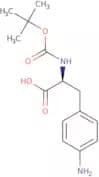
CAS:Boc-L-4-Aminophenylalanine is an amino acid that has been shown to be synthesized by cancer cells in breast cancer cell lines, and can also be conjugated with anticancer drugs. It has been shown to have a high affinity for cancer cells. Boc-L-4-Aminophenylalanine is a substrate for L type amino acid transporters and can be used for the treatment of breast cancer. This compound may also be useful in the treatment of other cancers due to its ability to inhibit the uptake of endogenous amino acids.
Formula:C14H20N2O4Purity:Min. 97 Area-%Color and Shape:White PowderMolecular weight:280.32 g/molN-(1-Naphthyl)ethylenediamine dihydrochloride
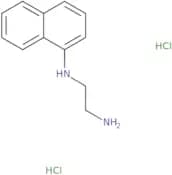
CAS:N-(1-Naphthyl)ethylenediamine 2HCl is a diazonium salt that is used as an analytical reagent for the determination of nitrite ion in biological samples. It can be prepared by reacting 1-naphthylamine with ethylenediamine and hydrochloric acid. The optimum concentration of N-(1-naphthyl)ethylenediamine 2HCl is between 0.5 and 1.0 M, which should be determined before use. Sulphuric acid or sodium hydroxide can be added to adjust the pH of the solution to around 2.5, although this may change the color of the solution from orange to yellow. The reaction product is then extracted into chloroform and dried over anhydrous sodium sulphate or magnesium sulfate, followed by filtration and evaporation under reduced pressure at 40°C until dryness. The final product is stored in a dark place away fromFormula:C12H14N2•2HClPurity:(Titration) Min. 98%Color and Shape:White PowderMolecular weight:259.17 g/mol(6S)-5,6,7,8-Tetrahydro-6-[propyl[2-(2-thienyl)ethyl]amino]-1-naphthalenol
CAS:Controlled Product(6S)-5,6,7,8-Tetrahydro-6-[propyl[2-(2-thienyl)ethyl]amino]-1-naphthalenol is a potent and selective dopamine receptor agonist. It acts by binding to the dopamine receptors in the brain. This binding stimulates the release of dopamine and prevents it from being reabsorbed into the neurons, which in turn increases levels of extracellular dopamine in the synapse. (6S)-5,6,7,8-Tetrahydro-6-[propyl[2-(2-thienyl)ethyl]amino]-1-naphthalenol has been shown to have antidepressant effects in animal models of depression. It also has a long half life and can be administered as a transdermal patch for prolonged relief from depression symptoms.Formula:C19H25NOSPurity:Min. 95%Color and Shape:White Off-White PowderMolecular weight:315.47 g/mol2-[N-[(3,5-Difluorophenyl)carbamoylamino]-C-methylcarbonimidoyl]pyridine-3-carboxylic acid
CAS:2-[N-[(3,5-Difluorophenyl)carbamoylamino]-C-methylcarbonimidoyl]pyridine-3-carboxylic acid (2FPC) is a potent herbicide that inhibits the fatty acid synthase enzyme and blocks cellular energy production. Fatty acid synthase is an important enzyme in the synthesis of essential fatty acids and this inhibition can lead to a number of health complications. 2FPC also inhibits epidermal growth factor receptor (EGFR) and glucocorticoid receptors, which can lead to autoimmune diseases. The compound has been shown to produce neurotoxic effects in animals and humans, including optical sensor activation and cation channel modulation. 2FPC is used as a herbicide to control weeds such as knapweed. It is also used as an anti-inflammatory agent in the treatment of rheumatoid arthritis.Formula:C15H12F2N4O3Purity:Min. 97 Area-%Color and Shape:PowderMolecular weight:334.28 g/mol2-Amino-4-bromocinnamic acid
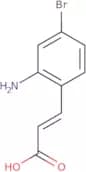
CAS:2-Amino-4-bromocinnamic acid is a fine chemical with a CAS number of 914636-63-8. It is used in the synthesis of complex compounds and useful building blocks, as well as in research. This compound has been shown to be an intermediate for the preparation of derivatives with potential pharmaceutical applications, such as antihistamines, antipsychotics, and antibiotics. 2-Amino-4-bromocinnamic acid is also an important reagent for organic syntheses.
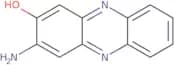
Formula:C9H8BrNO2Purity:Min. 98 Area-%Color and Shape:PowderMolecular weight:242.07 g/mol3-Amino-phenazin-2-ol
CAS:3-Amino-phenazin-2-ol is a pesticide that has been shown to have genotoxic effects on human lymphocytes in vitro. 3-Amino-phenazin-2-ol inhibits the growth of triticum aestivum, a type of cereal plant, by binding to the aminoacids in the cell wall and disrupting its structure. This leads to cell death and inhibits the synthesis of proteins necessary for cellular growth. The herbicide has also been shown to inhibit the growth of typhimurium at high concentrations and may be used as an herbicide or pesticide. The mechanism by which 3-amino phenazin 2-ol exerts its toxicity is not fully understood, but it may be due to its ability to activate cells that are exposed to low energy levels.
Formula:C12H9N3OPurity:Min. 95%Color and Shape:PowderMolecular weight:211.22 g/mol2-[2-(2-t-Boc-aminoethoxy)ethoxy]ethanol
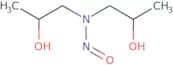
CAS:2-[2-(2-t-Boc-aminoethoxy)ethoxy]ethanol is a versatile chemical building block that can be used to synthesize a variety of compounds. It has been shown to be useful as a reaction component in the synthesis of pharmaceuticals and agrochemicals. The compound is also used as an intermediate for the preparation of other compounds. 2-[2-(2-t-Boc-aminoethoxy)ethoxy]ethanol is soluble in organic solvents, such as chloroform, ethanol, or acetone. It has a CAS number of 139115-92-7 and is relatively easy to purify by recrystallization from methanol.Formula:C11H23NO5Purity:Min. 95%Color and Shape:Clear LiquidMolecular weight:249.3 g/molN-Nitrosobis(2-hydroxypropyl)amine
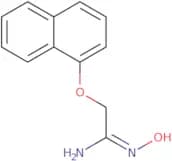
CAS:N-Nitrosobis(2-hydroxypropyl)amine is a polymerase chain reaction (PCR) enhancer that has been shown to be carcinogenic in experimental animals. It is used as a synthetic retinoid, which results in the conversion of thyroxine to triiodothyronine by the thyroid gland. N-Nitrosobis(2-hydroxypropyl)amine is also used as an experimental model for squamous cell carcinoma and tumors. It causes tumor development by inhibiting DNA synthesis and increasing cellular proliferation, which leads to liver lesions and carcinomas in animal models.Formula:C6H14N2O3Purity:Min. 95%Color and Shape:Yellow PowderMolecular weight:162.19 g/molN-Hydroxy-2-(1-naphthalenyloxy)ethanimidamide
CAS:Please enquire for more information about N-Hydroxy-2-(1-naphthalenyloxy)ethanimidamide including the price, delivery time and more detailed product information at the technical inquiry form on this pageFormula:C12H12N2O2Purity:Min. 95%Color and Shape:PowderMolecular weight:216.24 g/mol6-Chlorotryptamine
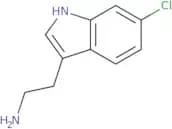
CAS:Controlled Product6-Chlorotryptamine is an indole alkaloid that is found in plants such as "Inula helenium". It has vasoconstrictive properties, which is due to its ability to inhibit the enzyme tryptophan decarboxylase. This inhibition leads to a decrease in serotonin levels, which causes blood vessels to narrow and slows blood flow. 6-Chlorotryptamine also inhibits protein synthesis by preventing the cross-coupling of amino acids. The compound can be found in a number of natural sources, including aerocolonigenes and plant species such as "Inula helenium" and "Lysimachia nummularia".
Formula:C10H11ClN2Purity:Min. 98 Area-%Color and Shape:PowderMolecular weight:194.66 g/molCetyltrimethylammonium bromide
CAS:Cetyltrimethylammonium bromide is a cationic surfactant that is used in analytical methods. It functions as a carrier for nanoparticles and has been used to prepare sephadex g-100, an affinity chromatography matrix. Cetrimide is an organic compound that has antimicrobial activity against Gram-positive bacteria. The antimicrobial activity can be increased by adding benzalkonium chloride, which inhibits the enzyme cyclase. Cetrimide also has the ability to inhibit the synthesis of bacterial proteins by binding to 16S ribosomal RNA. This protein synthesis inhibition leads to cell death by inhibiting the production of proteins vital for cell division.Formula:C19H42BrNPurity:Min. 95%Color and Shape:White PowderMolecular weight:364.45 g/molEthyl 2-amino-4,5,6,7-tetrahydro-1-benzothiophene-3-carboxylate
CAS:Ethyl 2-amino-4,5,6,7-tetrahydro-1-benzothiophene-3-carboxylate is an antibacterial agent that inhibits the growth of bacteria by binding to amines and metal ions. It also has in vitro anticancer activity against cancer cells. Ethyl 2-amino-4,5,6,7-tetrahydro-1-benzothiophene-3-carboxylate has been shown to have antiinflammatory activity in rats.Formula:C11H15SNO2Purity:Min. 95%Color and Shape:PowderMolecular weight:225.31 g/molAminopterin
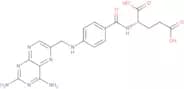
CAS:Aminopterin is an antineoplastic agent and antifolate, which is a synthetic derivative of pteroylglutamic acid. It functions as a chemotherapeutic agent by inhibiting dihydrofolate reductase, an enzyme crucial in the folic acid pathway, thereby preventing the conversion of dihydrofolate to tetrahydrofolate. This disruption leads to impaired synthesis of purine nucleotides and thymidylate, which are essential for DNA synthesis and cell division.Formula:C19H20N8O5Purity:Min. 97 Area-%Color and Shape:Slightly Yellow PowderMolecular weight:440.41 g/mol5-Aminophthalide
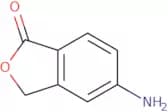
CAS:5-Aminophthalide is a chemical compound that can be found as an oxidation product in cellular structures. It has been shown to have cancer-inhibiting properties and may be used for the treatment of prostate carcinoma. 5-Aminophthalide is a molecule that has two isomers, one with two chlorine atoms and one with three chlorine atoms. The molecule contains functional groups such as carbonyl, amine, and nitro groups. These functional groups are important for its activity and can bind to the enzyme dehydrogenase in bacteria, which is involved in the biosynthesis of guanine nucleotides. 5-Aminophthalide inhibits bacterial growth by binding to this enzyme and preventing it from functioning normally. This causes an accumulation of guanine nucleotides within cells, which prevents them from dividing.
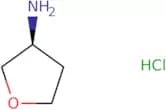
Formula:C8H7NO2Purity:Min. 95%Color and Shape:Off-White PowderMolecular weight:149.15 g/mol(S)-Tetrahydrofuran-3-amine hydrochloride
CAS:Please enquire for more information about (S)-Tetrahydrofuran-3-amine hydrochloride including the price, delivery time and more detailed product information at the technical inquiry form on this page
Formula:C4H9NO•HClPurity:Min. 95%Color and Shape:SolidMolecular weight:123.58 g/mol6-Amino-1-hexanethiol hydrochloride
CAS:6-Amino-1-hexanethiol hydrochloride is a monolayer with an affinity for basic proteins, such as theophylline. The binding of 6-aminohexanethiol hydrochloride to theophylline has been shown to be linear and specific in electrochemical methods. 6-Aminohexanethiol hydrochloride immobilized on a surface binds theophylline with high affinity. This compound was also found to bind phosphatidylcholine, which is a major component of biological membranes. It has been demonstrated that 6-aminohexanethiol hydrochloride can be used as a functional group for immobilizing biomolecules on surfaces.Formula:C6H15NS•HClPurity:Min. 95%Color and Shape:PowderMolecular weight:169.72 g/mol(1-(4-Diethylamino)phenyl)-2-nitroethane
CAS:1-(4-Diethylamino)phenyl)-2-nitroethane is a reagent that is used as a building block in the synthesis of various heterocycles. It has been shown to be useful for the preparation of many heterocyclic compounds. The compound is also used as a research chemical and as a precursor to other organic compounds. 1-(4-Diethylamino)phenyl)-2-nitroethane is also an intermediate in the production of other speciality chemicals, such as pharmaceuticals, dyes, and pesticides.Formula:C12H18N2O2Purity:Min. 95%Molecular weight:222.28 g/mol2-Amino-4,6-dichloro-s-triazine
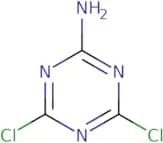
CAS:2-Amino-4,6-dichloro-s-triazine is a chemical compound that is used as an antimicrobial agent in wastewater treatment. It inhibits the growth of bacteria by binding to cell walls and disrupting the formation of crosslinks between peptidoglycan strands, thereby inhibiting the synthesis of proteins necessary for bacterial growth and reproduction. 2-Amino-4,6-dichloro-s-triazine has been shown to be effective against group p2 bacteria in cell culture experiments. This drug also displays antiinflammatory properties and has been shown to inhibit HIV infection in vitro.
Formula:C3H2Cl2N4Purity:Min. 95%Color and Shape:White To Light (Or Pale) Yellow SolidMolecular weight:163.965654-Amino-2-chlorobenzoic acid methyl ester
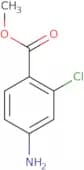
CAS:4-Amino-2-chlorobenzoic acid methyl ester (4ACBME) is a chemical compound that has been used in the treatment of autoimmune diseases. It acts as an immunoreceptor and regulatory molecule by binding to specific receptors on the surface of lymphocytes, which are cells that play a central role in the immune system. 4ACBME also inhibits the production of inflammatory molecules, such as TNF-α, IL-1β, IL-6 and IL-8. The regression of tissue inflammation was observed in animal models after 4ACBME treatment. This compound has been shown to have no genotoxic impurities in vitro studies and its molecular descriptors are consistent with those found for other immunoreceptors.Formula:C8H8ClNO2Purity:Min. 95%Color and Shape:White PowderMolecular weight:185.61 g/molLofepramine
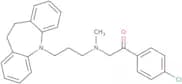
CAS:Serotonin and norepinephrine reuptake inhibitor; anti-depressant
Formula:C26H27ClN2OPurity:Min. 95%Color and Shape:PowderMolecular weight:418.96 g/molDMAPS
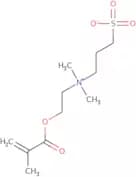
CAS:A hygroscopic, zwitterionic monomer used in the synthesis of polysulfobetaines.Formula:C11H21NO5SPurity:(Total Nitrogen) Min. 98%Color and Shape:PowderMolecular weight:279.35 g/molN,N-Diethyl-N-(4-iodobenzyl)amine
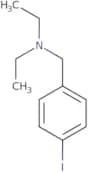
CAS:N,N-Diethyl-N-(4-iodobenzyl)amine is a high quality and versatile building block that is used as a reagent, speciality chemical, or intermediate. The compound has been found to be useful in the synthesis of complex compounds. It can also be used as a reaction component for various organic synthesis reactions. N,N-Diethyl-N-(4-iodobenzyl)amine is commercially available from Sigma Aldrich with CAS No. 914636-94-5.
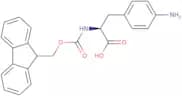
Formula:C11H16INPurity:Min. 95%Color and Shape:PowderMolecular weight:289.16 g/molFmoc-4-amino-L-phenylalanine
CAS:Fmoc-4-amino-L-phenylalanine is a molecule with the amino acid, aminophenylalanine, that is used in devices to detect epithelial cells. It has been functionalized with a fluoro group and can be used as a fluorescent probe for the detection of epithelial cells. Fmoc-4-amino-L-phenylalanine can also be used to diagnose tumors and tumor cells by detecting their presence in urine samples. This peptide has been shown to have anti-tumor properties when it interacts with the tumor cell membrane, which may be due to its ability to inhibit protein synthesis and induce apoptosis.
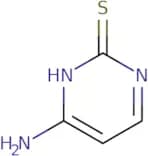
Formula:C24H22N2O4Purity:Min. 97 Area-%Color and Shape:Off-White PowderMolecular weight:402.44 g/mol4-Amino-2-mercaptopyrimidine
CAS:4-Amino-2-mercaptopyrimidine is a model system for coordination geometry and the hydroxyl group. It has been shown to have an x-ray crystal structure that can be used to study human serum, activated viruses, and other biological properties. 4-Amino-2-mercaptopyrimidine has been synthesized using a flow system and kinetic energy. The protonation state of 4-amino-2-mercaptopyrimidine is dependent on the pH of the solution and it can exist as two tautomers.
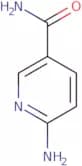
Formula:C4H5N3SPurity:Min. 97 Area-%Color and Shape:White PowderMolecular weight:127.17 g/mol6-Aminonicotinamide
CAS:6-Aminonicotinamide is an experimental drug that has shown promising results in animal studies. This compound may be useful for the treatment of cancer, due to its ability to inhibit reactive oxygen species and maintain mitochondrial membrane potential. 6-Aminonicotinamide also has a protective effect against radiation-induced cell damage, as it prevents oxidative injury to DNA and protein. In addition, 6-aminonicotinamide can stimulate the proliferation of pluripotent cells, which are cells that have the ability to differentiate into any type of cell in the body. Finally, this compound was shown to have antitumor effects by inhibiting squamous carcinoma tumor growth in experimental models.Formula:C6H7N3OPurity:Min. 95%Color and Shape:PowderMolecular weight:137.14 g/molHistamine diphosphate
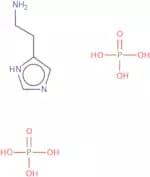
CAS:Controlled ProductEndogenous ligand for histamine receptors; neurotransmitter
Formula:C5H9N3•(H3PO4)2Purity:Min. 95%Color and Shape:PowderMolecular weight:307.14 g/mol1-[[5-(p-Nitrophenyl)furfurylidene]amino]-hydantoin sodium
CAS:Dantrolene sodium is a muscle relaxant that belongs to the group of pharmacological agents. It is used to treat muscle spasms and hyperactivity in patients with neuromuscular disorders. Dantrolene sodium inhibits calcium release by blocking the activity of the enzyme ryanodine receptor in skeletal muscle cells. This inhibition prevents uncontrolled contraction of muscles and reduces their energy consumption. The drug also has an effect on malignant hyperthermia, which is caused by an increase in the production of adenosine triphosphate (ATP) due to increased cellular metabolism. Dantrolene sodium can inhibit ATP synthesis, thus reducing energy production and stabilizing cell membranes, thereby preventing cell death in neurons and other tissues.
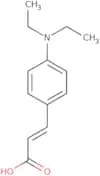
Formula:C14H10N4O5•NaPurity:Min. 95%Color and Shape:Yellow PowderMolecular weight:337.24 g/mol4-(N,N-Diethylamino)cinnamic acid
CAS:4-(N,N-Diethylamino)cinnamic acid is a dye-sensitized solar cell sensitizer that has been synthesized from thiophene and acrylic acid. This compound is efficient in dye-sensitized solar cells and can be used to produce solar cells with an efficiency of over 10%.
Formula:C13H17NO2Purity:Min. 95%Color and Shape:PowderMolecular weight:219.28 g/molN-Methylbutylamine
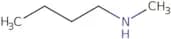
CAS:N-Methylbutylamine is a pharmaceutical drug that belongs to the class of amines. It is used as a hydrogen bond donor in some organic reactions. N-Methylbutylamine has been shown to have cytotoxic effects on prostate cancer cells and has been used for the treatment of this type of cancer. This drug also has a fluorescent derivative, which can be used in the detection of water vapor. The amine group of N-Methylbutylamine is involved in catalysis by enzymes and organometallic compounds. The optimum pH for this molecule is 7, with an activation energy at 20 degrees Celsius of 42 kilojoules per mole.
N-Methylbutylamine has also been shown to inhibit kinesin, an important protein involved in cellular transport.Formula:C5H13NPurity:Min. 95%Color and Shape:Clear LiquidMolecular weight:87.17 g/mol


![2-Chloro-9-cyclohexyl-N-[4-(4-morpholinyl)phenyl]-9H-purin-6-amine](/_next/image/?url=https%3A%2Fstatic.cymitquimica.com%2Fproducts%2F3D%2Fthumb-webp%2FFC20176.webp&w=3840&q=75)

![2-[Amino(2-oxo-2H-1-benzopyran-3-yl)methylene]propanedinitrile](/_next/image/?url=https%3A%2Fstatic.cymitquimica.com%2Fproducts%2F3D%2Fthumb-webp%2FFA169776.webp&w=3840&q=75)
![[2-(1,3-Benzoxazol-2-yl)ethyl]amine hydrochloride](/_next/image/?url=https%3A%2Fstatic.cymitquimica.com%2Fproducts%2F3D%2Fthumb-webp%2FFB123800.webp&w=3840&q=75)

![6-amino-3-methyl-4-(3-nitrophenyl)-4H-pyrano[3,2-d]pyrazole-5-carbonitrile](/_next/image/?url=https%3A%2Fstatic.cymitquimica.com%2Fproducts%2F3D%2Fthumb-webp%2FFA169032.webp&w=3840&q=75)
![[1-(Pyrrolidin-1-ylcarbonyl)propyl]amine hydrochloride](/_next/image/?url=https%3A%2Fstatic.cymitquimica.com%2Fproducts%2F3D%2Fthumb-webp%2FFP130638.webp&w=3840&q=75)




![2-Amino-3-[[[4-(2-methylpropyl)phenyl]methylene]amino]-2-butenedinitrile](/_next/image/?url=https%3A%2Fstatic.cymitquimica.com%2Fproducts%2F3D%2Fthumb-webp%2FFA168997.webp&w=3840&q=75)



![(6S)-5,6,7,8-Tetrahydro-6-[propyl[2-(2-thienyl)ethyl]amino]-1-naphthalenol](/_next/image/?url=https%3A%2Fstatic.cymitquimica.com%2Fproducts%2F3D%2Fthumb-webp%2FFT76640.webp&w=3840&q=75)
![2-[N-[(3,5-Difluorophenyl)carbamoylamino]-C-methylcarbonimidoyl]pyridine-3-carboxylic acid](/_next/image/?url=https%3A%2Fstatic.cymitquimica.com%2Fproducts%2F3D%2Fthumb-webp%2FFD101726.webp&w=3840&q=75)
![2-[2-(2-t-Boc-aminoethoxy)ethoxy]ethanol](/_next/image/?url=https%3A%2Fstatic.cymitquimica.com%2Fproducts%2F3D%2Fthumb-webp%2FFB18924.webp&w=3840&q=75)




![1-[[5-(p-Nitrophenyl)furfurylidene]amino]-hydantoin sodium](/_next/image/?url=https%3A%2Fstatic.cymitquimica.com%2Fproducts%2F3D%2Fthumb-webp%2FFN44999.webp&w=3840&q=75)