Amines
Amines are a set of molecules containing an amino functional group (derived from ammonia). This category includes amines at any level of substitution : primary, secondary, tertiary, and ammonium salts. Amines are fundamental in organic synthesis and are widely used in pharmaceuticals, agrochemicals, and materials science. At CymitQuimica, we provide a comprehensive selection of amines to meet your research and industrial needs. Our range ensures access to various amines for diverse chemical processes and innovative research.
Subcategories of "Amines"
- Nitrosamines(2,606 products)
- Primary Amines(30,805 products)
- Quaternary Ammonium Cations and Salts(1,099 products)
- Secondary Amines(20,809 products)
- Tertiary Amines(17,111 products)
Found 8777 products of "Amines"
Sort by
Purity (%)
0
100
|
0
|
50
|
90
|
95
|
100
3-Amino-4-methylbenzamide
CAS:<p>3-Amino-4-methylbenzamide is an interchemical that can be utilized to synthesize naphthol. 3-Amino-4-methylbenzamide is an amide that has been shown to have a molecular modeling structure of a conformation. The interaction of 3-amino-4-methylbenzamide with the P38 kinase enzyme has been shown to inhibit the activity of this enzyme, which may lead to its use as a drug for the treatment of inflammation.</p>Formula:C8H10N2OPurity:Min. 95%Color and Shape:PowderMolecular weight:150.18 g/molDirect Red 16
CAS:<p>Direct Red 16 is a dye that reacts with acids to form an intensely red compound. It is used in research and as a reagent for the production of other dyes. Direct Red 16 is also used as a building block in the synthesis of complex molecules, such as pharmaceuticals and dyes.</p>Formula:C26H17N5Na2O8S2Purity:Min. 95%Molecular weight:639.57 g/molAcetaminophen cysteine
CAS:<p>Acetaminophen cysteine is a prodrug of acetaminophen that is metabolized by the liver into acetaminophen. Acetaminophen cysteine has been shown to be safe and effective in children with fever-associated pain and as an analgesic for acute pain management in adults. It has a good safety profile, with minimal toxicity observed at therapeutic doses. Acetaminophen cysteine may be useful for patients who are unable to take or do not respond to standard doses of acetaminophen due to intolerance or lack of response. The pharmacokinetics of acetaminophen cysteine have been studied in healthy volunteers, as well as in patients with chronic renal failure and hepatic impairment. Pharmacokinetic data suggest that acetaminophen cysteine is well tolerated and can be used as an alternative treatment for patients who are unable to take or do not respond to standard doses of acetaminophen.</p>Formula:C11H14N2O3SPurity:Min. 98 Area-%Color and Shape:PowderMolecular weight:254.31 g/mol2N-Boc-2',2''-triaminotriethylamine-bis(chloroacetamide)
CAS:<p>2N-Boc-2',2''-triaminotriethylamine-bis(chloroacetamide) is a fine chemical and reagent for the synthesis of pharmaceuticals. It is also a useful building block for the synthesis of complex compounds. This product can be used as a reaction component in organic chemistry, or it can be used as a reagent in research or development laboratories.</p>Formula:C15H28Cl2N4O4Purity:Min. 95%Molecular weight:399.31 g/mol[2-(1H-Benzimidazol-1-yl)ethyl]amine dihydrochloride
CAS:<p>2-(1H-Benzimidazol-1-yl)ethyl]amine dihydrochloride is a lead compound that has been shown to have antibacterial activity. It is a potent inhibitor of bacterial ribonucleotide reductase and thus inhibits DNA synthesis. The homology model of the enzyme shows that the chemical could bind to the active site and inhibit the production of ATP, preventing cell division. 2-(1H-Benzimidazol-1-yl)ethyl]amine dihydrochloride has been shown to have an effect on Clostridium and Bacillus anthracis, with MIC values of 1.0 µg/mL and 0.5 µg/mL respectively. This chemical also has potential for use as a drug in humans due to its lack of toxicity in mice at high doses (LD50 = 5 g/kg).</p>Formula:C9H11N3·2HClPurity:Min. 95%Color and Shape:White PowderMolecular weight:234.13 g/mol4-(N,N-Dimethylamino)benzaldoxime
CAS:<p>4-(N,N-Dimethylamino)benzaldoxime is an efficient method for the detection of cinnamic acid and its esters. It reacts with aldehydes to form 4-nitrosobenzaldehyde products that are detectable by ultraviolet spectroscopy. The reaction takes place in aqueous solutions with a pH range of 5-8 and is catalyzed by an enzyme called carboxylate. This reaction has been shown to be useful for the detection of cinnamic acid and its esters in food, tobacco smoke, and other samples.</p>Formula:C9H12N2OPurity:Min. 95%Color and Shape:PowderMolecular weight:164.2 g/mol(Aminomethylamino)((4-chlorophenyl)amino)methane-1-thione
CAS:<p>Please enquire for more information about (Aminomethylamino)((4-chlorophenyl)amino)methane-1-thione including the price, delivery time and more detailed product information at the technical inquiry form on this page</p>Formula:C8H10ClN3SPurity:Min. 95%Color and Shape:PowderMolecular weight:215.7 g/mol3-Acetylbenzylamine hydrochloride
CAS:<p>3-Acetylbenzylamine hydrochloride is a versatile building block that can be used as a reagent, speciality chemical, and useful scaffold. It is a complex compound with CAS No. 149889-64-5 that has been shown to have fine chemical characteristics. 3-Acetylbenzylamine hydrochloride is also a high quality research chemical that has been shown to be useful in the synthesis of various products, such as pharmaceuticals and organic compounds. 3-Acetylbenzylamine hydrochloride can be used as an intermediate for reactions in the production of fine chemicals, such as pharmaceuticals or organic compounds.</p>Formula:C9H12ClNOPurity:Min. 95%Color and Shape:PowderMolecular weight:185.65 g/molEthyl 2-amino-2-methyl-1-propionate hydrochloride
CAS:<p>Ethyl 2-amino-2-methyl-1-propionate hydrochloride is a cyclic compound that is a member of the amide family. It is a herbicide that inhibits the growth of plants by blocking the synthesis of proteins, which are vital for plant growth. This compound may be useful as a preemergence herbicide because it has low toxicity to mammals and insects. Ethyl 2-amino-2-methyl-1-propionate hydrochloride has shown herbicidal activity in wheat, but not in other plants such as corn, tobacco, or rice. The herbicidal activity may be due to the inhibition of protein synthesis.</p>Formula:C6H13NO2•HClPurity:Min. 95%Molecular weight:167.63 g/mol(R)-(+)-2,2'-Diamino-1,1'-binaphthalene
CAS:<p>(R)-(+)-2,2'-Diamino-1,1'-binaphthalene is a diammonium salt that is synthesized from fatty acids. This molecule is used in the detection of cancer cells in tissue samples. (R)-(+)-2,2'-Diamino-1,1'-binaphthalene has been shown to be an effective agent against cancer cells and can be used as a diagnostic tool for tissues with cancer cells. The mechanism of action of (R)-(+)-2,2'-Diamino-1,1'-binaphthalene is not yet clear; however it may involve intramolecular hydrogen transfer reactions or coordination chemistry.</p>Formula:C20H16N2Purity:Min. 98 Area-%Color and Shape:White PowderMolecular weight:284.35 g/mol1-(2-Aminoethyl)adamantane
CAS:<p>Adamantane is a small molecule that can be used in diagnosis. It is a potent inhibitor of serine proteases and has been used as a model for the study of these enzymes. Adamantane binds to the active site of serine proteases, forming an intramolecular hydrogen bond with the catalytic serine residue. Adamantane inhibits in vitro the activity of pepsin, chymotrypsin, and trypsin. The inhibition of chymotrypsin by adamantane has been shown to be selective over other serine proteases. Adamantane can also inhibit lysosomal phospholipase A2 (LP-PLA2) activity, which may lead to diagnostic applications for neurodegenerative diseases such as Alzheimer's disease or Parkinson's disease.</p>Formula:C12H21NPurity:Min. 95%Color and Shape:Clear LiquidMolecular weight:179.3 g/mol4-(Aminosulfonyl)-7-fluoro-2,1,3-benzoxadiazole
CAS:<p>4-(Aminosulfonyl)-7-fluoro-2,1,3-benzoxadiazole (AFB) is a reagent that has been used to detect the presence of galacturonic acid in cell culture. It is also a potent inhibitor of enzymes such as catalase and peroxidase. AFB binds to the sulfhydryl groups on enzymes, thereby preventing them from performing their catalytic function. The reducing power of AFB can be used as an indicator of the redox potentials in a sample. When AFB reacts with trifluoroacetic acid, it forms a disulfide bond and changes its color from yellow to blue. This change can be detected by UV spectroscopy or other analytical methods.</p>Formula:C6H4FN3O3SPurity:Min. 95%Color and Shape:PowderMolecular weight:217.18 g/molDiclofenac diethylamine
CAS:<p>Diclofenac diethylamine is a biocompatible polymer that is used to deliver the drug diclofenac. It has been shown to have optimum concentrations of diclofenac in the eye and transdermally, but not in the bowel. Diclofenac diethylamine also has anti-inflammatory activity, which may be due to its ability to inhibit prostaglandin synthesis. The drug is an antimicrobial agent that is active against bacteria, such as Escherichia coli and Enterobacter aerogenes.</p>Formula:C14H11Cl2NO2·C4H11NPurity:Min. 98 Area-%Color and Shape:PowderMolecular weight:369.28 g/mol7-[4-(4-Fluorophenyl)-6-(1-methylethyl)-2-(N-methyl-N-methylsulfonyl-amino)-pyrimidin-5-yl]-3,5-dihydroxy-hept-6-enoic acid ethyl es ter
CAS:<p>Rosuvastatin is a statin drug that inhibits cholesterol synthesis by inhibiting the enzyme HMG-CoA reductase. Rosuvastatin has been shown to reduce high-sensitivity C-reactive protein (hsCRP) and low-density lipoprotein cholesterol (LDL-C), which are risk factors for cardiovascular disease, in patients with hypercholesterolemia. Rosuvastatin also has a high degree of potency and specificity for the HMG-CoA reductase enzyme and shows no significant cross-reactivity with other HMG-CoA reductase inhibitors. Rosuvastatin is metabolized by CYP3A4 and CYP2C9. Drugs that inhibit these enzymes may increase the plasma levels of rosuvastatin, while drugs that induce these enzymes may decrease the plasma levels of rosuvastatin.</p>Formula:C24H32FN3O6SPurity:Min. 95%Color and Shape:PowderMolecular weight:509.59 g/molN-Acetyl-5-hydroxytryptamine
CAS:<p>N-Acetyl-5-hydroxytryptamine is a compound that can be synthesized from the amino acid tryptophan and has been shown to have hypoglycemic effects. It is also found in pineal gland and other organs, where it binds to DNA and alters gene expression. N-Acetyl-5-hydroxytryptamine has been shown to bind to response elements in the promoter region of protein genes, which may lead to a significant upregulation of these genes. This compound also has chemiluminescent properties, which can be measured using a cdna clone.</p>Formula:C12H14N2O2Purity:Min. 98 Area-%Color and Shape:PowderMolecular weight:218.25 g/mol(+/-)-Fmoc-cis-2-aminocyclopentane carboxylic acid
CAS:<p>Fmoc-cis-(1R,2S)-2-aminocyclopentane carboxylic acid is a versatile building block that is used in the synthesis of many important compounds. It can be used as a scaffold for organic synthesis and can be converted to an intermediate for peptides and proteins. Fmoc-cis-(1R,2S)-2-aminocyclopentane carboxylic acid is also useful in chemical reactions due to its high reactivity, including reactions with thiols, amines, alcohols, and others. This compound has been shown to form complexes with metals such as palladium or platinum.</p>Formula:C21H21NO4Purity:Min. 96 Area-%Color and Shape:White PowderMolecular weight:351.4 g/molMethyl 4-amino-3-methylbenzoate
CAS:<p>Methyl 4-amino-3-methylbenzoate is an aromatic compound that belongs to the class of achyranthes bidentata. It can be synthesized by reacting butyryl chloride with methyl 3-nitrobenzoate. The five-membered ring in this molecule is derived from the reaction of three molecules of butyryl chloride with one molecule of methyl 3-nitrobenzoate. This reaction produces a number of possible products, including methyl 4-amino-3-methylbenzoate and 2,2,2-trichloroethyl 4-(4'-nitrophenyl)butanoate. The synthesis optimizes the reaction conditions by using a catalytic reduction technique. This reduces the amount of anilines produced and increases the yield of desired product (i.e., methyl 4-amino-3-methylbenzoate).</p>Formula:C9H11NO2Purity:Min. 95%Molecular weight:165.19 g/molO-(2-Aminoethyl)-O'-(2-azidoethyl)heptaethylene glycol
CAS:<p>O-(2-Aminoethyl)-O'-(2-azidoethyl)heptaethylene glycol is a PEG compound with two different functional groups (also known as heterobifunctional). Unlike homobifunctional PEG compounds (same functional group on both ends), this type of compounds are more versatile as have two different anchor points. O-(2-Aminoethyl)-O'-(2-azidoethyl)heptaethylene glycol is used as a linker and spacer to add a PEG moiety, via pegylation (a bioconjugation technique) to proteins, peptides, oligonucleotides, small molecules and nanoparticles.</p>Formula:C18H38N4O8Purity:Min. 95%Color and Shape:Colorless PowderMolecular weight:438.52 g/mol1-Pyrazin-2-ylpiperidin-4-amine dihydrochloride
CAS:<p>1-Pyrazin-2-ylpiperidin-4-amine dihydrochloride is a fine chemical that is used as an intermediate for the synthesis of research chemicals, speciality chemicals and other complex compounds. This compound has been shown to be useful in the synthesis of a variety of building blocks, including pharmaceuticals and agrochemicals. It can be used in reactions with a wide range of reagents and catalysts, which makes it an excellent starting point for new product development.</p>Formula:C9H14N4·2HClPurity:Min. 95%Color and Shape:PowderMolecular weight:251.16 g/mol1-(3-Pyridinyl)cyclopropanamine bis-4-nitrobenzoate
CAS:<p>1-(3-Pyridinyl)cyclopropanamine bis-4-nitrobenzoate salt is a fine chemical that is used as a versatile building block in the synthesis of complex compounds. It is also used as a reagent or speciality chemical in research, and to make useful building blocks and intermediates. 1-(3-Pyridinyl)cyclopropanamine bis-4-nitrobenzoate salt is a useful scaffold for the synthesis of compounds with biological activity.</p>Formula:C8H10N2•(C7H5NO4)2Purity:Min. 95%Color and Shape:Light (Or Pale) Yellow SolidMolecular weight:468.41 g/molN,N'-Bis(2,2,6,6-tetramethylpiperidin-4-yl)hexane-1,6-diamine,2,4,6-trichloro-1,3,5-triazine,2,4,4-trimethylpentan-2-amine
CAS:<p>Bis(2,2,6,6-tetramethylpiperidin-4-yl)hexane-1,6-diamine is a nonionic hydroxyl compound and an additive in polyolefins. It is used as a polymerization initiator or accelerator for the preparation of polyolefin plastics. Bis(2,2,6,6-tetramethylpiperidin-4-yl)hexane-1,6-diamine can be used to prepare polymers by polymerization with olefins such as ethylene and propylene. The chemical stability of this compound makes it suitable for use in sample preparation before analysis by mass spectrometry. Bis(2,2,6,6-tetramethylpiperidin-4-yl)hexane-1,6-diamine is reactive with radiation and fatty acids and has been shown to have stabilizing properties for plasma mass</p>Formula:C35H69Cl3N8Purity:Min. 95%Color and Shape:PowderMolecular weight:708.33 g/mol2-Hydroxy trimipramine
CAS:<p>Trimipramine is a drug used to treat depression. It is an alicyclic compound that has been shown to have antidepressant effects in humans and animal models. Trimipramine can be detected in human plasma using liquid chromatography, with the enantiomer being separated from the racemate by chiral stationary phase. Trimipramine has been shown to have an effect on clinical response and plasma concentrations of other drugs, such as trifluoroacetic acid, when administered concurrently. Trimipramine also has interactions with other drugs through its inhibition of cytochrome P450 enzymes.</p>Formula:C20H26N2OPurity:Min. 95 Area-%Color and Shape:PowderMolecular weight:310.43 g/mol(4-Methoxyphenyl)-(2,4,5-trimethoxybenzylidene)-amine
CAS:<p>4-Methoxyphenyl-(2,4,5-trimethoxybenzylidene)-amine is a chemical compound that is used as a research chemical and a building block for the synthesis of other chemicals. It has been shown to be useful as an intermediate in the synthesis of complex compounds. The product is typically used as a reaction component in organic chemistry. It can also be used as a reagent or as an additive to other chemicals. 4-Methoxyphenyl-(2,4,5-trimethoxybenzylidene)-amine is high quality and has many uses in research and industry.</p>Formula:C16H16BrNO3Purity:Min. 95%Molecular weight:350.21 g/molCHES
CAS:<p>2-(N-Cyclohexylamino)ethanesulfonic acid, also known as CHES, is a biological cyclohexylamino buffer with an optimal pH range of 8.6-10.0 and a pKa of 9.5. It has poor metal ion coordination and is suitable for applications above physiological pH.</p>Formula:C8H17NO3SPurity:(Titration) 98.0 To 102.0%Color and Shape:PowderMolecular weight:207.29 g/mol5-Aminofluorescein
CAS:<p>5-Aminofluorescein is a fluorescence probe that is used to detect the presence of reactive groups on basic fibroblast cells. 5-Aminofluorescein reacts with an ionotropic gelation agent and forms a fluorescent gel when it contacts cells. The fluorescent gel penetrates the cell membrane and binds to enzymes, which will cause the release of cellular energy in the form of heat. This energy can be measured by calorimetry or by measuring the change in fluorescence. 5-Aminofluorescein has been shown to have significant cytotoxicity against malignant brain tumor cells, which may be due to its ability to penetrate into these cells and bind to DNA. It also has antimicrobial properties and can be used as a titration indicator for certain drugs, such as antibiotics.</p>Formula:C20H13NO5Purity:Min. 95 Area-%Color and Shape:PowderMolecular weight:347.32 g/mol6-Amino-1-benzyluracil
CAS:<p>6-Amino-1-benzyluracil is a triethyl orthoformate that reacts with an aldehyde to form an imine. This reaction is known as alkylation. The imine reacts with benzamidine to form an anticancer drug called lumazine, which has been shown to be effective against cancer cells. 6-Amino-1-benzyluracil had low solubility in water and was therefore refluxed with ethyl acetoacetate and elemental acetoacetate. 6-Amino-1-benzyluracil is insoluble in the organic phase and can be removed by filtration.</p>Formula:C11H11N3O2Purity:Min. 95%Color and Shape:PowderMolecular weight:217.22 g/mol6-Hydroxyhyoscyamine
CAS:<p>6-Hydroxyhyoscyamine is a natural molecule that can bind to DNA. It has been shown to have high affinity for the 5'-GCAT-3' sequence and high specificity for the G-quadruplex structure. 6-Hydoxyhyoscyamine also has a phase transition temperature of 146°C, which may be due to the hydrogen bonds it forms with water molecules. It has been shown that 6-hydroxyhyoscyamine inhibits tumor cell growth by binding to a specific region of the promoter region of the gene encoding for growth factor β1 (GFβ1) and preventing transcription. This agent also has an inhibitory effect on tumor angiogenesis and vascular permeability, which may be related to its ability to inhibit nitric oxide production in endothelial cells. The compound is also known as anisodamine and can be used as an injection solution for patients who have had a myocardial infarct.</p>Formula:C17H23NO4Purity:Min. 97 Area-%Color and Shape:PowderMolecular weight:305.37 g/mol7-Chloro-5-(2-fluorophenyl)-2,3-dihydro-1H-1,4-benzodiazepine-2-methanamine
CAS:Controlled Product<p>Please enquire for more information about 7-Chloro-5-(2-fluorophenyl)-2,3-dihydro-1H-1,4-benzodiazepine-2-methanamine including the price, delivery time and more detailed product information at the technical inquiry form on this page</p>Formula:C16H15ClFN3Purity:Min. 95%Color and Shape:PowderMolecular weight:303.76 g/mol7-Diethylamino-3-(4'-maleimidylphenyl)-4-methylcoumarin
CAS:<p>7-Diethylamino-3-(4'-maleimidylphenyl)-4-methylcoumarin is a fluorescent probe that can be used to measure the cytosolic calcium concentration. This probe binds to heparin, which is a positive ionic charge and has been shown to cause an increase in cytosolic calcium levels in cultured cells. 7-Diethylamino-3-(4'-maleimidylphenyl)-4-methylcoumarin has been used to successfully monitor changes in cytosolic calcium levels in response to pharmacological agents, such as the monoclonal antibody TNF-α. 7-Diethylamino-3-(4'-maleimidylphenyl)-4-methylcoumarin has also been used as a marker for tissue culture studies, where it was found that this molecule binds to the ryanodine receptor and alters its redox potential.</p>Formula:C24H22N2O4Purity:Min. 95%Color and Shape:PowderMolecular weight:402.44 g/mol3-Amino-2,4,6-tribromobenzoic acid
CAS:<p>3-Amino-2,4,6-tribromobenzoic acid is an antibacterial agent that has a strong interaction with the optical properties of diaminopyridine. This interaction leads to an enhancement in the fluorescence of 3-amino-2,4,6-tribromobenzoic acid. The photophysical properties of 3-amino-2,4,6-tribromobenzoic acid have been investigated by measuring its fluorescence emission in acetonitrile and zirconium chloride solutions. It has been shown that this compound is active against many bacterial strains including methicillin resistant Staphylococcus aureus (MRSA). This compound has also been shown to be effective against Mycobacterium tuberculosis and Mycobacterium avium complex.</p>Formula:C7H4Br3NO2Purity:Min. 95%Color and Shape:PowderMolecular weight:373.82 g/mol2-Aminoindane-2-carboxylic acid
CAS:<p>2-Aminoindane-2-carboxylic acid is a potent opioid analgesic with a high affinity for kappa-opioid receptors. Molecular modeling studies suggest that it binds to the receptor in an orientation similar to morphine and has a higher binding affinity than morphine. In functional assays, 2-Aminoindane-2-carboxylic acid showed low potency at the delta opioid receptor. It also has been shown to have a high affinity for the kappa opioid receptor and a low affinity for delta opioid receptors, which are associated with respiratory depression. This drug can be made from indole and carboxylic acids or by treating 2 aminoindanone with hydrochloric acid and hydrogen gas.</p>Formula:C10H11NO2Purity:Min. 95%Color and Shape:PowderMolecular weight:177.2 g/mol2-Aminoterephthalic acid dimethyl ester
CAS:<p>2-Aminoterephthalic acid dimethyl ester is a proton receptor that binds to the C-terminus of the proton receptor. It has been shown to inhibit serine protease activity and chemokine production, which may lead to dysuria. The proton receptor-binding site is composed of a five-membered heteroaryl ring with a methylthio group, which interacts with the protonated amino group at the 2 position of the 2-aminoterephthalic acid. This interaction results in an electrochemical impedance spectroscopy signal that has a low energy.</p>Formula:C10H11NO4Purity:Min. 98.5 Area-%Color and Shape:Off-White PowderMolecular weight:209.2 g/mol3-(1,1,2,2,3,3,4,4,5,5,6,6,7,7,8,8,8-Heptadecafluorooctylsulfonylamino)propyl-trimethylazanium chloride
CAS:Controlled Product<p>3-(1,1,2,2,3,3,4,4,5,5,6,6,7,7,8,8,8-Heptadecafluorooctylsulfonylamino)Propyl-Trimethylazanium Chloride is a polyfluoroalkyl sulfonate (PFAS) that belongs to the group of substances. It is used in the manufacturing of electroplating and other chemical processes. PFAS are persistent organic pollutants that can accumulate in human and environmental tissues. The PFAS was originally synthesized as an analytical reagent for chromatography columns. 3-(1,1,2,2,3 ,3 ,4 ,4 ,5 ,5 ,6 ,6</p>Formula:C14H16F17N2O2S•ClPurity:Min. 95%Color and Shape:PowderMolecular weight:634.78 g/mol4-(Methylamino)-1-(3-pyridyl)-1-butanone dihydrochloride
CAS:<p>4-(Methylamino)-1-(3-pyridyl)-1-butanone dihydrochloride (4-MBA) is a natural product that has been shown to have anti-cancer properties in vitro and in vivo. It inhibits the growth of cancer cells by inhibiting DNA synthesis and inducing apoptosis, as well as by inhibiting the production of certain proteins. 4-MBA has been shown to be effective against strains of Escherichia coli and Salmonella typhimurium. This compound is found in honeybush tea, Aspalathus linearis, and other plants, but is not present in humans or animals. 4-MBA has also been shown to inhibit nicotine metabolism in humans and rats.</p>Formula:C10H16Cl2N2OPurity:Min. 95%Color and Shape:SolidMolecular weight:251.15 g/mol3-Acetylamino-1-adamantanol
CAS:<p>3-Acetylamino-1-adamantanol is a fluorescent, non-ionic dye that is used in the preparation of coatings and optical elements. It can also be used as an oxidation catalyst for alcohols. This compound has been shown to have excellent alkaline hydrolysis and high yield in the acetonitrile process. 3-Acetylamino-1-adamantanol has been shown to react with nitro groups to form a fluorescent product. This reaction is important because it allows for the identification of explosives. 3-Acetylamino-1-adamantanol has also been found to be useful as a hologram developer or photoresist for optical discs and lenses.</p>Formula:C12H19NO2Purity:Min. 95%Color and Shape:White/Off-White SolidMolecular weight:209.28 g/mol[1-(Methoxymethyl)cyclopropyl]amine hydrochloride
CAS:<p>1-(Methoxymethyl)cyclopropyl]amine hydrochloride is a versatile building block that can be used in the synthesis of complex compounds. It has been shown to be useful as a reagent, speciality chemical, and research chemical. This compound is also a useful intermediate in the synthesis of other compounds and as a reaction component for several chemical reactions. 1-(Methoxymethyl)cyclopropyl]amine hydrochloride is high-quality and has CAS No. 1029716-05-9.</p>Formula:C5H11NO•HClPurity:Min. 95%Color and Shape:PowderMolecular weight:137.61 g/molN-Boc-hydroxylamine
CAS:<p>N-Boc-hydroxylamine is an efficient method for the preparation of epoxides from carboxylic acids. The reaction system is a ruthenium complex in trifluoroacetic acid with an effective reaction time of 20 minutes and a stereoselective transfer mechanism. The carbamic acid group on the amine reacts with the epoxide to form a hydroxamic ester. Preparation of N-Boc-hydroxylamine can be accomplished by reacting hydroxylamine with a boc-protected alcohol, which then undergoes decarboxylation.</p>Formula:C5H11NO3Purity:Min. 95%Color and Shape:White PowderMolecular weight:133.15 g/mol(S)-2-Amino-5-methoxytetralin (S)-mandelate
CAS:Controlled Product<p>Please enquire for more information about (S)-2-Amino-5-methoxytetralin (S)-mandelate including the price, delivery time and more detailed product information at the technical inquiry form on this page</p>Formula:C19H23NO4Purity:Min. 95%Molecular weight:329.39 g/molL-2-Aminobutyric acid
CAS:<p>L-2-Aminobutyric acid is a nonessential amino acid that serves as a substrate for enzymes that catalyze the alpha-elimination of hydroxyl groups. This process is used in the synthesis of proteins and other biological molecules. The L-2-Aminobutyric acid is also an analog to 2-aminoethanol, which has been shown to inhibit amyloid protein production in human serum. A synthetic route for the preparation of L-2-Aminobutyric acid has been developed using anhydrous sodium hydroxide and blood sampling from a bacterial strain. L-2-Aminobutyric acid inhibits protease activity and has been shown to have antibacterial properties. The optimum pH for this compound is 5.5, with an approximate intramolecular hydrogen bond distance of 3.1 angstroms.</p>Formula:C4H9NO2Purity:Min. 95%Color and Shape:White PowderMolecular weight:103.12 g/molN-Acetyl-5-carboxymethoxy tryptamine
CAS:<p>N-Acetyl-5-carboxymethoxy tryptamine is a versatile building block that is used as a reagent and in the synthesis of complex compounds. It can also be used as an intermediate or a reaction component in the synthesis of other compounds. This compound has been shown to have high quality and, when used as an intermediate, can serve as a useful scaffold for the synthesis of new molecules. N-Acetyl-5-carboxymethoxy tryptamine belongs to CAS No. 1397243-36-5, which is a speciality chemical that is not regulated by law.</p>Formula:C14H16N2O3Purity:Min. 95%Molecular weight:260.29 g/molEthylamine HCl
CAS:Controlled Product<p>Ethylamine HCl is the salt of ethylamine and hydrochloric acid. It is a basic compound with a high affinity for water. Ethylamine HCl has been shown to have anti-inflammatory properties, which may be due to its ability to inhibit prostaglandin synthesis. This chemical also has an important role in the formation of polymers such as cellulose and can be used to prepare other chemicals such as ethyl alcohol.</p>Formula:C2H7N·HClColor and Shape:White Off-White PowderMolecular weight:81.54 g/mol4-Aminopyridine
CAS:<p>4-Aminopyridine, sometimes abbreviated as 4-AP, is an organic compound and one of the three isomeric amines of pyridine. It is an ion channel modulator used as a research tool in characterizing subtypes of the potassium channel (K channel), which is associated with multiple sclerosis disease. 4-Aminopyridine (4AP) acts a K channel blocker that is useful clinically. It is reported that the use of 4-AP can potentially improve cognitive functions. 4-aminopyridine has shown strong evidence as potent neurotransmitter modulator with the capacity to target the damaged nervous system through blockage of voltage-gated potassium channels. This fact widen the spectrum for new therapies for another related diseases such as Parkinson.</p>Formula:C5H6N2Purity:Min. 95%Color and Shape:PowderMolecular weight:94.11 g/mol3-Cyanobenzylamine HCl
CAS:<p>3-Cyanobenzylamine HCl is a high quality chemical that is used as a reagent, intermediate, or building block in the synthesis of complex compounds. It is a fine chemical and speciality chemical that may be used as a research chemical and versatile building block for the synthesis of organic compounds. 3-Cyanobenzylamine HCl has been shown to react with other chemicals to form useful scaffolds and building blocks, such as amides, amino acid esters, and ureas.</p>Formula:C8H9ClN2Purity:Min. 95%Color and Shape:PowderMolecular weight:168.62 g/molTyramine hydrochloride
CAS:Controlled Product<p>Tyramine hydrochloride is a model system for the enzyme dopamine β-hydroxylase. Tyramine hydrochloride has shown anti-inflammatory activity, which may be due to its ability to inhibit the synthesis of prostaglandins in human serum. Tyramine hydrochloride also has been used as a cell specific reactive reagent in experiments with human cells. This compound has been shown to have optical sensor and kinetic energy properties that make it suitable for use as a model system in studies of tyrosine metabolism.</p>Formula:C8H12ClNOPurity:Min. 95%Color and Shape:White PowderMolecular weight:173.64 g/molBisbentiamine
CAS:<p>Bisbentiamine is a glycerin analog that can be used as a drug and food additive. It is an effective inhibitor of the autoimmune disease, bowel disease, and cavity. Bisbentiamine inhibits the production of reactive oxygen species and oxidative stress in skin cells by inhibiting the formation of disulfide bonds. This compound has been shown to have protective effects against inflammatory bowel disease, which may be due to its ability to inhibit fatty acid synthesis in the gut that is associated with inflammation.</p>Formula:C38H42N8O6S2Purity:Min. 95%Color and Shape:PowderMolecular weight:770.92 g/mol(1R,2S)-2-(3,4-Difluorophenyl)cyclopropanamine (2R)-Hydroxy(phenyl)ethanoate
CAS:Controlled Product<p>Intermediate in the synthesis of ticagrelor</p>Formula:C9H9F2N·C8H8O3Purity:Min. 95%Color and Shape:White PowderMolecular weight:321.32 g/mol2-Aminoisobutyric acid
CAS:<p>2-Aminoisobutyric acid (2-AIBA) is a natural compound that has been shown to have significant cytotoxicity against cancer cells. It is also thermodynamically stable and has a low toxicity in normal cells. 2-AIBA is able to cross the blood-brain barrier and can be taken up by the trigeminal nerve. It has been found to have lactogenic effects on the mammary gland, which may be due to its ability to increase prolactin levels. 2-AIBA has been shown to significantly inhibit radiation induced apoptosis in a model system of human papillary muscle cells. The uptake of 2-AIBA was found to be dependent on its ester hydrochloride form, with titration calorimetry being used for this study.</p>Formula:C4H9NO2Purity:Min. 95%Color and Shape:PowderMolecular weight:103.12 g/mol5-(4-((3-Chloro-4-((3-fluorobenzyl)oxy)phenyl)amino) quinazolin-6-yl)furan-2-carbaldehyde
CAS:<p>5-(4-((3-Chloro-4-((3-fluorobenzyl)oxy)phenyl)amino)quinazolin-6-yl)furan-2-carbaldehyde is a heterocyclic compound that has been used to study protein tyrosine kinase activity. This drug binds to the active site of the enzyme and inhibits its function by forming an irreversible covalent bond with the enzyme's reactive cysteine residue, which prevents the transfer of phosphate groups from ATP to the substrate (tyrosine).</p>Formula:C26H17ClFN3O3Purity:Min. 95%Molecular weight:473.88 g/mol[(2,5-Dichlorophenyl)sulphonyl]phenylamine
CAS:<p>[(2,5-Dichlorophenyl)sulphonyl]phenylamine is a versatile building block with a number of potential applications. It can be used as a reagent in the synthesis of complex compounds or as an intermediate in the preparation of useful scaffolds. This compound has been studied for use in the production of research chemicals and other speciality chemicals. [(2,5-Dichlorophenyl)sulphonyl]phenylamine is also a useful building block that can be used to produce high quality fine chemicals with diverse properties.</p>Formula:C12H9Cl2NO2SPurity:Min. 95%Molecular weight:302.18 g/mol2-[[(Heptadecafluorooctyl)sulphonyl]methylamino]ethyl acrylate
CAS:Controlled Product<p>2-[(Heptadecafluorooctyl)sulphonylamino]ethyl acrylate is a chemical used to remove contaminants from water. It is often used in industrial wastewater treatment, as well as for municipal and domestic wastewater treatment. This chemical binds to organic compounds and removes them from the water through adsorption. 2-[(Heptadecafluorooctyl)sulphonylamino]ethyl acrylate is also used in the filtration of surface water and drinking water. The efficacy of this chemical has been tested on humans, but it was not found to be toxic.</p>Formula:C14H10F17NO4SPurity:Min. 95%Color and Shape:PowderMolecular weight:611.27 g/mol1-(Hydroxyimino)-2-(2-nitrophenyl)ethylamine
CAS:<p>Please enquire for more information about 1-(Hydroxyimino)-2-(2-nitrophenyl)ethylamine including the price, delivery time and more detailed product information at the technical inquiry form on this page</p>Formula:C8H9N3O3Purity:Min. 95%Color and Shape:PowderMolecular weight:196.18 g/molTriammonium phosphate trihydrate
CAS:<p>Triammonium phosphate trihydrate is a white or yellowish solid that is chemically stable. It is primarily used as a molybdenum-containing coating for animal feed and in the production of hydrogen fluoride. This compound has been shown to be toxic to animals, but has low toxicity and no carcinogenicity in humans. Triammonium phosphate trihydrate has been shown to have surface properties that are conducive to the adsorption of hydroxyapatite, which may be due to its high affinity for hydrogen bonds. Triammonium phosphate trihydrate can also be used as an acid catalyst and as a precursor in the production of lithium. It can be synthesized by reacting ammonium nitrate with plasma mass spectrometry or by heating lithium chloride with ammonium nitrate. This compound is also an optical material that can be used in lithium ion batteries.</p>Formula:H12N3PO4•(H2O)3Purity:Min. 95%Color and Shape:PowderMolecular weight:203.13 g/mol3-{[(4-Methylphenyl)sulfonyl]amino}benzoic acid
CAS:<p>Please enquire for more information about 3-{[(4-Methylphenyl)sulfonyl]amino}benzoic acid including the price, delivery time and more detailed product information at the technical inquiry form on this page</p>Formula:C14H13NO4SPurity:Min. 95%Color and Shape:PowderMolecular weight:291.32 g/mol(R)-(-)-1-Aminoindane hydrochloride
CAS:Controlled Product<p>(R)-(-)-1-Aminoindane HCl is a fine chemical that is used as a versatile building block, useful intermediate, and reaction component. It has been shown to be an effective reagent for the synthesis of many complex compounds. (R)-(-)-1-Aminoindane HCl is available in high quality and can be used as a speciality chemical or research chemical.</p>Formula:C9H11N•HClPurity:Min. 95%Color and Shape:White/Off-White SolidMolecular weight:169.65 g/mol2-Amino-5-chloro-2'-fluorobenzophenone
CAS:<p>2-Amino-5-chloro-2'-fluorobenzophenone is a phenoxazine that has been used as an analytical reagent. It is also a fluorescent compound and an anxiolytic drug. 2-Amino-5-chloro-2'-fluorobenzophenone can be found in urine samples, where it may be the result of biotransformation by bacteria in the intestine or chemical reactions with nicotine or hydrochloric acid. The molecular electrostatic potentials for 2-amino-5-chloro-2'-fluorobenzophenone are calculated from vibrational spectra and the crystal x-ray diffraction pattern of its crystals. The chromatographic conditions for 2-amino-5-chloro-2'-fluorobenzophenone are determined by clinical chemistry and biodegradability, which is assessed using nmr spectra.</p>Formula:C13H9ClFNOPurity:Min. 95%Color and Shape:PowderMolecular weight:249.67 g/molN-(2-Chlorobenzyl)-1-phenylpropan-2-amine hydrochloride
CAS:Controlled Product<p>N-(2-Chlorobenzyl)-1-phenylpropan-2-amine hydrochloride (CBP) is a potent stimulant drug that is used to treat chronic pain. It has been shown to be effective in the treatment of alopecia areata and inflammatory diseases, such as Crohn's disease, ulcerative colitis, and rheumatoid arthritis. CBP blocks protein synthesis by inhibiting the activity of the enzyme dinucleotide phosphate (DNP). This inhibition leads to the accumulation of adenosine monophosphate (AMP), which inhibits cyclic AMP production and protein synthesis. CBP also prevents the binding of DNP to RNA polymerase II at promoter sites, leading to a decrease in mRNA production. As a result, CBP may inhibit protein synthesis by preventing transcription or translation.</p>Formula:C16H18ClN•HClPurity:Min. 95%Color and Shape:PowderMolecular weight:296.24 g/moltert-Butyl methyl(2-(methylamino)ethyl)carbamate
CAS:<p>Tert-Butyl methyl(2-(methylamino)ethyl)carbamate (TBMMEC) is an experimental anticancer drug that has been shown to induce the regression of a variety of cancers in animal models. TBMMEC binds to the antigen Cetuximab and its conjugates, which have been found to be effective against colorectal cancer cells. TBMMEC has also been shown to inhibit the replication of human cytomegalovirus, a virus that causes cancer in humans. This drug is currently being tested for safety and efficacy in humans.</p>Formula:C9H20N2O2Purity:Min. 95%Color and Shape:Colourless To Pale Yellow LiquidMolecular weight:188.27 g/mol(3,5-dichlorophenyl)(4-(3-nitrophenyl)(2,5-thiazolyl))amine
CAS:<p>Please enquire for more information about (3,5-dichlorophenyl)(4-(3-nitrophenyl)(2,5-thiazolyl))amine including the price, delivery time and more detailed product information at the technical inquiry form on this page</p>Purity:Min. 95%2-(2,6-Dichlorophenyl)-1-(hydroxyimino)ethylamine
CAS:<p>Please enquire for more information about 2-(2,6-Dichlorophenyl)-1-(hydroxyimino)ethylamine including the price, delivery time and more detailed product information at the technical inquiry form on this page</p>Purity:Min. 95%2-Chlorophenylphenyl-aminomethanesulphonic acid sodium salt
CAS:<p>2-Chlorophenylphenyl-aminomethanesulphonic acid sodium salt is a fine chemical that is a useful building block in research and development. It can be used as a reagent, a CAS No. 132141-36-7, or as a speciality chemical. This compound has been used as an intermediate in the synthesis of complex compounds. It also acts as a versatile building block for various reactions and has been used as a scaffold for the synthesis of new compounds.</p>Formula:C13H11ClNO3S·NaPurity:Min. 95%Molecular weight:319.74 g/molN-(2-Amino-1,2-dinitrilovinyl)(propylamino)formamide
CAS:<p>Please enquire for more information about N-(2-Amino-1,2-dinitrilovinyl)(propylamino)formamide including the price, delivery time and more detailed product information at the technical inquiry form on this page</p>Formula:C8H11N5OPurity:Min. 95%Color and Shape:PowderMolecular weight:193.21 g/mol[5-(4-Amino-2-bromophenyl)-2-furyl]methanol
CAS:<p>5-(4-Amino-2-bromophenyl)-2-furyl]methanol (5ABF) is a fine chemical that has been shown to be an effective building block. The compound is used as a reagent in organic synthesis and can be used as a reaction component. 5ABF is also an intermediate, which can be converted into useful building blocks. 5ABF has been shown to have versatile uses in research chemicals and speciality chemicals. This chemical's CAS number is 874592-18-4. 5ABF has a high quality and is a versatile scaffold.</p>Formula:C11H10BrNO2Purity:Min. 95%Color and Shape:Slightly Yellow PowderMolecular weight:268.11 g/mol3-((4-Acetylphenyl)amino)-2-phenylinden-1-one
CAS:<p>Please enquire for more information about 3-((4-Acetylphenyl)amino)-2-phenylinden-1-one including the price, delivery time and more detailed product information at the technical inquiry form on this page</p>Formula:C23H17NO2Purity:Min. 95%Color and Shape:PowderMolecular weight:339.39 g/molN-Propyl-4,5,6,7-tetrahydrobenzo[D]thiazol-6-amine
CAS:<p>N-Propyl-4,5,6,7-tetrahydrobenzo[D]thiazol-6-amine hydrochloride is a chemical intermediate or reagent used in the synthesis of other substances. It is a white solid that is soluble in water and has a melting point of 154°C. This chemical has been shown to be useful as a building block for the synthesis of many different substances. N-Propyl-4,5,6,7-tetrahydrobenzo[D]thiazol-6-amine hydrochloride is also an effective starting material for research chemicals with versatile applications.</p>Formula:C14H15N3SPurity:Min. 95%Molecular weight:257.36 g/mol4-Bromo-2-(trifluoromethyl)benzylamine hydrochloride
CAS:<p>4-Bromo-2-(trifluoromethyl)benzylamine hydrochloride is a versatile building block useful for the synthesis of complex compounds. It is also a research chemical, which is used as a reaction component and a speciality chemical. 4-Bromo-2-(trifluoromethyl)benzylamine hydrochloride has high purity and can be used as a reagent in the synthesis of new pharmaceuticals or fine chemicals.</p>Formula:C8H7BrF3N•HClPurity:Min. 95%Color and Shape:PowderMolecular weight:290.51 g/mol2-(4-Ethoxyphenylamino)-4-(3-methyl-4-fluorophenyl)thiazole
CAS:<p>Please enquire for more information about 2-(4-Ethoxyphenylamino)-4-(3-methyl-4-fluorophenyl)thiazole including the price, delivery time and more detailed product information at the technical inquiry form on this page</p>Purity:Min. 95%N,N-Bis-(3-aminopropyl)-methylamine
CAS:<p>N,N-Bis-(3-aminopropyl)-methylamine is a polyamine that is used as an electrolyte, a polymer, and a probe for the determination of the molecular weight of other compounds. It is also used in the preparation of N,N'-bis(3-aminopropyl)ethylenediamine and ethylenediaminetetraacetic acid (EDTA). Methylpropylamine has been shown to be an effective polymerization agent. This compound contains two aminopropyl groups that are attached to one another through an ether linkage. The molecular weight of methylpropylamine can be determined by measuring the amount of light absorbed at 280 nm or by measuring its melting point. The crystallinity can be determined by x-ray diffraction.<br>Methylpropylamine has been shown to react with sodium cyanide to form methylpropyl cyanide and hydrogen cyanide.</p>Formula:C7H19N3Purity:Min. 98%Color and Shape:Clear LiquidMolecular weight:145.25 g/mol4-Aminophthalic acid
CAS:<p>4-Aminophthalic acid is a dibutyl ester of 4-aminophenol. It is used as a substrate for the production of monoclonal antibodies (MABs) to amines or acylation reactions with fatty acids. The MABs can be used in immunoassays to measure the presence of amines and acylated fatty acids in blood samples. The reaction between 4-aminophthalic acid and p-hydroxybenzoic acid forms an ester that can be detected by magnetic resonance spectroscopy, which makes it useful for detecting p-hydroxybenzoic acid levels in urine samples.</p>Formula:C8H7NO4Purity:Min. 95%Color and Shape:Grey SolidMolecular weight:181.15 g/molZoxazolamine
CAS:<p>Zoxazolamine is a synthetic, immunosuppressive and cytotoxic agent that inhibits the enzyme activities of cytosolic Ca2+-ATPases. It has been shown to suppress antibody response in rats. Zoxazolamine also has a number of drug interactions, including inhibition of tetracycline metabolism and induction of cytochrome P450 enzymes. The experimental model for zoxazolamine is based on the T84 cell line, which is an intestinal epithelial cell line derived from human ileum. Zoxazolamine has been shown to induce toxicity in this cell line. Zoxazolamine also causes release of bile acids from rat liver microsomes and can lead to autoimmune diseases in experimental models.</p>Formula:C7H5ClN2OPurity:Min. 95%Color and Shape:PowderMolecular weight:168.58 g/mol4-Acetoxy-N-isopropyl-N-methyltryptamine
CAS:Controlled Product<p>4-Acetoxy-N-isopropyl-N-methyltryptamine (4AO-NIPMT) is a tryptamine that has been found to be a potent inhibitor of histamine release from mast cells. Its role in allergy and other conditions is not well understood. 4AO-NIPMT also inhibits the activity of the enzyme beta-glucuronidase, which is responsible for breaking down many drugs and toxins.</p>Formula:C16H22N2O2Purity:Min. 95%Molecular weight:274.36 g/mol(4-(4-(tert-butyl)phenyl)(2,5-thiazolyl))-1-naphthylamine
CAS:<p>Please enquire for more information about (4-(4-(tert-butyl)phenyl)(2,5-thiazolyl))-1-naphthylamine including the price, delivery time and more detailed product information at the technical inquiry form on this page</p>Purity:Min. 95%[3-Chloro-4-(4-isobutyrylpiperazin-1-yl)phenyl]amine
CAS:<p>3-Chloro-4-(4-isobutyrylpiperazin-1-yl)phenyl]amine is a fine chemical that can be used in the production of medicines, research chemicals, and other speciality chemicals. It has been shown to be a versatile building block with a wide range of uses. 3-Chloro-4-(4-isobutyrylpiperazin-1-yl)phenyl]amine can be used as an intermediate in organic synthesis or as a reagent to generate other chemicals. This compound is also useful as a reaction component for the production of new compounds.</p>Formula:C14H20ClN3OPurity:Min. 95%Color and Shape:PowderMolecular weight:281.78 g/mol(2-Amino-2-adamantyl)acetic acid
CAS:<p>2-Amino-2-adamantylacetic acid is a fine chemical that is used as a building block in the synthesis of many other compounds. It is also used as a research reagent and speciality chemical, and has been shown to be a versatile building block for complex molecules. This compound can be reacted with other chemicals to form useful intermediates that are used in the synthesis of pharmaceuticals and agrochemicals. 2-Amino-2-adamantylacetic acid is listed on the Chemical Abstracts Service (CAS) registry as 1573548-14-7.</p>Formula:C12H19NO2Purity:Min. 95%Color and Shape:White PowderMolecular weight:209.28 g/mol4-Amino-3-methylbenzoic acid
CAS:<p>4-Amino-3-methylbenzoic acid is a chemical compound that can be synthesized from 4-Methylbenzoic acid and sodium carbonate. It has been used in the treatment of cervical cancer and leishmania. The synthesis of this drug is an example of a chemical reaction in which a carboxylic acid is reacted with sodium carbonate to give an ester and sodium bicarbonate. This process requires the use of trifluoroacetic acid. The resulting drug also has antiviral properties, as it inhibits HIV infection by blocking reverse transcriptase activity. 4-Amino-3-methylbenzoic acid was also shown to have anti-inflammatory properties, which may be due to its ability to inhibit prostaglandin synthesis.</p>Formula:C8H9NO2Purity:Min. 95%Color and Shape:Brown PowderMolecular weight:151.16 g/mol2-(5-Trifluoromethyl-pyridin-2-yl)ethylamine 2HCl
CAS:<p>2-(5-Trifluoromethyl-pyridin-2-yl)ethylamine 2HCl is a fine chemical that can be used as a building block in the synthesis of other compounds. It is also a useful reagent and a speciality chemical, which means it is typically used for research purposes only. This compound has shown to have high quality and versatility, and is often used as an intermediate in the synthesis of complex compounds.</p>Formula:C8H9F3N2H2Cl2Purity:Min. 95%Color and Shape:White PowderMolecular weight:263.09 g/molEthylenediaminetetraacetic Dianhydride
CAS:<p>Ethylenediaminetetraacetic dianhydride (EDTA) is a dianhydride that is used in wastewater treatment. It is a strong chelating agent and reacts with metal ions to form complexes, which are then removed as sludge. EDTA also has amide groups that can react with water under acidic conditions, which increases its adsorption capacity. This compound is thermally stable and has a high chemical stability in the presence of human serum and basic fibroblasts. EDTA binds to DNA by electrostatic interactions, forming hydrogen bonds between the amine group of the EDTA molecule and the phosphate groups of DNA. This prevents cross-linking of DNA chains and results in an increased rate of DNA synthesis.</p>Formula:C10H12N2O6Purity:Min. 95%Color and Shape:PowderMolecular weight:256.21 g/mol4-tert-Butyl-2,6-dimethylbenzylamine hydrochloride
CAS:<p>4-tert-Butyl-2,6-dimethylbenzylamine hydrochloride is a versatile building block that can be used for the synthesis of many different types of chemical compounds. It is a reagent in organic synthesis and has been used as a building block for other compounds. 4-tert-Butyl-2,6-dimethylbenzylamine hydrochloride is also useful as an intermediate or scaffold in complex syntheses. This chemical has been used in research to produce 2,4,5-trichlorotoluene and 1,2,3,5,6-pentachlorocyclohexane. CAS No. 2703627-79-4</p>Formula:C13H21N·HClPurity:Min. 95%Color and Shape:PowderMolecular weight:227.77 g/molMagnesium 4-aminobenzoate
CAS:<p>Magnesium 4-aminobenzoate is a chemical compound that is used as a reaction component or reagent in organic synthesis. It has a high quality and can be used for research purposes. Magnesium 4-aminobenzoate is versatile and can be used as an intermediate in the preparation of complex compounds, such as pharmaceuticals and agrochemicals.</p>Formula:C14H12MgN2O4Purity:Min. 95%Color and Shape:PowderMolecular weight:296.56 g/mol6-amino-3-methyl-4-(3-nitrophenyl)-4H-pyrano[3,2-d]pyrazole-5-carbonitrile
CAS:<p>Please enquire for more information about 6-amino-3-methyl-4-(3-nitrophenyl)-4H-pyrano[3,2-d]pyrazole-5-carbonitrile including the price, delivery time and more detailed product information at the technical inquiry form on this page</p>Formula:C14H11N5O3Purity:Min. 95%Color and Shape:PowderMolecular weight:297.27 g/mol3-Bromobenzylamine hydrochloride
CAS:<p>3-Bromobenzylamine hydrochloride is a chemical compound that belongs to the class of alkylating agents. It is a derivative of allylamine, which is an amine and can be used in the synthesis of tripeptides. 3-Bromobenzylamine hydrochloride has been shown to be able to bind to primary amines, such as histamine, serotonin, and dopamine. It has been found to inhibit the reuptake of these neurotransmitters by blocking the transporter responsible for their uptake. This inhibition leads to increased concentrations of neurotransmitters in tissues.</p>Formula:C7H8BrN•HClColor and Shape:PowderMolecular weight:222.51 g/mol2-Butoxyethan-1-amine
CAS:<p>2-Butoxyethan-1-amine is a solvent that has been used in the production of polydimethylsiloxane, which is often found in silicone sealants and caulks. This chemical is volatilized, so it can be released into the atmosphere during its manufacture or use. The ethers are cross-linked with glycols to form polyether polyols that are heat treated to produce ethylene glycol. 2-Butoxyethan-1-amine is also an ingredient in water solutions of polydimethylsiloxane, which may include other substances such as salts. The permeation of this chemical through microns (µm) thick layers of silica gel was demonstrated using a template containing pores of various sizes and shapes. Fluoride ions were used to catalyze the reaction between 2-butoxyethan-1-amine and silica gel; this process was shown to increase the rate of permeation by up to 40%.</p>Formula:C6H15NOPurity:Min. 95%Color and Shape:Clear LiquidMolecular weight:117.19 g/mol2-Amino-6-formylpteridin-4-one
CAS:<p>2-Amino-6-formylpteridin-4-one is a reactive compound that can cause oxidative injury in humans. It has been shown to cause hydrogen bond cleavage and the loss of structural integrity in human serum. 2-Amino-6-formylpteridin-4-one also induces apoptosis by inhibiting the mitochondrial membrane potential and releasing cytochrome c from the mitochondria into the cytosol. 2-Amino-6-formylpteridin-4-one is an inhibitor of binding to anion radicals, which may be beneficial for treating skin disorders such as psoriasis.</p>Formula:C7H5N5O2Purity:Min. 97 Area-%Color and Shape:PowderMolecular weight:191.15 g/molN,N,N',N',N'',N''-Hexamethoxymethylmelamine
CAS:<p>Hexamethoxymethylmelamine (HMMM) is a polyvinyl-based polymer that can be synthesized by the cationic polymerization of hexamethoxymethylmelamine. HMMM has been shown to have a high water permeability, making it an excellent candidate for use in wastewater treatment. It also has biocompatible properties and can be chemically stable under harsh conditions, making it suitable for use in various applications.</p>Formula:C15H30N6O6Purity:Min. 95%Color and Shape:PowderMolecular weight:390.44 g/molo-Aminobenzoylglycyl-p-nitro-L-phenylalanyl-L-proline TFA salt
CAS:<p>O-Aminobenzoylglycyl-p-nitro-L-phenylalanyl-L-proline TFA salt is a synthetic, hydrophilic interaction chromatography (HIC) substrate. It has inhibitory properties and is used in biological assays to measure the activities of enzymes that catalyze the hydrolysis of the substrate. O-Aminobenzoylglycyl-p-nitro-L-phenylalanyl-L-proline TFA salt also has been shown to have bioactivities on blood pressure and cell monolayers.</p>Formula:C23H25N5O7•C2HF3O2Purity:Min. 95 Area-%Color and Shape:PowderMolecular weight:597.49 g/mol4-[[4-(4-Chlorophenyl)-2-thiazolyl]amino]phenol
CAS:<p>4-[[4-(4-Chlorophenyl)-2-thiazolyl]amino]phenol is a chemical that has been used in analytical and in vitro methods to study the cellular physiology of cells. It was found to inhibit sphingosine kinase, which is an enzyme that is involved in the synthesis of sphingosine. The inhibition of this enzyme leads to decreased levels of sphingosine and the effect on the cell. 4-[[4-(4-Chlorophenyl)-2-thiazolyl]amino]phenol can also affect mitochondrial membrane potential and cyclase activity, which may be useful for treating hyperproliferative diseases such as breast cancer.</p>Formula:C15H11ClN2OSPurity:Min. 95%Molecular weight:302.78 g/molAdrenochrome monoaminoguanidine mesilate
CAS:<p>Adrenochrome monoaminoguanidine mesilate is a synthetic drug that has been used in the treatment of cellulite, obesity, and chronic fatigue syndrome. It is an orally administered drug that causes the body to release adrenaline and noradrenaline. Adrenochrome monoaminoguanidine mesilate is a crystalline substance with a melting point of 130-140°C. The drug contains no additives or excipients other than gelatinization and cellulose.</p>Formula:C11H17N5O5SPurity:Min. 95%Color and Shape:PowderMolecular weight:331.35 g/mol2-Amino-6-chlorobenzonitrile
CAS:<p>2-Amino-6-chlorobenzonitrile is an inhibitor of butyrylcholinesterase. It inhibits the enzyme by binding to the active site and preventing the hydrolysis of acetylcholine. It also inhibits other enzymes that have a similar structure, such as acetylcholinesterase and benzodiazepine receptors. 2-Amino-6-chlorobenzonitrile can be synthesized from chloride and ammonia in two steps with high enantioselectivity. The first step is the addition of benzaldehyde to 2-aminobenzoic acid with sodium hydroxide, followed by treatment with phosphoryl chloride. The second step involves treatment with potassium cyanide to form cyanohydrin, which is then treated with hydrogen chloride gas to produce 2-amino-6-chlorobenzonitrile. This compound has been shown to inhibit acetylcholinesterase and butyry</p>Formula:C7H5ClN2Purity:Min. 95%Color and Shape:PowderMolecular weight:152.58 g/molN-Ethyl-N-nitroso-1-[3-(trifluoromethyl)phenyl]-2-propanamine
CAS:<p>Usnic acid is a dietary supplement that has been shown to have beneficial effects on the liver, including hepatoprotective and anti-inflammatory properties. Usnic acid prevents mitochondrial membrane potential from decreasing, leading to an increase in adenine nucleotide content and improved mitochondrial function. Usnic acid also reverses the inhibition of monoamine neurotransmitters caused by chemical ionization and pharmacologic agents such as acetaminophen. Usnic acid also has been shown to be effective against hepatitis A virus (HAV) infection in CD-1 mice.</p>Formula:C12H15F3N2OPurity:Min. 95%Color and Shape:Clear LiquidMolecular weight:260.26 g/mol[1-(Azepan-1-ylcarbonyl)propyl]amine hydrochloride
CAS:Controlled Product<p>Please enquire for more information about [1-(Azepan-1-ylcarbonyl)propyl]amine hydrochloride including the price, delivery time and more detailed product information at the technical inquiry form on this page</p>Formula:C10H20N2OPurity:Min. 95%Molecular weight:184.28 g/molAmmonium heptamolybdate tetrahydrate
CAS:<p>Ammonium heptamolybdate tetrahydrate (AHMT) is a lamellar crystal that has been found to have a low-energy structure. AHMT is formed by the reaction of ammonium nitrate with molybdenum trioxide, and can be prepared from a solution of ammonium sulfamate and molybdic acid. AHMT has been shown to have catalytic effect in the conversion of n-hexane to cyclohexane, as well as optical properties that are similar to those observed for other lamellar materials. AHMT has also been used clinically for the treatment of disulfides.</p>Formula:(NH4)6Mo7O24•(H2O)4Purity:Min. 95%Color and Shape:White PowderMolecular weight:1,236 g/molethyl 2-(4-(4-chlorophenylamino)-3,5-thiazolyl)acetate
CAS:<p>Please enquire for more information about ethyl 2-(4-(4-chlorophenylamino)-3,5-thiazolyl)acetate including the price, delivery time and more detailed product information at the technical inquiry form on this page</p>Purity:Min. 95%L-Alanyl-L-glutamine
CAS:<p>Stable substitute for glutamine in cell culture media</p>Formula:C8H15N3O4Purity:Min. 98 Area-%Color and Shape:White PowderMolecular weight:217.22 g/mol(4-Aminophenyl)-N-(3-(trifluoromethyl)phenyl)formamide
CAS:<p>Please enquire for more information about (4-Aminophenyl)-N-(3-(trifluoromethyl)phenyl)formamide including the price, delivery time and more detailed product information at the technical inquiry form on this page</p>Formula:C14H11F3N2OPurity:Min. 95%Color and Shape:PowderMolecular weight:280.25 g/mol(5S)-N-(5-Amino-1-carboxypentyl) iminodiacetic acid hydrate
CAS:<p>(5S)-N-(5-Amino-1-carboxypentyl) iminodiacetic acid hydrate is a sophisticated chelating agent, designed for precise control in various biochemical applications. The reactive moieties of this compound are particularly useful in affinity chromatography and surface functionalization, making it a valuable tool in both protein purification and the development of biosensors or other biotechnological applications. Affinity chromatography: As a metal-chelator, it is particularly adept at binding divalent metal cations such as Ni²⁺, Co²⁺, and Cu²⁺, which are instrumental in stabilizing protein structures or facilitating enzyme activity. When complexed with Ni²⁺ (nickel) ions (5S)-N-(5-Amino-1-carboxypentyl) iminodiacetic acid forms a surface that can specifically capture proteins engineered with a polyhistidine tag (His-tag). Such interactions facilitate the purification and isolation of target proteins with high specificity, allowing immobilization in a controlled orientation without compromising functional integrity.Surface functionalization: The free amine group allows for conjugation via strong covalent bonds to surfaces such as glass, silica, gold (e.g., electrodes), polymers, hydrogels and magnetic beads. This creates metal-functionalized surfaces for biospecific interactions with His-tagged proteins. Examples of potential applications of this include Surface Plasmon Resonance (SPR), fluorescence microscopy and use in artificial cell systems with hydrogel-based cell-mimicking environments. Thus giving (5S)-N-(5-Amino-1-carboxypentyl) iminodiacetic acid a broad scope in its application in advanced biochemical assays and materials science.</p>Formula:C10H18N2O6·xH2OPurity:Min. 95 Area-%Color and Shape:White PowderMolecular weight:262.26 g/mol6-Amino-2,4-dichlorophenol
CAS:<p>6-Amino-2,4-dichlorophenol is an organic solution that has been shown to inhibit the uptake of quinoline derivatives by lung fibroblasts. It also inhibits cellular targets such as flavin, blood pressure and v79 cells. 6-Amino-2,4-dichlorophenol has potent antibacterial activity and a reactive nucleophilic group that can form covalent bonds with proteins in the cell membrane. 6-Amino-2,4-dichlorophenol is a reactive agent that binds to DNA and RNA in the bacterial cell's cytoplasmic membrane and inhibits protein synthesis.</p>Formula:C6H5Cl2NOPurity:Min. 95%Color and Shape:PowderMolecular weight:178.02 g/mol3-Bromo-4-fluorobenzylamine hydrochloride
CAS:<p>3-Bromo-4-fluorobenzylamine hydrochloride is a versatile building block that can be used in the preparation of complex compounds. It has been shown to be an effective reagent for research and as a speciality chemical. The compound is also useful as a reaction component or scaffold in the synthesis of high quality and useful intermediates.</p>Formula:C7H8BrClFNPurity:Min. 95%Color and Shape:White PowderMolecular weight:240.5 g/molTetrabutylammonium hydrogensulfate
CAS:<p>Tetrabutylammonium hydrogensulfate (TBAS) is a trifluoroacetic acid salt of tetrabutylammonium. It is soluble in water and alcohols and can be used as an acid catalyst for many organic reactions. TBAS reacts with ethylene diamine to form the sulfate ester, which undergoes nucleophilic substitution with hydrogen fluoride to produce hydrofluoric acid. The reaction mechanism of TBAS consists of two steps: the first step involves the formation of a tetrahedral intermediate between the sulfonium cation and the fluoride anion, and the second step involves the nucleophilic attack by water on this intermediate. The x-ray crystal structure of tetrabutylammonium hydrogensulfate has been determined by NMR spectroscopy. This compound is chemically stable at room temperature but decomposes at higher temperatures. The hydroxyl group in tetrabutylammonium hydrogensulfate</p>Formula:C16H37NO4SPurity:Min 99%Color and Shape:White Clear LiquidMolecular weight:339.54 g/mol3-(Aminomethyl)adamantan-1-ol HCl
CAS:<p>3-(Aminomethyl)adamantan-1-ol HCl is a chemical substance that can be used as a reaction component, reagent, and useful scaffold in the synthesis of pharmaceuticals. It is also a speciality chemical with versatile building block and useful intermediate properties. 3-(Aminomethyl)adamantan-1-ol HCl has been shown to be an effective building block for complex compounds, such as those used in the synthesis of anti-inflammatory drugs.</p>Formula:C11H19NO·HClPurity:Min. 95%Color and Shape:PowderMolecular weight:217.74 g/molHistamine diphosphate
CAS:Controlled Product<p>Endogenous ligand for histamine receptors; neurotransmitter</p>Formula:C5H9N3•(H3PO4)2Purity:Min. 95%Color and Shape:PowderMolecular weight:307.14 g/molPantethine
CAS:<p>Pantethine is a dietary supplement, which is a derivative of pantothenic acid, sourced from vitamin B5. As a biologically active compound, it undergoes conversion to pantetheine, which then forms coenzyme A (CoA) and acyl-carrier proteins. This conversion is critical, as CoA is an essential cofactor involved in numerous biochemical reactions that are integral to fatty acid metabolism, among other processes.</p>Formula:C22H42N4O8S2Purity:Min. 95%Color and Shape:PowderMolecular weight:554.72 g/mol4-Amino-2-mercaptopyrimidine
CAS:<p>4-Amino-2-mercaptopyrimidine is a model system for coordination geometry and the hydroxyl group. It has been shown to have an x-ray crystal structure that can be used to study human serum, activated viruses, and other biological properties. 4-Amino-2-mercaptopyrimidine has been synthesized using a flow system and kinetic energy. The protonation state of 4-amino-2-mercaptopyrimidine is dependent on the pH of the solution and it can exist as two tautomers.</p>Formula:C4H5N3SPurity:Min. 97 Area-%Color and Shape:White PowderMolecular weight:127.17 g/molDMAPS
CAS:<p>A hygroscopic, zwitterionic monomer used in the synthesis of polysulfobetaines.</p>Formula:C11H21NO5SPurity:(Total Nitrogen) Min. 98%Color and Shape:PowderMolecular weight:279.35 g/molN-Hydroxy-2-(1-naphthalenyloxy)ethanimidamide
CAS:<p>Please enquire for more information about N-Hydroxy-2-(1-naphthalenyloxy)ethanimidamide including the price, delivery time and more detailed product information at the technical inquiry form on this page</p>Formula:C12H12N2O2Purity:Min. 95%Color and Shape:PowderMolecular weight:216.24 g/mol4'-Dimethylaminoacetophenone
CAS:<p>4'-Dimethylaminoacetophenone is a fluorescent probe that has been shown to be a potential use for measuring the activation energy of radical chain reactions. It has been shown to have synergistic effects with hydroxyl group radicals, and can be used as an indicator for carbon tetrachloride. The fluorescence properties of 4'-dimethylaminoacetophenone are dependent on the polarity of the solvent in which it is dissolved. This compound is a colorless liquid that is soluble in acetonitrile, but insoluble in water. 4'-Dimethylaminoacetophenone also has sunscreen properties, which may be due to its ability to absorb UV radiation.</p>Formula:C10H13NOPurity:Min. 95%Color and Shape:PowderMolecular weight:163.22 g/mol4-Amino-3-nitrophenol
CAS:<p>4-Amino-3-nitrophenol is a reactive aminophenol that can be synthesized from hydrogen sulfate and diethyl ester. It is used in the synthesis of amines and other chemicals, as well as in analytical methods for determining the concentration of nitrates, nitrites, and aminophenols. 4-Amino-3-nitrophenol has been shown to have photocatalytic activity.</p>Formula:C6H6N2O3Purity:Min. 95%Color and Shape:PowderMolecular weight:154.12 g/mol1,9-Diaminononane
CAS:<p>1,9-Diaminononane is a reactive organic compound that belongs to the class of ferroelectric compounds. It has been used as an additive in polyamides and polycarbonates to improve their thermal expansion and electrical properties. 1,9-Diaminonane reacts with nitrogen atoms to form amide groups or with inorganic acids to form reactive functional groups. 1,9-Diaminonane also forms hydrogen bonding interactions with other molecules such as polycarboxylic acids.</p>Formula:C9H22N2Purity:Area-% Min. 95.0 Area-%Color and Shape:White Off-White PowderMolecular weight:158.28 g/molN,N-Dimethyl-tert-butylamine
CAS:<p>N,N-Dimethyl-tert-butylamine is an organic compound that is used as a primary amine in the preparation of piperidines. It can be obtained by electrolysis of carbon tetrachloride with n-nitrosopiperidine as the catalyst. The process of obtaining N,N-Dimethyl-tert-butylamine is unsymmetrical and yields are low. The amines may be prepared by transfer hydrogenation or catalytic reduction of an aldehyde. The asymmetric synthesis may be achieved using chiral auxiliaries.</p>Formula:C6H15NPurity:Min. 95%Color and Shape:Colorless Clear LiquidMolecular weight:101.19 g/mol5-Methoxytryptamine hydrochloride
CAS:Controlled Product<p>Non-selective serotonin receptor agonist that lacks affinity for the 5-HT3 receptor.</p>Formula:C11H15ClN2OMolecular weight:226.71 g/moldiethyl 2-(((2,5-dimethoxyphenyl)amino)methylene)propane-1,3-dioate
CAS:<p>Please enquire for more information about diethyl 2-(((2,5-dimethoxyphenyl)amino)methylene)propane-1,3-dioate including the price, delivery time and more detailed product information at the technical inquiry form on this page</p>Purity:Min. 95%3-(2-(2-Aminoethoxy)ethoxy)-propanoic acid
CAS:<p>3-(2-(2-Aminoethoxy)ethoxy)-propanoic acid is a PEG compound with two different functional groups (also known as heterobifunctional). Unlike homobifunctional PEG compounds (same functional group on both ends), this type of compounds are more versatile as have two different anchor points. 3-(2-(2-Aminoethoxy)ethoxy)-propanoic acid is used as a linker and spacer to add a PEG moiety, via pegylation (a bioconjugation technique) to proteins, peptides, oligonucleotides, small molecules and nanoparticles.</p>Formula:C7H15NO4Purity:Min. 95%Color and Shape:White PowderMolecular weight:177.2 g/mol3-(2-(2-(2-Aminoethoxy)ethoxy)ethoxy)propanoic acid HCI
CAS:<p>3-(2-(2-(2-Aminoethoxy)ethoxy)ethoxy)propanoic acid HCI is a PEG compound with two different functional groups (also known as heterobifunctional). Unlike homobifunctional PEG compounds (same functional group on both ends), this type of compounds are more versatile as have two different anchor points. 3-(2-(2-(2-Aminoethoxy)ethoxy)ethoxy)propanoic acid HCI is used as a linker and spacer to add a PEG moiety, via pegylation (a bioconjugation technique) to proteins, peptides, oligonucleotides, small molecules and nanoparticles.</p>Formula:C9H19NO5·HClColor and Shape:Slightly Yellow Yellow Clear Liquid PowderMolecular weight:257.71 g/molN,N-Dimethyldodecylamine N-oxide - 30% solution in water
CAS:<p>N,N-Dimethyldodecylamine N-oxide, also known as lauryldimethylamine oxide (LDAO), is an amine oxide nonionic surfactant with a C12 alkyl chain used widely in cosmetics, washing, cleaning and personal care products. LDAO has antimicrobial properties and is effective against common bacteria such as S. aureus and E. coli.</p>Formula:C14H31NOColor and Shape:Colorless Clear LiquidMolecular weight:229.4 g/mol1-(4-Aminophenyl)propane-1,2,3-triol
CAS:<p>1-(4-Aminophenyl)propane-1,2,3-triol is a fine chemical that is useful for research and development of pharmaceuticals. It has the CAS number 695191-72-1. This compound has been used as a building block in the synthesis of a wide range of complex molecules. It is also used as a reagent and speciality chemical in the production of pharmaceuticals and agrochemicals. 1-(4-Aminophenyl)propane-1,2,3-triol is a versatile building block that can be used to create new compounds with different properties. It also functions as a useful intermediate or scaffold for drug discovery programs.</p>Formula:C9H13NO3Purity:Min. 95%Color and Shape:Off-White To Brown SolidMolecular weight:183.2 g/mol4-[(7-Chloro-4-quinolinyl)amino]-1-pentanol
CAS:<p>4-[(7-Chloro-4-quinolinyl)amino]-1-pentanol (QLT) is a drug that has been shown to be effective against both healthy volunteers and malaria patients. It is a prodrug that is metabolized by the liver into 7-chloroquinalone, which inhibits the growth of plasmodium falciparum. QLT has been shown to be safe and well tolerated in studies with healthy volunteers, and it does not appear to cause significant adverse effects. QLT also has an effect on T cells, which may be due to its ability to inhibit protein synthesis and cell division.</p>Formula:C14H17ClN2OPurity:Min. 95%Color and Shape:Yellow SolidMolecular weight:264.75 g/mol(1R)-(1S,2S,3R,5S)-Pinanediol-N-(N-pyrazinylphenylalaninoyl)-1-amino-3-methyl-butane-1-boronate
CAS:<p>(1R)-(1S,2S,3R,5S)-Pinanediol-N-(N-pyrazinylphenylalaninoyl)-1-amino-3-methyl-butane-1-boronate is a boronic acid derivative that has been shown to have an antiproliferative effect on cancer cells. It is a biodegradable, water soluble drug with a low toxicity profile. The maximum tolerated dose has been established in vivo studies and it can be used as an imaging agent for diagnosis. (1R)-(1S,2S,3R,5S)-Pinanediol-N-(N-pyrazinylphenylalaninoyl)-1-amino-3-methyl-butane-1-boronate may be used to treat cancers such as breast cancer or leukemia. This drug targets the proteasome and inhibits its activity by binding to the active site of the 20s</p>Formula:C29H39BN4O4Purity:Min. 95%Color and Shape:SolidMolecular weight:518.46 g/mol(2-Imidazo[2,1-b][1,3]thiazol-6-ylethyl)amine dihydrochloride
CAS:<p>2-Imidazo[2,1-b][1,3]thiazol-6-ylethyl)amine dihydrochloride is a high quality reagent that is used as a useful intermediate in the synthesis of complex compounds with possible pharmaceutical applications. It can also be used as a useful scaffold to create new and interesting molecules of interest. This chemical has been shown to be useful in the synthesis of speciality chemicals, research chemicals, and versatile building blocks. 2-Imidazo[2,1-b][1,3]thiazol-6-ylethyl)amine dihydrochloride is a versatile building block that has been used for the synthesis of various types of reaction components.</p>Formula:C7H9N3S·2HClPurity:Min. 95%Color and Shape:Brown PowderMolecular weight:240.15 g/molEthyl 2-(4-(4-(trifluoromethyl)phenylamino)-3,5-thiazolyl)acetate
CAS:<p>Please enquire for more information about Ethyl 2-(4-(4-(trifluoromethyl)phenylamino)-3,5-thiazolyl)acetate including the price, delivery time and more detailed product information at the technical inquiry form on this page</p>Purity:Min. 90%1,4-Dioxaspiro[4.5]decan-8-ylmethanamine
CAS:<p>1,4-Dioxaspiro[4.5]decan-8-ylmethanamine is a fine chemical that is a versatile building block and reagent. It can be used as a reaction component, useful intermediate, or useful scaffold in the synthesis of complex compounds. The CAS number for 1,4-Dioxaspiro[4.5]decan-8-ylmethanamine is 30482-25-8.</p>Formula:C9H17NO2Purity:(%) Min. 95%Color and Shape:Brown PowderMolecular weight:171.24 g/molethyl 2-nitrilo-3-((2-phenylethyl)amino)prop-2-enoate
CAS:<p>Please enquire for more information about ethyl 2-nitrilo-3-((2-phenylethyl)amino)prop-2-enoate including the price, delivery time and more detailed product information at the technical inquiry form on this page</p>Purity:Min. 85%N-Dihydrocinnamoylaminocaproic acid
CAS:<p>Please enquire for more information about N-Dihydrocinnamoylaminocaproic acid including the price, delivery time and more detailed product information at the technical inquiry form on this page</p>Formula:C15H21NO3Purity:Min. 95%Molecular weight:263.33 g/mol2,5-Dihydroxybenzenesulfonic acid N-ethylethanamine
CAS:<p>2,5-Dihydroxybenzenesulfonic acid N-ethylethanamine is a drug that has been used to treat muscle spasms. It is a potassium salt of 2,5-dihydroxybenzenesulfonic acid, which is the active form of the drug. The mechanism of this drug is not fully understood but it may act by relaxing smooth muscles in the bladder. This drug has been shown to be effective in combination therapy with sodium ferulate and sodium salts (sodium chloride and sodium bicarbonate) for treating muscle spasms caused by urinary tract infections.<br>Fluorescence measurements are used for analytical determinations because of their high sensitivity and low cost, as well as the ability to provide results quickly. The synchronous fluorescence technique enables rapid quantification of both free and protein bound 2,5-dihydroxybenzenesulfonic acid N-ethylethanamine in urine samples due to its high sensitivity.</p>Formula:C10H17NO5SPurity:Min. 95%Color and Shape:White PowderMolecular weight:263.31 g/molN-D-Biotinyl-7-amino-4-methylcoumarin
CAS:<p>N-D-Biotinyl-7-amino-4-methylcoumarin is a fluorescent substrate that is used to measure the activity of biotinidase, an enzyme that catalyzes the hydrolysis of biotin. It is detectable by measuring fluorescence with a spectrophotometer. Biotinidase deficiency can be diagnosed by measuring the activity of this enzyme in biological fluids. This assay has been shown to be useful for diagnosing patients with deficient biotinidase activity.</p>Formula:C20H23N3O4SPurity:Min. 98 Area-%Color and Shape:PowderMolecular weight:401.48 g/mol(-)-Scopolamine N-butyl bromide
CAS:<p>(-)-Scopolamine N-butyl bromide is an anti-cholinergic drug that is used for the diagnosis and treatment of bowel diseases. It has been shown to be effective in two different animal models of bowel disease, one of which was induced by dextran sulfate sodium. (-)-Scopolamine N-butyl bromide has been shown to decrease motility and increase tone in the colon, as well as reduce the severity of diarrhea in animals with experimental colitis. It also has a sedative effect on the gastrointestinal tract that may be due to its ability to bind to acetylcholine receptors.</p>Formula:C21H30NO4BrPurity:Min. 98 Area-%Color and Shape:White PowderMolecular weight:440.37 g/mol4-(5-Methoxy-1,2-dimethyl-1H-indol-3-yl)-1,3-thiazol-2-amine
CAS:<p>Please enquire for more information about 4-(5-Methoxy-1,2-dimethyl-1H-indol-3-yl)-1,3-thiazol-2-amine including the price, delivery time and more detailed product information at the technical inquiry form on this page</p>Formula:C14H15N3OSPurity:Min. 95%Color and Shape:PowderMolecular weight:273.35 g/mol(S,S)-(+)-N,N'-Bis(3,5-di-tert-butylsalicylidene)-1,2-cyclohexanediaminomanganese(III) chloride
CAS:<p>The preparation of racemic N,N'-Bis(3,5-di-tert-butylsalicylidene)-1,2-cyclohexanediaminomanganese(III) chloride (S,S)-(+)-N,N'-Bis(3,5-di-tert-butylsalicylidene)-1,2-cyclohexanediaminomanganese(III) chloride is carried out by the reaction of salicyaldehyde with manganese dioxide in acetonitrile. The mixture is heated to reflux for 3 hours. The product is purified by recrystallization from hot acetonitrile and then purified again by preparative thin layer chromatography using a chiral stationary phase. The product is obtained as a white powder in an overall yield of 52%.<br>The synthesis of (R)-(-)-N-(3,5-Di-tert-butylsalicyl</p>Formula:C36H52ClMnN2O2Color and Shape:PowderMolecular weight:635.2 g/molTris[(1-benzyl-1H-1,2,3-triazol-4-yl)methyl]amine
CAS:<p>Tris[(1-benzyl-1H-1,2,3-triazol-4-yl)methyl]amine is a molecular probe that can be used to detect the lysine residues in proteins. It reacts with the amino groups on lysine residues by forming a covalent bond between the amine and the nitrile groups. Tris[(1-benzyl-1H-1,2,3-triazol-4-yl)methyl]amine has a mass spectrometric analysis and is reactive towards azides and terminal alkynes. This molecule is tetradentate and can form four bonds with two molecules of hydrogen peroxide. The cycloaddition process leads to an electrophilic addition of hydrogen peroxide at one of the benzylic positions. Tris[(1 -benzyl-1H-1,2,3 -triazol -4 -yl)methyl]</p>Formula:C30H30N10Purity:Min. 97 Area-%Color and Shape:PowderMolecular weight:530.63 g/mol1-(4-Aminophenyl)-2-nitropropane hydrochloride
CAS:<p>1-(4-Aminophenyl)-2-nitropropane hydrochloride is a fine chemical that is used in the synthesis of various other organic compounds. It has been used as a building block for the synthesis of more complex substances, such as pharmaceuticals and pesticides. It is also used to produce research chemicals for use in experiments and teaching. 1-(4-Aminophenyl)-2-nitropropane hydrochloride is soluble in water and exhibits high quality when purified. This compound can be found under CAS No. 1332530-33-2 and is reagent grade.</p>Formula:C9H13ClN2O2Purity:Min. 95%Color and Shape:PowderMolecular weight:216.66 g/mol1-Cyano-4-(dimethylamino)pyridinium tetrafluoroborate
CAS:<p>1-Cyano-4-(dimethylamino)pyridinium tetrafluoroborate (CDAP) is an organic cyanylating agent. It is reactive under acidic conditions giving CDAP an advantage over other sulfhydryl labeling agents, as it can avoid potential thiol-disulfide exchange.</p>Formula:C8H10N3BF4Purity:Min. 98 Area-%Color and Shape:PowderMolecular weight:234.99 g/mol1,3-Diphenyl-5-(2-aminophenyl)pyrazole
CAS:<p>1,3-Diphenyl-5-(2-aminophenyl)pyrazole is a versatile building block that can be used in the synthesis of complex compounds. It has been shown to be useful as a reagent in the synthesis of organic compounds and as a speciality chemical. This compound is also a useful scaffold for the synthesis of high quality and useful intermediates, which has led to its use in research chemicals. 1,3-Diphenyl-5-(2-aminophenyl)pyrazole can be used to produce high quality and useful reaction components for reactions involving amines, such as reductive amination.</p>Formula:C21H17N3Purity:Min. 95%Molecular weight:311.38 g/mol4-(Methylnitrosamino)-1-(3-pyridyl)-1-butanol
CAS:<p>4-(Methylnitrosamino)-1-(3-pyridyl)-1-butanol (NNAL) is a metabolite of nicotine that has been shown to be carcinogenic in vivo. It binds to DNA, forming adducts with guanine, and can cause mutations and chromosomal aberrations. 4-(Methylnitrosamino)-1-(3-pyridyl)-1-butanol is excreted in urine as a glucuronide conjugate. Its potential use as a biomarker for tobacco smoking has been demonstrated by the observation of increased levels following exposure to cigarette smoke. The urinary concentration of 4-(methylnitrosamino)-1-(3-pyridyl)-1-butanol has been correlated with the risk for lung cancer in humans, and it may be useful as an analytical method for determining tobacco consumption.</p>Formula:C10H15N3O2Purity:Min. 95%Color and Shape:PowderMolecular weight:209.25 g/mol(R)-3-Aminobutanoic acid
CAS:<p>(R)-3-Aminobutanoic acid is a β-amino acid that is involved in the biosynthesis of other amino acids. It has been shown to have inhibitory effects on lymphoblast cells and to be an intermediate in the synthesis of dioncophylline, a calcium-mobilizing agent. (R)-3-Aminobutanoic acid is also an intermediate in the formation of crotonic acid, which is involved in the synthesis of butyric acid. This compound has been shown to have catalytic activity with a variety of organic reactions because it can act as both a base and a nucleophile. The reaction system may be reversed phase high performance liquid chromatography, gas chromatography, or thin layer chromatography.</p>Formula:C4H9NO2Purity:Min. 95%Color and Shape:PowderMolecular weight:103.12 g/mol2-Amino-5-nitrobenzylamine hydrochloride
CAS:<p>2-Amino-5-nitrobenzylamine hydrochloride is a fine chemical that can be used as a building block for research chemicals and speciality chemicals. It is a versatile building block for the synthesis of complex compounds and useful scaffold for the preparation of biologically active molecules. 2-Amino-5-nitrobenzylamine hydrochloride has been shown to have high quality with CAS No. 863771-09-9. This chemical can be used as a reagent, reaction component, or useful intermediate in reactions like nitration, amination, and reductive amination.</p>Formula:C7H10ClN3O2Purity:Min. 95%Molecular weight:203.63 g/mol3-Phenylacetylamino-2,6-piperidinedione
CAS:<p>3-Phenylacetylamino-2,6-piperidinedione is a trifluoroacetate analog of the amino acid phenylalanine. It has been shown to be effective against cancer cells. 3-Phenylacetylamino-2,6-piperidinedione inhibits protein synthesis in tumor cells and is used as an antiestrogen in clinical studies. The hydroxyl group on the 3rd carbon atom makes this compound more acidic than its parent compound, 2,6-piperidinedione. This analog also has a high affinity for cancer tissues and urine samples. Treatment with this drug inhibits the growth of carcinoma cell lines MCT7 and MCF7.</p>Formula:C13H14N2O3Purity:Min. 95%Color and Shape:PowderMolecular weight:246.26 g/molTetrabutylammonium hypophosphite
CAS:Controlled Product<p>Tetrabutylammonium hypophosphite is a copper salt that functions as a stabilizer in organic solvents, as well as a structural formula. It is also used as an additive in devices and molybdenum alloys. Tetrabutylammonium hypophosphite has chiral properties and can be easily synthesized from C1-6 alkyl halides. The compound has been extensively studied for its ability to catalyze the transfer of carbonic or metal ions. Tetrabutylammonium hypophosphite is often used in polycarbonates and quaternary ammonium salts.</p>Formula:C16H38NO2PPurity:Min. 95%Molecular weight:307.45 g/mol(1S,2S)-Boc-1,2-diaminocyclopentane
CAS:<p>Please enquire for more information about (1S,2S)-Boc-1,2-diaminocyclopentane including the price, delivery time and more detailed product information at the technical inquiry form on this page</p>Formula:C10H20N2O2Purity:Min. 95%Color and Shape:PowderMolecular weight:200.28 g/mol1,3-Bis-(Z-Leu-Leu)-diaminoacetone
CAS:<p>1,3-Bis-(Z-Leu-Leu)-diaminoacetone is a synthetic diketone inhibitor, which is a formulation derived through specialized organic synthesis. It functions by targeting and inhibiting aspartic proteases, a class of enzymes that play critical roles in numerous biological processes, including protein degradation and processing. This compound's mechanism involves the reversible covalent modification of the enzyme's active site, leading to an obstruction of its catalytic function.</p>Formula:C43H64N6O9Purity:Min. 95%Color and Shape:PowderMolecular weight:809 g/molFmoc-4-amino-D-Phe(Boc)-4-amino-D-Phe(Boc)-OH
<p>Fmoc-4-amino-D-Phe(Boc)-4-amino-D-Phe(Boc)-OH is a high quality, versatile building block. It is a speciality chemical with CAS No. 614837-53-8 and can be used in research and development of new drugs. The compound has a wide range of applications in the pharmaceutical industry as it is an intermediate or reagent for peptide synthesis and also as a reaction component in the synthesis of complex compounds. Fmoc-4-amino-D-Phe(Boc)-4-amino-D-Phe(Boc)-OH is also used as a useful scaffold for the construction of novel biologically active molecules.</p>Formula:C43H48N4O9Purity:Min. 95%Color and Shape:White To Off-White SolidMolecular weight:764.86 g/mol1-(4-Amino-3,5-dichloro-phenyl)-2-ethanone
CAS:<p>1-(4-Amino-3,5-dichloro-phenyl)-2-ethanone is a beta-adrenergic agent. It has been used as a stable isotope label for the study of the pharmacokinetics and metabolism of drugs in humans. In addition, it has been shown to have a good stability profile in acidic solutions and can be easily converted to other derivatives by simple chemical methods. The compound's UV spectrum is linear with respect to concentration over the range from 0.1 to 1 mg/mL, with maxima at 227 nm and 254 nm. This compound has been characterized using analytical methods such as diffraction, spectroscopy, and chromatography.</p>Formula:C8H7Cl2NOPurity:Min. 95%Color and Shape:PowderMolecular weight:204.05 g/mol2-Amino-4-bromobenzoic acid
CAS:<p>2-Amino-4-bromobenzoic acid is a molecule that has an acidic carboxylic group and two aromatic amino groups. It has a hydroxyl group and a fluorescence that can be activated or deactivated by ultraviolet light. 2-Amino-4-bromobenzoic acid is used in the synthesis of certain organic compounds. This molecule can be synthesized from other molecules, such as phenol, aminobenzene, and nitrobenzene. The reaction time for this chemical species is dependent on the catalytic agent used during the reaction process. A variety of chemical species are produced when 2-Amino-4-bromobenzoic acid is synthesized, including hydrogen bromide, ammonia, nitrogen gas, and water vapor. The population of 2-Amino-4-bromobenzoic acid is unknown because it is not abundant in nature.</p>Formula:C7H6BrNO2Purity:Min. 95%Color and Shape:Yellow PowderMolecular weight:216.03 g/mol2-Amino-5-sulfobenzoic acid
CAS:<p>2-Amino-5-sulfobenzoicacid is an organic compound that is used as a building block in the synthesis of other chemicals. It is also used as a co-catalyst in the copper-catalyzed dehydration of alcohols to produce alkyl sulfates and alkyl sulfonates. 2-Amino-5-sulfobenzoicacid has been shown to be stable in water at pH levels of 7 or higher, but will hydrolyze quickly when exposed to acidic environments. This compound has been shown to emit light under various conditions, including when it absorbs ultraviolet light or when it reacts with metal ions such as copper. 2-Amino-5-sulfobenzoicacid is also fluorescent and can be used for luminescent detection of metal ions.</p>Formula:C7H7NO5SPurity:Min. 95%Color and Shape:PowderMolecular weight:217.2 g/molAminoguanidine hemisulfate
CAS:<p>Aminoguanidine is a drug that inhibits the enzyme nitric oxide synthase. It is used in the treatment of patients with chronic granulomatous disease, which is a form of leukemia. This drug also has been shown to inhibit follicular growth and nitrogen atoms, as well as to inhibit the production of protein-bound polyamines. Aminoguanidine was found to have no effect on the intracellular calcium concentration or on growth factor release by receptor cells. It has been shown that it can inhibit cyclase activity and therefore reduce proliferation of cells in experimental models. The ester hydrochloride salt of this compound is an inhibitor of guanylate cyclase, which prevents the conversion of guanosine triphosphate (GTP) into cyclic guanosine monophosphate (cGMP).</p>Formula:CH6N4H2SO4Purity:Min. 95%Color and Shape:White PowderMolecular weight:123.13 g/mol4-Hydroxy-3-methoxybenzylamine
CAS:<p>4-Hydroxy-3-methoxybenzylamine is a nonsteroidal anti-inflammatory drug (NSAID) that has been shown to inhibit the production of cytokines and prostaglandins. It is metabolized by cytochrome P450 enzymes in the liver to form an amide and anhydrous sodium methyl myristate, which are excreted in urine. The reaction solution was analyzed using kinetic energy spectroscopy, which showed that 4-hydroxy-3-methoxybenzylamine reacts with vanillylamine to create a polymerase chain reaction product. This compound also has specific binding affinity for toll-like receptor 2 with high affinity, suggesting that it may have immunomodulatory properties.</p>Formula:C8H11NO2Purity:Min. 95%Color and Shape:PowderMolecular weight:153.18 g/mol2-(4-Morpholinophenyl)ethylamine
CAS:<p>Please enquire for more information about 2-(4-Morpholinophenyl)ethylamine including the price, delivery time and more detailed product information at the technical inquiry form on this page</p>Formula:C12H18N2OPurity:Min. 95%Color and Shape:PowderMolecular weight:206.28 g/mol3-Chlorobenzylamine
CAS:<p>3-Chlorobenzylamine is a model system for the study of the metabolism of human pathogens. It has been shown to have cytostatic effects in sarcoma cells and pain-relieving properties in animal models. 3-Chlorobenzylamine inhibits the replication of HIV, herpes virus, and adenosine receptor antagonists. This drug has also been found to be an effective anticancer agent. 3-Chlorobenzylamine is structurally similar to other anticancer agents such as methotrexate, mercaptopurine, and pyrimidine analogs.</p>Formula:C7H8ClNPurity:Min. 95%Molecular weight:141.6 g/mol5-Aminoquinoline
CAS:<p>5-Aminoquinoline (5-AQ) is a chemical compound that was originally synthesized in the 1930s. 5-AQ is a trifluoroacetic acid derivative of quinoline, which has been used as a photographic developer and an agent for the removal of silver from photographic film. This molecule also has a fluorescence property, which can be seen when irradiated by light with a wavelength greater than 350 nm. A hydrogen bond exists between the hydroxyl group and the nitrogen atom of the amine group in 5-AQ. The reaction mechanism for 5-AQ is believed to involve the diazonium salt intermediate, which reacts with silver ions to form silver diazonide and free ammonia.<br>5-AQ is insoluble in water but soluble in organic solvents such as acetone or alcohol. It reacts with trifluoroacetic acid to form a precipitate, which may be removed by filt</p>Formula:C9H8N2Purity:Min. 95%Color and Shape:PowderMolecular weight:144.17 g/mol[(1-Methyl-1H-indol-5-yl)methyl]amine acetate
CAS:<p>[(1-Methyl-1H-indol-5-yl)methyl]amine acetate is a versatile building block that can be used in the preparation of a wide range of chemicals. This compound has been shown to react with a variety of reagents, such as phenyliodine diacetate and chloroacetic acid to give various products. [(1-Methyl-1H-indol-5-yl)methyl]amine acetate also reacts with potassium hydroxide (KOH) to produce indole. It is an important intermediate in the synthesis of other chemical compounds and has been reported in more than 200 scientific publications. The chemical formula for [(1-Methyl-1H-indol-5-yl)methyl]amine acetate is C13H14N2O4.</p>Formula:C10H12N2·C2H4O2Purity:Min. 95%Color and Shape:White PowderMolecular weight:220.27 g/molIsobutyl 3,5-diamino-4-chlorobenzoate
CAS:<p>Isobutyl 3,5-diamino-4-chlorobenzoate is a compound that can be used as an inhibitor in the reaction process of dehalogenation. It is a low-temperature compound that crystallizes with isobutyl, which can be recycled and hydrogen gas. Isobutyl 3,5-diamino-4-chlorobenzoate absorbs nitrogen gas at high pressure and has a molecular weight of 146.</p>Formula:C11H15ClN2O2Purity:Min. 95%Color and Shape:Brown PowderMolecular weight:242.7 g/mol(8β)-N-[3-(Dimethylamino)propyl]-N-[(ethylamino)carbonyl] -6-(2-propen-1-yl)-ergoline-8-carboxamide
CAS:<p>Agonist of D2 dopamine receptors</p>Formula:C26H37N5O2Purity:Min. 95%Color and Shape:PowderMolecular weight:451.6 g/mol3-(1H-Imidazol-4-yl)benzylamine
CAS:<p>3-(1H-Imidazol-4-yl)benzylamine is a diagnostic agent that can be used for the diagnosis of Alzheimer's disease. It has been shown to have a synthetase activity, which is an enzymatic activity that forms a new compound from simpler ones. It has also been shown to increase uptake in the cerebral cortex and inhibit matrix metalloproteinase in autoimmune diseases. This drug may be used as a marker for early stage Alzheimer's disease. 3-(1H-Imidazol-4-yl)benzylamine binds to the repressor protein and stabilizes holoenzyme complexes, which are necessary for DNA transcription. This drug also inhibits chromosomal replication by binding to the histone H3 protein and prevents polymerization of DNA strands.</p>Formula:C10H11N3Purity:Min. 95 Area-%Color and Shape:PowderMolecular weight:173.21 g/mol2-(((4-iodophenyl)amino)methylene)indane-1,3-dione
CAS:<p>Please enquire for more information about 2-(((4-iodophenyl)amino)methylene)indane-1,3-dione including the price, delivery time and more detailed product information at the technical inquiry form on this page</p>Formula:C16H10INO2Purity:Min. 95%Color and Shape:PowderMolecular weight:375.16 g/mol4,4'-Diaminostilbene-2,2'-disulfonic acid
CAS:<p>4,4'-Diaminostilbene-2,2'-disulfonic acid (DAIDS) is a fluorescent dye that can be used to measure the activity of mitochondrial enzymes. It is a substrate for polymerase chain reaction and can be used as a cell viability assay. DAIDS has been shown to cause mitochondrial membrane depolarization and cytosolic calcium release in prostate cancer cells. This compound also inhibits the proliferation of human liver cells and has been proposed as a potential analytical method for wastewater samples. The anhydrous sodium form of DAIDS has been shown to increase the rate of metabolism by up to 30% in rats with body mass index greater than 25 kg/m^2.</p>Formula:C14H14N2O6S2Purity:Min. 95%Color and Shape:SolidMolecular weight:370.4 g/molBoc-2-aminobenzoic acid
CAS:<p>Boc-2-aminobenzoic acid is a synthetic amino acid that can be used for the synthesis of recombinant proteins. It contains lysine residues, which are often used in protein engineering. This product is hydrolyzed to form a chloride gas and a hydrochloride salt by the enzyme chloridase. The hydrolysis proceeds through an amine intermediate and proceeds with a rate that is first order in chloride gas and second order in Boc-2-aminobenzoic acid. The kinetic constants for this reaction have been determined using fluorescence resonance energy transfer (FRET) spectroscopy on the solid phase.</p>Formula:C12H15NO4Purity:Min. 95%Color and Shape:PowderMolecular weight:237.25 g/mol9-[[[4-[(2,5-Dioxo-1-pyrrolidinyl) oxy]-4-oxobutyl][(4-methylphenyl) sulfonyl]amino]carbonyl]-10- (3-sulfopropyl)-acridinium inner salt
CAS:<p>9-[(4-Methylphenyl) sulfonyl]amino]carbonyl]-10-[3-sulfopropyl)-acridinium inner salt is a synthetic antigen that is conjugated to an acridinium moiety. The 9-[[[4-[(2,5-Dioxo-1-pyrrolidinyl) oxy]-4-oxobutyl][(4-methylphenyl) sulfonyl]amino]carbonyl]-10-(3-sulfopropyl)-acridinium inner salt antigen has been shown to be effective for the detection of antibodies to the human immunodeficiency virus type 1 (HIV-1). It has a high affinity for both CD4 and CD8 T cells, which are important in the immune response to HIV infection. The 9-[(4-methylphenyl) sulfonyl]amino]carbonyl]-10-[3</p>Formula:C32H31N3O10S2Purity:Min. 95 Area-%Color and Shape:PowderMolecular weight:681.73 g/mol3'-Amino-2'-hydroxyacetophenone
CAS:<p>3'-Amino-2'-hydroxyacetophenone is a synthetic compound that reacts with salicylaldehyde and hydrochloric acid to form an aromatic hydrocarbon. The reaction vessel used is made of glass and contains potassium dichromate, copper complex, and nitro. This product can be produced in acidic conditions with the addition of phosphotungstic acid and chloride. 3'-Amino-2'-hydroxyacetophenone can also be produced by reacting mercuric chloride, which is an oxidizing agent, with an aromatic hydrocarbon. This product has a rotator.</p>Formula:C8H9NO2Purity:Min. 95%Color and Shape:PowderMolecular weight:151.16 g/mol2-Amino-3-chlorobenzonitrile
CAS:<p>2-Amino-3-chlorobenzonitrile is a linker in the synthesis of serotonin, an endogenous neurotransmitter that is involved in many physiological and psychological processes. The x-ray crystallographic studies of this molecule revealed that it has a similar structure to the analogs used for anticancer activity and bioassays. This molecule has shown anticancer activity against tumor cell lines with high levels of serotonin production, such as colon cancer cells. It also shows anti-cancer effects by binding to cryptochrome and stabilizing its structure. 2-Amino-3-chlorobenzonitrile interacts with hydrogen bonding interactions.</p>Formula:C7H5ClN2Purity:Min. 95%Color and Shape:PowderMolecular weight:152.58 g/molAmino-PEG10-Amine
CAS:<p>Amino-PEG10-Amine is a PEG polymer categorised as homobifunctional PEG (X-PEG X). Used as a linker, amino-PEG10-amine is used to attached PEG to proteins, peptides, oligonucleotides, nanoparticles and small molecules via pegylation, a bioconjugation technique.</p>Formula:C22H48N2O10Purity:Min. 95%Color and Shape:Colourless To Pale Yellow LiquidMolecular weight:500.33095-Bromo-6-chloropyrazin-2-amine
CAS:<p>5-Bromo-6-chloropyrazin-2-amine is a high quality, versatile building block for the synthesis of a variety of chemical compounds. It is also a reagent used in organic chemistry for the conversion of alcohols to alkyl chlorides and bromides. It can be used as an intermediate for the preparation of various complex compounds with potential use as pharmaceuticals or fine chemicals. This compound has been shown to have potential as a useful scaffold for the development of novel drugs which could be used to treat bacterial infections such as tuberculosis. 5-Bromo-6-chloropyrazin-2-amine has also been shown to be an excellent starting material for the synthesis of research chemicals and speciality chemicals.</p>Formula:C4H3BrClN3Purity:Min. 95%Molecular weight:208.44 g/mol4-Hydroxy benzeneacetic acid 2-(dimethylamino)-2-oxoethyl ester
CAS:<p>4-Hydroxybenzeneacetic acid 2-(dimethylamino)-2-oxoethyl ester is a reagent with a CAS number of 59721-16-3. It is one of the building blocks of complex compounds, useful as an intermediate in fine chemicals and research chemicals. This chemical is used in reactions as a reaction component or scaffold. The versatility of this chemical makes it a useful building block for speciality chemicals.</p>Formula:C12H15NO4Purity:Min. 95%Color and Shape:PowderMolecular weight:237.25 g/molBoc-D-glutamine
CAS:<p>Boc-D-glutamine is a small, water-soluble amino acid that has shown anticancer efficacy in vivo. It is structurally related to the cyclic peptide, glutamic acid-α-ketoglutarate (GAK). Boc-D-glutamine specifically binds to the tumor vasculature and inhibits cancer cell growth by inhibiting the uptake of essential nutrients. This drug also inhibits tumor angiogenesis and prevents metastasis by preventing the formation of new blood vessels. Boc-D-glutamine has been shown to have a greater effect on human nasopharyngeal carcinoma cells than other types of cancer cells because it targets a specific receptor found in these cells. The anticancer activity of this drug is due to its inhibition of uptake and chloride ion transport. In addition, Boc-D-glutamine has been shown to inhibit the proliferation of human embryonic kidney cells when used at high concentrations.</p>Formula:C10H18N2O5Color and Shape:White Off-White PowderMolecular weight:246.26 g/mol[2-(Pyridin-2-ylthio)ethyl]amine dihydrochloride
CAS:<p>2-(Pyridin-2-ylthio)ethyl]amine dihydrochloride is a chemical compound that has been used as a research reagent. It reacts with other compounds to produce new substances, and it can be used as a building block for more complex compounds. 2-(Pyridin-2-ylthio)ethyl]amine dihydrochloride is soluble in water and organic solvents such as acetone and ethanol, making it useful for reactions that require both types of solvents. This product also has CAS No. 40379-31-5, which means it is listed on the Chemical Abstracts Service registry. 2-(Pyridin-2-ylthio)ethyl]amine dihydrochloride has an interesting chemical structure that makes it a versatile building block or intermediate for many different reactions.</p>Formula:C7H10N2S•(HCl)2Purity:Min. 95%Color and Shape:PowderMolecular weight:227.15 g/molAmmoniumdithiocarbamate
CAS:<p>Ammoniumdithiocarbamate is a group p2 compound that reacts with hydrochloric acid to form a dithiocarbamic acid. This reaction is reversible and an equilibrium between the two compounds exists. Ammoniumdithiocarbamate can be used to synthesize nucleophilic substitutions, which are used in many industrial applications. The reactivity of ammoniumdithiocarbamate is increased by the presence of amp-activated protein, which increases hydrogen bonding interactions with the dithiocarbamic acid. Ammoniumdithiocarbamate has been shown in animal studies to inhibit inflammatory diseases and lung damage caused by carbon disulphide.</p>Formula:CH6N2S2Purity:Min. 95%Color and Shape:PowderMolecular weight:110.2 g/molDL-3-Aminoisobutyric acid
CAS:<p>DL-3-Aminoisobutyric acid (LAA) is a metabolite of the amino acid L-arginine. It is produced in the liver by the enzyme arginase and can be used to diagnose hepatic steatosis. It is also found in urine and human serum, as well as in microbial metabolism. LAA has been shown to regulate gene transcription and metabolism through its ability to inhibit the activity of gamma-aminobutyric acid (GABA), an inhibitory neurotransmitter that regulates energy metabolism and metabolic disorders. In addition, LAA has been shown to have antioxidant properties, which may be related to its role in caproic acid biosynthesis.</p>Formula:C4H9NO2Color and Shape:White Off-White PowderMolecular weight:103.12 g/molEthyl 3-(dimethylamino)acrylate - Liquid
CAS:<p>Ethyl 3-(dimethylamino)acrylate (EDMA) is a liquid amide that has potent inhibitory activity against the chloride ion. EDMA is reactive and can form an adduct with the chloride ion. Molecular modeling studies have shown that EDMA binds to the cap-dependent endonuclease domain of the protein, inhibiting dioxime formation and DNA synthesis in bacteria. The β-unsaturated ketones in EDMA are also antibacterial. This compound has been found to be efficient at reducing oxalyl levels, which may be due to its ability to react with oxalate ions.</p>Formula:C7H13NO2Purity:Min. 95%Color and Shape:Yellow Clear LiquidMolecular weight:143.18 g/mol2-Bromo-N-methyl-ethylamine hydrobromide
CAS:<p>2-Bromo-N-methyl-ethylamine hydrobromide is a versatile building block that can be used in the synthesis of many fine chemicals. It is a high quality research chemical that is used to synthesize complex compounds. 2-Bromo-N-methyl-ethylamine hydrobromide is also used as a reagent and reaction component for organic synthesis, especially for the production of pharmaceuticals and other speciality chemicals. CAS No. 40052-63-9</p>Formula:C3H9Br2NPurity:Min. 95%Color and Shape:PowderMolecular weight:218.92 g/molN-[(1-Ethyl-1H-indol-3-yl)methyl]propan-2-amine
CAS:Controlled Product<p>Please enquire for more information about N-[(1-Ethyl-1H-indol-3-yl)methyl]propan-2-amine including the price, delivery time and more detailed product information at the technical inquiry form on this page</p>Formula:C14H20N2Purity:Min. 95%Molecular weight:216.32 g/mol2-(Dimethylamino)-6-dodecanoylnaphthalene
CAS:<p>2-(Dimethylamino)-6-dodecanoylnaphthalene (2DODN) is a fluorescent probe that interacts with cell membranes and has been shown to be cytotoxic. This compound also has high values for phase transition temperature, fluorescence and emission. 2DODN is used as a fluorescence probe in the study of HIV infection and can be used to measure the fatty acid composition of cellular membranes. 2DODN has been shown to bind to hiv viral envelope protein gp120 and inhibit its function. 2DODN binds to model systems such as k562 cells, which are primary cells derived from human erythrocytes and can be used for titration calorimetry measurements.</p>Formula:C24H35NOColor and Shape:PowderMolecular weight:353.54 g/molPhenyl(9H-purin-6-yl)amine
CAS:<p>Phenyl(9H-purin-6-yl)amine is a chemical compound that belongs to the class of alkylating agents. It has optimum concentrations of 10-100 μg/mL and inhibits the growth of bacteria. Phenyl(9H-purin-6-yl)amine has been shown to inhibit nitrosation reactions in vitro by reacting with nitrite, hydroxyl groups, and amines. This chemical can also be used as a nutrient for cell cultures because it does not interfere with other nutrients and can be used at high concentrations without affecting cell growth. Phenyl(9H-purin-6-yl)amine has also been shown to inhibit dehydrogenase activity on excised tissues in vitro.</p>Formula:C11H9N5Purity:Min. 95%Molecular weight:211.22 g/mol1-N-Acetyl-3-nitro-p-phenylenediamine
CAS:<p>1-N-Acetyl-3-nitro-p-phenylenediamine is a hydrolytic product of 1,4-diaminobenzene. It is an intermediate in the preparation of naphthalene diamine and has been shown to hydrolyze in acidic solutions.</p>Formula:C8H9N3O3Purity:Min. 95%Color and Shape:PowderMolecular weight:195.18 g/mol1-Heptylamine
CAS:<p>1-Heptylamine is a chiral dinucleotide phosphate. It has been shown to have a high affinity for the nicotinic acetylcholine receptors in the human body, where it acts as an agonist. This compound also has a variety of other reactions that are not yet fully understood. 1-Heptylamine is found naturally in the human body and can be detected in wastewater treatment plants.<br>1-Heptylamine has been used in analytical methods such as titration calorimetry and laser ablation to measure nitrogen atoms or chiral compounds respectively. The compound is also used as an amide or alkanoic acid, although its role in these reactions is unknown.</p>Formula:C7H17NPurity:Min. 95%Color and Shape:Clear LiquidMolecular weight:115.22 g/mol{[2-(2-Methoxyphenyl)-1,3-thiazol-5-yl]methyl}amine
CAS:<p>Please enquire for more information about {[2-(2-Methoxyphenyl)-1,3-thiazol-5-yl]methyl}amine including the price, delivery time and more detailed product information at the technical inquiry form on this page</p>Formula:C11H12N2OSPurity:Min. 95%Color and Shape:PowderMolecular weight:220.29 g/molMethyl 4-aminocinnamate
CAS:<p>Methyl 4-aminocinnamate is an inhibitor of the integrase enzyme. It inhibits HIV-1 integrase and has been shown to be selective for this enzyme over other cellular enzymes. Methyl 4-aminocinnamate has been shown to inhibit cervical carcinoma, breast carcinoma, and esters as well as inhibiting the growth of human cancer cells in culture. The IC50 for methyl 4-aminocinnamate against cervical carcinoma was found to be in the micromolar range, which is considerably less than that of other anti-cancer agents.</p>Formula:C10H11NO2Purity:Min. 95%Color and Shape:Off-White PowderMolecular weight:177.2 g/molAmmonium persulfate
CAS:<p>Ammonium persulfate is used as a strong oxidizing agent in histological staining to produce an insoluble precipitate of silver sulfide on the tissue. It is also used for the manufacture of glycol ethers, which are solvents that are used in paints, varnishes, and lacquers. The reaction mechanism of ammonium persulfate is complex and involves three stages:<br>1) Ammonium persulfate reacts with water vapor to form hydrogen peroxide and ammonia gas.<br>2) Potassium dichromate reacts with hydrogen peroxide to form chromic acid and water. <br>3) The ammonium ion reacts with chromic acid to form a soluble salt (chromium(III) ammonium nitrate).<br>The reaction solution contains ammonium ions, which can be detected by electrochemical impedance spectroscopy (EIS).</p>Formula:N2H8S2O8Purity:Min. 95%Color and Shape:PowderMolecular weight:228.2 g/mol2-((2,4-Dichlorophenyl)amino)-1,3-thiazole-4-carboxylic acid
CAS:<p>Please enquire for more information about 2-((2,4-Dichlorophenyl)amino)-1,3-thiazole-4-carboxylic acid including the price, delivery time and more detailed product information at the technical inquiry form on this page</p>Purity:Min. 95%(S)-1-(2-Fluorophenyl)ethylamine
CAS:<p>(S)-1-(2-Fluorophenyl)ethylamine is a fine chemical that is used as a versatile building block and reaction component. It has been shown to be an intermediate in the synthesis of other compounds such as (±) -N-benzyl-2,4-dioxo-3-piperidinamine. This compound can also be used as a reagent for the preparation of other high quality chemicals. The CAS Registry Number for this compound is 68285-25-6.</p>Formula:C8H10FNPurity:Min. 95%Color and Shape:Colorless Clear LiquidMolecular weight:139.17 g/mol(6S)-5,6,7,8-Tetrahydro-6-[propyl[2-(2-thienyl)ethyl]amino]-1-naphthalenol hydrochloride
CAS:Controlled Product<p>(6S)-5,6,7,8-Tetrahydro-6-[propyl[2-(2-thienyl)ethyl]amino]-1-naphthalenol hydrochloride is a reagent that can be used as an intermediate for the synthesis of many complex compounds. It is a useful building block for the synthesis of pharmaceuticals with speciality chemicals and research chemicals. This compound has been shown to be a versatile building block in the synthesis of natural products, pharmaceuticals and other organic molecules. (6S)-5,6,7,8-Tetrahydro-6-[propyl[2-(2-thienyl)ethyl]amino]-1-naphthalenol hydrochloride is also a reaction component that can be used to synthesize many chemical substances with different functional groups.</p>Formula:C19H26ClNOSPurity:Min. 95%Color and Shape:White PowderMolecular weight:351.93 g/molO,O'-Bis(2-aminoethyl)hexaethylene glycol
CAS:<p>O,O'-Bis(2-aminoethyl)hexaethylene glycol is a PEG polymer categorised as homobifunctional PEG (X-PEG X). Used as a linker, O,O'-bis(2-aminoethyl)hexaethylene glycol is used to attached PEG to proteins, peptides, oligonucleotides, nanoparticles and small molecules via pegylation, a bioconjugation technique.</p>Formula:C16H36N2O7Purity:Min. 95%Color and Shape:Clear LiquidMolecular weight:368.47 g/molFluvoxamine maleate
CAS:Controlled Product<p>Serotonin reuptake inhibitor; anti-depressant</p>Formula:C15H21F3N2O2·C4H4O4Purity:(Hplc) Min. 98.0%Color and Shape:PowderMolecular weight:434.41 g/mol3-((2-Aminophenyl)amino)-5-phenylcyclohex-2-en-1-one
CAS:<p>Please enquire for more information about 3-((2-Aminophenyl)amino)-5-phenylcyclohex-2-en-1-one including the price, delivery time and more detailed product information at the technical inquiry form on this page</p>Formula:C18H18N2OPurity:Min. 95%Color and Shape:PowderMolecular weight:278.35 g/molDiammonium N-ethylheptadecafluoro-N-[2-(phosphonatooxy)ethyl]octanesulfonamidate
CAS:Controlled Product<p>Diammonium N-ethylheptadecafluoro-N-[2-(phosphonatooxy)ethyl]octanesulfonamidate is a phosphonic acid that is used in the industrial process of water treatment. It has a high efficiency and low cost, which makes it an appropriate alternative to conventional chemical treatments. Diammonium N-ethylheptadecafluoro-N-[2-(phosphonatooxy)ethyl]octanesulfonamidate has been shown to be safe for the environment and for animals. Studies on its uptake by organisms have been conducted.</p>Formula:C12H9F17NO6PS•(NH4)2Purity:Min. 95%Molecular weight:685.29 g/mol5-(2-Aminoethyl)-1,3,4-thiadiazol-2-amine dihydrochloride
CAS:<p>5-(2-Aminoethyl)-1,3,4-thiadiazol-2-amine dihydrochloride (5AET) is a fine chemical useful as a scaffold for building complex compounds. It is also an intermediate in the synthesis of research chemicals and speciality chemicals. 5AET can also be used as a reactant in organic reactions. This product has high purity, making it a great building block for many different types of compounds. 5AET reacts with other chemicals to form new molecules that are useful in many applications.</p>Formula:C4H10Cl2N4SPurity:Min. 95%Color and Shape:PowderMolecular weight:217.12 g/molN-(4-(((2-Indol-3-ylethyl)amino)sulfonyl)phenyl)ethanamide
CAS:<p>Please enquire for more information about N-(4-(((2-Indol-3-ylethyl)amino)sulfonyl)phenyl)ethanamide including the price, delivery time and more detailed product information at the technical inquiry form on this page</p>Formula:C18H19N3O3SPurity:Min. 95%Color and Shape:PowderMolecular weight:357.43 g/molMethyl 2-amino-3-bromobenzoate
CAS:<p>Methyl 2-amino-3-bromobenzoate is a high quality, versatile building block that is used as a reagent and intermediate in the synthesis of biologically active compounds. Methyl 2-amino-3-bromobenzoate is a complex compound that has proven useful as an intermediate in the synthesis of various fine chemicals, such as speciality chemicals. The compound also serves as a useful scaffold for the preparation of other compounds, such as research chemicals. Methyl 2-amino-3-bromobenzoate can be used in reactions with other reagents to form new compounds. It is also used to make important reaction components, such as CAS No. 104670-74-8.</p>Formula:C8H8BrNO2Purity:Min. 95%Color and Shape:PowderMolecular weight:230.06 g/mol4-Bromobutan-1-amine hydrobromide
CAS:<p>4-Bromobutan-1-amine hydrobromide is a microtubule stabilizer that blocks the polymerization of tubulin and prevents cell division. It is activated by protonation and can be used to probe for cisplatin sensitivity. 4-Bromobutan-1-amine hydrobromide has been shown to have a high degree of specificity for cancer cells in culture, as well as sensitivity in animal models. This drug also has an excellent safety profile in humans and is an FDA approved chemotherapeutic agent.</p>Formula:C4H11Br2NPurity:Min. 95%Color and Shape:PowderMolecular weight:232.94 g/mol[(5,5-Dimethyltetrahydrofuran-3-yl)methyl]amine
CAS:<p>[(5,5-Dimethyltetrahydrofuran-3-yl)methyl]amine is a synthetic compound that regulates the expression of regulatory genes. It has been shown to be a potent inhibitor of neurospora sensitivity. The structure of [(5,5-dimethyltetrahydrofuran-3-yl)methyl]amine is similar to the structure of the acid analogues of this compound. [(5,5-Dimethyltetrahydrofuran-3-yl)methyl]amine also binds to and derepresses structural genes by inhibiting transcription and pathways for protein synthesis. This mechanism may be related to its inhibitory effects on neurospora sensitivity.</p>Formula:C7H15NOPurity:Min. 95%Color and Shape:PowderMolecular weight:129.2 g/mol3-Nitrotyramine
CAS:<p>3-Nitrotyramine is a compound that has catabolic properties. It is the product of tyrosine, which is an amino acid found in most proteins. 3-Nitrotyramine has been shown to be metabolized by humans through the liver and kidneys. The metabolic pathway for this compound starts with the conversion of L-methionine into dl-methionine. This reaction generates a molecule called S-adenosyl methionine, or SAMe, which is involved in many biological processes such as neurotransmitter synthesis and gene expression regulation. 3-Nitrotyramine can also be converted into dopamine by way of the enzyme catecholamine methyltransferase. Dopamine has been shown to have a variety of effects on human physiology, including being involved in mood disorders and motor control. 3-Nitrotyramine can also be converted into gold nanoparticles by means of an acid analysis test.</p>Formula:C8H10N2O3Purity:Min. 95%Color and Shape:PowderMolecular weight:182.18 g/molN-(3-Methyl-2-propan-2-ylimidazol-4-Yl)-N-oxidohydroxylamine
CAS:<p>N-(3-Methyl-2-propan-2-ylimidazol-4-yl)-N-oxidohydroxylamine is a chemical compound that has been shown to have antimicrobial activity in vitro. It interacts with the matrix effect and can be used as a chemotherapeutic agent. The molecule is also an analytical method for detection of cancer cells, which can be performed using a lc-ms/ms method.</p>Formula:C7H11N3O2Purity:Min. 95%Color and Shape:PowderMolecular weight:169.18 g/mol(2-Aminophenyl)boronic acid hydrochloride
CAS:<p>(2-Aminophenyl)boronic acid hydrochloride is an analytical reagent that is used in the cross-coupling reaction between aryl bromides and organoboron compounds. It has been synthesized from 2-aminophenylboronic acid, which can be produced by the alkylation of phenol with 3-bromoquinoline. This compound has been shown to have antimalarial activity against the human malaria parasite Plasmodium falciparum in vitro. (2-Aminophenyl)boronic acid hydrochloride has also been shown to have a high intestinal absorption rate when given orally to rats. In vivo studies are needed to determine whether this chemical is safe for humans.</p>Formula:C6H9BClNO2Purity:Min. 95%Color and Shape:PowderMolecular weight:173.41 g/molN-Boc-2-bromoethylamine
CAS:<p>N-Boc-2-bromoethylamine is a chemical compound that is used as a gadolinium chelate. This molecule has been shown to be chemically stable and can be easily synthesized in high yield, which makes it an ideal candidate for use in cell culture experiments. The reaction solution of N-Boc-2-bromoethylamine with serine proteases, such as trypsin and chymotrypsin, has been shown to result in the formation of peptides with amide bonds at the C terminus. This process is called a "Michael addition." The 2-nitroimidazole group of N-Boc-2-bromoethylamine is potent inhibitor of protein kinases and has been shown to inhibit hypoxic tumor growth by inhibiting the uptake of glucose by cancer cells. It also has antimicrobial properties, acting as an affinity ligand for binding to bacterial or fungal cells.</p>Formula:C7H14BrNO2Purity:Min. 95%Color and Shape:PowderMolecular weight:224.1 g/molEthyl 3-aminobut-2-enoate
CAS:<p>Ethyl 3-aminobut-2-enoate is an organic compound that belongs to the class of amides. It can be prepared from the reaction of ethyl acetoacetate with ammonia and sodium ethoxide in a solvent such as ethanol or water. Ethyl 3-aminobut-2-enoate has been used as a substrate for the synthesis of felodipine, which is a drug used to treat high blood pressure. The molecule has efficient hydrogen bonding properties and can form acid conjugates with chloride ions and alcohols. This compound can also form intermolecular hydrogen bonds between different molecules to give crystalline structures with vibrational, rotational, and electronic spectra that have been studied using nmr spectroscopy and crystallography.</p>Formula:C6H11NO2Purity:Min. 95%Color and Shape:PowderMolecular weight:129.16 g/molQuinolin-2-yl-methylamine
CAS:<p>Quinolin-2-yl-methylamine is an amine that is used in the synthesis of other compounds. It can be prepared by protonation of quinoline with methylamine, followed by crystallization. The yield of this reaction is dependent on the purity of the starting materials and the reaction conditions. This compound has a molecular weight of 169.07 g/mol and a melting point at 217 °C. The infrared spectrum for Quinolin-2-yl-methylamine shows peaks at 2900 cm−1, 1670 cm−1, and 1590 cm−1. It also has x-ray crystallography data (space group P21/c).</p>Formula:C10H10N2Purity:Min. 96 Area-%Color and Shape:PowderMolecular weight:158.2 g/molFmoc-12-amino-4,7,10-trioxadodecanoic acid
CAS:<p>Fmoc-12-amino-4,7,10-trioxadodecanoic acid is a PEG compound with two different functional groups (also known as heterobifunctional). Unlike homobifunctional PEG compounds (same functional group on both ends), this type of compounds are more versatile as have two different anchor points. Fmoc-12-amino-4,7,10-trioxadodecanoic acid is used as a linker and spacer to add a PEG moiety, via pegylation (a bioconjugation technique) to proteins, peptides, oligonucleotides, small molecules and nanoparticles.</p>Formula:C24H29NO7Purity:Min. 97 Area-%Color and Shape:White Off-White Solidified MassMolecular weight:443.49 g/mol4-Amino-N-((2R,3S)-3-amino-2-hydroxy-4-phenylbutyl)-N-ispobutylbenzenesulfonamide
CAS:<p>4-Amino-N-((2R,3S)-3-amino-2-hydroxy-4-phenylbutyl)-N-isobutylbenzenesulfonamide is an amide that is used to treat HIV infections. It has been shown to have potent anti-viral activity against HIV infected cells in the laboratory and can inhibit the replication of HIV by interfering with the virus's ability to use the reverse transcriptase enzyme. 4ABAB has been shown to bind to the enzyme ribonuclease H (crth2), which is responsible for breaking down viral RNA. This binding prevents crth2 from cleaving viral RNA, thus inhibiting DNA synthesis and preventing cell death. 4ABAB also interferes with a hydrogen bond between ethyl group and the hydroxyl group on crth2, leading to a decrease in activity.</p>Formula:C20H29N3O3SPurity:Min. 95%Color and Shape:White PowderMolecular weight:391.53 g/molFmoc-21-amino-4,7,10,13,16,19-hexaoxaheneicosanoic acid
CAS:<p>Fmoc-21-amino-4,7,10,13,16,19-hexaoxaheneicosanoic acid is a PEG compound with two different functional groups (also known as heterobifunctional). Unlike homobifunctional PEG compounds (same functional group on both ends), this type of compounds are more versatile as have two different anchor points. Fmoc-21-amino-4,7,10,13,16,19-hexaoxaheneicosanoic acid is used as a linker and spacer to add a PEG moiety, via pegylation (a bioconjugation technique) to proteins, peptides, oligonucleotides, small molecules and nanoparticles.</p>Formula:C30H41NO10Purity:Min. 95%Color and Shape:PowderMolecular weight:575.65 g/mol4-Isocyanato-N,N-dimethyl-benzenamine
CAS:<p>4-Isocyanato-N,N-dimethyl-benzenamine is a chemical compound that is used as an intermediate for the synthesis of dyes and pigments. It is also used as a reagent in analytical methods involving fatty acids or oxysterols. 4-Isocyanato-N,N-dimethyl-benzenamine can be detected using a variety of techniques, including chromatography with on-line mass spectrometric detection and gas chromatography with electron ionization mass spectrometry. This chemical compound can be found as two stereoisomers: <br>4-(1'-methylpropyl)phenyl isocyanate;<br>4-(2'-methylpropyl)phenyl isocyanate.</p>Formula:C9H10N2OPurity:Min. 95%Color and Shape:White To Yellow SolidMolecular weight:162.19 g/mol[1-(Azepan-1-ylcarbonyl)butyl]amine hydrochloride
CAS:Controlled Product<p>Please enquire for more information about [1-(Azepan-1-ylcarbonyl)butyl]amine hydrochloride including the price, delivery time and more detailed product information at the technical inquiry form on this page</p>Formula:C11H22N2OPurity:Min. 95%Molecular weight:198.31 g/mol[4-(2-Methyl-1,3-oxazol-5-yl)phenyl]amine
CAS:<p>4-(2-Methyl-1,3-oxazol-5-yl)phenyl]amine is a versatile building block that is widely used in the research and development of complex compounds. This compound can be used as a reagent, speciality chemical, or useful intermediate as it has high reactivity and good solubility. 4-(2-Methyl-1,3-oxazol-5-yl)phenyl]amine is also a useful scaffold for producing other compounds.</p>Formula:C10H10N2OPurity:Min. 95 Area-%Color and Shape:PowderMolecular weight:174.2 g/mol4-(4-Aminophenyl)-3-methyl-4-oxobutanoic acid
CAS:<p>4-(4-Aminophenyl)-3-methyl-4-oxobutanoicacid is a chemical substance that has been shown to be effective in treating insects. It is also used as an insecticide and herbicide. 4-(4-Aminophenyl)-3-methyl-4-oxobutanoicacid has been shown to have a high toxicity against insects, with a LD50 value of 5.6 mg/kg. This compound has been tested for its effects against the weevil species Rhinotia haemoptera, which is a pest that damages crops in Australia. 4-(4-Aminophenyl)-3-methyl-4-oxobutanoicacid was found to be highly toxic to this species of insect with an LC50 value of 0.1%.</p>Formula:C11H13NO3Purity:Min. 95%Color and Shape:SolidMolecular weight:207.23 g/molEthyl 3-((4-chlorophenyl)amino)-5-methyl-2,4-thiazolecarboxylate
CAS:<p>Please enquire for more information about Ethyl 3-((4-chlorophenyl)amino)-5-methyl-2,4-thiazolecarboxylate including the price, delivery time and more detailed product information at the technical inquiry form on this page</p>Purity:Min. 90%8-Methoxy-2-methylquinolin-5-amine monohydrochloride
CAS:<p>8-Methoxy-2-methylquinolin-5-amine monohydrochloride is a fine chemical that is used as a versatile building block in the synthesis of complex compounds. 8-Methoxy-2-methylquinolin-5-amine monohydrochloride is an intermediate for the production of research chemicals and pharmaceuticals. It can be used to synthesize speciality chemicals, useful scaffolds, and reagents. It also has a wide range of applications as a reaction component in synthetic organic chemistry. 8-Methoxy-2-methylquinolin-5-amine monohydrochloride has high purity and quality.</p>Formula:C11H12N2O•HClPurity:Min. 95 Area-%Color and Shape:PowderMolecular weight:224.73 g/mol3-Hydroxyphenethylamine hydrobromide
CAS:<p>3-Hydroxyphenethylamine hydrobromide is a synthetic compound that binds to the adenosine A1 receptor. 3-Hydroxyphenethylamine hydrobromide is used to study the interaction of adenosine A1 receptors with other compounds and its role in neuropathic pain. This drug has been shown to inhibit the contractions of guinea-pig trachea, which may be due to its ability to act as a fluorescent probe. Compounds that are able to bind to this receptor will have affinity constants (Ki) in the micromolar range. The interactions between 3-hydroxyphenethylamine hydrobromide and other compounds can also be studied using fluorescence probes, which allow for advances in research involving amines and their conjugates.</p>Formula:C8H11NO•HBrPurity:Min. 95%Color and Shape:White to off-white solid.Molecular weight:218.09 g/mol
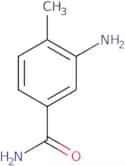


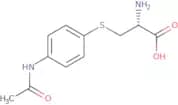
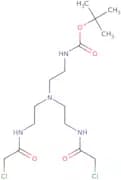
![[2-(1H-Benzimidazol-1-yl)ethyl]amine dihydrochloride](/_next/image/?url=https%3A%2Fstatic.cymitquimica.com%2Fproducts%2F3D%2Fthumb-webp%2FFB126620.webp&w=3840&q=75)
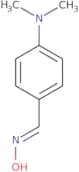
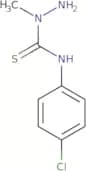
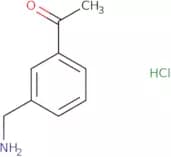
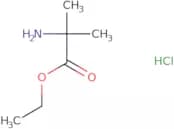
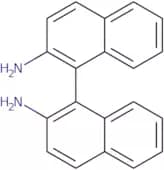
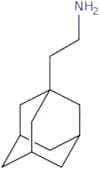
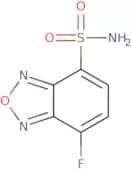
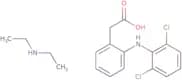
![7-[4-(4-Fluorophenyl)-6-(1-methylethyl)-2-(N-methyl-N-methylsulfonyl-amino)-pyrimidin-5-yl]-3,5-di…](/_next/image/?url=https%3A%2Fstatic.cymitquimica.com%2Fproducts%2F3D%2Fthumb-webp%2FFF35383.webp&w=3840&q=75)
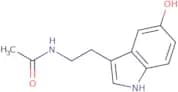
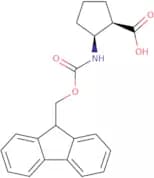
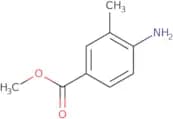

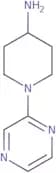
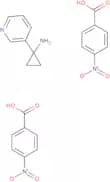
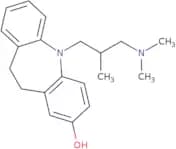

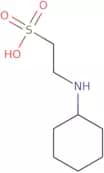
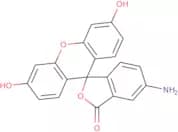
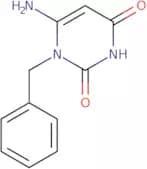
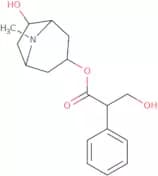

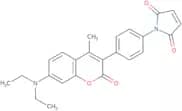

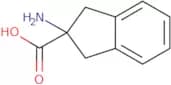
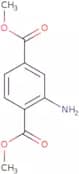
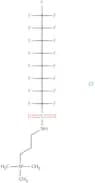
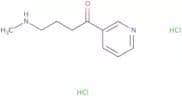
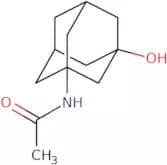
![[1-(Methoxymethyl)cyclopropyl]amine hydrochloride](/_next/image/?url=https%3A%2Fstatic.cymitquimica.com%2Fproducts%2F3D%2Fthumb-webp%2FFM129588.webp&w=3840&q=75)


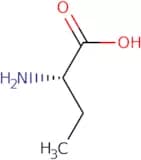
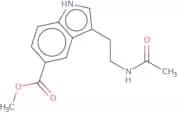

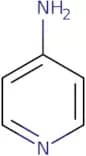
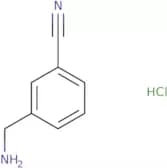
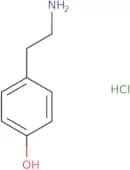
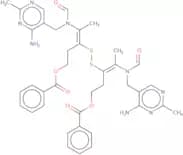
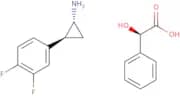
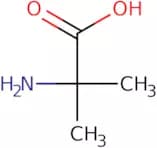
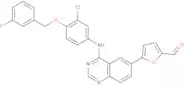
![[(2,5-Dichlorophenyl)sulphonyl]phenylamine](/_next/image/?url=https%3A%2Fstatic.cymitquimica.com%2Fproducts%2F3D%2Fthumb-webp%2FFD145674.webp&w=3840&q=75)
![2-[[(Heptadecafluorooctyl)sulphonyl]methylamino]ethyl acrylate](/_next/image/?url=https%3A%2Fstatic.cymitquimica.com%2Fproducts%2F3D%2Fthumb-webp%2FFH96868.webp&w=3840&q=75)
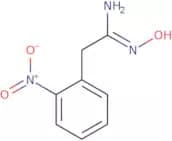
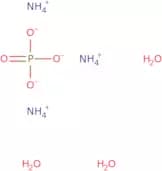
![3-{[(4-Methylphenyl)sulfonyl]amino}benzoic acid](/_next/image/?url=https%3A%2Fstatic.cymitquimica.com%2Fproducts%2F3D%2Fthumb-webp%2FFM136721.webp&w=3840&q=75)
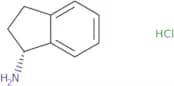
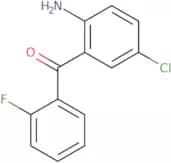
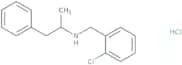
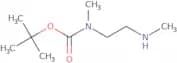
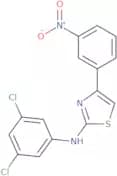
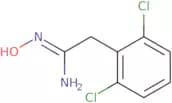

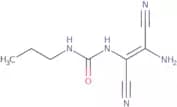
![[5-(4-Amino-2-bromophenyl)-2-furyl]methanol](/_next/image/?url=https%3A%2Fstatic.cymitquimica.com%2Fproducts%2F3D%2Fthumb-webp%2FFA134218.webp&w=3840&q=75)

![N-Propyl-4,5,6,7-tetrahydrobenzo[D]thiazol-6-amine](/_next/image/?url=https%3A%2Fstatic.cymitquimica.com%2Fproducts%2F3D%2Fthumb-webp%2FFP65140.webp&w=3840&q=75)

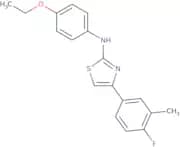
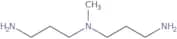
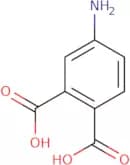
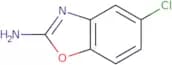
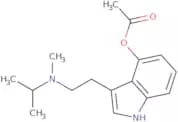
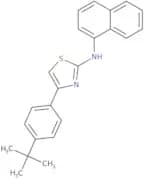
![[3-Chloro-4-(4-isobutyrylpiperazin-1-yl)phenyl]amine](/_next/image/?url=https%3A%2Fstatic.cymitquimica.com%2Fproducts%2F3D%2Fthumb-webp%2FFC134207.webp&w=3840&q=75)
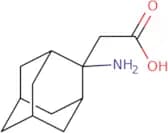
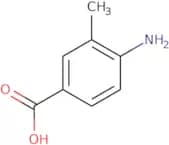
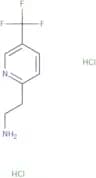
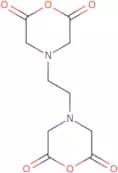
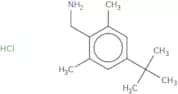
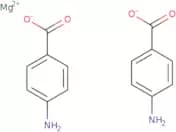
![6-amino-3-methyl-4-(3-nitrophenyl)-4H-pyrano[3,2-d]pyrazole-5-carbonitrile](/_next/image/?url=https%3A%2Fstatic.cymitquimica.com%2Fproducts%2F3D%2Fthumb-webp%2FFA169032.webp&w=3840&q=75)
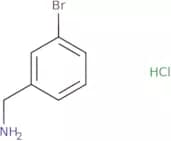

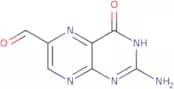
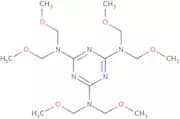
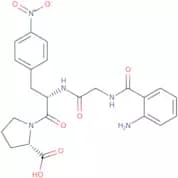
![4-[[4-(4-Chlorophenyl)-2-thiazolyl]amino]phenol](/_next/image/?url=https%3A%2Fstatic.cymitquimica.com%2Fproducts%2F3D%2Fthumb-webp%2FFC137468.webp&w=3840&q=75)
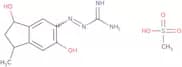
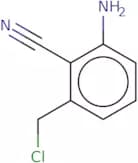
![N-Ethyl-N-nitroso-1-[3-(trifluoromethyl)phenyl]-2-propanamine](/_next/image/?url=https%3A%2Fstatic.cymitquimica.com%2Fproducts%2F3D%2Fthumb-webp%2FFE96581.webp&w=3840&q=75)
![[1-(Azepan-1-ylcarbonyl)propyl]amine hydrochloride](/_next/image/?url=https%3A%2Fstatic.cymitquimica.com%2Fproducts%2F3D%2Fthumb-webp%2FFA130671.webp&w=3840&q=75)

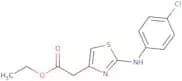
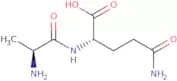
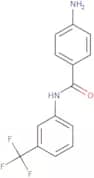

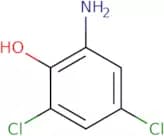
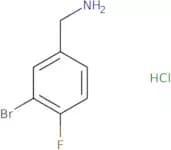
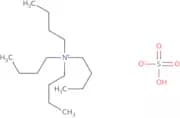
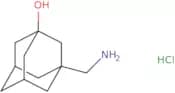
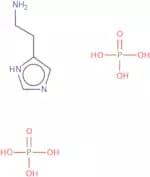

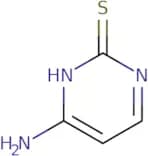
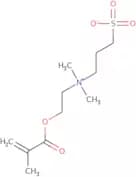
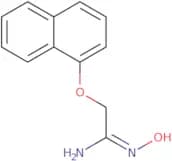

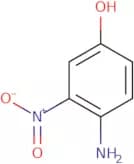

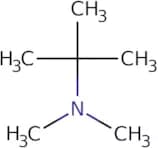

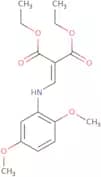



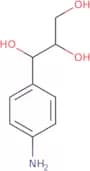
![4-[(7-Chloro-4-quinolinyl)amino]-1-pentanol](/_next/image/?url=https%3A%2Fstatic.cymitquimica.com%2Fproducts%2F3D%2Fthumb-webp%2FFC20107.webp&w=3840&q=75)
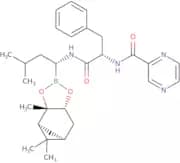
![(2-Imidazo[2,1-b][1,3]thiazol-6-ylethyl)amine dihydrochloride](/_next/image/?url=https%3A%2Fstatic.cymitquimica.com%2Fproducts%2F3D%2Fthumb-webp%2FFI126807.webp&w=3840&q=75)
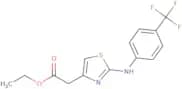
![1,4-Dioxaspiro[4.5]decan-8-ylmethanamine](/_next/image/?url=https%3A%2Fstatic.cymitquimica.com%2Fproducts%2F3D%2Fthumb-webp%2FFD153838.webp&w=3840&q=75)
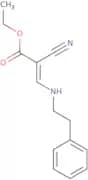
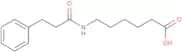

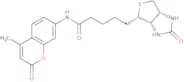

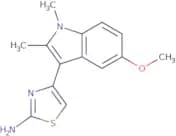
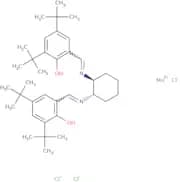
![Tris[(1-benzyl-1H-1,2,3-triazol-4-yl)methyl]amine](/_next/image/?url=https%3A%2Fstatic.cymitquimica.com%2Fproducts%2F3D%2Fthumb-webp%2FFT60866.webp&w=3840&q=75)
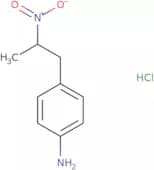
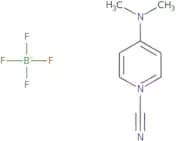
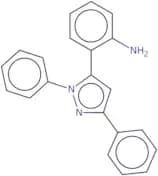
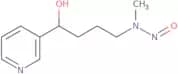
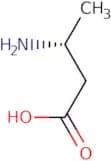
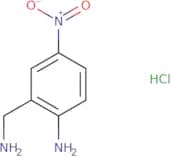
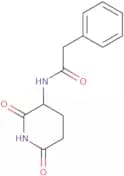
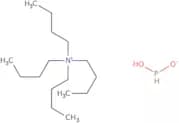
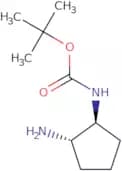
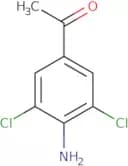
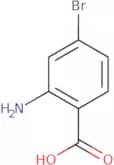
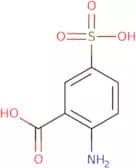
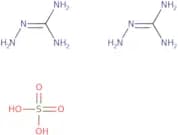
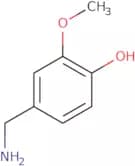

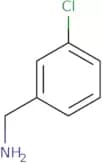
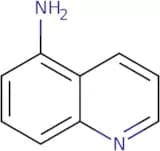
![[(1-Methyl-1H-indol-5-yl)methyl]amine acetate](/_next/image/?url=https%3A%2Fstatic.cymitquimica.com%2Fproducts%2F3D%2Fthumb-webp%2FFM124972.webp&w=3840&q=75)

![(8β)-N-[3-(Dimethylamino)propyl]-N-[(ethylamino)carbonyl] -6-(2-propen-1-yl)-ergoline-8-carboxamide](/_next/image/?url=https%3A%2Fstatic.cymitquimica.com%2Fproducts%2F3D%2Fthumb-webp%2FFD19622.webp&w=3840&q=75)
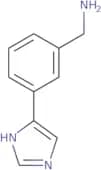
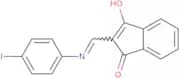
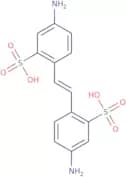
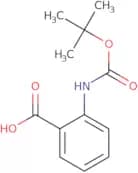
![9-[[[4-[(2,5-Dioxo-1-pyrrolidinyl) oxy]-4-oxobutyl][(4-methylphenyl) sulfonyl]amino]carbonyl]-10- …](/_next/image/?url=https%3A%2Fstatic.cymitquimica.com%2Fproducts%2F3D%2Fthumb-webp%2FFD106522.webp&w=3840&q=75)
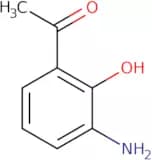
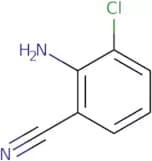

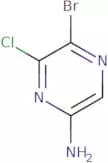
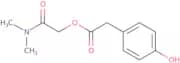
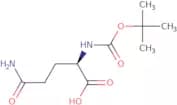
![[2-(Pyridin-2-ylthio)ethyl]amine dihydrochloride](/_next/image/?url=https%3A%2Fstatic.cymitquimica.com%2Fproducts%2F3D%2Fthumb-webp%2FFP121658.webp&w=3840&q=75)
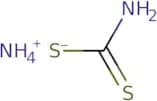

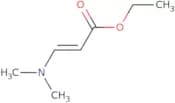
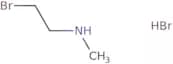
![N-[(1-Ethyl-1H-indol-3-yl)methyl]propan-2-amine](/_next/image/?url=https%3A%2Fstatic.cymitquimica.com%2Fproducts%2F3D%2Fthumb-webp%2FFE128437.webp&w=3840&q=75)
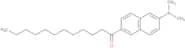
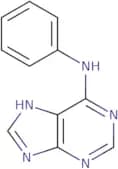
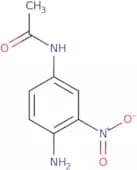

![{[2-(2-Methoxyphenyl)-1,3-thiazol-5-yl]methyl}amine](/_next/image/?url=https%3A%2Fstatic.cymitquimica.com%2Fproducts%2F3D%2Fthumb-webp%2FFM124085.webp&w=3840&q=75)
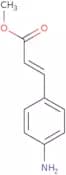
![(6S)-5,6,7,8-Tetrahydro-6-[propyl[2-(2-thienyl)ethyl]amino]-1-naphthalenol hydrochloride](/_next/image/?url=https%3A%2Fstatic.cymitquimica.com%2Fproducts%2F3D%2Fthumb-webp%2FFT27763.webp&w=3840&q=75)

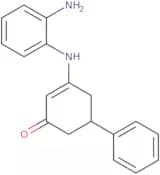
![Diammonium N-ethylheptadecafluoro-N-[2-(phosphonatooxy)ethyl]octanesulfonamidate](/_next/image/?url=https%3A%2Fstatic.cymitquimica.com%2Fproducts%2F3D%2Fthumb-webp%2FFD100565.webp&w=3840&q=75)
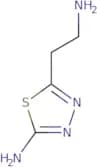

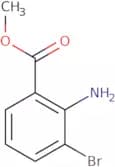

![[(5,5-Dimethyltetrahydrofuran-3-yl)methyl]amine](/_next/image/?url=https%3A%2Fstatic.cymitquimica.com%2Fproducts%2F3D%2Fthumb-webp%2FFD134552.webp&w=3840&q=75)
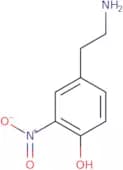
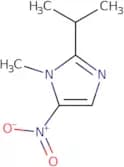
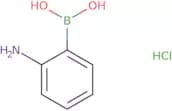
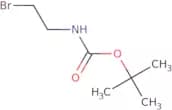
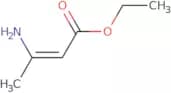

![[1-(Azepan-1-ylcarbonyl)butyl]amine hydrochloride](/_next/image/?url=https%3A%2Fstatic.cymitquimica.com%2Fproducts%2F3D%2Fthumb-webp%2FFA130693.webp&w=3840&q=75)
![[4-(2-Methyl-1,3-oxazol-5-yl)phenyl]amine](/_next/image/?url=https%3A%2Fstatic.cymitquimica.com%2Fproducts%2F3D%2Fthumb-webp%2FFM131648.webp&w=3840&q=75)