Amines
Amines are a set of molecules containing an amino functional group (derived from ammonia). This category includes amines at any level of substitution : primary, secondary, tertiary, and ammonium salts. Amines are fundamental in organic synthesis and are widely used in pharmaceuticals, agrochemicals, and materials science. At CymitQuimica, we provide a comprehensive selection of amines to meet your research and industrial needs. Our range ensures access to various amines for diverse chemical processes and innovative research.
Subcategories of "Amines"
- Nitrosamines(2,606 products)
- Primary Amines(30,821 products)
- Quaternary Ammonium Cations and Salts(1,099 products)
- Secondary Amines(20,817 products)
- Tertiary Amines(17,117 products)
Found 8778 products of "Amines"
Sort by
Purity (%)
0
100
|
0
|
50
|
90
|
95
|
100
2-Amino-5-chlorothiophenol
CAS:<p>2-Amino-5-chlorothiophenol is an aminothiophene derivative that has been shown to be an effective antibacterial agent. It is a substrate in the synthesis of polyesters and is used as a precursor in the synthesis of ciprofloxacin, a broad spectrum antibiotic. 2-Amino-5-chlorothiophenol has been shown to catalyze the reaction between phenyl groups and heterocycles, which is an important step in the synthesis of ciprofloxacin and fluconazole. The optimal reaction temperature for this process is between 150°C - 180°C. The irradiation time for this process varies depending on the intensity of light used, with optimal results obtained after 10 minutes at 25 kGy.</p>Formula:C6H6ClNSPurity:Min. 95 Area-%Color and Shape:PowderMolecular weight:159.64 g/mol(+/-)-Butoxamine
CAS:Controlled Product<p>Butoxamine is a 5-HT1A receptor agonist that has been shown to activate cardiac 2-adrenergic receptors. It also inhibits ATP-sensitive K+ channels in the heart, thereby inhibiting cardiac excitability and promoting relaxation. Butoxamine has been shown to have anticholinergic effects on the detrusor muscle of the bladder, as well as other effects on smooth muscle. The ester hydrochloride salt of butoxamine has been used in polymerase chain reaction (PCR) studies for its ability to bind single-stranded DNA templates. The drug also inhibits bacterial translocation by blocking bacterial DNA gyrase, an enzyme that maintains the integrity of bacterial DNA. Butoxamine is also a cyclase inhibitor, which prevents the production of cAMP from ATP. This inhibition leads to reduced levels of phosphodiesterase and may have anti-inflammatory effects.</p>Formula:C15H25NO3Purity:Min. 95%Molecular weight:267.36 g/molDisopyramid
CAS:Controlled Product<p>a-[2-(Diisopropylamino)ethyl]-a-phenyl-2-pyridineacetamide is a hydrogen bond donor. It has been shown to have cytotoxicity in vitro, with parameters that can be used for accurate prediction of descriptors. These descriptors are informative and insightful, which can be used for regression analyses and linear regression methods. The pharmacokinetic properties of a-[2-(Diisopropylamino)ethyl]-a-phenyl-2-pyridineacetamide have been studied in humans and have shown linearity between dose and plasma concentration.</p>Formula:C21H29N3OColor and Shape:White PowderMolecular weight:339.47 g/molN-Amino-2-methylindoline hydrochloride
CAS:<p>N-Amino-2-methylindoline HCl is an organic chemical compound that belongs to the class of acylating agents. It is a colorless solid that is soluble in water and methanol. The compound has been used in the acylation reaction with triethylamine and chloride to synthesize dioxane. N-Amino-2-methylindoline HCl is also a substance that can be found in nature, such as in the leaves of plants. Organic chemistry deals with the study of compounds and their reactions, which includes N-Amino-2-methylindoline HCl and its uses.</p>Formula:C9H12N2•HClPurity:Min. 95%Color and Shape:PowderMolecular weight:184.67 g/mol2-Amino-3-fluorobenzonitrile
CAS:<p>A 2-aminopyridine substituent is added to the 3-position of benzonitrile to form 2-amino-3-fluorobenzonitrile. The hydrogenolysis of this compound at low temperatures yields indoles. Cyanogen bromide can be used as a catalyst for the reaction, but it must be removed before the product is purified. This reaction also produces a cyano group, which can be used in other reactions such as nitration or reduction. The glycinate molecule can also be formed by this process, and it is a neutral functional group that is capable of forming esters with carboxylic acids.</p>Formula:C7H5FN2Purity:Min. 95%Molecular weight:136.13 g/molBromotrimethylammoniumbimane bromide
CAS:<p>Bromotrimethylammoniumbimane bromide is a fluorescent molecule that can be used as a probe for protease activity. It is also used to study the α1 subunit of the human histone deacetylase (HDAC) complex, which plays an important role in HIV infection and autoimmune diseases. The redox potential of Bromotrimethylammoniumbimane bromide has been shown to be dependent on its basic structure, with the disulfide bond being the most reactive. This chemical has been shown to have cytosolic Ca2+-dependent effects on cell signaling pathways, including induction of apoptosis and modulation of protein phosphatases.</p>Formula:C13H19Br2N3O2Purity:Min. 95%Color and Shape:PowderMolecular weight:409.12 g/mol3-(4-Dimethylaminophenyl)propionic acid hydrochloride
CAS:<p>3-(4-Dimethylaminophenyl)propionic acid hydrochloride is a white crystalline compound that is soluble in water. It has many uses as a building block, reagent, intermediate, or scaffold in organic synthesis due to its versatility and stability. 3-(4-Dimethylaminophenyl)propionic acid hydrochloride can be used as an additive to improve the performance of other substances. In addition, this chemical is a useful building block for the production of research chemicals or speciality chemicals.</p>Formula:C11H15NO2•HClPurity:Min. 95%Molecular weight:229.7 g/molN-Methyldibutylamine
CAS:<p>N-Methyldibutylamine is an aliphatic hydrocarbon that has antimicrobial activity. It is a colorless liquid at room temperature and has a boiling point of 78°C. N-Methyldibutylamine can be used as a solvent for polymers and resins, in the manufacture of plastics, and in the production of enamels. It also has potential applications in cancer research due to its ability to inhibit the growth of tumor cells.</p>Formula:C9H21NPurity:Min. 95%Color and Shape:Clear LiquidMolecular weight:143.27 g/mol2-Amino-5-ethyl-1,3,4-thiadiazole
CAS:<p>2-Amino-5-ethyl-1,3,4-thiadiazole is an experimental solubility data that has been shown to inhibit the growth of some bacteria. This compound is metastable and can be used as a nitrogen atom in experimental studies. The Langmuir adsorption isotherm has been used to study the adsorption of 2-amino-5-ethyl-1,3,4-thiadiazole on copper chloride particles. This molecule also interacts with substrate film and reactants such as pyridoxine hydrochloride by light emission or electrochemical impedance spectroscopy.</p>Formula:C4H7N3SPurity:Min. 95%Molecular weight:129.18 g/mol3-Iodobenzylamine hydrochloride
CAS:<p>3-Iodobenzylamine HCl is a weak anion that has a moderate affinity for the adenosine A3 receptor. 3-Iodobenzylamine HCl is used in the analysis of adenosine, d-xylose and other compounds. The binding of 3-iodobenzylamine to the A3 receptor causes an increase in cyclic AMP levels and an increase in intracellular Ca2+ levels, leading to cell signaling. 3-Iodobenzylamine HCl also acts as a competitive antagonist at the A3 receptor. This drug can also act as an agonist at the A3 receptor, with binding affinities for this site comparable to those of adenosine. This drug is able to inhibit cyanamide catalysis due to its ability to bind with fluorine atoms on the acceptor site of this enzyme.</p>Formula:C7H8IN•HClPurity:Min. 95%Color and Shape:PowderMolecular weight:269.51 g/molN-Cyclopropyl-N-tetrahydro-2H-pyran-4-ylamine HCl
CAS:<p>N-Cyclopropyl-N-tetrahydro-2H-pyran-4-ylamine HCl is a fine chemical used as a building block in the synthesis of many compounds. It is also used in research and development, as a reagent, and as a speciality chemical. N-Cyclopropyl-N-tetrahydro-2H-pyran-4-ylamine HCl has been shown to be an excellent intermediate for the synthesis of many different products. This product is versatile and can be used as a building block or scaffold for synthesizing other compounds. N-Cyclopropyl-N-tetrahydro-2H-pyran-4-ylamine HCl has a CAS number of 1158426–65–3.</p>Formula:C8H16NOClPurity:Min. 95%Color and Shape:PowderMolecular weight:177.67 g/mol1,3,5-Tris(4-aminophenyl)benzene
CAS:<p>1,3,5-Tris(4-aminophenyl)benzene is a monomer that can be used for the synthesis of polymers. This compound has been shown to take up in primary tumors, which suggests that it may have tumor-targeting properties and be useful for the diagnosis and treatment of cancer. The uptake of 1,3,5-Tris(4-aminophenyl)benzene has been studied using magnetic resonance spectroscopy and it has been shown that its uptake is proportional to the number of functional groups present. It also exhibits optimal reaction with carbamic acid, which leads to high isolated yields. This molecule has also been shown to have transport properties in mice. Intramolecular hydrogen bonding occurs in this molecule because nitrogen atoms are available on both ends of the amine group. This allows 1,3,5-Tris(4-aminophenyl)benzene to act as a base by donating an electron pair from</p>Formula:C24H21N3Purity:Min. 95%Color and Shape:White PowderMolecular weight:351.44 g/mol6-Aminoindoline dihydrochloride
CAS:<p>Please enquire for more information about 6-Aminoindoline dihydrochloride including the price, delivery time and more detailed product information at the technical inquiry form on this page</p>Formula:C8H10N2•(HCl)2Purity:Min. 95%Molecular weight:207.1 g/mol2-Amino-4-methylthiophene-3-carboxamide
CAS:<p>2-Amino-4-methylthiophene-3-carboxamide is a small molecule that is a potent inhibitor of the JAK2 kinase. This enzyme is associated with human fibrosis and has been shown to be involved in the development of liver fibrosis in rats. 2-Amino-4-methylthiophene-3-carboxamide inhibits the production of cytokines such as IL1α, IL6, and TNFα. It also blocks the activation of transcription factors such as NFκB, which are involved in inflammation. The compound has been shown to be orally active and has demonstrated efficacy in animal studies. Analogues have also been synthesized for this compound that show similar activity.</p>Formula:C6H8N2OSPurity:(%) Min. 85%Color and Shape:PowderMolecular weight:156.21 g/mol3-Nitro-5-(trifluoromethyl)benzene-1,2-diamine
CAS:<p>3-Nitro-5-(trifluoromethyl)benzene-1,2-diamine is a chemical compound that can be used as a reaction component or reagent in research. It is a useful scaffold and building block for complex compounds. 3-Nitro-5-(trifluoromethyl)benzene-1,2-diamine has CAS No. 2078-01-5 and is classified as a speciality chemical. This chemical is versatile because it has many uses in both organic chemistry and biology, including use as an intermediate or building block for more complex compounds.</p>Formula:C7H6F3N3O2Purity:Min. 95%Color and Shape:PowderMolecular weight:221.14 g/mol2-Amino-3-bromo-5-methylbenzoic acid
CAS:<p>2-Amino-3-bromo-5-methylbenzoic acid is a fatty acid that belongs to the group of undescribed organic acids. It is found in soil as well as in organisms such as bacteria and fungi. The 2-Amino-3-bromo-5-methylbenzoic acid molecule has been shown to be an antibiotic, inhibiting the growth of bacterial strains belonging to the phyla Actinobacteria and Proteobacteria. It may also be present in plants, where it is channeled out through the roots. This fatty acid also has nucleobase properties, which are essential for DNA replication.br>br><br>span style="font-size: 12px;">2 Amino 3 bromo 5 methyl benzoic acid (2ABMB) was first isolated from soil samples collected from a site near Beijing, China. It is one of many undescribed organic acids that are found</p>Formula:C8H8BrNO2Purity:Min. 95%Color and Shape:PowderMolecular weight:230.06 g/mol(S)-Chlorpheniramine maleate
CAS:<p>Histamine (H1) antagonist; used to treat allergies</p>Formula:C20H23ClN2O4Purity:Min. 95%Color and Shape:White Off-White PowderMolecular weight:390.86 g/mol2-Nitrophenethylamine hydrochloride
CAS:Controlled Product<p>2-Nitrophenethylamine hydrochloride is a fine chemical that is useful as a versatile building block. It can be used as a reaction component, or in the synthesis of other chemicals. 2-Nitrophenethylamine hydrochloride has CAS No. 861337-74-8 and is a complex compound with many possible uses, including as a research chemical or speciality chemical. As an intermediate for other compounds, it can be used to produce high quality reagents and products.</p>Formula:C8H11ClN2O2Purity:Min. 95 Area-%Color and Shape:PowderMolecular weight:202.64 g/mol3-Methylpyrazin-2-amine
CAS:<p>3-Methylpyrazin-2-amine is an experimental compound that has not been fully characterized. It is a bioactive substance that can be used for the synthesis of other compounds. 3-Methylpyrazin-2-amine may be obtained from the reaction of 2,3-dimethylpyridine with nitroethane and sodium methoxide in methanol. The transformation of 3,4,5-trimethoxypyrazine to 3,4,5,6-tetramethoxypyrazine may also yield 3-methylpyrazin-2-amine as an intermediate product.</p>Formula:C5H7N3Purity:Min. 95%Color and Shape:Off-White PowderMolecular weight:109.13 g/molBenzyldodecyldimethylammonium bromide
CAS:<p>Benzyldodecyldimethylammonium bromide (BDDAB) is a versatile building block that can be used in synthesis of complex compounds. It is also a reagent and CAS No. 7281-04-1. BDDAB is a high quality, useful intermediate for the synthesis of useful scaffolds and useful reaction components. This chemical is also useful as a specialty chemical due to its versatility and research chemicals because it can be used in synthesis of new compounds.</p>Formula:C21H38BrNPurity:Min. 95%Color and Shape:White PowderMolecular weight:384.44 g/molTrimethylamine-N-oxide dihydrate
CAS:<p>Trimethylamine-N-oxide dihydrate (TMAO) is the anhydrous form of trimethylamine oxide (TMAO). It has a number of applications in industry and research. TMAO is used as a diagnostic agent for metal carbonyls, such as lead and arsenic, and also for hydrogen bond. In addition, it can be used to determine the presence of hydroxyl groups in organic compounds, such as fatty acids. The hydroxyl group reacts with Iodosobenzene to form an iodide ion that can be measured by nmr spectroscopy. This reaction is affected by the presence of other atoms or molecules that have electron donating properties, such as an oxygen atom or a carbonyl group. TMAO can also be used in cancer research to study how tumors develop resistance to chemotherapy drugs.</p>Formula:C3H13NO3Color and Shape:White PowderMolecular weight:111.14 g/mol1-(Aminomethyl)cyclopropanecarboxamide hydrochloride
CAS:<p>1-(Aminomethyl)cyclopropanecarboxamide hydrochloride is a versatile building block that can be used in the synthesis of complex compounds. It has been shown to be an excellent reagent for the synthesis of novel pharmaceuticals and speciality chemicals. This compound is also a useful intermediate for the preparation of high-quality products and can be used as a reaction component or scaffold in synthesis.</p>Formula:C5H10N2O·HClPurity:Min. 95%Color and Shape:White PowderMolecular weight:150.61 g/mol1-Aminoanthraquinone
CAS:<p>1-Aminoanthraquinone is a fluorescent dye that reacts with amino groups. It can be detected in urine samples using electrochemical impedance spectroscopy and has a detection time of about 2 hours. 1-Aminoanthraquinone is used as a marker for protein synthesis, which occurs when nitrogen atoms react with an inorganic acid to form a diazonium salt. This reaction proceeds via the formation of hydrogen bonds between the nitrogen and oxygen atoms of the diazonium salt and the hydrogen atoms on the amino group. The amine group on 1-aminoanthraquinone will then react with the hydrogen bond to form an intramolecular hydrogen bond. Structural analysis of this molecule shows that it has one benzene ring, two nitrogens, two oxygens, and one carbon atom.</p>Formula:C14H9NO2Purity:Min. 95%Color and Shape:Red PowderMolecular weight:223.23 g/molO-Mesitylenesulfonylhydroxylamine - 10-65% water
CAS:<p>Aminating Reagent</p>Formula:C9H13NO3SPurity:Min. 70 Area-%Color and Shape:Colorless PowderMolecular weight:215.27 g/mol1,4-Diamino-2,3-dihydroanthraquinone
CAS:<p>1,4-Diamino-2,3-dihydroanthraquinone is an impurity found in the manufacture of the drug dermatan sulfate. It can be used as a chromatographic method for the detection of skin tumor cells. This compound has been shown to have neurodevelopmental and environmental effects. The liquid chromatography methods for this compound are based on its fluorescence properties, but it can also be detected by optical absorbance or by nmr spectroscopy. 1,4-Diamino-2,3-dihydroanthraquinone has been shown to cause cytotoxicity and morphological changes in liver cells in vitro.</p>Formula:C14H12N2O2Purity:Min. 95%Color and Shape:Green PowderMolecular weight:240.26 g/mol(2S)-N-Boc-2-amino-4-azido-butanoic acid methyl ester
CAS:<p>(2S)-N-Boc-2-amino-4-azido-butanoic acid methyl ester is a high quality, reagent, complex compound, useful intermediate, fine chemical that is used as a building block in the synthesis of speciality chemicals.</p>Formula:C10H18N4O4Purity:Min. 95%Color and Shape:PowderMolecular weight:258.27 g/molO-(2-Aminoethyl)-O'-(2-azidoethyl)nonaethylene glycol
CAS:<p>O-(2-Aminoethyl)-O'-(2-azidoethyl)nonaethylene glycol is a PEG compound with two different functional groups (also known as heterobifunctional). Unlike homobifunctional PEG compounds (same functional group on both ends), this type of compounds are more versatile as have two different anchor points. O-(2-Aminoethyl)-O'-(2-azidoethyl)nonaethylene glycol is used as a linker and spacer to add a PEG moiety, via pegylation (a bioconjugation technique) to proteins, peptides, oligonucleotides, small molecules and nanoparticles.</p>Formula:C22H46N4O10Purity:Min. 90%Color and Shape:Colorless PowderMolecular weight:526.62 g/molThiamine sulfate inner salt
CAS:<p>Thiamine sulfate inner salt is a hyaluronic acid that is used in skin cancer treatment. It has been shown to have antimicrobial properties, which may be due to its ability to disrupt the cell membrane. Thiamine sulfate inner salt has also been shown to increase the germination rate of damaged seeds and can be used as a stabilizer for carrageenan. This compound is an acidic substance with a pH of 2-3. It is soluble in water and hydrochloric acid and reacts with magnesium salts, ethylene diamine, diamine tetraacetic acid, and antimicrobial peptides.</p>Formula:C12H16N4O4S2Purity:Min. 95%Color and Shape:White PowderMolecular weight:344.41 g/molN,N,N' -Trimethylpropan-1,3-diamine
CAS:<p>Trimethylamine is a basic chemical that is the simplest primary amine. It can be prepared by reacting methylamine with trimethylchlorosilane in liquid ammonia. Trimethylamine can be used as a solvent and as a catalyst in the production of polyamide plastics. It also has an important role in the catalytic hydroamination of alkenes, which are compounds that contain at least one double-bonded carbon atom. Trimethylamine reacts with hydrogen gas to form trimethylammonium chloride and ammonia. The polarities of this compound depend on its microenvironment, for example it will be more polar in water than in methane.</p>Formula:C6H16N2Purity:Min. 90 Area-%Color and Shape:Slightly Yellow Clear LiquidMolecular weight:116.2 g/molBoc-4-hydroxymethyl-L-phenylalanine dicyclohexyl ammonium salt
CAS:Controlled Product<p>Boc-4-Hydroxymethyl-L-Phenylalanine Dicyclohexyl Ammonium Salt is a versatile building block and intermediate for the synthesis of complex compounds. It is a useful reagent for research chemicals, speciality chemicals, and fine chemicals. This compound can be used as a high quality and useful scaffold in the synthesis of various types of pharmaceuticals.</p>Formula:C27H44N2O5Purity:Min. 95%Color and Shape:PowderMolecular weight:476.65 g/mol4-Amino-3-pyridinecarboxylic acid
CAS:<p>4-Amino-3-pyridinecarboxylic acid (4APC) is a histidine amino acid. It is an intermediate in the synthesis of 6-aminonicotinic acid, which is an intermediate in the synthesis of nicotinamide, an important vitamin. 4APC has been used as a chemical probe to elucidate the transfer mechanism of amines to histidine. The active methylene group on 4APC can be easily detected by high-throughput analysis using liquid chromatography with fluorescence detection. The 3-aminoisonicotinic acid product can be detected by nmr spectra and electron microscope imaging. A synthetic route for 4APC involves ammonolysis followed by fluorescence resonance energy transfer.</p>Formula:C6H6N2O2Purity:Min. 95%Color and Shape:Brown PowderMolecular weight:138.12 g/mol3-Noradamantaneamine hydrochloride
CAS:<p>3-Noradamantaneamine hydrochloride is a thioamide that has inhibitory activities on biological processes, such as the production of tumor necrosis factor-α (TNF-α). 3-Noradamantaneamine hydrochloride also inhibits angiogenesis and the proliferation of endothelial cells. The drug was shown to be neuroprotective in animal models and to have anti-angiogenic properties. The mechanism of action is not yet clear, but may involve nitric oxide synthase inhibition or nitration of the drug.</p>Formula:C9H15N·HClPurity:Min. 95%Color and Shape:White PowderMolecular weight:173.68 g/mol4-Acetaminophen sulfate potassium salt
CAS:<p>Acetaminophen-induced hepatotoxicity is a serious adverse effect that can occur with the use of acetaminophen. This drug is metabolized by the liver and excreted in urine as conjugates with glucuronic acid, sulfate, and glutathione. Acetaminophen-induced hepatotoxicity is a major concern for wastewater treatment plants. The potential harm to humans is determined by the plasma concentration of acetaminophen. A pharmacokinetic study was performed on human volunteers to determine the pharmacokinetics of 4-acetaminophen sulfate potassium salt following oral administration. The study found that 4-acetaminophen sulfate potassium salt has linear pharmacokinetics and an activated half-life of 6 hours. This means that it would take 6 hours for 50% of the drug to be eliminated from the body after ingestion. In addition, electrochemical impedance spectroscopy has been used to measure plasma concentrations in humans following oral administration of 4-acetaminohen</p>Formula:C8H8KNO5SPurity:Min. 95 Area-%Color and Shape:PowderMolecular weight:269.32 g/molMethyl 3-aminothieno[2,3-β]pyridine-2-carboxylate
CAS:<p>Please enquire for more information about Methyl 3-aminothieno[2,3-β]pyridine-2-carboxylate including the price, delivery time and more detailed product information at the technical inquiry form on this page</p>Formula:C9H8N2O2SPurity:Min. 95%Color and Shape:PowderMolecular weight:208.24 g/molBenzo[d]isoxazol-5-amine
CAS:<p>Benzo[d]isoxazol-5-amine is a high quality, versatile building block that is used as a reagent for the synthesis of fine chemicals and pharmaceuticals. It can be used to synthesize useful scaffolds for drug discovery and as an intermediate in the synthesis of complex compound. Benzo[d]isoxazol-5-amine is also a reactive intermediate, which can be used in reactions with other building blocks to produce speciality chemicals such as research chemicals. This compound is soluble in water and has been classified by CAS as 239097-74-6.</p>Formula:C7H6N2OPurity:Min. 95%Color and Shape:PowderMolecular weight:134.14 g/mol2-Amino-3-nitrophenol
CAS:<p>2-Amino-3-nitrophenol is an inhibitor of matrix metalloproteinases that is active against a broad spectrum of pro-inflammatory and destructive enzymes. It has been used to inhibit the activity of matrix metalloproteinases in vitro and in vivo, with a wide range of applications in the fields of biochemistry, cell biology, and medicine. This compound has been shown to be effective against type strain C. albicans and C. glabrata strains, as well as other fungi such as Aspergillus niger, A. fumigatus, A. terreus, and A. flavus. 2-Amino-3-nitrophenol may have antifungal activity due to its ability to inhibit the synthesis of hyaluronic acid by these fungi.</p>Formula:C6H6N2O3Purity:Min. 95%Color and Shape:PowderMolecular weight:154.12 g/molethyl 2-amino-7-methyl-5-oxo-4-(3-pyridyl)-4,6,7,8-tetrahydro2H-chromene-3-carboxylate
CAS:<p>Please enquire for more information about ethyl 2-amino-7-methyl-5-oxo-4-(3-pyridyl)-4,6,7,8-tetrahydro2H-chromene-3-carboxylate including the price, delivery time and more detailed product information at the technical inquiry form on this page</p>Purity:Min. 95%2-Amino-3,4-diethoxybenzoic acid
CAS:<p>2-Amino-3,4-diethoxybenzoic acid is a high quality chemical with a CAS No. 61948-72-9. It is an organic compound that belongs to the class of aromatic carboxylic acids and has a molecular weight of 174.2 g/mol. 2DHB is a useful intermediate in the synthesis of fine chemicals, research chemicals, and speciality chemicals like pharmaceuticals, pesticides, and dyes. It can also be used as a building block in the synthesis of many other compounds. The versatility of 2DHB makes it an important component in reactions involving nucleophilic substitution or addition reactions.</p>Formula:C11H15NO4Purity:Min. 95%Color and Shape:PowderMolecular weight:225.24 g/mol4-Bromotriphenylamine
CAS:<p>4-Bromotriphenylamine is a molecule that has two acceptor groups and one donor group. It reacts with methylamine to form the product 4,4′-dibromobutyric acid. The reaction rate of this chemical is increased by the presence of an electron withdrawing substituent on the aromatic ring such as bromine. This compound is stable at higher temperatures, but not at lower ones. When heated, it undergoes thermal expansion and molecules are forced apart from each other. The butyric acid formed in this reaction may be used to synthesize butyrate esters for use in cancer therapy or light emission systems.<br>Light emission from this compound is due to its fluorescence properties, which depend on the chemical structure of the molecule and its environment. The efficiency of light emission is related to the number of electron-hole pairs created during excitation, which depends on the energy of incident photons and their wavelength.</p>Formula:C18H14BrNPurity:Min. 95%Color and Shape:PowderMolecular weight:324.21 g/mol3-[(Dimethylamino)methyl]benzaldehyde
CAS:<p>3-[(Dimethylamino)methyl]benzaldehyde is a fine chemical that is used as a versatile building block in the synthesis of pharmaceuticals. It is also a useful intermediate in the synthesis of complex compounds and research chemicals. This product has been shown to be high quality and can be used as a reagent for many reactions.</p>Formula:C10H13NOPurity:Min. 95%Molecular weight:163.22 g/mol(2,3,4,9-Tetrahydro-1H-carbazol-6-ylmethyl)amine
CAS:<p>2,3,4,9-Tetrahydro-1H-carbazol-6-ylmethyl)amine is a fine chemical that can be used as a scaffold for the synthesis of various other compounds. It has been shown to be a useful intermediate in the synthesis of pharmaceuticals and research chemicals. This compound can also be used as an additive for speciality chemicals. 2,3,4,9-Tetrahydro-1H-carbazol-6-ylmethyl)amine is known to have high purity and quality. The reagent is also versatile and can be used in the synthesis of many different types of compounds.</p>Formula:C13H16N2Purity:Min. 95%Color and Shape:PowderMolecular weight:200.28 g/mol2-Hydroxy-4-aminobutanoic acid
CAS:<p>2-Hydroxy-4-aminobutanoic acid is a synthetic compound that has been shown to be a potent antibacterial agent. It is active against both Gram-positive and Gram-negative bacteria, including Pseudomonas aeruginosa, Enterococcus faecalis, Staphylococcus aureus, and Escherichia coli. 2-Hydroxy-4-aminobutanoic acid is also an indole alkaloid that can be produced from the amino acid tryptophan by the enzyme pyridoxal phosphate. This prebiotic is found in tissues of many animals and humans. 2-Hydroxy-4-aminobutanoic acid has been shown to have antiinflammatory properties in human serum.</p>Formula:C4H9NO3Purity:Min. 95 Area-%Color and Shape:PowderMolecular weight:119.12 g/molSodium 2-(3,3-bis(4-(dimethylamino)phenyl)ureido)acetate
CAS:<p>Please enquire for more information about Sodium 2-(3,3-bis(4-(dimethylamino)phenyl)ureido)acetate including the price, delivery time and more detailed product information at the technical inquiry form on this page</p>Formula:C19H23N4NaO3Purity:Min. 95%Molecular weight:378.4 g/molTenofovir diphosphate triethylamine salt
CAS:<p>Tenofovir diphosphate triethylamine salt is a fine chemical that is used as a reagent and a building block in the synthesis of other chemicals. It can be used as an intermediate in reactions to produce complex compounds and scaffolds. Tenofovir diphosphate triethylamine salt is also used as a research chemical, which can be used to study the reactivity of nucleoside analogues.</p>Formula:C9H16N5O10P3•(C6H15N)xPurity:Min. 95%Color and Shape:PowderMolecular weight:447.17 g/mol(2-Chlorophenyl)(4-(3-nitrophenyl)(2,5-thiazolyl))amine
CAS:<p>Please enquire for more information about (2-Chlorophenyl)(4-(3-nitrophenyl)(2,5-thiazolyl))amine including the price, delivery time and more detailed product information at the technical inquiry form on this page</p>Purity:Min. 95%Sulfo rhodamine methanethiosulfonate
CAS:<p>Sulfo rhodamine methanethiosulfonate is a fluorescent dye that can be used for the modification of oligosaccharides. It is a water-soluble, non-toxic compound that is soluble in organic solvents and has a high affinity for proteins. This dye can be introduced into polysaccharides by chemical or enzymatic methods. Sulfo rhodamine methanethiosulfonate has been shown to modify glycosyltransferases, which are enzymes that transfer sugar molecules to other molecules. The introduction of sulfo rhodamine methanethiosulfonate alters the properties of polymers and can be used as an alternative to the use of radioactive isotopes in imaging studies.</p>Formula:C30H37N3O8S4Purity:Min. 95%Color and Shape:PowderMolecular weight:695.89 g/molDehydro norketamine
CAS:Controlled Product<p>Dehydro norketamine is a chiral compound that is used as a sample preparation for analytical methods. It has been shown to be the major metabolite of ketamine and can be detected in human serum, urine, and sweat. Dehydro norketamine has also been found to have similar pharmacological effects as ketamine, such as analgesia and hallucinogenic properties. The detection sensitivity of dehydro norketamine is lower than that of ketamine, as it cannot be detected in human serum at concentrations less than 0.5 ng/mL. The clinical relevance of dehydro norketamine is still being studied. The following product description should not exceed 150 words: Dehydro norketamine is a chiral compound that is used as a sample preparation for analytical methods. It has been shown to be the major metabolite of ketamine and can be detected in human serum, urine, and sweat. Dehydro nork</p>Formula:C12H12ClNOPurity:90%MinColor and Shape:PowderMolecular weight:221.68 g/mol2-Chloro-4-methylbenzylamine hydrochloride
CAS:<p>2-Chloro-4-methylbenzylamine hydrochloride is a fine chemical that is used in the research, development and manufacturing of pharmaceuticals, agrochemicals, polymers and other organic compounds. 2-Chloro-4-methylbenzylamine hydrochloride can be used as an intermediate for the synthesis of a variety of drugs with different structures. It is also useful as a reagent in organic synthesis. The product has been classified by the EU as an SDS (Substances of Very High Concern) due to its potential for use in the production of nerve agents like sarin gas.</p>Formula:C8H10ClN•HClPurity:Min. 95%Molecular weight:192.09 g/mol1S,2S-(+)-Diaminocyclohexane
CAS:<p>1S,2S-(+)-Diaminocyclohexane is a copper complex that has been reported to have anticancer activity. It has been shown to chelate metal ions and form hydrogen bonding interactions with acidic groups on the surface of cancer cells. The solubility data for 1S,2S-(+)-Diaminocyclohexane indicates that it is not soluble in water, but soluble in methanol and ethanol. Cyclic voltammetry studies indicate that the reaction mechanism for 1S,2S-(+)-Diaminocyclohexane involves electron transfer from the cyclohexane ring to a benzimidazole derivative. Linear regression analysis of carcinoma cell lines indicates that 1S,2S-(+)-Diaminocyclohexane is selective for cancer cells over normal cells.</p>Formula:C6H14N2Purity:Min. 95%Color and Shape:PowderMolecular weight:114.19 g/molErgotamine D-tartrate
CAS:Controlled Product<p>Ergotamine D-tartrate is a drug that belongs to the group of nonsteroidal anti-inflammatory drugs. It is used in the treatment of migraine and other headaches. Ergotamine D-tartrate inhibits the production of nitric oxide, which has been shown to be involved in the process of angiogenesis. This drug also has long-term efficacy for headaches and migraines, as well as an anti-migraine effect. Ergotamine D-tartrate binds to specific receptors on neurons called alpha2 adrenergic receptors, which are located on blood vessels in the brain and have been implicated in migraine pathophysiology. These receptors are not present on vessels elsewhere in the body, which makes ergotamine a more selective drug for migraine than other nonsteroidal anti-inflammatory drugs.</p>Formula:(C33H35N5O5)2•C4H6O6Purity:Min. 95%Molecular weight:1,313.44 g/molD,L-Mevalonic acid dicyclohexylammonium salt
CAS:Controlled Product<p>Mevalonic acid dicyclohexylammonium salt is a reagent, compound, and fine chemical that is used in the synthesis of complex compounds. It has CAS No. 1215802-31-5 and is a useful intermediate, building block, and scaffold for the synthesis of many speciality chemicals. Mevalonic acid dicyclohexylammonium salt is also a versatile building block that can be used as a reaction component in many organic syntheses. This product can be used in research chemicals or as an intermediate for pharmaceuticals.</p>Formula:C18H35NO4Purity:Min. 95%Color and Shape:PowderMolecular weight:329.47 g/mol(1R,4S)-4-Amino-2-cyclopentene-1-methanol hydrochloride
CAS:<p>(1R,4S)-4-Amino-2-cyclopentene-1-methanol hydrochloride is a chemical compound that is used as a building block in the synthesis of other compounds. It is also known to be a speciality chemical and a research chemical. (1R,4S)-4-Amino-2-cyclopentene-1-methanol hydrochloride can be used as an intermediate in the production of fine chemicals, pharmaceuticals and agrochemicals. The compound has been found to have high quality and good purity by the manufacturer.</p>Formula:C6H11NO•HClPurity:Min. 95%Color and Shape:Brown SolidMolecular weight:149.62 g/mol2-Amino-3-chlorobenzamide
CAS:<p>This compound is a benzamide derivative that is oxidized by nature. It has been shown to undergo ring-opening in the presence of reducing agents, such as sodium borohydride, and yields 2-amino-4-chlorobenzaldehyde. This reaction system uses an efficient catalyst such as manganese dioxide to help speed up the rate of this reaction. The product of this reaction is then converted into a variety of isatins depending on the conditions used.</p>Formula:C7H7ClN2OPurity:Min. 95%Color and Shape:Off-White PowderMolecular weight:170.6 g/mol(2S,6R)-2,6-Diaminoheptanedioic acid
CAS:<p>(2S,6R)-2,6-Diaminoheptanedioic acid is an antimicrobial agent that inhibits bacterial growth by binding to the Toll-like receptor 2 (TLR2) and Toll-like receptor 4 (TLR4). It has been shown to inhibit the production of IL-12 in a dose-dependent manner. The crystal structure of the complex between (2S,6R)-2,6-diaminoheptanedioic acid and TLR4 reveals that this compound binds to TLR4 at the interface between its extracellular domain and transmembrane domain, which disrupts the interaction between TLR4 and its ligands. This compound also inhibits calcium uptake by gram-positive bacteria such as Staphylococcus aureus and Enterococcus faecalis. (2S,6R)-2,6-Diaminoheptanedioic acid may be used for wastewater treatment because it</p>Formula:C7H14N2O4Purity:Min. 95%Color and Shape:White PowderMolecular weight:190.2 g/molEnisamium iodide
CAS:<p>Enisamium iodide is an antiviral agent synthesized from isonicotinic acid derivatives, which is a small molecule inhibitor of viral RNA polymerase. It interferes with the replication process of various viruses by inhibiting the activity of RNA-dependent RNA polymerase, crucial for viral genome synthesis. Enisamium iodide exhibits its antiviral properties by impeding the replication of single-stranded RNA viruses, thereby mitigating viral propagation in host cells.</p>Formula:C14H15N2O•IPurity:90%Color and Shape:PowderMolecular weight:354.19 g/molO-(2,4-Dinitrophenyl)hydroxylamine
CAS:<p>O-(2,4-dinitrophenyl)hydroxylamine is a synthetic compound that binds to the enzyme bound site of the cap-dependent endonuclease. It is an inhibitor of influenza virus replication in vitro and has shown inhibitory activity against murine leukemia virus. O-(2,4-dinitrophenyl)hydroxylamine is also a model for the study of aminoglycoside antibiotics. The compound inhibits aminoglycoside-induced protein synthesis in eukaryotic cells and may be useful in understanding the mechanism of action and resistance to these antibiotics.</p>Formula:C6H5N3O5Purity:Min. 98 Area-%Color and Shape:Yellow PowderMolecular weight:199.12 g/mol[4-(2-Methyl-1,3-oxazol-5-yl)phenyl]amine
CAS:<p>4-(2-Methyl-1,3-oxazol-5-yl)phenyl]amine is a versatile building block that is widely used in the research and development of complex compounds. This compound can be used as a reagent, speciality chemical, or useful intermediate as it has high reactivity and good solubility. 4-(2-Methyl-1,3-oxazol-5-yl)phenyl]amine is also a useful scaffold for producing other compounds.</p>Formula:C10H10N2OPurity:Min. 95 Area-%Color and Shape:PowderMolecular weight:174.2 g/mol[1-(Azepan-1-ylcarbonyl)butyl]amine hydrochloride
CAS:Controlled Product<p>Please enquire for more information about [1-(Azepan-1-ylcarbonyl)butyl]amine hydrochloride including the price, delivery time and more detailed product information at the technical inquiry form on this page</p>Formula:C11H22N2OPurity:Min. 95%Molecular weight:198.31 g/mol2-Aminoethanephosphonic acid
CAS:<p>2-Aminoethanephosphonic acid (2AEP) is a phosphonic acid that is used as a fungicide. 2AEP binds to the target enzymes, such as bacterial RNA polymerase and bacterial DNA gyrase, by steric interactions with the hydroxyl groups of the enzyme. 2AEP also inhibits the synthesis of proteins in bacteria, which leads to cell death. The binding of 2AEP to bacterial RNA polymerase prevents the enzyme from interacting with ribonucleoside triphosphates, thus inhibiting transcription and translation of proteins. This compound has been shown to be effective against Caulobacter crescentus and Escherichia coli K-12 strains. A matrix effect was observed in this study for 2AEP when it was mixed with other compounds such as sodium azide or DMSO. In addition, there are some biochemical properties that are specific for 2AEP including its ability to inhibit fetal bovine serum</p>Formula:C2H8NO3PPurity:Min. 95%Color and Shape:PowderMolecular weight:125.06 g/molButenafine
CAS:<p>Butenafine hydrochloride is a mycological agent that is used to treat tinea. It has been shown to have an antifungal activity in vitro against wild-type strains of c. glabrata. Butenafine hydrochloride inhibits the synthesis of ergosterol, which is a vital component of fungal cell membranes, by blocking the conversion of squalene to lanosterol through inhibition of 14alpha-demethylase. It also has antimicrobial properties, which may be due to its ability to inhibit bacterial growth.</p>Formula:C23H27NPurity:Min. 95%Molecular weight:317.47 g/mol4-(Acetylamino)-3-chlorobenzoic acid
CAS:<p>4-(Acetylamino)-3-chlorobenzoic acid is a fine chemical that can be used as a building block in research, as a reagent in the synthesis of complex compounds, or as an intermediate for the synthesis of versatile scaffolds. This compound has been shown to be an effective starting material for the preparation of 4-aminomethylbenzoic acid derivatives. It is soluble in water and has a melting point of 215°C.</p>Formula:C9H8ClNO3Purity:Min. 95%Color and Shape:Pale brown solid.Molecular weight:213.62 g/mol7-Methylgramine
CAS:<p>Please enquire for more information about 7-Methylgramine including the price, delivery time and more detailed product information at the technical inquiry form on this page</p>Formula:C12H16N2Purity:Min. 95%Color and Shape:PowderMolecular weight:188.27 g/mol6-Amino-5-bromoquinoxaline
CAS:<p>6-Amino-5-bromoquinoxaline is an inhibitor of serine proteases that has been shown to be effective in cell culture and in wild-type mice. It inhibits the enzyme by binding to the catalytic site, blocking the formation of a covalent bond between polypeptide chain and amino acid substrate. 6-Amino-5-bromoquinoxaline has also been shown to have an inhibitory effect on fibrinogen and polyclonal antibodies and can be used as a buffer for other proteases. In addition, this compound also inhibits caproic acid production from fatty acids via an unknown mechanism.br><br>6-Amino-5-bromoquinoxaline is not active against synthetic substrates or monoclonal antibodies.</p>Formula:C8H6BrN3Purity:Min. 95%Color and Shape:PowderMolecular weight:224.05 g/mol2-Amino-1-aza-3-((4-methylphenyl)sulfonyl)prop-1-enyl thiophene-2-carboxylate
CAS:<p>Please enquire for more information about 2-Amino-1-aza-3-((4-methylphenyl)sulfonyl)prop-1-enyl thiophene-2-carboxylate including the price, delivery time and more detailed product information at the technical inquiry form on this page</p>Formula:C14H14N2O4S2Purity:Min. 95%Color and Shape:PowderMolecular weight:338.4 g/mol4-Isocyanato-N,N-dimethyl-benzenamine
CAS:<p>4-Isocyanato-N,N-dimethyl-benzenamine is a chemical compound that is used as an intermediate for the synthesis of dyes and pigments. It is also used as a reagent in analytical methods involving fatty acids or oxysterols. 4-Isocyanato-N,N-dimethyl-benzenamine can be detected using a variety of techniques, including chromatography with on-line mass spectrometric detection and gas chromatography with electron ionization mass spectrometry. This chemical compound can be found as two stereoisomers: <br>4-(1'-methylpropyl)phenyl isocyanate;<br>4-(2'-methylpropyl)phenyl isocyanate.</p>Formula:C9H10N2OPurity:Min. 95%Color and Shape:White To Yellow SolidMolecular weight:162.19 g/mol2-Fluoro-6-hydroxybenzylamine hydrochloride
CAS:<p>2-Fluoro-6-hydroxybenzylamine hydrochloride is a chemical intermediate that can be used for the synthesis of more complex compounds. It reacts with acetic anhydride to produce 2-fluoro-6-acetoxybenzamide. It also reacts with chloroacetic acid to produce 2,6-dichloroquinoline. This compound has been shown to be useful in research and development as a versatile building block or a reagent for the synthesis of various complex compounds. CAS No. 2094868-94-5.</p>Formula:C7H8FNO•HClPurity:Min. 95%Color and Shape:PowderMolecular weight:177.6 g/molAmmonium tetrachloropalladate(II) - 94%
CAS:<p>Ammonium tetrachloropalladate(II) is a chemical compound that acts as an oxidation catalyst, which is used in the production of polyvinyl chloride. Ammonium tetrachloropalladate(II) is also used as a catalyst in organic reactions such as the sodium citrate-catalyzed oxidation of alcohols to form esters and acyl chlorides. This compound is stable at high temperatures and has been shown to be genotoxic in vitro. Ammonium tetrachloropalladate(II) can be synthesized by reacting palladium with zirconium oxide in a plasma mass spectrometry process.</p>Formula:(NH4)2PdCl4Purity:Min. 95%Color and Shape:PowderMolecular weight:284.31 g/mol2-((3-Fluorophenyl)amino)-1,3-thiazole-4-carboxylic acid
CAS:<p>Please enquire for more information about 2-((3-Fluorophenyl)amino)-1,3-thiazole-4-carboxylic acid including the price, delivery time and more detailed product information at the technical inquiry form on this page</p>Formula:C10H7FN2O2SPurity:Min. 95%Color and Shape:PowderMolecular weight:238.24 g/molFmoc-21-amino-4,7,10,13,16,19-hexaoxaheneicosanoic acid
CAS:<p>Fmoc-21-amino-4,7,10,13,16,19-hexaoxaheneicosanoic acid is a PEG compound with two different functional groups (also known as heterobifunctional). Unlike homobifunctional PEG compounds (same functional group on both ends), this type of compounds are more versatile as have two different anchor points. Fmoc-21-amino-4,7,10,13,16,19-hexaoxaheneicosanoic acid is used as a linker and spacer to add a PEG moiety, via pegylation (a bioconjugation technique) to proteins, peptides, oligonucleotides, small molecules and nanoparticles.</p>Formula:C30H41NO10Purity:Min. 95%Color and Shape:PowderMolecular weight:575.65 g/molN-α-Fmoc-N β-Boc-L-2,3-diaminopropionic acid
CAS:<p>N-alpha-Fmoc-Nbeta-Boc-L-2,3-diaminopropionic acid is a supramolecular compound that has antiproliferative effects on cancer cells. It can be used to inhibit the activity of tyrosine phosphatases, which are enzymes that regulate cell proliferation and differentiation. This compound has been shown to have synergistic effects with other chemotherapeutic agents in vitro and in vivo. It has also been shown to have a high binding affinity for polyacrylamide gels and is stable under various conditions.</p>Formula:C23H26N2O6Purity:Min. 95%Color and Shape:PowderMolecular weight:426.46 g/mol3-Aminobenzhydrazide
CAS:<p>3-Aminobenzhydrazide is a monomer that belongs to the group of hydrophobic molecules. It can be used as a chemical treatment for protein denaturation in vitro. 3-Aminobenzhydrazide is synthesized by bacteria and fungi through biosynthesis, which is catalyzed by the enzyme anilinohydrolase. 3-Aminobenzhydrazide has been shown to have no effect on water permeability or osmosis, but does have a significant effect on chloride ion permeability. This molecule also has functional groups such as a nitro group and amino group, which are responsible for its solubility in organic solvents and its ability to react with other compounds. 3-Aminobenzhydrazide can be used in vitro to remove chlorides from solutions containing high concentrations of chloride ions.</p>Formula:C7H9N3OPurity:Min. 95%Color and Shape:PowderMolecular weight:151.17 g/mol4-Amino-N-((2R,3S)-3-amino-2-hydroxy-4-phenylbutyl)-N-ispobutylbenzenesulfonamide
CAS:<p>4-Amino-N-((2R,3S)-3-amino-2-hydroxy-4-phenylbutyl)-N-isobutylbenzenesulfonamide is an amide that is used to treat HIV infections. It has been shown to have potent anti-viral activity against HIV infected cells in the laboratory and can inhibit the replication of HIV by interfering with the virus's ability to use the reverse transcriptase enzyme. 4ABAB has been shown to bind to the enzyme ribonuclease H (crth2), which is responsible for breaking down viral RNA. This binding prevents crth2 from cleaving viral RNA, thus inhibiting DNA synthesis and preventing cell death. 4ABAB also interferes with a hydrogen bond between ethyl group and the hydroxyl group on crth2, leading to a decrease in activity.</p>Formula:C20H29N3O3SPurity:Min. 95%Color and Shape:White PowderMolecular weight:391.53 g/mol2-[[1-Methyl-2-[3-(Trifluoromethyl)Phenyl]Ethyl]Amino]Ethyl
CAS:Controlled Product<p>2-[[1-Methyl-2-[3-(Trifluoromethyl)Phenyl]Ethyl]Amino]Ethyl (2ME2EAE) is a natriuretic drug that is used to treat congestive heart failure. It has been shown to reduce the production of brain natriuretic peptide (BNP) by the kidneys and to increase blood flow in the lungs. 2ME2EAE has also been shown to have positive effects on blood pressure, glycerides, and fatty acid levels in animals with congestive heart failure. 2ME2EAE can be taken orally or injected into the pleural cavity. It should not be given intravenously as it may cause kidney damage.</p>Formula:C19H20ClF3N2O4SPurity:Min. 95%Molecular weight:464.89 g/mol5-(2-methylpropyl)-3-(prop-2-ynylamino)cyclohex-2-en-1-one
CAS:<p>Please enquire for more information about 5-(2-methylpropyl)-3-(prop-2-ynylamino)cyclohex-2-en-1-one including the price, delivery time and more detailed product information at the technical inquiry form on this page</p>Purity:Min. 95%(2-methoxyethyl)((2-nitrophenyl)sulfonyl)amine
CAS:<p>Please enquire for more information about (2-methoxyethyl)((2-nitrophenyl)sulfonyl)amine including the price, delivery time and more detailed product information at the technical inquiry form on this page</p>Purity:Min. 95%3-((3-Cholamidopropyl)dimethylammonium)-1-propanesulfonate
CAS:<p>Non-denaturing, zwitterionic detergent</p>Formula:C32H58N2O7SPurity:Min. 95%Color and Shape:White PowderMolecular weight:614.88 g/mol5-Aminouracil
CAS:<p>5-Aminouracil is a pyrimidine nucleoside that is used in the treatment of cancer, psoriasis and other autoimmune disorders. 5-Aminouracil is a prodrug that undergoes intracellular transformation to become an inhibitor of DNA synthesis. It promotes apoptosis by inhibiting the production of RNA and protein synthesis, leading to cell death. 5-Aminouracil has been shown to be effective against malignant cells in tissue culture as well as various types of cancer cells. A study using hydrogen bonding interactions showed that 5-aminouracil binds to the ribosomal protein L10 and inhibits its function in the polymerase chain reaction (PCR). Molecular docking studies have also shown that this drug can bind with redox potentials in both the active site and ligand binding site of human topoisomerase II alpha, which may lead to inhibition of enzyme activity or cell death.</p>Formula:C4H5N3O2Purity:Min. 95%Color and Shape:White PowderMolecular weight:127.1 g/mol1-Adamantanemethylamine hydrochloride
CAS:<p>Rimantadine hydrochloride is a drug that belongs to the class of antiviral agents and is used for the prevention and treatment of influenza. It acts by blocking the uncoating of influenza virus, inhibiting viral RNA synthesis, and preventing virus-induced cytopathic effects in humans and animals. Rimantadine hydrochloride is an amantadine derivative that has been shown to be effective against influenza A viruses in humans. The drug also has a prophylactic efficacy against influenza B viruses. Rimantadine hydrochloride is localized in the lungs due to its intranasal application, which limits its effect on other parts of the body. It is metabolized into ammonium formate, chloride, and formamide before being excreted by the kidneys.</p>Formula:C11H20ClNPurity:Min. 95%Color and Shape:PowderMolecular weight:201.74 g/mol3-Amino-2-chloro-6-methylphenol
CAS:<p>3-Amino-2-chloro-6-methylphenol is a chemical substance that has been shown to have potential as a therapeutic agent for treating human cancers. 3-Amino-2-chloro-6-methylphenol has been shown to express in humans and is sensitive to the human body, which may be due to its ability to react with DNA and damage it. 3-Amino-2-chloro-6-methylphenol has also been shown to have an inhibitory effect on other chemical substances that are responsible for allergic reactions. This chemical substance has not yet been validated in animal models or clinical trials.</p>Formula:C7H8ClNOPurity:Min. 95%Color and Shape:PowderMolecular weight:157.6 g/mol1-Aminopyrene
CAS:<p>1-Aminopyrene is a chemical compound that has been shown to be an optical sensor for the detection of skin cancer. The compound reacts with nitrite ions in the blood, leading to a change in its optical properties. 1-Aminopyrene can be used as a tracer molecule and has been shown to be effective in tracking and imaging tumor cells in mice. This chemical is stable under most conditions and does not react with other chemicals, which makes it suitable for use in biological systems.<br>1-Aminopyrene is also able to inhibit microbial metabolism by reacting with nitrite ions, thereby inhibiting enzyme activity. It has been shown that this reaction may be due to the transfer of electrons from 1-aminopyrene to nitrite ions and the protonation of 1-aminopyrene by a hydroxyl ion.</p>Formula:C16H11NPurity:Min. 95%Color and Shape:PowderMolecular weight:217.27 g/molEthyl (3-amino-3-cyanopropyl)methylphosphinate
CAS:<p>Ethyl (3-amino-3-cyanopropyl)methylphosphinate is a versatile building block that can be used as a reagent, speciality chemical, or research chemical. It is useful as an intermediate for complex compounds and can be used as a reaction component in the synthesis of high quality compounds. Ethyl (3-amino-3-cyanopropyl)methylphosphinate is also a useful scaffold in organic synthesis.</p>Formula:C7H15N2O2PPurity:Min. 95%Color and Shape:PowderMolecular weight:190.18 g/mol3-Amino-4-methylbenzoic acid
CAS:<p>3-Amino-4-methylbenzoic acid is a chemical that is used in the synthesis of pharmaceuticals. It has been shown to have receptor binding activity and is able to inhibit aminotransferase activity. 3-Amino-4-methylbenzoic acid has been shown to be a competitive inhibitor of ptp1b, an enzyme that degrades phosphatidylinositol (3,4,5)-triphosphate. This property may be useful for treating inflammatory diseases such as Crohn's disease and rheumatoid arthritis. 3-Amino-4-methylbenzoic acid binds to the active site of ptp1b with high affinity and forms a coordination complex with two zinc ions. Monomers are also able to bind to ptp1b and inhibit its function.<br>3-Amino-4-methylbenzoic acid has been tested in vitro for its ability to inhibit the growth</p>Purity:Min. 95%Color and Shape:PowderMolecular weight:151.16 g/mol5-Chloro-3-pyridinamine
CAS:<p>5-Chloro-3-pyridinamine is a catalyst that is used in the synthesis of polymers. It can be used in ring-opening polymerization reactions and is reactive with a variety of functional groups, including aliphatic and aromatic rings. 5-Chloro-3-pyridinamine also has high activity for ring opening polymerizations, which makes it an ideal choice for the synthesis of polymers. This catalyst can be used to control the molecular weight of polymers by dilution or by altering the amount of catalyst used. 5-Chloro-3-pyridinamine has been shown to be biocompatible and biodegradable, making it a good choice for biomedical applications.</p>Formula:C5H5ClN2Purity:Min. 95%Color and Shape:PowderMolecular weight:128.56 g/molFmoc-12-amino-4,7,10-trioxadodecanoic acid
CAS:Fmoc-12-amino-4,7,10-trioxadodecanoic acid is a PEG compound with two different functional groups (also known as heterobifunctional). Unlike homobifunctional PEG compounds (same functional group on both ends), this type of compounds are more versatile as have two different anchor points. Fmoc-12-amino-4,7,10-trioxadodecanoic acid is used as a linker and spacer to add a PEG moiety, via pegylation (a bioconjugation technique) to proteins, peptides, oligonucleotides, small molecules and nanoparticles.Formula:C24H29NO7Purity:Min. 97 Area-%Color and Shape:White Off-White Solidified MassMolecular weight:443.49 g/molN-Ethylmethylamine
CAS:<p>N-Ethylmethylamine is a compound that is used in the preparation of fatty acid methyl esters, which are used as biomarkers for assessing lipid metabolism. It has also been shown to be an effective antimicrobial agent against bacteria, such as Pseudomonas aeruginosa and Escherichia coli. N-Ethylmethylamine interacts with membranes by binding to phospholipids and amines. The mechanism of this interaction is not fully understood, but it may be due to steric interactions or hydrogen bonding. N-Ethylmethylamine reacts with chlorine atoms in solution to form chloramines, which are more stable than free chlorine molecules. This reaction can be catalyzed by ph optimum or activated carbon. The reaction between hydrochloric acid and methyl ethyl amine produces methylamine gas, which is toxic in high concentrations.</p>Formula:C3H9NPurity:Min. 95%Color and Shape:Colorless PowderMolecular weight:59.11 g/molCarboxymethoxyamine hemihydrochloride
CAS:<p>Carboxymethoxyamine hemihydrochloride (CMAH) is a gamma-aminobutyric acid analogue that has inhibitory properties. It is used in the treatment of syncytial virus infections and has been shown to reduce the severity of symptoms, as well as shorten the course of the disease. CMAH binds to the receptors in cells that are sensitive to gamma-aminobutyric acid. This binding inhibits uptake of calcium ions into cells, thereby reducing intracellular Ca2+ levels and inhibiting synaptic transmission. CMAH also has an effect on aminotransferase activity, which may be due to its ability to inhibit protein synthesis or dephosphorylate proteins.</p>Formula:C2H5NO3HClColor and Shape:White PowderMolecular weight:109.3 g/molQuinolin-2-yl-methylamine
CAS:<p>Quinolin-2-yl-methylamine is an amine that is used in the synthesis of other compounds. It can be prepared by protonation of quinoline with methylamine, followed by crystallization. The yield of this reaction is dependent on the purity of the starting materials and the reaction conditions. This compound has a molecular weight of 169.07 g/mol and a melting point at 217 °C. The infrared spectrum for Quinolin-2-yl-methylamine shows peaks at 2900 cm−1, 1670 cm−1, and 1590 cm−1. It also has x-ray crystallography data (space group P21/c).</p>Formula:C10H10N2Purity:Min. 96 Area-%Color and Shape:PowderMolecular weight:158.2 g/mol4-Bromo-3-fluorobenzylamine hydrochloride
CAS:<p>4-Bromo-3-fluorobenzylamine hydrochloride (4BFBAH) is a compound that has been used in the past as a chemical intermediate. It is now being studied for use in boosting and stratigraphic research. This compound can be produced by reacting 4-bromo-3-fluorobenzoic acid with ammonia, and it has been shown to have waterlogging properties. 4BFBAH has also been shown to be useful in the analysis of infrastructures and socioeconomic conditions.</p>Formula:C7H8BrClFNPurity:Min. 95%Color and Shape:PowderMolecular weight:240.5 g/mol2-(2-Methoxyphenoxy)ethylamine hydrochloride
CAS:<p>2-(2-Methoxyphenoxy)ethylamine hydrochloride is a fine chemical with the CAS No. of 64464-07-9. It is a versatile building block that can be used as an intermediate for research chemicals, reaction components and specialty chemicals. This compound has been shown to work as a reagent in high quality synthesis.</p>Formula:C9H14ClNO2Purity:Min. 95%Color and Shape:PowderMolecular weight:203.67 g/mol2-Amino-6-bromo-4-methoxyphenol
CAS:<p>2-Amino-6-bromo-4-methoxyphenol (2ABMP) is a benzyl compound that can be used as a substitute for 2,4-diaminophenol. It has been shown to have estrogenic activity and may function as an estrogen receptor agonist. 2ABMP has also been shown to inhibit the growth of breast cancer cells in culture. The role of this drug in the treatment of breast cancer is not yet clear, but it may be useful in combination therapy with other drugs.</p>Formula:C7H8BrNO2Purity:Min. 95%Color and Shape:PowderMolecular weight:218.05 g/mol6-Aminonicotinic acid
CAS:<p>6-Aminonicotinic acid is an inhibitor of bacterial DNA gyrase and topoisomerase IV. It has been shown to inhibit the growth of a number of bacteria, including E. coli K-12, with potent inhibitory activity against these enzymes. 6-Aminonicotinic acid binds to the active sites on these enzymes and prevents them from working. The detection time for 6-aminonicotinic acid is about 3 hours after exposure. 6-Aminonicotinic acid has been shown to be more potent than other inhibitors of bacterial DNA gyrase and topoisomerase IV such as 2,4-diaminopyrimidine (2,4DAP).</p>Formula:C6H6N2O2Purity:Min. 95%Color and Shape:White PowderMolecular weight:138.12 g/mol4-Aminobenzoic acid hexyl ester
CAS:<p>4-Aminobenzoic acid hexyl ester is a cytoskeletal molecule that interacts with actin and myosin to form filaments. It has been shown to regulate transcriptional activity by reducing the level of reactive oxygen species or hydrogen peroxide, which are thought to induce cell death. 4-Aminobenzoic acid hexyl ester has also been shown to interact with imatinib, which is used in cancer treatment. This interaction may be due to the ability of 4-aminobenzoic acid hexyl ester to inhibit protein–protein interactions between proteins in the Wnt signaling pathway.</p>Formula:C13H19NO2Purity:Min. 95%Color and Shape:PowderMolecular weight:221.3 g/mol4-Diethylaminobenzonitrile
CAS:<p>4-Diethylaminobenzonitrile is a molecule with the chemical formula C6H14N2. It is a colorless liquid that has an aromatic smell. It can be synthesized from acetonitrile and benzonitrile by UV irradiation. This compound has been used in cavity studies where it was found to have a large dipole moment, high exothermic reaction, and high emissions of uv radiation. The compound can also be used as an electrophotographic developer or in analytical chemistry to identify aromatic hydrocarbons. 4-Diethylaminobenzonitrile also has binding constants in hexane that are similar to benzene, which may be due to its resonance effect.</p>Formula:C11H14N2Purity:Min. 95%Color and Shape:PowderMolecular weight:174.24 g/molAminomethyl polystyrene resin
CAS:<p>Aminomethyl polystyrene resin is a reagent that can be used to measure the concentration of glycol ethers in a reaction solution. This compound is also an inhibitor of enzyme activity, and has been shown to have inhibitory properties on some biochemical reactions. The redox potentials of this compound are maintained at a high level by the addition of methyl ethyl ketone. The structural analysis of aminomethyl polystyrene resin was performed with the use of electron microscopy and atomic force microscopy. Aminomethyl polystyrene resin has been shown to be effective against carcinoma cell lines, as well as congestive heart failure (CHF) patients due to its ability to inhibit plasma mass spectrometry and electrochemical impedance spectroscopy.</p>Formula:(C9H11N•C8H8)xColor and Shape:PowderMolecular weight:237.34 g/molEthyl 3-aminobut-2-enoate
CAS:<p>Ethyl 3-aminobut-2-enoate is an organic compound that belongs to the class of amides. It can be prepared from the reaction of ethyl acetoacetate with ammonia and sodium ethoxide in a solvent such as ethanol or water. Ethyl 3-aminobut-2-enoate has been used as a substrate for the synthesis of felodipine, which is a drug used to treat high blood pressure. The molecule has efficient hydrogen bonding properties and can form acid conjugates with chloride ions and alcohols. This compound can also form intermolecular hydrogen bonds between different molecules to give crystalline structures with vibrational, rotational, and electronic spectra that have been studied using nmr spectroscopy and crystallography.</p>Formula:C6H11NO2Purity:Min. 95%Color and Shape:PowderMolecular weight:129.16 g/mol3-Amino-2-pyrazinecarboxylic acid methyl ester
CAS:<p>3-Amino-2-pyrazinecarboxylic acid methyl ester (3APCME) is a potent anti-mycobacterial agent that inhibits the growth of Mycobacterium tuberculosis by inhibiting the synthesis of amines, which are necessary for its survival. 3APCME has also been shown to have an inhibitory effect on other bacteria that require amines for their survival, such as Escherichia coli. This agent binds to the receptor and inhibits the enzyme pyrazinase in the reaction of phenoxy with dimethylformamide. The molecular modeling studies show that 3APCME is able to bind to a hydrophobic region on the enzyme's surface and form a covalent bond through nucleophilic attack. The asymmetric synthesis results in the production of one enantiomer of 3APCME and allows for greater efficacy against mycobacteria than other agents.</p>Formula:C6H7N3O2Purity:Min. 95%Color and Shape:PowderMolecular weight:153.14 g/mol4-Amino-1,8-naphthalimide
CAS:<p>4-Amino-1,8-naphthalimide is a fluorescent derivative that is used as a probe to detect hydrogen bonds in molecular models. It can be used to study the interactions of molecules with hydrogen bonding partners. 4-Amino-1,8-naphthalimide has been shown to have broad spectrum antimicrobial activity against Gram-positive and Gram-negative bacteria. This compound also enhances the fluorescence of certain compounds by forming an intermolecular hydrogen bond.</p>Formula:C12H8N2O2Purity:Min. 95%Color and Shape:Orange PowderMolecular weight:212.2 g/mol5,5-dimethyl-2-(thioxo((3-(trifluoromethyl)phenyl)amino)methyl)cyclohexane-1,3-dione
CAS:<p>Please enquire for more information about 5,5-dimethyl-2-(thioxo((3-(trifluoromethyl)phenyl)amino)methyl)cyclohexane-1,3-dione including the price, delivery time and more detailed product information at the technical inquiry form on this page</p>Purity:Min. 95%1-(Methylbenzyl)amine sulphate
<p>1-(Methylbenzyl)amine sulphate is a high quality chemical that is an intermediate to the production of many useful compounds. It can be used in research as a building block for new compounds, or as a versatile building block for reactions. 1-(Methylbenzyl)amine sulphate has many uses, including being a reagent for the synthesis of complex compounds with high purity and usefulness as a speciality chemical in fine chemicals and research chemicals. CAS No.: 1026-97-3</p>Formula:C8H11NSO4Purity:Min. 95%Color and Shape:PowderMolecular weight:217.00 g/mol4'-Amino-4-hydroxystilbene
CAS:<p>4'-Amino-4-hydroxystilbene is a hydrocarbon that has been extracted from various plant sources. It can be dissolved in acetone and is soluble in alkanes. 4'-Amino-4-hydroxystilbene has been analyzed for its aromatic hydrocarbons, including naphthalene. This chemical can be used as a solvent extraction agent and may also have applications as an analytical reagent.</p>Formula:C14H13NOPurity:Min. 95%Color and Shape:PowderMolecular weight:211.26 g/mol4-(4-Aminophenyl)-3-methyl-4-oxobutanoic acid
CAS:<p>4-(4-Aminophenyl)-3-methyl-4-oxobutanoicacid is a chemical substance that has been shown to be effective in treating insects. It is also used as an insecticide and herbicide. 4-(4-Aminophenyl)-3-methyl-4-oxobutanoicacid has been shown to have a high toxicity against insects, with a LD50 value of 5.6 mg/kg. This compound has been tested for its effects against the weevil species Rhinotia haemoptera, which is a pest that damages crops in Australia. 4-(4-Aminophenyl)-3-methyl-4-oxobutanoicacid was found to be highly toxic to this species of insect with an LC50 value of 0.1%.</p>Formula:C11H13NO3Purity:Min. 95%Color and Shape:SolidMolecular weight:207.23 g/mol4-(4-Methylpiperazino)-1,2-benzenediamine
CAS:<p>4-(4-Methylpiperazino)-1,2-benzenediamine (4MPBD) is a small molecule that binds to the telomerase enzyme and inhibits its activity. Telomerase is an enzyme that maintains telomeres by adding nucleotides to the end of dna strands. 4MPBD has been shown to inhibit telomerase activity in vitro and in vivo, and it has been found to induce apoptosis in cancer cells. This compound also stabilizes telomeres and causes a shift in the equilibrium between short and long telomeres. The inhibition of telomerase by 4MPBD may lead to an increased risk of cancer progression and death, as well as an increase in susceptibility to infection due to shortened dna strands.</p>Formula:C11H18N4Purity:Min. 95%Color and Shape:PowderMolecular weight:206.29 g/molN-(3-Methyl-2-propan-2-ylimidazol-4-Yl)-N-oxidohydroxylamine
CAS:<p>N-(3-Methyl-2-propan-2-ylimidazol-4-yl)-N-oxidohydroxylamine is a chemical compound that has been shown to have antimicrobial activity in vitro. It interacts with the matrix effect and can be used as a chemotherapeutic agent. The molecule is also an analytical method for detection of cancer cells, which can be performed using a lc-ms/ms method.</p>Formula:C7H11N3O2Purity:Min. 95%Color and Shape:PowderMolecular weight:169.18 g/mol4-Aminobenzoic acid N-butyl ester
CAS:<p>4-Aminobenzoic acid N-butyl ester is a glycol ether compound that has been shown to have strong immunosuppressive and anti-inflammatory properties. It has been used in the treatment of autoimmune diseases, such as systemic lupus erythematosus and rheumatoid arthritis. 4-Aminobenzoic acid N-butyl ester also has a low potential for drug interactions with other drugs. The water solubility of this compound is high, making it suitable for use in humid environments, such as the respiratory tract. The bone cancer drug butamben was developed using 4-aminobenzoic acid N-butyl ester as a starting material. This drug also reacts with benzalkonium chloride to form stable complexes with high potency and high values.</p>Formula:C11H15NO2Purity:Min. 95 Area-%Color and Shape:PowderMolecular weight:193.24 g/mol6-Methoxygramine
CAS:Controlled Product<p>6-Methoxygramine is a mitochondrial oxidase inhibitor, which is used in animal models of Parkinson's disease. It has been shown to be selective for the mitochondria and not to penetrate the blood-brain barrier. 6-Methoxygramine binds to an active site that is specific for oxidases, such as monoamine oxidase (MAO). This binding prevents the oxidation of dopamine, leading to its accumulation in the brain. 6-Methoxygramine also has been shown to inhibit MAO type A in rat brains.</p>Formula:C12H16N2OPurity:Min. 95%Color and Shape:PowderMolecular weight:204.27 g/mol2,5-Dimethoxy-N-[(2-methoxyphenyl)methyl]-4-(trifluoromethyl)benzeneethanamine
CAS:Controlled Product2,5-Dimethoxy-N-[(2-methoxyphenyl)methyl]-4-(trifluoromethyl)benzeneethanamine is a synthetic drug that belongs to the group of psychotropic drugs. It has been shown to cause death in rats, which is likely due to its ability to inhibit serotonin uptake by neurons. 2,5-Dimethoxy-N-[(2-methoxyphenyl)methyl]-4-(trifluoromethyl)benzeneethanamine also inhibits the enzyme monoamine oxidase and prevents the breakdown of monoamines such as serotonin. This drug has been shown to have both stimulant and depressant properties. 2,5-Dimethoxy-N-[(2-methoxyphenyl)methyl]-4-(trifluoromethyl)benzeneethanamine can be quantified in human blood samples using liquid chromatography with aFormula:C19H22F3NO3Purity:Min. 95%Molecular weight:369.38 g/mol2-acetyl-N-phenyl-3-((3-(trifluoromethyl)phenyl)amino)prop-2-enamide
CAS:<p>Please enquire for more information about 2-acetyl-N-phenyl-3-((3-(trifluoromethyl)phenyl)amino)prop-2-enamide including the price, delivery time and more detailed product information at the technical inquiry form on this page</p>Formula:C18H15F3N2O2Purity:Min. 95%Color and Shape:PowderMolecular weight:348.32 g/mol(S)-2-Aminobutyramide hydrochloride
CAS:<p>(S)-2-Aminobutyramide hydrochloride is a strong acid that can be used in the synthesis of other compounds. It is made by dissociating acetic acid with hydrogen chloride, or by reacting ammonia with hydrochloric acid. (S)-2-Aminobutyramide hydrochloride is also known as 2-aminobutyric acid dihydrochloride and protonated aminobutyric acid. It can be used to synthesize many other compounds, including amino acids, pharmaceuticals, and polymers. The virulent properties of this compound make it useful for industrial purposes.</p>Formula:C4H11ClN2OPurity:Min. 95%Color and Shape:White PowderMolecular weight:138.6 g/mol3-[1-(Dimethylamino)ethyl]phenol
CAS:<p>Intermediate in the synthesis of rivastigmine</p>Formula:C10H15NOPurity:Min. 95%Color and Shape:White PowderMolecular weight:165.23 g/molN,O-Dimethylhydroxylamine hydrochloride
CAS:<p>N,O-Dimethylhydroxylamine hydrochloride is a methyl ketone that is used as an affinity ligand. It is synthesized by the reaction of hydrochloric acid and amide. N,O-Dimethylhydroxylamine hydrochloride has been shown to have growth factor β activity and can be used in the synthesis of analogs. The compound has been shown to have biological properties and can be used as a synthetic pathway for other compounds. N,O-Dimethylhydroxylamine hydrochloride reacts with hydroxyl groups in the presence of a base to form an ether linkage or with amines to form an amide linkage. This compound also has nmr spectra that are similar to those of growth factor.</p>Formula:C2H7NO•HClPurity:Min. 95%Color and Shape:White PowderMolecular weight:97.54 g/mol6-Aminouracil
CAS:<p>6-Aminouracil is a hydroxylated form of uracil. It has inhibitory properties against protein synthesis in bacteria, acting as an inhibitor of the enzyme dihydroorotase. 6-Aminouracil has been shown to be effective against PC3 cells and has high resistance to hydrolysis by acid or alkali. The reaction mechanism for the conversion of uracil to 6-aminouracil is unclear; however, it may involve a nucleophilic attack on the hydroxyl group.</p>Formula:C4H5N3O2Purity:Min. 95%Color and Shape:PowderMolecular weight:127.1 g/mol3-[(4-Fluorophenyl)amino]cyclohex-2-en-1-one
CAS:<p>3-[(4-Fluorophenyl)amino]cyclohex-2-en-1-one is a drug that has been shown to have both inotropic and chronotropic effects on the heart. It also has a hypotensive activity, which may be due to its ability to reduce peripheral resistance by blocking alpha 1 receptors. 3-[(4-Fluorophenyl)amino]cyclohex-2-en-1-one is an anaesthetic agent with the potential for use in surgical procedures. The structural similarity of 3-[(4-Fluorophenyl)amino]cyclohex-2-en-1-one to acrylonitrile suggests that this drug may be toxic to the heart, as acrylonitrile is a known cardiotoxin.</p>Formula:C12H12FNOPurity:Min. 95%Color and Shape:PowderMolecular weight:205.23 g/molN-[(4-Amino-2-methylpyrimidin-5-yl)methyl]formamide
CAS:<p>N-[(4-Amino-2-methylpyrimidin-5-yl)methyl]formamide (NAMPT) is a triazolo compound that inhibits the ATP binding cassette transporter and blocks the uptake of uridine and pyrimidine compounds. It also inhibits inorganic pyrophosphatase, which is an enzyme that catalyzes the hydrolysis of pyrophosphate to inorganic phosphate. NAMPT has been shown to be a substrate for hypochlorous acid production in neutrophils, suggesting it may play a role in the regulation of oxidative stress. Chemical biology studies have demonstrated that NAMPT plays a physiological function as an intermediate in vitamin B1 biosynthesis.</p>Formula:C7H10N4OPurity:Min. 95%Color and Shape:PowderMolecular weight:166.18 g/mol4-(2-(Dimethylamino)-1-(1-hydroxycyclohexyl)ethyl)phenol
CAS:Controlled Product<p>Venlafaxine is a selective serotonin and norepinephrine reuptake inhibitor (SNRI) that is used to treat depression. Venlafaxine inhibits the reuptake of serotonin and norepinephrine into the presynaptic neuron, increasing their availability in the synaptic cleft. Venlafaxine has been shown to be effective in treating major depressive disorder and other depressive disorders, such as dysthymia and post-partum depression. The antidepressant effects of venlafaxine are believed to be due to its ability to block the uptake of serotonin and norepinephrine in the brain, resulting in an increased concentration of these neurotransmitters. Venlafaxine is metabolized by CYP2D6, CYP3A4, CYP1A2 and CYP2C19 enzymes, which may result in drug interactions with other drugs metabolized by these enzymes. To control for this effect, venlafaxine blood</p>Formula:C16H25NO2Purity:Min. 97 Area-%Color and Shape:PowderMolecular weight:263.38 g/mol4,6-Diamino-5-(formylamino)pyrimidine hydrochloride
CAS:<p>4,6-Diamino-5-(formylamino)pyrimidine hydrochloride (4,6-dA-FAP) is a nucleic acid polymerase chain reaction probe that binds to damaged DNA. It can be used to identify the presence of nuclear DNA in human polymorphonuclear leukocytes. 4,6-Diamino-5-(formylamino)pyrimidine hydrochloride is also known as a redox indicator and has been shown to have antioxidant properties. This drug is not toxic at physiological levels, but it has been found to be an inhibitor of a number of enzymes. 4,6-Diamino-5-(formylamino)pyrimidine hydrochloride has been used in studies on cancer tissues and biological samples.</p>Formula:C5H7N5O•HClPurity:Min. 95%Color and Shape:PowderMolecular weight:189.6 g/mol2-(1H-Indazol-3-yl)ethanamine hydrochloride
CAS:<p>2-(1H-Indazol-3-yl)ethanamine hydrochloride is a chemical building block that can be used as a reaction component, reagent or useful scaffold. It is also a versatile building block in organic synthesis and can be used to make fine chemicals, speciality chemicals and research compounds. 2-(1H-Indazol-3-yl)ethanamine hydrochloride has been shown to have high purity and is suitable for use in pharmaceuticals, agrochemicals, dyestuffs, flavors and fragrances.</p>Formula:C9H12ClN3Purity:Min. 95%Color and Shape:PowderMolecular weight:197.66 g/mol3-Amino-pentanoic acid
CAS:<p>3-Amino-pentanoic acid is a natural product that is synthesized by the biosynthesis of the amino acid valine. 3-Amino-pentanoic acid is an intermediate in the synthesis of cyclic lipopeptides, which are important for biological activity. The biological properties of this compound are not yet fully known, but it has been shown to bind to receptors and inhibit their function. Chronic treatment with 3-amino-pentanoic acid has been demonstrated to be effective against infectious diseases caused by mutant strains of bacteria such as Escherichia coli and Salmonella enterica serovar Typhimurium. This drug has also been shown to have an effect on bacterial DNA gyrase and protein synthesis. It is possible that 3-amino-pentanoic acid may be used as a pharmaceutical drug for the treatment of infectious diseases in humans.</p>Formula:C5H11NO2Purity:Min. 95 Area-%Color and Shape:PowderMolecular weight:117.15 g/mol3-Amino-2-bromo-4,6-dimethylpyridine
CAS:<p>3-Amino-2-bromo-4,6-dimethylpyridine is a fine chemical that can be used as a versatile building block in the synthesis of other compounds. It is also an intermediate for the production of organic compounds and research chemicals. 3-Amino-2-bromo-4,6-dimethylpyridine is listed on the Chemical Abstracts Service (CAS) registry with the number 104829-98-3. This compound has a complex structure and is high quality and stable.</p>Purity:Min. 95%Color and Shape:PowderMolecular weight:201.06 g/mol4-Bromo-3-methylbenzylamine hydrochloride
CAS:<p>4-Bromo-3-methylbenzylamine hydrochloride is a synthetic chemical that can be used in the synthesis of various products. This compound is a useful scaffold for the preparation of complex compounds, and it has been used as a reaction component in organic chemistry. It is also a versatile building block that can be used to synthesize fine chemicals with high purity. 4-Bromo-3-methylbenzylamine hydrochloride has been assigned CAS No. 1955514-32-5 by the Chemical Abstracts Service (CAS).</p>Formula:C8H10BrN·HClPurity:Min. 95%Molecular weight:236.54 g/mol2,6-Dichlorobenzylamine
CAS:<p>2,6-Dichlorobenzylamine (2,6-DCBA) is a potent inhibitor of creatine kinase. It has been shown to be a potent inhibitor of the enzyme in muscle cells. 2,6-DCBA binds to the phosphoryl group of creatine kinase and inhibits its activity. This inhibitory effect on muscle cells causes fatigue and weakness during exercise. 2,6-DCBA also inhibits the enzyme cytosolic creatine kinase from eukaryotes and may be a potential inhibitor for treating Duchenne muscular dystrophy.</p>Formula:C7H7Cl2NPurity:Min. 95%Color and Shape:Clear LiquidMolecular weight:176.04 g/mol8-Methoxy-2-methylquinolin-5-amine monohydrochloride
CAS:<p>8-Methoxy-2-methylquinolin-5-amine monohydrochloride is a fine chemical that is used as a versatile building block in the synthesis of complex compounds. 8-Methoxy-2-methylquinolin-5-amine monohydrochloride is an intermediate for the production of research chemicals and pharmaceuticals. It can be used to synthesize speciality chemicals, useful scaffolds, and reagents. It also has a wide range of applications as a reaction component in synthetic organic chemistry. 8-Methoxy-2-methylquinolin-5-amine monohydrochloride has high purity and quality.</p>Formula:C11H12N2O•HClPurity:Min. 95 Area-%Color and Shape:PowderMolecular weight:224.73 g/mol2-[(2,6-Dibromo-4-methylphenyl)amino]acetohydrazide
CAS:<p>2-[(2,6-Dibromo-4-methylphenyl)amino]acetohydrazide is a chemical compound that is used as a building block for the synthesis of diverse heterocyclic compounds. 2-[(2,6-Dibromo-4-methylphenyl)amino]acetohydrazide is prepared from 2,6-dibromo-4-methylbenzaldehyde and acetohydrazide in the presence of triethylamine. The compound has been reported to be a useful scaffold for the synthesis of various heterocycles. The following are some examples of its applications: <br>1. Fine chemical<br>2. Useful building block <br>3. Research chemicals <br>4. Reagent <br>5. CAS No. 882760-46-5 <br>6. Speciality chemical <br>7. High quality <br>8. Complex compound <br>9. Versatile building block</p>Formula:C9H11Br2N3OPurity:Min. 95%Color and Shape:White PowderMolecular weight:337.01 g/mol(R)-3-(2-Amino-2-oxoethyl)-5-methylhexanoic acid
CAS:<p>(R)-3-(2-Amino-2-oxoethyl)-5-methylhexanoic acid (cis) is an intermediate in the synthesis of a chiral drug. It is prepared by a ring-opening reaction with an alkyl substituent, followed by asymmetric synthesis to provide optically pure cis stereoisomers. This compound has been shown to be active as a desymmetrizer of esters and as an intermediate in the synthesis of biologically active compounds.</p>Formula:C9H17NO3Purity:Min. 95%Color and Shape:White Off-White PowderMolecular weight:187.24 g/mol(2-Indol-3-ylethyl)((2,4,5-trichlorophenyl)sulfonyl)amine
CAS:Please enquire for more information about (2-Indol-3-ylethyl)((2,4,5-trichlorophenyl)sulfonyl)amine including the price, delivery time and more detailed product information at the technical inquiry form on this pageFormula:C16H13Cl3N2O2SPurity:Min. 95%Color and Shape:PowderMolecular weight:403.71 g/molβ-(3-Aminophenyl)propionic acid
CAS:<p>Beta-(3-aminophenyl)propionic acid (BAPA) is a β-amino acid that inhibits the formation of nitric oxide and other reactive oxygen species by binding to a receptor on the surface of cells. BAPA also has inhibitory properties against certain enzymes, such as aminopyrine N-demethylase and carbonic anhydrase. It is used in analytical methods for amines, malonic acid, and hydrochloride salts. Carbon sources that are metabolized by fungi can be converted into BAPA through the process of asymmetric synthesis. This compound is also used as a precursor for gamma-aminobutyric acid (GABA), which is a neurotransmitter in the central nervous system.</p>Formula:C9H11NO2Purity:Min. 95%Color and Shape:PowderMolecular weight:165.19 g/mol4-(2-Bromophenyl)-1,3-thiazol-2-amine
CAS:<p>Please enquire for more information about 4-(2-Bromophenyl)-1,3-thiazol-2-amine including the price, delivery time and more detailed product information at the technical inquiry form on this page</p>Purity:Min. 95%2,5-Diaminobenzylamine hydrochloride
<p>2,5-Diaminobenzylamine hydrochloride is a fine chemical that is used as a versatile building block and research chemicals. This compound has been shown to be an intermediate for the synthesis of other compounds with pharmaceutical properties. 2,5-Diaminobenzylamine hydrochloride can also be used as a reagent in organic chemistry. It has CAS No. 1008-77-4 and is listed on the inventory list of speciality chemicals by the European Commission (EC). 2,5-Diaminobenzylamine hydrochloride is water soluble and has a high quality.</p>Formula:C7H12ClN3Purity:Min. 95%Molecular weight:173.64 g/molIsopentylamine
CAS:<p>Isopentylamine is a chemical compound that belongs to the class of amines. It has been shown to be an agonist of the nicotinic acetylcholine receptor, which is a type of neurotransmitter receptor found in the central and peripheral nervous systems. Isopentylamine has been shown to have clinical relevance for congestive heart failure. This drug binds to the hydroxyl group on the receptor and increases the rate of diffusion into cells by increasing membrane permeability. The basic structure of isopentylamine is shown below:</p>Formula:C5H13NPurity:Min. 98%Color and Shape:Clear LiquidMolecular weight:87.16 g/molN-(4-(((2-Indol-3-ylethyl)amino)sulfonyl)phenyl)ethanamide
CAS:<p>Please enquire for more information about N-(4-(((2-Indol-3-ylethyl)amino)sulfonyl)phenyl)ethanamide including the price, delivery time and more detailed product information at the technical inquiry form on this page</p>Formula:C18H19N3O3SPurity:Min. 95%Color and Shape:PowderMolecular weight:357.43 g/mol5-(2-Aminoethyl)-1,3,4-thiadiazol-2-amine dihydrochloride
CAS:<p>5-(2-Aminoethyl)-1,3,4-thiadiazol-2-amine dihydrochloride (5AET) is a fine chemical useful as a scaffold for building complex compounds. It is also an intermediate in the synthesis of research chemicals and speciality chemicals. 5AET can also be used as a reactant in organic reactions. This product has high purity, making it a great building block for many different types of compounds. 5AET reacts with other chemicals to form new molecules that are useful in many applications.</p>Formula:C4H10Cl2N4SPurity:Min. 95%Color and Shape:PowderMolecular weight:217.12 g/mol6-Benzylamino-7-deazapurine
CAS:<p>6-Benzylamino-7-deazapurine is a drug that has been shown to be effective in the treatment of pancreatic cancer. It is a monomer that reacts with nucleophiles such as 6-mercaptopurine, which are present in the human lung. The reaction generates an exergonic molecule that can be used to generate ATP and regenerate NAD+ during irradiation. This process has been observed using kinetic studies on human colon adenocarcinoma cells. 6-Benzylamino-7-deazapurine can also react with triazole compounds to form a linker and increase the rate of polymerization. The optimization of this reaction time could lead to more efficient cancer treatments.</p>Formula:C13H12N4Purity:Min. 95%Color and Shape:PowderMolecular weight:224.26 g/mol2-Amino-3,4,5-trimethoxybenzoic acid
CAS:<p>2-Amino-3,4,5-trimethoxybenzoic acid (2AMTB) is a potential anticancer agent that inhibits the growth of cancer cells by interfering with the epidermal growth factor receptor. It also blocks the binding of this receptor to its ligands, preventing the activation of downstream signaling pathways. 2AMTB has been shown to inhibit epidermal growth factor (EGF)-induced proliferation in vitro and in vivo. 2AMTB has also been shown to inhibit the production of reactive oxygen species and DNA damage caused by amines such as quinazolone, which are commonly found in chemotherapy drugs. These properties make it a potential anticancer drug candidate for use with other chemotherapeutic agents such as epirubicin.</p>Formula:C10H13NO5Purity:Min. 95%Color and Shape:PowderMolecular weight:227.21 g/molFmoc-4-(Boc-amino)-D-phenylalanine
CAS:<p>Fmoc-4-(Boc-amino)-D-phenylalanine is a versatile building block and a useful intermediate in organic synthesis. It is used as a reaction component in the synthesis of pharmaceuticals, antibiotics, herbicides, pesticides and other organic compounds. Fmoc-4-(Boc-amino)-D-phenylalanine is also used as an additive for the production of polyurethane foams. This compound has a high quality and purity level and can be used as a reagent for chemical reactions.</p>Formula:C29H30N2O6Purity:Min. 98 Area-%Color and Shape:White Off-White PowderMolecular weight:502.56 g/molN-Methylisoamylamine
CAS:<p>N-Methylisoamylamine is a molecule that has been found to bind to opioid receptors in the brain, leading to pain relief. It also binds to monoamine oxidase (MAO) and prevents it from breaking down neurotransmitters such as dopamine and serotonin. The drug is an enantiomer of methylamine. This means that it has two chiral centers, which are not identical. N-Methylisoamylamine binds to phosphine in deionized water, forming a cycloaliphatic compound. This reaction is catalyzed by aminotriazole, which is present in tobacco leaves. N-Methylisoamylamine can be used as a binder for hydrogen peroxide and hydrochloric acid, or as a peroxide decomposition catalyst for sulfophenyl compounds. It may also be used as a silicon additive in the manufacturing of semiconductors.</p>Formula:C6H15NPurity:Min. 97 Area-%Color and Shape:Clear LiquidMolecular weight:101.19 g/molEthylenediaminetetraacetic acid disodium dihydrate
CAS:<p>Hexadentate chelator</p>Formula:C10H14N2Na2O8·2H2OColor and Shape:White PowderMolecular weight:372.24 g/mol5-Aminoisatin
CAS:<p>5-Aminoisatin is a serotonin receptor agonist and has been shown to have protective effects against liver cancer in vitro in human liver cancer cells. It also has a number of other biological activities, including anti-inflammatory, natriuretic, and leukemia inhibitory activities. 5-Aminoisatin interacts with the mitochondrial membrane and prevents cell death by inhibiting the opening of the mitochondrial permeability transition pore (MPTP). This activity may be due to its ability to form ternary complexes with ATP and the voltage sensor domain of the mitochondrial protein voltage dependent anion channel (VDAC). 5-Aminoisatin binds to both the alpha subunit and beta subunit of the calcium/calmodulin-dependent protein kinase II (CaMKII) enzyme. The binding of 5-aminoisatin to CaMKII leads to inhibition of phosphorylation at serine residue 397, which disrupts ATP binding.</p>Formula:C8H6N2O2Purity:(%) Min. 85%Color and Shape:PowderMolecular weight:162.15 g/molN-Benzyloxycarbonyl-6-aminocaproic acid
CAS:<p>N-Benzyloxycarbonyl-6-aminocaproic acid is a synthetic molecule that has been shown to inhibit ubiquitin ligases. It may be used as an antigen for the detection of cancer cells, and it can also serve as a potential drug for inhibiting the growth of cancer cells. This molecule is a peptidomimetic that mimics the structure of ubiquitin. N-Benzyloxycarbonyl-6-aminocaproic acid binds to ubiquitin through hydrogen bonding interactions and can interfere with the protein's function by forming crosslinks with other proteins. N-Benzyloxycarbonyl-6-aminocaproic acid has been found to have a high molecular weight (MW) and viscosity, which makes it difficult to use in biological systems. However, this molecule can be used as an e3 ubiquitin ligase inhibitor in supramolecular systems because it does not interfere with other</p>Formula:C14H19NO4Purity:Min. 95%Color and Shape:White PowderMolecular weight:265.31 g/mol8-Aminopurine
CAS:<p>8-Aminopurine is an aminopurine that is used as a research tool in magnetic resonance spectroscopy. The proton magnetic resonance spectrum of 8-aminopurine shows two characteristic peaks at 3.0 and 4.2 ppm, which are assigned to the aminopurine tautomers (3-HPA, 4-HPA). The kinetic stability of 8-aminopurine in water is pH dependent and has been shown to be strongly dependent on the presence of aldehyde oxidase (AO) activity. AO activity can be inhibited by the addition of dimethylformamide or other non-specific inhibitors such as 2,6-dichloroisonicotinic acid.</p>Formula:C5H5N5Purity:Min. 95%Color and Shape:White PowderMolecular weight:135.13 g/molDiammonium N-ethylheptadecafluoro-N-[2-(phosphonatooxy)ethyl]octanesulfonamidate
CAS:Controlled Product<p>Diammonium N-ethylheptadecafluoro-N-[2-(phosphonatooxy)ethyl]octanesulfonamidate is a phosphonic acid that is used in the industrial process of water treatment. It has a high efficiency and low cost, which makes it an appropriate alternative to conventional chemical treatments. Diammonium N-ethylheptadecafluoro-N-[2-(phosphonatooxy)ethyl]octanesulfonamidate has been shown to be safe for the environment and for animals. Studies on its uptake by organisms have been conducted.</p>Formula:C12H9F17NO6PS•(NH4)2Purity:Min. 95%Molecular weight:685.29 g/molDiethylenetriaminepentaacetic acid dianhydride
CAS:<p>Diethylenetriaminepentaacetic acid dianhydride (DTPA) is a gadolinium chelate that can be used as a contrast agent. DTPA has been shown to have high affinity for the integrin receptor, which is expressed on the surface of many human cancer cells. This property makes DTPA an effective diagnostic tool for imaging and detecting tumor cells in vivo. DTPA is also useful for diagnosing myeloma cell lines and mouse tumors, due to its ability to bind to metal ions such as iron or copper.</p>Formula:C14H19N3O8Purity:Min. 95%Color and Shape:PowderMolecular weight:357.32 g/mol(+)-Biotin-(PEO)4-amine
CAS:<p>Nucleophilic biotinylation reagent. Attaches cell surface glycosides to ELISA-type surfaces, mediated by a hydrophilic spacer/linker.</p>Formula:C18H34N4O5SPurity:Min. 95%Color and Shape:White PowderMolecular weight:418.55 g/mol2-Amino-3-chlorobenzoic acid
CAS:<p>2-Amino-3-chlorobenzoic acid is a chemical compound that is used as a reagent in the cross-coupling of organic compounds. 2-Amino-3-chlorobenzoic acid has been shown to inhibit the growth of cancer cells in the laboratory and has been used as a pesticide. This compound causes DNA methylation in bacteria, which may be due to its inhibition of methyltetrahydrofolate reductase. 2-Amino-3-chlorobenzoic acid is reactive and should be handled with care because it could cause burns on contact with skin. The carcinogenic potential of this compound has not been determined.</p>Formula:C7H6ClNO2Purity:Min. 95%Color and Shape:PowderMolecular weight:171.58 g/mol(R)-(+)-3-Dimethylamino pyrrolidine
CAS:<p>(R)-(+)-3-Dimethylamino pyrrolidine is a potent inhibitor of protein kinase C (PKC) with micromolar inhibitory concentrations. It binds to the enzyme and inhibits PKC activity by preventing the phosphorylation of threonine residues on the PKC substrate. 3DAP has been shown to be selective for PKC, as it does not inhibit other kinases or phosphatases at similar concentrations. 3DAP has also been shown to have antituberculosis activity in human cells and has been shown to have a high affinity for PKC in humans, which may be due to its selectivity for PKC over other kinases.</p>Formula:C6H14N2Purity:Min. 95%Color and Shape:PowderMolecular weight:114.19 g/mol1,2-Diaminoethane trityl resin
CAS:<p>1,2-Diaminoethane trityl resin is a versatile solid support widely used in peptide synthesis and proteomics research. This resin comprises a trityl group attached to a polystyrene backbone, functionalized with 1,2-diaminoethane groups, enabling its role as a covalent cross-linker for plasma membrane binding. The resin's primary applications include solid-phase peptide synthesis, antibody immobilization for immunoassays, and various proteomics studies. Its unique structure allows for the synthesis of peptidyl-aminoethylamines using Fmoc solid-phase peptide synthesis (SPPS) techniques, which offers a free primary amine at the C-terminus for further modifications. Its trityl linker allows mild cleavage conditions using TFA, compatible with most Fmoc-protected amino acids. The resin's lower loading capacity benefits challenging sequence synthesis to optimize coupling efficiency with typical coupling agents (e.g. HATU, PyBOP, HBTU, and HOBt), especially for initial amino acids, as the ethylenediamine spacer may affect these reactions. The resulting peptides, featuring a flexible C-terminal amine, are valuable for creating peptide-drug conjugates, fluorescent probes, and other bioactive molecules.</p>Purity:Min. 95%(1R,2R)-Boc-aminocyclohexane carboxylic acid
CAS:<p>Please enquire for more information about (1R,2R)-Boc-aminocyclohexane carboxylic acid including the price, delivery time and more detailed product information at the technical inquiry form on this page</p>Formula:C12H21NO4Purity:Min. 95%Color and Shape:PowderMolecular weight:243.3 g/mol5-(((2-(3,4-dimethoxyphenyl)ethyl)amino)methylene)-2,2-dimethyl-1,3-dioxane-4,6-dione
CAS:<p>Please enquire for more information about 5-(((2-(3,4-dimethoxyphenyl)ethyl)amino)methylene)-2,2-dimethyl-1,3-dioxane-4,6-dione including the price, delivery time and more detailed product information at the technical inquiry form on this page</p>Purity:Min. 95%3-Amino-4-anisic acid
CAS:<p>3-Amino-4-anisic acid is a conjugate of an aromatic carboxylic acid and an amino group. The vapor pressure of 3-amino-4-anisic acid is higher than that of the free 3-amino-4-anisic acid. Immunocompetent cells are the most sensitive to this compound, with metastasis and tumor growth being inhibited. This compound is also used in the treatment of cancer, although it has not been proven to be effective for all cancers. Sorafenib and other compounds that have similar structures may be used as substitutes for 3-amino-4-anisic acid in some cases. There are two isomers of 3-amino-4-anisic acid: cis and trans form. The cis form has better binding properties than the trans form, which can lead to decreased efficacy when a mixture of both forms is used. Hyaluronic acid and link</p>Formula:C8H9NO3Purity:Min. 95%Color and Shape:PowderMolecular weight:167.16 g/molN1,N4-Di(buta-2,3-dienyl)butane-1,4-diamine dihydrochloride
CAS:<p>N1,N4-Di(buta-2,3-dienyl)butane-1,4-diamine is a natural compound that inhibits polyamine oxidase (PAO), an enzyme that catalyzes the oxidation of polyamines. PAO is involved in the development of cancer and neuronal death. N1,N4-Di(buta-2,3-dienyl)butane-1,4-diamine has been shown to inhibit PAO activity in human carcinoma cell lines and to be neuroprotective in a rat model of Parkinson's disease. This agent also induces apoptosis by depolarizing mitochondrial membrane potential. It has been shown to be more potent than protocatechuic acid and irreversible inhibition can occur when cells are exposed for long periods of time.</p>Formula:C12H20N2•(HCl)2Purity:Min. 95%Color and Shape:SolidMolecular weight:265.22 g/mol2-Amino-5-bromobenzoic acid
CAS:<p>2-Amino-5-bromobenzoic acid is a chemical compound that is used to synthesize other pharmaceuticals. It has been shown to have potent antiinflammatory activity and inhibit the growth of certain types of cancer cells. 2-Amino-5-bromobenzoic acid also has antiviral properties, and it inhibits the replication of human immunodeficiency virus type 1 (HIV-1) in cell culture. This drug has been shown to be effective against herpes simplex virus type 1 (HSV-1), varicella zoster virus (VZV), and cytomegalovirus (CMV). 2-Amino-5-bromobenzoic acid is poorly soluble in water; therefore, it can be administered intravenously as a prodrug. The absorption of this drug is dependent on pH levels, with higher concentrations found in acidic environments.</p>Formula:C7H6BrNO2Purity:Min. 95%Color and Shape:PowderMolecular weight:216.03 g/mol1-Pyrrolidinecarbodithioic acid,ammonium
CAS:<p>1-Pyrrolidinecarbodithioic acid, ammonium salt is an inhibitor of the NMDA receptor. It blocks the activation of this receptor by glutamate, a neurotransmitter that plays an important role in pain transmission and memory formation. 1-Pyrrolidinecarbodithioic acid, ammonium salt has been shown to inhibit the growth of human pathogenic fungi in cell culture. The polymerase chain reaction (PCR) technique was used to detect the presence of this drug in solutions and phase microextraction was used for chromatographic analysis. The control method for these experiments was pyrrolidine dithiocarbamate, which is a structural analog of 1-pyrrolidinecarbodithioic acid, ammonium salt. Pyrrolidine dithiocarbamate inhibits NF-κB pathway and is used to treat injury. This drug also has anti-inflammatory properties due to its inhibition of nuclear factor kappa B (NF-</p>Formula:C5H9NS2•NH3Purity:Min. 95%Color and Shape:PowderMolecular weight:164.29 g/mol4-Amino-2-chlorophenol
CAS:<p>4-Amino-2-chlorophenol is an aminophenol that is used in the production of acetate, which is used in the manufacture of acetic acid. It is also used as a building block for organic synthesis. 4-Amino-2-chlorophenol reacts with acetyl chloride to form chloracetyl chloride, which can then be reacted with piperonyl butoxide to form 2-(4'-aminophenyl)-4,6-dichloropyridine. This reaction is catalyzed by hydrogen chloride and hydrogen bond formation with urea nitrogen. 4-Amino-2-chlorophenol has been shown to have long-term toxicity in animal studies and may be toxic when inhaled or ingested.</p>Formula:C6H6ClNOPurity:Min. 95%Color and Shape:PowderMolecular weight:143.57 g/mol(2-(3,4-dimethoxyphenyl)ethyl)(phenylsulfonyl)amine
CAS:<p>Please enquire for more information about (2-(3,4-dimethoxyphenyl)ethyl)(phenylsulfonyl)amine including the price, delivery time and more detailed product information at the technical inquiry form on this page</p>Purity:Min. 95%4-Amino-2-nitrobenzoic acid
CAS:<p>4-Amino-2-nitrobenzoic acid is a chemical compound that can be found in human urine. It belongs to the group of amides and is an acidic substance. The pH optimum for 4-Amino-2-nitrobenzoic acid is between 1 and 2. This compound can be hydrolyzed by acidic conditions, forming an amide derivative. The uptake of 4-Amino-2-nitrobenzoic acid in humans and animals depends on the glomerular filtration rate, which influences how much of the compound will be excreted by the kidneys. The uptake also depends on the acetylation status of the compound, which is determined by its metabolism with phosphatase enzymes. Organic acids are also present in human urine, which may result in the formation of 4-Amino-2-nitrobenzoic acid as well as other compounds with similar structures.</p>Formula:C7H6N2O4Purity:Min. 95%Color and Shape:SolidMolecular weight:182.13 g/mol4,4'-Bis(4-amino-1-naphthylazo)-2,2'-stilbenedisulfonic acid - 70%
CAS:<p>4,4'-Bis(4-amino-1-naphthylazo)-2,2'-stilbenedisulfonic acid - 70% (DABS) is a chemical compound that has been used in biochemical research. It is an azo dye and was originally synthesized by reacting 1-naphthol with 4-aminodiphenylamine. The color of DABS varies according to the pH. It can be obtained as either a red or blue compound at pH > 7 and as a yellow compound at pH 7. DABS interacts with human recombinant proteins, such as collagen and endoplasmic reticulum, and is capable of binding to the surface of cells. This dye also shows biological properties that are similar to those of phenothiazines when it is used in biochemical experiments involving recombinant human proteins.</p>Formula:C34H26N6O6S2Purity:Min. 95%Color and Shape:Purple PowderMolecular weight:678.74 g/molFluvoxamine maleate
CAS:Controlled Product<p>Serotonin reuptake inhibitor; anti-depressant</p>Formula:C15H21F3N2O2·C4H4O4Purity:(Hplc) Min. 98.0%Color and Shape:PowderMolecular weight:434.41 g/mol(2-Amino-6-methylpyrimidin-4-ylthio)(diethylamino)methane-1-thione
CAS:<p>Please enquire for more information about (2-Amino-6-methylpyrimidin-4-ylthio)(diethylamino)methane-1-thione including the price, delivery time and more detailed product information at the technical inquiry form on this page</p>Formula:C10H16N4S2Purity:Min. 95%Color and Shape:PowderMolecular weight:256.39 g/mol2-Amino-3-hydroxybenzoic acid ethyl ester
CAS:<p>2-Amino-3-hydroxybenzoic acid ethyl ester is soluble in organic solvents and is a catalyst for the hydrolysis of phenoxazinones. It has been shown to be the most active among the amino acid esters at pH 7. The optimum temperature for this enzyme is 37 degrees Celsius. The substrate specificity of this enzyme, which was purified by fractionation, is 3-hydroxyanthranilic acid and 3-hydroxyanthranilic acid with metals such as copper or zinc ions. This enzyme also catalyses the hydrolysis of proteins and peptides containing hydrophobic amino acids.</p>Formula:C9H11NO3Purity:Min. 95%Color and Shape:PowderMolecular weight:181.19 g/molDL-Aminobutyric acid
CAS:<p>DL-Aminobutyric acid is an analog of amino acids and a potent inhibitor of protease activity. It has been shown to inhibit the proteolytic activity of amyloid protein in human serum, most likely by competitive inhibition. DL-Aminobutyric acid also inhibits the enzyme activities that are responsible for the production of ammonia from amino acids. DL-Aminobutyric acid is an analyte in blood sampling and has a pH optimum of 8.0. It has been shown to have inhibitory properties on bacteria strains including Staphylococcus aureus and Streptococcus pneumoniae, but not Mycobacterium tuberculosis or Escherichia coli.</p>Formula:C4H9NO2Purity:Min 97%Color and Shape:PowderMolecular weight:103.12 g/mol7-Benzyloxytryptamine
CAS:Controlled Product<p>7-Benzyloxytryptamine is a tryptamine derivative that binds to the 5-HT2A serotonin receptor. It has been shown to have antidepressant properties in ovary cells and other assays. 7-Benzyloxytryptamine acts as a psychostimulant and produces an increase in synaptic activity in the brain. This compound also has high affinity for 5-hydroxytryptamine (5-HT) receptors, which may be responsible for its antidepressant effects. The compound has been shown to be selective for 5-HT2A receptors, but not for other serotonin receptors such as 5-HT1A or 5-HT2C.</p>Formula:C17H18N2OColor and Shape:PowderMolecular weight:266.34 g/mol4-Amino-N-benzylbenzamide
CAS:<p>4-Amino-N-benzylbenzamide is a high quality chemical that is an intermediate in the synthesis of other useful compounds. It is a reagent for organic synthesis, and has many uses as a complex compound, as well as being a useful building block for more complicated molecules. 4-Amino-N-benzylbenzamide is also used as a speciality chemical in research labs, and can be used as a versatile building block to make different products.</p>Formula:C14H14N2OPurity:Min. 95%Color and Shape:PowderMolecular weight:226.27 g/mol(S)-1-(2-Fluorophenyl)ethylamine
CAS:<p>(S)-1-(2-Fluorophenyl)ethylamine is a fine chemical that is used as a versatile building block and reaction component. It has been shown to be an intermediate in the synthesis of other compounds such as (±) -N-benzyl-2,4-dioxo-3-piperidinamine. This compound can also be used as a reagent for the preparation of other high quality chemicals. The CAS Registry Number for this compound is 68285-25-6.</p>Formula:C8H10FNPurity:Min. 95%Color and Shape:Colorless Clear LiquidMolecular weight:139.17 g/mol(Asn(4-aminobutyl)1·7·23,Gln(4-aminobutyl)3·11·22)-Amyloid b-Protein (1-40) trifluoroacetate salt
<p>Please enquire for more information about (Asn(4-aminobutyl)1·7·23,Gln(4-aminobutyl)3·11·22)-Amyloid b-Protein (1-40) trifluoroacetate salt including the price, delivery time and more detailed product information at the technical inquiry form on this page</p>Formula:C218H355N65O52SPurity:Min. 95%Molecular weight:4,750.62 g/mol2-((2,4-Dichlorophenyl)amino)-1,3-thiazole-4-carboxylic acid
CAS:Please enquire for more information about 2-((2,4-Dichlorophenyl)amino)-1,3-thiazole-4-carboxylic acid including the price, delivery time and more detailed product information at the technical inquiry form on this pagePurity:Min. 95%Ammonium persulfate
CAS:<p>Ammonium persulfate is used as a strong oxidizing agent in histological staining to produce an insoluble precipitate of silver sulfide on the tissue. It is also used for the manufacture of glycol ethers, which are solvents that are used in paints, varnishes, and lacquers. The reaction mechanism of ammonium persulfate is complex and involves three stages:<br>1) Ammonium persulfate reacts with water vapor to form hydrogen peroxide and ammonia gas.<br>2) Potassium dichromate reacts with hydrogen peroxide to form chromic acid and water. <br>3) The ammonium ion reacts with chromic acid to form a soluble salt (chromium(III) ammonium nitrate).<br>The reaction solution contains ammonium ions, which can be detected by electrochemical impedance spectroscopy (EIS).</p>Formula:N2H8S2O8Purity:Min. 95%Color and Shape:PowderMolecular weight:228.2 g/mol3-Amino-4-chlorophenylacetic acid methyl ester
CAS:<p>3-Amino-4-chlorophenylacetic acid methyl ester is a fine chemical that is useful as a building block in the synthesis of complex compounds. It has been used as a reagent and speciality chemical, which can be used for research purposes. CAS No. 59833-69-1</p>Formula:C9H10ClNO2Purity:Min. 95%Molecular weight:199.63 g/mol6-Fluorogramine
CAS:<p>6-Fluorogramine is a synthetic compound that is metabolized by drug-metabolizing enzymes to form 6-fluorohydroxymethyltetrahydrofolate. This intermediate is then hydrolyzed to form 6-hydroxymethyltetrahydrofolate and monohydroxy methylene tetrahydrofolate. The reaction yield for this reaction is about 60%. 6-Fluorohydroxymethyltetrahydrofolate can also be converted to paraformaldehyde and dimethylamine, which are used in the synthesis of other compounds. The positional isomer of 6-fluoromethylenetetrahydropterin (6FMTP) can be synthesized from 6-fluoroformaldehyde and paraformaldehyde.</p>Formula:C11H13FN2Purity:Min. 95%Molecular weight:192.23 g/mol{[2-(2-Methoxyphenyl)-1,3-thiazol-5-yl]methyl}amine
CAS:<p>Please enquire for more information about {[2-(2-Methoxyphenyl)-1,3-thiazol-5-yl]methyl}amine including the price, delivery time and more detailed product information at the technical inquiry form on this page</p>Formula:C11H12N2OSPurity:Min. 95%Color and Shape:PowderMolecular weight:220.29 g/mol3-Chloro-1-aminoadamantane hydrochloride
CAS:<p>3-Chloro-1-aminoadamantane hydrochloride is a versatile building block that can be used to synthesize a variety of complex compounds. It has been shown to be an effective reagent for the synthesis of new chemical compounds and has also been used in the synthesis of pharmaceuticals, agrochemicals, and other useful organic compounds. 3-Chloro-1-aminoadamantane hydrochloride can be used as a high quality intermediate for the synthesis of other chemicals or as a reaction component for organic reactions. This compound is also an important scaffold for the construction of biologically active molecules.</p>Formula:C10H16ClN•HClPurity:Min. 95%Color and Shape:PowderMolecular weight:222.15 g/molFmoc-(S)-3-amino-3-(2-nitrophenyl)propionic acid
CAS:<p>Please enquire for more information about Fmoc-(S)-3-amino-3-(2-nitrophenyl)propionic acid including the price, delivery time and more detailed product information at the technical inquiry form on this page</p>Formula:C24H20N2O6Purity:Min. 95%Color and Shape:White PowderMolecular weight:432.43 g/mol5-Amino-4-oxopentanoic acid benzyl ester hydrochloride
CAS:<p>Please enquire for more information about 5-Amino-4-oxopentanoic acid benzyl ester hydrochloride including the price, delivery time and more detailed product information at the technical inquiry form on this page</p>Formula:C12H15NO3·HClPurity:Min. 97%Color and Shape:PowderMolecular weight:257.71 g/molMonoethanolamine
CAS:<p>Monoethanolamine is an organic compound that is the simplest type of amine. It is a colorless liquid with a mild, neutral odor. Monoethanolamine has been shown to be an effective antimicrobial agent, inhibiting bacterial growth by reacting with water vapor and nitrogen atoms in the environment. Monoethanolamine has also been shown to inhibit the production of nitric oxide and other reactive nitrogen species, which may account for its antimicrobial properties. The inhibition of nitric oxide synthesis may also account for monoethanolamine's ability to improve locomotor activity in mice. This chemical can be used as a reagent in analytical methods such as gas chromatography and solid phase microextraction.</p>Formula:C2H7NOPurity:Min. 95%Color and Shape:Colorless Clear LiquidMolecular weight:61.08 g/mol2,2-Bis[4-(4-aminophenoxy)phenyl]propane
CAS:<p>2,2-Bis[4-(4-aminophenoxy)phenyl]propane is a monomer that is used in the production of polyurethanes. It has a number of alkyl substituents, including chloride, which are removed during the process. 2,2-Bis[4-(4-aminophenoxy)phenyl]propane reacts with chlorides to form hydrochloric acid and 2,2-bis(4-hydroxyphenyl)propane. The reaction time depends on the concentration of chloride and can be determined by gel permeation chromatography. This monomer has been shown to have a kinetic data that is dependent on temperature, as well as magnetic resonance spectroscopy and proton NMR data. The product also exhibits an increase in thermal expansion when compared to other monomers.</p>Formula:C27H26N2O2Purity:Min. 98 Area-%Color and Shape:White PowderMolecular weight:410.51 g/mol3-Amino-4-nitrobenzoic acid
CAS:<p>3-Amino-4-nitrobenzoic acid is a synthetic compound, which has been shown to inhibit the activity of trypanothione reductase. This inhibition of the enzyme causes an increase in the level of intracellular trypanothione, which is then acetylated by ATP sulfurylase and converted to trypanothione. 3-Amino-4-nitrobenzoic acid is also a potent inhibitor of fxa, which is a coagulation factor necessary for blood clotting. The active site of 3-amino-4-nitrobenzoic acid contains two nitroarenes that are responsible for its antithrombotic properties.</p>Formula:C7H6N2O4Purity:Min. 95%Color and Shape:PowderMolecular weight:182.13 g/molSodium ammonium phosphate tetrahydrate
CAS:<p>Sodium ammonium phosphate tetrahydrate is an inorganic compound that is a salt. It is used as a test compound to measure the inhibition of viral growth. The test compound binds to the virus and prevents it from binding to cells, thus inhibiting viral replication. Sodium ammonium phosphate tetrahydrate can also be used as a means of preventing cavities by lowering the pH level in the mouth and inhibiting bacterial growth. Selenium compounds have been shown to have antiviral properties when tested on the typhimurium virus. Selenium compounds are not active against herpes simplex virus, but protocatechuic acid has been shown to inhibit herpes simplex virus replication in vitro and in vivo. Protocatechuic acid has also been shown to inhibit fatty acid synthesis and chloride ion uptake into cells, which may be responsible for its anti-viral properties.</p>Formula:NaNH5PO4·4H2OPurity:Min. 95%Color and Shape:PowderMolecular weight:209.07 g/mol4-Amino-3-chlorophenol hydrochloride
CAS:<p>Intermediate in the synthesis of lenvatinib</p>Formula:C6H7Cl2NOPurity:Min. 95%Color and Shape:PowderMolecular weight:180.03 g/mol1,2-Dioleoyl-sn-glycero-3-phosphatidylethanolamino (+)-biotin
CAS:<p>This is a speciality chemical and is not intended for use in food, drug, or cosmetic applications. This fine chemical is a useful building block, which can be used to synthesize complex compounds. It has been shown to have high reactivity with a variety of reagents, making it an excellent research component.</p>Formula:C51H92N3O10PSPurity:Min. 95%Color and Shape:PowderMolecular weight:970.33 g/mol(PEO)3-Mono-amine
CAS:<p>(PEO)3-Mono-amine is a glucose analogue that is taken up by cells via glucose transporters. It has been shown to inhibit the growth of cancer cells in vitro and in vivo. This molecule can be conjugated with drugs, proteins, or other molecules for targeted delivery to tumor cells. The chemical stability of (PEO)3-Mono-amine makes it a potential candidate for use in on-line glucose sensing devices.</p>Formula:C6H15NO3Purity:Min. 96 Area-%Color and Shape:Clear LiquidMolecular weight:149.19 g/molMethyl 2-amino-7,7-dimethyl-4-(3-nitrophenyl)-5-oxo-4,6,7,8-tetrahydro2H-chromene-3-carboxylate
CAS:<p>Please enquire for more information about Methyl 2-amino-7,7-dimethyl-4-(3-nitrophenyl)-5-oxo-4,6,7,8-tetrahydro2H-chromene-3-carboxylate including the price, delivery time and more detailed product information at the technical inquiry form on this page</p>Formula:C19H20N2O6Purity:Min. 95%Color and Shape:PowderMolecular weight:372.37 g/mol4-Aminobenzyl alcohol
CAS:<p>4-Aminobenzyl alcohol is an ethylene diamine derivative that is insoluble in water. It has been shown to react with sodium carbonate in aqueous solution to form a polymer. The polymer has potential as a biomarker for the early detection of cancer and other diseases. 4-Aminobenzyl alcohol has low potency and is activated by caproic acid, which is used as an inhibitor of the enzyme epidermal growth factor (EGF). This compound also reacts with azobenzene to form a primary cell line.</p>Formula:C7H9NOPurity:Min. 98 Area-%Color and Shape:White PowderMolecular weight:123.15 g/mol4-Pentylbenzylamine
CAS:<p>Please enquire for more information about 4-Pentylbenzylamine including the price, delivery time and more detailed product information at the technical inquiry form on this page</p>Formula:C12H19NPurity:Min. 98.0 Area-%Color and Shape:Clear LiquidMolecular weight:177.29 g/mol1,2-Diamino-3,4-ethylenedioxybenzene dihydrochloride
CAS:<p>1,2-Diamino-3,4-ethylenedioxybenzene dihydrochloride is a chemical compound that is used as a reference in chromatographic methods for the separation of fatty acids. It can also be used as a fluorescent derivative and has been shown to bind to chloroplasts, which are organelles that capture and store light energy. 1,2-Diamino-3,4-ethylenedioxybenzene dihydrochloride has been found in water vapor and was found to have splicing activity when bound to nucleic acid sequences. This chemical compound is an amino acid derivative with hydroxy groups and an acidic catalyst.</p>Formula:C8H10N2O2·2HClPurity:Min. 95%Color and Shape:PowderMolecular weight:239.1 g/molγ-(Aminooxy)propyl mercaptan HCl
CAS:<p>Gamma-aminopropyl mercaptan is a versatile building block that is used in the synthesis of complex organic compounds. It can be used as a reagent for research and as a speciality chemical. Gamma-aminopropyl mercaptan has been found to be useful in the synthesis of drugs, pesticides, and other biologically active substances. The compound has also been found to have anti-inflammatory properties.</p>Formula:C3H10ClNOSPurity:Min. 95 Area-%Color and Shape:PowderMolecular weight:143.64 g/molN,N,N',N'-Tetramethylenediamine
CAS:<p>Initiates acrylamide polymerization in combination with ammonium persulfate</p>Formula:C6H16N2Purity:Min. 98 Area-%Color and Shape:Colorless Slightly Yellow Clear LiquidMolecular weight:116.2 g/mol4,4'-Diamino-3,3'-dimethyldiphenylmethane
CAS:<p>4,4'-Diamino-3,3'-dimethyldiphenylmethane is a reactive dye that is used in the diagnosis of cervical cancer. It has been shown to suppress the expression of tumor suppressor genes by binding to DNA and interfering with transcription. This dye is also a polyvinyl compound that binds to proteins through an amine group. The bound form of 4,4'-Diamino-3,3'-dimethyldiphenylmethane can be detected using an electrode and hydroxyl group as a diode. Multivariate logistic regression was used to determine the relationship between the bound form of 4,4'-Diamino-3,3'-dimethyldiphenylmethane and women who have not had any symptoms of cervical cancer. A section was taken from each subject's cervix and stained with 4,4'-Diamino-3,3'-dimethyldiphenylmethane</p>Formula:C15H18N2Purity:Min. 95%Color and Shape:PowderMolecular weight:226.32 g/mol2,4,6-Trimethoxybenzylamine
CAS:<p>A new efficient method for the synthesis of 2,4,6-trimethoxybenzylamine (TMB) has been developed. This reaction is catalyzed by a novel metal-free reagent, which is a mixture of 1,3-dibromo-1,1-dichloroethene and 2-chloropropane. In vitro assays were carried out to confirm the cytotoxicity of TMB on mcf-7 cells. The results showed that TMB induces apoptosis in these cells and inhibits the activity of transporters responsible for nutrient uptake. This compound also showed anticancer activity against cancer cell lines in vitro and in vivo studies.</p>Formula:C10H15NO3Purity:Min. 95 Area-%Color and Shape:PowderMolecular weight:197.23 g/mol5-Amino-1H-tetrazole potassium salt
CAS:<p>5-Amino-1H-tetrazole potassium salt is a chemical compound that is used as a reagent for the alkylation of organic compounds. It can be synthesized by reacting sodium with 5-amino-1H-tetrazole in the presence of dimethylformamide and ether. The yield of this reaction is high, but it is not an efficient process because it requires large quantities of starting materials. The potassium salt can be isolated from the mixture by adding water to produce a precipitate, which can then be dried.</p>Formula:CH2KN5Purity:Min. 95%Color and Shape:Slightly Yellow PowderMolecular weight:123.16 g/molTris(4-Aminophenyl)methane
CAS:<p>Tris(4-aminophenyl)methane is a molecule that can react with nitrous acid to form an aliphatic hydrocarbon, which is a type of organic compound. It has been shown to be effective in mammalian cells and in vitro. Tris(4-aminophenyl)methane reacts with nitrous acid to form a diamine adduct, which has been shown to have a diameter of 3.2 nanometers. The expression plasmid containing the gene for the protein tyrosinase was introduced into E. coli cells using an electroporation technique and then used as a template for transcription reactions. The reaction products were identified by gas chromatography/mass spectrometry (GC/MS). Tris(4-aminophenyl)methane has been shown to bind tightly to DNA molecules in nuclear DNA and RNA molecules in ribosomes, inhibiting their synthesis through adsorption mechanisms. This leads to cell death through the inhibition</p>Formula:C19H19N3Purity:Min. 95%Color and Shape:PowderMolecular weight:289.37 g/molN-(3-Aminopropylmethacrylamide HCl
CAS:<p>N-(3-Aminopropylmethacrylamide HCl is a water-soluble optical sensor that has been used in the field of bioanalysis. This compound has been shown to react with propranolol hydrochloride and produce a fluorescent product. The fluorescence intensity depends on the concentration of propranolol hydrochloride, which can be measured using an optical detector. N-(3-Aminopropylmethacrylamide HCl is synthesized from trifluoroacetic acid and 3-aminopropylamine using a solid-phase synthesis technique. This compound has also been used as a ligand for affinity chromatography and as a template molecule in nonsteroidal anti-inflammatory drug research.</p>Formula:C7H14N2O·HClPurity:Min. 95%Color and Shape:Brown White Yellow PowderMolecular weight:178.66 g/molPropyl 4-aminobenzoate
CAS:<p>Propyl 4-aminobenzoate is an anti-angiogenic agent that inhibits the production of angiogenic factors. It has been shown to be effective in vivo with a kinetic data analysis and solubility data. Propyl 4-aminobenzoate reduces the size of angiogenic tumors and prevents new tumor formation. It also suppresses tumor growth by inhibiting the production of vascular endothelial growth factor (VEGF), thereby inducing apoptotic cell death. The induction of apoptotic cell death by propyl 4-aminobenzoate may be due to its ability to bind to and activate apoptosis protein, leading to a decrease in collagen synthesis and an increase in hyaluronic acid production.</p>Formula:C10H13NO2Purity:Min. 95%Color and Shape:PowderMolecular weight:179.22 g/mol2-[(2-Amino-5-methoxyphenyl)dithio]-4-methoxyaniline
CAS:<p>2-[(2-Amino-5-methoxyphenyl)dithio]-4-methoxyaniline is a high quality chemical reagent that can be used as a useful intermediate in the synthesis of a variety of complex compounds. This compound has been shown to have a wide range of uses, including as a building block in the synthesis of speciality chemicals and research chemicals. 2-[(2-Amino-5-methoxyphenyl)dithio]-4-methoxyaniline is an important reaction component that can be used in many organic reactions, such as coupling, condensation, substitution, elimination, nucleophilic addition and reduction.</p>Formula:C14H16N2O2S2Purity:Min. 95%Color and Shape:PowderMolecular weight:308.42 g/molO-(4-Nitrophenyl)hydroxylamine
CAS:<p>O-(4-Nitrophenyl)hydroxylamine (OPH) is an enantioselective, catalytic, and thermal stable reagent for the synthesis of chiral methyl groups. OPH can be used as a nucleophile to convert electron-deficient alkenes into α-chloroalkenes. It also reacts with nitroarenes to give nitroalkenes in high yields. OPH has been shown to be effective in the asymmetric hydrolysis of esters and amides through its ability to oxidize the methyl group on the substrate. This reaction does not occur with other groups such as hydroxyl or hydrogen atoms.<br>Methyl groups are important for many biological molecules, including proteins and nucleic acids, which form the backbone of cells that make up living organisms. The OPH reaction is catalyzed by enzymes called methyltransferases, which transfer one atom of methyl from S-adenosylmethionine (SAM)</p>Formula:C6H6N2O3Purity:Min. 95%Color and Shape:PowderMolecular weight:154.12 g/mol3-Bromo-4-methoxybenzylamine hydrochloride
CAS:<p>3-Bromo-4-methoxybenzylamine hydrochloride is a high quality reagent that is used as an intermediate in the synthesis of complex compounds. It has been shown to be a useful scaffold for the synthesis of new chemical entities and a versatile building block for organic synthesis. 3-Bromo-4-methoxybenzylamine hydrochloride can be used as a reaction component in various chemical reactions, including Friedel-Crafts acylation, nitration, chlorination and bromination.</p>Formula:C8H11BrClNOPurity:Min. 95%Color and Shape:PowderMolecular weight:252.54 g/mol5-Fluorotryptamine hydrochloride
CAS:Controlled Product<p>5-Fluorotryptamine hydrochloride (5FTH) is a chlorinating agent that is used to treat oxidative injury. It has been shown to inhibit tumor growth in animal models. 5FTH is taken up by tissues and reacts with hypochlorous acid to form 5-fluoro-2,4-diaminobenzoic acid and chloride ions. The chloride ions react with the molecule or the radiotracer to produce the thermodynamic depolarization of hydrogen atoms, which leads to hyperpolarization of the molecule and positron emission.</p>Formula:C10H12ClFN2Purity:Min 95%Molecular weight:214.67 g/mol[2-(1,3-Benzodioxol-5-yloxy)ethyl]amine hydrochloride
CAS:<p>[2-(1,3-Benzodioxol-5-yloxy)ethyl]amine hydrochloride is a versatile building block for organic synthesis. It can be used as a starting material for the synthesis of many complex compounds and research chemicals. This compound has been shown to have high quality, useful scaffolds, and is an excellent reagent in many chemical reactions.</p>Formula:C9H11NO3•HClPurity:Min. 95%Color and Shape:PowderMolecular weight:217.65 g/mol1-Boc-1,8-diaminooctane
CAS:<p>1-Boc-1,8-diaminooctane is a polymerase that is used in the synthesis of DNA. It has been shown to be able to cleave supercoiled DNA and bind to acidic surfaces. This compound is fluorescent and can form covalent adducts with nucleic acids. 1-Boc-1,8-diaminooctane also has a piperidine group, which can act as a linker for other molecules such as anthracene. 1-Boc-1,8-diaminooctane is a neutral pH compound that reacts well with biomolecules.</p>Formula:C13H28N2O2Purity:Min. 95%Color and Shape:PowderMolecular weight:244.37 g/mol2-Hydroxy imipramine
CAS:<p>2-Hydroxy imipramine is a metabolite of imipramine, which is an antidepressant drug that belongs to the tricyclic antidepressant class. It is formed through enzyme hydrolysis by liver microsomes and monoclonal antibodies. 2-Hydroxy imipramine has been shown to have an affinity for the norepinephrine transporter in rat heart cells and human liver cells. The metabolism of 2-hydroxy imipramine can be inhibited by drugs such as chlorpromazine and fluoxetine, which induce hepatic enzymes responsible for the metabolic transformation of this drug. 2-Hydroxy imipramine may also have anti-inflammatory effects on cardiac tissue due to its ability to inhibit the activity of cytochrome P450, which are enzymes that metabolize many drugs in humans.</p>Formula:C19H24N2OPurity:(%) Min. 95%Color and Shape:Brown PowderMolecular weight:296.41 g/mol4-Bromo-2-methylbenzylamine hydrochloride
CAS:<p>4-Bromo-2-methylbenzylamine hydrochloride is a high quality, versatile building block that can be used in the synthesis of many different compounds. It is a reagent that can be used as an intermediate in the production of other compounds. 4-Bromo-2-methylbenzylamine hydrochloride is also a fine chemical and speciality chemical that can be used for research purposes. This compound has been shown to be useful as a reaction component in the synthesis of complex compounds.</p>Formula:C8H10BrN·HClPurity:Min. 95%Molecular weight:236.54 g/mol4-Aminobenzhydrazide
CAS:<p>4-Aminobenzhydrazide is a reactive chemical that can be used to study the kinetics of reactions. It is used in vitro as an antimicrobial agent against human eosinophils, HL-60 cells, and K562 cells. 4-Aminobenzhydrazide has been shown to inhibit the production of eosinophil peroxidase by inhibiting mmp-9 activity. This drug also inhibits the growth of bacteria such as Staphylococcus aureus and Escherichia coli in vitro. 4-Aminobenzhydrazide is chemically stable and does not decompose at high temperatures or react with sodium ferulate (a common oxidant).</p>Formula:C7H9ON3Purity:Min. 94 Area-%Color and Shape:PowderMolecular weight:151.17 g/mol(R)-2-((4-Aminophenethyl)amino)-1-phenylethanol hydrochloride
CAS:<p>Intermediate in the synthesis of mirabegron</p>Formula:C16H20N2O·HClPurity:Min. 95%Color and Shape:PowderMolecular weight:292.8 g/mol6-Amino-2,4-dichlorophenol
CAS:<p>6-Amino-2,4-dichlorophenol is an organic solution that has been shown to inhibit the uptake of quinoline derivatives by lung fibroblasts. It also inhibits cellular targets such as flavin, blood pressure and v79 cells. 6-Amino-2,4-dichlorophenol has potent antibacterial activity and a reactive nucleophilic group that can form covalent bonds with proteins in the cell membrane. 6-Amino-2,4-dichlorophenol is a reactive agent that binds to DNA and RNA in the bacterial cell's cytoplasmic membrane and inhibits protein synthesis.</p>Formula:C6H5Cl2NOPurity:Min. 95%Color and Shape:PowderMolecular weight:178.02 g/mol


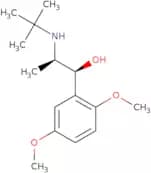
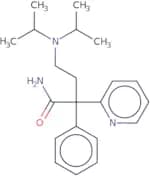
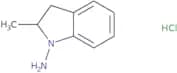
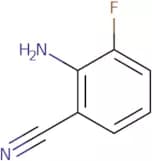
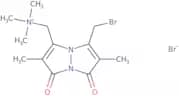
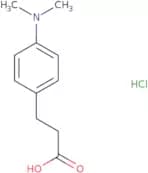

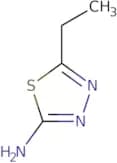
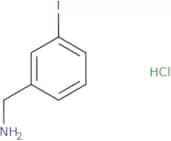
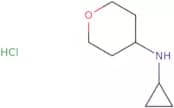
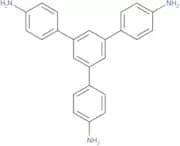
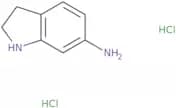
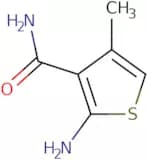
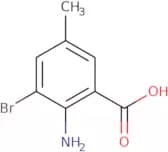
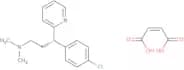
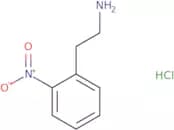


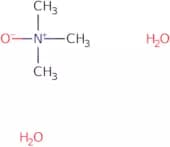

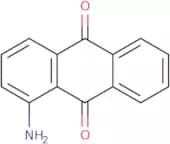
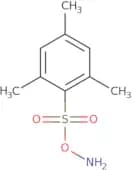
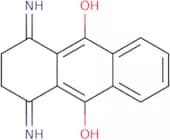
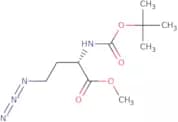

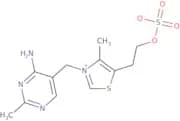


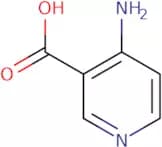
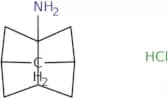
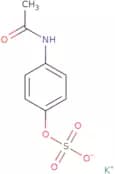
![Methyl 3-aminothieno[2,3-β]pyridine-2-carboxylate](/_next/image/?url=https%3A%2Fstatic.cymitquimica.com%2Fproducts%2F3D%2Fthumb-webp%2FFM57205.webp&w=3840&q=75)
![Benzo[d]isoxazol-5-amine](/_next/image/?url=https%3A%2Fstatic.cymitquimica.com%2Fproducts%2F3D%2Fthumb-webp%2FFB143763.webp&w=3840&q=75)
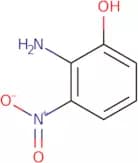
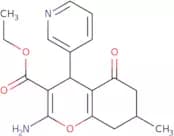
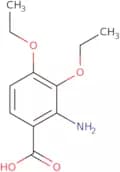
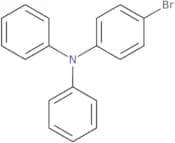
![3-[(Dimethylamino)methyl]benzaldehyde](/_next/image/?url=https%3A%2Fstatic.cymitquimica.com%2Fproducts%2F3D%2Fthumb-webp%2FFD124097.webp&w=3840&q=75)
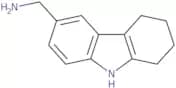
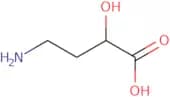
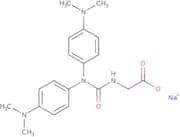
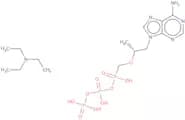
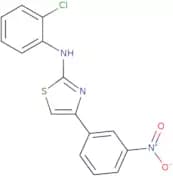
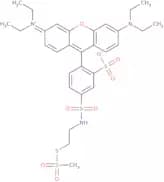
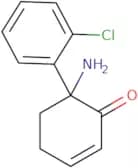
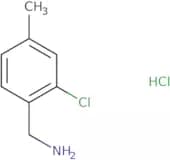
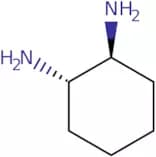
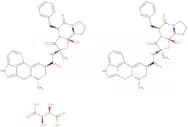
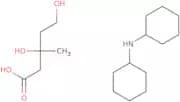
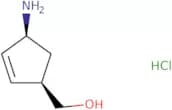
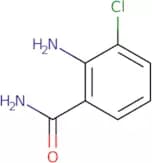
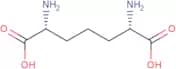
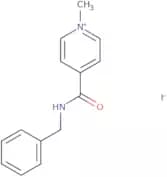
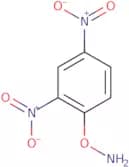
![[4-(2-Methyl-1,3-oxazol-5-yl)phenyl]amine](/_next/image/?url=https%3A%2Fstatic.cymitquimica.com%2Fproducts%2F3D%2Fthumb-webp%2FFM131648.webp&w=3840&q=75)
![[1-(Azepan-1-ylcarbonyl)butyl]amine hydrochloride](/_next/image/?url=https%3A%2Fstatic.cymitquimica.com%2Fproducts%2F3D%2Fthumb-webp%2FFA130693.webp&w=3840&q=75)
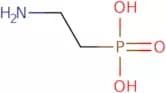
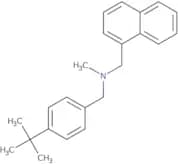
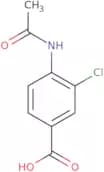
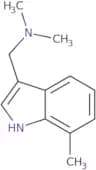
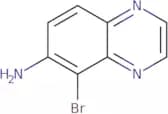
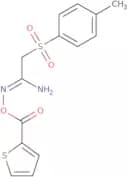
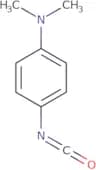
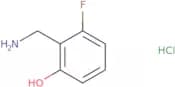
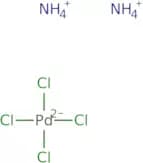
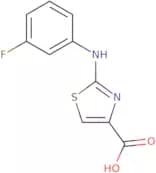

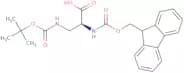
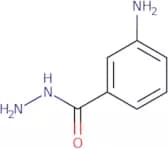
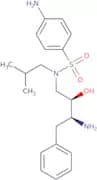
![2-[[1-Methyl-2-[3-(Trifluoromethyl)Phenyl]Ethyl]Amino]Ethyl](/_next/image/?url=https%3A%2Fstatic.cymitquimica.com%2Fproducts%2F3D%2Fthumb-webp%2FFM101485.webp&w=3840&q=75)
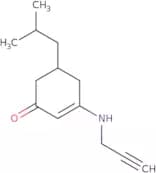

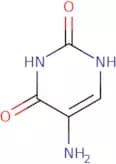
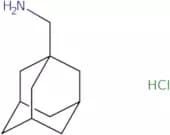
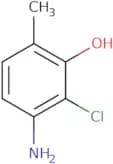
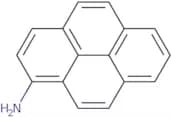
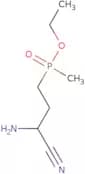
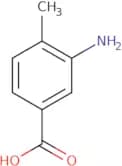
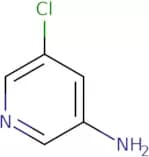
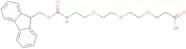

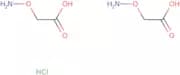
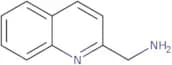
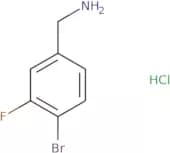
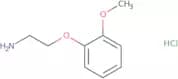
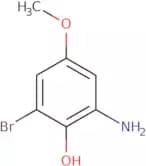
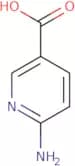
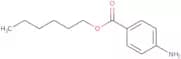
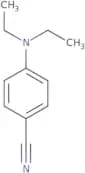

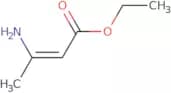
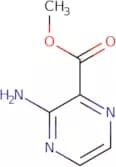
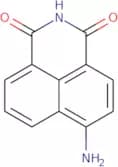
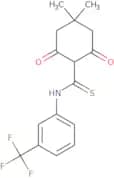
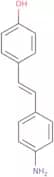
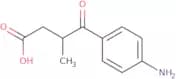
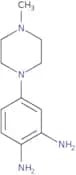
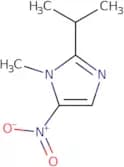

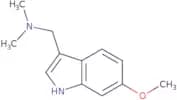
![2,5-Dimethoxy-N-[(2-methoxyphenyl)methyl]-4-(trifluoromethyl)benzeneethanamine](/_next/image/?url=https%3A%2Fstatic.cymitquimica.com%2Fproducts%2F3D%2Fthumb-webp%2FFD100429.webp&w=3840&q=75)
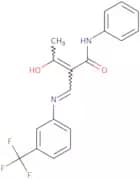
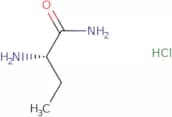
![3-[1-(Dimethylamino)ethyl]phenol](/_next/image/?url=https%3A%2Fstatic.cymitquimica.com%2Fproducts%2F3D%2Fthumb-webp%2FFD22323.webp&w=3840&q=75)
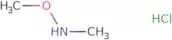

![3-[(4-Fluorophenyl)amino]cyclohex-2-en-1-one](/_next/image/?url=https%3A%2Fstatic.cymitquimica.com%2Fproducts%2F3D%2Fthumb-webp%2FFF123027.webp&w=3840&q=75)
![N-[(4-Amino-2-methylpyrimidin-5-yl)methyl]formamide](/_next/image/?url=https%3A%2Fstatic.cymitquimica.com%2Fproducts%2F3D%2Fthumb-webp%2FFA31702.webp&w=3840&q=75)
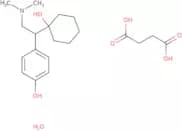
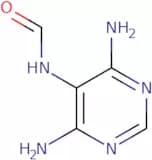
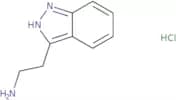
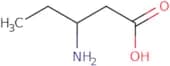

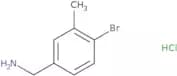

![2-[(2,6-Dibromo-4-methylphenyl)amino]acetohydrazide](/_next/image/?url=https%3A%2Fstatic.cymitquimica.com%2Fproducts%2F3D%2Fthumb-webp%2FFD115486.webp&w=3840&q=75)
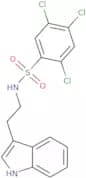
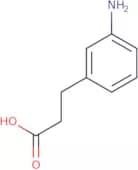
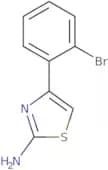
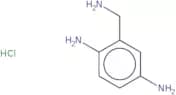
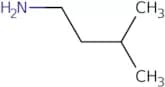

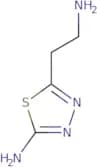

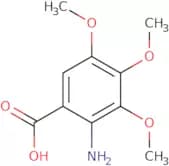
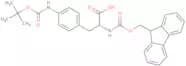
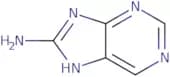
![Diammonium N-ethylheptadecafluoro-N-[2-(phosphonatooxy)ethyl]octanesulfonamidate](/_next/image/?url=https%3A%2Fstatic.cymitquimica.com%2Fproducts%2F3D%2Fthumb-webp%2FFD100565.webp&w=3840&q=75)
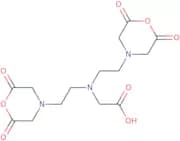

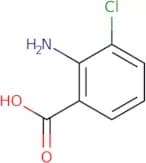

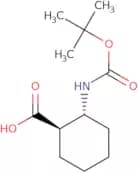
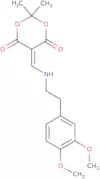
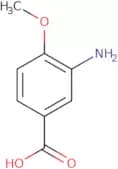

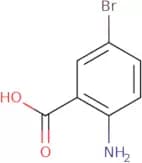
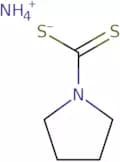

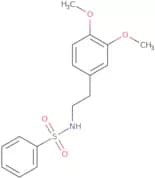
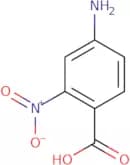
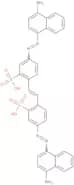
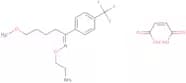
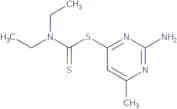
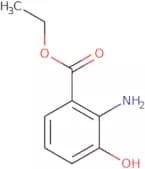
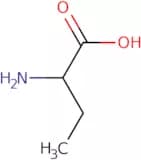

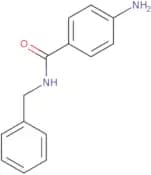
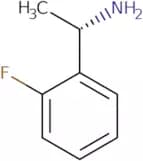

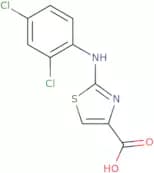
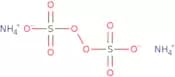
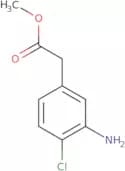
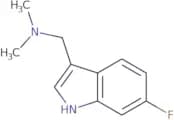
![{[2-(2-Methoxyphenyl)-1,3-thiazol-5-yl]methyl}amine](/_next/image/?url=https%3A%2Fstatic.cymitquimica.com%2Fproducts%2F3D%2Fthumb-webp%2FFM124085.webp&w=3840&q=75)
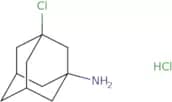
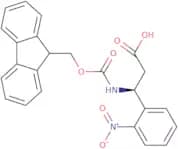
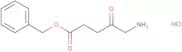
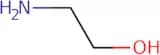
![2,2-Bis[4-(4-aminophenoxy)phenyl]propane](/_next/image/?url=https%3A%2Fstatic.cymitquimica.com%2Fproducts%2F3D%2Fthumb-webp%2FFB62700.webp&w=3840&q=75)
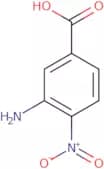

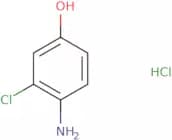



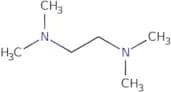
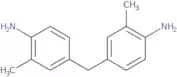
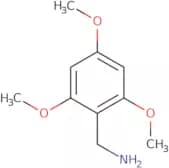
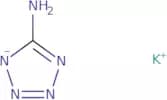
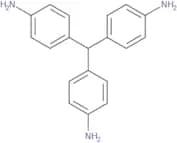
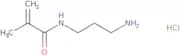
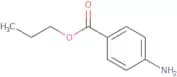
![2-[(2-Amino-5-methoxyphenyl)dithio]-4-methoxyaniline](/_next/image/?url=https%3A%2Fstatic.cymitquimica.com%2Fproducts%2F3D%2Fthumb-webp%2FFA117846.webp&w=3840&q=75)
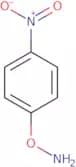
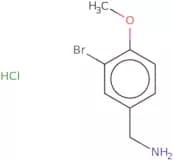
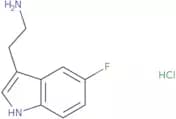
![[2-(1,3-Benzodioxol-5-yloxy)ethyl]amine hydrochloride](/_next/image/?url=https%3A%2Fstatic.cymitquimica.com%2Fproducts%2F3D%2Fthumb-webp%2FFB120300.webp&w=3840&q=75)