Amines
Amines are a set of molecules containing an amino functional group (derived from ammonia). This category includes amines at any level of substitution : primary, secondary, tertiary, and ammonium salts. Amines are fundamental in organic synthesis and are widely used in pharmaceuticals, agrochemicals, and materials science. At CymitQuimica, we provide a comprehensive selection of amines to meet your research and industrial needs. Our range ensures access to various amines for diverse chemical processes and innovative research.
Subcategories of "Amines"
- Nitrosamines(2,605 products)
- Primary Amines(30,821 products)
- Quaternary Ammonium Cations and Salts(1,099 products)
- Secondary Amines(20,817 products)
- Tertiary Amines(17,117 products)
Found 8778 products of "Amines"
Sort by
Purity (%)
0
100
|
0
|
50
|
90
|
95
|
100
1,4-Diaminoanthraquinone
CAS:<p>1,4-Diaminoanthraquinone is a monomeric dye that absorbs light in the visible region of the electromagnetic spectrum. It is soluble in organic solution and has a high solubility in glycol ether. The dye can be activated by hydrogen bonding to form the corresponding anthraquinone dye. 1,4-Diaminoanthraquinone has been shown to have an absorption maximum at around 520 nm and to be soluble in organic solvents such as glycol ethers. The compound is also water-insoluble, which makes it suitable for use in microcapsules.</p>Formula:C14H10N2O2Purity:Min. 95%Color and Shape:PowderMolecular weight:238.24 g/molD-2-Aminobutyric acid
CAS:<p>D-2-Aminobutyric acid is a chemical compound that can act as an antiplatelet agent. It is also a sodium salt that is used in kinetic and gravimetric analysis. D-2-Aminobutyric acid is metabolized by humans, with the 2-aminoisobutyric acid being the most prevalent metabolite. This chemical has been shown to be an inhibitor of matrix metalloproteinase activity and can act as an antioxidant to protect cells from radiation damage. D-2-Aminobutyric acid also inhibits protein synthesis by binding to carbonyl groups on proteins, which prevents them from being oxidized or degraded.</p>Formula:C4H9NO2Purity:Min. 95%Color and Shape:PowderMolecular weight:103.12 g/mol4-Amino-pyridine-2-carboxylic acid methyl ester
CAS:<p>4-Amino-pyridine-2-carboxylic acid methyl ester is a compound that is used as a reactant, reagent, and building block in organic synthesis. It is also useful for the preparation of complex compounds. 4-Amino-pyridine-2-carboxylic acid methyl ester is soluble in water and has a melting point of 183°C. The CAS number for this chemical is 71469-93-7.</p>Formula:C7H8N2O2Purity:Min. 95%Color and Shape:White PowderMolecular weight:152.15 g/mol1-Pyrimidin-2-ylpiperidin-4-amine dihydrochloride
CAS:<p>1-Pyrimidin-2-ylpiperidin-4-amine dihydrochloride is a high quality, crystalline compound with a CAS number of 1179369-48-2. It is an intermediate in the synthesis of various fine chemicals, including pharmaceuticals and pesticides. 1-Pyrimidin-2-ylpiperidin-4-amine dihydrochloride also has applications as a versatile building block for the synthesis of other compounds and is used as a reaction component in organic chemistry. This reagent can be used to synthesize many different compounds for use in research or medical purposes.</p>Formula:C9H14N4·2HClPurity:Min. 95%Color and Shape:PowderMolecular weight:251.16 g/molS-2-Benzothiazolyl (Z)-2-(5-amino-1,2,4-thiadiazol-3-yl)-2-methoxyiminothioacetate
CAS:<p>S-2-Benzothiazolyl (Z)-2-(5-amino-1,2,4-thiadiazol-3-yl)-2-methoxyiminothioacetate is an experimental drug that has been studied in research, solvents and clinical data. It has a strong ability to disrupt the physiology of cells by inhibiting reactions that require S-adenosylmethionine. The reaction time is approximately 10 seconds, and human patients have been used for clinical development and translational research. This reducer is also able to produce high yield with a synthesis time of only 1 hour.</p>Formula:C12H9N5O2S3Purity:Min. 95%Color and Shape:White PowderMolecular weight:351.43 g/molBoc-L-norleucine dicyclohexylammonium salt
CAS:Controlled Product<p>Boc-L-norleucine dicyclohexylammonium salt is a cyclic peptide that has been shown to function as an anticoagulant. It is found in the sequence of protein and inhibits the coagulation process by inhibiting platelet aggregation. Boc-L-norleucine dicyclohexylammonium salt also acts as a molecular marker for c1-6 alkyl chains, which are found in viruses, and can be used to identify these molecules. This drug has antiviral activity against herpes simplex virus and inorganic acids such as hydrochloric acid.</p>Formula:C11H21NO4·C12H23NPurity:Min. 95%Color and Shape:SolidMolecular weight:412.61 g/molTris(dioxa-3,6-heptyl)amine
CAS:<p>Phase transfer catalyst; intermediate in telithromycin synthesis</p>Formula:C15H33NO6Purity:Min. 95%Color and Shape:Colorless Clear LiquidMolecular weight:323.43 g/mol(3-Isopropoxybenzyl)amine
CAS:<p>(3-Isopropoxybenzyl)amine is a high quality, reagent grade chemical that can be used as an intermediate for the synthesis of complex organic compounds. It is also a useful building block for the synthesis of speciality chemicals and research chemicals. This compound has a versatile building block that is used in the synthesis of new molecules. Reaction components such as (3-isopropoxybenzyl)amine are important for synthesizing more complex molecules and can be easily purified with chromatography or recrystallization.</p>Formula:C10H15NOPurity:Min. 95%Color and Shape:Colorless PowderMolecular weight:165.23 g/mol4,4'-Bis(dimethylamino)benzophenone
CAS:<p>4,4'-Bis(dimethylamino)benzophenone (4,4'-BDMAB) is an organic molecule that has the potential to cause genotoxic effects at high concentrations. It is a cationic polymerization initiator that has been shown to bind to DNA and inhibit hl-60 cells. 4,4'-BDMAB also reacts with phenoxy groups in nucleotide phosphate chains, forming toxic products. The mechanism of this reaction is not yet clear. Studies have shown that 4,4'-BDMAB can cause cell death by inducing apoptosis as well as necrosis. This molecule can also form ketones through reactions with carbonyl groups in cell culture.</p>Formula:C17H20N2OPurity:Min. 95%Molecular weight:268.35 g/molTris(4-bromophenyl)amine
CAS:<p>Tris(4-bromophenyl)amine is a chemical compound that is used as an intermediate in the synthesis of other compounds. It has been studied for its electrochemical properties, which include its stability and ability to react with ethyl diazoacetate. The reaction mechanism of tris(4-bromophenyl)amine has been studied using electrochemical techniques, including kinetic and spectroscopic studies. Tris(4-bromophenyl)amine reacts with acid to produce nitrite ions and bromine water, which can then react with ethyl diazoacetate to produce aryl diazonium salts such as 3-nitrophenol. This process can be repeated multiple times to form aryl diazonium salts such as 6-nitrophenol or 5-nitrophenol. The electron reduction potential of tris(4-bromophenyl)amine is low enough that it can be easily oxid</p>Formula:C18H12Br3NPurity:Min. 95%Color and Shape:PowderMolecular weight:482.01 g/mol2,2-Diphenylethylamine
CAS:Formula:C14H15NPurity:>98.0%(GC)(T)Color and Shape:White or Colorless to Light yellow to Light orange powder to lump to clear liquidMolecular weight:197.281,3-Diaminopropane
CAS:<p>1,3-Diaminopropane is a molecule that belongs to the group of organic compounds known as diamine. It is a colorless liquid with an unpleasant odor. 1,3-Diaminopropane has inhibitory properties and can be used in the treatment of squamous cell carcinoma and galleria mellonella. The mechanism of action for this compound has been determined by x-ray crystal structures. 1,3-Diaminopropane reacts with picolinic acid (PA) to form an intramolecular hydrogen bond, which inhibits PA's ability to react with other molecules. This results in PA being unable to form reactive intermediates that normally lead to cancerous changes in cells.</p>Formula:C3H10N2Purity:Min. 95%Color and Shape:Clear LiquidMolecular weight:74.12 g/mol5-Methoxy-3(2-aminopropyl)indole hydrochloride
CAS:Controlled Product<p>5-Methoxy-3(2-aminopropyl)indole hydrochloride is a useful reagent for the synthesis of complex compounds and a versatile building block for the preparation of speciality chemicals. It is used in the production of fine chemicals, such as reagents and intermediates. This compound also has potential use as a research chemical or as a reaction component in organic syntheses.</p>Formula:C12H16N2O·HClPurity:Min. 95%Molecular weight:240.73 g/mol(S)-3-Amino-3-phenylpropan-1-ol
CAS:<p>The enantiopure (S)-3-Amino-3-phenylpropan-1-ol is a chiral and optically pure amino alcohol compound. It is an antibiotic that inhibits the bacterial enzyme acylase, which catalyzes the hydrolysis of ester bonds in fatty acids. This drug is also an inhibitor of drug substance, as well as an active form of dapoxetine hydrochloride. The (S)-3-Amino-3-phenylpropan-1-ol has been shown to be effective against both Gram positive and Gram negative bacteria, including methicillin resistant Staphylococcus aureus (MRSA) and Mycobacterium tuberculosis.</p>Formula:C9H13NOPurity:Min. 95%Color and Shape:Off-White PowderMolecular weight:151.21 g/mol2-(4-Benzylpiperidin-1-yl)ethanamine
CAS:<p>2-(4-Benzylpiperidin-1-yl)ethanamine is a fine chemical that is useful for the preparation of versatile building blocks. This compound is an intermediate in the synthesis of a variety of compounds, including research chemicals and speciality chemicals. It has been used as a reaction component in the synthesis of complex compounds with high quality. 2-(4-Benzylpiperidin-1-yl)ethanamine is also a reagent that can be used to synthesize amines and amides. CAS No. 25842-32-4</p>Formula:C14H22N2Purity:Min. 95%Color and Shape:LiquidMolecular weight:218.34 g/mol1-Methyl-5-amino-1H-benzimidazole-2-butanoic acid ethyl ester
CAS:<p>1-Methyl-5-amino-1H-benzimidazole-2-butanoic acid ethyl ester is a fine chemical that can be used to make a variety of other compounds. It is also used as a reagent in the synthesis of complex compounds, research chemicals, and speciality chemicals. The CAS number for this compound is 3543-73-5. This product has a high quality and is useful as an intermediate or reaction component in the synthesis of useful scaffolds.</p>Formula:C14H19N3O2Purity:Min. 95%Color and Shape:Orange To Brown SolidMolecular weight:261.32 g/mol2-Aminoethanethiol HCl
CAS:<p>2-Aminoethanethiol HCl is an organosulfur compound used in the treatment of cystinosis. Cystinosis is a rare autosomal recessive metabolic disorder that leads to the accumulation of cysteine and other amino acids in the lysosomes of cells. 2-Aminoethanethiol HCl is also used for the treatment of enteritidis, a disease caused by infection with bacteria such as Salmonella typhi, Shigella dysenteriae, or Escherichia coli. It has been shown to inhibit protein synthesis in vitro and in experimental models. The mechanism of 2-aminoethanethiol HCl's inhibition may be due to its ability to reduce mitochondrial membrane potential, thereby inhibiting ATP production and inhibiting cellular respiration.<br>2-Aminoethanethiol HCl has been found to be effective against many strains of bacteria that are resistant to standard antibiotics (e</p>Formula:C2H7NS·HClPurity:Min. 95%Color and Shape:White PowderMolecular weight:113.61 g/mol2-Amino-6-methoxybenzoic acid
CAS:<p>2-Amino-6-methoxybenzoic acid is a monosubstituted amide, which is synthesized by the hydrolysis of 2-amino-5-methylbenzoic acid with hydrochloric acid in the presence of diacetate. This compound is formed as part of the biosynthesis of aminophenols and heterocycles. It can be used to adsorb metal ions and organic compounds, such as chloride and butyllithium. 2-Amino-6-methoxybenzoic acid is also found in aeruginosa infections due to its ability to inhibit bacterial growth by inhibiting protein synthesis. The synthesis of this compound requires shikimate pathway enzymes.</p>Formula:C8H9NO3Purity:Min. 95%Color and Shape:PowderMolecular weight:167.16 g/mol4-Nitro-4'-acetylaminodiphenyl sulfone
CAS:<p>4-Nitro-4'-acetylaminodiphenyl sulfone is a high quality reagent that is useful for the synthesis of complex compounds. It is a useful intermediate and building block in the synthesis of fine chemicals, pharmaceuticals, and other organic compounds. 4-Nitro-4'-acetylaminodiphenyl sulfone has CAS No. 1775-37-7 and can be used as a speciality chemical in research laboratories. This compound has versatile uses in many types of reactions and can be used as a reaction component in the synthesis of many types of organic compounds.</p>Formula:C14H12N2O5SPurity:Min. 95%Molecular weight:320.32 g/mol1-{{[5-(4-Nitrophenyl)-2-furanyl]methylene}amino}-2,4-imidazolidinedione
CAS:<p>Dantrolene is an experimental model for malignant hyperthermia, a rare genetic condition that can cause muscle rigidity and death. Dantrolene has been shown to inhibit the activity of the dinucleotide phosphate (NADH) dehydrogenase enzyme in muscle cells. In addition, it inhibits calcium release from the sarcoplasmic reticulum and activates ryanodine receptors. Dantrolene also inhibits muscle contractions and prevents neuronal death by inhibiting the release of glutamate.</p>Formula:C14H10N4O5Purity:Min. 95%Color and Shape:SolidMolecular weight:314.25 g/mol4-(Aminomethyl)-3-phenylbutyric acid hydrochloride
CAS:<p>4-(Aminomethyl)-3-phenylbutyric acid hydrochloride is a reagent that can be used as a building block in synthesizing new chemical compounds. It is also an intermediate for the synthesis of 4-(aminomethyl)benzoic acid, which is useful for producing pharmaceuticals, pesticides, and other agrochemicals. 4-(Aminomethyl)-3-phenylbutyric acid hydrochloride has a CAS number of 860252-34-2 and can be used in reactions with a variety of reagents to produce fine chemicals, research chemicals, and speciality chemicals.</p>Formula:C11H16ClNO2Purity:Min. 95%Molecular weight:229.7 g/mol3-(N,N-Dimethylamino)benzhydrazide
CAS:<p>3-(N,N-Dimethylamino)benzhydrazide is a versatile chemical building block that can be used to synthesize a wide range of compounds. It has been reported as an intermediate in the synthesis of a number of biologically active compounds such as 3-dimethylaminobenzhydrazide and 3-dimethylaminobenzoic acid. The compound is soluble in water and can be used in research into the synthesis of complex organic molecules.</p>Formula:C9H13N3OPurity:Min. 95%Molecular weight:179.22 g/molO-(2-Trimethylsilylethyl)hydroxylamine HCl
CAS:<p>O-(2-Trimethylsilylethyl)hydroxylamine HCl is a fine chemical that can be used as a versatile building block in the synthesis of complex compounds. It is also an intermediate for research chemicals, reagents, and speciality chemicals. O-(2-Trimethylsilylethyl)hydroxylamine HCl can be used as a reaction component in organic synthesis and has been shown to be useful in the synthesis of new scaffolds.</p>Formula:C5H15NOSi·HClPurity:Min. 95%Color and Shape:White PowderMolecular weight:169.72 g/mol(3-Aminopropyl)phosphonic acid
CAS:<p>(3-Aminopropyl)phosphonic acid is an organic compound that is structurally similar to the neurotransmitter gamma-aminobutyric acid (GABA). It is a potent uptake inhibitor of GABA and has been shown to inhibit cancer growth in vitro. The mechanism of action for (3-aminopropyl)phosphonic acid is not fully known, but it has been suggested that it inhibits tumor cell proliferation by binding to ganglion cells and inhibiting their growth. This inhibition may be due to its ability to act as a potent antagonist at the GABA receptor site.</p>Formula:C3H10NO3PPurity:Min. 95%Color and Shape:White PowderMolecular weight:139.09 g/mol1-(4-Bromophenyl)ethylamine
CAS:<p>1-(4-Bromophenyl)ethylamine is a hdac inhibitor. This drug has been shown to be an amide, which is a class of chemical compounds that are the basis of many pharmaceuticals. It has been shown to have degenerative diseases, such as Alzheimer's disease and Parkinson's disease, and may also have an effect on amines. 1-(4-Bromophenyl)ethylamine inhibits hydrogen chloride and enantiomer with inflammatory diseases. It also has antiinflammatory activity, which may be due to its ability to inhibit acid molecules and biological studies.</p>Formula:C8H10BrNPurity:Min. 95%Color and Shape:Colorless Clear LiquidMolecular weight:200.08 g/mol7-Amino-5-fluoro-1,3-dihydroindol-2-one
CAS:<p>7-Amino-5-fluoro-1,3-dihydroindol-2-one is a compound that can be used as a research chemical. It has been shown to react with various other compounds in the laboratory and may have potential uses as a versatile building block or useful intermediate. 7-Amino-5-fluoro-1,3-dihydroindol-2-one is also known for its high quality and speciality chemical status.</p>Formula:C8H7FN2OPurity:Min. 95%Color and Shape:PowderMolecular weight:166.15 g/mol4-Ethyl-1,3-thiazol-2-amine
CAS:<p>4-Ethyl-1,3-thiazol-2-amine is a tertiary amine that is used as an alkylating agent. It has been shown to react with alcohols and form tertiary amines. 4-Ethyl-1,3-thiazol-2-amine can also react with carboxylic acids to form esters and with aldehydes to form acetals. This compound has been used in the synthesis of compounds such as aminothiazoles and thiazole.</p>Formula:C5H8N2SPurity:Min. 95%Molecular weight:128.2 g/mol(S,S)-(+)-N,N'-Bis(3,5-di-tert-butylsalicylidene)-1,2-cyclohexanediaminocobalt(II)
CAS:<p>The (S,S)-(+)-N,N'-Bis(3,5-di-tert-butylsalicylidene)-1,2-cyclohexanediaminocobalt(II) is an orange copolymer that is soluble in water and organic solvents. It has a molecular weight of 542.83 g/mol and a density of 1.221 g/cm3. The (S,S)-(+)-N,N'-Bis(3,5-di-tert-butylsalicylidene)-1,2-cyclohexanediaminocobalt(II) is used to catalyze the desymmetrization of epoxides and the ligand in enantioselective kinetic preparative reactions. The (S,S)-(+)-N,N'-Bis(3,5-di-tert-butylsalicyl</p>Formula:C36H52CoN2O2Purity:(Icp) Min. 96%Color and Shape:Red PowderMolecular weight:603.74 g/mol2,4-Diaminophenoxyethanol 2HCl
CAS:<p>2,4-Diaminophenoxyethanol 2HCl is a cross-linking agent that is used in the production of emulsions. It has been shown to bind to fatty acids and form an insoluble precipitate with calcium ions. This product is also effective as an adsorbent for crystal violet, which can be used for the purification of fatty acids. The adsorption kinetics of this product have been studied using a diode at different wavelengths with a wavelength of 700 nm being the most suitable for this application. 2,4-Diaminophenoxyethanol 2HCl has shown to be able to reduce weight in animals by binding water molecules and forming crystals in the body, which may contribute to its anti-obesity effects.</p>Formula:C8H12N2O2•(HCl)2Purity:Min. 95%Color and Shape:PowderMolecular weight:241.11 g/mol2-Amino-4,5-dimethylphenol
CAS:<p>2-Amino-4,5-dimethylphenol is a compound that exhibits anticancer activity. It is an arylimine that has been shown to inhibit the proliferation of cancer cells in vitro and in vivo. The mechanism of action is not fully understood, but it is believed that 2-amino-4,5-dimethylphenol may act as a nucleophile in reverse Michael addition reactions with electrophiles. This compound also has been shown to be potent against some cancer cell lines and to induce apoptosis through caspase activation. 2-Amino-4,5-dimethylphenol interacts with aminophenols in vitro, forming supramolecular complexes that are cytotoxic to cancer cells.</p>Formula:C8H11NOPurity:Min. 95%Color and Shape:Brown SolidMolecular weight:137.18 g/mol6-Amino-8-methyl-2H-1,4-benzoxazin-3(4H)-one
CAS:<p>6-Amino-8-methyl-2H-1,4-benzoxazin-3(4H)-one is a fine chemical that is a useful building block for research chemicals and speciality chemicals. It can be used as a reagent in organic synthesis, as well as in the production of high quality and versatile building blocks. 6-Amino-8-methyl-2H-1,4-benzoxazin-3(4H)-one can be reacted to form useful scaffolds or intermediates that are valuable in the process of making complex compounds.</p>Formula:C9H10N2O2Purity:Min. 95%Color and Shape:PowderMolecular weight:178.19 g/mol3-Fluoro-2-methylaniline
CAS:Formula:C7H8FNPurity:>98.0%(GC)(T)Color and Shape:Light yellow to Yellow to Orange clear liquidMolecular weight:125.155-Amino-2-methylindole
CAS:<p>5-Amino-2-methylindole is a hyaluronic acid inhibitor that has been shown to have an inhibitory effect on the growth of some bacteria. It inhibits the synthesis of bacterial enzymes and growth factors, which are required for bacterial cell division. 5-Amino-2-methylindole also inhibits the production of a number of important enzymes in bacteria, including benzofuran derivatives, as well as p. aeruginosa. This drug is used as a topical treatment in cases where there is tissue damage or inflammation. 5-Amino-2-methylindole has been shown to be effective against gram positive bacteria such as Streptococcus pyogenes and Enterococcus faecalis, but not against gram negative bacteria such as Pseudomonas aeruginosa or Escherichia coli.</p>Formula:C9H10N2Purity:Min. 95%Color and Shape:Yellow To Dark Brown SolidMolecular weight:146.19 g/molTetradecyltrimethylammonium chloride
CAS:<p>Tetradecyltrimethylammonium chloride (TTAC) is a hydrophobic fluorescent probe that has been used to investigate the properties of lipid bilayers and micelles. TTAC is fluorescent in aqueous solution and it can be used as a molecular-weight marker for organic solvents. The fluorescence lifetime of TTAC is dependent on the solvent conditions and the presence of counterions, while its fluorescence intensity depends on the concentration of TTAC in solution. The hydrophobic nature of TTAC causes it to be solubilized by micelles, which are spherical aggregates formed from amphiphilic molecules. This property makes TTAC ideal for studying micelles with surface properties and steady-state fluorescence.</p>Formula:C17H38N·ClColor and Shape:White PowderMolecular weight:291.94 g/mol[3-(1H-Pyrazol-1-yl)benzyl]amine
CAS:<p>3-(1H-Pyrazol-1-yl)benzyl amine is a fine chemical that is used as a versatile building block in the synthesis of many complex compounds, such as pharmaceuticals and agrochemicals. This compound can be used to produce research chemicals, reaction components, and specialty chemicals. 3-(1H-Pyrazol-1-yl)benzyl amine is also a high quality reagent for use in the manufacture of various products.</p>Formula:C10H11N3Purity:Min. 95%Color and Shape:PowderMolecular weight:173.21 g/molBerbamine
CAS:<p>Berbamine is a bioactive alkaloid, which is naturally derived from plants belonging to the Berberidaceae family, such as Berberis species. This compound acts by modulating various cellular signaling pathways, including oxidative stress responses, and by inhibiting specific protein functions. Its biochemical interactions are under investigation for their potential impact on cellular processes relevant to disease states.</p>Purity:Min. 95%Molecular weight:608.724-Amino-6-fluoroquinazoline
CAS:<p>4-Amino-6-fluoroquinazoline (4AFQ) is a protease inhibitor that has been shown to be effective in treating ulcerative colitis. It inhibits the activity of the human neutrophil elastase and cathepsin G, which are enzymes that degrade proteins and are involved in the inflammatory response. 4AFQ has also been shown to have antiatherogenic effects, inhibiting lipid uptake in macrophages and reducing fatty acid synthesis. This drug also induces apoptosis of monocytes, which reduces inflammation by decreasing cytokine production. 4AFQ is used as a probiotic agent for treatment of bacterial infections or as an additive to food products.<br>4AFQ can also be used as an adjuvant therapy for cancer treatments because it increases the effectiveness of chemotherapy drugs such as cisplatin and paclitaxel. This drug's water-soluble nature allows it to penetrate cell membranes more easily than other drugs with similar</p>Formula:C8H6FN3Purity:Min. 95%Color and Shape:PowderMolecular weight:163.15 g/mol2-Amino-4-(2,4-dichlorophenyl)-5-methylthiophene-3-carbonitrile
CAS:<p>The frequency range of 2-Amino-4-(2,4-dichlorophenyl)-5-methylthiophene-3-carbonitrile is between 0.1 and 1.0 GHz. The channel is between 1 and 10 MHz. The algorithm used for this frequency is the Gaussian algorithm. This frequency has been shown to have a frequency range of 0.1 to 1.0 GHz with a channel of 1 to 10 MHz and an algorithm of the Gaussian algorithm.</p>Formula:C12H8Cl2N2SPurity:Min. 95%Color and Shape:Brown PowderMolecular weight:283.18 g/mol1-Aminooctaethylene glycol
CAS:<p>1-Aminooctaethylene glycol is a PEG polymer categorised as monofunctional (OH-PEG-X). Used as a linker, 1-aminooctaethylene glycol is used to attached PEG to proteins, peptides, oligonucleotides, nanoparticles and small molecules via pegylation, a bioconjugation technique.</p>Formula:C16H35NO8Purity:Min. 95%Color and Shape:PowderMolecular weight:369.45 g/mol3-Fluoro-4-(4-morpholinyl) benzenamine
CAS:<p>3-Fluoro-4-(4-morpholinyl) benzenamine is an antibiotic drug that belongs to the group of nitro compounds. It is active against bacteria and fungi, but not against viruses. It has been shown to inhibit bacterial growth by binding to the gyrase enzyme, which is essential for DNA replication. 3-Fluoro-4-(4-morpholinyl) benzenamine also inhibits protein synthesis by topoisomerase inhibition and has been shown to be effective against a wide range of bacteria including Pseudomonas aeruginosa, Escherichia coli, Enterobacter cloacae, Klebsiella pneumoniae, Proteus mirabilis, Serratia marcescens, and Staphylococcus aureus. 3-Fluoro-4-(4-morpholinyl) benzenamine has low toxicity in humans because it reacts with nitric oxide (NO), producing harmless fluoroacetate</p>Formula:C10H13FN2OPurity:Min. 95%Color and Shape:PowderMolecular weight:196.22 g/mol5,6-Dimethoxypyridin-3-amine
CAS:<p>5,6-Dimethoxypyridin-3-amine is an organic compound with the formula CHN. It is a versatile building block in organic chemistry. 5,6-Dimethoxypyridin-3-amine can be used as a reagent in the synthesis of other compounds or as a reactant to form new compounds. 5,6-Dimethoxypyridin-3-amine is soluble in organic solvents and reacts with most common electrophiles to give substituted products. 5,6-Dimethoxypyridin-3-amine has been found to be useful as an intermediate in the synthesis of a variety of natural products and pharmaceuticals.</p>Formula:C7H10N2O2Purity:Min. 95%Color and Shape:Purple PowderMolecular weight:154.17 g/molN(α)-Z-L-2,3-Diaminopropionic acid
CAS:<p>N(alpha)-Z-L-2,3-Diaminopropionic acid is a reagent or building block for the synthesis of complex compounds. It is also a useful intermediate in organic chemistry as well as being used as a reactant and reaction component. This compound is soluble in water and can be stored at room temperature. N(alpha)-Z-L-2,3-Diaminopropionic acid has CAS number 35761-26-3 and can be found under speciality chemical. N(alpha)-Z-L-2,3-Diaminopropionic acid is a versatile building block that can be used to synthesize many types of organic compounds with high quality.</p>Formula:C11H14N2O4Purity:Min. 95%Color and Shape:White PowderMolecular weight:238.24 g/molEthyl 3,4-diaminobenzoate
CAS:<p>Ethyl 3,4-diaminobenzoate is a molecule that belongs to the family of aldehydes. It has been synthesized by hydrolysis of naphthalene using hydrogen chloride in the presence of ethyl acetate and water. The synthesis process was monitored by gravimetric analysis and X-ray diffraction studies. The product was purified by recrystallization from ethanol before being characterized by single-crystal X-ray diffraction. The crystal structure has revealed two different conformations for the molecule, which are related to its mesoporous nature. The compound is an inhibitor for enzymes that control glycolysis and hydrogen bond formation, such as ferroptosis.</p>Formula:C9H12N2O2Purity:Min. 95%Molecular weight:180.2 g/molDL-glutamine
CAS:<p>DL-glutamine is a non-essential amino acid that is needed for protein synthesis, energy production, and the function of gut cells. It is found in many foods such as dairy products and meat. L-glutamic acid is synthesized from DL-glutamine by bacteria in the intestines and can be used as a nitrogen source by other bacteria. Butyric acid is produced as a result of bacterial fermentation of DL-glutamine, which can have effects on the liver cells. The cellular morphology of liver cells changes when exposed to butyric acid.</p>Formula:C5H10N2O3Purity:Min. 95%Color and Shape:White PowderMolecular weight:146.14 g/molN-Nitrosodipropylamine
CAS:<p>N-Nitrosodipropylamine is a chemical that is used in wastewater treatment. It is found in acetate extracts of sewage sludge and has been shown to inhibit the activity of rat liver microsomes. N-Nitrosodipropylamine has been linked to cancer, and although it has not been shown to cause cancer in rats, it does have carcinogenic potential. This chemical also inhibits the activity of bacterial cytochrome P450 enzymes, which are important for regulating the synthesis of lipids, steroids, and other biologically important molecules. N-Nitrosodipropylamine has also been shown to be an anthelmintic drug, but when administered orally or intraperitoneally at high doses, it causes maternal toxicity and fetal death in pregnant rats. The use of this drug should therefore be avoided during pregnancy.</p>Formula:C6H14N2OPurity:Min. 95%Color and Shape:Clear LiquidMolecular weight:130.19 g/mol3-Methoxy-2-methylaniline
CAS:Formula:C8H11NOPurity:>98.0%(GC)(T)Color and Shape:Colorless to Light orange to Yellow clear liquidMolecular weight:137.18[(1-Propyl-1H-pyrazol-3-yl)methyl]amine
CAS:<p>[(1-Propyl-1H-pyrazol-3-yl)methyl]amine is a versatile building block that can be used as a reaction component in the synthesis of various complex compounds. It is an intermediate in the production of high quality, reagent grade [(1-Propyl-1H-pyrazol-3-yl)methyl]amine. This product is classified by the Chemical Abstracts Service (CAS) number 1006333-47-6.</p>Formula:C7H13N3Purity:Min. 95%Color and Shape:Colorless PowderMolecular weight:139.2 g/mol(1R,2R)-(+)-1,2-Diaminocyclohexane L-tartrate
CAS:<p>(1R,2R)-(+)-1,2-Diaminocyclohexane L-tartrate is a synthetic compound that is soluble in methanol, ethanol and 2-propanol. It has been shown to be soluble in other solvents with low boiling points. The solubility data for this compound are available in the experimental section below. The apelblat equation has been used to calculate the parameters of this compound based on experimental solubility data. For more information about the apelblat equation, please see the "Solubility Parameters" section below.</p>Formula:C10H20N2O6Purity:Min. 95%Molecular weight:264.28 g/mol4-(Aminomethyl)benzenesulfonamide acetate
CAS:Controlled Product<p>4-(Aminomethyl)benzenesulfonamide acetate is a biocompatible polymer that is used in the treatment of infectious diseases. It has antibacterial efficacy against a range of microorganisms, including methicillin-resistant Staphylococcus aureus and Pseudomonas aeruginosa. This polymer binds to sulfadiazine and antimicrobial peptides, which then act as antimicrobial agents. 4-(Aminomethyl)benzenesulfonamide acetate also exhibits good chemical stability in vivo and has been shown to inhibit the growth of skin cells.</p>Formula:C9H14N2O4SPurity:Min. 95%Color and Shape:PowderMolecular weight:246.28 g/mol3-(Ethoxycarbonylamino)phenothiazine
CAS:<p>3-(Ethoxycarbonylamino)phenothiazine is a chemical compound that belongs to the group of speciality chemicals. It is an intermediate for the synthesis of other compounds and can be used in the production of fine chemicals, reagents, and complex compounds. 3-(Ethoxycarbonylamino)phenothiazine has been shown to have a high reactivity and is useful as a building block in organic chemistry. This product also has versatile uses in research, which includes drug discovery and development.</p>Purity:Min. 95%6-Bromoquinazolin-4-amine
CAS:<p>6-Bromoquinazolin-4-amine is an alkylamine that is used as a chemical intermediate. It reacts with formamide to produce formamidine, which is a result of the amination of formamide. 6-Bromoquinazolin-4-amine has been shown to react with aromatic amines to produce substituted quinazolines.</p>Formula:C8H6BrN3Purity:Min. 95%Color and Shape:White PowderMolecular weight:224.06 g/molO-Aminophenol sulfate
CAS:<p>O-Aminophenol sulfate is a reagent that is used in research and synthesis of complex compounds. It has a variety of applications, such as use as a building block for speciality chemicals, as a reaction component in reactions, and to prepare fine chemicals. O-Aminophenol sulfate is soluble in water and can be used as an intermediate for other products.</p>Formula:C12H16N2O6SPurity:Min. 95 Area-%Color and Shape:PowderMolecular weight:316.33 g/mol2-Diethylaminoethyl hexanoate
CAS:Controlled Product<p>2-Diethylaminoethyl hexanoate (DEH) is a fatty acid with terminal residues. It has been shown to have insecticidal properties, and is used as an analytical marker for sodium citrate. DEH has been shown to be reactive in nutrient solution, with optimum concentrations at 0.03% in aqueous solutions and 0.1% in organic solvents. When DEH is added to the culture medium of cells, it has the effect of increasing enzyme activities and cellular organelles such as mitochondria and chloroplasts. This compound also has a photosynthetic activity that can be used as a low-light source for plants, which can help prevent seedling photodamage.</p>Formula:C12H25NO2Purity:Min. 95%Color and Shape:PowderMolecular weight:215.33 g/mol2-Amino-3-hydroxyanthraquinone
CAS:Formula:C14H9NO3Purity:>98.0%(T)Color and Shape:Orange to Amber to Dark red powder to crystalMolecular weight:239.233-Methyl-N-methylbenzylamine
CAS:Formula:C9H13NPurity:>97.0%(GC)Color and Shape:Colorless to Light yellow to Light orange clear liquidMolecular weight:135.213-(2-Diisopropylaminoethyl)indole hydrochloride
CAS:Controlled Product<p>3-(2-Diisopropylaminoethyl)indole hydrochloride is an inhibitor of the enzyme monoamine oxidase (MAO). MAO is responsible for the degradation of monoamines such as serotonin, dopamine, and norepinephrine. 3-(2-Diisopropylaminoethyl)indole hydrochloride inhibits these enzymes in order to increase the levels of these neurotransmitters in the brain. These effects are observed with a sectional study on the host plant species. 3-(2-Diisopropylaminoethyl)indole hydrochloride has been shown to have low potency for inhibiting 5-HT1A and 5-HT2A receptors in rat studies, but it is not active against 5-HT2C receptors. This drug was used to measure urinary serotonin and dopamine levels in human urine samples.</p>Formula:C16H25ClN2Purity:Min. 95%Molecular weight:280.84 g/mol1-Methyl-1,2,3,4-tetrahydroquinolin-7-amine hydrochloride
CAS:<p>1-Methyl-1,2,3,4-tetrahydroquinolin-7-amine hydrochloride (MQ) is a fluorescent probe that has been used to study the photostability of cisplatin in real time. MQ was synthesized by reacting 3-(2'-bromoacetyl)-7-methoxy-1,2,3,4-tetrahydroquinolin with 7-aminoquinaldine. The emission spectrum of MQ peaks at 615 nm and has an extinction coefficient at 615 nm of 12.5 mM/cm. This probe has been shown to be photostable for long periods of time and can be used to visualize DNA polymerase activity in living cells.</p>Formula:C10H15ClN2Purity:Min. 95%Color and Shape:Off-White PowderMolecular weight:198.69 g/mol2-Amino-9-fluorenol
CAS:<p>2-Amino-9-fluorenol is a hydrophobic compound that binds to RNA. 2-Amino-9-fluorenol has been shown to have a binding constant of 1.2 x 10, which is much higher than the binding constant for curculigoside (5.2 x 10). This substance has shown to be an effective inhibitor of RNA synthesis in HL60 cells and various bacterial strains by binding to the ribose moiety of RNA and preventing transcription. The metabolic pathway for 2-amino-9-fluorenol consists of two steps: one involving a reactive intermediate, potassium ion, and another with methylamine as the reactant. These reactions are catalyzed by enzymes such as acetaldehyde dehydrogenase and amino transferases, respectively.</p>Formula:C13H11NOPurity:Min. 95%Color and Shape:Yellow solid.Molecular weight:197.23 g/mol4'-Amino-N-methylacetanilide
CAS:<p>4'-Amino-N-methylacetanilide is a chemical reagent that can be used as a building block for the synthesis of other chemicals. It has been shown to have a high quality and is useful in the research field. It has been used as an intermediate in the production of pharmaceuticals and pesticides, such as acetaminophen, chloramphenicol, and nitrofurantoin. 4'-Amino-N-methylacetanilide has also been used as a versatile building block for the synthesis of various complex compounds, including dyes and polymers.</p>Formula:C9H12N2OPurity:Min. 95 Area-%Color and Shape:PowderMolecular weight:164.2 g/mol2-Aminothiazole-5-carboxylic acid
CAS:<p>2-Aminothiazole-5-carboxylic acid is a synthetic compound that is currently being investigated as a potential anticancer agent. 2-Aminothiazole-5-carboxylic acid has shown anticancer activity in clinical studies, with an increase in the number of cancer cells killed and a decrease in the number of cancer cells surviving after treatment. The mechanism of action for this drug is not well understood, but it may be due to its ability to inhibit cellular processes such as DNA synthesis and protein synthesis.<br>2-Aminothiazole-5-carboxylic acid does not show significant toxicity at therapeutic doses, although it can cause some side effects including nausea, vomiting, constipation, diarrhea, headaches, and fever.</p>Formula:C4H4N2O2SPurity:Min. 95%Color and Shape:PowderMolecular weight:144.15 g/mol1H-Pyrazolo[3,4-b]pyridine-3-amine
CAS:<p>1H-Pyrazolo[3,4-b]pyridine-3-amine (1HPP) is a β-unsaturated ketone that can be synthesized from nitrous acid and triazine. 1HPP has been shown to inhibit the growth of cancer cells by binding to the DNA and inhibiting transcription and replication. Its binding to DNA may be due to hydrogen bonding interactions with chloride ions, as well as the presence of functional groups such as a carbonyl group and nitro group. 1HPP also inhibits the activity of xanthine oxidase, an enzyme that catalyzes the oxidation of hypoxanthine to xanthine. This inhibition may be due to its ability to form a covalent bond with this enzyme's cofactor, NADPH.</p>Formula:C6H6N4Purity:Min. 95%Color and Shape:PowderMolecular weight:134.14 g/mol3-Acetoxybenzylamine 4-toluenesulphonate
CAS:<p>3-Acetoxybenzylamine 4-toluenesulphonate is a white solid reagent that can be used as a building block for the synthesis of complex compounds. It has been shown to be useful as an intermediate and building block in the synthesis of natural products. 3-Acetoxybenzylamine 4-toluenesulphonate is a versatile compound that can be used in many different chemical reactions. It is also a speciality chemical that is available for purchase from research chemical suppliers.</p>Formula:C9H11NO2·C7H8O3SPurity:Min. 95%Molecular weight:337.39 g/mol2,2'-Dichloro-1,1'-biphenyl-4,4'-diamine
CAS:<p>2,2'-Dichloro-1,1'-biphenyl-4,4'-diamine is a chemical that belongs to the class of organic compounds known as amines. It is insoluble in water and has a molecular weight of 190.8 g/mol. 2,2'-Dichloro-1,1'-biphenyl-4,4'-diamine has been shown to be carcinogenic in animals and can cause coagulation problems in humans. The compound also shows anti-inflammatory properties by inhibiting the production of prostaglandins.</p>Formula:C12H10Cl2N2Purity:Min. 95%Color and Shape:White/Off-White SolidMolecular weight:253.13 g/mol3-Amino-4-bromopyridine
CAS:<p>3-Amino-4-bromopyridine is a receptor binding ligand that belongs to the group of synthetic, active natural products. It has been shown to stabilize nicotinic acetylcholine receptors and inhibit the release of acetylcholine. 3-Amino-4-bromopyridine has been shown to be a potent antagonist at nicotinic acetylcholine receptors and can be used in the treatment of disorders such as Parkinson's disease, Alzheimer's disease, and schizophrenia. 3-Amino-4-bromopyridine binds to pyridiniums in an inorganic acid environment and stabilizes them, which prevents their interaction with carbolines that are important for the modulation of neuronal activity.</p>Formula:C5H5BrN2Purity:Min. 95%Color and Shape:Off-White PowderMolecular weight:173.01 g/mol4-Amino-3,5-dichlorophenol
CAS:<p>4-Amino-3,5-dichlorophenol is a decoupling agent that has been shown to have acute toxicities in cultures. It is also used as a regulatory control for the analysis of hydroxyl groups and for broad-spectrum antimicrobial agents. 4-Amino-3,5-dichlorophenol reacts with hydrochloric acid to form chlorohydrin, which can be detected by an electrochemical detector. This reaction mechanism has been proposed as the basis for the use of this chemical as a decoupling agent in analytical chemistry. Its use as an antimicrobial agent is based on its ability to inhibit bacterial growth by reacting with thiol groups in enzymes or proteins and blocking their activity.</p>Formula:C6H5Cl2NOPurity:Min. 95%Color and Shape:PowderMolecular weight:178.02 g/mol4,5-Dimethyl-1,2-phenylenediamine
CAS:<p>4,5-Dimethyl-1,2-phenylenediamine is a fluorescent derivative of an unlabeled amine that is used in analytical chemistry. It has been shown to react with hydrogen bond donors and acceptors in aqueous solution to produce a new compound with a different fluorescence spectrum. This reaction mechanism can be used for sample preparation prior to analysis by various analytical methods. The coordination geometry of 4,5-dimethyl-1,2-phenylenediamine has been determined using x-ray crystal structures obtained from the compound in fetal bovine serum. A model system that mimics the disease activity of diabetic patients has been constructed using this compound as the analyte.</p>Formula:C8H12N2Purity:Min. 95%Color and Shape:PowderMolecular weight:136.19 g/mol(S)-3-Amino-4-(1-naphthyl)butanoic acid hydrochloride
CAS:<p>(S)-3-Amino-4-(1-naphthyl)butanoic acid hydrochloride is a high quality chemical that is used as a reaction component for the synthesis of complex organic compounds. It may also be used to produce fine chemicals, pharmaceuticals, and other useful compounds. This product has a wide variety of uses including as an intermediate in the production of speciality chemicals, as a building block for synthesizing more complex compounds, or as a precursor to producing other useful chemicals.</p>Formula:C14H16ClNO2Purity:Min. 95%Color and Shape:White PowderMolecular weight:265.74 g/molFmoc-(1R,2R)-2-aminocyclopentane carboxylic acid
CAS:<p>Fmoc-(1R,2R)-2-aminocyclopentane carboxylic acid is a high quality and versatile building block. It can be used as an intermediate in the synthesis of complex compounds or as a reaction component. Fmoc-(1R,2R)-2-aminocyclopentane carboxylic acid is a speciality chemical that has potential uses in research, development and manufacturing of pharmaceuticals, agrochemicals, dyestuff intermediates, perfumes and other fine chemicals. CAS No. 359586-69-9</p>Formula:C21H21NO4Purity:Min. 95%Color and Shape:PowderMolecular weight:351.4 g/molTrityl-L-phenylalanine diethylamine
CAS:<p>Trityl-L-phenylalanine diethylamine is a reagent that is used in the synthesis of peptides, reagents, and other chemicals. Trityl-L-phenylalanine diethylamine reacts with an azide to form a triazole. It can also be used to convert an acid into an amino acid. This chemical has been shown to be sensitive to plasmin, which may lead to degradation during peptide synthesis.</p>Formula:C28H25NO2·C4H11NPurity:Min. 95%Color and Shape:PowderMolecular weight:480.64 g/molTetraoctyl ammoniumchloride
CAS:<p>Tetraoctyl ammoniumchloride is an inexpensive chemical that has a high affinity for membranes. It is a cationic surfactant with a structure of four octyl chains, each containing an amine group. Tetraoctyl ammoniumchloride has been used to study the kinetics of ion transport in membranes and has been shown to be able to inhibit nitrate uptake by plant roots. This chemical also has light resistance properties and can be used to protect gold nanoparticles from degradation by light.</p>Formula:C32H68ClNPurity:Min. 95%Color and Shape:PowderMolecular weight:502.34 g/mol(1S,2S)-N,N'-Dimethyl-1,2-diphenyl-1,2-ethylenediamine
CAS:<p>(1S,2S)-N,N'-Dimethyl-1,2-diphenyl-1,2-ethylenediamine is a chiral compound that has been shown to be an effective catalyst for the desymmetrization of acid moieties in dna microarrays. The nature of this ligand is determined by the interactions with zirconium complexes and amines. It has been shown to have a strong interaction with monolayers and can be used as a ligand for the expansion of amines.</p>Formula:C16H20N2Purity:Min. 95%Color and Shape:SolidMolecular weight:240.34 g/mol1H-Benzimidazol-2-ylmethylamine dihydrochloride
CAS:<p>VX-950 is an antibacterial agent that inhibits the synthesis of bacterial protein. It binds to a small molecule, benzimidazol-2-ylmethylamine, which reduces the production of proteins in the bacterial cell by inhibiting the enzyme dihydrofolate reductase. VX-950 has been shown to be effective against a number of pathogens including fungi and bacteria. VX-950 has also been shown to bind to two ligands, imidazolines and diazepinones, that are found in mammalian tissue. This binding allows it to reduce the production of proteins in hepatocytes as well as inhibit growth in Saccharomyces cerevisiae strain.</p>Formula:C8H9N3•(HCl)2Purity:Min. 95%Color and Shape:PowderMolecular weight:220.1 g/molN,N'-Bis(2,2,6,6-tetramethylpiperidin-4-yl)hexane-1,6-diamine
CAS:<p>N,N'-Bis(2,2,6,6-tetramethylpiperidin-4-yl)hexane-1,6-diamine is a polymer film that is used to prepare samples for various analytical techniques. It has a high solubility in organic solvents and it can be used to dissolve polymers with low solubility in water. N,N'-Bis(2,2,6,6-tetramethylpiperidin-4-yl)hexane-1,6-diamine is soluble in acetonitrile and it has been shown to have an amide group. It does not have any toxic effects on cells or tissues and it does not show any signs of hydrocarbon group damage.</p>Formula:C24H50N4Purity:Min. 95%Color and Shape:Red PowderMolecular weight:394.68 g/mol2-Amino-4,6-dihydroxy-5-methylpyrimidine
CAS:<p>2-Amino-4,6-dihydroxy-5-methylpyrimidine is a versatile building block that can be used in the synthesis of complex compounds. It has CAS No. 55477-35-5 and can be used as a reagent or speciality chemical for research purposes. 2-Amino-4,6-dihydroxy-5-methylpyrimidine is also useful for the synthesis of reaction components and scaffolds for high quality compounds.</p>Formula:C5H7N3O2Purity:Min. 95%Color and Shape:PowderMolecular weight:141.13 g/mol1-Propylpiperidin-4-amine 2HCl
CAS:<p>1-Propylpiperidin-4-amine 2HCl is a cyclic amine. It is an organic compound that has a high absorption rate and can be used as an absorbent. 1-Propylpiperidin-4-amine 2HCl is used in experiments to study the speciation of different compounds, such as carbonates and desorption. The experiment was performed using various solvents with different densities, such as water, ethanol, and acetone, to determine the absorption rate of 1-Propylpiperidin-4-amine 2HCl. The experiment also studied viscosity changes over time while in contact with 1-Propylpiperidin-4-amine 2HCl. This chemical has a molecular structure consisting of one propyl group and four amines.</p>Formula:C8H20Cl2N2Purity:Min. 95%Color and Shape:SolidMolecular weight:215.16 g/molThiamine nitrate
CAS:<p>Thiamine nitrate is a form of vitamin B1 that is used to treat thiamine deficiency. Thiamine nitrate is an oxidized form of thiamin, also known as vitamin B1. It can be synthesized by reacting thiamin hydrochloride with nitric acid. Thiamine nitrate has been shown to protect against neuronal death in the brain and restores cognitive function in patients with Wernicke-Korsakoff syndrome due to its ability to target enzymes involved in energy metabolism and calcium ion homeostasis. It also prevents acute alcohol intoxication and protects against neurotoxicity caused by nonsteroidal anti-inflammatory drugs.<br>Thiamine nitrate also has a fluorescence probe that can be used for detection and quantification of some proteins, such as DNA polymerase or ribonucleotide reductase, which are essential for cell growth or DNA synthesis.</p>Formula:C12H17N4OS·NO3Purity:Min. 95%Color and Shape:White Clear LiquidMolecular weight:327.36 g/molCAPSO sodium salt
CAS:<p>CAPSO-Na salt, also known as3-Cyclohexylamino-2-hydroxypropanesulfonic acid sodium salt, is a zwitterionic buffer chemical that has an optimal pH range of 8.9-10.3 and a pKa of 9.6. This buffering agent shows low metal ion binding and high solubility and is commonly used in protein transfer applications and during cell lysis for membrane protein extraction.</p>Formula:C9H18NNaO4SPurity:Min. 95%Color and Shape:White To Off-White SolidMolecular weight:259.3 g/mol2-Amino-3,5-dichlorobenzoic acid
CAS:<p>2-Amino-3,5-dichlorobenzoic acid is a petrochemical that has been used in the production of other chemicals, such as phosphorus pentachloride. It also serves as a precursor for molybdenum and ATP binding cassette transporter. 2-Amino-3,5-dichlorobenzoic acid binds to the hydrochloric acid and sodium hydroxide solution present in the stomach to produce hydrochloric acid and sodium chloride. 2-Amino-3,5-dichlorobenzoic acid is also a precursor for quinazolone, which is used in the production of dyes and pharmaceuticals. It has also been shown to inhibit plant physiology by inhibiting chlorophyll synthesis.</p>Formula:C7H5Cl2NO2Purity:Min. 95%Color and Shape:PowderMolecular weight:206.03 g/mol(2S)-Pentan-2-amine hydrochloride
CAS:<p>(2S)-Pentan-2-amine hydrochloride is a versatile building block that can be used as a reaction component, reagent, or useful scaffold for the synthesis of complex organic compounds. It is a high quality chemical that can be used in both research and commercial applications. CAS No. 216237-52-4.</p>Formula:C5H14ClNPurity:Min. 95%Color and Shape:PowderMolecular weight:123.62 g/mol(Z)-2-(5-Amino-1,2,4-thiadiazol-3-yl)-2-(ethoxyimino)acetic acid
CAS:<p>(Z)-2-(5-Amino-1,2,4-thiadiazol-3-yl)-2-(ethoxyimino)acetic acid is a synthetic compound that can be used as an antibiotic. It is synthesized from acetonitrile and phosphorus oxychloride in the presence of hydroxyl groups. This reaction yields a mixture of amides and cyanoacetamide derivatives. The amides are then converted to their respective alkyl chlorides with methyl iodide, which are then reacted with dimethyl acetylenedicarboxylate to form the desired product. The final step is to hydrolyze the ester group with hydrochloric acid to yield (Z)-2-(5-amino-1,2,4-thiadiazol-3-yl)-2-(ethoxyimino)acetic acid. This chemical has been shown to have antibacterial properties against some strains of bacteria such as</p>Formula:C6H8N4O3SPurity:Min. 95%Color and Shape:PowderMolecular weight:216.22 g/molMethyl 2-(aminomethyl)pyridine-4-carboxylate HCl
CAS:<p>Methyl 2-(aminomethyl)pyridine-4-carboxylate HCl is a fine chemical that is used as a building block, reagent, and speciality chemical. It has been shown to be an effective intermediate in the synthesis of complex compounds. Methyl 2-(aminomethyl)pyridine-4-carboxylate HCl also has a versatile scaffold for organic synthesis.</p>Formula:C8H11ClN2O2Purity:Min. 95%Color and Shape:PowderMolecular weight:202.64 g/mol(11bS)-N,N-Dimethyl-8,9,10,11,12,13,14,15-octahydrodinaphtho[2,1-d:1',2'-f][1,3,2]dioxaphosphepin-4-amine
CAS:<p>(11bS)-N,N-Dimethyl-8,9,10,11,12,13,14,15-octahydrodinaphtho[2,1-d:1',2'-f][1,3,2]dioxaphosphepin-4-amine is a chiral compound that can be used as an immobilizer in catalytic asymmetric reactions. This molecule has shown to be effective in hydrogenation reactions and insulating electrodes. It also has bifunctional properties and can be recycled with the use of a gelation process. (11bS)-N,N-Dimethyl-8,9,10,11,12,13,14,15-octahydrodinaphtho[2.1d:1',2'-f][1.3.2]dioxaphosphepin-4-amine has been synthesized from a recyclable material and its interactions have</p>Formula:C22H26NO2PPurity:Min. 95%Color and Shape:White PowderMolecular weight:367.42 g/mol2-Cyanobenzylamine hydrochloride
CAS:<p>2-Cyanobenzylamine hydrochloride is a chemical building block and intermediate that can be used in the synthesis of many different compounds. It is also a useful reagent for reactions involving nitro compounds. 2-Cyanobenzylamine hydrochloride is a fine chemical that is registered with the Chemical Abstract Service (CAS No. 1134529-25-1). It has been identified as a versatile building block and useful intermediate in the synthesis of pharmaceuticals, agrochemicals, and other organic chemicals.</p>Formula:C8H8N2·HClPurity:Min. 95%Color and Shape:White/Off-White SolidMolecular weight:168.62 g/mol5-sec-Butyl-1,3,4-thiadiazol-2-amine
CAS:<p>5-sec-Butyl-1,3,4-thiadiazol-2-amine is an organic compound with high quality and useful for research. It can be used as a reagent or intermediate in the synthesis of complex compounds. 5-sec-Butyl-1,3,4-thiadiazol-2-amine has been shown to be a versatile building block in the synthesis of fine chemicals and speciality chemicals. It is also a reaction component with many uses including use as a research chemical.</p>Formula:C6H11N3SPurity:Min. 95%Color and Shape:PowderMolecular weight:157.24 g/mol(1,10)Phenanthrolin-5-ylamine
CAS:<p>(1,10)Phenanthrolin-5-ylamine is a sample preparation reagent that has been used in the production of polymers with redox potentials below 0.2 V. This compound is also an antimicrobial agent that has shown to be effective against bacteria and fungi. The detection sensitivity of (1,10)phenanthrolin-5-ylamine is high, making it suitable for use in human serum samples. It can be protonated by a base such as sodium hydroxide or ammonia to form its cationic form, which can then react with nucleophiles such as thiols and amines to produce an alkylating agent. It has been used in the synthesis of l1210 murine leukemia cells and has been observed to have photophysical properties that are sensitive to neutral pH levels. <br>(1,10)Phenanthrolin-5-ylamine can be used for process optimization</p>Formula:C12H9N3Purity:Min. 95%Color and Shape:Off-White PowderMolecular weight:195.22 g/molDodecylamine
CAS:<p>Dodecylamine is a chemical compound that belongs to the group of surfactants. It is a non-ionic, hydrophobic compound that has low toxicity and high water solubility. Dodecylamine can be used as a flotation agent in analytical chemistry. The dodecylamine-water system also shows thermodynamic data with an optimum at pH 10.5 and at 25 °C, which is the optimal temperature for flotation. This surfactant has been shown to have transport properties that are similar to ethylene diamine and particle size of about 0.1mm. Dodecylamine can also be used in the synthesis of polyurethanes by reacting with diisocyanates such as 1,6-hexamethylene diisocyanate (HDI) or 4,4'-methylene bis(phenylisocyanate) (MDI).</p>Formula:C12H27NPurity:Min. 95%Color and Shape:White Clear LiquidMolecular weight:185.35 g/mol[2,3'-Bipyridin]-6'-amine
CAS:<p>2,3'-Bipyridin-6'-amine is a chemical compound that is used as a building block for more complex molecules. It has high quality and can be used to make many different compounds. 2,3'-Bipyridin-6'-amine is versatile and can be used in the synthesis of a variety of compounds. It is also an intermediate in a number of reactions, including the formation of pyrimidine analogs. This chemical has been shown to be useful in the creation of new drugs for cancer treatment and other diseases.</p>Formula:C10H9N3Purity:Min. 95%Color and Shape:Off-White PowderMolecular weight:171.2 g/mol2,3,4,9-Tetrahydro-1H-carbazol-2-amine
CAS:<p>2,3,4,9-Tetrahydro-1H-carbazol-2-amine is a fine chemical that has been used as a building block in the synthesis of pharmaceuticals and pesticides. It is also an intermediate in the synthesis of other complex compounds. 2,3,4,9-Tetrahydro-1H-carbazol-2-amine is versatile with many reactions that can be performed on it and it is a useful scaffold for organic synthesis.</p>Formula:C12H14N2Purity:Min. 95%Color and Shape:Beige SolidMolecular weight:186.25 g/mol2-Methoxy-4-amino-5-ethylsulfonyl benzoic acid
CAS:<p>2-Methoxy-4-amino-5-ethylsulfonyl benzoic acid is a synthetic chemical that is used in wastewater treatment. It is also used as a precursor for the production of other chemicals, such as thiocyanates, peroxides, and bromoethanes. 2-Methoxy-4-amino-5-ethylsulfonyl benzoic acid can be produced by the reaction of hydrochloric acid with thionyl chloride. It reacts with aluminium to produce an acylation reaction that produces 2,2'-dithiodiethanol (DTE). The DTE can be reacted with an organic compound to produce a variety of products, including salicylic acid or bromoethanes.</p>Formula:C10H13NO5SPurity:Min. 95%Color and Shape:PowderMolecular weight:259.28 g/mol2-Amino-9-fluorenone
CAS:<p>2-Amino-9-fluorenone is a borohydride reduction product of 2-amino-4,5,6,7-tetrahydrobenzofuran. It is synthesized by the reaction of ethyl esters with cavity and protonation. The synthesis of 2-amino-9-fluorenone has been shown to proceed through a noncompetitive inhibition mechanism. It is used as a fluorescent probe for amines in gravimetric analysis and mass spectrometry. 2-Amino-9-fluorenone has also been used as a fluorescence probe for carbonyl groups in fluoroimetric analysis.<br>2 aminofluorene exhibits steady state fluorescence when excited at 295 nm and 365 nm.</p>Formula:C13H9NOPurity:Min. 95%Molecular weight:195.22 g/molFmoc-4-amino-L-phe(t-butyl-carbamoyl)-OH
<p>Fmoc-4-amino-L-phe(t-butyl-carbamoyl)-OH is a versatile building block that is used in the synthesis of complex compounds. This compound has been found to be useful as a reagent, speciality chemical, and reaction component for the synthesis of high quality and useful intermediates. Fmoc-4-amino-L-phe(t-butyl carbamoyl)-OH is also a useful scaffold for the production of novel compounds.</p>Formula:C29H31N3O5Purity:Min. 95%Color and Shape:PowderMolecular weight:501.57 g/molFmoc-(1R,2R)-2-aminocyclohexane carboxylic acid
CAS:<p>Fmoc-(1R,2R)-2-aminocyclohexane carboxylic acid is a versatile building block used as a reaction component in the synthesis of chemical compounds. It is classified as a speciality chemical and has been shown to be useful in the synthesis of complex compounds. The CAS number for this compound is 389057-34-5.</p>Formula:C22H23NO4Purity:Min. 99 Area-%Color and Shape:PowderMolecular weight:365.42 g/mol1-Adamantyl(amino)acetic acid hydrochloride
CAS:<p>1-Adamantyl(amino)acetic acid hydrochloride is an organic compound that is used as a versatile building block and intermediate in the synthesis of complex compounds. It reacts with nitric acid to form 1-Adamantyl nitrate, which is a useful reagent for organic synthesis. This compound has CAS number 16091-96-6 and can be found on the list of speciality chemicals. It is a fine chemical with high quality and is useful for research purposes.</p>Formula:C12H19NO2·HClPurity:Min. 95%Color and Shape:PowderMolecular weight:245.75 g/mol(5-Nitro-1-naphthyl)amine
CAS:<p>(5-Nitro-1-naphthyl)amine is an aromatic amine that has been used as a dye and as a reagent in organic synthesis. (5-Nitro-1-naphthyl)amine has an electron withdrawing effect on the aromatic ring, which creates an electron rich environment. This allows it to undergo reductive elimination reactions with hydrochloric acid or hydrazine. It can also be converted into nitro groups by reduction with hydrogen and hydrochloric acid, or by oxidation with potassium permanganate. The intramolecular hydrogen bond of (5-nitro-1-naphthyl)amine is stronger than the intermolecular hydrogen bonding of the molecule with water molecules. This means that the solubility of (5-nitro-1-naphthyl)amine in water is low because it cannot easily form hydrogen bonds with other water molecules. The chromatographic separation of (5-nit</p>Formula:C10H8N2O2Purity:Min. 95%Color and Shape:Red PowderMolecular weight:188.18 g/mol5-Methoxy-2-nitrophenylamine
CAS:<p>5-Methoxy-2-nitrophenylamine (5MN) is a synthetic compound. It has been shown to produce an inhibitory effect on Alzheimer's disease and Leishmania infantum by inhibiting the formation of amyloid beta (Aβ) and leishmanicidal alpha-ketoglutarate, respectively. 5MN has also been observed to stabilize supramolecular structures in magnetic resonance spectroscopy experiments. This chemical is synthesized from 4-amino-3-nitrophenol and methylamine by reacting them in the presence of sodium hydroxide and sulfuric acid under refluxing conditions. The reaction products are analyzed using FTIR spectroscopy, as shown below:</p>Formula:C7H8N2O3Purity:Min. 95%Color and Shape:PowderMolecular weight:168.15 g/molN-Ethyl-3,3'-diphenyldipropylamine citrate
CAS:<p>N-Ethyl-3,3'-diphenyldipropylamine citrate is a nonsteroidal anti-inflammatory drug (NSAID) that inhibits the activity of cyclooxygenase and lipoxygenase. It reduces pain, fever, and inflammation. The drug has been shown to be effective in the treatment of inflammatory bowel disease and colitis. N-Ethyl-3,3'-diphenyldipropylamine citrate is used for the relief of chronic and acute pain associated with osteoarthritis, rheumatoid arthritis, ankylosing spondylitis, or other forms of joint inflammation; as well as for temporary relief from the symptoms of minor aches or pains due to headache, toothache, muscular aches, backache, or menstrual cramps. N-Ethyl-3,3'-diphenyldipropylamine citrate also has been found to be effective in reducing symptoms associated with leukemia</p>Formula:C26H35NO7Purity:Min. 95%Color and Shape:White Off-White PowderMolecular weight:473.56 g/mol4-Aminopyridazin-3(2H)-one
CAS:<p>4-Aminopyridazin-3(2H)-one is an antiplatelet drug that has been shown to have a pharmacological effect on the central nervous system. It is also used as a chemotherapeutic agent for the treatment of certain types of cancer. 4-Aminopyridazin-3(2H)-one contains two nitrogen atoms that are substituted with methyl groups, which can be hydrolyzed by liver enzymes to form pyridazine and 4-aminopyridine. 4-Aminopyridazin-3(2H)-one inhibits bacterial growth by inhibiting protein synthesis and cell division at the ribosome level. This drug also has antimicrobial activity against Gram-positive bacteria and fungi, but is not active against Gram-negative bacteria such as Escherichia coli.</p>Formula:C4H5N3OPurity:Min. 95%Color and Shape:White To Yellow SolidMolecular weight:111.1 g/molEthyl 3-aminobenzofuran-2-carboxylate
CAS:<p>Ethyl 3-aminobenzofuran-2-carboxylate is a decarboxylated pyridine derivative that has been shown to react with an aldoxime to form an unsymmetrical aldehyde. This reaction is catalyzed by acid and alkaline hydrolysis. It is also able to form benzothiophenes and benzofurans through the same reaction. Ethyl 3-aminobenzofuran-2-carboxylate can be used in the synthesis of many other organic compounds, including phenacyl, carboxylic acids, pyridines, and aryl halides.</p>Formula:C11H11NO3Purity:Min. 95%Molecular weight:205.21 g/mol2-Amino-5-chlorobenzophenone oxime
CAS:<p>2-Amino-5-chlorobenzophenone oxime is a drug that belongs to the class of hydrazides. It was originally developed as an antidepressant and it has been shown in animal experiments to have antidepressant effects. 2-Amino-5-chlorobenzophenone oxime inhibits the enzyme monoamine oxidase, which is responsible for breaking down amines such as serotonin and norepinephrine. This inhibition leads to increased levels of these neurotransmitters in the brain, which may be responsible for its antidepressant effect. 2-Amino-5-chlorobenzophenone oxime also has analgesic properties, with yields of up to 86%.</p>Formula:C13H11ClN2OPurity:Min. 85 Area-%Color and Shape:PowderMolecular weight:246.69 g/mol1-(1H-Benzimidazol-4-yl)methanamine hydrochloride
CAS:<p>1-(1H-Benzimidazol-4-yl)methanamine hydrochloride is a versatile building block that can be used as a research chemical, reaction component, or a speciality chemical. It is a fine chemical with high purity and quality. This compound can be used as a useful scaffold for the preparation of other compounds, including pharmaceuticals and agrochemicals. 1-(1H-Benzimidazol-4-yl)methanamine hydrochloride is an intermediate in organic synthesis reactions that are used to synthesize other organic compounds.</p>Formula:C8H8N3·HClPurity:Min. 95%Color and Shape:PowderMolecular weight:182.63 g/mol4-Aminobenzylamine
CAS:<p>4-Aminobenzylamine is a triazine compound that has two nitrogen atoms, each of which carries a proton. The protonated amines are reactive and can undergo diazonium salt formation with the nitrous acid. 4-Aminobenzylamine has been shown to have biological properties, such as inhibiting protein synthesis in various cells types. It inhibits the growth of multi-walled carbon nanotubes (MWNTs) by blocking the lysine residues on the surface of these MWNTs. 4-Aminobenzylamine also binds to magnetic resonance spectroscopy (NMR) and exhibits a characteristic spectrum with an alpha peak at about -0.2 ppm, indicative of a hydrogen bond between the amine group and one of the hydrogens in water molecules.</p>Formula:C7H10N2Purity:Min. 95%Color and Shape:Clear LiquidMolecular weight:122.17 g/mol2-Amino-4,6-dihydroxypyrimidine
CAS:<p>2-Amino-4,6-dihydroxypyrimidine is a chemical compound that is used in the synthesis of pemetrexed. It has been shown to inhibit the growth of cancer cells in cell culture by cross-coupling with nitrogen atoms in DNA and thereby inhibiting replication. 2-Amino-4,6-dihydroxypyrimidine also reacts with halides to form reaction intermediates that are capable of reacting with hydrogen bonds and other functional groups. This chemical compound has been shown to have radical scavenging activities in acidic environments and vibrational properties.</p>Formula:C4H5N3O2Purity:Min. 98 Area-%Color and Shape:PowderMolecular weight:127.1 g/molImidazo[1,2-a]pyridin-2-yl-methylamine dihydrochloride
CAS:<p>Imidazo[1,2-a]pyridin-2-yl-methylamine dihydrochloride is a fine chemical that is used as an intermediate in the synthesis of various compounds. It has been found to be an excellent building block for complex compounds and useful scaffold for a variety of research chemicals. Imidazo[1,2-a]pyridin-2-yl-methylamine dihydrochloride is also a reaction component that can be used in the synthesis of speciality chemicals and pharmaceuticals. Imidazo[1,2-a]pyridin-2-yl-methylamine dihydrochloride is soluble in water and methanol and can be stored at room temperature. This product has a CAS number of 452967-56-5.</p>Formula:C8H9N3·2HClPurity:Min. 95%Color and Shape:PowderMolecular weight:220.1 g/mol5-Pyridin-4-yl-2H-pyrazol-3-ylamine
CAS:<p>5-Pyridin-4-yl-2H-pyrazol-3-ylamine is a potent inhibitor of b-raf, a protein kinase that is involved in the regulation of cell proliferation and differentiation. It is used as a research tool for studying the role of b-raf in cancer. 5-Pyridin-4-yl-2H-pyrazol-3-ylamine has been shown to have similar activity to other inhibitors of bRaf. It binds to the ATP binding site on bRaf and prevents phosphorylation of serine residues in the activation loop by ATP. This inhibition prevents activation of the kinase and reduces tumor growth in cancer models.</p>Formula:C8H8N4Purity:Min. 95%Color and Shape:White/Off-White SolidMolecular weight:160.18 g/mol(1-Methyl-1H-benzimidazol-2-yl)methylamine
CAS:Controlled Product<p>(1-Methyl-1H-benzimidazol-2-yl)methylamine is a heterocyclic compound with the chemical formula C6H5NCH3. It is used in organic synthesis as a building block for other compounds. (1-Methyl-1H-benzimidazol-2-yl)methylamine can be synthesized by reacting methylamine and benzimidazole in solvothermal conditions, followed by purification with ionization mass spectrometry. The compound has a molecular weight of 136 g/mol and an ionization mass of 133. This compound is homolytic under standard conditions, meaning that it undergoes reaction processes that break covalent bonds using heat or light energy. This process creates ions from neutral molecules, which are then analyzed by ionization mass spectrometry to determine the composition of the molecule.</p>Formula:C9H11N3Purity:Min. 95%Color and Shape:Slightly Yellow PowderMolecular weight:161.2 g/molp-Amino-L-phenylalanine hydrochloride
CAS:<p>p-Amino-L-phenylalanine hydrochloride (PABA) is a type of amino acid that is used in the synthesis of melphalan hydrochloride, a drug used to treat cancer. PABA is a white crystalline powder that can be dissolved in water and formic acid. It has been shown to interact with the hydrophilic interaction chromatography column and flow rate sensor in order to improve the chromatographic separation of ammonium formate. PABA has also been found to be chiral and can be converted into its enantiomeric form by means of an organic solvent, such as acetonitrile. The impurities of PABA are mandelic acid and l-phenylalanine. These impurities are separated from PABA by means of HPLC analysis.</p>Formula:C9H13ClN2O2Purity:Min. 95%Color and Shape:White/Off-White SolidMolecular weight:216.66 g/mol(1-(4-Diethylamino)phenyl)-2-nitroethene
CAS:<p>(1-(4-Diethylamino)phenyl)-2-nitroethene is a fluorescent probe that can be used to measure the growth rate of microorganisms. It is also a polarizable fluorescent molecule that is sensitive to environmental effects such as pH, temperature, and light intensity. This compound has been used as a chromophore in optical devices and has been observed to have linear responses to changes in time constants. The fluorescence of (1-(4-diethylamino)phenyl)-2-nitroethene is proportional to the molecular response of the protein or nucleic acid it binds to. This compound is also an inorganic compound with dipole moments, which are properties that allow it to interact with other compounds.</p>Formula:C12H16N2O2Purity:Min. 95%Molecular weight:220.27 g/mol(+)-(1S,3R)-3-Amino-cyclopentane carboxylic acid
CAS:<p>The nature of the amino acid side chain plays a major role in determining the properties of an amino acid. The side chain is either hydrophobic (CH3) or hydrophilic (NH2). Amino acids are arranged into subunits. The alpha-amino group is attached to the carbon atom at the end of the side chain, and the carboxyl group is attached to a second carbon atom on a different molecule. These two molecules are joined by a chemical bond called an amide bond. The alpha-carboxyl group determines whether an amino acid will be acidic or basic in nature. The pH scale ranges from 0 to 14, with 7 being neutral, and numbers higher than 7 indicating alkaline conditions. Constant values for each amino acid can be found on this website:</p>Formula:C6H11NO2Purity:Min. 95%Color and Shape:White PowderMolecular weight:129.16 g/molO-(N-Boc-2-aminoethyl)-O'-(N-diglycolyl-2-aminoethyl)hexaethyleneglycol
CAS:<p>O-(N-Boc-2-aminoethyl)-O'-(N-diglycolyl-2-aminoethyl)hexaethyleneglycol is a PEG compound with two different functional groups (also known as heterobifunctional). Unlike homobifunctional PEG compounds (same functional group on both ends), this type of compounds are more versatile as have two different anchor points. O-(N-Boc-2-aminoethyl)-O'-(N-diglycolyl-2-aminoethyl)hexaethyleneglycol is used as a linker and spacer to add a PEG moiety, via pegylation (a bioconjugation technique) to proteins, peptides, oligonucleotides, small molecules and nanoparticles.</p>Formula:C25H48N2O13Purity:Min. 95%Color and Shape:PowderMolecular weight:584.65 g/mol5-Pyridin-3-yl-2H-pyrazol-3-ylamine
CAS:<p>5-Pyridin-3-yl-2H-pyrazol-3-ylamine is a fine chemical with applications in the research and development of pharmaceuticals, agrochemicals, and other speciality chemicals. 5-Pyridin-3-yl-2H-pyrazol-3-ylamine is also a versatile building block for the synthesis of complex molecules. This compound can be used as a reagent or intermediate in organic reactions. It is also an excellent scaffold for the synthesis of complex molecules.</p>Formula:C8H8N4Purity:Min. 95%Color and Shape:Off-white to pale yellow or beige solid.Molecular weight:160.18 g/molTrt-cysteamine hydrochloride
CAS:<p>Trt-cysteamine hydrochloride is a prodrug that is metabolized to cysteamine in vivo. Cysteamine inhibits the production of tumor necrosis factor (TNF) by binding to its receptor and blocking NF-κB signaling pathways. In vitro models have shown that trt-cysteamine hydrochloride has minimal effects on cells, but when used in vivo, it can inhibit oxidative stress and induce cell death. Trt-cysteamine hydrochloride also binds to molecular targets with disulfide bonds, which may be potential therapeutic targets for cancer treatment.</p>Formula:C21H21NS·HClPurity:Min. 95%Color and Shape:White Off-White PowderMolecular weight:355.92 g/molEthyl-2-aminoquinoline-3-carboxylate
CAS:<p>Ethyl-2-aminoquinoline-3-carboxylate is an intramolecular reductive coupling product. It was synthesized by the reductive coupling of nitrobenzene with triethylamine in the presence of a copper salt. The use of ethyl cyanoacetate as a starting material for this synthesis has been shown to produce regioselective products with high yields. Ethyl-2-aminoquinoline-3-carboxylate is used in the synthesis of quinoline derivatives and fluoroquinolone antibiotics. This compound has been shown to have optimum properties for GC/MS analysis, which makes it an advance in the field of chemistry.</p>Formula:C12H12N2O2Purity:Min. 95%Color and Shape:PowderMolecular weight:216.24 g/molMethenamine hippurate
CAS:Controlled Product<p>Methenamine hippurate is a drug that has been used in the treatment of urinary tract infections. It is also used to prevent recurrence of these infections. Methenamine hippurate works by releasing formaldehyde, which inhibits the growth of bacteria by affecting their cell membrane. The release of formaldehyde is dependent on the concentration of methenamine and the pH, with a pH range from 7.0 to 8.5 being most effective for inhibiting bacterial growth. The release of formaldehyde can be inhibited by adding an acid to the urine sample or by adding hippurate to methenamine hippurate. Methenamine hippurate may cause drug interactions with other drugs that are eliminated through the kidneys, such as acetaminophen, sulfonamides, and indomethacin. This drug also has been shown to have therapeutic effects on choroidal neovascularization and geriatric patients with urinary tract infections.!--<br>END--></p>Formula:C6H12N4·C9H9NO3Purity:Min. 95%Color and Shape:White PowderMolecular weight:319.36 g/mol3-Bromo-2-methoxyaniline
CAS:Formula:C7H8BrNOPurity:>98.0%(GC)(T)Color and Shape:Light yellow to Brown clear liquidMolecular weight:202.052-Benzylaminopyridine
CAS:<p>2-Benzylaminopyridine is a hydrogen bond donor that interacts with anions. This compound has been shown to be bactericidal and able to inhibit the activity of tyrosine kinase. It was also found to have functional theory properties. 2-Benzylaminopyridine is a ligand for coordination chemistry, which is used in supramolecular chemistry. The constant of this compound is high, making it useful as a starting material in the synthesis of other compounds. The imidazole derivatives of 2-benzylaminopyridine are chloride, which can be used as a ligand for interaction chemistry and dichroism spectroscopy.</p>Formula:C12H12N2Purity:Min. 98 Area-%Color and Shape:Yellow PowderMolecular weight:184.24 g/mol3-(Aminomethyl)-N,N-dimethylbenzamide
CAS:<p>3-(Aminomethyl)-N,N-dimethylbenzamide (DMBA) is a compound that can be used as a chemical marker for the identification of bacteria. It has been tested on an automated DNA sequencer and found to be effective in identifying different strains of bacteria. DMBA is applied to plates containing bacterial colonies and then contacted with a device containing the sequence analyzer. The analyzer measures the amount of DMBA that binds to the bacterial colony and generates a profile of the colony's DNA. This information can then be used to identify the bacterial colony type.</p>Formula:C10H14N2OPurity:Min. 95%Color and Shape:Brown PowderMolecular weight:178.23 g/mol(1R,2S)-2-(3,4-Difluorophenyl)cyclopropanamine hydrochloride
CAS:<p>(1R,2S)-2-(3,4-Difluorophenyl)cyclopropanamine hydrochloride is a fine chemical that has been used as a building block to make other compounds. It is also an intermediate in organic synthesis and research chemicals. (1R,2S)-2-(3,4-Difluorophenyl)cyclopropanamine hydrochloride can be used in the production of complex compounds with high quality.</p>Formula:C9H9F2N·HClPurity:Min. 95%Color and Shape:White PowderMolecular weight:205.63 g/mol2,3,4-Trimethoxybenzylamine
CAS:<p>2,3,4-Trimethoxybenzylamine is a versatile chemical that can be used as a building block for complex compounds. It has been shown to react with methanol and ammonia to produce 2,3,4-trimethoxyaniline. This chemical can also be used as a reagent or speciality chemical in research and synthesis.</p>Formula:C10H15NO3Purity:Min. 95%Molecular weight:197.23 g/mol8-(N,N-Diethylamino)octan-1-ol
CAS:<p>Please enquire for more information about 8-(N,N-Diethylamino)octan-1-ol including the price, delivery time and more detailed product information at the technical inquiry form on this page</p>Formula:C12H27NOPurity:Min. 95%Molecular weight:201.35 g/mol4,6-Dimethoxypyrimidin-2-amine
CAS:<p>4,6-Dimethoxypyrimidin-2-amine is a pyrimidine compound with the molecular formula C5H4N4O2. It can be prepared from the reaction of 2,4,6-trichloropyrimidine with formaldehyde and sodium cyanide in an organic solution. The properties of 4,6-Dimethoxypyrimidin-2-amine were studied on bacterial strain and human urine samples. This molecule is soluble in water and reacts with carboxylic acid to form a hydrogen bond. The nitrogen atoms show some reactivity towards copper chloride and hydrogen chloride.</p>Formula:C6H9N3O2Purity:Min. 95%Color and Shape:White PowderMolecular weight:155.15 g/mol2-Aminothiophene-3-methyl carboxylate
CAS:<p>2-Aminothiophene-3-methyl carboxylate is a hydrogen bond that is derived from the amino acid methionine. It has been shown to have potent antitumor activity and can be used for the treatment of cancer. 2-Aminothiophene-3-methyl carboxylate has a molecular weight of 244.6 g/mol, an isolated yield of 0.68%, and a melting point of 245 °C.</p>Formula:C4H2SCOOCH3NH2Purity:Min. 95%Color and Shape:Yellow PowderMolecular weight:157.19 g/mol(R)-(+)-1-(4-Bromophenyl)ethylamine
CAS:<p>(R)-(+)-1-(4-Bromophenyl)ethylamine is a chiral anion that can be used as a ligand for supramolecular chemistry. It reacts with primary amines to form a diazenyl (an anion with two nitrogen atoms and one carbon atom). The diazenyl molecule has been shown to have chemotactic activity and to stimulate the immune system. The (R)-(+)-1-(4-bromophenyl)ethylamine is generally stable when it is in contact with water, but is unstable when heated due to decomposition by light or oxygen.</p>Formula:C8H10BrNPurity:Min. 95%Color and Shape:Clear LiquidMolecular weight:200.08 g/mol7-Amino-3-chloro cephalosporanic acid
CAS:<p>7-Amino-3-chloro cephalosporanic acid is a molecule that can be used to synthesize the drug cefaclor. It is a synthetic compound that has been shown to have anticancer activity and antibacterial activity. This molecule is an ester hydrochloride and has a bulk density of 1.2 g/cm³. 7-Amino-3-chloro cephalosporanic acid is activated by hydrochloric acid in the presence of an organic solvent, such as ethyl acetate, at room temperature. The molecule is also bioactive and its expression can be induced by adding an activator, such as sodium butyrate or benzyl alcohol, to the medium.br>br><br>7-Amino-3-chloro cephalosporanic acid exhibits antibacterial activity against Gram positive bacteria, such as Bacillus subtilis and Staphylococcus epidermid</p>Formula:C7H7ClN2O3SPurity:Min. 95%Color and Shape:PowderMolecular weight:234.66 g/mol1-Amino-2-methyl-propan-2-ol
CAS:<p>1-Amino-2-methyl-propan-2-ol is a cytotoxic molecule that has been shown to inhibit the growth of cancer cells. It is synthesized by converting 1,4-benzenediamine and cyclopentanol into the corresponding amines. The amines are then condensed with an alkanolamine in a kinetic reaction to form 1-amino-2-methylpropan-2-ol. This product's anticancer activity may be due to its ability to induce nucleophilic attack on DNA, leading to DNA strand breakage. 1AMPP has also been shown to have antiviral properties against HIV infection.</p>Formula:C4H11NOPurity:Min. 95%Color and Shape:Colorless Clear LiquidMolecular weight:89.14 g/mol5-Amino-o-cresol
CAS:<p>5-Amino-o-cresol is a chemical compound that is used in analytical chemistry as an aminophenol. It reacts with ethylene diamine to form a red dye called 5-aminonaphthalene-2,7-disulphonic acid (5ANDS). The reaction solution can be used to identify the presence of bacterial DNA. 5-Amino-o-cresol has been shown to have genotoxic effects, which may lead to skin cancer or skin damage. This chemical also has toxicological properties and can cause skin irritation at high concentrations.</p>Formula:C7H9NOPurity:Min. 95%Color and Shape:PowderMolecular weight:123.15 g/mol2-(3-Pyridyl)-2-pyrrolidinylethylamine
CAS:<p>2-(3-Pyridyl)-2-pyrrolidinylethylamine is a fine chemical that is used as a versatile building block in the synthesis of complex compounds. It is also used as a reagent and speciality chemical for research purposes. This compound can be used to produce useful intermediates and reaction components in organic synthesis. 2-(3-Pyridyl)-2-pyrrolidinylethylamine is also a useful scaffold for making high quality, useful compounds. CAS No. 855659-43-7</p>Formula:C11H17N3Purity:Min. 95%Color and Shape:Clear LiquidMolecular weight:191.27 g/molClavulanic acid ammonium
CAS:<p>Clavulanic acid is a beta-lactamase inhibitor that is used to treat infections caused by bacteria that are resistant to penicillin. It is a combination of clavulanate and ammonium. Clavulanic acid blocks the action of beta-lactamases, which are enzymes produced by bacteria that can destroy penicillin before it can act on the bacterial cell wall. Clavulanic acid has been shown to be active against penicillin-resistant strains of Staphylococcus aureus, Enterobacter cloacae, and Klebsiella pneumoniae. Clavulanic acid also inhibits the growth of Mycobacterium avium complex and Mycobacterium tuberculosis.</p>Formula:C8H9NO5•NH3Purity:Min. 95%Molecular weight:216.19 g/molAminooxyacetic acid hydrochoride
CAS:<p>Aminooxyacetic acid hydrochoride is a nitric oxide synthase inhibitor that binds to the active site of the enzyme and prevents it from producing nitric oxide. Nitric oxide is an important molecule in many biological processes, such as vasodilation, neurotransmission, and cell signaling. This inhibitor has been shown to be effective against a number of cancers including prostate cancer cells and breast cancer cells. Aminooxyacetic acid hydrochoride has also been shown to increase the expression of basic proteins in neuronal cells and inhibit DNA synthesis by binding to polymerase chain reaction primers. It also inhibits α7 nicotinic acetylcholine receptors, which are involved in learning and memory. A matrix effect on wild-type strains has been observed when aminooxyacetic acid hydrochloride is added to culture media as well.</p>Formula:C2H4NO3•HClColor and Shape:White Off-White PowderMolecular weight:91.07 g/mol3,5-Diaminobenzoic acid dihydrochloride
CAS:<p>3,5-Diaminobenzoic acid dihydrochloride (DABA) is a potent inhibitor of peroxidase and has been shown to inhibit the activity of hydrogen peroxide. It has been used in medicine as an antiseptic and disinfectant. 3,5-Diaminobenzoic acid dihydrochloride also inhibits uncatalysed and catalysed reactions. The inhibition of these reactions is due to the reaction with hydrogen peroxide, which causes the formation of potent inhibitory species that are capable of reacting with other molecules. These reactions lead to a decrease in the rate of reaction. This product also exhibits potent inhibitory activity towards peroxidase and can be used for the treatment of infections caused by bacteria, such as Mycobacterium tuberculosis or Mycobacterium avium complex.</p>Formula:C7H8N2O2·2HClMolecular weight:225.07 g/mol5-Amino-1,3,4-thiadiazole-2-carboxylic acid
CAS:<p>5-Amino-1,3,4-thiadiazole-2-carboxylic acid is a benzene derivative that can be used as a fluorescent probe for the detection of anions. It has high specificity and sensitivity to chloride ions, which is due to its ability to form a five membered ring with the chloride ion. This molecular structure gives 5-amino-1,3,4-thiadiazole-2-carboxylic acid its characteristic fluorescence emission spectrum. The optimum conditions for the reaction are at pH 7.0 and room temperature with a concentration of 0.1 M in water. The reactivity of 5-amino-1,3,4-thiadiazole 2 carboxylic acid is increased by the presence of thiourea and naphthalene.</p>Formula:C3H3N3O2SPurity:Min. 95%Color and Shape:PowderMolecular weight:145.14 g/mol(S)-(-)-2-Amino-1,1-diphenyl-1-propanol
CAS:<p>L-2-Amino-1,1-diphenyl-1-propanol is a chiral, catalytic reagent that is used in organic chemistry for the asymmetric synthesis of alcohols and other molecules. The L form of this compound can be prepared from phenylacetic acid by an alkylation reaction with propanolamine in the presence of palladium catalyst. This substance has been shown to have anthelminthic properties. It has also been shown to have a strong interaction with aminoalcohols. L-2-Amino-1,1-diphenyl-1-propanol can alkylate aromatic ketones and vicinal diols by utilizing its catalytic activity. Elemental analysis indicates that this substance contains only carbon, hydrogen, nitrogen and oxygen.</p>Formula:C15H17NOPurity:Min. 95%Color and Shape:White PowderMolecular weight:227.3 g/molN,N'-Bis-(4-chlorobenzylidene)-C-phenylmethanediamine
CAS:<p>N,N'-Bis-(4-chlorobenzylidene)-C-phenylmethanediamine is a fine chemical that is useful as a building block for the preparation of other compounds. It can also be used as a reaction component in research and as a reagent for synthesizing organic compounds. This compound has CAS No. 320734-42-7 and is classified as speciality chemicals.</p>Formula:C21H16Cl2N2Purity:Min. 95%Molecular weight:367.27 g/mol4-Amino-2-methylphenol
CAS:<p>4-Amino-2-methylphenol is a chemical substance that is used in the production of dyes, cationic surfactants, and basic dyes. It can be produced through oxidation of phenol or by dehydration of aniline. 4-Amino-2-methylphenol has been shown to have potential use as a surface enhancer for Raman spectroscopy. This compound has also been used to extract amines and ethers from organic solvents.</p>Formula:C7H9NOPurity:Min. 95%Color and Shape:SolidMolecular weight:123.15 g/mol3,4-(Methylenedioxyphenyl)ethylamine
CAS:Controlled Product<p>3,4-(Methylenedioxyphenyl)ethylamine (MDPA) is an anticancer drug that is used to treat various types of cancer. It has been shown to inhibit the growth of human colon cancer cells and breast cancer cells by binding to sphingosine kinase. MDPA is also a dietary supplement that can be found in Stephania japonica plants. This compound has a structural formula of C14H18N2O2, with a molar mass of 220.30 g/mol. The chromatographic science technique can be used for the separation and identification of this compound. It binds to dopamine receptors, which are G-protein coupled receptors that mediate the release of various neurotransmitters such as dopamine and serotonin from neurons in the brain. These natural compounds are acylated with amines or amino acids before they react with hydrochloric acid to produce MDPA.br></p>Formula:C9H11NO2Purity:Min. 95%Color and Shape:Clear LiquidMolecular weight:165.19 g/mol2-Chloro-3,4-dimethoxybenzylamine HCl
CAS:<p>2-Chloro-3,4-dimethoxybenzylamine HCl is a fine chemical that can be used as a building block to synthesize new compounds. It is also a useful intermediate in the production of pharmaceuticals and other organic chemicals. 2-Chloro-3,4-dimethoxybenzylamine HCl has been used as a reaction component for the synthesis of various complex compounds. This compound has been shown to have high purity and quality.</p>Formula:C9H12ClNO2·HClPurity:Min. 95%Molecular weight:238.11 g/molN-Benzyloctylamine
CAS:<p>N-Benzyloctylamine is a broad-spectrum antibacterial that is effective against gram-positive and gram-negative bacteria. It has been shown to inhibit the growth of Escherichia coli and Bacillus subtilis, as well as other bacterial strains. N-Benzyloctylamine inhibits the activity of aminopeptidases, which are enzymes that hydrolyze amino acids from the ends of peptides. This inhibition leads to an accumulation of peptides in cells, which may lead to cell death by proteolysis. N-Benzyloctylamine also inhibits fatty acid synthase, which is an enzyme involved in the synthesis of fatty acids. This inhibition leads to a decrease in fatty acid production, resulting in a reduction in lipid accumulation within cells.</p>Formula:C15H25NPurity:Min. 95%Molecular weight:219.37 g/molN-Methyl-2-(4-methoxyphenyl)ethylamine
CAS:Formula:C10H15NOPurity:>95.0%(GC)(T)Color and Shape:Light orange to Yellow to Green clear liquidMolecular weight:165.245-Amino-2,4,6,-triiodoisophthaloyl dichloride
CAS:<p>5-Amino-2,4,6,-triiodoisophthaloyl dichloride is a triiodinated compound that has been shown to bind to the receptor for asialoglycoprotein. It is used in the diagnosis of liver and kidney diseases. 5-Amino-2,4,6,-triiodoisophthaloyl dichloride is taken up by tissues and organs and causes damage to these tissues. The chloride ion binds to the molecule, making it more water soluble. The lactobionic acid residue is then cleaved off by an enzyme in the cell called beta-galactosidase. This leaves a molecule containing iodine which can be detected with a diagnostic technique such as X-ray crystallography or nuclear magnetic resonance spectroscopy.</p>Formula:C8H2Cl2I3NO2Purity:Min. 95%Color and Shape:Slightly Yellow PowderMolecular weight:595.73 g/mol2-Aminopyridine-5-sulfonic acid
CAS:<p>2-Aminopyridine-5-sulfonic acid is an alkaline hydrolysis product of benzene and water. It is an organic compound that is classified as a heterocyclic amine. The molecule has a pyridine ring with two nitrogen atoms in the ring. 2-Aminopyridine-5-sulfonic acid has been shown to be used as a ligand for coordination of ruthenium metal ions, which has been studied by theory and experiment. This ligand was also found to be able to coordinate halides such as chloride, bromide, or iodide ions. 2-Aminopyridine-5-sulfonic acid can exist in two different isomers: (S)-2-(benzyloxycarbonylamino)pyridine 5 sulfonic acid or (R)-2-(benzyloxycarbonylamino)pyridine 5 sulfonic acid.</p>Formula:C5H6N2O3SPurity:Min. 95%Color and Shape:SolidMolecular weight:174.18 g/mol5-(Acetylamino)-1-phenyl-1H-pyrazole-4-carboxylic acid
CAS:<p>5-(Acetylamino)-1-phenyl-1H-pyrazole-4-carboxylic acid is a useful building block for the synthesis of complex organic compounds. It is a versatile intermediate that can be used in the synthesis of pharmaceuticals, agrochemicals, and other fine chemicals. 5-(Acetylamino)-1-phenyl-1H-pyrazole-4-carboxylic acid can be used to produce high quality research chemicals and speciality chemicals. The CAS number for this compound is 51649-69-5.</p>Formula:C12H11N3O3Purity:Min. 95%Color and Shape:White to pale yellow solid.Molecular weight:245.23 g/molβ-(3-Aminophenyl)propionic acid hydrochloride
CAS:<p>Beta- (3-aminophenyl)propionic acid hydrochloride is a drug that belongs to the class of pharmaceuticals and is used as a gastric antacid. It has been shown to be effective in treating acute and chronic gastritis, as well as ulcers in humans. Beta-(3-aminophenyl)propionic acid hydrochloride has been shown to have strong effects on tissues, membranes, and chlorides. The drug binds to hydrogen chloride and chlorine ions in the stomach, thereby preventing the formation of hydrochloric acid (HCL). This prevents the damage caused by HCL on tissues and membranes of the stomach. Beta-(3-aminophenyl)propionic acid hydrochloride also has health effects with high concentrations, such as chloroform or chlorine gas.</p>Formula:C9H12ClNO2Purity:Min. 95%Molecular weight:201.65 g/mol1-Amino-11-azido-3,6,9-trioxaundecane
CAS:<p>1-Amino-11-azido-3,6,9-trioxaundecane is a cell permeable and biodegradable polymer. The polymer has been shown to have transfection activity in vitro and in vivo. It has also been used for the fabrication of nanogels and magnetic particles with a high loading capacity. In addition, it can be activated by acid to form an acidic environment, which is essential for cells to grow. This polymer also exhibits clickable chemistry with azides that allow for the attachment of proteins or small molecules. 1-Amino-11-azido-3,6,9-trioxaundecane is compatible with a range of pH values, making it suitable for use in both acidic and basic environments.</p>Formula:C8H18N4O3Purity:Min. 95 Area-%Color and Shape:Yellow Clear LiquidMolecular weight:218.25 g/molBES
CAS:<p>BES, also known as 2-[N,N-Bis-(2-hydroxyethyl)amino]ethanesulfonic acid, is a buffering agent that forms complexes with DNA and certain metal ions, It has an optimal pH range of 6.4-7.8 and a pKa of 7.09.</p>Formula:C6H15NO5SPurity:(%) Min. 99.0%Color and Shape:PowderMolecular weight:213.2 g/mol4-Propylbenzylamine
CAS:<p>4-Propylbenzylamine is a chemical compound that is an intermediate for the synthesis of other chemicals. It is a versatile building block that can be used in research to create useful scaffolds or as a reaction component to form complex compounds. 4-Propylbenzylamine has been shown to have high purity, and it is soluble in most solvents. The CAS number for this chemical is 538342-98-2.</p>Formula:C10H15NPurity:Min. 95%Color and Shape:PowderMolecular weight:149.23 g/molPolyethylene Glycol Stearylamine (n=approx. 10)
Purity:min. 90.0 %Color and Shape:Orange to Brown to Dark red clear liquid2-Chloro-4,5-diaminopyrimidine
CAS:<p>2-Chloro-4,5-diaminopyrimidine is a pyrimidine compound with the molecular formula CHClN. It can be synthesized by reacting glycine and phenol with piperidine in the presence of hydrochloric acid. 2-Chloro-4,5-diaminopyrimidine has a solubility of 1.2 g/100 mL in water and reacts with quinine to form a red solution. This product also reacts with proline to produce an orange solution that fluoresces green when exposed to UV light. 2-Chloro-4,5-diaminopyrimidine has been used as an intermediate in the synthesis of other compounds such as pyridoxal phosphate and cefixime.</p>Formula:C4H5ClN4Purity:Min. 95%Color and Shape:PowderMolecular weight:144.56 g/mol2,4,6-Triaminopyrimidine
CAS:<p>2,4,6-Triaminopyrimidine is an organic compound that can be found in a variety of sources. It is used as a research chemical and has shown to have anti-inflammatory properties in the rat kidney. This compound has been shown to bind with nucleobases and form hydrogen bonds with glycosidic bonds. 2,4,6-Triaminopyrimidine has also been shown to be a ligand for affinity chromatography.</p>Formula:C4H7N5Purity:Min. 95%Color and Shape:Off-White To Yellow SolidMolecular weight:125.070153-[[3-[(Dimethylamino)carbonyl]-2-hydroxyphenyl]amino]-4-[[(R)-1-(4-isopropylfuran-2-yl)propyl]amino]cyclobut-3-ene-1,2-dione
CAS:<p>Please enquire for more information about 3-[[3-[(Dimethylamino)carbonyl]-2-hydroxyphenyl]amino]-4-[[(R)-1-(4-isopropylfuran-2-yl)propyl]amino]cyclobut-3-ene-1,2-dione including the price, delivery time and more detailed product information at the technical inquiry form on this page</p>Formula:C23H27N3O5Purity:Min. 95%Molecular weight:425.48 g/mol2-Methyl-4-nitroaniline
CAS:Formula:C7H8N2O2Purity:>98.0%(GC)Color and Shape:White to Yellow to Green powder to crystalMolecular weight:152.153,5-Diamino-6-chloropyrazine-2-carboxylic acid methyl ester
CAS:<p>3,5-Diamino-6-chloropyrazine-2-carboxylic acid methyl ester is a low binding, mitochondrial labeling agent. It is photolabile and can be used in the study of respiratory complex activity. 3,5-Diamino-6-chloropyrazine-2-carboxylic acid methyl ester has been shown to inhibit the enzyme mitochondrial complex I and II. The azido group on the molecule is homologous to a phosphate group in ATP and can be used as a substrate analogue for ATP synthase. This allows 3,5-Diamino-6-chloropyrazine-2-carboxylic acid methyl ester to be used as an experimental tool for studying ATP synthesis.</p>Formula:C6H7ClN4O2Purity:Min. 95%Color and Shape:PowderMolecular weight:202.6 g/molZ-1,5-Diaminopentane HCl
CAS:<p>Z-1,5-Diaminopentane HCl is a chemical intermediate used in the synthesis of pharmaceuticals and other organic compounds. It is also useful as a building block in the synthesis of complex compounds with high purity. Z-1,5-Diaminopentane HCl is soluble in water and has a boiling point of 232°C. CAS No. 18807-74-4</p>Formula:C13H20N2O2·HClPurity:Min. 95%Color and Shape:PowderMolecular weight:272.77 g/molAmmonium formate
CAS:<p>Ammonium formate is a formic acid that is used in the treatment of bowel disease. It also has inhibitory properties against copper chloride and formic acid, which are two chemical compounds that are commonly found in wastewater. Ammonium formate can be used to treat wastewater by inhibiting complex enzymes (e.g., β-oxidoreductase) and preventing the formation of toxic chemicals such as formaldehyde, acetic acid, and hydrogen peroxide. Ammonium formate has been shown to increase the rate of phase transition temperature for zirconium oxide by suppressing its oxidation and reducing its thermal conductivity. The matrix effect of ammonium formate can be used as a model system for studying enzyme activities and biocompatible polymers.</p>Formula:CH2O2•H3NPurity:Min. 95%Color and Shape:White Clear LiquidMolecular weight:63.06 g/mol2,3-Diphenyl-3-phenylamino-acrylonitrile
<p>2,3-Diphenyl-3-phenylaminoacrylonitrile (DPAN) is a fine chemical that is used as a building block in the synthesis of more complex compounds. DPAN can be used as a reagent and speciality chemical in research and development. It has been shown to react with other chemicals to form new compounds, some of which have been shown to have potential therapeutic properties. This compound has also been shown to have potential use as a scaffold for drug discovery.</p>Purity:Min. 95%3-Chloro-N,N-diethylpropan-1-amine
CAS:Formula:C7H16ClNPurity:>98.0%(GC)(T)Color and Shape:Colorless to Almost colorless clear liquidMolecular weight:149.662-(3-Bromophenyl)ethanamine
CAS:Controlled Product<p>2-(3-Bromophenyl)ethanamine is an affinity ligand for the 5-hydroxytryptamine receptor 7 (5-HT7). It has a high affinity for the 5-HT7 receptor and can also be used to study other serotonin receptors. This compound has been shown to bind to the 5-HT7 with a Kd of 0.3 nM and no significant binding at other serotonin receptors. It was found that 2-(3-bromophenyl)ethanamine does not inhibit the uptake of serotonin from synaptosomal preparations, but does inhibit the uptake of serotonin from cerebrospinal fluid. These results were confirmed in vitro using radioligand binding assays and autoradiography, demonstrating that 2-(3-bromophenyl)ethanamine binds selectively to the 5-HT7 receptor.</p>Formula:C8H10BrNPurity:Min. 95%Color and Shape:Colorless PowderMolecular weight:200.08 g/mol1-Biotinylamino-3,6,9-trioxaundecane-11-bromide
CAS:<p>1-Biotinylamino-3,6,9-trioxaundecane-11-bromide is a high quality reagent that is used in research and development. It has a CAS number of 1041766-91-9. 1-Biotinylamino-3,6,9-trioxaundecane-11-bromide is a versatile building block that can be used as an intermediate or scaffold in chemical reactions. It is also a useful reaction component for the synthesis of fine chemicals.</p>Formula:C18H32BrN3O5SPurity:Min. 95%Color and Shape:PowderMolecular weight:482.43 g/mol2-Aminophenylboronic acid
CAS:<p>2-Aminophenylboronic acid is an organic compound that can be used as a cross-coupling agent in the Suzuki coupling reaction. It has been used to synthesize amides and β-unsaturated ketones. It has also been used to prepare fluorescent molecules for use in clinical diagnostics. The phase transition temperature of 2-aminophenylboronic acid is approximately -6°C, which makes it useful for the synthesis of amides and β-unsaturated ketones at low temperatures. This compound is not reactive towards nucleophiles due to its acidic character, but it can undergo a nucleophilic attack when protonated. Its fluorescence assay can be used to detect the presence of low concentrations of hydrogen sulfide gas in natural gas pipelines.</p>Formula:C6H8BNO2Purity:Min. 95%Color and Shape:PowderMolecular weight:136.94 g/mol6-Amino-5(2,2-diethoxyethyl)-4-hydroxy pyrimidine
CAS:<p>6-Amino-5(2,2-diethoxyethyl)-4-hydroxy pyrimidine is a reagent that is used in the synthesis of various chemical substances. It is a versatile building block and can be used as an intermediate for the production of fine chemicals. 6-Amino-5(2,2-diethoxyethyl)-4-hydroxy pyrimidine has been shown to have high reactivity and selectivity, making it a useful scaffold for organic synthesis. This compound can be used as an intermediate for the production of complex compounds such as pharmaceuticals, agrochemicals, or perfumes. 6-Amino-5(2,2-diethoxyethyl)-4-hydroxy pyrimidine is also known to be useful in research fields such as biology and medicine.</p>Formula:C10H17N3O3Purity:Min. 95%Color and Shape:White PowderMolecular weight:227.26 g/molBoc-(2R,3R)-3-amino-2-hydroxy-4-phenylbutyric acid
CAS:<p>Boc-(2R,3R)-3-amino-2-hydroxy-4-phenylbutyric acid is a reagent and speciality chemical that is used as a building block in organic synthesis. It is a versatile intermediate that can be used to synthesize complex compounds with high quality and purity. Boc-(2R,3R)-3-amino-2-hydroxy-4-phenylbutyric acid has been shown to be stable under acidic conditions, making it an excellent choice for use in reactions involving strong acids. This compound can also be used as a scaffold for the synthesis of peptides and proteins.</p>Formula:C15H21NO5Purity:Min. 95%Color and Shape:PowderMolecular weight:295.33 g/molBoc-4-(Fmoc-aminomethyl)-L-phenylalanine
CAS:<p>Boc-4-(Fmoc-aminomethyl)-L-phenylalanine is a useful scaffold that is used as a building block in the synthesis of complex compounds. This compound is also known as Boc-L-Phe, and has CAS number 170157-61-6. It can be used as an intermediate in the synthesis of many different compounds, and can be converted to other functional groups through chemical reactions. Boc-4-(Fmoc-aminomethyl)-L-phenylalanine has a variety of uses, including being a reagent for peptide synthesis and being a reaction component in organic chemistry.</p>Formula:C30H32N2O6Purity:Min. 95%Color and Shape:PowderMolecular weight:516.58 g/mol2-(3,5-Dichlorophenyl)ethanamine
CAS:Controlled Product<p>2-(3,5-Dichlorophenyl)ethanamine is a versatile building block that can be used in research and development of many compounds. This compound is a fine chemical that has been used as a reagent in organic synthesis. 2-(3,5-Dichlorophenyl)ethanamine is a useful intermediate and reaction component in the synthesis of other organics. It can also be used as a scaffold to synthesize more complicated molecules.</p>Formula:C8H9Cl2NPurity:Min. 95%Color and Shape:Clear LiquidMolecular weight:190.07 g/mol4-Amino-3-phenylbutyric acid hydrochloride
CAS:Controlled Product<p>4-Amino-3-phenylbutyric acid hydrochloride (4APB) is a GABA receptor agonist that belongs to the class of pharmacological agents. It has been shown to be effective in treating pediatric patients with epilepsy, as well as in the treatment of various metabolic disorders. The drug has also been used to treat symptoms caused by benzodiazepine withdrawal. 4APB binds to the benzodiazepine binding site on GABAA receptors and enhances the inhibitory actions of GABA. This causes sedation and muscle relaxation, which can be helpful for patients who have experienced a seizure or are withdrawing from benzodiazepines. 4APB also increases locomotor activity in rats and has been shown to have no effect on cardiac function.</p>Formula:C10H13NO2•HClPurity:Min. 98 Area-%Color and Shape:PowderMolecular weight:215.68 g/mol2,6-Dinitro-1,4-phenylenediamine
CAS:<p>2,6-Dinitro-1,4-phenylenediamine is a versatile building block that can be used in the synthesis of complex compounds. It is a high quality chemical with excellent stability and purity. This chemical is also useful as an intermediate for the synthesis of other chemicals, and as a reagent for research purposes. 2,6-Dinitro-1,4-phenylenediamine is also useful in organic chemistry as a scaffold for synthesizing important organic molecules.</p>Formula:C6H6N4O4Purity:Min. 95%Molecular weight:198.14 g/molTributylammonium pyrophosphate
CAS:Controlled Product<p>Tributylammonium pyrophosphate is a phosphorylating reagent used in the synthesis of phosphorylated nucleosides, particularly nucleoside triphosphates used as building blocks for the synthesis of DNA, RNA and sugar nucleotides; as well as a source of cellular energy. Nucleoside triphosphates are typically synthesised by treating free nucleosides with phosphorus oxychloride, then adding tributylammonium pyrophosphate to the reaction intermediate, where the lipophilic tributylammonium salt enhances solubility in organic solvents. Additionally, tributylammonium pyrophosphate was used in the preparation of structurally complex dinucleotide-5’-triphosphates.</p>Formula:(C12H27N)2•H4O7P2Purity:Min. 95%Color and Shape:White PowderMolecular weight:548.68 g/mol2-Dimethylamino-6-hydroxypurine
CAS:<p>2-Dimethylamino-6-hydroxypurine is a biochemical that belongs to the group of purines. It is a methylated form of 2,6-diaminopurine and has been shown to be an antigenic product in wheat germ. 2,6-Diaminopurine is involved in the synthesis of protein and other biomolecules by transferring methyl groups from S-adenosyl methionine to amino acid side chains. This gene product is also involved in enzyme preparations and reactions that are related to the biochemical properties of mammalian cells. The methyltransferase enzyme catalyzes the reaction mechanism for 2,6-dimethylamino-purine. 2,6-Dimethylamino-purine has been shown to have anticancer effects on various types of cancer cells with modifications on their DNA.</p>Formula:C7H9N5OPurity:Min. 95%Color and Shape:Off-white to yellow solid.Molecular weight:179.18 g/mol3-Amino-4-hydroxybenzoic acid hydrate
CAS:<p>3-Amino-4-hydroxybenzoic acid hydrate is a fine chemical that is used as a versatile building block in the synthesis of pharmaceuticals, agrochemicals, and other organic chemicals. It is an intermediate for the preparation of various research chemicals. 3-Amino-4-hydroxybenzoic acid hydrate has been shown to be an effective reagent for the synthesis of certain complex compounds. It also has high quality and can be used as a reaction component in many reactions.</p>Formula:C7H7NO3·H2OPurity:Min. 95%Color and Shape:PowderMolecular weight:171.15 g/molN-Acetyl-β-D-glucosaminyl-(1→4)-N-acetylmuramoyl-L-alanyl-D-isoglutamine
CAS:<p>Please enquire for more information about N-Acetyl-β-D-glucosaminyl-(1→4)-N-acetylmuramoyl-L-alanyl-D-isoglutamine including the price, delivery time and more detailed product information at the technical inquiry form on this page</p>Formula:C27H45N5O16Purity:Min. 95%Color and Shape:PowderMolecular weight:695.67 g/molAuramine O hydrochloride
CAS:Controlled Product<p>Auramine O hydrochloride is a fluorescent dye that is used in the diagnosis of wastewater. Auramine O hydrochloride is a reactive dye that binds to malonic acid and forms stable complexes. It has been used as a fluorescence probe for polymerase chain reaction (PCR) detection of human serum samples, and it has been shown to be thermodynamically stable under conditions of pH 8-12, at temperatures up to 80°C, and in the presence of organic solvents. In addition, this dye can be activated with UV light or sodium hypochlorite solution. This dye also reacts with amino groups on proteins and lipids on cell membranes, which makes it useful for microscopy studies.</p>Formula:C17H21N3•HClColor and Shape:Yellow PowderMolecular weight:303.83 g/mol(S)-2-Azido isovaleric acid cyclohexylammonium
CAS:<p>Please enquire for more information about (S)-2-Azido isovaleric acid cyclohexylammonium including the price, delivery time and more detailed product information at the technical inquiry form on this page</p>Formula:C6H13N•C5H9N3O2Purity:Min. 95%Color and Shape:PowderMolecular weight:242.32 g/mol4,5-Diamino-1-(2-hydroxyethyl)pyrazolesulphate
CAS:<p>4,5-Diamino-1-(2-hydroxyethyl)pyrazolesulphate is a compound that is used as an intermediate in the production of ethoxymethylenemalonate. It is synthesized by hydrolysis of 4,5-diamino-1-(2-hydroxyethyl)pyrazole (DAP). In order to determine the purity and identity of this compound, it must be passed through a filter. The filtration process can be accomplished using analytical methods such as supercritical fluid chromatography or electrospray mass spectrometry. This compound has been shown to have a very high efficiency when recycled and can be used for the expansion of ethoxymethylenemalonate.</p>Formula:C5H12N4O5SPurity:Min. 95%Color and Shape:Red PowderMolecular weight:240.24 g/mol2-[(4-Chlorophenyl)-2-pyridinylmethoxy]-N,N-dimethylethanamine maleate salt
CAS:Controlled Product<p>2-[(4-Chlorophenyl)-2-pyridinylmethoxy]-N,N-dimethylethanamine maleate salt (DCLM) is a controlled-release preparation of an antihistamine that is used for the relief of allergic symptoms. It is a prodrug that is hydrolyzed to 2-[(4-chlorophenyl)-2-pyridinylmethoxy]ethanol (DCPEM) in vivo. DCLM has been shown to be effective against viruses and has been found to have receptor activity in human serum. The drug can be administered either orally or by injection. DCLM has also been shown to suppress allergic symptoms in vitro with LC-MS/MS analysis.</p>Formula:C20H23ClN2O5Purity:Min. 95%Color and Shape:White To Off-White SolidMolecular weight:406.86 g/mol5-Pyridin-2-yl-2H-pyrazol-3-ylamine
CAS:<p>5-Pyridin-2-yl-2H-pyrazol-3-ylamine is a chemical intermediate that can be used in the synthesis of many different compounds. This compound is a versatile building block that can be used to make complex substances, as well as being an excellent reagent for research purposes. It has been shown to be useful as a reactant in the preparation of high quality chemicals and speciality chemicals. 5-Pyridin-2-yl-2H-pyrazol-3-ylamine is a fine chemical with CAS No. 92352-29-9.</p>Formula:C8H8N4Purity:Min. 95%Color and Shape:Off-White Or Light Brown SolidMolecular weight:160.18 g/molFmoc-cis-4-aminocyclohexane carboxylic acid
CAS:<p>Fmoc-cis-4-aminocyclohexane carboxylic acid is a reagent, useful for the synthesis of complex compounds. It is also used as an intermediate in the production of fine chemicals and speciality chemicals. In addition, it is a versatile building block that can be used to synthesize many different types of compounds, including pharmaceuticals and pesticides. Fmoc-cis-4-aminocyclohexane carboxylic acid is a high quality compound with a CAS number of 147900-45-6. It has been shown to be an effective scaffold for the synthesis of novel reaction components.</p>Formula:C22H23NO4Purity:Min. 95%Color and Shape:White/Off-White SolidMolecular weight:365.42 g/mol5-Amino-2-(4-aminophenyl)benzoxazole
CAS:<p>5-Amino-2-(4-aminophenyl)benzoxazole is a drug that has been shown to have anti-diabetic properties. It acts by activating the protein kinase B (PKB), which is a key regulator of insulin resistance and glucose metabolism. 5-Amino-2-(4-aminophenyl)benzoxazole also binds to heat shock proteins, which may be responsible for its effects on liver cells, and has been shown to reduce viscosity in deionized water. This drug also acts as an inhibitor of protozoan parasites such as Plasmodium falciparum and Leishmania major, through its ability to inhibit their aldehyde dehydrogenase enzyme. 5-Amino-2-(4-aminophenyl)benzoxazole has a crystalline structure similar to that of the active form of insulin.</p>Formula:C13H11N3OPurity:Min. 95%Color and Shape:White PowderMolecular weight:225.25 g/mol[(5-Cyclopropyl-1,2,4-oxadiazol-3-yl)methyl]amine hydrochloride
CAS:<p>[(5-Cyclopropyl-1,2,4-oxadiazol-3-yl)methyl]amine hydrochloride is an intermediate used in the synthesis of a variety of complex compounds. It is also a fine chemical that can be used as a reagent and building block in the manufacture of drugs. [(5-Cyclopropyl-1,2,4-oxadiazol-3-yl)methyl]amine hydrochloride has been shown to be a versatile building block for the synthesis of many types of compounds. This compound has been shown to react with various functional groups, including alcohols and amines. This reagent can also be used as a reaction component with other chemicals such as nitroalkanes or ketones to produce heterocycles or other useful compounds.<br>([(5-Cyclopropyl-1,2,4-oxadiazol-3-yl)methyl]amine hydrochloride)</p>Formula:C6H10ClN3OPurity:Min. 95%Color and Shape:Off-White PowderMolecular weight:175.62 g/mol2-(2,6-Dichlorophenyl)ethylamine
CAS:Formula:C8H9Cl2NPurity:>98.0%(GC)(T)Color and Shape:Colorless to Light orange to Yellow clear liquidMolecular weight:190.073-(Difluoromethoxy)benzyl amine
CAS:<p>3-(Difluoromethoxy)benzyl amine is a high-quality reagent that is used as an intermediate in the synthesis of complex compounds. 3-(Difluoromethoxy)benzyl amine is also a useful building block for the synthesis of speciality chemicals and research chemicals. This compound can be used as a versatile building block, which can be used to synthesize different functional groups. 3-(Difluoromethoxy)benzyl amine is soluble in many organic solvents and has a boiling point of 193 °C.</p>Formula:C8H9F2NOPurity:Min. 95%Molecular weight:173.16 g/mol[1-(3-Methylpyridin-2-yl)ethyl]amine
CAS:<p>1-(3-Methylpyridin-2-yl)ethyl]amine is a fine chemical that is a useful building block for research chemicals, reagents and speciality chemicals. It is used as a reaction component and as an intermediate in the synthesis of various complex compounds. 1-(3-Methylpyridin-2-yl)ethyl]amine is also versatile and can be used as a scaffold in organic synthesis.</p>Formula:C8H12N2Purity:Min. 95%Color and Shape:Colorless PowderMolecular weight:136.19 g/mol(S)-3-Methylamino-1-(2-thienyl)-1-propanol
CAS:<p>(S)-3-Methylamino-1-(2-thienyl)-1-propanol is a chiral molecule with two stereogenic centers. It is synthesized by the demethylation of acetylthiophene and the crystallization of the reaction mixture. The class of compounds to which (S)-3-Methylamino-1-(2-thienyl)-1-propanol belongs includes those that have hydroxy groups or diastereomeric salts. The hydroxy group on (S)-3-Methylamino-1-(2-thienyl)-1-propanol can be removed by demethylation, which leads to a mixture of products, including hydroxy and demethylated compounds.</p>Formula:C8H13NOSPurity:Min. 95%Color and Shape:White PowderMolecular weight:171.26 g/molN,N'-Bis(acryloyl)cystamine
CAS:<p>N,N'-Bis(acryloyl)cystamine is a cross-linking agent that has been shown to be effective in the prevention and treatment of cancer. It is a component of nanogels that have been shown to bind to viruses in a way that prevents them from infecting cells. N,N'-Bis(acryloyl)cystamine can also be used as an adjuvant for vaccines against infectious diseases such as malaria and HIV, by binding to antigens on these viruses so they are more easily recognized by the immune system. This drug can also be used for the treatment of inflammation due to its anti-inflammatory properties.</p>Formula:C10H16N2O2S2Purity:Min. 95%Color and Shape:White PowderMolecular weight:260.38 g/mol4,5-Dimethoxy-2-fluorobenzylamine hydrochloride
CAS:<p>4,5-Dimethoxy-2-fluorobenzylamine hydrochloride is a fine chemical that is the building block for a variety of other compounds. It has been used as an intermediate in organic synthesis and as a research chemical. 4,5-Dimethoxy-2-fluorobenzylamine hydrochloride has also been used as a reaction component in the preparation of complex compounds with interesting physical and chemical properties. This compound is also used as a reagent in the production of high quality products.</p>Formula:C9H12FNO2·HClPurity:Min. 95%Molecular weight:221.66 g/molN,N'-Diphenylethylenediamine
CAS:<p>N,N'-Diphenylethylenediamine (DPEN) is a quaternary ammonium compound that possesses anti-inflammatory activity. DPEN inhibits the production of prostaglandin E2, which has been shown to be involved in prostate cancer cell growth and proliferation. This drug binds to receptors on the cell surface and blocks the binding of dopamine, leading to an increase in intracellular levels of cAMP, which is a second messenger for hormones. The drug also has genotoxic effects, such as DNA strand breaks and chromosomal aberrations. DPEN can bind to nitrogen atoms and form hydrogen bonds with other molecules such as hydrochloric acid. The drug also emits nitric oxide (NO), sulfur dioxide (SO2), nitrous oxide (N2O), and ammonia (NH3). The emission rates are dependent on pH levels.</p>Formula:C14H16N2Purity:Min. 97.5 Area-%Color and Shape:PowderMolecular weight:212.29 g/mol5-Amino-4-bromo-3-methylpyrazole hydrobromide
CAS:<p>5-Amino-4-bromo-3-methylpyrazole hydrobromide is an intermediate in the synthesis of a variety of compounds. It is also a building block for the synthesis of heterocycles, such as pyrazoles, indazoles, benzoxazoles, and benzothiazoles. 5-Amino-4-bromo-3-methylpyrazole hydrobromide can be used as a reagent to synthesize pharmaceuticals and other useful compounds.<br>5-Amino-4-bromo-3-methylpyrazole hydrobromide is a versatile building block that can be used in the synthesis of many different types of compounds. This compound has been shown to react with various groups on organic molecules to form new chemical structures.</p>Formula:C4H6BrN3•BrHPurity:Min. 95%Color and Shape:PowderMolecular weight:256.93 g/molN-(4-Methoxyphenyl)ethane-1,2-diamine
CAS:<p>N-(4-Methoxyphenyl)ethane-1,2-diamine is a synthetic compound that has been shown to inhibit the activity of cathepsins. It can be used in the treatment of diseases caused by these enzymes, such as osteoarthritis and Alzheimer's disease. N-(4-Methoxyphenyl)ethane-1,2-diamine has a pharmacokinetic profile that is favorable for oral administration. The drug is absorbed from the gastrointestinal tract readily and undergoes extensive metabolism in the liver. This process leads to the formation of active metabolites which are excreted in urine or bile. N-(4-Methoxyphenyl)ethane-1,2-diamine also inhibits nitroalkanes with activated aromatic rings, such as 4-nitrobenzaldehyde and 2,4,6-trinitrobenzene.</p>Formula:C9H14N2OPurity:Min. 95%Color and Shape:Slightly Yellow PowderMolecular weight:166.22 g/mol2-Amino-4,6-dibromophenol
CAS:<p>2-Amino-4,6-dibromophenol is an organic compound that is used in research for the synthesis of benzoxazoles and related compounds. It is a lactam analog that can be synthesized from commercially available starting materials. 2-Amino-4,6-dibromophenol has been shown to have pharmacological activity against tumor cells. This compound has also been used to synthesize regiospecific skeletal analogs of natural products.</p>Formula:C6H5Br2NOPurity:Min. 95 Area-%Color and Shape:Off-White PowderMolecular weight:266.92 g/mol2,4-Diamino-8-(hydroxymethyl)pteridine HCl
CAS:<p>2,4-Diamino-8-(hydroxymethyl)pteridine HCl is a fine chemical that is used as a building block for the synthesis of complex compounds. It is also an intermediate in the synthesis of other compounds, such as 2,4-diaminopyridine HCl. This compound is a versatile scaffold for organic synthesis and can be used to produce high quality reagents.</p>Formula:C7H8N6O·HClPurity:Min. 95%Color and Shape:PowderMolecular weight:228.64 g/molN,N-Diethyl-5-methyl-[1,2,4]triazolo[5,1-b]pyrimidin-7-amine
CAS:<p>N,N-Diethyl-5-methyl-[1,2,4]triazolo[5,1-b]pyrimidin-7-amine (MTX) is a drug that is used in the treatment of disease activity. It has been shown to have an effect on the production of redox potentials and energy metabolism. MTX also has an effect on cardiac muscle by inhibiting the enzyme activities associated with cardiac muscle contraction and relaxation. This drug has been shown to be effective in the treatment of bowel disease, injury, and basic protein as well as caproic acid production.</p>Formula:C10H15N5Purity:Min. 95%Color and Shape:PowderMolecular weight:205.26 g/molN-Boc-endo-3-aminotropane
CAS:<p>N-Boc-endo-3-aminotropane is a useful building block for the synthesis of a variety of chemical compounds. It is a versatile intermediate for the synthesis of diverse chemical compounds and is also used in research as a reagent. N-Boc-endo-3-aminotropane has been shown to be highly reactive and to undergo many reactions, including nucleophilic substitution and addition reactions. The compound can be reacted with alkyl halides to form amines, or with nitroalkanes to form oximes. N-Boc-endo-3-aminotropane can also react with anhydrides or acid chlorides to form carboxylic acids, or with sulfonyl chlorides to form sulfonamides. This compound also reacts with thiols or alcohols to form thioethers and ethers respectively.</p>Formula:C12H22N2O2Purity:Min. 95%Color and Shape:White PowderMolecular weight:226.32 g/molTris(4-formylphenyl)amine
CAS:<p>Tris(4-formylphenyl)amine is an organic molecule with a phenol and formamidine functional group. It has been shown to be effective in clinical studies when used as a chelating agent. Tris(4-formylphenyl)amine is able to bind metal ions in the presence of oxygen, which is due to its acidic nature. The molecule also has peroxidase-like activity, which can be used for the detection of plasma samples. Tris(4-formylphenyl)amine has been shown to have fluorescence properties that are dependent on pH and temperature, as well as fluorescence lifetimes. This molecule also exhibits optical properties that are dependent on the wavelength of light used for excitation.</p>Formula:C21H15NO3Purity:Min. 95%Color and Shape:Slightly Yellow PowderMolecular weight:329.35 g/mol2-Hydroxybenzylamine hydrate
CAS:<p>2-Hydroxybenzylamine hydrate is a fine chemical, useful building block, research chemical, and reagent. It is soluble in water and has a neutral pH. 2-Hydroxybenzylamine hydrate is an intermediate in the synthesis of amphetamines and phenethylamines. This product is also used as a reaction component for the synthesis of polymers, pharmaceuticals, natural products, and other organic compounds. 2-Hydroxybenzylamine hydrate has a high quality level and can be used as a versatile building block in complex reactions.</p>Formula:C7H9NO·H2OPurity:Min. 95%Molecular weight:141.17 g/molBoc-(3S)-3-amino-4-phenyl-2-butanone
CAS:<p>Boc-(3S)-3-amino-4-phenyl-2-butanone is a chemical intermediate that is useful as a building block in organic synthesis. It has been used as a reaction component, reagent and high quality research chemical. Boc-(3S)-3-amino-4-phenyl-2-butanone is also a versatile building block and useful intermediate for the preparation of complex compounds. This chemical has shown to have speciality applications in fine chemicals such as pharmaceuticals and agrochemicals.</p>Formula:C15H21NO3Purity:Min. 95%Color and Shape:White to off-white solid.Molecular weight:263.33 g/molS-2-(4-Aminobenzyl)-diethylenetriamine pentaacetic acid trifluoroacetic acid salt
CAS:<p>S-2-(4-Aminobenzyl)-diethylenetriamine pentaacetic acid trifluoroacetic acid salt is a reagent that can be used as a complex building block in the synthesis of organic and inorganic compounds. It is also a useful intermediate, with applications in fine chemical, research chemicals and speciality chemical manufacturing. S-2-(4-Aminobenzyl)-diethylenetriamine pentaacetic acid trifluoroacetic acid salt has been shown to be an excellent reaction component for the synthesis of many different types of compounds, such as natural products and pharmaceuticals.</p>Formula:C21H30N4O10•(C2HF3O2)4Purity:Area-% Min. 85 Area-%Color and Shape:PowderMolecular weight:954.56 g/mol(1S,2R)-(+)-2-Amino-1,2-diphenylethanol
CAS:Controlled Product<p>(1S,2R)-(+)-2-Amino-1,2-diphenylethanol is an enantiopure amine that has been used as a ligand in supramolecular chemistry. It can be prepared by reacting 2-chloropropane with thionyl chloride and primary alcohols. The chloride group facilitates the reaction rate and can be replaced by nitro groups to immobilize the product on a solid substrate. (1S,2R)-(+)-2-Amino-1,2-diphenylethanol has optical properties that are dependent on its environment. It can be used to label cells for studies of cell differentiation or cell migration. This compound also reacts with cyclohexane rings to form cyclic products with different optical properties than those of the reactants. The reaction yield is high in this process.</p>Formula:C14H15NOPurity:Min. 95%Color and Shape:White To Beige SolidMolecular weight:213.28 g/mol4-(N-Maleimido)benzyl-a-trimethylammonium iodide
CAS:<p>4-(N-Maleimido)benzyl-a-trimethylammonium iodide is a carotenoid that acts as an agonist binding site for the receptor molecule. It has been shown to inhibit tumor cell growth and induce apoptosis. 4-(N-Maleimido)benzyl-a-trimethylammonium iodide binds to the redox potential of iron atoms, which are important in many biochemical reactions and in maintaining iron homeostasis. The x-ray crystal structures of this compound show that it has a chemical biology model system and can be used to study the function of toll-like receptors. This drug also has an irreversible inhibition effect on cation channels, which may be due to its ability to block the opening of these channels by binding to them.</p>Formula:C14H17IN2O2Purity:Min. 95%Color and Shape:Yellow SolidMolecular weight:372.2 g/molTAPS
CAS:<p>TAPS, also known as 3-[(Tris(hydroxymethyl)methyl)amino]-1-propanesulfonic acid, is a buffering agent that can be used in capillary electrophoresis with DNA and can form metal complexes. It has an optimal pH range of 7.7-9.1 and a pKa of 8.4.</p>Formula:C7H17NO6SPurity:Min. 95%Color and Shape:SolidMolecular weight:243.28 g/mol5-Chloro-2-methylbenzylamine hydrochloride
CAS:<p>5-Chloro-2-methylbenzylamine hydrochloride is a chemical reagent used in the production of pharmaceuticals and other chemicals. It is also known as 5-Chloro-2-methylbenzaldehyde, or 5-Methoxyindole. 5-Chloro-2-methylbenzylamine hydrochloride is an important building block for the synthesis of many complex compounds with high purity and quality. This compound is also versatile and can be used as a reaction component or as a reagent. CAS No: 28096-37-9.</p>Formula:C8H10ClN·HClPurity:Min. 95%Molecular weight:192.09 g/mol2-Pyridin-4-yl-1,3-benzoxazol-5-amine
CAS:<p>2-Pyridin-4-yl-1,3-benzoxazol-5-amine is a fine chemical that is useful as a building block in organic synthesis. It can be used in the preparation of other chemicals and pharmaceuticals. This compound is also used as a reagent in research. 2-Pyridin-4-yl-1,3-benzoxazol-5-amine has been shown to be an excellent intermediate for the synthesis of complex compounds. It can also be used as a scaffold for drug design with versatile chemical reactivity.</p>Formula:C12H9N3OPurity:Min. 95%Color and Shape:PowderMolecular weight:211.22 g/mol7-Amino-3-cephem-4-carboxylic acid
CAS:<p>Used in synthesis of Cephalosporin antibiotics</p>Formula:C7H8N2O3SPurity:Min. 95%Color and Shape:White Slightly Yellow PowderMolecular weight:200.22 g/mol2,5,6-Triamino-4-hydroxypyrimidine
CAS:<p>2,5,6-Triamino-4-hydroxypyrimidine (THP) is a nitrogenous base that has been shown to have anticancer activity. It is an intermediate in the biosynthesis of lysine and can be found in environmental pollution. THP is formed by the reaction of hydrogen chloride with dimethylformamide, which produces hydrochloric acid as a byproduct. 2,5,6-Triamino-4-hydroxypyrimidine also reacts with glyoxal to produce a compound that can cause metabolic disorders. THP is an acidic compound that becomes neutral when dissolved in water. The molecular formula for THP is C 3 H 6 N 8 O 4 .</p>Formula:C4H7N5OPurity:Min. 95%Color and Shape:PowderMolecular weight:141.13 g/mol(4,N-Dimethylamino)benzylamine
CAS:<p>4,N-Dimethylamino)benzylamine is a chromatographic standard that is used to measure the activity of human serum enzymes. It is also used as a reagent in analytical chemistry for the preparation of fatty acids with nmr spectra. This product can be used to detect amines by chemiluminescent reaction and can also be used as an intermediate in carnitine synthesis.</p>Formula:C9H14N2Purity:Min. 95%Molecular weight:150.22 g/mol
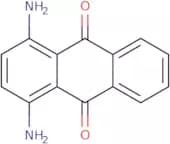


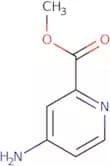
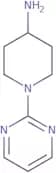
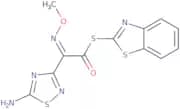
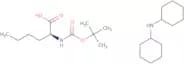
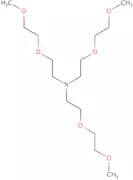

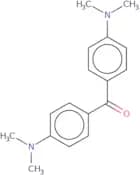
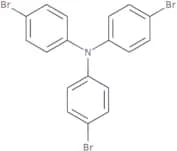
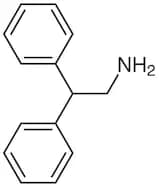

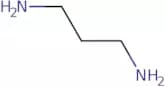
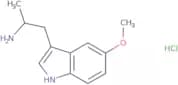


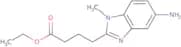
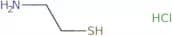


![1-{{[5-(4-Nitrophenyl)-2-furanyl]methylene}amino}-2,4-imidazolidinedione](/_next/image/?url=https%3A%2Fstatic.cymitquimica.com%2Fproducts%2F3D%2Fthumb-webp%2FFN138588.webp&w=3840&q=75)
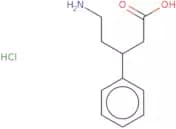
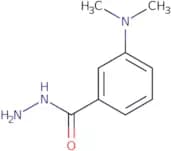
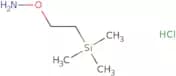
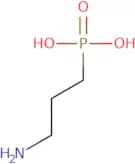
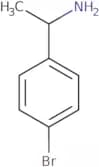
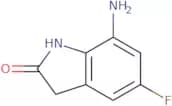
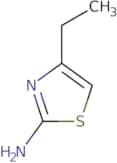
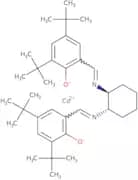
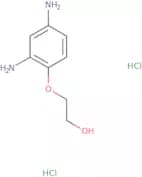
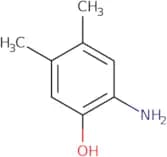

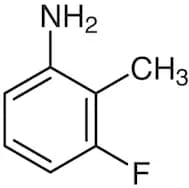
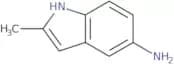
![[3-(1H-Pyrazol-1-yl)benzyl]amine](/_next/image/?url=https%3A%2Fstatic.cymitquimica.com%2Fproducts%2F3D%2Fthumb-webp%2FFP129771.webp&w=3840&q=75)

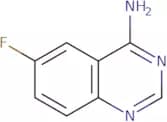



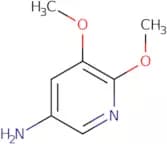
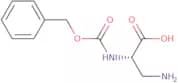
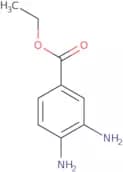

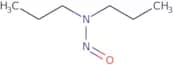
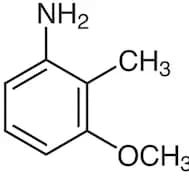
![[(1-Propyl-1H-pyrazol-3-yl)methyl]amine](/_next/image/?url=https%3A%2Fstatic.cymitquimica.com%2Fproducts%2F3D%2Fthumb-webp%2FFP129693.webp&w=3840&q=75)
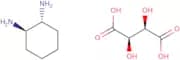
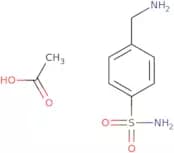

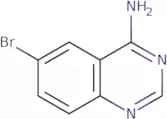
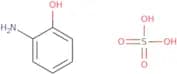
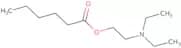
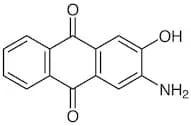

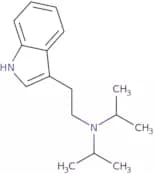
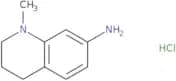
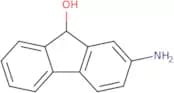
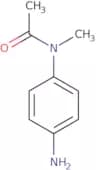

![1H-Pyrazolo[3,4-b]pyridine-3-amine](/_next/image/?url=https%3A%2Fstatic.cymitquimica.com%2Fproducts%2F3D%2Fthumb-webp%2FFP09386.webp&w=3840&q=75)
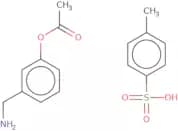
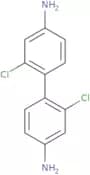
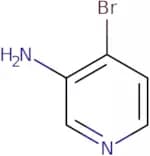
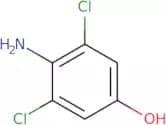
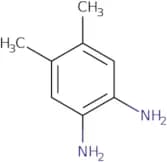
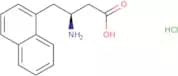
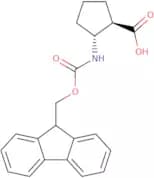
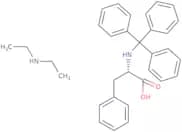
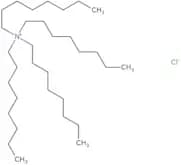
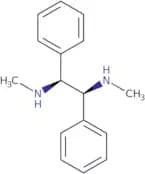
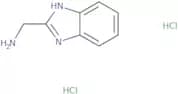
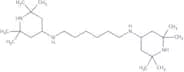


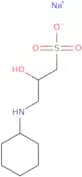
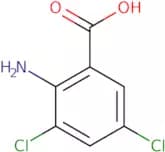
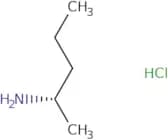
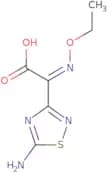
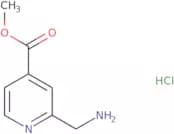
![(11bS)-N,N-Dimethyl-8,9,10,11,12,13,14,15-octahydrodinaphtho[2,1-d:1',2'-f][1,3,2]dioxaphosphepin-…](/_next/image/?url=https%3A%2Fstatic.cymitquimica.com%2Fproducts%2F3D%2Fthumb-webp%2FFD163891.webp&w=3840&q=75)
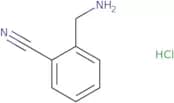
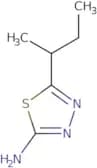
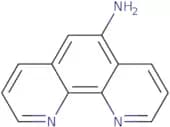

![[2,3'-Bipyridin]-6'-amine](/_next/image/?url=https%3A%2Fstatic.cymitquimica.com%2Fproducts%2F3D%2Fthumb-webp%2FFB141123.webp&w=3840&q=75)
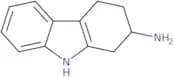
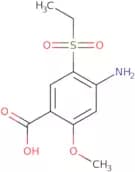
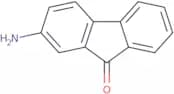


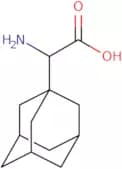
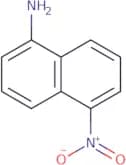
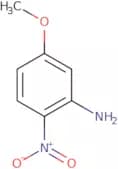
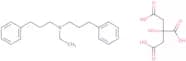

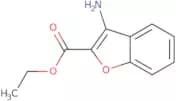
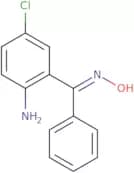
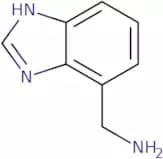
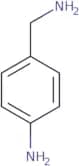
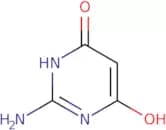
![Imidazo[1,2-a]pyridin-2-yl-methylamine dihydrochloride](/_next/image/?url=https%3A%2Fstatic.cymitquimica.com%2Fproducts%2F3D%2Fthumb-webp%2FFI51742.webp&w=3840&q=75)
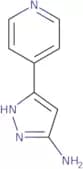
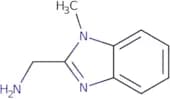
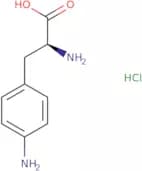
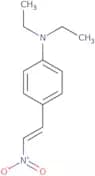


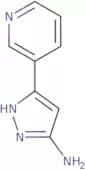
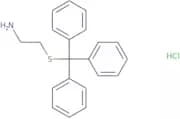
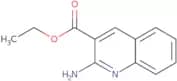
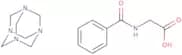
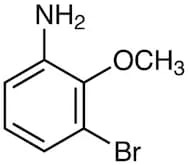
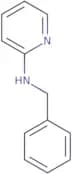
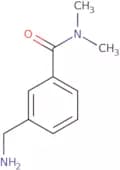

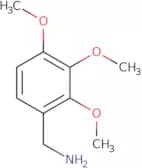
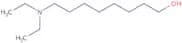
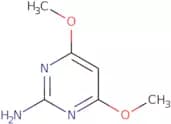

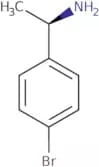
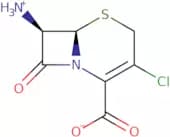
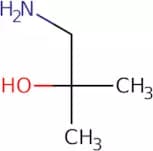

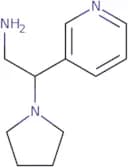

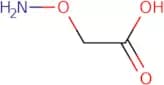
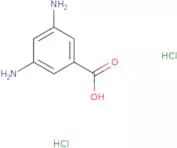
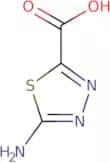
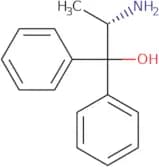
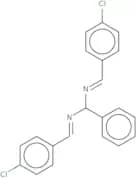
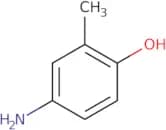
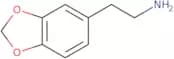
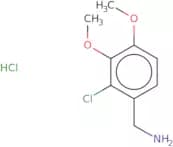

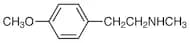
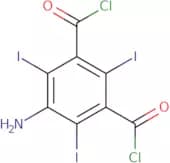
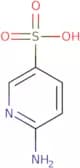
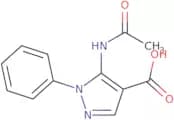
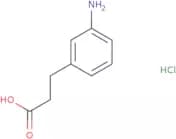


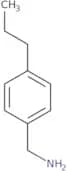

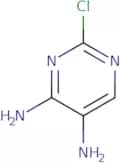
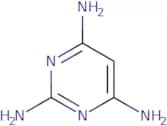
![3-[[3-[(Dimethylamino)carbonyl]-2-hydroxyphenyl]amino]-4-[[(R)-1-(4-isopropylfuran-2-yl)propyl]ami…](/_next/image/?url=https%3A%2Fstatic.cymitquimica.com%2Fproducts%2F3D%2Fthumb-webp%2FFD152335.webp&w=3840&q=75)
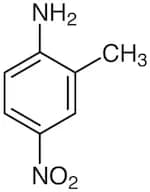
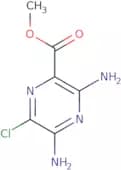
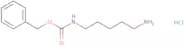
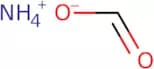
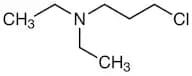
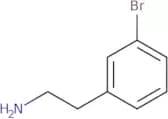

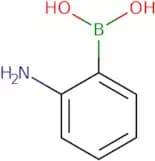

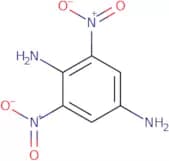
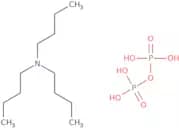

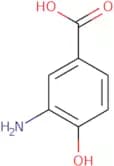
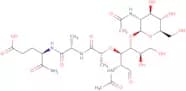
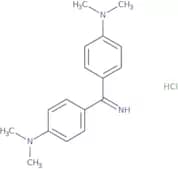
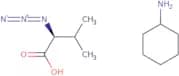
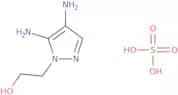
![2-[(4-Chlorophenyl)-2-pyridinylmethoxy]-N,N-dimethylethanamine maleate salt](/_next/image/?url=https%3A%2Fstatic.cymitquimica.com%2Fproducts%2F3D%2Fthumb-webp%2FFC19699.webp&w=3840&q=75)
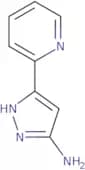

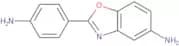
![[(5-Cyclopropyl-1,2,4-oxadiazol-3-yl)methyl]amine hydrochloride](/_next/image/?url=https%3A%2Fstatic.cymitquimica.com%2Fproducts%2F3D%2Fthumb-webp%2FFC121975.webp&w=3840&q=75)
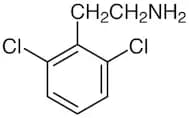
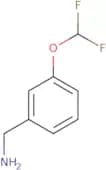
![[1-(3-Methylpyridin-2-yl)ethyl]amine](/_next/image/?url=https%3A%2Fstatic.cymitquimica.com%2Fproducts%2F3D%2Fthumb-webp%2FFM121577.webp&w=3840&q=75)
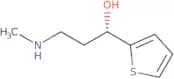
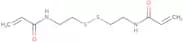
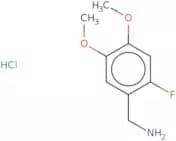
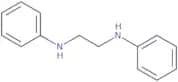
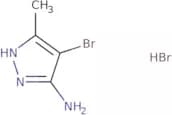
![N,N-Diethyl-5-methyl-[1,2,4]triazolo[5,1-b]pyrimidin-7-amine](/_next/image/?url=https%3A%2Fstatic.cymitquimica.com%2Fproducts%2F3D%2Fthumb-webp%2FFD153326.webp&w=3840&q=75)