Amines
Amines are a set of molecules containing an amino functional group (derived from ammonia). This category includes amines at any level of substitution : primary, secondary, tertiary, and ammonium salts. Amines are fundamental in organic synthesis and are widely used in pharmaceuticals, agrochemicals, and materials science. At CymitQuimica, we provide a comprehensive selection of amines to meet your research and industrial needs. Our range ensures access to various amines for diverse chemical processes and innovative research.
Subcategories of "Amines"
- Nitrosamines(2,606 products)
- Primary Amines(30,805 products)
- Quaternary Ammonium Cations and Salts(1,099 products)
- Secondary Amines(20,809 products)
- Tertiary Amines(17,111 products)
Found 8776 products of "Amines"
Sort by
Purity (%)
0
100
|
0
|
50
|
90
|
95
|
100
1,3-Thiazol-5-ylmethylamineHydrochloride
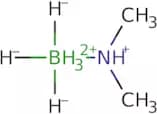
CAS:<p>Please enquire for more information about 1,3-Thiazol-5-ylmethylamineHydrochloride including the price, delivery time and more detailed product information at the technical inquiry form on this page</p>Formula:C4H7ClN2SPurity:Min. 95%Molecular weight:150.63 g/mol4-tert-Butylcyclohexanamine
CAS:<p>4-tert-Butylcyclohexanamine is an unsymmetrical compound that is a potent antagonist of the dopamine D2 receptor. It is one of the stereoisomers of 4-tert-butylcyclohexaneamine. This drug has been synthesized by reacting naphthalene with amines and primary alcohols. The compound has optical properties, which may be due to its chiral nature and the presence of two rings in its structure. 4-tert-Butylcyclohexanamine crystallizes from water as needles or plates, depending on the concentration.</p>Formula:C10H21NPurity:Min. 95%Color and Shape:Clear LiquidMolecular weight:155.28 g/mol7-Aminoflunitrazepam
CAS:Controlled Product<p>7-Aminoflunitrazepam is an active metabolite of flunitrazepam and a benzodiazepine. It can be detected in urine samples using an on-line LC-MS/MS method. The detection time of 7-aminoflunitrazepam is between 3 to 4 hours, which is longer than that of its parent drug, flunitrazepam. The use of monoclonal antibodies specific for fluoroquinolones allows the detection of 7-aminoflunitrazepam with high sensitivity and specificity. This method can be used to detect the presence of flunitrazepam in human serum samples, as well as in femoral vein blood samples, urine samples, and blood sputum samples. Solid phase microextraction (SPME) was used as the sample preparation technique for this study. SPME also allows for the extraction and analysis of lysine residues from protein matrices such as human serum.</p>Formula:C16H14FN3OPurity:Min. 98%Color and Shape:PowderMolecular weight:283.3 g/mol3-Amino-5-bromobenzonitrile
CAS:<p>Please enquire for more information about 3-Amino-5-bromobenzonitrile including the price, delivery time and more detailed product information at the technical inquiry form on this page</p>Formula:C7H5BrN2Purity:Min. 95%Molecular weight:197.03 g/molAmmonium titanyl oxalate monohydrate
CAS:<p>Ammonium titanyl oxalate monohydrate is a compound that can be used as an antioxidant in a composition, including an electrophotographic composition. It has been shown to prevent photoreduction and nucleophilic attack on the surface of the photoconductor, as well as to reduce the magnitude of carboxylation reactions with transfer mechanism. Ammonium titanyl oxalate monohydrate may also be used for rechargeable batteries, which are devices that use electric current to generate chemical reactions. The addition of ammonium titanyl oxalate monohydrate to these batteries increases their capacity by reducing the number of cycles required before recharging. This compound also exhibits photocatalytic activity on metal surfaces in the presence of UV irradiation.</p>Formula:C4H10N2O10TiPurity:Min. 97%Molecular weight:294 g/mol3-Aminobiphenyl
CAS:<p>3-Aminobiphenyl is a biphenyl compound that is used in the production of dyes and pesticides. It has been detected in human urine samples using an analytical method based on chemical ionization. 3-Aminobiphenyl can be detoxified by conjugation with glutathione, but the conjugation process can be inhibited by the presence of amines such as caffeine, which competitively bind to glutathione. 3-Aminobiphenyl may also cause cancer, but there is no evidence for this theory at present.</p>Formula:C12H11NPurity:Min. 95%Molecular weight:169.22 g/mol3-Amino-6-bromo-2-methylquinazolin-4(3H)-one
CAS:Controlled Product<p>Please enquire for more information about 3-Amino-6-bromo-2-methylquinazolin-4(3H)-one including the price, delivery time and more detailed product information at the technical inquiry form on this page</p>Formula:C9H8BrN3OPurity:Min. 95%Molecular weight:254.08 g/mol2-Amino-6-chloropyrazine
CAS:<p>2-Amino-6-chloropyrazine (2ACP) is an inhibitor that binds to the active site on human protein kinase C (PKC). It has been shown to inhibit PKC by hydrogen bonding with the hydroxide ion, which blocks its catalytic activity. 2ACP has been studied for its potential use in treating cancer and for inhibiting amine oxidases, which are enzymes associated with inflammation and chronic obstructive pulmonary disease. The inhibition of these enzymes may help to reduce stenosis in the lungs or other organs. 2ACP also has been shown to have antimycobacterial activity against Mycobacterium tuberculosis, M. avium complex, and M. leprae by inhibiting DNA synthesis and RNA synthesis. 2ACP inhibits the kinase receptor on the cell membrane that phosphorylates a water molecule into a chlorine atom, which then reacts with hydrogen peroxide to form free radicals that can kill bacteria</p>Formula:C4H4ClN3Purity:Min. 95%Molecular weight:129.55 g/mol21-Amino-17-hydroxypregna-1,4-diene-3,11,20-trioneHydrochloride
CAS:Controlled Product<p>Please enquire for more information about 21-Amino-17-hydroxypregna-1,4-diene-3,11,20-trioneHydrochloride including the price, delivery time and more detailed product information at the technical inquiry form on this page</p>Formula:C21H28ClNO4Purity:Min. 95%Molecular weight:393.9 g/mol(2S,6S)-2-Amino-2-(2-chlorophenyl)-6-hydroxycyclohexan-1-one HCl
CAS:Controlled Product<p>Please enquire for more information about (2S,6S)-2-Amino-2-(2-chlorophenyl)-6-hydroxycyclohexan-1-one HCl including the price, delivery time and more detailed product information at the technical inquiry form on this page</p>Formula:C12H15CI2NO2Purity:Min. 95%Color and Shape:PowderMolecular weight:471.07 g/molQuaternary ammonium compounds, bis(hydroxyethyl) methyltallow alkyl, chlorides, salts with bentonite
CAS:<p>Please enquire for more information about Quaternary ammonium compounds, bis(hydroxyethyl) methyltallow alkyl, chlorides, salts with bentonite including the price, delivery time and more detailed product information at the technical inquiry form on this page</p>Purity:Min. 95%tert-Butyl 3-(cyclopropylamino)azetidine-1-carboxylate
CAS:<p>Please enquire for more information about tert-Butyl 3-(cyclopropylamino)azetidine-1-carboxylate including the price, delivery time and more detailed product information at the technical inquiry form on this page</p>Formula:C11H20N2O2Purity:Min. 95%Molecular weight:212.29 g/mol(R)-(-)-2-Aminoheptane
CAS:Controlled Product<p>(R)-(-)-2-Aminoheptane is a lipase inhibitor that can be used as an immobilized or soluble protein. This compound has been shown to inhibit monoamine oxidase, which is an enzyme that breaks down neurotransmitters in the brain, and helps maintain their levels. (R)-(-)-2-Aminoheptane also inhibits electron ionization, and can be used to study the chemical properties of amines.</p>Formula:C7H17NPurity:Min. 95%Color and Shape:Clear LiquidMolecular weight:115.22 g/molDiisopropylamine
CAS:Controlled Product<p>Diisopropylamine is a tertiary amine and a component of trifluoroacetic acid. It is an amide with physiological effects that are not well understood. The diisopropylamine molecule has been shown to undergo transfer reactions, which may be due to steric interactions between the intramolecular hydrogen and nitrogen atoms. Trifluoroacetic acid can be found in reaction solution, such as in the formation of diazo compounds or as an intermediate in the reaction of ethyl acetate and sodium hypochlorite. Diisopropylamine is metabolized through dehydrogenative reactions, which involve the conversion of a group from one part of a molecule to another by removal of hydrogen atoms. This process generates reactive oxygen species and free radicals that may lead to oxidative stress in cells.</p>Formula:C6H15NPurity:Min. 95%Color and Shape:Clear LiquidMolecular weight:101.19 g/mol6-Amino-5-nitroso-2-thiouracil
CAS:<p>6-Amino-5-nitroso-2-thiouracil is a water molecule that has been synthesized and characterized by the kinetic method. It has an intense absorption line at 514 nm and can be used as a marker for technetium. 6-Amino-5-nitroso-2-thiouracil is also a ligand, which is a chemical that binds to metal ions in order to form coordination complexes. 6-Amino-5-nitroso-2-thiouracil is formed by the reaction of chloramine with ammonia, as well as other reactions involving chlorine atoms. 6Amino - 5 nitroso - 2 thiouracil can be used as a chelate ring, which is a type of ligand that contains both nitrogen and sulfur atoms. Bleomycin, a five membered ring molecule, reacts with 6 amino - 5 nitroso - 2 thiouracil to</p>Formula:C4H4N4O2SPurity:Min. 95%Molecular weight:172.17 g/mol2-Amino-5-bromo-N-cyclohexyl-N-methylbenzylamine dihydrochloride
CAS:<p>Please enquire for more information about 2-Amino-5-bromo-N-cyclohexyl-N-methylbenzylamine dihydrochloride including the price, delivery time and more detailed product information at the technical inquiry form on this page</p>Formula:C14H23BrCl2N2Purity:Min. 95%Color and Shape:PowderMolecular weight:370.16 g/molHistamine
CAS:<p>Endogenous ligand for histamine receptors; neurotransmitterA toxic biogenic amine produced in spoiled and fermented food</p>Formula:C5H9N3Purity:Min. 95%Color and Shape:Yellow PowderMolecular weight:111.15 g/molDiclofenac Epolamine
CAS:<p>Diclofenac epolamine is a nonsteroidal anti-inflammatory drug that belongs to the class of diclofenac. It has been shown in clinical studies, with statistically significant results, to be effective against allergic reactions. Diclofenac epolamine is a film-forming polymer that can be used as a matrix for microcapsules containing diclofenac or other NSAIDs. This drug was designed to target tissue and provide effective analgesia at low doses. Diclofenac epolamine has an experimental model that uses monoclonal antibody-mediated delivery of diclofenac into the target tissue through microcapsules, which are then degraded by proteases present in the target tissue.</p>Formula:C20H22Cl2N2O2Purity:Min. 95%Molecular weight:393.31 g/moltrans-4-Aminocyclohexanol
CAS:<p>Trans-4-aminocyclohexanol is a cell signaling molecule that belongs to the class of heterocyclic compounds. It has been shown to have an anti-inflammatory effect and inhibit the production of pro-inflammatory cytokines in vitro. Trans-4-aminocyclohexanol also inhibits cyclooxygenase (COX) activity, which is responsible for the conversion of arachidonic acid into prostaglandins. This inhibition leads to decreased inflammation and pain. Trans-4-aminocyclohexanol is orally bioavailable and can be detected in the blood plasma within one hour after administration. The compound has been shown to bind to the enzyme protein kinase C, which is involved in cell signaling pathways, and inhibit its activity.</p>Formula:C6H13NOPurity:Min. 95%Color and Shape:PowderMolecular weight:115.17 g/mol5-Aminoorotic acid
CAS:<p>5-Aminoorotic acid is an antimicrobial agent that has been shown to have anticancer activity. It has a nitrogen atom and two oxygen atoms in the molecule. The chemical structure of 5-aminoorotic acid can be determined using NMR spectroscopy and its biological properties are dependent on hydrogen bonding interactions with other molecules. 5-Aminoorotic acid is a chelate ring, which means it can bind to metal ions such as lanthanum (La3+). 5-Aminoorotic acid has been shown to inhibit the glycol oxidation reaction and may also be able to inhibit other enzymatic reactions. This drug is stable for use in model systems and may also be used for cancer treatment.</p>Formula:C5H5N3O4Purity:Min. 95%Molecular weight:171.11 g/molDidecyl dimethyl ammonium chloride - 80% aqueous solution
CAS:<p>Didecyl dimethyl ammonium chloride is a quaternary ammonium compound that has been shown to have a broad-spectrum antimicrobial activity. It has been used in disinfectants and as an active ingredient in pharmaceuticals, cosmetics, and foods. The compound is not toxic to humans or animals at concentrations up to 50%. Didecyl dimethyl ammonium chloride has been shown to be effective against infectious diseases caused by bacteria, viruses, fungi, and protozoa. This compound also has an effect on the epithelial-mesenchymal transition (EMT) process. Didecyl dimethyl ammonium chloride can be prepared by titration calorimetry or analytical method. The preparation of didecyl dimethyl ammonium chloride can be done using chloroform and benzalkonium chloride or glycol ether.</p>Formula:C22H48ClNColor and Shape:Clear LiquidMolecular weight:362.08 g/molN-Phenylhydroxylamine
CAS:<p>N-Phenylhydroxylamine is a chemical compound that is used in wastewater treatment. It is a hydrophobic compound that has been shown to irreversibly inhibit the nitrite reductase enzyme, which is responsible for converting nitrite ions into nitrate ions. This reaction mechanism was studied using in vitro assays with picolinic acid and nitrobenzene. N-Phenylhydroxylamine binds to the active site of the enzyme and blocks access by the substrate, preventing it from being converted into its product. The reaction can be reversed by adding hydrogen fluoride, which displaces the N-phenylhydroxylamine molecule from its binding site. N-Phenylhydroxylamine also binds to nitrogen atoms and participates in transfer reactions with other molecules, making it reactive and capable of reacting with other compounds. The sample preparation process should include separating N-phenylhydroxylamine from water samples after extraction because it will react with</p>Formula:C6H7NOPurity:Min. 95%Color and Shape:PowderMolecular weight:109.13 g/mol(2-{2-[2-(2-Aminoethyl)-4,5-dimethoxybenzyl]-4,5-dimethoxyphenyl}ethyl)amine dihydrochloride
CAS:Controlled Product<p>Please enquire for more information about (2-{2-[2-(2-Aminoethyl)-4,5-dimethoxybenzyl]-4,5-dimethoxyphenyl}ethyl)amine dihydrochloride including the price, delivery time and more detailed product information at the technical inquiry form on this page</p>Formula:C21H30N2O4Purity:Min. 95%Molecular weight:374.47 g/mol4-Methyl-5-nitrothiazol-2-amine
CAS:<p>Please enquire for more information about 4-Methyl-5-nitrothiazol-2-amine including the price, delivery time and more detailed product information at the technical inquiry form on this page</p>Formula:C4H5N3O2SPurity:Min. 95%Color and Shape:PowderMolecular weight:159.17 g/mol5-(4-Ethoxyphenyl)-1H-pyrazol-3-amine
CAS:<p>Please enquire for more information about 5-(4-Ethoxyphenyl)-1H-pyrazol-3-amine including the price, delivery time and more detailed product information at the technical inquiry form on this page</p>Formula:C11H13N3OPurity:Min. 95%Molecular weight:203.24 g/mol4-Methoxybenzylamine
CAS:<p>4-Methoxybenzylamine is an organic amine that has a redox potential of -0.14 V (vs. SHE) and a pK a of 10.5. It is used in the synthesis of trifluoroacetic acid esters, which are used as pharmaceutical intermediates. 4-Methoxybenzylamine has been shown to be effective in alleviating pain in animal models, and its mechanism of action may be due to inhibition of the enzyme cyclooxygenase. The kinetic data for this reaction were obtained by studying the deuterium isotope effect, which is characterized by a low energy barrier and rapid reaction rate. The hydrolysis step is also important for the reaction mechanism, with protocatechuic acid being an intermediate product. Hydrochloric acid is needed for dehydration of the reactants, while an aryl halide can be used instead in some cases. In these reactions, there are many possible reaction</p>Formula:C8H11NOPurity:Min. 95%Molecular weight:137.18 g/mol4-Benzyloxy-3-methoxy-N-methylphenethylamine hydrochloride
CAS:Controlled Product<p>Please enquire for more information about 4-Benzyloxy-3-methoxy-N-methylphenethylamine hydrochloride including the price, delivery time and more detailed product information at the technical inquiry form on this page</p>Formula:C17H22ClNO2Purity:Min. 95%Molecular weight:307.81 g/mol3,5-Dibromopyrazin-2-amine
CAS:<p>3,5-Dibromopyrazin-2-amine is a triethyl orthoformate derivative that reacts with formamide to form 3,5-dibromopyrazine. The reaction time is typically less than 10 minutes and the yield is high. The product can be stored in a dry, inert atmosphere for up to 3 months without degradation. The compound has been shown to inhibit cyclic nucleotide phosphodiesterase (PDE) enzymes and cancer cells in vitro.</p>Formula:C4H3Br2N3Purity:Min. 95%Color and Shape:White To Yellow To Orange SolidMolecular weight:252.89 g/mol(2H-Tetrazol-5-yl)methylamine
CAS:<p>(2H-Tetrazol-5-yl)methylamine is a sweetener that has been used as an analog of saccharin. It is not approved for use in the United States. The sweetness of (2H-tetrazol-5-yl)methylamine is due to its interaction with sodium ions, which make it a sodium salt. This compound is not sweet by itself but it does have optical properties that can be used to measure the concentration of sodium ions in solution. The chemical structure of (2H-tetrazol-5-yl)methylamine consists of a tetrazole group, an amine group and two methyl groups.</p>Formula:C2H5N5Purity:Min. 95%Molecular weight:99.09 g/molo-Chloramine T
CAS:<p>O-Chloramine T is a chemical compound that is used in the treatment of cancer. It is an endoreduplication agent and has been shown to cause endothelial cell growth and apoptosis in cancer cells. O-Chloramine T binds to the membrane of cancer cells, which leads to a decrease in autocrine activity and cell binding. O-Chloramine T also inhibits endothelial cell growth by inhibiting protein synthesis and blocking the synthesis of DNA and RNA. This drug has been shown to have anti-cancer properties in animal models and hyperosmolarity properties, which may be due to its ability to cause vessels to collapse.</p>Formula:C7H7ClNNaO2SColor and Shape:PowderMolecular weight:227.64 g/molAlanine,n,N'-[[5-[2-amino-5-(2,2-dimethyl-1-oxopropyl)-4-thiazolyl]-2-furanyl]phosphinylidene]bis[2-methyl-,1,1'-diethylester]
CAS:<p>Alanine,n,N'-[[5-[2-amino-5-(2,2-dimethyl-1-oxopropyl)-4-thiazolyl]-2-furanyl]phosphinylidene]bis[2-methyl-,1,1'-diethylester] is a metabolic inhibitor that is used in the treatment of type 2 diabetes. It inhibits gluconeogenesis by inhibiting the enzyme phosphoenolpyruvate carboxykinase (PEPCK), which catalyzes the conversion of oxaloacetate to phosphoenolpyruvate. This compound has been shown to reduce fasting blood glucose levels in diabetic animals and humans.</p>Formula:C24H37N4O6PSPurity:Min. 95%Molecular weight:540.61 g/mol(S)-tert-Butyl 3-(methylamino)pyrrolidine-1-carboxylate
CAS:<p>(S)-tert-Butyl 3-(methylamino)pyrrolidine-1-carboxylate is a research chemical that can be used as a versatile building block for the synthesis of complex compounds. It is also a reaction component in the synthesis of speciality chemicals and useful scaffolds. It has been shown to have high quality, reagent grade and purity.</p>Formula:C10H20N2O2Purity:Min. 95%Color and Shape:PowderMolecular weight:200.28 g/mol1-Amino-9-fluorenone
CAS:<p>1-Amino-9-fluorenone is a hydrogen bond acceptor molecule that has been shown to have anticancer activity and rate enhancement. The 1-Amino-9-fluorenone binds to the DNA of cancer cells, inhibiting cell growth and proliferation. This molecule also interacts with the cellular membrane by reversible binding, which leads to an increase in the concentration of intracellular nitric oxide (NO). This increase in NO levels inhibits the growth of cancer cells by blocking their ability to produce ATP. 1-Amino-9-fluorenone has been shown to inhibit hCT116 human colon cancer cells.</p>Formula:C13H9NOPurity:Min. 95%Molecular weight:195.22 g/mol[2-(5-Fluoro-1-methyl-1H-indol-3-yl)ethyl]amine hydrochloride
CAS:Controlled Product<p>Please enquire for more information about [2-(5-Fluoro-1-methyl-1H-indol-3-yl)ethyl]amine hydrochloride including the price, delivery time and more detailed product information at the technical inquiry form on this page</p>Formula:C11H13FN2·HClPurity:Min. 95%Molecular weight:228.69 g/mol[1-Methyl-2-(7-methyl-1H-indol-3-yl)ethyl]amine hydrochloride
CAS:Controlled Product<p>Please enquire for more information about [1-Methyl-2-(7-methyl-1H-indol-3-yl)ethyl]amine hydrochloride including the price, delivery time and more detailed product information at the technical inquiry form on this page</p>Formula:C12H16N2Purity:Min. 95%Molecular weight:188.27 g/molZ-3-(Tributylstannyl)-2-propen-1-amine
CAS:Controlled Product<p>Please enquire for more information about Z-3-(Tributylstannyl)-2-propen-1-amine including the price, delivery time and more detailed product information at the technical inquiry form on this page</p>Formula:C15H33NSnPurity:Min. 95%Molecular weight:346.14 g/molBenzyl 4-aminopiperidine-1-carboxylate
CAS:<p>Please enquire for more information about Benzyl 4-aminopiperidine-1-carboxylate including the price, delivery time and more detailed product information at the technical inquiry form on this page</p>Formula:C13H18N2O2Purity:Min. 95%Color and Shape:PowderMolecular weight:234.29 g/mol1H-1,2,3-Benzotriazol-4-amine
CAS:<p>1H-1,2,3-Benzotriazol-4-amine is a hydroxylated compound that belongs to the group of benzotriazole derivatives. It has been shown to inhibit the growth of cells in culture by binding to the nitrogen atoms in glutamate and inhibiting the production of nitric oxide synthase. 1H-1,2,3-Benzotriazol-4-amine also has binding constants for certain growth regulators that are 10 times higher than for other benzotriazoles. In vitro assays have shown that 1H-1,2,3-benzotriazol-4-amine is a potent corrosion inhibitor with an optical purity greater than 98%. The molecule was modeled using molecular modeling software and found to be stable when exposed to light. The molecule has also been tested on Sprague Dawley rats and found not to cause skin reactions.</p>Formula:C6H6N4Purity:Min. 95%Molecular weight:134.14 g/mol(3-IMidazol-1-yl-propyl)-[4-(4,4,5,5-tetraMethyl-[1,3,2]dioxaborolan-2-yl)-benzyl]aMine
CAS:<p>Please enquire for more information about (3-IMidazol-1-yl-propyl)-[4-(4,4,5,5-tetraMethyl-[1,3,2]dioxaborolan-2-yl)-benzyl]aMine including the price, delivery time and more detailed product information at the technical inquiry form on this page</p>Purity:Min. 95%2-(2-Aminothiazol-4-yl)acetic acid HCl
CAS:<p>2-(2-Aminothiazol-4-yl)acetic acid HCl is a white to off-white crystalline solid that is soluble in organic solvents. It is an intermediate used in the synthesis of thiourea derivatives, which are used as pharmaceuticals and agrochemicals. 2-(2-Aminothiazol-4-yl)acetic acid HCl is synthesized by the reaction of 2-aminothiazole with acetic anhydride. The purity can be determined using GC or NMR spectroscopy. Impurities may be removed by recrystallization with a solvent such as chloroform or dichloromethane. The melting point of 2-(2-aminothiazol-4-yl)acetic acid HCl is 147°C (298K). 2-(2-Aminothiazol-4-yl)acetic acid HCl can be purified by distillation at</p>Formula:C5H7ClN2O2SPurity:Min. 95%Molecular weight:194.64 g/mol1-(Boc-amino)-4,9-dioxa-12-dodecanamine
CAS:Controlled Product<p>Please enquire for more information about 1-(Boc-amino)-4,9-dioxa-12-dodecanamine including the price, delivery time and more detailed product information at the technical inquiry form on this page</p>Formula:C15H32N2O4Purity:Min. 95%Molecular weight:304.43 g/molN-Nitroso-di-n-butylamine
CAS:<p>N-Nitroso-di-n-butylamine is a nitrosamine that is a product of wastewater treatment. It has been shown to inhibit mitochondrial function and induce liver lesions in rats at high doses. N-Nitroso-di-n-butylamine is structurally similar to the natural substrate ribose, which leads to inhibition of xanthine oxidase, an enzyme involved in purine metabolism. The structural analysis revealed the presence of reactive sites that are susceptible to attack by nucleophiles, such as hydroxyl radicals or hydrogen peroxide. This indicates that N-Nitroso-di-n-butylamine may be a precursor for other carcinogenic compounds. NADH is reduced by NADH dehydrogenase (complex I) in mitochondria to produce NAD+, which subsequently donates electrons to the electron transport chain and generates ATP. The ability of NNDB to inhibit complex I activity was assessed using hl60</p>Formula:C8H18N2OPurity:Min. 95%Molecular weight:158.24 g/mol2-(Trifluoroacetamido)Ethylamine Hydrochloride
CAS:<p>Please enquire for more information about 2-(Trifluoroacetamido)Ethylamine Hydrochloride including the price, delivery time and more detailed product information at the technical inquiry form on this page</p>Formula:C4H7F3N2OPurity:Min. 95%Molecular weight:156.11 g/molDinonylamine
CAS:<p>Dinonylamine is an industrial chemical that is used as a solvent for waxes and resins. It has been used as a substrate film for the production of polycarbonate plastics and in the manufacture of amines, nitroaromatic compounds, and fluoropolymers. Dinonylamine has been shown to have an inhibitory effect on the growth of microorganisms by reacting with their aromatic hydrocarbons. This chemical reacts with carbonyl groups to form hydroxyl groups, which are toxic to bacteria. It also reacts with radiation to form a patterned surface that can be used to immobilize enzymes or other proteins.br>br> br>br> Dinonylamine is used in industrial processes as a precursor for amines and hydroxy groups, which are important components in many organic molecules including pharmaceuticals. These reactions take place in solvent vapor phase reaction vessels at high temperatures.br>br> br>br> Din</p>Formula:C18H39NPurity:Min. 95%Color and Shape:PowderMolecular weight:269.51 g/mol4,6-Diaminobenzene-1,3-dicarboxylic acid
CAS:<p>4,6-Diaminobenzene-1,3-dicarboxylic acid is an inorganic copper compound that is used as a copper salt. It has been shown to be effective as a chelating agent for the treatment of copper toxicity. 4,6-Diaminobenzene-1,3-dicarboxylic acid binds to metal ions and forms a complex with them. This complex can then be excreted from the body through urine or bile.</p>Formula:C8H8N2O4Purity:Min. 95%Molecular weight:196.16 g/mol[2-(1,2-Dimethyl-1H-indol-3-yl)ethyl]amine hydrochloride
CAS:Controlled Product<p>Please enquire for more information about [2-(1,2-Dimethyl-1H-indol-3-yl)ethyl]amine hydrochloride including the price, delivery time and more detailed product information at the technical inquiry form on this page</p>Formula:C12H16N2Purity:Min. 95%Molecular weight:188.27 g/mol5-[3-Methoxy-4-(4-methoxy-benzyloxy)-benzyl]-pyrimidine-2,4-diamine
CAS:<p>5-[3-Methoxy-4-(4-methoxy-benzyloxy)-benzyl]-pyrimidine-2,4-diamine is a monoclonal antibody that blocks the signal of CTLA-4, a receptor on T cells. It has been shown to be effective in inhibiting skin cancer and primary breast cancers. This drug also has immunomodulatory effects and can be used to treat autoimmune diseases. 5-[3-Methoxy-4-(4-methoxy-benzyloxy)-benzyl]-pyrimidine-2,4-diamine binds to ctla-4 with high affinity and specificity, preventing the interaction of ctla-4 with its ligands such as CD80 (B7.1) and CD86 (B7.2). This prevents the activation of T cells by antigen presenting cells and suppresses the immune response.</p>Formula:C20H22N4O3Purity:Min. 95%Molecular weight:366.41 g/mol3-Aminobenzotrifluoride
CAS:<p>3-Aminobenzotrifluoride is a chemical substance that can be used as an intermediate in the synthesis of pharmaceuticals. It is an aryl halide and has been shown to react with hydrogen fluoride, hydrochloric acid, nitrous acid, and trifluoroacetic acid to produce 3-aminobenzotrifluoride derivatives. This product is not readily bioavailable due to its low solubility in water and high lipophilicity. The preparation of 3-aminobenzotrifluoride requires a sample preparation step such as diazonium salt or diphenyl ether. Magnetic resonance spectroscopy has been used to identify the chemical structures of 3-aminobenzotrifluoride derivatives.</p>Formula:C7H6F3NPurity:Min. 95%Color and Shape:Colorless Clear LiquidMolecular weight:161.12 g/mol2-Phenylpropan-1-amine hydrochloride
CAS:Controlled Product<p>Please enquire for more information about 2-Phenylpropan-1-amine hydrochloride including the price, delivery time and more detailed product information at the technical inquiry form on this page</p>Formula:C9H14ClNPurity:Min. 95%Molecular weight:171.67 g/mol1-Aminopiperidine
CAS:<p>1-Aminopiperidine is a hydrochloric acid derivative that is used to treat tuberculosis. It inhibits the enzyme catalysis of phospholipase A2 (PLA2) and blocks the release of arachidonic acid from cell membranes. 1-Aminopiperidine has been shown to have tuberculostatic activity in vivo by inhibiting PLA2 and blocking the release of arachidonic acid. This agent also exhibits antitumor properties, which may be due to its ability to inhibit the production of prostaglandin E2 (PGE2), an inflammatory mediator that can stimulate tumor growth. 1-Aminopiperidine binds to cannabinoid receptors, but does not bind to opioid or benzodiazepine receptors. This drug also exhibits antagonist activity against rimonabant, a type of receptor blocker for cannabinoid receptors.</p>Formula:C5H12N2Purity:Min. 95%Color and Shape:Clear LiquidMolecular weight:100.16 g/molN-Boc-1,6-diaminohexane hydrochloride
CAS:<p>Please enquire for more information about N-Boc-1,6-diaminohexane hydrochloride including the price, delivery time and more detailed product information at the technical inquiry form on this page</p>Formula:C11H24N2O2•HClPurity:Min. 95%Molecular weight:252.78 g/mol3,5-Diamino-2,4,6-trimethylbenzenesulfonicacid
CAS:<p>3,5-Diamino-2,4,6-trimethylbenzenesulfonic acid (DTMS) is an aromatic hydrocarbon that has been found in the environment. DTMS is used as a chlorine scavenger in water treatment plants and wastewater treatment facilities to remove chlorinated organics from the water. It has been shown to be a ligand for uranium. DTMS reacts with cyanuric acid to form 3,5-dichloro-2,4,6-trimethylbenzenesulfonyl chloride (CAS No. 52834-57-1). DTMS also exhibits affinity for metal ions such as copper and nickel.</p>Formula:C9H14N2O3SPurity:90%NmrMolecular weight:230.29 g/molN,N-Bis[3-(methylamino)propyl]methylamine
CAS:<p>Please enquire for more information about N,N-Bis[3-(methylamino)propyl]methylamine including the price, delivery time and more detailed product information at the technical inquiry form on this page</p>Formula:C9H23N3Purity:Min. 95%Color and Shape:Clear LiquidMolecular weight:173.3 g/molHydroxylamine hydrochloride
CAS:<p>Hydroxylamine HCl is a chemical compound that has been shown to exhibit anti-inflammatory properties. It is a nitrosobenzene derivative with the molecular formula NH2OH, and it is also known as hydroxylamine salt or hydroxylamine sulfate. Hydroxylamine HCl has been used in pharmaceutical preparations for the treatment of inflammatory bowel diseases such as ulcerative colitis and Crohn's disease. This drug inhibits the production of inflammatory cytokines by binding to the receptor sites on cells in the body. Hydroxylamine HCl binds to the herpes simplex virus (HSV) and inhibits viral replication, which may be due to its ability to inhibit protein synthesis at an early stage of HSV infection. This drug also binds to CD-1 mouse liver cells and blocks cellular respiration, leading to cell death.</p>Formula:ClH4NOPurity:Min. 95%Color and Shape:PowderMolecular weight:69.49 g/mol[2-(2,5-Dimethyl-1H-indol-3-yl)ethyl]amine hydrochloride
CAS:Controlled Product<p>Please enquire for more information about [2-(2,5-Dimethyl-1H-indol-3-yl)ethyl]amine hydrochloride including the price, delivery time and more detailed product information at the technical inquiry form on this page</p>Formula:C12H16N2Purity:Min. 95%Molecular weight:188.27 g/mol(S)-N-Ethyl amphetamine hydrochloride
CAS:Controlled Product<p>Please enquire for more information about (S)-N-Ethyl amphetamine hydrochloride including the price, delivery time and more detailed product information at the technical inquiry form on this page</p>Formula:C11H18ClNPurity:Min. 95%Molecular weight:199.72 g/mol6-(Aminomethyl)pyridin-3-amine
CAS:<p>Please enquire for more information about 6-(Aminomethyl)pyridin-3-amine including the price, delivery time and more detailed product information at the technical inquiry form on this page</p>Purity:Min. 95%4-Amino-2-(1,3-benzoxazol-2-yl)phenol
CAS:<p>4-Amino-2-(1,3-benzoxazol-2-yl)phenol (4APB) is a fluorescent compound that has been used to study the fungal cell wall. It has shown to cause morphological changes in the conidia of some fungi, including transfer and swelling of the contents. 4APB has also been used to study the transfer mechanism of conidia by fluorescence microscopy and epifluorescence microscopy. This chemical can be stained with tosylates, which are reagents used for staining proteins and other molecules that contain sulfur atoms.</p>Formula:C13H10N2O2Purity:Min. 95%Molecular weight:226.23 g/mol4,4'-Bis(dimethylamino)diphenyl carbinol
CAS:<p>4,4'-Bis(dimethylamino)diphenyl carbinol is a bathochromic compound that belongs to the group of amines. It has been synthesized from 4,4'-diaminodiphenylmethane and hydrochloric acid. This molecule has been shown to react with protonated nitrogen atoms in an oxidation-reduction reaction. The protonation process occurs via kinetic, thermodynamic, and photophysical mechanisms. 4,4'-Bis(dimethylamino)diphenyl carbinol was used to study the proton transfer reactions between chlorine and nitrogen atoms in molecular modeling studies. On the other hand, this molecule has been shown to have fluorescence properties due to its carbonyl group.</p>Formula:C17H22N2OPurity:Min. 95%Color and Shape:White PowderMolecular weight:270.37 g/mol1,2,3,4-Tetrahydronaphthalen-2-amine hydrobromide
CAS:Controlled Product<p>1,2,3,4-Tetrahydronaphthalen-2-amine hydrobromide (THNA) is an amine that inhibits the enzyme tyrosine hydroxylase. This inhibition leads to a decrease in the synthesis of dopamine and norepinephrine. THNA has been shown to have inhibitory properties on locomotor activity, acid complex formation, and aminotransferases. It also exhibits receptor binding and agonist binding site activity. One study found that THNA had no effect on rat striatal tissue. The drug has been shown to be effective in metabolic disorders such as obesity.</p>Formula:C10H13NPurity:Min. 95%Molecular weight:147.22 g/molDL-1-Phenylethylamine
CAS:Controlled Product<p>DL-1-phenylethylamine is a chiral compound that has been studied for its biological properties. It can exist in either of two forms, or stereoisomers. DL-1-phenylethylamine is an amide and a methyl ester of phenethylamine hydrochloride. This compound has shown to have a high affinity for copper chloride and copper sulfate, and the 1R form is more soluble in water than the 2S form. The biological properties of DL-1-phenylethylamine are not fully understood but it may play a role in autoimmune diseases because it acts as an immunosuppressant and has anti-inflammatory activities.</p>Formula:C8H11NPurity:Min. 95%Molecular weight:121.18 g/mol2-(2-Aminoethyl)-3',6'-bis(diethylaMino)spiro[isoindoline-1,9'-xanthen]-3-one
CAS:<p>Please enquire for more information about 2-(2-Aminoethyl)-3',6'-bis(diethylaMino)spiro[isoindoline-1,9'-xanthen]-3-one including the price, delivery time and more detailed product information at the technical inquiry form on this page</p>Purity:Min. 95%1-(Methylamino)adamantane
CAS:<p>1-(Methylamino)adamantane is a dopamine receptor ligand that has been shown to be neuroprotective in rodent models of ischemia-reperfusion injury. 1-(Methylamino)adamantane exhibits high affinity for the D2 subtype, with potency and efficacy that are comparable to those of dopamine. It also acts as an agonist at the D1 and D3 receptors, although it displays weaker binding affinity than dopamine. The neuroprotective effects of 1-(methylamino)adamantane have been demonstrated in wild-type mice following ischemia-reperfusion injury, but not in animals with a mutant form of the gene encoding dopamine receptors. These findings suggest that 1-(methylamino)adamantane may be able to provide protection against ischemia-reperfusion injury by acting on downstream pathways such as protein kinase C or nitric oxide synthase.</p>Formula:C11H19NPurity:Min. 95%Molecular weight:165.28 g/mol4-Amino-2-methylphenylboronic acid, pinacol ester
CAS:<p>Please enquire for more information about 4-Amino-2-methylphenylboronic acid, pinacol ester including the price, delivery time and more detailed product information at the technical inquiry form on this page</p>Formula:C13H20BNO2Purity:Min. 95%Molecular weight:233.11 g/mol1-Benzyl-3-[3-(diethylamino)propoxy]-1H-indazole
CAS:Controlled Product<p>Please enquire for more information about 1-Benzyl-3-[3-(diethylamino)propoxy]-1H-indazole including the price, delivery time and more detailed product information at the technical inquiry form on this page</p>Formula:C21H27N3OPurity:Min. 98 Area-%Color and Shape:Clear LiquidMolecular weight:337.46 g/mol3-{[(3,4-Dichlorophenyl)amino]carbonyl}bicyclo[2.2.1]hept-5-ene-2-carboxylic acid
CAS:<p>Please enquire for more information about 3-{[(3,4-Dichlorophenyl)amino]carbonyl}bicyclo[2.2.1]hept-5-ene-2-carboxylic acid including the price, delivery time and more detailed product information at the technical inquiry form on this page</p>Formula:C15H13Cl2NO3Purity:Min. 95%Molecular weight:326.17 g/mol[(4-Methyl-1H-imidazol-5-yl)methyl]amine hydrochloride
CAS:<p>Please enquire for more information about [(4-Methyl-1H-imidazol-5-yl)methyl]amine hydrochloride including the price, delivery time and more detailed product information at the technical inquiry form on this page</p>Formula:C5H9N3Purity:Min. 95%Molecular weight:111.15 g/mol[(4-Methyl-1,3-thiazol-2-yl)methyl]amine dihydrochloride
CAS:<p>Please enquire for more information about [(4-Methyl-1,3-thiazol-2-yl)methyl]amine dihydrochloride including the price, delivery time and more detailed product information at the technical inquiry form on this page</p>Formula:C5H8N2SPurity:Min. 95%Molecular weight:128.2 g/mol(R,S)-Z-3-Amino-7-chloro-2-oxo-5-phenyl-1,4-benzodiazepine
CAS:Controlled Product<p>Please enquire for more information about (R,S)-Z-3-Amino-7-chloro-2-oxo-5-phenyl-1,4-benzodiazepine including the price, delivery time and more detailed product information at the technical inquiry form on this page</p>Formula:C23H18ClN3O3Purity:Min. 95%Molecular weight:419.86 g/molN,N,N',N'-Tetramethyl-p-phenylenediamine
CAS:<p>N,N,N',N'-Tetramethyl-p-phenylenediamine is a chemical compound that has been found to have a high affinity for proteins and nucleic acids. It interacts with these molecules by steric interactions and can change the phase transition temperature of water. N,N,N',N'-Tetramethyl-p-phenylenediamine reacts with surfactant sodium dodecyl (SDA) to produce protonated SDA species. These protonated SDA species are able to react with nucleophiles such as p-hydroxybenzoic acid (PHBA), which leads to an exchange reaction. The redox potentials of PHBA and N,N,N',N'-tetramethyl-p-phenylenediamine vary from -0.85 V to -1.05 V at pH 7.4, depending on the number of nitrogen atoms in the molecule. The x-ray</p>Formula:C10H16N2Purity:Min. 95%Molecular weight:164.25 g/mol3,4-Difluorobenzyl amine
CAS:<p>3,4-Difluorobenzyl amine (3,4-DFBA) is a synthetic compound that has been shown to have anti-cancer properties. It has been used in the synthesis of perovskites as an alternative strategy for solar cell applications. 3,4-DFBA has also been used to investigate the effect of hydrophobic and deformation on the biological activity of amines. This compound inhibits aldehyde oxidase and catalase from glyoxal and hydrogen peroxide respectively, which may be due to its ability to form microcapsules with a diameter of less than 50 nm.</p>Formula:C7H7F2NPurity:Min. 95%Color and Shape:Clear LiquidMolecular weight:143.13 g/mol4-Amino-5-methoxy-2-methyl-N-methylbenzenesulfonamide
CAS:<p>4-Amino-5-methoxy-2-methyl-N-methylbenzenesulfonamide is a surfactant that is used in the chemical industry to dissolve diazotized aromatic amines. It is also used in the preparation of coupling agents, such as naphthol, and hydrochloric acid. 4-Amino-5-methoxy-2-methylbenzenesulfonamide can be prepared by the diazotization of aniline followed by coupling with hydrochloric acid and sodium phosphate. The product can then be purified by recrystallization from a salt solution containing sodium acetate.</p>Formula:C9H14N2O3SPurity:Min. 95%Molecular weight:230.29 g/mol(R)-1-Boc-3-(aminomethyl)pyrrolidine
CAS:<p>Please enquire for more information about (R)-1-Boc-3-(aminomethyl)pyrrolidine including the price, delivery time and more detailed product information at the technical inquiry form on this page</p>Formula:C10H20N2O2Purity:Min. 95%Molecular weight:200.28 g/mol2-Aminoethyl isopropylether
CAS:<p>2-Aminoethyl isopropylether (2-AP) has been shown to have inhibitory effects on the growth of Staphylococcus aureus, Bacillus subtilis and Escherichia coli. It also showed in vitro antifungal activity against Trichophyton mentagrophytes and Candida albicans. 2-AP inhibits the synthesis of unsaturated fatty acids by inhibiting the enzyme enoyl coenzyme A reductase, which is involved in the degradation of fatty acids. 2-AP is metabolized by two pathways: one is through hydrolysis by esterases or glucuronidases, oxidation by cytochrome P450 enzymes, reduction by glutathione reductase, or conjugation with glucuronic acid; the other pathway involves cyclobutanol formation. The cytotoxic effect of 2-AP has been shown to be due to inhibition of protein synthesis and cell division</p>Formula:C5H13NOPurity:Min. 95%Color and Shape:Clear LiquidMolecular weight:103.16 g/mol2-Aminoindan
CAS:Controlled Product<p>2-Aminoindan is a compound that has inhibitory properties against the human liver enzyme dopamine β-hydroxylase. It binds to the active site of the enzyme and inhibits its activity, which decreases the production of dopamine and other monoamines in the body. 2-Aminoindan has been shown to be effective in animal models of Parkinson's disease by reducing oxidative stress and restoring dopamine levels. The drug also has a chemical diversity, with many different possible structures for medicinal use. 2-Aminoindan has been shown to inhibit the formation of carbonic acid, which is used by mammalian tissue as a buffer for pH regulation. This property may account for its inhibitory effect on carbonic anhydrase II (CAII), an enzyme involved in tissue respiration and acid-base balance. 2-Aminoindan has also been shown to have inhibitory effects on two bacterial enzymes: ddpP and ddpD, which are involved</p>Formula:C9H11NPurity:Min. 95%Molecular weight:133.19 g/molTetraethylenepentamine
CAS:<p>Tetraethylenepentamine is a cell-signaling agent that binds to the MCL-1 protein and inhibits its function as a cell factor. This inhibition prevents the induction of apoptosis, which is important for the development of bowel disease. Tetraethylenepentamine can be used in wastewater treatment to remove glycol ethers from industrial effluent. It also has been shown to adsorb at acidic pH levels, making it an ideal candidate for use in solid phase microextraction (SPME) experiments. Tetraethylenepentamine interacts with fluorescence probes such as hydroxycoumarin, which makes it useful for surface methodology studies.</p>Formula:C8H23N5Purity:Min. 95%Color and Shape:Clear LiquidMolecular weight:189.3 g/mol12-Aminododecanoic acid
CAS:<p>12-Aminododecanoic acid is a fatty acid that is used in the manufacture of magnetic particles. It is synthesized by cationic polymerization of 4-tert-butylbenzoic acid and dodecanedioic acid. The process involves the use of water vapor to remove hydrochloric acid from the solution and form a salt, which then reacts with dodecanedioic acid to produce 12-aminododecanoic acid. This compound has been shown to have transport properties for nitrogen atoms and can be used in exfoliated materials such as nanometals. 12-Aminododecanoic acid has also been shown to exhibit redox activity due to its ability to react with hydrogen peroxide.</p>Formula:C12H25NO2Purity:Min. 95%Color and Shape:White PowderMolecular weight:215.33 g/mol1-Acetyl-5-(2-aminopropyl)-2,3-dihydro-1H-indole-7-carbonitrile
CAS:Controlled Product<p>Please enquire for more information about 1-Acetyl-5-(2-aminopropyl)-2,3-dihydro-1H-indole-7-carbonitrile including the price, delivery time and more detailed product information at the technical inquiry form on this page</p>Formula:C14H17N3OPurity:Min. 95%Molecular weight:243.3 g/mol[2-(4-methoxyphenyl)ethyl]methylamine
CAS:Controlled Product<p>2-(4-methoxyphenyl)ethyl]methylamine is a pharmacological agent that inhibits protein synthesis. It has been shown to have an optimum concentration of 1 μM, with maximal inhibition at 10 μM. 2-(4-methoxyphenyl)ethyl]methylamine binds to the basic amino acid residues of proteins and inhibits the activity of eosinophil cationic protein, which is responsible for histamine release. 2-(4-Methoxyphenyl)ethyl]methylamine has also been shown to reduce the activity of epidermal growth factor, which is responsible for cell proliferation and differentiation. The drug has been demonstrated to be an effective inhibitor of activated eosinophils, but not normal cells. 2-(4-Methoxyphenyl)ethyl]methylamine may be used as a treatment for chronic asthma patients who suffer from eosinophilic inflammation in their</p>Formula:C10H15NOPurity:Min. 95%Molecular weight:165.23 g/mol3-Amino-2-methylquinazolin-4(3H)-one
CAS:Controlled Product<p>3-Amino-2-methylquinazolin-4(3H)-one is a bidentate ligand that has been shown to have antibacterial and anticancer activity. The functional theory of the compound is based on its ability to form an imine nitrogen with metal ions such as Fe(II) or Cu(II). 3-Amino-2-methylquinazolin-4(3H)-one is not active against Staphylococcus aureus, but inhibits the growth of other bacteria by binding to their ribosomes and inhibiting protein synthesis. 3-Amino-2-methylquinazolin-4(3H)-one also has in vitro anticancer activity, which may be due to its ability to inhibit DNA synthesis and cell division.</p>Formula:C9H9N3OPurity:Min. 95%Molecular weight:175.19 g/molcis-Dichloro(N,N,N',N'-tetramethylethylenediamine)palladium(II)
CAS:Controlled Product<p>Please enquire for more information about cis-Dichloro(N,N,N',N'-tetramethylethylenediamine)palladium(II) including the price, delivery time and more detailed product information at the technical inquiry form on this page</p>Formula:C6H16Cl2N2PdPurity:Min. 95%Molecular weight:293.53 g/mol2-[(Dimethylamino)methylene]-5-(2,3,4-trimethoxyphenyl)cyclohexane-1,3-dione
CAS:Controlled Product<p>Please enquire for more information about 2-[(Dimethylamino)methylene]-5-(2,3,4-trimethoxyphenyl)cyclohexane-1,3-dione including the price, delivery time and more detailed product information at the technical inquiry form on this page</p>Formula:C18H23NO5Purity:Min. 95%Molecular weight:333.38 g/mol4-Bromophenylethylamine HCl
CAS:Controlled Product<p>Please enquire for more information about 4-Bromophenylethylamine HCl including the price, delivery time and more detailed product information at the technical inquiry form on this page</p>Formula:C8H10Br·HClPurity:Min. 95%Molecular weight:222.53 g/mol1-(2-Phenylethyl)piperidin-4-amine dihydrochloride
CAS:Controlled Product<p>Please enquire for more information about 1-(2-Phenylethyl)piperidin-4-amine dihydrochloride including the price, delivery time and more detailed product information at the technical inquiry form on this page</p>Formula:C13H20N2Purity:Min. 95%Molecular weight:204.31 g/mol2-Amino-4-chloro-3-nitropyridine
CAS:<p>2-Amino-4-chloro-3-nitropyridine is a potent inhibitory molecule that inhibits the activity of the enzyme acetylcholinesterase. It has been used in the treatment of chronic pain, and has been shown to be effective for inhibiting malonate esters and amino acid esters. This drug is an ethyl ester that can be synthesized from chlorobenzene and malonic acid by chlorinating it with chlorine gas. 2-Amino-4-chloro-3-nitropyridine has also been shown to have a high affinity for malonic acid diethyl esters.</p>Formula:C5H4ClN3O2Purity:Min. 98 Area-%Color and Shape:PowderMolecular weight:173.56 g/mol2-Aminomethyl-4-(4-fluorobenzyl)morpholine
CAS:<p>2-Aminomethyl-4-(4-fluorobenzyl)morpholine (2AMFM) is a prokinetic agent that has been shown to be effective as a treatment for gastrointestinal motility disorders. This drug binds to the 5HT4 receptors, which are found on the enteric nervous system and in the gut. 2AMFM has been shown to increase the frequency of contractions in rat ileum and small intestine preparations. It also increases gastric emptying time and decreases postprandial acidity in dogs. 2AMFM is an enantiomeric mixture of two chiral molecules that are mirror images of each other. The racemic mixture is synthesized by reacting 2-aminomethyl-4-(4-fluorobenzyl)morpholine with chloroacetic acid ethyl ester.</p>Formula:C12H17FN2OPurity:Min. 95%Color and Shape:Clear LiquidMolecular weight:224.27 g/mol{2-[(4-Phenylpiperazin-1-yl)carbonyl]phenyl}amine
CAS:Controlled Product<p>Please enquire for more information about {2-[(4-Phenylpiperazin-1-yl)carbonyl]phenyl}amine including the price, delivery time and more detailed product information at the technical inquiry form on this page</p>Formula:C17H19N3OPurity:Min. 95%Molecular weight:281.35 g/mol4-(N-Methylamino)phenylboronic acid pinacol ester
CAS:<p>Please enquire for more information about 4-(N-Methylamino)phenylboronic acid pinacol ester including the price, delivery time and more detailed product information at the technical inquiry form on this page</p>Formula:C13H20BNO2Purity:Min. 95%Molecular weight:233.11 g/mol2-(Diphenylphosphino)ethylamine
CAS:<p>2-(Diphenylphosphino)ethylamine is a palladium complex that is used as a catalyst for the oxidation of alcohols to aldehydes and ketones. However, this compound can also be used in the synthesis of molybdenum complexes. 2-(Diphenylphosphino)ethylamine has been shown to catalyze the oxidation of aliphatic alcohols to corresponding aldehydes and ketones in homogeneous solution. This reaction proceeds by a transfer mechanism, with an irreversible oxidation at the metal center. The reaction products are not observed due to the high reactivity of hydrogen peroxide and its decomposition products. Control experiments showed that 2-(diphenylphosphino)ethylamine does not oxidize other substrates such as benzene or nitrobenzene, which are more stable than alcohols.</p>Formula:C14H16NPPurity:Min. 95%Color and Shape:Clear LiquidMolecular weight:229.26 g/molα-Amino-2H-tetrazole-5-acetic acid
CAS:<p>Alpha-amino-2H-tetrazole-5-acetic acid (AAT) is a neurotoxin that inhibits glutamate receptors and causes neuronal cell death. It also decreases heart function in rats by inhibiting the cardiac sodium channel. AAT has been shown to be effective for inducing neuronal death in Xenopus oocytes, as well as decreasing the expression of certain receptor protein, such as NMDA and AMPA receptor subtypes. AAT is also known to cause apoptosis, which may be due to its inhibition of receptor function.</p>Formula:C3H5N5O2Purity:Min. 95%Color and Shape:Light (Or Pale) Green To Green SolidMolecular weight:143.1 g/mol2-Methoxyethanamine
CAS:<p>2-Methoxyethanamine is a metabolite of the drug 2-methoxyethanol. It is an amine that can be found in urine samples. Its structure consists of a hydroxyl group, sodium carbonate, and an intramolecular hydrogen. 2-Methoxyethanamine inhibits the production of angiotensin II, which reduces blood pressure. This molecule has antihypertensive activity because it prevents the conversion of angiotensin I to angiotensin II in the kidneys. 2-Methoxyethanamine also has a stepwise mechanism for its synthesis from ethylene diamine and nitrogen atoms. It can be oxidized by hydrochloric acid or reduced by hydrogen bond or amines. The redox potential of this molecule is -0.06 V, which makes it a nucleophilic compound with an amide bond as its conjugate base.</p>Formula:C3H9NOPurity:Min. 95%Color and Shape:Colourless To Yellow Clear LiquidMolecular weight:75.11 g/molPerfluorotriamylamine (so called)
CAS:Controlled Product<p>Perfluorotriamylamine (so called) is a perfluorinated compound that has thermal expansion properties. It is used in the production of polymer films, membranes and flow systems. This compound has shown to be effective against bacteria such as Escherichia coli and Staphylococcus aureus, but not against other types of organisms. The binding constants for this compound are high with hydroxyl groups and lipophilic solutes. It is also stable at low pH levels and in light exposure.</p>Formula:C15F33NPurity:Min. 95%Molecular weight:821.11 g/mol1,2-Diamino-2-methylpropane
CAS:<p>Intermediate in the synthesis of anagliptin</p>Formula:C4H12N2Purity:Min. 95%Molecular weight:88.15 g/mol4-(Aminomethyl)pyridin-2-amine
CAS:<p>4-(Aminomethyl)pyridin-2-amine is a reversible inhibitor of the cytochrome P450 system, which is responsible for the metabolism of drugs. It inhibits the activity of cytochrome P450 enzymes and prevents the conversion of prodrugs to active metabolites. This drug has been shown to inhibit myocardial injury caused by ischemia-reperfusion or overload. 4-(Aminomethyl)pyridin-2-amine has also been shown to have inhibitory activities on myocardial cells in culture, as well as on cardiomyocytes in vivo. In addition, it appears that this drug may be useful for reversing cardiac hypertrophy and heart failure, which are associated with a number of diseases including hypertension and diabetes mellitus. The pharmacokinetic profile of 4-(aminomethyl)pyridin-2-amine has been studied in humans. The half-life is short (1</p>Formula:C6H9N3Purity:Min. 95%Molecular weight:123.16 g/molN-MethylethylamineHydrochloride
CAS:<p>N-Methylethylamine hydrochloride (MEA) is a cytotoxic agent that inhibits the growth of tumor cells by inhibiting protein synthesis. It is classified as an acyl halide and can be methylated in the liver to form methylamine. MEA has been shown to inhibit the growth of rat liver microsomes when combined with 3-bromopropylamine hydrobromide, hydroxide solution, aminoguanidine, alkylsulfonyl, nitrogen atoms, and carbon source. MEA is also known to inhibit HIV infection in vitro by inhibiting deoxynucleotide triphosphate (dNTP) binding to reverse transcriptase.</p>Formula:C3H9N•HClPurity:Min. 95%Molecular weight:95.57 g/mol4-Chloro-1h-pyrazol-3-amine
CAS:<p>Please enquire for more information about 4-Chloro-1h-pyrazol-3-amine including the price, delivery time and more detailed product information at the technical inquiry form on this page</p>Formula:C3H4ClN3Purity:Min. 95%Molecular weight:117.54 g/molN-Nitrosodicyclohexylamine
CAS:<p>N-Nitrosodicyclohexylamine (NDCA) is a chemical that is used as a corrosion inhibitor. The stability of NDCA in the environment has been studied extensively and found to be resistant to many conditions including heat, light, and pH. NDCA is absorbed by the skin or ingested and has been shown to cause genotoxic effects in human lymphocytes. The genotoxic potential of NDCA has also been demonstrated in V79 cells. NDCA reacts with amines to form an intermediate that spontaneously decomposes into nitrosamines, which are carcinogenic. This reaction mechanism was confirmed using analytical methods such as gas chromatography-mass spectrometry (GC-MS).</p>Formula:C12H22N2OPurity:Min. 95%Molecular weight:210.32 g/mol3-Bromo-N,N-dimethylpropan-1-amine hydrobromide
CAS:<p>Please enquire for more information about 3-Bromo-N,N-dimethylpropan-1-amine hydrobromide including the price, delivery time and more detailed product information at the technical inquiry form on this page</p>Purity:Min. 95%DL-3-Aminobutyric acid
CAS:<p>DL-3-Aminobutyric acid is a natural compound that belongs to the group of amino acids. It is found in human immunoglobulin, enzymes, and proteins. DL-3-Aminobutyric acid has been shown to have an effect on iron homeostasis, signal pathways, and water permeability. It has also been shown to have anti-fungal activity in vitro and can be used as a model system for plant physiology.</p>Formula:C4H9NO2Purity:Min. 95%Molecular weight:103.12 g/molDesmethyl chlorpheniramine maleate salt
CAS:<p>Please enquire for more information about Desmethyl chlorpheniramine maleate salt including the price, delivery time and more detailed product information at the technical inquiry form on this page</p>Formula:C19H21ClN2O4Purity:Min. 95%Molecular weight:376.83 g/mol4-(Aminomethyl)benzoate hydrochloride
CAS:<p>4-(Aminomethyl)benzoate hydrochloride is a peroxidase-like enzyme that has been shown to inhibit cancer cell proliferation in vitro and in vivo. This enzyme inhibits HDACs, which are enzymes that regulate the expression of genes by removing acetyl groups from histones. 4-(Aminomethyl)benzoate hydrochloride has been shown to have anti-cancer properties and may be used for the prevention and treatment of colon cancer. 4-(Aminomethyl)benzoate hydrochloride also has anti-inflammatory properties, which may be due to its inhibition of prostaglandin synthesis.</p>Formula:C9H11NO2·ClHPurity:Min. 95%Color and Shape:PowderMolecular weight:201.65 g/molBoc-N-methylethylenediamine
CAS:<p>Boc-N-methylethylenediamine is an amphiphile that can form micelles and assemble into a bilayer membrane. It has been shown to interact with nucleic acids, such as RNA and DNA, in a complexing process. This product also has the ability to form complexes with cationic species, including sodium ions, through electrostatic interactions. Boc-N-methylethylenediamine has been shown to be effective in the treatment of certain cancers by inhibiting endosomal processes and thereby reducing cancer cell proliferation.</p>Formula:C8H18N2O2Purity:Min. 95%Color and Shape:Clear LiquidMolecular weight:174.24 g/mol2-(Aminomethyl)-1,3-benzothiazole hydrochloride
CAS:<p>Please enquire for more information about 2-(Aminomethyl)-1,3-benzothiazole hydrochloride including the price, delivery time and more detailed product information at the technical inquiry form on this page</p>Formula:C8H8N2S·HClPurity:Min. 95%Molecular weight:200.69 g/molcis-4-Methylcyclohexylamine
CAS:<p>Cis-4-Methylcyclohexylamine is a cyclic amine that is found in the form of its decarboxylated derivative, 4-methylcyclohexanamine, which is used as an inhibitor for various enzymes. The methyl group on the cyclohexane ring is responsible for the compound's activity. Magnetic resonance spectroscopy has shown that cis-4-Methylcyclohexylamine binds to the active site of carbonyl reductase and inhibits its enzymatic activity, thereby blocking a step in the citric acid cycle. Cis-4-Methylcyclohexylamine has also been shown to have anti-inflammatory effects by inhibiting protein kinase C (PKC) and NFkB activation.</p>Formula:C7H15NPurity:Min. 95%Molecular weight:113.2 g/molFmoc-(R,S)-3-amino-N-1-carboxymethyl-2-oxo-5-cyclohexyl-1,4-benzodiazepine
CAS:Controlled Product<p>Please enquire for more information about Fmoc-(R,S)-3-amino-N-1-carboxymethyl-2-oxo-5-cyclohexyl-1,4-benzodiazepine including the price, delivery time and more detailed product information at the technical inquiry form on this page</p>Formula:C32H31N3O5Purity:Min. 95%Molecular weight:537.61 g/mol4-Amino-4'-methoxydiphenylamine HCl
CAS:<p>4-Amino-4'-methoxydiphenylamine HCl is a chemical compound that can be used as an analytical tool. It is prepared by the reaction of 4-aminophenol with 4-chloromethylphenol and formaldehyde in the presence of hydrochloric acid. This product has been found to have a potentiodynamic polarization curve that resembles that of a cationic surfactant. The detection methods for this product are electrochemical impedance spectroscopy, microscopy, and chemical reactions.</p>Purity:Min. 95%Molecular weight:250.72 g/molAmmonium molybdate
CAS:<p>Ammonium molybdate is a form of the mineral molybdenum that is used as a nutrient in the solution for hepg2 cells. Ammonium molybdate has been shown to inhibit the growth of multi-walled carbon nanotubes, which may be due to its ability to catalyze hydrogen fluoride and zirconium oxide. It also has an inhibitory effect on serine protease (a protein found in many tissues and secretions). The chemical stability of ammonium molybdate has been studied by exposing it to hydrogen fluoride and it was found that this compound is stable at pH levels of around 7.5.</p>Formula:H8N2MoO4Purity:Min. 95%Color and Shape:White PowderMolecular weight:196.03 g/molO-(Tert-Butyldimethylsilyl)hydroxylamine
CAS:<p>O-(Tert-butyldimethylsilyl)hydroxylamine is a stereospecific, oxidized, insoluble, tautomeric hydroxamic acid. It is used as a reagent in organic synthesis to form lactams by reaction with hexamethylenetetramine. The compound can be prepared by treatment of hydroxylamine with diacetate in the presence of aluminium chloride. The product is an orange liquid that crystallizes from water, but is not soluble in most organic solvents.</p>Formula:C6H17NOSiPurity:Min. 95%Molecular weight:147.29 g/mol(R)-1,2,3,4-Tetrahydro-5-methoxy-N-propyl-2-naphthalenamine hydrochloride
CAS:Controlled Product<p>Please enquire for more information about (R)-1,2,3,4-Tetrahydro-5-methoxy-N-propyl-2-naphthalenamine hydrochloride including the price, delivery time and more detailed product information at the technical inquiry form on this page</p>Formula:C14H22ClNOPurity:Min. 95%Molecular weight:255.78 g/molN-Methyl-5H-dibenzo[a,d]cycloheptene-5-propylamine hydrochloride
CAS:Controlled Product<p>N-Methyl-5H-dibenzo[a,d]cycloheptene-5-propylamine hydrochloride (NMBPD) is a drug with anti-inflammatory properties that belongs to the class of tricyclic antidepressants. It has been shown to have synergistic effects with synthetic matrix in vitro. This drug also has receptor activity and can be used to treat infectious diseases such as HIV and tuberculosis. NMBPD is excreted in the urine, which can lead to kidney fibrosis. The drug is metabolized by α1-acid glycoprotein, which may be related to its potential adverse effects on the liver and kidneys. The analytical method for quantification of NMBPD includes gas chromatography with mass spectrometry detection (GC/MS).</p>Formula:C19H22ClNPurity:Min. 95%Color and Shape:PowderMolecular weight:299.84 g/moltert-Butyl 4-(aminomethyl)-4-methylpiperidine-1-carboxylate
CAS:<p>Please enquire for more information about tert-Butyl 4-(aminomethyl)-4-methylpiperidine-1-carboxylate including the price, delivery time and more detailed product information at the technical inquiry form on this page</p>Formula:C12H24N2O2Purity:Min. 95%Molecular weight:228.33 g/mol5-({[2-(4-Chlorophenyl)-1,3-oxazol-4-yl]methyl}thio)-1,3,4-thiadiazol-2-amine
CAS:<p>Please enquire for more information about 5-({[2-(4-Chlorophenyl)-1,3-oxazol-4-yl]methyl}thio)-1,3,4-thiadiazol-2-amine including the price, delivery time and more detailed product information at the technical inquiry form on this page</p>Formula:C12H9ClN4OS2Purity:Min. 95%Color and Shape:PowderMolecular weight:324.81 g/molPhenylpropylmethylamine hydrochloride
CAS:Controlled Product<p>Phenylpropylmethylamine hydrochloride is a chemical compound with the molecular formula CHClN. It is soluble in water and organic solvents. Phenylpropylmethylamine hydrochloride can be prepared by reacting chloropropane with hydrogen chloride, or by reacting phenylpropanolamine with hydrochloric acid in the presence of dodecyl mercaptan and sodium hydroxide solution. The impurities present in this product include chloropropane, chloride gas, and hydroxide ions. The reactions involved are exothermic reactions that require cooling to prevent overheating. Impurities may also form if this product is not reacted under an inert atmosphere of nitrogen gas.<br>The following are some common uses for Phenylpropylmethylamine hydrochloride:<br>-as a solvent in the production of certain types of plastics<br>-in the manufacture of dyes, drugs, rubber products, and soaps<br>-in research</p>Formula:C10H16ClNPurity:Min. 95%Color and Shape:PowderMolecular weight:185.69 g/mol2-Amino-4'-methoxyacetophenone hydrochloride
CAS:Controlled Product<p>Please enquire for more information about 2-Amino-4'-methoxyacetophenone hydrochloride including the price, delivery time and more detailed product information at the technical inquiry form on this page</p>Formula:C9H11NO2·HClPurity:Min. 95%Color and Shape:PowderMolecular weight:201.65 g/mol7-Methoxy-1,2,3,4-tetrahydronaphthalen-2-ylamine hydrochloride
CAS:Controlled Product<p>Please enquire for more information about 7-Methoxy-1,2,3,4-tetrahydronaphthalen-2-ylamine hydrochloride including the price, delivery time and more detailed product information at the technical inquiry form on this page</p>Formula:C11H15NO•HClPurity:Min. 95%Molecular weight:213.7 g/molDoxylamine N-oxide
CAS:Controlled Product<p>Doxylamine N-oxide is a chemical compound that is synthetically derived from doxylamine and n-oxide. This drug has been shown to be highly active against gram-positive bacteria, such as Clostridium difficile. Doxylamine N-oxide appears to inhibit bacterial growth by binding to the bacterial enzyme dihydropteroate synthase, which is involved in folate synthesis. Doxylamine N-oxide also inhibits intestinal microflora and chloroformate profiles, which may be due to its effects on metabolic enzymes in the intestine. The chemical ionization mass technique was used in this study to show that doxylamine N-oxide binds to bacterial dna gyrase and dna topoisomerase I.</p>Formula:C17H22N2O2Purity:Min. 95%Molecular weight:286.37 g/mol(2S)-2-Amino-2-[(5S)-3-chloro-4,5-dihydroisoxazol-5-Yl]acetic acid
CAS:<p>(2S)-2-Amino-2-[(5S)-3-chloro-4,5-dihydroisoxazol-5-Yl]acetic acid is an inhibitor of the enzyme glutathione reductase (GR) and cytochrome P450. GR activates glutathione in cells to form a powerful antioxidant that protects against oxidative stress. (2S)-2-Amino-2-[(5S)-3-chloro-4,5-dihydroisoxazol-5-Yl]acetic acid inhibits GR and cytochrome P450 activity, leading to increased oxidative stress and neuronal death. This drug has been shown to have inhibitory properties on bowel disease by reducing the production of proinflammatory cytokines IL1β and TNFα. The compound also exhibits anti tumor response against mouse tumors by inducing apoptosis and inhibiting cell proliferation. The compound targets intracellular targets</p>Formula:C5H7ClN2O3Purity:Min. 95%Color and Shape:White PowderMolecular weight:178.57 g/molN-2,3-Dihydro-1H-inden-2-yl-N-ethylamine hydrochloride
CAS:Controlled Product<p>Please enquire for more information about N-2,3-Dihydro-1H-inden-2-yl-N-ethylamine hydrochloride including the price, delivery time and more detailed product information at the technical inquiry form on this page</p>Formula:C11H15NPurity:Min. 95%Molecular weight:161.24 g/molTetrabutylammonium hydroxide - 40 wt. % aqueous solution
CAS:<p>Picolinic acid is a product of the reaction between sodium salts and tetrabutylammonium hydroxide. It has been shown to have anti-inflammatory properties in chronic arthritis patients and may be due to its ability to inhibit the production of prostaglandins. Picolinic acid also has been shown to inhibit the growth of bacteria, including Mycobacterium tuberculosis, by preventing protein synthesis. The analytical method for picolinic acid is electrochemical impedance spectroscopy with a 5% picolinic acid solution in human serum or other biological sample.</p>Formula:C16H37NOPurity:Min. 95%Color and Shape:Clear LiquidMolecular weight:259.47 g/moltert-Butyl 6-(aminomethyl)-1,4-oxazepane-4-carboxylate
CAS:<p>Please enquire for more information about tert-Butyl 6-(aminomethyl)-1,4-oxazepane-4-carboxylate including the price, delivery time and more detailed product information at the technical inquiry form on this page</p>Formula:C11H22N2O3Purity:Min. 95%Molecular weight:230.3 g/mol[(1-Benzyl-1H-pyrazol-4-yl)methyl]amine
CAS:<p>Please enquire for more information about [(1-Benzyl-1H-pyrazol-4-yl)methyl]amine including the price, delivery time and more detailed product information at the technical inquiry form on this page</p>Formula:C11H13N3Purity:Min. 95%Molecular weight:187.24 g/molCarboprost tromethamine
CAS:<p>Carboprost tromethamine is a synthetic prostaglandin analogue that is used to induce labor in pregnant women. Carboprost tromethamine has minimal toxicity and can be combined with other drugs to improve efficacy. This drug has been shown to be effective in combination therapy groups, with minimal side effects. Carboprost tromethamine inhibits the activity of the enzyme phospholipase A2, which is responsible for the breakdown of fatty acids and production of inflammatory mediators. It also has anti-inflammatory properties and can be used as a treatment for metabolic disorders such as bladder dysfunction. Carboprost tromethamine is not active against bacteria or fungi, but it does have some antibacterial properties that may come from its ability to inhibit bacterial rRNA synthesis at high concentrations. Carboprost tromethamine should not be used during pregnancy or breastfeeding due to its potential risk of uterine contractions after childbirth, which can interfere with placental</p>Formula:C25H47NO8Purity:Min. 95%Color and Shape:SolidMolecular weight:489.64 g/molAmmonium chloride
CAS:<p>Ammonium chloride is a salt of ammonium and chloride. It is used in wastewater treatment as a coagulant, to remove suspended solids from the water. In addition, ammonium chloride has been shown to have potent antitumor activity and is used in chemotherapy treatments. Ammonium chloride can be toxic if ingested or inhaled and should not be handled without proper safety precautions. Ammonium chloride also has an effect on the bowel disease, slowing down the rate at which it progresses. It is produced when trimethyl reacts with blood or water vapor. The surface methodology was used to obtain thermodynamic data for ammonium chloride. This method can be applied to other compounds that are difficult to analyze by other methods.</p>Formula:NH4ClPurity:Min. 95%Color and Shape:PowderMolecular weight:53.49 g/mol5-[3-(Dimethylamino)propyl]-10,11-dihydro-5H-dibenzo[a,d]cyclohepten-5-ol
CAS:<p>Please enquire for more information about 5-[3-(Dimethylamino)propyl]-10,11-dihydro-5H-dibenzo[a,d]cyclohepten-5-ol including the price, delivery time and more detailed product information at the technical inquiry form on this page</p>Formula:C20H25NOPurity:Min. 95%Color and Shape:Beige SolidMolecular weight:295.42 g/mol7-Bromo-[1,2,4]triazolo[1,5-a]pyridin-2-ylamine
CAS:<p>Please enquire for more information about 7-Bromo-[1,2,4]triazolo[1,5-a]pyridin-2-ylamine including the price, delivery time and more detailed product information at the technical inquiry form on this page</p>Formula:C6H5BrN4Purity:Min. 95%Molecular weight:213.03 g/mol2N-Boc-2',2''-triaminotriethylamine
CAS:<p>Please enquire for more information about 2N-Boc-2',2''-triaminotriethylamine including the price, delivery time and more detailed product information at the technical inquiry form on this page</p>Formula:C11H26N4O2Purity:Min. 95%Color and Shape:Yellow PowderMolecular weight:246.35 g/mol(S)-(-)-1-Boc-3-aminopyrrolidine
CAS:<p>(S)-(-)-1-Boc-3-aminopyrrolidine is an inhibitor that inhibits the activity of phosphoinositide 3-kinase (PI3K) by binding to the ATP binding site and inhibiting PI3K. It has been shown to inhibit the activation of PI3Kδ, which plays a key role in tumorigenesis and metastasis. The drug also has metabolic stability and selectivity for PI3Kδ over other kinases, as well as high affinity for this enzyme. The drug was found to have low toxicity in vitro, but its effects on humans are unknown.</p>Formula:C9H18N2O2Purity:Min. 95%Color and Shape:Clear LiquidMolecular weight:186.25 g/mol1-(4-Amino-3,5-dichloro-phenyl)-2-bromo-ethanone
CAS:<p>Please enquire for more information about 1-(4-Amino-3,5-dichloro-phenyl)-2-bromo-ethanone including the price, delivery time and more detailed product information at the technical inquiry form on this page</p>Formula:C8H6BrCl2NOPurity:Min. 95%Molecular weight:282.95 g/mol(aR)-a-[[[2-(4-Nitrophenyl)ethyl]amino]methyl]benzenemethanol
CAS:<p>(aR)-a-[[[2-(4-Nitrophenyl)ethyl]amino]methyl]benzenemethanol is a chiral, carbonyl compound that has been used in the synthesis of mirabegron. It is synthesized by reacting an amide with a hydrochloric acid salt. The product yield of (aR)-a-[[[2-(4-Nitrophenyl)ethyl]amino]methyl]benzenemethanol is high and it does not react with aluminium or amide impurities. This compound can be used for the industrial synthesis of mirabegron, which is a drug for the treatment of urinary incontinence. The reduction reaction and hydrolysis reactions are both important to this process.</p>Purity:Min. 95%Tetramethylammonium triacetoxyborohydride
CAS:<p>Tetramethylammonium triacetoxyborohydride is a potent antagonist that binds to the active site of hydrogen-bond forming enzymes. It is used in the treatment of bowel disease, as well as other diseases such as cancer, diabetic neuropathy and inflammatory bowel disease. Tetramethylammonium triacetoxyborohydride has been shown to inhibit the growth of certain bacteria by inhibiting their ability to form hydrogen bonds. This chemical can also be used in asymmetric synthesis, which is the process of synthesizing only one enantiomer from a racemic mixture. Tetramethylammonium triacetoxyborohydride can function as an organocatalyst for this process by activating achiral substrates into chiral ones.</p>Formula:C10H22BNO6Purity:Min. 95%Color and Shape:White PowderMolecular weight:263.1 g/mol2-Amino-2-(2-chlorophenyl)cyclohexan-1-one
CAS:Controlled Product<p>2-Amino-2-(2-chlorophenyl)cyclohexan-1-one is an anesthetic drug that belongs to the group of ketamine. It is a chiral compound and has been shown to have central nervous system depressant effects, which are more pronounced than those of ketamine. This drug also affects the cardiovascular system and can cause respiratory depression. 2-Amino-2-(2-chlorophenyl)cyclohexan-1-one has been shown to be metabolized in humans by cytochrome P450 (CYP3A4). It may potentiate the effect of drugs that induce CYP3A4 activity such as erythromycin, rifampin, and phenobarbital.<br> 2-Amino-2-(2-chlorophenyl)cyclohexan-1-one is not active against MRSA or methicillin resistant pseudomonas aeruginosa (MR</p>Formula:C12H14ClNOPurity:Min. 95%Color and Shape:PowderMolecular weight:223.7 g/mol1,4-Dichloro 6-carboxytetramethylrhodamine
CAS:<p>1,4-Dichloro 6-carboxytetramethylrhodamine is a rhodamine-class fluorescent dye with excitation/emission wavelengths of 541/568 nm.</p>Formula:C25H20Cl2N2O5Purity:99.99%Color and Shape:SolidMolecular weight:499.34Poly(allylamine hydrochloride) - MW 15000
CAS:<p>Allylamine HCl content - max 7%</p>Formula:(C3H7N)x•(HCl)xColor and Shape:Clear LiquidN-[(1S)-1-(Aminocarbonyl)propyl]-4-chlorobutanamide
CAS:<p>Please enquire for more information about N-[(1S)-1-(Aminocarbonyl)propyl]-4-chlorobutanamide including the price, delivery time and more detailed product information at the technical inquiry form on this page</p>Formula:C8H15ClN2O2Purity:Min. 95%Color and Shape:PowderMolecular weight:206.67 g/mol1-Fluoro-3-phenylpropan-2-amine
CAS:Controlled Product<p>Please enquire for more information about 1-Fluoro-3-phenylpropan-2-amine including the price, delivery time and more detailed product information at the technical inquiry form on this page</p>Formula:C9H12FNPurity:Min. 95%Color and Shape:Clear LiquidMolecular weight:153.2 g/molDABCYL-(Asn670,Leu671)-Amyloid b/A4 Protein Precursor770 (661-675)-EDANS ammonium salt
CAS:<p>Please enquire for more information about DABCYL-(Asn670,Leu671)-Amyloid b/A4 Protein Precursor770 (661-675)-EDANS ammonium salt including the price, delivery time and more detailed product information at the technical inquiry form on this page</p>Formula:C103H146N22O32SPurity:Min. 95%Molecular weight:2,236.46 g/mol(Nle 35)-Amyloid b-Protein (1-40) ammonium salt
CAS:<p>Please enquire for more information about (Nle 35)-Amyloid b-Protein (1-40) ammonium salt including the price, delivery time and more detailed product information at the technical inquiry form on this page</p>Formula:C195H297N53O58Purity:Min. 95%Molecular weight:4,311.77 g/mol(Deamino-Cys1,Leu4,Lys8)-Vasopressin trifluoroacetate salt
CAS:<p>Vasopressin is a hormone that belongs to the family of peptide hormones. Vasopressin has been shown to be localized in many tissues, including the brain, where it acts as a neurotransmitter and neuromodulator. Vasopressin is released by the paraventricular nucleus of the hypothalamus and stored in the posterior pituitary gland, from which it is released into the circulation when needed. Vasopressin binds to V1 receptors and causes an increase in cytosolic calcium levels through activation of voltage-gated calcium channels. It also stimulates cell growth and proliferation through activation of tyrosine kinase receptors on cells.</p>Formula:C47H67N11O11S2Purity:Min. 95%Molecular weight:1,026.23 g/mol2-(4-((aminothioxomethyl)amino)-3,5-thiazolyl)acetic acid
CAS:<p>Please enquire for more information about 2-(4-((aminothioxomethyl)amino)-3,5-thiazolyl)acetic acid including the price, delivery time and more detailed product information at the technical inquiry form on this page</p>Formula:C6H7N3O2S2Purity:Min. 95%Color and Shape:PowderMolecular weight:217.27 g/mol2-Amino-6-chloropyrimidin-4(3h)-one
CAS:<p>2-Amino-6-chloropyrimidin-4(3H)-one (ACPP) is a betaine that has been shown to exhibit potent activity against clinical isolates of methicillin-resistant Staphylococcus aureus (MRSA). It is a mesomeric molecule, which means that it can exist as two different tautomers. The frequency of the absorption bands in the FTIR spectra for ACPP are characteristic of the carbenes and ethanolamine tautomers. The presence of these tautomers may be due to stabilization from the nucleophilic character of the nitrogen atom in betaines. Betaines are also able to form polymersized chains by reacting with themselves or other molecules, such as ethanolamine.</p>Formula:C4H4ClN3OPurity:Min. 95%Color and Shape:PowderMolecular weight:145.55 g/molO-Bis(2-aminoethoxy)benzene
CAS:<p>O-Bis(2-aminoethoxy)benzene is a cyclic compound that has a predominantly thionyl character. It has an amide group, which is formed by the condensation of two carboxylic acids. O-Bis(2-aminoethoxy)benzene can act as a ligand for metal ions in the form of an anion or chloride ion, and it also interacts with neutral ligands. This compound can be used to prepare ferrocenyl derivatives through alkylation. The interaction between O-Bis(2-aminoethoxy)benzene and ferrocene was studied using voltammetry.</p>Formula:C10H16N2O2Purity:Min. 95%Molecular weight:196.25 g/molN-Boc-2-aminoacetaldehyde
CAS:<p>N-Boc-2-aminoacetaldehyde is an aliphatic aldehyde that has been used in the synthesis of a number of bioactive molecules. It is synthesized by reacting an N-Boc amino acid with chloroform and hydrochloric acid. The reaction time is typically 2 hours at room temperature, although it can be decreased to 20 minutes if the temperature is increased to 60°C. The product can be purified using extraction or recrystallization methods. N-Boc-2-aminoacetaldehyde reacts with chloride ions to form phosphoranes, which are useful in clinical development as antimicrobial peptides. This compound also reacts with fluorine to form hydrogenated derivatives that have been shown to have neurokinin activity in animal models.</p>Formula:C7H13NO3Purity:Min. 95%Color and Shape:Colorless PowderMolecular weight:159.18 g/molBenzyltributylammonium chloride
CAS:<p>Benzyltributylammonium chloride is a quaternary ammonium salt that is used as a surfactant. It is commercially available in the form of its sodium salt, which is prepared by the reaction of benzyltriethylamine with trifluoroacetic acid and sodium carbonate. The surface methodology used to characterize the adsorption properties of this compound was Langmuir adsorption isotherms. The optimum concentration for this compound was found to be 0.05 M at 25°C, where it exhibits surface adsorption kinetics at a rate of 1.1 x 10⁻⁴ mol/cm2/s. Benzyltributylammonium chloride has strong hydroxyl groups, which gives it an affinity for water molecules and makes it an excellent surfactant for use in detergent formulations. It also chelates metal ions such as chloride and metal ions (e.g., zinc) that are present in hard</p>Formula:C19H34ClNPurity:Min. 95%Color and Shape:PowderMolecular weight:311.93 g/mol6-Aminoquinoline
CAS:<p>6-Aminoquinoline is a chemical compound that is used as an intermediate in the synthesis of other compounds. It has been found to be effective in inhibiting the growth of human cancer cells and cell lines by binding to amines, which are important for cell proliferation. 6-Aminoquinoline also inhibits epidermal growth factor (EGF) and its receptor, which may be due to its ability to inhibit the transfer of phosphate groups from ATP to EGF. 6-Nitroquinoline, which is derived from 6-aminoquinoline, has been shown to have antiinflammatory activity.</p>Formula:C9H8N2Purity:Min. 95%Color and Shape:Yellow PowderMolecular weight:144.17 g/molN-1-Z-1,4-diaminobutane·HCl
CAS:<p>N-1-Z-1,4-diaminobutane·HCl is a monomeric compound that inhibits protein–protein interactions. It is a broad-spectrum inhibitor of protein–protein interactions and has been shown to have the potential for use in cancer treatments. The linkers on the N-1 and Z positions are important for the interaction with the target protein. The heterocycle at position 1 can vary depending on which protein is targeted. This compound has been effective against a number of proteins that interact with each other, including cyclin A/CDK2, cyclin B/CDK2, and actin/myosin II. This analog has been shown to be achievable by linking two molecules together through an amide bond.</p>Formula:C12H18N2O2·HClPurity:Min. 95%Molecular weight:258.74 g/molTetraethylammonium bromide
CAS:<p>Tetraethylammonium bromide is an ionic liquid that has a low viscosity and high water solubility. It is used as an antimicrobial agent in the process of producing polymers, such as polyurethane. Tetraethylammonium bromide has been shown to be effective against a broad range of bacteria, including Bacillus subtilis and Escherichia coli. It has also been shown to have a protective effect on neurons by preventing neuronal death in response to oxidative stress. This protection may be due to its ability to increase the concentration of cytosolic Ca2+ ions, which are involved in neuronal survival pathways.</p>Formula:C8H20BrNPurity:Min. 95%Color and Shape:White Off-White PowderMolecular weight:210.16 g/molMethylamine hydrochloride
CAS:Controlled Product<p>Methylamine hydrochloride is a biologically active chemical that can be used to treat eye disorders. It is a p-nitrophenyl phosphate substrate and its optimum concentration in the reaction solution is 0.5 mg/mL. The compound reacts with methylamine, which is produced by the hydrolysis of peptide hormones in the human body, to form a bicyclic heterocycle. The bicyclic heterocycle reacts with hydrogen fluoride in the model system to produce an analytical method for determining plasma mass spectrometry. Methylamine hydrochloride has been shown to inhibit biological activity at high concentrations and stimulate it at low concentrations.</p>Formula:CH6ClNColor and Shape:White PowderMolecular weight:67.52 g/molN-Methoxymethyl-N-(trimethylsilylmethyl)benzylamine
CAS:<p>N-Methoxymethyl-N-(trimethylsilylmethyl)benzylamine is a chiral, electron deficient reagent that reacts with aldehydes and boronic esters to form products with high chemical yields. This compound can be used as a catalyst for acylation reactions, such as the synthesis of p-nitrophenol. N-Methoxymethyl-N-(trimethylsilylmethyl)benzylamine is synthesized by the reaction of trifluoroacetic acid and an amine, followed by chloroformate displacement. The product is then reacted with acylating agents in the presence of catalysts.</p>Formula:C13H23NOSiPurity:Min. 95%Color and Shape:Clear Colourless To Pale Yellow LiquidMolecular weight:237.41 g/molTetrabutylammonium acetate
CAS:<p>Tetrabutylammonium acetate is a complex of tetrabutylammonium with the trifluoroacetate anion. It has been used as a reagent for the preparation of α-hydroxylated ketones, including natural products. Tetrabutylammonium acetate can be used in titration calorimetry to measure the heat evolved during the reaction between hydroxyl group and sodium salts. The heat released corresponds to the amount of water produced from this reaction. In this way, it can be determined whether or not a molecule contains an active hydrogen atom. Tetrabutylammonium acetate also reacts with reactive compounds such as dpp-iv inhibitors, forming a reactive intermediate that cannot be isolated due to its instability. This intermediate is detected by analytical methods such as plasma mass spectrometry or infrared spectroscopy. Tetrabutylammonium acetate also reacts with asymmetric synthesis, forming an intram</p>Formula:C16H36N•C2H3O2Purity:Min. 95%Color and Shape:PowderMolecular weight:301.51 g/mol5-Pyrimidinemethanamine
CAS:<p>5-Pyrimidinemethanamine is a synthetic chemical that belongs to the group of carbonitriles. It is used as an adsorbent and has been shown to be selective for quinoline derivatives. 5-Pyrimidinemethanamine has been shown to have high yield in reactions with trimethyl, enolate, carbonyl, high yields, and vitamin B1. The reaction product can be used at temperatures up to 150 degrees Celsius. This compound can also be prepared by reacting hydrochloric acid with alkali metal temperatures.</p>Formula:C5H7N3Purity:Min. 95%Molecular weight:109.13 g/mol(Deamino-Cys11,D-2-Nal 14,Cys18)-b-MSH (11-22) amide trifluoroacetate salt
CAS:<p>Please enquire for more information about (Deamino-Cys11,D-2-Nal 14,Cys18)-b-MSH (11-22) amide trifluoroacetate salt including the price, delivery time and more detailed product information at the technical inquiry form on this page</p>Formula:C69H91N19O16S2Purity:Min. 95%Molecular weight:1,506.71 g/mol(Asn670, Sta671,Val672)-Amyloid b/A4 Protein Precursor770 (662-675) ammonium
CAS:<p>Please enquire for more information about (Asn670, Sta671,Val672)-Amyloid b/A4 Protein Precursor770 (662-675) ammonium including the price, delivery time and more detailed product information at the technical inquiry form on this page</p>Formula:C73H118N16O27•(NH3)xPurity:Min. 95%Molecular weight:1,651.81 g/mol(Deamino-Cys1,Val4,D-Arg8)-Vasopressin
CAS:<p>Vasopressin 3-mercaptopropionyl-Tyr-Phe-Val-Asn-Cys-Pro-D-Arg-Gly-NH2 is a peptide hormone that is involved in the regulation of water balance and blood pressure. It is a vasoconstrictor and has been shown to have an inhibitory effect on cellular targets such as soluble guanylate cyclase, which are involved in the synthesis of cGMP. Vasopressin 3-mercaptopropionyl-Tyr-Phe-Val-Asn-Cys Pro D Arg Gly NH2 also binds to the oxytocin receptor, which may be responsible for its vasodilatory effect.</p>Formula:C46H65N13O11S2Purity:Min. 95%Molecular weight:1,040.22 g/mol3-Amino-2-methoxy-dibenzofuran
CAS:<p>3-Amino-2-methoxy-dibenzofuran (3AMD) is a cytotoxic agent that is used in the treatment of bladder carcinoma. 3AMD inhibits DNA synthesis, leading to cell death by inhibiting the production of proteins vital for cell division. 3AMD has been shown to be a potent inhibitor of cyclen-dependent kinases and to induce DNA damage in human cells. 3AMD also has significant cytotoxicity against malignant cells and has been shown to inhibit the growth of tumours in mice. 3AMD may have carcinogenic potential due to its structural similarity with other carcinogens such as aniline and aminobiphenyl.</p>Purity:Min. 95%Molecular weight:213.23 g/molAmyloid β-Protein (17-40) ammonium salt
CAS:<p>Please enquire for more information about Amyloid beta-Protein (17-40) ammonium salt including the price, delivery time and more detailed product information at the technical inquiry form on this page</p>Formula:C110H178N26O31SPurity:Min. 95%Molecular weight:2,392.81 g/mol[5-(5,6-Dimethyl-1,3-benzoxazol-2-yl)-2-methylphenyl]amine
CAS:<p>[5-(5,6-Dimethyl-1,3-benzoxazol-2-yl)-2-methylphenyl]amine is a high quality chemical used in the research and development of new drugs. It is useful as a building block or intermediate for complex compounds, such as pharmaceuticals, agrochemicals, and dyes. It is also used as an intermediate to produce other chemicals with antimicrobial properties. This compound can be used in the production of many different types of products.</p>Formula:C16H16N2OPurity:Min. 95%Color and Shape:Beige PowderMolecular weight:252.31 g/mol1,3-Bis(Dimethylamino)-2-Propanol
CAS:<p>1,3-Bis(dimethylamino)-2-propanol is a polymeric compound that is soluble in water and organic solvents. It has been shown to have a viscosity of less than 2.0 centipoise (cP) at 20°C and pH 8.5. This compound also has a high solubility in buffers, carboxylates, and chloride ions. 1,3-Bis(dimethylamino)-2-propanol has been used as an additive for silicone surfactants and in the production of tetranuclear gold nanoparticles for use in chemiluminescence applications.</p>Formula:C7H18N2OPurity:Min. 95%Molecular weight:146.23 g/mol(R)-3-[((tert-Butoxy)carbonyl)amino]-4-(2,5-difluorophenyl)butanoic acid
CAS:<p>Please enquire for more information about (R)-3-[((tert-Butoxy)carbonyl)amino]-4-(2,5-difluorophenyl)butanoic acid including the price, delivery time and more detailed product information at the technical inquiry form on this page</p>Formula:C15H19F2NO4Purity:Min. 95%Molecular weight:315.31 g/molBiotinyl-Amyloid b-Protein (1-42) ammonium salt
CAS:<p>Please enquire for more information about Biotinyl-Amyloid b-Protein (1-42) ammonium salt including the price, delivery time and more detailed product information at the technical inquiry form on this page</p>Formula:C213H325N57O62S2Purity:Min. 95%Molecular weight:4,740.34 g/mol(Deamino-Cys3, Nle 4,Arg5,D-2-Nal 7,Cys11)-a-MSH (3-11) amide trifluoroacetate salt
CAS:<p>Please enquire for more information about (Deamino-Cys3, Nle 4,Arg5,D-2-Nal 7,Cys11)-a-MSH (3-11) amide trifluoroacetate salt including the price, delivery time and more detailed product information at the technical inquiry form on this page</p>Formula:C56H76N18O9S2Purity:Min. 95%Molecular weight:1,209.45 g/molL-threo-(+)-2-Amino-1-(4-nitrophenyl)-1,3-propanediol
CAS:<p>L-threo-(+)-2-amino-1-(4-nitrophenyl)-1,3-propanediol is a functional group that is composed of a fatty acid and an amino acid. It has been shown to inhibit the growth of corynebacterium glutamicum bacteria by hydrolyzing their cell wall. This compound also inhibits the activity of bacterial enzymes that are involved in the synthesis of proteins. This functional group may be useful for the treatment of chronic lymphocytic leukemia and HIV infection.</p>Formula:C9H12N2O4Purity:Min. 95%Color and Shape:PowderMolecular weight:212.2 g/mol4-Amino-N-(4-methylpyrimidin-2-yl)benzenesulfonamide
CAS:<p>4-Amino-N-(4-methylpyrimidin-2-yl)benzenesulfonamide (AMBPS) is a sulfonamide antimicrobial agent that belongs to the group of sulfa drugs. It is a potent inhibitor of tetracycline resistance in bacterial cells, and has been shown to be effective against infectious diseases such as tuberculosis, leprosy and pneumonia. AMBPS has also been used in wastewater treatment and biological studies with high values. This drug binds to sulfamerazine, which inhibits bacterial growth by inhibiting RNA synthesis. The hydrogen bonding interactions between AMBPS and sulfadiazine are thought to be responsible for the effects on congestive heart failure.</p>Formula:C11H12N4O2SPurity:Min. 95%Molecular weight:264.3 g/mol(4-((2-Methylphenyl)aminocarbonyl)-aminophenyl)acetyl-Fibronectin CS-1 Fragment (1980-1983)
CAS:<p>Please enquire for more information about (4-((2-Methylphenyl)aminocarbonyl)-aminophenyl)acetyl-Fibronectin CS-1 Fragment (1980-1983) including the price, delivery time and more detailed product information at the technical inquiry form on this page</p>Formula:C36H48N6O9Purity:Min. 95%Molecular weight:708.8 g/mol2-Amino-5-chloro-N,3-dimethylbenzamide
CAS:<p>2-Amino-5-chloro-N,3-dimethylbenzamide is a synthetic compound. It has been shown to induce necrotic cell death in mammalian cells. This compound was synthesized by the reaction of 2-aminoquinoline with a Grignard reagent, followed by nitration of the resultant amine. The synthesis of this compound was thermodynamically favorable and exhibited good solubility in water. The chlorantraniliprole and anthranilic acid moieties are activated with an acylation reaction, which allows them to bind to the ryanodine receptor and inhibit calcium release from the sarcoplasmic reticulum (SR) with ammonolysis. This inhibition leads to ferroptosis, a type of programmed necrosis.</p>Formula:C9H11ClN2OPurity:Min. 95%Color and Shape:PowderMolecular weight:198.65 g/mol1-Phenyl-4,5-dihydro-1H-pyrazol-3-amine
CAS:<p>1-Phenyl-4,5-dihydro-1H-pyrazol-3-amine is an organic compound that is used as a reagent in the synthesis of other compounds. It is a dimeric compound that can be synthesized by electrolysis. It has been shown to have kinetic and potential properties, which are determined by its anilines and pyridines. 1-Phenyl-4,5-dihydro-1H-pyrazol-3-amine can also be synthesized from ethanolamine and copper (II) salts. This technique involves the electrochemical oxidation of copper, followed by reduction with acetonitrile. The resulting 1-(aminomethyl)-4,5 dihydro pyrazole 3 amine can then be used for further reactions.</p>Formula:C9H11N3Purity:Min. 95%Molecular weight:161.2 g/molBenzyltrimethylammonium dichloroiodate
CAS:<p>Benzyltrimethylammonium dichloroiodate (BTMD) is an aliphatic hydrocarbon with a molecular weight of 278.32 g/mol. It has a basic fibroblast growth factor and has been shown to have anti-inflammatory properties. BTMD has also been shown to have a kinetic, reactive, and aromatic hydrocarbon as well as a carboxyl group. BTMD is postulated to bind to the serine protease and inhibit its activity, which may be due to the carbonyl group.</p>Formula:C10H16Cl2INPurity:Min. 95%Color and Shape:Yellow solid.Molecular weight:348.05 g/mol3-Aminoazepan-2-one hydrochloride
CAS:<p>Please enquire for more information about 3-Aminoazepan-2-one hydrochloride including the price, delivery time and more detailed product information at the technical inquiry form on this page</p>Formula:C6H12N2O•HClPurity:Min. 95%Molecular weight:164.63 g/mol3-Amino-2-nitropyridine
CAS:<p>3-Amino-2-nitropyridine is a heterocyclic compound that is an oxidation product of 2,4,6-trinitrotoluene. 3-Amino-2-nitropyridine is a potent inhibitor of the d4 receptor and has been shown to be active in animal models of cancer and autoimmune diseases. The mechanism of action of this drug is not well understood, but it has been found to inhibit cell proliferation in vitro by binding to nucleophilic sites on the receptor. Nitrobenzoic acid may also contribute to its activity. 3-Amino-2-nitropyridine inhibits inflammatory responses by inhibiting cell proliferation and migration.</p>Formula:C5H5N3O2Purity:Min. 95%Molecular weight:139.11 g/molBoc-(R)-3-Amino-4-(2,4,5-trifluorophenyl)butanoic acid
CAS:<p>Intermediate in the synthesis of sitagliptin</p>Formula:C15H18F3NO4Purity:Min. 95%Molecular weight:333.3 g/molH-Glu-Leu-Asp-[(2R,4S,5S)-5-amino-4-hydroxy-2,7-dimethyl-octanoyl]-Val-Glu-Phe-Gly-Gly-D-Arg-D-Arg-D-Arg-D-Arg-D-Arg-D-Arg-D-Arg-D-A rg-D-Arg-OH trifluoroacetate salt
CAS:<p>Please enquire for more information about H-Glu-Leu-Asp-[(2R,4S,5S)-5-amino-4-hydroxy-2,7-dimethyl-octanoyl]-Val-Glu-Phe-Gly-Gly-D-Arg-D-Arg-D-Arg-D-Arg-D-Arg-D-Arg-D-Arg-D-A rg-D-Arg-OH trifluoroacetate salt including the price, delivery time and more detailed product information at the technical inquiry form on this page</p>Formula:C102H183N45O26Purity:Min. 95%Molecular weight:2,455.83 g/mol2-Amino-3,5-dibromobenzonitrile
CAS:<p>2-Amino-3,5-dibromobenzonitrile is an electrophile that is used to synthesize various boronic acid derivatives. It also inhibits butyrylcholinesterase and 2-aminobenzonitrile, enhancing the activity of organophosphorus cholinesterase inhibitors. 2-Amino-3,5-dibromobenzonitrile has been shown to react with nucleophiles at the alpha position to form a stable intermediate. This reaction has been shown to be reversible in aqueous solution. The compound has been evaluated as a potential chemotherapeutic agent against cancer cells in vitro.</p>Formula:C7H4Br2N2Purity:Min. 95%Molecular weight:275.93 g/molMethyl 3-amino-5-(trifluoromethyl)benzoate
CAS:<p>Please enquire for more information about Methyl 3-amino-5-(trifluoromethyl)benzoate including the price, delivery time and more detailed product information at the technical inquiry form on this page</p>Formula:C9H8F3NO2Purity:Min. 95%Molecular weight:219.16 g/mol2-Aminoethanesulphonamide monohydrochloride
CAS:<p>2-Aminoethanesulphonamide monohydrochloride is a perovskite with a hexagonal shape. It has been shown to interact with the pharmacophore of the enzyme cytochrome P450, and it has been optimized for the reaction by altering its structure. This product is soluble in gaseous form, but can also be used as a solid. 2-Aminoethanesulphonamide monohydrochloride has an absorption maximum at 325 nm and emits fluorescence at 420 nm. It is used in devices that detect ionizing radiation.</p>Formula:C2H8N2O2S•HClPurity:Min. 95%Color and Shape:PowderMolecular weight:160.62 g/mol(2-Amino-2-oxoethoxy)acetic acid
CAS:<p>2-Amino-2-oxoethoxy)acetic acid is a product that can be used as a transport agent in the process of extracting glycosides. It has been shown to have strong adsorption properties and is able to extract glycosides from plant material. 2-Amino-2-oxoethoxy)acetic acid has a high affinity for calcium, which is an important component in the adsorption mechanism.</p>Formula:C4H7NO4Purity:Min. 95%Molecular weight:133.1 g/mol1,3,4-Oxadiazol-2-amine
CAS:<p>1,3,4-Oxadiazol-2-amine is a synthetic compound that belongs to the group of peptidomimetics. It is an alkylating agent that has been shown to inhibit glycogen synthase kinase 3 (GSK3) and prevent the formation of amyloid plaques in Alzheimer's disease. 1,3,4-Oxadiazol-2-amine also has antibacterial activity against Gram-positive and Gram-negative bacteria. This compound can be synthesized by reacting chloroacetaldehyde with 2-(2'-aminophenoxy)ethanol in the presence of acid. The molecular weight for this compound is 167.260 g/mol. Crystals are obtained from melting the substance at 180 °C under vacuum and then allowing it to cool down to room temperature over a period of 4 hours. The crystal system for this molecule is monoclinic and its space group is P21/c. X-ray diffraction</p>Formula:C2H3N3OPurity:Min. 95%Molecular weight:85.06 g/molPiroctone olamine
CAS:<p>Piroctone olamine is a detergent composition that has been used to treat skin conditions and in the laboratory as an experimental infection model. It is a fatty acid that belongs to the family of ester compounds, which are antimicrobial agents. Piroctone olamine has been shown to decrease dry weight by inhibiting lipid synthesis. It is also an environmental pollutant that can be found in water, soil, and air. There are no known adverse effects in humans or animals when piroctone olamine is used at low concentrations.</p>Formula:C14H23NO2·C2H7NOPurity:Min. 96 Area-%Color and Shape:PowderMolecular weight:298.42 g/mol5-(H-Gly-Pro-Gly-Pro-amido)-9-[di-(3-sulfonylpropyl)amino]-benzo[a]phenoxazonium perchlorate
CAS:<p>Please enquire for more information about 5-(H-Gly-Pro-Gly-Pro-amido)-9-[di-(3-sulfonylpropyl)amino]-benzo[a]phenoxazonium perchlorate including the price, delivery time and more detailed product information at the technical inquiry form on this page</p>Formula:C36H42N7O11S2Purity:Min. 95%Molecular weight:812.89 g/mol4,6-Dichloro-pyridin-3-ylamine
CAS:<p>Please enquire for more information about 4,6-Dichloro-pyridin-3-ylamine including the price, delivery time and more detailed product information at the technical inquiry form on this page</p>Formula:C5H4Cl2N2Purity:Min. 95%Color and Shape:PowderMolecular weight:163 g/mol2,4,5,6-Tetraaminopyrimidine sulphate
CAS:<p>2,4,5,6-Tetraaminopyrimidine sulphate is a chemical compound that is used for the treatment of leukemic mice. It has shown to have anti-inflammatory and anti-cancer properties. This drug binds to the enzyme p-hydroxybenzoic acid that is involved in the synthesis of collagen and elastin. It also suppresses the production of inflammatory cytokines such as TNF-α and IL-1β. 2,4,5,6-Tetraaminopyrimidine sulphate has been used in clinical trials for the treatment of autoimmune diseases and inflammatory diseases such as psoriasis. The drug is currently being researched for use in cancer treatments due to its ability to inhibit cell division and induce apoptosis. 2,4,5,6-Tetraaminopyrimidine sulphate has also been shown to be effective when applied topically on skin as a cosmetic agent or when administered orally as a supplement for</p>Formula:C4H10N6O4SPurity:Min. 95%Color and Shape:Slightly Yellow PowderMolecular weight:238.23 g/molDiethylenetriaminepenta(methylenephosphonic acid) sodiumsalt
CAS:<p>Diethylenetriaminepenta(methylenephosphonic acid) sodium salt (DTPMP) is a substance that can be found in the environment. It is toxic to living organisms and may cause toxic effects if it is swallowed or inhaled. DTPMP has been classified as a toxic substance by the United States Environmental Protection Agency (EPA).</p>Formula:C9H18N3Na10O15P5Purity:Min. 95%Color and Shape:LiquidMolecular weight:793.02 g/molMethyl 3-amino-4-bromo-2-nitrobenzoate
CAS:<p>Please enquire for more information about Methyl 3-amino-4-bromo-2-nitrobenzoate including the price, delivery time and more detailed product information at the technical inquiry form on this page</p>Formula:C8H7BrN2O4Purity:Min. 95%Molecular weight:275.06 g/mol4-[2-(Fmoc-amino)ethyl]-1-piperazineacetic acid dihydrochloride
CAS:<p>Please enquire for more information about 4-[2-(Fmoc-amino)ethyl]-1-piperazineacetic acid dihydrochloride including the price, delivery time and more detailed product information at the technical inquiry form on this page</p>Formula:C23H27N3O4•2HClPurity:Min. 95%Color and Shape:PowderMolecular weight:482.4 g/mol3-Amino-5-tert-butylisoxazole
CAS:<p>3-Amino-5-tert-butylisoxazole is a postulated CB2 receptor agonist. It has been shown to inhibit the hydrolysis of L-3,4-dihydroxyphenylalanine (L-DOPA) in rat brain synaptosomes and to reduce pain in rats with diabetic neuropathy. 3-Amino-5-tert-butylisoxazole is a compound class that inhibits the binding of inhibitor compounds to the enzyme tyrosine hydroxylase. 3-(3'-Amino-5'-tert butylisoxazol)-1,2,4(1H,3H)-triazine reacts with amines and acyl halides to form inhibitors that are less reactive than the parent compound. The reaction products have been characterized using kinetic studies and NMR spectroscopy.</p>Formula:C7H12N2OPurity:Min. 95%Molecular weight:140.18 g/mol4-Nitrophenethylamine
CAS:Controlled Product<p>4-Nitrophenethylamine is a synthetic chemical that is used as an antigen to raise antibodies. It is used in the detection of chemical substances that are associated with the production of histamine and acetylcholine. This chemical has been shown to inhibit the reaction between nitro and acylation, which can lead to the formation of carcinogenic nitrosamines. 4-Nitrophenethylamine also has an inhibitory effect on oxidases and amines, which are enzymes found in cells. This chemical binds to amide groups in proteins and inhibits their activity.</p>Formula:C8H10N2O2Purity:Min. 95%Color and Shape:LiquidMolecular weight:166.18 g/mol4-(Diethylamino)butyl amine
CAS:<p>4-(Diethylamino)butyl amine is a chemical that is used as a radiolabeled probe for the uptake of amines into tumors. It is used to measure tumor uptake and pharmacokinetic properties. This chemical has been found to be stable in both water and organic solvents, which makes it an excellent candidate for use in radiopharmaceuticals. 4-(Diethylamino)butyl amine also has a high affinity for cells, which may make it an ideal choice for therapeutic purposes.</p>Formula:C8H20N2Purity:Min. 95%Molecular weight:144.26 g/mol4-Amino-5-methoxy-2-methylbenzenesulfonic acid
CAS:<p>4-Amino-5-methoxy-2-methylbenzenesulfonic acid is a compound that has been used as an additive to analytical reagents in order to improve their sensitivity. This compound is used as the sodium salt, which is water soluble and has a high degree of reproducibility. 4-Amino-5-methoxy-2-methylbenzenesulfonic acid has also been used for the validation of analytical methods, including calibration and cytotoxicity testing. The validation procedure includes colorants, spectra analysis, impurities, and solvents.</p>Formula:C8H11NO4SPurity:Min. 95%Color and Shape:PowderMolecular weight:217.24 g/molAc-Ile-Tyr(PO3H2)-Gly-Glu-Phe-NH2 ammonium salt
CAS:<p>Please enquire for more information about Ac-Ile-Tyr(PO3H2)-Gly-Glu-Phe-NH2 ammonium salt including the price, delivery time and more detailed product information at the technical inquiry form on this page</p>Formula:C33H45N6O12PPurity:Min. 95%Molecular weight:748.72 g/molHydroxylamine-Wang resin (200-400 mesh)
<p>Please enquire for more information about Hydroxylamine-Wang resin (200-400 mesh) including the price, delivery time and more detailed product information at the technical inquiry form on this page</p>Purity:Min. 95%6-Fluoro-3,4-Pyridinediamine
CAS:<p>Please enquire for more information about 6-Fluoro-3,4-Pyridinediamine including the price, delivery time and more detailed product information at the technical inquiry form on this page</p>Formula:C5H6FN3Purity:Min. 95%Molecular weight:127.12 g/mol(2-Methoxypropyl)amine hydrochloride
CAS:<p>2-Methoxypropyl)amine hydrochloride (2MPPA) is a versatile building block that can be used in the synthesis of complex compounds. It is a research chemical that is used as a reagent and as a speciality chemical for the production of pharmaceuticals, agrochemicals, and other organic chemicals. 2MPPA can be used as an intermediate in the manufacture of useful scaffolds or useful reaction components. This product has CAS number 70807-90-8 and is of high quality.</p>Formula:C4H11NO·HClPurity:Min. 95%Color and Shape:SolidMolecular weight:125.6 g/mol(S)-(-)-4-Amino-2-hydroxybutyric acid
CAS:<p>(S)-(-)-4-Amino-2-hydroxybutyric acid is an antibacterial agent that binds to the bacterial ribosome and prevents protein synthesis. It has been shown to be active against a range of bacteria, including Mycobacterium tuberculosis, Salmonella typhimurium, Staphylococcus aureus, and Streptococcus pyogenes. (S)-(-)-4-Amino-2-hydroxybutyric acid is also used in the analytical determination of other substances such as trifluoroacetic acid and malic acid. The pH optimum for this compound's activity is between 6.5 and 8.5.</p>Formula:C4H9NO3Purity:Min. 95%Color and Shape:White To Yellow SolidMolecular weight:119.12 g/mol1,2-Distearoyl-sn-glycero-3-phosphoethanolamine-N-[amino(polyethylene glycol) 2000] (ammonium salt)
CAS:<p>1,2-Distearoyl-sn-glycero-3-phosphoethanolamine-N-[amino(polyethylene glycol) 2000] (ammonium salt) is a PEG compound with two different functional groups (also known as heterobifunctional). Unlike homobifunctional PEG compounds (same functional group on both ends), this type of compounds are more versatile as have two different anchor points. 1,2-Distearoyl-sn-glycero-3-phosphoethanolamine-N-[amino(polyethylene glycol) 2000] (ammonium salt) is used as a linker and spacer to add a PEG moiety, via pegylation (a bioconjugation technique) to proteins, peptides, oligonucleotides, small molecules and nanoparticles.</p>Formula:(C2H4O)nC44H87N2O10P•H3NPurity:Min. 95%Color and Shape:White Powder5-Fmoc-amino-10,11-dihydro-5H-dibenzo[a,d]-cycloheptenyl-2-oxyacetyl-DL-Nle-4- methyl-benzhydrylamide resin
<p>Please enquire for more information about 5-Fmoc-amino-10,11-dihydro-5H-dibenzo[a,d]-cycloheptenyl-2-oxyacetyl-DL-Nle-4- methyl-benzhydrylamide resin including the price, delivery time and more detailed product information at the technical inquiry form on this page</p>Purity:Min. 95%4-Aminopicolinic acid
CAS:<p>4-Aminopicolinic acid is a synthetic amine that has been shown to activate plant science. 4-Aminopicolinic acid is a cyclic peptide with two subunits, one of which is 4-amino-3-pyridinecarboxylic acid. This compound has been synthesized from picolinic acid, an agriculturally important compound that is found in plant and animal tissues. The synthesis of 4-aminopicolinic acid involves the reaction of picolinic acid with nitrous oxide, followed by hydrolysis and oxidation to form the desired product. Hplc analyses have confirmed the presence of picolinic acid in extracts from various plants containing this compound.</p>Formula:C6H6N2O2Purity:Min. 95%Color and Shape:White To Beige Or Pink To Light Brown SolidMolecular weight:138.12 g/mol(2S)-β-Alanyl-L-prolyl-2,4-diamino-N-(phenylmethyl)butanamideacetate
CAS:Controlled Product<p>(2S)-beta-Alanyl-L-prolyl-2,4-diamino-N-(phenylmethyl)butanamideacetate (BAP) is a skin care product that can be applied topically to the skin. BAP is an amino acid derivative that has been shown in clinical studies to hydrate the skin. It acts as a humectant and binds to water molecules, thus increasing the moisture content of the skin. This product also has antioxidant and anti-inflammatory properties, as well as anti-aging effects. BAP is often used in cosmetic products for its film forming properties and ability to form polymeric films on the surface of cells.</p>Formula:C21H33N5O5Purity:Min. 95%Molecular weight:435.52 g/mol3-Amino-4-fluorobenzoic acid
CAS:<p>3-Amino-4-fluorobenzoic acid is a hydrocarbon that is used as an analgesic. It has been shown to be nontoxic and has analgesic effects in the intestinal tract. 3-Amino-4-fluorobenzoic acid also has radiopaque properties, which makes it useful for diagnosis and treatment of certain types of cancer and other tumors. The analgesic effect of 3-amino-4-fluorobenzoic acid may be due to its ability to act as a competitive antagonist at the N -methyl--aspartate (NMDA) receptor, which is important in pain perception.</p>Formula:C7H6FNO2Purity:Min. 95%Molecular weight:155.13 g/molN-Boc-1,2-phenyldiamine
CAS:<p>N-Boc-1,2-phenyldiamine is a histone acetyltransferase (HAT) inhibitor. It is an acetylated molecule that contains two phenyl rings, one of which is substituted with an amine group. This compound was designed to inhibit the activity of HATs, which are enzymes involved in the chemical modification of histones and other proteins. N-Boc-1,2-phenyldiamine inhibits the activities of these enzymes and prevents the acetylation of lysines on histones or other proteins. It has been shown to be efficient in inducing apoptosis in human cancer cells and may also have some antitumor effects.</p>Formula:C11H16N2O2Purity:Min. 95%Color and Shape:PowderMolecular weight:208.26 g/mol2-Hydroxy-5-[(4-{[(6-methoxypyridazin-3-yl)amino]sulfonyl}phenyl)diazenyl]benzoic acid
CAS:<p>Used in treatment of nonspecific ulcerative colitis</p>Formula:C18H15N5O6SPurity:Min. 95%Color and Shape:PowderMolecular weight:429.41 g/mol7-Amino-3-vinyl-3-cephem-4-carboxylic acid
CAS:<p>7-Amino-3-vinyl-3-cephem-4-carboxylic acid (AVC) is a synthetic, inorganic acid that is used clinically. It is produced by the hydrolysis of chlorocarboxylic acids and has been shown to be effective as an antihypertensive agent. AVC has also been used as a catalyst for acylation reactions with chlorides and trifluoroacetic acid. This process yields a reaction yield that can be up to 95% with the use of catalysts such as aluminum chloride or zinc chloride. AVC has been shown to be an environmentally safe alternative to hydrogen chloride, which has been linked to environmental pollution.</p>Formula:C9H10N2O3SPurity:Min. 95 Area-%Color and Shape:PowderMolecular weight:226.25 g/molBorane dimethylamine complex
CAS:<p>Please enquire for more information about Borane dimethylamine complex including the price, delivery time and more detailed product information at the technical inquiry form on this page</p>Formula:C2H10BNPurity:Min. 95%Color and Shape:White Clear LiquidMolecular weight:58.92 g/mol


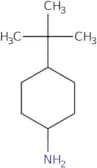
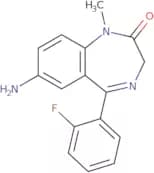
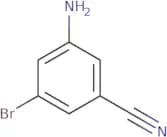
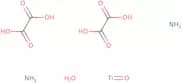
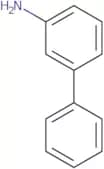
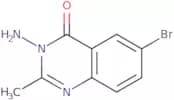
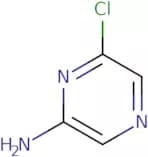
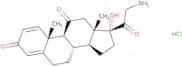
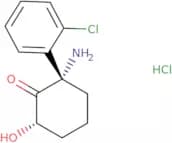

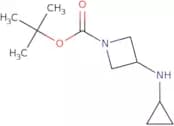
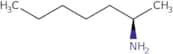

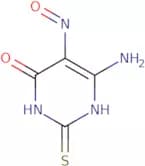
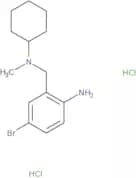
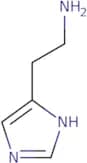
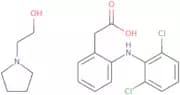

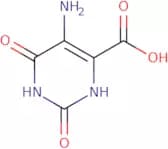

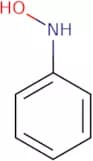
![(2-{2-[2-(2-Aminoethyl)-4,5-dimethoxybenzyl]-4,5-dimethoxyphenyl}ethyl)amine dihydrochloride](/_next/image/?url=https%3A%2Fstatic.cymitquimica.com%2Fproducts%2F3D%2Fthumb-webp%2FFA135464.webp&w=3840&q=75)
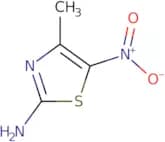
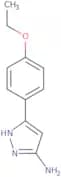


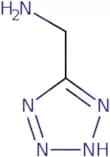

![Alanine,n,N'-[[5-[2-amino-5-(2,2-dimethyl-1-oxopropyl)-4-thiazolyl]-2-furanyl]phosphinylidene]bis[…](/_next/image/?url=https%3A%2Fstatic.cymitquimica.com%2Fproducts%2F3D%2Fthumb-webp%2FFA152449.webp&w=3840&q=75)

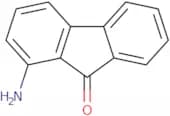
![[2-(5-Fluoro-1-methyl-1H-indol-3-yl)ethyl]amine hydrochloride](/_next/image/?url=https%3A%2Fstatic.cymitquimica.com%2Fproducts%2F3D%2Fthumb-webp%2FFF118334.webp&w=3840&q=75)
![[1-Methyl-2-(7-methyl-1H-indol-3-yl)ethyl]amine hydrochloride](/_next/image/?url=https%3A%2Fstatic.cymitquimica.com%2Fproducts%2F3D%2Fthumb-webp%2FFM123634.webp&w=3840&q=75)
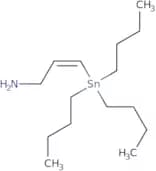
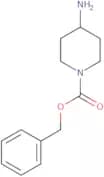
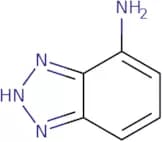
![(3-IMidazol-1-yl-propyl)-[4-(4,4,5,5-tetraMethyl-[1,3,2]dioxaborolan-2-yl)-benzyl]aMine](/_next/image/?url=https%3A%2Fstatic.cymitquimica.com%2Fproducts%2F3D%2Fthumb-webp%2FFI39774.webp&w=3840&q=75)


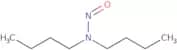



![[2-(1,2-Dimethyl-1H-indol-3-yl)ethyl]amine hydrochloride](/_next/image/?url=https%3A%2Fstatic.cymitquimica.com%2Fproducts%2F3D%2Fthumb-webp%2FFD135164.webp&w=3840&q=75)
![5-[3-Methoxy-4-(4-methoxy-benzyloxy)-benzyl]-pyrimidine-2,4-diamine](/_next/image/?url=https%3A%2Fstatic.cymitquimica.com%2Fproducts%2F3D%2Fthumb-webp%2FFM31223.webp&w=3840&q=75)
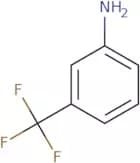
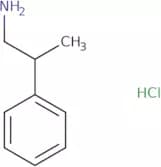
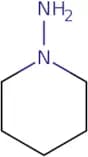


![N,N-Bis[3-(methylamino)propyl]methylamine](/_next/image/?url=https%3A%2Fstatic.cymitquimica.com%2Fproducts%2F3D%2Fthumb-webp%2FFB166306.webp&w=3840&q=75)

![[2-(2,5-Dimethyl-1H-indol-3-yl)ethyl]amine hydrochloride](/_next/image/?url=https%3A%2Fstatic.cymitquimica.com%2Fproducts%2F3D%2Fthumb-webp%2FFD118369.webp&w=3840&q=75)
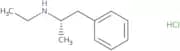
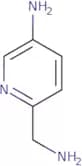

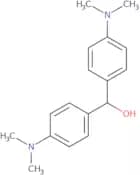
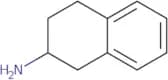
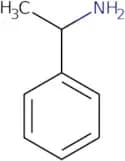
![2-(2-Aminoethyl)-3',6'-bis(diethylaMino)spiro[isoindoline-1,9'-xanthen]-3-one](/_next/image/?url=https%3A%2Fstatic.cymitquimica.com%2Fproducts%2F3D%2Fthumb-webp%2FFA39948.webp&w=3840&q=75)
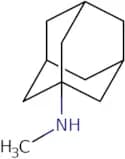
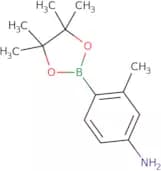
![1-Benzyl-3-[3-(diethylamino)propoxy]-1H-indazole](/_next/image/?url=https%3A%2Fstatic.cymitquimica.com%2Fproducts%2F3D%2Fthumb-webp%2FFB162091.webp&w=3840&q=75)
![3-{[(3,4-Dichlorophenyl)amino]carbonyl}bicyclo[2.2.1]hept-5-ene-2-carboxylic acid](/_next/image/?url=https%3A%2Fstatic.cymitquimica.com%2Fproducts%2F3D%2Fthumb-webp%2FFD136060.webp&w=3840&q=75)
![[(4-Methyl-1H-imidazol-5-yl)methyl]amine hydrochloride](/_next/image/?url=https%3A%2Fstatic.cymitquimica.com%2Fproducts%2F3D%2Fthumb-webp%2FFM125220.webp&w=3840&q=75)
![[(4-Methyl-1,3-thiazol-2-yl)methyl]amine dihydrochloride](/_next/image/?url=https%3A%2Fstatic.cymitquimica.com%2Fproducts%2F3D%2Fthumb-webp%2FFM124176.webp&w=3840&q=75)

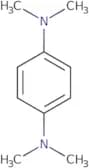
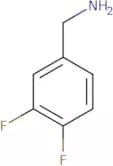
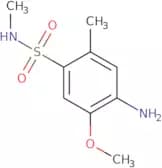
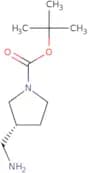
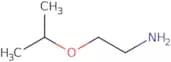
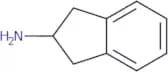


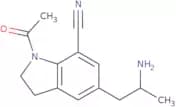
![[2-(4-methoxyphenyl)ethyl]methylamine](/_next/image/?url=https%3A%2Fstatic.cymitquimica.com%2Fproducts%2F3D%2Fthumb-webp%2FFM51362.webp&w=3840&q=75)
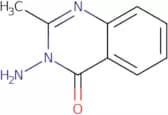
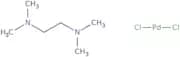
![2-[(Dimethylamino)methylene]-5-(2,3,4-trimethoxyphenyl)cyclohexane-1,3-dione](/_next/image/?url=https%3A%2Fstatic.cymitquimica.com%2Fproducts%2F3D%2Fthumb-webp%2FFD134779.webp&w=3840&q=75)

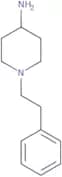
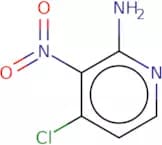

![{2-[(4-Phenylpiperazin-1-yl)carbonyl]phenyl}amine](/_next/image/?url=https%3A%2Fstatic.cymitquimica.com%2Fproducts%2F3D%2Fthumb-webp%2FFP122463.webp&w=3840&q=75)
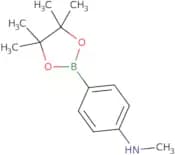
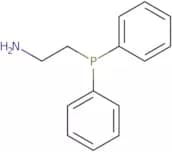
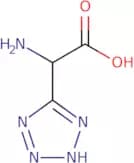
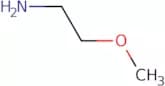


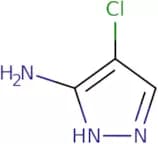

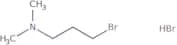
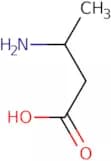

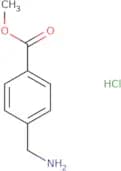


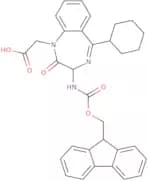
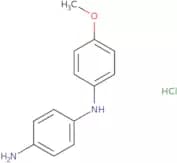

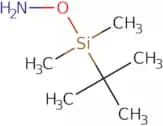
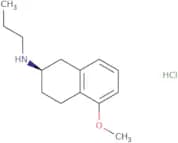
![N-Methyl-5H-dibenzo[a,d]cycloheptene-5-propylamine hydrochloride](/_next/image/?url=https%3A%2Fstatic.cymitquimica.com%2Fproducts%2F3D%2Fthumb-webp%2FFN76683.webp&w=3840&q=75)
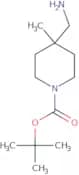
![5-({[2-(4-Chlorophenyl)-1,3-oxazol-4-yl]methyl}thio)-1,3,4-thiadiazol-2-amine](/_next/image/?url=https%3A%2Fstatic.cymitquimica.com%2Fproducts%2F3D%2Fthumb-webp%2FFC122189.webp&w=3840&q=75)

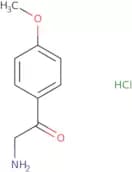
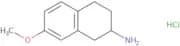
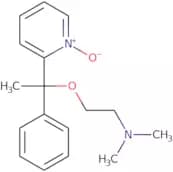
![(2S)-2-Amino-2-[(5S)-3-chloro-4,5-dihydroisoxazol-5-Yl]acetic acid](/_next/image/?url=https%3A%2Fstatic.cymitquimica.com%2Fproducts%2F3D%2Fthumb-webp%2FFA17203.webp&w=3840&q=75)
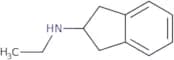
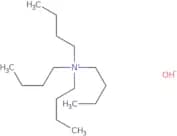
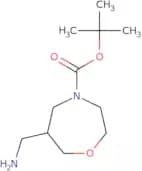
![[(1-Benzyl-1H-pyrazol-4-yl)methyl]amine](/_next/image/?url=https%3A%2Fstatic.cymitquimica.com%2Fproducts%2F3D%2Fthumb-webp%2FFB133964.webp&w=3840&q=75)

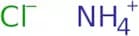
![5-[3-(Dimethylamino)propyl]-10,11-dihydro-5H-dibenzo[a,d]cyclohepten-5-ol](/_next/image/?url=https%3A%2Fstatic.cymitquimica.com%2Fproducts%2F3D%2Fthumb-webp%2FFD22331.webp&w=3840&q=75)
![7-Bromo-[1,2,4]triazolo[1,5-a]pyridin-2-ylamine](/_next/image/?url=https%3A%2Fstatic.cymitquimica.com%2Fproducts%2F3D%2Fthumb-webp%2FFB140382.webp&w=3840&q=75)


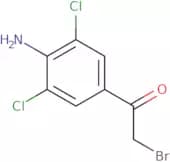
![(aR)-a-[[[2-(4-Nitrophenyl)ethyl]amino]methyl]benzenemethanol](/_next/image/?url=https%3A%2Fstatic.cymitquimica.com%2Fproducts%2F3D%2Fthumb-webp%2FFN75044.webp&w=3840&q=75)
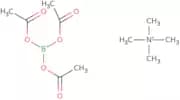
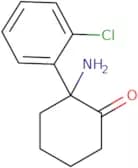
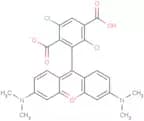

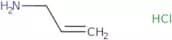
![N-[(1S)-1-(Aminocarbonyl)propyl]-4-chlorobutanamide](/_next/image/?url=https%3A%2Fstatic.cymitquimica.com%2Fproducts%2F3D%2Fthumb-webp%2FFA171302.webp&w=3840&q=75)
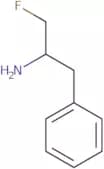

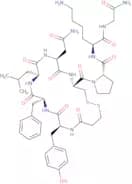
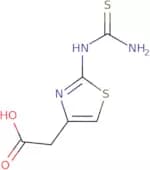

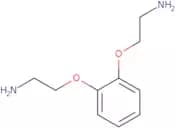
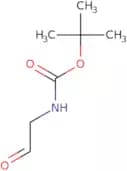
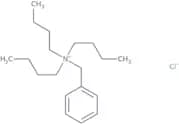
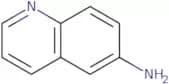
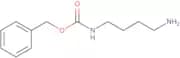
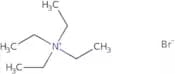


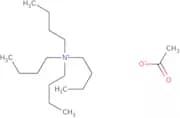
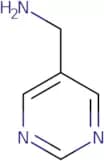
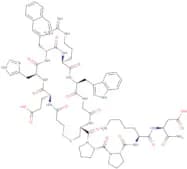

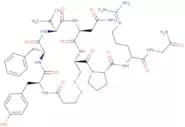
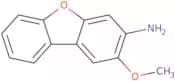
![[5-(5,6-Dimethyl-1,3-benzoxazol-2-yl)-2-methylphenyl]amine](/_next/image/?url=https%3A%2Fstatic.cymitquimica.com%2Fproducts%2F3D%2Fthumb-webp%2FFD134975.webp&w=3840&q=75)
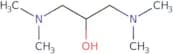
![(R)-3-[((tert-Butoxy)carbonyl)amino]-4-(2,5-difluorophenyl)butanoic acid](/_next/image/?url=https%3A%2Fstatic.cymitquimica.com%2Fproducts%2F3D%2Fthumb-webp%2FFB103971.webp&w=3840&q=75)

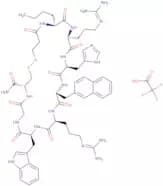
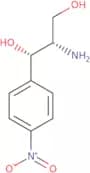

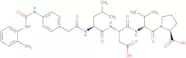

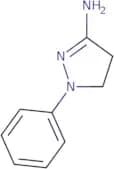
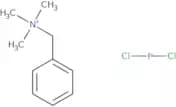
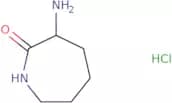
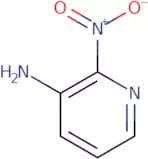
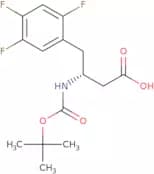
![H-Glu-Leu-Asp-[(2R,4S,5S)-5-amino-4-hydroxy-2,7-dimethyl-octanoyl]-Val-Glu-Phe-Gly-Gly-D-Arg-D-Arg…](/_next/image/?url=https%3A%2Fstatic.cymitquimica.com%2Fproducts%2F3D%2Fthumb-webp%2FFG111107.webp&w=3840&q=75)
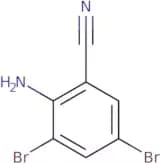
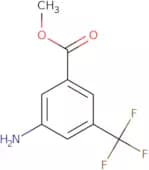
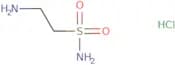
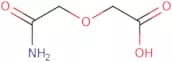
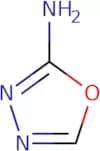
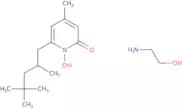
![5-(H-Gly-Pro-Gly-Pro-amido)-9-[di-(3-sulfonylpropyl)amino]-benzo[a]phenoxazonium perchlorate](/_next/image/?url=https%3A%2Fstatic.cymitquimica.com%2Fproducts%2F3D%2Fthumb-webp%2FFG110995.webp&w=3840&q=75)

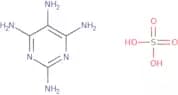
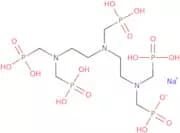
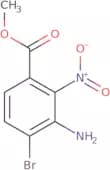
![4-[2-(Fmoc-amino)ethyl]-1-piperazineacetic acid dihydrochloride](/_next/image/?url=https%3A%2Fstatic.cymitquimica.com%2Fproducts%2F3D%2Fthumb-webp%2FFF48264.webp&w=3840&q=75)
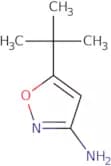
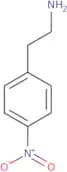
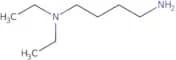
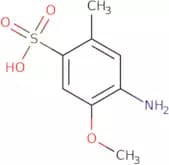
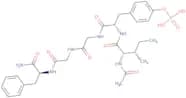

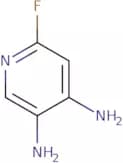
![1,2-Distearoyl-sn-glycero-3-phosphoethanolamine-N-[amino(polyethylene glycol) 2000] (ammonium salt)](/_next/image/?url=https%3A%2Fstatic.cymitquimica.com%2Fproducts%2F3D%2Fthumb-webp%2FFD157101.webp&w=3840&q=75)
![5-Fmoc-amino-10,11-dihydro-5H-dibenzo[a,d]-cycloheptenyl-2-oxyacetyl-DL-Nle-4- methyl-benzhydrylam…](/_next/image/?url=https%3A%2Fstatic.cymitquimica.com%2Fproducts%2F3D%2Fthumb-webp%2FFT111711.webp&w=3840&q=75)

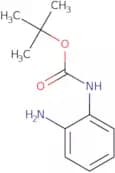
![2-Hydroxy-5-[(4-{[(6-methoxypyridazin-3-yl)amino]sulfonyl}phenyl)diazenyl]benzoic acid](/_next/image/?url=https%3A%2Fstatic.cymitquimica.com%2Fproducts%2F3D%2Fthumb-webp%2FFH134950.webp&w=3840&q=75)