Ketones
Ketones are organic compounds characterized by the presence of a carbonyl group (C=O) bonded to two carbon atoms. These compounds are highly versatile and play a crucial role in various chemical reactions, including oxidation, reduction, and condensation. Ketones are essential intermediates in the synthesis of pharmaceuticals, fragrances, and polymers. At CymitQuimica, we provide a wide range of high-quality ketones to support your research and industrial applications.
Found 18867 products of "Ketones"
Sort by
Purity (%)
0
100
|
0
|
50
|
90
|
95
|
100
4-((4-(dimethylamino)phenyl)methylene)-3-methyl-1-phenyl-2-pyrazolin-5-one
CAS:Please enquire for more information about 4-((4-(dimethylamino)phenyl)methylene)-3-methyl-1-phenyl-2-pyrazolin-5-one including the price, delivery time and more detailed product information at the technical inquiry form on this pagePurity:Min. 95%5α-Pregnan-3β-ol-20-one 3β-acetate
CAS:Controlled Product<p>5α-Pregnan-3β-ol-20-one 3β-acetate is a synthetic steroid that is used to treat various neurological disorders, including dystonias, depression, and dyskinesias. It is an agonist of the GABA receptor and has been shown to have antidepressant effects in hamsters. 5α-Pregnan-3β-ol-20-one 3β-acetate has also been shown to have antiaggressive effects in mice and to decrease hormone levels in animals. The drug has been found to be safe for use in humans and does not affect fertility. 5α-Pregnan-3β-ol-20-one 3βacetate has been shown to be effective only when administered at high doses, which may be due to its poor oral bioavailability.</p>Formula:C23H36O3Purity:Min. 95%Color and Shape:White PowderMolecular weight:360.53 g/mol5-Amino-1,3-benzoxazol-2(3H)-one hydrochloride
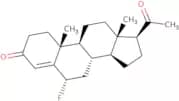
CAS:<p>5-Amino-1,3-benzoxazol-2(3H)-one hydrochloride is a fine chemical that belongs to the group of compounds known as benzoxazoles. Benzoxazoles are used as building blocks for the preparation of other compounds. 5-Amino-1,3-benzoxazol-2(3H)-one hydrochloride is soluble in water, and it can be used as a research chemical or intermediate in organic synthesis. This compound has a CAS number of 77408-77-6 and can be purchased at high quality.</p>Formula:C7H6N2O2·HClPurity:Min. 95%Color and Shape:Off-White PowderMolecular weight:186.6 g/mol6-Fluoropregn-4-Ene-3,20-Dione
CAS:Controlled Product<p>6-Fluoropregn-4-Ene-3,20-Dione is a hydrocarbon that is used in the production of an oil solution for oral administration. This product is well tolerated and has been shown to have good activity against Leptosphaeria species, which are members of the class of microorganisms. 6-Fluoropregn-4-Ene-3,20-Dione may be used as diluent with other substances. It can also be used as a corynebacterium culture media or as a dehydrated culture medium for corynebacteria. 6FPD can also be used to make emulsions containing microorganisms such as Cylindrocarpon species and Hydrolysing strains. It can function as a peracid or alkylene acylate oxidising agent.</p>Formula:C21H29FO2Purity:Min. 95%Molecular weight:332.45 g/mol(R)-4-Benzyl-5,5-dimethyloxazolidin-2-one
CAS:<p>(R)-4-Benzyl-5,5-dimethyloxazolidin-2-one (BOM) is a fine chemical that is useful as a scaffold or building block in research and development. It can be used as an intermediate in the synthesis of various compounds, such as pharmaceuticals and agrochemicals. BOM has been found to be a useful reagent for reactions involving complex compounds. This chemical is also listed on the Chemical Abstract Services database with CAS number 204851-73-0.</p>Formula:C12H15NO2Purity:Min. 97.5 Area-%Color and Shape:White PowderMolecular weight:205.25 g/mol(+)-1-(9Fluorenyl)ethyl chloroformate - 18mM acetone solution
CAS:<p>(+)-1-(9-Fluorenyl)ethyl chloroformate is a chemical reagent that is used to prepare pharmaceutical preparations. It is an acetone solution with a concentration of 18mM. Its thermal expansion properties are such that it can be used in the manufacturing of microcapsules and analytical chemistry techniques. The emission of (+)-1-(9-Fluorenyl)ethyl chloroformate has been shown to be carcinogenic, but only at high concentrations. Toxicity profiles have not been established for this compound. It is also known to cause biochemical changes in the heart and skin cells, as well as act on the calcium overload and epidermal growth factor receptor (EGFR).</p>Formula:C16H13ClO2Color and Shape:Colorless Clear LiquidMolecular weight:272.73 g/mol3-(3,4-dimethoxyphenyl)-1,6,6-trimethyl-5,6,7-trihydro1H-indazol-4-one
CAS:Please enquire for more information about 3-(3,4-dimethoxyphenyl)-1,6,6-trimethyl-5,6,7-trihydro1H-indazol-4-one including the price, delivery time and more detailed product information at the technical inquiry form on this pagePurity:Min. 95%Naloxone hydrochloride dihydrate
CAS:Controlled ProductNaloxone hydrochloride dihydrate is a drug that blocks the effects of opioids. It is administered by injection and has a short half-life. Naloxone hydrochloride dihydrate binds to opioid receptors in the central nervous system, which prevents binding by other opioids. This results in an increased metabolic rate, which can be used as a marker for effectiveness of treatment. Naloxone hydrochloride dihydrate has been shown to have an inhibitory effect on monoamine neurotransmitters, including dopamine, serotonin and norepinephrine. The use of this drug should be limited to outpatients because it produces less physical dependence than other opioids. Naloxone hydrochloride dihydrate can also be used as a sample preparation agent for urine samples or as an effective dose for pharmaceutical preparations.END>Formula:C19H26NO6ClPurity:98 To 100%Color and Shape:White Off-White PowderMolecular weight:399.87 g/mol4-(Indol-3-ylmethylene)-1,3-diphenyl-2-pyrazolin-5-one
CAS:<p>Please enquire for more information about 4-(Indol-3-ylmethylene)-1,3-diphenyl-2-pyrazolin-5-one including the price, delivery time and more detailed product information at the technical inquiry form on this page</p>Formula:C24H17N3OPurity:Min. 95%Color and Shape:PowderMolecular weight:363.41 g/molalpha-Methylanisalacetone
CAS:<p>Alpha-Methylanisalacetone is a chemical substance that is used as a reagent in the production of other chemicals. It is also an allergen and a sensitizer, which may cause health risks. Alpha-Methylanisalacetone can react with trifluoroacetic acid to form alpha-methylbenzeneacetic acid, which can be detected by an ionization detector. This reaction takes about 1 hour. The fluid extract from alpha-methylanisalacetone contains histidine, which reacts with the reagent 2,4-dinitrophenylhydrazine hydrochloride and produces dinitrophenylhydrazine. The analytical method for alpha-methylanisalacetone involves measuring the turbidity of the solution at 660 nm using a spectrophotometer.</p>Formula:C12H14O2Purity:Min. 95%Color and Shape:White PowderMolecular weight:190.24 g/mol(11β,16β)-9-Fluoro-11,21-dihydroxy-16-methyl-17-((1-oxopentyl)oxy)-Pregna-1,4-diene-3,20-dione mixt. with 5-chloro-7-iodo-8-qu inolinol
CAS:Controlled Product<p>Clioquinol is a topical corticosteroid that is used to treat skin disorders such as pemphigoid, psoriasis, and eczema. It is also used to treat the inflammation associated with acne. Clioquinol has been shown to be effective in treating bacterial infections of the skin by inhibiting the growth of bacteria. This drug also has anti-inflammatory properties and can be used for the treatment of various inflammatory skin conditions. Clioquinol is not absorbed through the skin and does not affect the blood's ability to clot.</p>Formula:C36H42ClFINO7Purity:Min. 95%Molecular weight:782.08 g/mol2-Bromo-2-(2-fluorophenyl)-1-cyclopropylethanone
CAS:<p>2-Bromo-2-(2-fluorophenyl)-1-cyclopropylethanone is a synthetic peroxide that is used as an additive in the production of polyvinylpyrrolidone. It has been shown to have efficient methods for the reduction of amines and chlorides to the corresponding hydroxylamine and hydrochloride, respectively. The tribromide may be generated by treatment with bromine and a base, such as potassium hydroxide or sodium hydroxide, in an inert solvent such as benzene or dichloromethane. 2-Bromo-2-(2-fluorophenyl)-1-cyclopropylethanone can also be synthesized from phenacyl chloride and acetylene.</p>Formula:C11H10BrFOPurity:Min. 95 Area-%Color and Shape:Clear LiquidMolecular weight:257.1 g/molFlavanone diacetyl hydrazone
CAS:<p>Flavanone diacetyl hydrazone is a hydrogenated flavonoid derivative, which is synthesized from natural flavonoid sources. This compound exhibits its mode of action primarily through its ability to donate hydrogen atoms, effectively scavenging free radicals and inhibiting oxidative stress. Furthermore, it interacts with various cellular pathways to exert anti-inflammatory effects, making it a potential therapeutic agent in oxidative stress-related disorders.</p>Formula:C19H18N2O3Purity:Min. 95%Molecular weight:322.36 g/mol3-(3,4-dimethoxyphenyl)indeno[2,3-d]pyrazol-4-one
CAS:Please enquire for more information about 3-(3,4-dimethoxyphenyl)indeno[2,3-d]pyrazol-4-one including the price, delivery time and more detailed product information at the technical inquiry form on this pagePurity:Min. 95%(2-Methoxyphenyl)acetone oxime
CAS:<p>2-Methoxyphenyl)acetone oxime is a versatile building block that can be used in the synthesis of complex compounds. It is a colourless crystalline solid with a melting point of 138°C and a boiling point of 188°C. This compound has been assigned CAS No. 43021-97-2 and is soluble in water, ethanol, acetone, benzene, chloroform, ether and ethyl acetate. The chemical structure for this compound is shown below:</p>Formula:C10H13NO2Purity:Min. 95%Color and Shape:PowderMolecular weight:179.22 g/mol3-((2-bromophenyl)amino)-5-phenylcyclohex-2-en-1-one
CAS:Please enquire for more information about 3-((2-bromophenyl)amino)-5-phenylcyclohex-2-en-1-one including the price, delivery time and more detailed product information at the technical inquiry form on this pagePurity:Min. 95%4-Pregnen-20-alpha-ol-3-one
CAS:Controlled Product<p>Progesterone is a hormone that regulates the menstrual cycle and plays a key role in pregnancy. It is produced by the corpus luteum, the placenta, and the ovaries. Progesterone is also involved in regulating other functions such as cell growth, fat metabolism, blood clotting, and water balance. The level of progesterone in urine has been shown to be a good indicator of follicular growth during ovulation. In women with metabolic disorders or lactogenic hormone deficiencies, low levels of progesterone can lead to infertility.</p>Formula:C21H32O2Purity:Min. 95%Color and Shape:White PowderMolecular weight:316.48 g/mol(6-Bromo-3,4-dimethoxyphenyl)acetone
CAS:<p>(6-Bromo-3,4-dimethoxyphenyl)acetone is a fine chemical that can be used as a versatile building block. This compound is typically used in research and development for the synthesis of complex compounds. It has been shown to be useful in the synthesis of high quality pharmaceuticals and speciality chemicals. The CAS number for this chemical is 116145-28-9.</p>Formula:C11H13BrO3Purity:Min. 95%Molecular weight:273.12 g/mol2-Methylphenylacetone
CAS:<p>2-Methylphenylacetone (2MP) is a cocatalyst that is used in cross-coupling reactions. It has been shown to be an effective methyl donor and titanium oxide activator. 2MP is also used in the dehydrogenative coupling of acetone and toluene, which leads to the formation of aliphatic products with nature and mechanisms of reactivity similar to those observed in benzene.</p>Formula:C10H12OPurity:Min. 95%Color and Shape:LiquidMolecular weight:148.2 g/mol4-(2- fluorophenyl)-6,8-dihydro-1,3,8-trimethyl-Pyrazolo[3,4-e][1,4]diazepin-7(1H)-one mixt. with 2-(ethylamino)-2-(2-thienyl)cycloh exanone hydrochloride
CAS:Controlled Product<p>Telazol is an anesthetic that belongs to the class of nonbenzodiazepine drugs. It is used as a short-term sedative and analgesic in preoperative, obstetrical, and diagnostic procedures. Telazol is a prodrug that is metabolized in vivo to its active form, 4-(2-fluorophenyl)-6,8-dihydro-1,3,8-trimethyl-Pyrazolo[3,4-e][1,4]diazepin-7(1H)-one (TFD). Telazol has been shown to have low toxicity when administered at low doses (0.5 mg/kg) to rats.</p>Formula:C27H33ClFN5O2SPurity:Min. 95%Molecular weight:546.1 g/mol(3-Hydroxyphenyl)acetone
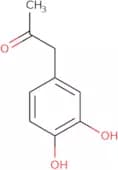
CAS:<p>(3-Hydroxyphenyl)acetone is a chemical that can be used as a reaction component, reagent, or building block for the synthesis of complex compounds. This compound has high quality and is useful in research. It has CAS No. 64479-84-1 and has many uses in the synthesis of speciality chemicals or fine chemicals. (3-Hydroxyphenyl)acetone is a versatile intermediate that can be used to make other compounds such as antihistamines, antibiotics, anticonvulsants, antipsychotics, and antidepressants.</p>Formula:C9H10O2Purity:Min. 95%Color and Shape:Yellow PowderMolecular weight:150.17 g/mol5-Chloro-6-[(2-imino-1-pyrrolidinyl)methyl]-2,4(1H,3H)-pyrimidinedione monohydrochloride
CAS:Trifluridine is a pyrimidine nucleoside analog that is used in the treatment of colorectal cancer. It is a potent inhibitor of DNA polymerase and other enzymes involved in DNA replication and transcription, including RNA polymerase. Trifluridine has been shown to inhibit the growth of various types of human tumor cells in vitro. This drug also has anti-inflammatory properties, which may be due to its ability to inhibit prostaglandin synthesis. Trifluridine can cause fetal bovine syndrome when given to pregnant women and should not be used during pregnancy or breastfeeding.Formula:C9H11ClN4O2·HClPurity:Min. 98 Area-%Color and Shape:White PowderMolecular weight:279.12 g/mol2-bromo-5,5-dimethyl-3-((4-(trifluoromethoxy)phenyl)amino)cyclohex-2-en-1-one
CAS:<p>Please enquire for more information about 2-bromo-5,5-dimethyl-3-((4-(trifluoromethoxy)phenyl)amino)cyclohex-2-en-1-one including the price, delivery time and more detailed product information at the technical inquiry form on this page</p>Purity:Min. 95%3-((2-acetylphenoxy)methyl)-4-bromo-2-methyl-1-phenyl-3-pyrazolin-5-one
CAS:<p>Please enquire for more information about 3-((2-acetylphenoxy)methyl)-4-bromo-2-methyl-1-phenyl-3-pyrazolin-5-one including the price, delivery time and more detailed product information at the technical inquiry form on this page</p>Formula:C19H17BrN2O3Purity:Min. 95%Color and Shape:PowderMolecular weight:401.25 g/mol19-Hydroxy-androstene-4-ene-3,17-dione
CAS:Controlled Product19-hydroxy-androstene-4-ene-3,17-dione is a metabolite of androstenedione that has been shown to have inhibitory effects on prostate cancer cells. This compound binds to the plasma membrane of these cells, leading to changes in its structure and function. 19-hydoxy-androstene-4-ene-3,17-dione has also been shown to have an inhibitory effect on human chorionic gonadotropin (HCG) and oestrone production by inhibiting the release of luteinizing hormone from the pituitary gland. This compound also inhibits the activity of protein kinase C (PKC), which is important for cell signaling. 19 hydroxyandrostene 4, 17 dione inhibits tissue culture reactions that rely on PKC as well as other enzymes involved in this process.Formula:C19H26O3Purity:Min. 98 Area-%Color and Shape:Off-White PowderMolecular weight:302.41 g/mol19,19-Difluoroandrost-4-Ene-3,17-Dione
CAS:Controlled Product<p>19,19-Difluoroandrost-4-Ene-3,17-Dione is a functional group that is incorporated into the biosynthesis of sex hormones and steroids. It has been postulated to be an efficient method for synthesizing 19,19-difluoroandrost-4-ene from 19,19-difluorodienoic acid. The inhibition constant of this functional group has been determined to be 4.8 x 10 M at 37 degrees Celsius and pH 7.0 in the presence of benzoate and hydroxyl groups. 19,19-Difluoroandrost-4-Ene-3,17-Dione can also inhibit enzymes such as esterase and glutathione reductase. Its nmr spectra are consistent with a dione ring structure.</p>Formula:C19H24F2O2Purity:Min. 95%Molecular weight:322.39 g/mol1-(2,4,5-Trihydroxyphenyl)butan-1-one
CAS:<p>1-(2,4,5-Trihydroxyphenyl)butan-1-one is a chemoattractant protein that is involved in the inflammatory response. It has been shown to be a potent stimulator of neutrophil migration in maternal blood and also has anti-inflammatory properties. 1-(2,4,5-Trihydroxyphenyl)butan-1-one may function as an adjuvant by activating immune cells and inducing cytokine production. 1-(2,4,5-Trihydroxyphenyl)butan-1-one also functions as a cofactor for dopamine and dinucleotide phosphate activity in the central nervous system. This protein has inhibitory properties against various biological activities of pharmacological agents such as histamine release and vascular permeability. Studies have shown that this compound can be toxic to mice when administered at high doses.</p>Formula:C10H12O4Purity:Min. 95%Color and Shape:Yellow PowderMolecular weight:196.2 g/mol8-Cyclohexadecen-1-one
CAS:8-Cyclohexadecen-1-one is a mixture of isomers consisting of cyclohexadecane-1,2-dione. This chemical has been shown to enhance the activity of wst-8 in reconstituted systems with dietary concentrations. 8-Cyclohexadecen-1-one is also found in fatty acid esters and unsaturated ketones and can be produced by metathesis reactions.Formula:C16H28OPurity:Min. 95 Area-%Color and Shape:White PowderMolecular weight:236.39 g/mol(2-Ethoxyphenyl)acetone
CAS:<p>(2-Ethoxyphenyl)acetone is a monoaminergic compound that has antioxidant and analgesic properties. It also has antidepressant-like effects, which can be attributed to its ability to inhibit the reuptake of serotonin and norepinephrine. (2-Ethoxyphenyl)acetone has been shown to have neuroprotective effects in mice with Parkinson's disease. This compound also exhibits anti-inflammatory properties and may be useful for the treatment of depression.</p>Formula:C11H14O2Purity:Min. 95%Color and Shape:PowderMolecular weight:178.23 g/mol2-Azabicyclo[2.2.1]hept-5-en-3-one
CAS:<p>2-Azabicyclo[2.2.1]hept-5-en-3-one is a carbocyclic nucleoside that is synthesized from cyclopentyl and organic solvent, imine, lactam, and fluorine. It has been shown to have potential as a prodrug for the treatment of cancer when it is converted to 2-azabicyclo[2.2.1]heptane by an enzyme called lactamase in the body. Molecular modeling studies show that this compound has a high level of fluidity and can be used in liquid chromatography methods. The enantiomer of this molecule has also been identified and is being studied as a possible drug candidate for the treatment of malaria.</p>Formula:C6H7NOPurity:Min. 95%Color and Shape:PowderMolecular weight:109.13 g/mol1,2,4-Dithiazolidine-3,5-dione
CAS:<p>1,2,4-Dithiazolidine-3,5-dione is a disulfide bond compound that contains a nucleophilic cysteine residue. It is oxidized to the corresponding sulfoxide or sulfone by reaction with hydrochloric acid. 1,2,4-Dithiazolidine-3,5-dione has been shown to react with amines to form adducts. The nucleophilic attack of the sulfur atom on the carbonyl carbon generates an intermediate thioketal and leaves the original disulfide intact. The nucleophilic attack leads to a number of possible products including dithioesters and dithioimidates. Both these products are stable in water and can be used in organic synthesis reactions such as DNA duplex formation.</p>Formula:C2HNO2S2Purity:Min. 95%Color and Shape:PowderMolecular weight:135.16 g/mol3-Phenylacetylamino-2,6-piperidinedione
CAS:<p>3-Phenylacetylamino-2,6-piperidinedione is a trifluoroacetate analog of the amino acid phenylalanine. It has been shown to be effective against cancer cells. 3-Phenylacetylamino-2,6-piperidinedione inhibits protein synthesis in tumor cells and is used as an antiestrogen in clinical studies. The hydroxyl group on the 3rd carbon atom makes this compound more acidic than its parent compound, 2,6-piperidinedione. This analog also has a high affinity for cancer tissues and urine samples. Treatment with this drug inhibits the growth of carcinoma cell lines MCT7 and MCF7.</p>Formula:C13H14N2O3Purity:Min. 95%Color and Shape:PowderMolecular weight:246.26 g/mol5-(indol-3-ylmethylene)-3-prop-2-enyl-2-thioxo-1,3-thiazolidin-4-one
CAS:Please enquire for more information about 5-(indol-3-ylmethylene)-3-prop-2-enyl-2-thioxo-1,3-thiazolidin-4-one including the price, delivery time and more detailed product information at the technical inquiry form on this pageFormula:C15H12N2OS2Purity:Min. 95%Color and Shape:PowderMolecular weight:300.4 g/mol2-(Fluoromethyl)-3-(2-Methylphenyl)Quinazolin-4-One
CAS:Controlled Product2-(Fluoromethyl)-3-(2-Methylphenyl)Quinazolin-4-One (RUG) is a new synthetic drug that is structurally related to diazepam and lorazepam. The drug has been shown to have sedative, muscle relaxant, anti-convulsant, and analgesic properties in animal studies. RUG has been shown to inhibit the activities of enzymes such as serum cholinesterase and acetylcholinesterase in animals. It also stimulates salivation and inhibits muscle contractions, which may be due to its ability to enhance the effects of gamma aminobutyric acid (GABA). When administered orally or intraperitoneally, RUG produces a dose-dependent reduction in spontaneous activity in rats. These effects are similar to those produced by rugulovasine, a natural indole alkaloid from the plant Uncaria rhynchophylla.Formula:C16H13FN2OPurity:Min. 95%Molecular weight:268.29 g/mol7-Chloro-5-(2-fluorophenyl)-1,3-Dihydro-1-(2,2,2-trifluoroethyl)-2H-1,4-benzodiazepin-2-one
CAS:Controlled Product<p>Quazepam is a benzodiazepine drug that binds to the benzodiazepine binding site of the GABAA receptor. It has clinical properties as an anxiolytic and anticonvulsant. Quazepam has been determined to have a high affinity for the benzodiazepine binding site in human liver, plasma, and brain tissue. The kinetic data for quazepam show that it is metabolized by oxidation and hydrolysis, which result in two metabolites: N-desmethyldiazepam and oxazepam. Quazepam is also shown to induce sleep, even at doses of 25 mg or less per day. The clinical properties of quazepam are similar to those of other benzodiazepines with a short half-life such as triazolam. However, it does not have significant drug interactions with other drugs like triazolam does.</p>Formula:C17H11ClF4N2OPurity:Min. 98 Area-%Color and Shape:SolidMolecular weight:370.73 g/mol2H-1,3-Benzoxazine-2,4(3H)-dione
CAS:2H-1,3-Benzoxazine-2,4(3H)-dione is an analog of 5-HT7 receptor ligands. It has inhibitory properties and can be used to treat skin conditions such as psoriasis. It may also be used to increase insulin sensitivity in type 2 diabetes mellitus and for the treatment of inflammatory diseases. The 2H-1,3-benzoxazine-2,4(3H)-dione binds to the 5-HT7 receptors in the target tissue, which may lead to a reduction in inflammation. This drug has shown activity against both 5-HT2A receptors and 5-HT7 receptors in vitro.Formula:C8H5NO3Purity:Min. 95%Color and Shape:White PowderMolecular weight:163.13 g/mol3,6-Dimethylpyrimidine-2,4(1H,3H)-dione
CAS:<p>3,6-Dimethylpyrimidine-2,4(1H,3H)-dione is a chemical compound that has been found to be active against influenza virus. It is an acidic compound that binds to positively charged amino acids on the viral envelope and inhibits viral fusion with host cells. The linker group in 3,6-dimethylpyrimidine-2,4(1H,3H)-dione is the same as that of dimethylsulfate, which is a chemical compound used for the synthesis of other compounds. X-ray diffraction data for this compound have been obtained at high resolution and show it to be a chloride salt. The chloride ion may be important in the antiviral activity of 3,6-dimethylpyrimidine-2,4(1H,3H)-dione because it can react with radicals formed during influenza replication. This compound also has antiradical activities against Coxsackievirus B3 (</p>Formula:C6H8N2O2Purity:Min. 95%Molecular weight:140.14 g/mol2-Methyl-1,3-cyclohexanedione
CAS:<p>2-Methyl-1,3-cyclohexanedione is an organic compound that has been used in the synthesis of a variety of drugs. The functional theory for this type of reaction is based on the conformational properties and steric interactions of the reactants. This compound can react with alkyl halides to form ethers or esters by using a lipase or boronic ester as a catalyst. 2-Methyl-1,3-cyclohexanedione has also been used in asymmetric syntheses and radiation damage studies. It is stable under acidic conditions and its carbonyl group can be replaced with a supercritical carbon dioxide group to make it more chemically stable.</p>Formula:C7H10O2Purity:Min. 98%Color and Shape:PowderMolecular weight:126.15 g/mol2,2,5-Trimethyl-1,3-dioxane-4,6-dione
CAS:2,2,5-Trimethyl-1,3-dioxane-4,6-dione is a nucleophilic compound that is used in the synthesis of many biologically active molecules. It is activated by various methods and can be used in an introduction strategy to introduce bond cleavage sequences or dehydration reactions. This molecule has been shown to catalyze the dehydration of sulfoxides and carbapenems. 2,2,5-Trimethyl-1,3-dioxane-4,6-dione also has magnetic resonance properties that make it suitable for voltammetry experiments.Formula:C7H10O4Purity:Min. 95%Color and Shape:White PowderMolecular weight:158.15 g/mol(-)-Isolongifolen-9-one
CAS:<p>(-)-Isolongifolen-9-one is a sesquiterpenoid compound, which is a type of naturally occurring terpenoid. It is primarily derived from plants and essential oils, particularly those in the Pinaceae family. The compound's molecular structure contributes to its characteristic aromatic properties, making it a subject of interest in both chemical and biological research.</p>Formula:C15H22OPurity:Min. 95%Molecular weight:218.33 g/mol5-a-Cholestan-3-one
CAS:Controlled Product5-a-Cholestan-3-one is a sterol that has been shown to have antiinflammatory activity and inhibit skin tumor formation. The sterols are the primary lipids in the human body, with 5-a-cholestan-3-one being one of the most abundant, making up about 50% of total sterols. The 5-a-cholestan-3-one is found in cholesterol, which is an important component of cell membranes. It also plays a role in the synthesis of bile acids and coprostanol. This compound can be found in fecal samples as well as wastewater treatment plants, where it is used for sample preparation. There are two different forms of 5-a-cholestan 3 one; protocatechuic acid, which is an acidic form found mainly in plants, and neutral cholic acid which can be found in humans or animals.Formula:C27H46OPurity:Min. 95%Color and Shape:PowderMolecular weight:386.65 g/mol1,3-Diphenylacetone, 97.0%+
CAS:<p>1,3-Diphenylacetone is a high quality chemical that is used as a reagent and intermediate in the production of specialty chemicals. It can be used to synthesize other compounds such as pharmaceuticals, pesticides, and lubricants. 1,3-Diphenylacetone has been shown to be an effective building block for a variety of chemical reactions. This compound is also versatile because it can be used as a research chemical or scaffold for synthesis of other compounds. 1,3-Diphenylacetone has CAS number 102-04-5 and can be found in the speciality chemical category.</p>Formula:C15H14OPurity:Min. 97.0 Area-%Molecular weight:210.28 g/mol1-(4-Fluorophenyl)-2,6,6-trimethyl-5,6,7-trihydroindol-4-one
CAS:<p>Please enquire for more information about 1-(4-Fluorophenyl)-2,6,6-trimethyl-5,6,7-trihydroindol-4-one including the price, delivery time and more detailed product information at the technical inquiry form on this page</p>Formula:C17H18FNOPurity:Min. 95%Color and Shape:PowderMolecular weight:271.33 g/mol2-(((4-ethoxyphenyl)amino)methylene)indane-1,3-dione
CAS:<p>Please enquire for more information about 2-(((4-ethoxyphenyl)amino)methylene)indane-1,3-dione including the price, delivery time and more detailed product information at the technical inquiry form on this page</p>Purity:Min. 95%(2,3,4-Trimethoxyphenyl)acetone
CAS:<p>(2,3,4-Trimethoxyphenyl)acetone is a high quality chemical reagent that is used as a complex intermediate for the synthesis of various fine chemicals. It is also a useful scaffold and building block for the synthesis of speciality chemicals or research chemicals. (2,3,4-Trimethoxyphenyl)acetone can be used as a versatile building block in organic syntheses and has been used as a reaction component in the synthesis of substituted phenols. It is also listed on the Chemical Abstracts Service registry with CAS No. 102119-67-5.</p>Formula:C12H16O4Color and Shape:PowderMolecular weight:224.25 g/mol1,4-Dihydroxy-2-butanone
CAS:1,4-Dihydroxy-2-butanone is a synthetic organic compound, often described as an intermediate or precursor in various biochemical processes. It is primarily derived from chemical synthesis methods involving the manipulation of butanone derivatives. Its chemical stability and reactivity make it a valuable compound in laboratory settings.The mode of action of 1,4-Dihydroxy-2-butanone involves its participation as a key intermediate in the biosynthesis of riboflavin, or vitamin B2, in microorganisms. Within this pathway, it undergoes several enzymatic transformations, contributing to the formation of complex structures necessary for riboflavin synthesis.The uses and applications of 1,4-Dihydroxy-2-butanone are predominantly found in research environments, where it serves as a critical component in studies focused on understanding and synthesizing riboflavin. Additionally, its role in elucidating enzyme mechanisms and exploring metabolic pathways makes it an essential compound for scientists working in the fields of biochemistry and metabolic engineering. This compound's contribution to fundamental research provides insights into potential biotechnological applications and innovations in vitamin production.Formula:C4H8O3Purity:Min. 97 Area-%Color and Shape:White PowderMolecular weight:104.1 g/molPhenylacetone oxime
CAS:<p>Phenylacetone oxime is a chemical intermediate that can be used in the synthesis of pharmaceuticals. It has a neutral pH and is stable in the presence of alkalis, acids, oxidizing agents, and reducing agents. Phenylacetone oxime reacts with hydrogen chloride to form 1-chloro-2-phenylethanone and 2-chloroethanol. The reaction mechanism is as follows:</p>Formula:C9H11NOPurity:Min. 95%Color and Shape:PowderMolecular weight:149.19 g/mol4-Chloro-1-(3-Fluorophenyl)-1-Butanone
CAS:<p>4-Chloro-1-(3-fluorophenyl)-1-butanone is a reagent that is used in the synthesis of complex compounds. It has been used as an intermediate in the synthesis of a variety of useful compounds and as a building block for more complex molecules. This chemical is one of the most versatile building blocks available, and can be used for reactions involving deprotection, coupling, and polymerization. The CAS number for this compound is 3110-52-9.</p>Formula:C10H10ClFOPurity:Min. 95%Color and Shape:Clear LiquidMolecular weight:200.64 g/mol3-((4-methylphenyl)amino)-2-phenylinden-1-one
CAS:Please enquire for more information about 3-((4-methylphenyl)amino)-2-phenylinden-1-one including the price, delivery time and more detailed product information at the technical inquiry form on this pagePurity:Min. 95%3,3-Bis-(3,5-dimethyl-4-hydroxyphenyl)-1,3-dihydro-indol-2-one
CAS:3,3-Bis-(3,5-dimethyl-4-hydroxyphenyl)-1,3-dihydro-indol-2-one is a versatile building block that can be used in the synthesis of complex molecules for research purposes. It also has other applications as a reagent or speciality chemical. This chemical is an intermediate in organic synthesis and it is sometimes used as a reaction component or scaffold to synthesize high quality compounds. 3,3-Bis-(3,5-dimethyl-4-hydroxyphenyl)-1,3-dihydro-indol-2-one belongs to the class of fine chemicals.Formula:C24H23NO3Purity:Min. 95%Molecular weight:373.44 g/mol5-Hydroxy-1,4-naphthalenedione
CAS:<p>Blocks RNA polymerases I, II, and III; inhibits PPlases</p>Formula:C10H6O3Purity:Min. 98 Area-%Color and Shape:PowderMolecular weight:174.15 g/mol5,5-Dimethyl-3-(4-nitrobenzyl)imidazolidine-2,4-dione
CAS:5,5-Dimethyl-3-(4-nitrobenzyl)imidazolidine-2,4-dione is a versatile chemical that can be used as a building block in the synthesis of complex compounds. It is an intermediate in the production of research chemicals and is also used as a reaction component in the synthesis of speciality chemicals. 5,5-Dimethyl-3-(4-nitrobenzyl)imidazolidine-2,4-dione has been shown to have high quality properties when synthesized using high purity reagents.Formula:C12H13N3O4Purity:Min. 95%Color and Shape:White PowderMolecular weight:263.25 g/mol2-(2-aza-1-(4-methoxyphenyl)-2-(amino)vinyl)indane-1,3-dione
CAS:<p>Please enquire for more information about 2-(2-aza-1-(4-methoxyphenyl)-2-(amino)vinyl)indane-1,3-dione including the price, delivery time and more detailed product information at the technical inquiry form on this page</p>Formula:C17H14N2O3Purity:Min. 95%Color and Shape:PowderMolecular weight:294.3 g/mol(5-Bromo-2-methoxyphenyl)acetone
CAS:<p>5-Bromo-2-methoxyphenyl)acetone (BMPA) is a versatile building block used in the synthesis of complex compounds and speciality chemicals. BMPA has been shown to be a useful intermediate for the synthesis of pharmaceuticals, agrochemicals, perfumes, and other products. It is also used as a reagent for research purposes. The compound was first synthesized by the condensation of aniline with acetaldehyde in 1885 by two French chemists, but has since been prepared in various ways. CAS number: 205826-73-9</p>Formula:C10H11BrO2Purity:Min. 95%Molecular weight:243.1 g/mol3-[(4-Fluorophenyl)amino]cyclohex-2-en-1-one
CAS:<p>3-[(4-Fluorophenyl)amino]cyclohex-2-en-1-one is a drug that has been shown to have both inotropic and chronotropic effects on the heart. It also has a hypotensive activity, which may be due to its ability to reduce peripheral resistance by blocking alpha 1 receptors. 3-[(4-Fluorophenyl)amino]cyclohex-2-en-1-one is an anaesthetic agent with the potential for use in surgical procedures. The structural similarity of 3-[(4-Fluorophenyl)amino]cyclohex-2-en-1-one to acrylonitrile suggests that this drug may be toxic to the heart, as acrylonitrile is a known cardiotoxin.</p>Formula:C12H12FNOPurity:Min. 95%Color and Shape:PowderMolecular weight:205.23 g/mol6(R)-[2-(8(S)-Hydroxy]-2(S),6(R)-dimethyl-1,2,6,7,8,8a(R)-hexahydro-1(S)-naphthyl]ethyl-4(R)-hydroxy-3,4,5,6-tetrahydro-2H-pyran-2-o ne
CAS:<p>6(R)-[2-(8(S)-Hydroxy]-2(S),6(R)-dimethyl-1,2,6,7,8,8a(R)-hexahydro-1(S)-naphthyl]ethyl-4(R)-hydroxy-3,4,5,6-tetrahydro-2H-pyran-2-o ne is a useful scaffold that can be used as a building block for the synthesis of numerous chemical compounds. It is a versatile intermediate used in the synthesis of research chemicals and speciality chemicals. This compound has been shown to have high purity. The CAS number for this compound is 79952-42-4.</p>Formula:C19H28O4Purity:Min. 95%Color and Shape:White PowderMolecular weight:320.42 g/mol5-Methoxy-2,3-Dihydro-Isoindol-1-One
CAS:<p>5-Methoxy-2,3-Dihydro-Isoindol-1-One is a chemical compound that can be used as a building block in organic synthesis. It is an intermediate in the synthesis of various pharmaceuticals and other organic compounds. 5-Methoxy-2,3-Dihydro-Isoindol-1-One is soluble in ethanol, methanol, diethyl ether, chloroform, and benzene. This chemical has been classified as being safe for human use by the FDA.</p>Formula:C9H9NO2Purity:Min. 95%Color and Shape:PowderMolecular weight:163.17 g/mol3-(4-ethoxyphenyl)spiro[1,3-thiazolidine-2,3'-indoline]-4,7-dione
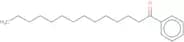
CAS:<p>Please enquire for more information about 3-(4-ethoxyphenyl)spiro[1,3-thiazolidine-2,3'-indoline]-4,7-dione including the price, delivery time and more detailed product information at the technical inquiry form on this page</p>Purity:Min. 95%Ethyl tridecyl ketone
CAS:<p>Ethyl tridecyl ketone (ETK) is a fatty acid that is an oxidation product of the natural fatty acids found in plants. ETK has been shown to inhibit cell growth and physiological function, which may be due to its ability to react with plasma proteins, such as polysorbate. ETK is also an anti-inflammatory agent and has shown activity against infectious diseases. ETK inhibits the production of inflammatory cytokines by interfering with the synthesis of arachidonic acid, which is an important precursor for these molecules.</p>Formula:C16H32OPurity:Min. 95%Color and Shape:PowderMolecular weight:240.42 g/mol6α-Fluoro-17,21-Dihydroxy-16α-Methylpregna-4,9(11)-Diene-3,20-Dione 21-Acetate
CAS:Controlled Product<p>6alpha-Fluoro-17,21-Dihydroxy-16alpha-Methylpregna-4,9(11)-Diene-3,20-Dione 21-Acetate is a synthetic angiostatic agent that inhibits the angiogenic process by affecting the growth of new blood vessels. It has been shown to inhibit proteolytic activity and to have an inhibitory effect on tumour necrosis factor-α (TNF-α) induced activation of endothelial cells and their proliferation. 6alpha-Fluoro-17,21-Dihydroxy-16alpha-Methylpregna-4,9(11)-Diene 3,20 Dione 21 Acetate also inhibits the growth of fetal bovine aortic endothelial cells in culture. The drug was also found to significantly reduce the monolayer cell viability after uptake by endothelial cells.</p>Formula:C24H31FO5Purity:Min. 95%Molecular weight:418.5 g/mol4-Methoxy-3-methylphenylacetone
CAS:<p>4-Methoxy-3-methylphenylacetone is an organic chemical that is used as a reaction component, reagent, and useful scaffold. It is a high quality research chemical that can be used as an intermediate in the synthesis of other compounds. 4-Methoxy-3-methylphenylacetone has a CAS number of 16882-23-8 and can be found under the category of speciality chemicals. This compound is versatile and can be used to make complex compounds.</p>Formula:C11H14O2Purity:Min. 95%Color and Shape:Yellow PowderMolecular weight:178.23 g/mol(2,4,6-Trimethoxyphenyl)acetone
CAS:<p>(2,4,6-Trimethoxyphenyl)acetone is a chemical compound that has been detected in human breath. It is a metabolite of tetracycline and chloramphenicol. It is also seen in the urine of patients receiving these antibiotics. The drug can be detected in the blood or urine of individuals who have not taken any antibiotic drugs. (2,4,6-Trimethoxyphenyl)acetone has been used as an indicator for antibiotic use by researchers. This chemical compound may have low toxicity and is only found at low levels in humans.</p>Formula:C12H16O4Purity:Min. 95%Color and Shape:PowderMolecular weight:224.25 g/mol2-[[(4-Acetylphenyl)amino]methylene]-5,5-dimethyl-1,3-cyclohexanedione
CAS:<p>Please enquire for more information about 2-[[(4-Acetylphenyl)amino]methylene]-5,5-dimethyl-1,3-cyclohexanedione including the price, delivery time and more detailed product information at the technical inquiry form on this page</p>Formula:C17H19NO3Purity:Min. 95%Color and Shape:PowderMolecular weight:285.34 g/mol2-(2-Aza-1-methyl-2-(3-(1,1,2,2-tetrafluoroethoxy)phenyl)vinyl)indane-1,3-dione
CAS:<p>Please enquire for more information about 2-(2-Aza-1-methyl-2-(3-(1,1,2,2-tetrafluoroethoxy)phenyl)vinyl)indane-1,3-dione including the price, delivery time and more detailed product information at the technical inquiry form on this page</p>Formula:C19H13F4NO3Purity:Min. 95%Color and Shape:PowderMolecular weight:379.3 g/mol5-Hydroxy-4-methyl 2(5H) furanone
CAS:<p>5-Hydroxy-4-Methyl 2(5H) furanone is an organic solvent that can be used as a byproduct of the reaction between alkali metal and dimethylformamide. It can also be generated by catalytic isomerization of methyl 2-furoate with hydrochloric acid, yielding enolate. This compound has been shown to have high yield in the conversion of 13-cis-retinoic acid into its corresponding trans isomer. 5-Hydroxy-4-Methyl 2(5H) furanone can be used as a reactant for lipase enzymes.</p>Formula:C5H6O3Purity:Min. 95%Molecular weight:114.1 g/mol4-Cholesten-3-one
CAS:Controlled Product<p>4-Cholesten-3-one is a steroid that is structurally similar to cholesterol. It has been used as a model system to study the biosynthesis of cholesterol and plant sterols. 4-Cholesten-3-one can be synthesized by the oxidation of cholestenone by cytochrome P450 enzymes in rat liver microsomes. The reaction mechanism of this process involves a dinucleotide phosphate intermediate. This compound has also been shown to inhibit cancer cell viability and human fecal sterols, suggesting that it may have potential as an anti-cancer drug or for the treatment of cholesterol disorders.</p>Formula:C27H44OPurity:Min. 95%Color and Shape:Off-White PowderMolecular weight:384.65 g/mol1,1,1-Trifluoro-5-hydroxy-2-pentanone
CAS:<p>1,1,1-Trifluoro-5-hydroxy-2-pentanone is a versatile building block that has been used extensively in the synthesis of complex compounds. It is an important reagent for the preparation of speciality chemicals and reactive intermediates. 1,1,1-Trifluoro-5-hydroxy-2-pentanone is also a useful intermediate for the synthesis of other compounds. This compound can be reacted with various groups to produce valuable scaffolds for drug discovery research.</p>Formula:C5H7F3O2Purity:Min. 95%Color and Shape:PowderMolecular weight:156.1 g/mol7-Chloro-2H-pyrido[3,2-B]-1,4-oxazin-3(4H)-one
CAS:<p>7-Chloro-2H-pyrido[3,2-B]-1,4-oxazin-3(4H)-one is a chemical which is used as a reagent and building block in the synthesis of more complex compounds. It has been reported to be an intermediate for the production of pharmaceuticals and agrochemicals. The compound can also be used as an intermediate for the synthesis of other valuable chemicals such as pesticides and dyes. 7-Chloro-2H-pyrido[3,2-B]-1,4-oxazin-3(4H)-one has a CAS number of 205748-05-6.</p>Formula:C7H5ClN2O2Purity:Min. 96 Area-%Color and Shape:PowderMolecular weight:184.58 g/mol4-Ethylphenylacetone
CAS:Controlled Product<p>4-Ethylphenylacetone is a high quality reagent and useful building block for the production of more complex compounds. It is an intermediate for the production of fine chemicals, speciality chemicals, and research chemicals. 4-Ethylphenylacetone can be used as a versatile building block in organic synthesis, providing a scaffold to form new structures with different functional groups. This product has been shown to react with nucleophiles such as amines and alcohols to form new compounds.</p>Formula:C11H14OPurity:90%Color and Shape:Clear LiquidMolecular weight:162.23 g/mol4-Aza-3-chromanone
CAS:<p>4-Aza-3-chromanone is a naturally occurring compound that has been shown to have antimicrobial properties. 4-Aza-3-chromanone inhibits the synthesis of fatty acids by inhibiting the enzyme stearoyl (CoA) desaturase. This leads to a decrease in the production of cellular membrane phospholipids, which are necessary for cell growth. 4-Aza-3-chromanone also has an inhibitory effect on the ability of colorectal adenocarcinoma cells to grow and form colonies, which indicates that it may have anticancer properties. 4-Aza-3-chromanone binds to a target enzyme, which causes a change in its conformation and prevents it from catalyzing reactions with substrates. The binding site of 4-aza-3 chromanone is hydrophobic, which means it has hydrogen bonding interactions with functional groups like amino acids or carboxyl groups.</p>Formula:C8H7NO2Purity:Min. 95%Color and Shape:PowderMolecular weight:149.15 g/mol3-Methoxycarbonylphenylacetone
CAS:<p>3-Methoxycarbonylphenylacetone is a high quality, reagent, complex compound. It is a useful intermediate for the production of fine chemicals and speciality chemicals. 3-Methoxycarbonylphenylacetone can be used as a useful scaffold for the synthesis of new compounds and as a reaction component for chemical reactions. This compound has been shown to react with anhydrous hydrazine in the presence of catalysts to yield 2-aminothiazole derivatives. 3-Methoxycarbonylphenylacetone has CAS number 74998-19-9 and is listed on ChemSpider, PubChem, and Chemical Abstracts Service (CAS) databases.</p>Formula:C11H12O3Purity:Min. 95%Color and Shape:Clear LiquidMolecular weight:192.21 g/mol3-(4-Hydroxyphenyl)-1-(4-morpholin-4-ylphenyl)prop-2-en-1-one
CAS:<p>Please enquire for more information about 3-(4-Hydroxyphenyl)-1-(4-morpholin-4-ylphenyl)prop-2-en-1-one including the price, delivery time and more detailed product information at the technical inquiry form on this page</p>Formula:C19H19NO3Purity:Min. 95%Color and Shape:PowderMolecular weight:309.36 g/mol(2,5-Dimethylphenyl)acetone
CAS:<p>2,5-Dimethylphenyl)acetone is an analogue of amphetamine that has been shown to have similar binding and uptake properties in the brain. This drug was synthesized for use in positron emission tomography (PET) studies on the distribution of amphetamine analogues in the human brain. It is also used as a radioligand for studies on cerebral uptake of amphetamines.<br>2,5-Dimethylphenyl)acetone itself has no significant central nervous system activity. However, it can be used to determine whether other drugs are able to cross the blood-brain barrier and enter the brain. Radiofluorination with iodine-123, which emits positrons during decay, yields a compound that binds to amines such as dopamine and norepinephrine receptors in the brain. The presence of these amines can then be detected using PET imaging techniques.END></p>Formula:C11H14OPurity:Min. 96 Area-%Color and Shape:Clear LiquidMolecular weight:162.23 g/mol5-Chloro-2-adamantanone
CAS:<p>5-Chloro-2-adamantanone is an organic solvent that has nucleophilic properties. It can act as a reactive, nucleophile, or carbonyl group. 5-Chloro-2-adamantanone is synthesized by the reaction of 2-chloroadamantane with chlorosulfonic acid in the presence of zinc chloride at room temperature. The yield of this reaction is dependent on the concentration of zinc chloride used and ranges from 23% to 66%. This reaction can be optimized by altering the reaction time and temperature, as well as by using different halides.</p>Formula:C10H13ClOPurity:Min. 95%Molecular weight:184.66 g/mol4-Methyl-2H-1,4-benzoxazin-3(4H)-one
CAS:<p>4-Methyl-2H-1,4-benzoxazin-3(4H)-one is an organic compound that is a hydrogen chloride salt. It is used in the isolation and identification of catechols. The compound has been shown to form condensation products with cellulose, which are detected using analytical techniques such as chromatography and spectrophotometry. 4-Methyl-2H-1,4-benzoxazin-3(4H)-one has a trifluoride ion as its chromophore, which can be detected using analytical techniques.</p>Formula:C9H9NO2Purity:Min. 95%Color and Shape:PowderMolecular weight:163.17 g/mol2-Amino-7-chloro-9H-thioxanthen-9-one
CAS:Please enquire for more information about 2-Amino-7-chloro-9H-thioxanthen-9-one including the price, delivery time and more detailed product information at the technical inquiry form on this pageFormula:C13H8ClNOSPurity:Min. 95%Molecular weight:261.73 g/mol4-(Methylamino)-1-(3-pyridyl)-1-butanone dihydrochloride
CAS:4-(Methylamino)-1-(3-pyridyl)-1-butanone dihydrochloride (4-MBA) is a natural product that has been shown to have anti-cancer properties in vitro and in vivo. It inhibits the growth of cancer cells by inhibiting DNA synthesis and inducing apoptosis, as well as by inhibiting the production of certain proteins. 4-MBA has been shown to be effective against strains of Escherichia coli and Salmonella typhimurium. This compound is found in honeybush tea, Aspalathus linearis, and other plants, but is not present in humans or animals. 4-MBA has also been shown to inhibit nicotine metabolism in humans and rats.Formula:C10H16Cl2N2OPurity:Min. 95%Color and Shape:SolidMolecular weight:251.15 g/mol6-Fluoro-1,3,4 ,5-tetrahydro-3-[4-[3-methoxy-4-(4-methyl-1H-imidazol-1-yl)phenyl]-1H-1 ,2,3-triazol-1-yl]-1-(2-trifluoroethyl)-2H-1-benzazepin-2-one
CAS:<p>6-Fluoro-1,3,4,5-tetrahydro-3-[4-[3-methoxy-4-(4-methyl-1H-imidazol-1-yl)phenyl]-1H-- 1,2,3-triazol-1yl]-1-(2trifluoroethyl)-2H-1benzazepin-2one (6FTH) is an anticancer drug that belongs to the class of benzothiazole derivatives. It has been shown to have potent antiangiogenic and antiproliferative properties in preclinical studies. 6FTH has been shown to be effective against colon cancer and breast cancer cells in vitro. It also inhibits the growth of squamous cell carcinoma cells by downregulating the expression of proteins involved in tumorigenesis. The compound has been found to be safe when used as an adjuvant to a combination therapy containing cisplatin</p>Formula:C25H22F4N6O2Purity:Min. 98 Area-%Color and Shape:PowderMolecular weight:514.48 g/mol1-(3-((5-Chloro-2-methoxyphenyl)amino)-5-methyl-2,4-thiazolyl)ethan-1-one
CAS:Please enquire for more information about 1-(3-((5-Chloro-2-methoxyphenyl)amino)-5-methyl-2,4-thiazolyl)ethan-1-one including the price, delivery time and more detailed product information at the technical inquiry form on this pageFormula:C13H13ClN2O2SPurity:Min. 95%Molecular weight:296.77 g/molcis-5,6-Tetramethylen-1,4-diallyloxypiperazine-2,3-dione
CAS:cis-5,6-Tetramethylen-1,4-diallyloxypiperazine-2,3-dione is a versatile building block and useful scaffold for the synthesis of pharmaceuticals. It has been shown to be an excellent reaction component in organic synthesis and as a speciality chemical. cis-5,6-Tetramethylen-1,4-diallyloxypiperazine-2,3-dione is a high quality reagent that can be used in research work.Formula:C14H20N2O4Purity:Min. 95%Molecular weight:280.32 g/mol3-(tert-butyl)indeno[3,2-c]isoxazol-4-one
CAS:<p>Please enquire for more information about 3-(tert-butyl)indeno[3,2-c]isoxazol-4-one including the price, delivery time and more detailed product information at the technical inquiry form on this page</p>Formula:C14H13NO2Purity:Min. 95%Color and Shape:PowderMolecular weight:227.26 g/mol7-Amino-2-(4-methoxyphenyl)[1,2,4]triazolo[1,5-a]pyrimidin-5(4H)-one
CAS:7-Amino-2-(4-methoxyphenyl)[1,2,4]triazolo[1,5-a]pyrimidin-5(4H)-one is a fine chemical that belongs to the category of versatile building blocks. It can be used as a reagent for research purposes and as a speciality chemical for the production of complex compounds. This compound is also an important building block for the synthesis of compounds with high quality and useful scaffolds.Formula:C12H11N5O2Purity:Min. 95%Color and Shape:PowderMolecular weight:257.25 g/mol(5α)-17-(3-Pyridinyl)androst-16-en-3-one
CAS:Controlled Product(5α)-17-(3-Pyridinyl)androst-16-en-3-one is a natural metabolite of testosterone that is produced in the liver. It has been identified as an impurity in API, which can be found in drugs used for the treatment of high blood pressure and prostate cancer. (5α)-17-(3-Pyridinyl)androst-16-en-3-one is not active as a drug itself, but it can be used as a standard to study the metabolism of testosterone and other steroids.Formula:C24H31NOPurity:Min. 98 Area-%Color and Shape:White PowderMolecular weight:349.51 g/mol3,3-Dibromopiperidin-2-one
CAS:<p>3,3-Dibromopiperidin-2-one is a synthetic reaction product that is used to synthesize diisobutylaluminum. This compound can be found in the sources methylester chloride, pentachloride, thionyl, phosphorus pentachloride, coniferyl alcohol and ferulic acid. It is also an alkaloid compound that has been reported as a palladium catalyst for coupling reactions. 3,3-Dibromopiperidin-2-one is used to synthesize diisobutylaluminum. This compound can be found in the sources methylester chloride, pentachloride, thionyl, phosphorus pentachloride, coniferyl alcohol and ferulic acid. It is also an alkaloid compound that has been reported as a palladium catalyst for coupling reactions.</p>Formula:C5H7Br2NOPurity:Min. 95%Color and Shape:PowderMolecular weight:256.92 g/molBenzyl p-toluylketone
CAS:<p>Benzyl p-toluylketone is an oxime that can be used as a catalyst in the catalytic hydrogenation of various carbonyl compounds. It is also used for the amination of alcohols and acylation reactions. This compound has a melting point of 110°C, a boiling point of 216°C, and a density of 1.05g/mL. The reaction can be carried out at temperatures between 25°C and 160°C, with hydrogen pressure between 10 bar and 120 bar. The reaction time should be less than two hours. The yield is typically greater than 95%.</p>Formula:C15H14OPurity:Min. 95%Color and Shape:PowderMolecular weight:210.27 g/mol1,4-Dioxan-2-one
CAS:<p>1,4-Dioxan-2-one is a chemical compound that belongs to the class of inorganic compounds. It is an acid with a molecular weight of 116.07 g/mol and a melting point of -104°C. 1,4-Dioxan-2-one can be used as diagnostic agents for the detection of lanthanum and polymerization catalysts for the synthesis copolymers. It has been shown that 1,4-dioxan-2-one reacts with ethylene oxide to give polyoxymethylene ethers, which are thermoplastic polymers. The reaction is promoted by metathesis reactions and polymerization catalysis.</p>Formula:C4H6O3Purity:Min. 95%Color and Shape:Clear Liquid PowderMolecular weight:102.09 g/mol(4-Ethoxyphenyl)acetone
CAS:<p>(4-Ethoxyphenyl)acetone is a versatile building block that can be used as an intermediate in the synthesis of other compounds. It is also an excellent reagent for organic syntheses and can be used in research chemical laboratories. This compound is a useful scaffold, due to its high quality and speciality chemical properties. (4-Ethoxyphenyl)acetone is not listed on the Chemical Abstracts Service Registry Number index, but has CAS number 144818-72-4.</p>Formula:C11H14O2Purity:Min. 95%Molecular weight:178.23 g/mol2-(((4,6-dimethylpyrimidin-2-yl)amino)ethylidene)indane-1,3-dione
CAS:<p>Please enquire for more information about 2-(((4,6-dimethylpyrimidin-2-yl)amino)ethylidene)indane-1,3-dione including the price, delivery time and more detailed product information at the technical inquiry form on this page</p>Purity:Min. 95%4-Methyl-3a,4,7,7a-tetrahydro-2-benzofuran-1,3-dione
CAS:Controlled Product<p>4-Methyl-3a,4,7,7a-tetrahydro-2-benzofuran-1,3-dione is a racemic benzofuran analogue</p>Formula:C9H10O3Purity:Min. 95%Color and Shape:Clear LiquidMolecular weight:166.17 g/mol3-(4-(tert-butyl)phenyl)-5-(1-methylindol-3-yl)-1H,4H,5H-1,2-diazin-6-one
CAS:Please enquire for more information about 3-(4-(tert-butyl)phenyl)-5-(1-methylindol-3-yl)-1H,4H,5H-1,2-diazin-6-one including the price, delivery time and more detailed product information at the technical inquiry form on this pageFormula:C23H25N3OPurity:Min. 95%Molecular weight:359.46 g/molE-Dec-5-ene-2,9-dione
CAS:<p>E-Dec-5-ene-2,9-dione is a deodorant that is used in combination with other deodorants or antiperspirants to reduce body odor. E-Dec-5-ene-2,9-dione is a synthetic product that does not contain aluminum salts. It works by blocking the sweat glands and preventing perspiration.</p>Formula:C10H16O2Purity:Min. 95%Color and Shape:PowderMolecular weight:168.23 g/mol3,5,7,4'-Tetramethoxyflavone
CAS:<p>3,5,7,4'-Tetramethoxyflavone is a flavonoid that has been shown to have antidiabetic effects in animal studies. The mechanism of action of 3,5,7,4'-tetramethoxyflavone is not clear; however it is thought to involve the regulation of insulin sensitivity and energy metabolism. This compound has also been shown to inhibit the growth of Mycobacterium tuberculosis and other bacteria by interacting with their adenosine receptors. 3,5,7,4'-Tetramethoxyflavone binds to the basophilic leukemia cell line and inhibits its uptake of adenosine through the ccaat/enhancer-binding protein complex.</p>Formula:C19H18O6Purity:Min. 95%Molecular weight:342.34 g/molDi-N-tridecyl ketone
CAS:<p>Di-N-tridecyl ketone is a functional group that is found in unsaturated ketones, mercaptals, cyclic hydrocarbons, and fatty acids. It has been shown to have a number of functions in vivo including reaction mechanism, hydrocarbon group, fatty acid, and metal surface. Di-N-tridecyl ketone has also been shown to be biosynthesized by plates and long-chain as condensation products.</p>Formula:C27H54OPurity:Min. 95%Color and Shape:PowderMolecular weight:394.72 g/mol3-(4-bromophenyl)-5-indol-3-yl-1H,4H,5H-1,2-diazin-6-one
CAS:Please enquire for more information about 3-(4-bromophenyl)-5-indol-3-yl-1H,4H,5H-1,2-diazin-6-one including the price, delivery time and more detailed product information at the technical inquiry form on this pagePurity:Min. 95%(5-Bromo-4-methoxyphenyl)acetone
CAS:<p>5-Bromo-4-methoxyphenyl)acetone (BMA) is a versatile building block that is used in the production of fine chemicals, research chemicals, and reagents. It has been shown to be a useful scaffold for the synthesis of complex compounds. BMA is also an intermediate for the production of other chemicals. This chemical has been shown to have high quality with a wide range of uses as a reaction component or useful scaffold.</p>Formula:C10H11BrO2Purity:Min. 95%Molecular weight:243.1 g/mol2(5H)-Furanone
CAS:2(5H)-Furanone is a naturally occurring compound that has been found to have hypoglycemic effects. Studies have shown that 2(5H)-furanone inhibits the activity of cox-2, an enzyme involved in the synthesis of prostaglandins, which are inflammatory compounds. This chemical may be useful as an anti-inflammatory agent and for the treatment of bowel diseases. 2(5H)-Furanone also has antimicrobial properties and has been shown to inhibit the growth of animal cells that are resistant to anticancer drugs. It binds to cell nuclei and disrupts DNA synthesis by competing with basic proteins for binding sites on DNA strands. The chemical structure of 2(5H)-furanone is very similar to butenolide, a natural plant compound used in traditional Chinese medicine; both compounds have been shown to inhibit COX-2 activity.Formula:C4H4O2Purity:Min. 95%Color and Shape:Clear LiquidMolecular weight:84.07 g/mol(3-Hydroxy-4-methoxyphenyl)acetone
CAS:<p>(3-Hydroxy-4-methoxyphenyl)acetone is a versatile building block that can be used as a reagent or in the synthesis of complex compounds. It is a useful intermediate in the synthesis of pharmaceuticals, agrochemicals, and other specialty chemicals. This compound also has the potential to serve as a scaffold for drug discovery.</p>Formula:C10H12O3Purity:(%) Min. 85%Color and Shape:PowderMolecular weight:180.2 g/mol3-Thioxo-1,2,4-triazin-5-one
CAS:<p>3-Thioxo-1,2,4-triazin-5-one is a chemical compound that has been shown to inhibit the growth rate of various bacteria. It inhibits the enzyme hydroxyproline hydroxylase in plants and fungi. The tautomeric form of 3-thioxo-1,2,4-triazin-5-one is found in triticum aestivum (wheat) and glyoxylate. In the presence of thiosemicarbazide or carbazone this compound undergoes a base catalyzed cyclization reaction that leads to the formation of orotic acid. 3-Thioxo-1,2,4-triazin-5-one also inhibits viral replication by blocking the synthesis of nucleobases and can be used as an antiviral agent against herpes virus.</p>Formula:C3H3N3OSPurity:Min. 95%Color and Shape:Brown SolidMolecular weight:129.14 g/mol2-(2-Butyl)-4-{4-[4-(4-methyloxy-phenyl)-piperazin-1-yl]-phenyl}-2,4-dihydro-[1,2,4]-triazol-3-one
CAS:<p>2-(2-Butyl)-4-{4-[4-(4-methyloxy-phenyl)-piperazin-1-yl]-phenyl}-2,4-dihydro-[1,2,4]-triazol-3-one (ITZ) is an antifungal drug that inhibits the synthesis of ergosterol. It is used in the treatment of systemic fungal infections such as candidiasis and cryptococcosis. ITZ is a metabolite of itraconazole and fluconazole. The presence of impurities in ITZ can be detected by liquid chromatography with a diode array detector or a fluorescence detector. An antiinfective drug product should be bioequivalent to the reference product and have comparable levels of impurities. Chromatograms are used to identify peaks on a graph and measure their height (area under the curve) to determine how much of each substance is present in the sample.</p>Formula:C23H29N5O2Purity:Min. 95%Color and Shape:White To Yellow SolidMolecular weight:407.51 g/mol5,5-Dimethyloxazolidine-2,4-dione
CAS:<p>5,5-Dimethyloxazolidine-2,4-dione (DMOD) is a chemical inhibitor that inhibits human cytochrome P450 3A4. DMOD also inhibits the activities of other enzymes such as trimethadione reductase and methyldopa reductase. DMOD is used for the treatment of symptoms associated with congestive heart failure in humans. It has been shown to increase the levels of serum creatinine and blood urea nitrogen, which may be attributed to its inhibition of renal function production. DMOD also has an effect on locomotor activity and causes decreased appetite in rats. This drug is well absorbed following oral administration and has a short half-life of 2 hours.</p>Formula:C5H7NO3Purity:Min. 95%Color and Shape:PowderMolecular weight:129.11 g/mol2,4-Pentanedione
CAS:<p>2,4-Pentanedione is a fluorescence probe that can be used as an intramolecular hydrogen-sensitive reagent. It is also used to detect bowel disease and other diseases. 2,4-Pentanedione reacts with acetylacetone in the presence of methyl ethyl ketone to form a fluorescent compound. This reaction is shown in two steps: CH3COCOCH2CH3 + p-nitrophenyl phosphate → CH3COOCOCH2CH2 + p-nitrophenol 2,4-Pentanedione + CH3COOCOCH2CH2 → 2,4-pentanedione-1,5-dione + CO This compound is also used for wastewater treatment and as a ferroelectric material. X-ray diffraction data has been collected on this compound at different temperatures and in different solvents. Biological studies have been done on the effects of</p>Formula:C5H8O2Purity:Min. 95%Color and Shape:PowderMolecular weight:100.12 g/molCabazitaxel acetone
CAS:Controlled Product<p>Inhibitor of tubulin depolymerization; anti-neoplastic.Acetone content: 6-7%</p>Formula:C48H63NO15Purity:Min. 95%Color and Shape:PowderMolecular weight:894.01 g/mol1,2,3,9-Tetrahydro-4H-carbazol-4-one
CAS:<p>1,2,3,9-Tetrahydro-4H-carbazol-4-one is a cyclic ketone compound, which can be synthesized through various organic reactions involving appropriate precursors. It is often derived from indole-based substrates through catalytic hydrogenation, allowing the formation of its stable tetrahydro structure with a retained core carbazole skeleton.</p>Formula:C12H11NOPurity:Min. 95%Color and Shape:PowderMolecular weight:185.23 g/mol1.8-Diazacyclotetradecane-2,7-dione
CAS:<p>1.8-Diazacyclotetradecane-2,7-dione is a solid formed as an unwanted side-product in the conventional process to form Nylon 66 from adipic acid and hexamethylene diamine. The 1.8-diazacyclotetradecane-2,7-dione thus produced can be washed out of the final Nylon polymer. However, an alternative process allows for 1.8-diazacyclotetradecane-2,7-dione to be used as part of the feedstock for Nylon 66 and other lower molecular weight polymers.</p>Formula:C12H22N2O2Purity:Min. 95%Color and Shape:White PowderMolecular weight:226.32 g/molSpiro[4.5]decan-6-one
CAS:<p>Spiro[4.5]decan-6-one is a spirocyclic compound that belongs to the class of dienones. It is postulated to be synthesized from the condensation reaction of an imidazole and a cyclic ketone. This compound was originally isolated as a product in the crystallization process of zirconium dichloride, which was used in the immobilization of enzymes for biofuel production. Spiro[4.5]decan-6-one has been shown to be catalysed by trifluoride, which may be due to its natural products activity.</p>Formula:C10H16OPurity:Min. 95%Molecular weight:152.23 g/mol1-Bromo-(1,3-thiazole-2-yl)ethane-2-one
CAS:<p>Please enquire for more information about 1-Bromo-(1,3-thiazole-2-yl)ethane-2-one including the price, delivery time and more detailed product information at the technical inquiry form on this page</p>Formula:C5H4BrNOSPurity:Min. 95%Molecular weight:206.06 g/mol2-(2-Hydroxypropyl)-1H-isoindole-1,3(2H)-dione
CAS:<p>Please enquire for more information about 2-(2-Hydroxypropyl)-1H-isoindole-1,3(2H)-dione including the price, delivery time and more detailed product information at the technical inquiry form on this page</p>Formula:C11H11NO3Purity:Min. 95%Color and Shape:PowderMolecular weight:205.21 g/mol3-Anilinocyclohex-2-en-1-one
CAS:<p>3-Anilinocyclohex-2-en-1-one is an organic compound that has been modified with groups of atoms to give it a particular function. The functional theory states that the molecule will have a different shape, depending on the modifications made to it. 3-Anilinocyclohex-2-en-1-one is a fluorescing molecule with a low energy transfer rate. It is macroscopic and photophysical in nature, which means that it can be analysed by techniques such as polarimetry and FTIR spectroscopy. The modification of 3-Anilinocyclohex-2-en-1-one alters its frequency and may also stabilize the molecule.</p>Formula:C12H13NOPurity:Min. 95%Color and Shape:PowderMolecular weight:187.24 g/mol5-((diphenylamino)methylene)-2,2-dimethyl-1,3-dioxane-4,6-dione
CAS:<p>Please enquire for more information about 5-((diphenylamino)methylene)-2,2-dimethyl-1,3-dioxane-4,6-dione including the price, delivery time and more detailed product information at the technical inquiry form on this page</p>Purity:Min. 95%1-Phenyl-piperazin-2-one
CAS:<p>1-Phenyl-piperazin-2-one is a versatile chemical that can be used as a building block in the synthesis of complex compounds. This compound is also used as a reagent and speciality chemical. It is an important intermediate in organic synthesis and has been used in the preparation of pharmaceuticals, pesticides, and herbicides. 1-Phenyl-piperazin-2-one can be prepared by reacting phenylacetonitrile with nitrous acid to form the nitrile followed by hydrolysis to produce the corresponding carboxylic acid.</p>Formula:C10H12N2OPurity:Min. 95%Color and Shape:PowderMolecular weight:176.22 g/molClobetasol Propionate - Impurity B
CAS:Controlled Product(11β)-21-Chloro-9-fluoro-11-hydroxy-16-methylpregna-1,4,16-triene-3,20-dione is a chemical compound that can be used as a building block in the synthesis of other chemicals. It is structurally related to progesterone and has been found to have antiandrogenic properties. This product can also be used as a reagent or speciality chemical in research. It is high quality and versatile. (11β)-21-Chloro-9-fluoro-11-hydroxy-16-methylpregna 1,4,16 triene 3,20 dione has been shown to have an effect on the body's reproductive system by binding to the androgen receptor.Formula:C22H26ClFO3Purity:Min. 95%Color and Shape:PowderMolecular weight:392.89 g/mol5-Fluorodihydropyrimidine-2,4-dione
CAS:<p>5-Fluorodihydropyrimidine-2,4-dione is a drug that inhibits the activity of certain enzymes. It has been shown to inhibit the activity of dehydrogenase in human serum and liver cells. This drug has also been shown to be successful in treating autoimmune diseases. 5-Fluorodihydropyrimidine-2,4-dione is an oral prodrug which is converted into its active form by esterases in the gastrointestinal tract. The enzyme inhibitors are used to increase the bioavailability of the drug. This conversion process can be monitored using urine samples or blood sampling.</p>Formula:C4H5FN2O2Purity:Min. 95%Color and Shape:PowderMolecular weight:132.09 g/mol3-(3-Fluorophenyl)-2-Methylquinazolin-4(3H)-One
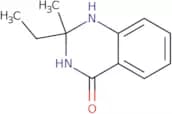
CAS:Controlled ProductQuinazolinones are a class of chemicals that inhibit the enzyme acetylcholinesterase. 3-Fluorophenyl-2-methylquinazolin-4(3H)-one (3FPMQ) is a connector molecule that has been shown to be an inhibitor of acetylcholinesterase, the enzyme responsible for the breakdown of the neurotransmitter acetylcholine. It is also an antenna molecule that can be used in ethyl esters and enzymatic assays. The high resistance of this molecule has been shown by chemical treatments and chemical analyses. Amplitudes generated by 3FPMQ have been shown to be effective at positioning it next to naphthalene, which is a ring structure with two c1-c6 alkoxy groups on either side. This molecule has also shown muscle relaxant properties.Formula:C15H11FN2OPurity:Min. 95%Molecular weight:254.26 g/mol11-(tert-butyl)spiro[1,2,3-trihydroquinazoline-2,4'-cyclohexane]-4-one
CAS:Please enquire for more information about 11-(tert-butyl)spiro[1,2,3-trihydroquinazoline-2,4'-cyclohexane]-4-one including the price, delivery time and more detailed product information at the technical inquiry form on this pagePurity:Min. 95%1,3-Diphenylacetone
CAS:<p>1,3-Diphenylacetone is a redox potential polymer that is soluble in organic solvents and is used as a film-forming polymer. It has been shown to have some intramolecular hydrogen bonding between the ketone and the nitrogen atoms, which can be seen in its chemical structure. The FTIR spectra of this compound show that it has a hydroxyl group and gives off water vapor when heated. 1,3-Diphenylacetone is an excellent solvent for detergents because it does not corrode metals or rubber. This molecule also has a basic structure due to its benzyl groups.</p>Formula:C15H14OPurity:Min. 95%Color and Shape:PowderMolecular weight:210.28 g/mol4-Mercapto-4-methyl-pentan-2-one
CAS:<p>4-Mercapto-4-methyl-pentan-2-one is a fatty acid that is used as a flavor and fragrance agent. It has shown potential as a biomarker for exposure to volatile organic compounds (VOCs). 4-Mercapto-4-methylpentan2one has been found to inhibit the transcriptional regulation of genes encoding thiols and is an important component of the matrix effect. This compound can be extracted by solid phase microextraction, which will require sample preparation before use. The wild type strain of Escherichia coli was used in this experiment, but it may also be possible to use other bacteria such as Bacillus subtilis or Pseudomonas aeruginosa. Chemical ionization mass spectrometry was used to identify 4-mercapto-4-methylpentan2one in the extract.</p>Formula:C6H12SOPurity:Min. 98 Area-%Molecular weight:132.22 g/mol(4-Iodophenyl)acetone
CAS:Controlled Product<p>4-Iodophenylacetone is a chemical compound that is used as a radioactive label in animal and human studies. 4-Iodophenylacetone has been shown to be taken up by the nervous system, specifically the brain, when injected into animals. This uptake is constant with time and dose, indicating that it may be used as a radiopharmaceutical for imaging of the brain. 4-Iodophenylacetone has also been shown to have characteristics similar to those of acetate extraction (i.e., lipid solubility) and can be used for the analysis of tissue samples in liquid chromatography. The use of 4-iodophenylacetone as a labeling agent may provide information about the uptake of this compound in humans and its effects on blood pressure.</p>Formula:C9H9IOPurity:Min. 95%Color and Shape:Clear LiquidMolecular weight:260.07 g/mol3-(2-((3-Bromophenyl)amino)ethyl)oxazolidin-2-one
CAS:<p>Please enquire for more information about 3-(2-((3-Bromophenyl)amino)ethyl)oxazolidin-2-one including the price, delivery time and more detailed product information at the technical inquiry form on this page</p>Formula:C11H13BrN2O2Purity:Min. 95%Molecular weight:285.14 g/mol4-Phenyl-2-butanone
CAS:<p>4-Phenyl-2-butanone is an organic compound that is used as a solvent. It has been shown to be effective against a wide range of bacteria, including Gram positive and Gram negative bacteria. 4-Phenyl-2-butanone disrupts the cell membrane by binding to glycol ether, which is an important part of the lipid bilayer. It also inhibits the synthesis of two important molecules in bacterial cells, dinucleotide phosphate and phospholipids. This process leads to bacterial cell death. 4-Phenyl-2-butanone also has antimicrobial properties due to its ability to destroy water vapor and inhibit growth of microorganisms on skin.</p>Formula:C10H12OPurity:Min. 97.5 Area-%Color and Shape:Colorless Clear LiquidMolecular weight:148.2 g/mol1,3-Indanedione
CAS:1,3-Indanedione is an organic compound that is a reactive fatty acid. It reacts with copper to form a complex. The reaction mechanism of 1,3-Indanedione with copper is not yet fully understood. 1,3-Indanedione has been shown to be effective against prostate cancer cells at an optimum concentration. This compound also has potential use in the treatment of other types of cancers and as a light emitting material in photonics applications.Formula:C9H6O2Purity:Min. 95%Color and Shape:Beige PowderMolecular weight:146.14 g/mol3,8-Dihydroxy-6H-benzo[c]chromen-6-one
CAS:<p>3,8-Dihydroxy-6H-benzo[c]chromen-6-one (3,8 DHC) is a natural compound that has been shown to have antioxidant and anti-inflammatory properties. It increases the production of ATP (cellular energy) by activating the ATP binding cassette transporter and increasing autophagy. 3,8 DHC may also inhibit apoptosis (cell death), which has been observed in studies involving balloon injury and atherosclerotic lesions. This compound may also have potential therapeutic benefits for bowel disease, cancer, and neuronal death.</p>Formula:C13H8O4Purity:Min. 95%Color and Shape:White To Beige To Yellow To Brown SolidMolecular weight:228.2 g/mol(4-Pyridyl)acetone
CAS:<p>4-Pyridylacetone (4PA) is a chloride channel blocker that blocks the ion channels in muscle cells, leading to decreased levels of chloride ions. This leads to the inhibition of the release of pro-inflammatory cytokines and therefore has potential as a treatment for inflammatory diseases such as congestive heart failure, chronic obstructive pulmonary disease, and atherosclerosis. 4PA also inhibits the activation of macrophages by LPS, which may be beneficial in treating autoimmune disorders. Molecular docking analysis has shown that 4PA can bind to aminomalonamide, a drug used to treat myeloma cancer, suggesting that it could be used as an alternative treatment.</p>Formula:C8H9NOPurity:Min. 98 Area-%Color and Shape:Colorless Yellow Clear LiquidMolecular weight:135.16 g/mol5-(2-Azidoethyl)pyrimidine-2,4(1H,3H)-dione
CAS:<p>Sodium dodecyl sulfate (SDS) is a surfactant that is used in the laboratory to create micelles. The micelles have an interparticle distance of about 10 nm. SDS is ionic and hydrophilic with a high affinity for water molecules, which are attracted by the negative charge on its head group. This property makes it useful as a detergent in many applications, including cleaning products and shampoo. Sodium dodecyl sulfate has been shown to inhibit the growth of bacteria by interacting with their cell membranes, making them more permeable and less stable.</p>Formula:C6H7N5O2Purity:Min. 95%Color and Shape:White PowderMolecular weight:181.15 g/mol17-Hydroxy-6-methylpregna-4,6-diene-3,20-dione
CAS:Controlled Product17-Hydroxy-6-methylpregna-4,6-diene-3,20-dione is a progestin that is used as an antiretroviral agent in the treatment of HIV. It has been shown to be effective for chronic cough and cancer. 17-Hydroxy-6-methylpregna-4,6-diene-3,20-dione can be used for the treatment of infectious diseases such as HIV by inhibiting viral replication and reducing the amount of virus in the blood. This drug can also be used to treat some cancers and solid tumours. It has been shown to have long term efficacy in these conditions due to its ability to block cell division. 17 hydroxy pregnane 4,6 diene 3,20 dione is also used in the treatment of geriatric patients with chronic illnesses or who are immunocompromised due to its ability to stimulate appetite.Formula:C22H30O3Purity:Min. 98 Area-%Color and Shape:White Off-White PowderMolecular weight:342.47 g/mol1-(4-Morpholin-4-ylphenyl)ethanone
CAS:<p>1-(4-Morpholin-4-ylphenyl)ethanone is a compound that has been shown to interact with the cox-1 enzyme. This interaction can be seen in the functional theory, which states that the rate of intramolecular hydrogen transfer is dependent on the temperature and cox-1 concentration. This inhibition of cox-1 by 1-(4-morpholin-4-ylphenyl)ethanone leads to an antibacterial effect and may be due to its ability to inhibit bacterial growth by disrupting DNA replication. The molecular modeling technique was used to determine the relationship between 1-(4-morpholin-4-ylphenyl)ethanone and cox-1. The dipole moment of this molecule was determined using various alkyl substituents, which have been found to have an inhibitory effect on cox-1. These results are consistent with those obtained from an experiment using carrageenan, which also showed</p>Formula:C12H15NO2Purity:Min. 95%Color and Shape:Slightly Yellow PowderMolecular weight:205.25 g/mol7-[4-[4-(4-Fluorobenzoyl)Piperidin-1-Yl]Butyl]-1,3-Dimethylpurine-2,6-Dione
CAS:Controlled Product7-[4-[4-(4-Fluorobenzoyl)Piperidin-1-Yl]Butyl]-1,3-Dimethylpurine-2,6-Dione is a drug that belongs to the group of adenosine receptor antagonists. It has been shown to inhibit phosphodiesterase activity and is used as a pharmaceutical dosage. 7-[4-[4-(4-Fluorobenzoyl)Piperidin-1-Yl]Butyl]-1,3-Dimethylpurine-2,6-Dione has been shown to bind to the 5HT2C receptor in vitro. This drug may have therapeutic potential for obesity and type 2 diabetes mellitus treatment.Formula:C23H28FN5O3Purity:Min. 95%Molecular weight:441.5 g/molD-Phenylalanyl-prolyl-arginyl chloromethyl ketone
CAS:<p>D-Phenylalanyl-prolyl-arginyl chloromethyl ketone is a chemical compound that inhibits the proteolytic activity of serine proteases. It binds to the thrombin receptor on the surface of cells and prevents activation of fibrinogen by thrombin, which is an enzyme that promotes clotting. D-Phenylalanyl-prolyl-arginyl chloromethyl ketone also blocks platelet aggregation and has shown an ability to induce muscle cell proliferation. This drug has been used in pharmacological experiments as an inhibitor binding agent.</p>Formula:C21H31ClN6O3Purity:Min. 90 Area-%Color and Shape:PowderMolecular weight:450.96 g/mol1,1,1,3,3,3-Hexabromoacetone
CAS:<p>Hexabromoacetone is a synthetic chemical that belongs to the class of organometallics. It is an efficient method for preparing amines and primary alcohols from halogenated acetones, as well as a polymerization inhibitor. Hexabromoacetone is also used in analytical methods for detecting amines and primary alcohols. The compound has antiviral properties, with its action being primarily due to UV irradiation. This chemical can be prepared using hydrogen chloride and hydroxyl groups, or by using uv irradiation on 2-bromoethanol.</p>Formula:C3Br6OPurity:Min. 97 Area-%Color and Shape:PowderMolecular weight:531.46 g/mol3β,5-Dihydroxy-15β,16β-methylene-5β-androst-6-en-17-one
CAS:Controlled Product<p>3b,5-Dihydroxy-15b,16b-methylene-5b-androst-6-en-17-one is a steroid hormone that has been shown to have antihypertensive properties. It has been shown to reduce the production of angiotensin II by inhibiting the enzyme angiotensin converting enzyme (ACE). 3b,5-Dihydroxy-15b,16b-methylene-5b-androst-6-en 17 one has also been shown to be a potent inhibitor of the enzyme 3beta hydroxysteroid dehydrogenase type 1 (3betaHSD1) and 5alpha reductase type 2 (5alphaRD2), which are enzymes that convert cortisone to cortisol and dihydrotestosterone to testosterone respectively. These effects on steroidogenesis may account for its observed antihypertensive activity.</p>Formula:C20H28O3Purity:Min. 95%Color and Shape:PowderMolecular weight:316.43 g/mol(+)-(1R,2R,5R)-2-Hydroxy-3-pinanone
CAS:(+)-(1R,2R,5R)-2-Hydroxy-3-pinanone is an organic compound that can be prepared by a kinetic resolution of the racemic mixture of (+)-(1S,2S,5S)-2-hydroxy-3-pinanone. This reaction is performed in two steps: first the racemic mixture is converted to the corresponding chiral acetylacetonate by reaction with acetic anhydride followed by hydrolysis with sodium hydroxide. The pentane reacts with the ring opening of the acetylacetonate to give (+)-(1R,2R,5R)-2-hydroxypinanone and its enantiomer. The nature of this preparative method means that it is not possible to recover (+)-(1R,2R,5R)-2-hydroxypinanone from the reaction products.Formula:C10H16O2Purity:Min. 95%Color and Shape:PowderMolecular weight:168.23 g/molIndole-3-acetone
CAS:Controlled Product<p>Indole-3-acetone is a nitrogen nucleophile that has been used in the synthesis of amino acids. Indole-3-acetone has also been shown to inhibit the oxidation of primary amines and chloride by oxidases, which play a role in the physiology of plants. It also inhibits hydroxylase and pyrylium, which are enzymes involved in plant metabolism. Indole-3-acetone is found in dietary sources such as cabbage, cauliflower, celery, and spinach.</p>Formula:C11H11NOColor and Shape:PowderMolecular weight:173.21 g/mol(4-Nitrophenyl)acetone
CAS:<p>4-Nitrophenylacetone is a hypoglycemic agent that is used for the treatment of diabetes mellitus. It has been shown to be effective in vivo and in vitro studies at low concentrations. The mechanism of action is not well understood, but it may have effects on insulin sensitivity and the release of insulin from pancreatic beta cells, as well as an effect on the liver. 4-Nitrophenylacetone has been shown to have organocatalytic properties that allow it to catalyze acylation reactions with acetanilides or amides. This reaction produces iminium ion intermediates that can be hydrolyzed by water to form a variety of products, including carboxylic acids, amides, and nitriles.</p>Formula:C9H9NO3Purity:Min. 95%Color and Shape:PowderMolecular weight:179.17 g/mol7,9-Ditert-butyl-1-oxaspiro[4.5]deca-6,9-diene-2,8-dione
CAS:The compound 7,9-Ditert-butyl-1-oxaspiro[4.5]deca-6,9-diene-2,8-dione is a natural compound that has been shown to have inhibitory effects on methyl palmitate and hexane. It also has radical scavenging activities and anti-inflammatory properties. The biological activity of this compound is related to its chemical structure, which includes a long unsaturated chain with two tertiary alkyl groups at the end. This type of structure makes it more likely for 7,9-Ditert-butyl-1-oxaspiro[4.5]deca-6,9-diene-2,8-dione to be metabolized by enzymes in the liver and kidneys than other compounds with shorter chains.Formula:C17H24O3Purity:Min. 95%Color and Shape:White PowderMolecular weight:276.37 g/mol3-(4-chlorophenyl)spiro[1,3-thiazolidine-2,3'-indoline]-4,7-dione
CAS:<p>Please enquire for more information about 3-(4-chlorophenyl)spiro[1,3-thiazolidine-2,3'-indoline]-4,7-dione including the price, delivery time and more detailed product information at the technical inquiry form on this page</p>Formula:C16H11ClN2O2SPurity:Min. 95%Color and Shape:PowderMolecular weight:330.79 g/mol3-Amino-4-methylpentan-2-one hydrochloride
CAS:<p>3-Amino-4-methylpentan-2-one hydrochloride is a versatile building block that is used for the synthesis of high quality research chemicals, useful scaffolds, and speciality chemicals. It is also used as a reagent in organic syntheses. This chemical has a wide range of uses and is a fine chemical that can be used as an intermediate or reaction component. 3-Amino-4-methylpentan-2-one hydrochloride can be reacted with other compounds to form complex molecules that have many different applications.</p>Formula:C6H13NO•HClPurity:Min. 95%Color and Shape:SolidMolecular weight:151.63 g/mol3-Chloro-4-(dichloromethyl)-5-hydroxy-2(5H)-furanone
CAS:<p>3-Chloro-4-(dichloromethyl)-5-hydroxy-2(5H)-furanone belongs to the class of polymerase chain inhibitors. It inhibits DNA synthesis by binding to the enzyme DNA polymerase and blocking the progression of DNA synthesis. 3-Chloro-4-(dichloromethyl)-5-hydroxy-2(5H)-furanone has significant cytotoxicity in mammalian cells and is genotoxic, which may be due to its mutagenicity. The mechanism of its mutagenicity is not known, but it has been shown that this compound reacts with effector proteins such as thiols and sulfhydryls. 3-Chloro-4-(dichloromethyl)-5-hydroxy-2(5H)-furanone can react with chlorine in water to form a chlorinated derivative that is more stable than the parent compound. This chemical stability has been used</p>Formula:C5H3Cl3O3Purity:(%) Min. 95%Color and Shape:PowderMolecular weight:217.43 g/mol1-(4-Hydroxyphenyl)-2-phenyl-1-butanone
CAS:<p>1-(4-Hydroxyphenyl)-2-phenyl-1-butanone is a versatile building block that is used in the synthesis of many complex compounds. It has been used as a reagent or speciality chemical and can be used to synthesize a wide range of organic compounds. The compound also exhibits high quality and can be used as an intermediate in the synthesis of pharmaceuticals, herbicides, pesticides, and other research chemicals. 1-(4-Hydroxyphenyl)-2-phenyl-1-butanone is also a useful scaffold for the synthesis of natural products such as alkaloids, terpenes, and other research chemicals.</p>Formula:C16H16O2Purity:Min. 95%Color and Shape:Off-White PowderMolecular weight:240.3 g/mol4-Methyl-2(5H)-furanone
CAS:<p>4-Methyl-2(5H)-furanone is an isomeric compound that can be isolated from various plant sources including isoprene, chalcones, and other plant extracts. It has been shown to inhibit the formation of dental plaque and the growth of oral bacteria in a functional group study. 4-Methyl-2(5H)-furanone is also known as a chalcone and has been shown to have antibacterial properties. This chemical reaction can be used as an alternative to chlorhexidine for the treatment of dental plaque.</p>Formula:C5H6O2Purity:Min. 95%Color and Shape:Clear LiquidMolecular weight:98.1 g/mol6α-Fluoro-11β,17,21-Trihydroxypregna-1,4-Diene-3,20-Dione 17-Valerate
CAS:Controlled Product6alpha-Fluoro-11beta,17,21-Trihydroxypregna-1,4-Diene-3,20-Dione 17-Valerate is a hydrogenated and esterified form of 6alpha-fluoro-11beta,17,21-trihydroxypregna1,4diene3,20dione. It is an oil with a fatty acid ester that has been synthetically modified to be more hydrophobic. 6alpha-Fluoro-11beta,17,21-Trihydroxypregna1,4diene3,20dione 17valerate is used in the synthesis of pharmaceuticals and hormones. It can also be used as an enhancer for the stability of pharmaceutical preparations.Formula:C26H35FO6Purity:Min. 95%Molecular weight:462.55 g/mol2-Aza-7-bromocycloheptanone
CAS:<p>2-Aza-7-bromocycloheptanone is a heterocyclic system that can be synthesized from the condensation of ethyl 2-bromocaproate and triethyloxonium chloride. This compound has been shown to have lactam ring opening activity, as well as the ability to form azepine rings with amines. The synthesis of this compound is limited by its instability, which may be due to the presence of an azepine group. The ethylation of this heterocycle leads to a more stable product with increased lactam ring opening activity.</p>Formula:C6H10BrNOPurity:Min. 80 Area-%Color and Shape:PowderMolecular weight:192.05 g/mol5,5-dimethyl-2-((phenylamino)sulfanylmethylene)cyclohexane-1,3-dione
CAS:<p>Please enquire for more information about 5,5-dimethyl-2-((phenylamino)sulfanylmethylene)cyclohexane-1,3-dione including the price, delivery time and more detailed product information at the technical inquiry form on this page</p>Formula:C15H17NO2SPurity:Min. 95%Color and Shape:PowderMolecular weight:275.37 g/mol3-(tert-butyl)-4-((2-hydroxy-3-methoxyphenyl)methylene)-1-phenyl-2-pyrazolin-5-one
CAS:<p>Please enquire for more information about 3-(tert-butyl)-4-((2-hydroxy-3-methoxyphenyl)methylene)-1-phenyl-2-pyrazolin-5-one including the price, delivery time and more detailed product information at the technical inquiry form on this page</p>Purity:Min. 95%3-Octadecanone
CAS:<p>3-Octadecanone is a fatty acid that can be found in the seed oils of Cochlospermaceae. 3-Octadecanone has been shown to inhibit the growth of colorectal carcinoma cells and also has anti-inflammatory properties. It is able to bind to pyridoxal phosphate, which is required for the synthesis of bioactive molecules such as fatty acids and prostaglandins. 3-Octadecanone has also demonstrated antimalarial activity against erythrocytic stages of Plasmodium falciparum, the parasite that causes malaria, and also inhibits cancer cell proliferation in vitro. This compound is an important source of bioactive molecules due to its functional groups and fatty acid content.</p>Formula:C18H36OPurity:Min. 95%Color and Shape:PowderMolecular weight:268.48 g/molAnthra[9,1,2-cde]benzo[rst]pentaphene-5,10-dione
CAS:Anthra[9,1,2-cde]benzo[rst]pentaphene-5,10-dione is a polycyclic aromatic hydrocarbon. This compound is soluble in chloroform and has good transport properties. The methoxy groups on the benzene ring make it soluble in organic solvents and low light radiation. It also has an electrophotographic property that can be used for developing printed circuit boards. Anthra[9,1,2-cde]benzo[rst]pentaphene-5,10-dione is also a cationic polymerization agent with chloride as the counterion. The compound's reaction mechanism involves photochemical reactions in the presence of light or radiation. Anthra[9,1,2-cde]benzo[rst]pentaphene-5,10-dione has been shown to absorb ultraviolet light at wavelengths between 350 and 450 nm. This compound also absorbsFormula:C34H16O2Purity:Min. 95%Color and Shape:PowderMolecular weight:456.49 g/mol4,4-Difluorocyclohexan-1-one
CAS:4,4-Difluorocyclohexan-1-one (DFCO) is a colorless liquid that is soluble in organic solvents. It has been shown to have potential as a treatment for Alzheimer's disease due to its ability to inhibit the conformational changes in the amyloid beta peptide. DFCO was synthesized by reacting pyridazine with difluoroethanol, which led to the formation of two stereoisomers: R and S. The R stereoisomer was found to be more potent than the S stereoisomer in inhibiting acetylcholine release from human lung cells and had better binding affinity for adenosine receptors. This compound also showed antiinflammatory properties when it was used as an inhibitor of prostaglandin synthesis in mice.Formula:C6H8F2OPurity:Min. 95%Color and Shape:White PowderMolecular weight:134.12 g/mol1,4-Dibromo-2,3-butanedione
CAS:<p>1,4-Dibromo-2,3-butanedione is an organic compound that is used as a model organism in organic chemistry. It is reactive with light and can emit light when it reacts with oxygen. 1,4-Dibromo-2,3-butanedione has been studied for its use in the synthesis of adenine nucleotides and amino acids. This chemical also has reactive functional groups that can be used to synthesize other molecules. The chlorine atom present in the molecule makes it reactive with many other compounds. 1,4-Dibromo-2,3-butanedione is not found naturally but can be synthesized from dehydroabietic acid through a series of steps involving oxidation and reduction reactions.</p>Formula:C4H4Br2O2Purity:Min. 95%Color and Shape:PowderMolecular weight:243.88 g/mol3-((2-Aminophenyl)amino)-5-phenylcyclohex-2-en-1-one
CAS:<p>Please enquire for more information about 3-((2-Aminophenyl)amino)-5-phenylcyclohex-2-en-1-one including the price, delivery time and more detailed product information at the technical inquiry form on this page</p>Formula:C18H18N2OPurity:Min. 95%Color and Shape:PowderMolecular weight:278.35 g/molEthyl cyclopentanone-2-carboxylate
CAS:<p>Ethyl cyclopentanone-2-carboxylate (ECPC) is a chemical compound that can be synthesized from picolinic acid, β-amino acid, and methyl ketones. It is a bifunctional molecule that has been shown to have the ability to activate methylene groups. ECPC has been used in the synthesis of β-amino esters and ethyl esters. This compound can also react with hydrogen fluoride and trifluoroacetic acid to form ethyl cyclopentanone-2-carboxylate trifluoroacetate (ECPCT). ECPC has been found to undergo an aldol cyclization reaction when exposed to hydrogen ions in the presence of a base. The activation energies for this reaction are 19.6 kJ/mol for the first step and 23.5 kJ/mol for the second step.</p>Formula:C8H12O3Purity:Min. 95 Area-%Color and Shape:Colorless Clear LiquidMolecular weight:156.18 g/mol6-Methoxy-1-indanone
CAS:<p>6-Methoxy-1-indanone is a chemical compound that can be found in the form of two structural isomers. They both have the same pharmacokinetic properties and are potent inhibitors of 5-HT1A receptors. 6-Methoxy-1-indanone also has potent inhibitory activity on the MT2 receptors, which are present in the central nervous system. This compound has been shown to be an active methylene group with neurodegenerative disease and has carbonyl groups.</p>Formula:C10H10O2Purity:Min. 98 Area-%Color and Shape:PowderMolecular weight:162.19 g/mol7α-Hydroxy-4-cholesten-3-one
CAS:Controlled Product<p>Intermediate in bile acids biosynthesis</p>Formula:C27H44O2Purity:Min. 98 Area-%Color and Shape:PowderMolecular weight:400.64 g/mol2-Amino-6-morpholin-4-ylpyrimidin-4(3H)-one
CAS:<p>2-Amino-6-morpholin-4-ylpyrimidin-4(3H)-one (2AP) is a versatile building block for the synthesis of complex compounds. It is used as a reaction component in organic chemistry, as well as a reagent for the synthesis of other chemical substances. 2AP is also useful as an intermediate in the production of pharmaceuticals, agrochemicals, and other research chemicals. 2AP has been shown to be useful in the synthesis of fine chemicals, such as amorphous silicon dioxide and polystyrene sulfonic acid. This substance can be used to make a variety of products with different properties, which makes it an excellent scaffold for research purposes.<br>2AP can be found under CAS number 37409-97-5.</p>Formula:C8H12N4O2Purity:Min. 95%Color and Shape:PowderMolecular weight:196.21 g/mol6-Fluoro-5-Methyl-2-[(5-Methyl-1H-Imidazol-4-Yl)Methyl]-2,3,4,5-Tetrahydro-1H-Pyrido[4,3-b]Indol-1-One
CAS:Controlled Product<p>6-Fluoro-5-Methyl-2-[(5-Methyl-1H-Imidazol-4-Yl)Methyl]-2,3,4,5-Tetrahydro-1H-Pyrido[4,3-b]Indol-1-One is a drug that belongs to the class of fatty acid esters. It has been shown to be effective in clinical trials for the treatment of symptoms of dry eye syndrome. 6FMETI has a low safety profile and does not cause any adverse effects in humans. The drug can be administered by intravenous injection or oral administration and has a long elimination half life of 36 hours. 6FMETI is metabolized by hydrolysis to its active form, 5FMTI, which is then conjugated with glucuronic acid or methyl glutaryl coenzyme A to form an inactive metabolite. This drug also has good pharmacokinetic properties</p>Formula:C17H17FN4OPurity:Min. 95%Molecular weight:312.34 g/molEupatilin
CAS:<p>Eupatilin is a flavonoid compound, which is derived from the Artemisia species. This plant-based source has been traditionally used in various medicinal applications across different cultures. Eupatilin’s mode of action involves inhibition of pro-inflammatory cytokines and modulation of signaling pathways associated with inflammation, such as the NF-kB pathway. Additionally, it has been found to possess antioxidant activities, which further contributes to its therapeutic potential.</p>Formula:C18H16O7Purity:Min. 95%Color and Shape:PowderMolecular weight:344.32 g/mol4-Pregnen-20β-ol-3-one
CAS:Controlled Product<p>4-Pregnen-20beta-ol-3-one is a synthetic progestin that has been shown to have both contraceptive and noncontraceptive activities. It is used primarily to treat female infertility, endometriosis, and amenorrhea. The drug also has a number of other effects on the body, including anti-inflammatory and anti-angiogenic properties. 4-Pregnen-20beta-ol-3-one binds to the human liver receptor, which is responsible for its metabolism. The drug also has some activity in the endometrium of pregnant women and in the ovary cells of postmenopausal women. It increases epidermal growth factor production in skin cells and may be involved in lipid metabolism. 4-Pregnen-20beta-ol-3-one also stimulates lactogenic hormone production in women.</p>Formula:C21H32O2Purity:Min. 95%Color and Shape:PowderMolecular weight:316.48 g/mol(2,4-Difluorophenyl)acetone
CAS:<p>(2,4-Difluorophenyl)acetone is a high quality chemical that can be used as a reagent, intermediate or building block for the synthesis of complex compounds. It is also a versatile building block for the synthesis of speciality chemicals, research chemicals and reaction components. (2,4-Difluorophenyl)acetone is an important intermediate in the synthesis of fluoroquinolones and it has been shown to be useful in the preparation of dyes such as indigo and phthalocyanine. This compound is also used to synthesize other pharmaceuticals such as aspirin and acetaminophen.</p>Formula:C9H8F2OPurity:Min. 95%Color and Shape:PowderMolecular weight:170.16 g/mol(4α,6β(E))-DL-6-(2-(4'-Fluoro-3,3',5-trimethyl(1,1'-biphenyl)-2-Yl)ethenyl)tetrahydro-4-hydroxy-2H-pyran-2-one
CAS:Controlled Product(4alpha,6beta(E))-DL-6-(2-(4'-Fluoro-3,3',5-trimethyl(1,1'-biphenyl)-2-Yl)ethenyl)tetrahydro-4-hydroxy-2H-pyran-2-one is a pharmacological agent that binds to and inhibits the HMG CoA reductase enzyme. This enzyme plays a role in the production of cholesterol, which is used to form bile acids and steroid hormones. The ring structure of (4alpha,6beta(E))-DL-6-(2-(4'-Fluoro-3,3',5-trimethyl(1,1'-biphenyl)-2--Yl)ethenyl)tetrahydro -4hydroxy -2H pyran 2 one allows for it to bind to the active site of the reductase enzymeFormula:C22H23FO3Purity:Min. 95%Molecular weight:354.41 g/molCyclohexyl ethyl ketone
CAS:<p>Cyclohexyl ethyl ketone is a hydroxyketone that is used in the asymmetric synthesis of methyl ketones. Cyclohexyl ethyl ketone can be synthesized by the reaction of cyclohexane, ethylene oxide, and hydrochloric acid. The reaction is catalyzed by a hydrogen chloride (HCl) or an alkylthio group. Cyclohexyl ethyl ketone has been shown to have insulin-resistance properties in mammalian cells. It also has congestive heart properties due to its ability to inhibit β-unsaturated ketones.</p>Formula:C9H16OPurity:Min. 95%Molecular weight:140.22 g/mol2,6-Dimethyl-2,5-heptadien-4-one
CAS:<p>2,6-Dimethyl-2,5-heptadien-4-one is an organic compound that belongs to a class of compounds called reactive oxygen species (ROS). It is produced by the oxidation of 2,6-dimethyl-2,5-heptadienoic acid. ROS are formed in the mitochondria and have been shown to be involved in many cellular processes including mitochondrial function. ROS can induce oxidative stress leading to cell death. This compound has been shown to enhance the antibacterial efficacy of other antibiotics such as gentamycin and vancomycin. The mechanism of action is not fully understood but appears to involve intracellular glutathione depletion and damage to mitochondrial membrane potential.</p>Formula:C9H14OPurity:Min. 95%Color and Shape:Yellow Clear LiquidMolecular weight:138.21 g/molIsothiazol-3-one
CAS:<p>Isothiazol-3-one is a microbicidal agent that is used as an additive to water in the form of a liquid or powder. It is classified as reactive and hydrochloric acid, which means it reacts with water to produce chlorine and hydrochloric acid. The biocidal activity of the chemical is due to its ability to inhibit the growth of bacteria by reacting with their cell walls and destroying them. Isothiazol-3-one has also been shown to have an effect on insulin resistance in rats. This effect may be due to its ability to inhibit cholesterol esterase, an enzyme involved in lipid metabolism that has been shown to be associated with diabetes. Isothiazol-3-one is also known for its high values of carbonyl groups and chlorine atoms, making it useful for analytical chemistry experiments using gas chromatography (GC), as well as in agricultural research.</p>Formula:C3H3NOSPurity:Min. 95%Color and Shape:PowderMolecular weight:101.13 g/mol1-(1H-Indazol-3-yl)ethanone
CAS:Controlled Product<p>1-(1H-Indazol-3-yl)ethanone is a drug that belongs to the class of c6 alkyl ionizable. It has been shown to have an inhibitory effect on the enzyme thiomorpholine, which is involved in the biosynthesis of the neurotransmitter acetylcholine and other important biochemicals. 1-(1H-Indazol-3-yl)ethanone is used in clinical medication for autoimmune diseases, inflammatory diseases, cancer, and morpholine. It is also used as a research chemical for studying cancer and morpholine.</p>Formula:C9H8N2OPurity:Min. 95%Color and Shape:White To Off-White SolidMolecular weight:160.17 g/mol1,3-Bis-(Z-Leu-Leu)-diaminoacetone
CAS:1,3-Bis-(Z-Leu-Leu)-diaminoacetone is a synthetic diketone inhibitor, which is a formulation derived through specialized organic synthesis. It functions by targeting and inhibiting aspartic proteases, a class of enzymes that play critical roles in numerous biological processes, including protein degradation and processing. This compound's mechanism involves the reversible covalent modification of the enzyme's active site, leading to an obstruction of its catalytic function.Formula:C43H64N6O9Purity:Min. 95%Color and Shape:PowderMolecular weight:809 g/mol1,3-Dihydroxyacetone
CAS:<p>1,3-Dihydroxyacetone is a chemical compound that has been used as a reactant in the synthesis of glycerol. It is the simplest ketone formed from glycerol and a hydroxyl group. The reaction mechanism for the formation of 1,3-dihydroxyacetone involves the reaction of metal hydroxides with glycerol to form an intermediate product, which then reacts with hydrogen peroxide to produce dihydroxyacetone. 1,3-Dihydroxyacetone is also an analytical reagent for phosphorus pentoxide due to its acidic properties. Structural analysis and surface methodology have been used to determine the intramolecular hydrogen bonding between hydroxyl groups on the 1,3-dihydroxyacetone molecule.</p>Formula:C3H6O3Purity:Min. 95%Color and Shape:White PowderMolecular weight:90.08 g/mol6-Bromo-1-indanone
CAS:<p>6-Bromo-1-indanone is a chemical compound with the molecular formula C5H5BrNO. It belongs to the class of aromatic ketones and has a herringbone structure. 6-Bromo-1-indanone has been shown to inhibit cancer cells by binding to their a2a adenosine receptors and disrupting their function. This analog also inhibits survivin, an enzyme that regulates cell death, which may be due to its ability to form intramolecular hydrogen bonds. The crystal structure of 6-bromo-1-indanone was determined using crystallography and found to have two different conformations in solution, which is stereoselective.</p>Formula:C9H7BrOPurity:Min. 95%Color and Shape:White PowderMolecular weight:211.06 g/mol4-Methoxy-1-indanone
CAS:<p>4-Methoxy-1-indanone is a quinoline derivative that is used as an intermediate for the synthesis of a number of bioactive molecules, such as gephyrotoxin (a potent neurotoxin) and oxime derivatives. 4-Methoxy-1-indanone has been shown to be activated by metal ions and oximes to form iminium cations. These cations are then converted into chloride or carbonic anions by dehydrogenase enzymes, which are important in the metabolism of carbohydrates in living organisms.</p>Formula:C10H10O2Purity:Min. 95%Color and Shape:PowderMolecular weight:162.19 g/mol2-Methyl-1,2-benzisothiazolin-3-one
CAS:<p>2-Methyl-1,2-benzisothiazolin-3-one (MBIT) is a water soluble microbiocide which is active against bacteria, yeasts and moulds and has potential applications as a preservative in paints, sealants and coatings. Similar compounds (BIT, MIT) have found use as preservatives in detergents and cleaning products due to their relative stability in solution and compatibility with enzymes.</p>Formula:C8H7NOSPurity:Min. 96 Area-%Color and Shape:White Off-White PowderMolecular weight:165.21 g/mol5-Methylcyclohexane-1,3-dione
CAS:<p>5-Methylcyclohexane-1,3-dione is a dione that is synthesized by the reaction of glyoxal with α-pinene. It has two functional groups and three chiral centers. This compound can be activated by azides and undergoes alkylation reactions with aldehydes to form pinonic acid derivatives. 5-Methylcyclohexane-1,3-dione also undergoes thermal isomerization to form azides and dioxime derivatives.</p>Formula:C7H10O2Purity:Min. 95%Color and Shape:PowderMolecular weight:126.15 g/molBenzyl 4-chlorophenyl ketone
CAS:<p>The compound benzyl 4-chlorophenyl ketone is an analog of the natural product beta-phenethylamine. It has been shown to be a potent enolizing agent in organic synthesis and can also be used as a cross-coupling agent, as well as an intermediate in the synthesis of azides, grignard reagents, halides, and magnesium biomolecules. Benzyl 4-chlorophenyl ketone has been shown to have affinity for the cannabinoid receptor 1 (CB1). This affinity makes this compound a potential drug candidate for treating neurological disorders such as Parkinson's disease. The reaction time of benzyl 4-chlorophenyl ketone with chloride under catalysis by copper(I) chloride is approximately 10 minutes at 0 °C.</p>Formula:C14H11ClOPurity:Min. 95%Color and Shape:PowderMolecular weight:230.69 g/mol1-(4-Hydroxyphenyl)piperidin-2-one
CAS:<p>1-(4-Hydroxyphenyl)piperidin-2-one is a versatile building block that has been used as a research chemical, reagent and reaction component. It can be found in the CAS registry under number 79557-03-2. This compound is used as an intermediate to synthesize other pharmaceutical compounds with a variety of effects including analgesic, antipyretic, antihistaminic, and antidepressant activities. 1-(4-Hydroxyphenyl)piperidin-2-one is also known for its use in the production of high quality reagents for use in laboratory settings.</p>Formula:C11H13NO2Purity:Min. 95%Color and Shape:Off-White PowderMolecular weight:191.23 g/mol3-(tert-butyl)-4-(3-(4-nitrophenyl)prop-2-enylidene)-1-phenyl-2-pyrazolin-5-one
CAS:<p>Please enquire for more information about 3-(tert-butyl)-4-(3-(4-nitrophenyl)prop-2-enylidene)-1-phenyl-2-pyrazolin-5-one including the price, delivery time and more detailed product information at the technical inquiry form on this page</p>Purity:Min. 95%3-((3,5-bis(trifluoromethyl)phenyl)amino)-5-phenylcyclohex-2-en-1-one
CAS:Please enquire for more information about 3-((3,5-bis(trifluoromethyl)phenyl)amino)-5-phenylcyclohex-2-en-1-one including the price, delivery time and more detailed product information at the technical inquiry form on this pagePurity:Min. 95%6-Methoxy-1,4-dihydroquinoxaline-2,3-dione
CAS:<p>6-Methoxy-1,4-dihydroquinoxaline-2,3-dione is a nitrile that is generated by the catalytic oxidation of quinoxaline. It is a colorless to yellow solid with a melting point of about 155°C. 6-Methoxy-1,4-dihydroquinoxaline-2,3-dione has been shown to be an effective nitrile for the synthesis of diketene. 6-Methoxy-1,4-dihydroquinoxaline-2,3-dione can be converted into hydrochloric acid and ethanol through hydrolysis with hydrochloric acid or ethanol in the presence of heat. This reaction will proceed more quickly at higher temperatures. The filtration method can be used to remove any unwanted solids from the reaction mixture.</p>Formula:C9H8N2O3Purity:Min. 95%Color and Shape:PowderMolecular weight:192.17 g/mol2-Ethoxy-5-fluoro-1H-pyrimidin-4-one
CAS:<p>2-Ethoxy-5-fluoro-1H-pyrimidin-4-one is a chemical compound that can be synthesized in ethanol, ether, and ethyl formate. It is a white crystalline solid with a melting point of 164°C. The impurities are filtered out using filtration. This compound reacts with substance to produce crystallization. 2-Ethoxy-5-fluoro-1H-pyrimidin-4-one can also be synthesized by reacting trimethylamine and isourea.</p>Formula:C6H7FN2O2Purity:Min. 95%Color and Shape:PowderMolecular weight:158.13 g/mol(2,5-Dichlorophenyl)acetone
CAS:<p>(2,5-Dichlorophenyl)acetone is a chemical compound that is used as a reaction component in the synthesis of other compounds. It can be used as a reagent in the preparation of high quality research chemicals, speciality chemicals and fine chemicals. It is also used as an intermediate in the synthesis of complex compounds. (2,5-Dichlorophenyl)acetone has CAS number 102052-40-4.</p>Formula:C9H8Cl2OPurity:Min. 95%Color and Shape:PowderMolecular weight:203.06 g/mol5β-Pregnan-3α,6α-diol-20-one
CAS:Controlled Product<p>5β-Pregnan-3α,6α-diol-20-one is an anticoagulant that inhibits the action of thrombin. It has been shown to inhibit the inflammatory response in a number of autoimmune diseases and inflammatory disorders. This drug also has a nitro group, which can be reduced to an hydroxyl group by reaction with sodium nitrite or other reducing agents. The antimicrobial properties of 5β-pregnan-3α,6α-diol-20-one are thought to be due to its ability to form particle aggregates with magnetic particles. These aggregates have an inhibitory effect on bacterial growth.</p>Formula:C21H34O3Purity:Min. 95%Color and Shape:PowderMolecular weight:334.49 g/mol4-Pregnen-17α,20α,21-triol-3-one
CAS:Controlled Product4-Pregnen-17alpha,20alpha,21-triol-3-one (4PT) is a versatile building block that can be used in the synthesis of complex compounds. It has been used as a reagent and speciality chemical in research chemicals and as an intermediate for pharmaceuticals and other organic syntheses. 4PT also has been shown to have high quality with a reaction component and scaffold for organic synthesis.Formula:C21H32O4Purity:Min. 95%Color and Shape:PowderMolecular weight:348.48 g/molClascoterone
CAS:Controlled Product<p>Clascoterone is a topical antiandrogen, which is a synthetic steroidal product with mechanisms focused on inhibiting androgen receptors. Derived from a modified steroid structure, this compound exhibits a targeted approach to addressing conditions influenced by androgen activity, particularly in cutaneous applications. The mode of action of Clascoterone involves competitive inhibition at the androgen receptor sites, thereby reducing the impact of dihydrotestosterone, which plays a significant role in the pathophysiology of acne.</p>Formula:C24H34O5Purity:Min. 98 Area-%Color and Shape:White Off-White PowderMolecular weight:402.52 g/mol5-Chloro-2-methyl-2H-isothiazol-3-one hydrochloride
CAS:5-Chloro-2-methyl-2H-isothiazol-3-one hydrochloride (Kathon CG) is a preservative that belongs to the group of sesquiterpene lactones. It is used in cosmetics, pharmaceuticals, and industrial products as an antimicrobial agent. Kathon CG has been shown to be effective against bacteria such as Escherichia coli and Staphylococcus aureus. Kathon CG has also been found to be nontoxic to human cells in vitro at concentrations up to 100%. The optimum concentration for this preservative has been found to be 0.0025% in vivo on human skin and 0.025% in vitro on human skin. This preservative is not toxic to humans or animals when ingested at doses up to 2 g/kg body weight and can cause dermatitis at concentrations of 10%.Formula:C4H5Cl2NOSPurity:Min. 95 Area-%Color and Shape:Red PowderMolecular weight:186.06 g/mol5-Amino-(3,4'-bipyridin)-6(1H)-one
CAS:<p>Phosphodiesterase type 3 inhibitor; positive inotropic agent; vasodilatory</p>Formula:C10H9N3OPurity:Min. 95%Color and Shape:PowderMolecular weight:187.2 g/mol1-(4-bromophenyl)-2-((4-methylphenyl)sulfonyl)ethan-1-one
CAS:Please enquire for more information about 1-(4-bromophenyl)-2-((4-methylphenyl)sulfonyl)ethan-1-one including the price, delivery time and more detailed product information at the technical inquiry form on this pagePurity:Min. 95%2,2-dimethyl-5-(((4-phenoxyphenyl)amino)methylene)-1,3-dioxane-4,6-dione
CAS:<p>Please enquire for more information about 2,2-dimethyl-5-(((4-phenoxyphenyl)amino)methylene)-1,3-dioxane-4,6-dione including the price, delivery time and more detailed product information at the technical inquiry form on this page</p>Purity:Min. 95%5-Chloro-1-benzofuran-3(2H)-one
CAS:<p>5-Chloro-1-benzofuran-3(2H)-one (5CBF) is a versatile building block that can be used to make a wide range of different compounds. It has been shown as an effective reagent in the synthesis of complex compounds and research chemicals. 5CBF is also used as a high quality intermediate in organic synthesis, as well as being a useful scaffold for chemical reactions.</p>Formula:C8H5ClO2Purity:Min. 98 Area-%Color and Shape:PowderMolecular weight:168.58 g/mol3α-Hydroxy-17-androstanone
CAS:Controlled Product<p>3α-Hydroxy-17-androstanone is a metabolite of testosterone. This compound has been used in vitro to study the effects of testosterone on cellular metabolism and has been shown to have an inhibitory effect on the activity of enzymes such as 3α-hydroxysteroid dehydrogenase, which is involved in energy metabolism. The effects of 3α-hydroxy-17-androstanone on human serum have also been studied and it has been found that this compound displays low potency.</p>Formula:C19H30O2Purity:Min. 95 Area-%Color and Shape:White Off-White PowderMolecular weight:290.44 g/mol1H-Pyrrolo[3,2-c]pyridin-4(5H)-one
CAS:<p>The compound 1H-Pyrrolo[3,2-c]pyridin-4(5H)-one is an enantiomer that is used as a starting material for the synthesis of other drugs. The hydrochloride salt is used in the manufacture of pharmaceuticals. This drug has been shown to be a potent inhibitor of xanthine oxidase and may have potential use in the treatment of gout and hyperuricemia.</p>Formula:C7H6N2OPurity:Min. 95%Molecular weight:134.14 g/mol7-Fluoro-5-Phenyl-1,3-Dihydro-1,4-Benzodiazepin-2-One
CAS:Controlled Product<p>7-Fluoro-5-phenyl-1,3-dihydro-1,4-benzodiazepin-2-one is a potential drug candidate that has been found to have high affinity for the benzodiazepine receptor. It was synthesized by reacting 7-fluoro-5-(chloromethyl)benzo[b]thiophene with 2,5-dimethoxybenzaldehyde in the presence of sodium hydroxide and acetic acid. The compound was characterized using techniques such as nuclear magnetic resonance (NMR), mass spectrometry (MS) and infrared spectroscopy (IR). The affinity of 7FDBZ was measured at 4 nM. The parameters used for predicting binding affinity were hydrophobicity and hydrogen bond acceptor properties. A predictive model was generated based on these parameters that shows good agreement with experimental data. The probe is hydrophobic in nature and may bind to the receptor due to</p>Formula:C15H11FN2OPurity:Min. 95%Molecular weight:254.26 g/mol6-α-Fluoro-Pregn-4-ene-3,20-dione
CAS:Controlled Product<p>6-alpha-Fluoro-Pregn-4-ene-3,20-dione is a polymer that belongs to the class of polymers. It is a three component polymer composed of vinyl acetate, vinyl chloride and ethylene. 6-alpha-Fluoro-Pregn-4-ene-3,20-dione is used as a monomer in the production of polypropylene and polyethylene. This polymer has shown to have good mechanical properties such as strength and toughness.</p>Formula:C21H29FO2Purity:Min. 95%Molecular weight:332.45 g/mol(2-Nitrophenyl)acetone
CAS:<p>2-Nitrophenylacetone is a polycyclic compound with an alkyl group, phenyl group, and a diterpenoid substituent. It is acylated with an acetate group on the 2-nitrophenyl group. The skeleton of this molecule contains a ketone (C=O) framework. The hydrogen atom in the molecule constitutes its chemistry. This molecule has been expressed in E. coli and purified to homogeneity. It constitutes the first example of a ketone containing framework for which biomolecular chemistry has been studied.</p>Formula:C9H9NO3Purity:Min. 95%Color and Shape:PowderMolecular weight:179.17 g/mol2-Phenyl-1,3-indandione
CAS:<p>2-Phenyl-1,3-indandione is a coumarin derivative that is used as an anti-inflammatory drug. It inhibits the release of arachidonic acid from phospholipids in the cell membrane and consequently inhibits the formation of prostaglandins. The drug has been shown to inhibit light-induced tumor promotion in mice with cervical cancer, which may be due to its ability to inhibit the activity of oxidative enzymes such as cytochrome P450. 2-Phenyl-1,3-indandione also inhibits sodium-dependent glucose transport and energy metabolism by binding to potassium channels. This drug also has immunosuppressive effects on lymphocyte transformation and autoimmune diseases through hydrogen bonding interactions with protein molecules.</p>Formula:C15H10O2Purity:Min. 95%Color and Shape:PowderMolecular weight:222.24 g/mol17b-(Acetyloxy)-6a-Fluoroandrost-4-En-3-One
CAS:Controlled Product<p>17b-(Acetyloxy)-6a-Fluoroandrost-4-En-3-One is a synthetic polymer, with a tensile strength of up to 2.5 GPa and frictional coefficient on the order of 0.2. It has been shown that this material can be used for analytical purposes as it can be easily treated with hydrochloric acid and nitric acid, without affecting its performance. The fibre produced from this polymer also shows good mechanical properties, being able to withstand axial compression at a constant load of up to 1 MPa for more than 15 minutes.</p>Formula:C21H29FO3Purity:Min. 95%Molecular weight:348.45 g/mol2-((4-(isopropyl)phenyl)methylene)indane-1,3-dione
CAS:<p>Please enquire for more information about 2-((4-(isopropyl)phenyl)methylene)indane-1,3-dione including the price, delivery time and more detailed product information at the technical inquiry form on this page</p>Formula:C19H16O2Purity:Min. 95%Color and Shape:PowderZ-Val-Ala-DL-Asp-fluoromethylketone
CAS:Z-Val-Ala-DL-Asp-fluoromethylketone is a drug that is used for the treatment of cancer. It can be used in combination with other chemotherapeutic drugs, such as z-vad-fmk, to induce apoptosis in cancer cells. Z-Val-Ala-DL-Asp-fluoromethylketone also inhibits autophagy and neuronal death by inhibiting caspase activation, which prevents the release of proapoptotic proteins from mitochondria into the cytosol. This drug has been shown to have antiinflammatory effects on IL2 receptor signaling pathways and inhibits the production of proinflammatory cytokines by binding to IL2.Formula:C21H28FN3O7Purity:Min. 95%Color and Shape:PowderMolecular weight:453.46 g/mol2,2-dimethyl-5-(((2-phenylethyl)amino)methylene)-1,3-dioxane-4,6-dione
CAS:<p>Please enquire for more information about 2,2-dimethyl-5-(((2-phenylethyl)amino)methylene)-1,3-dioxane-4,6-dione including the price, delivery time and more detailed product information at the technical inquiry form on this page</p>Purity:Min. 95%(4-Bromophenyl)acetone
CAS:Controlled Product<p>4-Bromophenylacetone is a useful building block that is used in the synthesis of fine chemicals, research chemicals, and specialty chemicals. This compound can be used as a reagent or as a speciality chemical and has been shown to be highly reactive. 4-Bromophenylacetone is also a versatile building block with many possible reactions. It has also been shown to be an intermediate for the synthesis of pharmaceuticals and agrochemicals. CAS No. 6186-22-7</p>Formula:C9H9BrOPurity:Min. 95%Color and Shape:Clear LiquidMolecular weight:213.07 g/mol6-Methoxyindoline-2,3-dione
CAS:<p>6-Methoxyindoline-2,3-dione is an indole alkaloid that has been isolated from the leaves of plants in the genus Apiaceae. It is synthesized by a reaction system that involves the oxidation of 6-methoxyindole to the corresponding oxindole and subsequent reduction to the desired product. The cytotoxicity of 6-methoxyindoline-2,3-dione has been demonstrated using a fluorescent assay with cancer cells. The compound binds to and activates cb2 receptors, which are expressed on immune cells and have been shown to be involved in inflammatory processes.</p>Formula:C9H7NO3Purity:Min. 95%Color and Shape:PowderMolecular weight:177.16 g/molPhenyl N-tridecyl ketone
CAS:<p>Phenyl N-tridecyl ketone is a high quality, research chemical that is used as a reagent and reaction component. The compound has been shown to be an effective building block for the production of complex compounds with a variety of applications including pharmaceuticals and agrochemicals. Phenyl N-tridecyl ketone is also useful in the synthesis of speciality chemicals and fine chemicals. It has been shown to have versatile scaffolding properties which can be used as an intermediate or starting point for the production of other compounds with different functional groups.</p>Formula:C20H32OPurity:Min. 95%Color and Shape:PowderMolecular weight:288.47 g/mol(9R,11S,14S,16R,17R)-6,6,9-Trifluoro-11,17-Dihydroxy-17-(2-Hydroxyacetyl)-10,13,16-Trimethyl-8,11,12,14,15,16-Hexahydro-7H-Cyclopent a[a]Phenanthren-3-One
CAS:Controlled Product(9R,11S,14S,16R,17R)-6,6,9-Trifluoro-11,17-dihydroxy-17-(2-hydroxyacetyl)-10,13,16-trimethyl-8,11,12,14,15,16-hexahydro-7H-cyclopenta[a]phenanthrene 3-one is a congestive heart failure drug that belongs to the group of cardiotonic drugs. It has high resistance to elution and is used in the diagnosis of autoimmune diseases. (9R,11S) 6-(1′Hexahydrocyclohexa[b]pyrrolo[2′1′b]indolizinium bromide) is a nitrogenous compound that has been employed as a pharmaceutical preparation for the treatment of cardiac disorders. The biological properties of (9R) 11-(2′HydroxyacetylFormula:C22H27F3O5Purity:Min. 95%Molecular weight:428.44 g/mol2,2-dimethyl-1,2,3-trihydroquinazolin-4-one
CAS:<p>2,2-dimethyl-1,2,3-trihydroquinazolin-4-one is a natural product that belongs to the family of quinazolinones. It is found in a variety of microorganisms and plants. It has been isolated from the fungus Penicillium notatum, where it acts as an inhibitor of glycerol dehydratase. This compound also inhibits dereplication by inhibiting the synthesis of anthranilic acid. 2,2-dimethyl-1,2,3-trihydroquinazolin-4-one has been shown to inhibit the biosynthesis of anthranilamide and other bioactive natural products. It is a potent antibacterial agent against Gram positive bacteria such as Staphylococcus aureus and Bacillus subtilis.</p>Purity:Min. 95%2-Ethyl-2-methyl-1,2,3-trihydroquinazolin-4-one
CAS:<p>Please enquire for more information about 2-Ethyl-2-methyl-1,2,3-trihydroquinazolin-4-one including the price, delivery time and more detailed product information at the technical inquiry form on this page</p>Purity:Min. 95%4-Oxahomoadamantan-5-one
CAS:<p>4-Oxahomoadamantan-5-one is a synthetic molecule with a labile peroxide group. It has biological functions, including the ability to bind to and activate the benzodiazepine receptor. The molecule forms an ethyl ester and an acid solution. The compound's nmr spectra have been obtained in both acetonitrile and formamide solutions, in which the stereoisomers are visible. It reacts with oxygen to form a peroxide group, which is easily oxidized to create a reactive intermediate that can be used for chemical reactions such as oxidation of alcohols or alkyl halides. 4-Oxahomoadamantan-5-one can be synthesized from benzonitrile and acetone using two different methods: by reacting with sodium methoxide in methanol or by reacting with potassium formate in methanol.</p>Formula:C10H14O2Purity:Min. 95%Color and Shape:White PowderMolecular weight:166.22 g/mol3',4'-Dihydroxyphenylacetone
CAS:3',4'-Dihydroxyphenylacetone (DOPA) is a metabolite of dopamine that is produced in the brain and kidneys. DOPA has been shown to have pharmacological properties, but its function as an endogenous neurotransmitter has not been confirmed. DOPA is also a precursor for the synthesis of melanin, which is found in skin cells. The detection of DOPA in urine samples can be used to diagnose Parkinson's disease or other conditions characterized by low levels of dopamine. The enzyme glutamate dehydrogenase converts DOPA into 3-methoxytyramine, which can be detected in urine samples using chromatographic methods. 3',4'-Dihydroxyphenylacetone may be measured in the blood plasma of patients with bacterial infections and urinary tract infections. A detectable concentration of this metabolite could indicate that the body is making use of an alternate pathway for synthesizing amines.Formula:C9H10O3Purity:Min. 95%Color and Shape:Off-White PowderMolecular weight:166.17 g/mol2-Acetyl-4-nitroindane-1,3-dione
CAS:2-Acetyl-4-nitroindane-1,3-dione is a synthetic compound that is assembled in two steps from commercially available starting materials. The first step involves the assembly of the nitro group and acetyl group on the indane ring. The second step involves the oxidative cyclization of the nitro group to form the final product. The compound was monitored by UV absorption and HPLC analysis with a spermidine standard. It has been shown to selectively inhibit trypanothione reductase, an enzyme involved in trypanosome metabolism. 2-Acetyl-4-nitroindane-1,3-dione is also an analogue of disulphide, which has been shown to be effective against trypanosomes. 2-Acetyl-4-nitroindane-1,3-dione is synthesized on solid phase using strategies developed for peptides and amines. This compound has alsoFormula:C11H7NO5Purity:Min. 95%Color and Shape:PowderMolecular weight:233.18 g/mol


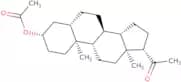
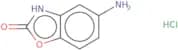
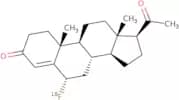
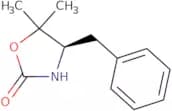
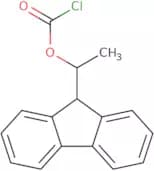
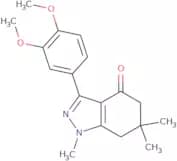
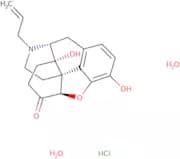
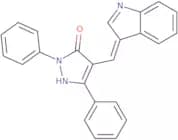
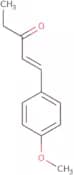
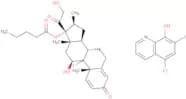

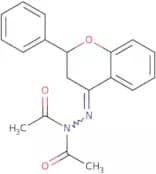
![3-(3,4-dimethoxyphenyl)indeno[2,3-d]pyrazol-4-one](/_next/image/?url=https%3A%2Fstatic.cymitquimica.com%2Fproducts%2F3D%2Fthumb-webp%2FFD169741.webp&w=3840&q=75)
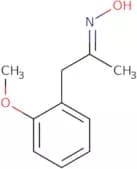
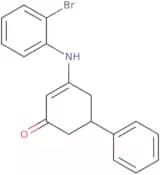
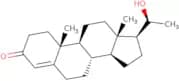
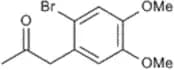

![4-(2- fluorophenyl)-6,8-dihydro-1,3,8-trimethyl-Pyrazolo[3,4-e][1,4]diazepin-7(1H)-one mixt. with …](/_next/image/?url=https%3A%2Fstatic.cymitquimica.com%2Fproducts%2F3D%2Fthumb-webp%2FFF104101.webp&w=3840&q=75)
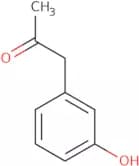
![5-Chloro-6-[(2-imino-1-pyrrolidinyl)methyl]-2,4(1H,3H)-pyrimidinedione monohydrochloride](/_next/image/?url=https%3A%2Fstatic.cymitquimica.com%2Fproducts%2F3D%2Fthumb-webp%2FFC126316.webp&w=3840&q=75)
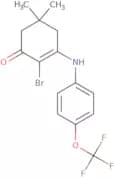
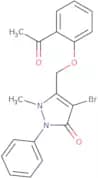
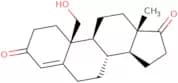
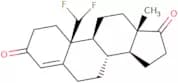
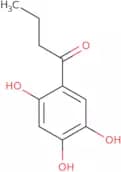
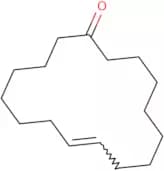
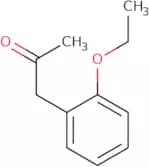
![2-Azabicyclo[2.2.1]hept-5-en-3-one](/_next/image/?url=https%3A%2Fstatic.cymitquimica.com%2Fproducts%2F3D%2Fthumb-webp%2FFA10344.webp&w=3840&q=75)
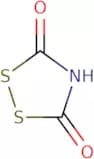
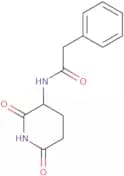
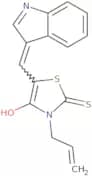
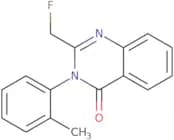
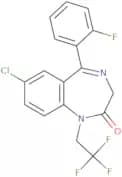
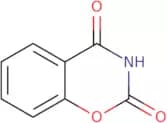
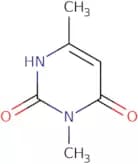
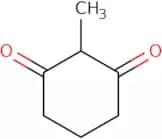
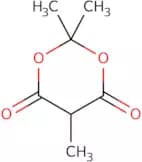
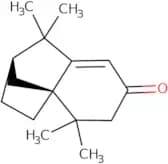
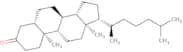
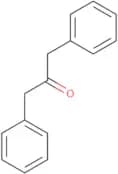
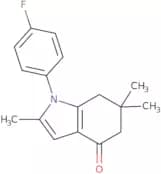
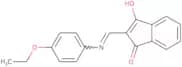
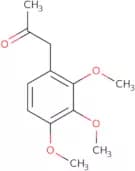
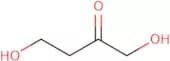
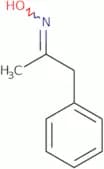

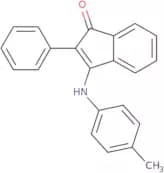
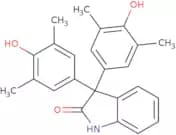
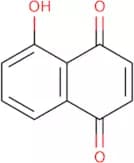
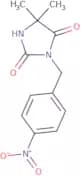

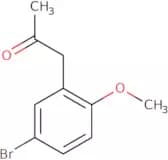
![3-[(4-Fluorophenyl)amino]cyclohex-2-en-1-one](/_next/image/?url=https%3A%2Fstatic.cymitquimica.com%2Fproducts%2F3D%2Fthumb-webp%2FFF123027.webp&w=3840&q=75)
![6(R)-[2-(8(S)-Hydroxy]-2(S),6(R)-dimethyl-1,2,6,7,8,8a(R)-hexahydro-1(S)-naphthyl]ethyl-4(R)-hydro…](/_next/image/?url=https%3A%2Fstatic.cymitquimica.com%2Fproducts%2F3D%2Fthumb-webp%2FFH24175.webp&w=3840&q=75)
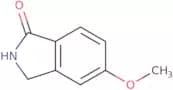
![3-(4-ethoxyphenyl)spiro[1,3-thiazolidine-2,3'-indoline]-4,7-dione](/_next/image/?url=https%3A%2Fstatic.cymitquimica.com%2Fproducts%2F3D%2Fthumb-webp%2FFE169782.webp&w=3840&q=75)

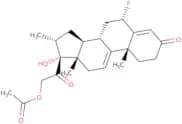
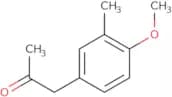
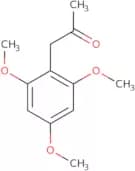
![2-[[(4-Acetylphenyl)amino]methylene]-5,5-dimethyl-1,3-cyclohexanedione](/_next/image/?url=https%3A%2Fstatic.cymitquimica.com%2Fproducts%2F3D%2Fthumb-webp%2FFA169010.webp&w=3840&q=75)
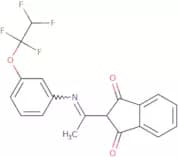
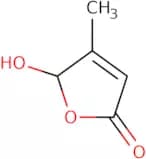
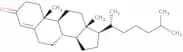
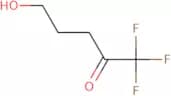
![7-Chloro-2H-pyrido[3,2-B]-1,4-oxazin-3(4H)-one](/_next/image/?url=https%3A%2Fstatic.cymitquimica.com%2Fproducts%2F3D%2Fthumb-webp%2FFC66462.webp&w=3840&q=75)
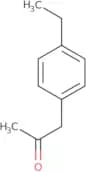
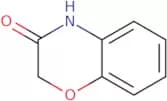
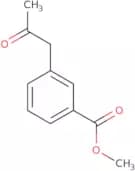
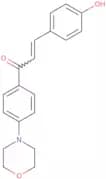
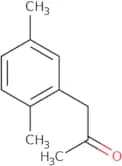
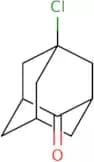
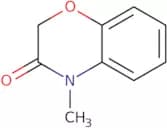
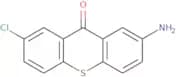
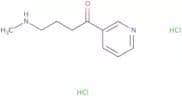
![6-Fluoro-1,3,4 ,5-tetrahydro-3-[4-[3-methoxy-4-(4-methyl-1H-imidazol-1-yl)phenyl]-1H-1 ,2,3-triazo…](/_next/image/?url=https%3A%2Fstatic.cymitquimica.com%2Fproducts%2F3D%2Fthumb-webp%2FFB151723.webp&w=3840&q=75)
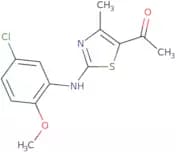
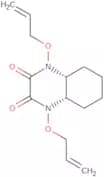
![3-(tert-butyl)indeno[3,2-c]isoxazol-4-one](/_next/image/?url=https%3A%2Fstatic.cymitquimica.com%2Fproducts%2F3D%2Fthumb-webp%2FFB169751.webp&w=3840&q=75)
![7-Amino-2-(4-methoxyphenyl)[1,2,4]triazolo[1,5-a]pyrimidin-5(4H)-one](/_next/image/?url=https%3A%2Fstatic.cymitquimica.com%2Fproducts%2F3D%2Fthumb-webp%2FFA134729.webp&w=3840&q=75)
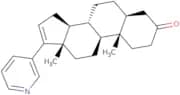
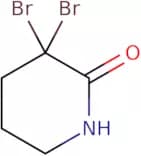
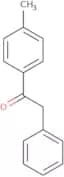
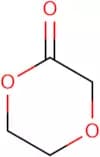
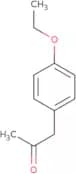
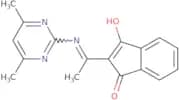
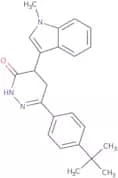
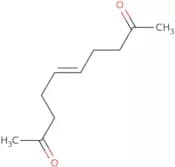
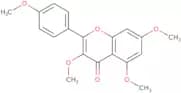

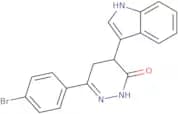
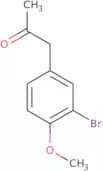
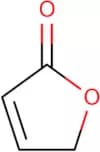
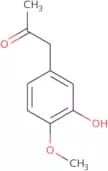
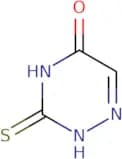
![2-(2-Butyl)-4-{4-[4-(4-methyloxy-phenyl)-piperazin-1-yl]-phenyl}-2,4-dihydro-[1,2,4]-triazol-3-one](/_next/image/?url=https%3A%2Fstatic.cymitquimica.com%2Fproducts%2F3D%2Fthumb-webp%2FFB19470.webp&w=3840&q=75)
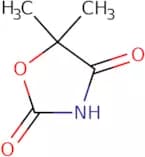
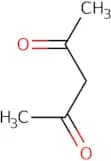
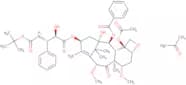
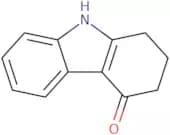
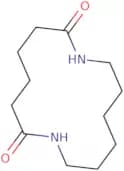
![Spiro[4.5]decan-6-one](/_next/image/?url=https%3A%2Fstatic.cymitquimica.com%2Fproducts%2F3D%2Fthumb-webp%2FFS122046.webp&w=3840&q=75)
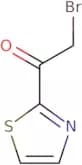
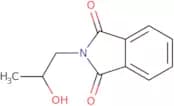
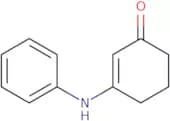
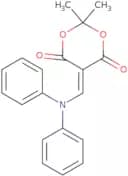
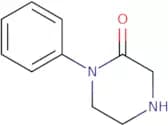
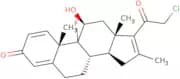
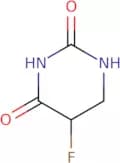
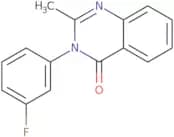
![11-(tert-butyl)spiro[1,2,3-trihydroquinazoline-2,4'-cyclohexane]-4-one](/_next/image/?url=https%3A%2Fstatic.cymitquimica.com%2Fproducts%2F3D%2Fthumb-webp%2FFB169893.webp&w=3840&q=75)
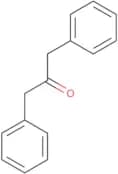
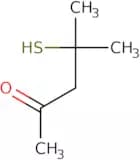
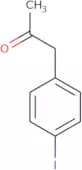
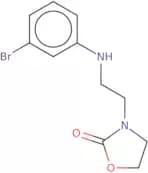
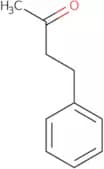
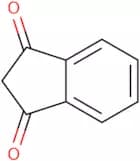
![3,8-Dihydroxy-6H-benzo[c]chromen-6-one](/_next/image/?url=https%3A%2Fstatic.cymitquimica.com%2Fproducts%2F3D%2Fthumb-webp%2FFD171109.webp&w=3840&q=75)
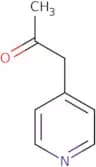
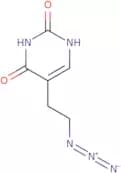
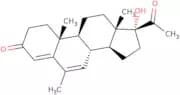
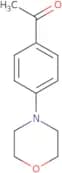
![7-[4-[4-(4-Fluorobenzoyl)Piperidin-1-Yl]Butyl]-1,3-Dimethylpurine-2,6-Dione](/_next/image/?url=https%3A%2Fstatic.cymitquimica.com%2Fproducts%2F3D%2Fthumb-webp%2FFF99814.webp&w=3840&q=75)
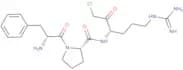
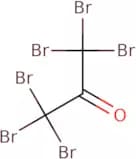
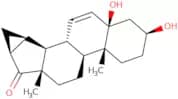
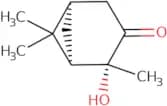
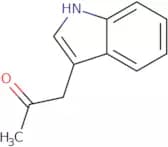
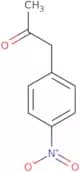
![7,9-Ditert-butyl-1-oxaspiro[4.5]deca-6,9-diene-2,8-dione](/_next/image/?url=https%3A%2Fstatic.cymitquimica.com%2Fproducts%2F3D%2Fthumb-webp%2FFD164112.webp&w=3840&q=75)
![3-(4-chlorophenyl)spiro[1,3-thiazolidine-2,3'-indoline]-4,7-dione](/_next/image/?url=https%3A%2Fstatic.cymitquimica.com%2Fproducts%2F3D%2Fthumb-webp%2FFC169673.webp&w=3840&q=75)
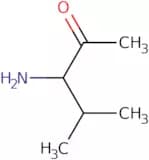
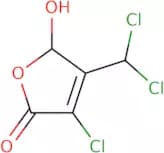
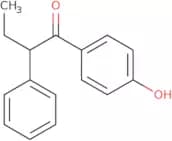
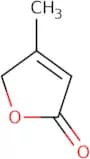
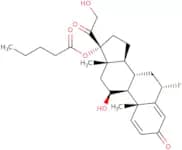
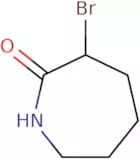
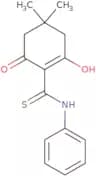


![Anthra[9,1,2-cde]benzo[rst]pentaphene-5,10-dione](/_next/image/?url=https%3A%2Fstatic.cymitquimica.com%2Fproducts%2F3D%2Fthumb-webp%2FFA143390.webp&w=3840&q=75)
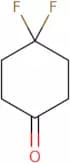

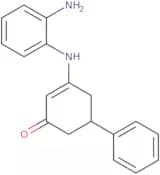
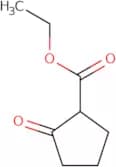
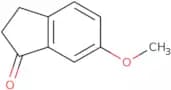
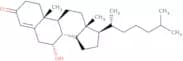
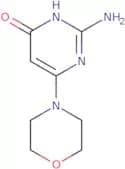
![6-Fluoro-5-Methyl-2-[(5-Methyl-1H-Imidazol-4-Yl)Methyl]-2,3,4,5-Tetrahydro-1H-Pyrido[4,3-b]Indol-1…](/_next/image/?url=https%3A%2Fstatic.cymitquimica.com%2Fproducts%2F3D%2Fthumb-webp%2FFF102588.webp&w=3840&q=75)
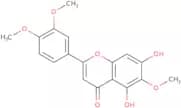
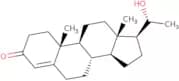
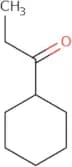
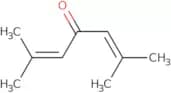
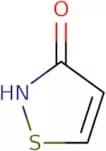

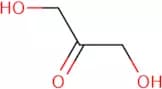
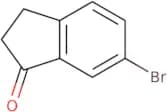
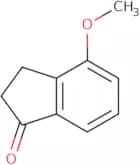
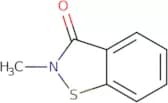
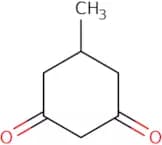
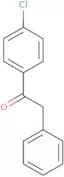
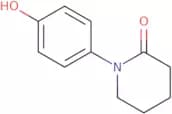
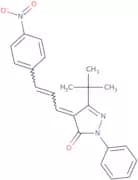
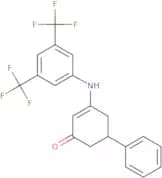
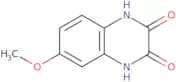
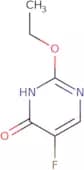

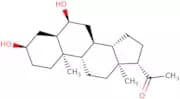
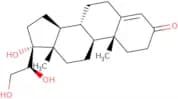
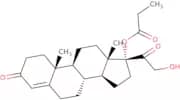
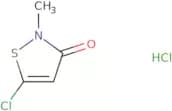
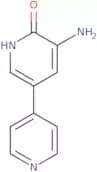
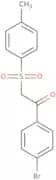
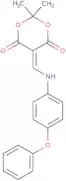
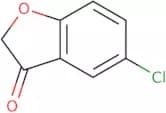
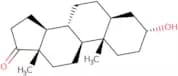
![1H-Pyrrolo[3,2-c]pyridin-4(5H)-one](/_next/image/?url=https%3A%2Fstatic.cymitquimica.com%2Fproducts%2F3D%2Fthumb-webp%2FFP140758.webp&w=3840&q=75)