Carboxylic Acids
Carboxylic acids are organic molecules characterized by having a carboxyl-type functional group (-COOH). These acids are fundamental in various chemical reactions, including esterification, amidation, and decarboxylation. Carboxylic acids are widely used in the production of pharmaceuticals, polymers, and agrochemicals. In this section, you can find a large number of carboxylic acids ready to be used. At CymitQuimica, we provide a broad range of high-quality carboxylic acids to support your research and industrial applications.
Found 12453 products of "Carboxylic Acids"
Sort by
Purity (%)
0
100
|
0
|
50
|
90
|
95
|
100
3,3'-[1,3-Phenylenebis(oxy)]dipropanoic acid
CAS:<p>Please enquire for more information about 3,3'-[1,3-Phenylenebis(oxy)]dipropanoic acid including the price, delivery time and more detailed product information at the technical inquiry form on this page</p>Formula:C12H14O6Purity:Min. 95%Molecular weight:254.24 g/molPerfluorophenyl 1-Benzyl-1H-Imidazole-4-Carboxylate
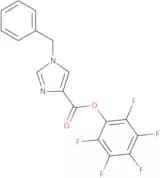
CAS:Controlled Product<p>Please enquire for more information about Perfluorophenyl 1-Benzyl-1H-Imidazole-4-Carboxylate including the price, delivery time and more detailed product information at the technical inquiry form on this page</p>Formula:C17H9F5N2O2Purity:Min. 95%Molecular weight:368.26 g/mol5-Methyl-4,5,6,7-tetrahydrothiazolo[5,4-c]pyridine-2-carboxylic acid hydrochloride
CAS:<p>Intermediate in the synthesis of edoxaban</p>Formula:C8H10N2O2S·HClPurity:Min. 95%Molecular weight:234.7 g/moltert-Butyl 4-(4-iodophenyl)tetrahydro-1(2H)-pyrazinecarboxylate
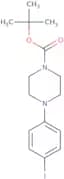
CAS:Controlled Product<p>Please enquire for more information about tert-Butyl 4-(4-iodophenyl)tetrahydro-1(2H)-pyrazinecarboxylate including the price, delivery time and more detailed product information at the technical inquiry form on this page</p>Formula:C15H21IN2O2Purity:Min. 95%Molecular weight:388.24 g/mol2-Hydroxyquinoline-4-carboxylic acid
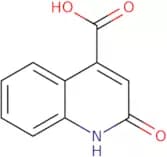
CAS:<p>2-Hydroxyquinoline-4-carboxylic acid is a carboxylate that is structurally classified as a multidrug. It has been shown to inhibit bacterial efflux pumps and target enzymes, such as cancer cells and multidrug resistant bacteria. 2-Hydroxyquinoline-4-carboxylic acid also has potent antibacterial activity against Streptococcus faecalis, an opportunistic pathogen that causes infections in the urinary tract and on skin wounds. The fluorescence properties of this compound can be used for fluorescent labeling of biomolecules or for sensing applications.</p>Formula:C10H7NO3Purity:Min. 95%Color and Shape:PowderMolecular weight:189.17 g/mol(R)-2-((tert-Butoxycarbonyl)amino)-3-methoxypropanoic acid
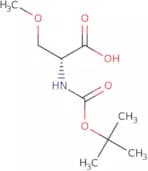
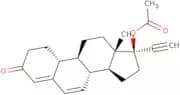
CAS:<p>(R)-2-((tert-Butoxycarbonyl)amino)-3-methoxypropanoic acid (BAAM) is a potent, orally bioavailable, and pharmacokinetically well-characterized inhibitor of blood coagulation that has been shown to be effective in animal models. BAAM inhibits the activity of tissue factor (TF), an enzyme that initiates the blood coagulation cascade. TF is important for hemostasis because it is activated by contact with blood and tissue factors such as collagen or thrombin. BAAM has shown some promise as a potential treatment for thrombosis, which can lead to heart attacks and strokes.</p>Formula:C9H17NO5Purity:Min. 95%Molecular weight:219.24 g/mol17-Hydroxy-19-nor-17alpha-pregna-4,6-dien-20-yn-3-one acetate
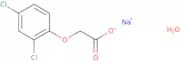
CAS:<p>Please enquire for more information about 17-Hydroxy-19-nor-17alpha-pregna-4,6-dien-20-yn-3-one acetate including the price, delivery time and more detailed product information at the technical inquiry form on this page</p>Formula:C22H26O3Purity:Min. 95%Color and Shape:Off-white to pale yellowsolid.Molecular weight:338.44 g/mol(2,4-Dichlorophenoxy)acetic acid sodium salt monohydrate
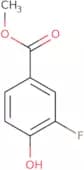
CAS:<p>(2,4-Dichlorophenoxy)acetic acid sodium salt monohydrate is a chemical that belongs to the phenoxy herbicides. It is used as a selective herbicide for control of annual and perennial grasses and broadleaf weeds in noncrop areas. This compound has been detected by gas chromatography/mass spectrometric analysis after a dispersive solid-phase extraction procedure. The target analytes were found to be acidic with an unknown molecular weight.</p>Formula:C8H5Cl2O3·Na·H2OPurity:Min. 95%Color and Shape:PowderMolecular weight:261.03 g/mol3-Fluoro-4-hydroxybenzoic acid methyl ester
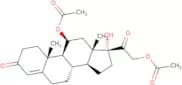
CAS:<p>Please enquire for more information about 3-Fluoro-4-hydroxybenzoic acid methyl ester including the price, delivery time and more detailed product information at the technical inquiry form on this page</p>Formula:C8H7O3FPurity:Min. 95%Molecular weight:170.14 g/molHydrocortisone Acetate Impurity G
CAS:Controlled Product<p>Hydrocortisone is a corticosteroid that is used to treat inflammation, allergies and skin diseases. It is also used to treat adrenal gland disorders. Hydrocortisone Acetate Impurity G (HA) is a drug that has anti-inflammatory properties, which may be due to its inhibition of prostaglandin synthesis. HA was the first hydrocortisone impurity found in prednisolone tablets. This discovery led to the development of corticosteroids and their use in medicine for the treatment of inflammation and allergies.</p>Formula:C25H34O7Purity:Min. 95%Molecular weight:446.53 g/mol2,3-Diketogulonic acid potassium
CAS:<p>Please enquire for more information about 2,3-Diketogulonic acid potassium including the price, delivery time and more detailed product information at the technical inquiry form on this page</p>Formula:C6H7KO7Purity:Min. 95%Color and Shape:SolidMolecular weight:230.21 g/molBromoacetic acid
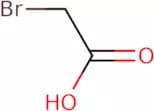
CAS:<p>Bromoacetic acid is a brominated carboxylic acid that has been shown to bind to response elements and inhibit the synthesis of proteins. It has been shown to inhibit the growth of bacteria in human serum at concentrations of 1-5 mM. Bromoacetic acid also binds to metals, such as copper and zinc, and inhibits their activity. This compound has also been shown to have anti-inflammatory properties in experimental models. Bromoacetic acid is not toxic in rats, but it may cause myocardial infarction in humans.</p>Formula:C2H3BrO2Purity:Min. 95%Color and Shape:Clear LiquidMolecular weight:138.95 g/mol(2S)-2-Amino-2-[(5S)-3-chloro-4,5-dihydroisoxazol-5-Yl]acetic acid
CAS:<p>(2S)-2-Amino-2-[(5S)-3-chloro-4,5-dihydroisoxazol-5-Yl]acetic acid is an inhibitor of the enzyme glutathione reductase (GR) and cytochrome P450. GR activates glutathione in cells to form a powerful antioxidant that protects against oxidative stress. (2S)-2-Amino-2-[(5S)-3-chloro-4,5-dihydroisoxazol-5-Yl]acetic acid inhibits GR and cytochrome P450 activity, leading to increased oxidative stress and neuronal death. This drug has been shown to have inhibitory properties on bowel disease by reducing the production of proinflammatory cytokines IL1β and TNFα. The compound also exhibits anti tumor response against mouse tumors by inducing apoptosis and inhibiting cell proliferation. The compound targets intracellular targets</p>Formula:C5H7ClN2O3Purity:Min. 95%Color and Shape:White PowderMolecular weight:178.57 g/mol3,3-Dimethyl-5-oxo-5-(1,2,3,4-tetrahydronaphthalen-2-ylamino)pentanoic acid
CAS:Controlled Product<p>Please enquire for more information about 3,3-Dimethyl-5-oxo-5-(1,2,3,4-tetrahydronaphthalen-2-ylamino)pentanoic acid including the price, delivery time and more detailed product information at the technical inquiry form on this page</p>Formula:C17H23NO3Purity:Min. 95%Molecular weight:289.37 g/mol3,6-Dioxaoctanedioic acid
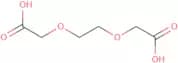
CAS:<p>3,6-Dioxaoctanedioic acid is a functional group that can be found in nature and has been studied for its potential to inhibit cancer cell growth. 3,6-Dioxaoctanedioic acid is a magnesium salt that is used as an experimental drug to treat bronchial asthma. It works by interfering with the function of serine protease enzymes. In addition, this compound has been shown to have particle size and transport properties that are suitable for inhalation therapy. These properties make it an effective drug for treatment of respiratory diseases such as asthma or chronic obstructive pulmonary disease.</p>Formula:C6H10O6Purity:90%MinMolecular weight:178.14 g/molsec-Butyl Acetoacetate
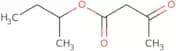
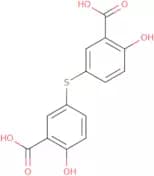
CAS:<p>Please enquire for more information about sec-Butyl Acetoacetate including the price, delivery time and more detailed product information at the technical inquiry form on this page</p>Formula:C8H14O3Purity:Min. 95%Molecular weight:158.19 g/mol5,5'-Thiodisalicylic Acid
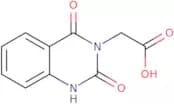
CAS:<p>5,5'-Thiodisalicylic Acid is a reactive functional group with a silver ion. This compound has a hydrochloric acid and hydroxy group that react to form a hydroxyl group with the proton. It also has a nitrogen atom, which can be found in the reactive acidic hydroxyl group of 5,5'-thiodisalicylic acid. The fatty acids are viscosity and carbonyl groups. 5,5'-Thiodisalicylic Acid is an organic compound that reacts with chloride to form patterns.</p>Purity:Min. 95%(2,4-Dioxo-1,4-dihydroquinazolin-3(2H)-yl)acetic acid
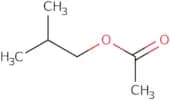
CAS:<p>Please enquire for more information about (2,4-Dioxo-1,4-dihydroquinazolin-3(2H)-yl)acetic acid including the price, delivery time and more detailed product information at the technical inquiry form on this page</p>Formula:C10H8N2O4Purity:Min. 95%Molecular weight:220.18 g/molIsobutyl acetate
CAS:<p>Isobutyl acetate is an organic compound that is used in the synthesis of other chemicals and as a solvent. Isobutyl acetate is synthesized by reacting ethyl decanoate with water vapor, a reaction that requires constant pressure. The product of this reaction has a fatty acid chain with a hydroxyl group on the third carbon atom. This hydroxyl group reacts with caproic acid to form an ester. Isobutyl acetate is acidic, which can be seen in its biochemical properties. It also has an acidic complex, which consists of the conjugated carboxylic acid and the hydroxyl group. The methyl ethyl group is connected to the second carbon atom from the alcohol group. Wild-type strains have been shown to be more reactive than mutants, so Isobutyl acetate is reactive when it interacts with certain substances.</p>Formula:C6H12O2Purity:Min. 95%Color and Shape:Clear LiquidMolecular weight:116.16 g/molN-α-Trityl-Nβ-Fmoc-L-2,3-diaminopropionic acid
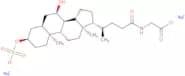
CAS:<p>Please enquire for more information about N-alpha-Trityl-Nbeta-Fmoc-L-2,3-diaminopropionic acid including the price, delivery time and more detailed product information at the technical inquiry form on this page</p>Formula:C37H32N2O4Purity:Min. 95%Molecular weight:568.66 g/molGlycochenodeoxycholic acid 3-sulfate disodium salt
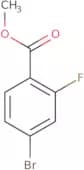
CAS:<p>Please enquire for more information about Glycochenodeoxycholic acid 3-sulfate disodium salt including the price, delivery time and more detailed product information at the technical inquiry form on this page</p>Formula:C26H41NNa2O8SPurity:Min. 95%Color and Shape:PowderMolecular weight:573.65 g/mol4-Bromo-2-fluorobenzoic acid methyl ester
CAS:<p>4-Bromo-2-fluorobenzoic acid methyl ester is a synthetic chemical that is used as a drug substance in the synthesis of pharmaceuticals. It is also a reagent for organic synthesis, specifically cross coupling reactions. 4-Bromo-2-fluorobenzoic acid methyl ester can be used to introduce an alkyl group into a molecule, which can then be used in other synthetic reactions. This chemical has been shown to inhibit prolyl hydroxylase (PHD), which is an enzyme that catalyzes the conversion of proline to hydroxyproline. 4-Bromo-2-fluorobenzoic acid methyl ester also inhibits the Bcl-2 family proteins, including bcl2, bclxl and bax, which are known to play a role in apoptosis. 4-Bromo-2-fluorobenzoic acid methyl ester</p>Formula:C8H6BrFO2Purity:Min. 95%Molecular weight:233.03 g/molMethyl 1,5-diphenyl-1H-pyrazole-3-carboxylate
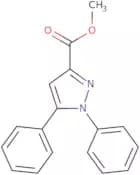
CAS:Controlled Product<p>Please enquire for more information about Methyl 1,5-diphenyl-1H-pyrazole-3-carboxylate including the price, delivery time and more detailed product information at the technical inquiry form on this page</p>Formula:C17H14N2O2Purity:Min. 95%Molecular weight:278.31 g/molMethyl 3-formyl-4,6-dimethoxy-1-methyl-1H-indole-2-carboxylate
CAS:Controlled Product<p>Please enquire for more information about Methyl 3-formyl-4,6-dimethoxy-1-methyl-1H-indole-2-carboxylate including the price, delivery time and more detailed product information at the technical inquiry form on this page</p>Formula:C14H15NO5Purity:Min. 95%Molecular weight:277.27 g/molFluticasone 17b-carboxylic acid propionate
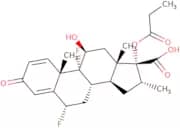
CAS:Controlled Product<p>Fluticasone propionate is a synthetic corticosteroid that is used in the treatment of asthma. It is an esterified prodrug which requires hydrolysis by esterases in order to become active. Fluticasone propionate has shown clinical efficacy with oral administration and can be administered by inhalation or through the skin. This drug is available as a deuterated form for use in nuclear magnetic resonance spectroscopy and reaction monitoring. It also has a linear range of 10-1000 ng/mL and a quadrupole mass spectrometer detection limit of 0.1 pmol, which allows it to be used for plasma samples and reconstituted drugs.</p>Formula:C24H30F2O6Purity:(¹H-Nmr) Min. 95 Area-%Color and Shape:White Off-White PowderMolecular weight:452.49 g/mol1-(2-Methoxyethyl)-1H-indole-3-carboxylic acid
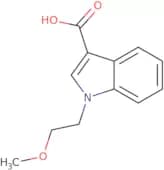
CAS:Controlled Product<p>Please enquire for more information about 1-(2-Methoxyethyl)-1H-indole-3-carboxylic acid including the price, delivery time and more detailed product information at the technical inquiry form on this page</p>Formula:C12H13NO3Purity:Min. 95%Molecular weight:219.24 g/molCopper(II) acetate monohydrate
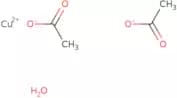
CAS:<p>Copper acetate is a chemical compound that is composed of copper and acetic acid. Copper acetate monohydrate, the form used in this product, is an ionic salt that has the chemical formula Cu(CHCO)2. The copper atom has a coordination geometry of 4.5 and is surrounded by six oxygen atoms and two hydrogen atoms. The reaction mechanism for this compound involves methyl ethyl malonic acid as shown below: The first step in the reaction mechanism is the formation of a carbanion intermediate with the loss of a proton from one of the methyl groups on malonic acid. This carbanion attacks the copper atom to form an intermediate with two positive charges on it, which then breaks down into two molecules of malonic acid and one molecule of water. The other methyl group then reacts with another molecule of malonic acid to form methyl ethyl dicarboxylate and release another proton. This proton can be accepted by water or react with</p>Formula:C4H6CuO4·H2OPurity:Min. 95%Color and Shape:Blue Clear LiquidMolecular weight:199.65 g/mol5-Fluoropyridine-2-boronic acid
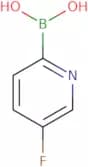
CAS:<p>Please enquire for more information about 5-Fluoropyridine-2-boronic acid including the price, delivery time and more detailed product information at the technical inquiry form on this page</p>Formula:C5H5BFNO2Purity:Min. 95%Molecular weight:140.91 g/molH-Gly-Phe-Gly-aldehyde semicarbazone acetate salt
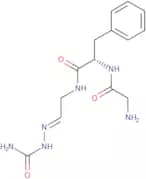
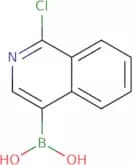
CAS:<p>Please enquire for more information about H-Gly-Phe-Gly-aldehyde semicarbazone acetate salt including the price, delivery time and more detailed product information at the technical inquiry form on this page</p>Formula:C14H20N6O3Purity:Min. 95%Molecular weight:320.35 g/mol(1-Chloroisoquinolin-4-yl)boronic acid
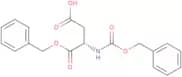
CAS:<p>Please enquire for more information about (1-Chloroisoquinolin-4-yl)boronic acid including the price, delivery time and more detailed product information at the technical inquiry form on this page</p>Formula:C9H7BClNO2Purity:Min. 95%Molecular weight:207.42 g/molN-Cbz-L-aspartic acid 1-benzyl ester
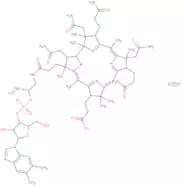
CAS:<p>N-Cbz-L-aspartic acid 1-benzyl ester is a synthetic stereoselective allyl group that can be used for biochemical studies. It has been shown to have a role in the repair of damaged DNA and cellular growth. N-Cbz-L-aspartic acid 1-benzyl ester is an adenosine diphosphate (ADP) analog, which acts as an acceptor of ADP and inhibits phosphatases.</p>Formula:C19H19NO6Purity:Min. 95%Color and Shape:PowderMolecular weight:357.36 g/molVitamin B12 e-Monocarboxylic Acid
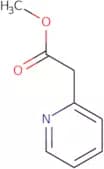
CAS:Controlled Product<p>Please enquire for more information about Vitamin B12 e-Monocarboxylic Acid including the price, delivery time and more detailed product information at the technical inquiry form on this page</p>Formula:C63H87CoN13O15PPurity:Area-% Min. 95 Area-%Color and Shape:PowderMolecular weight:1,356.35 g/molMethyl 2-pyridylacetate
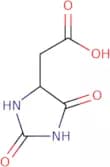
CAS:<p>Methyl 2-pyridylacetate is a reactive compound that can be used as a reagent for trifluoromethylthiolation of terminal alkynes. This compound has been shown to react with anilines and form isomers, including the acid form. The reaction rate of the methyl 2-pyridylacetate with pyridine compounds is slow, but it reacts quickly with thionyl chloride and hydrochloric acid. Methyl 2-pyridylacetate also reacts with nucleophiles such as methyl anthranilate to form the corresponding quinolizine derivatives.</p>Formula:C8H9NO2Purity:Min. 95%Molecular weight:151.16 g/molHydantoin-5-acetic acid
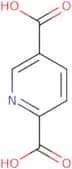
CAS:<p>Hydantoin-5-acetic acid is a molecule that has been studied for its potential use in the stabilization of polymers and plastics. It has shown antibacterial activity against certain bacterial strains including Escherichia coli and Staphylococcus aureus. The molecule has the ability to coordinate with metal ions such as copper, zinc, and iron. The protonation state of the molecule is dependent on the pH of the environment. Hydantoin-5-acetic acid can exist in two tautomeric forms: hydantoin or 5-hydantoin. Hydantoin-5-acetic acid can be used to determine the concentration of hydrogen in proteins through chromatographic methods. This molecule also has Langmuir adsorption isotherm properties, which give it potential for use in supramolecular structures.</p>Formula:C5H6N2O4Purity:Min. 95%Molecular weight:158.11 g/mol2,5-Pyridinedicarboxylic acid
CAS:<p>2,5-Pyridinedicarboxylic acid is a white crystalline solid that is soluble in water and alcohol. It has been shown to be an effective catalyst for the oxidation of hydrocarbons. 2,5-Pyridinedicarboxylic acid also binds with metal hydroxides and forms hydrogen bonding interactions. This compound may be used as a catalyst in the production of nitric acid from ammonia, or in the manufacture of picolinic acid. 2,5-Pyridinedicarboxylic acid has a pK value of 7.4 and an optimum pH of 7. 2,5-Pyridinedicarboxylic acid can also react with sodium salts to form a n-oxide that coordinates with nitrogen atoms to give coordination geometry in which each atom is bonded to four other atoms (e.g., square planar). The molecular formula for this compound is C6H4N2O</p>Formula:C7H5NO4Purity:Min. 95%Molecular weight:167.12 g/mol6-(Methoxycarbonyl)spiro[3.3]heptane-2-carboxylic acid
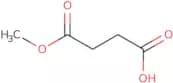
CAS:<p>Please enquire for more information about 6-(Methoxycarbonyl)spiro[3.3]heptane-2-carboxylic acid including the price, delivery time and more detailed product information at the technical inquiry form on this page</p>Formula:C10H14O4Purity:Min. 95%Molecular weight:198.22 g/mol4-Methoxy-4-oxobutanoic acid
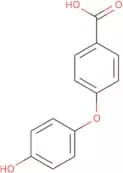
CAS:<p>Succinic acid monomethyl ester (SAMME) is an antimicrobial agent that inhibits the enzyme activities of succinate dehydrogenase, producing mitochondrial membrane depolarization and neuronal death. SAMME has been shown to be effective in treating syncytial virus infection and solid tumours, although it has not been studied in depth. The biological sample used for this study was water vapor, which is a substrate molecule for the enzyme succinic acid semialdehyde dehydrogenase (SASD). This enzyme converts SAMME to succinic acid, which can then inhibit phosphofructokinase-1 or pyruvate kinase, leading to cellular necrosis.</p>Formula:C5H8O4Purity:Min. 95%Molecular weight:132.11 g/mol4-(4-Hydroxyphenoxy)benzoic acid
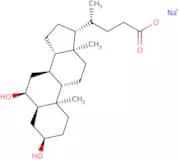
CAS:<p>4-(4-Hydroxyphenoxy)benzoic acid is a molecule that can be used to treat hypercholesterolemia. It is metabolized in the body to butyric acid, which has been shown to have an anti-inflammatory effect on the bladder and may reduce water permeability of the bladder. 4-(4-Hydroxyphenoxy)benzoic acid can also be used as a choline precursor for acetylcholine synthesis and may have osmotic properties.</p>Formula:C13H10O4Purity:Min. 95%Molecular weight:230.22 g/molHyodeoxycholic acid sodium salt
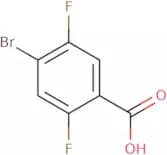
CAS:Controlled Product<p>Hyodeoxycholic acid sodium salt is a nonsteroidal anti-inflammatory drug that belongs to the class of hyodeoxycholic acids. It is an inhibitor of the enzyme activities that are involved in the synthesis of prostaglandins from arachidonic acid. Hyodeoxycholic acid sodium salt has been shown to inhibit the activity of enzymes such as cyclooxygenase, lipoxygenase, and 5-lipoxigenase. This inhibition leads to decreased production of inflammatory prostaglandins, which are responsible for inflammation and pain. Hyodeoxycholic acid sodium salt also has neurotrophic effects that may be due to its ability to stimulate NGF synthesis by neurons in vitro.</p>Formula:C24H39NaO4Purity:Min. 95%Molecular weight:414.55 g/mol4-bromo-2,5-difluorobenzoic Acid
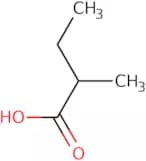
CAS:<p>4-Bromo-2,5-difluorobenzoic acid is a potent inhibitor of isoforms CYP2C9 and CYP2D6. It is an acidic drug with a pKa of 3.8, which makes it ionizable in biological fluids. 4-Bromo-2,5-difluorobenzoic acid inhibits the activity of CYP2C9 and CYP2D6 by binding to the pharmacophore region of these enzymes. 4-Bromo-2,5-difluorobenzoic acid also has an isosteric functionality that increases its selectivity for CYP2C9 and CYP2D6 over other cytochrome P450 isoforms. The functional groups on 4-bromo-2,5-difluorobenzoic acid are part of the inhibitor's nature that make it selective for these two cytochrome</p>Formula:C7H3BrF2O2Purity:Min. 95%Molecular weight:237 g/mol2-Methyl butyric acid
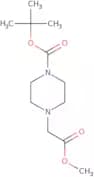
CAS:<p>2-Methyl butyric acid is a fatty acid that is produced by the fungus Monascus purpureus. 2-Methyl butyric acid has been shown to inhibit the activity of a number of enzymes in gland cells, including proteases, lipases, and amylases. This effect may be due to its ability to inhibit lipid peroxidation. Further research into the metabolic profiles of 2-methyl butyric acid has shown that it inhibits the activity of enzymes involved in fatty acid synthesis and metabolism, such as tiglic acid synthase and ketoacyl CoA reductase. It also shows some potential as a solid catalyst for kinetic studies.</p>Formula:C5H10O2Purity:Min. 95%Color and Shape:Clear LiquidMolecular weight:102.13 g/moltert-Butyl 4-(2-methoxy-2-oxoethyl)piperazine-1-carboxylate
CAS:<p>Please enquire for more information about tert-Butyl 4-(2-methoxy-2-oxoethyl)piperazine-1-carboxylate including the price, delivery time and more detailed product information at the technical inquiry form on this page</p>Formula:C12H22N2O4Purity:Min. 95%Molecular weight:258.31 g/mol3-Methyl-2-oxo-2,3-dihydro-1H-benzo[d]imidazole-4-carboxylic acid
CAS:<p>Please enquire for more information about 3-Methyl-2-oxo-2,3-dihydro-1H-benzo[d]imidazole-4-carboxylic acid including the price, delivery time and more detailed product information at the technical inquiry form on this page</p>Formula:C9H8N2O3Purity:Min. 95%Molecular weight:192.17 g/molTauroursodeoxycholic acid, sodium salt
CAS:<p>Tauroursodeoxycholic acid, sodium salt is a taurine-conjugated bile acid derivative, which is synthesized in the liver from ursodeoxycholic acid. It functions through its role in stabilizing the mitochondria and inhibiting apoptosis by modulating the unfolded protein response. This molecular action involves reducing endoplasmic reticulum stress, thereby providing cytoprotective effects in various cellular environments.</p>Formula:C26H44NNaO6SPurity:Min. 95%Molecular weight:521.69 g/mol2-[2-(1H-Indol-3-yl)ethyl]-1,3-dioxoisoindoline-5-carboxylic acid
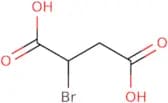
CAS:Controlled Product<p>Please enquire for more information about 2-[2-(1H-Indol-3-yl)ethyl]-1,3-dioxoisoindoline-5-carboxylic acid including the price, delivery time and more detailed product information at the technical inquiry form on this page</p>Formula:C19H14N2O4Purity:Min. 95%Molecular weight:334.33 g/molBromosuccinic acid
CAS:<p>Bromosuccinic acid is a type of organic compound with the chemical formula HOCCH=CHOH. It is an ester that contains a hydroxyl group, a carboxylic acid group, and a bromine atom. Bromosuccinic acid has been shown to have biocompatible properties and can be used as a polymer for biomedical applications. It also has the ability to form covalent bonds with basic proteins due to its hydroxyl group, which is important for protein stability. Bromosuccinic acid has been shown to inhibit trypsin activity in soybean trypsin, which may be due to its disulfide bond or low energy content. This substance also reacts with malonic acid and carbonic acid, producing galacturonic acid and fatty acids respectively. Bromosuccinic acid is produced by bacteria of the genus Enterobacteriaceae and belongs to the family of short-chain fatty acids.</p>Purity:Min. 95%3-(3-Acetyl-1H-indol-1-yl)propanoic acid
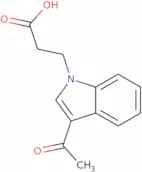
CAS:Controlled Product<p>Please enquire for more information about 3-(3-Acetyl-1H-indol-1-yl)propanoic acid including the price, delivery time and more detailed product information at the technical inquiry form on this page</p>Formula:C13H13NO3Purity:Min. 95%Molecular weight:231.25 g/molAlisol B 23-acetate
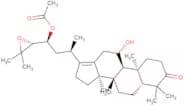
CAS:<p>Alisol B is a natural compound that has been shown to have significant cytotoxicity in vitro. Alisol B also inhibits the mitochondrial membrane potential, which is vital for cell survival. Alisol B is found to be active against several human cancer cell lines, including leukemia and breast cancer cells. It has also been shown to inhibit autophagy, the process by which cells degrade their own components and organelles in response to starvation or other stresses. This inhibition of autophagy leads to increased cell death. The anti-cancer effects of Alisol B are mediated through a number of different mechanisms, including the inhibition of protein synthesis and the induction of apoptosis. Alisol B has also been shown to have hepatoprotective properties in animal models.</p>Formula:C32H50O5Purity:Min. 95%Molecular weight:514.74 g/mol5-[4-(3-Chlorophenyl)piperazin-1-yl]-5-oxopentanoic acid
CAS:Controlled Product<p>Please enquire for more information about 5-[4-(3-Chlorophenyl)piperazin-1-yl]-5-oxopentanoic acid including the price, delivery time and more detailed product information at the technical inquiry form on this page</p>Formula:C15H19ClN2O3Purity:Min. 95%Molecular weight:310.78 g/mol2-Chloro-4-fluoropyridine-5-boronic acid, pinacol ester
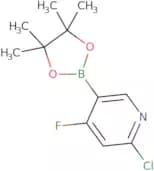
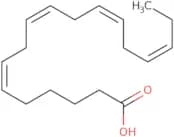
CAS:<p>Please enquire for more information about 2-Chloro-4-fluoropyridine-5-boronic acid, pinacol ester including the price, delivery time and more detailed product information at the technical inquiry form on this page</p>Formula:C11H14BClFNO2Purity:Min. 95%Molecular weight:257.5 g/molall-cis-6,9,12,15-Octadecatetraenoic acid
CAS:<p>All-cis-6,9,12,15-octadecatetraenoic acid is a polyunsaturated fatty acid that has been shown to have anti-inflammatory properties. It is found in the form of stearidonic acid and can be derived from plants such as flaxseed or soybeans. All-cis-6,9,12,15-octadecatetraenoic acid has been shown to inhibit the production of chemoattractant protein (MCP) in 3T3L1 preadipocytes by blocking the synthesis of arachidonic acid. This compound also inhibits the proliferation of MDA-MB 231 breast cancer cells and induces cell death via apoptosis.</p>Formula:C18H28O2Purity:Min. 95%Molecular weight:276.41 g/molEthyl 2-amino-thiazole-4-carboxylate
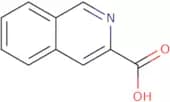
CAS:<p>Ethyl 2-amino-thiazole-4-carboxylate (ETAC) is an inhibitor of protein synthesis. It binds to the dna and inhibits transcription, leading to cell death by inhibiting the production of proteins vital for cell division. ETAC has been shown to have cytotoxic activity against cancer cells and hemolytic activity. It also has a strong fluorescence probe property, which may be used in cancer diagnosis. ETAC can inhibit protein synthesis in cells that are resistant to other antimicrobial agents and platinum-based chemotherapy, making it a potential treatment for these infections. The pharmacokinetic properties of ETAC are not well studied but it is excreted through urine, suggesting that it is hydrophilic and may be metabolized with glucuronidation or sulfation. The molecular modeling study suggests that the hydrogen bond between ETAC and the dna phosphate group may explain its inhibitory effects on DNA synthesis.</p>Formula:C6H8N2O2SPurity:Min. 99.0 Area-%Molecular weight:172.21 g/mol3-Isoquinolinecarboxylic acid
CAS:<p>3-Isoquinolinecarboxylic acid is a molecule with a reactive group that can form cyclic structures. It has been shown that 3-Isoquinolinecarboxylic acid is an apoptotic agent in human macrophages and induces the release of picolinic acid from these cells. This molecule also has a high affinity for α7 nicotinic acetylcholine receptors, which are present on the surface of nerve cells. 3-Isoquinolinecarboxylic acid can be synthesized by condensing picolinic acid, an aromatic aminoacid, with an appropriate amine. The synthesis of this heterocycle is catalyzed by an enzyme called quinolinate synthase. The product of this reaction is oxidized to form 3-isoquinolyl carboxylic acid. The final step in the synthesis involves the oxidative cleavage of a disulfide bond using hydrogen peroxide, yielding 3-isoquinoly</p>Formula:C10H7NO2Purity:Min. 95%Molecular weight:173.17 g/mol[2-(4-Aminophenyl)ethyl]carbamic acid tert-butyl ester
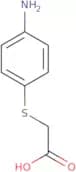
CAS:<p>Please enquire for more information about [2-(4-Aminophenyl)ethyl]carbamic acid tert-butyl ester including the price, delivery time and more detailed product information at the technical inquiry form on this page</p>Formula:C13H20N2O2Purity:Min. 95%Color and Shape:Slightly Yellow PowderMolecular weight:236.31 g/mol2-(4-Aminophenylthio)acetic acid
CAS:2-(4-Aminophenylthio)acetic acid is an analytical reagent that is used for the determination of nitrite ion. It reacts with nitrous acid to form a red-colored dye. 2-(4-Aminophenylthio)acetic acid has been shown to be an effective anhydrase inhibitor, which can be used in analytical chemistry as a method for determining the concentration of nitrate ion. This compound also has a constant value of 1.5, which can be used to calculate the concentration of nitric acid in hydrochloric acid by using the following equation: 2 NaOH + HCl → NaCl + 2 H2O 1.5 (aq) + 4H+(aq) → 6H2O(l) 6H2O(l) ÷ 1.5 (mol/L) = 3 mol/L 3 mol/L ÷ 0.037 (mol/g) =Formula:C8H9NO2SPurity:Min. 95%Molecular weight:183.23 g/mol7-Phenylacetamide-3-chloromethyl-3-cephem-4-carboxylic acid diphenylmethyl ester
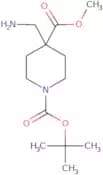
CAS:<p>7-Phenylacetamide-3-chloromethyl-3-cephem-4-carboxylic acid diphenylmethyl ester is an organic solution that is used in the detoxification of chemical substances. It has a hydroxyl group and is soluble in nonpolar solvents. 7PAMC has been shown to be effective against bone lesions caused by acylation reactions. This drug also binds to the enzyme called cytochrome P450, which is involved in the metabolism of many drugs. It also inhibits bacterial growth by binding to DNA gyrase and topoisomerase IV, enzymes that maintain bacterial DNA integrity. The particle size of this drug is small, with a diameter of less than 10 microns. 7PAMC has a viscosity of 1 cps at 25°C and a melting point of 129°C.</p>Formula:C29H25ClN2O4SPurity:Min. 95%Molecular weight:533.04 g/molMethyl4-aminomethyl-1-boc-piperidine-4-carboxylate
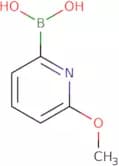
CAS:<p>Please enquire for more information about Methyl4-aminomethyl-1-boc-piperidine-4-carboxylate including the price, delivery time and more detailed product information at the technical inquiry form on this page</p>Formula:C13H24N2O4Purity:Min. 95%Molecular weight:272.34 g/mol6-Methoxypyridine-2-boronic acid
CAS:<p>6-Methoxypyridine-2-boronic acid is a boronate ligand that can be used to form coordination complexes with metals. It has been shown to interact with silver ions, which are the most effective ligands for enhancing the fluorescence of organic dyes. 6-Methoxypyridine-2-boronic acid is able to rigidify organic molecules by binding to their steric and electronic properties, making them more resistant to photodegradation. This property makes it an excellent candidate for the use in the development of fluorescent labels in analytical chemistry.</p>Formula:C6H8BNO3Purity:Min. 95%Molecular weight:152.94 g/mol2-(Dimethylaminocarbonyl)ethylboronic acid, pinacol ester
CAS:<p>Please enquire for more information about 2-(Dimethylaminocarbonyl)ethylboronic acid, pinacol ester including the price, delivery time and more detailed product information at the technical inquiry form on this page</p>Formula:C11H22BNO3Purity:Min. 95%Molecular weight:227.11 g/molEthyl 3-{[(1E)-(dimethylamino)methylene]amino}-5-methoxy-1-methyl-1H-indole-2-carboxylate
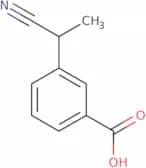
CAS:Controlled Product<p>Please enquire for more information about Ethyl 3-{[(1E)-(dimethylamino)methylene]amino}-5-methoxy-1-methyl-1H-indole-2-carboxylate including the price, delivery time and more detailed product information at the technical inquiry form on this page</p>Formula:C16H21N3O3Purity:Min. 95%Molecular weight:303.36 g/mol3-Cyanoethylbenzoic acid
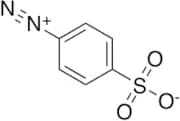
CAS:<p>3-Cyanoethylbenzoic acid is an anthropogenic compound that is produced by the Friedel-Crafts reaction between benzoyl chloride and acrylonitrile in the presence of a base. 3-Cyanoethylbenzoic acid is used as a solvent for chromatographic methods, such as gradient elution, ion exchange, and reversed phase. 3-Cyanoethylbenzoic acid has been used to determine the optical purity of benzoate salts and amides. This compound can be taken orally in solid oral dosage form or enterically in liquid oral dosage form. 3-Cyanoethylbenzoic acid interacts with other drugs that are metabolized by CYP3A4, such as erythromycin, to produce an active metabolite (N-desmethyldesipramide).</p>Formula:C10H9NO2Purity:Min. 95%Color and Shape:PowderMolecular weight:175.18 g/mol4-Diazobenzenesulfonic Acid
CAS:<p>Applications 4-Diazobenzenesulfonic acid (cas# 305-80-6) is a useful research chemical.<br></p>Formula:C6H4N2O3SMolecular weight:184.17(Arg13)-Amyloid b-Protein (1-40) trifluoroacetate salt
CAS:<p>Please enquire for more information about (Arg13)-Amyloid b-Protein (1-40) trifluoroacetate salt including the price, delivery time and more detailed product information at the technical inquiry form on this page</p>Formula:C194H300N54O58SPurity:Min. 95%Molecular weight:4,348.85 g/mol(±)7-epiJasmonic acid
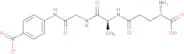
CAS:<p>(±)7-EpiJasmonic acid is a carotenoid ester that has been found to have biological properties for weed control. It is the methyl ester of jasmonic acid, which is a fatty acid. The compound has been shown to be effective in suppressing plant diseases such as powdery mildew. The chemical transformation of (±)7-epiJasmonic acid can occur through methylation, hydroxylation, or nitro group formation. This process leads to the production of methyl jasmonate and nitrophenol. These compounds have been shown to have fertility effects on lettuce plants by increasing the number of seeds and seedlings produced.</p>Formula:C12H18O3Purity:Min. 95%Molecular weight:210.27 g/molH-Glu(Ala-Gly-pNA)-OH trifluoroacetate salt
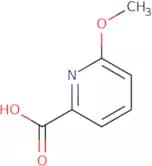
CAS:<p>Please enquire for more information about H-Glu(Ala-Gly-pNA)-OH trifluoroacetate salt including the price, delivery time and more detailed product information at the technical inquiry form on this page</p>Formula:C16H21N5O7Purity:Min. 95%Molecular weight:395.37 g/mol2-Methoxy-6-picolinic acid
CAS:<p>2-Methoxy-6-picolinic acid (2MPA) is a picolinate that has been shown to be an effective catalyst for the conversion of alcohols into allylic alcohols. 2MPA is able to catalyze the reaction by abstracting hydrogen from the carbonyl group, and then adding it to the adjacent carbon. This reaction can produce peroxide as a byproduct, which is subsequently hydrolyzed to form water and alcohol. The β-unsaturated carbonyl group of 2MPA provides additional stability for this catalytic process.<br>2MPA can also be used as a catalyst in other reactions, such as the oxidation of benzylic alcohols with hydrogen peroxide to form benzylic carbonyl compounds.</p>Formula:C7H7NO3Purity:Min. 95%Color and Shape:PowderMolecular weight:153.14 g/mol(Pro18,Asp21)-Amyloid b-Protein (17-21) trifluoroacetate salt
CAS:<p>Please enquire for more information about (Pro18,Asp21)-Amyloid b-Protein (17-21) trifluoroacetate salt including the price, delivery time and more detailed product information at the technical inquiry form on this page</p>Formula:C33H43N5O8Purity:Min. 95%Molecular weight:637.72 g/molPancreastatin (dephosphorylated) (porcine) trifluoroacetate salt
CAS:<p>Pancreastatin is a cytosolic protein that inhibits the production of peptide hormones such as glucagon, insulin, and gastrin. It is used to treat bowel disease, including carcinoid syndrome and inflammatory bowel disease. Pancreastatin has been shown to inhibit the activity of cyclase enzymes that are responsible for the production of these hormones. Pancreatic beta-cells produce pancreatic polypeptide (PP), which is converted by pancreastatin into inactive PP2. Pancreatic alpha-cells produce somatostatin (SS), which is converted by pancreastatin into inactive SS2. Pancreatic delta cells produce pancreatic polypeptide (PP), which is not affected by pancreastatin. Pancreatic somatostatinomas secrete SS, which is not affected by pancreastatin.</p>Formula:C214H330N68O76SPurity:Min. 95%Molecular weight:5,103.39 g/mol3-(Difluoromethyl)-1-methyl-1H-pyrazole-4-carboxylic acid
CAS:<p>3-(Difluoromethyl)-1-methyl-1H-pyrazole-4-carboxylic acid is a synthetic chemical that is used as a pesticide. This chemical has been found to be more effective than other pesticides because it can inhibit the synthesis of fatty acids, which are necessary for the growth of insect larvae. 3-(Difluoromethyl)-1-methyl-1H-pyrazole-4-carboxylic acid is synthesized by reacting sodium hydroxide solution with triethyl orthoformate in the presence of hexamethylenetetramine. This reaction produces a mixture of diethyl ester and carboxylate esters, which are then separated from each other. The resulting carboxylate ester is then oxidized to produce 3-(difluoromethyl)-1-methyl-1H pyrazole 4 carboxylic acid.</p>Formula:C6H6F2N2O2Purity:Min. 95%Color and Shape:White Off-White PowderMolecular weight:176.12 g/mol3-(3,5-Dimethoxyphenyl)propionic acid methyl ester
CAS:3-(3,5-Dimethoxyphenyl)propionic acid methyl ester is a reagent that is used as a reactant in organic synthesis. It is also useful as a scaffold for the synthesis of heterocycles and other complex compounds. 3-(3,5-Dimethoxyphenyl)propionic acid methyl ester is used in research chemical synthesis and as a versatile building block for the production of fine chemicals. This chemical can be used to create products such as pharmaceuticals, pesticides, and cosmetics.Formula:C12H16O4Purity:Min. 95%Molecular weight:224.25 g/molAcetyl-GRP (20-26) (human, porcine, canine) trifluoroacetate salt
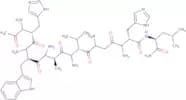
CAS:<p>Acetyl-GRP (20-26) (human, porcine, canine) trifluoroacetate salt Ac-His-Trp-Ala-Val-Gly-His-Leu-NH2 trifluoroacetate salt is a prophylactic and/or therapeutic compound that has been shown to be effective in the treatment of a number of different diseases. This compound has been shown to have neuroprotective and antiinflammatory effects, as well as being an effective treatment for autoimmune disorders. Acetyl-GRP (20-26) (human, porcine, canine) trifluoroacetate salt Ac-His-Trp-Ala-Val-Gly-His-Leu NH2 trifluoroacetate salt also has the potential to be used as a prophylactic or therapeutic agent against cancer, fibrotic disease, and inflammatory disease.</p>Formula:C41H57N13O8Purity:Min. 95%Molecular weight:859.97 g/molBiotinyl-(Des-Bromo)-Neuropeptide B (1-23) (human) trifluoroacetate salt
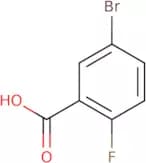
CAS:<p>Please enquire for more information about Biotinyl-(Des-Bromo)-Neuropeptide B (1-23) (human) trifluoroacetate salt including the price, delivery time and more detailed product information at the technical inquiry form on this page</p>Formula:C117H176N32O32SPurity:Min. 95%Molecular weight:2,574.91 g/mol5-Bromo-2-fluorobenzoic acid
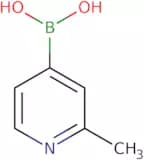
CAS:<p>5-Bromo-2-fluorobenzoic acid is a potential drug that can be used to treat diseases such as malaria. It is also used in the synthesis of fluorine compounds, such as fluoroarenes. 5-Bromo-2-fluorobenzoic acid is activated by deprotonation with butyllithium and reacts with chlorine to give the product of 5-bromo-2-chlorobenzoic acid. The reagent chlorotrimethylsilane may also be used for this reaction. Substitution of fluorine for chlorine at the 2 position yields the desired product, 5-bromo-2-(trifluoromethyl)benzoic acid. This compound is a useful intermediate for making other drugs, including those that are important for treating cancer and viral infections.</p>Formula:C7H4BrFO2Purity:Min. 95%Color and Shape:PowderMolecular weight:219.01 g/mol2-Methylpyridine-4-boronic acid
CAS:<p>2-Methylpyridine-4-boronic acid is a reactive molecule that has been used in post-column derivatization and vivo studies. It has been shown to be reactive with mass spectrometric analysis, cancer assays, proteomics, and tumorigenic sample preparation. It also has been shown to have a molecular target of the cytochrome P450 reductase (CPR), which is involved in the metabolism of drugs and other xenobiotics. 2-Methylpyridine-4-boronic acid binds to CPR and inhibits its enzymatic activity, thereby affecting the metabolism of xenobiotics.</p>Formula:C6H8BNO2Purity:Min. 95%Color and Shape:White PowderMolecular weight:136.94 g/mol2,2'-Biphenyldicarboxylic acid anhydride - 70%
CAS:<p>2,2'-Biphenyldicarboxylic acid anhydride is a diphenic anhydride that has a carboxylate group on one end and a phenyl group on the other. The nitrogen atoms in this molecule are part of the intramolecular hydrogen bonds that stabilize the molecule. 2,2'-Biphenyldicarboxylic acid anhydride is used in wastewater treatment as it reacts with amines to form ammonium salts. This process also releases hydrogen, which can be used for fuel cells or light emission. It is also used to produce other compounds such as malonic acid and phenylacetic acid.</p>Formula:C14H8O3Purity:(%) Min. 70%Color and Shape:Brown Beige PowderMolecular weight:224.21 g/mol3-Fluorophenyl boronic acid
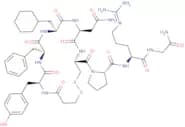
CAS:<p>Please enquire for more information about 3-Fluorophenyl boronic acid including the price, delivery time and more detailed product information at the technical inquiry form on this page</p>Formula:C6H6BFO2Purity:Min. 95%Color and Shape:PowderMolecular weight:139.92 g/mol(Deamino-Cys1,b-cyclohexyl-Ala4,Arg8)-Vasopressin trifluoroacetate salt
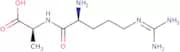
CAS:<p>Desmopressin is a synthetic analogue of vasopressin, which is used to treat disorders associated with insufficient secretion of vasopressin. It has been shown that desmopressin binds to the vasopressin V2 receptor subtype and stimulates the release of arginine-vasopressin in corticotropin-releasing hormone (CRH)-treated rat pituitary cells. This stimulation was mediated by a residue on the Cys1,b-cyclohexyl residue. The binding of desmopressin to this site was demonstrated in vitro using binding experiments on rat brain synaptosomes. Desmopressin has also been shown to stimulate ovulation in rats and humans, and it has been shown to be effective for treating nocturnal enuresis in children.</p>Formula:C50H71N13O11S2Purity:Min. 95%Molecular weight:1,094.31 g/molH-Arg-Ala-OH acetate salt
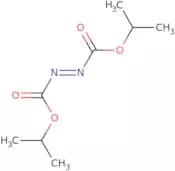
CAS:<p>H-Arg-Ala-OH acetate salt (HAA) is a histidine analogue that has been found to have physiological function as an endogenous substrate for serine protease. HAA acts as a competitive inhibitor of the serine protease enzyme by binding to the active site serine in the active site. The molecule is a disulfide bond and can be synthesized by the microorganism Corynebacterium glutamicum. This salt was extracted from yellowtail and found to inhibit corynebacterium glutamicum. X-ray absorption studies showed that the molecule contains a single amino acid, which is an analog of histidine.</p>Formula:C9H19N5O3Purity:Min. 95%Molecular weight:245.28 g/molDiisopropyl azodicarboxylate - 40% toluene solution
CAS:<p>Diisopropyl azodicarboxylate is a chemical compound that reacts with hydrogen fluoride to form a mixture of diazo and triazole products. The chemical reaction is the first step in the synthesis of many pharmaceuticals, such as penicillin. Diisopropyl azodicarboxylate is used in eye disorders, metabolic disorders, and autoimmune diseases. It has been shown to be effective in treating bowel disease. This drug has been shown to have chemotherapeutic properties, which may be due to its ability to inhibit protein synthesis by binding to the nitrogen atoms on receptor molecules. Diisopropyl azodicarboxylate also reacts with trifluoroacetic acid, forming a disulfide bond that can be analyzed using structural analysis techniques or reaction solution methods.</p>Formula:C8H14N2O4Purity:Min. 95%Color and Shape:Yellow To Yellow Orange LiquidMolecular weight:202.21 g/mol(Des-Gly10,Ser(Ac)4,D-Leu6,Pro-NHEt 9)-LHRH trifluoroacetate salt
<p>Please enquire for more information about (Des-Gly10,Ser(Ac)4,D-Leu6,Pro-NHEt 9)-LHRH trifluoroacetate salt including the price, delivery time and more detailed product information at the technical inquiry form on this page</p>Formula:C61H86N16O13Purity:Min. 95%Molecular weight:1,251.44 g/molH-Glu-Glu-Lys-Leu-Ile-Val-Val-Ala-Phe-OH trifluoroacetate salt
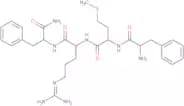
CAS:<p>Please enquire for more information about H-Glu-Glu-Lys-Leu-Ile-Val-Val-Ala-Phe-OH trifluoroacetate salt including the price, delivery time and more detailed product information at the technical inquiry form on this page</p>Formula:C50H82N10O14Purity:Min. 95%Molecular weight:1,047.25 g/molH-Phe-Met-D-Arg-Phe-NH2 acetate salt
CAS:<p>Please enquire for more information about H-Phe-Met-D-Arg-Phe-NH2 acetate salt including the price, delivery time and more detailed product information at the technical inquiry form on this page</p>Formula:C29H42N8O4SPurity:Min. 95%Molecular weight:598.76 g/molHemokinin 1 (human) trifluoroacetate salt
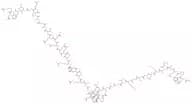
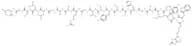
CAS:<p>Hemokinin-1 is a hematopoietic cell growth factor that belongs to the group of neuropeptides. This protein has been shown to stimulate the production of white blood cells and is used as an adjuvant in vaccines. Hemokinin-1 stimulates the production of inflammatory cytokines and other proinflammatory substances. It also has been found to be involved in autoimmune diseases, cancer, and infectious diseases. The antigen binding site on Hemokinin-1 is located at residues Thr-Gly-Lys-Ala-Ser-Gln-Phe-Phe-Gly-Leu (TGLKSGPFGL) and the receptor binding site at residues Met-NH2. The receptor for Hemokinin 1 is the neurokinin 1 receptor (NK1R).</p>Formula:C54H84N14O14SPurity:Min. 95%Molecular weight:1,185.4 g/molBiotinyl-5-aminopentanoyl-Antennapedia Homeobox (43-58) amide trifluoroacetate salt
CAS:<p>Please enquire for more information about Biotinyl-5-aminopentanoyl-Antennapedia Homeobox (43-58) amide trifluoroacetate salt including the price, delivery time and more detailed product information at the technical inquiry form on this page</p>Formula:C119H192N38O22S2Purity:Min. 95%Molecular weight:2,571.17 g/molBoc-Leu-Ser-Thr-Arg-AMC trifluoroacetate salt
CAS:<p>Boc-Leu-Ser-Thr-Arg-AMC trifluoroacetate salt is a synthetic substrate that is used in enzyme assays. The hydrolysis of the peptidyl ester bond by the enzyme results in release of AMC and an unstable intermediate, which reacts with AMC to form a stable fluorescent product. This product can be detected using various chromatographic techniques. Boc-Leu-Ser-Thr-Arg-AMC trifluoroacetate salt has been shown to be an effective anticoagulant for blood clotting and it is also used as a second order rate constant in the determination of coagulation factors.</p>Formula:C34H52N8O10Purity:Min. 95%Molecular weight:732.82 g/molLysozyme C (46-61) (chicken) trifluoroacetate salt
CAS:<p>Lysozyme C (46-61) (chicken) trifluoroacetate salt is a conjugated synthetic peptide that binds to the antigen. It is a reactive molecule with solubilized properties that has been shown to bind to the peptide in binding experiments. This synthetic peptide has been found to be efficacious in transfected murine bone cells and antigen-presenting cells. The binding of Lysozyme C (46-61) (chicken) trifluoroacetate salt to phospholipid membranes may be due to its reactivity with the membrane's hydrophobic surface.</p>Formula:C72H116N22O29Purity:Min. 95%Molecular weight:1,753.82 g/molBuccalin trifluoroacetate salt
CAS:<p>Buccalin is a cholinergic pharmaceutical drug that has been shown to have metabolic, growth factor, and chemotactic activities. It has been used in the treatment of various autoimmune diseases and infectious diseases. The mechanism of action for buccalin is unknown. Buccalin has been shown to have receptor activity in a variety of diagnostic agents such as monoclonal antibodies and fatty acids. It binds to acetylcholine receptors at the neuromuscular junction, leading to activation of muscle fibers by acetylcholine release from nerve endings.</p>Formula:C45H72N12O15SPurity:Min. 95%Molecular weight:1,053.19 g/molAmyloid Dan Protein (1-34) (reduced) trifluoroacetate salt
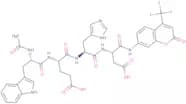
CAS:<p>Please enquire for more information about Amyloid Dan Protein (1-34) (reduced) trifluoroacetate salt including the price, delivery time and more detailed product information at the technical inquiry form on this page</p>Formula:C185H270N48O51S2Purity:Min. 95%Molecular weight:4,046.55 g/molAc-Trp-Glu-His-Asp-AFC trifluoroacetate salt
CAS:<p>Please enquire for more information about Ac-Trp-Glu-His-Asp-AFC trifluoroacetate salt including the price, delivery time and more detailed product information at the technical inquiry form on this page</p>Formula:C38H37F3N8O11Purity:Min. 95%Molecular weight:838.74 g/mol(Ala11,D-Leu15)-Orexin B (human) trifluoroacetate salt
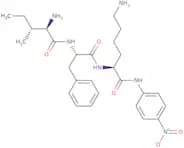
CAS:<p>Please enquire for more information about (Ala11,D-Leu15)-Orexin B (human) trifluoroacetate salt including the price, delivery time and more detailed product information at the technical inquiry form on this page</p>Formula:C120H206N44O35SPurity:Min. 95%Molecular weight:2,857.26 g/molH-D-Ile-Phe-Lys-pNA trifluoroacetate salt
CAS:<p>Please enquire for more information about H-D-Ile-Phe-Lys-pNA trifluoroacetate salt including the price, delivery time and more detailed product information at the technical inquiry form on this page</p>Formula:C27H38N6O5Purity:Min. 95%Molecular weight:526.63 g/mol(Des-Gly10,D-His2,D-Ser(tBu)6,Pro-NHEt 9)-LHRH acetate salt
<p>Please enquire for more information about (Des-Gly10,D-His2,D-Ser(tBu)6,Pro-NHEt 9)-LHRH acetate salt including the price, delivery time and more detailed product information at the technical inquiry form on this page</p>Formula:C60H86N16O13Purity:Min. 95%Molecular weight:1,239.42 g/mol4-[(4-chlorophenyl)-2-pyridinylmethoxy]-1-piperidinecarboxylic acid ethylester
CAS:<p>Please enquire for more information about 4-[(4-chlorophenyl)-2-pyridinylmethoxy]-1-piperidinecarboxylic acid ethylester including the price, delivery time and more detailed product information at the technical inquiry form on this page</p>Formula:C20H23ClN2O3Purity:Min. 95%Molecular weight:374.86 g/mol3-Fluoro-4-nitrobenzoic acid
CAS:<p>3-Fluoro-4-nitrobenzoic acid is an organic solvent that is used as a reagent in the synthesis of peptidomimetics. 3-Fluoro-4-nitrobenzoic acid has been shown to be a nucleophilic addition agent, which can react with serine proteases in the presence of benzamidine. This reaction results in the formation of an amide bond between the amino group and carboxylic acid moiety of the serine protease, thereby inhibiting its activity. 3-Fluoro-4-nitrobenzoic acid is also used as a synthetic intermediate for peptides and other organic compounds.</p>Formula:C7H4FNO4Purity:Min. 95%Color and Shape:PowderMolecular weight:185.11 g/mol(2-{Ethyl-[4-(4-nitro-phenylazo)-phenyl]-amino}-ethoxy)-acetic acid-4-nitro-phenyl ester
CAS:<p>Please enquire for more information about (2-{Ethyl-[4-(4-nitro-phenylazo)-phenyl]-amino}-ethoxy)-acetic acid-4-nitro-phenyl ester including the price, delivery time and more detailed product information at the technical inquiry form on this page</p>Formula:C24H23N5O7Purity:Min. 95%Molecular weight:493.47 g/molHIV-1 gag Protein p17 (76-84) acetate salt
CAS:<p>Acetate salt of HIV-1 gag Protein p17 (76-84) is a reactive acridone, hydrocarbon, nitrogen atom and hydrates that is injected to regulate depression. Acetate salt of HIV-1 gag Protein p17 (76-84) has been shown to bind to the telomerase enzyme and inhibit cancer cell growth. Acetate salt of HIV-1 gag Protein p17 (76-84) also has a role in regulating metabolism in cells. Acetate salt of HIV-1 gag Protein p17 (76-84) has been shown to have solvating properties and can be used as a heterocyclic ring section in gas phase reactions.</p>Formula:C44H72N10O15Purity:Min. 95%Molecular weight:981.1 g/molVIP (3-28) (human, mouse, rat) trifluoroacetate salt
CAS:<p>Please enquire for more information about VIP (3-28) (human, mouse, rat) trifluoroacetate salt including the price, delivery time and more detailed product information at the technical inquiry form on this page</p>Formula:C138H226N40O39SPurity:Min. 95%Molecular weight:3,101.58 g/mol(Des-Gly10,D-Trp3,D-Leu6,Pro-NHEt 9)-LHRH trifluoroacetate salt
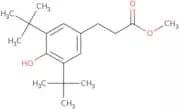
<p>Please enquire for more information about (Des-Gly10,D-Trp3,D-Leu6,Pro-NHEt 9)-LHRH trifluoroacetate salt including the price, delivery time and more detailed product information at the technical inquiry form on this page</p>Formula:C59H84N16O12Purity:Min. 95%Molecular weight:1,209.4 g/mol3,5-di-tert-Butyl-4-hydroxyphenylpropionic acid methyl ester
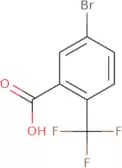
CAS:<p>3,5-di-tert-butyl-4-hydroxyphenylpropionic acid methyl ester is a compound that has been used as an analytical reagent and as a precursor to other chemicals. It is a white solid with a melting point of about 40°C. 3,5-di-tert-butyl-4-hydroxyphenylpropionic acid methyl ester is soluble in hexane, benzene, and diethylether. It also reacts with fatty acids to produce polymers. 3,5-di-tert-butyl-4-hydroxyphenylpropionic acid methyl ester has been shown to be an effective antibacterial agent against Gram negative bacteria such as Escherichia coli and Pseudomonas aeruginosa.</p>Formula:C18H28O3Purity:90%Color and Shape:Off-White PowderMolecular weight:292.41 g/mol5-bromo-2-(trifluoromethyl)benzoic Acid
CAS:<p>Please enquire for more information about 5-bromo-2-(trifluoromethyl)benzoic Acid including the price, delivery time and more detailed product information at the technical inquiry form on this page</p>Formula:C8H4BrF3O2Purity:Min. 95%Molecular weight:269.02 g/mol
![3,3'-[1,3-Phenylenebis(oxy)]dipropanoic acid](/_next/image/?url=https%3A%2Fstatic.cymitquimica.com%2Fproducts%2F3D%2Fthumb-webp%2FFP131541.webp&w=3840&q=75)

![5-Methyl-4,5,6,7-tetrahydrothiazolo[5,4-c]pyridine-2-carboxylic acid hydrochloride](/_next/image/?url=https%3A%2Fstatic.cymitquimica.com%2Fproducts%2F3D%2Fthumb-webp%2FFM63141.webp&w=3840&q=75)
![(2S)-2-Amino-2-[(5S)-3-chloro-4,5-dihydroisoxazol-5-Yl]acetic acid](/_next/image/?url=https%3A%2Fstatic.cymitquimica.com%2Fproducts%2F3D%2Fthumb-webp%2FFA17203.webp&w=3840&q=75)


![6-(Methoxycarbonyl)spiro[3.3]heptane-2-carboxylic acid](/_next/image/?url=https%3A%2Fstatic.cymitquimica.com%2Fproducts%2F3D%2Fthumb-webp%2FFM161396.webp&w=3840&q=75)
![3-Methyl-2-oxo-2,3-dihydro-1H-benzo[d]imidazole-4-carboxylic acid](/_next/image/?url=https%3A%2Fstatic.cymitquimica.com%2Fproducts%2F3D%2Fthumb-webp%2FFM143449.webp&w=3840&q=75)

![2-[2-(1H-Indol-3-yl)ethyl]-1,3-dioxoisoindoline-5-carboxylic acid](/_next/image/?url=https%3A%2Fstatic.cymitquimica.com%2Fproducts%2F3D%2Fthumb-webp%2FFI124769.webp&w=3840&q=75)
![5-[4-(3-Chlorophenyl)piperazin-1-yl]-5-oxopentanoic acid](/_next/image/?url=https%3A%2Fstatic.cymitquimica.com%2Fproducts%2F3D%2Fthumb-webp%2FFC124636.webp&w=3840&q=75)

![[2-(4-Aminophenyl)ethyl]carbamic acid tert-butyl ester](/_next/image/?url=https%3A%2Fstatic.cymitquimica.com%2Fproducts%2F3D%2Fthumb-webp%2FFA51360.webp&w=3840&q=75)


![Ethyl 3-{[(1E)-(dimethylamino)methylene]amino}-5-methoxy-1-methyl-1H-indole-2-carboxylate](/_next/image/?url=https%3A%2Fstatic.cymitquimica.com%2Fproducts%2F3D%2Fthumb-webp%2FFE123273.webp&w=3840&q=75)











![4-[(4-chlorophenyl)-2-pyridinylmethoxy]-1-piperidinecarboxylic acid ethylester](/_next/image/?url=https%3A%2Fstatic.cymitquimica.com%2Fproducts%2F3D%2Fthumb-webp%2FFP152183.webp&w=3840&q=75)

![(2-{Ethyl-[4-(4-nitro-phenylazo)-phenyl]-amino}-ethoxy)-acetic acid-4-nitro-phenyl ester](/_next/image/?url=https%3A%2Fstatic.cymitquimica.com%2Fproducts%2F3D%2Fthumb-webp%2FFE111186.webp&w=3840&q=75)