Carboxylic Acids
Carboxylic acids are organic molecules characterized by having a carboxyl-type functional group (-COOH). These acids are fundamental in various chemical reactions, including esterification, amidation, and decarboxylation. Carboxylic acids are widely used in the production of pharmaceuticals, polymers, and agrochemicals. In this section, you can find a large number of carboxylic acids ready to be used. At CymitQuimica, we provide a broad range of high-quality carboxylic acids to support your research and industrial applications.
Found 12453 products of "Carboxylic Acids"
Sort by
Purity (%)
0
100
|
0
|
50
|
90
|
95
|
100
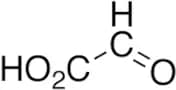
Glyoxylic Acid Monohydrate
CAS:Controlled Product<p>Applications Occurs in unripe fruit and in young green leaves; has also been found in very young sugar beets.<br>References Lelieveld, J., et al.: Nature, 452, 737 (2008), da Silva, G., et al.: Environ. Sci. Technol., 44, 250 (2010),<br></p>Formula:C2H4O4Color and Shape:NeatMolecular weight:92.054-Ethyl-3-nitrobenzoic Acid
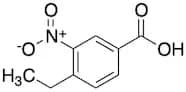
CAS:Controlled Product<p>Applications 4-ETHYL-3-NITROBENZOIC ACID (cas# 103440-95-5) is a useful research chemical.<br></p>Formula:C9H9NO4Color and Shape:White To Off-WhiteMolecular weight:195.172Benzyl (4-Hydroxyphenyl)acetate
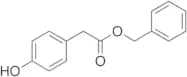
CAS:Controlled Product<p>Applications Intermediate in the preparation of Camostat metabolites.<br>References Bodor, N., et al.: Pharm. Res., 3, 120 (1984), Han, L., et al.: Biochem., 46, 1432 (2007),<br></p>Formula:C15H14O3Color and Shape:NeatMolecular weight:242.276-[(6-Aminohexyl)amino]-6-oxo-hexanoic Acid
CAS:<p>Applications 6-[(6-Aminohexyl)amino]-6-oxo-hexanoic acid is a nylon oligomer with flame retardant properties.<br>References Zahn, Helmut et al.: Chemische Berichte, 92, 1381 (1959)<br></p>Formula:C12H24N2O3Color and Shape:NeatMolecular weight:244.33Ethyl Nitroacetate
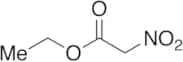
CAS:Controlled Product<p>Applications Ethyl Nitroacetate is an ester of nitrocarboxylic acid used as an intermediate in the preparation of unsubstituted amino acids.<br>References Sidorin, G.I.: Gig. Aspe. Okhr. Zdor. Nasel., 144 (1977);<br></p>Formula:C4H7NO4Color and Shape:NeatMolecular weight:133.12,6-Diaminopimelic Acid
CAS:Controlled Product<p>Applications 2,6-Diaminopimelic Acid is useful in biological studies involving amino acids and amino sugars as molecular indicators of the origins of organic matter in buried tephra soils.<br>References Hobara, S., et al.: Geoderma, 373, 114449 (2020)<br></p>Formula:C7H14N2O4Color and Shape:NeatMolecular weight:190.203-(9H-Carbazol-9-yl)propanoic Acid
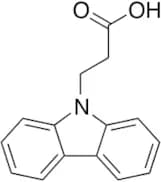
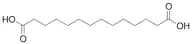
CAS:Controlled Product<p>Applications 3-(9H-carbazol-9-yl)propanoic acid (cas# 6622-54-4) is a useful research chemical.<br></p>Formula:C15H13NO2Color and Shape:NeatMolecular weight:239.269Tetradecanedioic Acid
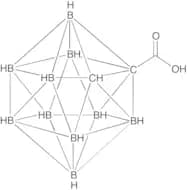
CAS:<p>Applications Tetradecanedioic acid (cas# 821-38-5) is a useful research chemical.<br></p>Formula:C14H26O4Color and Shape:NeatMolecular weight:258.35o-Carborane-1-carboxylic Acid
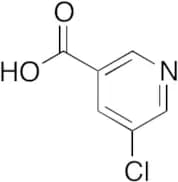
CAS:Controlled ProductFormula:C3H12B10O2Color and Shape:NeatMolecular weight:188.245-Chloronicotinic Acid
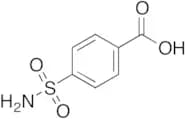
CAS:Controlled Product<p>Applications 5-Chloronicotinic Acid is used as reagent/reactant luminescence and hydrothermal preparation of cobalt/cadmium/lead chloronicotinate phenanthroline MOF.<br>References Gao, Z.Q., et al.: J. Solid State Chem., 241, 121-130 (2016)<br></p>Formula:C6H4ClNO2Color and Shape:NeatMolecular weight:157.5544-Sulfamoylbenzoic Acid
CAS:Controlled Product<p>Applications 4-Sulfamoylbenzoic Acid is used as a reagent in the synthesis of carbonic anhydrase inhibitors anticonvulsant agents.<br>References Singh, S. et al.: J. Enz. Inhib. Med. Chem., 31, 417 (2016);<br></p>Formula:C7H7NO4SColor and Shape:NeatMolecular weight:201.2Thioglycolic Acid 2-Ethylhexyl Ester
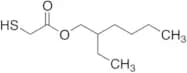
CAS:Formula:C10H20O2SColor and Shape:NeatMolecular weight:204.33Kojic Acid
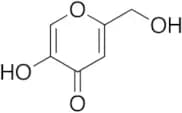
CAS:<p>Applications A naturally occurring chelation agent.<br>References Boonme, P., et al.: J. Biomed. Nanotechnol., 5, 373 (2009), Noh, J., et al.: Bioorg. Med. Chem., Lett., 19, 5586 (2009), Gohil, V., et al.: Nat. Biotechnol., 28, 249 (2010),<br></p>Formula:C6H6O4Color and Shape:NeatMolecular weight:142.114-Hydroxyphenylarsonic Acid
CAS:Controlled Product<p>Applications 4-Hydroxyphenylarsonic Acid could be useful for synthesizing flower-like CoFe2O4 particles that are an attractive sorbent for removing aromatic organoarsenicals from wastewater.<br>References Liu, J., et al.: J. Colloid Interface Sci., 568, 63 (2020)<br></p>Formula:C6H7O4AsColor and Shape:NeatMolecular weight:218.03Heptafluorobutyric Acid
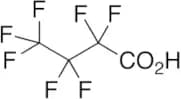
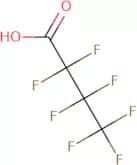
CAS:<p>Stability Hygroscopic<br>Applications Heptafluorobutyric Acid (HFBA) is used in reversed-phase chromatography.<br> E0<br>References Satake, I., et al.: Biopolymers, 15, 2263 (1976), Aso, K., et al.: Biosci. Biotech. Biochem., 56, 755 (1992), Cecchi, T., et al.: J. Chromatogr., 1216, 1789 (2009),<br></p>Formula:C4HF7O2Color and Shape:Colourless LiquidMolecular weight:214.043-(4-Hydroxyphenyl)propionic Acid
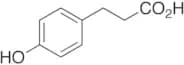
CAS:<p>Applications Antioxidant.<br>References Arnous, A., et al.: J. Agr. Food Chem., 49, 5736 (2001), Guendez, R., et al.: Food Chem., 89, 1 (2005), Proestos, C., et al.: Food Control,16, 319 (2005)<br></p>Formula:C9H10O3Color and Shape:NeatMolecular weight:166.17Fendizoic Acid
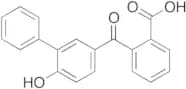
CAS:Controlled Product<p>Applications Fendizoic Acid is a reagent in the synthesis of fluorinated polyphthalazinone ethers containing perfluorophenylene moieties.<br>References Lu, Z., et al.: J. Polym. Sci. A1, 42, 925 (2004)<br></p>Formula:C20H14O4Color and Shape:NeatMolecular weight:318.32Pentafluorobenzoic Acid
CAS:Controlled Product<p>Applications Pentafluorobenzoic acid (cas# 602-94-8) is a useful research chemical.<br></p>Formula:C7HF5O2Color and Shape:NeatMolecular weight:212.07Methyl 2-Cyano-2-oximinoacetate
CAS:Controlled Product<p>Applications Methyl 2-Cyano-2-oximinoacetate is an intermediate in synthesizing 2-Cyano-2-(methoxyimino)acetic Acid (C989423), which is a cyano-oxime derivative used as a fungicide.<br>References Tellier, F., et al.: Pestic Biochem Physiol., 78, 151-160 (2004)<br></p>Formula:C4H4N2O3Color and Shape:NeatMolecular weight:128.09Tert-butyl Acetate
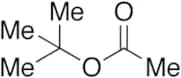
CAS:Controlled Product<p>Applications Tert-butyl Acetate is a common solvent used in the production of various industrial cleansers, thinners and adhesives and is also known as a VOC.Environmental contaminants; Food contaminants<br> Not a dangerous good if item is equal to or less than 1g/ml and there is less than 100g/ml in the package<br>References Mackay, D., et al.: SAR. QSAR. Enviro. Res., 23, 205 (2012); Yang, Y.S., et al.: Toxicol. Res., 26, 293 (2010);<br></p>Formula:C6H12O2Color and Shape:ColourlessMolecular weight:116.163-Hydroxyhexanedioic Acid
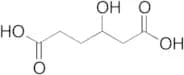
CAS:Controlled Product<p>Applications 3-Hydroxyhexanedioic Acid gets excreted in increased amounts in the human urine under conditions of medium-chain triglyceride (MCT) feeding, abnormal fatty acid oxidation (FAO) and fasting.<br>References Duran, M., et al.: Eur. J. Pediatr., 150, 190 (1991); Svendsen, J. S., et al.: J. Chromatogr. B., 337, 9 (1985); Tserng, K. Y., et al.: Metabolism, 40, 676 (1991); Tserng, K. Y., et al.: Metabolism, 445, 162 (1996)<br></p>Formula:C6H10O5Color and Shape:White SolidMolecular weight:162.142-Amino-4-(methylsulfonyl)benzoic Acid
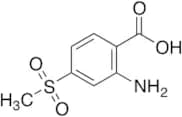
CAS:<p>Applications 2-Amino-4-(methylsulfonyl)benzoic Acid is a reagent used in the synthesis of anthranilic diamides containing fluorinated groups as potential ryanodine receptors activators.<br> Not a dangerous good if item is equal to or less than 1g/ml and there is less than 100g/ml in the package<br>References Wu, C. et al.: Chem. Lett., 28, 1248 (2017);<br></p>Formula:C8H9NO4SColor and Shape:NeatMolecular weight:215.233-(methylamino)-3-oxopropanoic acid
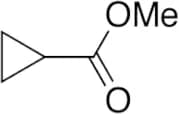
CAS:Controlled Product<p>Applications 3-(methylamino)-3-oxopropanoic acid (cas# 42105-98-6) is a useful research chemical.<br></p>Formula:C4H7NO3Color and Shape:NeatMolecular weight:117.1Methyl Cyclopropane Carboxylate
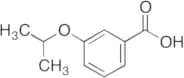
CAS:Controlled Product<p>Applications Methyl cyclopropane carboxylate is used as a reagent in the synthesis of N’-thiazole and N-pyrazole based inhibitors of MAP kinase p38α.<br>References Getlik, M. et al.: Eur. J. Med. Chem., 48, 1 (2012);<br></p>Formula:C5H8O2Color and Shape:NeatMolecular weight:100.1163-Isopropoxybenzoic Acid
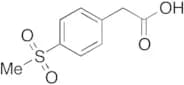
CAS:Controlled Product<p>Applications 3-Isopropoxybenzoic acid is a useful reagent for organic synthesis and other chemical processes.<br>References Chiong, H. A., et al.: J. Am. Chem. Soc., 129, 9879 (2007); Kingston, D. G. I., et al.: J. Med. Chem., 41, 3715 (1998)<br></p>Formula:C10H12O3Color and Shape:White To Off-WhiteMolecular weight:180.24-(Methylsulfonyl)phenylacetic Acid
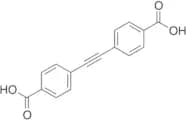
CAS:Controlled Product<p>Applications 4-(Methylsulfonyl)phenylacetic Acid is an intermediate used to prepare heterocyclic diaryl compounds as selective COX-2 inhibitors. It is also used to synthesize hydroxyfuranones as antioxidants and antiinflammatory agents.<br>References Eren, G., et al.: Bioorg. Med. Chem., 18, 6467 (2010); Weber, V., et al.: Bioorg. Med. Chem., 13, 4552 (2005)<br></p>Formula:C9H10O4SColor and Shape:NeatMolecular weight:214.244,4'-(Ethyne-1,2-Diyl)Dibenzoic Acid
CAS:Controlled Product<p>Applications 4,4'-(ETHYNE-1,2-DIYL)DIBENZOIC ACID (cas# 16819-43-5) is a useful research chemical.<br></p>Formula:C16H10O4Color and Shape:NeatMolecular weight:266.25Fumaric Acid
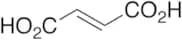
CAS:Controlled Product<p>Applications Fumaric Acid is a compound that occurs in many plants. It is essential to vegetable and tissue respiration and also used as an antioxidant. Fumaric Acid is also a metabolite of Dimethyl Fumarate (D464965), a compound used as a treatment for the relapsing forms of multiple sclerosis and psoriasis.<br>References Jelitto, T., et al.: Planta, 188, 238 (1992); Schimrigk, S., et al.: Eur. J. Neurol., 13, 604 (2006); Son, H., et al.: J. Agric. Food Chem., 56, 8007 (2008);<br></p>Formula:C4H4O4Color and Shape:NeatMolecular weight:116.074-Guanidinobenzoic Acid Methanesulfonate
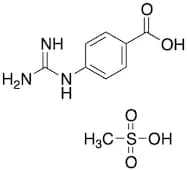
CAS:Controlled Product<p>Applications 4-GUANIDINOBENZOIC ACID METHANESULFONATE (cas# 148720-07-4) is a useful research chemical.<br></p>Formula:C8H9N3O2·CH4O3SColor and Shape:NeatMolecular weight:275.28Phthalanilic Acid (~90%)
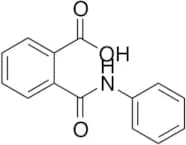
CAS:Controlled Product<p>Applications Phthalanilic acid is a compound that is useful in the production of fertilizers.<br>References Liang, S., et al.: Faming Zhuanli Shenqing.,4 (2019)<br></p>Formula:C14H11NO3Purity:~90%Color and Shape:White To Off-WhiteMolecular weight:241.24Dodecylbenzenesulfonic Acid (mixture of isomers) (Technical Grade)
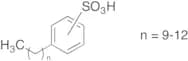
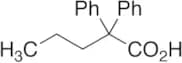
CAS:Controlled Product<p>Applications 4-Dodecylbenzenesulfonic acid<br> Not a dangerous good if item is equal to or less than 1g/ml and there is less than 100g/ml in the package<br></p>Formula:C18H30O3SColor and Shape:NeatMolecular weight:326.492,2-Diphenylpentanoic Acid
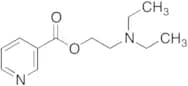
CAS:Controlled Product<p>Applications 2,2-Diphenylpentanoic Acid (cas# 841-32-7) is a compound useful in organic synthesis.<br></p>Formula:C17H18O2Color and Shape:NeatMolecular weight:254.32Nicametate
CAS:Controlled Product<p>Applications Nicotinic Acid 2-Diethylamino-Ethyl Ester (cas# 3099-52-3) is a useful research chemical.<br></p>Formula:C12H18N2O2Color and Shape:NeatMolecular weight:222.28(E)-Cyano(methoxyimino)-acetic Acid
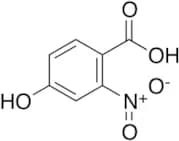
CAS:Controlled Product<p>Applications (E)-Cyano(methoxyimino)-acetic Acid is a degradation product of Cymoxanil (C988995), which is a fungicide applied as a seed treatment or as a foliar application to the plants to control late blight.<br>References Morrica, P., et al.: J. Agric. Food Chem. 52, 99 (2004); Dhingani, J. C., et al.: J. Pure. App. Microbiol., 6, 1683 (2012); Bakirici, G.T., et al.: Food. Chem., 135, 1901 (2012)<br></p>Formula:C4H4N2O3Color and Shape:NeatMolecular weight:128.094-Hydroxy-2-nitrobenzoic Acid
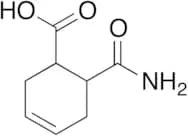
CAS:Controlled Product<p>Applications 4-hydroxy-2-nitrobenzoic acid (cas# 74230-08-3) is a useful research chemical.<br></p>Formula:C7H5NO5Color and Shape:Dark Red To Dark BrownMolecular weight:183.1186-(Aminocarbonyl)-3-cyclohexene-1-carboxylic Acid
CAS:Controlled Product<p>Applications 6-(Aminocarbonyl)-3-cyclohexene-1-carboxylic Acid is a useful building block for organic synthesis.<br></p>Formula:C8H11NO3Color and Shape:NeatMolecular weight:169.178Olpadronic Acid Ammonium
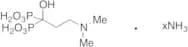
CAS:<p>Applications Used for the preparation of bisphosphonic acid derivatives as anti-osteoporosis agents.<br>References Amin, D., et al.: Drug Res., 46, 759 (1996), Martin, M., et al.: J. Med. Chem., 45, 2904 (2002),<br></p>Formula:C5H15NO7P2·x(NH3)Color and Shape:NeatMolecular weight:263.121703Bis(2,4,4-trimethylpentyl)phosphinic Acid
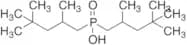
CAS:Controlled Product<p>Applications Bis(2,4,4-trimethylpentyl)phosphinic acid (cas# 83411-71-6) is a useful research chemical.<br> Not a dangerous good if item is equal to or less than 1g/ml and there is less than 100g/ml in the package<br></p>Formula:C16H35O2PColor and Shape:NeatMolecular weight:290.425-(3,4-dihydroxyphenyl)pentanoic Acid
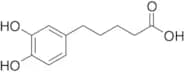
CAS:Controlled Product<p>Applications 5-(3,4-dihydroxyphenyl)pentanoic Acid (cas# 31129-94-9) is a useful research chemical.<br></p>Formula:C11H14O4Color and Shape:NeatMolecular weight:210.23D-Lactic Acid
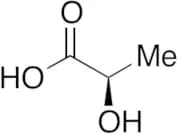
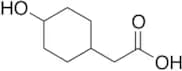
CAS:<p>Applications D-Lactic Acid occurs in small quantities in the blood and muscle fluid of man and animals. The lactic acid concentration increases in muscle and blood after vigorous activity.<br>References He, W. et al.: Comp. Biochem. Phys. Part A: Mol. Int. Phys., 166, 308 (2013)<br></p>Formula:C3H6O3Purity:90%Color and Shape:Colourless To Light YellowMolecular weight:90.082-(4-Hydroxycyclohexyl)acetic Acid
CAS:Controlled Product<p>Applications 2-(4-Hydroxycyclohexyl)acetic acid (cas# 99799-09-4) is a useful research chemical.<br></p>Formula:C8H14O3Color and Shape:Off-WhiteMolecular weight:158.2N-[4-(-Carboxycyclohexylmethyl)]maleamidic Acid
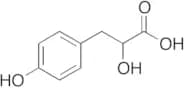
CAS:Controlled Product<p>Applications N-[4-(-Carboxycyclohexylmethyl)]maleamidic Acid (cas# 72748-87-9) is a compound useful in organic synthesis.<br></p>Formula:C12H17NO5Color and Shape:NeatMolecular weight:255.27DL-p-Hydroxyphenyllactic Acid
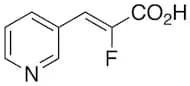
CAS:Controlled Product<p>Applications DL-p-Hydroxyphenyllactic Acid is used as a reagent in the synthesis of 2-O-(4-coumaroyl)-3-(4-hydroxyphenyl)lactic acid, an important intermediate of rosmarinic acid biosynthesis.<br>References Matsuno, M., et al.: Chem. Pharm. Bull., 49, 1644 (2001)<br></p>Formula:C9H10O4Color and Shape:Off-WhiteMolecular weight:182.17Z-2-Fluoro-3-(3-pyridyl)acrylic Acid
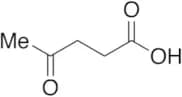
CAS:Controlled Product<p>Applications Z-2-Fluoro-3-(3-pyridyl)acrylic Acid (cas# 359435-42-0) is a compound useful in organic synthesis.<br></p>Formula:C8H6FNO2Color and Shape:NeatMolecular weight:167.14Levulinic Acid
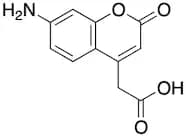
CAS:Controlled Product<p>Applications Levulinic Acid is derived from the degredation of cellulose and is a potential precursor to biofuels. Levulinic acid is also a photosensitizer for photodynamic therapy.<br>References Serrano-Ruiz, J.C., et al.: Catalysis., 195, 162 (2012); Liedtke, A.J. et al.: Tetrahedron., 68, 10049 (2012);<br></p>Formula:C5H8O3Color and Shape:Light Yellow MeltedMolecular weight:116.122-(7-Amino-2-oxo-2H-chromen-4-yl)acetic Acid
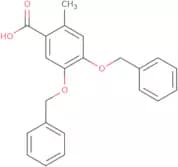
CAS:Controlled Product<p>Applications 2-(7-Amino-2-oxo-2H-chromen-4-yl)acetic acid (cas# 85157-21-7) is a useful research chemical.<br></p>Formula:C11H9NO4Color and Shape:NeatMolecular weight:219.194,5-Dibenzyloxy-2-methylbenzoic acid
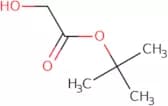
CAS:<p>4,5-Dibenzyloxy-2-methylbenzoic acid (DBMA) is a chemical compound that is known to be an inhibitor of the growth factor receptor. It has been shown to inhibit the growth factor receptor in a dose-dependent manner. DBMA binds to the cytoplasm and inhibits protein synthesis by binding to sequences that are involved in regulating gene expression. This compound also interacts with other proteins including those involved in DNA replication, transcription, and translation. DBMA has been shown to interact with the protein polymerase chain and has been found to bind to the bacterial cells of Salmonella typhimurium.</p>Formula:C22H20O4Purity:Min. 95%Molecular weight:348.39 g/moltert-Butyl 2-hydroxyacetate
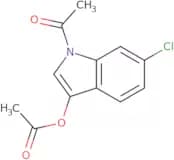
CAS:<p>Tert-Butyl 2-hydroxyacetate is a monomer that can be used for the synthesis of furopyridines. It is an enolate and reacts with guanine in the presence of catalysts, such as dicyclohexyl, to form an alkylating agent. The resulting product is then reacted with a second molecule of guanine to form the desired furopyridine. Tert-Butyl 2-hydroxyacetate can also be used in cross-coupling reactions mediated by palladium, which allow for the synthesis of polymers with high yields and trackability.</p>Formula:C6H12O3Purity:Min. 98%Color and Shape:Clear LiquidMolecular weight:132.16 g/mol6-Chloro-3-indolyl 1,3-diacetate
CAS:<p>6-Chloro-3-indolyl 1,3-diacetate is an aglycone that is used as a chromogenic substrate for the detection of bacteria. It reacts with specific enzymes in the bacterial cell wall to produce a red or pink color. 6-Chloro-3-indolyl 1,3-diacetate is used as a diagnostic tool to identify bacteria and has been shown to be excreted in urine.</p>Formula:C12H10ClNO3Purity:Min. 95%Color and Shape:Yellow To Light Brown SolidMolecular weight:251.67 g/mol4-Hydroxy-2-methylcinnamic acid
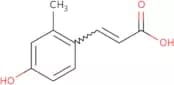
CAS:<p>4-Hydroxy-2-methylcinnamic acid is a chemical intermediate that can be used in organic synthesis as a building block or reagent. It has been shown to have a high quality and purity, and is also an excellent reaction component. This compound is used as a speciality chemical, versatile building block, and complex compound. 4-Hydroxy-2-methylcinnamic acid has been used in the production of drugs such as amiodarone, sotalol, and tacrolimus. It can also be used in the production of other fine chemicals such as benzaldehyde, cinnamyl alcohol, cinnamaldehyde, and hydroxyacetophenone.</p>Formula:C10H10O3Purity:Min. 95%Color and Shape:PowderMolecular weight:178.18 g/mol5-Carboxyfluorescein diacetate
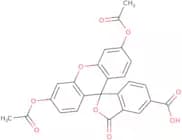
CAS:<p>5-Carboxyfluorescein diacetate is a reactive dye that can be used as a model system to study the effects of reactive species on biological molecules. It has been shown to inhibit mitochondrial membrane potential and activate detoxification enzymes in rats. 5-Carboxyfluorescein diacetate also induces apoptosis in human leukemia cells and inhibits the proliferation of human breast cancer cells. The effect of 5-carboxyfluorescein diacetate on collagen synthesis in a rat wound healing model has been investigated, with an increase in collagen found after treatment. This drug can also cause immunomodulatory effects by inhibiting macrophage activity and increasing T lymphocytes.</p>Formula:C25H16O9Purity:Min. 95 Area-%Color and Shape:White PowderMolecular weight:460.39 g/mol2-Acetyl-3-oxo-butyric acid ethyl ester - 90%
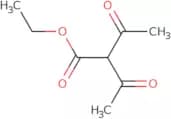
CAS:<p>2-Acetyl-3-oxo-butyric acid ethyl ester (2ABEE) is a chemokine receptor antagonist that binds to the CCR5 receptor. It is a small molecule drug candidate with potential therapeutic value for HIV and other diseases. 2ABEE has been shown to be active against human immunodeficiency virus type 1 (HIV-1) in cell culture and animal models, as well as against influenza virus in mice. This compound also inhibits the production of chemokines, which are inflammatory proteins that recruit immune cells from the blood stream to the site of infection. In addition, 2ABEE is not toxic to healthy human cells, indicating that it may have fewer side effects than other anti-HIV drugs.</p>Formula:C8H12O4Purity:Min. 95%Color and Shape:Clear LiquidMolecular weight:172.18 g/mol3-Chloro-4-fluorobenzoic acid
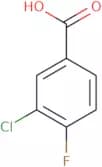
CAS:<p>3-Chloro-4-fluorobenzoic acid is a prodrug that is converted to fluvoxamine maleate, its active form, by esterases. It is an inhibitor of the enzyme nitric oxide synthase and is used in the treatment of cancer. 3-Chloro-4-fluorobenzoic acid has been shown to inhibit cellular growth and proliferation in cancer cells. The molecular modeling study showed that 3-chloro-4-fluorobenzoic acid binds to the kinesin motor domain in a manner similar to fluvoxamine maleate but has a lower inhibitory potency than fluvoxamine maleate. Nonetheless, it was found that 3-chloro-4-fluorobenzoic acid could be used as a prodrug for fluvoxamine maleate.</p>Formula:C7H4ClFO2Purity:Min. 95%Color and Shape:PowderMolecular weight:174.56 g/molPhthalaldehydic acid
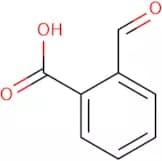
CAS:<p>Phthalaldehydic acid is a dicarboxylic acid with the molecular formula C6H4(CO2H)2. It is a white solid that is soluble in water and alcohols. The compound can be prepared from phthalic anhydride, which is converted to the acid by hydrolysis with hydrochloric acid or sodium hydroxide. The acid also forms salts such as sodium phthalate, potassium phthalate, and calcium phthalate. Phthalaldehydic acid has been shown to react with amines to form esters, and with trifluoroacetic acid to form an acid complex. This reaction mechanism has been confirmed using FT-IR spectroscopy on protonated molecules of the reactants. The structure of this molecule has been determined using NMR and X-ray crystallography techniques. Gamma-aminobutyric acid (GABA) binds to a site on the beta subunit of the G</p>Formula:C8H6O3Purity:Min. 95%Color and Shape:PowderMolecular weight:150.13 g/molUrsodeoxycholic acid methyl ester
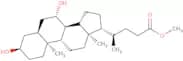
CAS:Controlled Product<p>Ursodeoxycholic acid methyl ester is a bile acid that is produced from ursodeoxycholic acid. It is used as a drug to dissolve gallstones and reduce the risk of recurrent gallstones in patients who have had a cholecystectomy. Ursodeoxycholic acid methyl ester also reduces cholesterol levels by preventing its reabsorption in the small intestine and enhancing its excretion in the bile. This agent has been shown to modulate cell proliferation and differentiation, especially in cerebral tissue and muscle cells. Ursodeoxycholic acid methyl ester can be synthesized from ursodeoxycholic acid by saponification with base followed by methylation with methanol. The synthesis of this agent involves an elimination reaction between c1-c3 alcohols, which leads to impurities such as formaldehyde, acetone, glycerol, acetic acid, and butyric acid.</p>Formula:C25H42O4Purity:Min. 95%Color and Shape:White PowderMolecular weight:406.6 g/molAcetrizoic acid
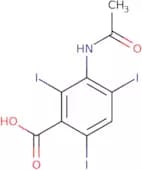
CAS:<p>Acetrizoic acid is a metabolic disorder that affects the hydroxyl group in human serum. It is used as an injection solution for the diagnosis of conditions such as protein synthesis, enhancement and radiation. Acetrizoic acid has been shown to have clinical relevance in situations where it can be used as a diagnostic agent for women with drug reactions. The compound has also been shown to have therapeutic value in cell culture experiments on rat liver microsomes. Acetrizoic acid has been shown to enhance protein synthesis in these cells by inhibiting the activity of cytochrome P450 enzymes.</p>Formula:C9H6I3NO3Purity:Min. 98 Area-%Color and Shape:PowderMolecular weight:556.86 g/mol5-Formyl-2-thiopheneboronic acid
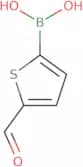
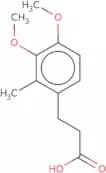
CAS:<p>5-Formyl-2-thiopheneboronic acid is a synthetic molecule that has been shown to be an effective electron microscope stabilizer. It is a boronate ester with a formyl group at the 2-position and a thiophene ring at the 5-position. The chloride in this molecule is used as a functional group, which can then react with other molecules to form new compounds. The functional theory of 5-formyl-2-thiopheneboronic acid includes its ability to form bonds with other molecules and its use as an inorganic base. The particle size of 5-formyl-2-thiopheneboronic acid is unsymmetrical, making it different from other molecules.</p>Formula:C5H5BO3SPurity:Min. 95%Color and Shape:PowderMolecular weight:155.97 g/mol3,4-Dimethoxy-2-methylphenylpropionic acid
CAS:<p>3,4-Dimethoxy-2-methylphenylpropionic acid is a building block for organic synthesis. It has been used as a research chemical and as a reaction component in the synthesis of other chemicals. 3,4-Dimethoxy-2-methylphenylpropionic acid is also available at high purity levels and can be used as a reagent for analytical purposes.</p>Formula:C12H16O4Purity:Min. 95%Color and Shape:PowderMolecular weight:224.25 g/mol2-(2-Oxo-1-pyrrolidinyl)butyric acid
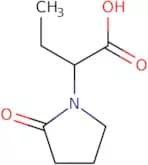
CAS:<p>2-Oxo-1-pyrrolidineacetic acid ethylester is a chiral compound that has been used as a calibration standard for the determination of hexane in pharmaceutical formulations. It has also been used as an impurity in ion-exchange chromatography and as an acidic reagent in the preparation of pharmaceutical formulations. 2-Oxo-1-pyrrolidineacetic acid ethylester is a racemic mixture, containing equal amounts of two enantiomers, which can be separated by column chromatography on silica gel. The separation of these enantiomers was achieved using a butanoic acid mobile phase with a flow rate of 1 mL/min. The elution order was found to be (R)-2-oxo-1-pyrrolidineacetic acid ethylester > (S)-2-oxo-1-pyrrolidineacetic acid ethylester.</p>Formula:C8H13NO3Purity:Min. 95%Color and Shape:PowderMolecular weight:171.19 g/molHeptafluorobutyric acid
CAS:<p>Heptafluorobutyric acid is an organic compound that belongs to the group of sodium salts. It is a colorless liquid with a boiling point of -19°C. Heptafluorobutyric acid has been shown to inhibit the growth of bacteria by reacting with hydrogen fluoride and forming fluoroheptafluoropropane, which may have toxicological effects on humans. Heptafluorobutyric acid is also used as an analytical method for determining plasma mass spectrometry in human serum samples and wastewater treatment. The toxicity of heptafluorobutyric acid has been studied in rats and mice, where it was found to cause locomotor activity depression and neurotoxic effects at high doses.</p>Formula:C4HF7O2Color and Shape:Clear LiquidMolecular weight:214.04 g/mol2,4-Dimethoxyphenyl acetic acid
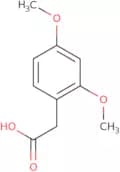
CAS:<p>2,4-Dimethoxyphenyl acetic acid is a synthetic compound that has been used as a pharmacological agent in the treatment of high blood pressure. It is also used as a reaction intermediate and can be obtained by the condensation of 2-hydroxybenzaldehyde with acetyl chloride. The kinetic data for this compound has been determined using deuterium isotope labeling and ion-pairing. The synthesis of 2,4-dimethoxyphenyl acetic acid involves the conversion of malonic acid to methylmalonate with ethyl bromoacetate and hydrobromic acid. This compound is chiral and optically active, giving it an R or S configuration. The reaction rate for 2,4-dimethoxyphenyl acetic acid has been found to be faster when in contact with phosphite ions than without.</p>Formula:C10H12O4Purity:Min. 95%Color and Shape:Off-White PowderMolecular weight:196.2 g/molEthyl 2-(methylthio)acetate
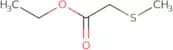
CAS:<p>Ethyl 2-(methylthio)acetate is a natural product that is found in cantaloupe. It has been shown to have antibacterial properties, and can be used as a preservative in food products. Ethyl 2-(methylthio)acetate exhibits antimicrobial activity against human pathogens such as Listeria monocytogenes and Staphylococcus aureus, with high inhibitory concentration values at low concentrations. The mechanism of action for this compound is not yet known. It is thought that it may act by binding to the anilines on bacterial cell walls, or by interacting with the chloride ions on the surface of bacteria. This product can be detected using gel permeation chromatography and photometric assays, and has been shown to inhibit the growth of Listeria monocytogenes in vitro at concentrations ranging from 10-6 to 10-2 M.</p>Formula:C5H10O2SPurity:Min. 95%Color and Shape:Clear LiquidMolecular weight:134.2 g/mol2-Chloro-3,5-dinitrobenzoic acid
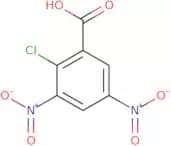
CAS:<p>2-Chloro-3,5-dinitrobenzoic acid is a chemical reagent that belongs to the group of p2-substituted benzenes. It is used in organic synthesis as a synthon for dimethylnaphthalene, which is an intermediate in the production of polyester fibers and polyurethane. The compound has been shown to induce apoptosis in prostate cancer cells. This effect may be due to its ability to react with amines and form nitrosating species, which may cause DNA damage. 2-Chloro-3,5-dinitrobenzoic acid can also react with 5-nitrosalicylic acid to form a stepwise reaction product.</p>Formula:C7H3ClN2O6Purity:Min. 95%Color and Shape:PowderMolecular weight:246.56 g/mol2-Semicarbazideacetic acid
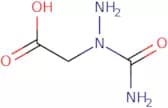
CAS:<p>2-Semicarbazideacetic acid (2-SA) is a chemical that belongs to the group of research chemicals. It is a versatile building block, which can be used as a reagent or as an intermediate in the synthesis of various complex compounds. 2-SA is also used in the synthesis of pharmaceuticals and agrochemicals. CAS No. 138-07-8</p>Formula:C3H7N3O3Purity:Min. 95%Molecular weight:133.11 g/mol2-Iodo-5,6-dimethoxybenzoic acid
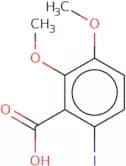
CAS:<p>2-Iodo-5,6-dimethoxybenzoic acid is a reagent that is used in the synthesis of complex compounds and fine chemicals. It has a high quality and is useful as an intermediate or building block for the synthesis of versatile compounds. This chemical can be used in research to create new compounds with special properties. 2-Iodo-5,6-dimethoxybenzoic acid can be used in various reactions to make diverse building blocks or scaffolds that are useful in organic chemistry.</p>Formula:C9H9IO4Purity:Min. 95%Molecular weight:308.07 g/mol5-Amino-4-oxopentanoic acid benzyl ester hydrochloride
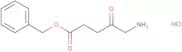
CAS:<p>Please enquire for more information about 5-Amino-4-oxopentanoic acid benzyl ester hydrochloride including the price, delivery time and more detailed product information at the technical inquiry form on this page</p>Formula:C12H15NO3·HClPurity:Min. 97%Color and Shape:PowderMolecular weight:257.71 g/molNorepinephrine sulfonic acid
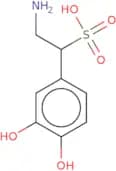
CAS:<p>Norepinephrine sulfonic acid is a versatile building block that is used in the synthesis of various organic compounds. It is a speciality chemical and can be used as a reagent, intermediate, or scaffold for the production of pharmaceuticals, pesticides, and other chemicals. It can also be used as an intermediate for the production of other fine chemicals such as norepinephrine. Norepinephrine sulfonic acid's high quality and versatility make it a useful building block for chemists working in academia or industry.</p>Formula:C8H11NO5SPurity:Min. 97 Area-%Color and Shape:Brown PowderMolecular weight:233.24 g/molLignosulfonic acid sodium salt
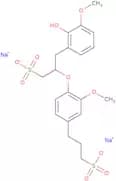
CAS:<p>Lignosulfonic acid sodium salt is a water-soluble sodium salt of lignosulfonic acid. Lignosulfonic acid sodium salt has high water permeability and is an antimicrobial agent that can be used as a nutrient solution to remove phosphorus from wastewater. It has been shown to have hydrophobic effects in the Langmuir adsorption isotherm, which may be due to its low surface tension and large contact angle. Lignosulfonic acid sodium salt was also found to be chemically stable and showed no significant change in the chemical structure after being subjected to electrochemical impedance spectroscopy.</p>Formula:C20H24Na2O10S2Color and Shape:PowderMolecular weight:534.51 g/molAnthraquinone-2,6-disulfonic acid disodium
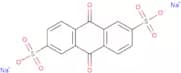
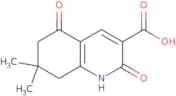
CAS:<p>Anthraquinone-2,6-disulfonic acid disodium salt is a reactive, redox potential chemical that has been shown to be stable to intermolecular hydrogen bonding and crystalline in structure. It has the ability to react with carbon sources and can be used as a catalyst in coordination chemistry. Anthraquinone-2,6-disulfonic acid disodium salt has been shown to have fluorescence properties under UV light and FTIR spectroscopy.</p>Formula:C14H6Na2O8S2Purity:Min. 95%Color and Shape:Beige PowderMolecular weight:412.3 g/mol7,7-Dimethyl-2,5-dioxo-1,2,5,6,7,8-hexahydroquinoline-3-carboxylic acid
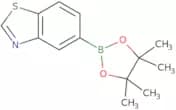
CAS:<p>Please enquire for more information about 7,7-Dimethyl-2,5-dioxo-1,2,5,6,7,8-hexahydroquinoline-3-carboxylic acid including the price, delivery time and more detailed product information at the technical inquiry form on this page</p>Formula:C12H13NO4Purity:Min. 95%Color and Shape:PowderMolecular weight:235.24 g/molBenzothiazole-5-boronic acid pinacol ester
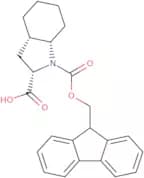
CAS:<p>Benzothiazole-5-boronic acid pinacol ester is a fine chemical that is used as a versatile building block in the synthesis of complex compounds. It can be used for research purposes, as a reagent in organic synthesis, or as a speciality chemical. This compound has been shown to be useful in the preparation of high quality and useful intermediates, which are then used in the production of other chemicals. Benzothiazole-5-boronic acid pinacol ester is also an important reaction component and can be used as a scaffold for the synthesis of new compounds.</p>Formula:C13H16BNO2SPurity:Min. 95%Color and Shape:PowderMolecular weight:261.15 g/molFmoc-L-octahydroindole-2-carboxylic acid
CAS:<p>Fmoc-L-octahydroindole-2-carboxylic acid is a synthetic amino acid that is used in the synthesis of peptides and proteins. It has been shown to be an agonistic ligand for the acetylcholine receptor and may be used as an anti-inflammatory drug. Fmoc-L-octahydroindole-2-carboxylic acid is synthesized by combining piperidine and fmoc-glycine, followed by condensation with iminoacetic acid. The synthesis of this compound can be achieved through solid phase synthesis or chemical methods. The removal of the FMOC group requires acidic conditions such as trifluoroacetic acid or hydrochloric acid.</p>Formula:C24H25NO4Purity:Min. 98 Area-%Color and Shape:White PowderMolecular weight:391.46 g/mol1-[(5-Methoxy-1-methyl-1H-indol-3-yl)methyl]piperidine-4-carboxylic acid
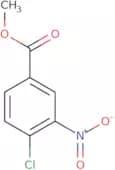
CAS:Controlled Product<p>Please enquire for more information about 1-[(5-Methoxy-1-methyl-1H-indol-3-yl)methyl]piperidine-4-carboxylic acid including the price, delivery time and more detailed product information at the technical inquiry form on this page</p>Formula:C17H22N2O3Purity:Min. 95%Molecular weight:302.37 g/mol4-Chloro-3-nitrobenzoic acid methyl ester
CAS:<p>4-Chloro-3-nitrobenzoic acid methyl ester is a chemical compound that inhibits the synthesis of nucleic acids. It binds to the functional groups of DNA, preventing replication and transcription. 4-Chloro-3-nitrobenzoic acid methyl ester also inhibits protein synthesis by inhibiting ribosomal RNA which is required for translation. This agent has been shown to induce apoptotic cell death in leukemia cells, HL60 cells, and other types of cancer cells in vitro. 4-Chloro-3-nitrobenzoic acid methyl ester has a potent inhibitory activity against replicons in vitro and is a synthetic molecule with two sulfoxide functional groups.</p>Formula:C8H6ClNO4Purity:Min. 95%Color and Shape:PowderMolecular weight:215.59 g/mol[1,1'-Bicyclohexyl]-1-carboxylic acid
CAS:<p>1,1'-Bicyclohexyl]-1-carboxylic acid (BCX) is a metal salt that is soluble in water. BCX has a quadratic structure and is a cyclohexanecarboxylic acid derivative. It can be made by the reaction between formic acid and chloride. BCX is used as an anti-diarrheal agent for the treatment of chronic diarrhea. It has been shown to have high entrapment efficiency and high efficiency when synthesized with dicyclomine. This technique uses formic acid as the solvent, which reacts with chloride to produce BCX.</p>Formula:C13H22O2Purity:Min. 98 Area-%Color and Shape:PowderMolecular weight:210.31 g/mol2-Oxo-3-methylbutanoic acid
CAS:<p>2-Oxo-3-methylbutanoic acid is a metabolite that belongs to the group of pantothenic acids. It is synthesized from pantothenate by enzymes in mitochondria, and also occurs as a metabolic intermediate in the body. 2-Oxo-3-methylbutanoic acid has been shown to have potential as a biomarker for congestive heart failure and obesity. The biochemical properties of this metabolite are not yet well understood. However, it has been shown to be an active component in vivo that may play an important role in energy metabolism. Structural analysis on this metabolite has revealed that it can bind calcium ions and form calcium pantothenate, which may be involved in the synthesis of ATP. X-ray diffraction data collected on this metabolite has shown that it has structural similarities with α subunit (ATP synthase). Dehydrogenase activity and calorimetric titration experiments have demonstrated that 2-ox</p>Formula:C5H8O3Purity:Min. 95%Color and Shape:Clear Liquid Solidified MassMolecular weight:116.12 g/mol3H-Imidazo[4,5-c]pyridine-7-carboxylic acid
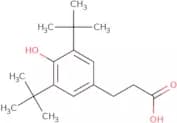
CAS:<p>3H-Imidazo[4,5-c]pyridine-7-carboxylic acid is a useful chemical that can be used as a reaction component for the synthesis of other compounds. It is an intermediate in the synthesis of many other chemicals. 3H-Imidazo[4,5-c]pyridine-7-carboxylic acid is a high quality chemical with a CAS number of 1234616-39-7.</p>Formula:C7H5N3O2Purity:Min. 95 Area-%Color and Shape:PowderMolecular weight:163.13 g/mol3,5-di-tert-Butyl-4-hydroxyphenylpropionic acid
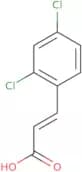
CAS:<p>3,5-Di-tert-butyl-4-hydroxyphenylpropionic acid (BHT) is a phenolic compound that is used as an antioxidant in food and cosmetic products. It has been shown to inhibit the growth of Streptococcus faecalis and Pseudomonas aeruginosa in cell culture. BHT has also been shown to have antioxidative properties in vitro. BHT has been found to react with other molecules (e.g., oxygen, carbon dioxide, or nitric oxide) to produce stable chemical species that are not harmful to cells. These reactions lead to the formation of chemical structures that are less reactive than BHT itself. This property may be due to its ability to scavenge free radicals, thereby preventing lipid peroxidation and oxidative damage.</p>Formula:C17H26O3Purity:Min. 95%Color and Shape:PowderMolecular weight:278.39 g/mol(2E)-3-(2,4-Dichlorophenyl)acrylic acid
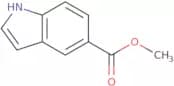
CAS:<p>Glyoxylate is an intermediate product of the shikimate pathway. It is a substrate for the enzyme tyrosinase, which catalyzes the hydroxylation of glyoxylate to form 3,4-dihydroxyphenylalanine (DOPA). This reaction is followed by the oxidation of DOPA to form o-quinone. Glyoxylate has also been shown to have neuromuscular junctions and may be involved in inhibiting muscle contraction.</p>Formula:C9H6Cl2O2Purity:Min. 95%Molecular weight:217.05 g/molMethyl indole-5-carboxylate
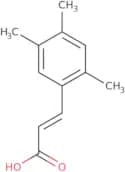
CAS:<p>Methyl indole-5-carboxylate is a hdac inhibitor that has been shown to have anticancer activity. It has been shown to inhibit the growth of hCT116 cells and xenograft tumors in mice. Methyl indole-5-carboxylate is also an active analog for other anticancer agents, such as 5-azacytidine and 5-aza-2'-deoxycytidine. The drug is cytotoxic to L6 cells and increases the expression of p21 protein, which inhibits tumor cell proliferation. This compound is metabolized by cytochrome P450 enzymes into methyl indole carboxylate, which can be further converted into a reactive intermediate that binds DNA.</p>Formula:C10H9NO2Color and Shape:PowderMolecular weight:175.18 g/mol2,4,5-Trimethylcinnamic acid
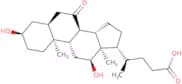
CAS:<p>2,4,5-Trimethylcinnamic acid is a useful scaffold for the synthesis of complex compounds. It is also used as a reagent and reaction component in organic synthesis. This chemical has a CAS number of 205748-06-7 and is classified as a speciality chemical.</p>Formula:C12H14O2Purity:Min. 95%Color and Shape:PowderMolecular weight:190.24 g/mol7-Keto-3α,12-α-dihydroxycholanic acid
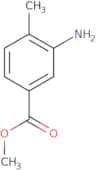
CAS:Controlled Product<p>7-Keto-3α,12-α-dihydroxycholanic acid is a lipid molecule that belongs to the class of sodium salts. It has been shown to form stable complexes with biological samples and is useful for sample preparation before analysis. 7-Keto-3α,12-α-dihydroxycholanic acid has been used in studies of hepatic steatosis in rats, which demonstrated statistically significant changes in liver fat content. This molecule also may be involved in bowel disease because it is a precursor for bile acids and the synthesis of cholesterol. 7KDHC has been associated with redox potential and microbial metabolism. 7KDHC may also have anti-inflammatory effects that help reduce symptoms of inflammatory bowel disease (IBD).</p>Formula:C24H38O5Purity:Min. 95 Area-%Color and Shape:White PowderMolecular weight:406.56 g/mol3-Amino-4-methylbenzoic acid methyl ester
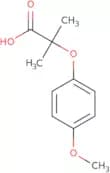
CAS:<p>3-Amino-4-methylbenzoic acid methyl ester (3AMB) is an organic compound that is used as a reagent in the synthesis of amides. It can also be used to synthesize various heterocycles by reacting with aldehydes and ketones. 3AMB has been used as a substrate in assays for amines, yielding high yields. The compound's unsymmetrical structure can be attributed to the presence of different substituents on either side of the central carbon atom. 3AMB has been shown to inhibit metal ion enzymes such as dioxygenases and nitric oxide synthases, which are involved in the metabolism of nitric oxide and oxygen respectively. In addition, 3AMB has been shown to have anti-inflammatory properties and may be a potential candidate for use as an anticoagulant or antiplatelet drug.br>br><br>br>br><br>3AMB is</p>Formula:C9H11NO2Purity:Min. 95%Color and Shape:PowderMolecular weight:165.19 g/mol2-(4-Methoxyphenoxy)-2-methylpropanoic acid
CAS:<p>2-(4-Methoxyphenoxy)-2-methylpropanoic acid (methoxymethyl) is a versatile building block with a variety of applications in synthesis. It is used as an intermediate in the preparation of pharmaceuticals, agrochemicals, and dyes. Methoxymethyl has been shown to be useful as a reagent for research and as a speciality chemical. This compound can also serve as a reaction component or scaffold in the synthesis of more complex compounds.</p>Formula:C11H14O4Purity:Min. 95%Color and Shape:PowderMolecular weight:210.23 g/molH-Lys-Arg-OH acetate
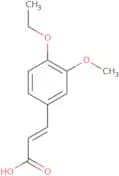
CAS:<p>Lys-Arg-OH acetate salt (LRA) is a protein transport peptide that is found in the neurosecretory system and has been used as a growth factor for the production of human insulin. LRA stimulates the release of pepsinogen, which breaks down food proteins into polypeptides and amino acids. It also has proteolytic activity, which helps break down proteins into peptides. LRA shares structural similarities with other peptide hormones such as vasopressin and oxytocin, but it differs by having an amide instead of an ester linkage between the lysine and arginine residues.</p>Formula:C12H26N6O3•(C2H4O2)xPurity:Min. 95%Color and Shape:PowderMolecular weight:302.37 g/mol4-Ethoxy-3-methoxycinnamic acid
CAS:<p>4-Ethoxy-3-methoxycinnamic acid (4EMC) is a metabolite of propionic acid. It is produced by the fungus Phanerochaete chrysosporium when it is grown on lignocellulose. 4EMC can be cleaved from its ester bond with benzyl alcohol and vanillyl alcohol to produce vanillyl, benzyl, and ethanol. These products are then further metabolized to produce other compounds such as acetaldehyde, acetic acid, and butanol. 4EMC also inhibits the enzyme catalysed that converts propanol to butanol in cultures of P. chrysosporium</p>Formula:C12H14O4Purity:Min. 95%Color and Shape:PowderMolecular weight:222.24 g/molMethylsulfuric acid potassium
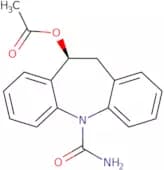
CAS:<p>Methylsulfuric acid potassium salt is a chloride salt of methylsulfuric acid. It is used as a contrast agent in optical imaging and diagnosis, as well as in the treatment of radiation-induced fatty liver disease. In addition, it can be used to diagnose ventricular myocardium diseases and reversibly inhibit GABA-mediated inhibition of postsynaptic potentials. Methylsulfuric acid potassium salt binds to fatty acids in the myocardium and prevents their uptake, leading to an accumulation of fatty acids and subsequent cell damage. This drug has been shown to have an excitatory effect on neurons in the geniculate nucleus, which may result from its ability to inhibit gamma-aminobutyric acid (GABA) synthesis.</p>Formula:CH4O4S•KPurity:(Titration) Min. 97.0%Color and Shape:PowderMolecular weight:150.2 g/molEslicarbazepine acetate
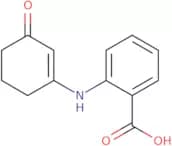
CAS:<p>Eslicarbazepine acetate is an anticonvulsant drug that has been shown to be effective in reducing the frequency of seizures. It is a prodrug and is metabolized by esterases to form the active form, eslicarbazepin acetate. Eslicarbazepine acetate inhibits glutamate release by acting on the glutamate transporter, which prevents depolarization of the mitochondrial membrane potential, leading to inhibition of epileptic activity. Eslicarbazepine acetate also decreases brain levels of GABA and increases levels of polyamines such as spermidine and spermine, which are neuroprotective. There are some reports of hepatic impairment when eslicarbazepine acetate is used with other drugs that are metabolized through this organ (e.g., valproic acid).<br>Eslicarbazepine acetate can cause chemical stability issues when exposed to light or air due to oxidation reactions. It may also react</p>Formula:C17H16N2O3Purity:Min. 95%Color and Shape:PowderMolecular weight:296.32 g/mol2-((3-Oxocyclohex-1-enyl)amino)benzoic acid
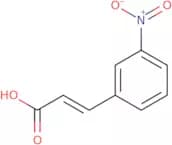
CAS:<p>Please enquire for more information about 2-((3-Oxocyclohex-1-enyl)amino)benzoic acid including the price, delivery time and more detailed product information at the technical inquiry form on this page</p>Formula:C13H13NO3Purity:Min. 95%Color and Shape:PowderMolecular weight:231.25 g/moltrans-3-Nitrocinnamic acid
CAS:<p>Trans-3-Nitrocinnamic acid is a white solid that can be obtained by the nitration of cinnamic acid. Trans-3-Nitrocinnamic acid is an isoenzyme as it has different chemical properties than cis-3-nitrocinnamic acid. The intermolecular hydrogen bonding and vibrational frequencies are different in trans-3-nitrocinnamic acid, which causes the dipole to change and increases the solubility in water. The genotoxic activity of trans-3-nitrocinnamic acid was evaluated using the Ames test, which showed that it is not mutagenic. However, there were some genotoxic effects observed in rats after applying trans-3-nitrocinnamic acid on skin.</p>Formula:C9H7NO4Purity:Min. 95%Color and Shape:PowderMolecular weight:193.16 g/molEthyl 5-chloropyrazolo[1,5-a]pyrimidine-3-carboxylate
CAS:<p>Please enquire for more information about Ethyl 5-chloropyrazolo[1,5-a]pyrimidine-3-carboxylate including the price, delivery time and more detailed product information at the technical inquiry form on this page</p>Formula:C9H8ClN3O2Purity:Min. 95%Color and Shape:PowderMolecular weight:225.63 g/molGlycodeoxycholic acid sodium salt
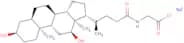
CAS:Controlled Product<p>Glycodeoxycholic acid sodium salt is a bile acid derivative, which is a biochemical compound sourced from the metabolism of bile acids in the liver. It plays a role in bile acid signaling pathways and lipid emulsification. The mode of action involves mimicking natural bile acids, facilitating the emulsification and absorption of dietary fats in the gastrointestinal tract, and potentially participating in signaling pathways that regulate cholesterol metabolism.</p>Formula:C26H42NNaO5Purity:Min. 95 Area-%Color and Shape:White PowderMolecular weight:471.61 g/mol(L)-2-Bromo-3-phenylpropionic acid
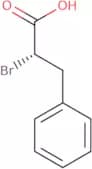
CAS:<p>L-2-Bromo-3-phenylpropionic acid is a synthetic amino acid that is structurally similar to L-phenylalanine. It can be prepared by the reaction of triphosgene with l-(+)-phenylglycine, followed by hydrolysis of the resulting 2-(bromophenyl)acetic acid. L-2-Bromo-3-phenylpropionic acid has been used in peptidomimetics, which are synthesized using strategies derived from the structures and properties of proteins. One of these strategies is based on the conformational change of an amide bond. This synthetic amino acid has been shown to have affinity for certain chiral conformations and may be used as a chiral ligand in asymmetric synthesis.</p>Formula:C9H9BrO2Purity:Min. 95%Color and Shape:Slightly Yellow PowderMolecular weight:229.07 g/mol18-(Tert-butoxy)-18-oxooctadecanoic acid
CAS:<p>18-(tert-butoxy)-18-oxooctadecanoic acid is a fatty acid-based linker providing hydrophobic anchoring. In standard biological conditions, it is non-cleavable.</p>Formula:C22H42O4Purity:Min. 95%Color and Shape:White Off-White PowderMolecular weight:370.57 g/mol3-Amino-2-pyrazinecarboxylic acid methyl ester
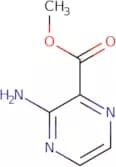
CAS:<p>3-Amino-2-pyrazinecarboxylic acid methyl ester (3APCME) is a potent anti-mycobacterial agent that inhibits the growth of Mycobacterium tuberculosis by inhibiting the synthesis of amines, which are necessary for its survival. 3APCME has also been shown to have an inhibitory effect on other bacteria that require amines for their survival, such as Escherichia coli. This agent binds to the receptor and inhibits the enzyme pyrazinase in the reaction of phenoxy with dimethylformamide. The molecular modeling studies show that 3APCME is able to bind to a hydrophobic region on the enzyme's surface and form a covalent bond through nucleophilic attack. The asymmetric synthesis results in the production of one enantiomer of 3APCME and allows for greater efficacy against mycobacteria than other agents.</p>Formula:C6H7N3O2Purity:Min. 95%Color and Shape:PowderMolecular weight:153.14 g/mol11-Azido-3,6,9-trioxaundecanoic acid
CAS:<p>11-Azido-3,6,9-trioxaundecanoic acid is a glycan that is expressed by cancer cells. Cancer cells are able to produce 11-azido-3,6,9-trioxaundecanoic acid in response to a variety of stimuli. The compound has been shown to be an immunogenic antigen for the generation of antibodies against cancer cells. Lectins can be used to detect glycosylated proteins and glycoconjugates on cell surfaces and can also be used to immobilize them. Immobilized lectins have been used as an alternative method of detecting glycolipids and glycoconjugates on cell surfaces with high sensitivity and specificity. This glycan has been conjugated with cetuximab to target colon cancer cells. Cetuximab is a monoclonal antibody that binds specifically to the epidermal growth factor receptor (EGFR) found on the surface of many colorectal</p>Formula:C8H15N3O5Purity:(¹H-Nmr) Min. 95 Area-%Color and Shape:Clear LiquidMolecular weight:233.22 g/mol3-(4-Nitrophenyl)propanoic acid - technical
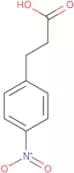
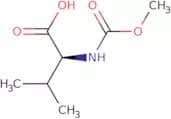
CAS:<p>3-(4-Nitrophenyl)propanoic acid is an inhibitor of aminopeptidases. Amino acid catabolism, in particular the cleavage of peptides by proteolytic enzymes, is a central process in cellular metabolism. Amino acid catabolism is regulated by a number of different enzymes, including aminopeptidases. 3-(4-Nitrophenyl)propanoic acid inhibits the activity of these enzymes and thereby prevents the degradation of amino acids. This product has been shown to inhibit aminopeptidase A with an IC50 value of about 0.5 mM and aminopeptidase B with an IC50 value of about 1 mM. 3-(4-Nitrophenyl)propanoic acid also has anti-inflammatory properties that may be due to its inhibition of prostaglandin synthesis.</p>Formula:C9H9NO4Purity:Min. 90 Area-%Color and Shape:PowderMolecular weight:195.17 g/mol(S)-2-((Methoxycarbonyl)amino)-3-methylbutanoic acid
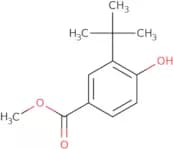
CAS:<p>(S)-2-((Methoxycarbonyl)amino)-3-methylbutanoic acid is a synthetic molecule that has been studied for its antiviral activity against hepatitis C virus. The compound was found to inhibit the replication of the virus, with an IC50 of 0.5 mM in cell culture studies. It also inhibited the replicon and reaction yield of the virus in vitro. (S)-2-((Methoxycarbonyl)amino)-3-methylbutanoic acid is effective against genotype 1 and 2, but not against genotype 3. It is active against a broad range of HCV isolates, including those resistant to other drugs such as ribavirin or telaprevir. The drug has been shown to be well tolerated in animals and humans. END></p>Formula:C7H13NO4Purity:Min. 95%Color and Shape:White PowderMolecular weight:175.18 g/mol3-tert-Butyl-4-hydroxybenzoic acid methyl ester
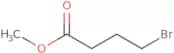
CAS:<p>3-tert-Butyl-4-hydroxybenzoic acid methyl ester is a chemical compound with the molecular formula CHCOOCH. It is a versatile building block that can be used in research and as a useful intermediate. 3-tert-Butyl-4-hydroxybenzoic acid methyl ester can be used to synthesize complex compounds, such as pharmaceuticals and pesticides. The high quality of this product makes it suitable for use as a reagent or reaction component.<br>!-- <br>--> !-- <br>--> !-- <br>--></p>Formula:C12H16O3Purity:Min. 98 Area-%Color and Shape:PowderMolecular weight:208.25 g/mol4-Bromobutyric acid methyl ester
CAS:<p>4-Bromobutyric acid methyl ester is a synthetic compound that can be used to inhibit the activity of the G1 phase cyclin-dependent kinases. It has been shown to inhibit protein synthesis by alkylating the amino groups of proteins and fatty acids. 4-Bromobutyric acid methyl ester also inhibits the growth of cancer cell lines, such as renal carcinoma cells. The mechanism of action for this drug is not well understood, but it may be due to its ability to bind with monoclonal antibodies and enter kidney cells by passive diffusion.</p>Formula:C5H9BrO2Purity:Min. 95%Color and Shape:Clear LiquidMolecular weight:181.03 g/mol

![6-[(6-Aminohexyl)amino]-6-oxo-hexanoic Acid](/_next/image/?url=https%3A%2Fstatic.cymitquimica.com%2Fproducts%2FTR%2Fthumb-webp%2FA610100.webp&w=3840&q=75)






![N-[4-(-Carboxycyclohexylmethyl)]maleamidic Acid](/_next/image/?url=https%3A%2Fstatic.cymitquimica.com%2Fproducts%2FTR%2Fthumb-webp%2FC177850.webp&w=3840&q=75)

![1-[(5-Methoxy-1-methyl-1H-indol-3-yl)methyl]piperidine-4-carboxylic acid](/_next/image/?url=https%3A%2Fstatic.cymitquimica.com%2Fproducts%2F3D%2Fthumb-webp%2FFM128176.webp&w=3840&q=75)
![[1,1'-Bicyclohexyl]-1-carboxylic acid](/_next/image/?url=https%3A%2Fstatic.cymitquimica.com%2Fproducts%2F3D%2Fthumb-webp%2FFB139039.webp&w=3840&q=75)
![3H-Imidazo[4,5-c]pyridine-7-carboxylic acid](/_next/image/?url=https%3A%2Fstatic.cymitquimica.com%2Fproducts%2F3D%2Fthumb-webp%2FFI167598.webp&w=3840&q=75)


![Ethyl 5-chloropyrazolo[1,5-a]pyrimidine-3-carboxylate](/_next/image/?url=https%3A%2Fstatic.cymitquimica.com%2Fproducts%2F3D%2Fthumb-webp%2FFE44325.webp&w=3840&q=75)