Carboxylic Acids
Carboxylic acids are organic molecules characterized by having a carboxyl-type functional group (-COOH). These acids are fundamental in various chemical reactions, including esterification, amidation, and decarboxylation. Carboxylic acids are widely used in the production of pharmaceuticals, polymers, and agrochemicals. In this section, you can find a large number of carboxylic acids ready to be used. At CymitQuimica, we provide a broad range of high-quality carboxylic acids to support your research and industrial applications.
Found 12453 products of "Carboxylic Acids"
Sort by
Purity (%)
0
100
|
0
|
50
|
90
|
95
|
100
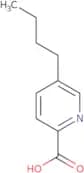
Fusaric acid
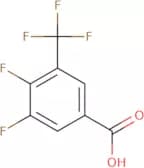
CAS:<p>Fusaric acid is a metabolite of the natural product fusarin. It is formed by the enzymatic hydroxylation of dopamine and has been shown to inhibit the production of picolinic acid, which is involved in the synthesis of NAD. Fusaric acid also inhibits tetracycline resistance in colorectal adenocarcinoma cells, leading to cell death. Fusaric acid has also been found to be effective against squamous carcinoma cells and thermal expansion in titration calorimetry experiments. The structural analysis of this compound showed that it has a planar geometry with a number of hydrogen bonding interactions.<br>FUSARIC ACID:<br>Fusaric acid is an inhibitor of dopamine β-hydroxylase (DBH) that was first isolated from fusarin, a natural product produced by some fungi species. It binds reversibly to DBH and blocks its activity, preventing the conversion of</p>Formula:C10H13NO2Color and Shape:Off-White PowderMolecular weight:179.22 g/mol3,4-Difluoro-5-(trifluoromethyl)benzoic acid
CAS:<p>3,4-Difluoro-5-(trifluoromethyl)benzoic acid is a fine chemical that is used as a versatile building block for the synthesis of complex compounds. It is an intermediate product in the production of pharmaceuticals, such as 3,4-Difluoro-5-(trifluoromethyl)benzonitrile and 3,4-Difluoro-5-(trifluoromethyl)benzamide. This compound has been shown to be useful in the preparation of research chemicals and speciality chemicals.</p>Formula:C8H3F5O2Purity:Min. 95%Color and Shape:White PowderMolecular weight:226.1 g/mol5-Methyl-[1,3,4]oxadiazole-2-carboxylic acid, potassium salt
CAS:<p>5-Methyl-[1,3,4]oxadiazole-2-carboxylic acid, potassium salt (5-MOC) is a multistage laser treatment that can be used to treat pigmentation. 5-MOC inhibits the production of melanin in the skin by inhibiting tyrosinase activity. This drug also has been shown to reduce hyperpigmentation by reducing the number of pigment cells. 5-MOC is delivered using an electron microscopic technique and is packaged in a capsule for oral administration. The colorimeter sensor detects the amount of light reflected from the skin surface and converts it into a color value. The sensor measures the amount of light that reflects back from areas with pigmentation problems and determines whether or not they are treated correctly.</p>Formula:C4H3N2O3·KPurity:Min. 95%Color and Shape:PowderMolecular weight:166.18 g/mol4-tert-Butylcalix[4]arene-tetraacetic acid tetraethyl ester
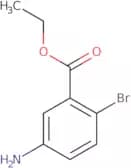
CAS:<p>4-tert-Butylcalix[4]arene-tetraacetic acid tetraethyl ester is a chemical compound that has been shown to be stable in both water and organic solvents. It can be used as a pharmaceutical dosage form for administration of drugs with poor bioavailability, such as fatty acids. This compound has been shown to be effective in the treatment of cancer, especially breast cancer, and has been tested in clinical trials for the treatment of potassium ion deficiency. 4-tert-Butylcalix[4]arene-tetraacetic acid tetraethyl ester also has antiviral properties and is being studied for its use against HIV.</p>Formula:C60H80O12Purity:Min. 95%Color and Shape:PowderMolecular weight:993.27 g/mol5-Amino-2-bromobenzoic acid ethyl ester
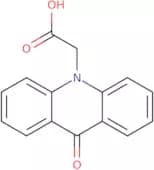
CAS:<p>5-Amino-2-bromobenzoic acid ethyl ester is a chemical compound that can be used for the production of pharmaceuticals and research chemicals. It is a versatile building block that can be used in the synthesis of complex compounds with valuable applications. 5-Amino-2-bromobenzoic acid ethyl ester is a reagent, speciality chemical, and useful building block that can be used in the synthesis of high quality compounds. This compound has been identified as an intermediate in organic reactions and as a reaction component. CAS No. 208176-32-3</p>Formula:C9H10BrNO2Purity:Min. 95%Color and Shape:PowderMolecular weight:244.09 g/mol9-Oxo-10(9H)-acridineacetic acid
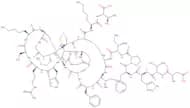
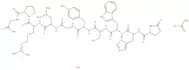
CAS:<p>9-Oxo-10(9H)-acridineacetic acid is an anti-viral drug that belongs to the class of acridone derivatives. It has been shown to have a redox potential of -0.15 V, which is indicative of its oxidizing properties. 9-Oxo-10(9H)-acridineacetic acid can be used as an antiviral agent against human pathogens such as HIV, hepatitis B, and hepatitis C. This drug also has activity index values of 5.6x10⁴ and 10x105 in terms of the ability to inhibit viral polymerase chain reaction (PCR) amplification and virus infection respectively.</p>Formula:C15H11NO3Purity:Min. 95%Color and Shape:Yellow PowderMolecular weight:253.25 g/molHepcidin-25 (human) trifluoroacetate salt
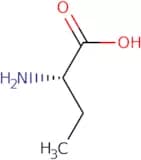
CAS:<p>Please enquire for more information about Hepcidin-25 (human) trifluoroacetate salt including the price, delivery time and more detailed product information at the technical inquiry form on this page</p>Formula:C113H170N34O31S9·C2HF3O2Purity:Min. 95 Area-%Color and Shape:PowderMolecular weight:2,903.38 g/molL-2-Aminobutyric acid
CAS:<p>L-2-Aminobutyric acid is a nonessential amino acid that serves as a substrate for enzymes that catalyze the alpha-elimination of hydroxyl groups. This process is used in the synthesis of proteins and other biological molecules. The L-2-Aminobutyric acid is also an analog to 2-aminoethanol, which has been shown to inhibit amyloid protein production in human serum. A synthetic route for the preparation of L-2-Aminobutyric acid has been developed using anhydrous sodium hydroxide and blood sampling from a bacterial strain. L-2-Aminobutyric acid inhibits protease activity and has been shown to have antibacterial properties. The optimum pH for this compound is 5.5, with an approximate intramolecular hydrogen bond distance of 3.1 angstroms.</p>Formula:C4H9NO2Purity:Min. 95%Color and Shape:White PowderMolecular weight:103.12 g/mol2,4-Dihydroxybutanoic acid calcium
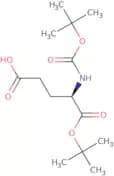
<p>2,4-Dihydroxybutanoic acid calcium is a versatile building block that can be used as a reagent or speciality chemical in research. It has many uses as a building block for complex compounds, such as pharmaceuticals and agrochemicals. 2,4-Dihydroxybutanoic acid calcium is also an important intermediate for reactions to produce useful scaffolds. This product is of high quality and can be used in many applications.</p>Formula:(C4H7O4)2•CaPurity:(¹H-Nmr) Min. 95 Area-%Color and Shape:White PowderMolecular weight:278.27 g/molBoc-D-glutamic acid α-tert-butyl ester
CAS:<p>Boc-D-glutamic acid alpha-tert-butyl ester is a versatile building block that can be used in the synthesis of many complex compounds. It is a high quality reagent that can be used as a reactant or intermediate for research and development, as well as for the production of speciality chemicals. Boc-D-glutamic acid alpha-tert-butyl ester has a CAS number of 73872-71-6 and can be used to synthesize new chemical compounds with various applications. This compound is an important building block for synthetic organic chemistry because it is easily converted to other molecules through reactions such as hydrolysis, oxidation, reduction, or hydrogenation.</p>Formula:C14H25NO6Purity:Min. 95%Color and Shape:PowderMolecular weight:303.35 g/mol10,12-Heptacosadiynoic Acid
CAS:<p>10,12-Heptacosadiynoic Acid is a ferrite that can be used as a monomer for the synthesis of magnetic nanoparticles. It has been shown to have an antiproliferative effect on cancer cells and can be used in the diagnosis of various cancers. 10,12-Heptacosadiynoic Acid is also able to interact with optical properties. This property makes it possible to use 10,12-Heptacosadiynoic Acid to detect water on surfaces by introducing a small amount of this compound into the water and looking for any changes in the optical properties.</p>Formula:C27H46O2Purity:Min. 95%Color and Shape:PowderMolecular weight:402.65 g/molDirect Red 16
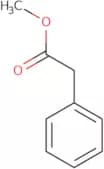
CAS:<p>Direct Red 16 is a dye that reacts with acids to form an intensely red compound. It is used in research and as a reagent for the production of other dyes. Direct Red 16 is also used as a building block in the synthesis of complex molecules, such as pharmaceuticals and dyes.</p>Formula:C26H17N5Na2O8S2Purity:Min. 95%Molecular weight:639.57 g/molMethyl phenylacetate
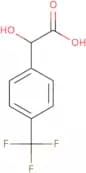
CAS:Controlled Product<p>Methyl phenylacetate is a coumarin derivative that is synthesized by an asymmetric synthesis using a solid catalyst. It has been shown to have antiproliferation activity in cell culture studies and to inhibit the growth of certain cancer cells. The reactions are catalyzed by hydrophobic effect, which helps to bind the methyl phenylacetate with trifluoroacetic acid and form the bound form. This then reacts with hydroxy methyl or dihydroconiferyl alcohol, forming methyl phenacyl acetate as the product.</p>Formula:C9H10O2Purity:Min. 95%Molecular weight:150.17 g/mol4-(Trifluoromethyl)mandelic acid
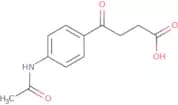
CAS:<p>4-(Trifluoromethyl)mandelic acid (4-TFA) is a metabolite of the drug mandelic acid. It is a thermodynamically stable, stereospecific, and highly polar compound that can be easily purified by column chromatography. 4-TFA has been shown to have analytical methods in common with mandelic acid, including fluorine analysis and regression. The chemical properties of 4-TFA are similar to those of other aldehydes. It also has enantiomeric purity and can be analysed using gas chromatography-mass spectrometry in urine samples.</p>Formula:C9H7F3O3Purity:Min. 95%Color and Shape:PowderMolecular weight:220.15 g/mol4-(4-Acetamidophenyl)-4-oxobutanoic acid
CAS:<p>4-(4-Acetamidophenyl)-4-oxobutanoic acid is a versatile building block that can be used as a reaction component, reagent, or useful scaffold. It is also a high quality chemical with CAS number 5473-15-4. This chemical has been shown to have many applications in research and development, such as the synthesis of pharmaceuticals, agrochemicals, and textiles. 4-(4-Acetamidophenyl)-4-oxobutanoic acid is an important intermediate for the synthesis of complex compounds. It is also a fine chemical that can be used for research purposes.</p>Formula:C12H13NO4Purity:Min. 95 Area-%Color and Shape:PowderMolecular weight:235.24 g/molDL-Mandelic acid
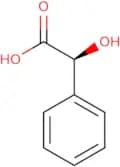
CAS:Controlled Product<p>Antibacterial treatment for urinary tract infections; keratolytic</p>Formula:C8H8O3Purity:Min. 97.0 Area-%Color and Shape:White PowderMolecular weight:152.15 g/mol3,5-Dimethoxycinnamic acid methyl ester
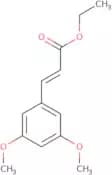
CAS:<p>Please enquire for more information about 3,5-Dimethoxycinnamic acid methyl ester including the price, delivery time and more detailed product information at the technical inquiry form on this page</p>Formula:C12H14O4Purity:Min. 95%Molecular weight:222.24 g/mol5-Chlorovanillic acid
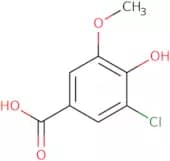
CAS:<p>5-Chlorovanillic acid is a weight compound that belongs to the group of methoxylated compounds. It is a precursor in the catabolic pathway of vanillic acid, which is synthesized from p-hydroxybenzoic acid. This compound can be found as one of the major phenolic acids in many plants and fruits, such as strawberries and apples. 5-Chlorovanillic acid has been shown to be an inhibitor for the growth of bacterial strains in culture, including C. perfringens. It has also been shown to have anti-inflammatory properties by inhibiting prostaglandin synthesis.</p>Formula:C8H7ClO4Purity:80%Color and Shape:PowderMolecular weight:202.59 g/mol4-Hydroxy-3-nitrobenzoic acid ethyl ester
CAS:<p>4-Hydroxy-3-nitrobenzoic acid ethyl ester is a small molecule that binds to DNA and RNA. It is cytotoxic, inhibiting cell growth in the presence of amides, nucleosides, or nucleotides. 4-Hydroxy-3-nitrobenzoic acid ethyl ester also inhibits the proliferation of cancer cells in culture. This drug has been shown to be effective against pancreatic cancer, ovarian cancer, and glioblastoma cells. The structure of this compound was elucidated by spectral analysis of its NMR and mass spectra data. It has yielded a 2780% increase in glioblastoma cell line growth rates when compared to control cells.</p>Formula:C9H9NO5Purity:Min. 95%Color and Shape:PowderMolecular weight:211.17 g/mol5-Methylpyrazine-2-carboxylic acid 4-oxide
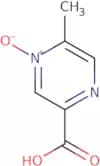
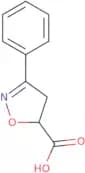
CAS:<p>Niacin receptor 1 (NIACR1) antagonist; lipid lowering</p>Formula:C6H6N2O3Purity:Min. 98 Area-%Color and Shape:PowderMolecular weight:154.12 g/mol3-Phenyl-4,5-dihydroisoxazole-5-carboxylic acid
CAS:<p>3-Phenyl-4,5-dihydroisoxazole-5-carboxylic acid is a fine chemical that is used as a building block in the synthesis of other chemicals. This compound can be used in research and development as a reagent for organic synthesis or as an intermediate for the production of high quality, complex compounds. 3-Phenyl-4,5-dihydroisoxazole-5-carboxylic acid is also a versatile building block that can be used in reactions involving amines, alcohols, carboxylic acids, sulfonic acids, and nitriles. It could also be used as a scaffold molecule to create complex molecules with interesting properties.</p>Formula:C10H9NO3Purity:Min. 95 Area-%Color and Shape:PowderMolecular weight:191.18 g/mol2-(S)-Hydroxy-4-oxo-4-phenylbutyric acid
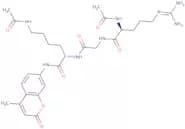
CAS:<p>2-(S)-Hydroxy-4-oxo-4-phenylbutyric acid is a useful building block that can be used in the production of many fine chemicals, research chemicals, and reagents. It is a versatile building block that can be used as a reaction component in a wide range of reactions. 2-(S)-Hydroxy-4-oxo-4-phenylbutyric acid is also an intermediate or scaffold for complex compounds that are valuable in many fields such as pharmaceuticals, agrochemicals, and polymers. This compound has been shown to have high quality and purity.</p>Formula:C10H10O4Purity:Min. 95%Color and Shape:PowderMolecular weight:194.18 g/molAc-Arg-Gly-Lys(Ac)-AMC trifluoroacetate salt
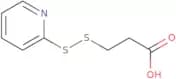
CAS:<p>Ac-Arg-Gly-Lys(Ac)-AMC is a potent apoptotic agent that induces the apoptosis of cancer cells by binding to the caspase-9, which is an enzyme that initiates the process of apoptosis. Ac-Arg-Gly-Lys(Ac)-AMC has been shown to inhibit the growth of cancer cells in cell culture and also shows potent antitumor activity against MDA-MB-231 breast cancer cells. This drug can be used as a potential therapeutic agent for cancers such as colorectal, prostate, and pancreatic cancer. Ac-Arg-Gly-Lys(Ac)-AMC is also able to induce apoptosis in human leukemia cells and may have a potential role in therapy for acute myelogenous leukemia (AML).</p>Formula:C28H40N8O7•C2HF3O2Purity:Min. 98 Area-%Color and Shape:PowderMolecular weight:714.69 g/molSPDP acid
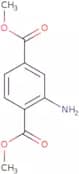
CAS:<p>SPDP acid is a linker that forms reversible disulfide bonds with thiols on drugs or proteins. The cleavage occurs under intracellular reducing conditions. Its heterobifunctionality permits the formation of new disulfide bonds by reacting with free thiol groups on proteins (like cysteines) and also with amines.</p>Formula:C8H9NO2S2Purity:Min. 95%Color and Shape:PowderMolecular weight:215.29 g/mol2-Aminoterephthalic acid dimethyl ester
CAS:<p>2-Aminoterephthalic acid dimethyl ester is a proton receptor that binds to the C-terminus of the proton receptor. It has been shown to inhibit serine protease activity and chemokine production, which may lead to dysuria. The proton receptor-binding site is composed of a five-membered heteroaryl ring with a methylthio group, which interacts with the protonated amino group at the 2 position of the 2-aminoterephthalic acid. This interaction results in an electrochemical impedance spectroscopy signal that has a low energy.</p>Formula:C10H11NO4Purity:Min. 98.5 Area-%Color and Shape:Off-White PowderMolecular weight:209.2 g/molL-(+)-Glutamic acid HCl
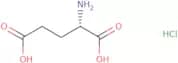
CAS:<p>L-(+)-Glutamic acid HCl is a monosodium salt that belongs to the group of water-soluble organic acids. It has been used as a food additive and in wastewater treatment, as well as for the production of polymers and pharmaceuticals. Glutamate can be converted to glutamic acid by hydrolysis with sodium hydroxide or other strong bases. Glutamic acid is an important biochemical precursor in the synthesis of proteins, peptides, and nucleic acids. It also functions as a neurotransmitter in the central nervous system. L-(+)-glutamic acid HCl has been shown to induce apoptosis in human HL-60 cells by increasing reactive oxygen species (ROS) levels and activating caspase-3 activity in these cells. The crystalline cellulose used in this study was obtained from cellulose powder (Avicel PH101).</p>Formula:C5H9NO4·HClPurity:Min. 95%Color and Shape:White PowderMolecular weight:183.59 g/mol1,4-Phenylenediacrylic acid diethyl ester
CAS:<p>1,4-Phenylenediacrylic acid diethyl ester (PDAD) is an organic molecule that is used as a template molecule in polymerizations. It can be used to coat surfaces with polymers, which makes them more resistant to corrosion and wear. PDAD interacts with an electron beam in the presence of oxygen, generating excimers and supercritical CO2. These interactions are responsible for the red shift that occurs when PDAD interacts with the electron beam. The absorption spectrum of PDAD has been shown to change depending on its morphology: alpha-type PDAD absorbs at lower wavelengths than beta-type PDAD.</p>Formula:C16H18O4Purity:Min. 95%Color and Shape:PowderMolecular weight:274.31 g/mol4-Bromomandelic acid
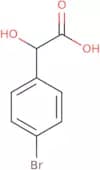
CAS:<p>4-Bromomandelic acid is a chemical with the molecular formula CHBrO. It is an acid that can be found in the form of a solution at room temperature. It is soluble in water and alcohols, but not in ether or chloroform. 4-Bromomandelic acid is used as a reagent for the identification of carbohydrates and other organic compounds by phase chromatography. 4-Bromomandelic acid can be recycled from triticum aestivum (wheat) straw by washing with hydrochloric acid to remove impurities. The purified product can then be crystallized from trifluoroacetic acid or acetic anhydride, followed by backpressure to remove excess solvent. It has been shown that binding constants for metal ions are increased in the presence of p-hydroxybenzoic acid or biphenyl, which has led to its use as a catalyst for reactions involving these substances.</p>Formula:C8H7BrO3Purity:Min. 95%Color and Shape:PowderMolecular weight:231.04 g/molApovincaminic acid
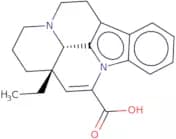
CAS:<p>Apovincaminic acid is a quaternary alcohol with the molecular formula CHNO. It is an acid ethyl ester, with hydroxy and hydroxy groups. Apovincaminic acid is a pharmacokinetic drug that is used in humans to treat chronic alcoholism. It has a linear pharmacokinetics profile, and does not have any autoinduction or alkaloid properties. It also does not show any significant interactions with other drugs. Apovincaminic acid binds to primary alcohols to form esters, which are eliminated from the body through urine.</p>Formula:C20H22N2O2Purity:Min. 95%Color and Shape:White/Off-White SolidMolecular weight:322.4 g/mol2-Methoxypropyl acetate
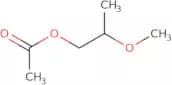
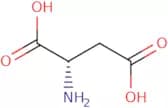
CAS:<p>2-Methoxypropyl acetate is a cross-linking agent that is used in water treatment. It is used as an additive to deionized water and can be found in high concentrations in wastewater. 2-Methoxypropyl acetate reacts with xylene to produce light emission, which makes it suitable for use as a chemical marker. The optimum dose of 2-methoxypropyl acetate ranges from 0.025% to 0.2%. 2-Methoxypropyl acetate has been shown to be toxic when injected into rats at doses of 100 mg/kg body weight, but not at doses of 25 mg/kg body weight or less. This compound was also shown to cause protrusion and necrosis of the nasal septum in rats after administration at doses of 500 mg/kg body weight.</p>Formula:C6H12O3Purity:Min. 95%Color and Shape:Colourless LiquidMolecular weight:132.16 g/molL-Aspartic acid
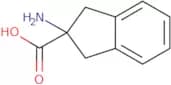
CAS:<p>L-Aspartic acid is an amino acid that plays a role in the biochemical reactions of energy metabolism. This amino acid is also important for the synthesis of proteins, such as enzymes and structural proteins. L-Aspartic acid is synthesized from oxaloacetate by transamination. It can also be synthesized from glutamate by the action of aspartate aminotransferase using pyridoxal phosphate as a cofactor. L-Aspartic acid has been shown to play a role in neuronal death, particularly in primary sclerosing cholangitis, and may have potential therapeutic use for this condition. L-Aspartic acid has been used as a model system to study polymerase chain reaction (PCR) methods and analytical methods in biochemistry research.</p>Formula:C4H7NO4Purity:Min. 95%Color and Shape:White Off-White PowderMolecular weight:133.1 g/mol2-Aminoindane-2-carboxylic acid
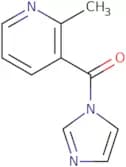
CAS:<p>2-Aminoindane-2-carboxylic acid is a potent opioid analgesic with a high affinity for kappa-opioid receptors. Molecular modeling studies suggest that it binds to the receptor in an orientation similar to morphine and has a higher binding affinity than morphine. In functional assays, 2-Aminoindane-2-carboxylic acid showed low potency at the delta opioid receptor. It also has been shown to have a high affinity for the kappa opioid receptor and a low affinity for delta opioid receptors, which are associated with respiratory depression. This drug can be made from indole and carboxylic acids or by treating 2 aminoindanone with hydrochloric acid and hydrogen gas.</p>Formula:C10H11NO2Purity:Min. 95%Color and Shape:PowderMolecular weight:177.2 g/mol2-Methylnicotinic acid imidazolide
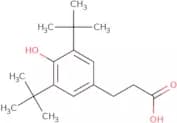
CAS:<p>2-Methylnicotinic acid imidazolide is a small molecule with the ability to regulate RNA splicing. It has been shown to inhibit the transcription of specific genes by binding to the RNA sequence and forming a stable complex with the mRNA. The chemical structure of 2-methylnicotinic acid imidazolide has also been shown to be similar to that of nicotinamide, which is a precursor for NAD+, a coenzyme involved in cellular metabolism. This may explain how 2-methylnicotinic acid imidazolide regulates gene expression and promotes neuronal health.</p>Formula:C10H9N3OPurity:Min. 95%Color and Shape:PowderMolecular weight:187.2 g/mol3,5-di-tert-Butyl-4-hydroxyphenylpropionic acid
CAS:<p>3,5-Di-tert-butyl-4-hydroxyphenylpropionic acid (BHT) is a phenolic compound that is used as an antioxidant in food and cosmetic products. It has been shown to inhibit the growth of Streptococcus faecalis and Pseudomonas aeruginosa in cell culture. BHT has also been shown to have antioxidative properties in vitro. BHT has been found to react with other molecules (e.g., oxygen, carbon dioxide, or nitric oxide) to produce stable chemical species that are not harmful to cells. These reactions lead to the formation of chemical structures that are less reactive than BHT itself. This property may be due to its ability to scavenge free radicals, thereby preventing lipid peroxidation and oxidative damage.</p>Formula:C17H26O3Purity:Min. 95%Color and Shape:PowderMolecular weight:278.39 g/molLithospermic acid
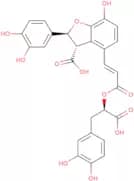
CAS:<p>Lithospermic acid is a natural product that belongs to the family of benzoquinones. It has been shown to inhibit the growth of cells by binding to their DNA polymerase and preventing it from synthesizing DNA. Lithospermic acid also binds to the surface of cells and inhibits cell cycle progression. This product is used in coronary heart disease treatment due to its ability to inhibit oxidative injury and improve lipid metabolism. Lithospermic acid inhibits cyclin D2, which is an important protein for tumor formation. The drug has also been shown to have anti-inflammatory effects in rat models of colitis and arthritis</p>Formula:C27H22O12Purity:Min. 95%Color and Shape:Slightly Brown PowderMolecular weight:538.46 g/mol6-Bromochromone-3-carboxylic acid
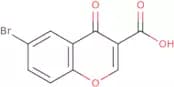
CAS:<p>6-Bromochromone-3-carboxylic acid is a reactive building block that is used as a reagent. It is also a useful scaffold for the synthesis of complex compounds, due to its high quality and versatility. 6-Bromochromone-3-carboxylic acid can be used as a starting material for the synthesis of fine chemicals such as pharmaceuticals, pesticides, and dyes. This compound has CAS number 51085-91-7.br><br>6-Bromochromone-3-carboxylic acid is an important intermediate in organic syntheses because it can be reacted with other molecules containing functional groups to produce new compounds.br><br>The 6-bromochromone carboxylic acid group reacts with alcohols and amines to form esters and amides respectively. The carboxylic acid group can also react with phenols to produce phenoxy acids.br><br>This compound</p>Formula:C10H5BrO4Purity:Min. 95%Color and Shape:PowderMolecular weight:269.05 g/molBiotin caproic acid
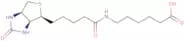
CAS:<p>Podophyllotoxin is a natural product that has been used in the treatment of cancer. Biotin caproic acid is a synthetic analogue of podophyllotoxin and has been shown to have potent antimicrobial activity. Podophyllotoxin is an inhibitor of microtubule polymerization, which leads to cell death. It also induces apoptosis by interacting with dopamine receptors on the cell surface and inhibiting their binding to dopamine. This inhibits dopamine-induced proliferation of cells, leading to cell death. Biotin caproic acid has been shown to have anticancer properties against human cancer cells in vitro. The mechanism of action may be due to binding to the cytochrome P450 enzyme and inhibiting its activity, which affects the metabolism of various drugs and hormones such as dopamine.</p>Formula:C16H27N3O4SPurity:Min. 95%Color and Shape:PowderMolecular weight:357.47 g/mol2-Biphenylcarboxylic acid
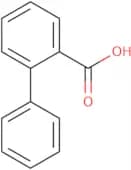
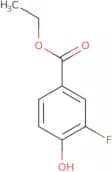
CAS:<p>2-Biphenylcarboxylic acid (2BCA) is a metabolite of biphenyl. The hydroxyl group on 2BCA binds to the receptor, producing an antihypertensive effect. It has been shown to be effective in the treatment of metabolic disorders and diseases such as diabetes mellitus, hypertension, and heart disease. 2BCA is also effective in the treatment of tumors because it inhibits tumor cell growth by binding to fatty acids. This drug forms hydrogen bonds with other molecules due to its hydroxyl group and can be synthesized through a Suzuki coupling reaction.<br>2BCA has been found to have an inhibitory effect on prostaglandin synthesis through the p2 receptor activity.</p>Formula:C13H10O2Purity:Min. 95%Color and Shape:PowderMolecular weight:198.22 g/mol3-Fluoro-4-hydroxybenzoic acid ethyl ester
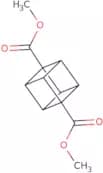
CAS:<p>3-Fluoro-4-hydroxybenzoic acid ethyl ester is a versatile building block that is used as a reagent in organic synthesis. It has the CAS number 56355-21-6. This compound has been shown to be useful for the synthesis of various pharmaceuticals and other complex compounds, such as 3-fluoro-4-(2,2,2-trifluoroethoxy)benzoic acid ethyl ester.</p>Formula:C9H9FO3Purity:Min. 95%Color and Shape:PowderMolecular weight:184.16 g/molDimethyl 1,4-cubanedicarboxylate
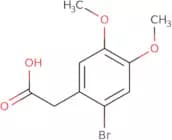
CAS:<p>Dimethyl 1,4-cubanedicarboxylate is a synthetic compound that belongs to the group of carbonyl compounds. It is a fluorinated derivative of 1,4-butanediol and has been synthesized in order to study its biological properties. Dimethyl 1,4-cubanedicarboxylate has been shown to antagonize the growth of a number of bacterial strains and to inhibit the enzyme acetylcholinesterase. The synthesis of this compound was achieved through the reaction mechanism involving an amine and a diacid. Dimethyl 1,4-cubanedicarboxylate also reacts with nucleophiles such as hydroxide ions or amines to form a new molecule with an electron-deficient carbonyl group (-CO).</p>Formula:C12H12O4Purity:Min. 95%Molecular weight:220.22 g/mol2-Bromo-4,5-dimethoxyphenylacetic acid
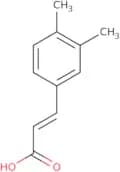
CAS:<p>2-Bromo-4,5-dimethoxyphenylacetic acid is a synthetic compound that has been shown to be effective in the treatment of cancer. It acts by inhibiting the growth and proliferation of cancer cells. 2-Bromo-4,5-dimethoxyphenylacetic acid inhibits cancer cell division by amide formation with DNA, leading to DNA strand breakage. This drug also prevents the growth and proliferation of cancer cells by preventing their division. 2-Bromo-4,5-dimethoxyphenylacetic acid is used as a precursor for other anti-cancer agents that are synthesized from it and have increased potency.</p>Formula:C10H11BrO4Purity:Min. 95%Color and Shape:PowderMolecular weight:275.1 g/mol3,4-Dimethylcinnamic acid
CAS:<p>3,4-Dimethylcinnamic acid is a plant-derived compound that has been shown to have anti-inflammatory properties. It inhibits the production of prostaglandins by inhibiting cyclooxygenase activity and reducing the production of pro-inflammatory eicosanoids. 3,4-Dimethylcinnamic acid also blocks the synthesis of leukotrienes and thromboxanes, which are involved in inflammation as well as allergic reactions and asthma. 3,4-Dimethylcinnamic acid is used to treat skin conditions such as psoriasis, eczema, or dermatitis. This compound can be obtained from plants like Dracaena fragrans (also known as Madagascar dragon tree) or ethnomedicine sources such as the African shrub Anthranilic acid. 3,4-Dimethylcinnamic acid can be synthesized by cross coupling with alkyl halides, ultraviolet irradiation of anthranils with uv</p>Formula:C11H12O2Purity:Min. 95%Color and Shape:White Off-White PowderMolecular weight:176.21 g/mol9,10-Dihydroxystearic acid
CAS:<p>9,10-Dihydroxystearic acid is an ester that can be found in fatty acids. It is a model system for studying the reaction mechanism of ester linkages. 9,10-Dihydroxystearic acid has been shown to have a Michaelis–Menten kinetics with respect to NADPH and cytochrome P450 enzymes. 9,10-Dihydroxystearic acid has been used as an analytical chemistry probe for distinguishing between hepg2 cells and other cell types. 9,10-Dihydroxystearic acid also has magnetic resonance spectroscopy properties that make it an excellent probe for structural analysis.</p>Formula:C18H36O4Purity:Min. 95%Color and Shape:White PowderMolecular weight:316.48 g/mol3-Chloro-4-toluic acid
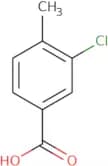
CAS:<p>3-Chloro-4-toluic acid is a quinone, which is derived from 3,4-dichlorotoluene. It has been shown to bind to nuclear receptors and act as a retinoic acid linker. This compound is also used in the synthesis of organic compounds by desorption in an acidic environment, followed by methyl esterification with an alcohol. 3-Chloro-4-toluic acid can be converted into zirconium chloride or hydrotalcite through chlorination or hydrochlorination. The resulting product can be used for dispersive solid-phase extraction methods.</p>Formula:C8H7ClO2Purity:Min. 95%Color and Shape:PowderMolecular weight:170.59 g/mol3-N-Maleimidobenzoic acid N-succinimidyl ester
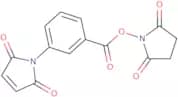
CAS:<p>3-N-Maleimidobenzoic acid N-succinimidyl ester is a potent inhibitor of the enzyme aromatase, the enzyme responsible for the conversion of androgens to estrogens. 3-N-Maleimidobenzoic acid N-succinimidyl ester binds covalently to the active site of aromatase, thereby inhibiting its activity. This drug also has been shown to be effective in reducing the production of blood group antigens in rats. 3-N-Maleimidobenzoic acid N-succinimidyl ester binds to homologous proteins, such as albumins and hemoglobins, and inhibits their function. The drug can be used as an immunogen to produce antibodies against these proteins. Toxicity studies have been conducted with this drug in rats and mice with no observed adverse effects at doses up to 500 mg/kg.</p>Formula:C15H10N2O6Purity:Min. 97 Area-%Color and Shape:PowderMolecular weight:314.25 g/mol6-Bromo-2,3-dimethoxybenzoic acid
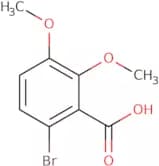
CAS:<p>6-Bromo-2,3-dimethoxybenzoic acid is a synthetic chemical that has been shown to have antibacterial activity. It has been shown to inhibit the growth of bacteria by binding to the imine group in the bacterial cell wall and preventing its synthesis. 6-Bromo-2,3-dimethoxybenzoic acid has also been shown to be synthesised from 2,3-dimethoxybenzoic acid and bromine. This compound is a benzophenanthridine alkaloid that inhibits protein synthesis and cell division.</p>Formula:C9H9BrO4Purity:Min. 95%Color and Shape:PowderMolecular weight:261.07 g/mol4-Biphenylboronic acid
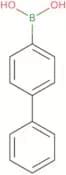
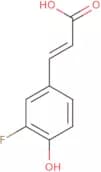
CAS:<p>4-Biphenylboronic acid is a molecule that belongs to the group of amines. It is used in plant science to study the effects of amines on plants. The molecule has been shown to have a high UV absorption and catalysis activity. 4-Biphenylboronic acid has also been shown to bind with p-hydroxybenzoic acid, which inhibits binding with proteins, leading to a change in morphology. 4-Biphenylboronic acid can be used as a chemical inhibitor for root formation and other biological functions.</p>Formula:C12H11BO2Purity:Min. 95%Color and Shape:White Off-White PowderMolecular weight:198.03 g/mol3-Fluoro-4-hydroxycinnamic acid
CAS:<p>3-Fluoro-4-hydroxycinnamic acid is a phenol that is an intermediate in the biocatalytic conversion of pyruvate to phenols. It has been shown to be a good candidate for use in organic synthesis, due to its ability to catalyze the reaction between benzene and hydrogen peroxide. 3-Fluoro-4-hydroxycinnamic acid also has potential applications in science and catalysis.</p>Formula:C9H7FO3Color and Shape:PowderMolecular weight:182.15 g/mol5,6,7,8-Tetrahydro-[1,8]naphthyridine-2-carboxylic acid
CAS:<p>5,6,7,8-Tetrahydro-[1,8]naphthyridine-2-carboxylic acid is a chemical compound with CAS No. 885278-22-8. It is a high quality reagent that can be used as a building block for the synthesis of complex compounds. 5,6,7,8-Tetrahydro-[1,8]naphthyridine-2-carboxylic acid can also be used as a reaction component in chemical synthesis and as an intermediate in the production of various fine chemicals and speciality chemicals.</p>Formula:C9H10N2O2Purity:Min. 98 Area-%Color and Shape:PowderMolecular weight:178.19 g/mol7-[4-(4-Fluorophenyl)-6-(1-methylethyl)-2-(N-methyl-N-methylsulfonyl-amino)-pyrimidin-5-yl]-3,5-dihydroxy-hept-6-enoic acid ethyl es ter
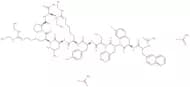
CAS:<p>Rosuvastatin is a statin drug that inhibits cholesterol synthesis by inhibiting the enzyme HMG-CoA reductase. Rosuvastatin has been shown to reduce high-sensitivity C-reactive protein (hsCRP) and low-density lipoprotein cholesterol (LDL-C), which are risk factors for cardiovascular disease, in patients with hypercholesterolemia. Rosuvastatin also has a high degree of potency and specificity for the HMG-CoA reductase enzyme and shows no significant cross-reactivity with other HMG-CoA reductase inhibitors. Rosuvastatin is metabolized by CYP3A4 and CYP2C9. Drugs that inhibit these enzymes may increase the plasma levels of rosuvastatin, while drugs that induce these enzymes may decrease the plasma levels of rosuvastatin.</p>Formula:C24H32FN3O6SPurity:Min. 95%Color and Shape:PowderMolecular weight:509.59 g/molGanirelix acetate
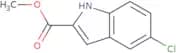
CAS:Controlled Product<p>Ganirelix acetate is a synthetic, non-steroidal, anti-hormonal agent of the gonadotropin releasing hormone (GnRH) receptor antagonist class. It is used in research as a building block for fine chemical and pharmaceutical synthesis. Ganirelix acetate has been shown to be useful in the synthesis of drugs that target the GnRH receptor or other receptors with high affinity for GnRH. This compound can act as an intermediate in many chemical reactions and is also a versatile scaffold for drug design.</p>Formula:C80H113ClN18O13•(C2H4O2)2Purity:Min. 95%Color and Shape:White PowderMolecular weight:1,690.42 g/mol5-Chloroindole-2-carboxylic acid methyl ester
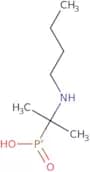
CAS:<p>5-Chloroindole-2-carboxylic acid methyl ester is a potent inhibitor of the enzyme tyrosine kinase in cell culture, with an IC50 value of 0.5 nM. It has been shown to inhibit the growth of cancer cells (e.g., MDA-MB231, MCF-7) in vitro and in vivo. The IC50 values for inhibition of MDA-MB231 and MCF-7 cells are 0.1 and 10 nM, respectively. 5-Chloroindole-2-carboxylic acid methyl ester binds to the ATP binding site on tyrosine kinase, preventing ATP from binding and inhibiting phosphorylation of the receptor protein. This allows the receptor's downstream signaling pathways to be blocked, which leads to cell growth inhibition by arresting cell cycle progression at G0/G1 phase or inducing apoptosis.</p>Formula:C10H8ClNO2Purity:Min. 95%Molecular weight:209.63 g/molButaphosphan
CAS:<p>Butaphosphan is a drug that has been shown to have clinical relevance for the treatment of metabolic disorders. It is a prodrug that is converted into butaprost-diol, which has been shown to improve insulin sensitivity and reduce aminotransferase activity in rats. Butaphosphan can be used as an alternative to aminotransferase inhibitors such as ursodeoxycholic acid and cholestyramine for the treatment of patients with primary biliary cirrhosis. This drug has also been shown to have a protective effect on fatty acid metabolism, which may be due to its ability to inhibit the activity of enzymes involved in fatty acid synthesis. Butaphosphan is metabolized by cytochrome P450 enzymes and hydroxylases and can be detected using LC-MS/MS methods. The drug has also been shown to have beneficial effects on cortisol concentrations and liver histology when administered orally.</p>Formula:C7H18NO2PPurity:Min. 95%Color and Shape:White PowderMolecular weight:179.2 g/molNipecotic acid
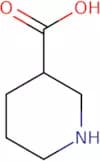
CAS:<p>Nipecotic acid is a competitive inhibitor of glutamate. It binds to the extracellular site of the glutamate-gated chloride channel and blocks the influx of chloride ions into the cell, resulting in an increase in intracellular chloride ion concentrations. Nipecotic acid has been shown to have a variety of effects on behaviour, including increased rotarod performance and improved motor learning in rats. This drug also inhibits uptake of hydrogen tartrate into cells, which is essential for catabolism of glucose by glycolysis. The effect on locomotor activity was not observed when nipecotic acid was administered orally or intraperitoneally. Nipecotic acid has a high resistance to hydrolysis by p-hydroxybenzoic acid and is used as an analytical standard for this compound.</p>Formula:C6H11NO2Color and Shape:PowderMolecular weight:129.15 g/molNb-N-(benzhydryloxycarbonyl)cytosine)-1-acetic acid
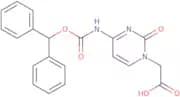
CAS:<p>Nb-N-(benzhydryloxycarbonyl)cytosine)-1-acetic acid is a speciality chemical that is used as a reagent, building block, and scaffold for organic synthesis. This compound can be used in various reactions to produce complex compounds with high purity. Nb-N-(benzhydryloxycarbonyl)cytosine)-1-acetic acid is an excellent starting material for the production of fine chemicals, research chemicals, and versatile building blocks. It is also a useful intermediate for the production of pharmaceuticals and other useful compounds.</p>Formula:C20H17N3O5Purity:Min. 98 Area-%Color and Shape:White PowderMolecular weight:379.37 g/mol5-Amino-2-bromobenzoic acid
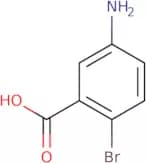
CAS:<p>5-Amino-2-bromobenzoic acid is an organic compound that is used in the manufacture of other chemicals. It is a white crystalline solid with a melting point of 133°C, and it has a molecular weight of 222.27 g/mol. This chemical has been shown to be mutagenic, and it may also cause adverse effects on the liver, kidneys, stomach, and skin when taken orally or applied to the skin. 5-Amino-2-bromobenzoic acid is found in many products that are used for industrial purposes such as dyes, rubber chemicals, textile chemicals, pesticides, and herbicides. The chemical can be found in products that are sold in hardware stores and supermarkets.</p>Formula:C7H6BrNO2Purity:Min. 95%Color and Shape:PowderMolecular weight:216.03 g/mol4-Acetoxymethylbenzoic acid
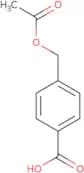
CAS:<p>4-Acetoxymethylbenzoic acid is a chemical compound with the formula CH3CO2C6H4O2. It is a white solid that reacts with butyric acid to form 4-acetoxybutanoic acid. The reaction may be carried out in a sealed tube at room temperature, and the product precipitates as the reaction proceeds. This chemical can also be used in the synthesis of polystyrene through the nitration process. Nitrate, butanoic acid, terephthalic acid, and solvents are some of the reactants required for this process.<br>The following is an example of one possible product description:</p>Formula:C10H10O4Purity:Min. 95%Color and Shape:White/Off-White SolidMolecular weight:194.18 g/molL-Glutamic acid diethyl ester HCl
CAS:<p>L-glutamic acid diethyl ester hydrochloride (GDE) is an experimental drug that inhibits the activity of glutamic acid decarboxylase, an enzyme that catalyses the production of glutamate. GDE has been shown to decrease locomotor activity in rats and to cause neuronal death in cerebellar Purkinje neurons. It also has low potency as a neurotransmitter. L-Glutamic acid diethyl ester hydrochloride has been shown to be effective against autoimmune diseases and metabolic disorders, although it did not show significant effects on pharmacokinetic properties or glutamate levels in experimental models.</p>Formula:C9H17NO4·HClPurity:Min. 95%Color and Shape:PowderMolecular weight:239.7 g/molDOTA-(Tyr3)-Octreotate acetate salt
CAS:Controlled Product<p>Octreotate is a radiopharmaceutical that is synthesized by reacting DOTA-Tyr3 with octreotide acetate. Octreotate, also known as dotatate, is used in nuclear medicine to treat neuroendocrine tumours. This drug has a high yield and can be reliably prepared using cassettes and computerised equipment to create germanium-68 labelled octreotate. The radionuclide emits positrons and gamma rays, which are used for imaging neuroendocrine tumours in the brain or other organs. Octreotate is a synthetic analogue of the natural hormone octreotide, which binds to receptors on the cell surface and prevents the release of hormones from cells. This may be due to its ability to inhibit protein synthesis by inhibiting rRNA synthesis.</p>Formula:C65H90N14O19S2Purity:Min. 95 Area-%Color and Shape:White Slightly Yellow PowderMolecular weight:1,435.63 g/molAnecortave acetate
CAS:Controlled Product<p>Anecortave acetate is a steroid that has been shown to inhibit angiogenesis and has been approved for the treatment of proliferative diabetic retinopathy. It is a prodrug that undergoes enzymatic cleavage by esterases to release the active form, acetate. This drug is found in high concentrations in the sclera, which could be related to its ability to inhibit angiogenesis. Anecortave acetate inhibits viral replication and inflammation by binding to receptors on cells with these functions. Anecortave acetate also binds to monoclonal antibodies that are used as imaging agents for angiography and fluorescein angiography studies. The anti-angiogenic properties of this drug have been studied using pharmacokinetics studies, animal toxicity studies, and chemical biology approaches.</p>Formula:C23H30O5Purity:Min. 96 Area-%Color and Shape:White Off-White PowderMolecular weight:386.48 g/molN-[3-(4,4,5,5-TetraMethyl-[1,3,2]dioxaborolan-2-yl)-phenyl]succinamic acid
CAS:<p>N-[3-(4,4,5,5-TetraMethyl-[1,3,2]dioxaborolan-2-yl)-phenyl]succinamic acid is an intermediate in the synthesis of a variety of compounds. It is also a useful building block in the synthesis of complex compounds. In addition to its use as a research chemical and reagent, N-[3-(4,4,5,5-TetraMethyl-[1,3,2]dioxaborolan-2-yl)-phenyl]succinamic acid can be used as a speciality chemical.</p>Formula:C16H22BNO5Purity:Min. 95%Molecular weight:319.16 g/mol6-Hydroxy-3-anisic acid hydrazide
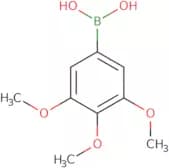
CAS:<p>6-Hydroxy-3-anisic acid hydrazide is a versatile building block that can be used in the synthesis of complex compounds. It is also a useful intermediate for the synthesis of research chemicals, reagents and speciality chemicals. This compound has been used as a building block for the synthesis of pharmaceuticals such as antibiotics and antihypertensives. 6-Hydroxy-3-anisic acid hydrazide is also an important reaction component for synthesizing polymers and other chemical compounds. This compound has high quality and is easily soluble in water, making it an especially useful scaffold for organic synthesis.</p>Formula:C8H10N2O3Purity:Min. 95%Color and Shape:White PowderMolecular weight:182.18 g/mol(3,4,5-Trimethoxyphenyl)boronic acid
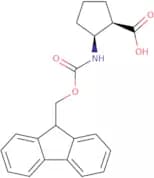
CAS:<p>(3,4,5-Trimethoxyphenyl)boronic acid is an active analogue of 3,4,5-trimethoxybenzoic acid. It has potent anti-inflammatory properties and inhibits cancer cell proliferation. (3,4,5-Trimethoxyphenyl)boronic acid has been shown to inhibit the growth of cancer cells in vitro by binding to the gyrase enzyme. This drug also has biological properties that may be useful for treating human liver diseases such as hepatic steatosis or nonalcoholic fatty liver disease (NAFLD).</p>Formula:C9H13BO5Purity:Min. 95 Area-%Color and Shape:PowderMolecular weight:212.01 g/mol(+/-)-Fmoc-cis-2-aminocyclopentane carboxylic acid
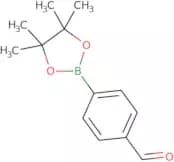
CAS:<p>Fmoc-cis-(1R,2S)-2-aminocyclopentane carboxylic acid is a versatile building block that is used in the synthesis of many important compounds. It can be used as a scaffold for organic synthesis and can be converted to an intermediate for peptides and proteins. Fmoc-cis-(1R,2S)-2-aminocyclopentane carboxylic acid is also useful in chemical reactions due to its high reactivity, including reactions with thiols, amines, alcohols, and others. This compound has been shown to form complexes with metals such as palladium or platinum.</p>Formula:C21H21NO4Purity:Min. 96 Area-%Color and Shape:White PowderMolecular weight:351.4 g/mol4-Formylphenylboronic acid pinacol cyclic ester
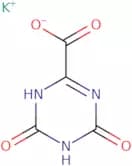
CAS:<p>4-Formylphenylboronic acid pinacol cyclic ester is a boronic ester that can be used in cross-coupling reactions. It reacts with a variety of halides and metal surfaces, including palladium. 4-Formylphenylboronic acid pinacol cyclic ester has been shown to be a useful model system for the synthesis of conjugates and has been used in clinical development as a fluorophore for cancer diagnosis. The photophysical properties of 4-Formylphenylboronic acid pinacol cyclic ester have been studied extensively and the chromophore is sensitive to changes in the environment. The boronic acids are responsible for the reactivity of 4-Formylphenylboronic acid pinacol cyclic ester, which undergoes an oxidative addition reaction mechanism.</p>Formula:C13H17BO3Color and Shape:PowderMolecular weight:232.08 g/molOxonic acid potassium
CAS:<p>Oxonic acid potassium is a selectively competitive uricase inhibitor that avoids excretion of uric acid. It also inhibits the activity of orotate phosphoribosyltransferase (OPRT), an enzyme needed for the biosynthesis of pyrimidine nucleotides. Oxonic acid potassium catalyzes the phosphorylation of 5-fluorouracil (FF05372, BF166014) to 5-fluorouridine-5'-monophosphate (NF31487). In certain studies with rats, it has been shown that oxonic accid potassium suppresses the gastrointestinal toxicity of 5-fluorouracil or 5-FU without inhibiting the antitumor activity. Oxonic acid potassium, in combination with other prodrugs, boosts the antitumor activity and has shown positive results to treat gastric, pancreatic, lung, head, neck, and breast carcinomas.</p>Formula:C4H2KN3O4Purity:Min. 98 Area-%Color and Shape:PowderMolecular weight:195.17 g/mol2,3,4,5-Tetrafluorobenzoic acid ethyl ester
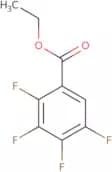
CAS:<p>2,3,4,5-Tetrafluorobenzoic acid ethyl ester is a fine chemical that is useful in the synthesis of complex compounds. It is a versatile building block with many potential applications in research and as a reagent. 2,3,4,5-Tetrafluorobenzoic acid ethyl ester has been shown to have high purity and quality. This compound can be used as a reaction component for other chemical reactions and as an intermediate for the production of pharmaceuticals. CAS No. 122894-73-9</p>Formula:C9H6F4O2Purity:Min. 95%Molecular weight:222.14 g/mol2-Nitrophenylacetic acid
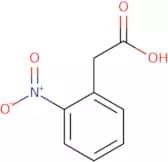
CAS:<p>2-Nitrophenylacetic acid is a synthetic product that has been studied by electrochemical techniques. It is soluble in human serum and can be detected by a chromatographic method. The cationic surfactant, oxindole, chloride, and optimal reaction conditions are known for the solute. 2-Nitrophenylacetic acid is a pharmaceutical drug that can be cleaved into nitro and carboxylate products with hydrochloric acid and β-unsaturated ketone as cleavage products.</p>Formula:C8H7NO4Purity:Min. 98 Area-%Color and Shape:PowderMolecular weight:181.15 g/molMethyl cyclohexene-1-carboxylate
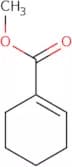
CAS:<p>Methyl cyclohexene-1-carboxylate is a functional group that is used in catalytic asymmetric synthesis. It has been shown to be a useful reactant for the synthesis of cyclopentenone, and it can also be used to synthesize isomers of methyl cyclopentane-1-carboxylate. Methyl cyclohexene-1-carboxylate reacts with organotin compounds to form five-membered rings and vinyl acetate. This compound is an asymmetric synthon that produces yields of up to 97%. Methyl cyclohexene-1-carboxylate can also undergo amide formation with ammonia or an amine, producing an alkene.</p>Formula:C8H12O2Purity:Min. 95%Color and Shape:Clear LiquidMolecular weight:140.18 g/molrac 3-Hydroxydecanoic acid
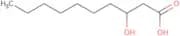
CAS:<p>Rac 3-hydroxydecanoic acid is a fatty acid that exhibits antifungal activity. It has been shown to inhibit the growth of a number of fungi, including Trichophyton rubrum and Candida albicans, in vitro. Rac 3-hydroxydecanoic acid is active against the na channel, actin filaments, and bacterial strains such as Streptococcus faecalis. This compound also inhibits bacterial translocation and structural analysis. The mechanism of action of rac 3-hydroxydecanoic acid may be due to its ability to cause an acidic pH inside the cell and bind with hydroxyl groups on proteins. br>br> This molecule has been shown to have an effect on fatty acids; it can form a complex with caproic acid and neutralize it's acidic properties. Rac 3-hydroxydecanoic acid has not been shown to have any adverse effects on humans or animals when</p>Formula:C10H20O3Purity:Min. 95%Color and Shape:PowderMolecular weight:188.26 g/molEthyl (4-nitrophenyl)acetate
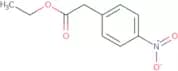
CAS:<p>Ethyl (4-nitrophenyl)acetate is a molecule that has been used in biological studies as an active substance for its antibacterial properties. It has been shown to have minimal inhibitory concentration (MIC) of 0.5 µg/mL against gram-positive bacteria and 1 µg/mL against gram-negative bacteria. The molecule is also the main active methylene in the ethyl ester. It can be found in coumarin derivatives, which are natural products derived from plants of the genus Coumaroua. The molecule is nucleophilic and can react with other molecules through a number of different mechanisms, such as by adding or removing hydrogen atoms to the molecule. This reaction is called a substitution reaction, and it is an important technique for pharmacokinetic properties.</p>Formula:C10H11NO4Purity:Min. 95%Color and Shape:PowderMolecular weight:209.2 g/molR-a-Lipoic acid tromethamine salt
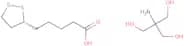
CAS:<p>R-a-Lipoic acid tromethamine salt is a reaction component and reagent that is used in the synthesis of high quality chemical products. The compound has many applications, including being a useful scaffold for the synthesis of complex compounds. R-a-Lipoic acid tromethamine salt can be used as a versatile building block or as a fine chemical. This compound is also listed under CAS No. 14358-90-8, which makes it an excellent choice for research chemicals and speciality chemicals.</p>Formula:C8H14O2S2·C4H11NO3Purity:Min. 95%Color and Shape:PowderMolecular weight:327.46 g/mol4-Iodocinnamic acid
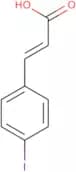
CAS:<p>4-Iodocinnamic acid is a mesomorphic, supramolecular organic acid that has potent cytotoxicity against cancer cells. It is also an analogue of the natural product cinnamic acid. 4-Iodocinnamic acid binds to the active site of the enzyme DNA polymerase and inhibits DNA synthesis by preventing the incorporation of deoxynucleotide triphosphates into synthesized DNA chains. The compound has been shown to have strong antimicrobial activity against Gram-positive bacteria such as Staphylococcus aureus, Enterococcus faecalis, and Bacillus cereus. 4-Iodocinnamic acid is also an effective inhibitor of cancer cell proliferation and induces apoptosis in these cells.</p>Formula:C9H7IO2Purity:Min. 95%Color and Shape:PowderMolecular weight:274.06 g/mol3-Methyl-5-isoxazoleacetic acid
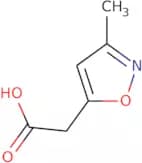
CAS:<p>Please enquire for more information about 3-Methyl-5-isoxazoleacetic acid including the price, delivery time and more detailed product information at the technical inquiry form on this page</p>Formula:C6H7NO3Purity:Min. 95%Molecular weight:141.12 g/mol3,5,3',5'-Tetraiodo thyrolactic acid
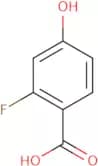
CAS:<p>3,5,3',5'-Tetraiodo thyrolactic acid is a fine chemical that belongs to the group of useful building blocks. It is a reagent and speciality chemical. 3,5,3',5'-Tetraiodo thyrolactic acid can be used as a reaction component in the synthesis of pharmaceuticals and other organic molecules. This compound is also versatile and can be used as a scaffold for developing new analogues. 3,5,3',5'-Tetraiodo thyrolactic acid has excellent quality and purity with CAS No. 7069-47-8.</p>Formula:C15H10I4O5Purity:Min. 95%Color and Shape:PowderMolecular weight:777.85 g/mol2-Fluoro-4-hydroxybenzoic acid
CAS:<p>The 2-fluoro-4-hydroxybenzoic acid (2F4HB) is a naturally occurring substance that has been synthesized by the process of carbon source. It is a member of the class of compounds known as flavonoids, which are found in plants and have many functions such as being an antioxidant, having anti-inflammatory properties, and being a precursor to vitamin K. The 2F4HB has been shown to have antimicrobial activity against various bacterial species including C. parapsilosis and B. cereus, with inhibitory effects on cell growth. This compound also has been shown to have birefringence properties under polarized light microscopy. It may be used as a fluorescent dye to study the structure of polymers or other organic substances that can be dissolved in water or organic solvents. The 2F4HB also shows potential as an electron spin resonance agent for magnetic resonance spectroscopy because it can act as a free radical scavenger</p>Formula:C7H5FO3Purity:Min. 95%Molecular weight:156.11 g/mol2,3-Pyridinedicarboxylic acid
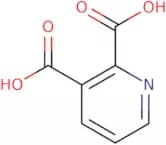
CAS:<p>2,3-Pyridinedicarboxylic acid is a metabolite of glutamate and quinolinate. It has been shown to inhibit mitochondrial membrane potential, which may lead to neuronal death. 2,3-Pyridinedicarboxylic acid is also an inhibitor of the enzyme activities of the group P2 synthetases. The compound can act as a pharmacological agent against infectious diseases such as malaria and tuberculosis.</p>Formula:C7H5NO4Purity:Min. 98 Area-%Color and Shape:White PowderMolecular weight:167.12 g/mol3-(Cyanomethyl)benzoic acid
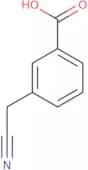
CAS:<p>3-(Cyanomethyl)benzoic acid is a useful building block that is used as a reagent in the production of pharmaceuticals and research chemicals. It is also used as a speciality chemical and as a high-quality fine chemical. This compound has versatile uses, including reactions with other chemicals to form complex compounds, and can be used as a reaction component or an intermediate in the synthesis of other chemicals. 3-(Cyanomethyl)benzoic acid has no known toxicity and its CAS number is 5689-33-8.</p>Formula:C9H7NO2Purity:Min. 95%Color and Shape:PowderMolecular weight:161.16 g/mol6-(3-(Adamantan-1-yl)-4-methoxyphenyl)-2-naphthoic acid
CAS:Controlled Product<p>Agonist of retinoic acid receptors (RAR-? and RAR-?); pro-apoptotic</p>Formula:C28H28O3Purity:Min. 95%Color and Shape:PowderMolecular weight:412.52 g/mol5-Bromothiophene-2-carboxylic acid methyl ester
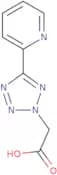
CAS:<p>5-Bromothiophene-2-carboxylic acid methyl ester is an alkene that is used in the synthesis of molybdenum trioxide and other polyhalogenated compounds. It can be prepared by alkylation of 5-bromothiophene with ethyl bromoacetate in the presence of carbon tetrachloride and a halide, such as bromine. The use of photophysical optimization has been shown to significantly improve the yield of this reaction. The reactive nature of 5-bromothiophene-2-carboxylic acid methyl ester makes it suitable for use in organic synthesis. This compound has been shown to have a positive effect on bone mass, which may be due to its ability to inhibit osteoclasts, reducing the activity of these cells that break down bone tissue.</p>Formula:C6H5BrO2SPurity:Min. 95%Color and Shape:PowderMolecular weight:221.07 g/mol(5-Pyridin-2-yl-2H-tetrazol-2-yl)acetic acid
CAS:<p>5-Pyridin-2-yl-2H-tetrazol-2-yl)acetic acid is a chemical compound that can be used as a research chemical, reagent, or speciality chemical in the synthesis of pharmaceuticals, pesticides, and other organic compounds. It is also an intermediate for the production of other compounds and has been shown to have antioxidant properties. 5-(pyridin-2-yl)-2H tetrazole is a useful building block in the synthesis of complex compounds and scaffolds.</p>Formula:C8H7N5O2Purity:Min. 95%Color and Shape:PowderMolecular weight:205.17 g/mol4-Hydroxy-3-methoxybenzoic acid ethyl ester
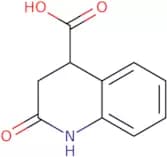
CAS:<p>4-Hydroxy-3-methoxybenzoic acid ethyl ester is a synthetic compound that is converted to protocatechuic acid, an antioxidant found in wine. It has been shown to have antioxidative properties in inflammatory bowel disease by inhibiting the formation of reactive oxygen species. Protocatechuic acid also inhibits the growth of bacterial strains such as Listeria monocytogenes and Bacillus cereus, which are often resistant to antibiotics. The mechanism of action is not well understood, but it may be due to its ability to inhibit the production of p-hydroxybenzoic acid, a precursor for bacterial cell wall synthesis. Protocatechuic acid also has anti-inflammatory properties and can be used as a bioactive phenolic in topical preparations such as creams or ointments.</p>Formula:C10H12O4Purity:Min. 95%Color and Shape:PowderMolecular weight:196.2 g/mol2-Oxo-1,2,3,4-tetrahydroquinoline-4-carboxylic acid
CAS:<p>2-Oxo-1,2,3,4-tetrahydroquinoline-4-carboxylic acid is a carboxylic acid that is an intermediate in the chemical synthesis of 2H and 3H tetrahydroquinolines. It can be synthesized by the oxidation of 2-(N,N-dimethylamino)benzaldehyde with hydrogen peroxide in methanol. The compound has been used to label animals for use in mass spectrometry studies and as a reactant in electron and nuclear magnetic resonance (NMR) spectroscopy experiments. In addition, 2-oxo-1,2,3,4-tetrahydroquinoline-4-carboxylic acid has been used to study equilibrium and reversible reactions as well as to identify the abundances of different spectral peaks. 2-Oxo-1,2,3,4-tetrahydroquinoline-4</p>Formula:C10H9NO3Purity:Min. 95%Molecular weight:191.18 g/mol4-Carboxycinnamic acid
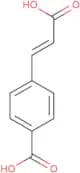
CAS:<p>4-Carboxycinnamic acid is an organic compound that is a derivative of cinnamic acid. It is a colorless solid that is soluble in organic solvents and has high resistance to environmental pollution. 4-Carboxycinnamic acid has been shown to have photocatalytic activity in the presence of UV radiation, with a quantum yield of 0.2% at 365 nm. It also exhibits fluorescence properties, but these are not as strong as the parent compound, cinnamic acid. 4-Carboxycinnamic acid has functional groups that can be activated by hydrogen bonding interactions and uptake into cells. This compound also reacts with sulfonic acids to form sulfinic acids and hydrochloric acid to form chlorocinnamic acids. Chronic pulmonary effects were observed in animals after inhalation of this substance for 30 minutes per day for 10 days. X-ray crystal structures have been determined for 4-carboxycinnamic acid and its</p>Formula:C10H8O4Purity:Min. 95%Color and Shape:PowderMolecular weight:192.17 g/mol5-Methoxyisoxazole-4-carboxylic acid ethyl ester
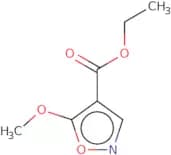
CAS:<p>5-Methoxyisoxazole-4-carboxylic acid ethyl ester is a fine chemical that has been used as a reagent, speciality chemical, and complex building block. It is also useful as a versatile intermediate for the synthesis of other organic compounds. 5-Methoxyisoxazole-4-carboxylic acid ethyl ester has been shown to react with alcohols and amines to form ethers and amides respectively. The compound can be used in the synthesis of polymers and pharmaceutical intermediates. 5-Methoxyisoxazole-4-carboxylic acid ethyl ester has a molecular weight of 210.24 g/mol and CAS No. 1314983-30-6.</p>Formula:C7H9NO4Purity:Min. 95%Molecular weight:171.15 g/molCHES
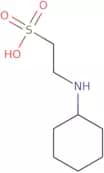
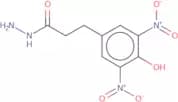
CAS:<p>2-(N-Cyclohexylamino)ethanesulfonic acid, also known as CHES, is a biological cyclohexylamino buffer with an optimal pH range of 8.6-10.0 and a pKa of 9.5. It has poor metal ion coordination and is suitable for applications above physiological pH.</p>Formula:C8H17NO3SPurity:(Titration) 98.0 To 102.0%Color and Shape:PowderMolecular weight:207.29 g/mol3,5-Dinitro-4-hydroxyphenylpropionic acid hydrazide
CAS:<p>3,5-Dinitro-4-hydroxyphenylpropionic acid hydrazide is a versatile building block that can be used in the synthesis of complex compounds. It is an intermediate for the production of research chemicals and reagents, as well as a useful scaffold for making new compounds. This compound has been shown to be stable in air and water and is not toxic when ingested. 3,5-Dinitro-4-hydroxyphenylpropionic acid hydrazide is also soluble in many organic solvents and has low volatility.</p>Formula:C9H10N4O6Purity:Min. 95%Molecular weight:270.2 g/mol2,3-Dihydroxy-4-methoxycinnamic acid ethyl ester
<p>Please enquire for more information about 2,3-Dihydroxy-4-methoxycinnamic acid ethyl ester including the price, delivery time and more detailed product information at the technical inquiry form on this page</p>Purity:Min. 95%3-(2,6,6-Trimethyl-4-oxo-5,6,7-trihydroindolyl)benzoic acid
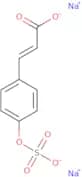
CAS:<p>Please enquire for more information about 3-(2,6,6-Trimethyl-4-oxo-5,6,7-trihydroindolyl)benzoic acid including the price, delivery time and more detailed product information at the technical inquiry form on this page</p>Formula:C18H19NO3Purity:Min. 95%Color and Shape:PowderMolecular weight:297.35 g/molp-Coumaric acid 4-O-sulfate disodium
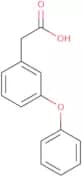
CAS:<p>p-Coumaric acid 4-O-sulfate disodium salt is a high quality, reagent, complex compound. It is an intermediate in the synthesis of pyridoxal 5′-phosphate and may be used as a building block for the synthesis of other compounds. It is also a speciality chemical that may be used as a reaction component in organic synthesis.</p>Formula:C9H8O6S•Na2Purity:95%MinColor and Shape:PowderMolecular weight:290.2 g/mol3-Phenoxyphenylacetic acid
CAS:<p>3-Phenoxyphenylacetic acid is a diphenyl ether compound. It is used as a preservative and has antimycobacterial activity. 3-Phenoxyphenylacetic acid has been shown to be active against tuberculosis, with an MIC of 0.5 ug/mL. In addition, it can inhibit the growth of methicillin-resistant Staphylococcus aureus (MRSA) and erythromycin-resistant Mycobacterium tuberculosis. The mechanism of action is not fully understood, but may involve the inhibition of electron transport or oxidative phosphorylation in bacterial cells. 3-Phenoxyphenylacetic acid also inhibits the formation of reactive oxygen species from NADPH oxidase in human neutrophils, which may contribute to its antimicrobial activity.</p>Formula:C14H12O3Purity:Min. 95%Color and Shape:PowderMolecular weight:228.24 g/mol2-Fluoro-3-methylbenzoic acid methyl ester
CAS:<p>2-Fluoro-3-methylbenzoic acid methyl ester is a small molecule that has been shown to possess 5-HT3 receptor antagonist activity in the range of nanomolar potencies. This drug has also been shown to be orally active in mice. The physicochemical properties of 2-fluoro-3-methylbenzoic acid methyl ester include a melting point of 155.5° C, solubility in methanol and acetone, and a molecular weight of 168.2 g/mol.<br>2-Fluoro-3-methylbenzoic acid methyl ester is being developed as a targeted agent for the treatment of bowel syndrome, which is characterized by abdominal pain, nausea and diarrhea.</p>Formula:C9H9FO2Purity:Min. 95%Color and Shape:Clear LiquidMolecular weight:168.16 g/molGonadorelin acetate
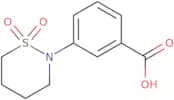
CAS:<p>Gonadorelin acetate is a synthetic peptide agonist, which is an analog of the naturally occurring gonadotropin-releasing hormone (GnRH). It is derived from a synthetic process designed to mimic the structure and function of endogenous GnRH. Gonadorelin acetate functions by stimulating the anterior pituitary gland to release two critical hormones: luteinizing hormone (LH) and follicle-stimulating hormone (FSH). These hormones play a pivotal role in regulating reproductive processes, including ovulation and spermatogenesis.</p>Formula:C55H75N17O13·xC2H4O2Purity:Min. 98 Area-%Color and Shape:White PowderMolecular weight:1182.293-(1,1-Dioxido-1,2-thiazinan-2-yl)benzoic acid
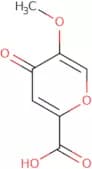
CAS:<p>3-(1,1-Dioxido-1,2-thiazinan-2-yl)benzoic acid is a fine chemical that can be used as a building block for research and development. It is also a reagent and speciality chemical that is useful for the production of different compounds. This compound is an intermediate in many reactions and can be used as a scaffold to produce more complex molecules. CAS No. 53324-51-9</p>Formula:C11H13NO4SPurity:Min. 95%Color and Shape:PowderMolecular weight:255.29 g/mol5-Methoxy-4-oxo-4H-pyran-2-carboxylic acid
CAS:<p>5-Methoxy-4-oxo-4H-pyran-2-carboxylic acid is a building block for organic synthesis. It is a versatile building block that can be used to synthesize complex compounds. 5-Methoxy-4-oxo-4H-pyran-2-carboxylic acid has been shown to be useful as a reagent in organic synthesis and as a reaction component. It is also used in pharmaceutical research and development. CAS No.: 1199-60-6</p>Formula:C7H6O5Purity:Min. 95%Color and Shape:PowderMolecular weight:170.12 g/mol5-Formyl-2-thiopheneboronic acid pinacol ester
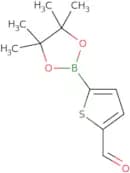
CAS:<p>5-Formyl-2-thiopheneboronic acid pinacol ester is a boron derivative ester that serves as a Suzuki coupling building block. It is a highly versatile building block that can be used in the synthesis of various organic compounds. This compound has been widely used in the pharmaceutical industry for the development of new drugs and other bioactive molecules. Its unique structure makes it an ideal starting material for the synthesis of complex molecules with diverse biological activities. As a key intermediate in organic synthesis, 5-Formyl-2-thiopheneboronic acid pinacol ester has become an important tool for chemists working in drug discovery, materials science, and other fields. With its exceptional reactivity and versatility, this compound is an essential building block for any chemist's toolkit.</p>Formula:C11H15BO3SPurity:Min. 95%Color and Shape:PowderMolecular weight:238.11 g/molNesfatin-1 (mouse) trifluoroacetate salt
CAS:<p>Please enquire for more information about Nesfatin-1 (mouse) trifluoroacetate salt including the price, delivery time and more detailed product information at the technical inquiry form on this page</p>Formula:C424H683N117O137Purity:Min. 95%Molecular weight:9,611.67 g/molHippuric acid
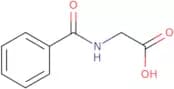
CAS:<p>Hippuric acid is a metabolite of benzoate that is excreted in urine. It can be detected as a marker for bowel disease and cancer, as well as being an indicator of the metabolic effects due to electrochemical impedance spectroscopy. Hippuric acid is also a substrate for the enzyme hippurate hydroxylase, which converts it to benzoate. The biological samples used in this study were from patients with carcinoid syndrome, who have high levels of hippuric acid in their urine due to increased production by tumor cells.</p>Formula:C9H9NO3Purity:Min. 95%Color and Shape:PowderMolecular weight:179.17 g/mol3, 3'- Dihydroxy- [1, 1'- biphenyl] - 4, 4'- dicarboxylic acid
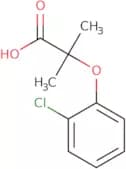
CAS:<p>3, 3'-Dihydroxy- [1, 1'-biphenyl] - 4, 4'-dicarboxylic acid (3,3'DHBA) is a versatile building block that can be used in the synthesis of various organic compounds. It is a necessary reagent for the production of high quality research chemicals and speciality chemicals. 3, 3'-Dihydroxy- [1, 1'-biphenyl] - 4, 4'-dicarboxylic acid has been reported to be useful as an intermediate in the synthesis of complex compounds with diverse applications. This compound has also been used as a reaction component for organic reactions. CAS No.: 861533-46-2.</p>Formula:C14H10O6Purity:Min. 95%Color and Shape:solid.Molecular weight:274.23 g/mol2-(2-Chlorophenoxy)-2-methylpropanoic acid
CAS:<p>2-(2-Chlorophenoxy)-2-methylpropanoic acid is a plant hormone that is involved in the mediation of plant responses to various biotic and abiotic stressors. It is synthesized from salicylic acid by the enzyme phenylalanine ammonia-lyase and its structure resembles that of hydrogen peroxide. Its linear growth-promoting activity is mediated by the formation of 2,4-dichlorophenoxyacetic acid, which activates the production of hydrogen peroxide and induces cell expansion. The biosynthesis of this compound has been shown in plants through studies on excised tissues.</p>Formula:C10H11ClO3Purity:Min. 95%Color and Shape:PowderMolecular weight:214.65 g/mol

![5-Methyl-[1,3,4]oxadiazole-2-carboxylic acid, potassium salt](/_next/image/?url=https%3A%2Fstatic.cymitquimica.com%2Fproducts%2F3D%2Fthumb-webp%2FFM56554.webp&w=3840&q=75)
![4-tert-Butylcalix[4]arene-tetraacetic acid tetraethyl ester](/_next/image/?url=https%3A%2Fstatic.cymitquimica.com%2Fproducts%2F3D%2Fthumb-webp%2FFT05936.webp&w=3840&q=75)






![5,6,7,8-Tetrahydro-[1,8]naphthyridine-2-carboxylic acid](/_next/image/?url=https%3A%2Fstatic.cymitquimica.com%2Fproducts%2F3D%2Fthumb-webp%2FFT56542.webp&w=3840&q=75)
![7-[4-(4-Fluorophenyl)-6-(1-methylethyl)-2-(N-methyl-N-methylsulfonyl-amino)-pyrimidin-5-yl]-3,5-di…](/_next/image/?url=https%3A%2Fstatic.cymitquimica.com%2Fproducts%2F3D%2Fthumb-webp%2FFF35383.webp&w=3840&q=75)
![N-[3-(4,4,5,5-TetraMethyl-[1,3,2]dioxaborolan-2-yl)-phenyl]succinamic acid](/_next/image/?url=https%3A%2Fstatic.cymitquimica.com%2Fproducts%2F3D%2Fthumb-webp%2FFT39771.webp&w=3840&q=75)






![3, 3'- Dihydroxy- [1, 1'- biphenyl] - 4, 4'- dicarboxylic acid](/_next/image/?url=https%3A%2Fstatic.cymitquimica.com%2Fproducts%2F3D%2Fthumb-webp%2FFD164941.webp&w=3840&q=75)