Carboxylic Acids
Carboxylic acids are organic molecules characterized by having a carboxyl-type functional group (-COOH). These acids are fundamental in various chemical reactions, including esterification, amidation, and decarboxylation. Carboxylic acids are widely used in the production of pharmaceuticals, polymers, and agrochemicals. In this section, you can find a large number of carboxylic acids ready to be used. At CymitQuimica, we provide a broad range of high-quality carboxylic acids to support your research and industrial applications.
Found 12453 products of "Carboxylic Acids"
Sort by
Purity (%)
0
100
|
0
|
50
|
90
|
95
|
100
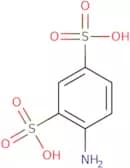
Aniline-2,4-disulfonic acid
CAS:<p>Aniline-2,4-disulfonic acid is a colorless solid with an unpleasant odor. It can be synthesized by the reaction of aniline and sulfuric acid. Aniline-2,4-disulfonic acid is used in the production of dyes and pharmaceuticals. This compound is insoluble in water and soluble in alcohols.</p>Formula:C6H7NO6S2Purity:Min. 95%Color and Shape:White PowderMolecular weight:253.25 g/mol2-Amino-3-methoxybenzoic acid methyl ester
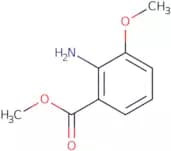
CAS:<p>2-Amino-3-methoxybenzoic acid methyl ester can be used as a chiral auxiliary in enantioselective synthesis. It is synthesised by reaction of l-valine with methyl iodide, followed by hydrolysis of the resulting ester under basic conditions. 2-Amino-3-methoxybenzoic acid methyl ester is used as a chiral auxiliary for the asymmetric synthesis of d-mannitol and related compounds.</p>Formula:C9H11NO3Purity:Min. 95%Color and Shape:PowderMolecular weight:181.19 g/molN-Lauroyl-L-glutamic acid
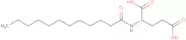
CAS:<p>Lauroyl-L-glutamic acid is a cationic surfactant with a hydroxy group. It is used as an emulsifier, dispersant, and wetting agent in oil solutions. This product also has the ability to chelate metal ions, such as calcium carbonate and iron. The product is primarily used in the manufacture of paints, plastics, coatings and adhesives. Lauroyl-L-glutamic acid has been shown to have a primary amino group that can react with another molecule containing a carboxylic acid group. This reaction produces hydrogen bonds that form gels or solids in water.</p>Formula:C17H31NO5Purity:Min. 95%Color and Shape:White to pale yellow solid.Molecular weight:329.43 g/mol2-(Phthalimidoyl)ethylphosphoric acid octadecyl ester
<p>Please enquire for more information about 2-(Phthalimidoyl)ethylphosphoric acid octadecyl ester including the price, delivery time and more detailed product information at the technical inquiry form on this page</p>Formula:C28H46NO6PMolecular weight:523.66 g/molDimethyl malonic acid
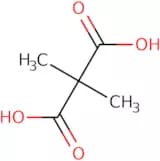
CAS:<p>Dimethyl malonic acid is an inorganic acid that contains a methyl group and two hydroxyl groups. Dimethyl malonic acid has been shown to have high values in analytical methods, such as x-ray crystal structures and high performance liquid chromatography. It is also used as a reagent for the determination of amino acids, including methylamine and ethylamine. This compound can be used as an intermediate in organic synthesis reactions. Dimethyl malonic acid has been shown to inhibit enzymes involved in fatty acid metabolism, such as carboxylase and acetyl-CoA carboxylase, which are involved in the formation of fatty acids. The use of this compound may lead to the production of less fatty acids and lower cholesterol levels.</p>Formula:C5H8O4Color and Shape:White Off-White PowderMolecular weight:132.11 g/mol2-((3-Oxocyclohex-1-enyl)amino)benzoic acid
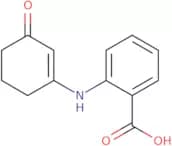
CAS:<p>Please enquire for more information about 2-((3-Oxocyclohex-1-enyl)amino)benzoic acid including the price, delivery time and more detailed product information at the technical inquiry form on this page</p>Formula:C13H13NO3Purity:Min. 95%Color and Shape:PowderMolecular weight:231.25 g/molH-Lys-Arg-OH acetate
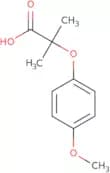
CAS:<p>Lys-Arg-OH acetate salt (LRA) is a protein transport peptide that is found in the neurosecretory system and has been used as a growth factor for the production of human insulin. LRA stimulates the release of pepsinogen, which breaks down food proteins into polypeptides and amino acids. It also has proteolytic activity, which helps break down proteins into peptides. LRA shares structural similarities with other peptide hormones such as vasopressin and oxytocin, but it differs by having an amide instead of an ester linkage between the lysine and arginine residues.</p>Formula:C12H26N6O3•(C2H4O2)xPurity:Min. 95%Color and Shape:PowderMolecular weight:302.37 g/mol2-(4-Methoxyphenoxy)-2-methylpropanoic acid
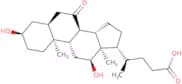
CAS:<p>2-(4-Methoxyphenoxy)-2-methylpropanoic acid (methoxymethyl) is a versatile building block with a variety of applications in synthesis. It is used as an intermediate in the preparation of pharmaceuticals, agrochemicals, and dyes. Methoxymethyl has been shown to be useful as a reagent for research and as a speciality chemical. This compound can also serve as a reaction component or scaffold in the synthesis of more complex compounds.</p>Formula:C11H14O4Purity:Min. 95%Color and Shape:PowderMolecular weight:210.23 g/mol7-Keto-3α,12-α-dihydroxycholanic acid
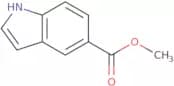
CAS:Controlled Product<p>7-Keto-3α,12-α-dihydroxycholanic acid is a lipid molecule that belongs to the class of sodium salts. It has been shown to form stable complexes with biological samples and is useful for sample preparation before analysis. 7-Keto-3α,12-α-dihydroxycholanic acid has been used in studies of hepatic steatosis in rats, which demonstrated statistically significant changes in liver fat content. This molecule also may be involved in bowel disease because it is a precursor for bile acids and the synthesis of cholesterol. 7KDHC has been associated with redox potential and microbial metabolism. 7KDHC may also have anti-inflammatory effects that help reduce symptoms of inflammatory bowel disease (IBD).</p>Formula:C24H38O5Purity:Min. 95 Area-%Color and Shape:White PowderMolecular weight:406.56 g/molMethyl indole-5-carboxylate
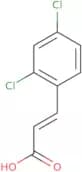
CAS:<p>Methyl indole-5-carboxylate is a hdac inhibitor that has been shown to have anticancer activity. It has been shown to inhibit the growth of hCT116 cells and xenograft tumors in mice. Methyl indole-5-carboxylate is also an active analog for other anticancer agents, such as 5-azacytidine and 5-aza-2'-deoxycytidine. The drug is cytotoxic to L6 cells and increases the expression of p21 protein, which inhibits tumor cell proliferation. This compound is metabolized by cytochrome P450 enzymes into methyl indole carboxylate, which can be further converted into a reactive intermediate that binds DNA.</p>Formula:C10H9NO2Color and Shape:PowderMolecular weight:175.18 g/mol(2E)-3-(2,4-Dichlorophenyl)acrylic acid
CAS:<p>Glyoxylate is an intermediate product of the shikimate pathway. It is a substrate for the enzyme tyrosinase, which catalyzes the hydroxylation of glyoxylate to form 3,4-dihydroxyphenylalanine (DOPA). This reaction is followed by the oxidation of DOPA to form o-quinone. Glyoxylate has also been shown to have neuromuscular junctions and may be involved in inhibiting muscle contraction.</p>Formula:C9H6Cl2O2Purity:Min. 95%Molecular weight:217.05 g/mol3H-Imidazo[4,5-c]pyridine-7-carboxylic acid
CAS:<p>3H-Imidazo[4,5-c]pyridine-7-carboxylic acid is a useful chemical that can be used as a reaction component for the synthesis of other compounds. It is an intermediate in the synthesis of many other chemicals. 3H-Imidazo[4,5-c]pyridine-7-carboxylic acid is a high quality chemical with a CAS number of 1234616-39-7.</p>Formula:C7H5N3O2Purity:Min. 95 Area-%Color and Shape:PowderMolecular weight:163.13 g/mol2-Oxo-3-methylbutanoic acid
CAS:<p>2-Oxo-3-methylbutanoic acid is a metabolite that belongs to the group of pantothenic acids. It is synthesized from pantothenate by enzymes in mitochondria, and also occurs as a metabolic intermediate in the body. 2-Oxo-3-methylbutanoic acid has been shown to have potential as a biomarker for congestive heart failure and obesity. The biochemical properties of this metabolite are not yet well understood. However, it has been shown to be an active component in vivo that may play an important role in energy metabolism. Structural analysis on this metabolite has revealed that it can bind calcium ions and form calcium pantothenate, which may be involved in the synthesis of ATP. X-ray diffraction data collected on this metabolite has shown that it has structural similarities with α subunit (ATP synthase). Dehydrogenase activity and calorimetric titration experiments have demonstrated that 2-ox</p>Formula:C5H8O3Purity:Min. 95%Color and Shape:Clear Liquid Solidified MassMolecular weight:116.12 g/mol1-[(5-Methoxy-1-methyl-1H-indol-3-yl)methyl]piperidine-4-carboxylic acid
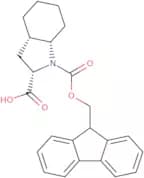
CAS:Controlled Product<p>Please enquire for more information about 1-[(5-Methoxy-1-methyl-1H-indol-3-yl)methyl]piperidine-4-carboxylic acid including the price, delivery time and more detailed product information at the technical inquiry form on this page</p>Formula:C17H22N2O3Purity:Min. 95%Molecular weight:302.37 g/molFmoc-L-octahydroindole-2-carboxylic acid
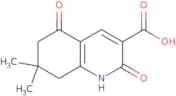
CAS:<p>Fmoc-L-octahydroindole-2-carboxylic acid is a synthetic amino acid that is used in the synthesis of peptides and proteins. It has been shown to be an agonistic ligand for the acetylcholine receptor and may be used as an anti-inflammatory drug. Fmoc-L-octahydroindole-2-carboxylic acid is synthesized by combining piperidine and fmoc-glycine, followed by condensation with iminoacetic acid. The synthesis of this compound can be achieved through solid phase synthesis or chemical methods. The removal of the FMOC group requires acidic conditions such as trifluoroacetic acid or hydrochloric acid.</p>Formula:C24H25NO4Purity:Min. 98 Area-%Color and Shape:White PowderMolecular weight:391.46 g/mol7,7-Dimethyl-2,5-dioxo-1,2,5,6,7,8-hexahydroquinoline-3-carboxylic acid
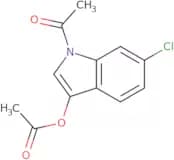
CAS:<p>Please enquire for more information about 7,7-Dimethyl-2,5-dioxo-1,2,5,6,7,8-hexahydroquinoline-3-carboxylic acid including the price, delivery time and more detailed product information at the technical inquiry form on this page</p>Formula:C12H13NO4Purity:Min. 95%Color and Shape:PowderMolecular weight:235.24 g/mol6-Chloro-3-indolyl 1,3-diacetate
CAS:<p>6-Chloro-3-indolyl 1,3-diacetate is an aglycone that is used as a chromogenic substrate for the detection of bacteria. It reacts with specific enzymes in the bacterial cell wall to produce a red or pink color. 6-Chloro-3-indolyl 1,3-diacetate is used as a diagnostic tool to identify bacteria and has been shown to be excreted in urine.</p>Formula:C12H10ClNO3Purity:Min. 95%Color and Shape:Yellow To Light Brown SolidMolecular weight:251.67 g/molL-Valyl-L-glutamic acid
CAS:<p>L-Valyl-L-glutamic acid is a versatile building block that can be used in the synthesis of complex compounds, research chemicals, and reagents. It is a high quality, useful intermediate for the production of speciality chemicals or reaction components. L-Valyl-L-glutamic acid is also a useful scaffold for the synthesis of new drugs. The CAS number for this compound is 3062-07-5.</p>Formula:C10H18N2O5Purity:Min. 95 Area-%Color and Shape:White Off-White PowderMolecular weight:246.26 g/moltrans-Tranexamic acid
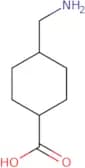
CAS:<p>Trans-tranexamic acid is a drug that has been used in cardiac surgery and to control blood loss during childbirth. It is also used to treat people with bowel disease who have heavy or prolonged bleeding. Trans-tranexamic acid works by inhibiting the activity of plasminogen activators, which are enzymes that break down fibrin clots. Tranexamic acid has been shown to be effective for treating people with severe sepsis and meningitis, although it does not appear to be effective for treating malaria. Trans-tranexamic acid binds to plasminogen activator inhibitor type 1 (PAI-1), preventing its activation and, therefore, preventing the breakdown of fibrin clots. Tranexamic acid also prevents the release of histamine from mast cells and basophils, which may contribute to its anti-inflammatory effects.</p>Formula:C8H15NO2Purity:Min. 98 Area-%Color and Shape:White PowderMolecular weight:157.21 g/mol(2-Oxo-4-phenylpyrrolidin-1-yl)acetic acid
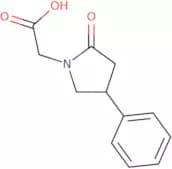
CAS:<p>Phenotropil is a nootropic drug that belongs to the group of aromatic amines. It is a high-activity, active compound with optical activity and an analyzed structure. Phenotropil has been shown to be safe and effective in the treatment of overweight patients with mild cognitive impairment (MCI). Phenotropil has also been used as an adjuvant therapy for brain trauma and cerebrovascular diseases. The most common side effects are nausea, vomiting, diarrhea, dizziness, headache, agitation, drowsiness, insomnia, depression, and hallucinations. Phenotropol can exist as two optical isomers: R-(+)-phenylpiracetam and S-(-)-phenylpiracetam. These optical isomers have different pharmacological properties.</p>Formula:C12H13NO3Purity:Min. 95%Color and Shape:PowderMolecular weight:219.24 g/mol5-Bromo-5a-cholestane-3,6-diol 3-acetate
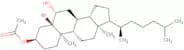
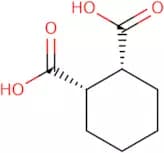
CAS:<p>Please enquire for more information about 5-Bromo-5a-cholestane-3,6-diol 3-acetate including the price, delivery time and more detailed product information at the technical inquiry form on this page</p>Formula:C29H49BrO3Purity:Min. 95%Molecular weight:525.6 g/molcis-1,2-Cyclohexanedicarboxylic acid
CAS:<p>Cis-1,2-cyclohexanedicarboxylic acid is a fatty acid that belongs to the class of cyclohexane carboxylic acids. It has been shown to be an effective inhibitor of calcium stearate and borohydride reduction in vitro. The compound also inhibits the activity of enzymes that catalyze carboxylation reactions, such as fatty acid synthase (FAS) and acetyl-CoA carboxylase (ACC). Cis-1,2-cyclohexanedicarboxylic acid is a metabolite of hippuric acid, which is produced by the human liver. Hippuric acid may be used for cancer therapy because it is a good substrate for radiation and can inhibit tumor growth. This molecule has two enantiomers: cis and trans.</p>Formula:C8H12O4Purity:(%) Min. 98%Color and Shape:PowderMolecular weight:172.18 g/mol(R)-BoroLeu-(+)-pinanediol-trifluoroacetate
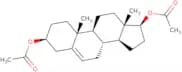
CAS:<p>(R)-BoroLeu-(+)-pinanediol-trifluoroacetate is a complex compound with CAS No. 179324-87-9 and can be used as a reagent, useful intermediate, or fine chemical. It is a versatile building block that can be used in the synthesis of speciality chemicals, research chemicals, and reaction components. This compound has been reported to be a useful scaffold for the synthesis of novel compounds that could have applications in medicine, such as anti-cancer drugs and antibiotics.</p>Formula:C17H29BF3NO4Color and Shape:White Off-White PowderMolecular weight:379.22 g/molAndrostenediol diacetate
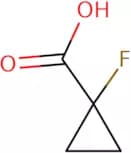
CAS:Controlled Product<p>Androstenediol diacetate is a 3β-hydroxysteroid that is the product of the metabolism of androstenedione in the body. It has been observed in animal cells, human cells, and various tissues. Androstenediol diacetate is converted to testosterone by 3β-hydroxysteroid dehydrogenase, an enzyme that converts it to 5α-androstanediol. The conversion of androstenediol diacetate to testosterone may be responsible for the clinical chemistry test for testosterone levels. Testicular cells are known to produce androstenediol diacetate from cholesterol. This conversion may be related to the side-chain cleavage of cholesterol by cell enzymes.</p>Formula:C23H34O4Purity:Min. 95%Color and Shape:White PowderMolecular weight:374.51 g/mol1-Fluorocyclopropane-1-carboxylic acid
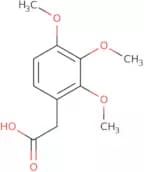
CAS:<p>1-Fluorocyclopropane-1-carboxylic acid is a fluorinated carboxylic acid that is an intermediate in the synthesis of the drug Covid-19, which has antiviral activity against pandemic influenza. The compound has a unique conformational property, which allows it to bind to the e3 ubiquitin ligase. This binding activates the ligase and leads to ubiquitin conjugation of proteins. 1-Fluorocyclopropane-1-carboxylic acid is also used as a reagent for chemical studies. It can be used as an acceptor or hydrogen donor in intramolecular reactions, and it can form strong dipole interactions with phenoxy groups. 1-Fluorocyclopropane-1-carboxylic acid is also bifunctional; it binds to two different molecules at once and has strong hydrogen bonding properties with fluorine atoms.</p>Formula:C4H5FO2Purity:Min. 95%Color and Shape:PowderMolecular weight:104.08 g/mol(2,3,4-Trimethoxyphenyl)acetic acid
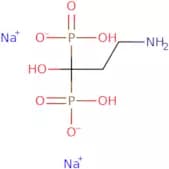
CAS:<p>(2,3,4-Trimethoxyphenyl)acetic acid is a potent compound that binds to the 5-ht7 receptor. It has been shown to inhibit the binding of 5-HT to the 5-HT1A and 5-HT7 receptors. This drug has also been shown to have affinity for the receptor and may be used in the treatment of depression, anxiety, and other mood disorders.</p>Formula:C11H14O5Purity:Min. 95%Color and Shape:White Off-White PowderMolecular weight:226.23 g/molPamidronic acid sodium salt hydrate
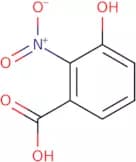
CAS:<p>Farnesyl diphosphate synthase inhibitor</p>Formula:C3H9NNa2O7P2·xH2OPurity:Min. 95%Color and Shape:PowderMolecular weight:279.03 g/mol3-Hydroxy-2-nitrobenzoic acid
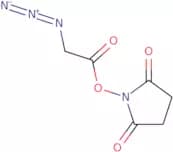
CAS:<p>3-Hydroxy-2-nitrobenzoic acid is a metabolite of 3-hydroxyanthranilic acid, which is an intermediate in the biosynthesis of amino acids. It can be found in animals and plants. 3-Hydroxy-2-nitrobenzoic acid has two isomers: 3,5-dihydroxybenzoic acid and 3,4,5-trihydroxybenzoic acid. The former is more abundant than the latter. In animal tissues, 3-hydroxybenzoic acid can be found as a diacid or as a salt with sodium or potassium. It reacts with various compounds to form oxidation products that have been shown to have sequences that are different from those of their precursors. These oxidation products are analyzed for the presence of their carboxylate group to identify the original compound. This carboxylate group can then be used as a ligand in matrix assisted laser desorption</p>Formula:C7H5NO5Purity:90%Color and Shape:Yellow PowderMolecular weight:183.12 g/mol(2,5-Dioxopyrrolidin-1-yl) 2-azidoacetate
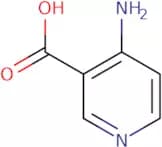
CAS:<p>(2,5-Dioxopyrrolidin-1-yl) 2-azidoacetate is an azide derivative of the amino acid lysine. It is a binder that can form architectures with fatty acids. The binding properties of (2,5-Dioxopyrrolidin-1-yl) 2-azidoacetate depend on the concentration of salt present and the temperature. For example, at low concentrations of salt and at cryogenic temperatures, it binds to DNA and inhibits transcription. Under these conditions, (2,5-Dioxopyrrolidin-1-yl) 2-azidoacetate can be used as a linker for conjugates such as antibodies or fluorescent probes. In contrast, at higher concentrations of salt or at room temperature, (2,5-Dioxopyrrolidin-1-yl) 2-azidoacetate can bind to proteins in place of fatty acids and</p>Formula:C6H6N4O4Purity:Min. 95 Area-%Color and Shape:PowderMolecular weight:198.14 g/mol4-Amino-3-pyridinecarboxylic acid
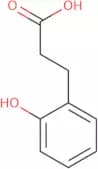
CAS:<p>4-Amino-3-pyridinecarboxylic acid (4APC) is a histidine amino acid. It is an intermediate in the synthesis of 6-aminonicotinic acid, which is an intermediate in the synthesis of nicotinamide, an important vitamin. 4APC has been used as a chemical probe to elucidate the transfer mechanism of amines to histidine. The active methylene group on 4APC can be easily detected by high-throughput analysis using liquid chromatography with fluorescence detection. The 3-aminoisonicotinic acid product can be detected by nmr spectra and electron microscope imaging. A synthetic route for 4APC involves ammonolysis followed by fluorescence resonance energy transfer.</p>Formula:C6H6N2O2Purity:Min. 95%Color and Shape:Brown PowderMolecular weight:138.12 g/mol3-(2-Hydroxyphenyl)propionic acid
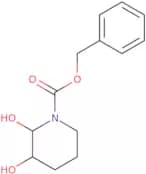
CAS:<p>3-(2-Hydroxyphenyl)propionic acid (HPPA) is an inorganic acid that is found in microbial metabolism. HPPA has been shown to inhibit the growth of bacteria by reacting with the hydroxyl group on the enzyme's active site, thus irreversibly inhibiting enzymatic activity. HPPA can be used as an alternative to other inorganic acids such as p-hydroxybenzoic acid and malonic acid due to its ability to scavenge anion radicals. This inhibition of enzyme activity can be used in wastewater treatment to remove organic compounds from industrial waste streams. It also has been shown to have anti-cancer properties against human breast cancer cells, which may be due to its ability to induce cell death through apoptosis and/or necrosis.</p>Formula:C9H10O3Purity:Min. 95%Color and Shape:White PowderMolecular weight:166.17 g/mol2,3-Dihydroxy-1-piperidinecarboxylic acid phenylmethyl ester
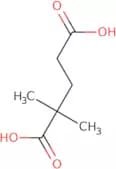
CAS:<p>2,3-Dihydroxy-1-piperidinecarboxylic acid phenylmethyl ester is a useful scaffold for making complex compounds. It is a reagent that can be used in reactions to make fine chemicals and a useful building block for the synthesis of complex compounds. It is also a useful intermediate in organic chemistry, with CAS No. 473436-50-9, and it is a versatile building block which can be used to synthesize many different types of chemical products.</p>Formula:C13H17NO4Purity:Min. 95%Color and Shape:Clear LiquidMolecular weight:251.28 g/mol2,2-Dimethylglutaric acid
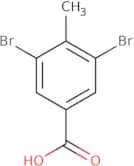
CAS:<p>2,2-Dimethylglutaric acid is a reactive, aliphatic hydrocarbon with a carbonyl group. It is an intermediate in the metabolism of fatty acids and may be formed by the hydrogenation of 2,2-dimethylsuccinic acid. This compound has been used as a film-forming polymer in detergent compositions and may also be used in biological samples to detect light emission. 2,2-Dimethylglutaric acid reacts with ethylene diamine to form malonic acid and x-ray crystal structures have been obtained for this compound. Pyrimidine compounds are formed when 2,2-dimethylglutaric acid reacts with ammonia or amines.</p>Formula:C7H12O4Color and Shape:White Off-White PowderMolecular weight:160.17 g/mol3,5-Dibromo-4-methylbenzoic acid
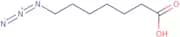
CAS:<p>3,5-Dibromo-4-methylbenzoic acid is a high quality compound that is a useful intermediate in the synthesis of complex compounds. It has been used as a reagent in various chemical reactions and as a building block for the synthesis of other compounds. This compound may also be used as a speciality chemical or research chemical. 3,5-Dibromo-4-methylbenzoic acid can be used to synthesize many different types of compounds, including those with diverse functional groups.</p>Formula:C8H6Br2O2Purity:Min. 95%Color and Shape:PowderMolecular weight:293.94 g/mol7-Azido-heptanoic acid
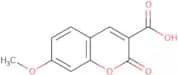
CAS:<p>7-Azido-heptanoic acid is an analog of the heptanoyl group. It has been shown to inhibit cancer cell growth and induce apoptosis in a variety of human tumor cells. This compound is used for the selective activation of anticancer drugs, as well as for the prevention of photodynamic damage to healthy tissue. 7-Azido-heptanoic acid can be conjugated with biomolecules such as proteins or peptides to form a bifunctional molecule that can function both as an acceptor and a donor. It also binds to streptavidin, which has been shown to have anticancer activity in mice.</p>Formula:C7H13N3O2Purity:Min. 95%Color and Shape:Colorless Clear LiquidMolecular weight:171.2 g/mol7-Methoxycoumarin-3-carboxylicacid
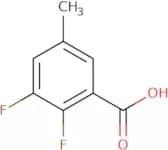
CAS:<p>7-Methoxycoumarin-3-carboxylic acid (MC) is a potent inhibitor of metalloendopeptidases and cyclic peptide receptors. MC has been shown to inhibit protein synthesis, leading to apoptotic cell death. It has also been reported to have anti-inflammatory properties, which may be due to its inhibition of prostaglandin synthesis. The fluorophore 7-methoxycoumarin is derived from the natural product coumarin and can be used as a fluorescent probe for hydrogen bonding in molecular modeling studies.</p>Formula:C11H8O5Purity:Min. 95%Color and Shape:PowderMolecular weight:220.18 g/mol2,3-Difluoro-5-methylbenzoic acid
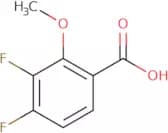
CAS:<p>2,3-Difluoro-5-methylbenzoic acid is a versatile building block that can be used as a reagent in organic chemistry. It is a useful intermediate for the synthesis of more complex compounds. The compound is also a useful scaffold for the preparation of new chemical entities for research purposes.</p>Formula:C8H6F2O2Purity:Min. 95%Color and Shape:PowderMolecular weight:172.13 g/mol3,4-Difluoro-2-methoxybenzoic acid
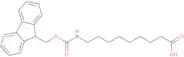
CAS:<p>3,4-Difluoro-2-methoxybenzoic acid is a chemical compound that can be used as a reaction component or reagent. It is also a useful scaffold for organic synthesis of complex compounds and can be used as a building block to produce fine chemicals. 3,4-Difluoro-2-methoxybenzoic acid has the CAS number 875664-52-1 and is listed under the chemical name 3,4-difluoro-2-methoxybenzoic acid.</p>Formula:C8H6F2O3Purity:Min. 95%Color and Shape:PowderMolecular weight:188.13 g/molFmoc-9-aminononanoic acid
CAS:<p>Fmoc-9-aminononanoic acid is a versatile building block that can be used in the synthesis of complex compounds. This compound has been shown to be useful for the production of speciality chemicals and research chemicals, as well as for the preparation of reagents and reaction components. Fmoc-9-aminononanoic acid is also a high quality intermediate with a wide range of applications. It can be used as an electrophile or nucleophile in organic synthesis reactions, or it can be used as a scaffold to prepare more complicated molecules.</p>Formula:C24H29NO4Purity:Min. 98 Area-%Color and Shape:PowderMolecular weight:395.49 g/molAzidopalmitic acid
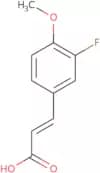
CAS:<p>Azidopalmitic acid is a synthetic fatty acid that is used in the detection of cellular DNA. It can be detected using methods such as tritiated, expressed, or myristic azide. Azidopalmitic acid has also been shown to be compatible with polymerase chain reaction (PCR) and immobilized metal ion affinity chromatography (IMAC). This molecule is useful for conjugates that are radiolabeled with [3H]azidoacetyl palmitate and [14C]azidoacetyl palmitate. Azidopalmitic acid has been synthetically produced by reacting malonic acid with sodium azide. This compound is also reusable, which makes it an ideal way to label nucleotides during PCR reactions.</p>Formula:C16H31N3O2Purity:Min. 95%Color and Shape:White PowderMolecular weight:297.44 g/mol3-Fluoro-4-methoxycinnamic acid
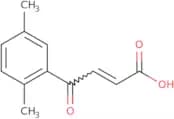
CAS:<p>3-Fluoro-4-methoxycinnamic acid is a template for the synthesis of azido compounds. Azide is a versatile functional group that can be used in many chemical reactions. 3-Fluoro-4-methoxycinnamic acid can be used to synthesize various azido products by reacting with hydrogen gas and an appropriate nucleophile, such as acrylic acid or ammonia. This reaction is called the "hydrogenating" reaction because it involves the addition of hydrogen. The target product can be synthesized by adding an appropriate electrophile, such as sodium azide, to the starting material in a solvent such as methylene chloride.</p>Formula:C10H9FO3Purity:Min. 95%Color and Shape:PowderMolecular weight:196.18 g/mol3-(2,5-Dimethylbenzoyl)-acrylic acid
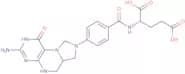
CAS:<p>3-(2,5-Dimethylbenzoyl)-acrylic acid is a reactive component and reagent that is used in the synthesis of molecular building blocks. It can also be used as a versatile building block for complex compounds, such as pharmaceutical intermediates. 3-(2,5-Dimethylbenzoyl)-acrylic acid has a CAS number of 15254-22-5. This chemical is considered to be high quality and is useful in research laboratories and speciality chemical suppliers.</p>Formula:C12H12O3Purity:Min. 95%Molecular weight:204.22 g/mol5,10-Methylene-5,6,7,8-tetrahydrofolic acid - mixture of diastereomers
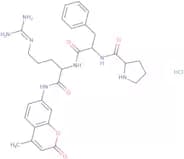
CAS:<p>5,10-Methylene-5,6,7,8-tetrahydrofolic acid is a molecule that is found in cells. It is an essential cofactor for many biological processes. The folate form of 5,10-methylene-5,6,7,8-tetrahydrofolic acid (5MTHF) can be synthesized by the enzyme methylenetetrahydrofolate reductase. This enzyme uses N5,N10-methenyltetrahydrofolate as a substrate and converts it to 5MTHF. The enzyme activity of methylenetetrahydrofolate reductase can be inhibited by methotrexate. In this case 5MTHF will not be produced and the body's supply of folate will decrease. The structural analysis of 5MTHF has been performed using titration calorimetry and x-ray crystallography.</p>Formula:C20H23N7O6Purity:80%MinColor and Shape:PowderMolecular weight:457.44 g/molH-Pro-Phe-Arg-AMC acetate salt
CAS:<p>Fluorogenic substrate targeting pancreatic and urinary Kallikrein</p>Formula:C30H37N7O5·C2HF3O2Purity:Min. 95%Color and Shape:White Off-White PowderMolecular weight:575.66 g/mol4-Chlorophenylacetic acid
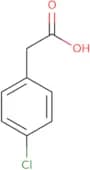
CAS:<p>4-Chlorophenylacetic acid is a fatty acid that reacts with hydroxyl groups to form reaction intermediates. It has been used in antiestrogen therapy as it is able to inhibit the activity of estrogen. It has also been used in polymeric matrices to control the release of silver ions for the treatment of cancer. 4-Chlorophenylacetic acid is synthesized by acylation of phenylacetic acid with chloroacetyl chloride in the presence of hydrochloric acid and sephadex g-100. 4-Chlorophenylacetic acid has been shown to inhibit tumor growth in animal models, which may be due to its ability to induce apoptosis.</p>Formula:C8H7ClO2Purity:Min. 97.5 Area-%Color and Shape:White PowderMolecular weight:170.59 g/mol2-Amino-5-bromobenzoic acid
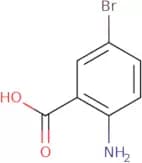
CAS:<p>2-Amino-5-bromobenzoic acid is a chemical compound that is used to synthesize other pharmaceuticals. It has been shown to have potent antiinflammatory activity and inhibit the growth of certain types of cancer cells. 2-Amino-5-bromobenzoic acid also has antiviral properties, and it inhibits the replication of human immunodeficiency virus type 1 (HIV-1) in cell culture. This drug has been shown to be effective against herpes simplex virus type 1 (HSV-1), varicella zoster virus (VZV), and cytomegalovirus (CMV). 2-Amino-5-bromobenzoic acid is poorly soluble in water; therefore, it can be administered intravenously as a prodrug. The absorption of this drug is dependent on pH levels, with higher concentrations found in acidic environments.</p>Formula:C7H6BrNO2Purity:Min. 95%Color and Shape:PowderMolecular weight:216.03 g/mol4-(Chloromethyl)benzoic acid methyl ester
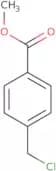
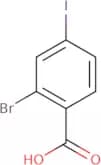
CAS:<p>4-(Chloromethyl)benzoic acid methyl ester is a synthetic compound that inhibits the DPP-IV enzyme, which is involved in the breakdown of the incretin hormones glucagon-like peptide-1 (GLP-1) and glucose-dependent insulinotropic polypeptide (GIP). Its structure consists of a benzene ring with a chloromethyl group on one side and an ester group on the other. 4-(Chloromethyl)benzoic acid methyl ester has been shown to be more potent than other known DPP-IV inhibitors. It has also been shown to have genotoxic impurities and chronic treatment effects, such as cancer.</p>Formula:C9H9ClO2Purity:Min. 95%Color and Shape:PowderMolecular weight:184.62 g/mol2-Bromo-4-iodobenzoic acid
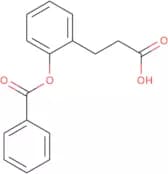
CAS:<p>2-Bromo-4-iodobenzoic acid is a high quality, versatile building block that is used as an intermediate in the synthesis of many fine chemicals and speciality chemicals. It has been found to be useful in the preparation of various pharmaceuticals and agrochemicals, as well as research chemicals. This compound is also a useful scaffold for the synthesis of complex compounds with biological activity. 2-Bromo-4-iodobenzoic acid has been used as a reagent in organic synthesis, and can be used to generate new chemical reaction components for use in laboratory experiments.</p>Formula:C7H4BrIO2Purity:Min. 95%Color and Shape:PowderMolecular weight:326.91 g/mol3-[2-(Benzoyloxy)phenyl)propionic acid
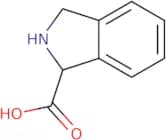
CAS:<p>3-[2-(Benzoyloxy)phenyl]propionic acid is a fine chemical that is useful for the synthesis of a wide range of chemicals. It is used as a versatile building block, intermediate and reagent in organic chemistry. This compound has CAS number 59725-59-6 and is soluble in water. 3-[2-(Benzoyloxy)phenyl]propionic acid can be synthesized from benzaldehyde, phenylacetic acid and propionic anhydride in the presence of sodium acetate.</p>Formula:C16H14O4Purity:Min. 95%Color and Shape:PowderMolecular weight:270.28 g/mol2,3-Dihydro-1H-isoindole-1-carboxylic acid
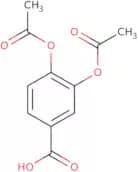
CAS:<p>2,3-Dihydro-1H-isoindole-1-carboxylic acid is an acidic molecule that can be found in high concentrations in the blood. It is also a metabolite of isoindolines, which are an important class of drugs used to treat chronic hypertension. 2,3-Dihydro-1H-isoindole-1-carboxylic acid belongs to the group of structural formula categorized as an enolate; this group is a type of enzyme inhibitor that blocks enzymes involved in the production of cholesterol. 2,3-Dihydro-1H-isoindole-1-carboxylic acid has been shown to inhibit the activity of two enzymes: cytochrome P450 and sterol C5 reductase. The mechanism behind this inhibition is homologous with other known inhibitors such as 3-(2′,4′dichlorophenyl)acrylic acid (methaz</p>Formula:C9H9NO2Purity:Min. 97 Area-%Color and Shape:PowderMolecular weight:163.17 g/mol3,4-Diacetoxybenzoic acid
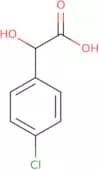
CAS:<p>3,4-Diacetoxybenzoic acid is a tetronic acid that can be synthesized from protocatechuic acid. It has potent inhibitory activity against lipoxygenase, which is an enzyme responsible for the production of leukotrienes and other lipid compounds in the human body. 3,4-Diacetoxybenzoic acid inhibits fatty acid synthesis by inhibiting the enzyme acyl-CoA synthetase. This compound also has been shown to inhibit the growth of bacteria such as Pseudomonas aeruginosa and Trichophyton mentagrophytes, which are both associated with skin infections. 3,4-Diacetoxybenzoic acid may also have anti-inflammatory properties due to its ability to inhibit prostaglandin synthesis.</p>Formula:C11H10O6Purity:Min. 95%Color and Shape:PowderMolecular weight:238.19 g/mol4-Chloromandelic acid
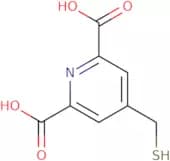
CAS:<p>4-Chloromandelic acid is an organic compound that is an important intermediate in the synthesis of pharmaceuticals and other organic compounds. It can be used as a ligand to form complexes with transition metals, such as Mo(VI), which are used to catalyze hydrogenation reactions. 4-Chloromandelic acid binds to the substrate binding site on the enzyme through hydrogen bonding interactions. This binding causes a conformational change in the enzyme that inhibits its activity. The kinetic data for 4-chloromandelic acid was determined using trifluoroacetic acid as the solvent and supercritical carbon dioxide as the antisolvent. The enantiomer of 4-chloromandelic acid was identified by analytical methods, including gas chromatography and mass spectroscopy.</p>Formula:C8H7ClO3Purity:Min. 95%Color and Shape:PowderMolecular weight:186.59 g/mol4-Mercaptomethyl dipicolinic acid
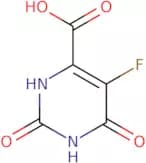
CAS:<p>4-Mercaptomethyl dipicolinic acid is a polymerized, bifunctional molecule that can be used as a luminescent probe to study the structure and dynamics of proteins. It has been shown to bind to lanthanide ions and has fluorescence properties. 4-Mercaptomethyl dipicolinic acid can be synthesized by a method involving the reaction of mercaptoethanol with sodium dithiocarbamate and copper(II) sulfate in an aqueous solution. This reaction produces two molecules of 4-mercaptomethyl dipicolinic acid for every one molecule of mercaptoethanol used, which then reacts with two molecules of 2,4-dinitrophenol in an aqueous solution. The resulting product is then purified by recrystallization from hot water. The conformational properties of 4-mercaptomethyl dipicolinic acid are dependent on temperature, pH,</p>Formula:C8H7NO4SPurity:Min. 95%Color and Shape:PowderMolecular weight:213.21 g/mol5-Fluoroorotic acid hydrate
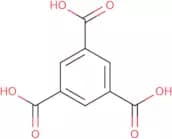
CAS:<p>Selection reagent for orotidine 5'-phosphate decarboxylase mutants</p>Formula:C5H3FN2O4·xH2OPurity:(%) Min. 97%Color and Shape:Off-White Yellow PowderMolecular weight:174.09 g/molTrimesic acid
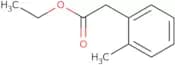
CAS:<p>Trimesic acid is a chemical compound that belongs to the family of pyrazoles. It is stable in water and has a low surface tension. Trimesic acid has been used as a model for developing new drugs for human serum, which is difficult to study due to its complexity. The x-ray crystal structures of trimesic acid have been determined and show that it has three hydrogen bond interactions with the amine group of an amino acid residue on the protein surface, as well as two intermolecular hydrogen bonds with water molecules. Trimesic acid also shows permeation through a membrane made from human serum albumin, which makes it useful as a drug delivery agent.</p>Formula:C9H6O6Purity:Min. 95%Color and Shape:PowderMolecular weight:210.14 g/molEthyl 2-tolylacetate
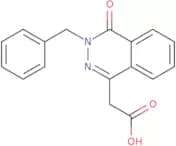
CAS:<p>Ethyl 2-tolylacetate is a colorless liquid with a fruity odor. It is used as an intermediate in the synthesis of other organic compounds, such as pharmaceuticals and agrochemicals. This compound can be prepared by the reductive coupling of ethyl bromoacetate with toluene via palladium catalysis or by the cross-coupling of ethyl bromoacetate with 2-chloropropiophenone. The regiospecificity of this reaction was found to depend on the nature of the nucleophile and the boronic acid used in the reaction. Ethyl 2-tolylacetate is also used for peptide synthesis and as an ligand for sulphoxides.</p>Formula:C11H14O2Purity:Min. 95%Color and Shape:Clear LiquidMolecular weight:178.23 g/mol(3-Benzyl-4-oxo-3,4-dihydrophthalazin-1-yl)acetic acid
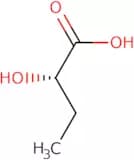
CAS:<p>3-Benzyl-4-oxo-3,4-dihydrophthalazin-1-yl)acetic acid is a chemical substance that can be used in the synthesis of pharmaceuticals. This chemical has a variety of uses as a reagent and is considered to be of high quality. It is useful in the synthesis of speciality chemicals, versatile building blocks and fine chemicals. 3-Benzyl-4-oxo-3,4-dihydrophthalazin-1-yl)acetic acid can be used as a reaction component for complex compounds or as an intermediate for the synthesis of other compounds.</p>Formula:C17H14N2O3Purity:Min. 95%Color and Shape:PowderMolecular weight:294.3 g/mol(S)-2-Hydroxybutyric acid
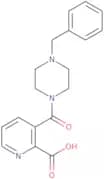
CAS:<p>(S)-2-Hydroxybutyric acid is a substrate molecule for the enzyme malate dehydrogenase, which catalyzes the conversion of (S)-2-hydroxybutyric acid to propionate and carbon dioxide. This reaction is important in energy production when glycolysis is unable to meet the body's energy requirements. The (S)-2-hydroxybutyric acid can be used as an analytical method for determining insulin resistance by measuring its concentration in urine samples. The logistic regression model was used to predict the probability that a cancer patient would respond positively to treatment with (S)-2-hydroxybutyric acid. Hydroxyl groups are found on both enantiomers of (S)-2-hydroxybutyric acid. In order to determine which enantiomer may have more therapeutic potential, researchers must prepare a sample for analysis and identify which enantiomer is present.</p>Formula:C4H8O3Purity:Min. 97 Area-%Color and Shape:Colorless PowderMolecular weight:104.1 g/mol3-((4-Benzylpiperazinyl)carbonyl)pyridine-2-carboxylic acid
CAS:Controlled Product<p>Please enquire for more information about 3-((4-Benzylpiperazinyl)carbonyl)pyridine-2-carboxylic acid including the price, delivery time and more detailed product information at the technical inquiry form on this page</p>Formula:C18H19N3O3Purity:Min. 95%Color and Shape:PowderMolecular weight:325.36 g/molTetracosactide acetate
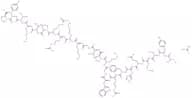
CAS:Controlled Product<p>Synthetic peptide; adrenocorticotropic hormone</p>Formula:C136H210N40O31S•(C2H4O2)xPurity:Min. 97 Area-%Color and Shape:PowderMolecular weight:2,933.44 g/molPotassium phloroglucinol carboxylate
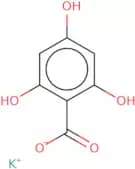
CAS:<p>Potassium phloroglucinol carboxylate is a fine chemical that can be used as a versatile building block, complex compound, research chemical, reagent, speciality chemical and useful intermediate. It is also a useful scaffold for the synthesis of other compounds. Potassium phloroglucinol carboxylate has been shown to react with a wide variety of functional groups and has been used in the preparation of new compounds. The CAS number for potassium phloroglucinol carboxylate is 91313-55-2.</p>Formula:C7H5O5·KPurity:Min. 95%Color and Shape:PowderMolecular weight:208.21 g/mol6-Methoxyindole-3-acetic acid
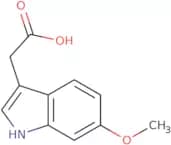
CAS:<p>Please enquire for more information about 6-Methoxyindole-3-acetic acid including the price, delivery time and more detailed product information at the technical inquiry form on this page</p>Formula:C11H11NO3Purity:Min. 95%Color and Shape:PowderMolecular weight:205.21 g/mol4-Chloro-2-nitrobenzoic acid
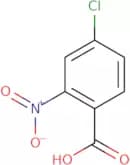
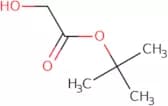
CAS:<p>4-Chloro-2-nitrobenzoic acid is a hydrogen bond donor with a coordination geometry of tetrahedral. It has two functional groups: an organic acid and a nitro group. This compound has been used in molecular modeling to study telomeric interactions. 4-Chloro-2-nitrobenzoic acid is also found in biological systems such as the enzyme chloramphenicol acetyltransferase and the antibiotic chloramphenicol. 4-Chloro-2-nitrobenzoic acid can be synthesized from phosphorus pentachloride and amine, which are both commercially available.</p>Formula:C7H4CINO4Purity:Min. 95%Color and Shape:PowderMolecular weight:305.03 g/moltert-Butyl 2-hydroxyacetate
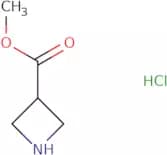
CAS:<p>Tert-Butyl 2-hydroxyacetate is a monomer that can be used for the synthesis of furopyridines. It is an enolate and reacts with guanine in the presence of catalysts, such as dicyclohexyl, to form an alkylating agent. The resulting product is then reacted with a second molecule of guanine to form the desired furopyridine. Tert-Butyl 2-hydroxyacetate can also be used in cross-coupling reactions mediated by palladium, which allow for the synthesis of polymers with high yields and trackability.</p>Formula:C6H12O3Purity:Min. 98%Color and Shape:Clear LiquidMolecular weight:132.16 g/molMethyl azetidine-3-carboxylate hydrochloride
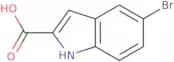
CAS:<p>Methyl azetidine-3-carboxylate hydrochloride is a potent suppressant of the immune system. It has been shown to be effective at reducing the incidence of experimental autoimmune encephalomyelitis in monkeys, and also shows promise as a therapeutic agent for human immunodeficiency virus (HIV) infection. Methyl azetidine-3-carboxylate hydrochloride is orally active and can be administered in doses that are not toxic to the host. There have been no reports of adverse effects from administration of this drug, with the exception of nausea and vomiting, which were reported at doses greater than 30 mg/kg. Pharmacokinetic studies indicate that methyl azetidine-3-carboxylate hydrochloride does not accumulate in lymphocytes or other tissues following repeated oral doses, but instead is excreted rapidly via urine. The pharmacological activity of this compound appears to be due to its ability to inhibit protein synthesis by binding to rib</p>Formula:C5H10ClNO2Purity:Min. 95%Color and Shape:PowderMolecular weight:151.59 g/mol5-Bromoindole-2-carboxylic acid
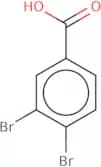
CAS:<p>5-Bromoindole-2-carboxylic acid is an indole derivative that has been shown to inhibit the expression of MMP-13, a matrix metalloproteinase that is involved in tumor invasion and metastasis. This compound also inhibits the transcriptional activity of RNA polymerases I and II, which is important for preventing cancer cell proliferation. 5-Bromoindole-2-carboxylic acid may be used as a treatment for cancer by inhibiting collagen synthesis. This would reduce the size of a tumor by preventing it from expanding in size.</p>Formula:C9H6BrNO2Purity:Min. 95%Color and Shape:PowderMolecular weight:240.05 g/mol3,4-Dibromobenzoic acid
CAS:<p>3,4-Dibromobenzoic acid (DBBA) is a white solid that has a melting point of -5°C. It is produced by the electrolysis of bromoacetic acid in the presence of aluminium chloride and phenylacetonitrile, followed by hydrolysis. DBBA can be used for the synthesis of 2-amino-4-bromobenzamide, which is an important intermediate for dyes and pharmaceuticals. The compound has been studied as a precursor to trifluoromethyl compounds with high thermal stability. DBBA can be prepared by bromination of benzene with bromine in acetic acid, followed by fluorination with hydrogen fluoride in acetic acid to yield 3-fluoro-4-(trifluoromethyl)benzoic acid and 3,4-dibromobenzoic acid. This process also yields anhydrous hydrogen fluoride as a co</p>Formula:C7H4Br2O2Purity:Min. 95%Color and Shape:PowderMolecular weight:279.91 g/molDiisopropyl azodicarboxylate
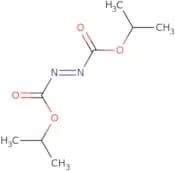
CAS:<p>Diisopropyl azodicarboxylate is a pyrimidine compound that can be used in the treatment of autoimmune diseases and eye disorders. It is also an important chemical intermediate for pharmaceuticals, such as chemotherapeutic agents. Diisopropyl azodicarboxylate reacts with a nucleophilic group to form a new carbon-nitrogen bond by elimination of nitrogen gas. The reaction mechanism has been studied extensively and is well understood. Diisopropyl azodicarboxylate is a potent inhibitor of many enzymes, including those involved in the synthesis of proteins and phospholipids. It inhibits angiotensin-converting enzyme (ACE), which breaks down angiotensin I into angiotensin II, leading to vasoconstriction. Diisopropyl azodicarboxylate also inhibits receptor molecules that are involved in cell signaling pathways, such as the epidermal growth factor receptor (EGFR).</p>Formula:C8H14N2O4Purity:Min. 98 Area-%Color and Shape:Clear LiquidMolecular weight:202.21 g/mol1-Nonanesulfonic acid sodium salt
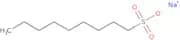
CAS:<p>1-Nonanesulfonic acid sodium salt is a chromatographic method for the analysis of aliphatic hydrocarbons. It has been shown to have strong thermal expansion properties and can be used for the preparation of polyvinyl chloride (PVC) films with high particle transport properties. 1-Nonanesulfonic acid sodium salt has also been used in the development of covid-19, a pandemic influenza vaccine. 1-Nonanesulfonic acid sodium salt is an interferometric technique that can be used as a clinical diagnostic for detecting chloride ions in urine samples.</p>Formula:C9H19O3SNaPurity:Min. 95%Color and Shape:PowderMolecular weight:230.3 g/molTerephthalic acid
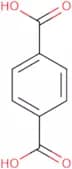
CAS:<p>Terephthalic acid is a dicarboxylic acid that is used as a monomer in the production of polyesters. It is produced by the oxidation of p-hydroxybenzoic acid with aqueous sodium hydroxide. The reaction solution of terephthalic acid and glycol ethers contains water vapor and glycol esters, which are formed during the reaction. This product has been shown to inhibit drugs such as acetylcholinesterase and butyrylcholinesterase, which are important for the treatment of Alzheimer's disease and other neurological disorders. Terephthalic acid can be used as a fluorescence probe for determination of redox potential in analytical methods such as cyclic voltammetry, or to determine human serum levels in clinical analysis. Structural analyses have revealed intramolecular hydrogen bonds between the carboxyl groups and phenolic hydroxyl groups in terephthalic acid.</p>Formula:C8H6O4Purity:Min. 95%Color and Shape:White PowderMolecular weight:166.13 g/molD-Malic acid
CAS:<p>D-Malic acid is an inhibitor that binds to the dinucleotide phosphate and inhibits enzyme activities. It has been used in analytical methods for determining the concentration of malonic acid and other related compounds by measuring the change in chemical stability of the inhibitor. D-Malic acid is a chiral compound with a high degree of chemical stability, which makes it useful for microbial metabolism studies. D-Malic acid also has a high kinetic constant, making it useful for studying cell lysis in E. coli K-12.</p>Formula:C4H6O5Purity:Min. 95%Color and Shape:White Clear LiquidMolecular weight:134.09 g/mol4-Amino-3-methoxybenzoic acid methyl ester
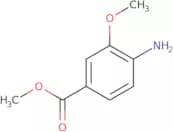
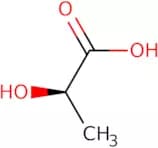
CAS:<p>4-Amino-3-methoxybenzoic acid methyl ester is a reactive molecule that has been used as a radiotracer for positron emission tomography (PET). It is also used in the synthesis of oligodeoxynucleotides and hybridization probes. 4-Amino-3-methoxybenzoic acid methyl ester is not soluble in water, but it can be dissolved in organic solvents such as acetone or methanol. This compound has shown to have anticancer activity and may be useful for treating cancers of the brain, breast, colon, lung, prostate, and stomach.</p>Formula:C9H11NO3Purity:Min. 95%Color and Shape:PowderMolecular weight:181.19 g/molD-Lactic acid
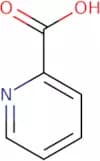
CAS:<p>D-lactic acid is a metabolic byproduct of lactic acid bacteria that can be found in food products such as fermented vegetables and dairy products. It is also produced in the human body and can be used as an energy source. D-lactic acid has been shown to have antibacterial efficacy against wild-type strains of Escherichia coli, but not against multidrug-resistant strains. D-lactic acid has been shown to increase the mitochondrial membrane potential and decrease the surface area of squamous carcinoma cells.</p>Formula:C3H6O3Color and Shape:Clear LiquidMolecular weight:90.08 g/mol2-Pyridinecarboxylic acid
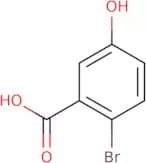
CAS:<p>2-Pyridinecarboxylic acid is a chemical compound that has been shown to have minimal toxicity. It is a potent inducer of various enzymes, including c-jun phosphorylation and enzyme activities. This compound has also been shown to bind to picolinic acid and picolinate, which are chemical compounds that have been associated with many physiological effects. 2-Pyridinecarboxylic acid may also be able to regulate the activity of growth factor-β1, which plays an important role in energy metabolism. Molecular docking analysis has shown that 2-pyridinecarboxylic acid may bind to chromium picolinate, a form of chromium with antioxidant properties.</p>Formula:C6H5NO2Purity:Min. 95%Color and Shape:PowderMolecular weight:123.11 g/mol2-Bromo-5-hydroxybenzoic acid
CAS:<p>2-Bromo-5-hydroxybenzoic acid is a naturally occurring chemical that belongs to the group of phenols. It is an intermediate in the biosynthesis of the phorbol esters and is used as a nutrient for many bacteria. 2-Bromo-5-hydroxybenzoic acid has been shown to protect against microbial infections by inhibiting the growth of certain bacteria. It also inhibits production of inflammatory compounds, such as leukotrienes and prostaglandins, by modifying the enzyme activity of peroxidases and other enzymes involved in lipid metabolism. 2-Bromo-5-hydroxybenzoic acid has been shown to inhibit the enzyme lactoperoxidase and prevent oxidation of thiol groups in proteins, altering their functions. This compound also potently inhibits tissue inflammation induced by phorbol myristate acetate (PMA).</p>Formula:C7H5BrO3Purity:Min. 95%Color and Shape:PowderMolecular weight:217.02 g/mol[5-Methyl-3-(trifluoromethyl)-1H-pyrazol-1-yl]acetic acid
CAS:<p>[5-Methyl-3-(trifluoromethyl)-1H-pyrazol-1-yl]acetic acid is a reaction component that can be used in organic synthesis as a reagent. This chemical has been shown to have high quality, and is useful for research purposes. It is also a versatile building block and useful intermediate, which can be used in the production of complex compounds. [5-Methyl-3-(trifluoromethyl)-1H-pyrazol-1-yl]acetic acid has CAS number 345637-71-0, and is a fine chemical that is useful for chemistry research.</p>Formula:C7H7F3N2O2Purity:Min. 95%Color and Shape:PowderMolecular weight:208.14 g/mol[4-(1-Methyl-1-phenylethyl)phenoxy]acetic acid
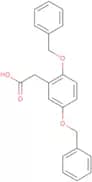
CAS:<p>4-(1-Methyl-1-phenylethyl)phenoxyacetic acid is a versatile building block that is used in the synthesis of a variety of fine chemicals and drugs. 4-(1-Methyl-1-phenylethyl)phenoxyacetic acid is an intermediate in the synthesis of a number of complex compounds, including research chemicals, reagents, and speciality chemicals. This compound can also be used as a reaction component for the synthesis of other chemical compounds or as a scaffold for larger molecules.</p>Formula:C17H18O3Purity:Min. 95%Color and Shape:PowderMolecular weight:270.32 g/mol2,5-Dibenzyloxyphenylacetic acid
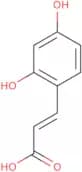
CAS:<p>2,5-Dibenzyloxyphenylacetic acid is a useful building block for the synthesis of organic compounds. It is often used in research as a reaction component or intermediate. This compound has been shown to be effective in the synthesis of complex compounds and useful scaffolds. 2,5-Dibenzyloxyphenylacetic acid can also be used as a reagent for high quality fine chemicals.</p>Formula:C22H20O4Purity:Min. 95%Color and Shape:PowderMolecular weight:348.39 g/mol2,4-Dihydroxycinnamic acid
CAS:<p>2,4-Dihydroxycinnamic acid (2,4-DHCA) is a naturally occurring compound that is synthesized by the shikimate pathway. 2,4-DHCA has been shown to inhibit the growth of influenza virus in cell culture. 2,4-DHCA may provide protection from influenza in humans and animals by inhibiting the release of inflammatory cytokines such as tumor necrosis factor and interleukin-1 from cells. This anti-inflammatory effect has been observed in animal models for various inflammatory diseases including arthritis and asthma.</p>Formula:C9H8O4Purity:Min. 95%Color and Shape:PowderMolecular weight:180.16 g/molHBED-CC-tris(tBu)ester
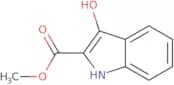
CAS:<p>Please enquire for more information about HBED-CC-tris(tBu)ester including the price, delivery time and more detailed product information at the technical inquiry form on this page</p>Formula:C38H56N2O10Purity:Min. 95%Color and Shape:PowderMolecular weight:700.86 g/mol3-Hydroxyindole-2-carboxylic acid methyl ester
CAS:<p>3-Hydroxyindole-2-carboxylic acid methyl ester, an organic compound with CAS number [31827-04-0], is classified as an indole derivative - a type of heterocyclic organic compound. It has potential applications as a building block in organic synthesis as well as other areas such as in pharmaceutical and agrochemical industries due to its biological activity.</p>Formula:C10H9NO3Purity:Min. 95%Color and Shape:PowderMolecular weight:191.18 g/mol3-(4-Bromophenyl)propionic acid
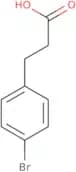
CAS:<p>3-(4-Bromophenyl)propionic acid is a potent linker that is synthesized from trifluoromethanesulfonic acid by the reaction of bromine and 4-bromobenzene. 3-(4-Bromophenyl)propionic acid inhibits the biosynthesis of fatty acids by inhibiting the enzyme fatty acid synthase. 3-(4-Bromophenyl)propionic acid has been shown to be an effective inhibitor of cellular growth in glioma cells. It also decreases blood pressure through inhibition of angiotensin II receptors.</p>Formula:C9H9BrO2Purity:Min. 95%Color and Shape:PowderMolecular weight:229.07 g/molN-Acetyl-L-glutamic acid
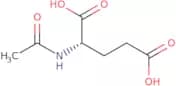
CAS:<p>N-Acetylglutamic acid is a biologically active compound that is found in the cells. It is a product of the urea cycle and has been shown to inhibit the activity of enzymes such as ester hydrochloride synthetase, which catalyzes the conversion of arginine and citrulline to ornithine and carbamoyl phosphate. N-Acetylglutamic acid also plays an important role in cellular physiology, such as transcriptional regulation and protein synthesis. Deficiency can lead to glutamate accumulation and neurological disorders such as epilepsy. The biochemical properties of N-acetylglutamic acid are still not well known, but it has been shown to react with ammonia to form glutamine.</p>Formula:C7H11NO5Purity:Min 98%Color and Shape:White PowderMolecular weight:189.17 g/mol(2-Aminophenyl)boronic acid hydrochloride
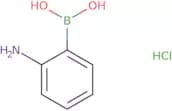
CAS:<p>(2-Aminophenyl)boronic acid hydrochloride is an analytical reagent that is used in the cross-coupling reaction between aryl bromides and organoboron compounds. It has been synthesized from 2-aminophenylboronic acid, which can be produced by the alkylation of phenol with 3-bromoquinoline. This compound has been shown to have antimalarial activity against the human malaria parasite Plasmodium falciparum in vitro. (2-Aminophenyl)boronic acid hydrochloride has also been shown to have a high intestinal absorption rate when given orally to rats. In vivo studies are needed to determine whether this chemical is safe for humans.</p>Formula:C6H9BClNO2Purity:Min. 95%Color and Shape:PowderMolecular weight:173.41 g/mol5-Methylpyrazine-2-carboxylic acid 4-oxide
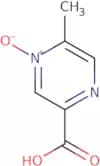
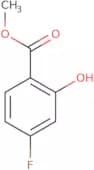
CAS:<p>Niacin receptor 1 (NIACR1) antagonist; lipid lowering</p>Formula:C6H6N2O3Purity:Min. 98 Area-%Color and Shape:PowderMolecular weight:154.12 g/mol4-Fluoro-2-hydroxybenzoic acid methyl ester
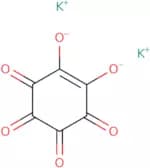
CAS:<p>4-Fluoro-2-hydroxybenzoic acid methyl ester is a chemical compound that is used as a synthetic intermediate in the synthesis of drugs. 4-Fluoro-2-hydroxybenzoic acid methyl ester can be prepared by reductive amination of an acyl chloride with an amine, followed by reaction with methanol. This chemical intermediate is used in the synthesis of the BCL-2 inhibitor venetoclax, which inhibits cell growth and induces apoptosis in lymphoma cells. 4-Fluoro-2-hydroxybenzoic acid methyl ester also has been shown to inhibit the activity of amidating enzymes and transferases, suggesting it may have potential as an anti-inflammatory drug.</p>Formula:C8H7FO3Purity:Min. 95%Color and Shape:PowderMolecular weight:170.14 g/molRhodizonic acid dipotassium salt
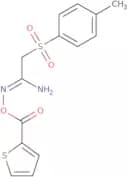
CAS:<p>Rhodizonic acid dipotassium salt is a solubilized dye that is used to stain acidic polysaccharides in the cell wall of bacteria. This compound has been shown to be useful in clinical studies for identifying colon cancer, as well as being used as a dietary supplement. Rhodizonic acid dipotassium salt contains nitrogen atoms and an oxidation product, malonic acid, which are found in a variety of biological systems. Rhodizonic acid dipotassium salt has been shown to have staining properties and is often used for the identification of bacteria with a simple staining technique. It can also be used to identify bacteria with more complicated techniques such as electrophoresis and chromatography. Rhodizonic acid dipotassium salt has been found to be rechargeable by treatment with chloride ions under acidic conditions.</p>Formula:C6O6·2KPurity:Min. 95%Color and Shape:PowderMolecular weight:246.26 g/mol2-Amino-1-aza-3-((4-methylphenyl)sulfonyl)prop-1-enyl thiophene-2-carboxylate
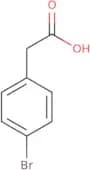
CAS:<p>Please enquire for more information about 2-Amino-1-aza-3-((4-methylphenyl)sulfonyl)prop-1-enyl thiophene-2-carboxylate including the price, delivery time and more detailed product information at the technical inquiry form on this page</p>Formula:C14H14N2O4S2Purity:Min. 95%Color and Shape:PowderMolecular weight:338.4 g/mol(4-Bromophenyl)acetic acid
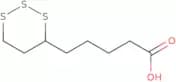
CAS:<p>4-Bromophenylacetic acid is a monocarboxylic acid that has been identified as an inhibitor of phosphatase. It also has an inhibitory effect on microbial infection and can be used for the synthesis of amides and cationic surfactants. 4-Bromophenylacetic acid has shown to have a high affinity for humans, which may be due to its glucuronide conjugate, isolated yield, and plant physiology. This molecule is able to undergo electrochemical studies due to its electrophilic nature.</p>Formula:C8H7BrO2Purity:Min. 95%Color and Shape:PowderMolecular weight:215.04 g/mol1,2,3-Trithiane-4-pentanoic acid
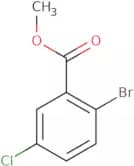
CAS:<p>Trithiane-4-pentanoic acid is a chemical compound that belongs to the group of 1,2,3-trithiane. It has been shown to have anti-oxidant properties in animals and humans at high doses. This study also showed no significant toxic effects on the organs or clinical chemistry parameters in these studies. Trithiane-4-pentanoic acid has also been shown to be safe for long-term use with no behavioural changes observed in rats.</p>Formula:C8H14O2S3Purity:Min. 98 Area-%Color and Shape:PowderMolecular weight:238.39 g/mol2-Bromo-5-chlorobenzoic acid methyl ester
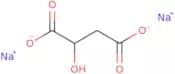
CAS:<p>2-Bromo-5-chlorobenzoic acid methyl ester is a chemical compound that is a component of the perborate oxidant. This chemical reacts with hydrogen peroxide to produce water, oxygen, and 2-bromo-5-chlorobenzoic acid. It can also be used in cyclisation reactions to synthesise heterocyclic compounds. The reaction mechanism for this process involves the formation of an unstable intermediate that spontaneously breaks down into two bromine atoms and one carbon atom. This process is catalyzed by metal ions such as copper, silver, and zinc. 2-Bromo-5-chlorobenzoic acid methyl ester has been used as an intermediate in the synthesis of homologues of ribonucleotide reductase.</p>Formula:C8H6BrClO2Purity:Min. 95%Color and Shape:PowderMolecular weight:249.49 g/molDL-Hydroxysuccinic acid sodium
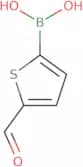
CAS:<p>DL-Hydroxysuccinic acid sodium (DLS) is a metabolite of the enzyme succinic dehydrogenase, which is involved in the conversion of malic acid to acrylate. It is an inhibitor of malic enzyme and glycol ether hydrolase, with toxicity studies showing that DLS inhibits the activity of complex enzymes. DLS has been shown to have interactions with sunitinib and sodium salts. The potential for drug interactions should be considered when administering DLS with other drugs. DL-Hydroxysuccinic acid sodium also has effects on energy metabolism, as it may inhibit enzymes such as malate dehydrogenase and 2-oxoglutarate dehydrogenase.</p>Formula:C4H4Na2O5Purity:Min. 95%Color and Shape:PowderMolecular weight:178.05 g/mol5-Formyl-2-thiopheneboronic acid
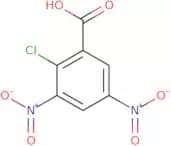
CAS:<p>5-Formyl-2-thiopheneboronic acid is a synthetic molecule that has been shown to be an effective electron microscope stabilizer. It is a boronate ester with a formyl group at the 2-position and a thiophene ring at the 5-position. The chloride in this molecule is used as a functional group, which can then react with other molecules to form new compounds. The functional theory of 5-formyl-2-thiopheneboronic acid includes its ability to form bonds with other molecules and its use as an inorganic base. The particle size of 5-formyl-2-thiopheneboronic acid is unsymmetrical, making it different from other molecules.</p>Formula:C5H5BO3SPurity:Min. 95%Color and Shape:PowderMolecular weight:155.97 g/mol2-Chloro-3,5-dinitrobenzoic acid
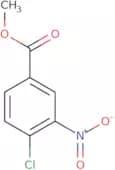
CAS:<p>2-Chloro-3,5-dinitrobenzoic acid is a chemical reagent that belongs to the group of p2-substituted benzenes. It is used in organic synthesis as a synthon for dimethylnaphthalene, which is an intermediate in the production of polyester fibers and polyurethane. The compound has been shown to induce apoptosis in prostate cancer cells. This effect may be due to its ability to react with amines and form nitrosating species, which may cause DNA damage. 2-Chloro-3,5-dinitrobenzoic acid can also react with 5-nitrosalicylic acid to form a stepwise reaction product.</p>Formula:C7H3ClN2O6Purity:Min. 95%Color and Shape:PowderMolecular weight:246.56 g/mol4-Chloro-3-nitrobenzoic acid methyl ester
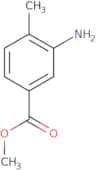
CAS:<p>4-Chloro-3-nitrobenzoic acid methyl ester is a chemical compound that inhibits the synthesis of nucleic acids. It binds to the functional groups of DNA, preventing replication and transcription. 4-Chloro-3-nitrobenzoic acid methyl ester also inhibits protein synthesis by inhibiting ribosomal RNA which is required for translation. This agent has been shown to induce apoptotic cell death in leukemia cells, HL60 cells, and other types of cancer cells in vitro. 4-Chloro-3-nitrobenzoic acid methyl ester has a potent inhibitory activity against replicons in vitro and is a synthetic molecule with two sulfoxide functional groups.</p>Formula:C8H6ClNO4Purity:Min. 95%Color and Shape:PowderMolecular weight:215.59 g/mol3-Amino-4-methylbenzoic acid methyl ester
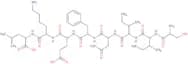
CAS:<p>3-Amino-4-methylbenzoic acid methyl ester (3AMB) is an organic compound that is used as a reagent in the synthesis of amides. It can also be used to synthesize various heterocycles by reacting with aldehydes and ketones. 3AMB has been used as a substrate in assays for amines, yielding high yields. The compound's unsymmetrical structure can be attributed to the presence of different substituents on either side of the central carbon atom. 3AMB has been shown to inhibit metal ion enzymes such as dioxygenases and nitric oxide synthases, which are involved in the metabolism of nitric oxide and oxygen respectively. In addition, 3AMB has been shown to have anti-inflammatory properties and may be a potential candidate for use as an anticoagulant or antiplatelet drug.br>br><br>br>br><br>3AMB is</p>Formula:C9H11NO2Purity:Min. 95%Color and Shape:PowderMolecular weight:165.19 g/molOvalbumin (257-264) (chicken) acetate salt
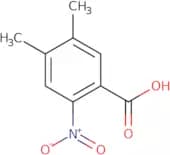
CAS:<p>Ovalbumin (257-264) is an acetate salt of a fragment of the protein ovalbumin.</p>Formula:C45H74N10O13Purity:Min. 95%Color and Shape:SolidMolecular weight:963.13 g/mol3,4-Dimethyl-6-nitrobenzoic acid
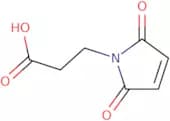
CAS:<p>3,4-Dimethyl-6-nitrobenzoic acid is a nitrated aromatic compound that has been shown to have anticancer activity. It is used as an anticancer agent in the treatment of cancers such as leukemia, lymphoma, and lung cancer. 3,4-Dimethyl-6-nitrobenzoic acid has been shown to be effective against species diversity and diversity of tumor cells. This compound inhibits protein synthesis by binding to ribosomes and inhibiting the production of proteins vital for cell division. 3,4-Dimethyl-6-nitrobenzoic acid also binds to DNA and interferes with transcription and replication of DNA, causing cell death. This compound has been found in wetlands (e.g., <br>the Yangtze River) but its function in these ecosystems is not known.</p>Formula:C9H9NO4Purity:Min. 95%Color and Shape:PowderMolecular weight:195.17 g/mol3-Maleimidopropionic acid
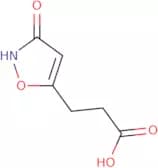
CAS:<p>3-Maleimidopropionic acid, also abbreviated as 3MPA or BMPA, reacts with thiols to form stable conjugates. It is non-cleavable under standard biological conditions.</p>Formula:C7H7NO4Purity:Min. 95%Color and Shape:PowderMolecular weight:169.13 g/mol3-(3-Hydroxyisoxazol-5-yl)propanoic acid
CAS:<p>3-(3-Hydroxyisoxazol-5-yl)propanoic acid is a fine chemical used as a reagent, speciality chemical, and reaction component in the synthesis of complex compounds. It is also used as a building block or scaffold in the synthesis of other compounds. 3-(3-Hydroxyisoxazol-5-yl)propanoic acid is less reactive than other carboxylic acids due to its bulky group at one end. This makes it more stable and easier to handle. 3-(3-Hydroxyisoxazol-5-yl)propanoic acid can be used for research purposes and has been shown to be an effective inhibitor of HIV protease.</p>Formula:C6H7NO4Purity:Min. 95 Area-%Color and Shape:PowderMolecular weight:157.12 g/mol



![3H-Imidazo[4,5-c]pyridine-7-carboxylic acid](/_next/image/?url=https%3A%2Fstatic.cymitquimica.com%2Fproducts%2F3D%2Fthumb-webp%2FFI167598.webp&w=3840&q=75)
![1-[(5-Methoxy-1-methyl-1H-indol-3-yl)methyl]piperidine-4-carboxylic acid](/_next/image/?url=https%3A%2Fstatic.cymitquimica.com%2Fproducts%2F3D%2Fthumb-webp%2FFM128176.webp&w=3840&q=75)



![[5-Methyl-3-(trifluoromethyl)-1H-pyrazol-1-yl]acetic acid](/_next/image/?url=https%3A%2Fstatic.cymitquimica.com%2Fproducts%2F3D%2Fthumb-webp%2FFM54360.webp&w=3840&q=75)
![[4-(1-Methyl-1-phenylethyl)phenoxy]acetic acid](/_next/image/?url=https%3A%2Fstatic.cymitquimica.com%2Fproducts%2F3D%2Fthumb-webp%2FFM112689.webp&w=3840&q=75)