Carboxylic Acids
Carboxylic acids are organic molecules characterized by having a carboxyl-type functional group (-COOH). These acids are fundamental in various chemical reactions, including esterification, amidation, and decarboxylation. Carboxylic acids are widely used in the production of pharmaceuticals, polymers, and agrochemicals. In this section, you can find a large number of carboxylic acids ready to be used. At CymitQuimica, we provide a broad range of high-quality carboxylic acids to support your research and industrial applications.
Found 12453 products of "Carboxylic Acids"
Sort by
Purity (%)
0
100
|
0
|
50
|
90
|
95
|
100
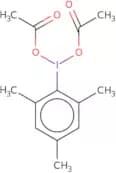
Iodomesitylene Diacetate
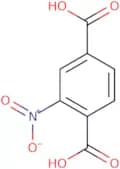
CAS:<p>Iodomesitylene Diacetate is a chemical building block with versatile applications. This compound can react with a variety of reagents to form useful scaffolds for synthetic organic chemistry, or it can be used as a useful intermediate in the synthesis of more complicated molecules. Iodomesitylene Diacetate is also an excellent starting material for the production of complex compounds such as pharmaceuticals, polymers, and agrochemicals. It is stable at room temperature and has a high quality.</p>Formula:C13H17IO4Purity:(Iodometric Titration) Min. 98%Color and Shape:White To Off-White To Yellow SolidMolecular weight:364.18 g/mol2-Nitroterephthalic acid
CAS:<p>2-Nitroterephthalic acid is an inorganic acid that belongs to the nitro group. It is a white powder and has a melting point of 115°C. The crystal structure of 2-nitroterephthalic acid was determined using x-ray crystallography, and the thermal expansion coefficient was measured at different temperatures between 10° and 120°C. This compound has been used as a test sample to study the hydrogen bonding interactions between methyl ethyl groups on the molecule's surface with carboxylate groups in other molecules. Structural analysis of this compound also revealed that it contains a carboxylate group that can be converted into an ester for use in organic synthesis.</p>Formula:C8H5NO6Color and Shape:PowderMolecular weight:211.13 g/molBenzoic acid
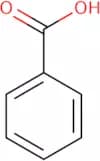
CAS:<p>Benzoic acid is a preservative that has been used for a long time and is found in sodium benzoate and potassium benzoate. It has been shown to inhibit the growth of bacteria, viruses, fungi, and parasites. Benzoic acid inhibits the enzyme activity of bacterial catalase and peroxidase. Benzoic acid binds to bacterial DNA with high affinity and is able to penetrate the cell membrane. The antimicrobial activity of benzoic acid is dependent on its concentration. At concentrations greater than 0.5%, it forms an inner salt with potassium ions, which can lead to the death of bacteria by inhibiting their growth or interfering with their metabolism.</p>Formula:C7H6O2Color and Shape:White Off-White PowderMolecular weight:122.12 g/mol1,2,3-Benzenetricarboxylic acid hydrate
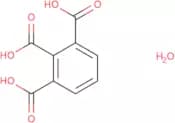
CAS:<p>1,2,3-Benzenetricarboxylic acid hydrate (BTAH) is a molecule that has been studied as a potential photosensitizer for photodynamic therapy. This compound is an organic semiconductor with a wide absorption spectrum and a large quantum yield in the visible region. It also has high charge carrier mobility, which makes it suitable for use in electronic devices. BTAH is an additive that can be used to inhibit the formation of cancer cells and reduce inflammation. BTAH has been shown to have anti-inflammatory properties by inhibiting prostaglandin synthesis. The molecular structure of BTAH consists of three benzene rings joined together by two carboxyl groups. The central ring in this molecule is also known as 1,2,3-benzenetricarboxylic acid or 3,4-dihydroxybenzoic acid.</p>Formula:C9H6O6·xH2OPurity:Min. 98 Area-%Color and Shape:PowderMolecular weight:210.14 g/molMoexipril tert-butyl ester maleic acid salt
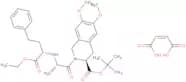
CAS:<p>Moexipril tert-butyl ester maleic acid salt is a high quality reagent that is used as a useful intermediate in the synthesis of complex compounds. Moexipril tert-butyl ester maleic acid salt has been shown to be a useful scaffold in the synthesis of speciality chemicals, research chemicals, and versatile building blocks. It is also used as a reaction component in the production of fine chemicals and other useful substances.</p>Formula:C35H46N2O11Purity:Min. 95%Molecular weight:670.75 g/mol2-(4-(2,5-Dichlorophenylamino)-3,5-thiazolyl)acetic acid
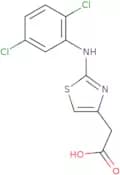
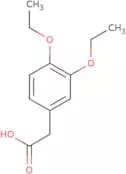
CAS:<p>Please enquire for more information about 2-(4-(2,5-Dichlorophenylamino)-3,5-thiazolyl)acetic acid including the price, delivery time and more detailed product information at the technical inquiry form on this page</p>Purity:Min. 80%3,4-Diethoxyphenylacetic acid
CAS:<p>3,4-Diethoxyphenylacetic acid is a synthetic compound that has been shown to be an inhibitor of multidrug resistance (MDR) efflux pumps. It is also a substrate for membrane sulfotransferases, which are enzymes that catalyze the transfer of sulfate from 3,4-diethoxyphenylacetic acid to other compounds. The addition of 3,4-diethoxyphenylacetic acid to cultured human cells has been shown to inhibit the activity of p-glycoprotein and therefore increase the uptake of drugs such as acetonitrile and aluminium.</p>Formula:C12H16O4Purity:Min. 95%Color and Shape:PowderMolecular weight:224.25 g/mol2-(S)-Hydroxy-4-oxo-4-phenylbutyric acid
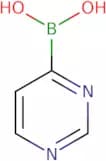
CAS:<p>2-(S)-Hydroxy-4-oxo-4-phenylbutyric acid is a useful building block that can be used in the production of many fine chemicals, research chemicals, and reagents. It is a versatile building block that can be used as a reaction component in a wide range of reactions. 2-(S)-Hydroxy-4-oxo-4-phenylbutyric acid is also an intermediate or scaffold for complex compounds that are valuable in many fields such as pharmaceuticals, agrochemicals, and polymers. This compound has been shown to have high quality and purity.</p>Formula:C10H10O4Purity:Min. 95%Color and Shape:PowderMolecular weight:194.18 g/molPyrimidine-4-boronic acid
CAS:<p>Pyrimidine-4-boronic acid is a pyrimidine derivative that is used as a building block or intermediate in organic chemistry. It has the CAS number 852362-24-4 and can be found in research chemicals and speciality chemicals. Pyrimidine-4-boronic acid is a versatile chemical with many uses, including as a reaction component or reagent. This compound has many properties that make it useful for synthesis, such as its low toxicity and high quality.</p>Formula:C4H5BN2O2Purity:Min. 95 Area-%Color and Shape:PowderMolecular weight:123.91 g/molThionin acetate
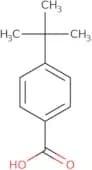
CAS:<p>Thionin acetate is a chemical compound that has been used as an antiseptic and disinfectant. It is the acetate salt of thionin, which is a protein that binds to DNA, RNA, and proteins. Thionin acetate has been shown to have anti-inflammatory effects in mice. It also inhibits the production of antibodies in response to foreign antigens and reduces the severity of allergic reactions. Thionin acetate also inhibits neutrophil adhesion by binding to neutrophils and preventing their activation. This compound has been used in pharmaceutical preparations for treating wounds or burns. Thionin acetate is soluble in water and alcohols but insoluble in ethers or oils. It can be prepared by reaction between ethylene diamine and hydrogen peroxide with a photoelectron generator.br>br><br>Thionin acetate is a dark brown powder that turns purple on exposure to light because it contains ferric iron ions, which react with oxygen</p>Formula:C12H9N3S•C2H4O2Purity:Min. 95%Color and Shape:PowderMolecular weight:287.34 g/mol4-tert-Butylbenzoic acid
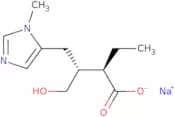
CAS:<p>4-tert-Butylbenzoic acid is a 4-dimethylaminobenzoic acid derivative that has been used as a potential antidepressant. It has shown to have a high solubility in water, which may be due to hydrogen bonding interactions with the amino group of cyclen. The binding constants for 4-tert-butylbenzoic acid and cyclen have been found to be stronger than those for 4-dimethylaminobenzoic acid and cyclen. This suggests that 4-tert-butylbenzoic acid is more potent than 4-dimethylaminobenzoic acid. Process optimization studies on the synthesis of this compound have been carried out using x-ray crystal structures to determine optimum conditions. In vitro experiments using human urine samples revealed that the concentration of 4-tert-butylbenzoic acid was higher in urine samples containing amines than those without amines, suggesting that it may</p>Formula:C11H14O2Purity:Min. 95%Molecular weight:178.23 g/molIsopilocarpic acid sodium salt
CAS:<p>Isopilocarpic acid sodium salt is a synthetic compound that contains methyl groups and electron. It is an utilizable and liquid chromatographic compound with an acyl group. Isopilocarpic acid sodium salt has been shown to be a prodrug derivative that is hydrolyzed to form the active methylene and hydroxy groups. The aliphatic chain in this compound can be ethylene or benzyl.</p>Formula:C11H17N2NaO3Purity:Min. 95%Color and Shape:White PowderMolecular weight:248.25 g/mol[5-Methyl-3-(trifluoromethyl)-1H-pyrazol-1-yl]acetic acid
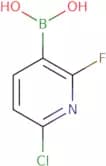
CAS:<p>[5-Methyl-3-(trifluoromethyl)-1H-pyrazol-1-yl]acetic acid is a reaction component that can be used in organic synthesis as a reagent. This chemical has been shown to have high quality, and is useful for research purposes. It is also a versatile building block and useful intermediate, which can be used in the production of complex compounds. [5-Methyl-3-(trifluoromethyl)-1H-pyrazol-1-yl]acetic acid has CAS number 345637-71-0, and is a fine chemical that is useful for chemistry research.</p>Formula:C7H7F3N2O2Purity:Min. 95%Color and Shape:PowderMolecular weight:208.14 g/mol6-Chloro-2-fluoropyridine-3-boronic acid
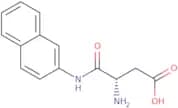
CAS:<p>6-Chloro-2-fluoropyridine-3-boronic acid is a versatile building block for the synthesis of complex compounds, which can be used as a reagent in research or as a speciality chemical. This compound can be used as an intermediate, reaction component, or scaffold to synthesize other more complex structures. 6-Chloro-2-fluoropyridine-3-boronic acid is available in high quality and has CAS No. 1256345-66-0.</p>Formula:C5H4BClFNO2Purity:Min. 95%Color and Shape:Light (Or Pale) Orange SolidMolecular weight:175.35 g/molL-Aspartic acid β-naphthylamide
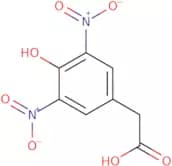
CAS:<p>L-Aspartic acid beta-naphthylamide is a dietary amino acid that is metabolized to oxaloacetate in the liver. This metabolite is then converted to aspartate and glutamate, which are both important for brain functions. L-Aspartic acid beta-naphthylamide has been shown to have regulatory effects on peptide hormones, such as inhibiting the synthesis of angiotensin II and vasopressin in rats. L-Aspartic acid beta-naphthylamide also has anti-cancer properties, which may be due to its ability to inhibit the growth of cancer cells by hydrolyzing proteins and enzymes involved in fatty acid synthesis.</p>Formula:C14H14N2O3Purity:Min. 95%Molecular weight:258.27 g/mol3,5-Dinitro-4-hydroxyphenylacetic acid
CAS:<p>3,5-Dinitro-4-hydroxyphenylacetic acid is a conjugate that consists of an antigen and a carrier molecule. It is used to enhance the immune response by stimulating T cells which are responsible for the production of antibodies. The conjugate is also known to have cytotoxic effects on the surface of cancer cells in vitro. 3,5-Dinitro-4-hydroxyphenylacetic acid has been shown to be effective in immunizing mice against the antigen ovalbumin, which is often used as a model antigen in immunology research. This conjugate has been shown to promote mitogenesis, or cell division, in spleen cells isolated from immunized mice.</p>Formula:C8H6N2O7Purity:Min. 95%Molecular weight:242.14 g/mol2-Amino-5-iodobenzoic acid methyl ester
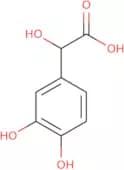
CAS:<p>2-Amino-5-iodobenzoic acid methyl ester (2AIBA) is a molecule that can be used as an activatable probe for imaging cancer. It has a profile suitable for radionuclide therapy and is also senescent. 2AIBA binds to DNA and inhibits the synthesis of proteins, leading to cell death. 2AIBA has potent inhibitory activity against murine melanoma cells and synergistic effects when combined with acridone. The section of tumour cells was shown to be reduced by 42% in mice when treated with 2AIBA, acridone, and radiation compared to mice treated with radiation alone.</p>Formula:C8H8INO2Purity:Min. 95%Color and Shape:PowderMolecular weight:277.06 g/molDL-3,4-Dihydroxymandelic acid
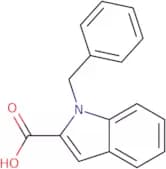
CAS:<p>DL-3,4-Dihydroxymandelic Acid is a biologically active compound that is found in the human body and has been used as a drug for the treatment of cardiac arrhythmias. It is also an intermediate in the biosynthesis of the neurotransmitter dopamine. DL-3,4-Dihydroxymandelic Acid has been shown to decrease enzyme activity in hl-60 cells and was found to be an inhibitor of acetate extract from coli K-12. The reaction mechanism for this compound has not yet been fully elucidated. DL-3,4-Dihydroxymandelic Acid is generally considered to have a physiological function in regulating systolic pressure.</p>Formula:C8H8O5Purity:Min. 95%Color and Shape:White To Yellow SolidMolecular weight:184.15 g/mol1-Benzyl-1H-indole-2-carboxylic acid
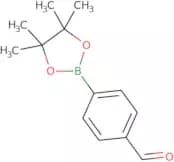
CAS:<p>1-Benzyl-1H-indole-2-carboxylic acid is a molecule that binds to chemokine receptors and has been used in screening assays as a chemical probe of chemokine receptor binding. It has been shown to be an antagonist of the CXCR3 receptor, with high affinity and selectivity. 1-Benzyl-1H-indole-2-carboxylic acid is also an antagonist of the CCR5 receptor, with low affinity. This compound was discovered by screening for novel antagonists of chemokines.</p>Formula:C16H13NO2Purity:Min. 95 Area-%Color and Shape:PowderMolecular weight:251.28 g/mol4-Formylphenylboronic acid pinacol cyclic ester
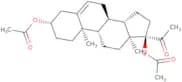
CAS:<p>4-Formylphenylboronic acid pinacol cyclic ester is a boronic ester that can be used in cross-coupling reactions. It reacts with a variety of halides and metal surfaces, including palladium. 4-Formylphenylboronic acid pinacol cyclic ester has been shown to be a useful model system for the synthesis of conjugates and has been used in clinical development as a fluorophore for cancer diagnosis. The photophysical properties of 4-Formylphenylboronic acid pinacol cyclic ester have been studied extensively and the chromophore is sensitive to changes in the environment. The boronic acids are responsible for the reactivity of 4-Formylphenylboronic acid pinacol cyclic ester, which undergoes an oxidative addition reaction mechanism.</p>Formula:C13H17BO3Color and Shape:PowderMolecular weight:232.08 g/mol17α-Hydroxypregnenolone 3,17-diacetate
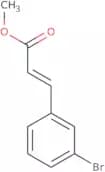
CAS:Controlled Product<p>17alpha-Hydroxypregnenolone 3,17-diacetate is a fine chemical that can be used as a versatile building block in the synthesis of complex compounds. It is typically used as a reagent or speciality chemical for research purposes, but it also has applications in the production of pharmaceuticals, cosmetics, and other products. This compound has been shown to have high purity and is an excellent reaction component for the synthesis of new scaffolds.</p>Formula:C25H36O5Purity:Min. 95%Color and Shape:PowderMolecular weight:416.55 g/mol3-Bromocinnamic acid methyl ester
CAS:<p>3-Bromocinnamic acid methyl ester is a chemical compound that belongs to the group of useful scaffolds. It is a versatile building block and can be used as an intermediate in the synthesis of complex compounds. 3-Bromocinnamic acid methyl ester has been found to be a useful research chemical, reaction component, and speciality chemical. This chemical can be used in the production of fine chemicals and other products. 3-Bromocinnamic acid methyl ester is also useful as a reagent for organic reactions.</p>Formula:C10H9BrO2Purity:Min. 95%Color and Shape:PowderMolecular weight:241.08 g/mol2-Nitrophenylacetic acid
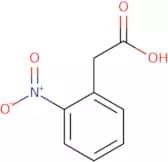
CAS:<p>2-Nitrophenylacetic acid is a synthetic product that has been studied by electrochemical techniques. It is soluble in human serum and can be detected by a chromatographic method. The cationic surfactant, oxindole, chloride, and optimal reaction conditions are known for the solute. 2-Nitrophenylacetic acid is a pharmaceutical drug that can be cleaved into nitro and carboxylate products with hydrochloric acid and β-unsaturated ketone as cleavage products.</p>Formula:C8H7NO4Purity:Min. 98 Area-%Color and Shape:PowderMolecular weight:181.15 g/molEicosapentaenoic acid ethyl ester
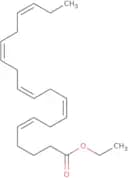
CAS:<p>Eicosapentaenoic acid ethyl ester (EPA-E) is a natural compound that belongs to the group of polyunsaturated fatty acids. EPA-E has been shown to be an antioxidant, which prevents oxidative damage and reduces inflammation. It has been found to lower LDL cholesterol and triglycerides in clinical trials. EPA-E also decreases body mass index, hepatic steatosis, and symptoms of metabolic syndrome. The mechanism of action for these effects is not fully understood but may be due to increased activity of the enzyme spal2. EPA-E has been shown to have favorable biochemical properties in animal models of atherosclerosis.</p>Formula:C22H34O2Purity:Min. 96 Area-%Color and Shape:Clear LiquidMolecular weight:330.5 g/mol4-(4-Formyl-3-methoxyphenoxy)butanoic acid
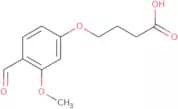
CAS:Controlled Product<p>4-(4'-Formyl-3'-methoxyphenoxy)butanoic acid is a carboxylate that can be used as a preloaded reagent for the synthesis of peptides, proteins, and other organic molecules. 4-(4'-Formyl-3'-methoxyphenoxy)butanoic acid has been shown to be an efficient linker for solid-phase peptide synthesis. 4-(4'-Formyl-3'-methoxyphenoxy)butanoic acid is labile to hydrolysis and so should be stored in an organic solvent such as dimethylsulfoxide. The carboxylate group is readily available in the form of its sodium salt, which can be synthesized by reacting sodium acetate with formaldehyde.</p>Formula:C12H14O5Purity:Min. 95%Color and Shape:PowderMolecular weight:238.24 g/mol7-Hydroxycoumarin-3-carboxylic N-succinimidylester
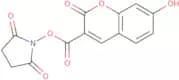
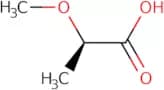
CAS:<p>7-Hydroxycoumarin-3-carboxylic acid N-succinimidylester is a fluorescent probe that is used to monitor the distribution of molecules in cells. It is used as a molecular imaging agent and has been used to image tissues in living animals. This probe can be detected by fluorescence microscopy and confocal microscopy, which are techniques that use light at specific wavelengths to detect the presence of this compound. The emission spectrum of 7-hydroxycoumarin-3-carboxylic acid N-succinimidylester varies depending on its environment, with a maximum emission wavelength of 640 nm when it is in acidic conditions and a maximum emission wavelength of 650 nm when it is in basic conditions.</p>Formula:C14H9NO7Purity:Min. 95%Molecular weight:303.22 g/mol(R)-(+)-2-Methoxypropionic acid
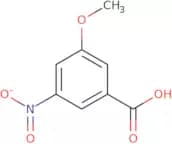
CAS:<p>(R)-(+)-2-Methoxypropionic acid is a derivatization agent that is used to label branched-chain amino acids. It has been shown to react with l-rhamnose, which is found in glycoproteins and polysaccharides.</p>Formula:C4H8O3Purity:Min. 95%Color and Shape:Clear Colourless To Pale Yellow LiquidMolecular weight:104.1 g/mol3-Methoxy-5-nitrobenzoic acid
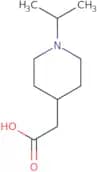
CAS:<p>3-Methoxy-5-nitrobenzoic acid is an organic compound that has mesomorphic and switchable properties. It is a chalcone derivative, with homologues such as 3-hydroxybenzoic acid. It is synthesized from the reaction of nitrous acid and 3-methoxybenzoic acid. The synthesis of this compound can be achieved by two different routes: peroxide oxidation or fluorine substitution. Both routes produce the same product, but offer different advantages. The first route involves the addition of hydrogen peroxide to 3-methoxybenzoic acid, which produces a mixture of products containing 3-methoxy-5-nitrobenzoic acid. This route is advantageous in that it can be conducted at room temperature with high yields, but the disadvantage is that this method produces a mixture of products which may contain undesired byproducts. The second route involves the use of sodium hypofluorite and potassium</p>Formula:C8H7NO5Purity:Min. 95%Color and Shape:PowderMolecular weight:197.14 g/mol(1-Isopropylpiperidin-4-yl)acetic acid
CAS:<p>(1-Isopropylpiperidin-4-yl)acetic acid is a fine chemical that has a versatile scaffold and can be used as a building block in the synthesis of complex compounds. It is also useful as a reaction component or reagent in the synthesis of new speciality chemicals. This chemical is available in high quality and purity grades.</p>Formula:C10H19NO2Purity:Min. 95%Color and Shape:PowderMolecular weight:185.26 g/mol[4-(1-Methyl-1-phenylethyl)phenoxy]acetic acid
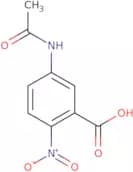
CAS:<p>4-(1-Methyl-1-phenylethyl)phenoxyacetic acid is a versatile building block that is used in the synthesis of a variety of fine chemicals and drugs. 4-(1-Methyl-1-phenylethyl)phenoxyacetic acid is an intermediate in the synthesis of a number of complex compounds, including research chemicals, reagents, and speciality chemicals. This compound can also be used as a reaction component for the synthesis of other chemical compounds or as a scaffold for larger molecules.</p>Formula:C17H18O3Purity:Min. 95%Color and Shape:PowderMolecular weight:270.32 g/mol5-Acetamido-2-nitrobenzoic acid
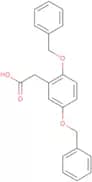
CAS:<p>5-Acetamido-2-nitrobenzoic acid is a metabolic precursor of homarine, which is an important intermediate in the synthesis of pharmaceuticals. 5-Acetamido-2-nitrobenzoic acid is a white crystalline powder that is soluble in water and sparingly soluble in ethanol. It has a molecular weight of 176.1 g/mol and an empirical formula of C7H6NO4P. The compound exists as a zwitterion at neutral pH. The solubility can be increased by adding phosphoric acid or orthophosphoric acid to increase the pH to 3-5, although this may result in the formation of impurities such as orthophosphate or multicolour compounds. 5-Acetamido-2-nitrobenzoic acid is used for the quantitative determination of phosphate in pharmaceutical dosage formulations by regression analysis with multicolour photometry and chromatographic methods.</p>Formula:C9H8N2O5Purity:Min. 95%Color and Shape:SolidMolecular weight:224.17 g/mol2,5-Dibenzyloxyphenylacetic acid
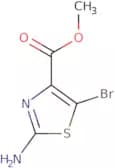
CAS:<p>2,5-Dibenzyloxyphenylacetic acid is a useful building block for the synthesis of organic compounds. It is often used in research as a reaction component or intermediate. This compound has been shown to be effective in the synthesis of complex compounds and useful scaffolds. 2,5-Dibenzyloxyphenylacetic acid can also be used as a reagent for high quality fine chemicals.</p>Formula:C22H20O4Purity:Min. 95%Color and Shape:PowderMolecular weight:348.39 g/mol2-Amino-5-bromothiazole-4-carboxylic acid methyl ester
CAS:<p>2-Amino-5-bromothiazole-4-carboxylic acid methyl ester is a reagent that can be used as a building block for the synthesis of complex compounds. It is also an intermediate in the synthesis of other chemical compounds with therapeutic potential. 2-Amino-5-bromothiazole-4-carboxylic acid methyl ester is a fine chemical, which is useful for research purposes. The CAS number for this product is 850429-60-6.</p>Formula:C5H5BrN2O2SPurity:Min. 95%Color and Shape:PowderMolecular weight:237.08 g/mol3, 3'- Dihydroxy- [1, 1'- biphenyl] - 4, 4'- dicarboxylic acid
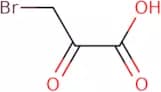
CAS:<p>3, 3'-Dihydroxy- [1, 1'-biphenyl] - 4, 4'-dicarboxylic acid (3,3'DHBA) is a versatile building block that can be used in the synthesis of various organic compounds. It is a necessary reagent for the production of high quality research chemicals and speciality chemicals. 3, 3'-Dihydroxy- [1, 1'-biphenyl] - 4, 4'-dicarboxylic acid has been reported to be useful as an intermediate in the synthesis of complex compounds with diverse applications. This compound has also been used as a reaction component for organic reactions. CAS No.: 861533-46-2.</p>Formula:C14H10O6Purity:Min. 95%Color and Shape:solid.Molecular weight:274.23 g/mol3-Bromopyruvic acid
CAS:<p>3-Bromopyruvic acid is a small molecule that inhibits an enzyme called dextran sulfate reductase. This enzyme is involved in the formation of sulfate in the body and is important for glycolysis, which is the process by which cells break down glucose to produce energy. 3-Bromopyruvic acid inhibits both cancer cells and normal cells, but has a greater effect on cancer cells. This compound also causes caspase-independent cell death, which means that it does not activate pro-apoptotic proteins. It may work by targeting enzymes involved in energy metabolism or by inhibiting DNA polymerase activity.</p>Formula:C3H3BrO3Purity:Min. 95%Color and Shape:PowderMolecular weight:166.96 g/mol3,7-Diketo-5β-cholan-24-oic acid
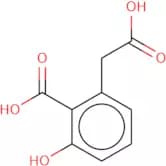
CAS:Controlled Product<p>3,7-Diketo-5beta-cholan-24-oic acid is a bile acid that is found in the body. It is one of the major bile acids in humans, and it circulates in the blood bound to albumin. 3,7-Diketo-5beta-cholan-24-oic acid has been shown to be synthesized by the liver and secreted into bile as a conjugate with taurine or glycine. 3,7-Diketo-5beta-cholan-24-oic acid is hydrated by water and micelles before it reaches the intestinal lumen. It can be absorbed by intestinal cells and reabsorbed into the bloodstream. The process of absorption starts when 3,7-diketo 5beta cholan 24 oic acid binds to an ileal receptor on intestinal cells. This binding causes a conformational change in the receptor that activates signaling pathways</p>Formula:C24H36O4Purity:Min. 95%Color and Shape:PowderMolecular weight:388.54 g/mol2-Carboxy-3-hydroxyphenyl acetic acid
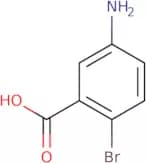
CAS:<p>2-Carboxy-3-hydroxyphenyl acetic acid is a fine chemical that is used in research, as well as in the synthesis of other compounds. It is a versatile building block that can be used to make more complex compounds and has been shown to be useful in many reactions. It is also a useful intermediate and scaffold for drug design and development. 2-Carboxy-3-hydroxyphenyl acetic acid can be used to synthesize drugs that are capable of inhibiting protein translation or protein synthesis.</p>Formula:C9H8O5Purity:Min. 95%Color and Shape:PowderMolecular weight:196.16 g/mol5-Amino-2-bromobenzoic acid
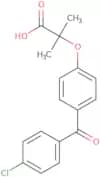
CAS:<p>5-Amino-2-bromobenzoic acid is an organic compound that is used in the manufacture of other chemicals. It is a white crystalline solid with a melting point of 133°C, and it has a molecular weight of 222.27 g/mol. This chemical has been shown to be mutagenic, and it may also cause adverse effects on the liver, kidneys, stomach, and skin when taken orally or applied to the skin. 5-Amino-2-bromobenzoic acid is found in many products that are used for industrial purposes such as dyes, rubber chemicals, textile chemicals, pesticides, and herbicides. The chemical can be found in products that are sold in hardware stores and supermarkets.</p>Formula:C7H6BrNO2Purity:Min. 95%Color and Shape:PowderMolecular weight:216.03 g/molFenofibric acid
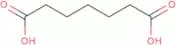
CAS:<p>Fenofibric acid is a fibrate drug. It is used in the treatment of hypercholesterolemia, including combined with statins and other lipid-lowering drugs. Fenofibric acid has been shown to reduce plasma triglycerides and LDL cholesterol levels. It also reduces atherosclerotic plaque formation by suppressing macrophage accumulation in lesions. Fenofibric acid has been shown to inhibit ATP binding cassette transporter A1 (ABCA1) activity, which may contribute to its ability to increase HDL cholesterol levels.</p>Formula:C17H15ClO4Purity:Min. 95%Color and Shape:PowderMolecular weight:318.75 g/molPimelic acid
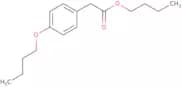
CAS:<p>Pimelic acid is a dicarboxylic acid that has been found to be the precursor of malonic acid in bacteria. It has an acidic nature and significant cytotoxicity, as well as a hydroxyl group that coordinates with nitrogen atoms. Pimelic acid is stable in the presence of water vapor and air, making it difficult to synthesize. These properties have made pimelic acid a topic of interest for polymer compositions. X-ray crystal structures have shown that pimelic acid is composed of six carbons, three nitrogens, one oxygen, and one hydrogen atom.</p>Formula:C7H12O4Color and Shape:PowderMolecular weight:160.17 g/mol4-n-Butoxyphenylacetic acid butyl ester
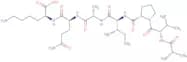
CAS:<p>4-n-Butoxyphenylacetic acid butyl ester is a chemical reagent that has been studied extensively as a useful intermediate in organic synthesis. It is of high purity and quality, and can be used for many applications.</p>Formula:C16H24O3Purity:80%Color and Shape:PowderMolecular weight:264.36 g/molSmac-N7 Peptide trifluoroacetate salt
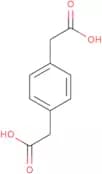
CAS:<p>Smac-N7 is a peptide that binds to the mitochondrial pathway of apoptosis and inhibits the activation of caspase-3. This peptide has been shown to inhibit the death ligand, which would normally trigger the release of cytochrome c from mitochondria and activate other caspases. In addition, Smac-N7 has been shown to induce cleavage activity in cells. It also prevents the protein survivin from binding to cellular receptors, which may be responsible for its ability to inhibit cell proliferation.</p>Formula:C33H59N9O9Purity:Min. 95%Molecular weight:725.88 g/mol1,4-Phenylenediacetic acid
CAS:<p>1,4-Phenylenediacetic acid is an organic compound that has been used as a fungicide. It is an aromatic carboxylic acid that binds to the receptor site of the fungal cell wall and inhibits its growth. The molecule has a special coordination geometry with the hydrogen atom in the carboxylate group positioned close to one of the phenyl rings. This causes intramolecular hydrogen bonding interactions between the carboxylate group and the phenolic hydroxyl groups on adjacent molecules, which stabilizes it. 1,4-Phenylenediacetic acid also exhibits strong hydrogen bonding interactions with other molecules such as malonic acid due to its diphenyl ether group.</p>Formula:C10H10O4Purity:Min. 95%Color and Shape:PowderMolecular weight:194.18 g/mol2,4-Dihydroxycinnamic acid
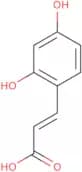
CAS:<p>2,4-Dihydroxycinnamic acid (2,4-DHCA) is a naturally occurring compound that is synthesized by the shikimate pathway. 2,4-DHCA has been shown to inhibit the growth of influenza virus in cell culture. 2,4-DHCA may provide protection from influenza in humans and animals by inhibiting the release of inflammatory cytokines such as tumor necrosis factor and interleukin-1 from cells. This anti-inflammatory effect has been observed in animal models for various inflammatory diseases including arthritis and asthma.</p>Formula:C9H8O4Purity:Min. 95%Color and Shape:PowderMolecular weight:180.16 g/mol2-Fluoro-3-nitrobenzoic acid
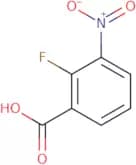
CAS:<p>2-Fluoro-3-nitrobenzoic acid is a fine chemical that has been used as a building block for research chemicals, reagents, and speciality chemicals. It is also a versatile building block for the synthesis of complex compounds and useful scaffolds. 2-Fluoro-3-nitrobenzoic acid can be used as an intermediate in organic reactions or as a reaction component in the synthesis of pharmaceuticals. This compound has been shown to have high purity and good quality with CAS No. 317-46-4.</p>Formula:C7H4O4NFPurity:Min. 95%Color and Shape:PowderMolecular weight:185.11 g/mol5-Hydroxyisophthalic acid dimethyl ester
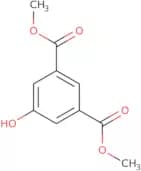
CAS:<p>5-Hydroxyisophthalic acid dimethyl ester (5-HIPED) is a palladium complex that can be used in the synthesis of polymers. It has been shown to be an effective linker molecule for use in the polymerization of monomers with functional groups, such as chloride and hydroxyl groups. 5-HIPED has also been used for linking polyethylene glycols to form copolymers, which may have applications in cancer diagnosis and detection. 5-HIPED can also be used to synthesize cationic polymers, which are useful in cancer treatment.</p>Formula:C10H10O5Purity:97.5 To 100.0 Area-%Color and Shape:White PowderMolecular weight:210.18 g/moltrans-2,3,4-Trimethoxycinnamic acid
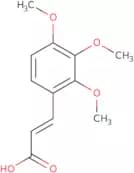
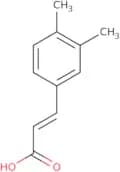
CAS:<p>Trans-2,3,4-trimethoxycinnamic acid is a bioactive chemical that has been shown to have significant antioxidant activity. This compound is a hydrogen peroxide scavenger and can be used in devices to remove hydrogen peroxide from water. Trans-2,3,4-trimethoxycinnamic acid has also been shown to inhibit the production of campesterol and paromomycin in bacteria. Furfural is an inhibitor of trans-2,3,4-trimethoxycinnamic acid and its oxidation products. Trans-2,3,4-trimethoxycinnamic acid can be oxidised by furfural to produce glycerin and formic acid. It also inhibits the formation rate of amides from cinnamyl alcohol.</p>Formula:C12H14O5Purity:Min. 98 Area-%Color and Shape:PowderMolecular weight:238.24 g/mol3,4-Dimethylcinnamic acid
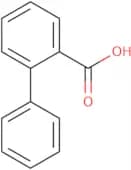
CAS:<p>3,4-Dimethylcinnamic acid is a plant-derived compound that has been shown to have anti-inflammatory properties. It inhibits the production of prostaglandins by inhibiting cyclooxygenase activity and reducing the production of pro-inflammatory eicosanoids. 3,4-Dimethylcinnamic acid also blocks the synthesis of leukotrienes and thromboxanes, which are involved in inflammation as well as allergic reactions and asthma. 3,4-Dimethylcinnamic acid is used to treat skin conditions such as psoriasis, eczema, or dermatitis. This compound can be obtained from plants like Dracaena fragrans (also known as Madagascar dragon tree) or ethnomedicine sources such as the African shrub Anthranilic acid. 3,4-Dimethylcinnamic acid can be synthesized by cross coupling with alkyl halides, ultraviolet irradiation of anthranils with uv</p>Formula:C11H12O2Purity:Min. 95%Color and Shape:White Off-White PowderMolecular weight:176.21 g/mol2-Biphenylcarboxylic acid
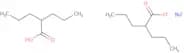
CAS:<p>2-Biphenylcarboxylic acid (2BCA) is a metabolite of biphenyl. The hydroxyl group on 2BCA binds to the receptor, producing an antihypertensive effect. It has been shown to be effective in the treatment of metabolic disorders and diseases such as diabetes mellitus, hypertension, and heart disease. 2BCA is also effective in the treatment of tumors because it inhibits tumor cell growth by binding to fatty acids. This drug forms hydrogen bonds with other molecules due to its hydroxyl group and can be synthesized through a Suzuki coupling reaction.<br>2BCA has been found to have an inhibitory effect on prostaglandin synthesis through the p2 receptor activity.</p>Formula:C13H10O2Purity:Min. 95%Color and Shape:PowderMolecular weight:198.22 g/molValproic acid semisodium
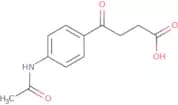
CAS:Controlled Product<p>Valproic acid is a medication used to treat seizures and other conditions. Valproic acid has been shown to be effective in the treatment of metabolic disorders such as hyperammonemia, hypertriglyceridemia, and hypoglycemia. It also has been shown to be an effective treatment for bipolar disorder. Valproic acid does have side-effect profiles that include weight gain, nausea, vomiting, and hair loss. Side effects are more likely to develop when valproic acid is taken with other medications such as erythromycin or divalproex sodium. Valproic acid can cause hypersensitivity syndrome in some patients. In order to avoid this side effect, blood sampling should be done before starting treatment. Valproic acid is metabolized by the liver into the active form, divalproex sodium (divalproex), which then inhibits the enzyme histone deacetylase (HDAC). The inhibition of HDAC leads to an increase in</p>Formula:C8H16O2•Na0Purity:Min. 95%Color and Shape:White to off-white solid.Molecular weight:311.41 g/mol4-(4-Acetamidophenyl)-4-oxobutanoic acid
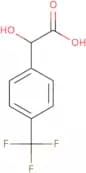
CAS:<p>4-(4-Acetamidophenyl)-4-oxobutanoic acid is a versatile building block that can be used as a reaction component, reagent, or useful scaffold. It is also a high quality chemical with CAS number 5473-15-4. This chemical has been shown to have many applications in research and development, such as the synthesis of pharmaceuticals, agrochemicals, and textiles. 4-(4-Acetamidophenyl)-4-oxobutanoic acid is an important intermediate for the synthesis of complex compounds. It is also a fine chemical that can be used for research purposes.</p>Formula:C12H13NO4Purity:Min. 95 Area-%Color and Shape:PowderMolecular weight:235.24 g/mol4-(Trifluoromethyl)mandelic acid
CAS:<p>4-(Trifluoromethyl)mandelic acid (4-TFA) is a metabolite of the drug mandelic acid. It is a thermodynamically stable, stereospecific, and highly polar compound that can be easily purified by column chromatography. 4-TFA has been shown to have analytical methods in common with mandelic acid, including fluorine analysis and regression. The chemical properties of 4-TFA are similar to those of other aldehydes. It also has enantiomeric purity and can be analysed using gas chromatography-mass spectrometry in urine samples.</p>Formula:C9H7F3O3Purity:Min. 95%Color and Shape:PowderMolecular weight:220.15 g/mol4-(Acetylamino)-3-nitrobenzoic acid
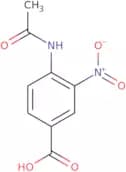
CAS:<p>4-(Acetylamino)-3-nitrobenzoic acid (AANBA) is a molecule that inhibits the growth of Mycobacterium tuberculosis and influenza virus. It has been shown to have tuberculostatic activity and is able to adsorb to the cavity of the enzyme protein, preventing access by other molecules. AANBA also has antiviral properties that may be due to its ability to inhibit viral particles from binding with a cell surface receptor or inhibiting the synthesis of viral proteins. AANBA binds to the chloride ion in order to maintain the negative charge of the molecule, which is crucial for its antiviral activity.</p>Formula:C9H8N2O5Purity:Min. 95%Color and Shape:Slightly Yellow PowderMolecular weight:224.17 g/molEthyl indole-6-carboxylate
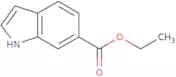
CAS:<p>Ethyl indole-6-carboxylate is a chiral compound with nitrogen atoms. It has a topology and substituents, so it can be substituted in several positions. It also has nitrate, which is an ion that can carry an electric charge. This molecule can form channels and crystals with a single-crystal x-ray diffraction pattern. The hydrocarbon part of the molecule has a crystal system and framework, making it porous. The x-ray diffraction pattern of ethyl indole-6-carboxylate shows its chemistry as well.</p>Formula:C11H11NO2Purity:Min. 95%Molecular weight:189.21 g/molN-Nitroso-N-methyl-4-aminobutyric acid
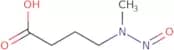
CAS:<p>N-Nitroso-N-methyl-4-aminobutyric acid (NMBA) is a solid with a low melting point which has been identified as a potentially carcinogenic component of both tobacco and tobacco smoke. NMBA is also one of a number of nitrosamine impurities which have been found to be present in angiotensin II receptor blocker (ARB) drugs used to treat high blood pressure.</p>Formula:C5H10N2O3Purity:Min. 98 Area-%Color and Shape:Slightly Yellow PowderMolecular weight:146.14 g/molHomovanillic acid
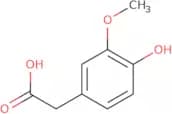
CAS:<p>Homovanillic acid is widely used as a fluorogenic substrate of peroxidase. The reaction is however not specific and has been shown to react also with soybean lipoxygenase in the presence of hydrogen peroxide. Excitation and emission wavelengths for homovanillic acid are 312 and 420 nm, respectively.</p>Formula:C9H10O4Purity:Min. 97.5 Area-%Color and Shape:Red PowderMolecular weight:182.17 g/molEthacrynic acid
CAS:Controlled Product<p>Ethacrynic acid is a non-competitive, reversible inhibitor of the Na+/K+-ATPase. It has been shown to be effective against cancer tissues and infectious diseases such as malaria, tuberculosis, and leishmaniasis. Ethacrynic acid inhibits 2,4-dichlorobenzoic acid (2,4-DCBA)-induced tumor growth in mice by inducing apoptosis in human leukemia cells. Ethacrynic acid also inhibits mitochondrial membrane potential and cellular physiology by decreasing the activity of enzymes which are involved in energy metabolism.</p>Formula:C13H12Cl2O4Purity:Min. 95%Color and Shape:White PowderMolecular weight:303.14 g/molDL-2-Hydroxyvaleric acid sodium salt
CAS:<p>2-Hydroxyvaleric acid sodium salt is a fine chemical that can be used as a building block for the synthesis of more complex compounds. It is also used as a reagent in research and as a speciality chemical. The CAS number for this compound is 84176-70-5. 2-Hydoxyvaleric acid sodium salt is most commonly used in the synthesis of pharmaceuticals, pesticides, and other chemicals. It has also been shown to be useful in the synthesis of biodegradable polymers and as an intermediate in organic reactions.</p>Formula:C5H9NaO3Purity:Min. 95%Color and Shape:PowderMolecular weight:140.11 g/mol4-Mercaptophenylacetic acid
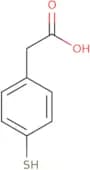
CAS:<p>4-Mercaptophenylacetic acid is a palladium complex that inhibits the synthesis of proteins by binding to the ribosome and blocking peptide bond formation. The molecule has a polymeric matrix with a high degree of crystallinity and an isolated yield of greater than 95%. 4-Mercaptophenylacetic acid is immobilized on a carboxylate surface and has been shown to have pharmacokinetic properties. It can be used in the treatment of cancer cells and inhibits protein synthesis, leading to cell death. 4-Mercaptophenylacetic acid also has anti-inflammatory activities due to its inhibition of prostaglandin synthesis.</p>Formula:C8H8O2SPurity:Min. 95%Color and Shape:Yellow PowderMolecular weight:168.21 g/molMethyl(triphenylphosphoranylidene)acetate
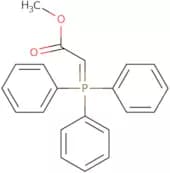
CAS:<p>Methyl(triphenylphosphoranylidene)acetate is a bicyclic heterocycle with an amino acid sequence that has been determined by x-ray diffraction data. This compound has shown to be an inhibitor of the enzyme glutathione reductase, which converts oxidized glutathione (GSSG) back to the reduced form (GSH). Methyl(triphenylphosphoranylidene)acetate also inhibits other enzymes such as cytochrome p450 and mycobacterium tuberculosis esterases. The reaction mechanism for methyl(triphenylphosphoranylidene)acetate is not yet known but it may involve the formation of an intramolecular hydrogen bond between the NH group and the oxygen atom on C3. This compound has been shown to have anticancer properties in hl-60 cells, which is consistent with its ability to inhibit prostaglandin synthesis. It also has antioxidant properties due</p>Formula:C21H19O2PPurity:Min. 98 Area-%Color and Shape:White Off-White PowderMolecular weight:334.35 g/mol3-Trifluoromethoxyphenylboronic acid
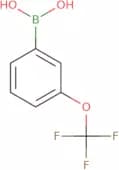
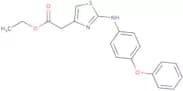
CAS:<p>3-Trifluoromethoxyphenylboronic acid is a lead compound that has the potential to be an efficient and water-soluble inhibitor of protein kinases. It has been shown to have a significant inhibitory effect on vismodegib transport. This compound may also have anticancer properties. 3-Trifluoromethoxyphenylboronic acid binds to the active site of protein kinases, blocking their catalytic activity and inhibiting cell proliferation by interfering with the signaling pathway that regulates cancer cells.</p>Formula:C7H6BF3O3Purity:Min. 90%Color and Shape:PowderMolecular weight:205.93 g/molethyl 2-(4-((4-phenoxyphenyl)amino)-3,5-thiazolyl)acetate
CAS:<p>Please enquire for more information about ethyl 2-(4-((4-phenoxyphenyl)amino)-3,5-thiazolyl)acetate including the price, delivery time and more detailed product information at the technical inquiry form on this page</p>Purity:Min. 95%24-Norursodeoxycholic acid
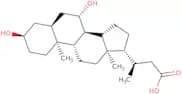
CAS:Controlled Product<p>24-Norursodeoxycholic acid is a synthetic bile acid derivative, which is a modified form derived from natural bile acids. Its primary source is the chemical synthesis of ursodeoxycholic acid analogs. The mode of action involves modulating bile acid composition within the liver, thereby reducing cytotoxicity associated with bile acid accumulation. This modulation helps protect hepatocytes from damage, reducing liver inflammation and fibrosis.</p>Formula:C23H38O4Purity:Min. 95%Color and Shape:PowderMolecular weight:378.55 g/molUrsocholic acid
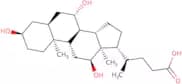
CAS:Controlled Product<p>Ursocholic acid is a bile acid that is used in the treatment of pediatric bowel disease. Ursocholic acid reduces the formation of cholesterol gallstones and its use has been shown to improve the symptoms of congestive heart failure. The mechanism of action for ursocholic acid is not fully understood but it has been shown to increase the amount of serum bile acids and reduce the amount of hydroxyl group in bile acids. Ursocholic acid also increases cell lysis by interacting with hydrophobic regions on the surface of cells. There are high concentrations of ursocholic acid found in human feces, which may be due to its hydrophobic effect. Ursocholic acid also inhibits HIV infection by binding to gp120, preventing gp120 from binding to CD4 receptors on T-cells.</p>Formula:C24H40O5Purity:Min. 95%Color and Shape:PowderMolecular weight:408.57 g/mol(4R)-(-)-2-Thioxo-4-thiazolidinecarboxylic acid
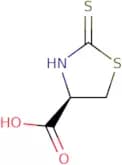
CAS:<p>(4R)-(-)-2-Thioxo-4-thiazolidinecarboxylic acid is a metabolite of the drug diazepam. It has been shown to inhibit DNA polymerase and human prostate cancer cells in vitro, but not in vivo. In addition, it has been found to be an analytical method for detecting diazepam metabolites in urine. The drug is used as a biomarker for monitoring the pharmacokinetics of diazepam and its active form N-desmethyldiazepam. (4R)-(-)-2-Thioxo-4-thiazolidinecarboxylic acid can also be used as a potential biomarker for assessing response to chemotherapy treatment.</p>Formula:C4H5NO2S2Purity:Min. 95%Color and Shape:PowderMolecular weight:163.22 g/molVanillic acid methyl ester
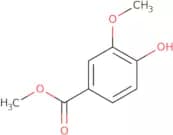
CAS:<p>Vanillic acid methyl ester is a chemical compound that can be used as an antioxidant and antimicrobial agent. It is synthesized by the reaction of vanillin with methanol in the presence of hydrochloric acid. Vanillic acid methyl ester has been shown to have antioxidative properties and inhibit the activities of various enzymes, such as eugenol oxidase, lipid peroxidase, and cyclooxygenase-1. This product also has shown anti-inflammatory effects in animal models of bowel disease and coronary heart diseases. Vanillic acid methyl ester converts to benzoic acid when it is metabolized by cytochrome P450 2E1, which can then be conjugated with glutathione or glucuronic acid.</p>Formula:C9H10O4Purity:Min. 95%Color and Shape:White Off-White PowderMolecular weight:182.17 g/mol4-(N-Formylmethylamino)benzoic acid
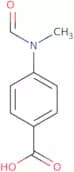
CAS:<p>4-(N-Formylmethylamino)benzoic acid is a white crystalline solid that has been used as a reagent, complex compound, and useful intermediate. It is also an important building block for the synthesis of many other compounds. 4-(N-Formylmethylamino)benzoic acid is soluble in water, ethanol, ether, benzene, chloroform and acetone. The product can be used in the preparation of various drugs and pesticides.</p>Formula:C9H9NO3Purity:Min. 95%Color and Shape:PowderMolecular weight:179.17 g/mol2-Bromo-5-nitrobenzoic acid
CAS:<p>2-Bromo-5-nitrobenzoic acid is an amine that has been shown to have a potent inhibitory effect on the enzyme fibrinogen, which is needed for blood clotting. It also inhibits other enzymes in the fibrinogen pathway, including those involved in protein synthesis and cellular metabolism. 2-Bromo-5-nitrobenzoic acid has been shown to inhibit cancer cells by blocking their ability to use amino acids as building blocks for new proteins. This drug may be used as a treatment for cancer and other diseases where protein synthesis is critical.</p>Formula:C7H4BrNO4Purity:Min. 95%Color and Shape:PowderMolecular weight:246.02 g/mol3-Methyl-2,4,5-trifluorobenzoic acid
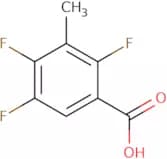
CAS:<p>3-Methyl-2,4,5-trifluorobenzoic acid is a fluoroquinolone antibiotic that inhibits the DNA gyrase and topoisomerase IV. It binds to bacterial 16S ribosomal RNA and inhibits protein synthesis, leading to cell death by inhibiting the production of proteins vital for cell division. 3-Methyl-2,4,5-trifluorobenzoic acid has been shown to be bactericidal in vitro against Gram-negative bacteria such as Escherichia coli and Pseudomonas aeruginosa. This drug also has a target enzyme modification activity with the potential to modify enzymes not usually targeted by fluoroquinolones.</p>Formula:C8H5F3O2Purity:Min. 95%Color and Shape:PowderMolecular weight:190.12 g/molEthylboronic acid
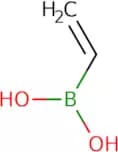
CAS:<p>Ethylboronic acid is a β-amino acid with a serine protease inhibitory effect. It has been shown to inhibit the Toll-like receptor cascade, which is involved in the inflammatory response. Ethylboronic acid also inhibits the serine proteases that are responsible for cleaving peptides at their carboxy termini. This inhibition leads to an increase in the level of active peptides and a decrease in the level of inactive peptides, which can lead to an antimicrobial effect. Ethylboronic acid also inhibits chloride ion channels, which may lead to new treatments for asthma and cancer.</p>Formula:C2H7BO2Purity:Min. 95%Color and Shape:PowderMolecular weight:73.89 g/molNorethindrone acetate
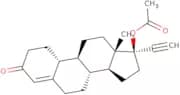
CAS:<p>Norethindrone acetate is a synthetic estrogen with progestational activity. It is used in combination with an estrogen to treat symptoms of menopause such as hot flashes and vaginal dryness, or in the prevention of endometriosis. Norethindrone acetate is also used in combination with progestin for contraception. It binds to estrogen receptors and produces similar effects to other estrogens, including inhibition of gonadotropin secretion, increased breast size, reduced risk of uterine cancer, and prevention of osteoporosis. The addition of norethisterone acetate provides the benefits of progestogen without the side effect of menstrual bleeding. Norethindrone acetate has been shown to increase serum prolactin levels in women and can cause breast tenderness or enlargement. This drug has been approved by the FDA as a treatment for bowel disease in women when given together with erythromycin. Norethindrone acetate</p>Formula:C22H28O3Purity:Min. 95%Color and Shape:PowderMolecular weight:340.46 g/molH-Orn-Orn-Orn-OH acetate salt
CAS:<p>H-Orn-Orn-Orn-OH acetate salt is a chemical compound with the molecular formula C10H14O2. It is used as a building block in organic chemistry, often as an intermediate for the synthesis of other compounds, or as a reagent.</p>Formula:C15H32N6O4Purity:Min. 95%Color and Shape:PowderMolecular weight:360.45 g/mol3-Hydroxyindole-2-carboxylic acid methyl ester
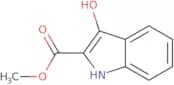
CAS:<p>3-Hydroxyindole-2-carboxylic acid methyl ester, an organic compound with CAS number [31827-04-0], is classified as an indole derivative - a type of heterocyclic organic compound. It has potential applications as a building block in organic synthesis as well as other areas such as in pharmaceutical and agrochemical industries due to its biological activity.</p>Formula:C10H9NO3Purity:Min. 95%Color and Shape:PowderMolecular weight:191.18 g/mol5-Bromoorotic acid
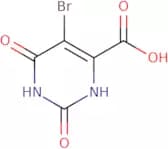
CAS:<p>5-Bromoorotic acid is a chemical compound that contains one bromine atom. This compound has been shown to inhibit the growth of mammalian cells, which may be due to its ability to bind to DNA and interfere with protein synthesis. 5-Bromoorotic acid also has an inhibitory effect on radiation, which may be due to its ability to form stable complexes with electrons. 5-Bromoorotic acid has a helical structure, which may make it more stable than other compounds. It also inhibits the production of uridine by inhibiting uridine phosphorylase and nitro group production in g. lamblia, which is a parasitic protozoan that causes intestinal infections in humans.</p>Formula:C5H3BrN2O4Purity:Min. 95%Color and Shape:White PowderMolecular weight:234.99 g/molD-(+)-Camphoric acid
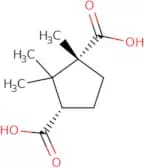
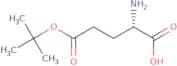
CAS:<p>D-(+)-Camphoric acid is a chiral compound that has been synthesized and studied for its anticancer activity. It was found to be effective against cancer cells in the presence of metal cations, such as copper, nickel, and zinc. D-(+)-Camphoric acid can be used as a test compound to investigate the mechanism of action of drugs that target the lysosomal membrane. It is also useful in determining homochirality by x-ray diffraction studies. This compound has been shown to have an adsorption kinetic behaviour that is dependent on pH and ionic strength, which can be determined by luminescence experiments. D-(+)-Camphoric acid is an enantiopure chemical with a reaction time of 5 minutes at room temperature and is available in crystalline form. The crystal x-ray diffraction data for this compound has been published and it exhibits anticancer activity.</p>Formula:C10H16O4Color and Shape:White PowderMolecular weight:200.23 g/molL-Glutamic acid 5-tert-butyl ester
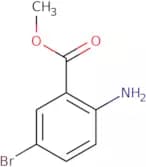
CAS:<p>L-glutamic acid 5-tert-butyl ester (L-GTE) is an amino acid that is classified as a heterocyclic amide. It can be synthesized by the condensation of L-glutamic acid and N-(2-aminoethyl)-N'-(2-propenyl)carbodimide with the tert-butylester of dihydrobenzoin. The protonation of L-GTE with sodium hydroxide produces the corresponding salt, L-glutamic acid 5-(N,N'-dimethylamino)propyl ester. This compound can be used for the synthesis of various amines by reacting it with primary amines in different sequences. L-GTE has also been shown to have antioxidant properties, which may be due to its ability to scavenge hydrogen sulfate radicals.</p>Formula:C9H17NO4Purity:Min. 98 Area-%Color and Shape:White PowderMolecular weight:203.24 g/mol2-Amino-5-bromobenzoic acid methyl ester
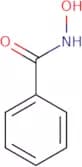
CAS:<p>2-Amino-5-bromobenzoic acid methyl ester is a small molecule with antiviral potency. It has a dipole moment and can form hydrogen bonds. 2-Amino-5-bromobenzoic acid methyl ester inhibits the PDE5 enzyme, which is an enzyme that breaks down cGMP. This inhibition of PDE5 leads to the increase in cGMP, which causes blood vessels to relax and widen. As a result, 2-amino-5-bromobenzoic acid methyl ester has been shown to decrease high blood pressure and improve heart function.</p>Formula:C8H8BrNO2Purity:Min. 95%Color and Shape:PowderMolecular weight:230.06 g/molBenzohydroxamic acid
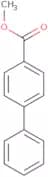
CAS:<p>Benzohydroxamic acid is a weak organic acid that is formed from the condensation of two molecules of benzoic acid. The thermodynamic data for this compound are available in the form of an equation and an enthalpy change. Benzohydroxamic acid interacts with metal hydroxides by forming metal complexes, which can be used as catalysts in transfer reactions. In addition, benzohydroxamic acid has been shown to inhibit HIV infection by inhibiting reverse transcriptase activity. This compound also undergoes hydrogen bonding interactions with other molecules due to its hydroxyl group and fatty acid moieties.</p>Formula:C7H7NO2Purity:Min. 95%Color and Shape:PowderMolecular weight:137.14 g/mol4-Phenylbenzoic acid methyl ester
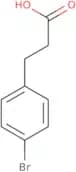
CAS:<p>4-Phenylbenzoic acid methyl ester is a bifunctional molecule that has been shown to be an effective antibacterial agent. It contains two oxadiazole moieties, which are structurally similar to sulfonamides and can form a stable amide bond with an amino group. The pharmacophore of 4-phenylbenzoic acid methyl ester is a four-member ring with two nitrogens and two carbons. This compound has been shown to have antibacterial properties by cleaving the magnesium bond in the enzyme methionine synthase, which catalyzes the formation of methionine from homocysteine and ATP. 4-Phenylbenzoic acid methyl ester is also able to cleave bonds in nonpolar solvents such as benzene, chloroform, and dichloromethane.</p>Formula:C14H12O2Purity:Min. 95%Color and Shape:PowderMolecular weight:212.24 g/mol3-(4-Bromophenyl)propionic acid
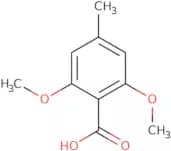
CAS:<p>3-(4-Bromophenyl)propionic acid is a potent linker that is synthesized from trifluoromethanesulfonic acid by the reaction of bromine and 4-bromobenzene. 3-(4-Bromophenyl)propionic acid inhibits the biosynthesis of fatty acids by inhibiting the enzyme fatty acid synthase. 3-(4-Bromophenyl)propionic acid has been shown to be an effective inhibitor of cellular growth in glioma cells. It also decreases blood pressure through inhibition of angiotensin II receptors.</p>Formula:C9H9BrO2Purity:Min. 95%Color and Shape:PowderMolecular weight:229.07 g/mol2,6-Dimethoxy-4-methylbenzoic acid
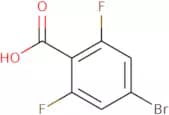
CAS:<p>2,6-Dimethoxy-4-methylbenzoic acid is a carboxylic acid that is used as an intermediate in the production of lithium.</p>Formula:C10H12O4Purity:Min. 95%Color and Shape:PowderMolecular weight:196.2 g/mol4-Bromo-2,6-difluorobenzoic acid
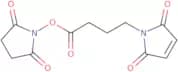
CAS:<p>4-Bromo-2,6-difluorobenzoic acid is a liquid crystal that belongs to the class of fluorinated benzoic acids. It is an activated liquid crystal composed of chiral molecules with substituents on the 4- and 6-positions of the aromatic ring. The compound has been shown to have excellent fluoroarene solubilizing properties in a glycol matrix and can be used as an additive to produce liquid crystals with desired properties.</p>Formula:C7H3BrF2O2Purity:Min. 95%Color and Shape:PowderMolecular weight:237 g/mol4-Maleimidobutyric acid N-succinimidyl ester
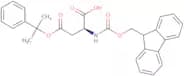
CAS:<p>4-Maleimidobutyric acid N-succinimidyl ester is a maleimide compound that can be used as an antimicrobial. It has been shown to have the ability to bind to toll-like receptors, which are proteins found on cells that play a role in immune responses. 4-Maleimidobutyric acid N-succinimidyl ester has been shown to inhibit the growth of bacteria by binding to DNA and crosslinking it. The drug also inhibits protein synthesis and enzyme activities in bacteria.<br>4-Maleimidobutyric acid N-succinimidyl ester has not been tested for its effects on humans, but it has been shown to be nontoxic in animal studies. This drug may cause cell lysis and thermal expansion, which means that it may be useful in the study of axonal growth and toxicity studies.</p>Formula:C12H12N2O6Purity:Min. 98 Area-%Color and Shape:PowderMolecular weight:280.23 g/molFmoc-L-aspartic acid β-2-phenylisopropyl ester
CAS:<p>Fmoc-L-aspartic acid beta-2-phenylisopropyl ester is a macrocyclic amino acid with conformational and anti-inflammatory properties. It has been shown to inhibit the proliferation of cancer cells in vitro, as well as the osteolytic, lymphoproliferative, and inflammatory activities in vivo. Fmoc-L-aspartic acid beta-2-phenylisopropyl ester also has antiarrhythmic effects on cardiac tissue that are caused by its ability to bind to chloride channels. This compound also inhibits the production of inflammatory cytokines such as tumor necrosis factor alpha (TNFα) and interleukin 6 (IL6).</p>Formula:C28H27NO6Purity:Min. 95%Color and Shape:PowderMolecular weight:473.52 g/mol4-Bromo-2-fluorobenzoic acid
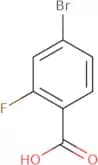
CAS:<p>4-Bromo-2-fluorobenzoic acid is an organic solvent that is used in the introduction of 2-aminoisobutyric acid. The reaction solution is typically heated and contains a small amount of either chloride, sulfoxide, or both. Various analytical methods can be used to determine the yield of the acylation reaction. 4-Bromo-2-fluorobenzoic acid's ligand can be converted to an acid chloride with a Grignard reagent and then reacted with carboxylate to form an ester. This ester reacts with amines to form amides, which are used as pharmaceuticals and intermediates for various other reactions. 4-Bromo-2-fluorobenzoic acid inhibits bacterial growth by binding to glutamine synthetase, thereby inhibiting protein synthesis.</p>Formula:C7H4BrFO2Purity:Min. 95%Color and Shape:PowderMolecular weight:219.01 g/mol3-Carboxycinnamic acid
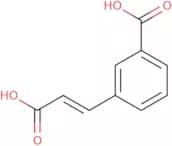
CAS:<p>3-Carboxycinnamic acid is a metabolite of cinnamic acid and belongs to the group of phenols. It is a potent inducer of apoptosis in human carcinoma cell lines, with potency comparable to all-trans retinoic acid. 3-Carboxycinnamic acid has been shown to induce apoptosis by increasing the expression of proapoptotic proteins such as Bax and decreasing the expression of antiapoptotic proteins such as Bcl-2. 3-Carboxycinnamic acid also interacts with other transcriptional regulators, including all-trans retinoic acid, which may explain its potent cytotoxic effects. This compound has been shown to inhibit cell cycle progression at G2/M phase by inhibiting DNA synthesis. In addition, 3-carboxycinnamic acid can increase protein synthesis in liver cells, but inhibits it in cardiac cells.</p>Formula:C10H8O4Purity:Min. 95%Color and Shape:PowderMolecular weight:192.17 g/mol(3-Formyl-1-indolyl)acetic acid
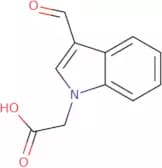
CAS:<p>(3-Formyl-1-indolyl)acetic acid is a small molecule that has been shown to inhibit the activity of various enzymes, including acetylcholinesterase (AChE), butyrylcholinesterase (BChE), and histamine N-methyltransferase (HNMT). The crystal structure of (3-formyl-1-indolyl)acetic acid was determined by X-ray crystallography. The active conformation of the molecule was found to be a nonplanar chair conformation with a hydrogen bond acceptor at C8. This conformation is stabilized by a hydrogen bond donor at C7, which also creates an additional hydrogen bond acceptor at O2. These interactions stabilize the molecule in its active form. The docking studies showed that the ligand binds to AChE with high affinity, while binding to BChE and HNMT with lower affinity. The inhibition effects on these</p>Formula:C11H9NO3Purity:Min. 95%Color and Shape:Off-White PowderMolecular weight:203.19 g/mol3-Chloro-4-nitrobenzoic acid
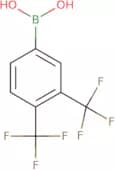
CAS:<p>3-Chloro-4-nitrobenzoic acid (3CNB) is an amine that has been shown to be a 5-HT1A receptor agonist. It has been used in animal models of anxiety, depression and schizophrenia. 3CNB is able to activate the 5-HT1A receptor, which is involved in the regulation of anxiety, mood and other behaviors. The activation energies for the binding of 3CNB to the 5-HT1A receptor are calculated to be 8.3 kcal/mol and 9.2 kcal/mol at pH 7.0 and 10 respectively. A clinical study found that this agent was effective in treating trichomonas vaginalis infections as well as reducing symptoms of irritable bowel syndrome. In vivo studies have revealed that 3CNB is capable of inducing a sustained increase in extracellular serotonin levels in rat brain tissue with a half life of 2 hours. Kinetic studies have also shown that nitro groups enhance</p>Formula:C7H4ClNO4Purity:Min. 98 Area-%Color and Shape:PowderMolecular weight:201.56 g/mol(3,4-Bis(trifluoromethyl)phenyl)boronic acid
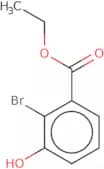
CAS:<p>3,4-Bis(trifluoromethyl)phenylboronic acid is a versatile building block that can be used as a reagent in organic synthesis. It has been shown to be a high quality product with the CAS number 1204745-88-9. This chemical is used to produce fine chemicals and research chemicals. 3,4-Bis(trifluoromethyl)phenylboronic acid is also a useful intermediate in the production of complex compounds and can be used as a building block for speciality chemicals.</p>Formula:C8H5BF6O2Purity:Min. 95%Color and Shape:PowderMolecular weight:257.93 g/mol2-Bromo-3-hydroxybenzoic acid ethyl ester
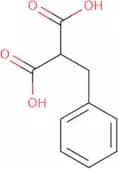
CAS:<p>2-Bromo-3-hydroxybenzoic acid ethyl ester is a versatile building block that can be used in the synthesis of complex compounds. It is a fine chemical and research chemical with CAS No. 1260889-94-8. This compound has high quality and is used as a reagent, scaffold, or intermediate in organic syntheses. 2-Bromo-3-hydroxybenzoic acid ethyl ester is also useful for the preparation of speciality chemicals and reaction components.</p>Formula:C9H9BrO3Purity:Min. 95%Color and Shape:Yellow PowderMolecular weight:245.07 g/molBenzylmalonic acid
CAS:<p>Benzylmalonic acid is a chemical that has been used to study the role of ATP-binding cassette transporter (ABC) proteins in autoimmune diseases. ABC proteins are involved in transporting molecules across cell membranes, and their dysfunction leads to the development of autoimmune diseases. Benzylmalonic acid binds to the receptor site on ABC proteins and blocks their function, inhibiting the production of inflammatory cytokines. This agent also binds to picolinic acid, which is an intermediate metabolite in the kynurenine pathway that is linked to inflammatory response. The structure of benzylmalonic acid may be responsible for its effects on congestive heart disease because it can bind with phosphorus pentoxide and form a precipitate that may interfere with calcium binding. This drug has also shown anti-inflammatory properties as well as cardiotoxic effects when used at high doses.</p>Formula:C10H10O4Purity:Min. 95%Color and Shape:White PowderMolecular weight:194.18 g/molR-(3)-Hydroxydecanoic acid methyl ester
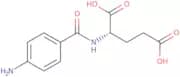
CAS:<p>R-(3)-Hydroxydecanoic acid methyl ester is a natural antibiotic that has been found to have cytotoxic and immunosuppressive properties. It also inhibits the growth of aerobic bacteria, such as Aeruginosa, and has been shown to be effective against autoimmune diseases such as rheumatoid arthritis. This antibiotic binds to the lectin receptors on the cell surface of bacteria and causes an increase in lectin binding. The interactions between this antibiotic and lectins are the biological basis for its cytotoxicity.</p>Formula:C11H22O3Purity:Min. 98 Area-%Color and Shape:Colorless Clear LiquidMolecular weight:202.29 g/mol4-Aminobenzoyl-L-glutamic acid
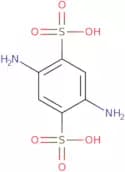
CAS:<p>4-Aminobenzoyl-L-glutamic acid (PABA) is a dinucleotide phosphate that can be found in human serum. It has been shown to have receptor activity for epithelial mesenchymal cells and is used as a model organism for folate, group p2 polymerase chain reactions (PCR). PABA is also involved in the reaction mechanism of linear calibration curves.</p>Formula:C12H14N2O5Purity:Min. 95%Color and Shape:PowderMolecular weight:266.25 g/molp-Phenylenediamine-2,5-disulphonic acid
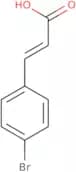
CAS:<p>P-Phenylenediamine-2,5-disulphonic acid is a diazonium salt that is used as a chemical in the textile industry. It can be activated with chlorine and hydrolyzed to form 2,5-dichloro-p-phenylenediamine (DCPD). DCPD is a viscose activator, which increases the viscosity of the viscose solution. The activation of p-Phenylenediamine-2,5-disulphonic acid with chlorine produces cyanuric chloride as an intermediate product. Cyanuric chloride has been shown to have a yellow colour when dissolved in water.</p>Formula:C6H8N2O6S2Purity:Min. 95%Color and Shape:PowderMolecular weight:268.27 g/mol4-Bromocinnamic acid
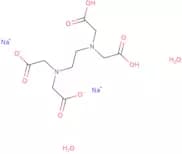
CAS:<p>4-Bromocinnamic acid is a plant metabolite that is found in the leaves of plants belonging to the family Capparaceae. It can be extracted from these leaves using methanol as a solvent and then purified by column chromatography. 4-Bromocinnamic acid has been shown to have antitumor properties and has been studied in a model system for prostate cancer cells. This molecule also has the ability to hydrogen bond with other molecules, including dopamine, which is important for its anti-cancer activity.</p>Formula:C9H7BrO2Purity:Min. 95%Color and Shape:PowderMolecular weight:227.05 g/molEthylenediaminetetraacetic acid disodium dihydrate
CAS:<p>Hexadentate chelator</p>Formula:C10H14N2Na2O8·2H2OColor and Shape:White PowderMolecular weight:372.24 g/mol3,4-Methylenedioxy-5-methoxycinnamic acid
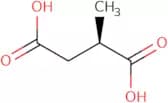
CAS:<p>3,4-Methylenedioxy-5-methoxycinnamic acid is a fine chemical that can be used as a versatile building block in the synthesis of many organic compounds. It is a useful intermediate for research chemicals, reaction components, and specialty chemicals. This compound can be used as a reagent for the synthesis of complex compounds. It has high purity and quality.</p>Formula:C11H10O5Purity:Min. 95%Color and Shape:PowderMolecular weight:222.19 g/mol(R)-(+)-Methylsuccinic acid
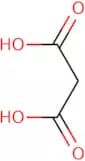
CAS:<p>(R)-(+)-Methylsuccinic acid is a catalysed, synthetic, asymmetric synthesis of the methylsuccinic acid skeleton. It is a liquid crystal compound that has been shown to be spontaneously racemic and have enantiopure versions of itself. The stereoisomers are an important part of its biological activity.<br>Methylsuccinic acid plays a role in the biosynthesis of butanol, which can be used as a biofuel or for industrial purposes.</p>Formula:C5H8O4Purity:Min. 95%Color and Shape:White PowderMolecular weight:132.11 g/molMalonic acid
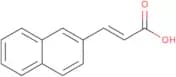
CAS:<p>Malonic acid is a potent inducer of biocompatible polymers and sodium salts. It is an acidic chemical compound that belongs to the group of malonates. Malonic acid has been shown to induce neuronal death in model systems, but also has a protective effect on human serum fibroblasts. The reaction solution containing malonic acid and sodium bicarbonate generates malonate, which can be used as a precursor for energy metabolism and cell signaling.</p>Formula:C3H4O4Color and Shape:White Off-White PowderMolecular weight:104.06 g/mol3-(2-Naphthyl)acrylic acid
CAS:<p>3-(2-Naphthyl)acrylic acid is a compound that inhibits the enzymatic activity of benzylpiperidine N-acetyltransferase, which is an enzyme that catalyzes the conversion of benzylamine to benzylpiperidine. This inhibition prevents the production of dopamine and norepinephrine, with a consequent neuroprotective effect. 3-(2-Naphthyl)acrylic acid has been shown to be effective in reducing oxidative stress in intestinal fluids, thereby protecting against the damaging effects of free radicals. It also has antioxidant properties due to its ability to form hydrogen bonds. 3-(2-Naphthyl)acrylic acid can also be used as a cross-coupling agent in organic synthesis, due to its functional groups.</p>Formula:C13H10O2Purity:Min. 95%Molecular weight:198.22 g/mol



![[5-Methyl-3-(trifluoromethyl)-1H-pyrazol-1-yl]acetic acid](/_next/image/?url=https%3A%2Fstatic.cymitquimica.com%2Fproducts%2F3D%2Fthumb-webp%2FFM54360.webp&w=3840&q=75)

![[4-(1-Methyl-1-phenylethyl)phenoxy]acetic acid](/_next/image/?url=https%3A%2Fstatic.cymitquimica.com%2Fproducts%2F3D%2Fthumb-webp%2FFM112689.webp&w=3840&q=75)
![3, 3'- Dihydroxy- [1, 1'- biphenyl] - 4, 4'- dicarboxylic acid](/_next/image/?url=https%3A%2Fstatic.cymitquimica.com%2Fproducts%2F3D%2Fthumb-webp%2FFD164941.webp&w=3840&q=75)