Carboxylic Acids
Carboxylic acids are organic molecules characterized by having a carboxyl-type functional group (-COOH). These acids are fundamental in various chemical reactions, including esterification, amidation, and decarboxylation. Carboxylic acids are widely used in the production of pharmaceuticals, polymers, and agrochemicals. In this section, you can find a large number of carboxylic acids ready to be used. At CymitQuimica, we provide a broad range of high-quality carboxylic acids to support your research and industrial applications.
Found 12453 products of "Carboxylic Acids"
Sort by
Purity (%)
0
100
|
0
|
50
|
90
|
95
|
100
Methyl 4-chlorophenylacetate
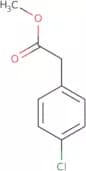
CAS:<p>Methyl 4-chlorophenylacetate is an antibacterial agent that belongs to the group of decarboxylated compounds. It has been synthesised and chiral, with a pyruvic acid moiety. Methyl 4-chlorophenylacetate is bactericidal against Pyricularia oryzae and other microorganisms in vitro. It has also been shown to inhibit histamine H1 receptors in rats. The molecular modelling study showed that methyl 4-chlorophenylacetate forms hydrogen bonds with the bacterial cell membrane, which may lead to the formation of pores in the membrane, resulting in cell death.</p>Formula:C9H9ClO2Purity:Min. 95%Molecular weight:184.62 g/mol2-Phenylacrylic acid
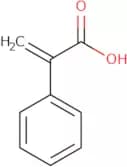
CAS:<p>2-Phenylacrylic acid is a chromatographic method that can be used as a cross-linking agent in the synthesis of polycarboxylic acids. It has been shown to protonate tiglic acid, which is an important component in the formation of polycarboxylic acids. 2-Phenylacrylic acid also has acidic properties and can be used as a conditioning agent for the synthesis of hydroxylated molecules. This compound has been shown to have hepatic steatosis-inducing effects and may also contribute to metabolic disorders such as diabetes mellitus type II. Molecular modeling studies have shown that 2-phenylacrylic acid is able to bind with human liver cells, which may be due to its hydroxyl group.</p>Formula:C9H8O2Purity:Min. 95%Color and Shape:PowderMolecular weight:148.16 g/molGlycerol triacetate
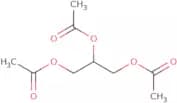
CAS:<p>Glycerol triacetate is a triacetin compound that is used in the production of glycerol and glycerin. The water vapor-resistant nature of this compound makes it an excellent candidate for use in projects where water vapor may be present. Glycerol triacetate has been shown to have a high resistance to solid phase microextraction and can be used as a model system for studying the interactions of triacetates with other materials. The reaction solution containing glycerol triacetate is acidic, which may lead to problems with water permeability if not properly treated. This analytical method utilizes hydrogen bonding interactions between glycerol and glycerine molecules to measure the concentration of each component in the sample.</p>Formula:C9H14O6Color and Shape:Clear LiquidMolecular weight:218.2 g/molCholic acid sodium salt
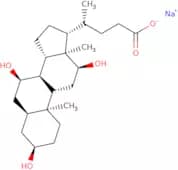
CAS:Controlled Product<p>Cholic acid sodium salt is a bile acid sodium salt, which is primarily derived from the bile of mammals. It functions as a surfactant that facilitates the emulsification of fats and lipids, enhancing their subsequent absorption and digestion. This compound plays a critical role in the synthesis and regulation of cholesterol in the body.</p>Formula:C24H39NaO5Purity:Min. 95%Color and Shape:PowderMolecular weight:430.55 g/mol4,5-Dibenzyloxy-2-methylbenzoic acid
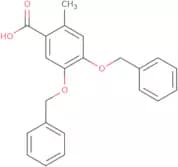
CAS:<p>4,5-Dibenzyloxy-2-methylbenzoic acid (DBMA) is a chemical compound that is known to be an inhibitor of the growth factor receptor. It has been shown to inhibit the growth factor receptor in a dose-dependent manner. DBMA binds to the cytoplasm and inhibits protein synthesis by binding to sequences that are involved in regulating gene expression. This compound also interacts with other proteins including those involved in DNA replication, transcription, and translation. DBMA has been shown to interact with the protein polymerase chain and has been found to bind to the bacterial cells of Salmonella typhimurium.</p>Formula:C22H20O4Purity:Min. 95%Molecular weight:348.39 g/mol2-Acetyl-3-oxo-butyric acid ethyl ester - 90%
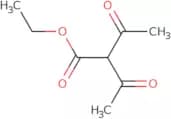
CAS:<p>2-Acetyl-3-oxo-butyric acid ethyl ester (2ABEE) is a chemokine receptor antagonist that binds to the CCR5 receptor. It is a small molecule drug candidate with potential therapeutic value for HIV and other diseases. 2ABEE has been shown to be active against human immunodeficiency virus type 1 (HIV-1) in cell culture and animal models, as well as against influenza virus in mice. This compound also inhibits the production of chemokines, which are inflammatory proteins that recruit immune cells from the blood stream to the site of infection. In addition, 2ABEE is not toxic to healthy human cells, indicating that it may have fewer side effects than other anti-HIV drugs.</p>Formula:C8H12O4Purity:Min. 95%Color and Shape:Clear LiquidMolecular weight:172.18 g/mol3-Chloro-4-fluorobenzoic acid
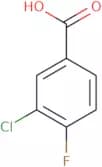
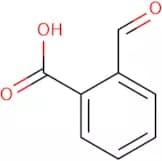
CAS:<p>3-Chloro-4-fluorobenzoic acid is a prodrug that is converted to fluvoxamine maleate, its active form, by esterases. It is an inhibitor of the enzyme nitric oxide synthase and is used in the treatment of cancer. 3-Chloro-4-fluorobenzoic acid has been shown to inhibit cellular growth and proliferation in cancer cells. The molecular modeling study showed that 3-chloro-4-fluorobenzoic acid binds to the kinesin motor domain in a manner similar to fluvoxamine maleate but has a lower inhibitory potency than fluvoxamine maleate. Nonetheless, it was found that 3-chloro-4-fluorobenzoic acid could be used as a prodrug for fluvoxamine maleate.</p>Formula:C7H4ClFO2Purity:Min. 95%Color and Shape:PowderMolecular weight:174.56 g/molPhthalaldehydic acid
CAS:<p>Phthalaldehydic acid is a dicarboxylic acid with the molecular formula C6H4(CO2H)2. It is a white solid that is soluble in water and alcohols. The compound can be prepared from phthalic anhydride, which is converted to the acid by hydrolysis with hydrochloric acid or sodium hydroxide. The acid also forms salts such as sodium phthalate, potassium phthalate, and calcium phthalate. Phthalaldehydic acid has been shown to react with amines to form esters, and with trifluoroacetic acid to form an acid complex. This reaction mechanism has been confirmed using FT-IR spectroscopy on protonated molecules of the reactants. The structure of this molecule has been determined using NMR and X-ray crystallography techniques. Gamma-aminobutyric acid (GABA) binds to a site on the beta subunit of the G</p>Formula:C8H6O3Purity:Min. 95%Color and Shape:PowderMolecular weight:150.13 g/molApelin-17 trifluoroacetate
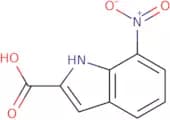
CAS:<p>Apelin-17 trifluoroacetate is a reaction component, reagent and useful scaffold for the synthesis of complex compounds. It is a high quality, research chemical that is used in the synthesis of fine chemicals. Apelin-17 trifluoroacetate has versatile building block and can be used as a useful intermediate or as a speciality chemical. It also has high reactivity and is soluble in organic solvents.</p>Formula:C96H156N34O20S•C2HF3O2Purity:Min. 95%Color and Shape:PowderMolecular weight:2,252.57 g/mol7-Nitroindole-2-carboxylic acid
CAS:<p>7-Nitroindole-2-carboxylic acid is a molecule that has been shown to inhibit the activity of cytidine deaminase, an enzyme involved in the synthesis of DNA. This drug also inhibits the replication of dna and can be used for the treatment of cancer. 7-Nitroindole-2-carboxylic acid binds to basic proteins and has a helical structure. The affinity constants for this compound have not been reported, but it is thought that hydrogen bonding interactions are involved in its binding.</p>Formula:C9H6N2O4Purity:Min. 95%Color and Shape:PowderMolecular weight:206.16 g/mol[1,1'-Bicyclohexyl]-1-carboxylic acid
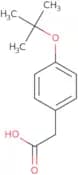
CAS:<p>1,1'-Bicyclohexyl]-1-carboxylic acid (BCX) is a metal salt that is soluble in water. BCX has a quadratic structure and is a cyclohexanecarboxylic acid derivative. It can be made by the reaction between formic acid and chloride. BCX is used as an anti-diarrheal agent for the treatment of chronic diarrhea. It has been shown to have high entrapment efficiency and high efficiency when synthesized with dicyclomine. This technique uses formic acid as the solvent, which reacts with chloride to produce BCX.</p>Formula:C13H22O2Purity:Min. 98 Area-%Color and Shape:PowderMolecular weight:210.31 g/mol4-tert-Butoxyphenylacetic acid
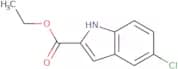
CAS:<p>Ruthenium complexes of 4-tert-butoxyphenylacetic acid are catalysts that have been shown to be effective in the asymmetric synthesis of alcohols and terpyridines. <br>This complex has been shown to be a ligand for ruthenium metal, which is often used as a catalyst in organic reactions. The use of this catalyst has led to advances in the field of organic chemistry, specifically the synthesis of new oligomers.</p>Formula:C12H16O3Purity:Min. 95%Color and Shape:PowderMolecular weight:208.25 g/molEthyl 5-chloroindole-2-carboxylate
CAS:<p>Ethyl 5-chloroindole-2-carboxylate is a pro-apoptotic agent that has been shown to inhibit the replication of HIV. It inhibits the reverse transcriptase and DNA polymerases in the virus, which prevents it from being replicated. Ethyl 5-chloroindole-2-carboxylate also induces apoptosis by alkylating the cysteine residues on the host cell's proteins. This drug is not active against other viruses, such as herpes simplex virus type 1 (HSV1). It has been shown to be an analog for cannabidiol (CBD), which binds to cannabinoid receptors CB1 and CB2.</p>Formula:C11H10ClNO2Purity:Min. 95%Color and Shape:PowderMolecular weight:223.66 g/mol5-Bromovaleric acid methyl ester
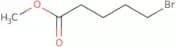
CAS:<p>5-Bromovaleric acid methyl ester is a molecule that can be used as a model system for population growth. It has been shown to activate the CB2 receptor in mice and stimulate the production of polyclonal antibodies. 5-Bromovaleric acid methyl ester may be a potential drug target for treating inflammatory conditions such as psoriasis, Crohn's disease, and ulcerative colitis. The compound has also been shown to inhibit cyclooxygenase enzymes in human platelets. 5-Bromovaleric acid methyl ester can also be used as an analytical tool for determining the concentration of conjugates in urine samples by gas chromatography.</p>Formula:C6H11BrO2Purity:Min. 95%Color and Shape:Clear LiquidMolecular weight:195.05 g/mol2-Bromo-5-fluorocinnamic acid
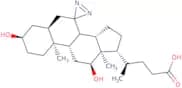
CAS:<p>2-Bromo-5-fluorocinnamic acid is a high quality, reagent, complex compound of the chemical family of phenols. It has CAS No. 939410-87-4 and is a useful intermediate in the synthesis of fine chemicals. The compound has been used as a speciality chemical for research purposes and has been found to be a versatile building block for the synthesis of new compounds. 2-Bromo-5-fluorocinnamic acid can be used as a reaction component in organic synthesis reactions, such as esterification, nucleophilic substitution, and condensation reactions.</p>Formula:C9H6BrFO2Purity:Min. 95%Color and Shape:PowderMolecular weight:245.05 g/mol7,7-Azo-3-α,12-α-dihydroxycholanic acid
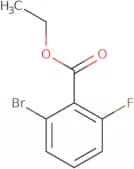
CAS:<p>Please enquire for more information about 7,7-Azo-3-α,12-α-dihydroxycholanic acid including the price, delivery time and more detailed product information at the technical inquiry form on this page</p>Formula:C24H38N2O4Purity:Min. 95%Color and Shape:PowderMolecular weight:418.57 g/mol2-Bromo-6-fluorobenzoic acid ethyl ester
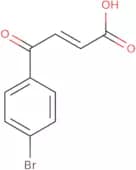
CAS:<p>2-Bromo-6-fluorobenzoic acid ethyl ester is a chemical that reacts with other chemicals to form new substances. It is a useful scaffold for complex compounds and can be used as a building block for fine chemicals, pharmaceuticals, agrochemicals, and other organic compounds. 2-Bromo-6-fluorobenzoic acid ethyl ester is also a versatile building block or intermediate in the synthesis of many different substances.</p>Formula:C9H8BrFO2Purity:Min. 90%Color and Shape:PowderMolecular weight:247.06 g/mol3-(4-Bromobenzoyl)-acrylic acid
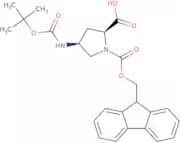
CAS:<p>3-(4-Bromobenzoyl)-acrylic acid is a chiral secondary amine that was synthesised in the laboratory. It is an inhibitor of xanthine oxidase, which is an enzyme involved in purine metabolism. The compound inhibits the enzyme by binding to it and preventing it from breaking down xanthine into uric acid. This has been shown to inhibit xanthine oxidase activity in vitro, but not in vivo. 3-(4-Bromobenzoyl)-acrylic acid has been shown to be more potent than some other inhibitors, such as thiourea and erythromycin. However, it has only been studied at low concentrations so far and its effects on human cells are unknown.</p>Formula:C10H7BrO3Purity:Min. 95%Color and Shape:PowderMolecular weight:255.06 g/molBoc-(2S,4S)-4-amino-1-Fmoc-pyrrolidine-2-carboxylic acid
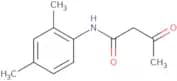
CAS:<p>Useful chiral building block</p>Formula:C25H28N2O6Purity:Min. 95%Molecular weight:452.5 g/molAcetoacetate-m-xylidide
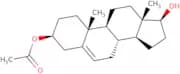
CAS:<p>Acetoacetate-m-xylidide (AAX) is a compound that is used as a reagent to detect protein adducts. It reacts with the amino groups of proteins to form an acetoacetate derivative, which can be detected by mass spectrometry or other analytical methods. The lability of AAX and its reactivity with oxygen make it a poor choice for use in the presence of air. The optimal pH for AAX is acidic, so it must be dissolved in water before use. AAX is used to detect proteins that have been modified by exposure to acid or alkaline environments. This chemical has also been shown to react with haemoglobin and s. aureus, but not p. aeruginosa or E. coli, due to their different structure of the protein cysteine residues. The maximum activation of AAX occurs at pH 4-7, and it becomes fully active at pH 3-4; this chemical does not</p>Formula:C12H15NO2Purity:Min. 95 Area-%Color and Shape:PowderMolecular weight:205.25 g/molAndrostenediol 3-acetate
CAS:Controlled Product<p>Androstenediol 3-acetate is an oxime that is used as a coupling agent in organic synthesis. It uncouples oxidative phosphorylation by forming a covalent bond to the enzyme cytochrome-c oxidase, which is involved in the electron transport chain of mitochondria. This inhibits ATP production and forces the cell to rely on anaerobic glycolysis for energy. The efficiency of this reaction was determined through nuclear magnetic resonance spectroscopy and found to be about 60%. Androstenediol 3-acetate has been shown to increase myocardial contractility and cause cardiac hypertrophy in rats.</p>Formula:C21H32O3Purity:Min. 95%Color and Shape:PowderMolecular weight:332.48 g/mol1-[[6-(2,5-Dihydro-2,5-dioxo-1H-pyrrol-1-yl)-1-oxohexyl]oxy]-2,5-dioxo-3-pyrrolidinesulfonic acid sodium salt
CAS:<p>1-[[6-(2,5-Dihydro-2,5-dioxo-1H-pyrrol-1-yl)-1-oxohexyl]oxy]-2,5-dioxo-3-pyrrolidinesulfonic acid sodium salt is an antibody response enhancer that binds to the Fc receptor of monocytes and macrophages. This binding activates the cells and increases their ability to produce antibodies against infectious agents. This product is used in the treatment of a variety of infections caused by viruses and bacteria. It has been shown to be effective for the treatment of influenza virus infection and other viral diseases such as HIV. The product also contains epidermal growth factor (EGF) which stimulates cell proliferation and differentiation in skin tissue. Antiinfective effects are achieved through inhibition of protein synthesis by silver ions or growth factors such as erythropoietin or photoelectron. This product also inhibits prostaglandin</p>Formula:C14H15N2NaO9SPurity:Min. 95%Color and Shape:SolidMolecular weight:410.33 g/molEthyl 2,4-dichloroacetoacetate
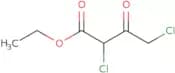
CAS:<p>Ethyl 2,4-dichloroacetoacetate is a reaction component that is used as a reagent in organic synthesis. It has been shown to be a useful scaffold for the preparation of complex compounds and fine chemicals. It can also be used as a useful intermediate or building block for the synthesis of other molecules.</p>Formula:C6H8Cl2O3Purity:Min. 95%Color and Shape:Colorless Clear LiquidMolecular weight:199.03 g/mol2-Thiobarbituric acid
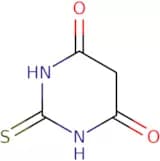
CAS:Controlled Product<p>2-Thiobarbituric acid is a natural compound found in the blood of pregnant women. It is also present in atherosclerotic lesions and has been shown to have an anti-inflammatory effect. 2-Thiobarbituric acid inhibits nitrate reductase, an enzyme that is responsible for the reduction of nitrates to nitrites, which are then converted to nitric oxide by another enzyme called nitric oxide synthase. Nitric oxide is a signaling molecule that regulates inflammation and plays an important role in the immune system. 2-Thiobarbituric acid intercalates with DNA, inhibiting transcription and replication. It has been shown to be active against Bacillus cereus, Escherichia coli, Klebsiella pneumoniae, Staphylococcus aureus, Streptococcus pyogenes (group A streptococci), and Vibrio cholerae (cholera).</p>Formula:C4H4N2O2SColor and Shape:White Yellow PowderMolecular weight:144.15 g/mol3-Fluoro-2-nitrobenzoic acid ethyl ester
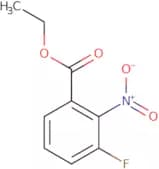
CAS:<p>3-Fluoro-2-nitrobenzoic acid ethyl ester is a fine chemical that is useful as a versatile building block in the synthesis of complex compounds. It can be used as an intermediate in the preparation of research chemicals and has been shown to react with amines to form nitrosoamines, which are useful reaction components. 3-Fluoro-2-nitrobenzoic acid ethyl ester has CAS number 163077-89-2 and is available at high quality.</p>Formula:C9H8FNO4Purity:Min. 95%Color and Shape:PowderMolecular weight:213.16 g/mol(R,Z)-12-Hydroxyoctadec-9-enoic acid
CAS:<p>(R,Z)-12-Hydroxyoctadec-9-enoic acid is a natural product that belongs to the group of antimicrobial agents. It inhibits bacterial translocation by binding to ester linkages on the surface of the bacterial cell wall, preventing the entrance of bacteria into host cells. The reactive site is an hydroxyl group located at C12. This compound has been shown to have activity against infectious diseases including chlamydia, shigella, and salmonella. (R,Z)-12-Hydroxyoctadec-9-enoic acid also has a number of other activities such as inhibition of glycol ethers and methanol solvents.</p>Formula:C18H34O3Purity:Min. 80 Area-%Color and Shape:Clear LiquidMolecular weight:298.46 g/molCyano-3-phenoxybenzyl 3-(2,2-dichloroethenyl)-2,2-dimethylcyclopropanecarboxylate
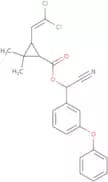
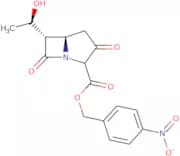
CAS:<p>Cypermethrin is an insecticide that belongs to the family of chemical pesticides. It is used in agriculture and in public health to control malaria-transmitting mosquitoes, head lice, and scabies mites. Cypermethrin disrupts the insect nervous system by inhibiting the function of synapses between nerves, resulting in paralysis and death. The compound also affects signal pathways that regulate locomotor activity and enzyme activities. Cypermethrin has been shown to have a high resistance to degradation by glycol ethers such as ethylene glycol monomethyl ether acetate (EGMEA). It has an optimum concentration of 0.01 ppm for mosquito control and 0.1 ppm for lice control. The analytical method involves liquid chromatography with sodium citrate as an ion-pairing agent and a linear calibration curve using a standard curve generated from known concentrations of cypermethrin.</p>Formula:C22H19Cl2NO3Purity:Min. 95%Color and Shape:Colorless Clear LiquidMolecular weight:416.3 g/molp-Nitrobenzyl 6-(1'-hydroxyethyl)-azabicyclo(3.2.0)heptane-3,7-dione-2-carboxylate
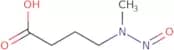
CAS:<p>p-Nitrobenzyl 6-(1'-hydroxyethyl)-azabicyclo(3.2.0)heptane-3,7-dione-2-carboxylate is a drug substance that is used in the manufacture of carbapenem antibiotics. It can be detected by a chloride ion chromatographic method, and the detection limit is 0.5 mg/L in the presence of zinc powder as a modifier. This material is used to prepare carbapenems using an analytical method that includes reaction monitoring by optical rotation, diastereomer chromatography, and transfer.</p>Formula:C16H16N2O7Purity:Min. 95%Color and Shape:PowderMolecular weight:348.31 g/molN-Nitroso-N-methyl-4-aminobutyric acid
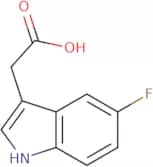
CAS:<p>N-Nitroso-N-methyl-4-aminobutyric acid (NMBA) is a solid with a low melting point which has been identified as a potentially carcinogenic component of both tobacco and tobacco smoke. NMBA is also one of a number of nitrosamine impurities which have been found to be present in angiotensin II receptor blocker (ARB) drugs used to treat high blood pressure.</p>Formula:C5H10N2O3Purity:Min. 98 Area-%Color and Shape:Slightly Yellow PowderMolecular weight:146.14 g/mol5-Fluoroindole-3-acetic acid
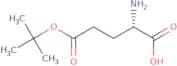
CAS:<p>5-Fluoroindole-3-acetic acid is a fluorine-containing drug that inhibits the transport of indoleacetic acid (IAA), an auxin, in the peo-iaa system. It has been shown to inhibit cancer cell growth and induce apoptosis in a variety of tumour cells. 5-Fluoroindole-3-acetic acid can be used as a chemotherapeutic agent for cancers such as bladder, breast, and prostate cancers. This drug also activates enzymatic reactions by introducing fluorine atoms into reaction sites.</p>Formula:C10H8FNO2Color and Shape:PowderMolecular weight:193.17 g/molL-Glutamic acid 5-tert-butyl ester
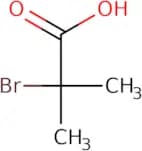
CAS:<p>L-glutamic acid 5-tert-butyl ester (L-GTE) is an amino acid that is classified as a heterocyclic amide. It can be synthesized by the condensation of L-glutamic acid and N-(2-aminoethyl)-N'-(2-propenyl)carbodimide with the tert-butylester of dihydrobenzoin. The protonation of L-GTE with sodium hydroxide produces the corresponding salt, L-glutamic acid 5-(N,N'-dimethylamino)propyl ester. This compound can be used for the synthesis of various amines by reacting it with primary amines in different sequences. L-GTE has also been shown to have antioxidant properties, which may be due to its ability to scavenge hydrogen sulfate radicals.</p>Formula:C9H17NO4Purity:Min. 98 Area-%Color and Shape:White PowderMolecular weight:203.24 g/mol2-Bromo-2-methylpropionic acid
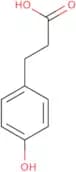
CAS:<p>2-Bromo-2-methylpropionic acid is a chemical compound that is used to stabilize nanoparticles. It also has covalent interactions with the surface of the nanoparticles, which helps to stabilize them and prevent aggregation. 2-Bromo-2-methylpropionic acid can be modified with polymers or other molecules that can help to stabilize the particles. This stabilizer is also able to create magnetic nanoparticles by using a strategy called "magnetic stabilization". In this method, the stabilizer can react with the metal ions in solution and form a stable complex, which will then coat the particles of interest. The stabilizer can also be used to circumvent mesoporous materials, such as silica gel, by coating them with a polymer layer.</p>Formula:C4H7BrO2Purity:Min. 95%Color and Shape:White Clear LiquidMolecular weight:167 g/mol3-(4-Hydroxyphenyl)propionic acid
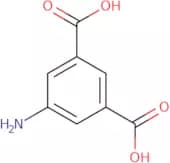
CAS:<p>Potential antioxidant; pharmaceutical intermediate</p>Formula:C9H10O3Purity:Min. 99 Area-%Color and Shape:PowderMolecular weight:166.17 g/mol5-Aminoisophthalic acid
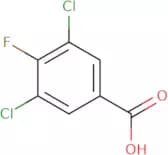
CAS:<p>5-Aminoisophthalic acid is a molecule that belongs to the group of compounds classified as p2, which are characterized by a hydrogen bond. The molecule is synthesized from n-dimethylformamide and glycol ester. It can be used in the synthesis of other compounds, such as 5-aminoisophthalic acid, which has been shown to have hemolytic activity. FTIR spectroscopy analysis reveals that the structure of 5-aminoisophthalic acid has nitrogen atoms in its side chain. This molecule also has an ultraviolet absorption range of about 225 nm to about 300 nm and shows strong absorption bands at around 290 nm and 350 nm.</p>Formula:C8H7NO4Purity:Min. 95%Color and Shape:PowderMolecular weight:181.15 g/mol3,5-Dichloro-4-fluorobenzoic acid
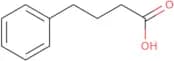
CAS:<p>3,5-Dichloro-4-fluorobenzoic acid is a chemical that belongs to the class of reagents. It reacts with an amine to form a urea and a dioxane derivative. 3,5-Dichloro-4-fluorobenzoic acid is used in the research and development of new drugs as a useful scaffold for novel compounds. It can be used as an intermediate or building block in the synthesis of complex molecules. This chemical also has speciality uses as a fine chemical, such as for use in cosmetics or cleaning products.</p>Formula:C7H3Cl2FO2Purity:Min. 95%Color and Shape:PowderMolecular weight:209 g/mol4-Phenylbutyric acid
CAS:<p>4-Phenylbutyric acid is a prophylactic antibiotic that has minimal toxicity. It has been shown to significantly up-regulate protein synthesis in kidney cells and to have neural cell protective effects. 4-Phenylbutyric acid also inhibits the production of dextran sulfate, which may be useful for the treatment of liver injury. This compound has been tested as an investigational agent for squamous cell carcinoma and other cancers.</p>Formula:C10H12O2Purity:Min. 98%Color and Shape:White PowderMolecular weight:164.2 g/molPolylactic acid - MW 40,000~80,000
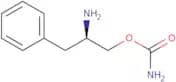
CAS:<p>Polylactic acid is a polymer that has been used as a suture and in tissue engineering. It is synthesized by the polymerization of lactic acid, which is derived from renewable resources such as cornstarch, potatoes, and sugar beets. Polylactic acid has been shown to be effective against squamous carcinoma cells and colorectal adenocarcinoma cells. The mechanism of action for polylactic acid is not fully understood but it may have an effect on mitochondrial membrane potential, blood sampling, multivariate logistic regression, antibacterial efficacy, enzyme activities and transcriptional regulation. This polymer may also inhibit the growth of bacteria through the inhibition of glycol ethers or benzalkonium chloride.</p>Color and Shape:White PowderSolriamfetol
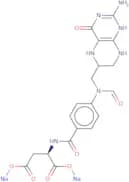
CAS:Controlled Product<p>Solriamfetol is a drug that belongs to the class of psychostimulants. It is used as an adjunct in the treatment of major depressive disorder, and has been shown to be clinically relevant in patients with major depression. Solriamfetol has been shown to have long-term efficacy and stable doses, which may be due to its chemical stability. It also has dose-dependent effects on dopamine release in the striatum, which can lead to increased symptoms of depression. The drug has also been shown to increase cardiac rate, even at stable doses and does not affect renal function. This may be because solriamfetol does not undergo oxidative injury or cause decreased glomerular filtration rate (GFR).</p>Formula:C10H14N2O2Purity:Min. 95%Color and Shape:PowderMolecular weight:194.23 g/mol10-Formyl-5,6,7,8- tetrahydro folic acid disodium
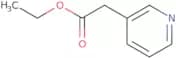
CAS:<p>10-Formyl-5,6,7,8-tetrahydrofolate disodium (10FHFTD) is a fine chemical that is useful as a building block for research chemicals. 10FHFTD has been described as a versatile building block for the synthesis of complex compounds. It is also a useful intermediate in the synthesis of biologically active natural products and pharmaceuticals. This compound can be used as a reagent or speciality chemical. 10FHFTD has CAS number 914800-65-0 and is commercially available at high quality.</p>Formula:C20H21N7Na2O7Purity:(%) Min. 60%Color and Shape:Brown Slightly Brown PowderMolecular weight:517.4 g/molEthyl 3-pyRidylacetate
CAS:<p>Ethyl 3-pyRidylacetate is a chiral compound that is used in asymmetric synthesis. It is formed by the reaction of methides with base catalysts. The nmr spectrum of this compound shows three distinct signals, which correspond to the three possible stereoisomers: enolate, trisubstituted, and nucleophilic. These signals are due to the different methylene groups on the molecule. The active methylene group is responsible for alkylation reactions and carbon disulphide formation.</p>Formula:C9H11NO2Purity:Min. 95%Color and Shape:Clear LiquidMolecular weight:165.19 g/molZinc pentamethylenedithiocarbamate
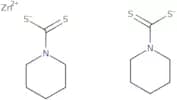
CAS:<p>Zinc pentamethylenedithiocarbamate is an analytical reagent for the determination of fatty acid, viscosity, and cross-linking agent. It is also used as a synthetic, inorganic, organosilicon, piperidine derivative. Zinc pentamethylenedithiocarbamate is a molecule that consists of two divalent hydrocarbons: zinc diethyldithiocarbamate and organosilicon. The molecular weight of zinc pentamethylenedithiocarbamate is 476.6 g/mol.</p>Formula:C12H20N2S4ZnPurity:(%) Min. 95%Color and Shape:PowderMolecular weight:385.94 g/mol2-Bromo-4-hydroxyphenylacetic acid
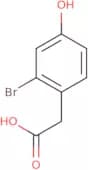
CAS:<p>2-Bromo-4-hydroxyphenylacetic acid (2-BHPAA) is a phenolic hydroxyl compound that is synthesized from acrylic acid. It has been used in the synthesis of other compounds, such as 4-hydroxybenzoic acid, 2-[2-(2,6-dichlorophenoxy)ethoxy]phenol, and 3,4-dihydroxyphenylacetic acid. 2-BHPAA can be synthesized by dehydrogenative bromination of phenol with bromine and acetic acid in an organic solvent. The yield of this reaction is typically high because the product does not contain any functional groups that can act as a catalyst for competing reactions.</p>Formula:C8H7BrO3Purity:Min. 95%Color and Shape:PowderMolecular weight:231.04 g/mol4-Ketopimelic acid
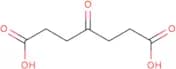
CAS:<p>4-Ketopimelic acid is an organic compound with the chemical formula CH3COOH. It is a polycarboxylic acid, which means it has two carboxyl groups. 4-Ketopimelic acid is produced by the dehydration of pimelic acid and is used as a clinical agent for the treatment of corynebacterium. 4-Ketopimelic acid can be synthesized by solid-phase synthesis or electrochemical methods. The latter method involves oxidation of 4-ketohexanoic acid and reduction of methyl ethyl ketone, which gives 4-ketopimelic acid. This compound can also be synthesized from diacids, such as succinic anhydride and maleic anhydride, or chromobacterium violaceum.</p>Formula:C7H10O5Purity:Min. 95%Color and Shape:White PowderMolecular weight:174.15 g/molPropionic acid 2-naphthyl ester
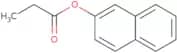
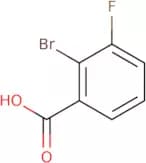
CAS:<p>Propionic acid 2-naphthyl ester is an antibiotic that is produced by Rhodobacter sphaeroides and belongs to the class of carboxylate phosphatase inhibitors. It is a potent inhibitor of acid phosphatases, which are enzymes found in many bacteria, fungi, and plants. It has been shown to inhibit the growth of various types of cancer cells, including melanoma and lung cancer cells. Propionic acid 2-naphthyl ester also binds to antigen-presenting cells and induces the production of cytokines such as IL-6, IL-8, IL-10, and TNF-α. This compound also inhibits cholinesterases in the blood plasma and brain tissue.</p>Formula:C13H12O2Purity:Min. 90%Color and Shape:PowderMolecular weight:200.23 g/mol2-Bromo-3-fluorobenzoic acid
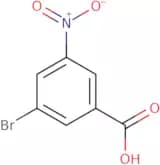
CAS:<p>2-Bromo-3-fluorobenzoic acid is a chemical compound that can be synthesized by the reduction of nitrobenzene with ammonium chloride. This reaction is regioselective, giving predominantly 2-bromo-3-fluorobenzoic acid. The reaction proceeds via a nucleophilic substitution mechanism and the product is formed in high yield. A second route for the synthesis of 2-bromo-3-fluorobenzoic acid involves the deamination of trifluorotoluene to produce hypophosphorous acid, which reacts with sulfuric acid to give 2-bromo-3-fluorobenzoic acid. The bromine atom in this molecule has a high nucleophilicity and reacts readily with electrophiles such as ammonia and amines.</p>Formula:C7H4BrFO2Purity:Min. 95%Color and Shape:PowderMolecular weight:219.01 g/mol3-Bromo-5-nitrobenzoic acid
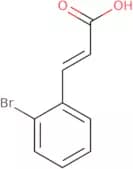
CAS:<p>3-Bromo-5-nitrobenzoic acid is a cancer drug that inhibits the proliferation of cancer cells by binding to amines, which are protonated at physiological pH. This binding leads to an electronic interaction between the bromine atom and the electron cloud of the amine group. The bromine atom is then more attracted to the nucleus, causing it to emit a photon of light. This process is called fluorescence and can be used for imaging cancer cells. 3-Bromo-5-nitrobenzoic acid also has potent antiproliferative activity against cancer cells, which may be due to its ability to bind ligands on target proteins in the cell membrane. It can also lead to apoptosis by interfering with the formation of supramolecular complexes or inhibiting protein synthesis.</p>Formula:C7H4BrNO4Purity:Min. 95%Color and Shape:PowderMolecular weight:246.02 g/mol2-Bromocinnamic acid
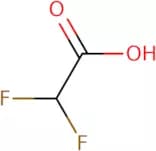
CAS:<p>2-Bromocinnamic acid is a synthetic compound that inhibits the reactions of arylating agents with tissues. It has cytotoxic activity and can be used in the treatment of alzheimer's disease. The synthesis of 2-bromocinnamic acid begins with anhydrous acetonitrile, which is heated to form an anhydrous salt. This salt is then dissolved in water and treated with potassium iodide and sodium nitrite. The resultant mixture undergoes a series of reactions to produce 2-bromocinnamic acid, including the addition of molybdenum as a catalyst. The reaction also produces byproducts that are removed by extraction or distillation. Finally, it undergoes a chromophore change from yellow to red in the presence of air due to oxidation by atmospheric oxygen.</p>Formula:C9H7BrO2Purity:Min. 95%Molecular weight:227.05 g/mol1,1-Difluoroacetic acid
CAS:<p>1,1-Difluoroacetic acid is a synthetic chemical that can be used as an analytical reagent in the quantitative analysis of trifluoroacetic acid. It is prepared by reacting hydrogen fluoride with fatty acid. The reaction mechanism starts with the formation of difluoroacetate and 1,1-difluoroacetic acid. This compound reacts with hydroxyl group to form difluoroacetic acid and hydrogen fluoride. 1,1-Difluoroacetic acid is also used in natural compounds to introduce fluoro groups into nitrogen atoms.</p>Formula:C2H2F2O2Purity:Min. 95%Color and Shape:Clear LiquidMolecular weight:96.03 g/mol3,4-Dibenzyloxycinnamic acid
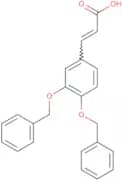
CAS:<p>3,4-Dibenzyloxycinnamic acid is a reagent that is used in the synthesis of complex compounds. It can be used as a useful intermediate in the production of fine chemicals and has been shown to be a useful scaffold or building block for research chemicals. This compound is versatile and can be utilized as a reaction component in the manufacture of speciality chemicals. 3,4-Dibenzyloxycinnamic acid is also classified as a speciality chemical because it has not been widely used commercially but is still highly sought after by researchers.</p>Formula:C23H20O4Purity:Min. 95%Color and Shape:PowderMolecular weight:360.4 g/molUrsocholic acid
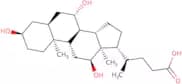
CAS:Controlled Product<p>Ursocholic acid is a bile acid that is used in the treatment of pediatric bowel disease. Ursocholic acid reduces the formation of cholesterol gallstones and its use has been shown to improve the symptoms of congestive heart failure. The mechanism of action for ursocholic acid is not fully understood but it has been shown to increase the amount of serum bile acids and reduce the amount of hydroxyl group in bile acids. Ursocholic acid also increases cell lysis by interacting with hydrophobic regions on the surface of cells. There are high concentrations of ursocholic acid found in human feces, which may be due to its hydrophobic effect. Ursocholic acid also inhibits HIV infection by binding to gp120, preventing gp120 from binding to CD4 receptors on T-cells.</p>Formula:C24H40O5Purity:Min. 95%Color and Shape:PowderMolecular weight:408.57 g/mol1-Hydroxycyclopropanecarboxylic acid methyl ester
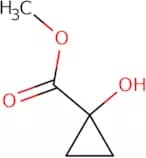
CAS:<p>1-Hydroxycyclopropanecarboxylic acid methyl ester is a potent inhibitor of phosphorylation. It binds to the ATP and ADP molecules, preventing them from binding to the <br>phosphoryl transferase enzyme. This inhibits the phosphorylation of glucose, leading to an accumulation of phosphoglycolate and pyruvate in cells. 1-Hydroxycyclopropanecarboxylic acid methyl ester has been shown to be a potent inhibitor of cyclopropane-fatty acid synthase, which is involved in synthesis of fatty acids for energy storage. The diethyl succinate derivative is also known as ethylene dibromide. Condensation reactions between this compound and carboxylic acids produce diethyl succinates that are used as plasticizers in polymers such as polyvinyl chloride (PVC).</p>Formula:C5H8O3Purity:Min. 95%Molecular weight:116.12 g/moltrans-Aconitic acid
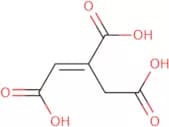
CAS:<p>Trans-aconitic acid is a plant metabolite that can be found in wine, honey, and other foods. It is also produced by the action of yeast on sugars and amino acids. Trans-aconitic acid is used as an analytical reagent in chromatographic analysis due to its high solubility in organic solvents. The biological function of trans-aconitic acid has not yet been determined, but it has been hypothesized that it may be involved in energy metabolism or mitochondrial membrane potential. Trans-aconitic acid binds to nuclear DNA, which could play a role in gene expression or transcriptional regulation. It also inhibits the activity of enzymes such as p-hydroxybenzoic acid form (PHBA) and zirconium oxide (ZrO). Trans-aconitic acid has been shown to inhibit the enzyme form of PHBA with an IC50 value of 0.5 mM.</p>Formula:C6H6O6Purity:Min. 95 Area-%Color and Shape:PowderMolecular weight:174.11 g/mol4-Amino-2-fluorobenzoic acid
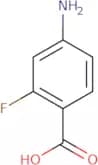
CAS:<p>4-Amino-2-fluorobenzoic acid is a potent inhibitor of formylating enzymes, such as carbonyl reductase and amino acid formyltransferase. It has been shown to be an effective inhibitor of cancer cells in vivo and inhibits the growth of prostate cancer cells. This compound has also been shown to inhibit nitro reduction reactions, which are involved in the carcinogenic process. 4-Amino-2-fluorobenzoic acid reacts with chloride ions to produce a functional group that can react with carbon nanotubes, making it a candidate for use in cancer therapy.</p>Formula:C7H6FNO2Purity:Min. 95%Color and Shape:SolidMolecular weight:155.13 g/molFluticasone 17b-carboxylic acid
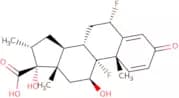
CAS:Controlled Product<p>Fluticasone 17b-carboxylic acid is a high quality reagent that is a useful intermediate for the synthesis of complex compounds. It can also be used as a fine chemical and research chemical. Fluticasone 17b-carboxylic acid is an important building block for the synthesis of speciality chemicals, such as anti-inflammatory drugs, and has been used in the synthesis of various other compounds. The versatility of fluticasone 17b-carboxylic acid makes it a valuable scaffold for the design and synthesis of new compounds.</p>Formula:C21H26F2O5Purity:Min. 95%Color and Shape:White PowderMolecular weight:396.42 g/mol3-Bromophenylacetic acid
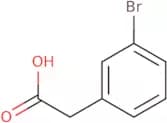
CAS:<p>3-Bromophenylacetic acid is a metabolic disorder that belongs to the group of substances that have hydrogen bond. It is a receptor binding substance and can be used as an analog. 3-Bromophenylacetic acid has been shown to inhibit the CB1 receptor, which is involved in the regulation of appetite and pain perception. This compound has also been shown to have an inhibitory effect on cb1 receptor, which may be due to its ability to act as a solute in vitro. 3-Bromophenylacetic acid has been shown to be an efficient method for phase liquid chromatography when it is combined with proton exchange resin and solutes.</p>Formula:C8H7BrO2Purity:Min. 95%Color and Shape:PowderMolecular weight:215.04 g/molLipoic acid, reduced
CAS:<p>Lipoic acid, reduced (LAR) is a naturally occurring compound that is found in many living organisms. It has been used to study the mechanisms of DNA binding and protein oxidation. Lipoic acid, reduced has been shown to have anti-inflammatory properties by inhibiting the production of prostaglandins. The rate constant for LAR is 10-3 M-1s-1 at 25°C and pH 7.0, which can be measured using a polymer composition method. This compound also has an optical sensor and chemiluminescence method that are able to measure the rate constant and determine its concentration.</p>Formula:C8H16O2S2Purity:Min. 95%Color and Shape:PowderMolecular weight:208.34 g/mol6-Acetyl-7-methylpyrazolo[1,5-α]pyrimidine-3-carboxylic acid
CAS:<p>The 6-Acetyl-7-methylpyrazolo[1,5-α]pyrimidine-3-carboxylic acid is a fine chemical that belongs to the group of speciality chemicals. It is an intermediate that can be used in research or as a building block for more complex compounds. This compound has been shown to have many useful properties, including its versatility as a scaffold and its ability to react with other compounds. The 6-Acetyl-7-methylpyrazolo[1,5-α]pyrimidine-3-carboxylic acid is also considered high quality and can be used in reactions related to the production of pharmaceuticals, agrochemicals, polymers and dyes.</p>Formula:C10H9N3O3Purity:Min. 95%Color and Shape:PowderMolecular weight:219.2 g/mol4-Chloro-3-hydroxybenzoic acid methyl ester
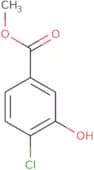
CAS:<p>4-Chloro-3-hydroxybenzoic acid methyl ester is a high quality, versatile building block that can react as a reagent to form complex compounds. It is also used as an intermediate in the synthesis of other fine chemicals. 4-Chloro-3-hydroxybenzoic acid methyl ester is a useful scaffold for chemical research and has been shown to be a speciality chemical with many uses. This compound is also useful as an intermediate in the synthesis of other fine chemicals, such as pharmaceuticals or agrochemicals.</p>Formula:C8H7ClO3Purity:Min. 98%Color and Shape:White PowderMolecular weight:186.59 g/mol4-Ethylbenzoic acid
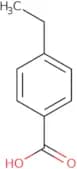
CAS:<p>4-Ethylbenzoic acid is a fatty acid that can be found in human and animal cells. It is an important intermediate for the synthesis of phenolic acids and it has been shown to have physiological effects on yeast. 4-Ethylbenzoic acid binds to bacterial enzymes, such as acylation reactions, which are involved in energy production. This binding prevents the enzyme from completing its reaction and leads to a decrease in energy production. Acylation reactions are also used by bacteria to produce biofilms, which can lead to chronic infections. The redox potential of 4-ethylbenzoic acid makes it suitable for wastewater treatment because it reacts with hydroxyl ions and reduces their concentration, causing wastewater to become less toxic. The second order rate constant of 4-ethylbenzoic acid was measured using magnetic resonance spectroscopy and structural analysis techniques.</p>Formula:C9H10O2Purity:Min. 95%Color and Shape:PowderMolecular weight:150.17 g/mol17α-Hydroxypregnenolone 3,17-diacetate
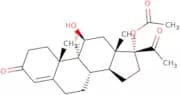
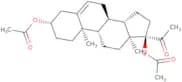
CAS:Controlled Product<p>17alpha-Hydroxypregnenolone 3,17-diacetate is a fine chemical that can be used as a versatile building block in the synthesis of complex compounds. It is typically used as a reagent or speciality chemical for research purposes, but it also has applications in the production of pharmaceuticals, cosmetics, and other products. This compound has been shown to have high purity and is an excellent reaction component for the synthesis of new scaffolds.</p>Formula:C25H36O5Purity:Min. 95%Color and Shape:PowderMolecular weight:416.55 g/molGinkgolic acid (C17:1)
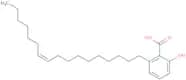
CAS:<p>Ginkgolic acid is a monomer of the ginkgolides, which are antimicrobial agents. It is an analytical method for detecting the concentration of ginkgolic acid in a sample. Ginkgolic acid has been shown to cause genotoxic potential in vitro and its use as a medicine should be limited. Ginkgolic acid may also inhibit organic anion transporters as well as organic acids such as chlorogenic acids and 1,3-dicaffeoylquinic acid. Ginkgo extract contains high concentrations of ginkgolic acid, which can be reduced by removing alcohol residues from the extract through distillation or boiling.</p>Formula:C24H38O3Purity:Min. 95 Area-%Color and Shape:White PowderMolecular weight:374.56 g/molGhrelin (human) trifluoroacetate
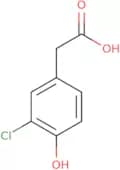
CAS:<p>Ghrelin is a peptide hormone that is produced by cells in the stomach, but is also found in other tissues and organs. It regulates appetite and plays a role in glucose metabolism and energy homeostasis. Ghrelin is synthesized as a preprohormone with a molecular weight of 3,500 daltons. The trifluoroacetate salt has been shown to be useful as a building block for complex compounds with properties such as high purity, excellent solubility, and good stability.</p>Formula:C149H249N47O42•C2HF3O2Purity:Min. 95%Color and Shape:White/Off-White SolidMolecular weight:3,484.89 g/mol3-Chloro-4-hydroxyphenylacetic acid.
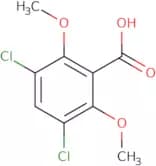
CAS:<p>3-Chloro-4-hydroxyphenylacetic acid is an organic compound that has a chemical structure that includes a phenyl group substituted with a chlorine atom. 3-Chloro-4-hydroxyphenylacetic acid is an intermediate in the synthesis of many drugs, and it is used to make the monosodium salt, which is a common form of this drug. 3-Chloro-4-hydroxyphenylacetic acid is one of the chemicals that has been shown to have physiological effects on humans and other animals. The most notable effect for humans is that it can be converted into cancerous cells by radiation. In addition, 3-chloro-4-hydroxyphenylacetic acid has been shown to have chemotherapeutic properties against prostate cancer cells and infectious diseases such as HIV and herpes simplex virus type 1 (HSV1). This chemical also exhibits immunomodulatory properties when administered system</p>Formula:C8H7ClO3Purity:Min. 98%Color and Shape:PowderMolecular weight:186.59 g/mol3,5-Dichloro-2,6-dimethoxybenzoic acid
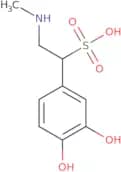
CAS:<p>3,5-Dichloro-2,6-dimethoxybenzoic acid (3,5-DCMB) is a drug that binds to the dopamine transporter. It is used as a radioligand in studies of the pharmacological and biochemical properties of the dopamine transporter. 3,5-DCMB has also been shown to bind to plasma proteins and membranes with an affinity that depends on its physicochemical properties. The drug has been used clinically in the treatment of Parkinson's disease, but it is not active against other diseases such as depression or schizophrenia. 3,5-DCMB is one of two enantiomers of dichloroethylbenzoic acid; it is an ethylene transport inhibitor and can be converted into ethylene oxide via reduction by alcohol dehydrogenase.</p>Formula:C9H8Cl2O4Purity:Min. 95%Color and Shape:PowderMolecular weight:251.06 g/molEpinephrine sulfonic acid
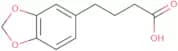
CAS:<p>Epinephrine sulfonic acid is a drug that can be used to treat low blood pressure. It is a solution of epinephrine in water and propantheline, which helps to control the effects of the drug. Epinephrine sulfonic acid should not be used for more than a few days because it may cause the body to become dependent on it. The drug should be injected in the arm or thigh, not into a vein. The injection site should be cleaned before injecting. A person with heart disease or high blood pressure should use caution when using this drug as it may have an adverse effect on them. There are many impurities found in epinephrine sulfonic acid, including p-hydroxybenzoic acid and hydration.</p>Formula:C9H13NO5SPurity:Min. 95 Area-%Color and Shape:White PowderMolecular weight:247.27 g/mol5-Butanoic acid 1,3-benzodioxole
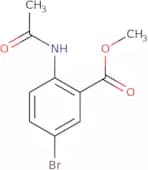
CAS:Controlled Product<p>5-Butanoic acid 1,3-benzodioxole is a chemical compound that has been used as a versatile building block in organic synthesis. It is also an intermediate in the production of pharmaceuticals and other chemicals. 5-Butanoic acid 1,3-benzodioxole is classified as a useful scaffold for the synthesis of complex compounds. This chemical can be used to produce high quality reagents and research chemicals. 5-Butanoic acid 1,3-benzodioxole has not been evaluated by the FDA for safety or efficacy.</p>Formula:C11H12O4Purity:Min. 95%Color and Shape:PowderMolecular weight:208.21 g/mol2-Acetamido-5-bromobenzoic acid methyl ester
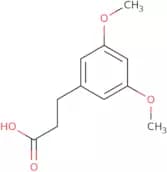
CAS:<p>2-Acetamido-5-bromobenzoic acid methyl ester is a mixture of compounds that is used as a pharmaceutical ingredient. It has been shown to be effective in treating diarrhea and dysentery, as well as being effective against certain bacteria such as Clostridium difficile. 2-Acetamido-5-bromobenzoic acid methyl ester was developed from the systematic study of a series of mixed compounds. The elution profile of this compound can be correlated with the elution profile of other compounds to determine whether the compound is present in the sample. The solvent system for this compound is heptane</p>Formula:C10H10BrNO3Purity:Min. 95%Color and Shape:PowderMolecular weight:272.1 g/mol3-(3,5-Dimethoxyphenyl)propionic acid
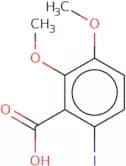
CAS:<p>3-(3,5-Dimethoxyphenyl)propionic acid is a metabolite of the drug aminorex that has been found to be a potent cannabinoid receptor agonist. It is an oxygenated analogue of 3,5-dimethoxyamphetamine and is synthesised by demethylation of aminorex followed by alkylation of the resulting 3-(3,5-dimethoxyphenyl)propionyl chloride with methanol. The compound has been found in rat microflora and human intestinal contents.</p>Formula:C11H14O4Purity:Min. 95%Color and Shape:PowderMolecular weight:210.23 g/mol2-Iodo-5,6-dimethoxybenzoic acid
CAS:<p>2-Iodo-5,6-dimethoxybenzoic acid is a reagent that is used in the synthesis of complex compounds and fine chemicals. It has a high quality and is useful as an intermediate or building block for the synthesis of versatile compounds. This chemical can be used in research to create new compounds with special properties. 2-Iodo-5,6-dimethoxybenzoic acid can be used in various reactions to make diverse building blocks or scaffolds that are useful in organic chemistry.</p>Formula:C9H9IO4Purity:Min. 95%Molecular weight:308.07 g/molMethyl 3-amino-6-methylthieno[2,3-b]pyridine-2-carboxylate
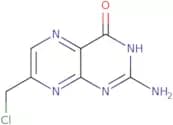
CAS:<p>Please enquire for more information about Methyl 3-amino-6-methylthieno[2,3-b]pyridine-2-carboxylate including the price, delivery time and more detailed product information at the technical inquiry form on this page</p>Formula:C10H10N2O2SPurity:Min. 95%Molecular weight:222.27 g/molHeptafluorobutyric acid
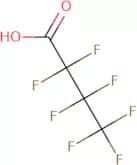
CAS:<p>Heptafluorobutyric acid is an organic compound that belongs to the group of sodium salts. It is a colorless liquid with a boiling point of -19°C. Heptafluorobutyric acid has been shown to inhibit the growth of bacteria by reacting with hydrogen fluoride and forming fluoroheptafluoropropane, which may have toxicological effects on humans. Heptafluorobutyric acid is also used as an analytical method for determining plasma mass spectrometry in human serum samples and wastewater treatment. The toxicity of heptafluorobutyric acid has been studied in rats and mice, where it was found to cause locomotor activity depression and neurotoxic effects at high doses.</p>Formula:C4HF7O2Color and Shape:Clear LiquidMolecular weight:214.04 g/mol5-Cyano-1H-indole-2-carboxylic acid
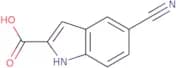
CAS:<p>5-Cyano-1H-indole-2-carboxylic acid is a high quality reagent that is used as an intermediate in the synthesis of complex compounds. It can also be used as a building block for the synthesis of speciality chemicals and research chemicals. The versatile nature of this compound makes it useful as a reaction component in the synthesis of many different types of compounds, including fine chemicals and pharmaceuticals. 5-Cyano-1H-indole-2-carboxylic acid is available commercially with CAS No. 169463-44-9.</p>Formula:C10H6N2O2Purity:Min. 95%Color and Shape:PowderMolecular weight:186.17 g/mol3,5-Diiodothyroacetic acid
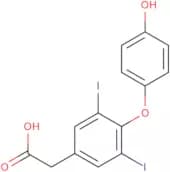
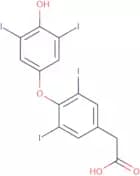
CAS:<p>3,5-Diiodothyroacetic acid is a diphenyl ether that has been shown to have calorigenic activity in rats. This compound inhibits the conversion of thyroxine (T4) to triiodothyronine (T3) by binding to the thyroid hormone receptor and inhibiting the enzyme 3,5-diiodothyroacetic acid deiodinase. It also inhibits the conversion of T4 to reverse T3 by binding to thyroid hormone receptors and competing with thyroxine for nuclear receptors. 3,5-Diiodothyroacetic acid has been shown to be present in human serum and is thought to originate from dietary sources such as soybean products.</p>Formula:C14H10I2O4Purity:Min. 95%Color and Shape:Off-White PowderMolecular weight:496.04 g/molBazedoxifene acetate
CAS:Controlled Product<p>Bazedoxifene acetate is a selective estrogen receptor modulator (SERM) that prevents bone loss and reduces the risk of breast cancer in postmenopausal women. Bazedoxifene acetate has been shown to be safe and effective for the treatment of endometriosis, as it inhibits the growth of uterine tissue outside the uterus. Bazedoxifene acetate also acts on estrogen receptors in breast tissue and may be used to prevent breast cancer.</p>Formula:C32H38N2O5Purity:Min. 95%Color and Shape:White PowderMolecular weight:530.65 g/mol4-(Methylmercapto)benzoic acid
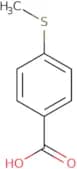
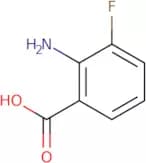
CAS:<p>4-Methylmercapto benzoic acid is a molecule that can be found in urine samples. It is a functional theory that the molecule has UV absorption at wavelengths of 280 nm and is able to bind to metal surfaces. This molecule is also hydroxylated by the enzyme hippuric acid, which binds to it, preventing its excretion in urine. The compound 4-methylmercapto benzoic acid is not present in plants, but it can be synthesized from glucosinolates. 4-Methylmercapto benzoic acid is transported across membranes by passive diffusion and has been shown to have an excretion rate of 0.7% per hour. The solute concentration of human urine is 1 Molar and the solute concentration of plant tissue is 10 Molar.</p>Formula:C8H8O2SPurity:Min. 95%Color and Shape:White PowderMolecular weight:168.21 g/mol2-Amino-3-fluorobenzoic acid
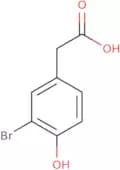
CAS:<p>2-Amino-3-fluorobenzoic acid is a covid-19 pandemic anti-infective agent that has been shown to modulate the nicotinic acetylcholine receptor. It has been shown to be effective in preventing the spread of influenza A (H1N1) and other flu strains, as well as the related H5N1 avian flu. 2-Amino-3-fluorobenzoic acid is an organofluorine compound with a five membered ring and fluorine atom in the para position. 2-Amino-3-fluorobenzoic acid binds to the ligand binding site of the acetylcholine receptor, which is found on nerve cells. The drug competitively inhibits acetylcholine's binding to this site, preventing activation of the receptor and blocking transmission of nerve impulses across synapses. This prevents muscle contraction, leading to paralysis and death from respiratory</p>Formula:C7H6FNO2Purity:Min. 95%Color and Shape:PowderMolecular weight:155.13 g/mol3-Bromo-4-hydroxyphenylacetic acid
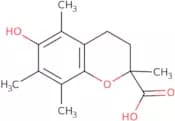
CAS:<p>3-Bromo-4-hydroxyphenylacetic acid is an organic compound that belongs to the class of bromophenols. It can be found in urine samples, and is used as a biomarker for the evaluation of eosinophil peroxidase activity. 3-Bromo-4-hydroxyphenylacetic acid is metabolized through a number of metabolic pathways, including oxidation by hypobromous acid or catalysis by dehalogenase enzymes. This metabolite may also be involved in the pathogenesis of allergic reactions.</p>Formula:C8H7BrO3Purity:Min. 95%Molecular weight:231.04 g/mol6-Hydroxy-2,5,7,8-tetramethylchroman-2-carboxylic acid
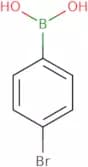
CAS:<p>6-Hydroxy-2,5,7,8-tetramethylchroman-2-carboxylic acid, also called Trolox, is a water-soluble analogue of vitamin E and an antioxidant used in biological or biochemical applications to reduce oxidative stress or damage. It is commonly used as a standard or positive control in antioxidant assays.</p>Formula:C14H18O4Purity:Min. 98 Area-%Color and Shape:PowderMolecular weight:250.29 g/mol4-Bromophenylboronic acid
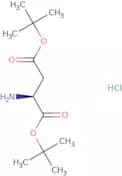
CAS:<p>4-Bromophenylboronic acid is a boronic acid with a basic structure. It has been used to synthesize picolinic acid, which is a water-soluble drug with light emission and anhydrous sodium. 4-Bromophenylboronic acid has been shown to have diagnostic properties because of its ability to enhance the concentration–time curve of sodium salts in human serum. It can also be used as an asymmetric synthesis agent for the production of fatty acids.</p>Formula:C6H6BBrO2Purity:Min. 97.5 Area-%Color and Shape:PowderMolecular weight:200.83 g/molL-Aspartic acid di-tert-butyl ester HCl
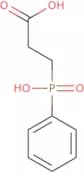
CAS:<p>L-Aspartic acid di-tert-butyl ester HCl is a water-soluble drug with an acidic pH. It is used in the form of its hydrochloride, tartrate, and L-aspartic acid derivative. The drug is used to treat bone tumor diseases and has been shown to inhibit the production of necrosis factor.</p>Formula:C12H23NO4·HClPurity:Min. 95%Color and Shape:White PowderMolecular weight:281.78 g/mol2-Carboxyethyl phenyl phosphinic acid
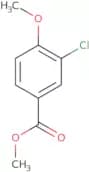
CAS:<p>2-Carboxyethyl phenyl phosphinic acid is a glycol ester that is used as a retardant and chlorine scavenger in the production of polyvinyl chloride. It reacts with metal ions to form insoluble metal salts, which prevents the formation of bubbles in the polymer film. 2-Carboxyethyl phenyl phosphinic acid has been shown to be soluble in aqueous media at pH values less than 7. When it is dissolved in water, it interacts with other substances to form complexes, such as solubility data, experimental solubility data, and solubility data. The average particle diameter of this compound is approximately 1 nm.</p>Formula:C9H11O4PPurity:Min. 95%Color and Shape:White PowderMolecular weight:214.16 g/mol3-Chloro-4-methoxybenzoic acid methyl ester
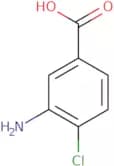
CAS:<p>3-Chloro-4-methoxybenzoic acid methyl ester is a potent antiproliferative agent that inhibits the growth of cancer cells and bacteria. It is an amide, which has been synthesized by equilibration between two equivalents of 3-chlorobenzoic acid and methylamine. The copulatory proton profile for this compound has been determined using liquid chromatography with mass spectrometry detection (LCMS). This compound is also a weak inhibitor of tyrosine kinases, but is more potent as an inhibitor of protein kinase C. Sorafenib and dasatinib are examples of compounds that have been shown to be linked to this drug. 3-Chloro-4-methoxybenzoic acid methyl ester can induce the production of TNF-α in thp-1 cells at micromolar concentrations.</p>Formula:C9H9ClO3Purity:Min. 95%Color and Shape:PowderMolecular weight:200.62 g/mol3-Amino-4-chlorobenzoic acid
CAS:<p>3-Amino-4-chlorobenzoic acid is a diacid that has been shown to have strong steric interactions with manumycin and fibrinogen, which are proteins found in the human body. 3-Amino-4-chlorobenzoic acid has a carboxylate group at one end of the molecule, which can coordinate to metal ions such as chloride. The other end of the molecule contains a hydrogen atom that can form hydrogen bonds with other molecules. 3-Amino-4-chlorobenzoic acid can be synthesized by reacting 2 moles of chloroacetyl chloride with an amino acid.</p>Formula:C7H6ClNO2Purity:Min. 95%Color and Shape:PowderMolecular weight:171.58 g/molAc-Gly-Lys-OMe acetate
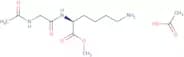
CAS:Controlled Product<p>Ac-Gly-Lys-OMe acetate salt is a reactive chemical compound that is used in the synthesis of peptides. This salt is synthesized by reacting glycine with lysine and formaldehyde. Ac-Gly-Lys-OMe acetate salt has been shown to have hemolytic activity and can be used as a synthetic substrate for kinetic studies. It has also been found to activate complement, which may be due to its disulfide bond formation. Ac-Gly-Lys-OMe acetate salt has been shown to inhibit fibrinogen and nitrosylation, which may result in thrombotic disorders.</p>Formula:C11H21N3O4•C2H4O2Purity:Min. 95%Color and Shape:PowderMolecular weight:319.35 g/molEthyl 2-bromo-4-methylthiazole-5-carboxylate
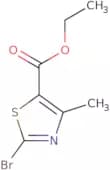
CAS:<p>Ethyl 2-bromo-4-methylthiazole-5-carboxylate is an organic compound that is used as a catalyst in the bromination of organic compounds. The brominating agent (Br) is bonded to the ethyl ester through its Br atom, which has a Lewis acidity greater than that of the methyl ester. This makes it a better electrophile and allows it to react with electron rich groups on other molecules more readily. Ethyl 2-bromo-4-methylthiazole-5-carboxylate can also be used as a brominating agent in the production of ethyl bromide from alcohols and phenols.</p>Formula:C7H8BrNO2SPurity:Min. 95%Molecular weight:250.11 g/mol4-Oxo-1,4-dihydroquinoline-3-carboxylic acid
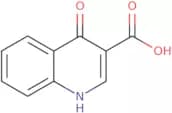
CAS:<p>4-Oxo-1,4-dihydroquinoline-3-carboxylic acid is a synthetic compound that belongs to the class of quinoline derivatives. It has been shown to inhibit HIV infection in vitro by binding to the receptor CD4 on the surface of T cells. 4-Oxo-1,4-dihydroquinoline-3-carboxylic acid has also been shown to be cytotoxic against cancer cells and other human cell lines. Powders of 4-oxo-1,4-dihydroquinoline 3 carboxylic acid have been synthesized by reacting ethyl esters with diphenyl ether in the presence of radiation or ndimethylformamide. This compound was also used as a molecular model for designing new drugs.</p>Formula:C10H7NO3Purity:Min. 98 Area-%Color and Shape:Off-White PowderMolecular weight:189.17 g/molEthyl indole-3-acetate
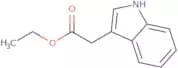
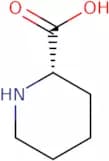
CAS:<p>Ethyl indole-3-acetate (EIA) is a compound that inhibits the growth of certain cancer cells. It belongs to the group of acyl halides. EIA inhibits the synthesis of nucleic acids, proteins and other macromolecules by the cancer cells. It has been shown to be effective in reducing the size of tumors in mice with prostate and breast cancer. This compound also inhibits enzymes such as abscisic acid oxidase, which is responsible for converting abscisic acid into reactive oxygen species. EIA has been shown to have hemolytic activity in human lung tissue, but not ovules or human erythrocytes. This may be due to its ability to inhibit hormone production and cause an increase in progesterone levels.</p>Formula:C12H13NO2Purity:Min. 95%Color and Shape:PowderMolecular weight:203.24 g/molPipecolic acid
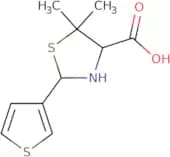
CAS:<p>Pipecolic acid is a metabolite of tryptophan that has been shown to inhibit the proliferation of pluripotent cells in vitro. Pipecolic acid was also shown to have a significant effect on the reaction mechanism of dinucleotide phosphate, which is essential for the synthesis of DNA and RNA. Pipecolic acid can be synthesized from picolinic acid through an amide bond formation. This compound is also found in wild-type strains as well as cancerous and infectious strains of bacteria. Pipecolic acid inhibits bacterial growth by binding to the active site of specific enzymes, such as methionine adenosyltransferase and ribonucleotide reductase, leading to the inhibition of protein synthesis and cell division. It has been shown to inhibit leukemia inhibitory factor (LIF) activity in vitro, suggesting that it may be involved in urinary infections.<br>Pipecolic acid can also be prepared using preparative high-performance liquid chromatography (prepar</p>Formula:C6H11NO2Purity:Min. 95%Color and Shape:White PowderMolecular weight:129.16 g/mol5,5-dimethyl-2-(3-thienyl)-1,3-thiazolidine-4-carboxylic acid
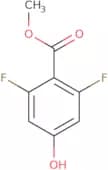
CAS:<p>Please enquire for more information about 5,5-dimethyl-2-(3-thienyl)-1,3-thiazolidine-4-carboxylic acid including the price, delivery time and more detailed product information at the technical inquiry form on this page</p>Purity:Min. 95%2,6-Difluoro-4-hydroxybenzoic acid methyl ester
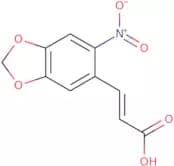
CAS:<p>2,6-Difluoro-4-hydroxybenzoic acid methyl ester is an inhibitor of monoamine oxidase (MAO). It inhibits the oxidation of monoamines such as norepinephrine and serotonin. The inhibition of MAO leads to increase in norepinephrine levels and decrease in serotonin levels. 2,6-Difluoro-4-hydroxybenzoic acid methyl ester has been shown to have antidepressant effects. This drug has also been shown to be effective for treating intraocular hypertension, by inhibiting the formation rate of aqueous humor and lowering intraocular pressure.</p>Formula:C8H6F2O3Purity:Min. 95%Color and Shape:PowderMolecular weight:188.13 g/mol3,4-(Methylenedioxy)-6-nitrocinnamic acid
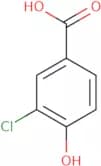
CAS:<p>3,4-(Methylenedioxy)-6-nitrocinnamic acid is a cytotoxic molecule that inhibits the growth of cells by interfering with the synthesis of proteins. It binds to DNA and prevents the transcription process from occurring. This molecule has been shown to inhibit endoplasmic reticulum and Golgi apparatus functions in plant cells. 3,4-(Methylenedioxy)-6-nitrocinnamic acid has also been used as a polymerization agent for polyacrylamide gels. A number of modifications have been made to this molecule in order to increase its effectiveness, such as methyl esterification and mutagenesis. This compound has also been shown to enhance Taxol's anti-cancer effects on cell cultures.</p>Formula:C10H7NO6Purity:Min. 90%Color and Shape:White PowderMolecular weight:237.17 g/mol3-Chloro-4-hydroxybenzoic acid hemihydrate
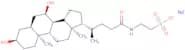
CAS:<p>3-Chloro-4-hydroxybenzoic acid hemihydrate is an analog of forskolin that is used in cancer research. It has been shown to inhibit the growth of lung cancer cells, which may be due to its ability to activate protein kinase A and phosphatase enzymes. 3-Chloro-4-hydroxybenzoic acid hemihydrate is being studied as a potential treatment for multiple sclerosis and other autoimmune disorders, although it has not yet been approved for these conditions. This drug inhibits the proliferation of tumor suppressor protein p53 and reverses the effects of a synthetic form of fty720 on the activation of the p38 mitogen activated protein kinase.</p>Formula:C7H5ClO3·H2OPurity:Min. 98 Area-%Color and Shape:PowderMolecular weight:363.15 g/molTaurochenodeoxycholic acid sodium
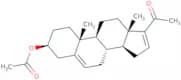
CAS:<p>Taurochenodeoxycholic acid sodium is a bile acid derivative, which is naturally sourced from the bile of mammals. It is synthesized by conjugating chenodeoxycholic acid with taurine, resulting in its sodium salt form. The primary mode of action of taurochenodeoxycholic acid sodium involves its role in the emulsification and absorption of dietary fats and fat-soluble vitamins in the intestines. Additionally, it acts on the liver, where it enhances bile flow and exhibits hepatoprotective properties by modulating bile acid composition and reducing cytotoxicity.</p>Formula:C26H45NO6S•NaPurity:Min. 95%Color and Shape:PowderMolecular weight:522.7 g/mol16-Dehydropregnenolone acetate
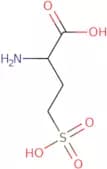
CAS:Controlled Product<p>16-Dehydropregnenolone acetate is a synthetic compound that can be used in wastewater treatment. It reacts with phosphorus pentoxide to form an insoluble solid product. 16-Dehydropregnenolone acetate has been shown to inhibit the growth of human prostate cancer cells and breast cancer cells in vitro and in vivo. 16-Dehydropregnenolone acetate is also a specific agonist for the progesterone receptor, which may be due to its ability to bind to the stereospecific (S) binding site on this receptor. The optimum concentration for 16-dehydropregnanediol is 10 mM and it requires the presence of phosphotungstic acid for maximum activity. This substance has biological properties that are similar to those of natural progesterones, but it does not have any estrogenic properties.</p>Formula:C23H32O3Purity:Min. 95%Color and Shape:PowderMolecular weight:356.5 g/molDL-Homocysteic acid
CAS:<p>DL-Homocysteic acid is a polymer with the chemical formula of CH(CH)COOH. It is a metal chelate that has minimal toxicity and is used in the treatment of bowel disease. DL-Homocysteic acid is also used in biological samples to detect covalent linkages and receptor activity. In addition, this compound can be used as an experimental model for oxidative injury and enzyme activities.</p>Formula:C4H9NO5SPurity:Min. 97 Area-%Color and Shape:PowderMolecular weight:183.18 g/molFolic acid impurity F
CAS:<p>Folic acid impurity F is a byproduct of the condensation reaction between folic acid and formaldehyde. This impurity is found in synthetic folic acid and is also present in small amounts in natural folates. It has been shown to be an antioxidant that can prevent the oxidation of vitamin B12, which can lead to cell damage. Folic acid impurity F can be isolated from a chromatographic column using acidic conditions, then hydrolyzed with dilute hydrochloric acid or sodium hydroxide to produce the desired product.</p>Formula:C7H6ClN5OPurity:Min. 95%Molecular weight:211.61 g/mol3,5,3',5'-Tetraiodothyroacetic acid
CAS:<p>3,5,3',5'-Tetraiodothyroacetic acid (T4) is a thyroid hormone that can be found in the blood and has been shown to have angiogenic properties. T4 has been shown to bind to integrin receptors on endothelial cells and stimulate the proliferation of these cells. This hormone also has pro-apoptotic activity, inducing programmed cell death in cancer cells. T4 is used as a model system for studying the molecular pathogenesis of thyroid cancer. T4 is also able to inhibit DNA polymerase activity, which may be responsible for its ability to inhibit tumor growth.</p>Formula:C14H8I4O4Purity:Min. 95%Color and Shape:White PowderMolecular weight:747.83 g/molFlugestone 17-acetate
CAS:Controlled Product<p>Flugestone 17-acetate is a synthetic hormone that is used in the treatment of inflammatory bowel disease, as well as other inflammatory diseases. Flugestone 17-acetate is a prodrug of estradiol benzoate, which binds to the estrogen receptors in target tissues. It has been shown to be effective in treating infertility and metabolic disorders. Flugestone 17-acetate is also used to treat ovarian activity, such as estrus and fertility, and can be used for the prevention of autoimmune diseases such as chorionic or follicular growth.</p>Formula:C23H31FO5Purity:Min. 95%Color and Shape:White Yellow PowderMolecular weight:406.49 g/molGualicol sulfonic acid potassium salt
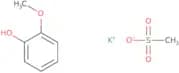
CAS:<p>Gualicol sulfonic acid potassium salt is a potassium salt that has expectorant properties. It can be used for the treatment of respiratory conditions such as bronchitis and asthma. Gualicol sulfonic acid potassium salt is used to treat coughs and other symptoms of respiratory infections, such as bronchitis and asthma. The drug is administered by mouth in tablet form.</p>Formula:C7H7KO5SPurity:Min. 95%Color and Shape:PowderMolecular weight:242.29 g/mol3-Chlorophenyl-3-propanoic acid
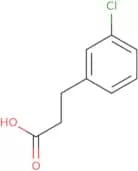
CAS:<p>3-Chlorophenyl-3-propanoic acid is an organic compound that is used in the synthesis of a variety of drugs, including analgesics and antibacterials. It is synthesized by reacting chlorides with alcohols. 3-Chlorophenyl-3-propanoic acid acts as a surfactant, which reduces surface tension between two liquids or between a liquid and a solid. It can also be used as an intermediate in the synthesis of other drugs. 3-Chlorophenyl-3-propanoic acid has been shown to have antibacterial properties mediated by its ability to inhibit the enzymes responsible for bacterial fatty acid synthesis. It may have neuroprotective effects, which are due to its inhibition of acetylcholinesterase (AChE) and carboxylesterase (CES). 3-Chlorophenyl-3-propanoic acid also has analgesic properties through its ability to inhibit lipases and monoamine</p>Formula:C9H9ClO2Purity:Min. 95%Color and Shape:PowderMolecular weight:184.62 g/mol

![[1,1'-Bicyclohexyl]-1-carboxylic acid](/_next/image/?url=https%3A%2Fstatic.cymitquimica.com%2Fproducts%2F3D%2Fthumb-webp%2FFB139039.webp&w=3840&q=75)

![1-[[6-(2,5-Dihydro-2,5-dioxo-1H-pyrrol-1-yl)-1-oxohexyl]oxy]-2,5-dioxo-3-pyrrolidinesulfonic acid …](/_next/image/?url=https%3A%2Fstatic.cymitquimica.com%2Fproducts%2F3D%2Fthumb-webp%2FFD24987.webp&w=3840&q=75)



![6-Acetyl-7-methylpyrazolo[1,5-α]pyrimidine-3-carboxylic acid](/_next/image/?url=https%3A%2Fstatic.cymitquimica.com%2Fproducts%2F3D%2Fthumb-webp%2FFA119841.webp&w=3840&q=75)
![Methyl 3-amino-6-methylthieno[2,3-b]pyridine-2-carboxylate](/_next/image/?url=https%3A%2Fstatic.cymitquimica.com%2Fproducts%2F3D%2Fthumb-webp%2FFM142163.webp&w=3840&q=75)